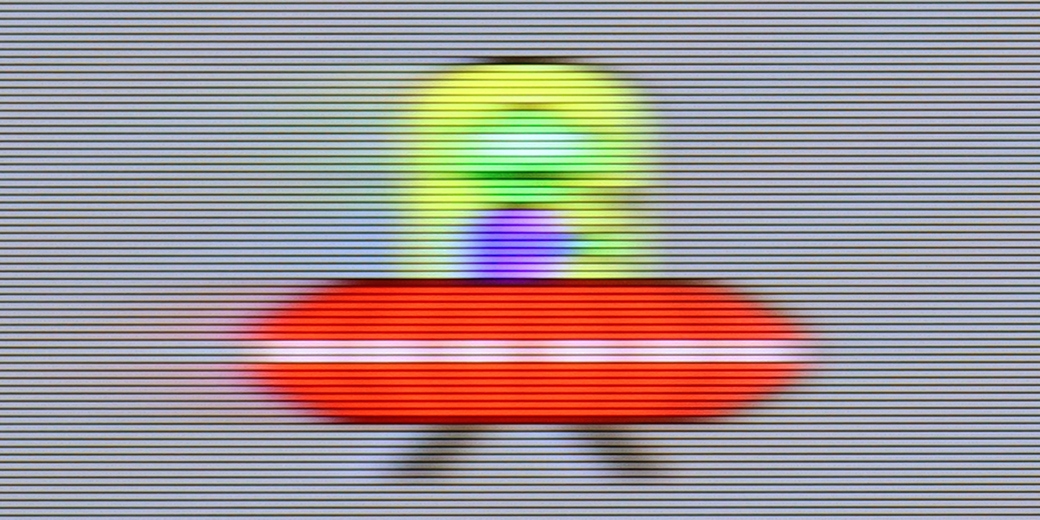
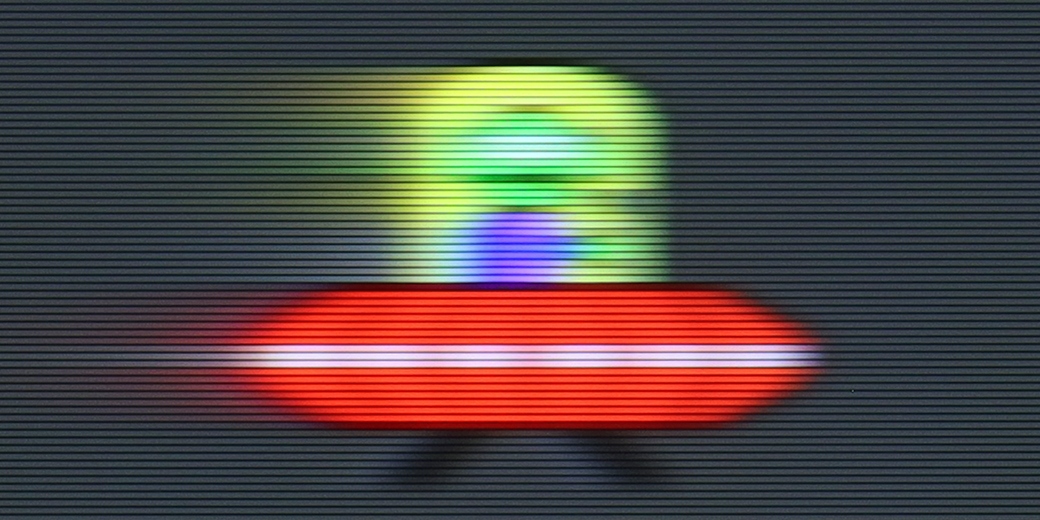
When playing on the console, the LG NANO82T offers several features that can enhance the gaming experience, though it also has some limitations. Notably, the ALLM (Auto Low Latency Mode) feature stands out, automatically adjusting picture settings to switch the television to low latency mode, which is especially beneficial for gamers requiring quick reactions. Another advantage is the support for HGiG (HDR Gaming Interest Group), ensuring HDR games are displayed as intended by the creators and providing vibrant and realistic visuals. These features contribute to a solid gaming experience, but there are some drawbacks, particularly in fast-paced scenes.
The LG NANO82T has limitations when it comes to advanced gaming features. It lacks support for variable refresh rate (VRR), which affects gameplay smoothness, especially in more dynamic games. The TV's 60Hz panel restricts the ability to use higher refresh rates, a significant downside for gamers seeking smoother gameplay at higher resolutions. Additionally, the absence of G-Sync technology limits image synchronisation, potentially leading to tearing and stuttering during gameplay.
These limitations mean that while the LG NANO82T offers a good gaming experience for casual gamers, it may not meet the expectations of more demanding players seeking advanced features and maximum image fluidity.
These shortcomings may mean that the LG NANO82T does not meet the expectations of the most demanding gamers looking for advanced features and the highest image fluidity.
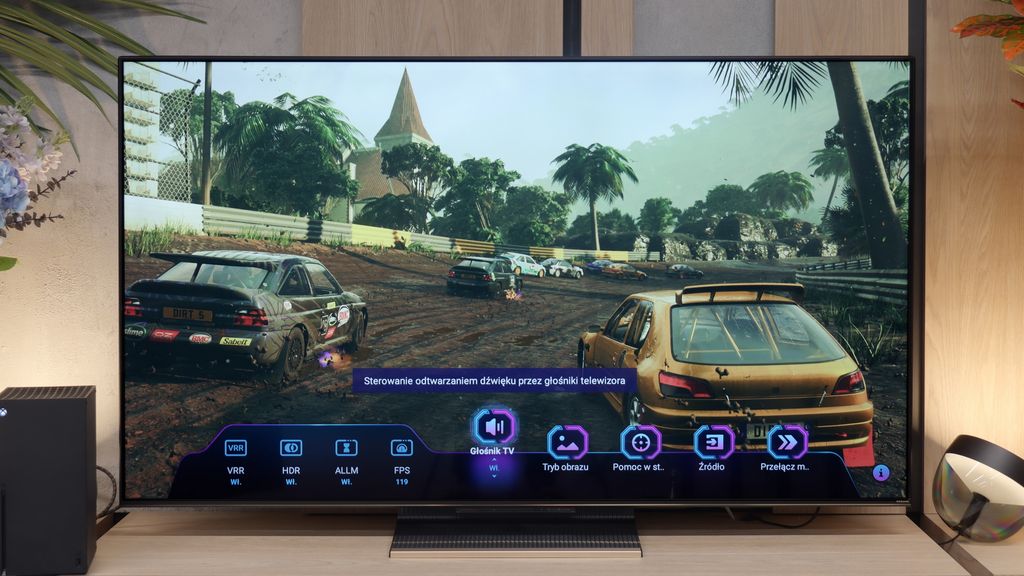
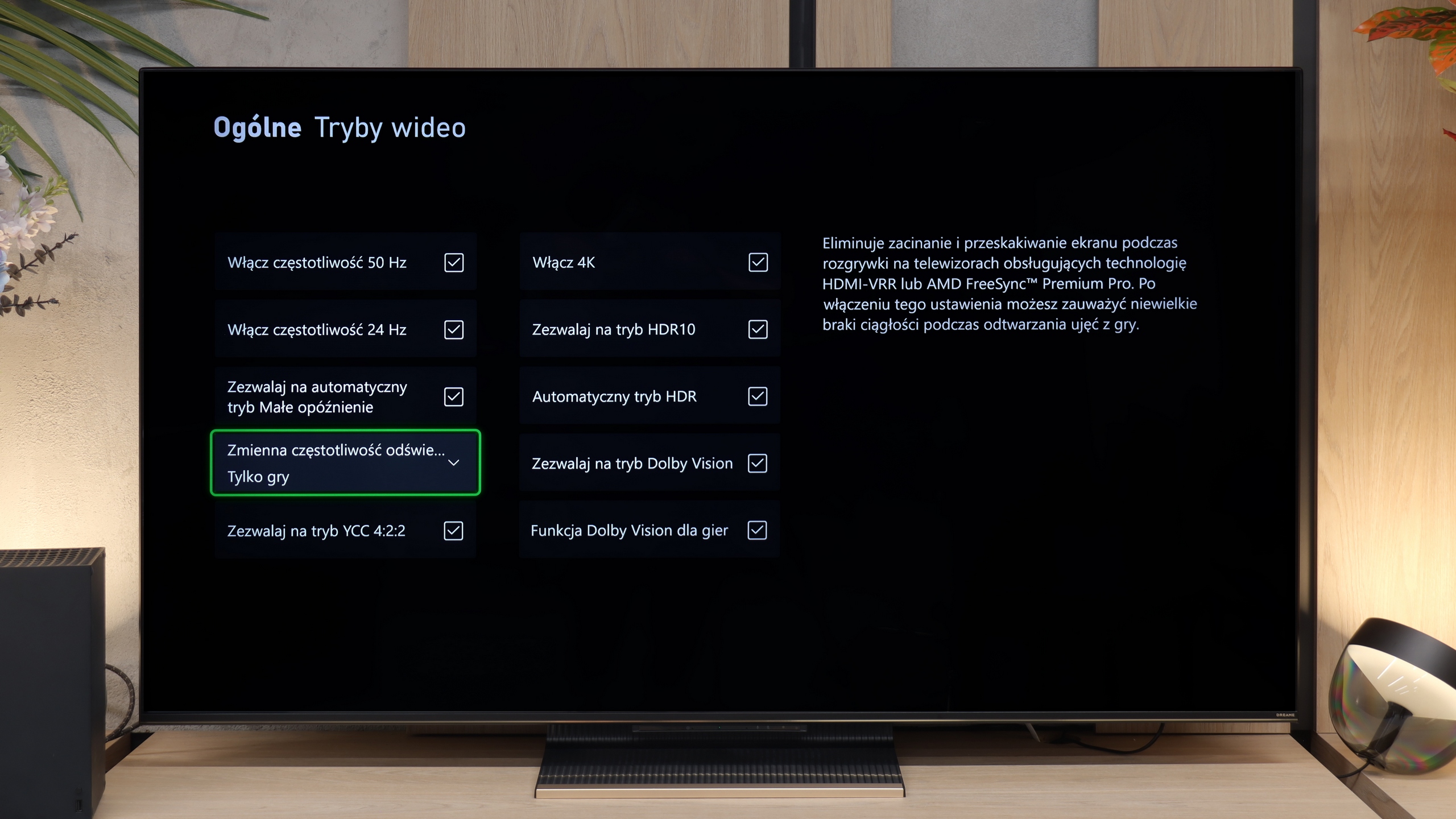
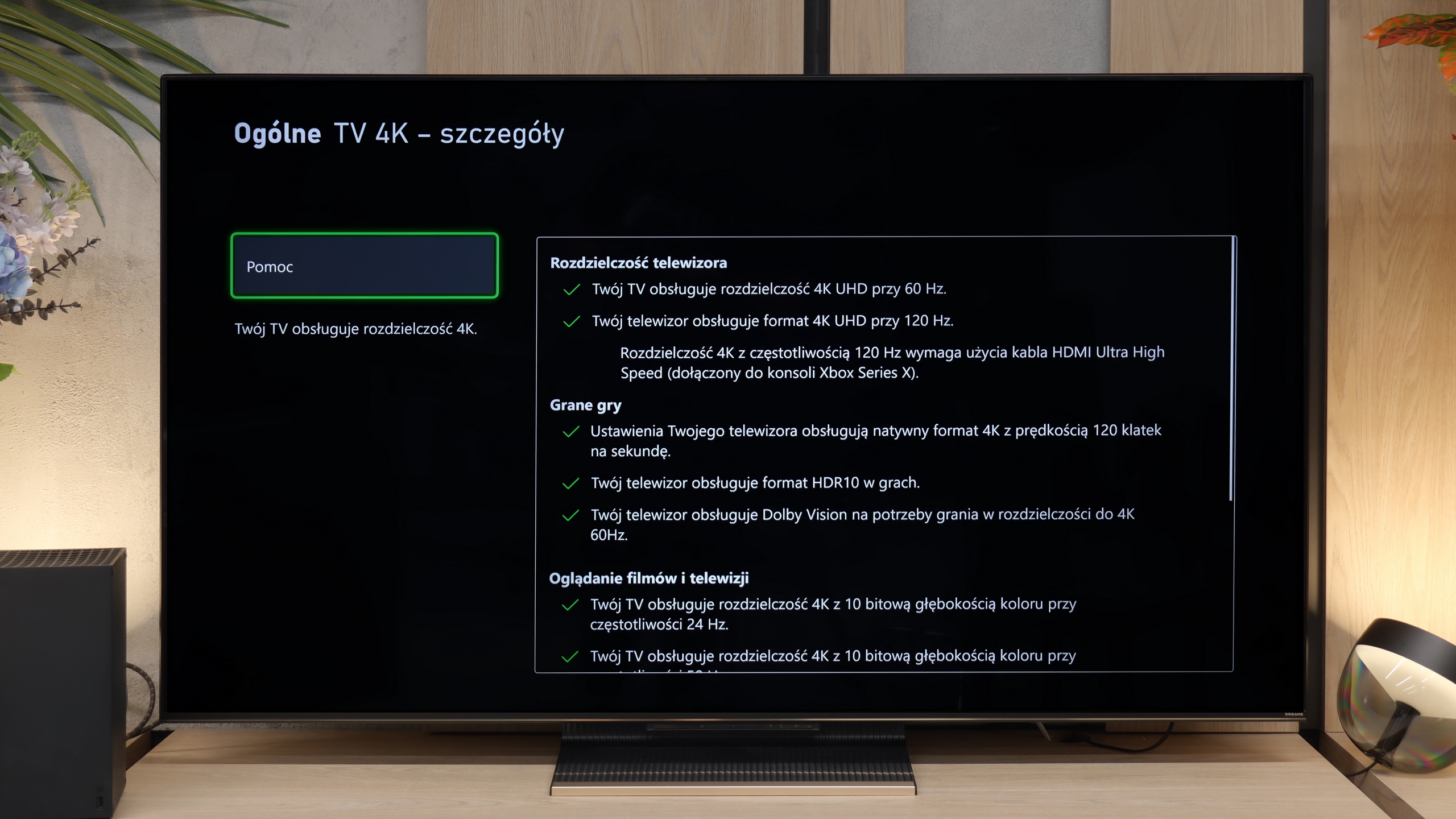
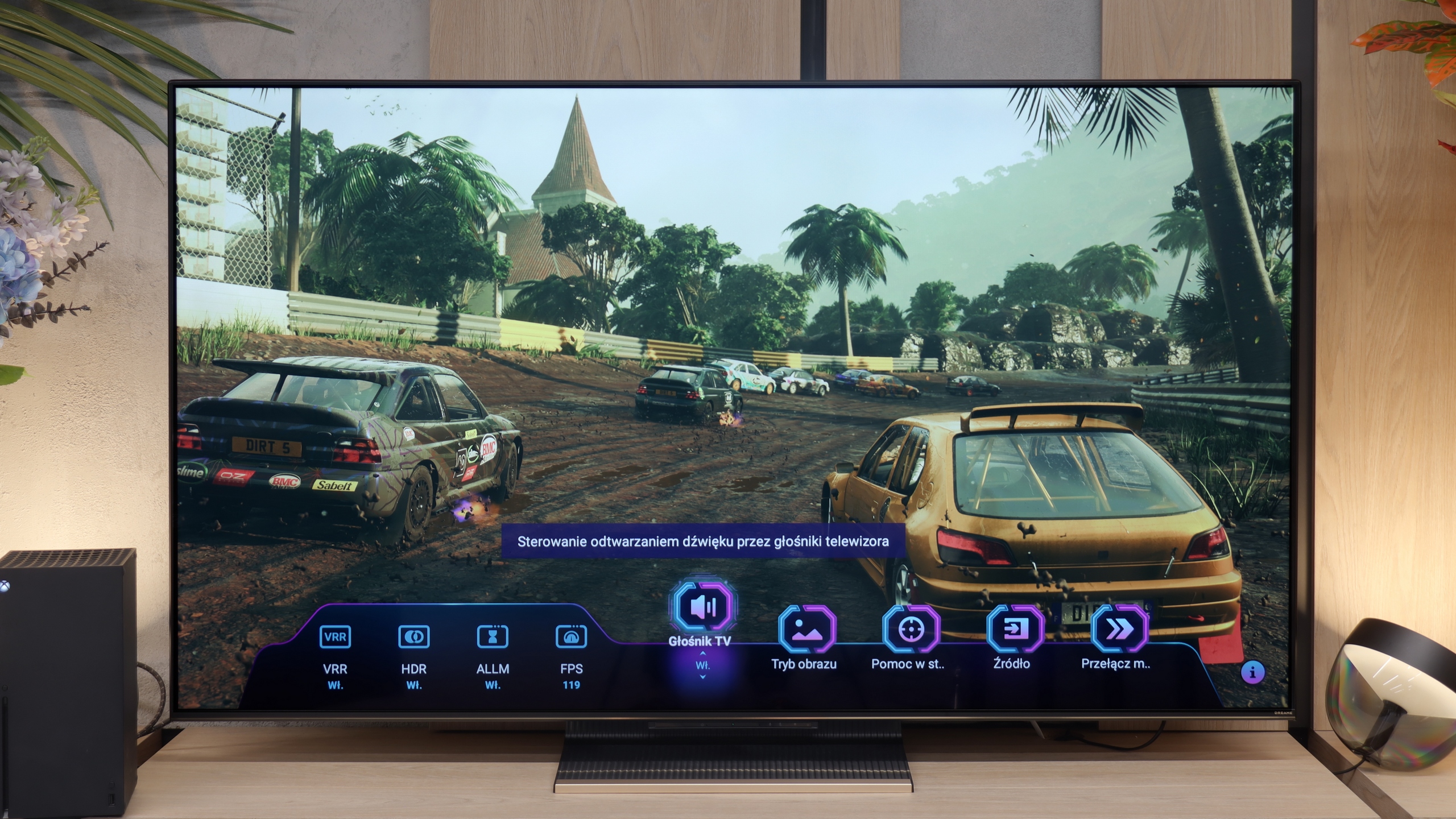
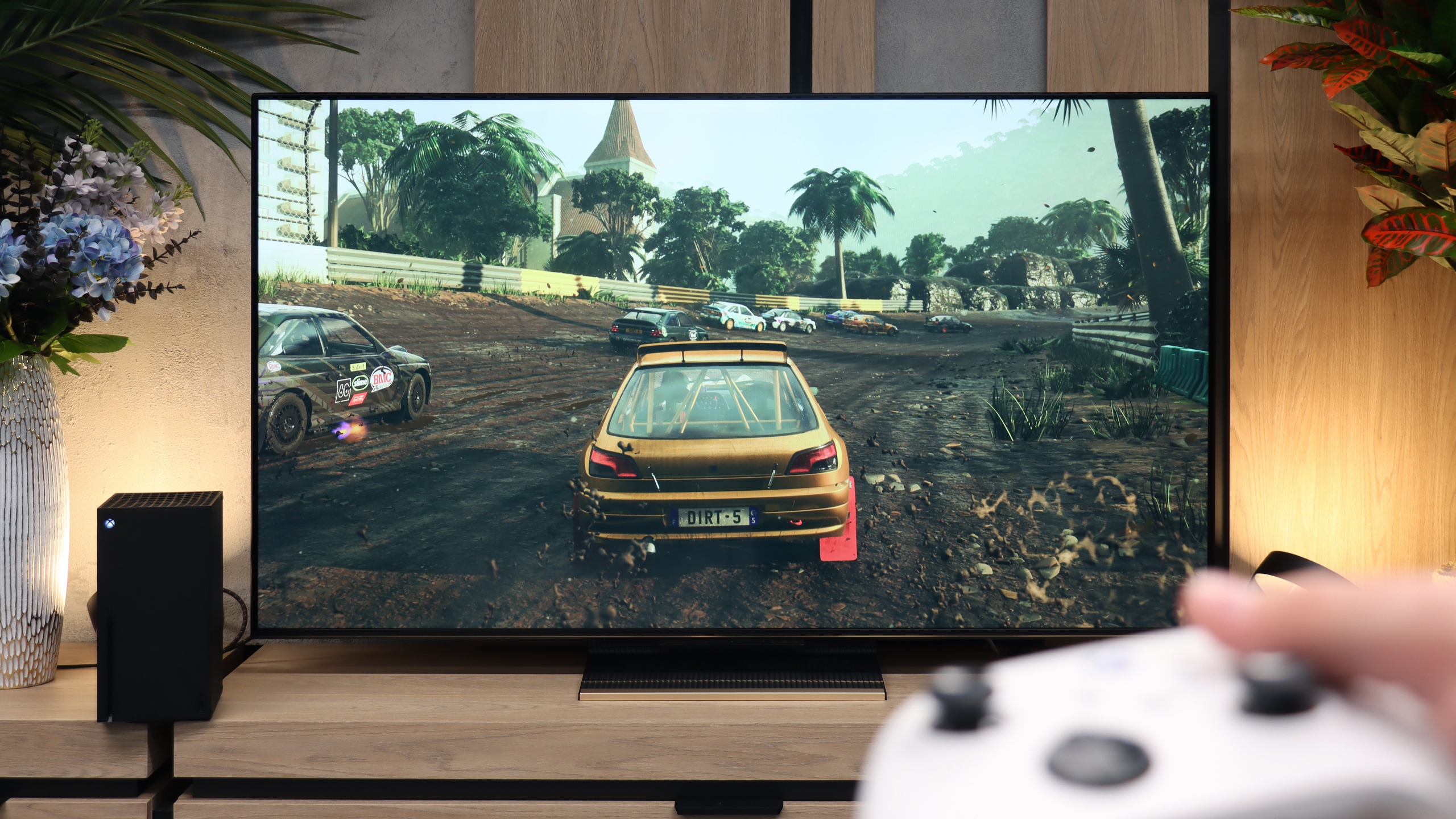
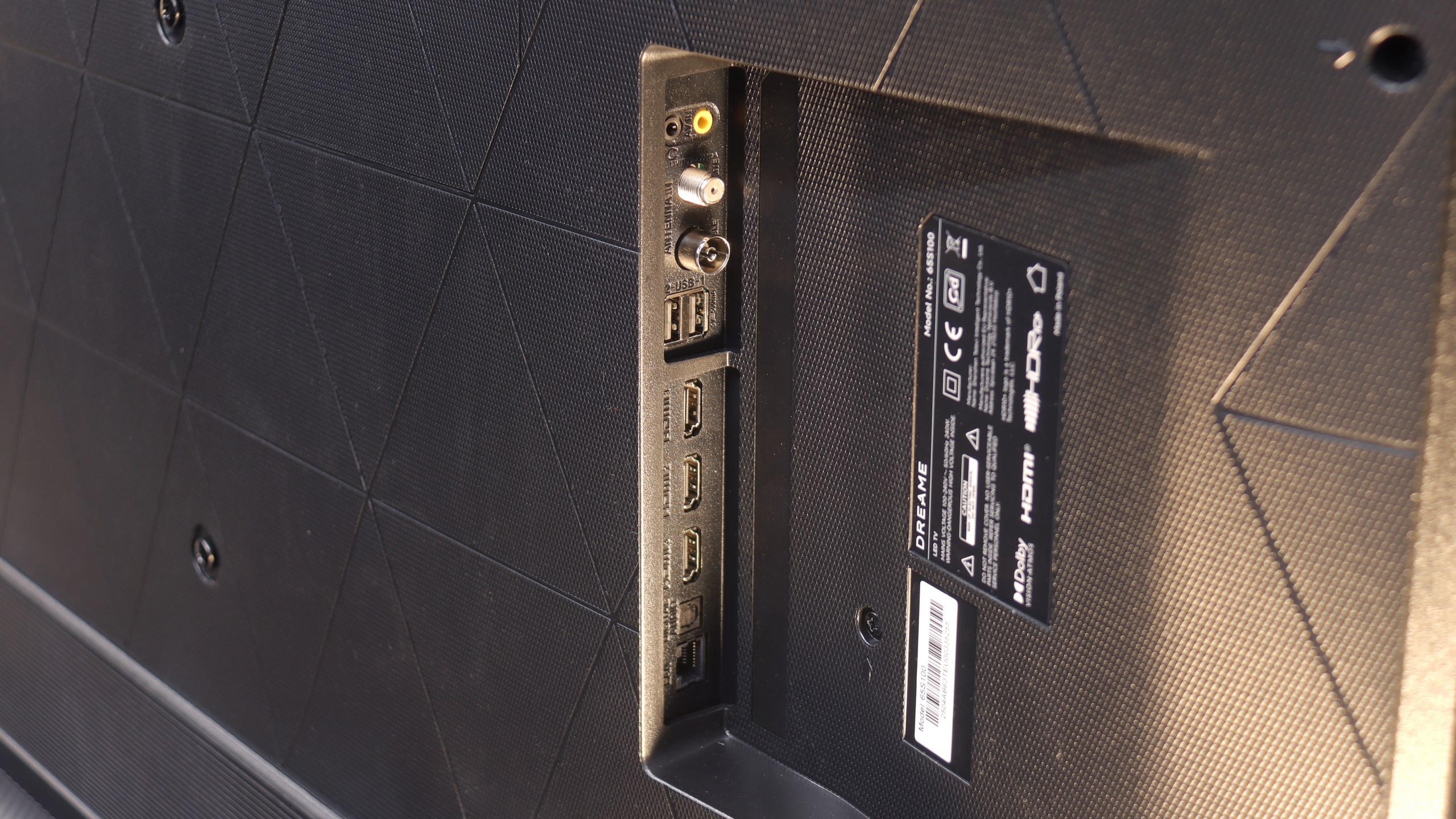
The Dreame S100 seems almost like the perfect screen for gamers. The TV is equipped with 2 HDMI 2.1 ports with a bandwidth of 40 Gbps, which means that features such as Auto Low Latency Mode (ALLM) and Variable Refresh Rate (VRR) synchronization in the range of 48-144 Hz work seamlessly on consoles. It also has a well-designed game panel (Game Bar) that allows you to continuously check the most important parameters – from active picture modes to the number of frames rendered by the console, and even the ability to add a crosshair in the center of the screen. All of this looks great on paper, but the biggest issue with the S100 is the implementation of HDR mode in games. The TV does not have a properly implemented HGiG format. As a result, an unsuspecting user may incorrectly configure the console during the initial setup of the display. A wrong configuration can lead to a picture that is too dark or too bright (as a guideline: we suggest setting the brightness in the Xbox console menu to about 600 nits, and in the PS5 to 12 clicks). The Dolby Vision format is also problematic; it often just would not activate at all when using the XBOX – Dreame S100 line. And when it was managed to be activated, gaming was impossible due to a very high input lag that often exceeded 100ms. If the manufacturer can improve the HDR issue in games through an update, the S100 will be truly excellent equipment for gamers. For now, however, one must reckon with compromises.
 Direct comparison