 Direct comparison
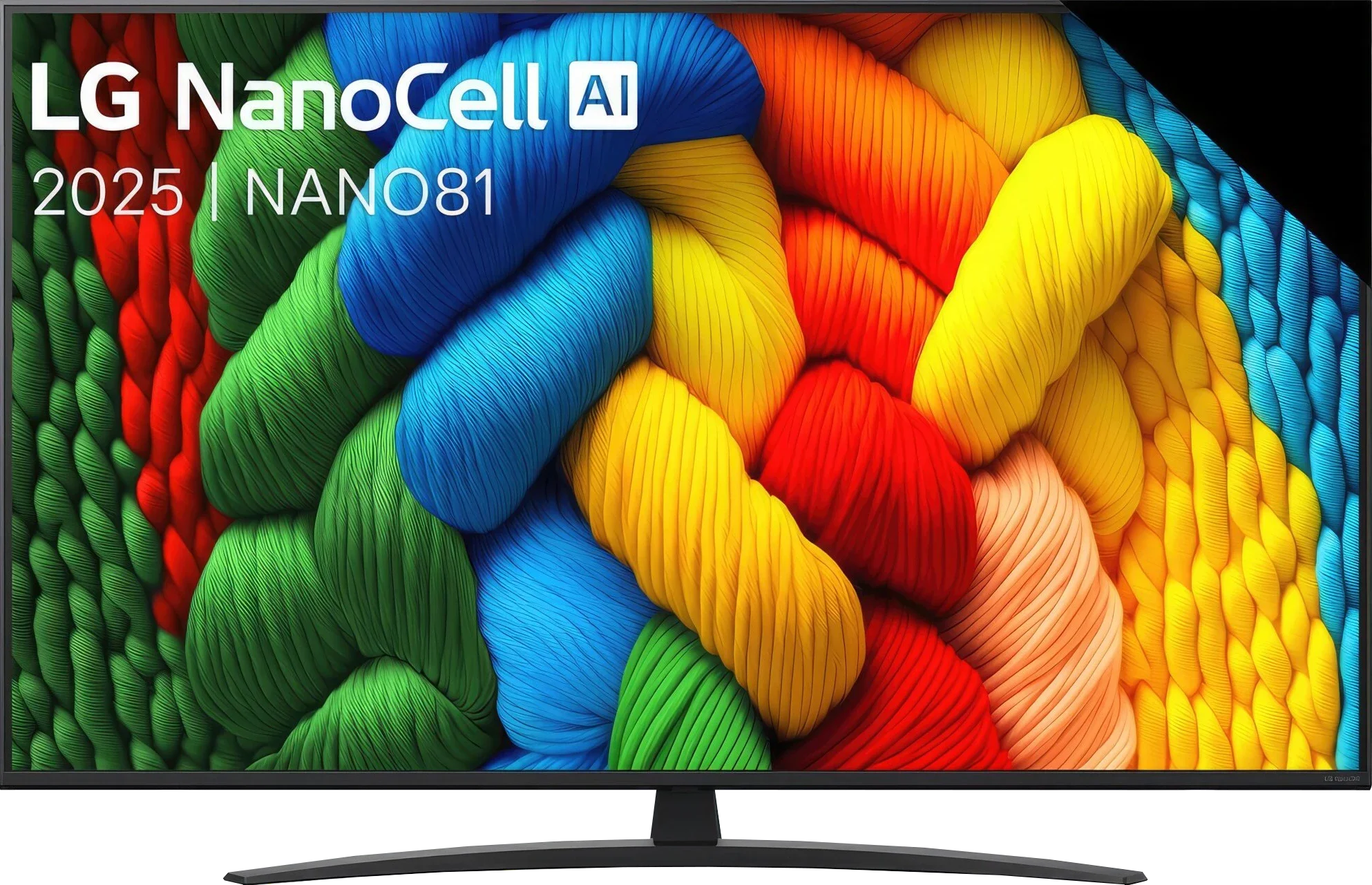
LG NANO81A is essentially a continuation of the NanoCell series, which has hardly changed over the past few years. Aside from a new operating system, a refreshed remote, and a few marketing additions, we are dealing with practically the same design that we have known for years. Thanks to the nanofilter, the TV is capable of displaying better, cleaner colors than standard budget TVs, and the IPS panel guarantees really decent viewing angles. Unfortunately, for these advantages, we pay a very weak black level and low contrast, which is immediately noticeable during nighttime viewings. Although webOS is still one of the best systems on the market, the biggest problem with the NANO81A is its price, which we simply do not understand. In 2025, this model faces enormous competition not only from brands like TCL or Hisense but... at LG itself. The model we tested earlier, QNED80A, is equipped with local dimming technology, has a brighter panel, and offers a wider color gamut. Interestingly, at the time of writing this review, the technically superior QNED80A is often much cheaper than the NANO81A. In this situation, the existence of the NanoCell model loses its meaning – unless wide viewing angles are your only priority, but in our opinion, the price you have to pay for them (at the cost of tragic blacks and a higher expenditure) is simply too high.
- Matching (Score) |
- Our verdict |
- TV appearance |
- Where to buy |
- Contrast and black detail |
- HDR effect quality |
- Factory color reproduction |
- Color reproduction after calibration |
- Smoothness of tonal transitions |
- Image scaling and smoothness of tonal transitions |
- Blur and motion smoothness |
- Console compatibility and gaming features |
- Input lag |
- Compatibility with PC |
- Viewing angles |
- Daytime performance |
- Panel details |
- TV features |
- Apps |
- Playing files from USB |
- Sound
W92C / W94C

Available screen sizes: 55”
Panel type: LCD IPS
Resolution: 3840x2160
System: WebOS
Model year: 2025
Complete the survey to find out the result
Panel type: LCD IPS
Resolution: 3840x2160
System: Google TV
Model year: 2026
Complete the survey to find out the result
Overall rating
5.7
7.1
 Movies and series in UHD quality
5.1
6.5
 Classic TV, YouTube
5.1
6.7
 Sports broadcasts (TV and apps)
5.4
6.9
 Gaming on console
6.7
7.8
 TV as a computer monitor
6.0
9.0
 Watching in bright light
4.0
6.8
 Utility functions
6.6
6.6
 Apps
9.1
9.6
 Sound quality
6.2
6.7
Complete the survey to find out what fits your preferences
Advantages

Wide viewing angles (IPS panel)
Very low input lag (around 10-12 ms)
Smooth webOS 2025 system
Intuitive Magic remote with cursor
Better color gamut coverage thanks to NanoCell filter
Excellent as a PC monitor (sharp text, Chroma 4:4:4)
Decent features for gamers (VRR, ALLM, HGiG)
Extensive calibration options and natural colors after adjustments
Good image processing and efficient scaling of older content
Noticeable bass in the sound
Matte screen effectively reduces reflections
Fast Google TV system with a large selection of apps and features
Natural colors after calibration
Supports Dolby Vision and HDR10+
Very smooth tonal transitions
Effective enhancement of lower-quality material
A good choice for gamers: 144 Hz and low input lag, 3x HDMI 2.1 (48 Gbps)
Very good text readability from a computer
Disadvantages

Poor black and low contrast
Low brightness (about 250 nits – weak for very bright rooms)
Panel refresh rate only 60 Hz
USB player without support for HEIC files and very large photos (over 20 Mpix)
Imprecise local dimming (limited number of zones)
Poor out-of-the-box color accuracy
Software bugs
Problems with motion smoothness: motion blur and lack of advanced motion interpolation controls
Mediocre sound despite the subwoofer
Our verdict
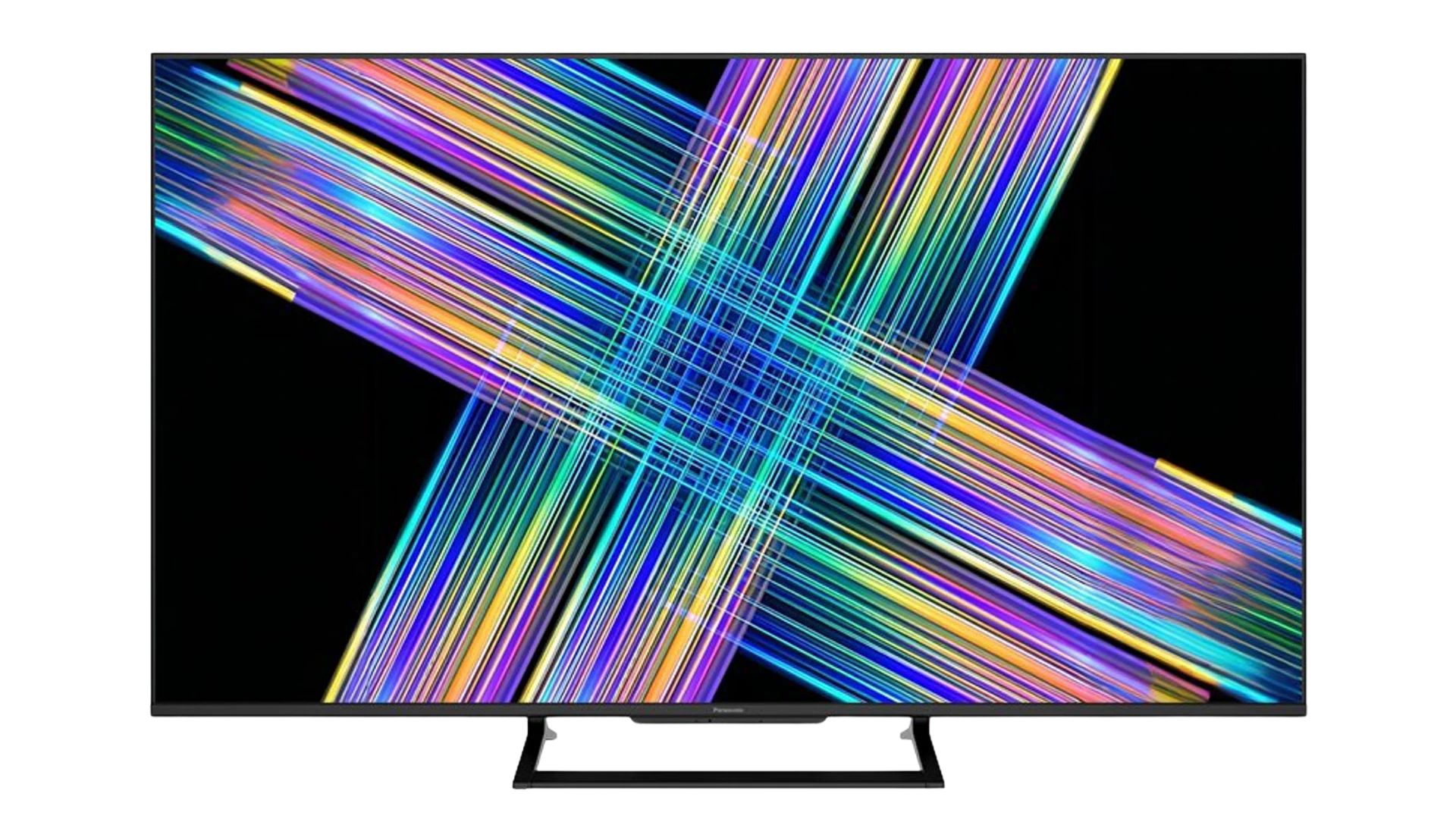
W92C is the first Panasonic made in collaboration with Skyworth that we've tested. And it's about the change we expected: a little less of the old Panasonic, but also some new things that work in its favor. The biggest plus is the move to Google TV. The system is fast, gives access to the apps you need, and on a daily basis convinces us more than the previous Fire TV. Combined with a matte screen that handles reflections well, this makes for a comfortable living-room TV where you don't always want to close the curtains before watching. The longer we used the W92C, the more we appreciated its versatility. It can noticeably improve weaker content, and after calibration the picture gains a naturalness it sadly lacks on the factory settings, as was the case with older Panasonic models. It also works well with consoles and PCs. It responds quickly to input, and the high refresh rate provides smooth motion. So Panasonic makes sense in a home where one screen is used for TV, movies, gaming, and sometimes even for... working with text. 🙂 The limitations become clearer during evening viewing. Blacks can look good, but a more challenging scene is enough for halos to appear around bright objects and for the bars above and below the image to glow. The small number of local dimming zones makes it hard to keep deep black levels and bright details at the same time. Dolby Vision helps pull more out of this panel, but it doesn't remove those limits. The default picture tuning is also disappointing, and the automatic brightness changes we encountered during testing further spoil the experience. This is where the refinement you'd expect from the Panasonic name is most lacking. So ultimately the W92C's appeal will come down to price. It's an entry-level Mini LED and should be priced similarly to competing models with basic local dimming. At that level it will be a sensible choice, especially for people moving up from a regular LCD. They'll get better black levels, a convenient OS, and a versatile screen that works for both TV and gaming. If, however, you have to pay a clear premium for the Panasonic badge, it will be hard to justify that extra cost. The W92C has enough positives to stand as an affordable, all-purpose TV, but too few advantages to sell itself on the brand alone.
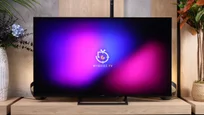
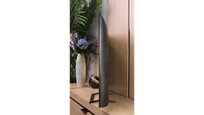
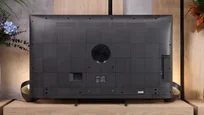
TV appearance



Contrast and black detail
1.5/10
5.2/10
Local dimming function: No
Local dimming function: Yes, number of zones: 91 (7 x 13)
Contrast:


Result
800:1

Result
850:1

Result
900:1

Result
900:1

Result
750:1
Result
24,900:1
Result
5,050:1
Result
9,150:1
Result
2,000:1
Result
900:1
Halo effect and black detail visibility:
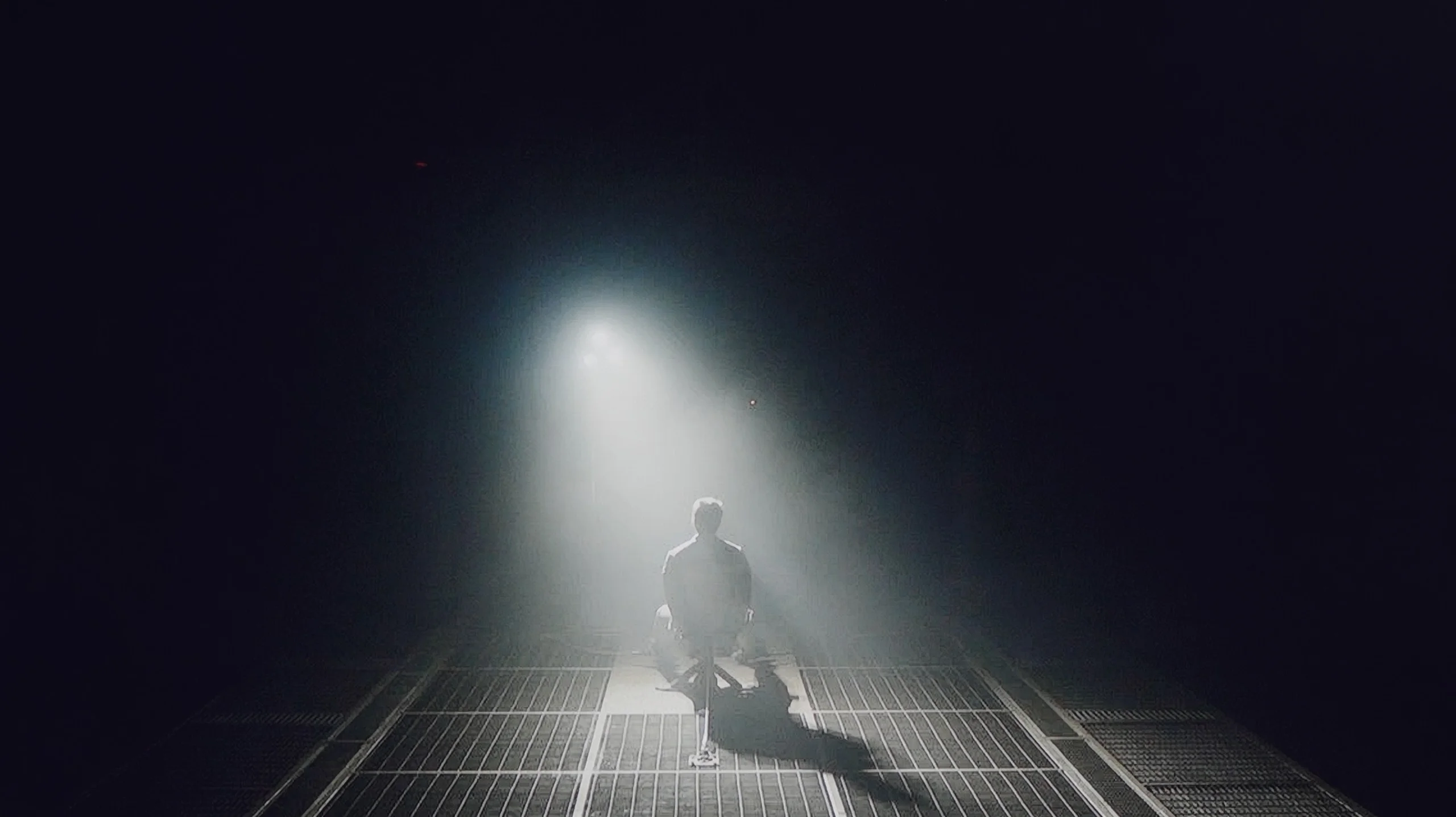
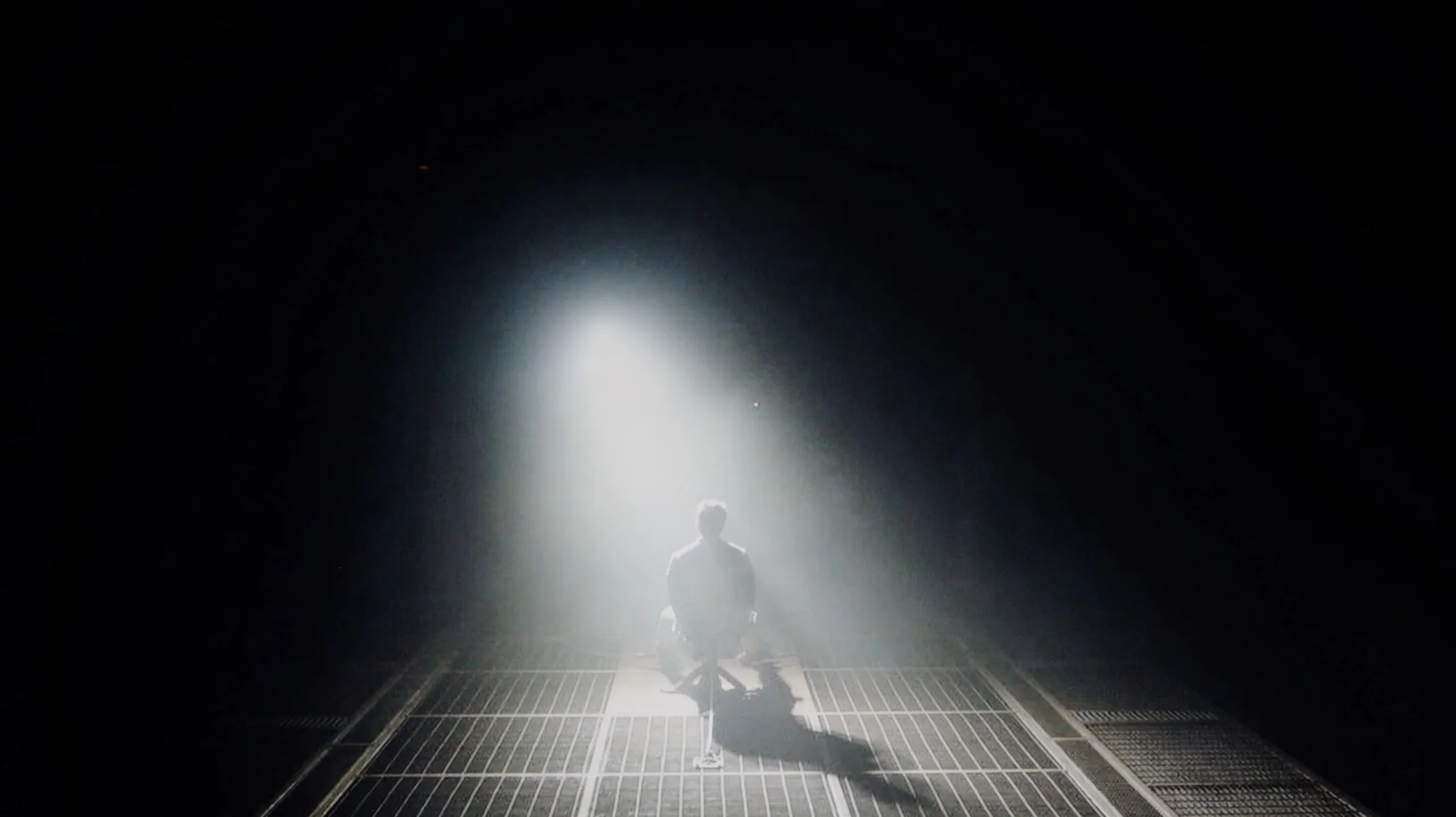
Check the visibility of bright lights on a dark background. Mini-LEDs often struggle with this. The photo does not compare black levels – that’s what the video below is for.
The video accurately shows differences in contrast and black levels between TVs, as well as potential issues: halo around bright objects or Mini-LED zone operation visible as brightness jumps.
The NanoCell series, including the NANO81 model we tested, is based on an IPS panel. For anyone who has even a little knowledge about screens, this means one thing: significant problems with black levels and contrast. Our measurements are ruthless here. A result of 800:1 is, quite frankly, a tragic score. In practice, this means that what should appear on the screen as deep black looks like a dark gray blot at night. Watching dark films or series in a completely dark room will simply be torturous – the image will lose all its depth and will appear flat. If you decide to go with this model, we have one key piece of advice for you: don't watch it in complete darkness. To salvage the situation somewhat, it's best to leave a soft light on in the room, and the ideal solution would be to install an LED strip behind the television. Such wall lighting will trick your eye (this is known as simultaneous contrast) and make that grayness on the screen seem a bit darker. Nonetheless, the start of the test in terms of cinematic experiences looks bleak.
Black levels on the Panasonic W92C generally look pretty good. That's thanks to the local dimming, which in the 55-inch test unit uses 91 zones. In simpler scenes the TV can effectively darken the background, and in our easiest test it reached a contrast ratio of nearly 25,000:1. To get that level of black you need to set dimming to high. Lower settings leave the backlight too bright.
That comes at a cost in bright parts of the image. The separation of individual lights remains visible, though you have to look closely to spot it. A lower dimming level lets those details appear more clearly, but the degradation in black level is too great to call it a better compromise.
Even on the high setting you can see the limitations of the relatively small number of zones. What bothered us most were the bright bands above and below the picture, which in HDR material sometimes turned almost navy. Small, bright objects also show visible bright halos, the so-called halo effect. On the plus side, the backlight is stable: in the helicopter scene we didn't notice jittery brightening and dimming of individual zones. More zones would help, and the control algorithm needs refinement. Moving up from a basic LCD without local dimming can still offer a noticeable improvement, but for a Mini LED the result leaves a lot to be desired.
HDR effect quality
3.6/10
4.8/10
Luminance measurements in HDR:

Result
228 nit

Result
193 nit

Result
250 nit

Result
168 nit

Result
252 nit
Result
508 nit
Result
175 nit
Result
348 nit
Result
169 nit
Result
428 nit
Scene from the movie “Pan” (about 2800 nits)
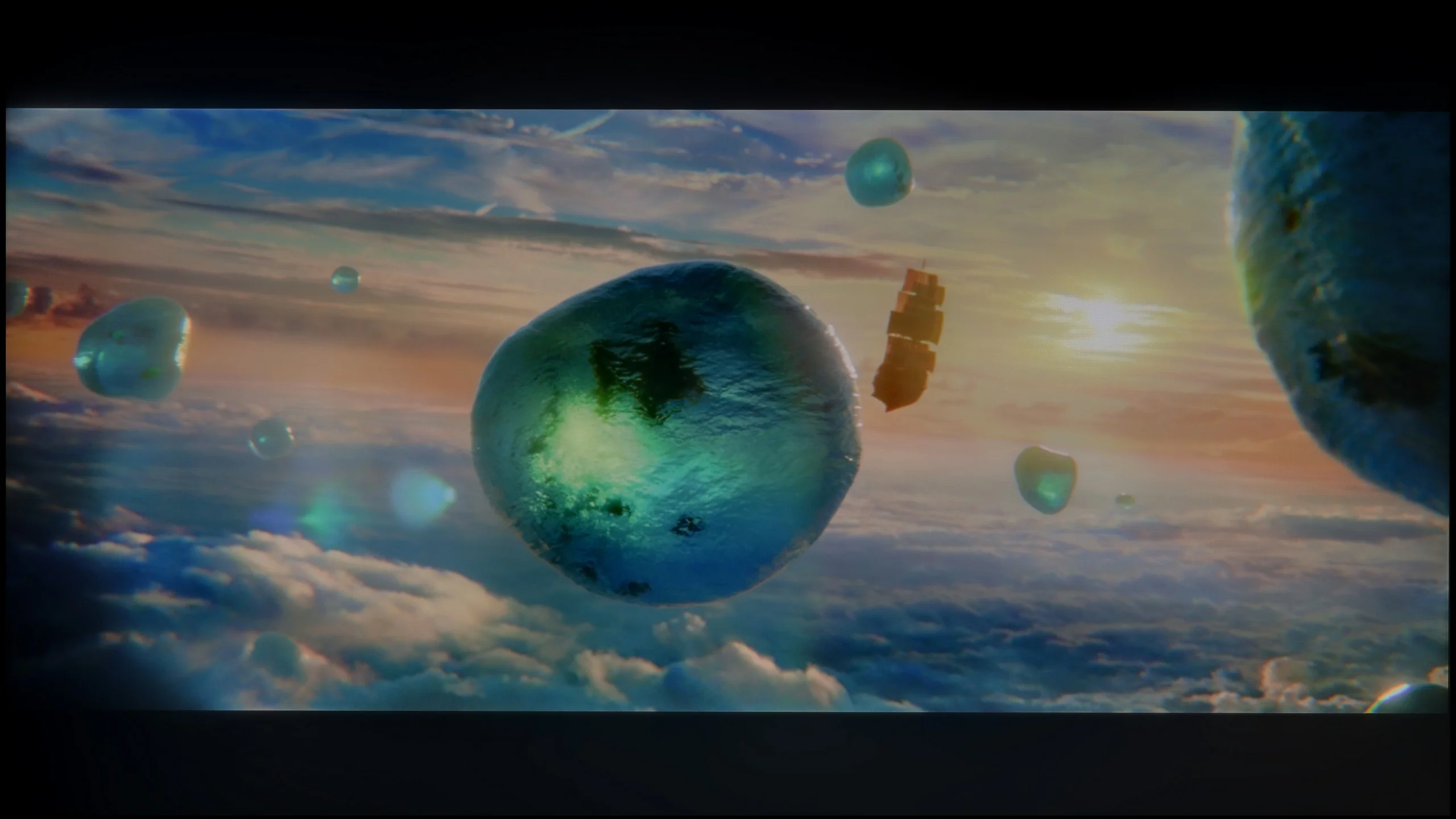

Scene from the movie “Billy Lynn” (about 1100 nits)


The photos show two HDR10 movies. 'Pan' is one of the brightest productions ever made, while 'Billy Lynn' (soldier) has brightness typical of streaming (Netflix, Prime, HBO MAX). Notice the intensity of effects and detail in whites.
Static HDR10


The photos present the visibility of white details in various HDR formats. They do not show brightness differences between TVs (these can be compared in the previous gallery).
HDR luminance chart:
Panasonic W92C (Google TV)
LG NANO81A / NANO80A
If you're counting on HDR in the NANO81A to bring tears to your eyes, I have to disappoint you. This TV is simply too dark to show what this format is really about. With a brightness of just 250 nits, HDR here essentially exists only on paper. In practice, during a viewing session, it's very hard to distinguish whether we're watching high dynamic range content or regular SDR – it simply lacks that "punch" of light in bright areas of the image. But, to not have all criticism, we do have a glimmer of light at the end of the tunnel – and it’s quite clear. It's about color gamut coverage. Here, the NanoCell filter shows that it's not just marketing nonsense. Our measurements indicated that the coverage of the DCI-P3 space is around 88%. This is really a solid result that positions this model significantly above typical budget models based on regular white LED lights without any filters. Of course, it's still a bit lacking compared to the level of quantum dot TVs (QLED) or advanced panels with PFS filtering, but for this price range, the colors are surprisingly saturated and vibrant. It's just a shame that this low brightness doesn’t allow them to fully "spread their wings" with the Nano filter.
Panasonic W92C reaches a peak of about 750 nits with local dimming set to high. That brightness is enough to show a noticeable HDR effect, but in movies the TV does not always manage to use it. In brighter scenes we get around 500 nits, while small highlights on a dark background can fall to just 160 to 250 nits. In practice this means the sun in a bright shot looks fairly convincing, but a flashlight or small flares in a night scene lose intensity. This is another cost of local dimming, which with a limited number of zones also dims bright elements to preserve the black around them.
During testing we also noticed a strange software bug. After switching to HDR the TV would automatically change the backlight level, setting it for example to 53 or 81 instead of the maximum. As a result the image was darker than the panel’s capabilities. All presented measurements were made after manually restoring the maximum backlight.
Colors
The wide color gamut in the Panasonic W92C comes from the PFS phosphor, which produces an effect similar to the quantum dots used in QLED screens. We measured DCI-P3 coverage at about 94% and 74% of the wider BT.2020 gamut. Importantly, results on film material were practically identical to those on test patterns. That’s a good outcome, allowing HDR movies to show richer, more saturated colors than a standard LCD panel.
The luminance of the colors themselves is somewhat weaker. In our measurements red reached about 58% of its target value, while green and blue were around 66 to 67%. The TV can therefore display a wide range of colors, but the brightest, highly saturated parts of the image do not have the same punch as on RGB screens.
Factory color reproduction
5.3/10
4.1/10


This gallery shows how colors change after professional TV calibration. If you notice the difference, we recommend ordering this service at SkalibrujTV.com.
Factory Mode
After calibration


This gallery shows how colors change after professional TV calibration. If you notice the difference, we recommend ordering this service at SkalibrujTV.com.
Factory Mode
After calibration
For every movie fan, the natural choice in LG televisions is the Filmmaker Mode. This mode is designed to display the image as the director intended – without unnecessary "enhancements." Unfortunately, in the case of our test unit NANO81A, the factory settings left something to be desired. The main issue turned out to be white balance. Measurements showed a clear deficiency of blue color, which practically translated to many scenes having a slightly yellowish, almost "too yellow" tint. The white was not perfectly clean, which detracted from the freshness of the image. Additionally, brightness management was not ideal either – the factory-set gamma was too low. The image often appeared oversaturated, as if it had been pulled too much from the shadows, losing its naturalness and depth. Fortunately, LG, even in this relatively low price segment, does not block access to advanced settings. The calibration capabilities of this model are immense, which is a big plus for those who like to "dig around" in the menu. We decided to approach the topic in our own way and see how much we could extract from this panel with professional calibration.
We measured the factory colors in Film mode. The W92C also has a "Filmmaker" mode, i.e., Filmmaker Mode, but it locked almost all picture settings, so for further testing and calibration we used the film mode closest to it. It's better than the other available presets, though unfortunately that doesn't mean it's well tuned. It's one of the weaker film modes we've tested this year. A shame, because Panasonic has accustomed us to much better out-of-the-box settings. In SDR content the image's cool tint is immediately noticeable. The white balance has too much blue, and an excess of red relative to green gives whites a slightly pink cast. You can also see this on faces, which don't look as natural as they should. An even bigger problem is the severely lowered gamma. Instead of the target 2.4, it stays around 1.9-2.0 across most of the range. In practice the picture is too bright, shadows lose depth, and almost every scene looks a bit flat. In HDR there's even more blue, especially in the bright areas. Here too the TV boosts the brightness of darker and midtones, which is shown by the EOTF curve going above the reference value. This makes it easier to see some shadow detail, but the scene loses its proper atmosphere. So we have a similar problem as in SDR: colors that are too cool and an image that is too bright. For a brand like Panasonic, the W92C's factory settings are simply... disappointing.
Color reproduction after calibration
7.5/10
7.7/10


The photos show how movies look on the TV. Pay attention to black detail visibility, colors, and shadow tint.


The photos show how movies look on the TV. Pay attention to black detail visibility, colors, and shadow tint.
After calibrating the NANO81A, it's a completely different television. What LG offers in terms of image enhancement tools even in such an inexpensive model deserves a big plus. We were able to completely eliminate that annoying yellowing of whites and make the colors natural, juicy, and simply "true." In SDR content (such as regular TV, YouTube, or older films), the picture now looks infinitely better – it's clear, well-balanced, and no longer strains the eyes with strange hues. It's evident that this panel has considerable potential, which is simply wasted by poor presets out of the box. However, we have one serious reservation that calibration cannot fully overcome – it's about brightness management in HDR mode. The algorithm LG uses in this model is designed very conservatively. The television deliberately dims the image in HDR to avoid overexposing an already weak black from the IPS panel. The developers faced a choice: either provide more light and accept that black will turn light gray, or reduce the brightness to maintain any contrast. They chose the latter. Nevertheless, after our adjustments, watching anything on the NANO81 is significantly better.
After calibration, the W92C looks decidedly better, especially with SDR content. We managed to even out the white balance and eliminate the cool tint that had previously spoiled the look of almost every scene. White is now neutral and faces have a much more natural tone. We also improved the gamma, which now stays much closer to the target of 2.4. As a result the picture has regained depth and no longer appears so overly bright. Color measurements confirm this improvement, with small errors and little cause for concern in SDR.
In HDR we also reduced the excess blue, though some imperfections remain in the brightest shades. A bigger problem is how the TV handles brightness. Shadows and midtones are boosted, while the brightest highlights appear darker than they should. That causes the image to lose some contrast between dark backgrounds and strong light, which is an important part of the HDR effect. Unfortunately, we don't have enough control over that behavior in the settings. Calibration improves the colors, but it won't fix the tone mapping and backlight control. That's a characteristic of the W92C that Panasonic needs to refine.
Smoothness of tonal transitions
9.3/10
9.7/10
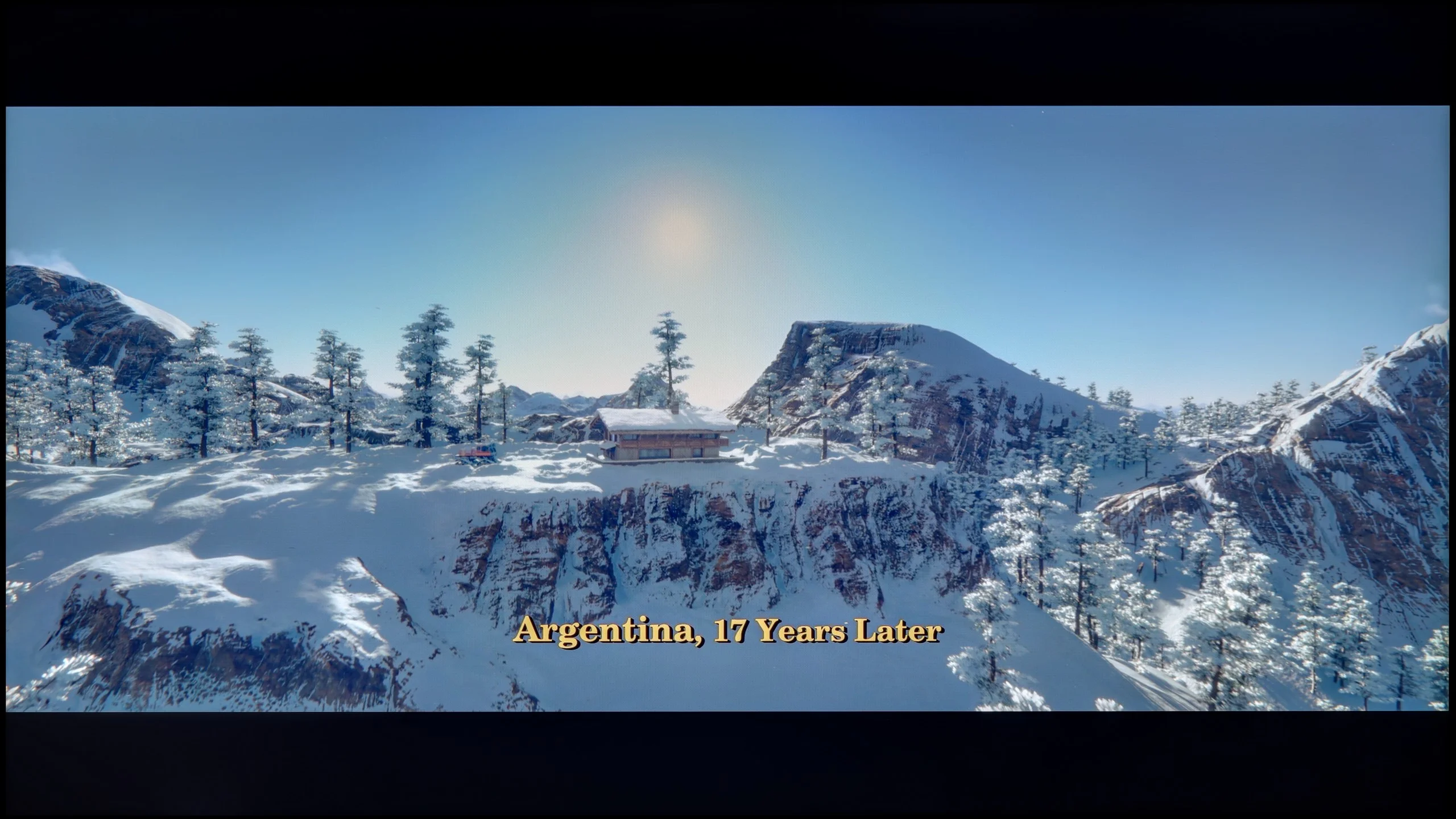

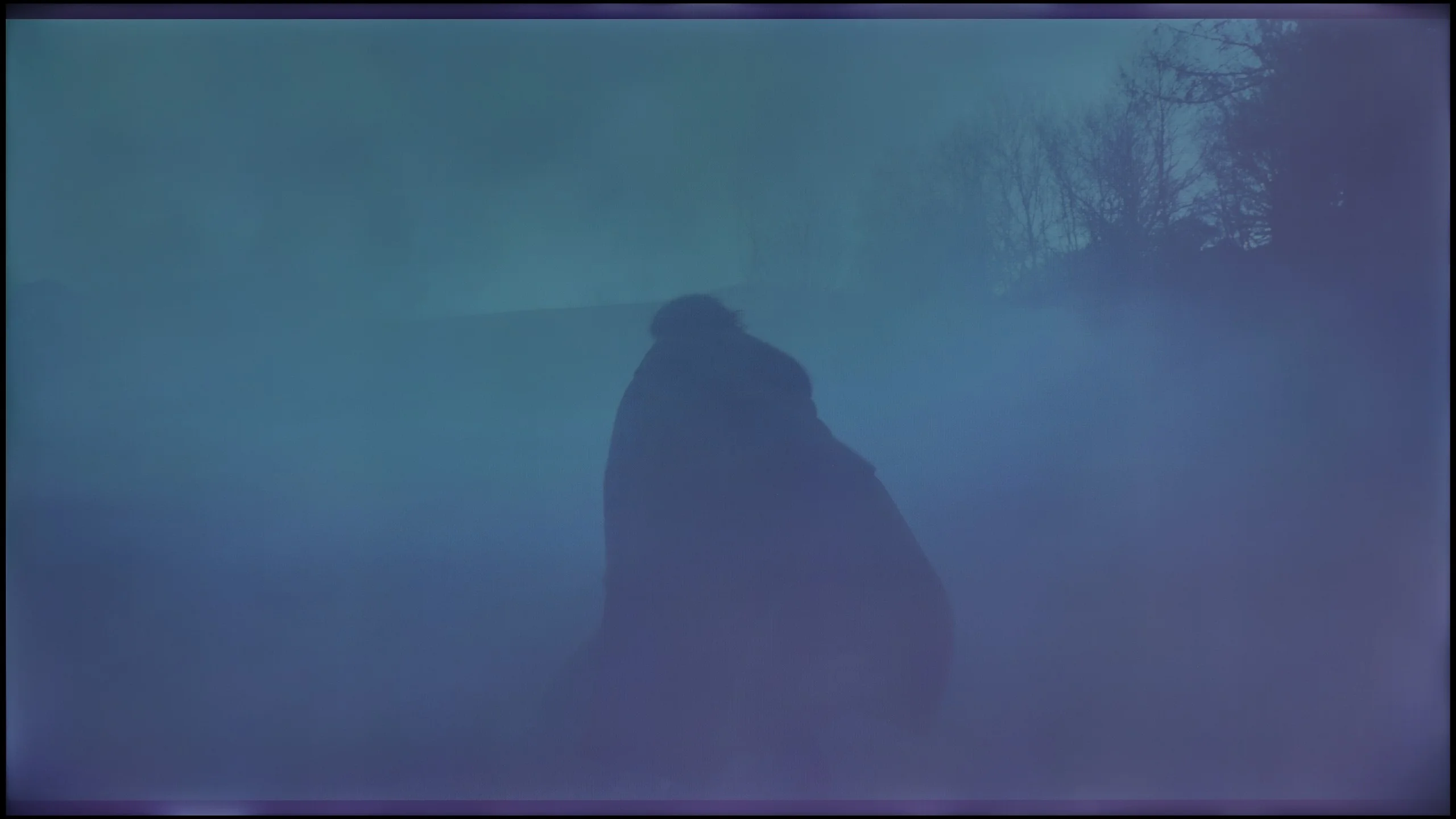
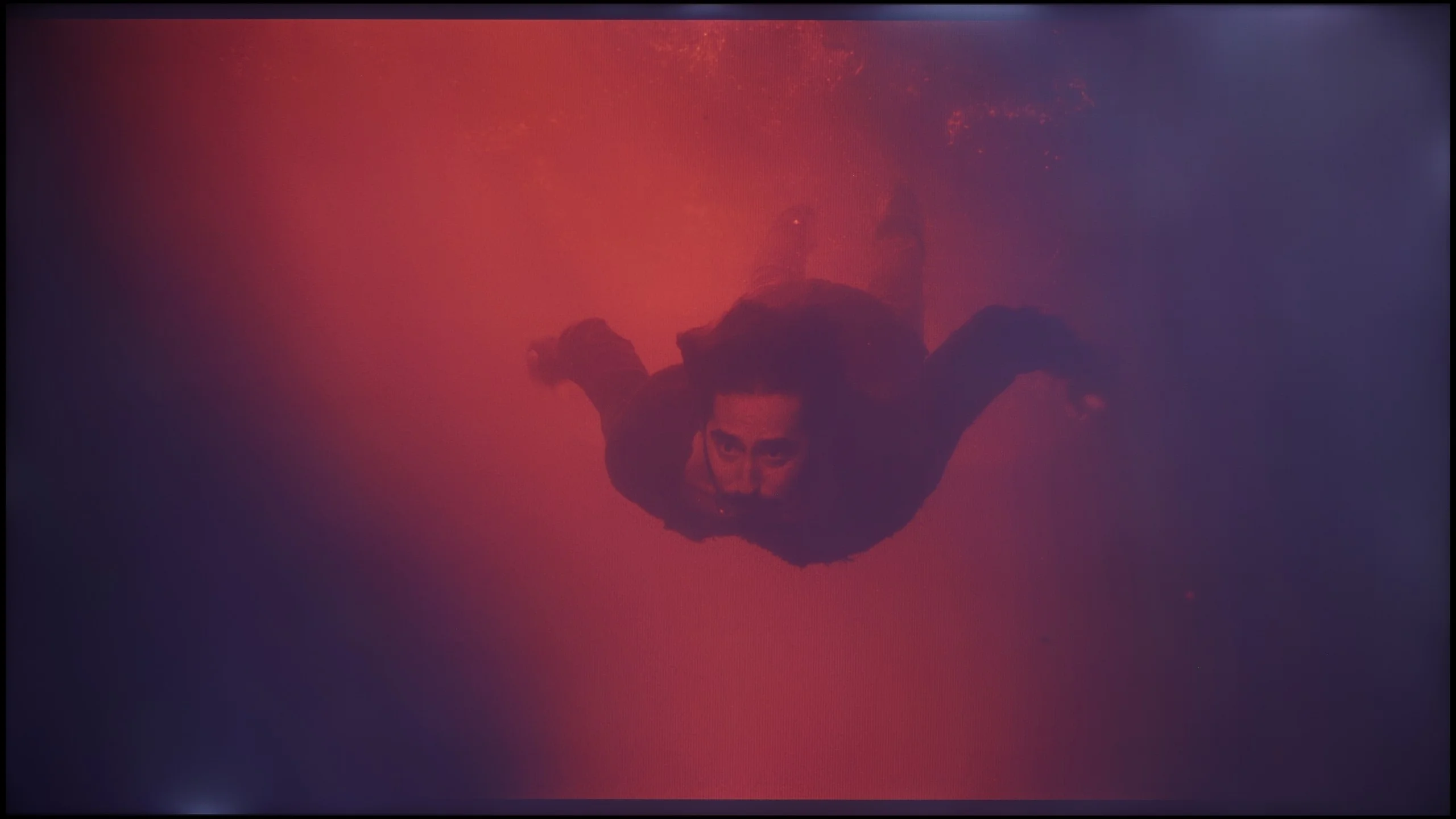
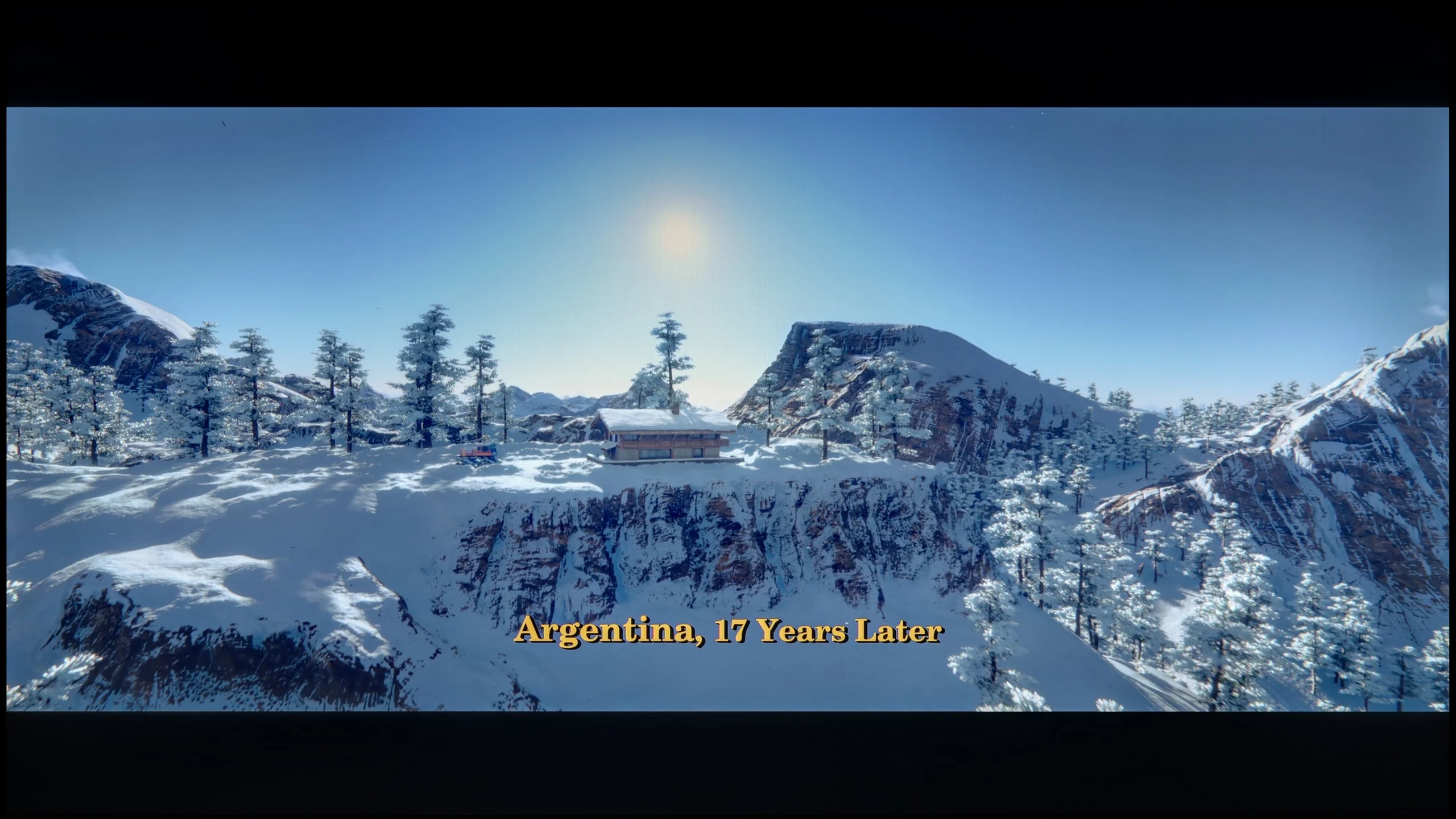
These are selected scenes that show smooth tonal transitions from one color to another. If you see distinct banding, it’s the TV panel’s fault.

These are selected scenes that show smooth tonal transitions from one color to another. If you see distinct banding, it’s the TV panel’s fault.
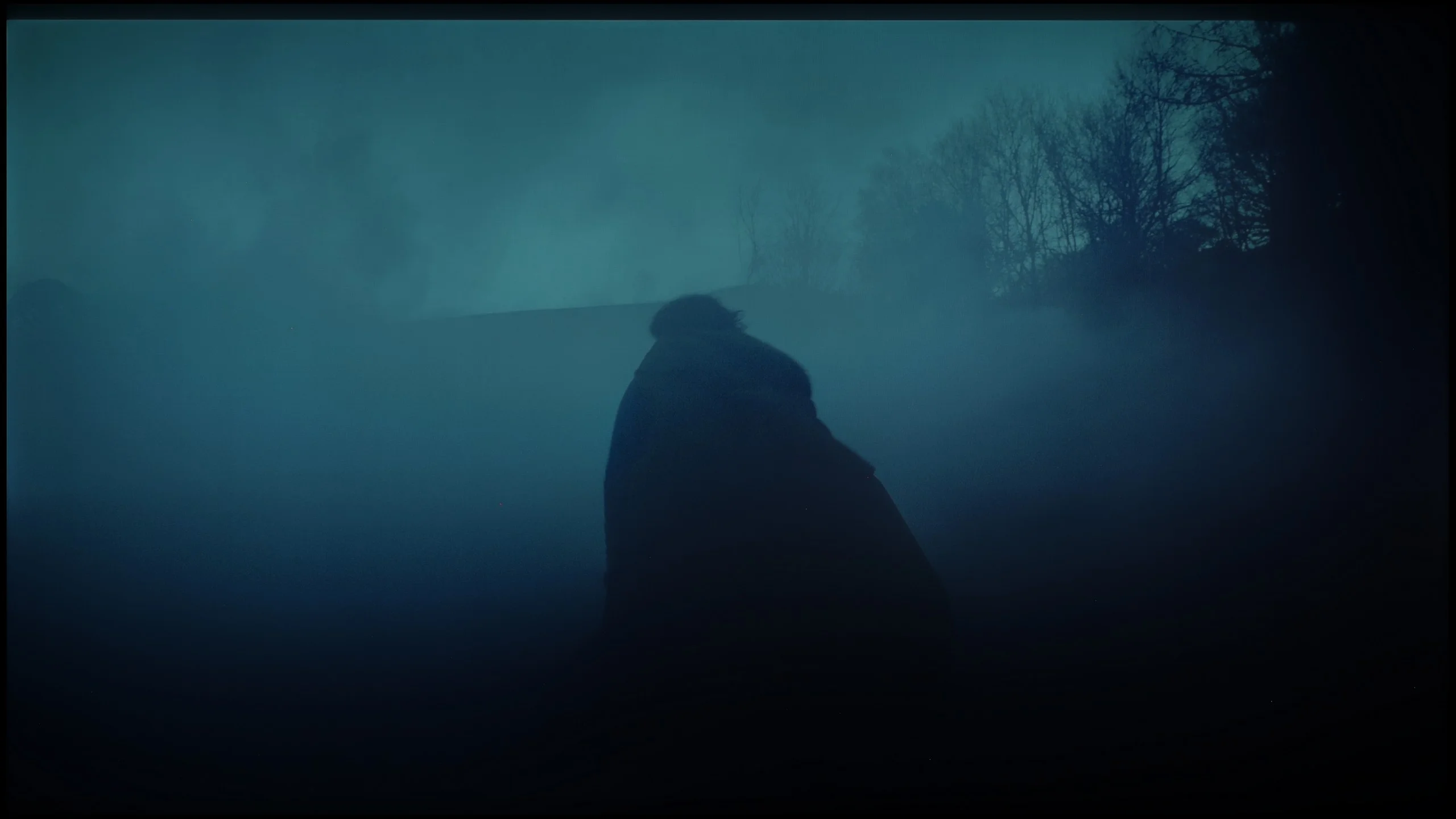
These are selected scenes that show smooth tonal transitions from one color to another. If you see distinct banding, it’s the TV panel’s fault.
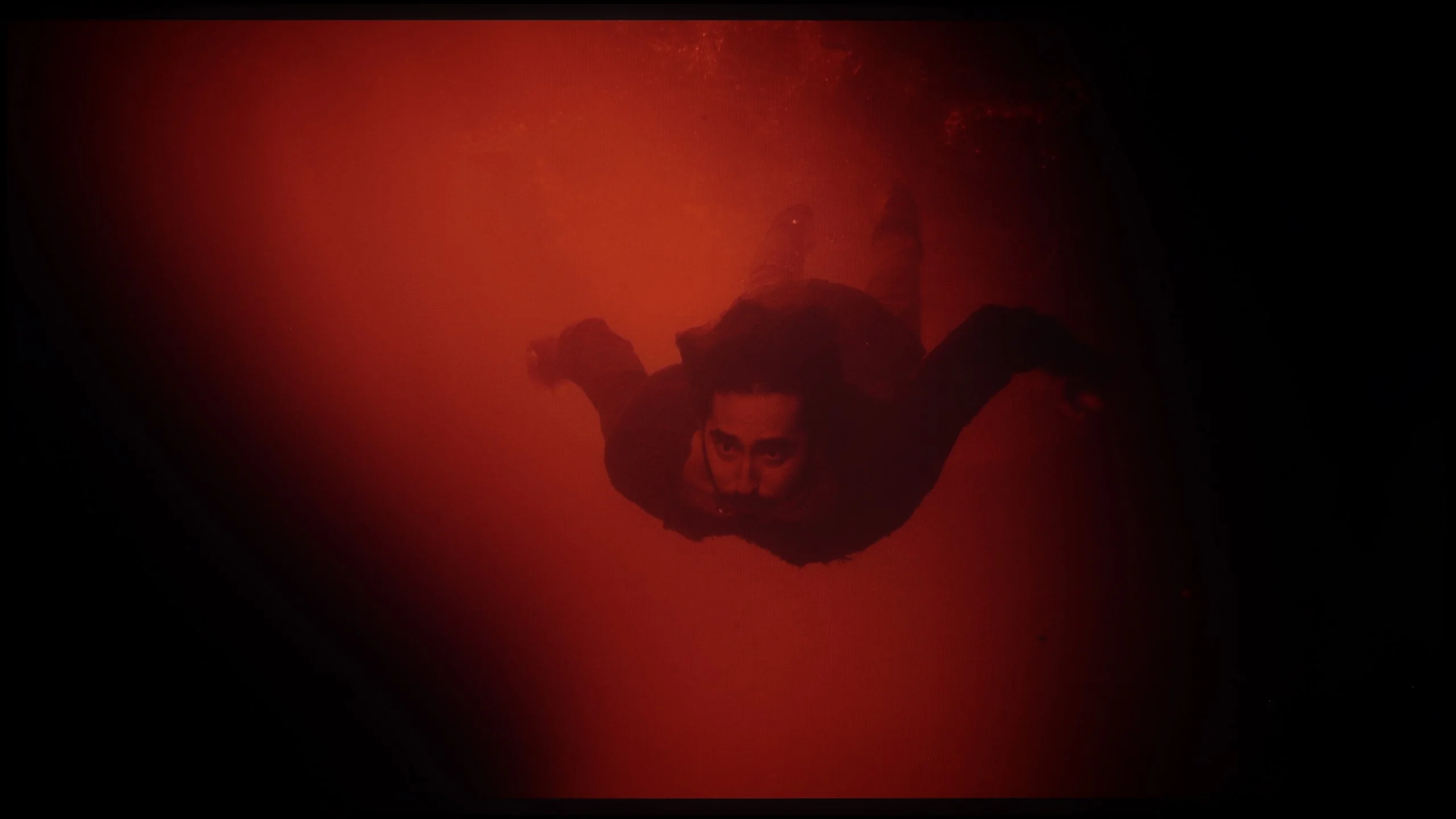
These are selected scenes that show smooth tonal transitions from one color to another. If you see distinct banding, it’s the TV panel’s fault.
The fluidity of tonal transitions is an element where NANO81A really shines. LG proves here that it can refine image processing algorithms even in its cheaper models. During testing, we practically did not record the phenomenon of banding, that is, the annoying "steps" visible where one color should smoothly transition into another. Everything looks incredibly natural and smooth. This is especially evident in the bright scenes from the movie Kingsman, where the backgrounds remain clean and free from digital artifacts. However, even more impressive is how the television handles the extremely challenging, dark, and foggy shots in The Revenant. Where many budget panels falter and deliver ugly splotches instead of a smooth mist, the NANO81A maintains its composure, offering very velvety transitions. The only downside is that with darker shades, you will notice the weaker blacks of this TV rather than any issues with color transitions.
The smoothness of tonal transitions on the W92C is outstanding. It’s one of the best results we’ve seen this year. Regardless of the scene, colors flow smoothly from one to another and you can practically see no banding separating individual shades. Panasonic handles both bright skies and darker, more demanding parts of the image very well. There’s really nothing to fault here.
Image scaling and smoothness of tonal transitions
7/10
7.8/10


Smooth transition function
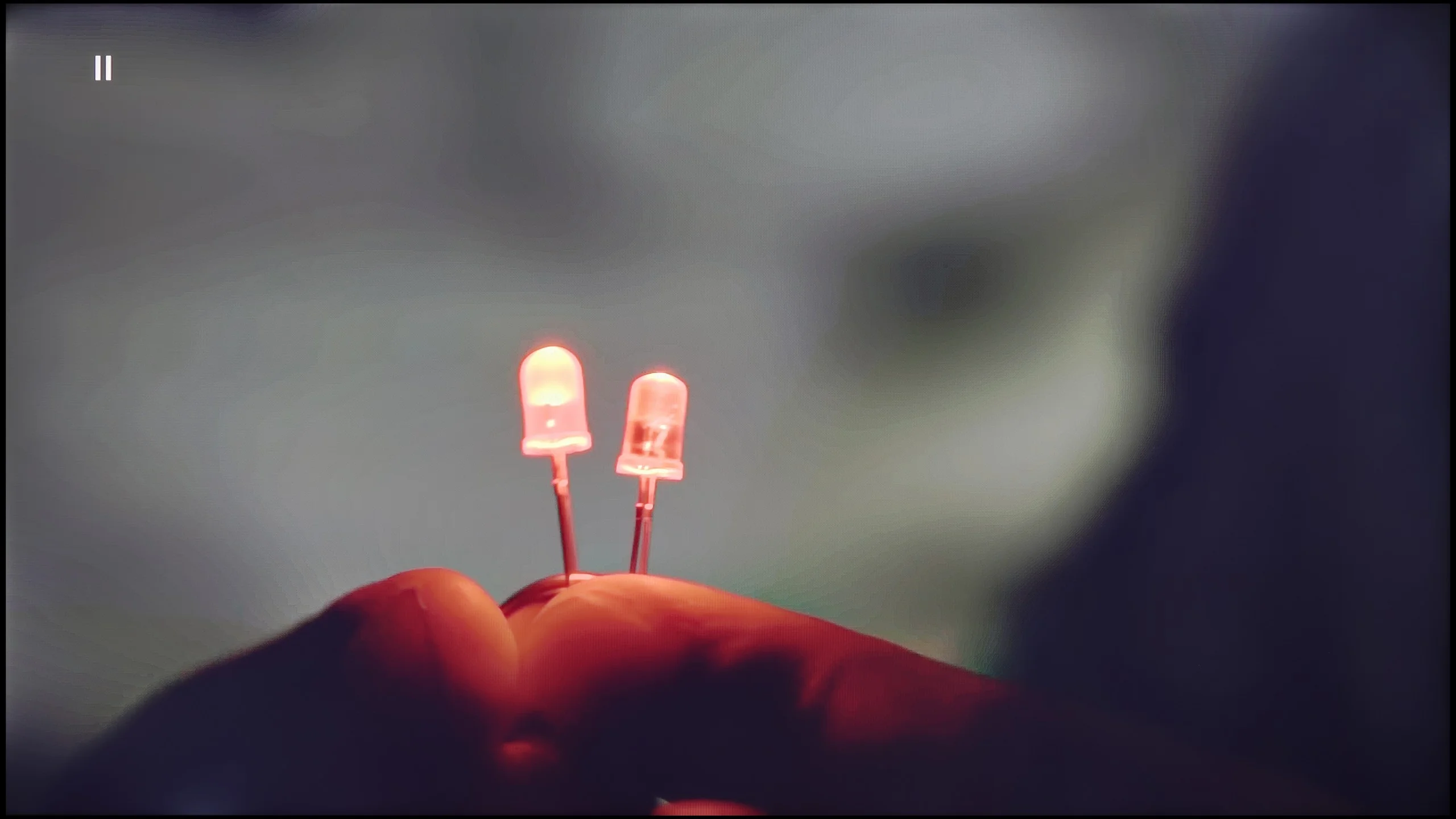
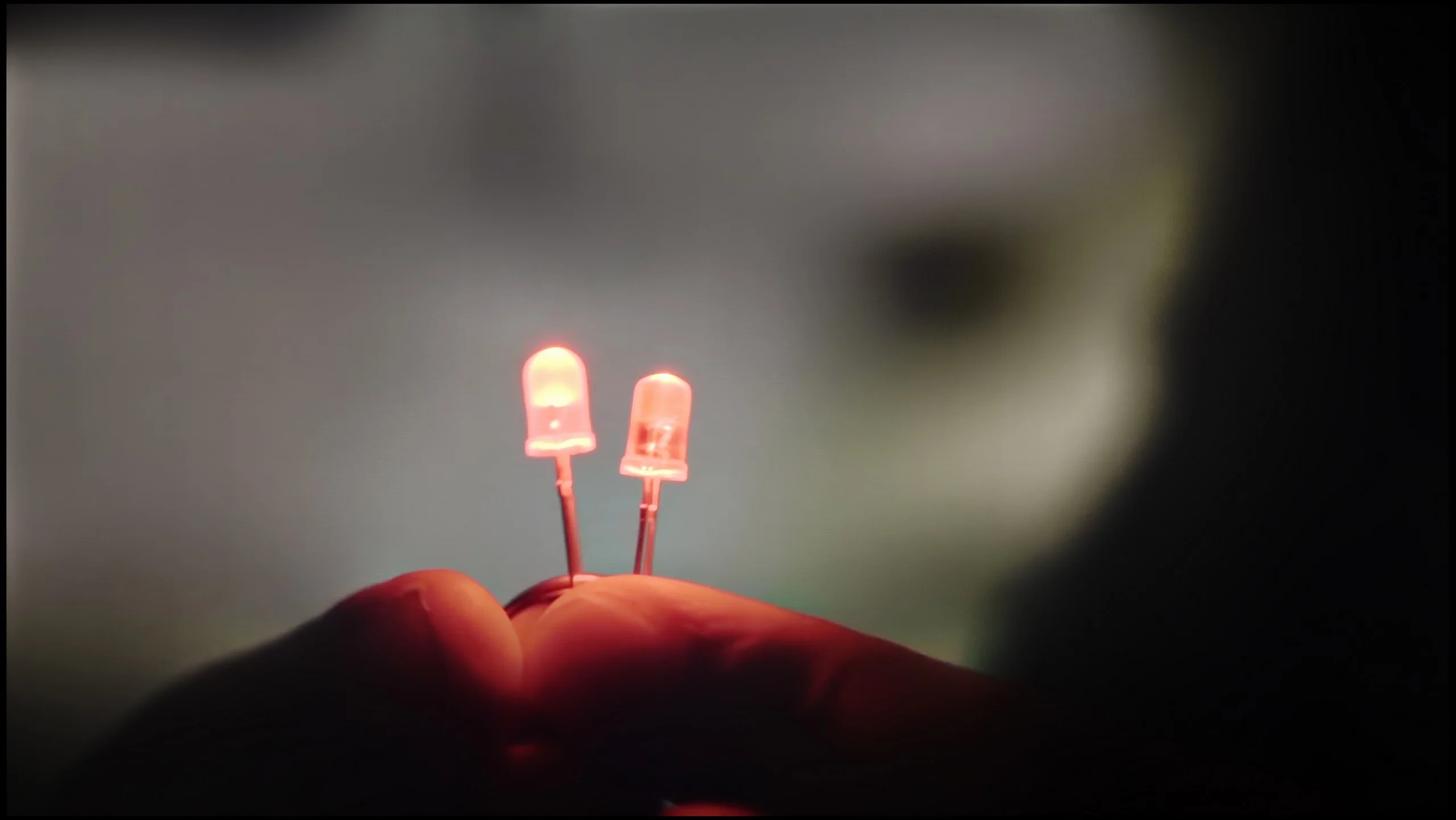
The match photo shows how the TV smooths weak tonal transitions in low-quality video.
Image scaling SD (576i)


The model photo shows how it handles upscaling of SD material.
It often happens that cheap 4K panels mercilessly bring all the "dirt" and imperfections of lower resolution materials to light. However, in the case of the LG NANO81A, the situation is quite different. It’s a really solid performer when it comes to handling content that is far from ideal. The built-in processor does a great job with upscaling. Even older recordings look quite decent on this screen – the image is coherent, cleaned of digital noise, and simply pleasant to the eye. A big plus is the gradation reduction feature that you will find in the settings. It is exceptionally effective in combating color banding, which is a lifesaver when watching low bitrate materials, for example from some streaming services or older files from the internet. However, it is worth maintaining a certain vigilance. Since we are dealing with a less efficient chip than in LG's top models here, too aggressive an adjustment of this option can sometimes result in minor artifacts or a slight blurring of details. Despite this risk, I definitely encourage experimentation with this feature – in many cases, it can save the viewing experience and make low-quality material fully watchable.
The "Contour Smoothing" feature is used to reduce banding in lower-quality sources. On the medium setting it works very effectively and removes visible bands between shades. It can occasionally lose some fine detail, but those aren’t things that draw much attention. The low setting is more cautious and doesn’t affect the rest of the image, but the smoothing itself is much weaker. We would stick with the medium setting. Another plus is that the feature leaves noise and film grain alone. Scaling itself also performs quite well. In our shot with the model, clothing and tree details remain discernible, so lower-resolution content looks decent on a large screen. There is one drawback: with an SD signal the TV crops the edges of the image, meaning it applies so-called overscan. As a result we lose a small portion of the frame.
Blur and motion smoothness
4.6/10
7/10
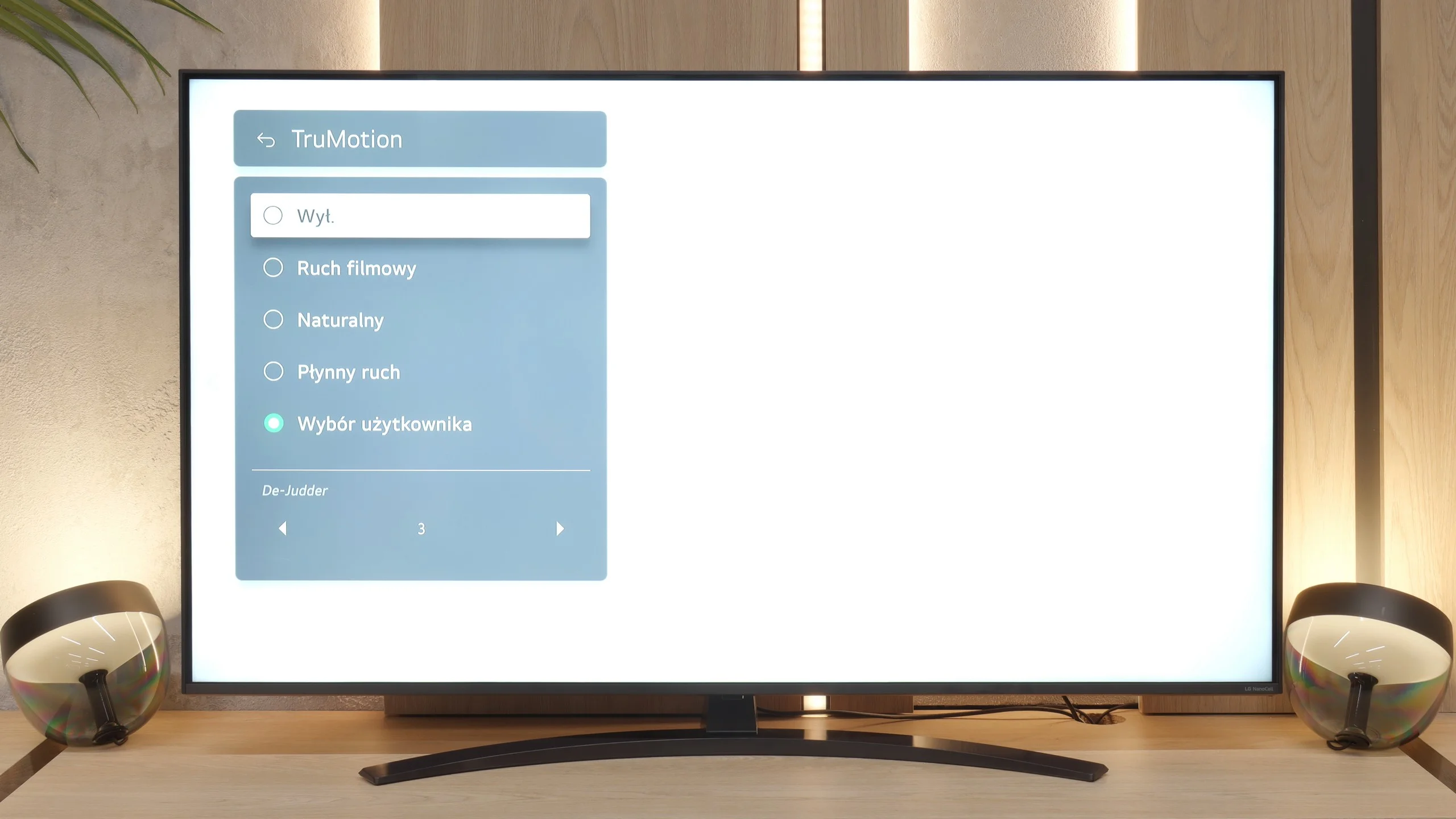
Blur (native resolution, maximum refresh rate):




Blur ():
Blur (4K@144Hz):


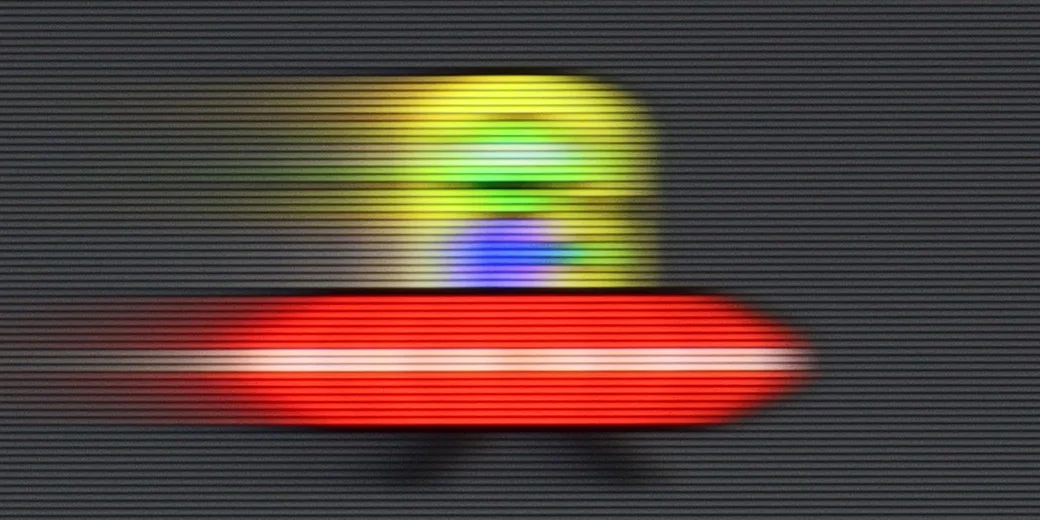
In terms of motion fluidity, the NANO81A unfortunately has a few drawbacks. The TV is based on a panel with a refresh rate of 60 Hz. If you're looking for perfect sharpness in dynamic football matches or fast-paced action games, you might feel somewhat unsatisfied. With such a low native refresh rate, fast-moving objects on the screen will always be a bit blurry.
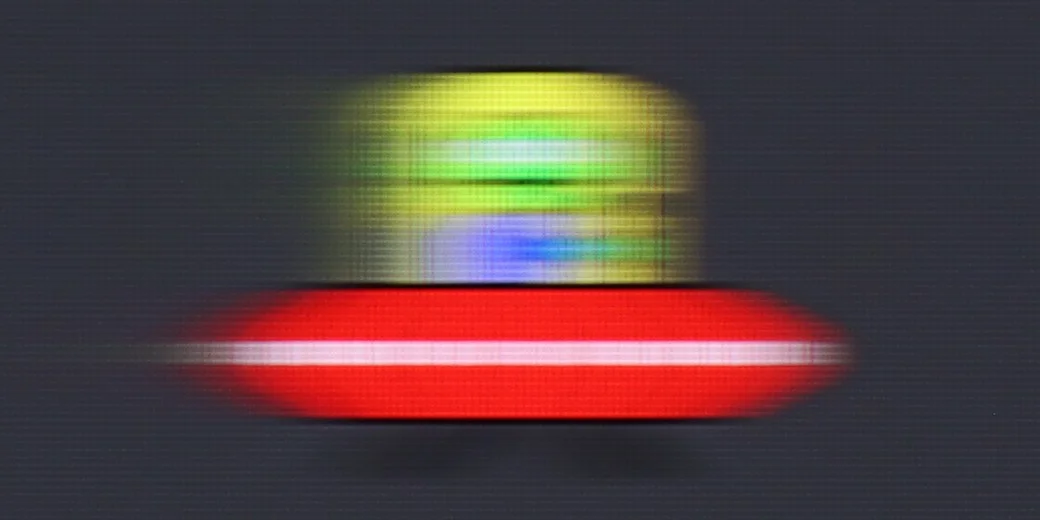
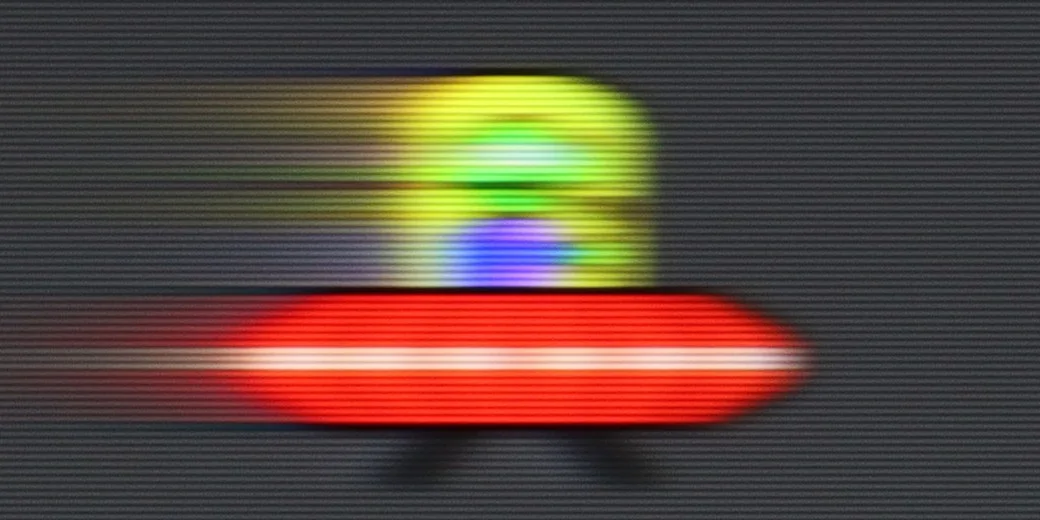
Panasonic W92C has a 144 Hz panel, which will be most useful for PC gaming. For consoles and sports, what matters more is how the screen handles 120 Hz. Motion is smooth, though moving objects aren't perfectly sharp. In our UFO test you can see a distinct trail behind it, especially on dark backgrounds. Despite that, the W92C is still a better option for dynamic content than a typical 60 Hz screen. The higher refresh rate provides a noticeable improvement in smoothness, though the panel itself could respond faster to color changes.
Console compatibility and gaming features
6/10
8.1/10
- ALLM
- VRR
- VRR range48 - 60Hz48 - 144Hz
- Dolby Vision Game Mode
- Correct implementation of HGIG
- 1080p@120Hz
- 1440p@120Hz
- 4K@120Hz
- Game bar
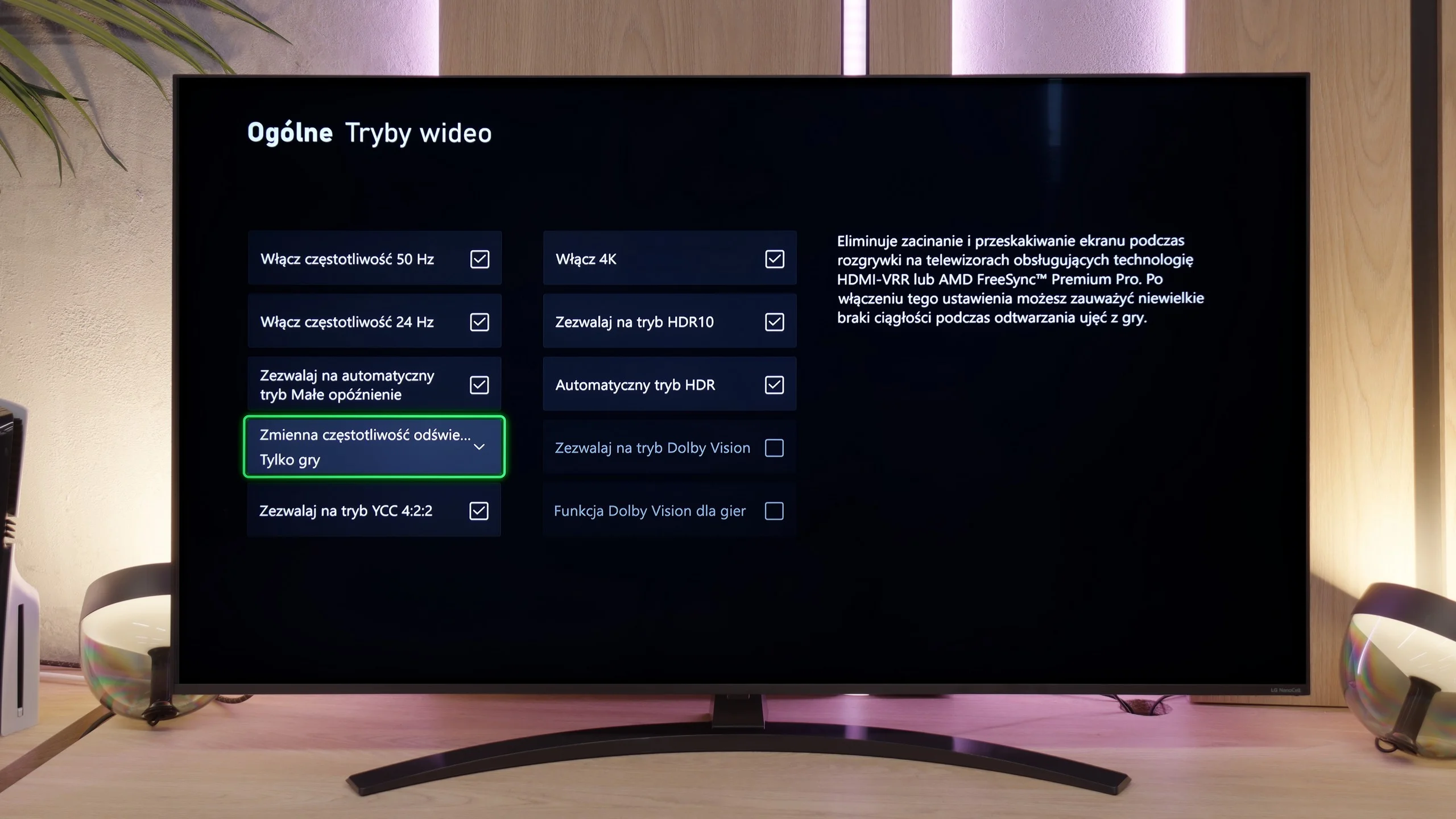
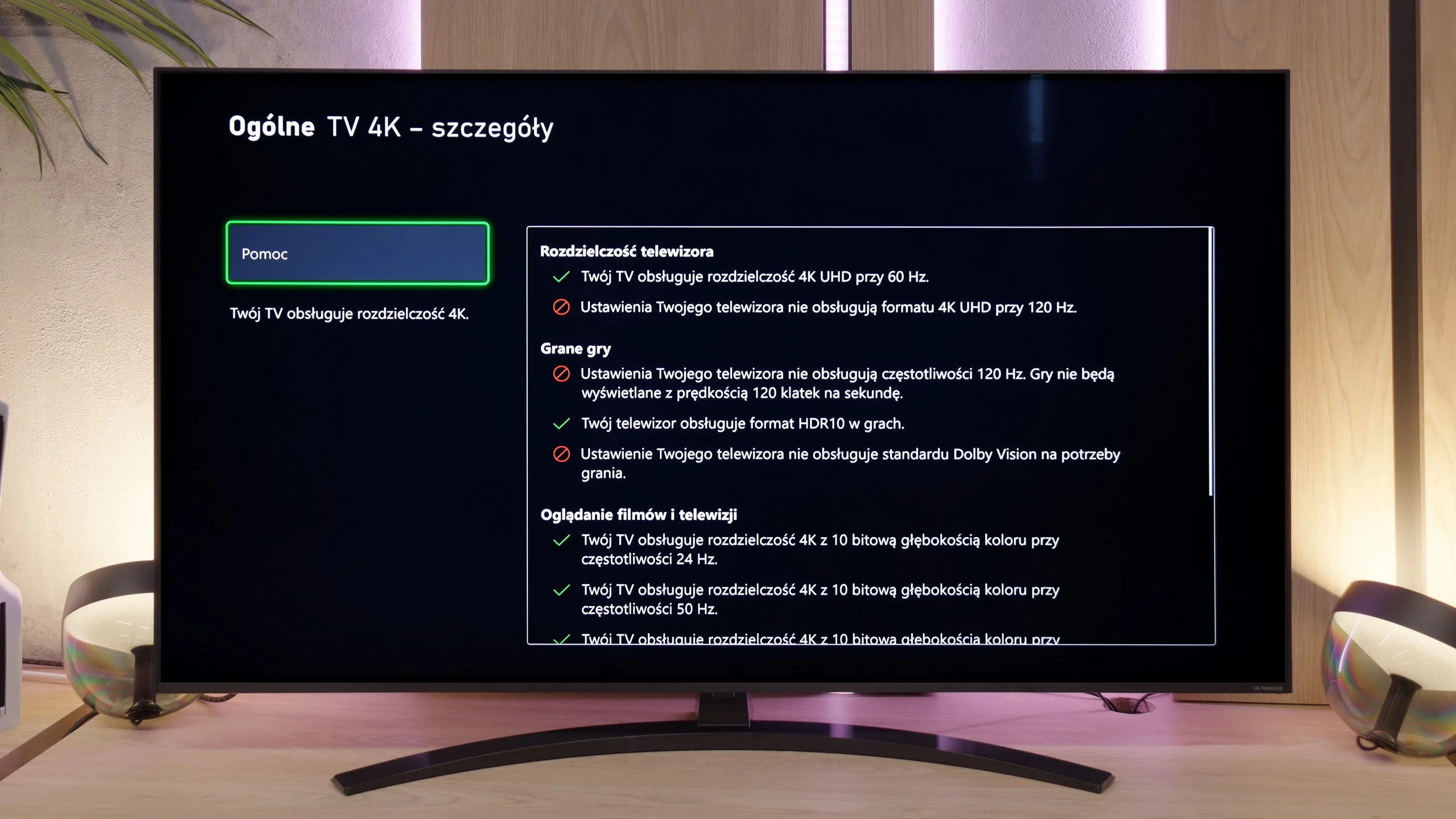
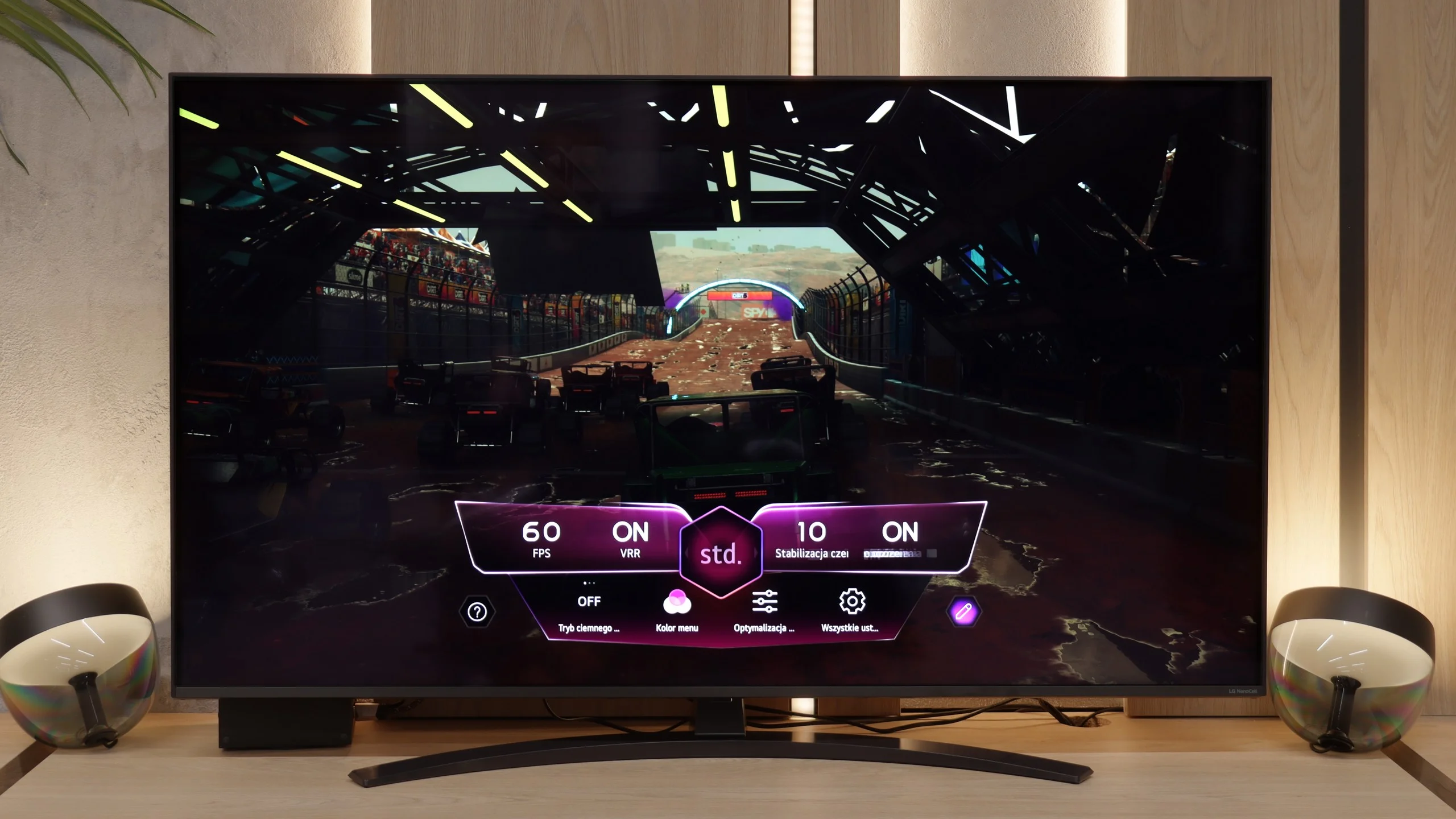
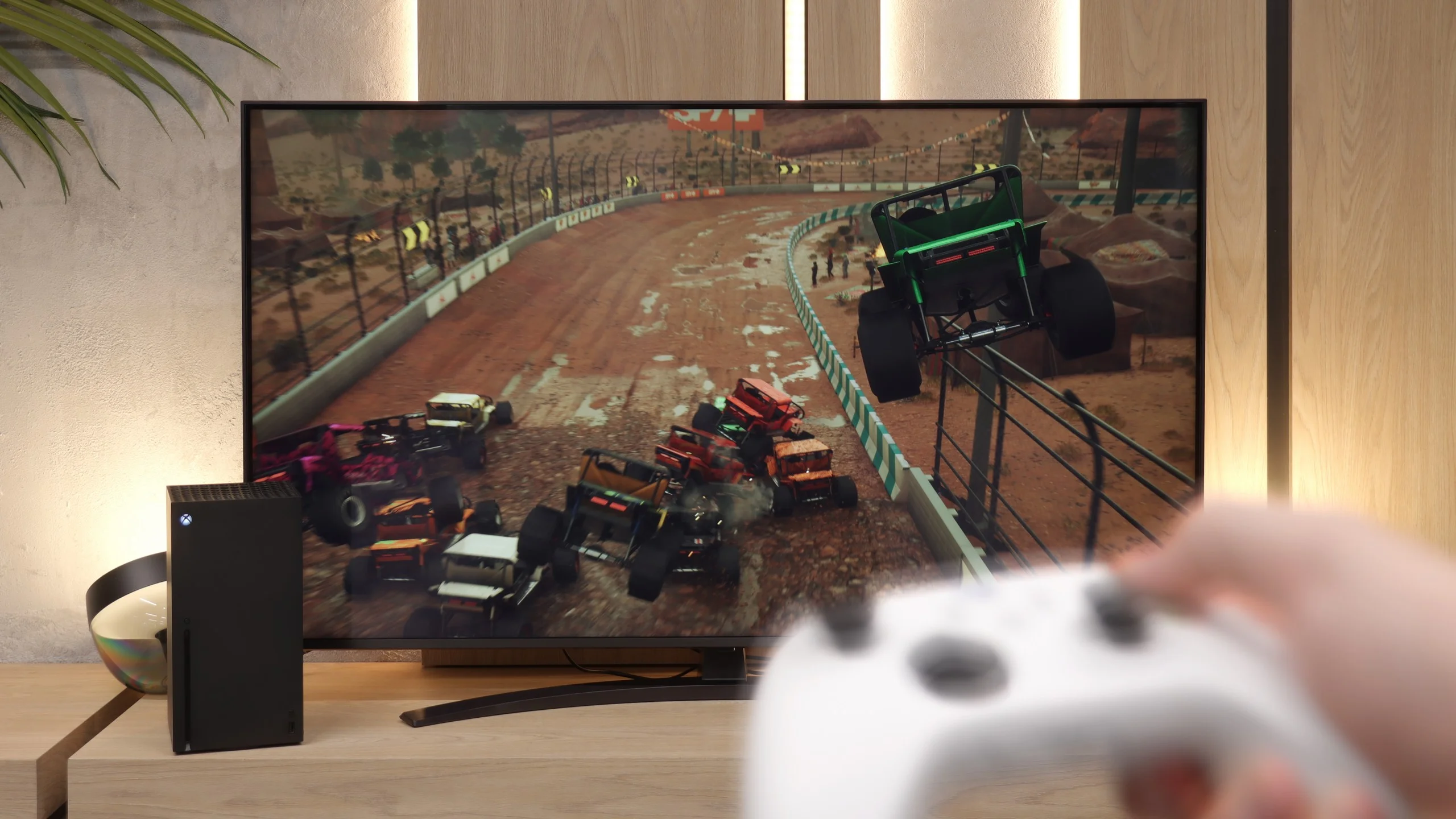
NANO81A is unfortunately not a device designed for e-sports. The lack of support for a 120 Hz signal is a fact that users planning to purchase this model must simply come to terms with. Nevertheless, LG engineers have worked hard to squeeze the maximum capabilities out of this 60 Hz panel, offering a set of features that genuinely enhance the gaming experience. Above all, the television supports VRR technology (in the range of 48–60 Hz) and ALLM. As a result, the image remains stable and does not "tear," and the device automatically switches to low-latency mode as soon as it detects a signal from the console. Managing these settings is incredibly simple thanks to a dedicated system overlay that allows for a quick overview of parameters without leaving the game. A significant advantage is the support for the HGiG format. This solution is crucial for owners of modern consoles, as it enables the TV to correctly "understand" the intentions of game developers regarding HDR tone mapping. In practice, this helps avoid the effect of "blown out" bright spots, such as clouds or light sources, which unfortunately is a common issue in budget LCD televisions.
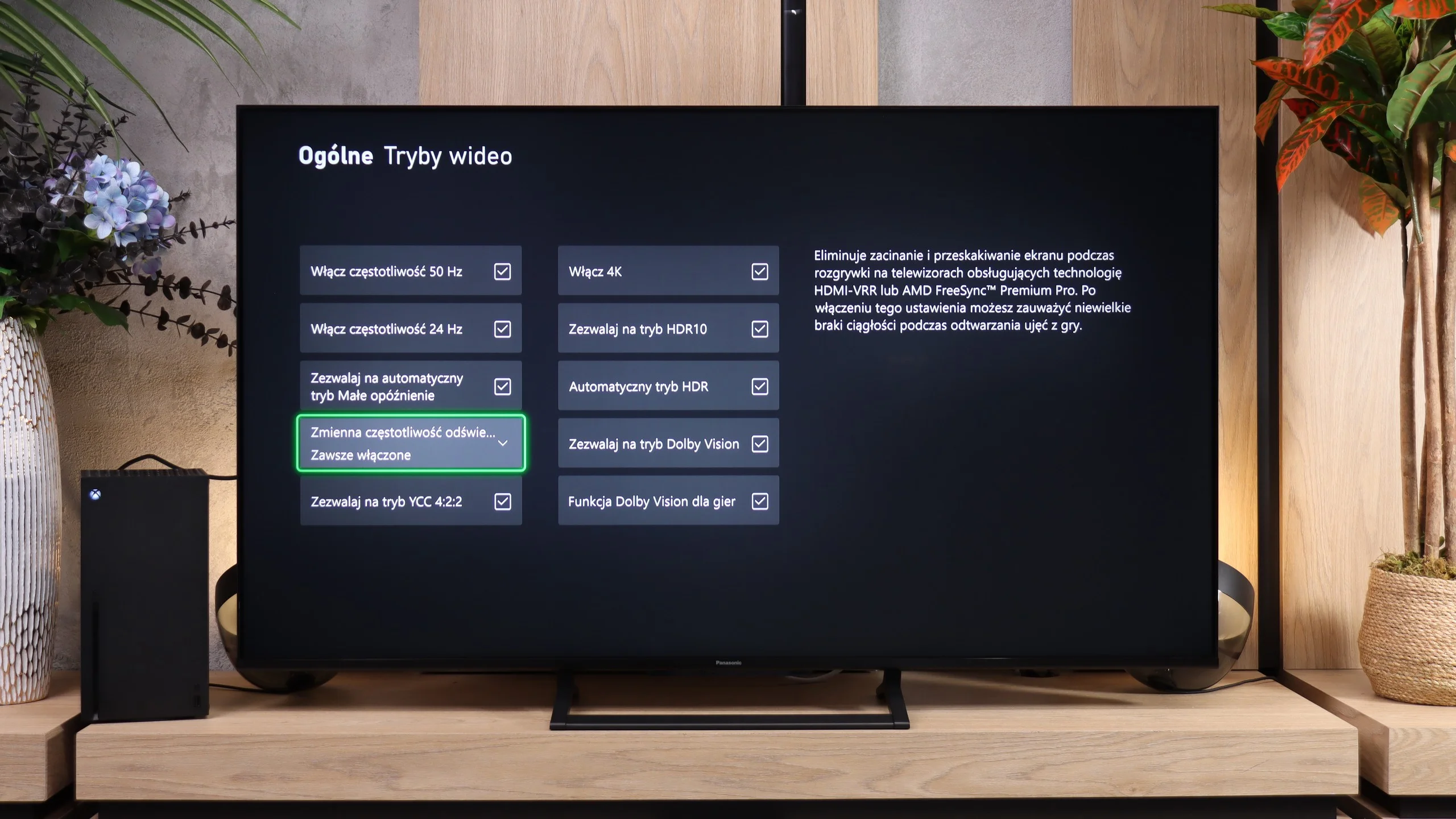
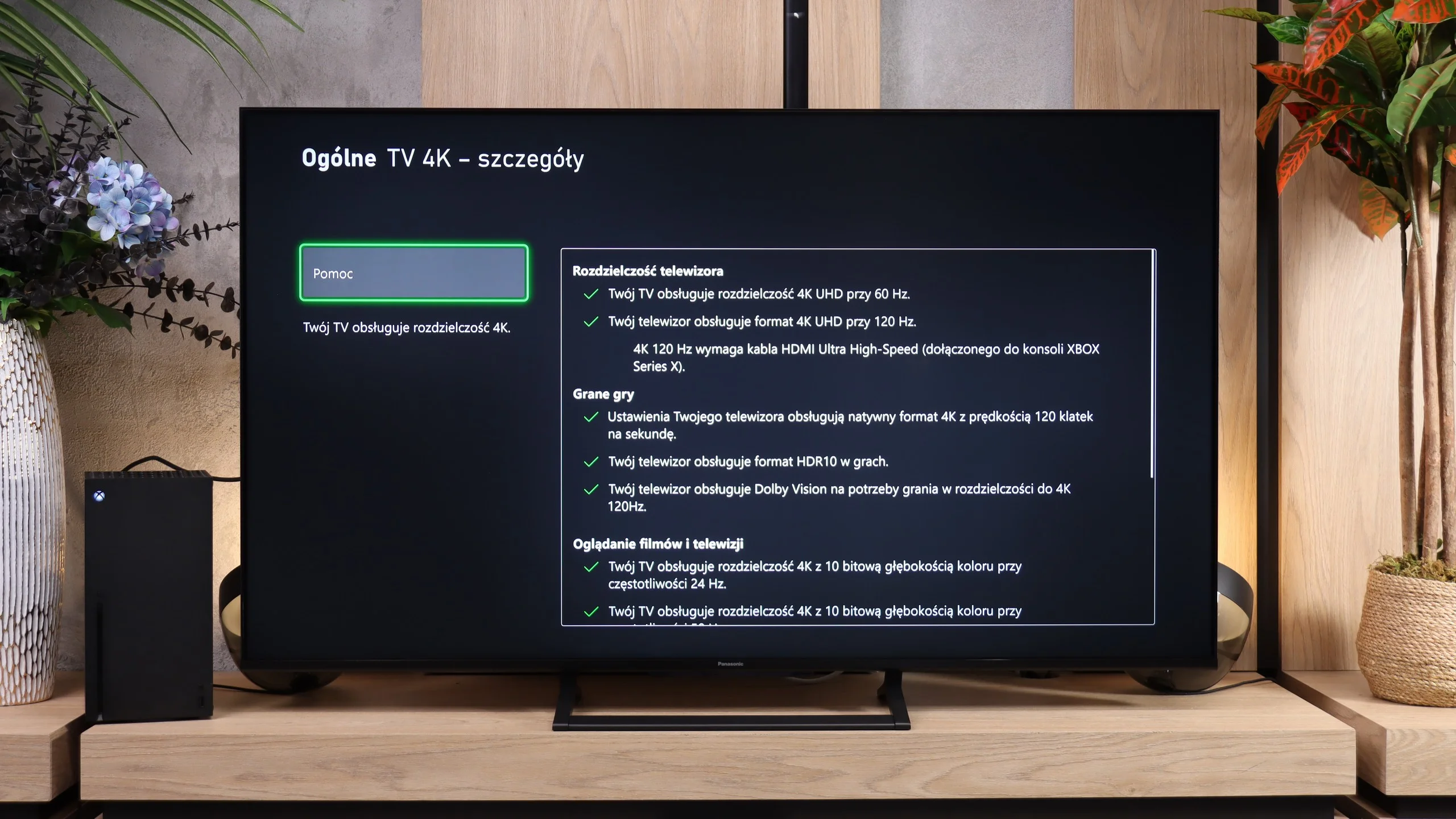
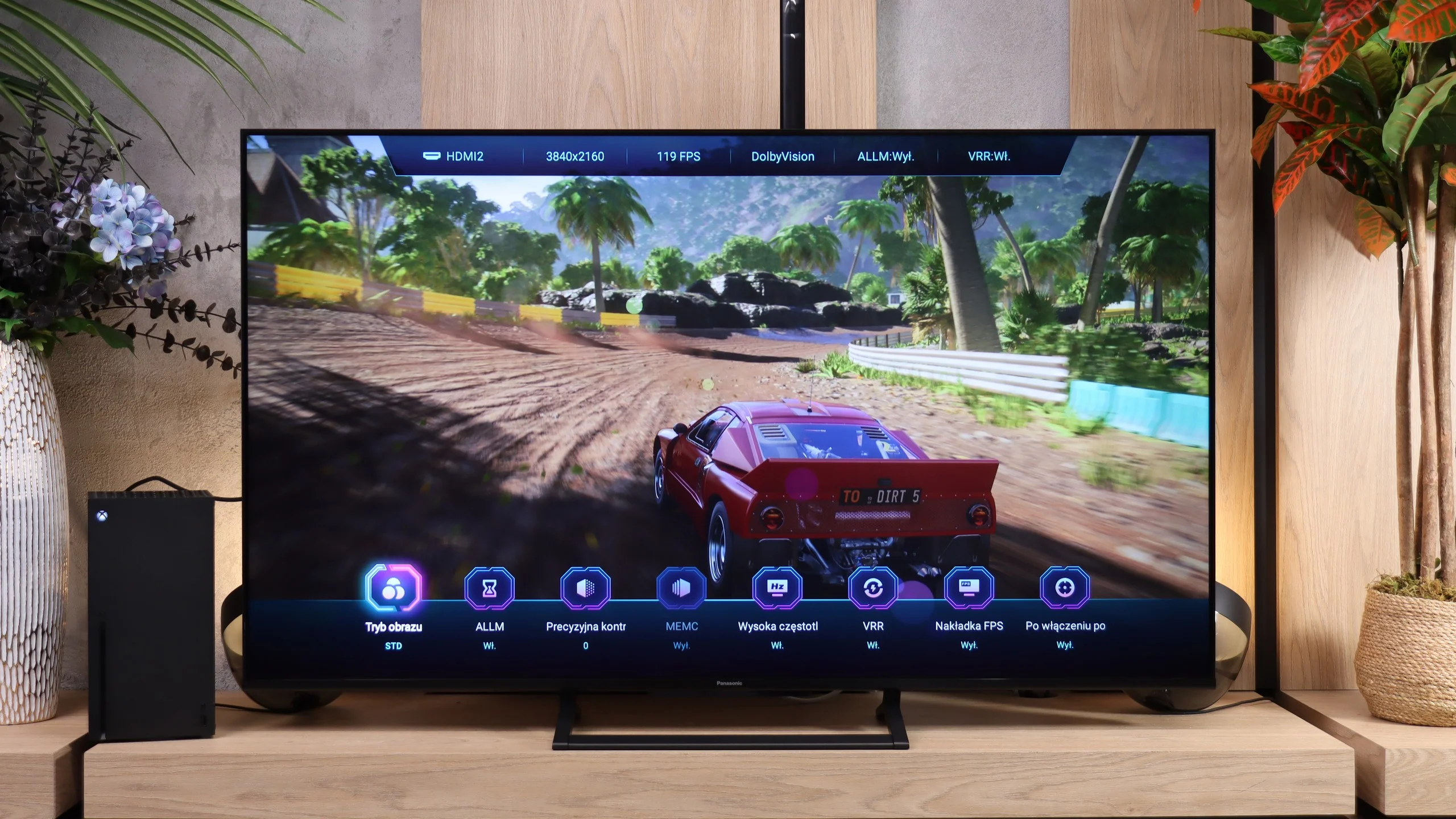
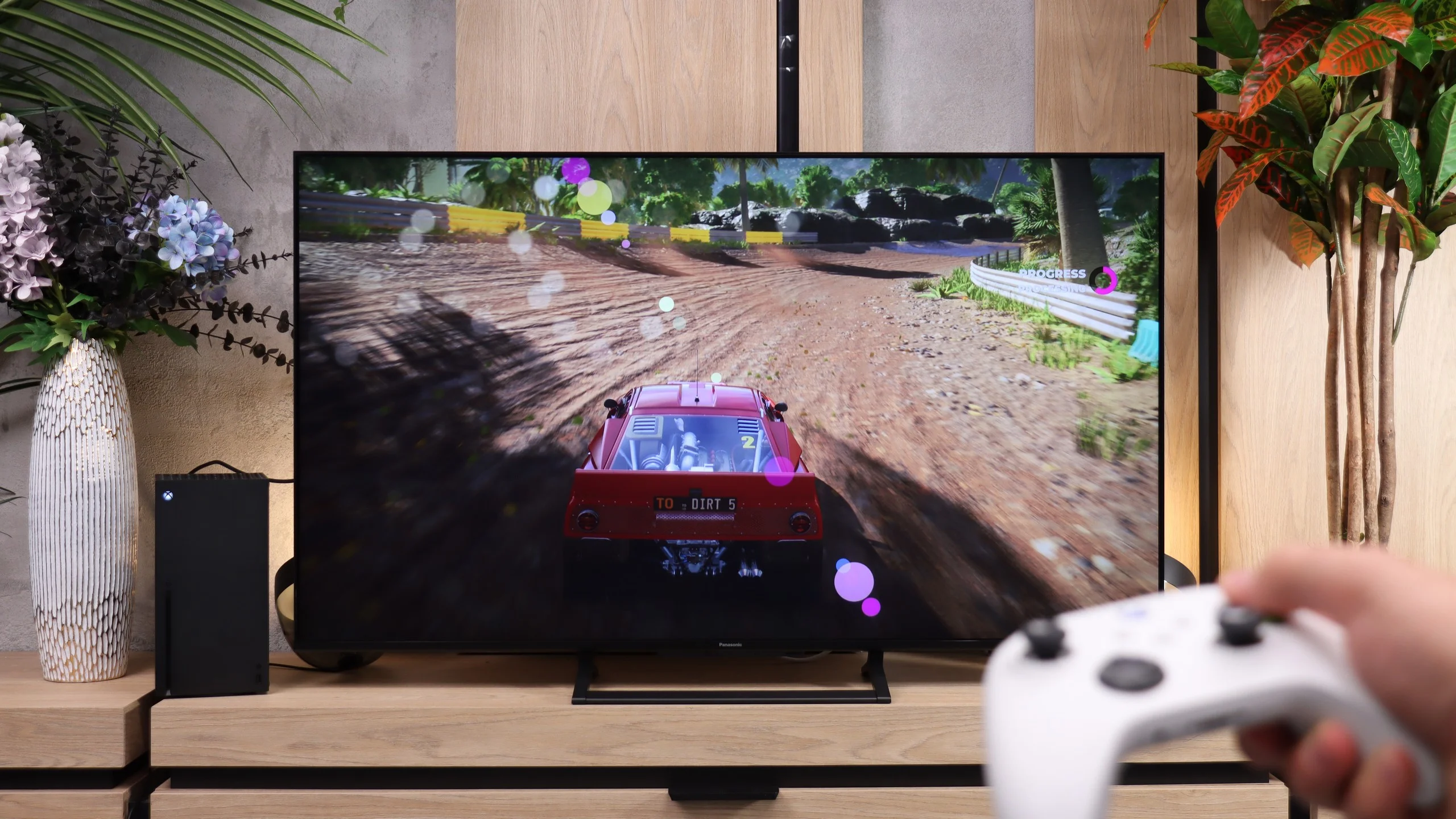
The Panasonic W92C has quite a bit to offer gamers. It has three HDMI 2.1 ports with full 48 Gbps bandwidth, supports 4K gaming at 120 Hz, and when connected to a PC can even run at 144 Hz. It also offers VRR from 48 to 144 Hz, which helps keep the image smooth when frame rates fluctuate, and ALLM that automatically switches to low-latency mode. On top of that, it supports Dolby Vision for gaming. The new Game Bar deserves special praise. The large circles known from Panasonic sets with Fire TV have been replaced by a much more organized panel. At the top you see the most important signal information, and at the bottom shortcuts to gamer settings. It looks more modern and is much closer to what the biggest competitors offer. Definitely a change for the better. Not everything is perfect, though. It lacks a properly working HGiG, which helps match HDR in games to the screen's capabilities. The W92C also doesn't support 1440p at 120 Hz. That's a shame, since that mode is especially useful on a PC when you want more frames than in 4K but keep better detail than Full HD.
Input lag
10/10
9.9/10
SDR
HDR
Dolby Vision
In terms of response speed, the LG NANO81A performs exceptionally well. The input lag we measured is about 12 ms. This is a very low result, which means one thing for a gamer – the delay between moving the joystick on the controller and the reaction on the screen is practically imperceptible. The television performs excellently in dynamic titles, where every millisecond matters, and in this regard, it does not fall behind significantly more expensive models.
The input lag on the Panasonic W92C is very low. At 60 Hz we measured about 15–16 ms, and at 120 Hz only 7 ms. The controller response is therefore quick, and even in fast-paced games there’s little to complain about. Dolby Vision also performs well: 17 ms at 60 Hz and 9 ms at 120 Hz. You can safely use any format without worrying that controls will become noticeably slower.
Compatibility with PC
6/10
9/10
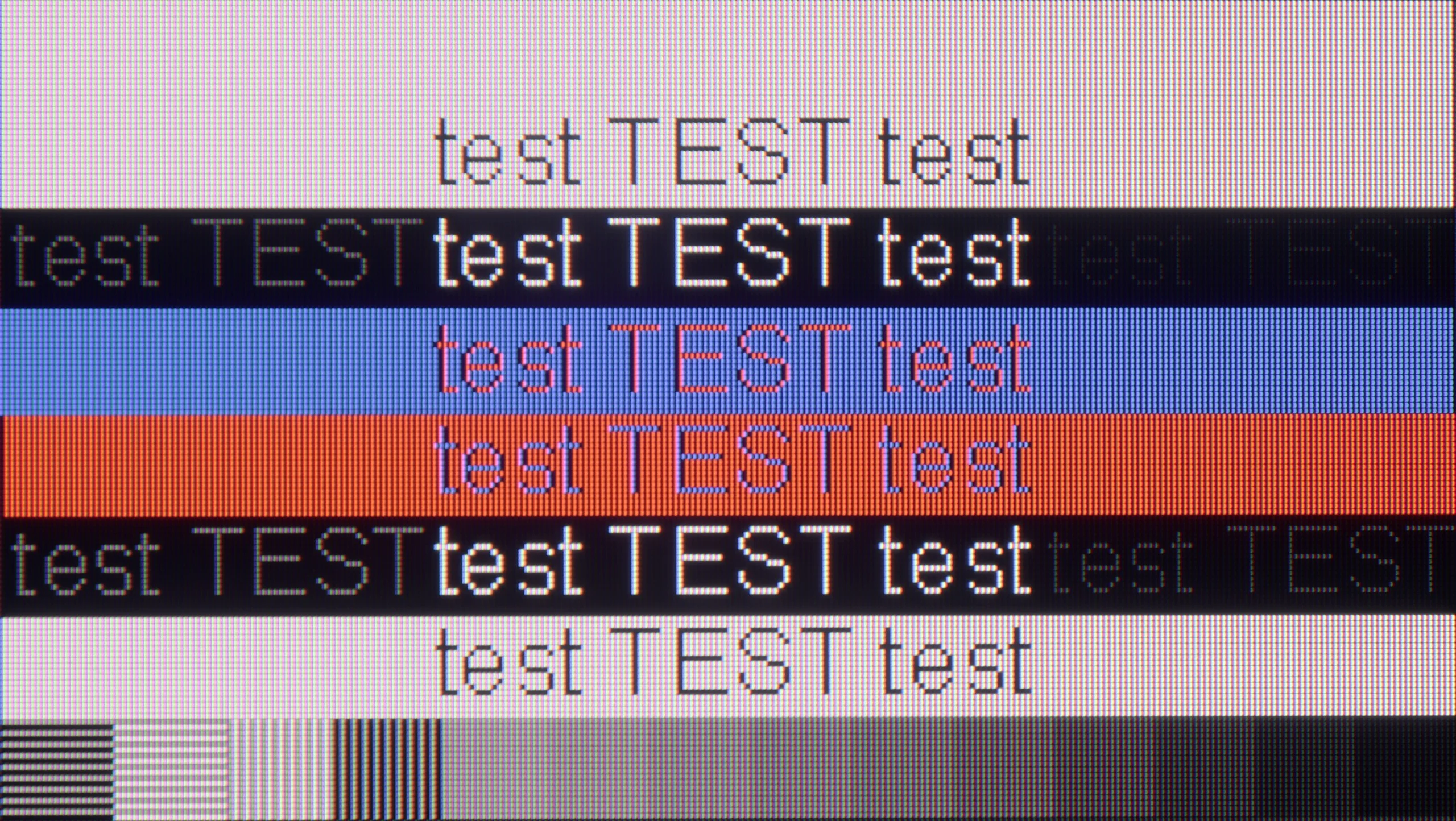
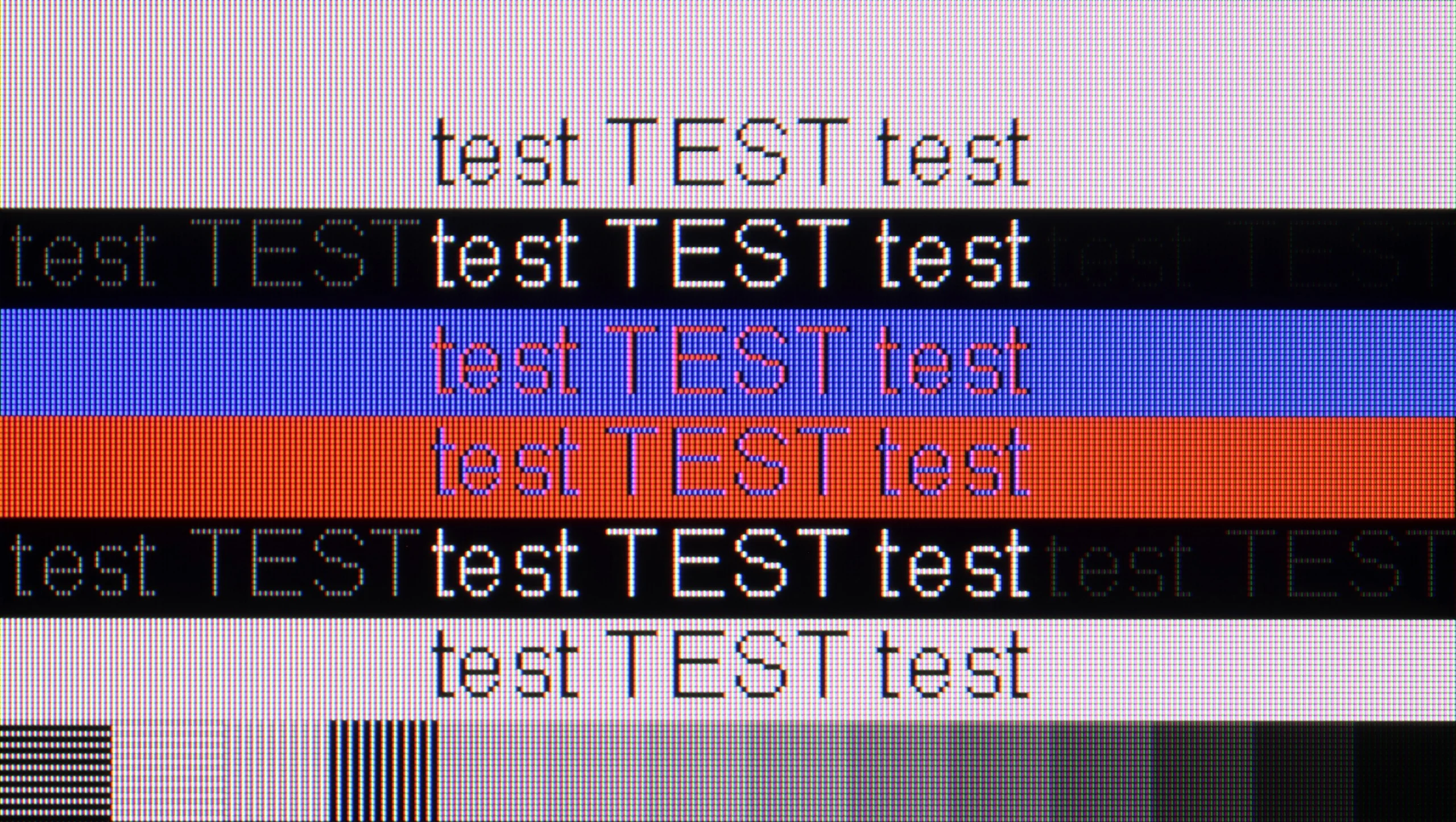
The photo shows the legibility of small fonts. Ideally, lines should be the same thickness on both light and dark text, with minimal pixel gaps.
Nano81A is a really solid monitor for text work. Thanks to the IPS panel and proper implementation of Chroma 4:4:4, fonts are very clear and sharp – practically anyone will be satisfied with how this screen performs as a monitor. We only noticed one small detail that we caught with our laboratory scrutiny: vertical lines of dark text are slightly darker than those horizontal ones. However, this phenomenon is minimal enough that we decided not to deduct points for it. The ratings went down only for features typical for PC gamers – it lacks G-Sync support and high refresh rates above 60 Hz, which will be a significant drawback for those looking for a screen for fast-paced computer games.
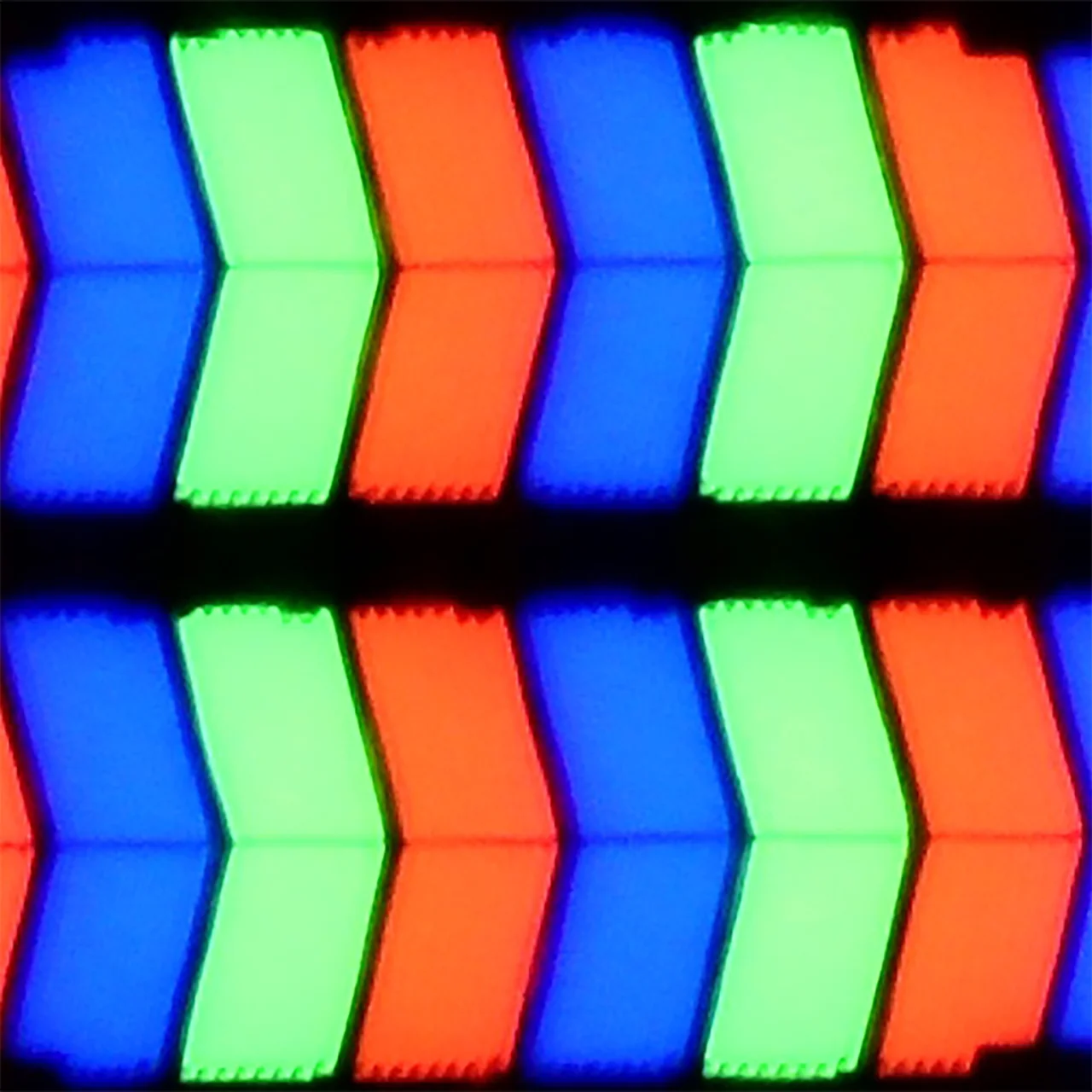
Working with a computer is one of the W92C’s stronger suits. Fonts look really great. They’re sharp, easy to read, and don’t lose fine details. That also applies to dark text on dark backgrounds, which some TVs struggle with. It’s one of the few panels that handled our font test so well. The RGB subpixel layout and proper support for chroma 4:4:4 help here, including at maximum resolution and refresh rate. There’s also a lot on offer for gamers: 4K at 144 Hz, working G-Sync, and input lag of about 7 ms. So the Panasonic performs well for both text work and gaming. You just need to remember the smearing mentioned earlier and the lack of 1440p support at 120 Hz. The overall readability of the computer image, however, is excellent.
Viewing angles
6.1/10
6/10
This is the moment when the LG NANO81A can finally "breathe" and make up for the points lost in the black and contrast category. Thanks to the use of an IPS panel, the viewing angles are simply very good here. This is where the tested model gains the most and clearly shows its advantage over competing televisions equipped with VA panels. In practice, this means that the image does not lose quality, even when viewed from a wide angle. This makes the NANO81A a great option for those who have a wide furniture layout in their living room or frequently watch games and movies with a larger group.
The 55-inch Panasonic W92C offers good viewing angles, mainly thanks to its IPS panel. As a result, images viewed from the side retain color and contrast better than on many Mini LED-backlit LCD TVs that use VA panels.
Daytime performance
4/10
6.8/10
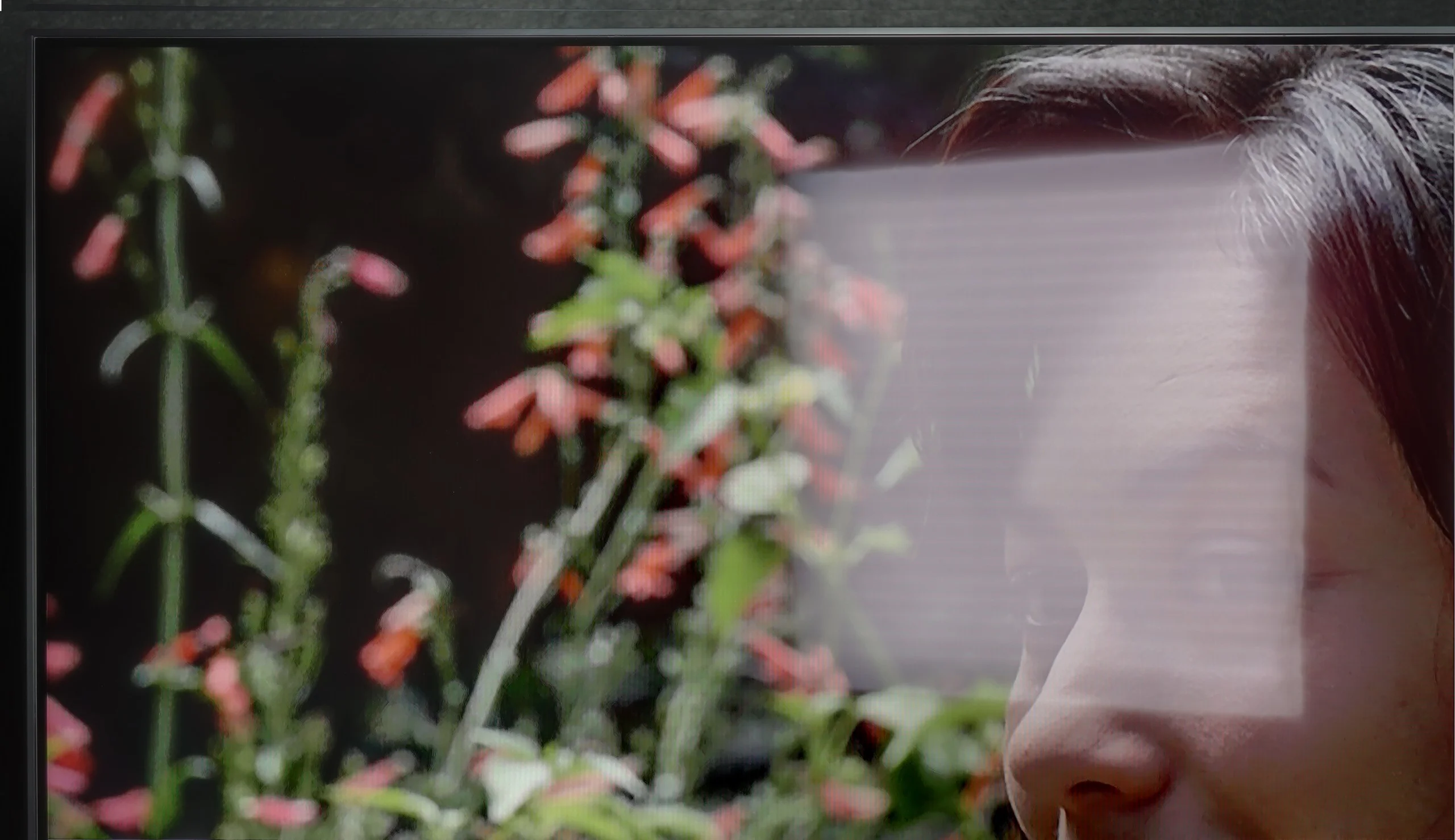
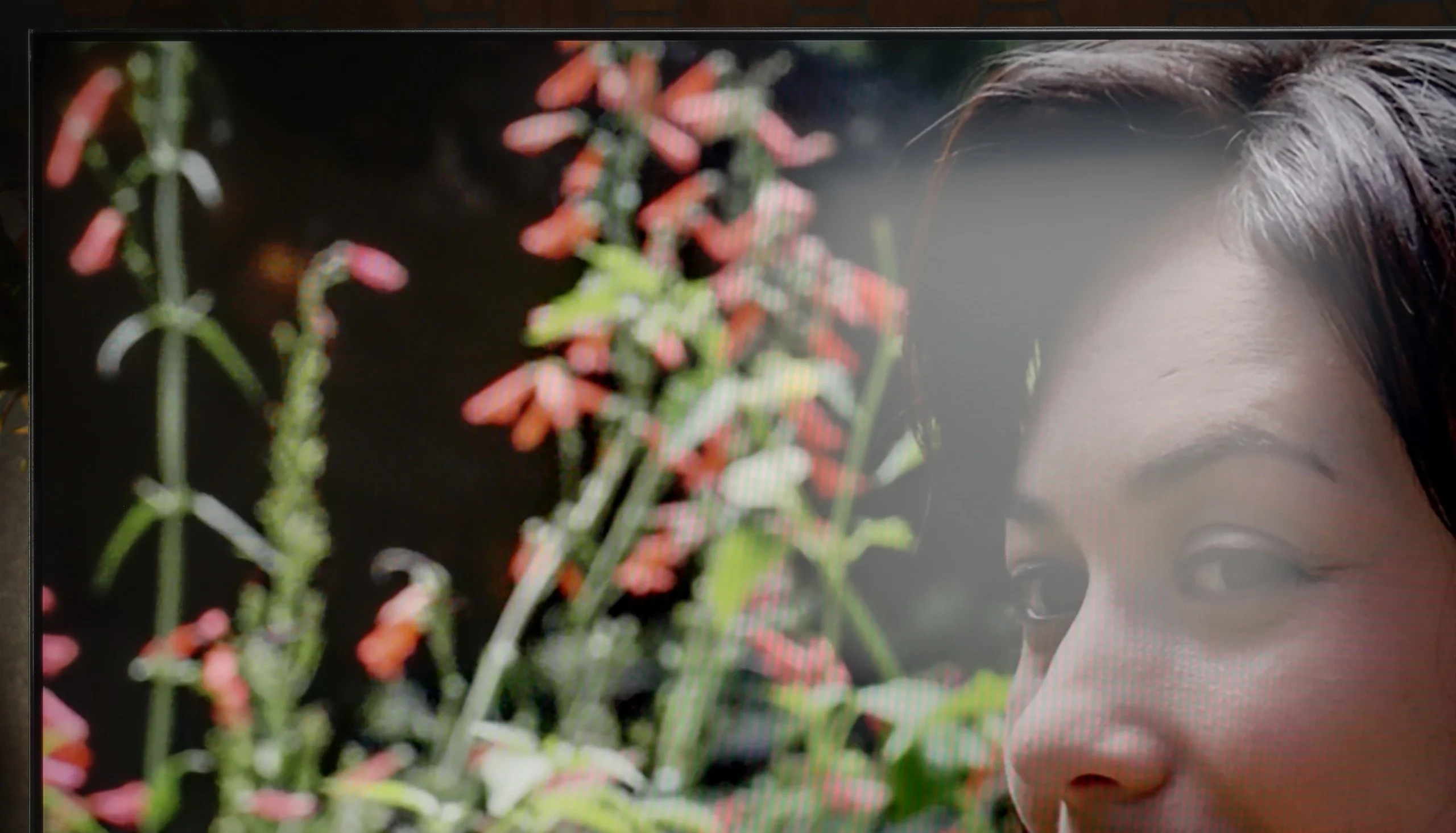
Panel brightness
Panasonic W92C (Google TV): 555 cd/m2
LG NANO81A / NANO80A : 247 cd/m2
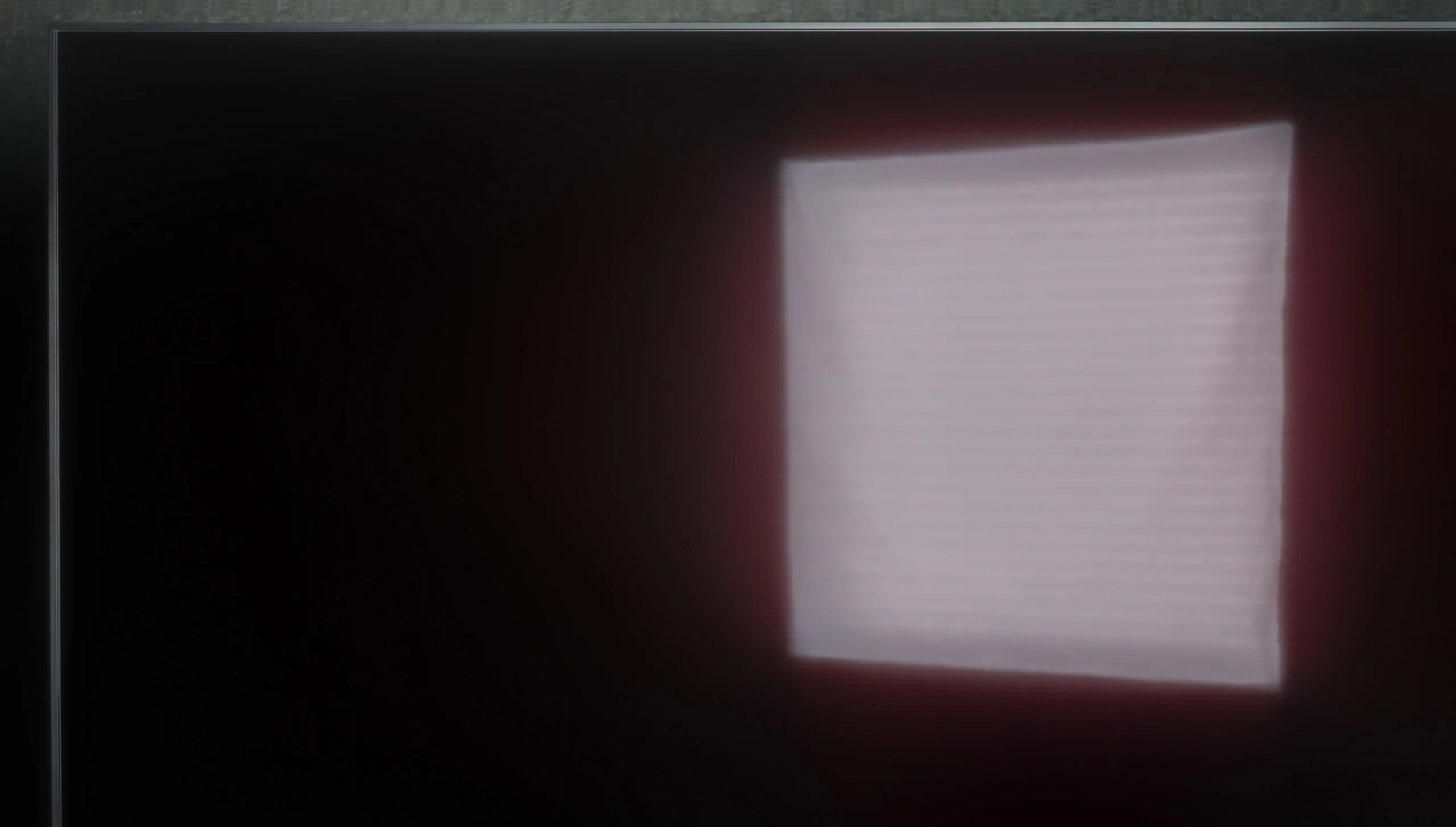
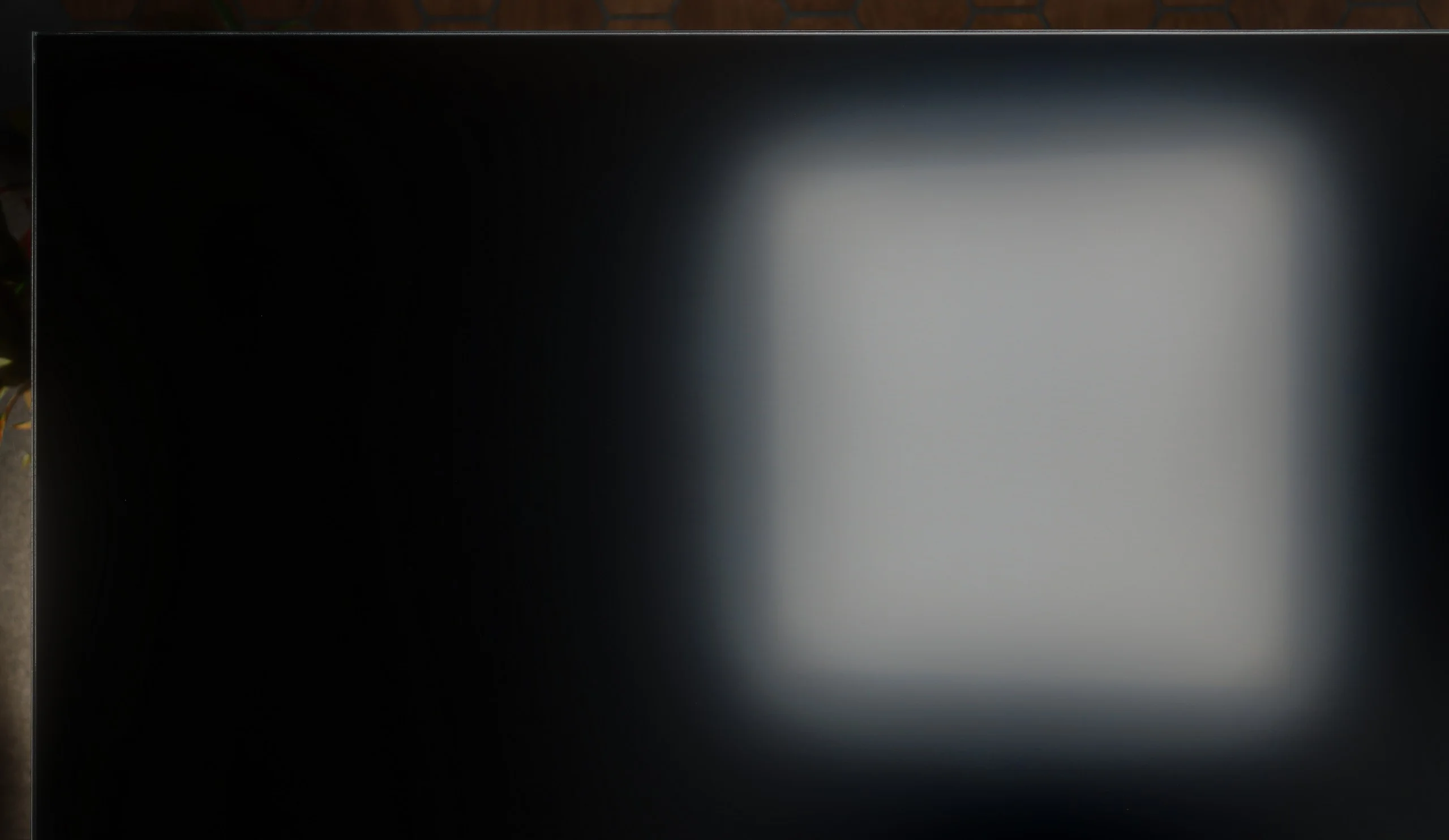
NANO81A is a relatively dark television, so it works best in rooms where you have control over the lighting. With a brightness reaching around 250 nits, it is hard to recommend it wholeheartedly for very bright, heavily sunlit living rooms – under such conditions, the image will simply lack punch. Nevertheless, LG deserves a small plus for the screen finish. The satin panel used here dampens reflections quite decently. As a result, even if there is a bit of light in the room, you won't see reflections of every detail from your surroundings on the screen. So, if you can slightly close the blinds, a daytime viewing experience will be quite possible, but this model was simply not designed to "fight" against full sunlight.
A matte panel is a big plus for the W92C when watching during the day. It disperses reflections very well, so instead of a clear image of a window or lamp you see a more blurred glow. Added to that is an average brightness of around 555 nits, which is easily enough for watching TV in a typical bright living room. That doesn’t mean light falling on the screen stops being an issue. The matte coating spreads it over a larger area, which makes blacks look grayish and the picture lose some contrast. You’ll notice this most easily in dark scenes. Even so, the combination of decent brightness and effective reflection suppression makes the Panasonic quite suitable for everyday viewing without having to cover the windows.
Panel details
Subpixel Structure:
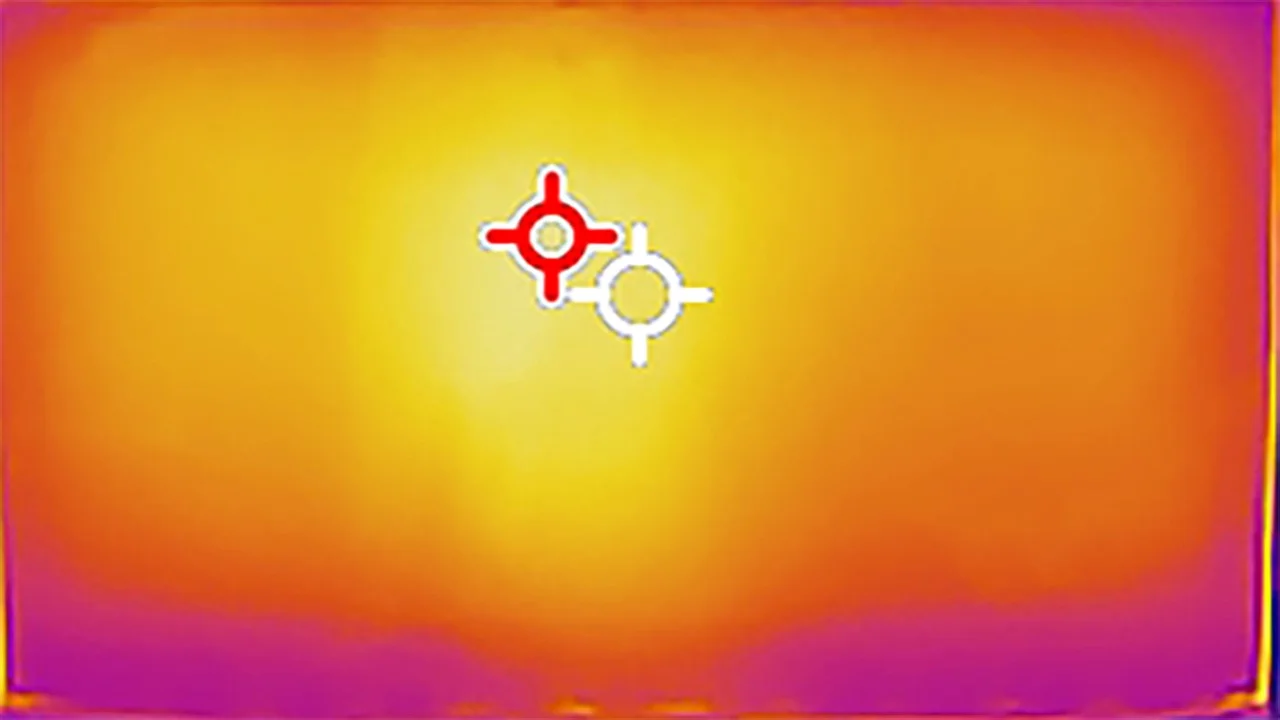
Panel uniformity and thermal imaging:
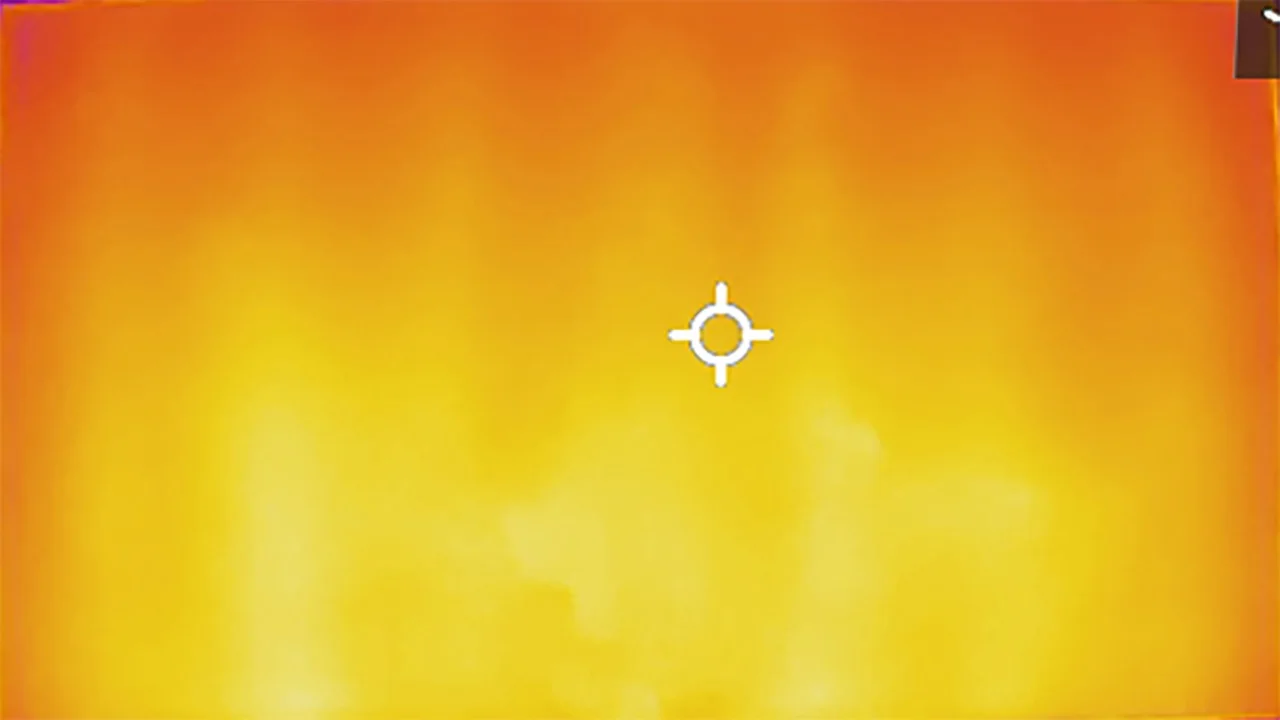
LG NANO81A / NANO80A
Panasonic W92C (Google TV)
TV features
6.6/10
6.6/10
- SystemWebOSGoogle TV
- System performanceGoodGood
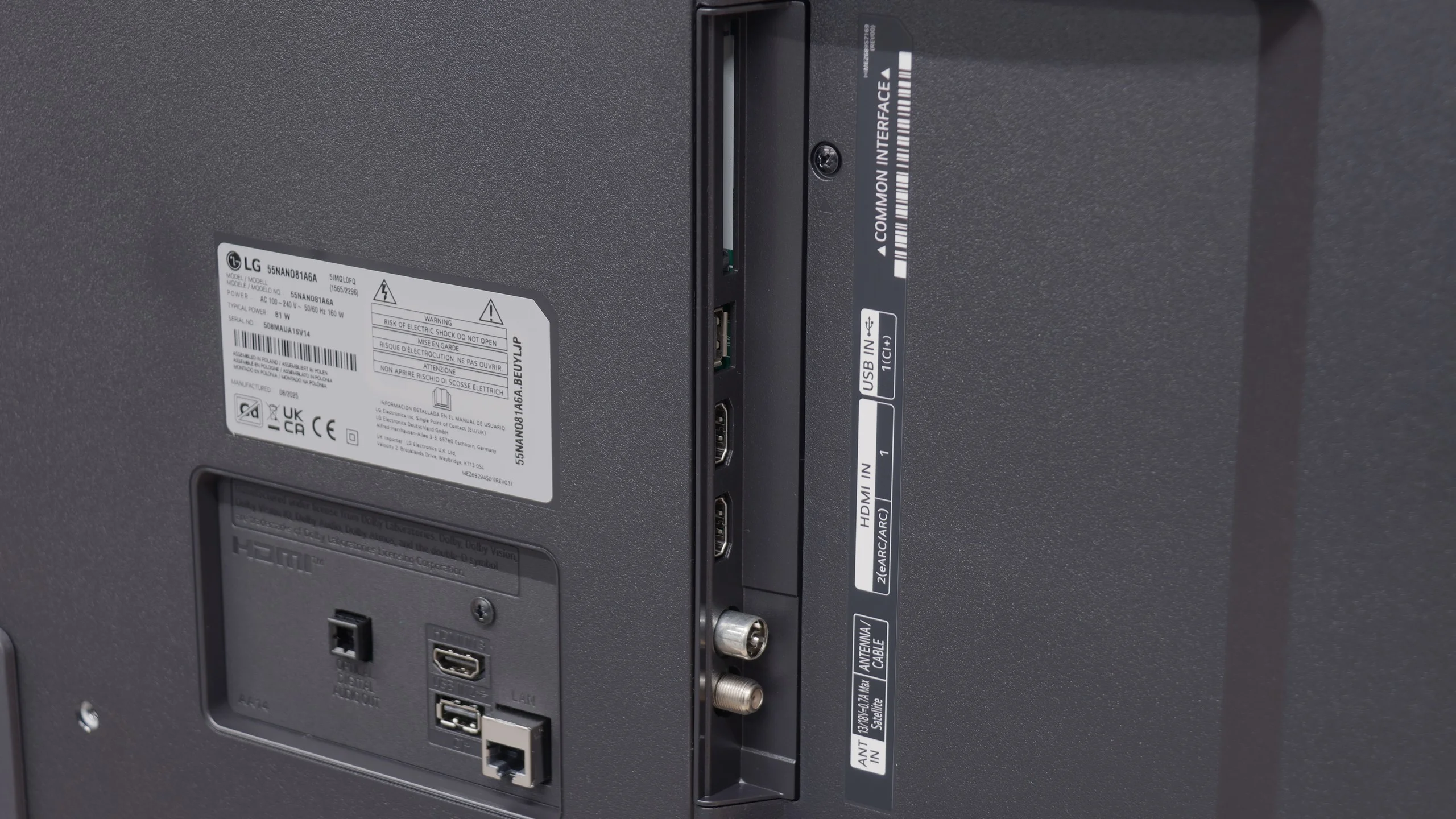
- HDMI inputs3 x HDMI 2.0, 0 x HDMI 2.10 x HDMI 2.0, 3 x HDMI 2.1 48Gbps
- OutputsToslink (Optical audio), eARC (HDMI), ARC (HDMI)Toslink (Optical audio), eARC (HDMI), ARC (HDMI), Mini-Jack (Headphones)
- Network InterfacesWi-Fi 2.4GHz, Wi-Fi 5GHz, Ethernet (LAN) 100MbpsWi-Fi 2.4GHz, Wi-Fi 5GHz, Ethernet (LAN) 100Mbps
- TV receptionDVB-T, DVB-T2, DVB-S, DVB-S2, DVB-CDVB-T, DVB-T2, DVB-S, DVB-S2, DVB-C
Classic features:
- Recording to USB (terrestrial TV)
- Recording programming
- Picture in Picture (PiP)
- RF remote control (no need to aim)
- Backlit remote control
- Teletext
- Audio only mode
- Bluetooth headphones support
- Simultaneous Bluetooth headphones & TV audio
Smart features:
- AirPlay
- Screen mirroring (Windows Miracast)
- Voice search
- Voice search in native language
- Ability to connect a keyboard and mouse
Sound connection options
- HDMI audioeARC (HDMI), ARC (HDMI)eARC (HDMI), ARC (HDMI)
- Other audio outputsToslink (Optical audio)Toslink (Optical audio), Mini-Jack (Headphones)
- Wireless audioBluetoothBluetooth
Supported audio formats (external HDMI eARC audio):
- Dolby Digital Plus 7.1
- Dolby True HD 7.1
- Dolby Atmos in Dolby Digital Plus (JOC)
- Dolby Atmos in Dolby True HD
- DTS:X in DTS-HD MA
- DTS-HD Master Audio
Senior accessibility
- Numeric keyboard on TV
- Font size adjustment
- Audio description
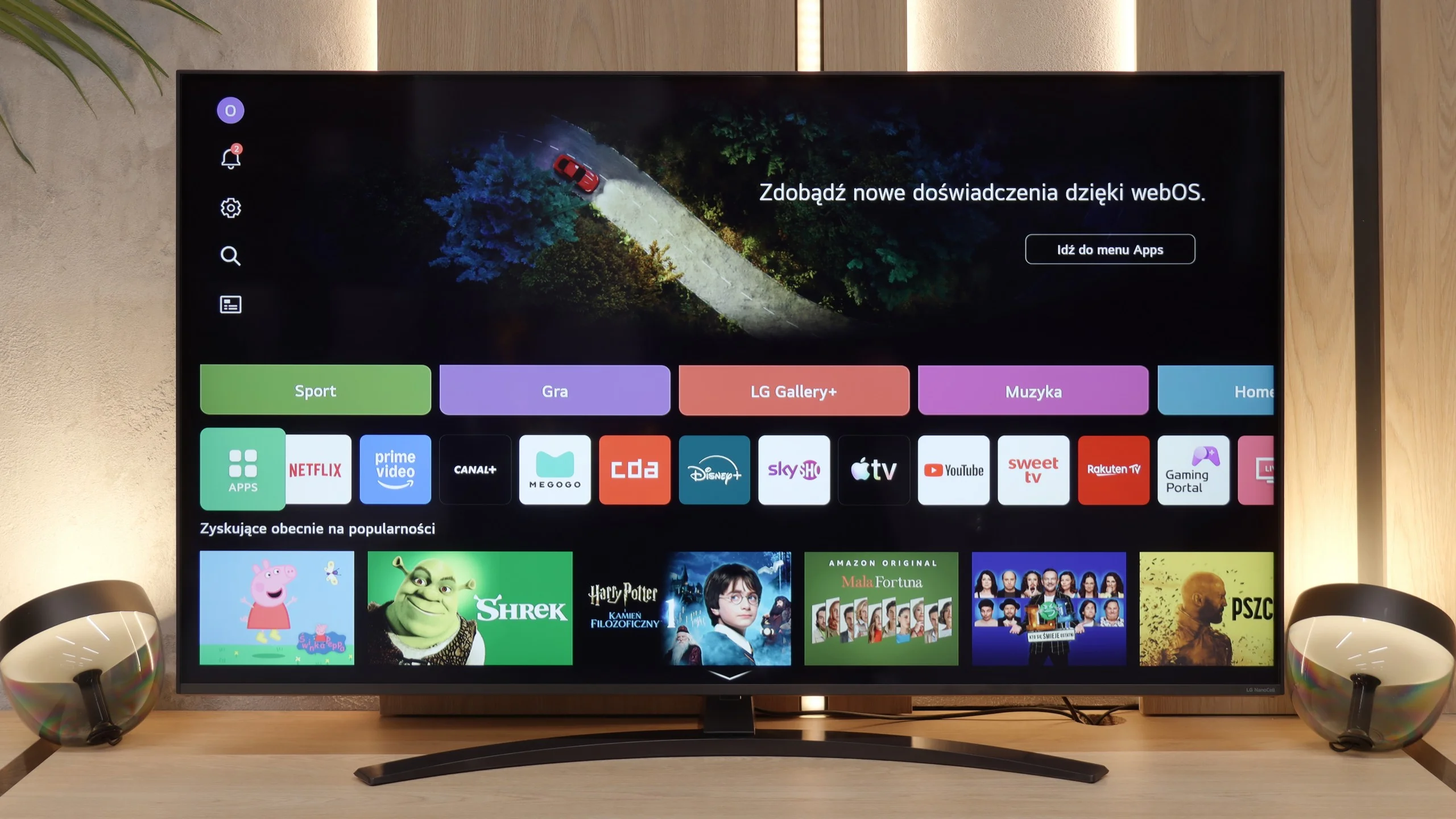
Smart Features: WebOS
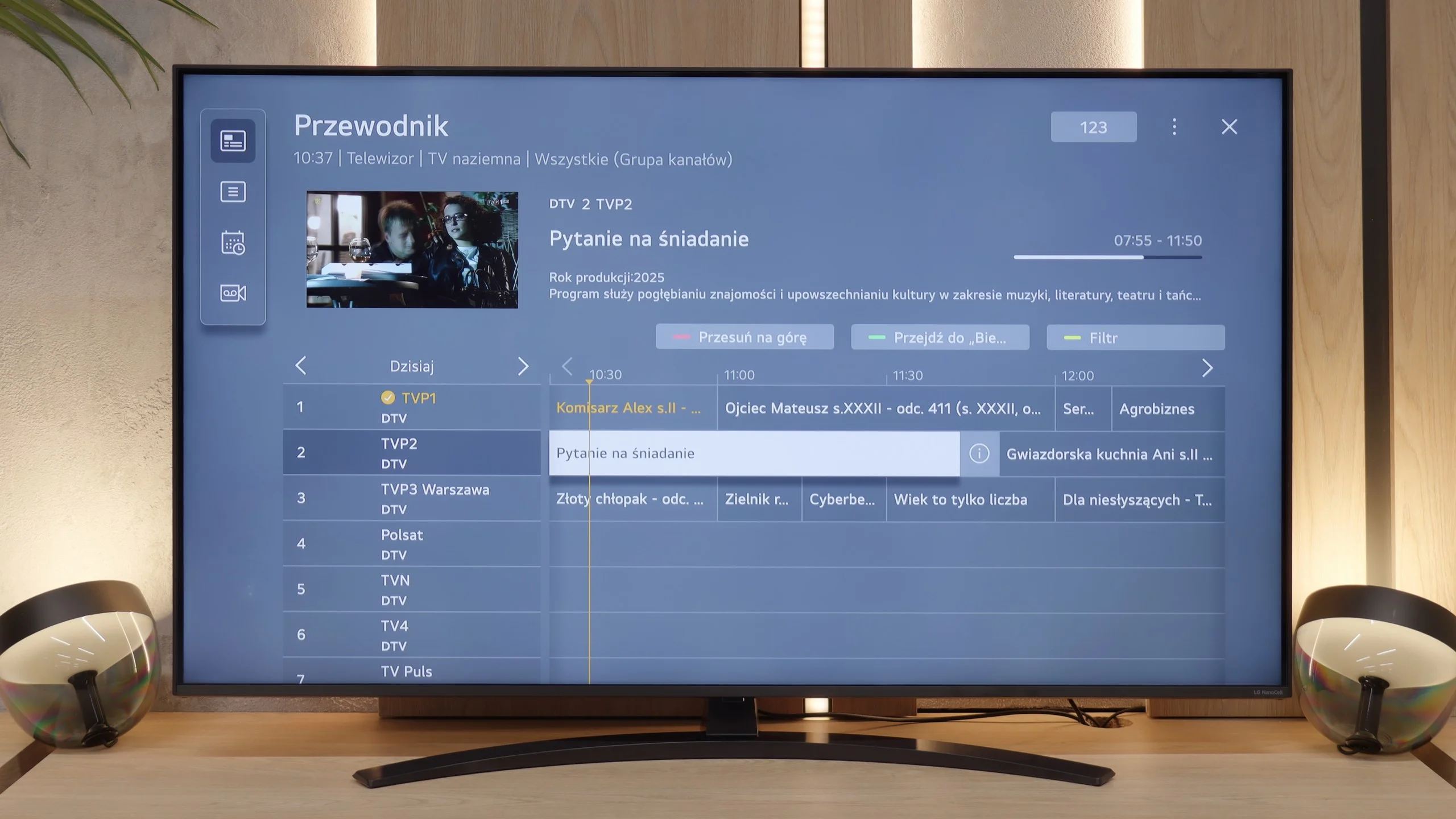
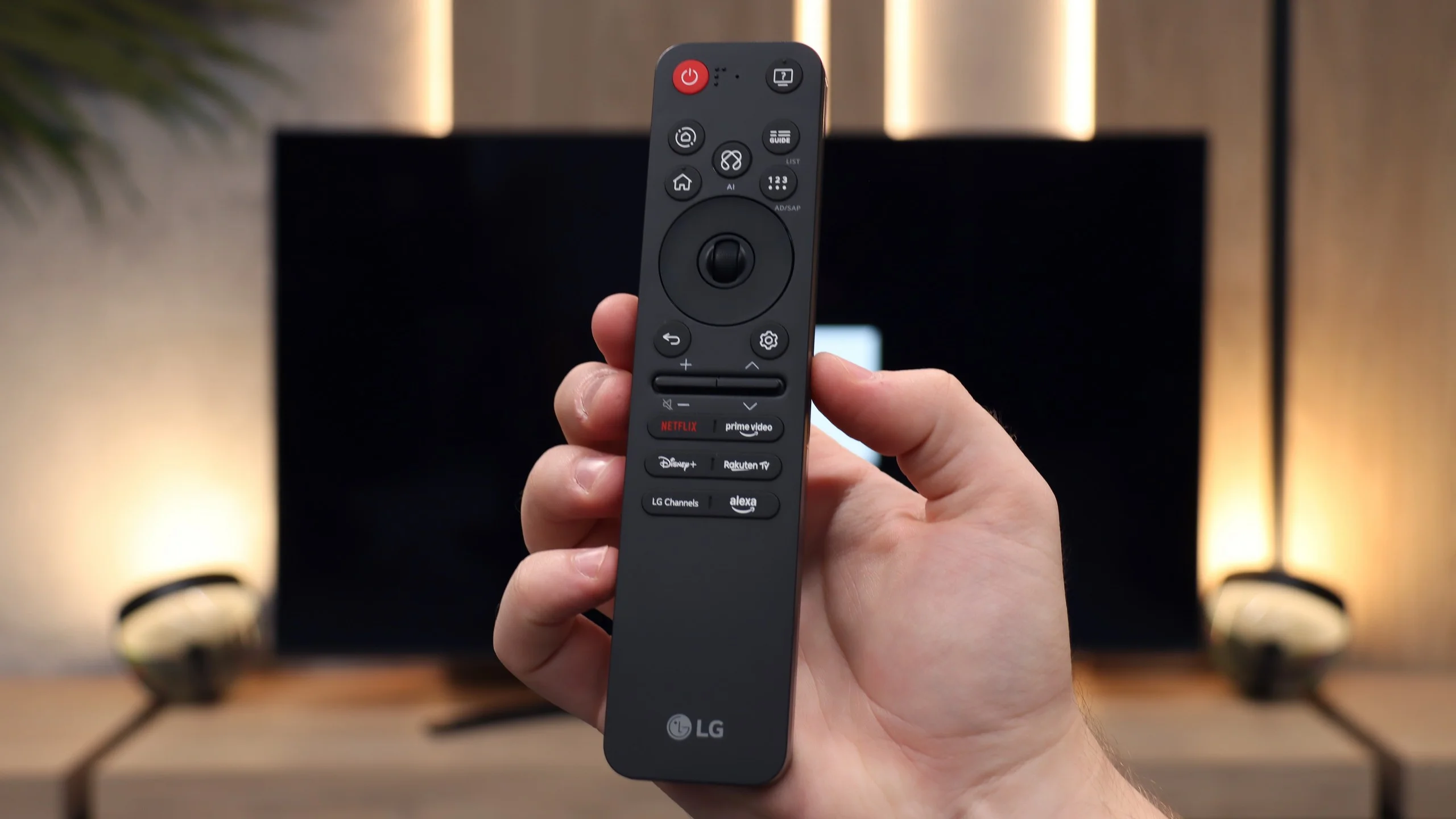
One of the biggest advantages of the NANO81A model is its “brain,” which is the operating system. LG has implemented a full-fledged WebOS version for 2025, which in terms of fluidity and user experience is on par with the more expensive models of this brand. Applications launch smoothly, and navigating the menu is a pure pleasure – there is no sign of irritating lags that often occur with budget competitors. All of this is thanks to the unique remote control with a pointer (cursor) function, which has undergone a visual makeover this year. The manufacturer has opted for minimalism – the new Magic remote is significantly smaller and more ergonomic than its predecessors. It sits perfectly in the hand, but this change has a downside as well. The physical number pad has completely disappeared from the casing. For younger users, accustomed to streaming and selecting tiles, this will not be a problem. However, older household members, who are used to entering channel numbers from memory, will have to change their long-standing habits.
Everyday Use
In terms of features we would call “classic,” the NANO81A relies on proven standards. It is not a multimedia powerhouse that will surprise you with exotic additions, but it performs flawlessly in everyday television tasks. The handling of traditional terrestrial or cable television, including the old good Teletext, is correct and intuitive. Wireless communication also deserves praise. The Bluetooth module works very reliably, allowing for quick and stable connections to game console controllers or wireless headphones and speakers. It’s simply a TV that “works” – it is stable, predictable, and does not create unnecessary complications in daily use.
Google TV
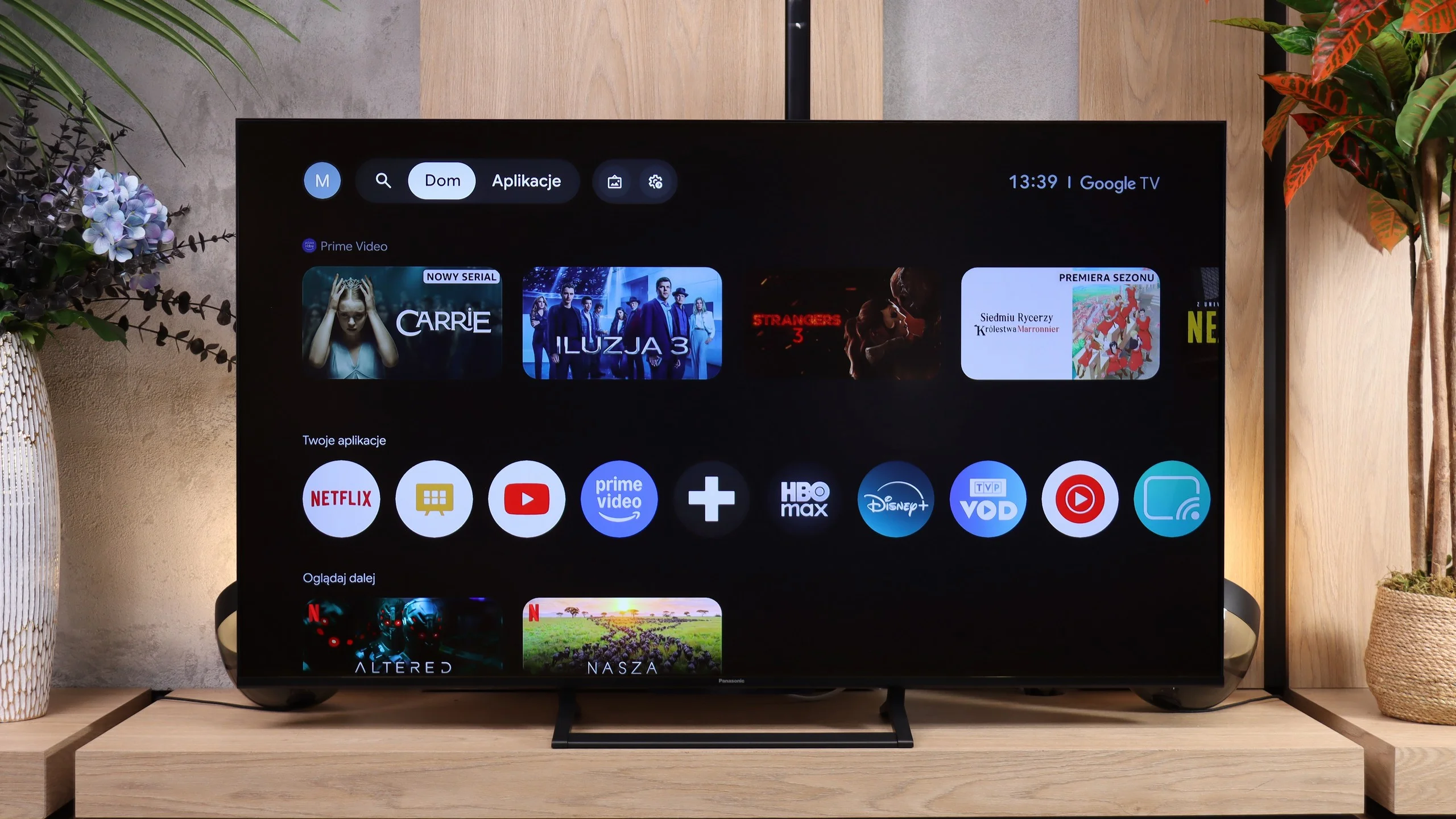
Google TV is a major improvement over Panasonic’s older systems and even over the newer Fire TV, which didn’t fully convince us. On the W92C everything runs very smoothly. We navigate the menu quickly, apps launch without long waits, and among the available services we found all the ones we were interested in. There is also Polish voice search and Chromecast, which makes it easy to cast content from your phone. It’s a pity AirPlay isn’t working; we couldn’t use it with our newer iPhone.
However, there were a few minor issues. Some Polish translations in the menu sound rather clumsy, and the previously described automatic backlight changes show the software still needs fixes. Despite this, daily operation is good, and the inclusion of Google TV is definitely one of this model’s strengths.
Classic features
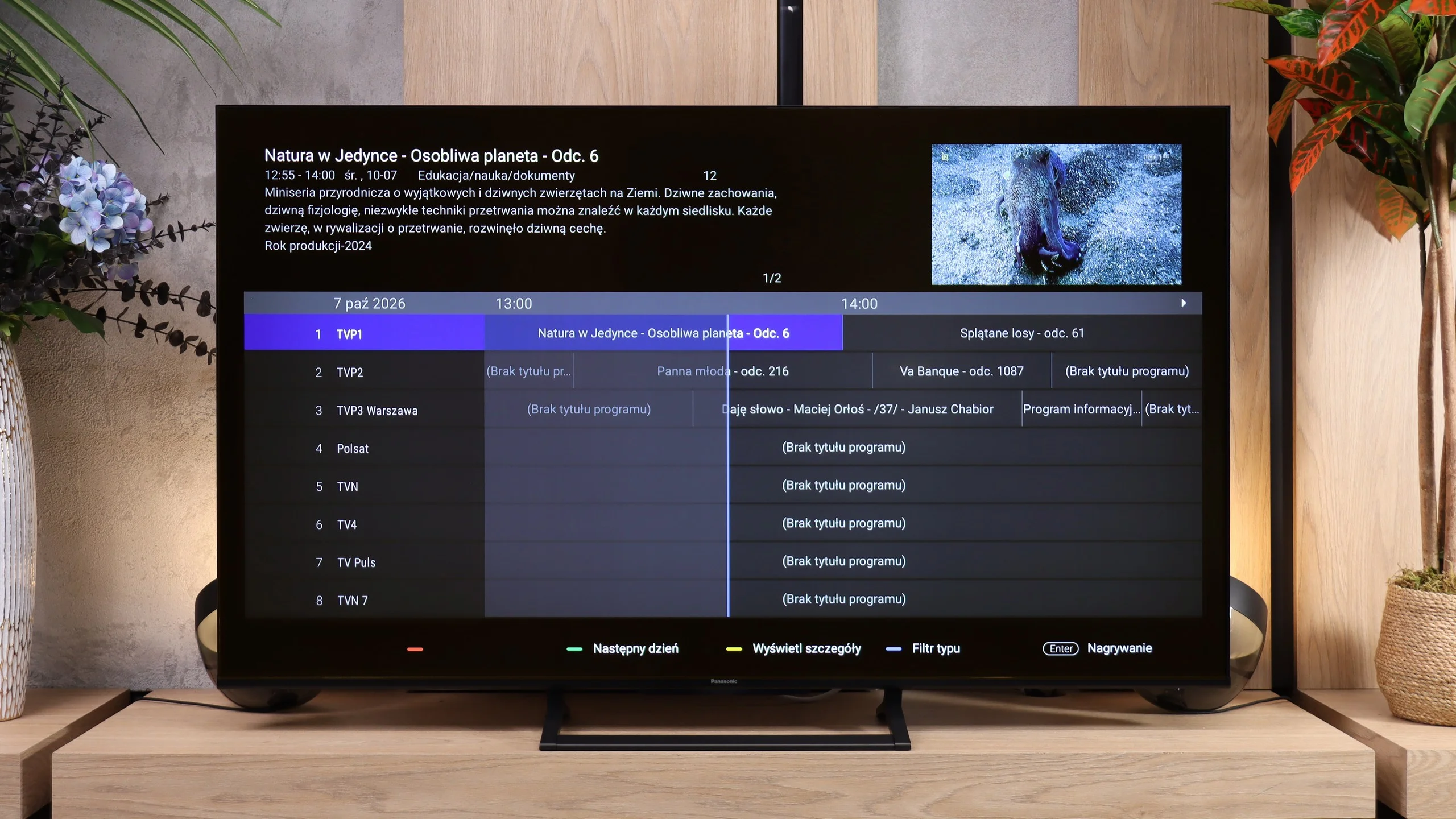
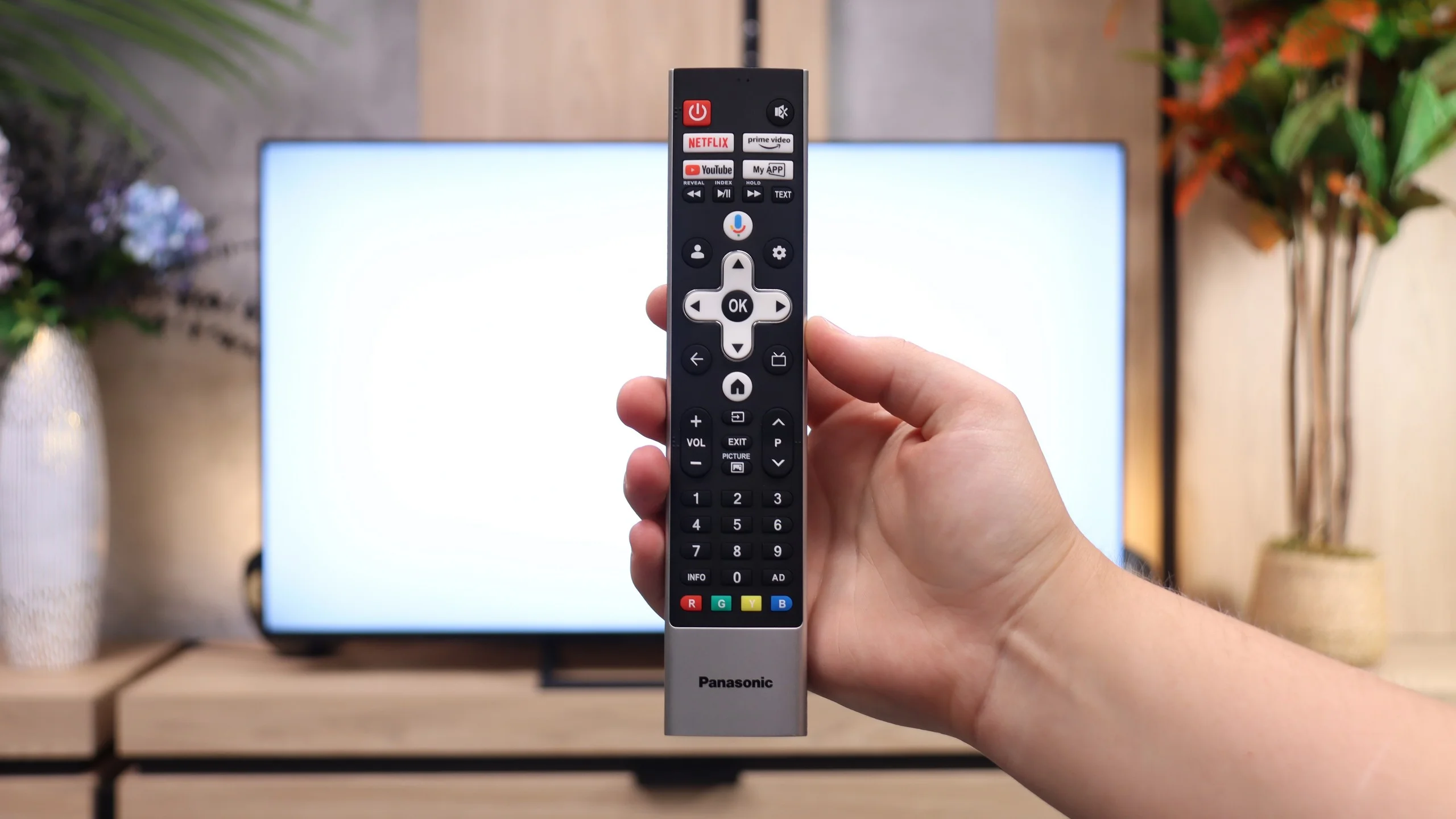
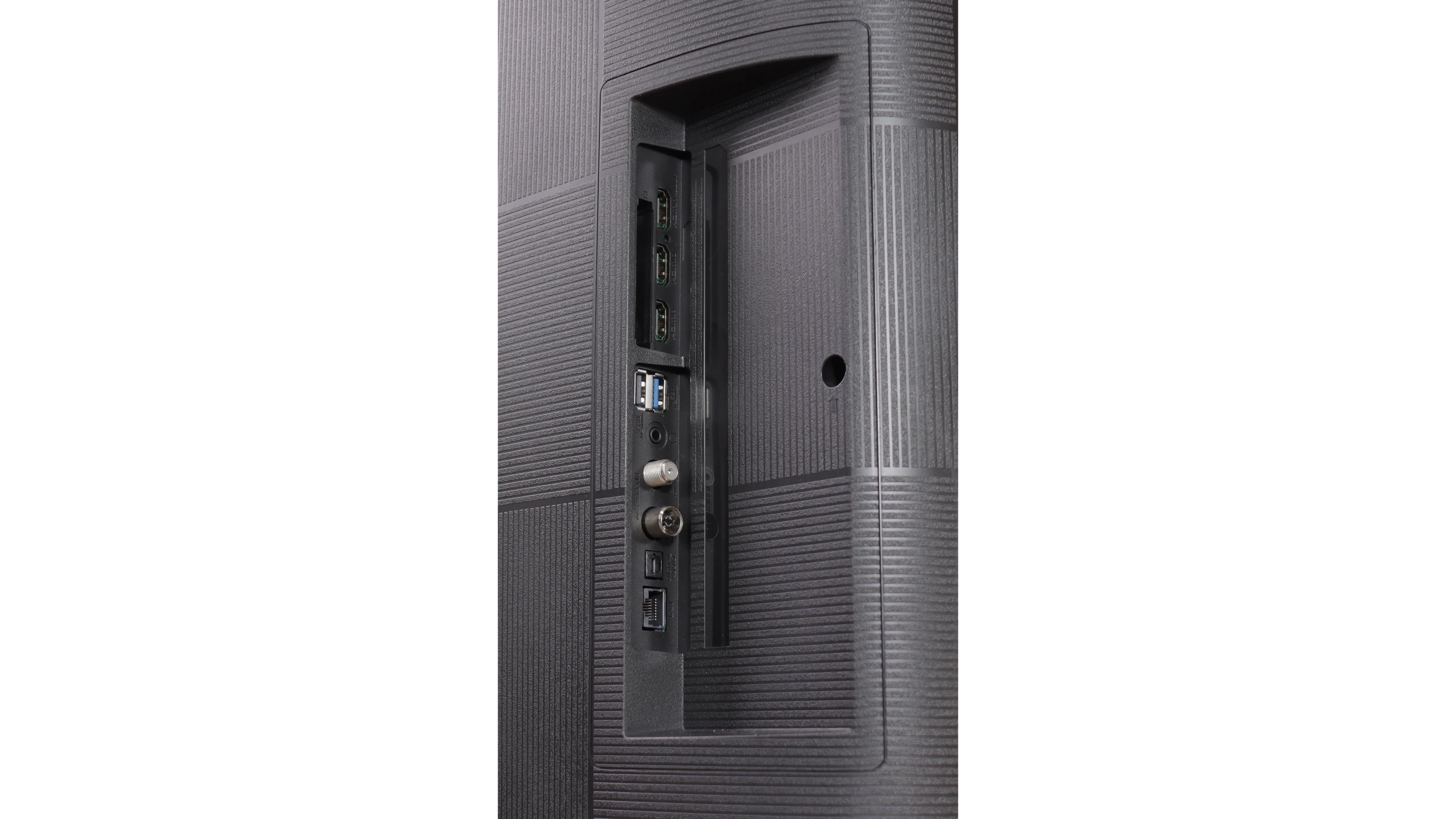
Among classic features we have EPG, teletext, and the ability to listen to audio simultaneously through Bluetooth headphones and the TV speakers. Missing, however, are USB recording and picture-in-picture. The remote is simple, has a numeric keypad, and does not need to be pointed at the screen. It’s a shame it’s not backlit, and the build quality could be a bit better. There are three HDMI 2.1 ports with 48 Gbps bandwidth for connecting devices. There is also an optical output and eARC, but note the standard 3.5 mm headphone jack. This is an increasingly rare addition, and it’s useful for wired headphones or an older audio system with an analog input.
Apps
9.1/10
9.6/10






















Playing files from USB
8.2/10
8.7/10
Supported photo formats:
Maximum photo resolution:
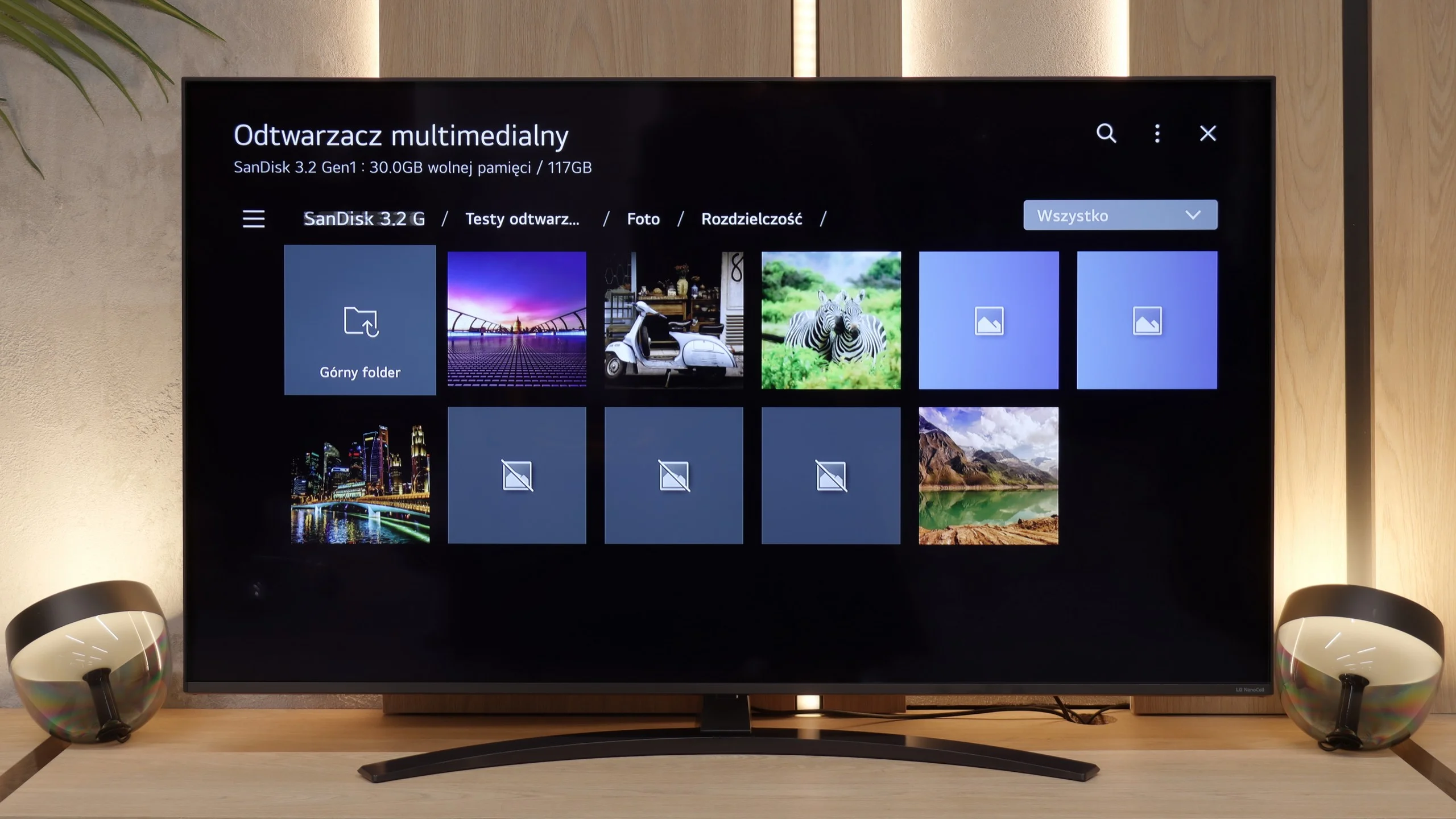
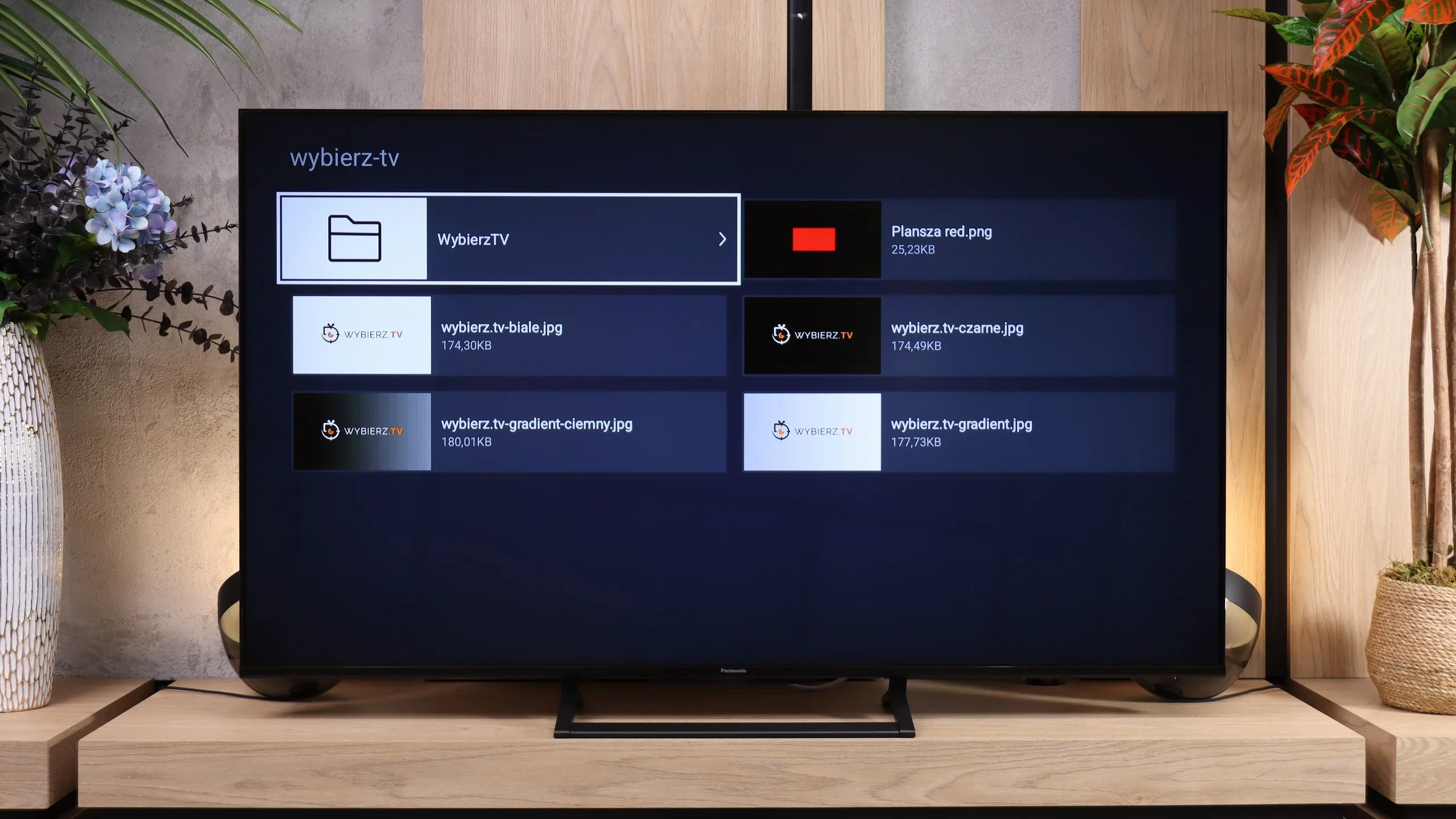
Many users still use their own USB drives to display movies or photos on the big screen. In this regard, the NANO81A performs quite decently – the built-in player supports a wide range of video and audio codecs, so most movie libraries will start up "right away." However, it is important to remember the specifics of the WebOS system. Since it is a closed environment, we are limited to what the manufacturer has prepared for us. There is no possibility of installing alternative players (like the popular VLC), so if the system player cannot handle something, there is not much that can be done about it. During tests, we encountered a few specific limitations. Above all, there is a lack of support for HEIC files. If you take photos with an iPhone and want to view them directly from the USB drive, the TV simply will not see them – it's worth changing the format to JPG on your phone right away. We also noticed that the player has difficulty processing very large graphic files. Photos with a resolution of around 20–28 Mpix may not load or cause system errors. Aside from these exceptions, daily multimedia handling is hassle-free.
USB playback on the W92C works smoothly. Content loads quickly, the interface is simple, and the built-in player handles most popular video, photo, and music files. It’s more than enough for an occasional movie or for browsing photos from a flash drive. Just watch out for subtitles. In our tests the TV would not read .sub and .txt files. It’s best to convert them beforehand to .srt, which worked correctly, including Polish characters.
Sound
6.2/10
6.7/10
- Maximum volume81dB94dB
- Dolby Digital Plus 7.1
- Dolby True HD 7.1
- Dolby Atmos in Dolby Digital Plus (JOC)
- Dolby Atmos in Dolby True HD
- DTS:X in DTS-HD MA
- DTS-HD Master Audio
When it comes to audio, the LG NANO81A pleasantly surprises compared to its higher-positioned sibling, the QNED80A model. Interestingly, NanoCell sounds slightly better, which is likely due to its somewhat thicker casing. The increased volume allows for the extraction of some low-end nuances – the bass may not be powerful, but it is more distinctly defined than in thinner constructions. However, one shouldn't expect miracles. It is still a standard 2.0 speaker arrangement with a total power of 20 W, so the overall sound characteristics remain similar to other models in this price range. The mid and high tones are acceptable, making dialogues in movies and news programs clear. While this slight improvement in the lower registers is pleasing, for true home cinema or music listening, it is still worth considering the purchase of at least a simple soundbar.
The sound on the Panasonic W92C is fairly average. Considering the additional subwoofer on the back of the cabinet, we expected a somewhat fuller sound. However, there’s still a lack of bass, which is particularly noticeable in music and more intense movie scenes. The subwoofer itself doesn’t deliver as much as you might expect. On the plus side, the volume is good. In our measurements the W92C reached about 94 dB, so there’s plenty of headroom. For regular TV watching that setup is sufficient, but simply turning up the volume won’t replace the missing low end.
Sound Quality Test
Acoustic Measurements
81dBC (Max)
75dBC
94dBC (Max)
75dBC
Reader comments
Comments are provided by the external service Disqus (Zeta Global). Once loaded, Disqus may set cookies and process data about your activity.
We will remember your choice on this device. Provider's privacy policy