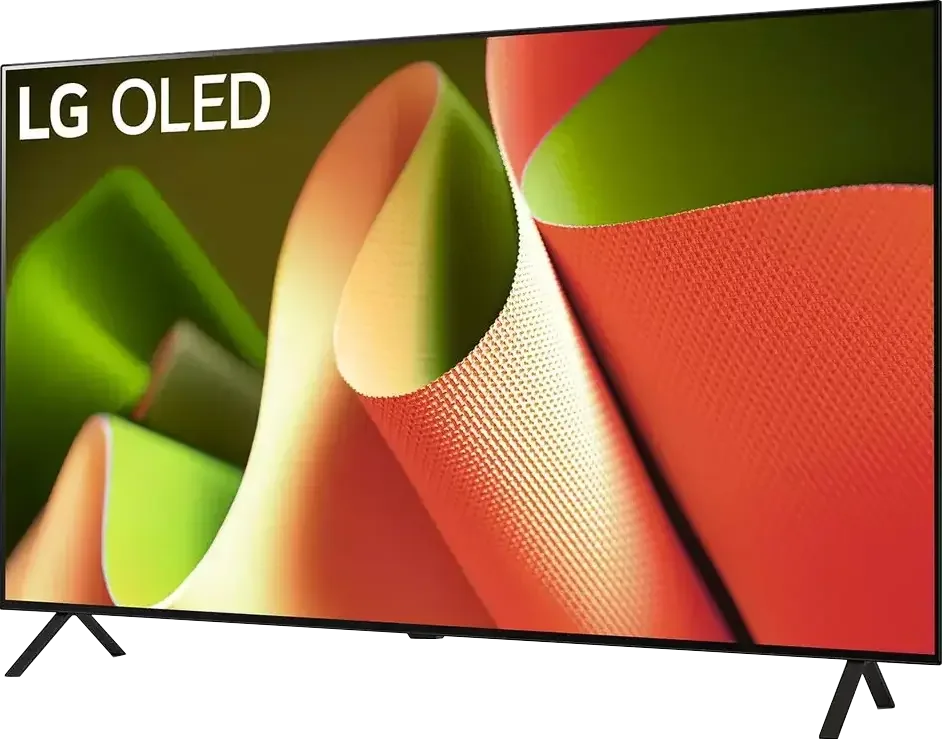
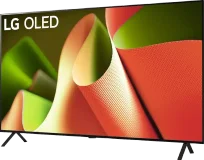
The LG OLED B4 is an exceptionally versatile television within the semi-premium category. Given its impressive features and competitive pricing—set to drop further as history suggests—it offers outstanding value. The hypnotic combination of perfect black levels and high contrast will captivate anyone familiar with OLED technology, making a return to LCD screens almost unthinkable. While its peak brightness in HDR content might seem modest on paper, the visual experience is enhanced by the panel’s inherent strengths, making the brightness appear far more impactful. It’s also worth highlighting the stability and uniformity of brightness across most scenes. The slight drawback is the reduced brightness in full-frame white scenes, though these are relatively rare and thus not a major concern.
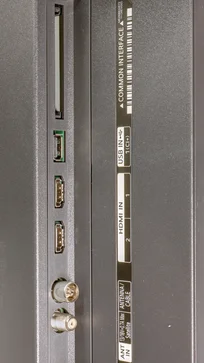
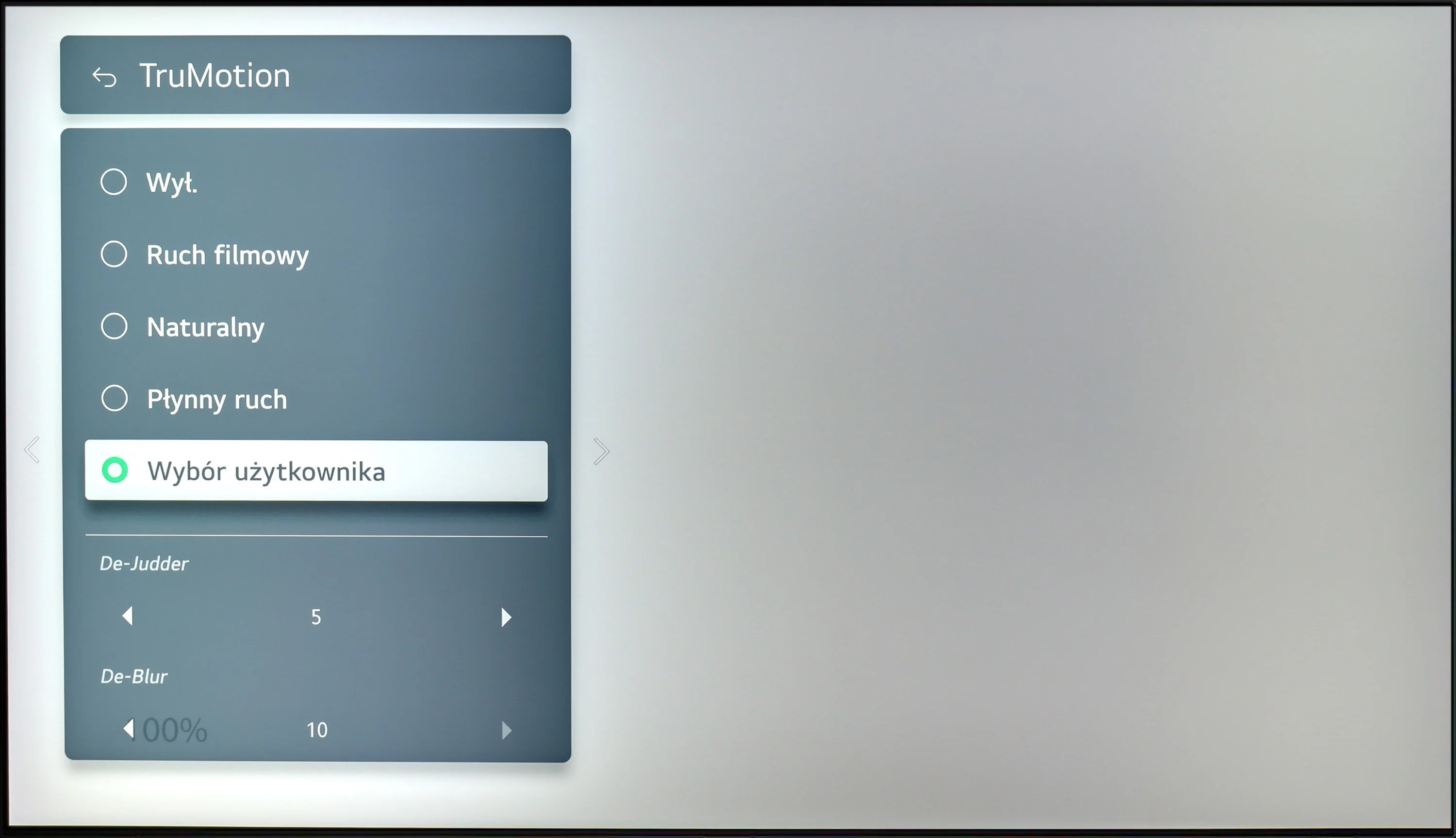
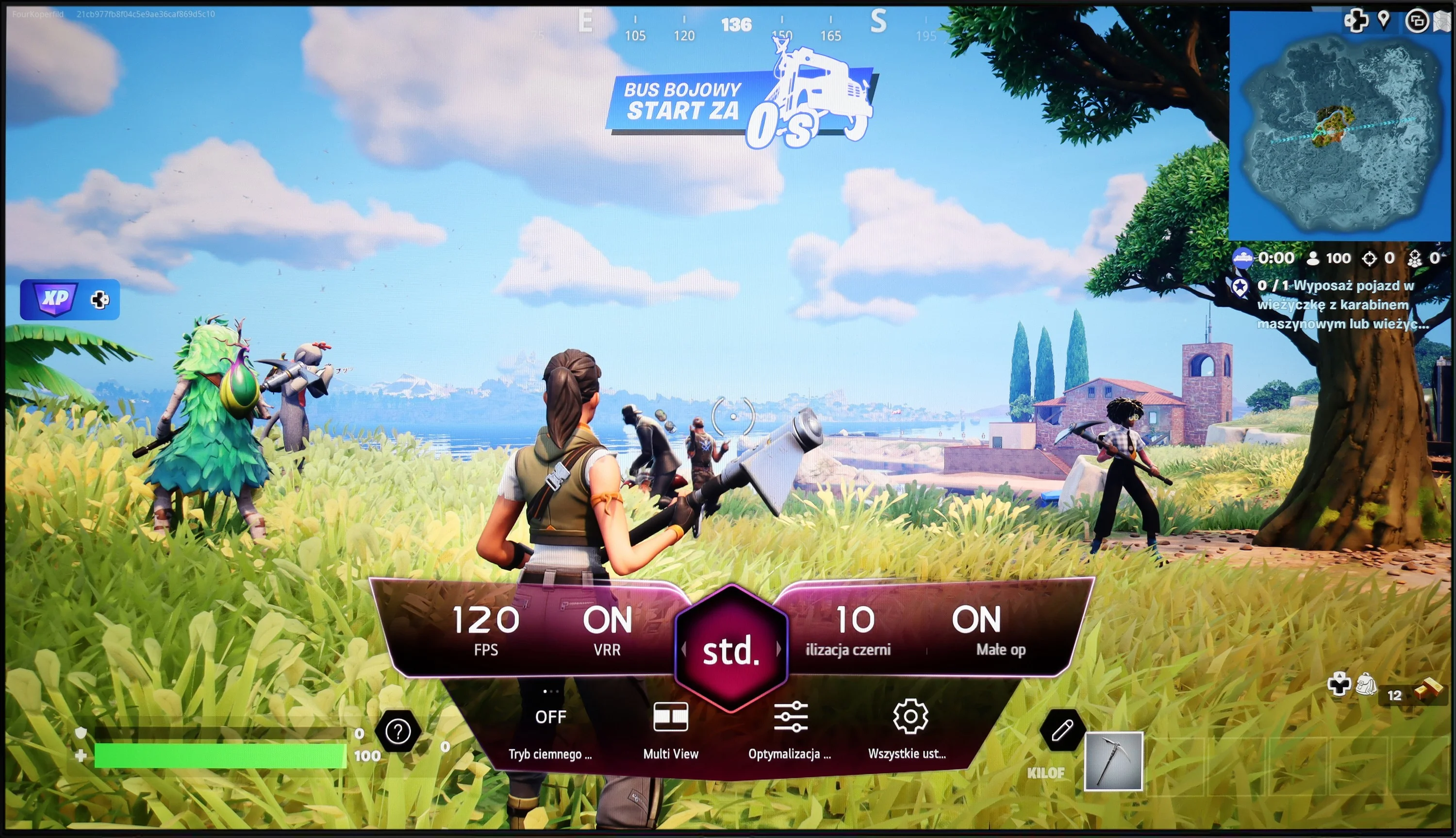
Factory colour reproduction is commendable, offering a good baseline that benefits significantly from calibration, fully realising the director’s vision. The LG B4 is particularly well-suited for gamers and sports enthusiasts alike. Gamers will appreciate the comprehensive HDMI 2.1 support and associated features, while sports fans will enjoy the advanced motion smoothing with its extensive adjustment options. The remote control, equipped with a gyroscope, allows for intuitive navigation akin to using a mouse, making the experience even more seamless.
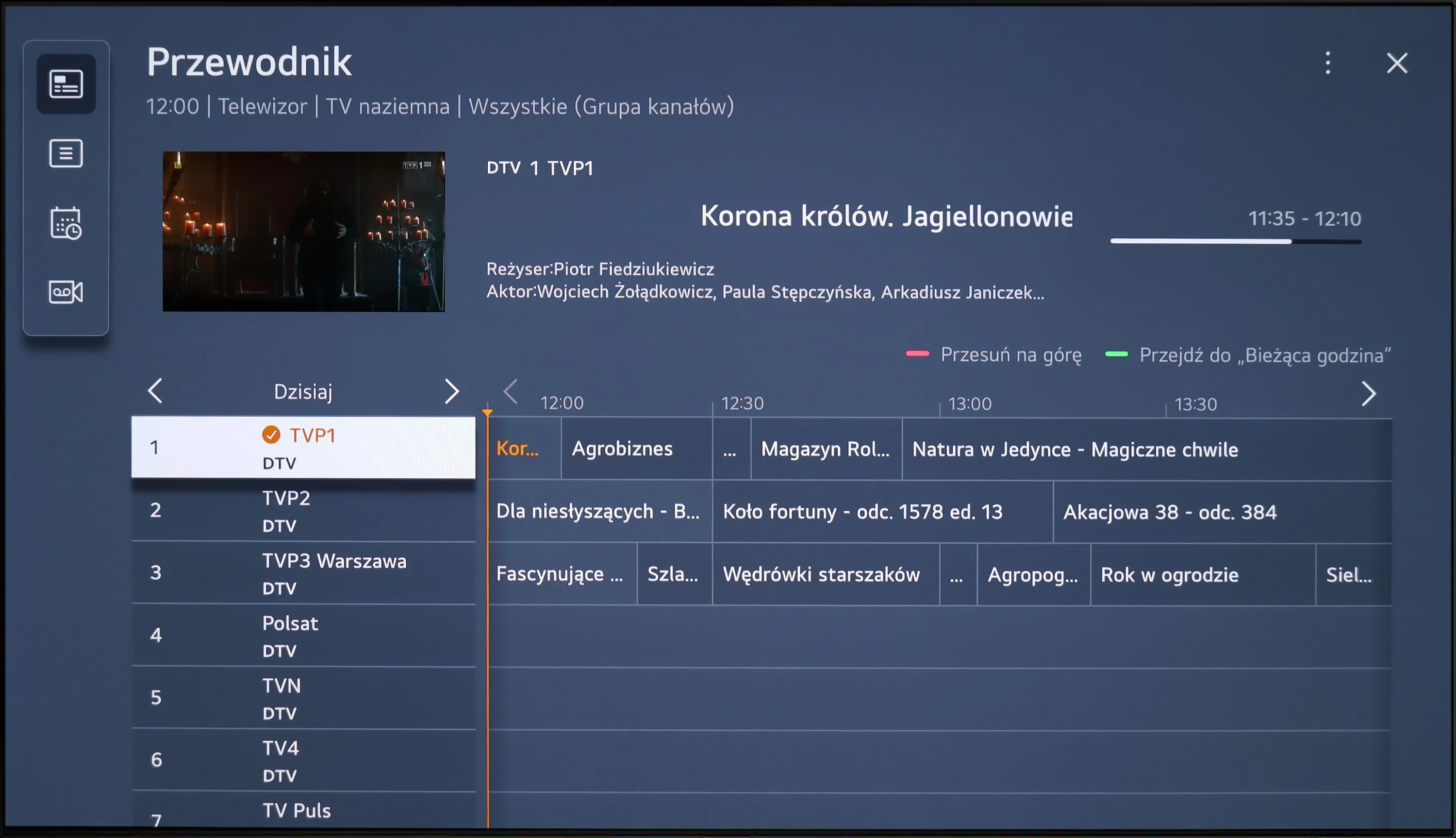
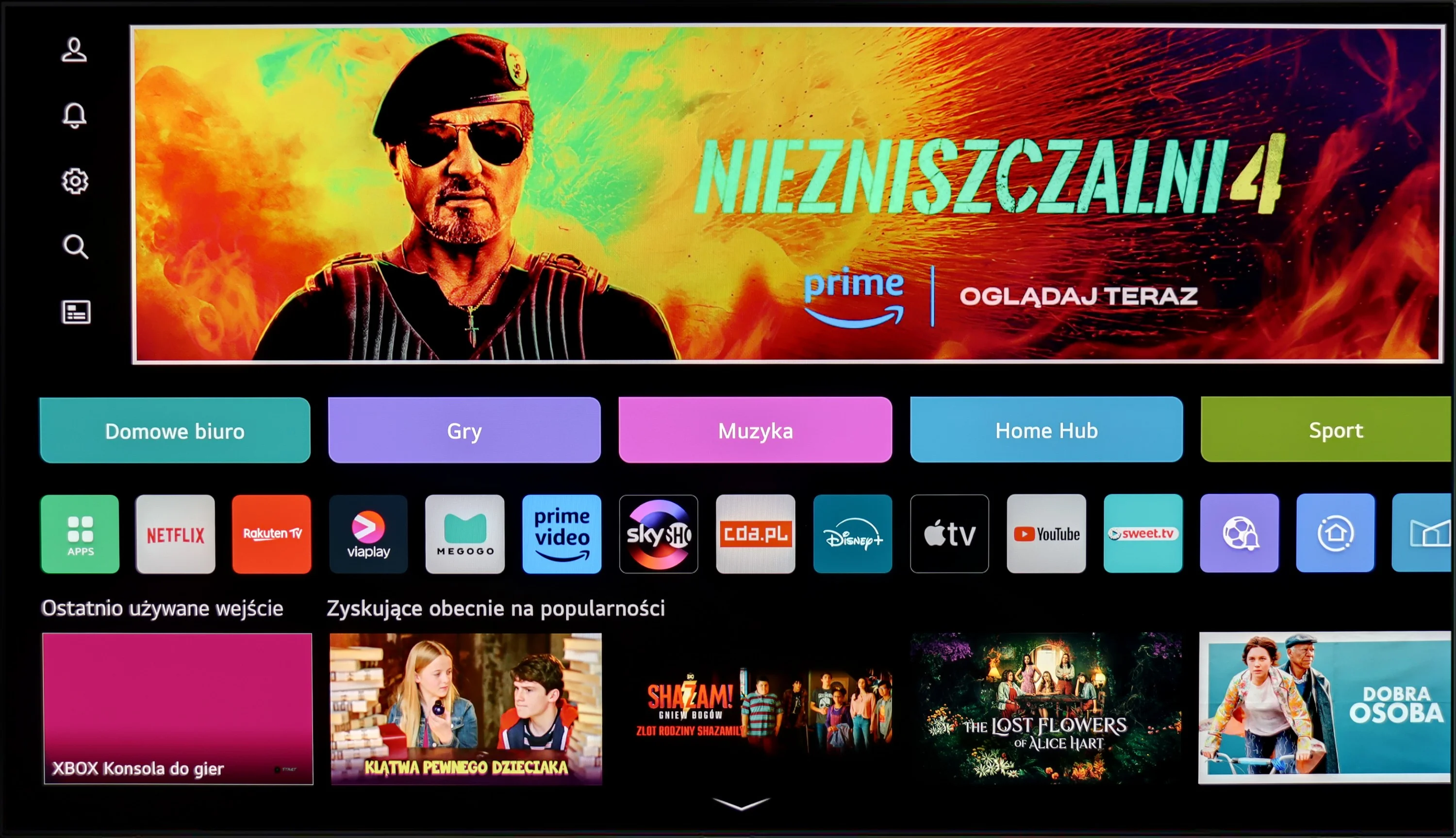
The WebOS system is another highlight, offering a smooth, responsive interface with a vast array of applications, meeting the needs of most users. At the core of the LG B4 is its advanced Alpha processor, responsible for enhancing image smoothness and conducting detailed signal analysis. The processor’s ability to optimise the darkest and brightest areas of the image significantly improves the viewing and gaming experience. Furthermore, it effectively reduces noise and elevates the overall content quality, especially when viewing 4K material, placing the LG B4 ahead of many competitors in its price bracket.
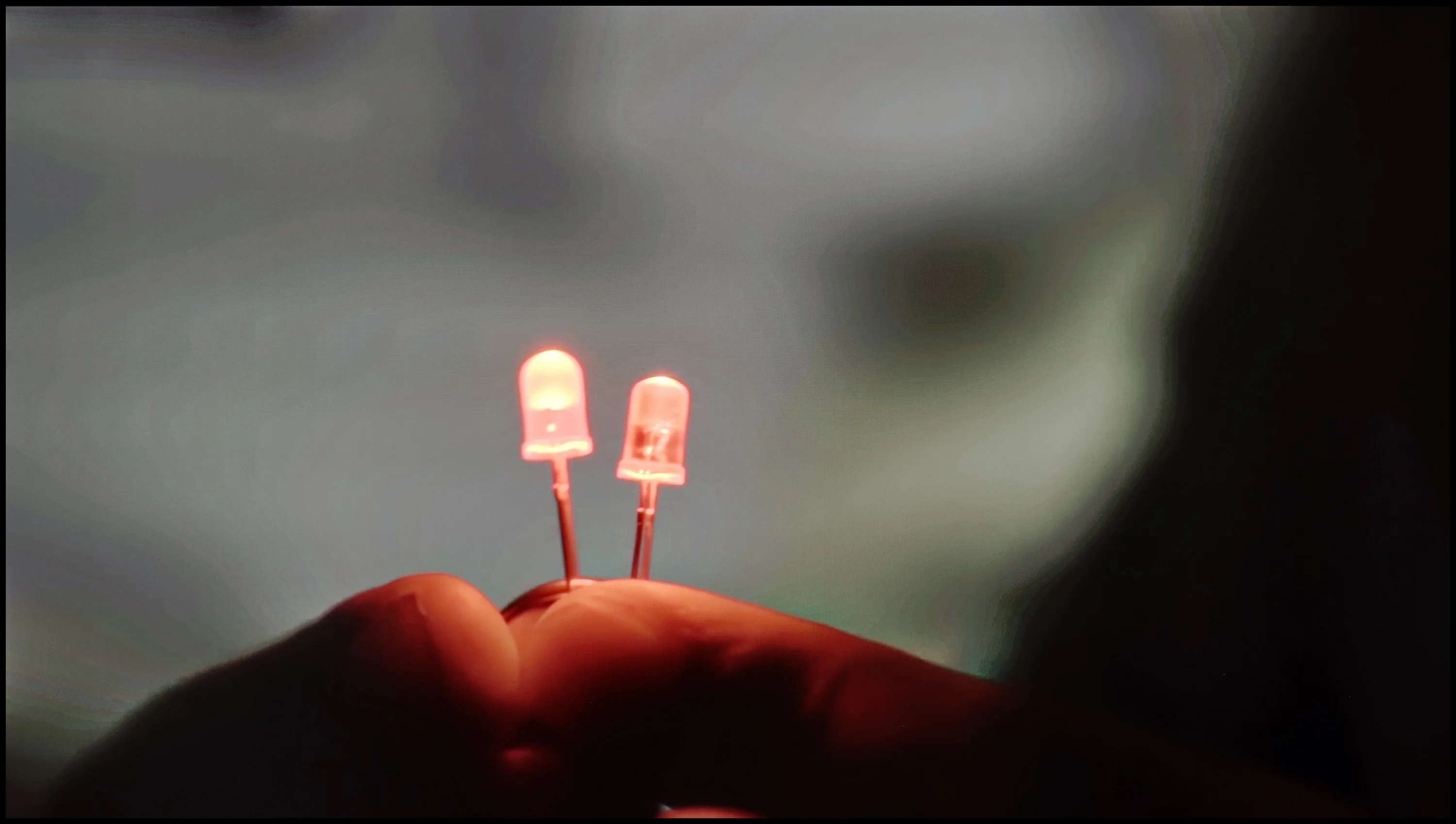
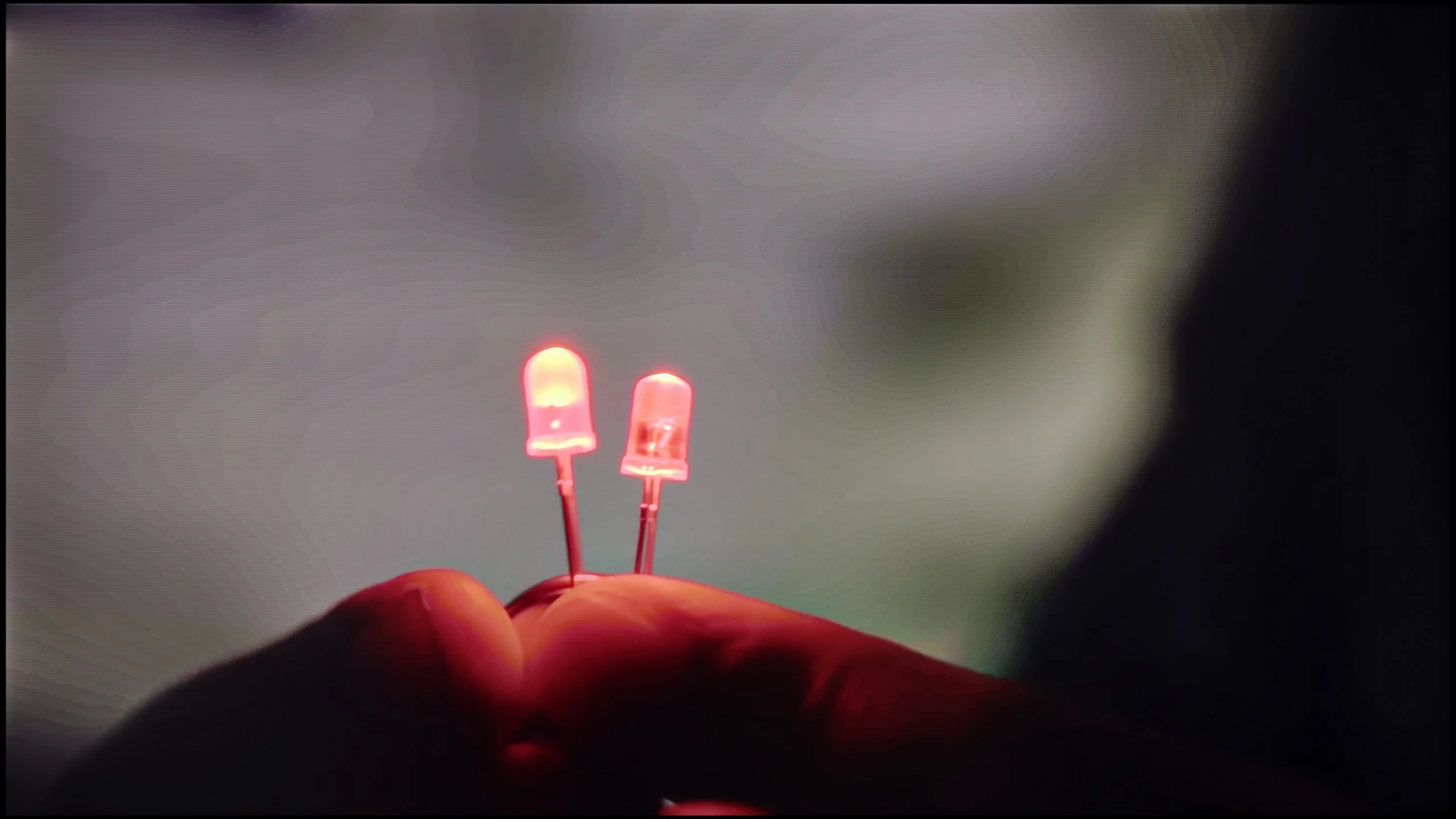
The growing popularity of OLED technology is well-reflected in the LG B4, which excels in handling dynamic action scenes, offering seamless transitions without blurring. This makes it particularly appealing to discerning users prioritising high image quality and cutting-edge technology. All essential applications are present, ensuring a comprehensive user experience.
In summary, who is the LG OLED B4 for? It’s the perfect choice for those seeking top-tier image quality within a set budget, yet it offers more than just value for money. The LG B4 stands out distinctly in its price range, offering superior image quality that many competitors cannot match.
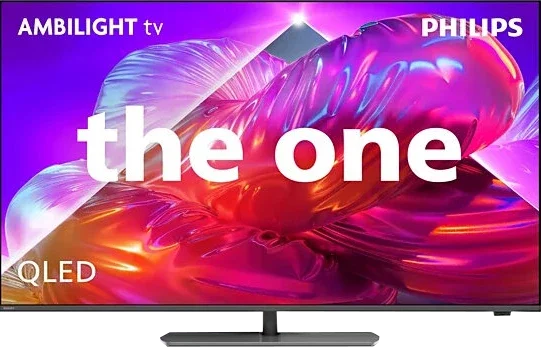
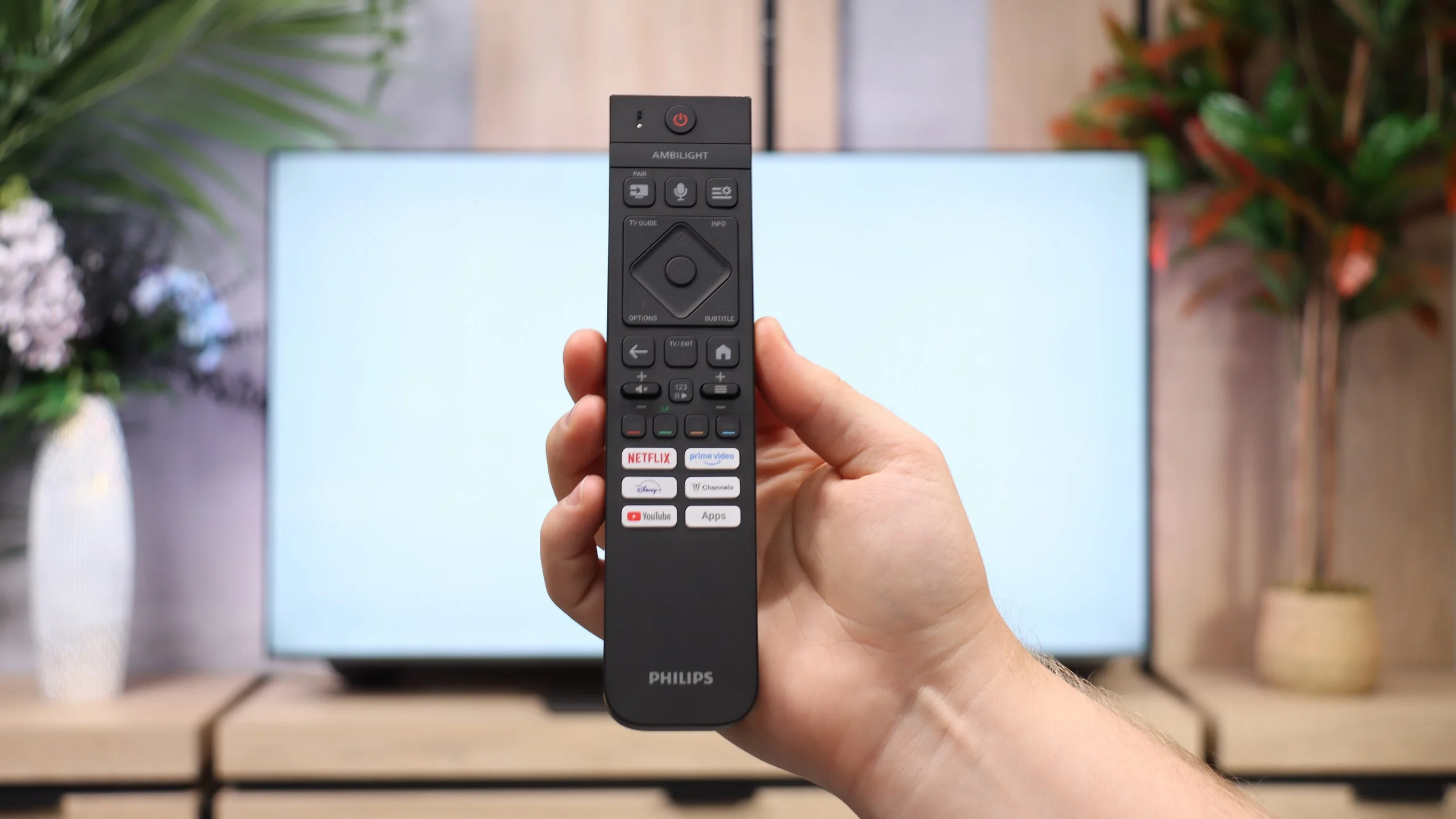
The idea behind The One series has remained practically unchanged for years, and with the Philips PQS9001 this is both an advantage and its biggest weakness. Once again, we get a versatile mid-range TV whose main distinguishing feature is Ambilight. The lighting that follows what is happening on the screen can completely change the atmosphere of an evening movie session, and for many people it will be the main reason to choose this TV. That is hardly surprising, because once you get used to the effect, it can be difficult to go back to watching without it. The picture quality itself is good, but we have already seen a very similar level from this series in previous years. The VA panel provides decent blacks, colours are nicely saturated, and the brightness is sufficient for comfortable viewing in a typical living room. It is a shame, however, that Philips did not take another step forward and introduce at least basic local dimming. In a dark room, blacks can look noticeably bluish, and HDR, while clearly visible, does not make as strong an impression as it could. After so many years of The One being on the market, we would have expected a little more progress here.
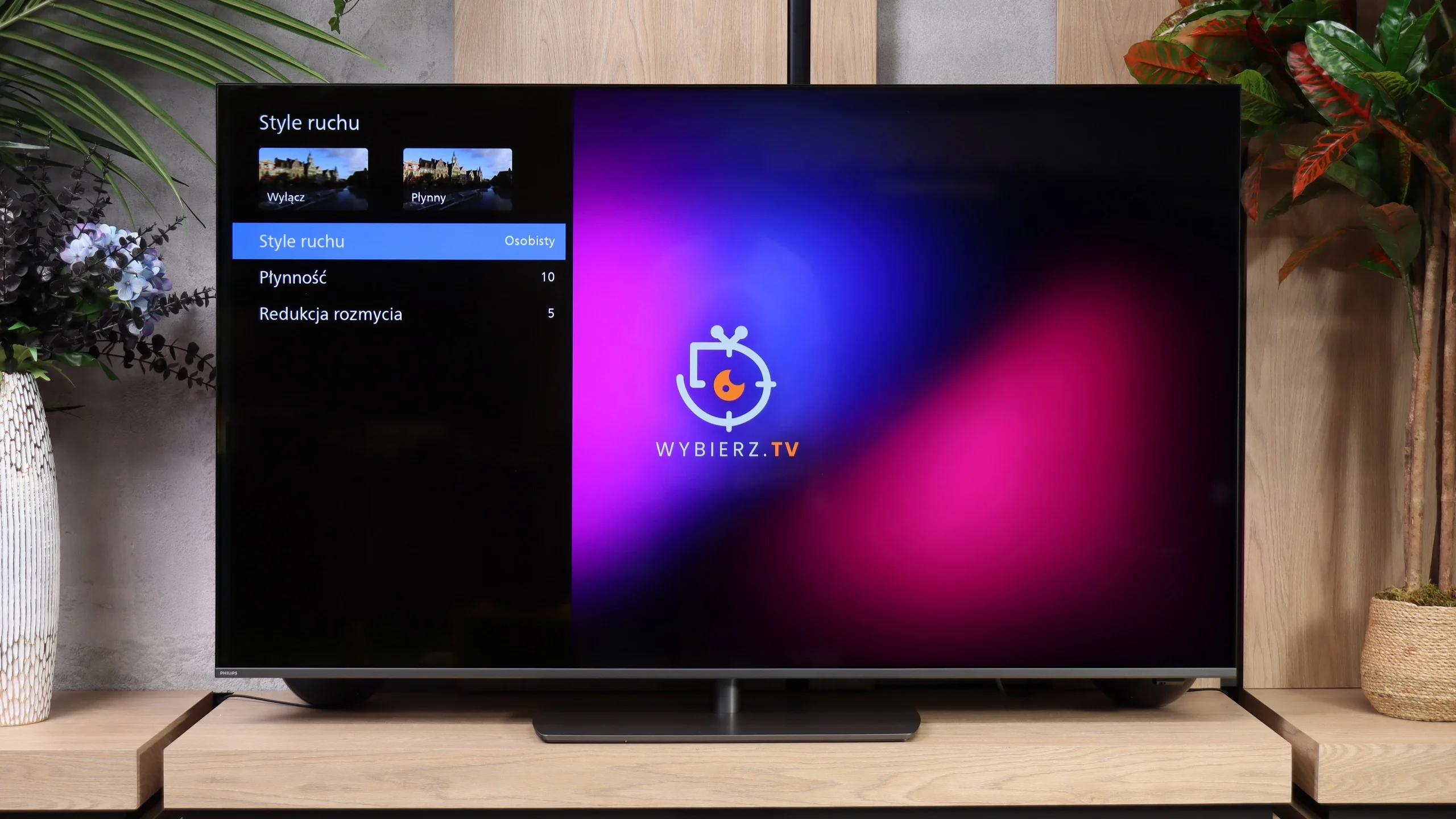
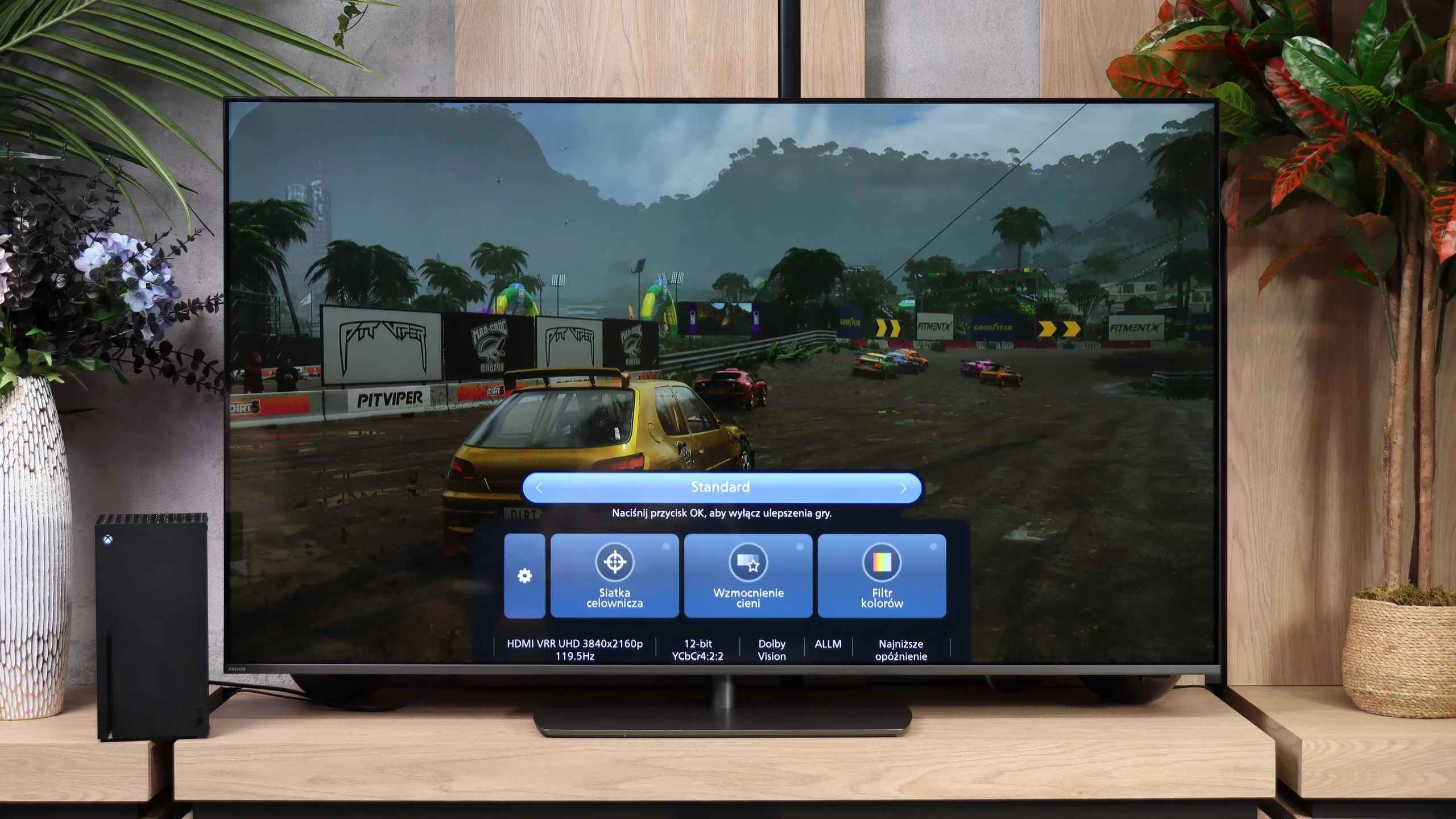
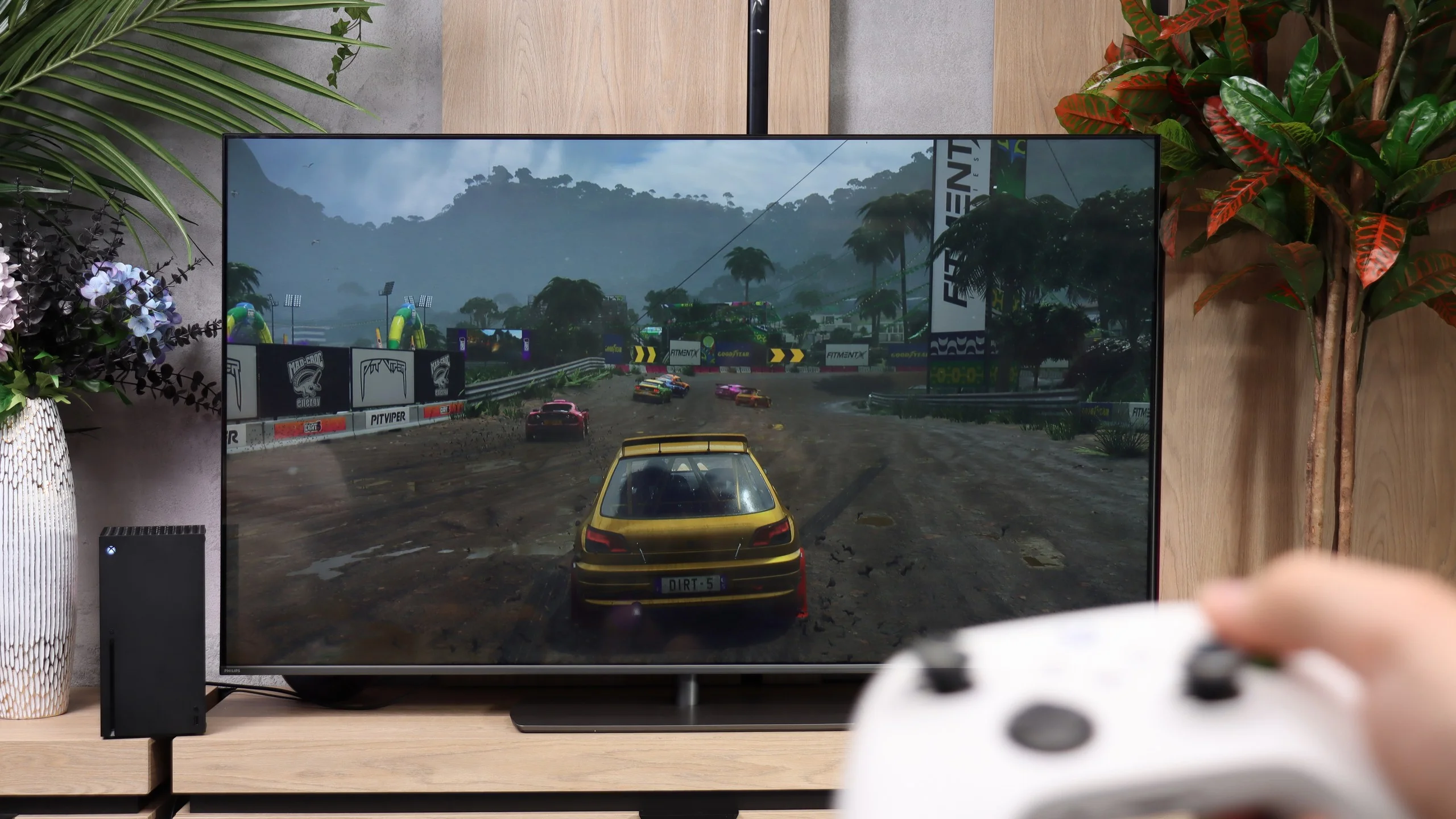
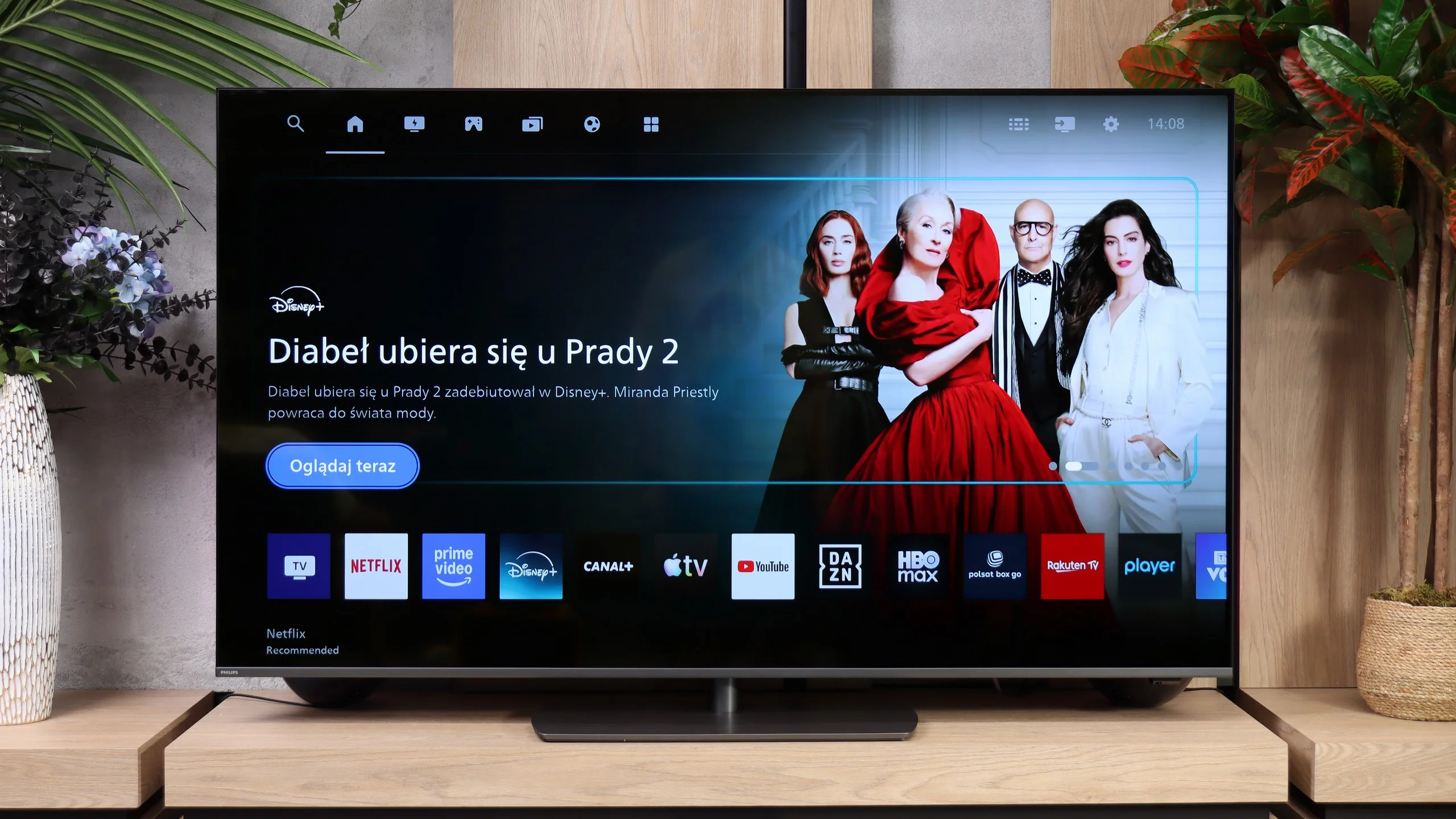
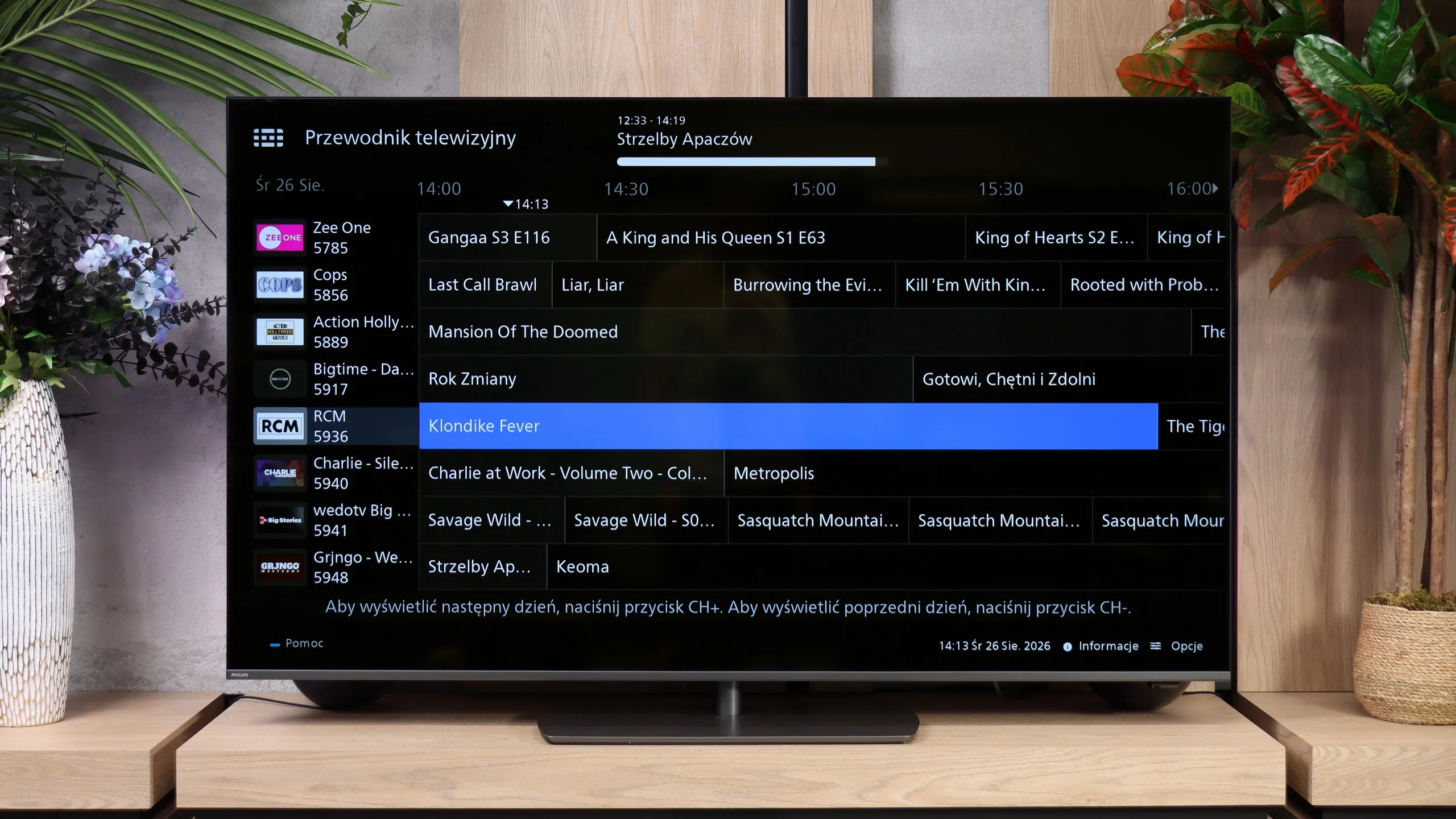
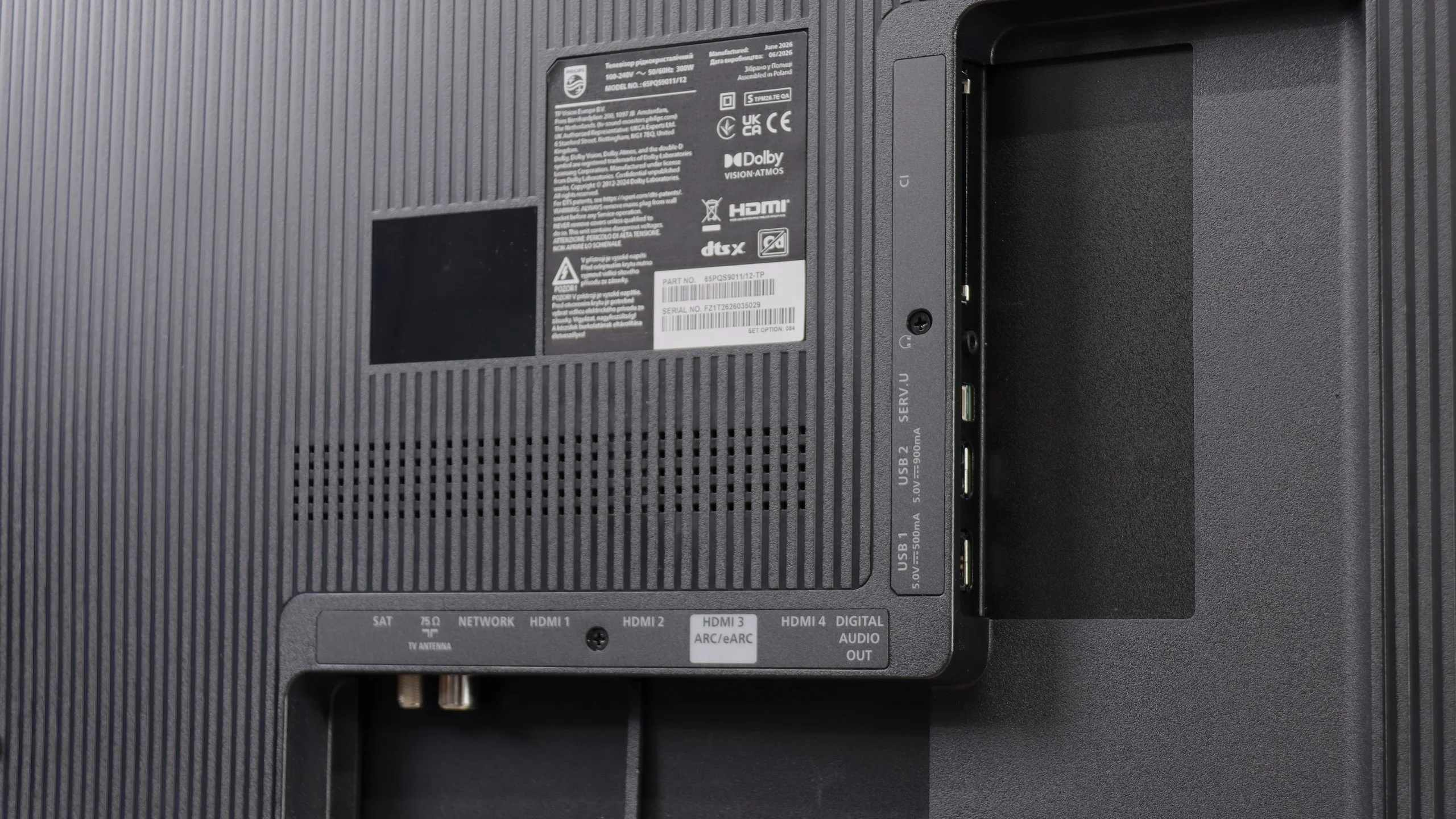
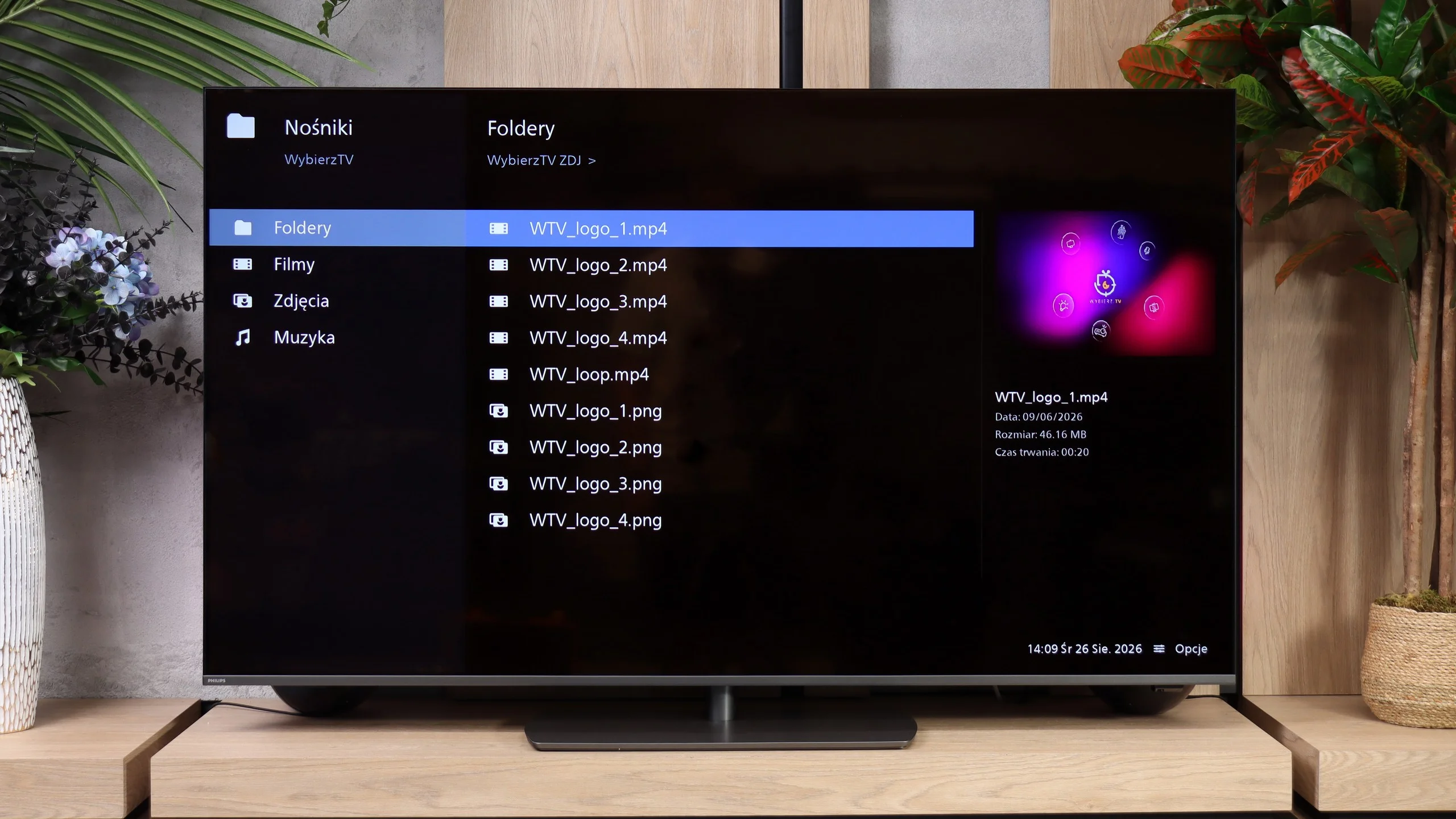
There has, however, been a noticeable improvement in Titan OS. Compared with last year, and especially with the version from two years ago, the system has become much more pleasant to use. There are more apps, many smaller functions have been improved, and a number of irritating bugs we previously complained about have been fixed. Overall, it works reasonably well, although we are once again frustrated by the remote control, which still requires you to point it directly at the TV. Philips continues to rely on infrared for regular navigation, even though voice control uses a wireless connection. That makes it even harder to understand why the same connection was not used for navigating the menus. The One also has quite a lot to offer gamers. Four HDMI 2.1 ports and a broad set of gaming features are one thing, but what impressed us most was the panel’s response time. Our unit showed practically no visible smearing, even on dark backgrounds, which is quite rare for an LCD TV with a VA panel. Philips deserves a lot of credit for that. The ability to play at 4K 144 Hz or Full HD 240 Hz also makes the TV an interesting option for PC users. Unfortunately, there is still one unfinished element: using Dolby Vision in games on Xbox results in very high input lag.
The PQS9000 therefore leaves us with mixed feelings. It can surprise with excellent motion handling and shows that Philips has clearly worked on its operating system, but we do not see a similar step forward in picture quality. This is a TV we can recommend primarily to fans of Ambilight. If that lighting system is the main reason you are considering a Philips, then buying The One makes a lot of sense. It is still worth checking, however, whether you can find a Mini LED model with good local dimming at a similar price. Such a TV may offer deeper blacks and more impressive HDR performance. In the end, the choice comes down to what matters more to you: the atmosphere created by Ambilight or better picture quality itself.
 Direct comparison