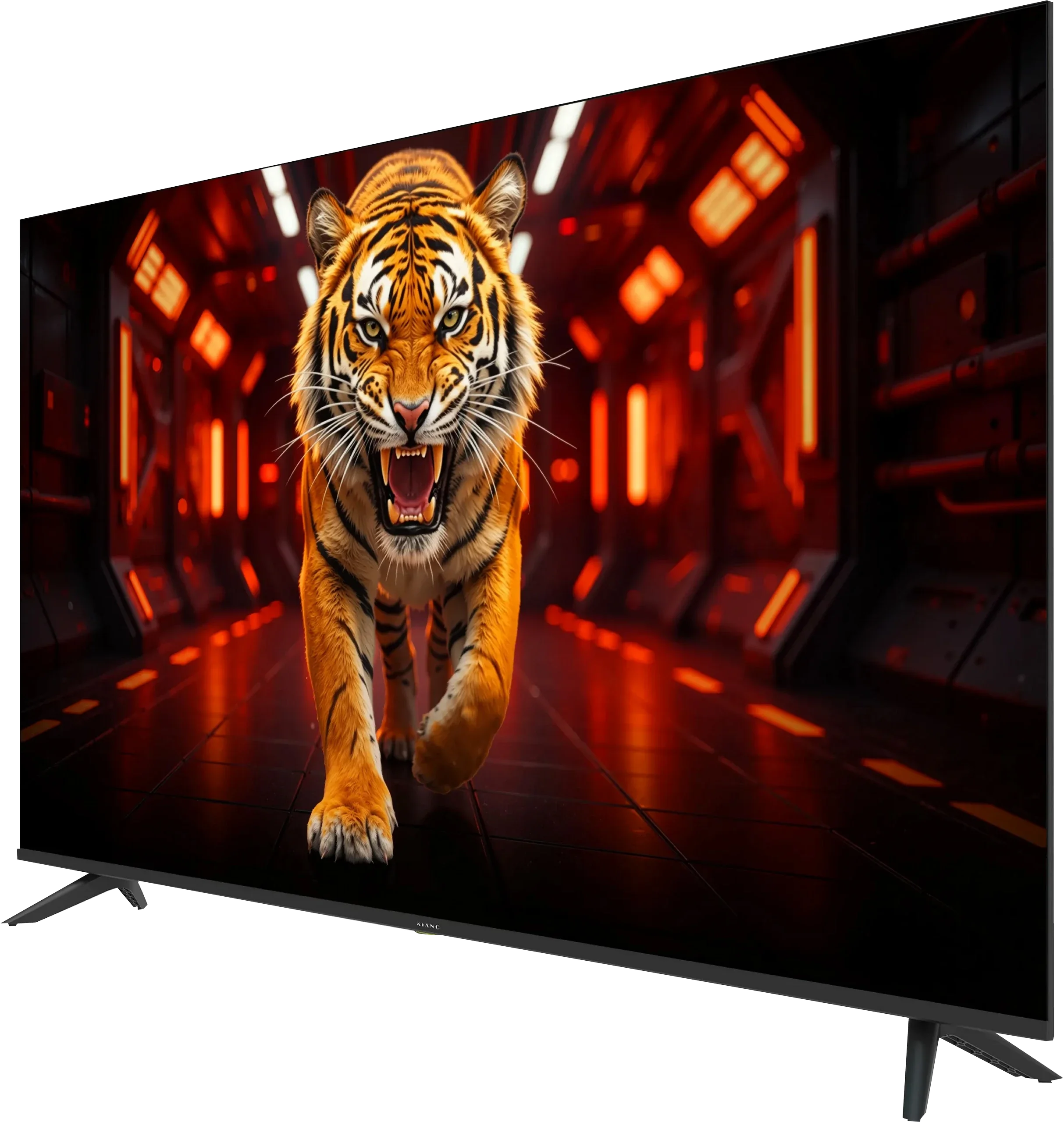
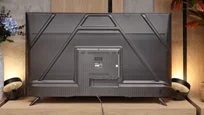
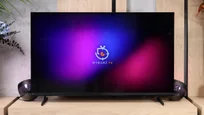
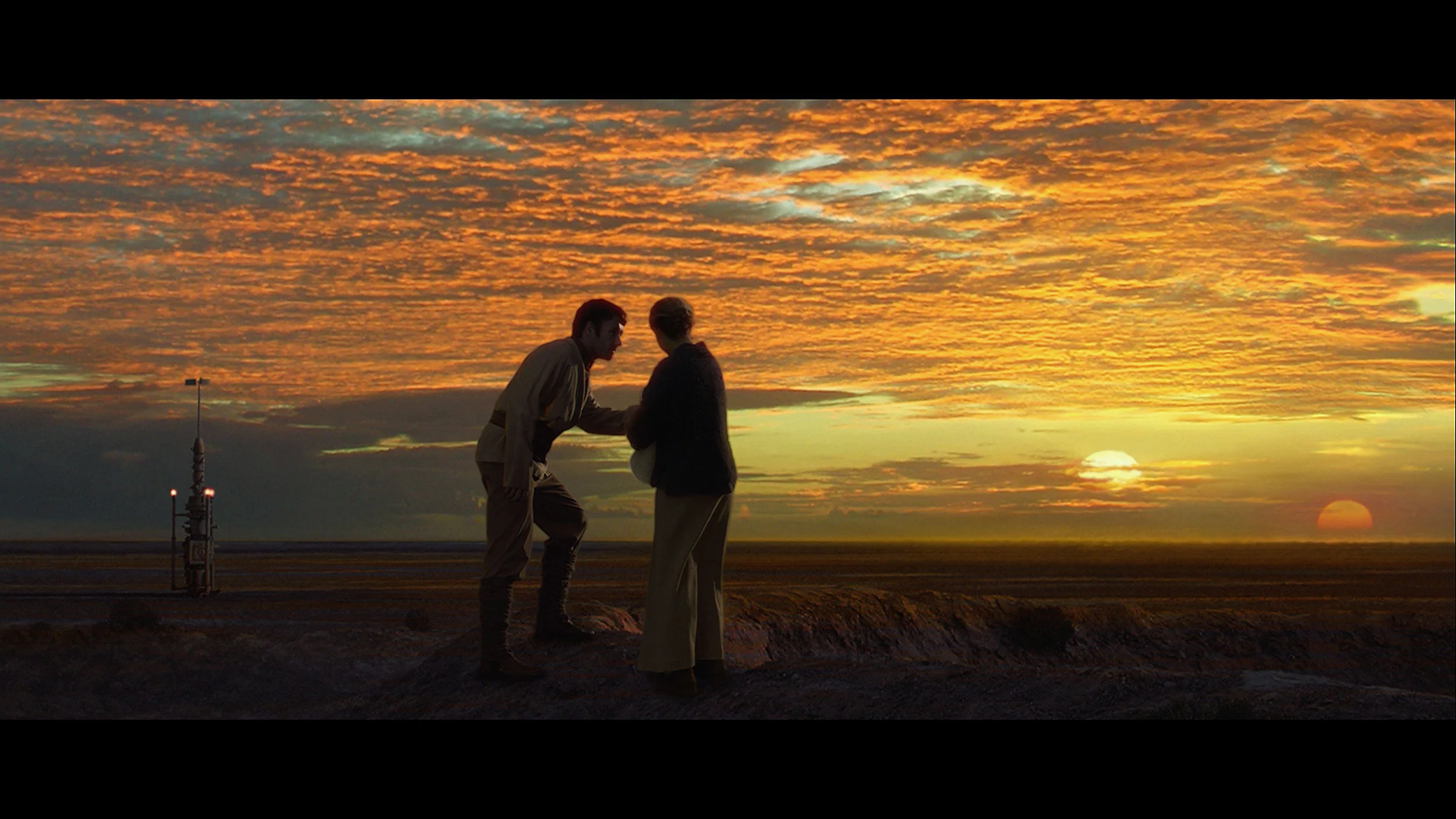
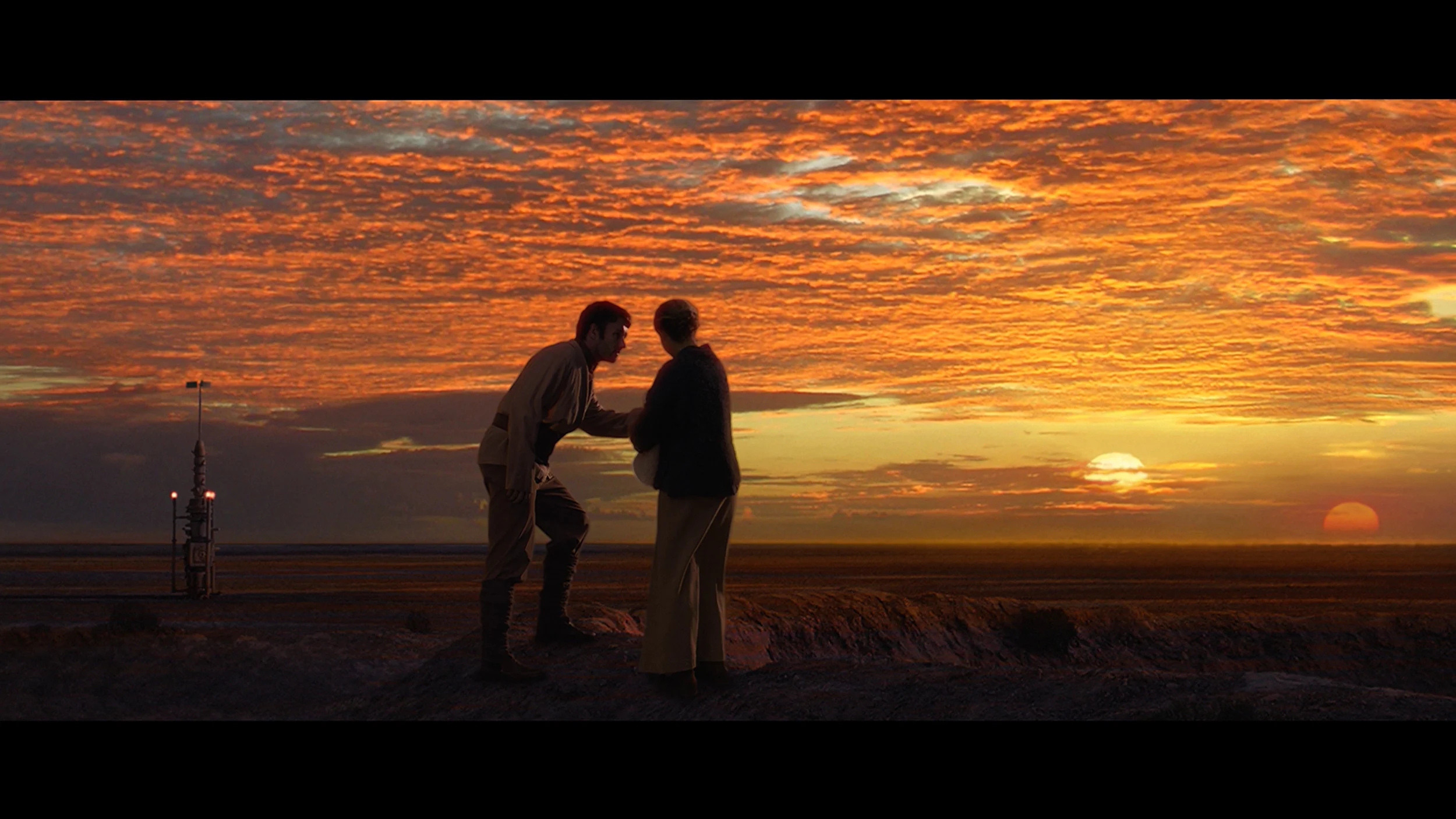
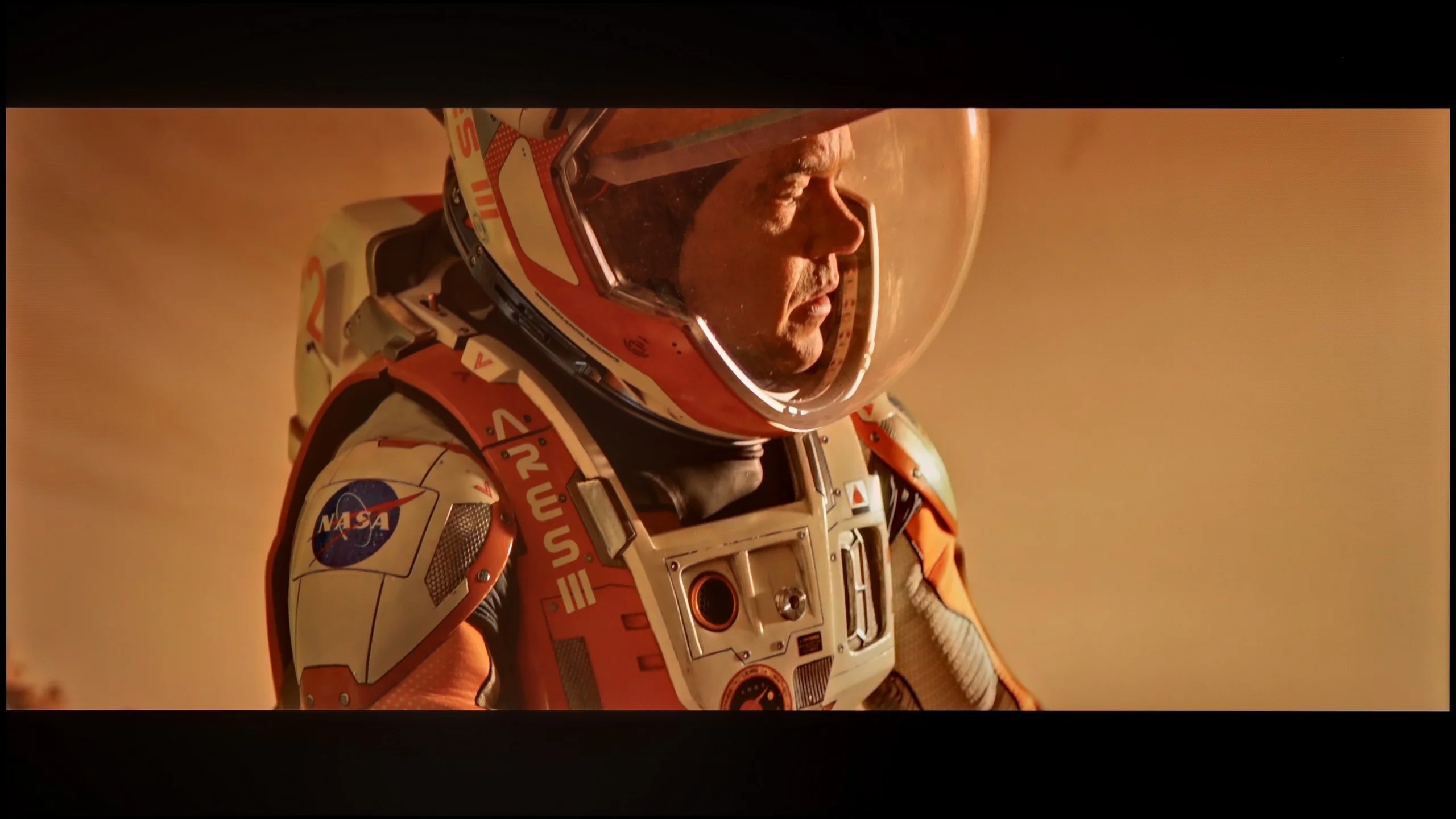
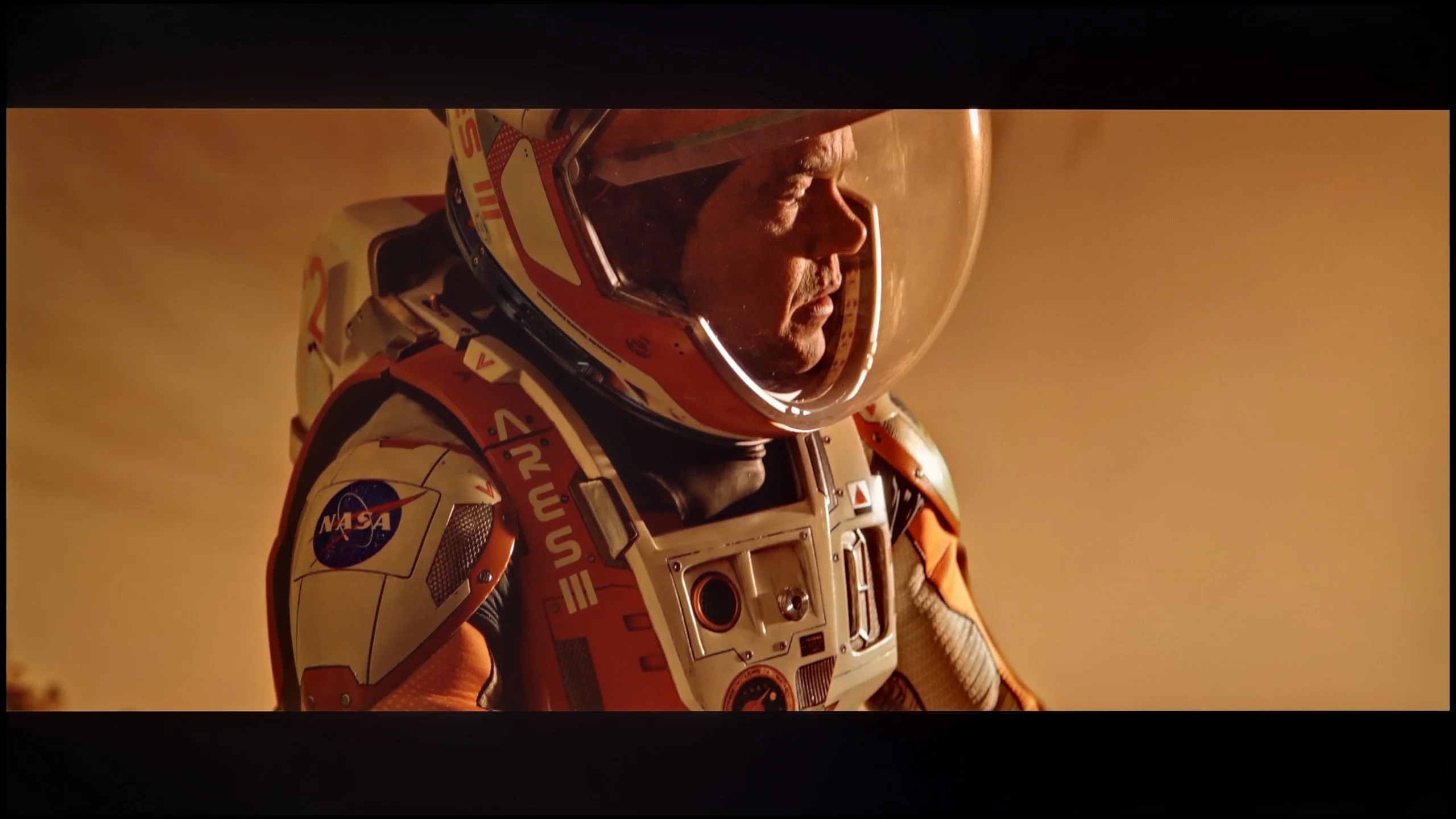
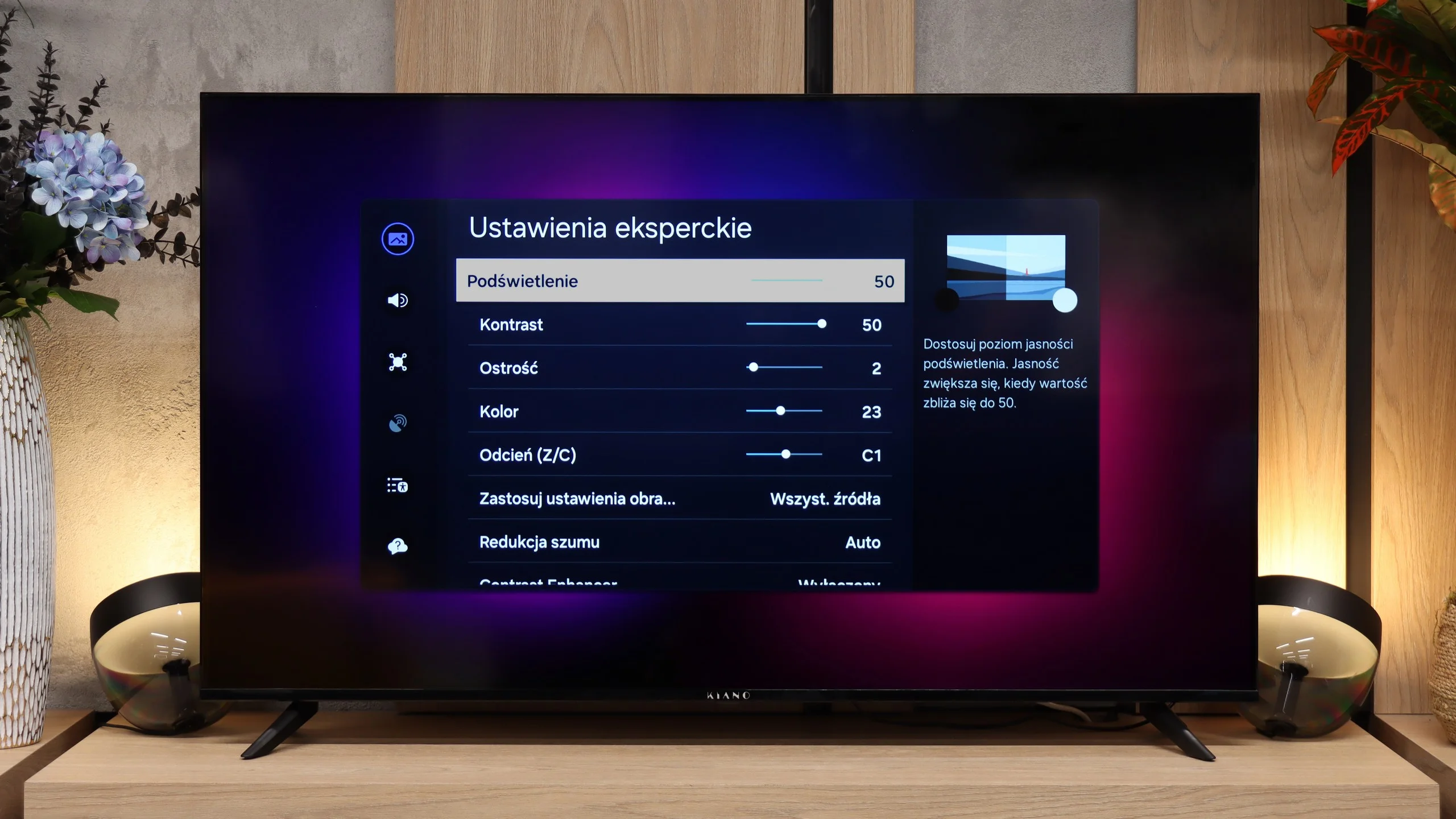
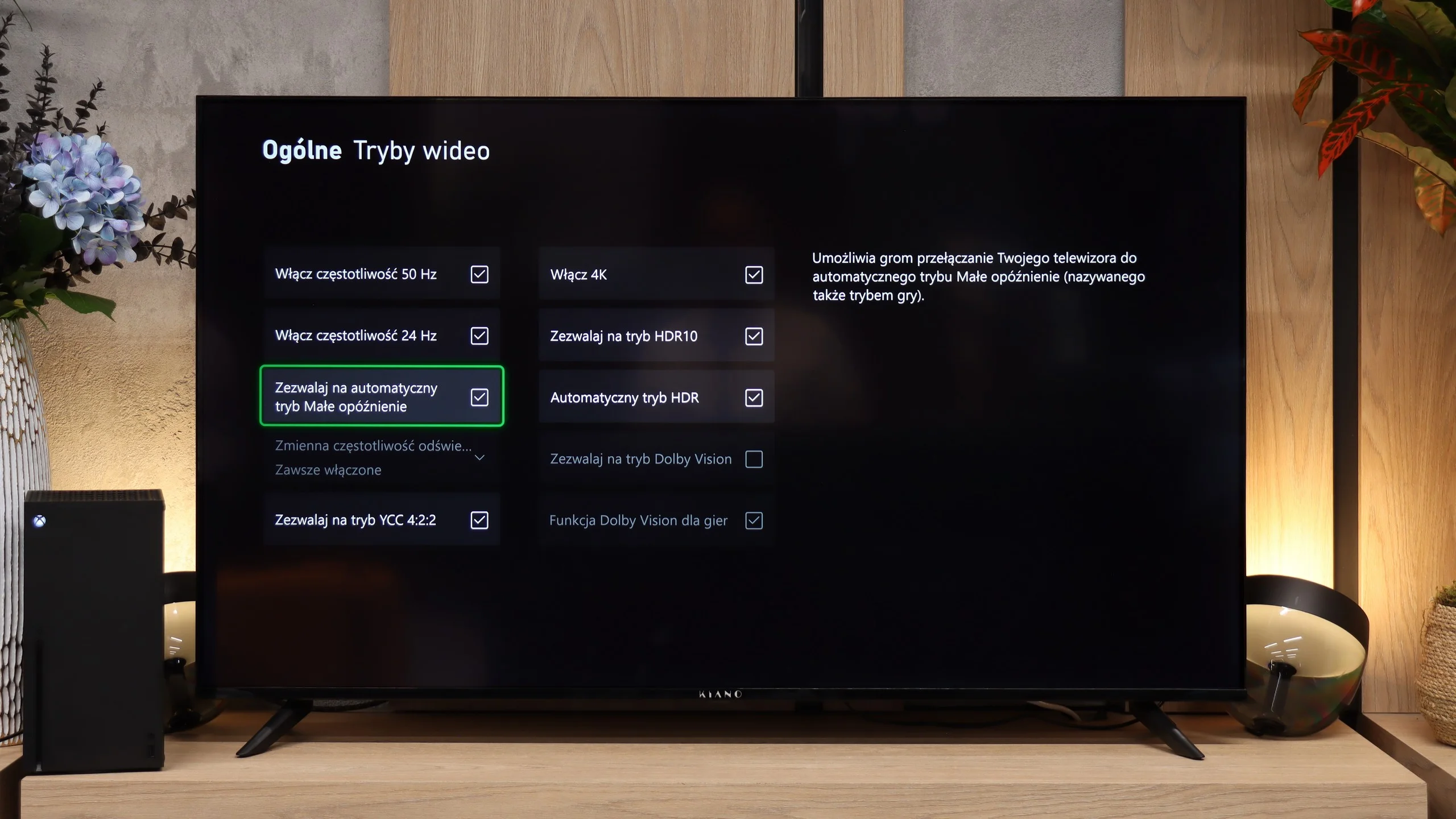
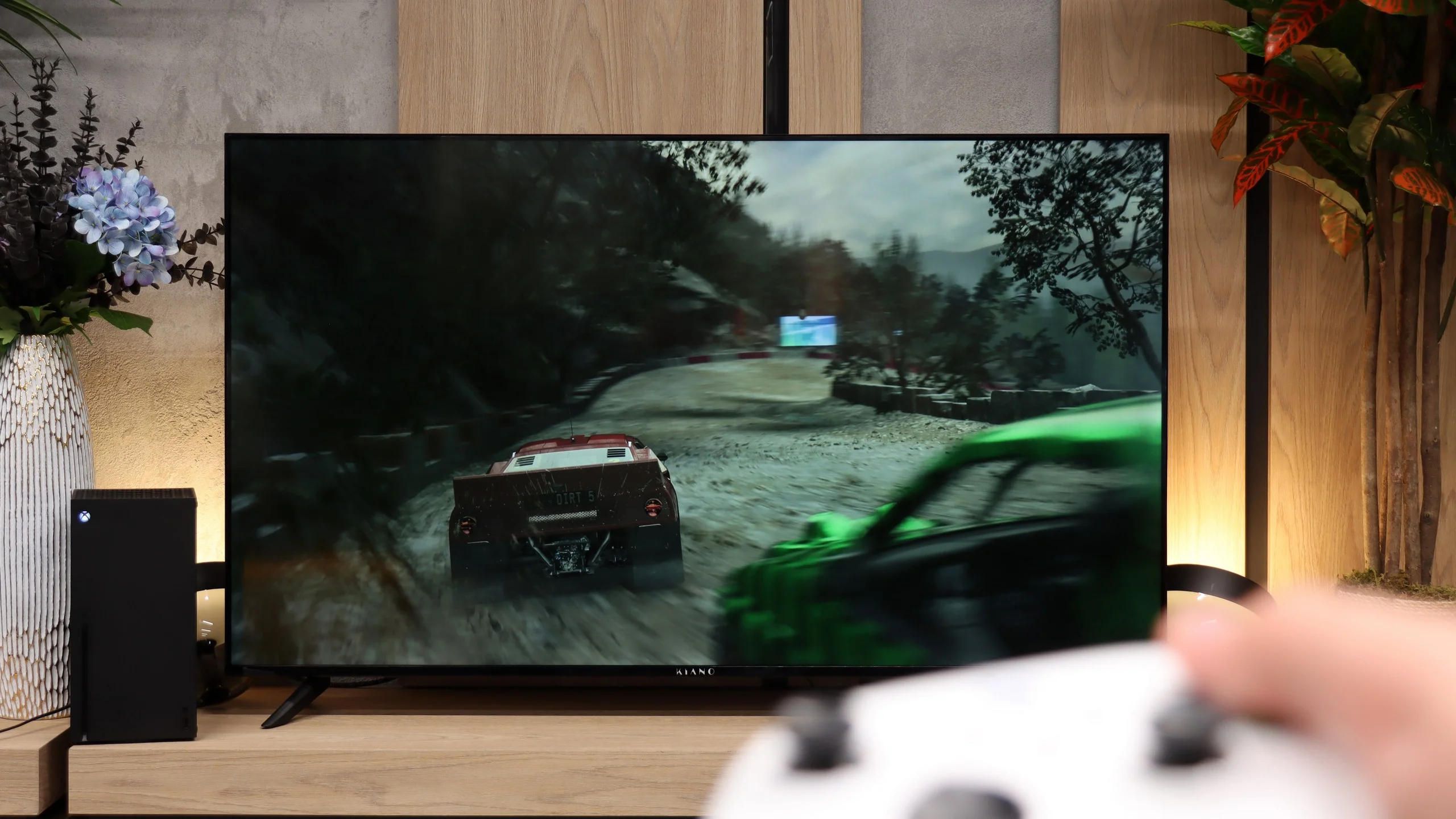
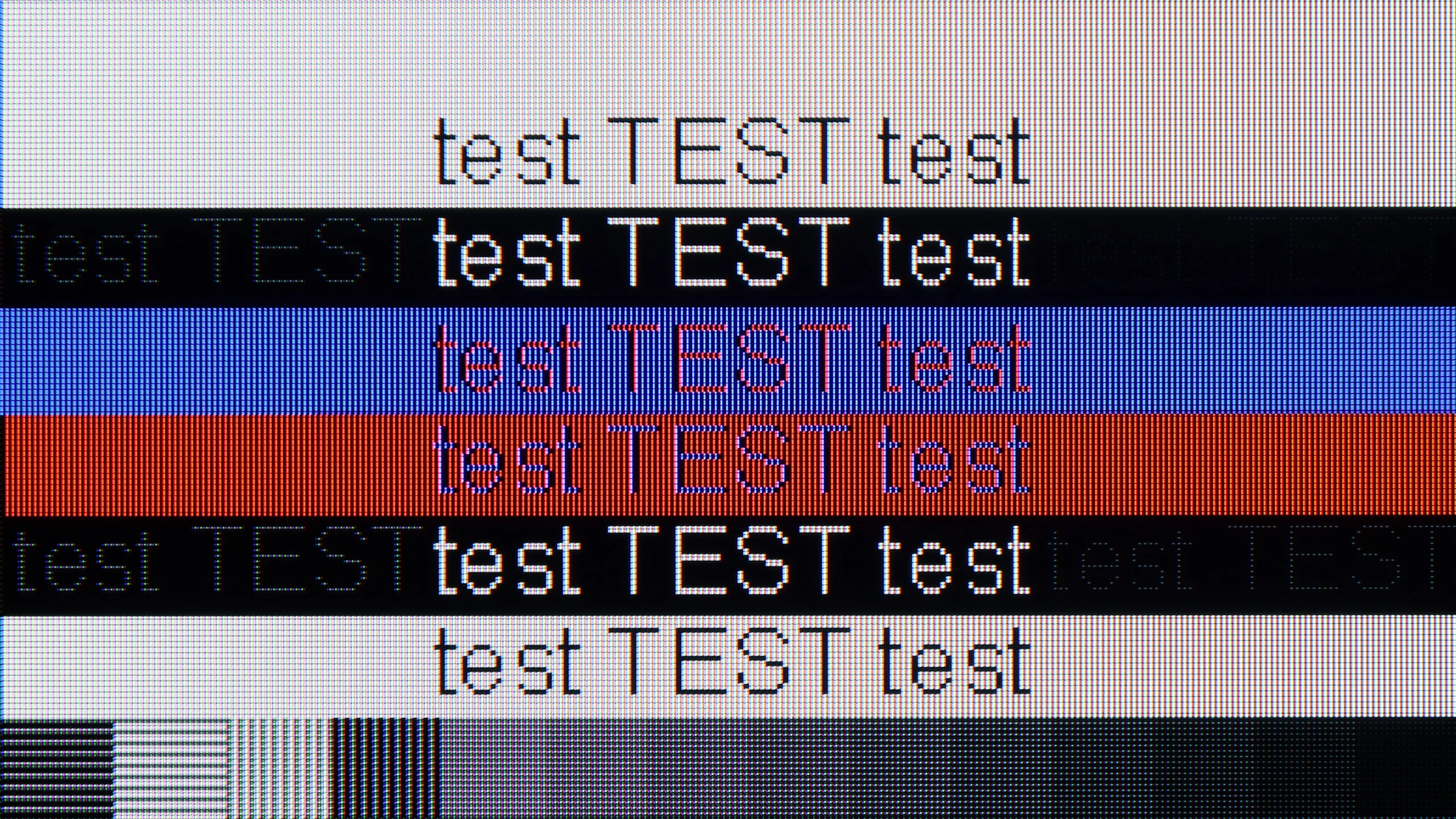
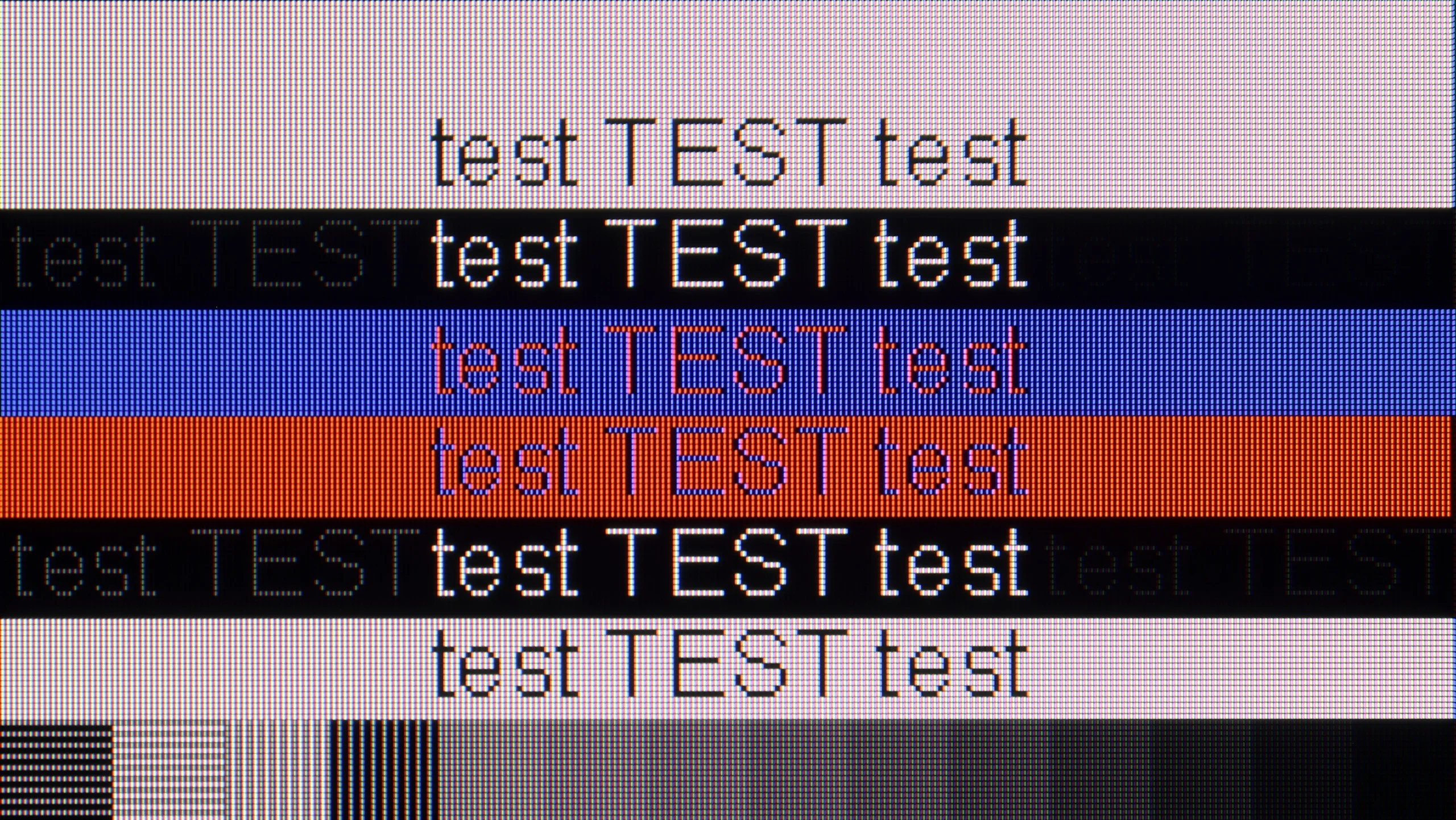
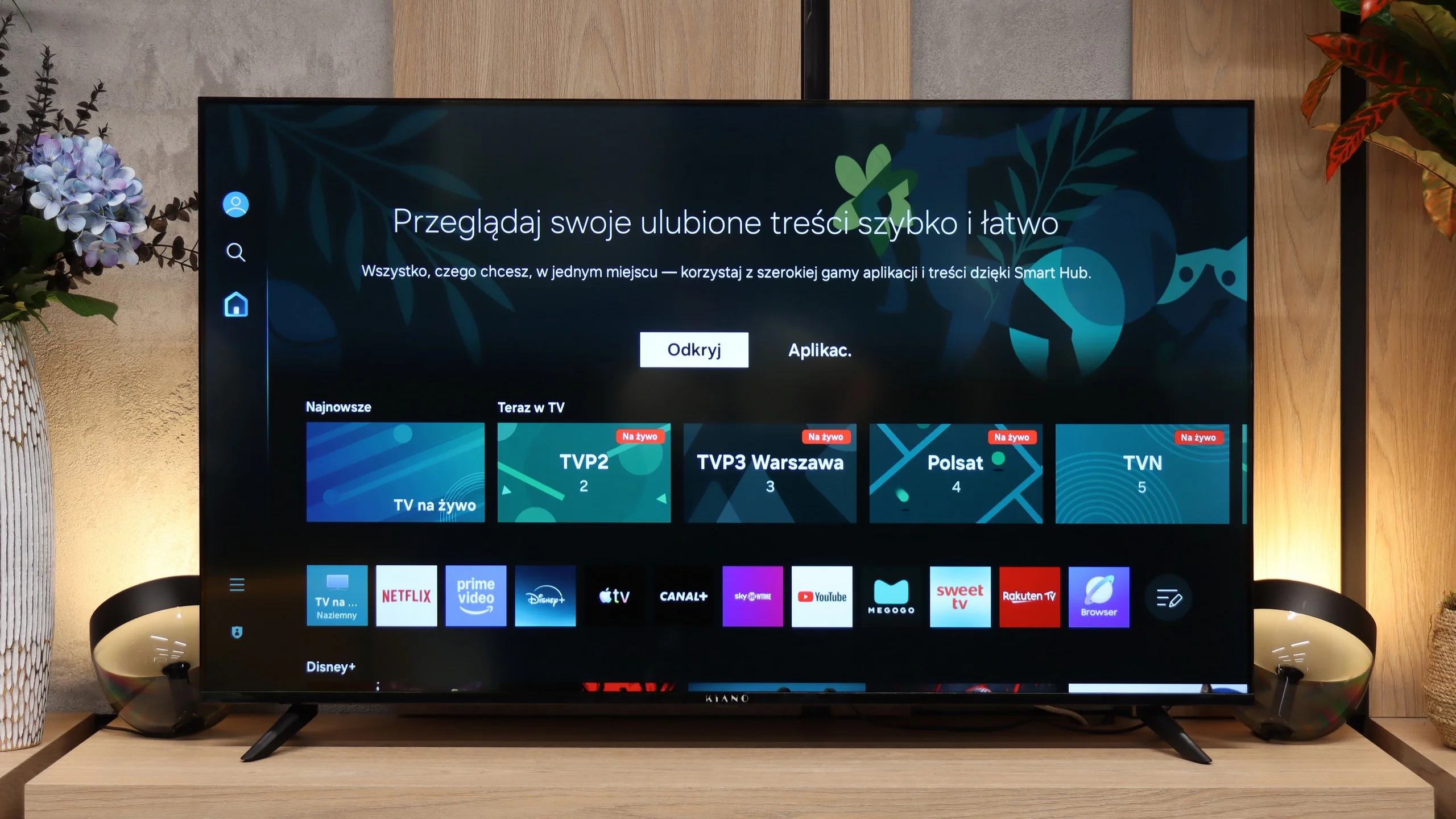
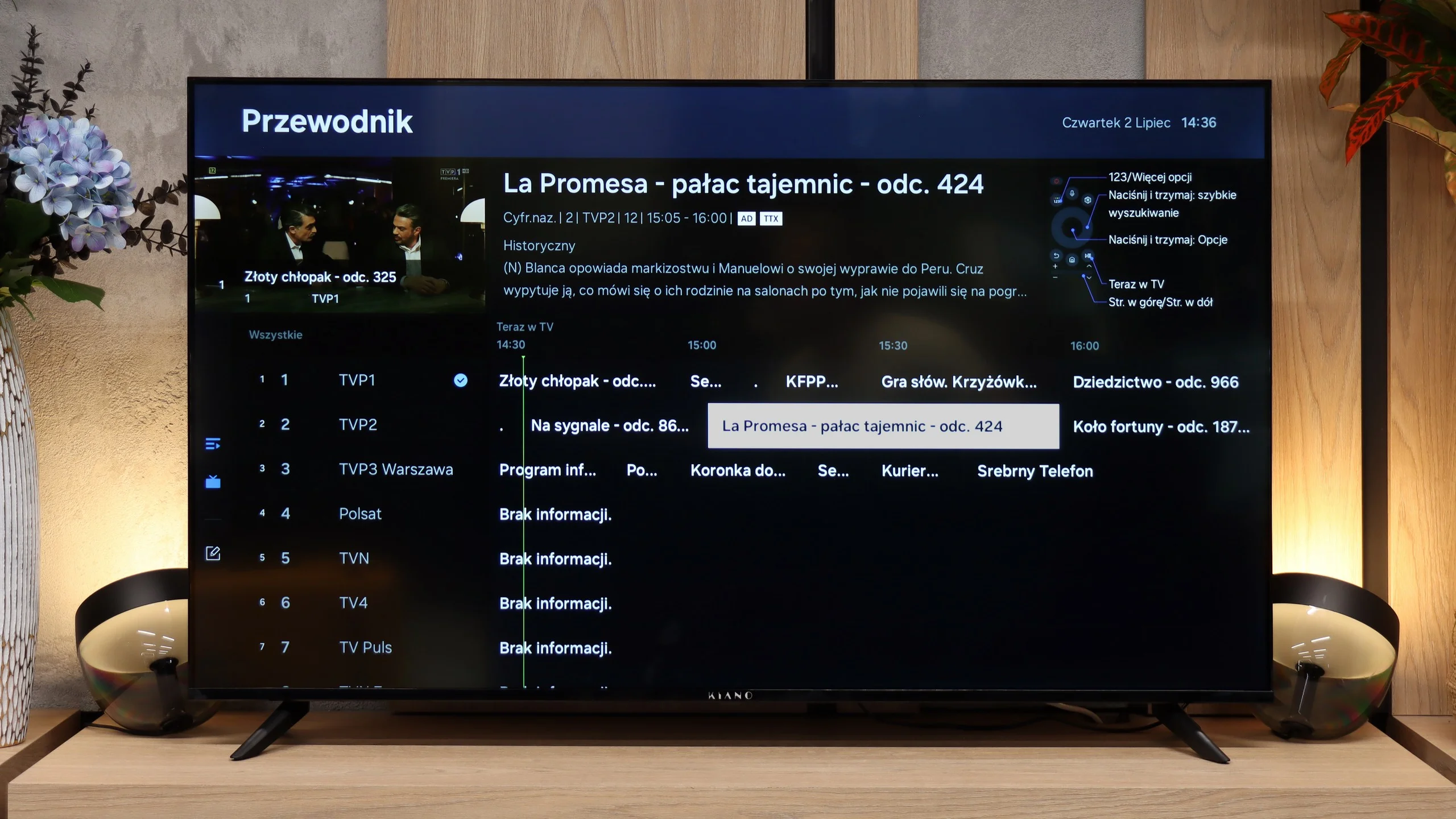
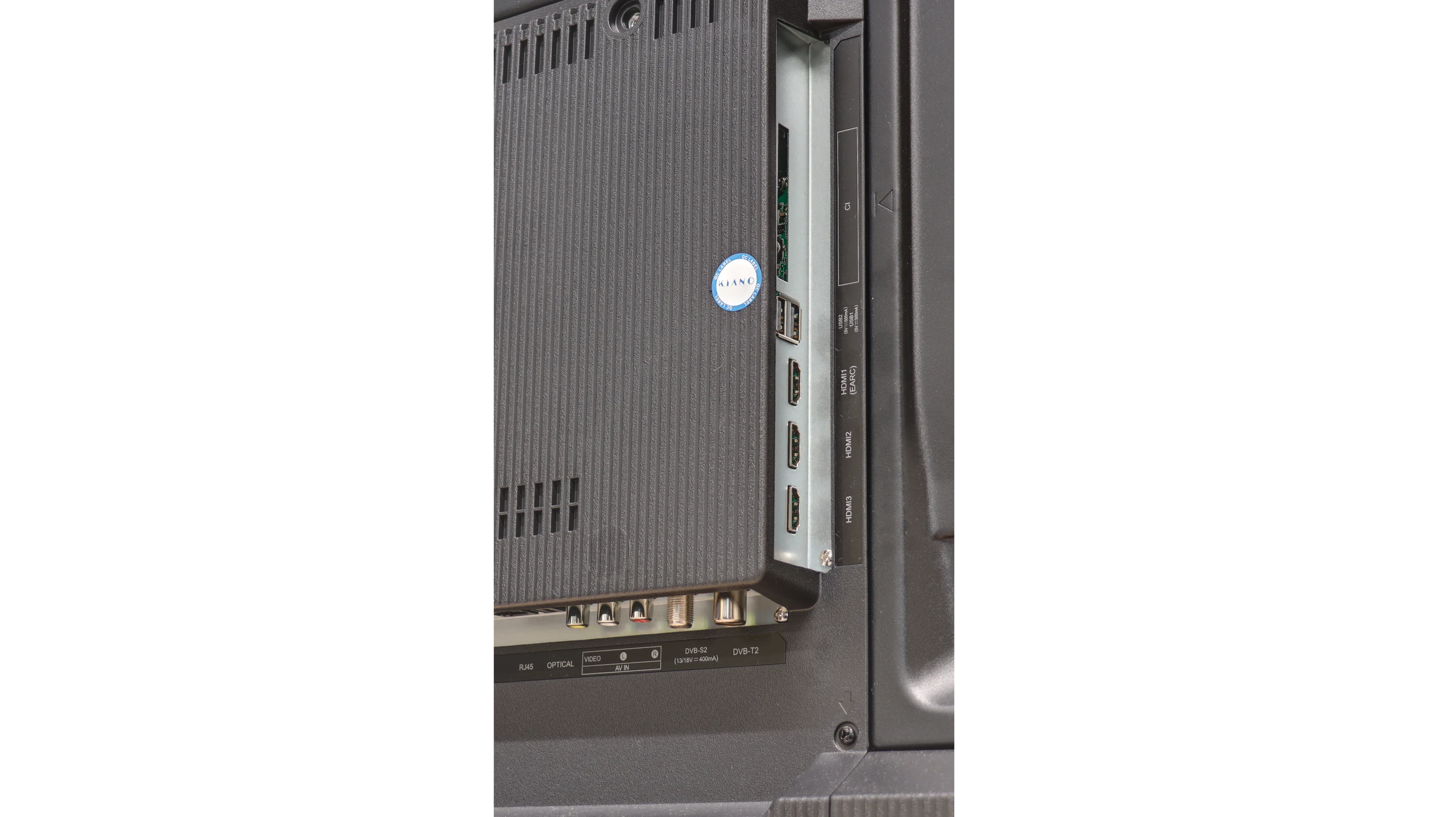
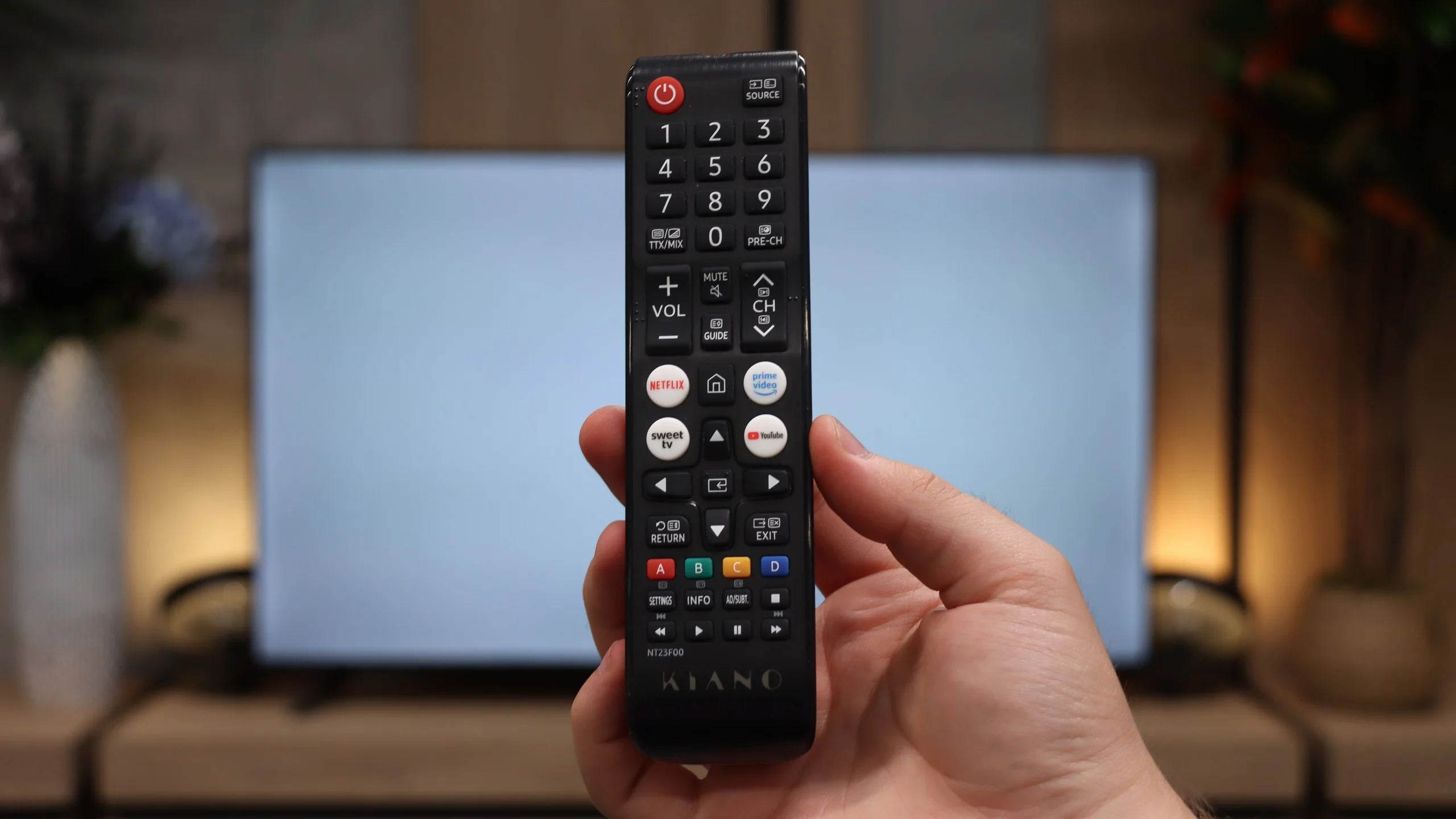
Kiano Elegance is primarily aimed at people who want to spend as little as possible on a TV while still having convenient access to popular apps. The use of Tizen is a big plus here, since you get the system known from Samsungs and don't have to immediately buy a streaming stick or set-top box to watch movies or shows. At a low enough price, that could be reason enough to consider this model. The digital picture processing also deserves praise; in its operation it resembles the solutions used in entry-level Samsung sets. Kiano quite effectively smooths unwanted color banding in poorer sources, so heavily compressed footage looks better. It's not perfect, of course, but remember how tight the budget is. The very fact that this feature actually helps is worthy of recognition.
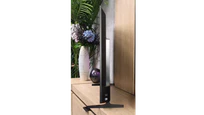
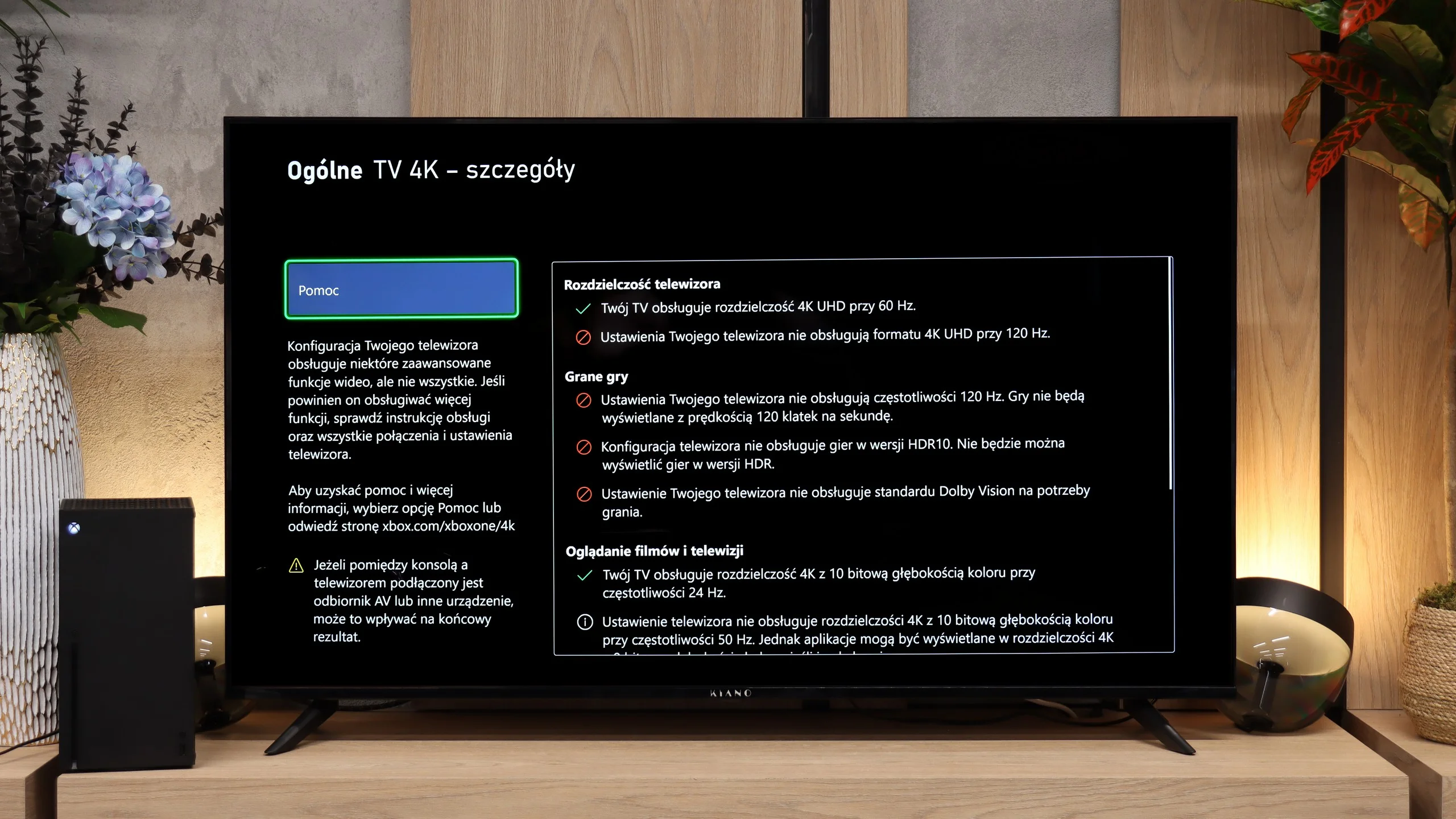
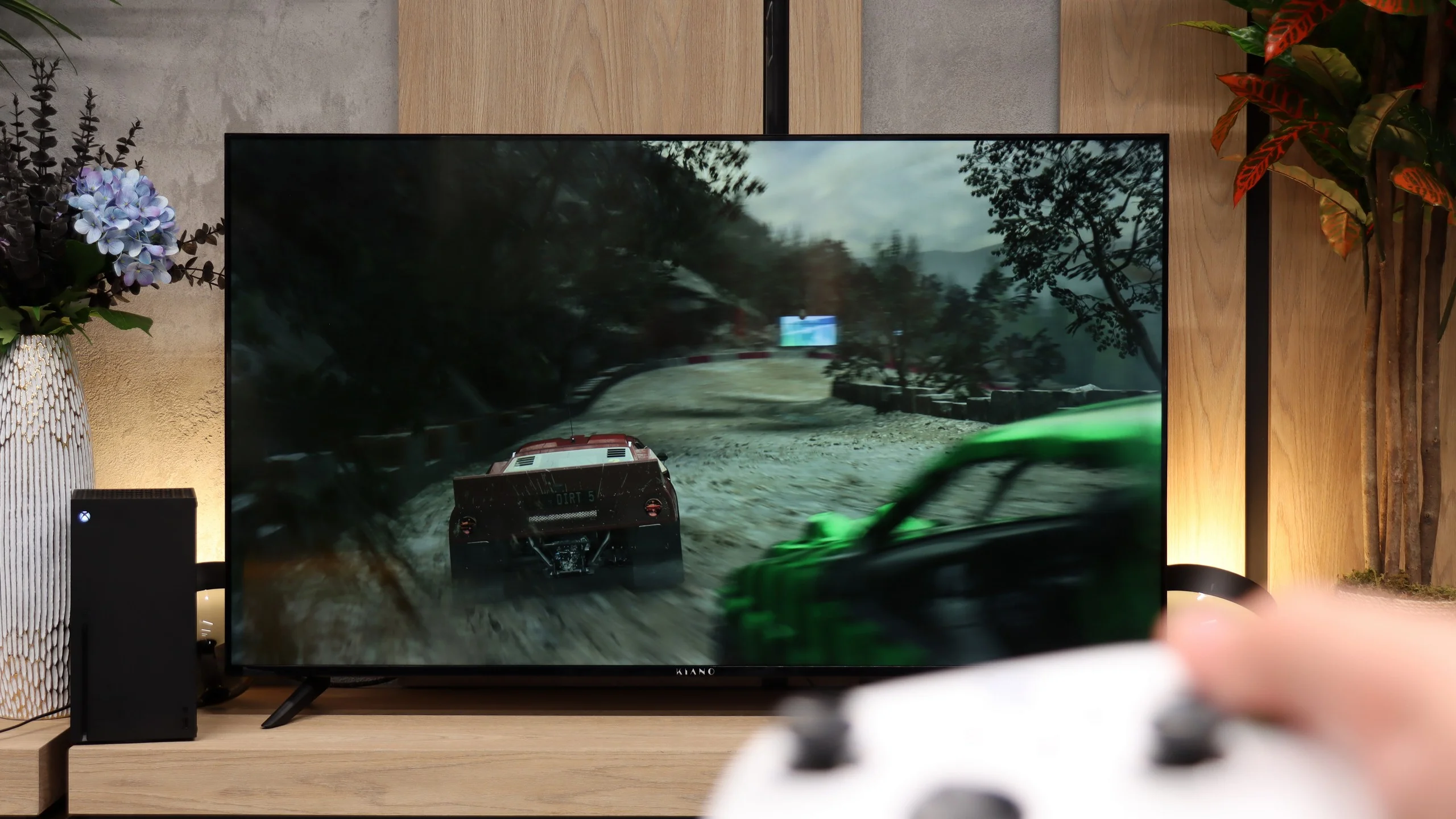
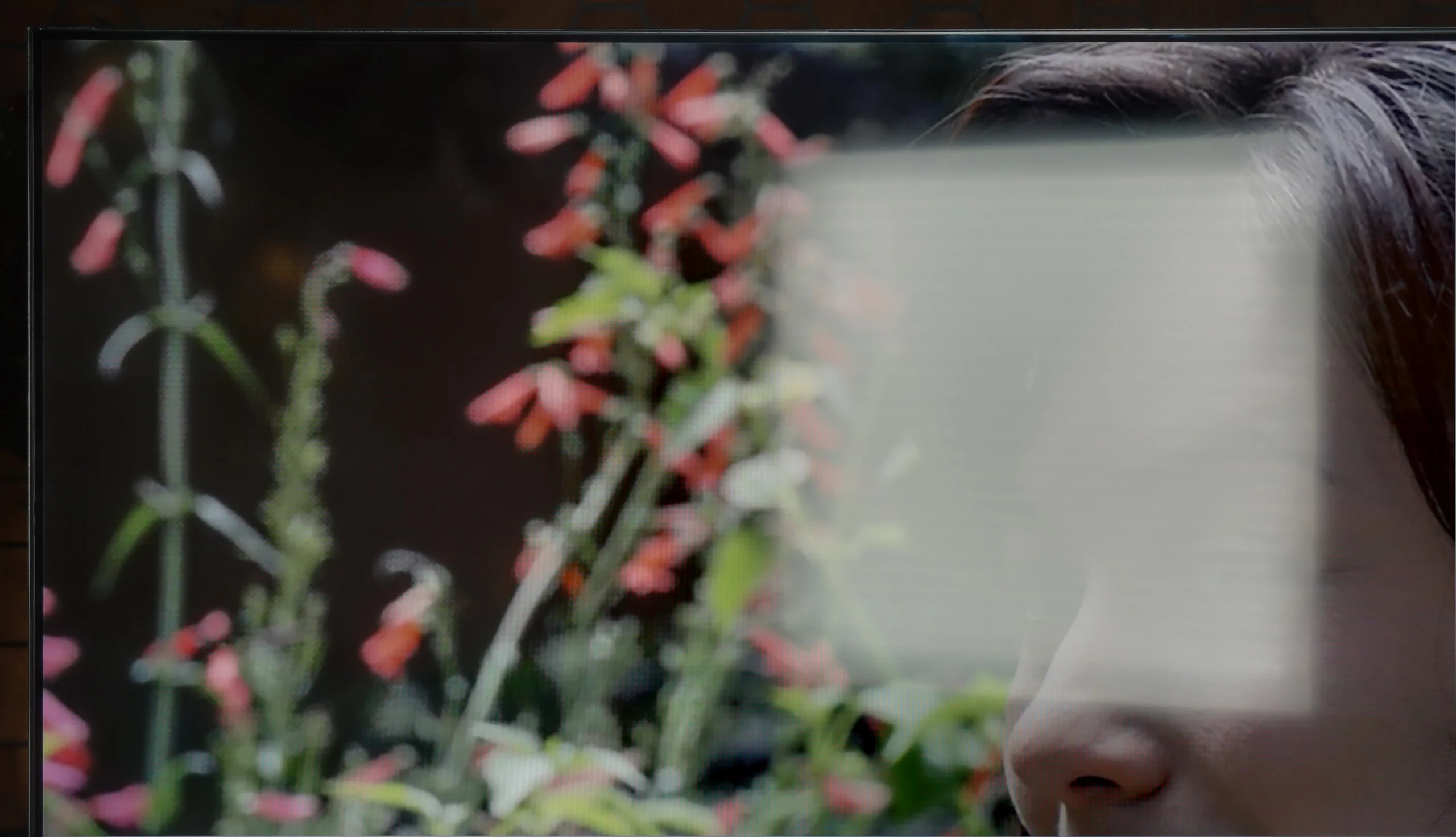
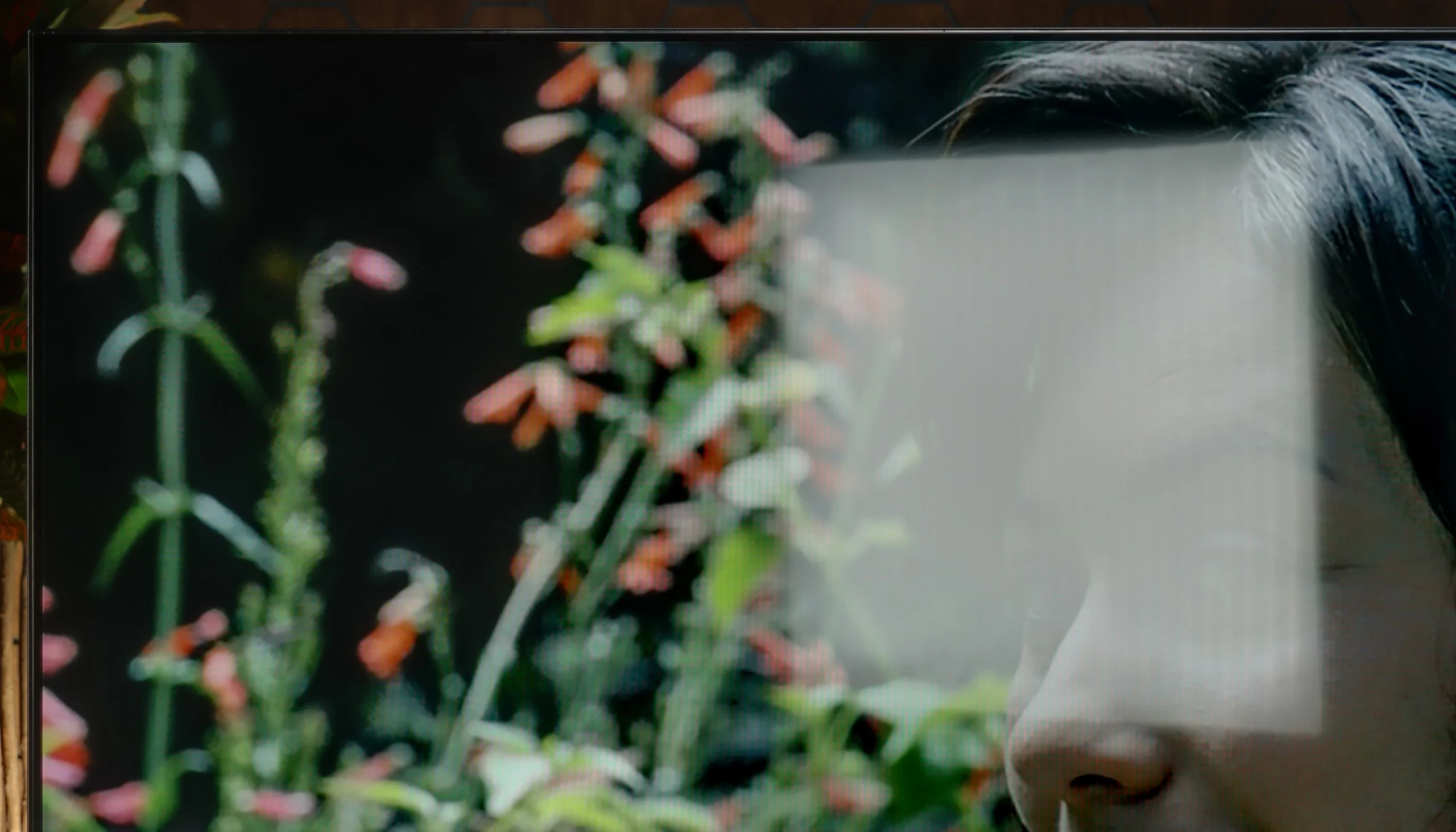
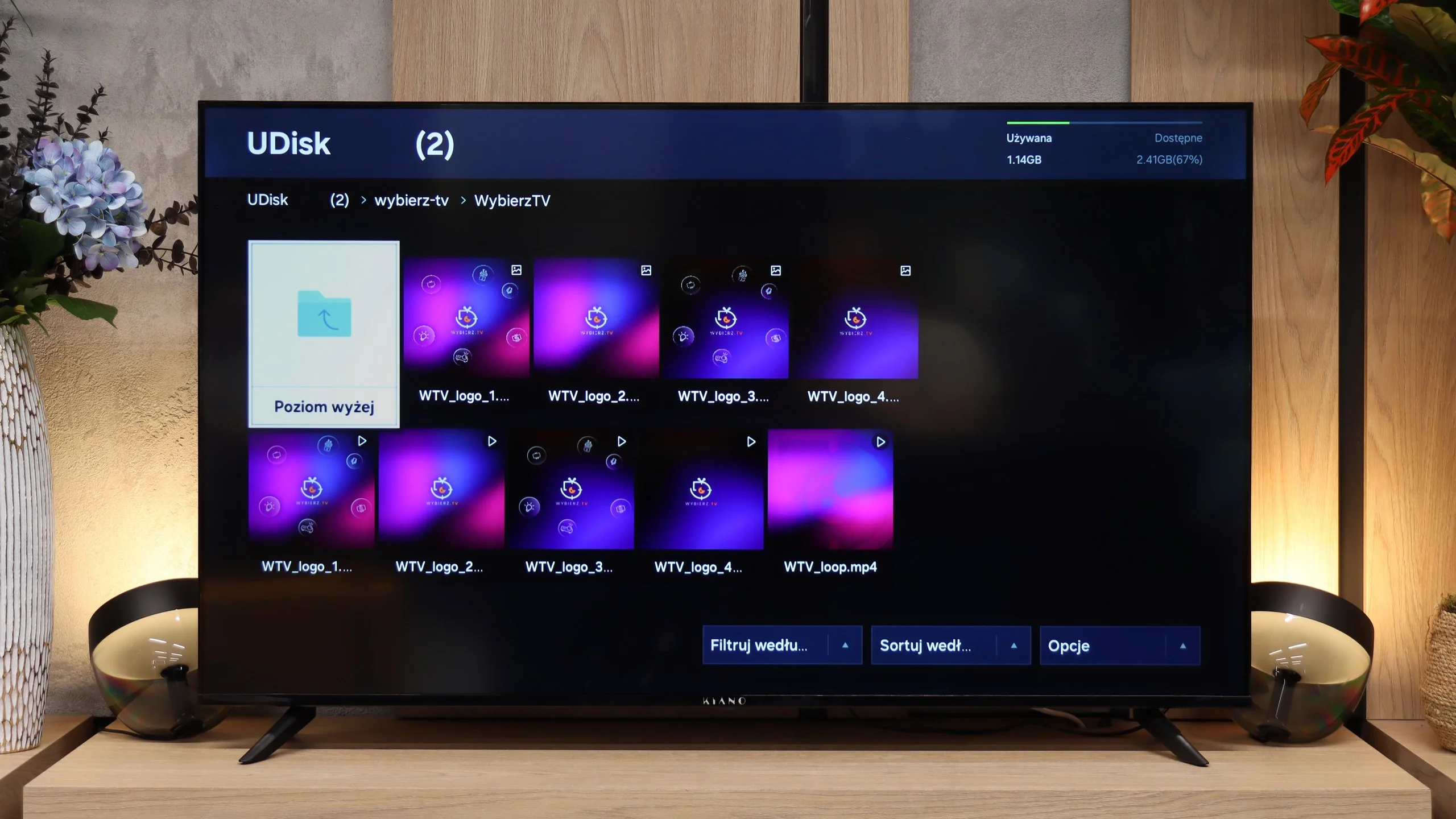
Unfortunately, the operating system doesn't make the Kiano run as smoothly as Samsung TVs. Sometimes you have to wait for a response, and the USB player can take a very long time to open files. The savings are also visible in the build quality and the panel's capabilities. Low brightness makes watching in a sunny room difficult and prevents HDR from looking impressive, while faster motion suffers from noticeable smearing. On top of that, the sound is weak, so buying separate speakers or a soundbar can quickly become another expense.
So Kiano Elegance mainly makes sense when it is clearly cheaper than the competition. It can be sufficient for daily channels or as a second TV in the home, but if only a small extra amount separates it from a basic model by a better-known manufacturer, we think it's worth paying the difference. Tizen and decent picture processing are strengths of this Kiano, but they don't make up for all the cutbacks. It's better to compare final prices than to assume that a TV with Samsung's system will provide the same level of user comfort.
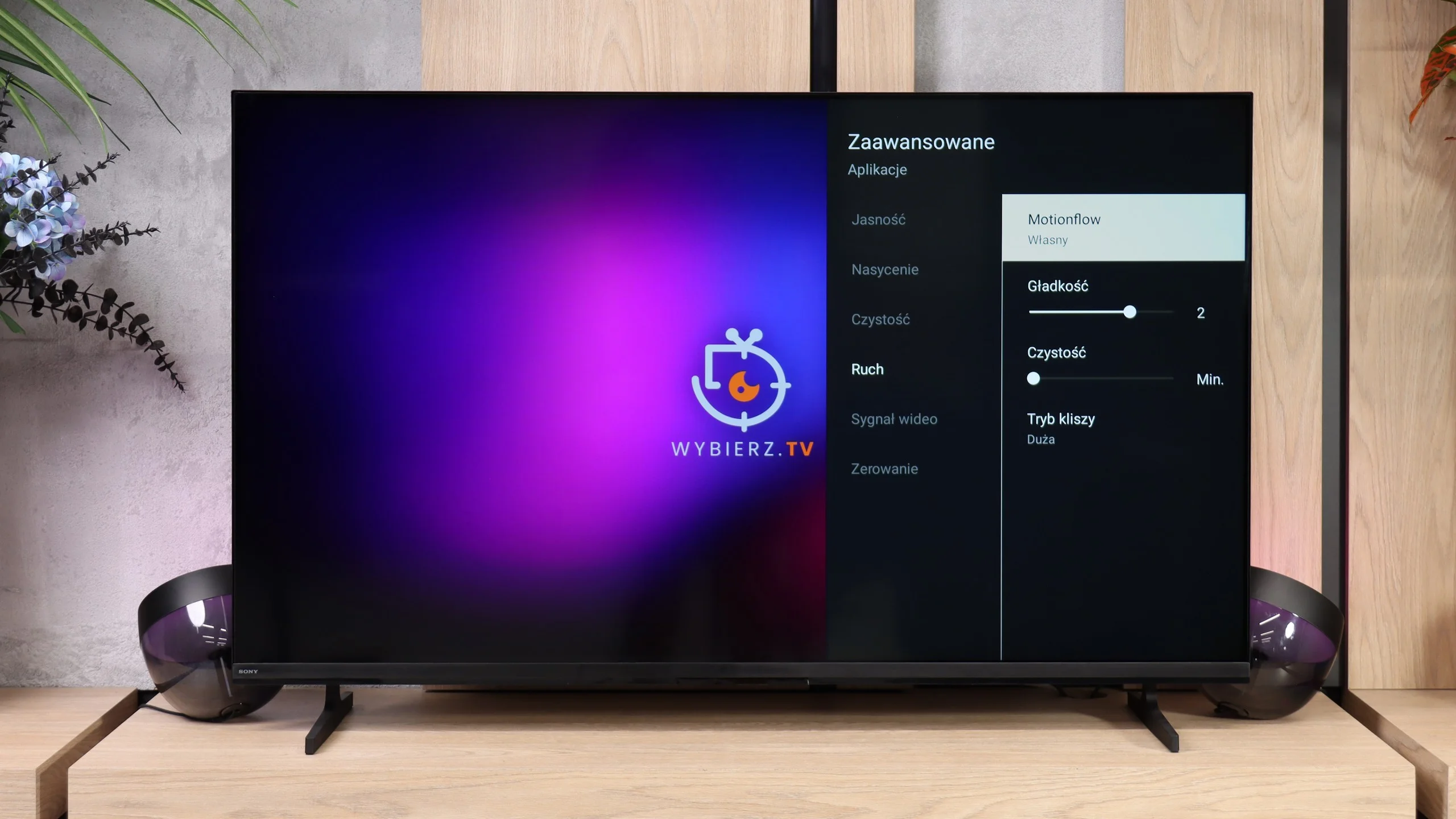
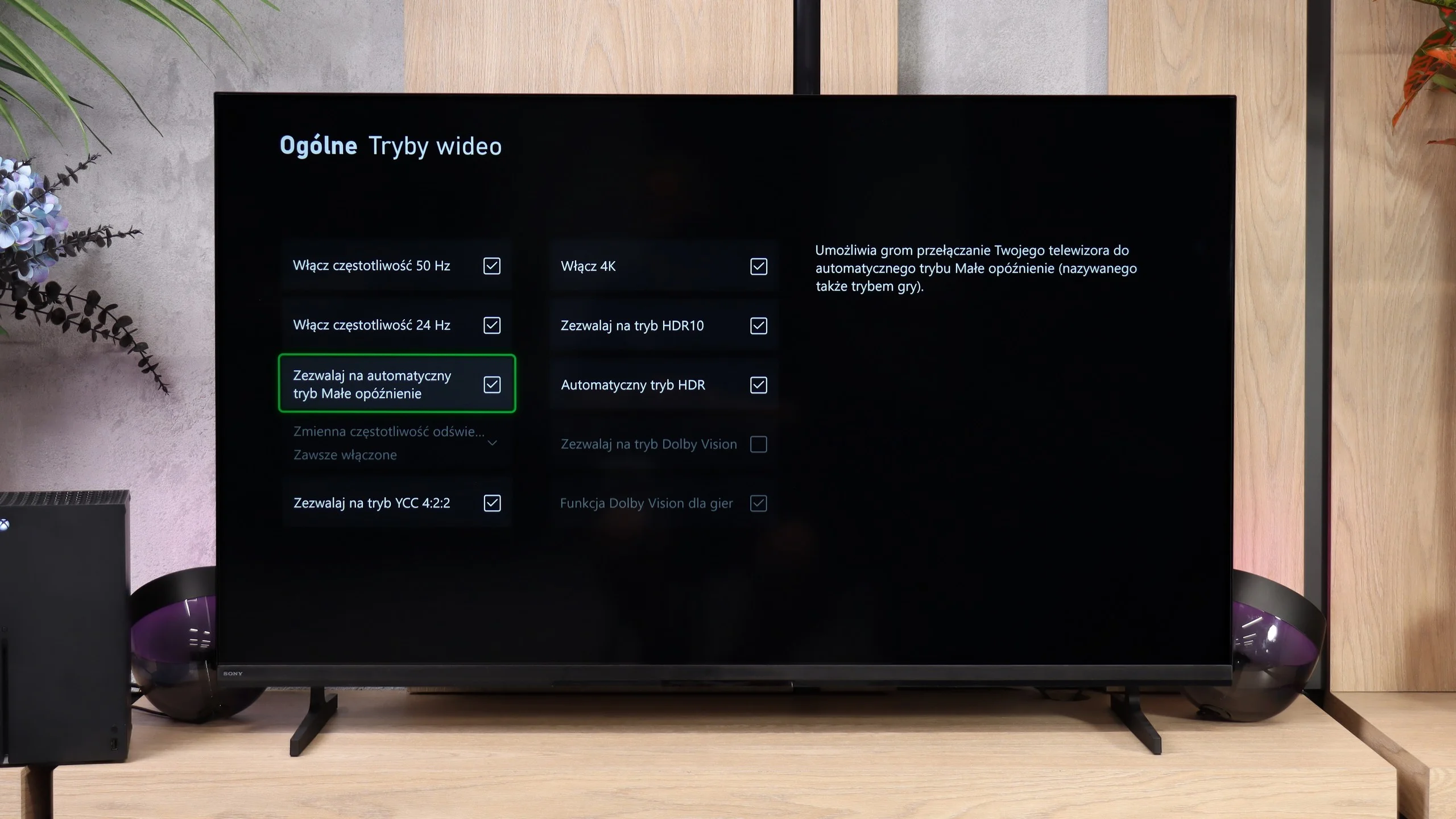
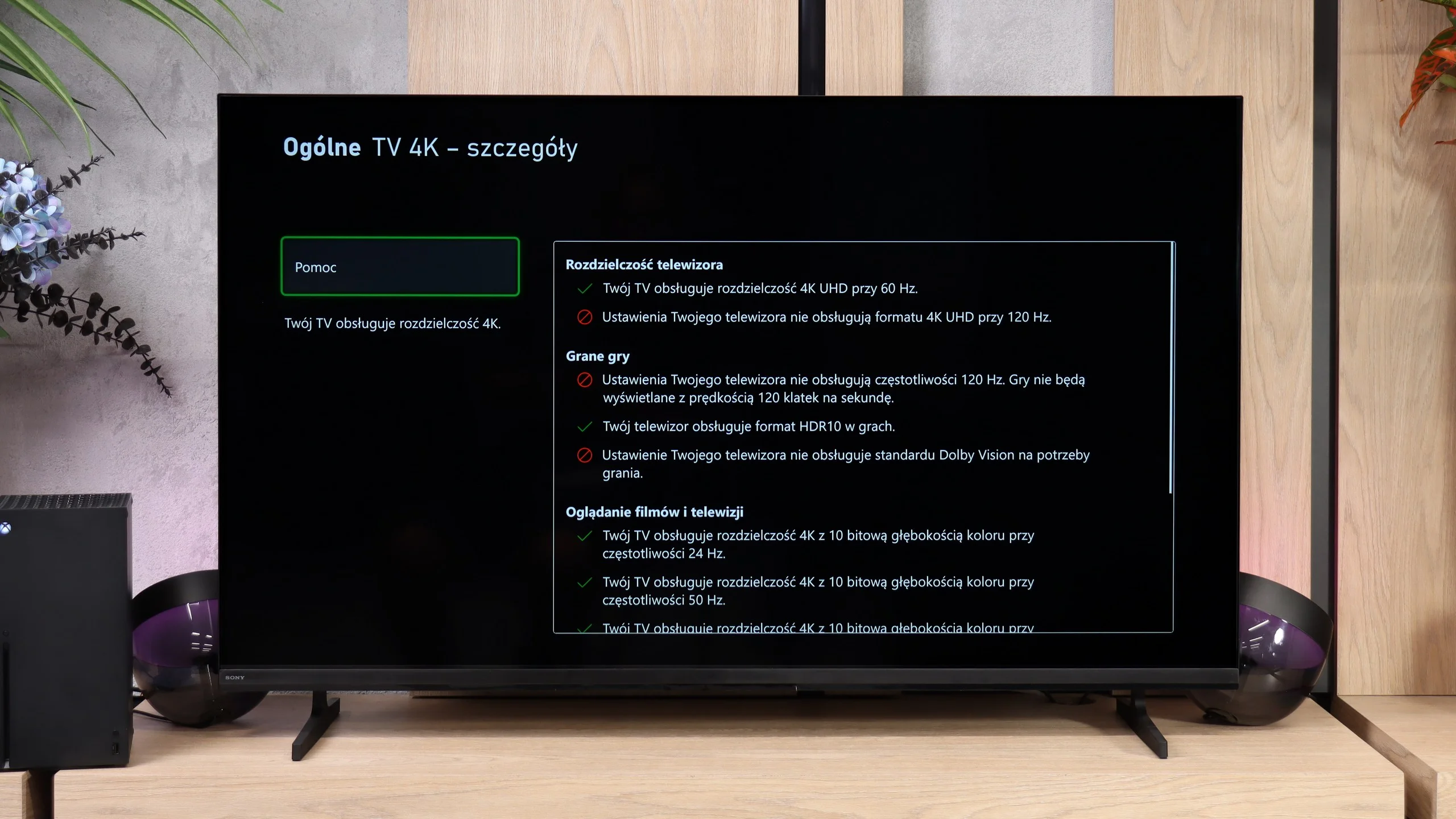
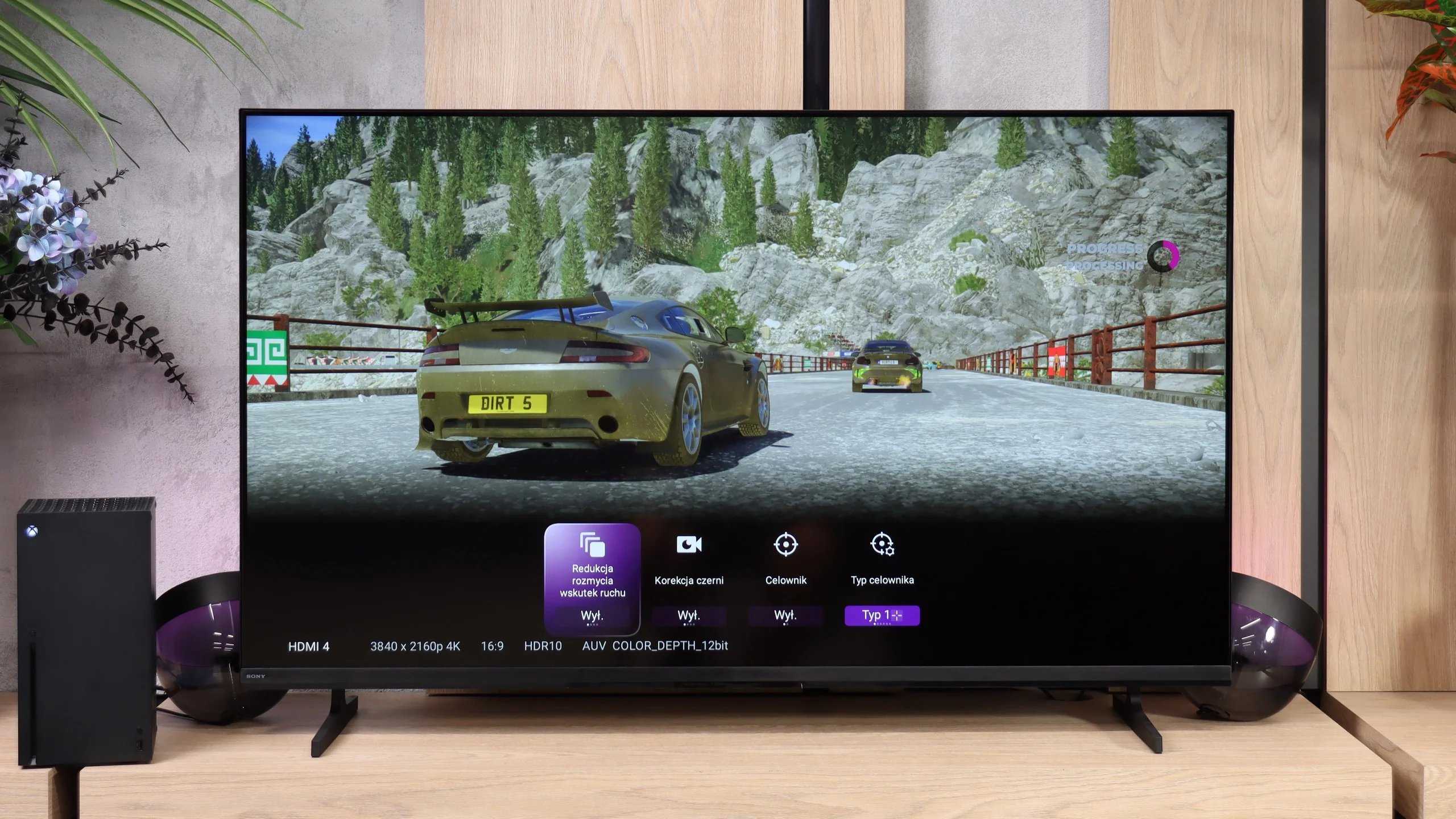
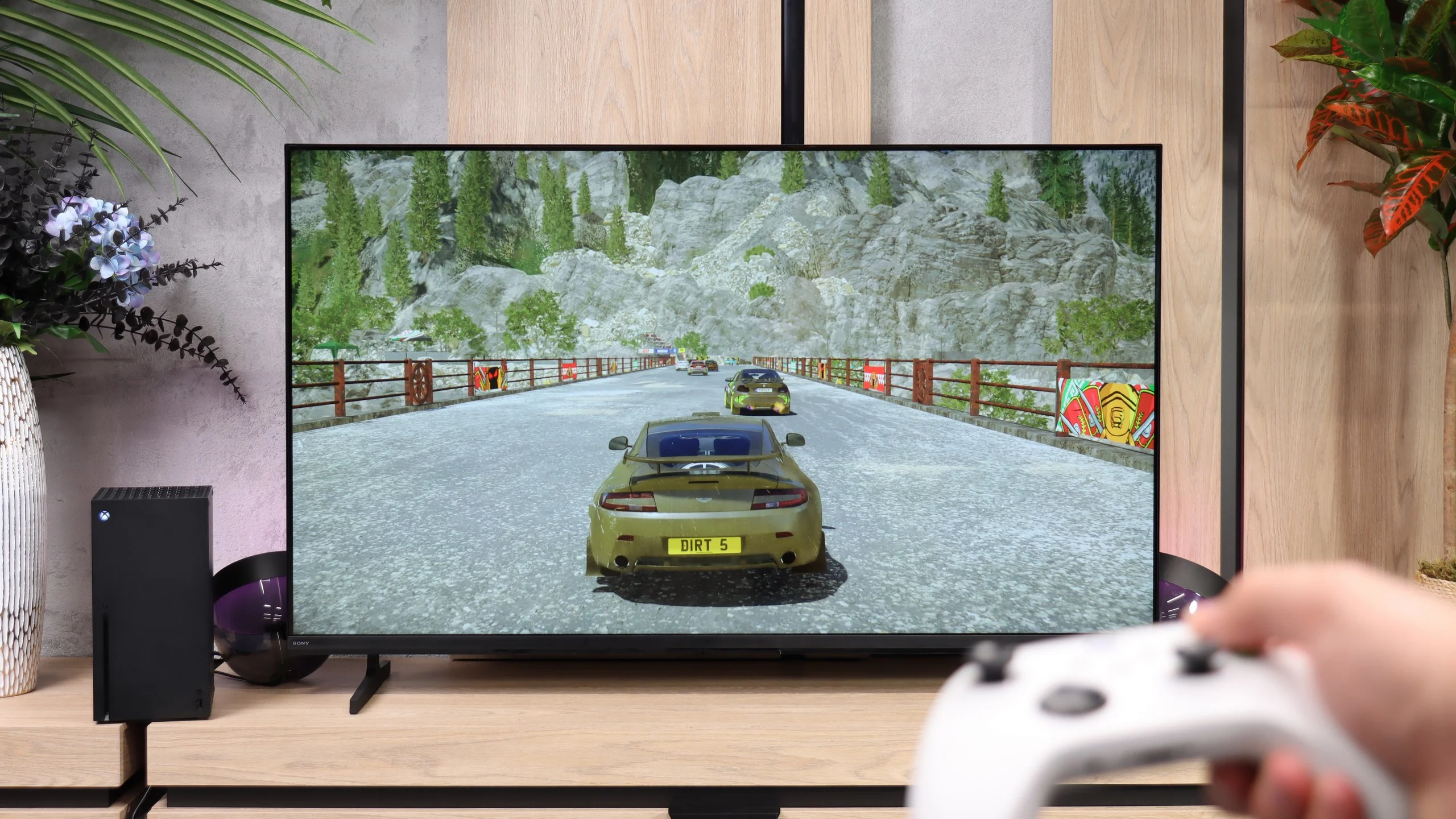
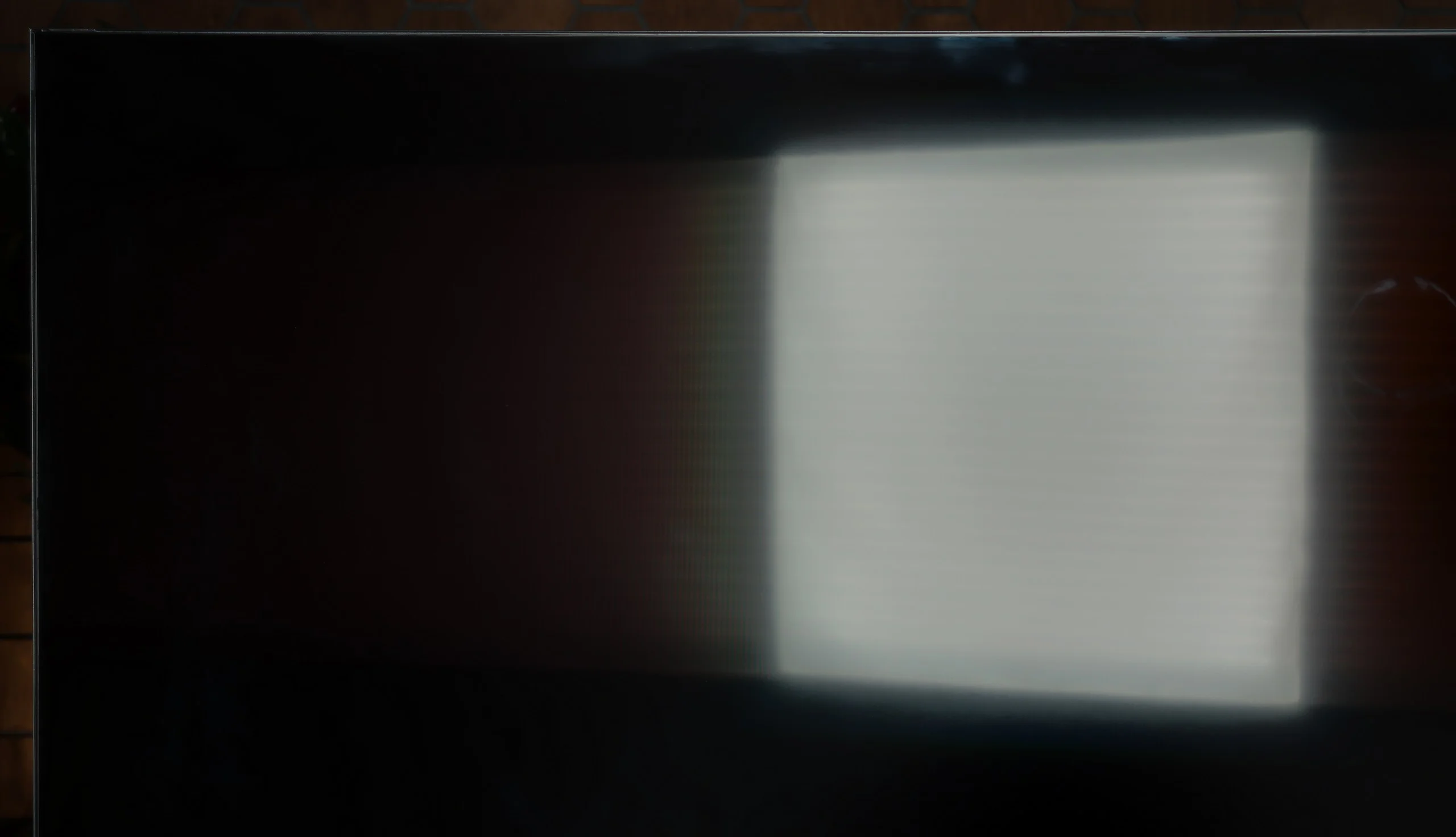
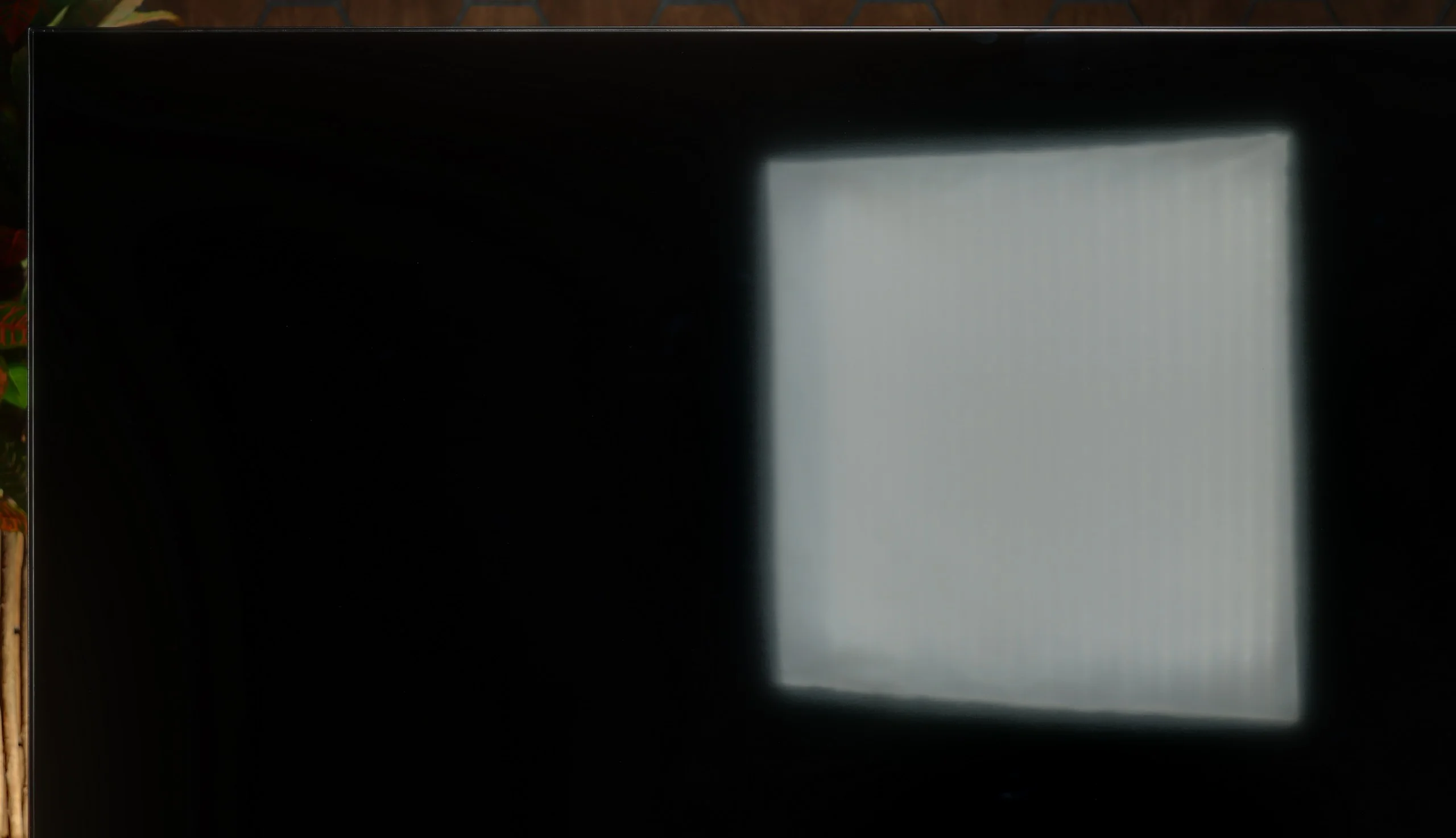
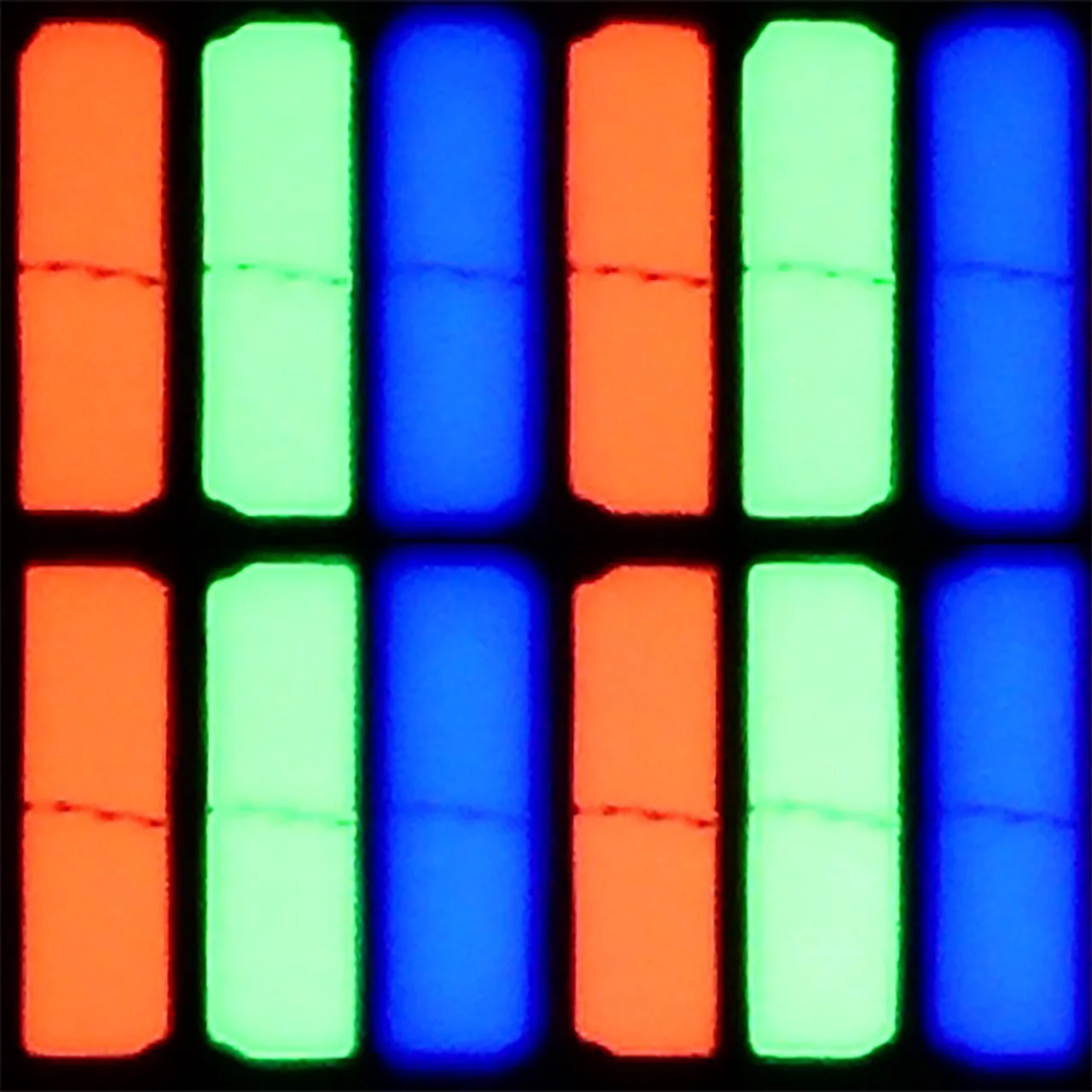
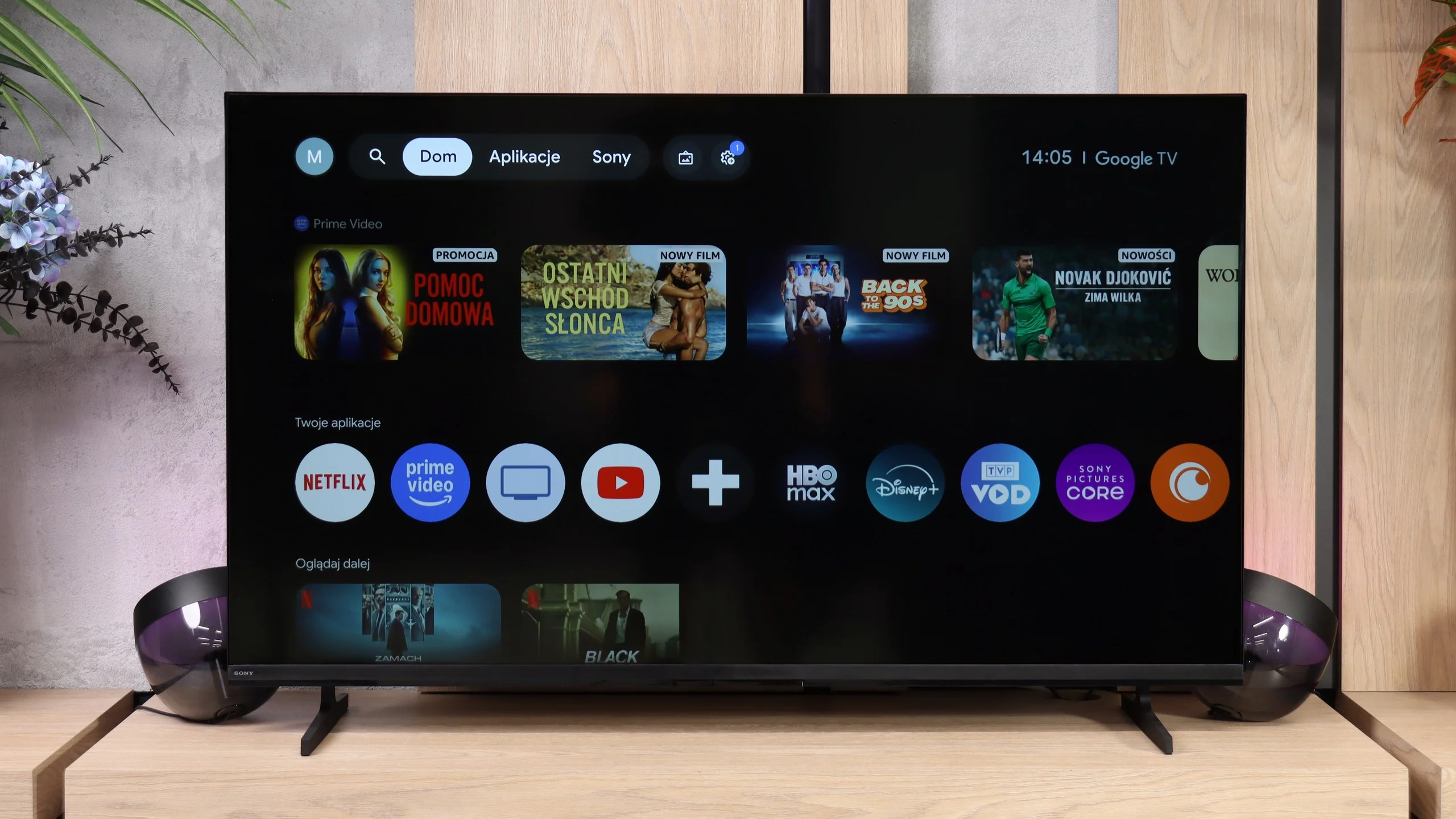
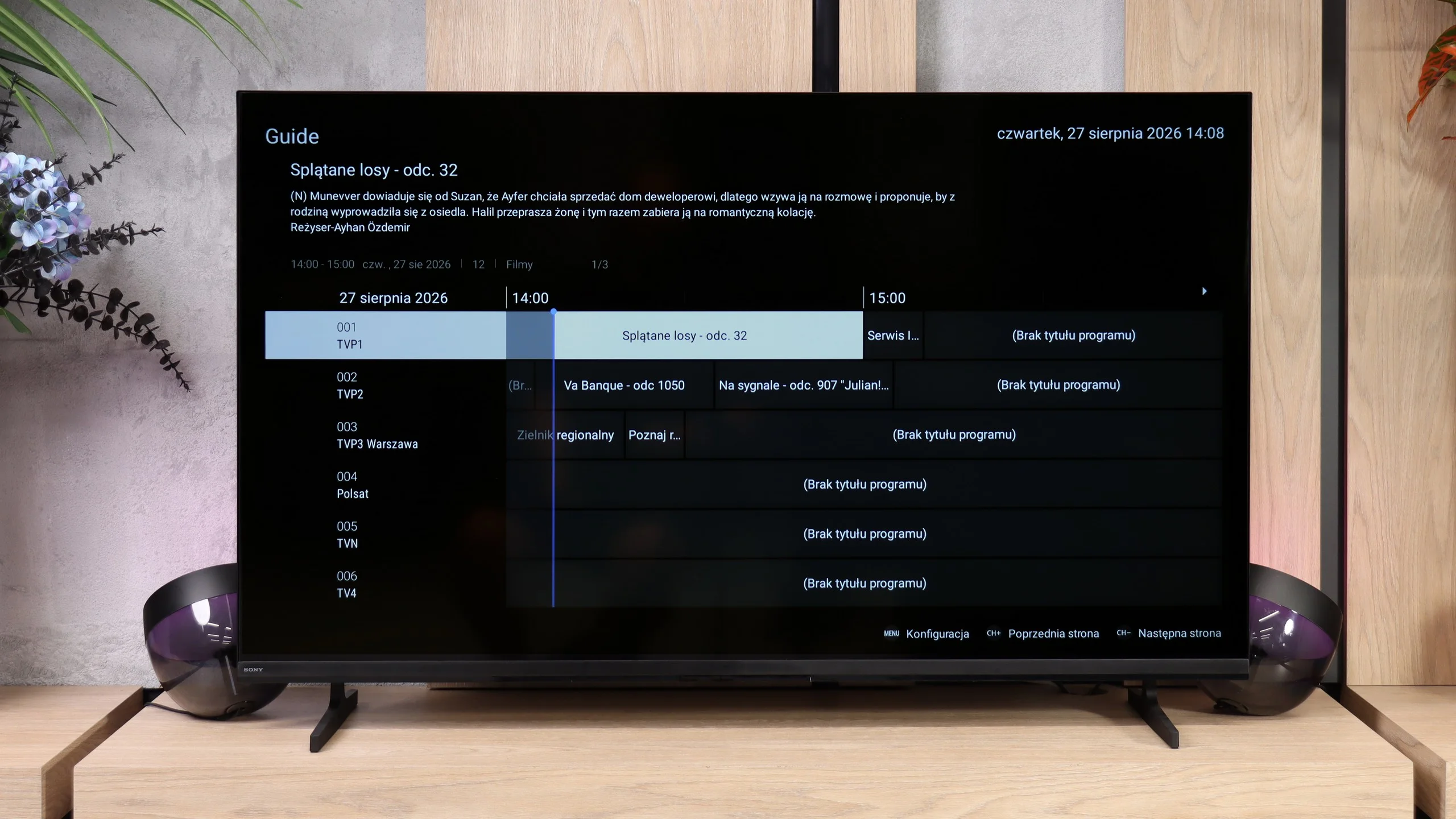
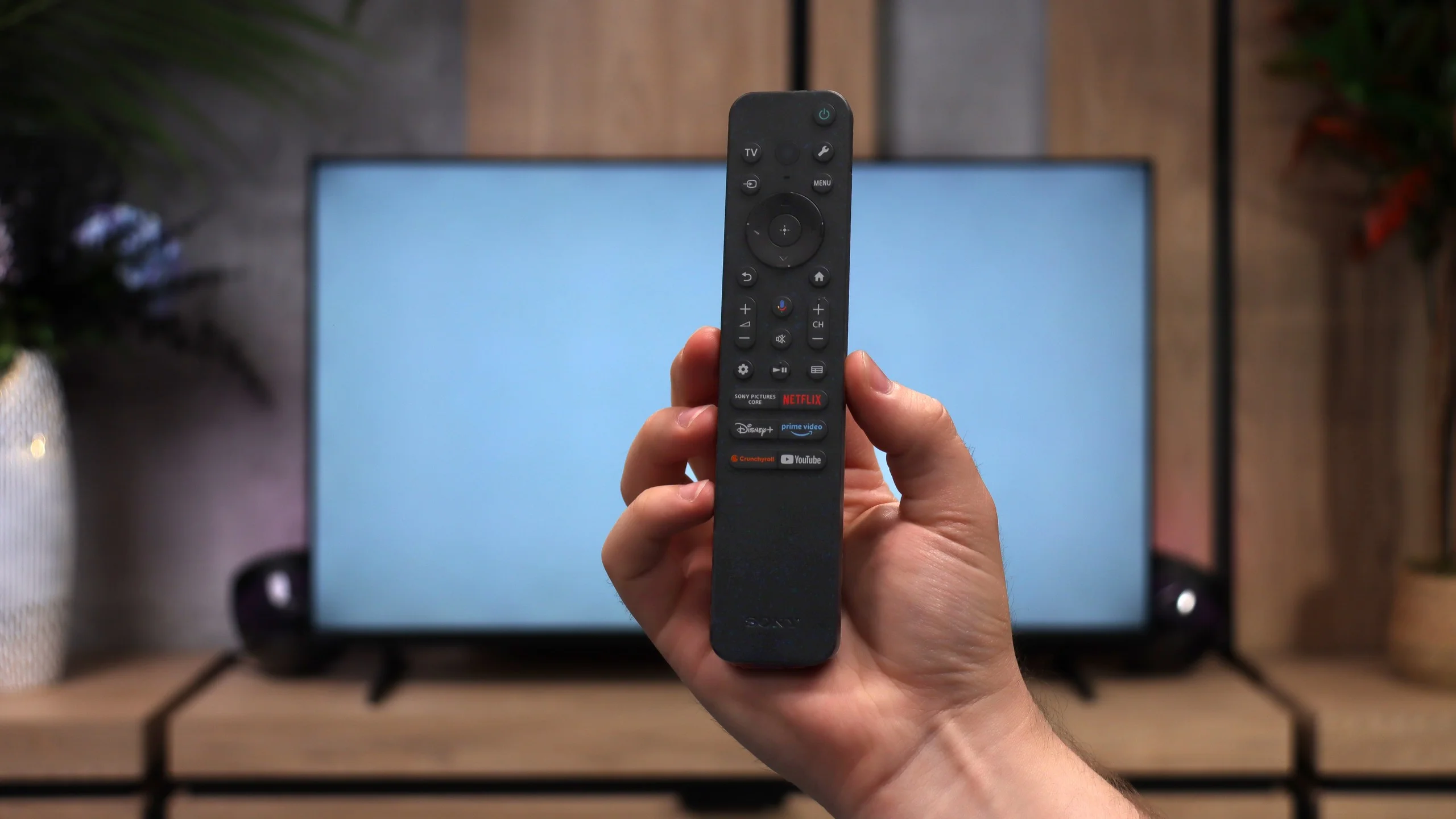
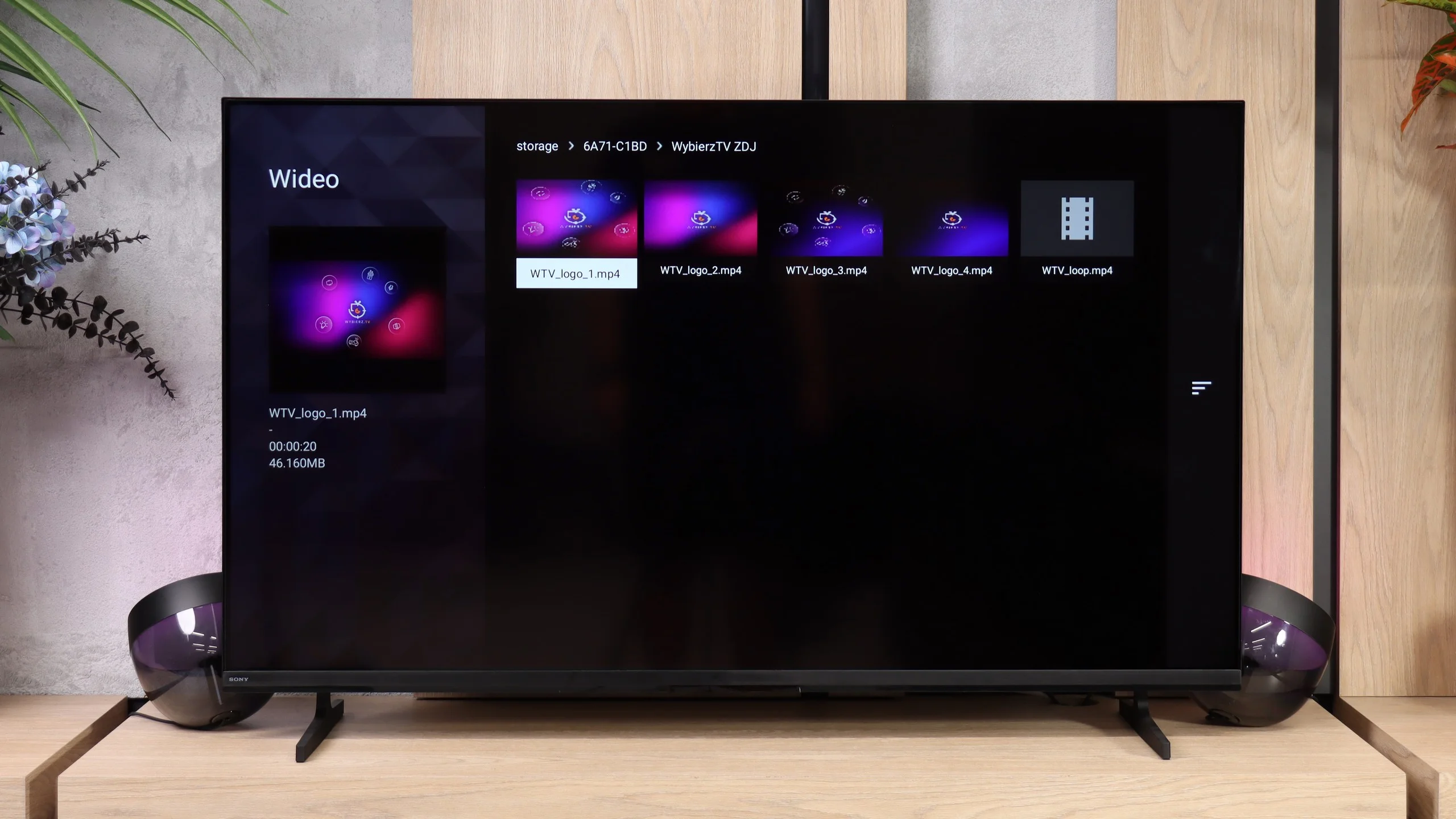
Sony Bravia 2 II is a TV that performs best in simple, everyday use. And we suspect many people will choose it mainly because of Google TV. The system provides access to a huge number of apps and streaming services, and you also get Chromecast, AirPlay and convenient voice search. The TV itself may not run as fast as pricier Sony models, but in terms of capabilities there’s little to complain about. Importantly, for regular viewing the picture quality is quite decent. The Bravia 2 II handles SDR material particularly well — regular broadcast TV, YouTube and much of older movies and series. The out-of-the-box Cinema mode is already fairly well set, colors look natural, and without much fiddling with the settings you can just start watching. And in our view this is where the Bravia 2 II shines: as a simple Smart TV for everyday use, not a TV meant to wow with the panel’s capabilities. You do need to remember, though, that the Bravia badge on the housing doesn’t automatically mean great picture quality. The Bravia 2 II uses an IPS panel with very low contrast, and that is its biggest problem. During the day this isn’t such a big issue, but turn off the lights in the evening and blacks start to look more like dark gray. Of course, in return you get good viewing angles, so if the TV sits in a large living room and several people watch from different spots, IPS is an advantage. But it comes at the cost of weak black levels. This isn’t a TV built for HDR impact or for more demanding gamers either. Around 300 nits of brightness and a narrow color gamut mean HDR material doesn’t show much more here than SDR. The 60 Hz panel and the lack of broader gaming features also make it clear that gaming isn’t a priority for this model. And actually that wouldn’t be a big problem, because it’s exactly what we expected from Sony’s entry-level model. The biggest issue with the Bravia 2 II, however, is the price. For a similar amount you can easily find competitor TVs, especially from Korean and Chinese brands, that already offer much more, from 120 Hz panels to Mini-LED backlighting with local dimming. So the Bravia 2 II itself is not a bad TV. It’s simply too expensive for what it offers. If its price were clearly lower, it would make much more sense as a simple TV for everyday viewing.
 Direct comparison