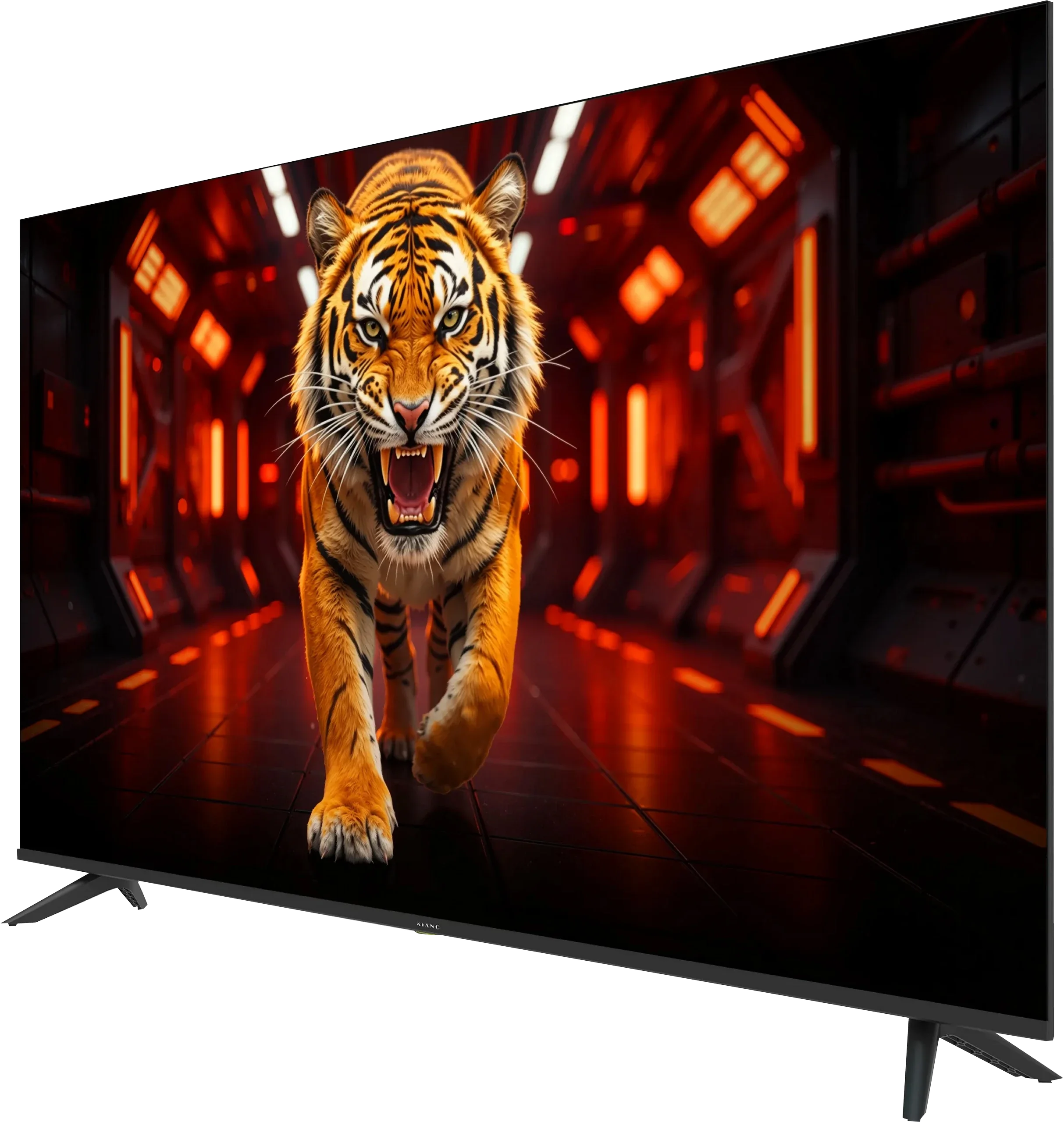
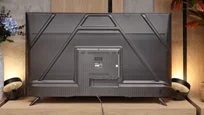
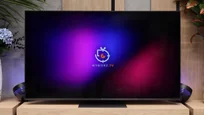
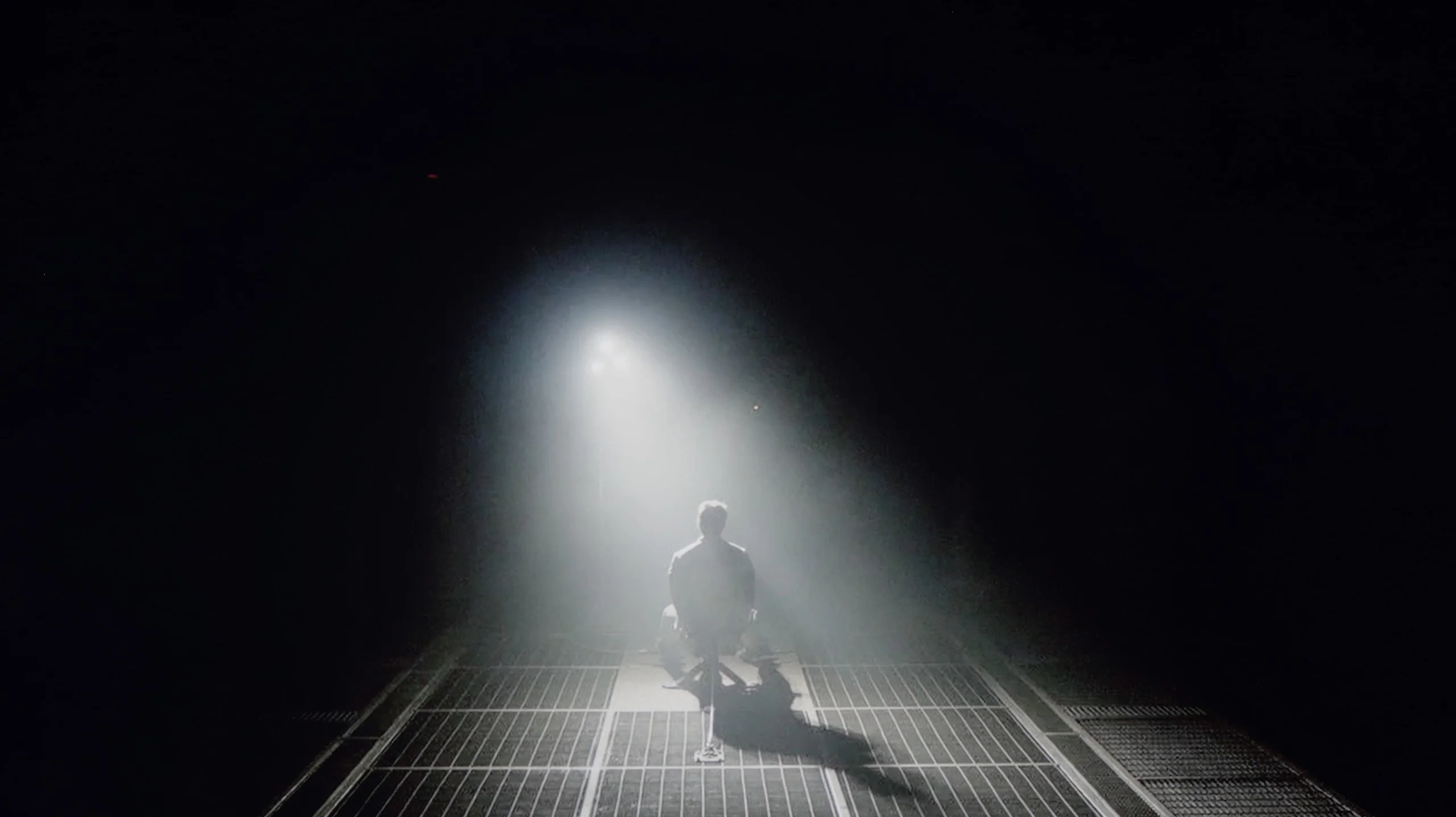
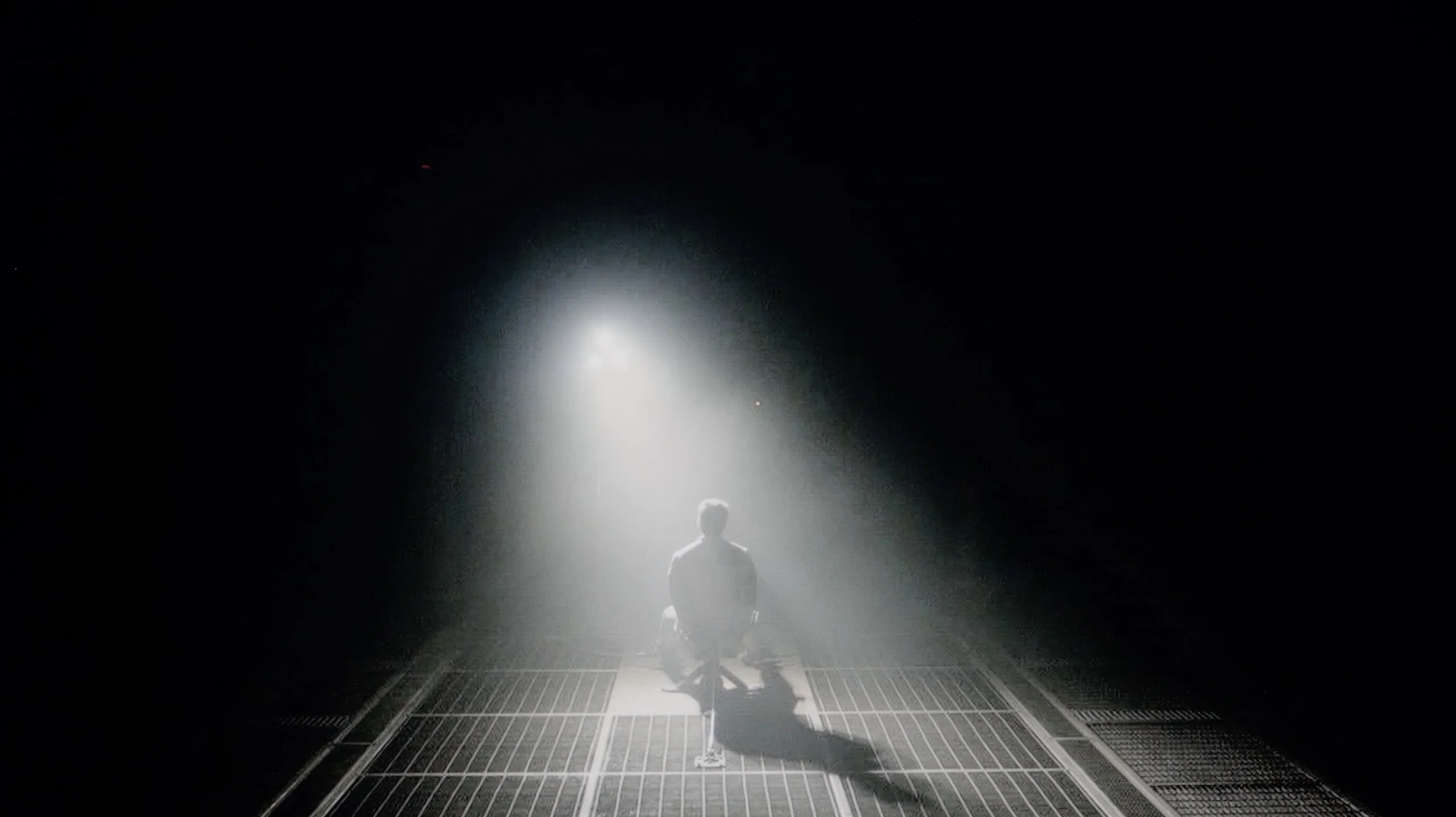
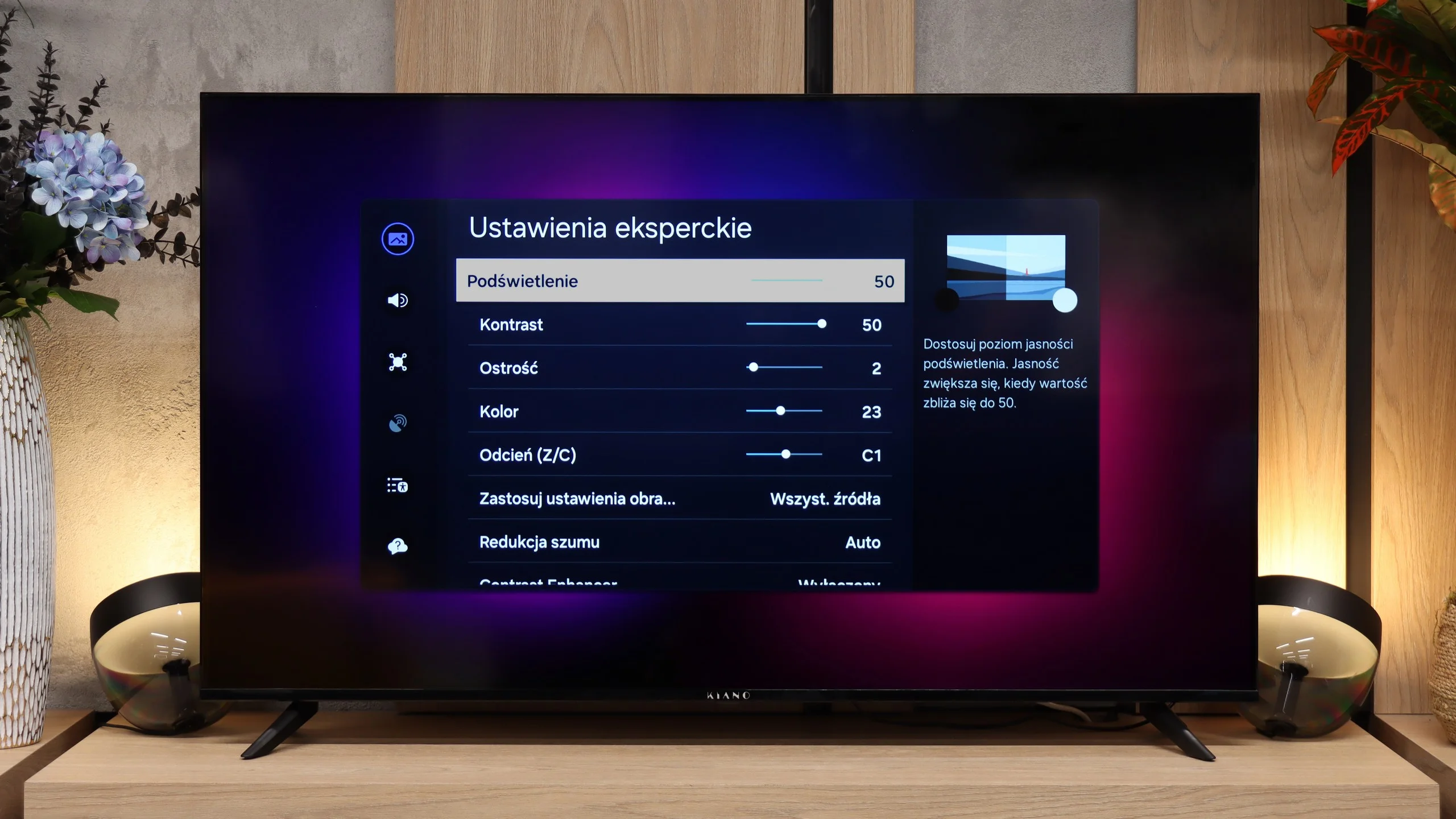
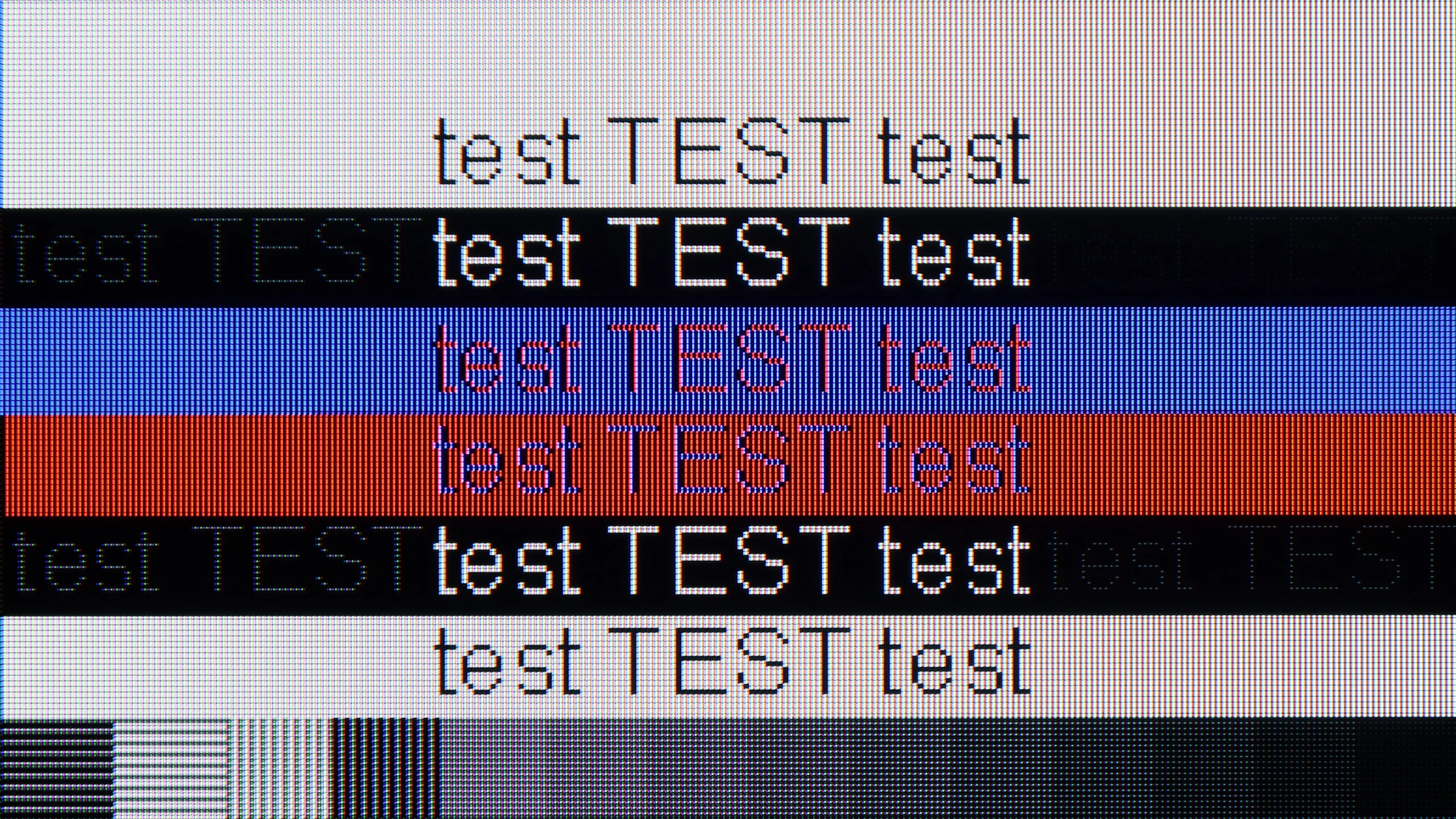
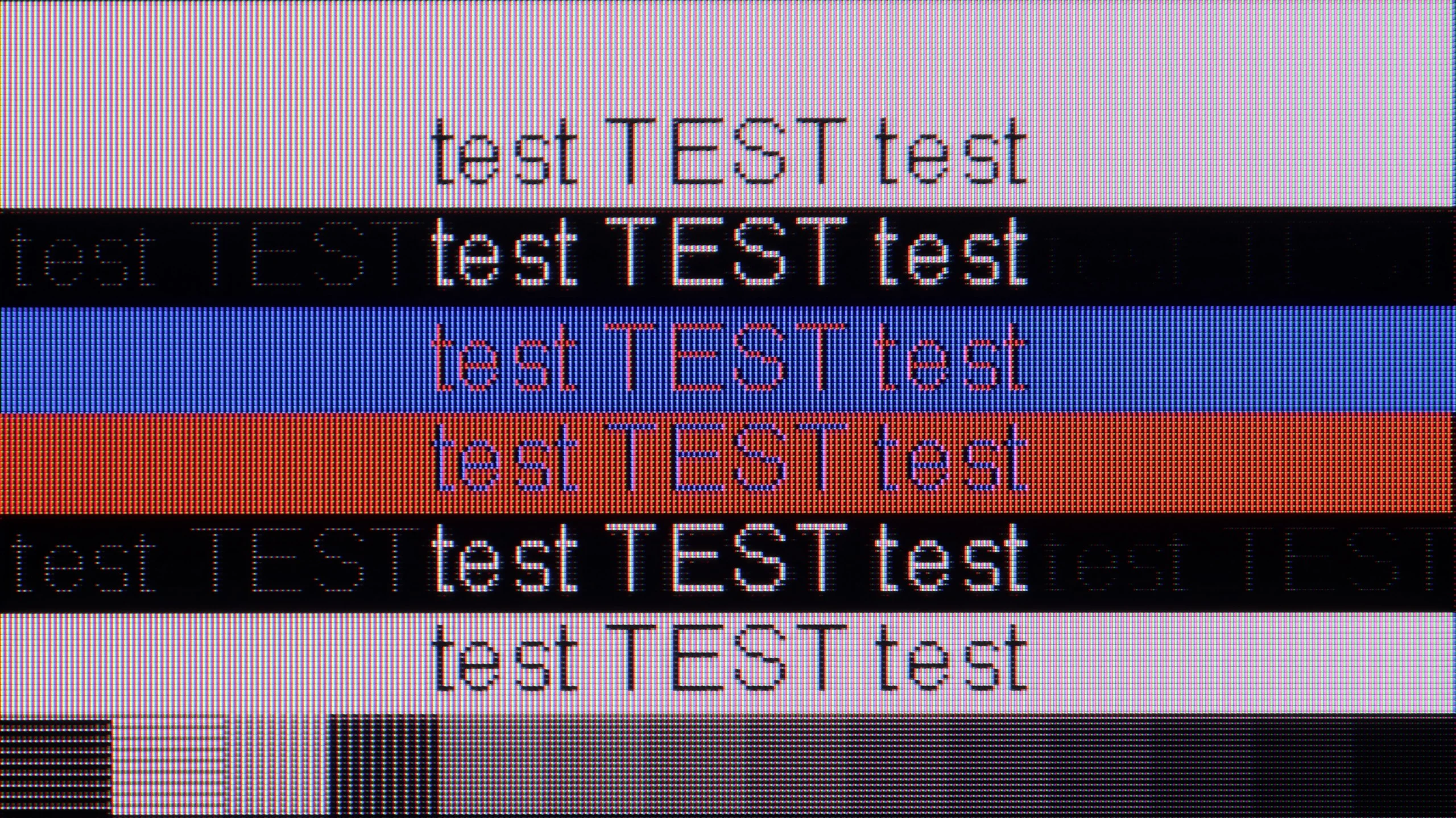
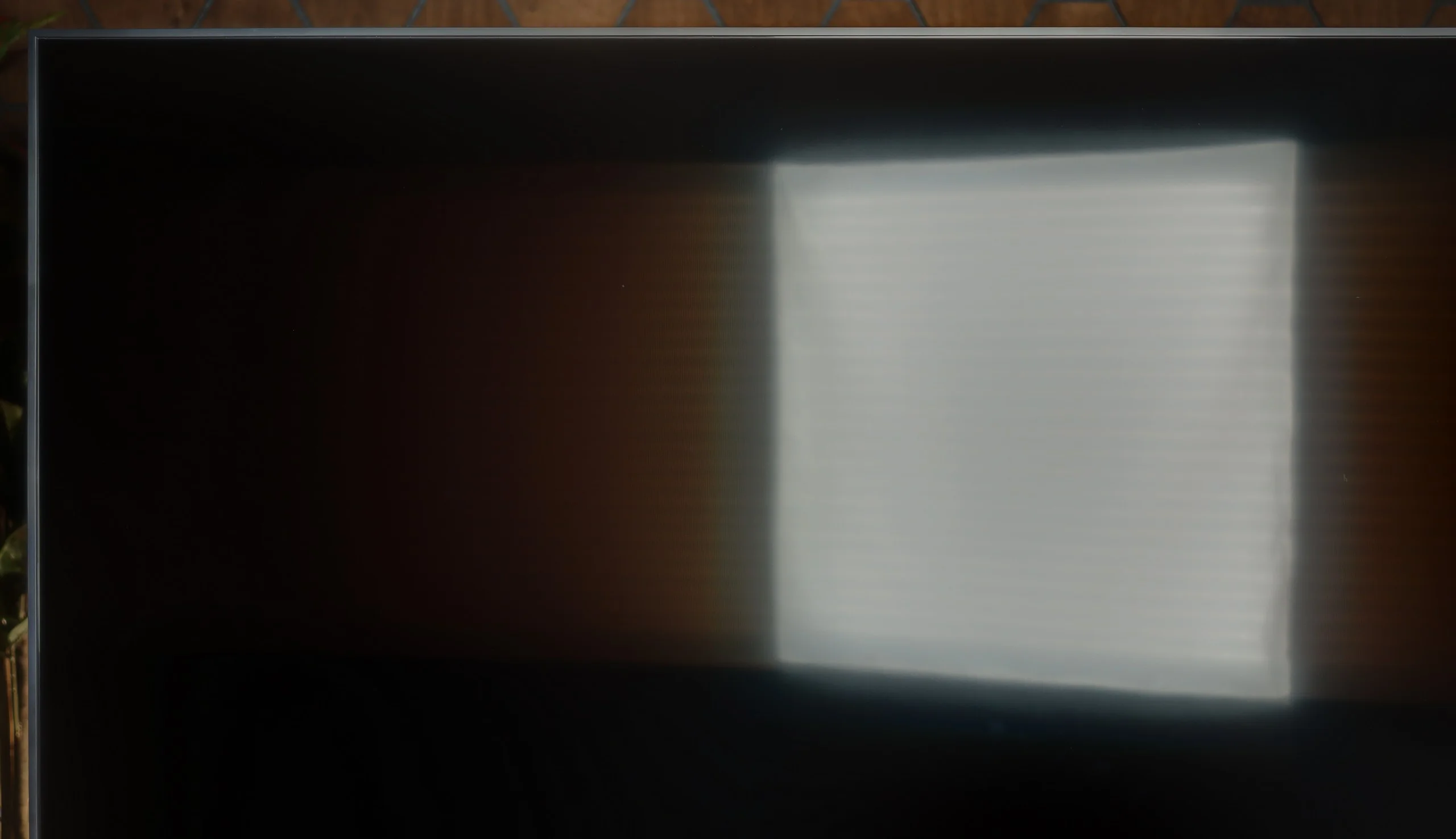
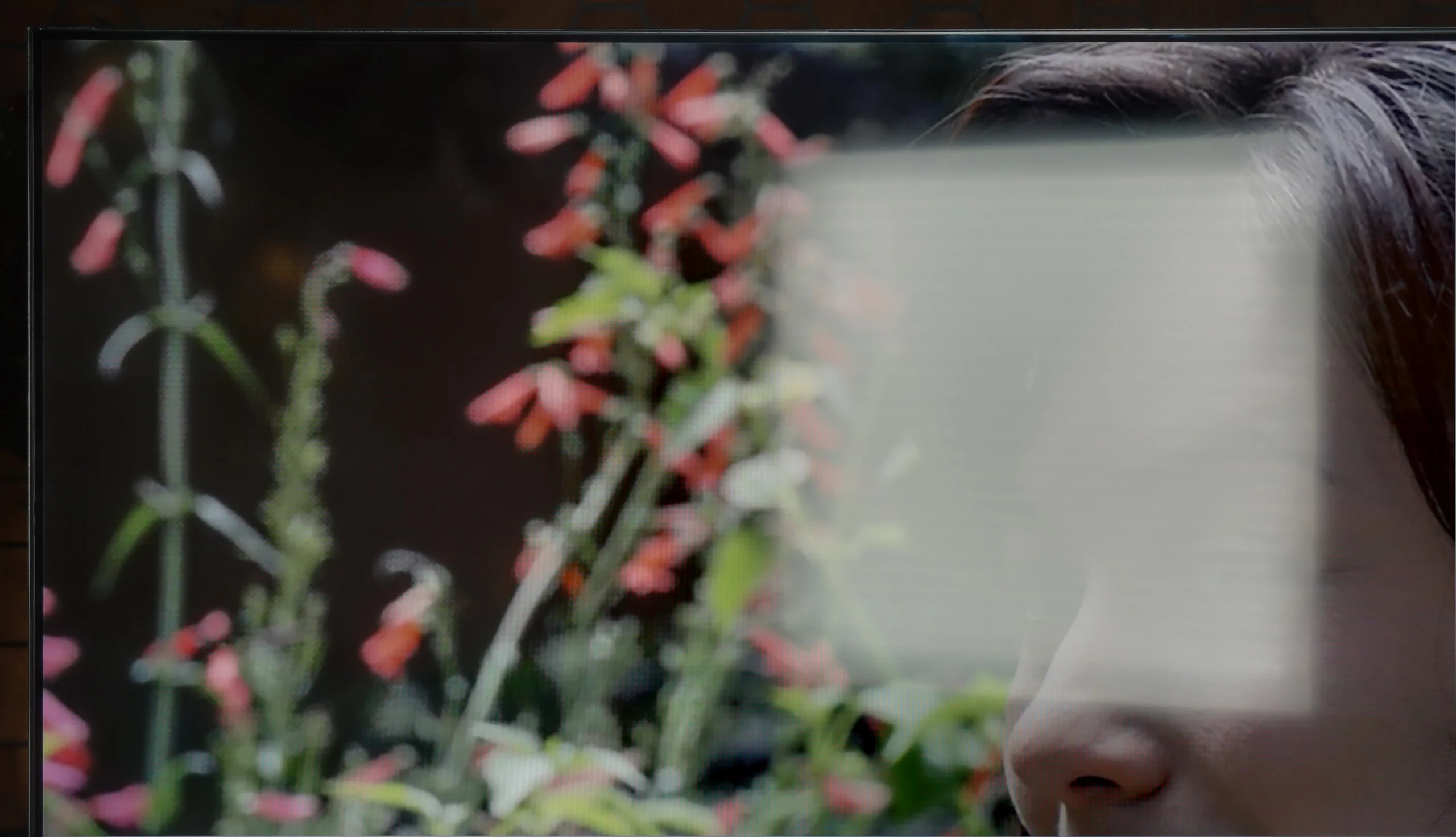
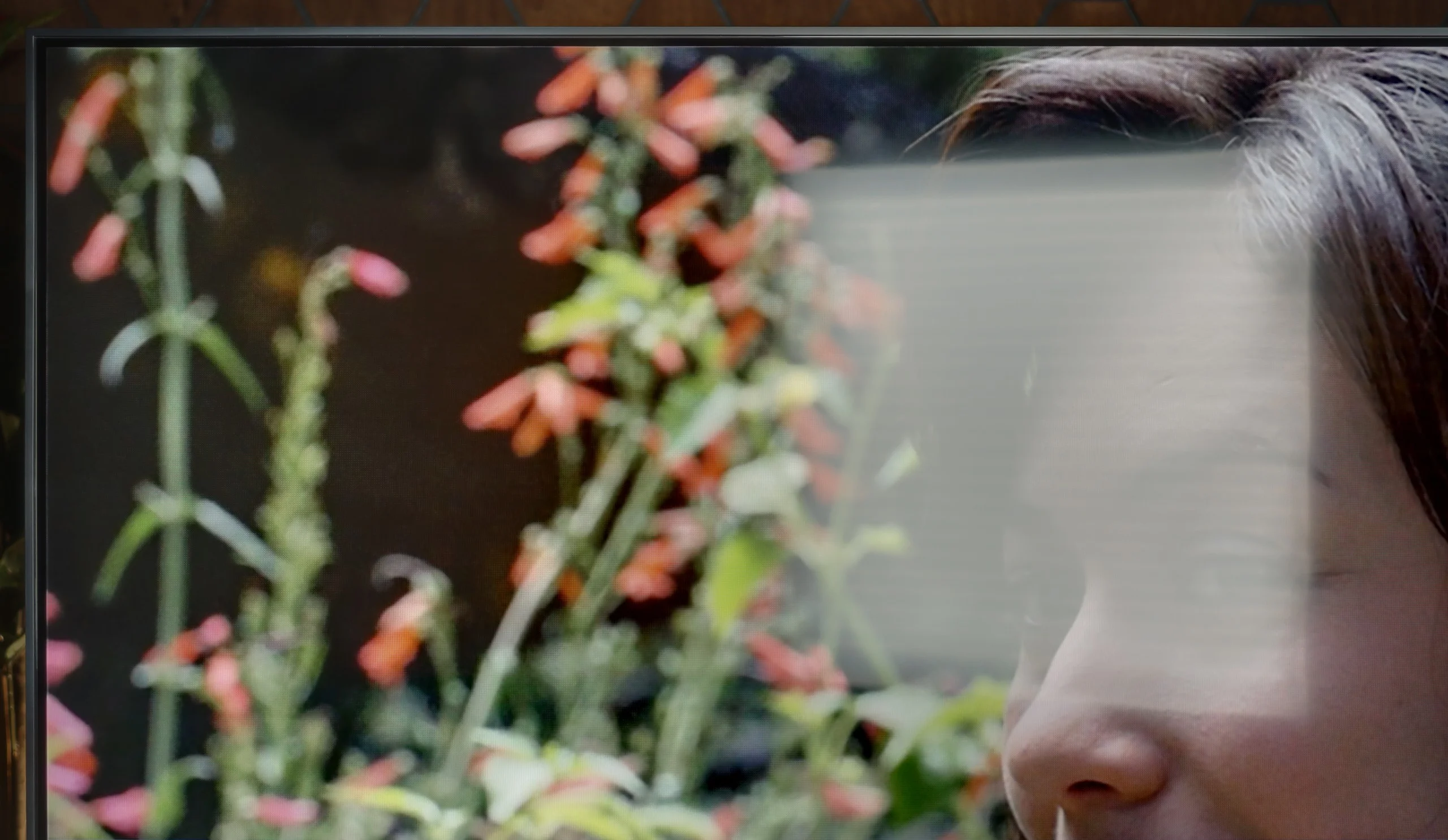
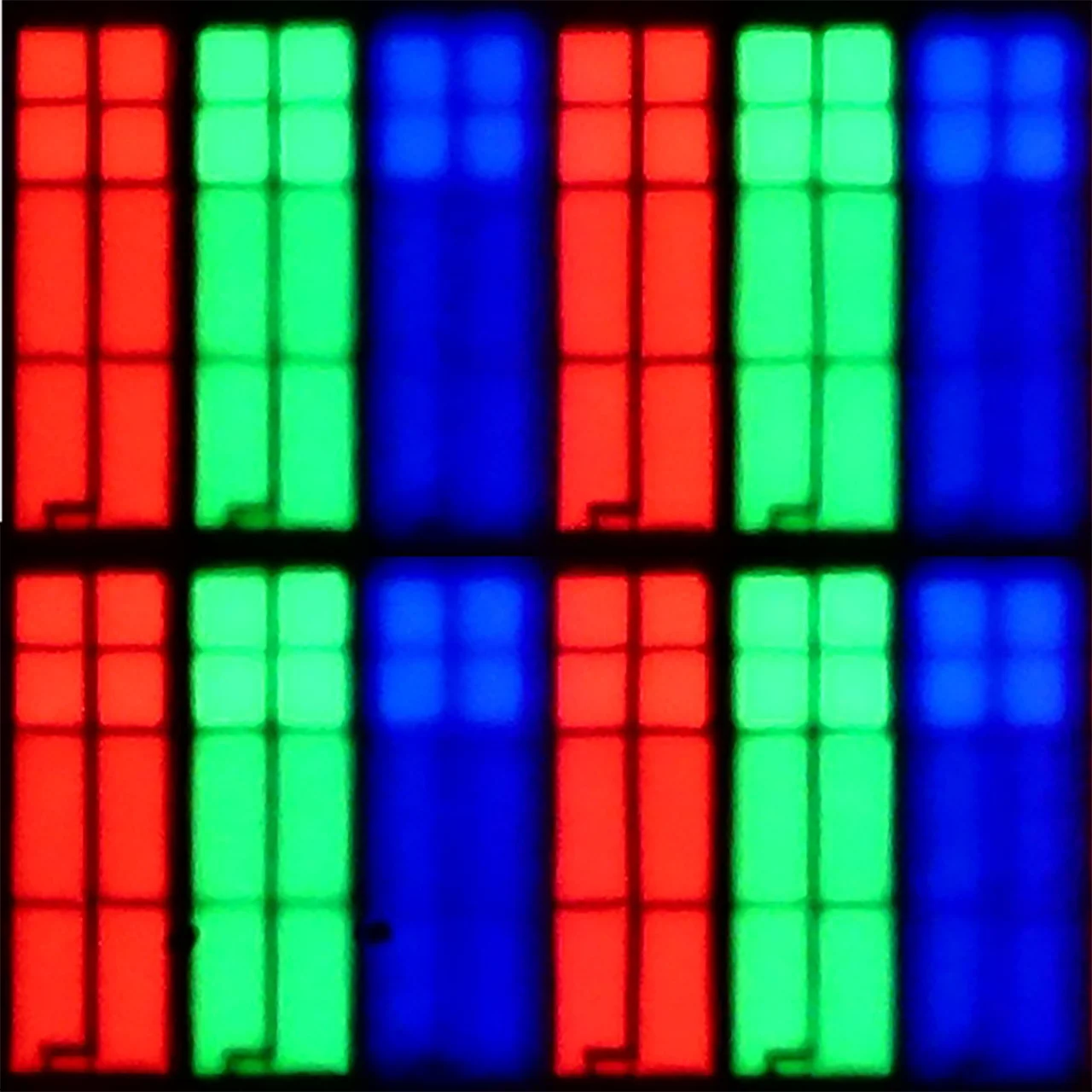
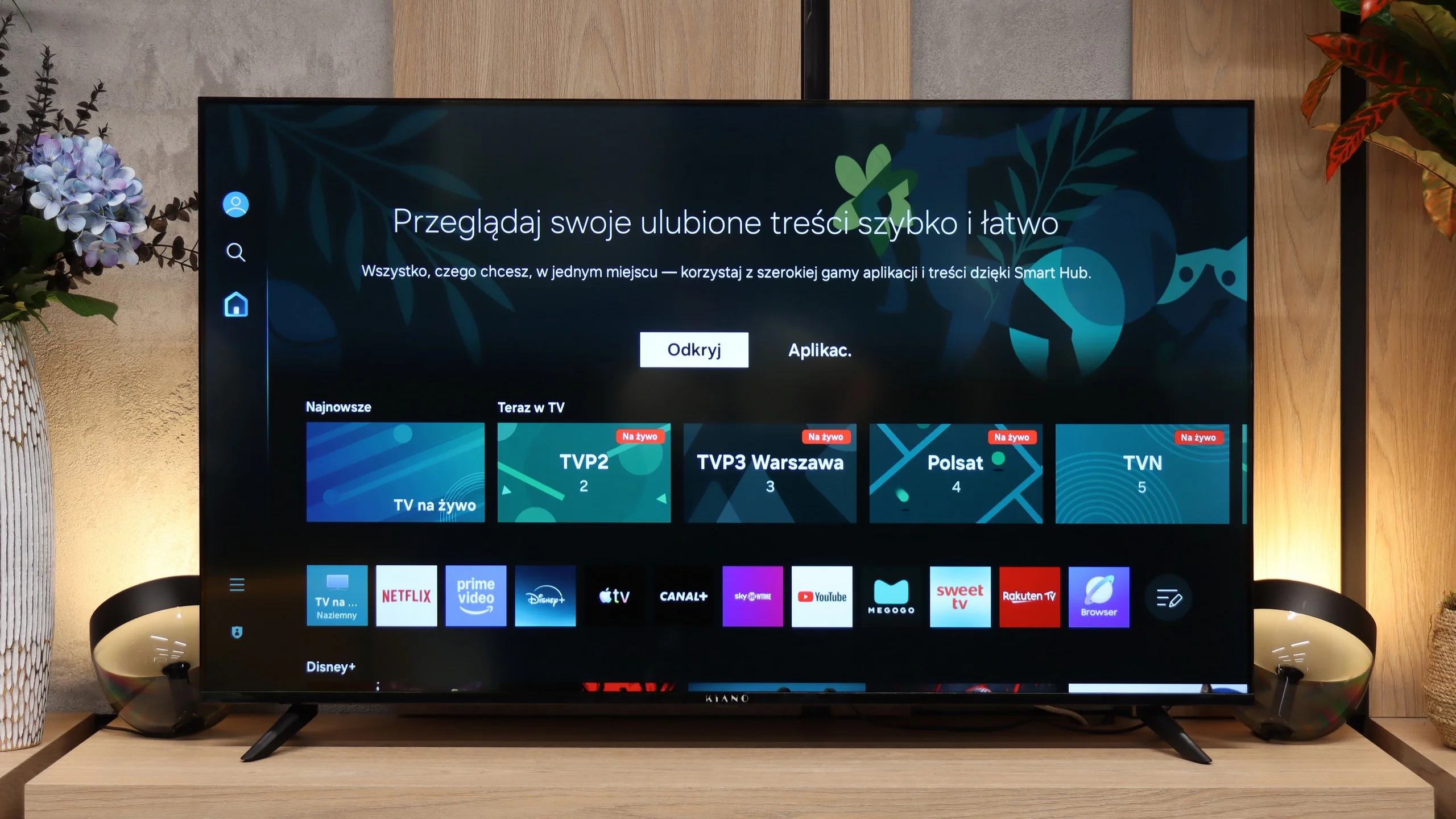
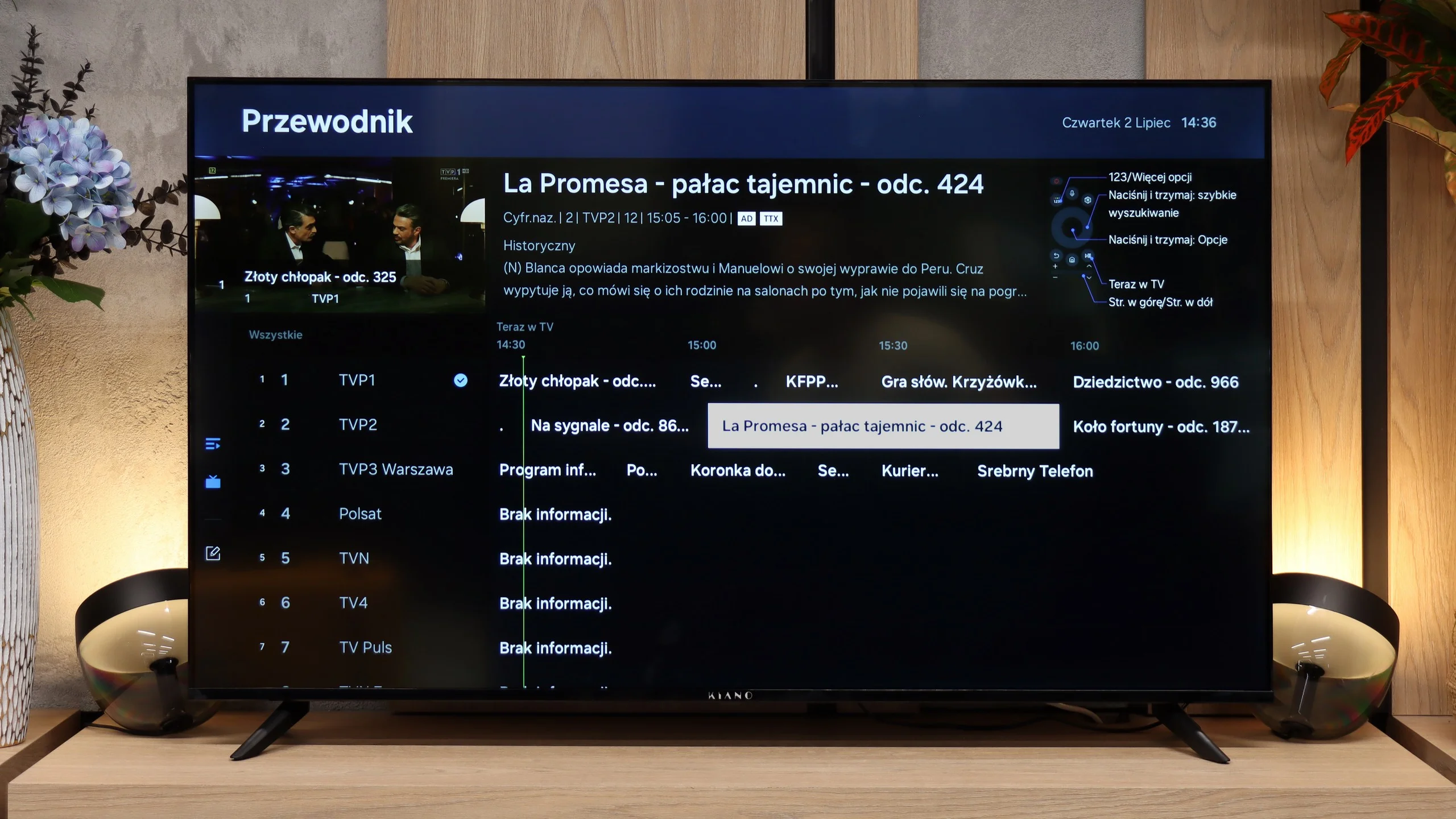
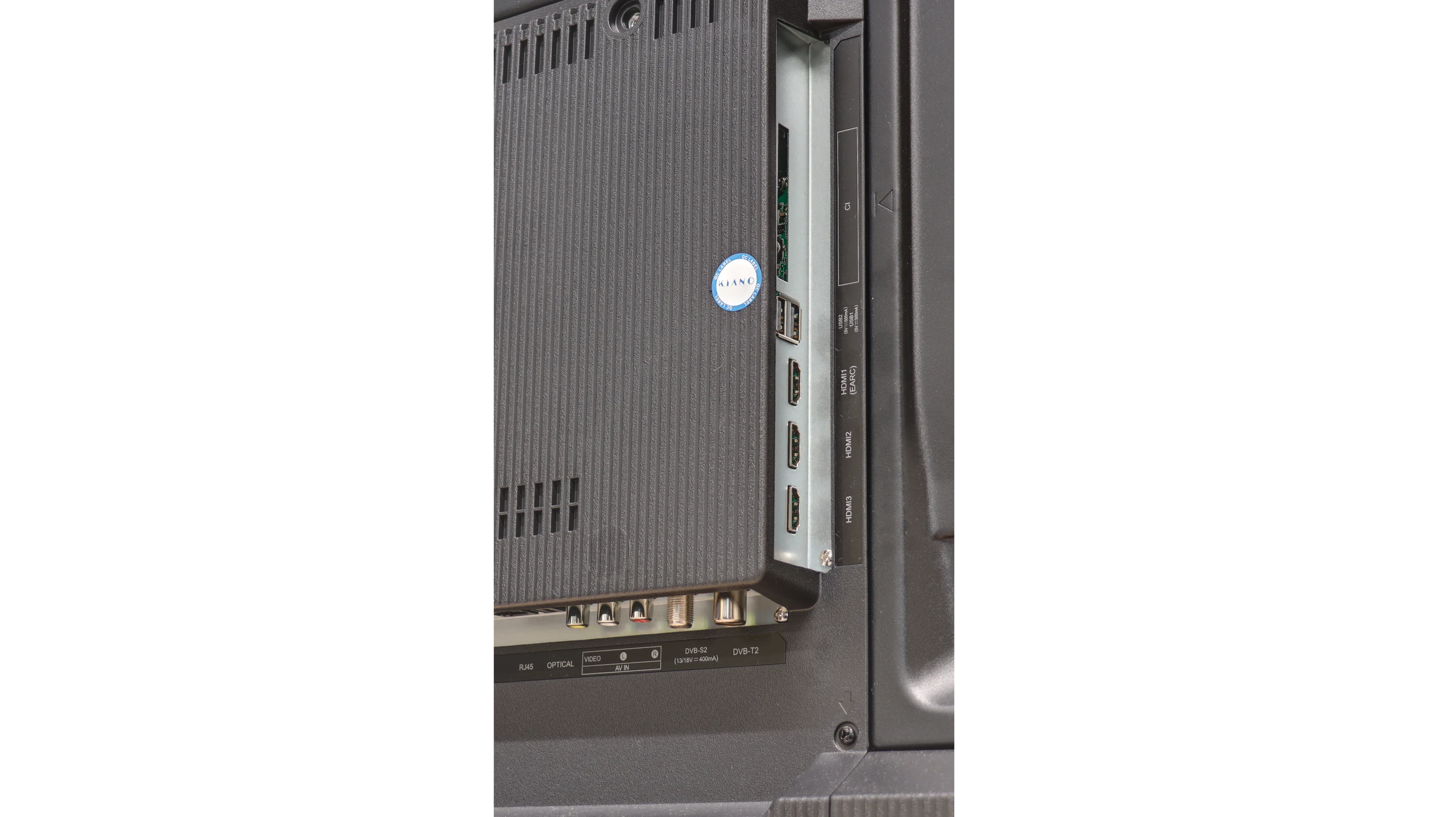
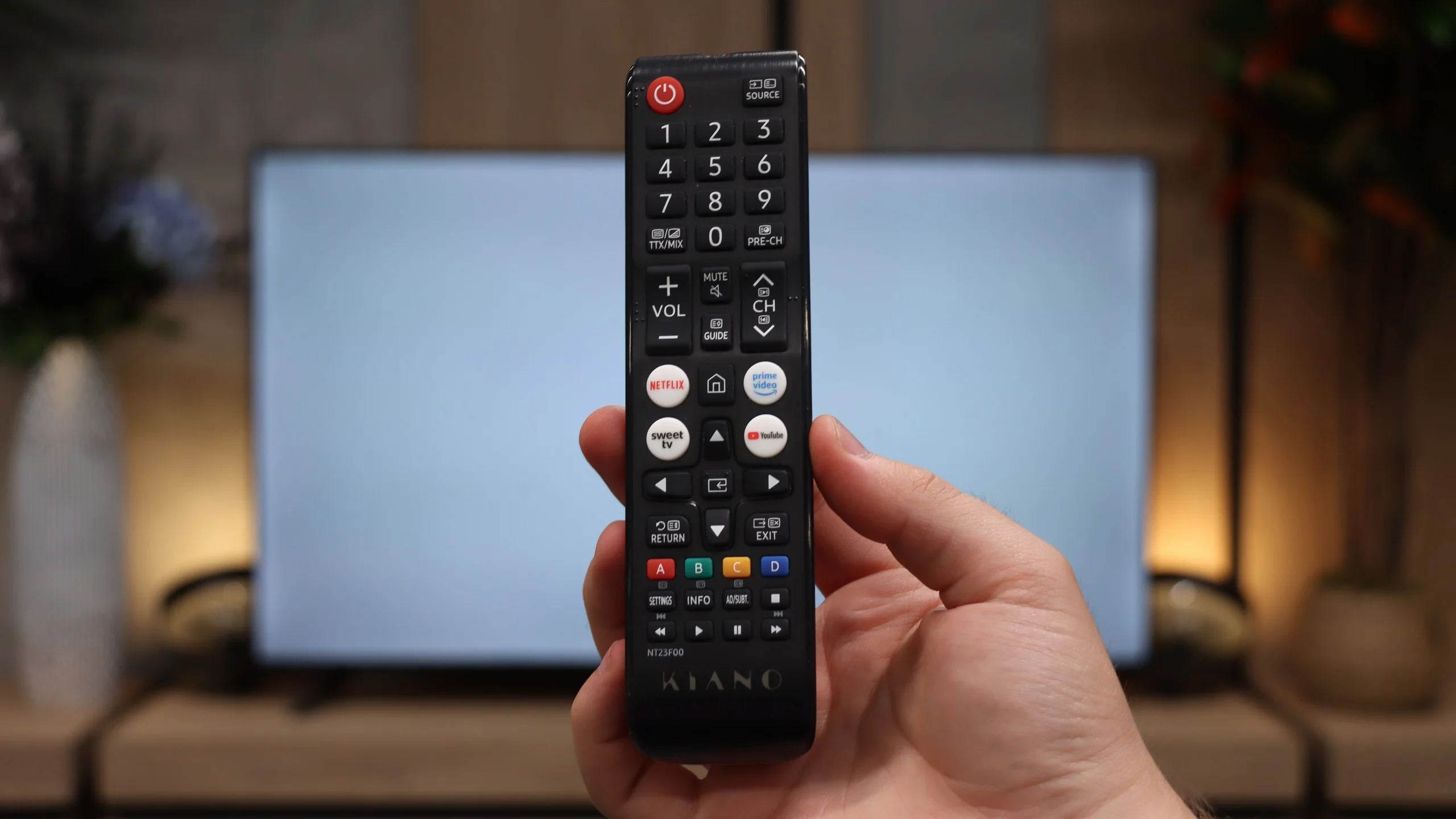
Kiano Elegance is primarily aimed at people who want to spend as little as possible on a TV while still having convenient access to popular apps. The use of Tizen is a big plus here, since you get the system known from Samsungs and don't have to immediately buy a streaming stick or set-top box to watch movies or shows. At a low enough price, that could be reason enough to consider this model. The digital picture processing also deserves praise; in its operation it resembles the solutions used in entry-level Samsung sets. Kiano quite effectively smooths unwanted color banding in poorer sources, so heavily compressed footage looks better. It's not perfect, of course, but remember how tight the budget is. The very fact that this feature actually helps is worthy of recognition.
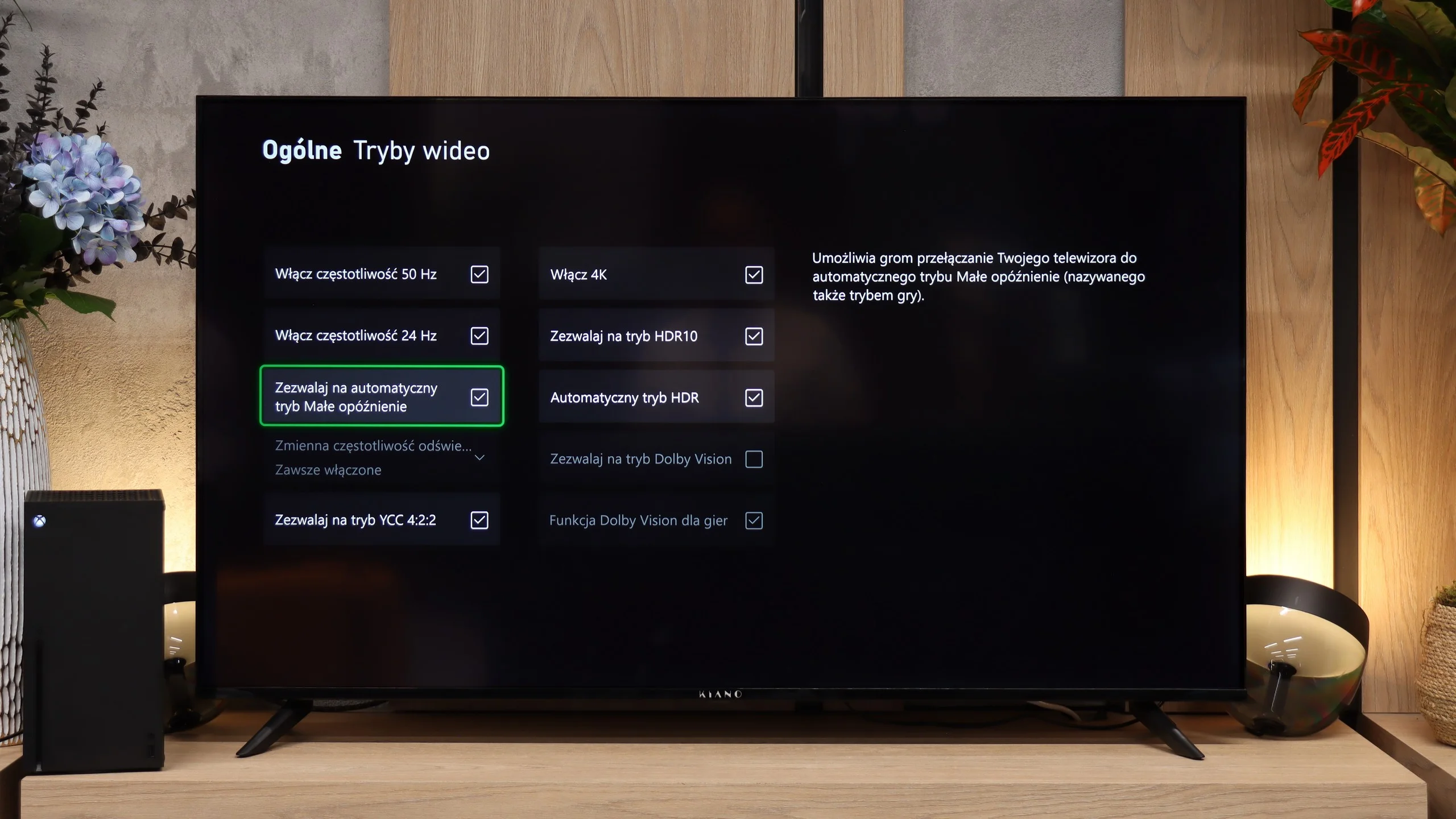
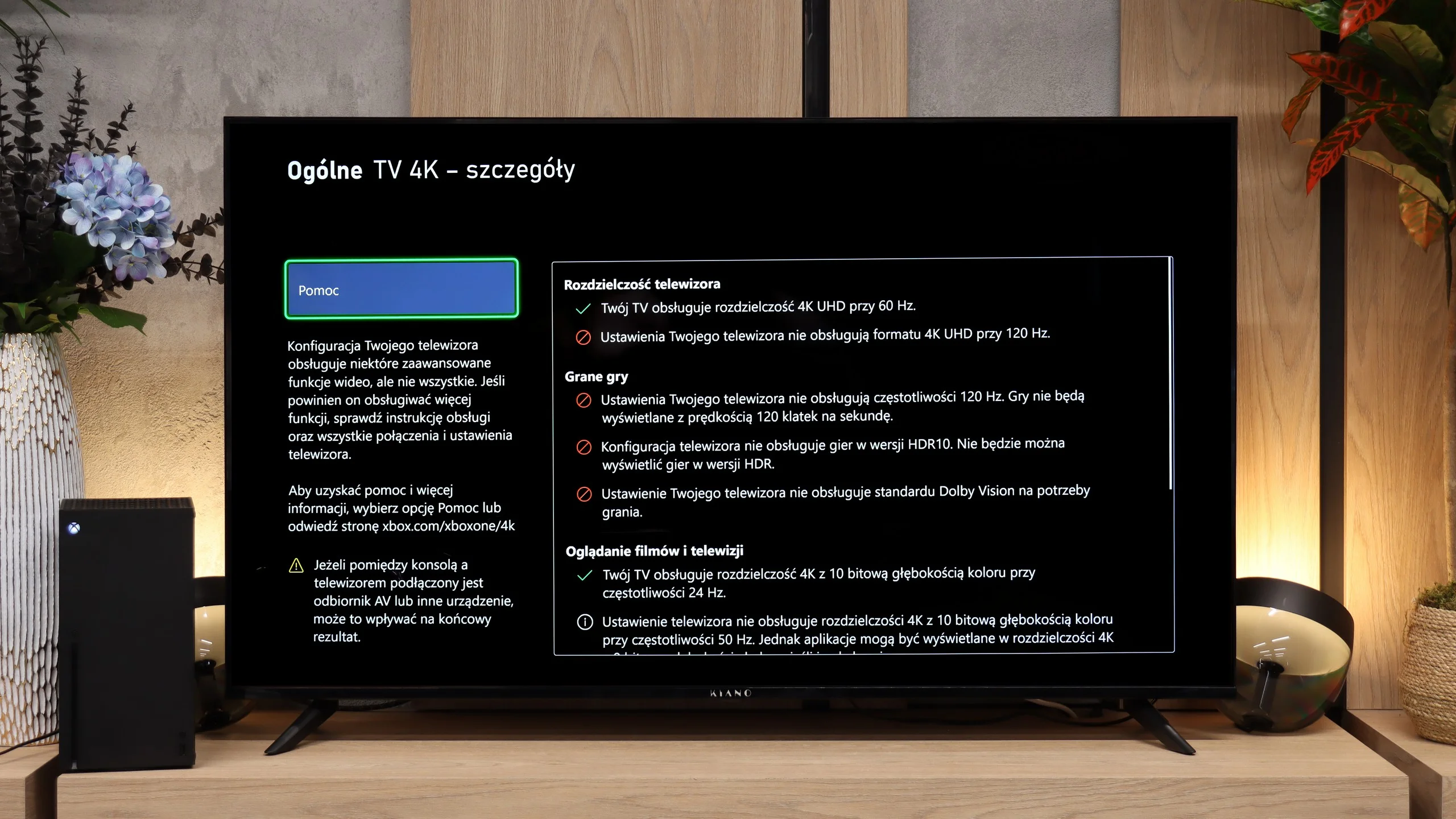
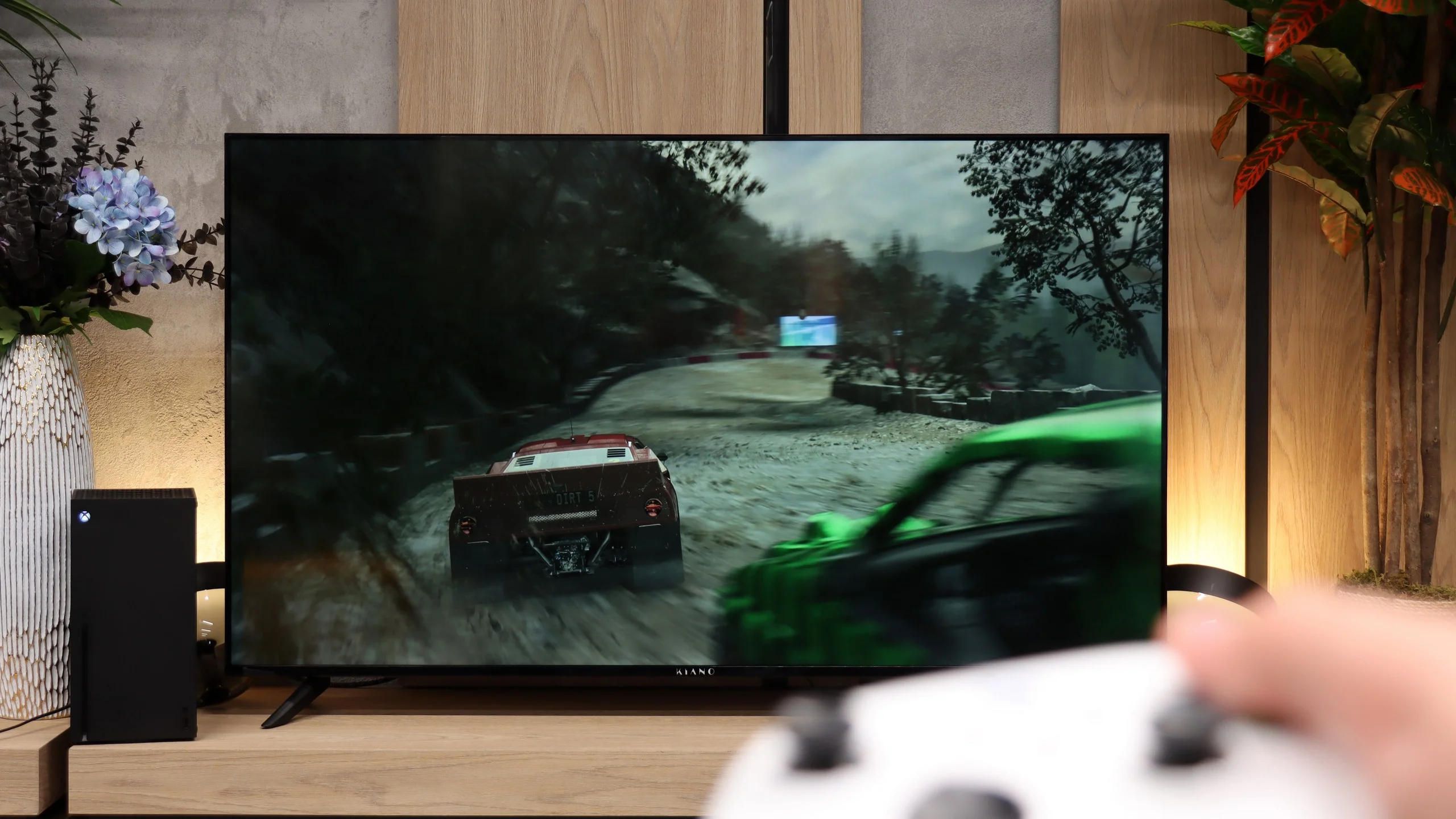
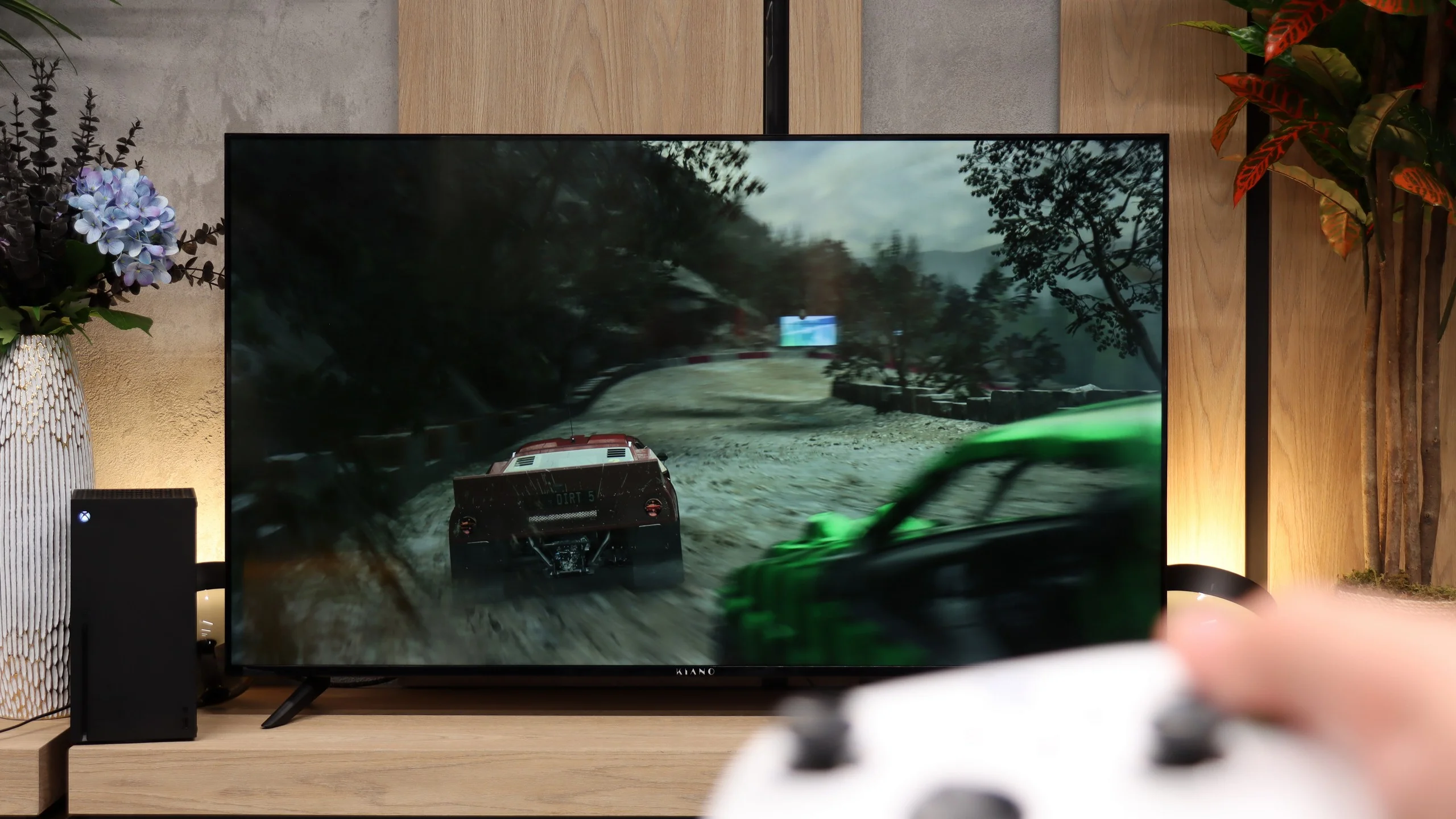
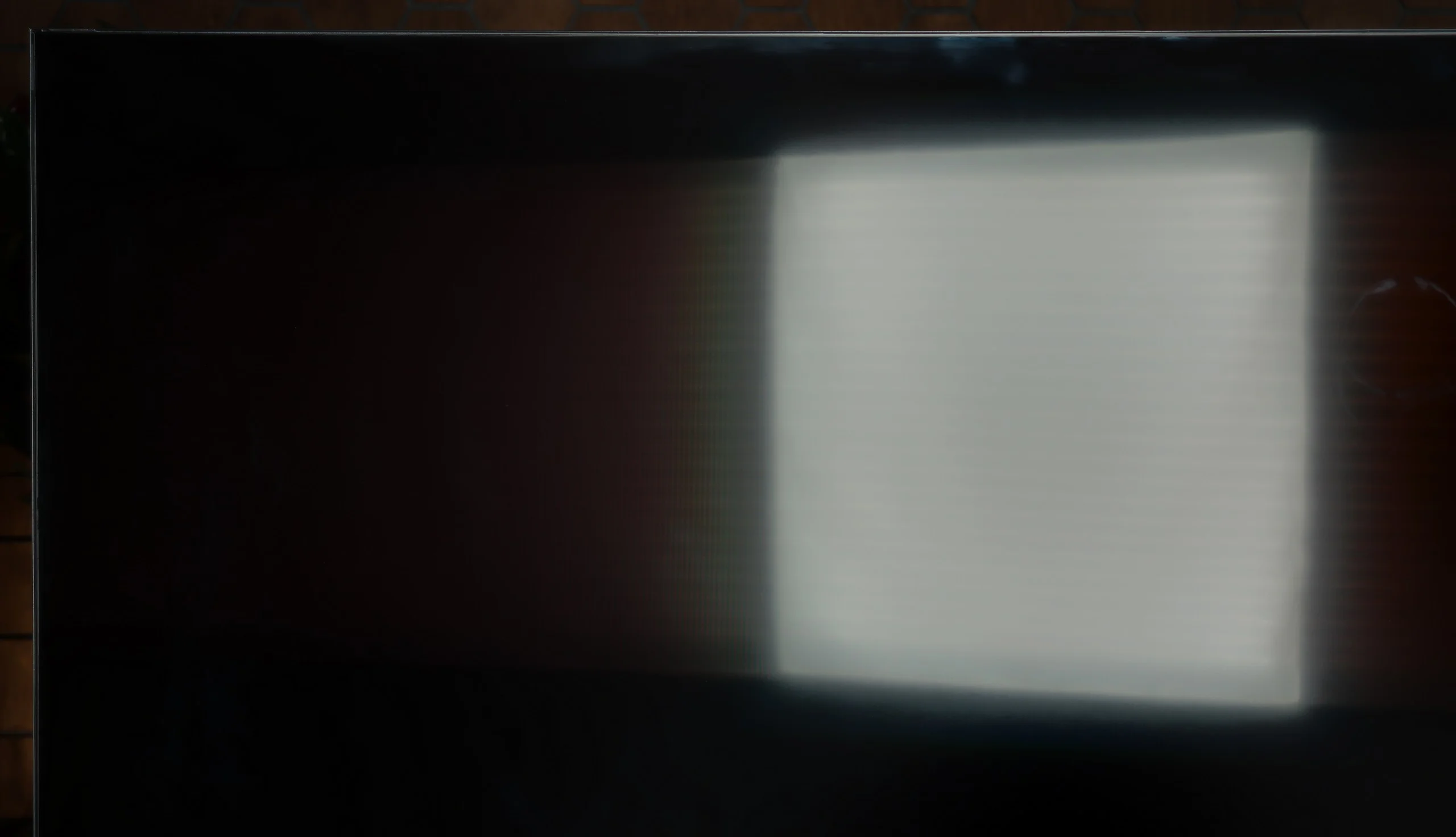
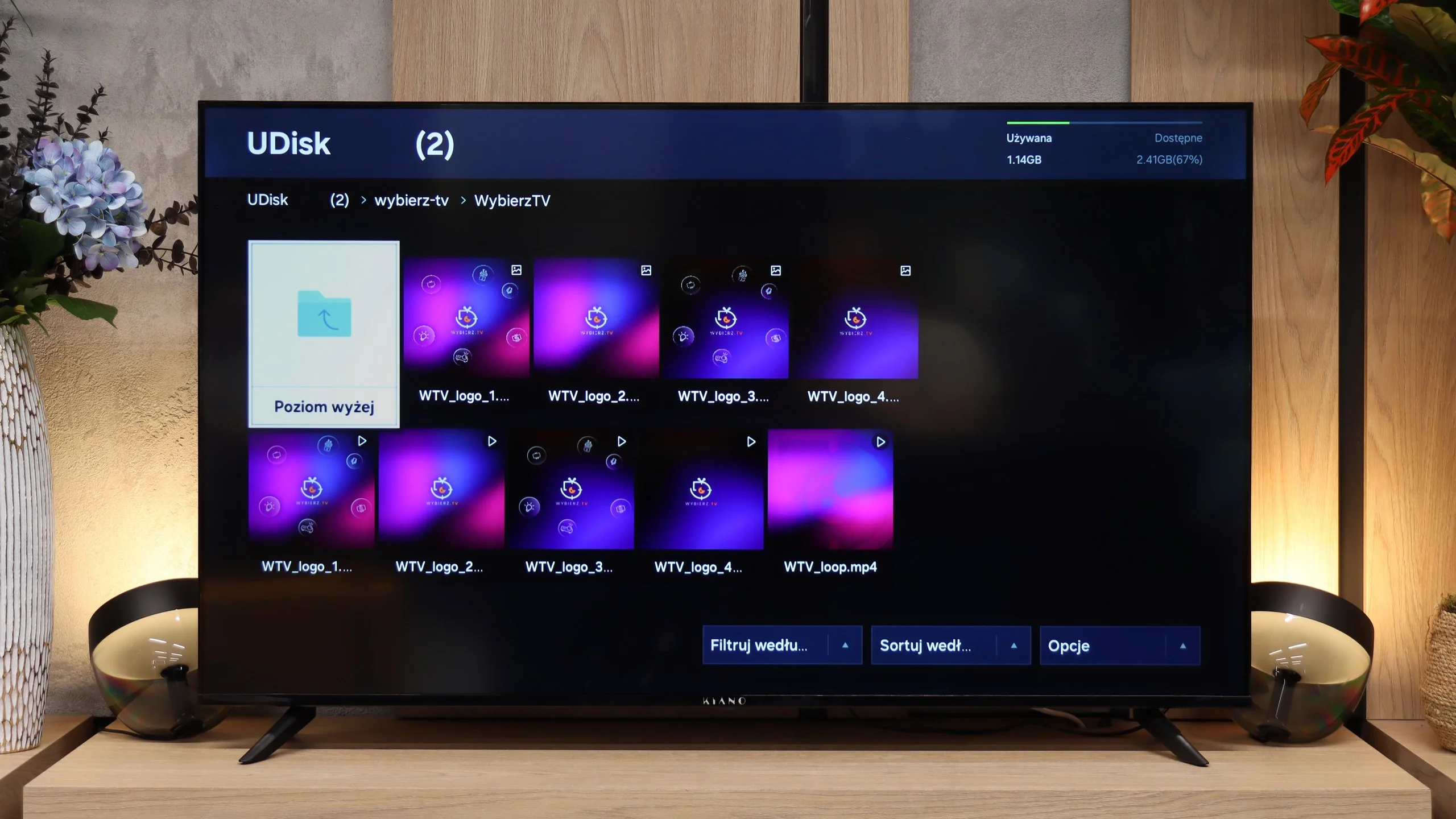
Unfortunately, the operating system doesn't make the Kiano run as smoothly as Samsung TVs. Sometimes you have to wait for a response, and the USB player can take a very long time to open files. The savings are also visible in the build quality and the panel's capabilities. Low brightness makes watching in a sunny room difficult and prevents HDR from looking impressive, while faster motion suffers from noticeable smearing. On top of that, the sound is weak, so buying separate speakers or a soundbar can quickly become another expense.
So Kiano Elegance mainly makes sense when it is clearly cheaper than the competition. It can be sufficient for daily channels or as a second TV in the home, but if only a small extra amount separates it from a basic model by a better-known manufacturer, we think it's worth paying the difference. Tizen and decent picture processing are strengths of this Kiano, but they don't make up for all the cutbacks. It's better to compare final prices than to assume that a TV with Samsung's system will provide the same level of user comfort.
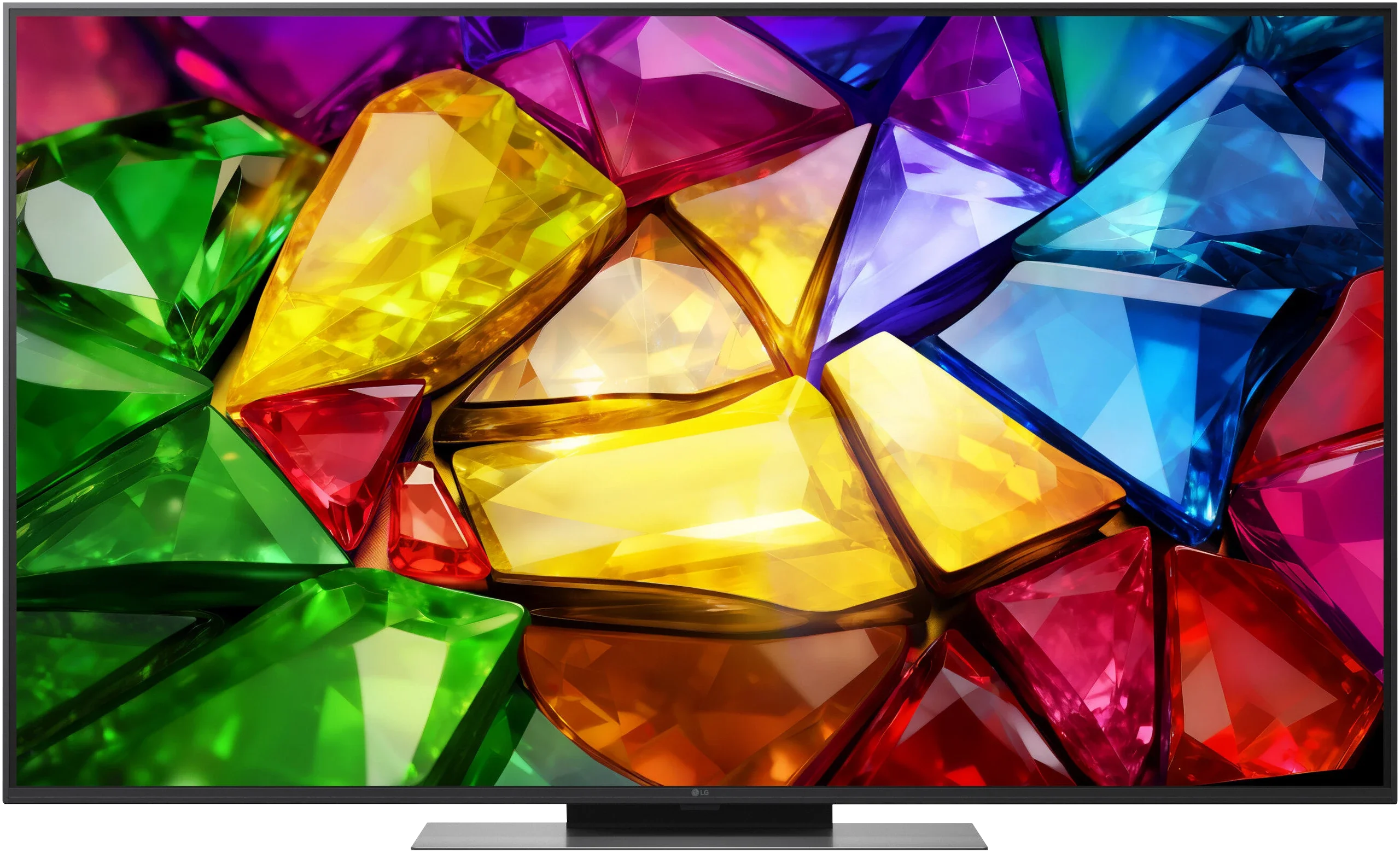
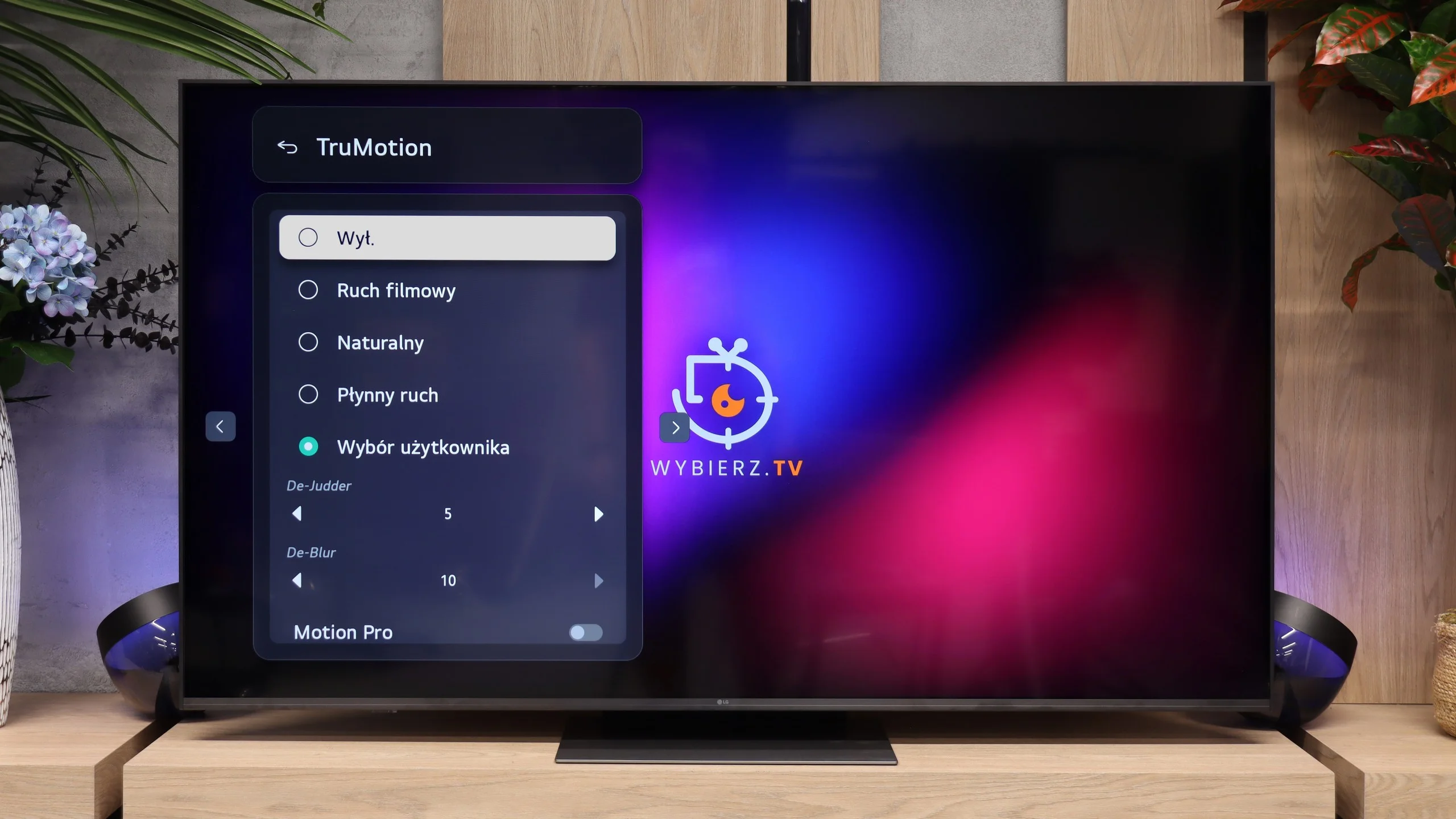
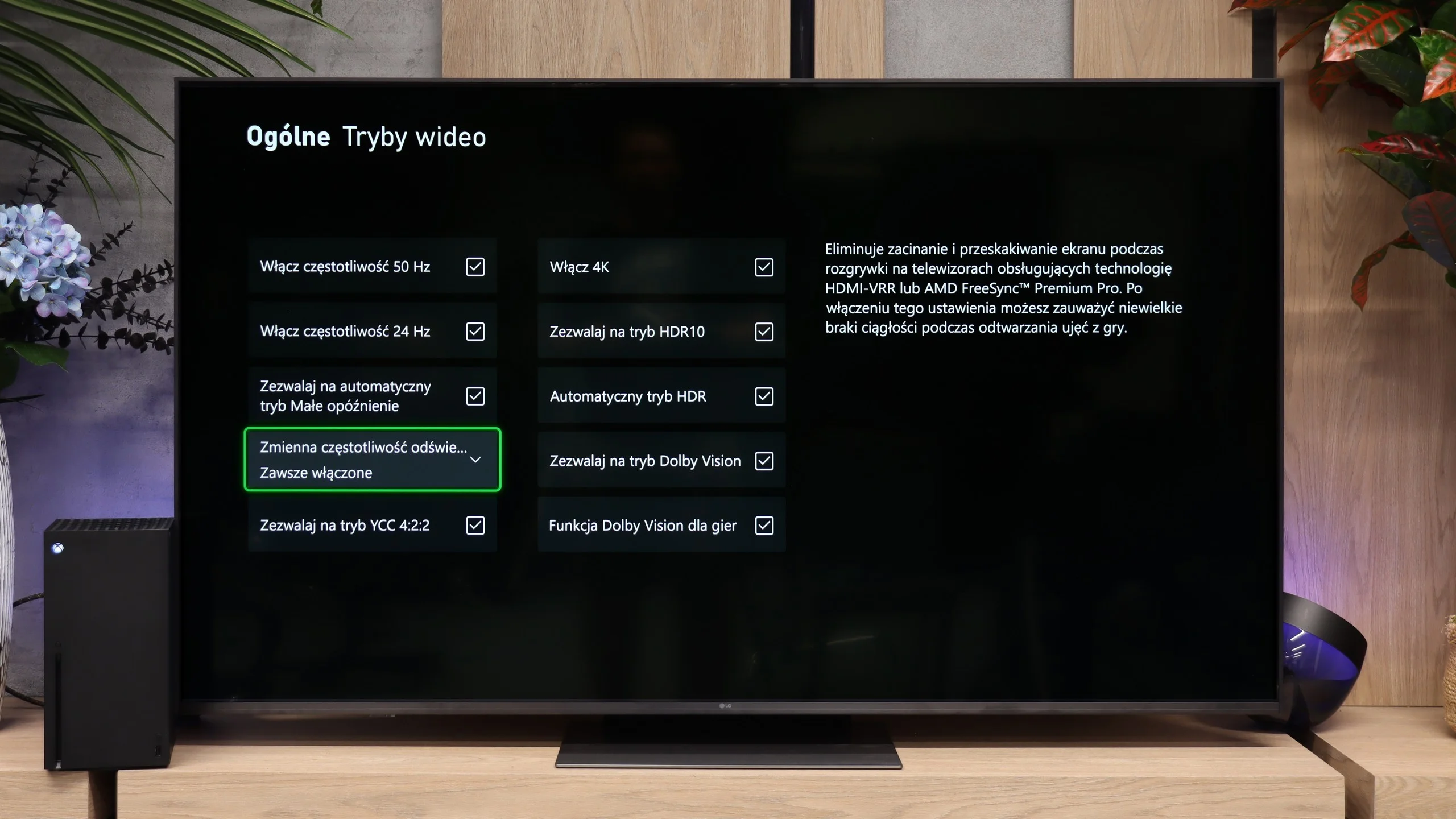
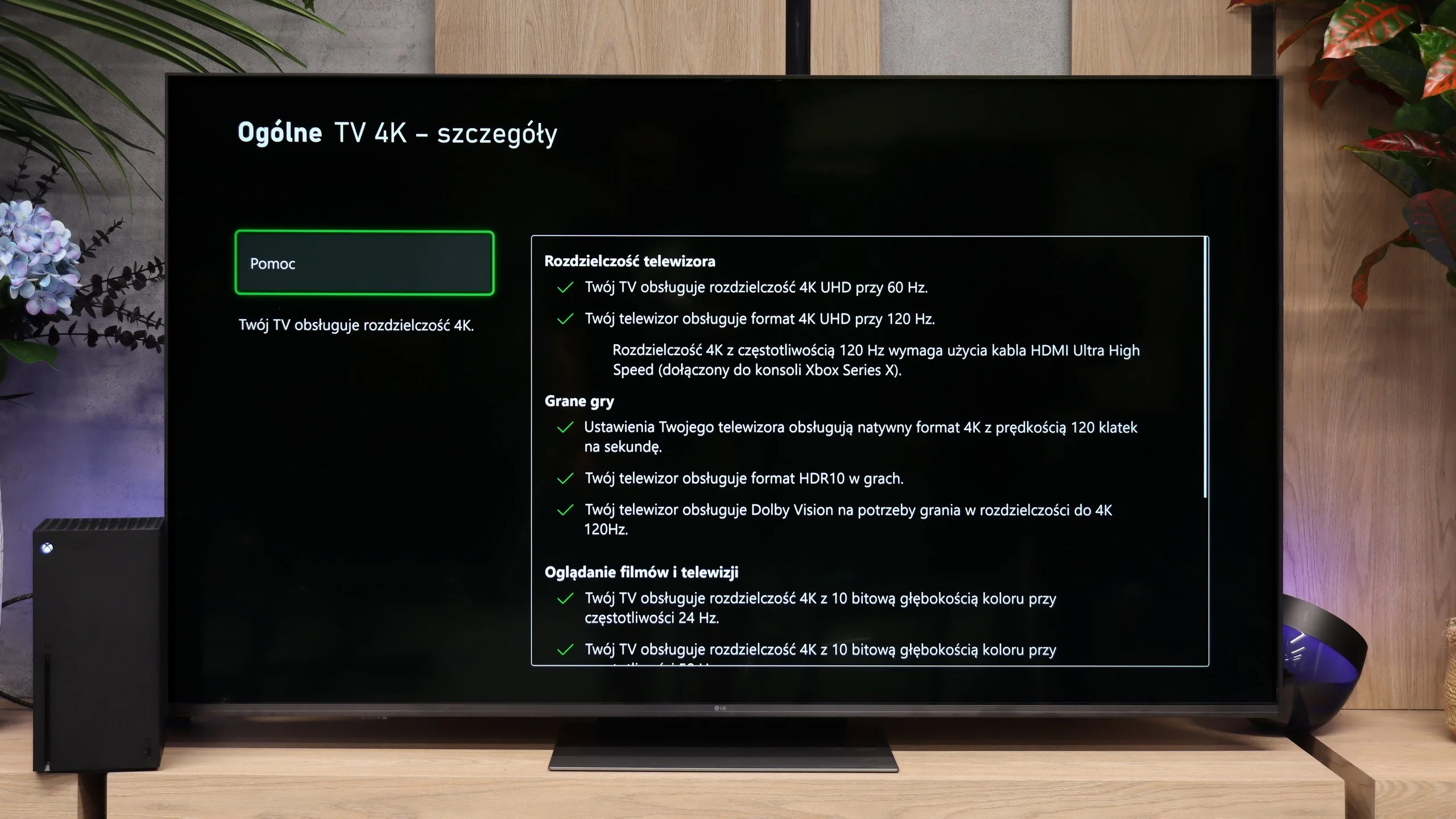
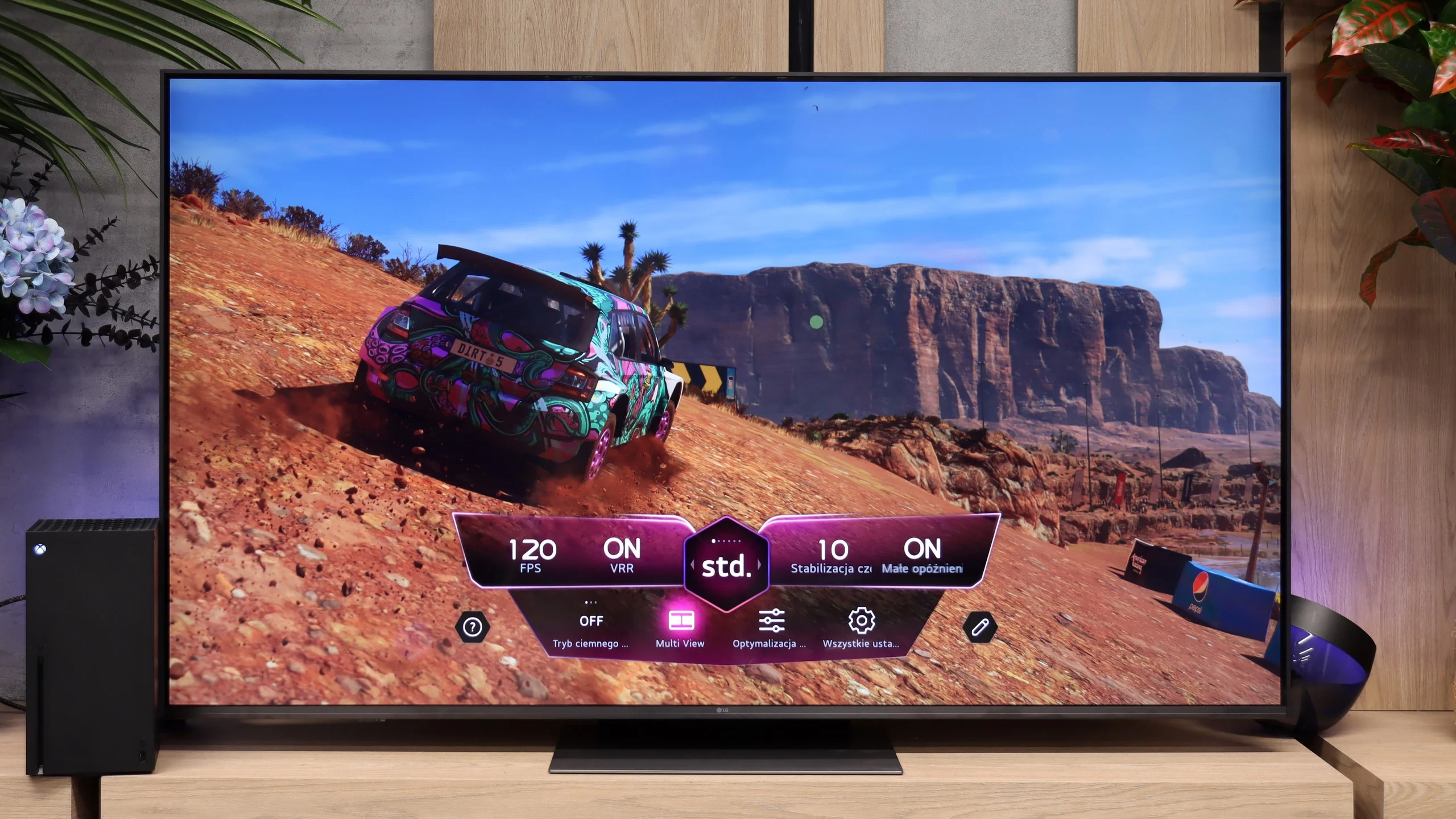
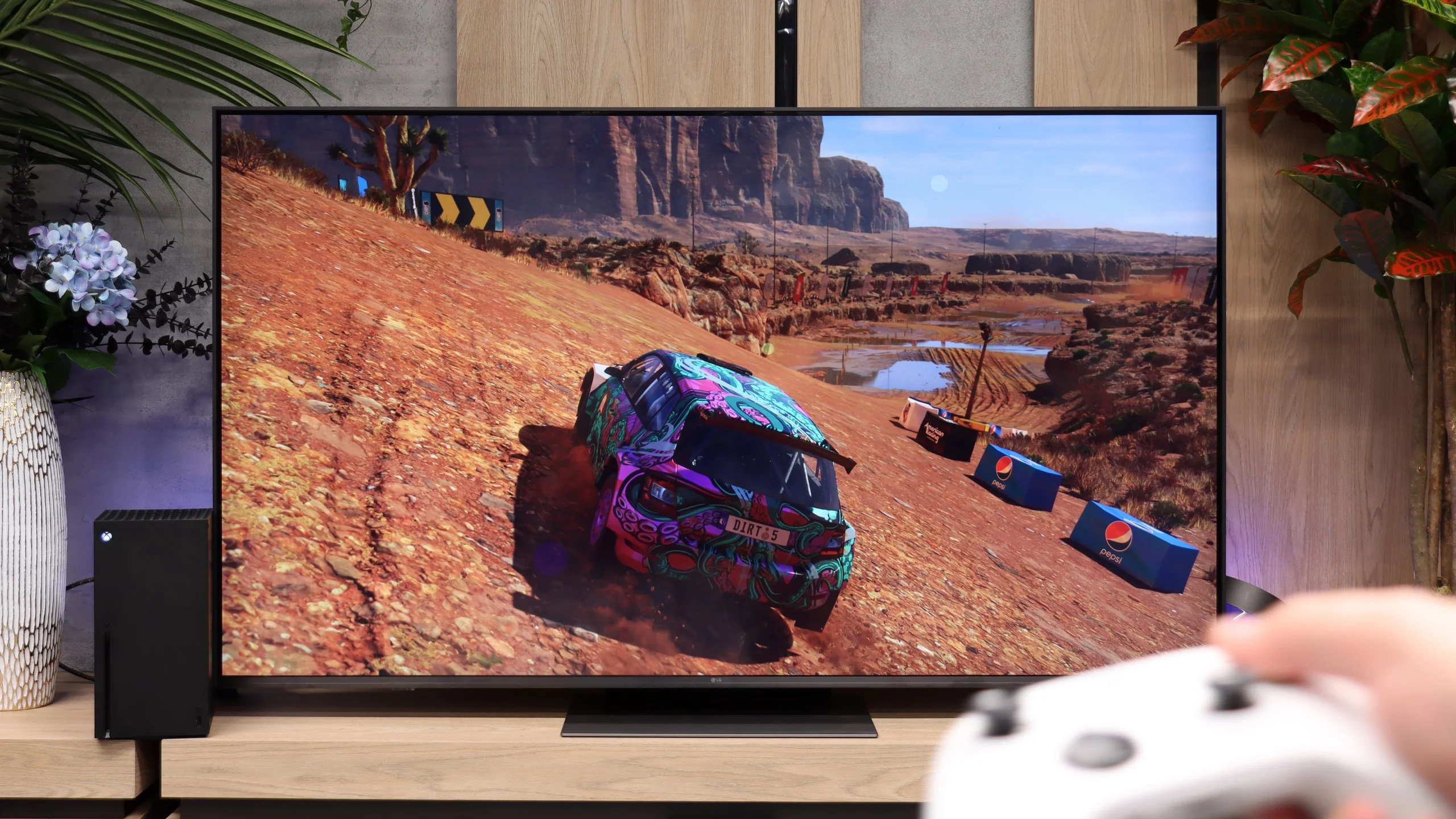
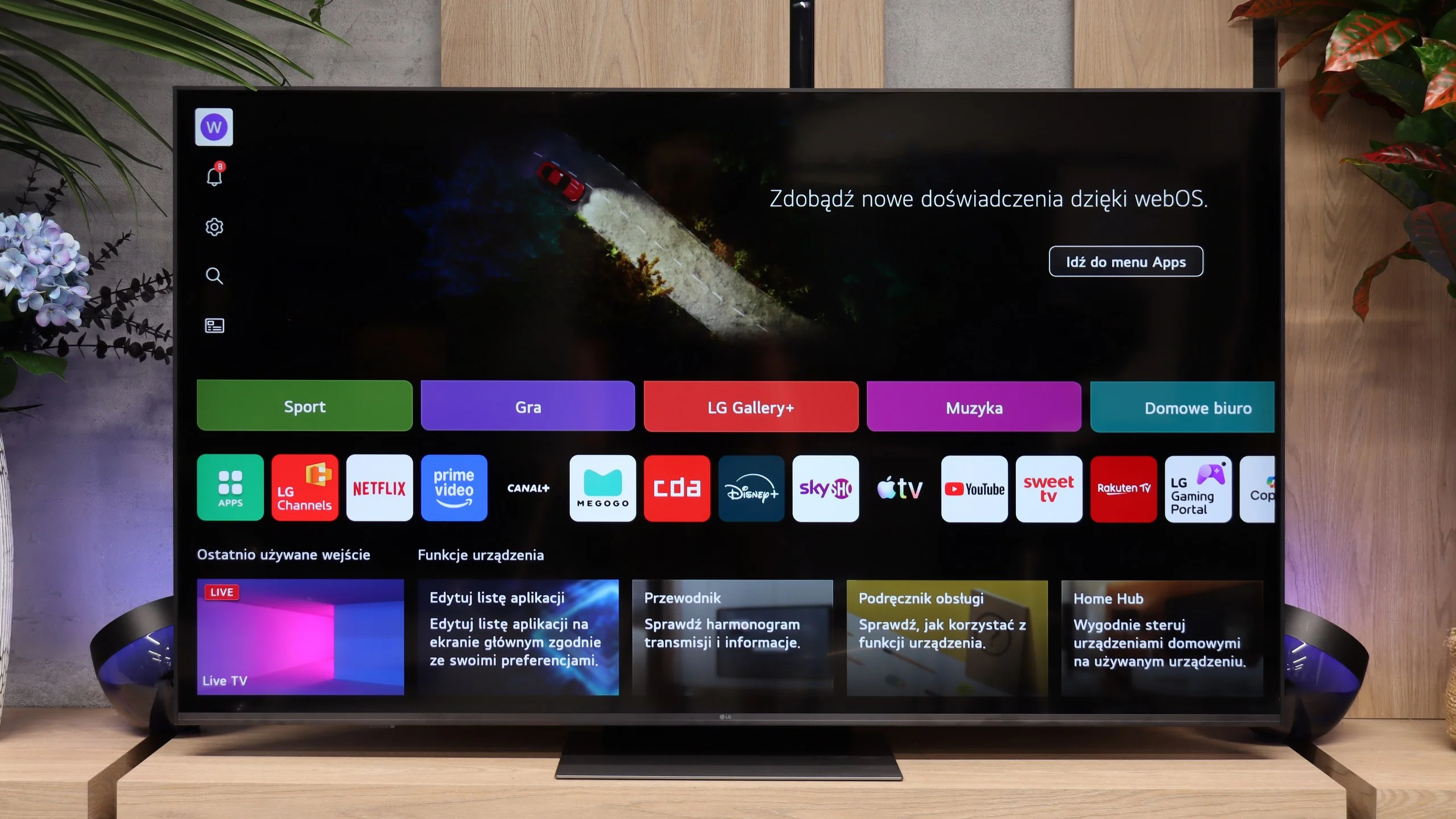
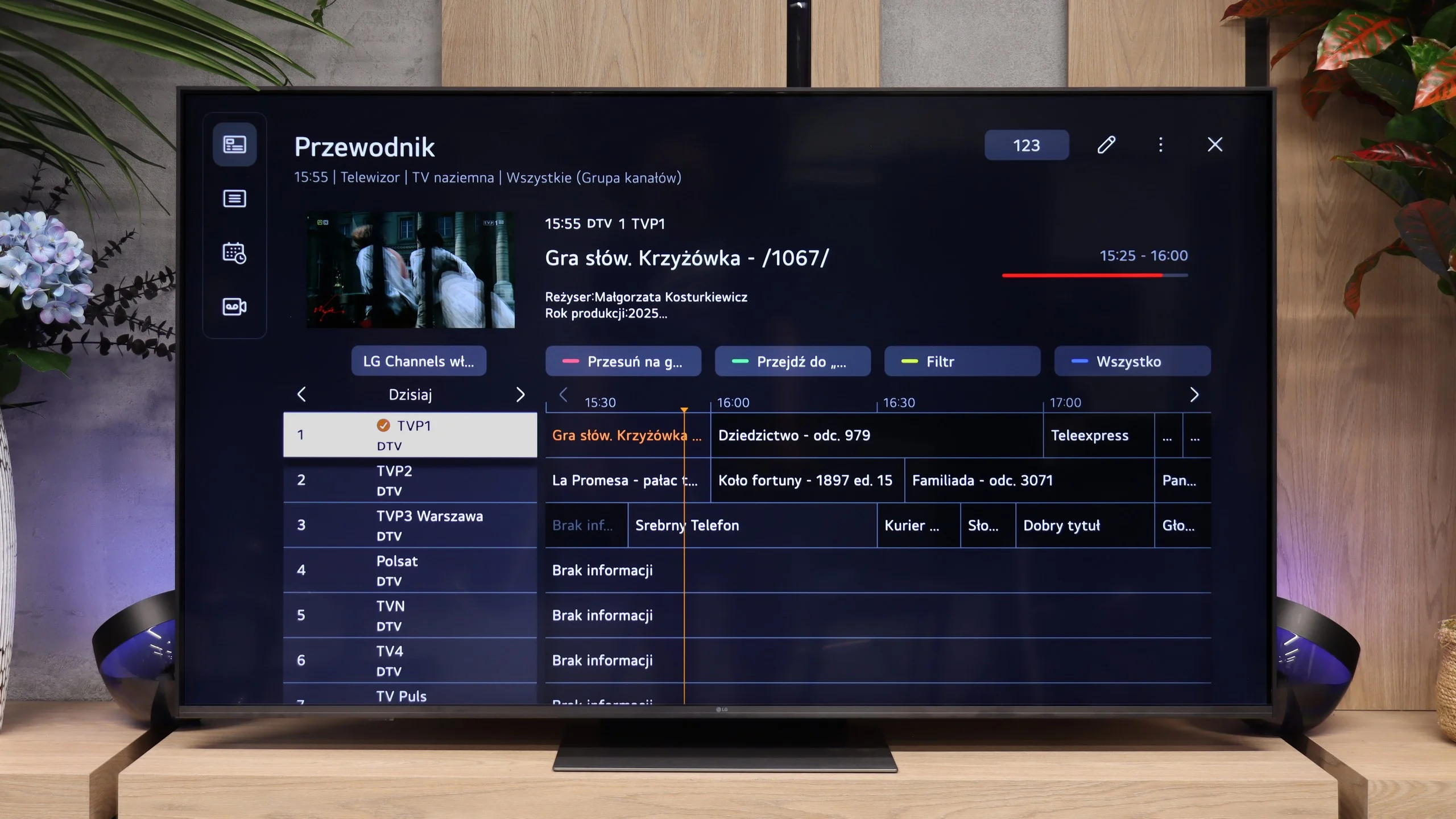
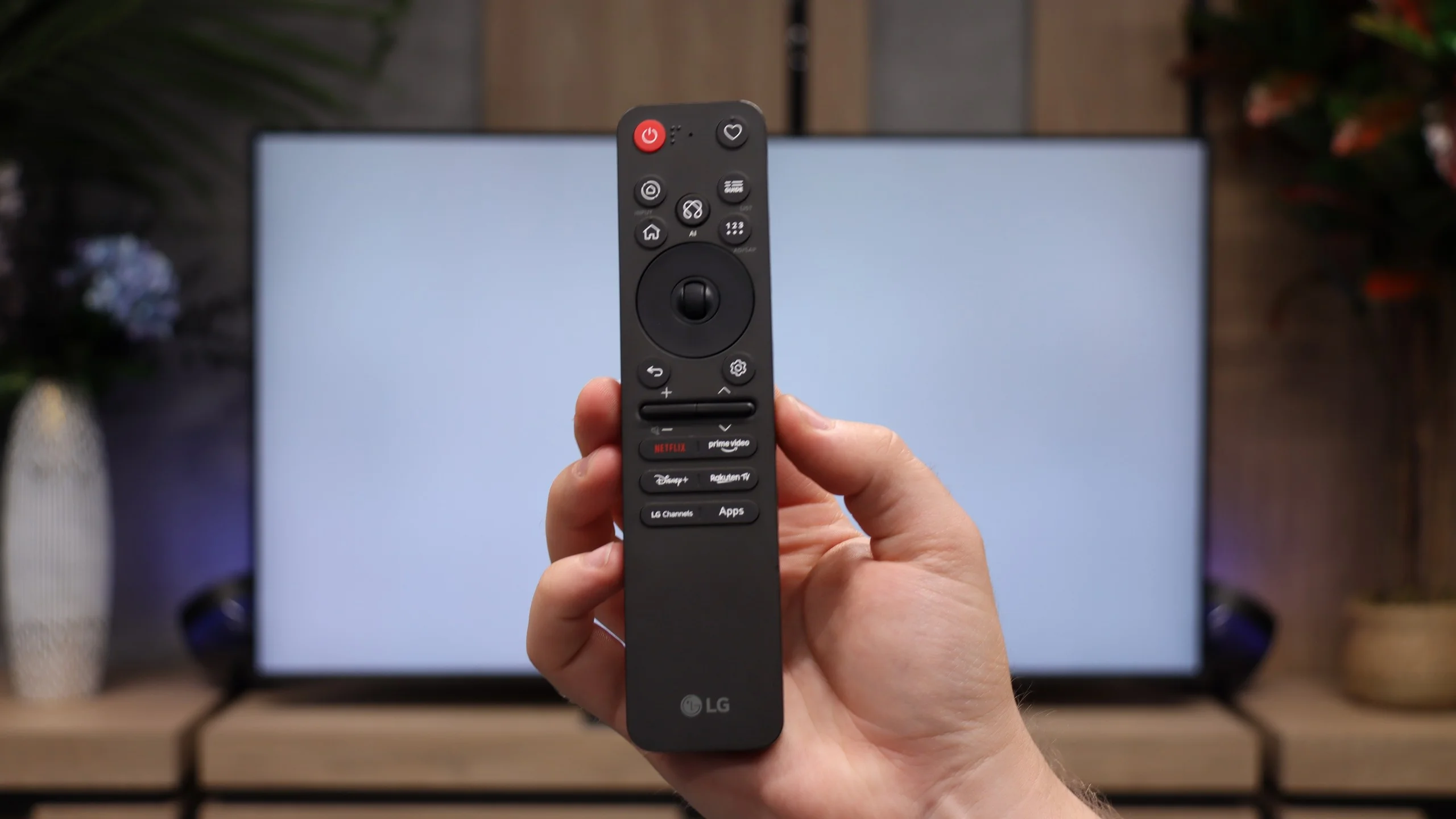
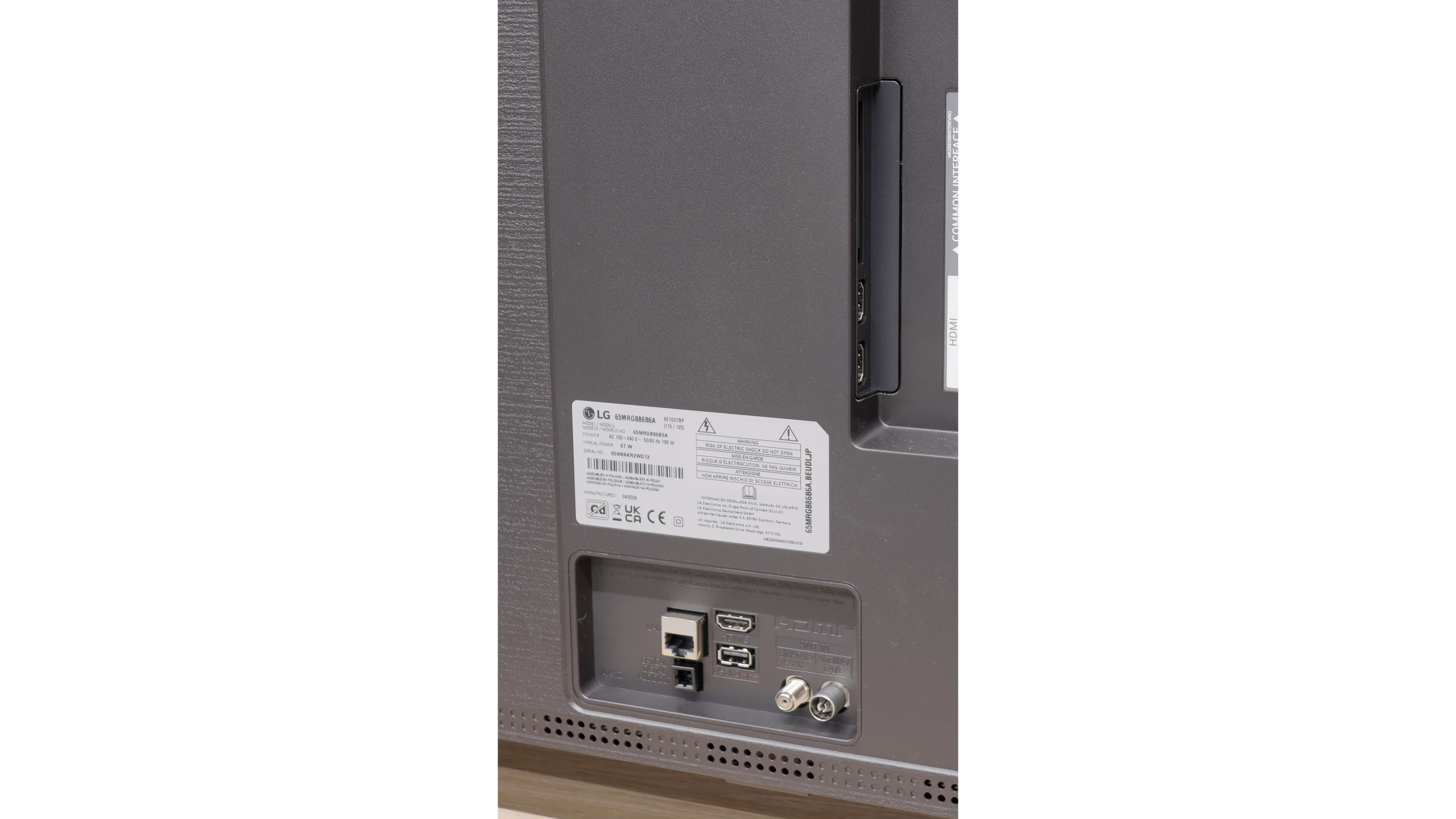
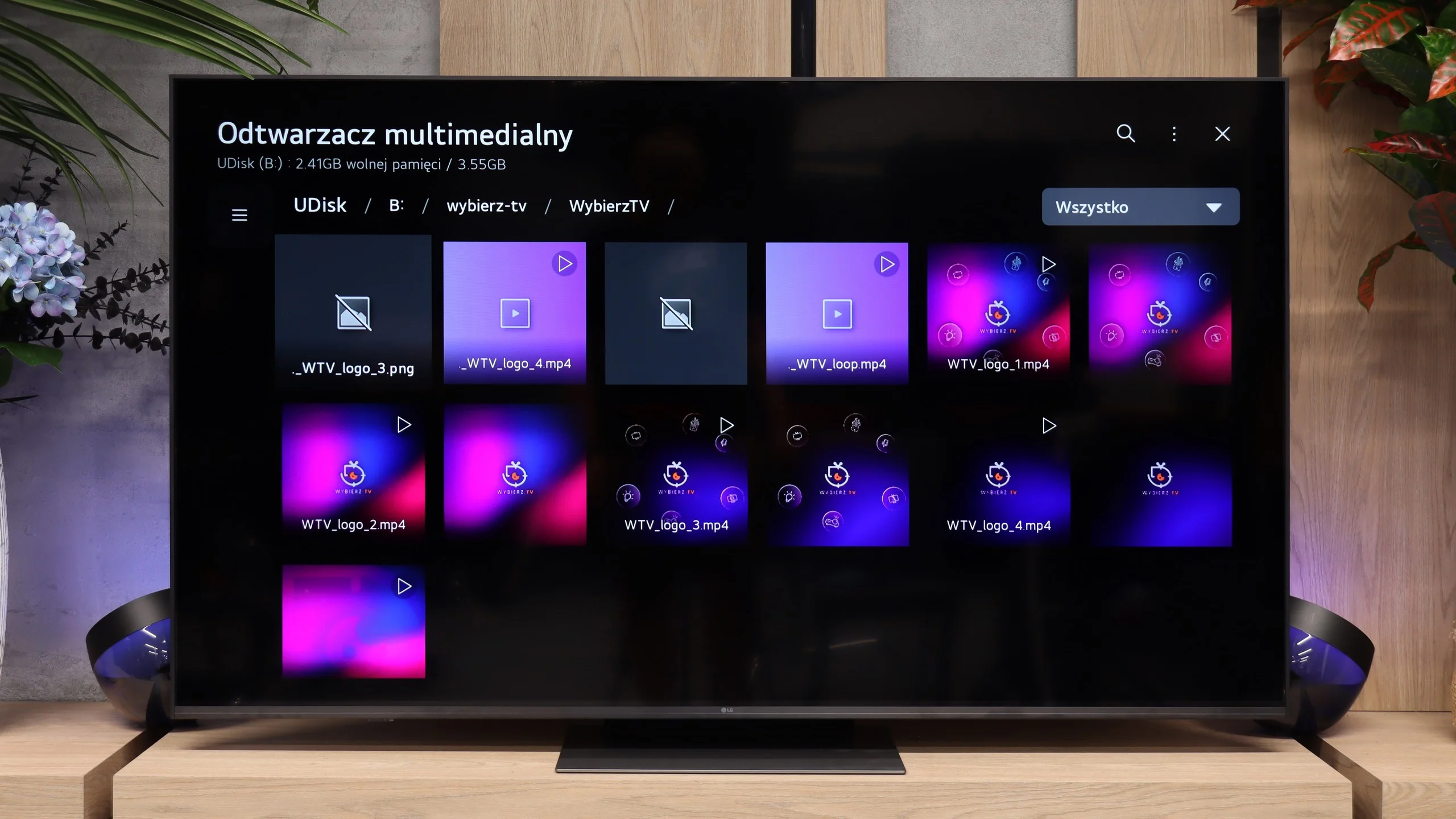
LG MRGB85 is a TV that feels most at home in the hands of gamers and people attached to the webOS ecosystem. In that respect it’s hard to fault. It offers a lot of advantages for gamers thanks to a very high refresh rate panel. On top of that there’s a smooth webOS experience that stands out on the market mainly because of the convenient Magic remote and a full set of features for traditional TV. The problem starts when you look at overall picture quality and compare it to the price the manufacturer asks for this model. The MRGB85 launches at a level that, to put it mildly, is hard to call attractive compared with competing models. For similar money you can find TVs with much more sophisticated backlighting and, above all, better black-level control. The biggest controversy, however, is the naming and the way LG positions this model. MRGB85 does use a three-color backlight, but it’s placed at the edge of the screen. It’s therefore hard to call this a full-fledged RGB Mini-LED in the sense commonly used for TVs that employ a large number of independently controlled zones behind the panel. In practice the local dimming limitations are very noticeable and in dark scenes they significantly impair the viewing experience. That doesn’t mean the MRGB85 is a bad TV. It handles everyday content well, offers decent colors, good brightness and a very broad feature set. SDR material can look really good, and Dolby Vision partly helps hide weaker brightness management in HDR. Still, it’s difficult to shake the impression that the model’s biggest problem isn’t the hardware itself but its price and overly ambitious positioning in the market. If someone is mainly looking for a gaming TV, values the convenience of webOS and finds a big discount, the MRGB85 can make sense. At the current price it takes a back seat, because the competition today simply offers more in terms of picture quality.
 Direct comparison