 Direct comparison
The Hisense UR8S is, above all, a very versatile high-end TV that performs well or very well in most use cases. It’s not a model aimed solely at movies, gaming, or watching in a bright living room. Its biggest advantage is that it can combine all those things in one chassis without any single, clearly weak point. In terms of picture, the UR8S has a lot to offer. Contrast is high, HDR can look very impressive, and the brightness level is more than enough for daytime viewing. Add very good image processing and smooth motion handling. RGB Mini-LED also gives it a very wide color gamut, and you can see that the technology has a lot of potential. However, it’s important to remember that it doesn’t completely change the character of an LCD TV. In more demanding scenes you can still see the limits of local dimming, and very high color saturation isn’t always maintained to the same degree as on simple test patterns. A major strength of the UR8S is, above all, its everyday usability. The TV works well for sports, is excellent for gaming, and its high brightness and matte screen coating make a big difference in a bright room. On top of that, the VIDAA system runs quickly, and Hisense hasn’t removed many features that remain useful for normal TV use. That’s why we see the UR8S best as a TV for people looking for one solid screen for everything. RGB Mini-LED is an interesting addition here and provides some real benefits, but it’s not the technology alone that makes this model perform well. Its strongest point is that it’s complete, well equipped, and very versatile.
- Matching (Score) |
- Our verdict |
- TV appearance |
- Where to buy |
- Contrast and black detail |
- HDR effect quality |
- Factory color reproduction |
- Color reproduction after calibration |
- Smoothness of tonal transitions |
- Image scaling and smoothness of tonal transitions |
- Blur and motion smoothness |
- Console compatibility and gaming features |
- Input lag |
- Compatibility with PC |
- Viewing angles |
- Daytime performance |
- Panel details |
- TV features |
- Apps |
- Playing files from USB |
- Sound

Check the best price offer:
Sony BRAVIA 6 (A65)(paid link)BRAVIA 6 / A65
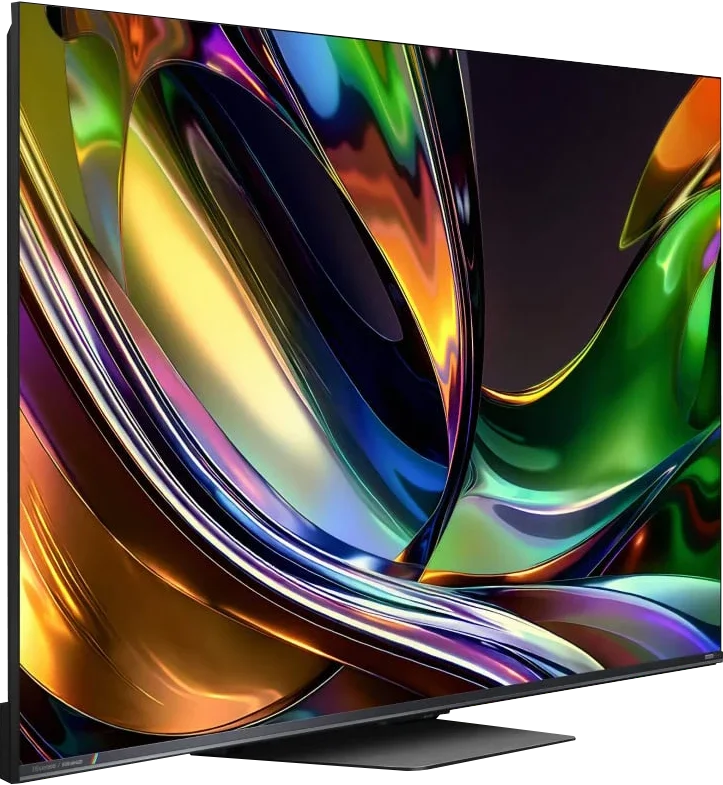
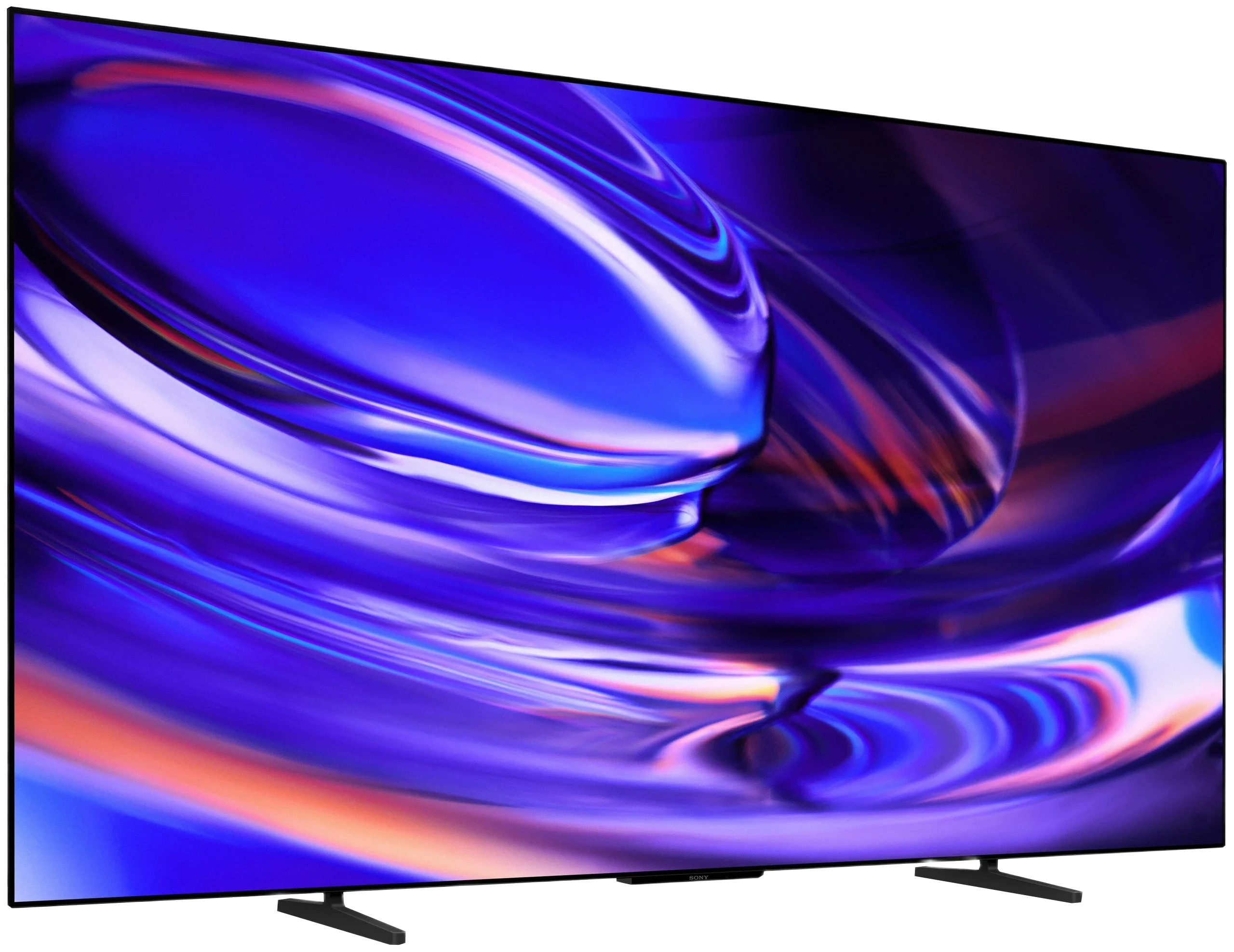
Panel type: LCD VA
Resolution: 3840x2160
System: VIDAA
Model year: 2026
Complete the survey to find out the result
Panel type: WRGB OLED
Resolution: 3840x2160
System: Google TV
Model year: 2026
Complete the survey to find out the result
Overall rating
8.2
7.4
 Movies and series in UHD quality
7.4
7.5
 Classic TV, YouTube
7.6
8.1
 Sports broadcasts (TV and apps)
7.4
8.1
 Gaming on console
8.4
8.5
 TV as a computer monitor
8.5
7.6
 Watching in bright light
9.5
4.6
 Utility functions
9.4
6.6
 Apps
8.3
9.6
 Sound quality
7.8
7.0
Complete the survey to find out what fits your preferences
Advantages

Very high contrast and deep blacks
High picture brightness
Potentially wider color gamut thanks to RGB backlighting
Excellent image processing and upscaling
Panel with refresh rate up to 180 Hz
Very good gaming performance
Good viewing angles for a Mini-LED LCD
Matte finish and excellent daylight performance
Fast VIDAA and lots of useful features
Support for Dolby Vision, HDR10+, Dolby Atmos, and DTS
- Perfect blacks and infinite contrast of the OLED panel - Natural colors after calibration, especially in SDR - 120 Hz panel with almost instantaneous pixel response - Four full HDMI 2.1 inputs with 48 Gbps bandwidth - Very low input lag, even in Dolby Vision at 120 Hz - Support for premium formats: Dolby Vision, Dolby Atmos, and DTS - Google TV with a wide selection of apps - Wide viewing angles - Solid build with a height-adjustable stand
Disadvantages

The full potential of RGB Mini-LEDs isn't always realized in movies
HDR brightness can deviate from the creators' vision
No proper HGiG implementation
The VIDAA system still lacks a few apps
Quite a few system bugs
Low brightness and average glare suppression, making daytime viewing difficult (OLED SE)
Average gradation and weak smoothing of tonal transitions
Limited calibration options
Missing several gaming features: HGIG, Game Bar, and support for 120Hz at 1440p
Our verdict
BRAVIA 6 can deliver a lot of viewing pleasure, especially in the evening when the advantages of the OLED panel are most visible. Deep blacks, good contrast and natural colors after calibration make it easy to appreciate its picture with the right material. It also performs well for console gaming: it provides smooth motion and responds quickly to controller input. It's also nice to see four full HDMI 2.1 ports, which Sony has finally included. Thanks to them, connecting multiple devices is less troublesome than even in some of the brand's pricier models. Solid build quality and an attractive design round out the package.
However, that's not enough to stand out among competing OLEDs. We usually paid more for Sony TVs for, among other things, better image processing, and with the BRAVIA 6 it's hard to see an advantage in that area. Lower-quality footage looks average, and in demanding HDR scenes detail is lost in bright parts of the picture. Dolby Vision helps a bit, but it doesn't change the overall impression: you get an image that can be pleasing, but it doesn't give a clear reason to choose Sony over another entry-level OLED.
While the lack of such an advantage can be accepted at a sufficiently low price, it's much harder to turn a blind eye to problems with daily use. Google TV offers a wide selection of apps, but during our tests using the TV too often ended with the need to... unplug it. Even playing a movie from a USB drive could be problematic. It's at moments like these that we felt there was little... Sony in this BRAVIA. It lacks the polish that used to be one of the reasons to pay more for a Sony TV.
In the end the BRAVIA 6 leaves a big sense of disappointment. The OLED panel itself gives it a solid foundation, but the enjoyment of watching too often gives way to frustration with the operation. So in its current state it's hard for us to recommend it, even though it's among the cheapest OLEDs on the market. An attractive price can compensate for some image limitations, but it's hard to call that a sufficient argument when basic functions fail. Before we even start considering whether it's worth buying the BRAVIA 6, Sony needs to deliver the refinement we expect.
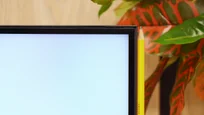
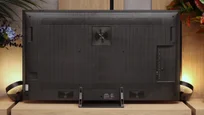
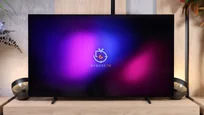
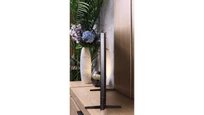
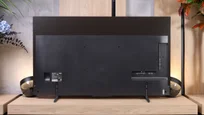
TV appearance

Contrast and black detail
8/10
10/10
Local dimming function: Yes, number of zones: 936 (26 x 36)
Contrast:


Result
267,450:1

Result
48,550:1

Result
19,450:1

Result
14,850:1

Result
10,800:1
Result
∞:1
Result
∞:1
Result
∞:1
Result
∞:1
Result
∞:1
Halo effect and black detail visibility:
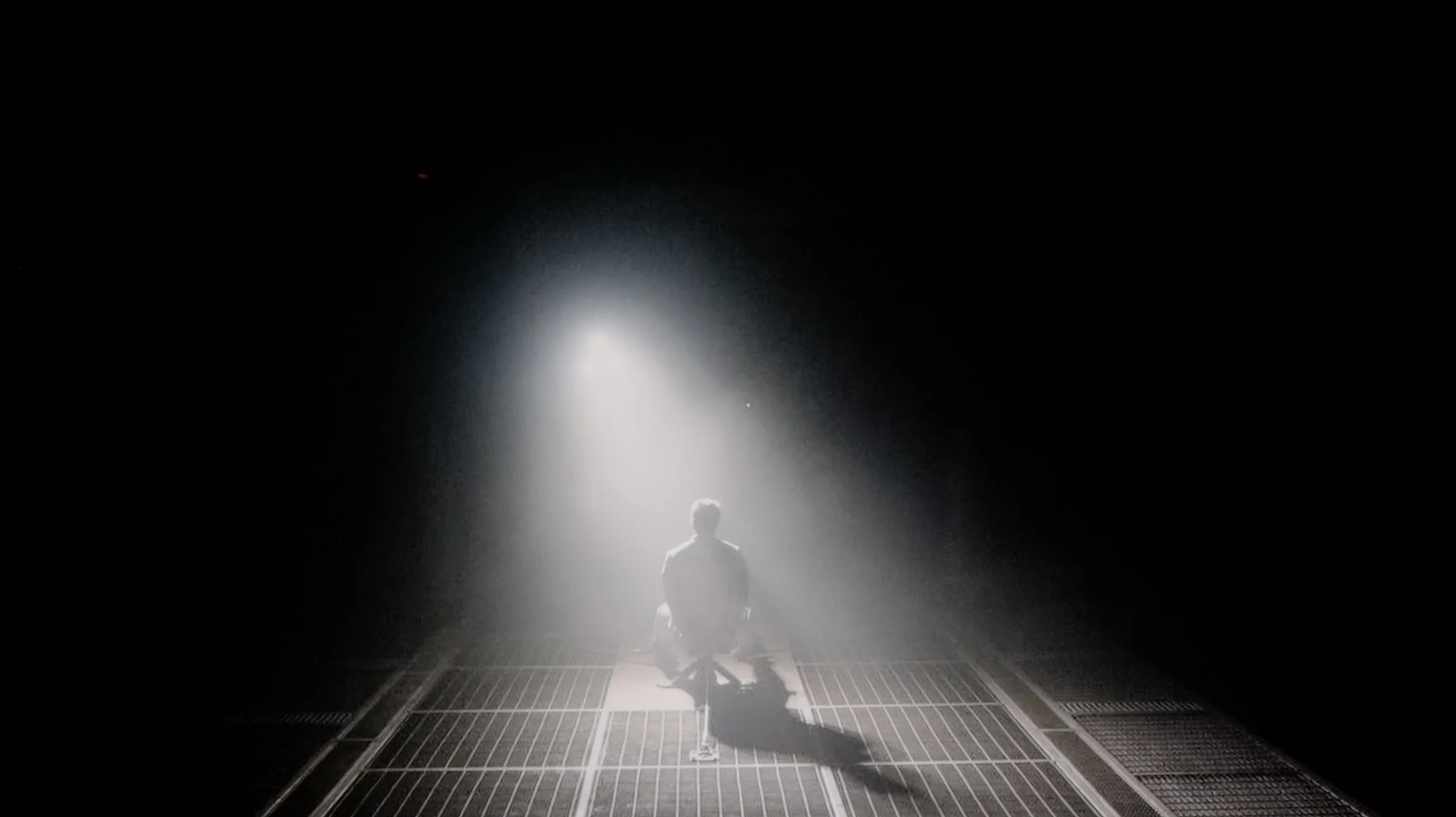
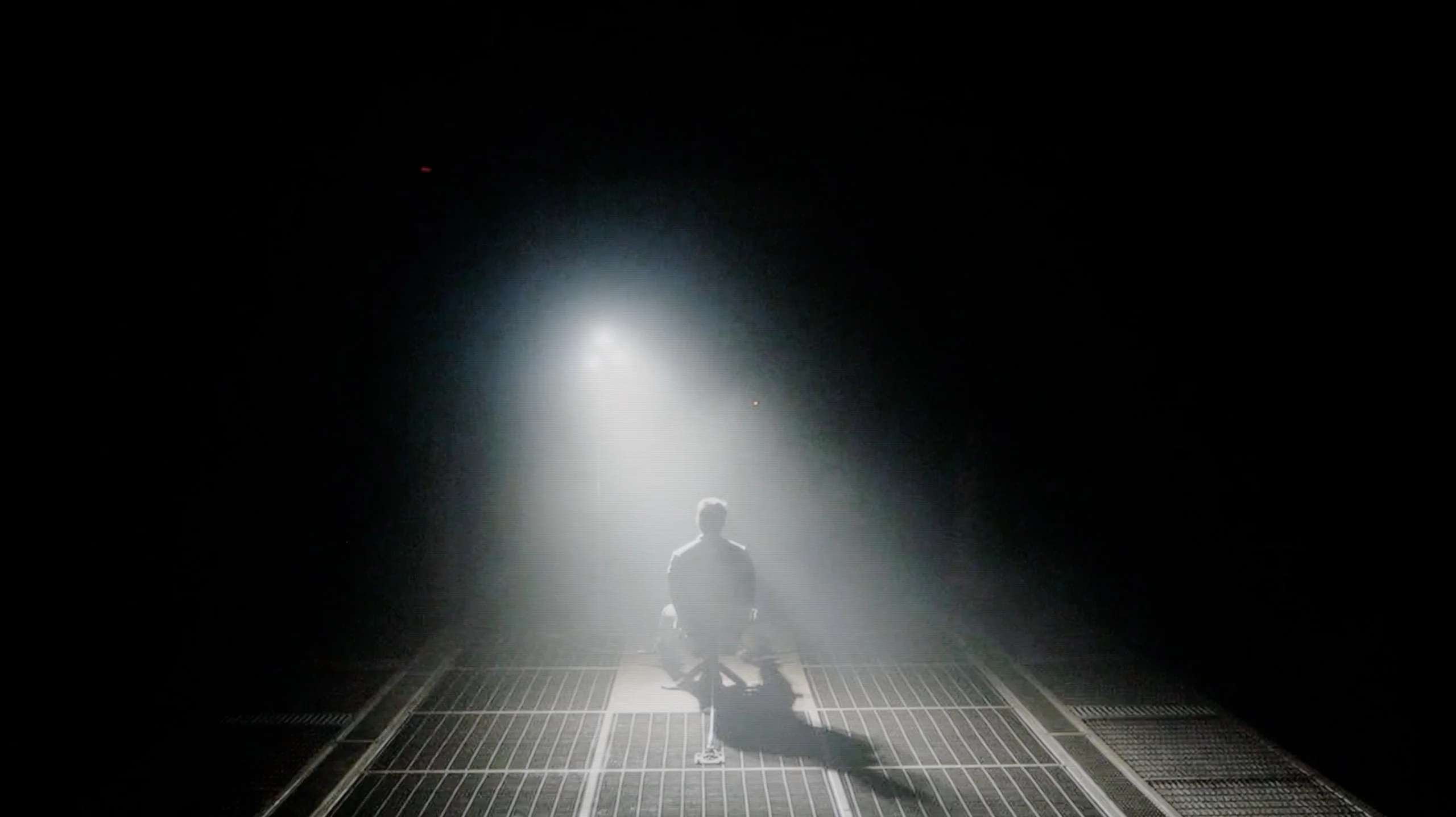
Check the visibility of bright lights on a dark background. Mini-LEDs often struggle with this. The photo does not compare black levels – that’s what the video below is for.
The video accurately shows differences in contrast and black levels between TVs, as well as potential issues: halo around bright objects or Mini-LED zone operation visible as brightness jumps.
We tested the Hisense UR8S in the 65-inch size, and this variant uses a VA panel, so the native contrast is already at a very good level and reaches much higher values than IPS panels. The most important thing, however, is local dimming. In our unit we counted 936 zones and you can clearly see that they can really help in dark scenes. In movies where a large part of the screen is black, the UR8S does really well. Blacks are deep, the black bars on films don't have a bluish glow, and in some shots the effect can even somewhat resemble an OLED. Of course only slightly, since the difference is still noticeable. It's easiest to notice with small, bright elements on a black background. Then a slight halo may appear around the object. It's not large and during normal viewing it shouldn't be too distracting, but it shows that this is still a TV with 936 zones, not a display that can dim each pixel individually.
The Sony BRAVIA 6, also known as the A65, uses an OLED panel, so it deserves the highest marks for black levels and contrast. In all test scenes the blacks remained completely black, and the measured contrast was effectively infinite. That’s thanks to independent control over each pixel, which can be turned completely off even with a very bright element right next to it. In this respect the BRAVIA 6 even outperforms the best Mini LEDs. A few thousand backlight zones still do not provide the precision of controlling each of the more than 8 million pixels.
However, in the video below you can notice that some dark parts of the image are slightly brightened. It is worth clarifying that this concerns the darkest shades of gray, not true black. The BRAVIA 6 tends to show them brighter than it should, so details in deep shadow can be overly emphasized. This does not change the panel’s ability to completely turn off black elements, so we do not lower its rating in this category. We will return to this behavior when assessing image reproduction and the effects of calibration.
HDR effect quality
6/10
5.7/10
Luminance measurements in HDR:

Result
1241 nit

Result
269 nit

Result
594 nit

Result
188 nit

Result
1452 nit
Result
483 nit
Result
616 nit
Result
697 nit
Result
680 nit
Result
276 nit
Scene from the movie “Pan” (about 2800 nits)
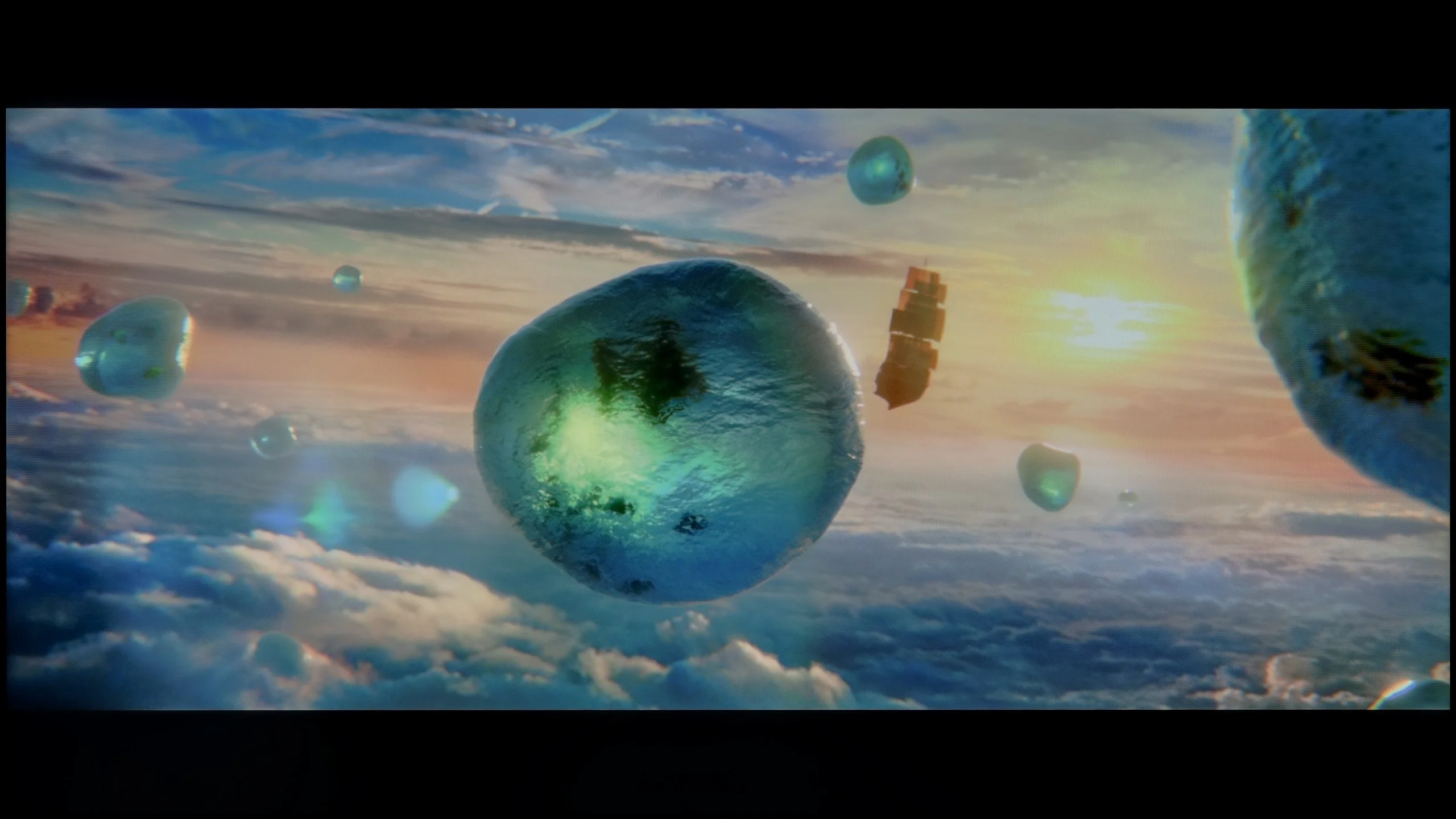
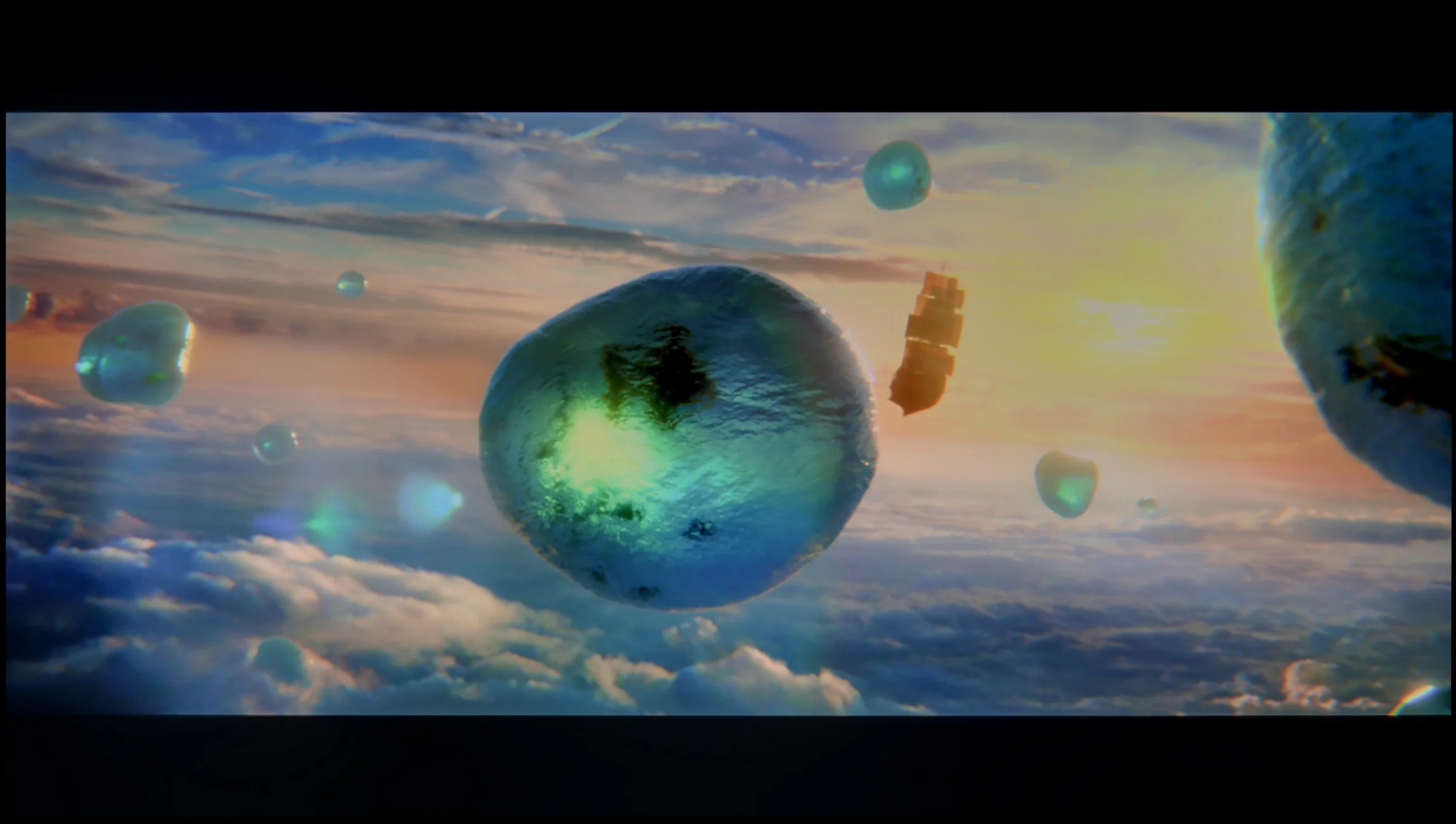
Scene from the movie “Billy Lynn” (about 1100 nits)
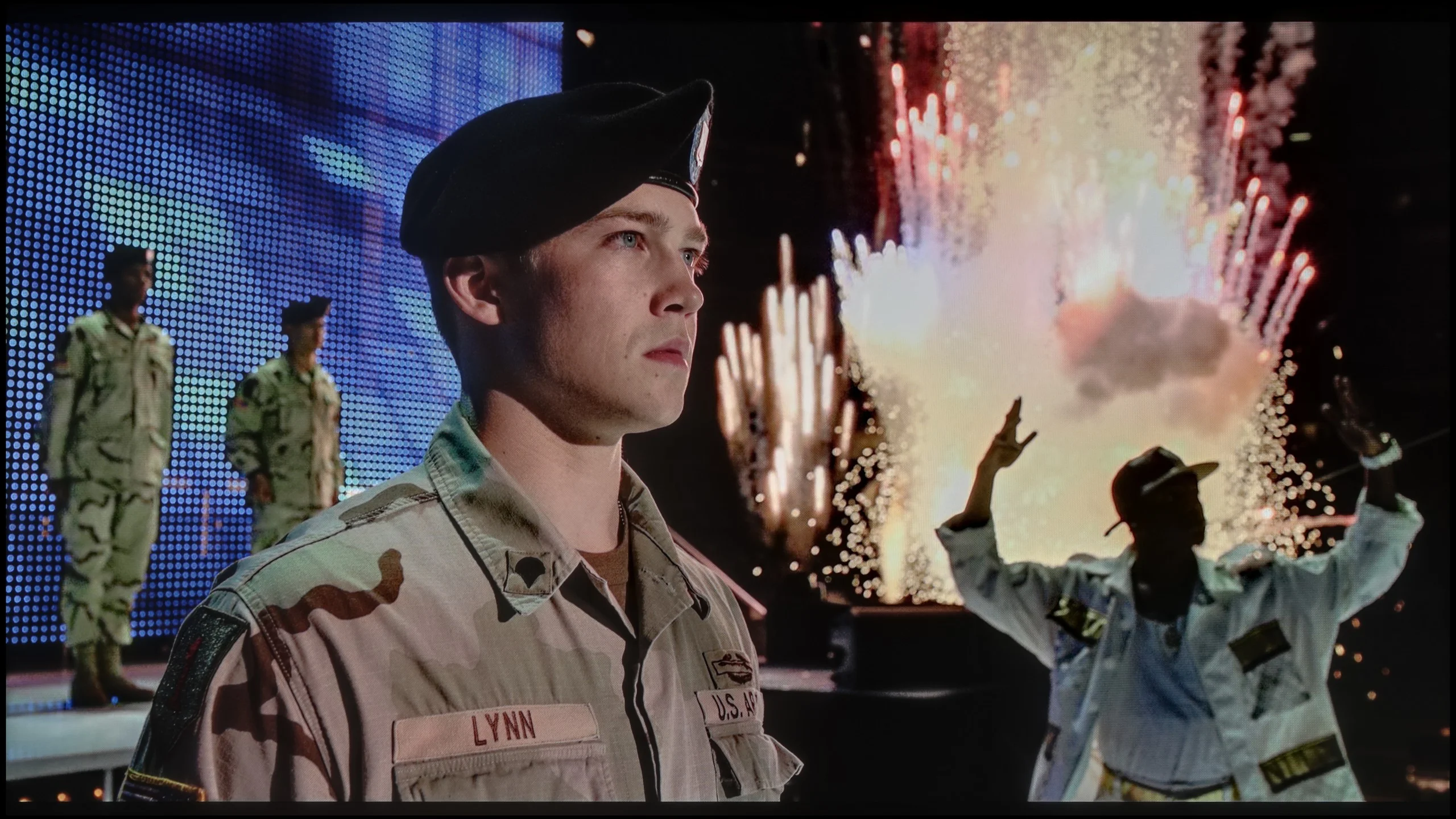
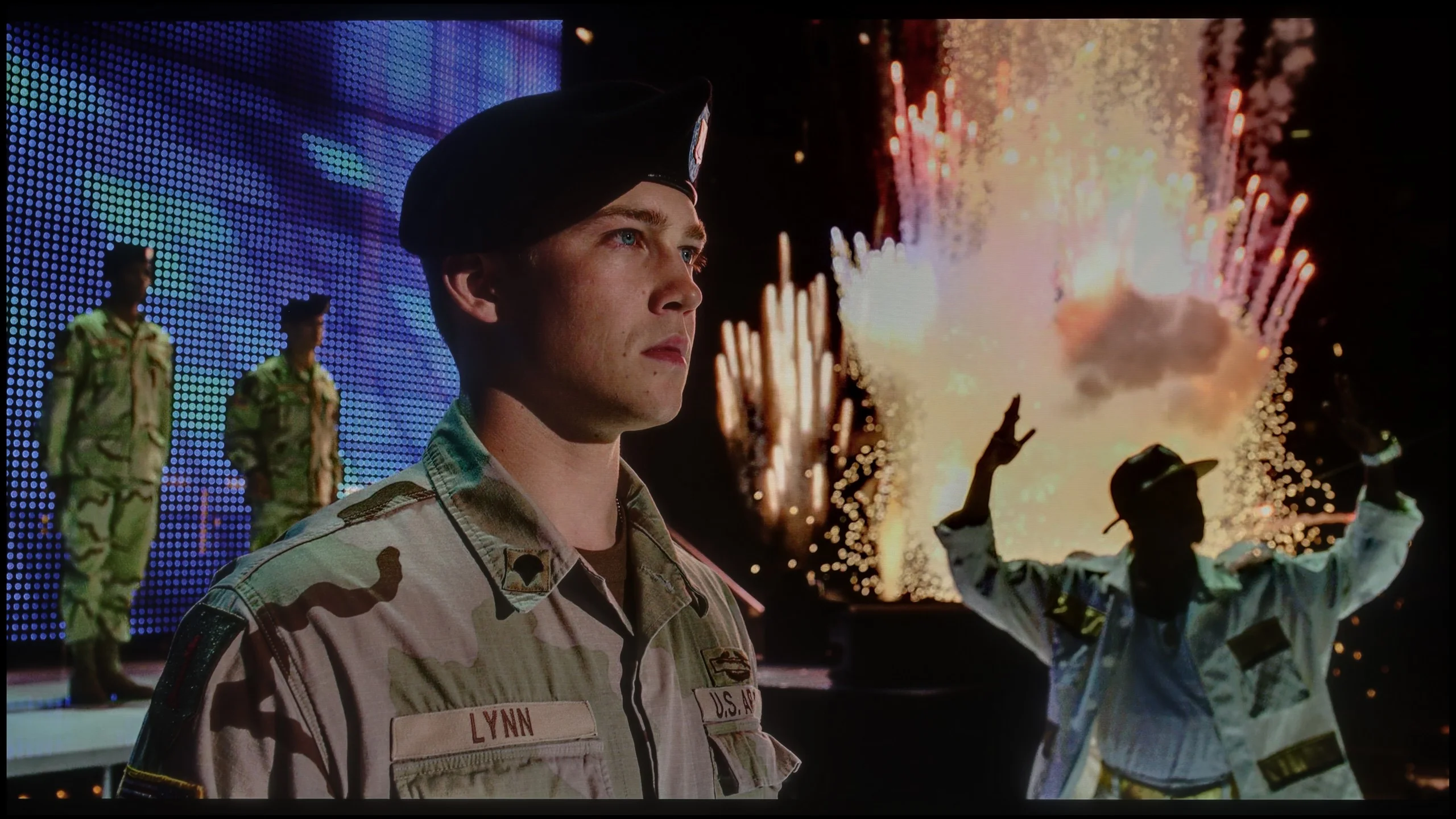
The photos show two HDR10 movies. 'Pan' is one of the brightest productions ever made, while 'Billy Lynn' (soldier) has brightness typical of streaming (Netflix, Prime, HBO MAX). Notice the intensity of effects and detail in whites.
Static HDR10

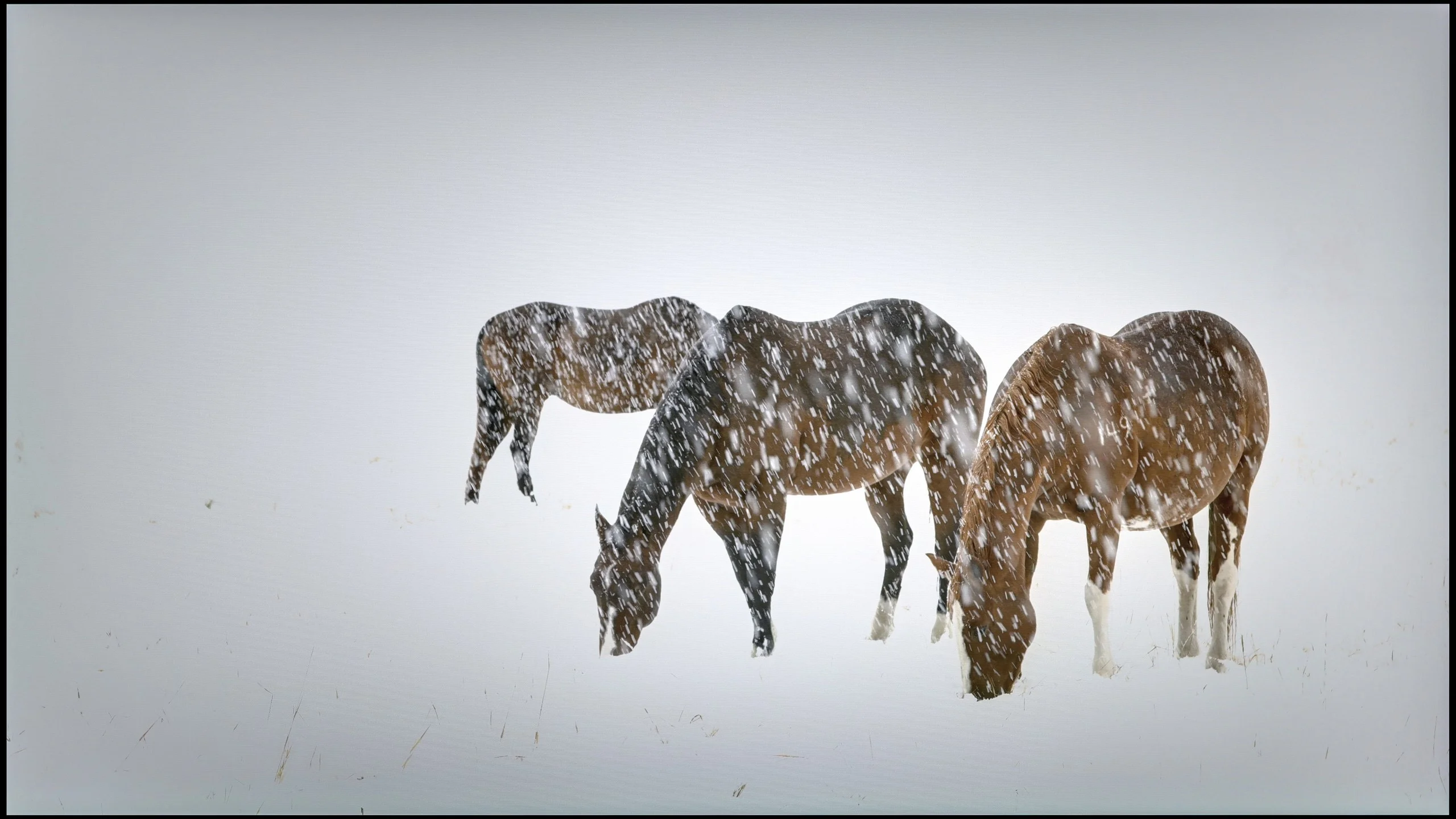
The photos present the visibility of white details in various HDR formats. They do not show brightness differences between TVs (these can be compared in the previous gallery).
Dynamic: Dolby Vision
Dynamic: Dolby Vision


The photos present the visibility of white details in various HDR formats. They do not show brightness differences between TVs (these can be compared in the previous gallery).
HDR luminance chart:
Sony BRAVIA 6 (A65)
Hisense UR8S
Luminance of RGB colors
UR8S is a slightly higher-end Mini-LED, so you could expect a lot in terms of brightness. And indeed, on a synthetic test pattern the peak brightness reached around 2200 nits. That's a very good result, but as always what matters more is what the TV does in normal film scenes. Here the results are a bit more uneven. In bright scenes with a lot of light on screen, the UR8S can deliver really strong HDR. Brightness then reaches about 1500 nits, so the image is very intense and has a lot of punch. It's worse with small bright elements on a dark background. The TV noticeably dims them to maintain good blacks and avoid excessive blooming. As a result, things like single stars or tiny specular highlights can be only around 200 nits. And here HDR is no longer as impressive. So the local dimming algorithm works effectively, but it comes at a cost, sometimes it simply sacrifices the brightness of small details too much in favor of contrast.
Colors
With RGB Mini-LED TVs, colors should be evaluated a bit differently than usual. If we look solely at the panel's capabilities, the UR8S performs great. We measured about 94% coverage of BT.2020 and practically full DCI-P3. These are among the highest values currently found in LCD TVs, and this is where the potential of RGB backlighting is most apparent. The problem is that this potential isn't always used in real scenes. When we ran the same measurements on patterns with an overlaid film background, the saturation of some colors dropped noticeably. Individual zones can't always control the three RGB components as precisely when the scene becomes more complex. This is most noticeable with blue and magenta. In simple test patterns they can look very strong, but in tougher scenes samples of those colors clearly shrink. So the UR8S has enormous potential, but the TV can't always make full use of it.
Sony BRAVIA 6 is a moderately bright TV, and compared with today’s OLEDs it can even be considered on the darker side. It peaks at about 700 nits, but such values are seen mainly on small bright elements surrounded by a dark background. In brighter, mixed scenes the result is closer to 500 nits; for example the sunset shot from the film "Life of Pi", where we measured 483 nits. Combined with perfect black levels this produces a pleasant HDR effect, especially in the evening, although it’s hard to call the brightness spectacular. The limitations become even clearer when bright elements occupy most of the screen. Then ABL comes into play, the mechanism that limits brightness when the OLED panel is under heavy load. The BRAVIA 6 uses the panel fairly conservatively and in those shots brightness drops to around 250–280 nits. In the scene with the oil rig we recorded about 250 nits, so the bright sky no longer has the same impact as a single flashlight in the dark. It’s in wide, sunny landscapes and large bright highlights that it most lacks brightness headroom.
Colors
In terms of color the BRAVIA 6 performs quite well. It covers about 95 to 96% of the DCI-P3 gamut, so it can reproduce most of the colors used in HDR movies and series with appropriate saturation. It still trails the better WOLED panels, which approach full coverage of that gamut, but in everyday viewing that won’t be a big difference. A larger gap separates it from QD-OLED screens when displaying the most intense colors from the wider BT.2020 gamut. Sony covers that gamut by about 71 to 72%, so exceptionally saturated reds or greens won’t look as striking as they do on organic panels with quantum dots or on SQD Mini-LED screens. Also, gamut coverage alone doesn’t mean the TV can show those colors at high brightness. On the BRAVIA 6 very bright, colorful effects have less punch, which further mutes the HDR experience. In typical films, however, colors look good, and the bigger limitation remains the screen’s brightness.
Factory color reproduction
5.1/10
6.9/10
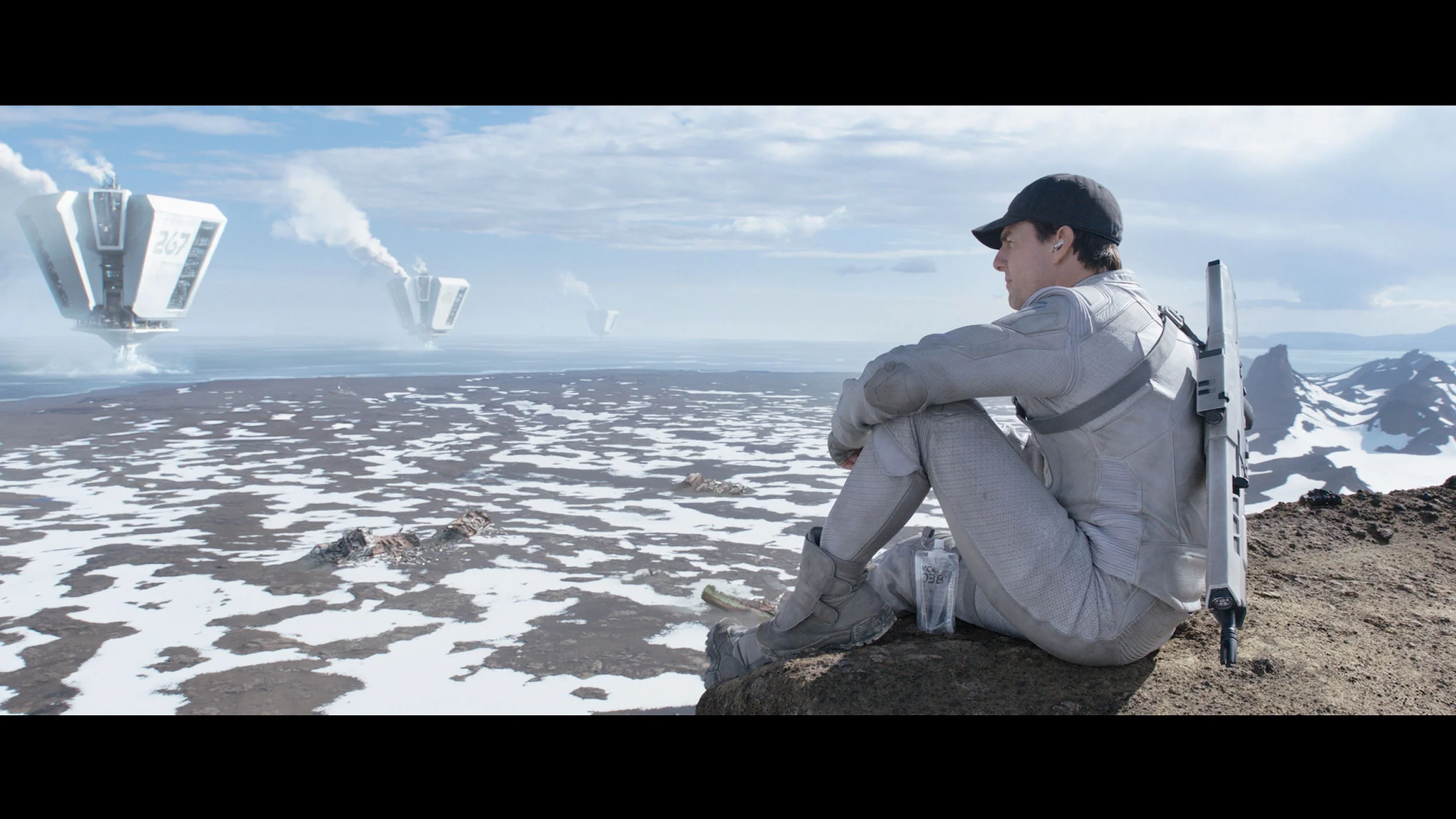
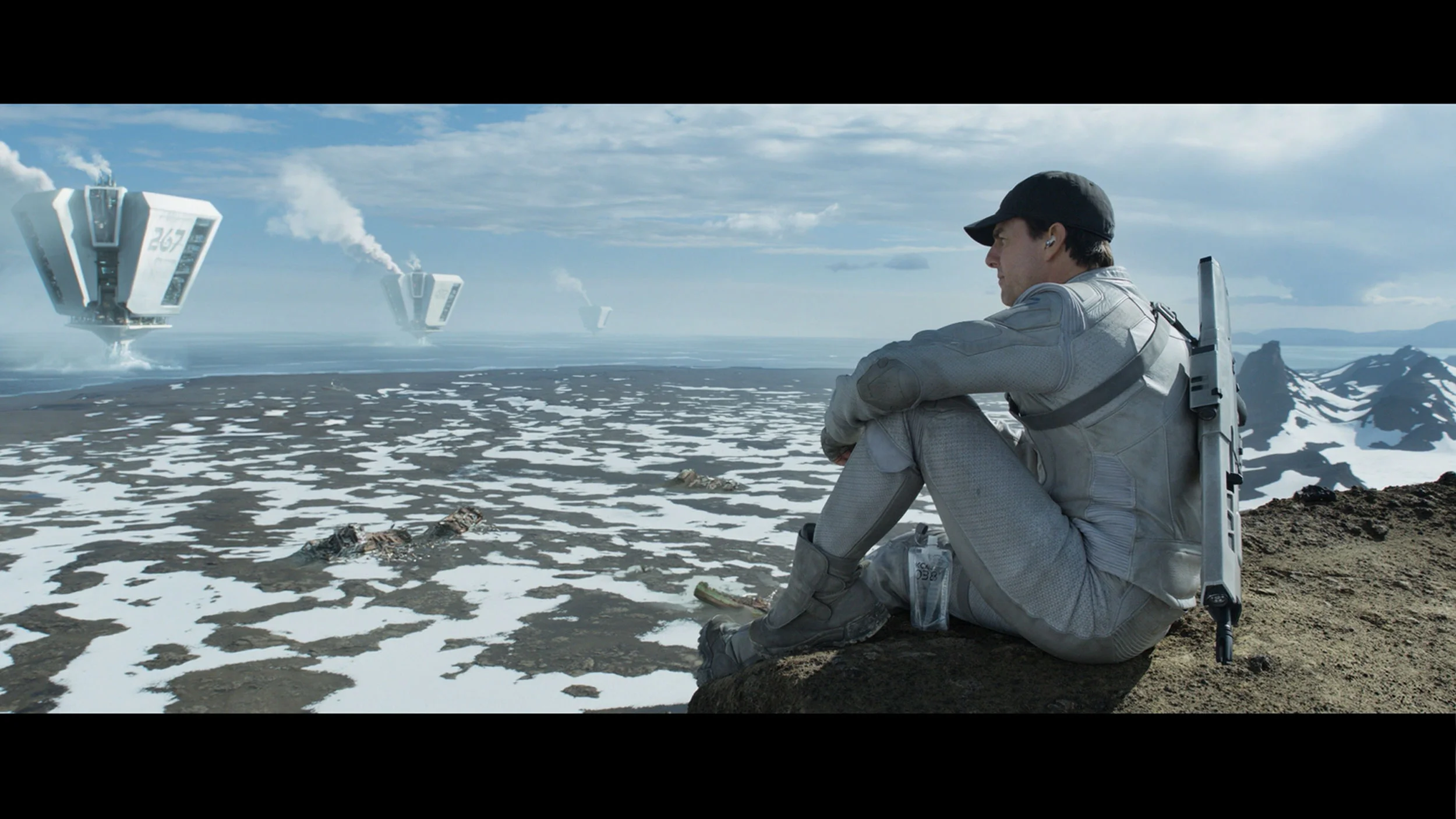
This gallery shows how colors change after professional TV calibration. If you notice the difference, we recommend ordering this service at SkalibrujTV.com.
Factory Mode
After calibration

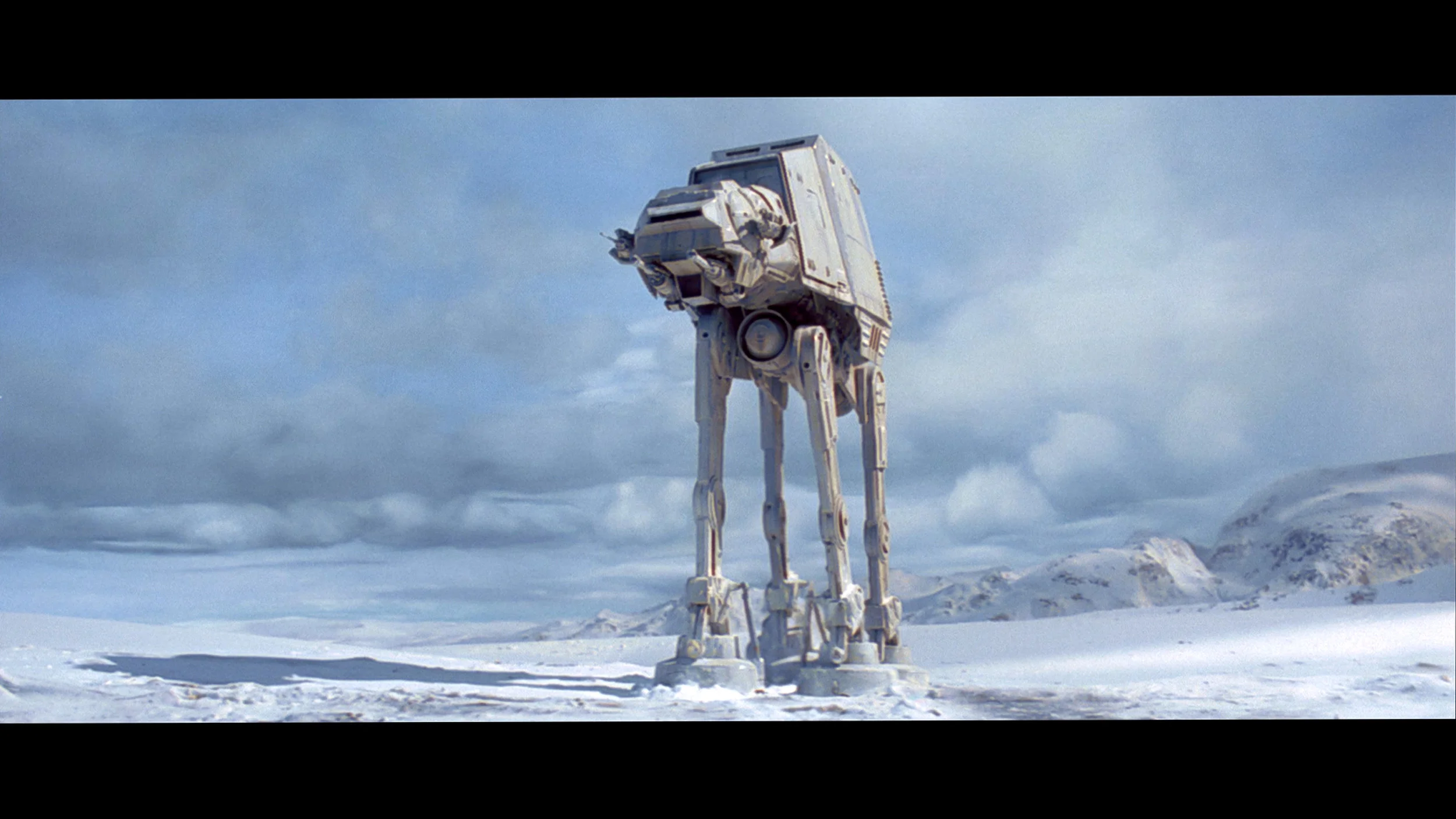
This gallery shows how colors change after professional TV calibration. If you notice the difference, we recommend ordering this service at SkalibrujTV.com.
Factory Mode
After calibration
For evaluating out-of-the-box colors we used Filmmaker mode, which is supposed to show the image as close as possible to how the material was intended. Looking at white balance alone, the UR8S does quite well. There is no strong color cast that immediately jumps out, although as brightness increases a bit too much blue and red appear while green becomes deficient. Color errors therefore show up in measurements, but the image itself does not look bad.
We have far bigger reservations about how the UR8S manages image brightness. In SDR the gamma stays around 1.9 to 2.0 for most of the range instead of the target 2.4. In practice this simply means the image is too bright, especially in the midtones. Shadows are lifted too much, so the image loses some depth. A similar trend is visible in HDR. The EOTF curve sits above the reference value for a large portion of the range, so the UR8S again brightens the image more than it should. This is not a matter of the TV lacking brightness; it has plenty of it. The issue is how it manages that brightness. As a result, HDR material can look very striking, but not always exactly as it should.
In Cinema mode the Sony BRAVIA 6 delivers a fairly pleasant picture, although the factory settings give it a somewhat too-warm character. In SDR, that is when watching regular TV and older movies, there is a dominance of red and a shortage of blue. The image can therefore take on a creamy, slightly pinkish tint, and faces look more flushed than they should. It’s not a color cast that completely changes the look of a movie, but it is noticeable with neutral colors. On top of that, the image is a bit too dark in SDR. The gamma curve runs above the target value, which translates into darker parts of the scene during viewing. The scene may seem more contrasty, but subtle shadow detail becomes harder to distinguish. In HDR the colors behave a little differently. The red dominance is reduced, but combined with a slight excess of blue and a lack of green it gives a faint pink tint to bright neutral surfaces. The luminance response remains close to the reference for a large part of the range, although the aforementioned brightening of tones just above black is visible. Because of that, in nighttime shots some background elements are more visible than the filmmakers intended. Some midtones are also slightly brightened. Overall, Cinema mode is a sensible starting point for viewing and is by far the best mode among those available, but the white balance and the way brightness is reproduced still need fine-tuning.
Color reproduction after calibration
7.5/10
8/10
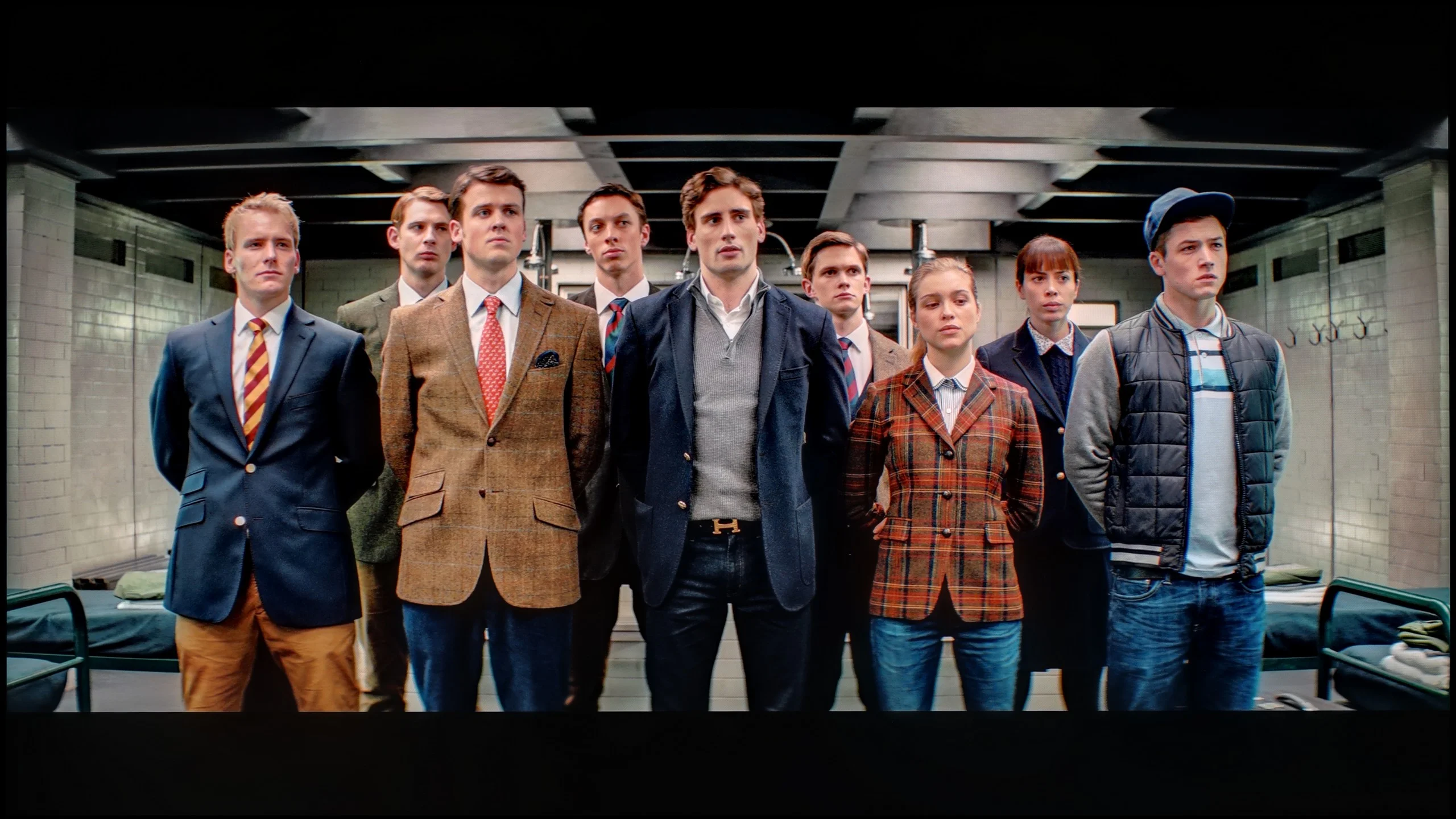
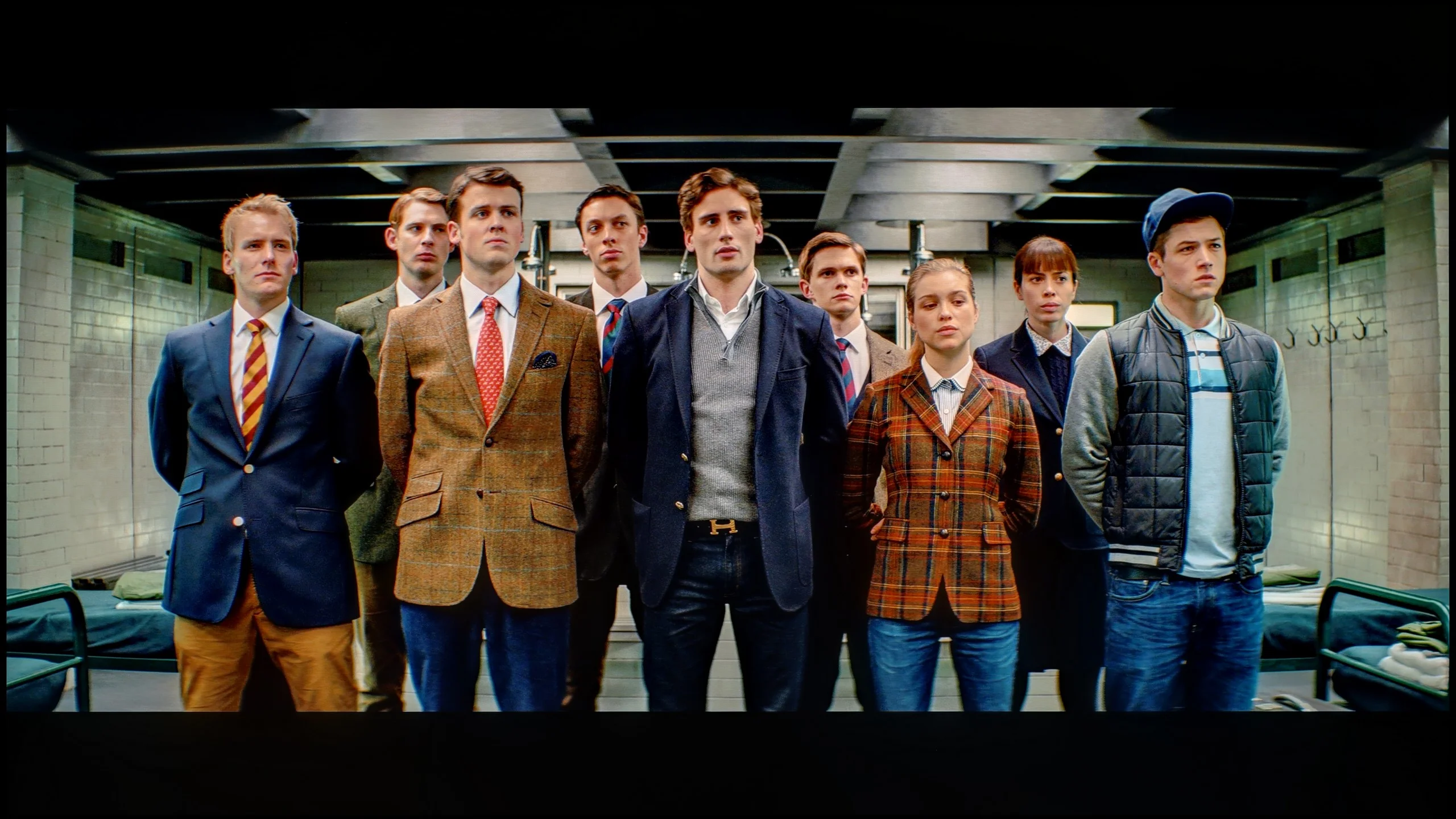
The photos show how movies look on the TV. Pay attention to black detail visibility, colors, and shadow tint.
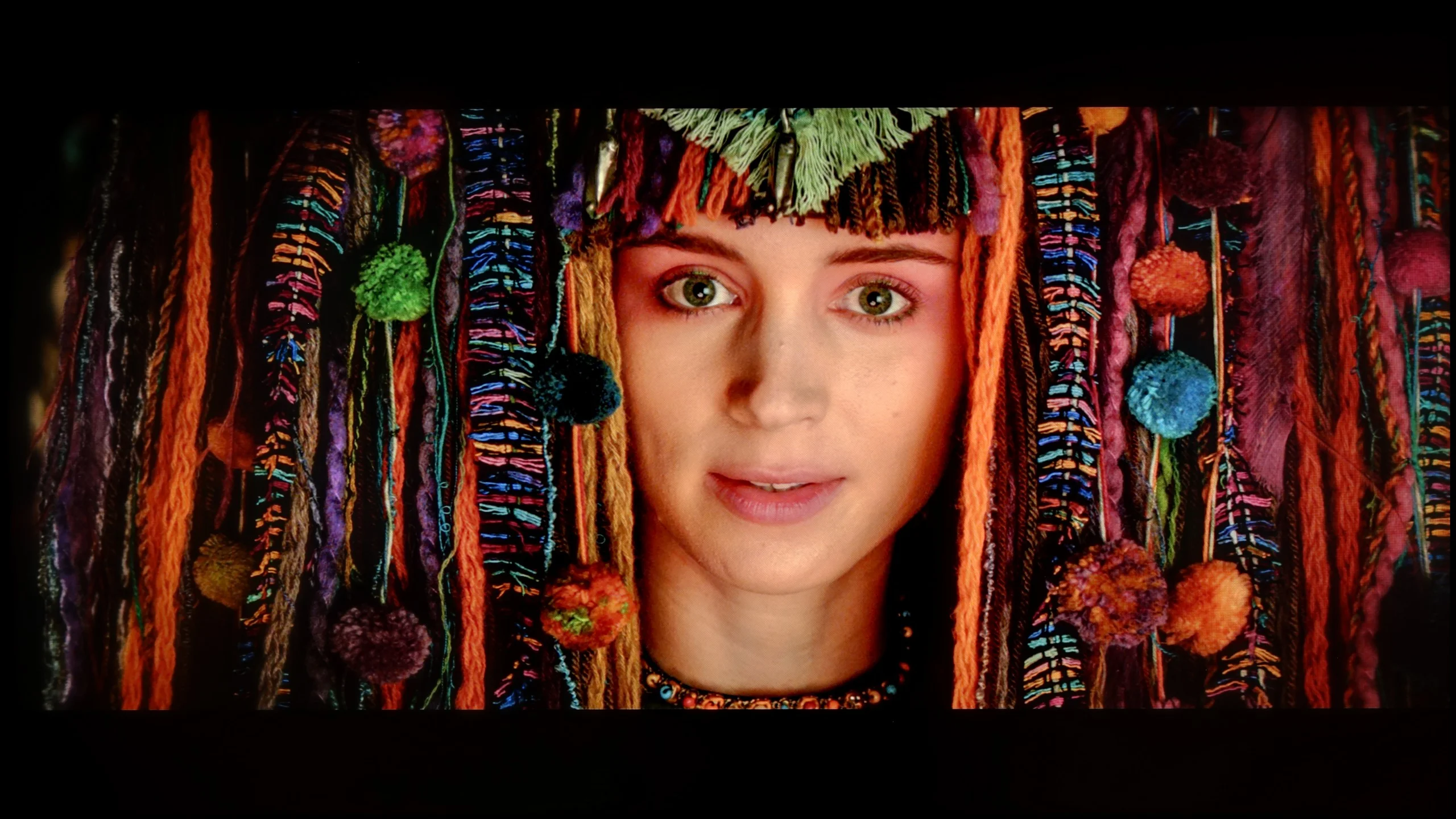
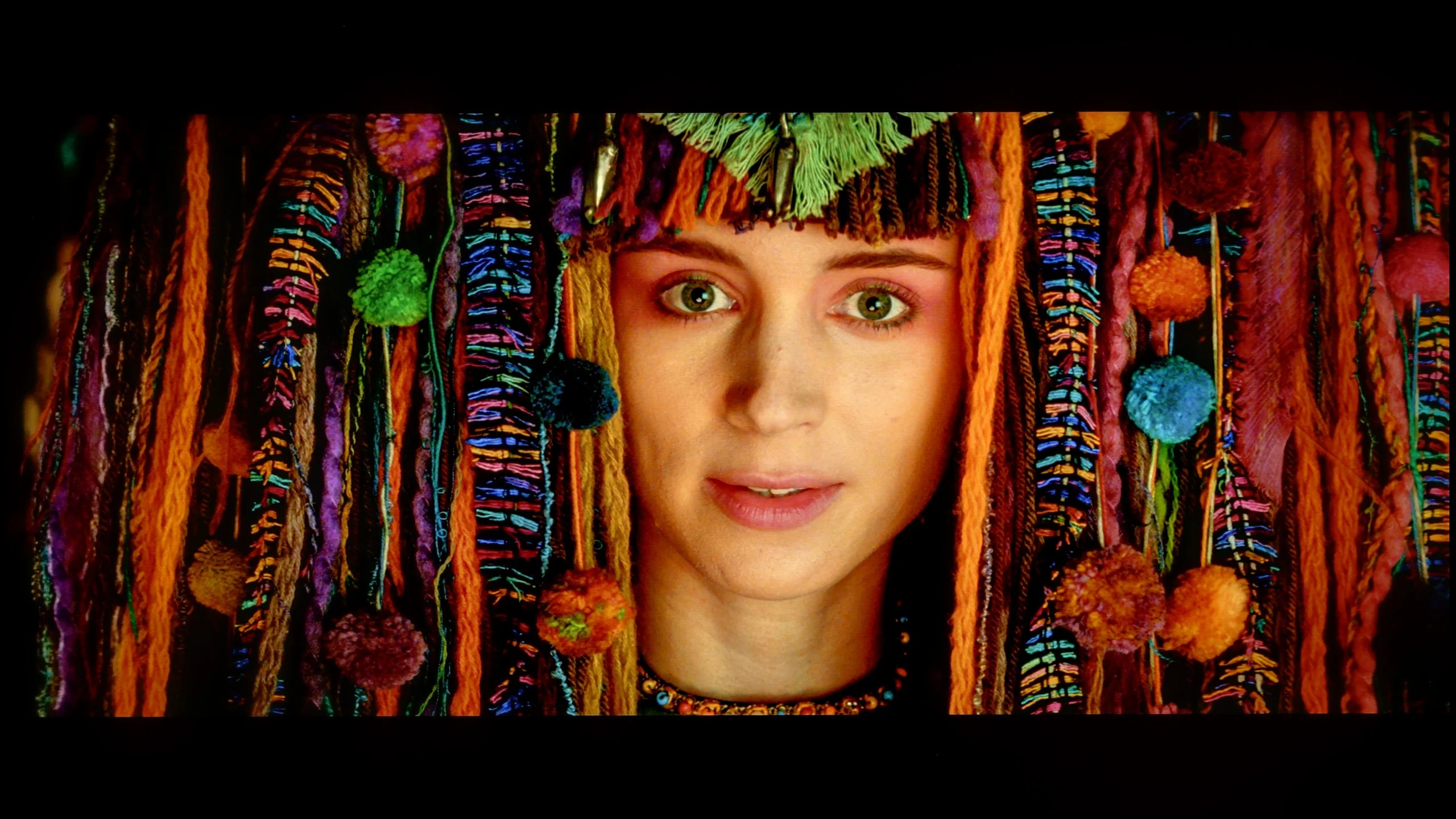
The photos show how movies look on the TV. Pay attention to black detail visibility, colors, and shadow tint.
Hisense offers quite a few calibration options, and in SDR you can achieve a really good result with them. After calibration, the white balance is practically uniform across the entire range, and color errors drop to very low values. The UR8S can be adjusted very precisely here. HDR looks a bit different. The white balance itself can also be noticeably improved, although at the highest brightness levels larger deviations start to appear. What's most interesting, however, is the behavior of the EOTF curve. Even after it is properly set on test patterns, the UR8S can still interpret brightness its own way during movie playback. Depending on the scene, parts of the image are slightly brightened while others are darkened compared to how they should look. This shows that the algorithms responsible for backlight control have a fairly large impact on the final image. So calibration can greatly improve colors, but we can't completely "turn off" the way the UR8S manages brightness in HDR.
The BRAVIA 6 responds well to picture calibration, although a large portion of user options are not available from the TV’s menu. Apart from basic white balance and gamma adjustments in SDR, it’s hard to control the other image elements. Fortunately, those adjustments alone can still make a big improvement. In SDR we were able to almost perfectly even out the white balance, removing the excessive warmth and stopping faces from looking too flushed. After fixing the gamma, darker areas are also more visible. With regular broadcast TV or YouTube content the result is clearly better than the factory settings.
In HDR we were also able to reduce the color cast, but a bigger issue remains in how the TV controls brightness. The BRAVIA 6 changes it somewhat unusually depending on the scene: some tones are dimmed, others brightened, and the available settings don’t let you fully correct that. You can see this in measurements taken from movies, where the brightness trace shows how the EOTF curve differs between shots. That leads to the aforementioned lifting of the darkest grays, which makes some night scenes too bright. Calibration therefore makes sense and especially in SDR delivers a natural, well-tuned picture. In HDR the color improvement is visible as well, but it doesn’t solve the brightness control issues or the preservation of the brightest details. It’s a shame, because with more control over what the TV does you could better exploit the panel’s capabilities.
Smoothness of tonal transitions
9.3/10
6.7/10
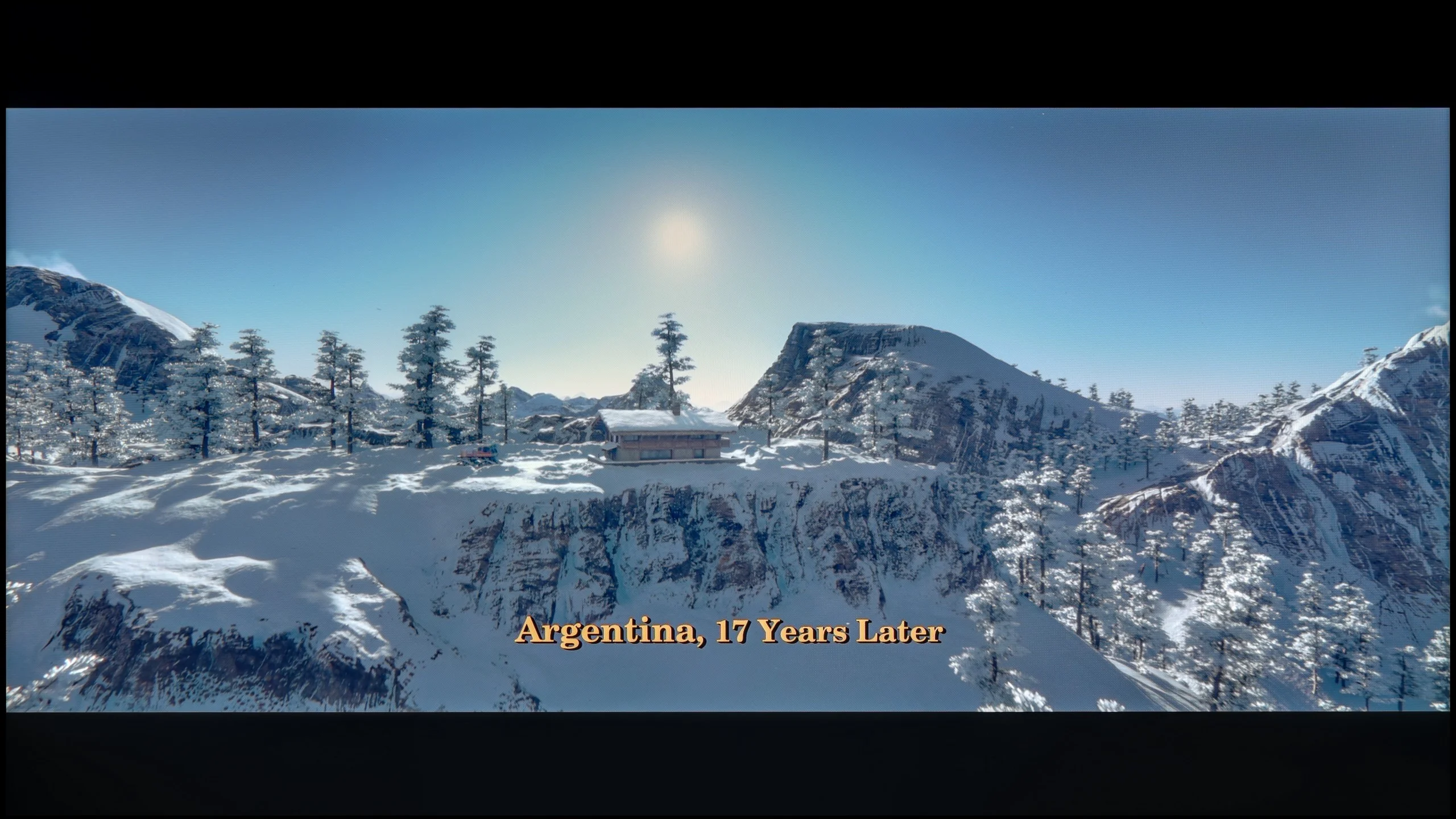
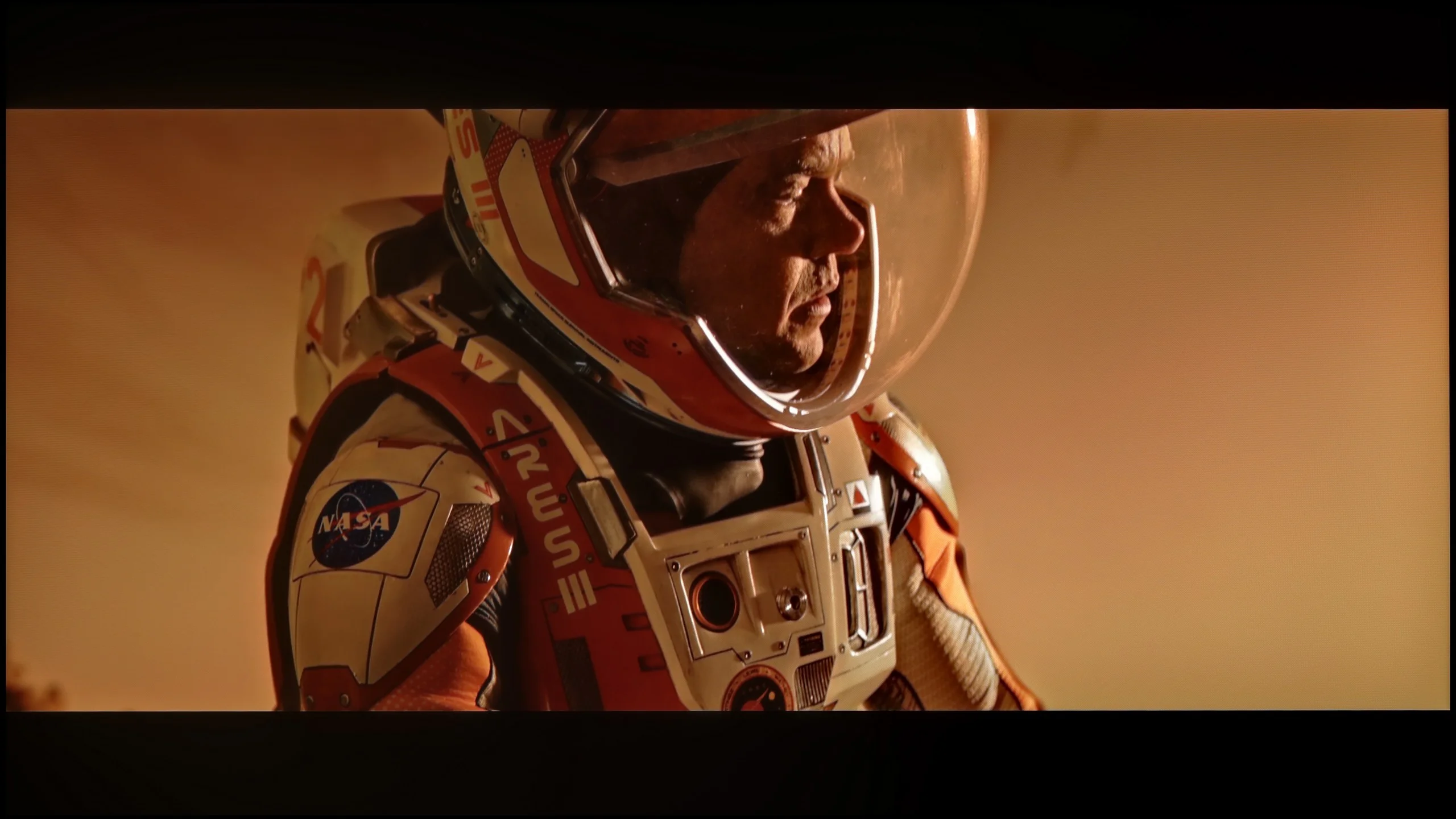
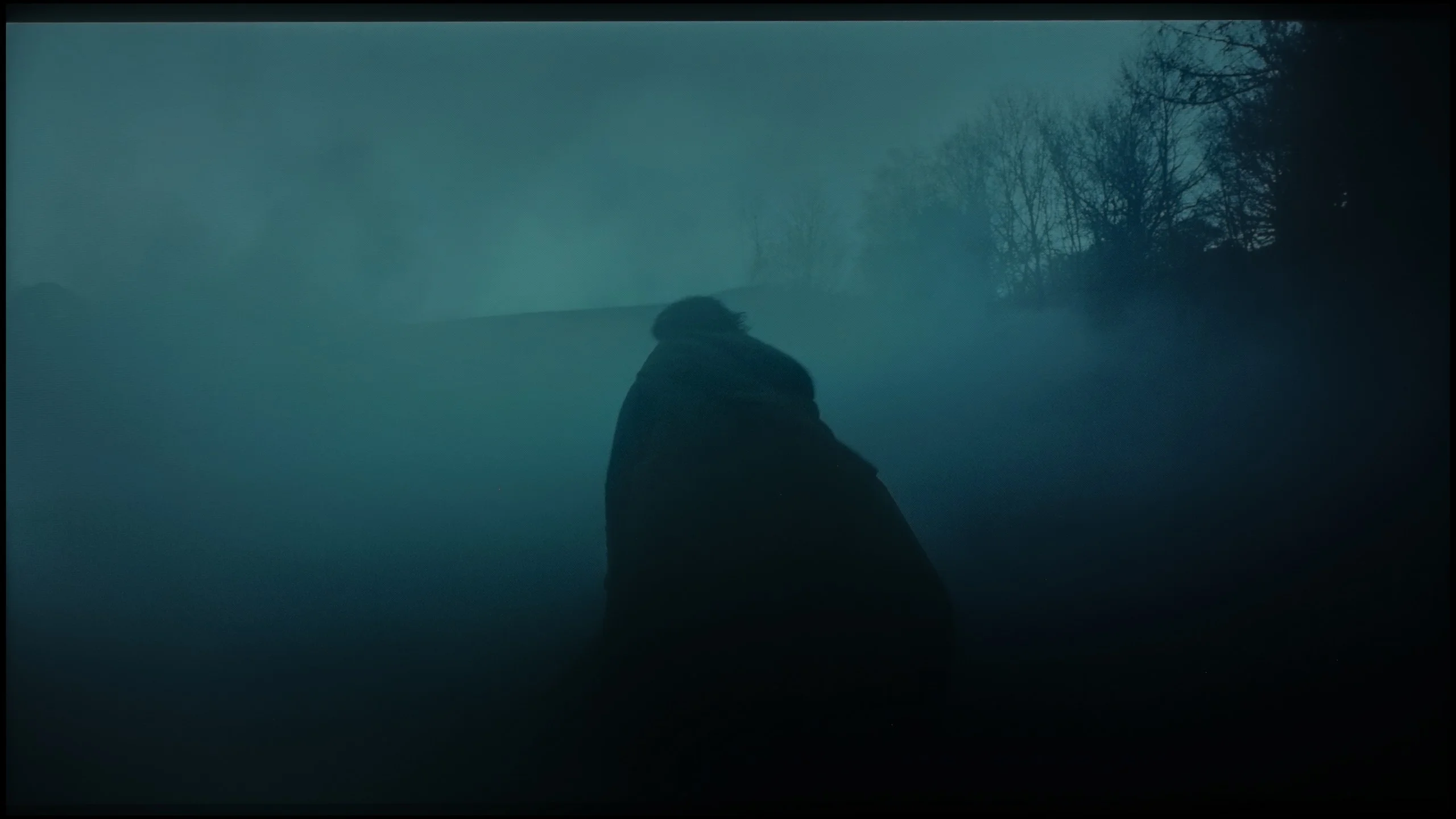
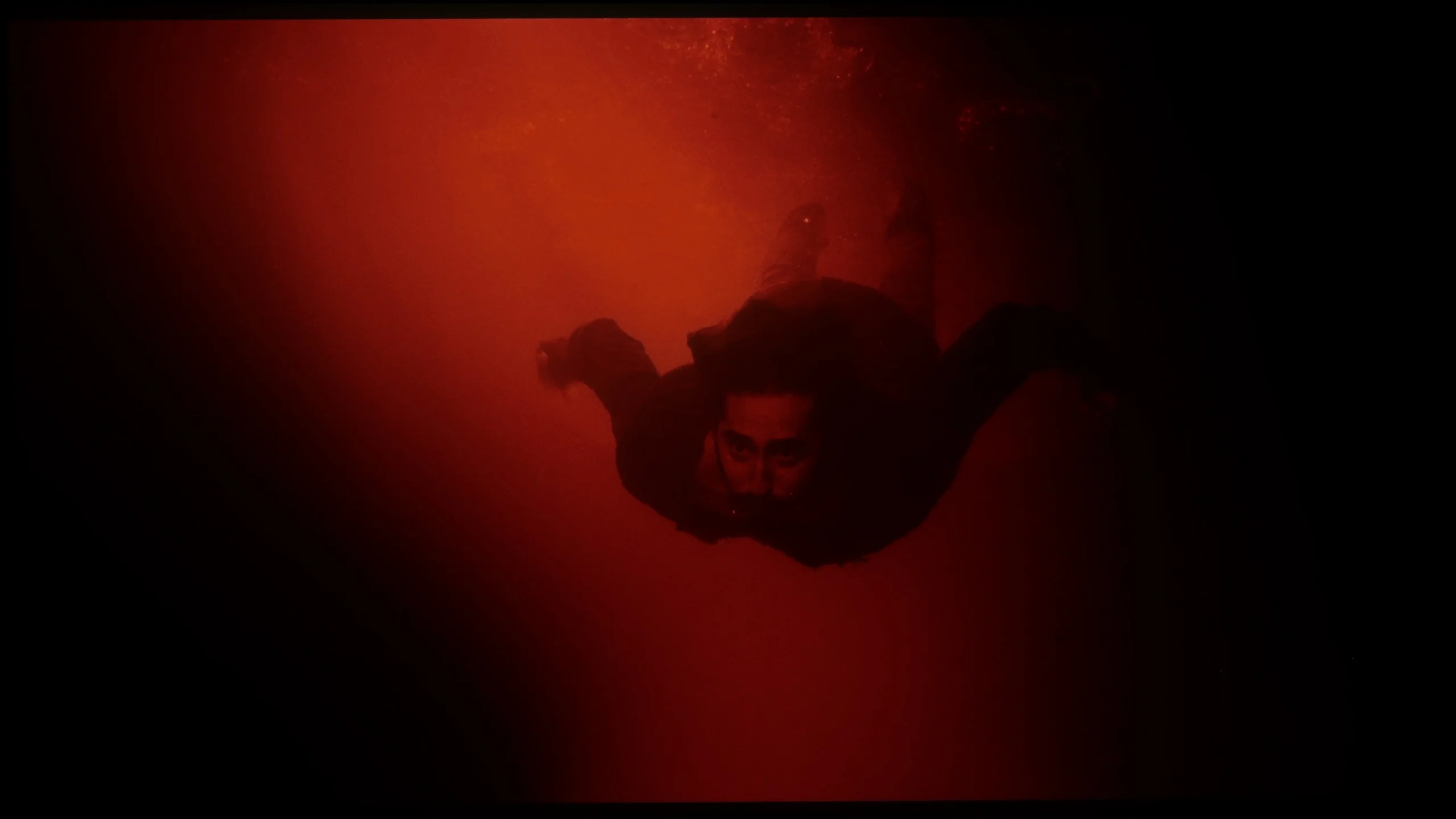
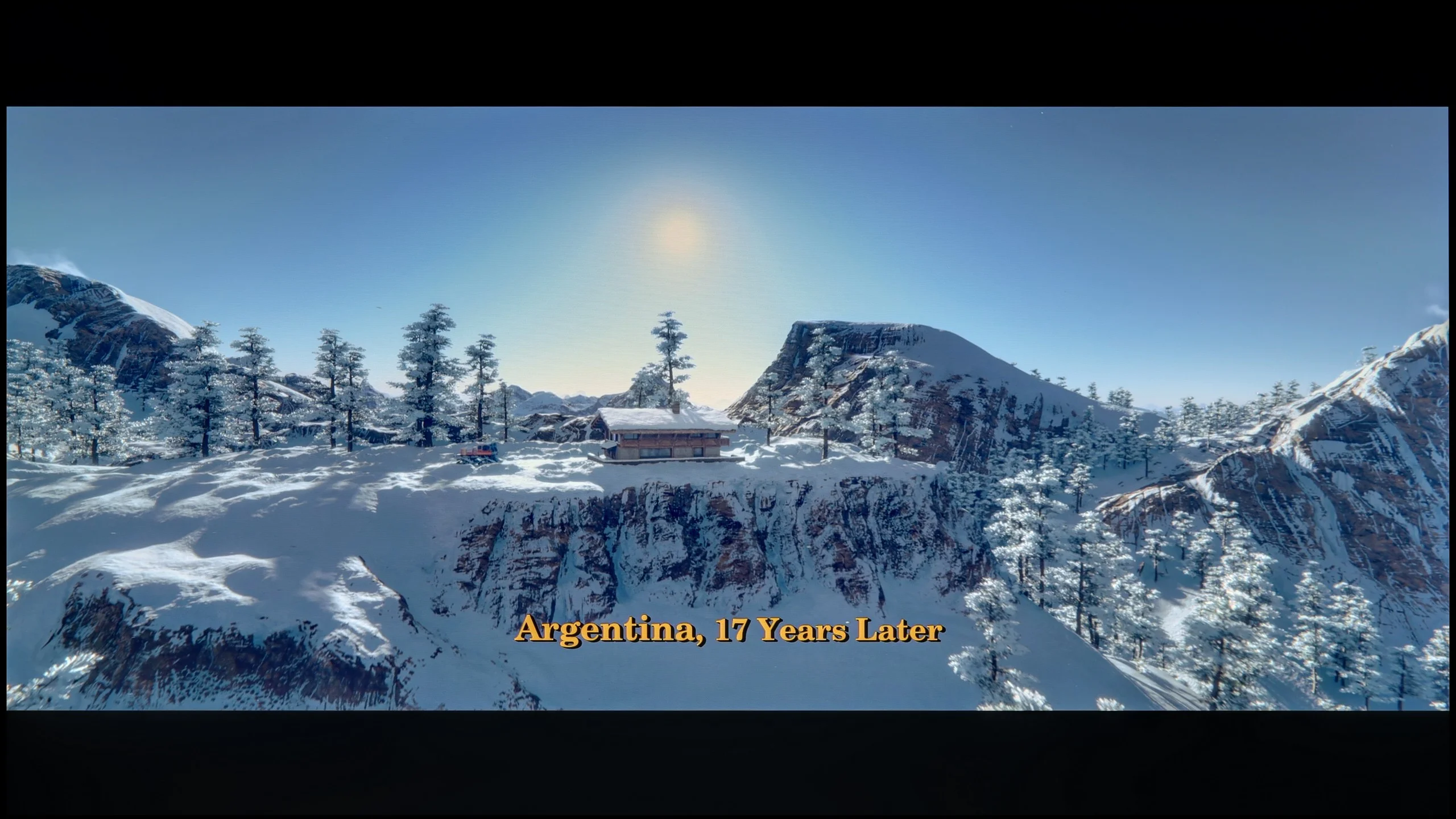
These are selected scenes that show smooth tonal transitions from one color to another. If you see distinct banding, it’s the TV panel’s fault.
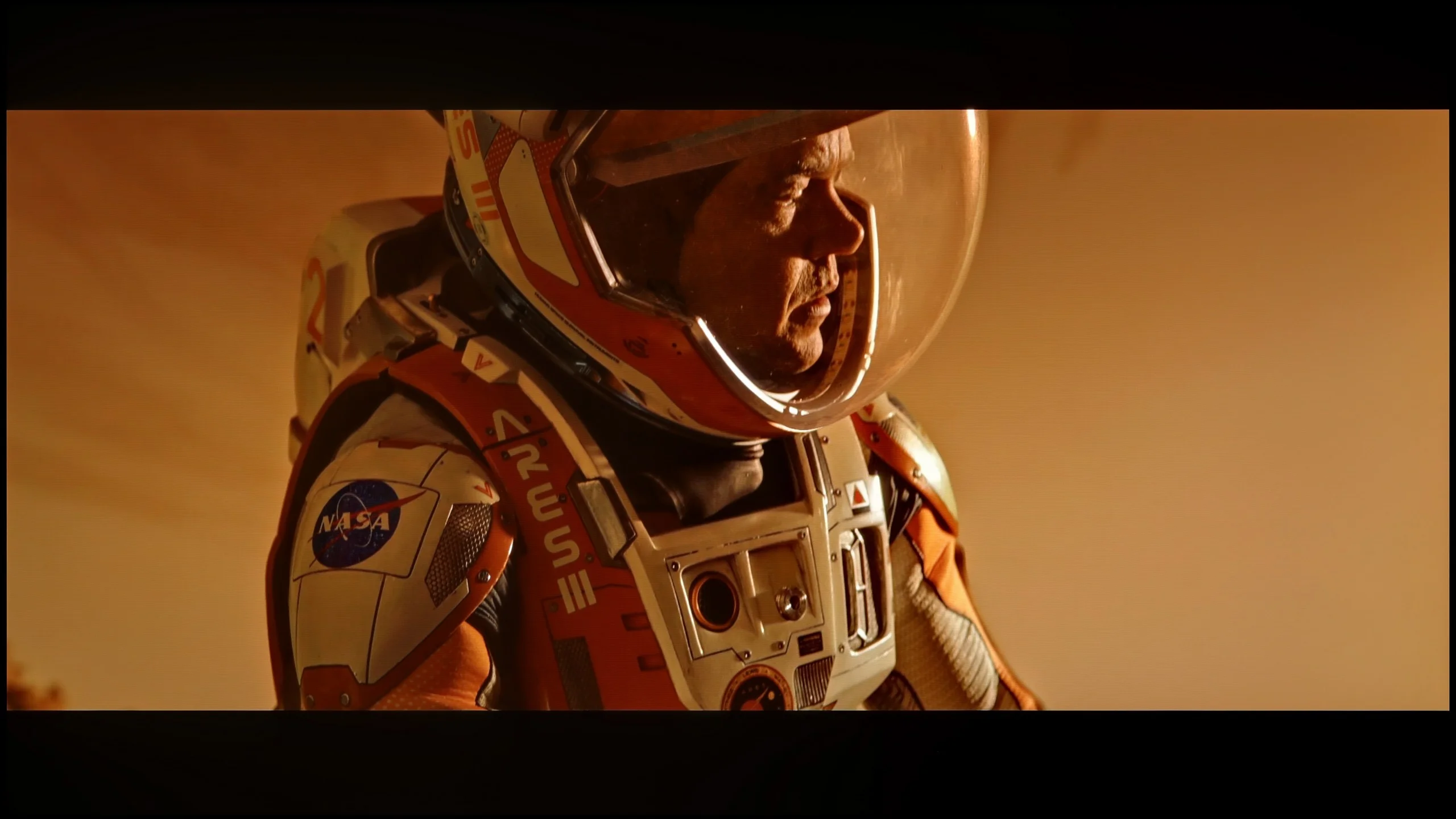
These are selected scenes that show smooth tonal transitions from one color to another. If you see distinct banding, it’s the TV panel’s fault.
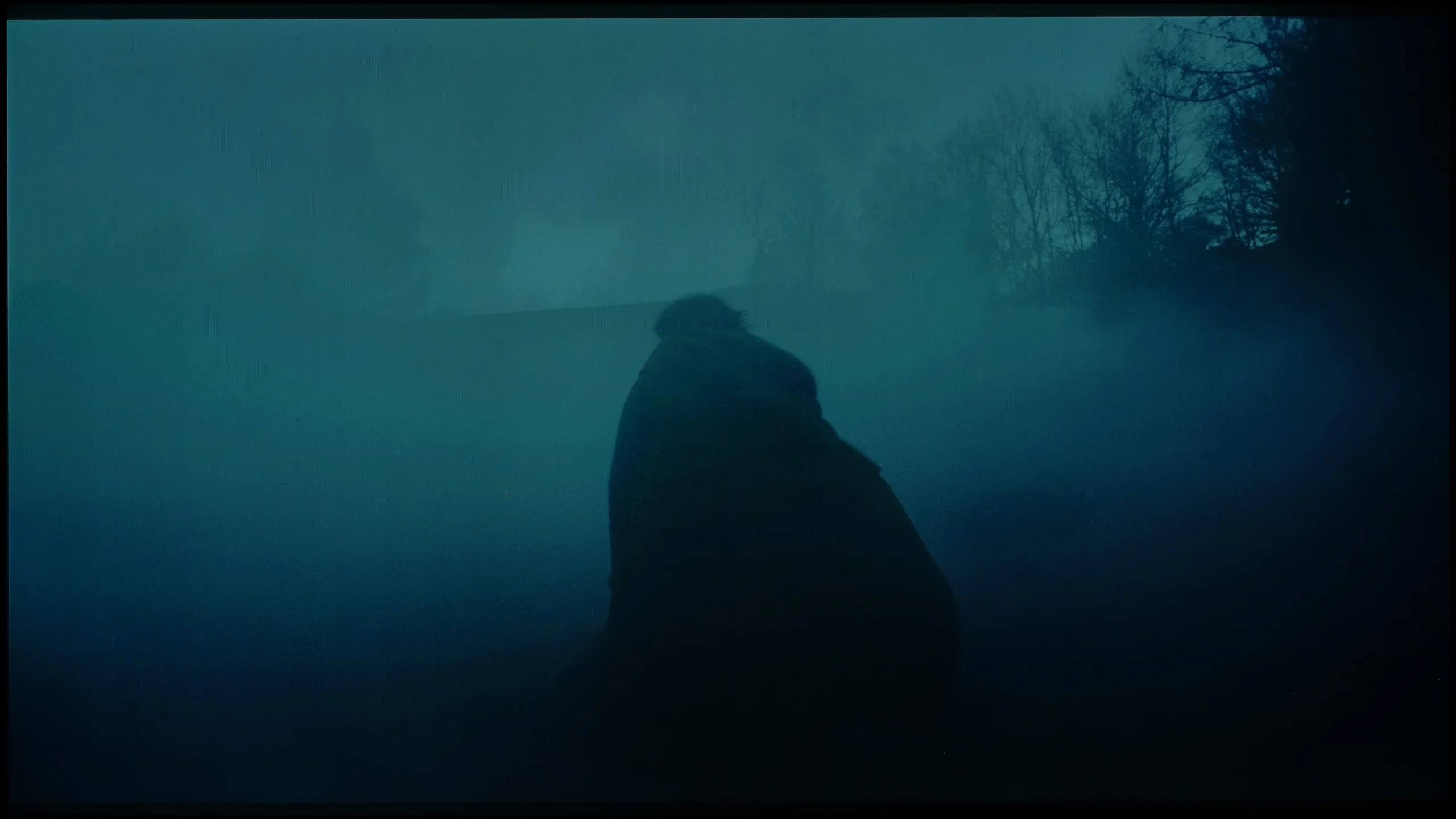
These are selected scenes that show smooth tonal transitions from one color to another. If you see distinct banding, it’s the TV panel’s fault.
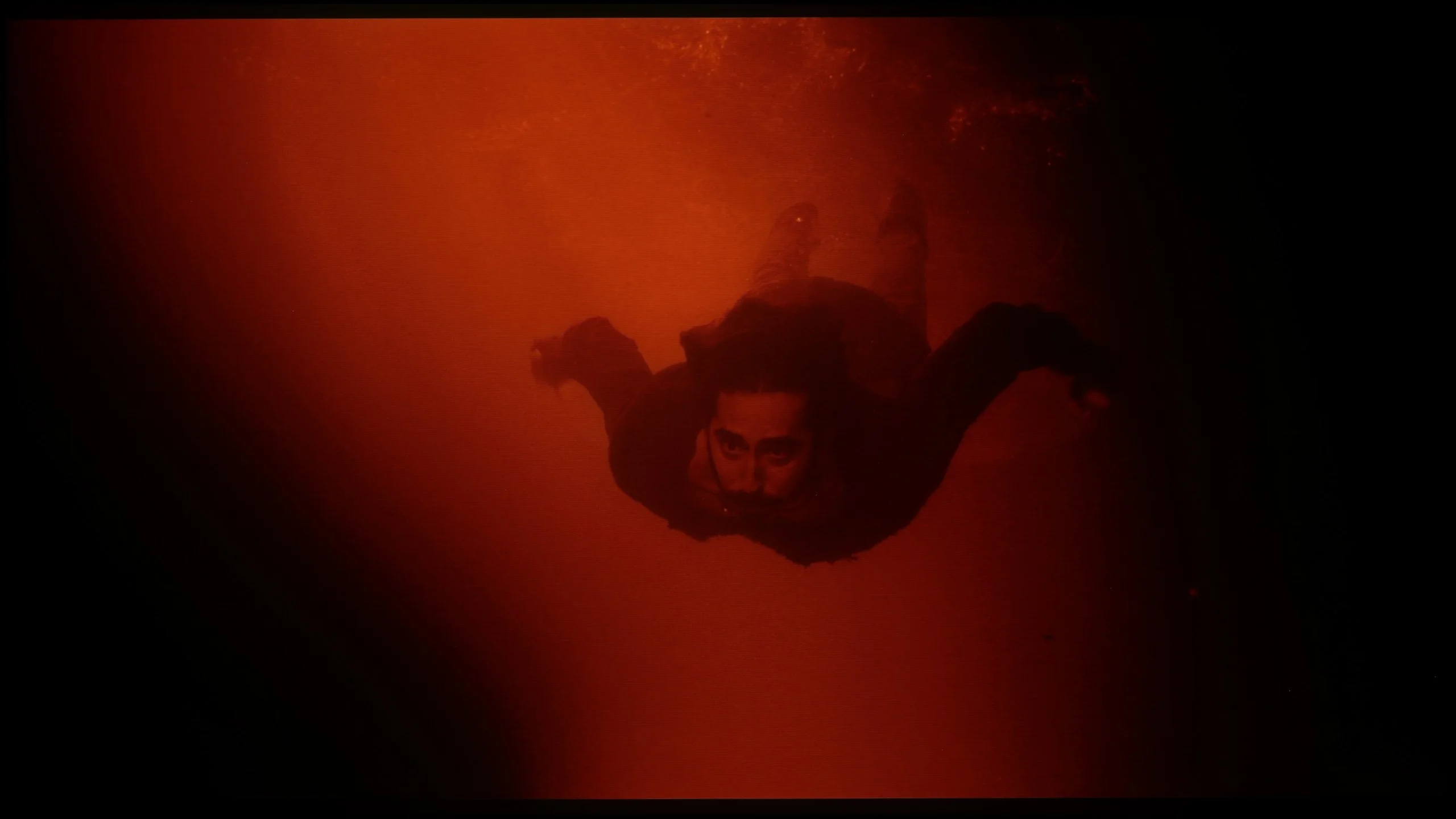
These are selected scenes that show smooth tonal transitions from one color to another. If you see distinct banding, it’s the TV panel’s fault.
The UR8S handles tonal transitions very well. In most scenes the colors shift between successive shades almost without any visible stepping or banding. This applies to both darker and brighter parts of the image. Only at very extreme shades of gray can you notice slight imperfections. It looks a bit worse in Dolby Vision. In the same scenes, subtle banding becomes easier to spot, especially in the darker parts of the image. It's still good, but because of this difference the rating is slightly lower.
The smoothness of tonal transitions on the BRAVIA 6 is fairly average. In every scene we tested you can spot small irregularities where one shade should blend into the next. In bright shots they're subtle and easy to miss, while darker tones cause more problems. On shadowed backgrounds the boundaries between tones are more noticeable, so instead of a smooth transition you see distinct bands. We observed similar imperfections in other TVs we tested with the OLED SE panel. Interestingly, running the same scenes in Dolby Vision makes the gradation a bit worse. These aren't problems that ruin an entire viewing session, but on uniform backgrounds and in darker shots they can draw more attention.
Image scaling and smoothness of tonal transitions
8/10
6/10

Smooth transition function
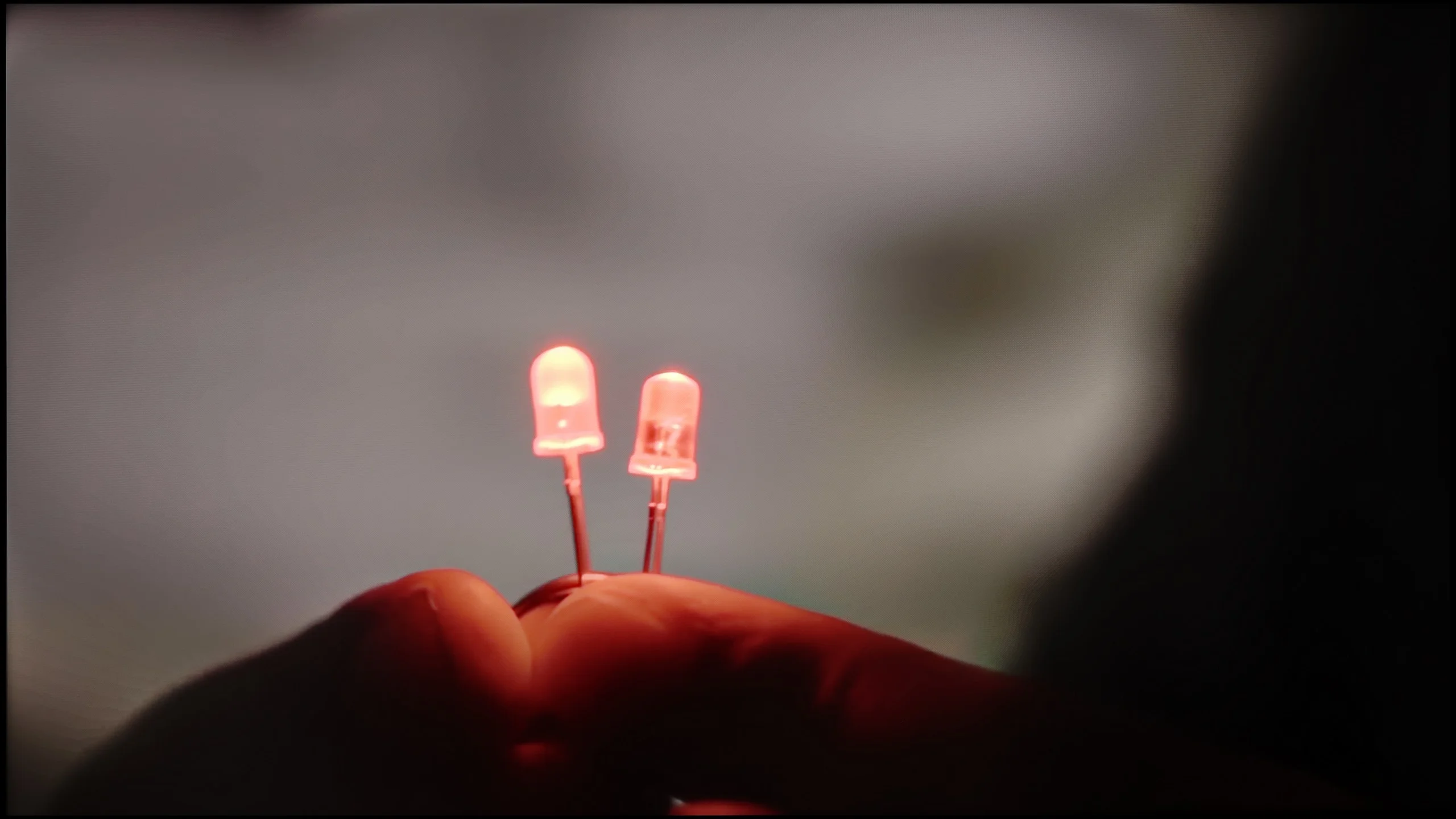
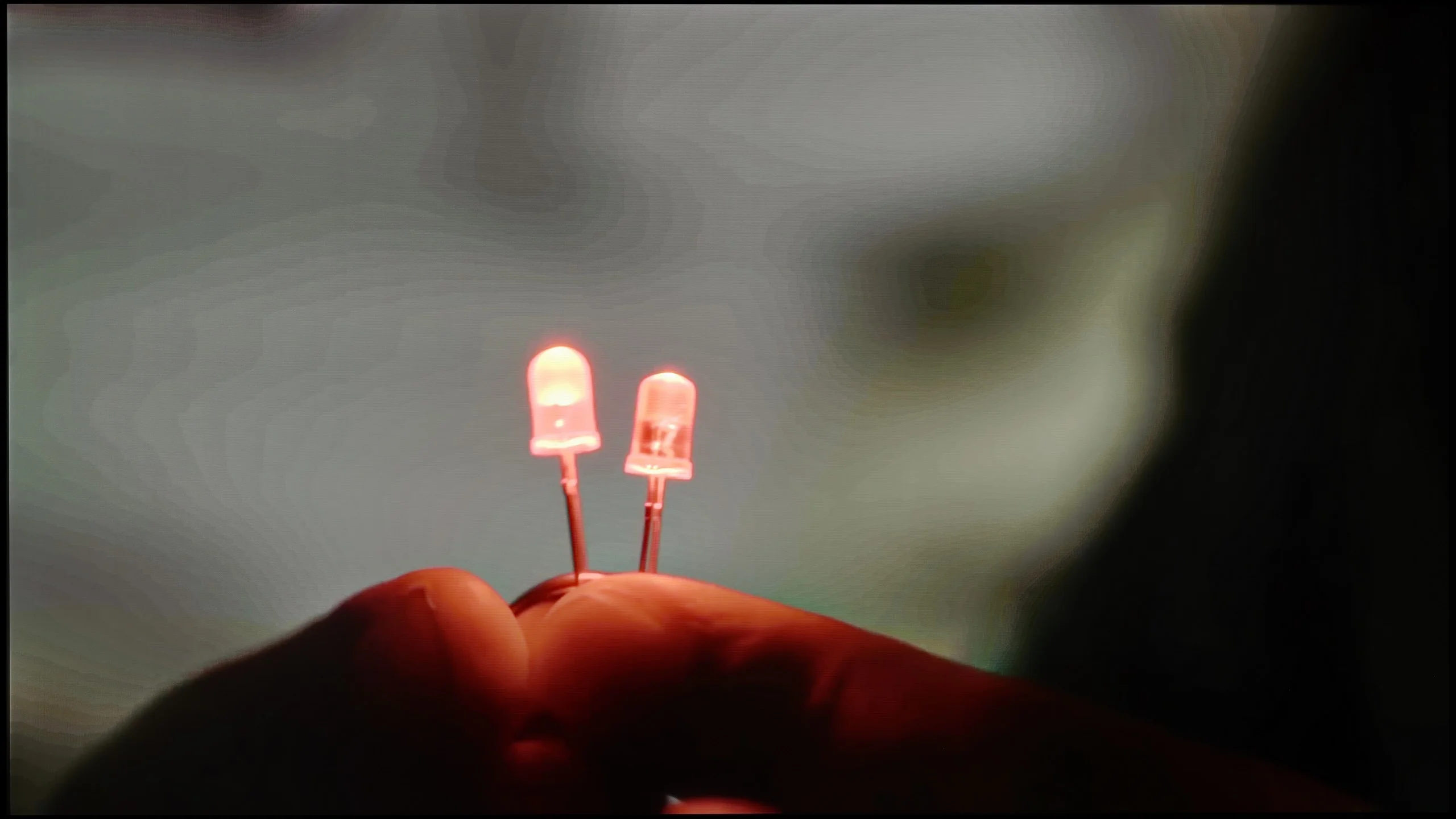
The match photo shows how the TV smooths weak tonal transitions in low-quality video.
Image scaling SD (576i)


The model photo shows how it handles upscaling of SD material.
A major advantage of the UR8S is its MediaTek Pentonic 800 processor, and digital image processing is one of this model’s strengths. The TV handles smoothing tonal transitions very well, especially with lower-quality sources. The feature responsible for this effect works effectively without overly interfering with the picture. Even at the medium setting it can noticeably reduce visible banding and unevenness without heavily blurring details. Upscaling also performs very well. Lower-resolution content is displayed cleanly, edges look natural, and the image isn’t overly sharpened. The UR8S simply copes very well with weaker signals, and in that respect it’s one of its clear strengths.
The "magic" of image processing in Sony TVs has been talked about for years, and we've repeatedly confirmed its effectiveness in higher-end models. However, the BRAVIA 6 shows that the Japanese manufacturer's logo alone doesn't guarantee equally good results. Despite using the MediaTek Pentonic 800 processor, the TV does a rather average job smoothing banding between shades in heavily compressed material. The available "De Contour" function on the medium setting helps a little, but some uneven transitions remain visible. On the plus side, we didn't notice any obvious blurring of details or extra artifacts. It's worth using for weaker recordings, though its effectiveness is far from what we've come to expect from the manufacturer's TVs. Upscaling lower-resolution content performs better. The image is a bit soft, but most fine details remain clearly visible. In the scene with the model you can make out both the tree's texture and the thin branches in the background, so the gentler sharpness doesn't automatically mean a loss of detail. There's also no overscan issue: the TV shows the full frame, without cropping the edges even with an SD signal.
Blur and motion smoothness
7.8/10
8.5/10
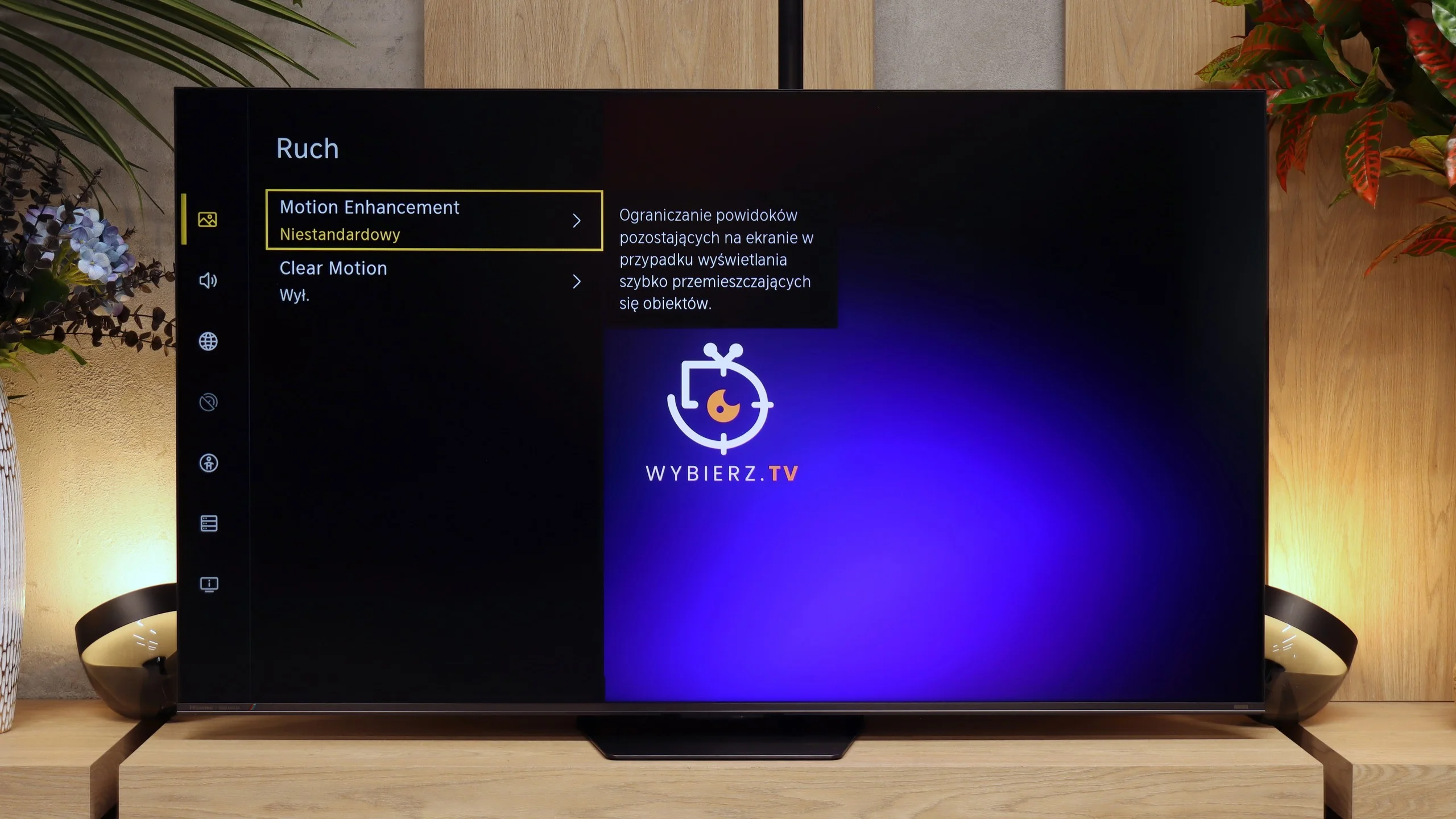
Blur (native resolution, maximum refresh rate):
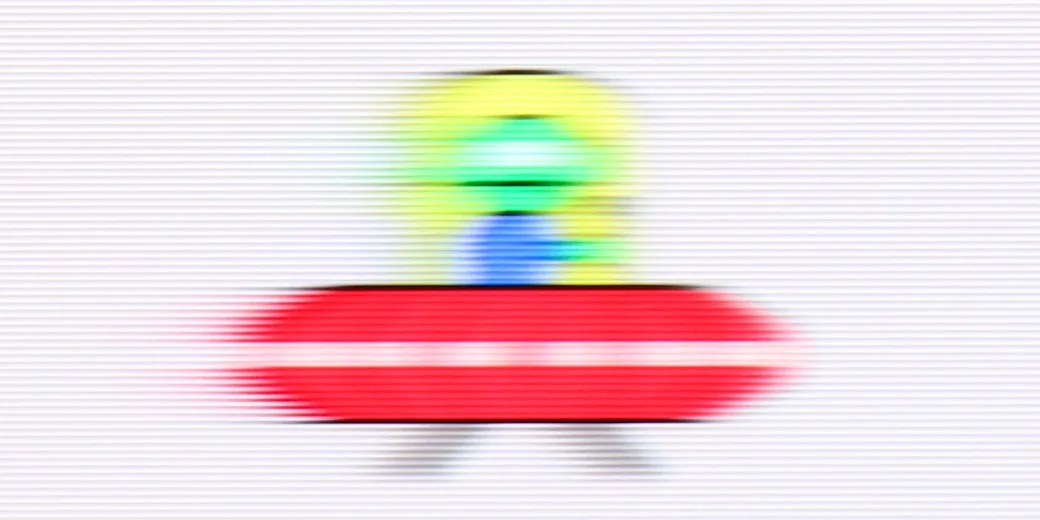
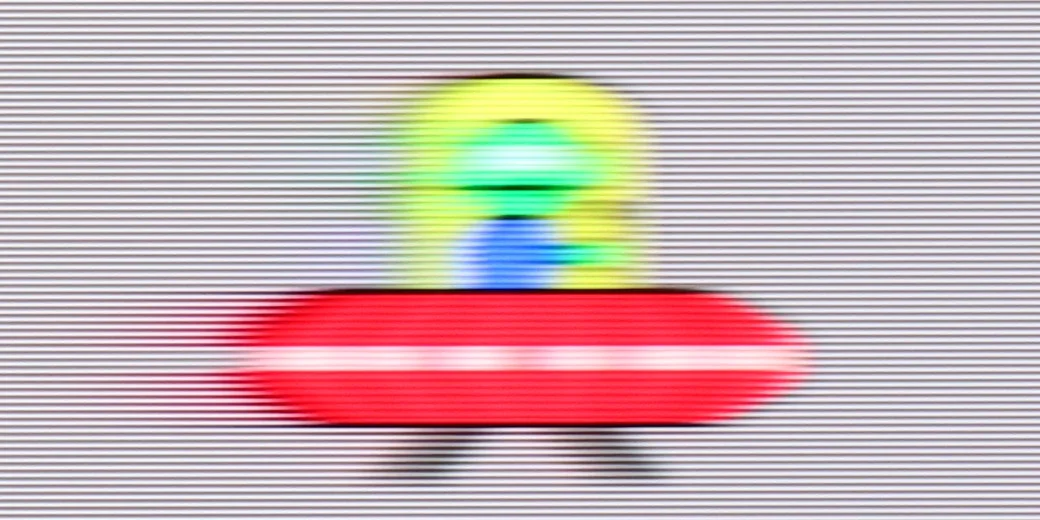
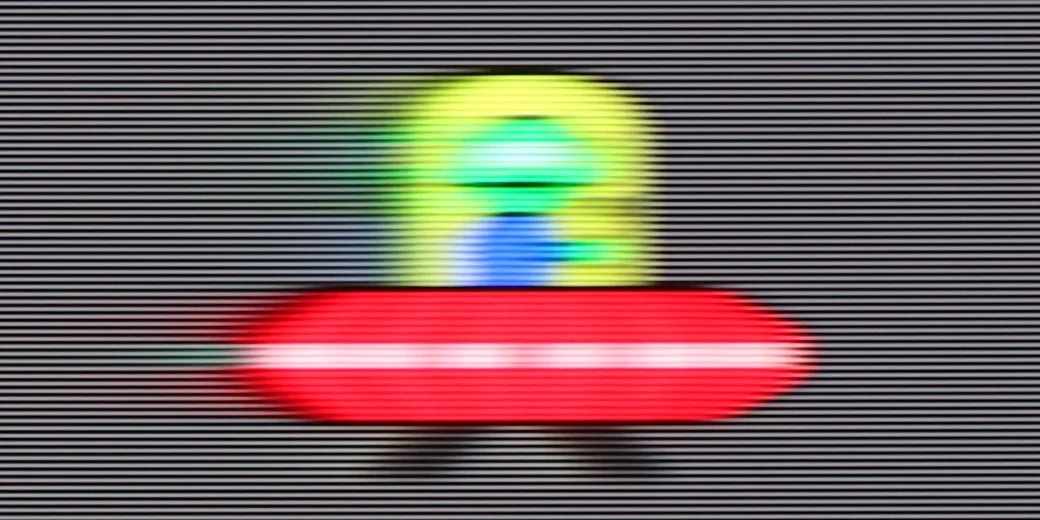
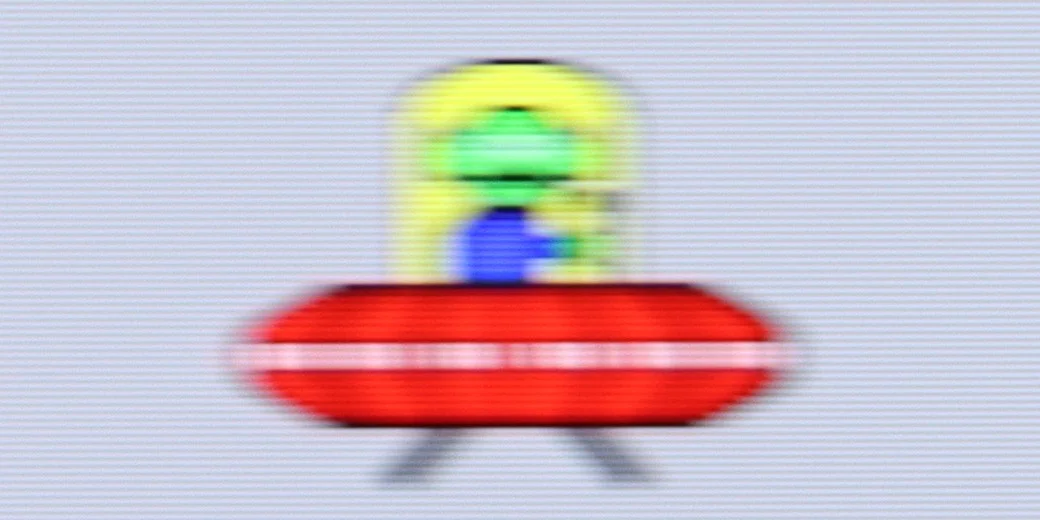


Blur (BFI function enabled):

Blur (1080P@340Hz):
Blur (4K@60Hz):
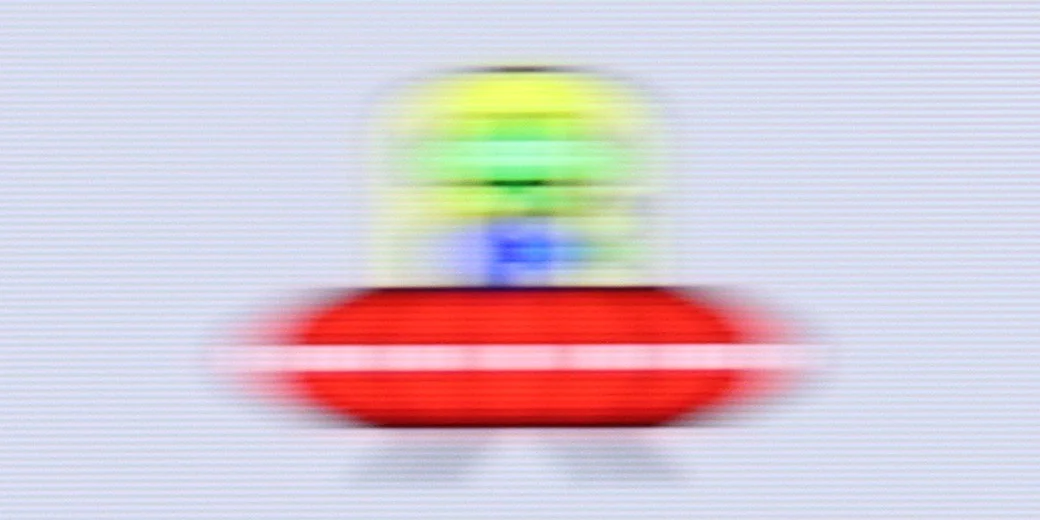
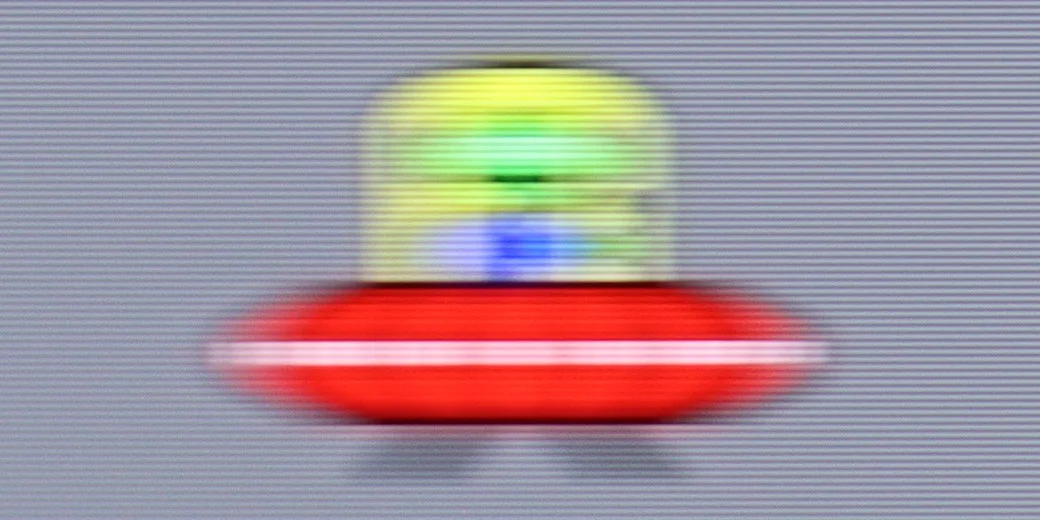
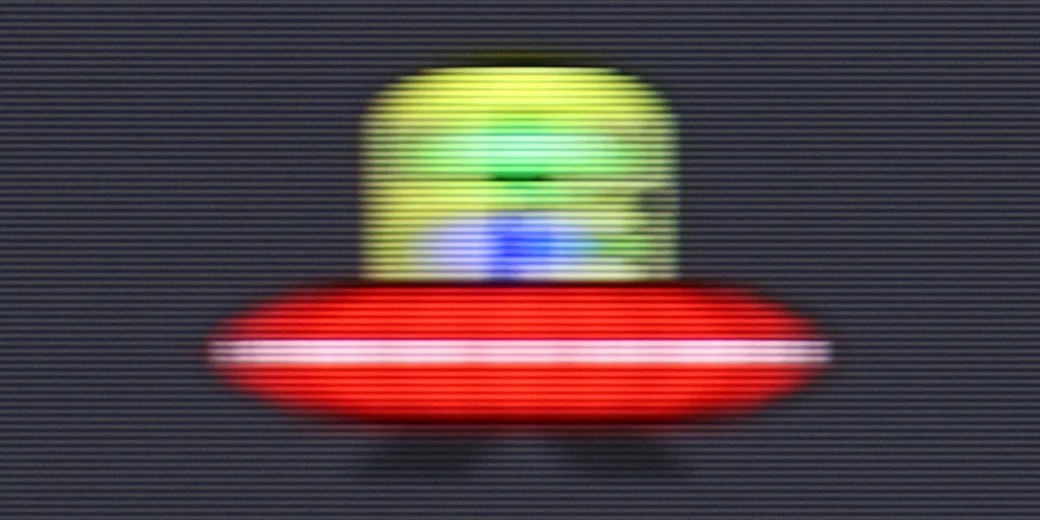
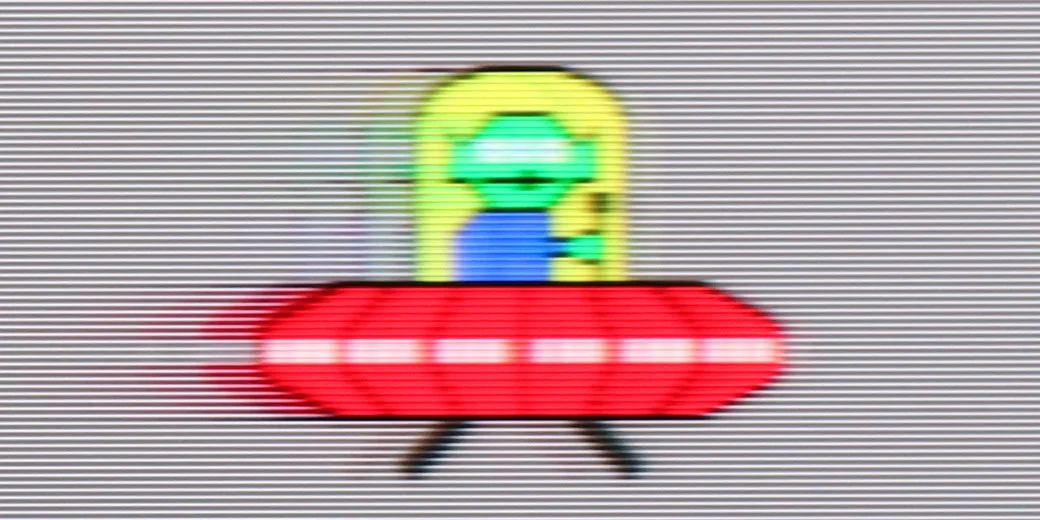
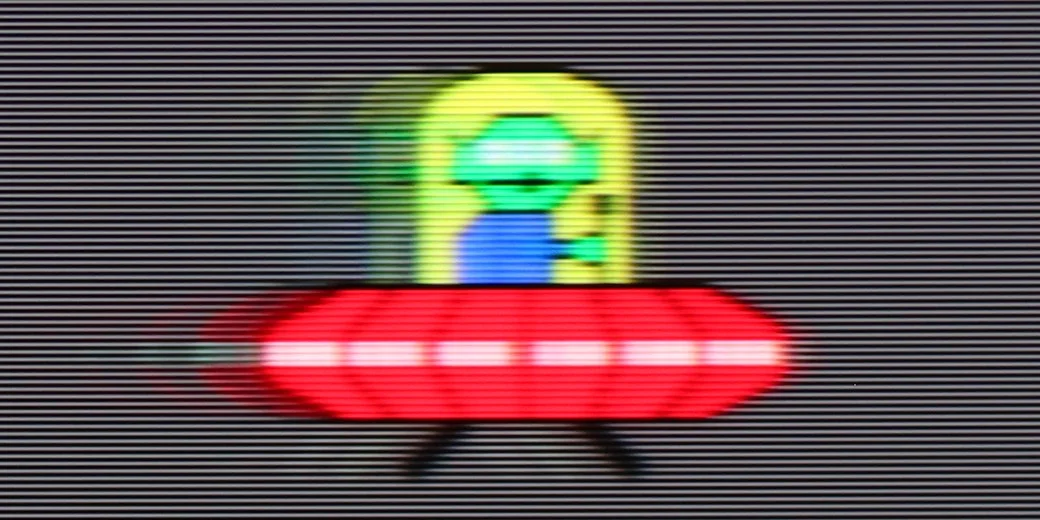
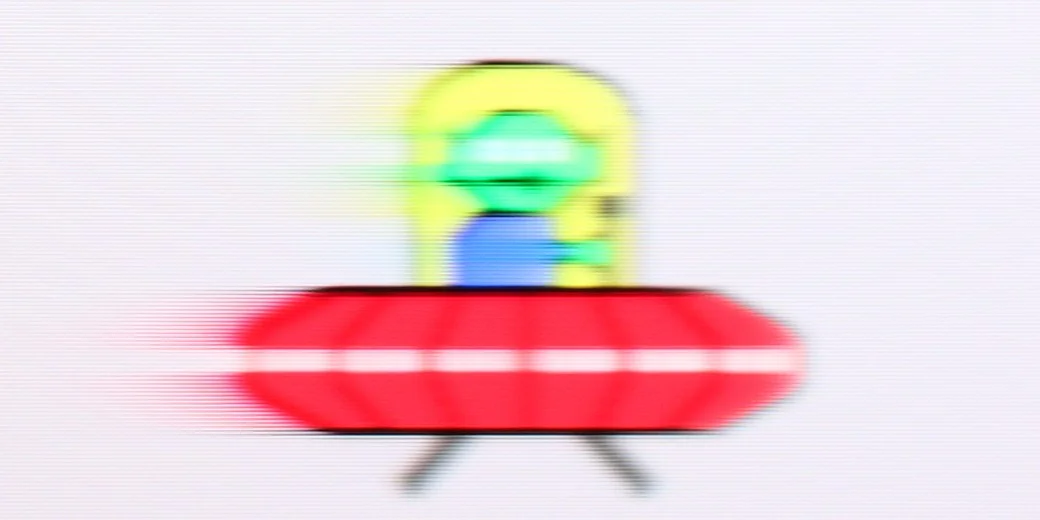
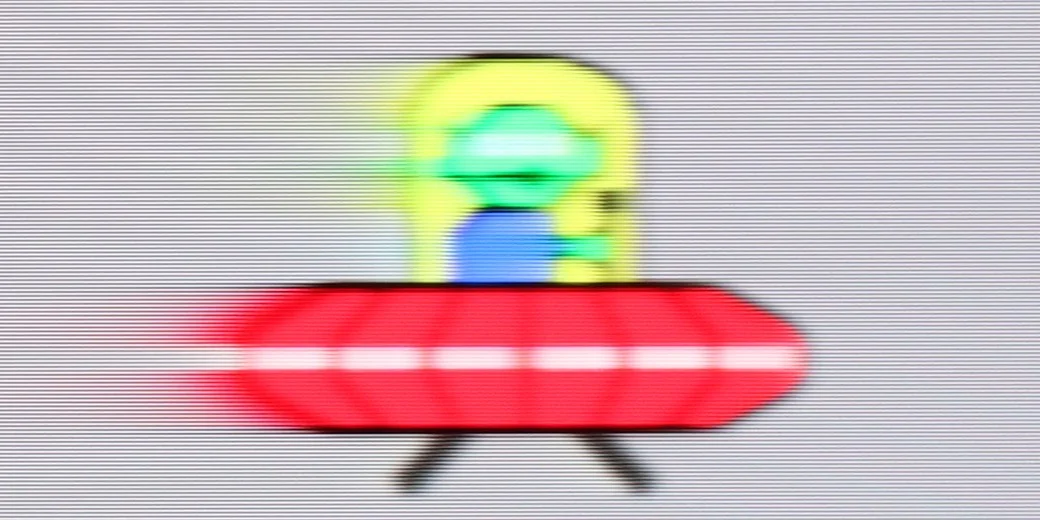
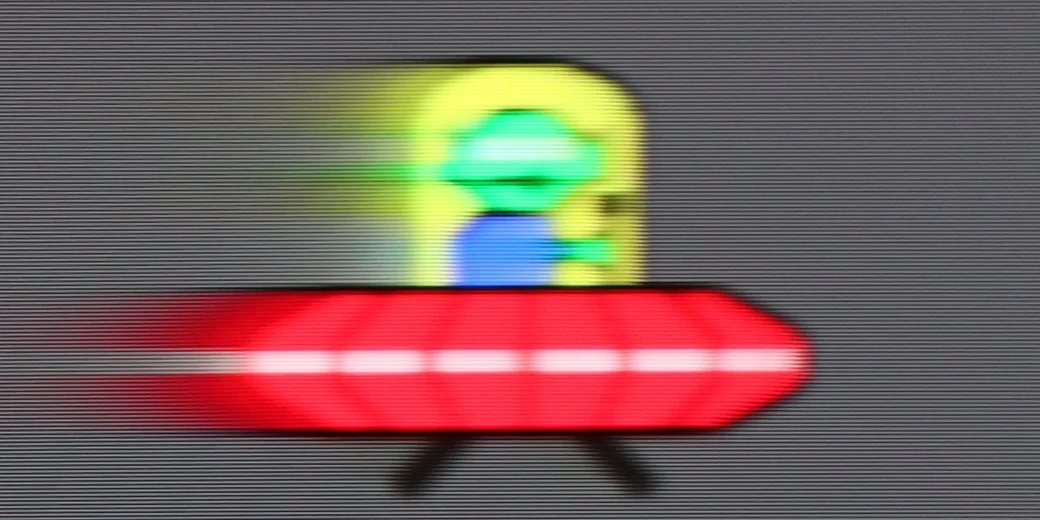
The UR8S is equipped with a panel that has a native 180 Hz refresh rate, so it already offers great potential for smooth motion. The panel itself performs really well, though some limitations typical of VA panels are still visible. Smearing is relatively low for this type of screen, but with faster motion (especially on darker backgrounds) it can still be noticed, particularly when compared with the same image on OLED TVs.
In fast-moving scenes the BRAVIA 6 performs very well. The OLED panel responds almost instantly, so moving objects leave virtually no trailing, even against dark backgrounds. Combined with a 120 Hz refresh rate this results in a sharp image for watching sports and gaming. In this respect the TV delivers exactly what we expect from an OLED.
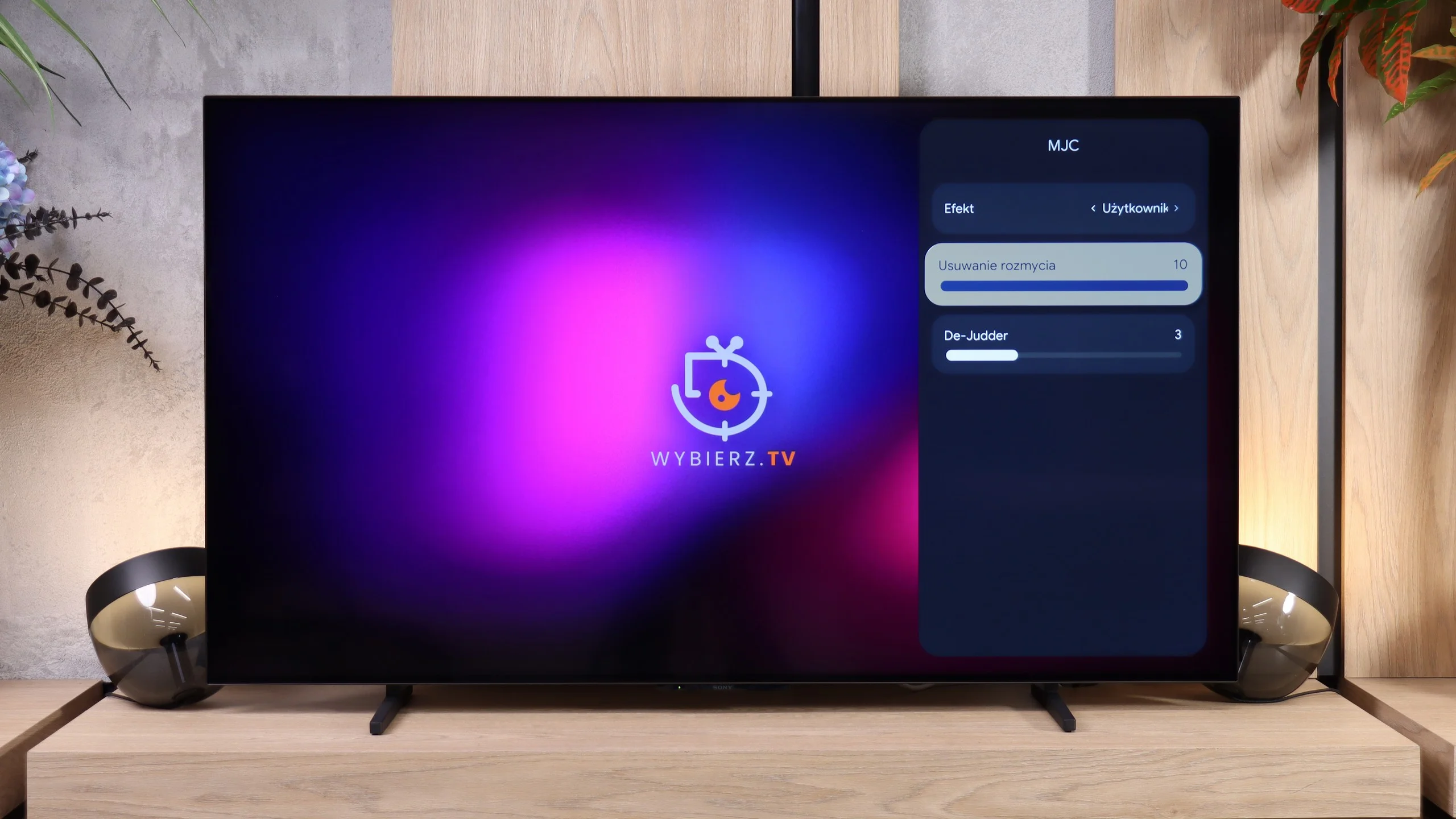
The motion settings menu looks considerably less typical for Sony. Instead of the familiar Motionflow system you'll find a feature called "MJC", which in both appearance and naming more closely resembles solutions from budget TVs by other brands. There are two sliders available: "Blur Removal", which here is the equivalent of the "Smoothness - Film" setting, and "De-Judder", corresponding to the "Smoothness - Camera" adjustment on other Sony models. The motion smoothing works fine and lets you tailor motion to your preferences, although people switching from another BRAVIA will be surprised by the new menu on the TV.
Console compatibility and gaming features
8.5/10
7.5/10
- ALLM
- VRR
- VRR range48 - 330Hz48 - 120Hz
- Dolby Vision Game Mode
- Correct implementation of HGIG

- 1080p@120Hz
- 1440p@120Hz
- 4K@120Hz
- Game bar
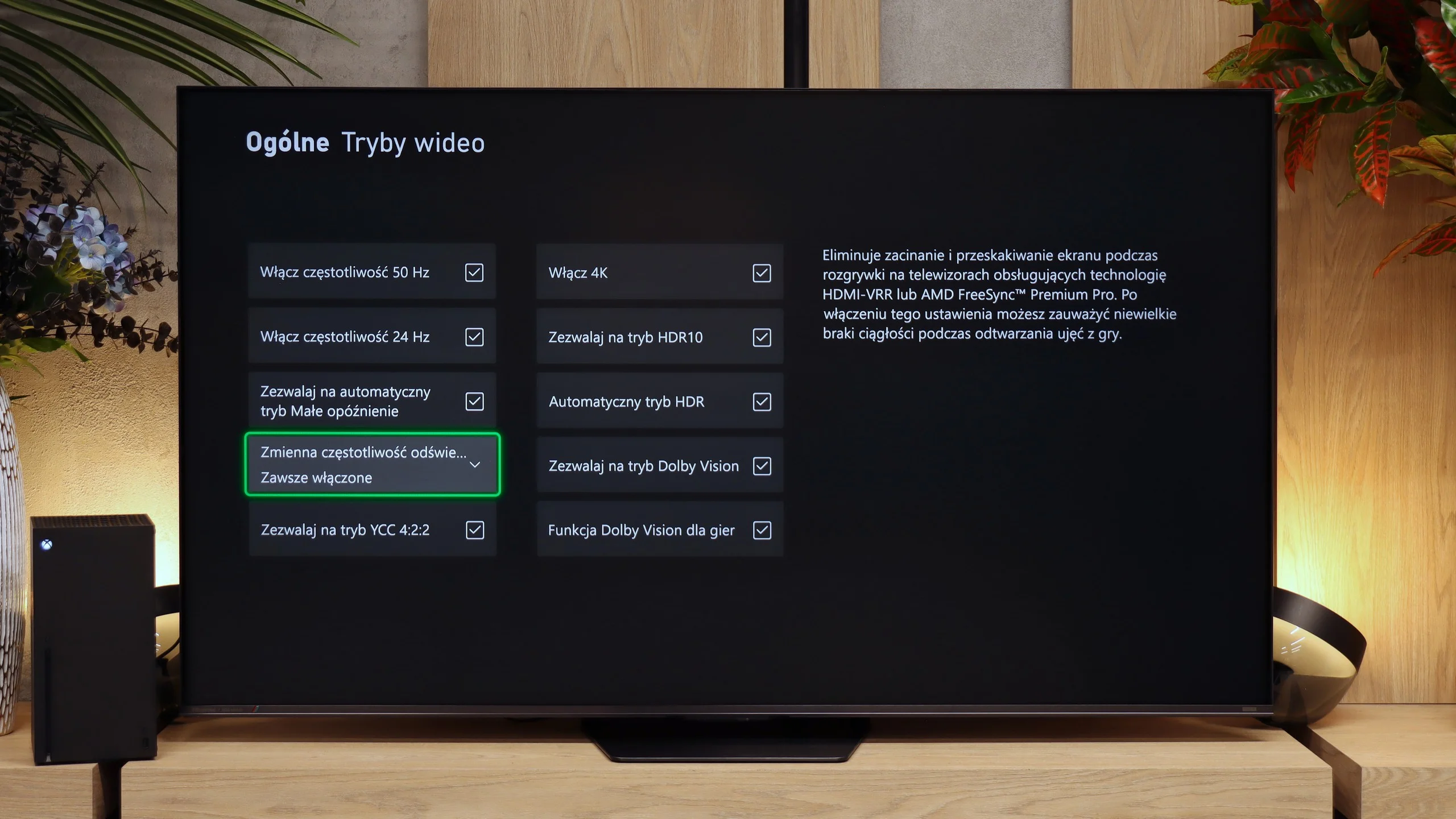
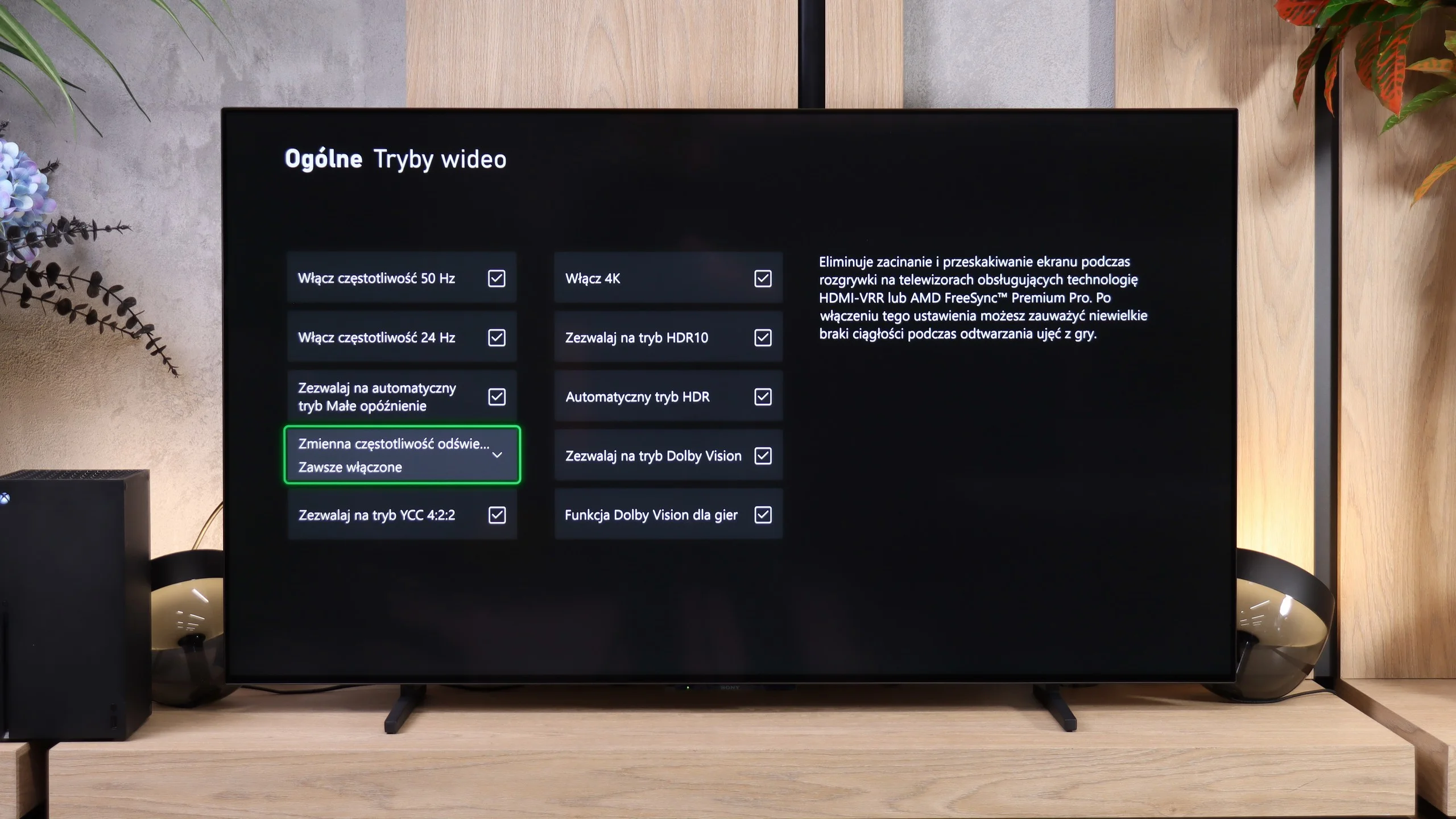
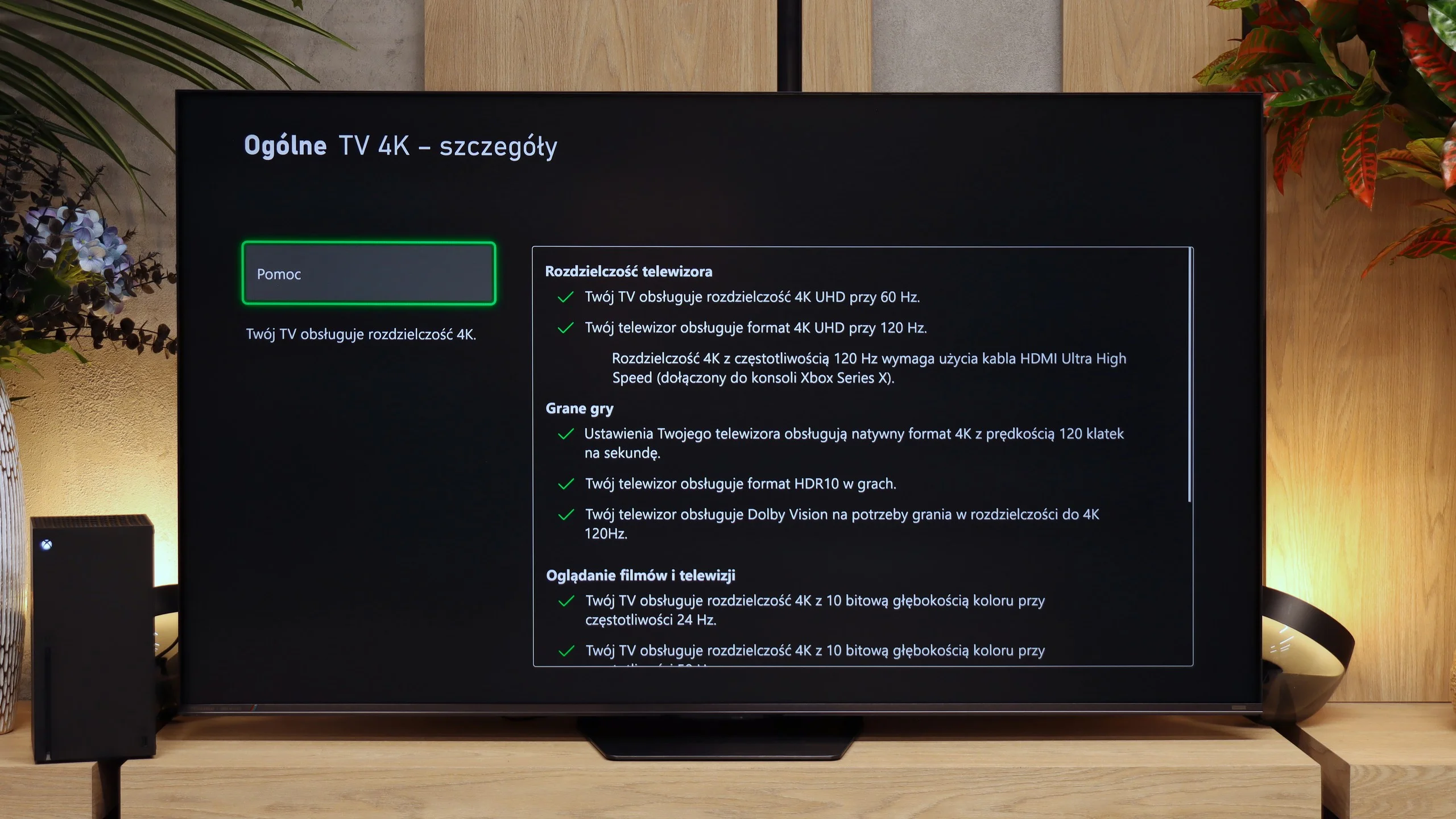
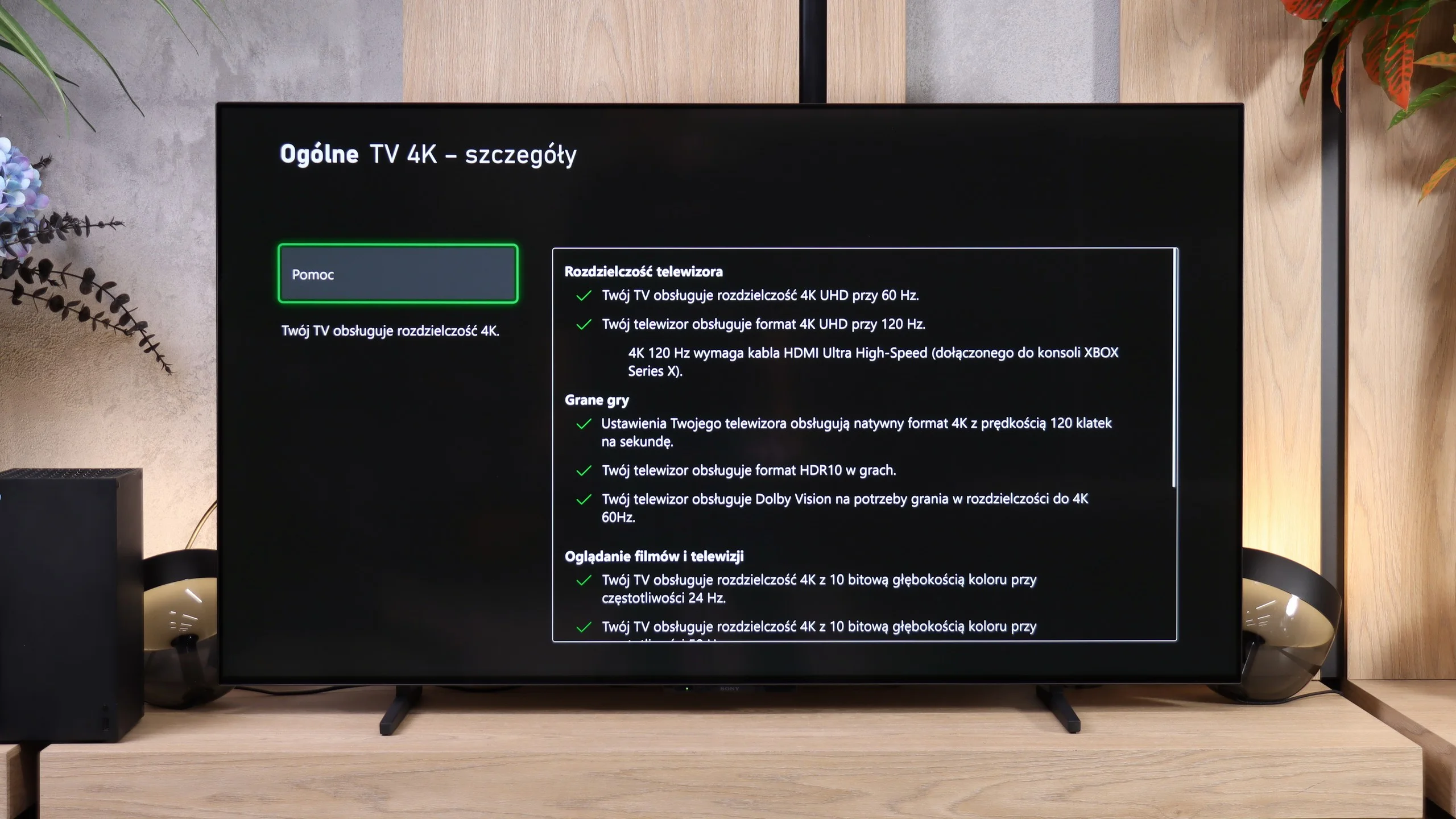
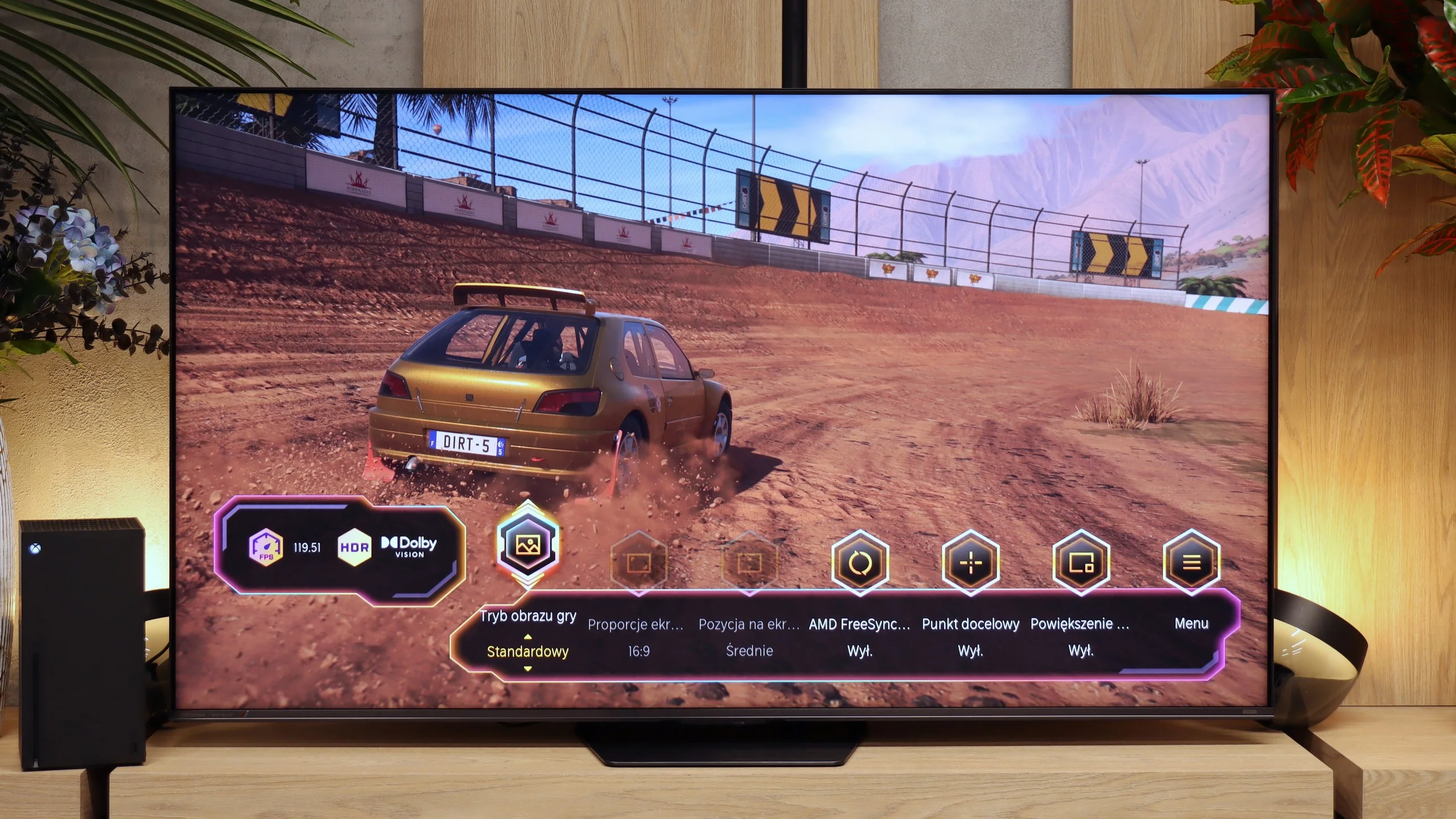
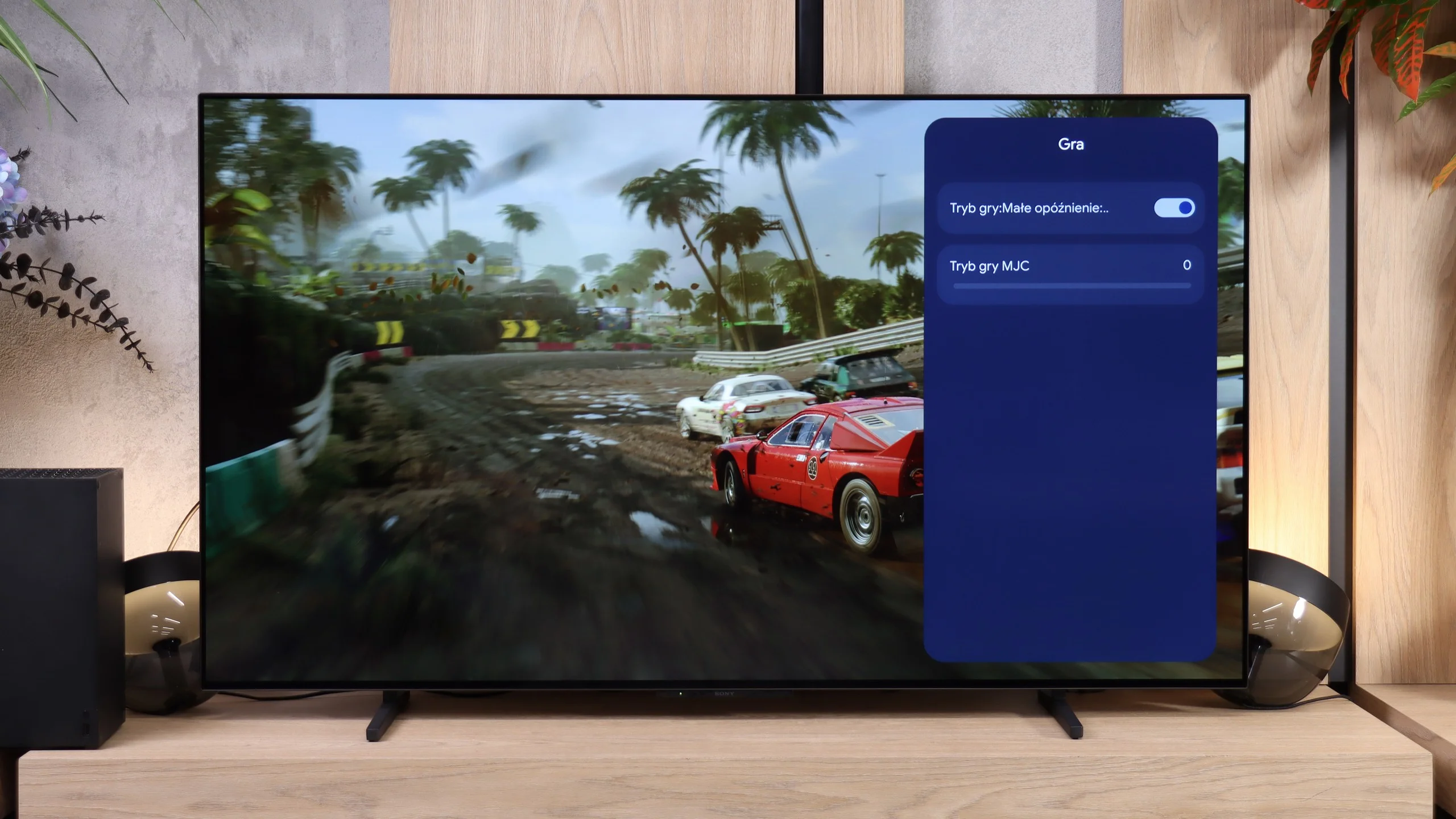
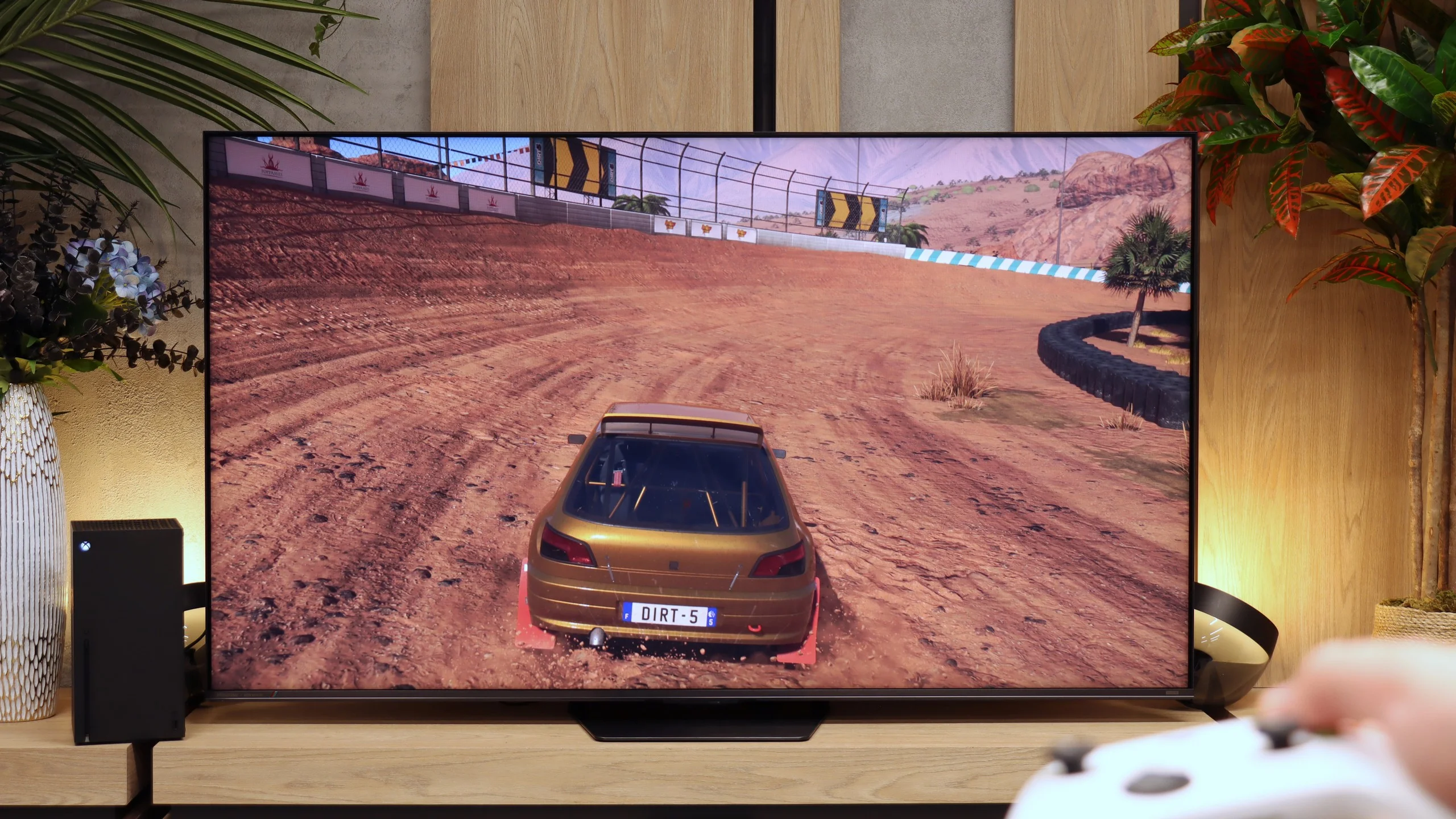
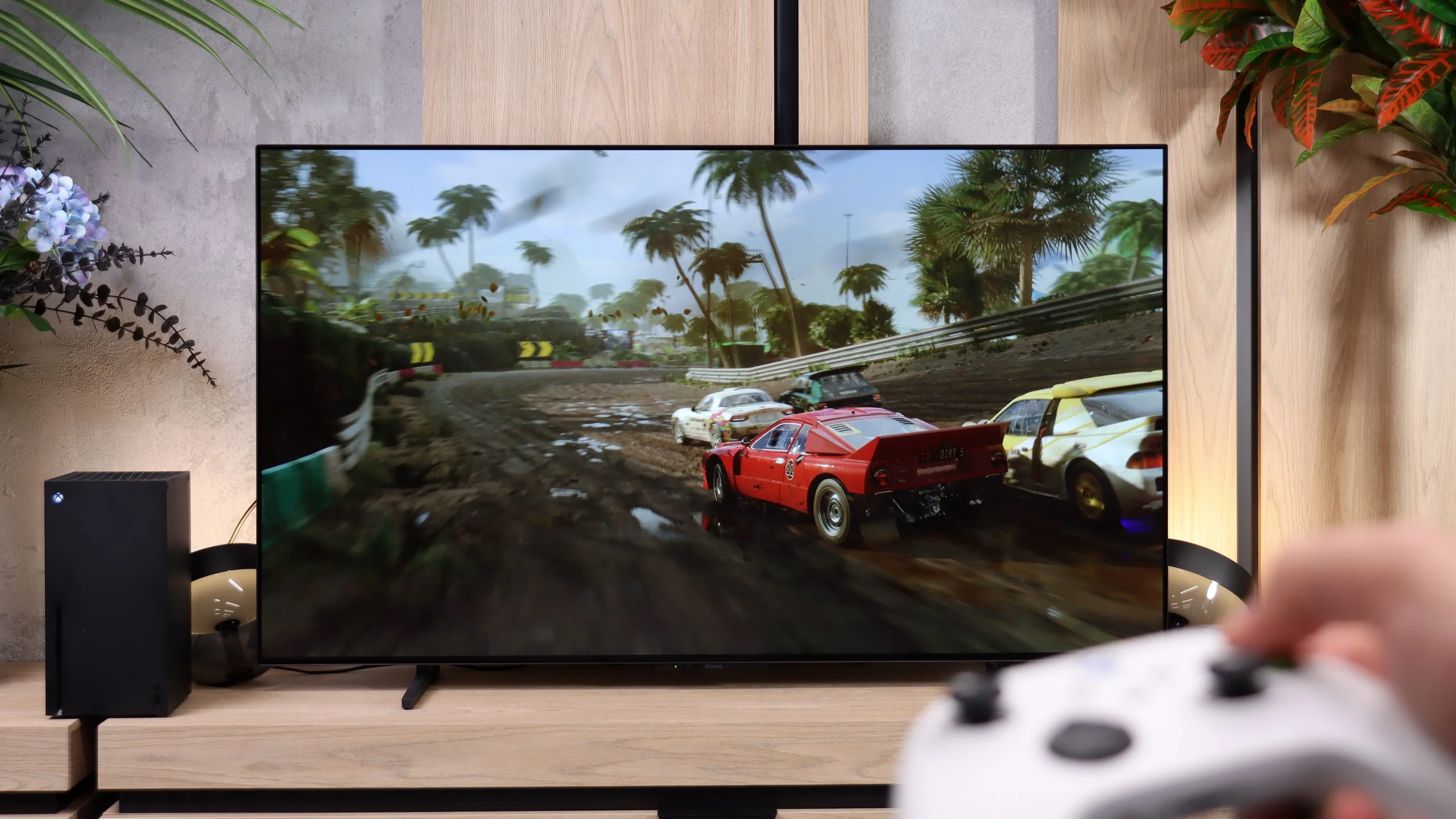
In terms of gamer features the UR8S performs really well. The TV supports practically everything you’d expect from a modern console or PC display. It offers ALLM, VRR, and 4K at 120 Hz. It also supports Dolby Vision in game mode, so when using an Xbox Series X you don’t have to give up that HDR format. PC gamers get even more options. The panel can run at 4K/180 Hz, and dropping to Full HD can raise the refresh rate up to 330 Hz. There’s also a Game Bar that lets you quickly view key information and change gaming-related settings. The only clear shortcoming is a proper implementation of HGiG. With it enabled the TV still interferes with HDR brightness mapping, so we don’t get the effect intended by that standard. Aside from that, the UR8S is very well prepared for both consoles and a powerful PC.
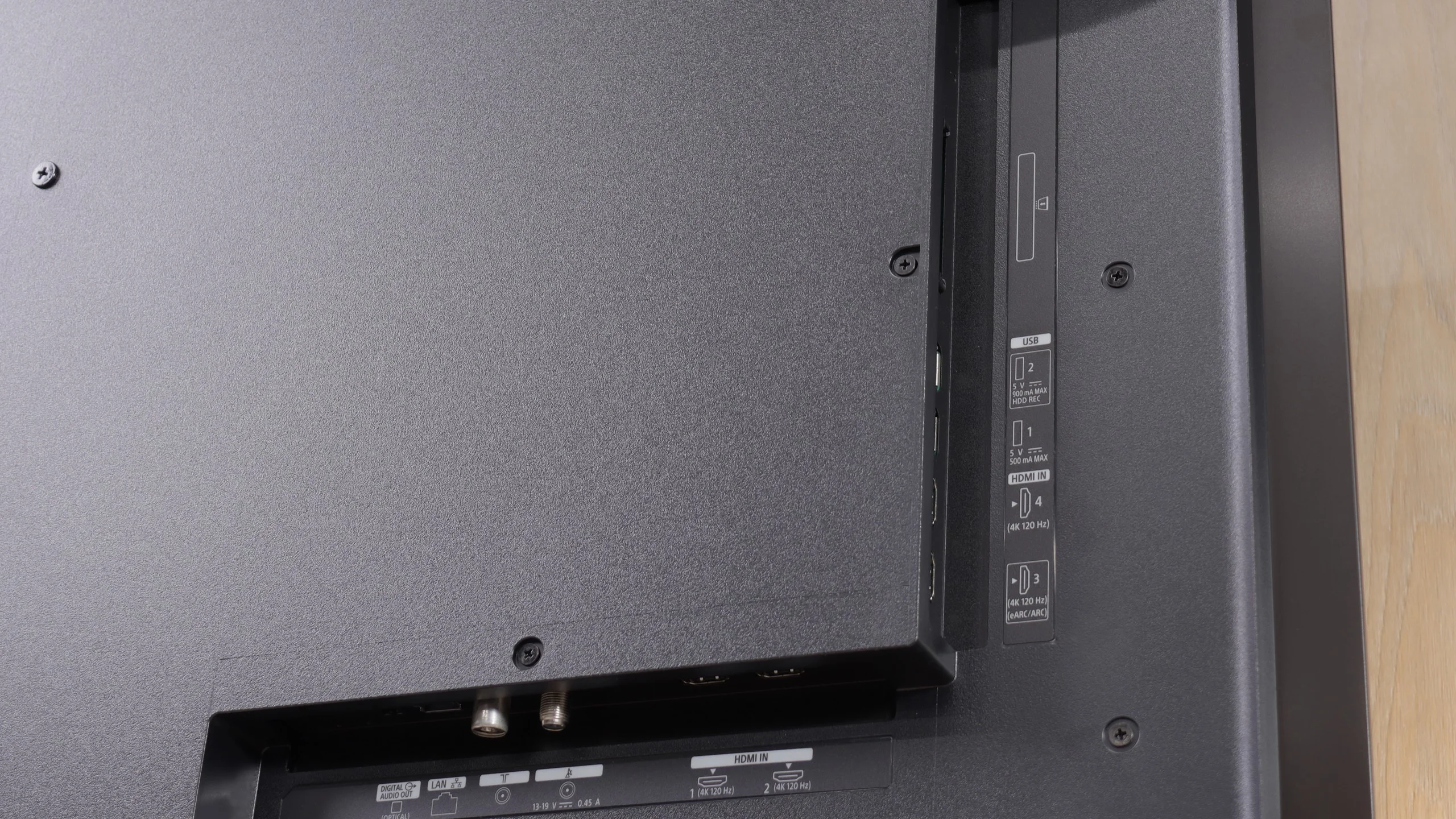
Gaming on the Sony BRAVII 6 is very good. The image quality is solid, the OLED panel has fast response, and support for 4K at 120 Hz means the TV also handles fast-paced titles well. Players who expect more than just smooth gameplay will quickly notice a few unusual omissions and shortcomings. Let’s start with the biggest change compared to other SONY models: the BRAVIA 6 has four full HDMI 2.1 inputs with 48 Gbps bandwidth, thanks to the new MediaTek Pentonic 800 platform. So you can connect several gaming devices and a soundbar without sacrificing a high refresh rate on any source. Each port supports ALLM, which automatically enables low-latency mode, and VRR from 48 to 120 Hz, which syncs the display’s refresh rate to the game’s frame rate. Dolby Vision also works at 120 Hz with low input lag. HDR setup is less convincing. HGiG does not work properly, and the test checkerboard used for console calibration disappears only at around 1000 nits, even though the panel does not reach that brightness. Relying solely on that pattern can therefore lead to loss of detail in the brightest parts of a game. In settings where you can enter brightness in nits, it’s better to use about 700 nits, a value closer to the screen’s capabilities. We also didn’t find a Game Bar, although marketing materials imply a basic version is present. The review unit only had a sparse game settings menu. There’s also the now-familiar Sony limitation of no 1440p at 120 Hz. That won’t be an issue when playing on a console in 4K. PC gamers, however, may feel the restriction if they want 1440p to get more frames than in 4K while keeping more detail than Full HD.
Input lag
9.8/10
10/10
SDR
HDR
Dolby Vision
Input lag on the UR8S is very low. With a 60 Hz signal we measured about 15 to 16 ms, while switching to 120 Hz reduces the lag to about 9 to 10 ms. Importantly, we recorded similar results in HDR and Dolby Vision, so using those formats doesn't noticeably increase the lag. In practice the response to controls is very quick, and even more demanding gamers shouldn't have any reason to complain.
Input lag on the BRAVIA 6 is very low. At 60 Hz we measured 13–14 ms, and switching to 120 Hz brings it down to just 5 ms. That means the TV responds quickly to controller inputs and doesn't interfere with gameplay.
Compatibility with PC
8.5/10
7.6/10
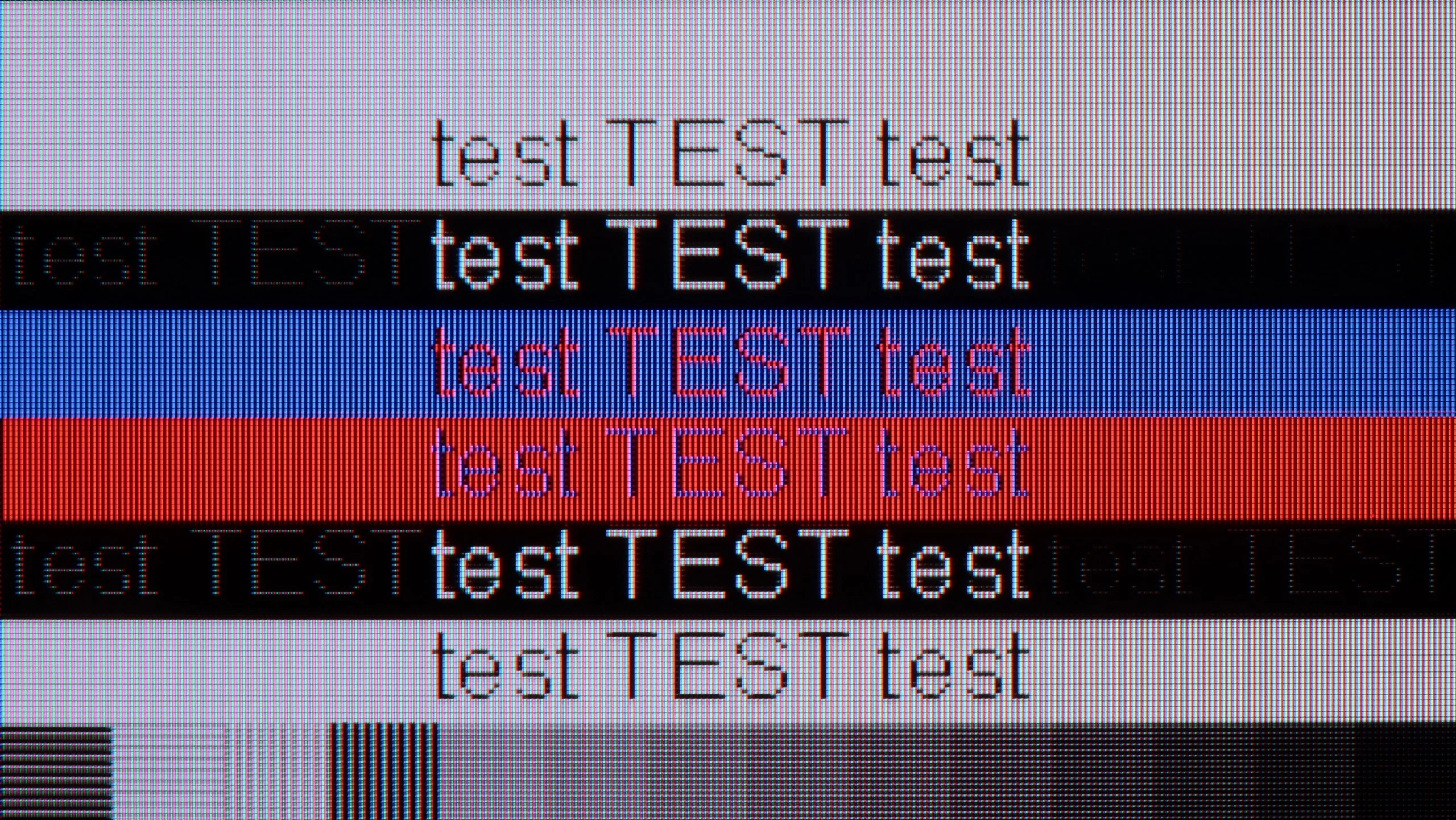
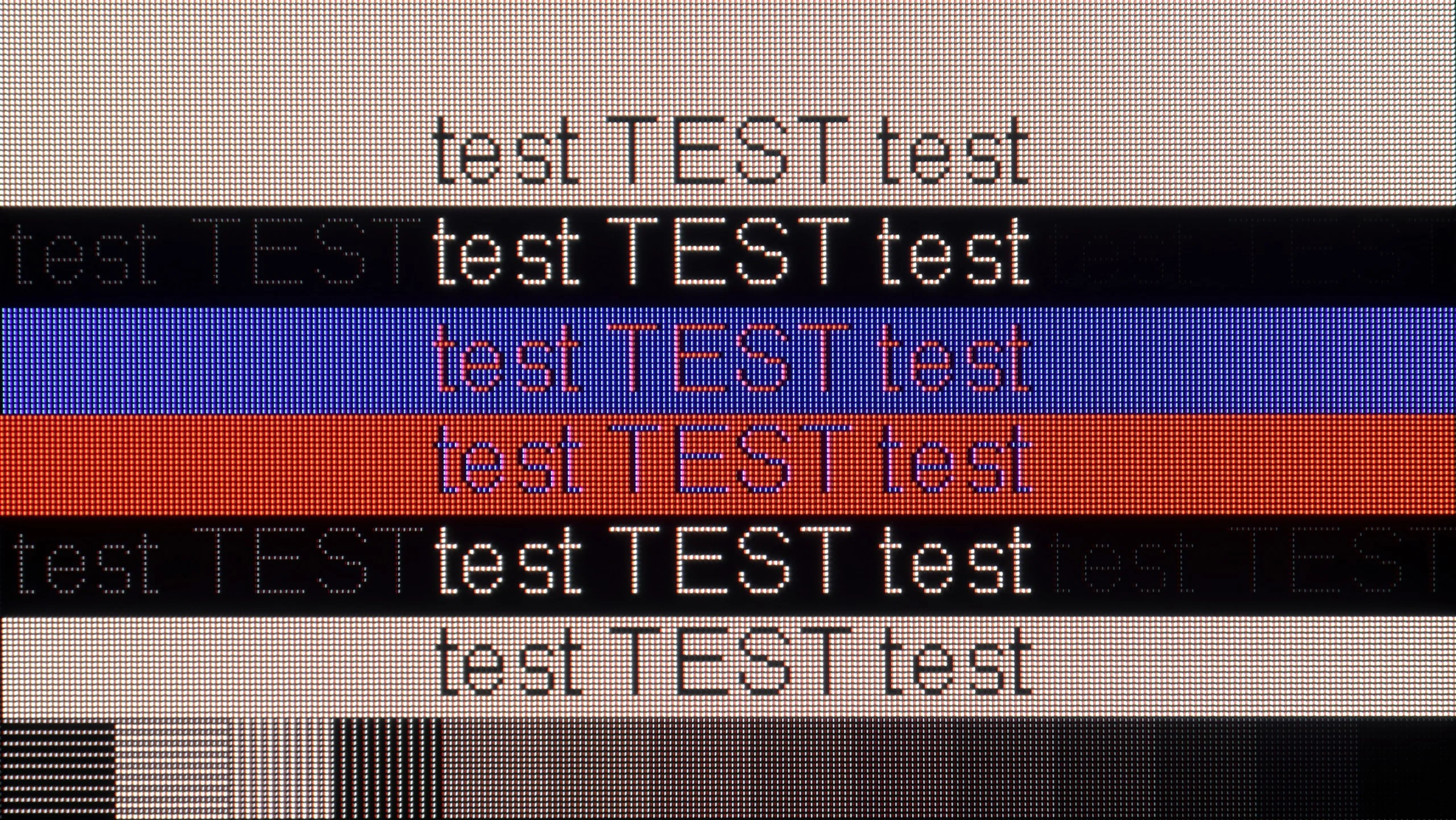
The photo shows the legibility of small fonts. Ideally, lines should be the same thickness on both light and dark text, with minimal pixel gaps.
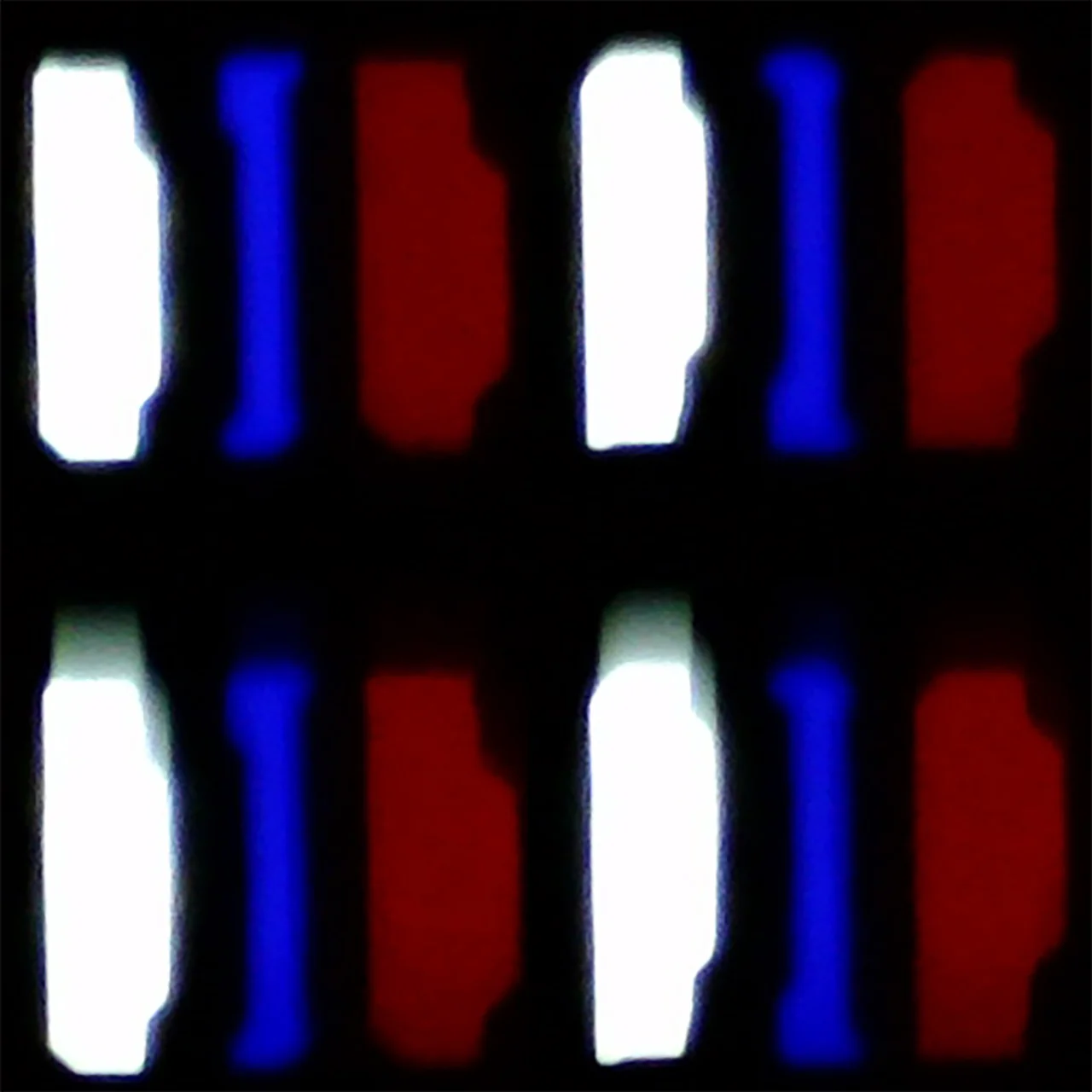
The UR8S also works very well as a large monitor for a computer. The TV properly handles 4:4:4 chroma at its maximum resolution and refresh rate, so small fonts remain legible and don't have heavily jagged or colored edges. The BGR subpixel layout used isn't a major obstacle here and text still looks good, though picky users will notice it's not perfect.
On top of that there's up to 180 Hz refresh at 4K, G-Sync support, and very low input lag, which at the maximum refresh rate is around 9 ms. So if someone wants to use the UR8S not only for a console but also for gaming with a powerful PC, the TV is really well suited for that.
The BRAVIA 6 performs well as a large screen for PC gaming. It supports 4K at 120 Hz, works with G-Sync, and has an input lag of just 5 ms. Combined with the panel's fast response, this delivers very enjoyable gameplay without troublesome motion blur. The only missing element is a higher refresh rate for people who want to use a powerful PC to game at more than 120 frames per second. As we mentioned earlier, you also can't use 1440p at 120 Hz.
It's decent for text work, though not perfect. The TV properly supports 4:4:4 chroma subsampling even in 4K at its maximum refresh rate, so small letters remain legible and dark text doesn't lose parts of its edges. Up close you can see faint colored fringes caused by the RGWB subpixel layout. They shouldn't be a major distraction when browsing the web or doing occasional work, but if you plan to read documents for hours from a short distance, fonts won't look as crisp as on a typical RGB monitor.
Viewing angles
5.5/10
7.5/10
Viewing angles on the UR8S are quite good, helped by the use of an RGB backlight. Thanks to the tricolor LEDs, colors seen off-axis hold up better than on many conventional Mini-LEDs that use white or blue backlights. Of course, it's still not at the level of OLED, and even less so QD-OLED. At wider angles the image loses a bit of contrast and saturation, but for an LCD TV the result is really decent.
You can comfortably watch the BRAVIA 6 from the side as well. Blacks remain deep, and colors don't lose saturation as quickly as on LCD TVs with VA panels. At a 45-degree angle we measured a 31% drop in brightness, so the picture is a bit darker than when viewed straight on, but still looks good. With a wide couch or when watching with a larger group, you don't have to fight for the spot directly opposite the screen. 😉 In this respect, only QD-OLED panels are better.
Daytime performance
9.5/10
4.6/10
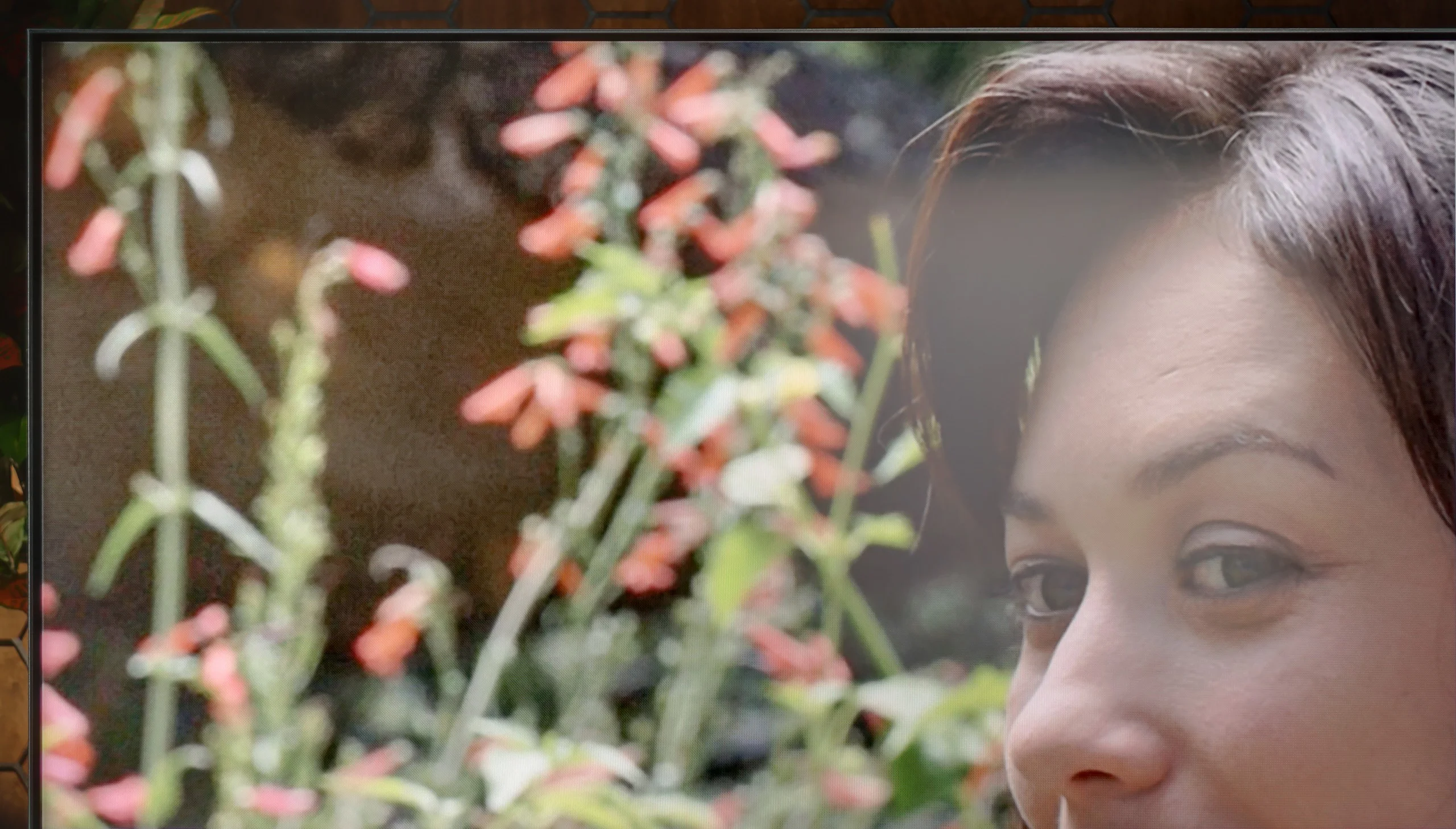
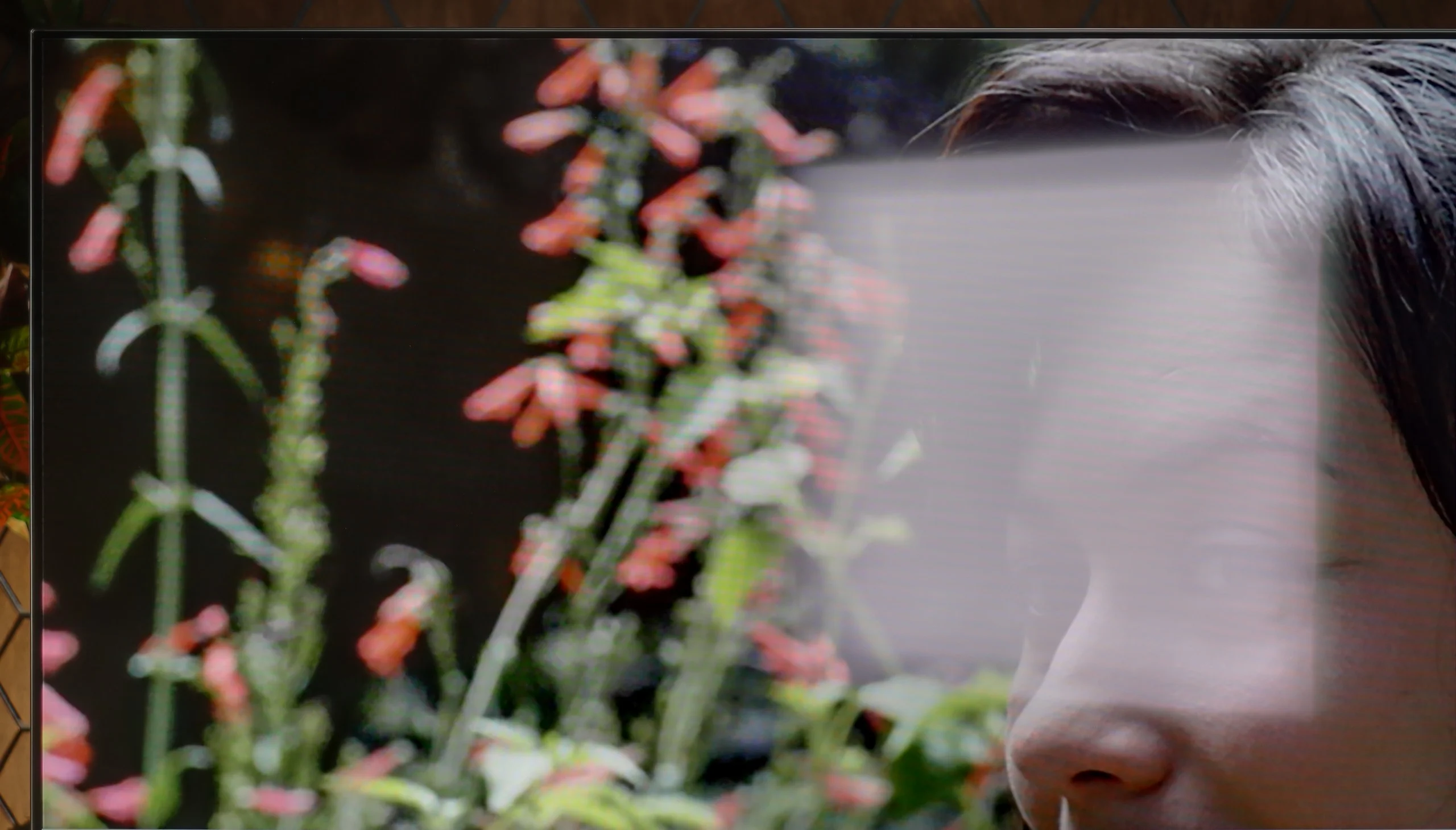
Panel brightness
Sony BRAVIA 6 (A65): 266 cd/m2
Hisense UR8S: 1468 cd/m2
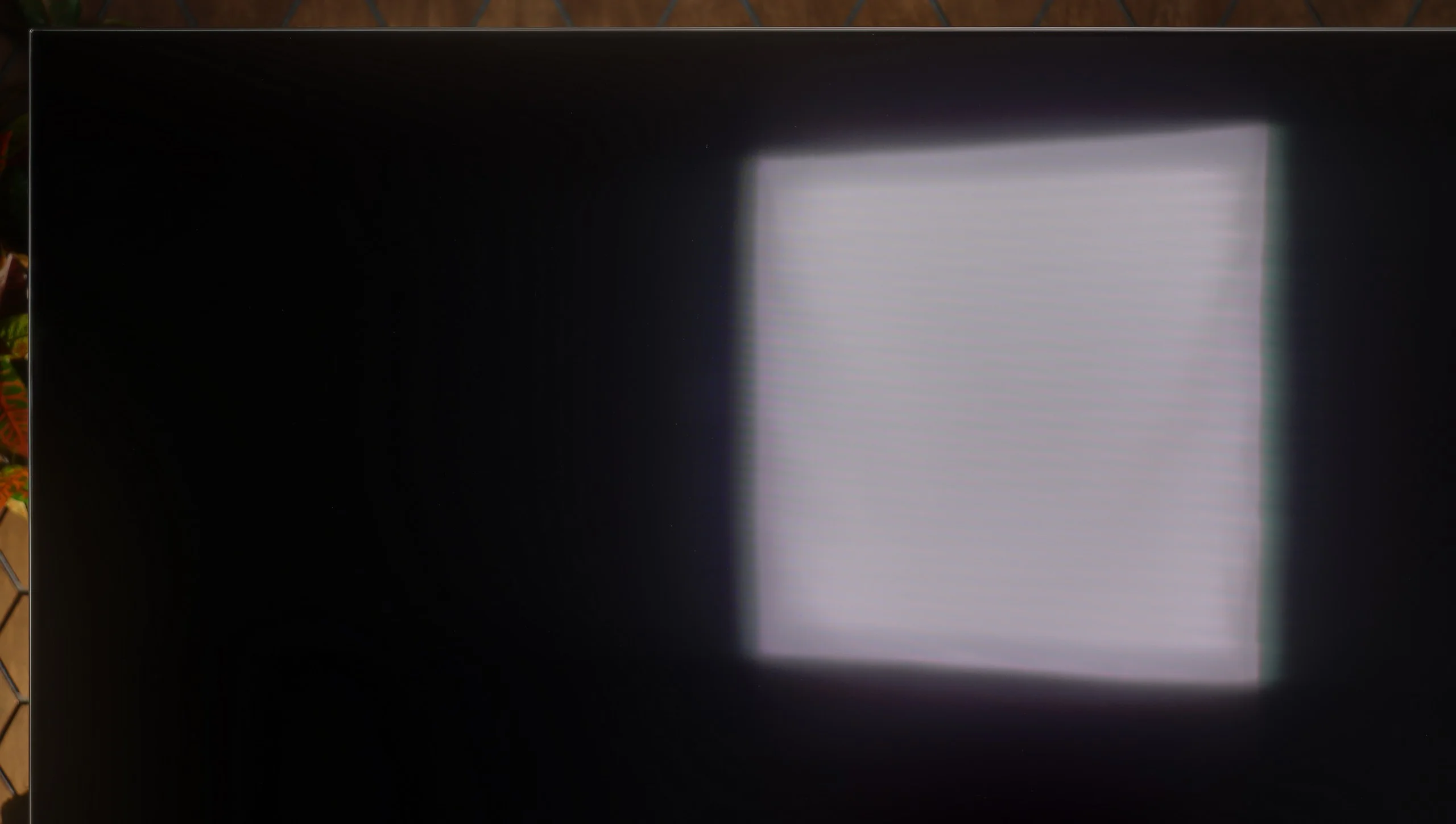
The UR8S handles daytime viewing very well. Above all, it's a very bright TV — in SDR we measured around 1500 nits, so even with a lot of ambient light the picture remains punchy and easy to see. A big plus is the matte coating, which does a great job of diffusing reflections from windows and lamps. Instead of a sharp reflection on the screen you get more of a soft glow, which is much less distracting while watching. However, it's worth noting that the coating works best when you're viewing the TV straight on. At wider angles it starts to look more like a satin finish and reflections become more pronounced, making them more bothersome. In a brightly lit room blacks also lose some of their depth, but at such high brightness that's not a major issue. Overall, the UR8S is simply a very good choice for a bright living room.
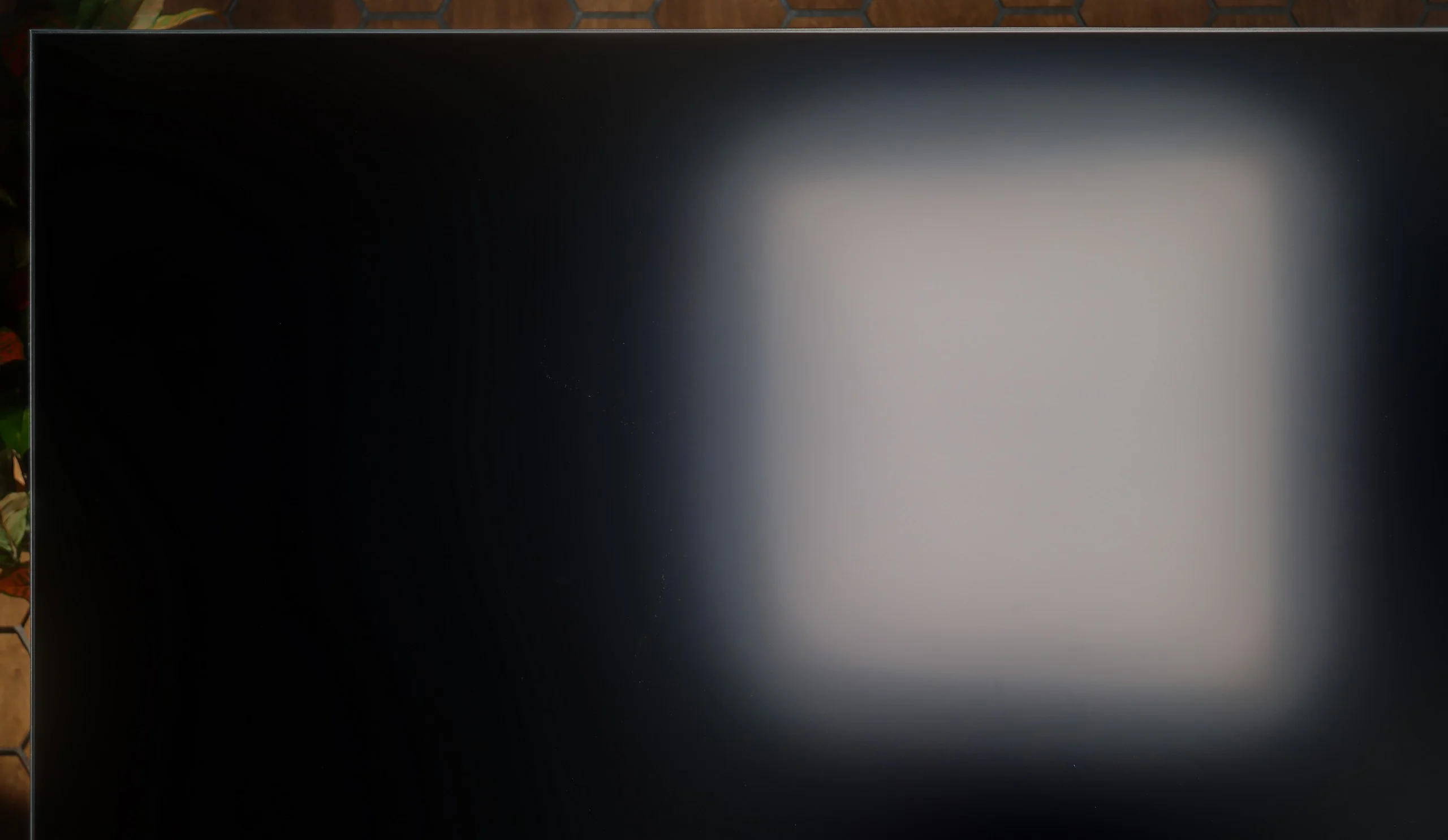
Watching in a bright room is one of the BRAVIA 6’s biggest weaknesses. Average SDR brightness is only 266 nits, and it falls even lower when there’s a lot of white on the screen. In a sunny living room the image simply lacks the punch to cut through ambient light. With darker movies, you may find it hard to watch comfortably without covering the windows.
The OLED SE panel used, which lacks a conventional polarizer, doesn’t help either. Its satin coating only moderately reduces direct reflections, so a window or lamp opposite the TV remain clearly visible even while content is on screen. The blacks themselves hold up very well in a lit room, but the combination of poor reflection control and low brightness severely limits viewing in bright conditions. The BRAVIA 6 is therefore best suited to a room where you can control the amount of light, or simply for evening viewing.
Panel details
Subpixel Structure:
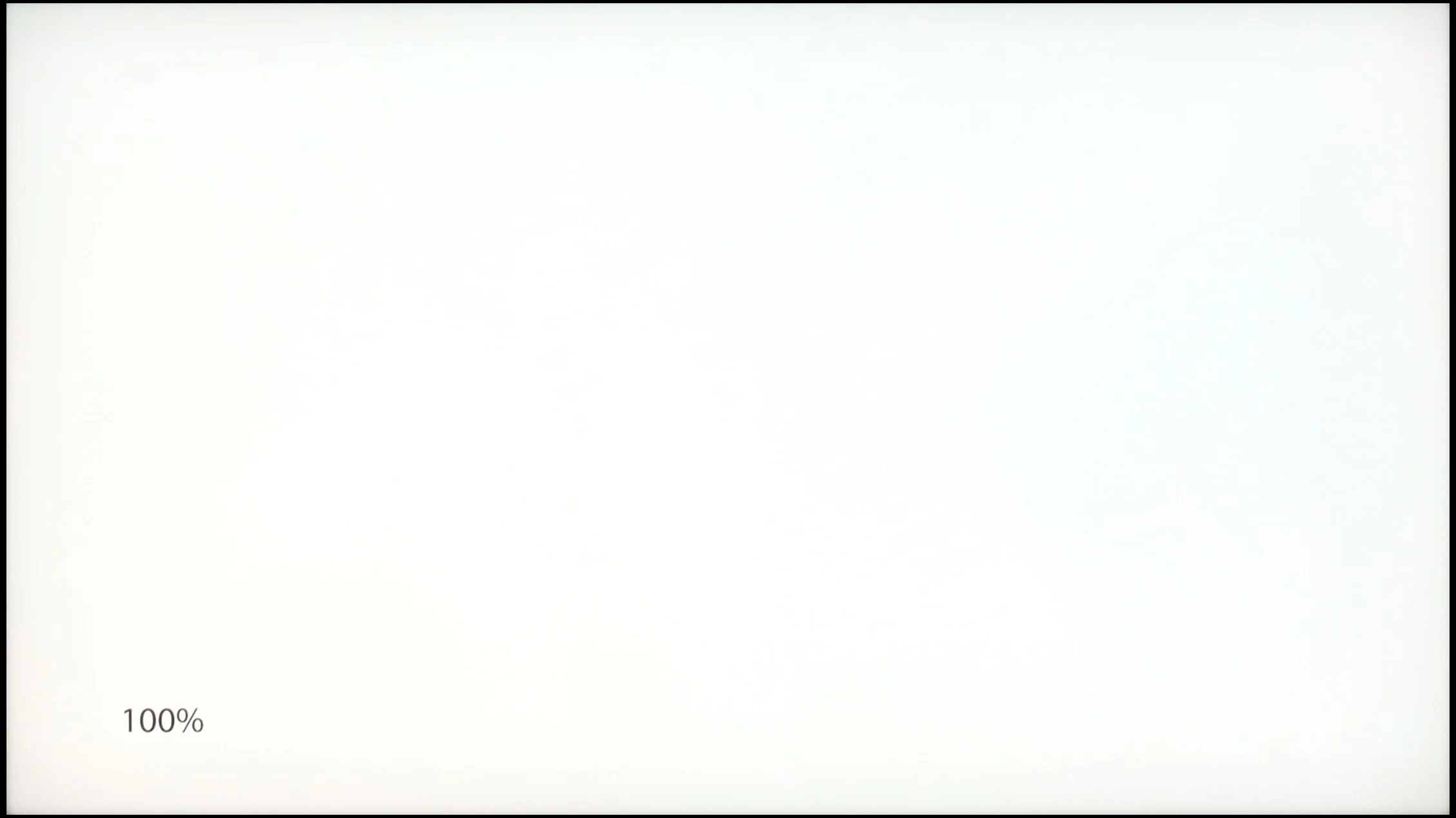
Panel uniformity and thermal imaging:
Hisense UR8S
Sony BRAVIA 6 (A65)
TV features
9.4/10
6.6/10
- SystemVIDAAGoogle TV
- System performanceVery goodAverage
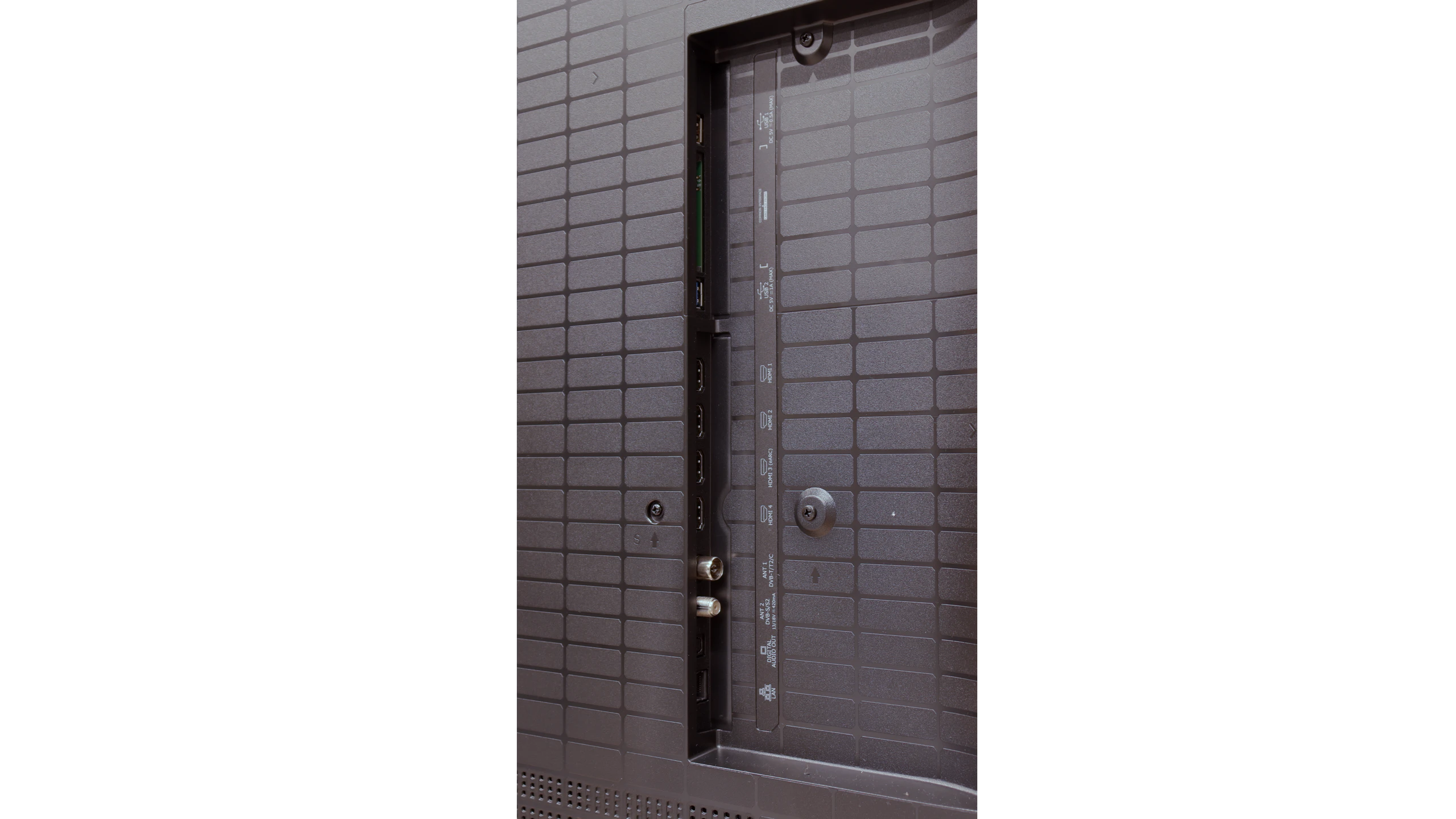
- HDMI inputs0 x HDMI 2.0, 4 x HDMI 2.1 48Gbps0 x HDMI 2.0, 4 x HDMI 2.1 48Gbps
- OutputsToslink (Optical audio), eARC (HDMI), ARC (HDMI)Toslink (Optical audio), eARC (HDMI), ARC (HDMI)
- Network InterfacesWi-Fi 2.4GHz, Wi-Fi 5GHz, Ethernet (LAN) 100MbpsWi-Fi 2.4GHz, Wi-Fi 5GHz, Ethernet (LAN) 100Mbps
- TV receptionDVB-T, DVB-T2, DVB-S, DVB-S2, DVB-CDVB-T, DVB-T2, DVB-S, DVB-S2, DVB-C
Classic features:
- Recording to USB (terrestrial TV)
- Recording programming
- Picture in Picture (PiP)
- RF remote control (no need to aim)
- Backlit remote control
- Teletext
- Audio only mode
- Bluetooth headphones support
- Simultaneous Bluetooth headphones & TV audio
Smart features:
- AirPlay
- Screen mirroring (Windows Miracast)
- Voice search
- Voice search in native language
- Ability to connect a keyboard and mouse
Sound connection options
- HDMI audioeARC (HDMI), ARC (HDMI)eARC (HDMI), ARC (HDMI)
- Other audio outputsToslink (Optical audio)Toslink (Optical audio)
- Wireless audioBluetoothBluetooth
Supported audio formats (external HDMI eARC audio):
- Dolby Digital Plus 7.1
- Dolby True HD 7.1
- Dolby Atmos in Dolby Digital Plus (JOC)
- Dolby Atmos in Dolby True HD
- DTS:X in DTS-HD MA
- DTS-HD Master Audio
Senior accessibility
- Numeric keyboard on TV
- Font size adjustment
- Audio description
Classic features
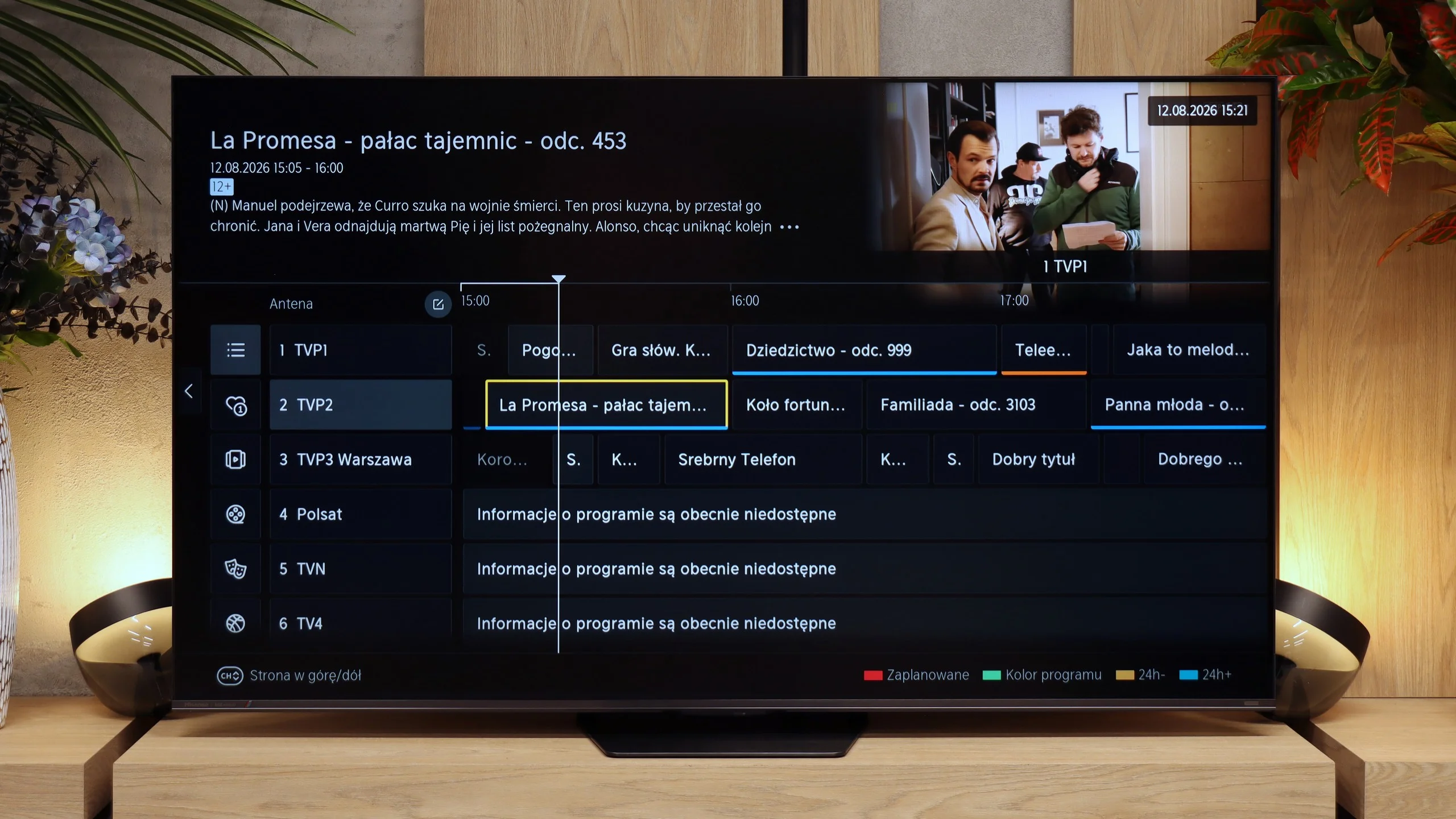
Hisense is one of those manufacturers who, fortunately, haven't given up on classic TV features. The UR8S lets you record programs to USB, schedule recordings, has teletext and an audio-only mode. You can also use the TV's speakers and Bluetooth headphones at the same time. The only real omission is picture-in-picture (PiP). The remote also deserves praise. It's well made, backlit and has plenty of buttons, so you can reach most important functions without digging through menus. It communicates with the TV via radio, so you don't need to point it directly at the screen.
VIDAA system
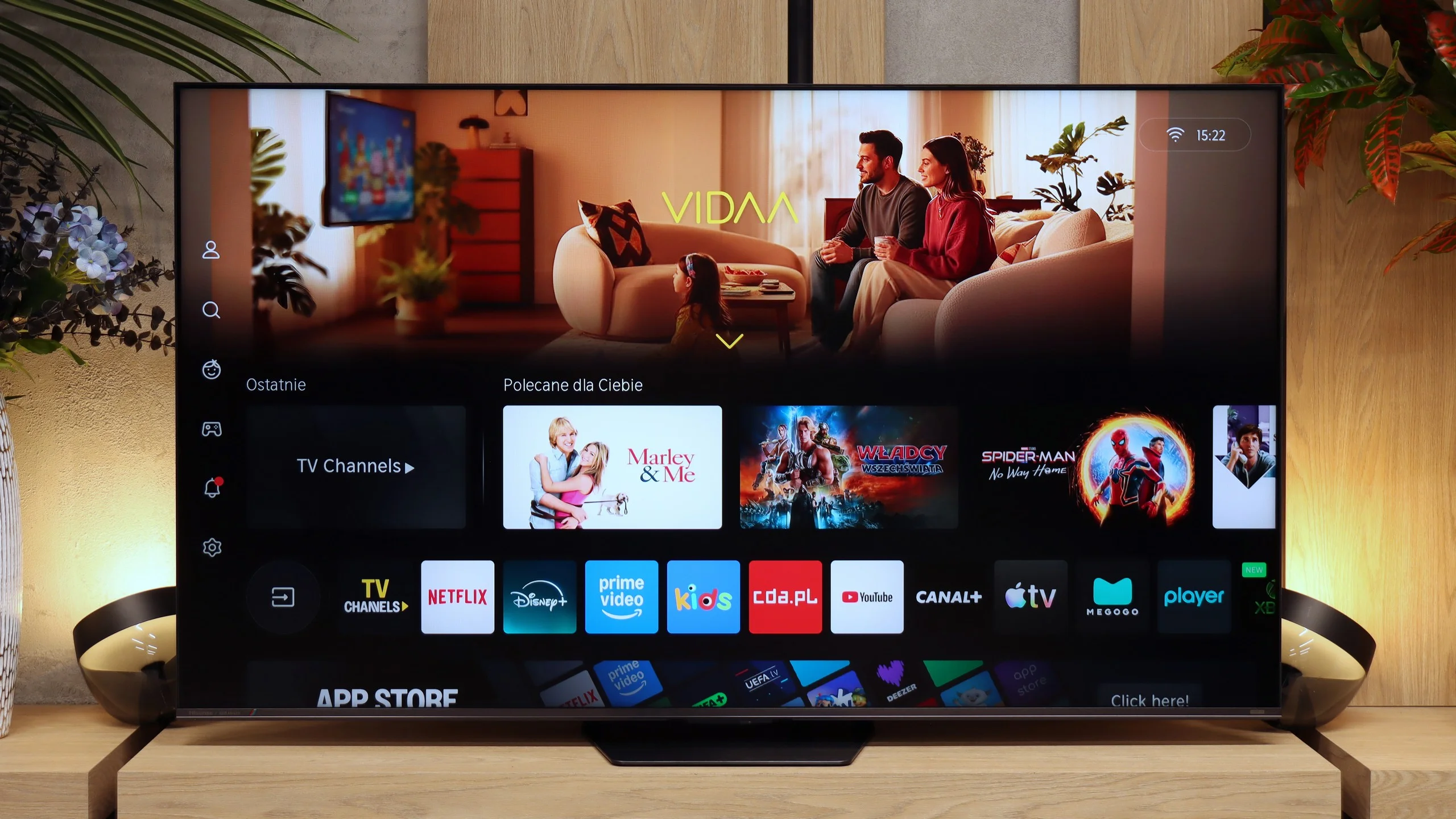
The VIDAA system on the UR8S runs very quickly and responsively. Apps launch smoothly, navigating the menus is fluid, and during testing we had no major complaints about its performance. The app library is already large enough to include all the major streaming services. There are also additional smart features. The UR8S supports AirPlay, Miracast, voice search in Polish and the ability to connect a keyboard and mouse. VIDAA may not offer as much flexibility as Google TV, but for everyday TV use it provides pretty much everything you need.
Google TV
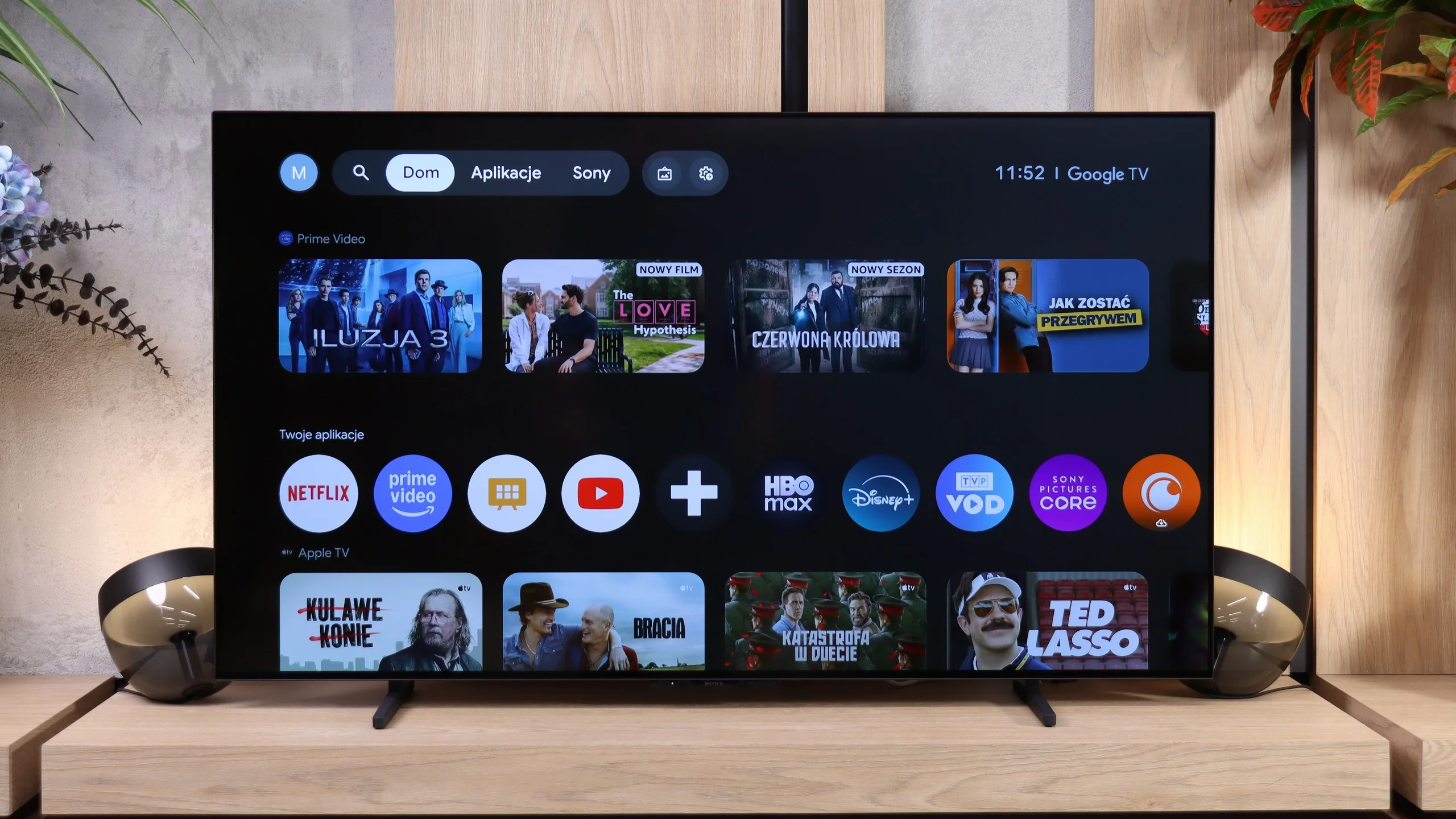
BRAVIA 6 is currently the cheapest OLED with Google TV. That's a big plus, because there are many apps, and the system lets you install additional programs and voice-search content in Polish. The only thing missing is AirPlay, which may bother iPhone users.
Unfortunately, during tests the system caused a lot of problems. Navigating the menus was fast, but we ran into translation errors and frequent TV freezes. Some settings didn't save the first time. We had to change them several times, and sometimes only unplugging the power helped. To play videos and photos from a flash drive, we had to unplug the TV from power four times. The tested software simply looked unfinished. That's hard to accept in this class of hardware...
Remote and standard features
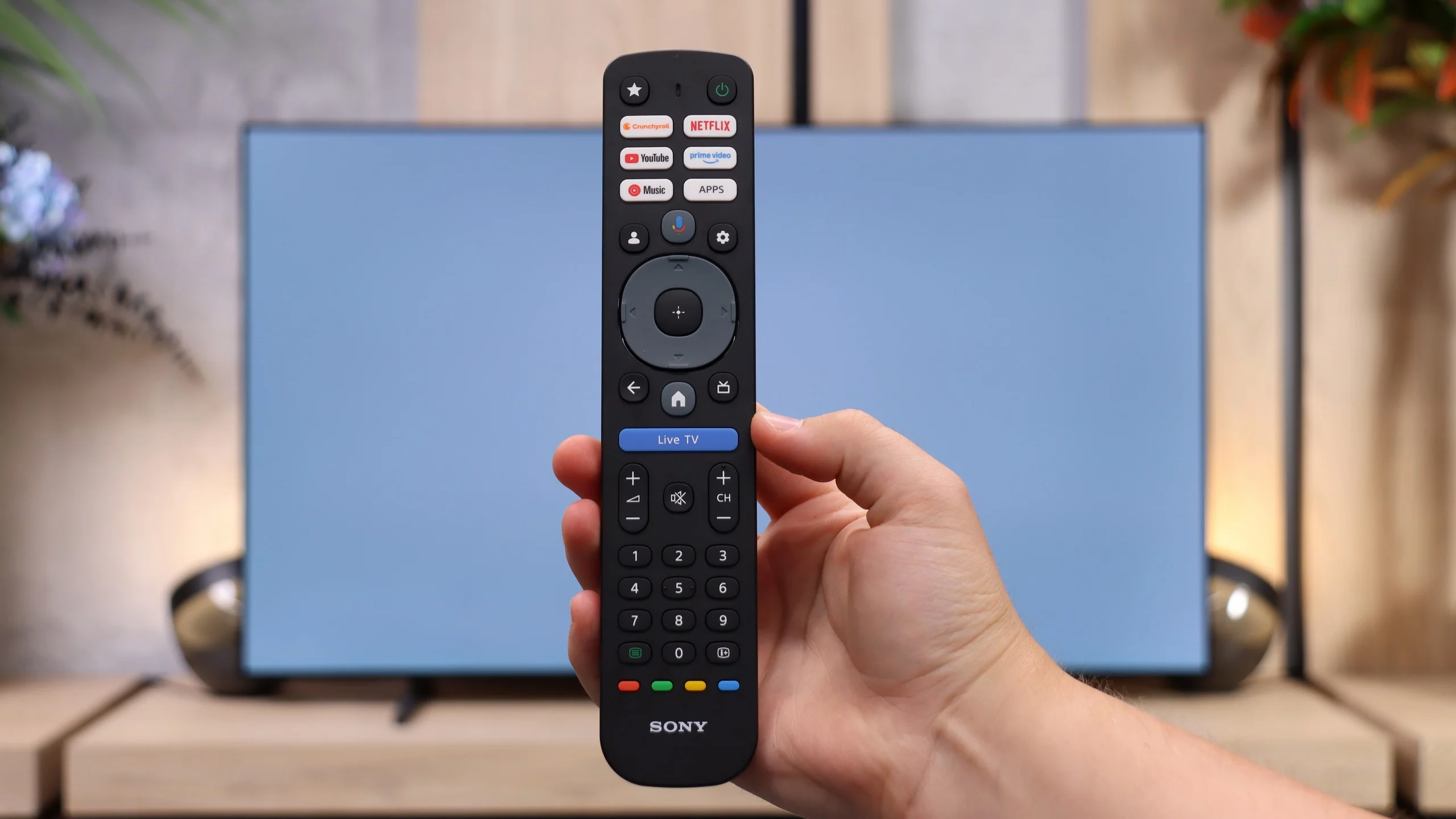
The set includes a completely new remote with a large number of buttons and a full numeric keypad. It's a convenient solution for people who watch regular TV, especially seniors. The star button can be programmed. The remote doesn't require pointing at the screen, but it has no backlight. Its build quality is fairly average, and the rubber buttons don't feel particularly solid.
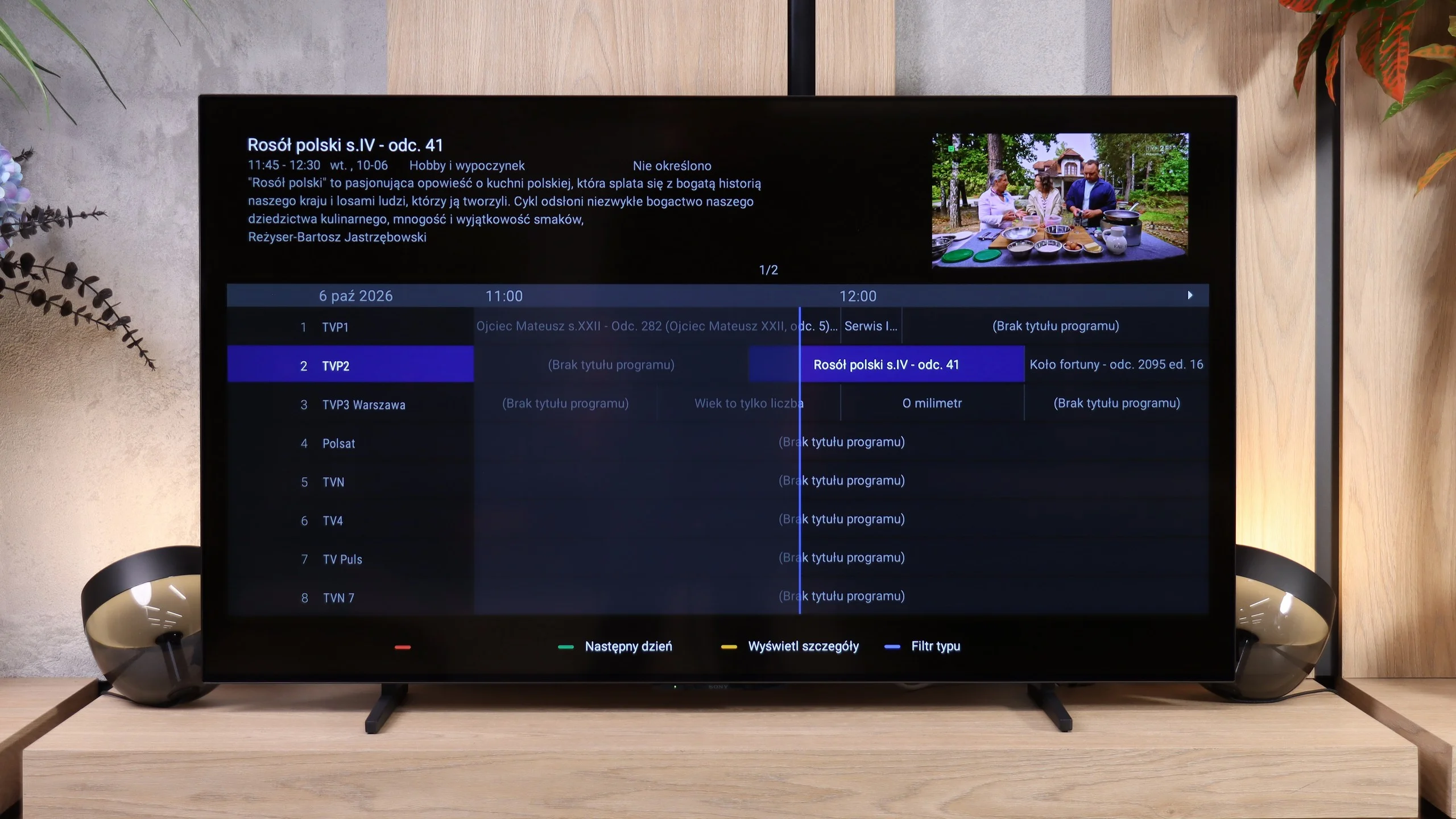
The TV features are basic. There's a clear EPG program guide and teletext, but no recording to USB or picture-in-picture. However, you can use Bluetooth headphones and the TV's speakers at the same time. The feature set is fine, but the system problems seriously spoil everyday use.
Apps
8.3/10
9.6/10






















Playing files from USB
8.5/10
9.5/10
Supported photo formats:
Maximum photo resolution:
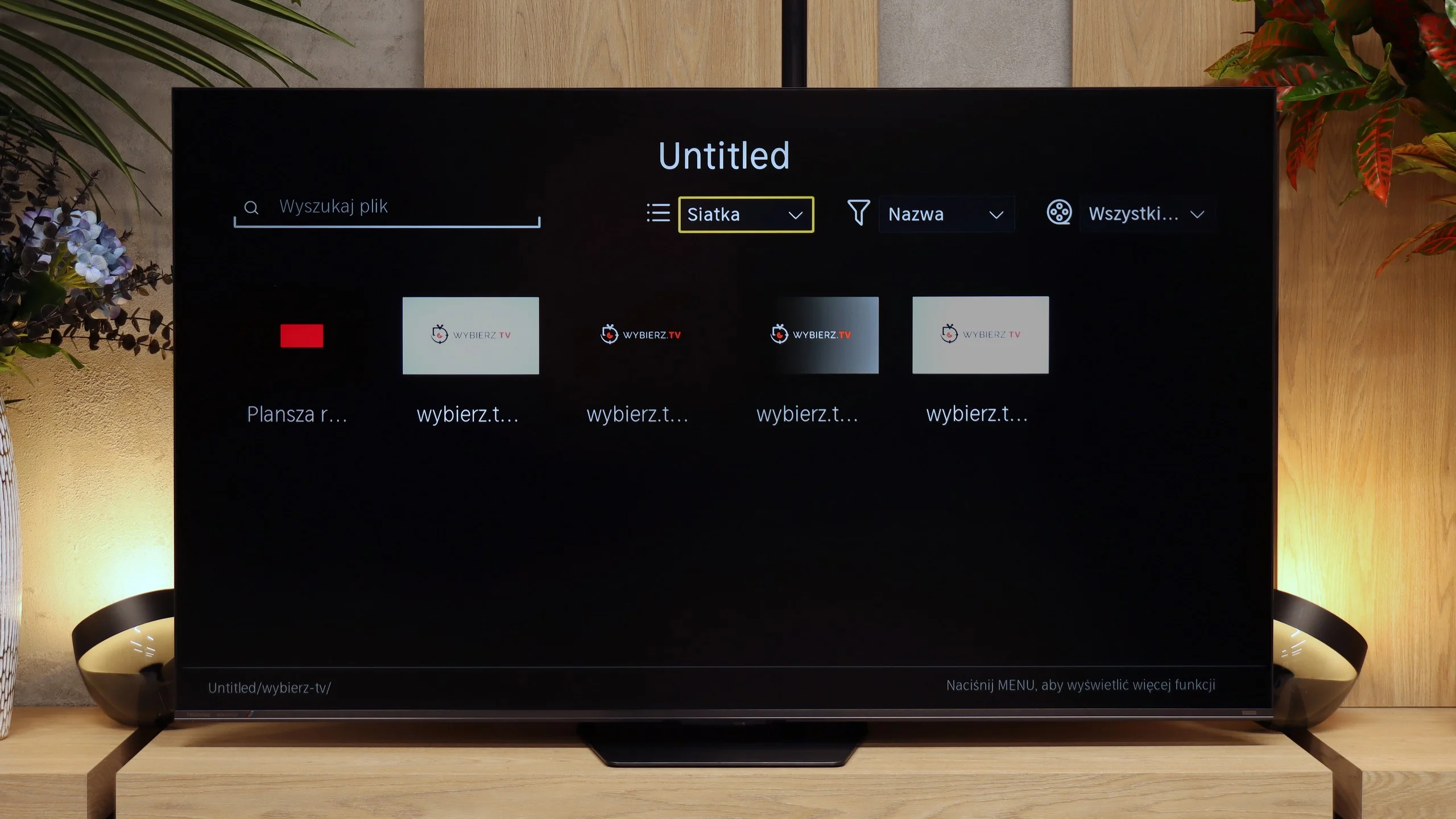
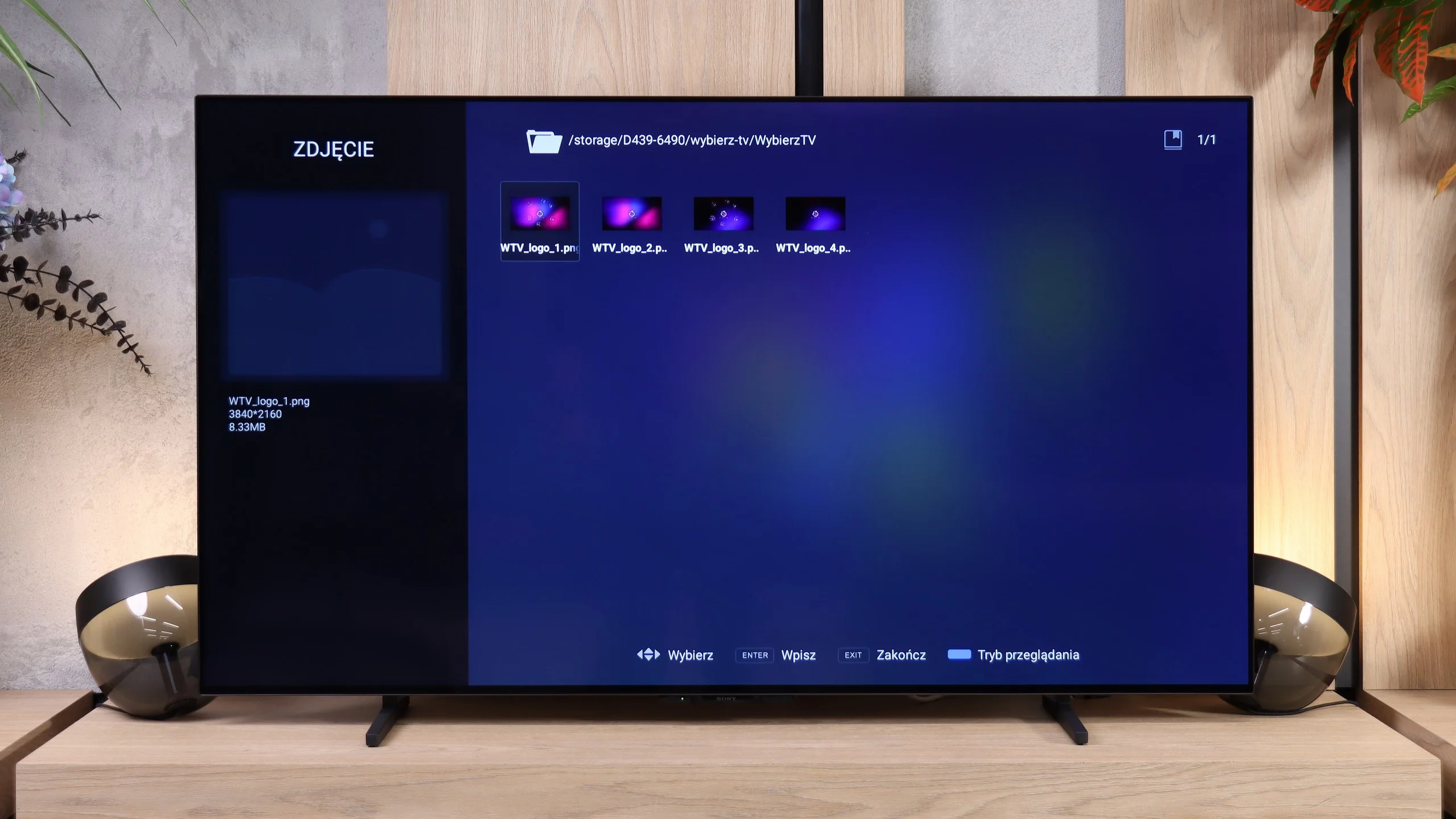
The USB media player works fine and handles most common files without major problems. Our biggest reservation is how it handles photos. The UR8S is rather selective about their resolution; for example, it can open a 16 MP or 32 MP photo and at the same time refuse to display a 10, 12, or 20 MP file. It's hard to find much logic in that, so if you often view photos directly from a USB flash drive, you may occasionally run into a file the TV simply won't open.
BRAVIA 6 supports many popular video, music, and photo formats. It also handled photos with resolutions up to 32 MP, so in terms of file compatibility it performs very well. Unfortunately, there is a big "but" here that we mentioned in the system description. Before the player started correctly recognizing videos and photos from a USB drive, we had to unplug the TV several times. In the end we managed to open most of the files, but it's hard to call that convenient to use. The high rating in this category is based solely on the number of supported formats.
Sound
7.8/10
7/10
- Maximum volume92dB94dB
- Dolby Digital Plus 7.1
- Dolby True HD 7.1
- Dolby Atmos in Dolby Digital Plus (JOC)
- Dolby Atmos in Dolby True HD
- DTS:X in DTS-HD MA
- DTS-HD Master Audio
In terms of sound, the UR8S performs very similarly to the lower-positioned Hisense U7S Pro, and that's no accident. The manufacturer has used practically the same 2.1.2 speaker setup here, with a total power of 50 W. There's an additional subwoofer at the back of the cabinet, while the other speakers are placed across the lower part of the TV. For built-in speakers, the result is quite good. The subwoofer adds some bass, so the sound isn't as flat as on basic TVs, and the whole system can also get really loud. In our testing the maximum loudness reached about 92 dBC. It's not, of course, a replacement for a good soundbar, but it's perfectly adequate for regular TV viewing or YouTube.
Despite its modest 2.0 speaker set with a total output of 20 W, the BRAVIA 6 sounds quite pleasant. The sound is fairly balanced, dialogue is clear, and during regular viewing there's no need to reach for extra speakers right away. The TV can also get loud, as confirmed by a 94 dB measurement. However, the familiar issue found in other TVs remains: a lack of deep bass. It's not especially noticeable in quieter scenes, but in action movies and music you can hear the sound lacks a bit of "weight." Explosions don't have a strong impact, and lower frequencies are more present than felt. For series and everyday programs this setup is sufficient, but a soundbar with a subwoofer will give movie sessions more power and a better sense of space. Especially since the TV supports Dolby Atmos and DTS:X.
Sound Quality Test
Acoustic Measurements
92dBC (Max)
75dBC
94dBC (Max)
75dBC
Reader comments
Comments are provided by the external service Disqus (Zeta Global). Once loaded, Disqus may set cookies and process data about your activity.
We will remember your choice on this device. Provider's privacy policy