The U7Q PRO is a television that, after just a few minutes, gives a clear signal: "speed matters here." Hisense surprised us with how much they managed to pack into a device that doesn’t cost a fortune. A refreshing rate of 165 Hz in 4K, and even 288 Hz in Full HD – not that long ago, such numbers were reserved exclusively for top gaming monitors. And here you go, we have a mid-range television with almost a full set of gaming features that confidently throws down the gauntlet to much more expensive competitors. However, it doesn't stop at speed-related qualities. The U7Q PRO also boasts a very bright screen, which peaks at even 1500 nits. Like every Mini-LED, it has its typical "moods" associated with this technology, sometimes slightly exaggerating the image, but the overall visual effect remains very positive – especially with HDR content. It's also worth mentioning the Vidaa operating system – fast, intuitive, and equipped with features such as AirPlay, a voice assistant, and a web browser. Although you won't find the full range of apps known from Android here, the system performs really well in everyday use. So why is it "almost" ideal for gamers? It’s just missing the HGiG feature, which allows for precise adjustment of brightness levels in HDR games. This is a minor flaw, but it may be significant for console purists. Nonetheless, the U7Q PRO remains a very solid offering – and at the same time proof that Chinese manufacturers have not only caught up with their competitors from Korea or Japan but have even begun to outpace them in some aspects.
- Matching (Score) |
- Our verdict |
- TV appearance |
- Where to buy |
- Contrast and black detail |
- HDR effect quality |
- Factory color reproduction |
- Color reproduction after calibration |
- Smoothness of tonal transitions |
- Image scaling and smoothness of tonal transitions |
- Blur and motion smoothness |
- Console compatibility and gaming features |
- Input lag |
- Compatibility with PC |
- Viewing angles |
- Daytime performance |
- Panel details |
- TV features |
- Apps |
- Playing files from USB |
- Sound
Hisense U7Q PRO vs TCL RM7L
 Direct comparison
U7Q PRO / U78Q PRO

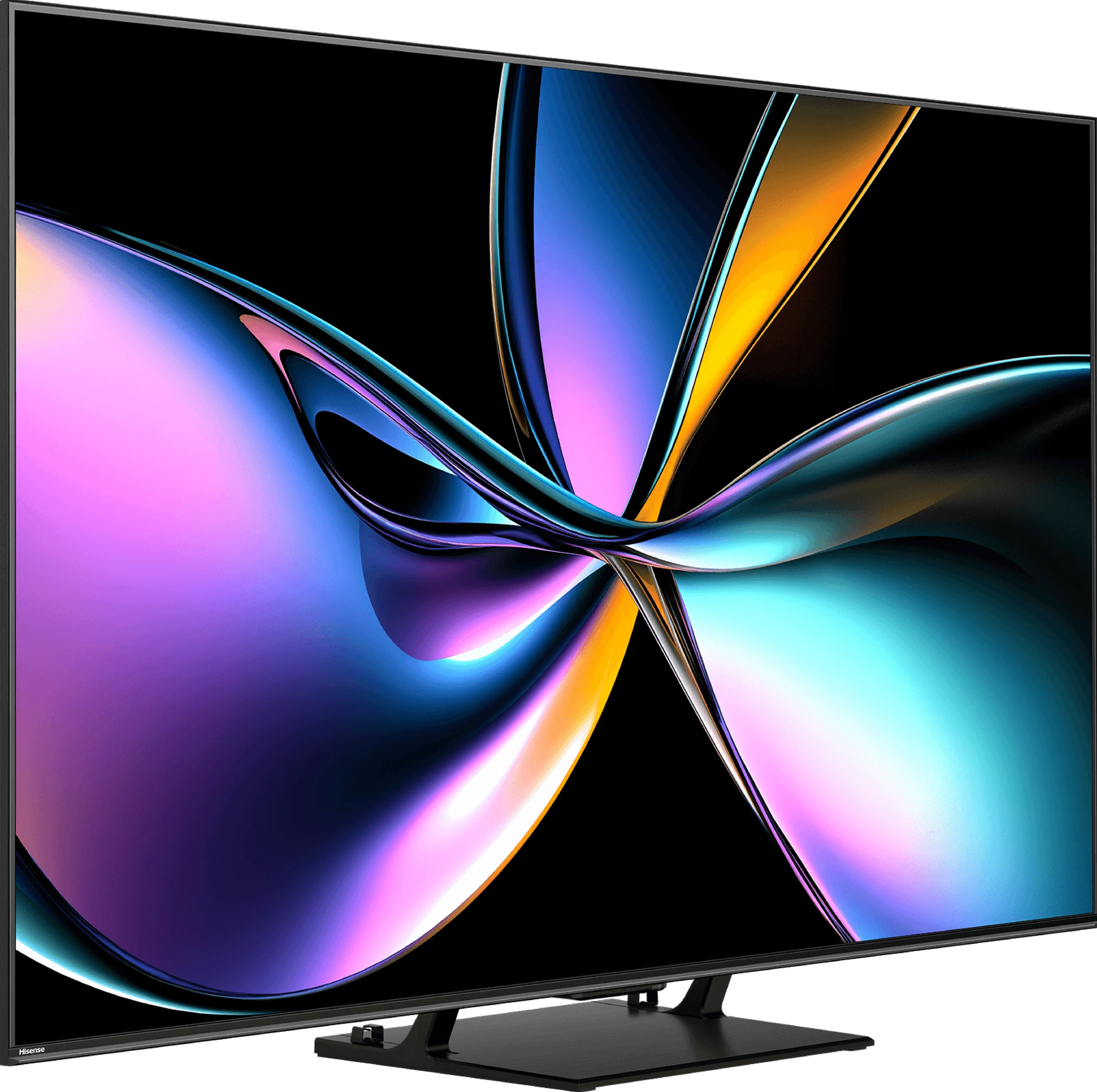
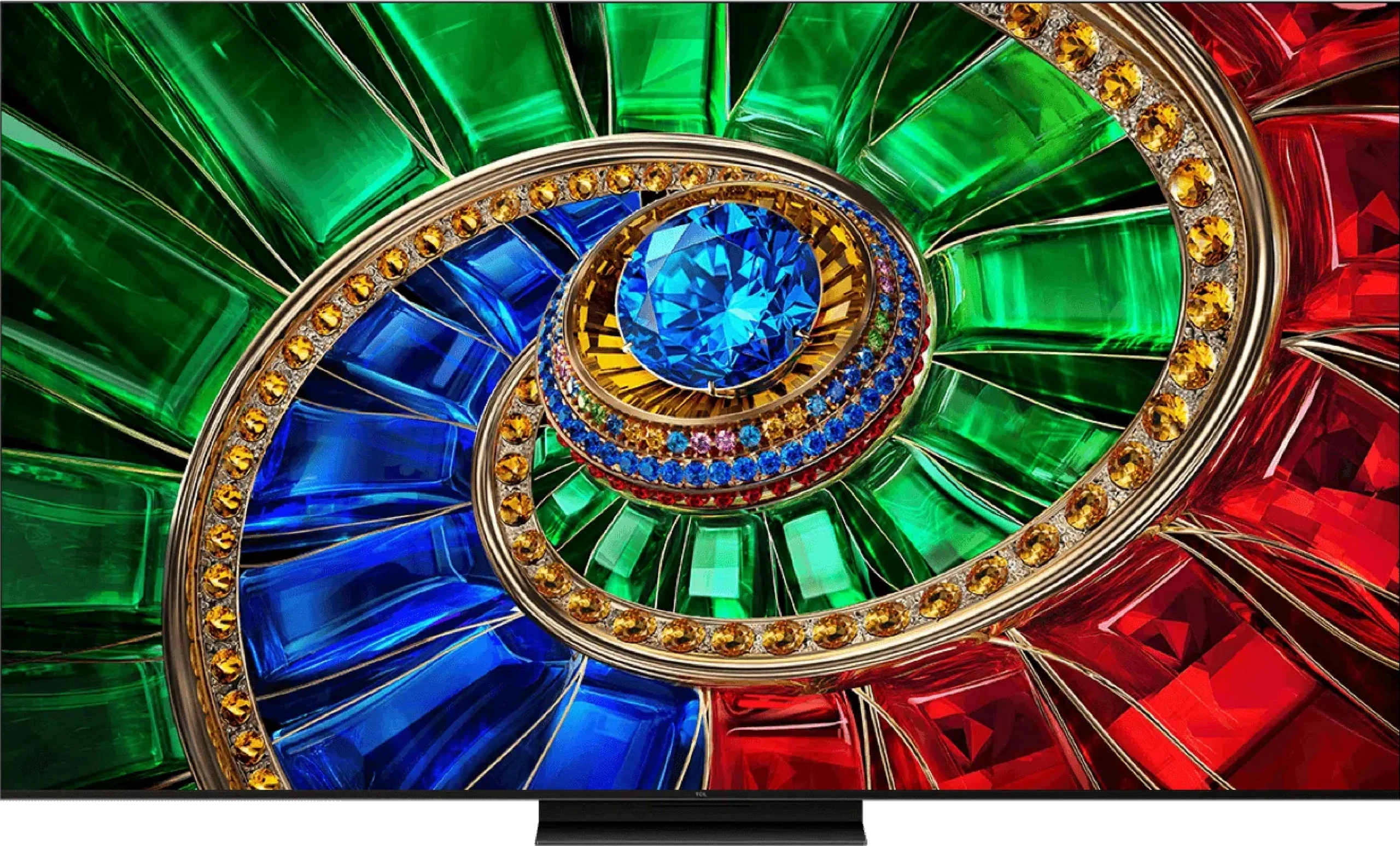
Panel type: LCD VA
Resolution: 3840x2160
System: VIDAA
Model year: 2025
Complete the survey to find out the result
Panel type: LCD VA
Resolution: 3840x2160
System: Google TV
Model year: 2026
Complete the survey to find out the result
Overall rating
7.4
7.8
 Movies and series in UHD quality
7.2
7.4
 Classic TV, YouTube
7.2
7.1
 Sports broadcasts (TV and apps)
6.7
6.9
 Gaming on console
8.2
8.8
 TV as a computer monitor
8.2
8.4
 Watching in bright light
6.2
7.8
 Utility functions
9.4
7.8
 Apps
7.7
9.6
 Sound quality
7.8
7.8
Complete the survey to find out what fits your preferences
Advantages

Great contrast and blacks - true Mini-LED backlighting with a VA panel (65")
Very good motion smoothness - 4K@165 Hz panel
Very high HDR brightness - even above 1500 nits
Perfect for gaming - Low input lag, VRR, ALLM, 4x HDMI 2.1, 288Hz at 1080p.
The Vidaa operating system has many features, e.g. Airplay, USB recording
Outstanding quality of tonal transitions
Very high HDR and SDR brightness
Good black levels and contrast (VA panel + mini-LED)
Impressive picture
Full support for HDR formats, including Dolby Vision and HDR10+
Extensive gaming features (VRR, ALLM, HGiG)
Good motion handling with low blur (up to 288Hz)
Disadvantages

No support for HGiG
Average viewing angles
Missing apps on the VIDAA platform
Poor digital image processing due to the use of the older MediaTek Pentonic 700 processor
The glossy screen coating does little to reduce reflections
Only two HDMI 2.1 ports
Less stable colors, dependent on the dimming algorithm (a characteristic of RGB panels)
Our verdict
The TCL RM7L is a TV that can’t be fairly judged by measurements and charts alone. Although it isn’t uncompromising hardware, in everyday use it more than holds its own. It delivers a bright, dynamic, and saturated image, which makes it great for HDR content, gaming, or fast-paced movies. The RM7L doesn’t chase perfect “reference” performance. Instead it serves up a picture that simply pleases the eye. It’s also hard to fault in daily use. Google TV runs smoothly and provides access to a full suite of apps, and the comprehensive set of features for gamers means the TV handles being connected to a console or PC just as well as an evening session on the couch. It’s simply a versatile TV that will suit most home uses. The most interesting thing, however, is TCL’s approach to backlighting. Instead of chasing numbers and increasing the number of dimming zones (as in the C7L), they went with RGB Mini-LED technology. The result is really intriguing. While black levels and contrast are very good, in the toughest scenes — bright objects on a dark background — blooming can be a bit more noticeable than with the sibling model. Interestingly, the glow itself takes on the color of the displayed element, which makes it look much more natural and less distracting than on traditional Mini-LED screens.
And here’s the dilemma. Placing the RM7L next to the TCL C7L, it’s hard to reach a clear, objective verdict. Both models cost almost the same, but represent two completely different backlight design philosophies. The C7L wins on dimming precision thanks to a larger number of zones, while the RM7L makes up for it with the specific, extremely pleasing character of its RGB panel. Until recently the choice came down to a simple count of zones; today, as TCL shows, it’s much more interesting. If we had to choose between the two ourselves, we’d lean slightly toward the C7L because of the greater number of zones and equally impressive, saturated colors, but the final decision always depends on what an individual expects from their equipment.
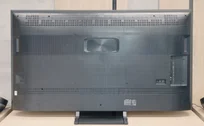
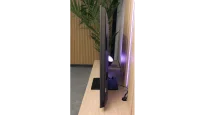
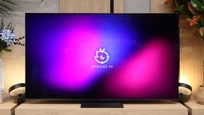
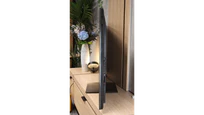
TV appearance
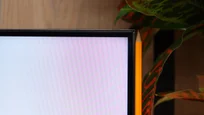
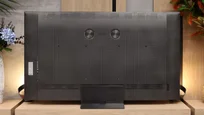

Contrast and black detail
8/10
7.7/10
Local dimming function: Yes, number of zones: 560 (20 x 28)
Local dimming function: Yes, number of zones: 448 (16 x 28)
Contrast:


Result
340,000:1

Result
62,850:1

Result
42,000:1

Result
11,100:1

Result
7,500:1
Result
258,450:1
Result
41,400:1
Result
18,800:1
Result
15,650:1
Result
8,350:1
Halo effect and black detail visibility:
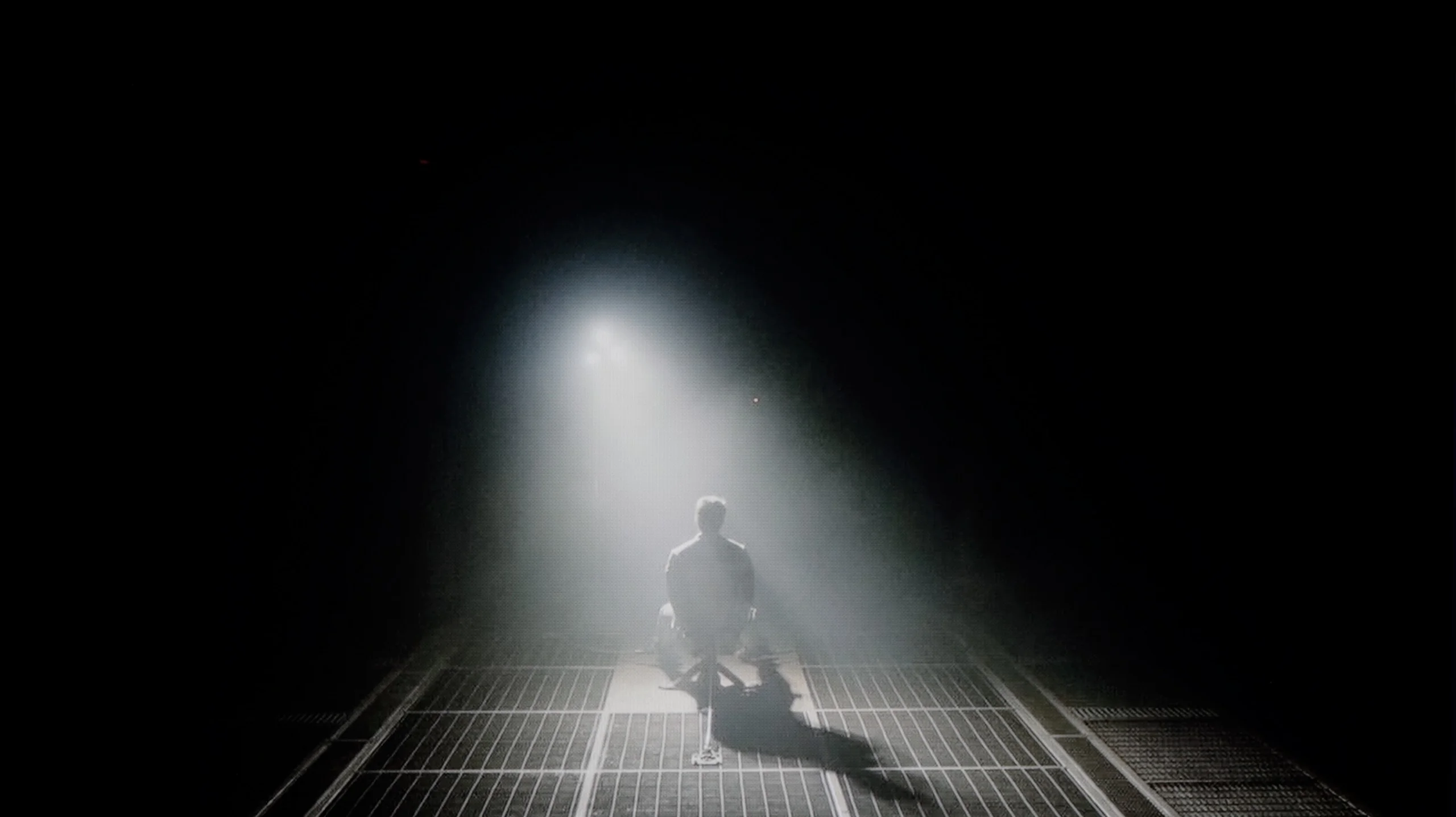
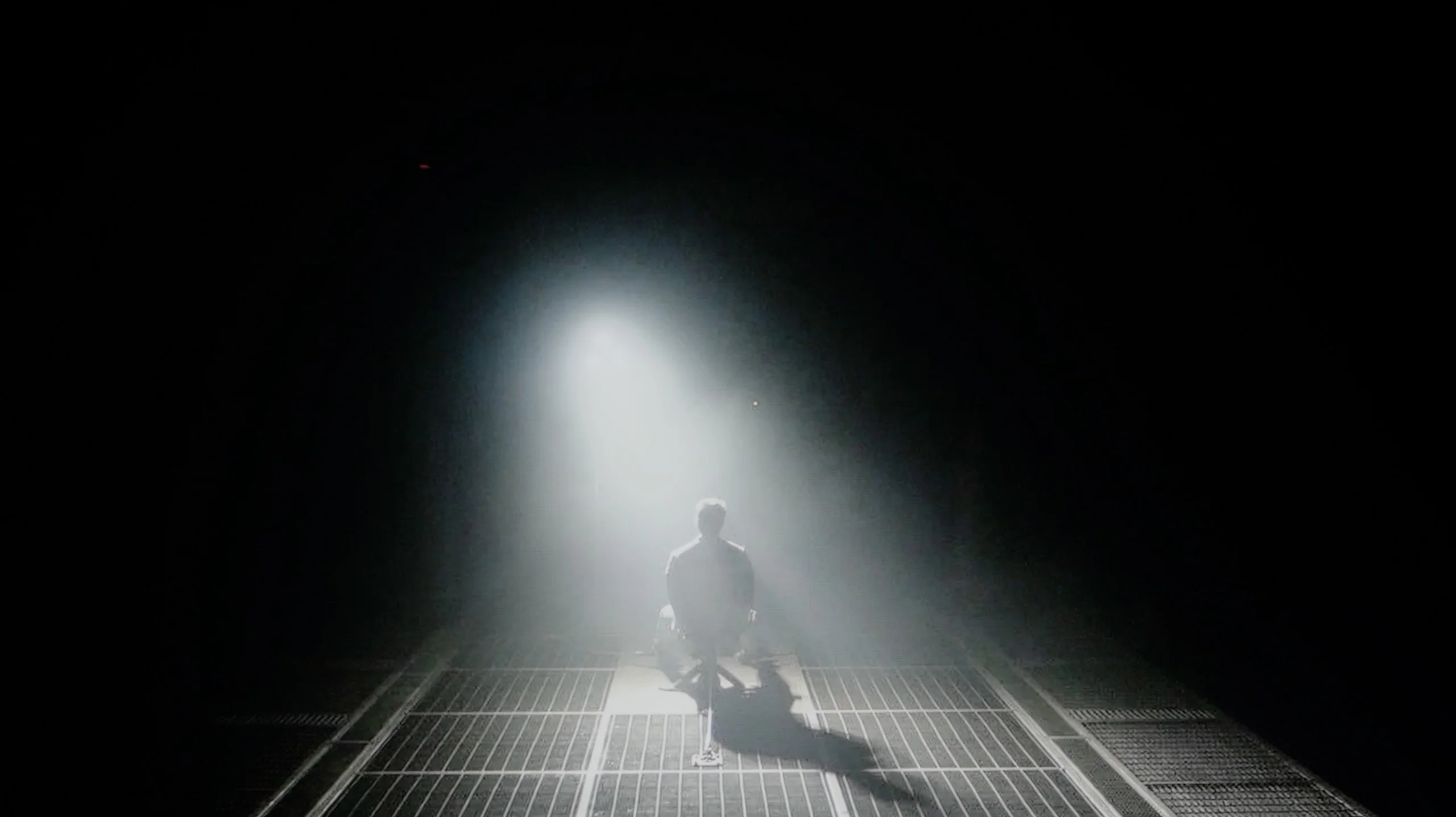
Check the visibility of bright lights on a dark background. Mini-LEDs often struggle with this. The photo does not compare black levels – that’s what the video below is for.
The video accurately shows differences in contrast and black levels between TVs, as well as potential issues: halo around bright objects or Mini-LED zone operation visible as brightness jumps.
The Hisense U7Q PRO is an mini-LED television with a VA panel and - in the 65-inch version we tested - 560 local dimming zones. It's worth noting that this number varies depending on the size - larger diagonals will have more zones, while smaller ones will have correspondingly fewer. But regardless of that, the dimming system itself works really solidly here.
The contrast performs really well, considering the price range this model falls into. Under the best conditions, the U7Q PRO can achieve results close to six-digit values, which until recently was reserved for much higher-end equipment. In practice - in scenes like the one from the movie Oblivion - the picture looks stunning. With a bit of light on in the room, it's hard at first glance to distinguish this television from organic screens. Of course, it's still an LCD with local dimming, so compromises are unavoidable. In more challenging scenes, where many small light sources appear, the U7Q PRO tends to dim too aggressively. Instead of a slight deterioration of black levels, some details that should be visible disappear. This is a side effect of the algorithm that strongly adheres to the principle of "black should be black," even at the cost of subtle image elements.
But all in all - contrast is one of the stronger points of this model.
Black performance on the TCL RM7L is really good. The combination of a high-contrast VA panel with a zone-based RGB Mini-LED backlight allows the TV to achieve very high contrast figures. In most of the scenes we measured, the results were good enough that dark parts of the image looked deep and convincing. The RM7L performs best in less demanding shots where black occupies a large portion of the screen and bright elements are relatively small. In such conditions contrast can reach six-figure values. As scene complexity increases, results gradually fall off, but that is a natural characteristic of any LCD TV using local dimming.
However, the RM7L has noticeably fewer zones than its counterpart using an SQD Mini-LED backlight. In the 65-inch version the difference is more than twofold, so you more often see more pronounced blooming around bright elements on a dark background. In terms of pure dimming precision, the RM7L is therefore not as accurate as the C7L. RGB Mini-LED has its own advantage here though. The bloom is not simply white, it takes on the color of the displayed element. A good example is the helicopter cockpit scene from Sicario 2, where a greenish bloom appears around the green lights instead of the typical bright halo known from conventional Mini-LED TVs. The halo effect is still visible, but because its color matches the image it is less distracting and looks more natural.
Ultimately we rate the RM7L and C7L similarly for black-level performance. The C7L controls the backlight better thanks to a larger number of zones, while the RM7L makes up for it with the character of its bloom. The bloom is somewhat larger, but its color blends better with the displayed image.
NOTE: Naturally, as the TV size increases the number of zones grows, yet we expect similar contrast results across RM7L sizes. It’s also worth adding that TCL lists the number of "color zones" in its product brochures, not the actual dimming zones. Since each color zone consists of three RGB channels, the advertised number should be divided by three. Therefore 1,344 color zones in the 65-inch unit we tested mean 448 actual dimming zones.
Size | Dimming zones (actual) | Color zones |
|---|---|---|
65" | 448 | 1344 |
75" | 600 | 1800 |
85" | 720 | 2160 |
98" | 960 | 2880 |
HDR effect quality
6/10
6.6/10
Luminance measurements in HDR:

Result
1129 nit

Result
323 nit

Result
721 nit

Result
267 nit

Result
736 nit
Result
914 nit
Result
538 nit
Result
653 nit
Result
494 nit
Result
1413 nit
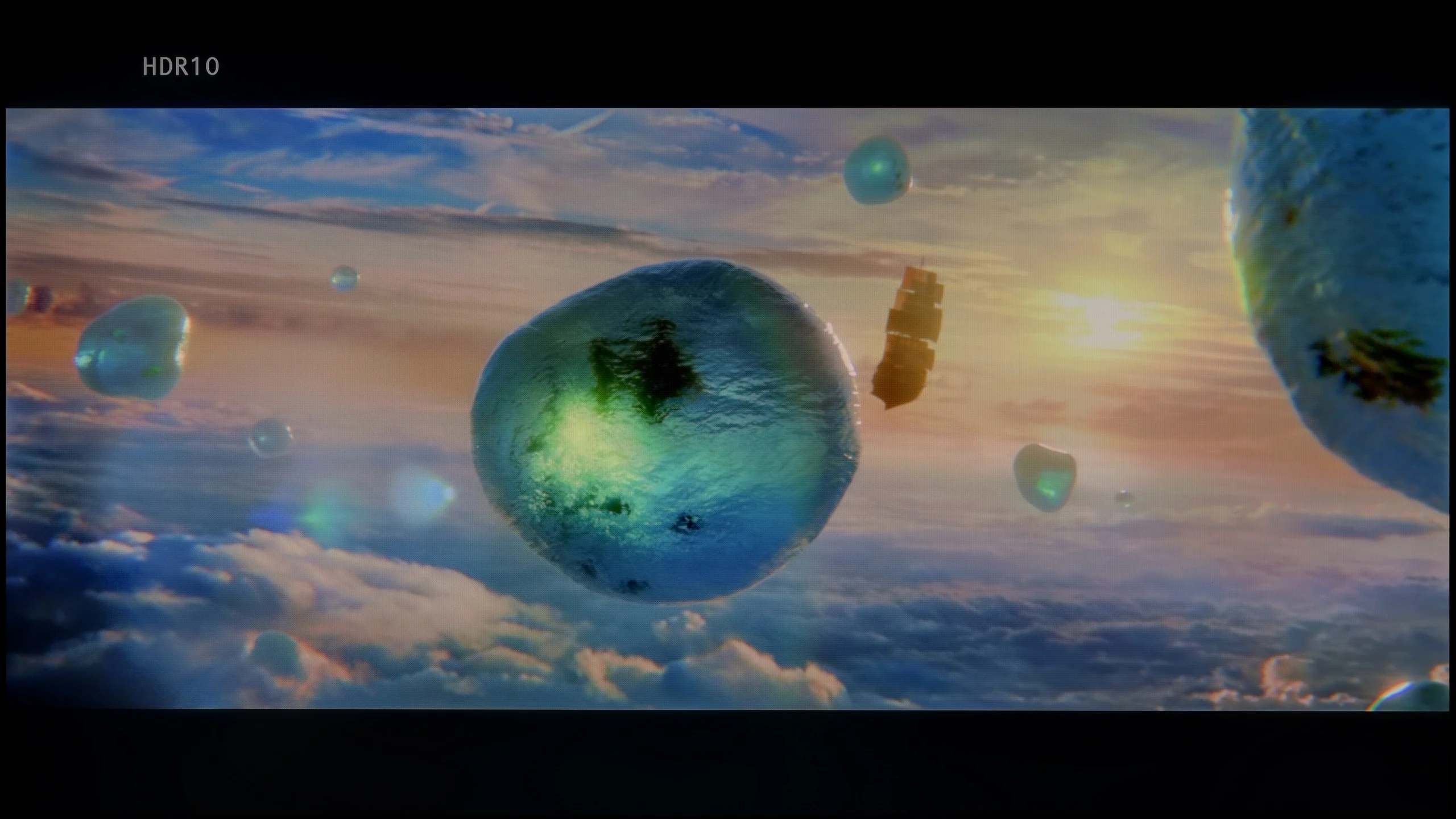
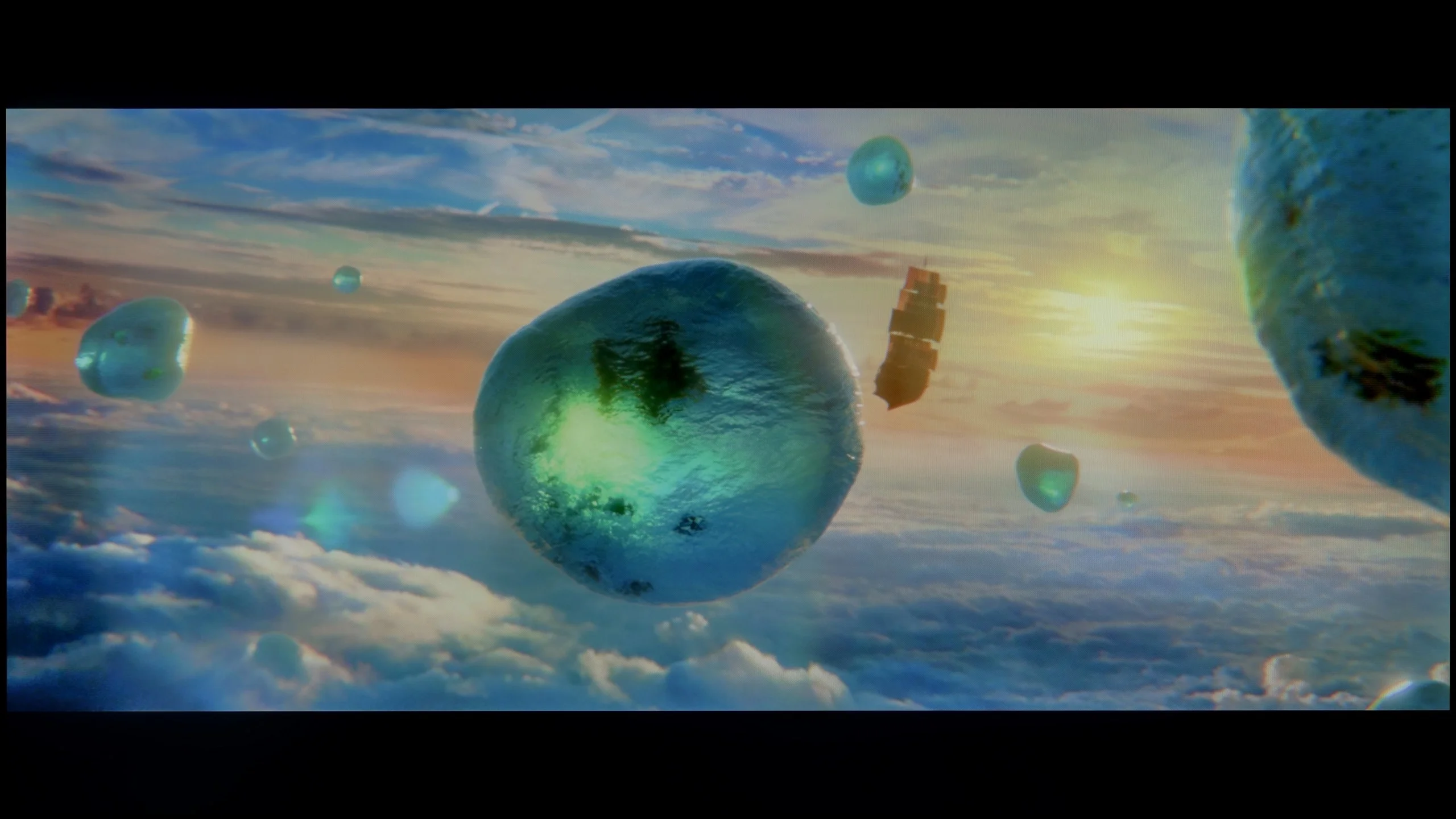
Scene from the movie “Pan” (about 2800 nits)
Scene from the movie “Billy Lynn” (about 1100 nits)
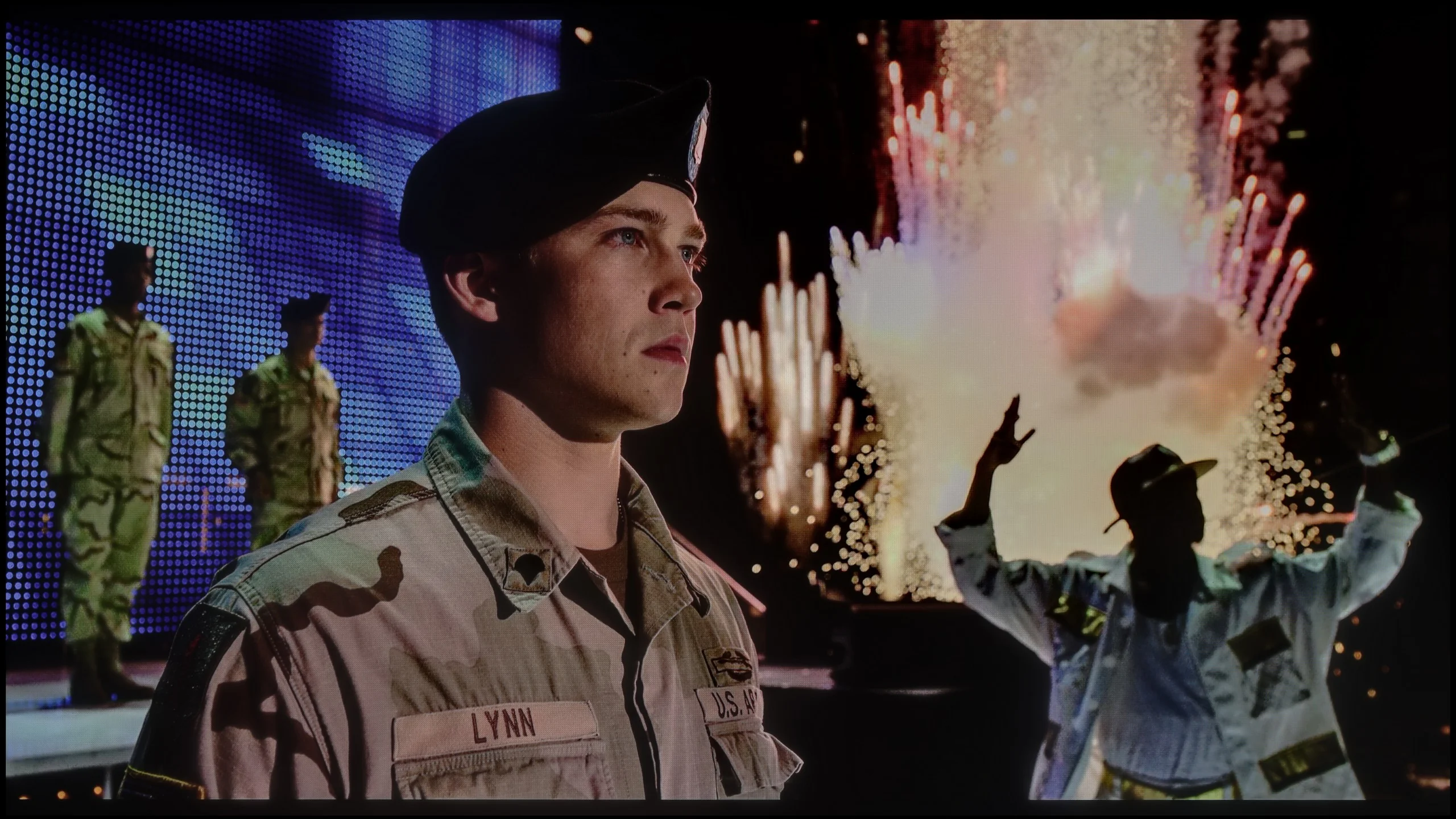
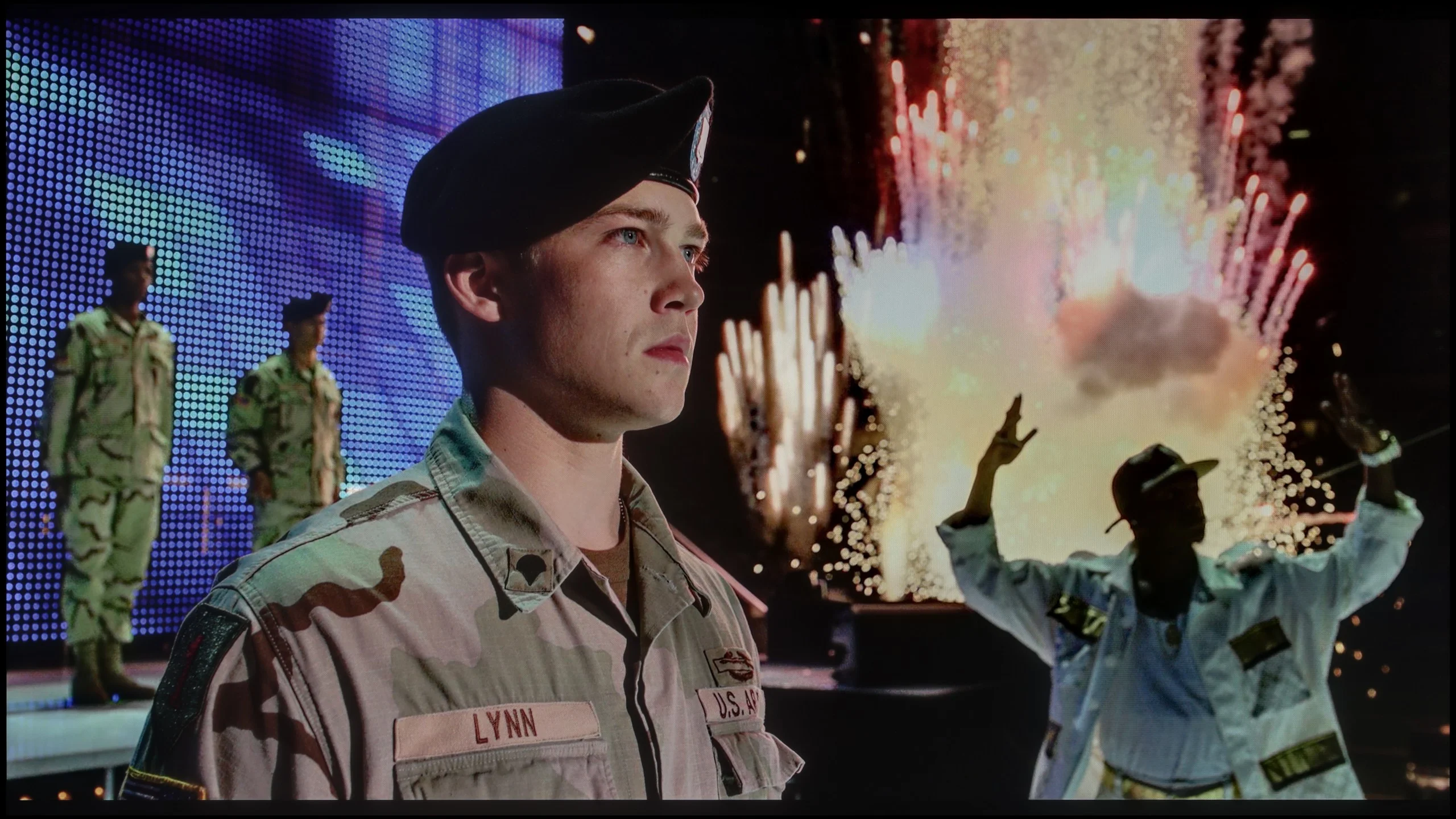
The photos show two HDR10 movies. 'Pan' is one of the brightest productions ever made, while 'Billy Lynn' (soldier) has brightness typical of streaming (Netflix, Prime, HBO MAX). Notice the intensity of effects and detail in whites.
Static HDR10
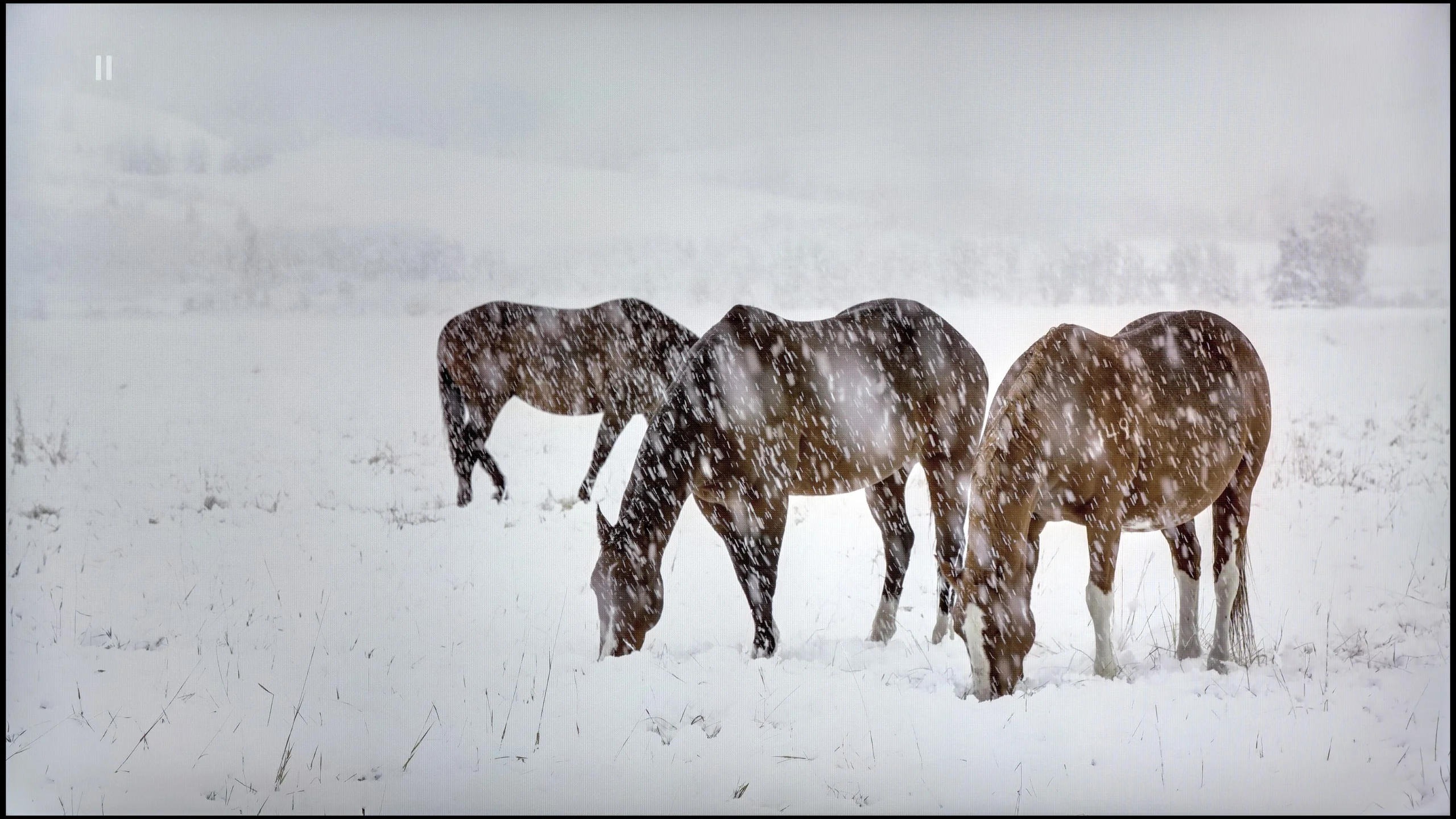
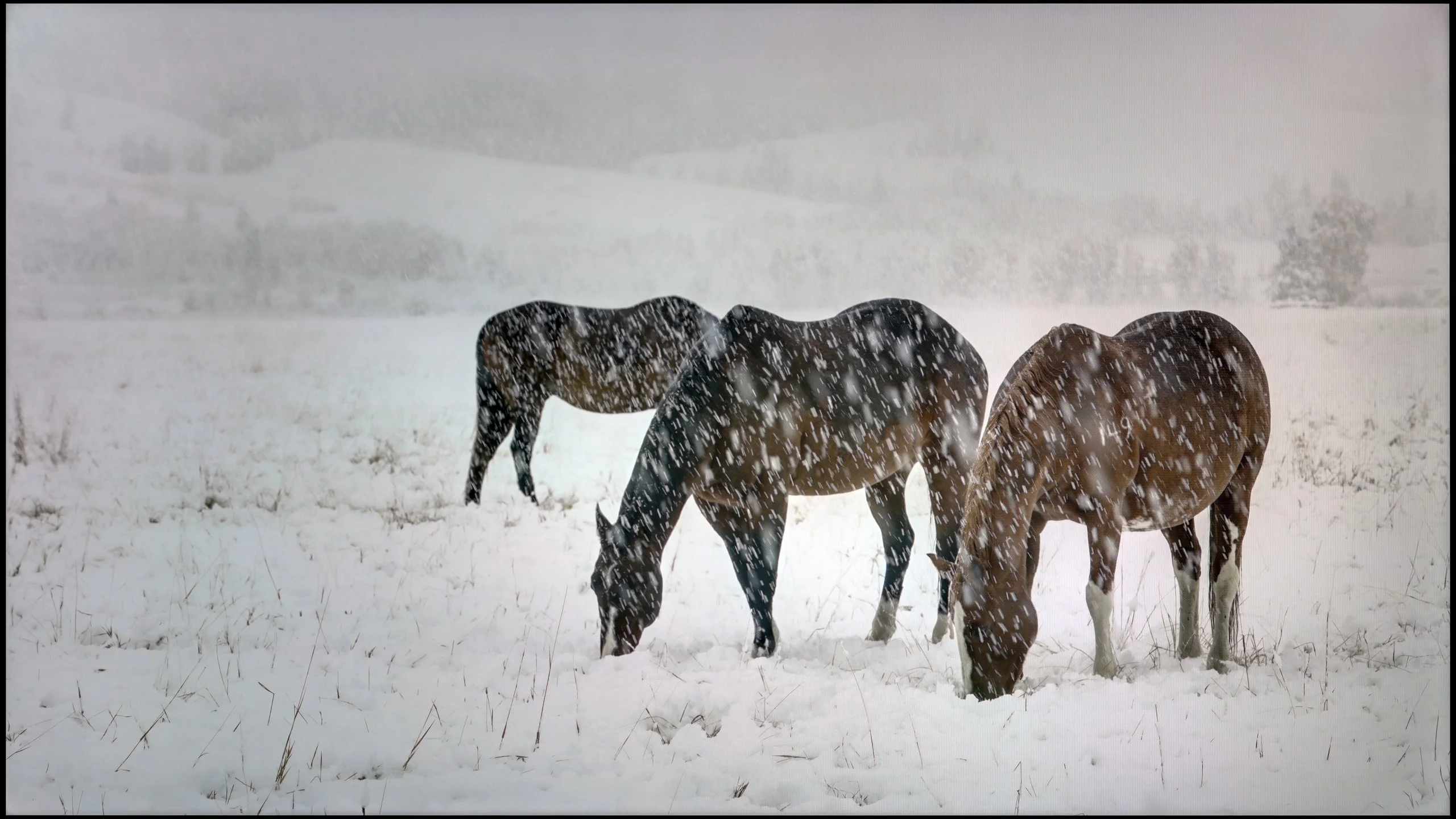
The photos present the visibility of white details in various HDR formats. They do not show brightness differences between TVs (these can be compared in the previous gallery).
Dynamic: Dolby Vision
Dynamic: Dolby Vision


The photos present the visibility of white details in various HDR formats. They do not show brightness differences between TVs (these can be compared in the previous gallery).
HDR luminance chart:
TCL RM7L
Hisense U7Q PRO
U7Q PRO is truly a bright television. In synthetic tests, it achieved over 1500 nits, which is an outstanding result for this price range. Such brightness – at least in theory – allows for displaying HDR content as intended by creators, even in more demanding scenes with strong light. In practice, it can be very good, but not always perfect. In bright scenes with a large surface area – such as the test screen with intense sunlight from the movie "Pan" – U7Q PRO makes a huge impression. It can almost blind with light, which is definitely an advantage in the context of HDR content. Unfortunately, this is not always maintainable when a lot of small bright details appear on a dark background. In such moments, local dimming algorithms decide to dim some bright elements to maintain good black levels – and the side effect is that some details simply disappear from the frame. This is a classic compromise in mini-LED televisions – and U7Q PRO is no exception. However, with such a large number of dimming zones, one could expect a somewhat more mature algorithm responsible for controlling them. Fortunately, the overall reception of HDR content is very positive. U7Q PRO is not only bright but also colorful; thanks to the PFS LED (QLED) coating, the coverage of the DCI-P3 color palette is at 95%, and BT.2020 is around 73%.
The TCL RM7L is a bright TV. In our measurements its peak brightness hovered around 1600 nits. That's clearly less than the C7L, which can approach 2600 nits, but in real movie scenes the difference between the two models isn't that big. In less demanding shots with many bright elements on screen, the RM7L can hold around 1000 nits, and sometimes a bit more, approaching 1500 nits. It performs worse in dark scenes with small highlights; then their brightness can fall to around 500 nits. However, this behavior is not accidental. The TV intentionally dims small elements to better control the backlight and maintain higher contrast. This comes at the cost of their intensity, but it's typical behavior for local-dimming TVs in a similar price bracket.
Color gamut coverage
In HDR it's not only brightness that matters, but also color. And here the RM7L has a lot to show. Colors are strongly saturated, and a wide color gamut is one of its bigger strengths. In measurements it reached about 96% of DCI-P3 and around 83% of BT.2020. It's worth remembering, though, that on a TV with this kind of backlight the result can vary depending on the scene. On test patterns colors look best, while in movies their saturation can be a bit lower than on SQD Mini LED or QD-OLED TVs. The backlight construction itself is also interesting. The RM7L doesn't use the classic red, green and blue diode set. TCL used two green diodes and one blue, and obtains the red color using a PFS phosphor. You can see this in spectrometer measurements, but it doesn't have a major impact on the picture. Colors are still produced correctly.
Factory color reproduction
6.2/10
5.8/10
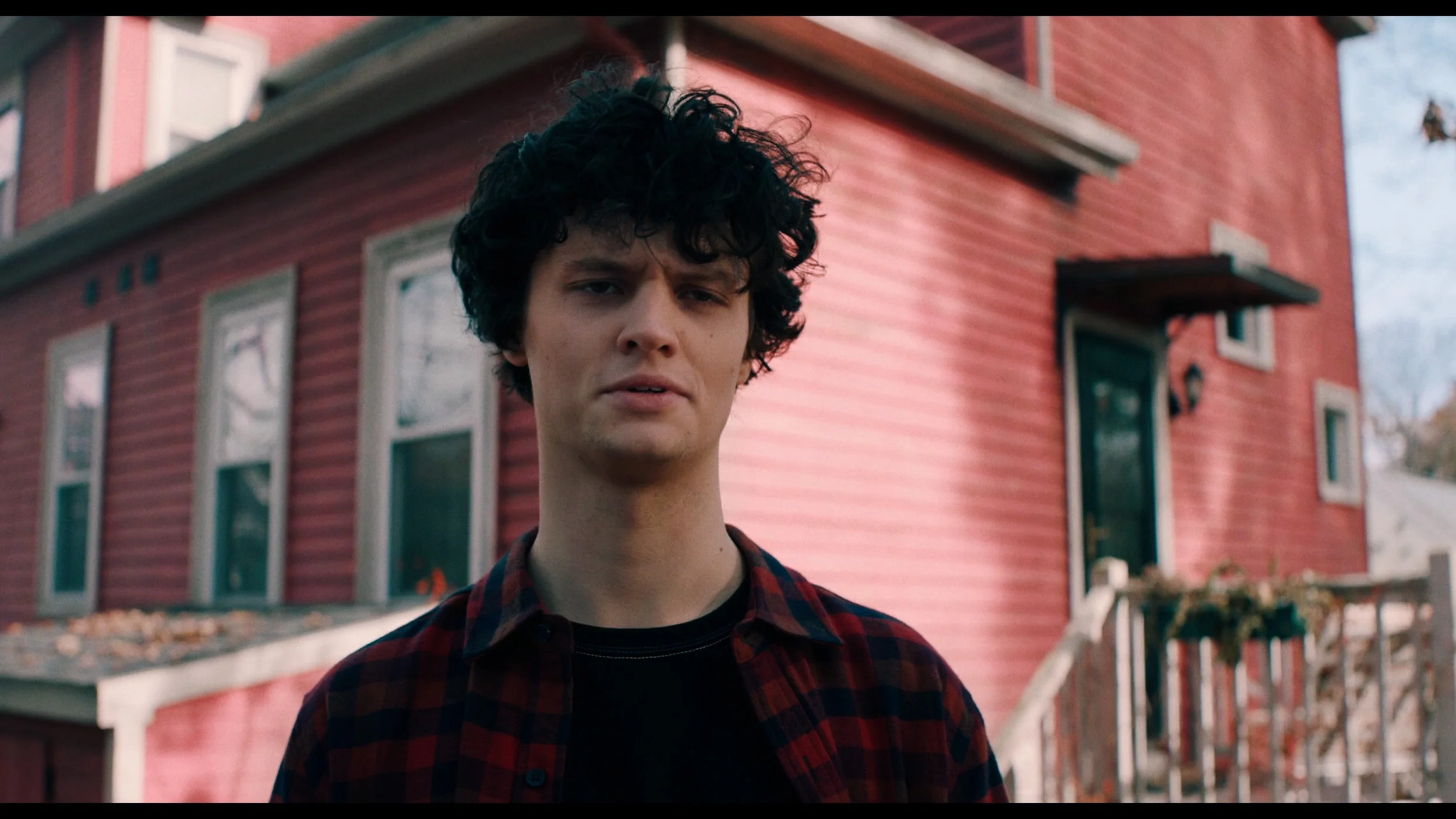
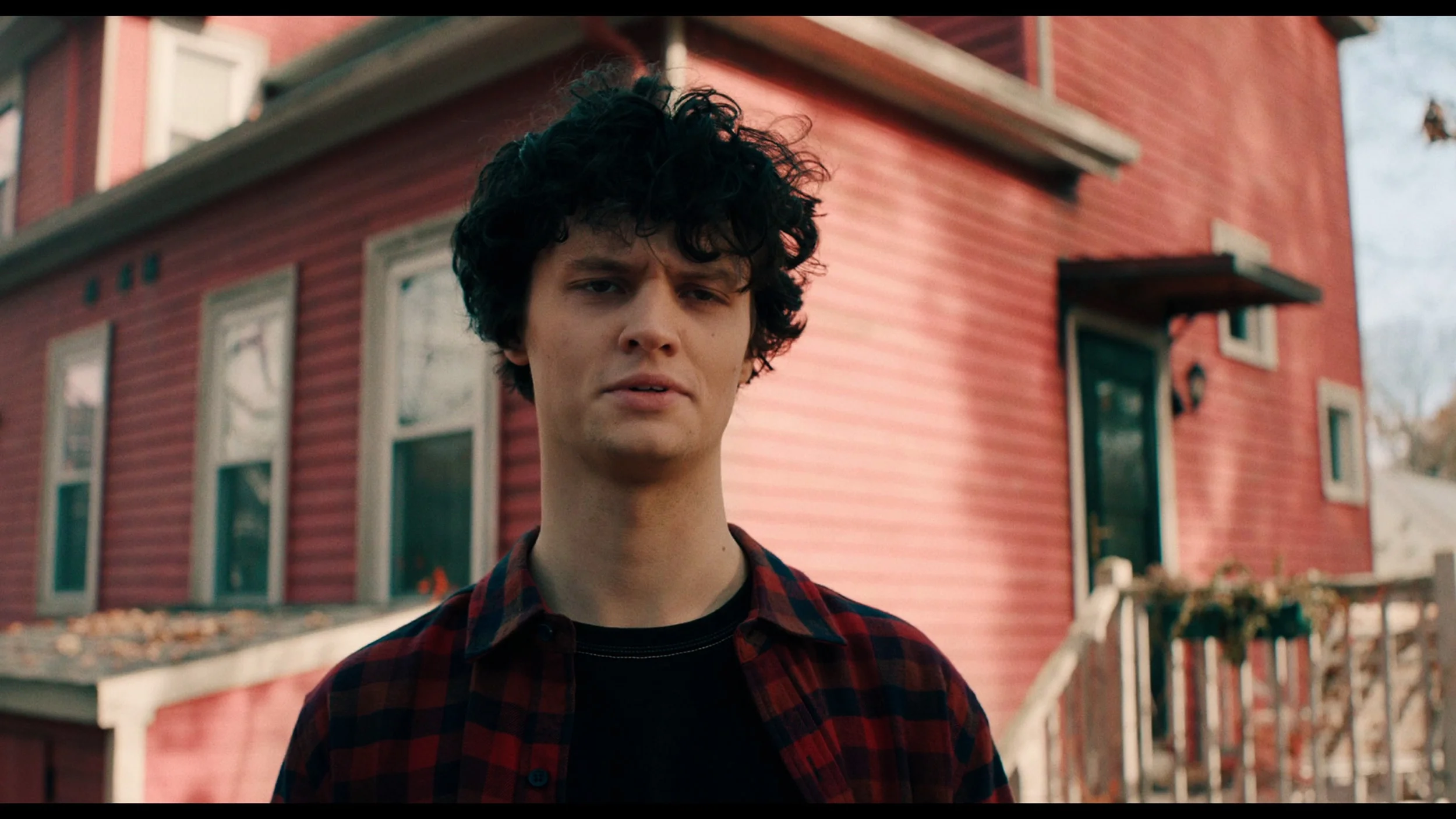
This gallery shows how colors change after professional TV calibration. If you notice the difference, we recommend ordering this service at SkalibrujTV.com.
Factory Mode
After calibration
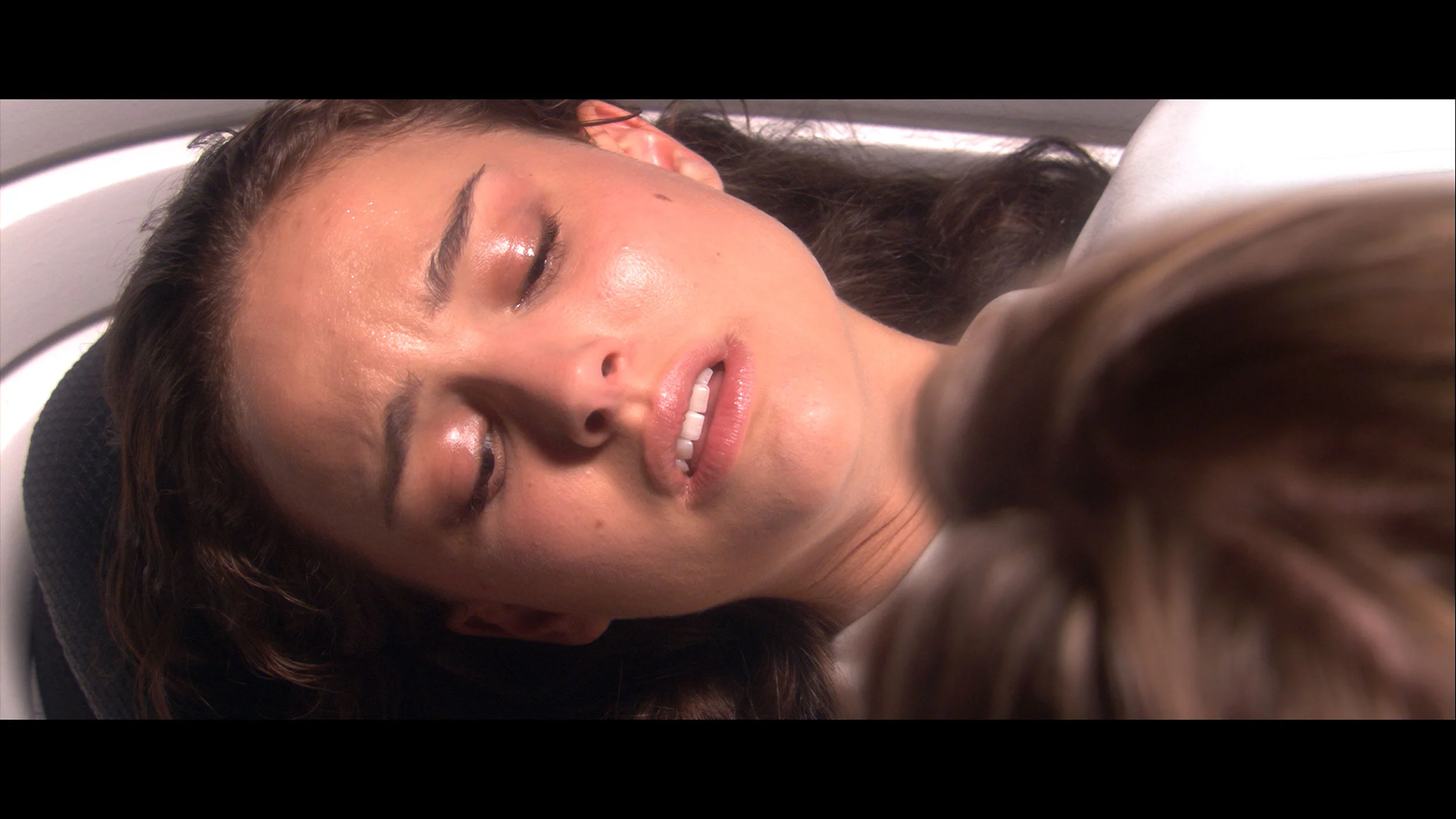
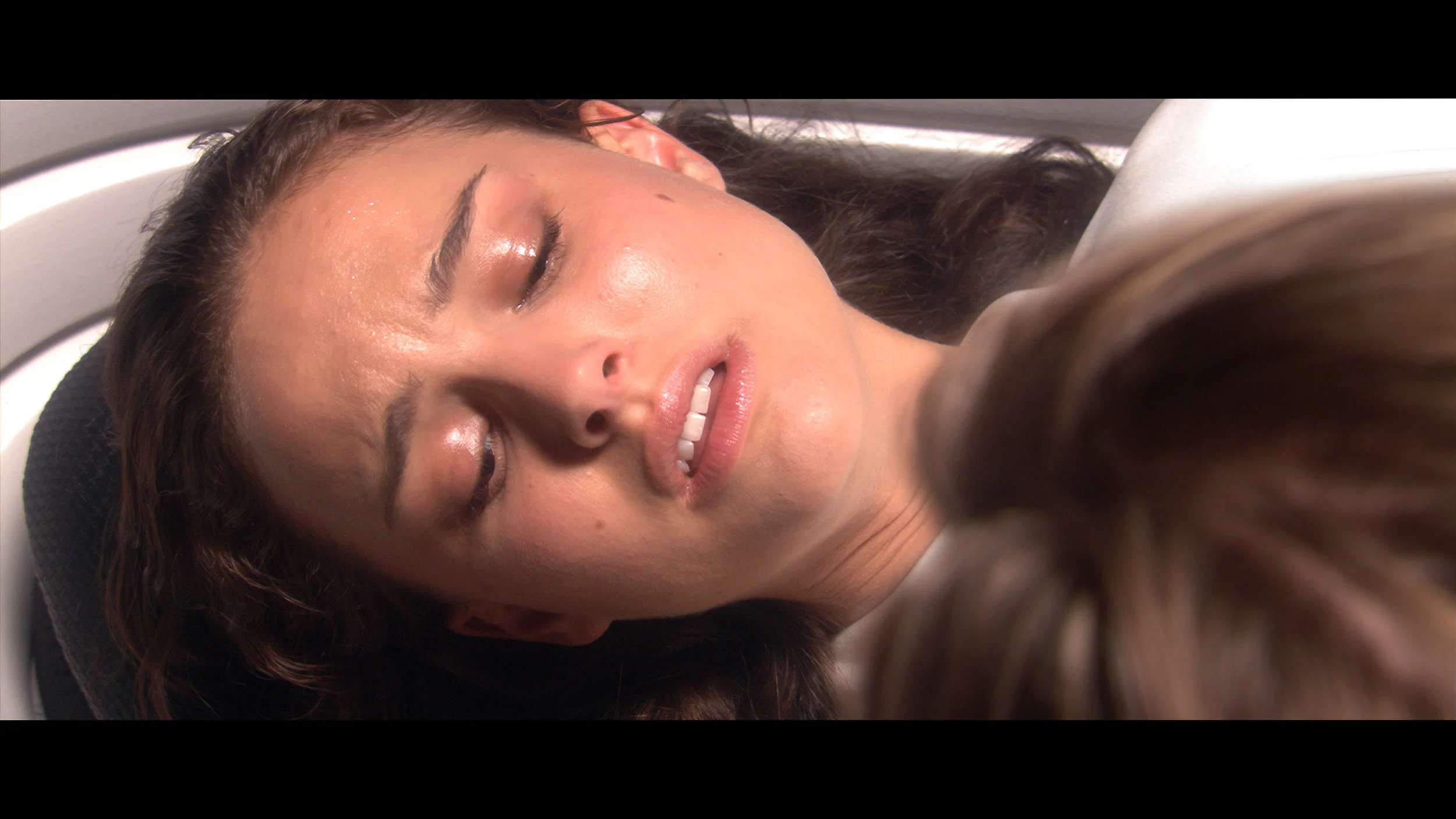
This gallery shows how colors change after professional TV calibration. If you notice the difference, we recommend ordering this service at SkalibrujTV.com.
Factory Mode
After calibration
We tested the U7Q PRO in the best possible picture mode that this model offers – Filmmaker Mode. And indeed, it is this mode that performs best in terms of color reproduction. But that doesn't mean it's perfect. In our test unit, both in SDR and HDR content, the image had a slightly cooled tone. The white balance was shifted towards blue, which made the overall impression feel a bit "cooler." It's not glaring, but definitely noticeable – especially on white backgrounds that, instead of neutral, appeared slightly bluish. Additionally – as we mentioned earlier – the television tends to slightly brighten and oversaturate the image, which is also confirmed by the gamma and EOTF charts. All of this together means that without calibration the image may seem a bit unnatural – too cool, with slightly exaggerated dynamics. That's why we decided to conduct our own calibration – and its effects and charts can be seen below.
We checked the factory colors in Filmmaker Mode, the best picture setting available to the user. TCL has been using it in its TVs for two years, and its purpose is to present the image as faithfully as possible in line with the creators' intent. On the RM7L this was indeed the best-calibrated mode, although it wasn't without flaws. The biggest issue was the white balance. An excess of red and blue caused the picture to take on slightly pinkish tones. This was visible in both SDR and HDR. Additionally, the luminance response was slightly boosted, which made the image appear a bit brighter but also less contrasty than it should have been.
Color reproduction after calibration
7.5/10
8/10
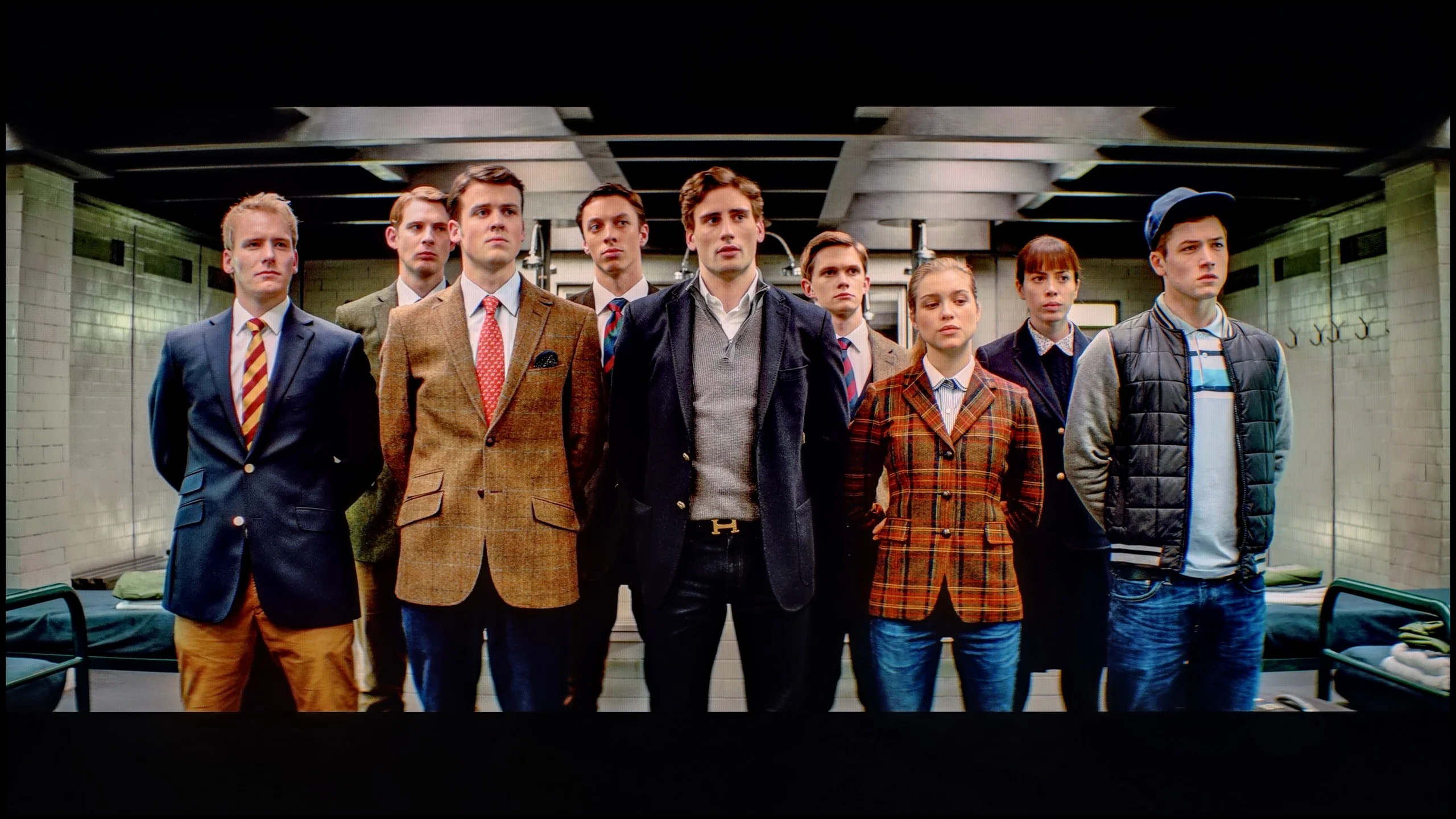
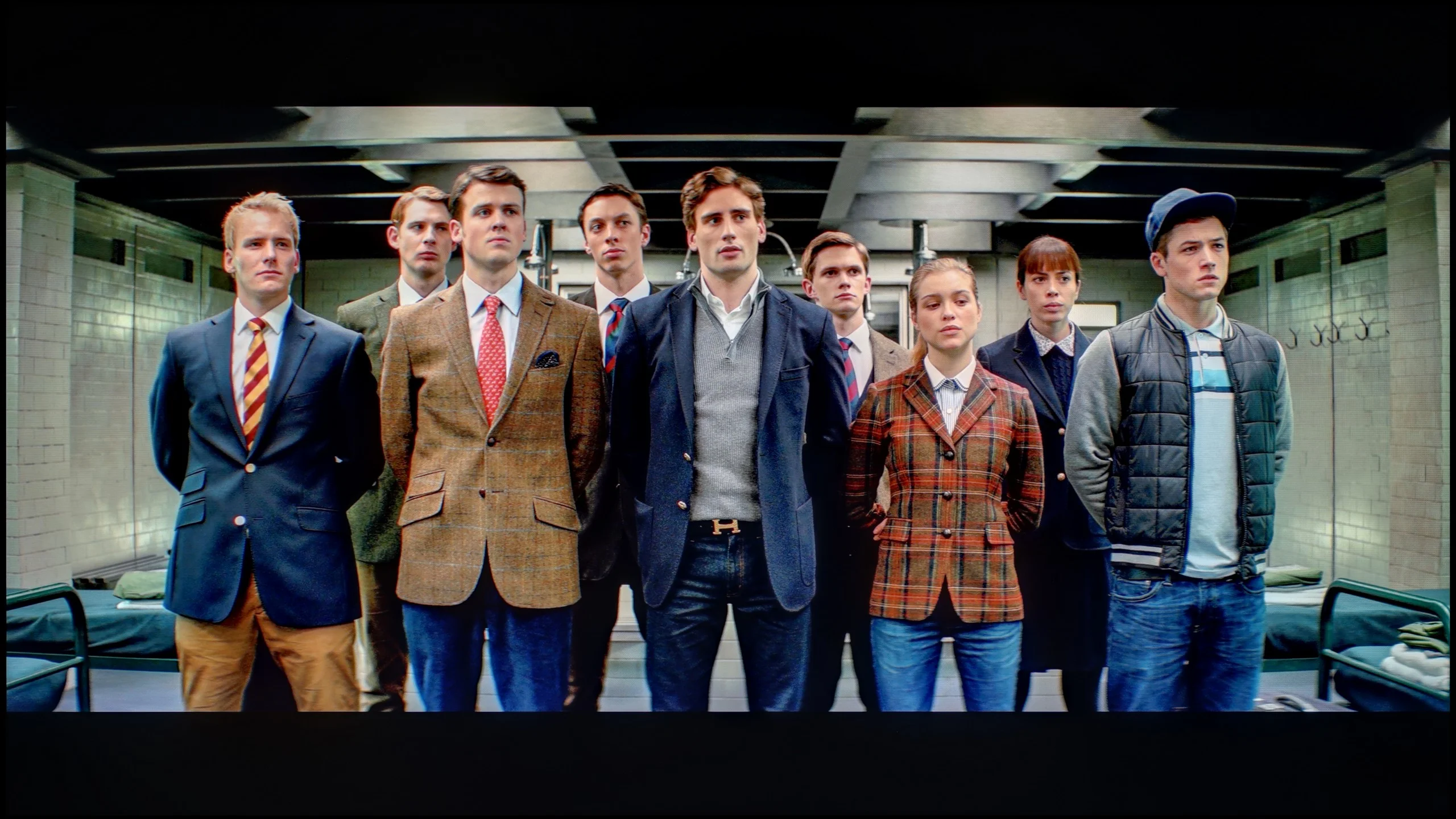
The photos show how movies look on the TV. Pay attention to black detail visibility, colors, and shadow tint.
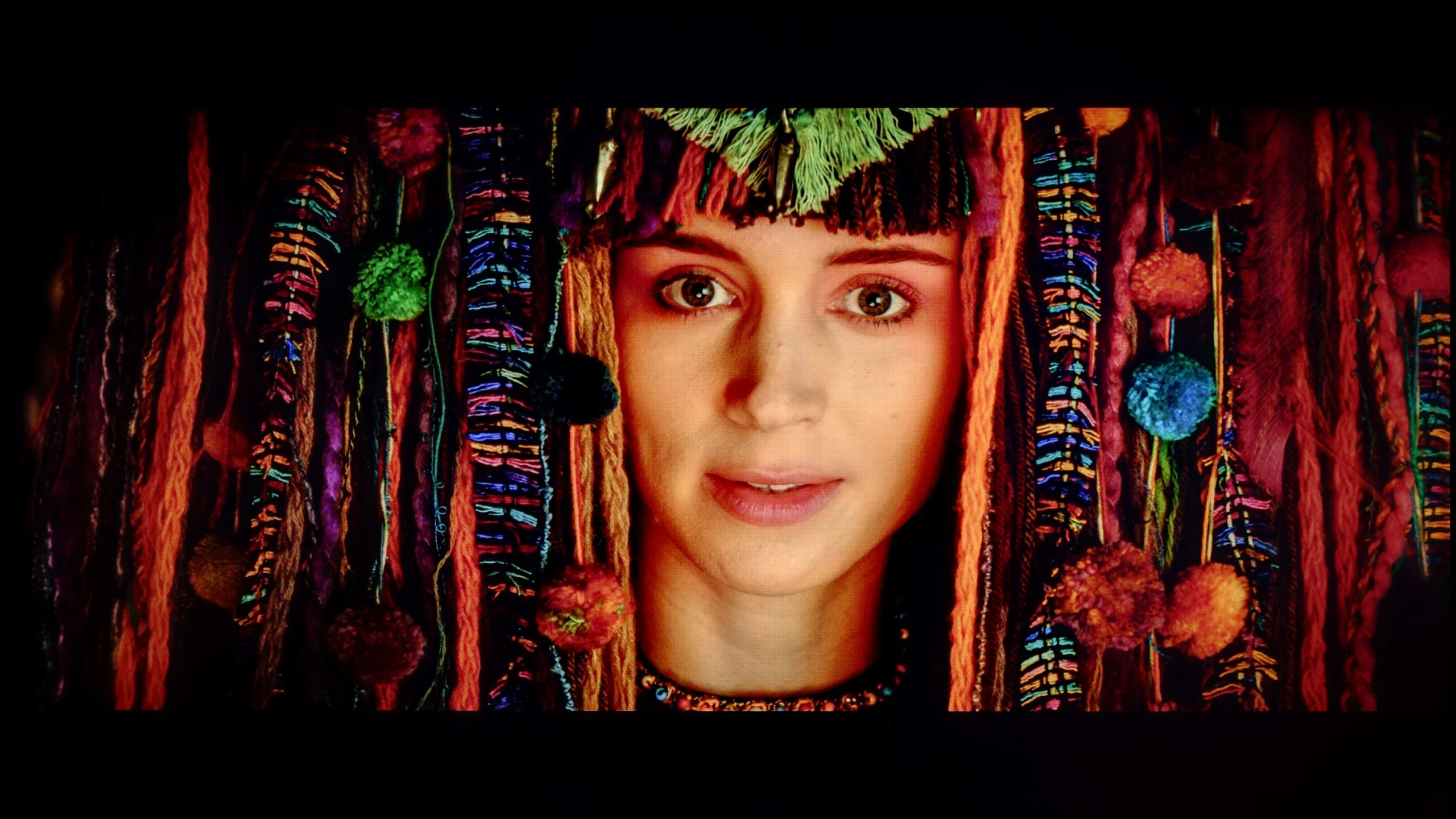
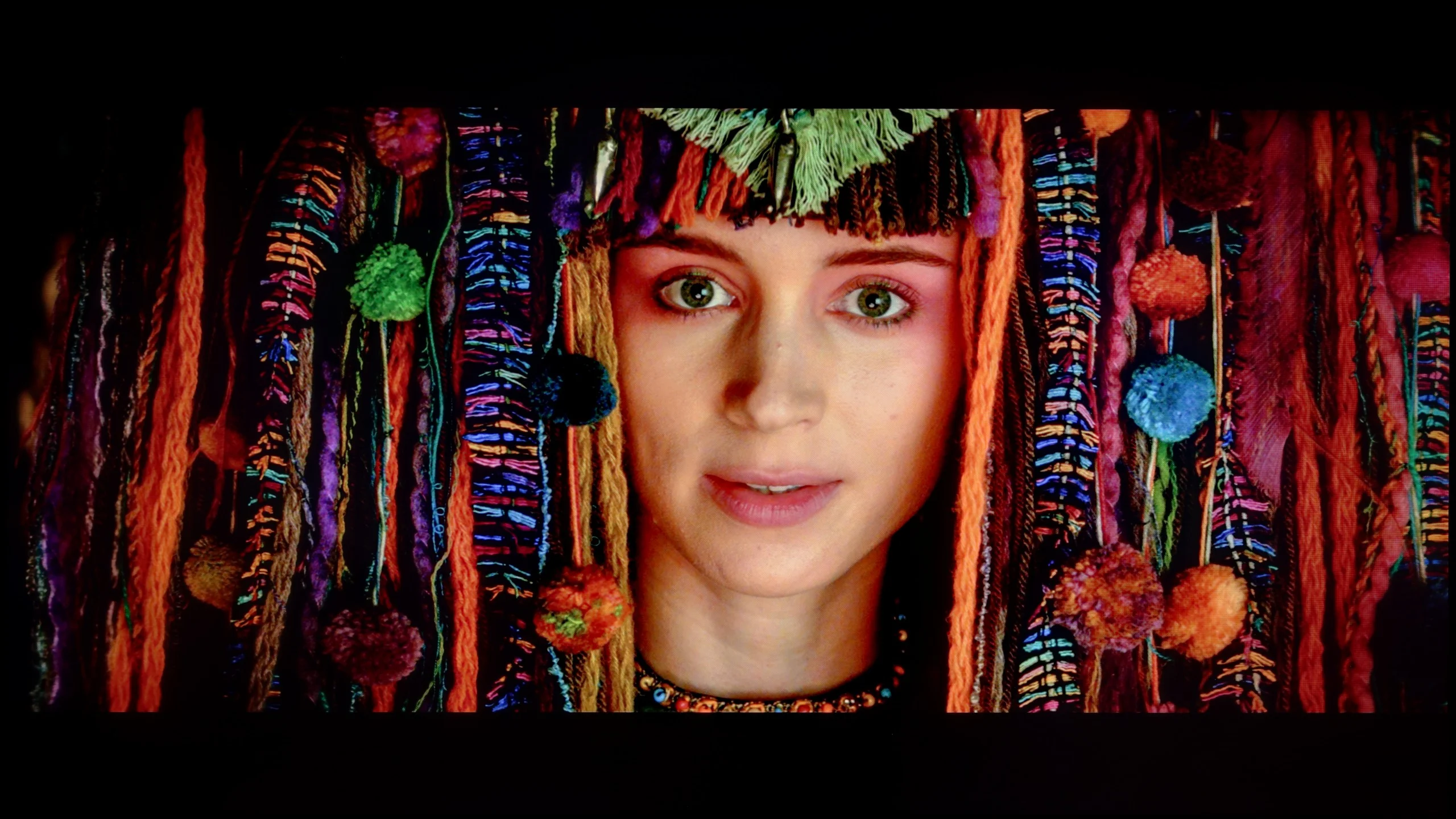
The photos show how movies look on the TV. Pay attention to black detail visibility, colors, and shadow tint.
Thanks to calibration, we managed to tame the white balance in both SDR and HDR content. For SDR materials, the effect is really very good – the image becomes neutral, consistent, and simply pleasant to view. Everything looks as it should.
The performance in HDR is a bit worse. Although the white balance looks correct and overall the image gains in naturalness, unfortunately, delta E errors remain noticeable. Why? Because Hisense does not give us full control over how the U7Q PRO manages brightness in HDR mode. This is where the limitation appears. When we look at the EOTF curve for HDR content, we can clearly see what we mentioned earlier – at the beginning of the graph, there is a noticeable drop, meaning the television dims the smallest sections more than it should. On the other hand, the brightest elements can be illuminated a bit too much. As a result, some details are lost, others are too aggressive, and overall control over brightness does not always align with what we are trying to achieve during calibration.
Does the image look better after calibration? Definitely yes, in terms of color. But when it comes to managing brightness in HDR, we have to accept that the Hisense U7Q PRO will do it its own way.
Thanks to a fairly extensive calibration menu, we were able to correct the vast majority of the errors described earlier. The biggest change was to the white balance. After calibration it looks very good, so the image lost its pinkish cast and became much more neutral. The luminance response itself also improved. Both the SDR gamma and the HDR EOTF curve are now much closer to the reference values. The image is no longer unnecessarily brightened, and darker areas look more natural and have more depth. Better luminance accuracy also affected the colors, which after calibration are noticeably more accurate. Not everything could be set perfectly, though. In HDR material the RM7L still interprets part of the signal its own way and does not always follow the reference curve exactly. This is most apparent in some darker scenes, where the TV can either slightly lift the shadows or darken them completely. That was the source of the earlier impression of a slightly brightened, less contrasty image. Even so, the calibration delivers a very good result here. It removes the most visible errors and, above all, makes the image much closer to how it should look.
Smoothness of tonal transitions
9.5/10
8.9/10
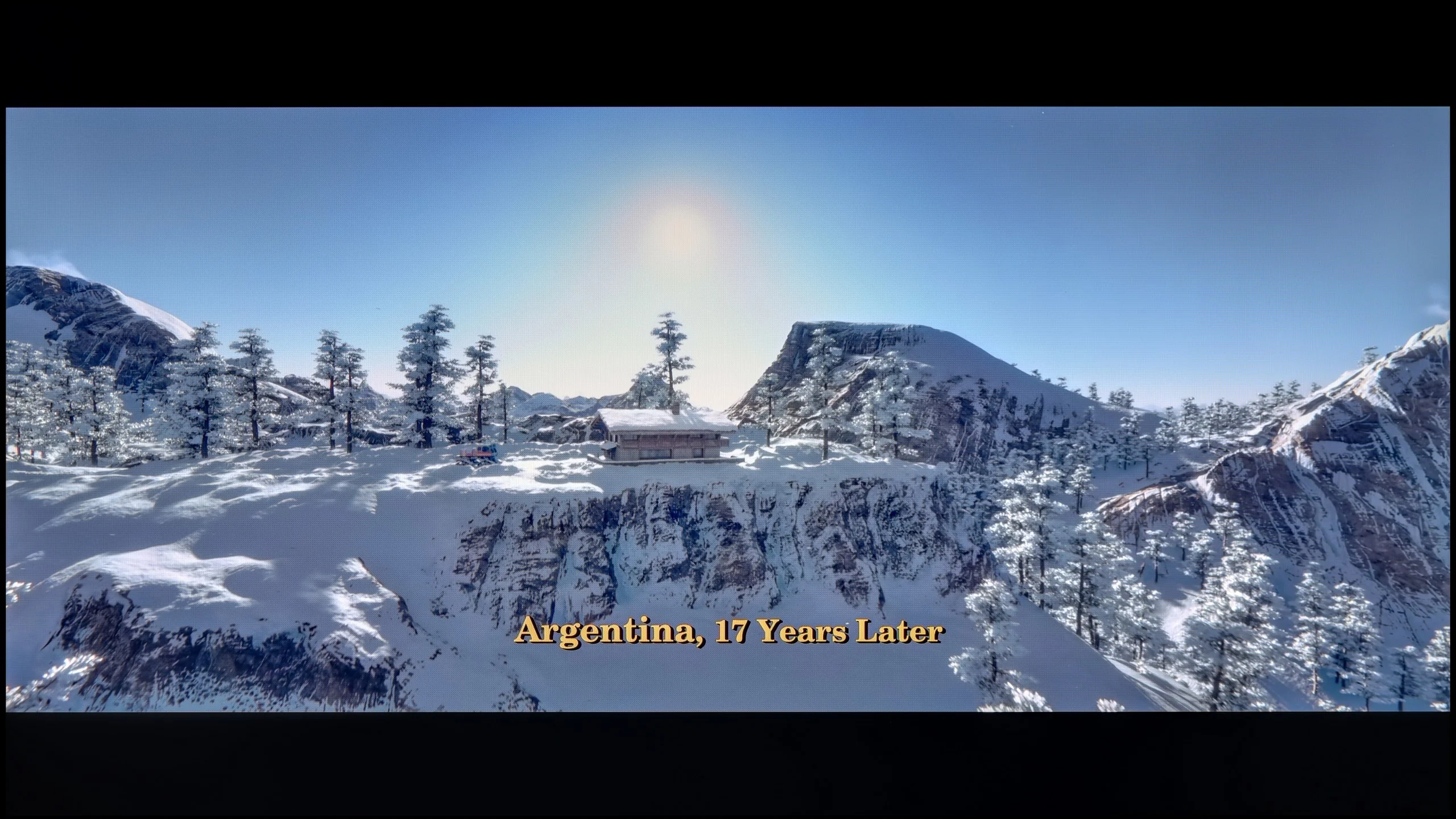
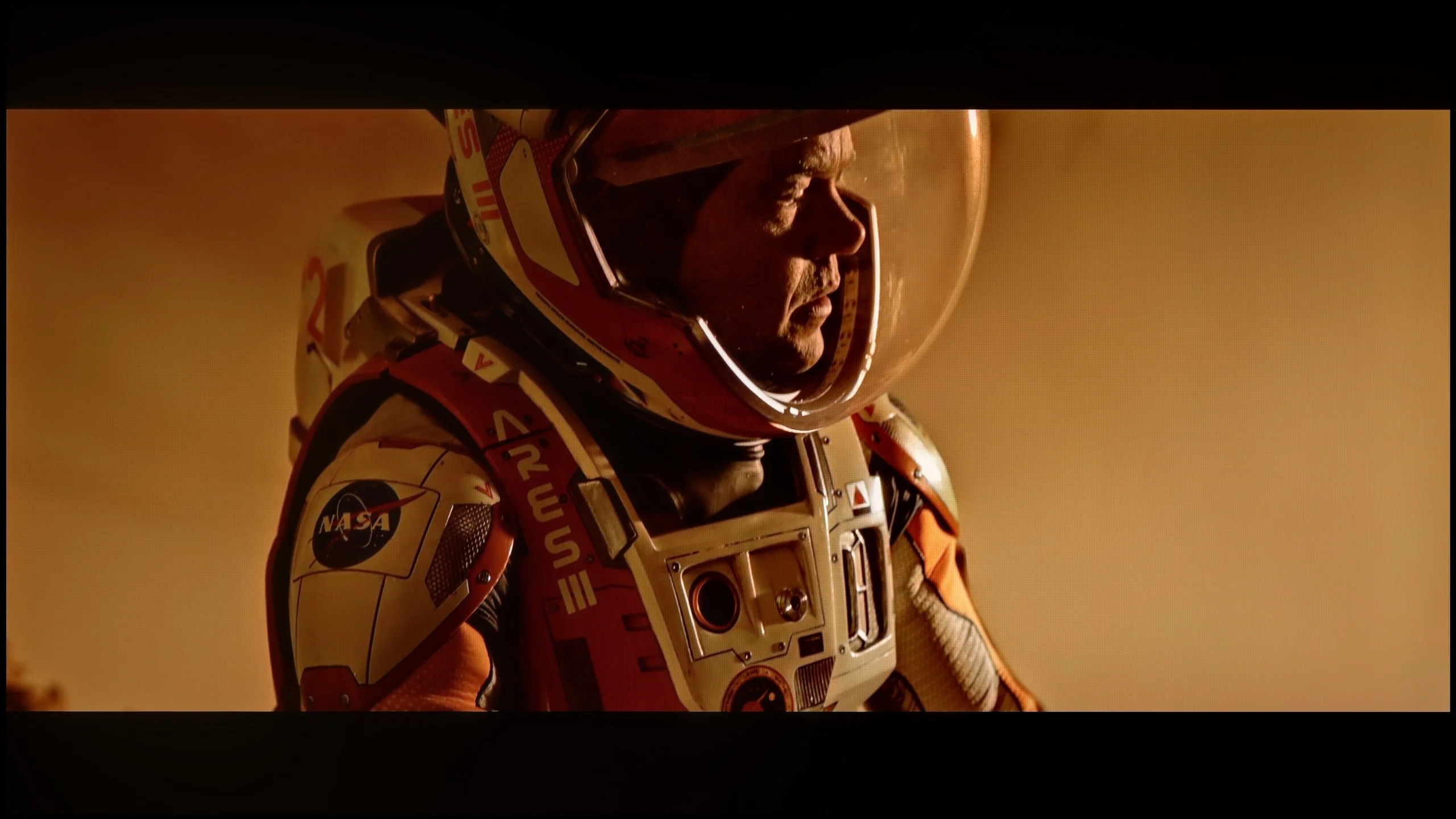
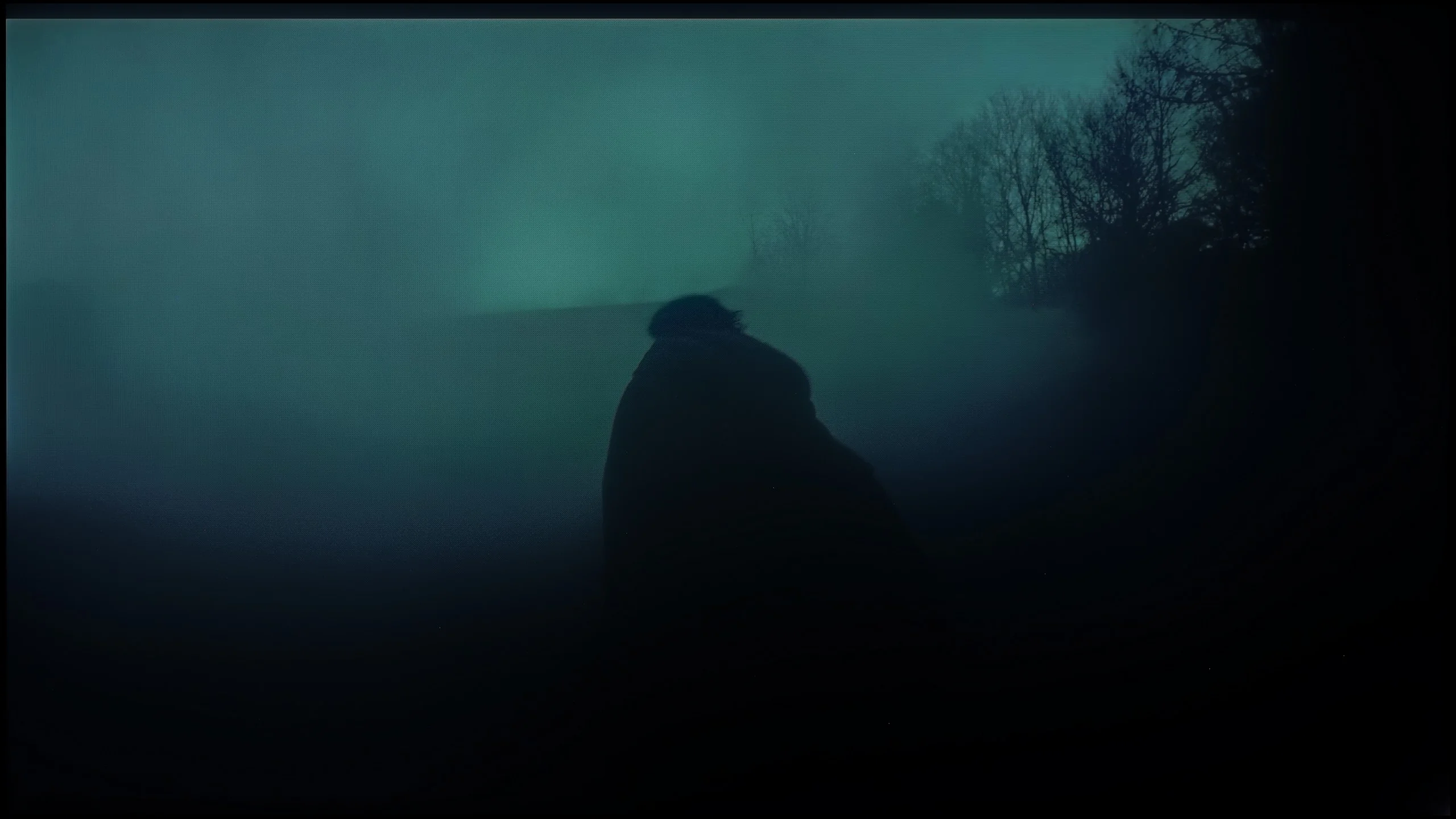
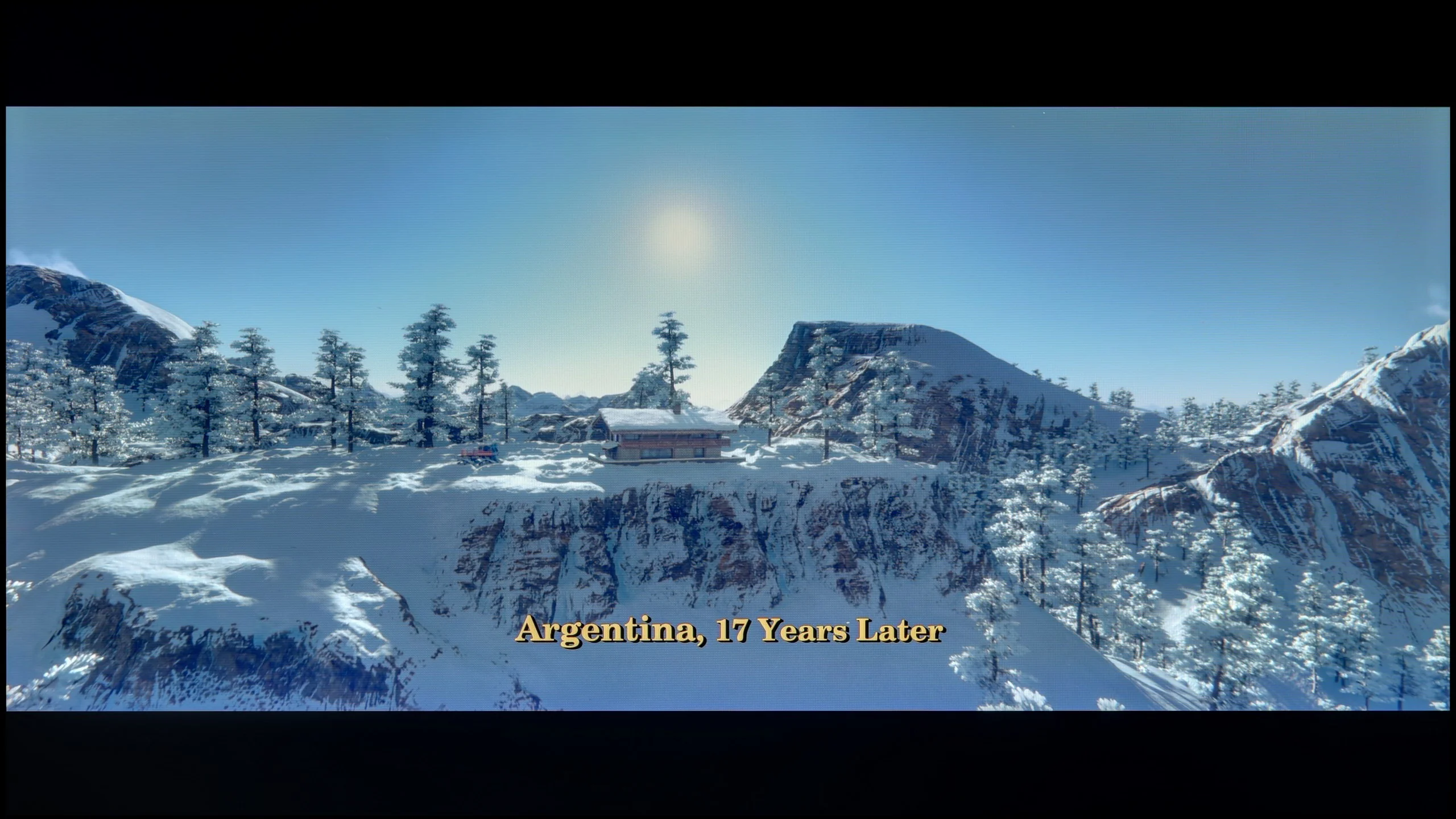
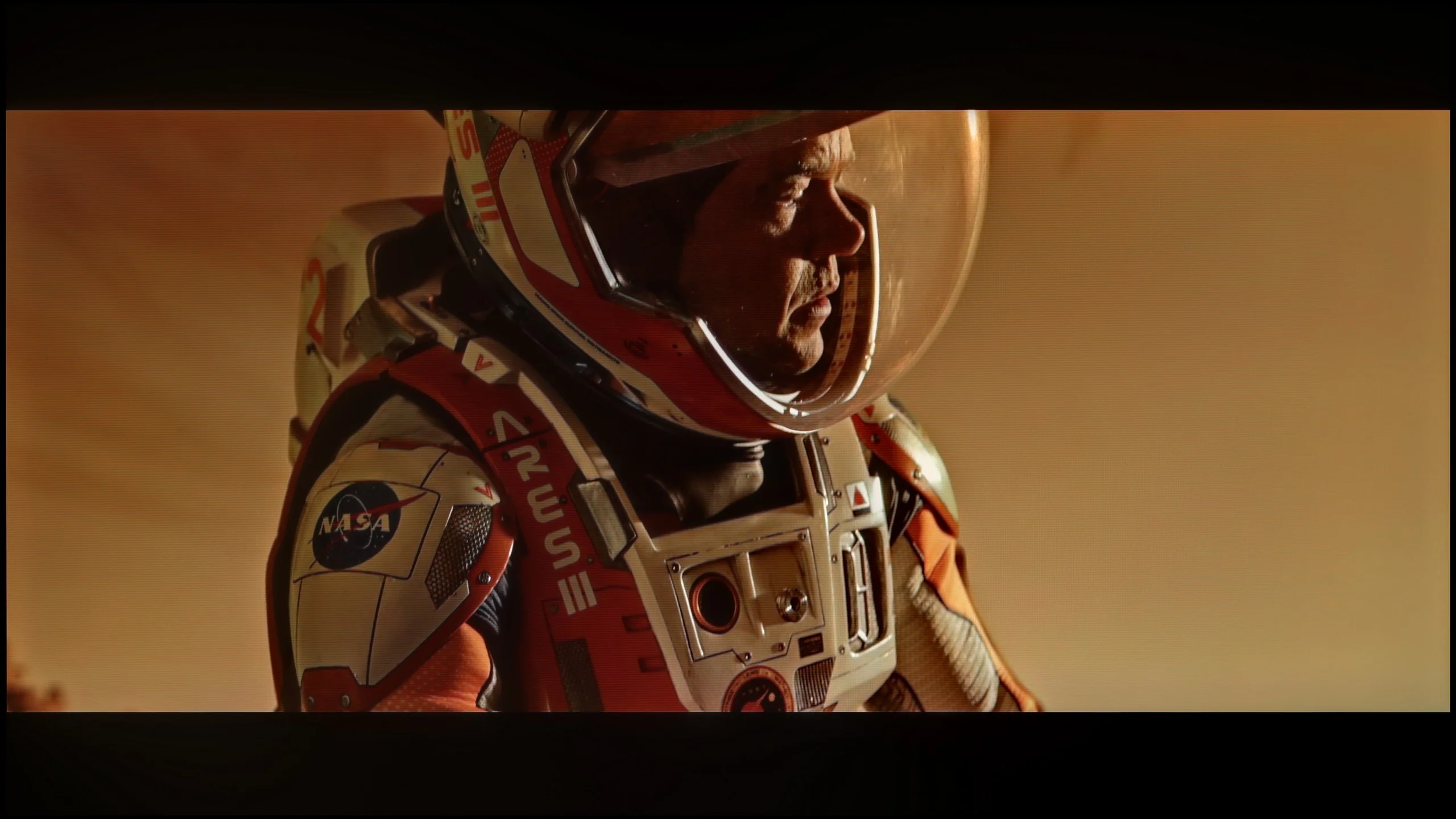
These are selected scenes that show smooth tonal transitions from one color to another. If you see distinct banding, it’s the TV panel’s fault.
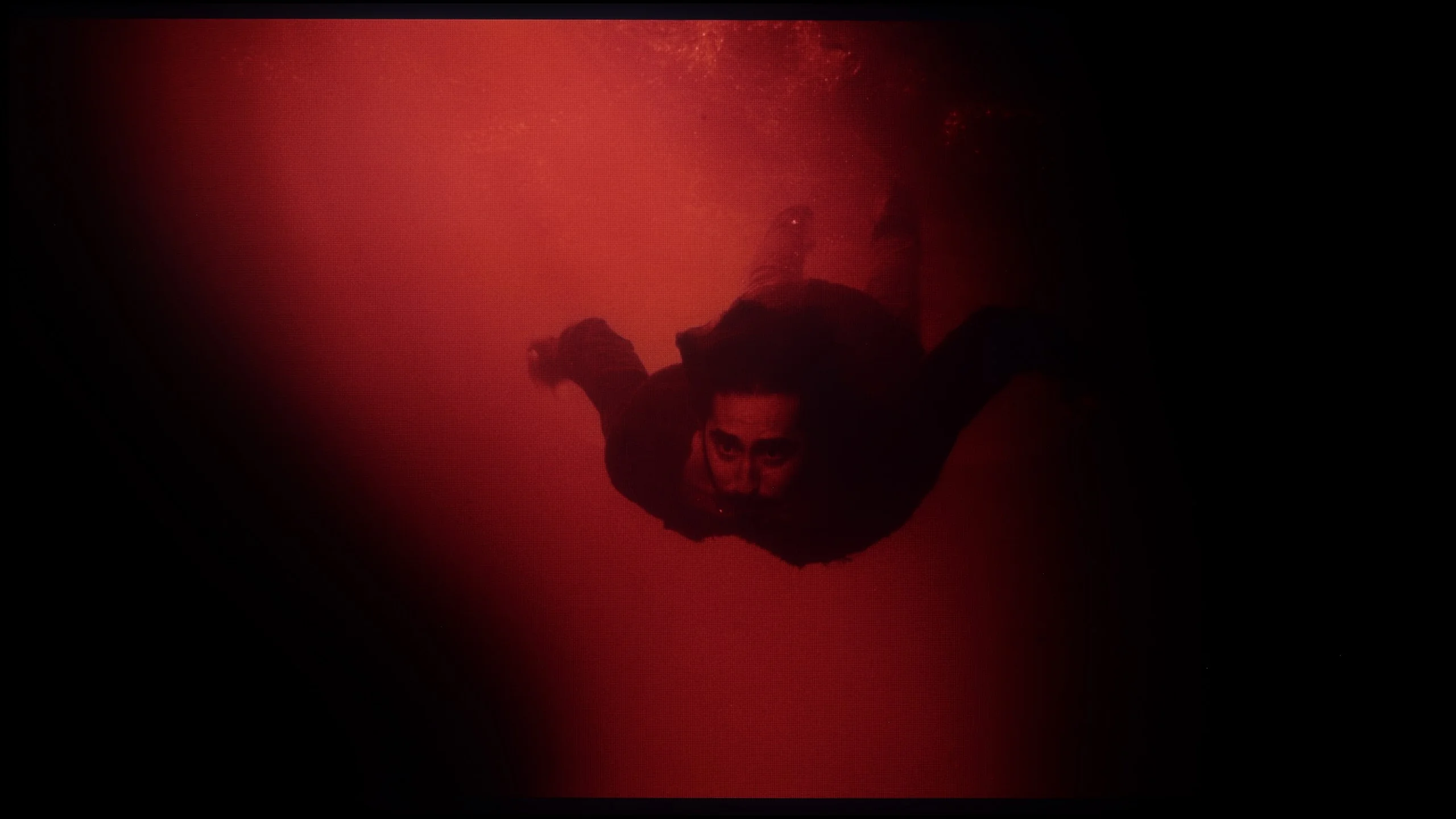
These are selected scenes that show smooth tonal transitions from one color to another. If you see distinct banding, it’s the TV panel’s fault.
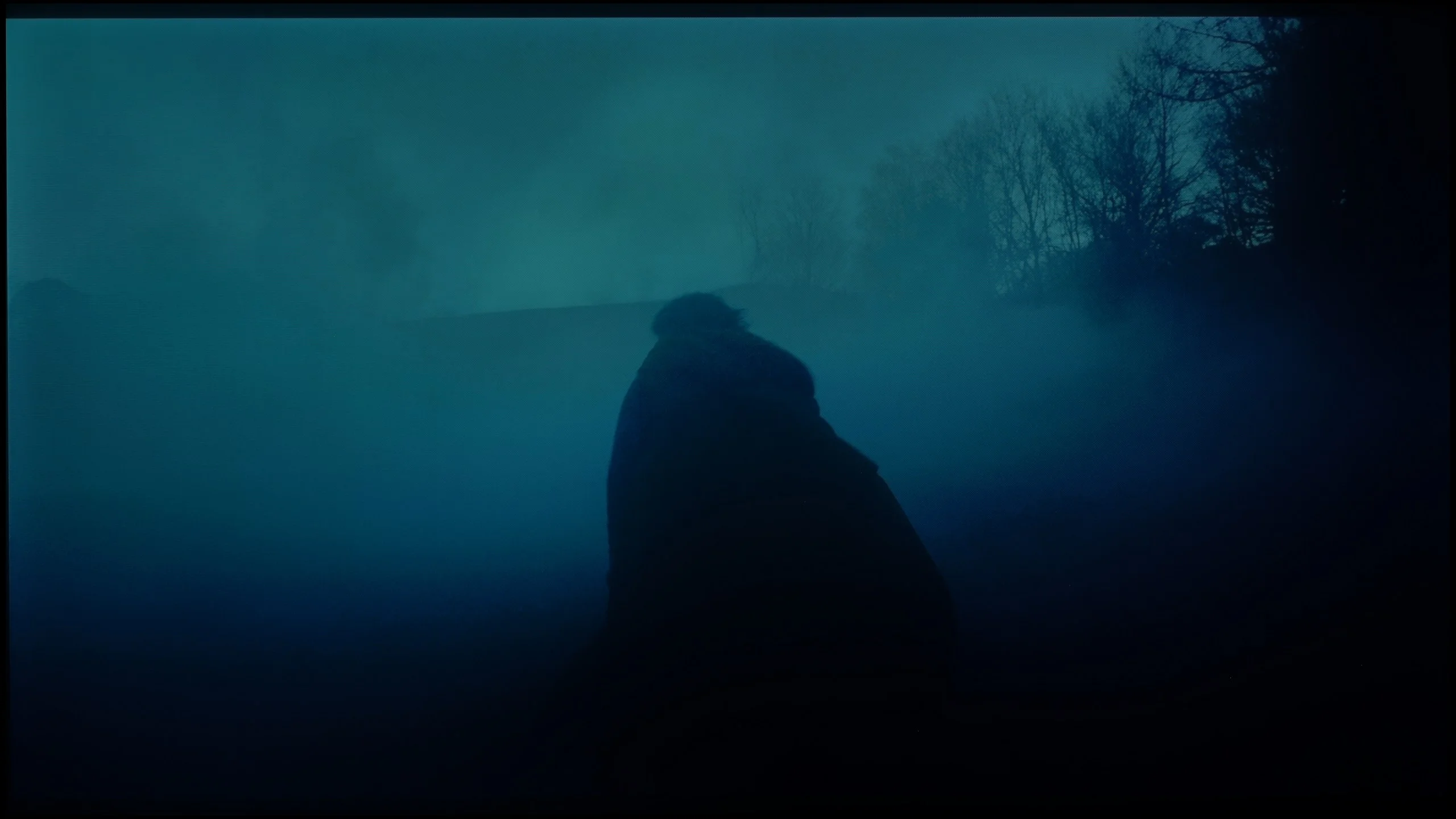
These are selected scenes that show smooth tonal transitions from one color to another. If you see distinct banding, it’s the TV panel’s fault.
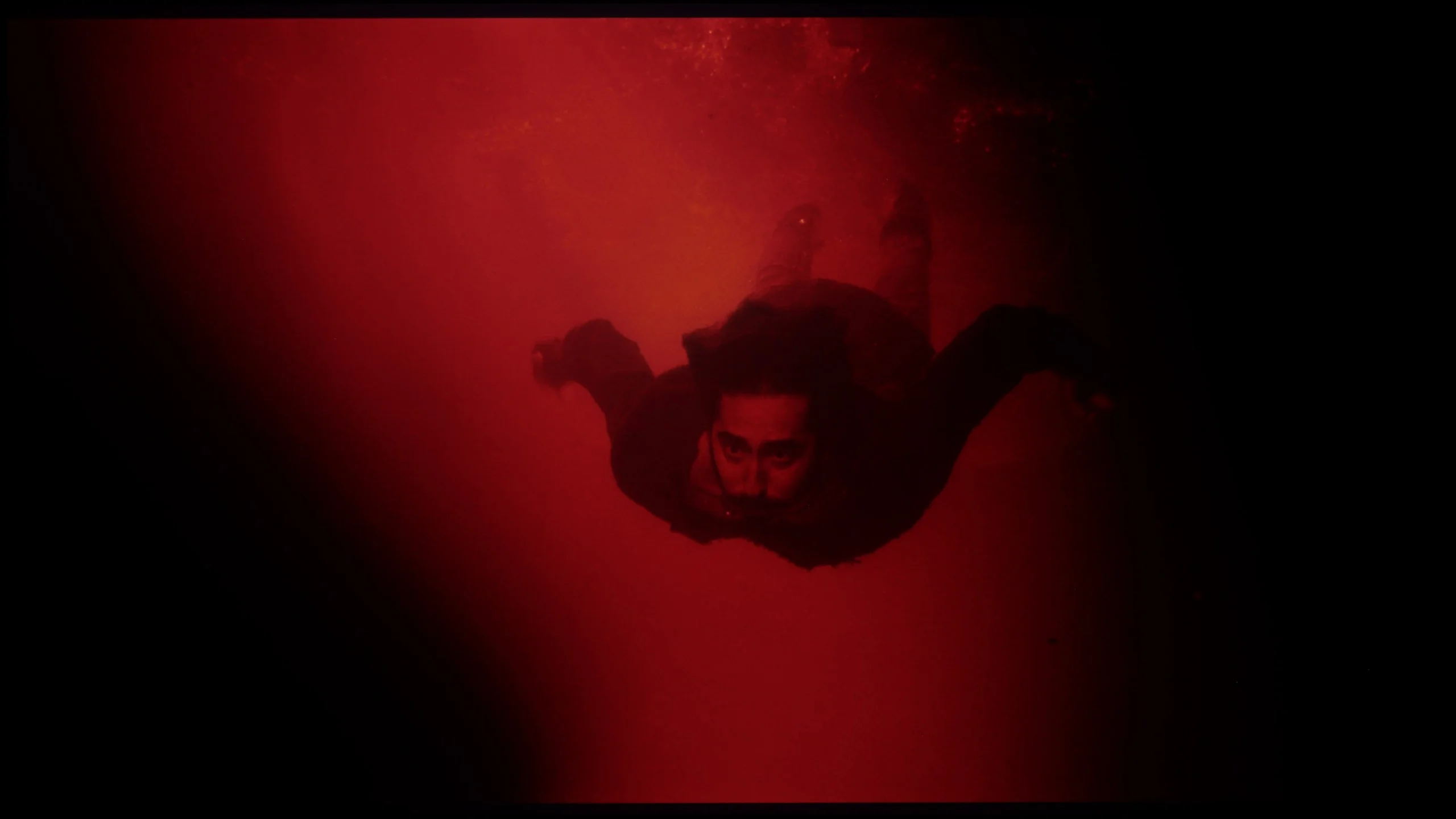
These are selected scenes that show smooth tonal transitions from one color to another. If you see distinct banding, it’s the TV panel’s fault.
The U7Q PRO handles tonal transitions really well. Colors blend smoothly, without any banding, stripes, or strange artifacts. Even in more challenging scenes that usually bring out any imperfections—there was nothing to complain about here. The image simply looks clean. Gradients—both colorful and gray—are fluid, nothing tears, nothing distracts. It's one of those elements you don't notice while watching… certainly not in the case of the U7Q PRO.
The smoothness of tonal transitions on the RM7L is very good. In both bright and dark scenes the gradients are smooth and there is no obvious color banding. Minor issues only appear in exceptionally demanding material, such as our fourth test pattern with red water transitioning to black. It should be noted, however, that most TVs do not reproduce this scene perfectly. So in everyday use this should not be a major problem.
Image scaling and smoothness of tonal transitions
7.8/10
5.5/10

Smooth transition function
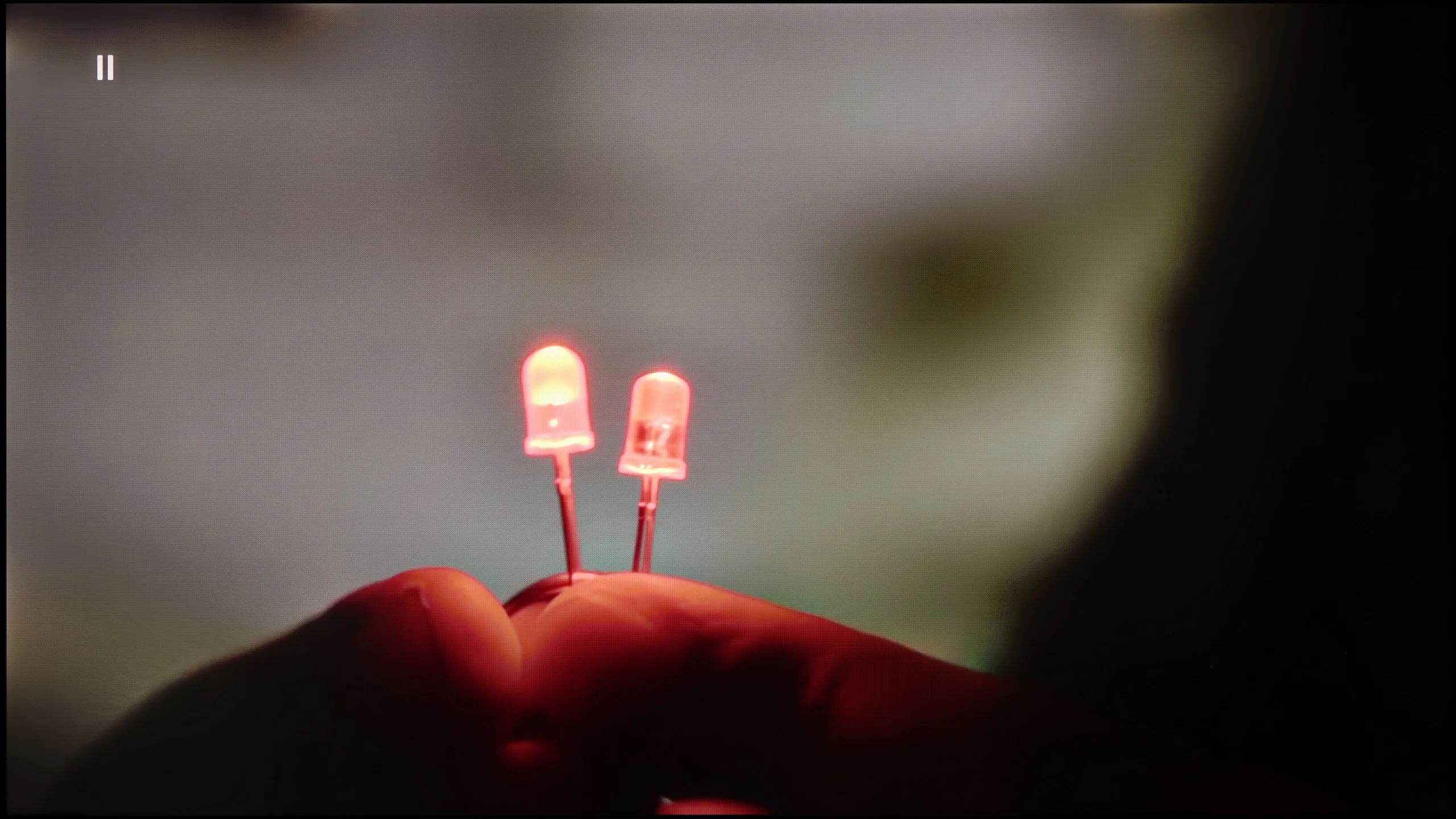
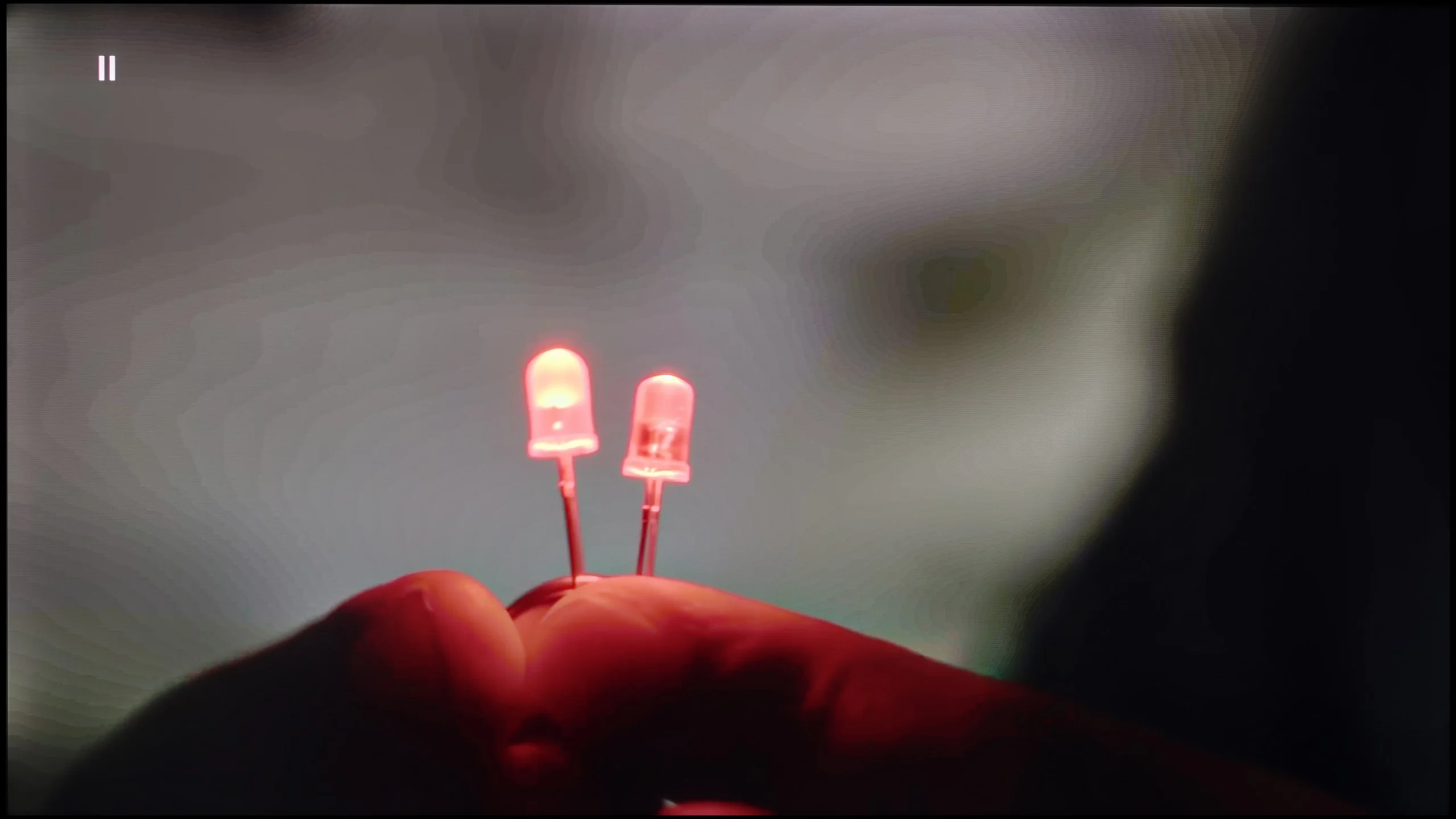
The match photo shows how the TV smooths weak tonal transitions in low-quality video.
Image scaling SD (576i)
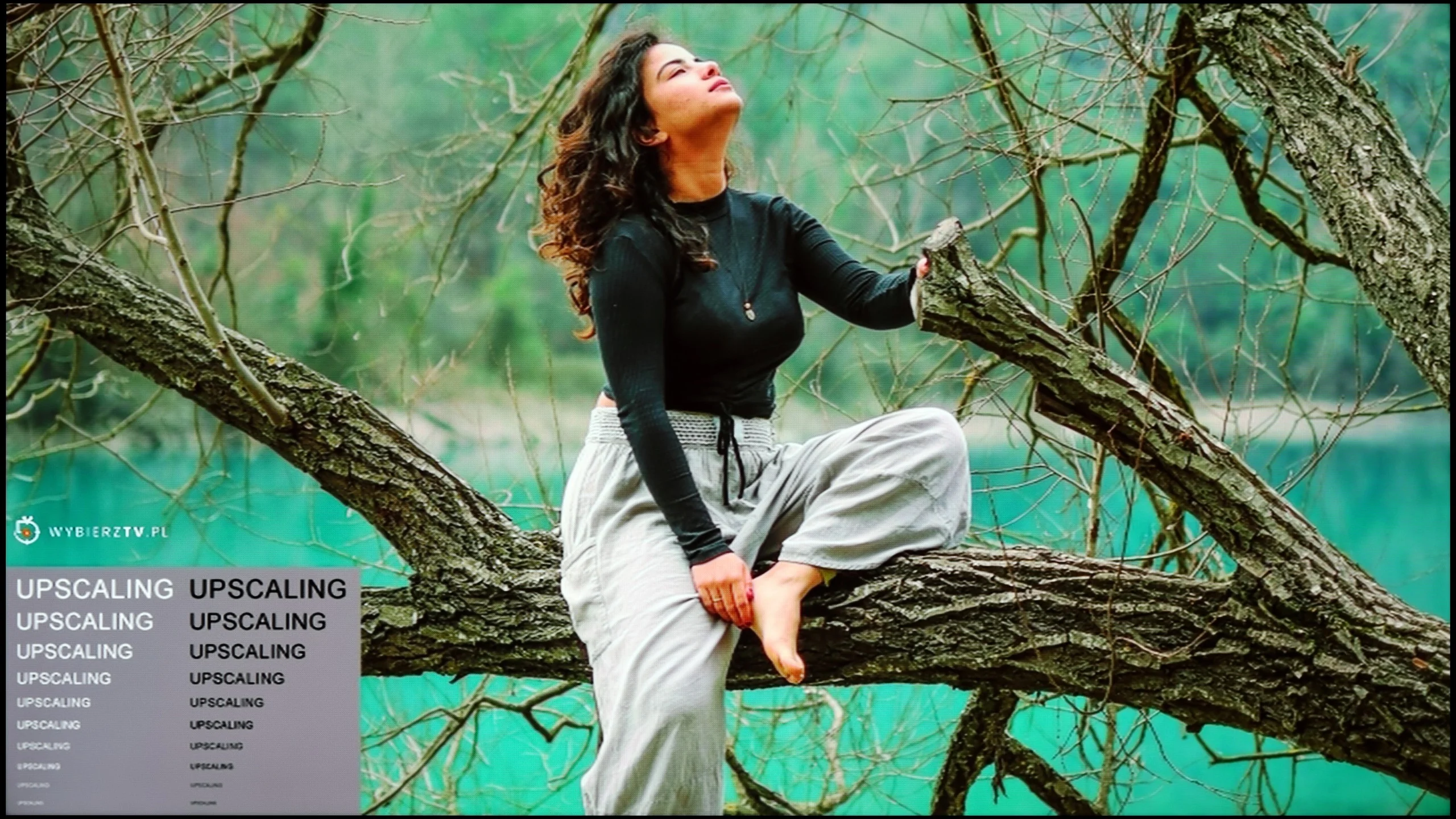
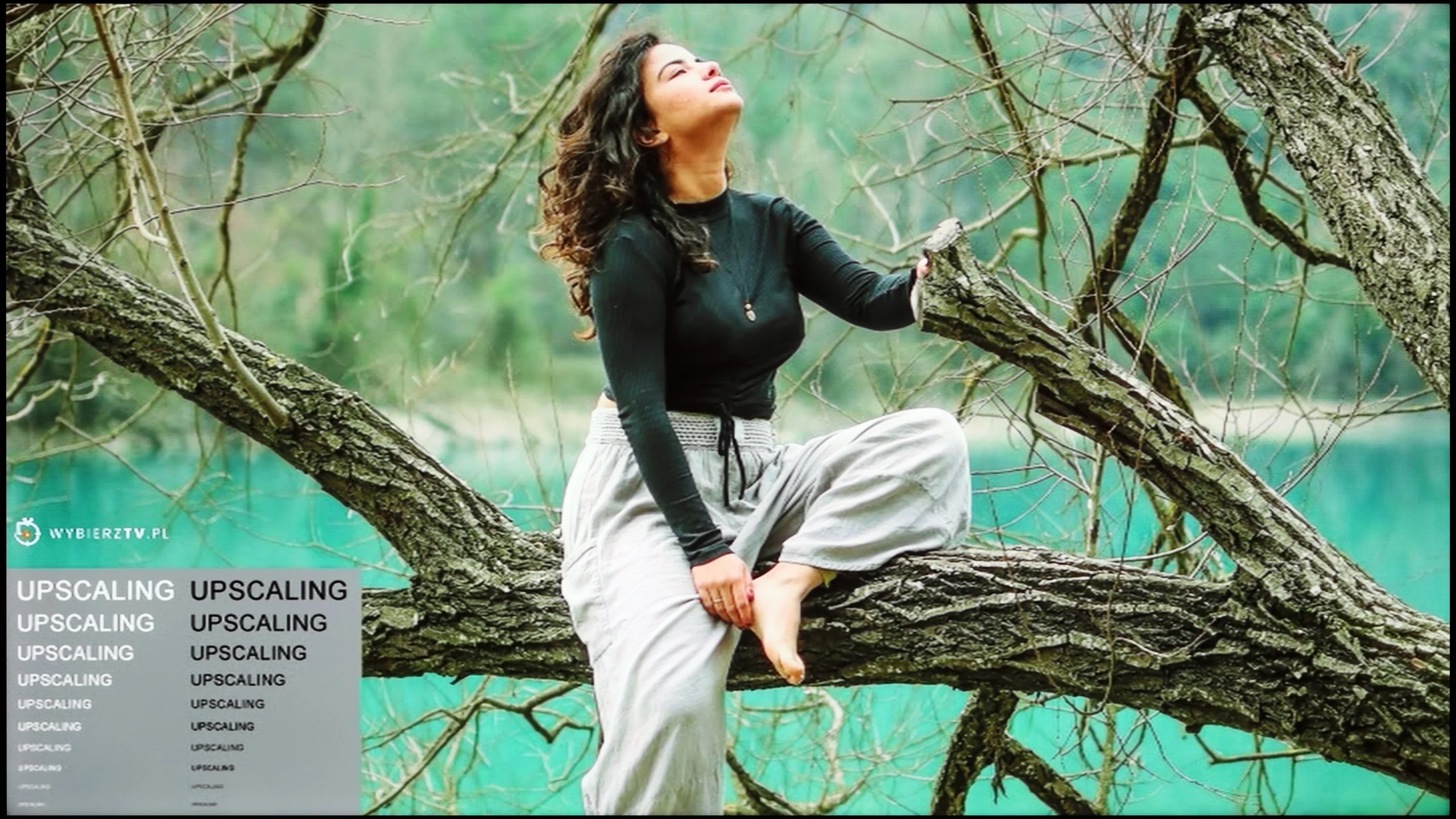
The model photo shows how it handles upscaling of SD material.
If someone happens to come across older materials where the issue of color banding appears – Hisense has a solution for that. In the U7Q PRO, we find a feature called "Smooth and Gradient Picture." Set to the "Medium" level, it works really well – it eliminates most of the gradation issues while not smoothing out the entire image, like blur in Photoshop. 😉 Film grain remains, details do not disappear – this is exactly how it should work. Kudos for the implementation!
As for scaling weaker materials, it’s just good. It’s not at the level of the most expensive TVs with advanced upscaling, but older content looks good. There is some mild aliasing at very low resolutions, but that’s completely normal and hard to avoid. On the plus side – even with the oldest materials, there is no overscan effect; the image is not cropped or artificially stretched.
Upscaling and digital image processing are not the RM7L's strong suit. TCL used a MediaTek Pentonic 700 SoC here, designated MT5896, which isn't among the best processors at handling lower-quality content. The biggest problems show up with heavily compressed material from YouTube or regular broadcast TV. The processor can't effectively hide posterization and the characteristic color banding. The feature meant to smooth them does little here, and it often interferes too much with the picture, smoothing faces or fine textures, for example. For that reason, it's best to simply leave it off.
Straightforward upscaling to 4K looks better. Lower-quality sources remain reasonably sharp and retain enough detail. It's not on par with the best processors on the market, but for everyday viewing the result is entirely acceptable.
Blur and motion smoothness
7.1/10
7.8/10
Blur (native resolution, maximum refresh rate):
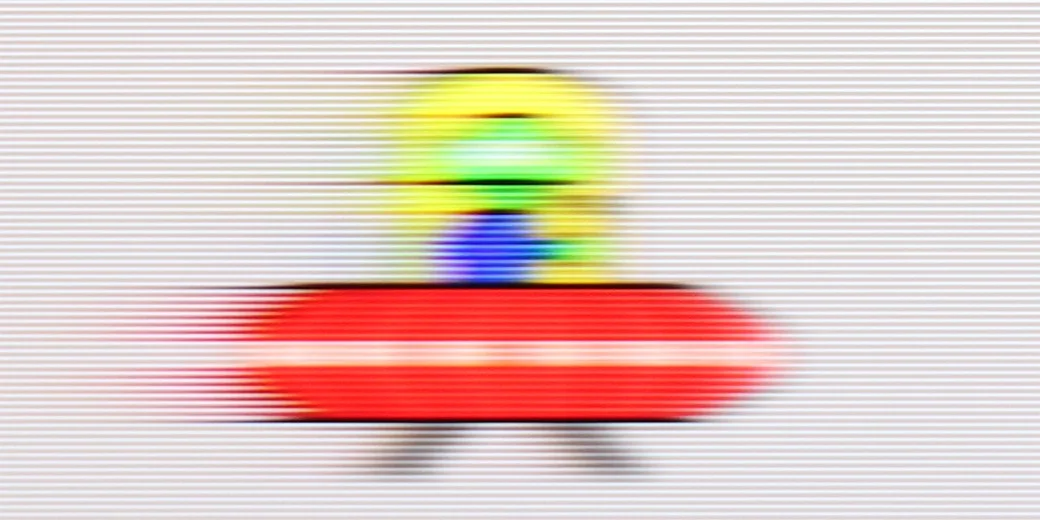
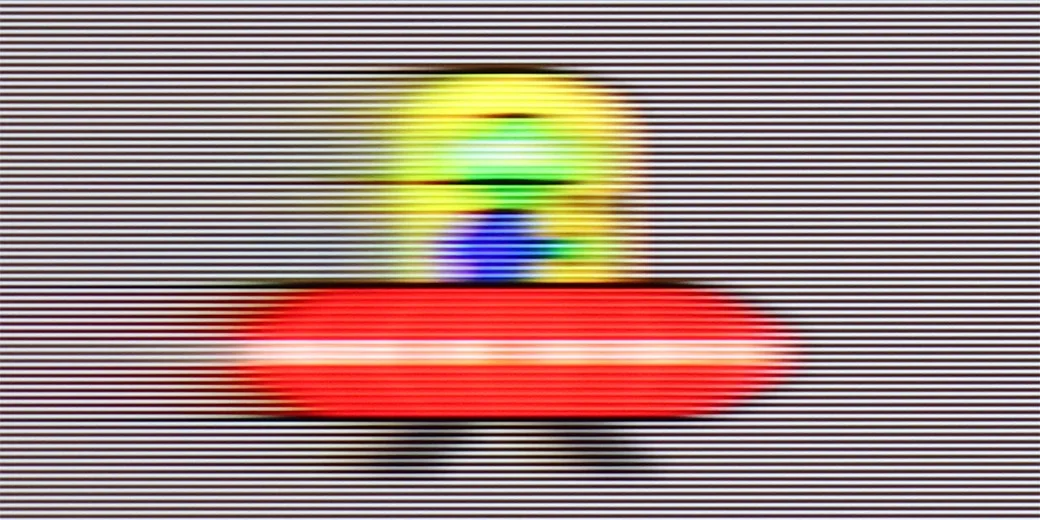
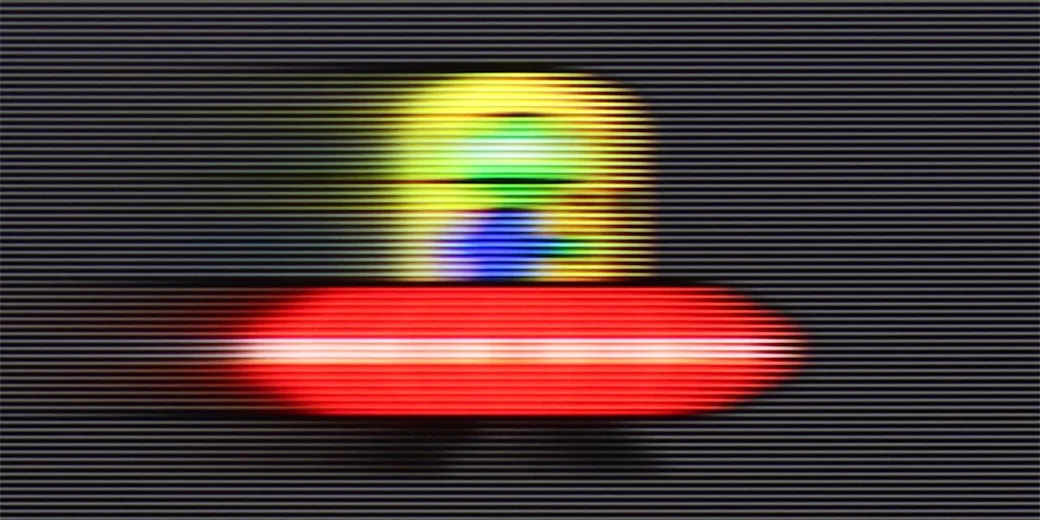
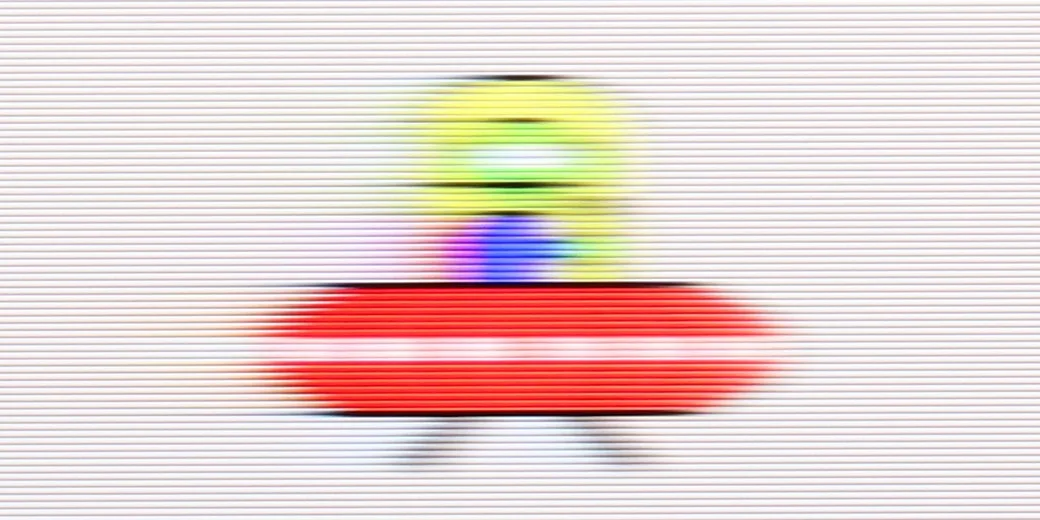
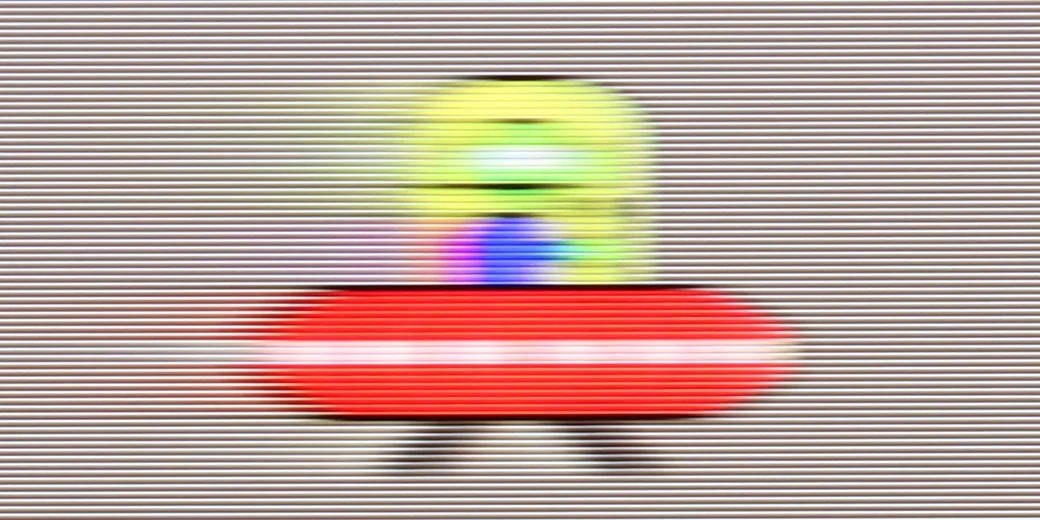
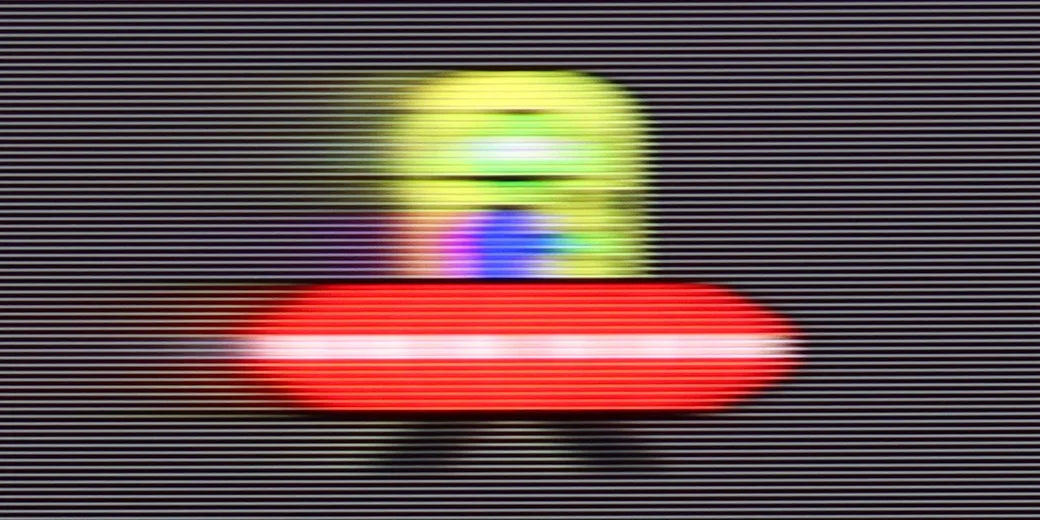
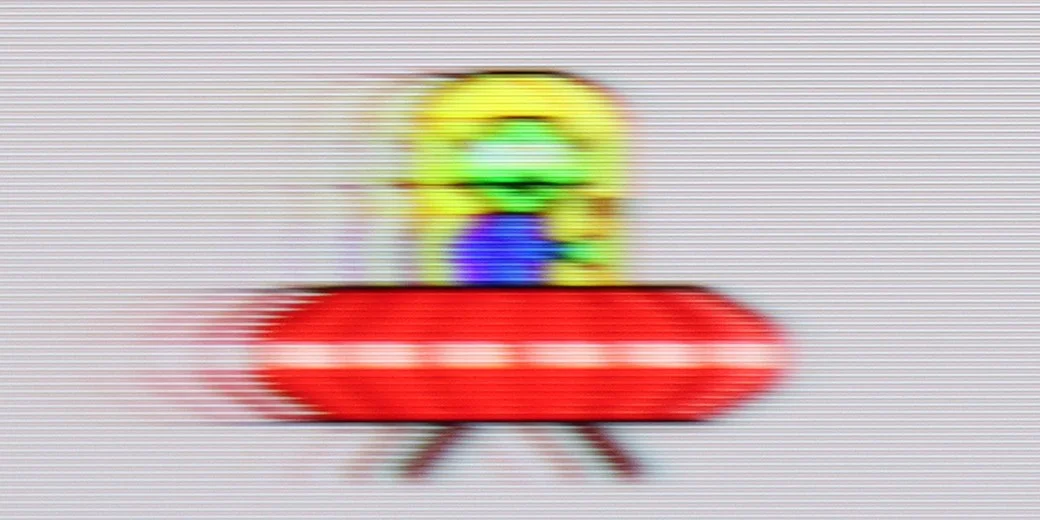
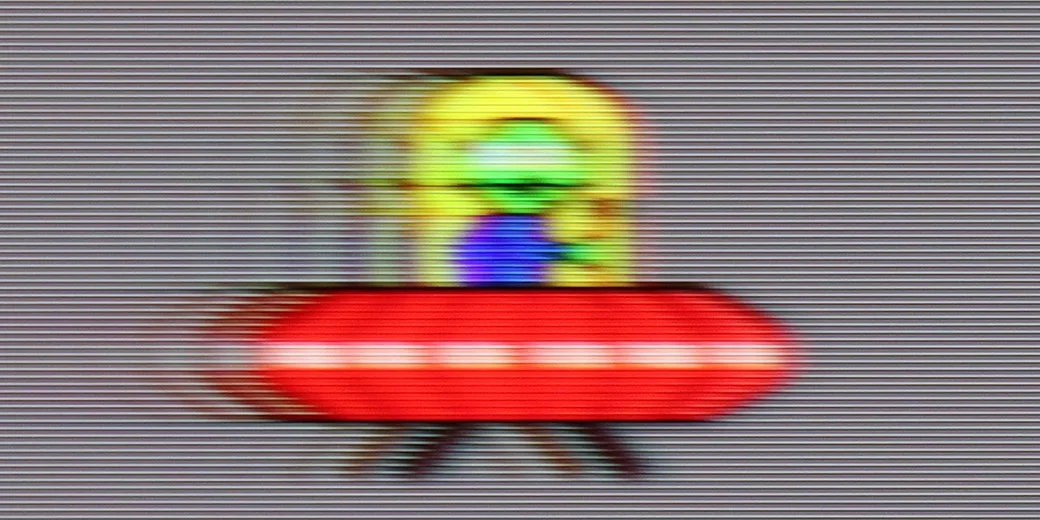
Blur (BFI function enabled):
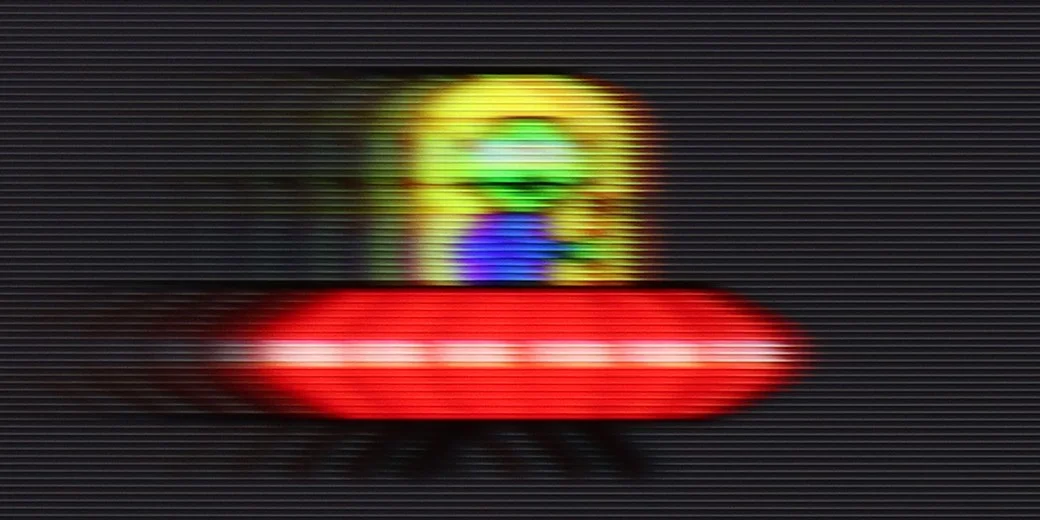

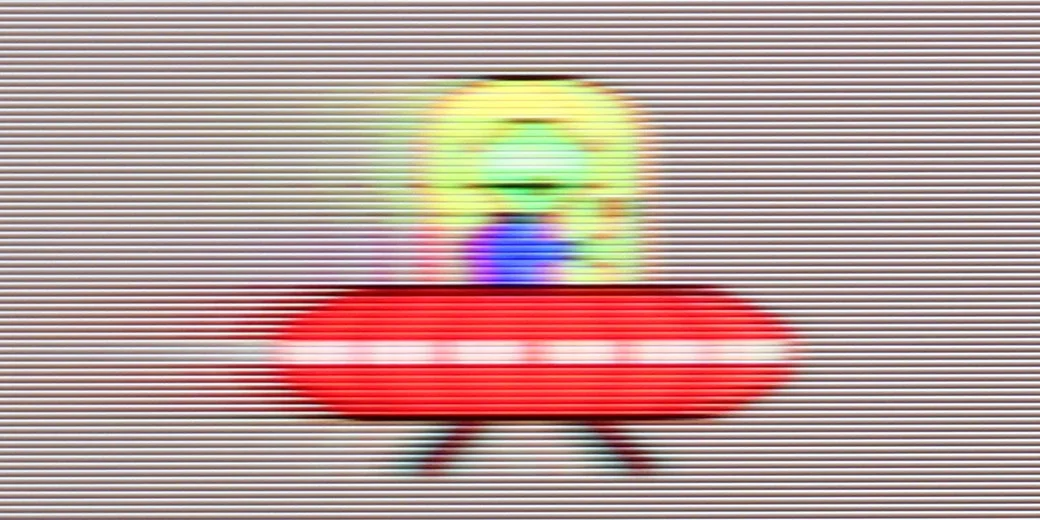
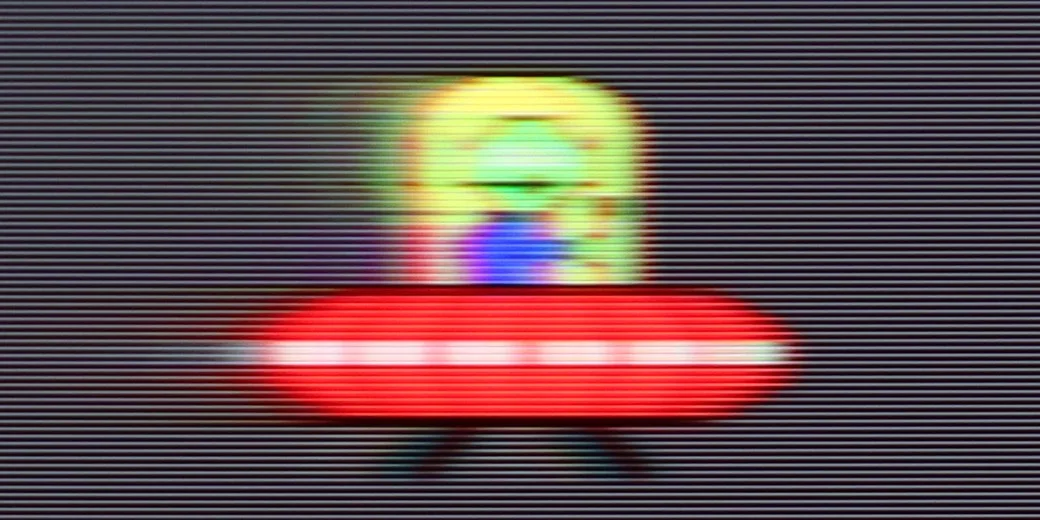
Blur (1080p 288Hz):
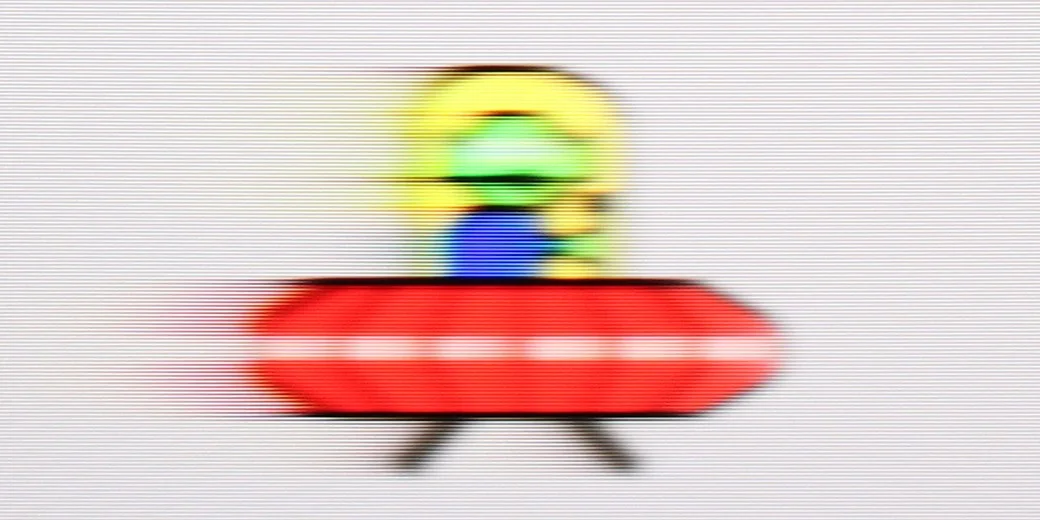
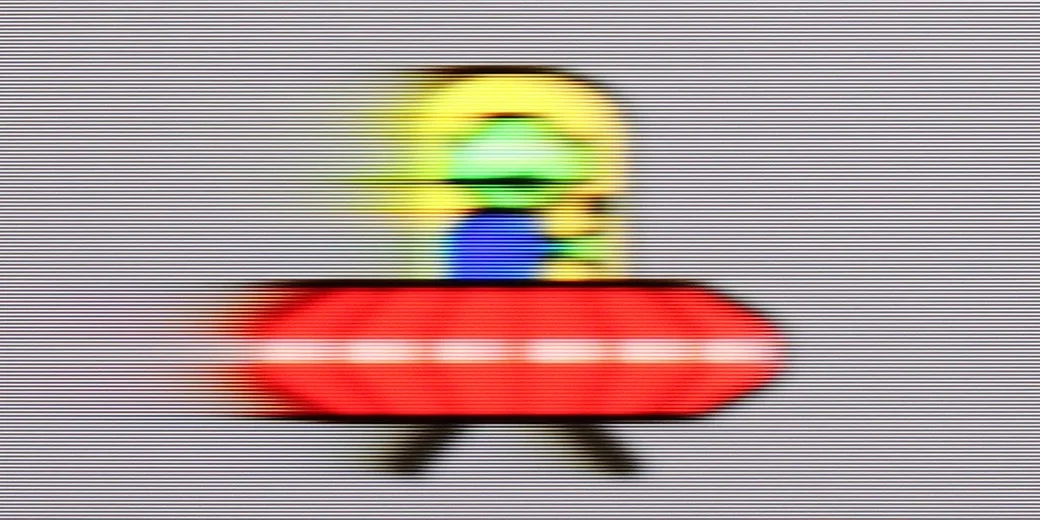
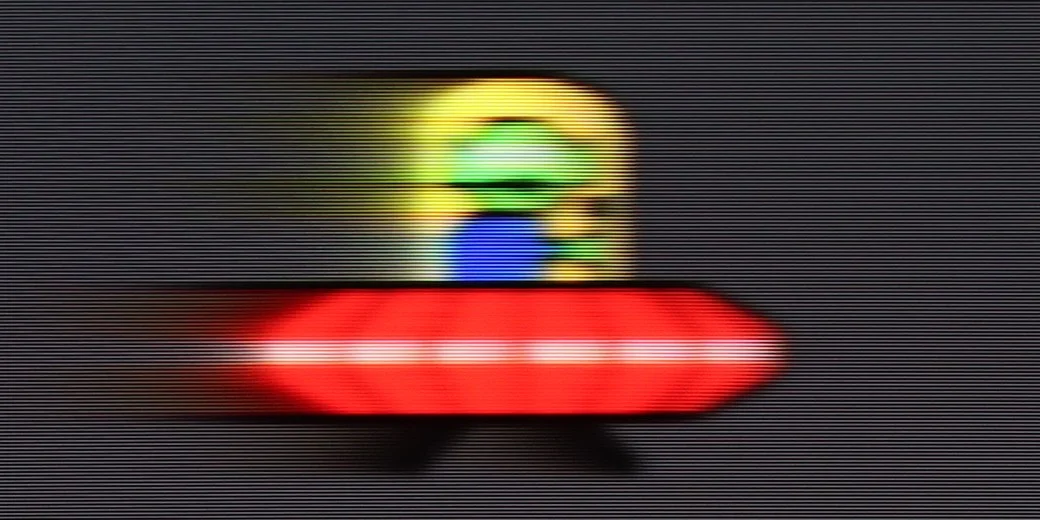
Blur (4K@144Hz ):

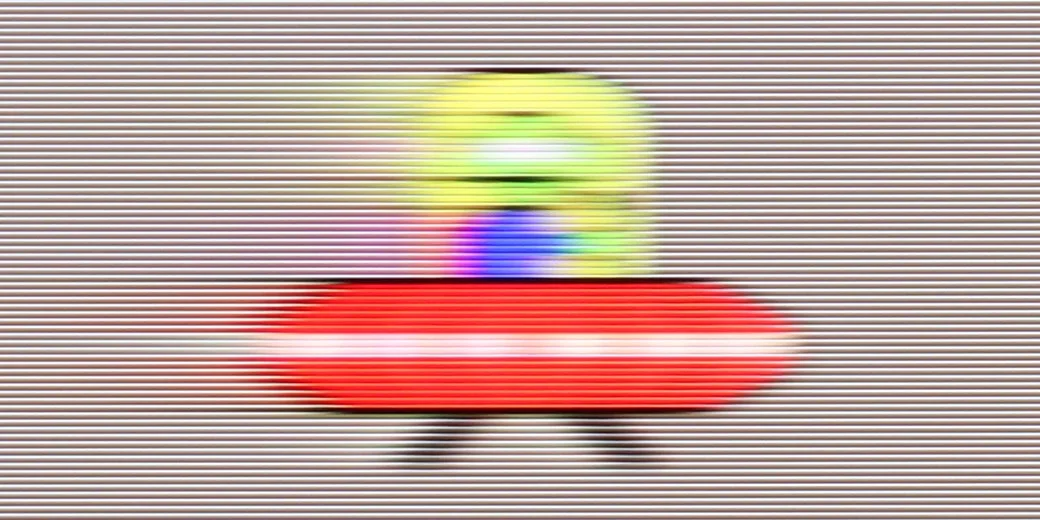
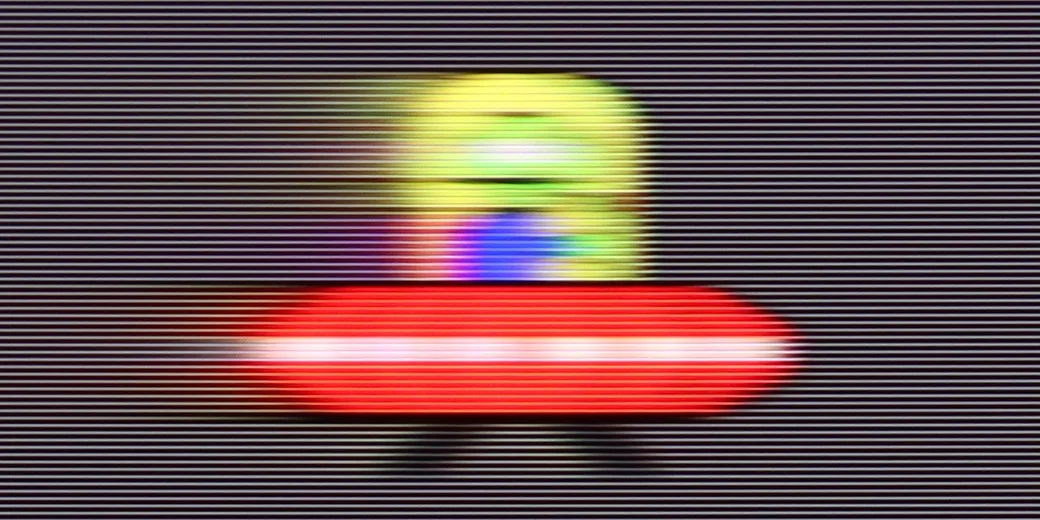
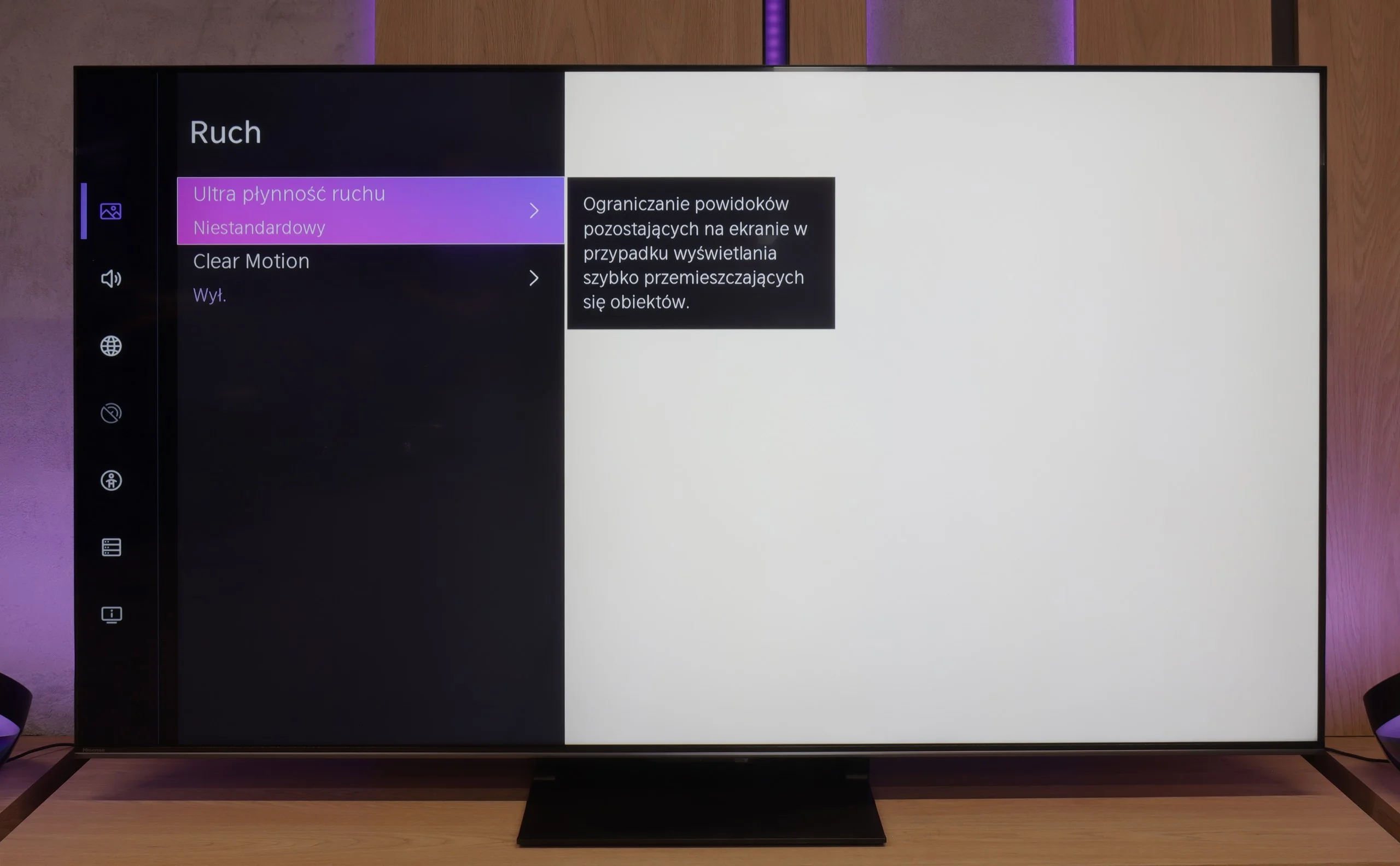
“Speed” – this word was mentioned most frequently during our tests of the U7Q PRO. The television is equipped with a 165 Hz panel, which is impressive in itself – especially since we are talking about a model in the mid-price range. Of course, PC gamers will benefit the most from its full capabilities, but even during everyday viewing, it is evident that this is a fast and efficient panel. Like most modern televisions, the U7Q PRO can also enhance the smoothness of movies that are primarily shot in 24 frames. In the menu, there is a slider that allows you to adjust the effect to your preferences – from a more cinematic feel, with subtle motion, to stronger smoothing with the characteristic “soap opera effect.”
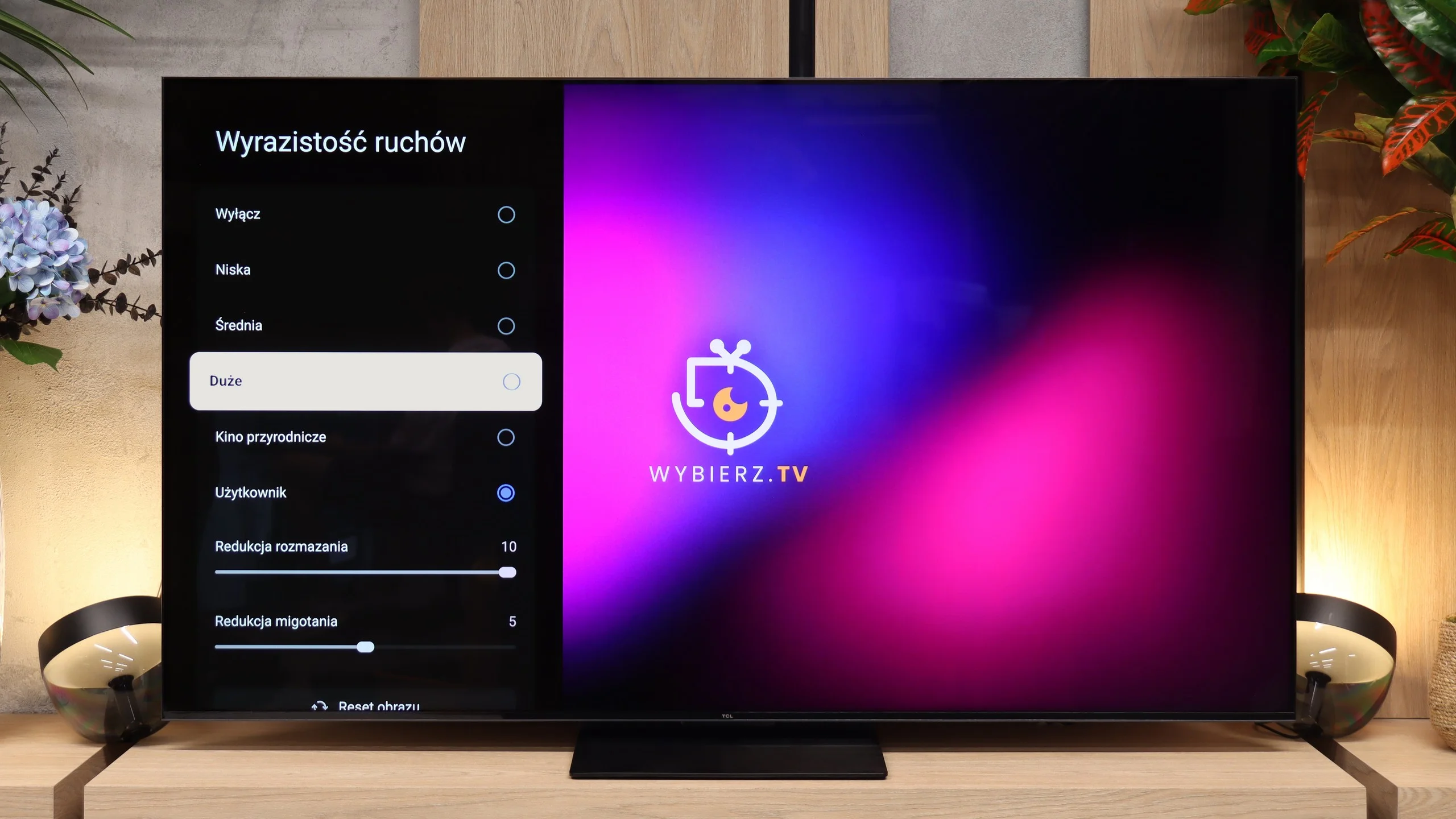
The RM7L uses a 144 Hz VA panel, so right out of the box it's a TV well suited for sports, gaming, and other fast-moving content. The high refresh rate also gives the motion interpolation engine more room to work, allowing it to generate extra frames. On the RM7L it works well, and with the right settings it can noticeably improve motion smoothness without causing an excessive soap opera effect.
Console compatibility and gaming features
8.5/10
9.8/10
- ALLM
- VRR
- VRR range48 - 288Hz48 - 288Hz
- Dolby Vision Game Mode
- Correct implementation of HGIG

- 1080p@120Hz
- 1440p@120Hz
- 4K@120Hz
- Game bar
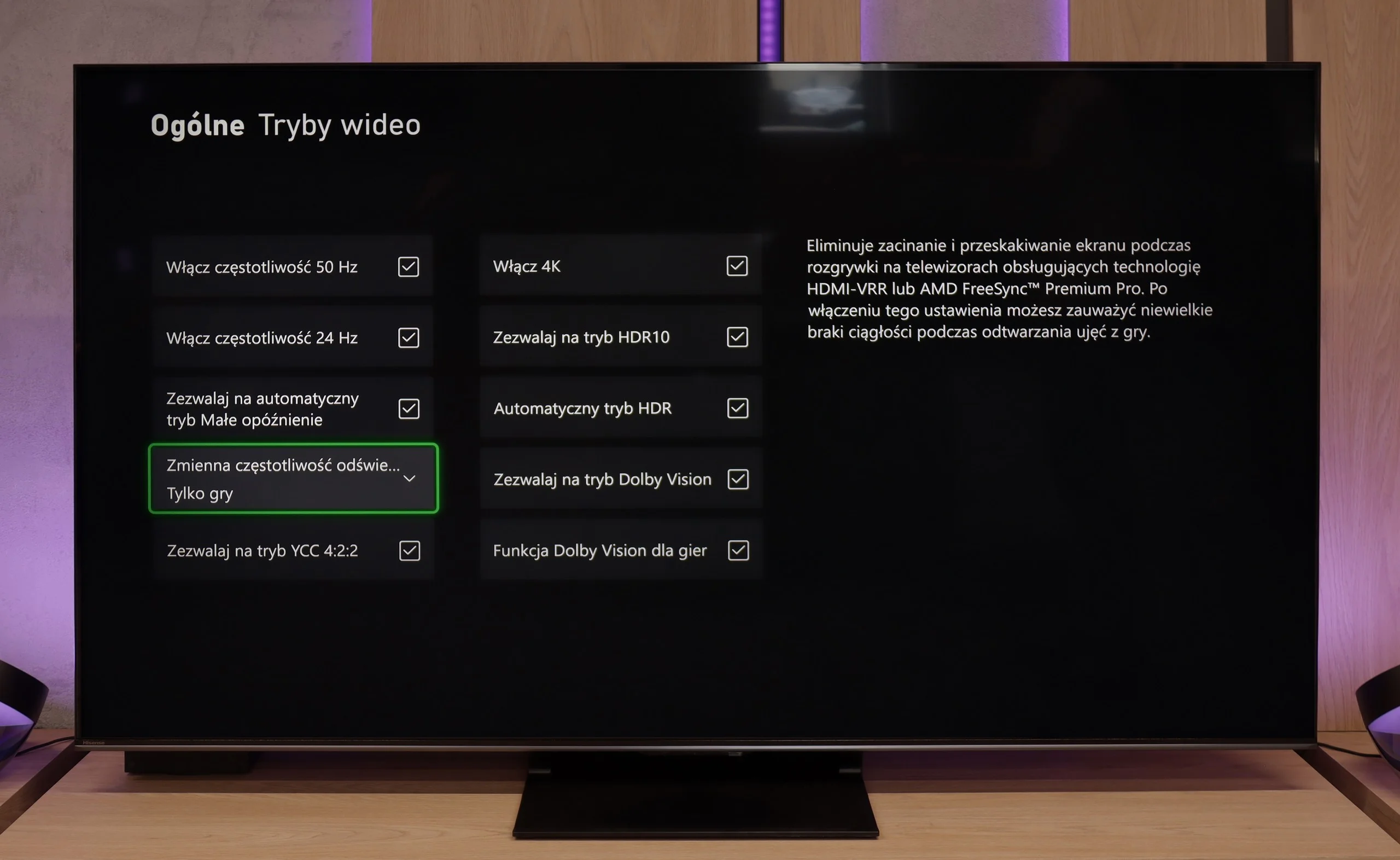
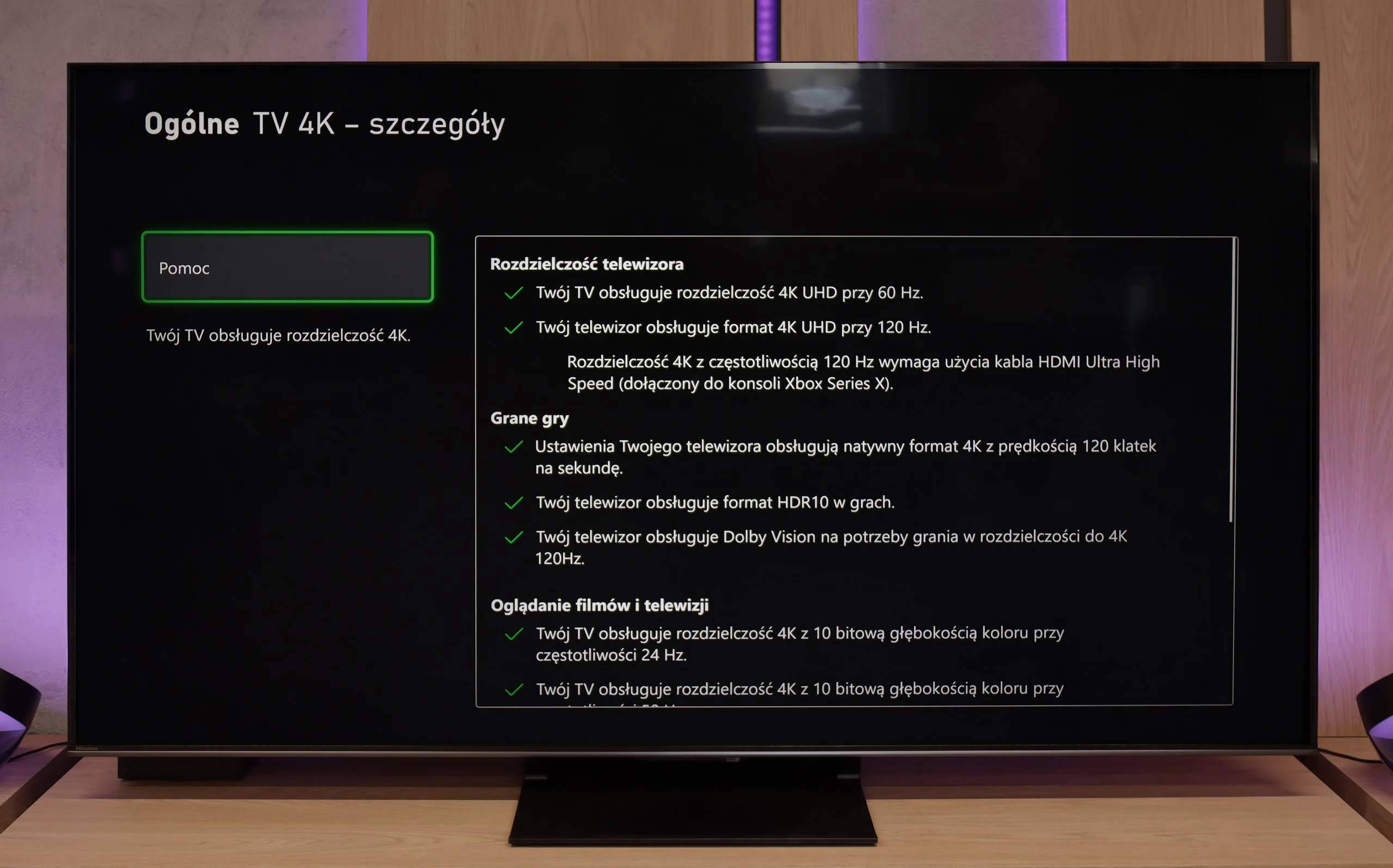
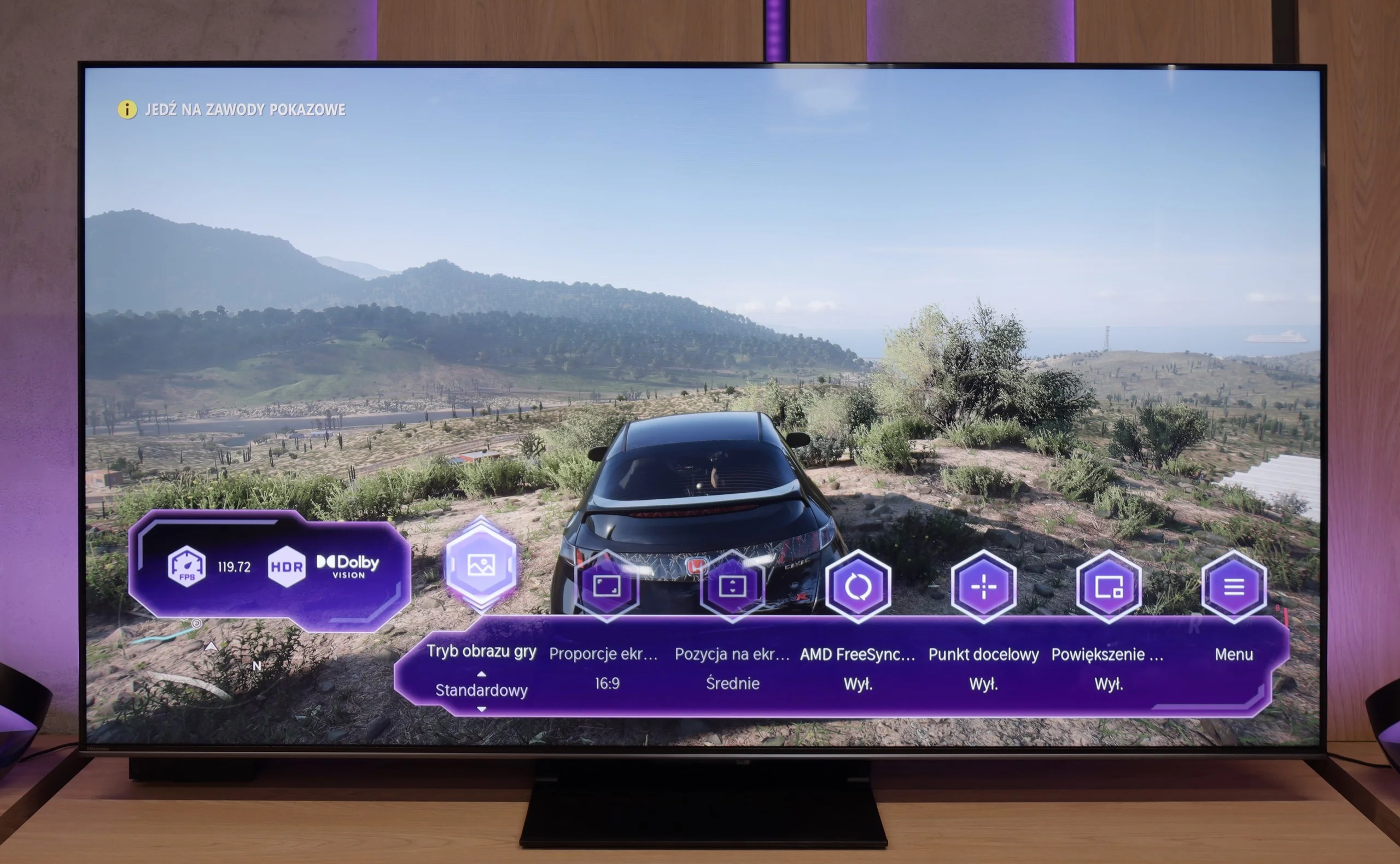
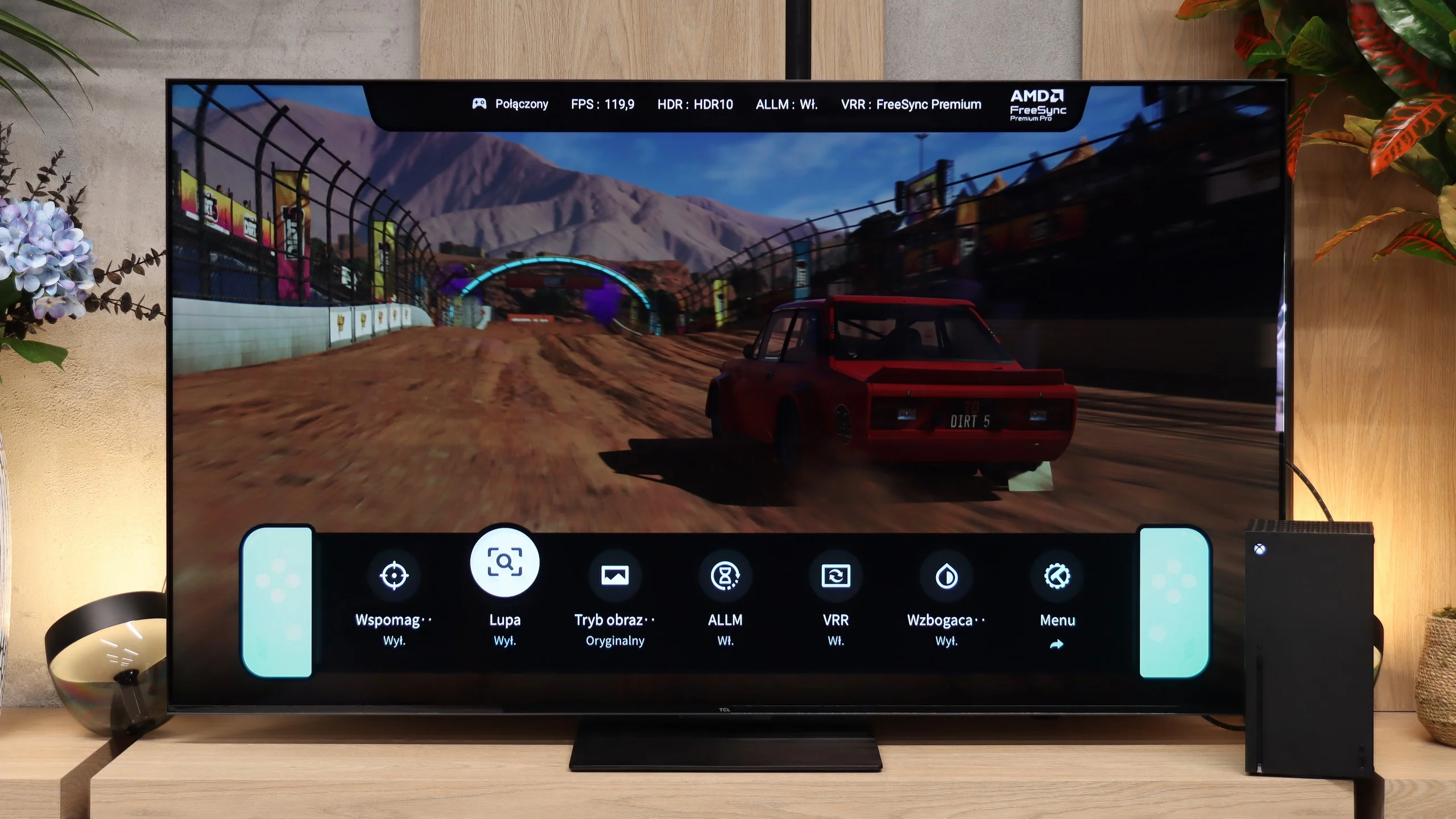
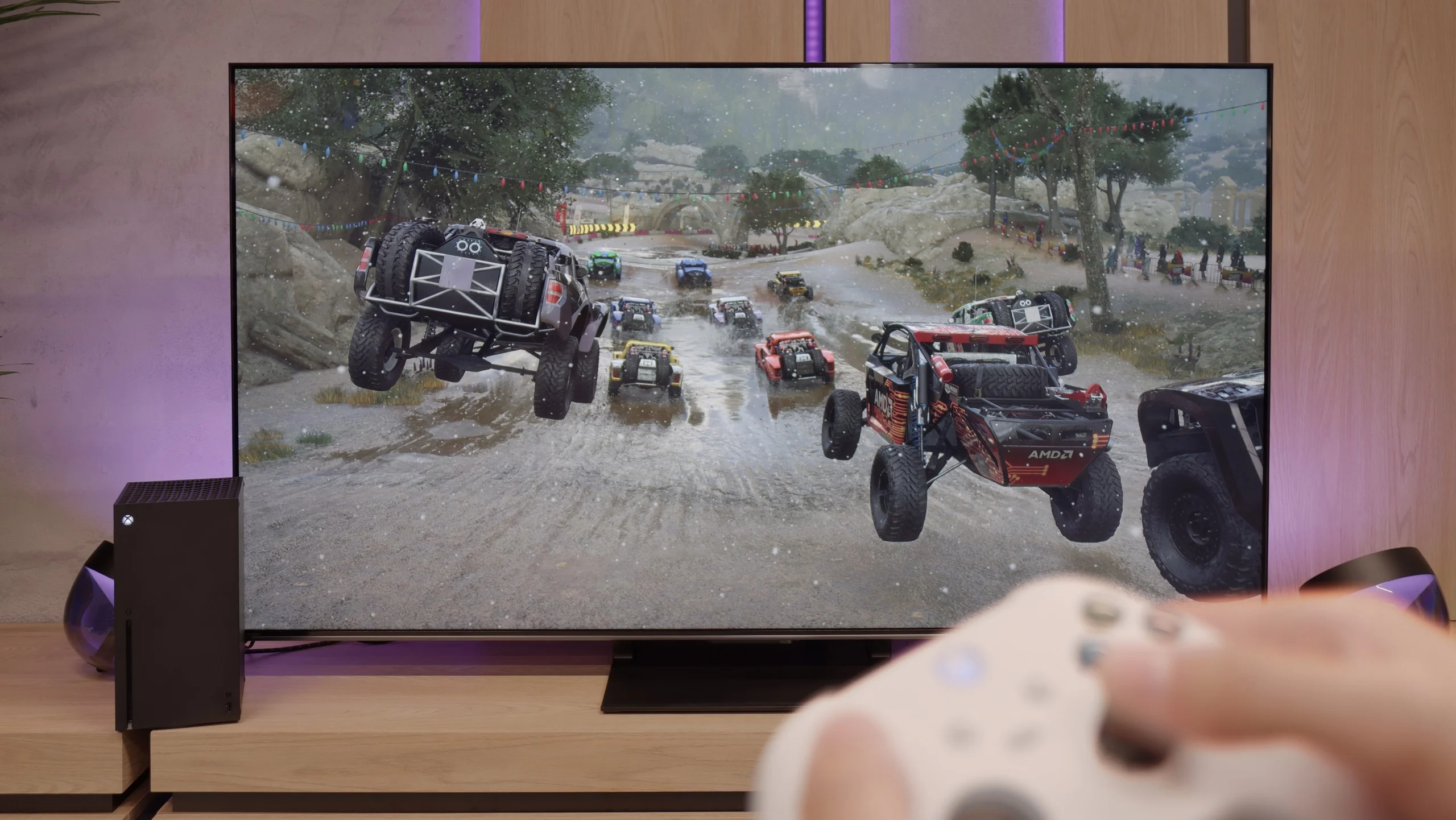
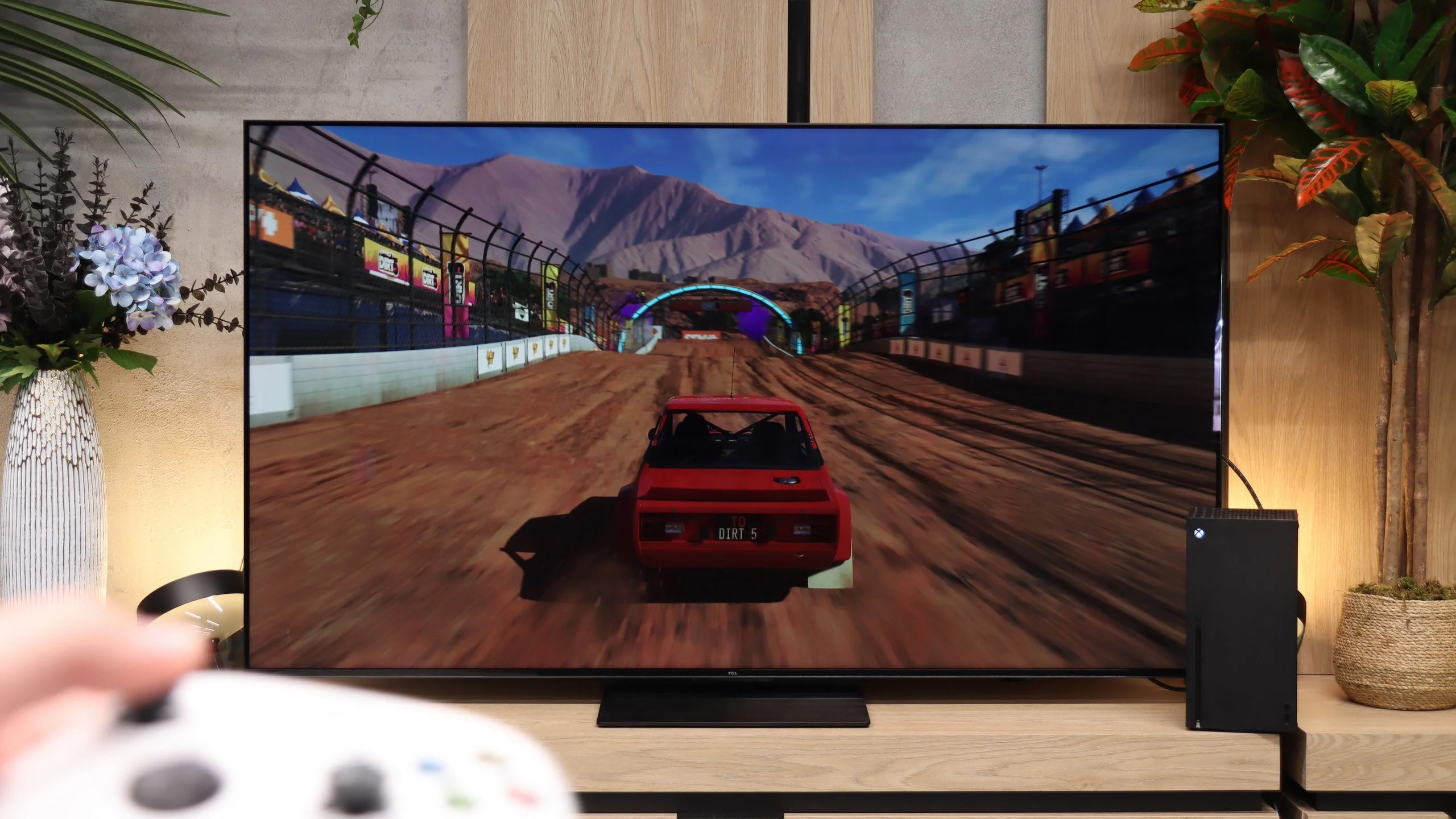
The Hisense U7Q PRO is a television that seems almost designed for gamers. It has practically everything you could expect from a gaming screen: variable refresh rate (VRR), automatic mode (ALLM), and as many as four HDMI 2.1b ports with full bandwidth of 48 Gb/s. Additionally, there is a clear and quite functional Game Bar, as well as a well-implemented Dolby Vision GAMING mode that works seamlessly with Xbox Series S and X consoles.
Sounds like perfection? Well, almost. Unfortunately, Hisense has yet to implement the HGiG feature, which is the system's limit on tone mapping on the TV's side. This means that when configuring HDR brightness on the console, we do it "by eye" or look for settings in online guides because the screen doesn't show the real range of its brightness. It's a pity - because HGiG makes it easier to match the console to the TV and helps avoid clipping or overly dark scenes in HDR games.
Fortunately, the other elements work very well. Signal delay (input lag) is low, responsiveness is excellent, and the handling of other functions is flawless. And although not everything worked perfectly, the U7Q PRO can still be recommended to gamers without hesitation.
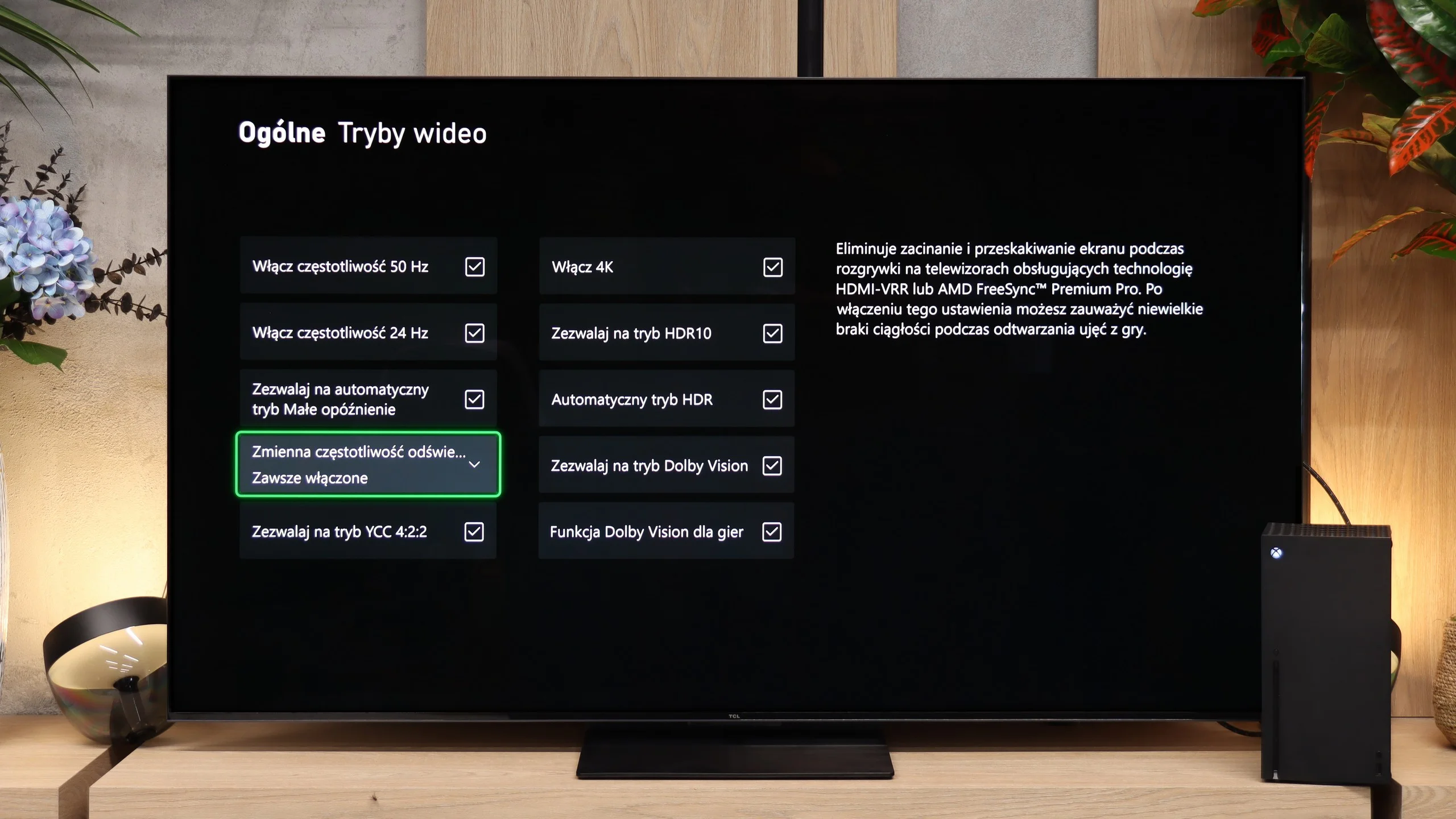
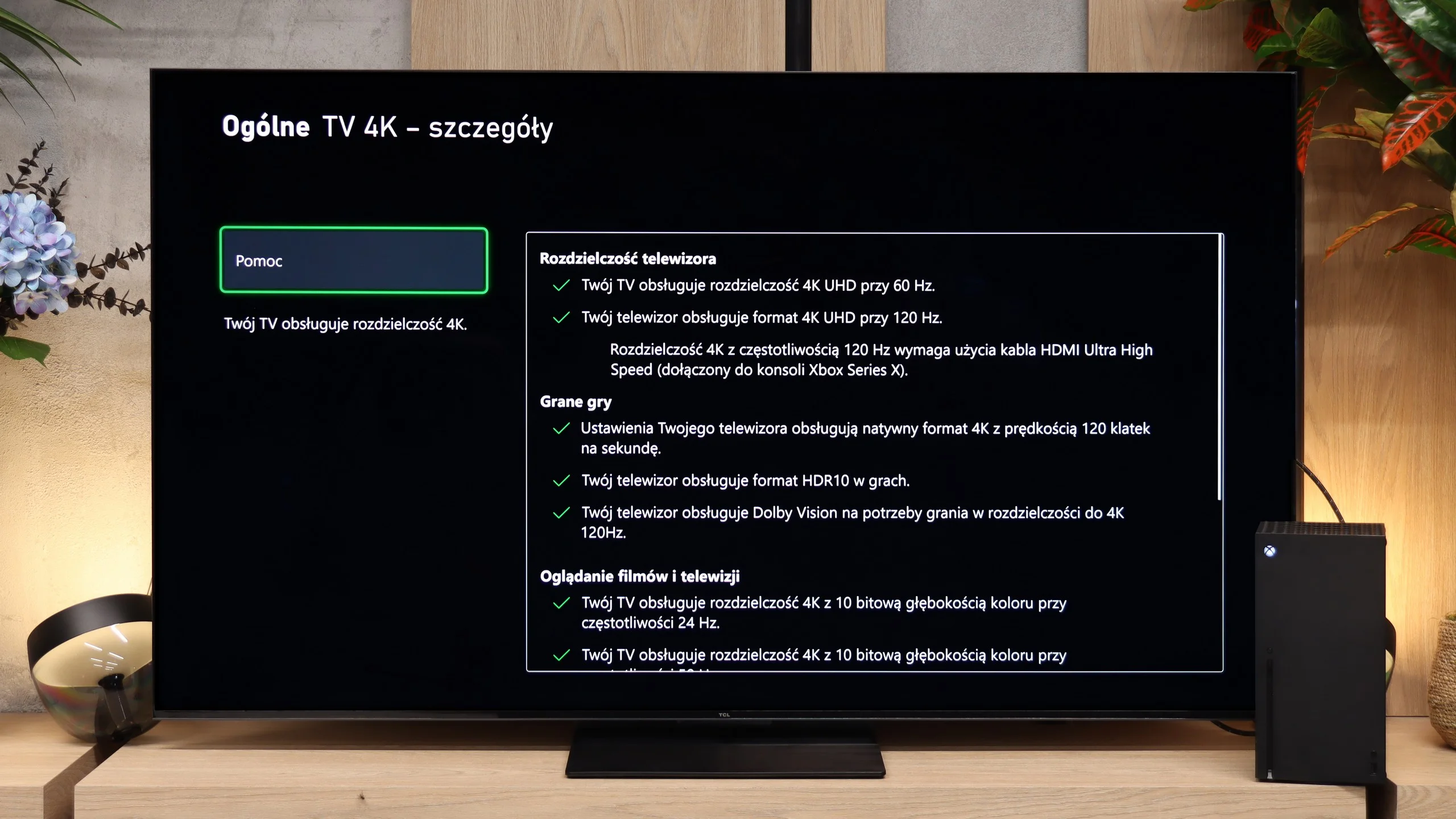
You can say almost nothing but good things about the RM7L when it comes to gamer features. The TV supports ALLM, VRR, Dolby Vision Gaming and works correctly with HGiG, so it’s hard to point out any major omissions in that area. In practice this means automatic switching to low-latency mode, a smoother picture with variable frame rates, and accurate brightness reproduction in HDR games. There’s also a handy Game Bar. From it you can quickly check the frame rate, VRR status, signal format, and aspect ratio, and change key settings without leaving the game. TCL also added a few extra options, like a crosshair and brightening of dark parts of the image, which can be useful in some titles. The biggest downside comes from the use of the Pentonic 700 processor. Only two of the four HDMI ports support the full HDMI 2.1 standard. With a single console this won’t matter much, but when connecting two consoles and a PC you may run out of space. Especially since one of those ports may also be needed for eARC and a soundbar.
Input lag
9.8/10
9.9/10
SDR
HDR
Dolby Vision
In terms of signal delay, the Hisense U7Q PRO performs really well. For 120 Hz content, the input lag stays below 10 ms, which translates into lightning-fast response – the screen reacts almost instantly to our movements, something that console and PC gamers will particularly appreciate. For 60 Hz content, the situation is slightly worse, as the response time doubles – this is natural and applies to almost all televisions. Nevertheless, it still remains below 20 ms, which can easily be considered a very good result, almost close to perfection – and in practice, it’s hard to feel this during gameplay.
Input lag in the RM7L is low. With a 120 Hz signal it falls below 10 ms, and at 60 Hz it’s just under 15 ms. In practice the response to inputs is instantaneous, and even the lower figures associated with OLEDs don’t give a clear advantage here. Dolby Vision Gaming also performs well. Input lag remains at the same level in this mode as in the other gaming modes, which still isn’t standard on every TV.
Compatibility with PC
8.2/10
8.4/10
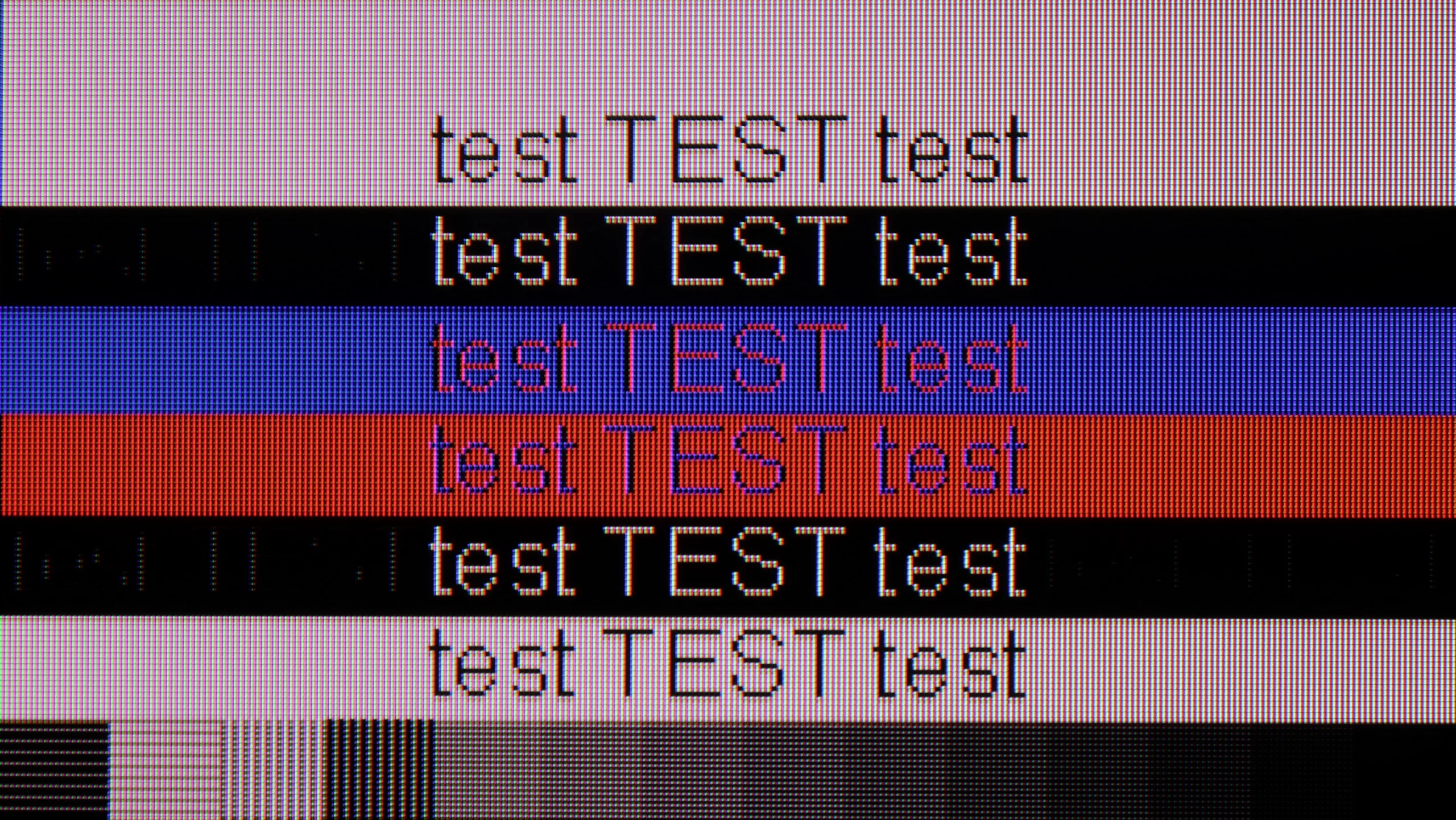
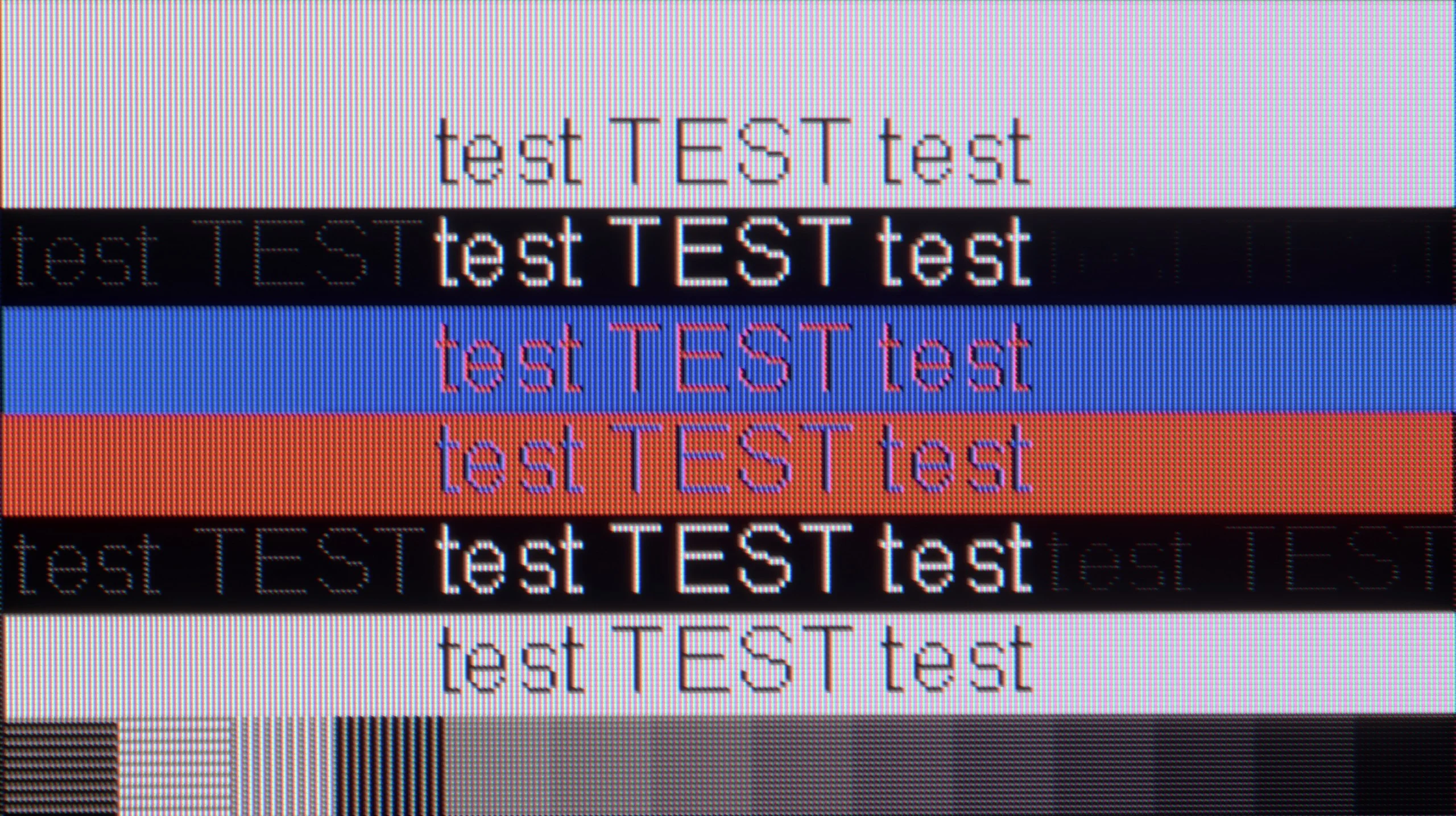
The photo shows the legibility of small fonts. Ideally, lines should be the same thickness on both light and dark text, with minimal pixel gaps.
Playing on a PC using the Hisense U7Q PRO is pure fun. Low input lag, full 165 Hz at 4K, and even 288 Hz at Full HD – these are numbers we wouldn't expect from a TV at this price. In this regard, it's really hard to complain about anything. If someone is looking for a large screen for gaming from a PC, the U7Q PRO can confidently serve as a monitor. It performs a bit worse for everyday work with text. Although chroma 4:4:4 is present, so theoretically everything should look good. But in practice, gray fonts on a dark background look strange – vertical lines are sharp, but horizontal ones can blur, disappear, or look slightly dimmed. However, it must be honestly added that if you use the TV as usual – that is, from a few meters away – you probably won't notice this. The problem only becomes apparent when someone places the U7Q PRO on a desk, a meter from their face, and starts working with text or spreadsheets. If you plan to use it this way – it's worth keeping this in mind.
The RM7L works very well with a PC, especially when you see it as a gaming display. The TV supports 4K at 144 Hz, and lowering the resolution to Full HD can increase the refresh rate to as much as 288 Hz. It also supports G-Sync and FreeSync, so there's little to complain about in terms of smoothness. Working with text is a bit less good. At the maximum refresh rate, letters viewed from very close aren't perfectly sharp and you can notice a faint shadow behind them. Switching to 120 Hz improves the situation, though they still aren't perfect. However, it's hard to call this a major flaw, since the RM7L's available sizes mean it likely won't sit on a desk as a monitor for document work.
Viewing angles
3/10
4.5/10
In this regard, the U7Q PRO is average. The television is equipped with a VA panel, which is not known for its wide viewing angles. When we start to look at the screen from an angle, the image clearly loses brightness, and the colors begin to wash out. This is a completely normal phenomenon in VA panels without additional coatings to widen the angles – so if you plan to watch from the side or with a larger group, it's worth keeping this in mind. On the other hand, head-on – the image looks great, with deep blacks and very good contrast, much better than on IPS/ADS panels.
Viewing angles on the RM7L are quite good and among the better ones you’ll find in TVs with VA panels. Even when viewing the screen from the side, colors don’t shift as much as in many classic designs of this type. In this respect the RM7L can be compared to the better WHVA panels used in higher TCL series, such as the C8L or X11L. There is, however, one clear drawback. As the viewing angle increases, brightness falls off very quickly. Colors and the overall character of the image remain relatively intact, but the screen itself becomes noticeably darker. At very large off-axis angles the difference is already large enough that the picture can simply look too dim. For that reason the RM7L is best watched as close to the center of the screen as possible.
Daytime performance
6.2/10
7.8/10
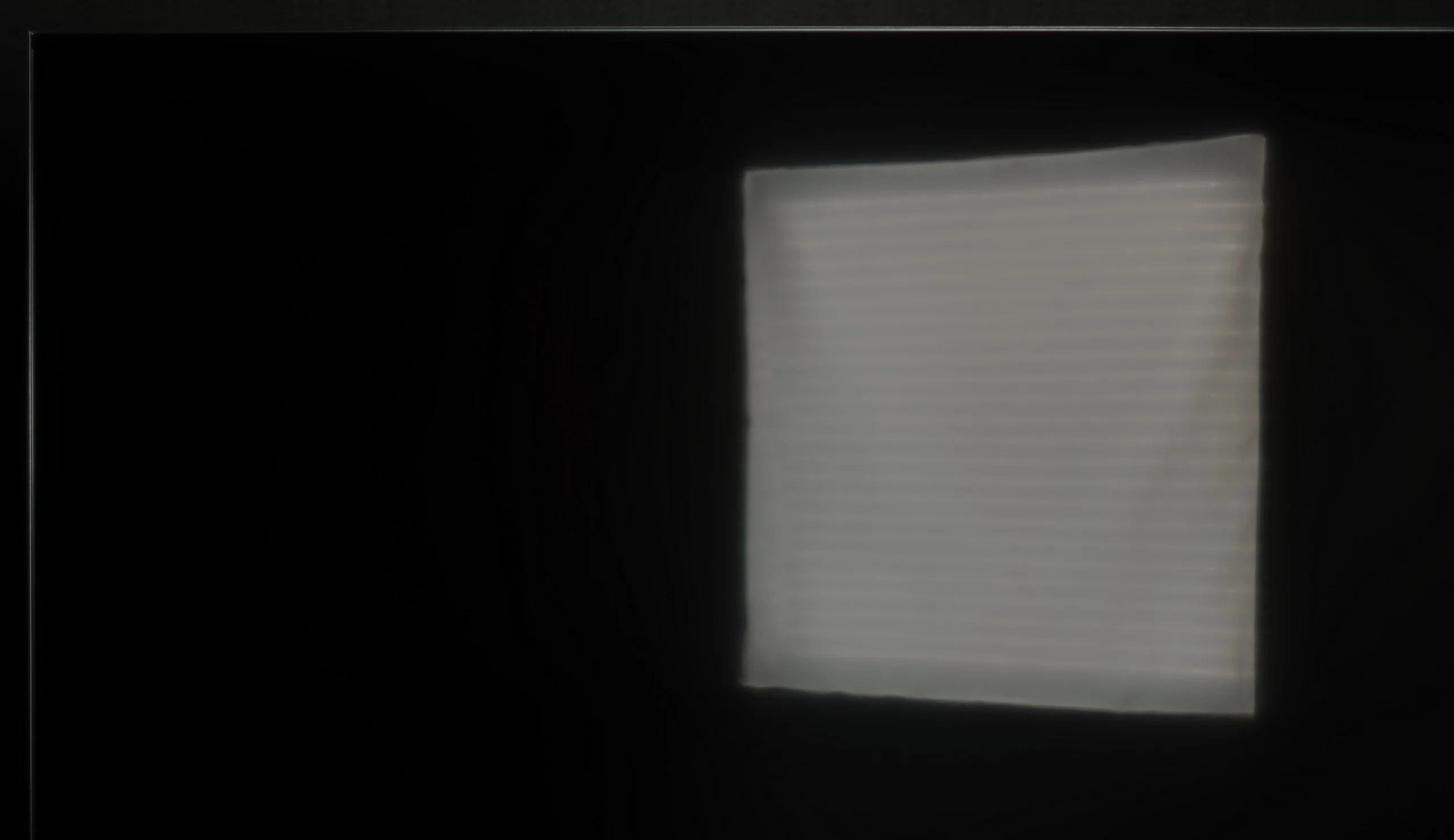
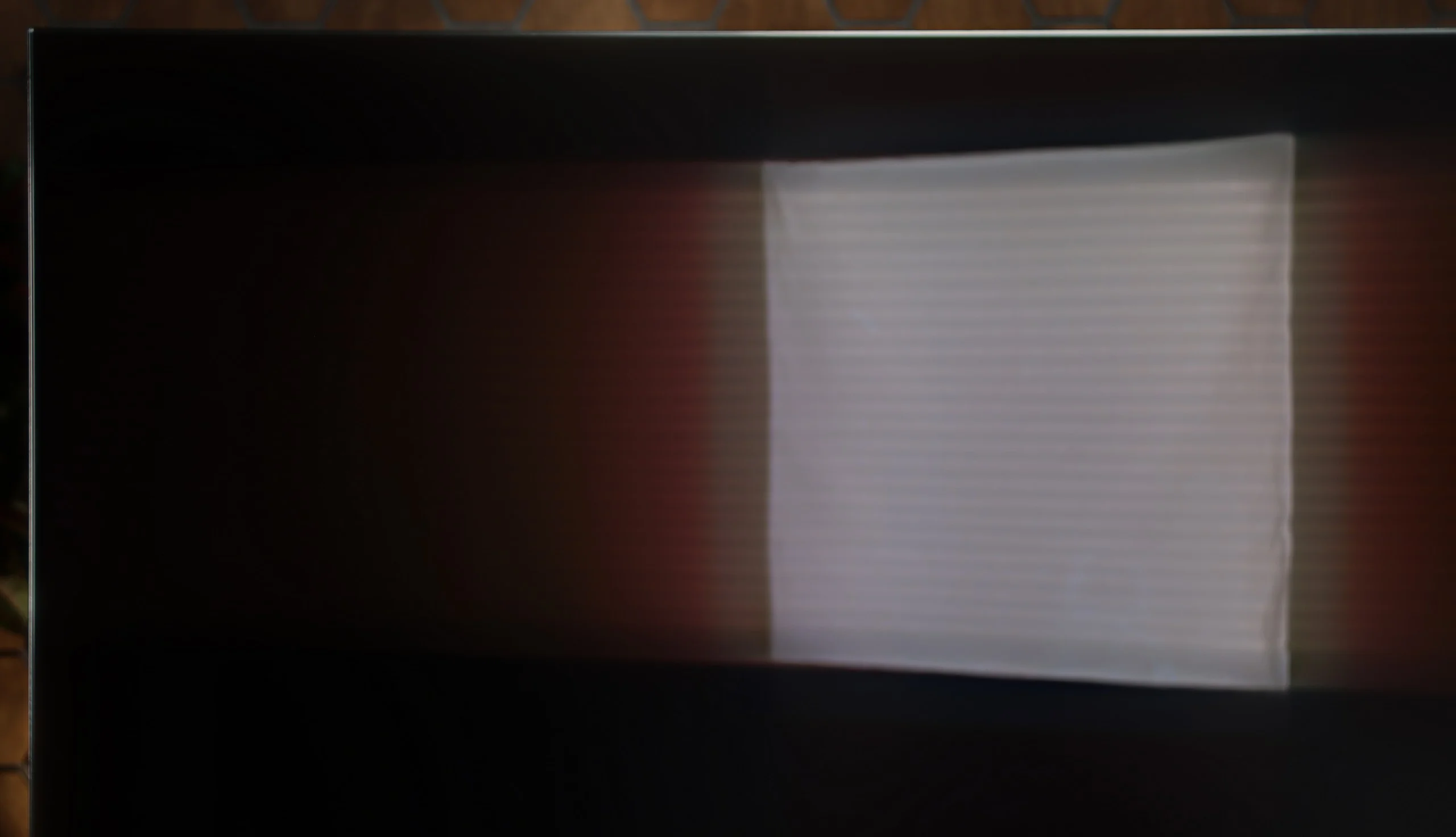
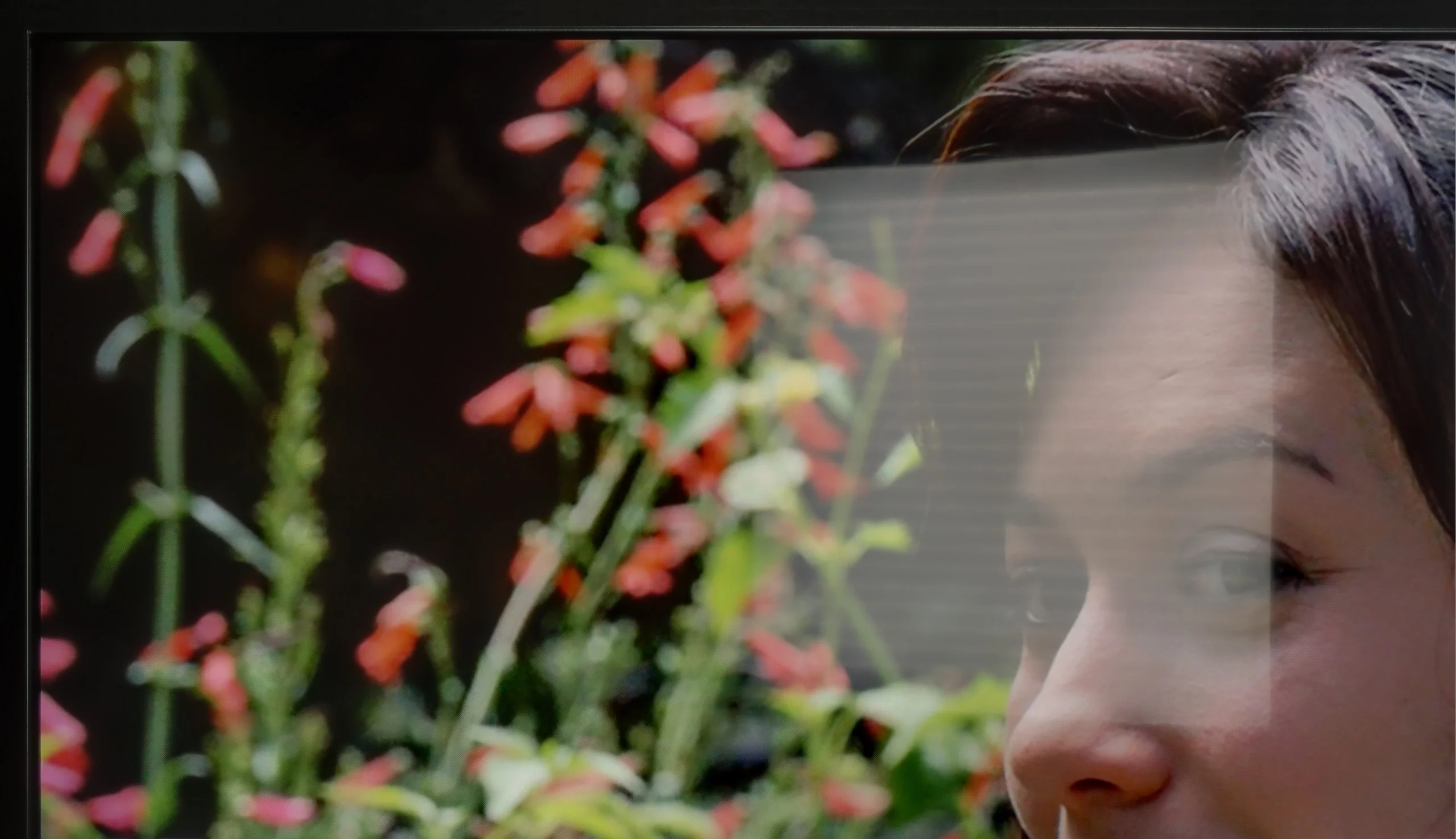
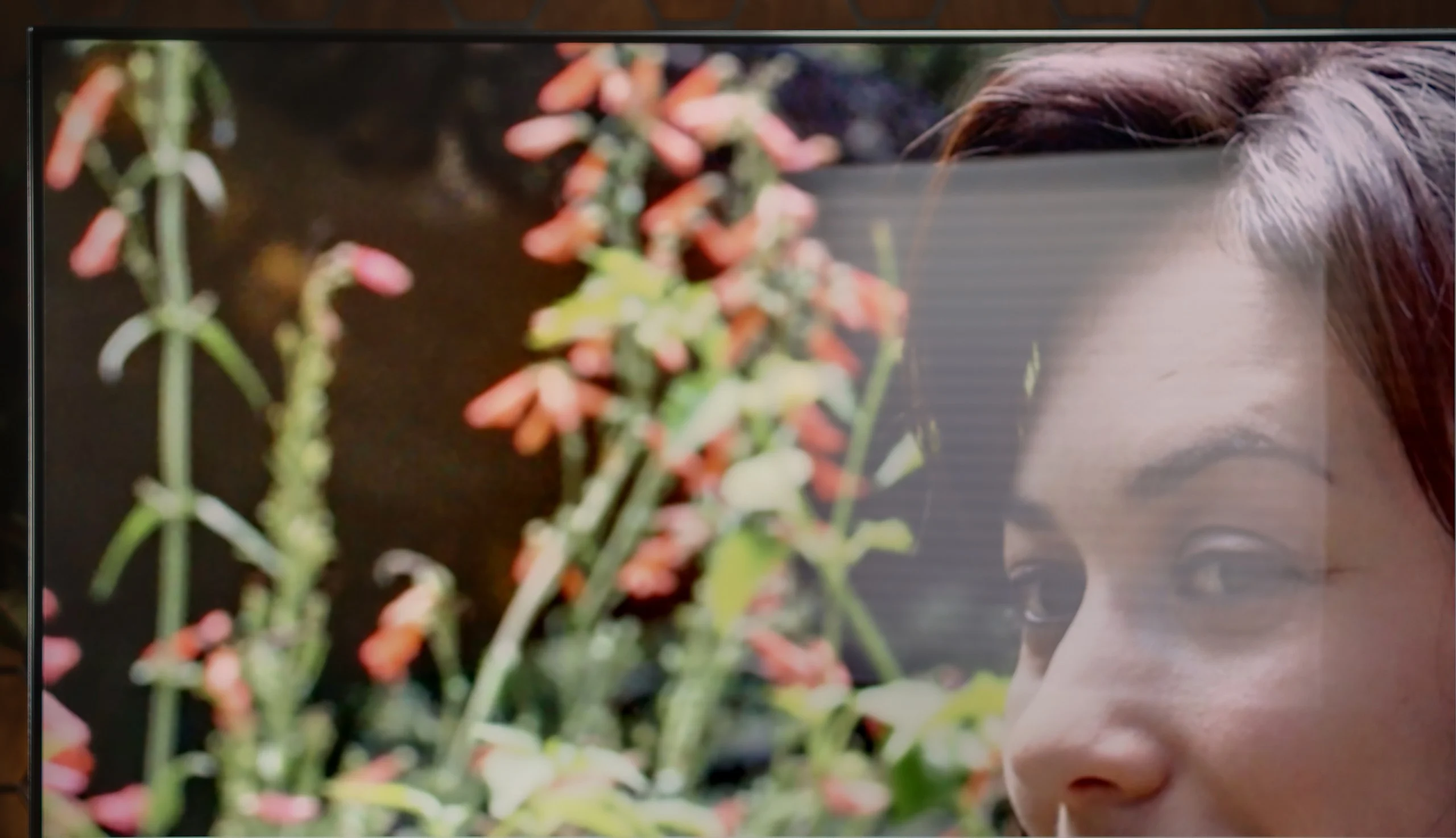
Panel brightness
TCL RM7L: 959 cd/m2
Hisense U7Q PRO: 472 cd/m2
As we mentioned earlier – the U7Q PRO is truly a bright television, especially when it comes to HDR content. In the case of SDR material, the television dims a bit, but an average brightness of around 500 nits is still a very solid result. This means that you can easily watch TV or movies even in a quite bright room. Only in very extreme lighting – for example, strong sunlight directly on the screen – visibility may suffer a bit. Fortunately, Hisense has applied a satin anti-reflective coating that effectively reduces glare, and blacks maintain their depth even during the day. This makes a difference and allows for comfortable use of the television in various lighting conditions.
RM7L should perform well in a bright living room, mainly thanks to its high SDR brightness. With everyday content the TV averages around 1000 nits, so it easily cuts through ambient light entering the room and keeps a readable picture during the day. A weak point is the panel's glossy coating. Direct reflections are quite noticeable on it, and stronger light sources can also spread across the screen surface. For that reason it's best not to place the TV directly opposite a window or a lamp. With proper placement, however, the RM7L will still be a very good choice for a heavily sunlit room.
Panel details
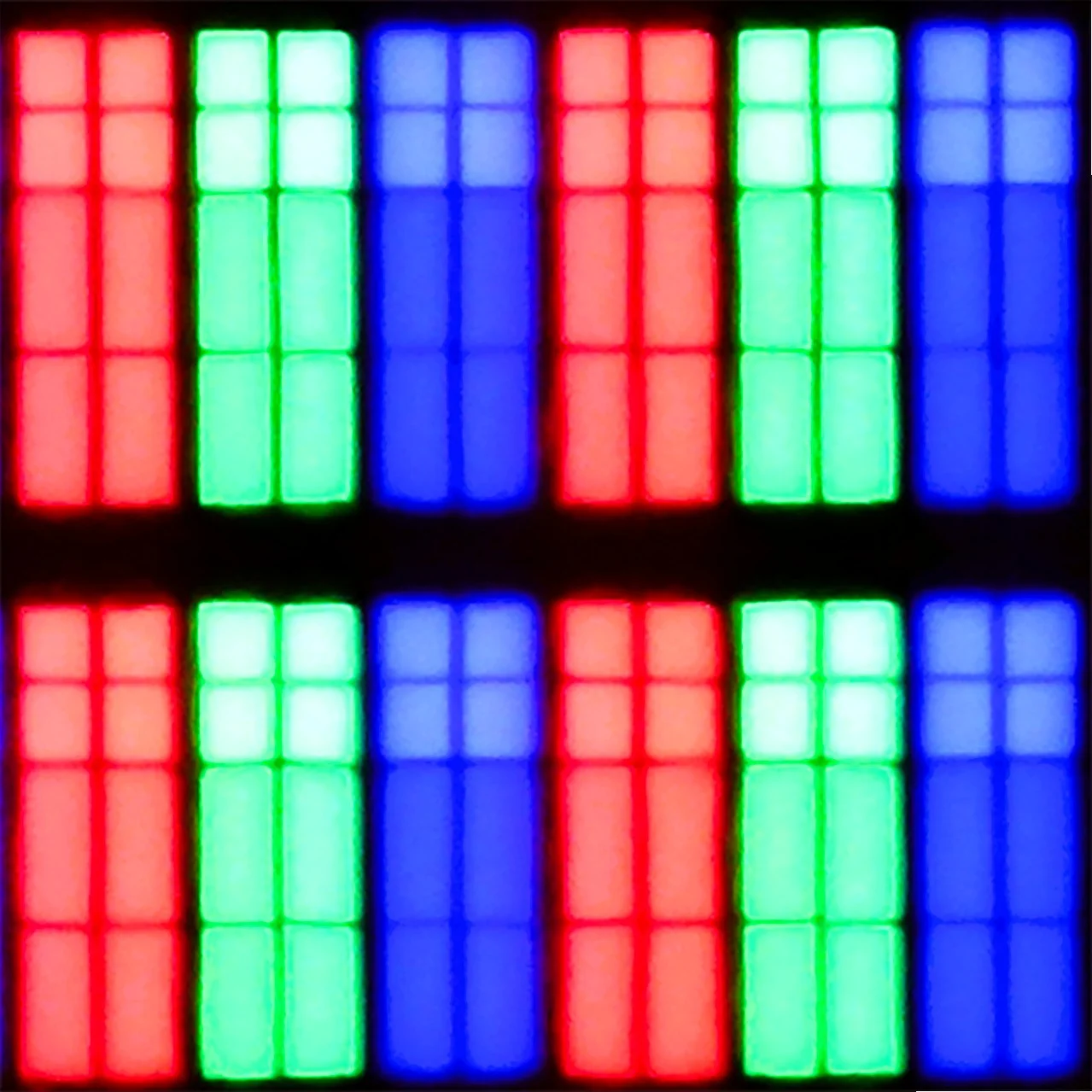
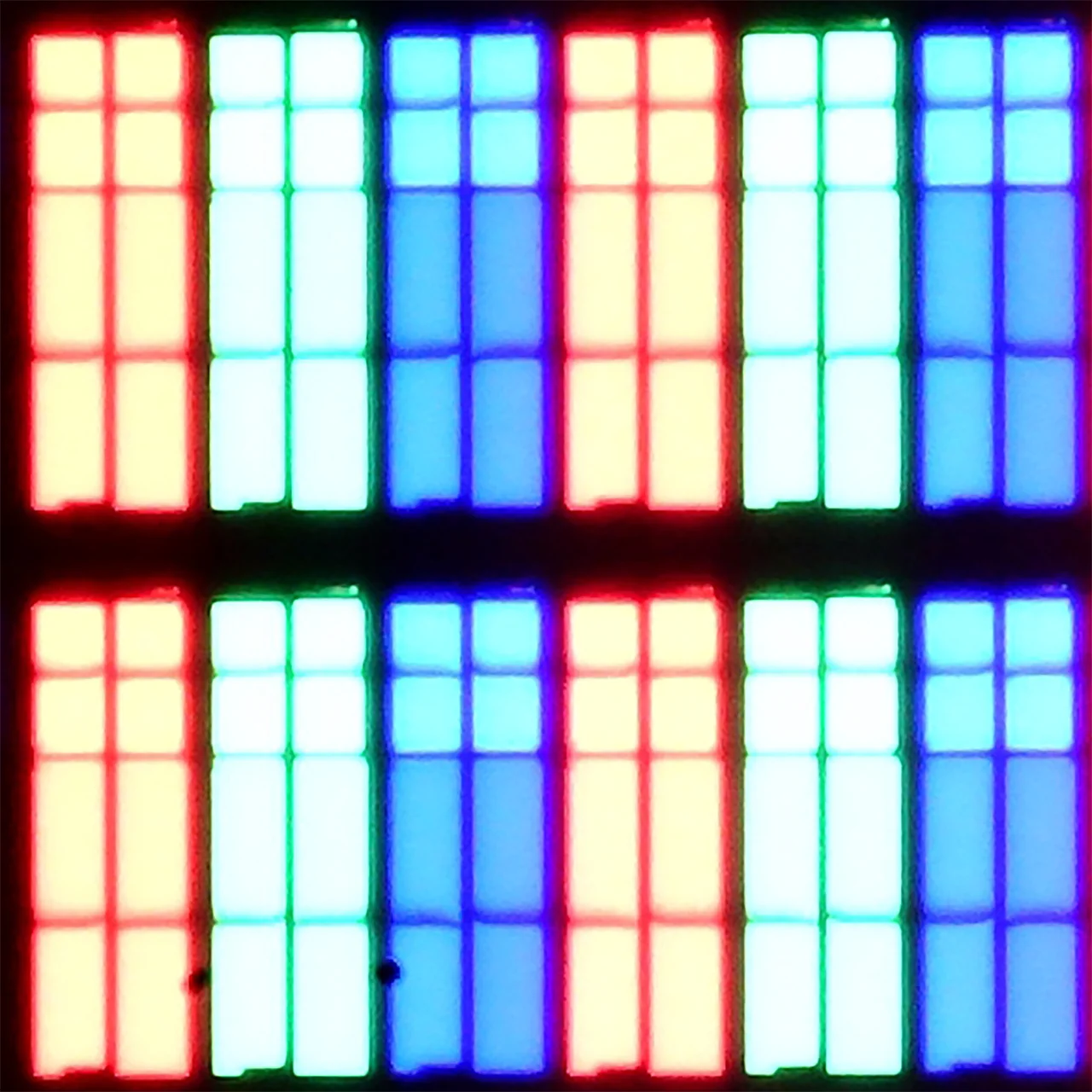
Subpixel Structure:
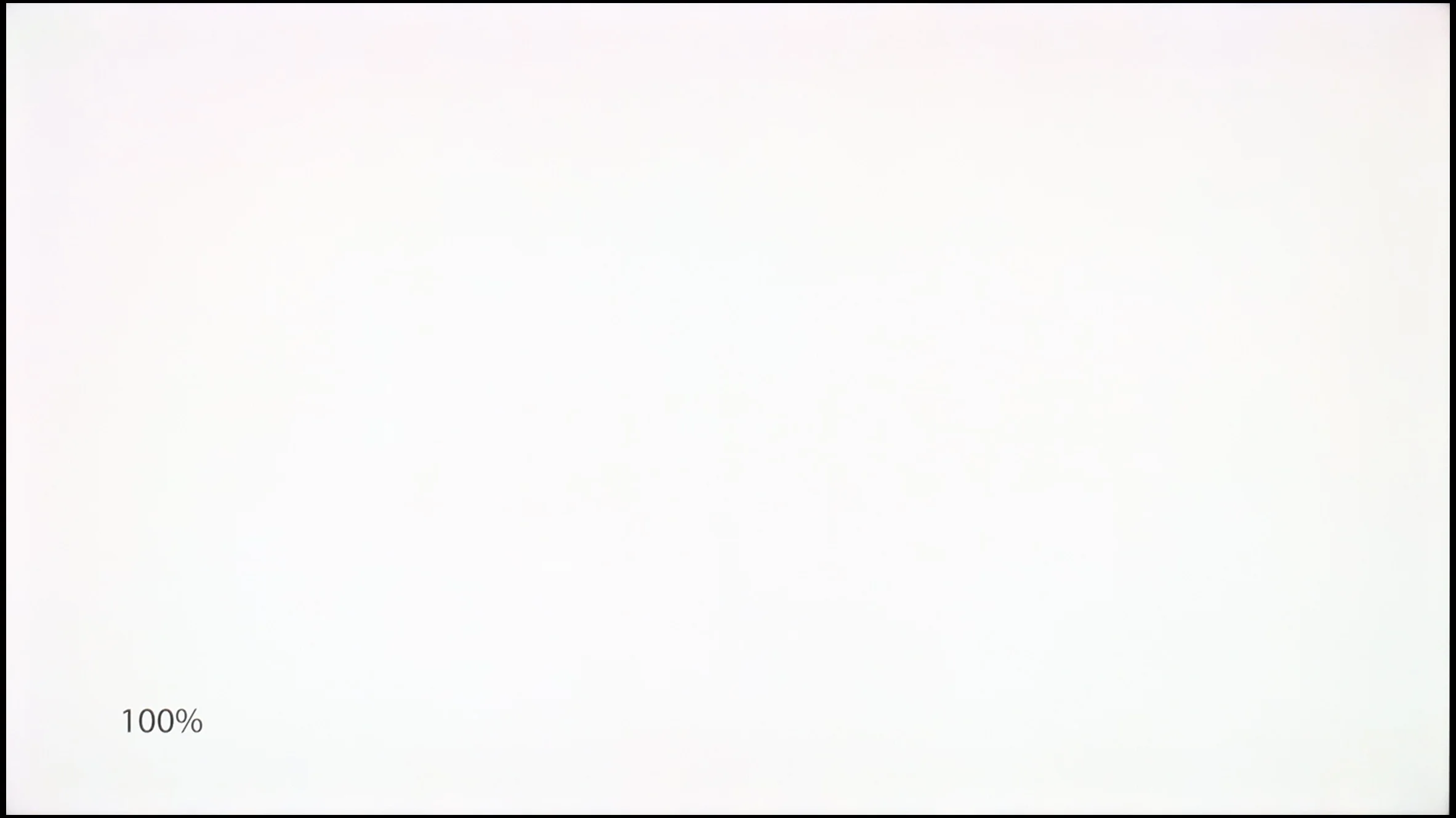
Panel uniformity and thermal imaging:
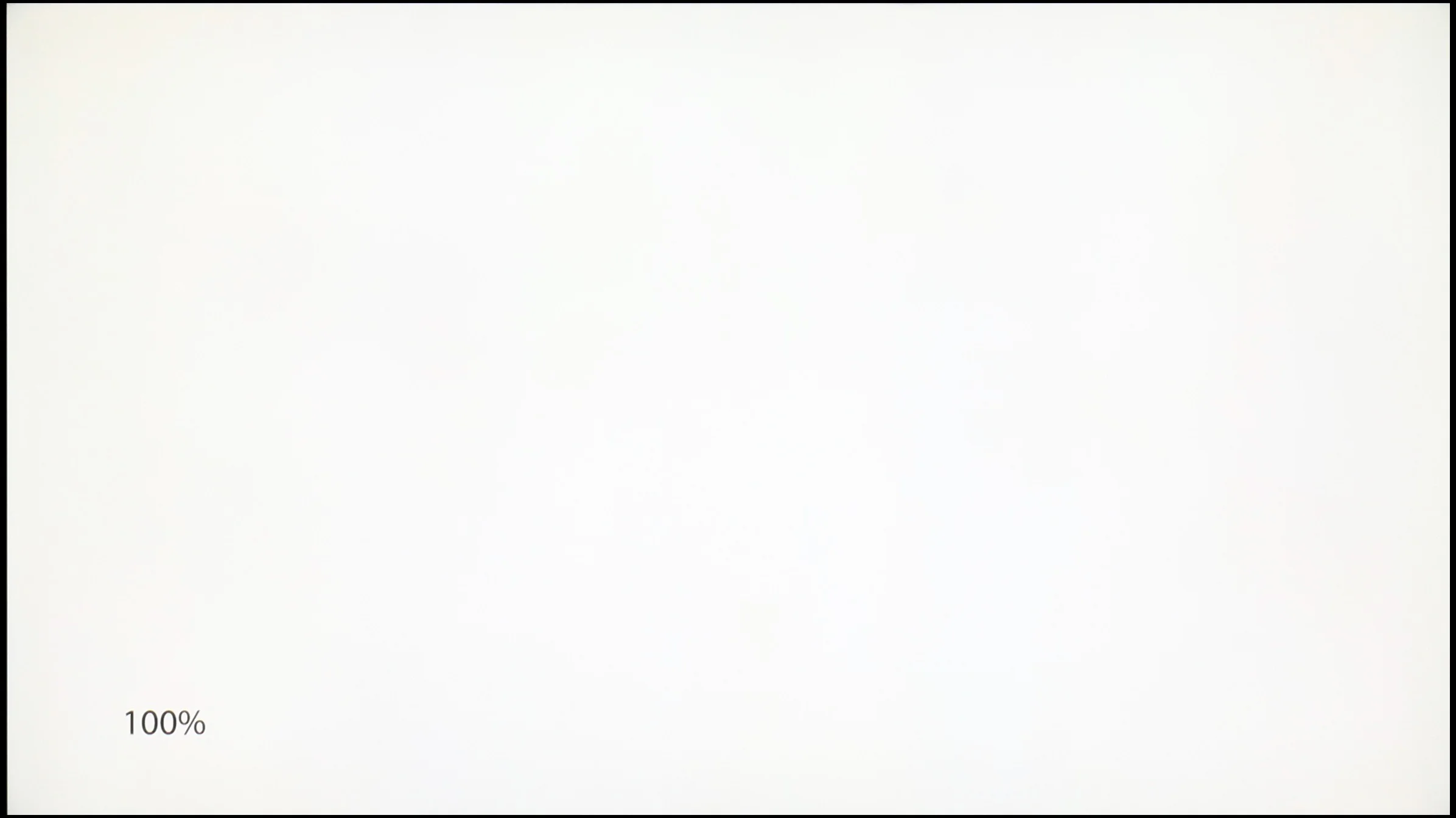
Hisense U7Q PRO
TCL RM7L
TV features
9.4/10
7.8/10
- SystemVIDAAGoogle TV
- System performanceGoodGood
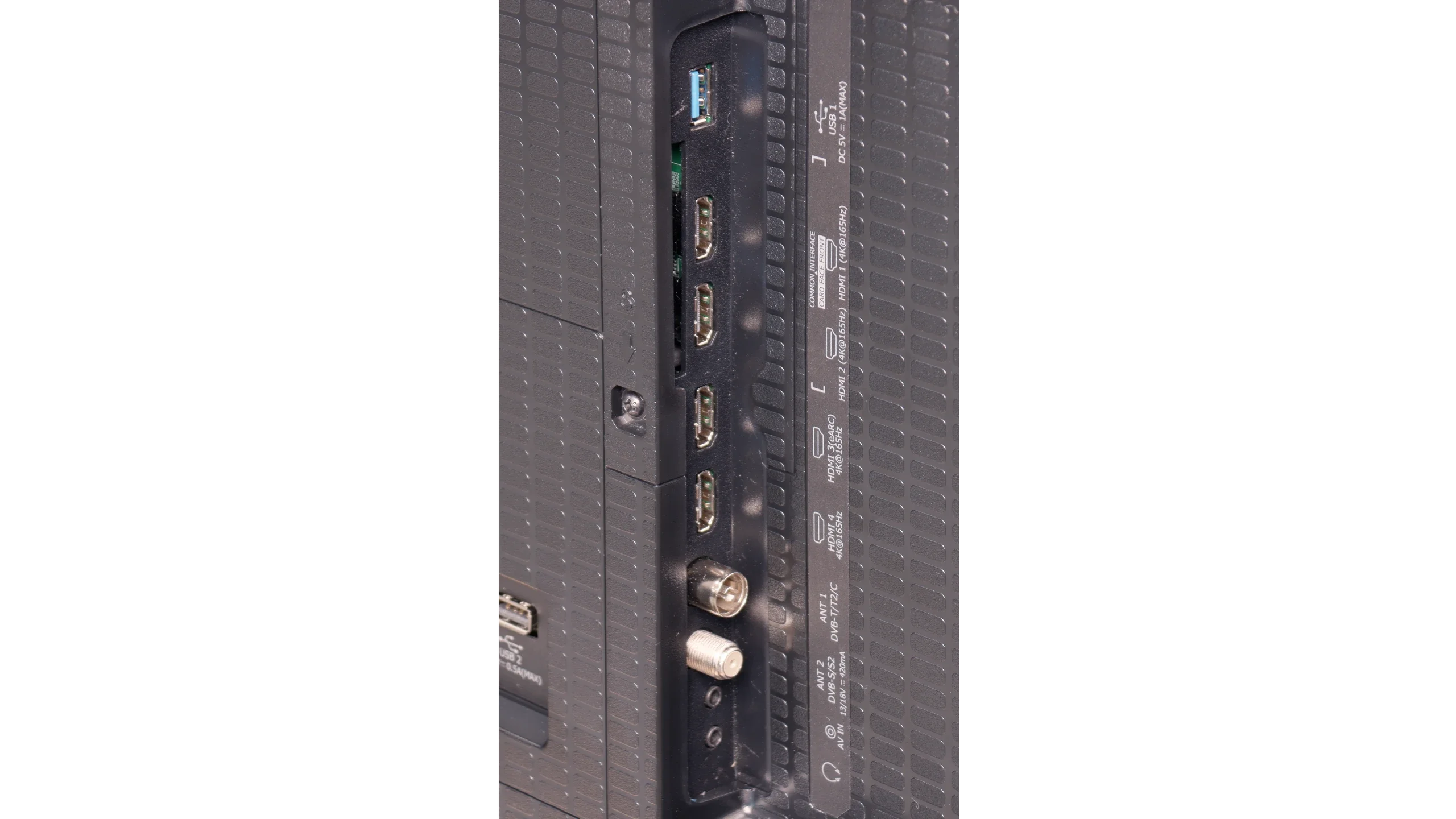
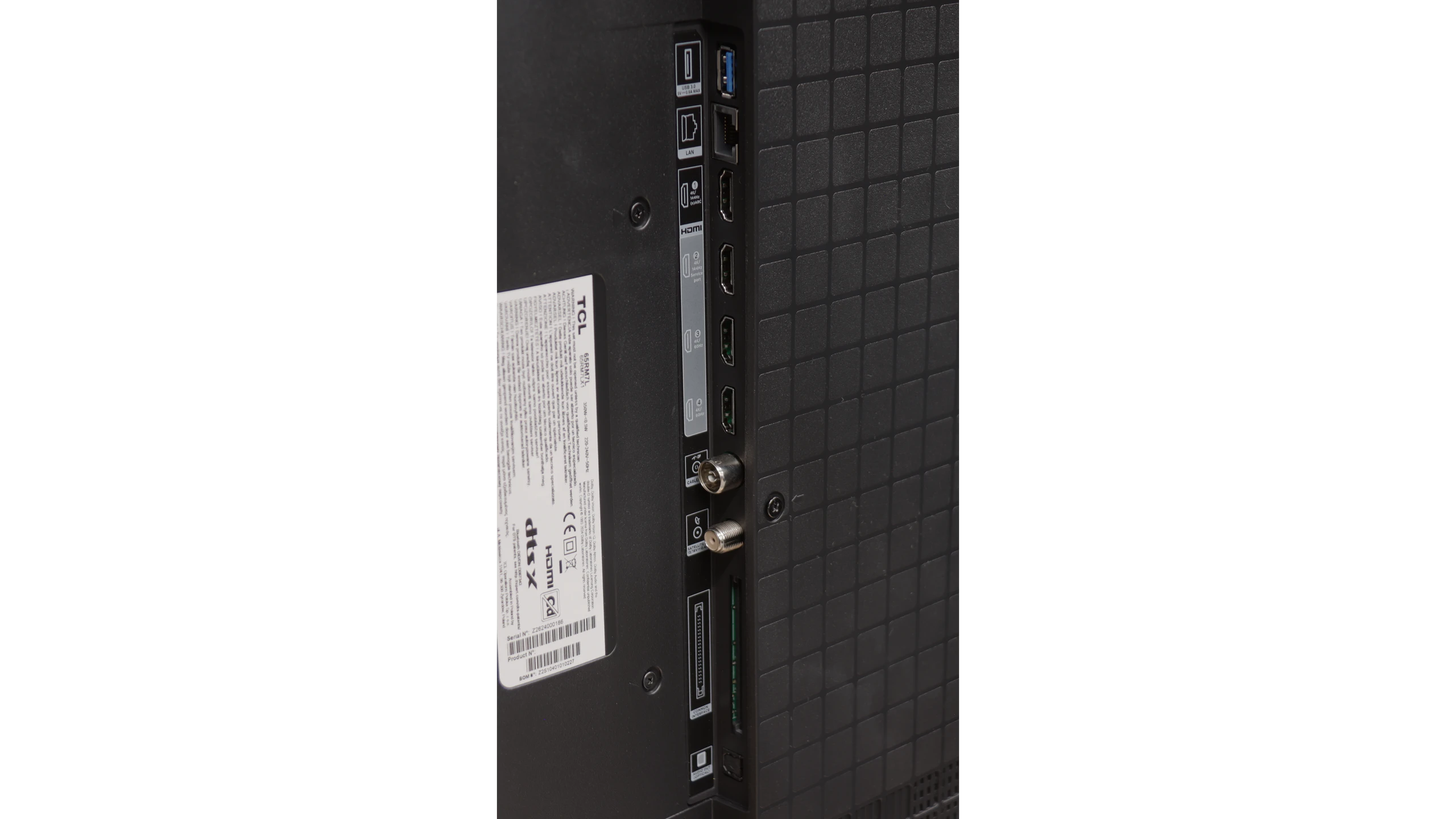
- HDMI inputs0 x HDMI 2.0, 4 x HDMI 2.1 48Gbps2 x HDMI 2.0, 2 x HDMI 2.1 48Gbps
- Other inputsRCA (Chinch)
- OutputsToslink (Optical audio), eARC (HDMI), ARC (HDMI), Mini-Jack (Headphones)Toslink (Optical audio), eARC (HDMI), ARC (HDMI)
- Network InterfacesWi-Fi 2.4GHz, Wi-Fi 5GHz, Ethernet (LAN) 100MbpsWi-Fi 2.4GHz, Wi-Fi 5GHz, Ethernet (LAN) 100Mbps
- TV receptionDVB-T, DVB-T2, DVB-S, DVB-S2, DVB-CDVB-T, DVB-T2, DVB-S, DVB-S2, DVB-C
Classic features:
- Recording to USB (terrestrial TV)
- Recording programming
- Picture in Picture (PiP)
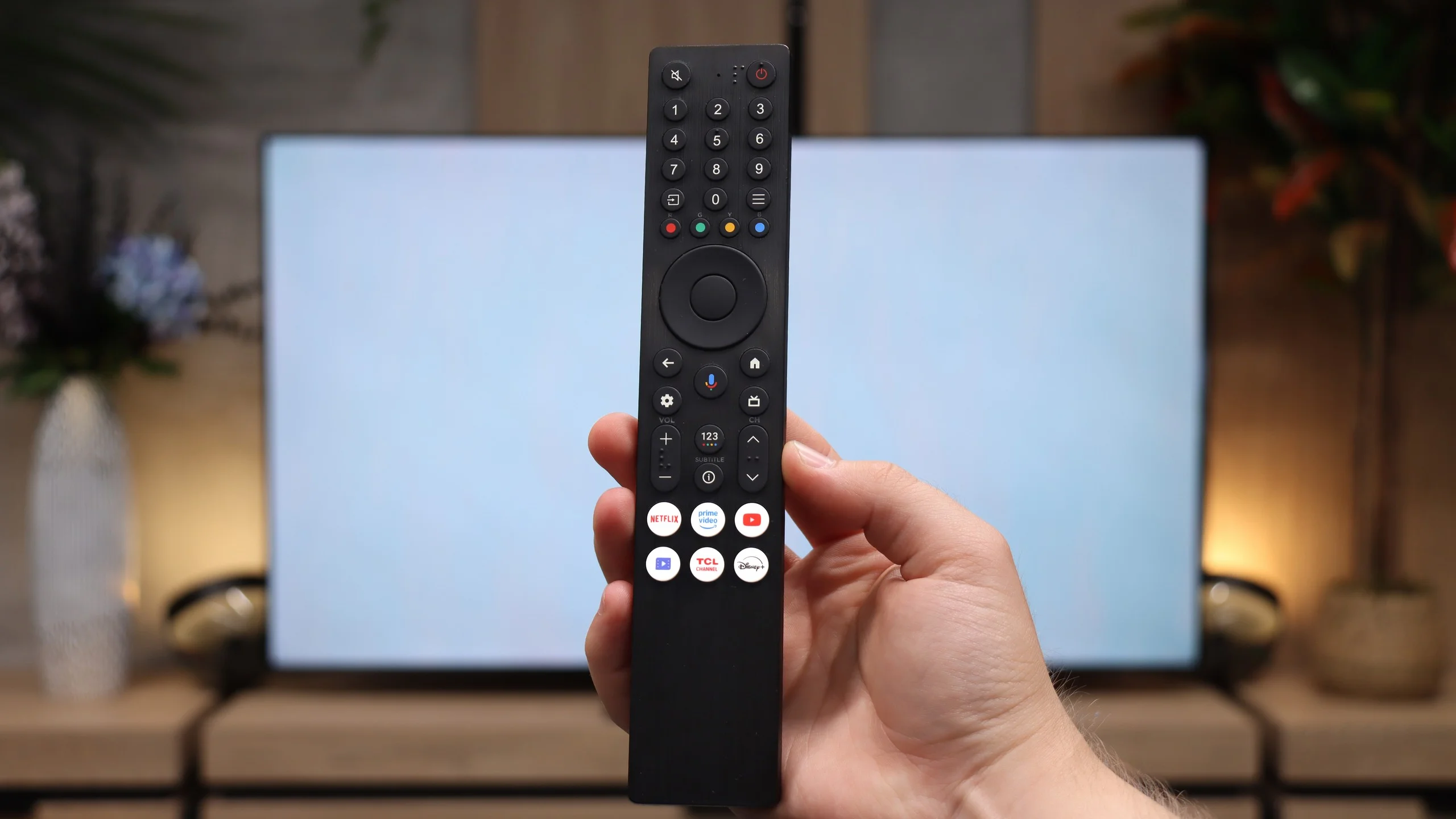
- RF remote control (no need to aim)
- Backlit remote control
- Teletext
- Audio only mode
- Bluetooth headphones support
- Simultaneous Bluetooth headphones & TV audio
Smart features:
- AirPlay
- Screen mirroring (Windows Miracast)
- Voice search
- Voice search in native language
- Ability to connect a keyboard and mouse
Sound connection options
- HDMI audioeARC (HDMI), ARC (HDMI)eARC (HDMI), ARC (HDMI)
- Other audio outputsToslink (Optical audio), Mini-Jack (Headphones)Toslink (Optical audio)
- Wireless audioBluetoothBluetooth
Supported audio formats (external HDMI eARC audio):
- Dolby Digital Plus 7.1
- Dolby True HD 7.1
- Dolby Atmos in Dolby Digital Plus (JOC)
- Dolby Atmos in Dolby True HD
- DTS:X in DTS-HD MA
- DTS-HD Master Audio
Senior accessibility
- Numeric keyboard on TV
- Font size adjustment
- Audio description
Classic Features of U7Q PRO
If you plan to use the television in a more "classic" way, meaning for watching daily programs or connecting headphones, the Hisense U7Q PRO has almost everything you could expect. The TV supports USB recording without any issues, you can connect headphones via Bluetooth, and the remote control is backlit, which still isn't standard even in more expensive models. While many people today forego these classic features in favor of streaming applications, it's good to know that the U7Q PRO still does this properly and without compromises (aside from the lack of a PiP feature).
SmartTV System: Vidaa
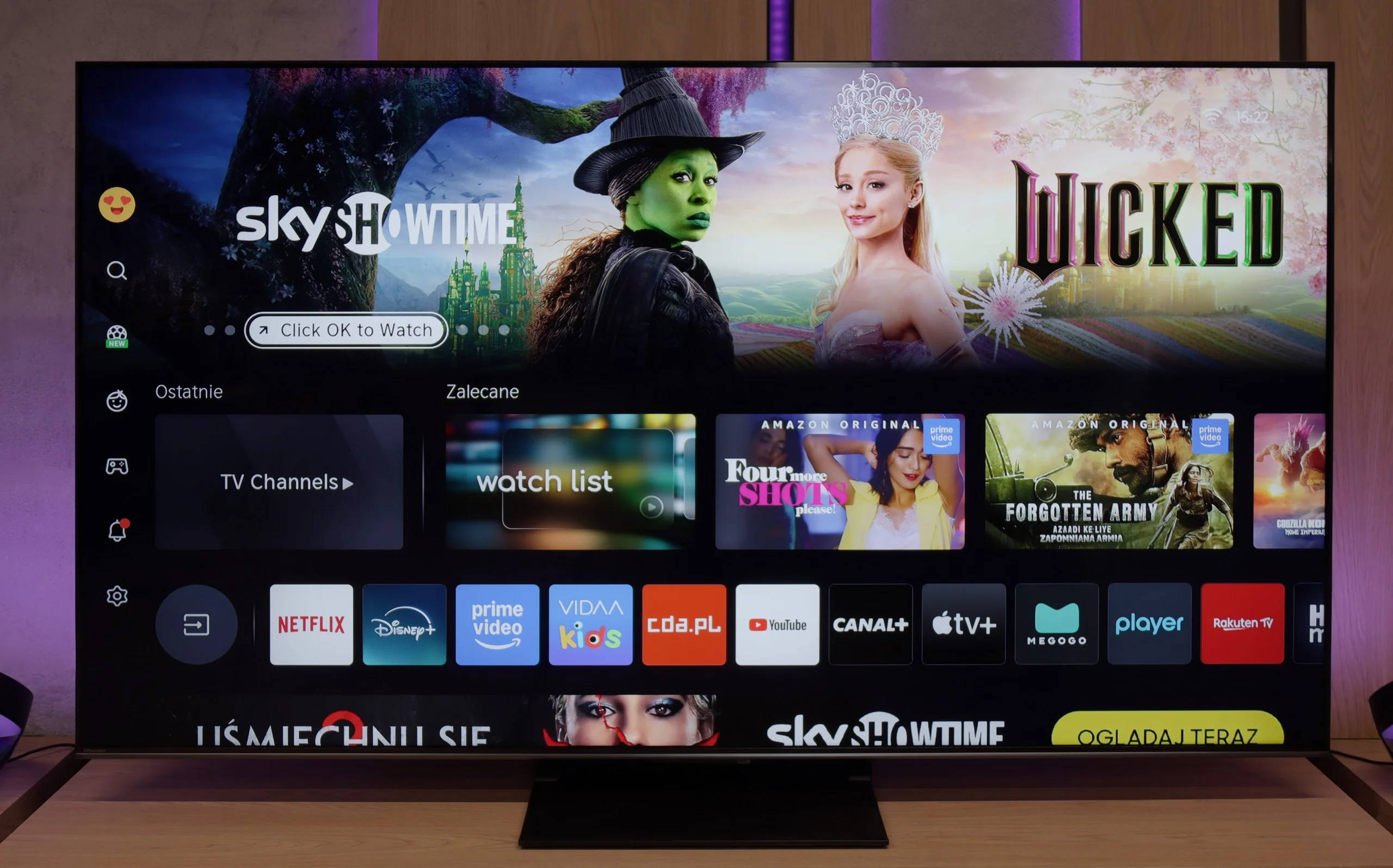
As for smart features, in Europe, this model operates on the VIDAA system. The system works smoothly, has a built-in web browser, supports voice control (also in Polish), and AirPlay, which will please users of Apple devices. However, it should be noted that VIDAA is a closed system, so you won't find all the popular applications that Android TV or Google TV have accustomed us to. Before purchasing, it's worth checking if the apps you actually use are available.
Smart TV features
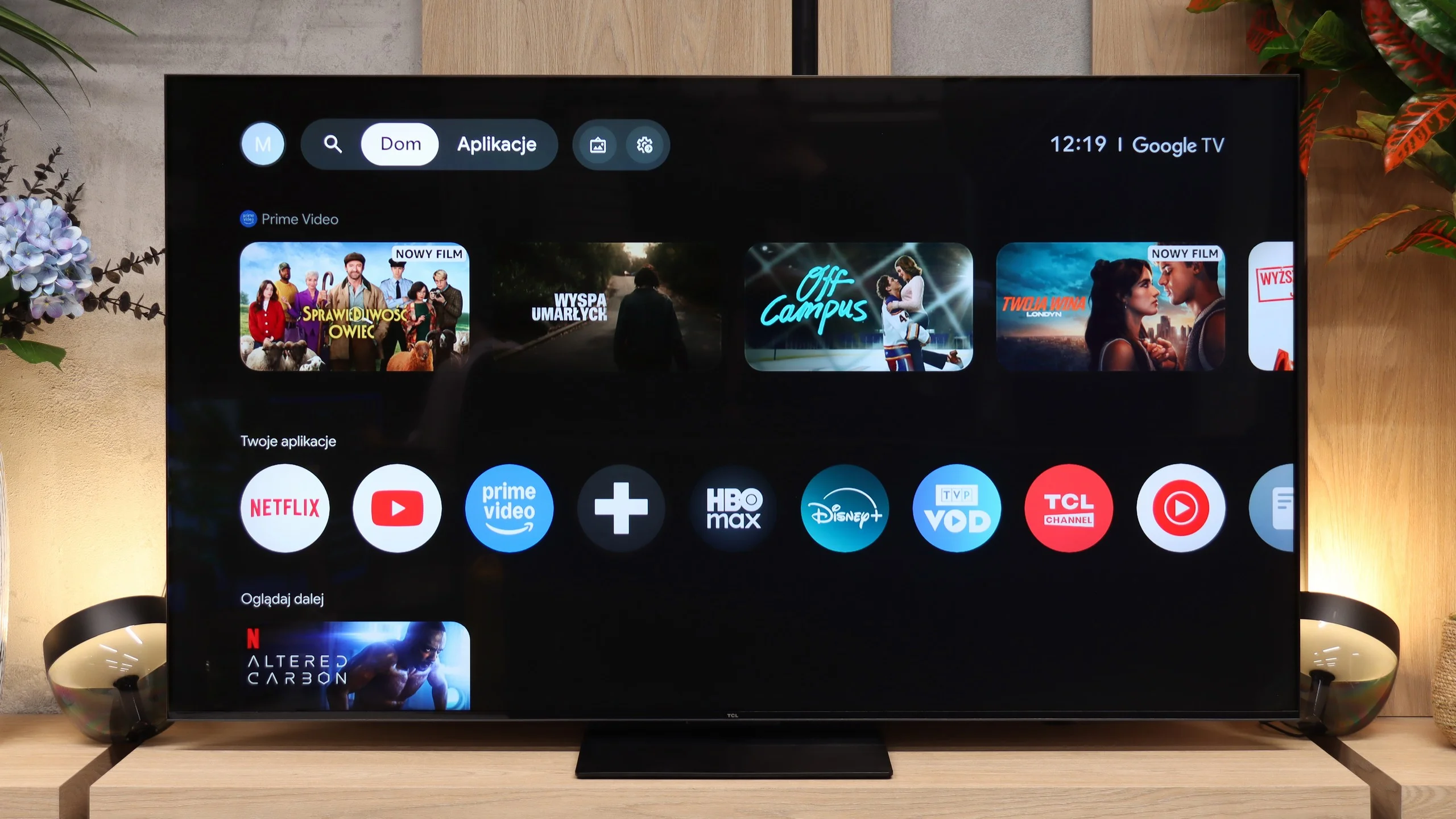
The RM7L runs on Google TV, and that's great news because it's one of the most polished systems on the market today. The store has pretty much everything: from major streaming platforms to lesser-known apps, so you really don't have to worry about a lack of content. On board we also have the classics, Chromecast and AirPlay, which let you easily cast your phone's screen to the big display. An interesting change is the replacement of the previous Google Assistant with Gemini. The new "artificial brain" better understands natural speech and can respond to questions much more sensibly. Everything runs smoothly and delivers exactly what we expect from a TV today.
Traditional TV
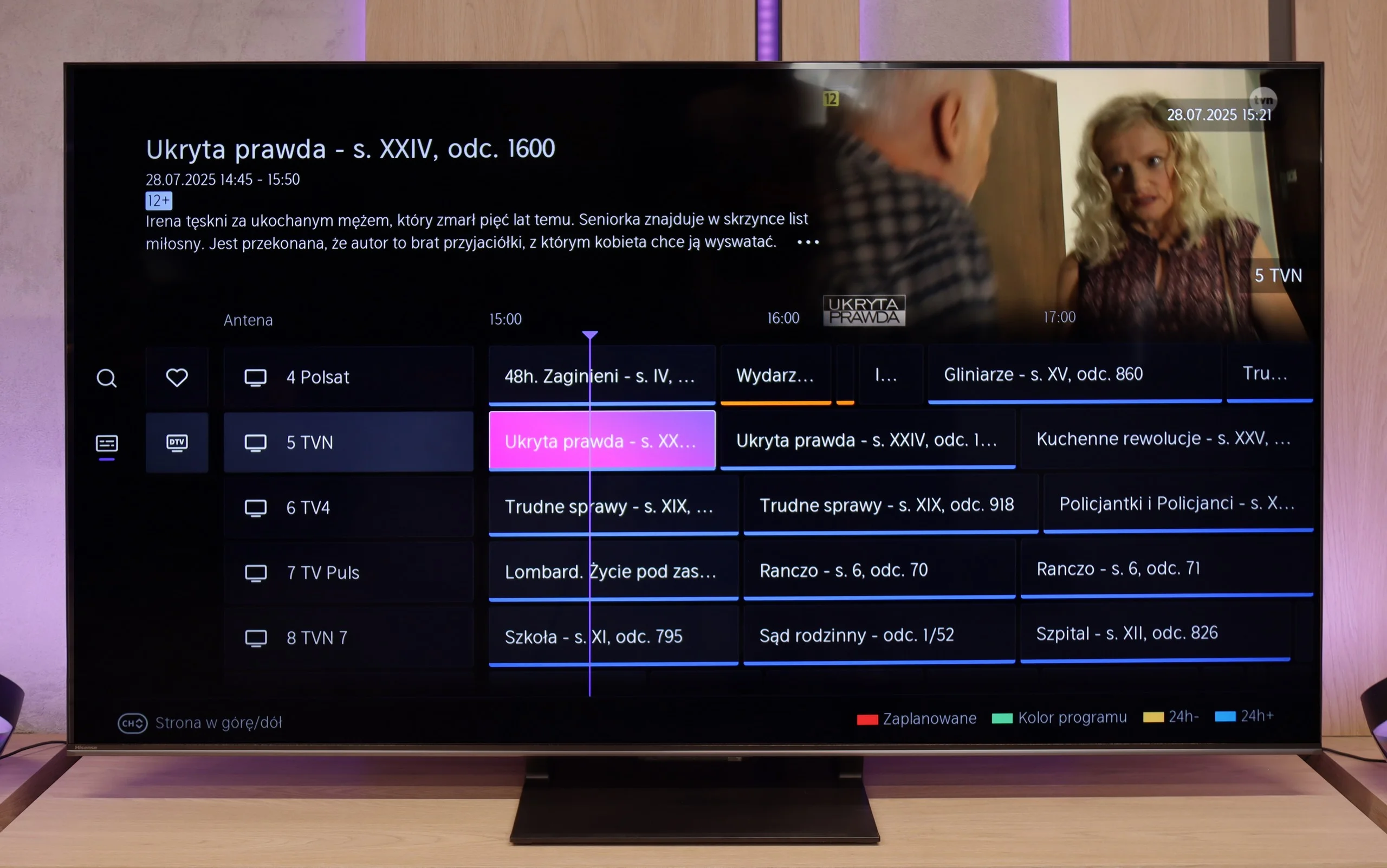
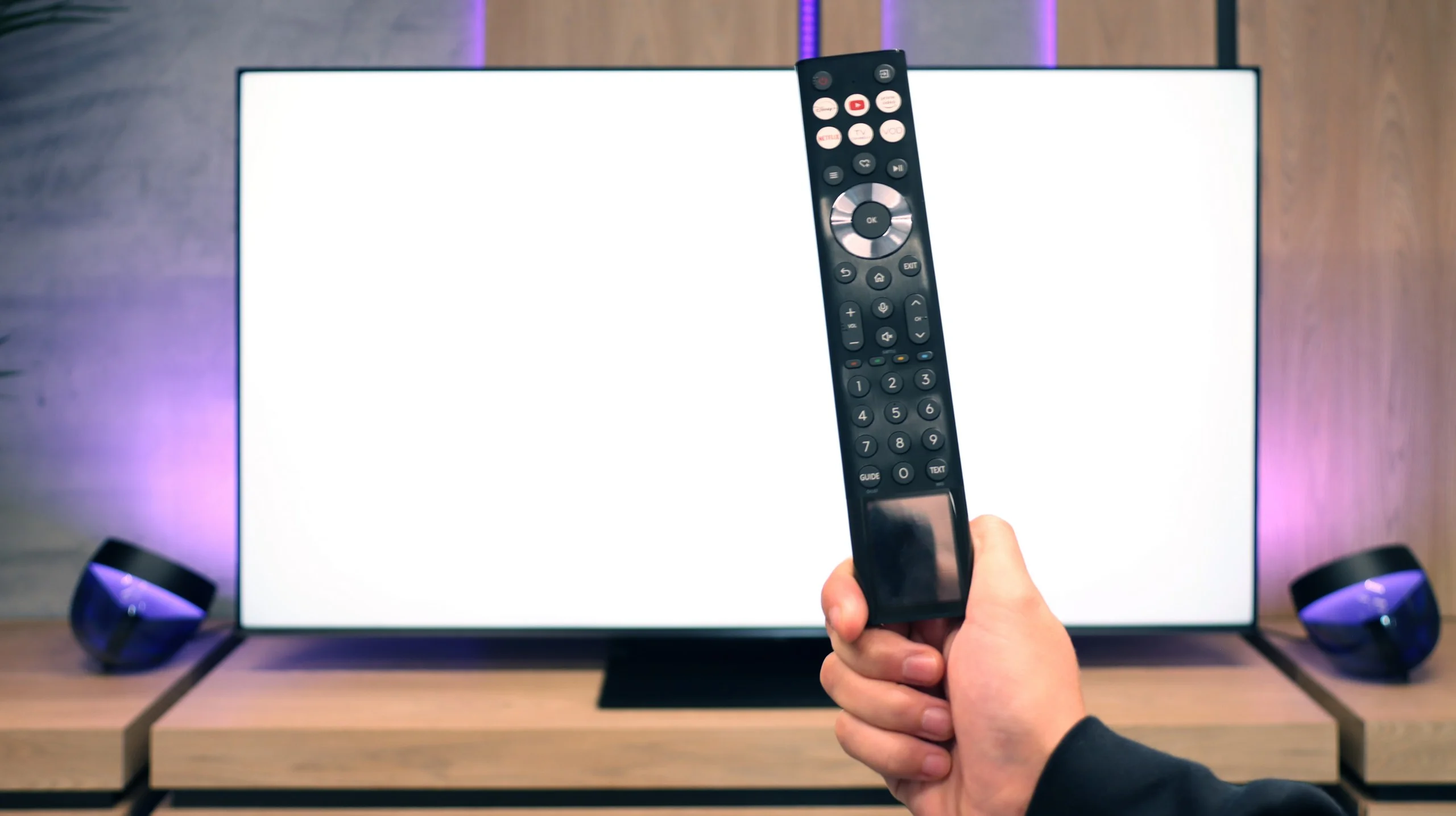
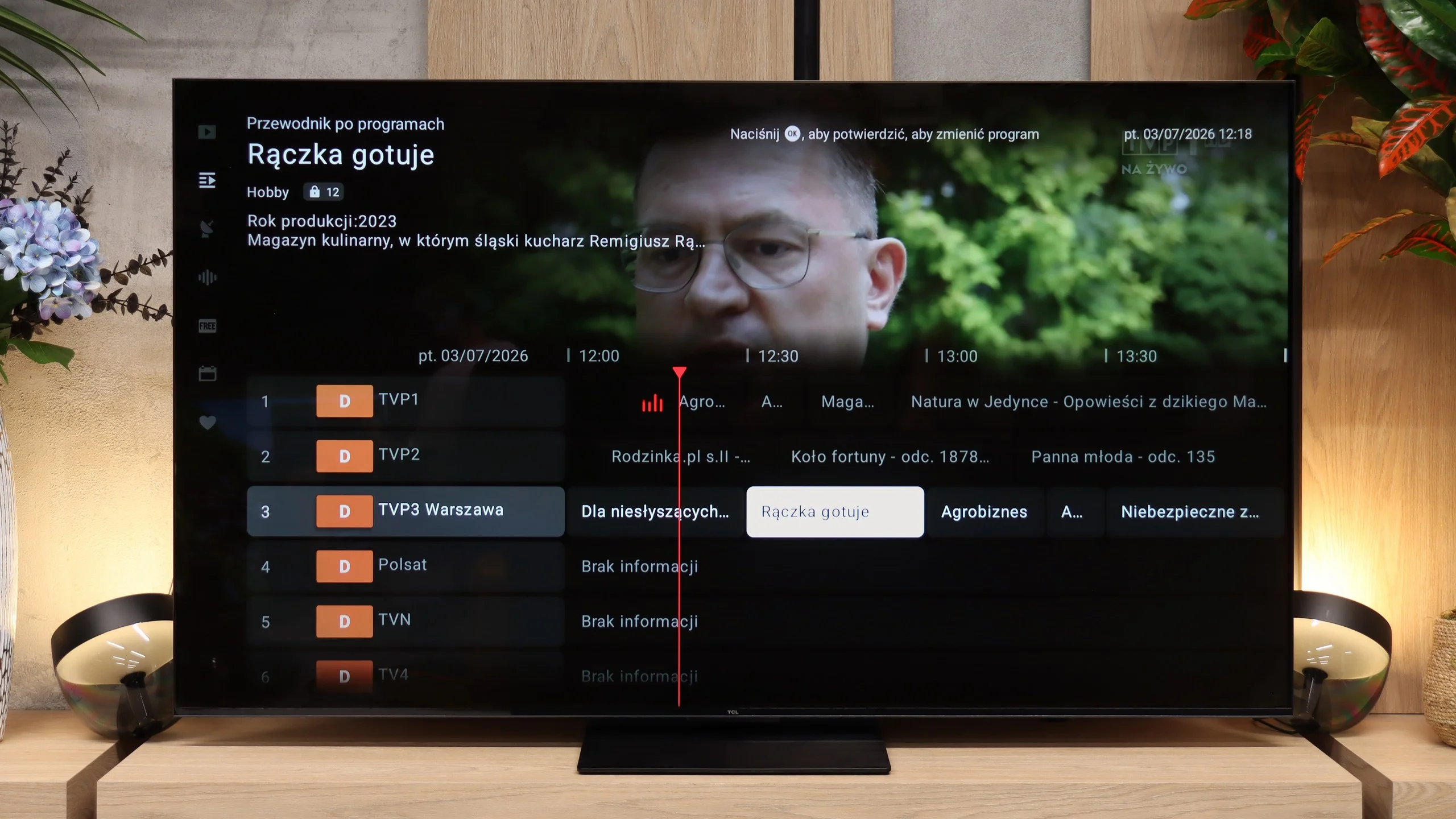
If someone prefers channel surfing to streaming, they'll be pleased by the inclusion of a traditional remote. It has a full numeric keypad and plenty of physical buttons, so operating the TV is quite straightforward without having to dig through on-screen menus. When it comes to the TV's features, it's simply solid. The program guide (EPG) and channel switching work flawlessly, although you won't find any extra features like PiP or PVR.
Apps
7.7/10
9.6/10






















Playing files from USB
8.2/10
9.4/10
Supported photo formats:
Maximum photo resolution:
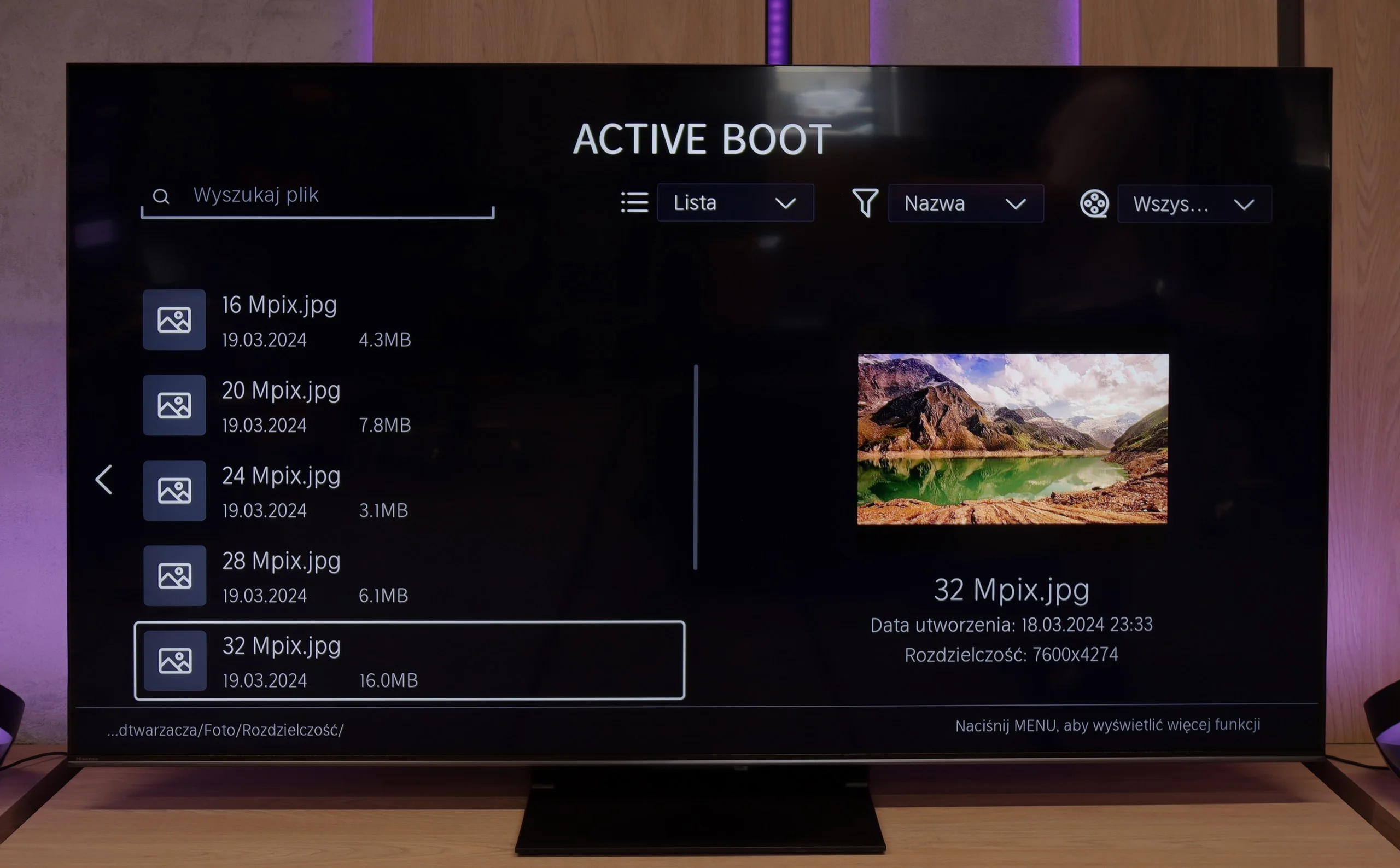
The built-in media player in the VIDAA system worked very smoothly and without any issues on our U7Q PRO unit. The television effortlessly read external video and audio files, as well as subtitles, making it convenient to watch movies from a USB flash drive or external hard drive. Most popular formats worked flawlessly, so there was no need to convert anything. The only point of contention is a certain selectiveness in handling high-resolution images – not all of them opened. Therefore, you will find an exact list of supported image resolutions (Mpix) in our comparison chart.
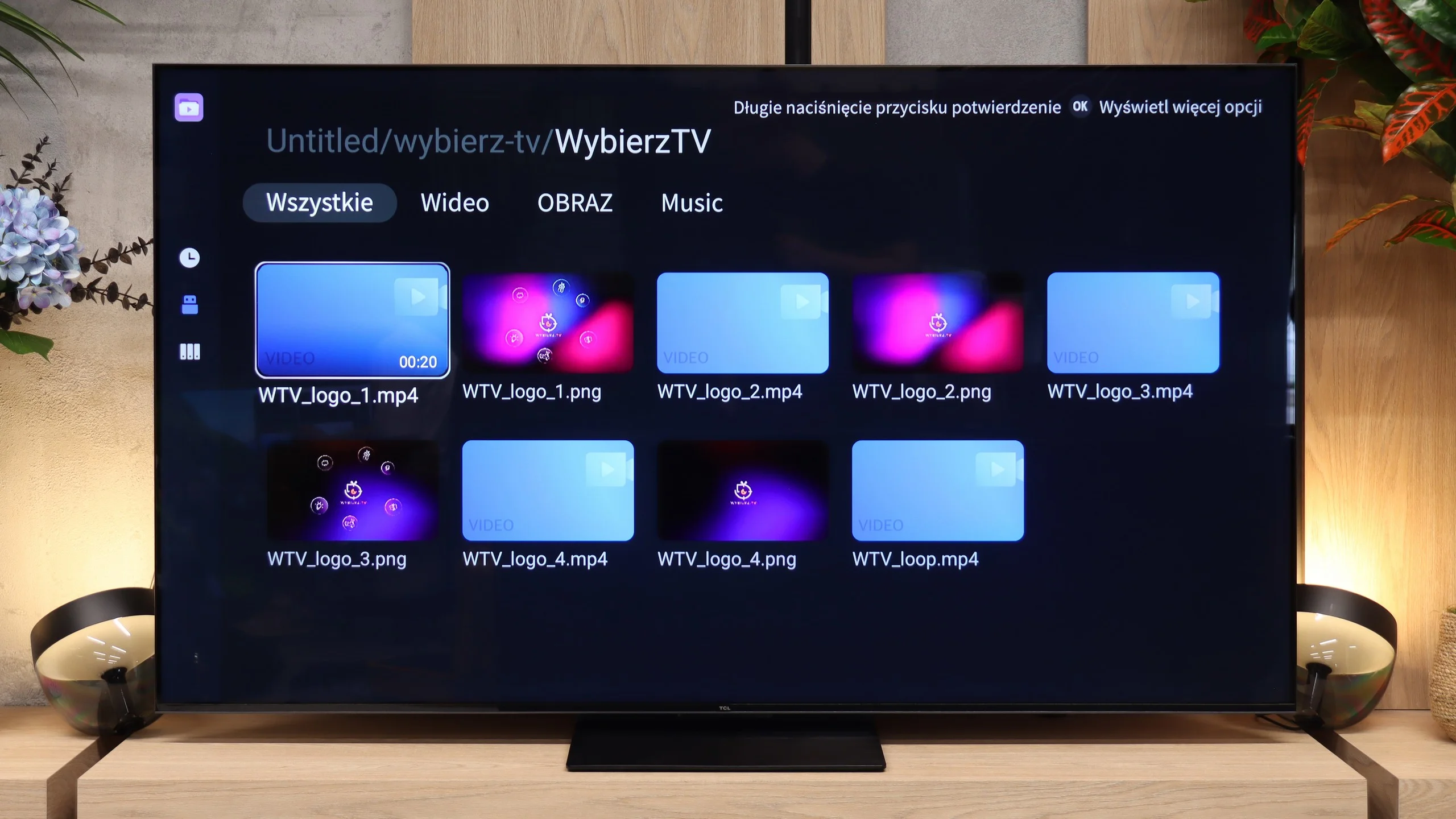
The RM7L's built-in file player performs very well. The TV had no trouble with most of the test material, whether movies, photos, or music. Shortcomings do occur, of course, but they mostly involve less common formats. In practice, most people will be fine without installing an additional media player.
Sound
7.8/10
7.8/10
- Maximum volume85dB88dB
- Dolby Digital Plus 7.1
- Dolby True HD 7.1
- Dolby Atmos in Dolby Digital Plus (JOC)
- Dolby Atmos in Dolby True HD
- DTS:X in DTS-HD MA
- DTS-HD Master Audio
For the standards of built-in television speakers, the U7Q PRO sounds surprisingly good. The sound is clear, with distinct mid and high tones, and the bass – while obviously limited – does not completely disappear. One could say that for "TV speakers," the level is more than satisfactory. However, it’s worth noting that in our test model, we were unable to play DTS:X audio from local files – the television simply does not support it. This means that if you are counting on a cinematic spatial effect solely from its built-in speakers, there may be a bit of disappointment. Fortunately, the television seamlessly transmits DTS signal to an external amplifier, so if you have a home theater – just connect it, and everything works as it should.
Unlike the higher C7L, C8L, or X11L series, the RM7L does not include an audio system branded by Bang & Olufsen. TCL went with an Onkyo speaker package supported by "Ultra Bass" technology. The difference is also visible in the build. Instead of metal covers, simpler plastic grilles were used. Does that affect sound quality? In our view, not as much as you might expect. The RM7L simply sounds good, with a slightly different tonal character than the C7L. Dialogues are clean and clear, and the TV can easily fill even a larger living room. The amount of low end is also a plus. For a TV at this level there’s a fair amount of bass and it doesn’t come across as completely flat. Our measurements confirm this. Maximum volume reaches about 88 dB, which is a very good result, and the frequency response remains relatively even. Only above roughly 7–8 kHz is there a more noticeable drop in output, so the top end isn’t as well emphasized. That said, for a TV in this class the RM7L delivers a surprisingly pleasant sound and most users won’t have much to complain about.
Sound Quality Test
Acoustic Measurements
85dBC (Max)
75dBC
88dBC (Max)
75dBC
Reader comments
Comments are provided by the external service Disqus (Zeta Global). Once loaded, Disqus may set cookies and process data about your activity.
We will remember your choice on this device. Provider's privacy policy