The U7Q PRO is a television that, after just a few minutes, gives a clear signal: "speed matters here." Hisense surprised us with how much they managed to pack into a device that doesn’t cost a fortune. A refreshing rate of 165 Hz in 4K, and even 288 Hz in Full HD – not that long ago, such numbers were reserved exclusively for top gaming monitors. And here you go, we have a mid-range television with almost a full set of gaming features that confidently throws down the gauntlet to much more expensive competitors. However, it doesn't stop at speed-related qualities. The U7Q PRO also boasts a very bright screen, which peaks at even 1500 nits. Like every Mini-LED, it has its typical "moods" associated with this technology, sometimes slightly exaggerating the image, but the overall visual effect remains very positive – especially with HDR content. It's also worth mentioning the Vidaa operating system – fast, intuitive, and equipped with features such as AirPlay, a voice assistant, and a web browser. Although you won't find the full range of apps known from Android here, the system performs really well in everyday use. So why is it "almost" ideal for gamers? It’s just missing the HGiG feature, which allows for precise adjustment of brightness levels in HDR games. This is a minor flaw, but it may be significant for console purists. Nonetheless, the U7Q PRO remains a very solid offering – and at the same time proof that Chinese manufacturers have not only caught up with their competitors from Korea or Japan but have even begun to outpace them in some aspects.
- Matching (Score) |
- Our verdict |
- TV appearance |
- Where to buy |
- Contrast and black detail |
- HDR effect quality |
- Factory color reproduction |
- Color reproduction after calibration |
- Smoothness of tonal transitions |
- Image scaling and smoothness of tonal transitions |
- Blur and motion smoothness |
- Console compatibility and gaming features |
- Input lag |
- Compatibility with PC |
- Viewing angles |
- Daytime performance |
- Panel details |
- TV features |
- Apps |
- Playing files from USB |
- Sound
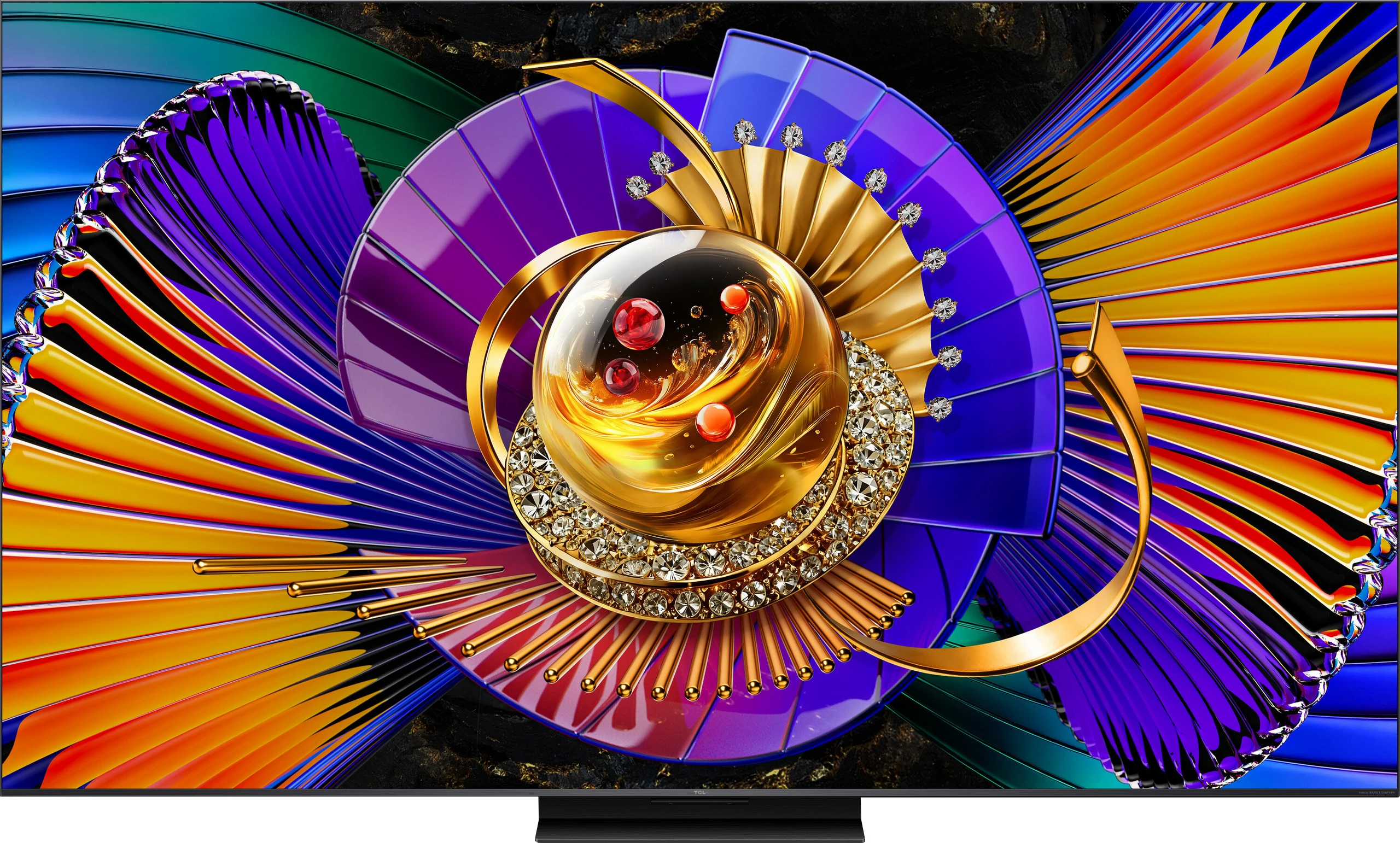
Hisense U7Q PRO vs TCL C7L
 Direct comparison
U7Q PRO / U78Q PRO

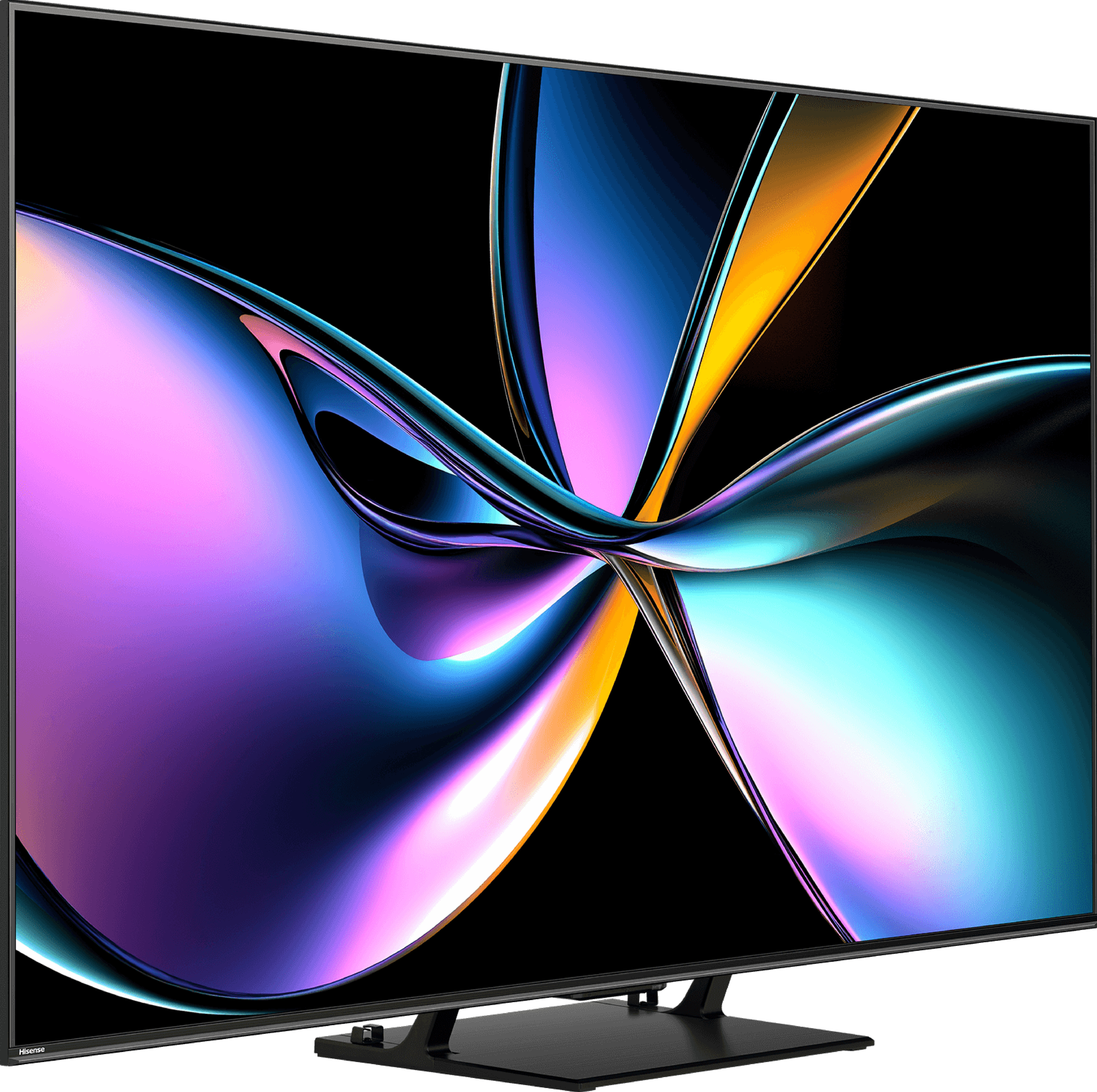
Panel type: LCD VA
Resolution: 3840x2160
System: VIDAA
Model year: 2025
Complete the survey to find out the result
Panel type: LCD VA
Resolution: 3840x2160
System: Google TV
Model year: 2026
Complete the survey to find out the result
Overall rating
7.4
7.8
 Movies and series in UHD quality
 7.2
7.2
 Classic TV, YouTube
 7.2
6.8
 Sports broadcasts (TV and apps)
 6.7
6.7
 Gaming on console
 8.2
8.8
 TV as a computer monitor
 8.2
8.4
 Watching in bright light
 6.2
8.8
 Utility functions
 9.4
7.8
 Apps
Apps 7.7
9.6
 Sound quality
 7.8
7.7
Complete the survey to find out what fits your preferences
Advantages

Great contrast and blacks - true Mini-LED backlighting with a VA panel (65")
Very good motion smoothness - 4K@165 Hz panel
Very high HDR brightness - even above 1500 nits
Perfect for gaming - Low input lag, VRR, ALLM, 4x HDMI 2.1, 288Hz at 1080p.
The Vidaa operating system has many features, e.g. Airplay, USB recording
Outstanding quality of tonal transitions
Very high brightness
Good blacks and contrast (VA matrix + mini-LED)
Excellent color gamut coverage thanks to the new "Super QLED" filter
Full support for HDR formats including Dolby Vision and HDR10+
Top parameters for gamers (HDMI 2.1, low input lag)
High motion fluidity with low blur (up to 288Hz)
Google TV operating system (lots of apps, Gemini voice assistant)
Disadvantages

No support for HGiG
Average viewing angles
Missing apps on the VIDAA platform
Poor digital image processing due to the use of an older MediaTek Pentonic 700 processor
Only two HDMI 2.1 ports, one of which is shared with the eARC channel for audio, e.g., soundbar
Sound losing dynamics above 40-50% volume
Our verdict
The TCL C7L is an incredibly successful Mini-LED television and a fully deserved successor to the hit model C7K. The list of advantages of this device is truly long. At the top is the extremely high brightness of the panel. Thanks to this, the television effortlessly handles brightly lit living rooms, offering an exceptional and dynamic picture in HDR format. Huge praise is also due for the use of the new Super QLED coating – after professional calibration, the colors can be not only natural but also incredibly saturated. The best part is that the screen does this regardless of what scene is being displayed, which is often not the case with all TVs that have RGB backlighting. The C7L is also a great piece of equipment for gamers; you could say it’s a true "media powerhouse." We get full support for consoles and PCs, a refresh rate of up to 288 Hz, G-Sync, and low input lag that doesn’t increase even when the very demanding mode of Dolby Vision Gaming is activated. The whole thing is tied together by a well-optimized Google TV system, which in this generation of TCL devices operates noticeably smoother and more efficiently (at least that’s the impression we got during our tests). Of course, the C7L is not a perfect device, and the manufacturer had to make certain compromises with this model. The biggest drawback of the C7L is the use of a less powerful image processor. Unfortunately, this translates to quite average digital processing and other design limitations in the form of only two HDMI 2.1 ports. A more powerful chip has been reserved this year for higher series, such as the C8L. From a business perspective, this is fully understandable. Why? Because if TCL had put a better processor here, most people would probably see no point in paying extra for the higher model. So even if certain compromises exist, the C7L series once again promises to be one of the most cost-effective Mini-LED televisions this year. If you are looking for a versatile, extremely bright screen for movies, series, television, or games – literally for everything – and at the same time do not want to overpay for the top series, then yes... the C7L is a brilliant choice that we can definitely recommend to you.
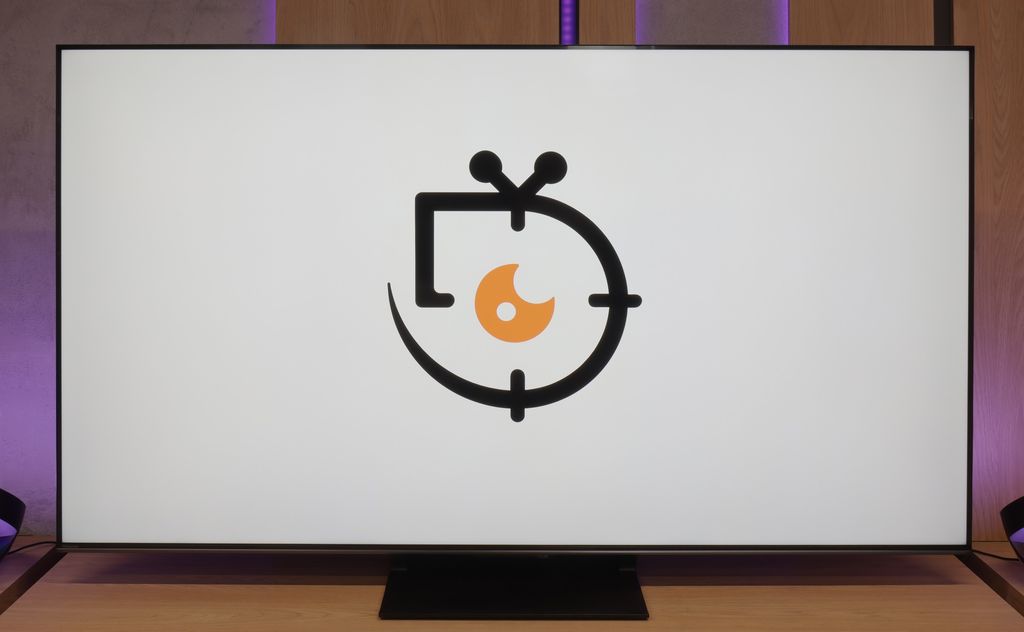
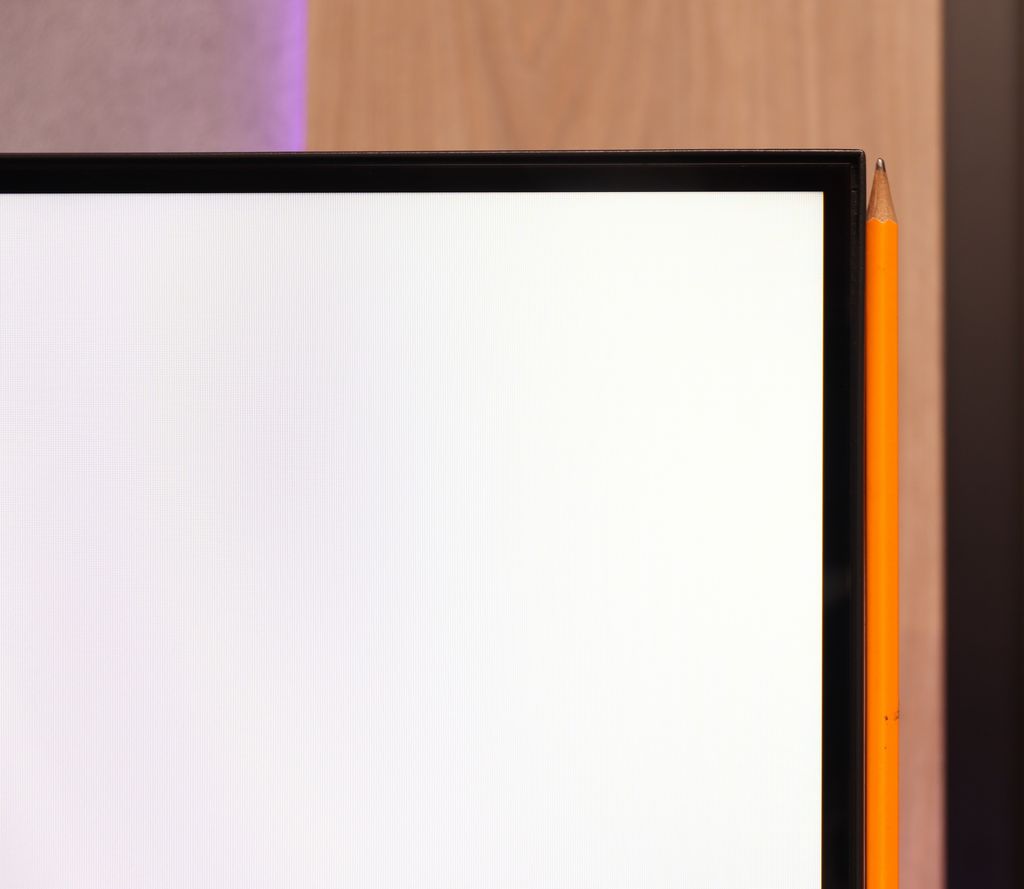
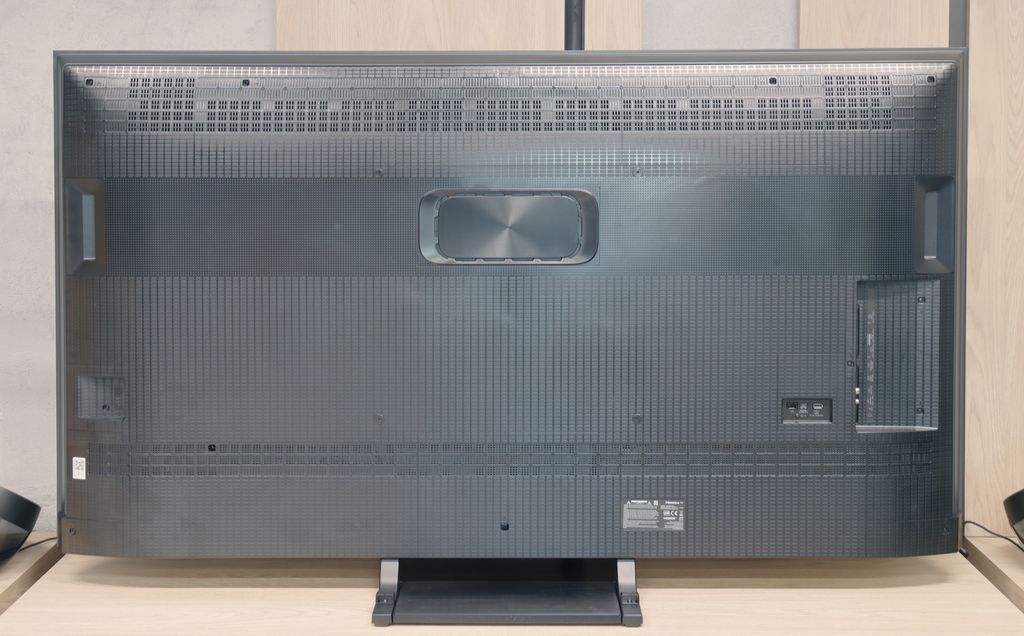
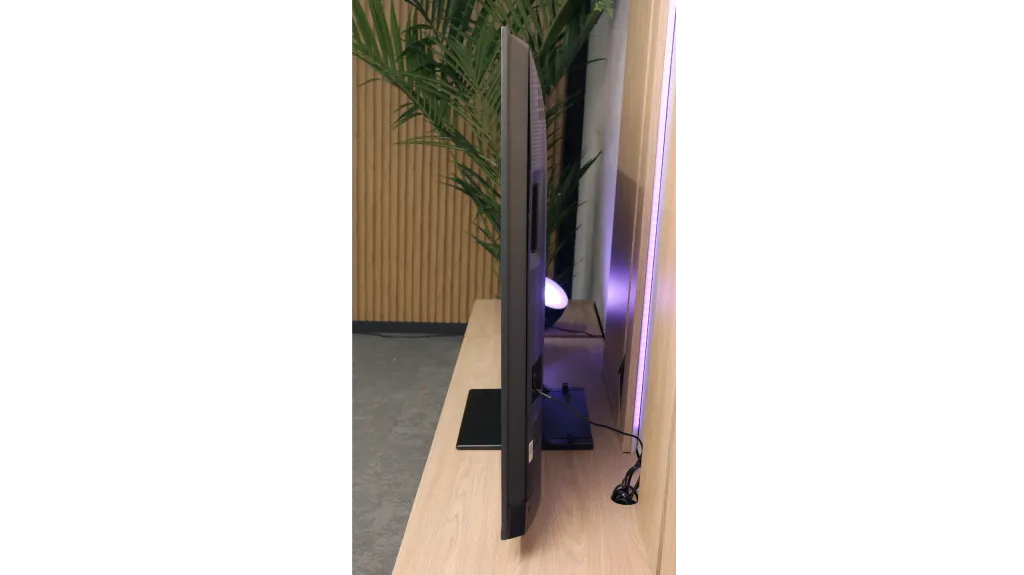
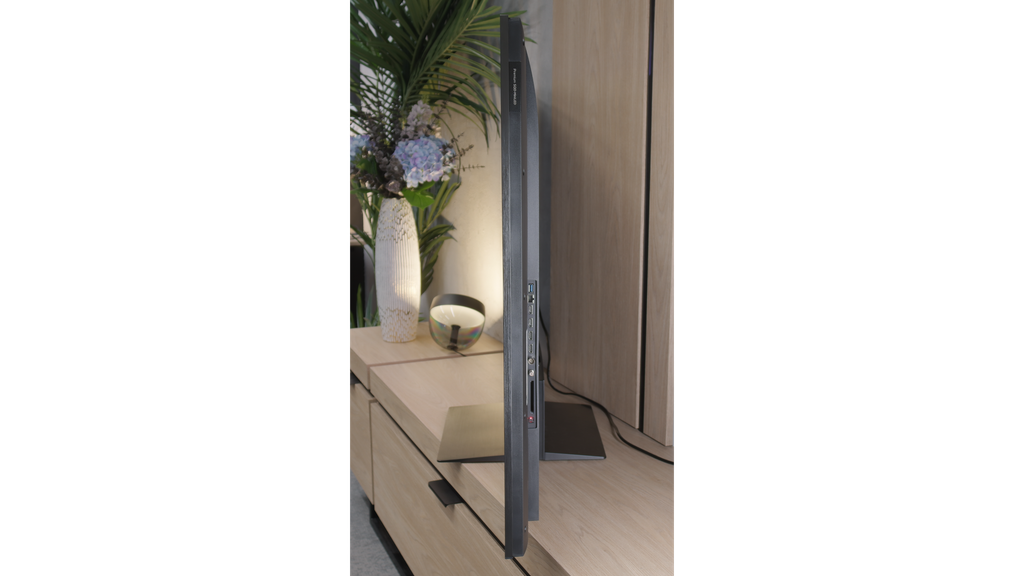
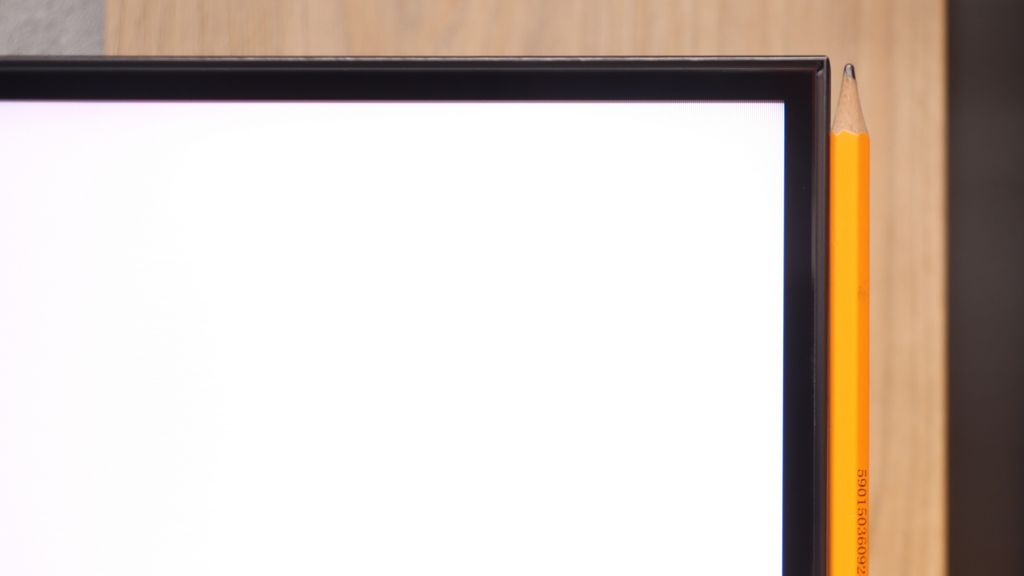
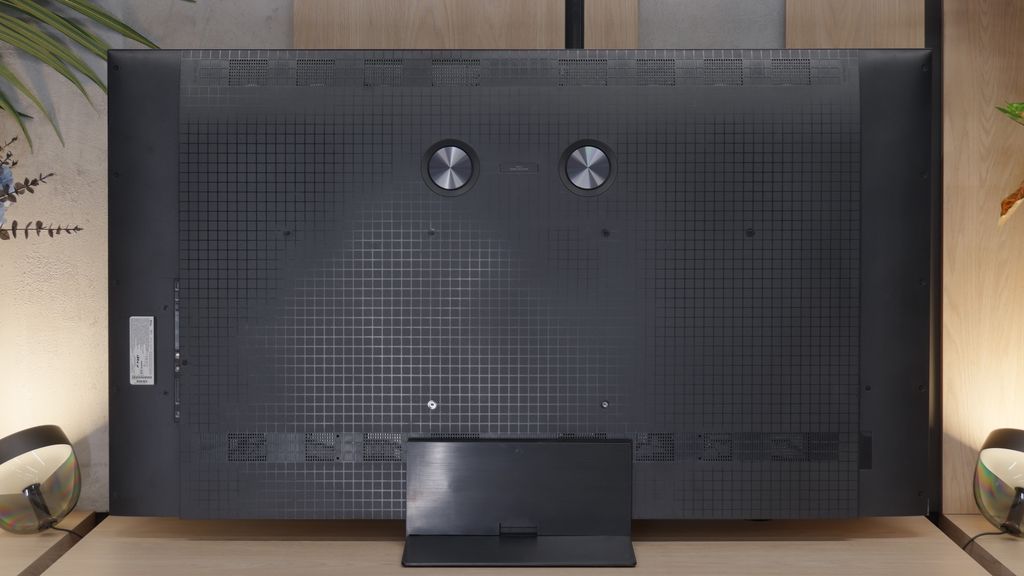
TV appearance

Contrast and black detail
8/10
7.7/10
Local dimming function: Yes, number of zones: 560 (20 x 28)
Local dimming function: Yes, number of zones: 1152 (24 x 48)
Contrast:


Result
340,000:1

Result
62,850:1

Result
42,000:1

Result
11,100:1

Result
7,500:1
Result
174,100:1
Result
25,700:1
Result
13,950:1
Result
10,900:1
Result
9,900:1
Halo effect and black detail visibility:
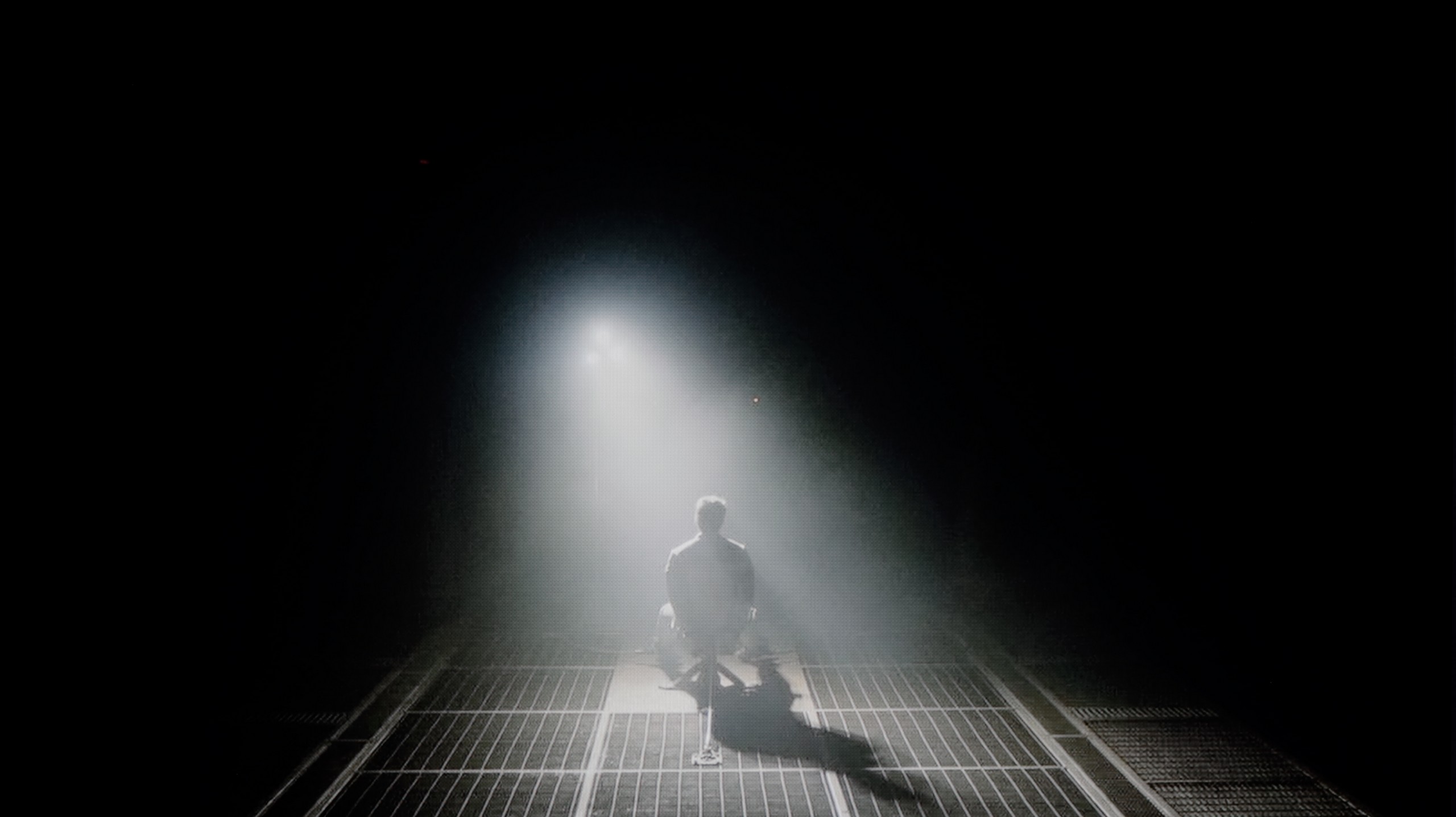
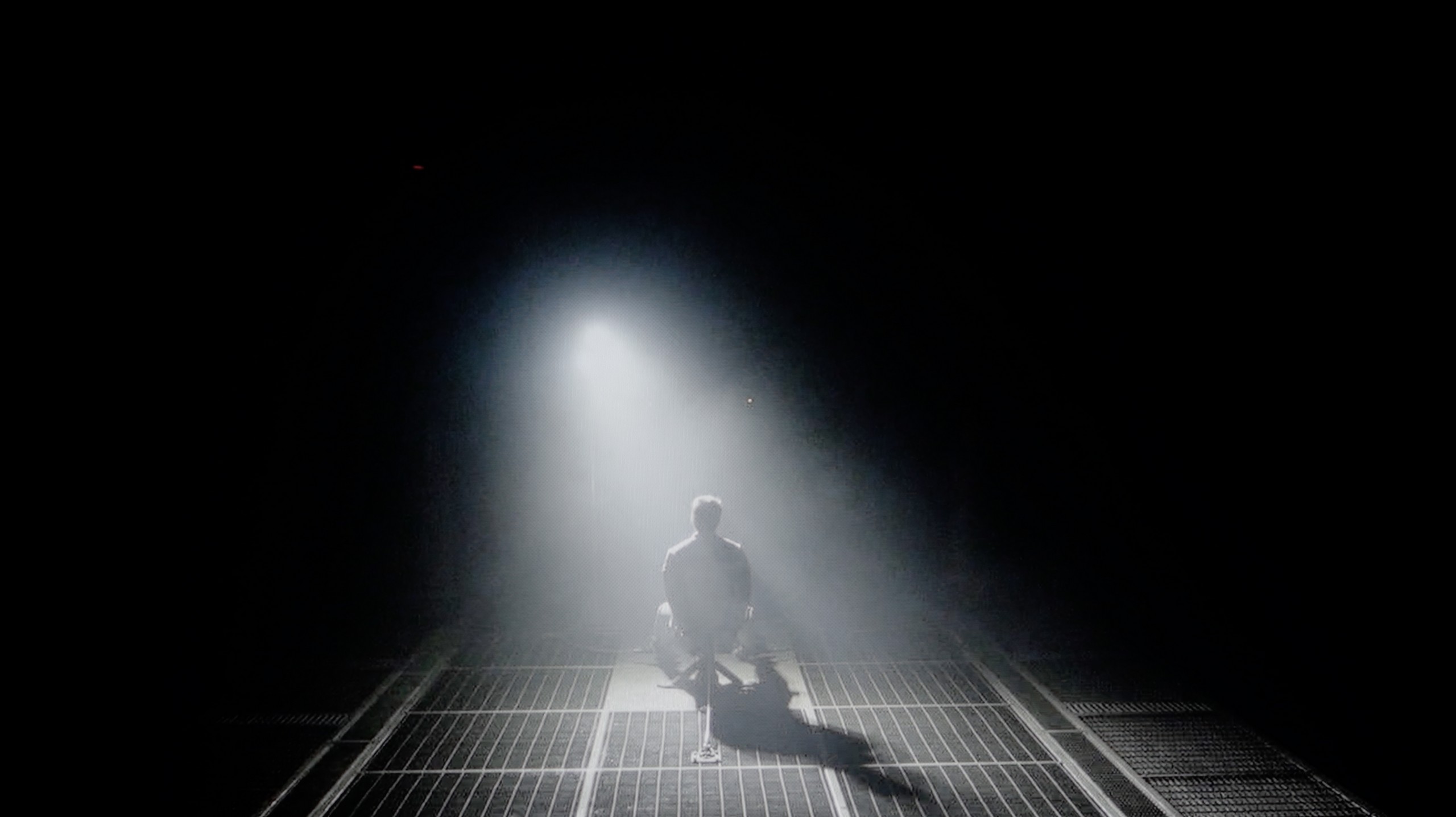
Check the visibility of bright lights on a dark background. Mini-LEDs often struggle with this. The photo does not compare black levels – that’s what the video below is for.
The video accurately shows differences in contrast and black levels between TVs, as well as potential issues: halo around bright objects or Mini-LED zone operation visible as brightness jumps.
The Hisense U7Q PRO is an mini-LED television with a VA panel and - in the 65-inch version we tested - 560 local dimming zones. It's worth noting that this number varies depending on the size - larger diagonals will have more zones, while smaller ones will have correspondingly fewer. But regardless of that, the dimming system itself works really solidly here.
The contrast performs really well, considering the price range this model falls into. Under the best conditions, the U7Q PRO can achieve results close to six-digit values, which until recently was reserved for much higher-end equipment. In practice - in scenes like the one from the movie Oblivion - the picture looks stunning. With a bit of light on in the room, it's hard at first glance to distinguish this television from organic screens. Of course, it's still an LCD with local dimming, so compromises are unavoidable. In more challenging scenes, where many small light sources appear, the U7Q PRO tends to dim too aggressively. Instead of a slight deterioration of black levels, some details that should be visible disappear. This is a side effect of the algorithm that strongly adheres to the principle of "black should be black," even at the cost of subtle image elements.
But all in all - contrast is one of the stronger points of this model.
TCL C7L is a Mini LED TV, which in the 65-inch variant we tested, is equipped with over 1000 local dimming zones. This, combined with a proprietary VA panel (referred to by TCL CSOT as HVA 2.0), delivers really decent results in terms of black levels and contrast. In most of the scenes we measured, black levels and contrast looked really good, and in the easiest shots, the black was deep enough to resemble that known from OLED screens. We are, of course, talking about the least demanding shots with a lot of black on the screen. However, when a larger number of bright elements appear on the screen, and black no longer dominates so strongly, it becomes clear that the TCL C7L – like most Mini LED TVs – has its issues with managing local dimming zones.
This is particularly evident in the standard black bars in movies recorded in the panoramic format 2.35:1. In this case, a clear halo effect, or bright light glow, can appear on the black bars or around small, bright objects. The contrast then drastically drops – from laboratory values of around 200,000:1 to about 10,000:1, which is quite noticeable in a completely dark room. It is worth remembering that this should not be treated as a flaw of the TV but rather as a characteristic of mini-LED technology. Of course, this effect becomes much less bothersome when we turn on at least some soft, diffused light in the room... which I definitely recommend doing during viewing sessions on any LCD TV.
HDR effect quality
6/10
6.6/10
Luminance measurements in HDR:

Result
1129 nit

Result
323 nit

Result
721 nit

Result
267 nit

Result
736 nit
Result
1236 nit
Result
401 nit
Result
831 nit
Result
352 nit
Result
1204 nit
Scene from the movie “Pan” (about 2800 nits)
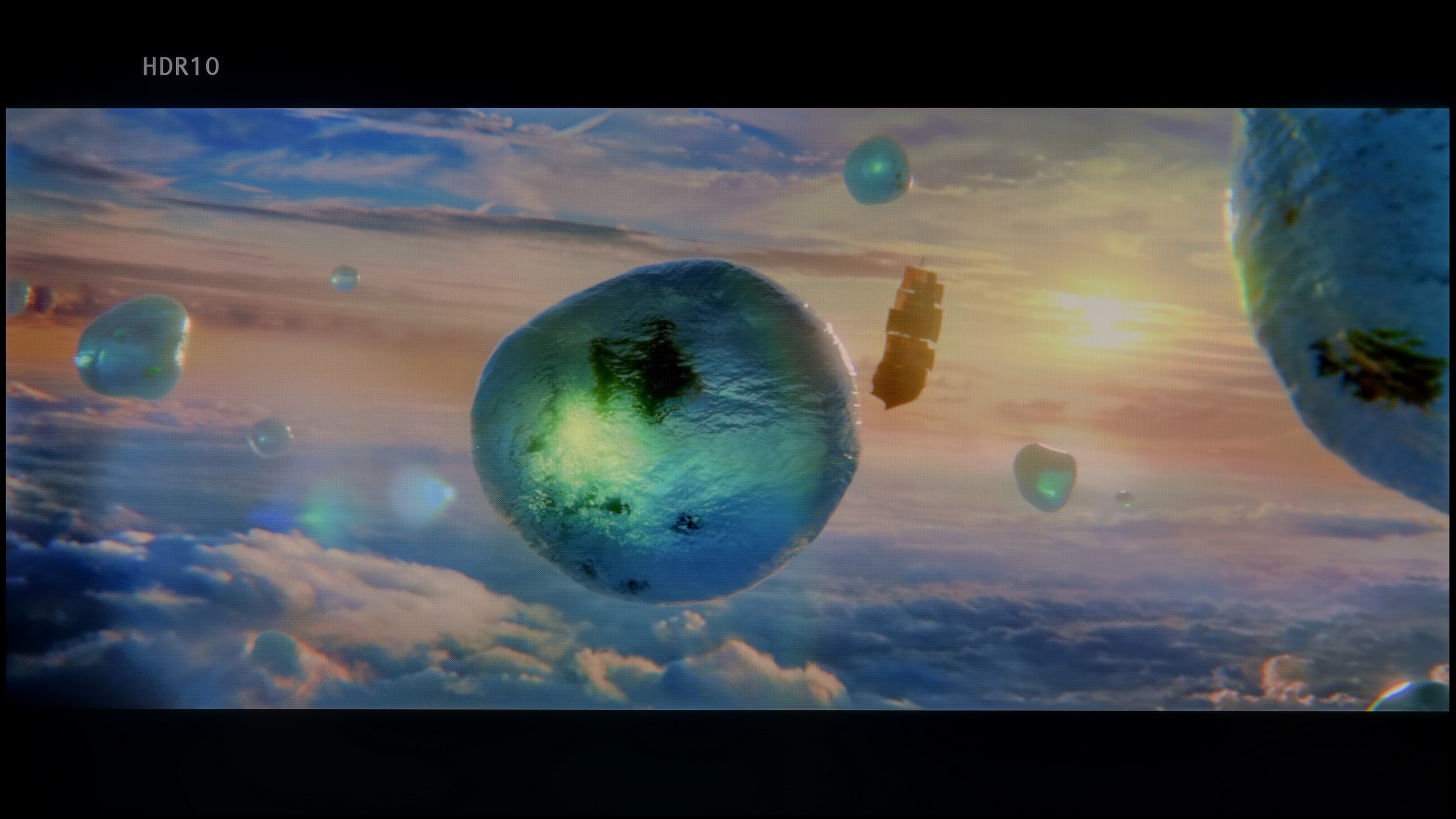
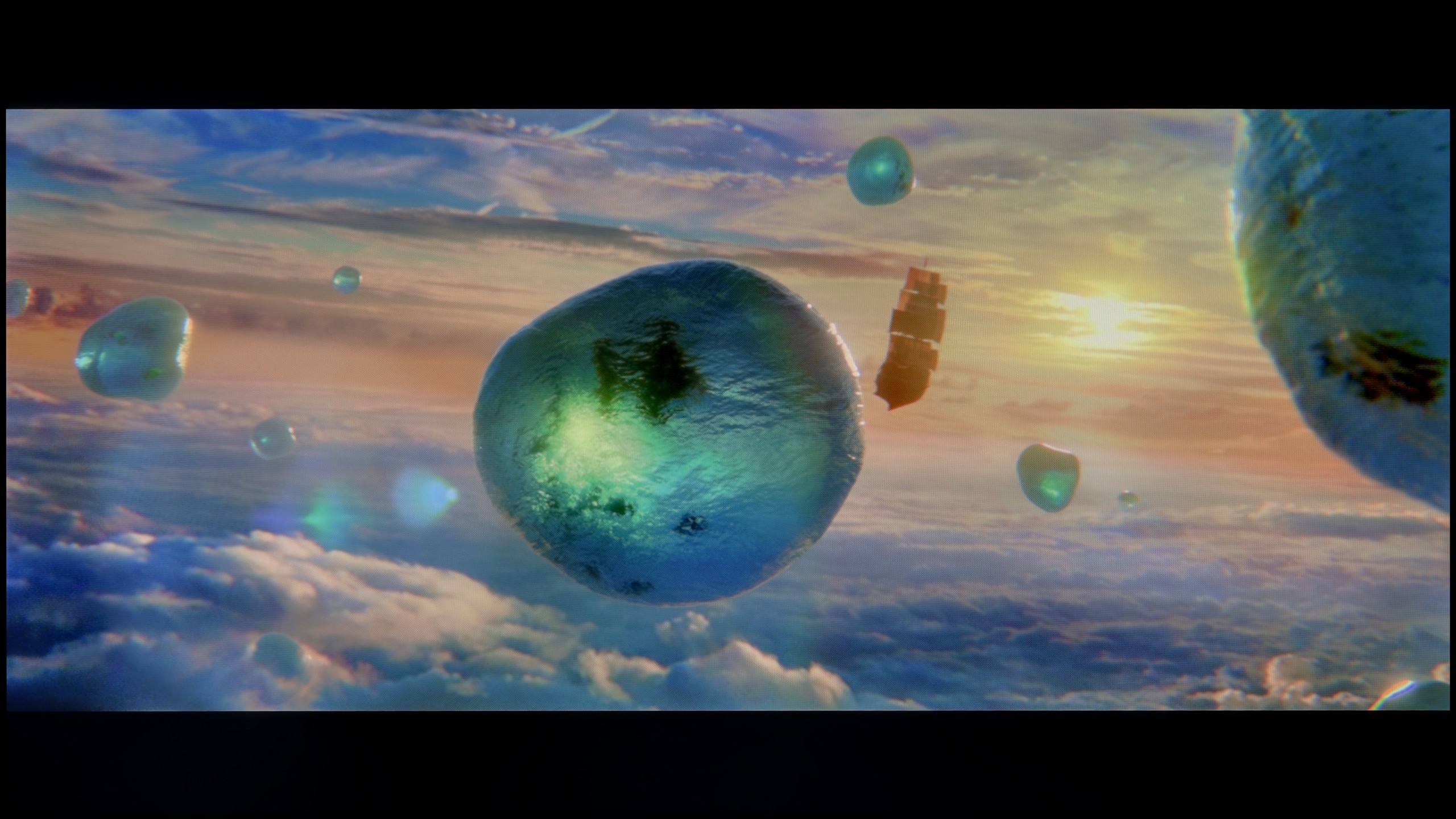
Scene from the movie “Billy Lynn” (about 1100 nits)
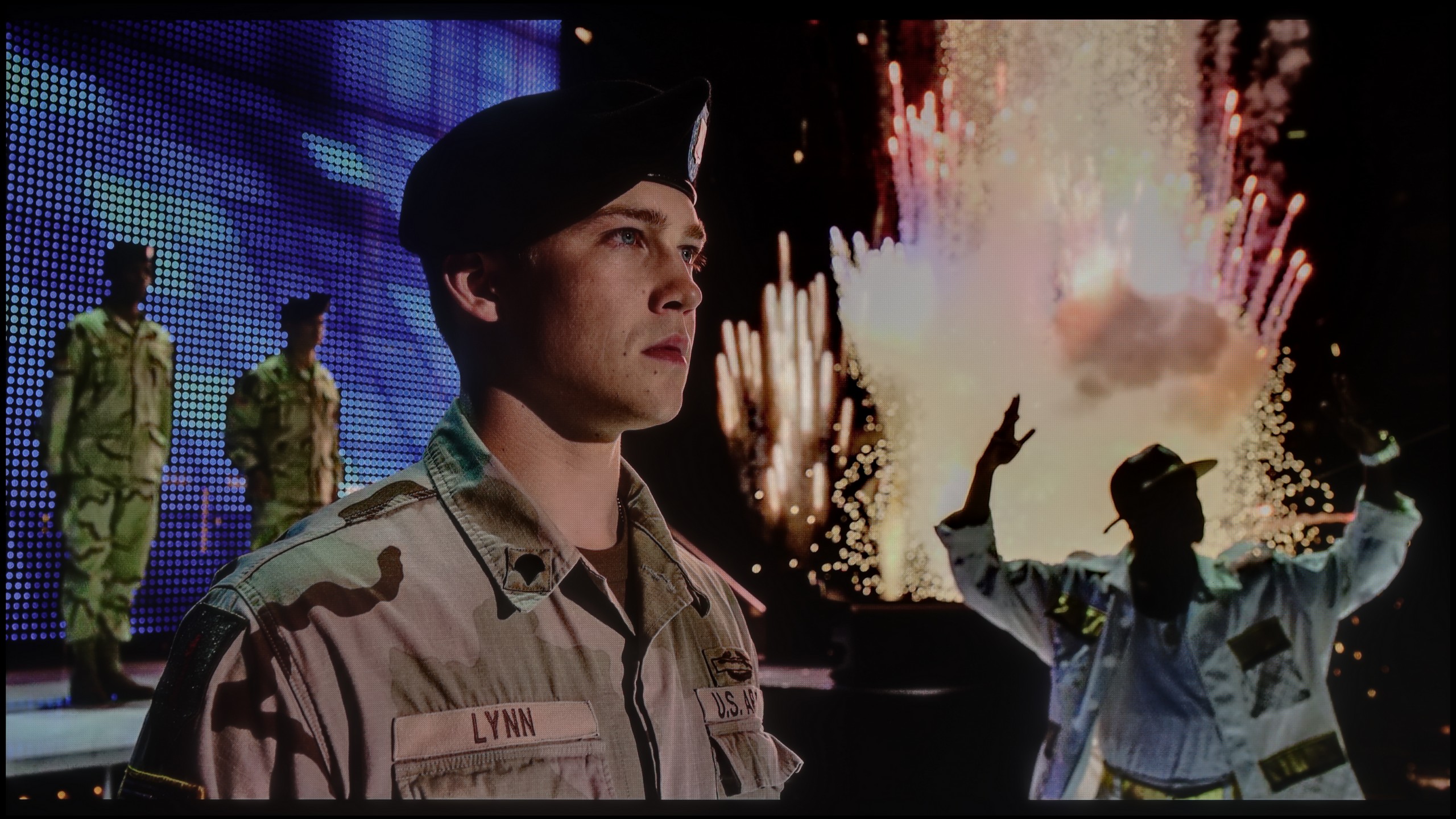
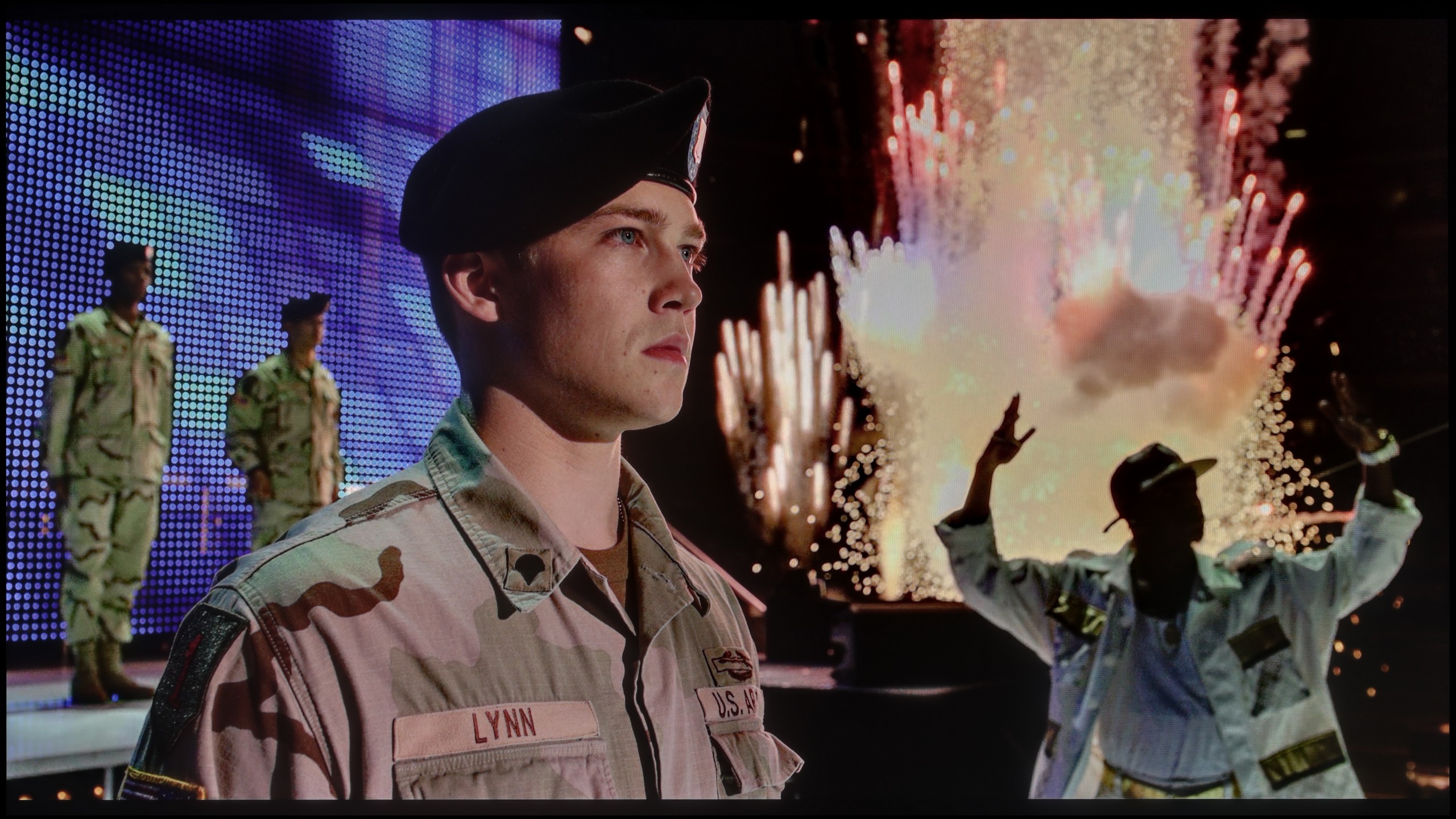
The photos show two HDR10 movies. 'Pan' is one of the brightest productions ever made, while 'Billy Lynn' (soldier) has brightness typical of streaming (Netflix, Prime, HBO MAX). Notice the intensity of effects and detail in whites.
Static HDR10


The photos present the visibility of white details in various HDR formats. They do not show brightness differences between TVs (these can be compared in the previous gallery).
Dynamic: Dolby Vision
Dynamic: Dolby Vision


The photos present the visibility of white details in various HDR formats. They do not show brightness differences between TVs (these can be compared in the previous gallery).
HDR luminance chart:
TCL C7L
Hisense U7Q PRO
U7Q PRO is truly a bright television. In synthetic tests, it achieved over 1500 nits, which is an outstanding result for this price range. Such brightness – at least in theory – allows for displaying HDR content as intended by creators, even in more demanding scenes with strong light. In practice, it can be very good, but not always perfect. In bright scenes with a large surface area – such as the test screen with intense sunlight from the movie "Pan" – U7Q PRO makes a huge impression. It can almost blind with light, which is definitely an advantage in the context of HDR content. Unfortunately, this is not always maintainable when a lot of small bright details appear on a dark background. In such moments, local dimming algorithms decide to dim some bright elements to maintain good black levels – and the side effect is that some details simply disappear from the frame. This is a classic compromise in mini-LED televisions – and U7Q PRO is no exception. However, with such a large number of dimming zones, one could expect a somewhat more mature algorithm responsible for controlling them. Fortunately, the overall reception of HDR content is very positive. U7Q PRO is not only bright but also colorful; thanks to the PFS LED (QLED) coating, the coverage of the DCI-P3 color palette is at 95%, and BT.2020 is around 73%.
TCL C7L is undoubtedly an extremely bright television. In synthetic tests on static images, it can achieve peak brightness levels of around 2800 nits. This is an absolutely phenomenal result, considering the price range it falls into. Unfortunately, the tests with real film scenes are not as spectacular as the measurements of white squares. The brightness in actual HDR shots drops to around 1200 nits in the C7L model. This is still a very good result, as the vast majority of contemporary films are mastered at such a value. However, when small, pinpoint elements appear on the screen, the brightness of those details drastically drops – even to about 400 nits – which diminishes the HDR effect somewhat. The television does this intentionally to maintain a better level of black and prevent a huge glare of light. This is somewhat explainable, but it also shows that Mini LED technology is not completely uncompromising in this regard. As for the HDR effect itself – alongside brightness, colors are obviously key here. And these, thanks to the use of new, "super" quantum dots, are simply outstanding and among the best on the market. The television can achieve around 90% coverage of the ultra-wide color gamut BT.2020 and 99% of the DCI-P3 gamut, easily matching the best RGB MINI-LED screens. Best of all, the C7L can maintain such high color saturation regardless of the scene being displayed, which is often problematic in competing RGB Mini-LED televisions.
Factory color reproduction
6.2/10
5.6/10
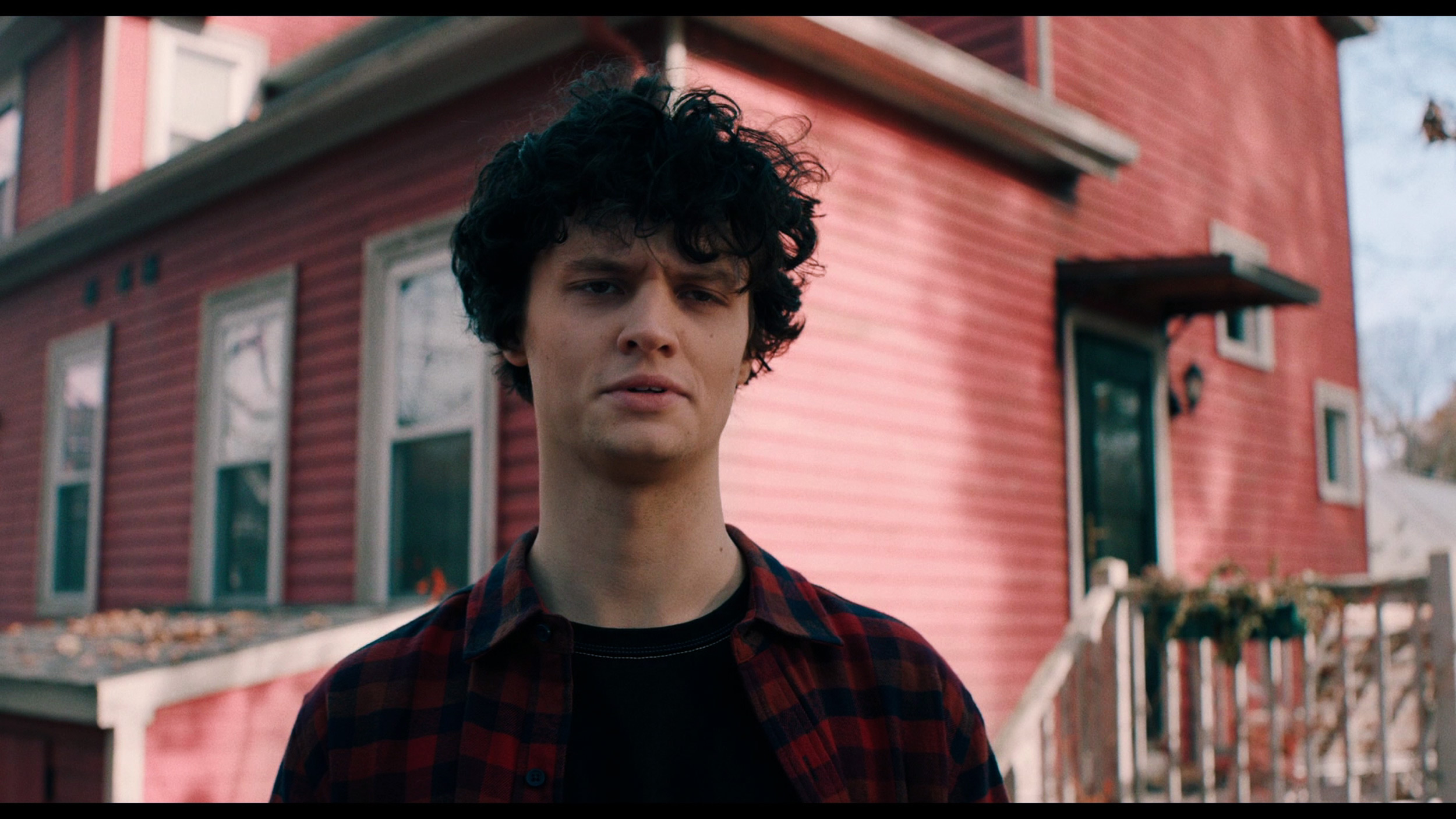
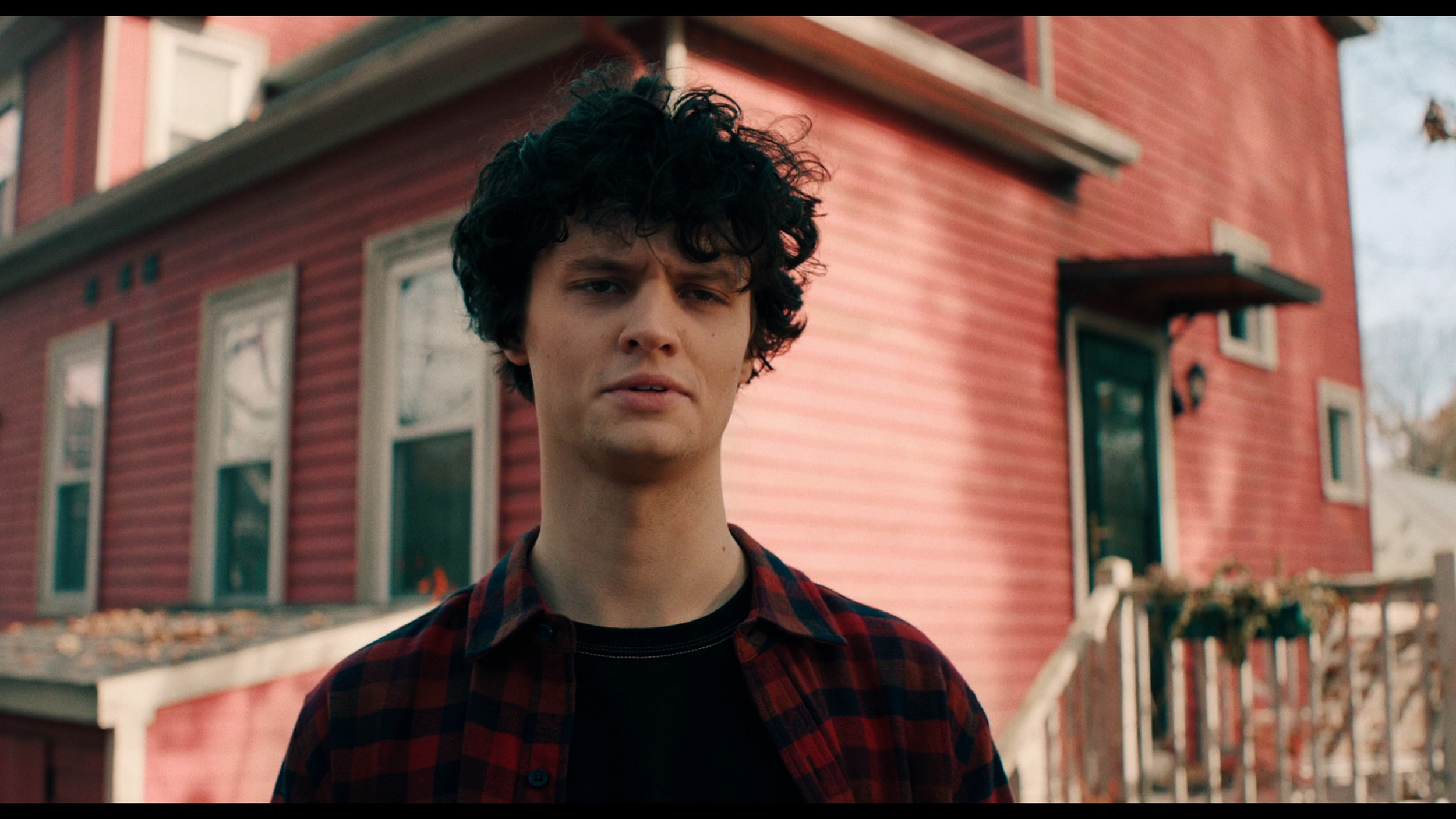
This gallery shows how colors change after professional TV calibration. If you notice the difference, we recommend ordering this service at SkalibrujTV.com.
Factory Mode
After calibration
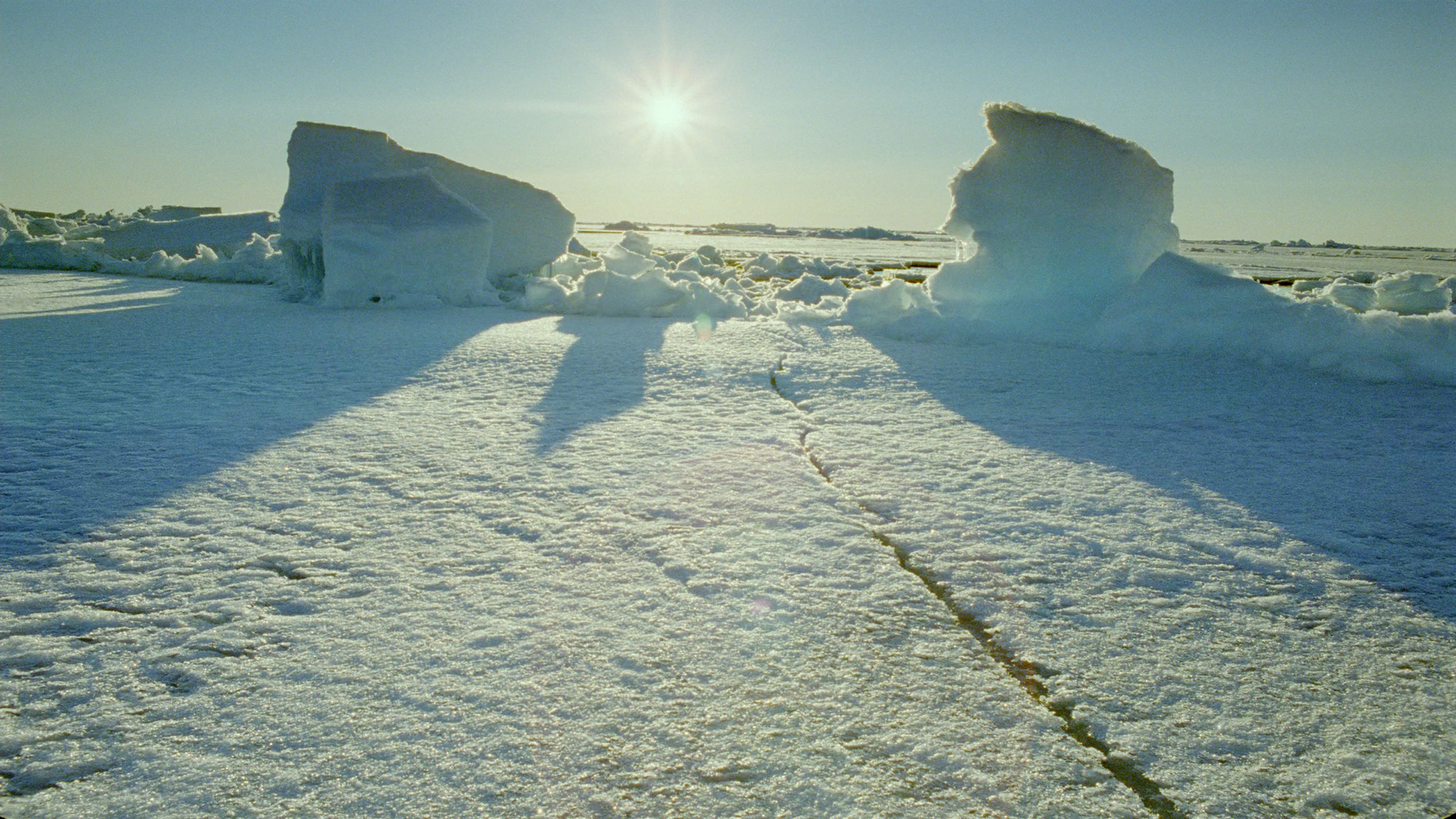
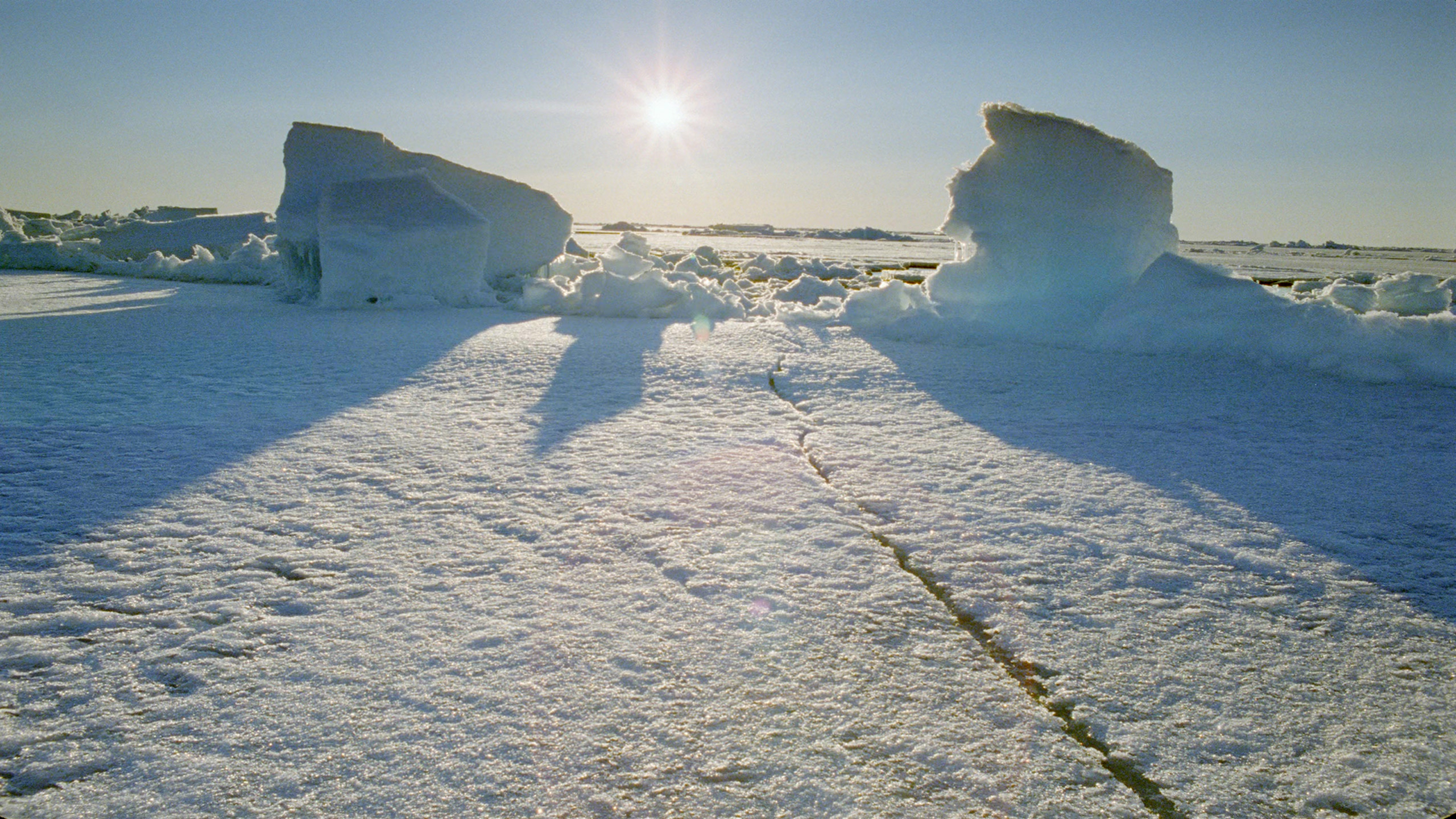
This gallery shows how colors change after professional TV calibration. If you notice the difference, we recommend ordering this service at SkalibrujTV.com.
Factory Mode
After calibration
We tested the U7Q PRO in the best possible picture mode that this model offers – Filmmaker Mode. And indeed, it is this mode that performs best in terms of color reproduction. But that doesn't mean it's perfect. In our test unit, both in SDR and HDR content, the image had a slightly cooled tone. The white balance was shifted towards blue, which made the overall impression feel a bit "cooler." It's not glaring, but definitely noticeable – especially on white backgrounds that, instead of neutral, appeared slightly bluish. Additionally – as we mentioned earlier – the television tends to slightly brighten and oversaturate the image, which is also confirmed by the gamma and EOTF charts. All of this together means that without calibration the image may seem a bit unnatural – too cool, with slightly exaggerated dynamics. That's why we decided to conduct our own calibration – and its effects and charts can be seen below.
When it comes to colors straight out of the box, a new feature in TCL televisions – including the C7L model – is the presence of a new picture mode called Filmmaker Mode. This is significant news, as such a mode was previously unavailable from this manufacturer. By design, as the name itself suggests, the image in this setting is intended to be presented with the full intent of the film's creator. After our tests, we can confirm that it is undoubtedly the best built-in mode on this television if you care about faithful color reproduction straight out of the box. However, we definitely wouldn't say that it is perfect. Like most devices on the market, this C7L also had its factory flaws. The white balance in Filmmaker Mode strayed into a slightly greenish-yellow hue, mainly due to an excess of green component and a noticeable lack of blue color. Of course, for the average viewer, this may not be a drastic flaw, but if you care about perfect whites, natural skin tones, and fully unlocking the potential of these new "super" quantum dots, this television is in need of professional calibration.
Color reproduction after calibration
7.5/10
7.5/10
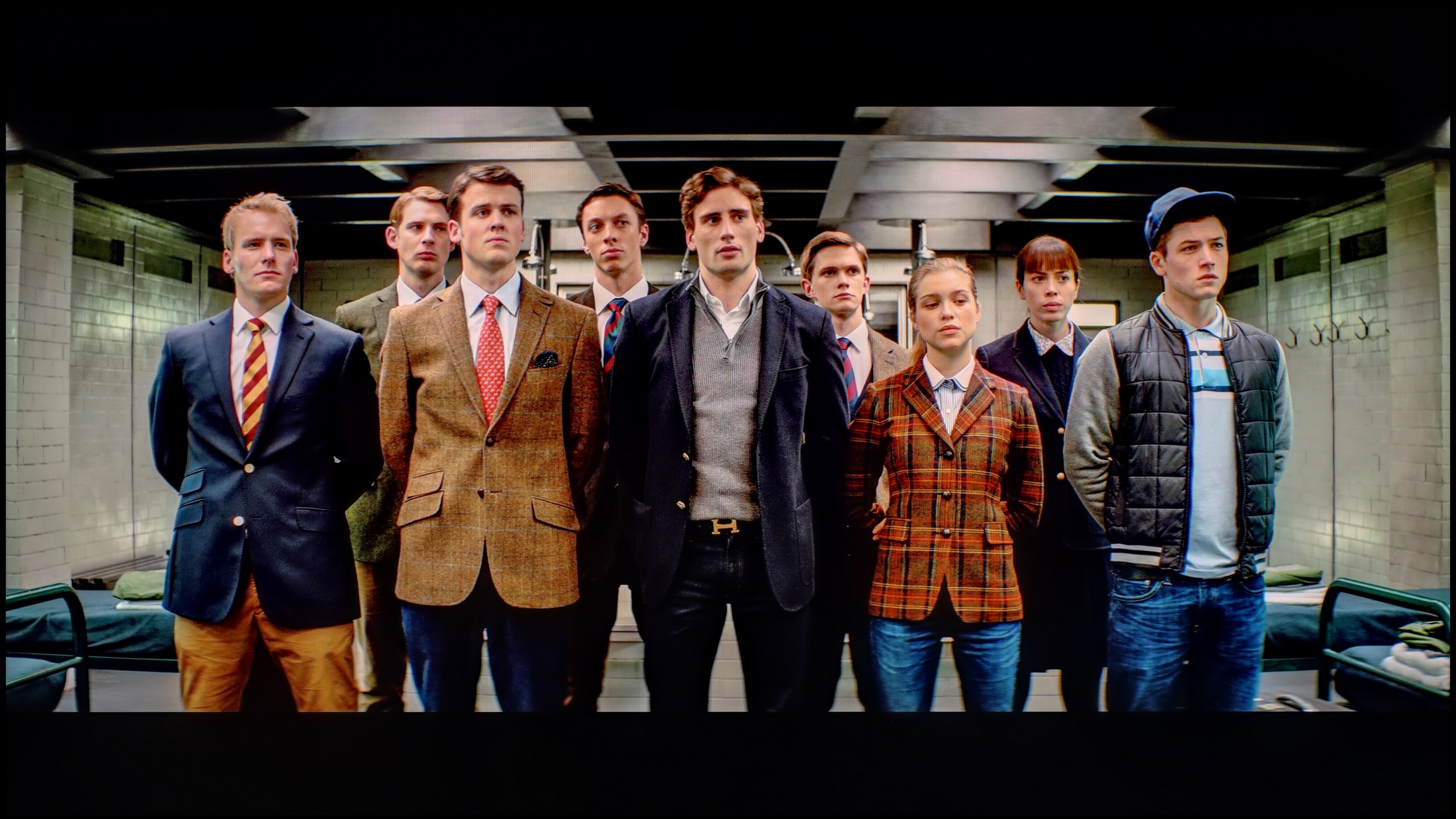
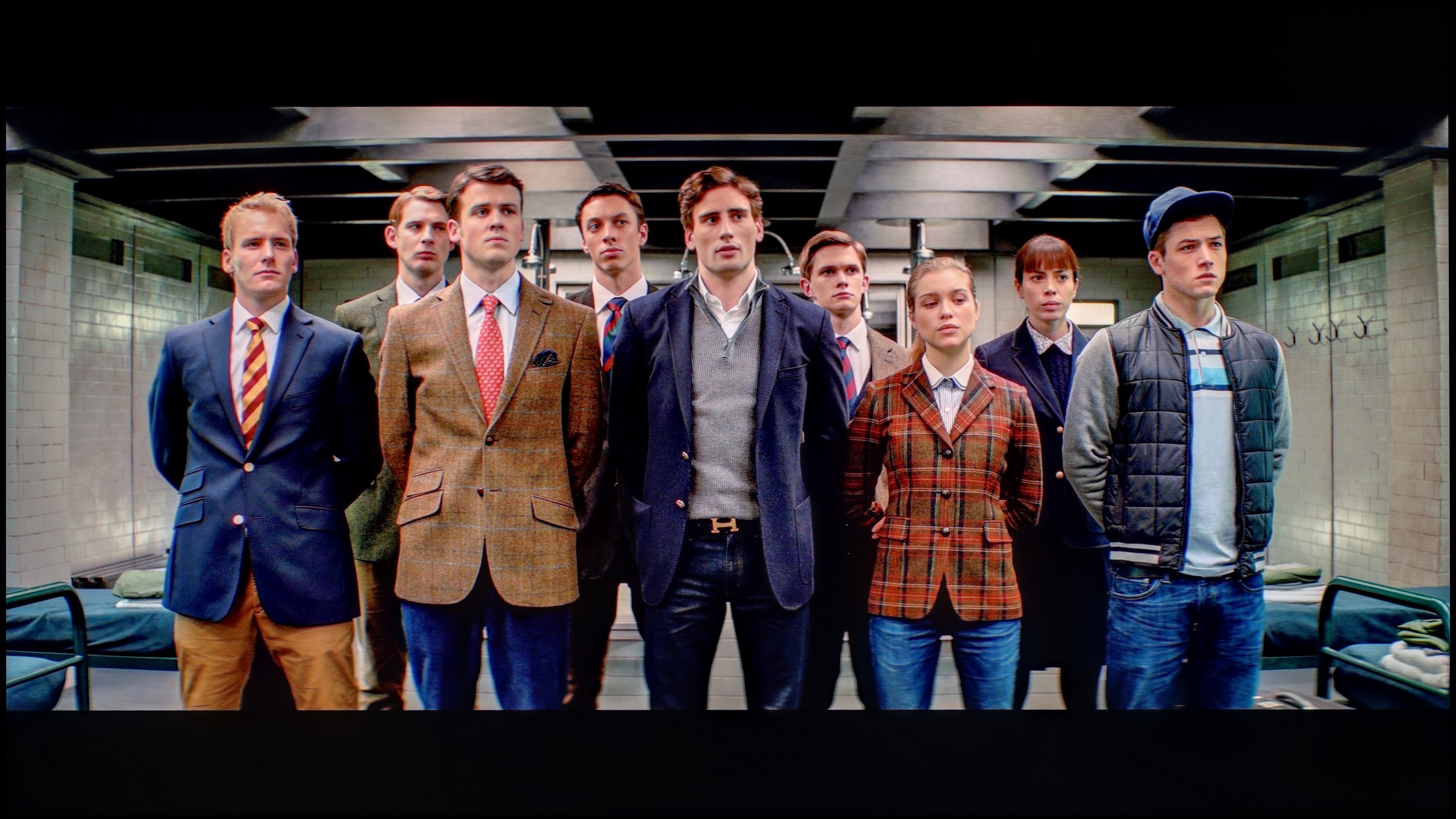
The photos show how movies look on the TV. Pay attention to black detail visibility, colors, and shadow tint.
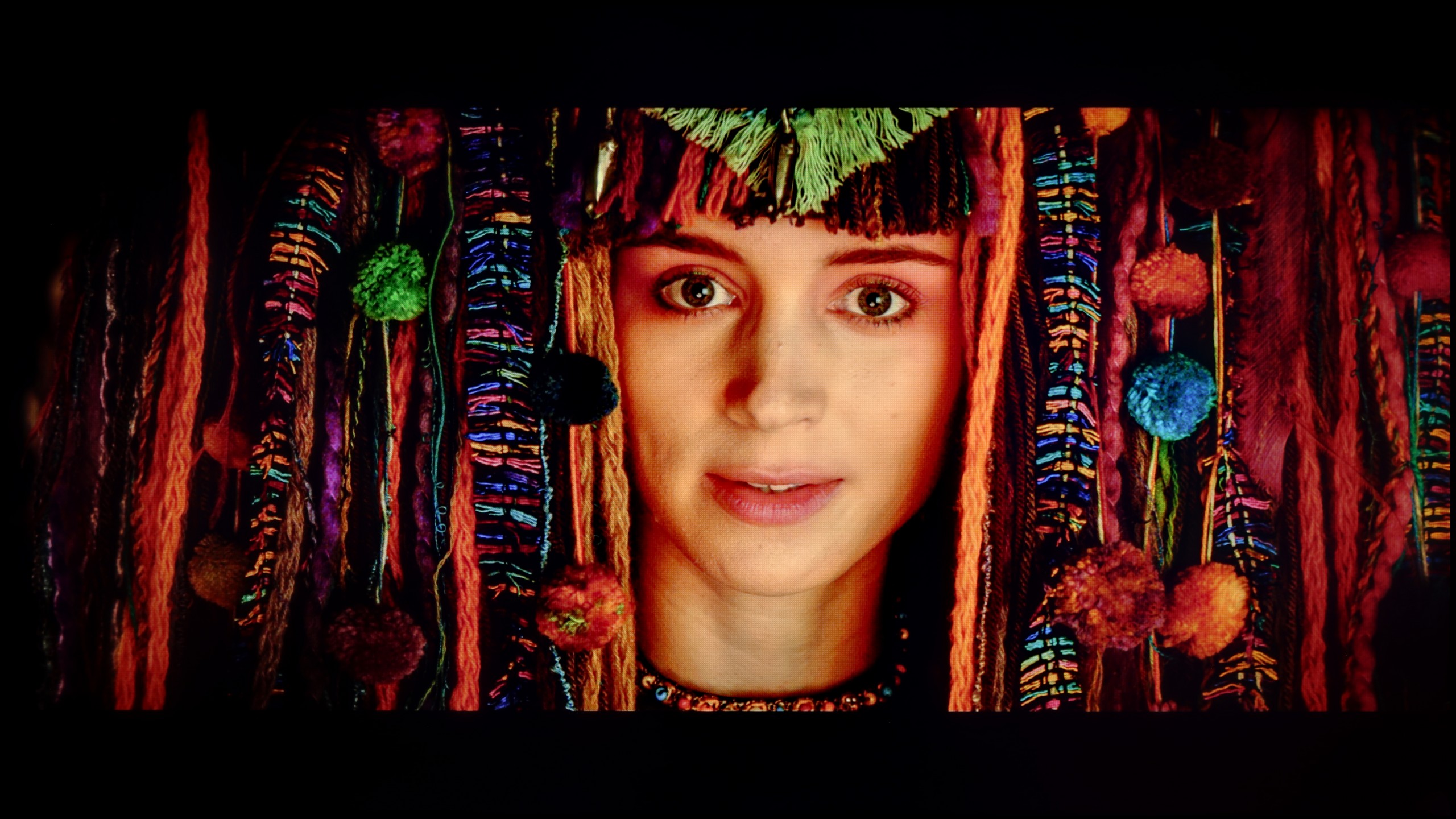
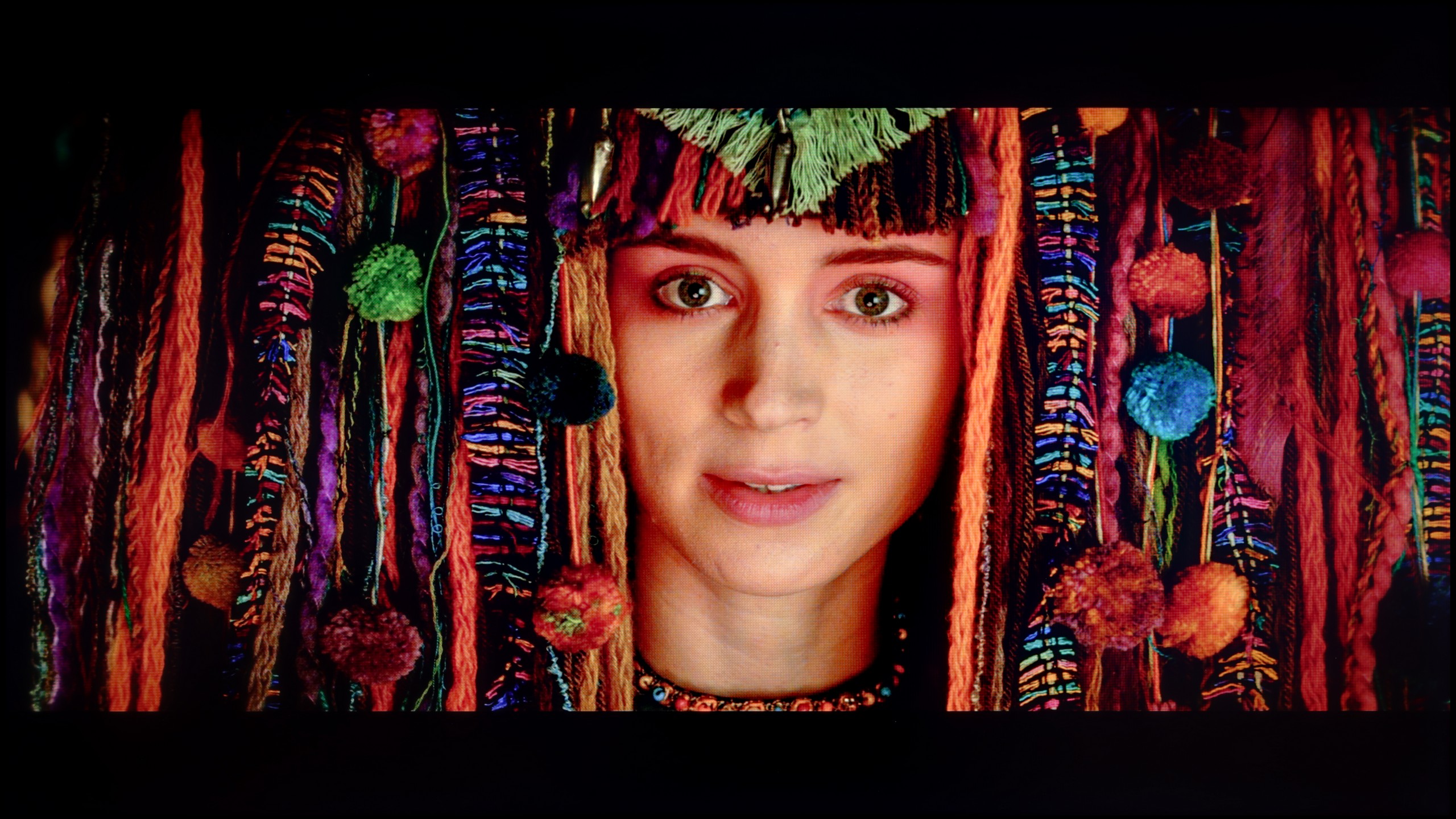
The photos show how movies look on the TV. Pay attention to black detail visibility, colors, and shadow tint.
Thanks to calibration, we managed to tame the white balance in both SDR and HDR content. For SDR materials, the effect is really very good – the image becomes neutral, consistent, and simply pleasant to view. Everything looks as it should.
The performance in HDR is a bit worse. Although the white balance looks correct and overall the image gains in naturalness, unfortunately, delta E errors remain noticeable. Why? Because Hisense does not give us full control over how the U7Q PRO manages brightness in HDR mode. This is where the limitation appears. When we look at the EOTF curve for HDR content, we can clearly see what we mentioned earlier – at the beginning of the graph, there is a noticeable drop, meaning the television dims the smallest sections more than it should. On the other hand, the brightest elements can be illuminated a bit too much. As a result, some details are lost, others are too aggressive, and overall control over brightness does not always align with what we are trying to achieve during calibration.
Does the image look better after calibration? Definitely yes, in terms of color. But when it comes to managing brightness in HDR, we have to accept that the Hisense U7Q PRO will do it its own way.
After conducting a professional calibration, we managed to significantly improve the situation in the factory Filmmaker Mode. Following our adjustments, the errors in the ColorChecker test and across the entire wide color gamut dropped below the threshold of human perception – that is, below a value of 3, which is indeed a very good result. The TCL C7L definitely benefits from such an intervention in terms of color fidelity, and it's hard to dispute that. However, the management of brightness in HDR content post-calibration looks a bit worse. As I described earlier – even though we set up this model properly, when we turn on actual film scenes on the TV, it manages its brightness in a rather peculiar way. It often brightens certain elements on the screen contrary to the creator's intent, which is clearly visible in the EOTF graphs measured in specific films. Despite this defect – or rather a specific characteristic of this television – one cannot take away from it that after calibration, the C7L was able to reproduce the colors completely accurately.
Smoothness of tonal transitions
9.5/10
8.6/10
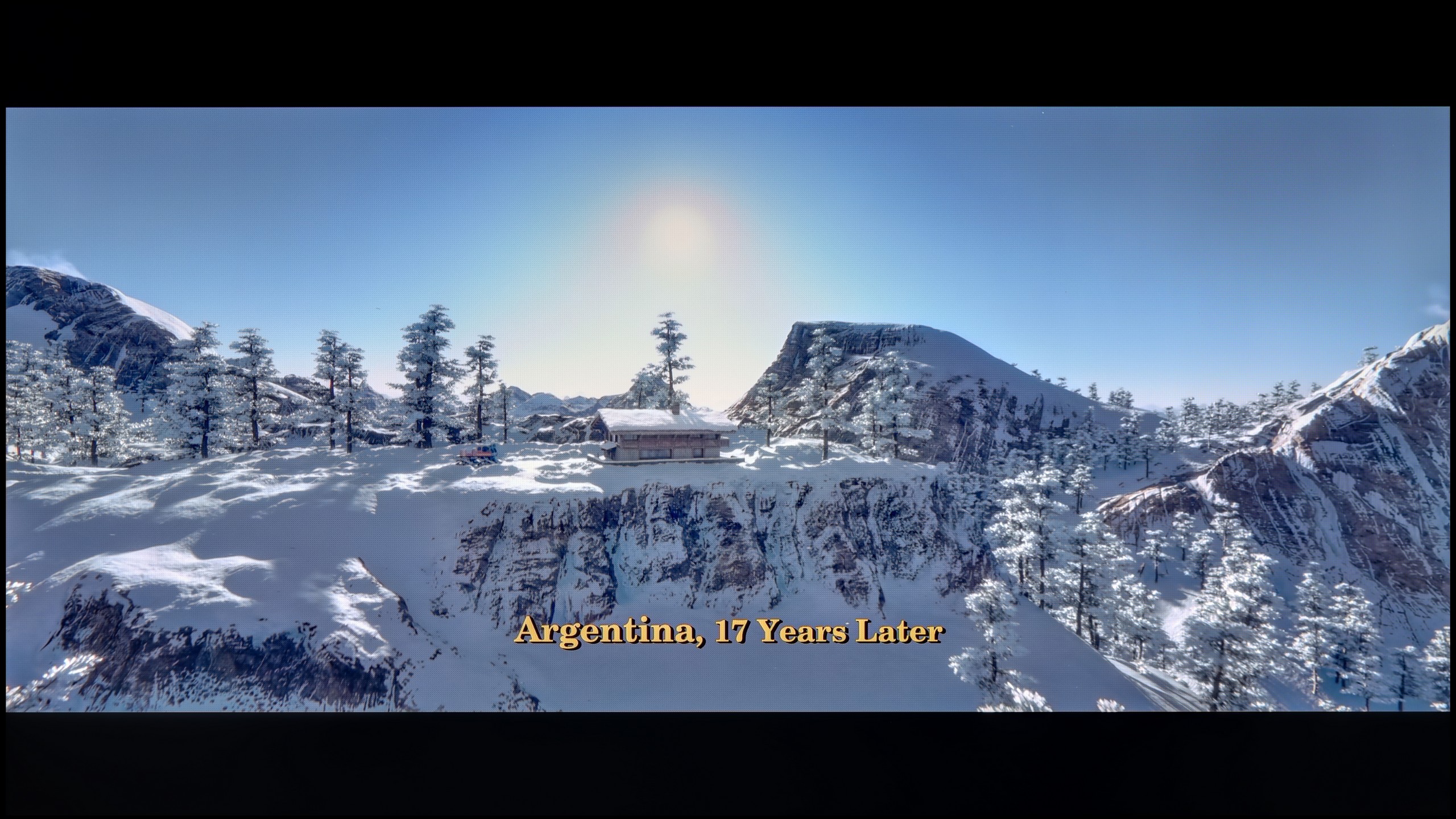
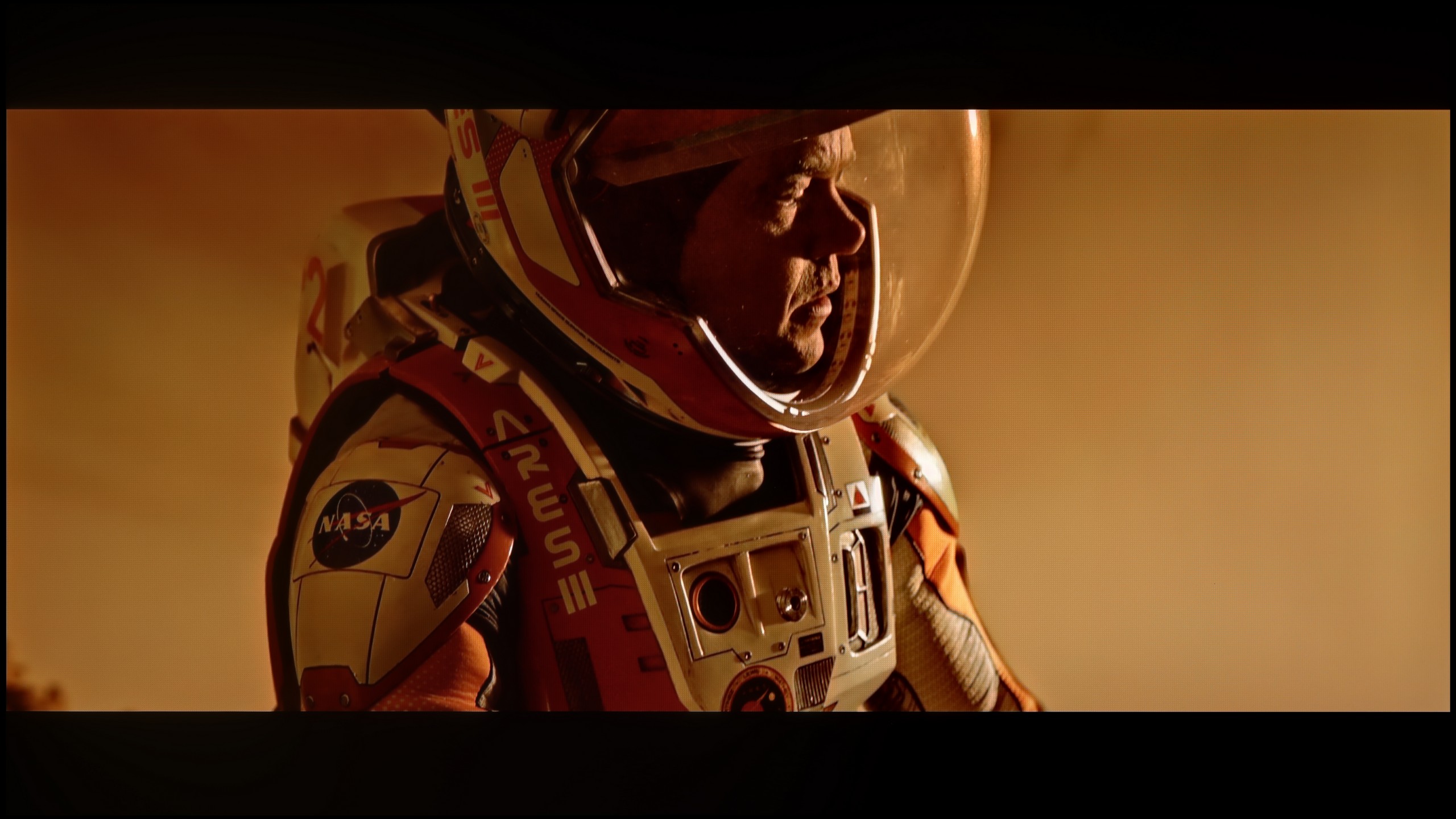
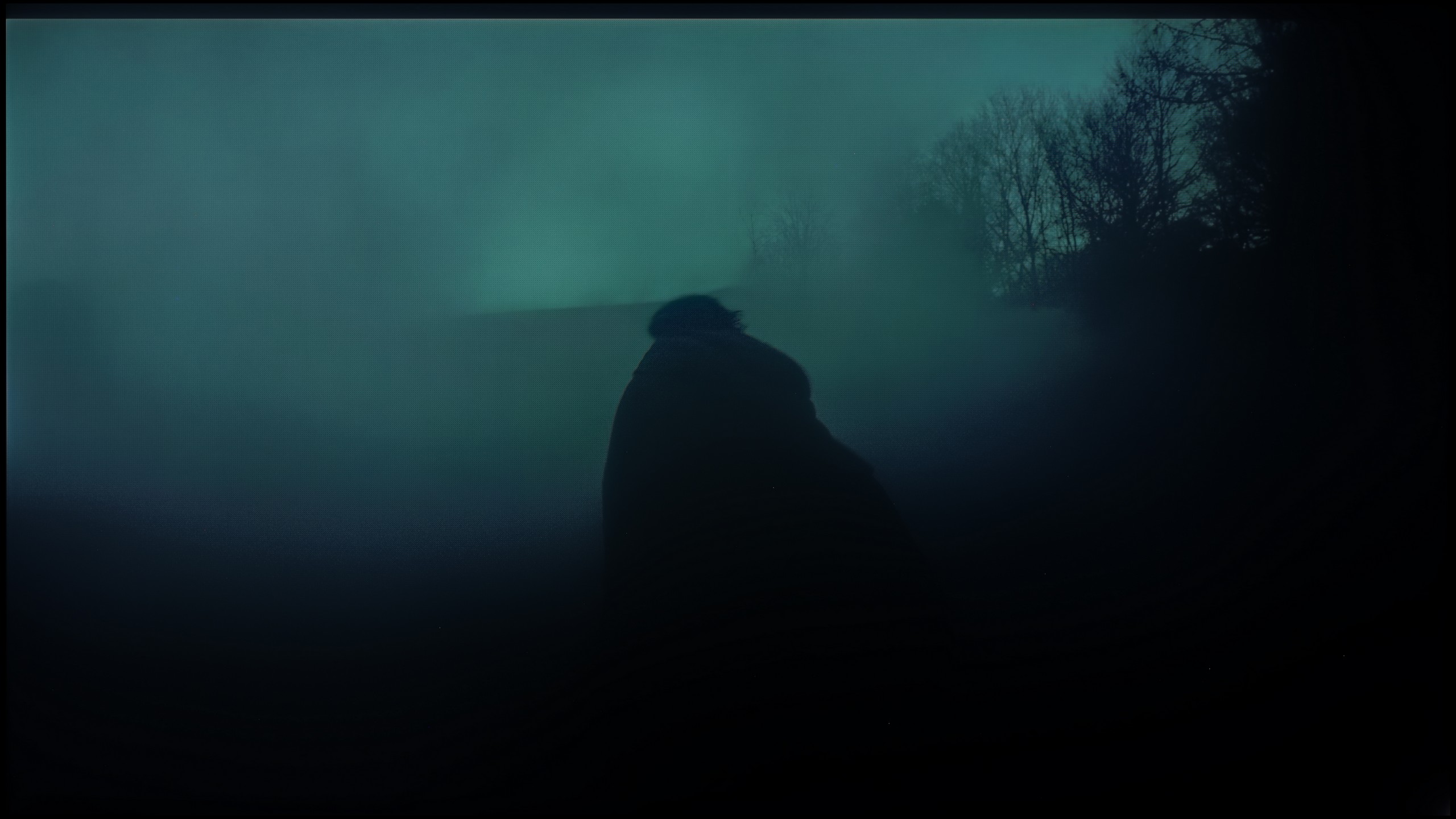
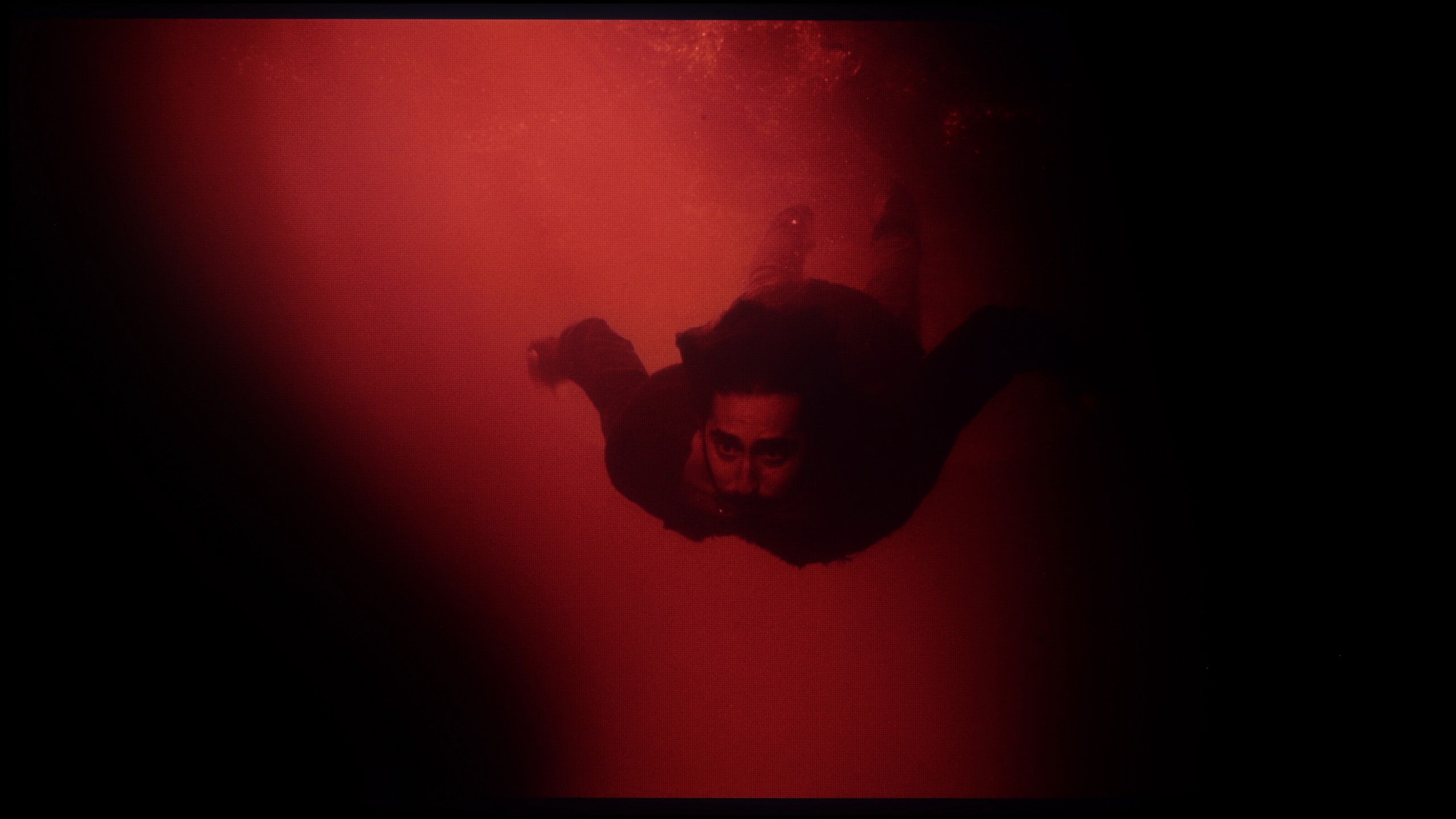
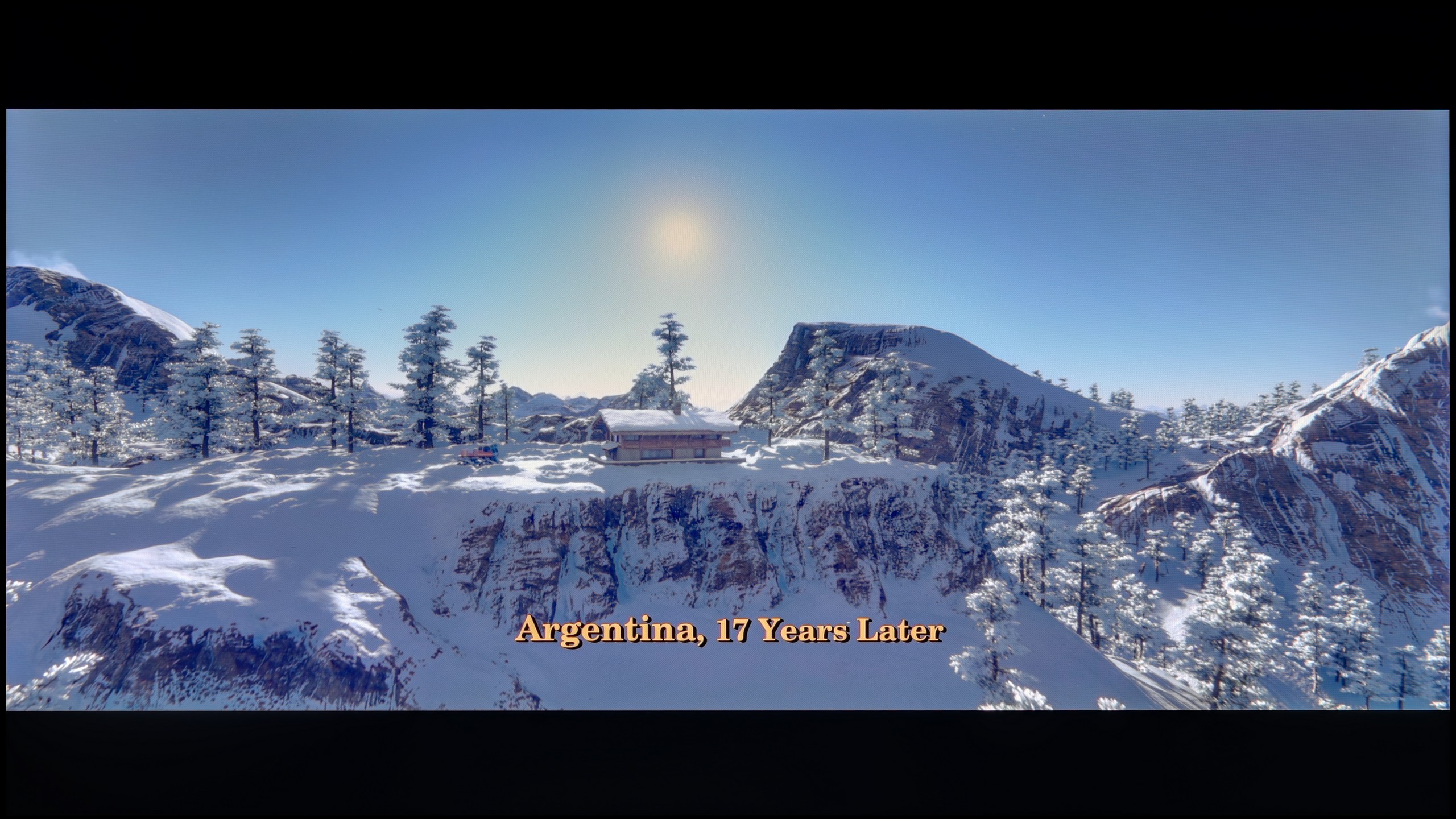
These are selected scenes that show smooth tonal transitions from one color to another. If you see distinct banding, it’s the TV panel’s fault.
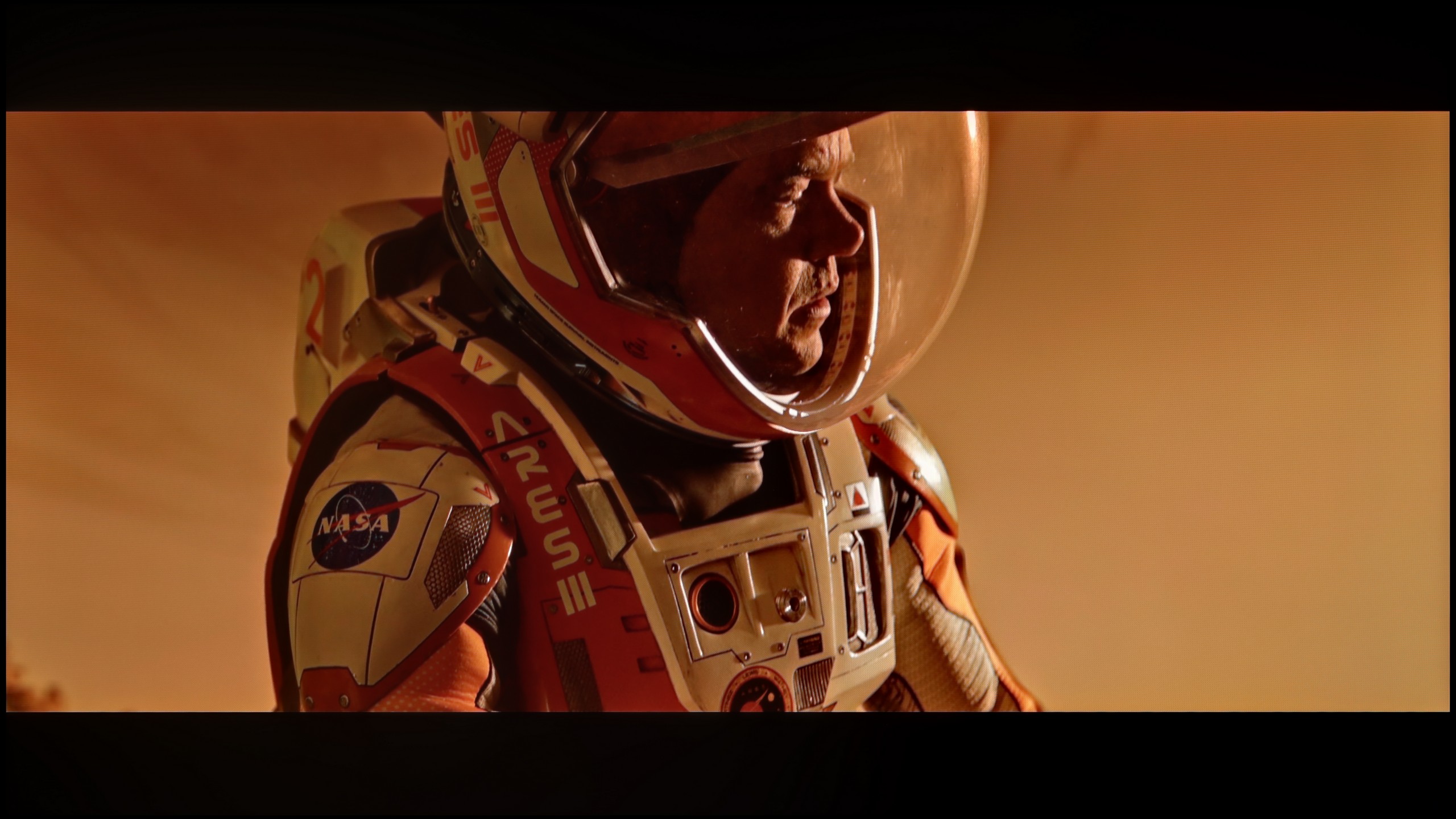
These are selected scenes that show smooth tonal transitions from one color to another. If you see distinct banding, it’s the TV panel’s fault.
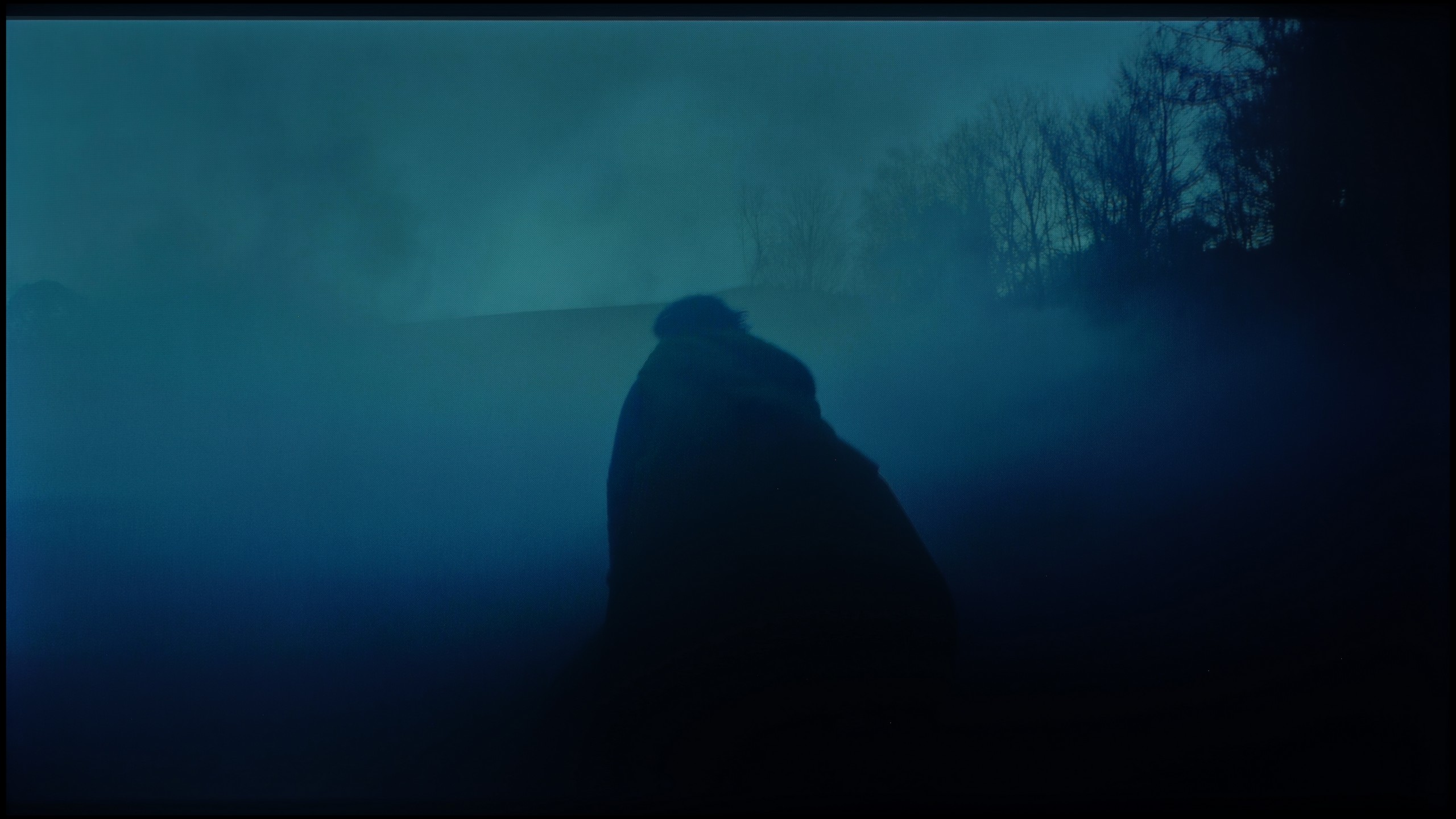
These are selected scenes that show smooth tonal transitions from one color to another. If you see distinct banding, it’s the TV panel’s fault.
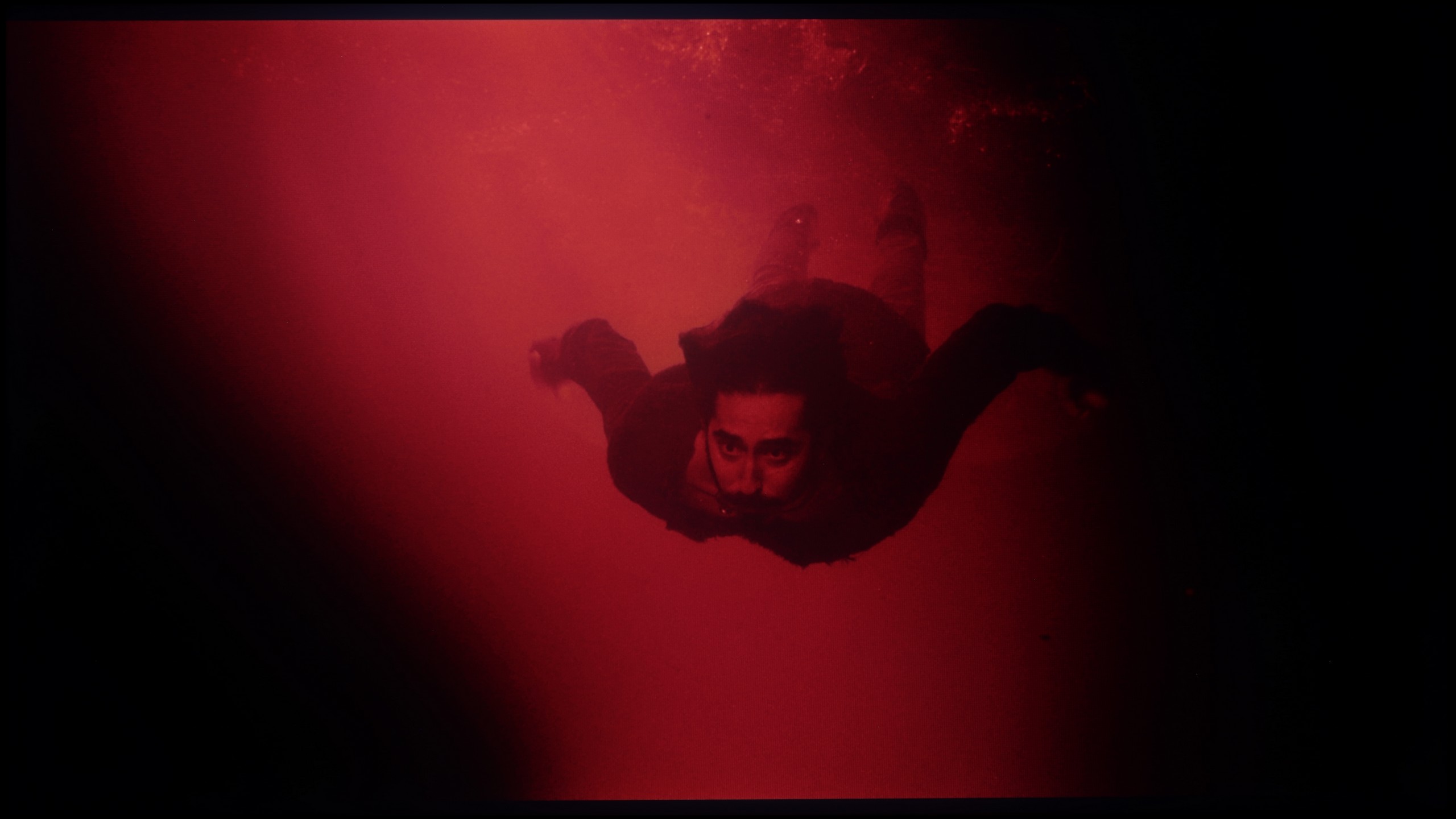
These are selected scenes that show smooth tonal transitions from one color to another. If you see distinct banding, it’s the TV panel’s fault.
The U7Q PRO handles tonal transitions really well. Colors blend smoothly, without any banding, stripes, or strange artifacts. Even in more challenging scenes that usually bring out any imperfections—there was nothing to complain about here. The image simply looks clean. Gradients—both colorful and gray—are fluid, nothing tears, nothing distracts. It's one of those elements you don't notice while watching… certainly not in the case of the U7Q PRO.
Another element worth discussing is the fluidity of tonal transitions. Here, it's fair to admit that in the TCL C7L, it simply looks good. In most scenes – especially in the brighter shots – there are absolutely no issues with gradients. In native 4K HDR content, the picture is clear, and the transitions between shades are very smooth. It looks just as good in Dolby Vision mode, where we did not notice any digital defects or unpleasant color banding during testing. One could nitpick very dark shots where a heavily compressed signal is displayed on the screen. In such conditions, the C7L can sometimes show minor imperfections; however, in this model, it's not something that stands out too much. Especially during regular movie viewings.
Image scaling and smoothness of tonal transitions
7.8/10
5.5/10

Smooth transition function
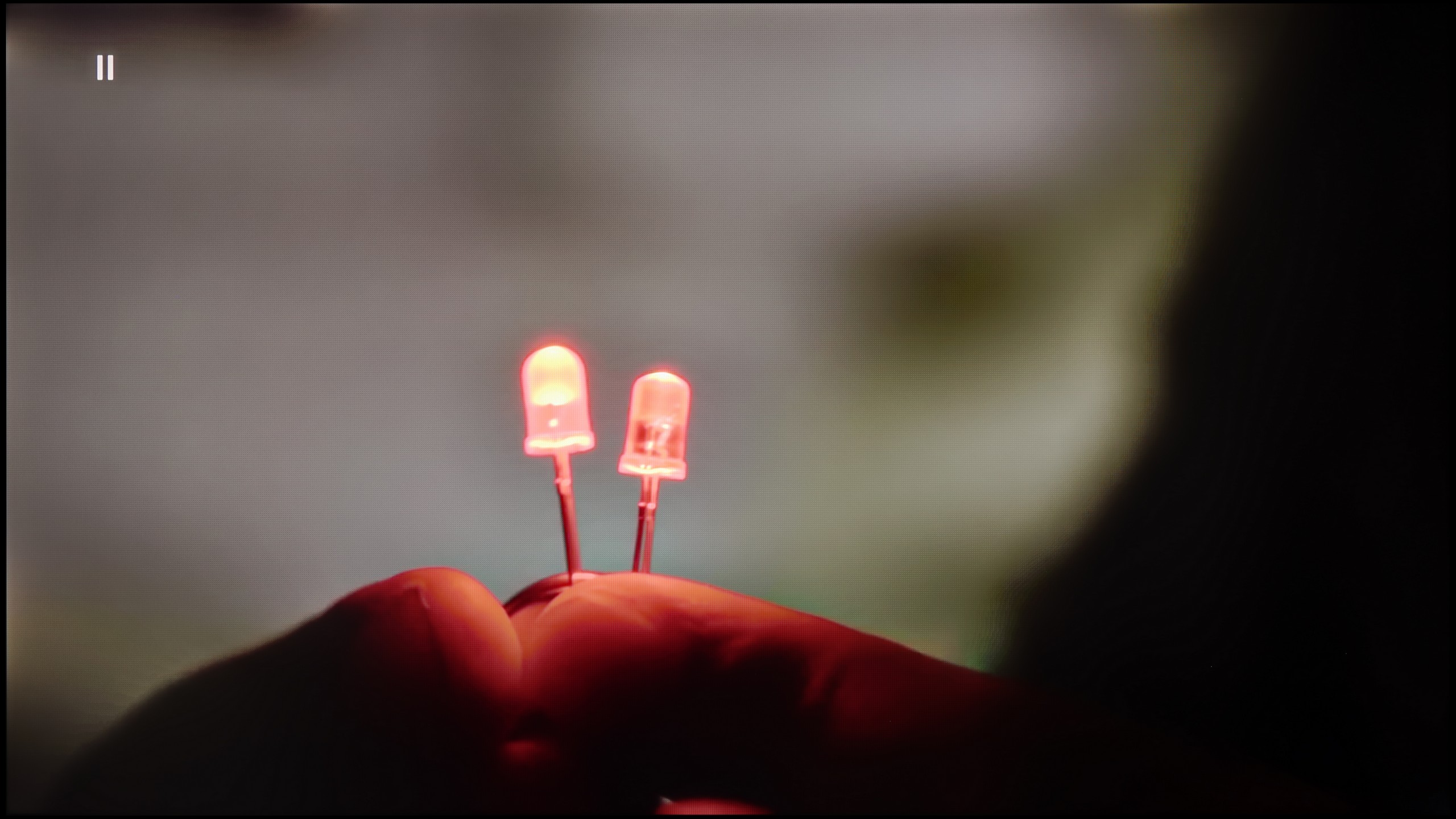
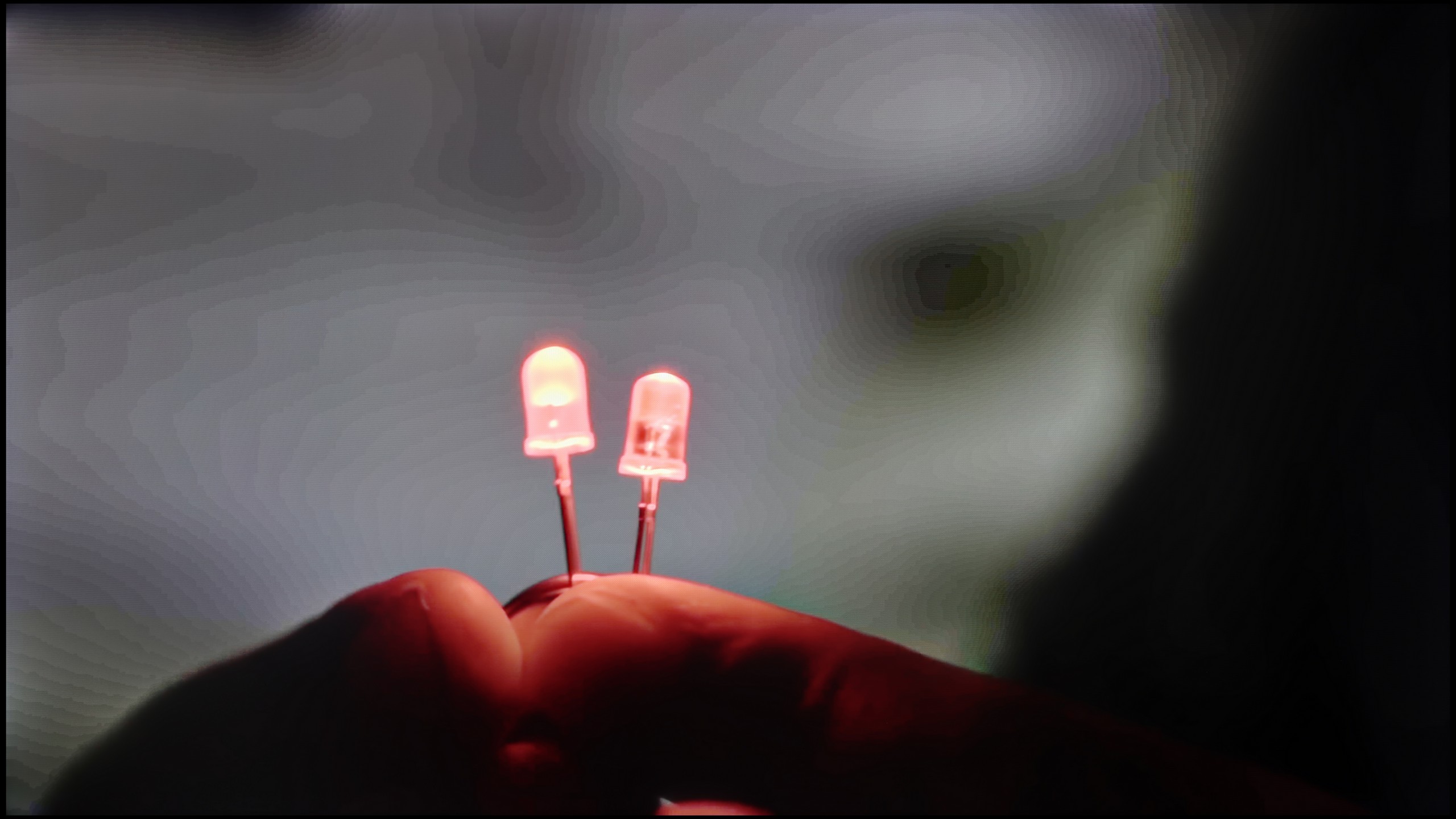
The match photo shows how the TV smooths weak tonal transitions in low-quality video.
Image scaling SD (576i)
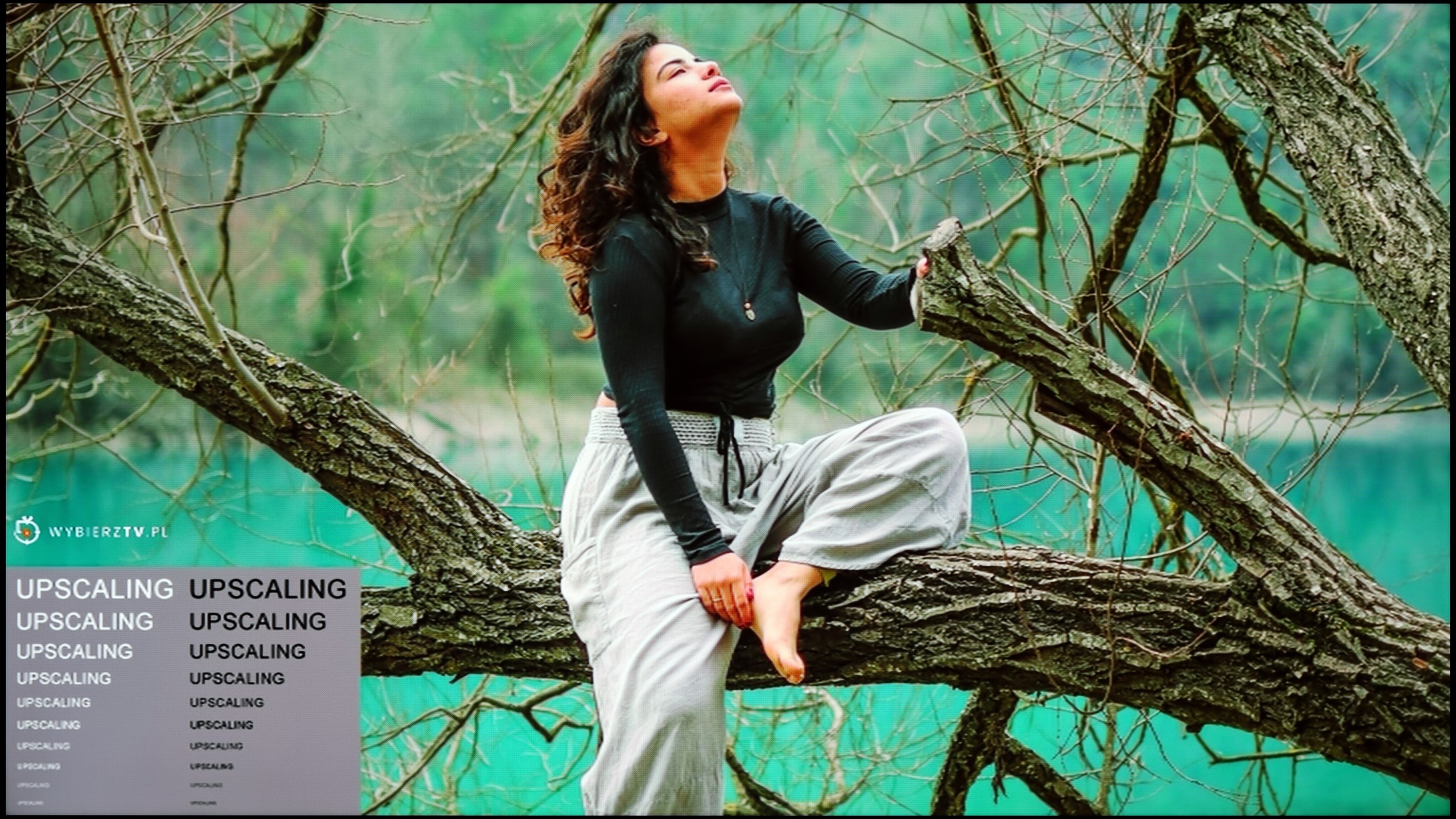
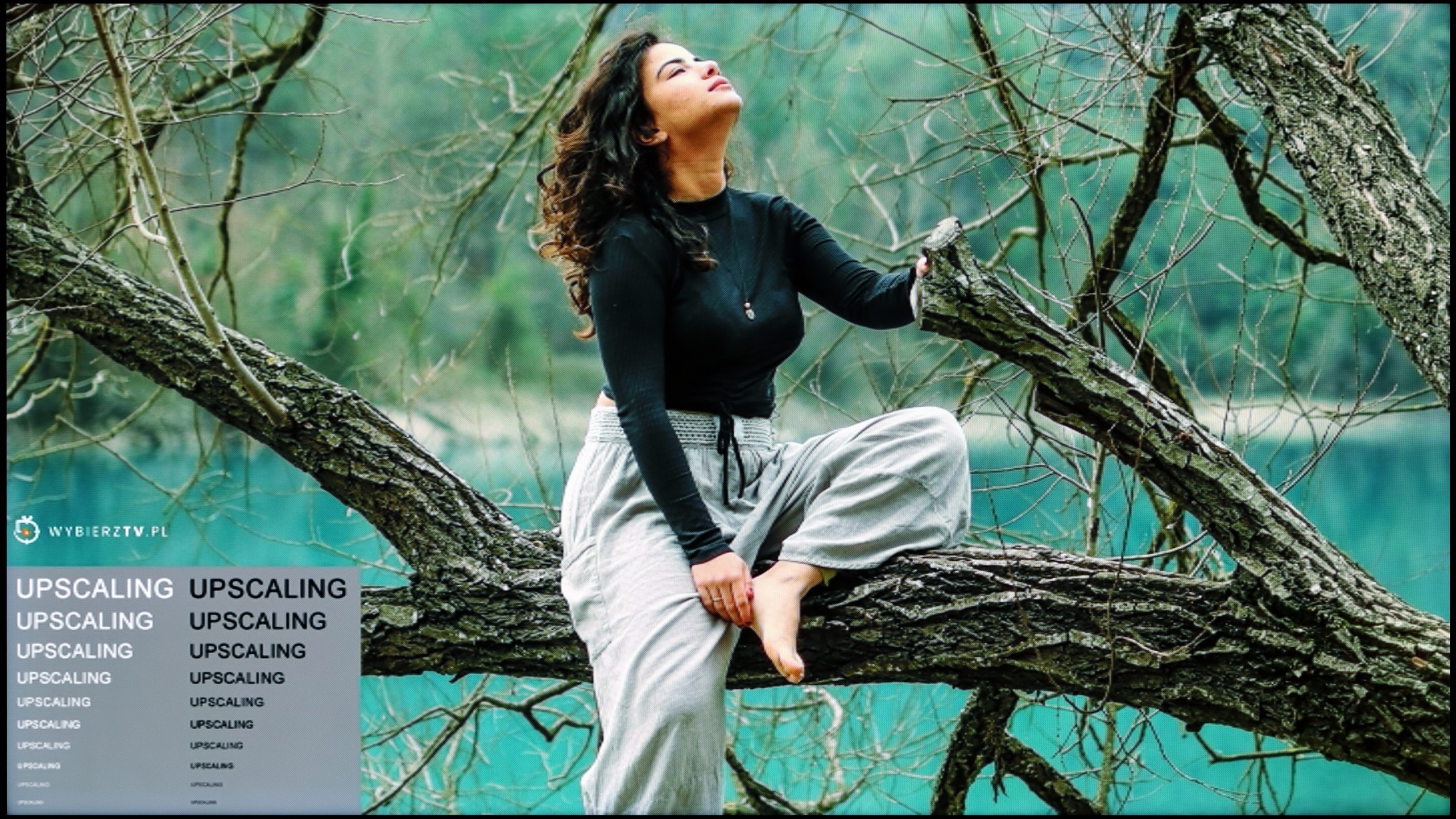
The model photo shows how it handles upscaling of SD material.
If someone happens to come across older materials where the issue of color banding appears – Hisense has a solution for that. In the U7Q PRO, we find a feature called "Smooth and Gradient Picture." Set to the "Medium" level, it works really well – it eliminates most of the gradation issues while not smoothing out the entire image, like blur in Photoshop. 😉 Film grain remains, details do not disappear – this is exactly how it should work. Kudos for the implementation!
As for scaling weaker materials, it’s just good. It’s not at the level of the most expensive TVs with advanced upscaling, but older content looks good. There is some mild aliasing at very low resolutions, but that’s completely normal and hard to avoid. On the plus side – even with the oldest materials, there is no overscan effect; the image is not cropped or artificially stretched.
This point can be, in a sense, called the Achilles' heel of the C7L model. Unfortunately, this TV uses an older MediaTek chipset – the Pentonic 700 – which has never been known for exceptional digital image processing. This is clearly evident in the operation of the gradual smoothing feature, which is responsible for reducing jagged edges and removing digital noise. It simply works very poorly – after setting it to low, its effectiveness is practically nonexistent. The only small plus here is that the algorithm doesn't spoil anything additional in the image and doesn’t forcibly blur details. The upscaling, that is, scaling the image from lower resolutions to 4K, performs a bit better. It is simply adequate and doesn’t stand out in any particular way compared to the competition. However, it cannot be denied that the C7L would gain significantly in this aspect if the manufacturer decided to use the newer Pentonic 800 processor, which is now increasingly found in many competitive models.
Blur and motion smoothness
7.1/10
7.8/10
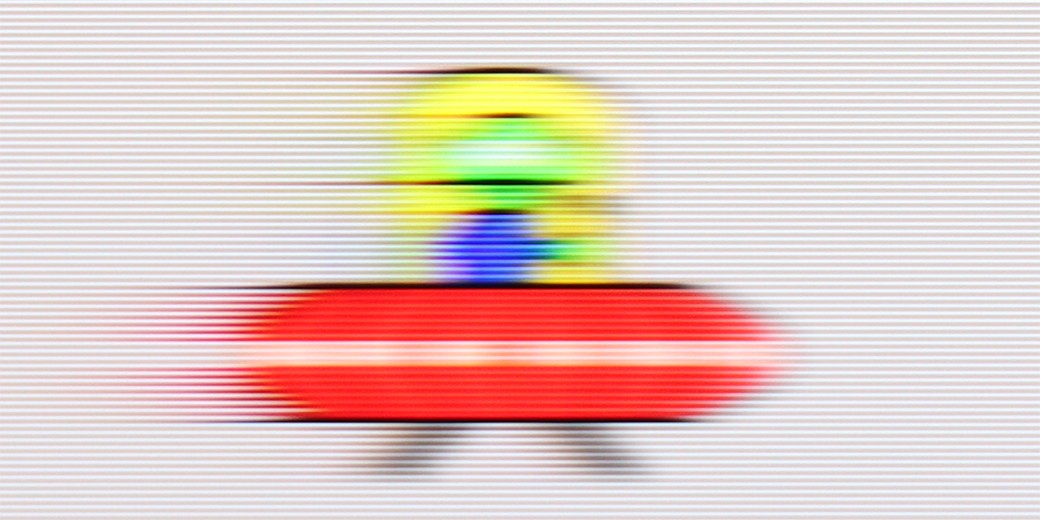
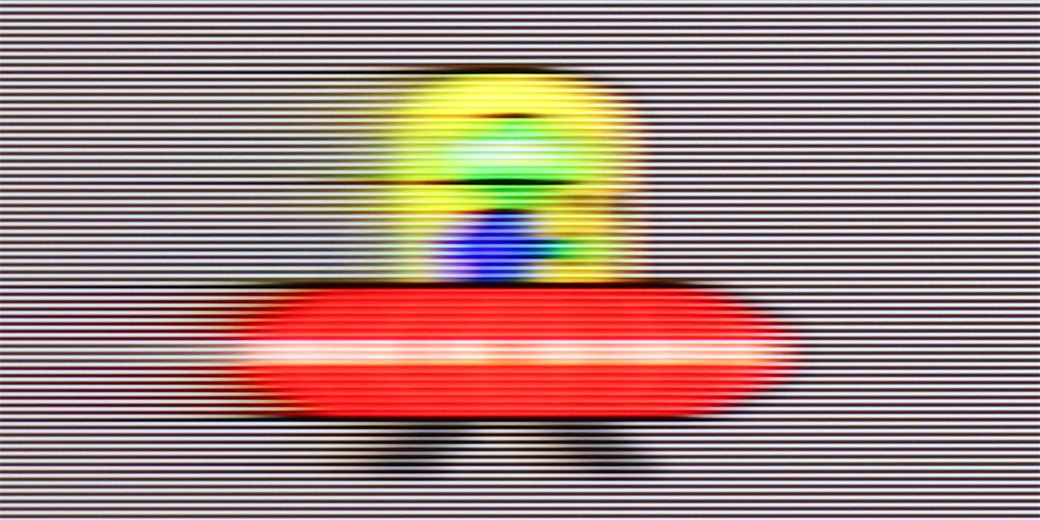
Blur (native resolution, maximum refresh rate):
Blur (BFI function enabled):

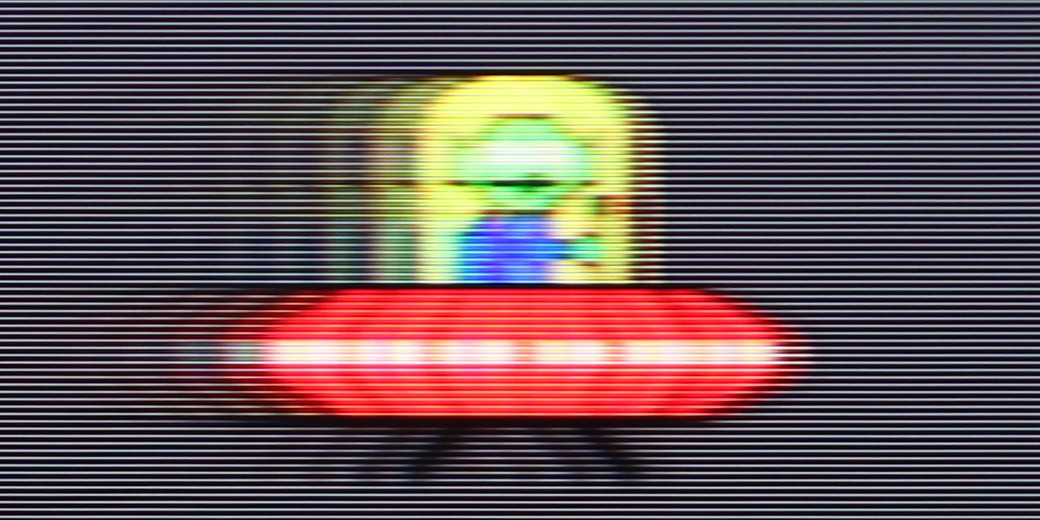
Blur (1080p 288Hz):
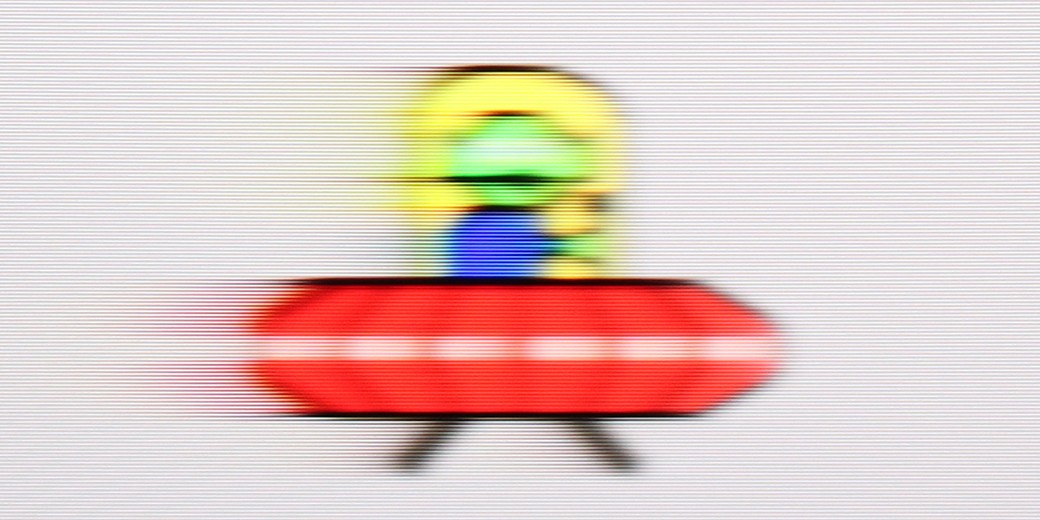
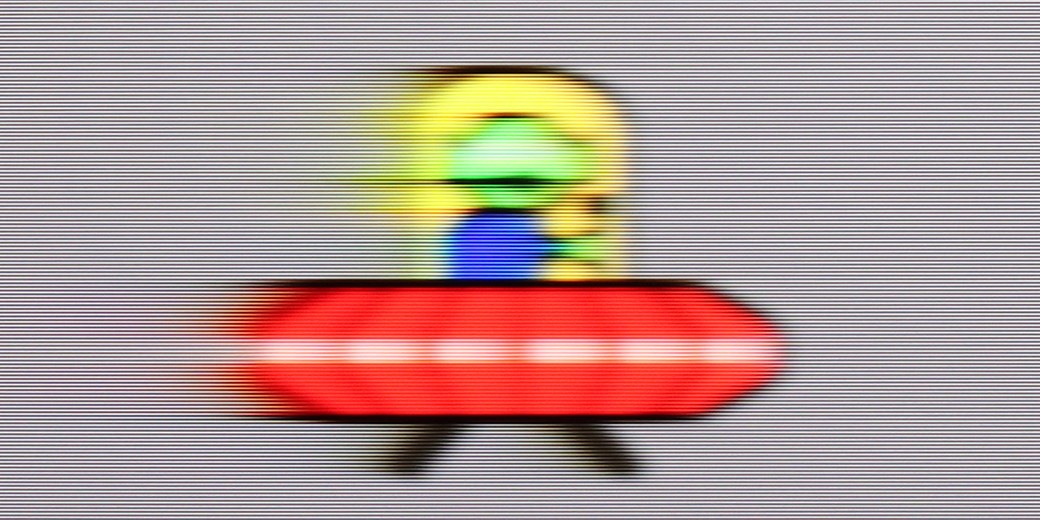
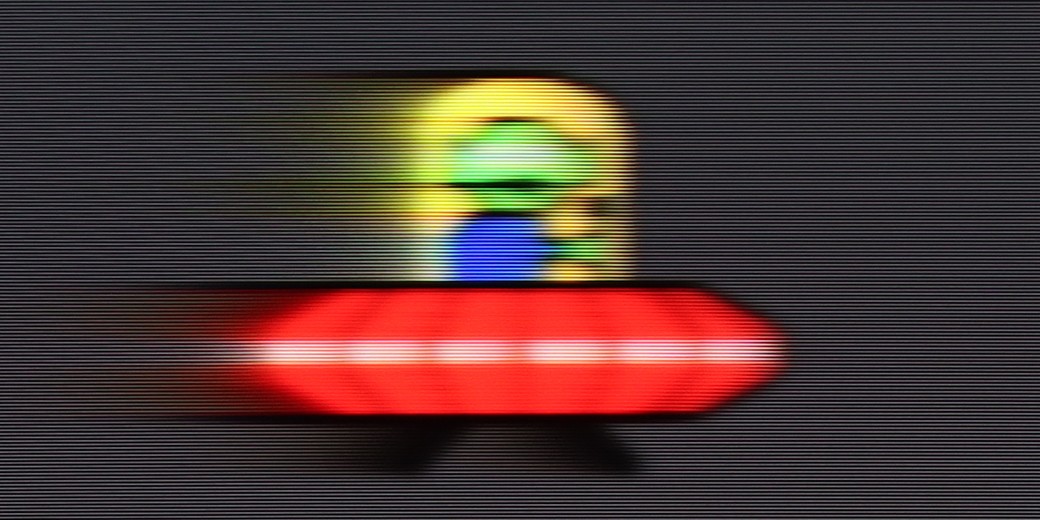
Blur (4K@144Hz):
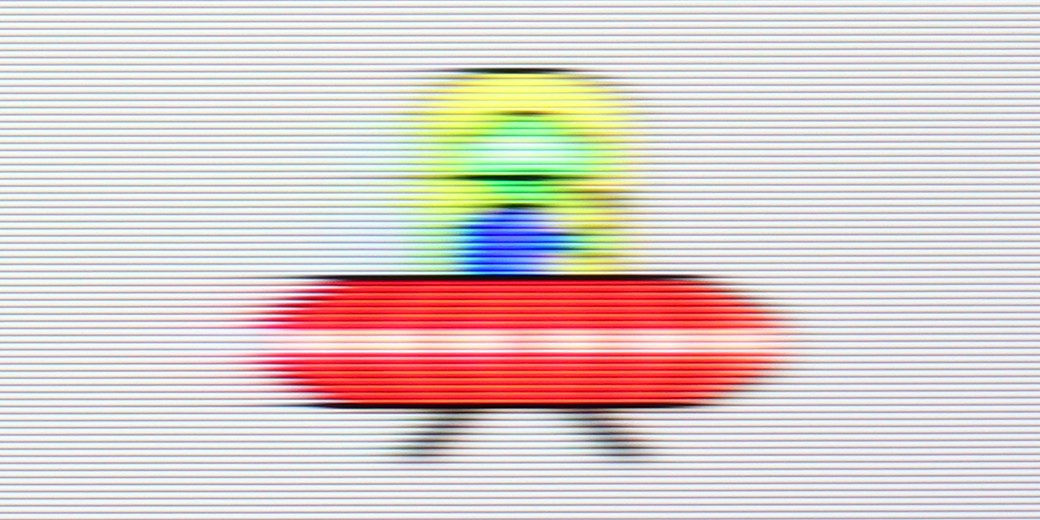
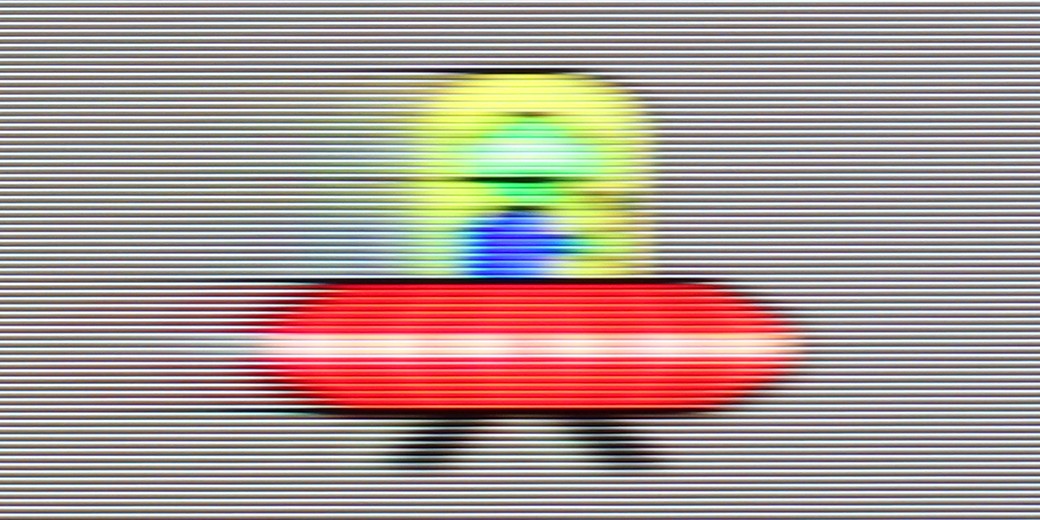
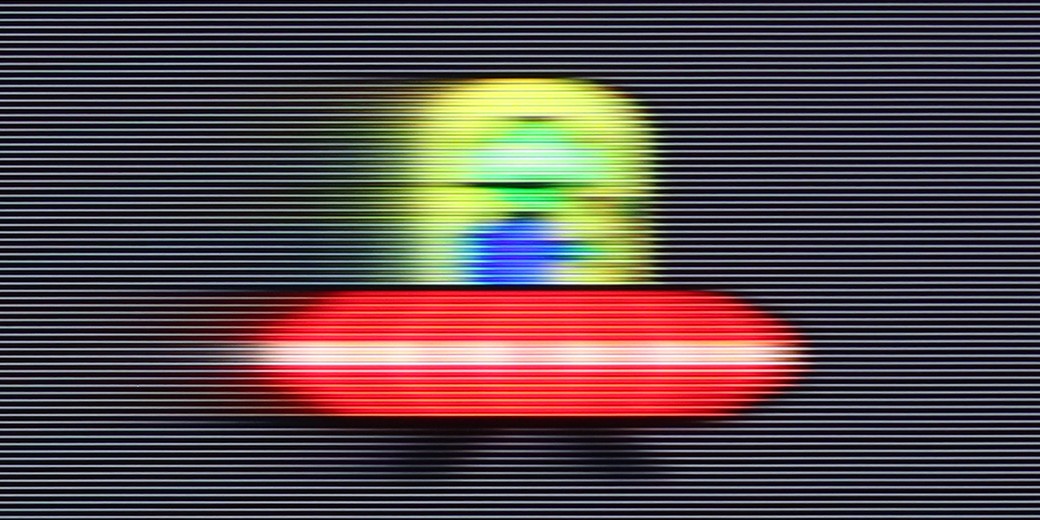
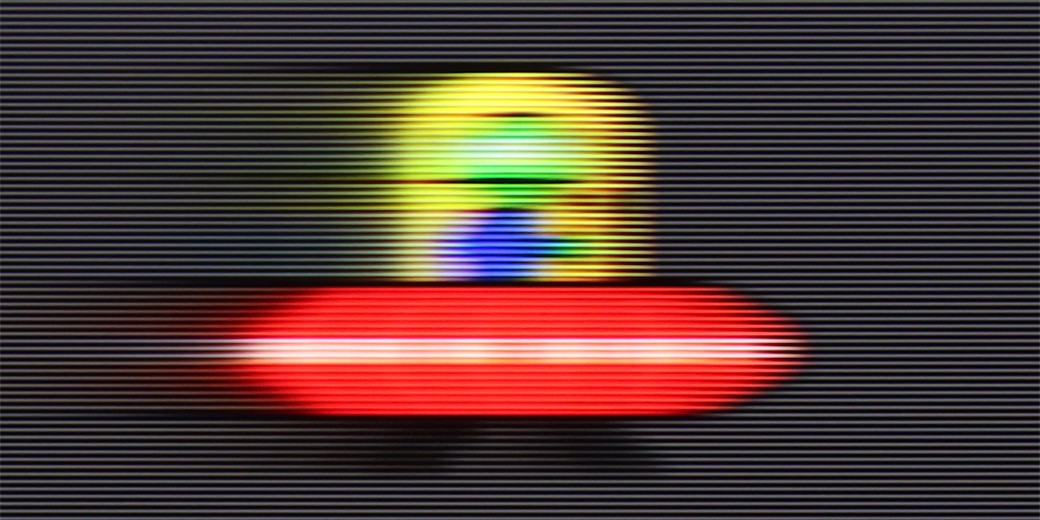
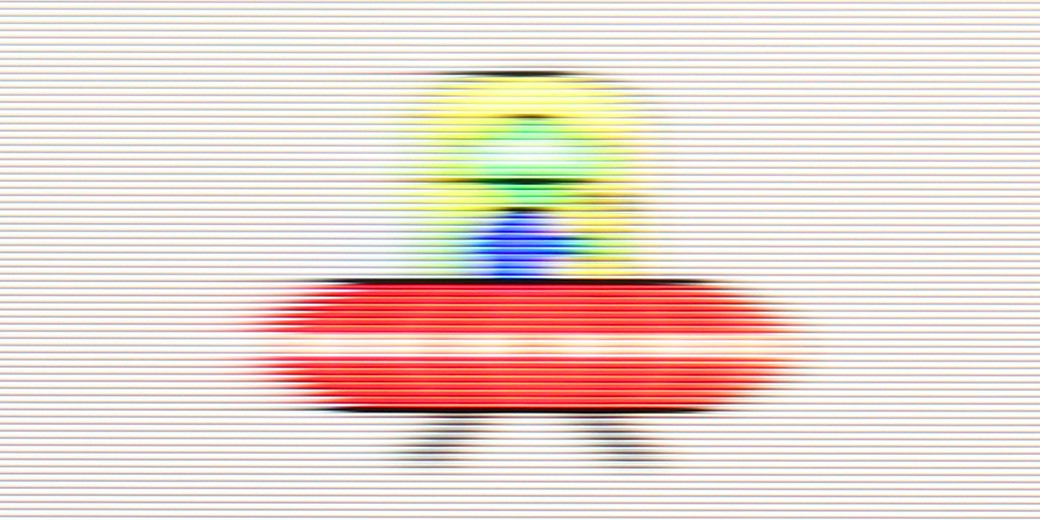
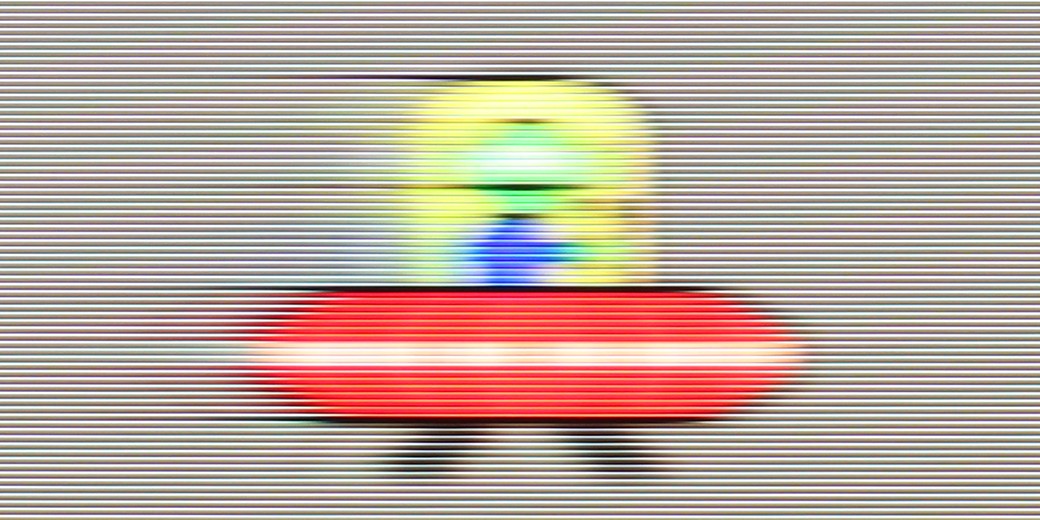
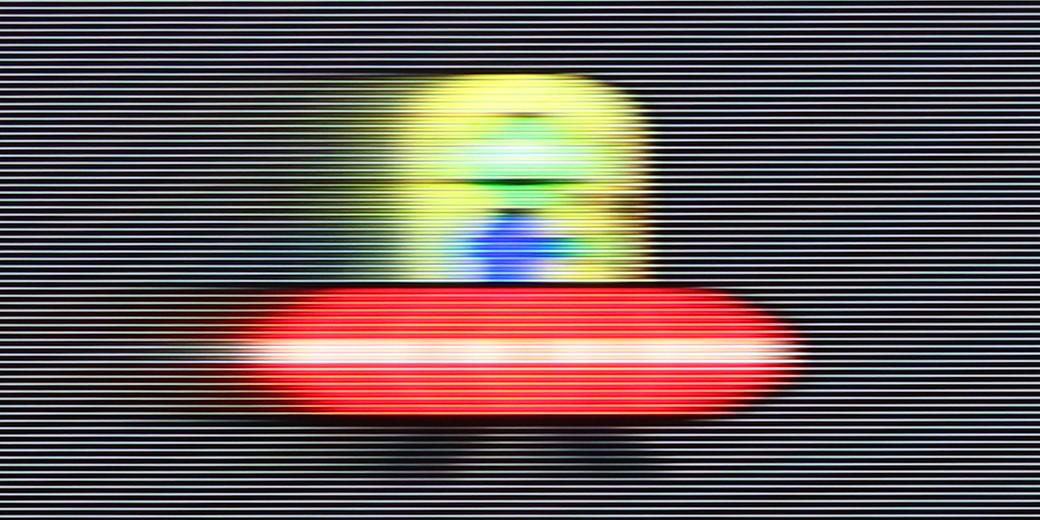
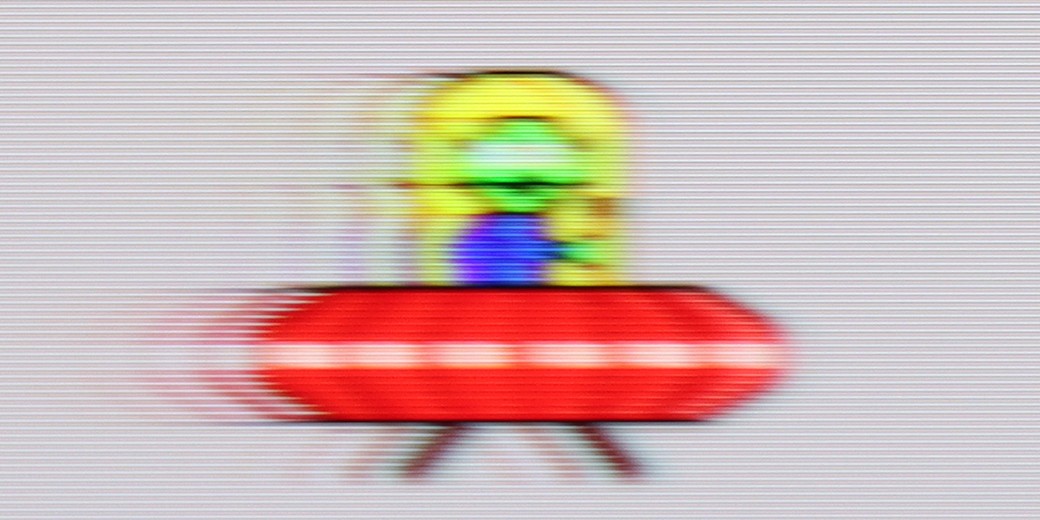
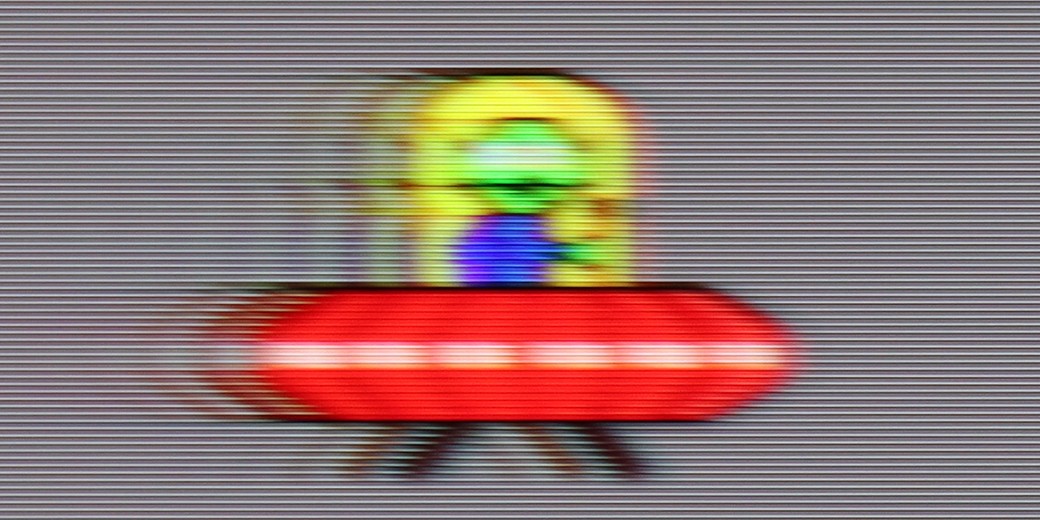
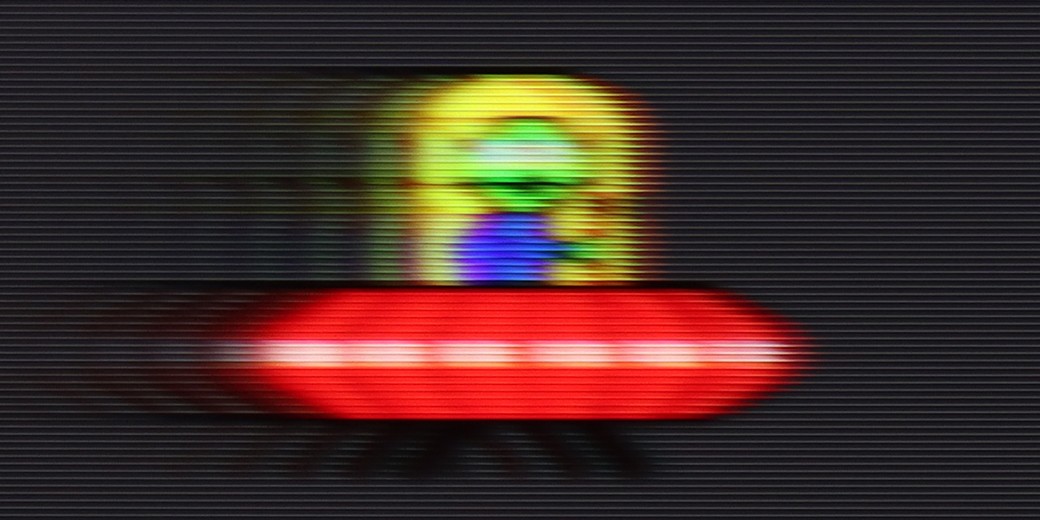
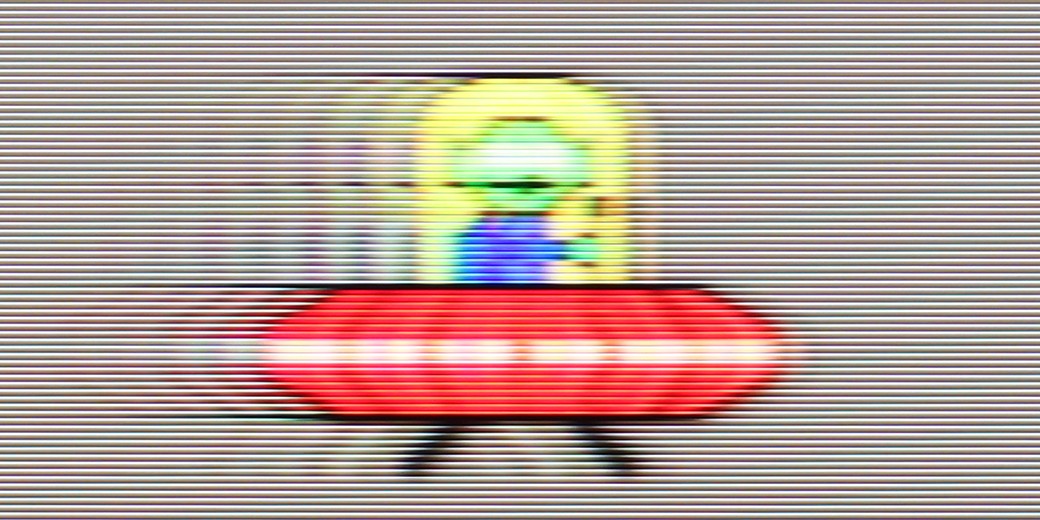
“Speed” – this word was mentioned most frequently during our tests of the U7Q PRO. The television is equipped with a 165 Hz panel, which is impressive in itself – especially since we are talking about a model in the mid-price range. Of course, PC gamers will benefit the most from its full capabilities, but even during everyday viewing, it is evident that this is a fast and efficient panel. Like most modern televisions, the U7Q PRO can also enhance the smoothness of movies that are primarily shot in 24 frames. In the menu, there is a slider that allows you to adjust the effect to your preferences – from a more cinematic feel, with subtle motion, to stronger smoothing with the characteristic “soap opera effect.”
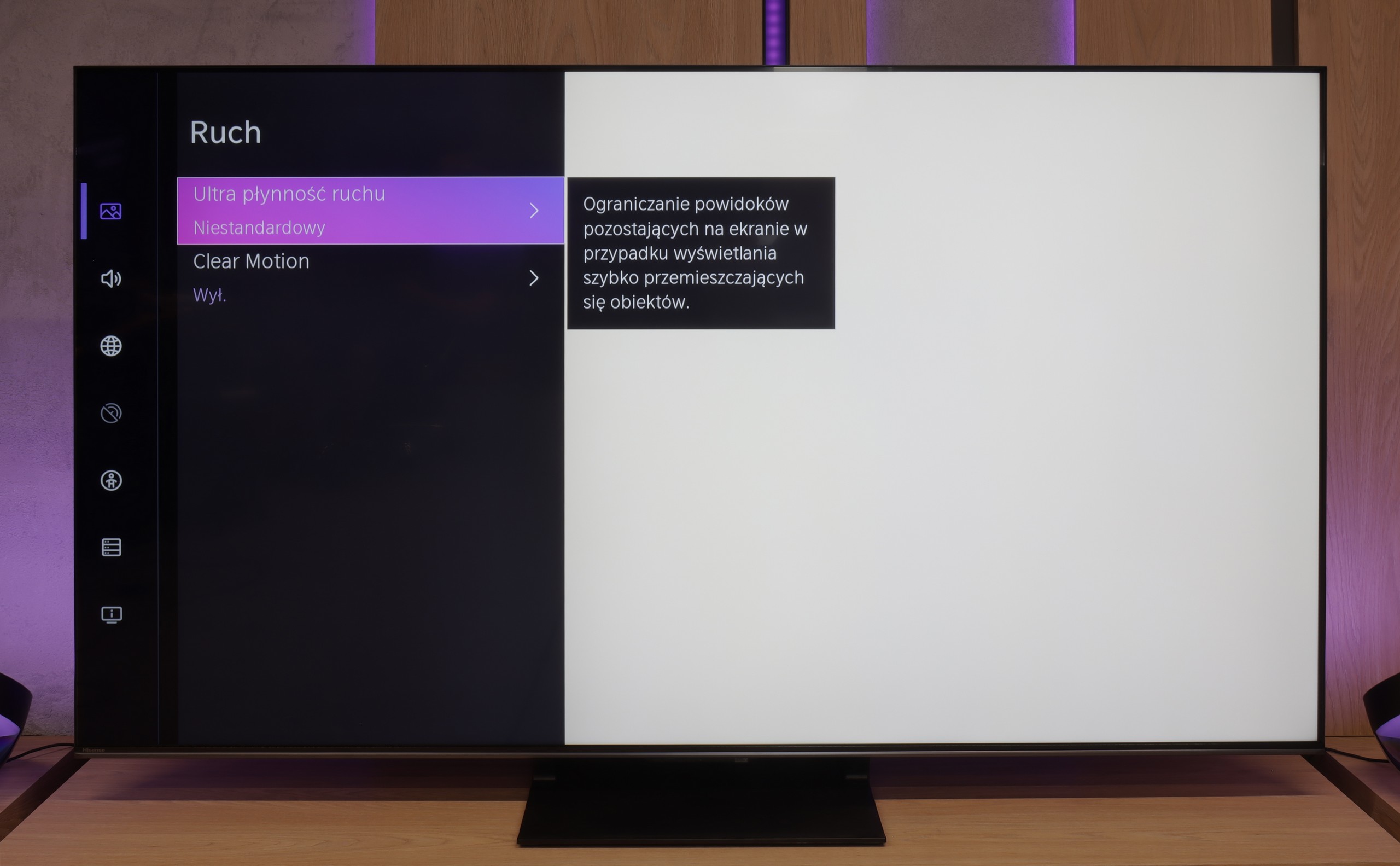
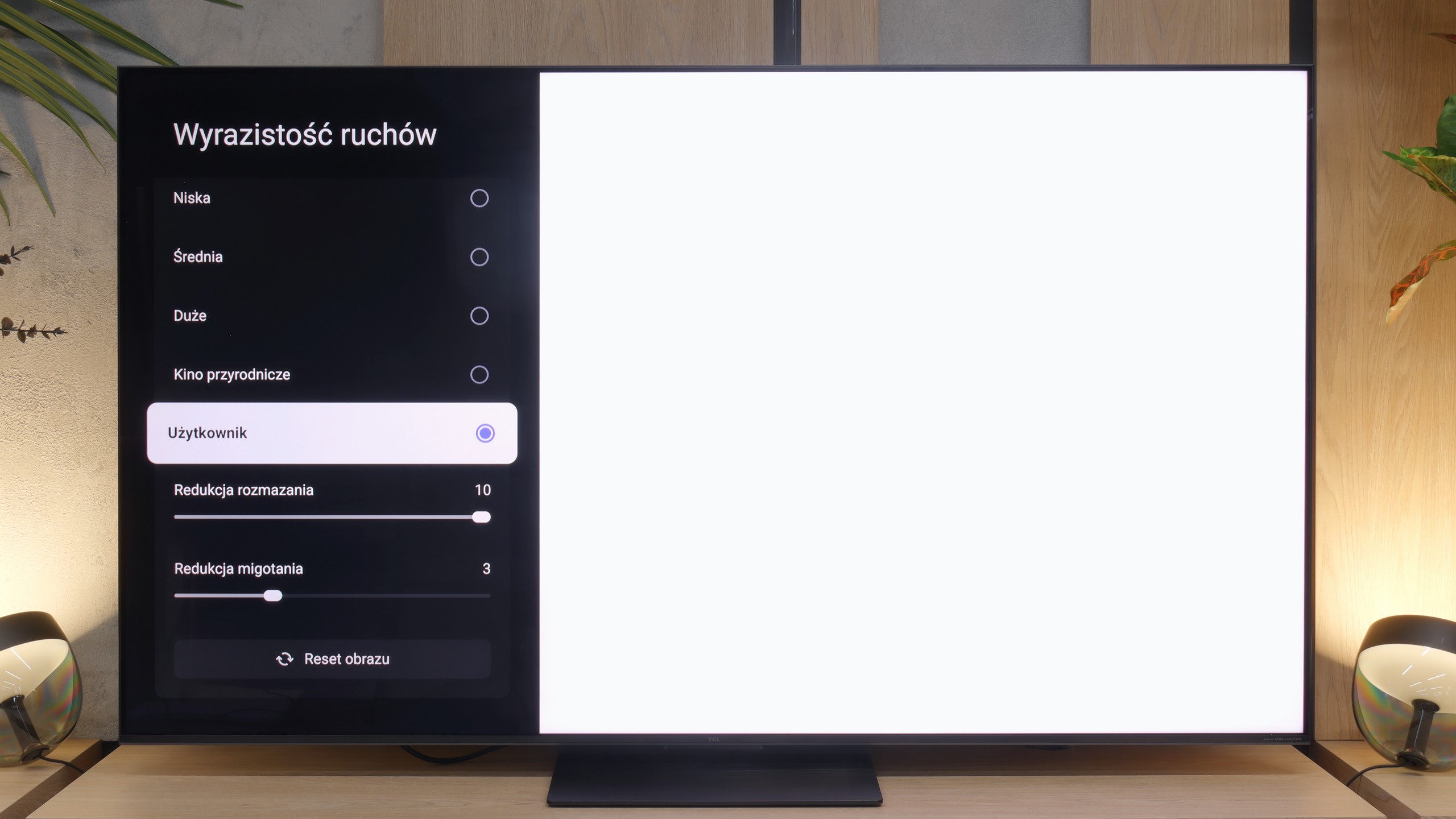
TCL C7L features a native 4K panel with a refresh rate of 144 Hz, which can even ramp up to 288 Hz at lower resolutions when using a PC. These are, of course, very high values and commendable on paper, but in everyday life, it's worth remembering that nearly all dynamic content you display on this television will still be running around a maximum of 120 Hz. To harness this dynamics, we find a motion smoothing system in the TV's menu called “Motion Clarity.” It offers several predefined modes, including a user mode, which we definitely recommend setting manually using our tried-and-true guides on our YouTube channel. There we have two key sliders at our disposal. The first one, “Blur Reduction,” is responsible for reducing blurring and improving sharpness in dynamic 60fps materials, such as sports broadcasts. The second slider, “Flicker Reduction,” allows for the addition of artificial frames in movies and series recorded at cinematic 24 or 30 frames per second. This, of course, completely eliminates the irritating stutter effect during camera movement shots.
Console compatibility and gaming features
8.5/10
9.8/10
- ALLM
- VRR
- VRR range48 - 288Hz48 - 288Hz
- Dolby Vision Game Mode
- Correct implementation of HGIG

- 1080p@120Hz
- 1440p@120Hz
- 4K@120Hz
- Game bar
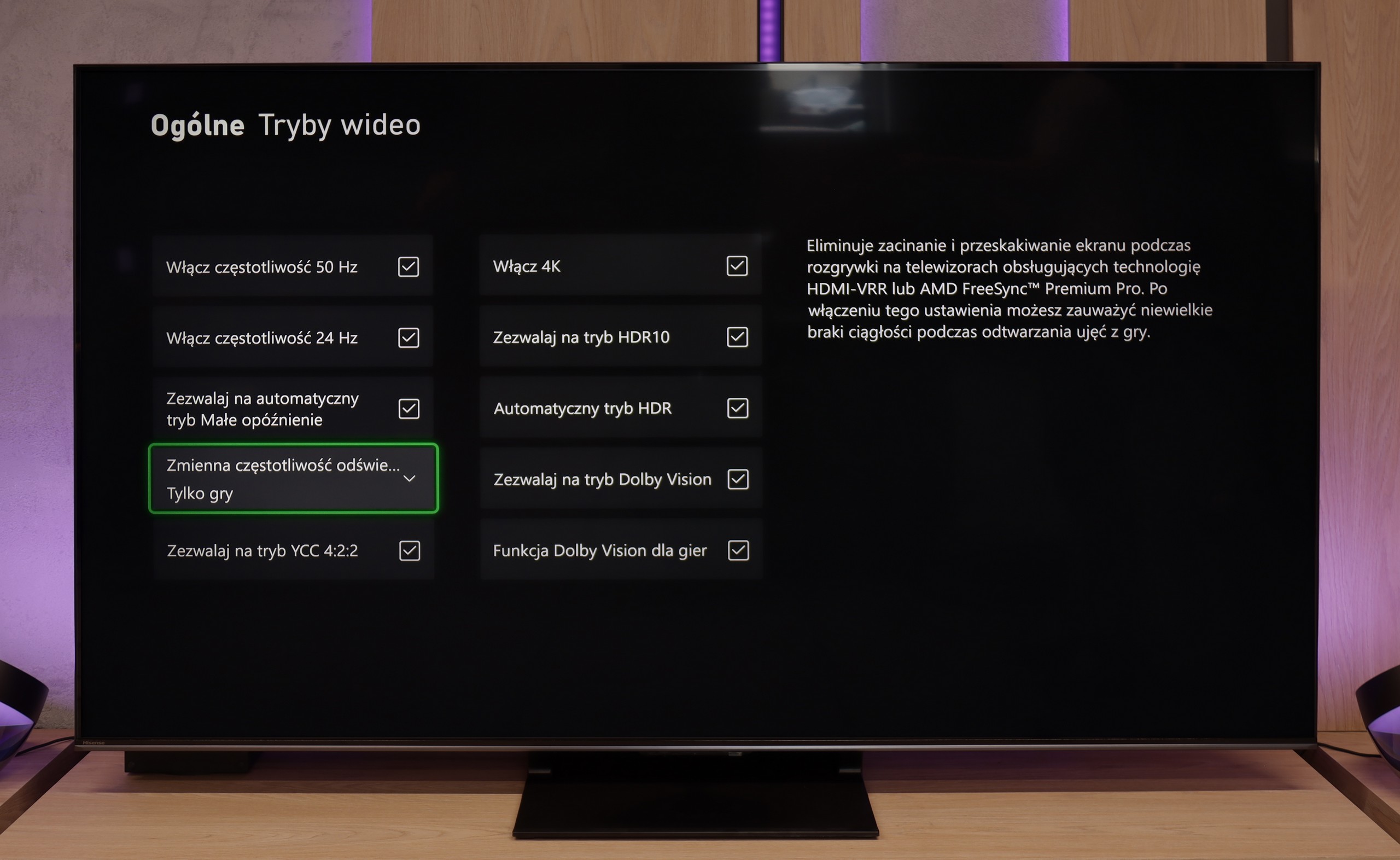
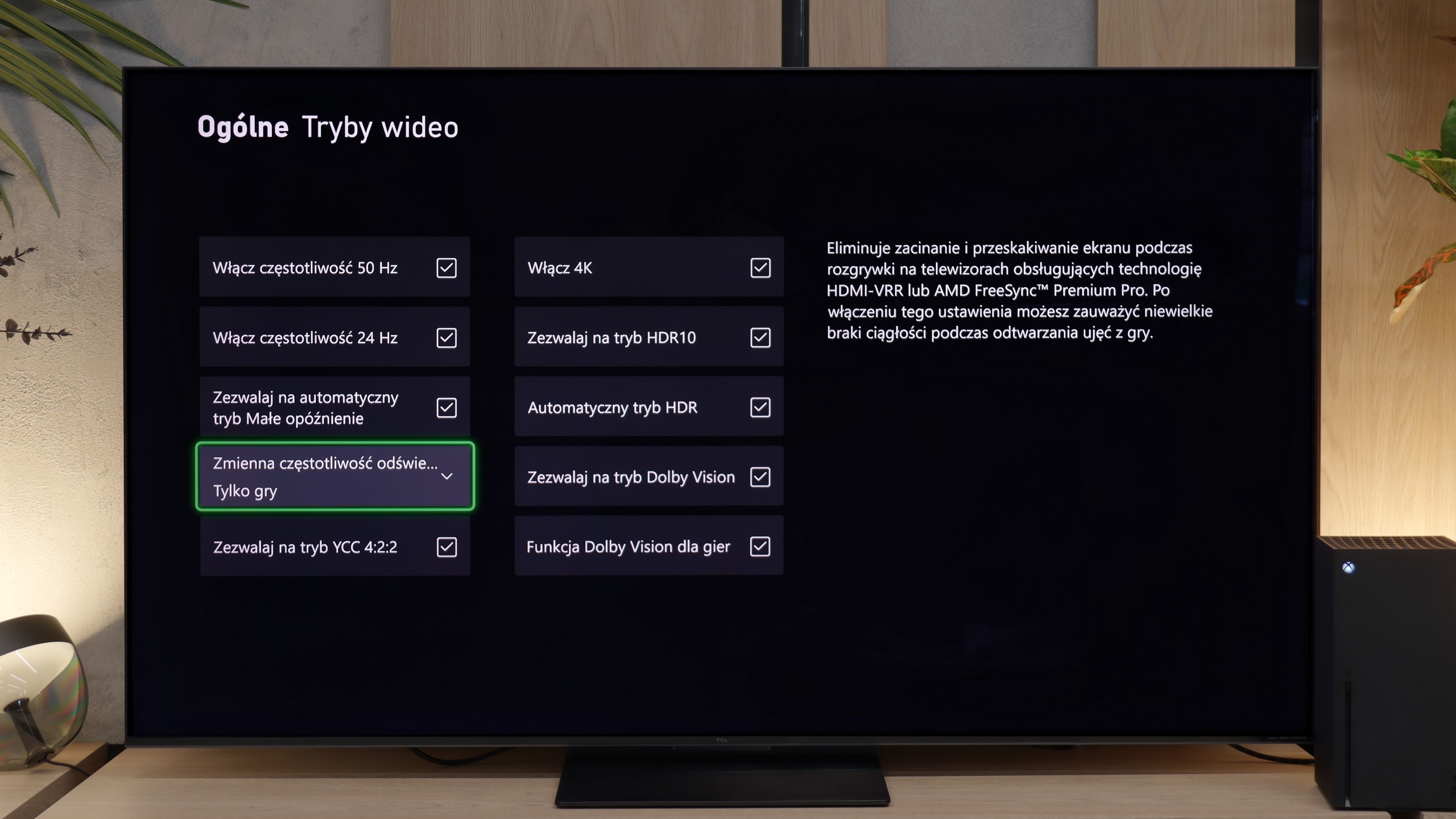
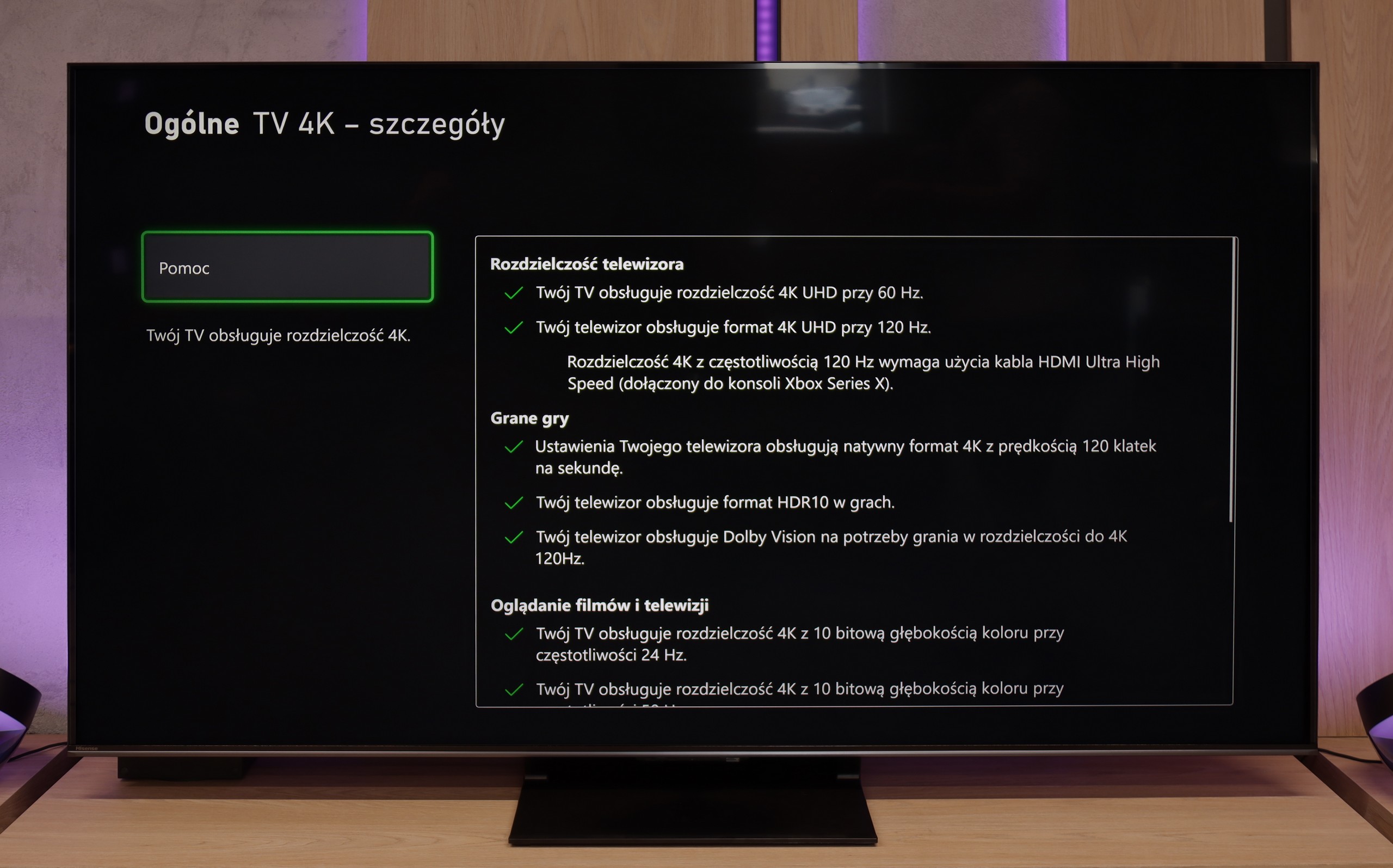
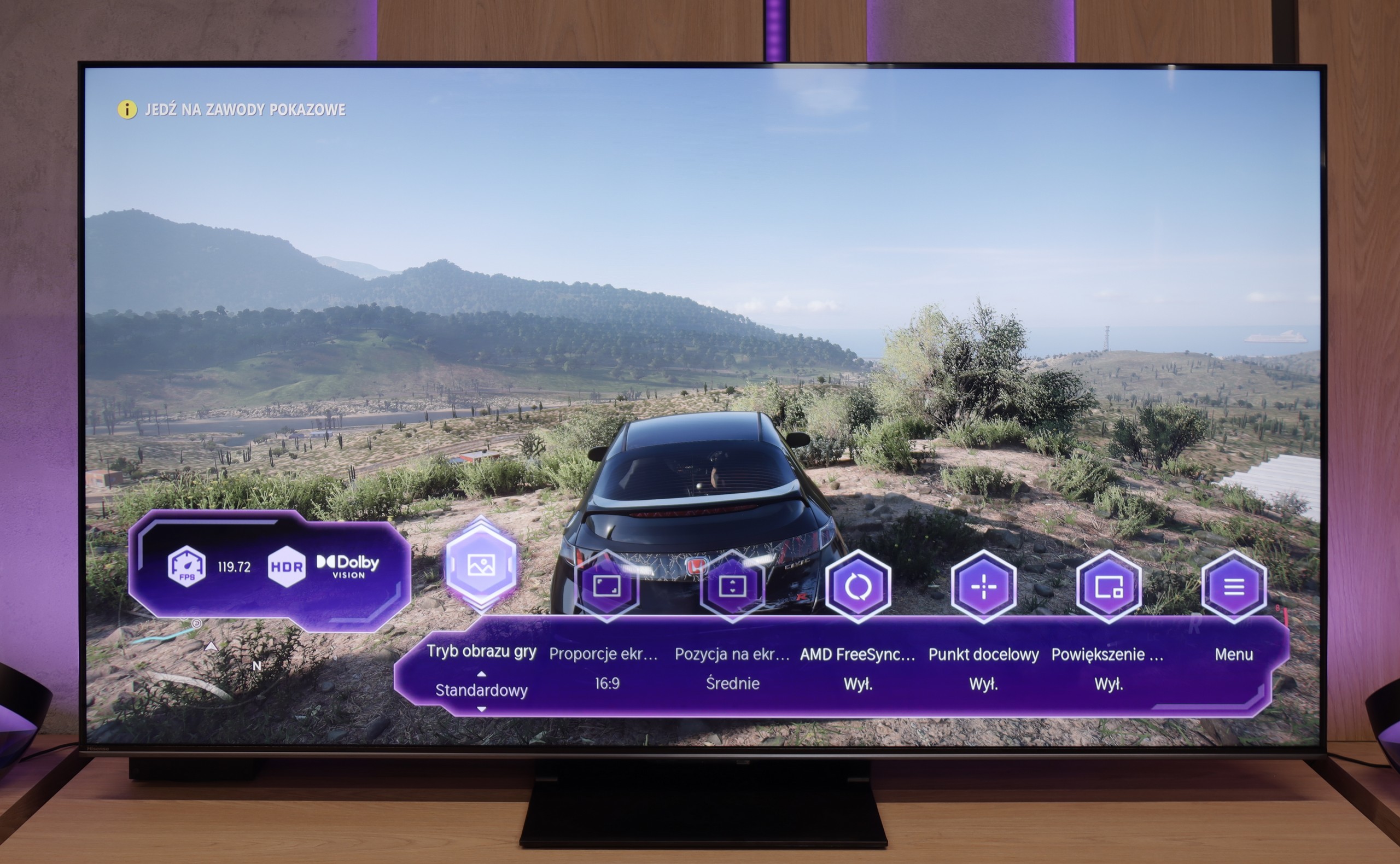
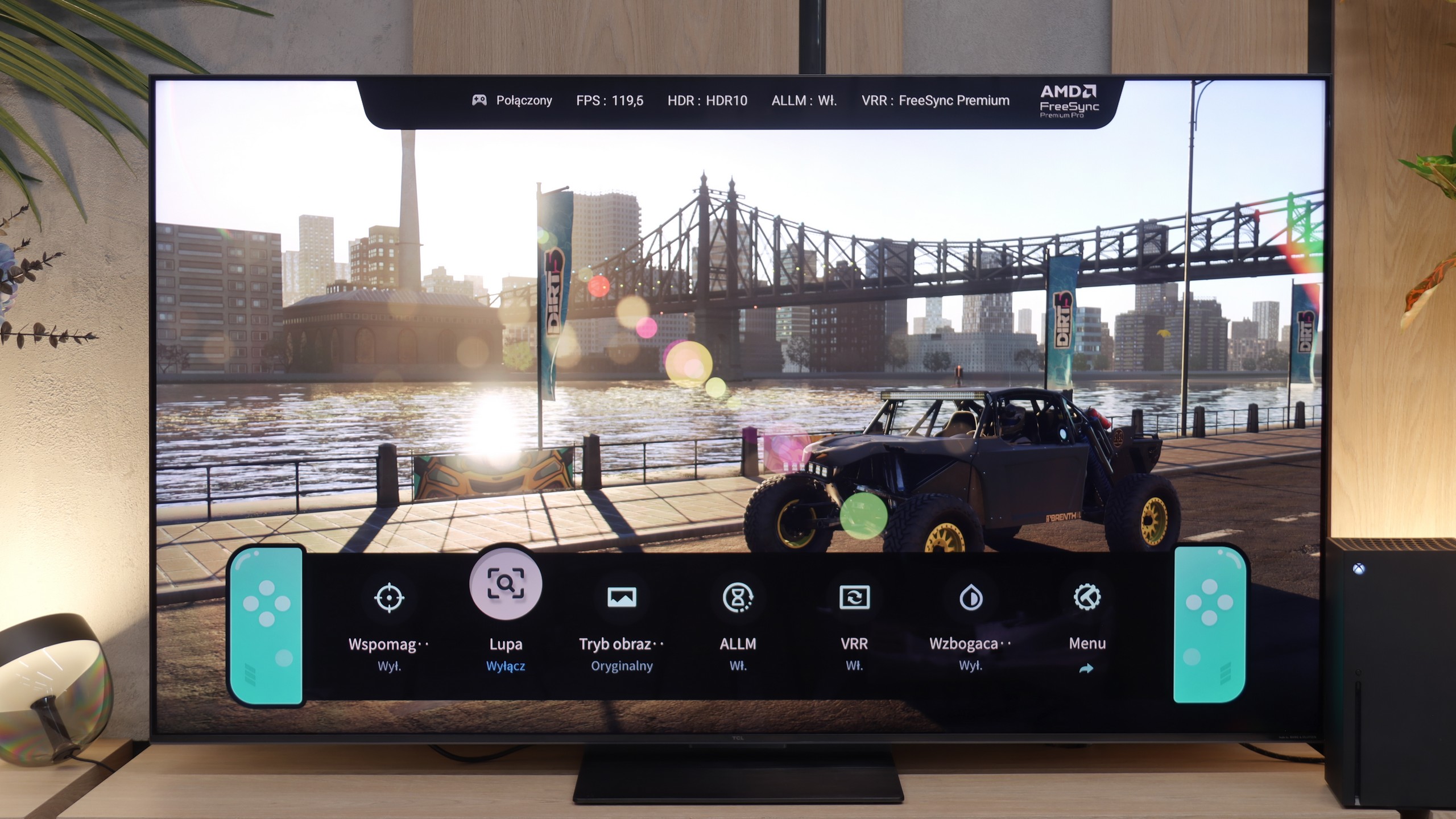
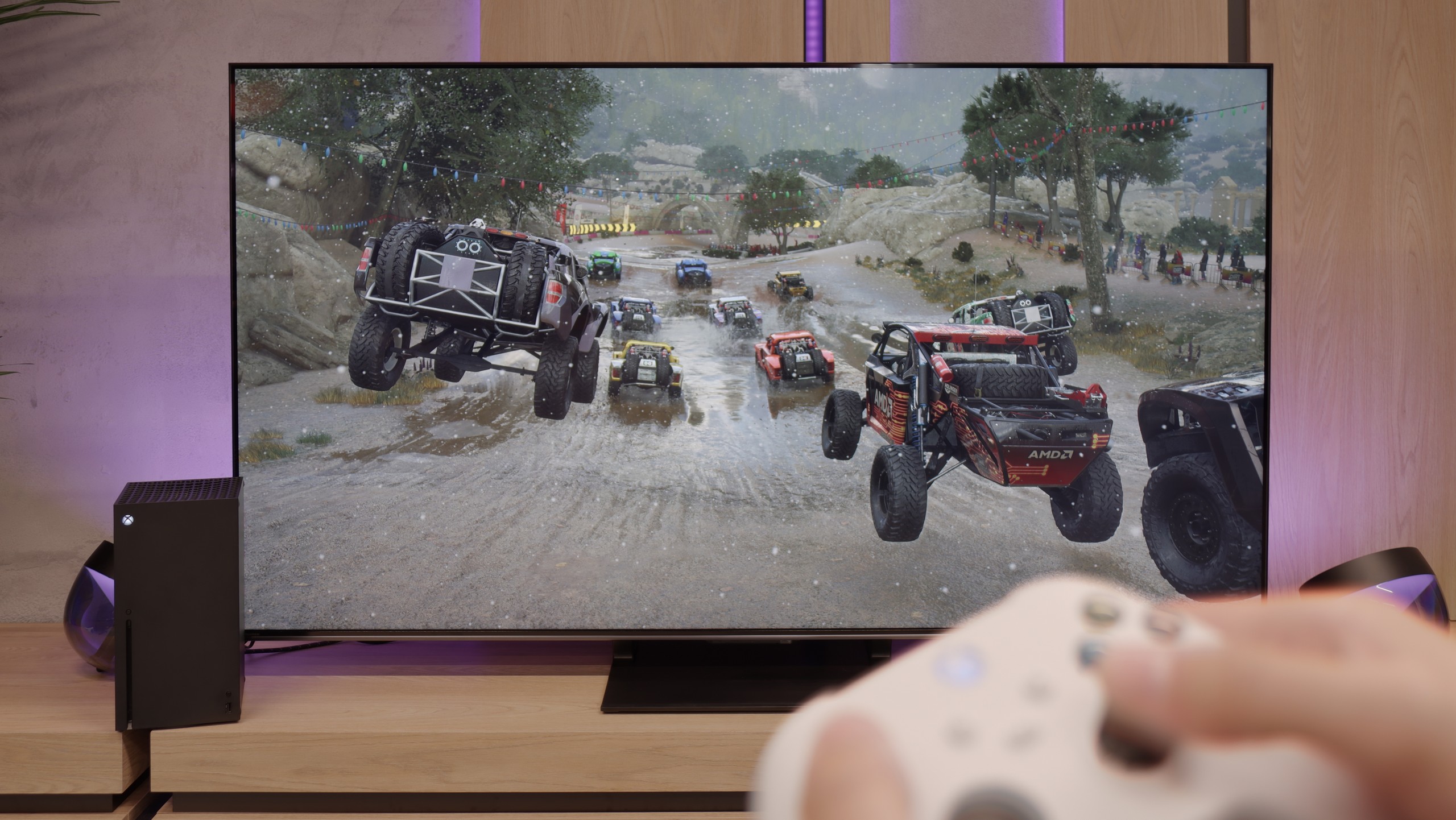
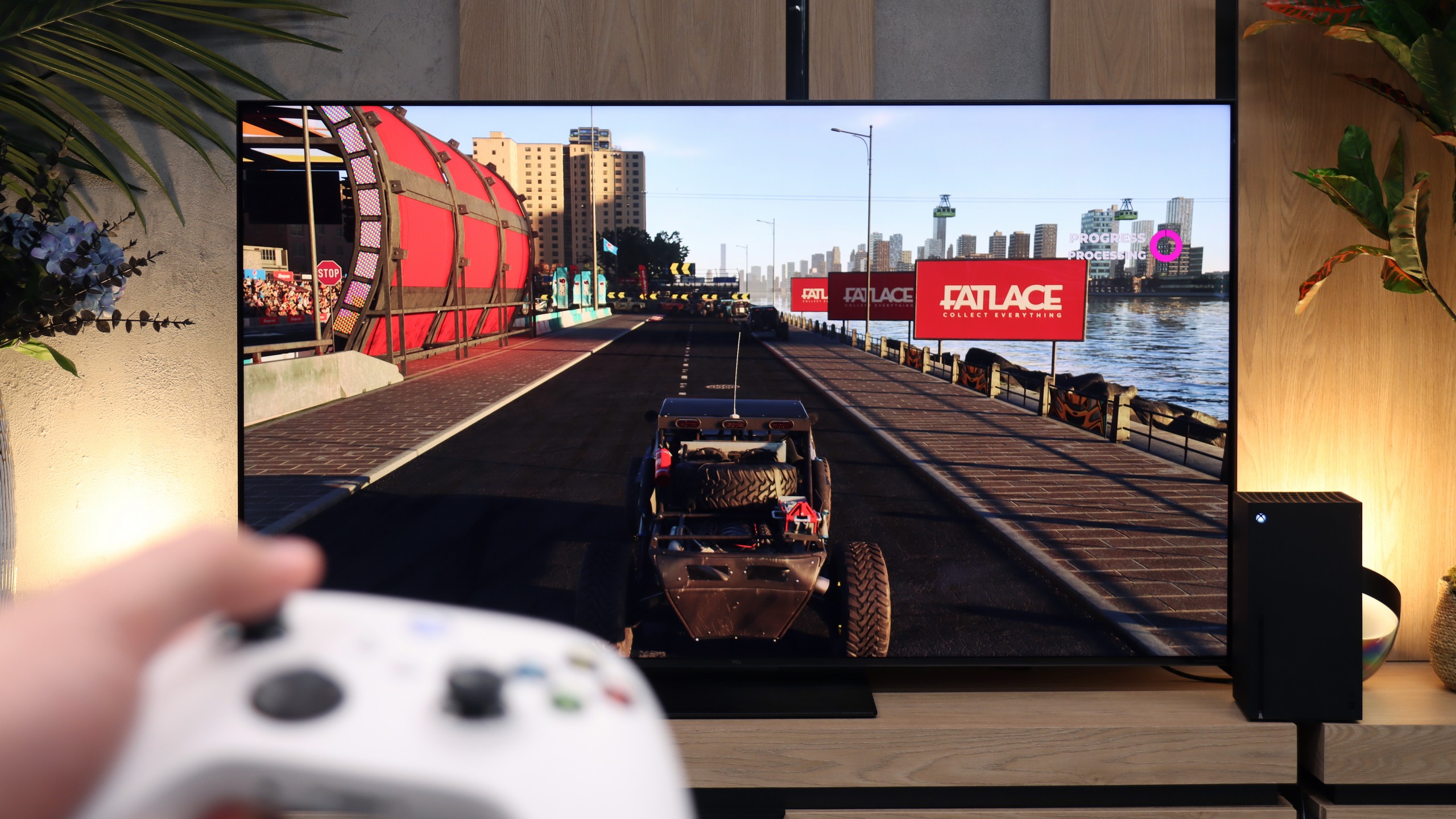
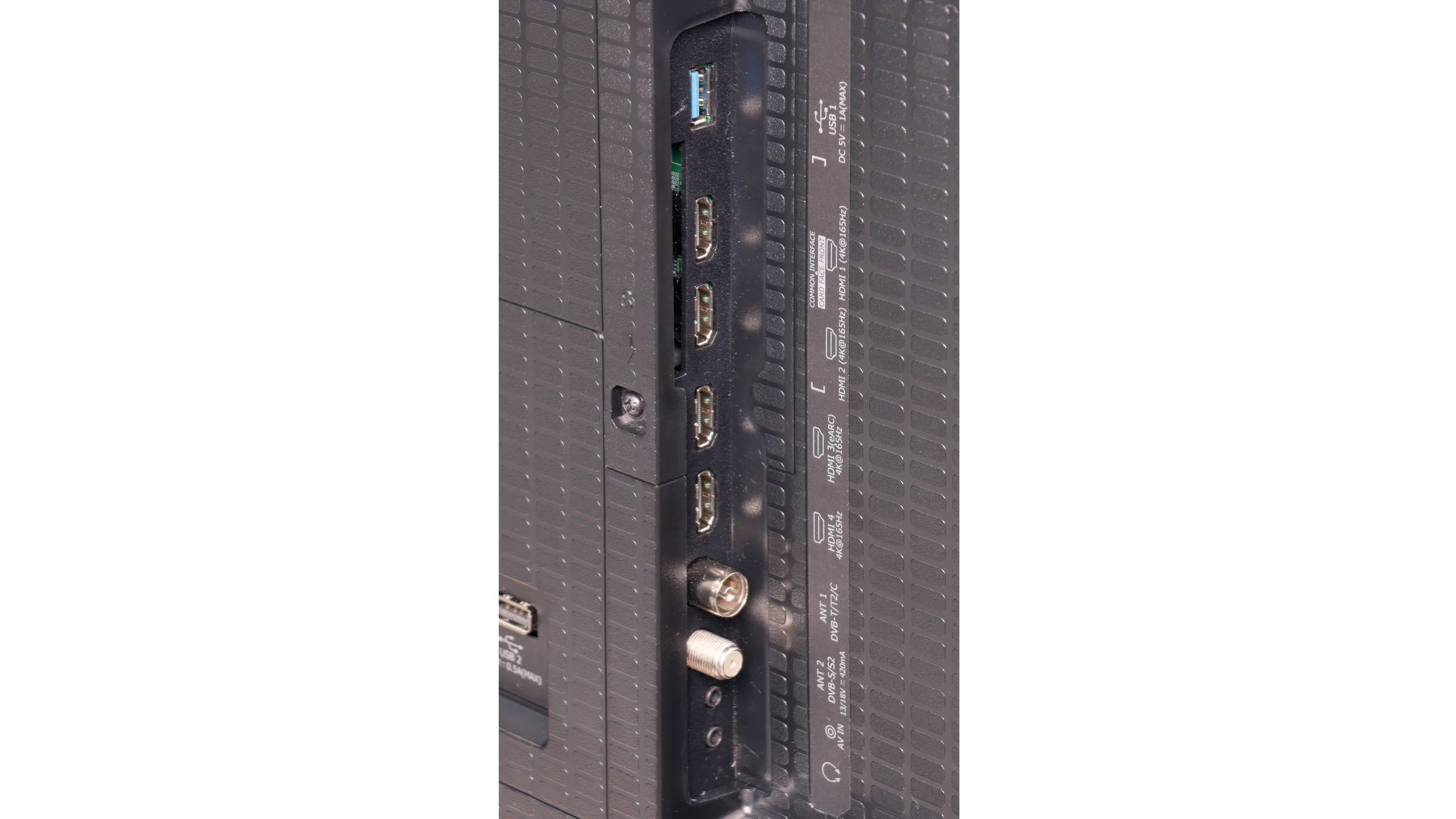
The Hisense U7Q PRO is a television that seems almost designed for gamers. It has practically everything you could expect from a gaming screen: variable refresh rate (VRR), automatic mode (ALLM), and as many as four HDMI 2.1b ports with full bandwidth of 48 Gb/s. Additionally, there is a clear and quite functional Game Bar, as well as a well-implemented Dolby Vision GAMING mode that works seamlessly with Xbox Series S and X consoles.
Sounds like perfection? Well, almost. Unfortunately, Hisense has yet to implement the HGiG feature, which is the system's limit on tone mapping on the TV's side. This means that when configuring HDR brightness on the console, we do it "by eye" or look for settings in online guides because the screen doesn't show the real range of its brightness. It's a pity - because HGiG makes it easier to match the console to the TV and helps avoid clipping or overly dark scenes in HDR games.
Fortunately, the other elements work very well. Signal delay (input lag) is low, responsiveness is excellent, and the handling of other functions is flawless. And although not everything worked perfectly, the U7Q PRO can still be recommended to gamers without hesitation.
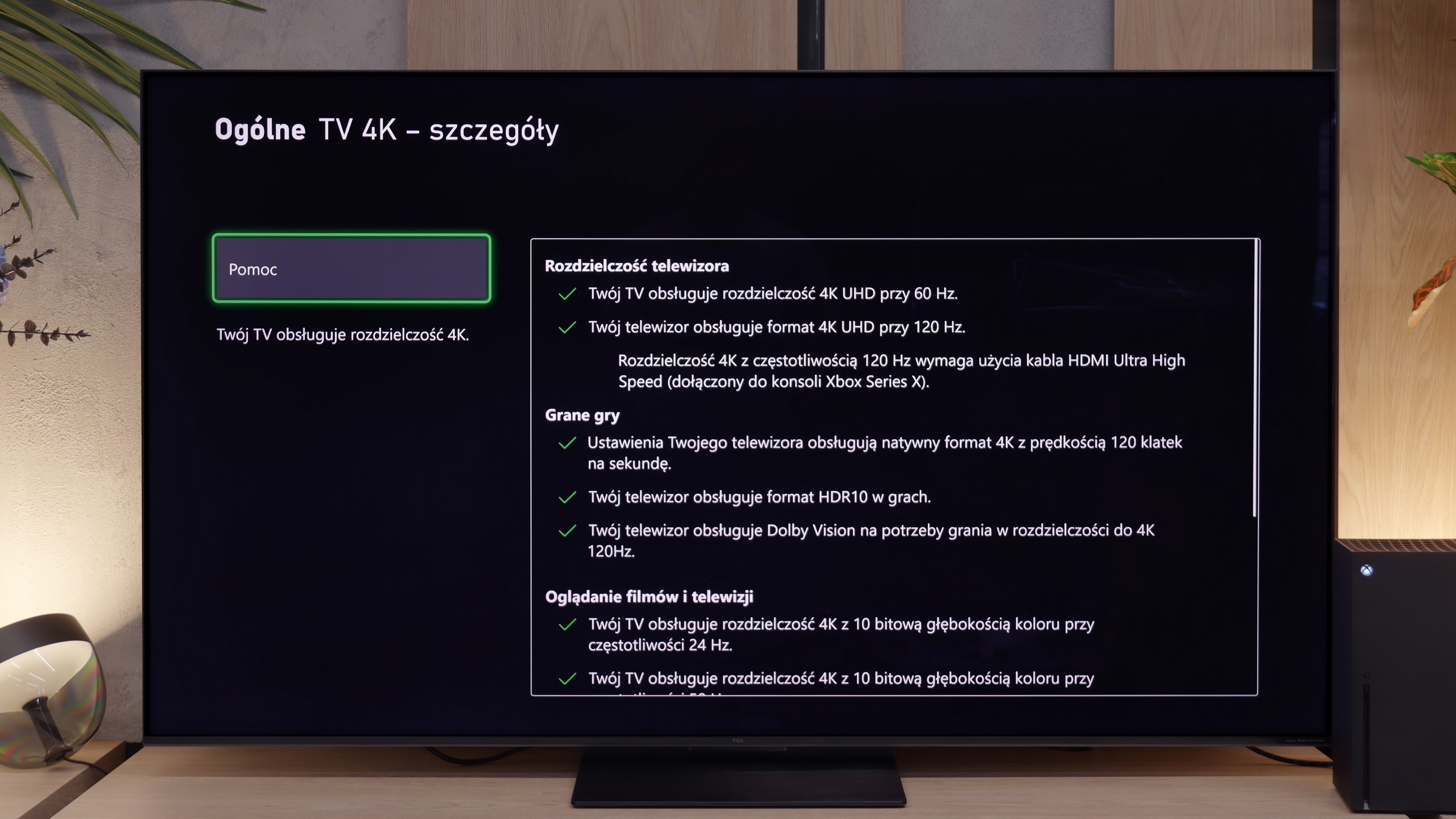
When it comes to gaming, the TCL C7L is simply an outstanding television for gamers. With the presence of two full-bandwidth HDMI 2.1 ports at 48 Gbps, we have access to all the key features that console owners and powerful PC users require. It offers a well-functioning ALLM mode with very low input lag and VRR frame synchronization that operates impressively from 48 up to 288 Hz. Importantly, unlike some competitors, TCL has ensured proper implementation of the console HDR10 HGIG profile and support for Dolby Vision in games. This is complemented by a well-designed gaming panel, the Game Bar, which even allows for customization of its appearance and theme to perfectly match the aesthetics of your console.
The only thing that can – and indeed must – be criticized here is the fact that the television offers only two full HDMI 2.1 ports, while the other two are older HDMI 2.0. This creates quite a significant logistical problem. Why? Because one of those fast ports also supports the eARC audio return channel. In practice, this means that if you connect a soundbar or home theater system to the television, you will only have one free HDMI 2.1 port left. If you have two consoles or a console and a powerful computer at home, unfortunately, you will have to give up something or constantly juggle the cables at the back of the unit while maintaining convenient audio system control.
Input lag
9.8/10
10/10
SDR
HDR
Dolby Vision
In terms of signal delay, the Hisense U7Q PRO performs really well. For 120 Hz content, the input lag stays below 10 ms, which translates into lightning-fast response – the screen reacts almost instantly to our movements, something that console and PC gamers will particularly appreciate. For 60 Hz content, the situation is slightly worse, as the response time doubles – this is natural and applies to almost all televisions. Nevertheless, it still remains below 20 ms, which can easily be considered a very good result, almost close to perfection – and in practice, it’s hard to feel this during gameplay.
It is worth taking a look at the dry numbers here, because in terms of signal delay, the TCL C7L is absolutely at the top of the market. Our measurements showed that the input lag is extremely low and for a 60 Hz signal it is only about 10 ms. When we step up to a higher level and launch a game at 120 Hz, the delay drops to an imperceptible 6 to 7 ms. However, what is more important is that these values are maintained even after activating the Dolby Vision format in games.
Compatibility with PC
8.2/10
8.4/10
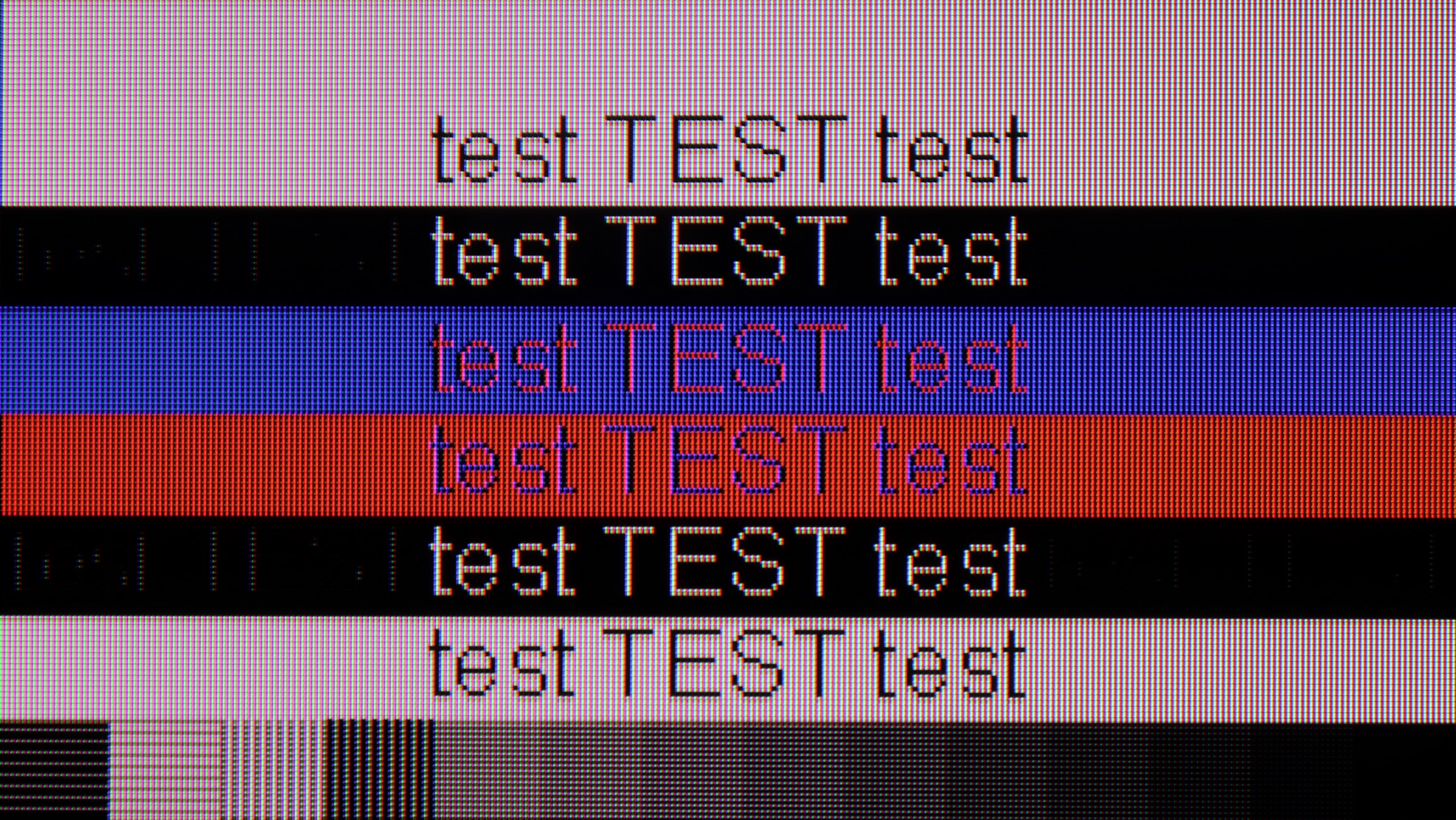
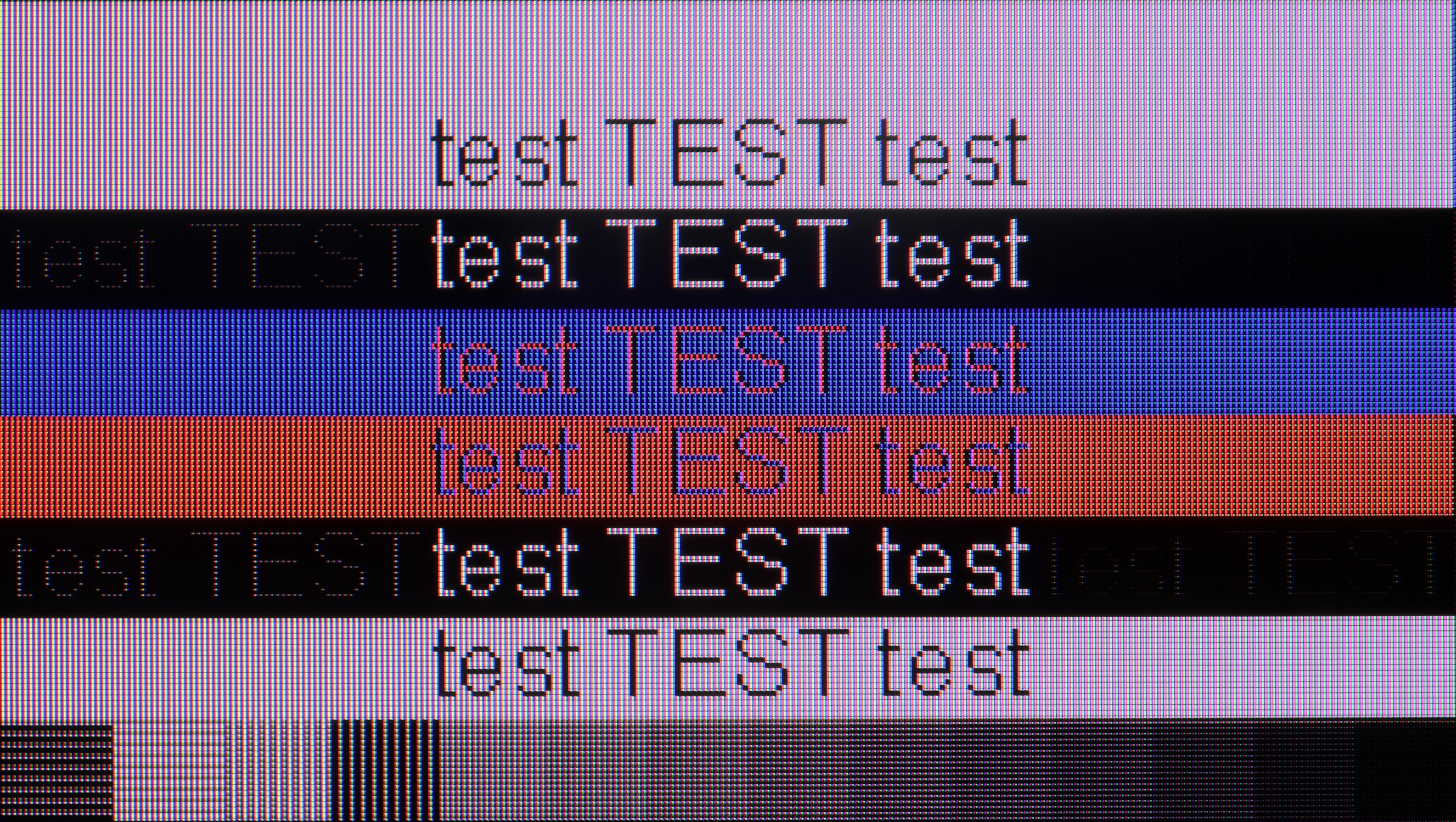
The photo shows the legibility of small fonts. Ideally, lines should be the same thickness on both light and dark text, with minimal pixel gaps.
Playing on a PC using the Hisense U7Q PRO is pure fun. Low input lag, full 165 Hz at 4K, and even 288 Hz at Full HD – these are numbers we wouldn't expect from a TV at this price. In this regard, it's really hard to complain about anything. If someone is looking for a large screen for gaming from a PC, the U7Q PRO can confidently serve as a monitor. It performs a bit worse for everyday work with text. Although chroma 4:4:4 is present, so theoretically everything should look good. But in practice, gray fonts on a dark background look strange – vertical lines are sharp, but horizontal ones can blur, disappear, or look slightly dimmed. However, it must be honestly added that if you use the TV as usual – that is, from a few meters away – you probably won't notice this. The problem only becomes apparent when someone places the U7Q PRO on a desk, a meter from their face, and starts working with text or spreadsheets. If you plan to use it this way – it's worth keeping this in mind.
When it comes to gaming on PC, as I mentioned earlier, it is truly seamless. The TV effortlessly supports high refresh rates: full 4K at 144 Hz, and at Full HD resolution, it can even ramp up to 288 Hz. Moreover, both G-Sync and FreeSync synchronization systems work here without any issues. For PC gamers, the C7L can serve as an excellent, gigantic monitor.
However, typical office work with text looks a bit worse, all due to the panel behaving quite strangely under these conditions. When the highest refresh modes are turned on, namely 144 Hz and 288 Hz, the readability and sharpness of dark text on a light background is rather average – fonts become slightly blurry and jagged. Fortunately, this can be very easily fixed by changing the refresh rate in the graphics card settings to a stable 120 Hz. Then the text becomes perfectly sharp again, which is definitely worth remembering if you plan to use the C7L as a work screen.
Viewing angles
3/10
3.7/10
In this regard, the U7Q PRO is average. The television is equipped with a VA panel, which is not known for its wide viewing angles. When we start to look at the screen from an angle, the image clearly loses brightness, and the colors begin to wash out. This is a completely normal phenomenon in VA panels without additional coatings to widen the angles – so if you plan to watch from the side or with a larger group, it's worth keeping this in mind. On the other hand, head-on – the image looks great, with deep blacks and very good contrast, much better than on IPS/ADS panels.
Unfortunately, the powerful native contrast of the HVA 2.0 panel comes with a price. It concerns the viewing angles, which in the C7L model are simply poor. This is all, of course, due to the use of the aforementioned VA panel. It is a completely natural characteristic of this technology and something to be aware of when making a purchase. If you sit directly in front of the screen, the picture will impress you with its depth, but just shifting a few dozen degrees to the side on the couch will cause the colors to immediately begin to fade. By choosing this model, you are opting for a classic market compromise: you get brilliant black and fantastic contrast, but you lose out on viewing angles.
Daytime performance
6.2/10
8.8/10
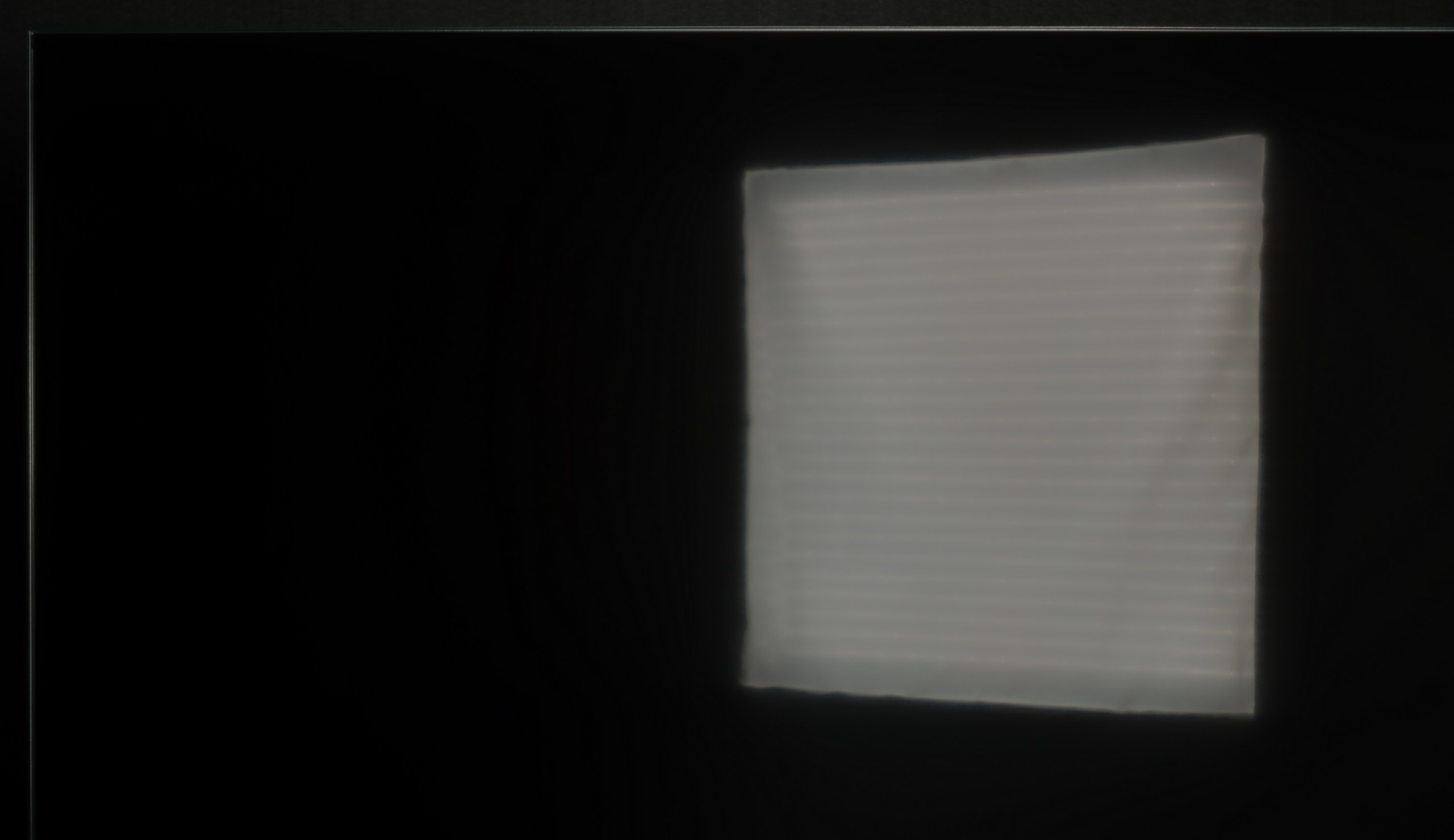
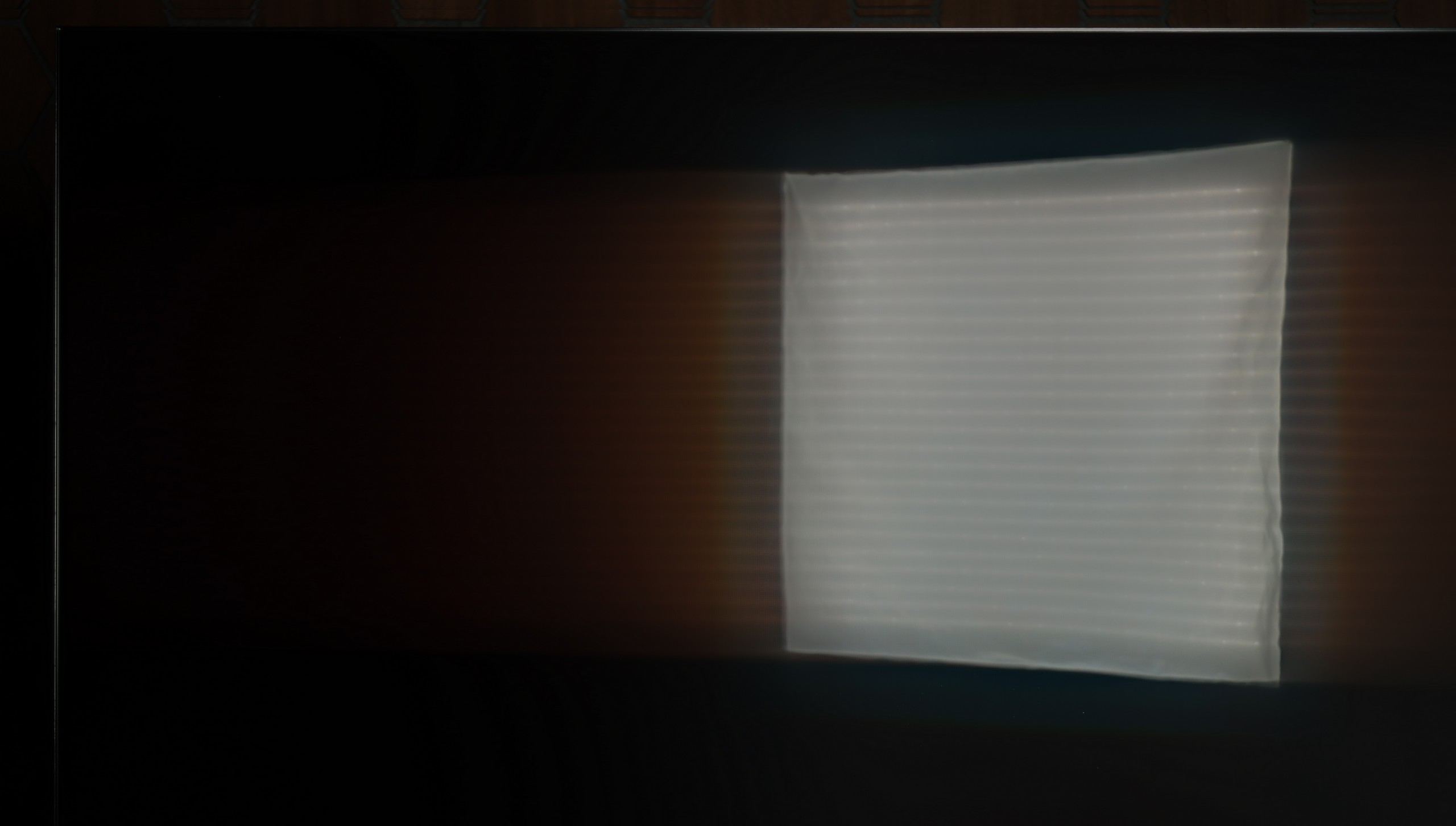
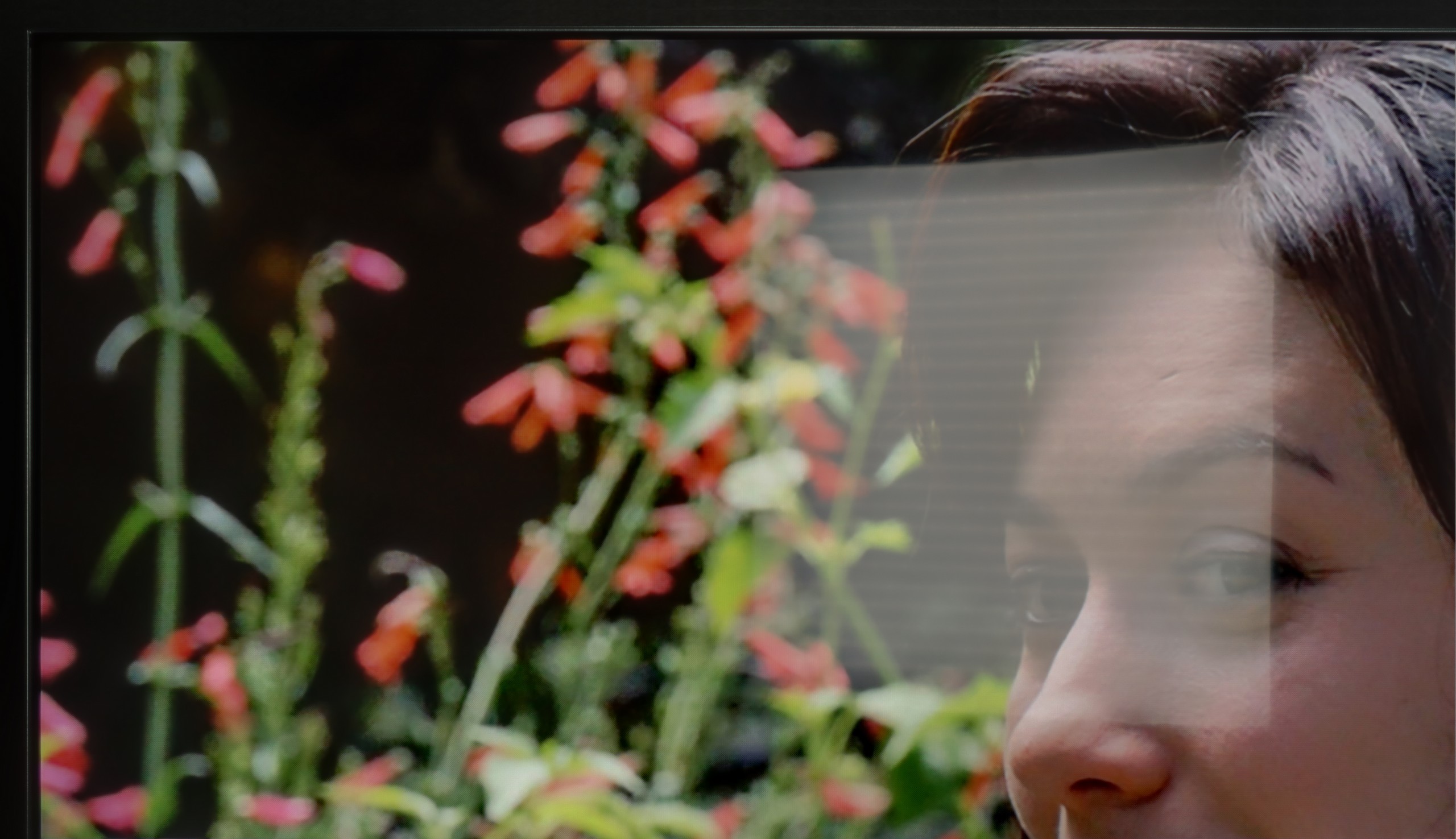
Panel brightness
TCL C7L: 1327 cd/m2
Hisense U7Q PRO: 472 cd/m2
As we mentioned earlier – the U7Q PRO is truly a bright television, especially when it comes to HDR content. In the case of SDR material, the television dims a bit, but an average brightness of around 500 nits is still a very solid result. This means that you can easily watch TV or movies even in a quite bright room. Only in very extreme lighting – for example, strong sunlight directly on the screen – visibility may suffer a bit. Fortunately, Hisense has applied a satin anti-reflective coating that effectively reduces glare, and blacks maintain their depth even during the day. This makes a difference and allows for comfortable use of the television in various lighting conditions.
It is also worth mentioning how the TCL C7L performs during everyday viewing in a sunlit living room. As we have established, this is an extremely bright television, and it is precisely because of such a powerful supply of luminance (up to 2400 nits in SDR!) that it manages to perform exceptionally well in very bright rooms – the image simply pushes through the incoming light into the room without any problems. The only thing to watch out for here is direct reflections on the screen. The coating applied to the panel this year is definitely glossier than the one we saw in last year’s C7K model. The screen significantly worsens the suppression of point light reflections, which in unfavorable conditions – for example, when a window is positioned directly opposite the television – can be quite irritating for some users. Nevertheless, in terms of raw brightness, the C7L is simply a demon for bright living rooms.
Panel details
Subpixel Structure:
Panel uniformity and thermal imaging:
Hisense U7Q PRO
TCL C7L
TV features
9.4/10
7.8/10
- SystemVIDAAGoogle TV
- System performanceGoodVery good
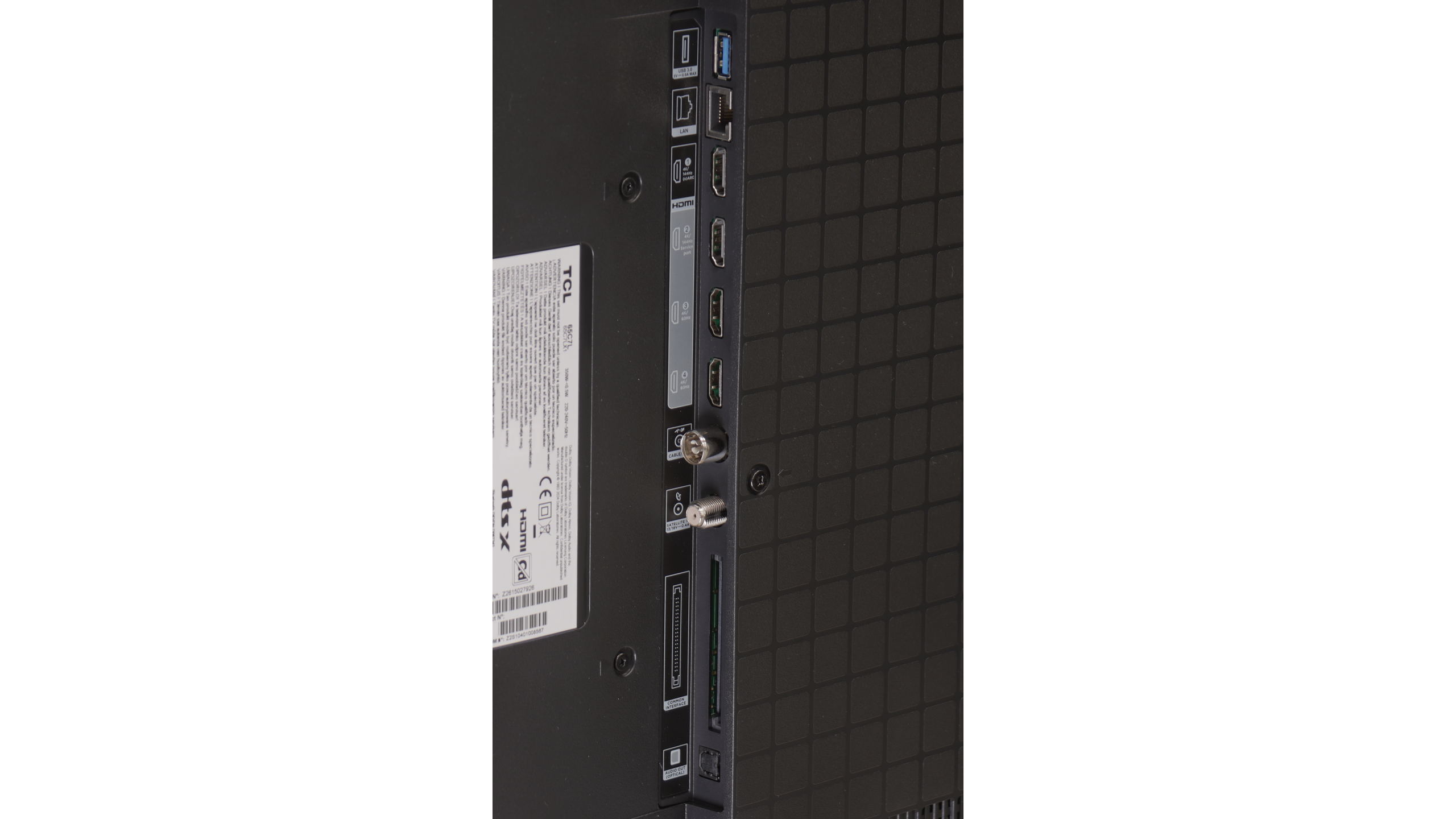
- HDMI inputs0 x HDMI 2.0, 4 x HDMI 2.1 48Gbps2 x HDMI 2.0, 2 x HDMI 2.1 48Gbps
- Other inputsRCA (Chinch)
- OutputsToslink (Optical audio), eARC (HDMI), ARC (HDMI), Mini-Jack (Headphones)Toslink (Optical audio), eARC (HDMI), ARC (HDMI)
- Network InterfacesWi-Fi 2.4GHz, Wi-Fi 5GHz, Ethernet (LAN) 100MbpsWi-Fi 2.4GHz, Wi-Fi 5GHz, Ethernet (LAN) 100Mbps
- TV receptionDVB-T, DVB-T2, DVB-S, DVB-S2, DVB-CDVB-T, DVB-T2, DVB-S, DVB-S2, DVB-C
Classic features:
- Recording to USB (terrestrial TV)
- Recording programming
- Picture in Picture (PiP)
- RF remote control (no need to aim)
- Backlit remote control
- Teletext
- Audio only mode
- Bluetooth headphones support
- Simultaneous Bluetooth headphones & TV audio
Smart features:
- AirPlay
- Screen mirroring (Windows Miracast)
- Voice search
- Voice search in native language
- Ability to connect a keyboard and mouse
Sound connection options
- HDMI audioeARC (HDMI), ARC (HDMI)eARC (HDMI), ARC (HDMI)
- Other audio outputsToslink (Optical audio), Mini-Jack (Headphones)Toslink (Optical audio)
- Wireless audioBluetoothBluetooth
Supported audio formats (external HDMI eARC audio):
- Dolby Digital Plus 7.1
- Dolby True HD 7.1
- Dolby Atmos in Dolby Digital Plus (JOC)
- Dolby Atmos in Dolby True HD
- DTS:X in DTS-HD MA
- DTS-HD Master Audio
Senior accessibility
- Numeric keyboard on TV
- Font size adjustment
- Audio description
Classic Features of U7Q PRO
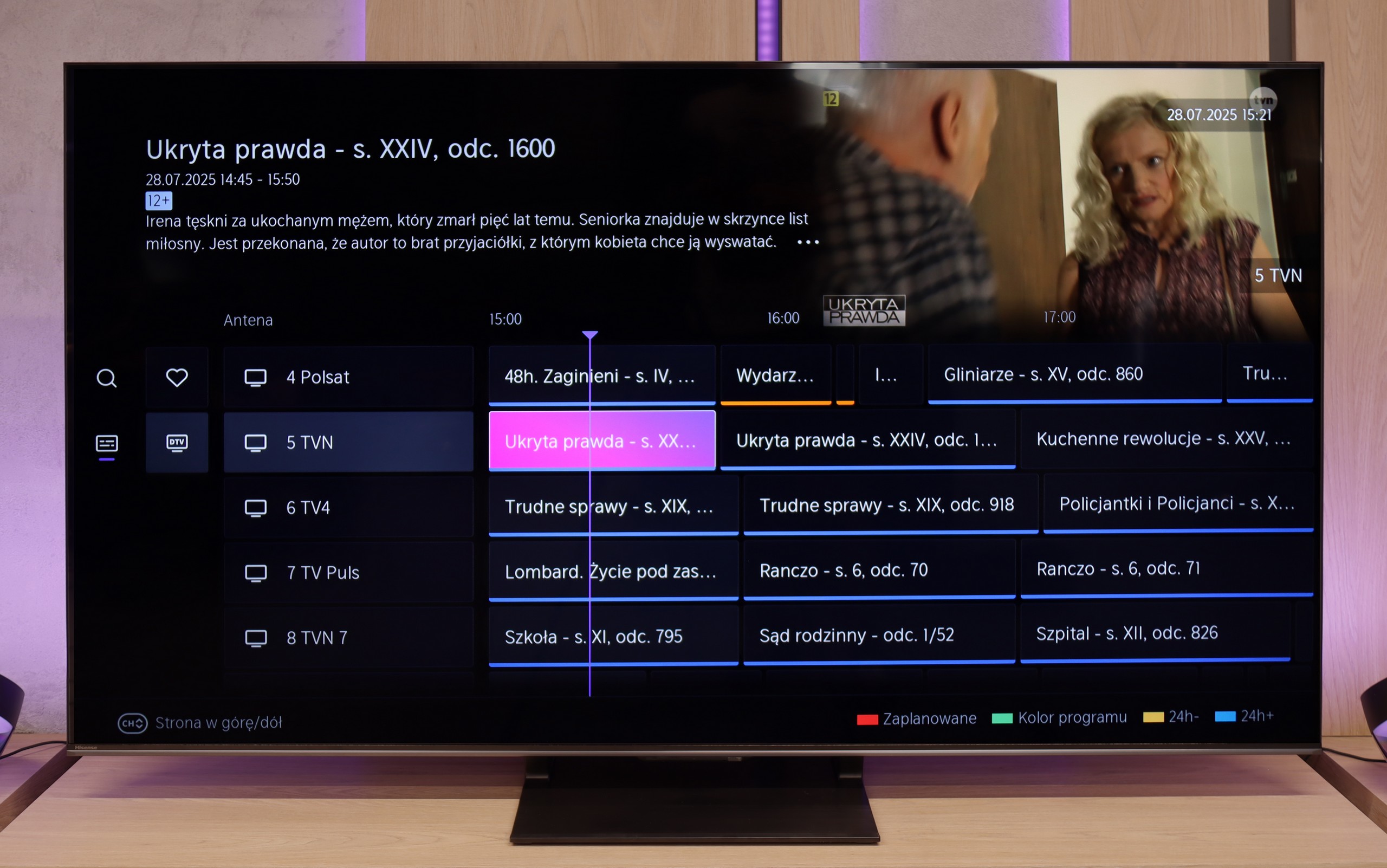
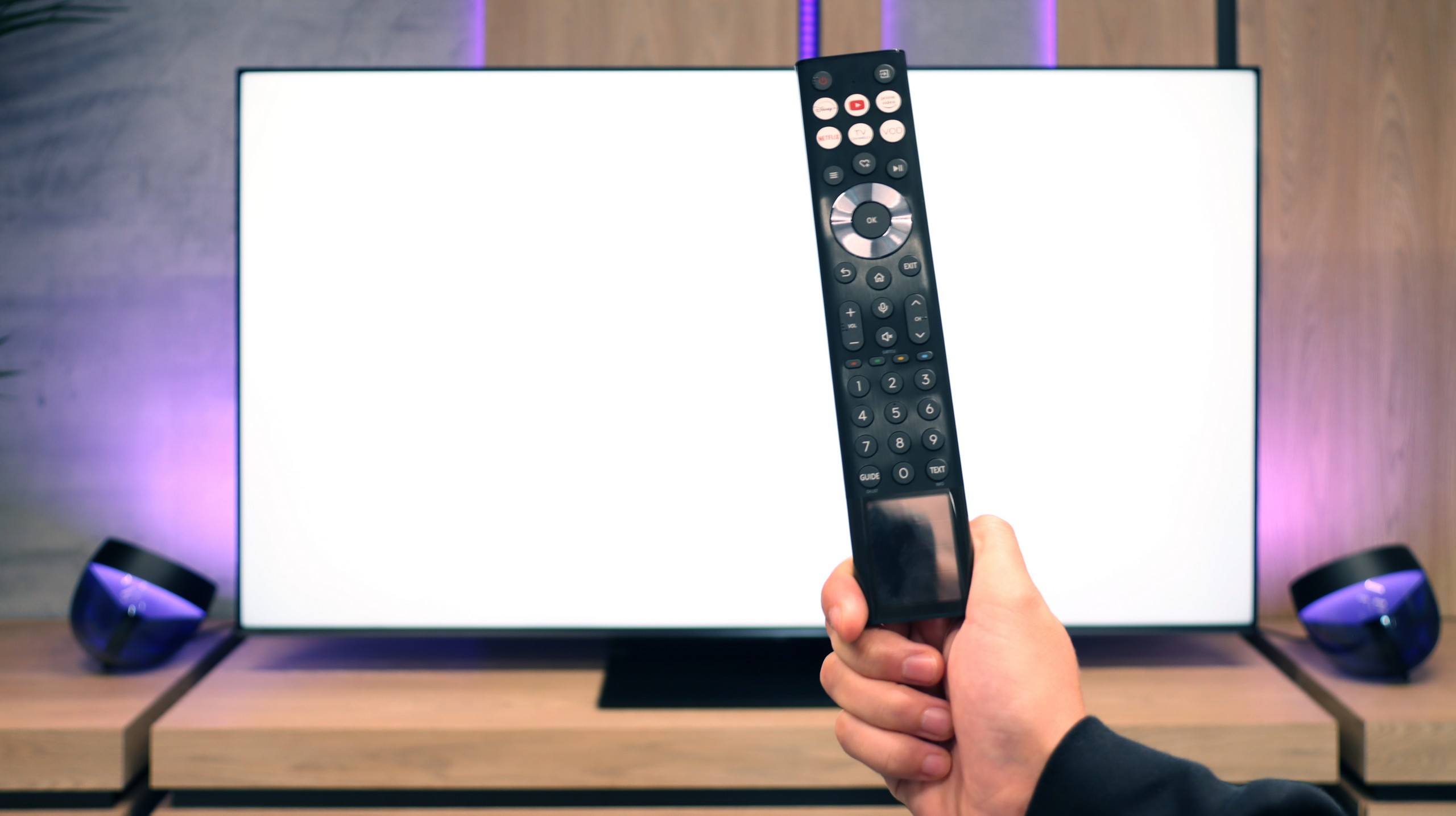
If you plan to use the television in a more "classic" way, meaning for watching daily programs or connecting headphones, the Hisense U7Q PRO has almost everything you could expect. The TV supports USB recording without any issues, you can connect headphones via Bluetooth, and the remote control is backlit, which still isn't standard even in more expensive models. While many people today forego these classic features in favor of streaming applications, it's good to know that the U7Q PRO still does this properly and without compromises (aside from the lack of a PiP feature).
SmartTV System: Vidaa
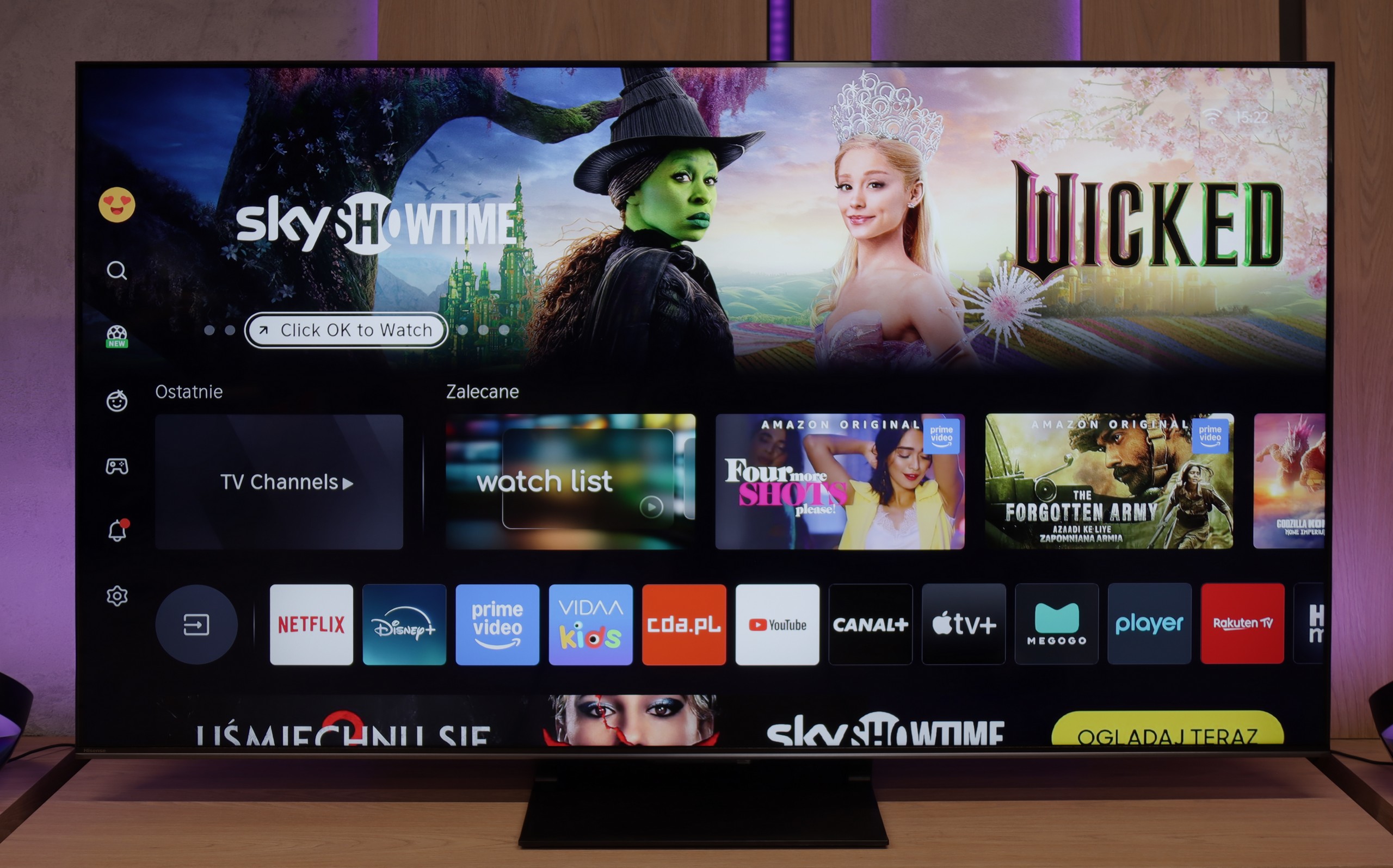
As for smart features, in Europe, this model operates on the VIDAA system. The system works smoothly, has a built-in web browser, supports voice control (also in Polish), and AirPlay, which will please users of Apple devices. However, it should be noted that VIDAA is a closed system, so you won't find all the popular applications that Android TV or Google TV have accustomed us to. Before purchasing, it's worth checking if the apps you actually use are available.
Google TV and Smart TV
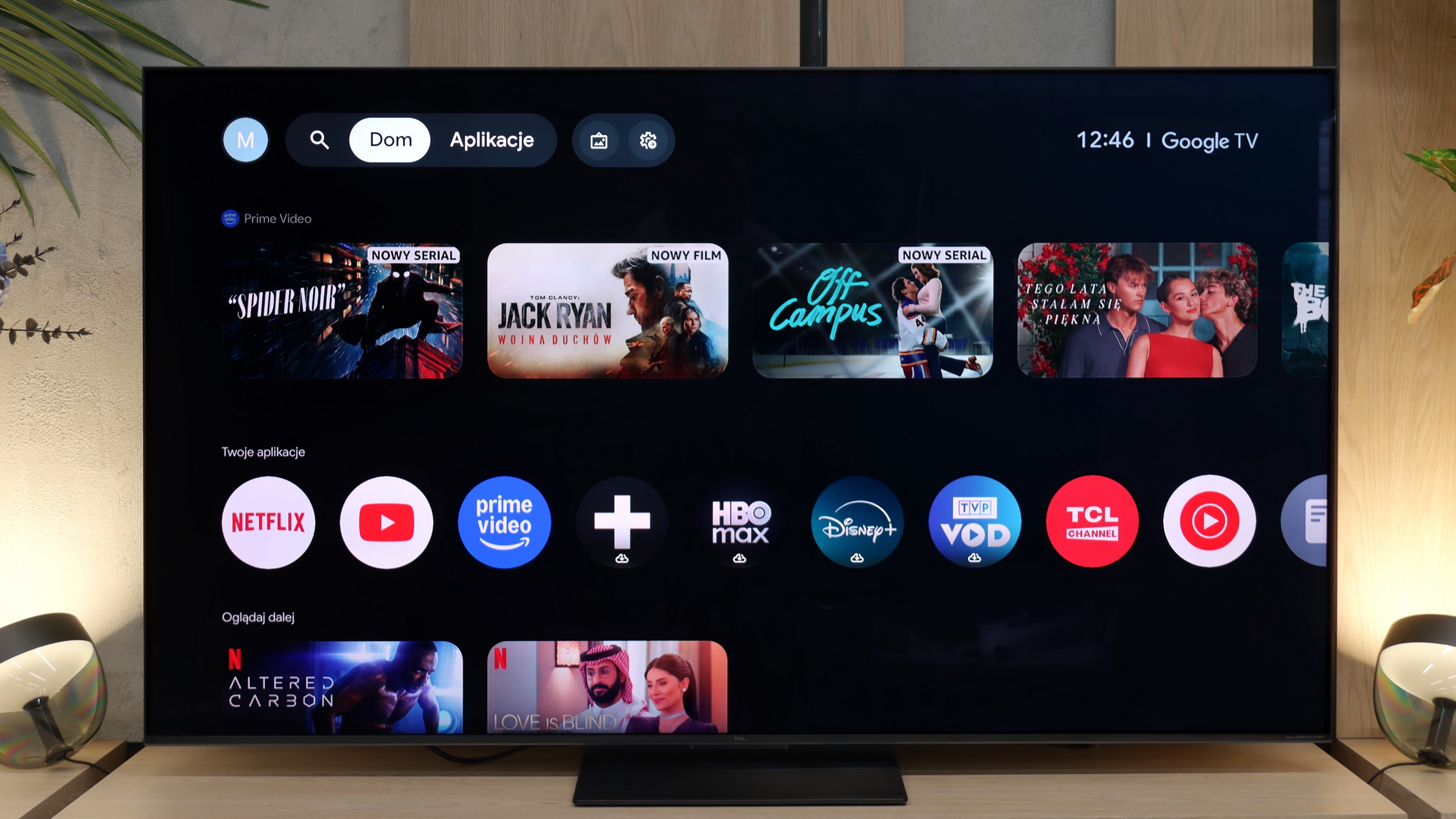
The multimedia heart of the TCL C7L is, of course, the Google TV operating system, which provides access to a massive library of apps and all the most popular streaming platforms on the market. The Smart TV in this model works seamlessly, offering full support for useful network features such as Apple AirPlay and Chromecast. However, a huge and very pleasant surprise is the overall performance of the software. We noticed that Google's system on the new C7L operates much more efficiently, smoothly, and quickly than on TCL models from last year. Much of this is due to better optimization at launch. Unnecessary pauses and minor interface hiccups, known from older models, seem to have faded into oblivion.
TV Features
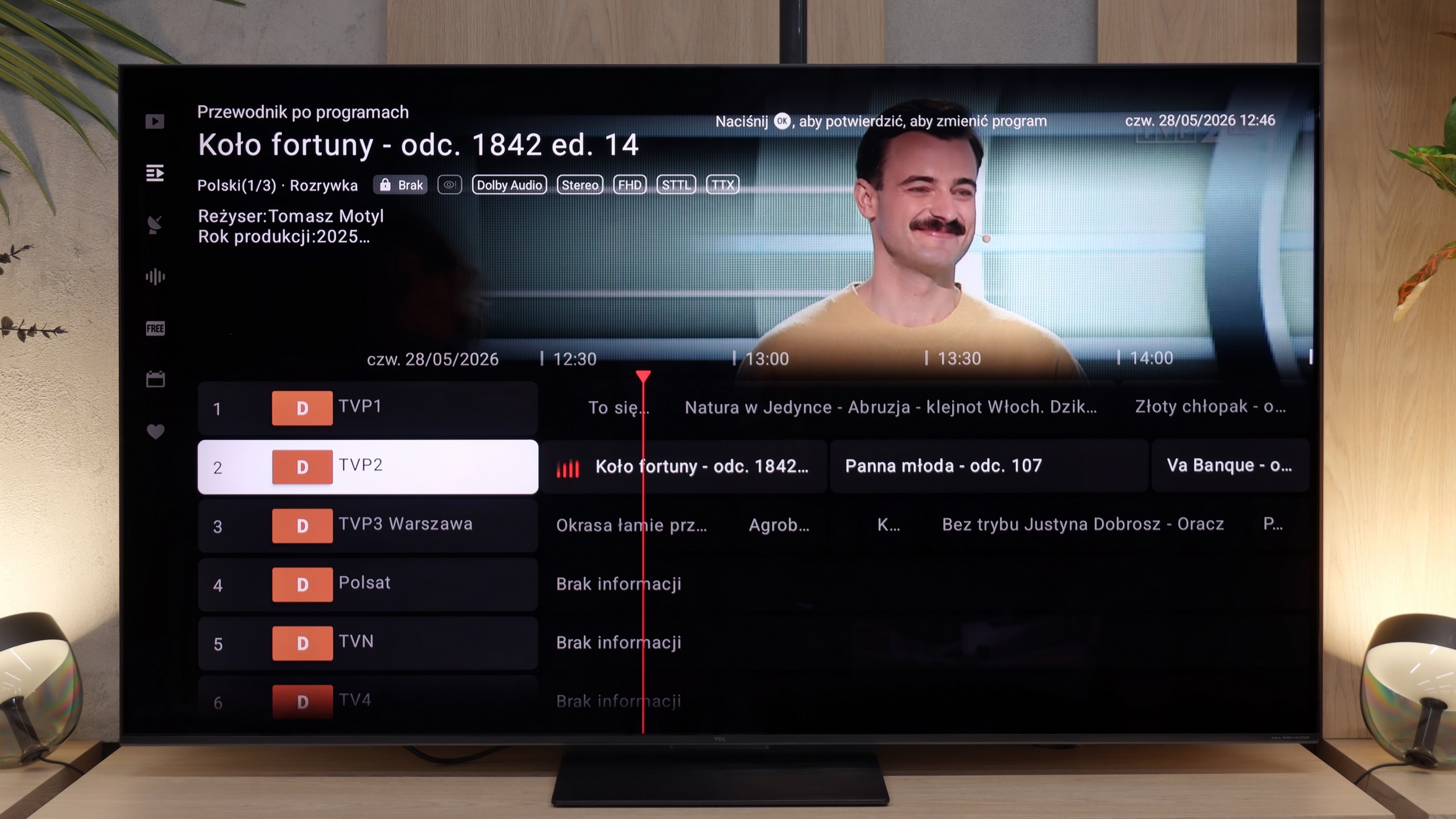
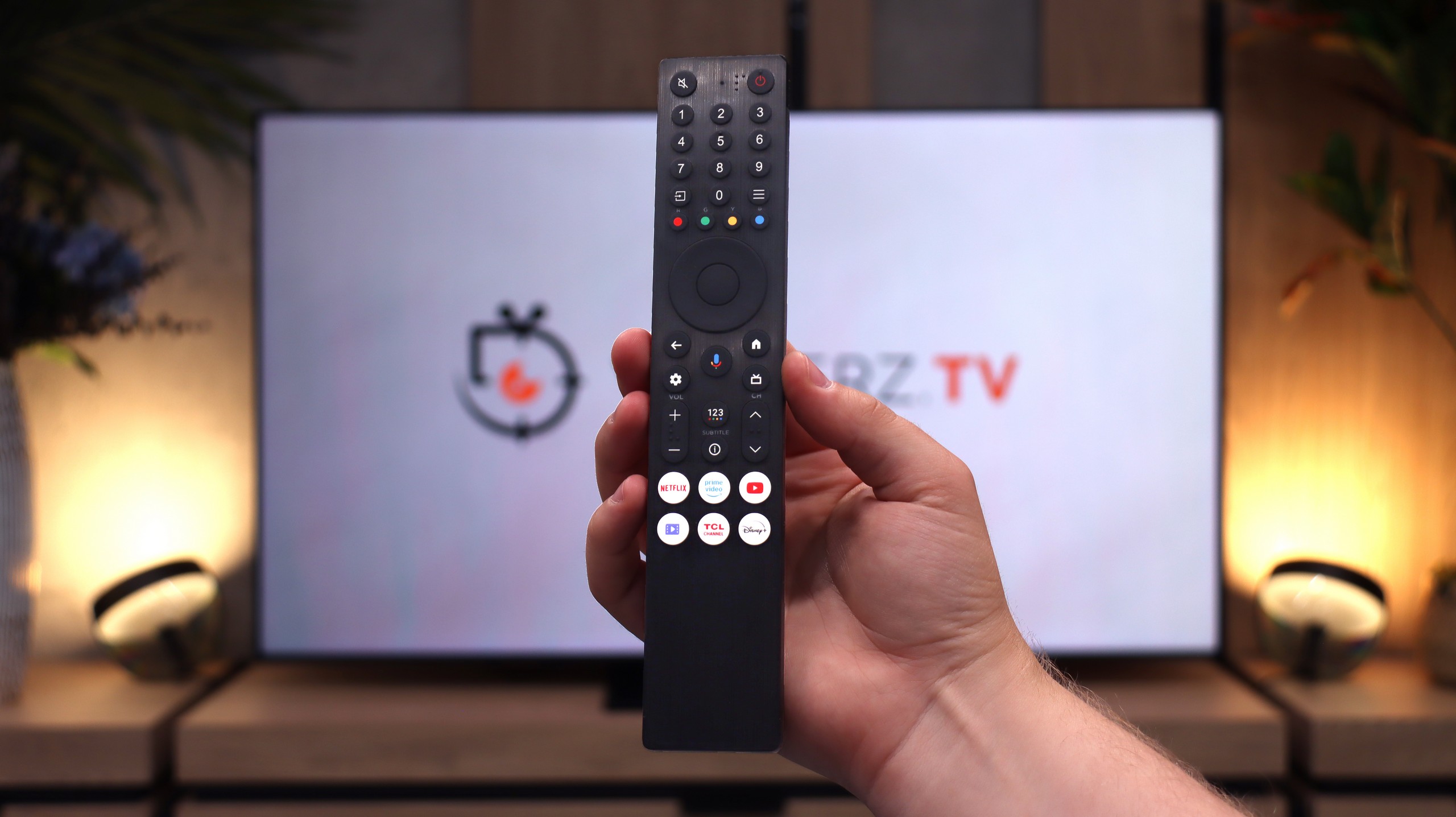
In terms of classic antenna or cable television, the TCL C7L does not offer many additional, advanced features. It is simply a straightforward receiver. The manufacturer did not strive for any revolutionary solutions here, so apart from the traditional program guide, you won’t find anything special. A significant nod to traditional viewers is the classic remote control, which, contrary to the current trend towards minimalism, is still equipped with a full numeric keypad, greatly facilitating quick channel switching.
Apps
7.7/10
9.6/10






















Playing files from USB
8.2/10
9.4/10
Supported photo formats:
Maximum photo resolution:
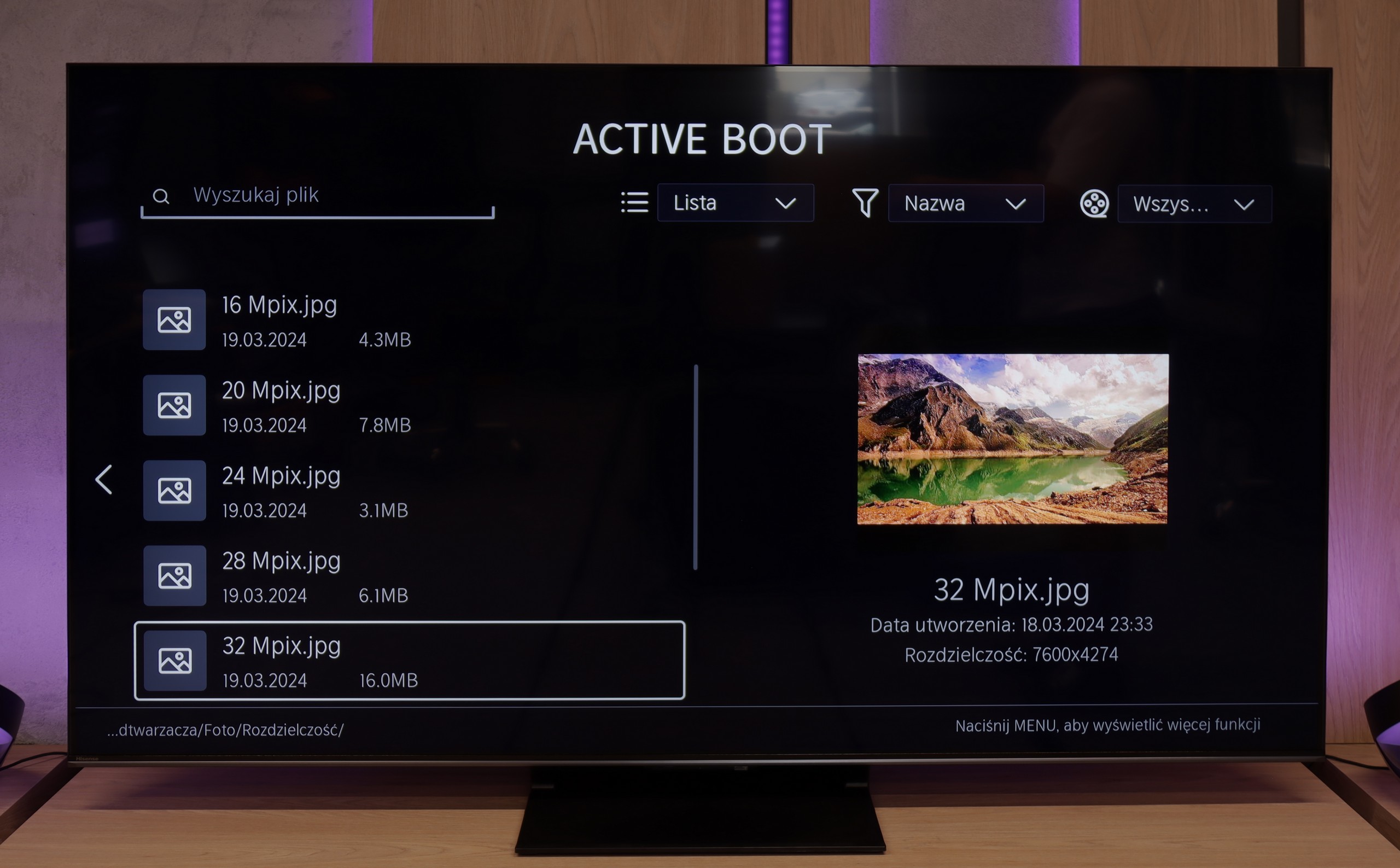
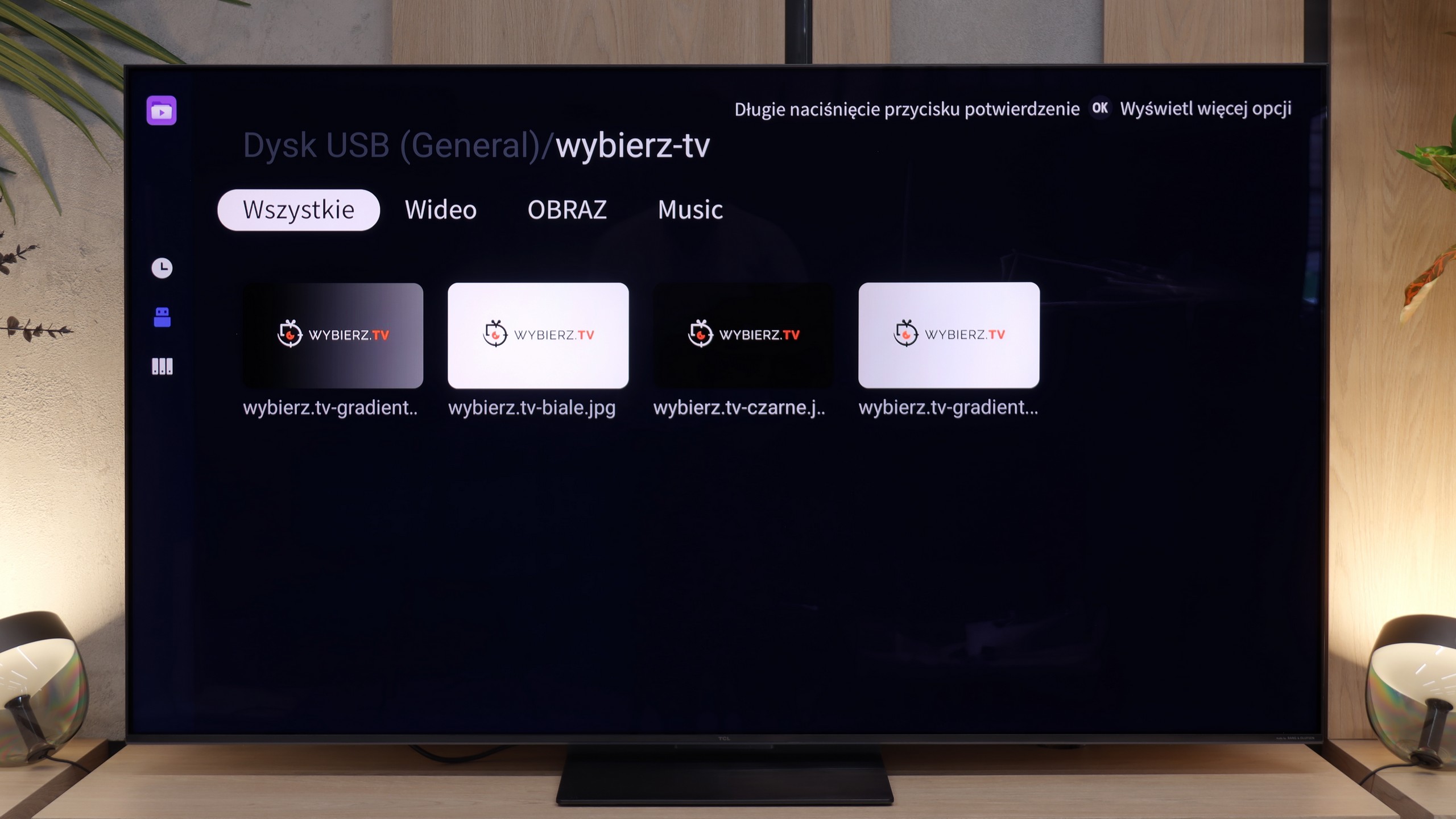
The built-in media player in the VIDAA system worked very smoothly and without any issues on our U7Q PRO unit. The television effortlessly read external video and audio files, as well as subtitles, making it convenient to watch movies from a USB flash drive or external hard drive. Most popular formats worked flawlessly, so there was no need to convert anything. The only point of contention is a certain selectiveness in handling high-resolution images – not all of them opened. Therefore, you will find an exact list of supported image resolutions (Mpix) in our comparison chart.
Finally, it's worth mentioning the playback of files from external USB drives in the multimedia section. During our tests, we didn't notice any unpleasant surprises here – the factory player handles all popular video and audio formats exactly as it should. Interestingly, the TCL C7L also played photos saved in Apple's native format, HEIC, without any issues. This is an extremely rare feature in manufacturers' factory applications. And while the Google TV system gives you unlimited options for installing external media player programs, in the case of the C7L, the built-in tool is refined enough that installing additional software is unlikely to be necessary for anyone.
Sound
7.8/10
7.7/10
- Maximum volume85dB77dB
- Dolby Digital Plus 7.1
- Dolby True HD 7.1
- Dolby Atmos in Dolby Digital Plus (JOC)
- Dolby Atmos in Dolby True HD
- DTS:X in DTS-HD MA
- DTS-HD Master Audio
For the standards of built-in television speakers, the U7Q PRO sounds surprisingly good. The sound is clear, with distinct mid and high tones, and the bass – while obviously limited – does not completely disappear. One could say that for "TV speakers," the level is more than satisfactory. However, it’s worth noting that in our test model, we were unable to play DTS:X audio from local files – the television simply does not support it. This means that if you are counting on a cinematic spatial effect solely from its built-in speakers, there may be a bit of disappointment. Fortunately, the television seamlessly transmits DTS signal to an external amplifier, so if you have a home theater – just connect it, and everything works as it should.
TCL C7L simply performs quite well and correctly. In terms of sound quality, there has practically been no change compared to last year's model C7K. The manufacturer still uses a speaker system branded with Bang & Olufsen in a 2.2 setup. The only thing that can be quite irritating during viewing sessions is the fact that after increasing the volume to higher levels – around above 50% on the scale – the volume stops correlating with the scale visible on the screen. The audio system from B&O works great for daily watching of news programs or series at moderate volume, but if you're looking for good sound, it's worth buying at least a basic soundbar for the C7L.
Sound Quality Test
Acoustic Measurements
85dBC (Max)
75dBC
77dBC (Max)
75dBC