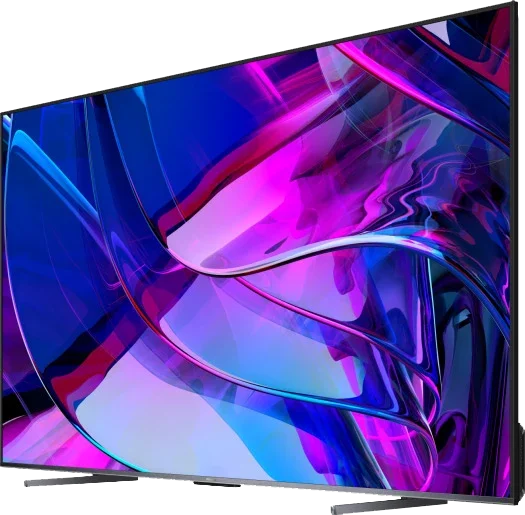
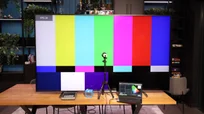
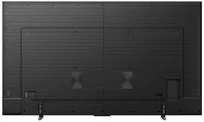
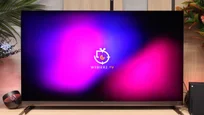
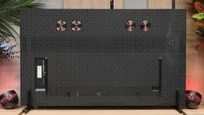
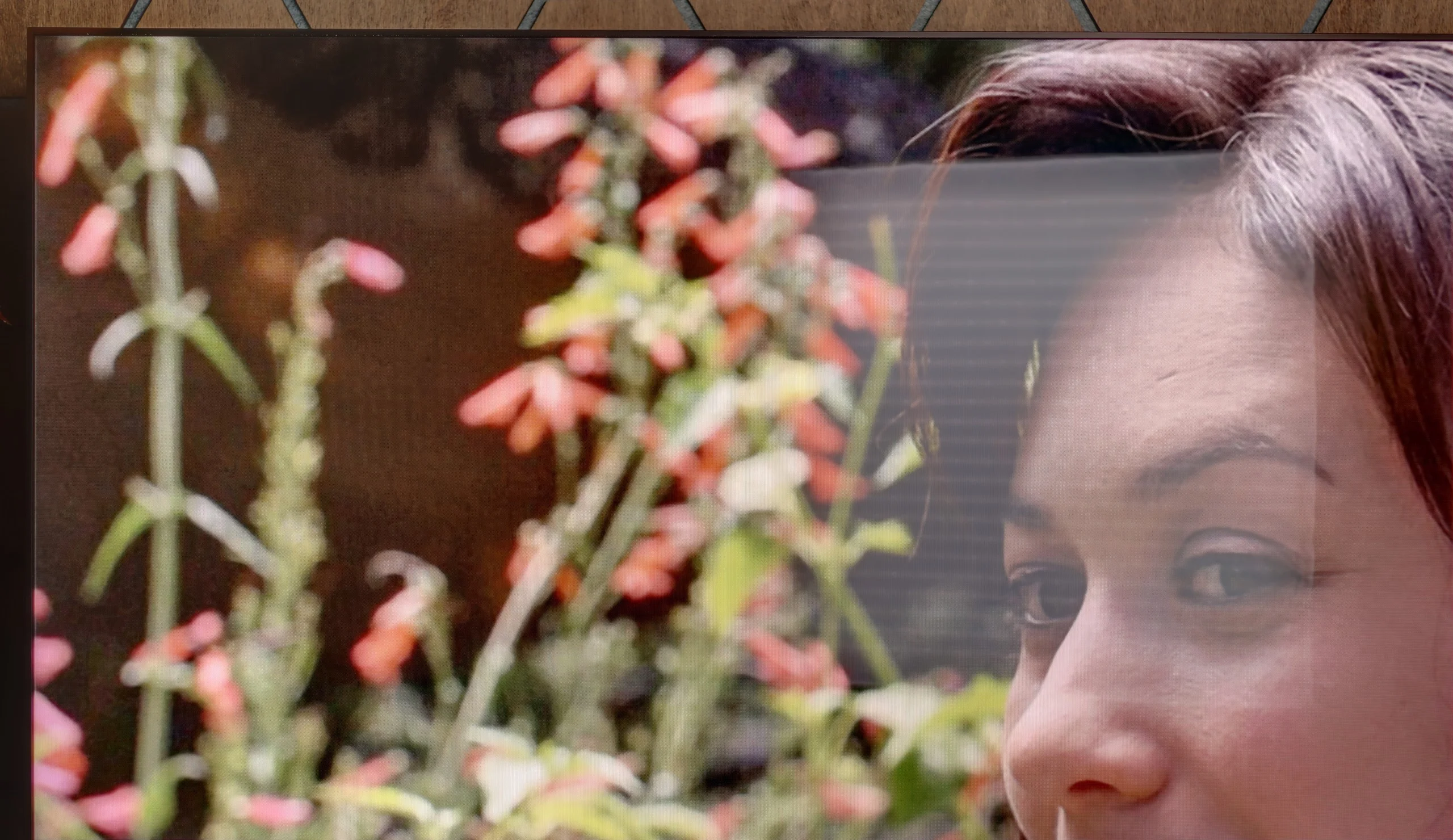
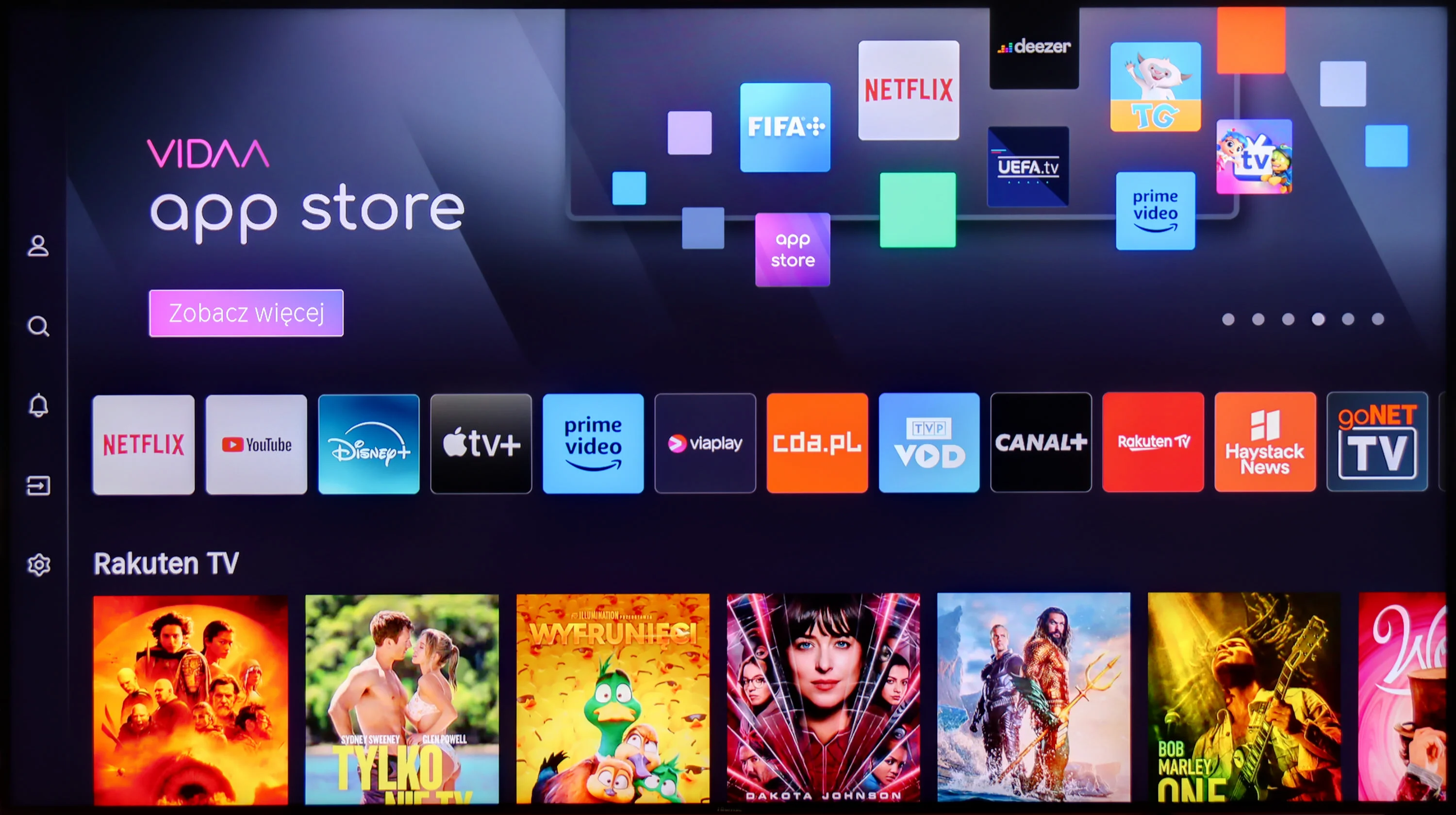
The Hisense U7KQ in its 100" variant is a significantly better option than smaller diagonal models. The proprietary VIDAA system offers an interface similar to platforms like Google TV, running quickly and efficiently without freezing or major errors however, the built-in file player occasionally faces operational difficulties. It is worth noting that not all apps were available at the time of review, so checking app compatibility is recommended.
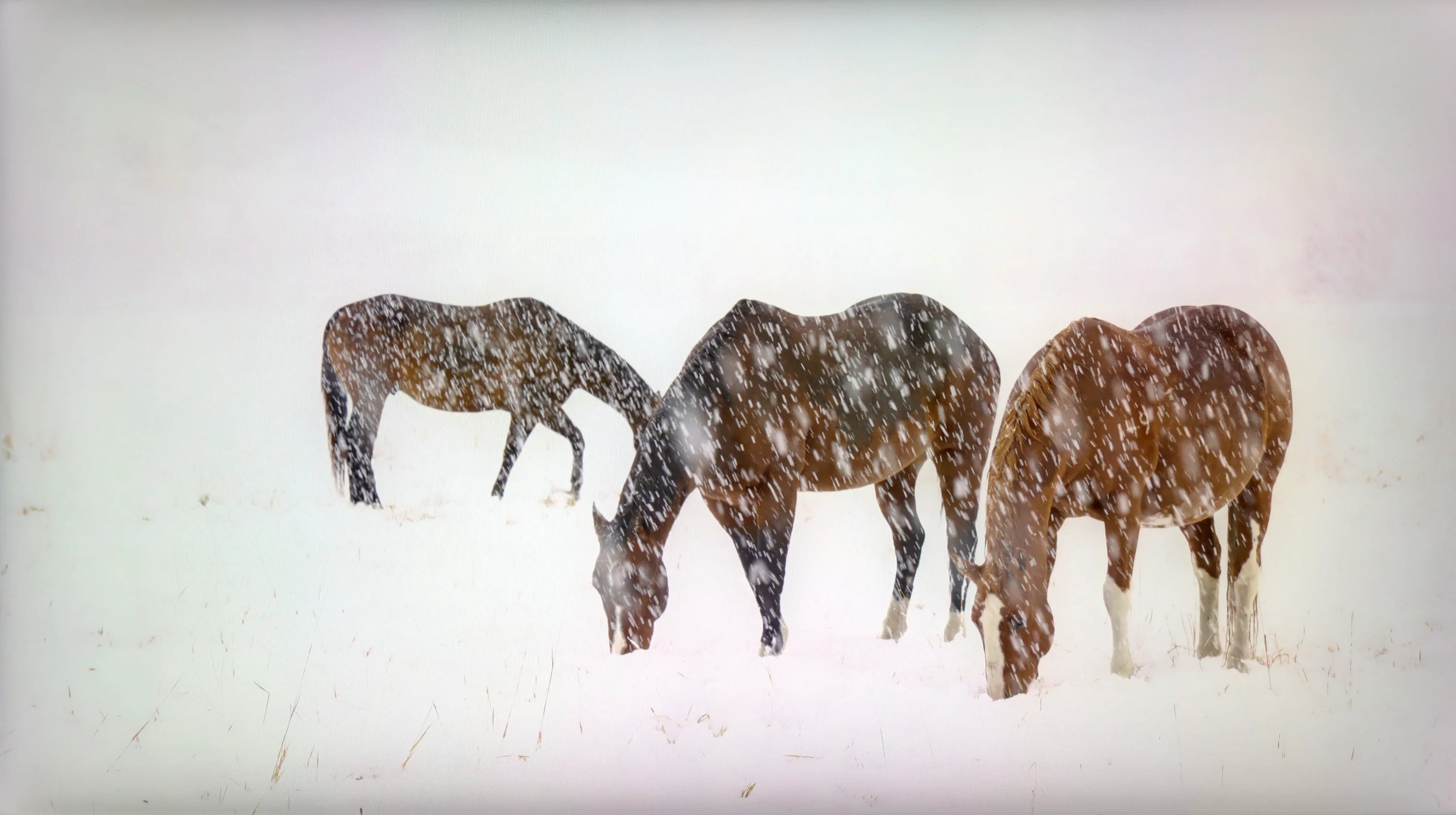
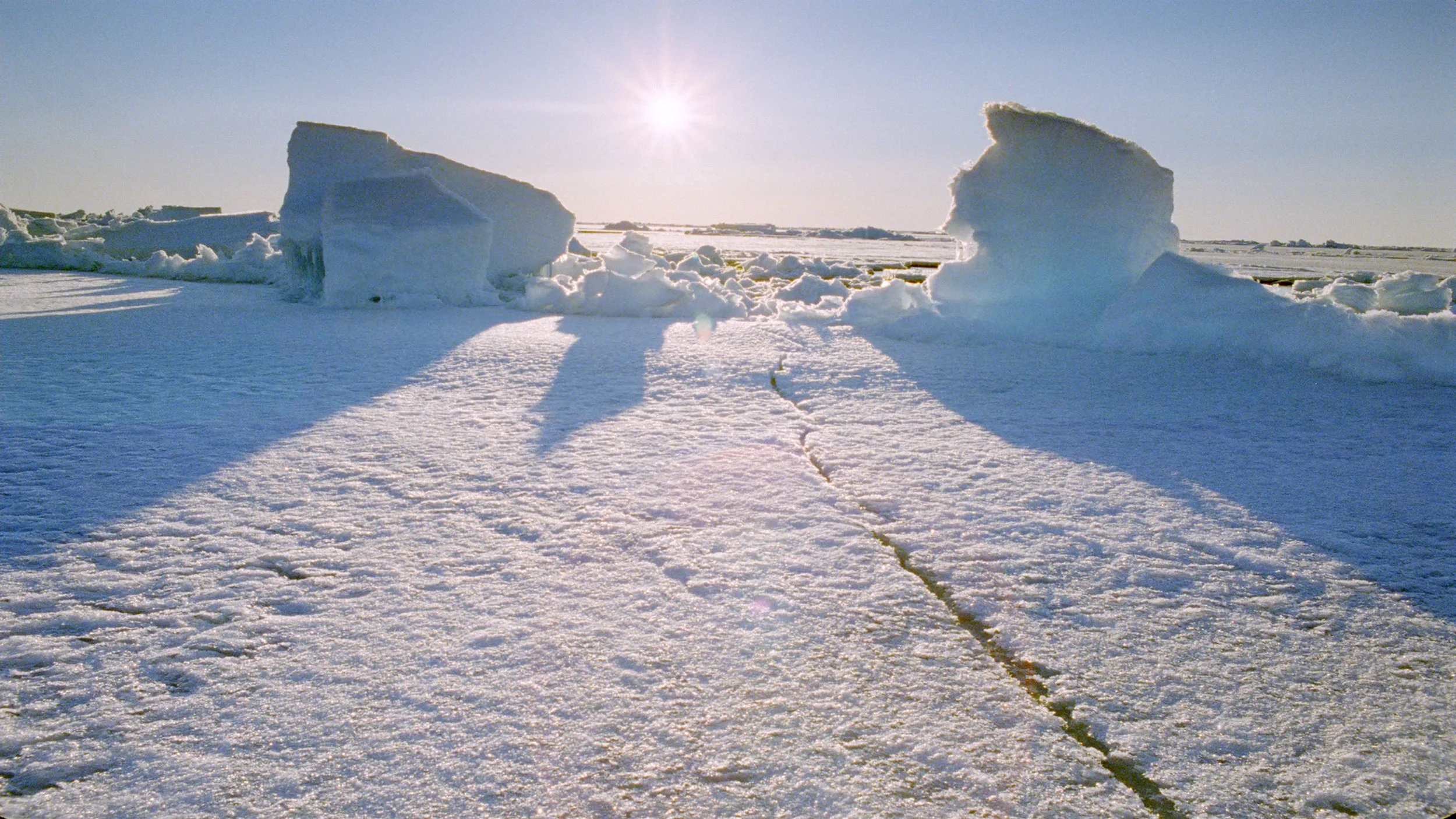
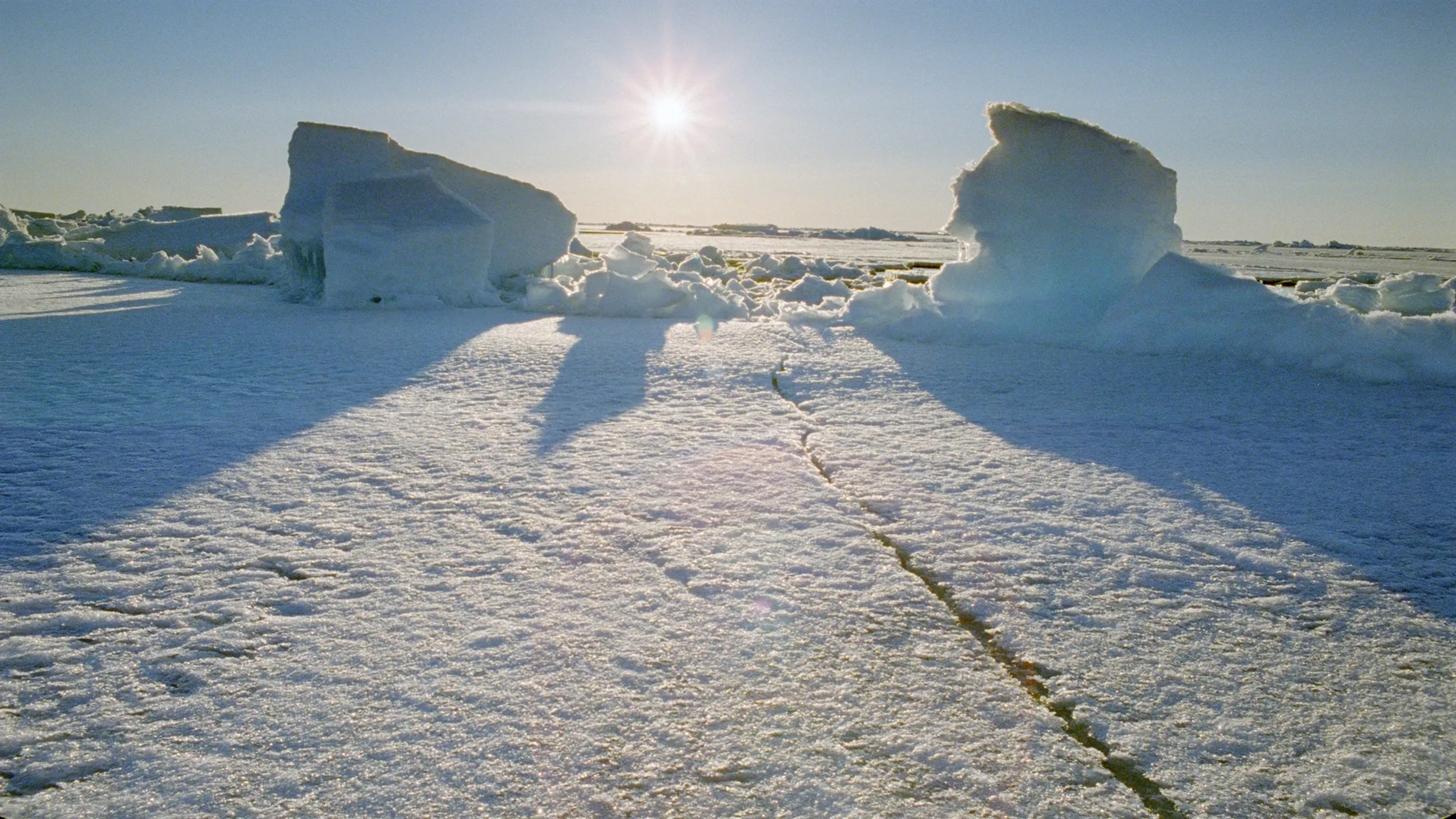
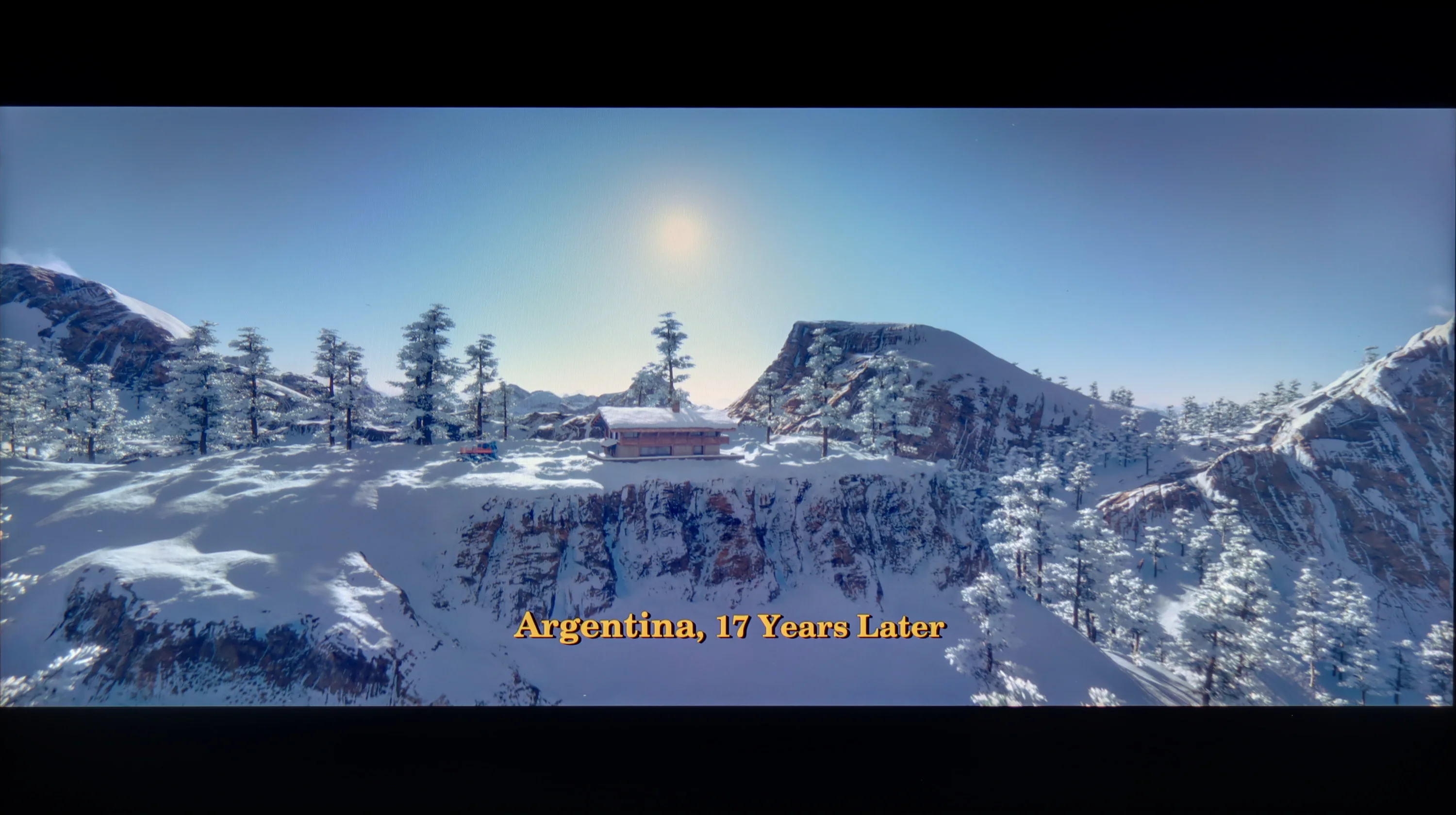
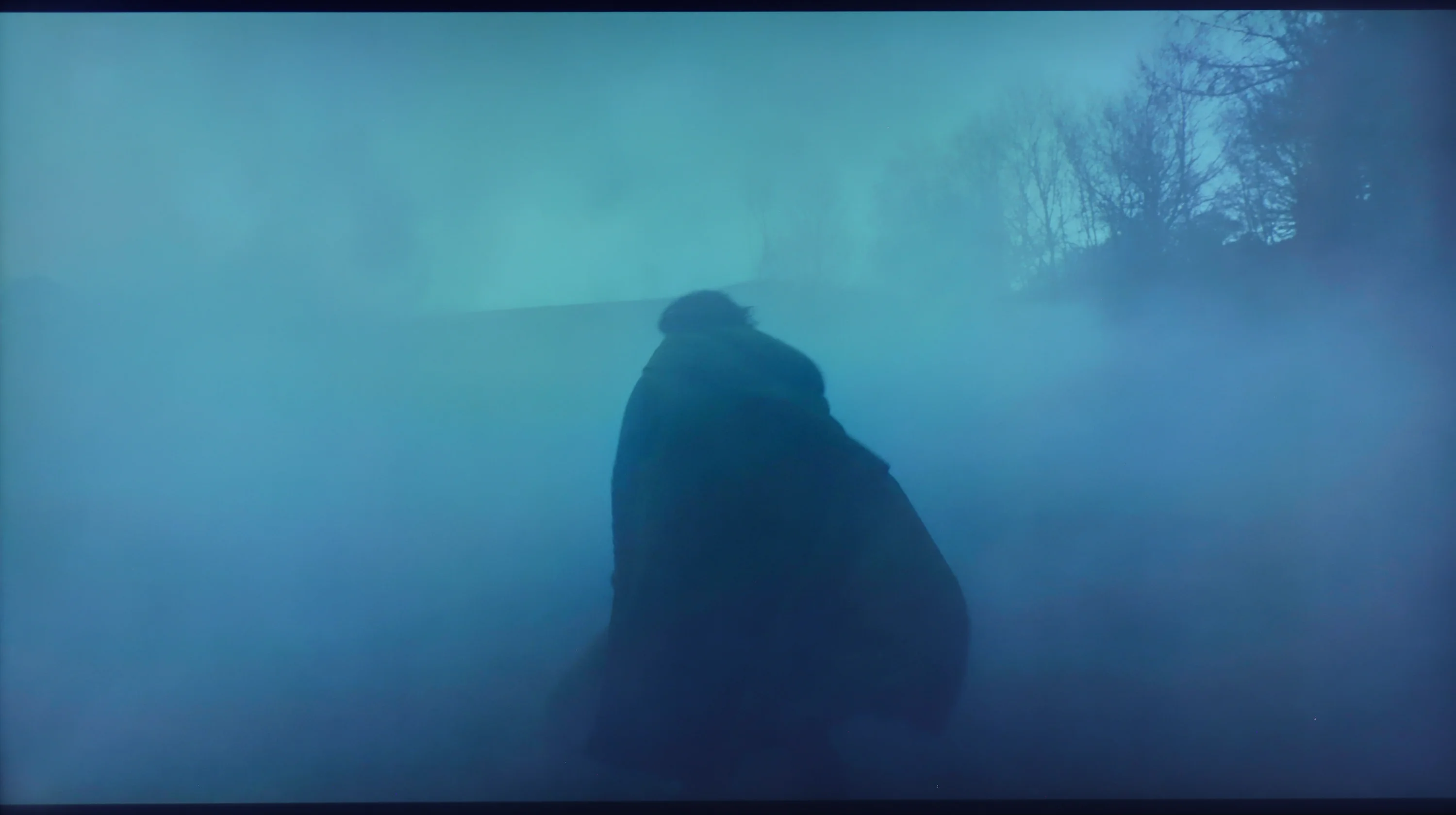
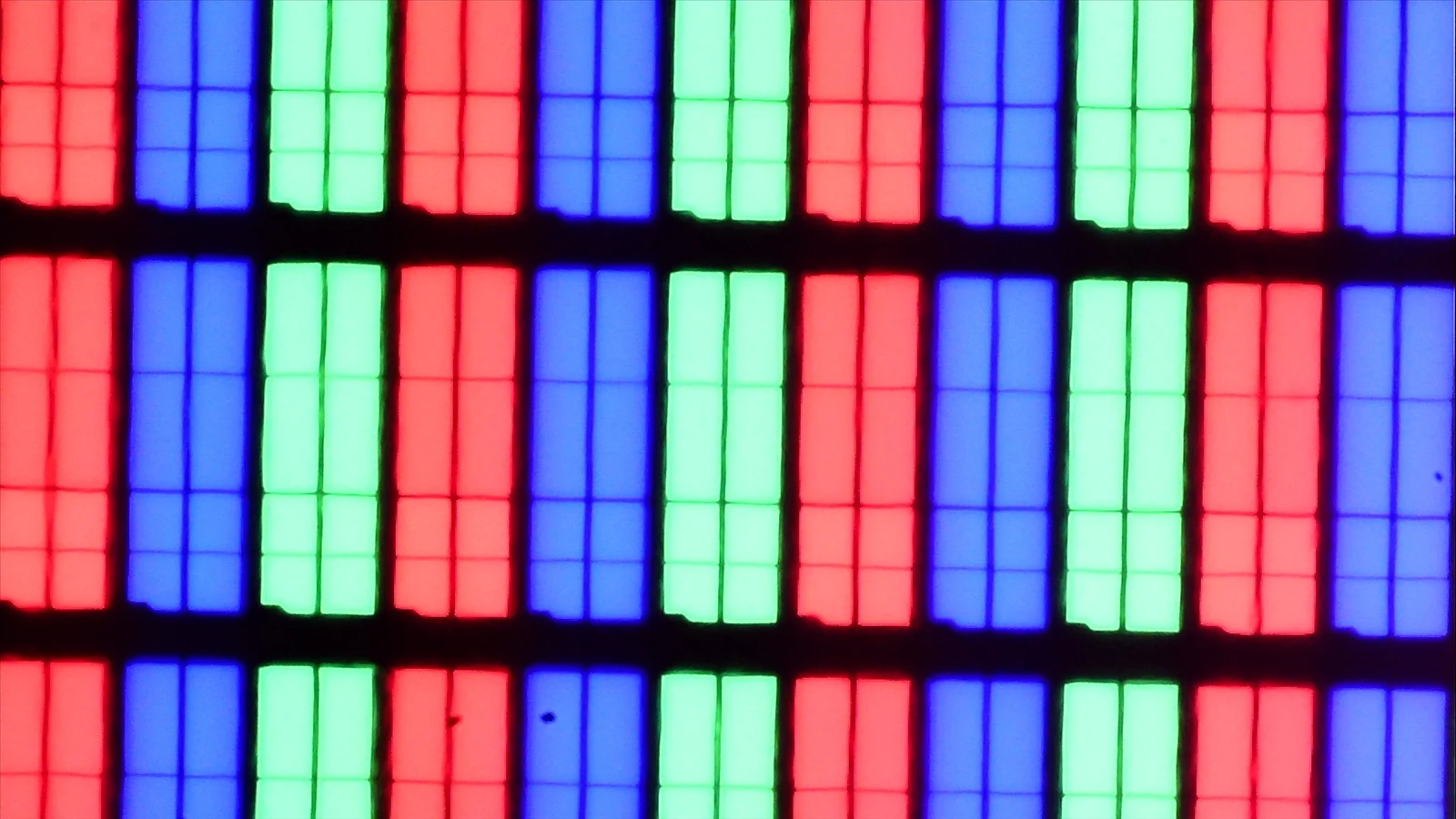
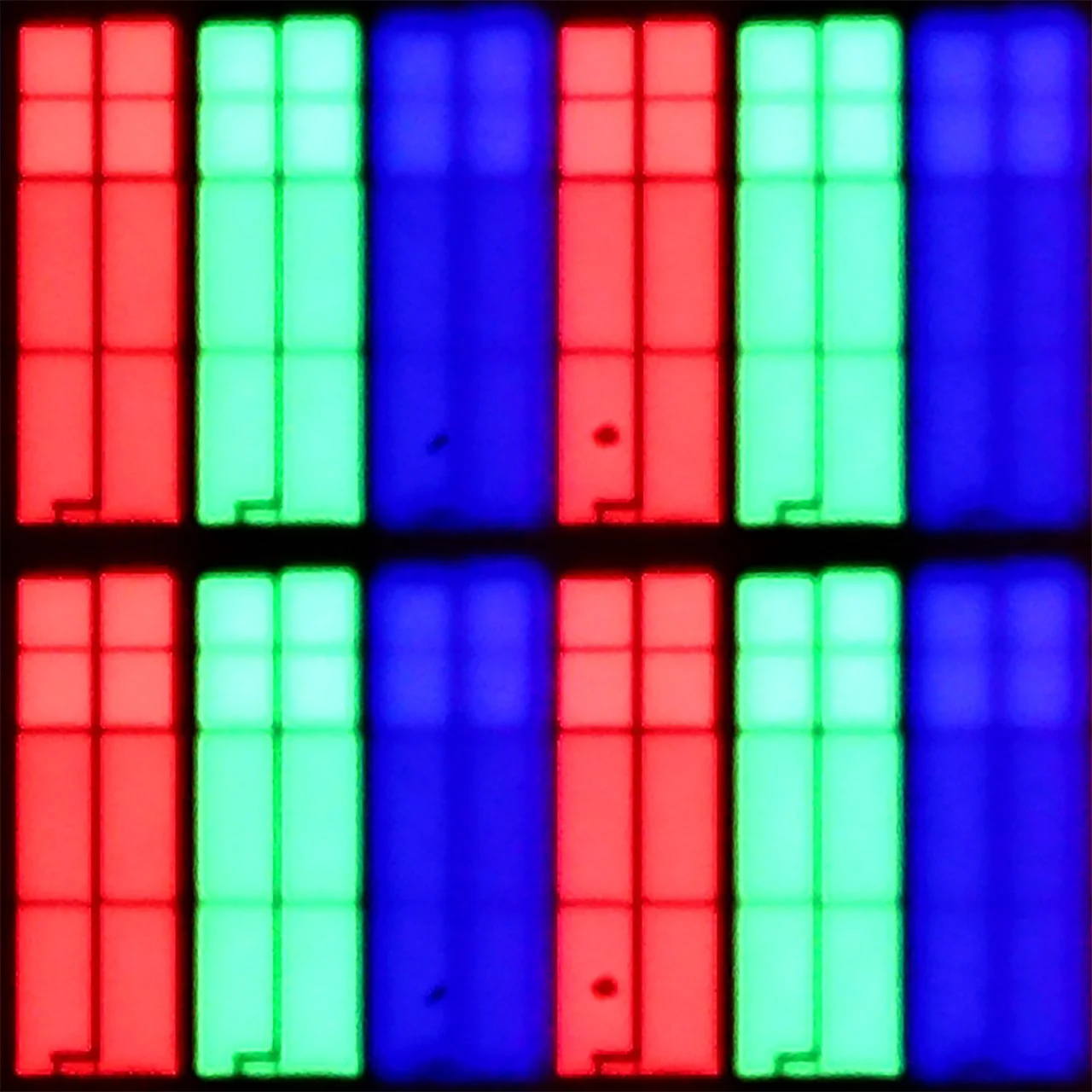
The TV's feature set is extensive, and most tested functions performed as expected. The panel's high brightness is a strong point during daytime use, making it suitable even for heavily sunlit living rooms. In cinematic settings, the VA panel, supported by multiple dimming zones, delivers good blacks. It handles low-quality content, such as SD channels or DVDs, reasonably well, though the absence of a function to reduce posterization (visible colour transitions) is a minor drawback.
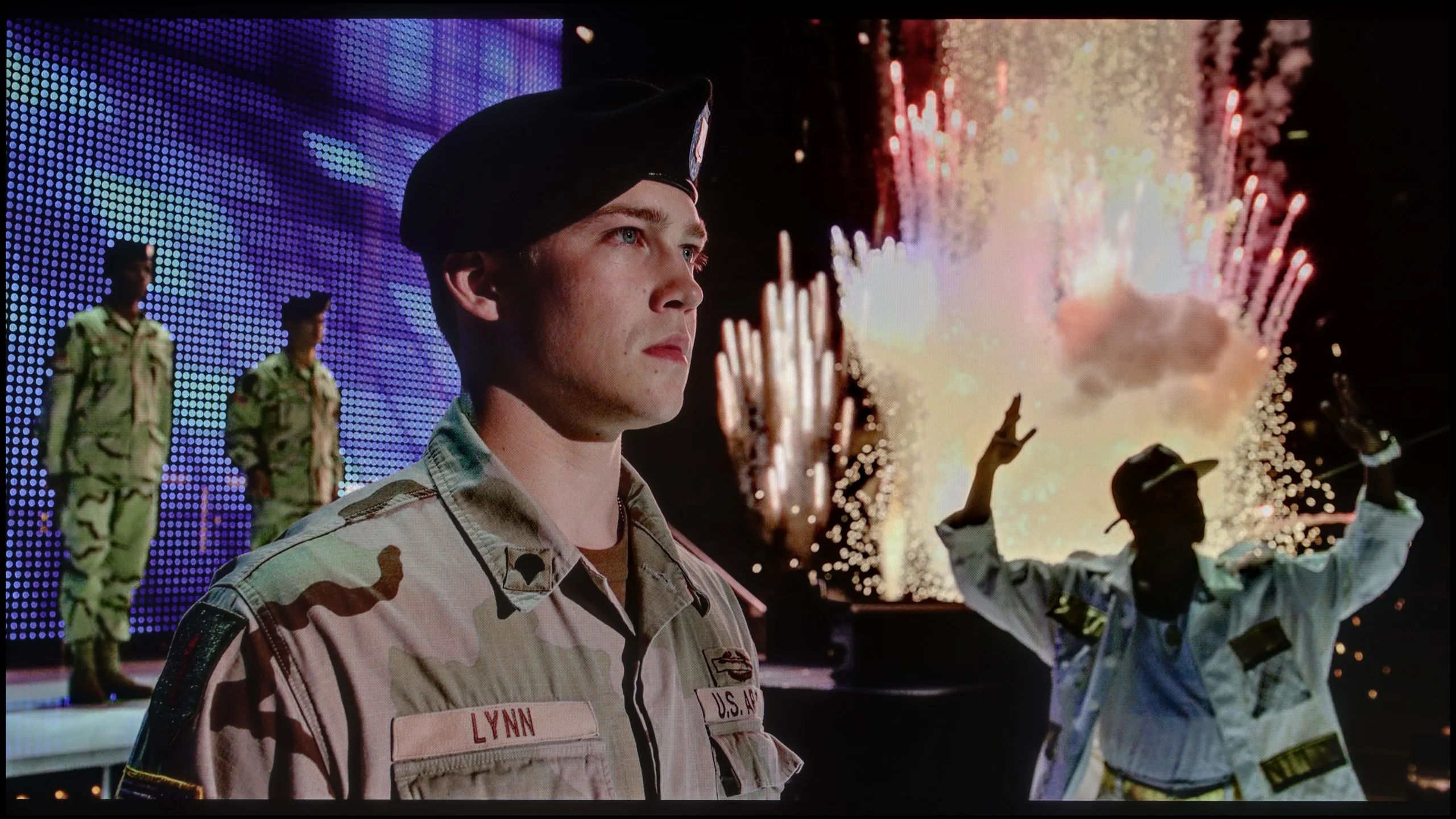
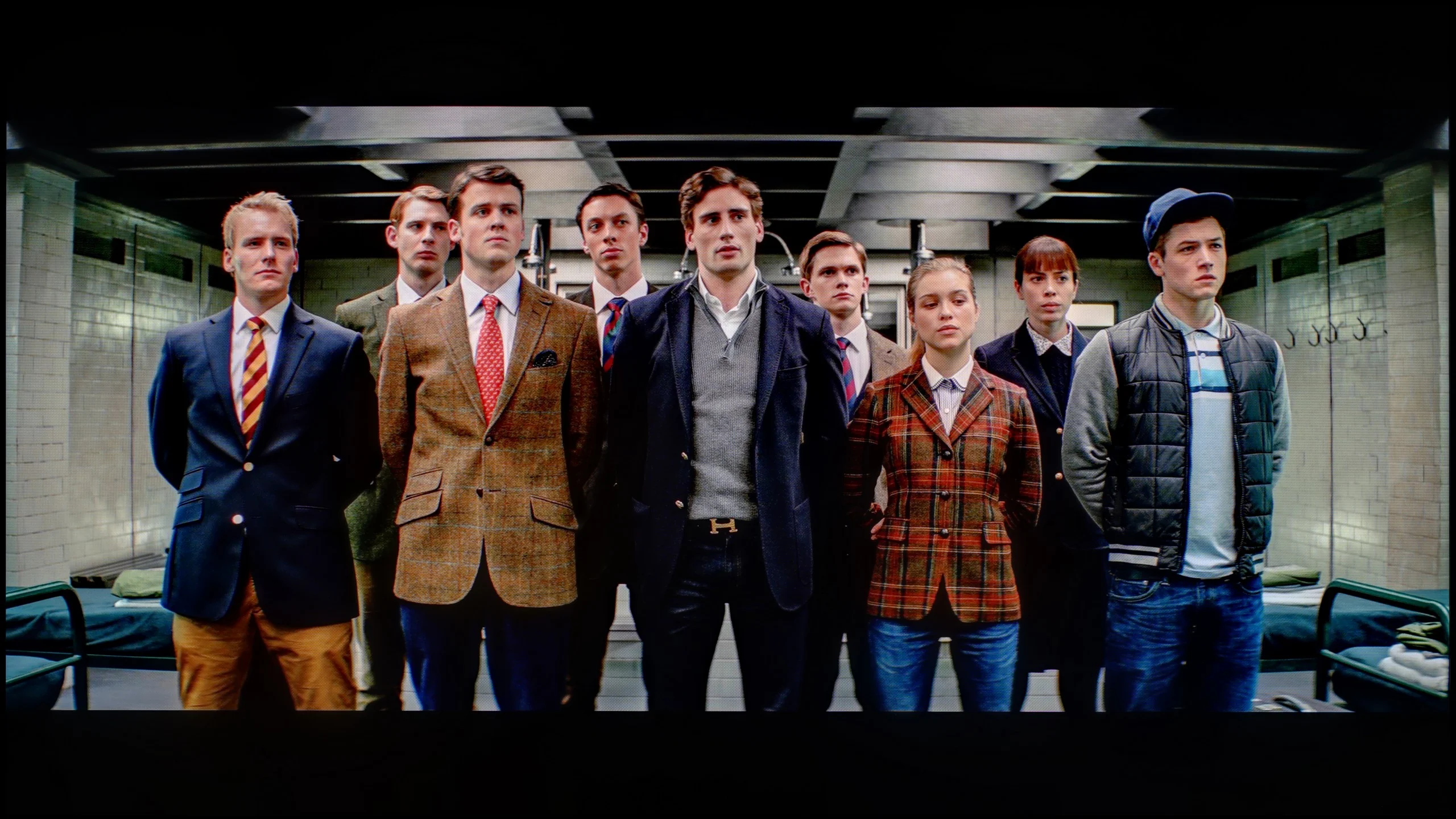
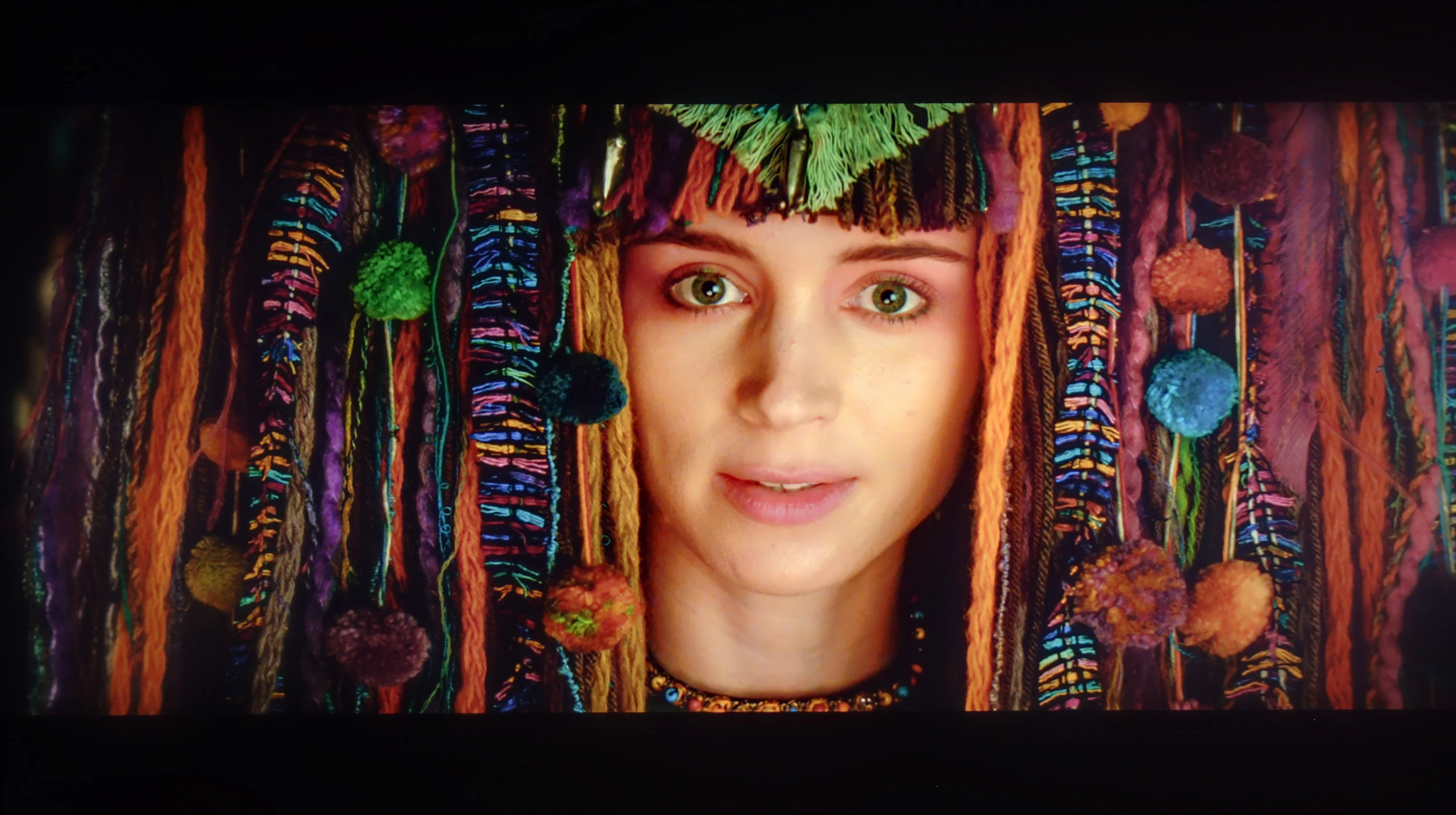
The experience improves significantly with 4K HDR movies, where the TV showcases a wide colour palette and strong lighting effects. Dolby Vision and Dolby Atmos support is a bonus, though the built-in speakers are average. Sports fans will appreciate the 120Hz panel with effective motion smoothing, while gamers benefit from low input lag for console gaming. Motion blur is moderate, with only occasional "trails" during fast motion against dark backgrounds.
However, the lack of HGiG mode somewhat reduces HDR game quality, and the absence of a local dimming function in VRR mode limits the usefulness of this feature. Overall, the TV offers good picture quality for its price range, free from major flaws or standout advantages, while its large size remains its most prominent appeal.
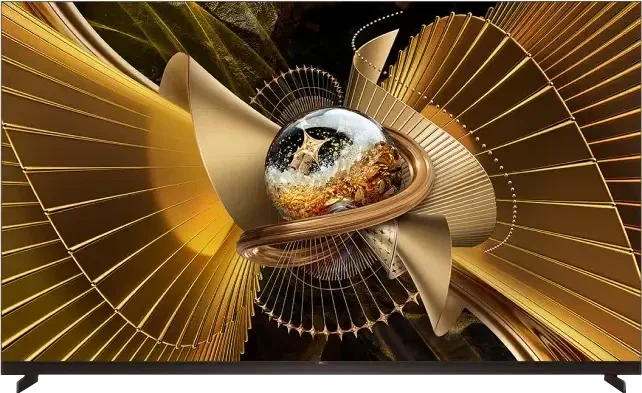
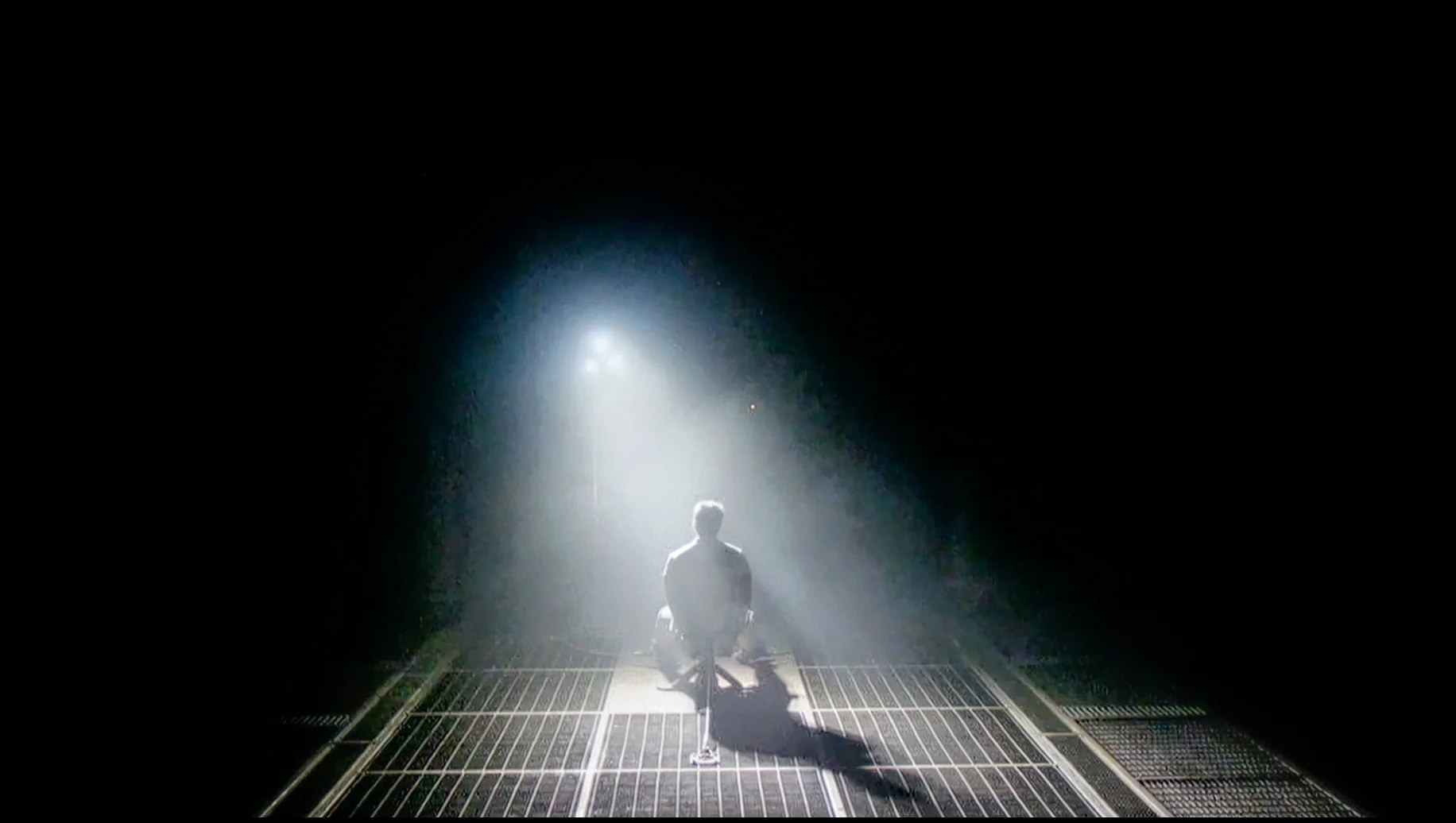
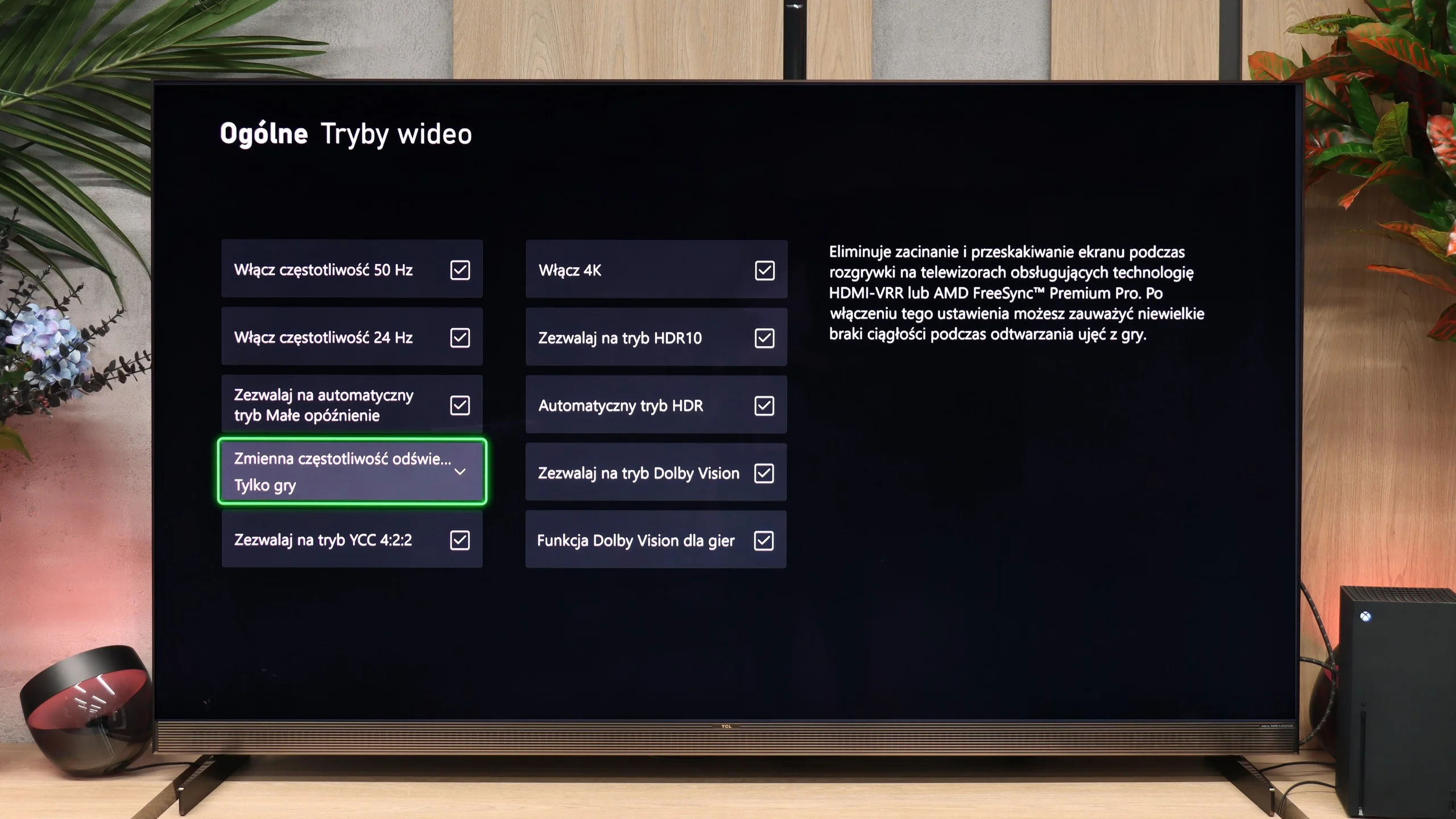
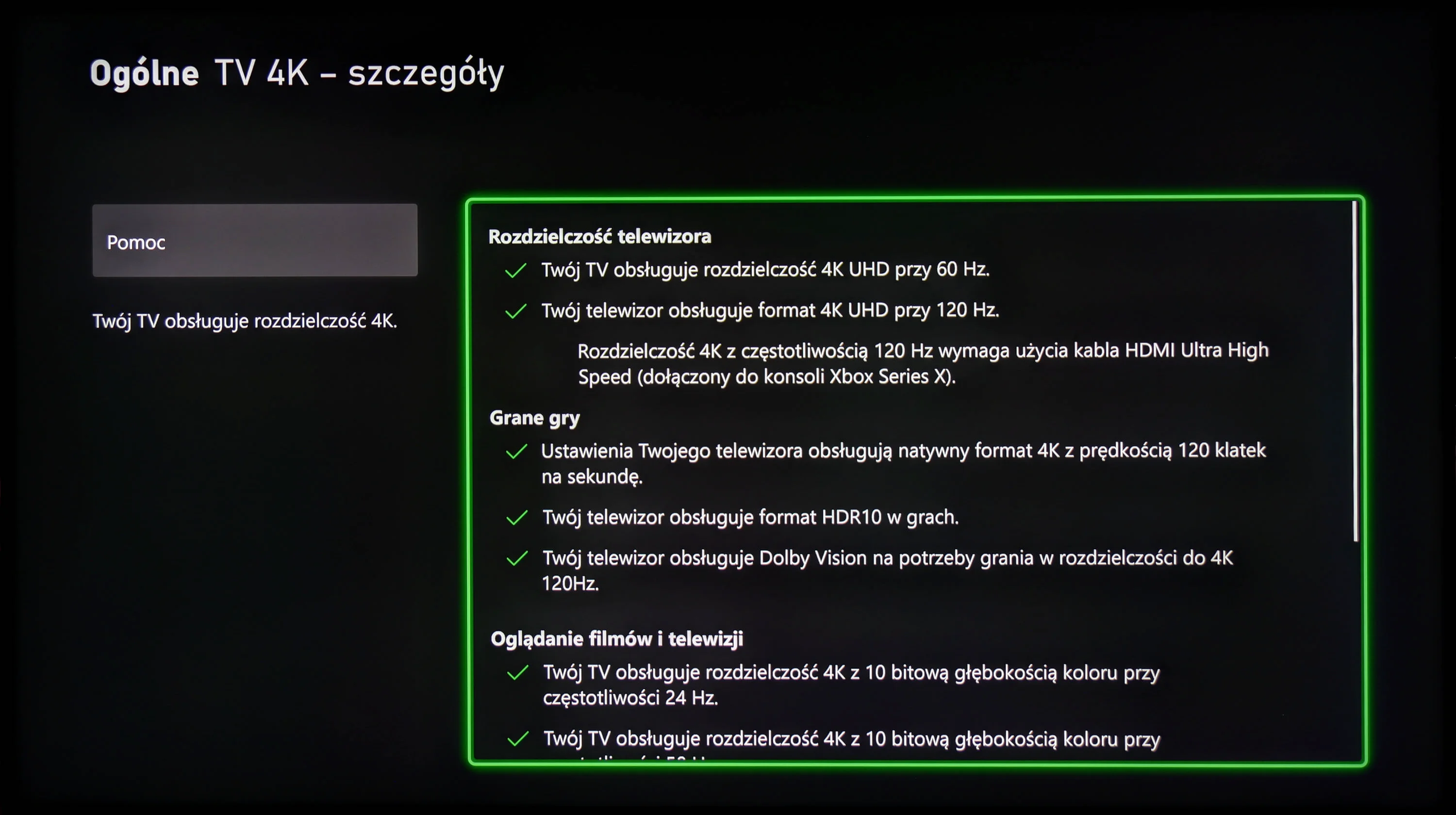
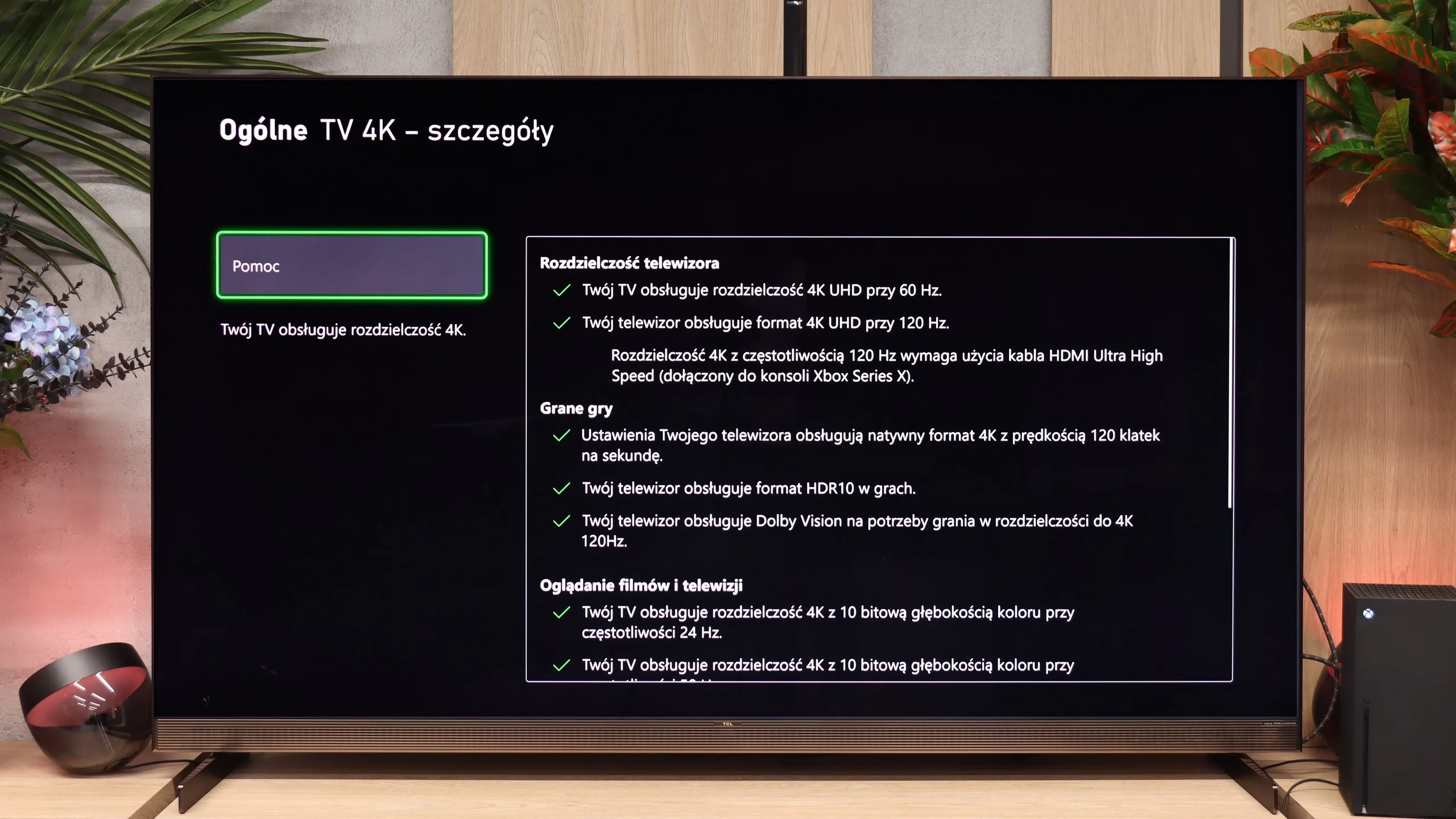
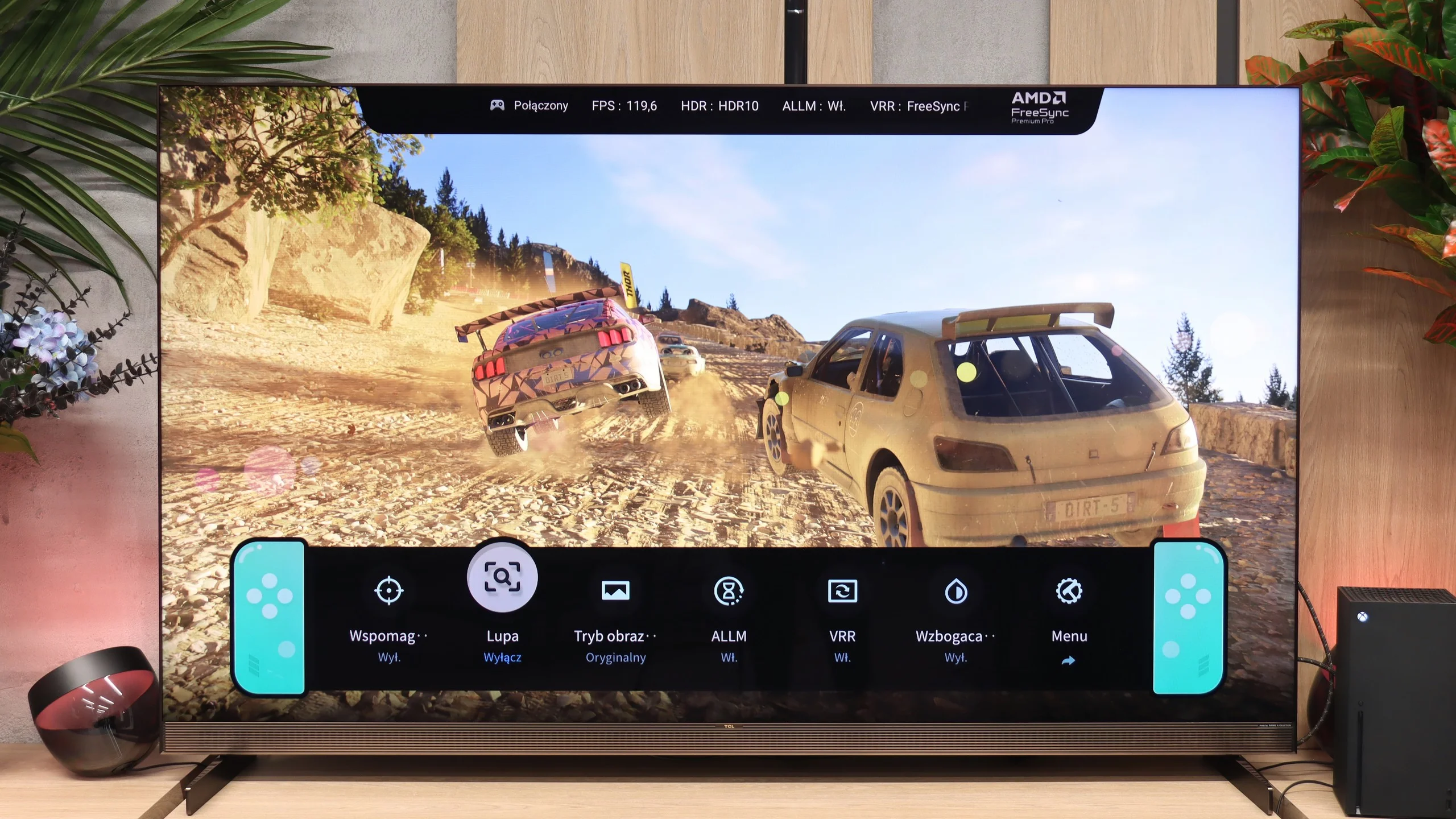
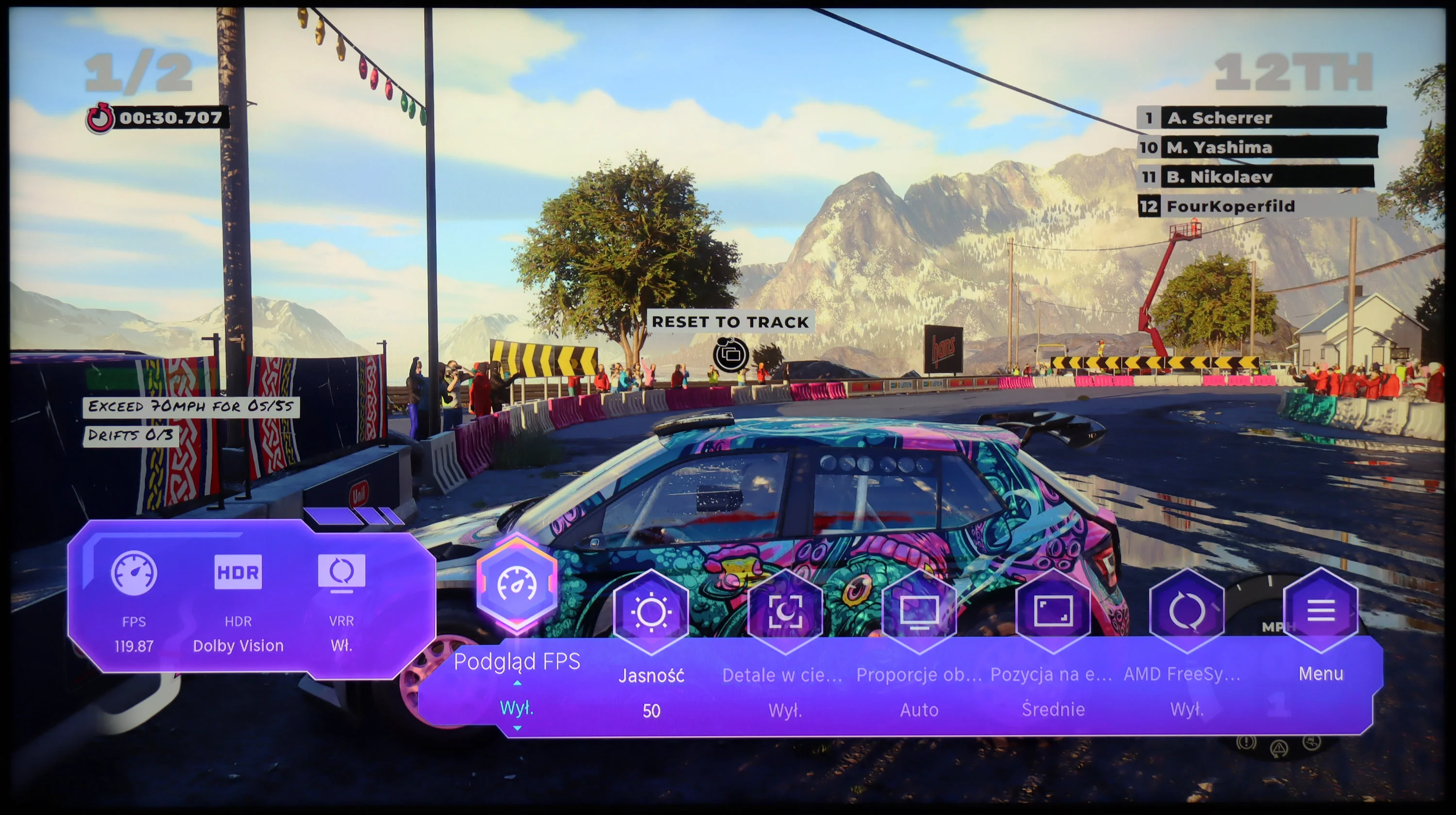
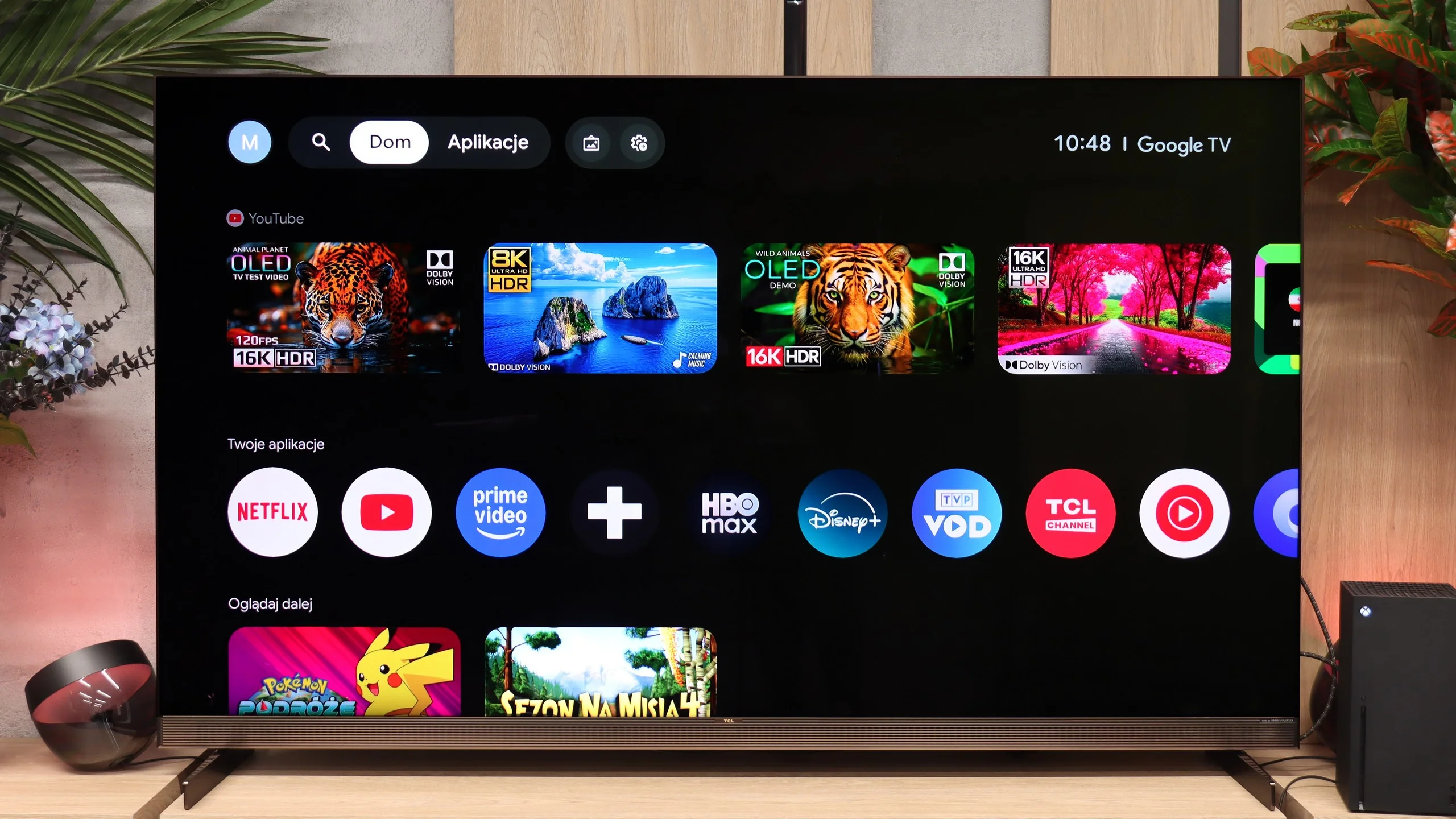
The TCL X11L is, without a doubt, a powerful demonstration of the manufacturer's capabilities and a TV that impresses in many areas. You can see the engineers focused on what matters most: peak brightness, black levels and contrast. The new quantum dots with an SQD filter do such a job that color saturation is on par with the top new RGB panels. And the blacks? The X11L can easily be placed next to an OLED and it doesn't lose that battle by much, which is a real achievement in the Mini-LED world. On top of that comes a whole bunch of things surrounding the panel. The new MediaTek Pentonic 800 processor has completely eliminated TCL's old issues; digital processing, upscaling and the smoothness of tonal transitions finally look as good as those from competitors in Korea or Japan. There is nothing to be ashamed of anymore. Gamers will be thrilled too: four full HDMI 2.1 ports, refresh rates up to 288 Hz, a console-inspired Game Bar and Dolby Vision without any noticeable input lag. All of this is tied together by a very smooth Google TV system. Sounds like a recipe for the best Mini-LED of 2026, right? And it would be perfect if not for one annoying quirk that stems directly from TCL's stubborn "philosophy" of image tuning. This TV can simply ignore the director's intent and, in HDR formats, arbitrarily and artificially brighten entire scenes. What’s the effect? The picture can be too bright at times, sometimes even blown out. The worst part is that the software offers no way to fix it; even during professional calibration we weren't able to fully correct this flaw. For a screen at this price that aspires to be "the best of the best," such willful behavior is simply unacceptable, especially in the "Filmmaker" mode.
Still, if you don't care about perfect, studio-accurate fidelity and you want a picture that is above all maximally striking, spectacular and extremely bright in daylight, the X11L is a true beast. It's the first Mini-LED to come so close to OLED black levels, and in brightness it simply crushes OLED. The only real brake here is the price. The amount you'll have to pay for this model (regardless of size) is a serious outlay. Is it worth spending that money? We'll leave that up to you. One thing you have to give it: it's currently one of the best Mini-LEDs we've tested so far.
 Direct comparison