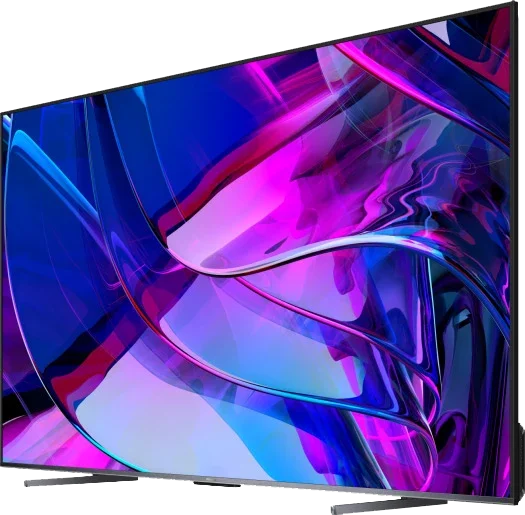
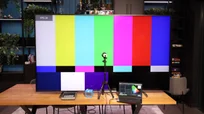
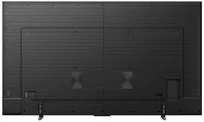
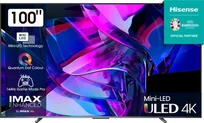
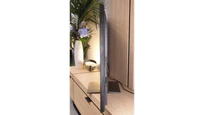
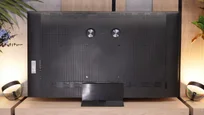
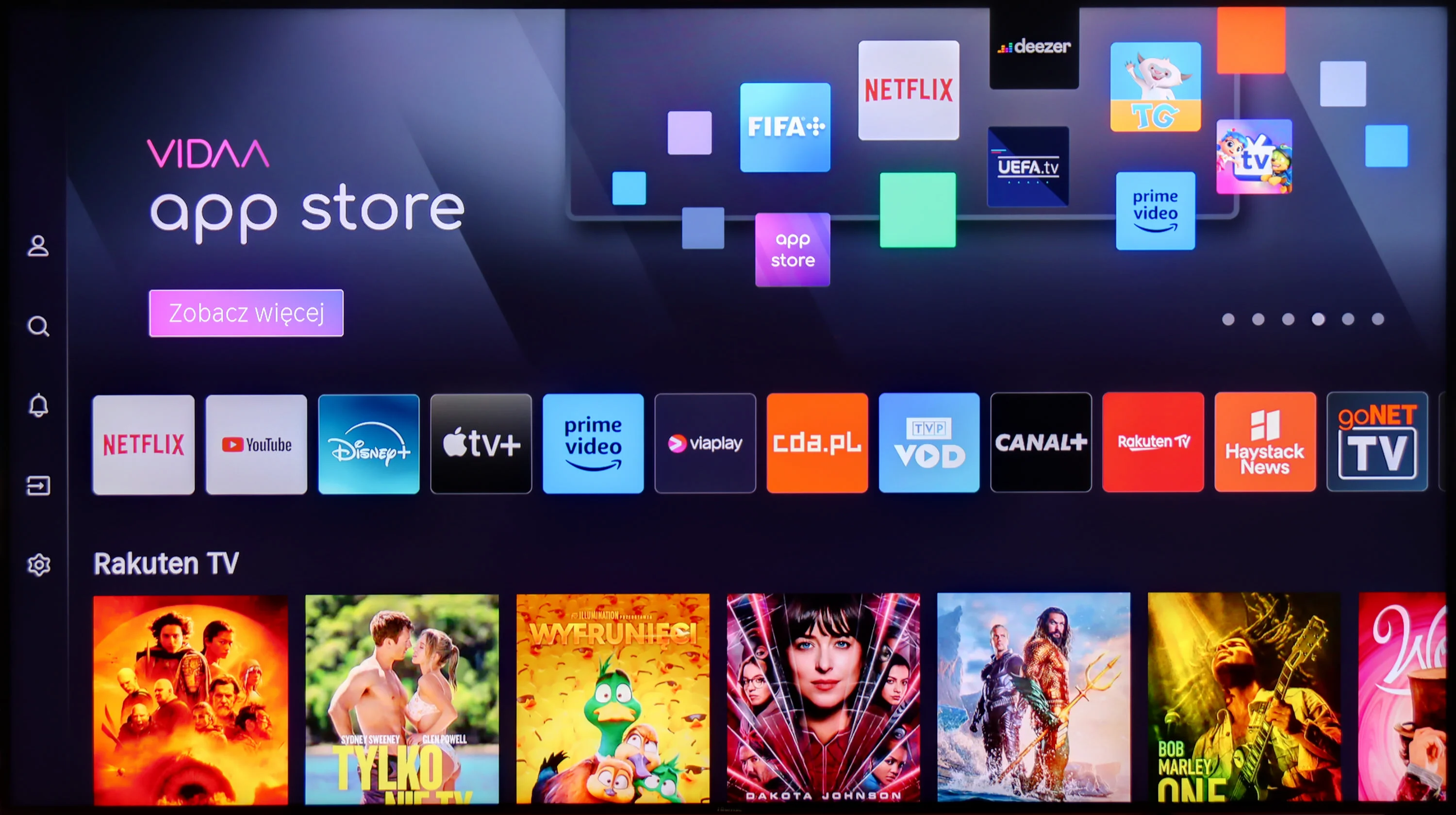
The Hisense U7KQ in its 100" variant is a significantly better option than smaller diagonal models. The proprietary VIDAA system offers an interface similar to platforms like Google TV, running quickly and efficiently without freezing or major errors however, the built-in file player occasionally faces operational difficulties. It is worth noting that not all apps were available at the time of review, so checking app compatibility is recommended.
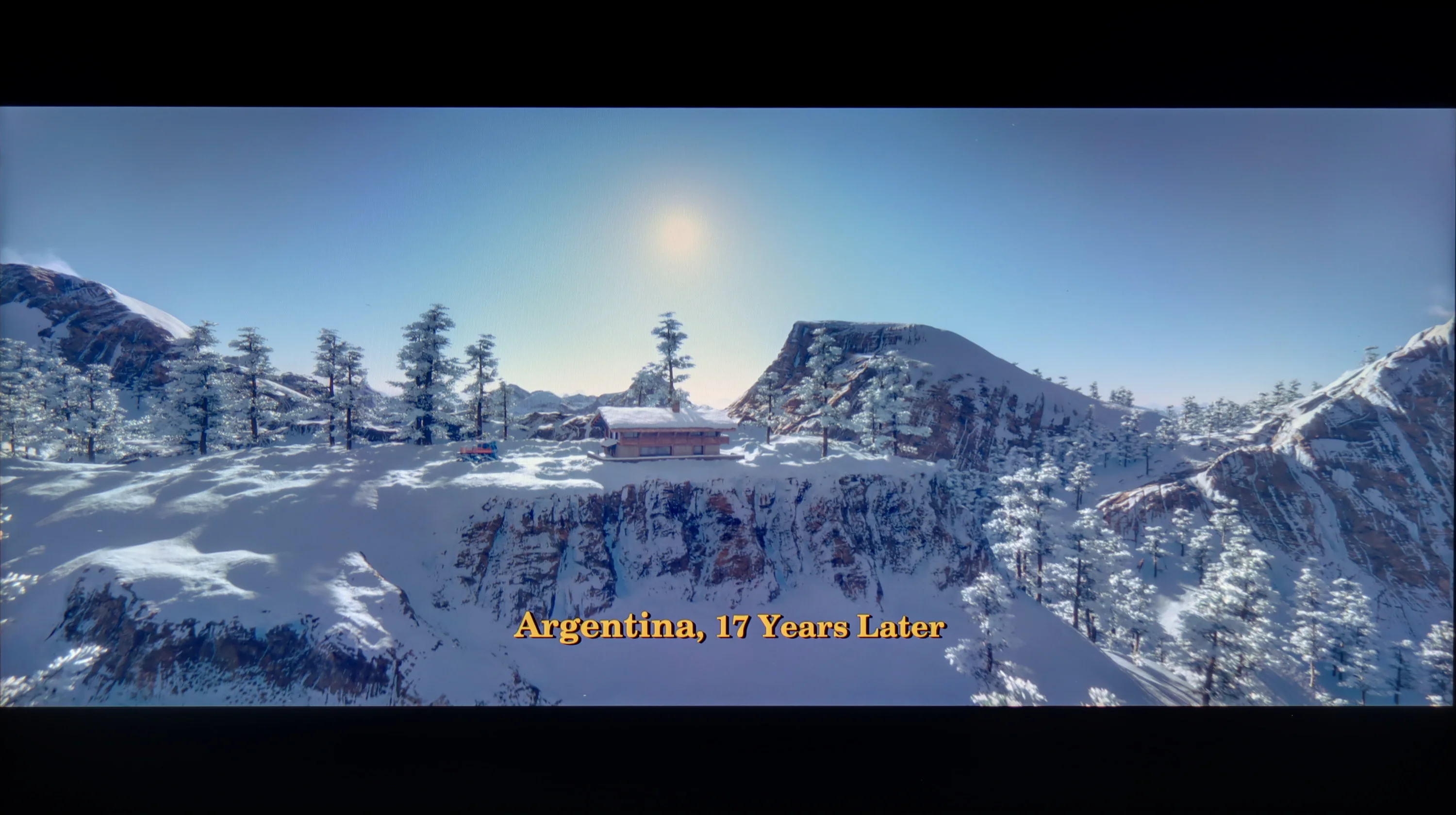
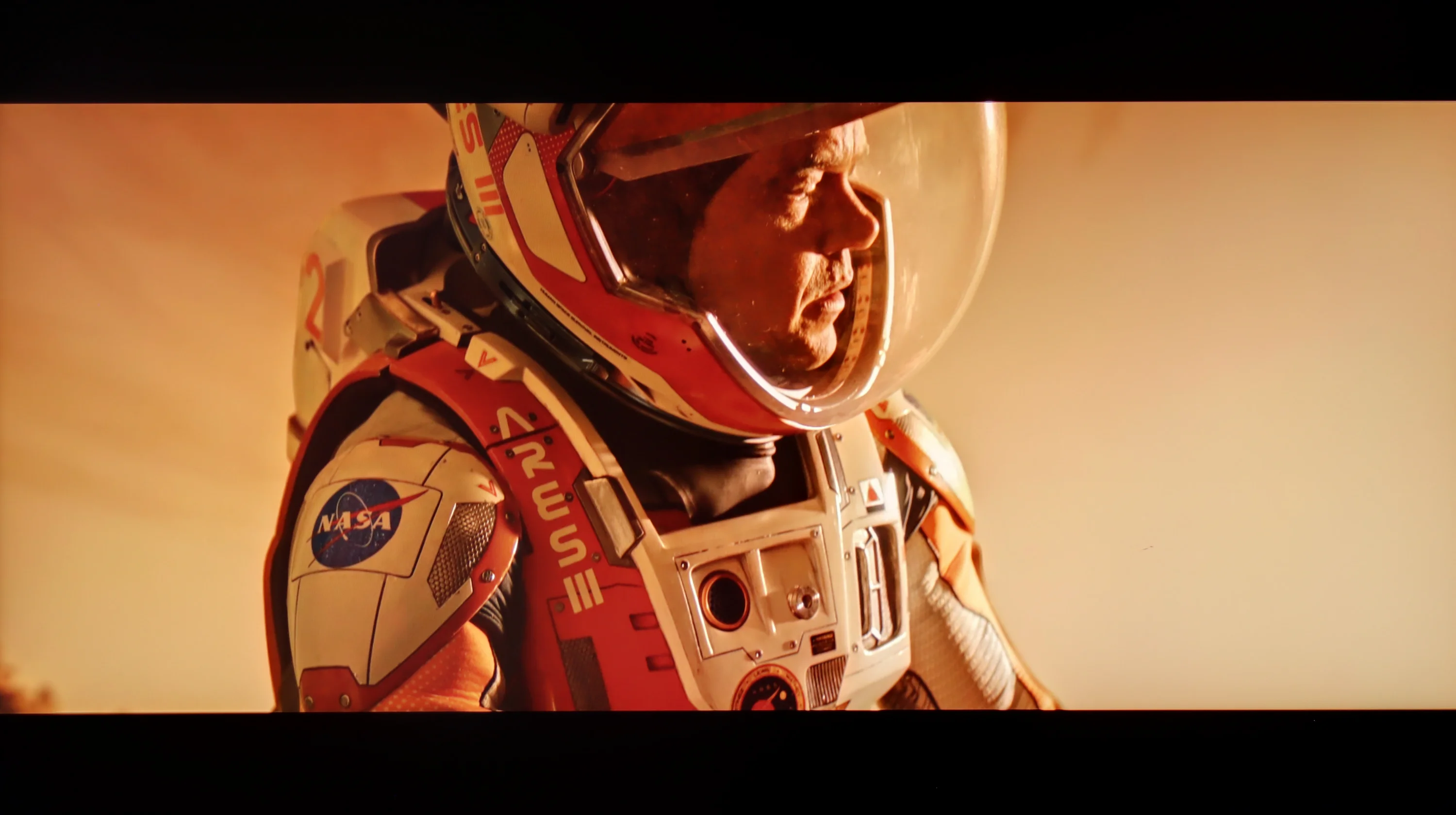
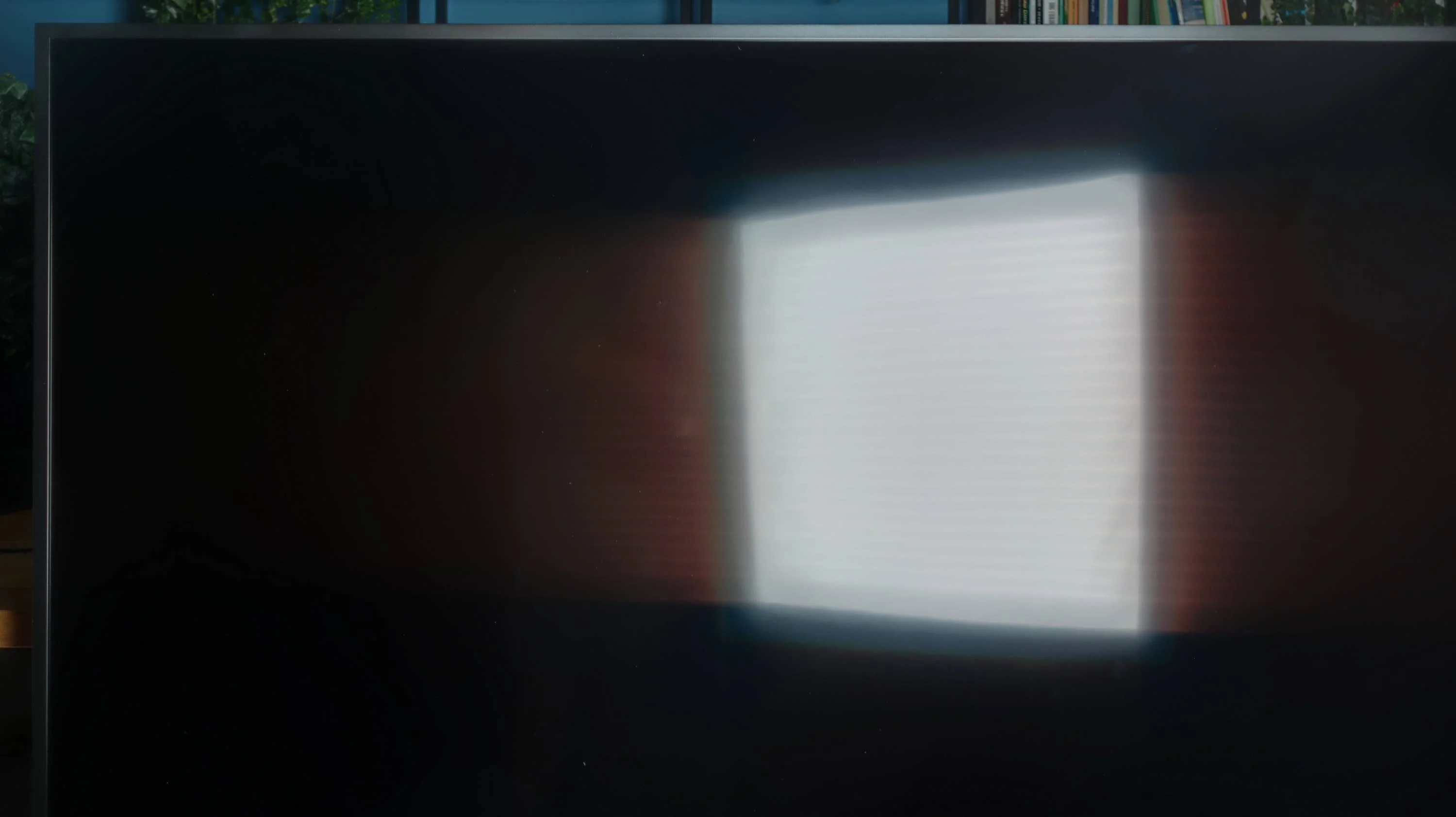
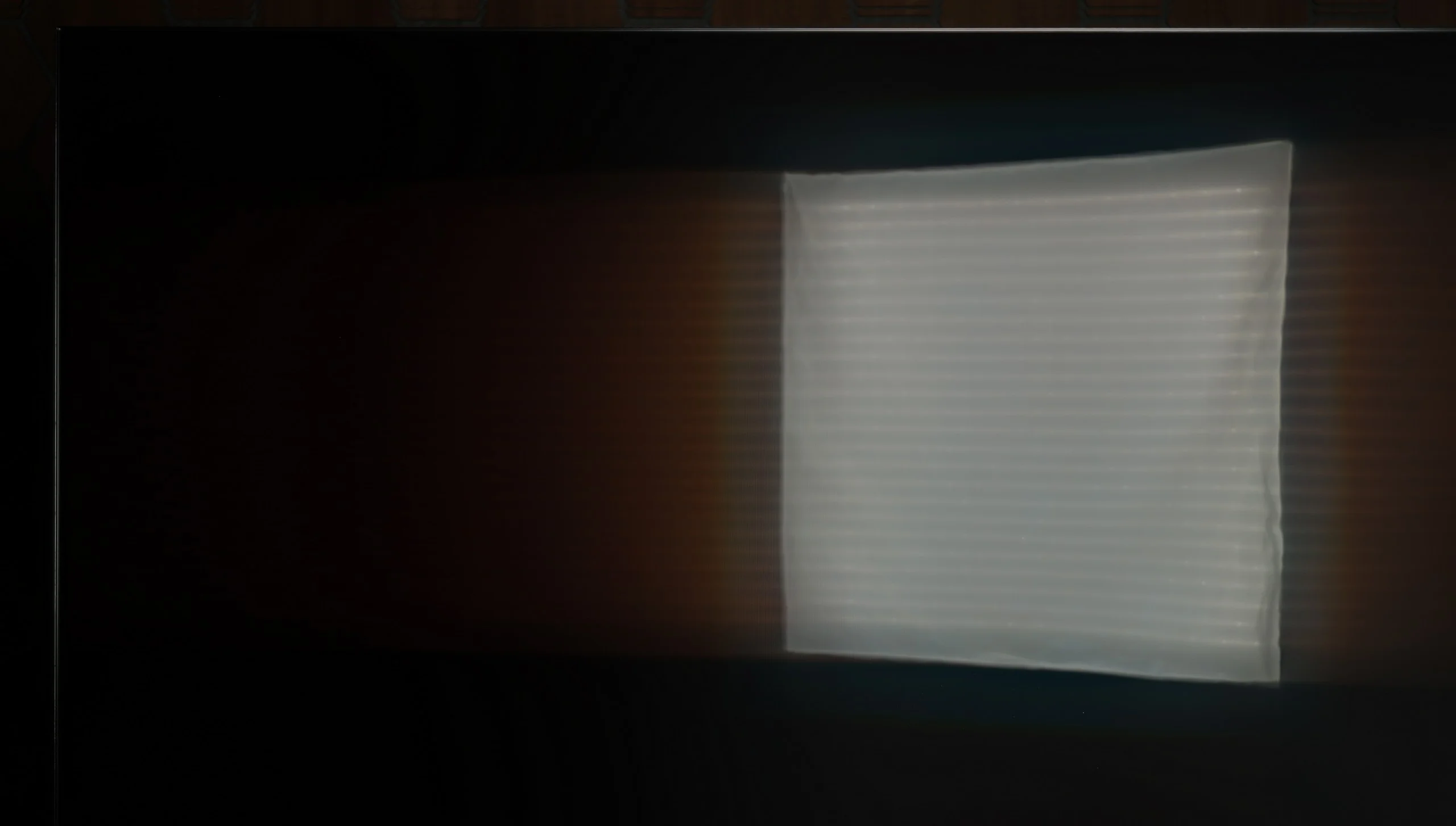
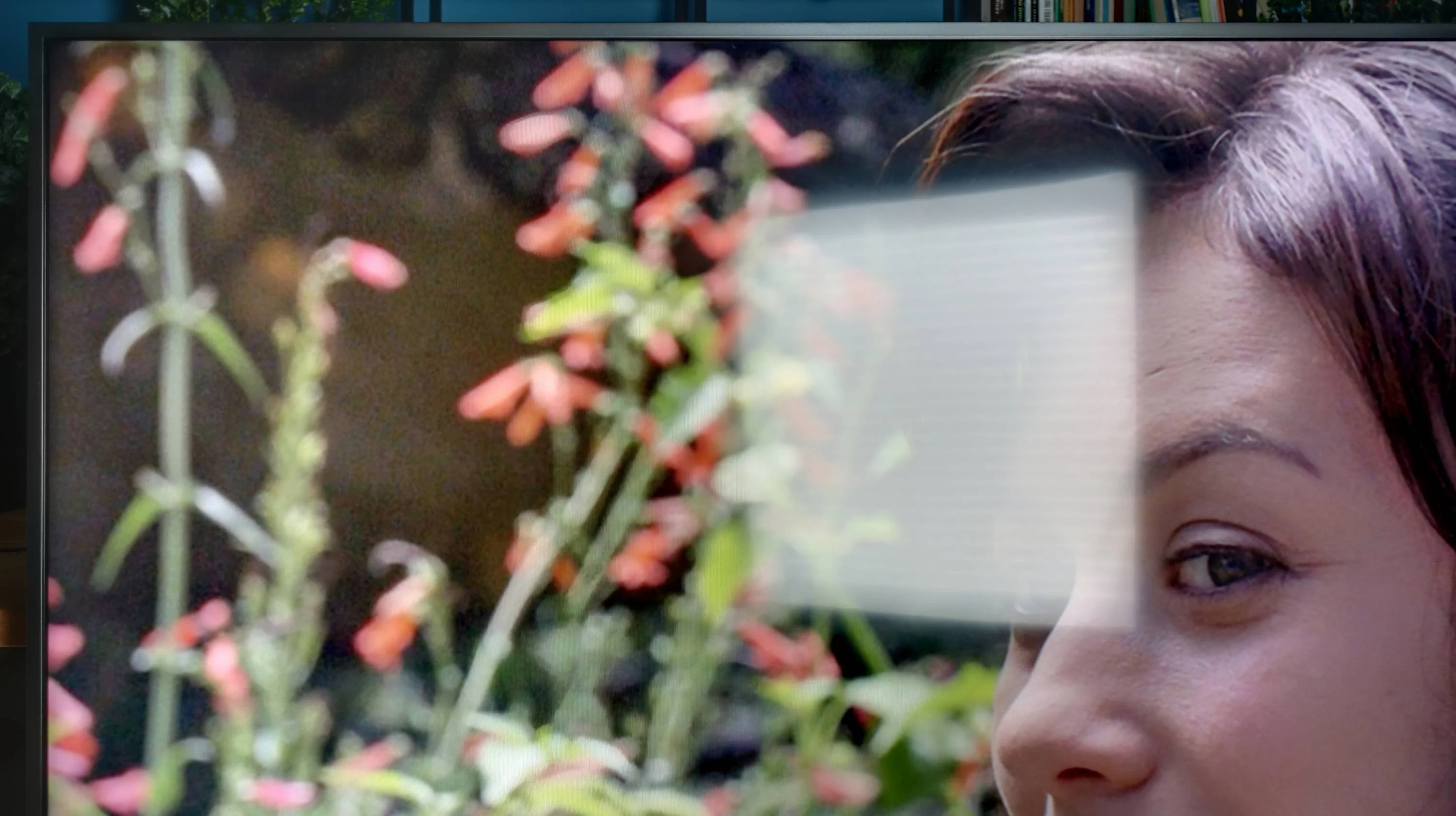
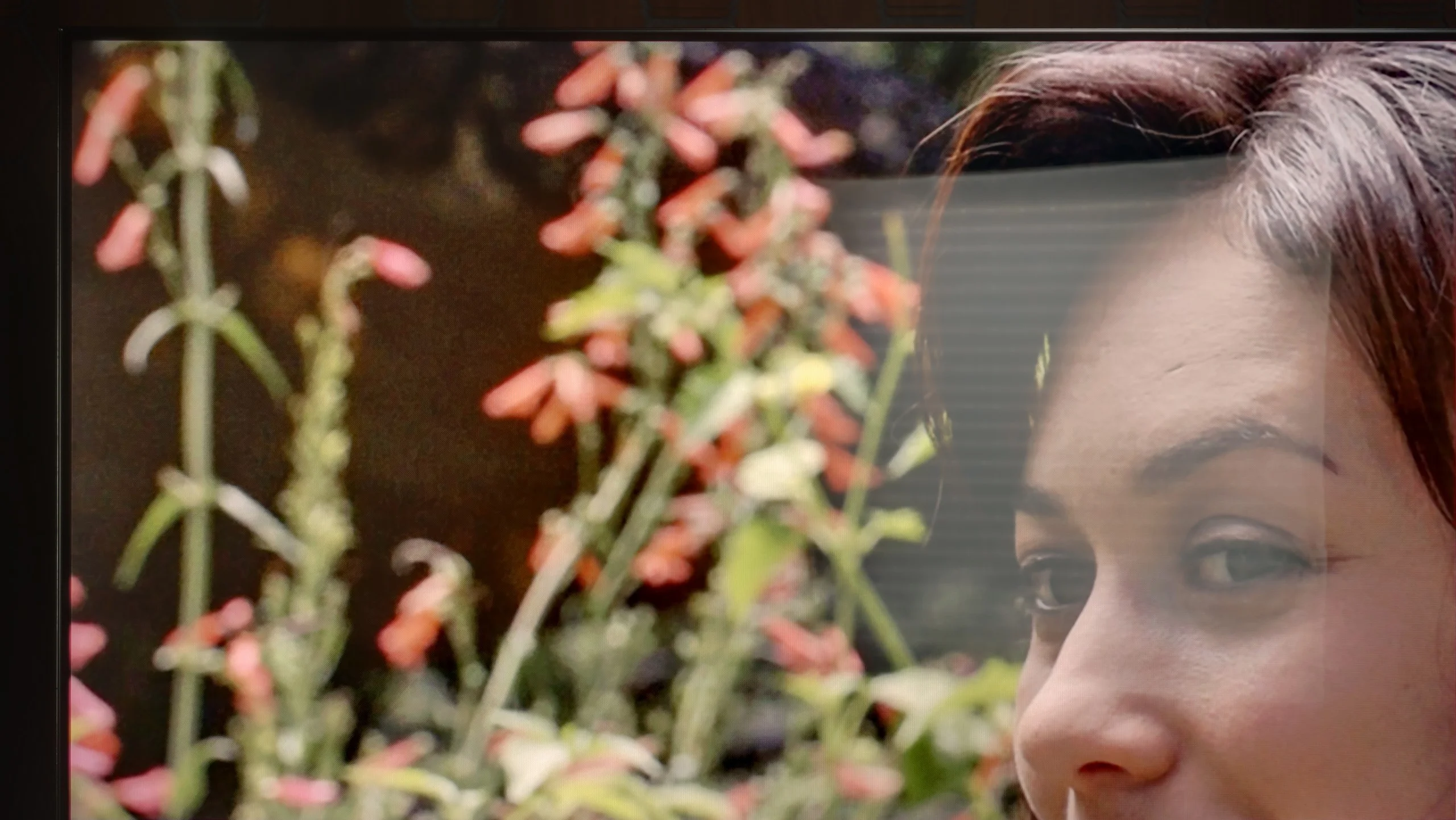
The TV's feature set is extensive, and most tested functions performed as expected. The panel's high brightness is a strong point during daytime use, making it suitable even for heavily sunlit living rooms. In cinematic settings, the VA panel, supported by multiple dimming zones, delivers good blacks. It handles low-quality content, such as SD channels or DVDs, reasonably well, though the absence of a function to reduce posterization (visible colour transitions) is a minor drawback.
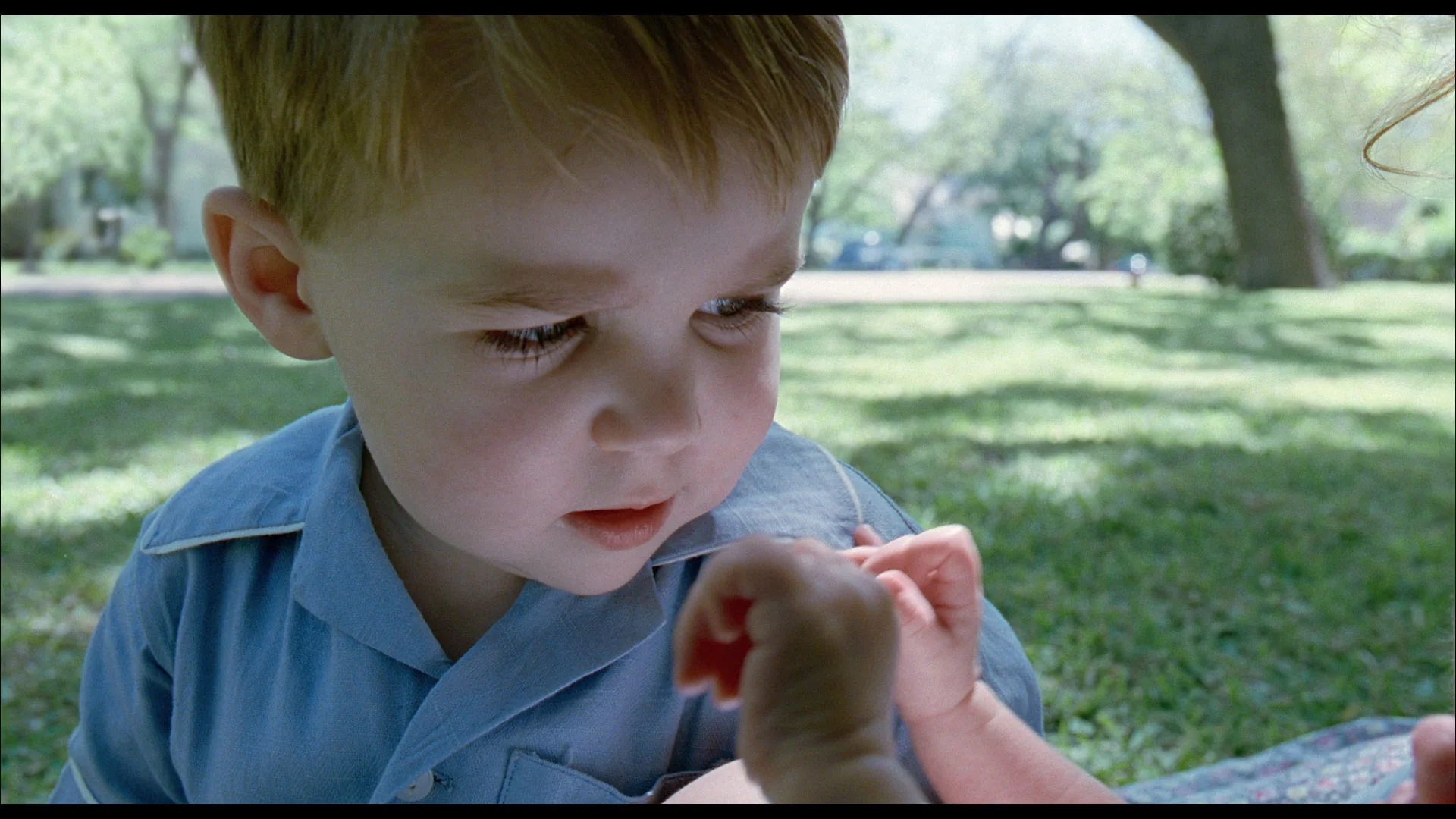
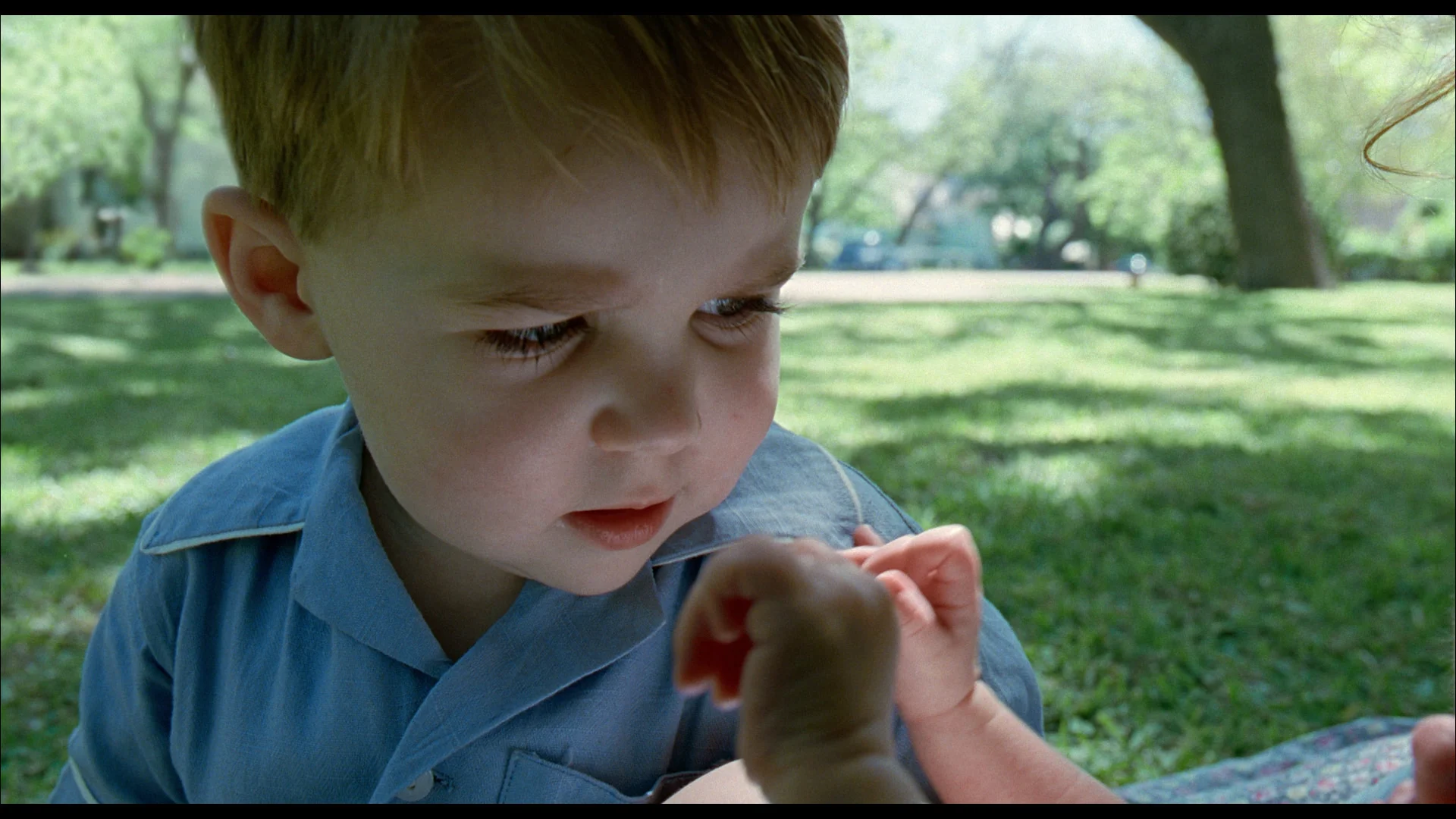
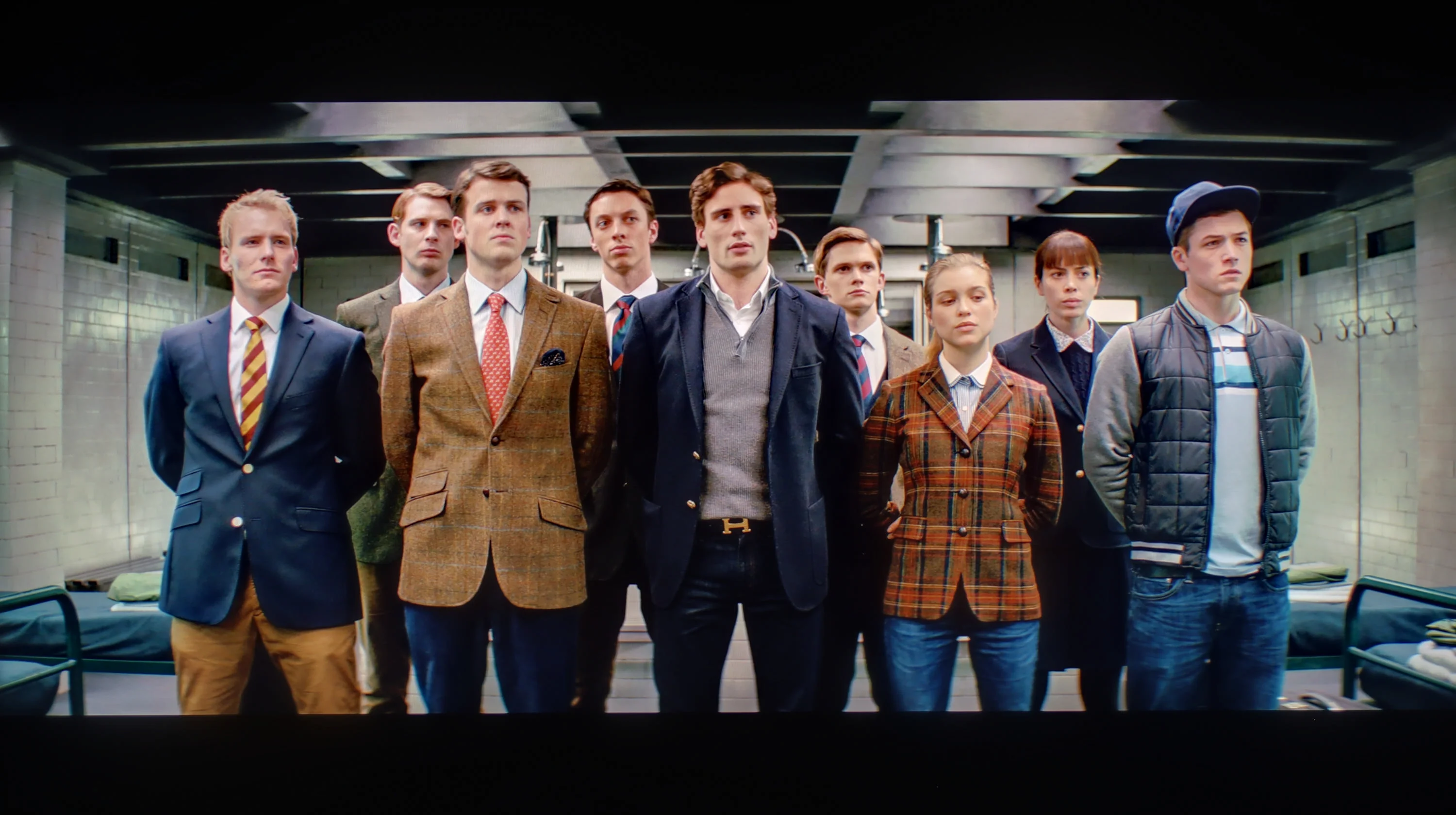
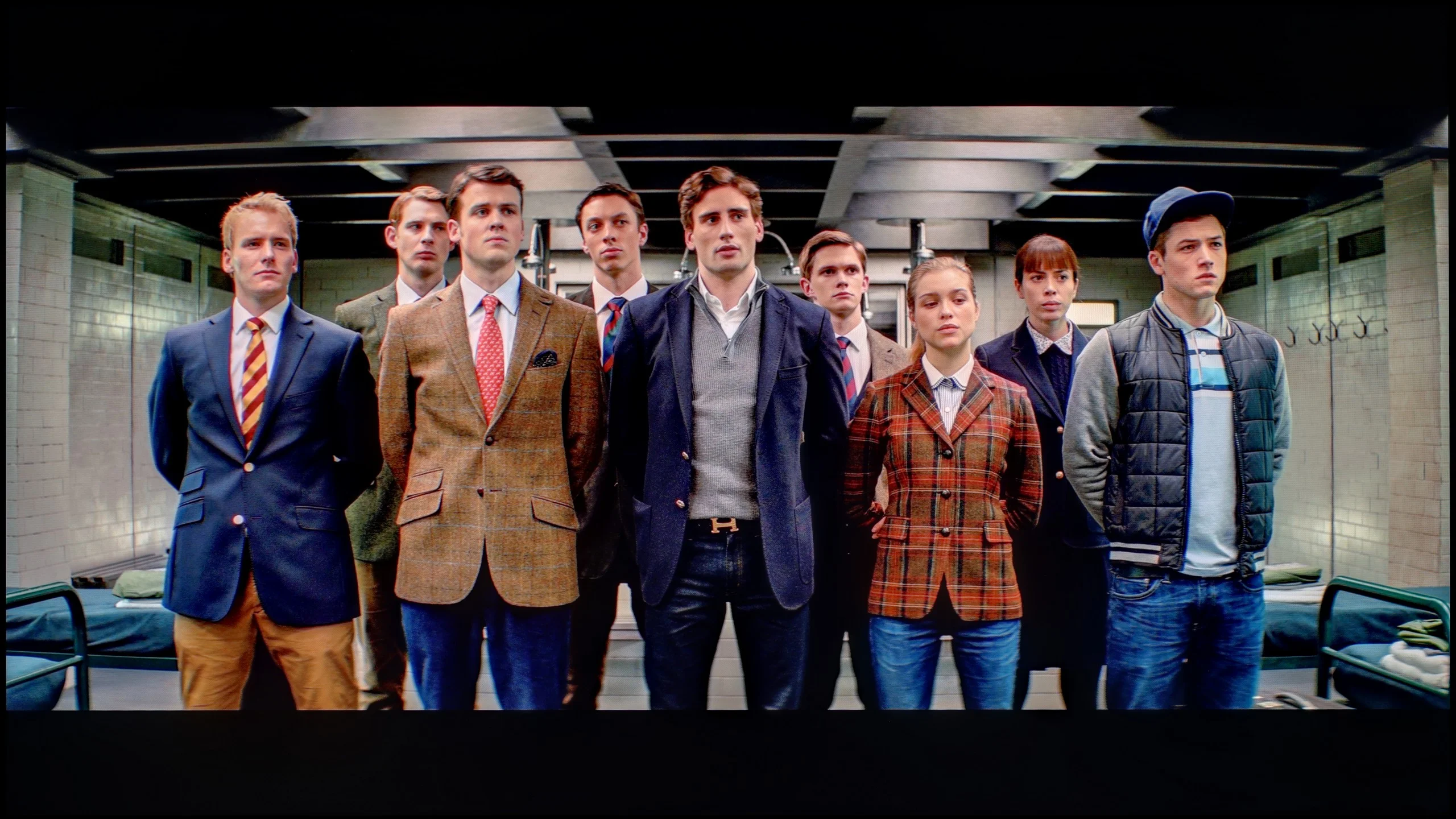
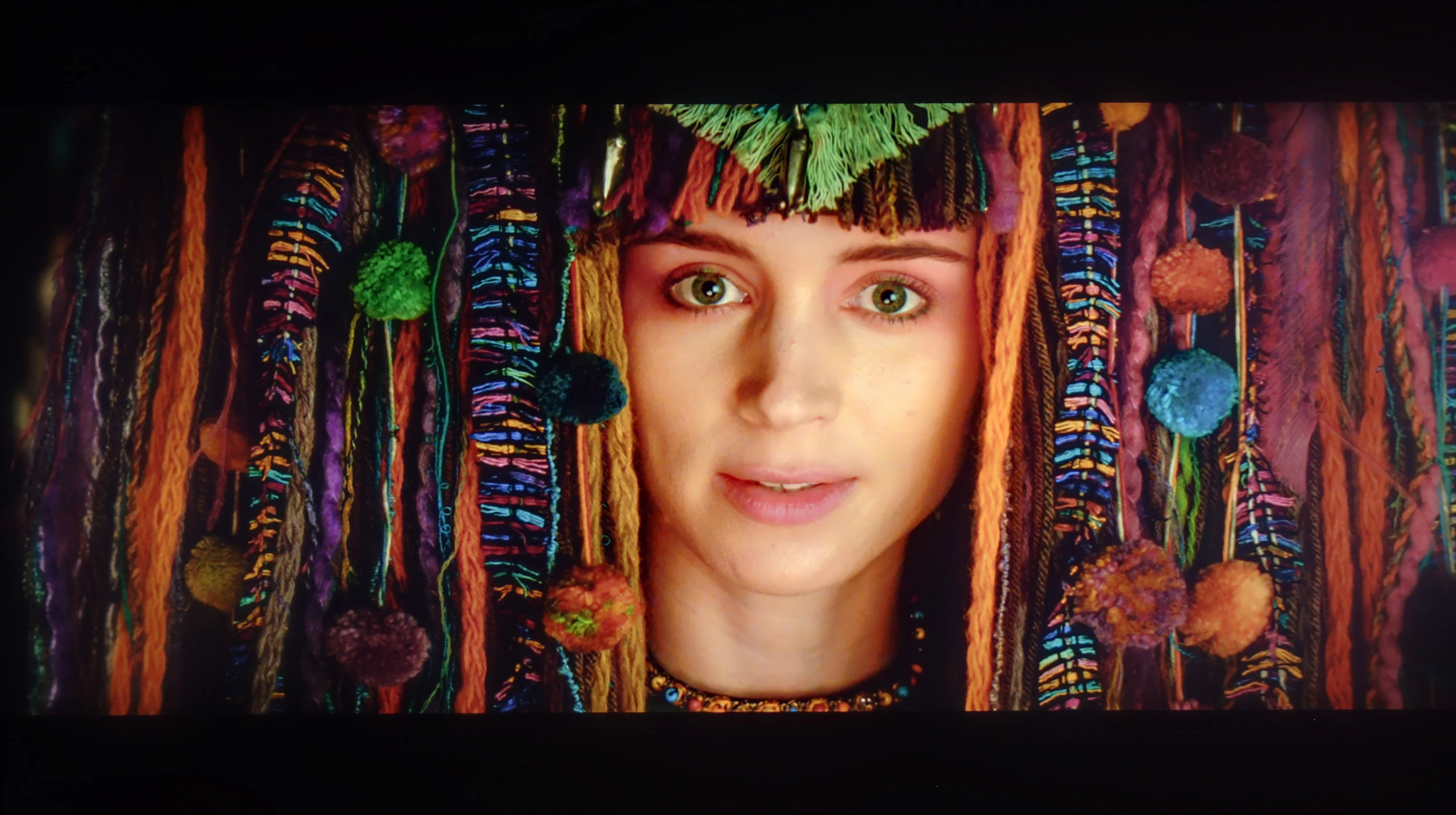
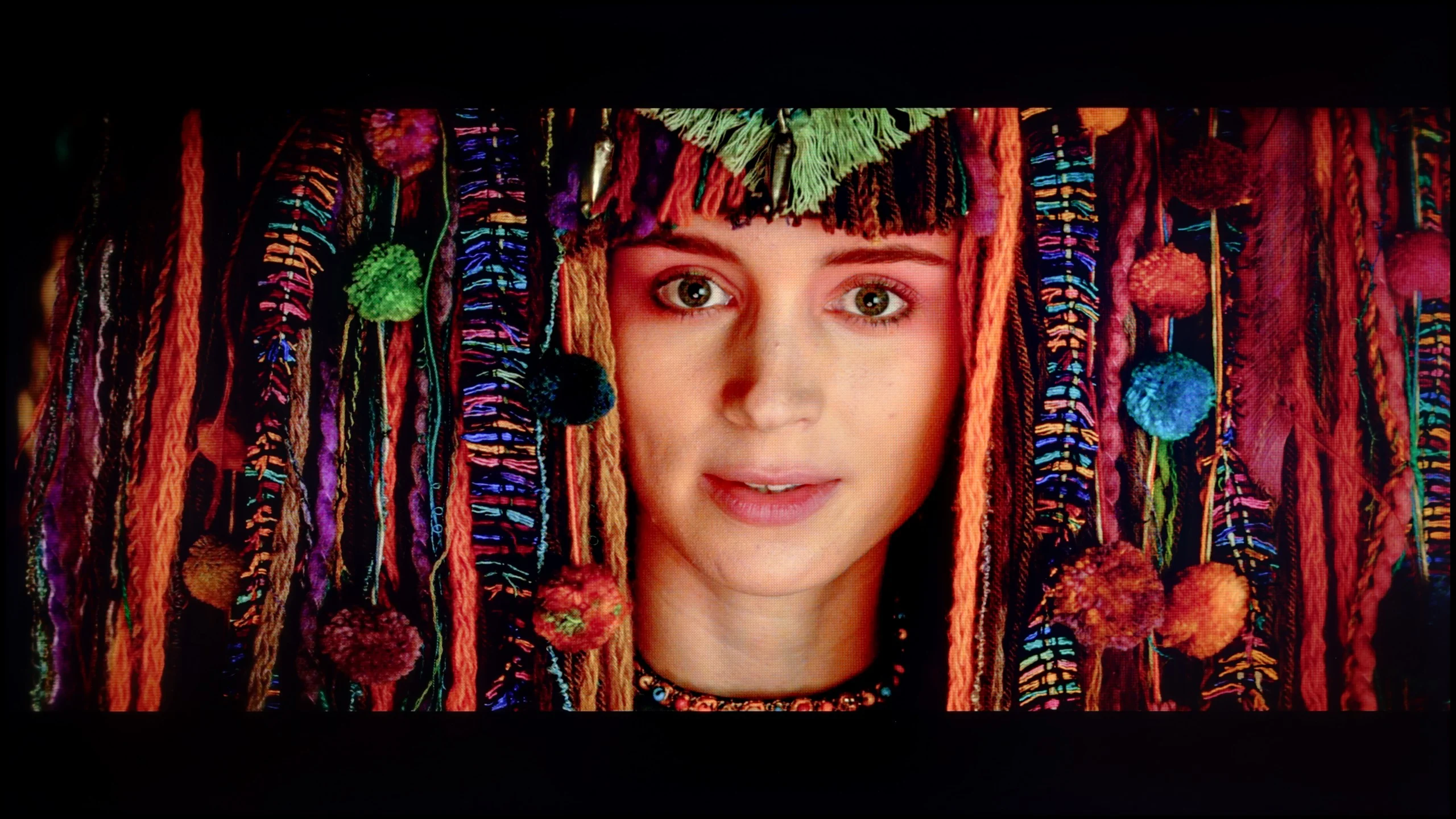
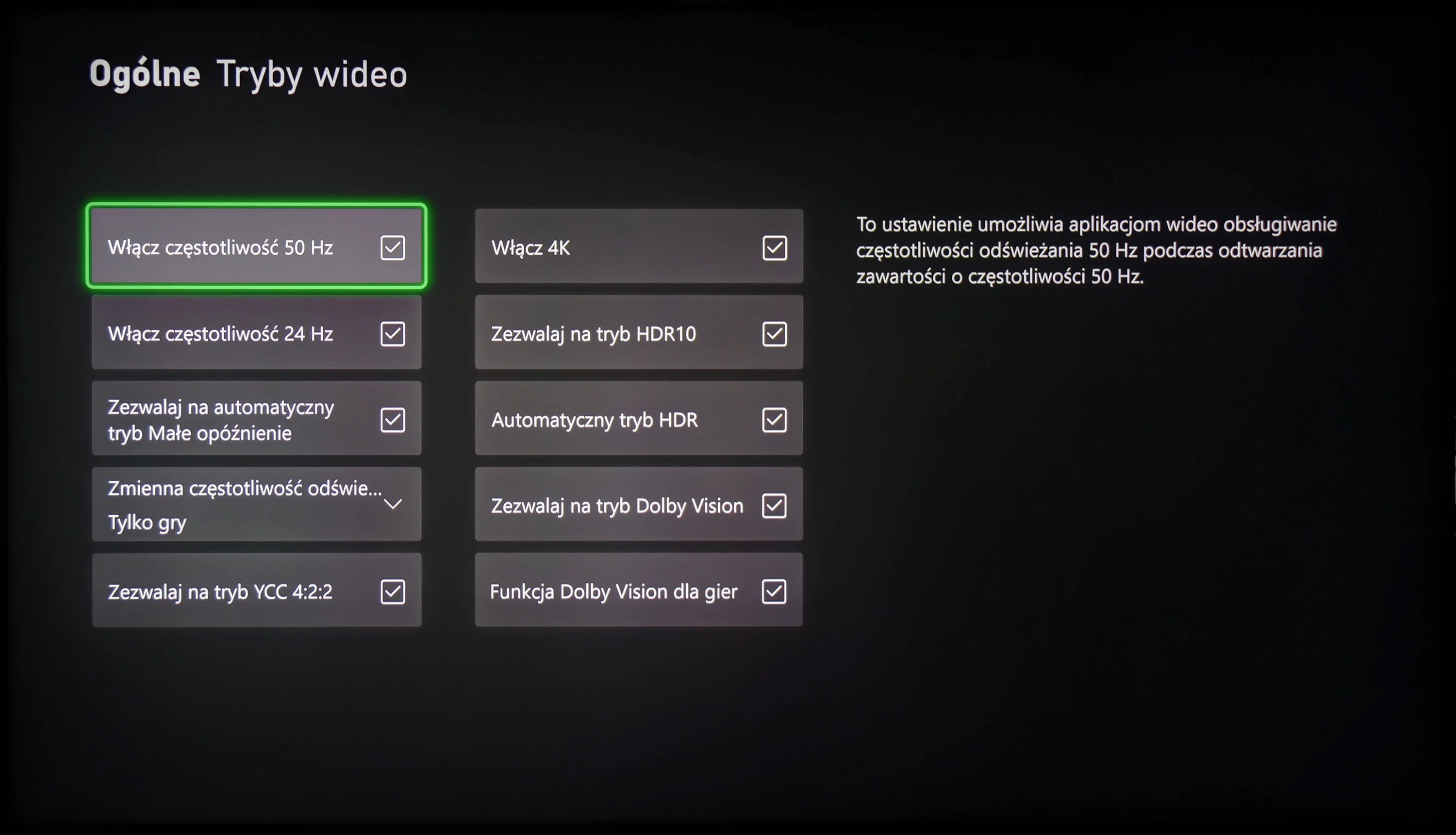
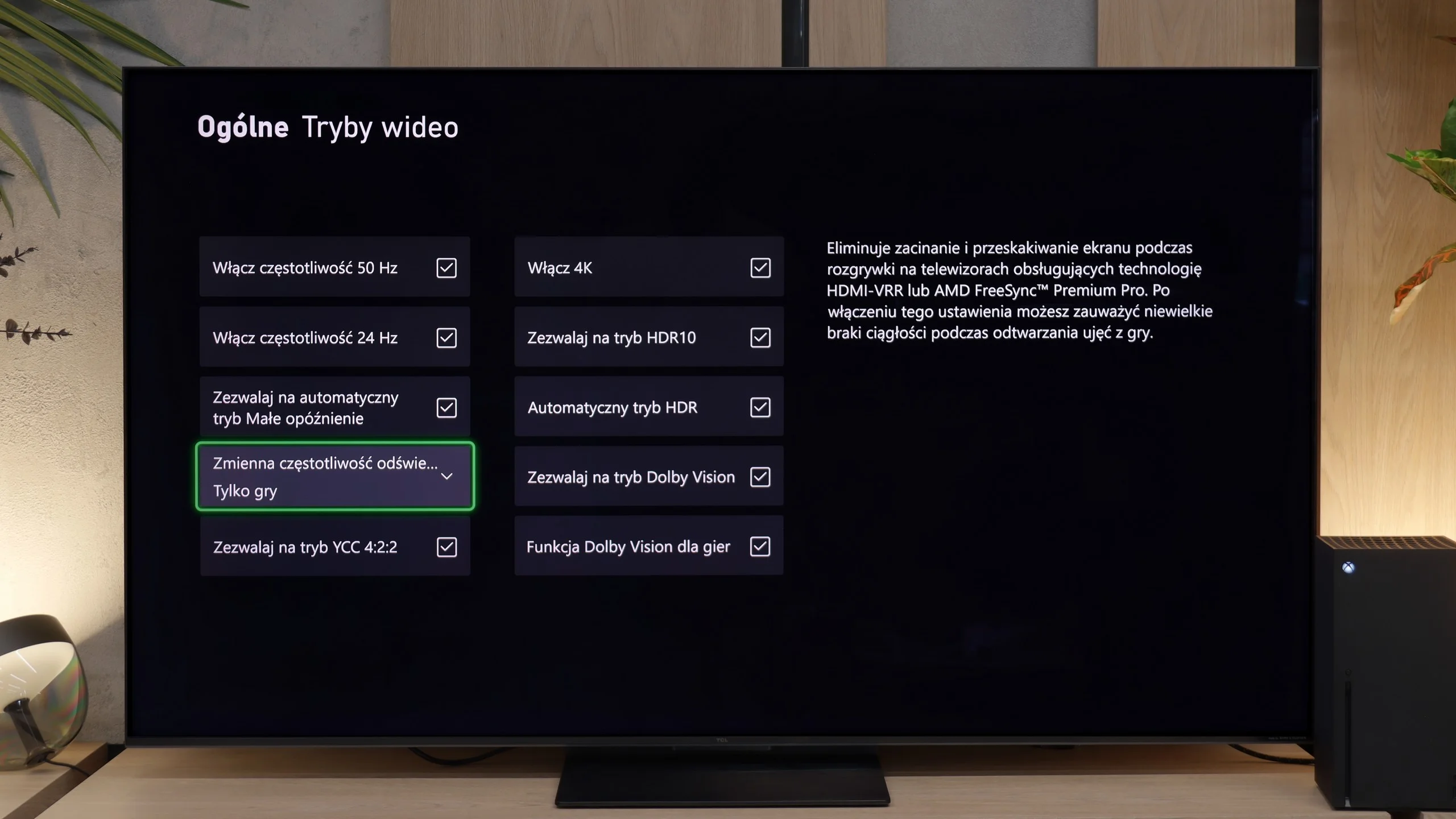
The experience improves significantly with 4K HDR movies, where the TV showcases a wide colour palette and strong lighting effects. Dolby Vision and Dolby Atmos support is a bonus, though the built-in speakers are average. Sports fans will appreciate the 120Hz panel with effective motion smoothing, while gamers benefit from low input lag for console gaming. Motion blur is moderate, with only occasional "trails" during fast motion against dark backgrounds.
However, the lack of HGiG mode somewhat reduces HDR game quality, and the absence of a local dimming function in VRR mode limits the usefulness of this feature. Overall, the TV offers good picture quality for its price range, free from major flaws or standout advantages, while its large size remains its most prominent appeal.
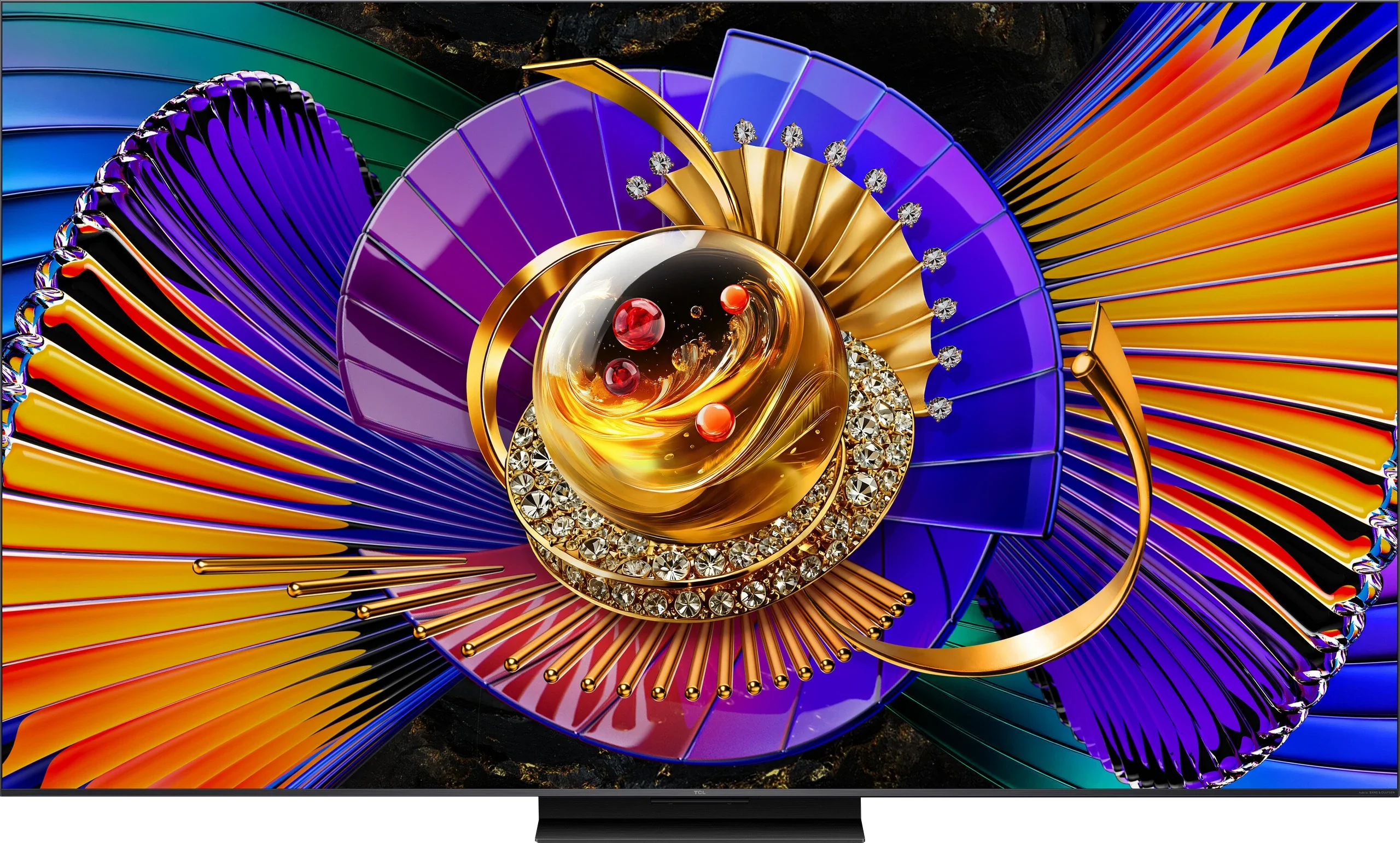
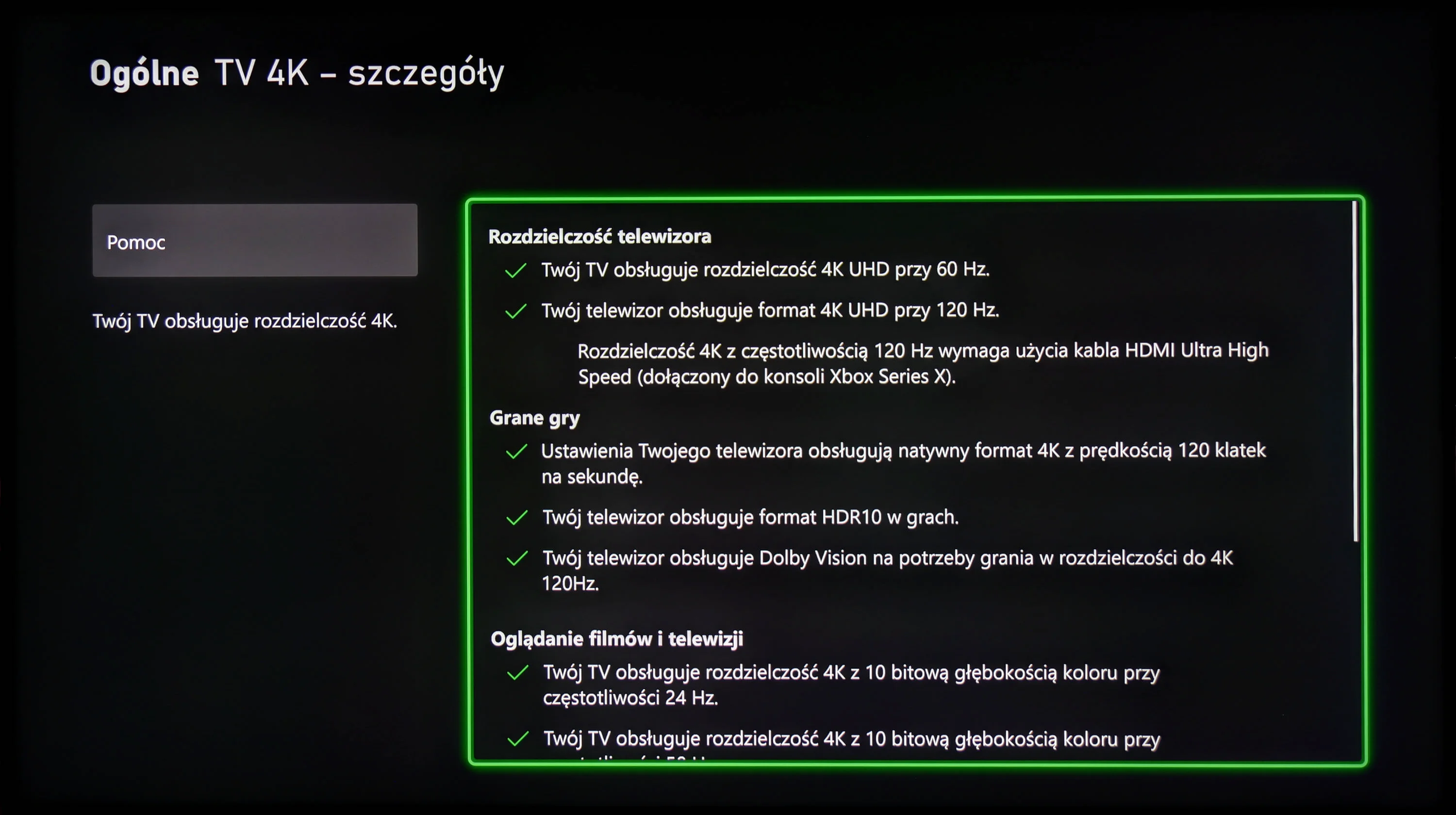
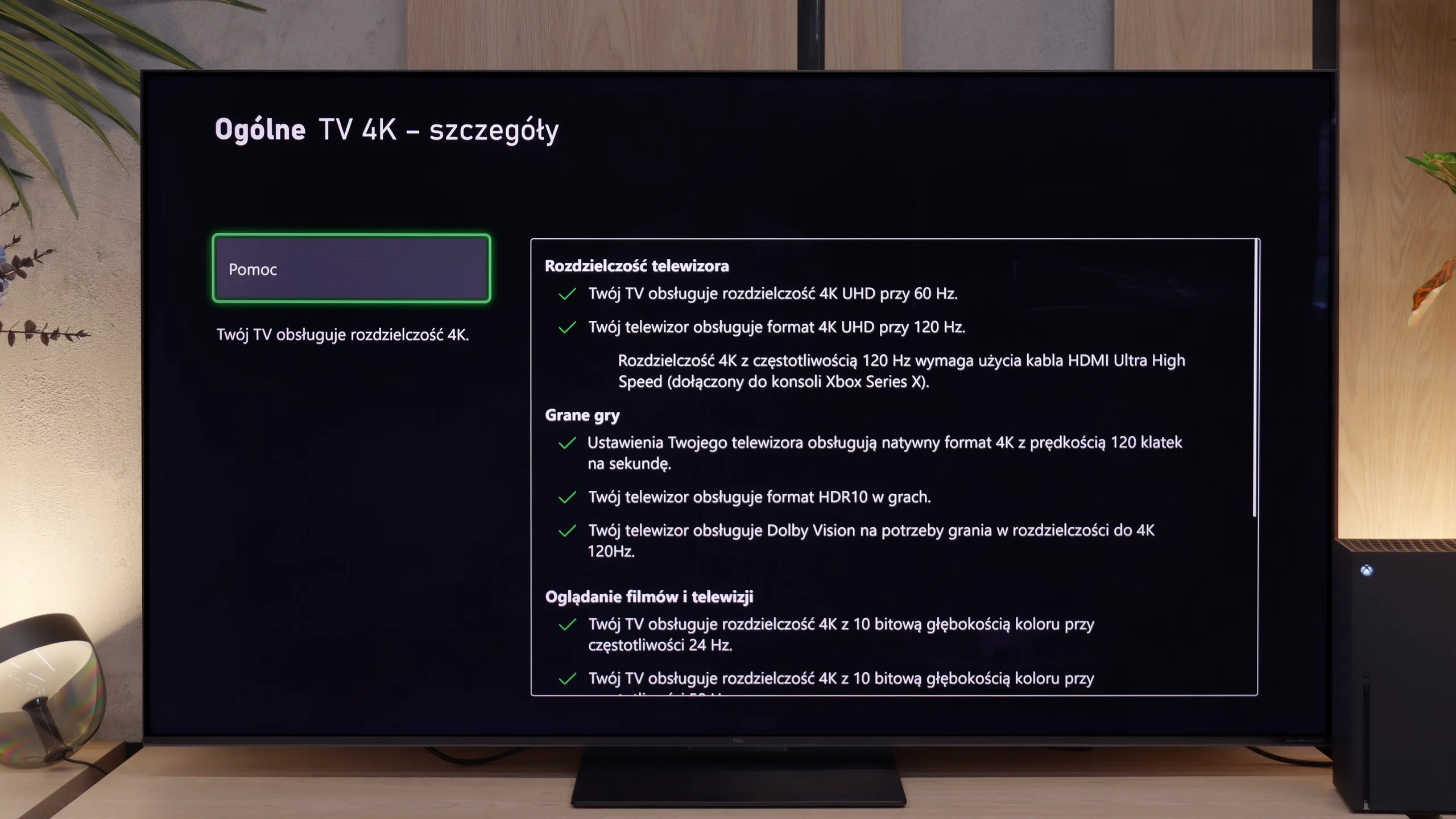
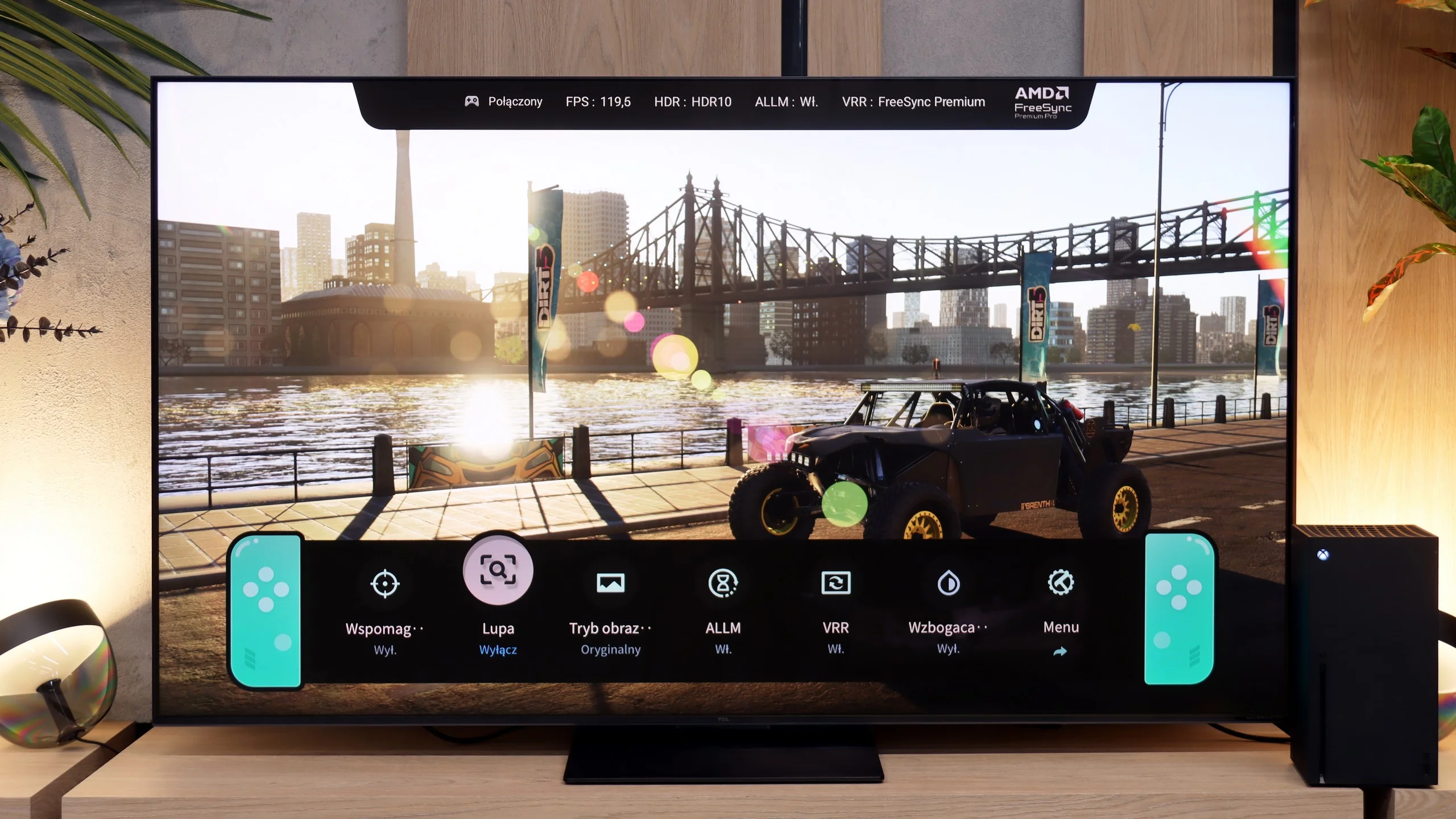
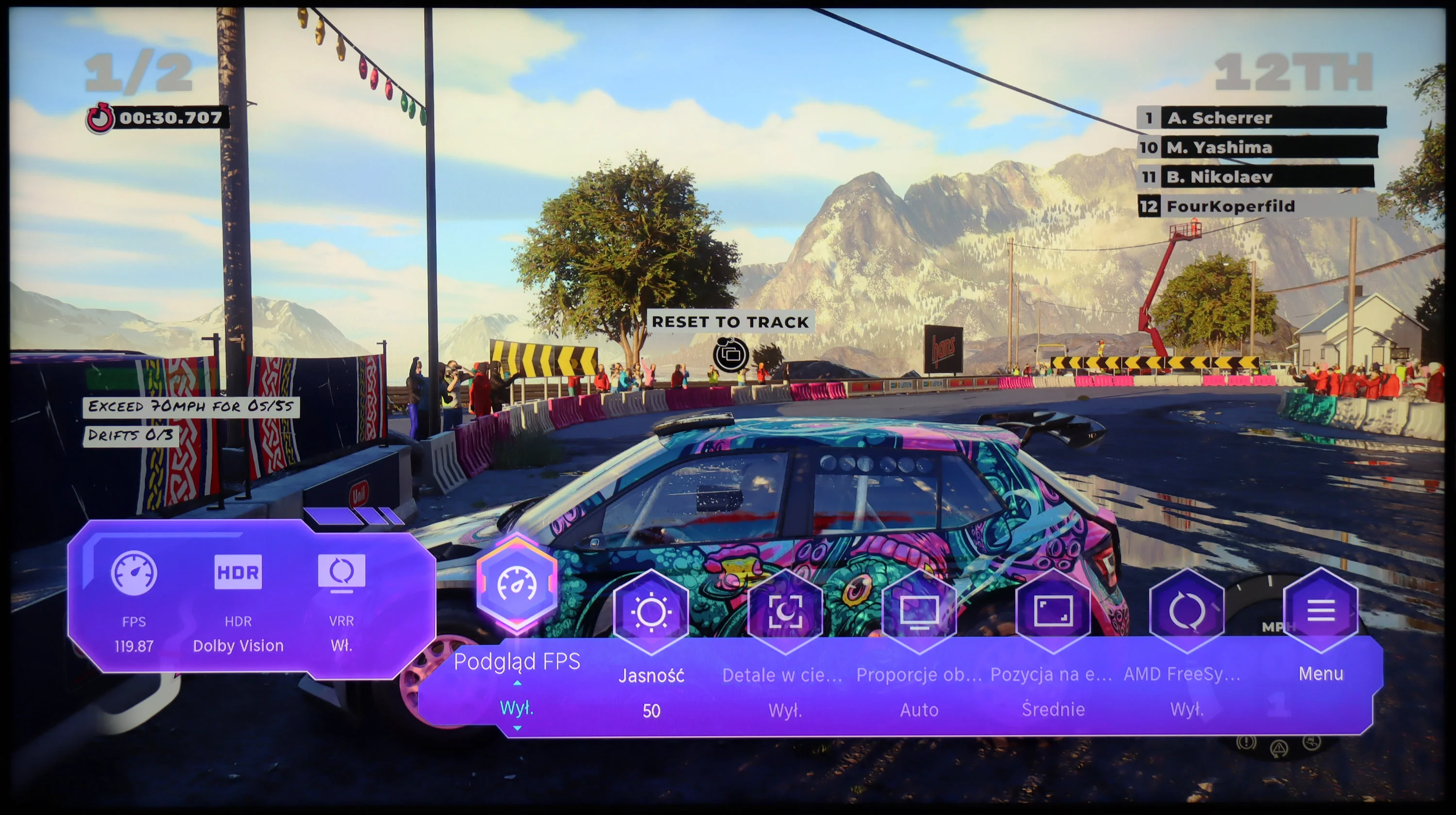
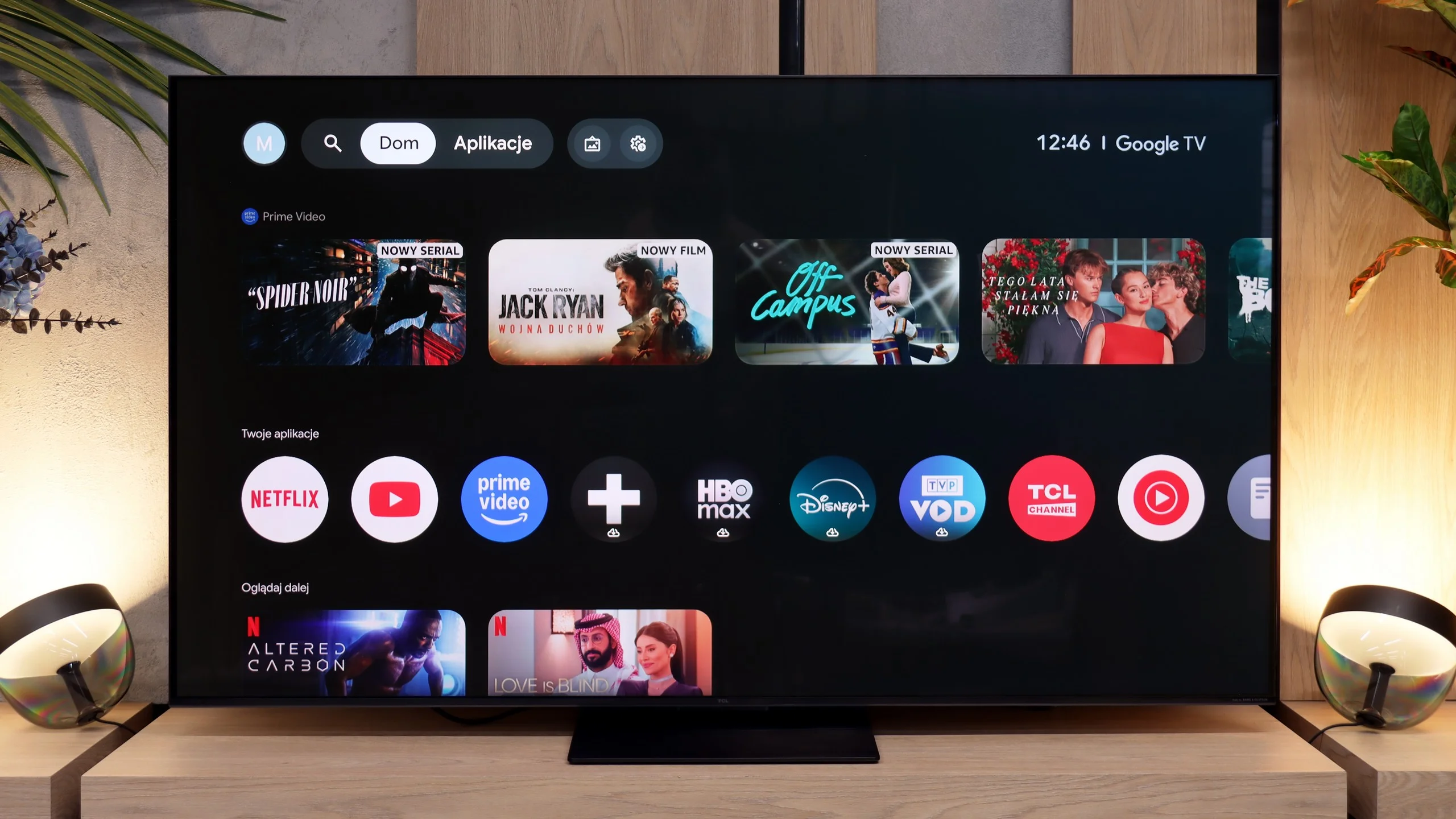
The TCL C7L is an incredibly successful Mini-LED television and a fully deserved successor to the hit model C7K. The list of advantages of this device is truly long. At the top is the extremely high brightness of the panel. Thanks to this, the television effortlessly handles brightly lit living rooms, offering an exceptional and dynamic picture in HDR format. Huge praise is also due for the use of the new Super QLED coating – after professional calibration, the colors can be not only natural but also incredibly saturated. The best part is that the screen does this regardless of what scene is being displayed, which is often not the case with all TVs that have RGB backlighting. The C7L is also a great piece of equipment for gamers; you could say it’s a true "media powerhouse." We get full support for consoles and PCs, a refresh rate of up to 288 Hz, G-Sync, and low input lag that doesn’t increase even when the very demanding mode of Dolby Vision Gaming is activated. The whole thing is tied together by a well-optimized Google TV system, which in this generation of TCL devices operates noticeably smoother and more efficiently (at least that’s the impression we got during our tests). Of course, the C7L is not a perfect device, and the manufacturer had to make certain compromises with this model. The biggest drawback of the C7L is the use of a less powerful image processor. Unfortunately, this translates to quite average digital processing and other design limitations in the form of only two HDMI 2.1 ports. A more powerful chip has been reserved this year for higher series, such as the C8L. From a business perspective, this is fully understandable. Why? Because if TCL had put a better processor here, most people would probably see no point in paying extra for the higher model. So even if certain compromises exist, the C7L series once again promises to be one of the most cost-effective Mini-LED televisions this year. If you are looking for a versatile, extremely bright screen for movies, series, television, or games – literally for everything – and at the same time do not want to overpay for the top series, then yes... the C7L is a brilliant choice that we can definitely recommend to you.
 Direct comparison