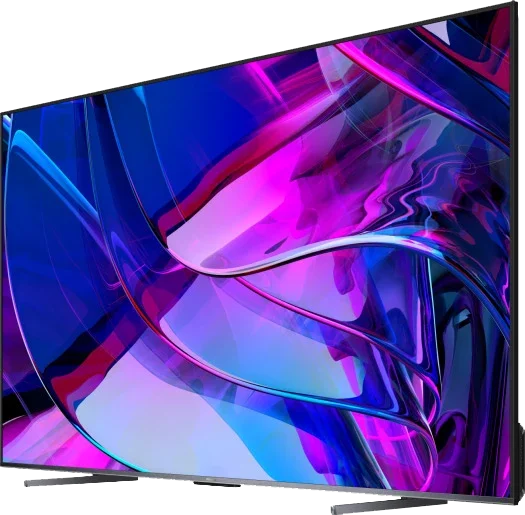
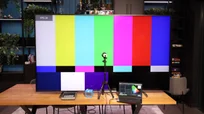
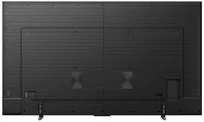
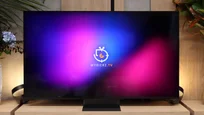
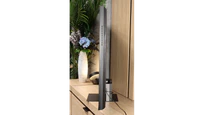
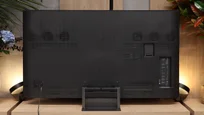
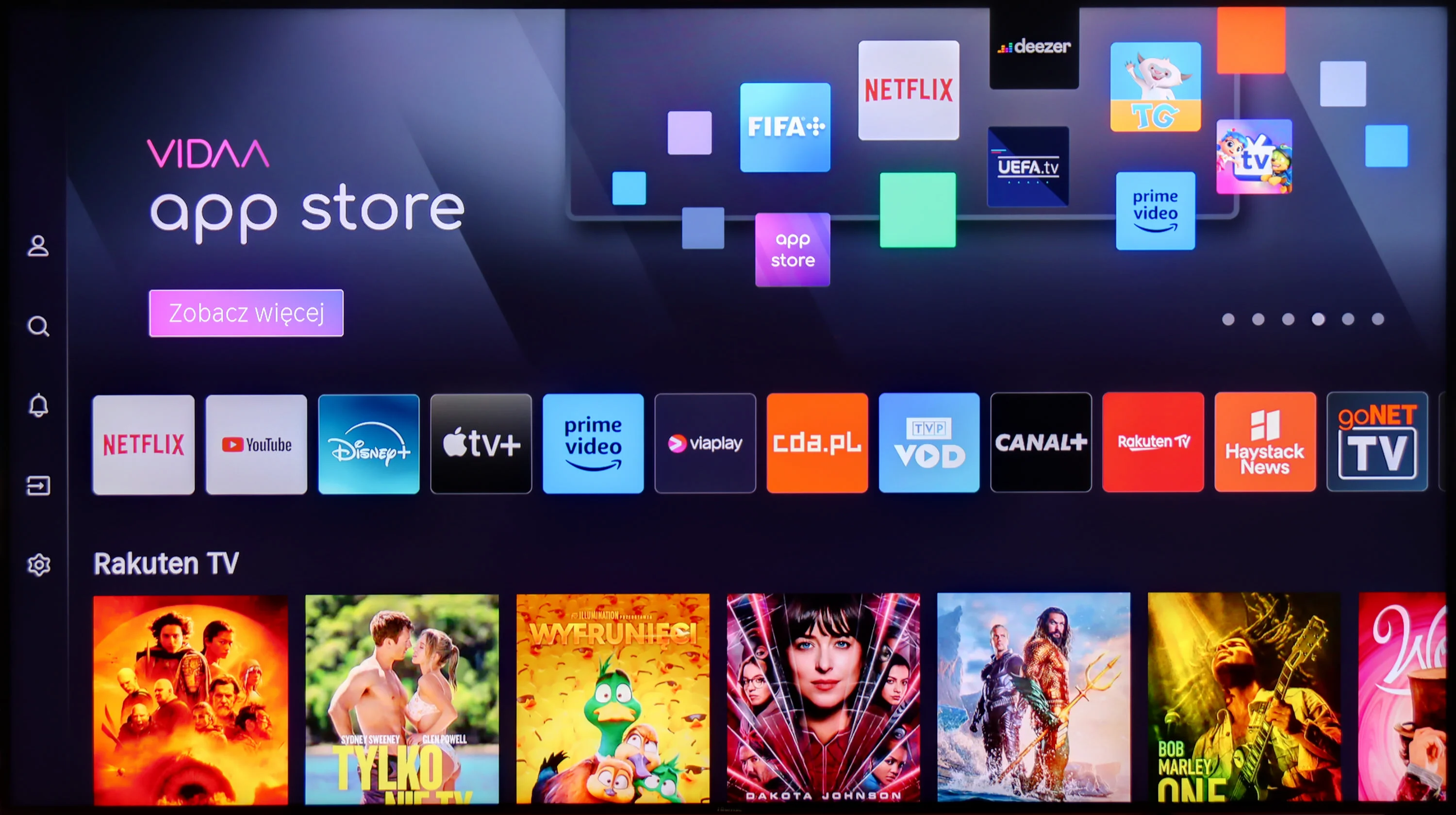
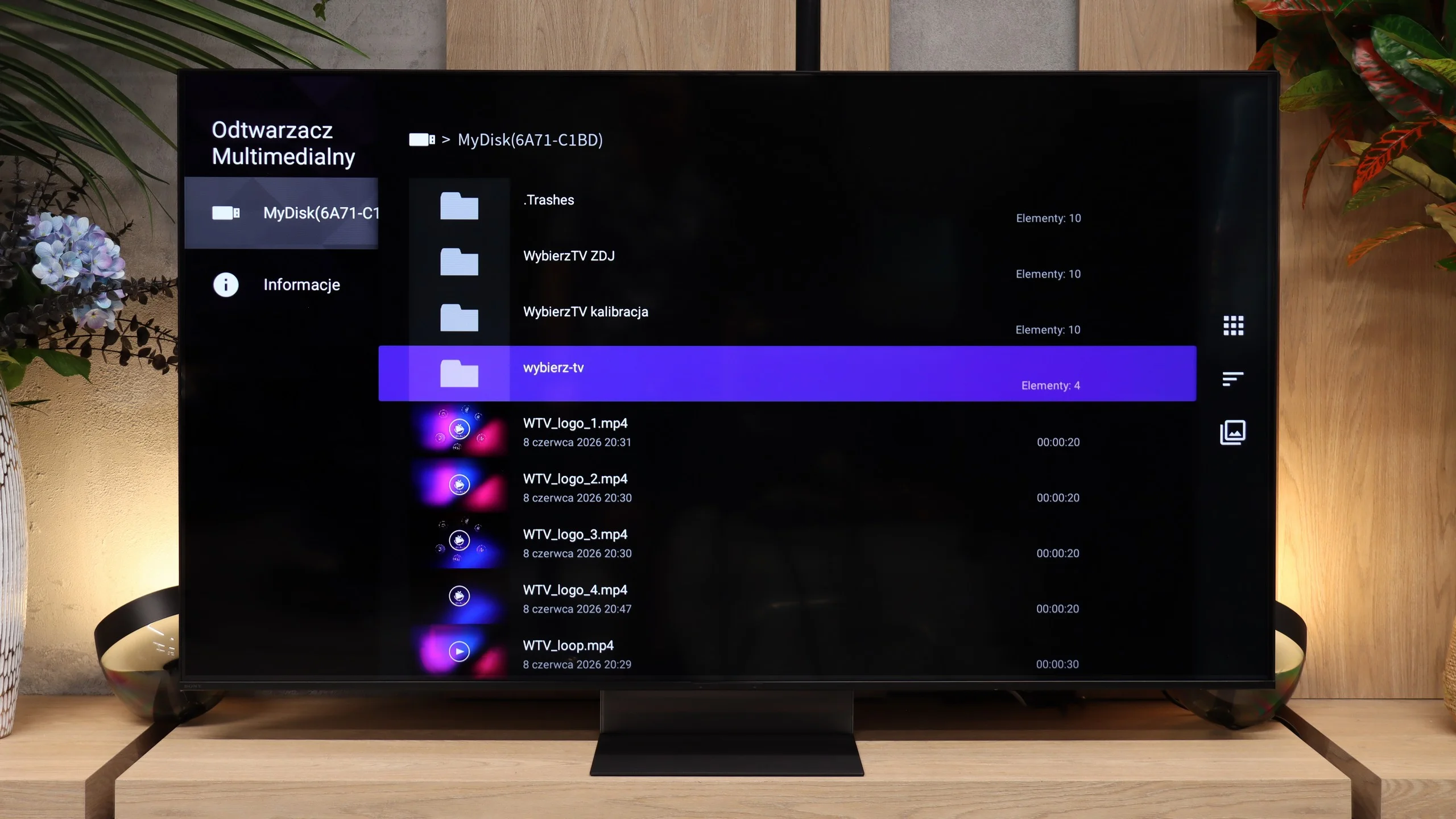
The Hisense U7KQ in its 100" variant is a significantly better option than smaller diagonal models. The proprietary VIDAA system offers an interface similar to platforms like Google TV, running quickly and efficiently without freezing or major errors however, the built-in file player occasionally faces operational difficulties. It is worth noting that not all apps were available at the time of review, so checking app compatibility is recommended.
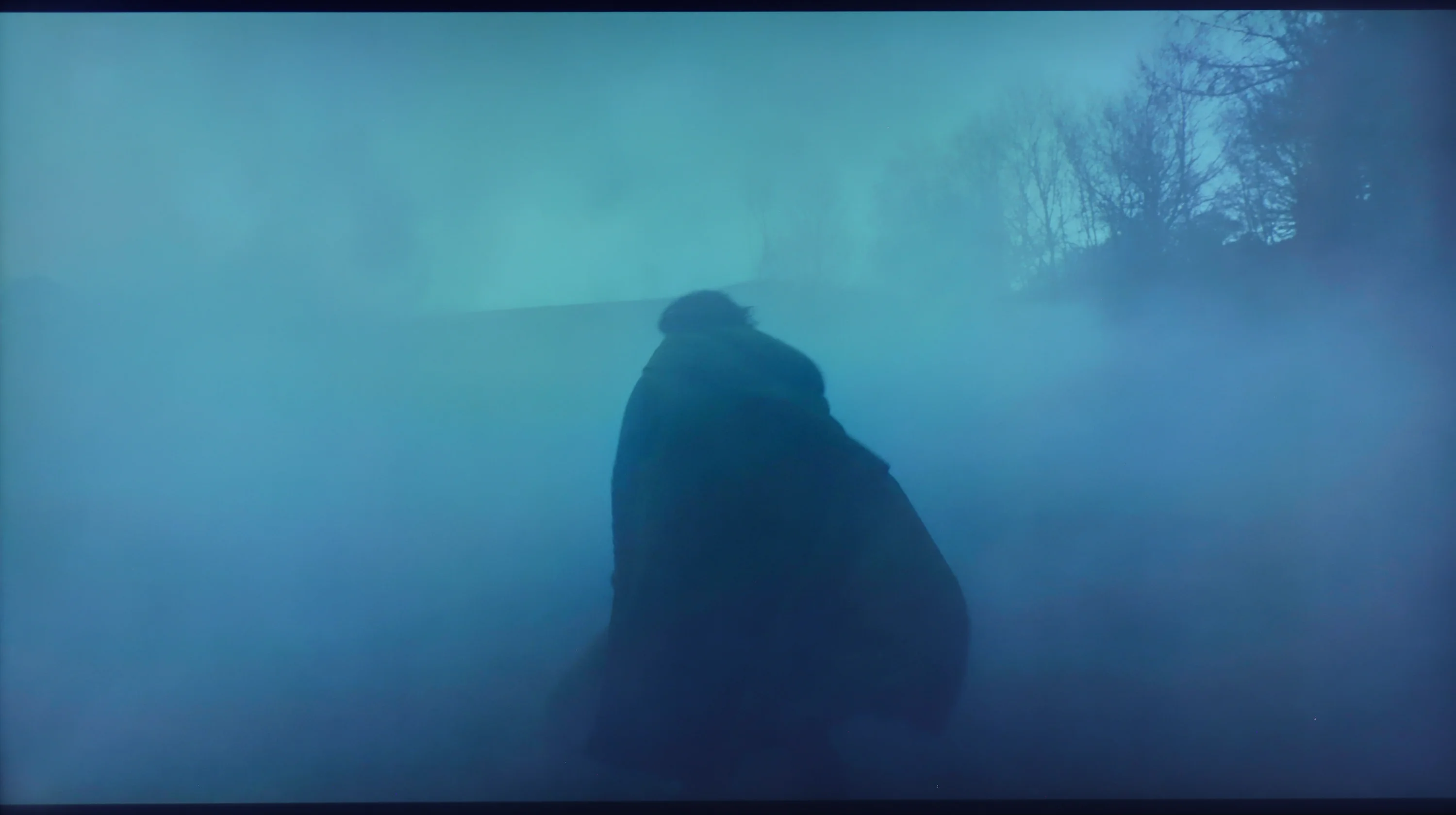
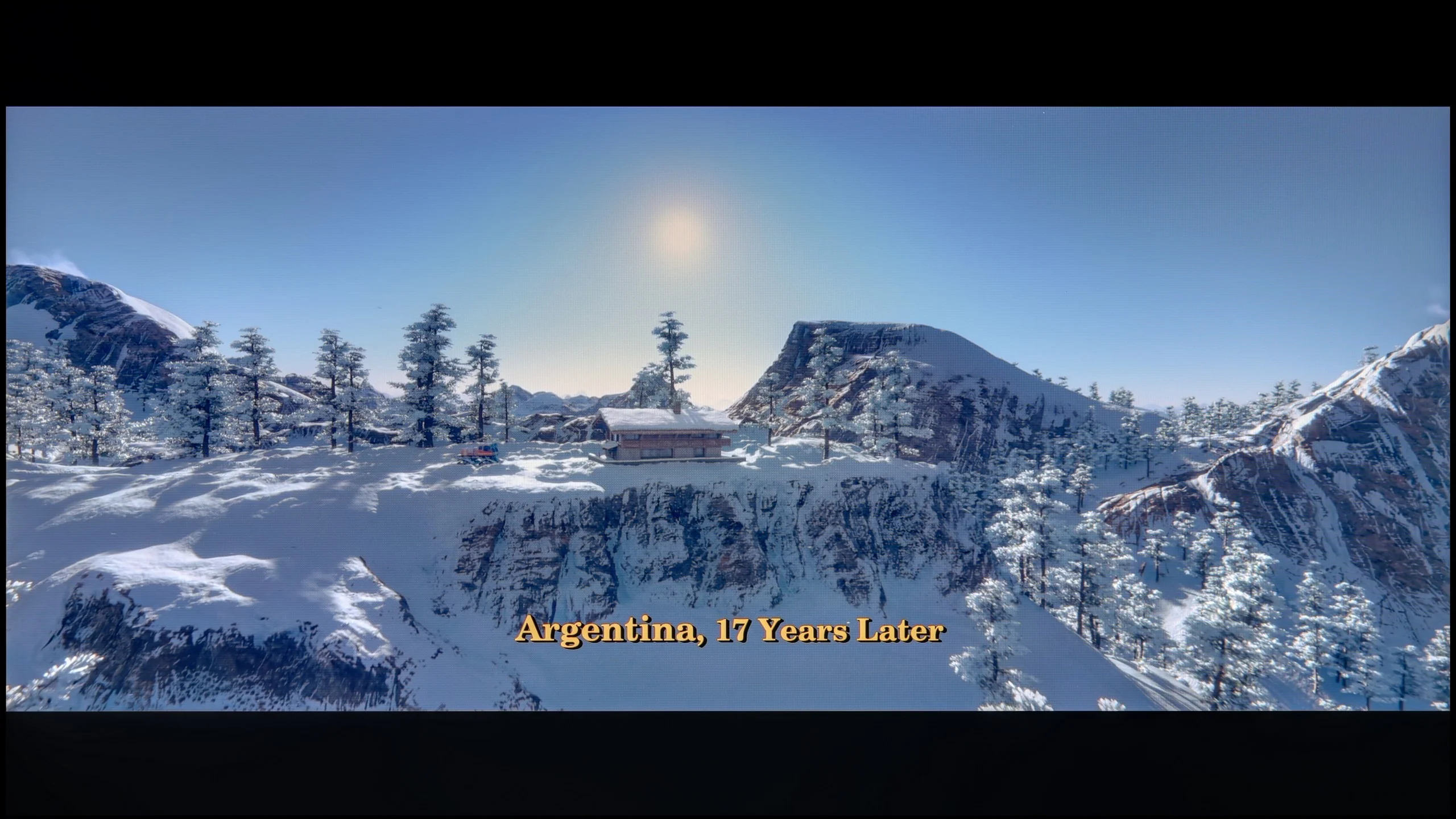
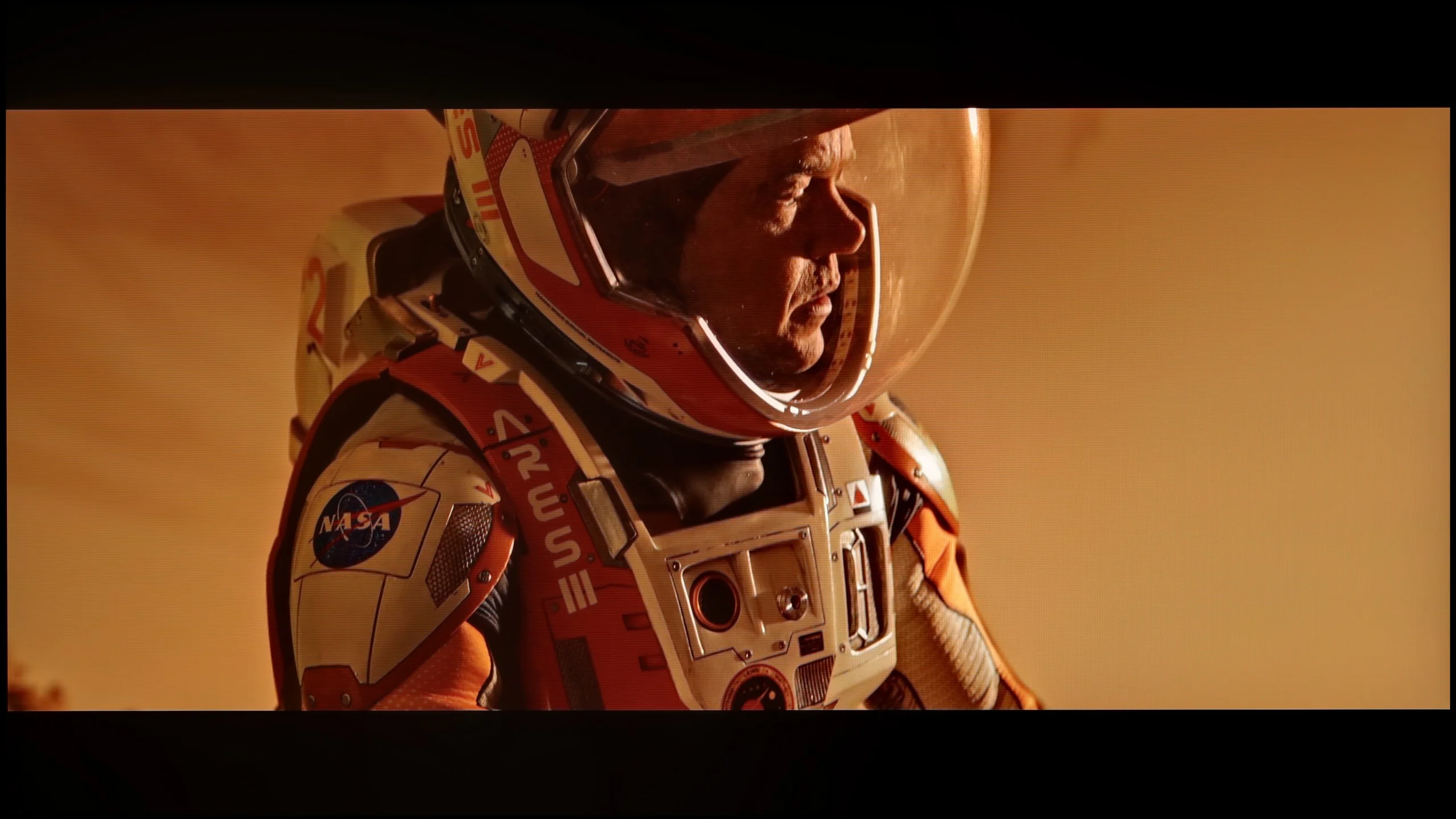
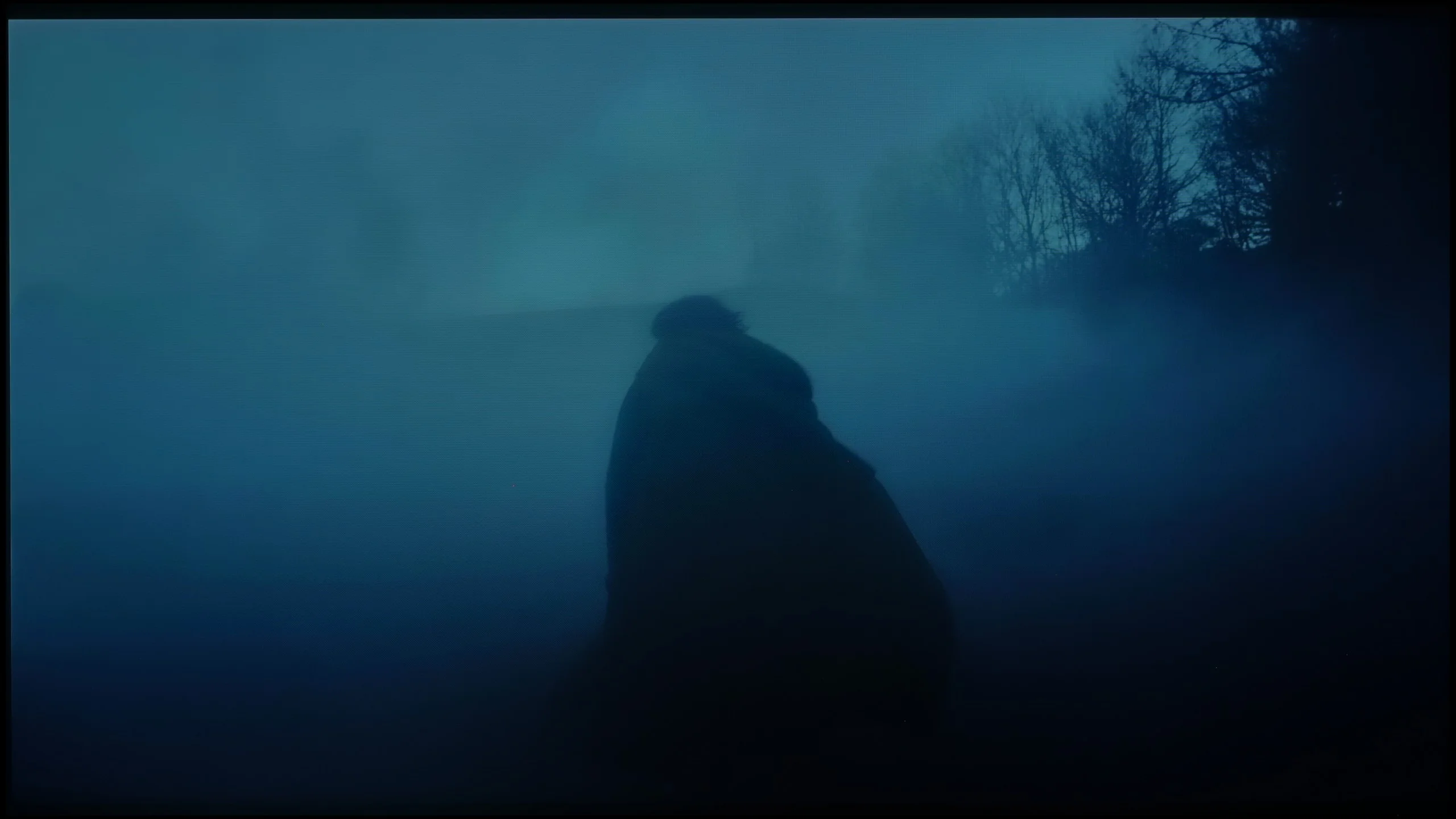
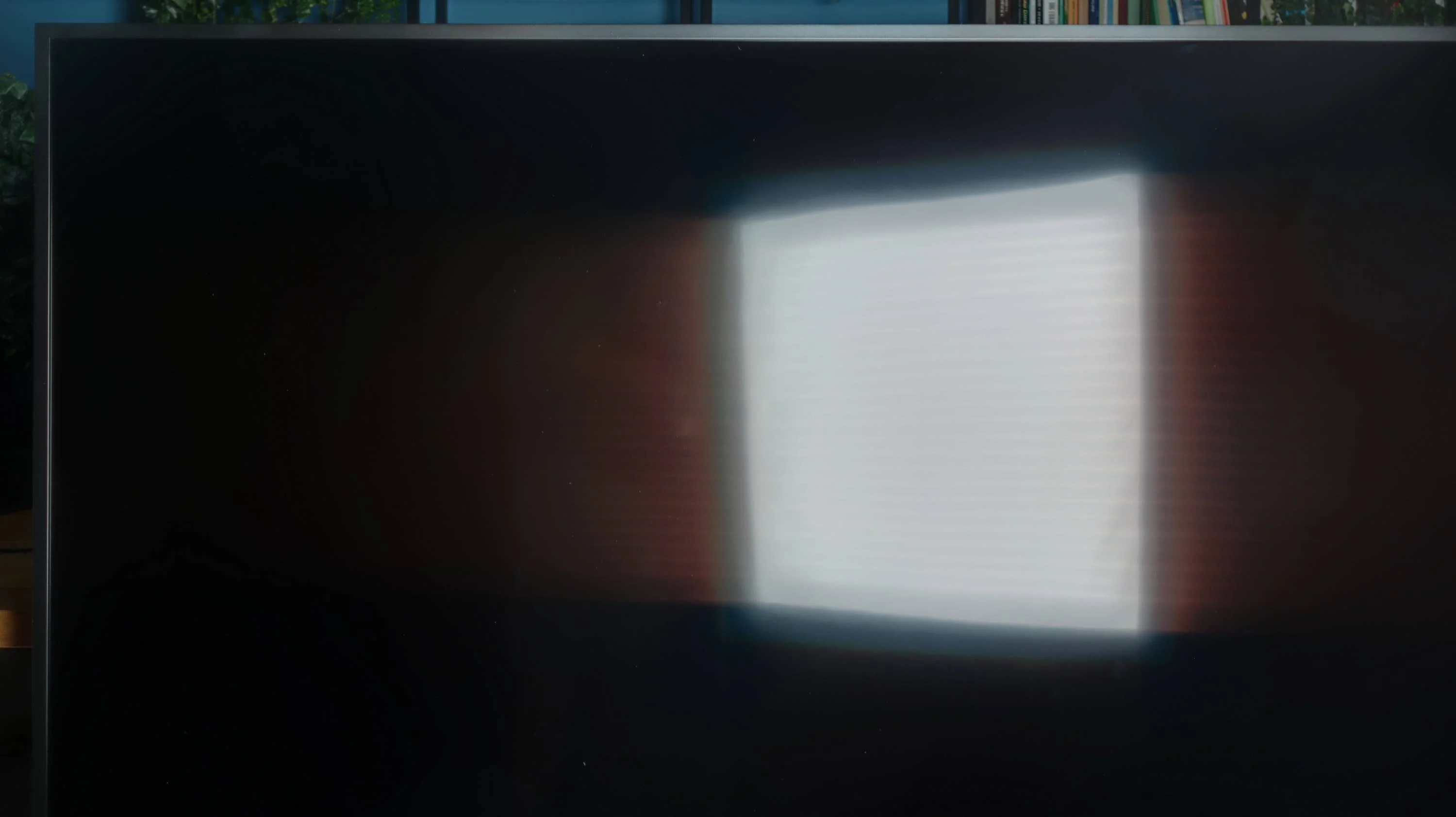
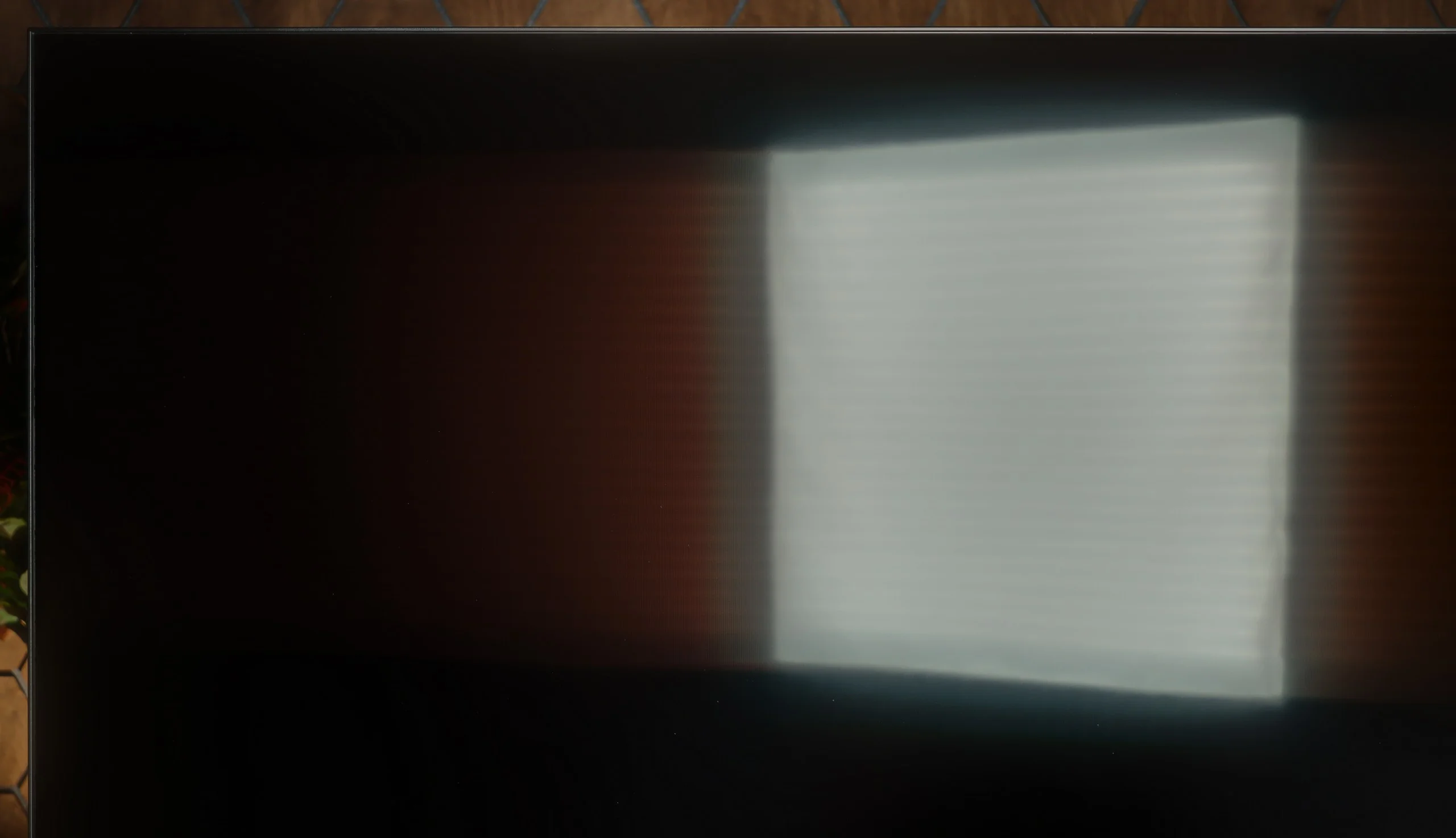
The TV's feature set is extensive, and most tested functions performed as expected. The panel's high brightness is a strong point during daytime use, making it suitable even for heavily sunlit living rooms. In cinematic settings, the VA panel, supported by multiple dimming zones, delivers good blacks. It handles low-quality content, such as SD channels or DVDs, reasonably well, though the absence of a function to reduce posterization (visible colour transitions) is a minor drawback.
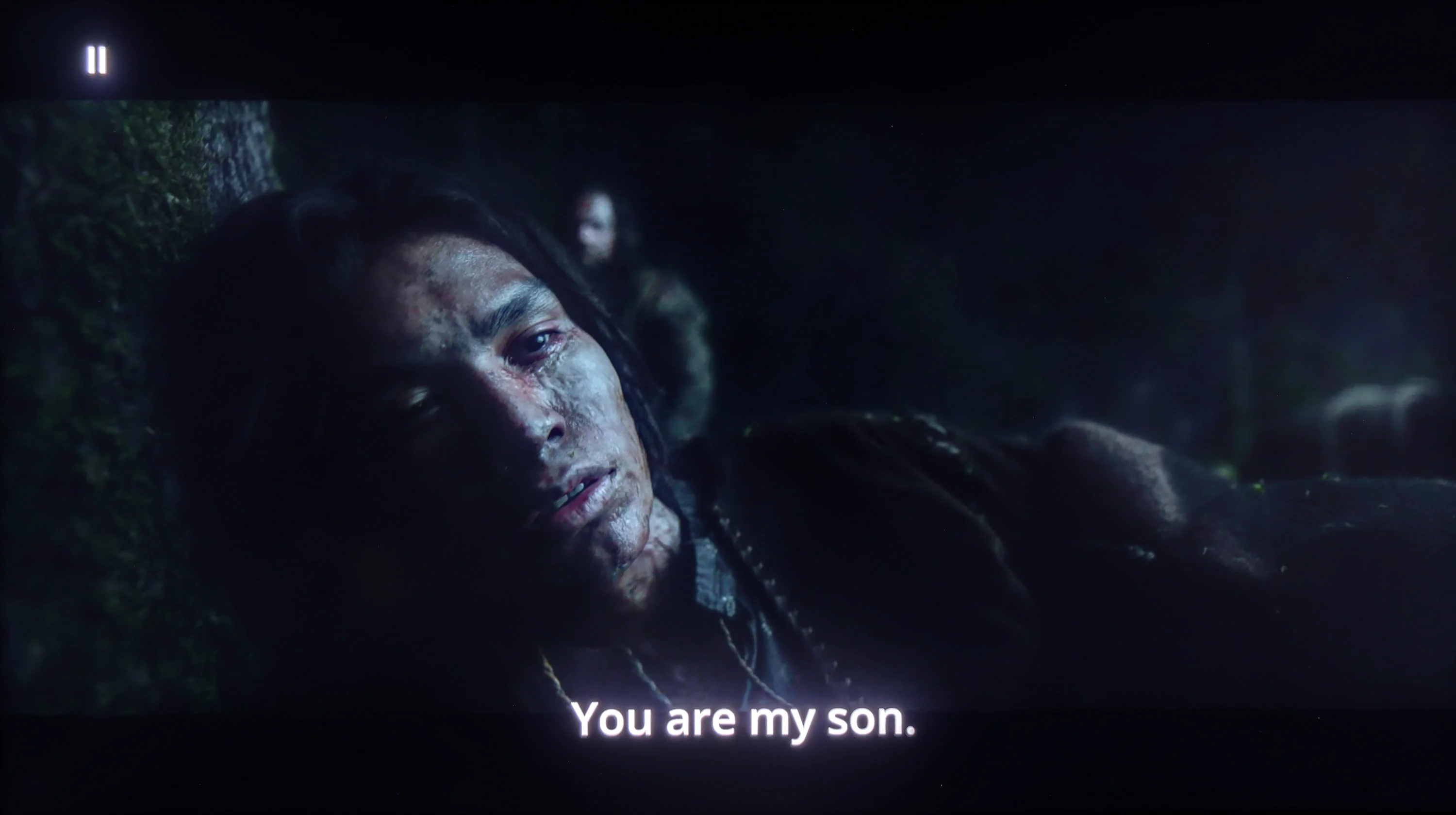
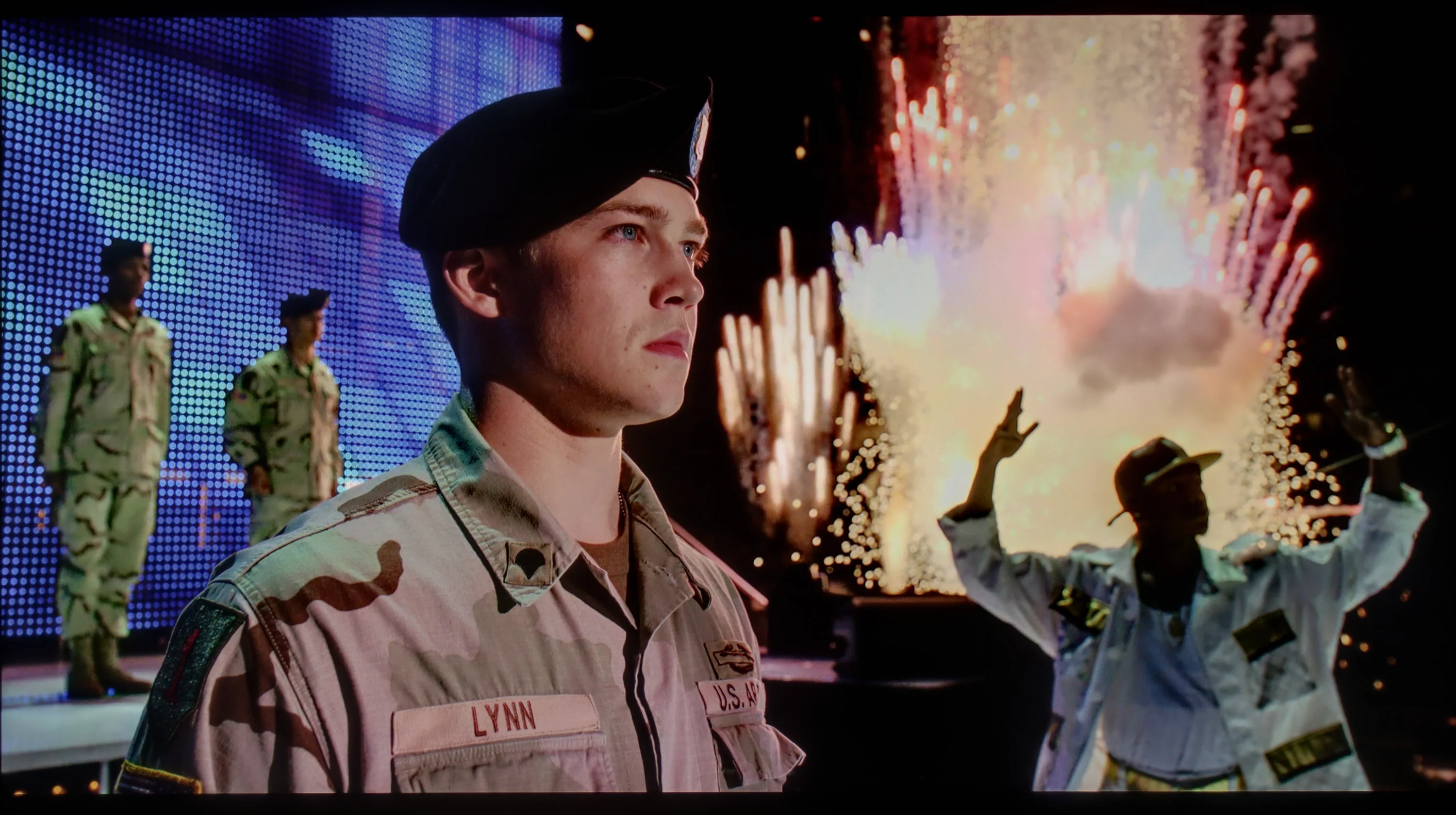
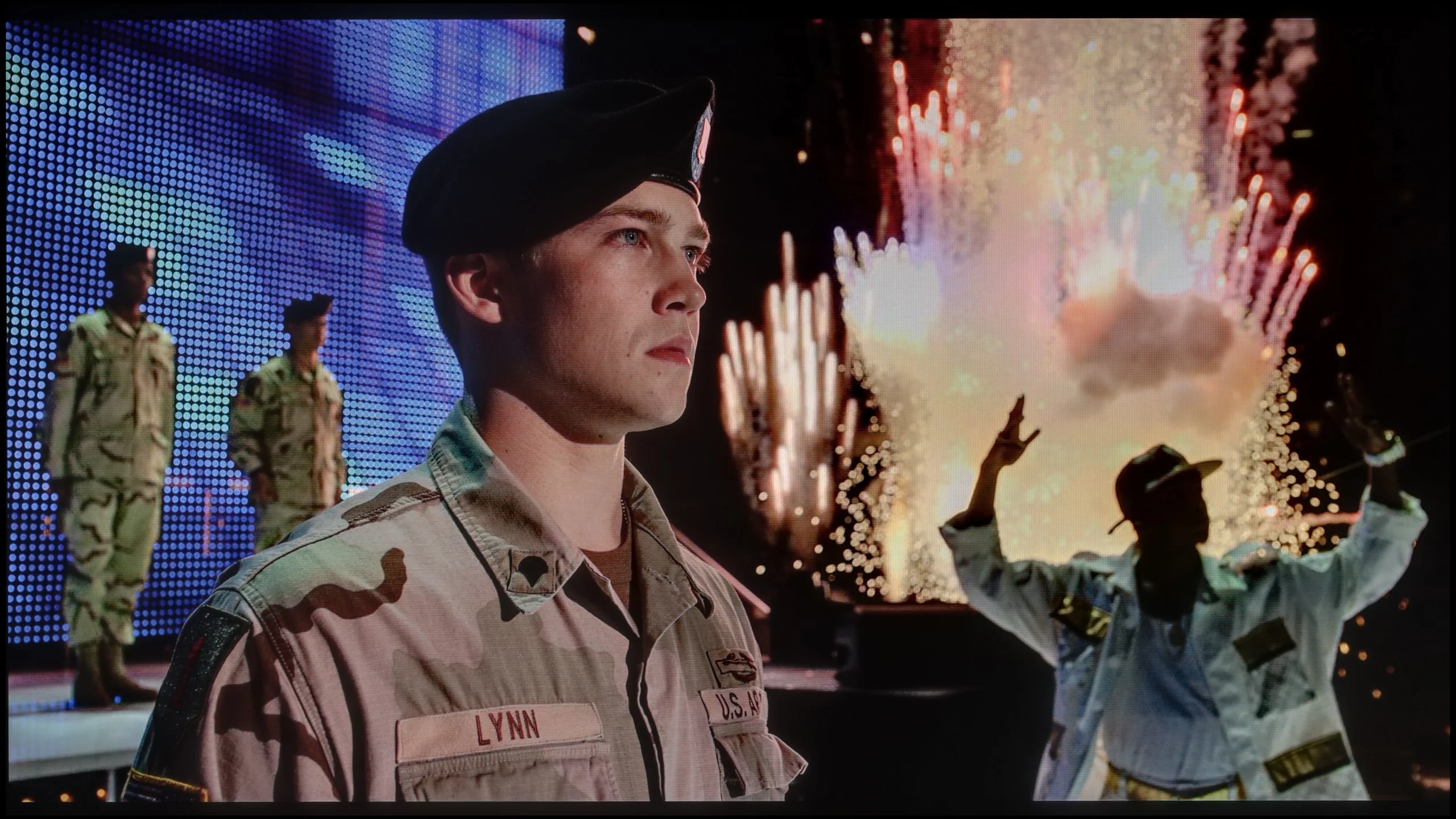
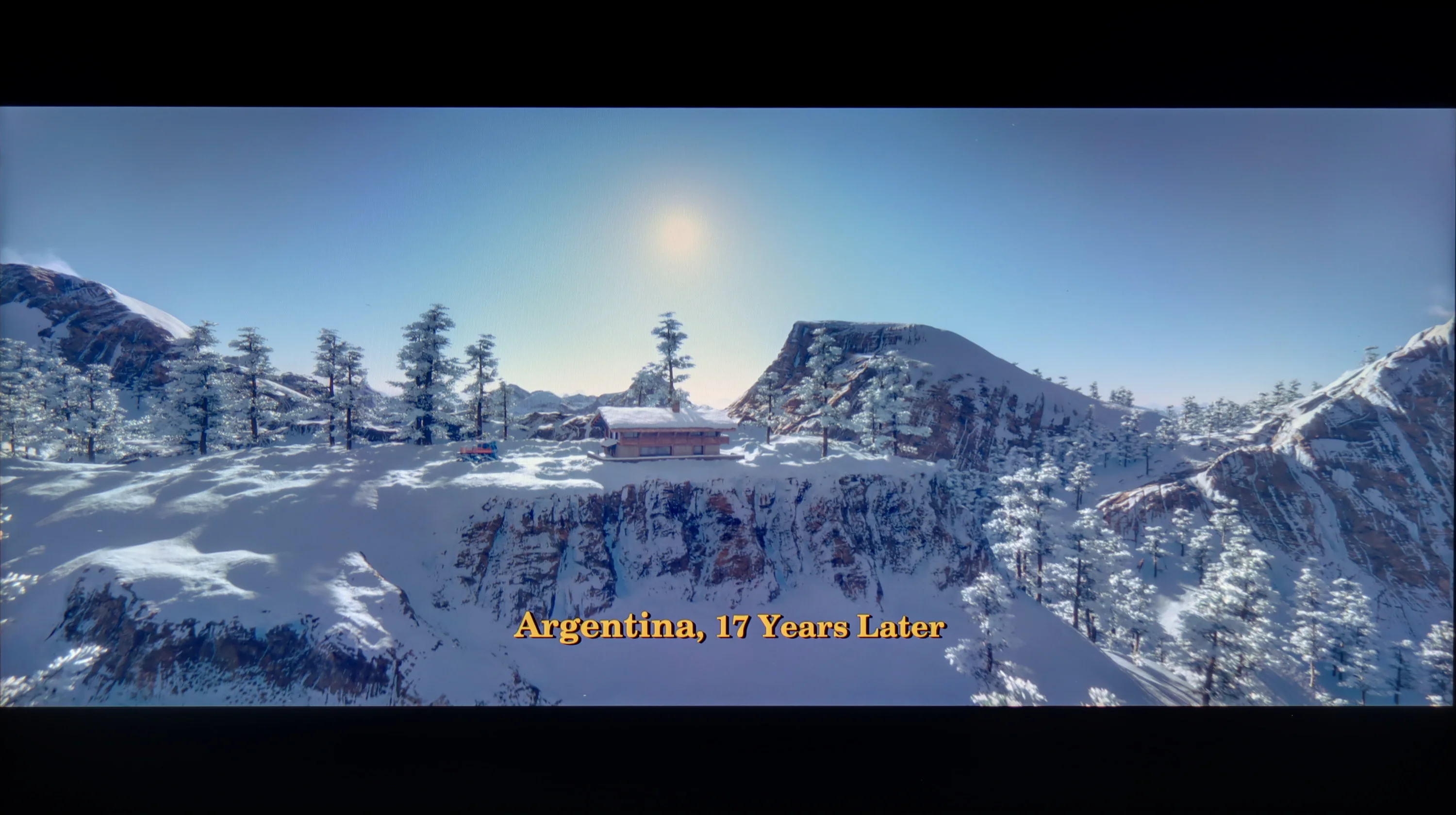
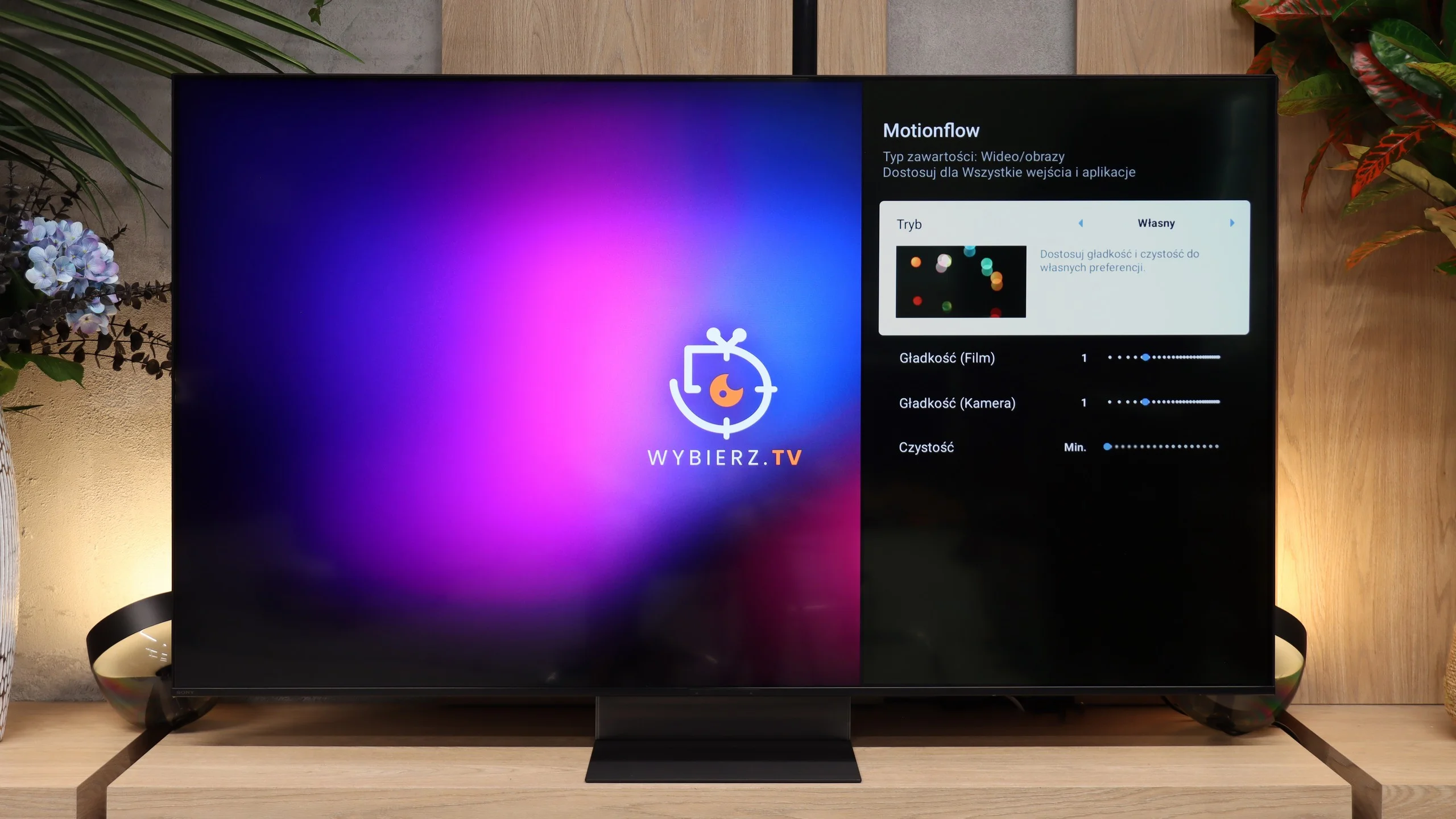
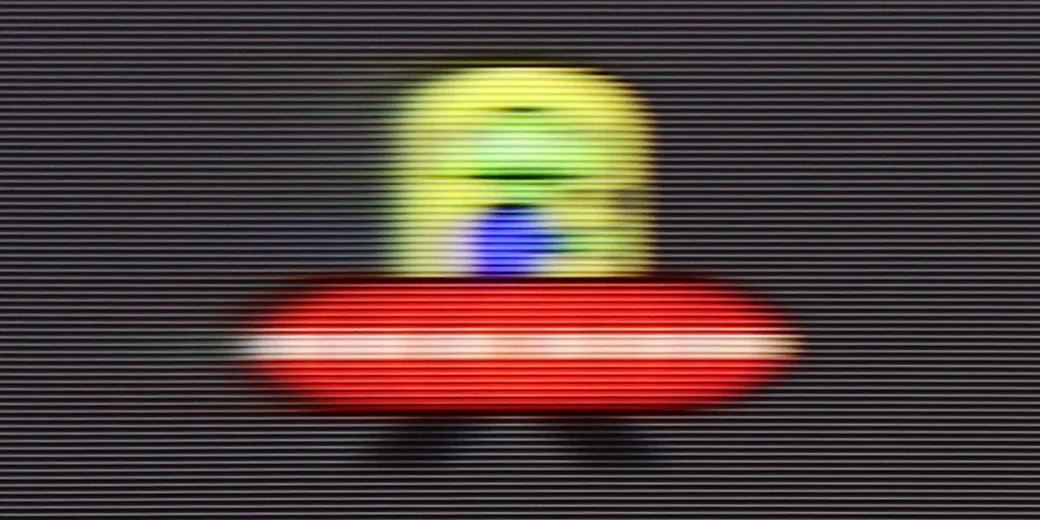
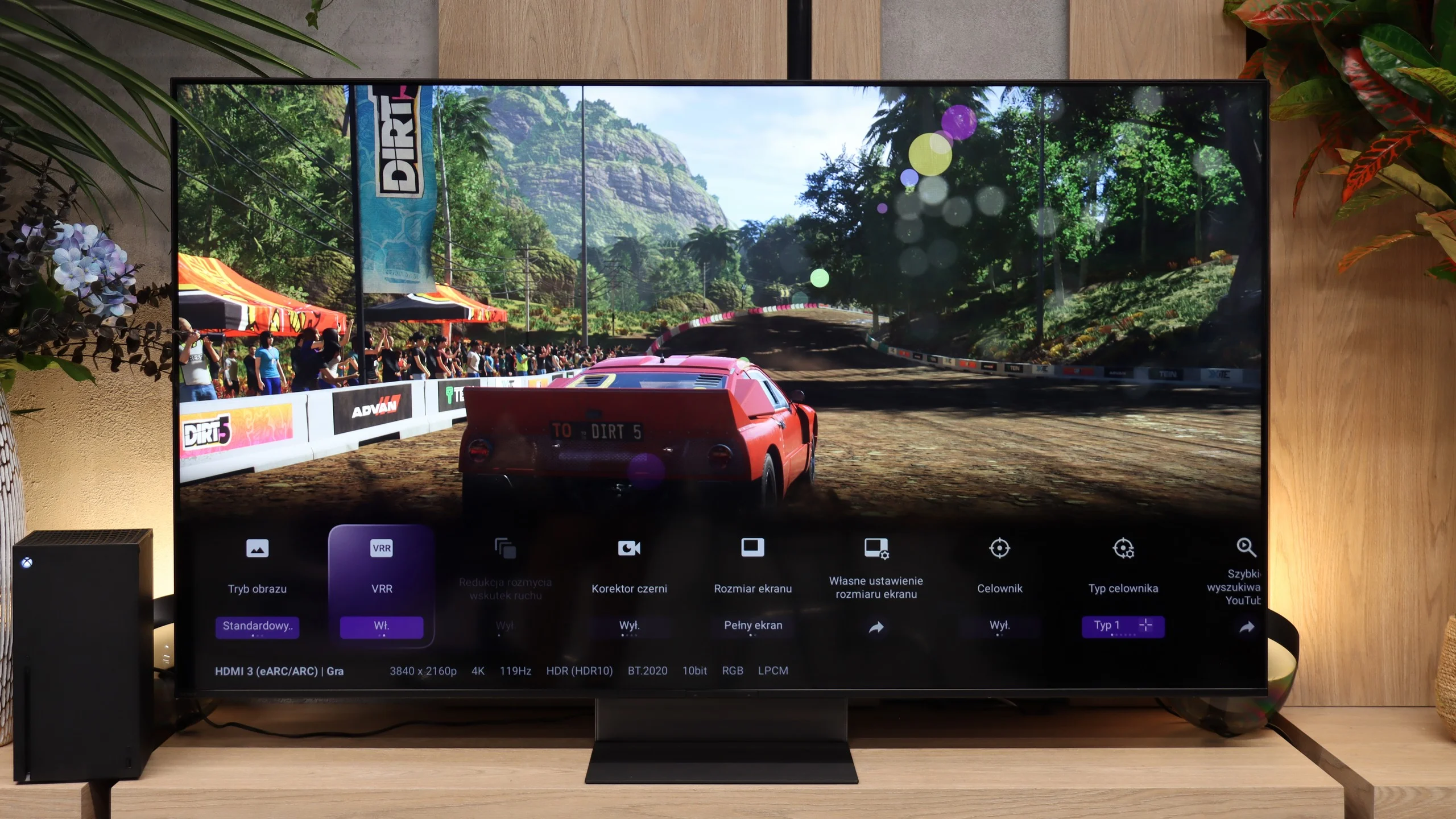
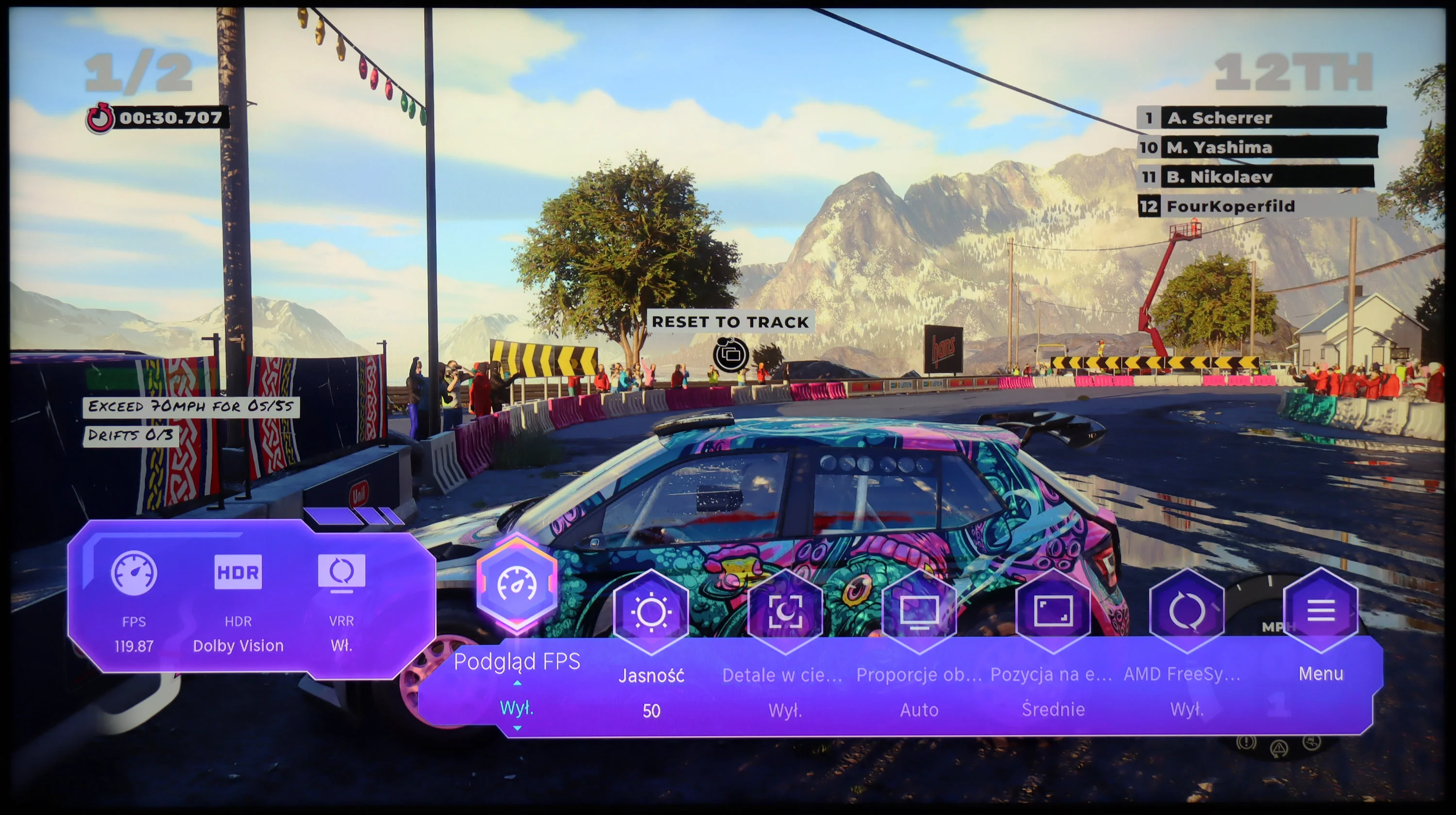
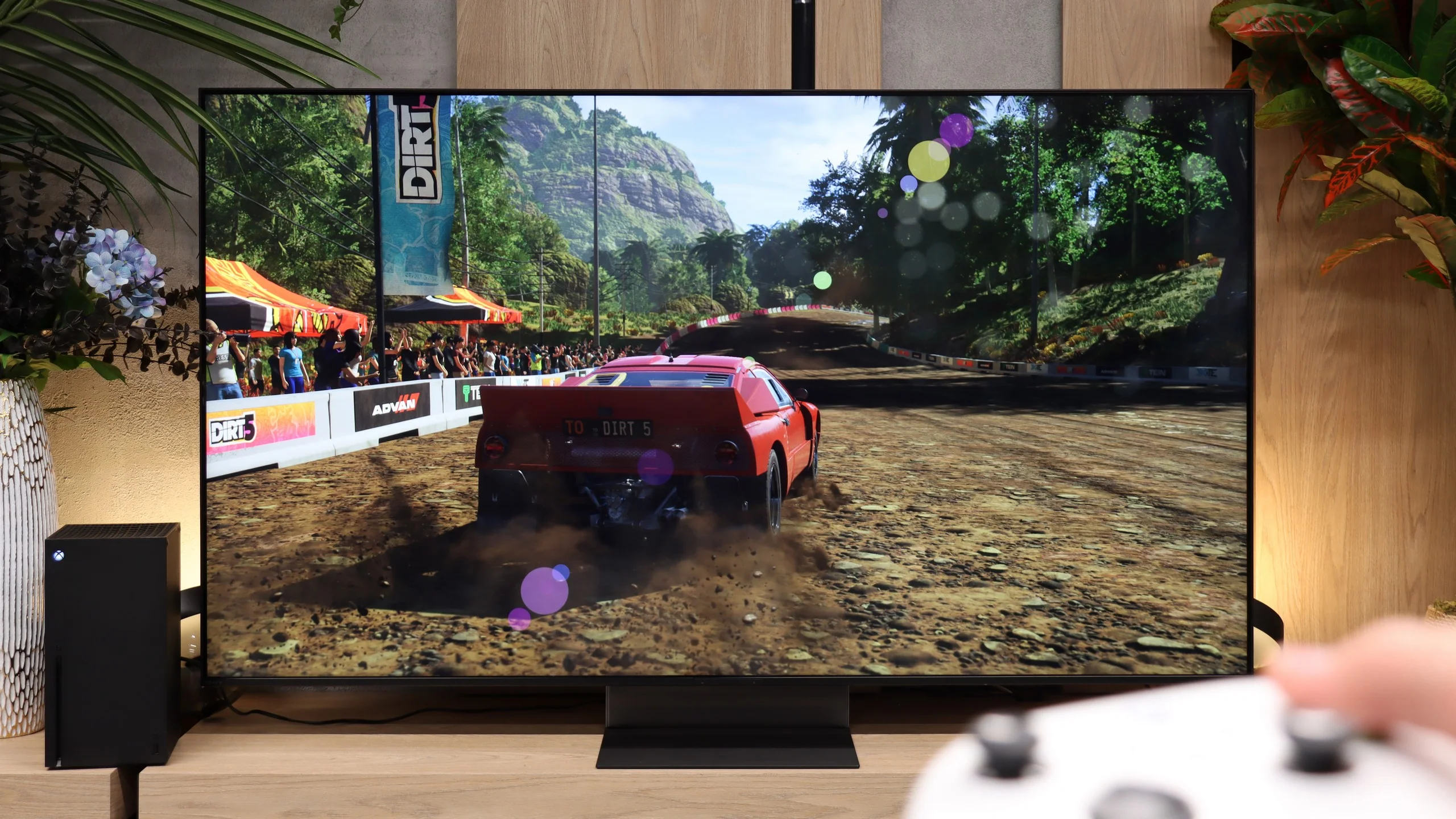
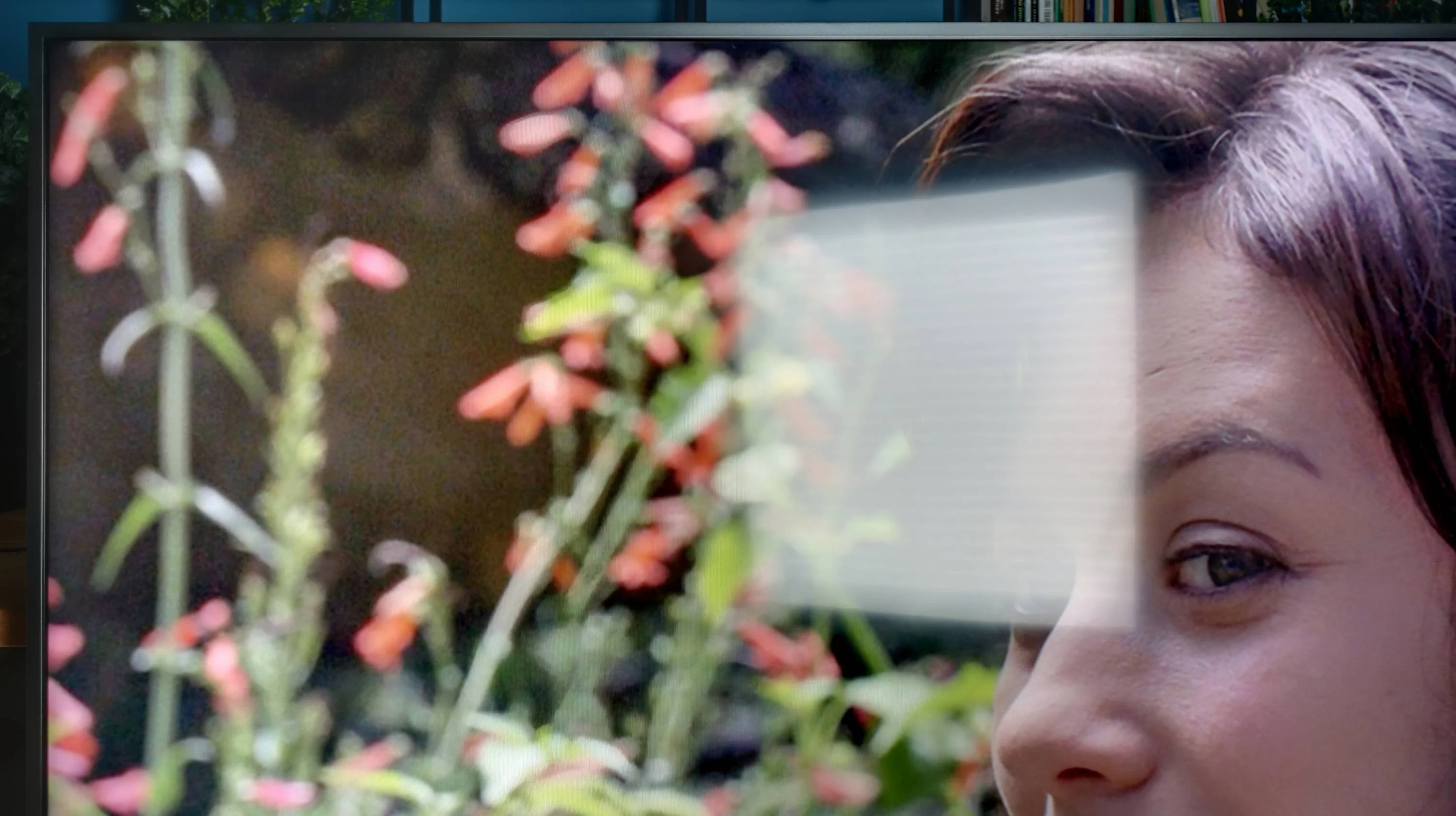
The experience improves significantly with 4K HDR movies, where the TV showcases a wide colour palette and strong lighting effects. Dolby Vision and Dolby Atmos support is a bonus, though the built-in speakers are average. Sports fans will appreciate the 120Hz panel with effective motion smoothing, while gamers benefit from low input lag for console gaming. Motion blur is moderate, with only occasional "trails" during fast motion against dark backgrounds.
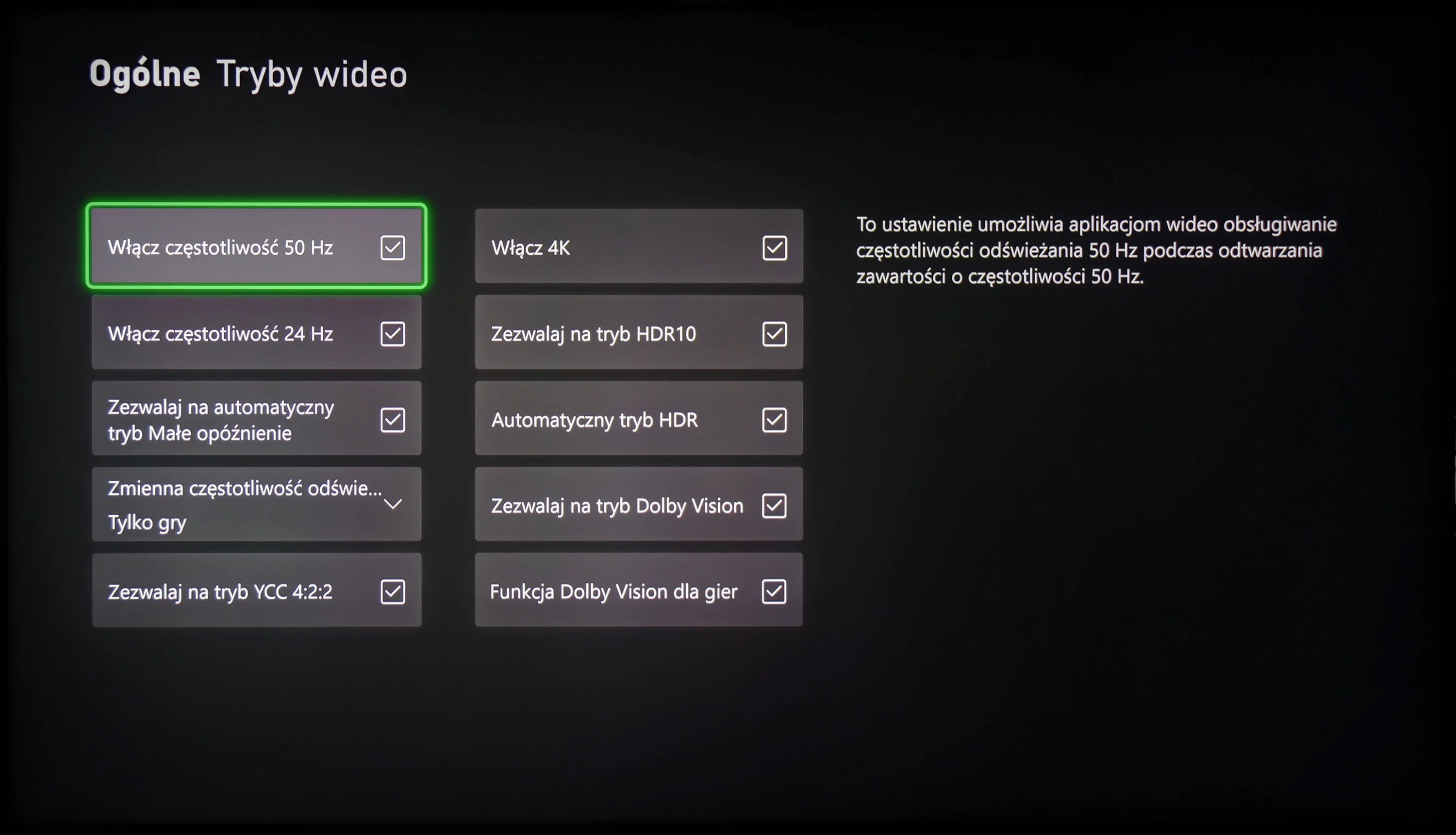
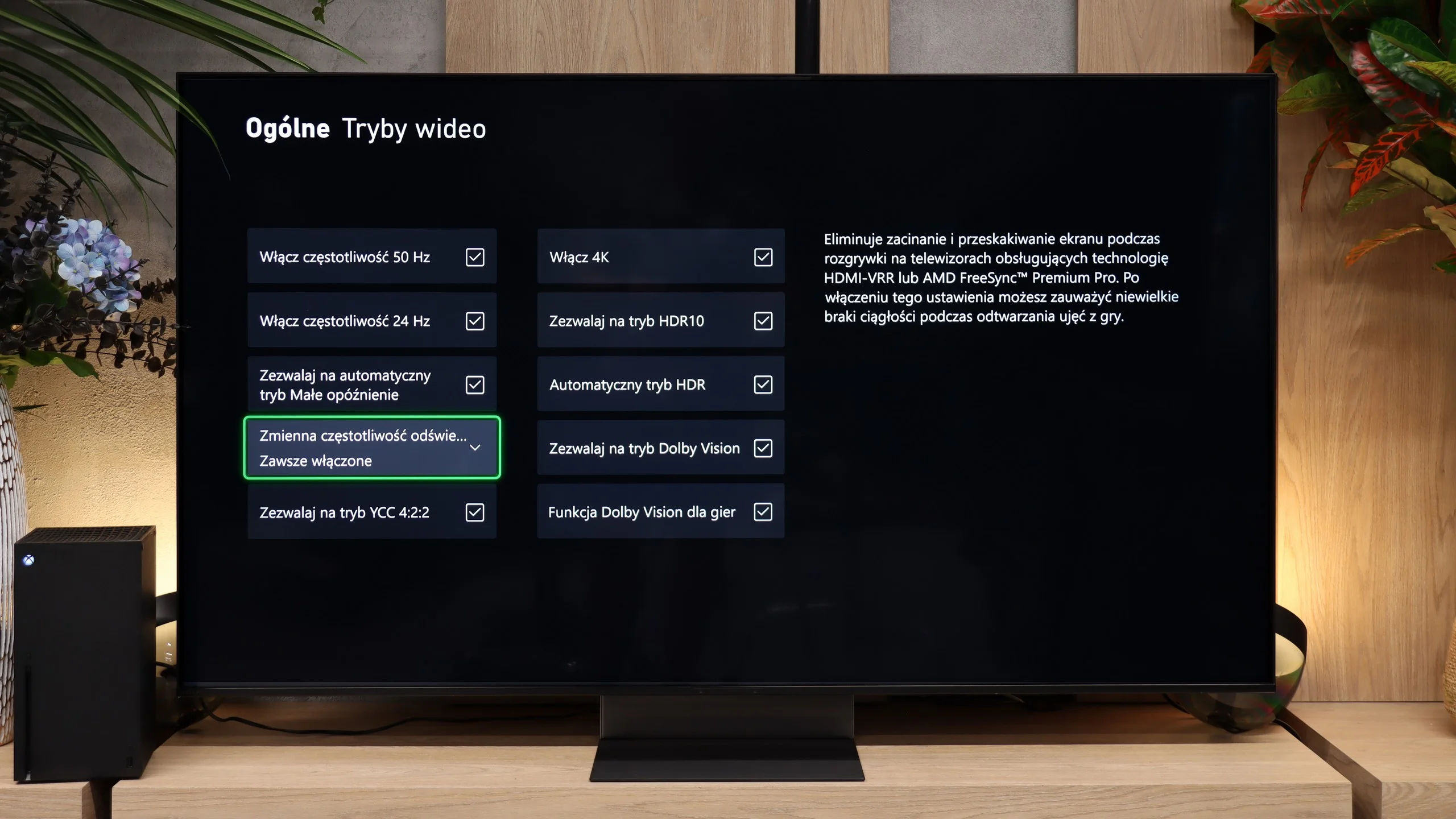
However, the lack of HGiG mode somewhat reduces HDR game quality, and the absence of a local dimming function in VRR mode limits the usefulness of this feature. Overall, the TV offers good picture quality for its price range, free from major flaws or standout advantages, while its large size remains its most prominent appeal.
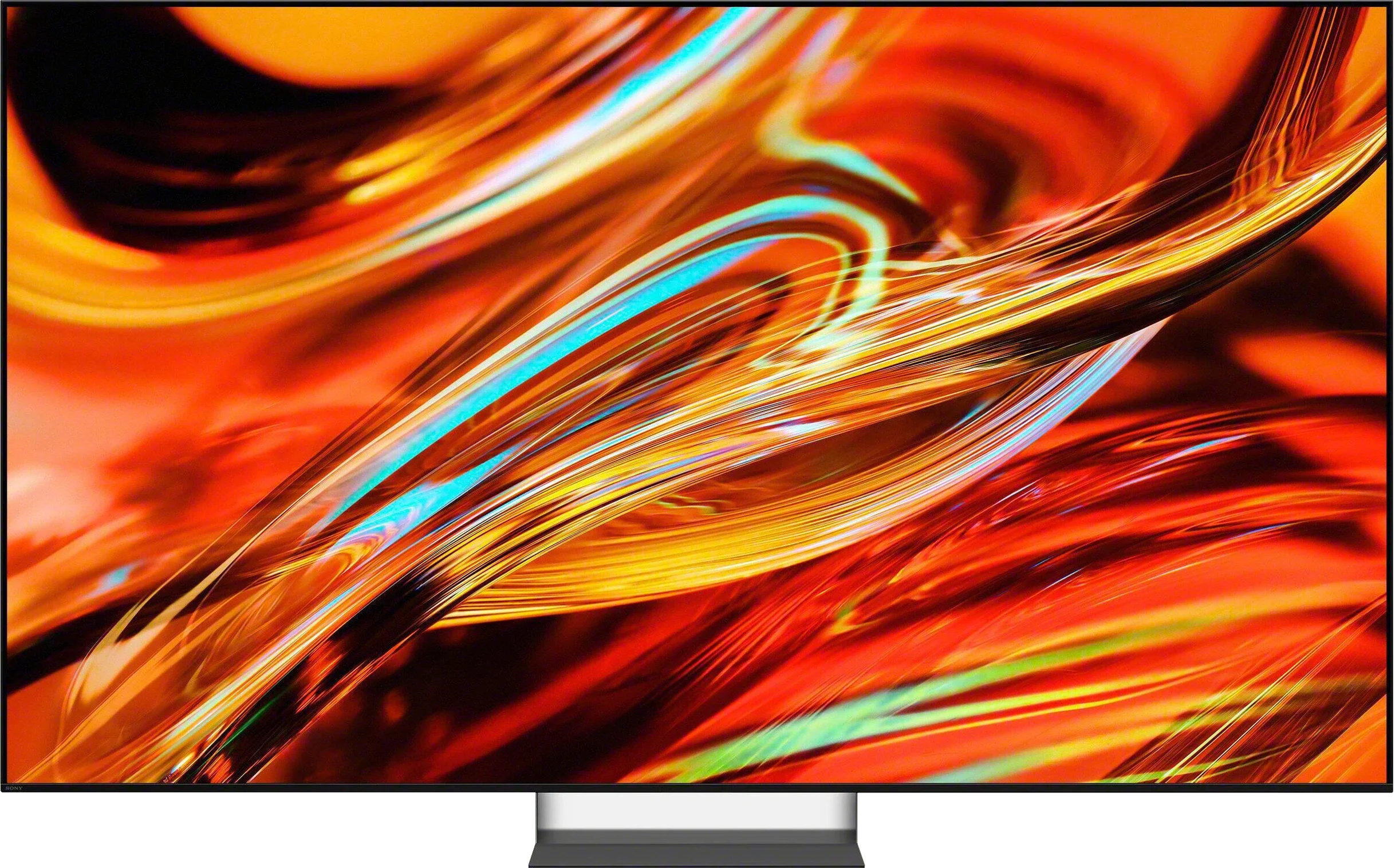
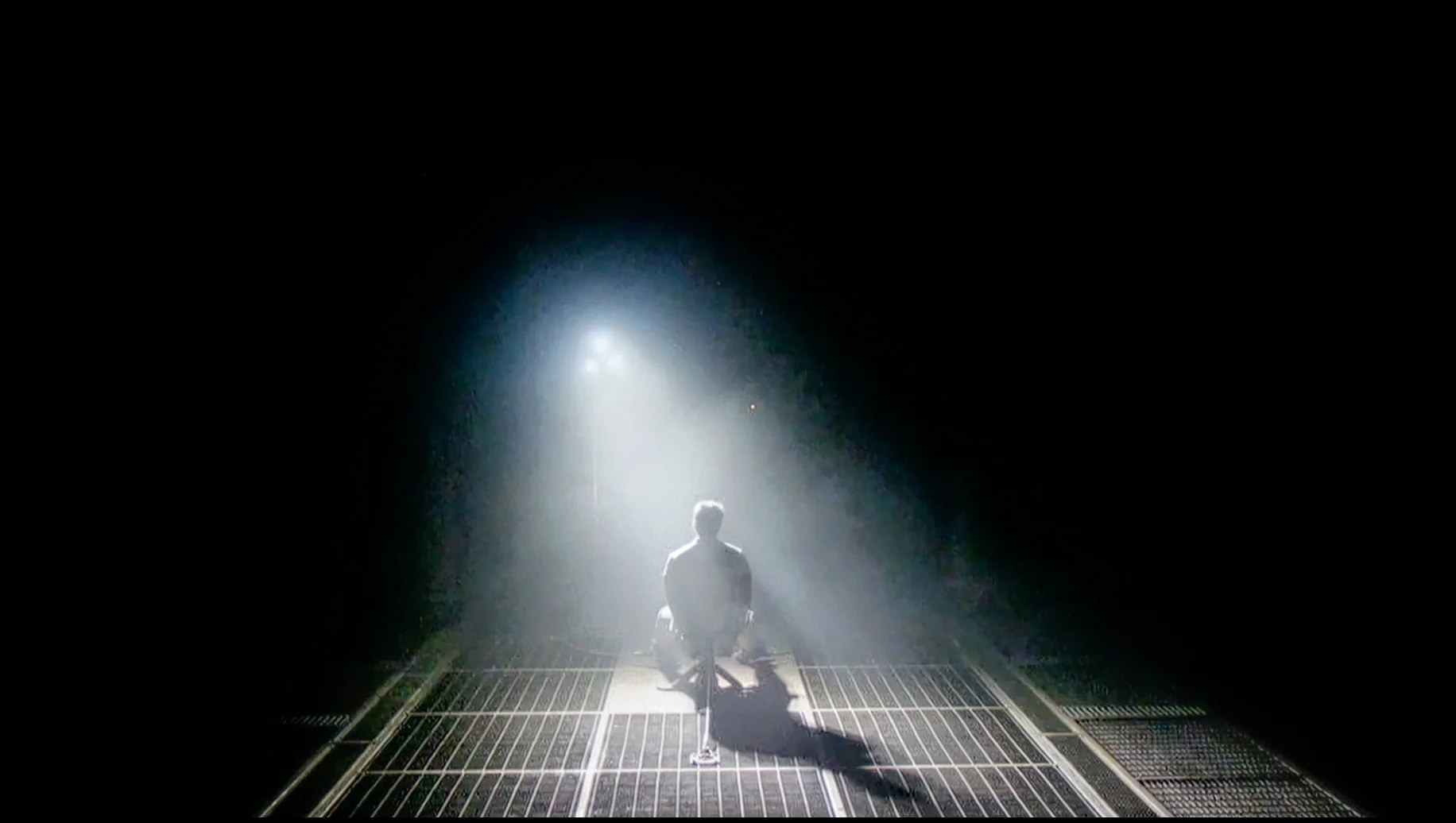
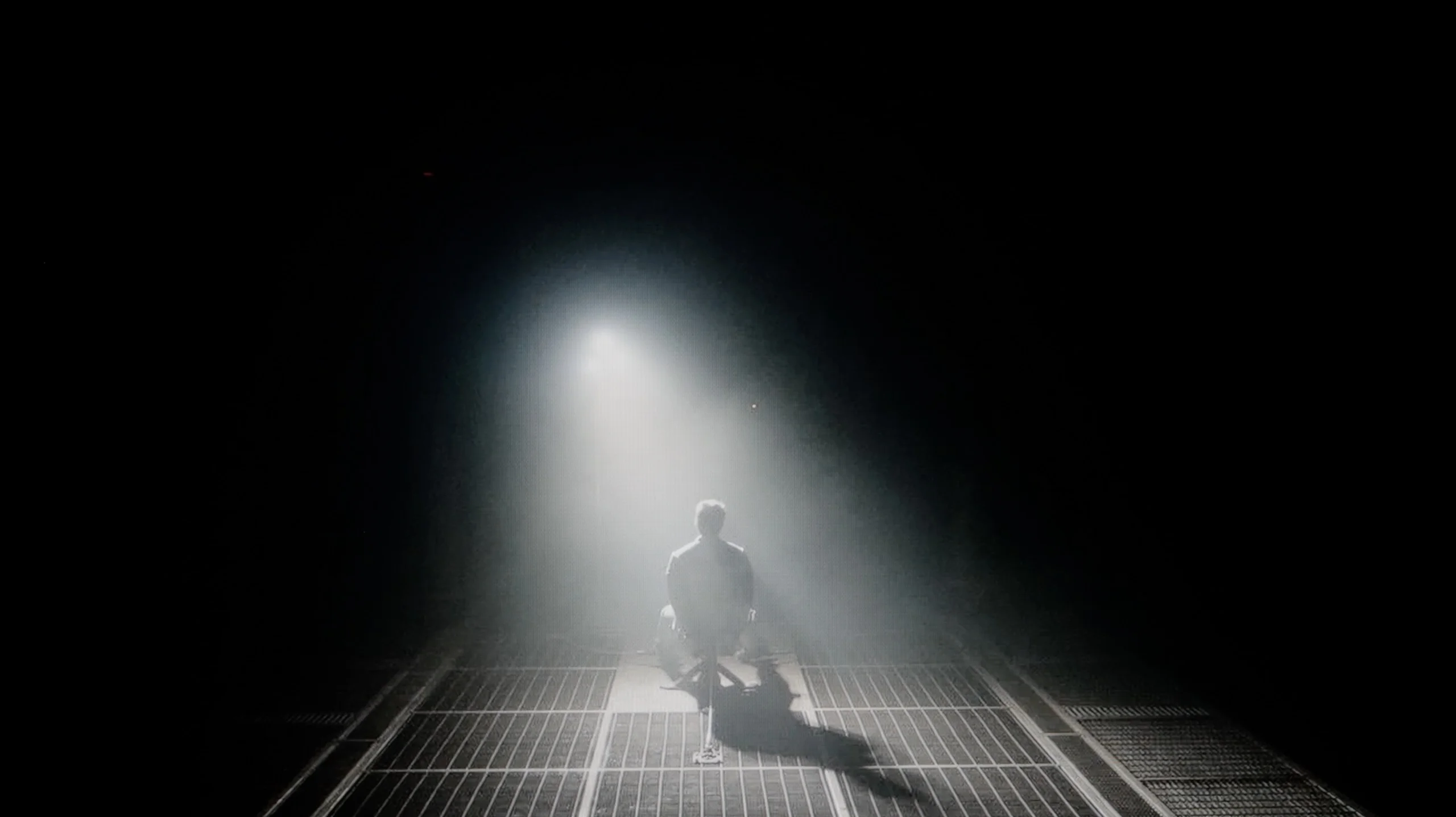
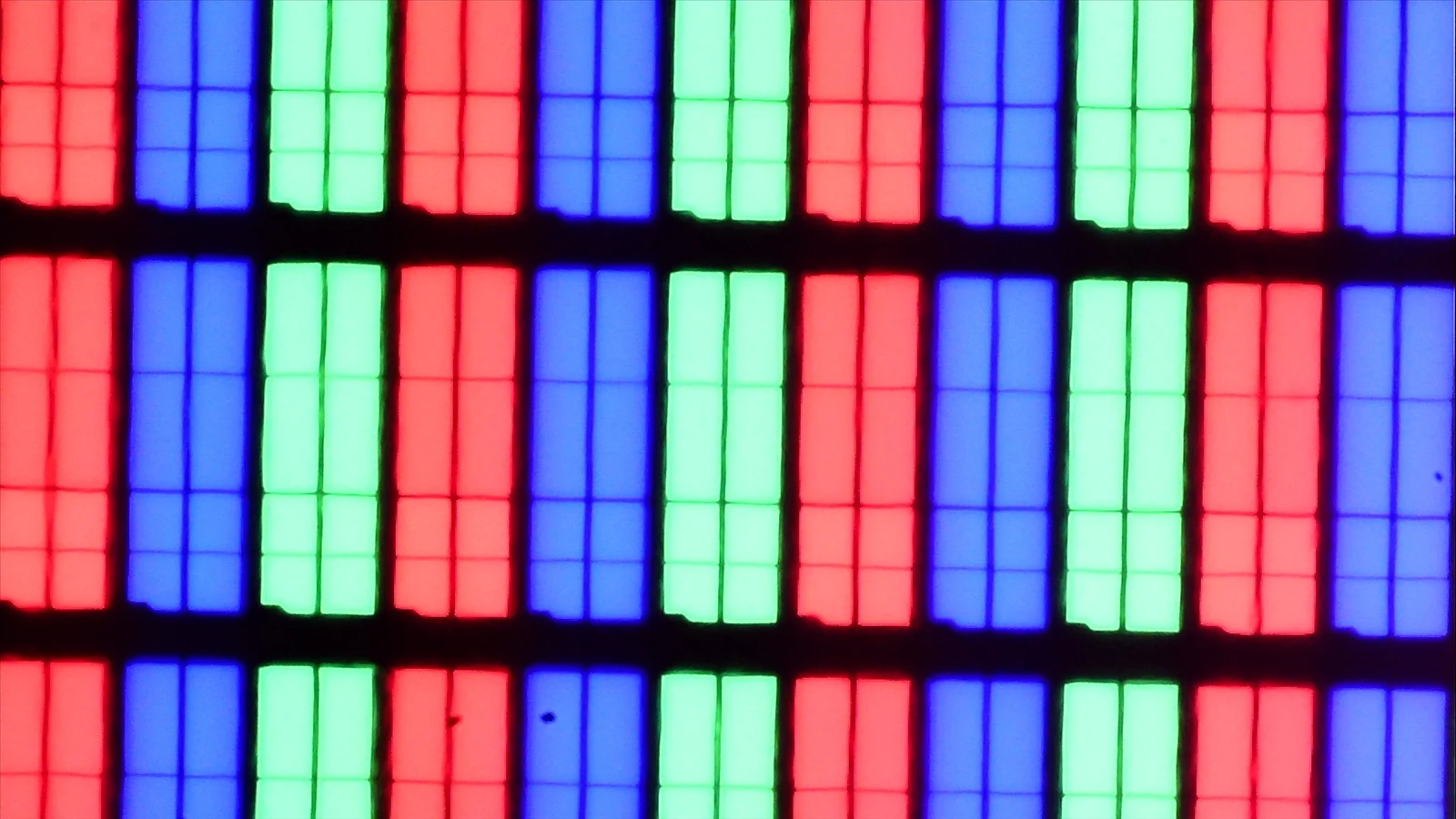
Sony Bravia 7 II is a TV that shows RGB Mini-LED doesn’t have to be reserved only for the wealthiest customers. And although in a few places you can see it sits below the Bravia 9 II, in everyday use it doesn’t feel like a heavily stripped-down model. The biggest contribution comes from the combination of very good black levels, high brightness and Sony’s excellent algorithms. As a result the picture is spectacular, while still staying true to how a film should look. HDR performs especially well, where the Bravia can show lots of highlights without losing detail. The True RGB backlight itself also has advantages. It gives the TV a wide color gamut and improves viewing angles, which for a VA panel are really good. That doesn’t mean RGB Mini-LED suddenly solves all the limitations of LCDs. You can still see some bloom around small bright elements, and the backlight’s color capabilities aren’t fully utilized in every scene. Still, Sony manages all of this very well, and the way it controls the image is one of the Bravia 7 II’s biggest strengths.
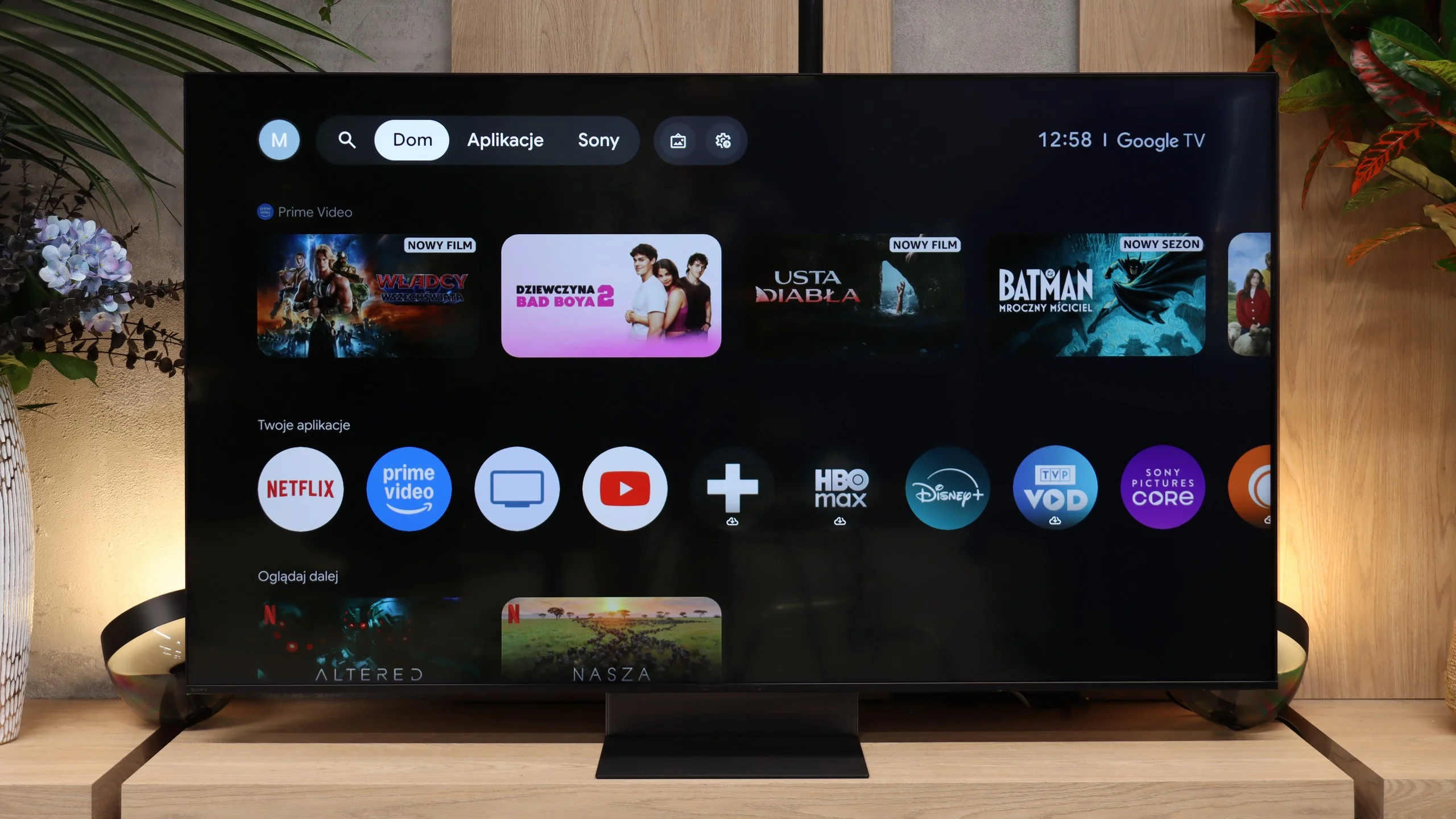
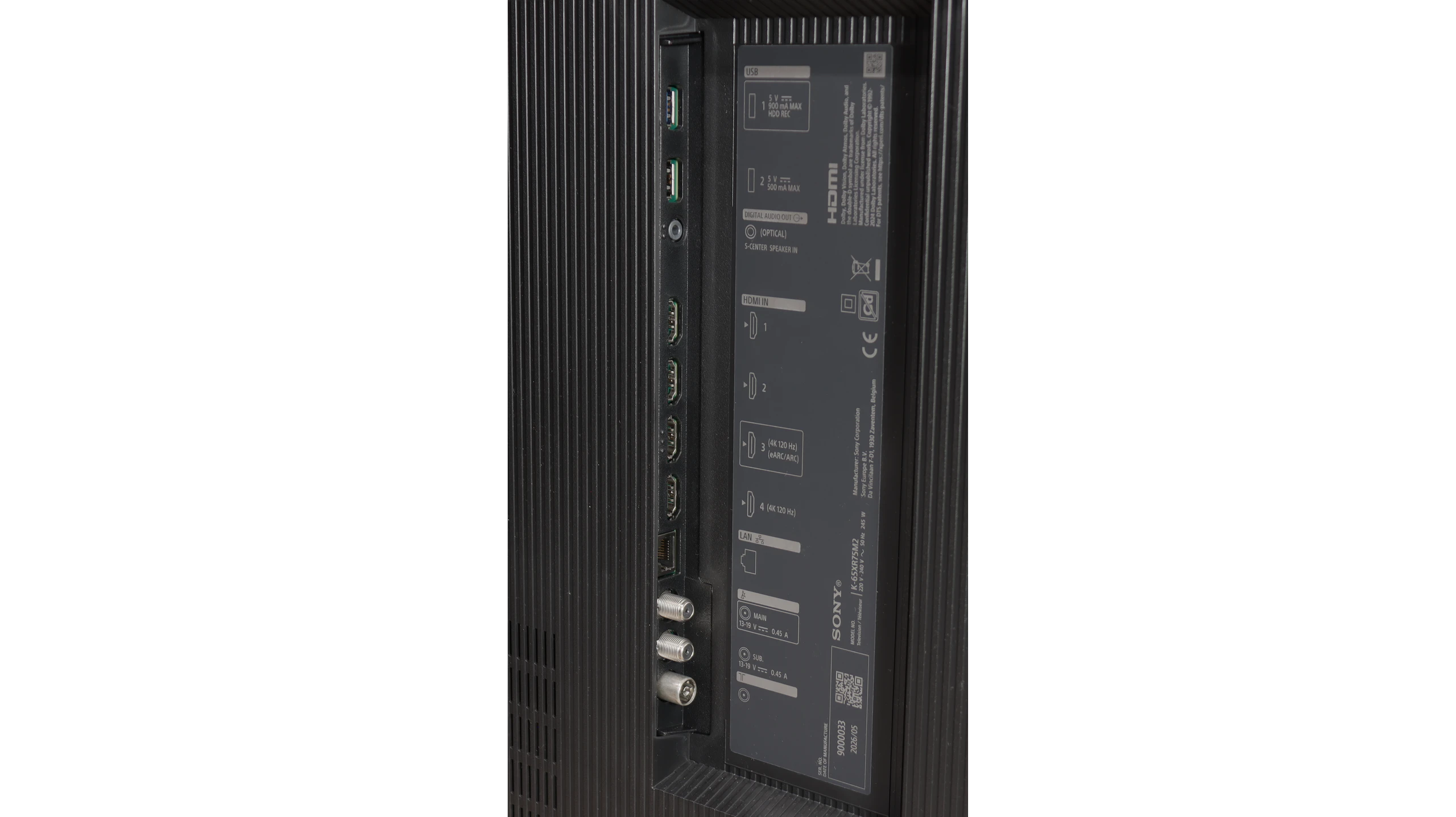
Image processing also remains a big advantage over many rivals. Upscaling, smoothing weaker tonal transitions and HDR mapping are among this model’s stronger points. On top of that there’s Google TV, solid features, very low input lag and an almost complete set of gaming functions. However, there are things hard to understand in a TV of this class. The most frustrating is the presence of only two HDMI 2.1 ports, one of which also serves as eARC. Sony also sticks with 120 Hz, while competitors increasingly offer 144, 165 or 180 Hz. Ultimately the Bravia 7 II stands out above all as a very well-rounded TV. It doesn’t try to win on the spec sheet, and in a few areas the competition will offer more. Sony makes up for that where specs don’t tell the whole story, with image processing, very good HDR tuning, backlight control and overall picture quality in movies. That’s what makes the Bravia 7 II one of the more interesting Mini-LEDs of 2026, especially for people looking for a bright, versatile TV for movies, broadcasts, sports and gaming, but who don’t necessarily want to go OLED.
 Direct comparison