The Hisense U7KQ in its 100" variant is a significantly better option than smaller diagonal models. The proprietary VIDAA system offers an interface similar to platforms like Google TV, running quickly and efficiently without freezing or major errors however, the built-in file player occasionally faces operational difficulties. It is worth noting that not all apps were available at the time of review, so checking app compatibility is recommended.
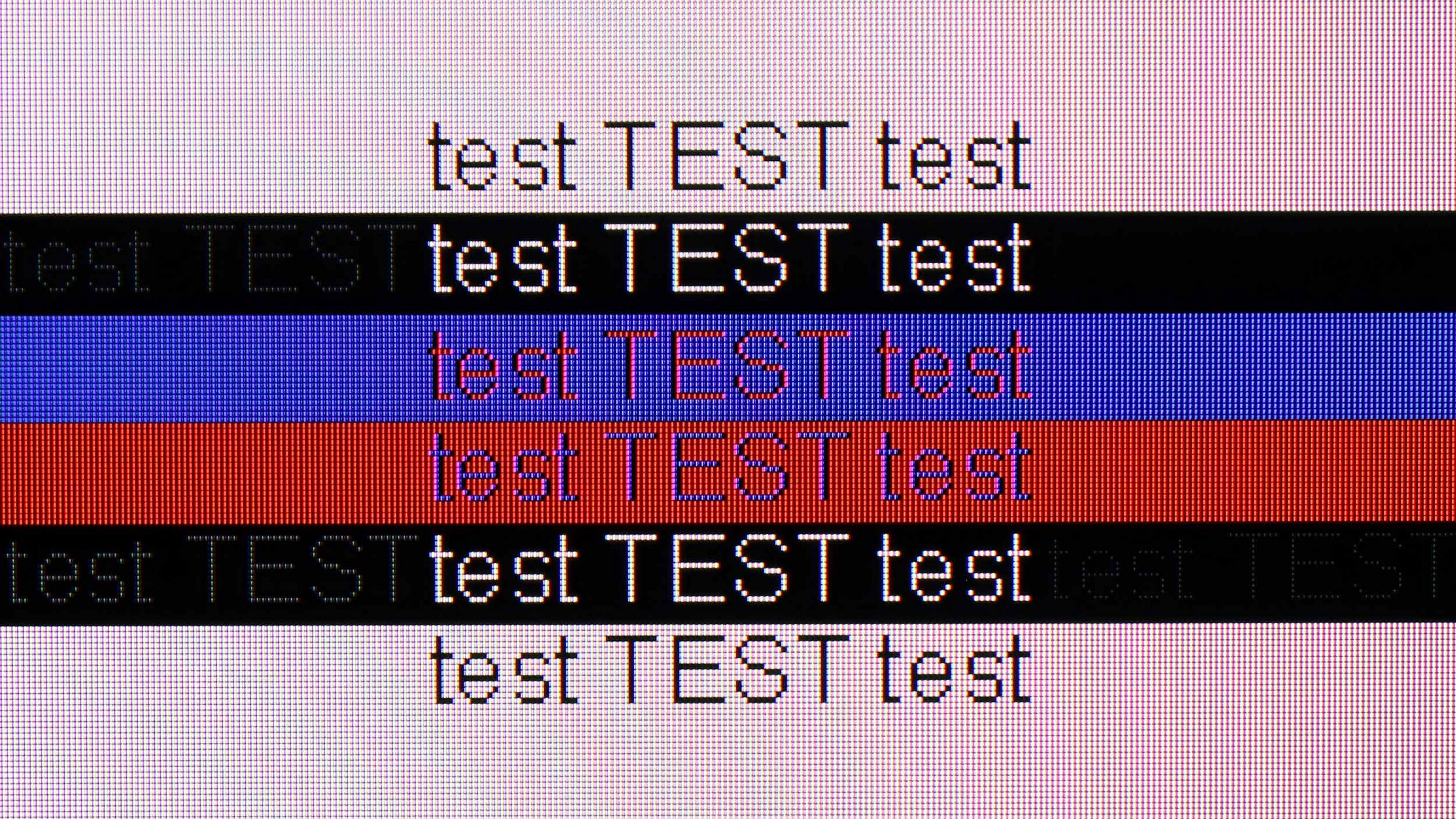
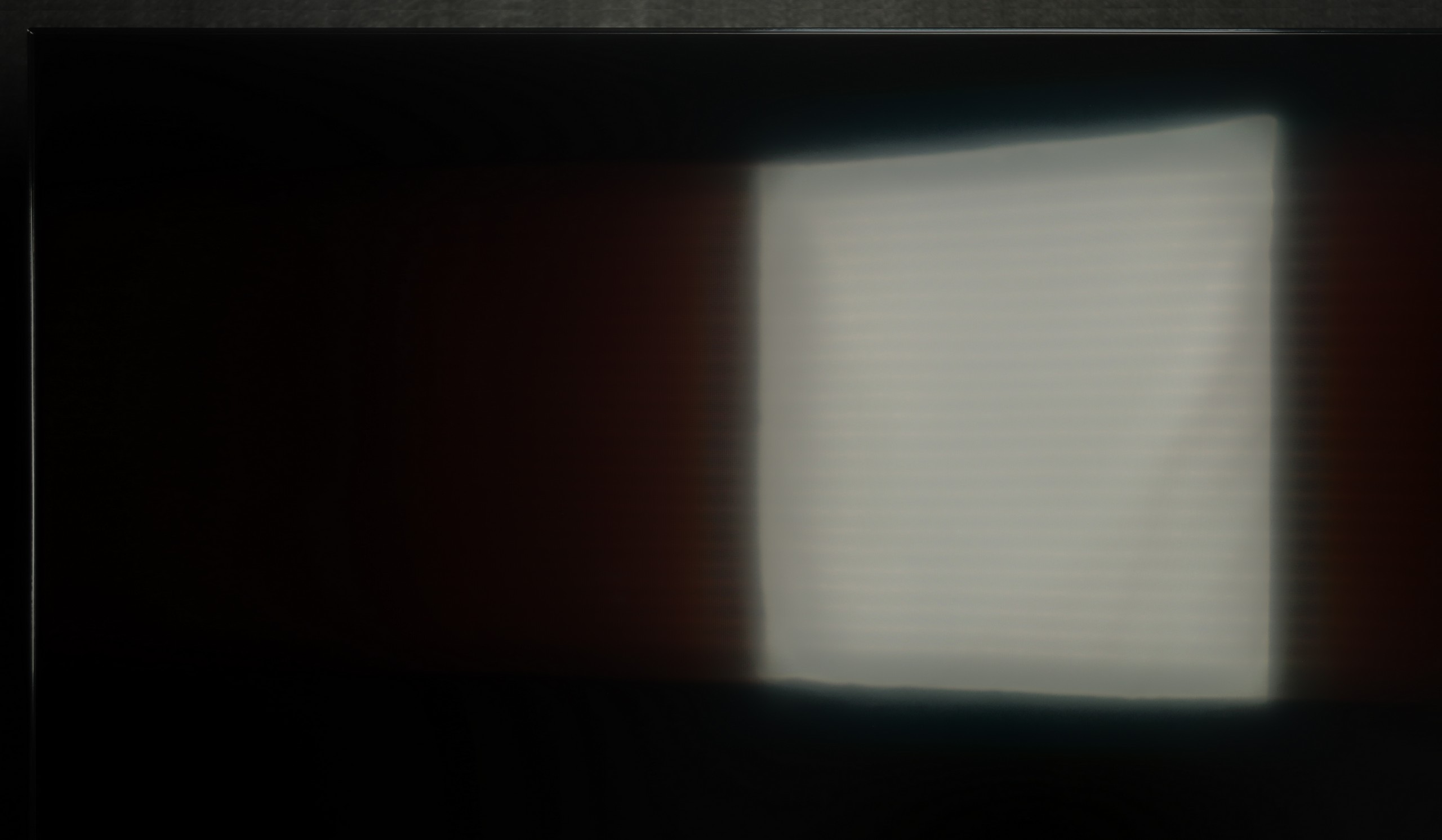
The TV's feature set is extensive, and most tested functions performed as expected. The panel's high brightness is a strong point during daytime use, making it suitable even for heavily sunlit living rooms. In cinematic settings, the VA panel, supported by multiple dimming zones, delivers good blacks. It handles low-quality content, such as SD channels or DVDs, reasonably well, though the absence of a function to reduce posterization (visible colour transitions) is a minor drawback.
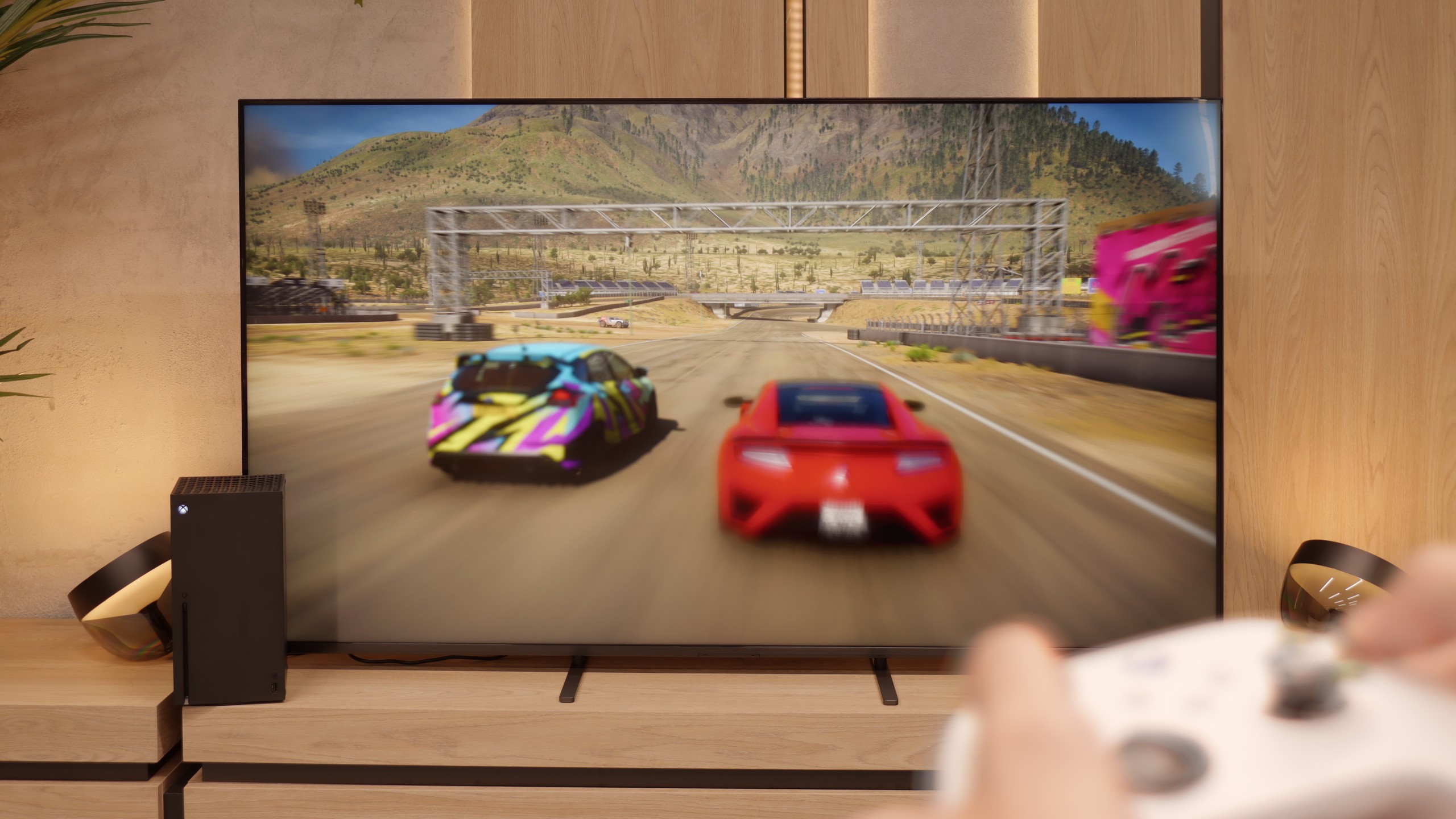
The experience improves significantly with 4K HDR movies, where the TV showcases a wide colour palette and strong lighting effects. Dolby Vision and Dolby Atmos support is a bonus, though the built-in speakers are average. Sports fans will appreciate the 120Hz panel with effective motion smoothing, while gamers benefit from low input lag for console gaming. Motion blur is moderate, with only occasional "trails" during fast motion against dark backgrounds.
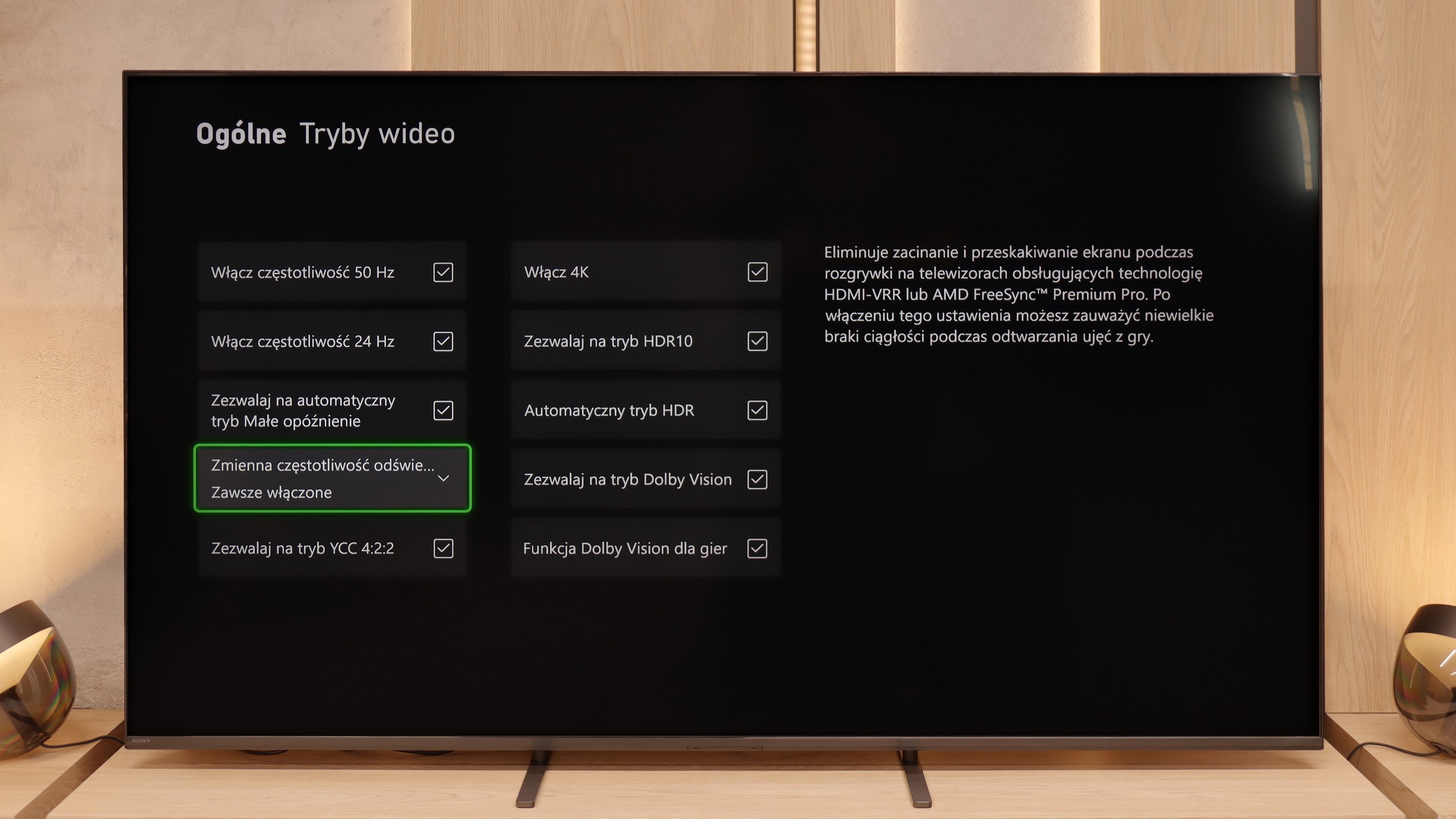
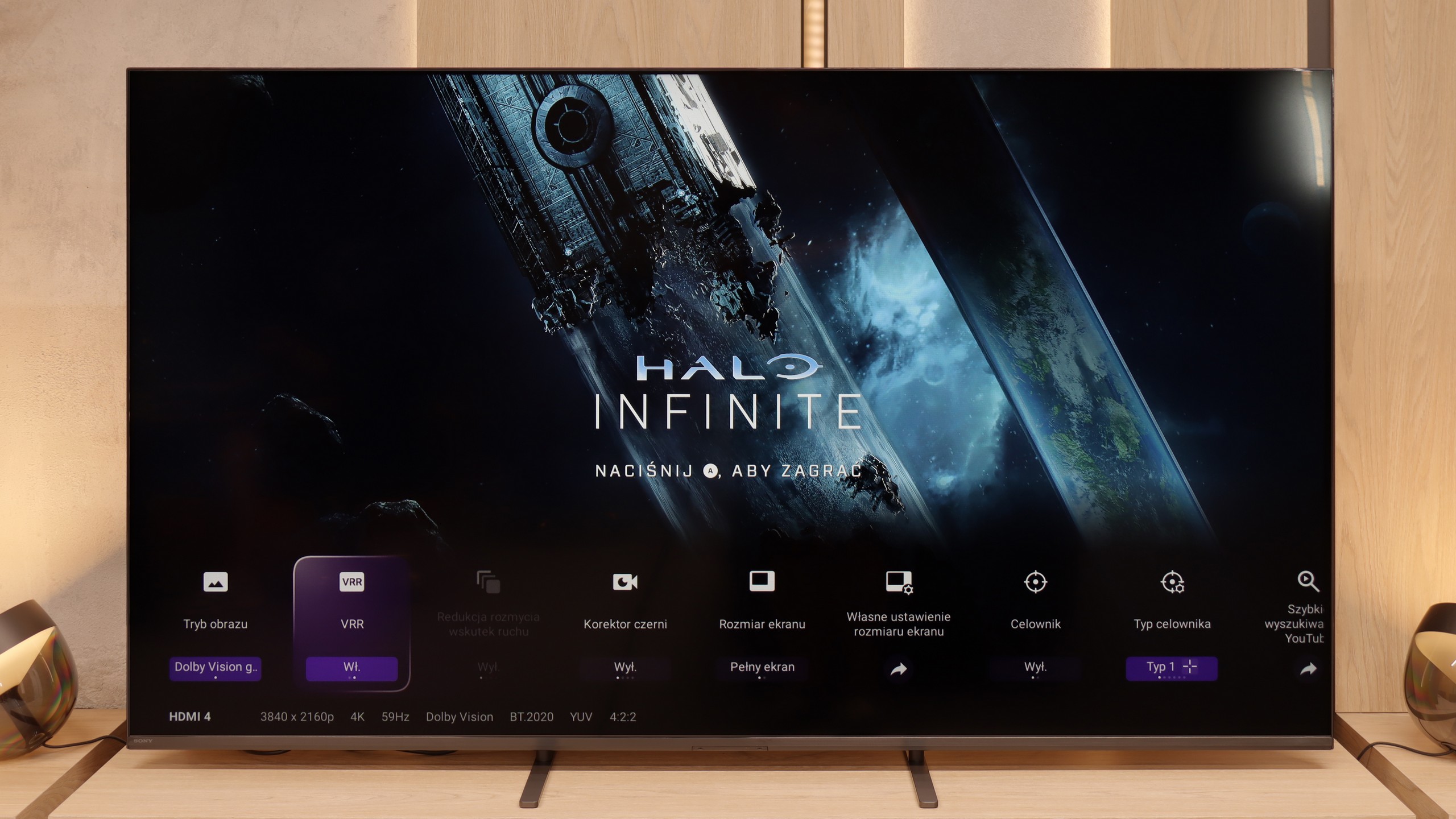
However, the lack of HGiG mode somewhat reduces HDR game quality, and the absence of a local dimming function in VRR mode limits the usefulness of this feature. Overall, the TV offers good picture quality for its price range, free from major flaws or standout advantages, while its large size remains its most prominent appeal.
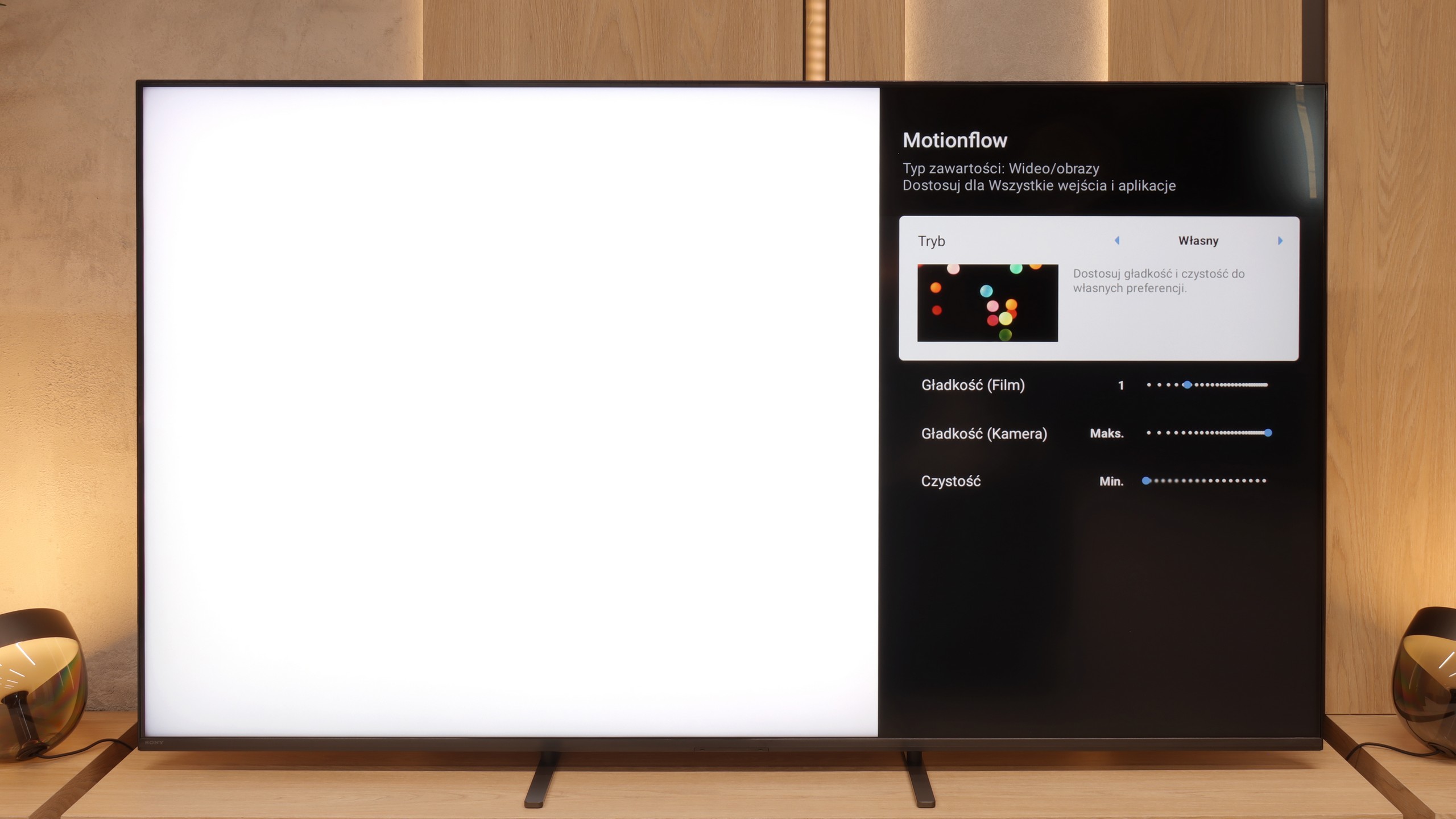
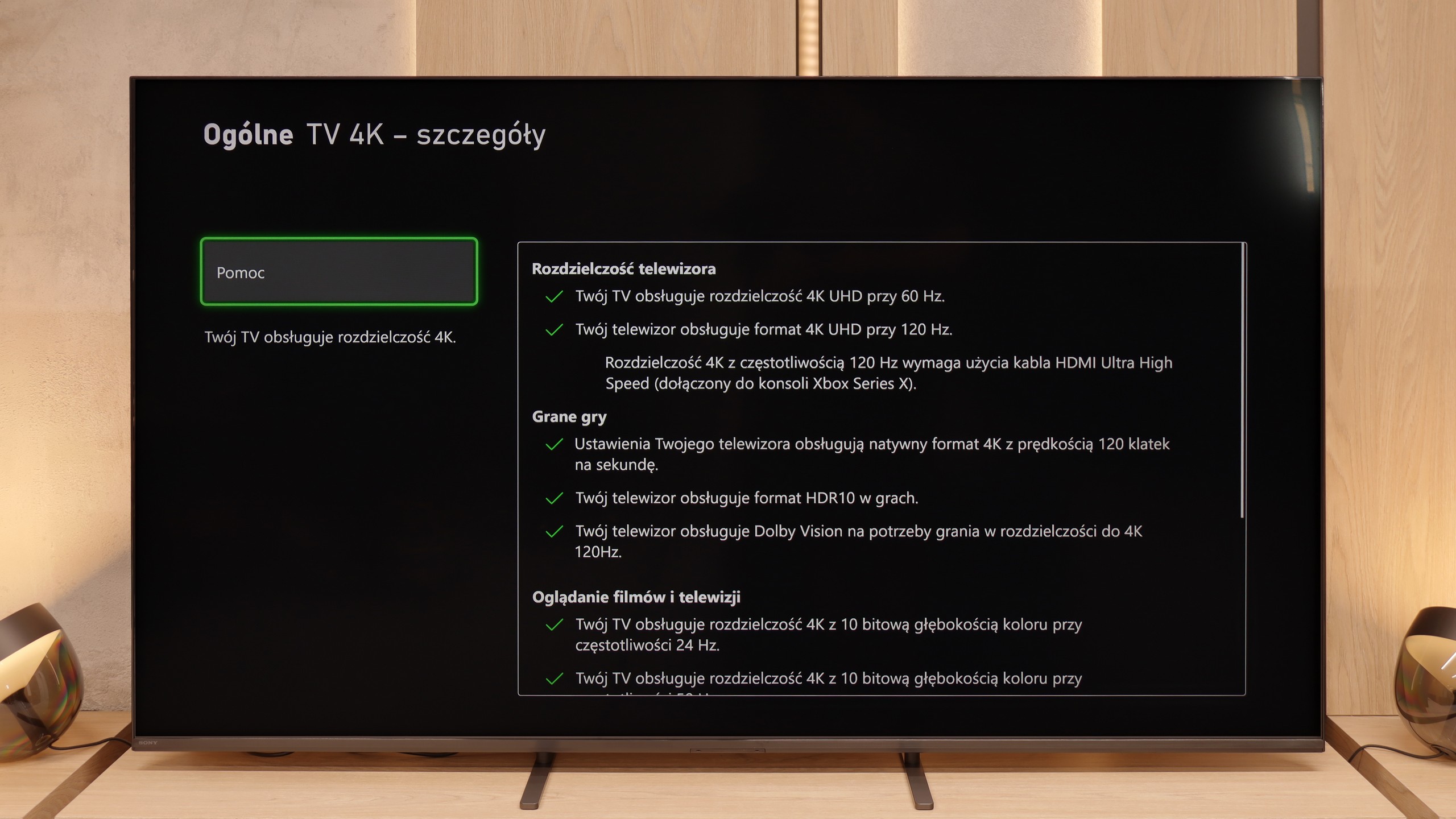
Sony Bravia 5 is a continuation of the iconic model X90L, and you can see that the manufacturer wanted to take a step forward. A greater number of dimming zones have been used, which makes the contrast seem better in many scenes, and the blacks deeper than those in its predecessor. The 120 Hz matrix and MotionFlow system allow you to adjust the smoothness of the picture to your personal preferences – from a slight cinematic texture to crystal-smooth motion in sports and games. This is equipment that is not afraid of any content because whether we are watching a match, an action movie, or a concert, the picture retains clarity and character. However, the true strength of the Bravia 5 remains the XR processor. It is what makes older materials look better than they should – upscaling works here like magic, smoothing out noise, improving gradation, and giving consistency even to lower quality content. Thanks to this, in everyday use, the Bravia 5 can surprise because instead of fighting with signal imperfections, it pulls the maximum from it. Additionally, there is excellent color reproduction after calibration and dynamic tone mapping along with Dolby Vision mode, which allows you to enjoy details even in difficult, high-contrast scenes. However, it cannot be hidden that in a few moments, the Bravia 5 disappointed us very much. Despite the larger number of zones, brightness and contrast are not always better than in the X90L – sometimes they even perform worse. This raises a sense of wasted potential because we were counting on a greater qualitative leap. After all, we are talking about a true MINI-LED television here. Nevertheless, the Bravia 5 remains a great television for those who want to enjoy primarily picture quality. If you are looking for a model that can impress with motion smoothness, extracts details from difficult scenes, and works wonders with older materials, the Bravia 5 will easily meet these expectations. It’s a television that sometimes can't quite match the competition in certain respects, but it still holds its ground with what Sony does best – cinematic picture.
 Direct comparison