 Direct comparison
The Hisense S7NQ Canvas TV is a very interesting proposition, especially for those looking for something in the style of a picture-TV but do not want to spend a fortune. At first glance, it stands out primarily because the gallery mode featuring works of art is completely free – there is no subscription fee, unlike Samsung's The Frame. Moreover, in the box, we immediately get a light brown frame, which will be an additional bonus and savings for many. Although it is designed to display art, it surprisingly performs quite well in other applications as well. The 144 Hz panel, full HDMI 2.1, support for VRR and ALLM – all of this makes gaming on consoles very much possible and quite enjoyable. The Vidaa system operates smoothly, and we find all the essential apps and features here, such as AirPlay, USB recording, and screen mirroring from the phone. But there are also aspects that are a bit lacking. First and foremost – the actual images. Compared to The Frame from Samsung, here they simply look more digital. There is a lack of depth, paint texture, and subtle details that really impress with the competitor. Although at first glance we are dealing with a similar matte panel, in practice it performs significantly worse at suppressing reflections. Colors and blacks fade much faster, especially in a bright room. This might also be due to lower brightness – Hisense is simply darker than its Korean rival. In addition, there are minor glitches in the software – for example, the lack of displaying external subtitles despite the option to configure them, or the not entirely effective image smoothing function with lower quality materials. In short: the S7NQ is a good TV in the form of a "picture," which can be a great alternative for those who do not mind the lower quality of the displayed works but appreciate the absence of subscription fees, the additional frame included, and the full functionality of a typical television. It is not a perfect product, but a reasonable compromise for Samsung The Frame.
- Matching (Score) |
- Our verdict |
- TV appearance |
- Where to buy |
- Contrast and black detail |
- HDR effect quality |
- Factory color reproduction |
- Color reproduction after calibration |
- Smoothness of tonal transitions |
- Image scaling and smoothness of tonal transitions |
- Blur and motion smoothness |
- Console compatibility and gaming features |
- Input lag |
- Compatibility with PC |
- Viewing angles |
- Daytime performance |
- Panel details |
- TV features |
- Apps |
- Playing files from USB |
- Sound

Check the best price offer:
Samsung M80H(paid link)S7NQ / CanvasTV

M80H / M86H
Available screen sizes: 55”
Panel type: LCD VA
Resolution: 3840x2160
System: VIDAA
Model year: 2024
Complete the survey to find out the result
Panel type: LCD VA
Resolution: 3840x2160
System: Tizen
Model year: 2026
Complete the survey to find out the result
Overall rating
6.7
6.9
 Movies and series in UHD quality
6.6
6.5
 Classic TV, YouTube
6.3
6.6
 Sports broadcasts (TV and apps)
6.3
6.7
 Gaming on console
7.6
8.8
 TV as a computer monitor
7.0
8.9
 Watching in bright light
5.4
5.0
 Utility functions
9.2
7.3
 Apps
7.7
9.3
 Sound quality
6.3
6.0
Complete the survey to find out what fits your preferences
Advantages

Free gallery without a subscription
Frame included
Good for gamers (144 Hz, HDMI 2.1, VRR, ALLM, Game Bar)
Support for Dolby Vision, HDR10, and HDR10+
Decent native contrast (VA Panel)
Works well with PC (chroma 4:4:4)
Fast Vidaa System
Seamless connection to home theaters: Support for Dolby and DTS codecs
Three HDMI 2.1 ports with support for VRR and ALLM
Dedicated motion smoothing for gamers: Game Motion Plus
Low input lag
High refresh rates: 4K 144 Hz and Full HD 240 Hz
Decent contrast thanks to a VA panel
Minimal smearing for a VA panel
Rich colors thanks to the PFS filter (a different kind of QLED 😉)
Good digital image processing for this segment
Fast Tizen OS with a wide selection of apps
Disadvantages

Worse quality of displayed images in gallery mode than in Samsung The Frame
Colors and blacks fade significantly in bright surroundings
No HGiG mode (for gamers)
Software issues - lack of external subtitles display in movies
No local dimming despite being labeled Mini-LED!
Low brightness: 350 nits
No support for Dolby Vision and DTS:X
No Toslink optical audio output
Our verdict
The M80H shows its strengths where motion matters most. A fast panel, a refresh rate of up to 144 Hz, and relatively low motion blur make sports and fast-paced games look really good. In this respect the TV can even beat some significantly more expensive Samsung LCD models. Gamers also get low input lag, three full-bandwidth HDMI 2.1 ports, and Game Motion Plus, which can improve the smoothness of games running at 30 or 60 frames. When connected to a PC you can also use a 240 Hz refresh rate, although only at Full HD resolution. A big plus for the M80H is the NQ4 AI Gen2 processor, which was until recently used in higher-tier Samsung series. It handles lower-resolution content well and can enhance the look of weaker sports broadcasts or heavily compressed footage. The extra image-enhancing features do produce a visible effect, although at higher settings they become too strong and start to interfere with the picture's natural look. Still, they are worth listing as an advantage, since in the cheapest TVs similar solutions often matter much less.
What raises the most concerns is the M80H being called a Mini-LED TV. It does not have local dimming, the feature that usually accounts for the biggest benefit of this technology. Brightness of around 350 nits also does not allow for particularly striking HDR. In terms of picture quality the M80H is therefore much closer to basic LCD TVs than to more advanced Neo QLED models like the QN80H. That does not mean movies look bad on it. The VA panel provides decent contrast, and the PFS filter delivers attractive, saturated colors. You should be aware, however, that the lack of local dimming clearly limits the TV's picture-quality capabilities. The M80H is therefore not a model that demonstrates the full potential of Mini-LED backlighting.
It will perform much better in the hands of a gamer or sports fan for whom panel speed, low input lag, and extensive gaming features are most important. If its price remains significantly lower than models equipped with local dimming, that compromise may be a sensible choice for that group of users.
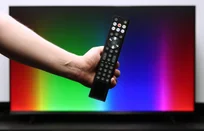
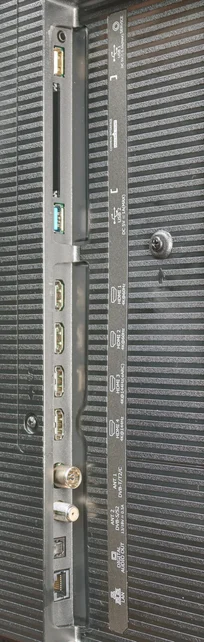
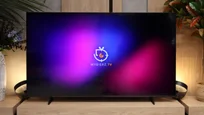
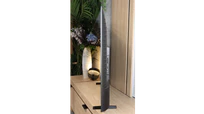
TV appearance
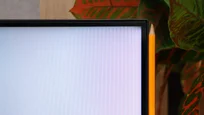
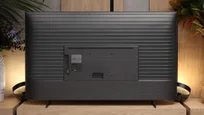

Contrast and black detail
5.6/10
6.3/10
Local dimming function: No
Local dimming function: No
Contrast:


Result
3,400:1

Result
4,200:1

Result
5,200:1

Result
5,050:1

Result
3,650:1
Result
5,950:1
Result
7,150:1
Result
8,150:1
Result
7,850:1
Result
5,550:1
Halo effect and black detail visibility:
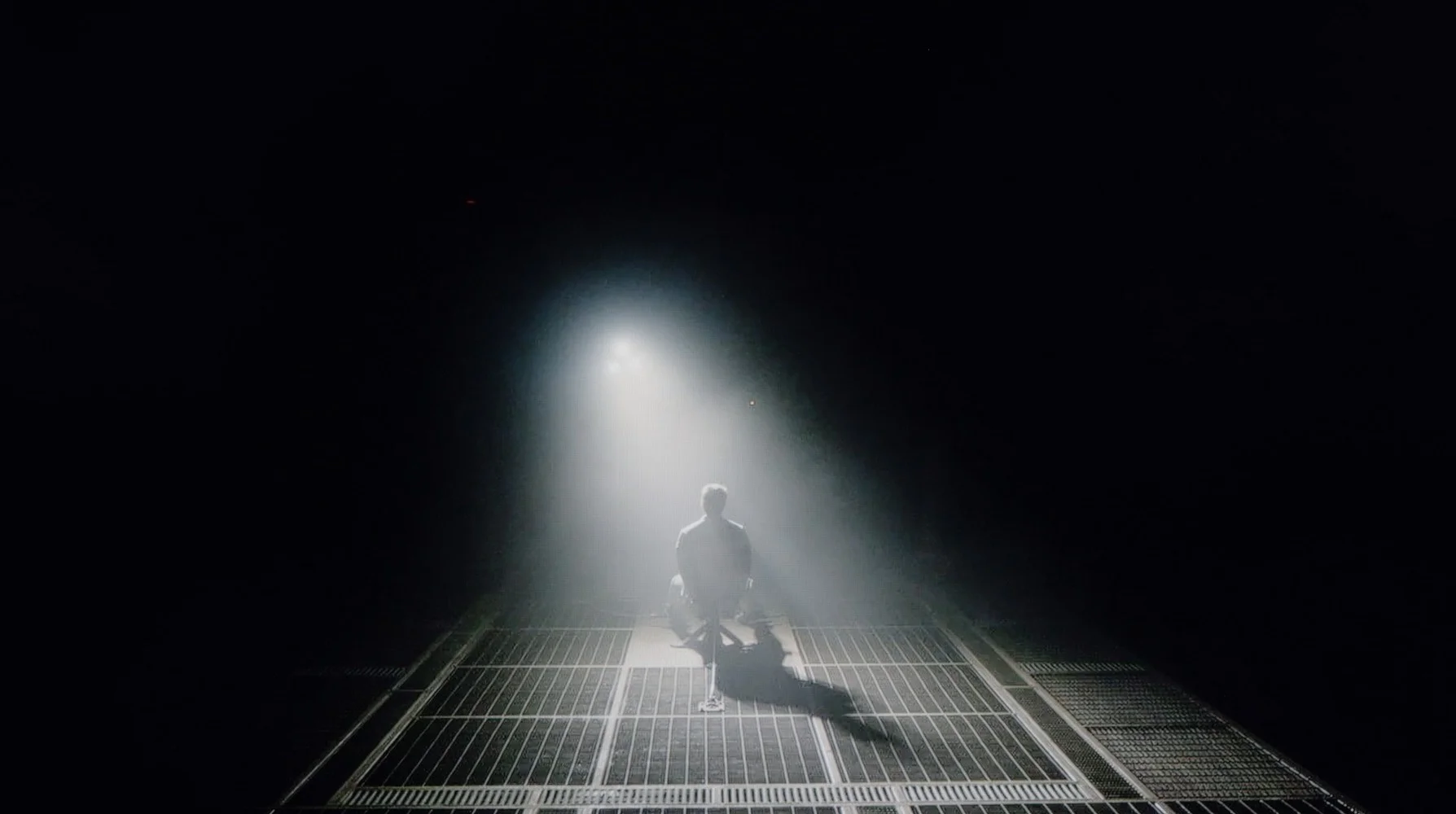
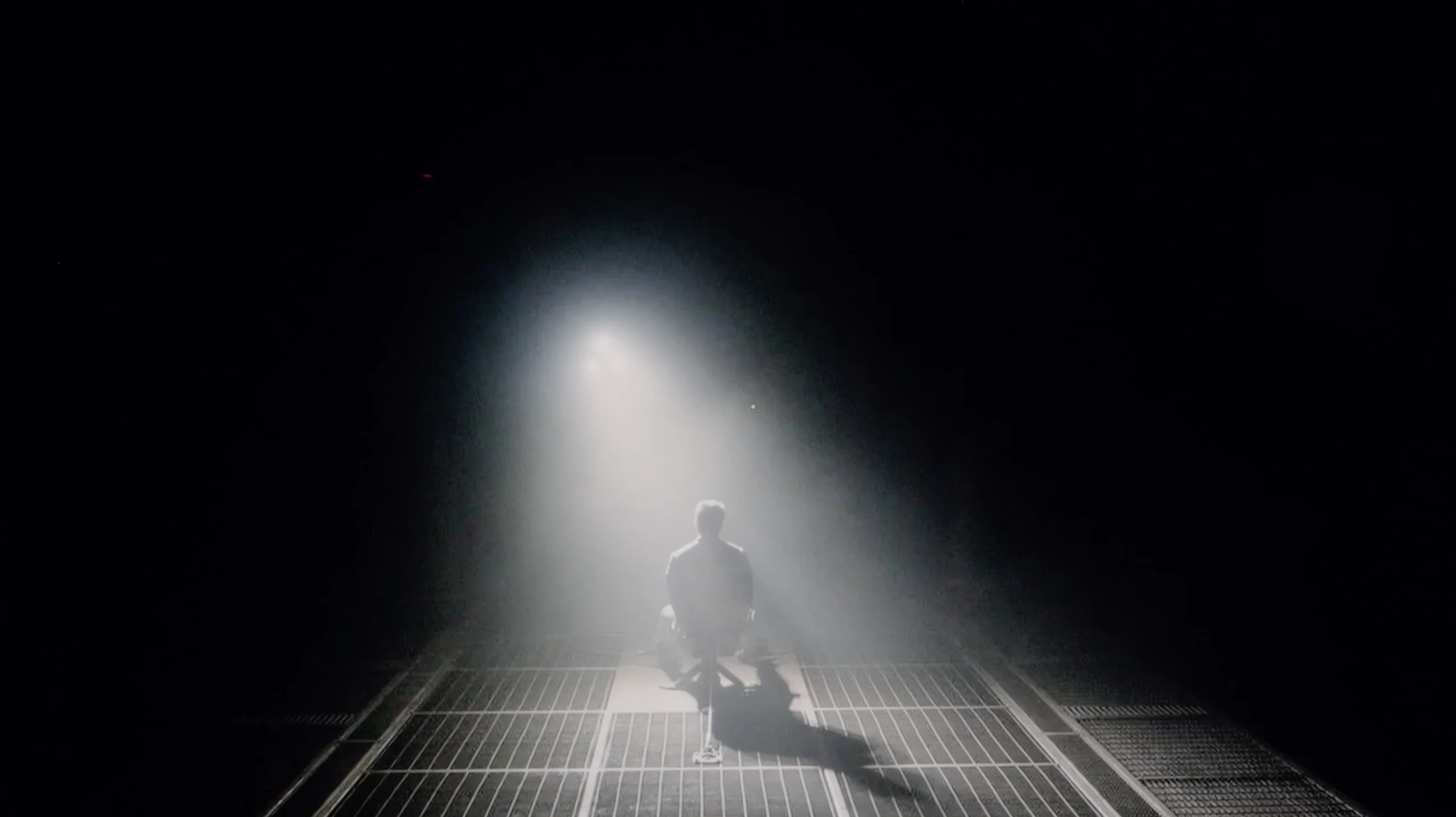
Check the visibility of bright lights on a dark background. Mini-LEDs often struggle with this. The photo does not compare black levels – that’s what the video below is for.
The video accurately shows differences in contrast and black levels between TVs, as well as potential issues: halo around bright objects or Mini-LED zone operation visible as brightness jumps.
The Hisense S7NQ CanvasTV is a television equipped with a VA panel, which by itself provides decent contrast. Our test patterns confirm this – the average score is around 4000:1. While this may not be an exceptional value, for this class of device, it's quite acceptable. The result might have been significantly better if the television had been equipped with local dimming technology; unfortunately, this model lacks it. As a result, blacks in a completely dark room resemble shades of navy or gray more than pitch black. This situation leads to a slightly visible clouding effect. Overall, it's fine, but without much excitement.
Samsung M80H is an LCD TV that, according to the manufacturer, uses Mini-LED backlighting. And maybe smaller LEDs placed directly behind the screen are indeed used here, but it's not the same type of Mini-LED we know from more expensive TVs. The M80H lacks local dimming, so the backlight cannot independently control the brightness of individual parts of the image. Black levels are quite decent, mainly thanks to the VA-type panel used. Depending on the scene, our measured contrast was about 5500:1 to over 8000:1. For a TV without local dimming, those are good results, and it's exactly in such designs that VA panels have a considerable advantage over IPS/ADS panels. It's worth noting that part of the results exceed the native contrast of the panel itself, which is about 5000:1. Samsung has implemented a global dimming feature. When there's a lot of black on the screen, the TV dims the entire backlight, making dark areas look deeper. However, this comes at the cost of the brightness of the rest of the image. The M80H therefore won't strongly brighten a small bright spot while maintaining deep black around it; it dims or brightens the whole screen.
HDR effect quality
5.6/10
4.7/10
Luminance measurements in HDR:

Result
455 nit

Result
414 nit

Result
438 nit

Result
451 nit

Result
470 nit
Result
288 nit
Result
340 nit
Result
349 nit
Result
345 nit
Result
364 nit
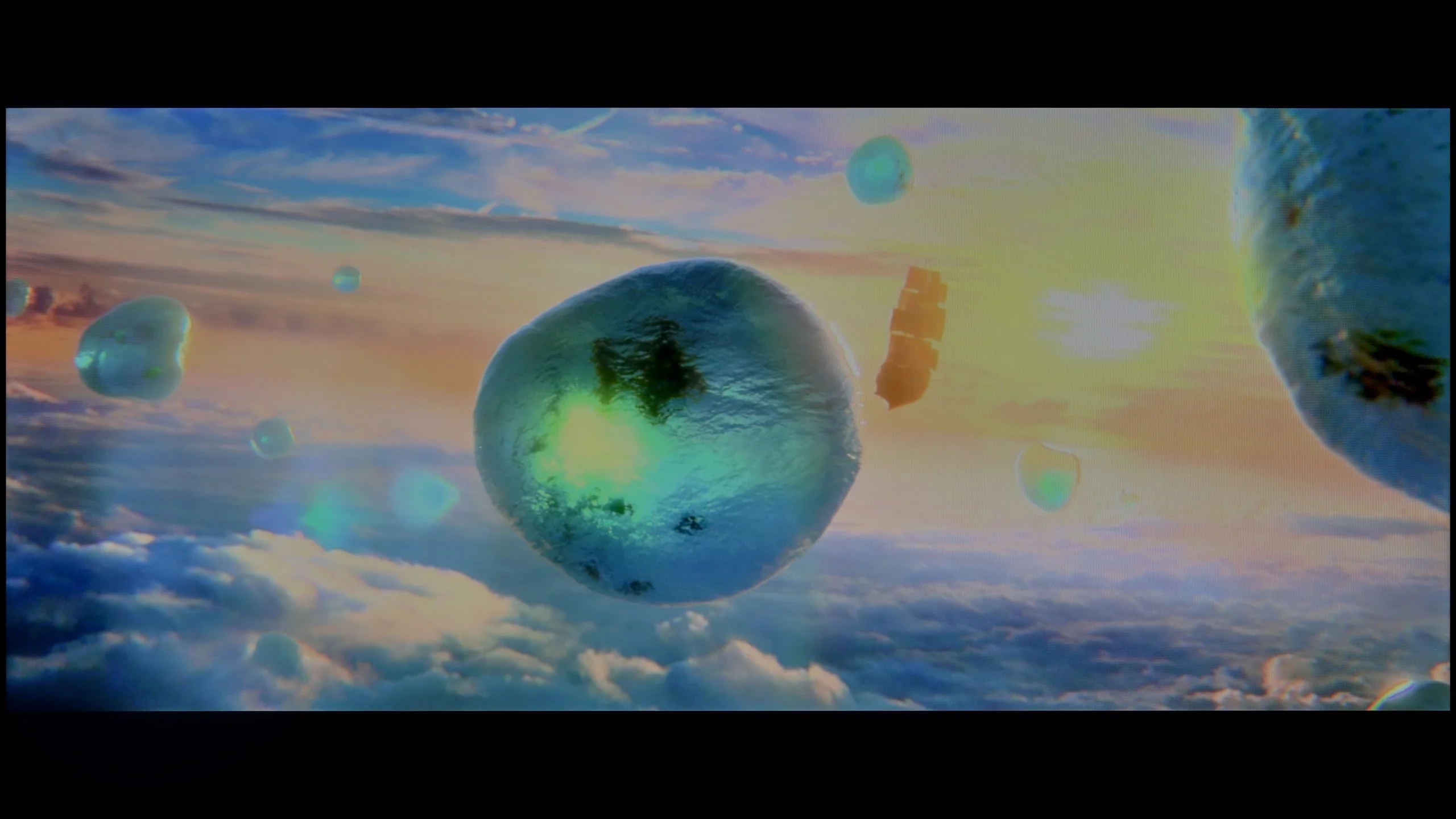
Scene from the movie “Pan” (about 2800 nits)

Scene from the movie “Billy Lynn” (about 1100 nits)
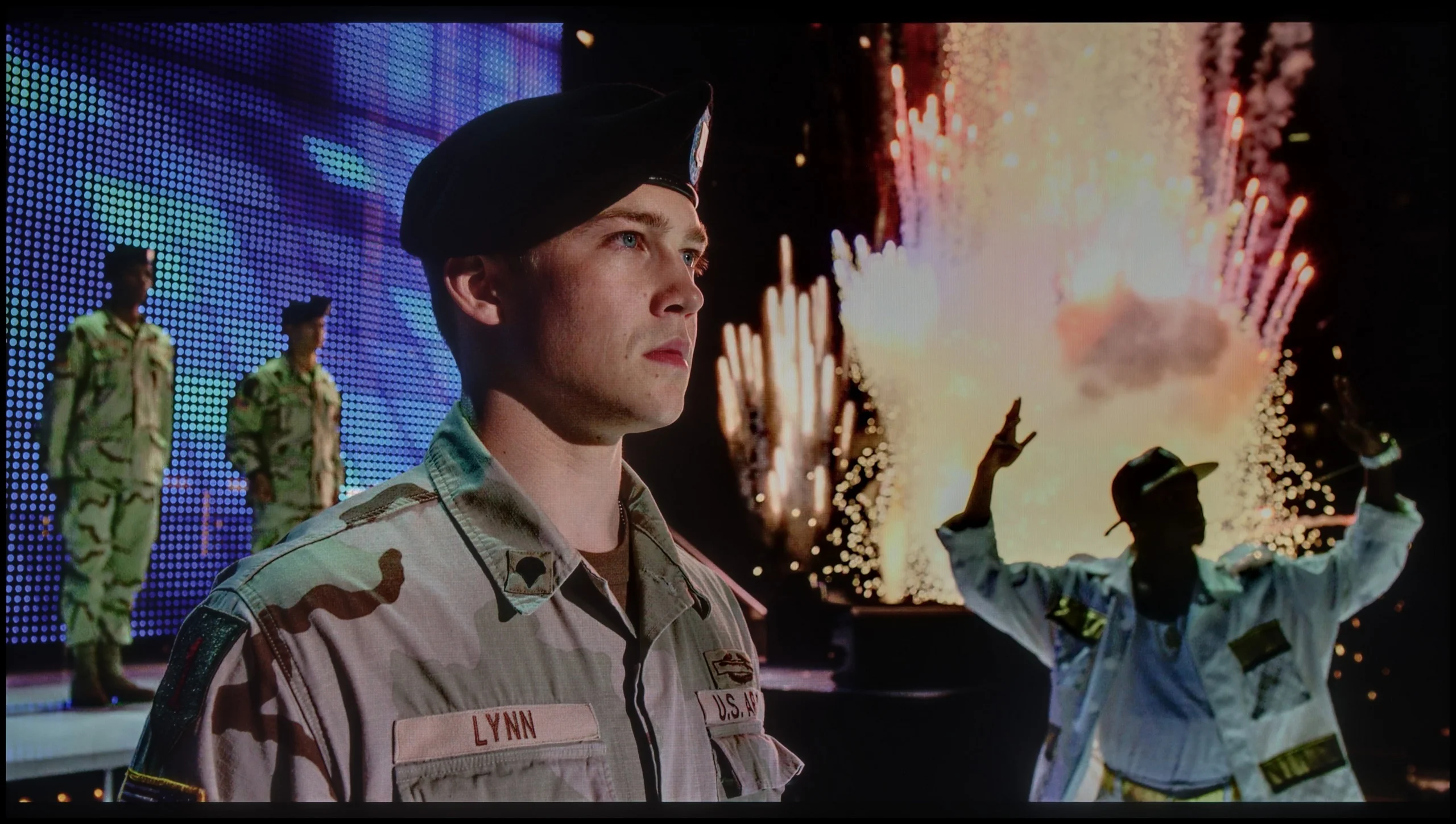
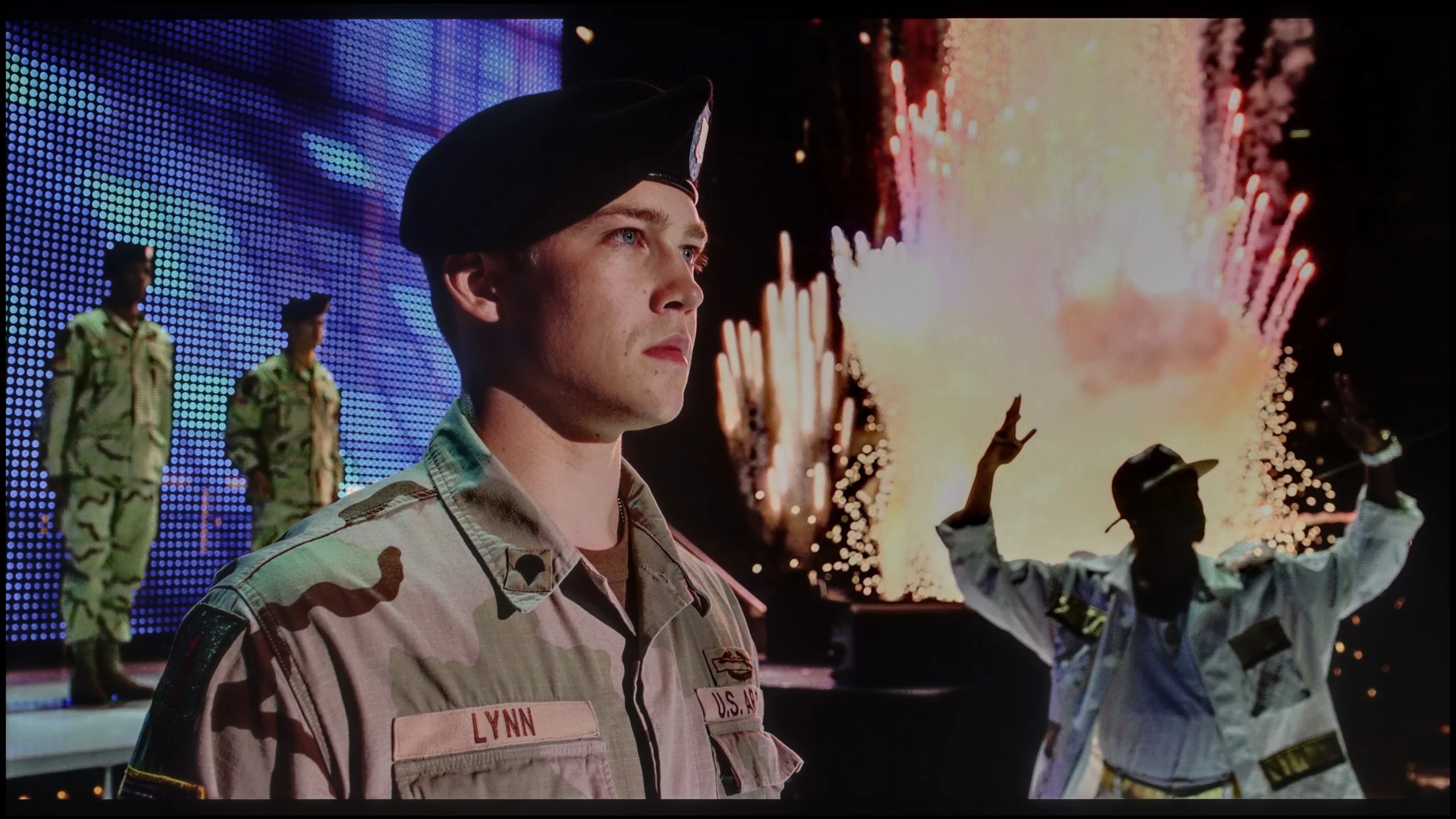
The photos show two HDR10 movies. 'Pan' is one of the brightest productions ever made, while 'Billy Lynn' (soldier) has brightness typical of streaming (Netflix, Prime, HBO MAX). Notice the intensity of effects and detail in whites.
Static HDR10


The photos present the visibility of white details in various HDR formats. They do not show brightness differences between TVs (these can be compared in the previous gallery).
Dynamic: Dolby Vision
Dynamic: HDR10+


The photos present the visibility of white details in various HDR formats. They do not show brightness differences between TVs (these can be compared in the previous gallery).
HDR luminance chart:
Samsung M80H
Hisense S7NQ CanvasTV
When it comes to the brightness of the television and how it handles bright elements while watching movies, it is just average—similar to contrast. The average brightness level of the Hisense S7NQ is around 500 nits. This is a value that allows you to feel the beginnings of true HDR, but it is definitely too little to speak of outstanding effects. However, the television deserves praise for color gamut coverage—movies look very colorful and vibrant. With the use of PFS LED (QLED) coating, the device can cover over 90% of the DCI-P3 color gamut and over 72% of the wider BT.2020 gamut. For a television in this class, these are truly very good results.
The M80H is not one of the brightest TVs. Its peak brightness is around 350 nits and we saw similar results in most of our test scenes. That's not enough to produce genuinely impressive HDR — bright highlights lack punch and the overall image is a bit too dark. In practice, HDR on the M80H resembles a well-presented SDR image more than clearly more dynamic wide-range content. The picture can still look fine, but it's hard to point to strong specular highlights, clearly bright light sources, or an effect that immediately separates HDR from ordinary content.
Colors
One of the M80H's strengths is its color. The TV uses a PFS-based backlight filter, which allows it to display a significantly wider color gamut than a standard LCD screen without filters. Our measurements confirm this — the M80H covers about 96% of the DCI-P3 gamut and 72% of BT.2020. Those are very good results, which let the colors appear strongly saturated. Samsung's policy here is interesting. The M80H is not part of the QLED family, even though in terms of color it is practically on par with models carrying that label. From an image-quality standpoint, that doesn't matter much; the colors are simply good.
Factory color reproduction
7.2/10
6.1/10


This gallery shows how colors change after professional TV calibration. If you notice the difference, we recommend ordering this service at SkalibrujTV.com.
Factory Mode
After calibration


This gallery shows how colors change after professional TV calibration. If you notice the difference, we recommend ordering this service at SkalibrujTV.com.
Factory Mode
After calibration
Let's now check how the Hisense S7NQ CanvasTV performs in color reproduction in the best factory mode, which is Filmmaker. Right from the start, it is evident that it is definitely better than in dynamic or standard mode, but there are still a few things to nitpick. In terms of image quality from the HD signal, the colors are slightly inaccurate – there is a dominance of cooler shades of blue and a lack of red. Because of this, the image appears somewhat too cool.
A similar effect occurs with 4K content, but it is more noticeable there. The excessive exposure of blue tones and the lack of red make the image seem distinctly cold. However, the biggest issue with this television is not the colors themselves but rather the way brightness is managed. The tested unit slightly boosted the brightness compared to the reference value. The result is indeed better visibility of details, but at the cost of significantly brightened black – which makes the entire image seem more "flat."
A similar phenomenon was noticed in the 4K signal – the slightly inflated curve at the beginning of the EOTF graph shows that the television has a tendency to excessively expose certain scenes. Fortunately, this effect can be improved with professional calibration, which we will discuss in the next point.
Filmmaker mode is reasonably well set up out of the box, though it falls short of perfect. In SDR material the most noticeable issue is an excess of red in the white balance, which makes the image look a bit warmer than it should. HDR content shows a similar character. As for the brightness response, in SDR the gamma stays close to the target for most of the range. Small deviations are mainly visible in darker areas, which in places are a little too dim. In HDR the very darkest details are slightly lifted, while from around 65% brightness the image begins to be gently darkened. This is largely due to the way the TV controls its brightness. Overall, Filmmaker mode looks good straight out of the box, but the image can still be improved.
Color reproduction after calibration
8.3/10
7.8/10
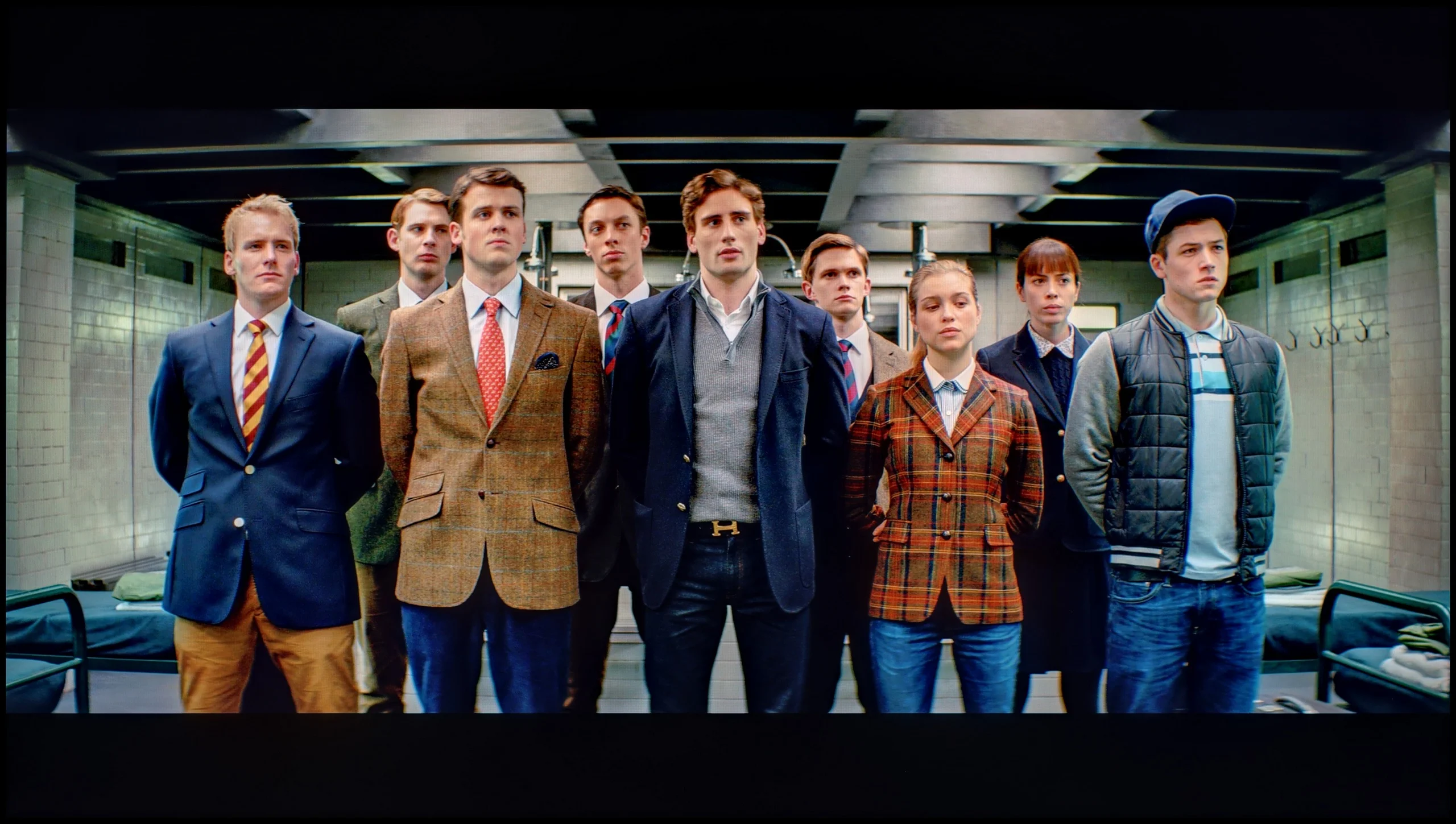
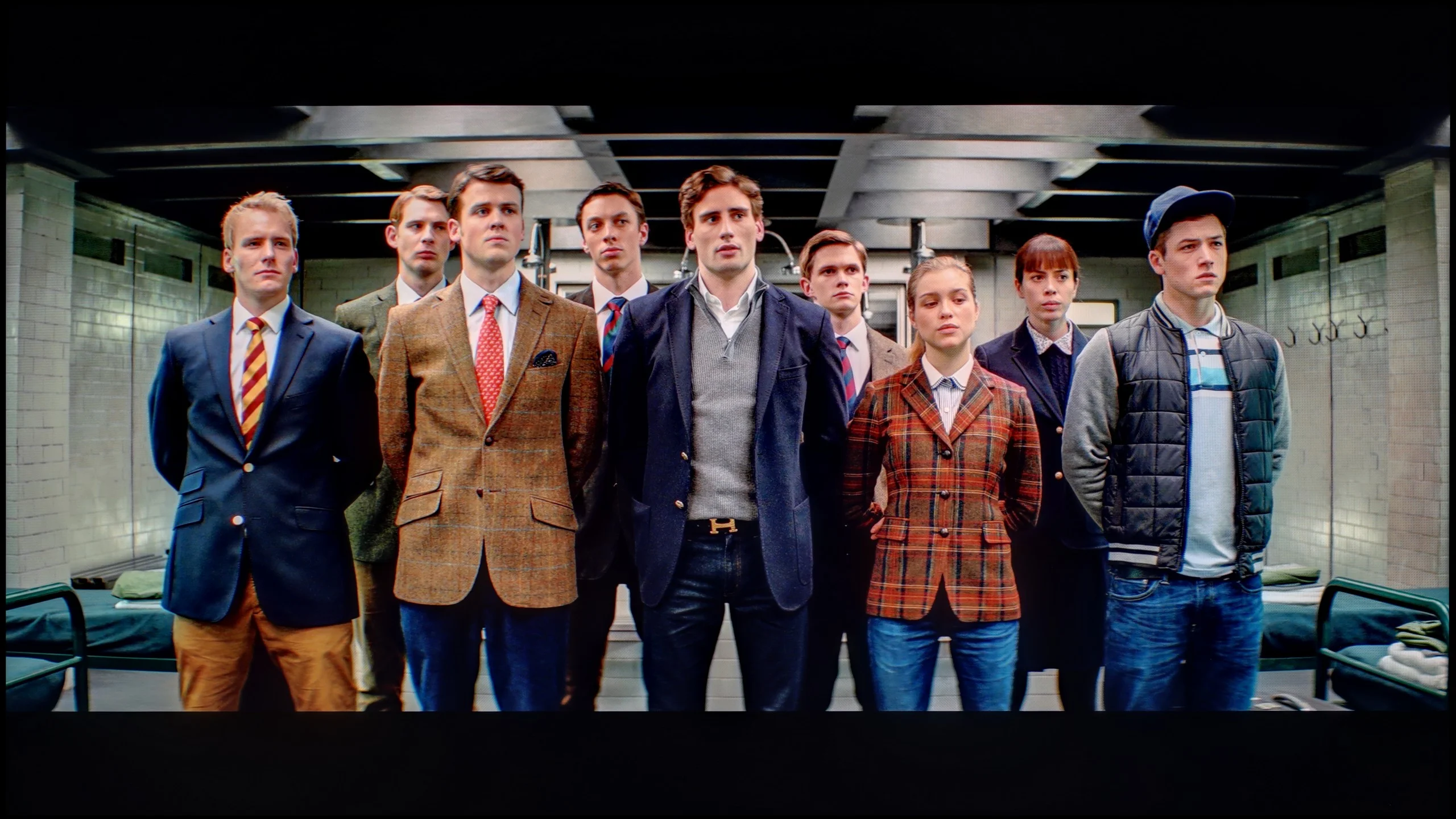
The photos show how movies look on the TV. Pay attention to black detail visibility, colors, and shadow tint.


The photos show how movies look on the TV. Pay attention to black detail visibility, colors, and shadow tint.
The results we achieved after calibrating the Hisense S7NQ are really very good. Thanks to the calibration, we were able to eliminate the excessive exposure of blue tones and the lack of red in the HD signal. A similar, although slightly weaker effect was also achieved with 4K HDR content. Brightness management in HD material has also improved – the television no longer has problems with overall image brightness issues.
However, there are things that cannot be overlooked. The characteristic of the EOTF curve has practically not changed, and the lack of local dimming means that the smallest elements on the screen will always be slightly overexposed. One simply has to accept this when choosing a television with a similar type of backlighting. Nonetheless, the final result is very good and should fully satisfy the vast majority of users.
After calibration, the M80H performs really well, especially with basic SDR content. Regular broadcast TV, YouTube, or movies viewed without HDR can look very accurate on it. After correcting the white balance, errors are minor, though you can still sometimes see that the TV tends to oversaturate the most saturated reds. In HDR you can also improve the picture and correct its main faults, but it doesn't reach the level of pricier models. Samsung quite heavily restricts color adjustment options in HDR, so in many areas we have to accept what the TV offers out of the box. Calibration lets us improve some parameters, but we are no longer able to change the overall image character of the M80H.
Smoothness of tonal transitions
9.2/10
9.8/10
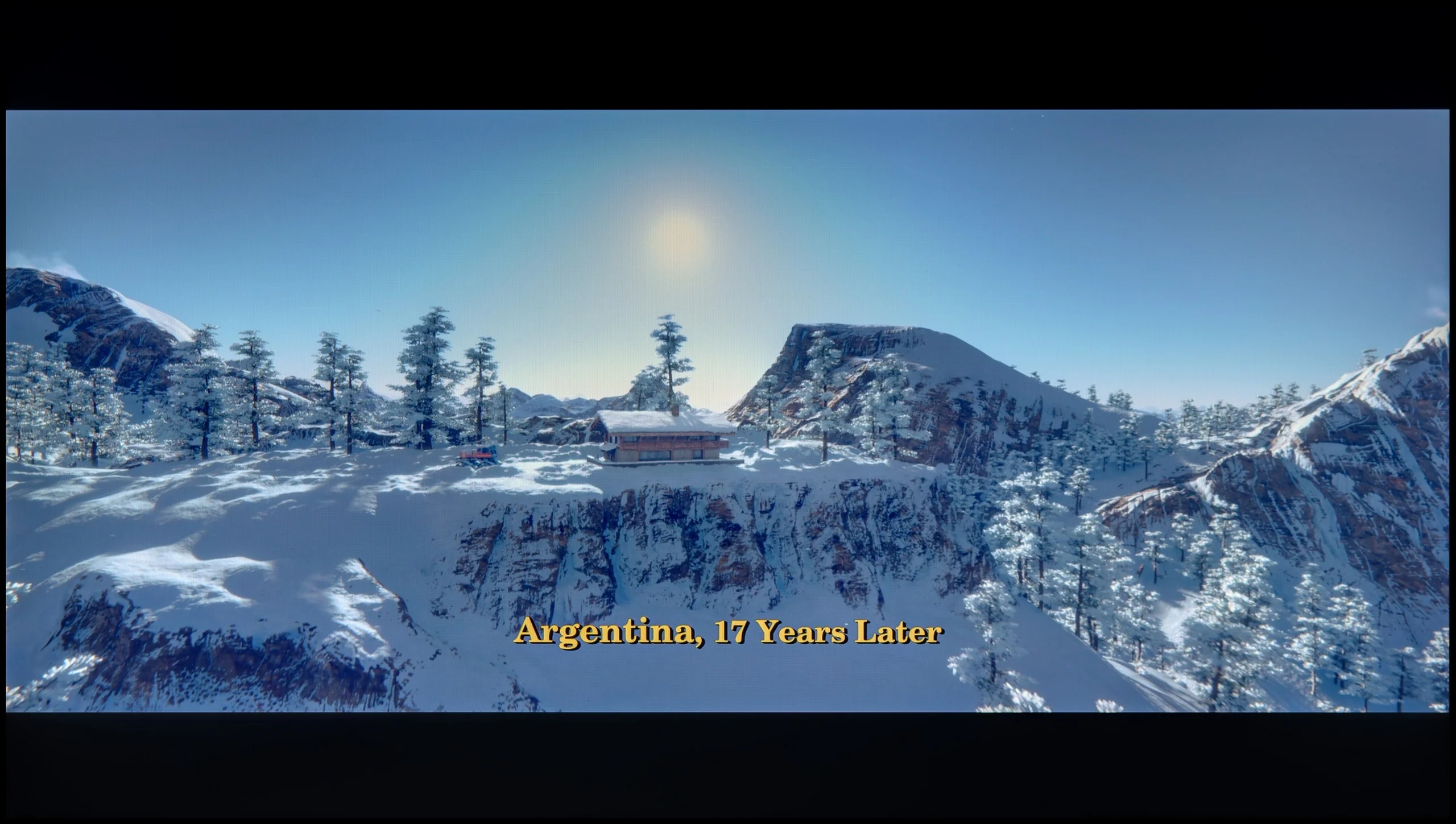

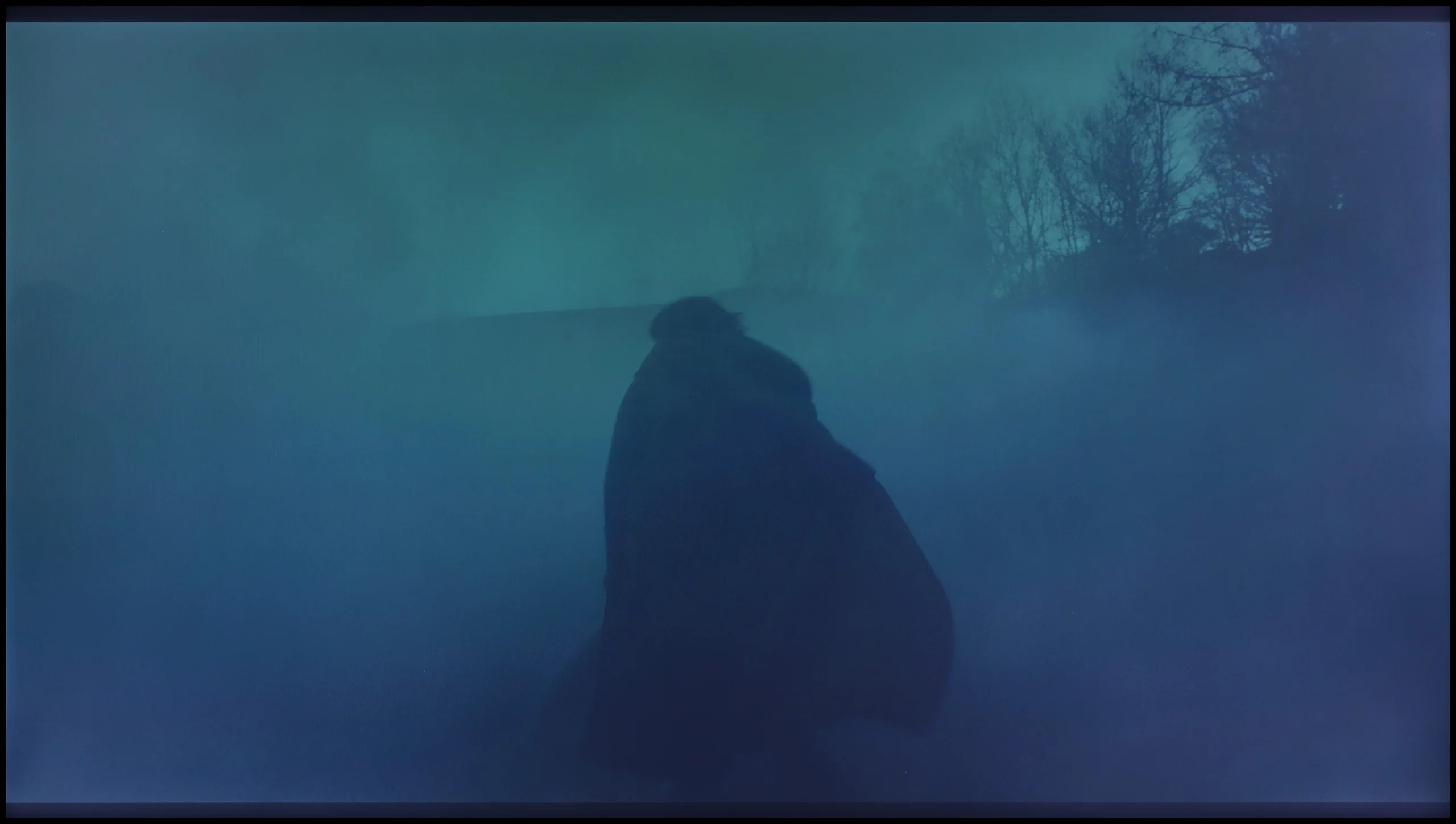
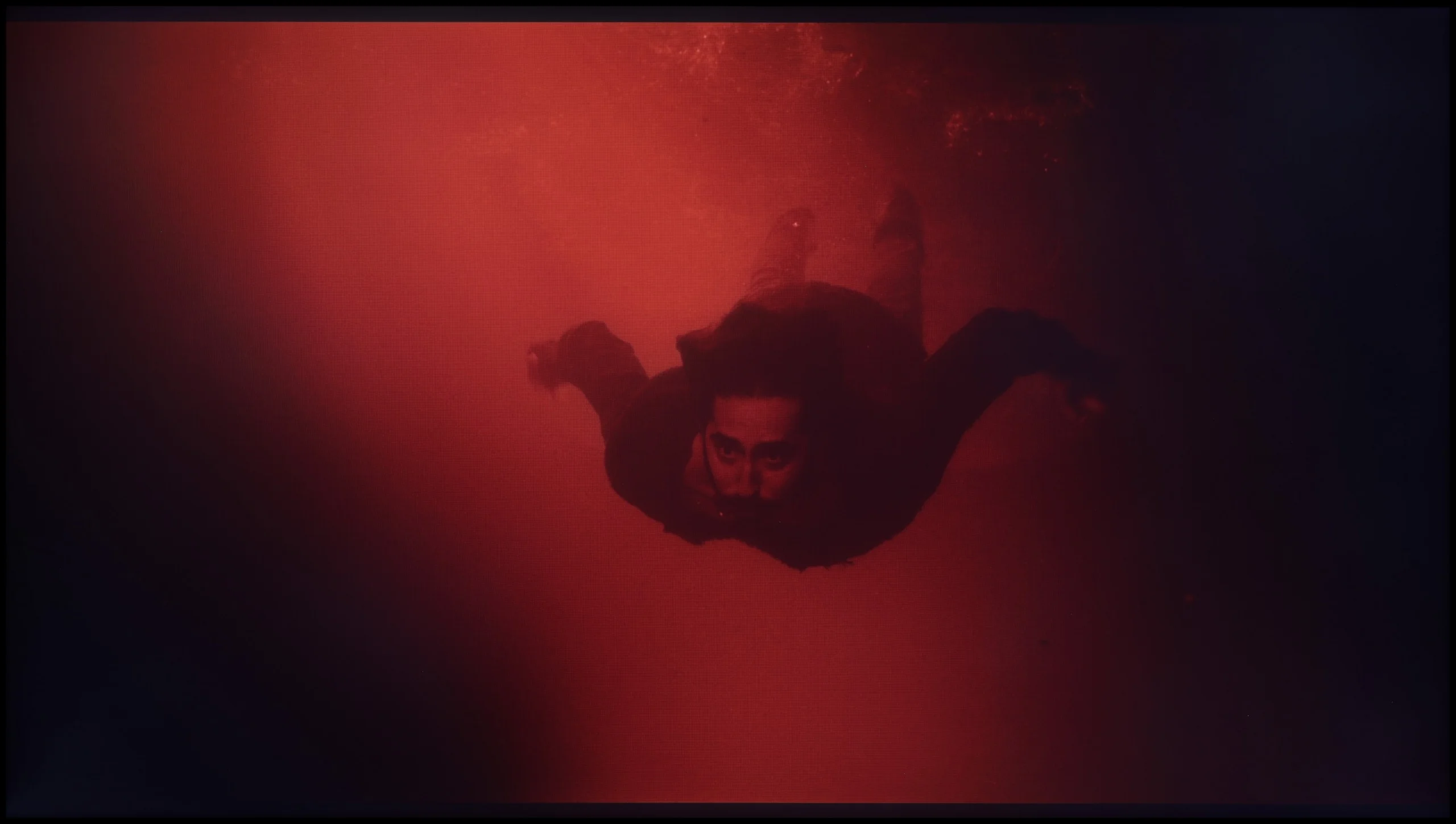
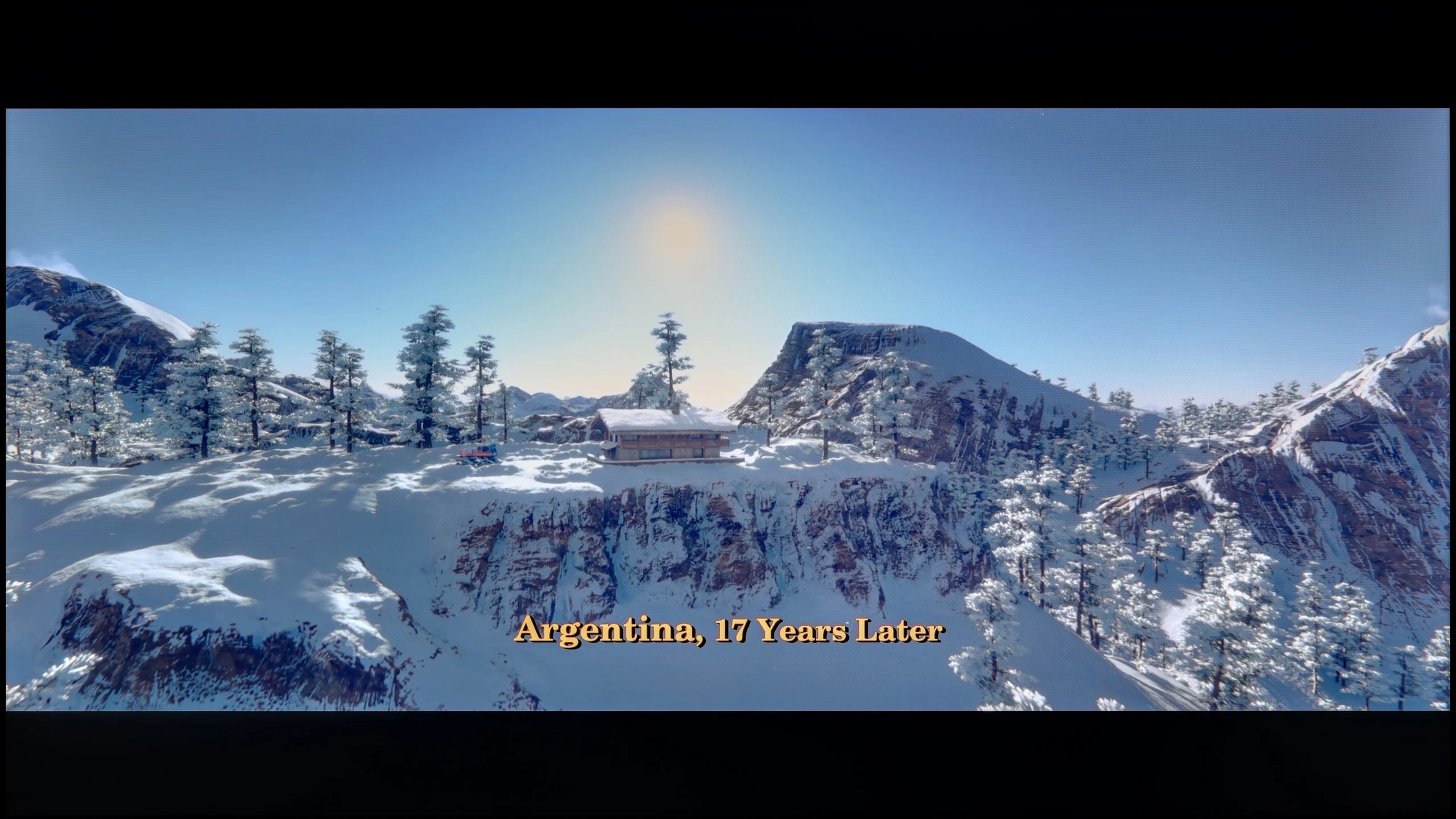
These are selected scenes that show smooth tonal transitions from one color to another. If you see distinct banding, it’s the TV panel’s fault.

These are selected scenes that show smooth tonal transitions from one color to another. If you see distinct banding, it’s the TV panel’s fault.
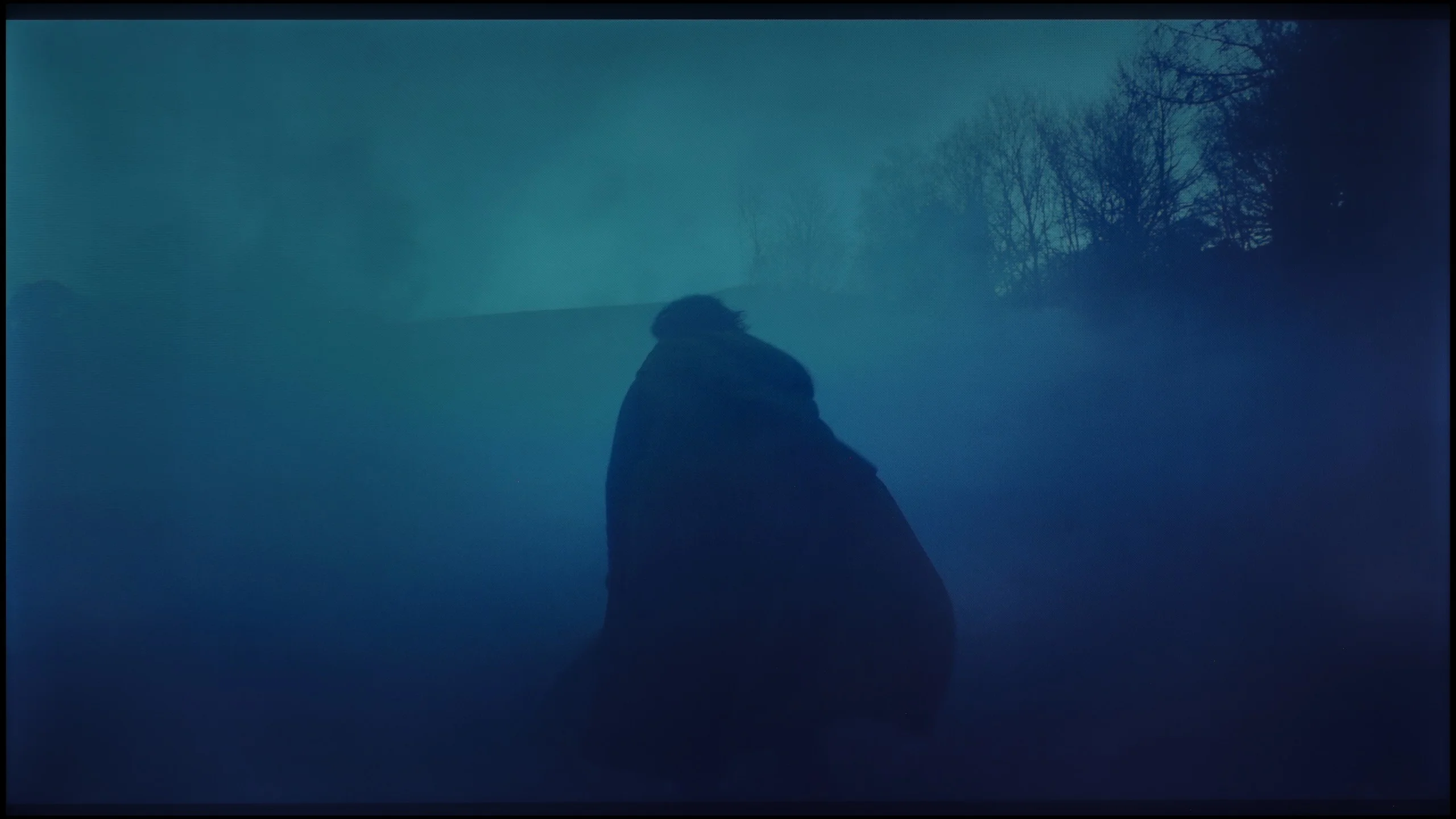
These are selected scenes that show smooth tonal transitions from one color to another. If you see distinct banding, it’s the TV panel’s fault.
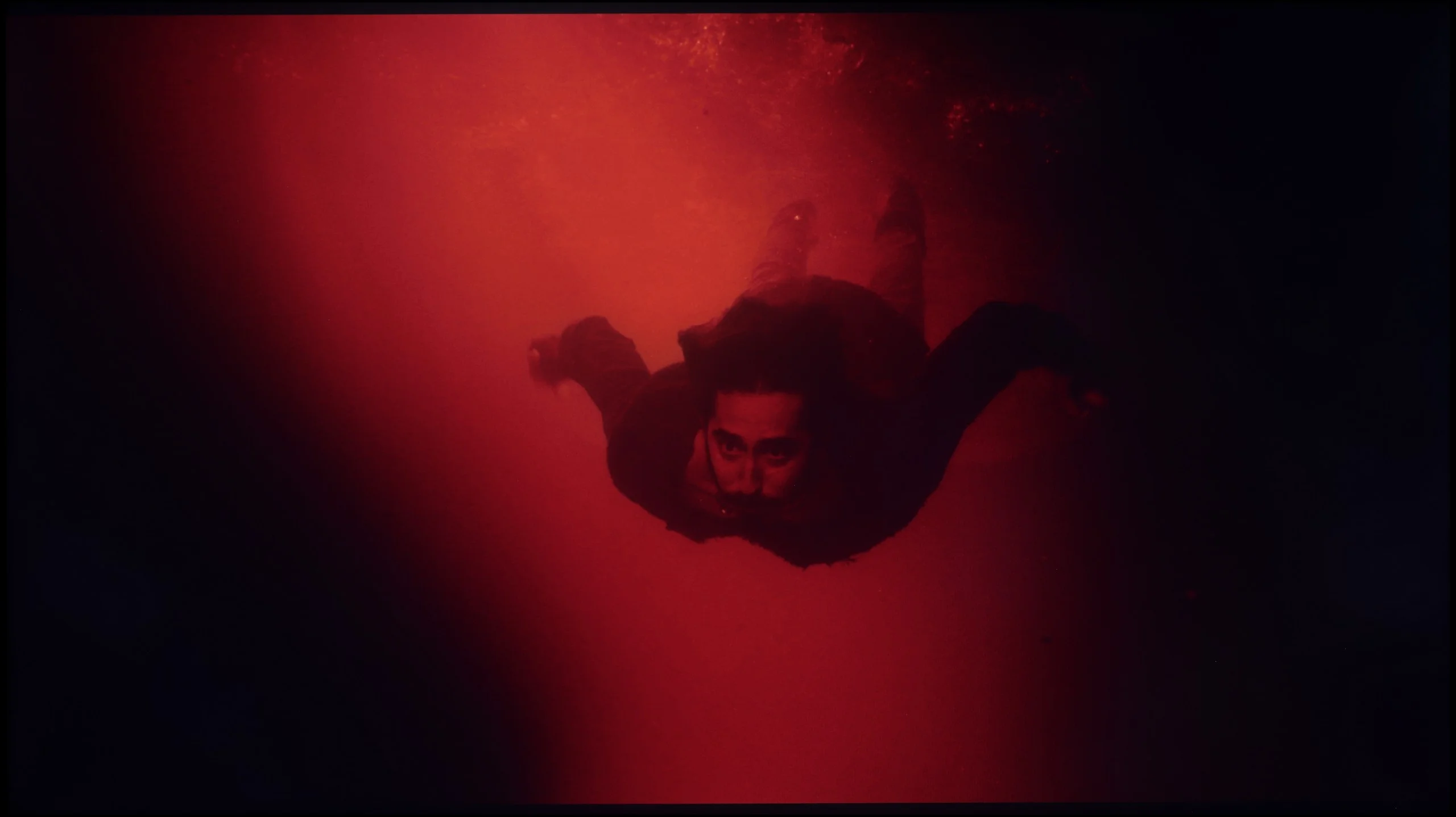
These are selected scenes that show smooth tonal transitions from one color to another. If you see distinct banding, it’s the TV panel’s fault.
The smoothness of tonal transitions is one of those categories that even less advanced users can notice. If someone doesn't know what it's about – let us explain. It refers to whether colors blend smoothly or if their "sticking" is visible in the form of distinct bands. Good tonal transitions are those that are natural and smooth, without large jumps in color.
The Hisense S7NQ performs very well in this category, although it must be honestly admitted that it does a bit worse than Samsung The Frame. In very bright scenes, slight imperfections can be noticed, but you really need a keen eye to catch them. Overall – like in most "frame" style televisions – it still performs excellently.
The smoothness of tonal transitions on the M80H is nearly perfect. Posterization is practically non-existent, and successive shades blend very smoothly in both bright and dark scenes. We didn't notice any obvious color banding, even in the sky or in smoke scenes. If the image looks worse in dark shots, that's not due to gradation issues. What becomes more apparent are the backlight limitations and the lack of local dimming, which keep blacks from having proper depth.
Image scaling and smoothness of tonal transitions
5.5/10
7/10


Smooth transition function
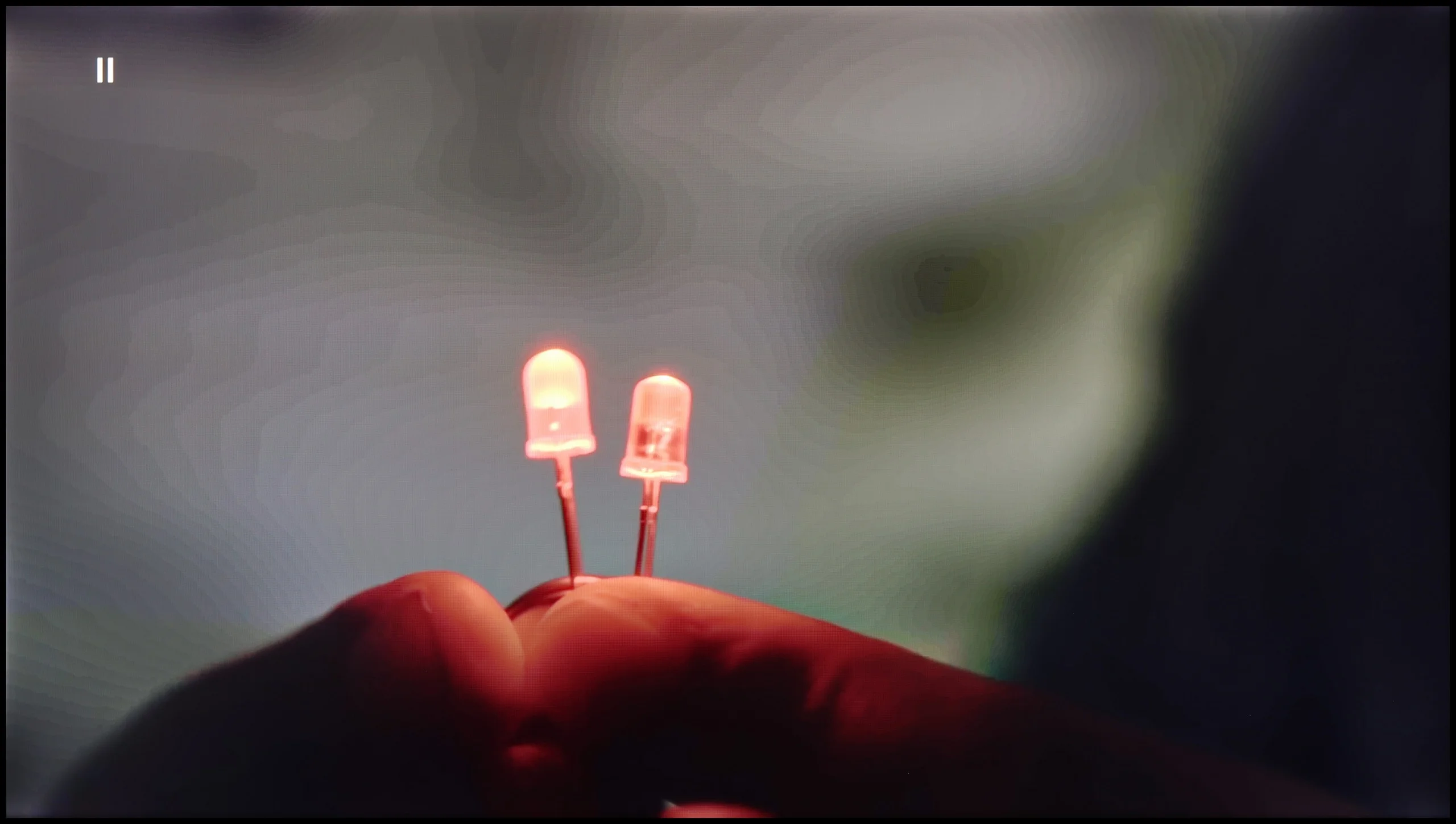
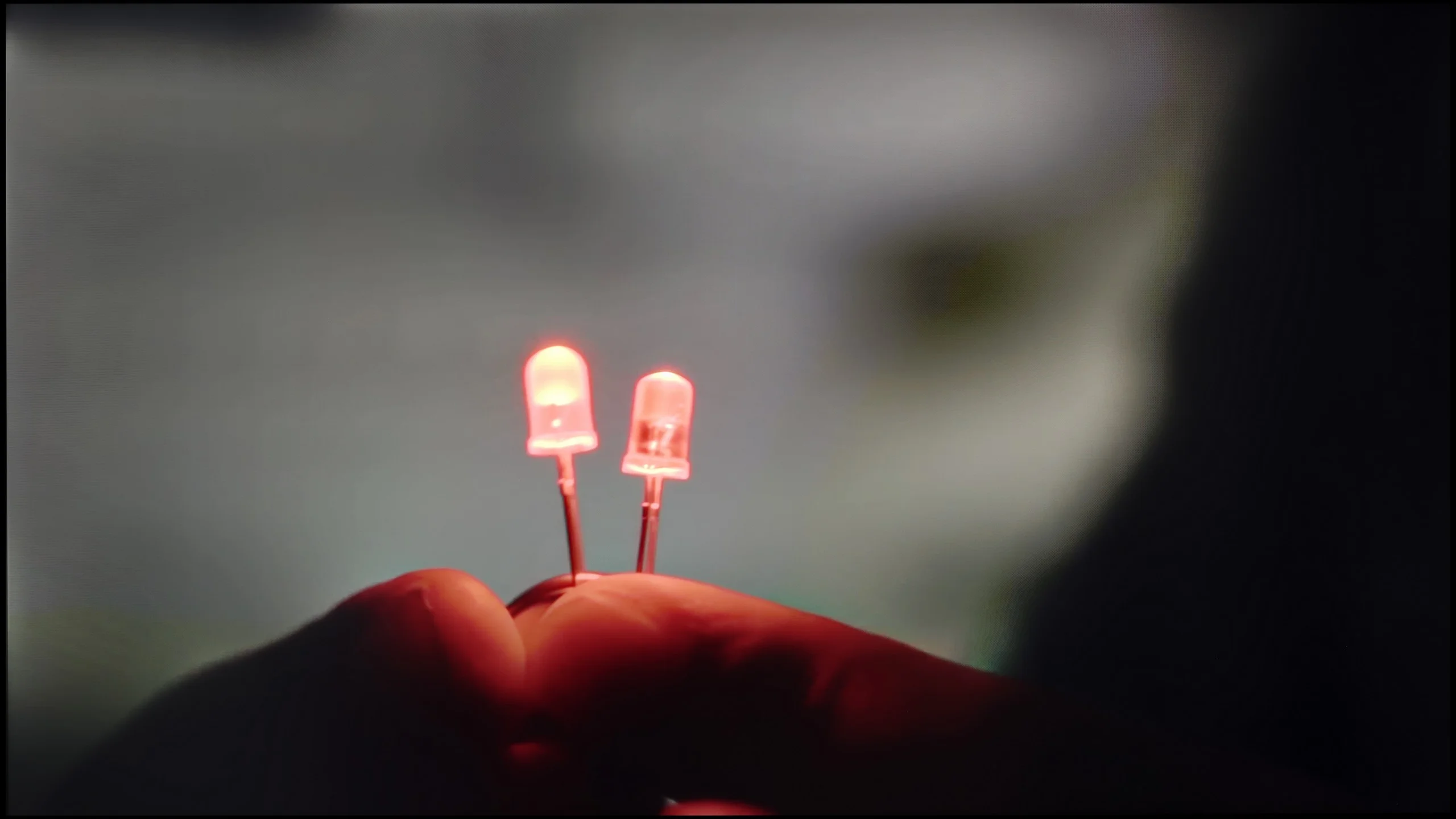
The match photo shows how the TV smooths weak tonal transitions in low-quality video.
Image scaling SD (576i)


The model photo shows how it handles upscaling of SD material.
It is equally important how the television handles tonal transitions on a poorer signal – for example, in older movies, television, or on YouTube. Unfortunately, despite the presence of the "Smooth and Gradient Picture" feature, which was supposedly intended to improve this aspect, its performance is truly lacking. It is barely noticeable that it has any real impact on the visibility of color transitions.
Image scaling also performs poorly. Yes, one can observe that the television tries to "stretch" the quality, but the final effect is far from ideal. The image often appears slightly jagged, which is especially noticeable in the case of tree branches in the background. Additionally, the Hisense S7NQ has a clear tendency to crop the image at lower resolutions, which can cause us to miss captions in the news or finer details of the image.
Although the M80H is positioned fairly low in Samsung's lineup, the manufacturer equipped it with one of its stronger processors, NQ4 AI Gen2. The same chip can be found in Neo QLED TVs and the lower-tier OLED S85H. That's good news, because the processor does a very good job improving weaker source material. Upscaling performs best. Low-resolution content is displayed properly, and edges don't look overly jagged. Of course the TV won't create details that aren't in the source, but regular broadcast TV and older recordings look decent on it. One drawback is overscan, that is, edge cropping, which cannot be fully disabled. The tonal transition smoothing feature, the so-called noise reduction, also works well. The processor can effectively reduce visible signs of heavy compression, but it does so not without side effects. At higher settings it can overly smooth the image, remove some fine detail, and even eliminate film grain. Therefore we recommend using this feature primarily for content that actually has problems with heavy compression and posterization.
Blur and motion smoothness
7/10
7.9/10
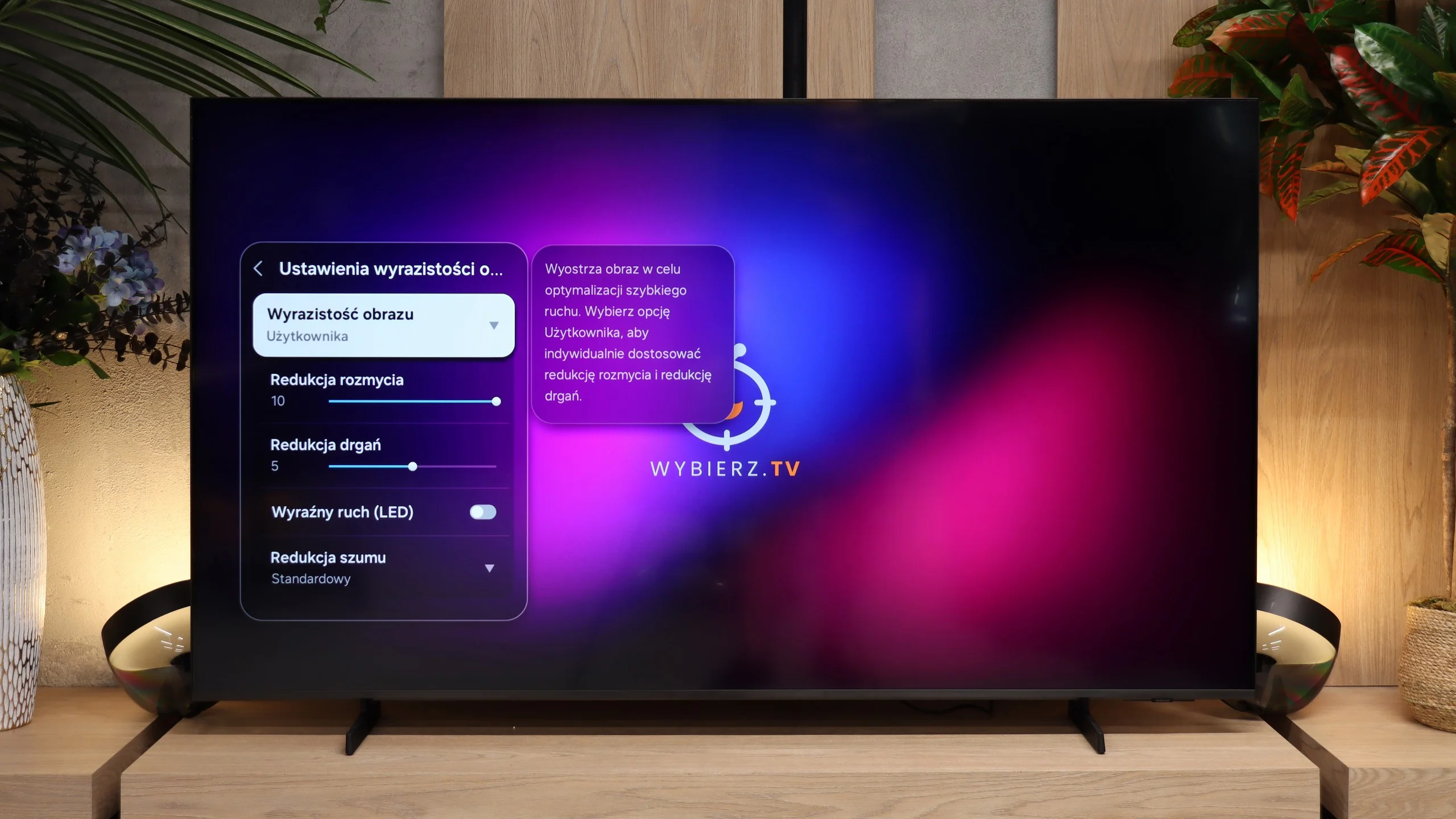
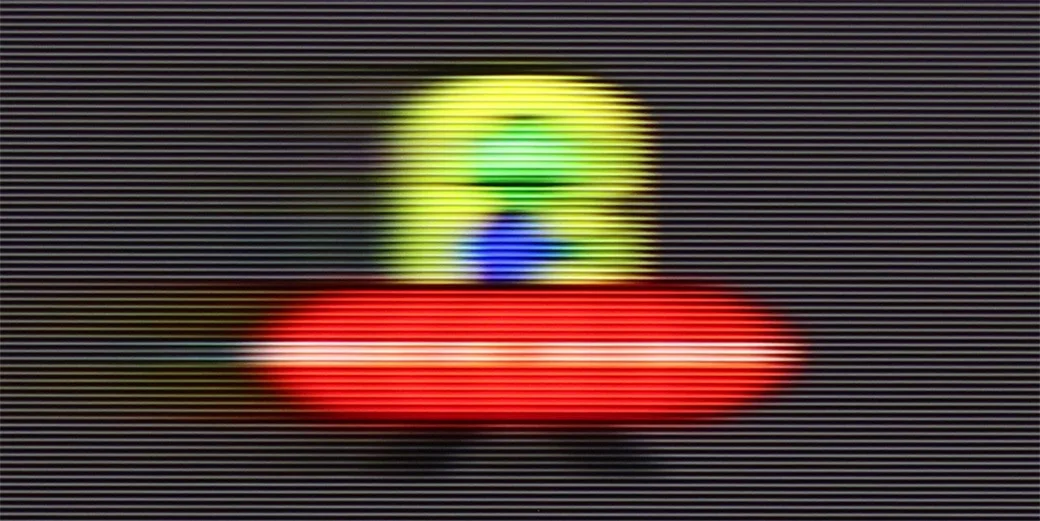
Blur (native resolution, maximum refresh rate):





Blur (BFI function enabled):
Image flickers in this mode



Blur ():
Blur (4K@240Hz):



When it comes to motion fluidity, the television performs really well. Although the S7NQ was mainly designed for displaying static elements – such as images – the manufacturer has utilized a panel with a refresh rate of 144 Hz. As a result, sports or games look really good on it.
For materials that are not recorded at a high frame rate, the manufacturer provided two features that allow you to adjust the picture to your own preferences. "Motion blur reduction" and "motion smoothing" operate on a 10-level scale, allowing you to choose between a more cinematic image – with characteristic frame jumps – and a smooth effect reminiscent of a "soap opera." How to set this up? That's a personal matter – we leave the decision to you.
The M80H performs very well for watching sports and gaming. The TV is equipped with a panel with a refresh rate of up to 144 Hz at 4K, and when the resolution is lowered to Full HD it can handle up to 240 Hz. PC gamers will benefit most from the latter option.
The panel also handles 120 Hz content well, which matters especially for console gaming. The high refresh rate is useful for watching sports too, and motion blur is relatively low. That’s important because VA panels are not known for the best results in this respect. With the M80H, fast-moving objects do not produce a very noticeable trail.
Console compatibility and gaming features
8.5/10
9.6/10
- ALLM
- VRR
- VRR range48 - 144Hz48 - 240Hz
- Dolby Vision Game Mode
- Correct implementation of HGIG
- 1080p@120Hz
- 1440p@120Hz
- 4K@120Hz
- Game bar
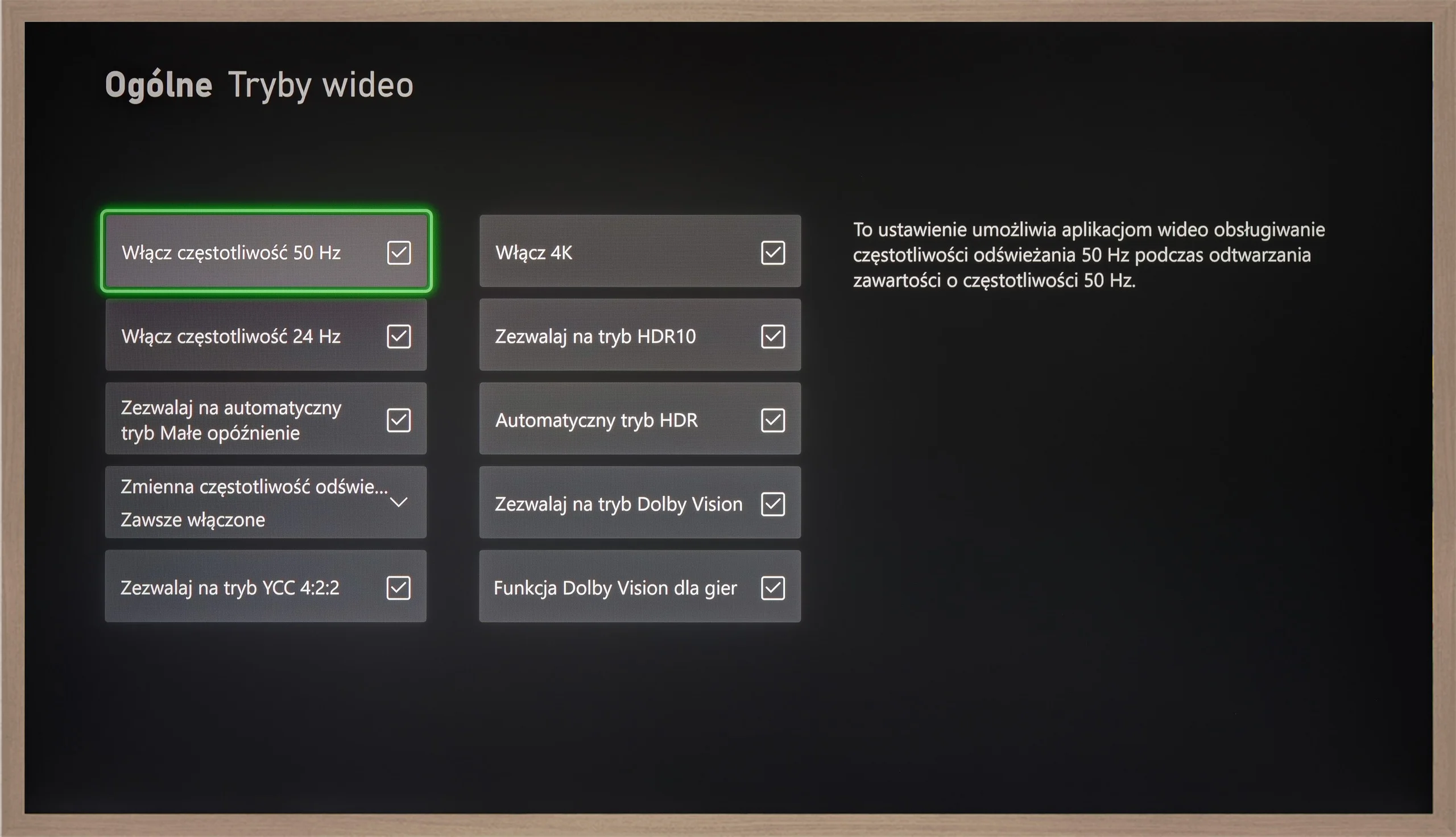
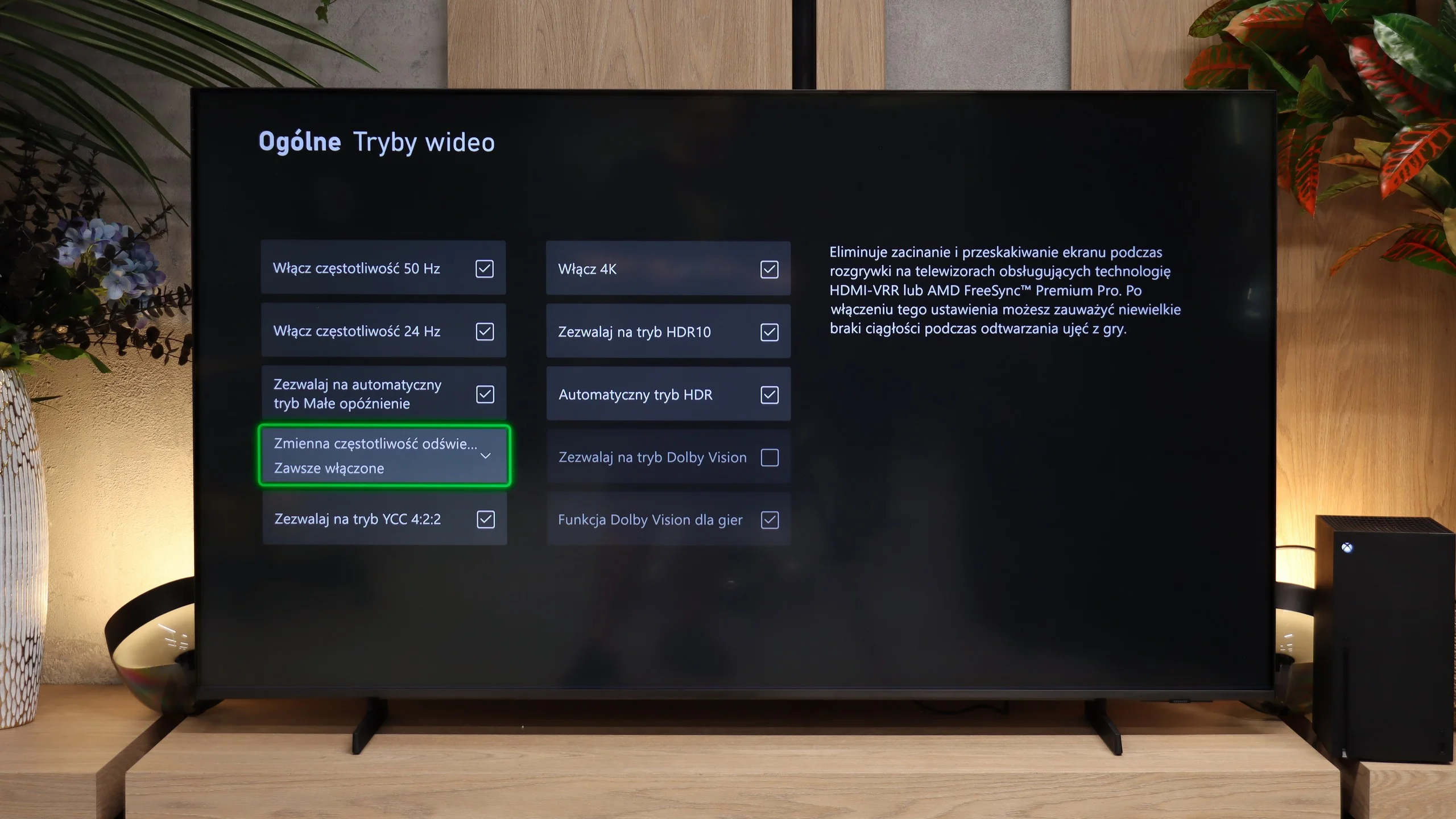
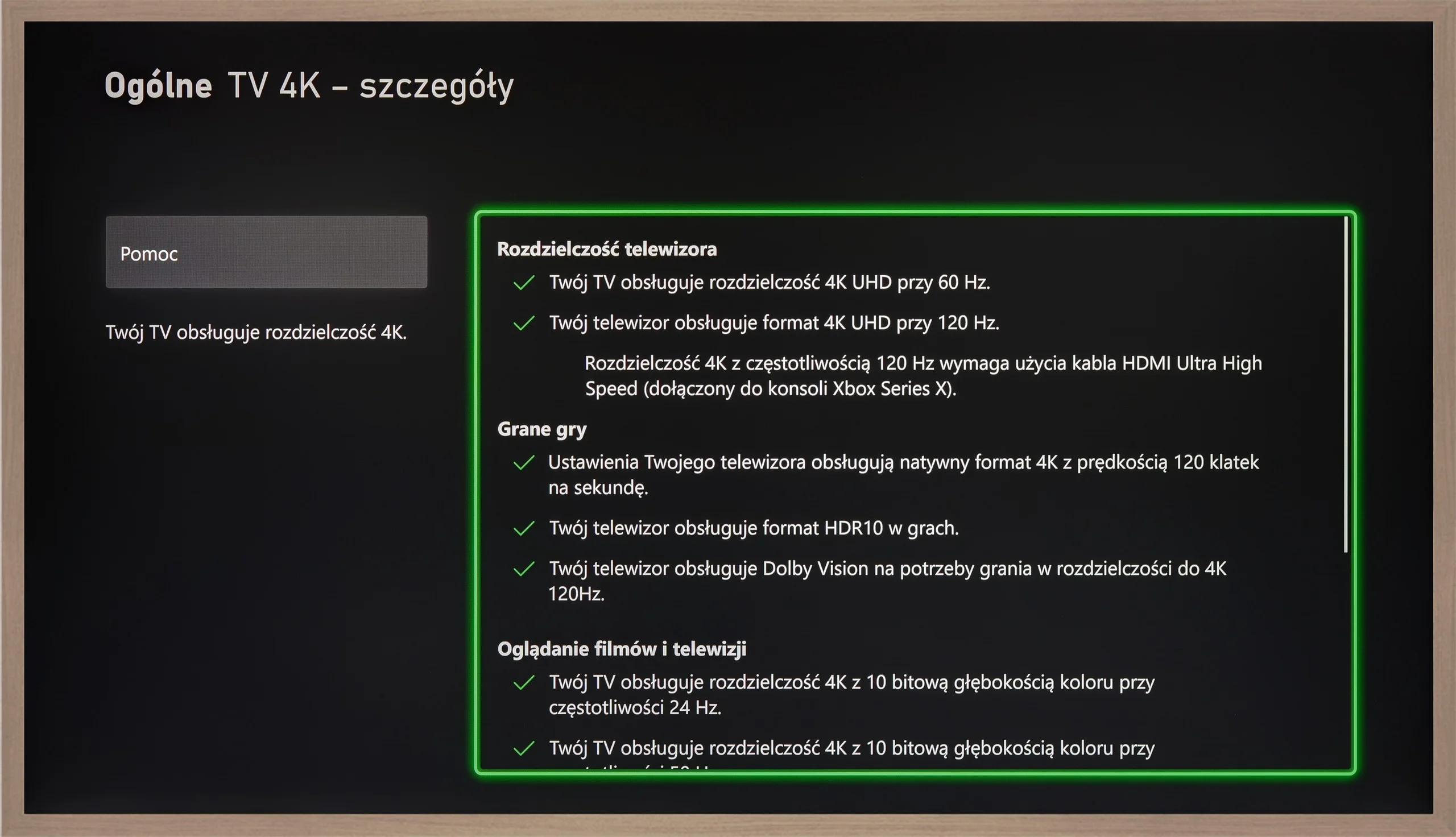
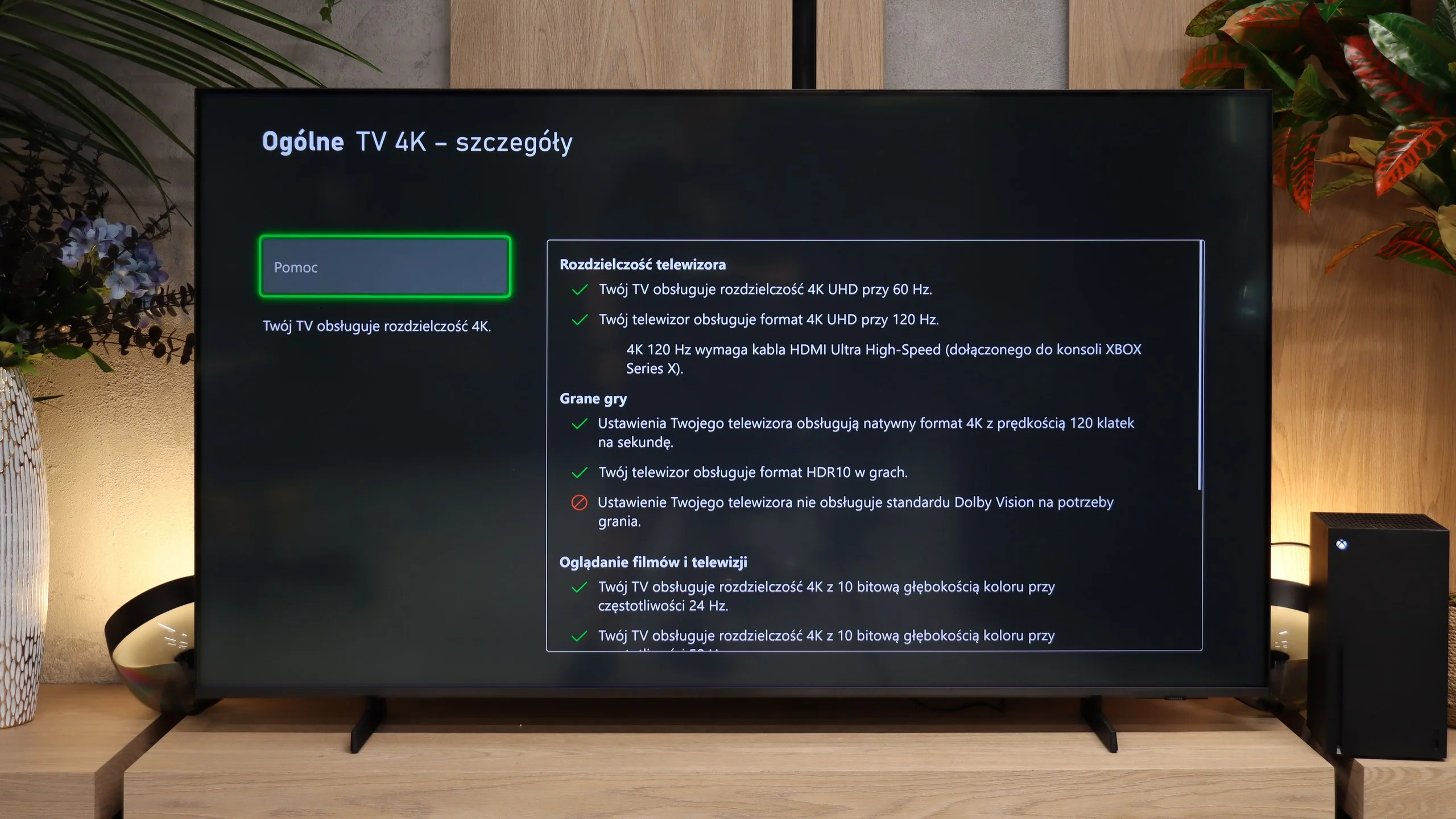

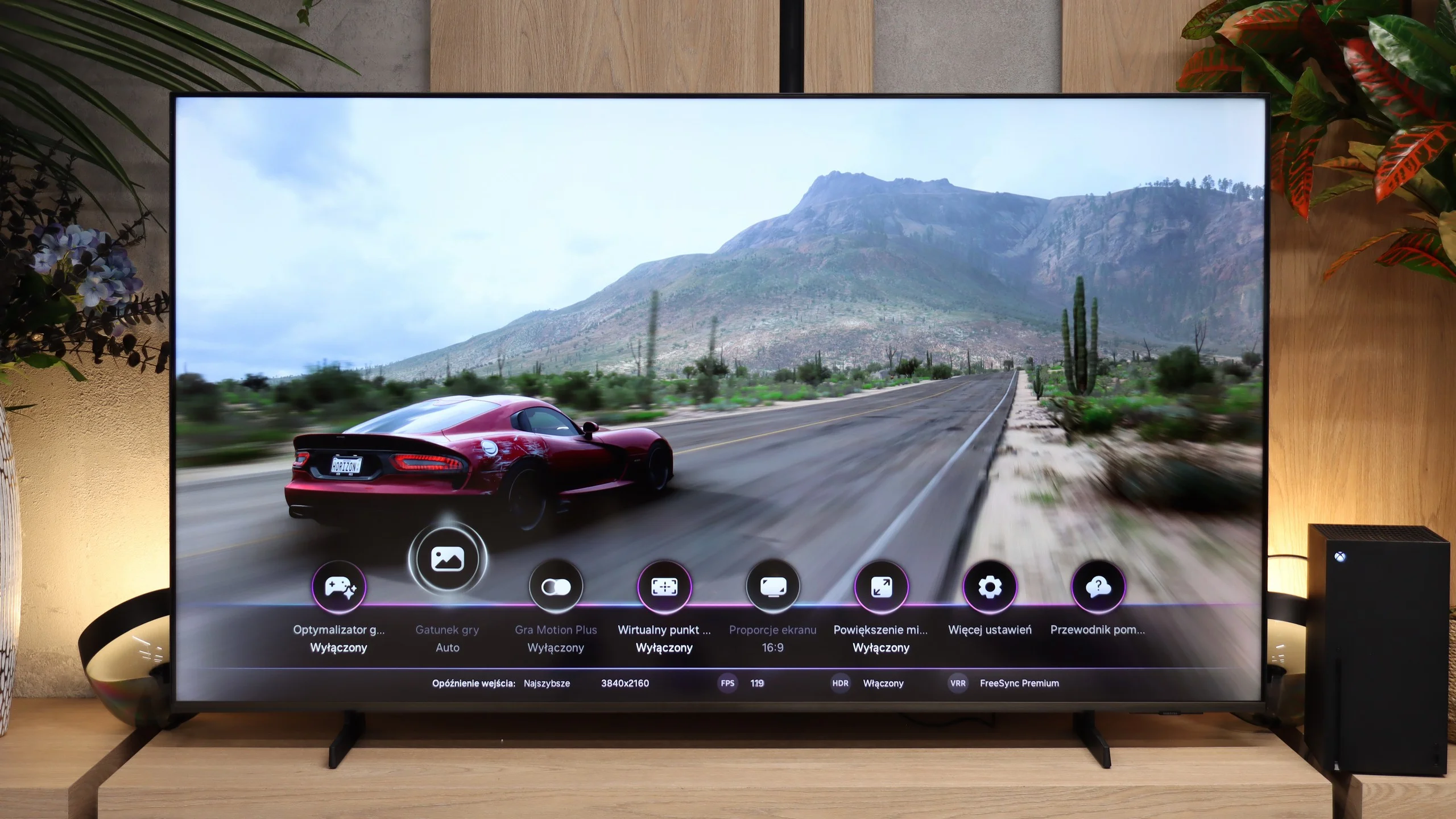
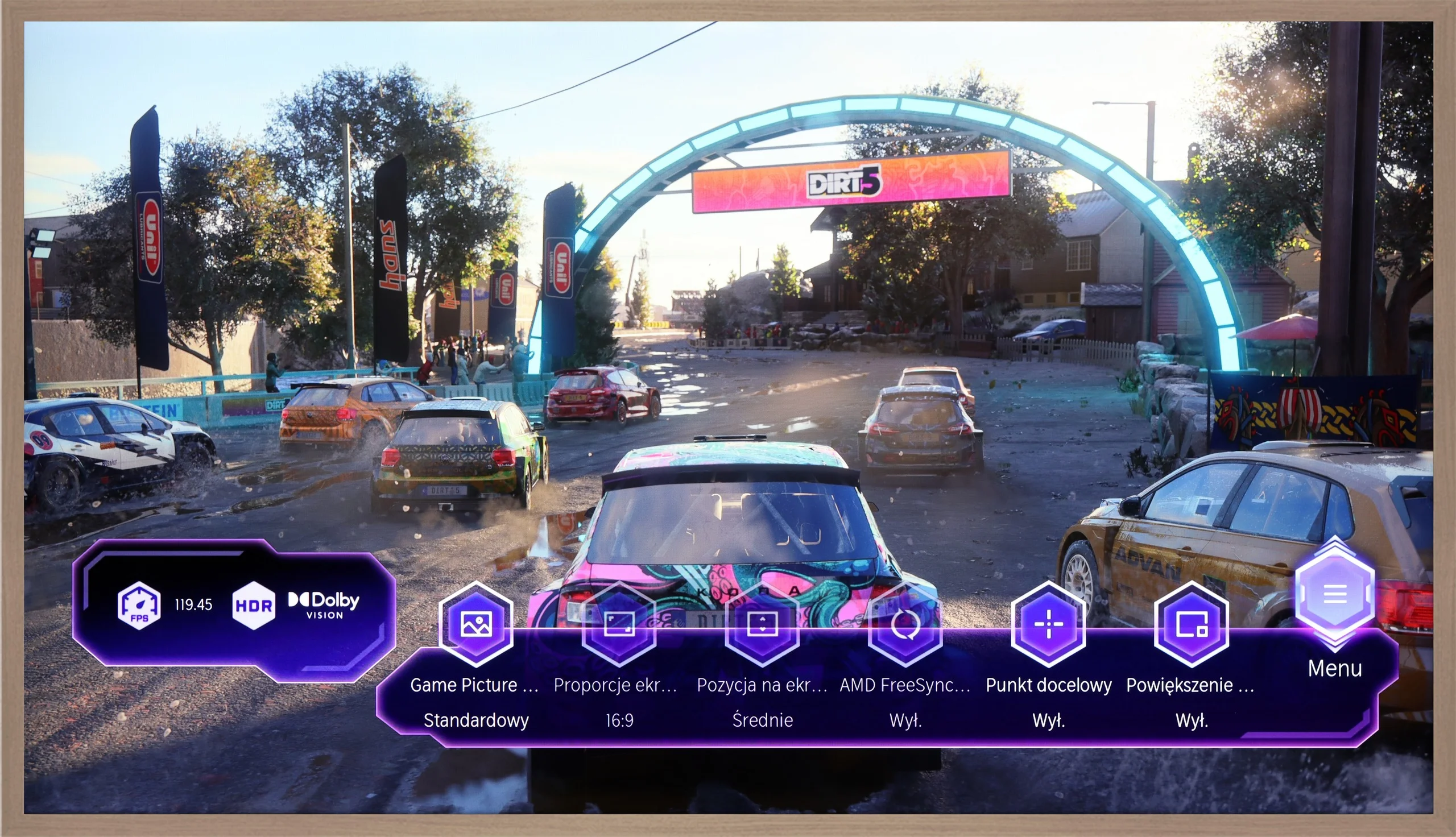
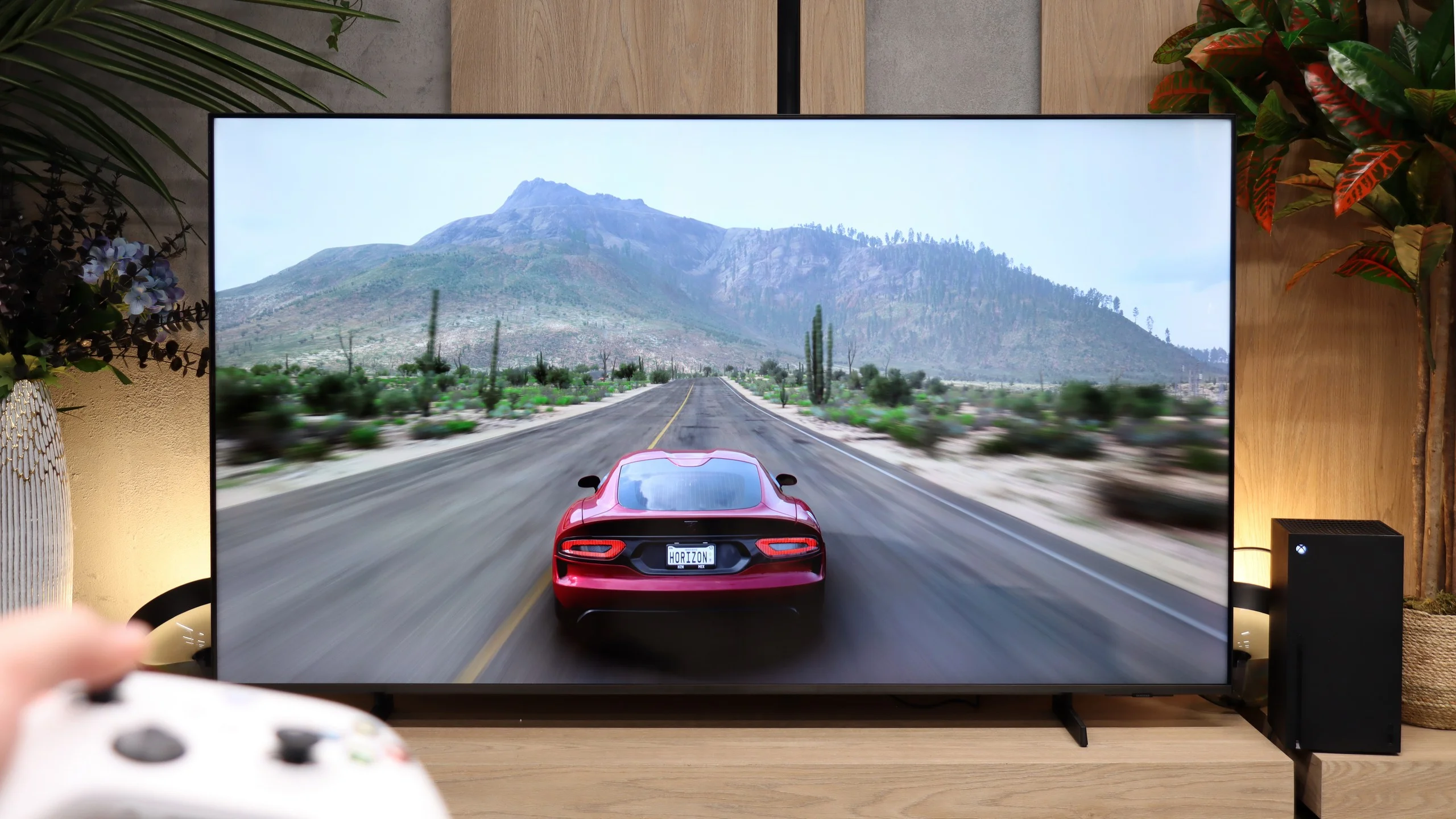
Even though the S7NQ is an "image" type TV, you can actually play games on it. Really. It has almost everything (except for HGiG mode) that a modern gaming TV needs. The 144 Hz panel and two full-fledged HDMI 2.1 ports allow for seamless connection of two consoles, such as PlayStation 5 or Xbox Series X/S.
The TV supports automatic game mode (ALLM) and frame synchronization (VRR) without any stuttering or issues. It also handles high frame rates at lower resolutions without a hitch. We must commend Hisense for the very attractive Game Bar – it displays all available picture options, and additionally, we have the ability to zoom in on the mini-map or enable a crosshair (because sometimes someone might actually want to "aim" 😉).
The only missing element – as we mentioned earlier – is the lack of a proper implementation of HGiG mode. It is responsible for automatically setting the picture in games as the creators intended. It's a shame because that’s the only thing separating the Hisense S7NQ from being a full-fledged gaming "monster."
The M80H can be a very good choice for gamers on a slightly smaller budget. Feature-wise it offers essentially the same as Samsung's much more expensive TVs. All three HDMI inputs support HDMI 2.1, so even if one is taken by a soundbar connected via eARC there’s still room for a PC and consoles. There’s also VRR up to 144 Hz at 4K and up to 240 Hz in Full HD. Samsung has properly implemented HGiG as well, so after performing HDR calibration on the console, games are appropriately matched to the screen’s capabilities. That won’t make the M80H any brighter, but at least it won’t unnecessarily wash out the brightest parts of the image. There’s also a Game Bar for quick access to the most important settings and a Gaming Hub that lets you play in the cloud without a console. The M80H also includes Game Motion Plus, which creates extra frames and improves the smoothness of games running at 30 or 60 fps. Input lag then rises to about 59 ms, but it’s still roughly three times lower than with the typical motion smoothing on other manufacturers’ TVs. We don’t really recommend it for online multiplayer, but in more relaxed titles it can work very well.
Input lag
8.7/10
9.9/10
SDR
HDR
Dolby Vision
Input lag on the Hisense S7NQ performs well, although it cannot be said to be outstanding – especially for the standards of 2024/25. Values around 30–20 ms may not be very high and the average player probably won’t notice it, but those who spend a lot of time gaming may feel a slight discomfort.
The situation looks definitely better when playing in Dolby Vision mode – then the delay is lower and gameplay feels more enjoyable. The problem is that there are still few games supporting this mode and they are primarily available on the Xbox console.
Input lag on the M80H is very low. With a 60 Hz signal it's about 14 ms, and at 120 Hz it drops to 9-10 ms. The lag is therefore practically imperceptible, whether you're playing in SDR or HDR.
Compatibility with PC
7/10
8.9/10
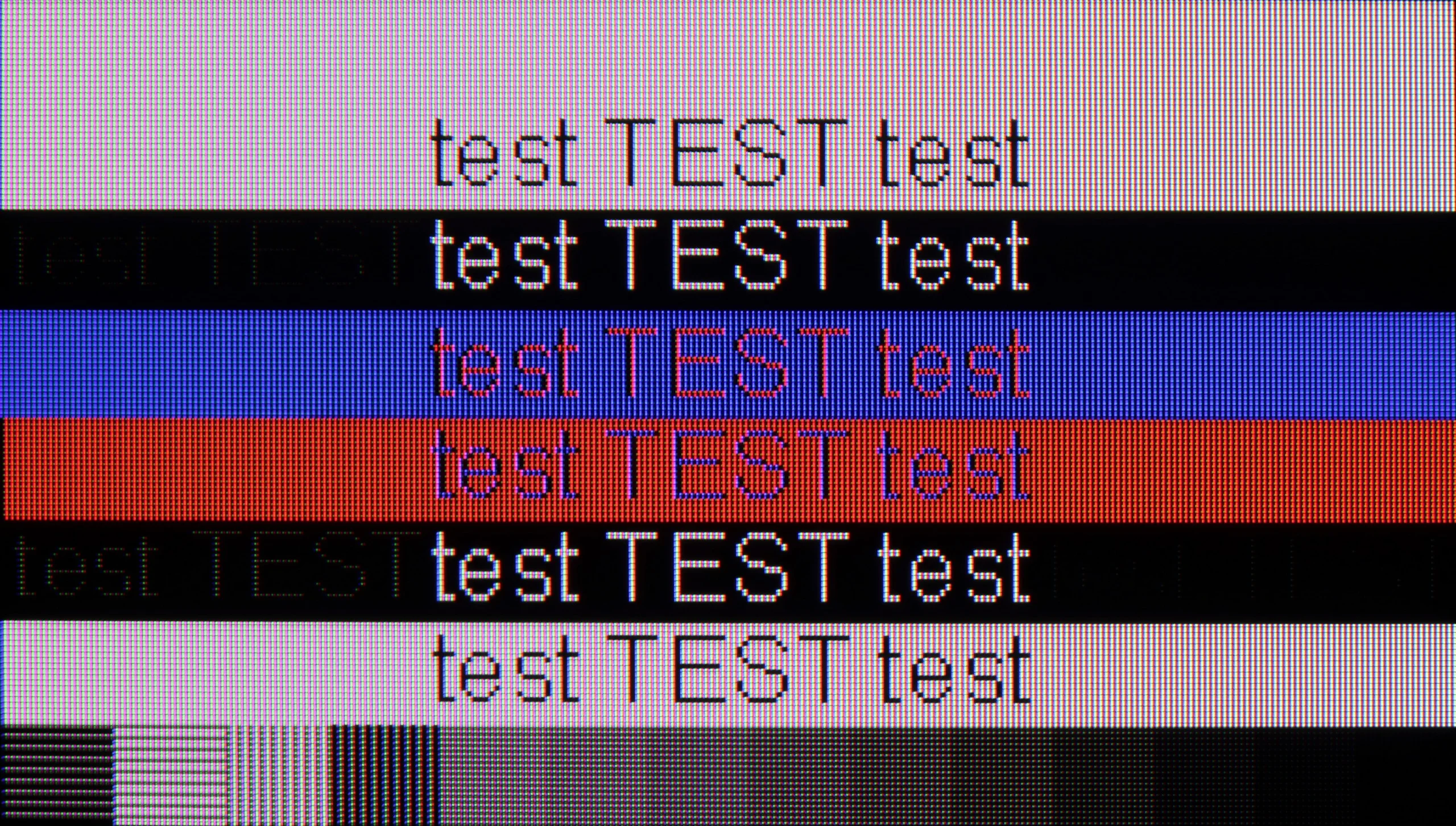
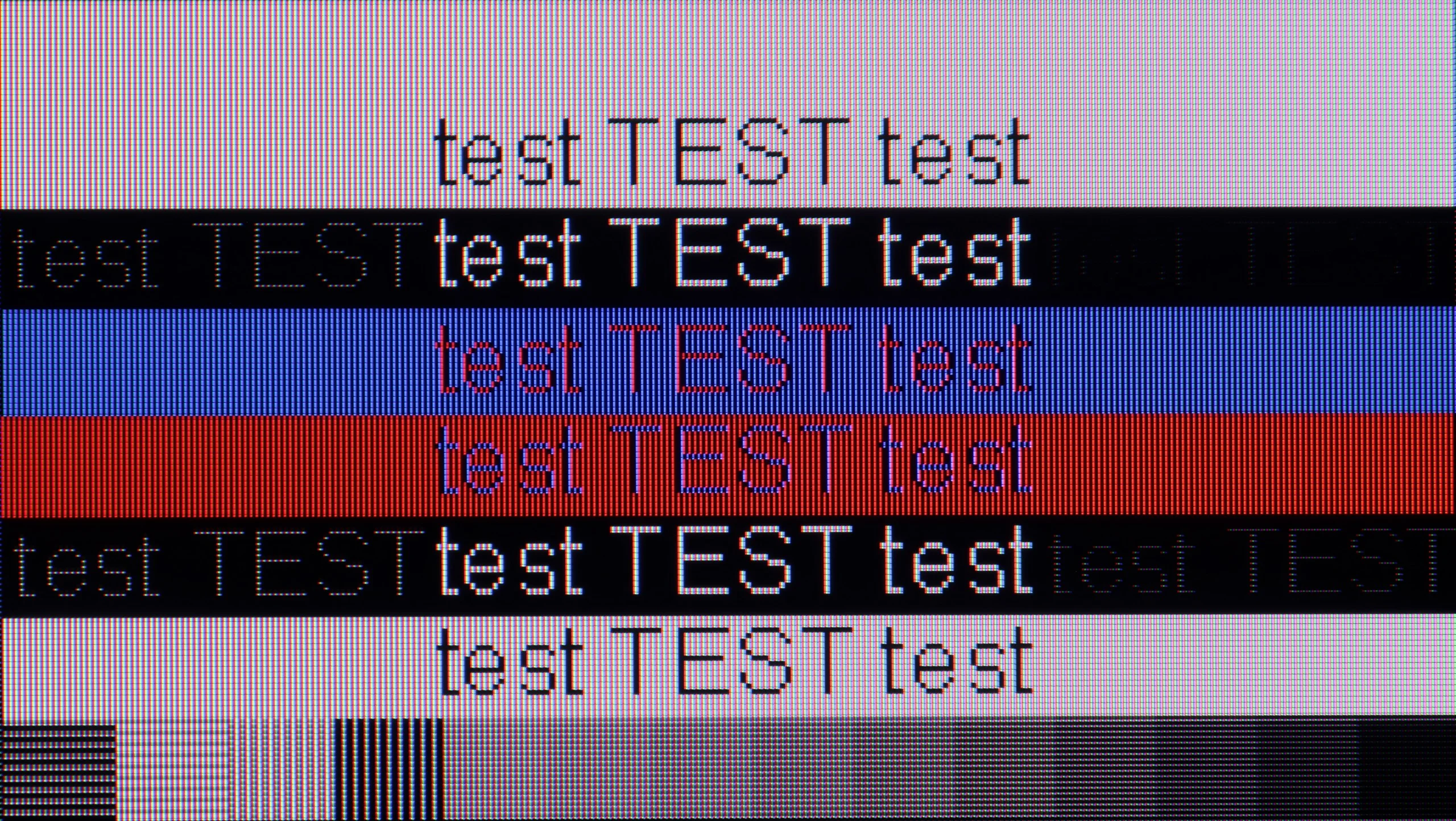
The photo shows the legibility of small fonts. Ideally, lines should be the same thickness on both light and dark text, with minimal pixel gaps.
When it comes to working with a computer, the S7NQ Canvas TV performs really well. Gaming on it is seamless thanks to the presence of a 144 Hz panel and support for G-Sync with Nvidia cards. Input lag – as we mentioned earlier – is good, though not outstanding.
And how about working? It’s doable. The TV has a proper implementation of chroma 4:4:4, so fonts look quite sharp. One could nitpick about some minor issues with the thinnest letters on a dark background, but let's be honest – rarely does anyone sit a meter away from a 55-inch screen reading small text.
The M80H also works very well as a computer monitor. Gamers can use 4K resolution at 144 Hz with VRR and G-Sync, and input lag in PC mode is about 10 ms. A Full HD mode at 240 Hz is also available. The TV correctly displays chroma 4:4:4 at the maximum resolution and refresh rate. Combined with a classic RGB subpixel layout, this provides very good font legibility for both light and dark text. The M80H is therefore suitable not only for gaming but also for everyday desk work.
Viewing angles
3.4/10
3.1/10
The viewing angles are typical for a VA matrix. The S7NQ loses quite a bit when viewed at an angle of about 45 degrees – the colors fade, and the brightness drops significantly. It's a pity because, after all, this is a television that is intended to display works of art – it would be nice to be able to look at them from different places in the room, not just straight on.
Viewing angles are one of the weaker points of the M80H. The TV uses a VA panel, which delivers better blacks and higher contrast than an IPS panel, but it looks worse when viewed from the side. Sit at a wider angle and colors start to lose saturation, blacks become noticeably lighter, and the whole image looks more washed out. That's a typical trade-off with this type of panel. The M80H is therefore best used when watched straight on or from only a slight angle.
Daytime performance
5.4/10
5/10
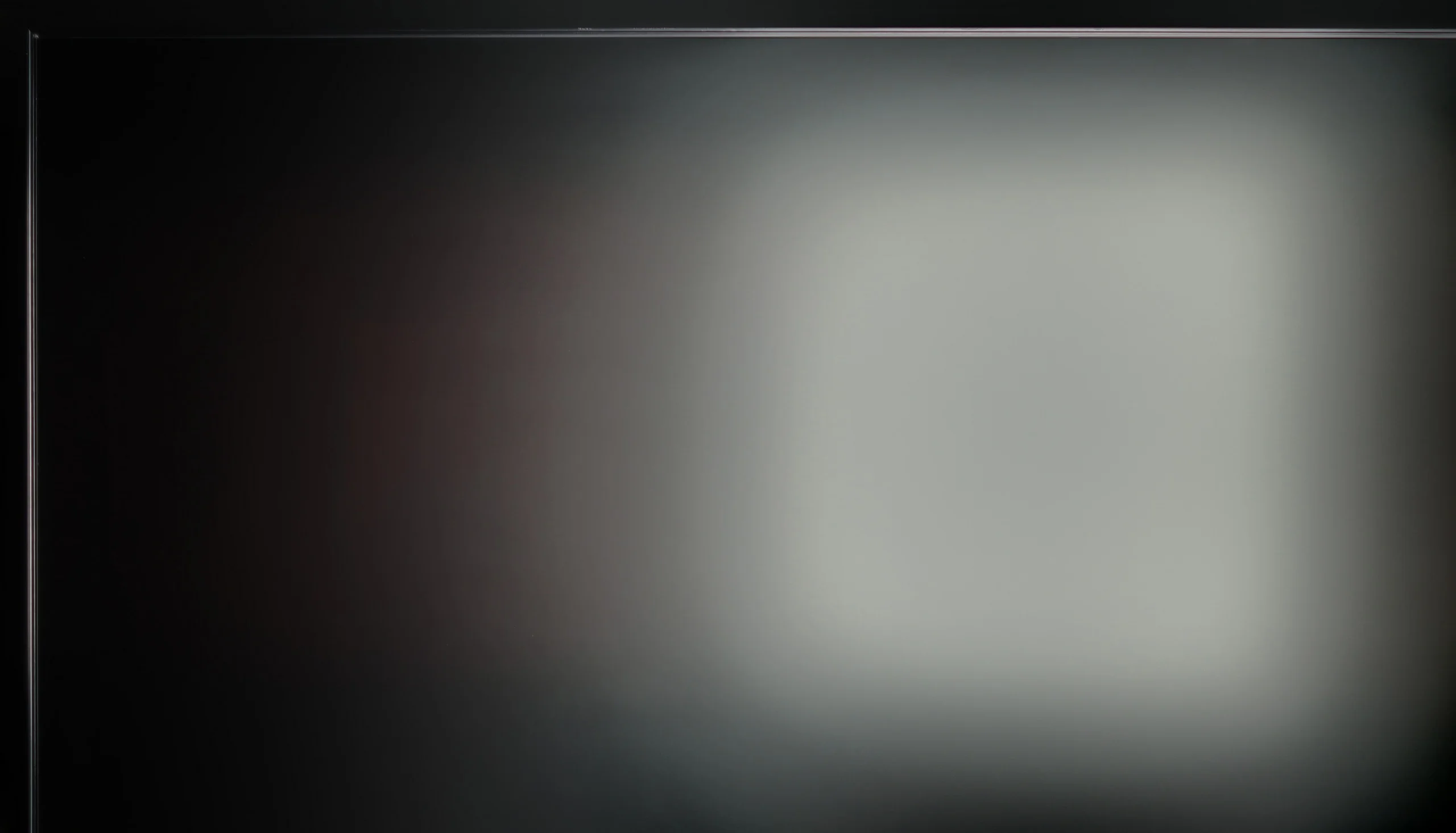
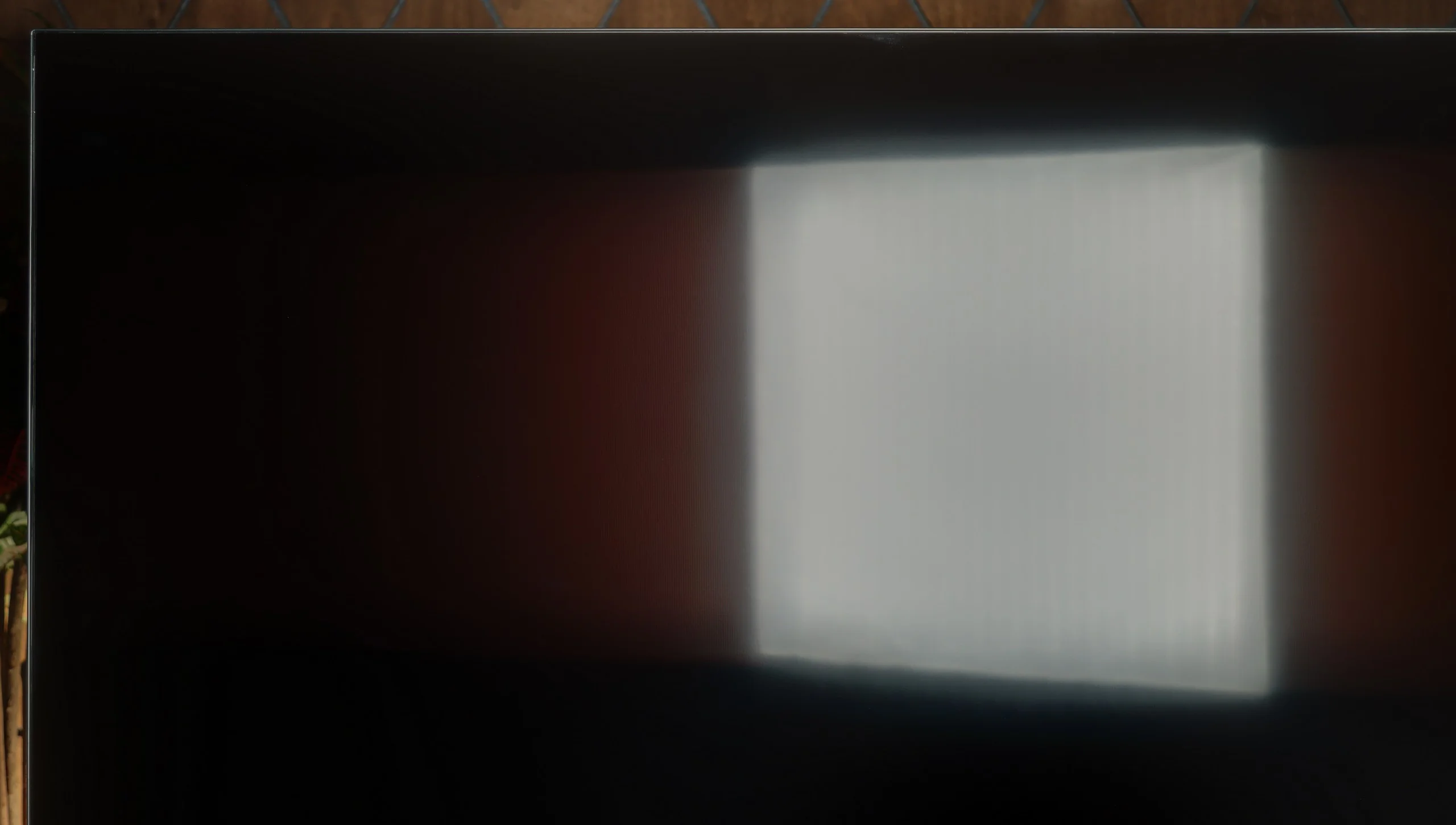
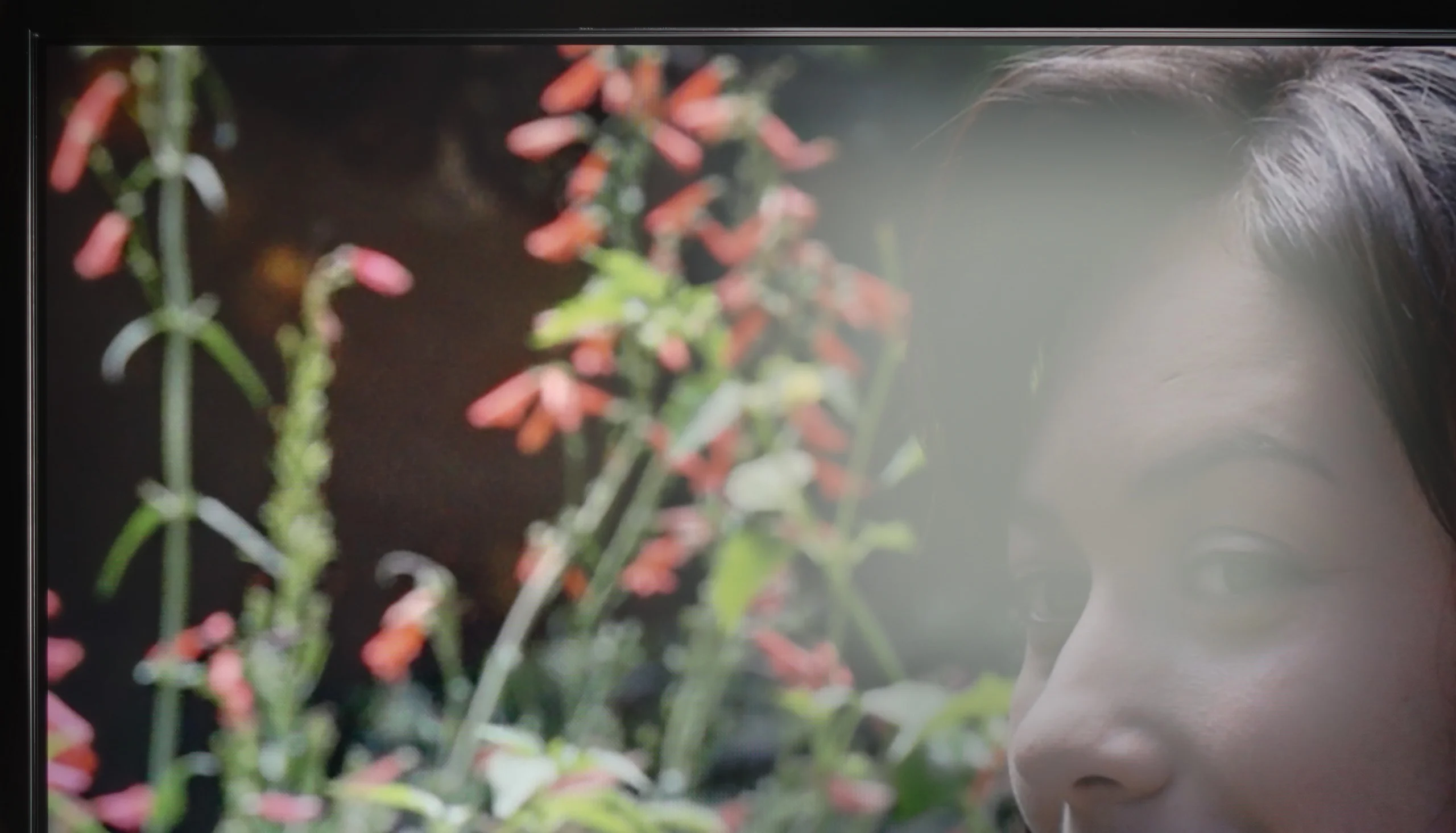
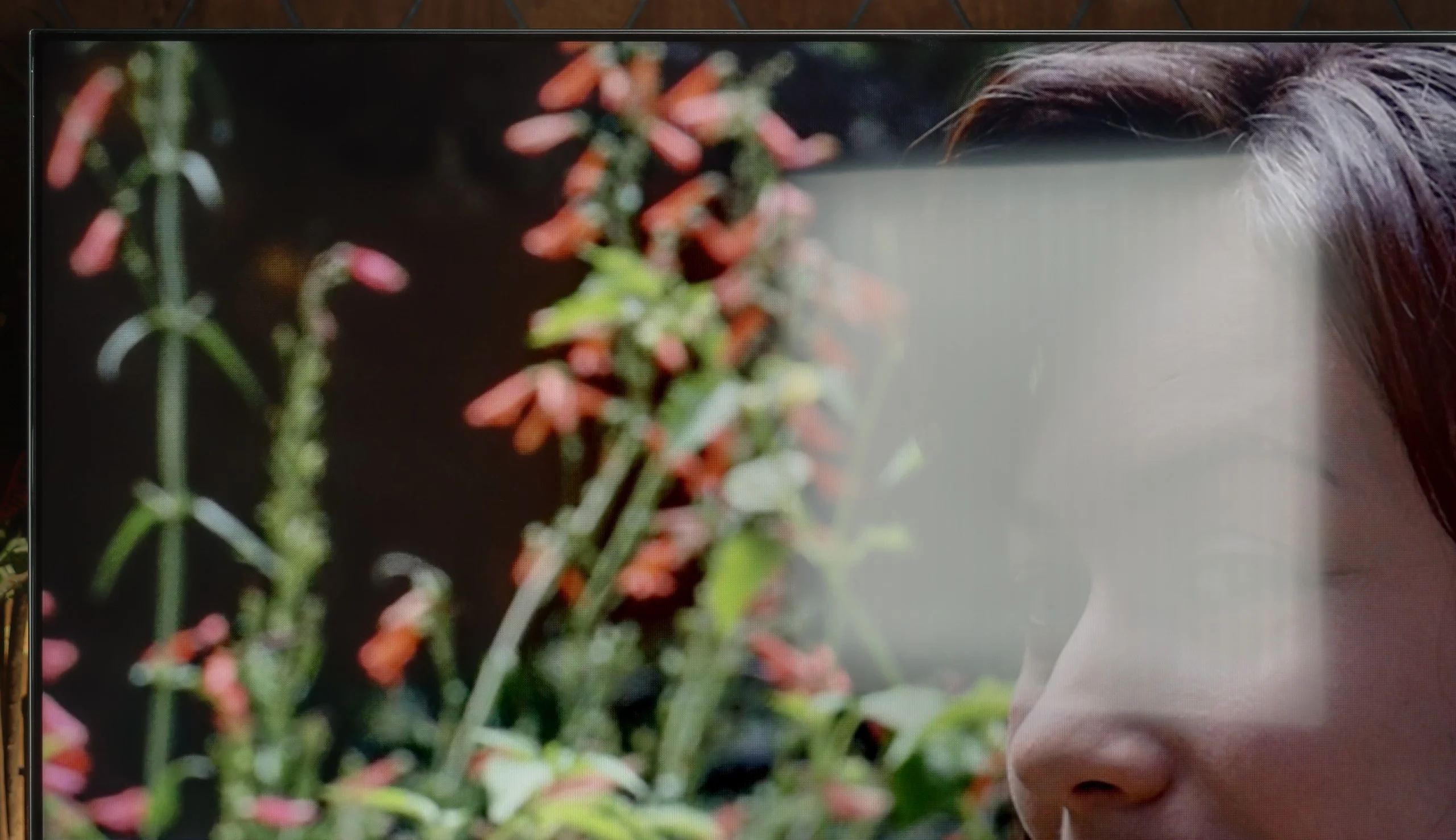
Panel brightness
Samsung M80H: 345 cd/m2
Hisense S7NQ CanvasTV: 497 cd/m2
The Hisense S7NQ Canvas TV is equipped with a matte panel that effectively suppresses reflections – very similarly to its Chinese rival, the TCL A300 NXTVision. Unfortunately, both designs fall short in this category compared to Samsung's The Frame, which offers significantly better anti-reflective coating. In the case of the Chinese models, including the S7NQ, colors fade significantly under light, and black performance in such conditions is weak. The brightness of the television reaches about 500 nits – a pretty decent value for a matte screen, but still lower than that of the aforementioned The Frame. Generally, if someone prefers matte displays, well... it looks like it looks – Samsung simply did it better.
In a bright room the M80H performs adequately but without much fanfare. Its satin coating reasonably reduces reflections, though with large windows or lamps placed opposite the screen they will still be visible. The blacks are a plus; they don’t become excessively gray when the lights are turned on. SDR brightness is about 345 nits and remains stable regardless of the scene being shown. In a typical living room that should be enough for comfortable daytime viewing. In a room with very strong sunlight, however, the picture may not be vivid enough.
Panel details
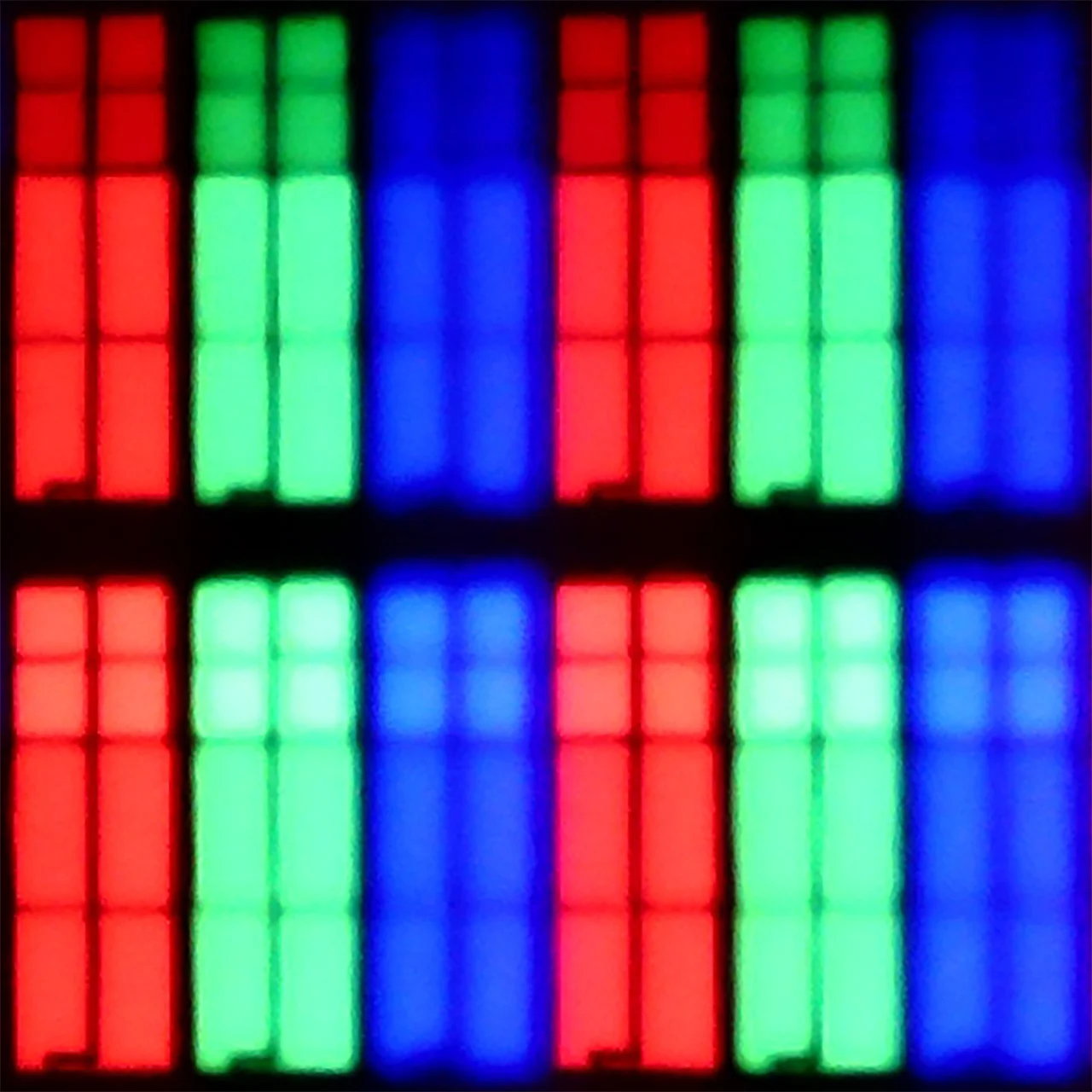
Subpixel Structure:
Panel uniformity and thermal imaging:
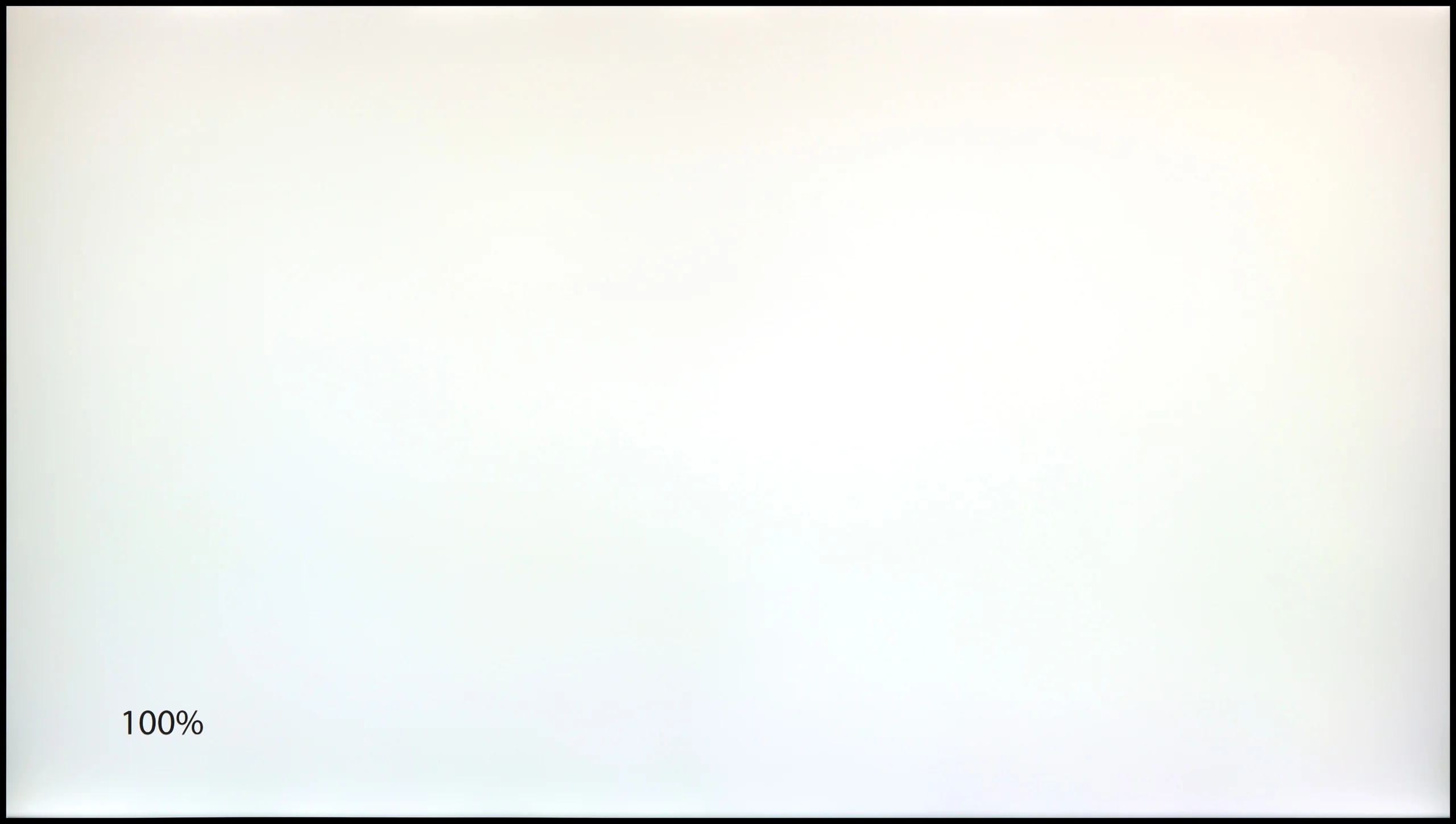

Hisense S7NQ CanvasTV
Samsung M80H
TV features
9.2/10
7.3/10
- SystemVIDAATizen
- System performanceGoodVery good
- HDMI inputs2 x HDMI 2.0, 2 x HDMI 2.1 48Gbps0 x HDMI 2.0, 3 x HDMI 2.1 48Gbps
- OutputsToslink (Optical audio), eARC (HDMI), ARC (HDMI)eARC (HDMI), ARC (HDMI)
- Network InterfacesWi-Fi 2.4GHz, Wi-Fi 5GHz, Ethernet (LAN) 100MbpsWi-Fi 2.4GHz, Wi-Fi 5GHz, Ethernet (LAN) 100Mbps
- TV receptionDVB-T, DVB-T2, DVB-S, DVB-S2, DVB-CDVB-T, DVB-T2, DVB-S, DVB-S2, DVB-C
Classic features:
- Recording to USB (terrestrial TV)
- Recording programming
- Picture in Picture (PiP)
- RF remote control (no need to aim)
- Backlit remote control
- Teletext
- Audio only mode
- Bluetooth headphones support
- Simultaneous Bluetooth headphones & TV audio
Smart features:
- AirPlay
- Screen mirroring (Windows Miracast)
- Voice search
- Voice search in native language
- Ability to connect a keyboard and mouse
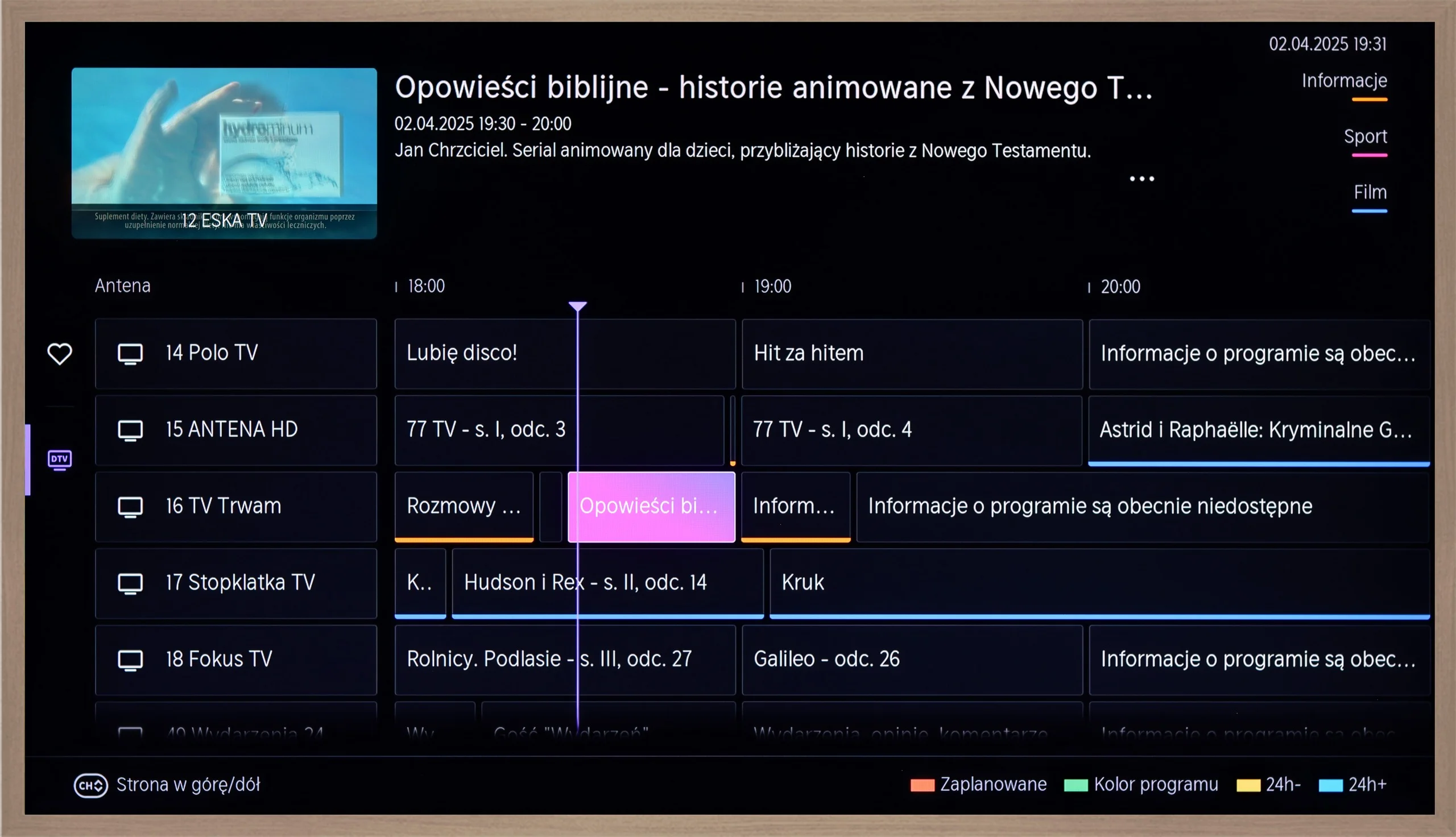
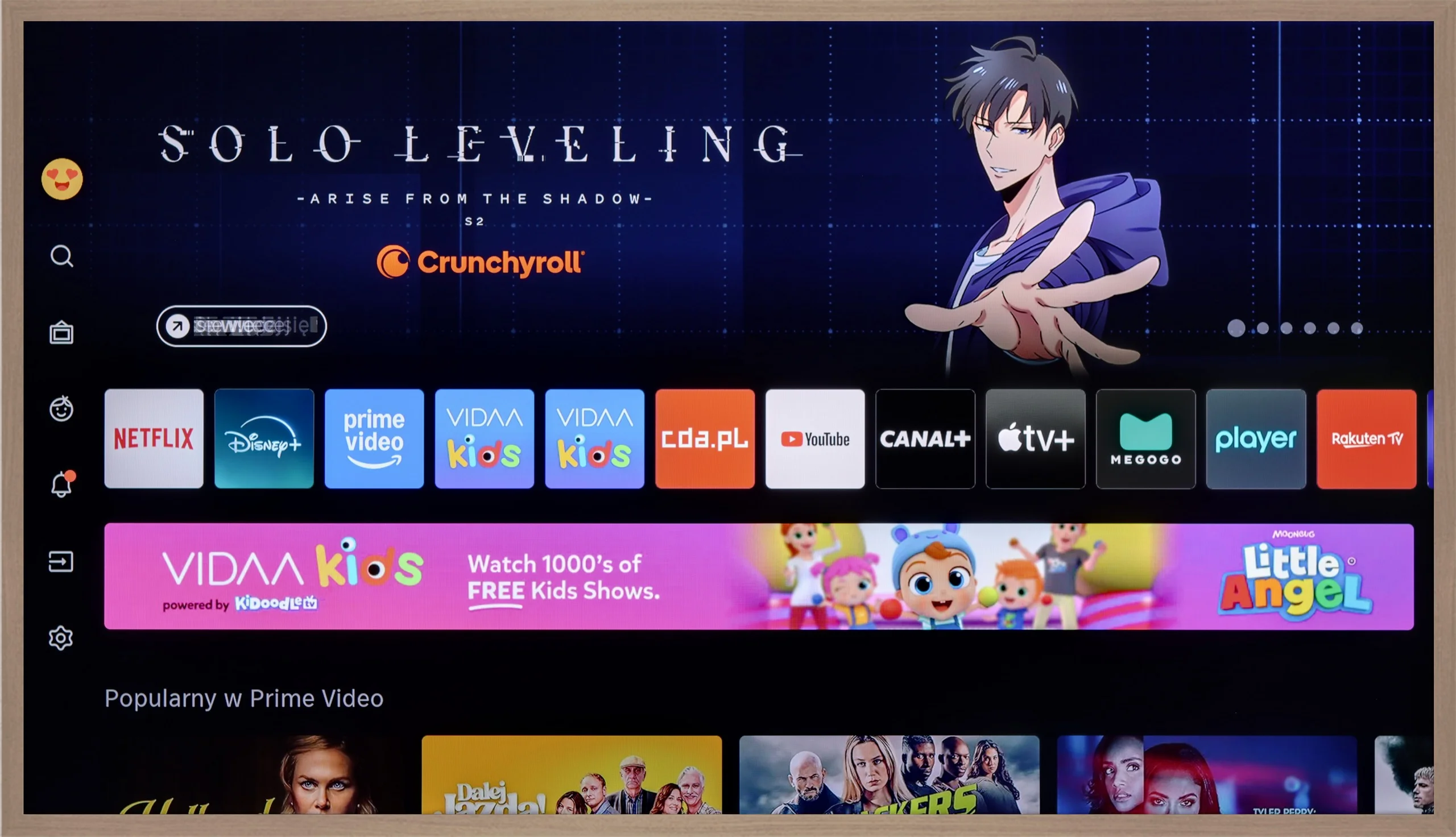
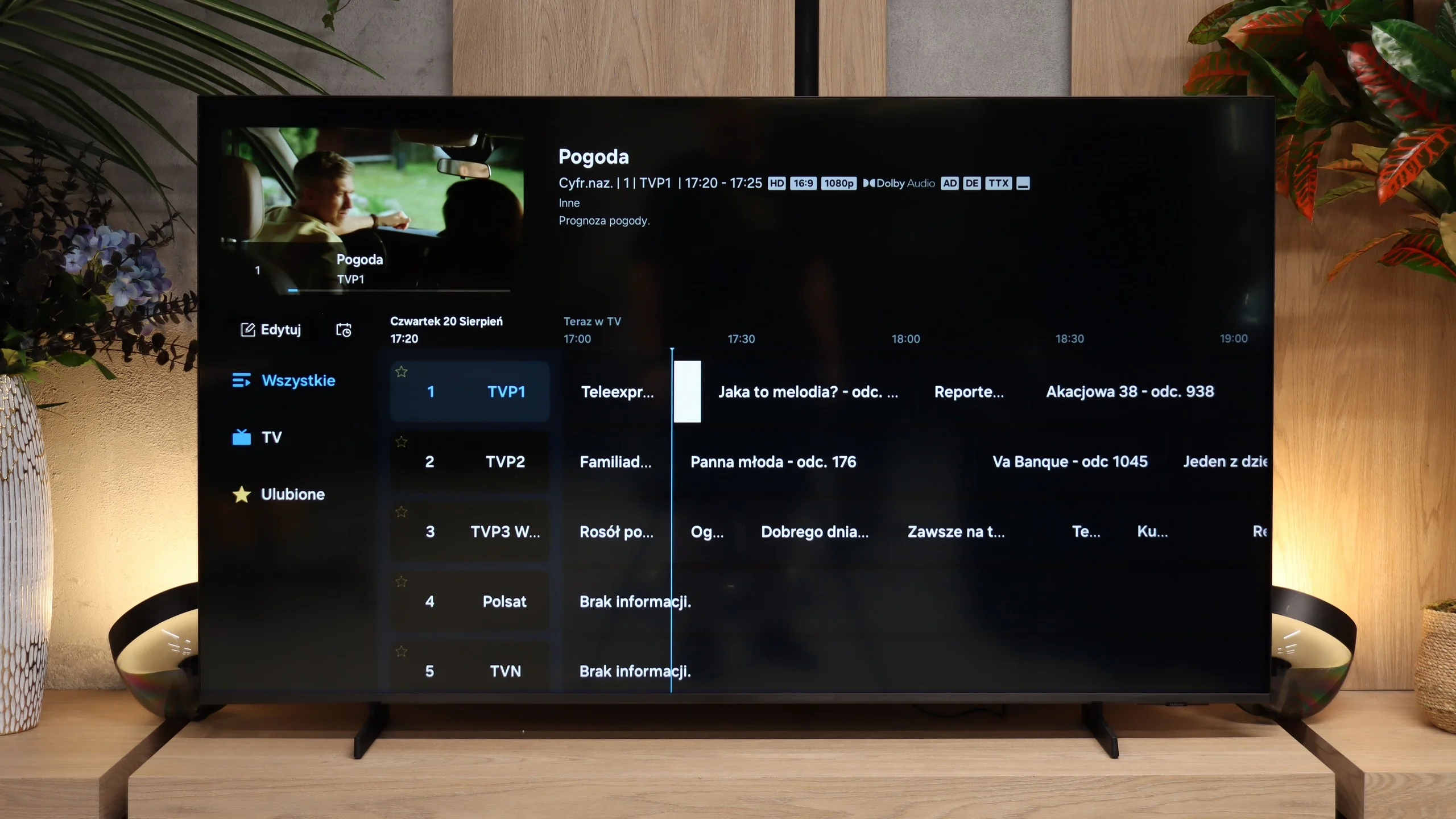
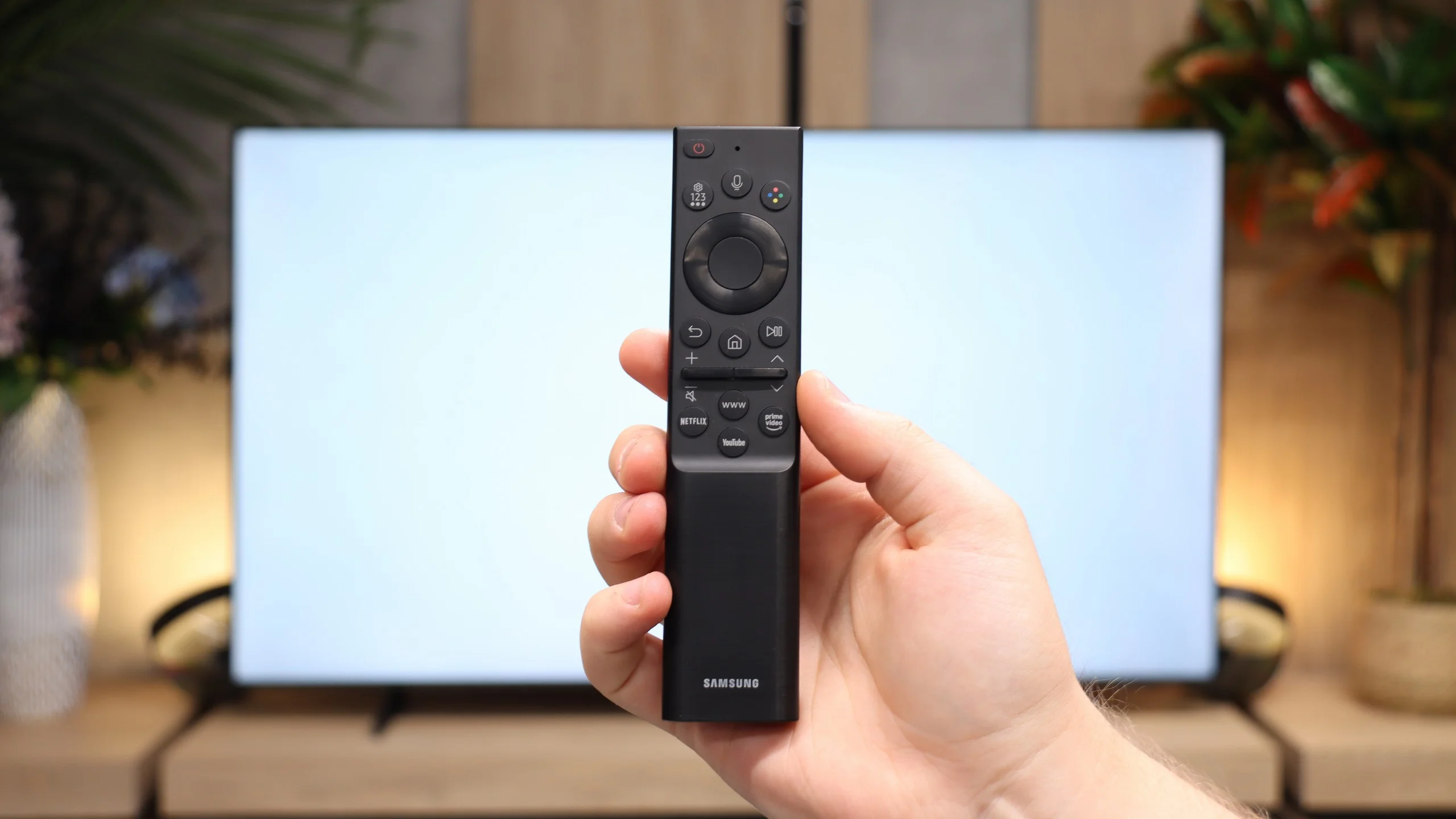
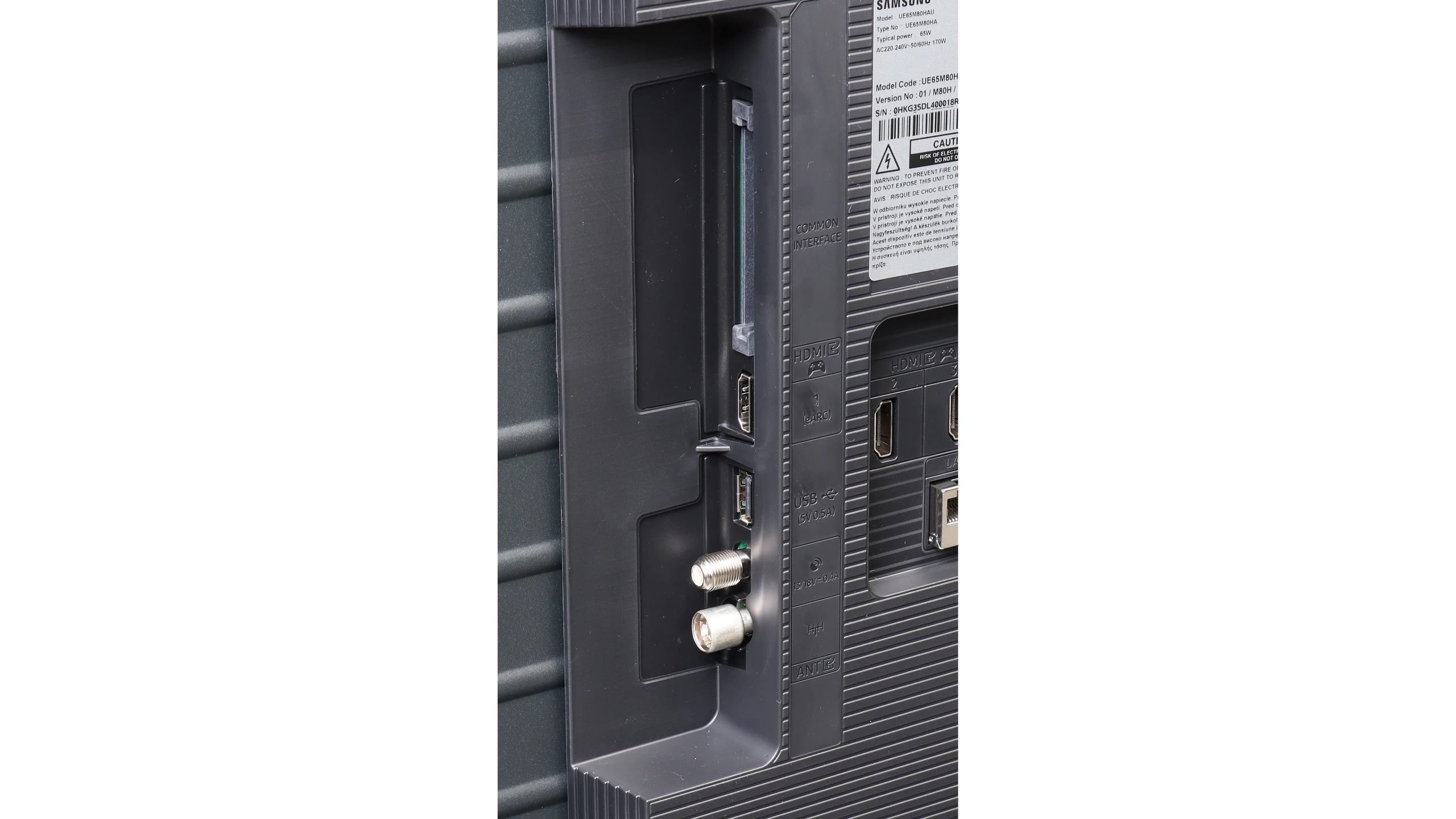
Sound connection options
- HDMI audioeARC (HDMI), ARC (HDMI)eARC (HDMI), ARC (HDMI)
- Other audio outputsToslink (Optical audio)
- Wireless audioBluetoothBluetooth
Supported audio formats (external HDMI eARC audio):
- Dolby Digital Plus 7.1
- Dolby True HD 7.1
- Dolby Atmos in Dolby Digital Plus (JOC)
- Dolby Atmos in Dolby True HD
- DTS:X in DTS-HD MA
- DTS-HD Master Audio
Senior accessibility
- Numeric keyboard on TV
- Font size adjustment
- Audio description
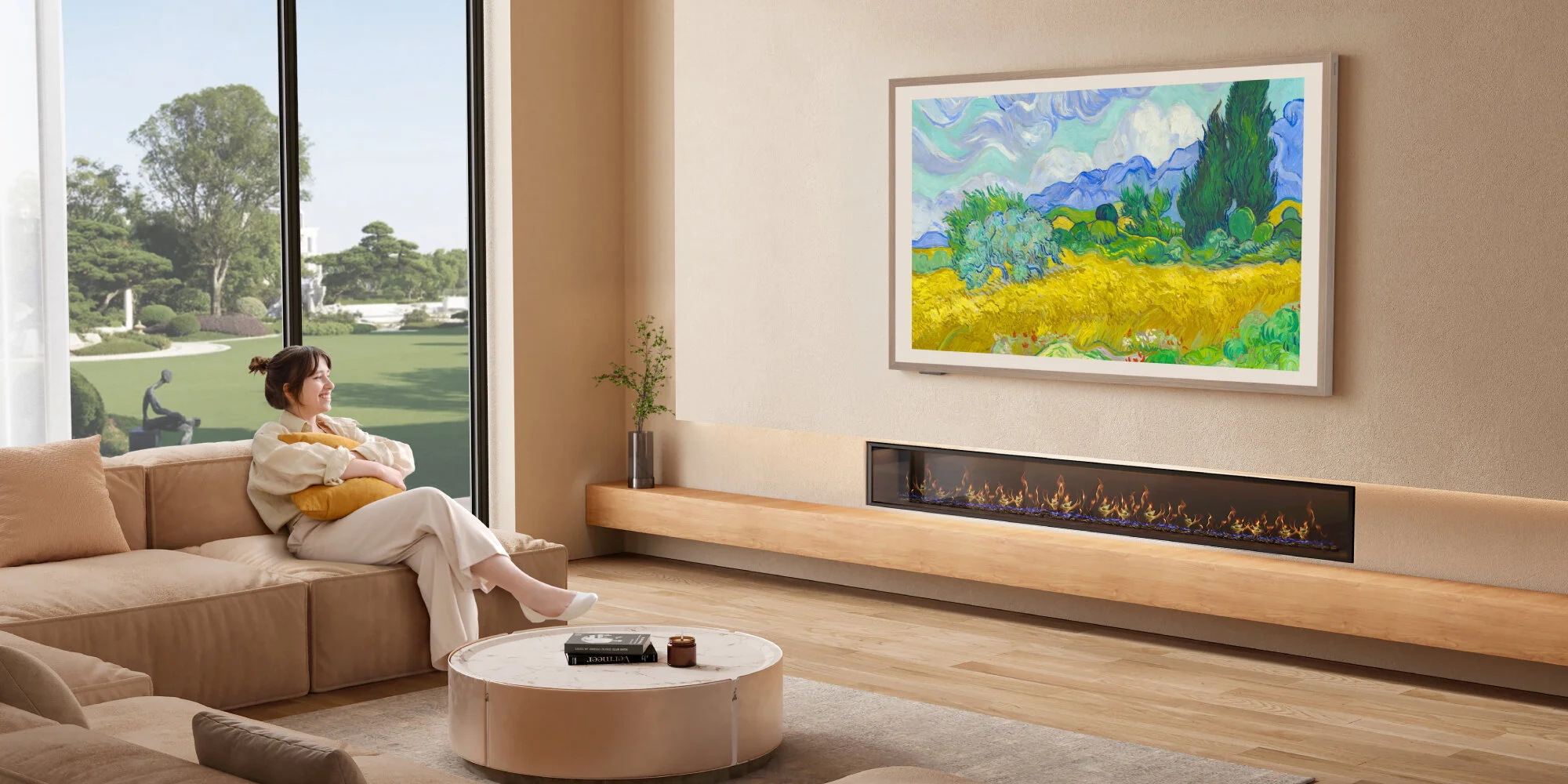
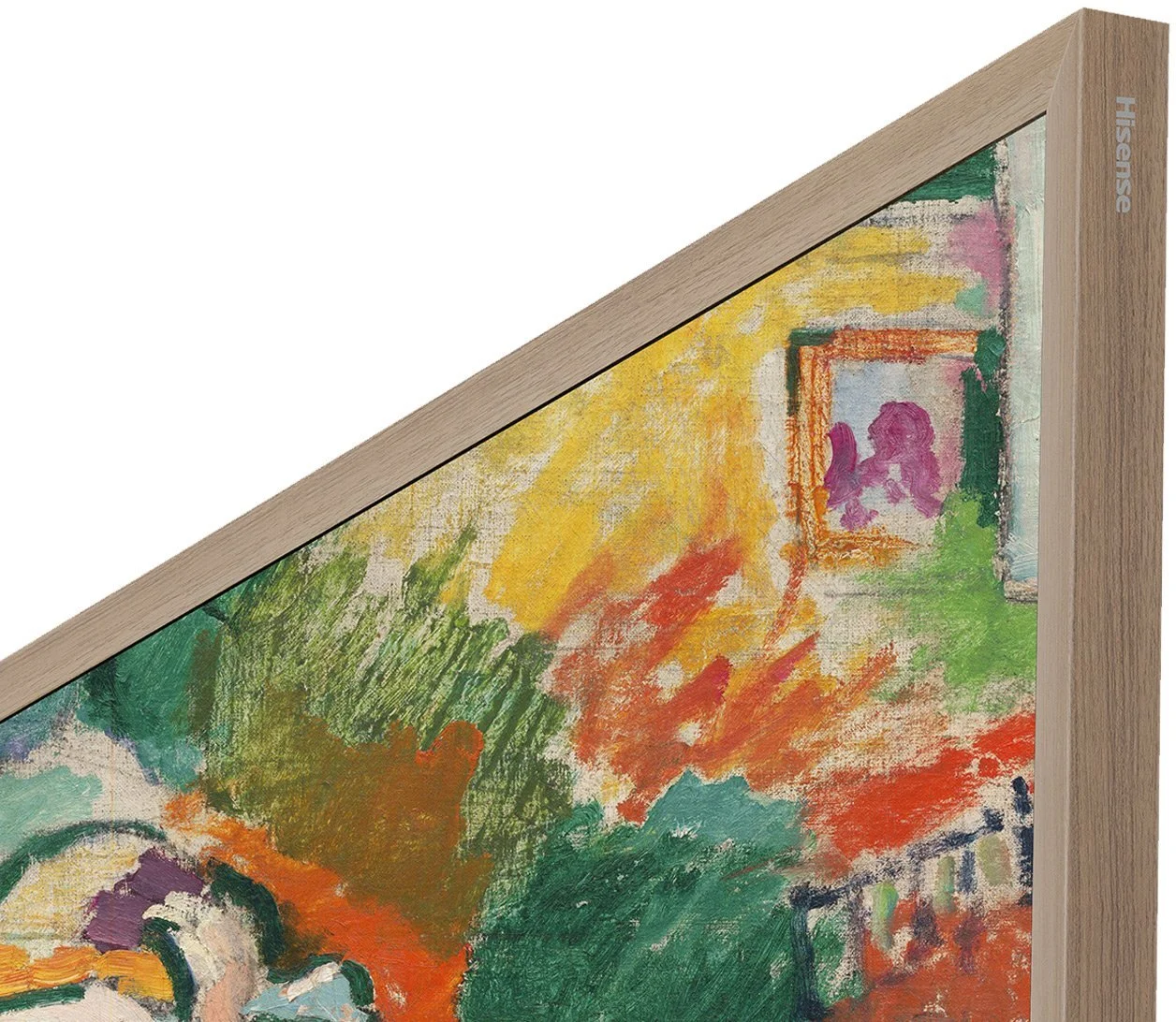
Since the Hisense S7NQ is a special-purpose television, we will start the description a bit differently – with the most important aspect of such models, which is displaying works of art. Like all "art" televisions, it features a special mount that allows the screen to be installed completely flat. The biggest advantage over the Korean Samsung The Frame is the fact that, despite the smaller availability of images in gallery mode, all of them are completely free – there is no subscription fee required. An additional bonus included with the S7NQ is the light brown frame. This is a significant plus, especially if someone was already planning to choose this particular color – it can save some money both on the frame and the subscription.
However, when it comes to the quality of the displayed images, it is unfortunately evident that the Samsung The Frame performs significantly better in this regard. The images in the S7NQ look more digital, while in The Frame, the Art Store mode offers true scans of works of art, where you can even see the texture of the paint or the artist's brush strokes. And again, we return to the old truth – for better quality, you simply have to pay.
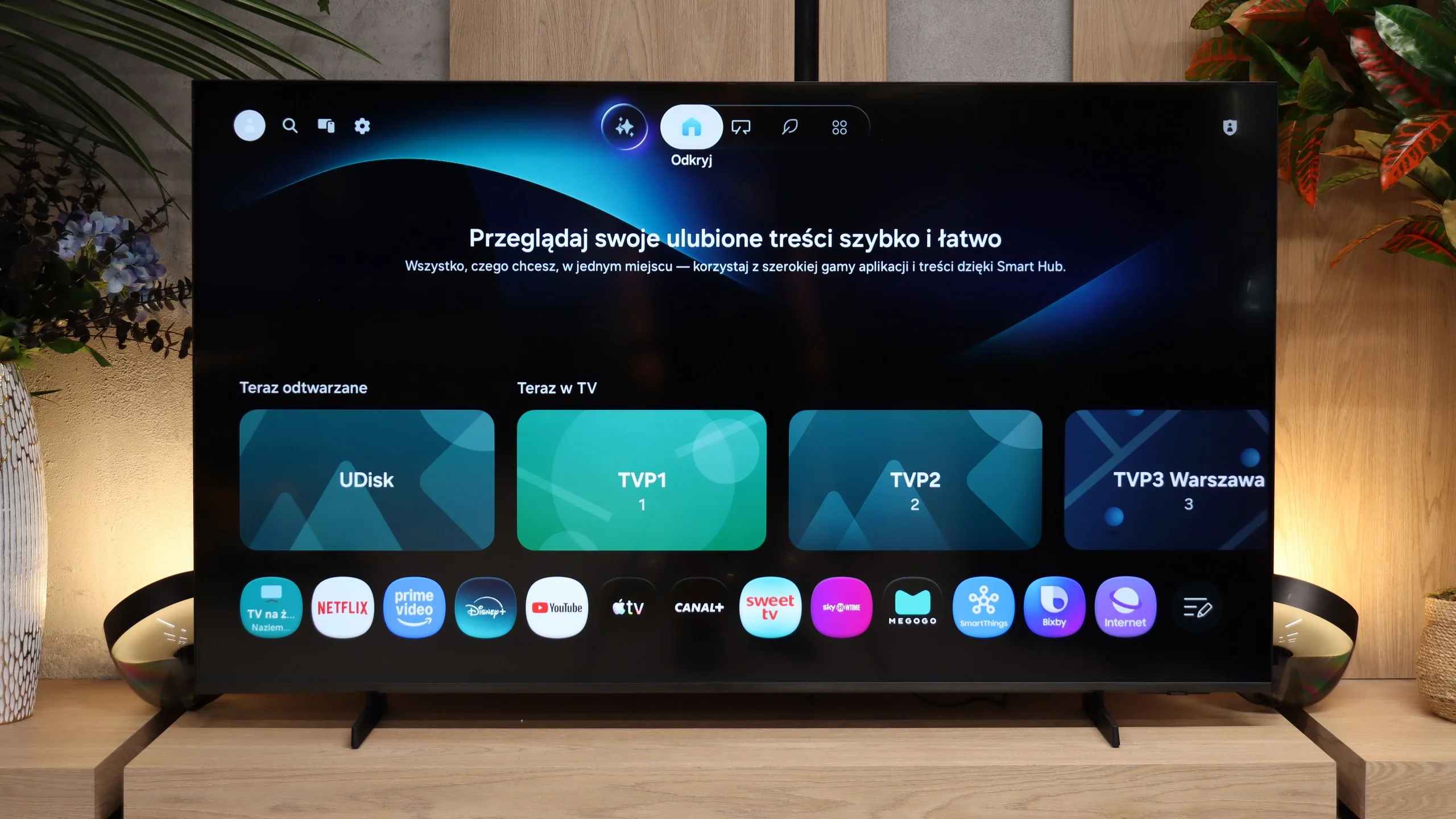
Fortunately, the S7NQ is not just an "art", but also a normal television – and in this role, it performs really well. Like most Hisense models with the VIDAA system, we find many basic functions here, such as recording to USB, screen mirroring, and AirPlay support. As for the apps – the most popular streaming services are present, and you can find their full list below.
Smart TV system
The M80H runs Tizen, the same system used across Samsung TVs. It's fast, stable, and offers all the most popular streaming apps, so you don't have to worry that a lower-tier model would be missing any major services. It also supports AirPlay, Miracast, and voice search. The TV works with SmartThings, so you can use it to control smart home devices.
TV features
Conventional TV features are weaker. The M80H doesn't allow recording programs to a USB drive or scheduling recordings. It also lacks picture-in-picture. On the plus side, it keeps the basics, like teletext and the ability to turn off the screen while leaving the audio playing. You can connect Bluetooth headphones to the TV, and audio can play simultaneously through them and the built-in speakers. That's useful if one viewer needs higher volume, for example seniors. The TV comes with a simple Smart remote with a limited number of buttons. Unfortunately it's not the solar-powered version found on some other Samsung models, and the remote uses regular batteries. Fortunately it connects to the TV via radio, so you don't need to point it directly at the screen.
Apps
7.7/10
9.3/10






















Playing files from USB
5.4/10
9.1/10
Supported photo formats:
Maximum photo resolution:
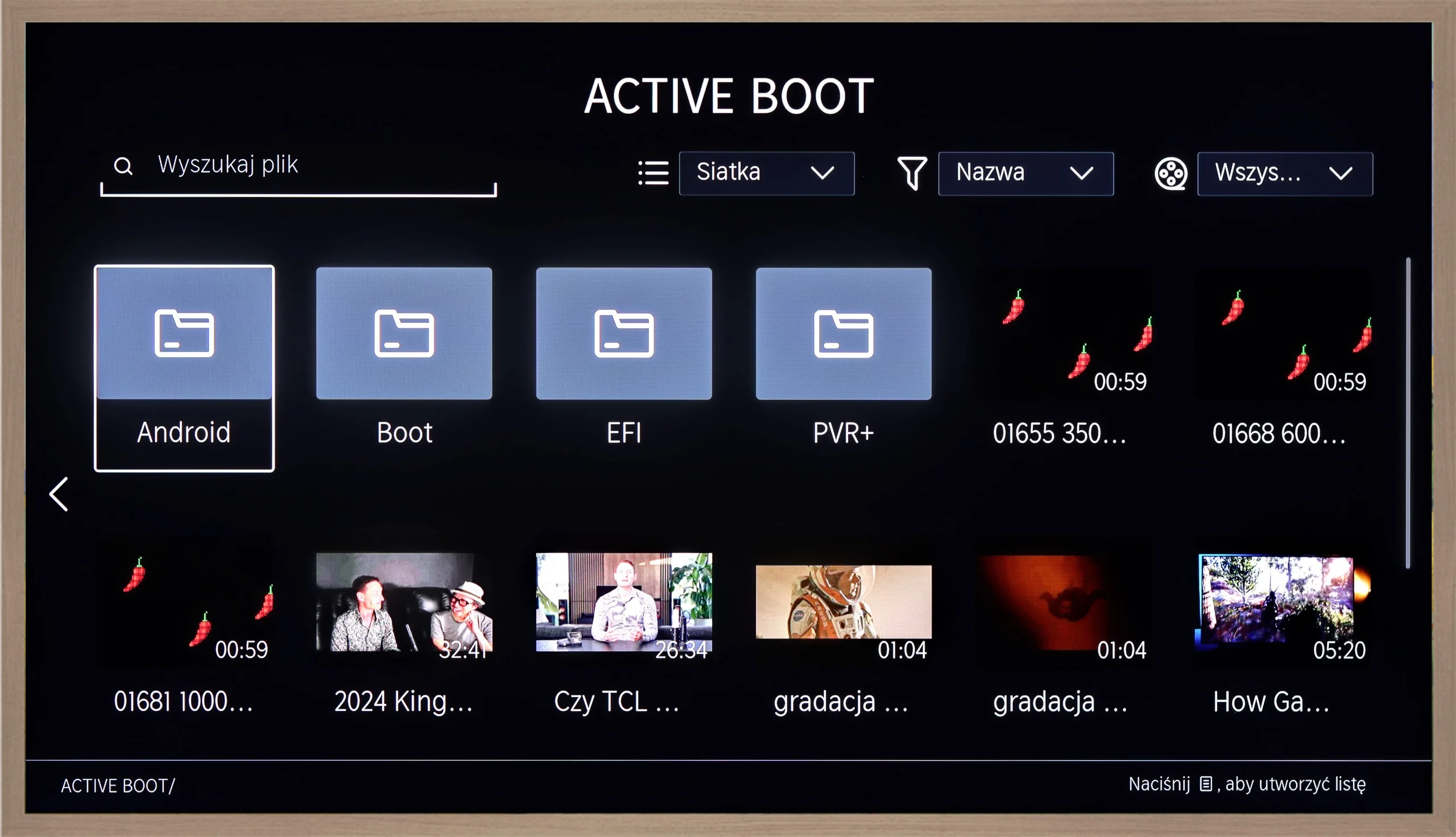
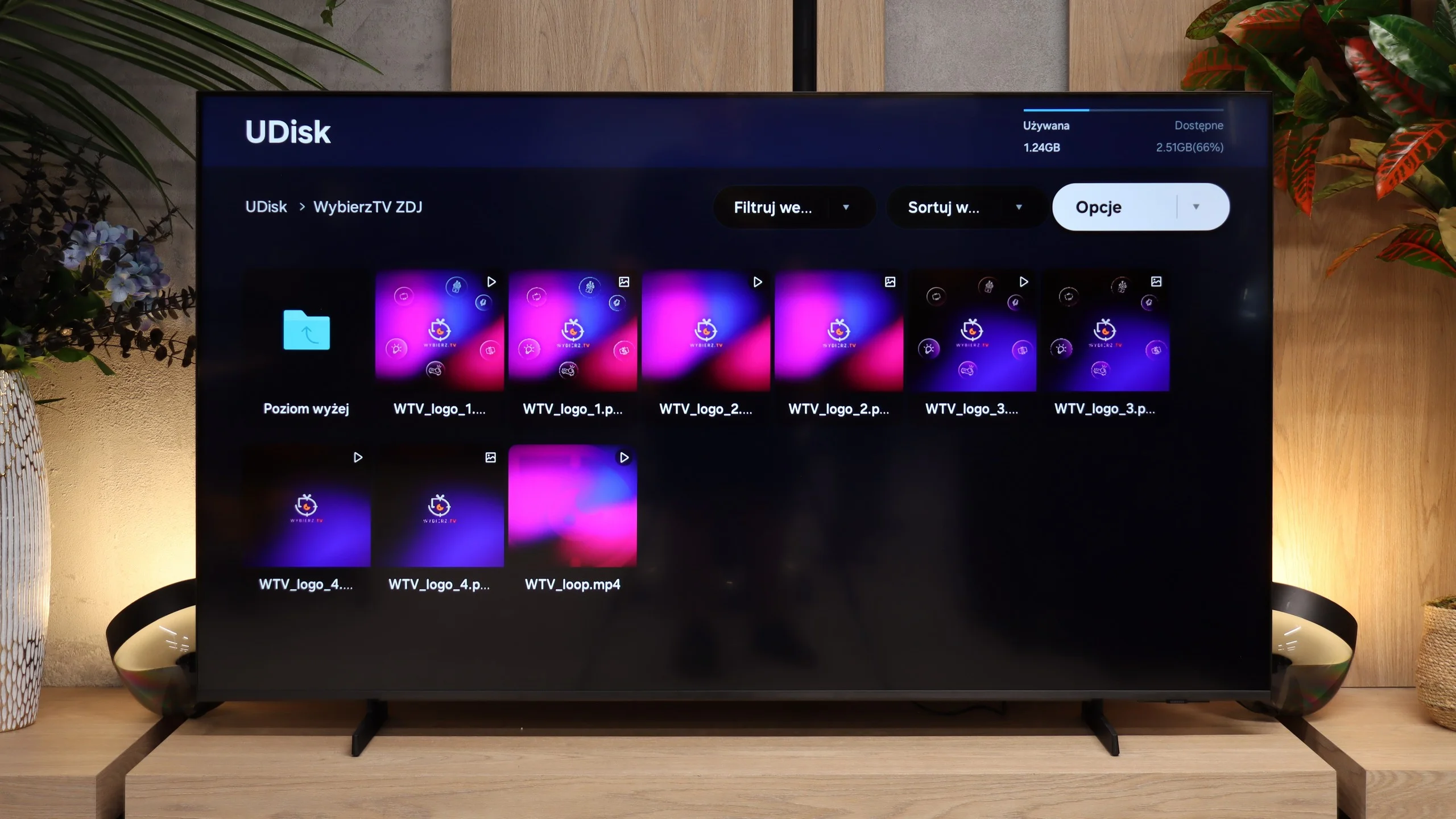
The Hisense S7NQ easily plays the vast majority of popular audio, image, and video formats. So why the relatively low rating in this category? Well, it’s because of software issues. This is another Hisense TV that didn’t allow us to open external subtitles in films. Regardless of whether we’re talking about the .ass, .srt, .txt, or .sub format – the subtitles simply didn’t appear.
The funniest (or rather, the most frustrating) part of it all is that in the menu, we find options to change the font color, size, and background… The problem is that the subtitles themselves are completely invisible.
The built-in USB player handles most popular video and photo formats. It easily displays JPEG, PNG, and BMP files, even in high resolution. However, it lacks support for HEIC, the format used, among others, by iPhones. In practice this probably won’t be a big issue, because the M80H supports AirPlay and most people will likely use that to show vacation photos on the TV. 😉
Sound
6.3/10
6/10
- Maximum volume-88dB
- Dolby Digital Plus 7.1
- Dolby True HD 7.1
- Dolby Atmos in Dolby Digital Plus (JOC)
- Dolby Atmos in Dolby True HD
- DTS:X in DTS-HD MA
- DTS-HD Master Audio
When it comes to sound, it presents itself... like a television on the wall – that is, rather flat. Despite the use of a 2.0.2 speaker setup with a total power of 36 W, we cannot speak of any exceptional sound. But as is often the case – purchasing even the simplest soundbar can dramatically change the situation.
On the plus side, it must be noted that it supports practically all popular Dolby and DTS codecs. This way, we can easily connect the television to a home theater system without having to fiddle with settings or audio conversion.
The M80H is equipped with a 2.0 speaker setup with 20 W of power. It performs adequately but doesn't stand out compared with TVs with similar audio systems. Dialogue is clearly audible and the speakers themselves don't add noticeable distortion. However, it definitely lacks bass, so music in particular can sound flat. If you want a somewhat fuller sound, consider a simple soundbar and connect it via HDMI eARC. The TV can also pass through Dolby Atmos audio that way. However, note that the M80H has no optical output, so you can't connect older audio equipment using that method.
Sound Quality Test
No sound test video
Acoustic Measurements
No acoustic data
88dBC (Max)
75dBC
Reader comments
Comments are provided by the external service Disqus (Zeta Global). Once loaded, Disqus may set cookies and process data about your activity.
We will remember your choice on this device. Provider's privacy policy