When we look at the Hisense E7NQ PRO in everyday use, it is immediately clear that this television is designed for a wide audience. Although the image doesn't blow you away at first glance, it improves significantly after proper calibration. The colours appear more natural, and a brightness of around 500 cd/m² makes it comfortable to watch even in a sunny living room. The wide viewing angles offered by the IPS panel are an added bonus – we no longer have to fight for the best spot on the sofa. Dolby Vision can enhance the overall experience, and in SDR mode, the TV delivers a pleasant picture. Sports and gaming fans will find even more reasons to be satisfied. The high refresh rate (144 Hz) guarantees smooth ball movements on the field, and low latency, VRR, ALLM, and compatibility with G-Sync and Dolby Vision in games cater to those who value responsiveness and immersive gaming experiences. Because of all this, E7NQ PRO has become an interesting option for PC gamers. The VIDAA system works smoothly with plenty of apps, although it lacks typical music platforms like Spotify or Tidal. However, one can count on recording, AirPlay, mirroring, and decent compatibility with wireless devices. Admittedly, there are some shortcomings and flaws – especially concerning subtitle support from USB or perfect brightness and contrast management, and the absence of HGIG may disappoint the most demanding gamers. When we gather all the impressions and experiences, E7NQ PRO emerges as a device that works well in many situations. It has its advantages – including wide viewing angles, pleasant picture after calibration, plenty of additional features, and excellent motion fluidity in sports or games. At the same time, it should be remembered that this is not a television intended for those looking for perfect experiences during evening screenings in complete darkness. In low light, the shortcomings in contrast and black levels become more apparent, so we suggest that those planning mainly evening screenings look for alternatives among competitors. Nevertheless, as a universal solution for everyday use – from watching TV in a bright living room to playing console and computer games – E7NQ PRO performs really well.
- Matching (Score) |
- Our verdict |
- TV appearance |
- Where to buy |
- Contrast and black detail |
- HDR effect quality |
- Factory color reproduction |
- Color reproduction after calibration |
- Smoothness of tonal transitions |
- Image scaling and smoothness of tonal transitions |
- Blur and motion smoothness |
- Console compatibility and gaming features |
- Input lag |
- Compatibility with PC |
- Viewing angles |
- Daytime performance |
- Panel details |
- TV features |
- Apps |
- Playing files from USB |
- Sound
Hisense E7NQ PRO vs TCL C69K / Q6C
 Direct comparison
C69K / Q6C / C6K

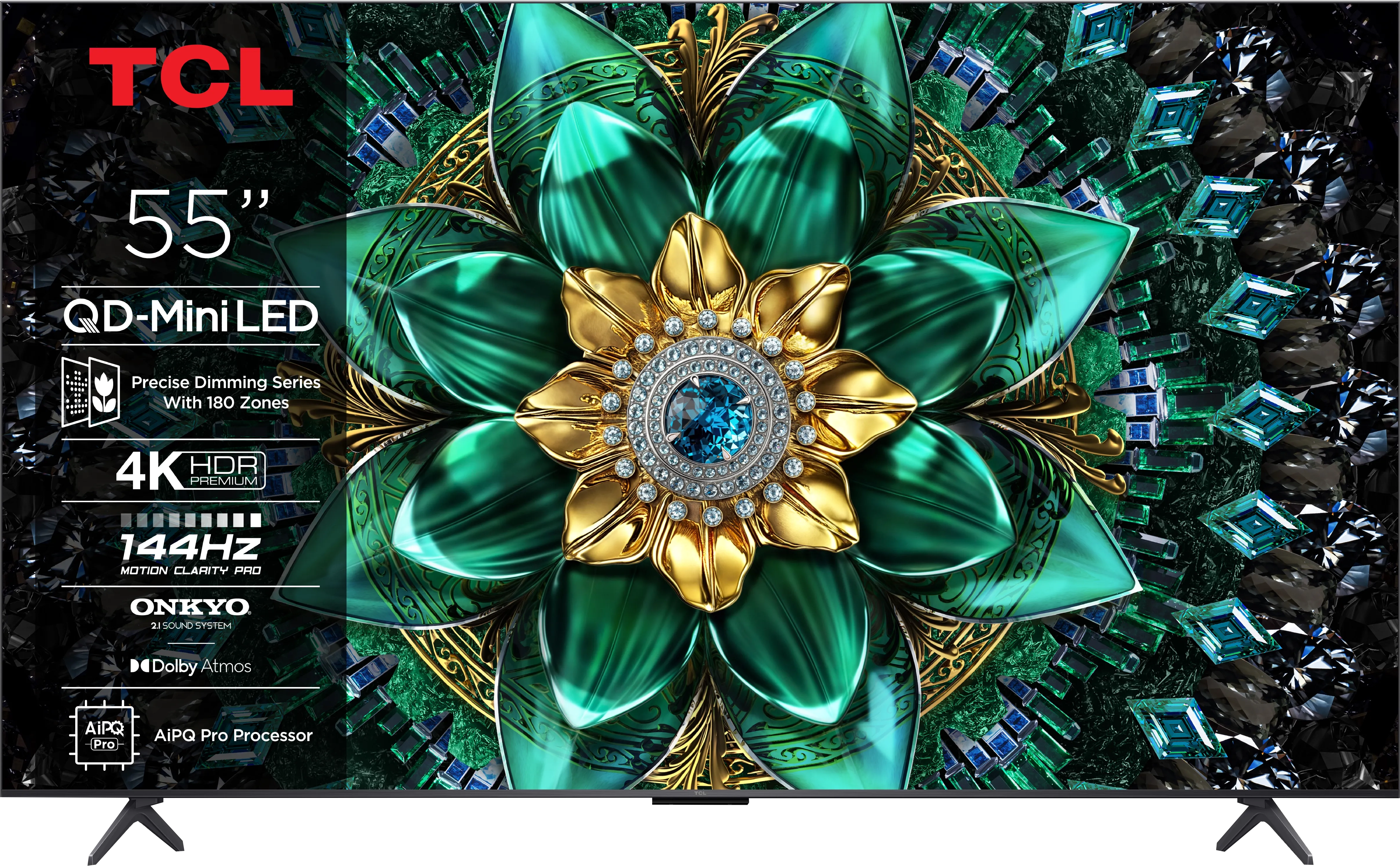
Panel type: LCD IPS
Resolution: 3840x2160
System: VIDAA
Model year: 2024
Complete the survey to find out the result
Panel type: LCD VA
Resolution: 3840x2160
System: Google TV
Model year: 2025
Complete the survey to find out the result
Overall rating
7.0
7.1
 Movies and series in UHD quality
 6.4
6.7
 Classic TV, YouTube
 6.3
6.6
 Sports broadcasts (TV and apps)
 6.6
6.3
 Gaming on console
 8.0
8.4
 TV as a computer monitor
 7.6
8.6
 Watching in bright light
 6.2
6.4
 Utility functions
 8.9
7.0
 Apps
Apps 7.7
9.6
 Sound quality
 7.0
6.5
Complete the survey to find out what fits your preferences
Advantages

Wide viewing angles thanks to the IPS matrix
Good color potential after calibration
High refresh rate (144 Hz), VRR, ALLM, and G-Sync for gamers
Support for Dolby Vision
A considerable number of additional features (recording, AirPlay, mirroring)
Support for major audio formats (Dolby Atmos, DTS:X)
Relatively low input lag
Very good contrast and black: VA panel and MINI-LED backlighting
Good motion fluidity: High refresh rate of 144Hz
Decent panel brightness
Many features for gamers: VRR, ALLM, HDMI 2.1, HGiG
Extra mode for PC gamers: 240Hz
GoogleTV system with a wide selection of apps
Support for multiple HDR formats including Dolby Vision
Support for Dolby Atmos and DTS
Very attractive price
Disadvantages

Average contrast and black
Problems with subtitle playback from USB
No support for HGIG
Brightness management issues in HDR in some scenes
Unavailability of some popular music apps (Spotify, Tidal)
Managing the backlighting could be more precise
Minor, occasional system errors
Slight smudging visible in dynamic scenes
Great chaos in naming (many derivative models that differ in nothing)
Our verdict
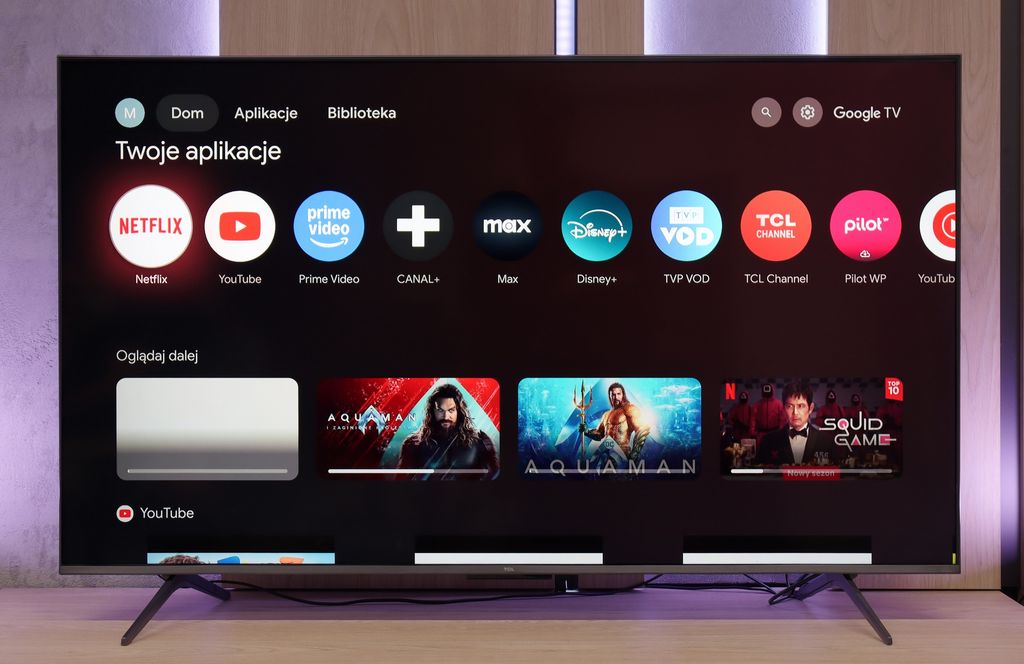
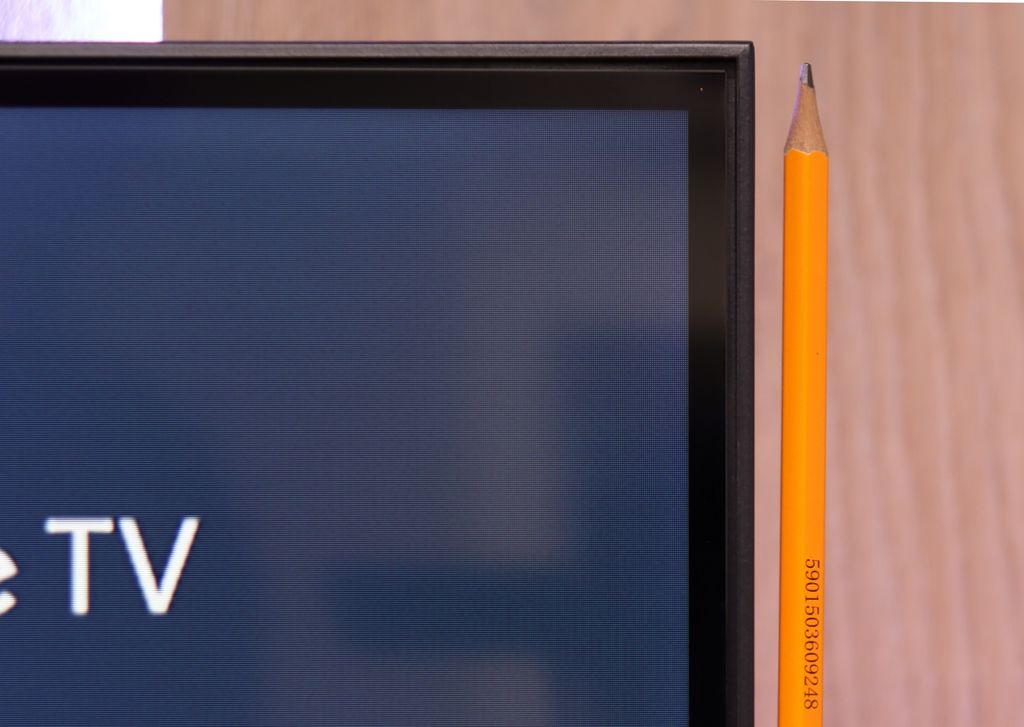
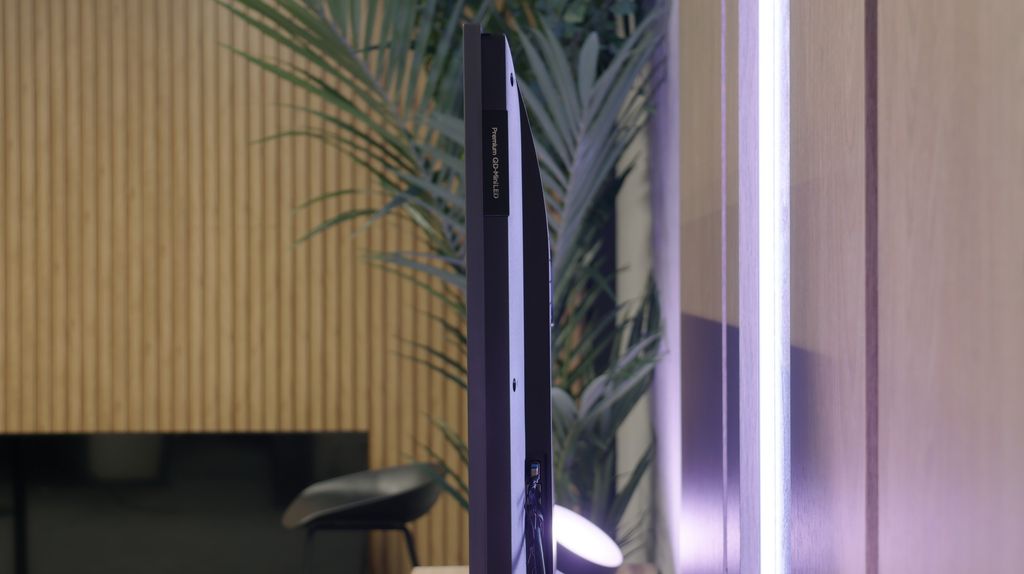
The TCL C69K / Q6C is a TV that perfectly targets gamers and movie fans on a reasonable budget. Its biggest strength is the combination of a VA panel with Mini-LED backlighting. Simply put, contrast is high and blacks are deep, making evening movie sessions look truly impressive. Add to that a 144 Hz refresh rate, which does wonders not only for sports but especially for gaming. And for gamers, it’s a full package: HDMI 2.1, VRR, ALLM, HGiG, and even a 240 Hz option for PC. Throw in Dolby Vision, which gives movies a cinematic touch, and you get a picture that’s just pleasing to the eye. On the software side, it runs Google TV with the Gemini AI assistant, so there’s no shortage of apps. The sound system holds up well too — Dolby Atmos and DTS support are nice additions, complemented by branded Onkyo speakers. Of course, it’s not perfect. The local dimming system can sometimes struggle in complex scenes, slightly lifting black levels. And those Polish translations in the menu... let’s just say they could use some work. Still, the C69K / Q6C makes a very strong case for itself. Considering the price, it’s one of the most interesting all-around TVs for both movies and gaming. Definitely worth watching out for during sales — and hoping for TCL’s usual post-launch firmware improvements.
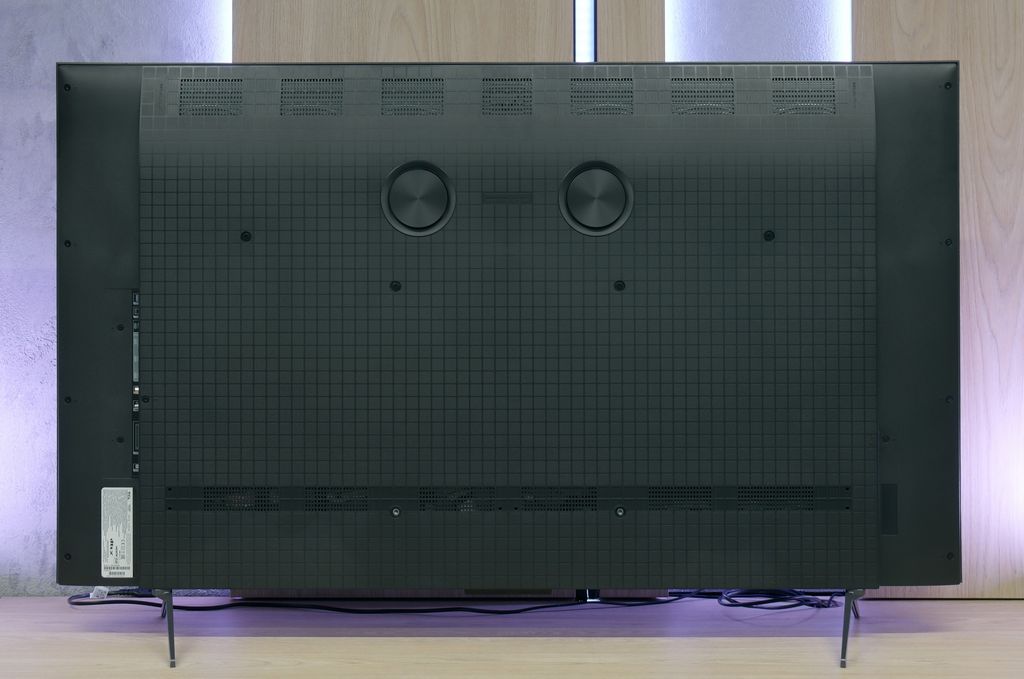
TV appearance



Contrast and black detail
5/10
7.3/10
Local dimming function: Yes, number of zones: 32 (4 x 8)
Local dimming function: Yes, number of zones: 180 (10 x 18)
Contrast:


Result
7,850:1

Result
4,150:1

Result
4,400:1

Result
2,500:1

Result
1,550:1
Result
113,750:1
Result
17,350:1
Result
16,300:1
Result
9,850:1
Result
4,850:1
Halo effect and black detail visibility:

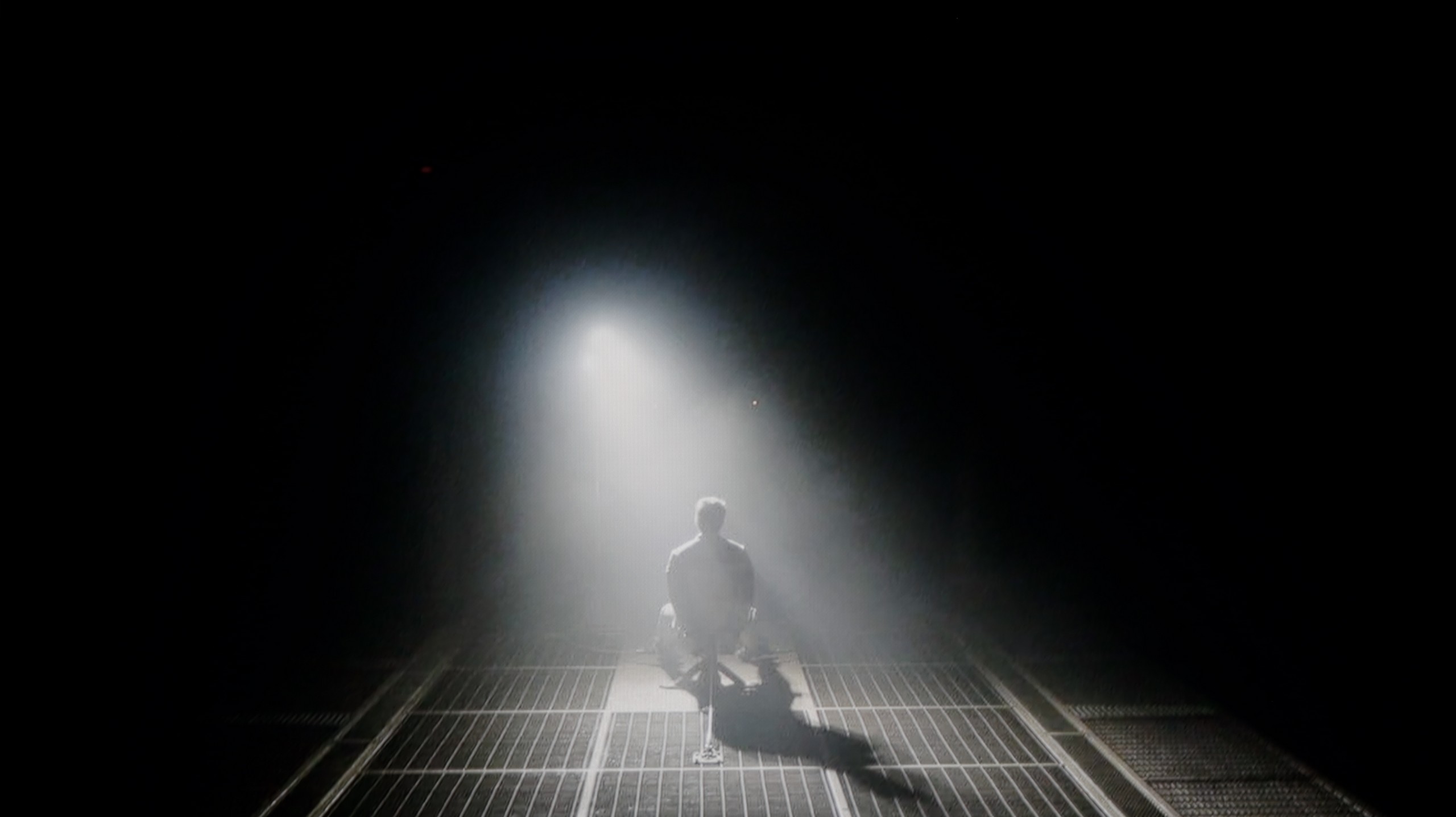
Check the visibility of bright lights on a dark background. Mini-LEDs often struggle with this. The photo does not compare black levels – that’s what the video below is for.
The video accurately shows differences in contrast and black levels between TVs, as well as potential issues: halo around bright objects or Mini-LED zone operation visible as brightness jumps.
The tested Hisense E7NQ PRO in the 65-inch version uses an IPS panel, which unfortunately is not known for high contrast. As a result, blacks appear slightly "washed out" and occasionally take on a silvery hue, which is clearly visible in our photos. The manufacturer addressed this by equipping the TV with local dimming functionality. Unfortunately, in this 65-inch model, we only have 32 zones available, which, although it helps a little, is not enough to achieve truly impressive results, especially since the panel itself cannot provide a high-depth deep black. During testing, we observed highly varied results. In optimal conditions, we managed to reach around 7800:1, which can be considered decent, but in more challenging scenes, the contrast dropped to around 2000:1. Such values are at best average and do not befit a TV in this price range. Ultimately, although local dimming somewhat salvages the situation, there is a lack of truly deep, inky blacks and contrast that would leave a greater impression on us.
The heart of the image in TCL C69K / Q6C is a VA panel (specifically HVA from TCL CSOT), which offers a solid native contrast ratio of 6000–7000:1, even before activating local dimming. However, the true strength of this model lies in the Mini-LED backlighting with the ability to dim individual zones. In the 55-inch sample we tested, we counted around 180 of these zones (this value increases with the diagonal size). For this price segment, the contrast is truly impressive. In less complicated movie scenes, for example in segments from "Oblivion," it looks outstanding, and the shots immersed in black are very striking. Nevertheless, the characteristics of Mini-LED technology mean that we cannot always avoid issues – in more demanding frames with many bright details, halo effects or excessive dimming of certain elements occur (regardless of the selected local dimming settings). All in all, contrast is undeniably a strong point of C69K / Q6C.
HDR effect quality
5.1/10
4.9/10
Luminance measurements in HDR:

Result
408 nit

Result
299 nit

Result
446 nit

Result
215 nit

Result
527 nit
Result
610 nit
Result
204 nit
Result
425 nit
Result
148 nit
Result
589 nit
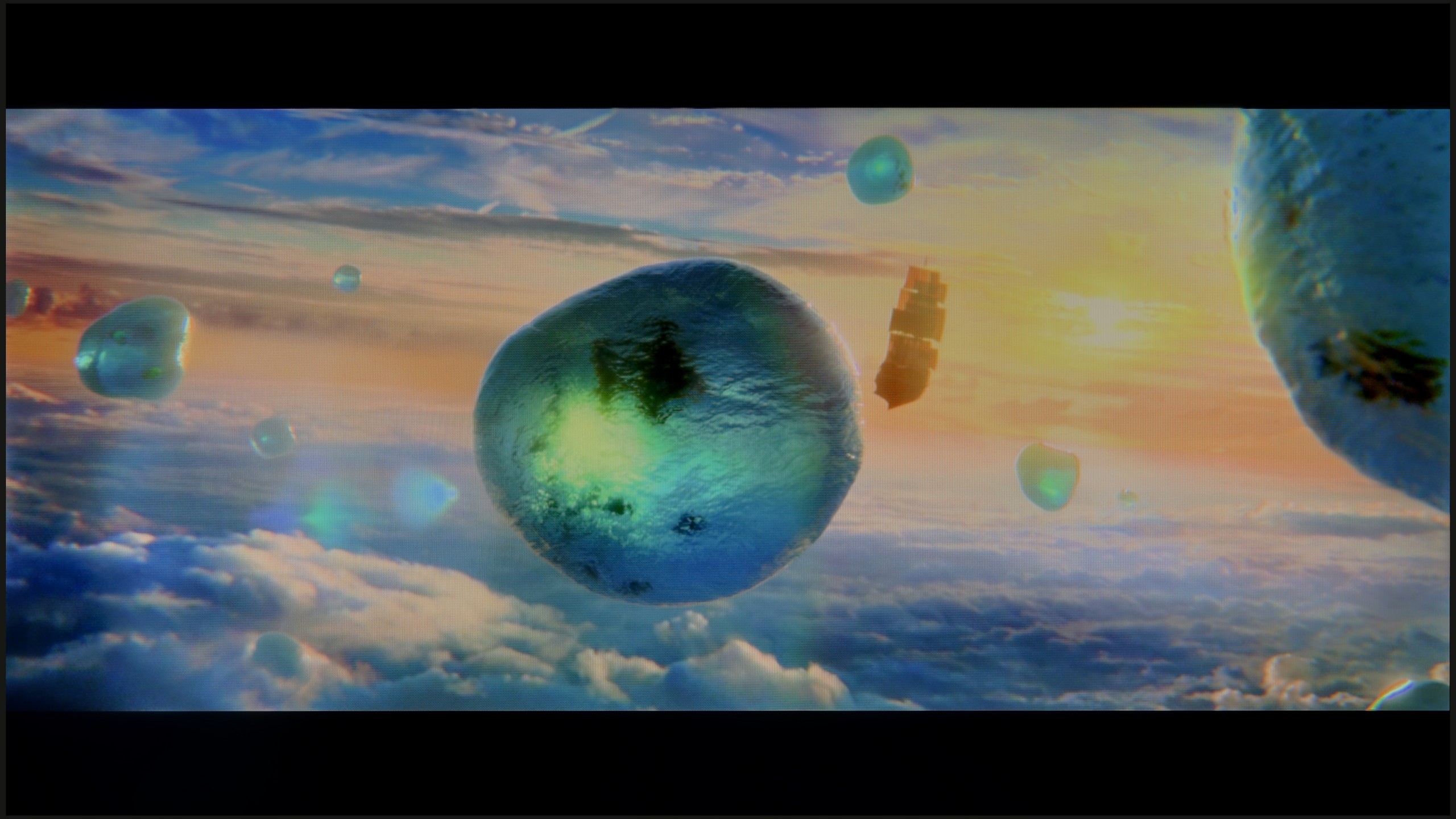
Scene from the movie “Pan” (about 2800 nits)

Scene from the movie “Billy Lynn” (about 1100 nits)

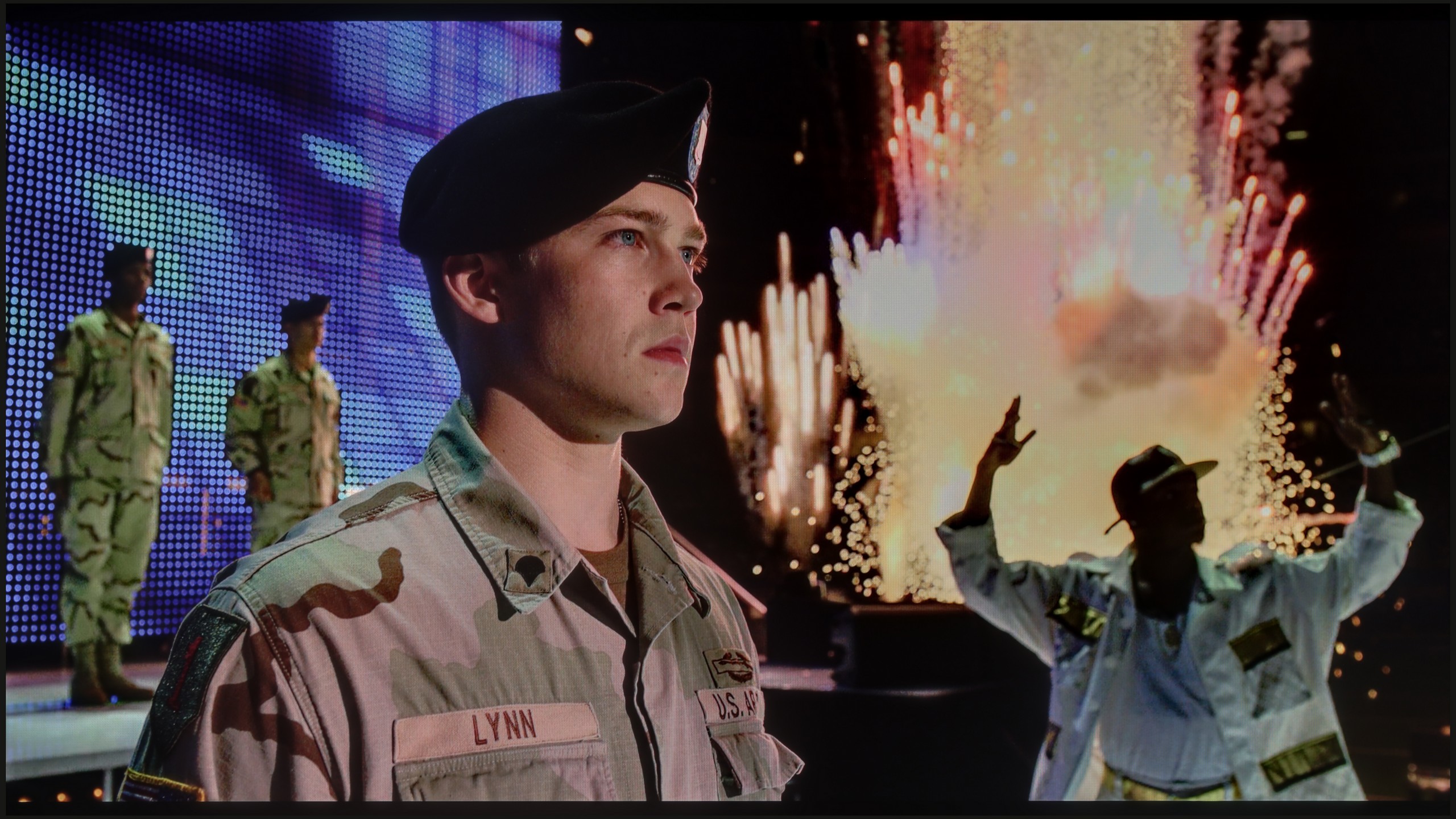
The photos show two HDR10 movies. 'Pan' is one of the brightest productions ever made, while 'Billy Lynn' (soldier) has brightness typical of streaming (Netflix, Prime, HBO MAX). Notice the intensity of effects and detail in whites.
Static HDR10


The photos present the visibility of white details in various HDR formats. They do not show brightness differences between TVs (these can be compared in the previous gallery).
Dynamic: Dolby Vision
Dynamic: Dolby Vision


The photos present the visibility of white details in various HDR formats. They do not show brightness differences between TVs (these can be compared in the previous gallery).
HDR luminance chart:
TCL C69K / Q6C
Hisense E7NQ PRO
Based on the luminance chart, which indicates around 550 nits, it can be considered that Hisense E7NQ PRO theoretically has the potential to somewhat "enchant" us with its HDR image. While testing various scenes, we noticed that the TV continually tries to balance maintaining adequate brightness and preserving the deepest blacks. In favourable conditions – for instance, during a scene from "The Meg," where the screen is flooded with bright light – this brightness impresses. At such moments, we feel that HDR actually adds that "something" to the image. Unfortunately, when more challenging shots appear on the screen with small, bright elements against a dark background, the situation looks much worse. The brightness then drops to 200-300 nits, too little to distinguish HDR from regular SDR.
It's clear that the TV is trying, but hardware limitations – primarily the small number of local dimming zones – prevent it from fully spreading its wings. The result can therefore be quite uneven and just as average as in the contrast tests. However, it deserves credit for the impressive coverage of the DCI-P3 colour gamut at 97%. This allows the TV to showcase a wide range of colours, which, in the right scenes, can give us at least a taste of the true HDR effect. It’s a pity that the overall experience isn’t complemented by better brightness and contrast.
In terms of brightness, TCL C69K / Q6C is a moderate model. Under optimal movie conditions, it shows its full potential, reaching a maximum of around 600 nits. In scenes with large, intense light sources, the HDR effect can be truly satisfying, providing a cinematic sparkle. However, it should be noted that when managing the backlight zones, there are situations where some elements of the image become dimmed, and sometimes they are barely visible. This suggests that there is still a lack of proper optimization of algorithms, though considering the technical parameters in this price range, the construction still looks very good.
Factory color reproduction
5/10
5/10


This gallery shows how colors change after professional TV calibration. If you notice the difference, we recommend ordering this service at SkalibrujTV.com.
Factory Mode
After calibration


This gallery shows how colors change after professional TV calibration. If you notice the difference, we recommend ordering this service at SkalibrujTV.com.
Factory Mode
After calibration
When we took our copy of Hisense E7NQ PRO out of the box, we immediately started checking the available picture modes. Among them, the Filmmaker mode seemed the most promising, although it was not without flaws. With standard SDR content, we noticed a clear tendency for an excessive boost in red, which caused the image to appear unnaturally warm. This is particularly evident in the comparison photo included below. On the other hand, when we switched to HDR content, the situation went in the opposite direction. This time blue was dominant, and red was scarce, giving a cool effect, at times even a somewhat "store-like" impression — although not as drastic as in those modes that are actually intended for displaying in exhibitions. As a result, in our colour reproduction tests, these imbalances in colour balance led to significant errors.
Additionally, the TV had issues with rendering brightness characteristics. At lower resolutions, it clearly brightened the darkest elements of the image, and with HDR content, the brightness curve (eotf) did not want to align as it should. Initially, the TV excessively darkened the smallest details and then overly brightened larger areas. Fortunately, the E7NQ PRO provides us with plenty of calibration tools, so knowing the potential, we decided to take matters into our own hands and try to set it up to eliminate these issues.
The Filmmaker mode, which has arrived in this year's TCL televisions (including the C69K / Q6C), is definitely the best choice "to start with." This is the mode we recommend for everyday viewing of movies and series. Unfortunately, as is often the case, best does not mean perfect. In SDR content, the image turned out to be too warm, with a strong red tint in the white balance. We had the opposite impression with HDR content – here the image became cooler than it should have, due to an excess of blue color. Additionally, the brightness characteristics sometimes resulted in overexposure. In practice, this translated to quite noticeable errors in color tests, which is hard to accept in a mode labeled as “by the creators.”
Color reproduction after calibration
7.1/10
7.5/10

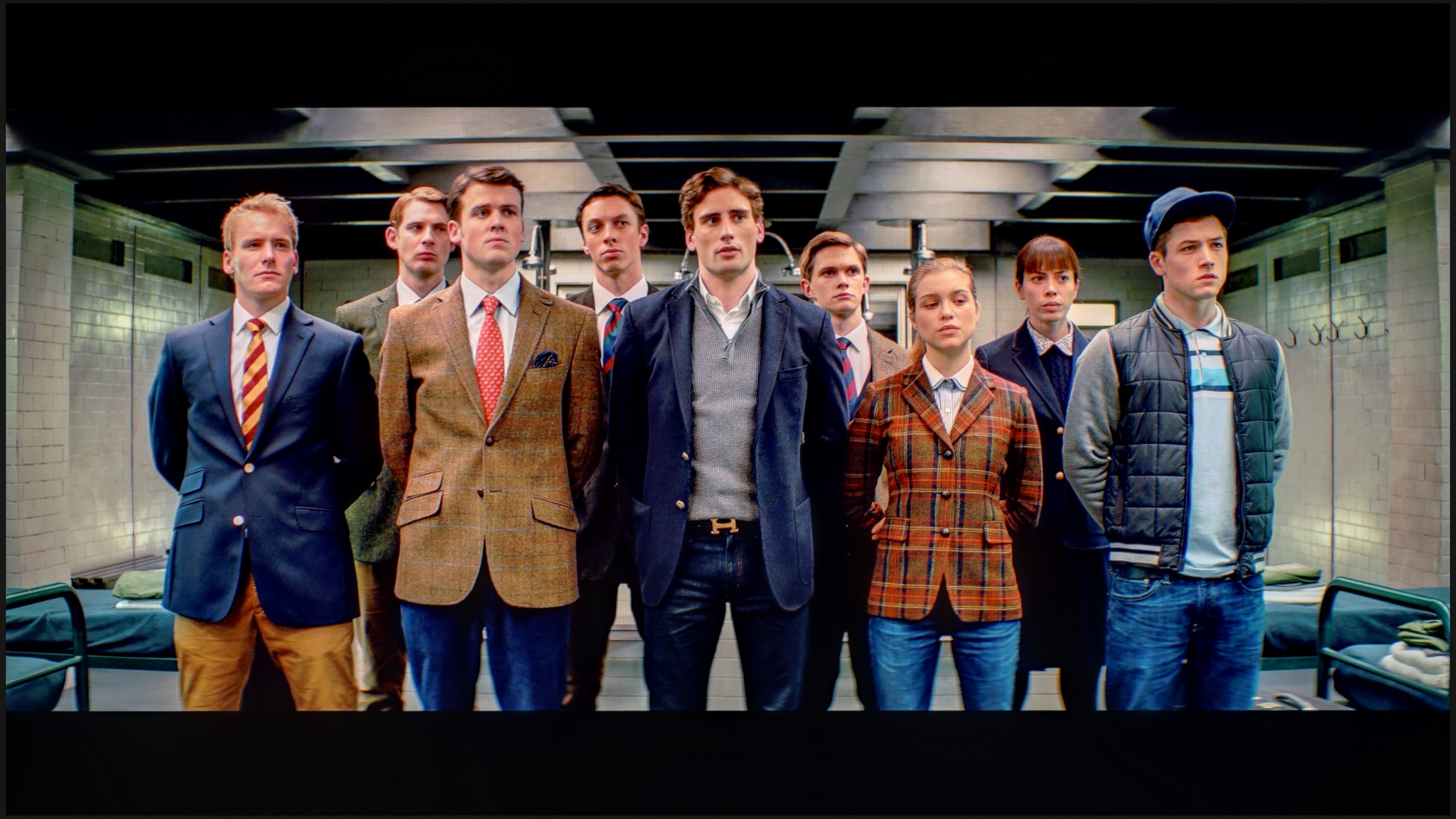
The photos show how movies look on the TV. Pay attention to black detail visibility, colors, and shadow tint.


The photos show how movies look on the TV. Pay attention to black detail visibility, colors, and shadow tint.
Thanks to the tools available in E7NQ PRO, we managed to squeeze a quite decent image out of it, especially in the case of lower-quality content. After fine-tuning the white balance of the SDR materials, the colours look much more natural, and what we see on the screen seems closer to the vision the manufacturer intended to present. Additionally, we improved the brightness characteristic (Gamma), causing the TV to no longer have a tendency to over-brighten, and everything looks significantly better than before our intervention.
In HDR materials, we also managed to achieve some results, although it is not as rosy here. Indeed, the white balance has approached an acceptable level, but the problem lies elsewhere. It concerns the EOTF curve, which is how the TV manages the brightness and tonality of the image. At first glance, it might seem that the biggest issue pertains only to the mid-tones of the image, which are overly illuminated. However, after more detailed testing and enabling filters to display the EOTF curve, it is evident that the receiver tends to brighten the entire screen. This appears to be a limitation arising from the small number of local dimming zones and generally modest brightness management capabilities. Such hardware limitations are simply insurmountable. After our calibration, however, the image is noticeably better than at the start. One just needs to be aware that in terms of contrast and brightness management, this model has its limits, which even good calibration cannot fully overcome.
Through white balance adjustment, we were able to significantly reduce the tendency of C69K / Q6C to distort colors, which resulted in a very good final outcome. After calibration, the issue of excessive warmth in SDR scenes and overly cool images in HDR disappeared. However, it is worth closely analyzing brightness characteristics. While there are few complaints about SDR content - the image looks really good, especially in older movies, TV programs, or on YouTube - the situation is much worse with HDR content. Analysis of the EOTF curve suggests that everything is fine, but in practice (EOTF in films), the limitations of the design become apparent. This model tends to excessively brighten small parts of the frame, while in other situations it dims the entire scene too much. The effect of calibration is undeniable, and in terms of color accuracy, C69K / Q6C gains a lot. Unfortunately, certain limitations resulting from local dimming management simply cannot be overcome.
Smoothness of tonal transitions
9.2/10
9.5/10


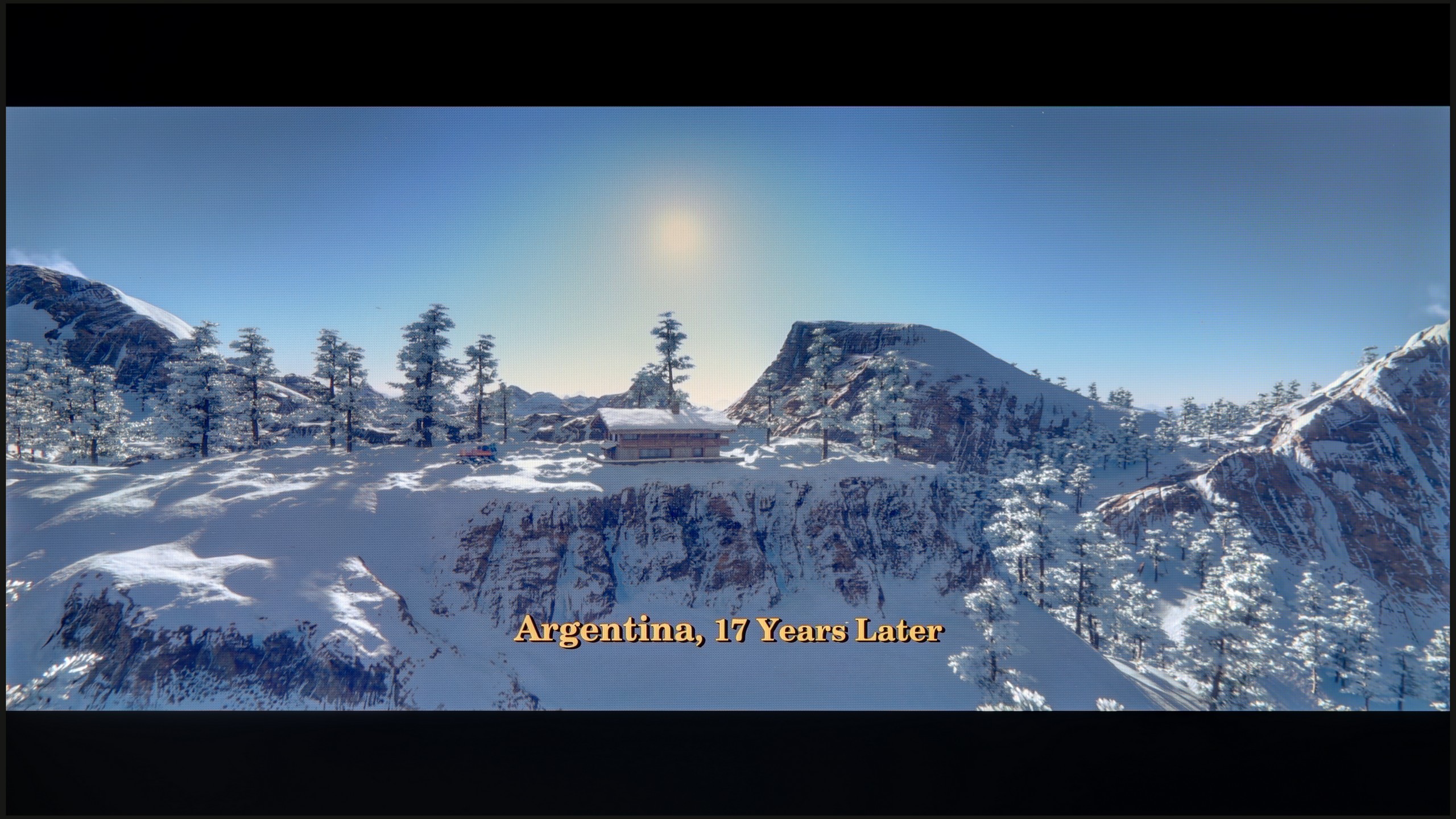
These are selected scenes that show smooth tonal transitions from one color to another. If you see distinct banding, it’s the TV panel’s fault.
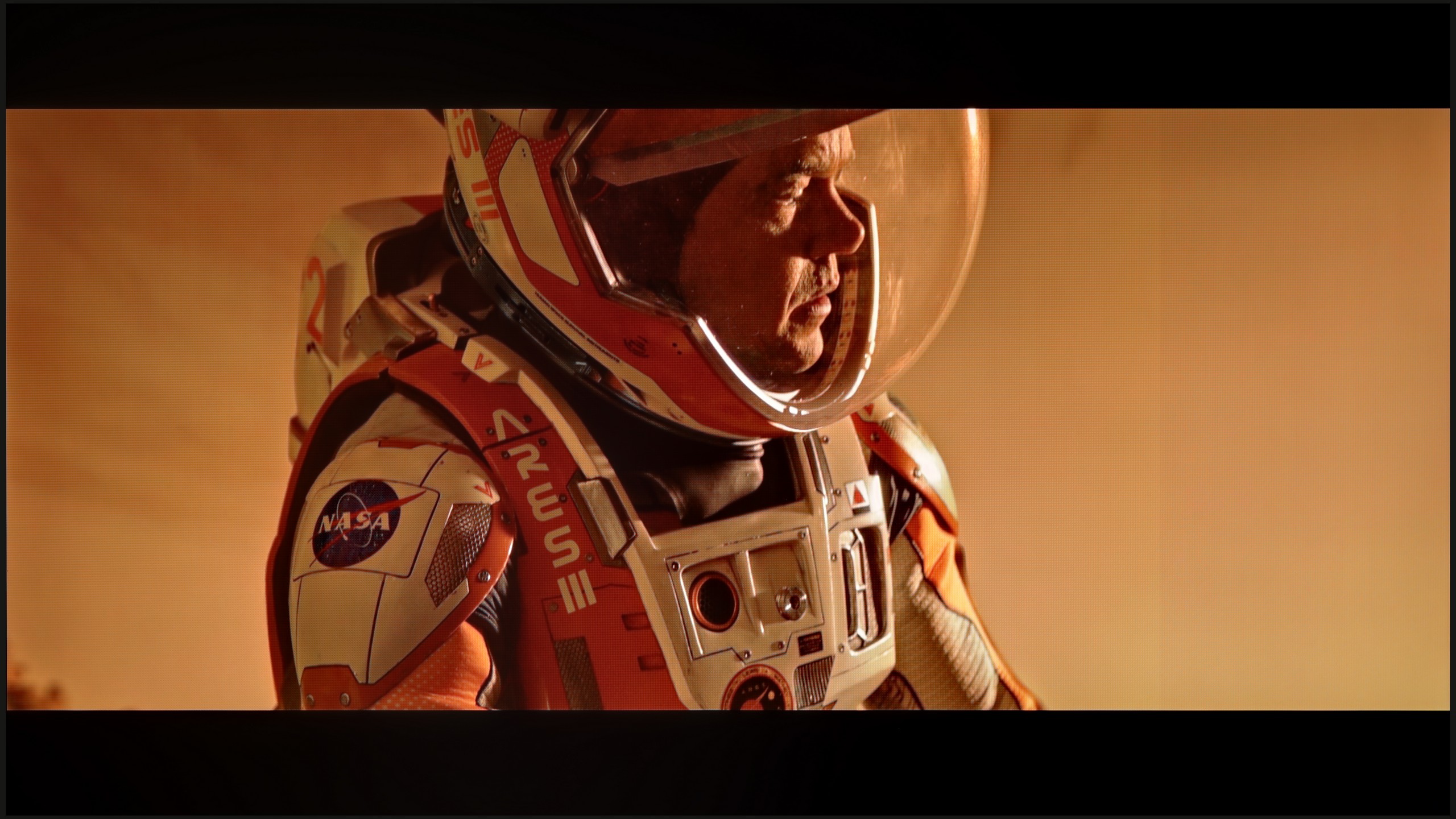
These are selected scenes that show smooth tonal transitions from one color to another. If you see distinct banding, it’s the TV panel’s fault.
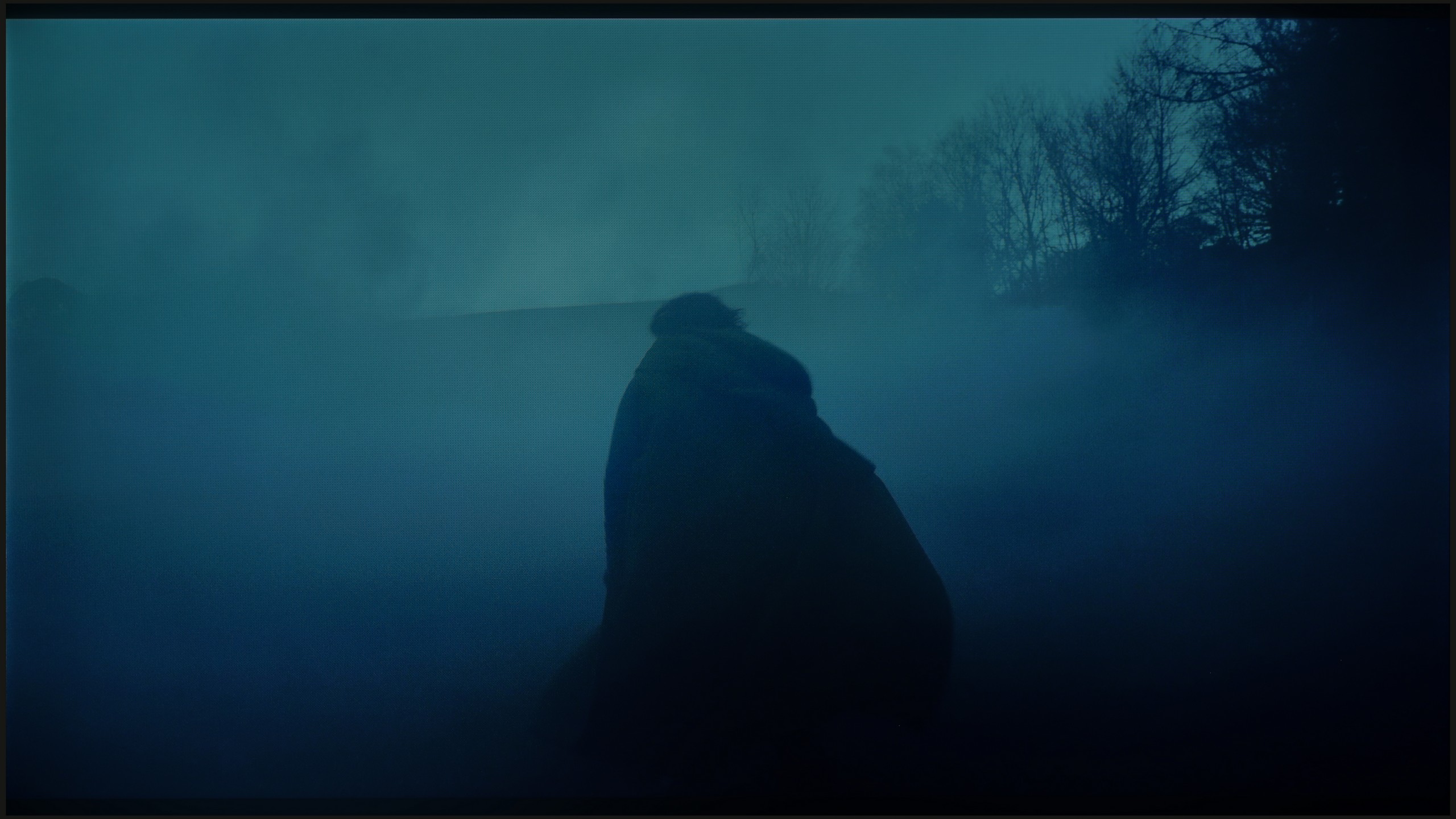
These are selected scenes that show smooth tonal transitions from one color to another. If you see distinct banding, it’s the TV panel’s fault.
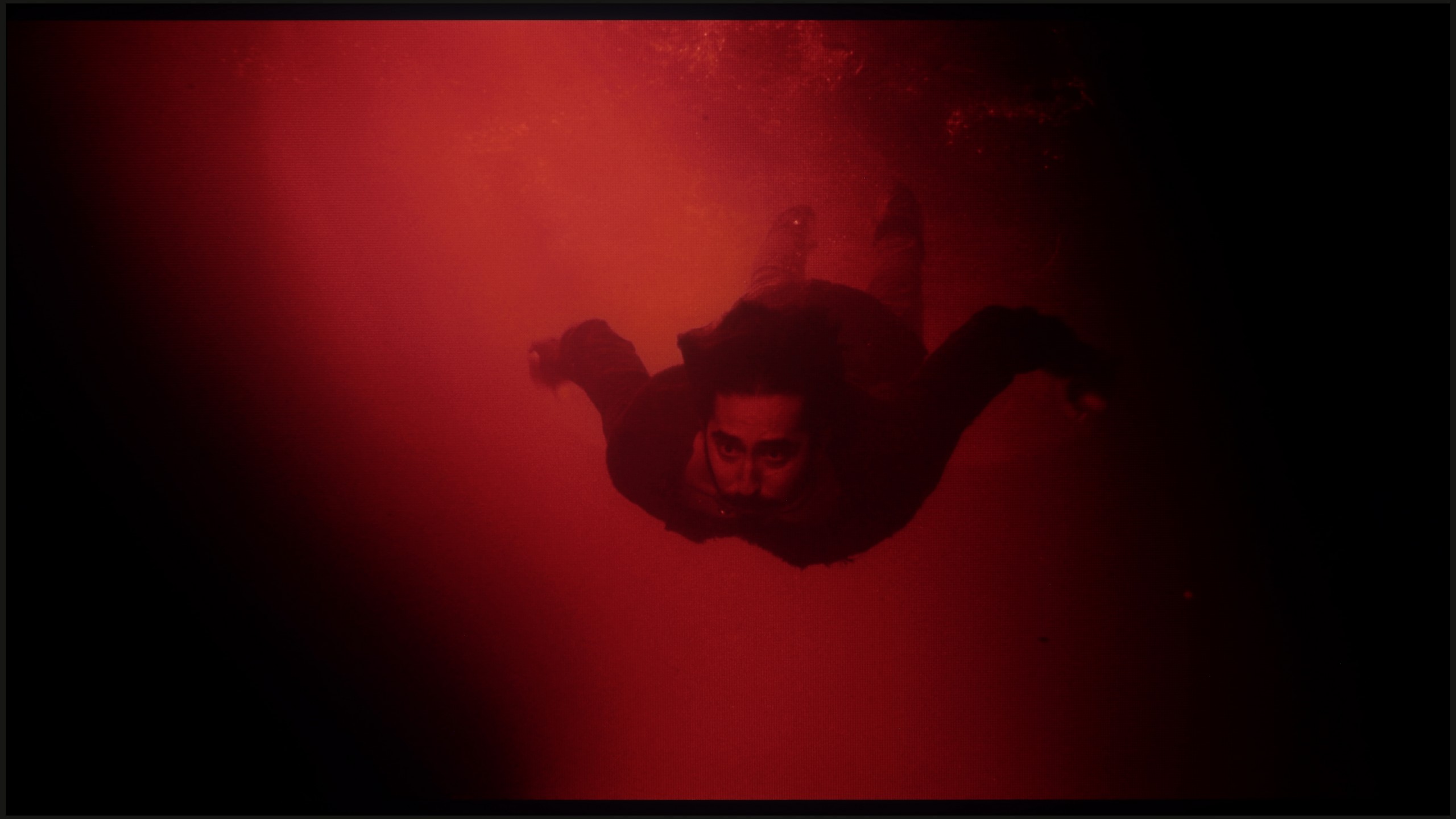
These are selected scenes that show smooth tonal transitions from one color to another. If you see distinct banding, it’s the TV panel’s fault.
We must honestly admit that the smoothness of tonal transitions in this television is among the very best we have had the opportunity to test in 2024. Even in really demanding scenes, we hardly notice any noticeable "steps" between colors. Yes, with a keen eye, one can find minor shortcomings, but that is almost on a microscopic level. You really need to have a very "alert" eye to catch them. This, in turn, allows you to focus on the story and visual experiences while watching even the most complicated shots in a full range of colors, without the irritating, artificial effect of posterization.
In the model C69K / Q6C, tonal transitions (between colors) are very smooth, and it's hard to notice any banding. The image looks natural, and any minor imperfections are only visible on bright test screens, and only with very careful observation. In everyday viewing, the effect is simply fantastic. It can confidently be stated that in this category, C69K / Q6C performs remarkably.
Image scaling and smoothness of tonal transitions
6/10
5/10


Smooth transition function

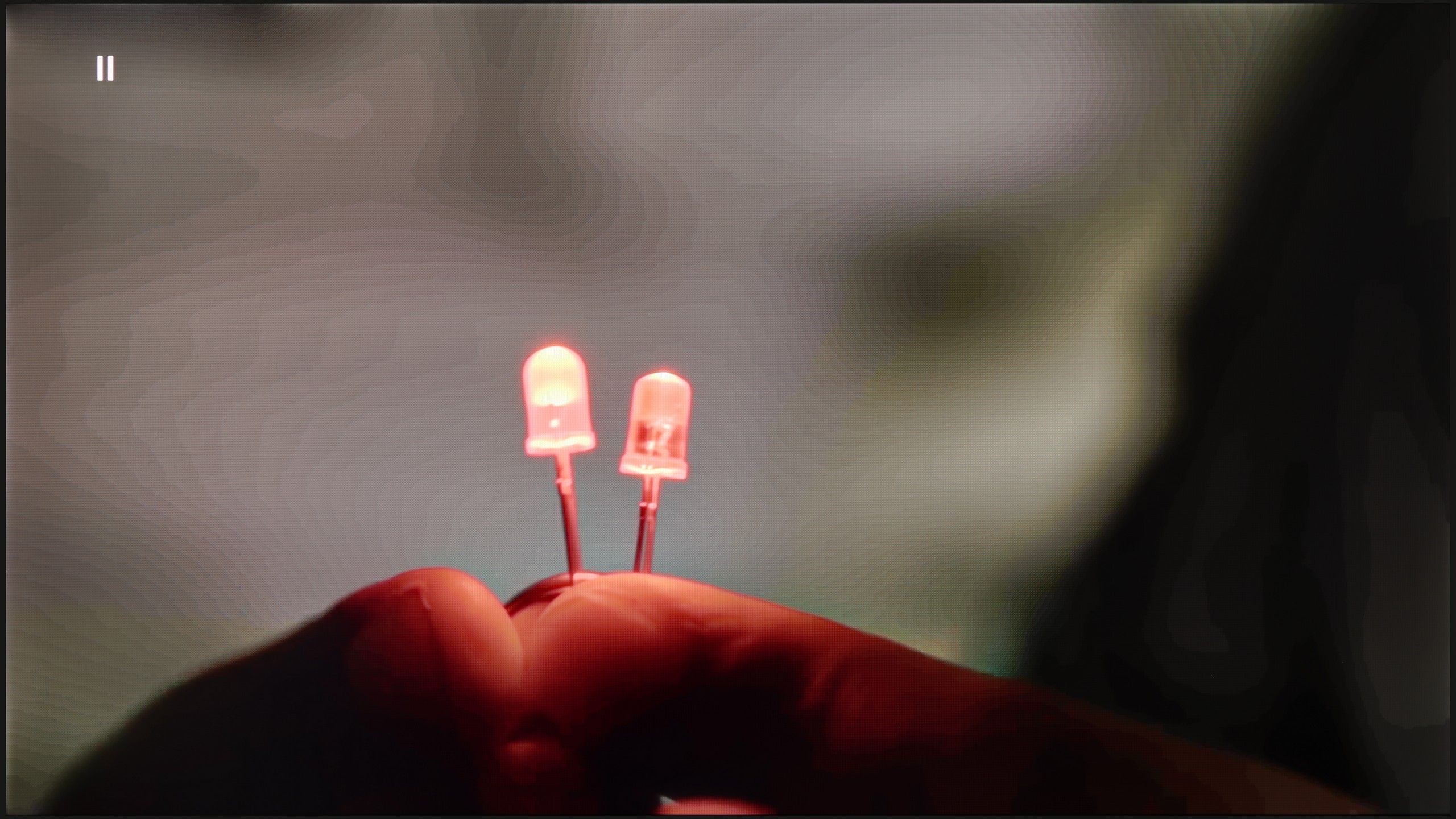
The match photo shows how the TV smooths weak tonal transitions in low-quality video.
Image scaling SD (576i)


The model photo shows how it handles upscaling of SD material.
Unfortunately, the "smooth and gradient image" feature in Hisense E7NQ PRO does not impress when it comes to smoothing tonal transitions in lower-quality materials. At the lowest setting, the change is hard to notice—it's more of a cosmetic improvement. Switching to "Medium" mode already provides a noticeable effect, but it still isn't anything special. In addition, the television starts to excessively interfere with other image elements, which can look unnatural.
Image scaling is also rather average. On the test screen, where a portrait of a model and text are displayed, slightly jagged edges can be seen, which makes the overall presentation less smooth and aesthetically pleasing than we would expect in this class of device. It's simply hard to speak of truly effective enhancement of lower resolution quality here.
In terms of image scaling, TCL C69K / Q6C performs quite well. Lower quality content is displayed acceptably, and thanks to the lack of overscan issues, the image is presented in full without any cropping. However, one shouldn't expect miracles – very low-quality materials won't gain a new life here, as the image processor has its limitations.
On thin lines and details, one can see characteristic jitter, indicating a lack of more advanced image enhancement algorithms. It's also a pity that the C69K / Q6C lacks the function for smoothing tonal transitions. As a result, in older movies or video materials, color banding can be noticeable and may become distracting during longer viewing sessions.
Blur and motion smoothness
7/10
7.3/10

Blur (native resolution, maximum refresh rate):


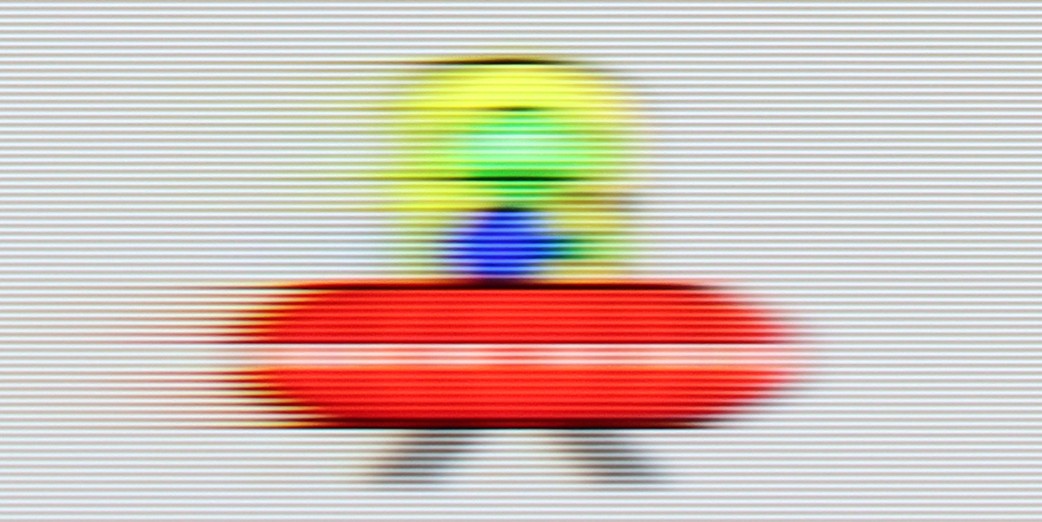
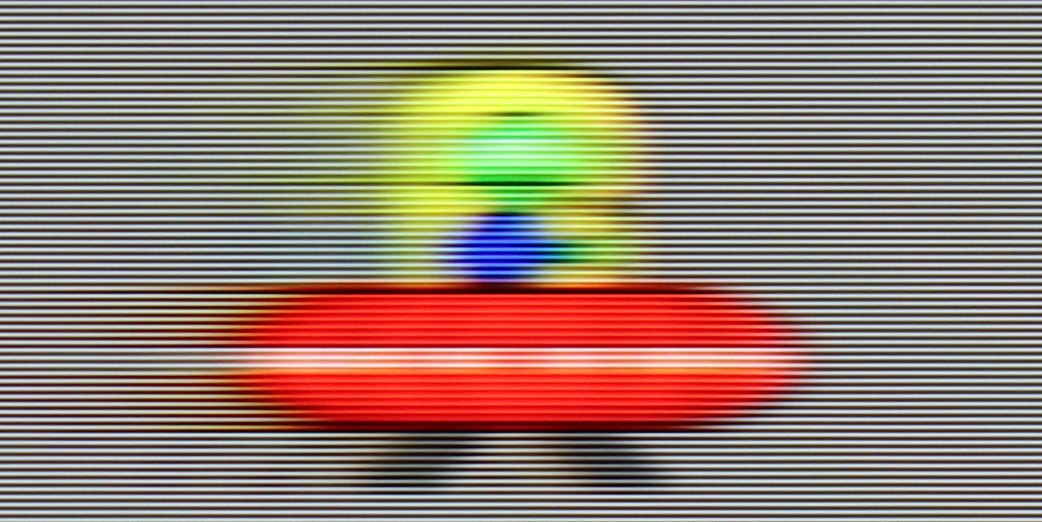
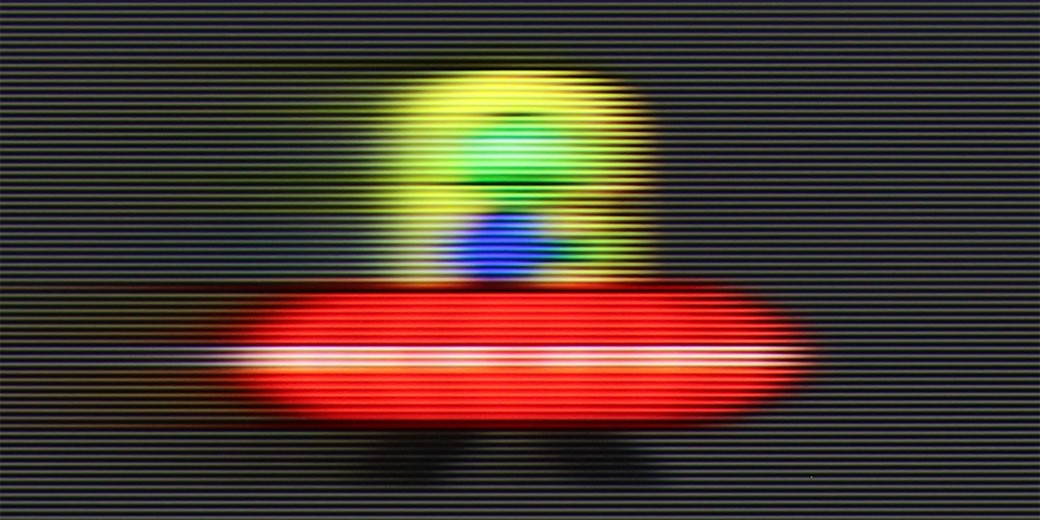
Blur (BFI function enabled):

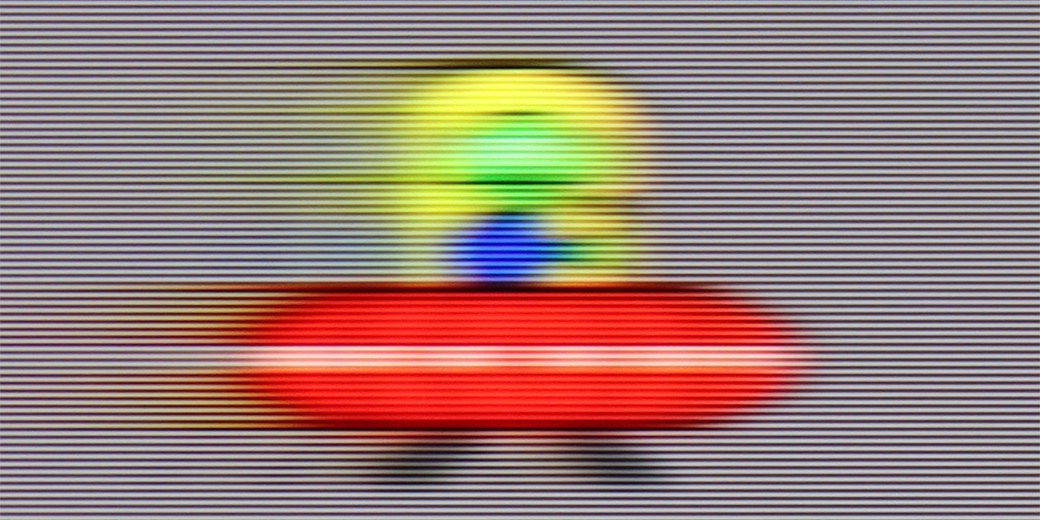
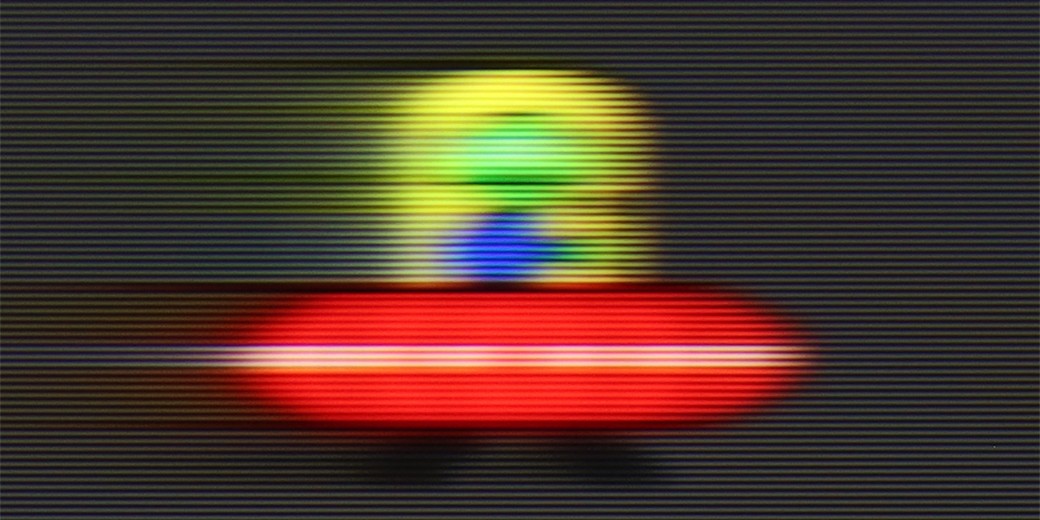
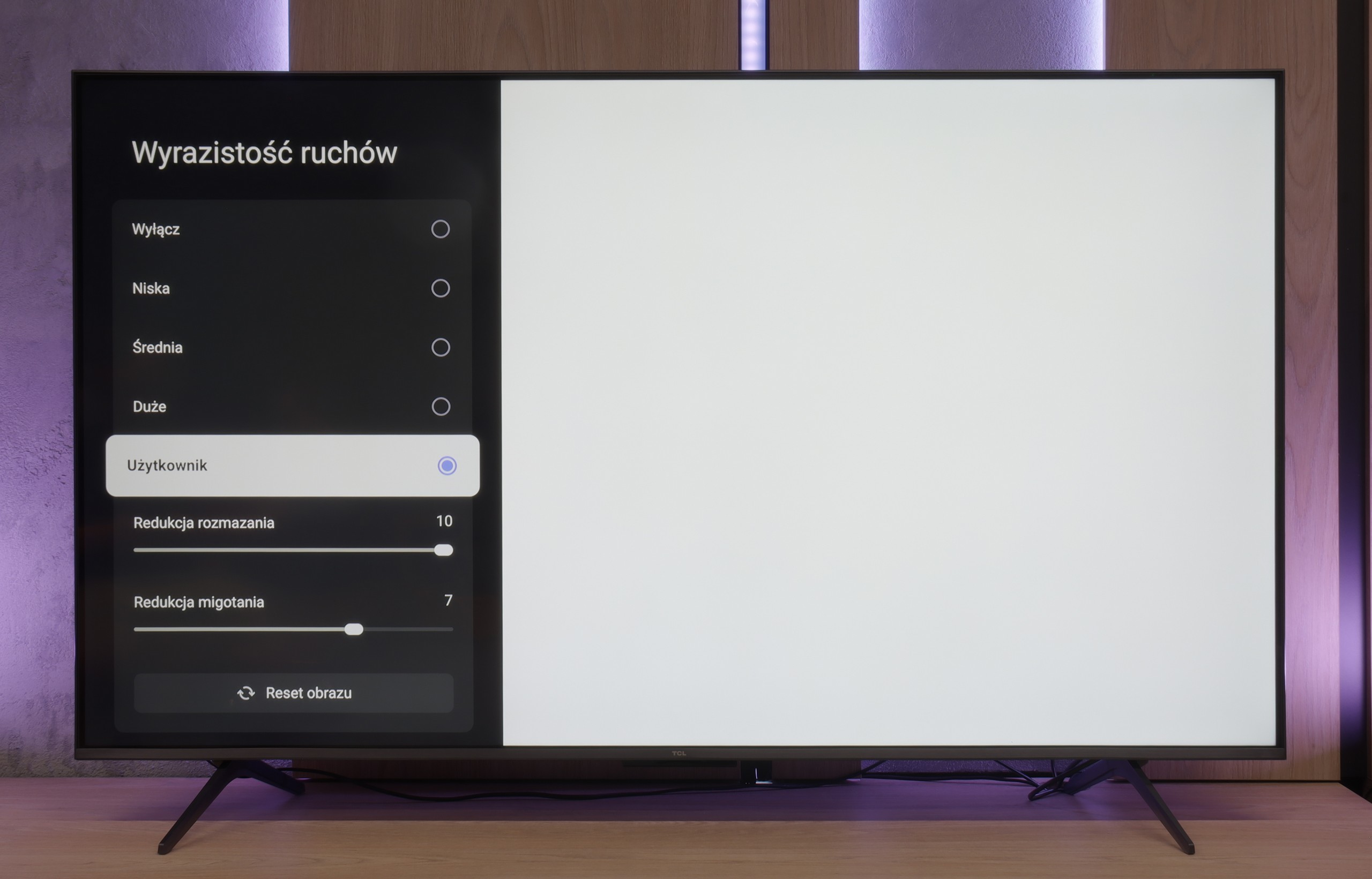
Thanks to its 144 Hz panel, the E7NQ PRO performs excellently with almost every type of content. Whether we are watching fast-paced matches, dynamic games, or action movies, the fluidity of motion leaves a good impression. For movies, the manufacturer has equipped the TV with two key tools: "motion blur reduction" and "judder reduction." Each of these functions can be adjusted on a scale from 1 to 10.
At lower values, the processing is subtle, barely noticeable, and gently smooths motion without ruining the cinematic character of the image. The higher we move up the scale, the more clearly the TV intervenes in the presented material, smoothing motion more forcefully, thus minimizing any stutter or micro-cuts. On the other hand, the highest settings may resemble the so-called "soap opera effect," which makes the image look overly smooth, losing some of its cinematic atmosphere. However, with such a scale, we can find the golden mean, adjusting the fluidity of motion to our own preferences.
The use of a 144 Hz panel in TCL C69K / Q6C is a significant advantage in this price range. It represents an important step forward compared to its predecessor (C655 PRO), which only offered 60 Hz at 4K. The difference is particularly noticeable when watching sports or playing games – the ball, players, or dynamic action in games are displayed more clearly and without losing details. An interesting feature is also the ability of the panel to operate at 240 Hz (which the manufacturer does not officially mention) – we will return to this topic in relation to the PC gaming mode. TCL has also added a feature for movie fans: “Motion Clarity.” This allows users to adjust the picture to their preferences using two simple sliders. We can either keep the visible film frame or opt for very smooth, "
Console compatibility and gaming features
8.5/10
9.8/10
- ALLM
- VRR
- VRR range48 - 144Hz48 - 240Hz
- Dolby Vision Game Mode
- Correct implementation of HGIG
- 1080p@120Hz
- 1440p@120Hz
- 4K@120Hz
- Game bar

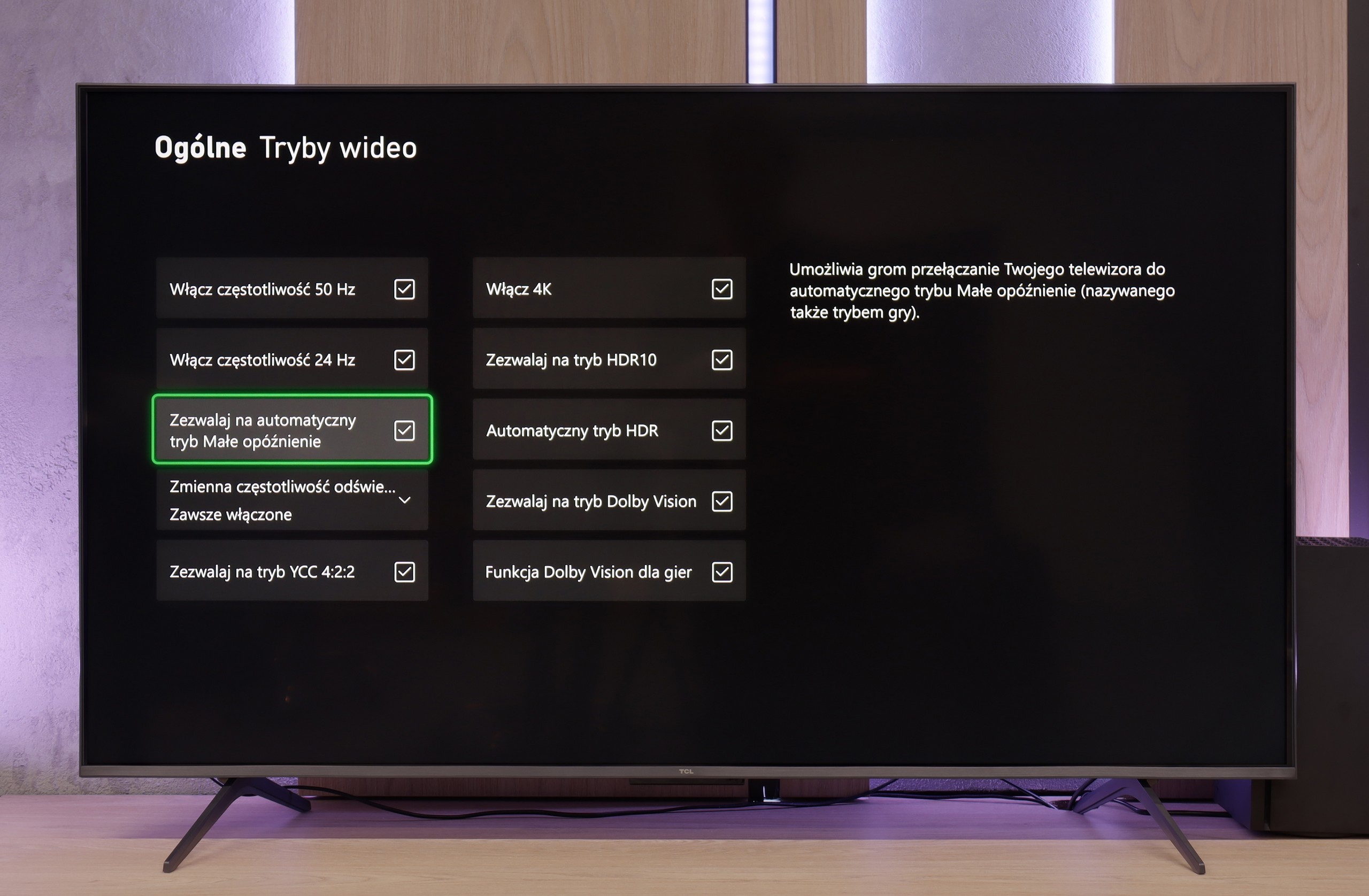

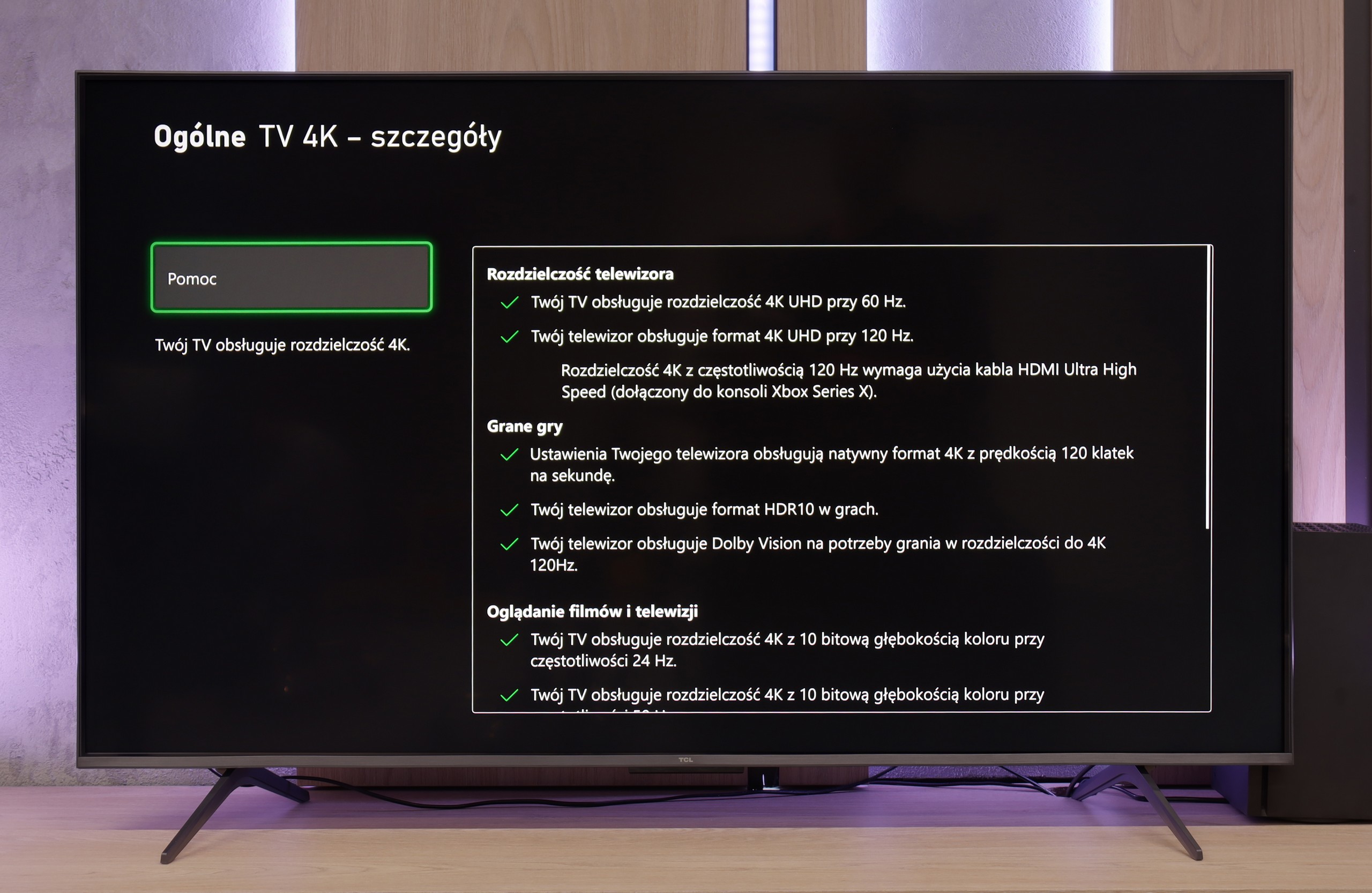

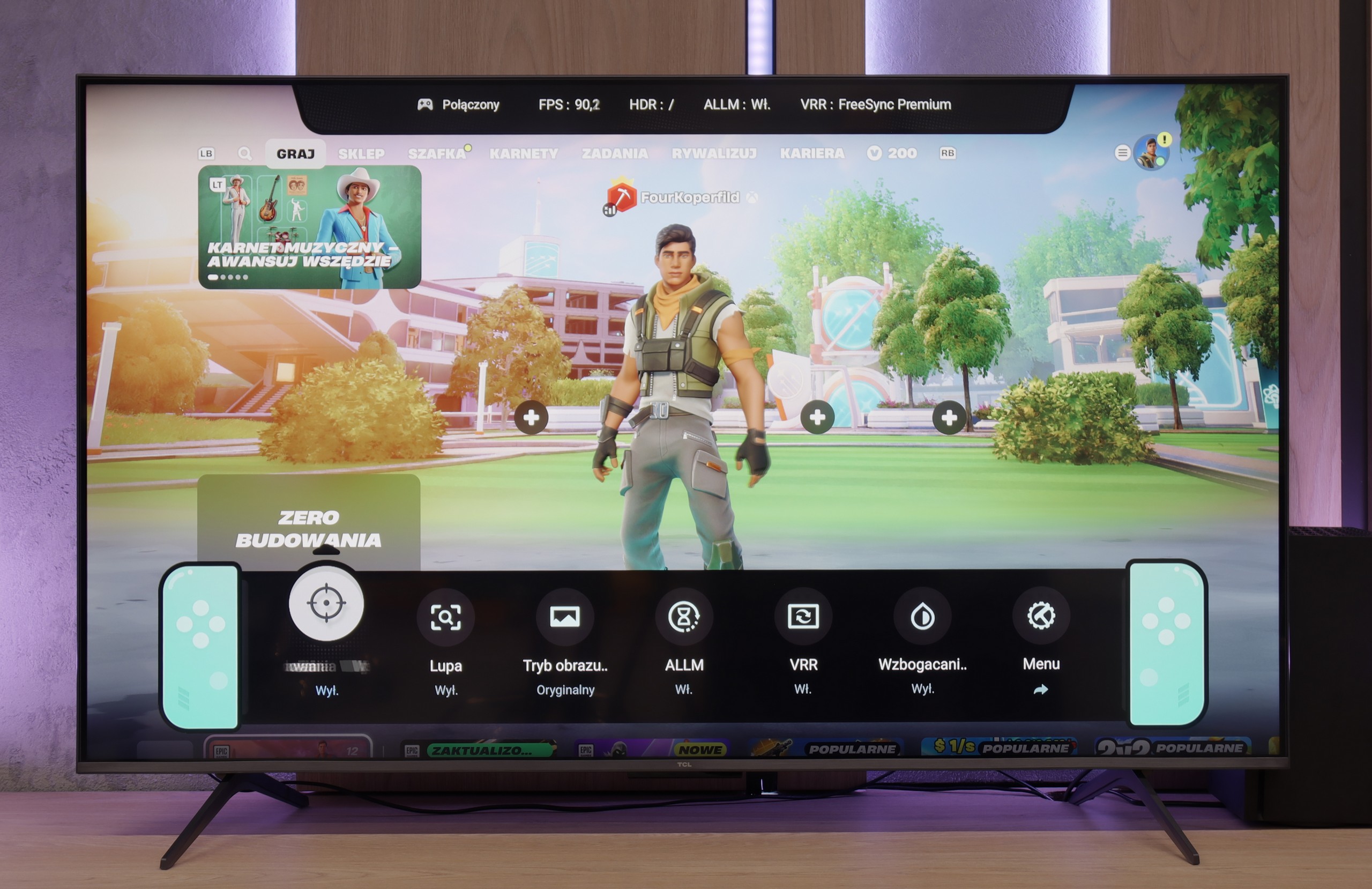

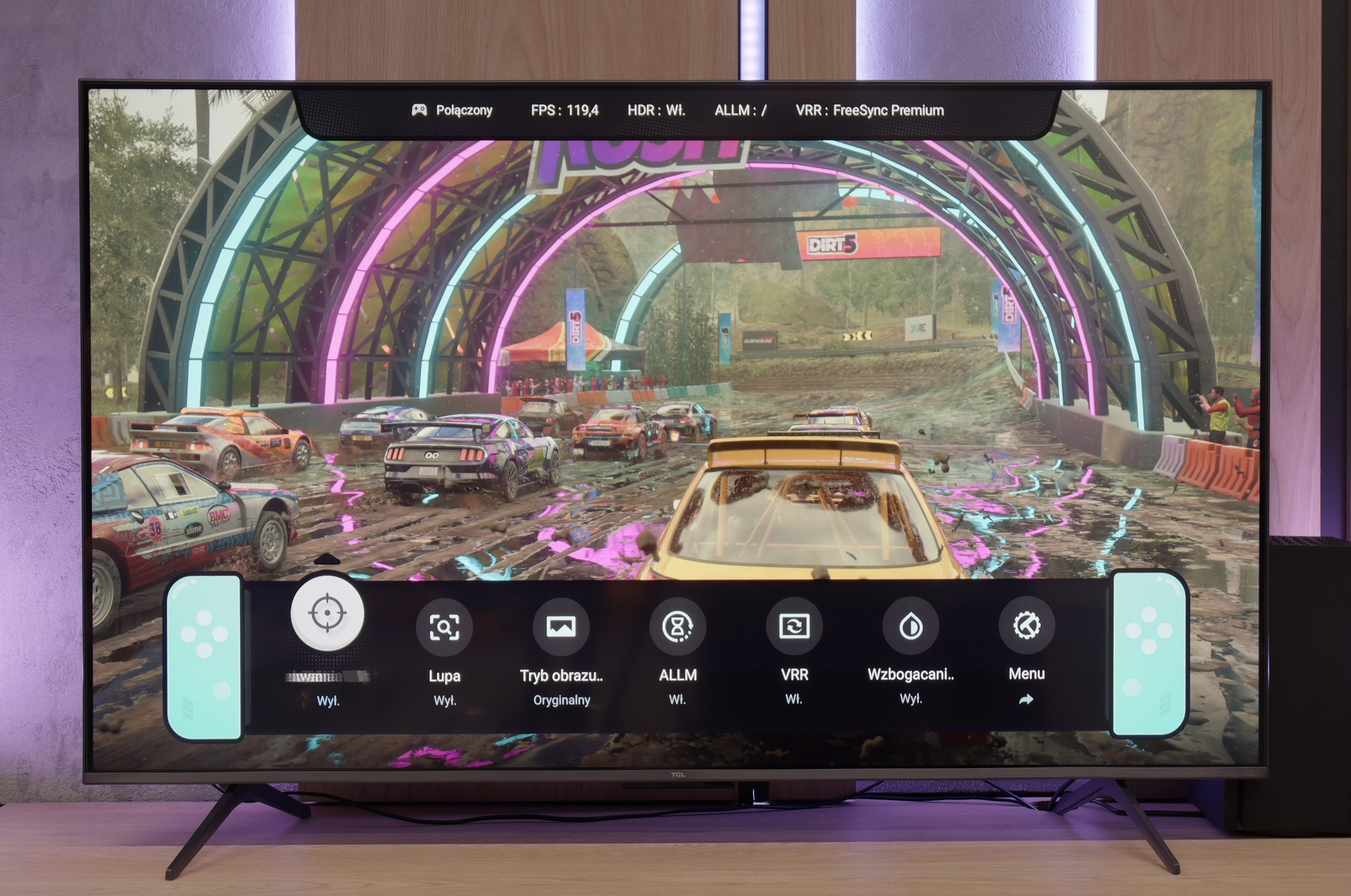
If you enjoy switching on your console and immersing yourself in games for hours, the E7NQ PRO is sure to make a strong impression. With its 144Hz refresh rate, gameplay feels impressively smooth, while support for HDMI 2.1 and VRR prevents screen tearing, even during the most action-packed moments. Additionally, ALLM automatically applies the lowest latency as soon as you switch to your console, so there’s no need to tweak the settings manually.
A major plus is the ability to play games in Dolby Vision, enhancing colours and contrast for a more vibrant experience. Hisense has also included a user-friendly game bar, allowing you to monitor key performance stats and adjust settings without leaving the game. The only real drawback is the absence of HGIG support. While not essential, some gamers may miss it if they’re looking for the most accurate representation of a game’s intended visuals. That said, in practice, the E7NQ PRO delivers an excellent gaming experience that’s smooth, responsive, and enjoyable.
TCL C69K / Q6C is a television that can boldly be called equipment created with gamers in mind. Here we have 4K at 144 Hz, VRR support, automatic game mode (ALLM), and Dolby Vision Gaming. Additionally, there's a practical Game Bar, which is a panel with the most important settings right at hand – useful when we want to quickly change something during gameplay (e.g., aspect ratio: Yes, it’s possible!). The wide range of VRR, reaching up to 240 Hz, is noteworthy. This option is primarily for PC gamers who will lower the resolution below native 4K. In that case, the TV can spread its wings and show additional smoothness, especially in fast esports titles. For consoles, we stick to the classic limit of 120 Hz, but the possibilities are still quite broad. The only drawback is slight motion blur that can sometimes be seen in dynamic scenes. Other than that, C69K / Q6C offers everything gamers expect from a television.
Input lag
9.9/10
9.7/10
SDR
HDR
Dolby Vision
In this regard, Hisense E7NQ PRO really delivers. At a frequency of 60 Hz, we measured about 15 ms, and at 120 Hz the lag drops even to 6 ms, allowing for very quick response and smooth control in games. It is also worth mentioning that even in Dolby Vision mode, input lag doesn't increase dramatically. This allows us to enjoy better image quality without having to sacrifice responsiveness, which will certainly please every avid gamer.
In terms of input lag, TCL C69K / Q6C performs excellently. With 120 Hz content, the delay is around 10 ms, and at times even less. This is a level at which the response is practically instantaneous, and it is hard to find any objections. For 60 Hz material, the result is around 18 ms – still a very good outcome, more than sufficient for comfortable gaming.
Compatibility with PC
7.6/10
8.6/10

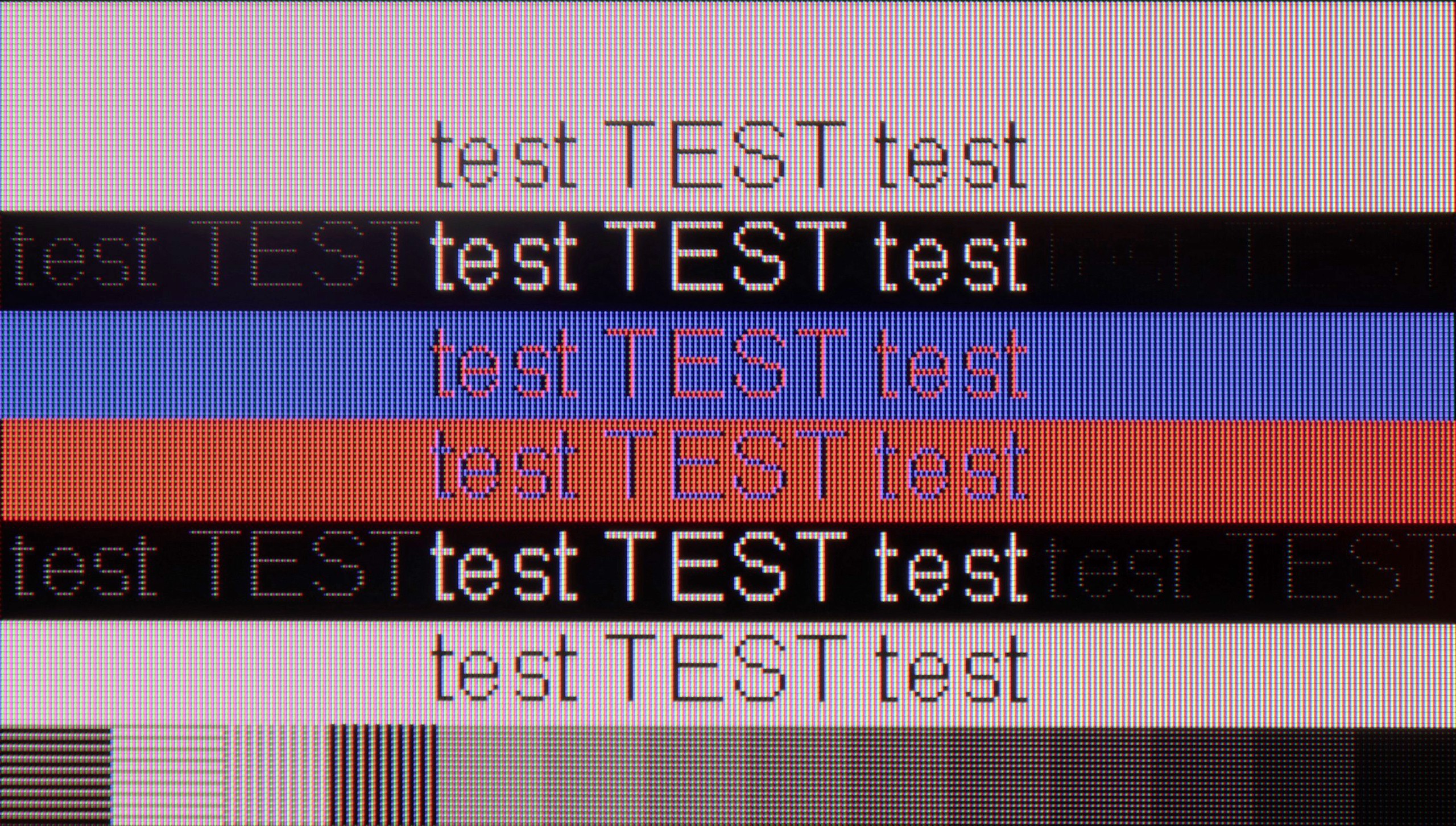
The photo shows the legibility of small fonts. Ideally, lines should be the same thickness on both light and dark text, with minimal pixel gaps.
By connecting the E7NQ PRO to a computer, we will have no reason to complain. The overall readability of fonts is quite good, although with very thin, horizontal lines (the so-called "roofs" of letters) we noticed a slight dimming. This is not a big problem, but it's worth mentioning if we plan to spend long hours in text editors or browsers.
On the other hand, when it comes to gaming on PC, the TV shows its true claws. Support for G-Sync, connection with a 144 Hz panel, and low input lag make even the most demanding titles run smoothly and responsively. As a result, the screen works well not only with a console but also as a solid "window" to the world of PC entertainment.
As a computer monitor, TCL C69K / Q6C performs excellently. At native resolution, we achieve 4K at 144 Hz, and by lowering the resolution, we can even reach 240 Hz. The television also works with Nvidia and AMD cards, supporting both G-Sync and FreeSync. It's hard to have any reservations for office work as well. Thanks to 4:4:4 chroma support, fonts are sharp and readable, and any minor imperfections are so small that they go unnoticed in everyday use.
Viewing angles
6.5/10
3/10
In the case of Hisense E7NQ PRO, viewing angles are definitely a strong point, thanks to the IPS panel. This means that when we look at the screen even from a significant angle, colours and brightness do not "shift" as much as in TVs with a VA panel. Of course, compared to OLED or QD-OLED screens, where the image remains practically unchanged from any side, IPS still appears modest. Nevertheless, among LCD televisions, it is hard to find a solution that guarantees equally good viewing angles as those offered by IPS. Unfortunately, everything comes at a cost – in this case, one has to live with average black levels and lower contrast.
In the TCL C69K / Q6C, the viewing angles are typical for a VA panel. Sitting directly in front, the picture looks very good, but any shift to the side results in a noticeable drop in color saturation and brightness. The difference is particularly evident in colorful scenes – the colors become washed out, and the contrast loses its depth. Compared to IPS panels, this is clearly a weaker performance, although it is compensated by better black levels and higher native contrast.
Daytime performance
6.2/10
6.4/10

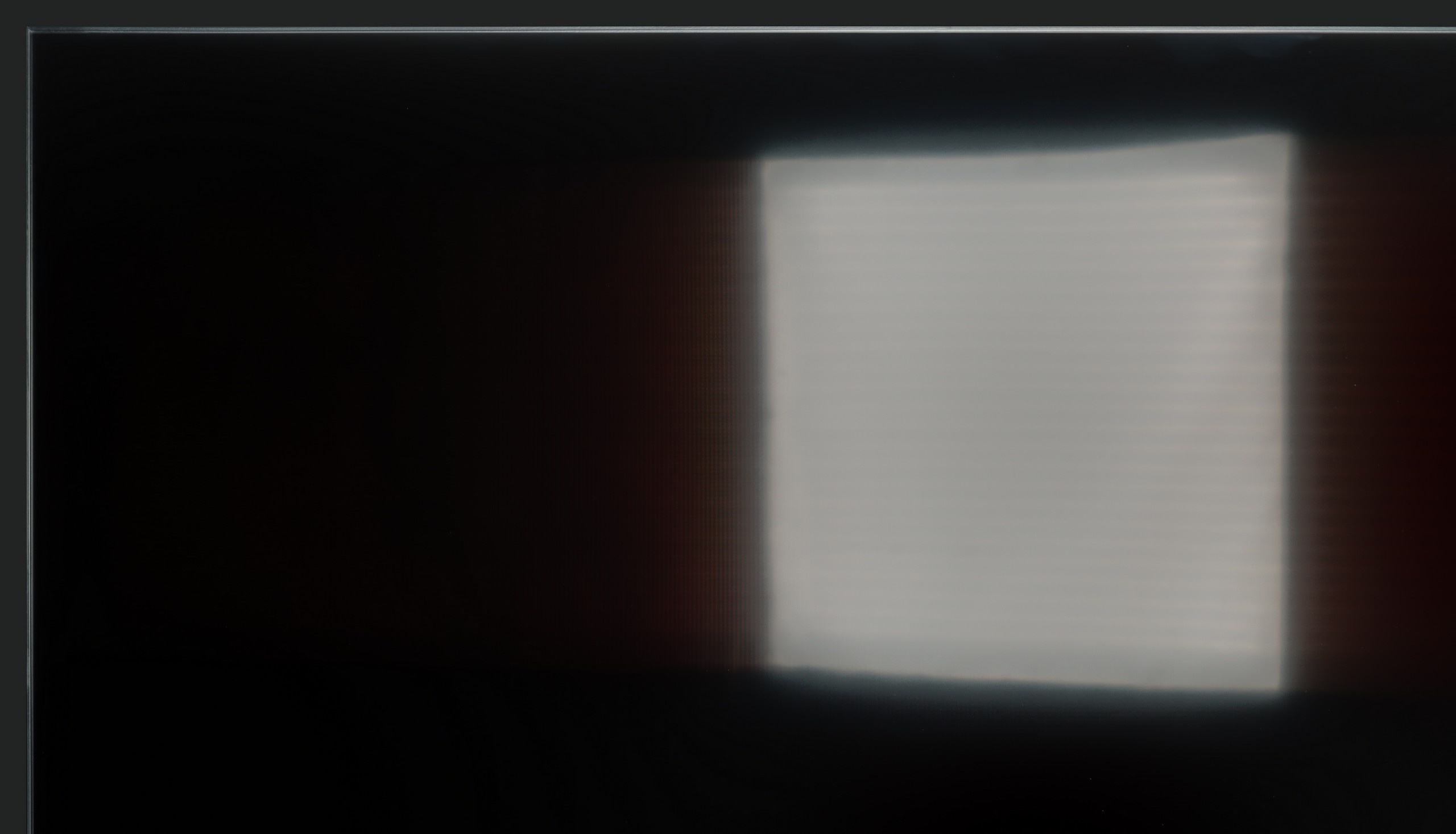

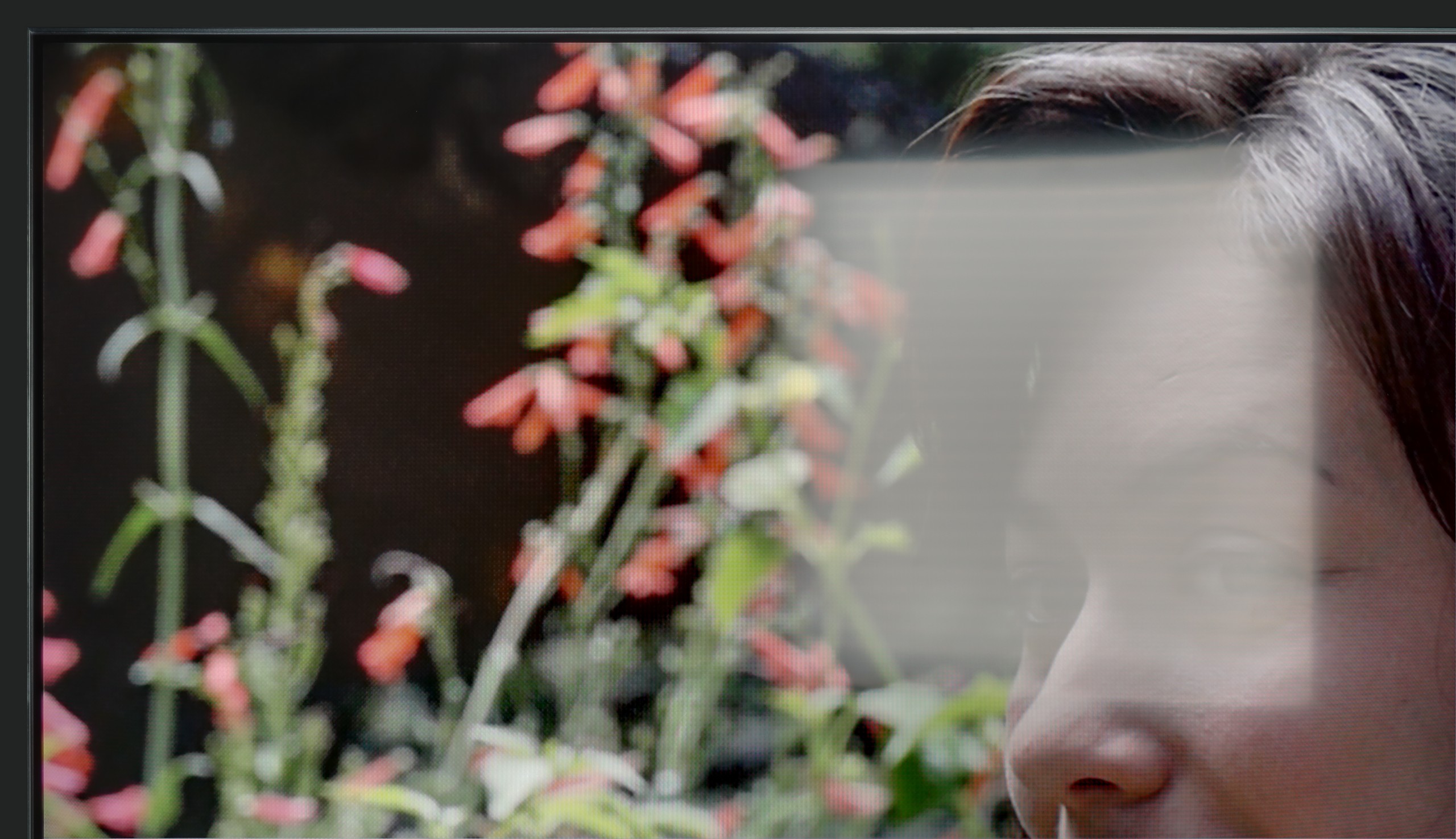
Panel brightness
TCL C69K / Q6C: 532 cd/m2
Hisense E7NQ PRO: 478 cd/m2
On a bright day, E7NQ PRO performs quite well. The "satin" matrix diffuses light well, which prevents reflections and glare from turning into distracting "spots" on the screen. With an average brightness of around 500 cd/m², it is possible to watch television in a sunlit room without much struggle to see details or clear content. While it may not be at the level of the highest premium models, it still proves to be quite decent in everyday use.
In bright lighting conditions, TCL C69K / Q6C performs quite well. The panel offers decent brightness (in SDR content it reaches about 550 nits), which allows for comfortable TV viewing in a moderately lit living room, and even on days when strong light comes through the windows. This means that daytime viewing does not require completely darkening the room. Another plus is that the screen coating does quite well at reducing reflections, so the TV does not become a "mirror" even in bright light. However, this is not at the level of top models with more advanced anti-reflective coatings – in very challenging conditions (e.g., with large windows), reflections will be noticeable.
Panel details
Subpixel Structure:

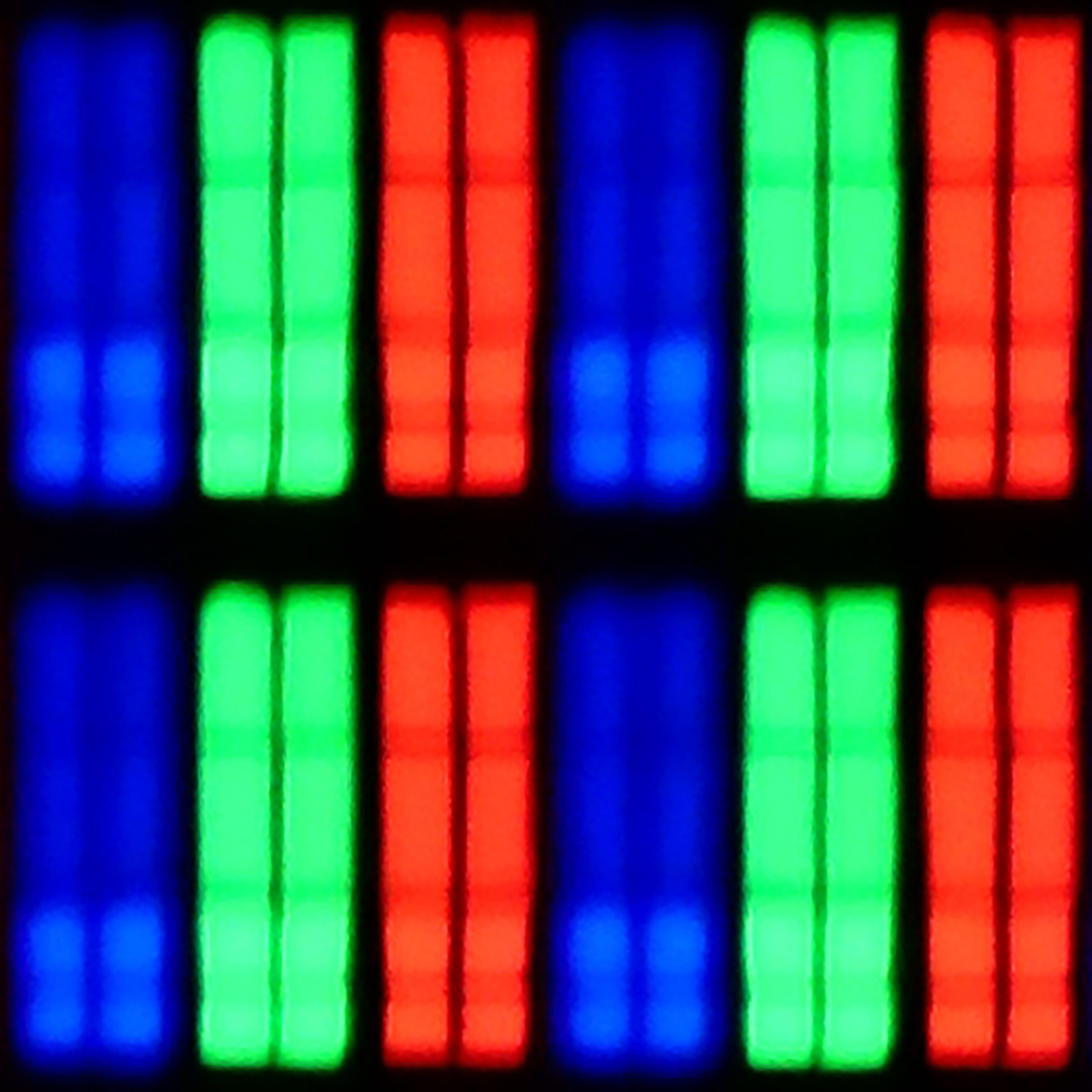
Panel uniformity and thermal imaging:

Hisense E7NQ PRO
TCL C69K / Q6C
TV features
8.9/10
7/10
- HDMI inputs2 x HDMI 2.0, 2 x HDMI 2.1 48Gbps2 x HDMI 2.0, 2 x HDMI 2.1 48Gbps
- Other inputsRCA (Chinch)
- OutputsToslink (Optical audio), eARC (HDMI), ARC (HDMI), Mini-Jack (Headphones)Toslink (Optical audio), eARC (HDMI), ARC (HDMI)
- Network InterfacesWi-Fi 2.4GHz, Wi-Fi 5GHz, Ethernet (LAN) 100MbpsWi-Fi 2.4GHz, Wi-Fi 5GHz, Ethernet (LAN) 100Mbps
- TV receptionDVB-T, DVB-T2, DVB-S, DVB-S2, DVB-CDVB-T, DVB-T2, DVB-S, DVB-S2, DVB-C
Classic features:
- Recording to USB (terrestrial TV)
- Recording programming
- Picture in Picture (PiP)
- RF remote control (no need to aim)
- Backlit remote control
- Teletext
- Audio only mode
- Bluetooth headphones support
- Simultaneous Bluetooth headphones & TV audio
Smart features:
- AirPlay
- Screen mirroring (Windows Miracast)
- Voice search
- Voice search in native language
- Ability to connect a keyboard and mouse


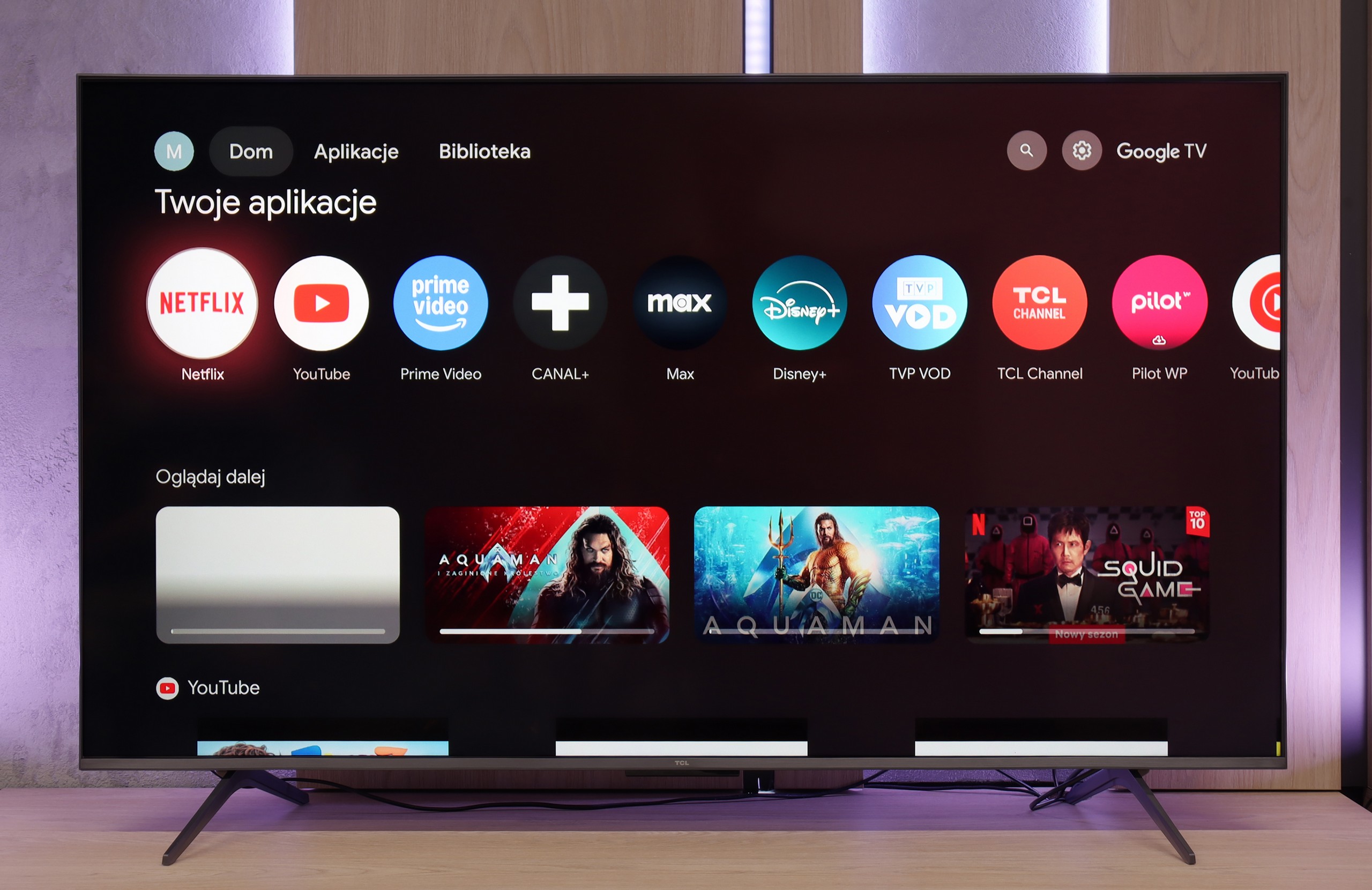
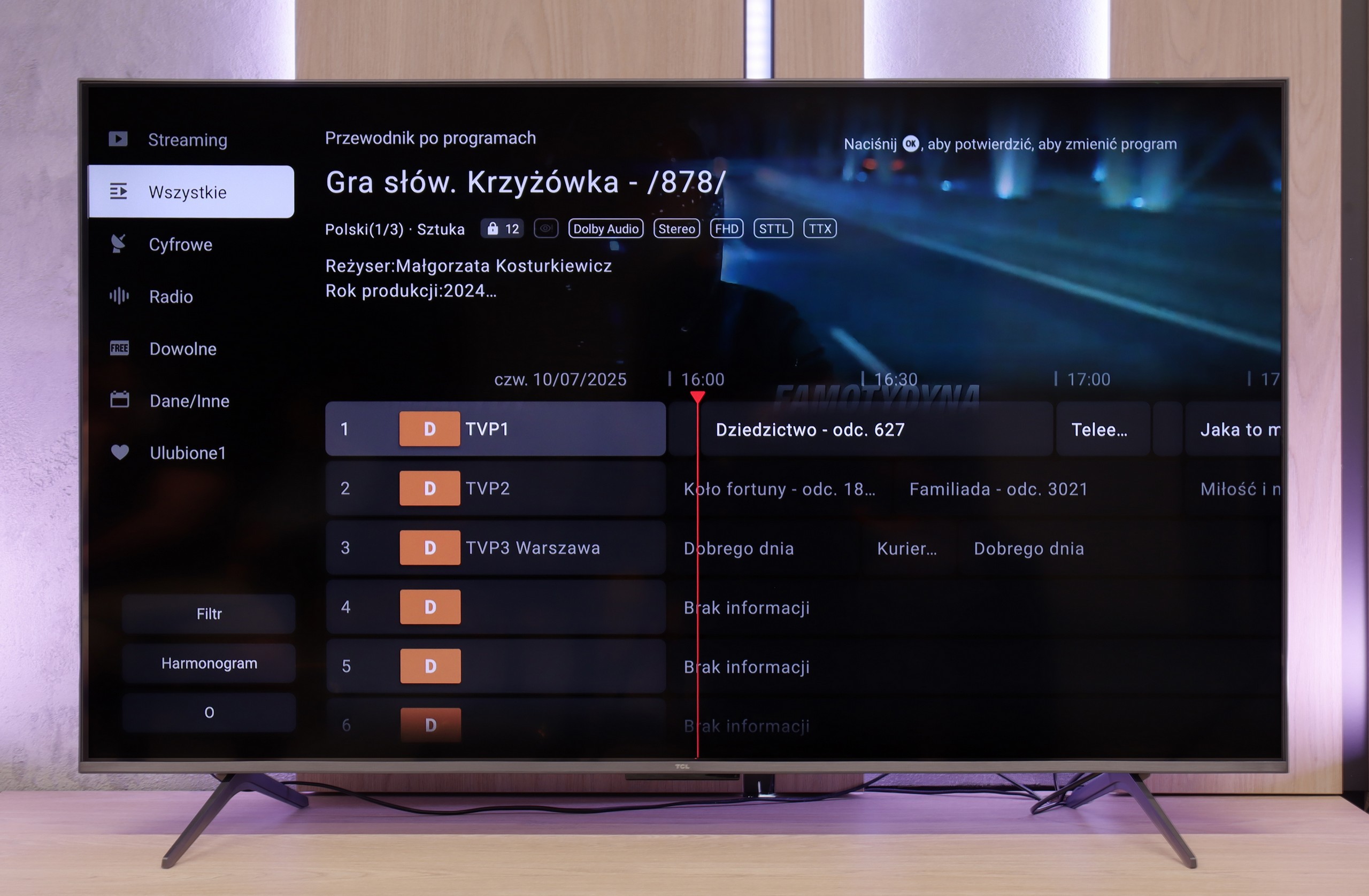
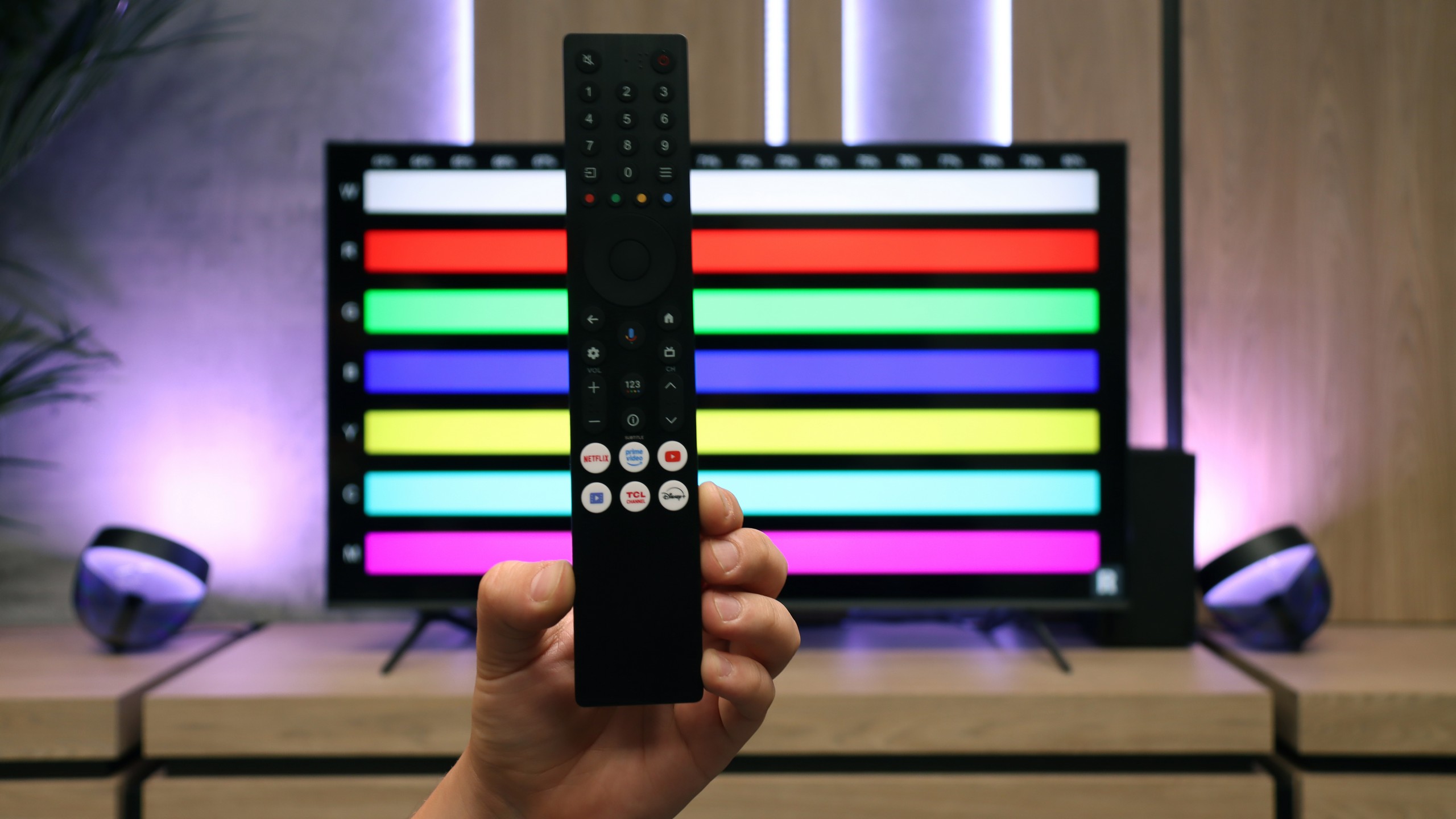
Hisense E7NQ PRO operates based on the VIDAA system, which has recently made significant progress. Here we find most popular applications, although, some music platforms, such as Spotify and Tidal, are missing. Nevertheless, navigating the menu is quite pleasant, and responsiveness is satisfactory. Yes, there are occasional minor "stutters," but not something that will overwhelm our daily usage experience.
On the positive side, we can count on the support for voice search, which makes it easier to find your favourite content without the tedious task of typing letter by letter. The TV also offers a lot of additional options: we can record programs, use AirPlay and mirroring, and also enjoy extensive wireless connectivity options (Wi-Fi and Bluetooth). It may lack a backlit remote or Picture-in-Picture (PiP) mode, but these are rather niche functions, so few people will truly feel their absence. In everyday use, we simply have a solid base of useful tools and convenient solutions.
Multimedia Features: Google TV
The Google TV system is undoubtedly the strongest user aspect of TCL C69K / Q6C. It gives the television character and provides an advantage over many competitors. We get the full package of services here: from support for popular streaming applications, through support for screen mirroring, to AirPlay (so iPhone users will feel right at home). In addition, there is Google Assistant, recently in the Gemini AI version, which not only answers questions but also efficiently performs simple commands (e.g., changing the channel or searching for content in VOD). The system itself operates quite responsively. However, it is worth mentioning a certain drawback: the awkward translations in the Polish menu can provoke a smile, but sometimes require a moment of thought to decipher their meaning.
Classic Features
In terms of classic TV features, TCL C69K / Q6C is rather average. We won’t find USB recording or PiP mode here, which may disappoint some users. However, the manufacturer did not forget about the basics: teletext TV and a readable EPG are available, which still matter to some users. In everyday use, the support for external audio devices via Bluetooth is also useful. It’s a simple way to connect, for example, a speaker or headphones, which can be a practical solution for seniors. Beyond that, however, it is difficult to find elements that would distinguish C69K / Q6C from competitors – it’s simply a solid but standard package of basic functions.
Apps
7.7/10
9.6/10






















Playing files from USB
5.2/10
8.9/10
Supported photo formats:
Maximum photo resolution:

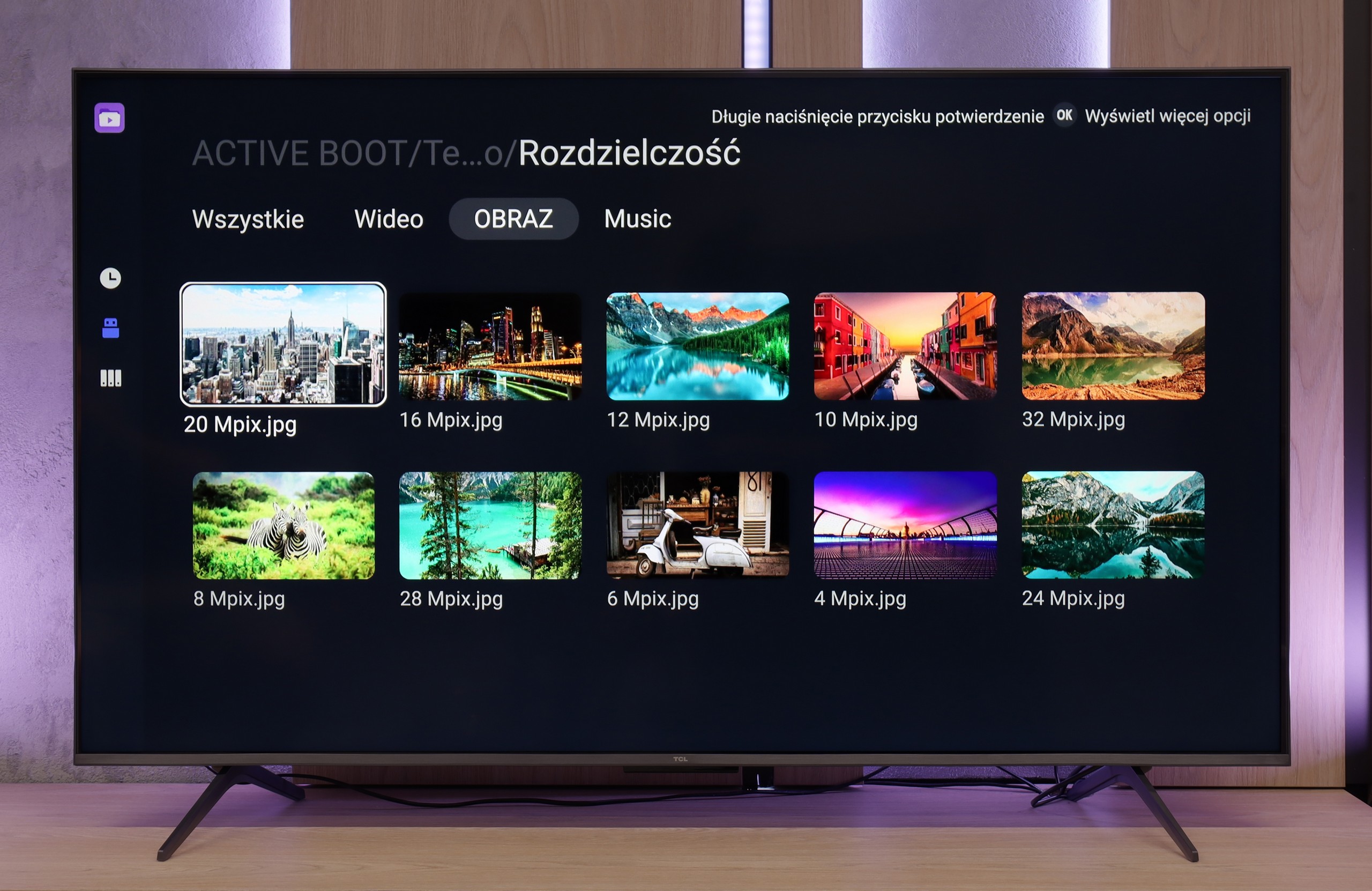
If you are counting on comfortable movie watching with subtitles straight from a pendrive, you may, unfortunately, be disappointed. Just like with the previously tested A7NQ, here we encounter a rather peculiar situation: the television does not display subtitles, even if we correctly load them onto the device and try various formats. Paradoxically, we find options to change the colour and appearance of the font, but as they say – what’s the point if we still can’t see anything?
In the case of other files, such as photos or music, the E7NQ PRO manages just fine, playing the most popular formats without a hitch. Unfortunately, for those who would like to use the television as a multimedia player, the lack of working subtitles is quite a major inconvenience.
The built-in media player in TCL C69K / Q6C performs really well – practically all popular file formats work without major issues. There are some minor exceptions, particularly with less common codecs or unusual video file configurations, but in everyday use, this is rarely noticeable. The biggest advantage, however, is that the television runs on Google TV, which provides complete freedom in choosing additional software. If someone encounters a file that the standard player does not support, it is enough to install an alternative – like VLC – and the problem disappears.
Sound
7/10
6.5/10
- Maximum volume--
- Dolby Digital Plus 7.1
- Dolby True HD 7.1
- Dolby Atmos in Dolby Digital Plus (JOC)
- Dolby Atmos in Dolby True HD
- DTS:X in DTS-HD MA
- DTS-HD Master Audio
When it comes to the built-in speakers, Hisense E7NQ PRO pleasantly surprised us. Of course, it's not on the level of a decent soundbar or home theatre system, but it performs quite well in everyday conditions. During our tests, dialogues remained clear, and the sound was sufficiently clean and spacious that there was no immediate need to invest in additional speakers.
It's also worth mentioning the support for many audio formats – from Dolby Atmos to the less common DTS:X. This means that if we come across suitable source materials, we can expect a more immersive and spatial experience. Although in terms of sound it still mainly serves as a decent base, Hisense E7NQ PRO should satisfy most users who want to turn on the TV and hear clear, unbothered sound.
In terms of audio, TCL C69K / Q6C performs quite well. The manufacturer has been boasting about its collaboration with Onkyo for several years, and this indeed translates into sound quality. The sound is pleasant, with clear mid-tones and quite a clean high end, and overall it feels well balanced. Of course, this will not replace a full-fledged soundbar, especially in terms of bass depth, but for built-in speakers in a television from this price segment – it is really very good.