Hisense A6N is a simple model aimed at users looking for an inexpensive everyday TV. Thanks to its VA panel it offers decent contrast, which works well for watching regular TV, especially in the evening when reflections are not a problem. The digital processing also does a good job, so over-the-air and satellite broadcasts look pretty good for this price range. When it comes to gaming, the A6N is not bad, especially for casual players. Low input lag and support for features like ALLM and VRR are nice additions that make games run smoothly with minimal delay. Dolby Vision support is another plus, although at this screen brightness it's hard to get the full HDR experience. The VIDAA operating system is simple and responsive, but it has its limits. The number of available apps isn't impressive, popular services like Netflix and YouTube are there, but you can't count on more niche apps. That may be a problem for anyone who wants more versatility. Of course, as a budget model, the Hisense A6N has its drawbacks. The screen brightness is fairly low, so in a very sunlit room the picture can simply look washed out. Color coverage isn't impressive either, colors are less saturated. You notice this most when watching high-quality HDR content, for example series or films on Netflix. For people planning to use the TV as a computer monitor, it's also not the best choice, the lack of 4:4:4 chroma support makes text less sharp. The Hisense A6N is a budget TV that works well for everyday TV watching and occasional gaming. Its strengths, like decent contrast and smooth system operation, may satisfy less demanding users. However, for those looking for better image quality or more advanced features, it's worth considering other options that for a little more money can offer more.
- Matching (Score) |
- Our verdict |
- TV appearance |
- Where to buy |
- Contrast and black detail |
- HDR effect quality |
- Factory color reproduction |
- Color reproduction after calibration |
- Smoothness of tonal transitions |
- Image scaling and smoothness of tonal transitions |
- Blur and motion smoothness |
- Console compatibility and gaming features |
- Input lag |
- Compatibility with PC |
- Viewing angles |
- Daytime performance |
- Panel details |
- TV features |
- Apps |
- Playing files from USB |
- Sound
Hisense A6N vs Philips PML8709
 Direct comparison

Check the best price offer:
Hisense A6N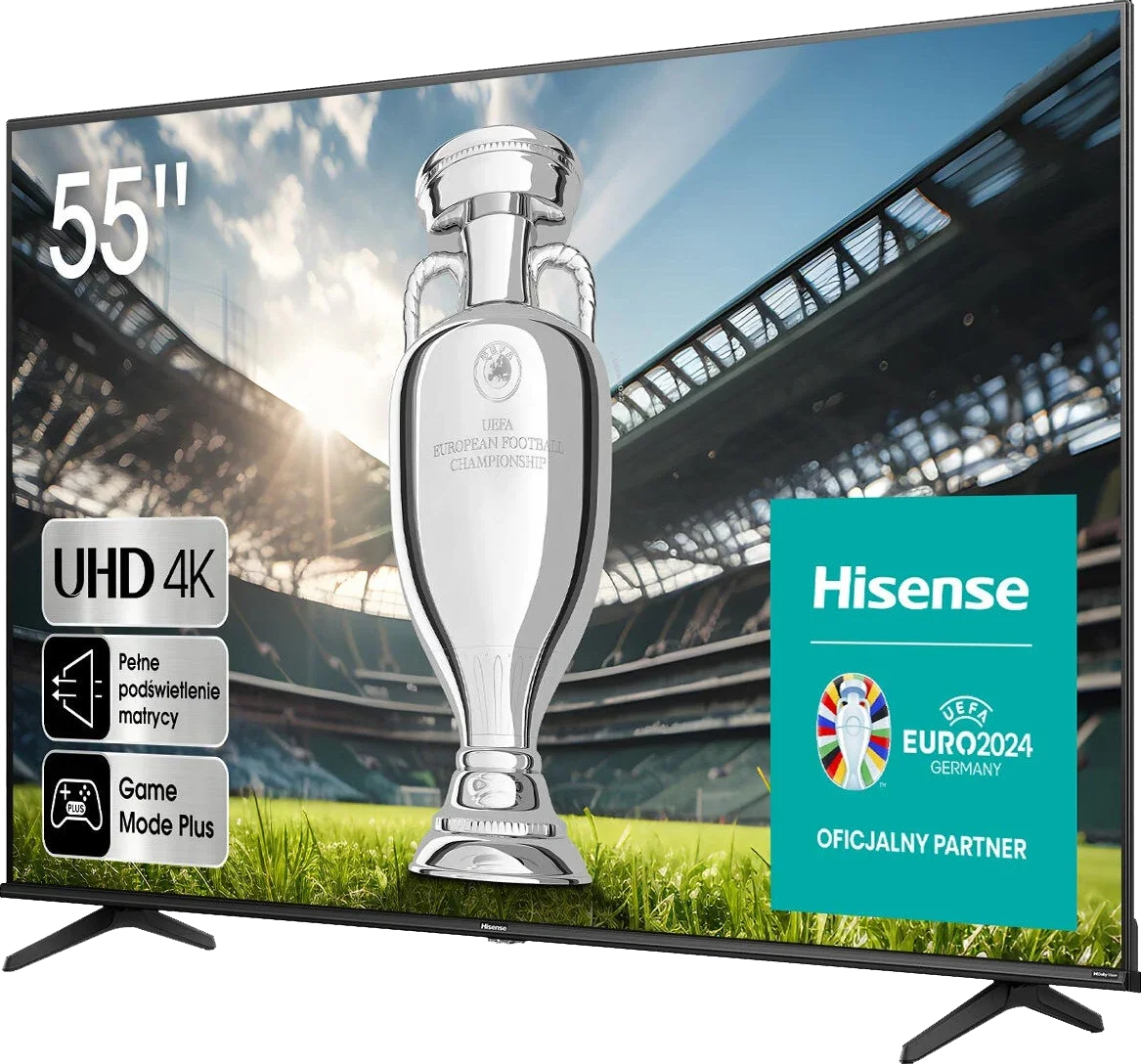
Panel type: LCD VA
Resolution: 3840x2160
System: VIDAA
Model year: 2024
Complete the survey to find out the result
Panel type: LCD VA
Resolution: 3840x2160
System: Google TV
Model year: 2024
Complete the survey to find out the result
Overall rating
5.4
6.1
 Movies and series in UHD quality
5.8
6.3
 Classic TV, YouTube
5.6
6.6
 Sports broadcasts (TV and apps)
4.5
5.6
 Gaming on console
6.6
7.2
 TV as a computer monitor
1.0
3.5
 Watching in bright light
3.8
4.8
 Utility functions
7.0
6.5
 Apps
7.7
9.6
 Sound quality
5.5
5.1
Complete the survey to find out what fits your preferences
Advantages

Decent native contrast
Support for all HDR formats, including Dolby Vision, HDR10+, etc.
Decent for casual gamers, with ALLM, VRR, and Game Bar
Low input lag, even in Dolby Vision mode
Google TV operating system - intuitive and versatile
Very good contrast
Very good coverage of the DCI-P3 and BT.2020 color gamut
Low input lag - about 13 ms
Support for ALLM, VRR, and HGiG in gaming mode
Disadvantages

VIDAA's fledgling operating system - missing several apps
Poor panel brightness
Not suitable for use with a PC
The quality of the HDR effect leaves a lot to be desired
No Dolby Vision
Not suitable for PC work
No Ambilight system
Our verdict
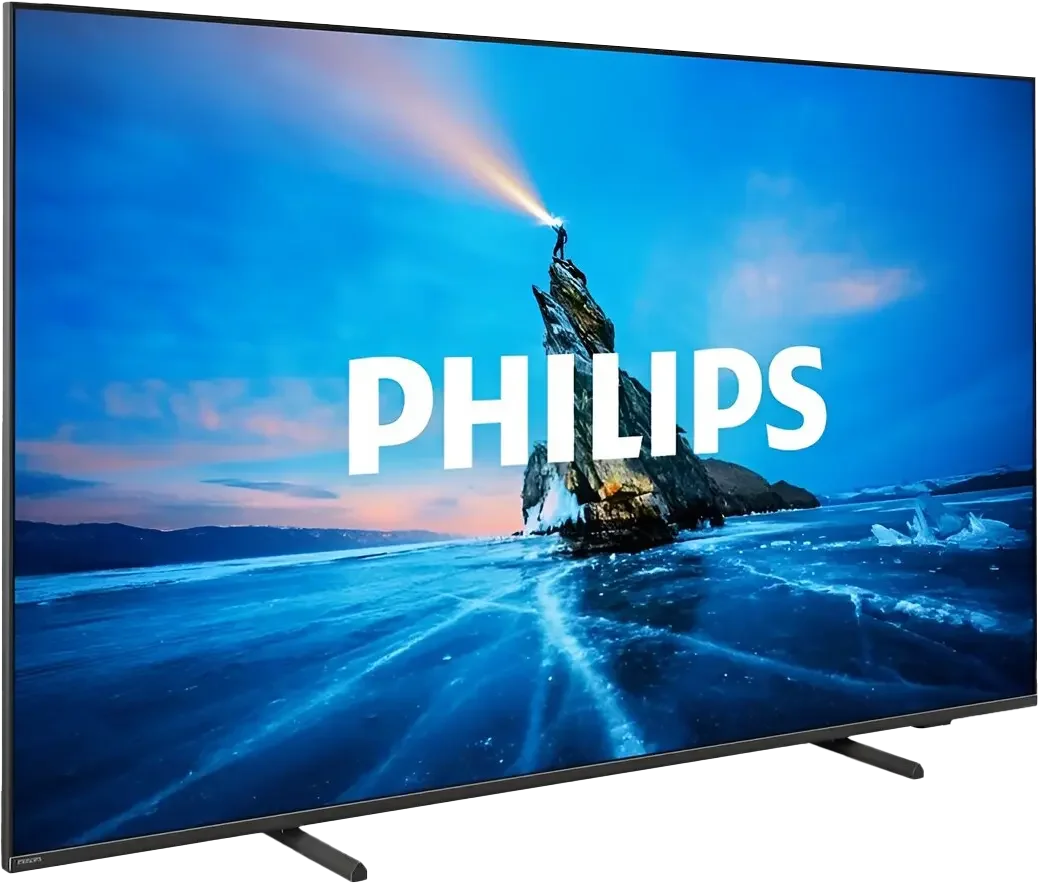
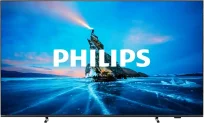
Philips PML8709 is a model that stands out in the offering of the Chinese-Dutch manufacturer due to its unconventionality. Instead of the classic operating system from Philips - TitanOS, we find here the already known Google TV, which provides extensive customization options and access to a rich library of applications. This is a television that, on one hand, tempts with very good contrast, and on the other – surprises with several unusual design decisions. When it comes to image quality, the PML8709 offers very good contrast, which, combined with wide color gamut coverage, ensures excellent color reproduction – especially after calibration. Despite the 60 Hz panel, the television also performs well in occasional gaming thanks to support for features such as ALLM, VRR, and a low input lag of around 13 ms. On the other hand, Philips has stripped this model of one of the biggest advantages of its televisions – the Ambilight system. This is a surprising decision that may disappoint many fans of the brand. Another weak point is performance in HDR – despite promising contrast results, the television performs average in this category. Maximum brightness and issues with detail in brighter scenes give the impression that something has evidently gone wrong in the implementation of this feature. The Philips PML8709 is a television full of contrasts. On one hand, it offers solid black quality and interesting solutions for gamers, on the other – some limitations, such as the lack of Ambilight or average brightness, mean that it is not a model without flaws. It is a good choice for those who appreciate the versatility of Google TV and are looking for a television for everyday use.
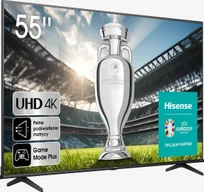
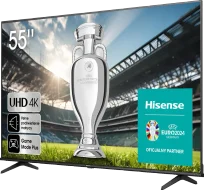
TV appearance

Contrast and black detail
5.6/10
7/10
Local dimming function: No
Local dimming function: Yes, number of zones: 96 (16 x 6)
Contrast:

Result
5,250:1
Result
5,150:1
Result
4,700:1
Result
4,950:1
Result
3,500:1
Result
58,650:1
Result
37,150:1
Result
10,850:1
Result
6,150:1
Result
5,100:1
Halo effect and black detail visibility:
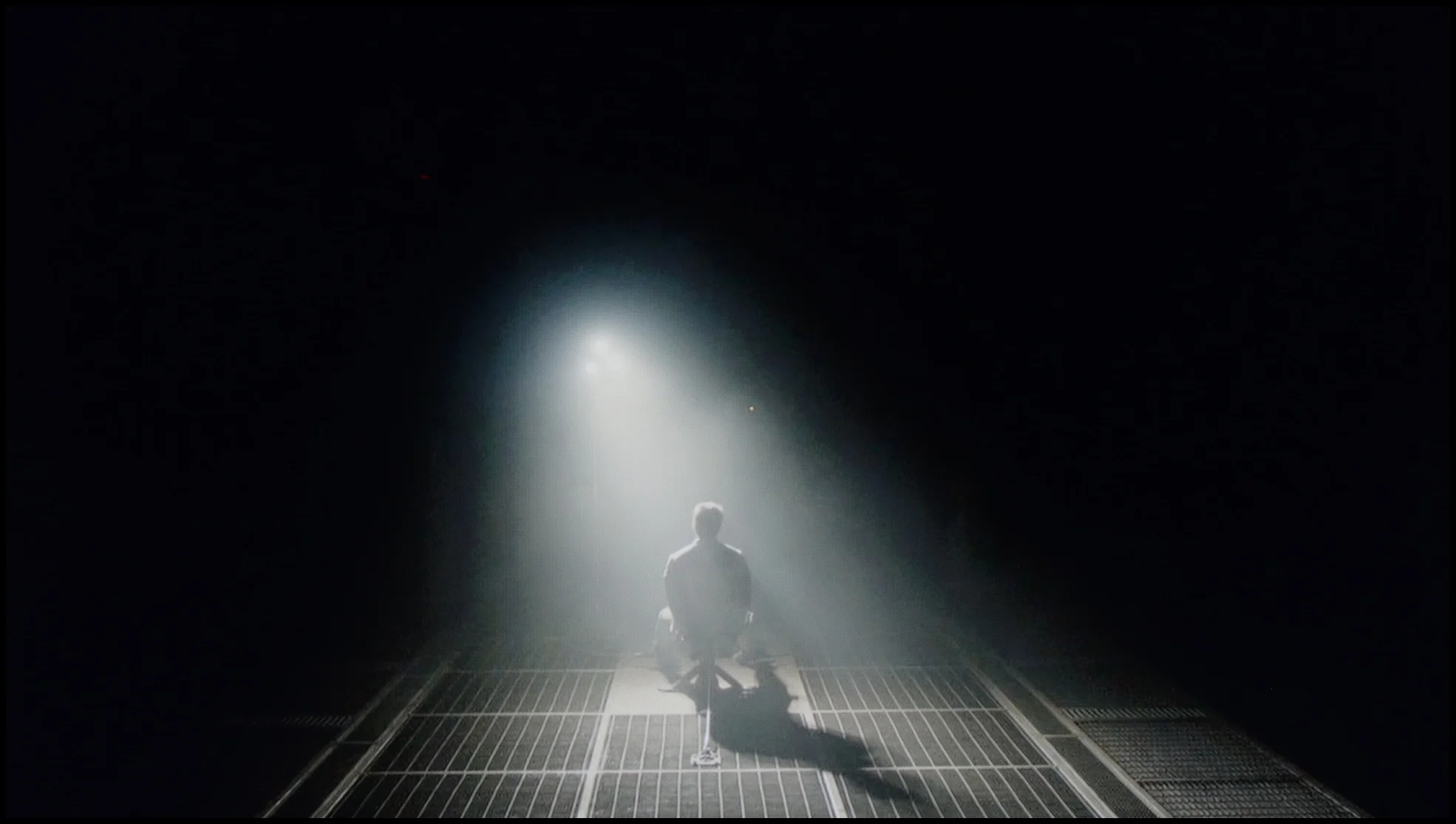
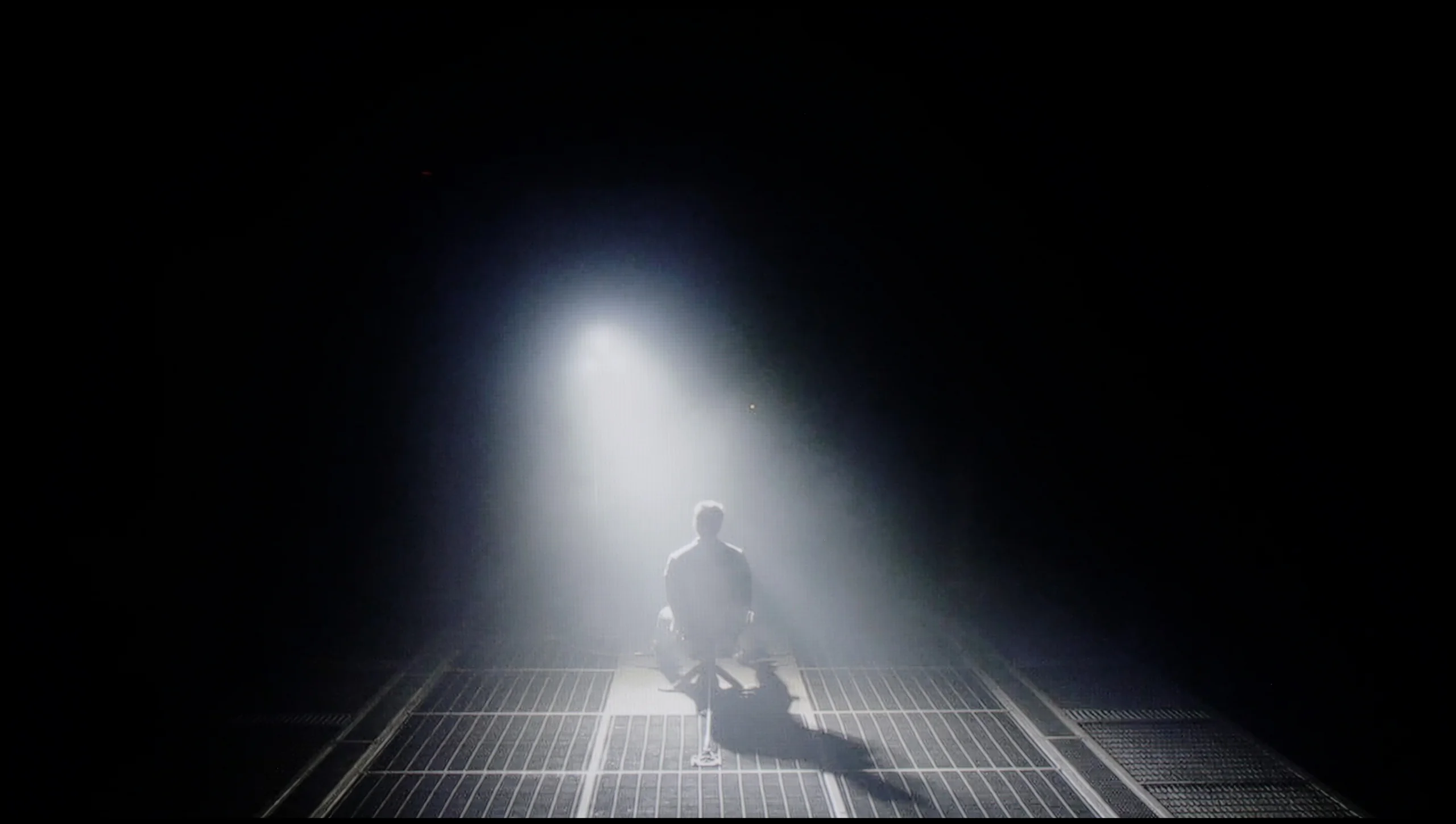
Check the visibility of bright lights on a dark background. Mini-LEDs often struggle with this. The photo does not compare black levels – that’s what the video below is for.
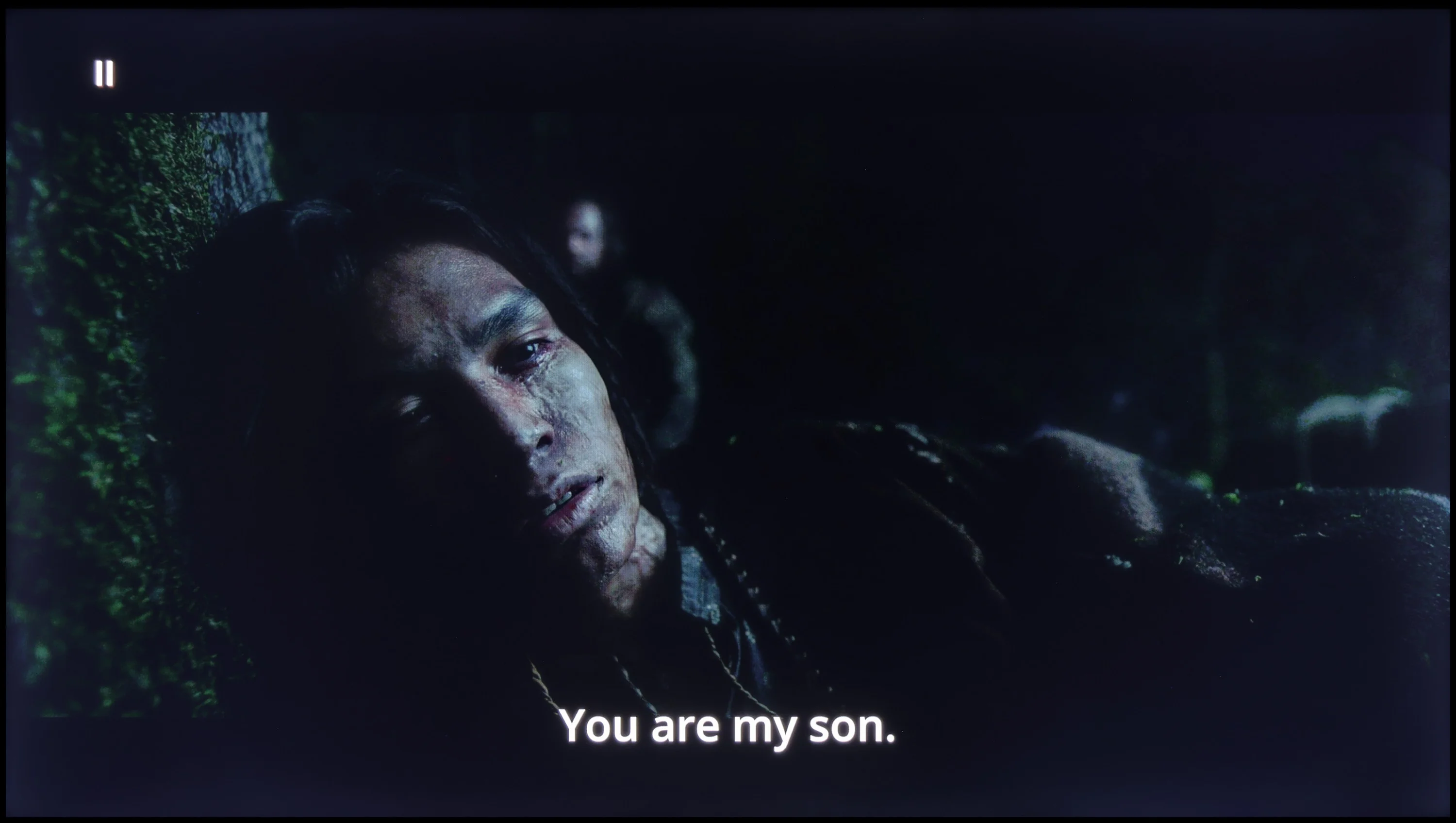
The video accurately shows differences in contrast and black levels between TVs, as well as potential issues: halo around bright objects or Mini-LED zone operation visible as brightness jumps.
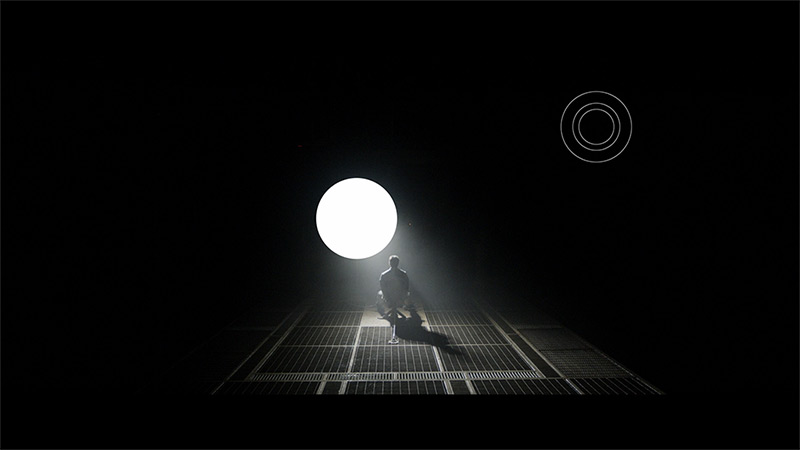
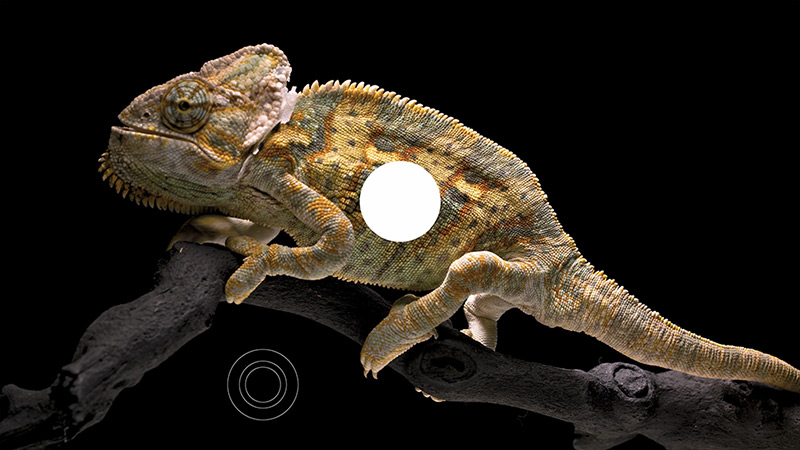
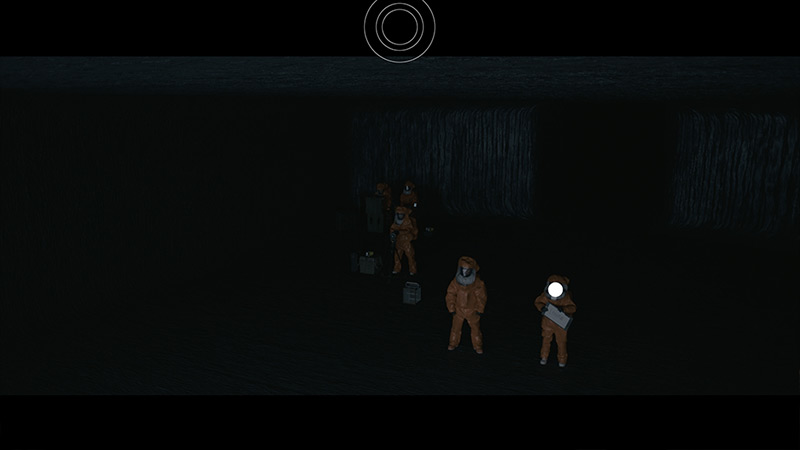
The TV is equipped with a VA panel, which offers significantly better contrast compared with IPS panels, resulting in deeper blacks and a more defined picture. On our test patterns we managed to achieve an impressive contrast ratio of around 5000:1, which translates into very good detail reproduction in dark scenes. However, because it lacks local dimming, bear in mind that blacks in some sequences may lean more toward a navy tint than a perfectly deep black. This effect is particularly noticeable in demanding scenes, such as in the film "Zjawa". Even so, given the price of the device, the TV delivers decent black levels that will satisfy most users.
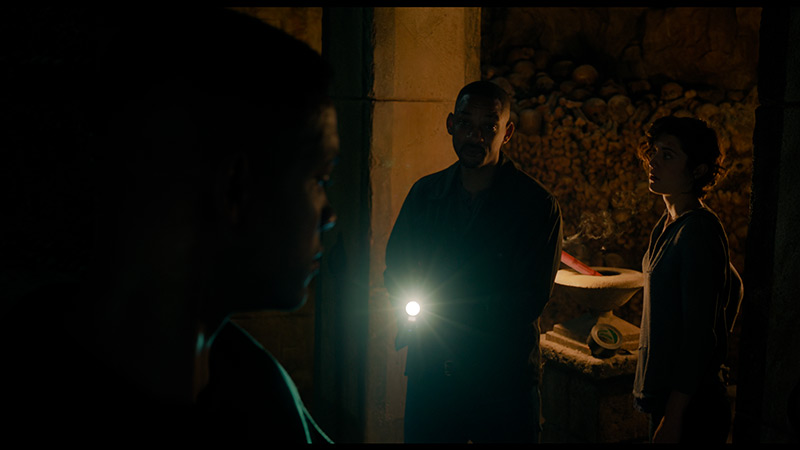
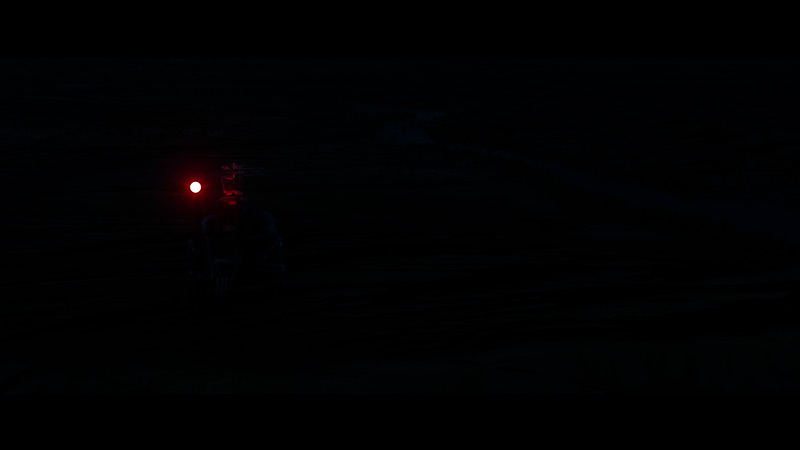
The model name 8709 "PML" refers to Philips mini-LED technology, but can we really call its backlighting that? In the 65-inch version, we counted only 96 local dimming zones. For mini-LED standards, this number seems too low, raising questions about whether we are actually dealing with a full-fledged mini-LED here. However, if we look at the quality of black, the TV performs quite well. On the first two test screens, as well as in less demanding scenes, the image is quite decent – blacks are deep and the contrast is satisfactory. Problems start to arise in more complicated scenes, such as the last three test screens, where small light elements appear on the screen. The local dimming algorithm seems to "get lost," unable to decide whether to brighten or darken a certain area. The result is visible errors – reduced black quality and unevenness of the image. An example of the local dimming zones in action can be seen in a scene from the movie Sicario 2. You can see how the dimming zones try to reproduce details, but at the same time it leads to slight lightening around the helicopter lights. Nevertheless, despite these shortcomings, the blacks in the Philips PML8709 perform quite well, especially considering its price class.
HDR effect quality
4.2/10
4/10
Luminance measurements in HDR:

Result
200 nit
Result
210 nit
Result
252 nit
Result
245 nit

Result
276 nit
Result
367 nit
Result
126 nit
Result
309 nit
Result
119 nit
Result
348 nit
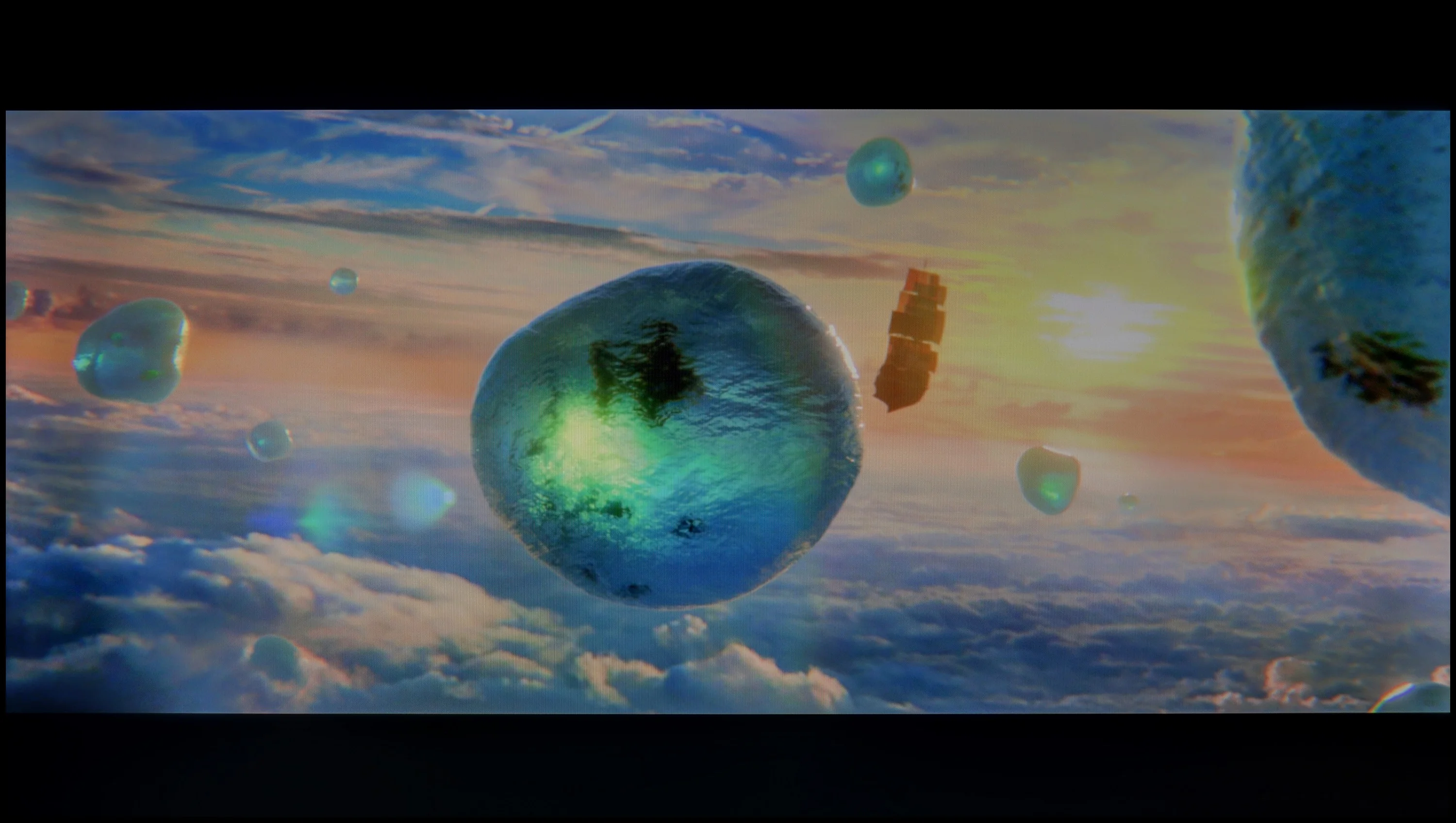
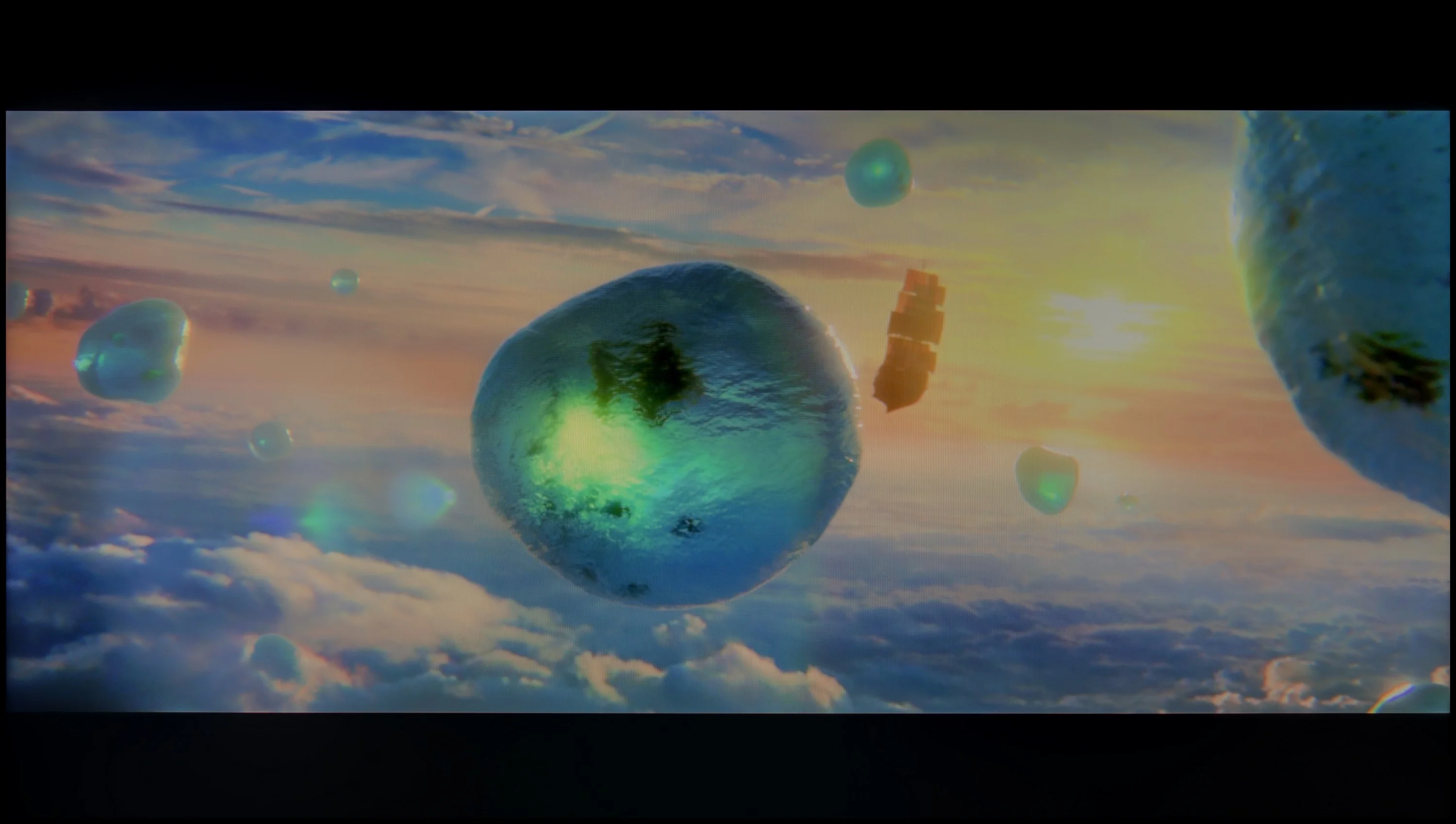
Scene from the movie “Pan” (about 2800 nits)
Scene from the movie “Billy Lynn” (about 1100 nits)
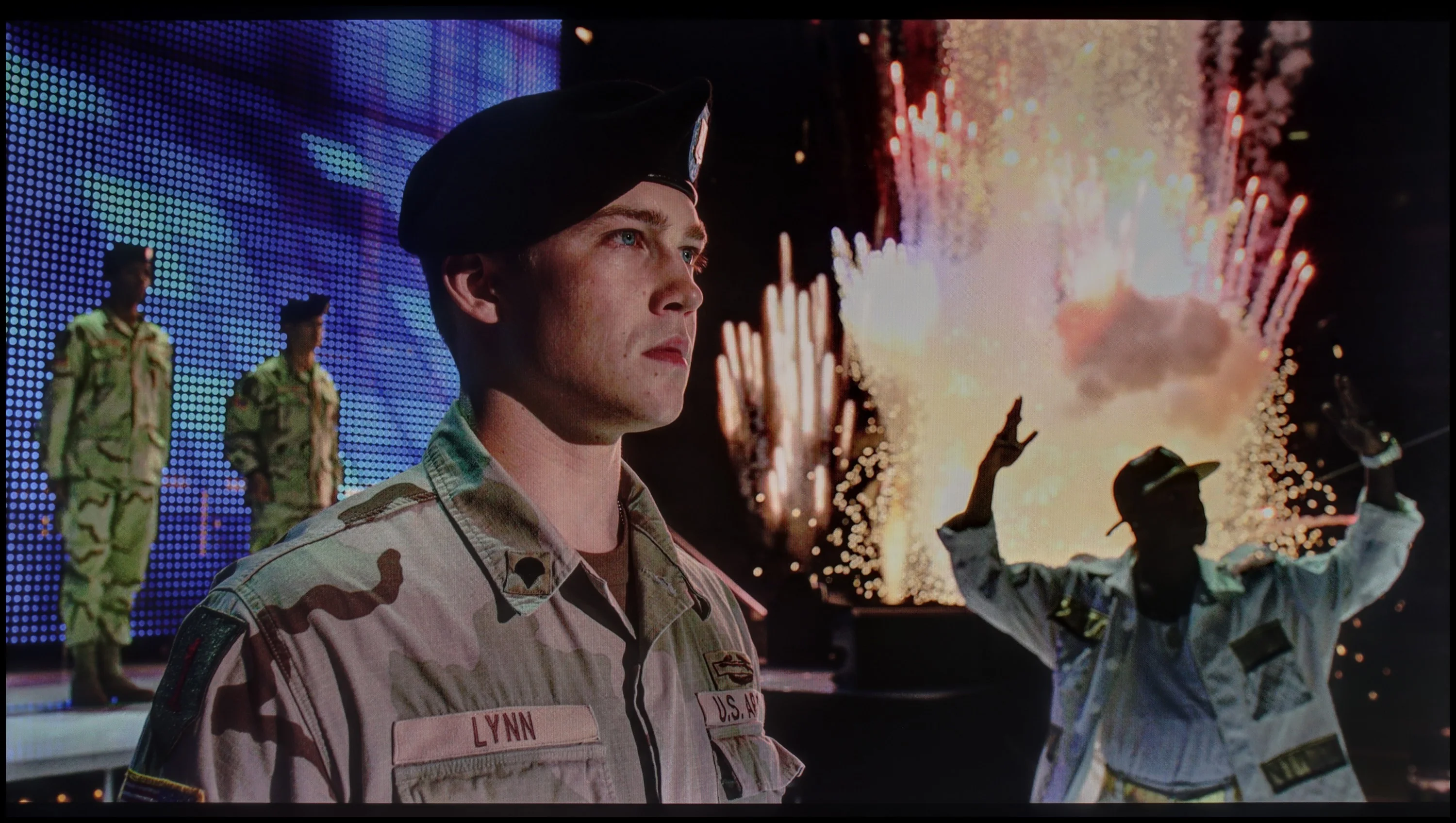
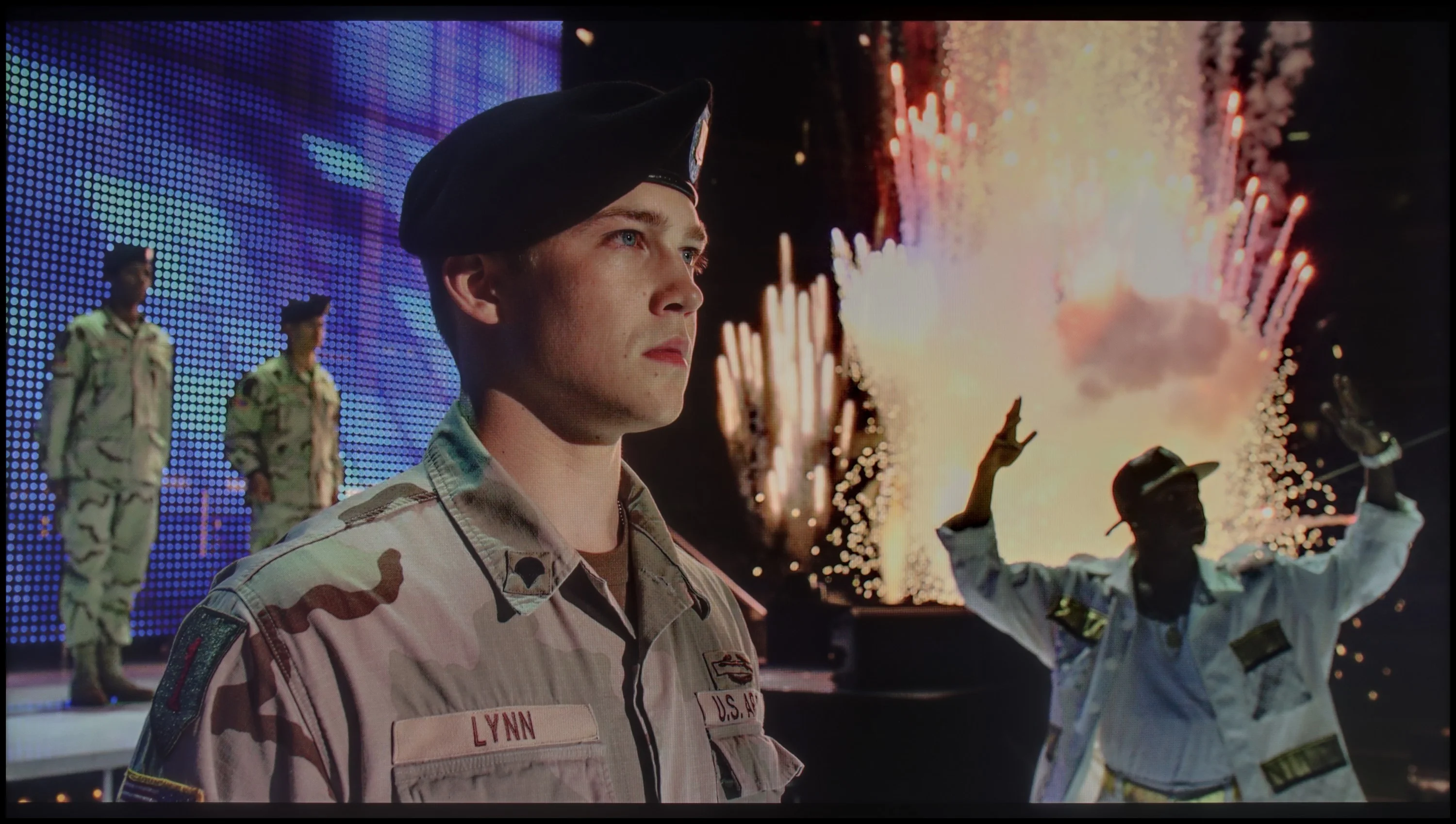
The photos show two HDR10 movies. 'Pan' is one of the brightest productions ever made, while 'Billy Lynn' (soldier) has brightness typical of streaming (Netflix, Prime, HBO MAX). Notice the intensity of effects and detail in whites.
Static HDR10


The photos present the visibility of white details in various HDR formats. They do not show brightness differences between TVs (these can be compared in the previous gallery).
Dynamic: Dolby Vision
Dynamic: HDR10+


The photos present the visibility of white details in various HDR formats. They do not show brightness differences between TVs (these can be compared in the previous gallery).
HDR luminance chart:
Philips PML8709
Hisense A6N
Unfortunately, the HDR effect quality on A6N is not impressive. A peak brightness of 250 nits doesn’t allow for spectacular highlights, and HDR looks rather muted, more like ordinary SDR. This will not satisfy more demanding users who want to enjoy high-quality movie content. Additionally, the color gamut coverage is not very impressive either: DCI-P3 at 82% is an average result that doesn’t let you fully enjoy vivid colors in HDR material.
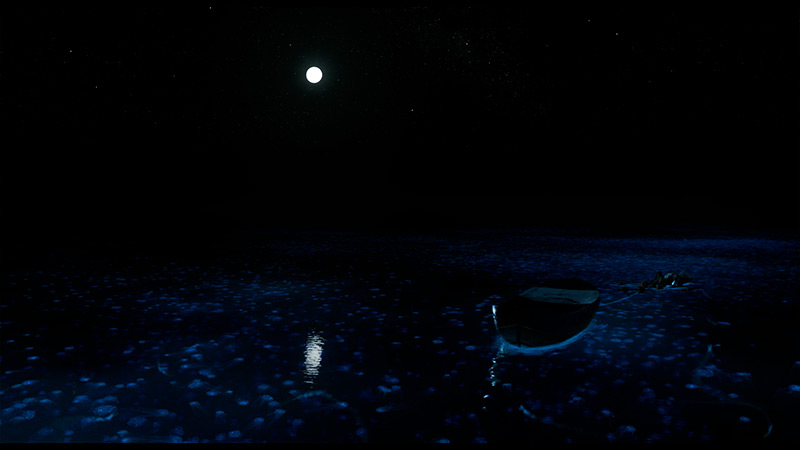
Looking at the contrast results, we expected that the algorithms responsible for the zones in the Philips PML8709 would be at least decent. However, what we encountered during testing is hard to explain. The maximum brightness we were able to achieve was only 350 nits, which is definitely too low to fully enjoy HDR effects. In practice, the TV barely stands out against an average SDR. The situation becomes even more surprising in the case of test scenes, such as the second one from the movie Life of Pi or Sicario 2. Small light elements reach only 120 nits there, making them practically invisible. Such a level of brightness is completely inadequate to modern HDR standards and significantly diminishes the viewing experience of high-quality content. The only bright spot in this category is the very good coverage of wide color gamuts – 97% DCI-P3 and 83% BT.2020. This ensures that colors are saturated and well reproduced, which can improve the overall viewing experience of HDR materials, even if just a little. However, the lack of appropriate brightness means that even this cannot save the Philips PML8709 in this category.
Factory color reproduction
1.9/10
3.9/10


This gallery shows how colors change after professional TV calibration. If you notice the difference, we recommend ordering this service at SkalibrujTV.com.
Factory Mode
After calibration
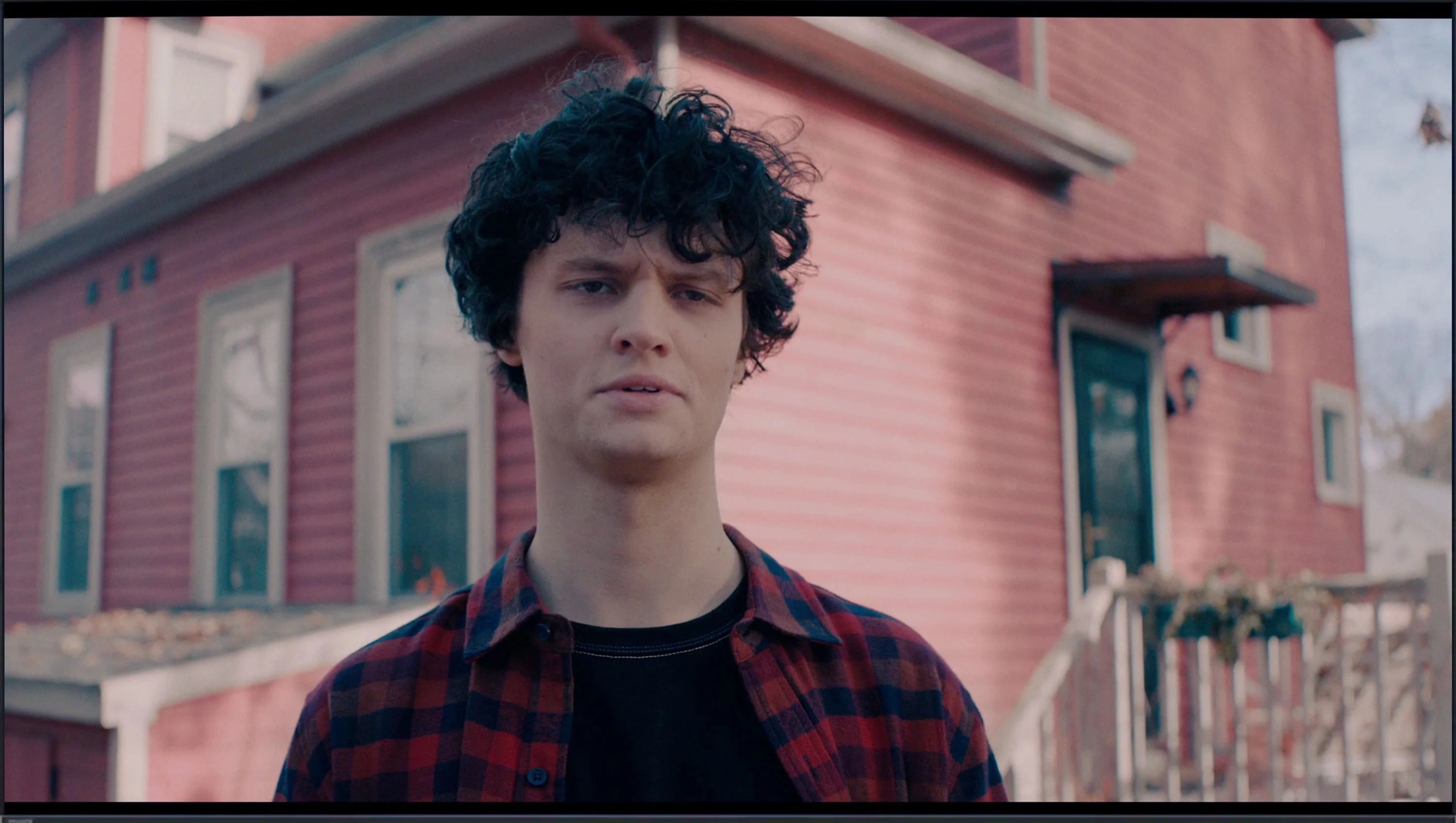
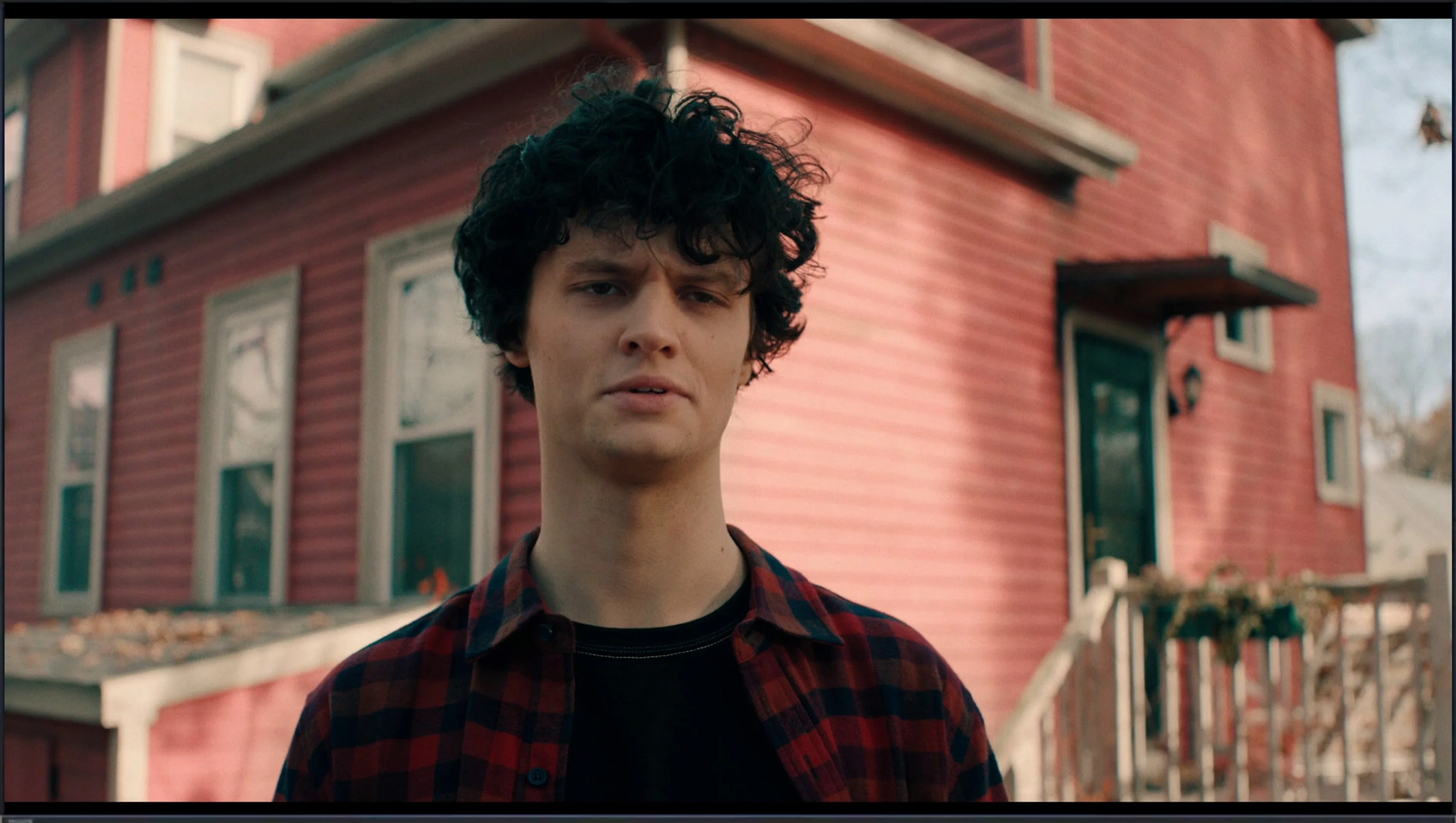
This gallery shows how colors change after professional TV calibration. If you notice the difference, we recommend ordering this service at SkalibrujTV.com.
Factory Mode
After calibration
In the color reproduction category, the Hisense A6N in Filmmaker Mode leaves much to be desired. Although the mode's name suggests we should expect faithful movie color reproduction, the reality is different. The TV has significant picture quality problems. The white balance issue is particularly noticeable for both HD and 4K material, as it is heavily skewed by a dominance of blue. This results in artificial, cool tones, clearly visible in the comparison photo below. The ColorChecker test further confirms these errors, which are compounded by low color gamut coverage.
The gamma luminance curve shows a serious problem maintaining the 2.4 level, with the plot well below the reference value. That leads to excessive image brightening and washed-out blacks. The EOTF curve for 4K material also indicates brightness problems. At the low end there is a pronounced bump caused by the TV's excessive brightening, which negatively affects picture quality. This image behavior prevents fully enjoying movies and requires manual correction.
Although theoretically the Filmmaker mode on the Philips PML8709 should provide natural color reproduction, in reality it resembles a store mode more. In the white balance, both for HD and 4K content, there is a clear dominance of blue. This makes the image appear washed out and cold, which is particularly noticeable in the comparison picture below.
The brightness characteristics also leave much to be desired. Both the gamma and the EOTF curve show excessive screen brightness. As a result, there is a loss of detail in both the brighter and darker parts of the image, which further diminishes its credibility and naturalness. Bright elements appear unnaturally flat and little varied.
These significant problems in white balance and brightness characteristics lead to noticeable color reproduction errors, which can be easily seen in films as well as in the Colour Checker test. The colors are imprecise, affecting the overall image quality and visual experience. The factory settings require substantial improvement to fully enjoy the potential of this television.
Color reproduction after calibration
5.7/10
7.6/10
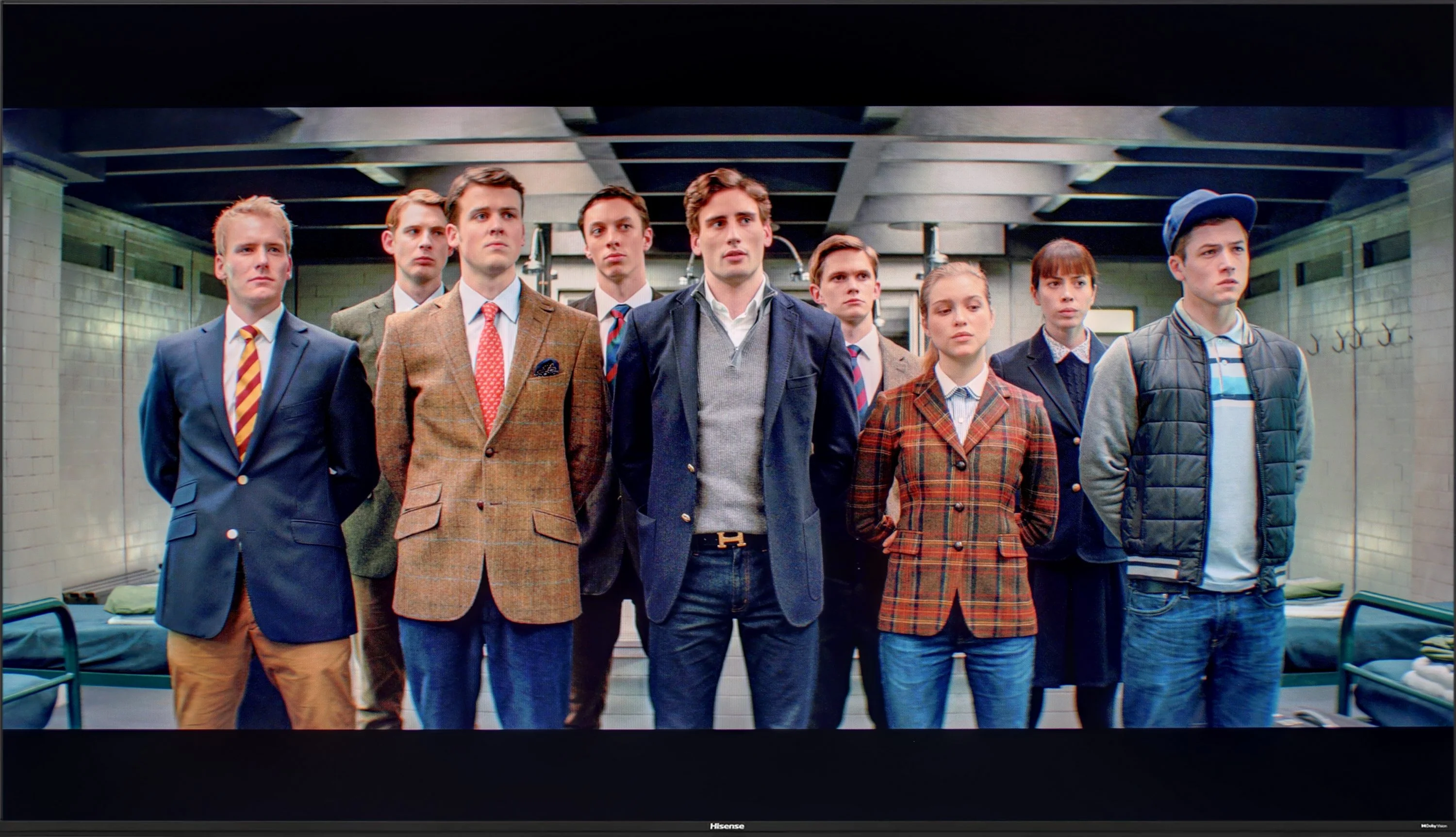

The photos show how movies look on the TV. Pay attention to black detail visibility, colors, and shadow tint.


The photos show how movies look on the TV. Pay attention to black detail visibility, colors, and shadow tint.
Hisense A6N offers in its settings options and tools to adjust many picture parameters, which we used. As for the white balance, we managed to remove the excess blue; this is clearly visible in the comparison photo below, where the boy in the image practically "comes to life". A large improvement can also be seen in the gamma brightness response, as the TV no longer has serious issues with overbrightening the entire picture. Unfortunately, the same cannot be said for 4K content, where the EOTF curve could not be fully corrected due to this model's exceptionally low brightness. For HDR content we use dynamic tone mapping, which allows recovery of many details despite lifting the midtones. For this TV that brings more benefits than drawbacks. The errors that remain visible in the color gamut test and the ColorChecker for 4K content stem from the low color gamut coverage and are difficult to eliminate because of the TV's characteristics. Even so, the image tonality is much better, so we recommend calibrating the factory settings, which are far from ideal.
Philips offers advanced image calibration tools in its televisions, which we decided to fully utilize. The effects? While we managed to improve many aspects, it was not without difficulties. White balance was one of the biggest challenges – despite our efforts, it can be called a battle against windmills. We managed to correct it significantly, making the image look much better than in the factory settings, but it is still far from perfect. Particularly in some scenes, a subtle dominance of blue is noticeable, though not as intense as before. We achieved significant improvement in brightness characteristics – gamma now presents itself much more stably. The EOTF curve looks correct at first glance; however, when analyzing film content, it becomes evident that the television has difficulty maintaining the appropriate characteristics. The algorithms "struggle" to adjust brightness, which may result from the limited number of dimming zones that do not always cope with more complex scenes. Overall, the image after calibration looks much more pleasant to the eye – colors are more natural, and errors in color reproduction have been minimized. Although it's still not perfect, the Philips PML8709 now presents itself much better than in the factory settings.
Smoothness of tonal transitions
9.1/10
9.1/10
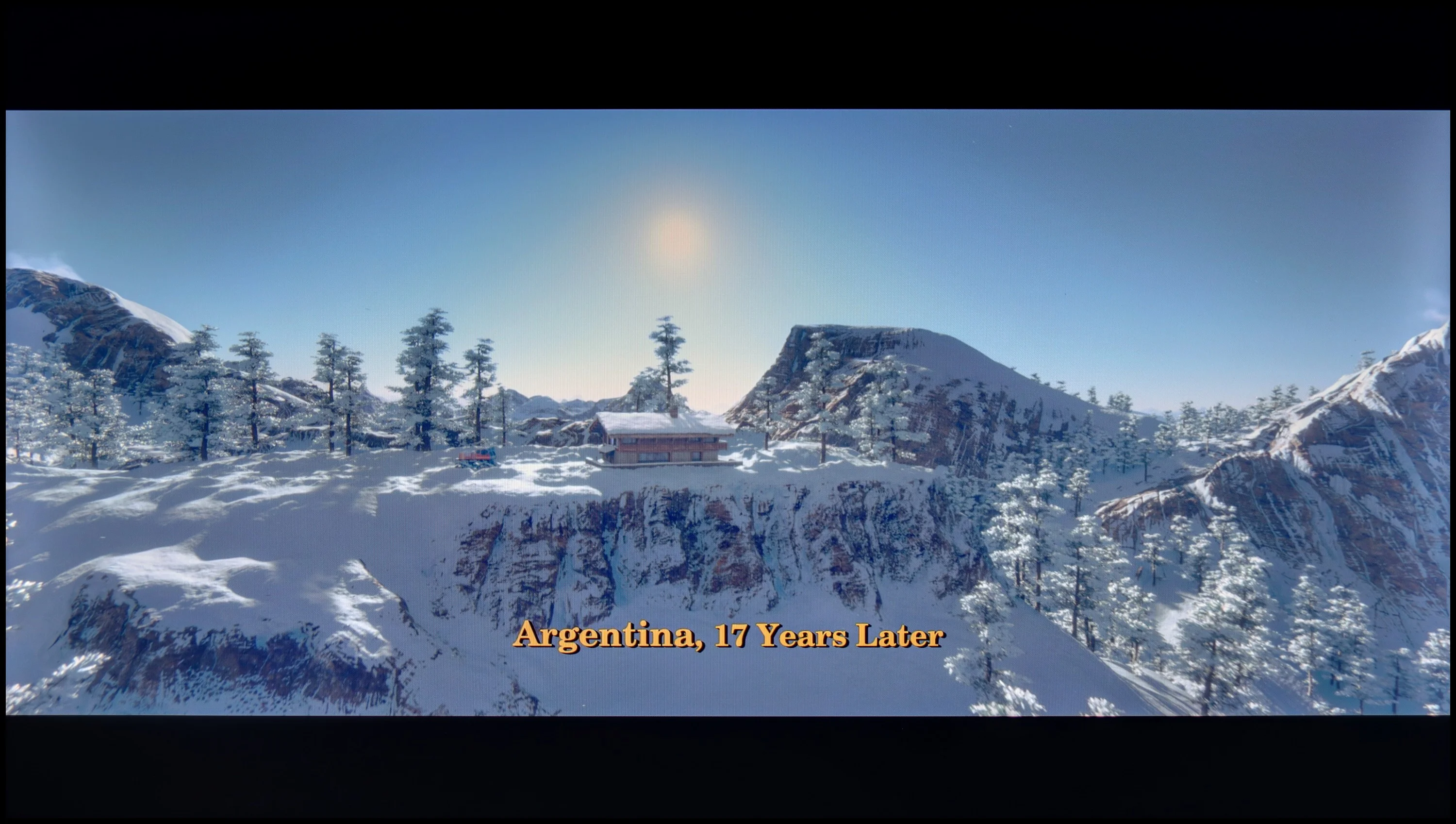
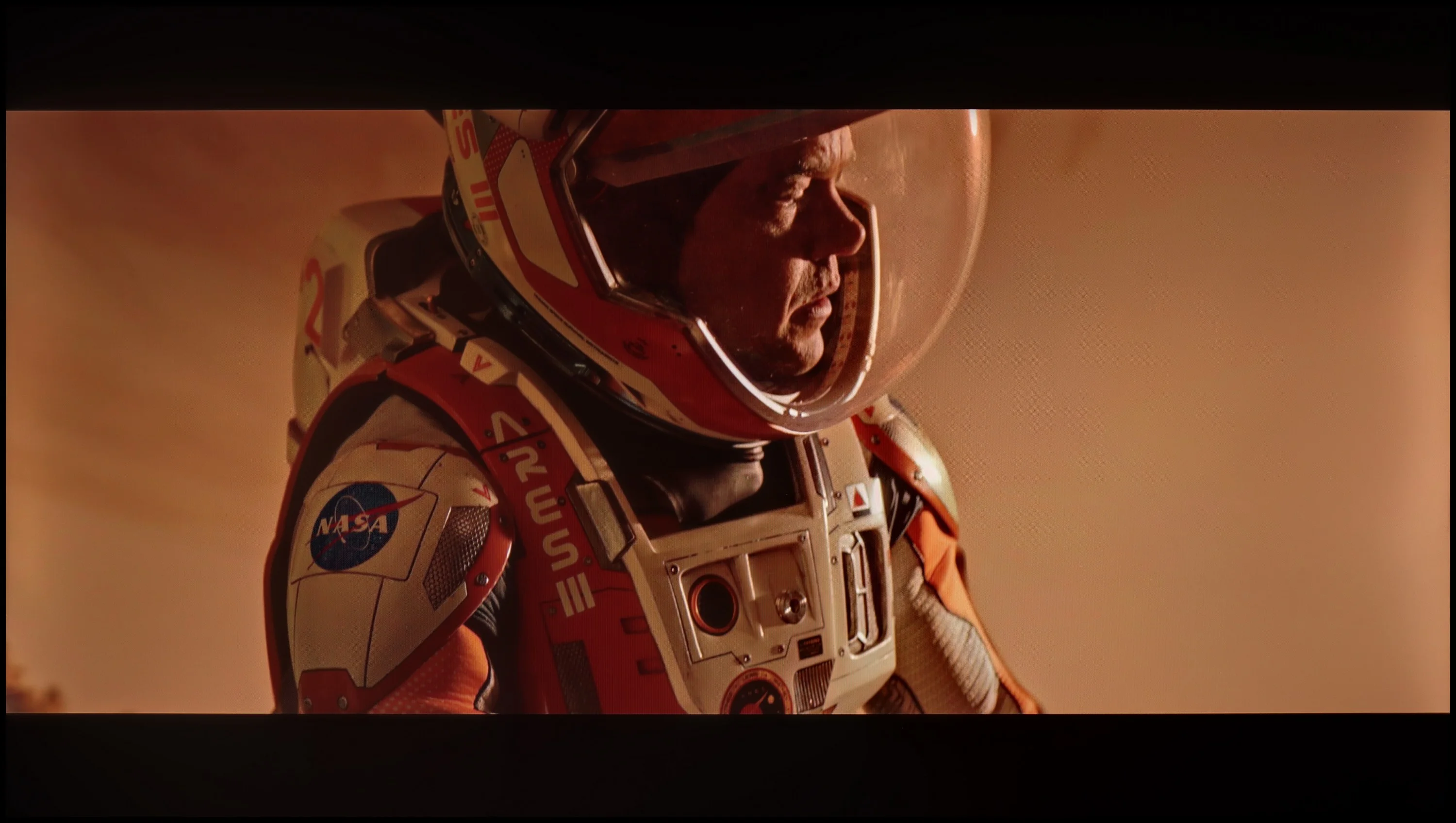
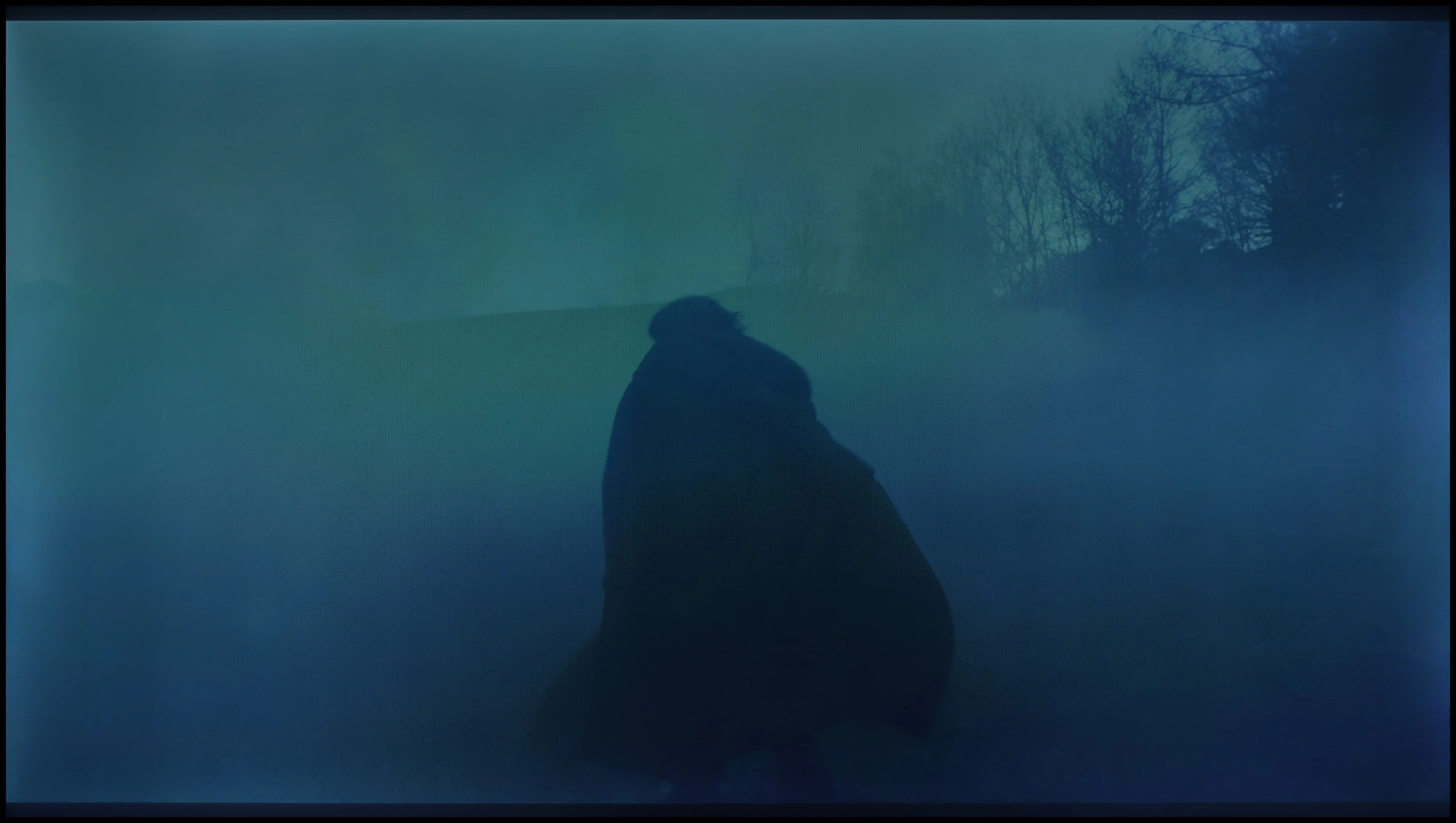
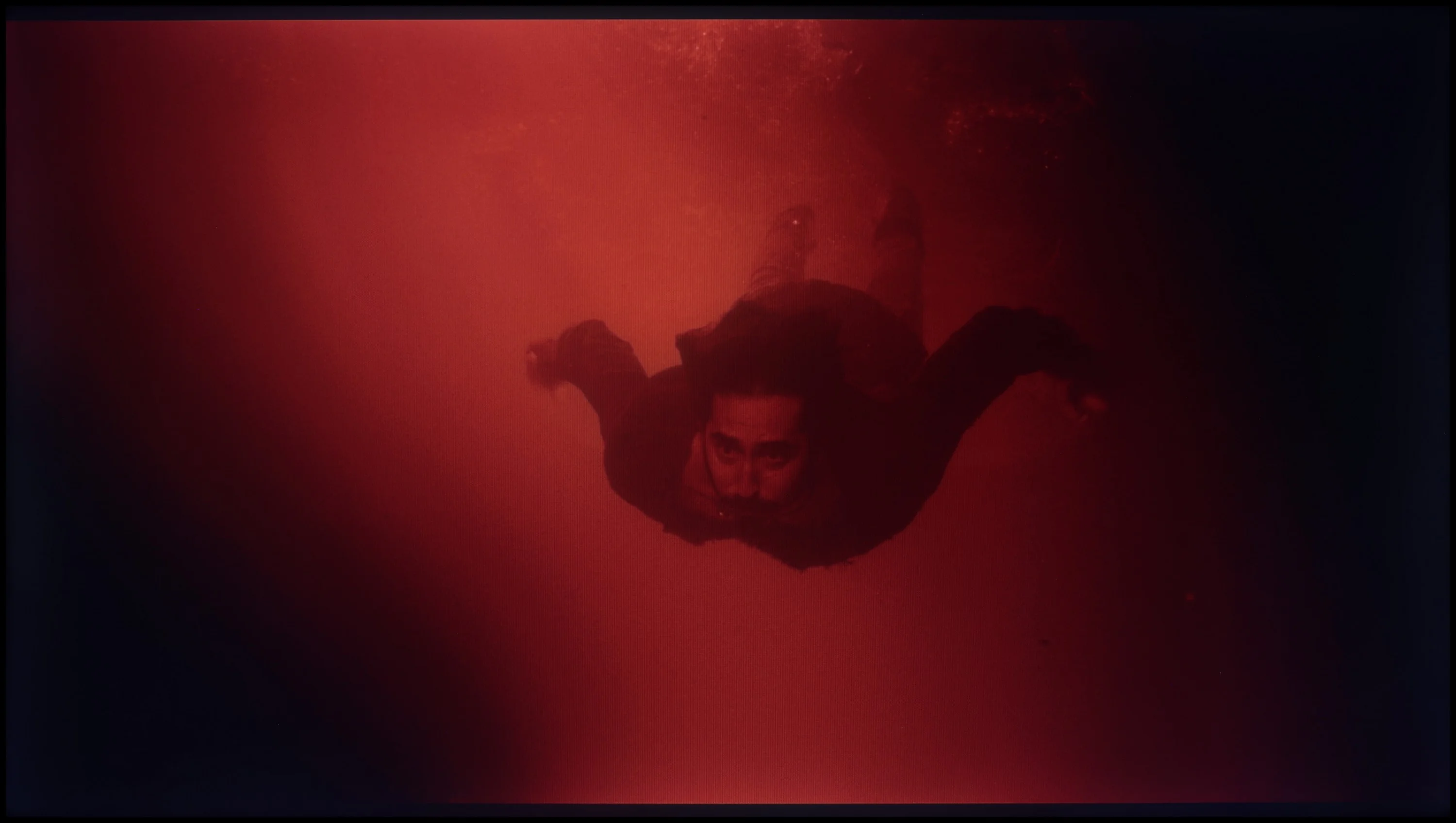
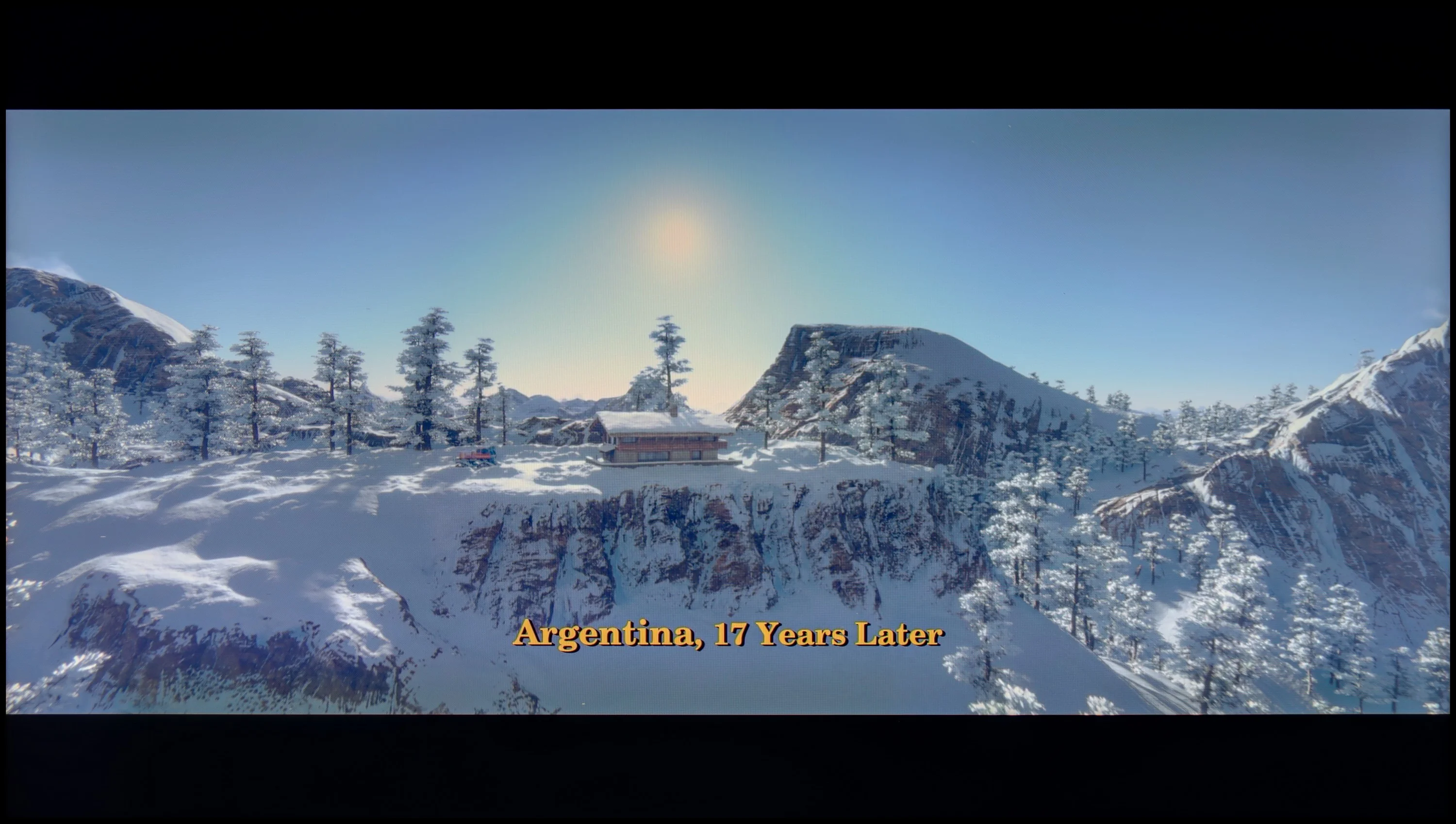
These are selected scenes that show smooth tonal transitions from one color to another. If you see distinct banding, it’s the TV panel’s fault.

These are selected scenes that show smooth tonal transitions from one color to another. If you see distinct banding, it’s the TV panel’s fault.
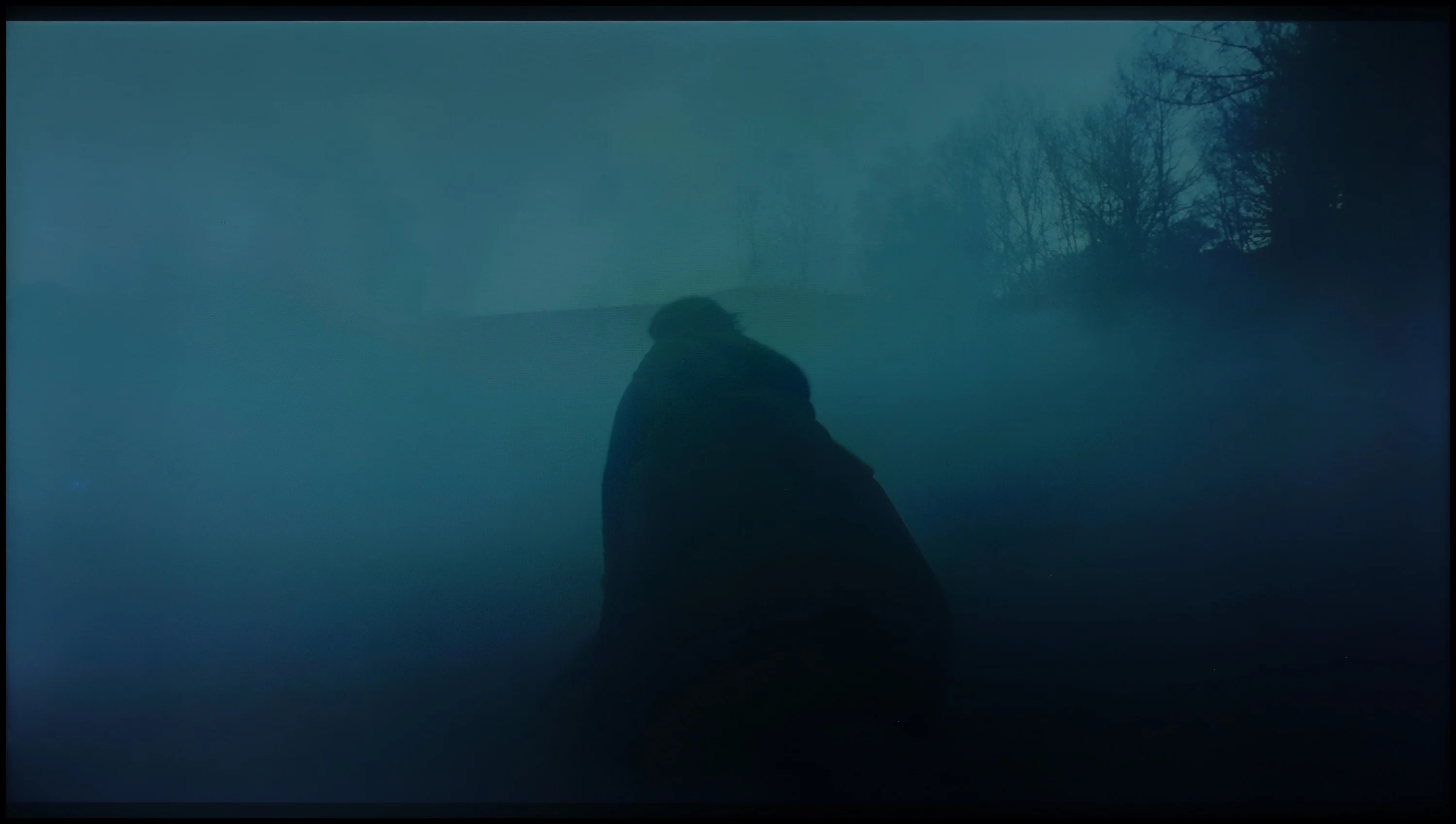
These are selected scenes that show smooth tonal transitions from one color to another. If you see distinct banding, it’s the TV panel’s fault.
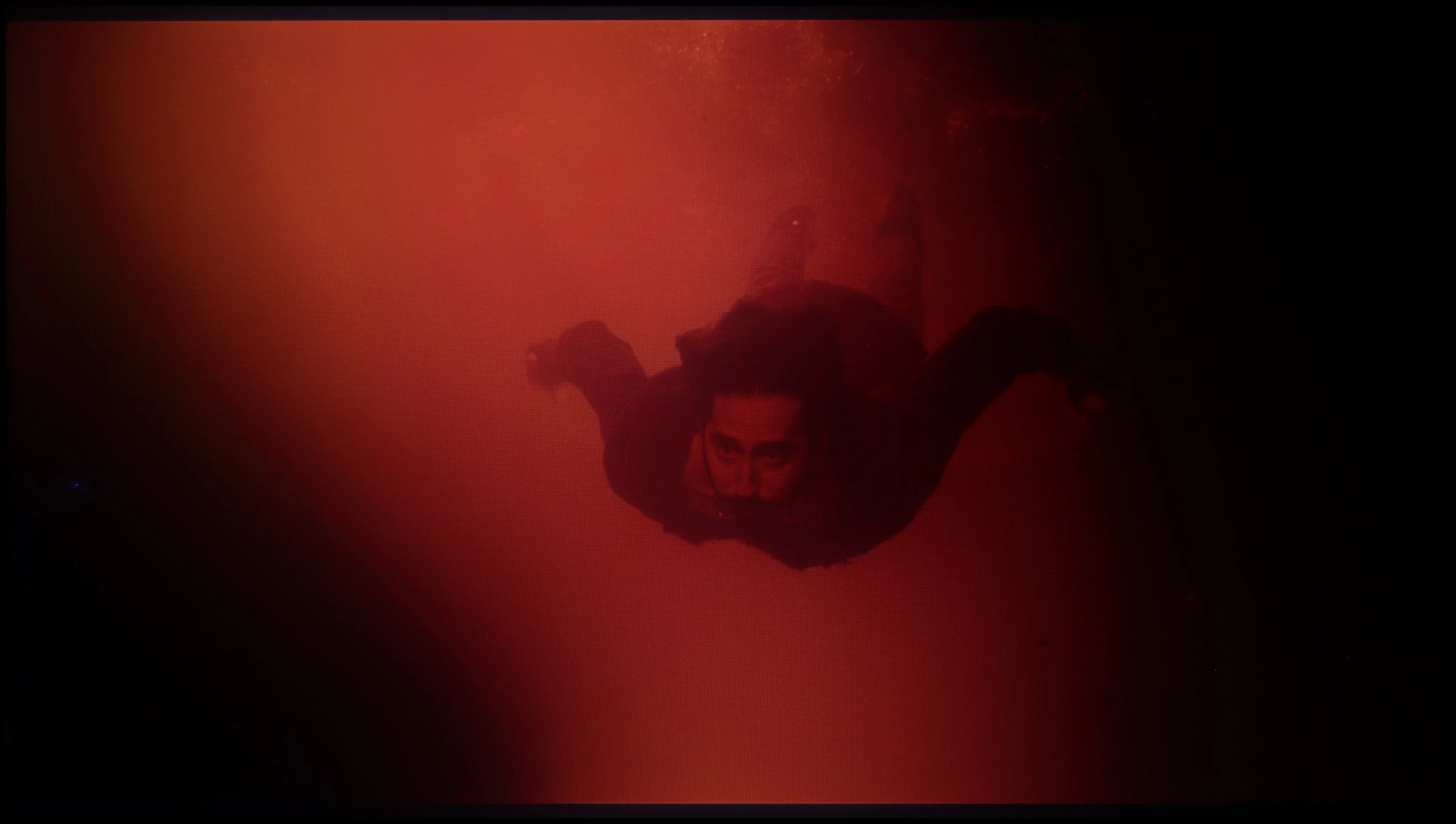
These are selected scenes that show smooth tonal transitions from one color to another. If you see distinct banding, it’s the TV panel’s fault.
The smoothness of tonal transitions is one of this TV's strongest points. Hisense A6N handles tonal gradations very well; gradients in the image look natural and are largely free of artifacts. The TV doesn't have significant issues in this area, although slight banding can be seen in bright and dark scenes — it's not pronounced enough to interfere with the viewing experience. Smoothness of tonal transitions on the Hisense A6N is undoubtedly one of its greatest strengths.
The smoothness of tonal transitions in the Philips PML8709 is at a very high level. Color gradation is extremely smooth, and transitions between shades look natural and detailed. Even in more demanding scenes, the television performs excellently. Minor issues may arise with bright elements, where the gradation can be slightly less precise. However, these are such subtle differences that only the most demanding purists will notice them. For most users, the effects will be fully satisfying, and the image will maintain its impressive quality.
Image scaling and smoothness of tonal transitions
5/10
6.9/10


Smooth transition function
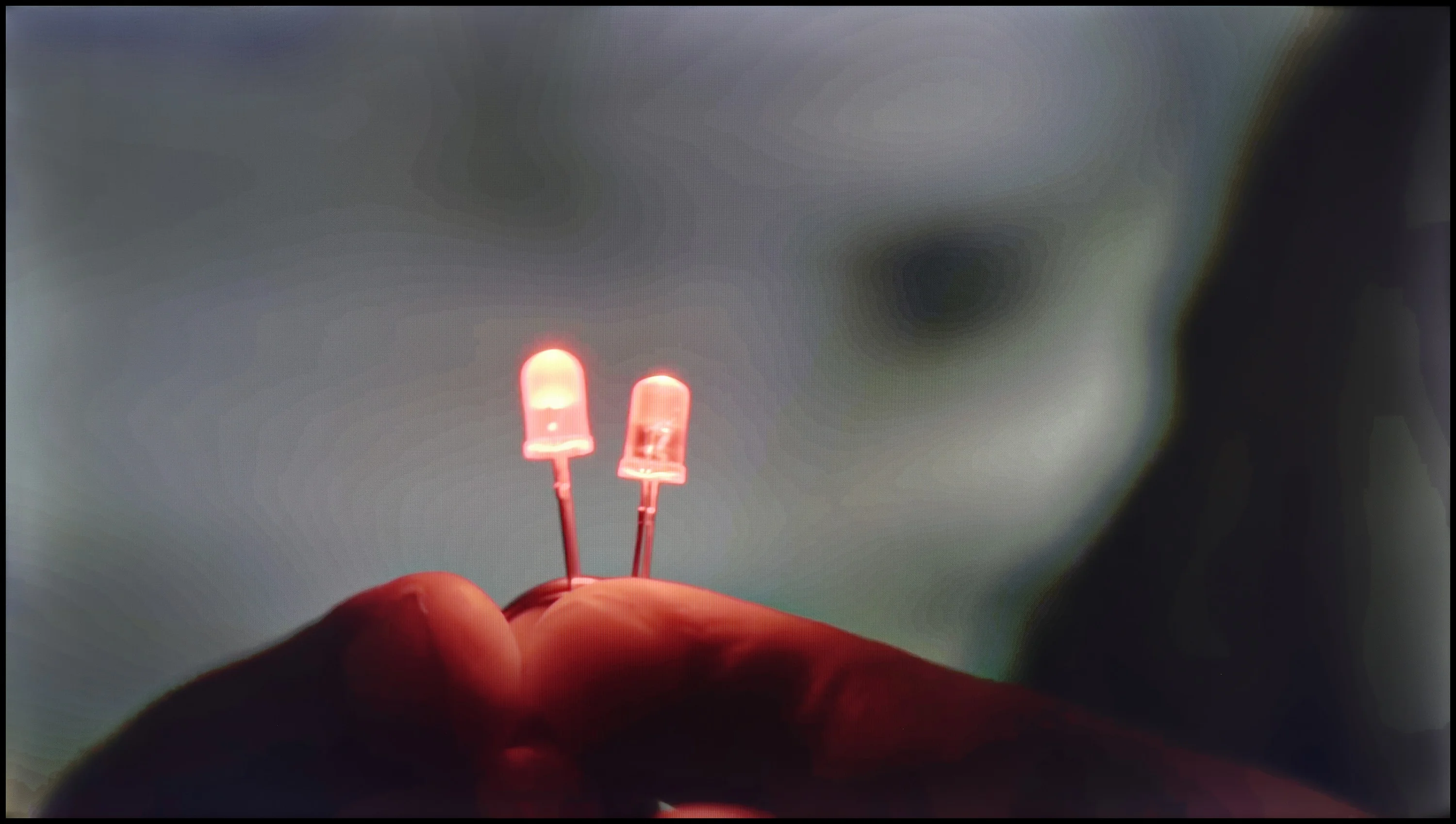
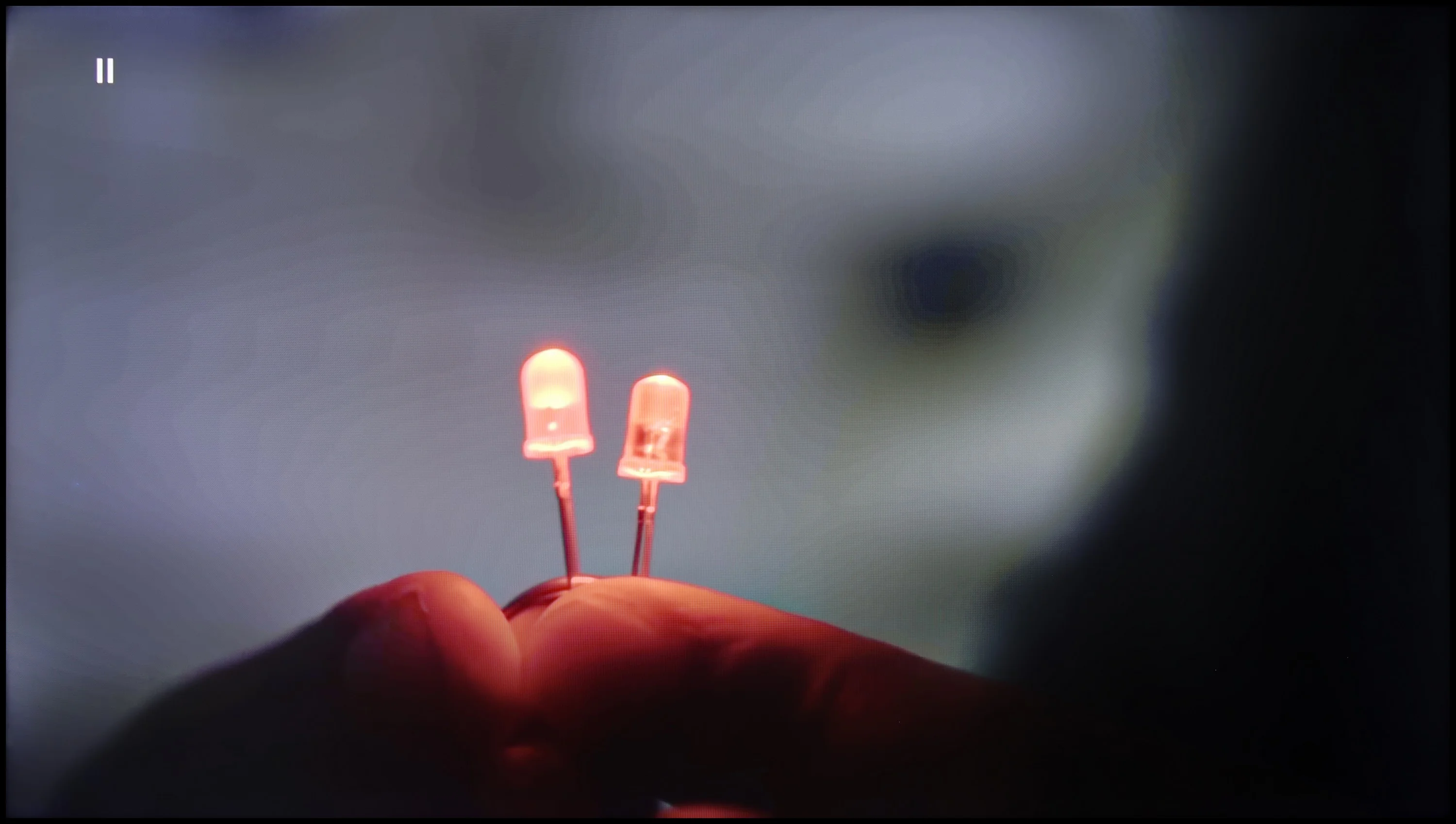
The match photo shows how the TV smooths weak tonal transitions in low-quality video.
Image scaling SD (576i)


The model photo shows how it handles upscaling of SD material.
Let's see how A6N handles low-quality material. When it comes to smoothing tonal transitions, the lack of a function to reduce posterization or smooth tonal transitions in low-quality sources, such as broadcast TV or DVD, may be noticeable to more demanding viewers. As for digital processing, the model was rendered correctly and the branches were free of the typical jagged edges. The image has a pronounced sense of plasticity and is soft, which may appeal to those who prefer that kind of picture style.
The distortion reduction function in the Philips PML8709 smooths tonal transitions, but its effectiveness leaves much to be desired. We recommend setting this option to "Medium" – at this level, the effect is noticeable but not excessive. Unfortunately, compared to other Philips models, the smoothing effect is less effective, meaning that some tonal transitions may still appear slightly uneven. An additional drawback is that this function also smooths other details, such as material textures like shirts, which can affect image sharpness.
As for image scaling, the television performs very well. The image appears plastic and free of noticeable "jaggies." This effect may appeal to many users, although some may prefer a more pronounced look. Fortunately, the television allows for adjusting the sharpness parameter, enabling us to tailor the image to individual preferences.
Blur and motion smoothness
3.9/10
5/10
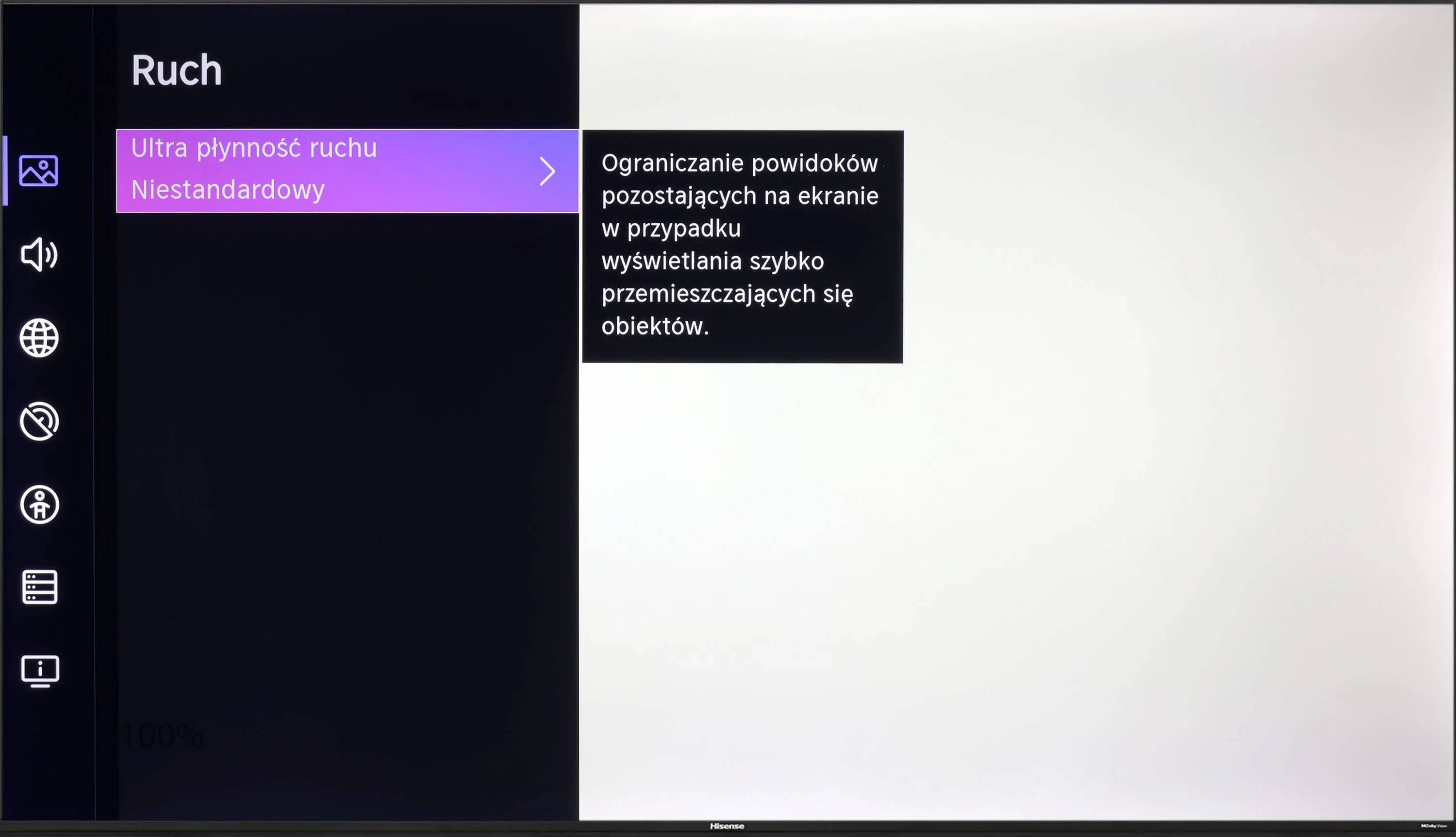
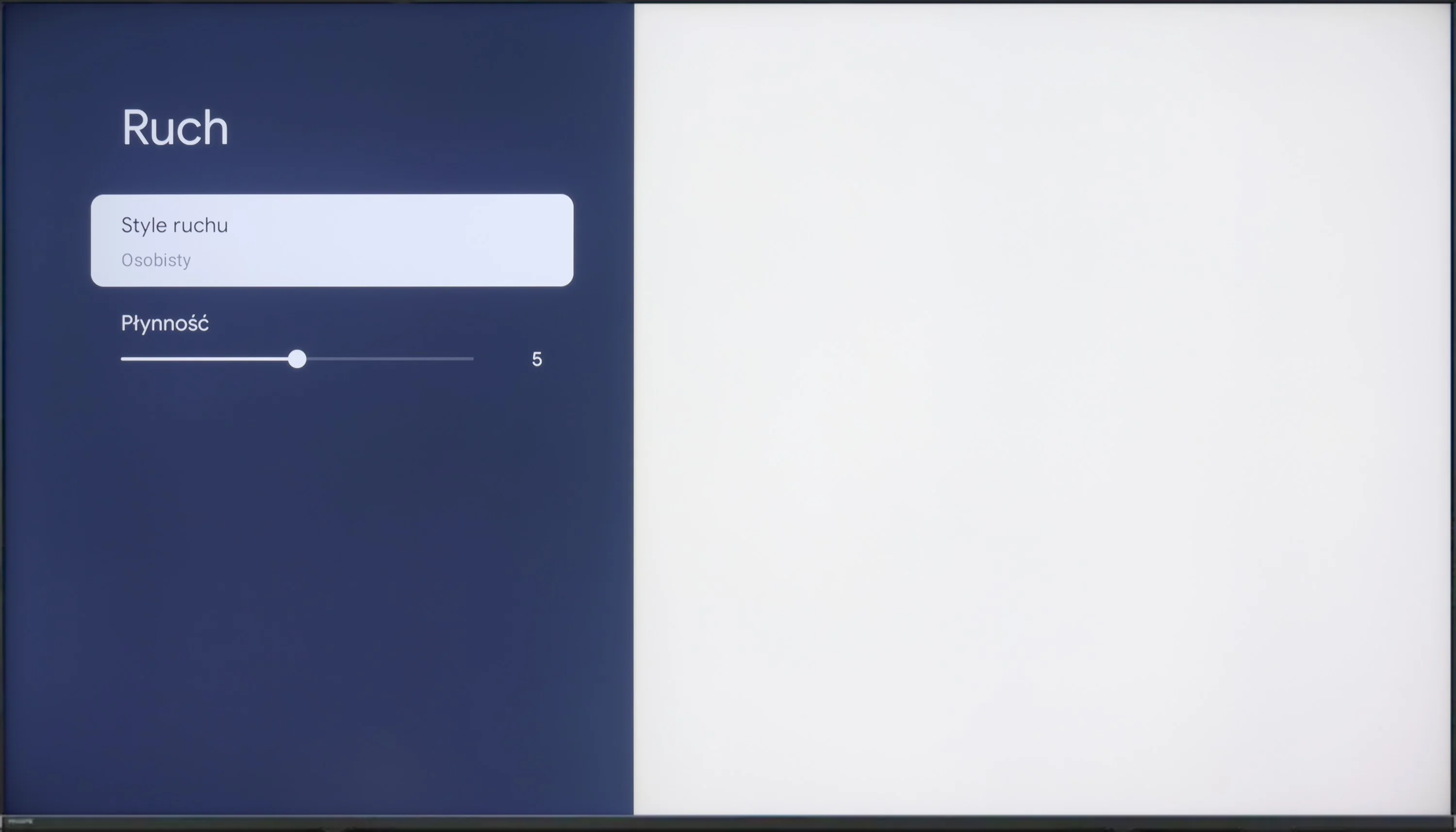
Blur (native resolution, maximum refresh rate):






The 60 Hz panel in Hisense A6N will likely please people who enjoy watching movies, because the TV offers an "ultra motion smoothing" feature that lets you adjust the image's motion, making it choppier or smoother and more cinematic. As for motion blur, it is rather average. You can see quite noticeable blur, especially on dark backgrounds, which is a common trait in this class of TVs.
Philips PML8709 is one of the few models with mini-LED technology on the market that offers a refresh rate of 60 Hz. Although it is not a panel for the most demanding gamers, it should satisfy those who mainly watch movies. The television is equipped with the "Motion Style" feature, which is a motion smoother that allows you to adjust the fluidity of motion according to your preferences – from a more "plastic" appearance to a cinematic aesthetic with clearly visible frames.
Console compatibility and gaming features
5.3/10
6/10
- ALLM
- VRR
- VRR range48 - 60Hz48 - 60Hz
- Dolby Vision Game Mode
- Correct implementation of HGIG
- 1080p@120Hz
- 1440p@120Hz
- 4K@120Hz
- Game bar
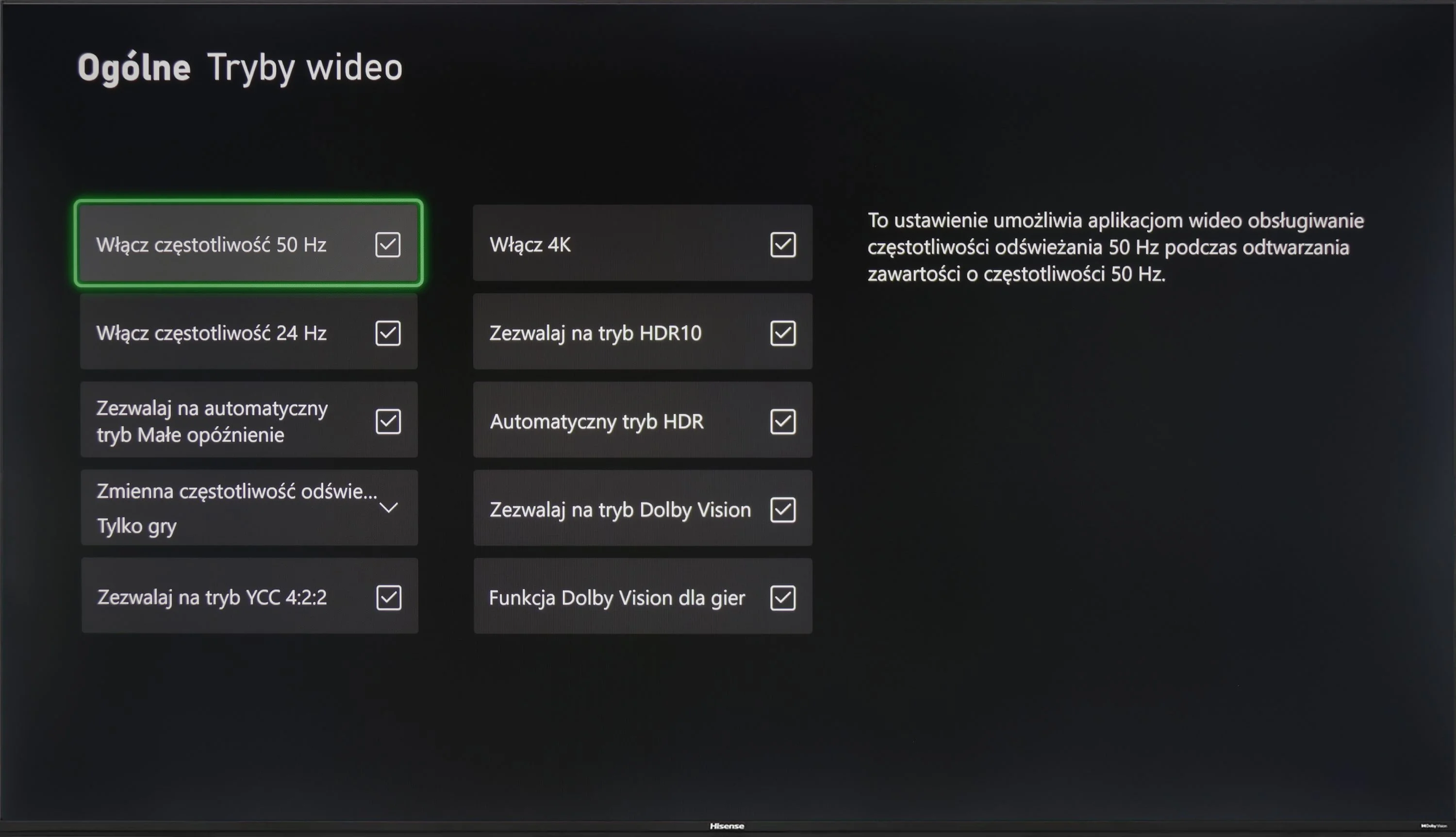
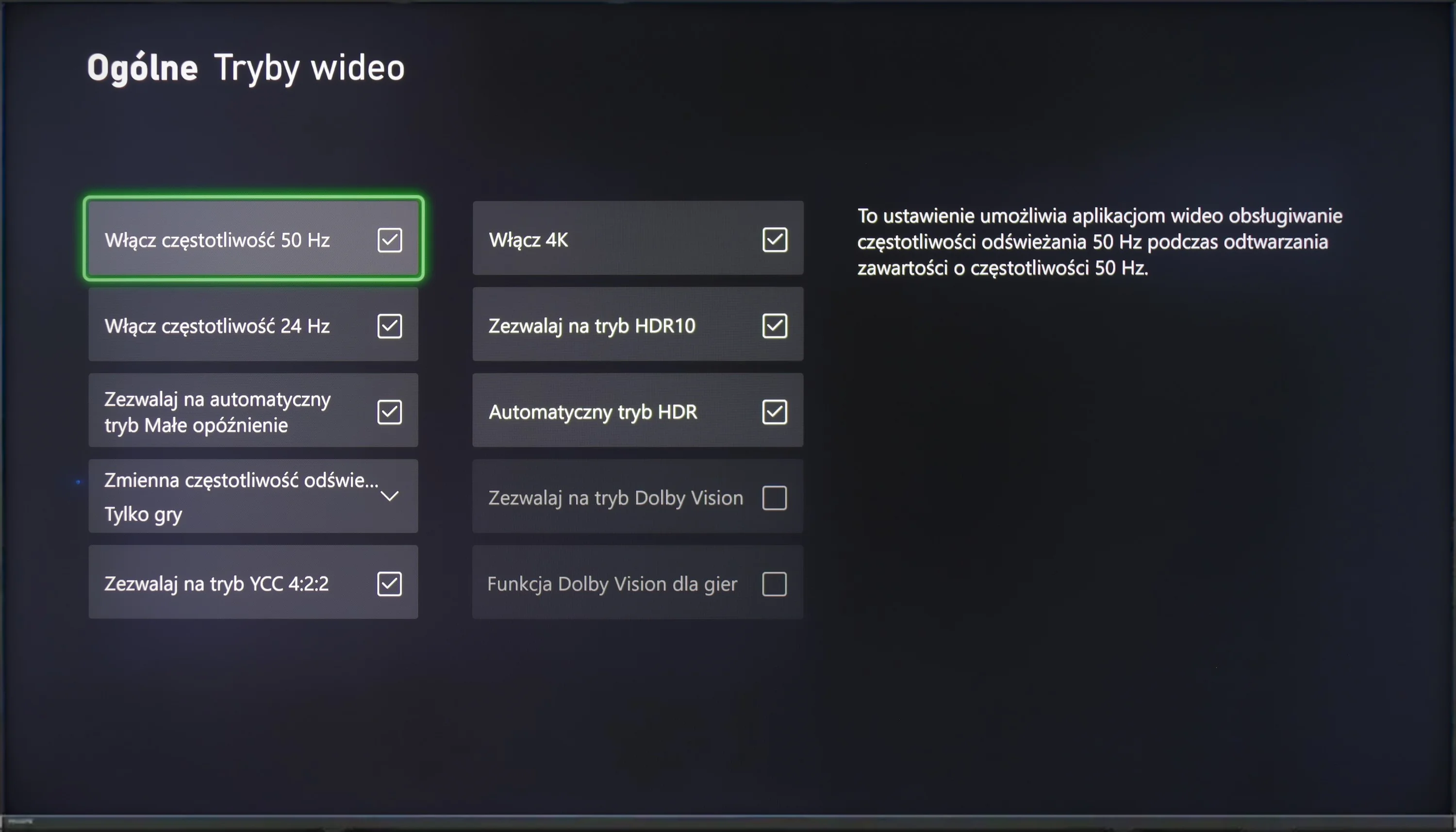
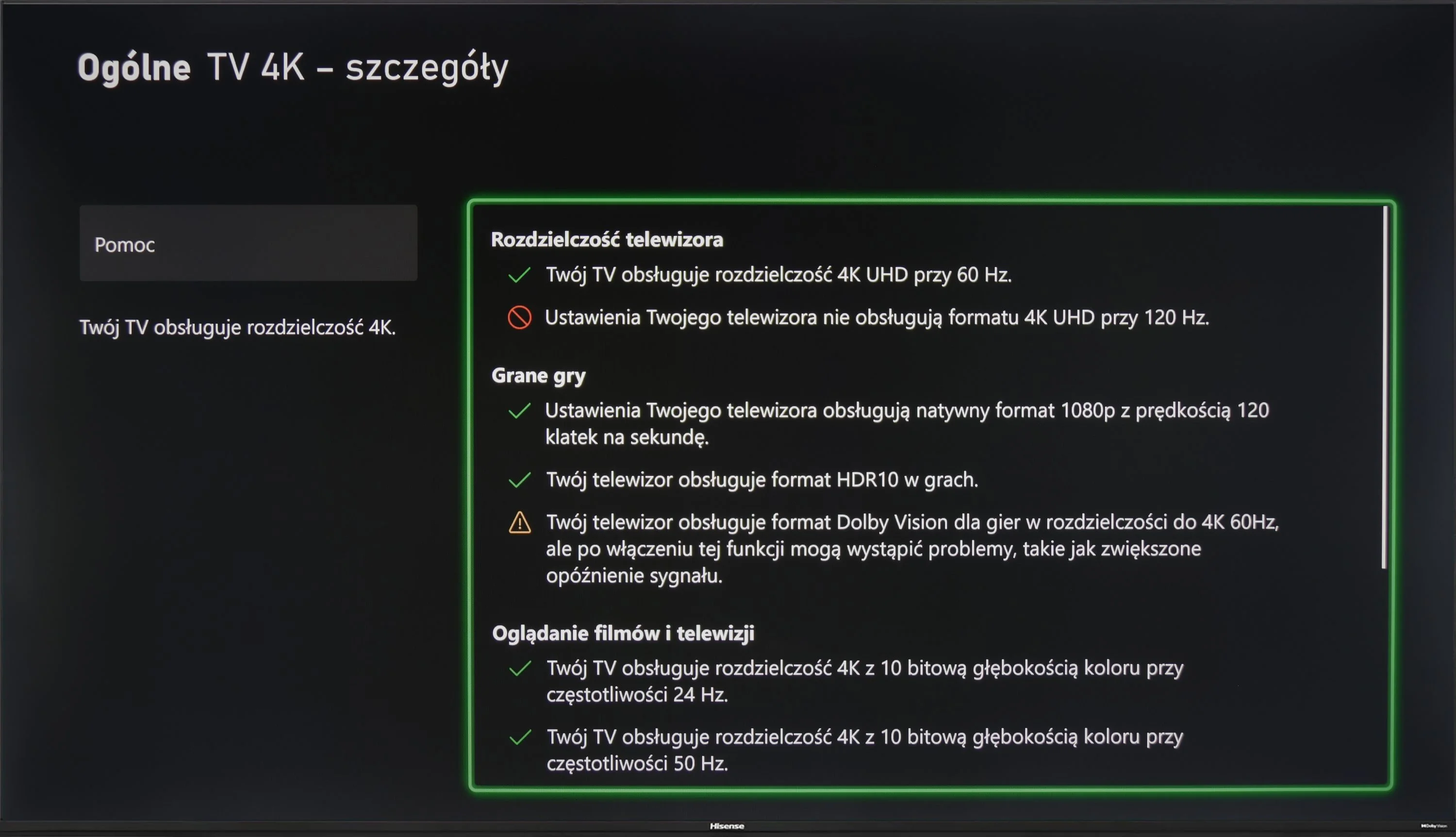
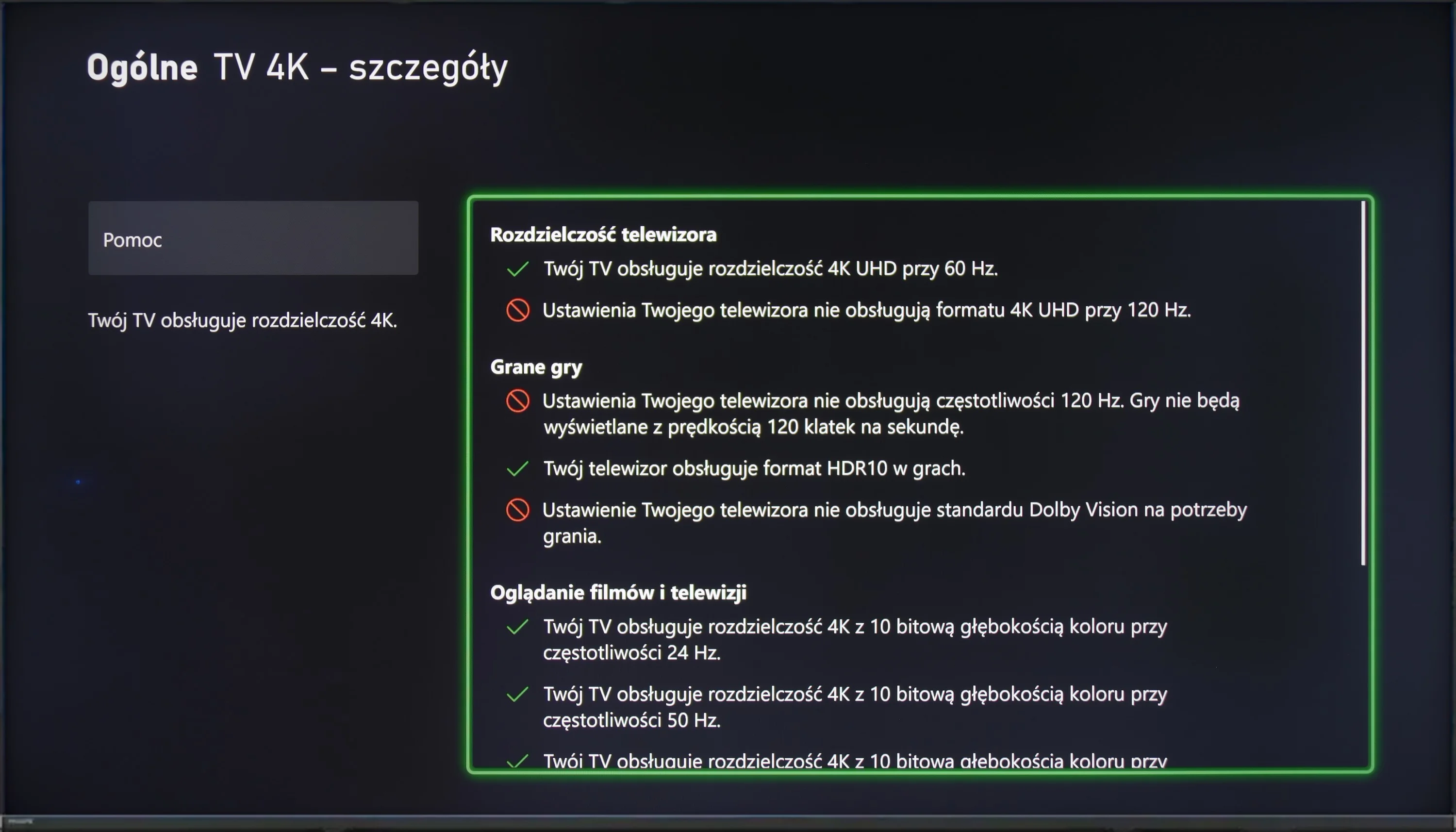
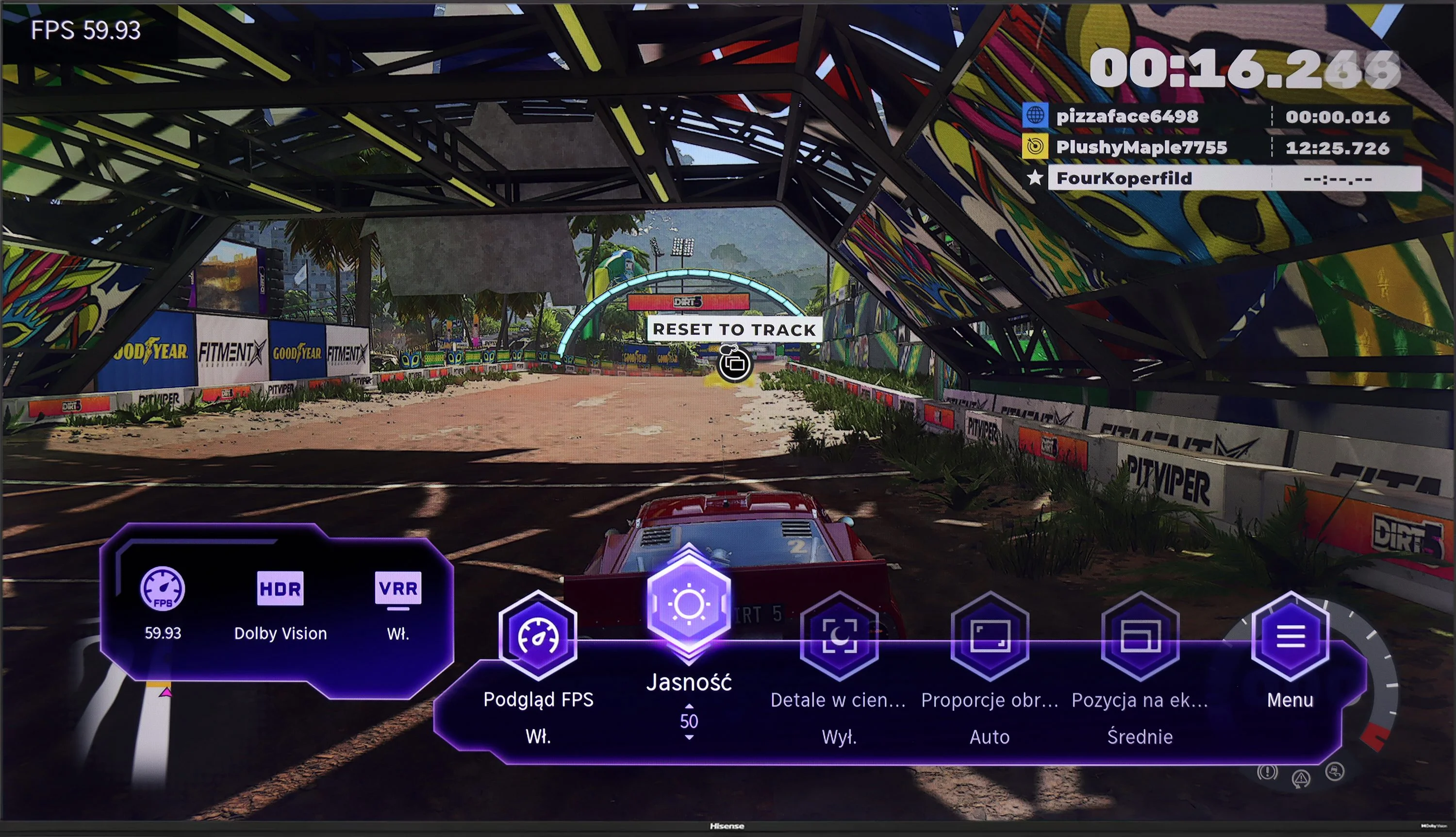
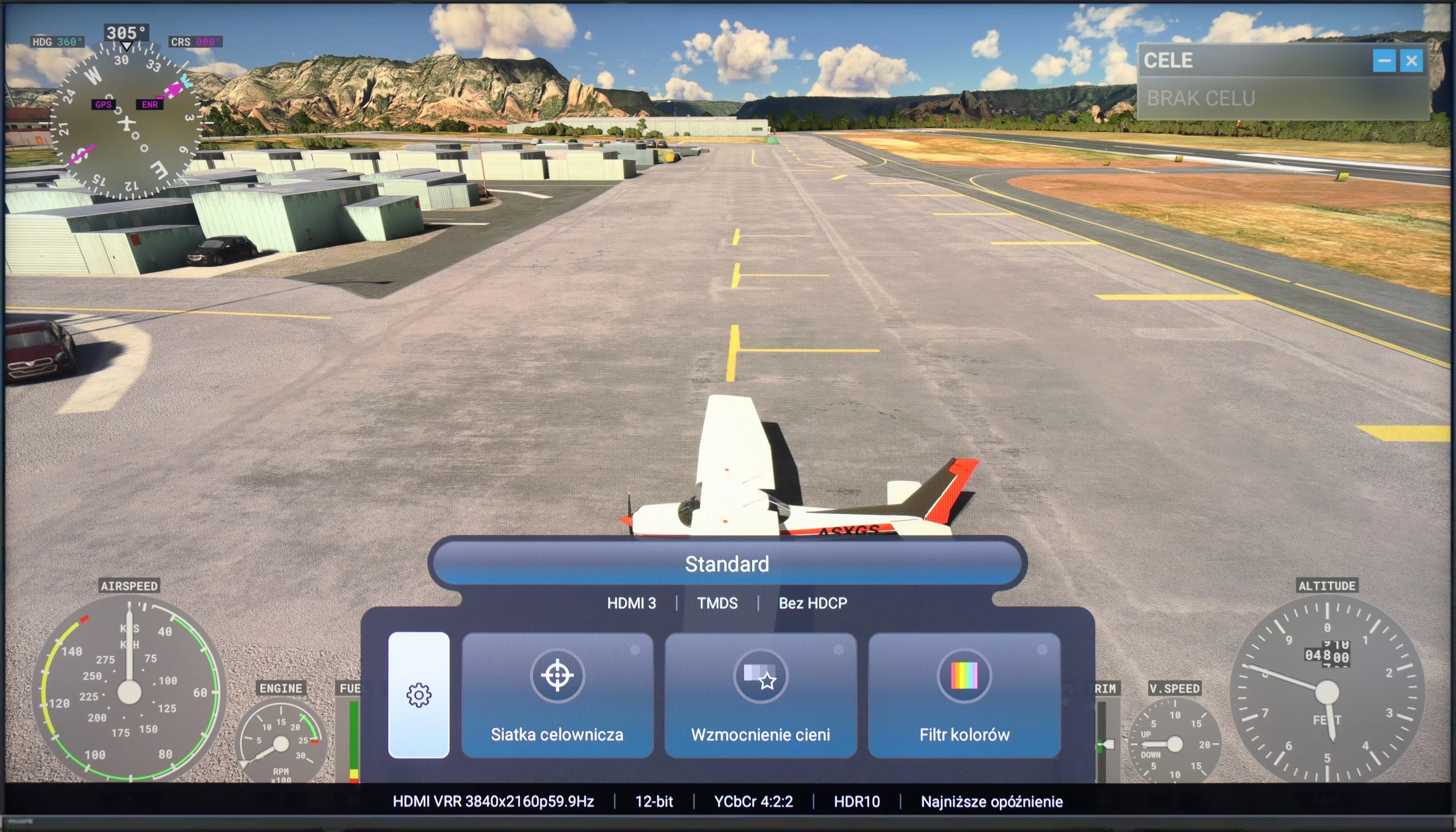
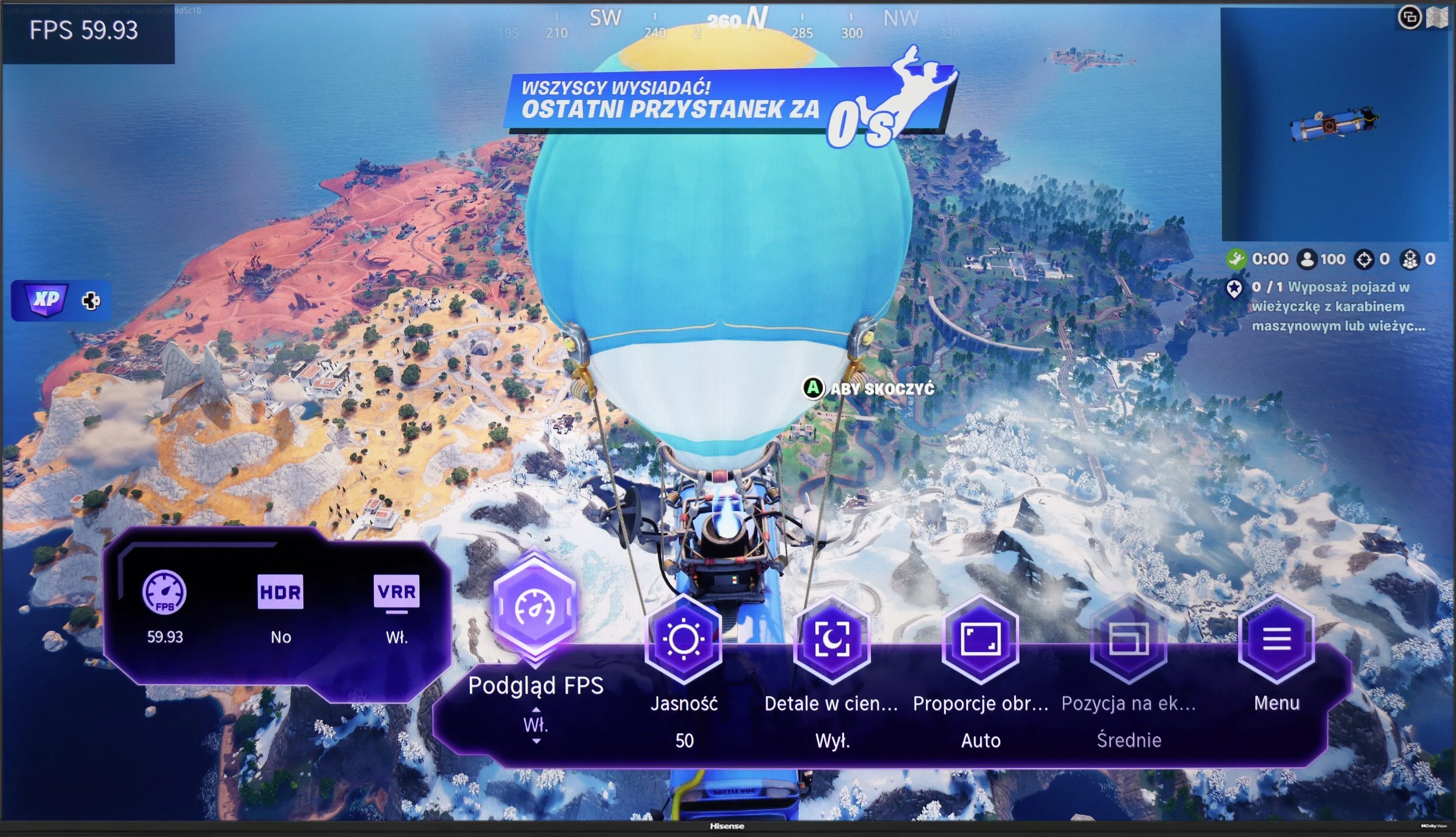
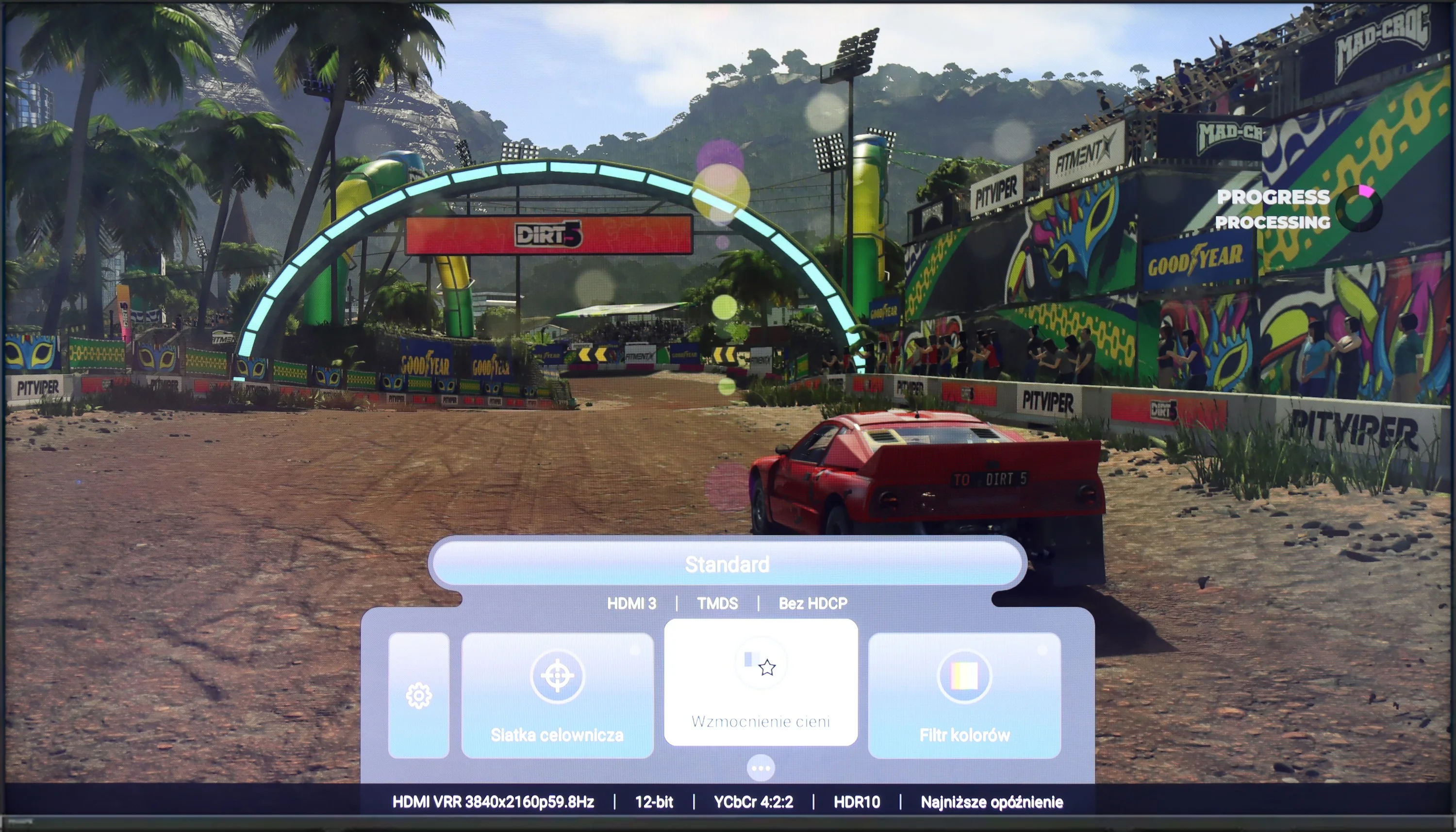
Hisense A6N is a TV that will likely appeal to casual gamers, mainly because of its 60 Hz panel, which may not satisfy more demanding players. Still, it offers several features that can make gaming more enjoyable. The TV supports functions such as ALLM (automatic low-latency mode), VRR (variable refresh rate) and Dolby Vision, which let you enjoy better picture quality and smoother motion in games that support those technologies. Moreover, the low input lag means in-game reactions are fast, which is crucial, especially in fast-paced titles. Thanks to these features, although the TV isn’t the ideal choice for demanding gamers, it provides solid support for those who value comfortable gaming without complicated settings. It’s an ideal solution for people who want to enjoy gaming without high hardware demands while still having access to modern technologies that enhance gameplay quality.
Philips PML8709 is a television aimed more at occasional gamers, mainly due to its 60 Hz panel, which does not meet the expectations of the most demanding users. However, for those who appreciate gameplay at a more measured pace, this model may prove sufficient.
The television offers several gamer-friendly features, such as ALLM (automatic switching to game mode) and VRR (variable refresh rate), which help in displaying images more smoothly without annoying stutters. Moreover, in terms of HDR, we find here the implementation of HGiG, which adjusts the HDR effect to the specifics of games, providing a more natural image in appropriately optimized titles. Unfortunately, there is no support for Dolby Vision mode, which may be felt in games that utilize this format.
A nice addition is the presence of a basic "Game Bar," which allows for quick preview and modification of key settings related to gaming. It's a simple yet helpful feature, especially for those who often change their setup between different types of gameplay. Despite certain limitations, the Philips PML8709 offers a solid set of features for less demanding gamers.
Input lag
9.9/10
10/10
SDR
HDR
Dolby Vision
Hisense A6N achieves an impressive input lag of 12 to 14 ms, which is an excellent result. The Dolby Vision implementation also deserves praise; with other brands it is often problematic and unplayable, but here it works smoothly and without noticeable delay, which is a big plus for fans of fast-paced games.
The Philips PML8709 performs very well in terms of input lag. With supported resolutions, results of around 13 ms are more than sufficient to ensure comfortable gameplay. Such a response time means that even more dynamic games do not cause annoying delays. This allows players to enjoy smooth gameplay without unnecessary stress.
Compatibility with PC
1/10
3.5/10
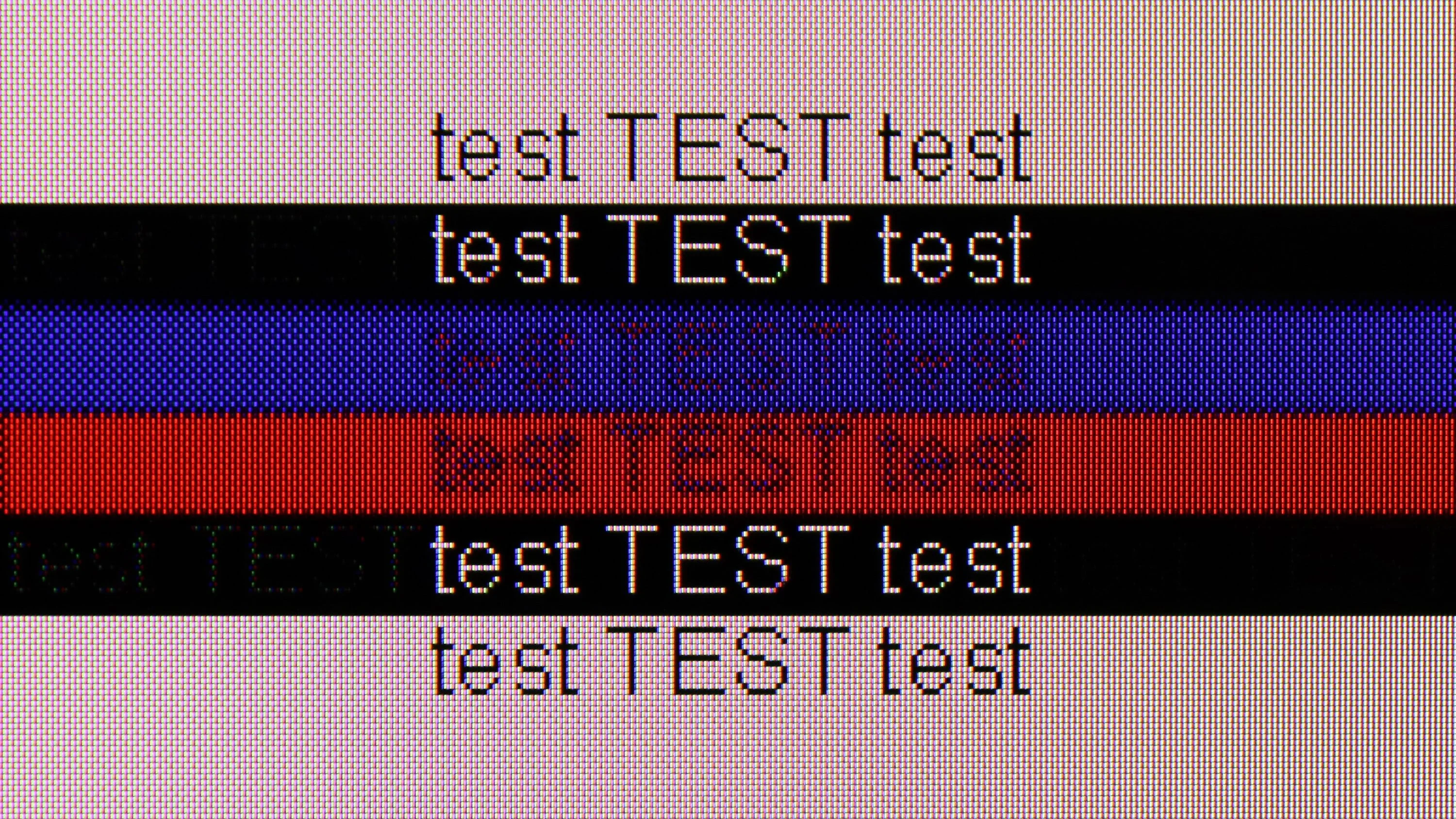
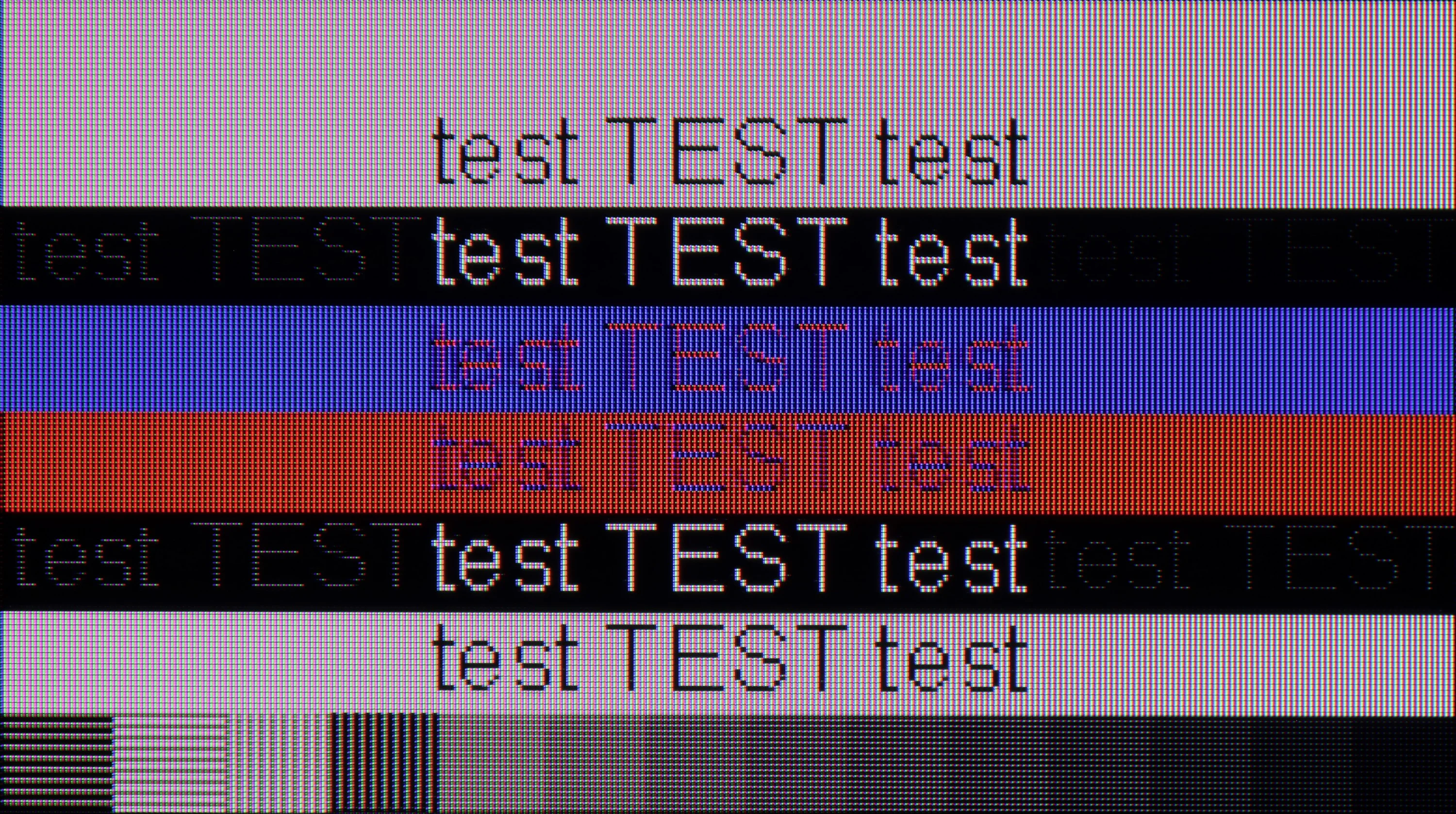
The photo shows the legibility of small fonts. Ideally, lines should be the same thickness on both light and dark text, with minimal pixel gaps.
The Hisense A6N TV is unfortunately not suitable for use with a computer. Lack of support for chroma 4:4:4 causes fonts to be completely blurry and illegible, which makes using the TV as a monitor very difficult. This definitely rules out this model as an option for anyone looking for a TV to pair with a PC.
Philips PML8709 offers a dedicated mode for PC, but its capabilities are highly limited. The TV does not support chroma 4:4:4, which significantly affects the readability of fonts – text appears blurred and is difficult to read, disqualifying this model for those planning to use it as a monitor for work or document browsing. Additionally, although the TV demonstrated compatibility in G-Sync tests, the image while using this feature is very unstable, with frequent stuttering. Such unpredictability eliminates the benefits that adaptive sync support should provide.
The only positive aspect regarding PC compatibility is the low input lag, which can be an advantage for those using the TV mainly for gaming. Nevertheless, the limitations in chroma support and issues with G-Sync mean that the PML8709 is not the best choice for PC users.
Viewing angles
3.4/10
2.9/10
Unfortunately, the viewing angles on the Hisense A6N are poor, which is typical for VA panels. When watching from wider angles the picture quickly loses quality, with colors washing out and contrast dropping significantly. You get the best visual experience by sitting directly in front of the TV, since even a small shift to the side degrades color accuracy and contrast. This limitation can be important in larger rooms where viewers are seated at different angles to the screen.
Philips PML8709, equipped with a VA matrix, offers average viewing angles typical of this type of panel. The picture loses quality when viewed from a larger angle – colors fade, and contrast significantly decreases. This is a characteristic feature of VA matrices and should be kept in mind, especially if we plan to watch the TV from different places in the room. For viewers sitting directly in front, however, the image remains clear and well reproduced.
Daytime performance
3.8/10
4.8/10
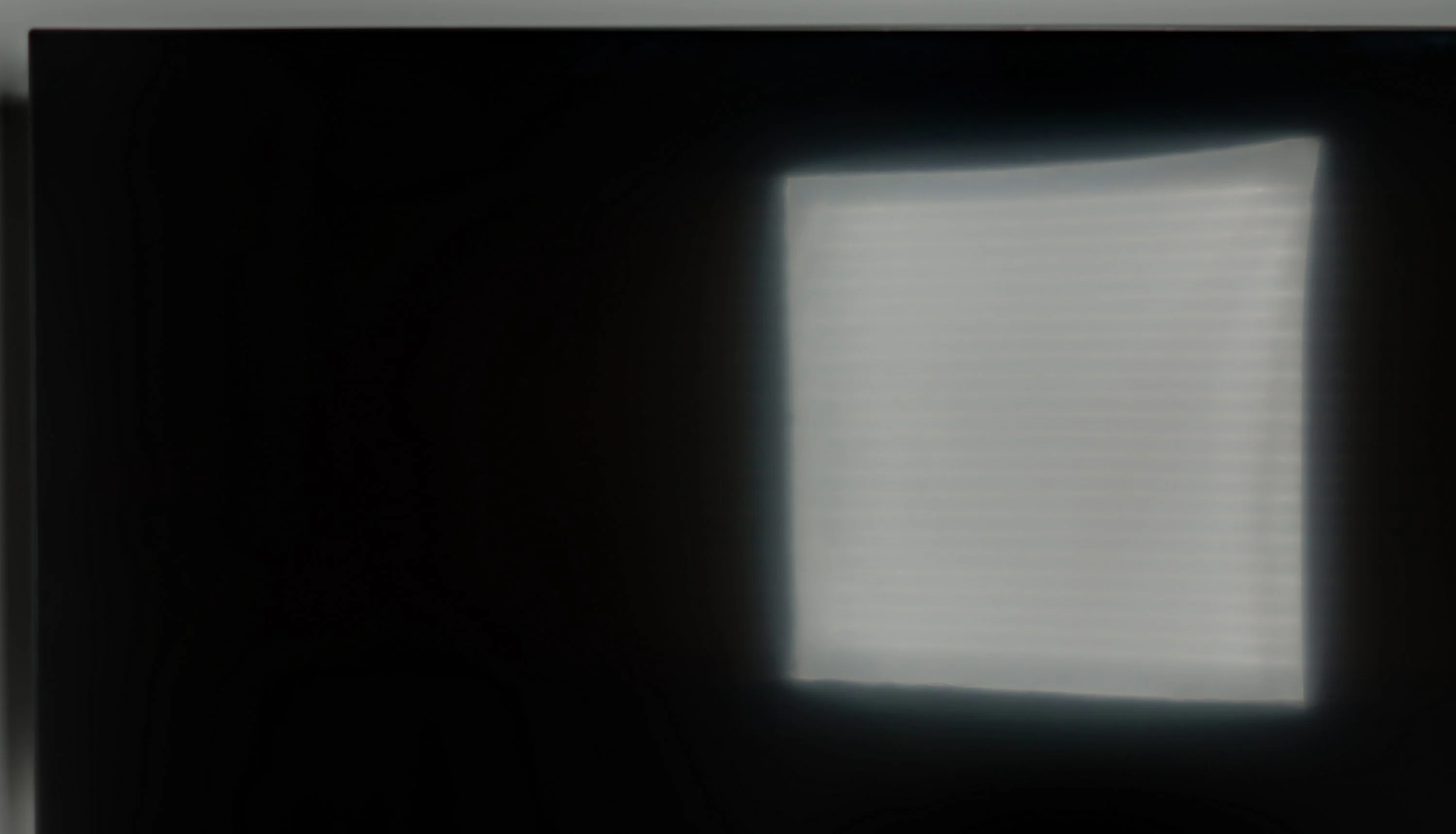
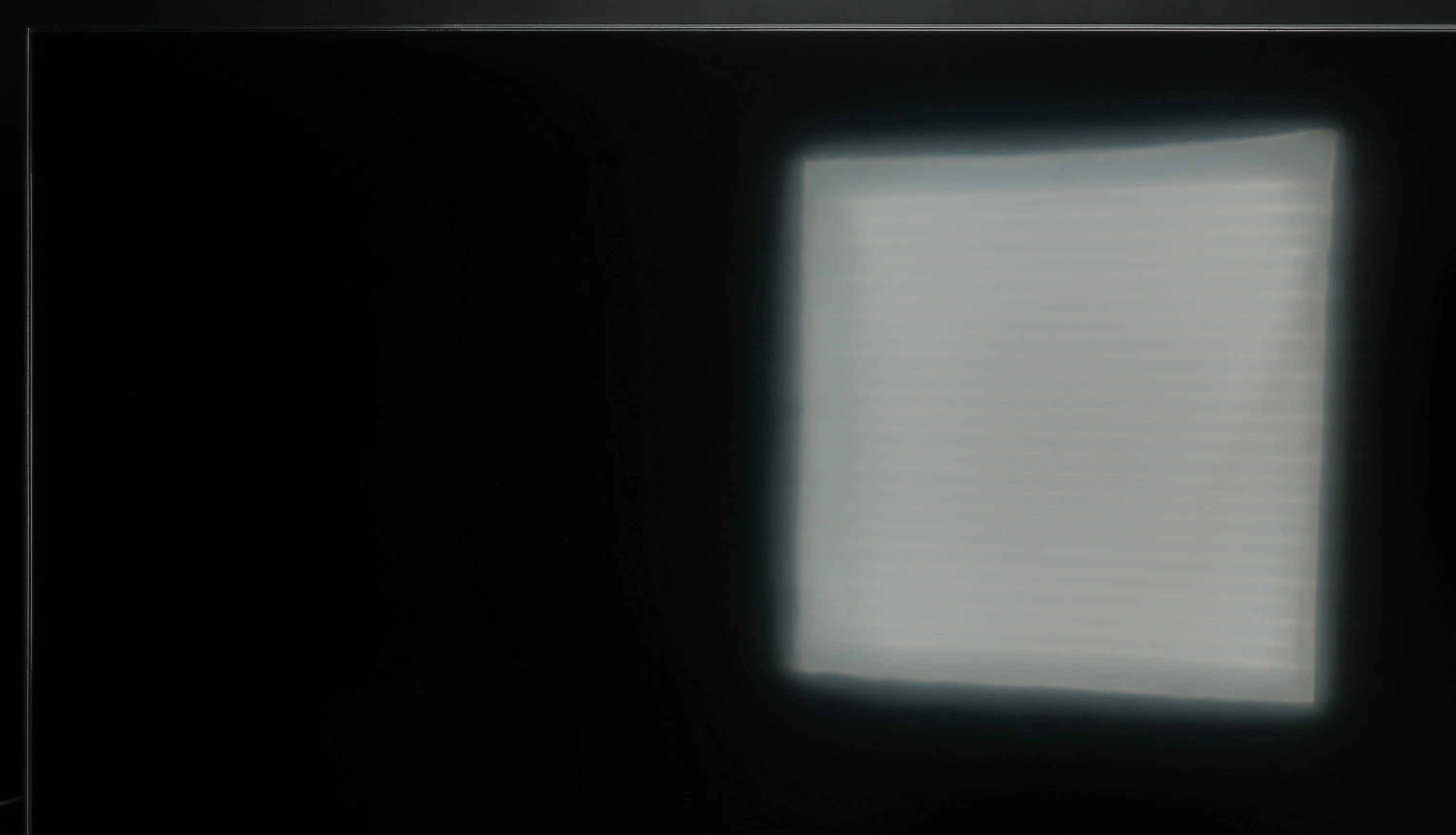
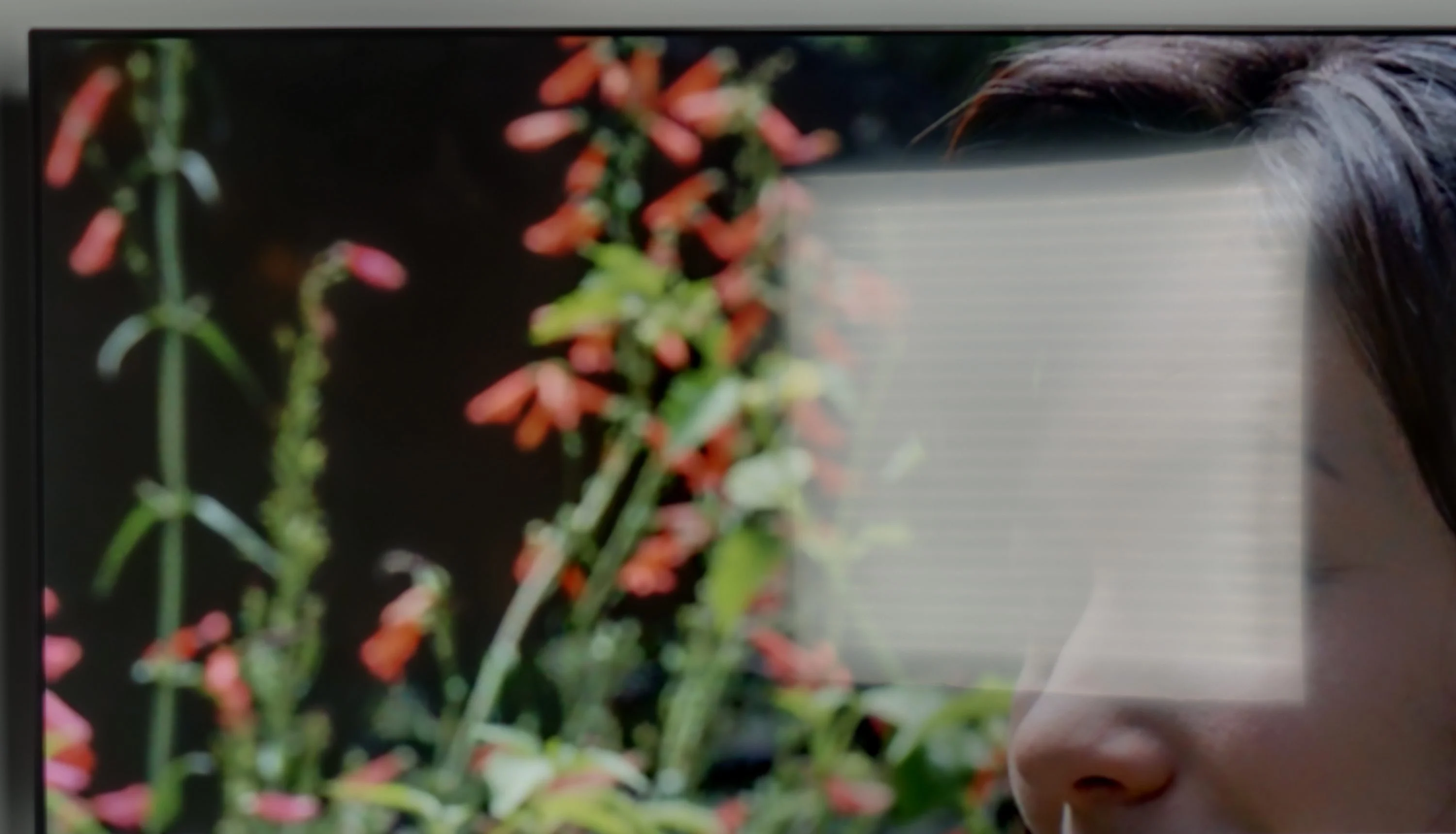
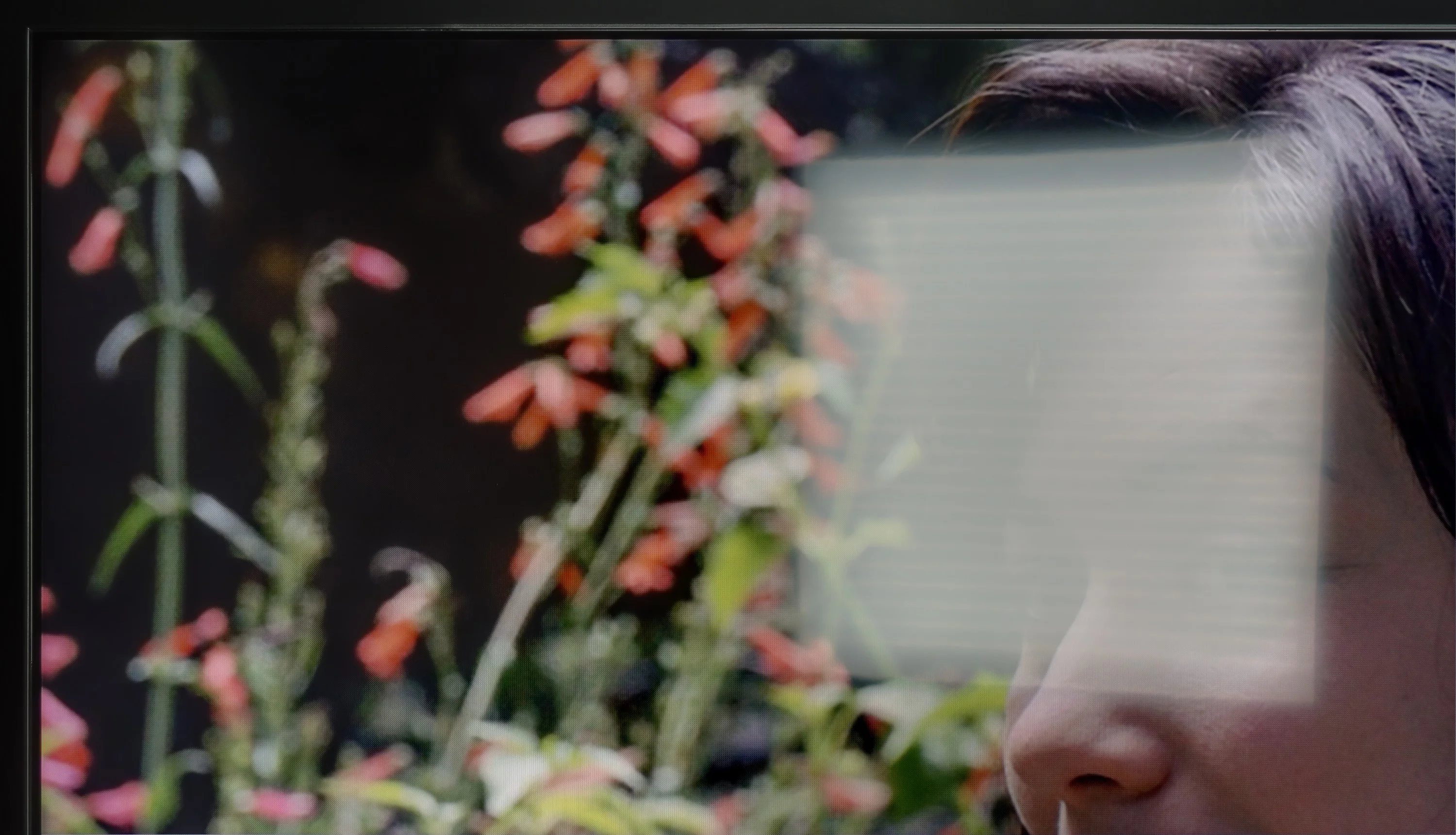
Panel brightness
Philips PML8709: 337 cd/m2
Hisense A6N: 226 cd/m2
The satin panel does a good job of reducing reflections, but a brightness of 220 cd/m² is not sufficient for the TV to effectively overcome strong ambient light. In bright rooms or with a lot of daylight the image may appear less defined, which limits the comfort of using the TV in those conditions.
The Philips PML8709 is equipped with a satin matrix, which handles glare suppression moderately well. In moderately lit rooms, reflections will not be too bothersome, however, in very sunny conditions, the situation can become problematic. An additional challenge is the relatively low screen brightness, which is about 330 cd/m². This level may prove insufficient for comfortable viewing in bright rooms, where the image can appear too dark and unclear. The TV will perform better in controlled lighting conditions, but for those looking for a model that copes well during the day, this may be a significant limitation.
Panel details
Subpixel Structure:
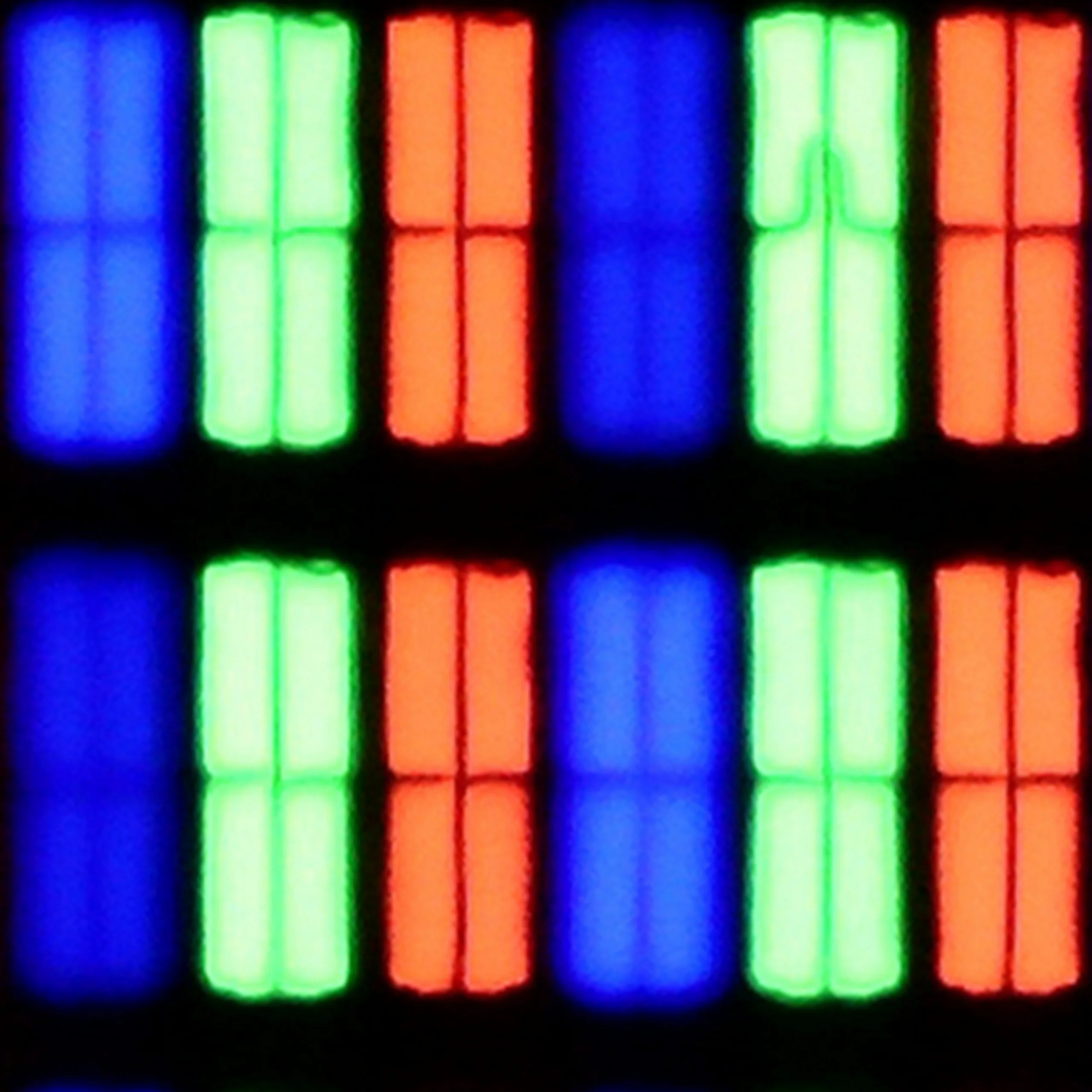
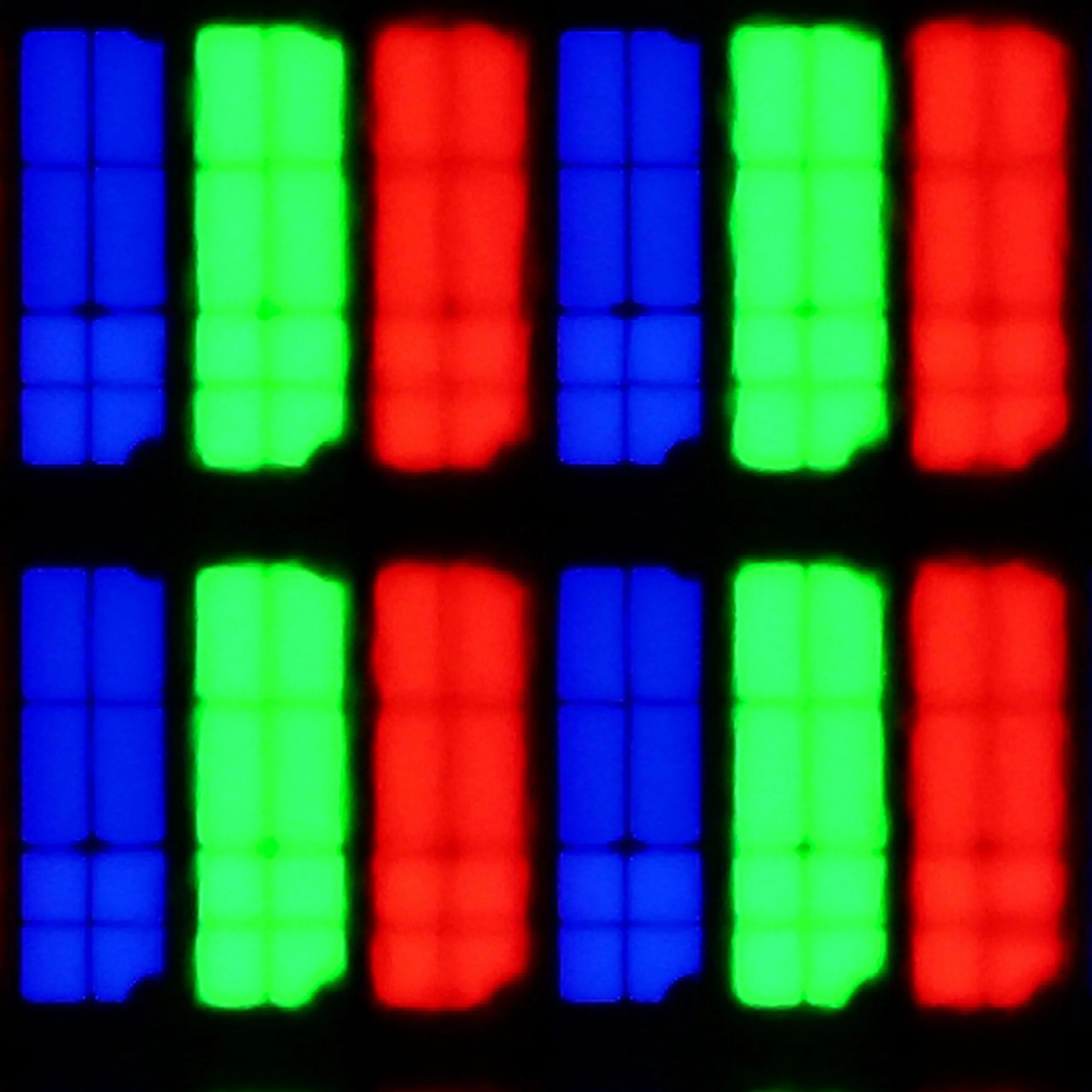
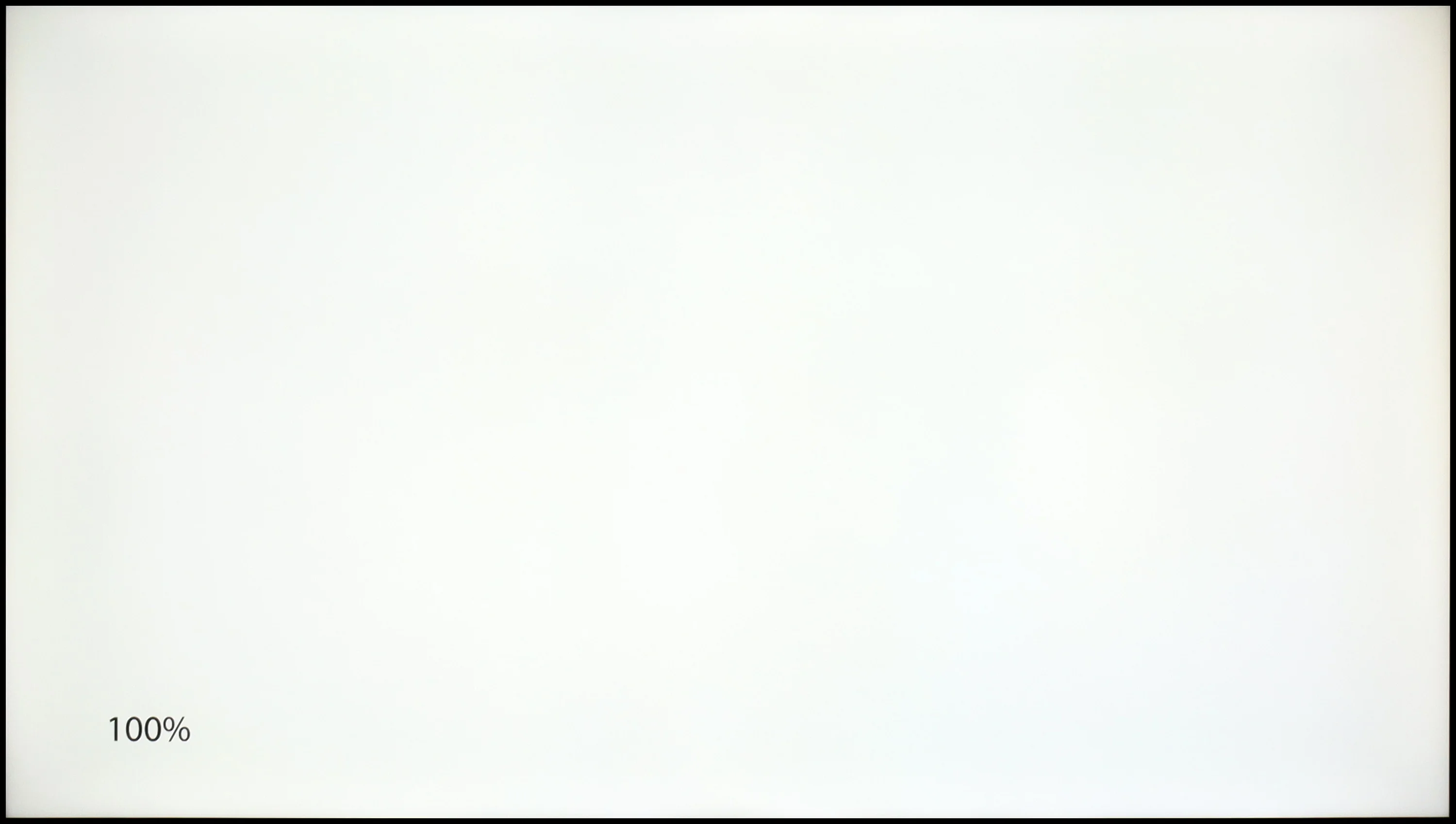
Panel uniformity and thermal imaging:

TV features
7/10
6.5/10
- SystemVIDAAGoogle TV
- System performanceDecentDecent
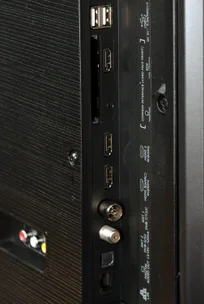
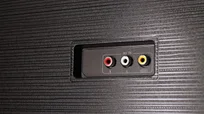
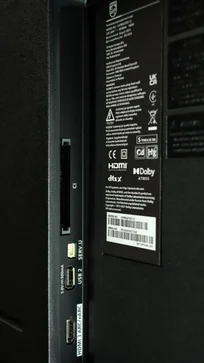
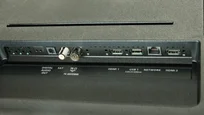
- HDMI inputs0 x HDMI 2.0, 0 x HDMI 2.13 x HDMI 2.0, 0 x HDMI 2.1
- OutputsToslink (Optical audio), eARC (HDMI), ARC (HDMI)
- Network InterfacesWi-Fi 2.4GHz, Wi-Fi 5GHz, Ethernet (LAN) 100MbpsWi-Fi 2.4GHz, Wi-Fi 5GHz, Ethernet (LAN) 100Mbps
- TV receptionDVB-T, DVB-T2, DVB-S, DVB-S2, DVB-CDVB-T, DVB-T2, DVB-S, DVB-S2, DVB-C
Classic features:
- Recording to USB (terrestrial TV)
- Recording programming
- Picture in Picture (PiP)
- RF remote control (no need to aim)
- Backlit remote control
- Teletext
- Audio only mode
- Bluetooth headphones support
- Simultaneous Bluetooth headphones & TV audio
Smart features:
- AirPlay
- Screen mirroring (Windows Miracast)
- Voice search
- Voice search in native language
- Ability to connect a keyboard and mouse
Sound connection options
- HDMI audioeARC (HDMI), ARC (HDMI)
- Other audio outputsToslink (Optical audio)
- Wireless audioBluetoothBluetooth
Supported audio formats (external HDMI eARC audio):
- Dolby Digital Plus 7.1
- Dolby True HD 7.1
- Dolby Atmos in Dolby Digital Plus (JOC)
- Dolby Atmos in Dolby True HD
- DTS:X in DTS-HD MA
- DTS-HD Master Audio
Senior accessibility
- Numeric keyboard on TV
- Font size adjustment
- Audio description
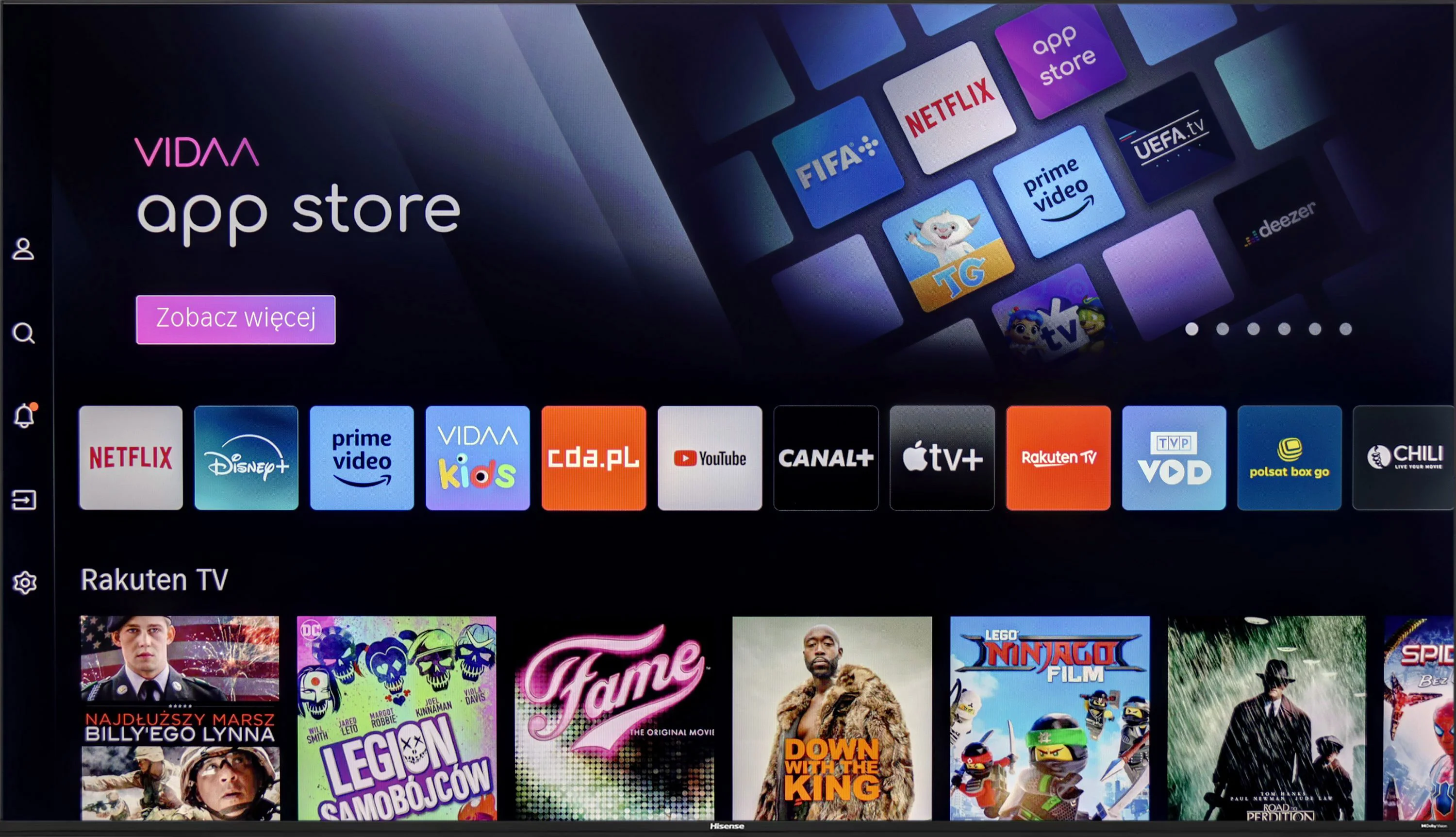
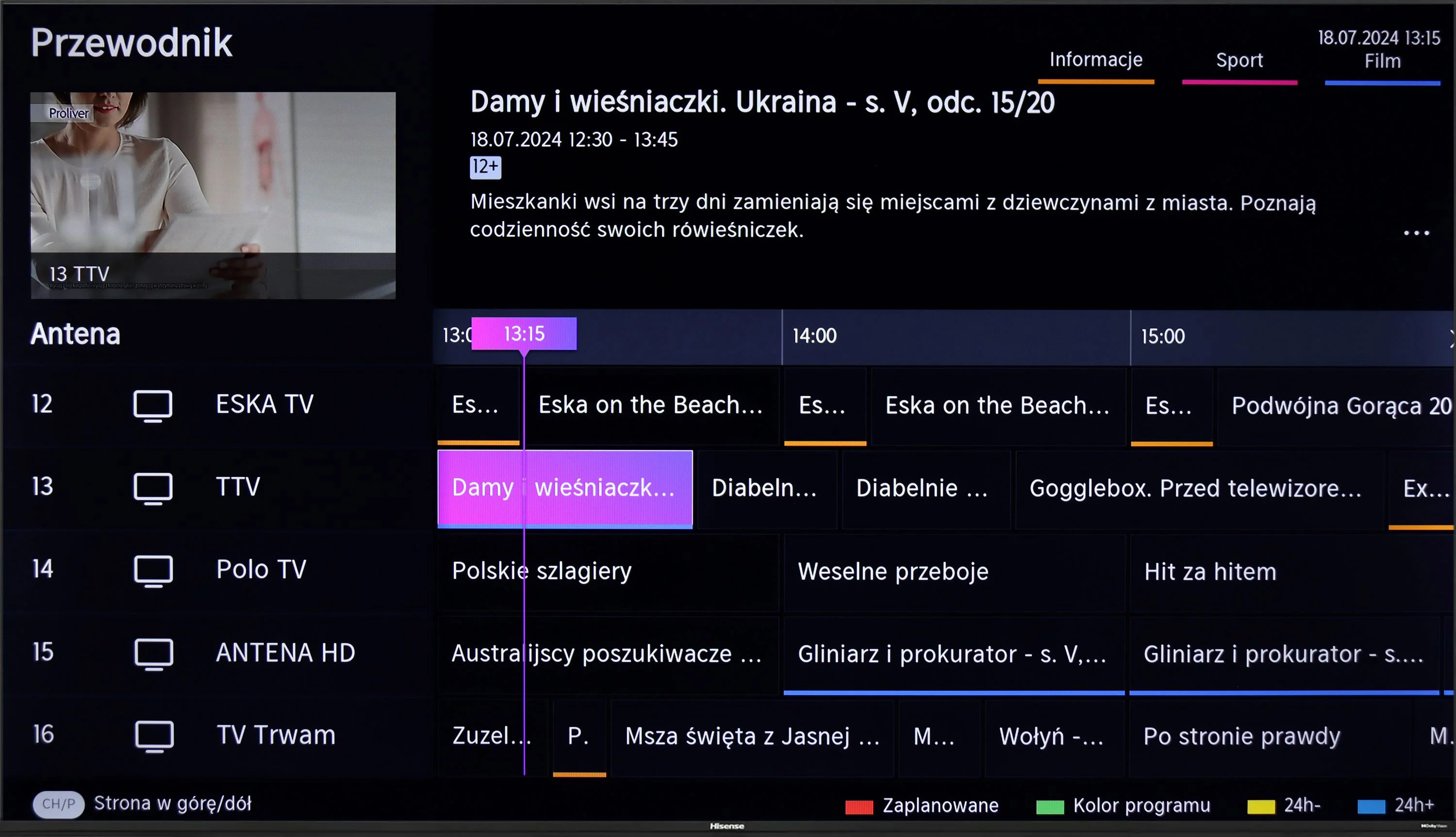
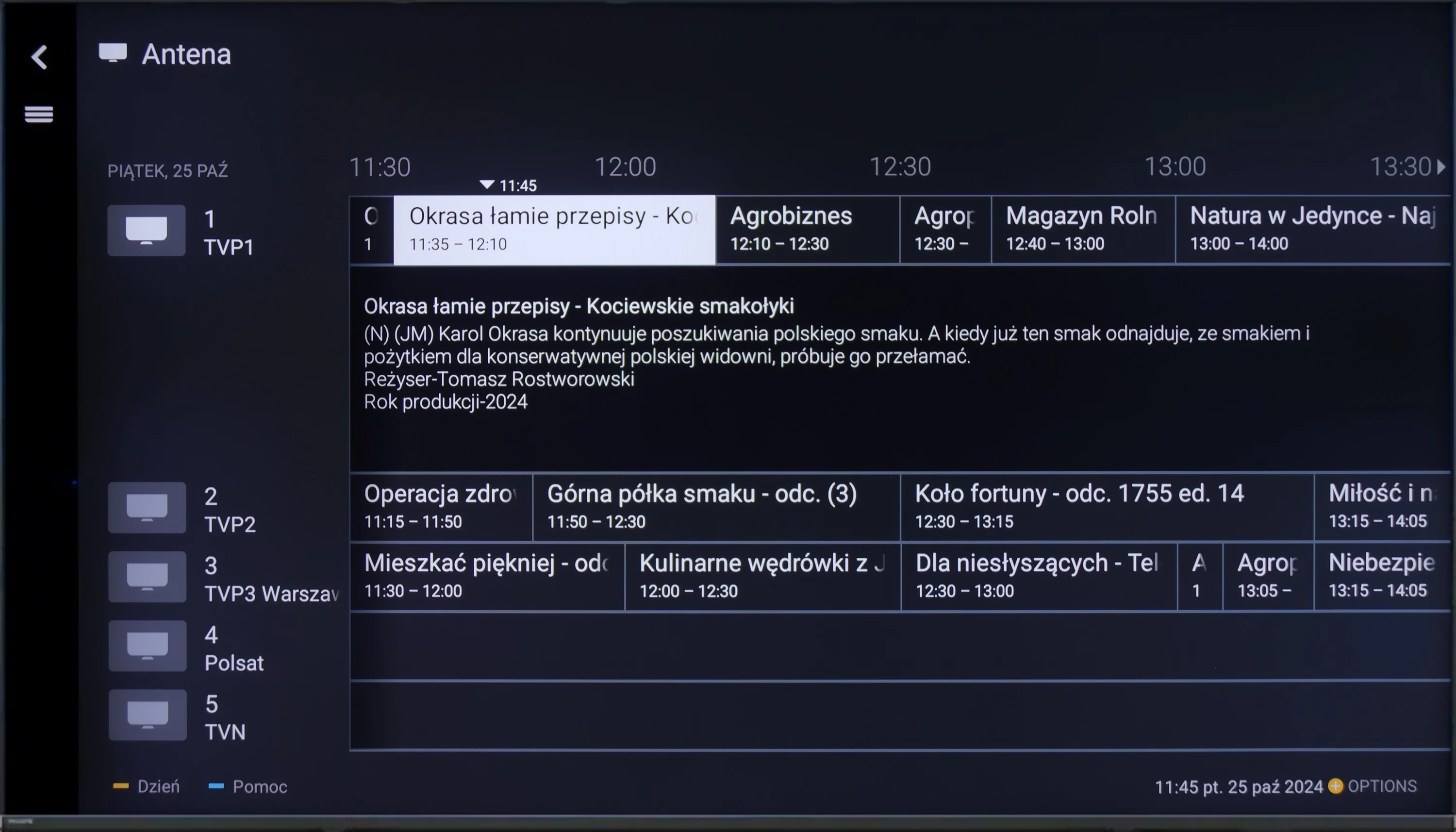
The Hisense A6N TV runs the VIDAA OS, which is fast and responsive without noticeable stutter. There are quite a few apps, but unfortunately music services like Spotify or Tidal are missing. That may be disappointing for users expecting a wide selection of streaming services. Despite this, the TV offers a few features that can compensate. It supports screen mirroring and AirPlay, allowing wireless streaming of content from other devices. In addition, you can connect peripherals such as keyboards or headphones via Bluetooth, which increases the TV’s functionality. Unfortunately, traditional TV viewers may be disappointed by the lack of a recording function and Picture in Picture (PiP), limiting options to personalize the viewing experience.
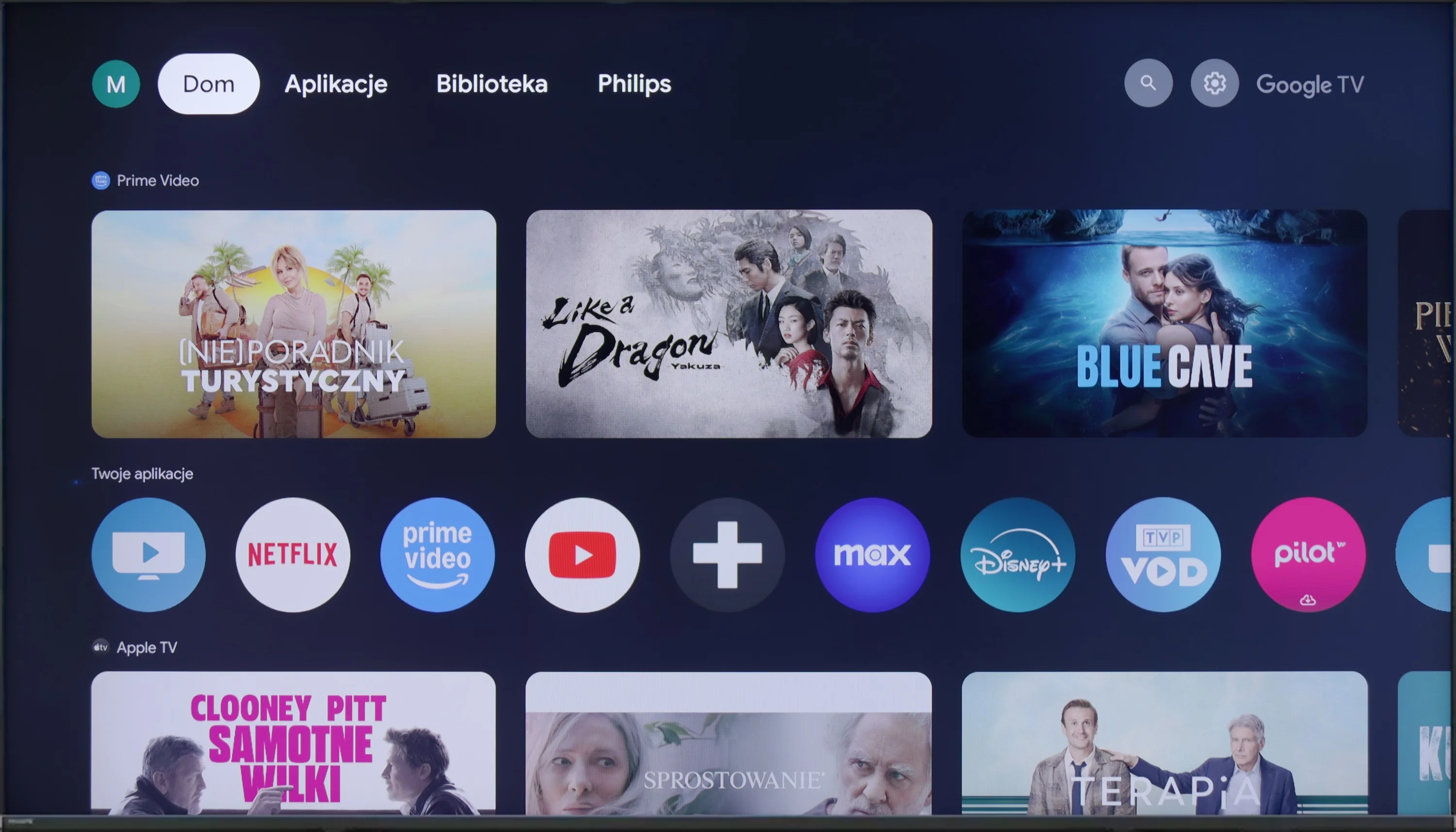
The Philips PML8709 runs on the Google TV operating system. This is quite a surprising choice, considering it is not the flagship model of the brand. Fortunately, it has avoided the implementation of the less popular TitanOS, which can be seen as a plus. Google TV offers a well-known, clear interface and extensive capabilities for installing applications, making the television more versatile.
In terms of user functionality, the television performs solidly. Daily use of the device is enjoyable thanks to support for Polish voice search. The ability to connect peripheral devices, such as keyboards, mice, or headphones via Bluetooth, increases its functionality. Unfortunately, the PML8709 does not offer more advanced options such as USB recording or PiP (picture-in-picture) functionality, which may disappoint more demanding users.
An interesting fact, and also a significant surprise, is the lack of Ambilight technology, which Philips is widely known for. The decision to omit this technology in the PML8709 model seems incomprehensible, especially since Ambilight is often cited as one of the biggest advantages of televisions from this brand.
Apps
7.7/10
9.6/10






















Playing files from USB
3.9/10
7.6/10
Supported photo formats:
Maximum photo resolution:
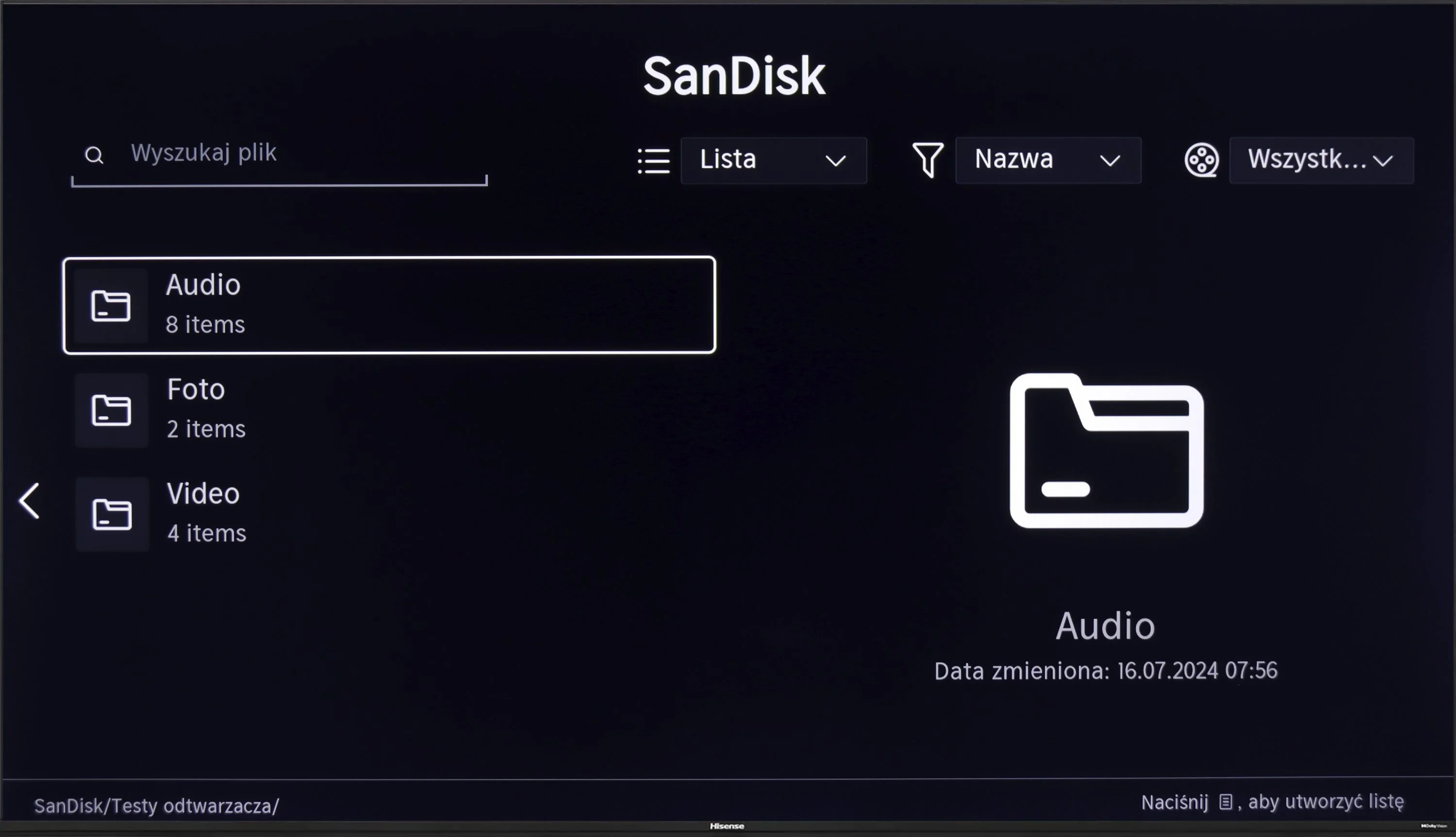
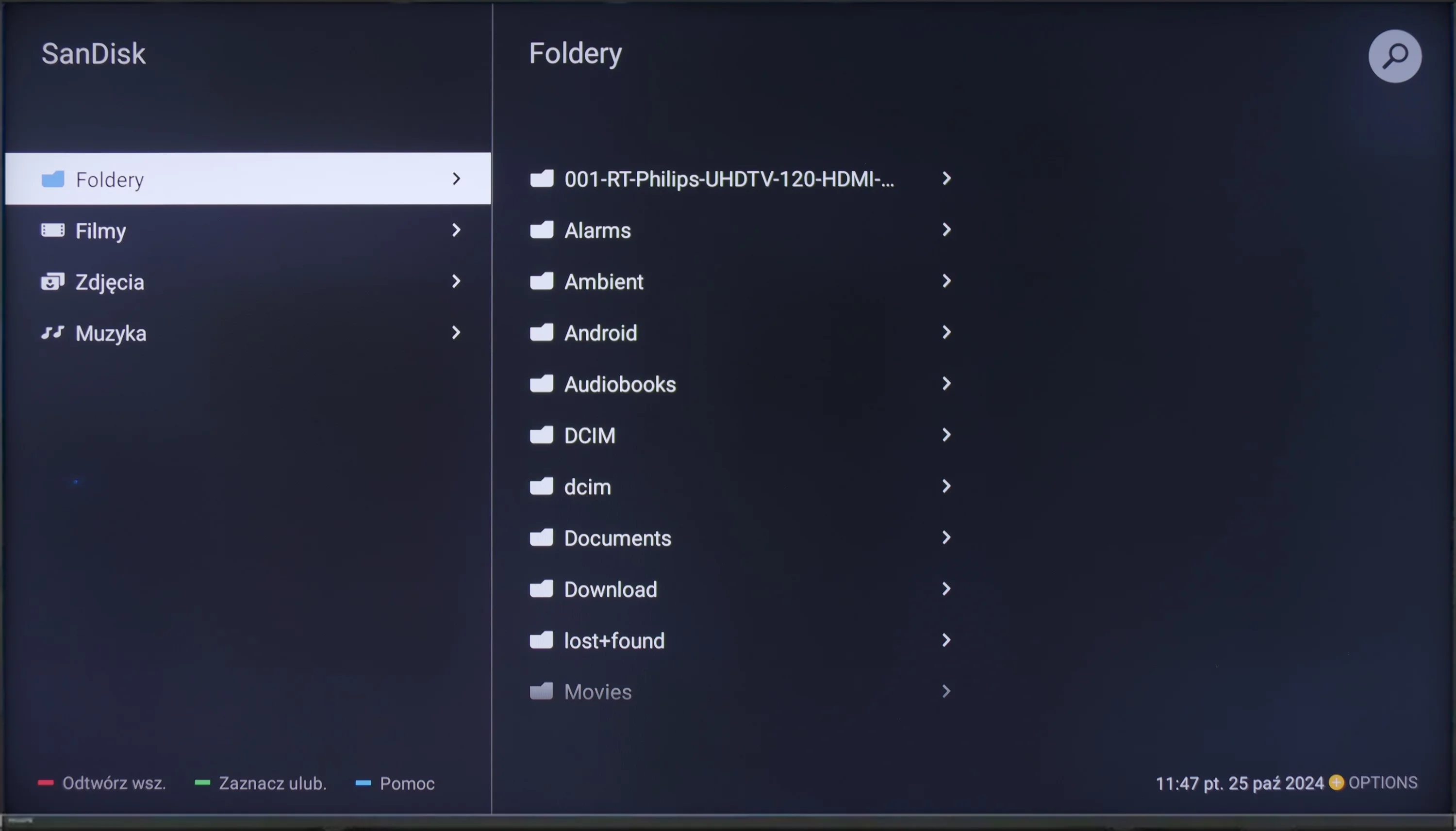
Unfortunately, a major disappointment is the lack of support for Polish characters. This is a significant problem when playing back content with Polish subtitles. This limitation significantly affects the comfort of watching films from local media.
The Philips PML8709 handles multimedia file playback from USB well. The TV should have no problem supporting most popular video, audio, and photo formats, making it a versatile tool for home entertainment. Files are read smoothly, and the interface of the built-in player is simple and intuitive.
However, a significant downside is the lack of support for Polish characters in subtitles, due to the incomplete implementation of the UTF-8 standard. Subtitles with Polish characters are displayed incorrectly, which can be irritating for people watching movies in their native language. This shortcoming means that users seeking full compatibility with subtitles may have to turn to external media players.
Sound
5.5/10
5.1/10
- Maximum volume--
- Dolby Digital Plus 7.1
- Dolby True HD 7.1
- Dolby Atmos in Dolby Digital Plus (JOC)
- Dolby Atmos in Dolby True HD
- DTS:X in DTS-HD MA
- DTS-HD Master Audio
The sound on the Hisense A6N can be described as rather flat and average, typical of budget TVs. However, when connected to an external audio system, users won't be disappointed, because the TV supports most popular audio formats, including DTS and Dolby, which allows for a significantly better sound experience.
The sound quality in the Philips PML8709 is average and standard for a television equipped with 2 x 10 W speakers. The sound is sufficient for everyday viewing, but it's hard to expect deep bass or clear details in more demanding scenes. On the plus side, it does support Dolby Atmos and DTS.
Reader comments
Comments are provided by the external service Disqus (Zeta Global). Once loaded, Disqus may set cookies and process data about your activity.
We will remember your choice on this device. Provider's privacy policy