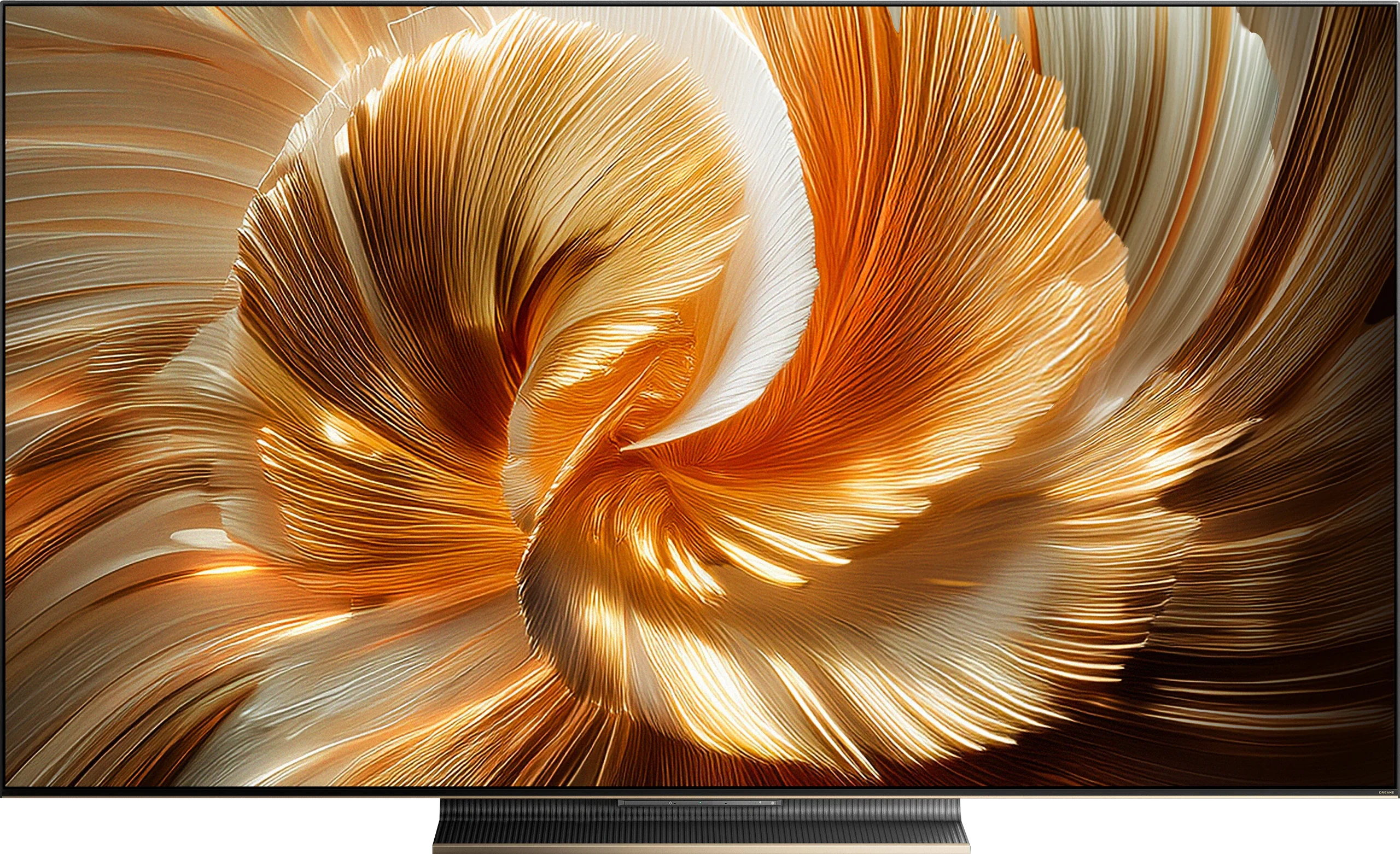
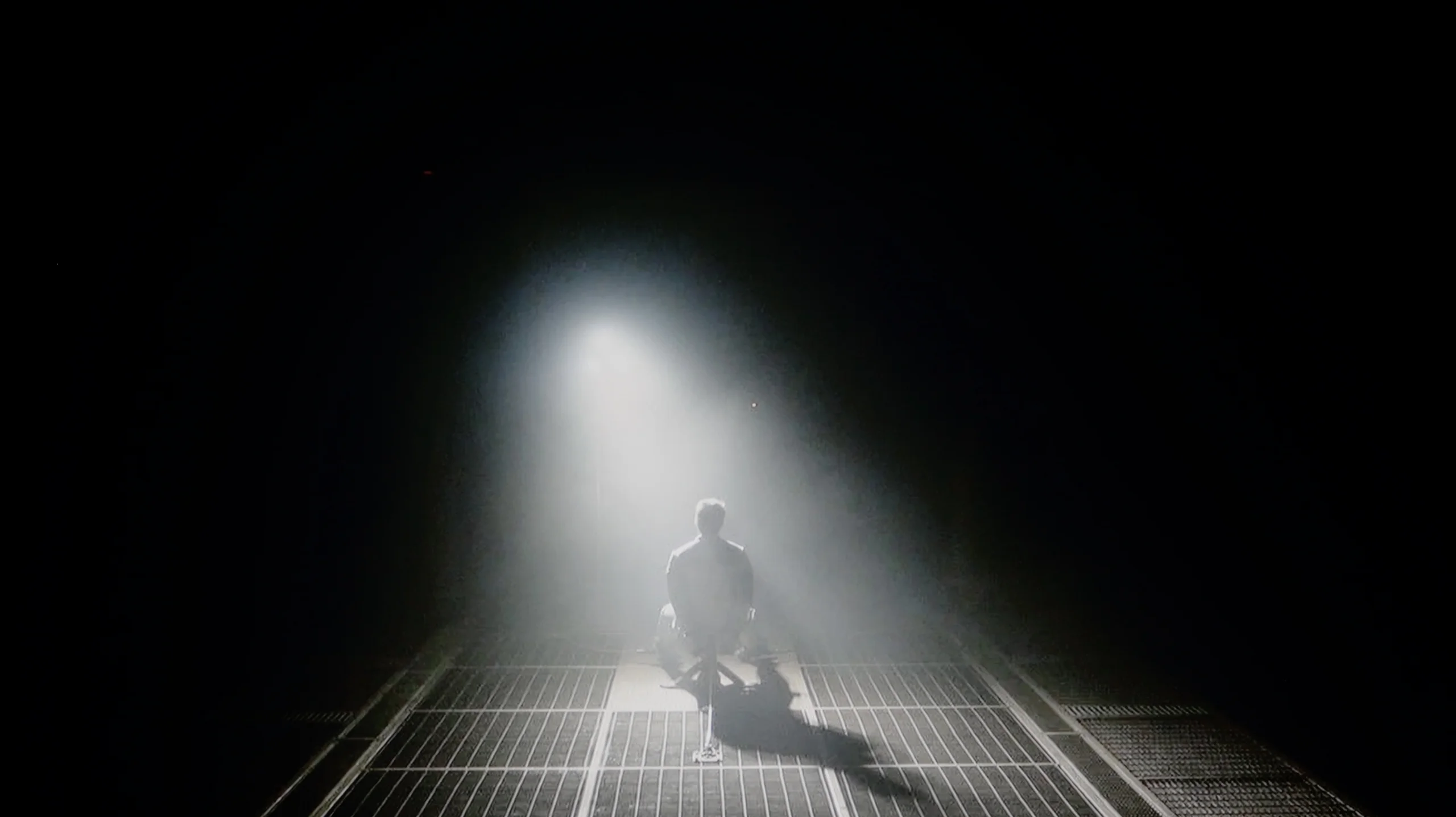
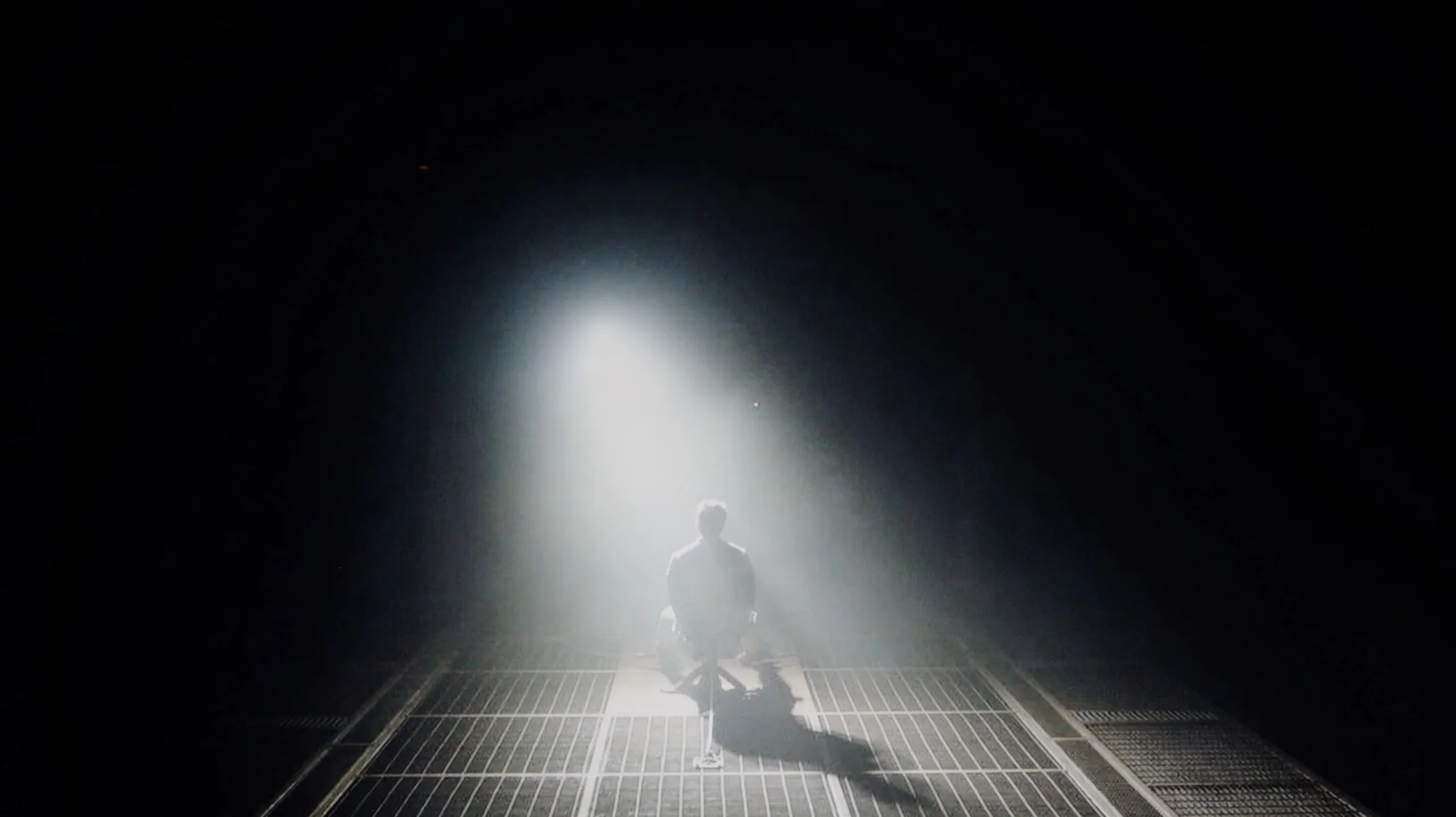
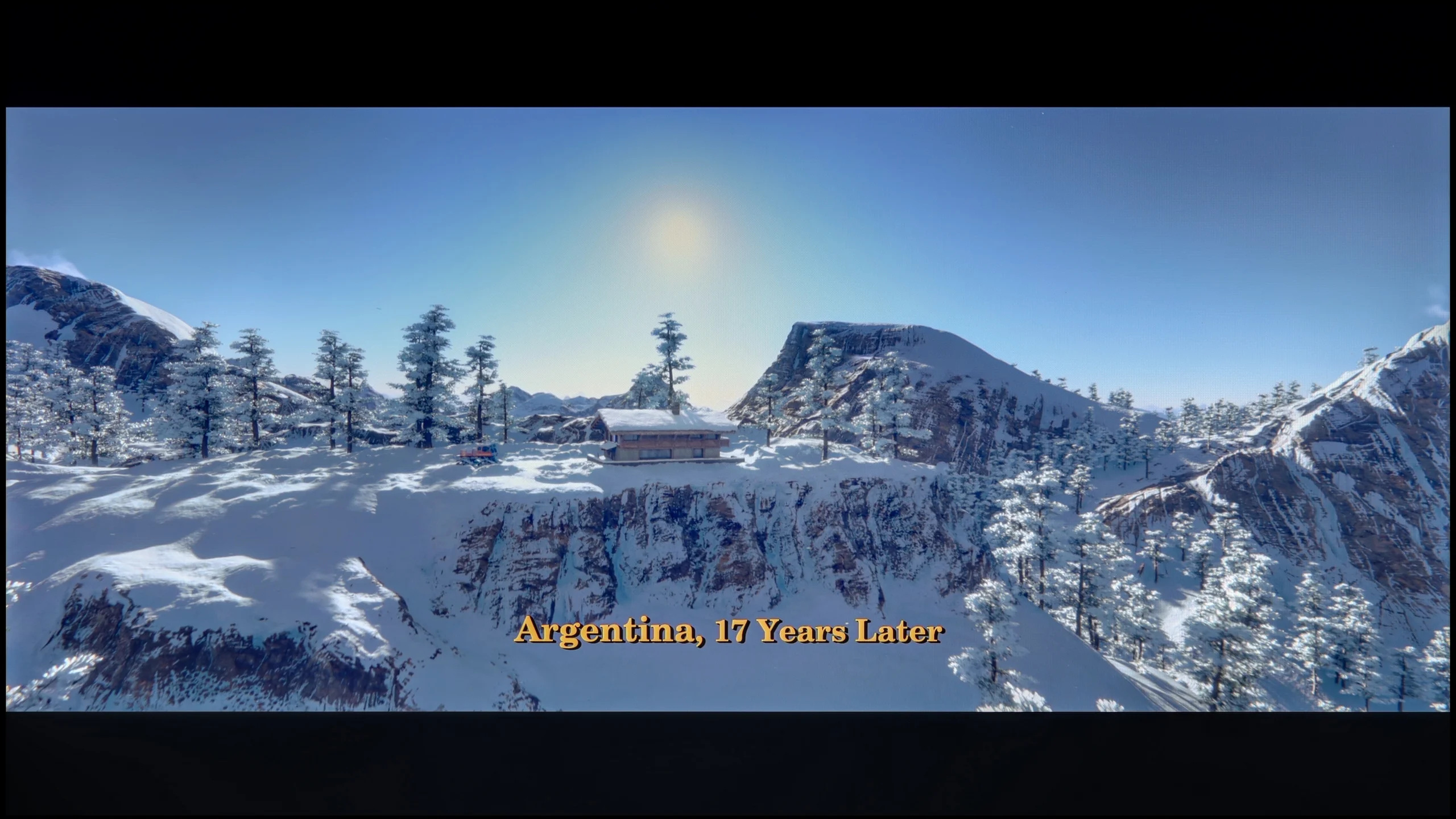
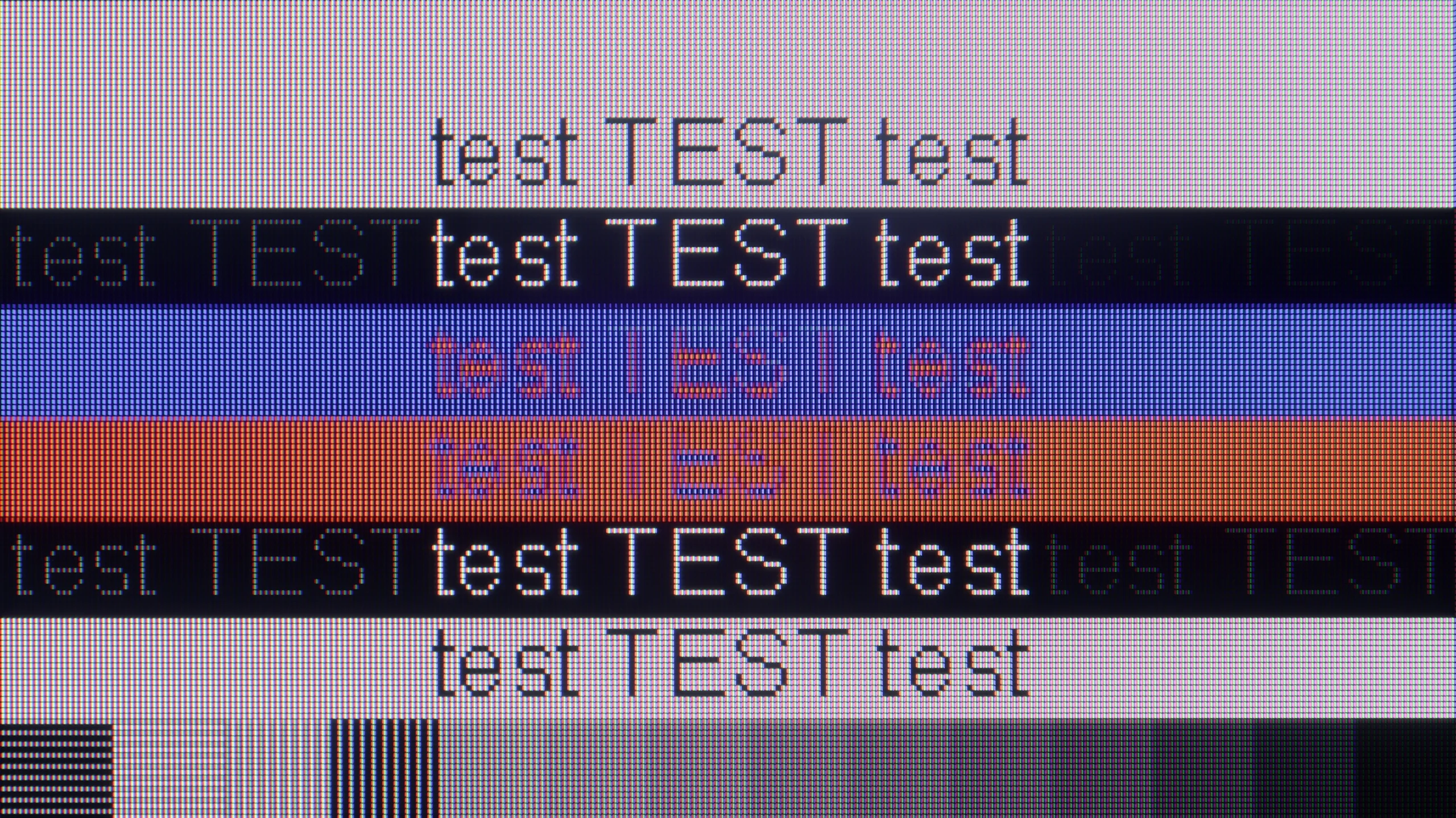
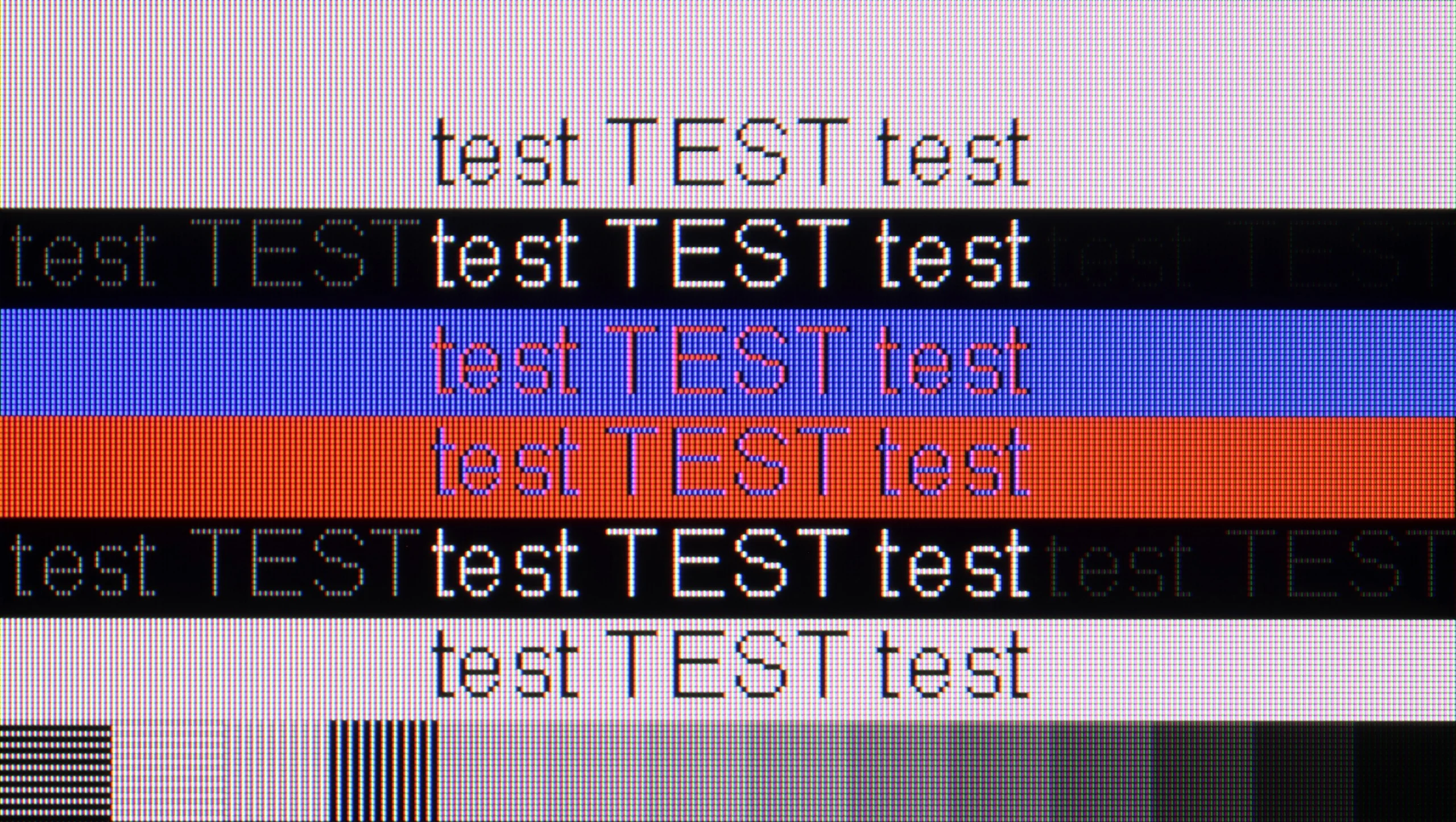
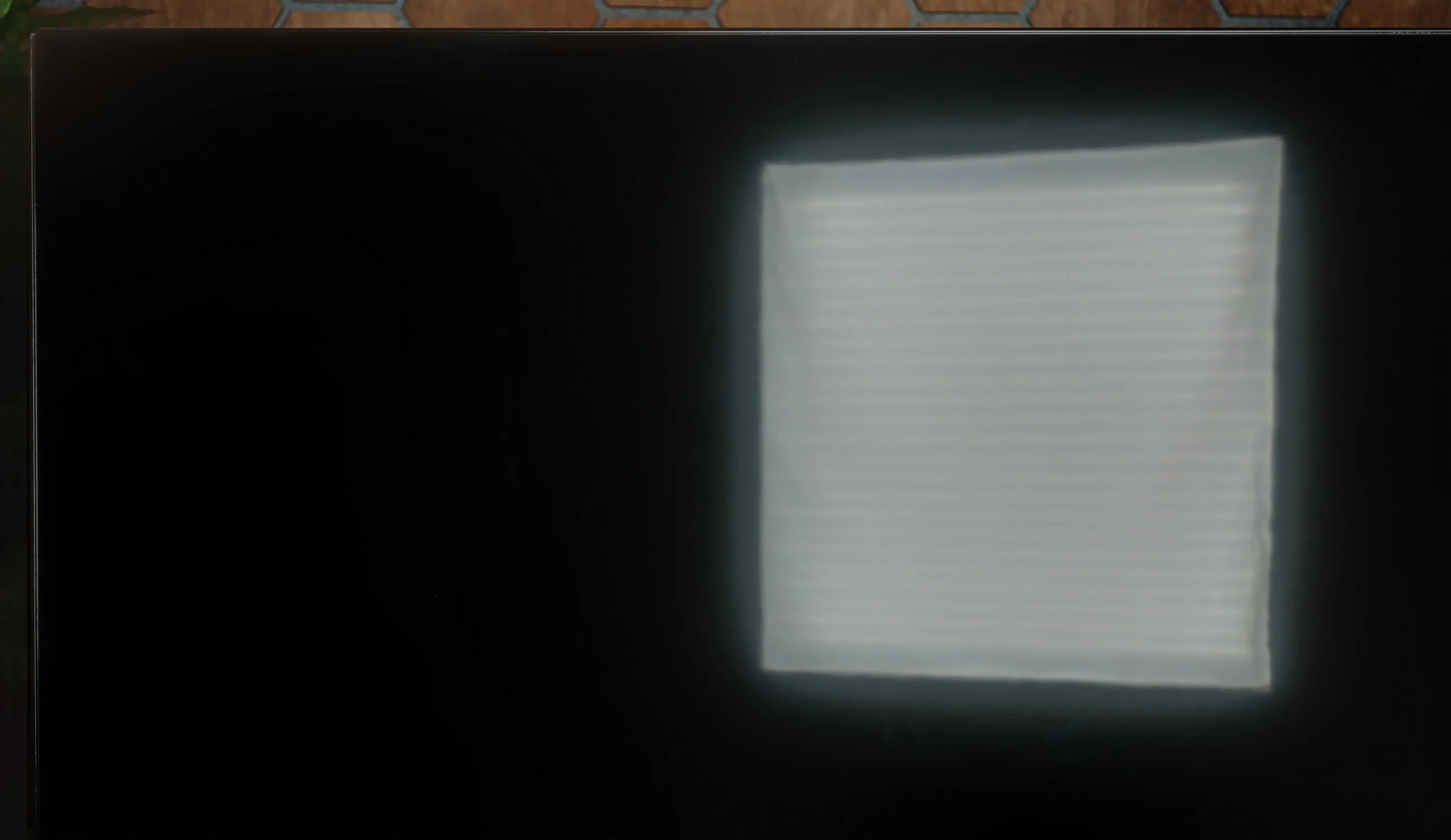
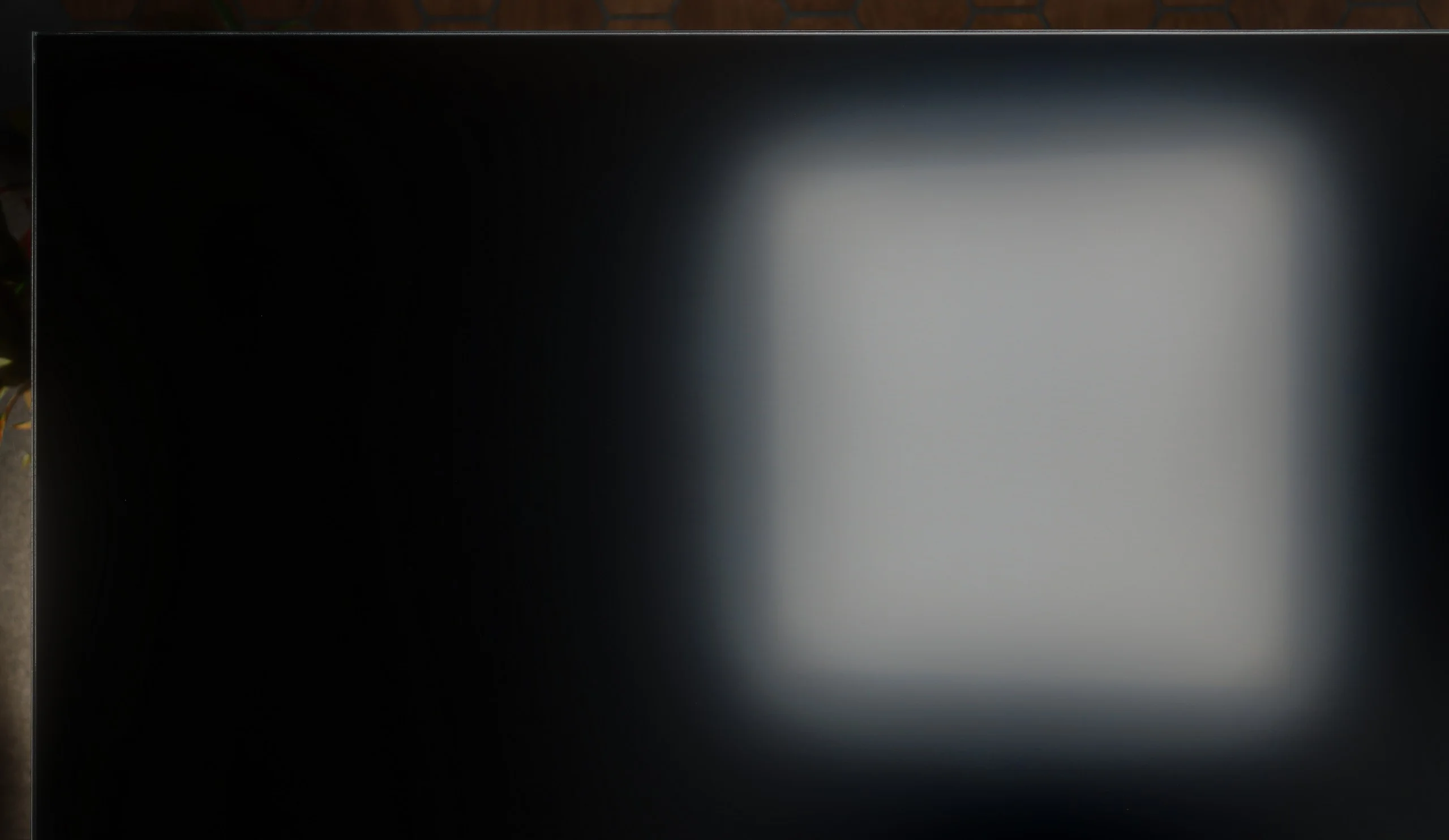
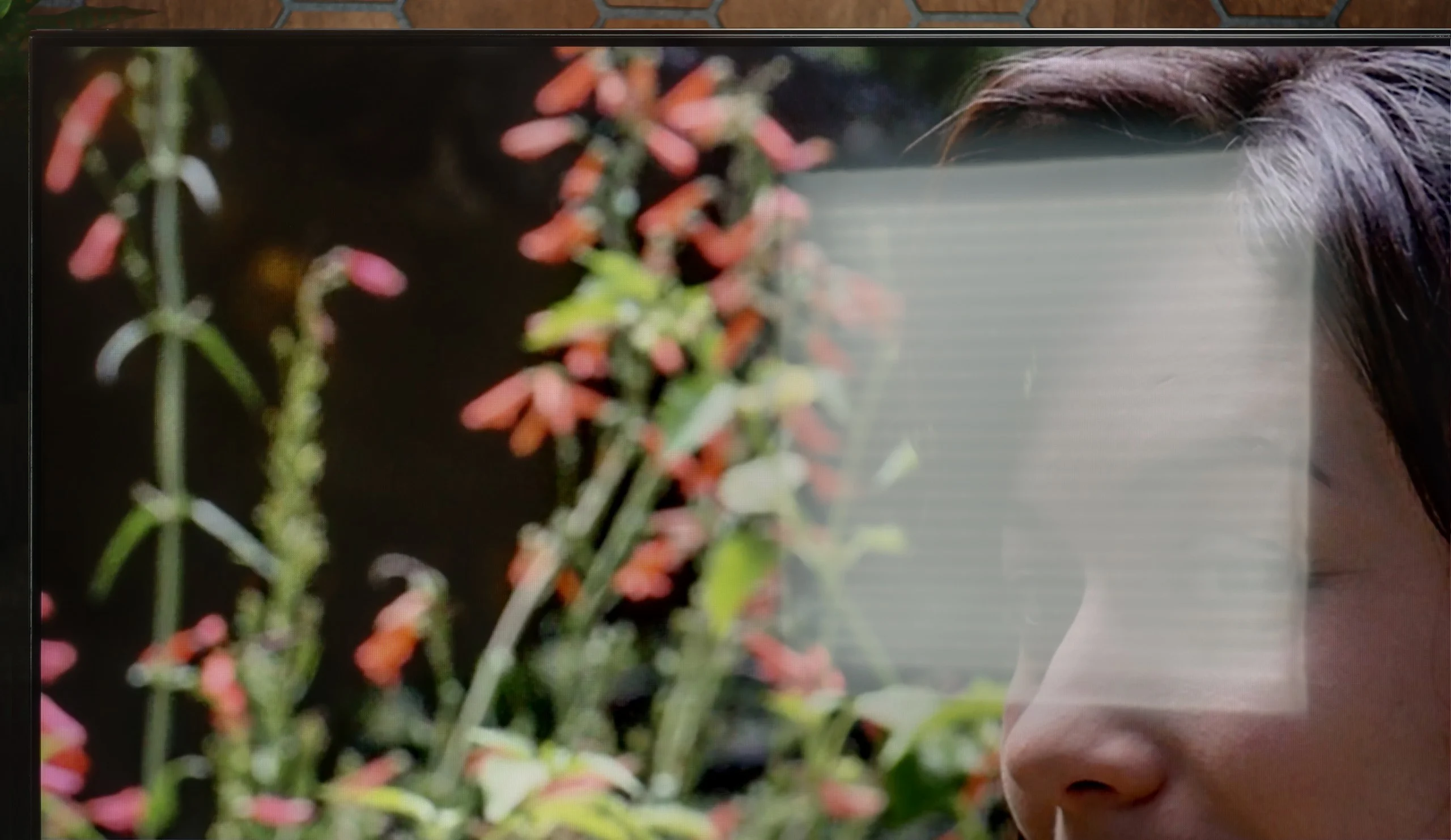
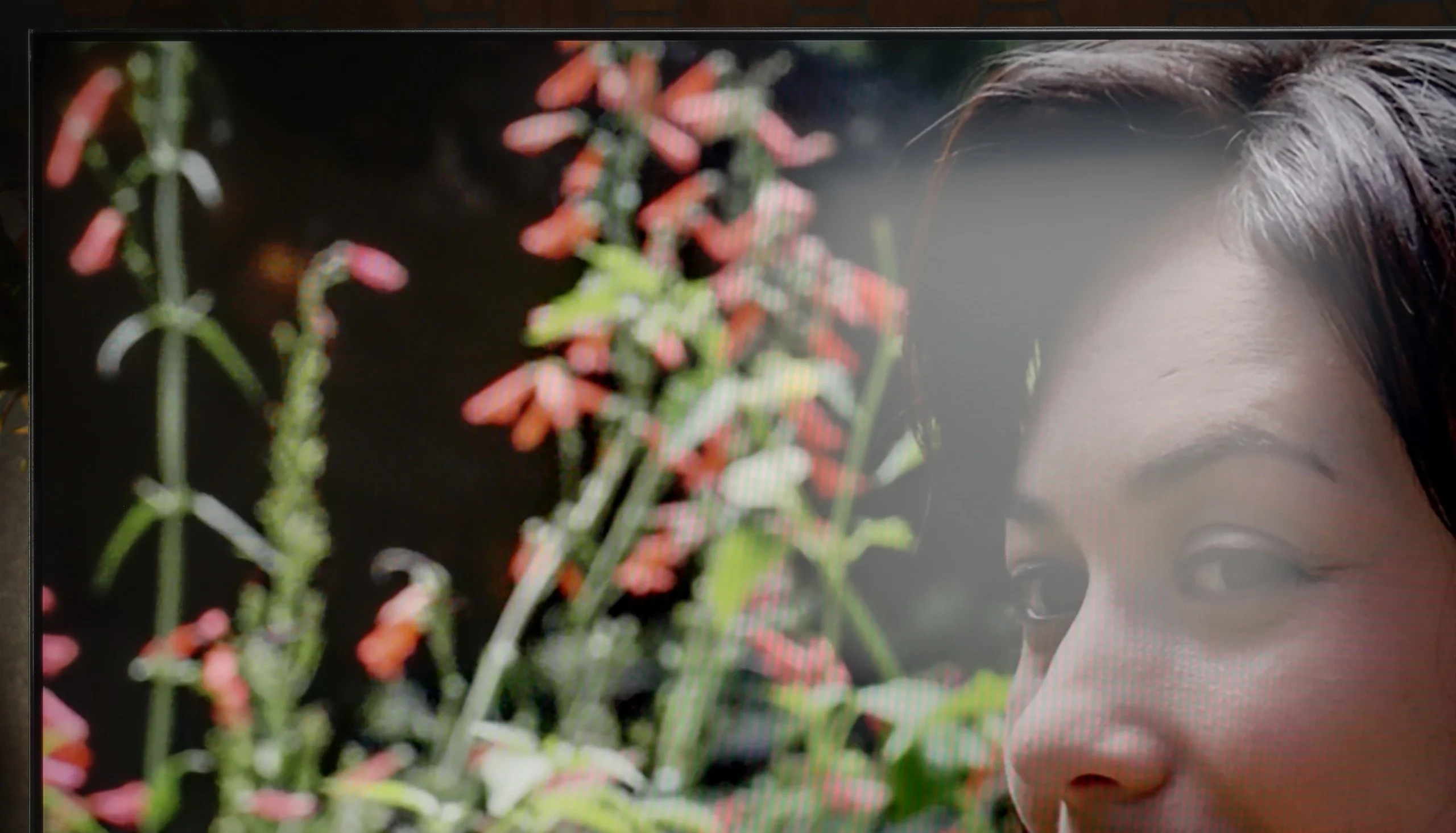
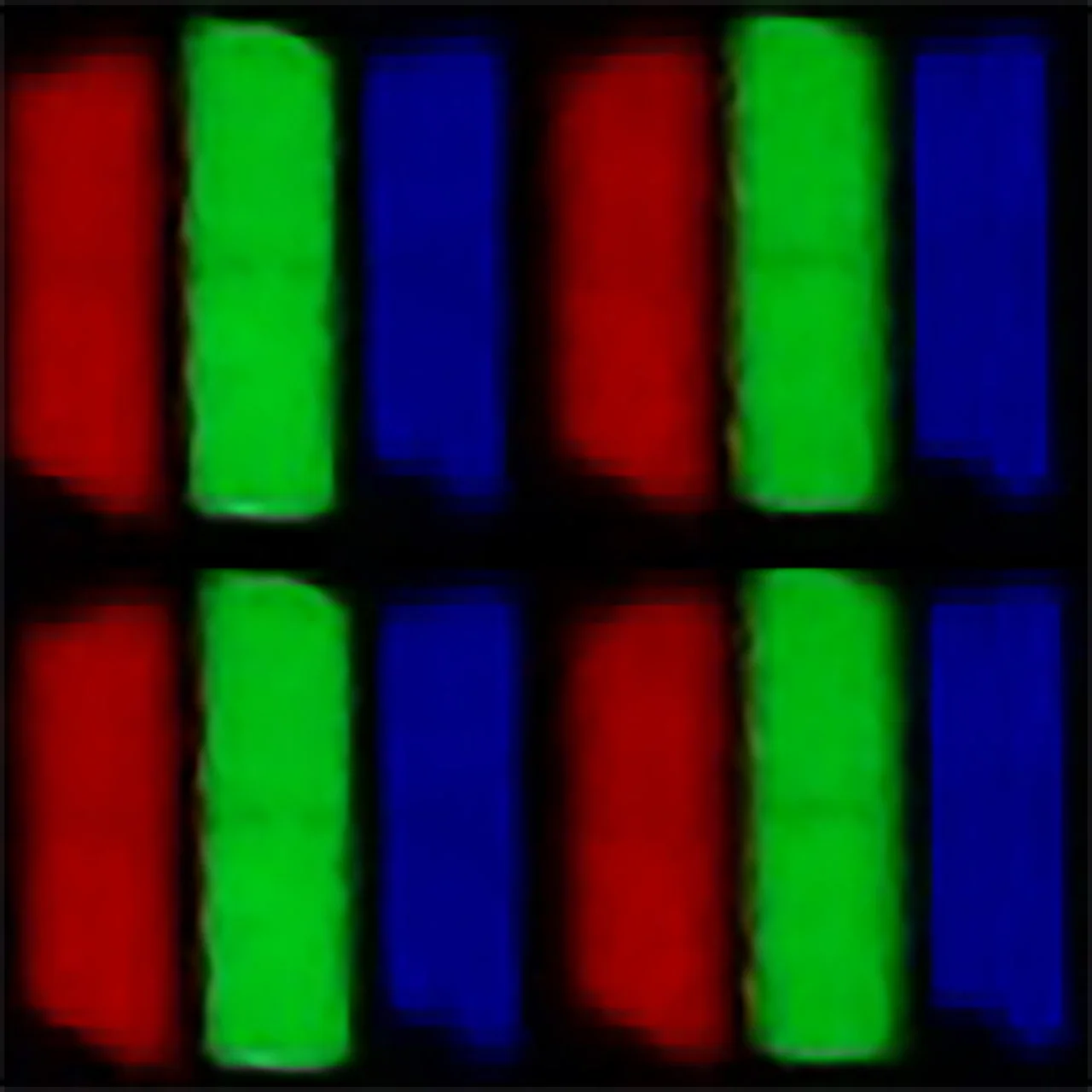
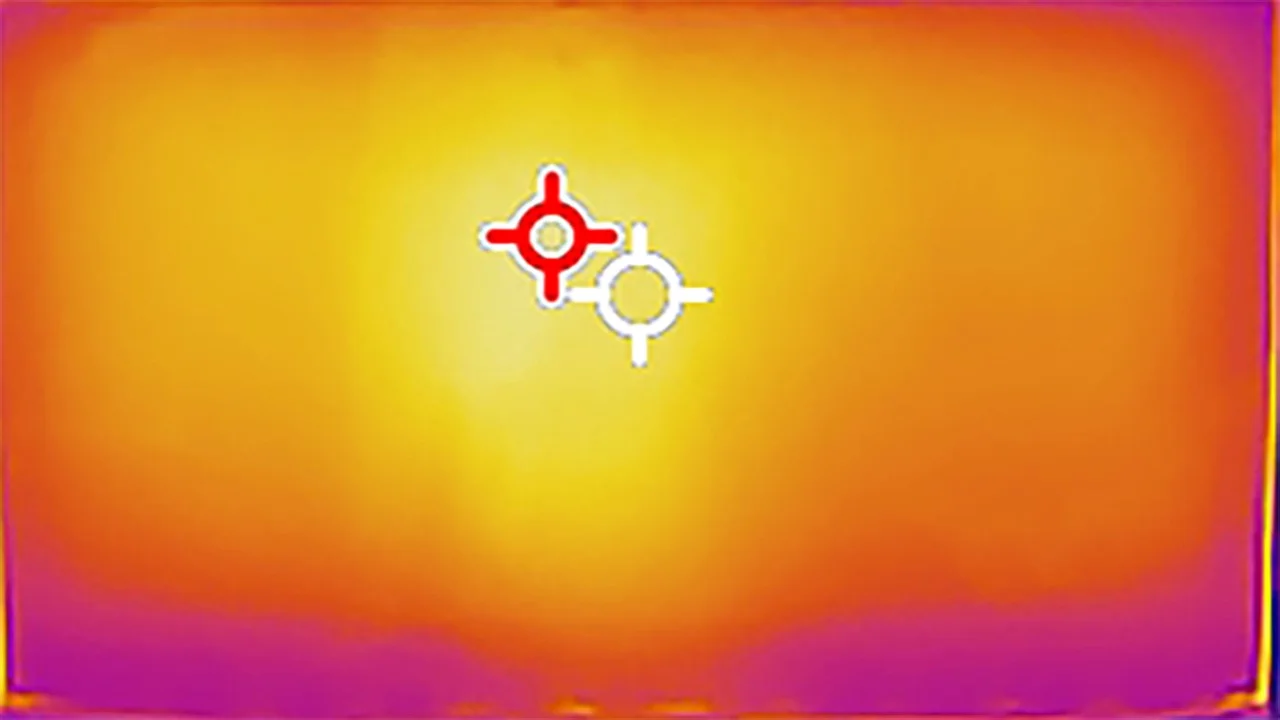
The Dreame S100 is a relatively bright television. In movie mode, the brightness we measured reached about 600 nits. This is a really good result, although not the highest, considering the capabilities of the competition in this price range. In fullscreen scenes, it is evident that the television can generate an image that strikes with brightness. Unfortunately, when more complex scenes appeared on the screen, the local dimming algorithm in this model tried above all to maintain the deepest blacks. However, this came at the expense of HDR effect – and in a drastic way. In such scenes, the brightness of bright elements dropped below 100 nits, which is a truly tragic result, far from any HDR effect. This aspect can be improved, though not without any "buts." It is enough to change the local dimming setting in the television's menu, but then the blacks in such scenes simply turn gray. It’s a pity that Dreame could not refine the local dimming algorithms better, and the S100 is another example that the mere number of local dimming zones does not always translate into better image quality. As a consolation, it is worth adding that the Dreame S100 is advertised as a "QLED" television, although in reality it utilizes a PFS LED filter. As a result, the colors are appropriately saturated, and the color gamut coverage we measured exceeded 94% of the DCI-P3 palette.
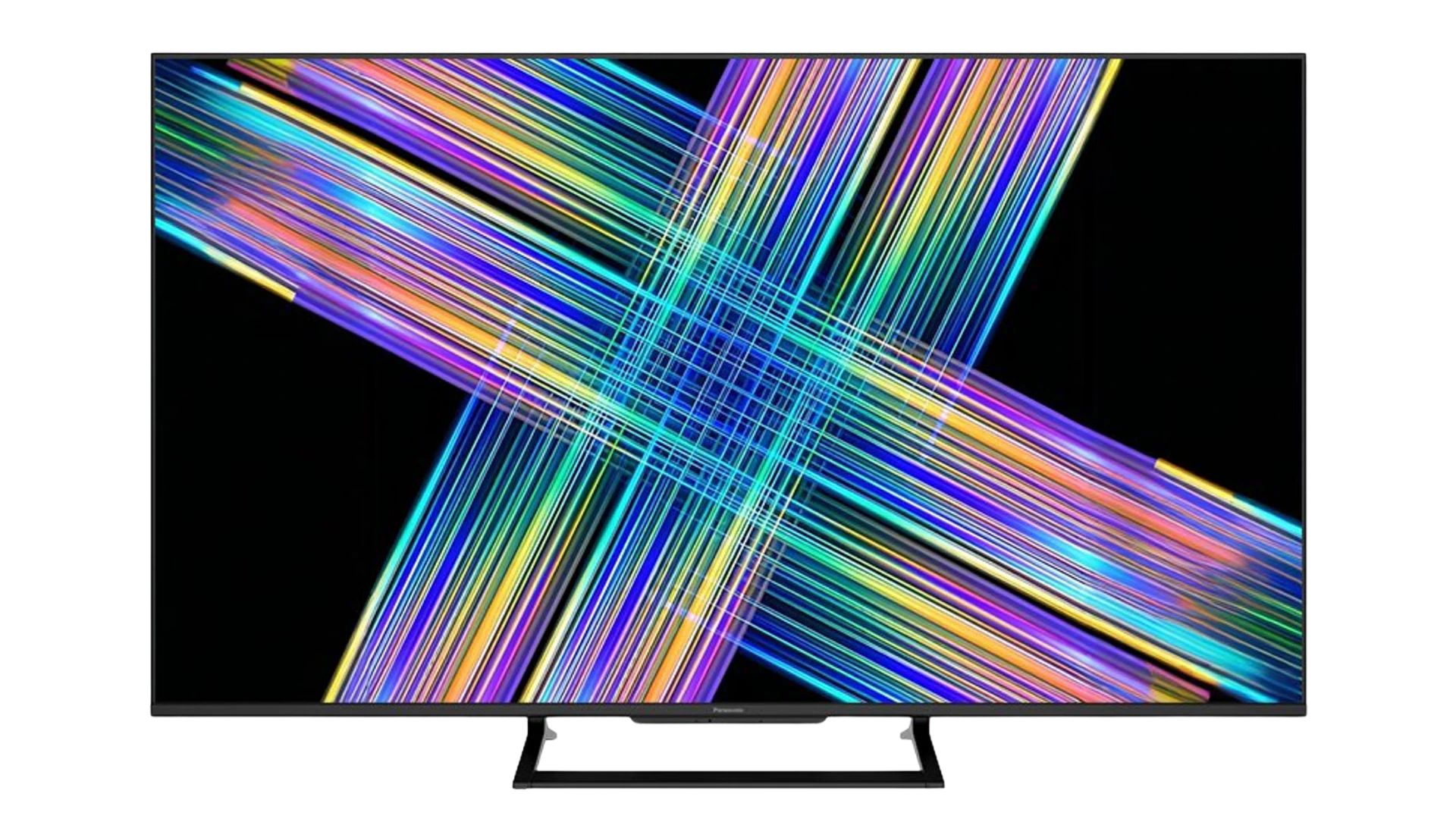
Panasonic W92C reaches a peak of about 750 nits with local dimming set to high. That brightness is enough to show a noticeable HDR effect, but in movies the TV does not always manage to use it. In brighter scenes we get around 500 nits, while small highlights on a dark background can fall to just 160 to 250 nits. In practice this means the sun in a bright shot looks fairly convincing, but a flashlight or small flares in a night scene lose intensity. This is another cost of local dimming, which with a limited number of zones also dims bright elements to preserve the black around them.
During testing we also noticed a strange software bug. After switching to HDR the TV would automatically change the backlight level, setting it for example to 53 or 81 instead of the maximum. As a result the image was darker than the panel’s capabilities. All presented measurements were made after manually restoring the maximum backlight.
Colors
The wide color gamut in the Panasonic W92C comes from the PFS phosphor, which produces an effect similar to the quantum dots used in QLED screens. We measured DCI-P3 coverage at about 94% and 74% of the wider BT.2020 gamut. Importantly, results on film material were practically identical to those on test patterns. That’s a good outcome, allowing HDR movies to show richer, more saturated colors than a standard LCD panel.
The luminance of the colors themselves is somewhat weaker. In our measurements red reached about 58% of its target value, while green and blue were around 66 to 67%. The TV can therefore display a wide range of colors, but the brightest, highly saturated parts of the image do not have the same punch as on RGB screens.
 Direct comparison