 Direct comparison
Blaupunkt UGC5500S is a textbook example of a very inexpensive television that primarily has two huge advantages: the Google TV system and an extremely low price. It is these two elements that make it an enticing option for many people. During testing, we also found other fantastic uses for it, such as working with a computer. Thanks to the exemplary readability of fonts and good viewing angles of the IPS panel, Blaupunkt surprisingly performs well as a budget monitor. However, one must be aware that this is a typical budget device, and this cost-saving is evident in the image quality. The panel is simply dark, making it difficult to perform in challenging lighting conditions, not to mention creating any real HDR effect. Additionally, despite good viewing angles, the blacks on this model leave much to be desired – in the evening, they will be more dark gray, which is a typical characteristic of the IPS technology used here. Looking through the lens of price, this is a device intended to compete in the market not on image quality but rather on the amount on the receipt. Blaupunkt UGC5500S will find its place perfectly as an additional television in the home, equipment for the cottage, or in a less important room where the image is simply needed, and we want to enjoy all the benefits and applications that Google TV offers.
- Matching (Score) |
- Our verdict |
- TV appearance |
- Where to buy |
- Contrast and black detail |
- HDR effect quality |
- Factory color reproduction |
- Color reproduction after calibration |
- Smoothness of tonal transitions |
- Image scaling and smoothness of tonal transitions |
- Blur and motion smoothness |
- Console compatibility and gaming features |
- Input lag |
- Compatibility with PC |
- Viewing angles |
- Daytime performance |
- Panel details |
- TV features |
- Apps |
- Playing files from USB |
- Sound
Q100
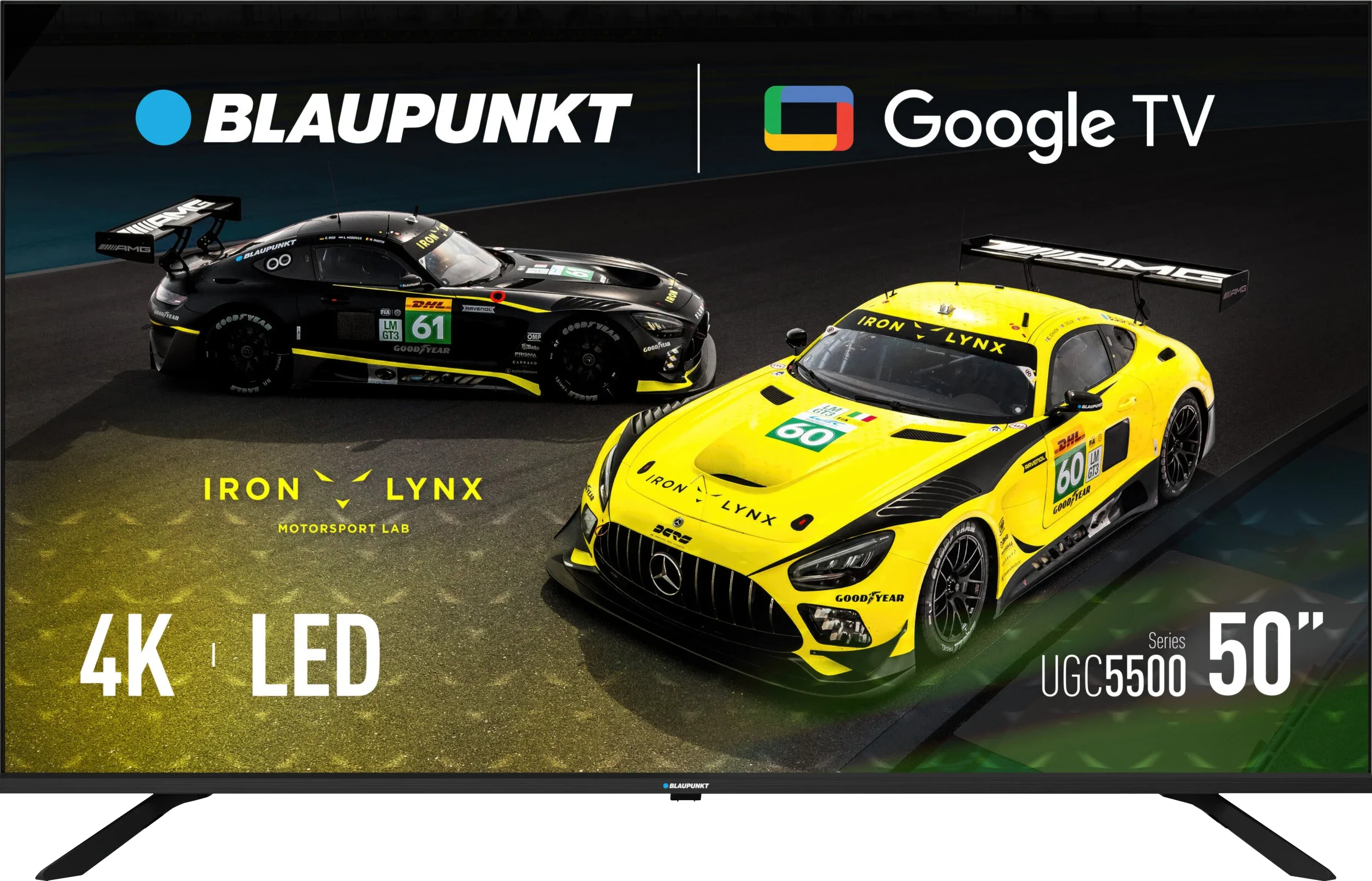
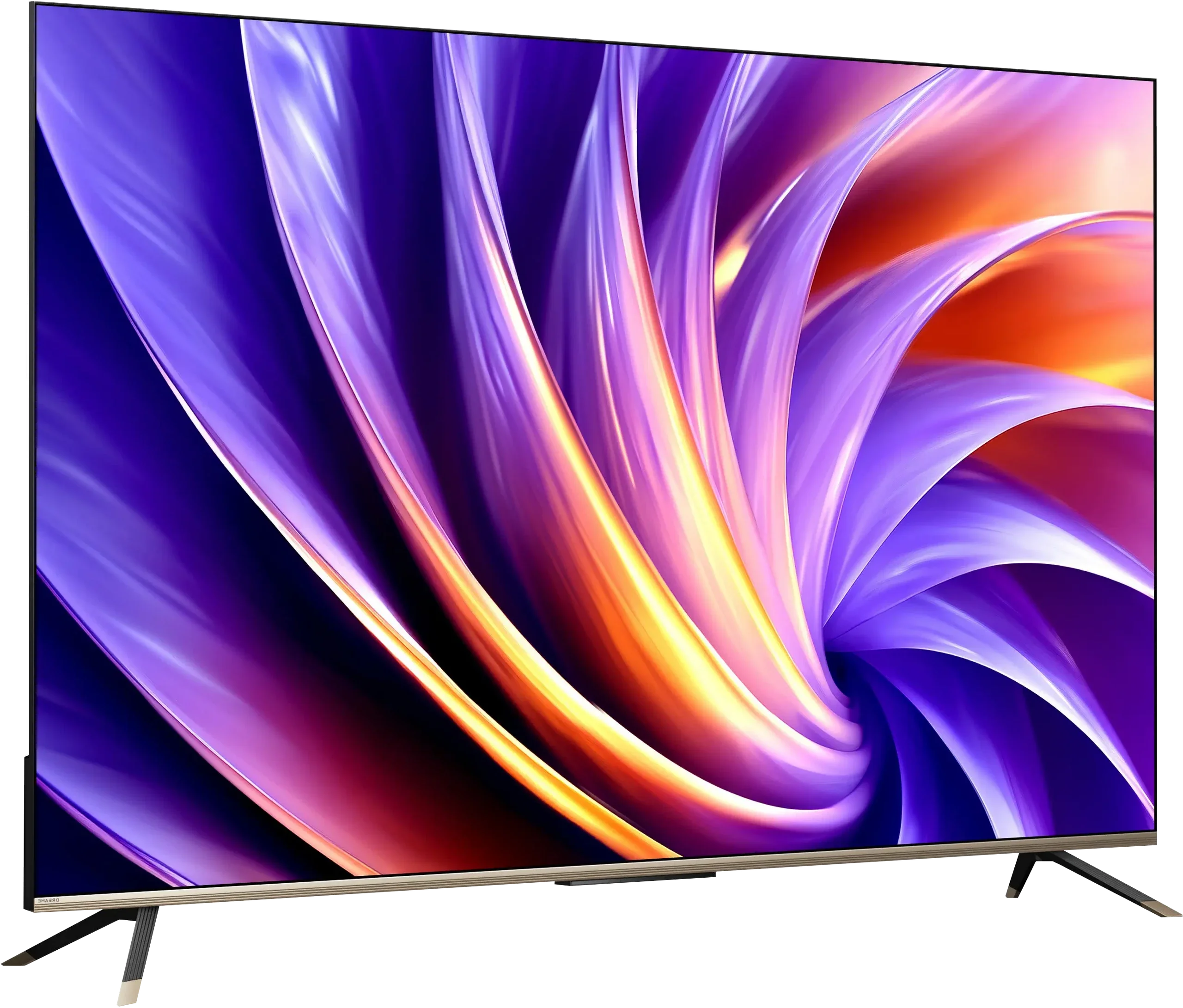
Panel type: LCD IPS
Resolution: 3840x2160
System: Google TV
Model year: 2025
Panel type: LCD VA
Resolution: 3840x2160
System: Google TV
Model year: 2026
Check how well they match your needs
Take the surveyOverall rating
5.0
5.6
 Movies and series in UHD quality
4.2
5.8
 Classic TV, YouTube
4.1
5.4
 Sports broadcasts (TV and apps)
4.1
4.6
 Gaming on console
5.4
7.0
 TV as a computer monitor
6.0
4.0
 Watching in bright light
4.0
4.4
 Utility functions
5.1
5.2
 Apps
9.6
9.6
 Sound quality
6.0
5.0
Complete the survey to find out what fits your preferences
Advantages

Google TV system: a gigantic library of apps
Relatively low input lag
Good viewing angles: thanks to the IPS panel
PC compatibility: exemplary font readability (Chroma 4:4:4)
Refresh rate: 120 Hz at Full HD resolution
Presence of a classic mini-jack output
Quite pleasant sound: clear and loud above the "budget" standard
Google TV with plenty of apps
Dolby Vision support
Wide color gamut, QLED PFS color filter
Decent VA panel contrast
Good tonal transitions
Gaming features: VRR and ALLM
120 Hz in Full HD
Game Bar
Low input lag
Disadvantages

Very weak black levels and contrast
HDR: low brightness (250 nits) and lack of real effect
System fluidity: sluggish performance and "numb" remote
Motion: complete lack of digital smoothers in the menu
Image processing: noticeable overscan and motion artifacts
Low brightness, about 300 nits
Poor HDR performance
Average image processing
No AirPlay
Average audio
Our verdict
The Dreame Q100 is the manufacturer's entry-level model, and its price alone hints at what to expect. It’s not a TV that tries to win on picture quality. Its strengths lie elsewhere: it has Google TV, surprisingly many features for gamers, and costs relatively little. In terms of picture, the Q100 performs similarly to many other TVs in this price range. The VA panel provides decent contrast, and colors are quite respectable thanks to the QLED (PFS) filter, but with only around 300 nits of brightness the limitation quickly becomes apparent. Especially in HDR, where it simply lacks the power. It's good that Dreame didn't drop Dolby Vision, because with a TV like this that format really comes in handy. Movies and series from streaming platforms are better matched to the screen's capabilities and can therefore look quite good. So the Q100 makes sense mainly if you're looking for an inexpensive TV for casual watching, Netflix, YouTube, or occasional console use. There are no big surprises in picture quality, but it's hard to expect them from one of the cheapest models in the lineup. For Dreame's first foray into this segment of the market, the Q100 is a pretty interesting start, especially since not long ago the brand name was far more likely to be associated with a vacuum cleaner than with a TV.
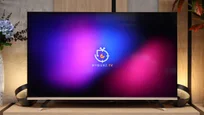
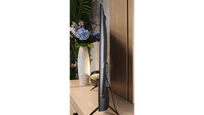
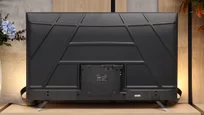
TV appearance




Contrast and black detail
2.2/10
5.3/10
Local dimming function: No
Local dimming function: No
Contrast:


Result
1,000:1

Result
1,100:1

Result
1,150:1

Result
1,100:1

Result
1,050:1
Result
4,350:1
Result
3,850:1
Result
4,100:1
Result
4,450:1
Result
3,400:1
Halo effect and black detail visibility:
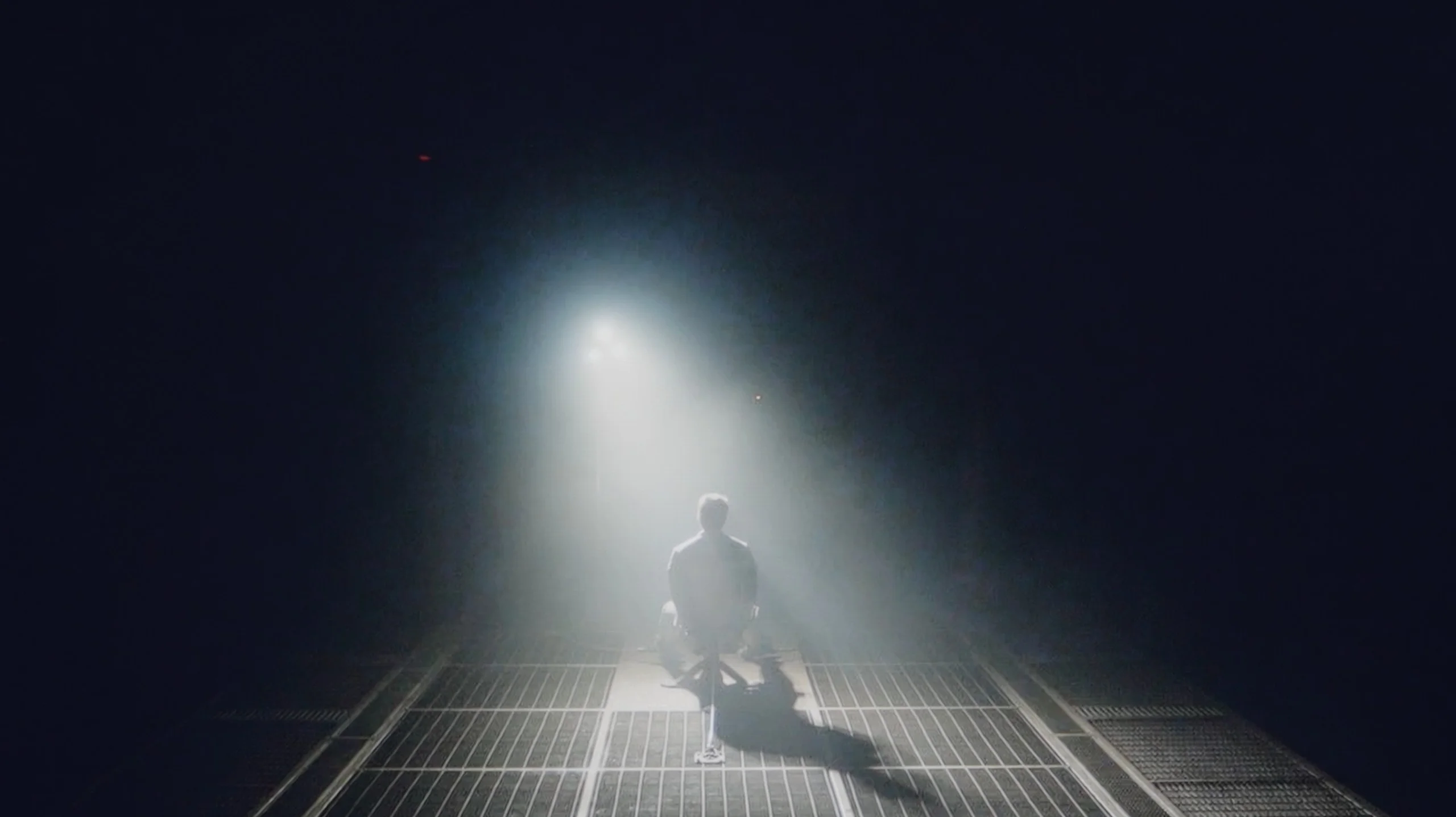
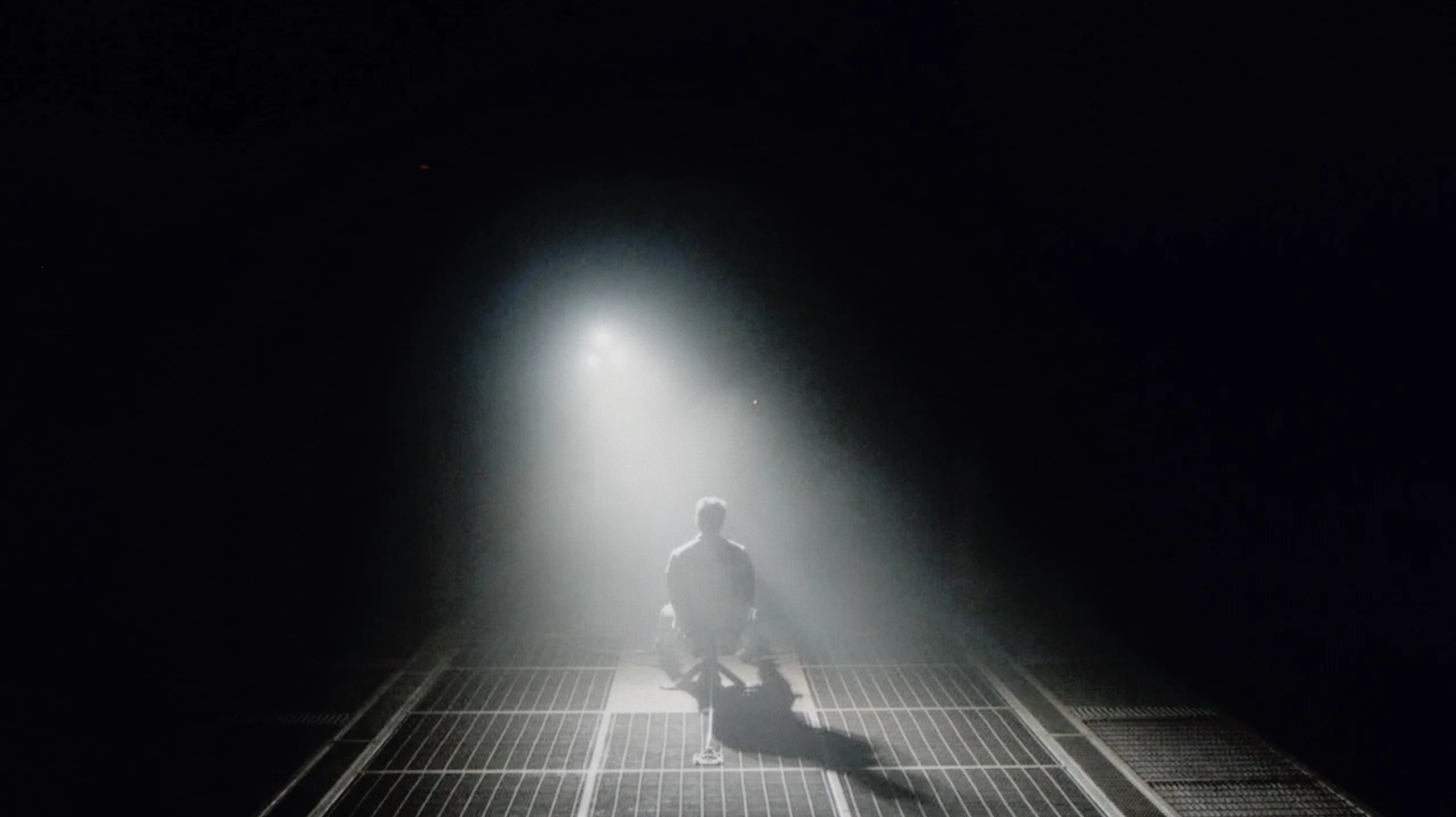
Check the visibility of bright lights on a dark background. Mini-LEDs often struggle with this. The photo does not compare black levels – that’s what the video below is for.
The video accurately shows differences in contrast and black levels between TVs, as well as potential issues: halo around bright objects or Mini-LED zone operation visible as brightness jumps.
To put it bluntly: the black levels are simply very poor. Our measurements on test screens only confirmed what we could see with the naked eye – a result around 1000:1 is, in today's standards, even in this price range, a disappointing result. In cinematic conditions, this "black" simply does not exist. To back up our claims, we fired up one of our favorite test scenes – the helicopter flyover in "Sicario 2" (you can actually see it in the video we posted below). Instead of a pitch-black, deep night, we got an image that is... navy blue. Everything that should be dark and mysterious on screen, in reality, shines dark blue. This is the price we pay for using an IPS panel. On one hand, we get quite decent viewing angles, so if you're watching TV with the whole family from different angles, the image doesn't lose much saturation. On the other hand, if you plan to have evening screenings with the lights off, this lack of contrast will hit you in the eyes from the very first minute.
Dreame Q100 is an entry-level LCD TV, so its black level and contrast performance depend mainly on the panel itself. It uses a VA panel that achieves a native contrast ratio of about 4500:1. For this class of device that's a pretty good result. In practice this mainly means noticeably deeper blacks than similarly priced TVs with IPS or ADS panels. The difference is especially visible in the evening, when dark scenes have more depth and don't look as gray.
However, it's important to remember that the Q100 does not have local dimming. The entire backlight therefore runs continuously, with no ability to dim specific areas of the image. In a very dark room the blacks can start to take on a navy tint and are far from what better Mini LEDs and especially OLEDs can achieve in this regard. That said, this is not surprising, because the same limitation affects most entry-level LCD TVs in this price range.
HDR effect quality
3.8/10
4.2/10
Luminance measurements in HDR:

Result
232 nit

Result
245 nit

Result
255 nit

Result
238 nit

Result
252 nit
Result
230 nit
Result
252 nit
Result
285 nit
Result
298 nit
Result
298 nit
Scene from the movie “Pan” (about 2800 nits)
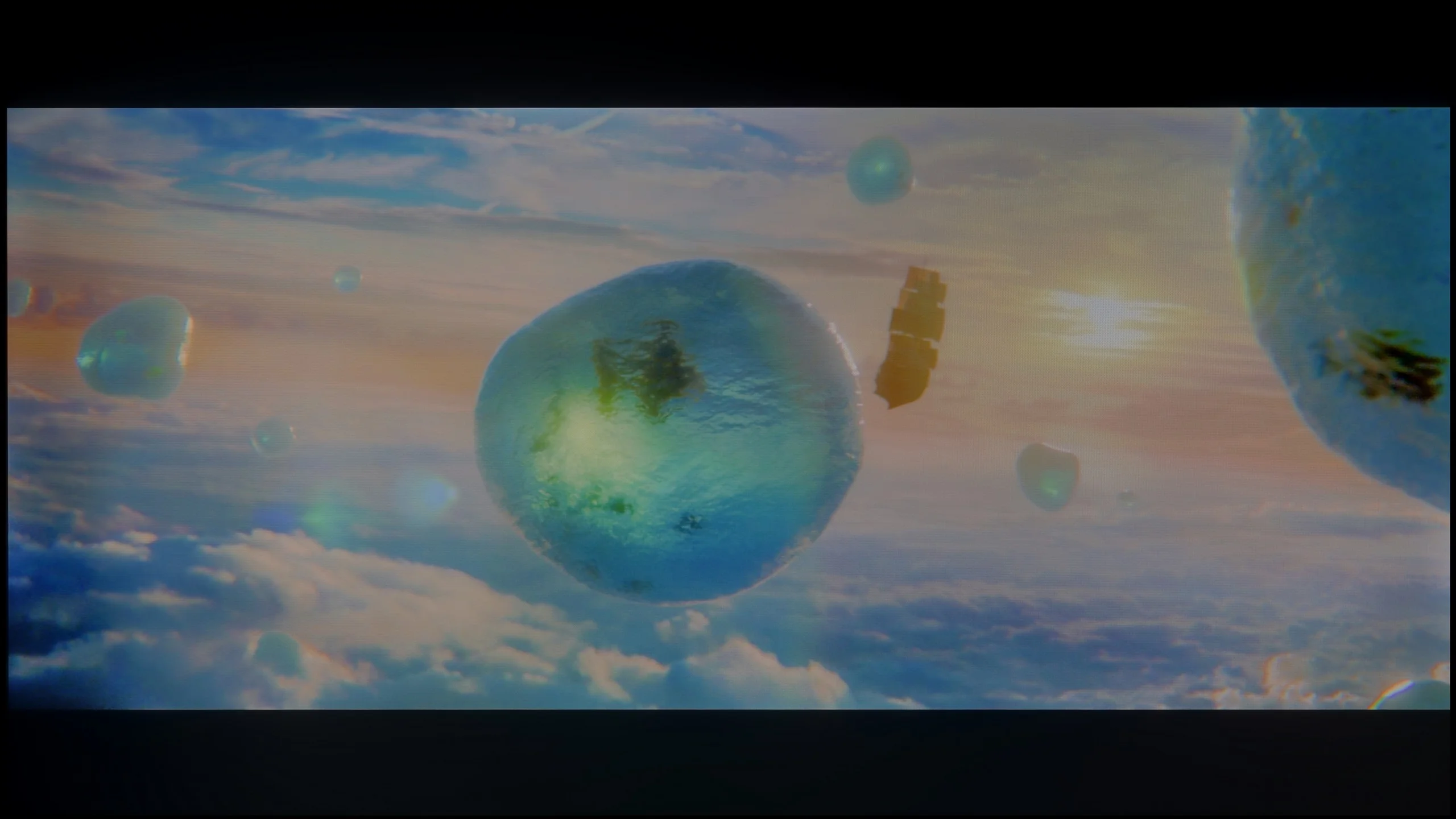

Scene from the movie “Billy Lynn” (about 1100 nits)


The photos show two HDR10 movies. 'Pan' is one of the brightest productions ever made, while 'Billy Lynn' (soldier) has brightness typical of streaming (Netflix, Prime, HBO MAX). Notice the intensity of effects and detail in whites.
Static HDR10


The photos present the visibility of white details in various HDR formats. They do not show brightness differences between TVs (these can be compared in the previous gallery).
HDR luminance chart:
Dreame Q100
Blaupunkt UGC5500S
Here, we won't beat around the bush either – if you're looking for a TV strictly for cinematic HDR experiences, you've come to the wrong address. The Blaupunkt UGC5500S unfortunately is not a machine designed for such challenges. This is primarily due to its very low brightness, which we measured during our tests. A result of around 250 nits on film screens speaks for itself. It's simply too little to even talk about any real HDR effect. To be honest, everything displayed here in this format can best be considered a slightly "boosted" SDR mode. We expected this because practically every device in this price range fails in this regard, but we feel obligated to warn you. Manufacturers love to boast about HDR compatibility stickers on the boxes, but in reality, this format simply doesn't exist here – it lacks the "fuel" of brightness.
The situation is made all the more difficult for Blaupunkt because we have a panel with a very basic DCI-P3 color gamut coverage of just around 80%. You won't find any advanced coatings that enhance these capabilities (like quantum dots), making scenes that are supposed to burst with richly saturated colors appear simply desaturated on this screen. Therefore, we have a concrete piece of advice for you: do not push the HDR mode on this model. If you have the option in the streaming app settings – just turn it off. Sticking with the classic SDR mode will ensure that the TV won't try to "enhance" something that it can't handle hardware-wise.
Unfortunately, the Dreame Q100 is too basic and, above all, too dim to be said to deliver a true HDR effect. Our measured brightness reaches a maximum of about 300 nits, which is definitely too low for bright parts of the image to truly pop. In fact, that’s a level we more often associate with SDR material than with HDR. It therefore lacks the brightness headroom offered by more expensive TVs that makes highlights, reflections, or the sun look noticeably more impressive.
HDR Colors
Fortunately the Q100 makes up for it a bit elsewhere. The manufacturer calls it a QLED TV, though in practice color gamut expansion is handled by a PFS filter. Our measurements showed roughly 92% coverage of the DCI-P3 color space and about 67% of BT.2020. These aren’t top-tier numbers, but they are still clearly better than basic LCD TVs without an additional gamut-expanding layer. As a result, HDR content can at least offer more saturated and varied colors, even if the peak brightness itself still doesn’t allow us to speak of a fully fledged HDR effect.
Factory color reproduction
4.8/10
6.5/10


This illustrative image shows how colors change after professional calibration. If you can see the difference, you can order it from SkalibrujTV – it's our own service.
Factory mode
After calibration


This illustrative image shows how colors change after professional calibration. If you can see the difference, you can order it from SkalibrujTV – it's our own service.
Factory mode
After calibration
We also took a close look at how Blaupunkt handles colors in movie mode, and here the situation is, to put it briefly, twofold. We must clearly separate what we see in the standard SDR format from what happens when HDR is turned on, as these are two completely different worlds. Let’s start with the better side of the coin. If you plan to watch classic television, YouTube, or older movies on this TV, you can count on really well-tuned colors. In our test sample, the white balance in movie mode was exceptionally accurate, which honestly surprised us. Of course, to not make it too rosy, we noticed some flaws. Looking at the gamma charts, we observed that the processor struggles with properly dimming the image in its brightest parts. Additionally, there is quite strong, at times too aggressive, red saturation, which resulted in noticeable errors in reproducing certain shades. Nevertheless, in general terms, the image in SDR is simply solid and watchable without a grimace on your face. Unfortunately, the magic fades when we re-enter the world of HDR. Here, Blaupunkt behaves as if we suddenly switched it to store mode, and in its worst form. The excess blue in the white balance is so overwhelming that it literally clashes with the eyes, ruining any realism of the scene. Furthermore, the TV interprets brightness very loosely, which, when analyzing the EOTF curve, clearly showed that for most of the time the colors appear simply washed out and lacking depth. This is, by the way, perfectly visible in the color errors that become evident in this mode. Once again, we are left with the same conclusion: Blaupunkt in SDR mode looks significantly better and more natural than in HDR, which feels forced and not properly refined.
For testing we chose the "Film" mode and in our opinion it is by far the best of the available presets. There are no heavily boosted, unnatural colors you can see in the Vivid/Dynamic mode. The picture already looks quite reasonable out of the box, though it falls a bit short of perfect. In SDR material the most noticeable issue was a slight warming of the image. The white balance had too much red, so whites leaned toward a warmer tone, and a similar tint was visible in shades of gray. In HDR the situation was a bit different. Here blue had a slight edge, making the image a touch cooler. These are not major faults, though. For such an inexpensive TV, the factory settings on our unit were pretty decent and the "Film" mode delivers a relatively natural image without much fiddling with the settings.
Color reproduction after calibration
6.4/10
7/10


The photos show how movies look on the TV. Pay attention to black detail visibility, colors, and shadow tint.


The photos show how movies look on the TV. Pay attention to black detail visibility, colors, and shadow tint.
It may sound like a joke – pulling out professional measurement equipment for a television costing around a thousand zlotys / 250 dollars – but we wouldn't be ourselves if we didn't check it out. The question is: does such cheap equipment give us any room for calibration? To your surprise, the answer is yes, and absolutely so. In the Blaupunkt UGC5500S menu, we found surprisingly many options that allowed us to really work on the picture. These are not just empty sliders; they are concrete tools that enabled us to make use of our measurement sensors and software. In SDR mode, the effects were noticeable to the naked eye. We successfully eliminated the issue we mentioned earlier – that excessive, almost artificial saturation of reds. We also fixed the problem of incorrect dimming of the brightest parts of the image. After calibration, the standard format picture became much more balanced and simply correct. As for HDR, the situation was again more complicated. Although we managed to "tame" that aggressive blue tint in the white balance, it was evident that we were fighting a bit in vain. Even after changing the settings, the television still tried to intervene in the image in its own way, as if the electronics knew better than we did how the scene should look. Additionally, there's a hardware barrier that no slider can overcome – colors in HDR still remain unsaturated. This simply results from the quality of the panel itself; it physically cannot produce the most vibrant colors. To summarize this point: if any of you ask whether it’s possible to calibrate a television for "a thousand," we respond with full conviction: it is possible.
Contrary to appearances, the Dreame Q100 is quite well equipped for image calibration. The menu contains plenty of advanced picture settings that let you adjust its characteristics fairly precisely. In our case most work was needed on the white balance in both SDR and HDR. After calibration, SDR content looked very good. We managed to achieve an almost neutral white balance and natural colors, and the main remaining limitation was the black level itself, caused by the panel design and the lack of local dimming.
In HDR we were also able to improve white balance and color reproduction, but here the TV's electronic limitations become apparent sooner. Even after very precise EOTF curve adjustments, the Q100 doesn't always follow it correctly during real scenes. In some content it can also brighten the image, making certain parts look lighter than they should, and in bright areas some detail can be lost in the process.
Smoothness of tonal transitions
6.4/10
9/10
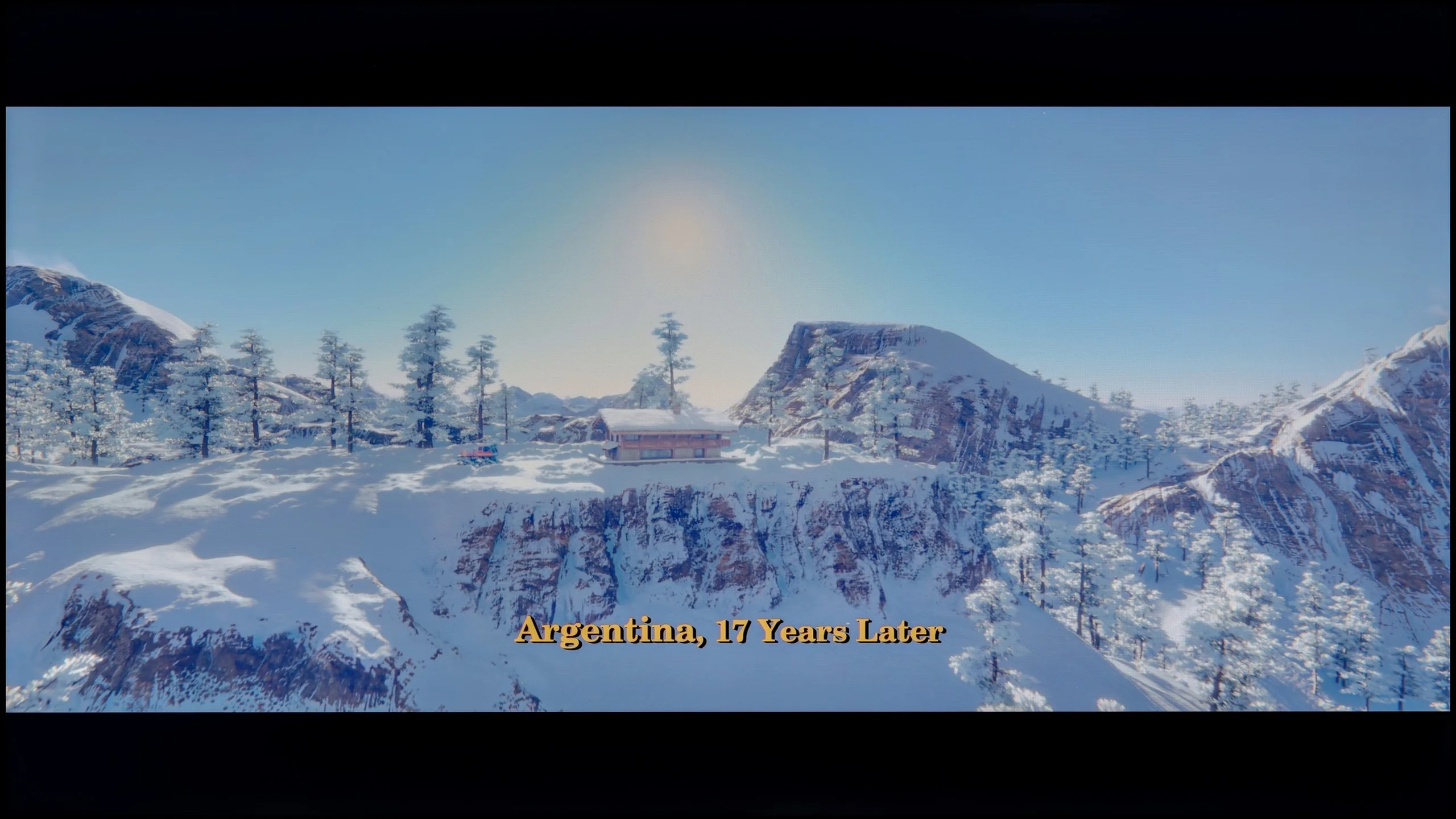

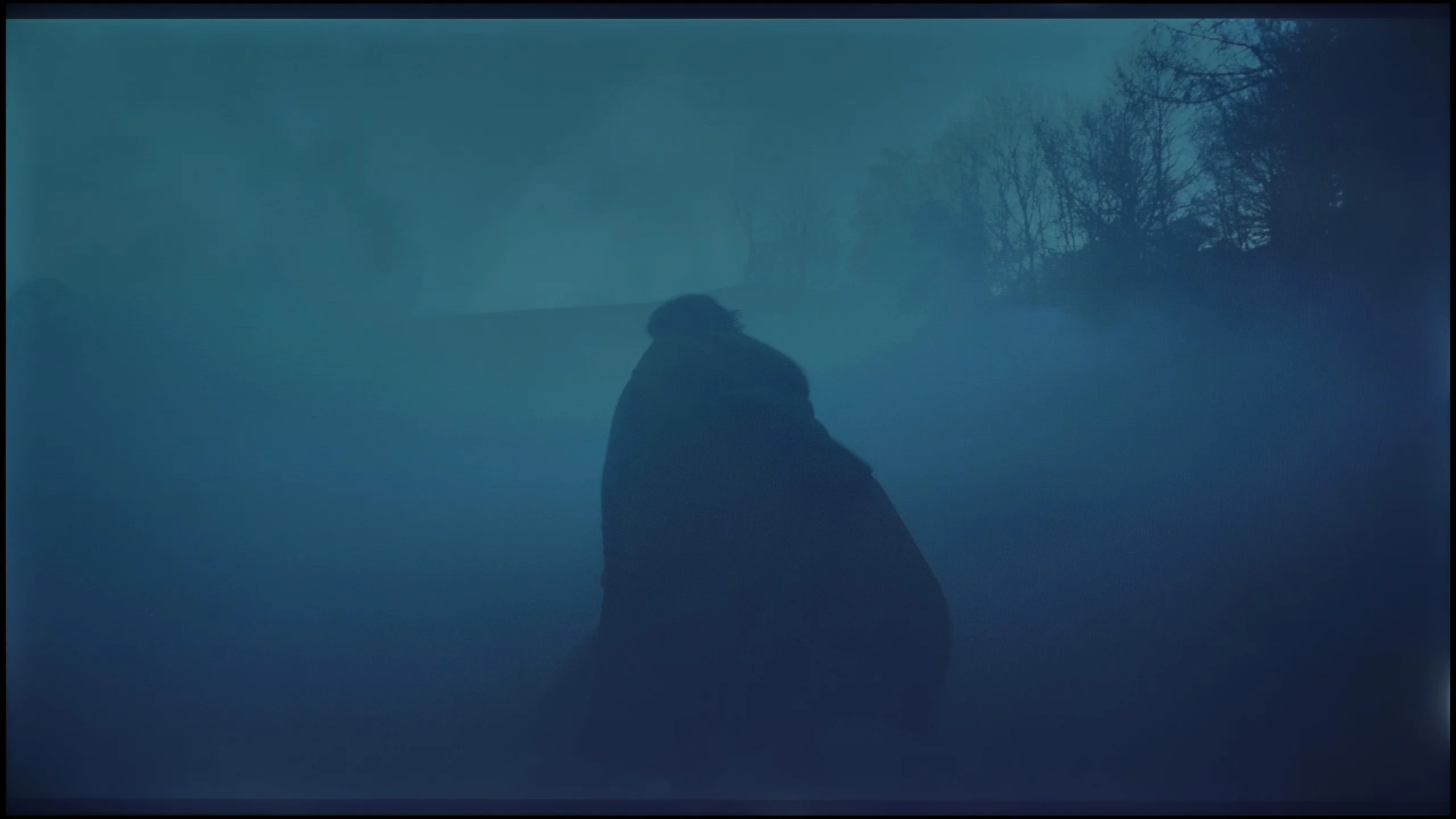

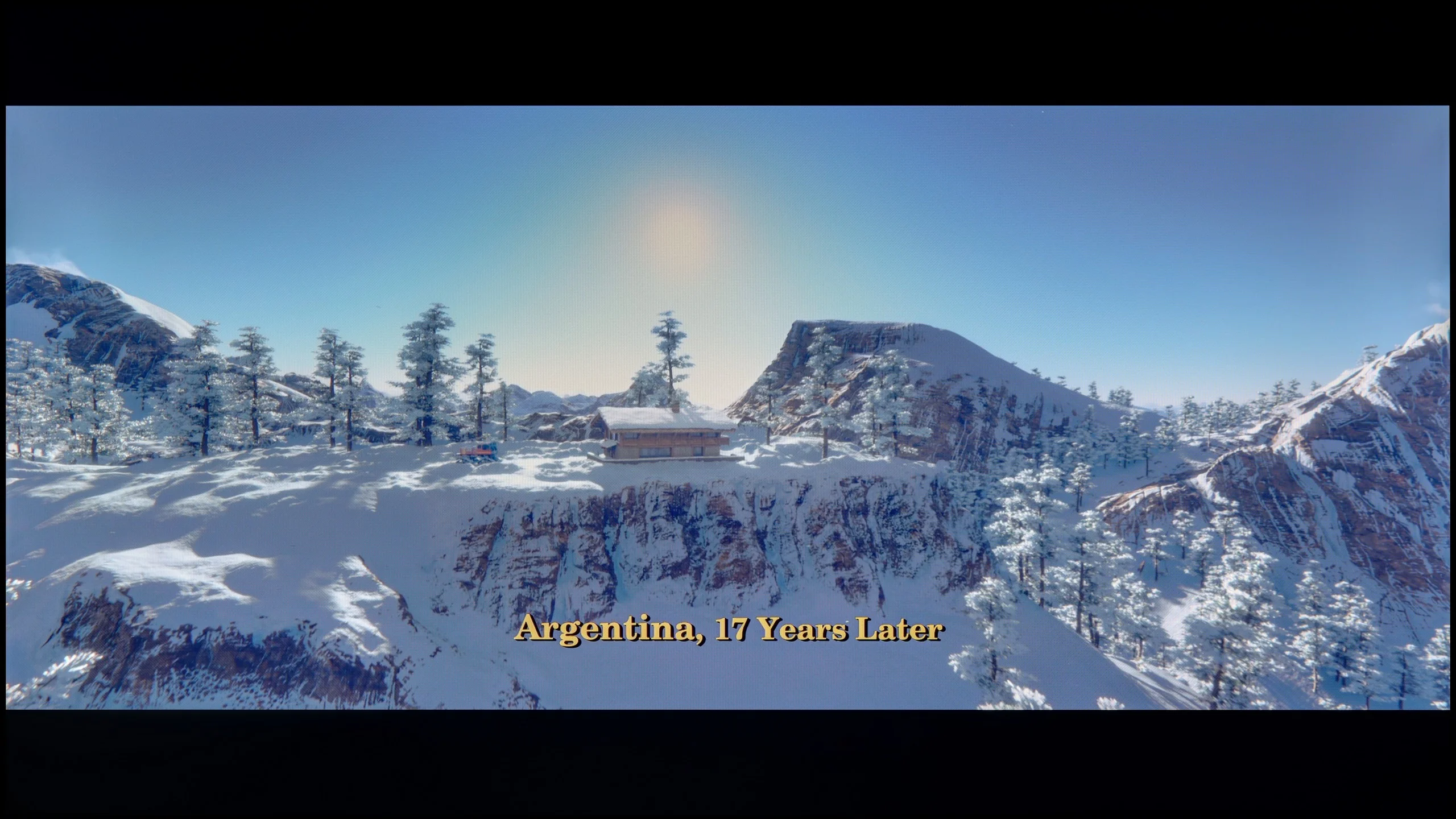
These are selected scenes that show smooth tonal transitions from one color to another. If you see distinct banding, it’s the TV panel’s fault.

These are selected scenes that show smooth tonal transitions from one color to another. If you see distinct banding, it’s the TV panel’s fault.
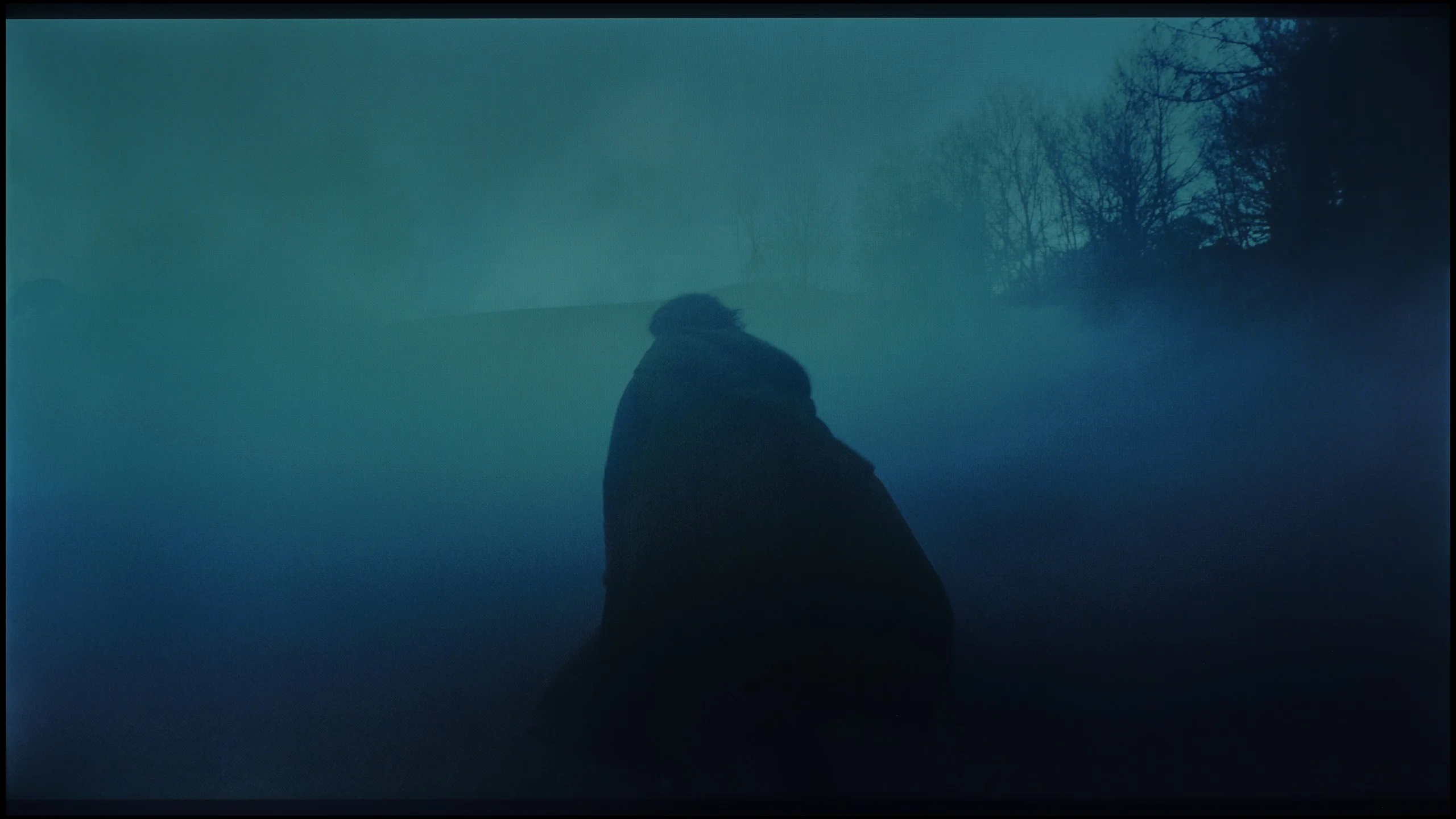
These are selected scenes that show smooth tonal transitions from one color to another. If you see distinct banding, it’s the TV panel’s fault.

These are selected scenes that show smooth tonal transitions from one color to another. If you see distinct banding, it’s the TV panel’s fault.
Looking at our test photographs, it's really hard to find fault with anything. Most of the colors in the attached images blend together almost perfectly, creating smooth gradients without distinct "steps." And indeed, in most of the scenes where we took these shots, it looked surprisingly good. However, the problem arises when we stop analyzing the still frames and simply start watching the movies. In motion, the situation changes dramatically. During dynamic scenes on screen, artifacts start to pop up, which are a direct result of using a simply weak image processor here. Unfortunately, a static photo cannot capture this "jittering" of colors, but you have to take our word for it: what looks clean and smooth in the picture can be quite noticeable and simply annoying during playback. This is precisely why we rated this category quite low.
The Dreame Q100 handles tonal transitions very well. In most scenes the gradients are smooth, and transitions between lighter and darker shades look natural, without noticeable banding or posterization. Minor imperfections may only appear in very demanding scenes, but these are situations even much more expensive TVs can struggle with. Overall, in this respect the Q100 performs really well.
Image scaling and smoothness of tonal transitions
2.5/10
3/10

Smooth transition function
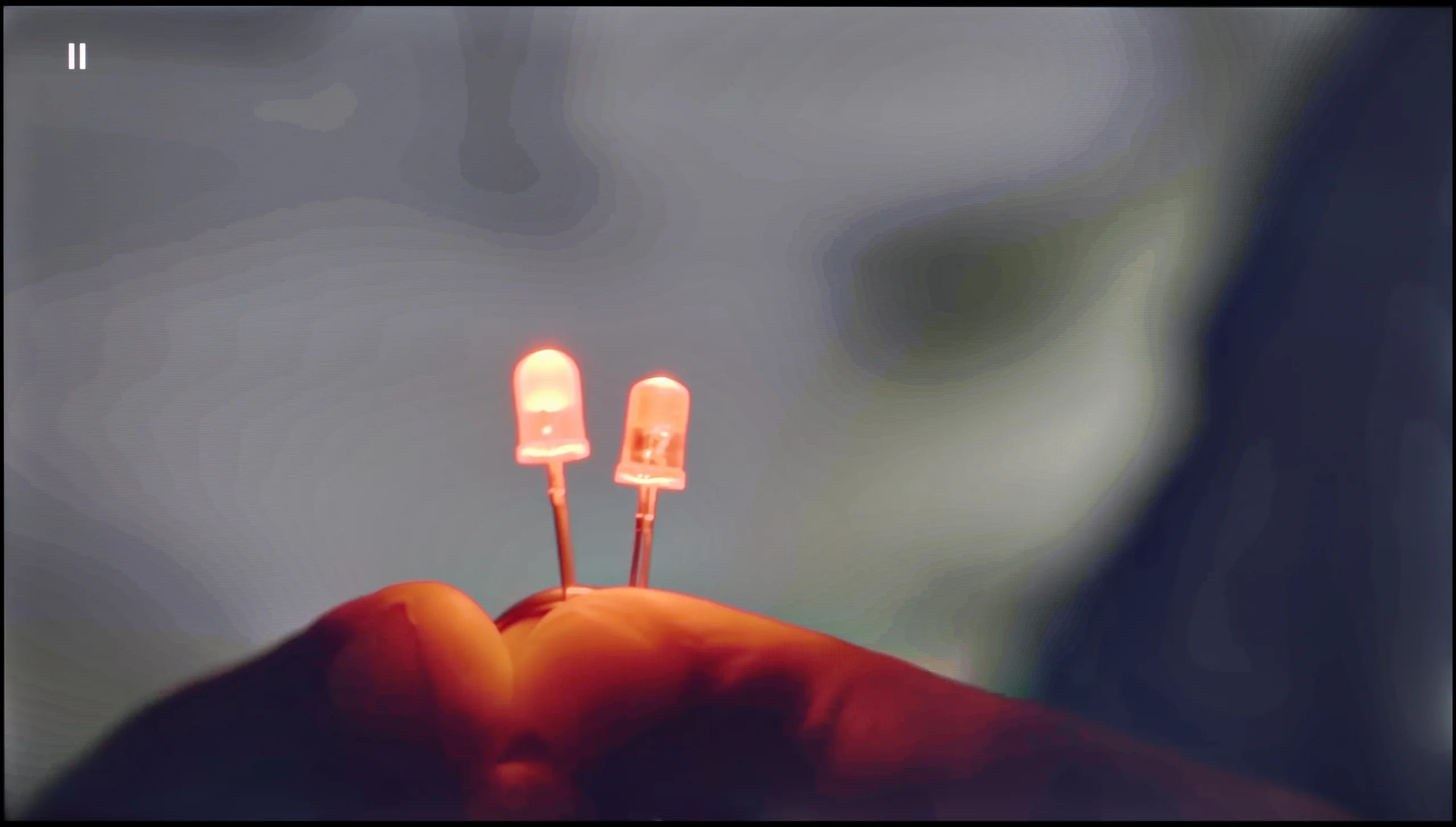
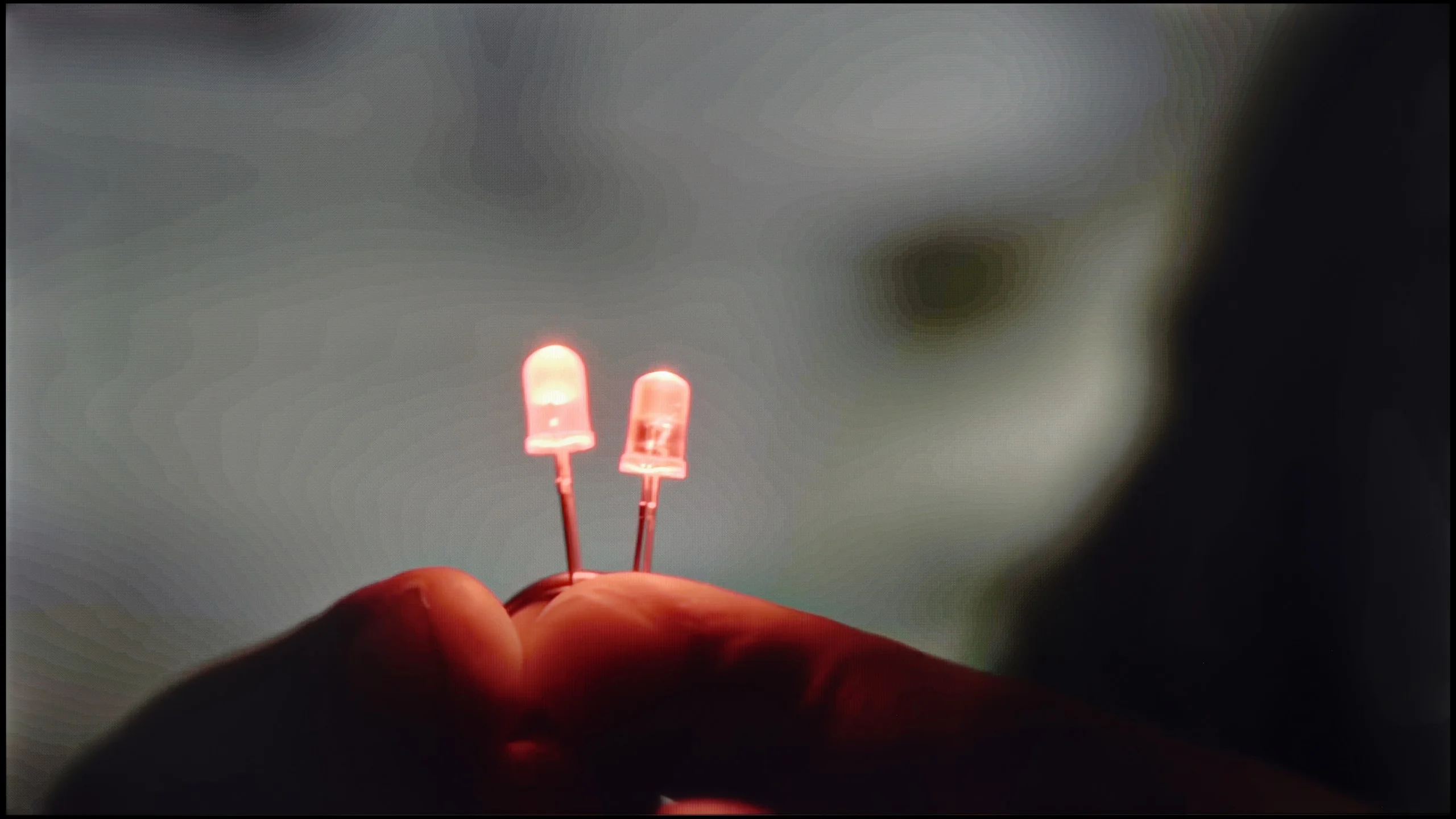
The match photo shows how the TV smooths weak tonal transitions in low-quality video.
Image scaling SD (576i)


The model photo shows how it handles upscaling of SD material.
If you expect that the processor in this model will magically "fix" the poor quality signal from cable TV or old films from YouTube, we must disappoint you. The capabilities of this television end with absolutely basic upscaling, which is simply stretching the image to a higher resolution. It does this correctly in that the image is not blurry, but there is no talk of any intelligent sharpening or adding details. Worse still, Blaupunkt is completely devoid of any functions that reduce unwanted tonal transitions. If the material being viewed has so-called banding (ugly "steps" instead of a smooth transition of colors, e.g., in the sky), this television will display them in all their glory. Additionally, the television tends to slightly crop the edges of the image. Instead of displaying 100% of what the source sends, Blaupunkt slightly enlarges the frame, causing us to lose details located at the very edges of the screen. In summary: in the category of digital "enhancement" of the image, Blaupunkt simply performs poorly. We receive a raw, unprocessed signal with all its flaws.
The weakest point of the Dreame Q100 is its digital image processing capabilities. The processor used does a rather mediocre job of improving weaker sources, and the menu doesn't include any function that effectively smooths unattractive tonal transitions or reduces visible posterization. Upscaling itself also fails to impress. With low-resolution content the image is fairly soft and lacks strong detail reproduction. Additionally, the Q100 tends to overscan, meaning it slightly crops the edges of the image with very poor sources, such as 480p content. In everyday viewing of HD or 4K content this won't be a major issue, but with older recordings the processor's limitations are already clearly visible.
Blur and motion smoothness
3.7/10
4.6/10

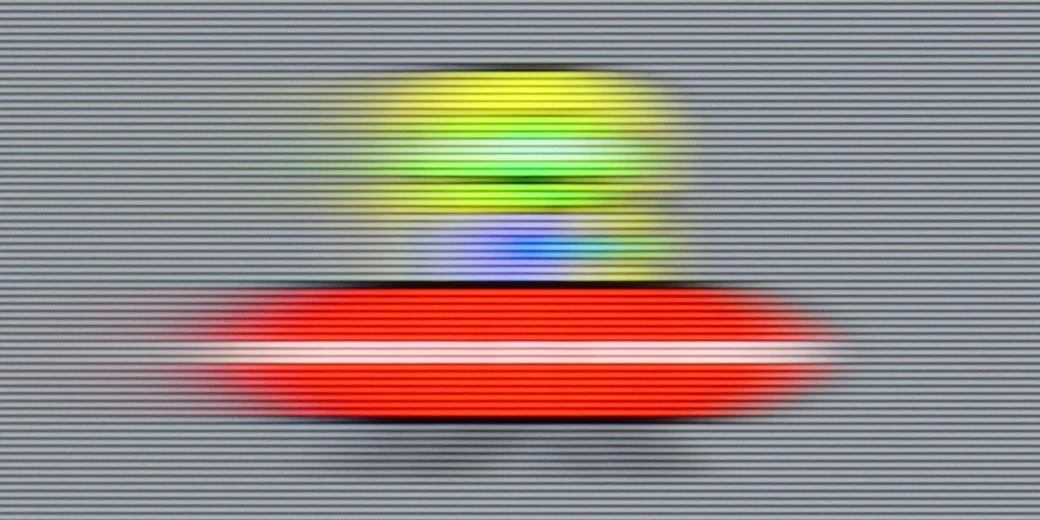
Blur (native resolution, maximum refresh rate):

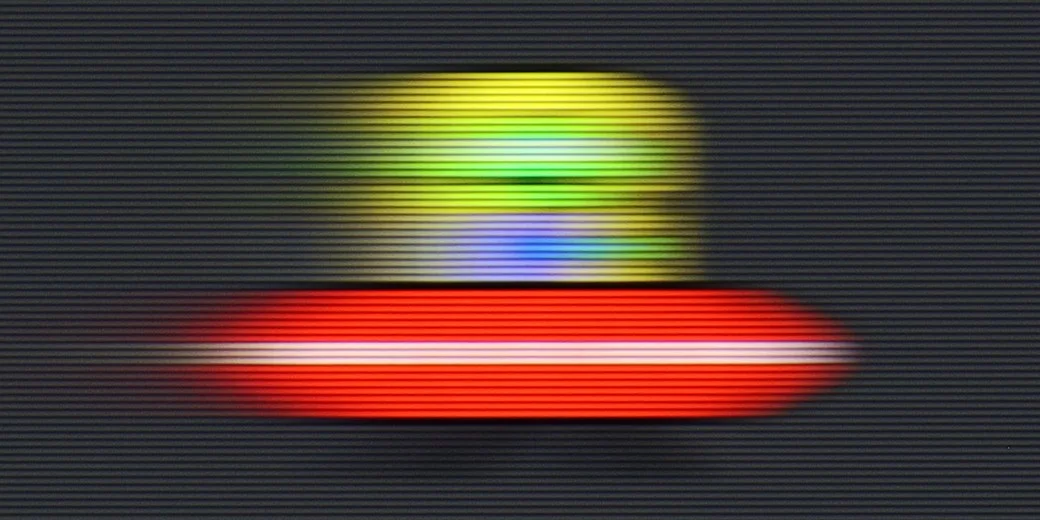
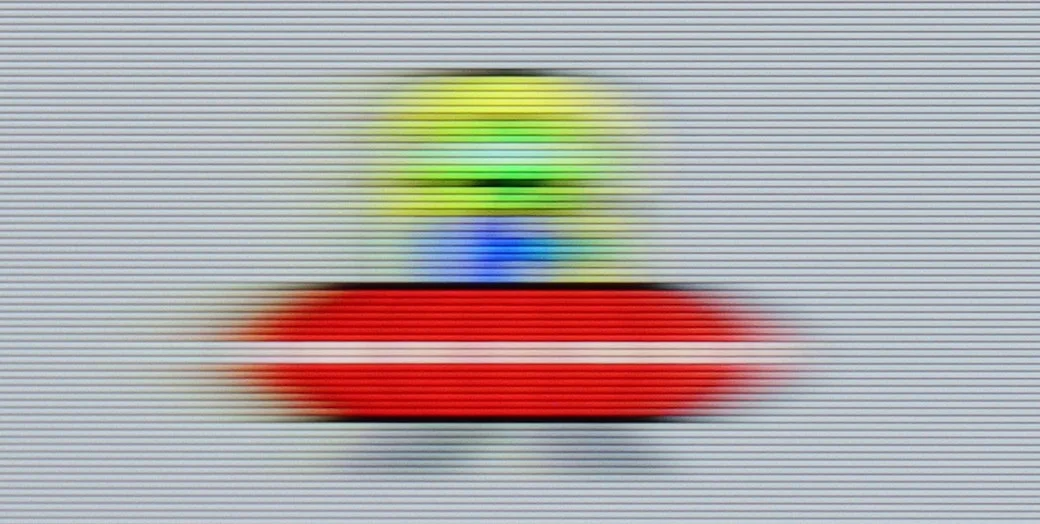
Blur ():
Blur (1080p@120Hz):


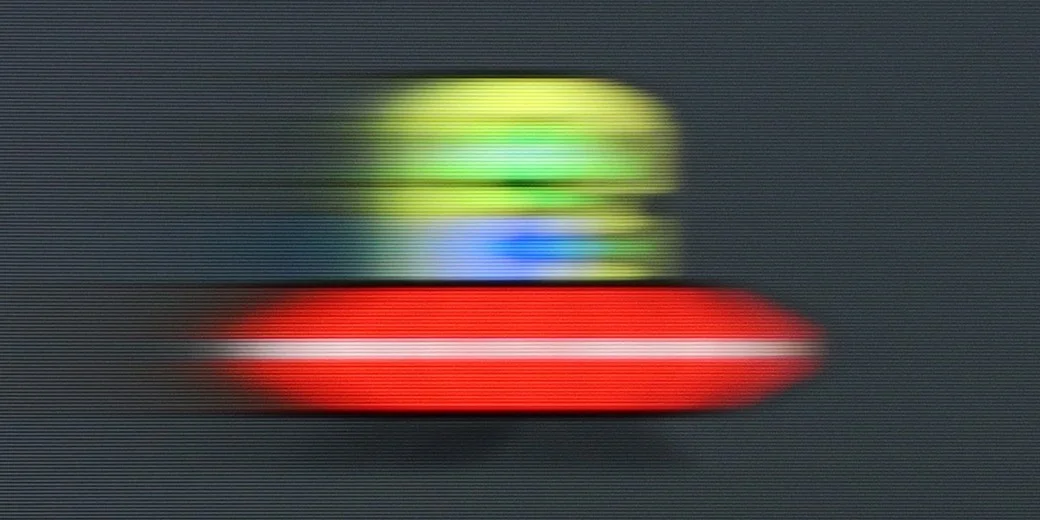
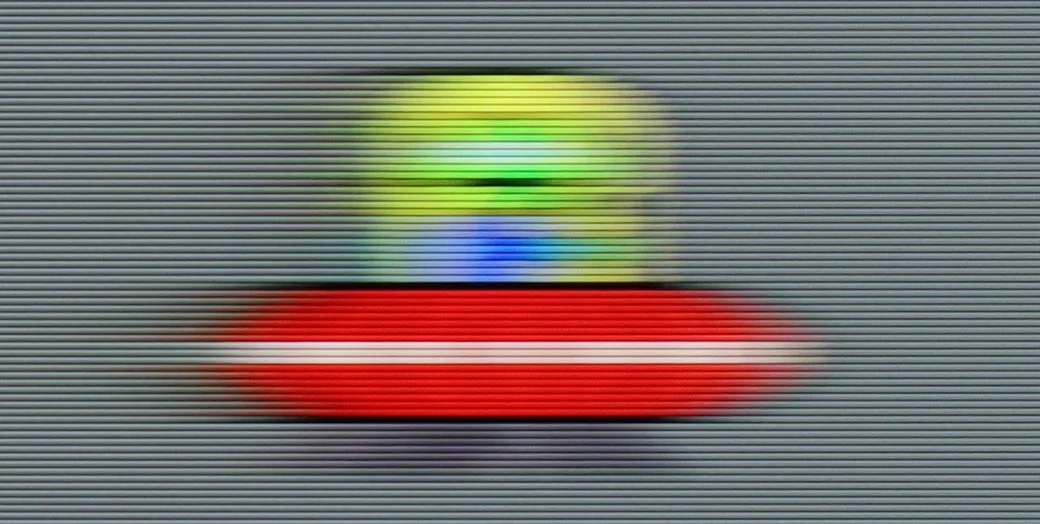
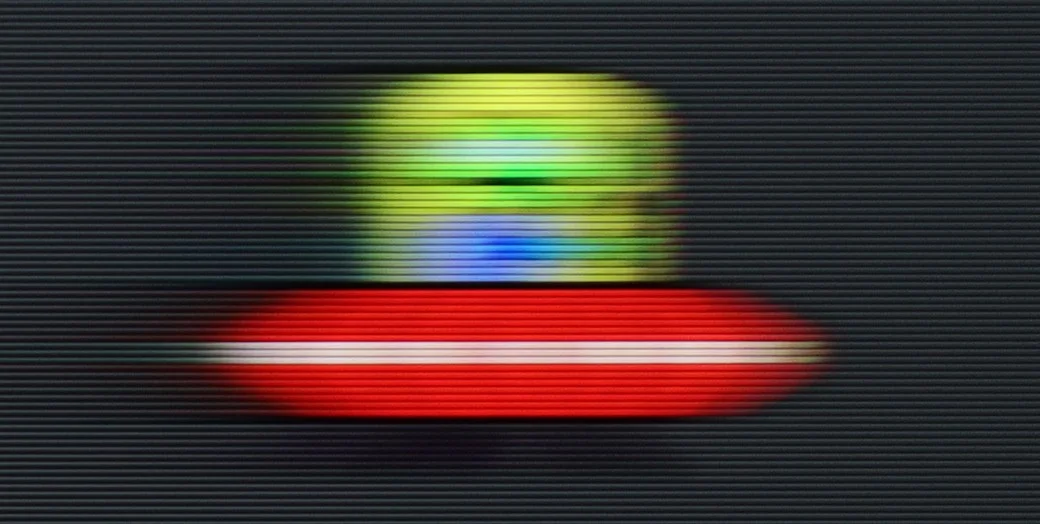
When it comes to motion fluidity, Blaupunkt has nothing to defend itself with. A 60 Hz panel at this price is standard, so none of us expected a perfectly sharp image during fast action scenes or while watching a game. However, the biggest drawback of this model is that you won't find any digital smoothers in the menu. The manufacturer did not give us any room to maneuver – there's no way to smooth anything out or adjust the image to our preferences. The image is always "raw" and we receive it exactly as the source transmits it. For fans of cinematic "motion jump," this might be fine, but everyone else just has to get used to the absence of any motion support.
The VA panel used in the Dreame Q100 has a native 60 Hz refresh rate, so from the outset this isn’t a TV aimed at the most demanding sports fans or gamers. The manufacturer does note the possibility of running at 120 Hz, and that option is indeed available, but it mainly applies to a mode intended for gamers. In everyday use the Q100 should therefore be treated as a standard 60 Hz TV. During fast-paced sports broadcasts or quick gameplay this means less smoothness than models with 120 Hz panels or higher. On the plus side, the panel’s response time is decent. The VA panel doesn’t produce excessive smearing, so motion remains fairly clear and doesn’t leave heavy, blurred trails behind objects. For movies you can also use a simple motion‑smoothing system; the manufacturer has prepared several presets that help reduce the characteristic judder in material shot at 24 frames per second.
Console compatibility and gaming features
3.5/10
6.3/10
- ALLM
- VRR
- VRR range 48 - 120Hz
- Dolby Vision Game Mode
- Correct implementation of HGIG
- 1080p@120Hz
- 1440p@120Hz
- 4K@120Hz
- Game bar
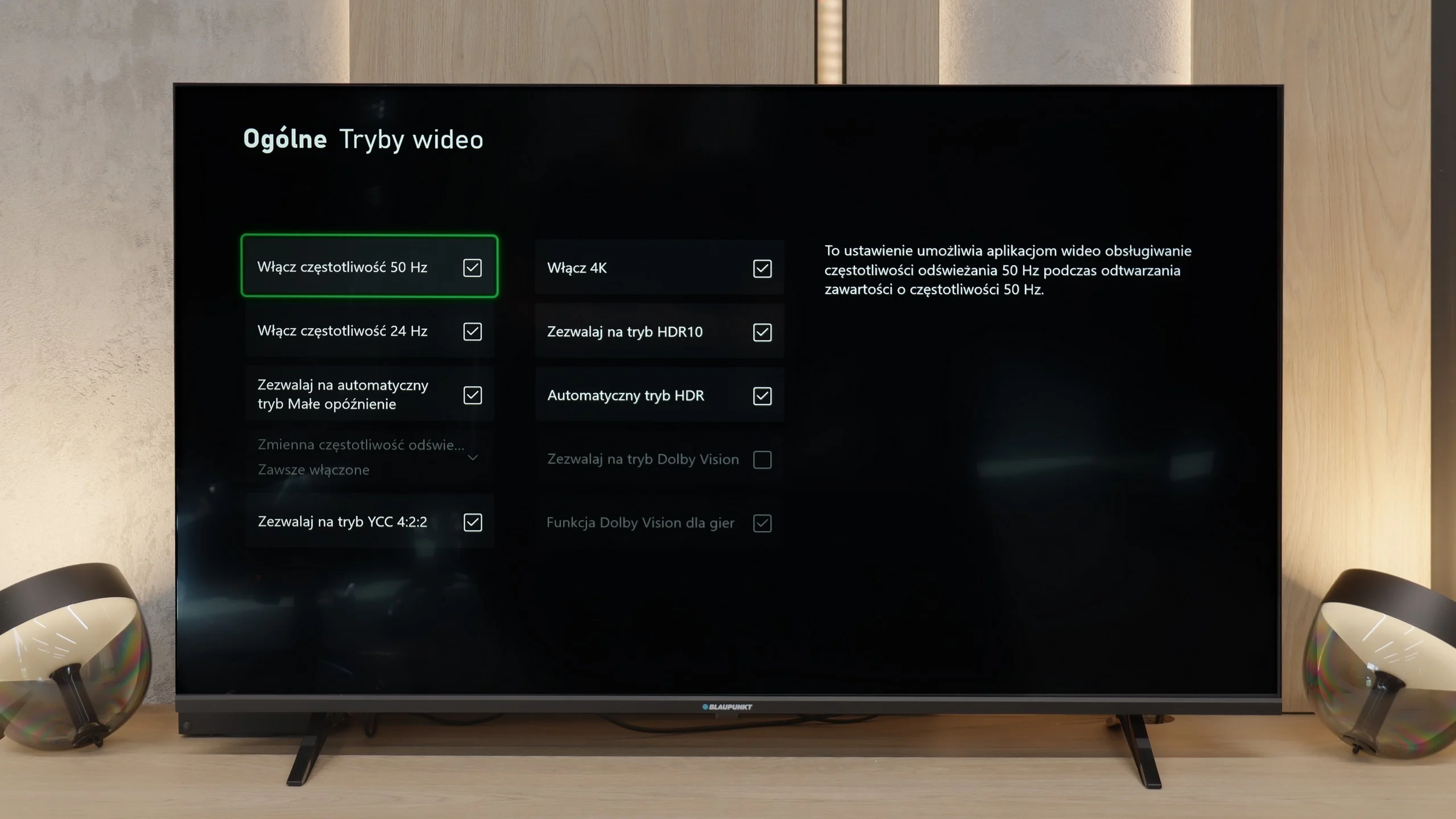
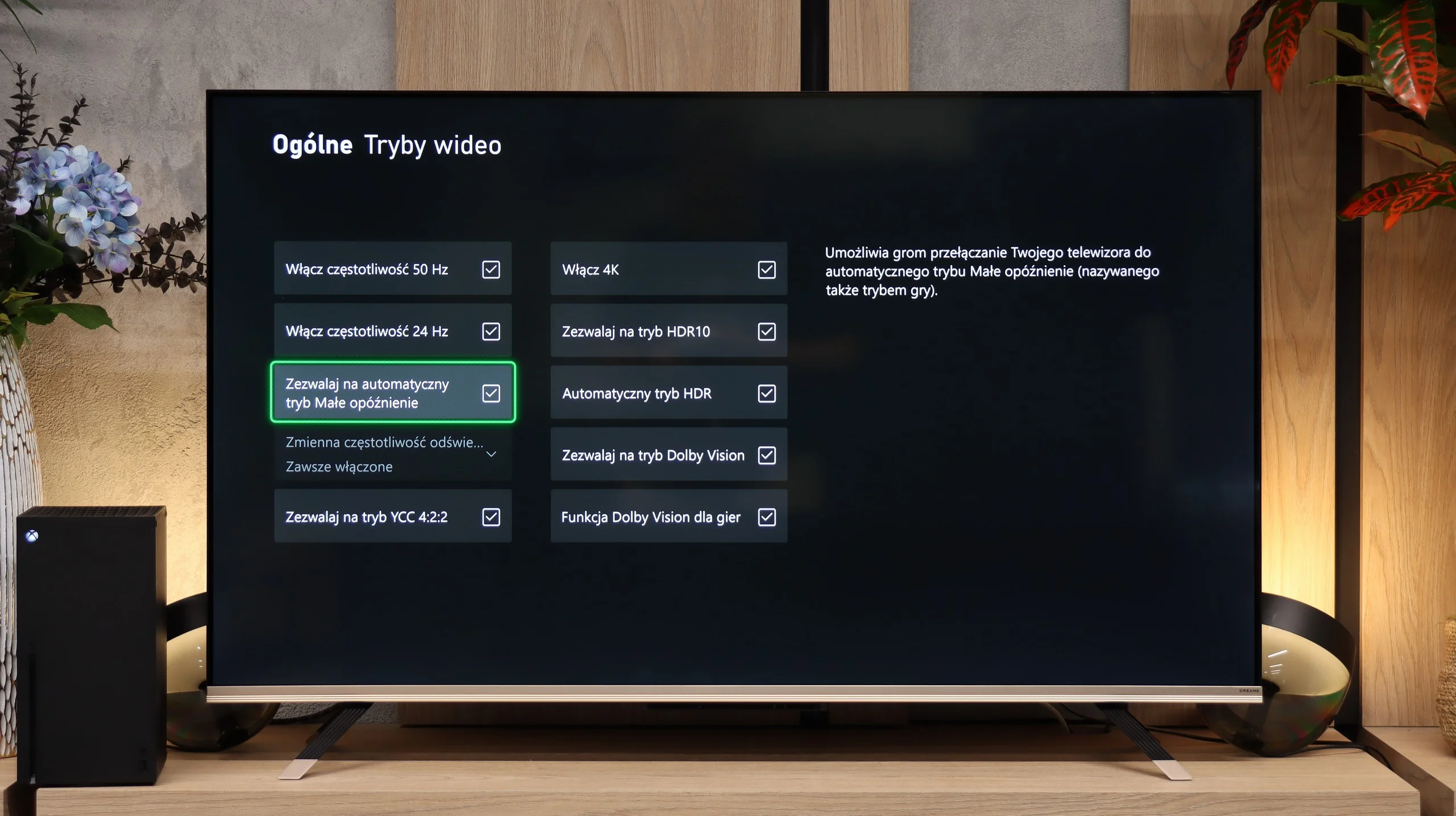
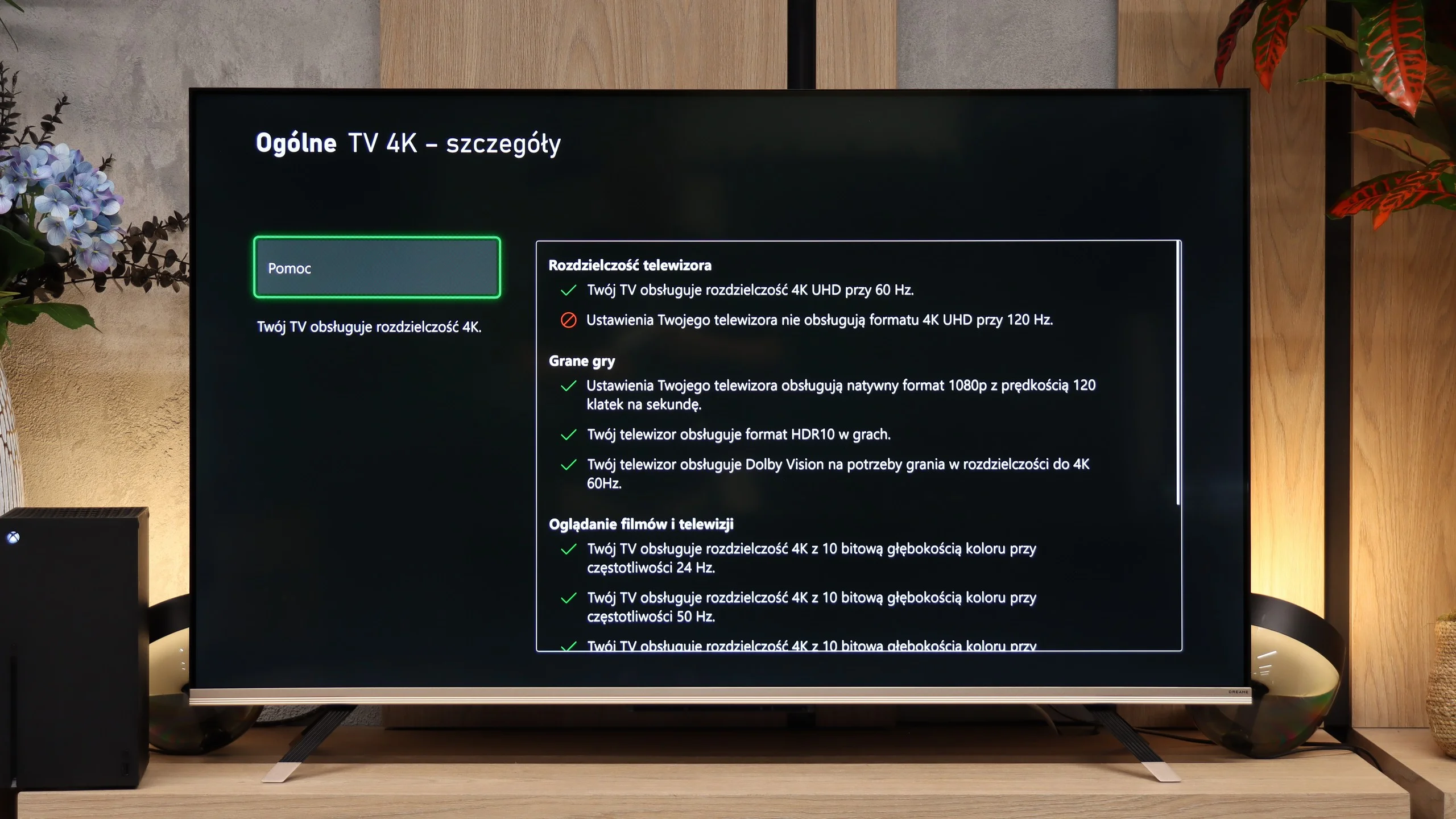
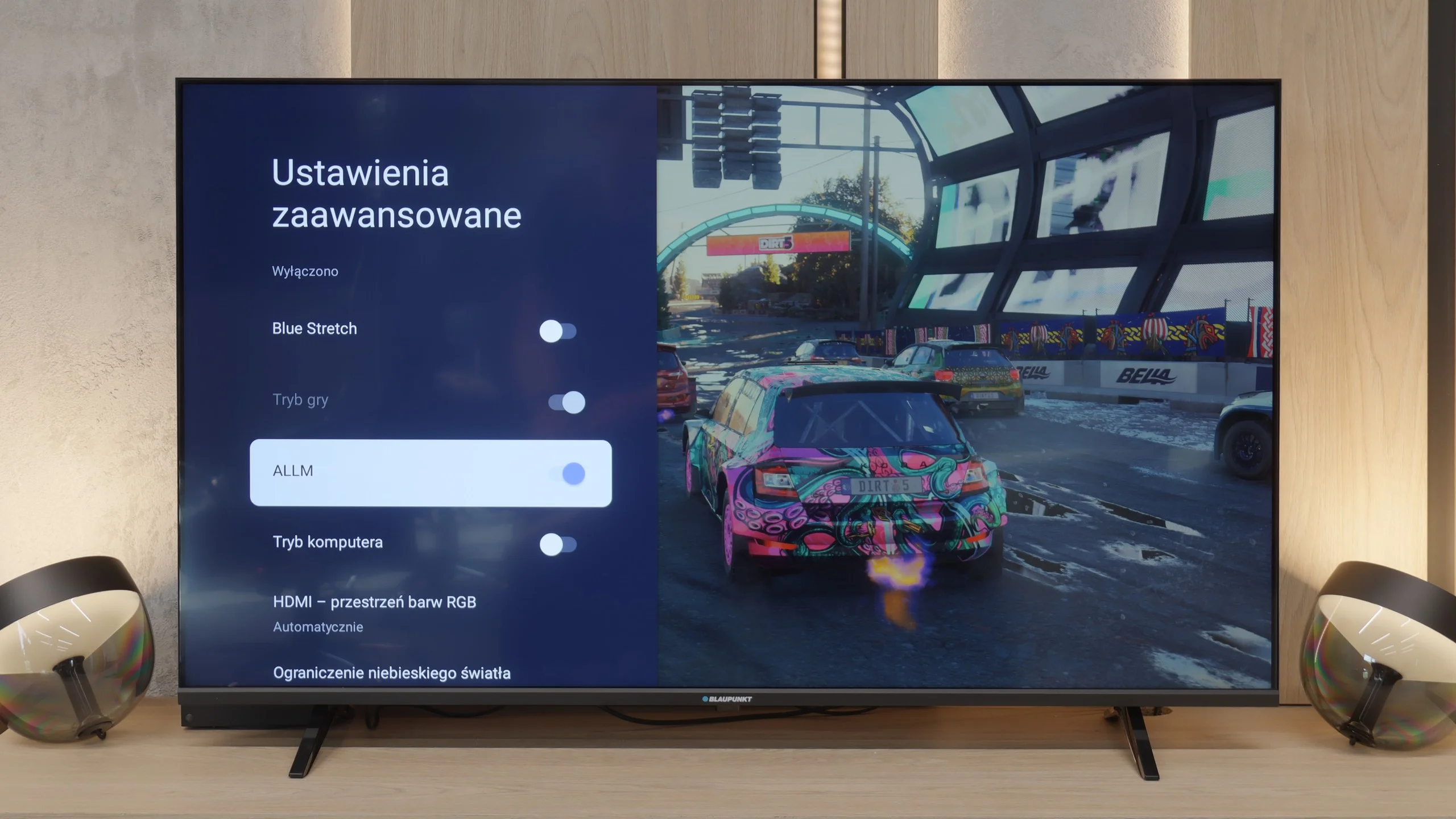
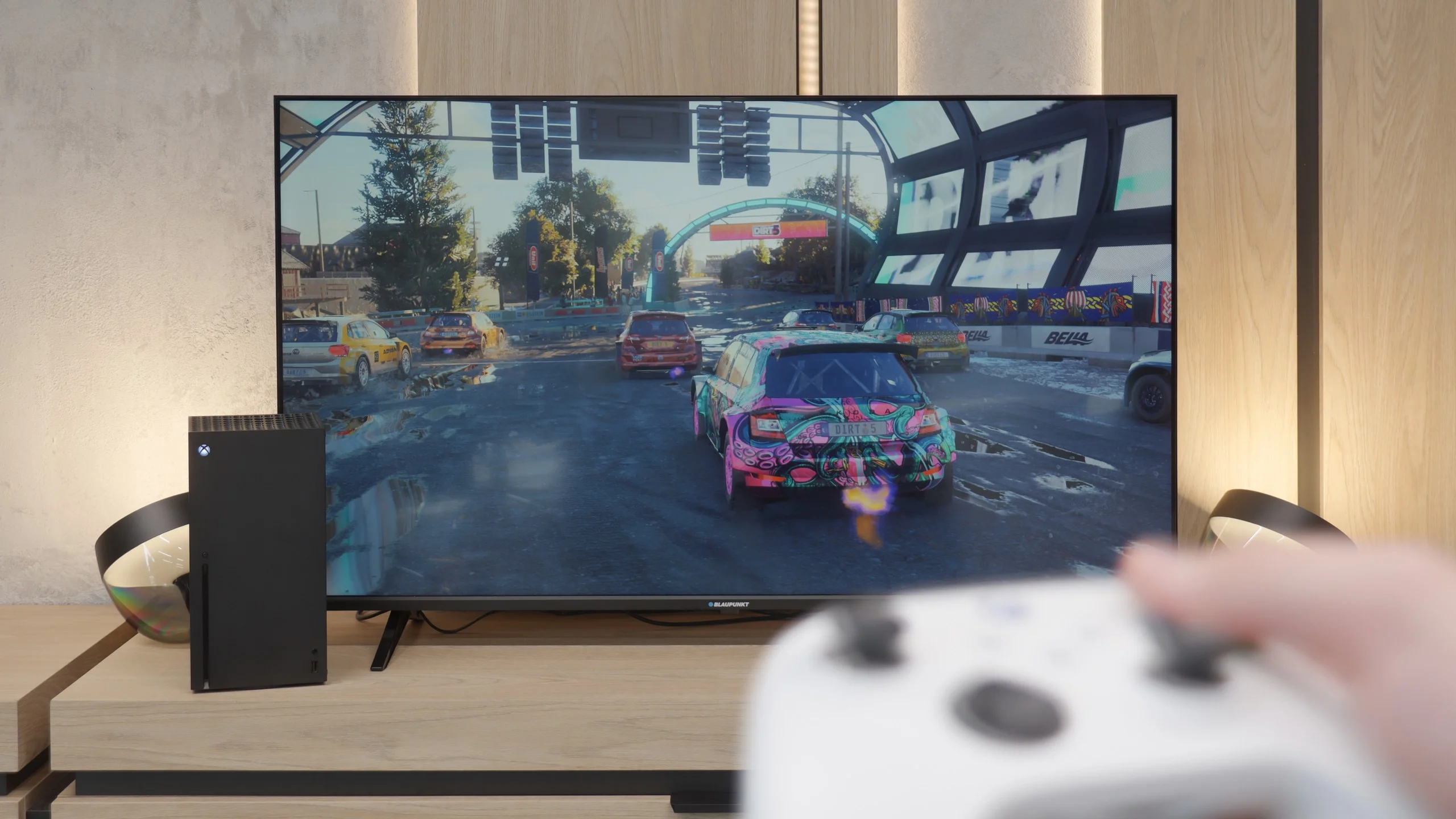
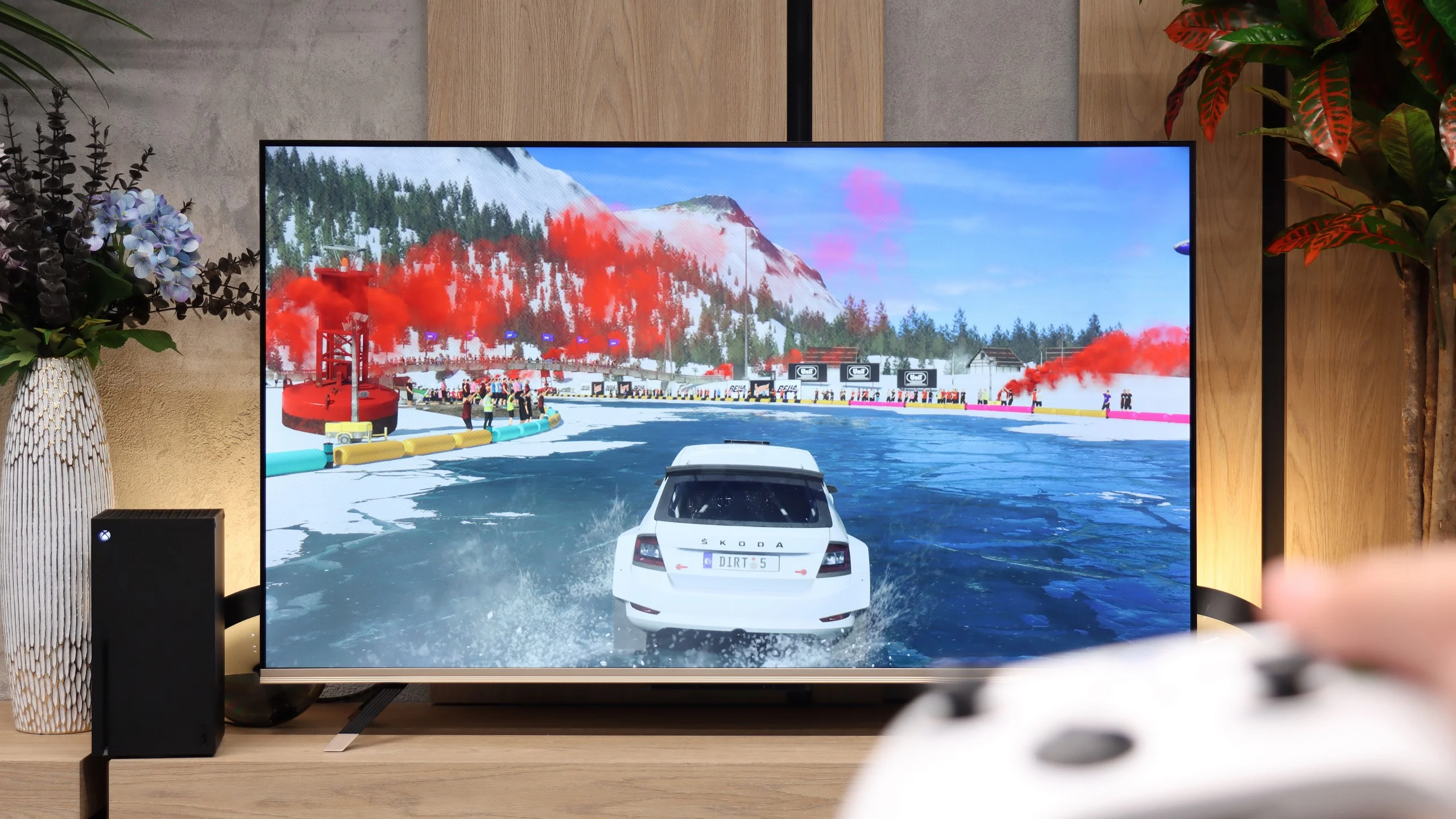
When it comes to gaming on the Blaupunkt, we didn’t expect miracles and indeed – the list of features is not very long. However, there are two interesting points worth mentioning, as they may be significant for some of you at this price. The first advantage is that the TV quite efficiently detects the connected console. Thanks to the ALLM (Auto Low Latency Mode) feature, the device automatically knows when you start gaming and switches to low latency mode. This is convenient because you don’t have to fiddle with the settings every time to prevent input lag from ruining the fun. The second point is a real curiosity that surprised us. Even though it’s a 60 Hz panel, the Blaupunkt can display images at 120 Hz at Full HD resolution. Sure, we lose 4K details then, but for those playing more dynamic, online shooters where fluidity is more important than resolution, it’s a really nice and unexpected addition in such an inexpensive piece of equipment. Besides these two points, however, you won’t find anything else here. There are no advanced systems for improving fluidity for gamers or extensive gaming menu bars. It’s a simple screen for occasional gaming.
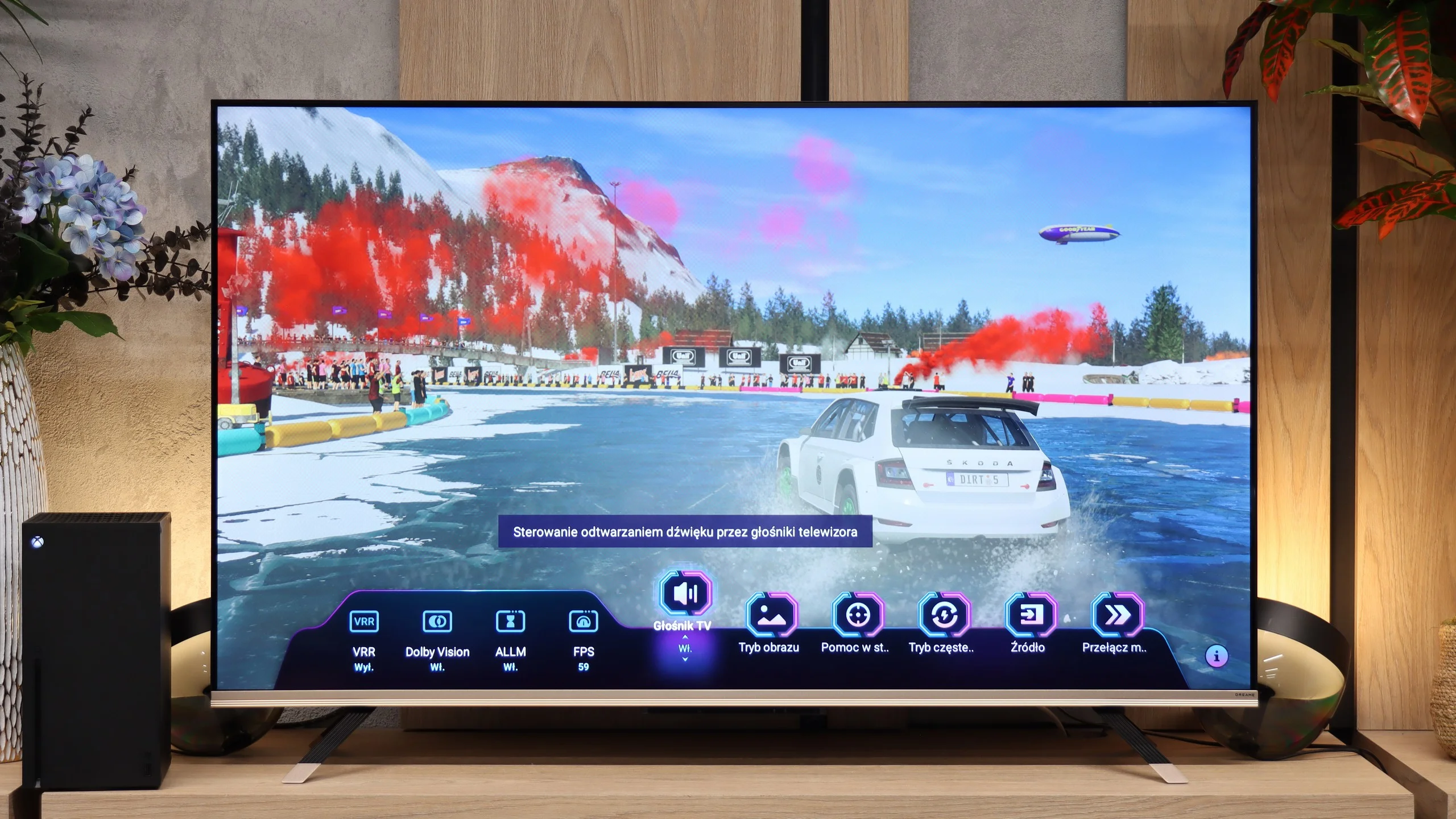
Dreame Q100 is not a strictly gaming device, but it delivers a pretty reasonable package for console use. You get VRR to eliminate screen tearing and ALLM, which automatically switches the TV to a low-latency mode when it detects a console signal. An interesting compromise is support for a 120 Hz mode. The panel won’t reach that refresh rate at 4K, but if you drop to 1080p you can play at 120 frames per second. If a given title prioritizes smoothness over high resolution (and the game itself offers such a mode), it’s worth using. There’s also a handy Game Bar on board that lets you quickly change screen settings, switch the refresh mode, or add a virtual crosshair. The HGiG implementation is admittedly weak, but credit is due for support of Dolby Vision Gaming on the Xbox Series X and S. This isn’t a panel for tech purists, but for casual console gaming, especially with the option to trade 4K for smoother Full HD, it performs flawlessly.
Input lag
8.6/10
10/10
SDR
HDR
Dolby Vision
An important point for every gamer is, of course, input lag, which refers to how quickly the television reacts to our movements on the controller. And here, Blaupunkt has something to boast about, although the results are quite specific. At 4K resolution, the lag is only 12 ms. That's an excellent result. With such lag, gaming is simply phenomenal, and the response is almost instantaneous. However, it's a bit of a pity that the situation changes when switching to 1080p mode. Here, the input lag increases to about 30 ms. To be clear: this is still not a terrible result. For most people, it will be "more than acceptable," and during casual gaming, you probably won't even notice it. Nevertheless, it’s a shame that they couldn’t maintain the same good parameters that we saw at full 4K. Still, in the overall assessment, as a budget screen for consoles, Blaupunkt performs really well in this regard.
The measured input lag is low enough that it should not pose any problem while gaming. In 60 Hz mode latency stays below 15 ms, and when switching to 120 Hz it falls below 10 ms. These very low values deliver extremely responsive gameplay.
Compatibility with PC
6/10
4/10
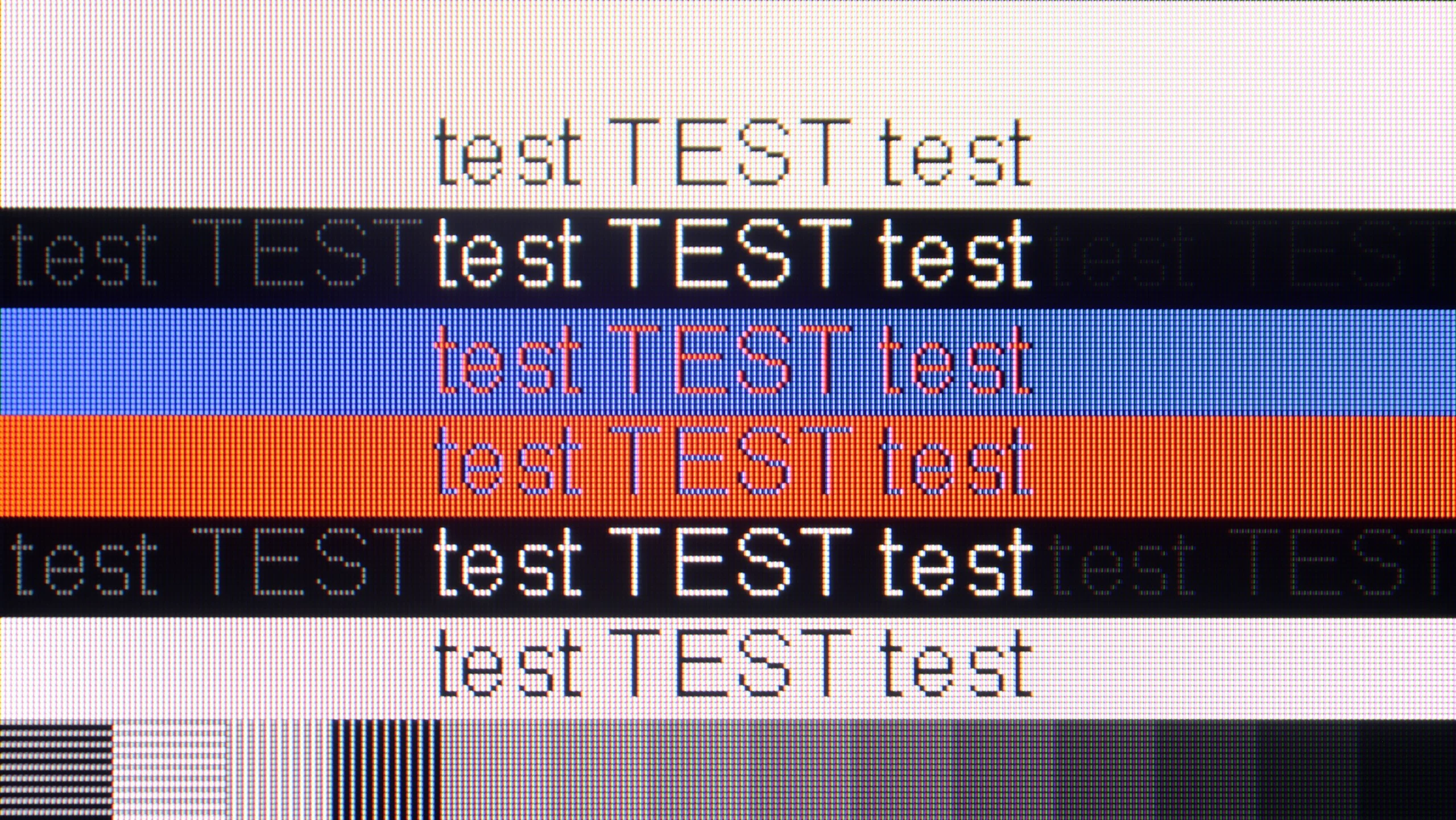
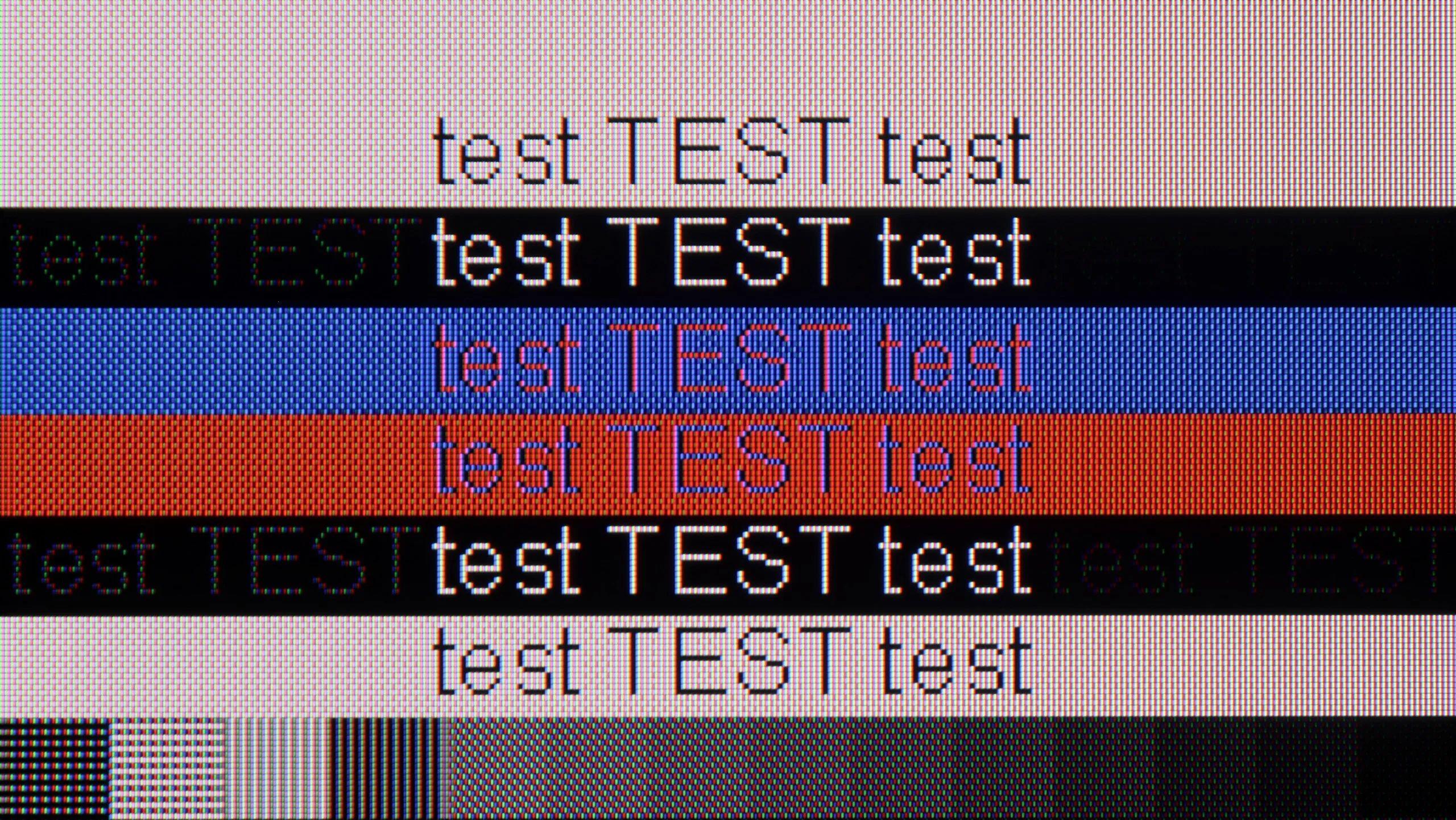
The photo shows the legibility of small fonts. Ideally, lines should be the same thickness on both light and dark text, with minimal pixel gaps.
If you plan to connect a computer to this television, it is absolutely crucial that you find and enable the PC compatibility option in the menu. Once you do that, magic happens – the implementation of Chroma 4:4:4 and font clarity jumps to an exemplary level. The legibility of text is simply great here. Of course, our editorial meticulousness would not allow us to pass by this hardware without taking a look "under the hood." In very specific tests with thin, dark text, we noticed that the horizontal and vertical matrix masks differ slightly in brightness levels. However, we want to reassure you: this phenomenon is so subtle that during normal use, writing emails, or browsing the web, you won't be able to notice it with the naked eye. We maintain our opinion that as a monitor strictly for dynamic gaming on PC, this is not an ideal choice (as we mentioned regarding the 60 Hz refresh rate), but if any of you are wondering whether you can comfortably work on such a Blaupunkt – we answer: yes, it is absolutely possible.
The Dreame Q100 can occasionally serve as a large screen connected to a computer, but it performs much worse in the role of a monitor. First and foremost, the TV does not display chroma 4:4:4 correctly, so colored text and small interface elements are not as sharp and legible as they should be. With black text on a light background it’s much better, but during normal computer work this limitation quickly becomes noticeable. Then there’s the refresh rate issue. The Q100 can run at 120 Hz, but only after dropping the resolution to Full HD. At native 4K we’re stuck at 60 Hz. It’s fine for occasionally connecting a laptop or computer, but we wouldn’t really recommend it as a permanent monitor.
Viewing angles
5/10
2.9/10
It is really very good here. Regardless of whether we sat directly in front or on the edge of the couch, the colors retained their saturation. This is a big plus if you plan to watch matches or movies with a larger group – no one will complain that their picture looks worse. While IPS panels are known for good viewing angles, in this particular model, when viewed from a large angle, the picture clearly loses brightness. Interestingly, the color saturation still remains in place, but the screen simply becomes darker. This is not something that disqualifies this television, but it is worth knowing.
One of the typical limitations of VA panels is viewing angles, and the Dreame Q100 is no exception. If you sit noticeably to the side, the image starts to lose saturation and colors become washed out. In this respect, IPS or ADS panels perform significantly better. However, it's a trade-off: the VA panel offers much better contrast and deeper blacks when watching the TV straight on.
Daytime performance
4/10
4.4/10
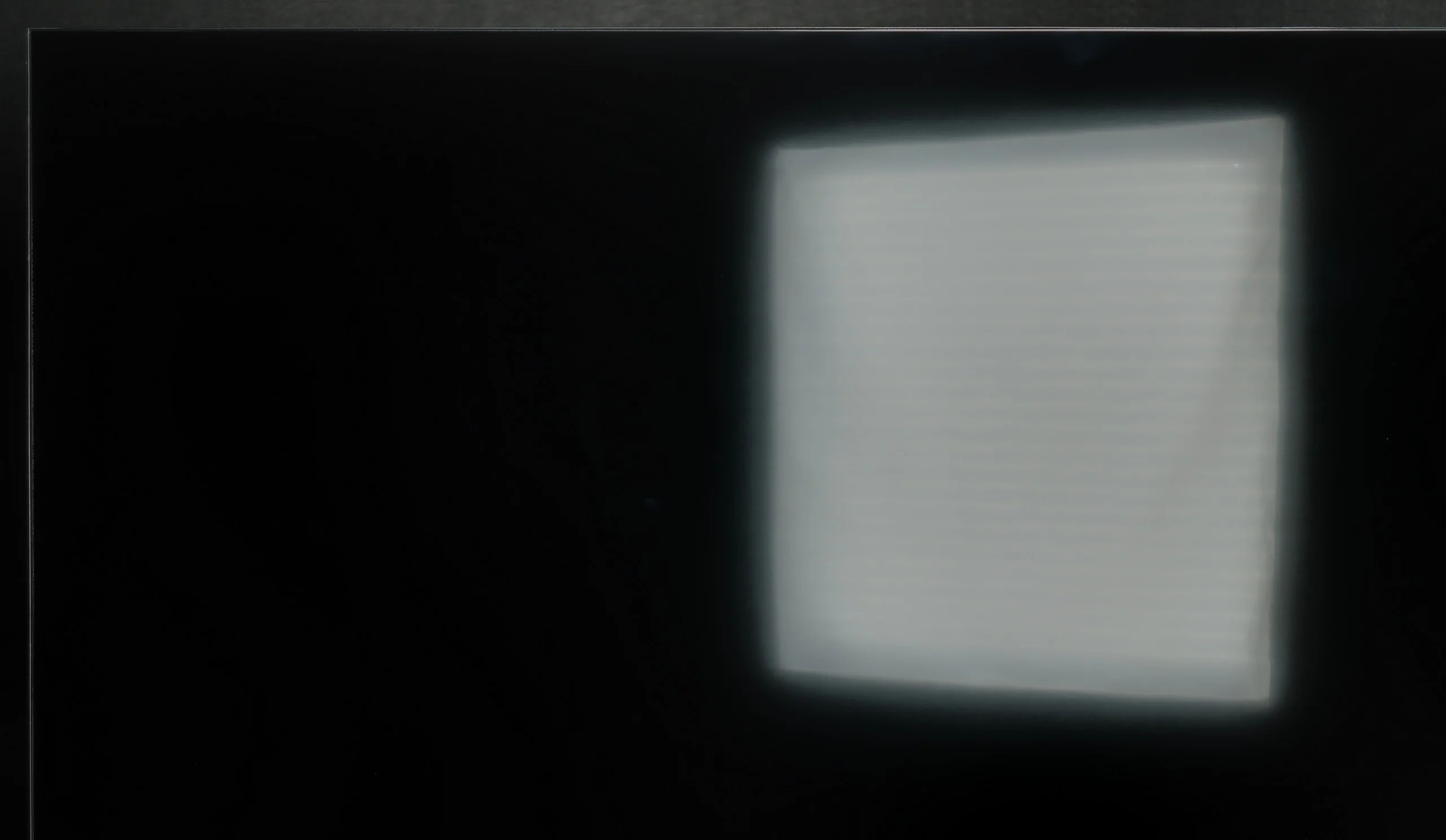
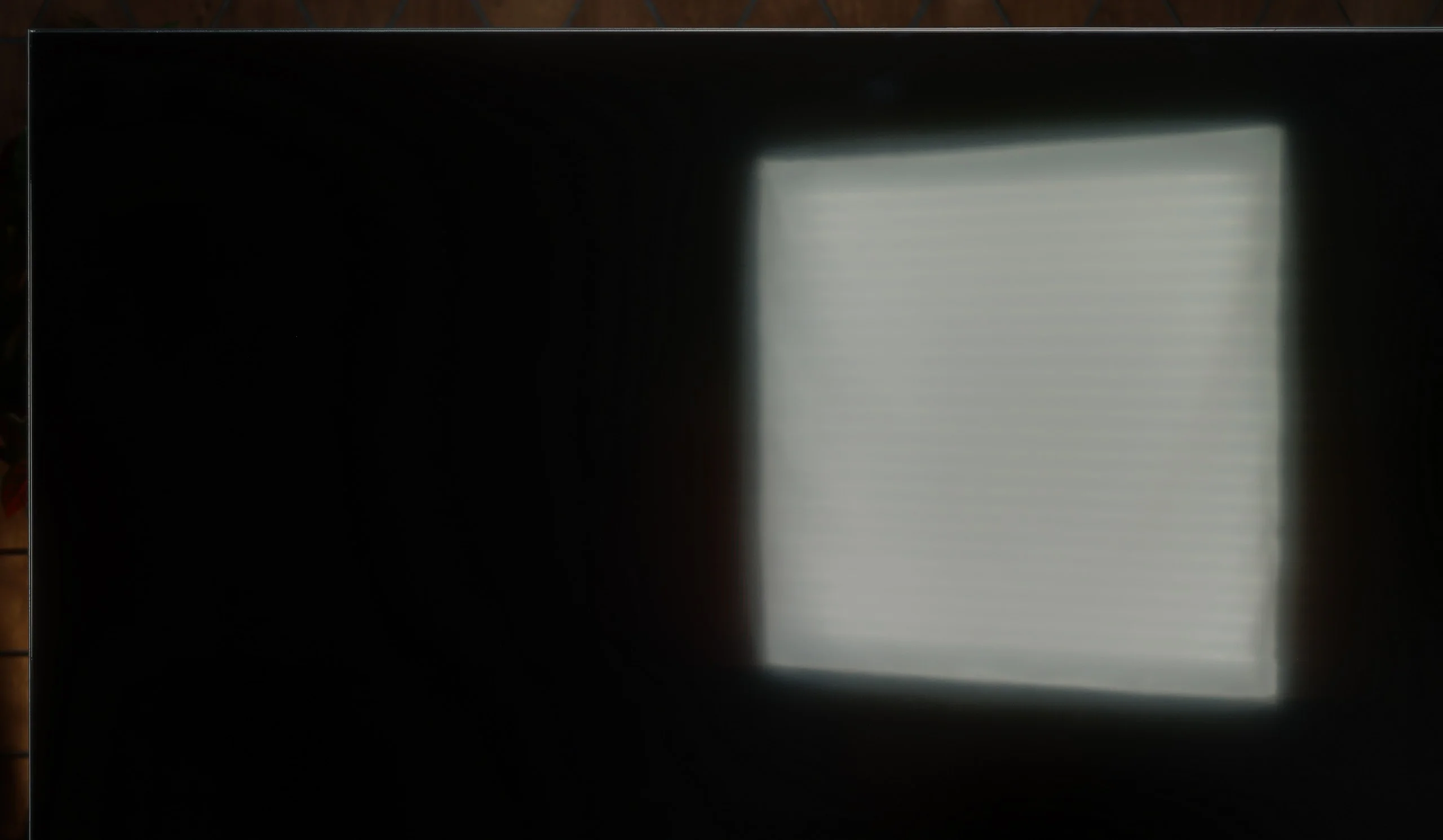
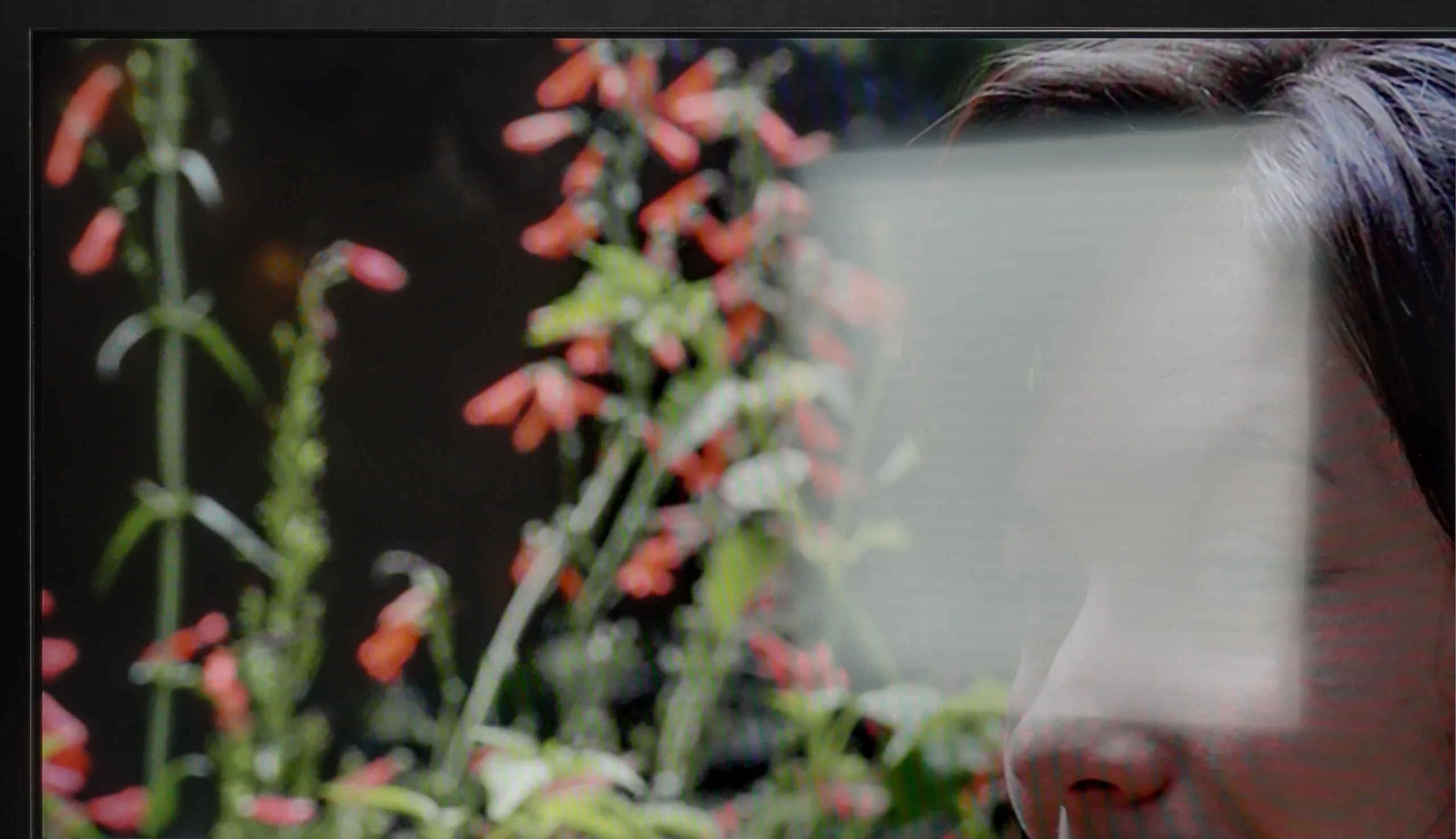
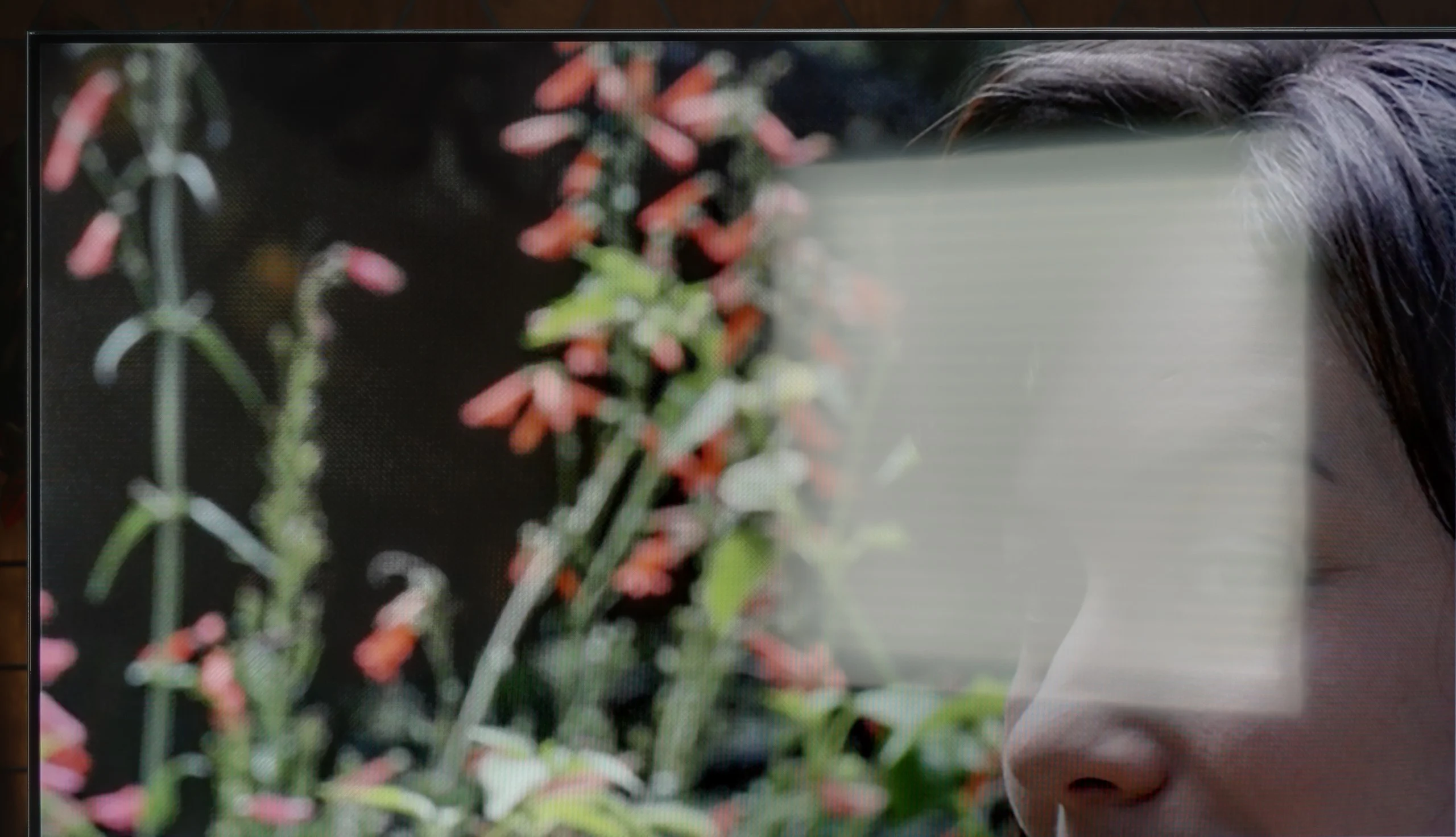
Panel brightness
Dreame Q100: 282 cd/m2
Blaupunkt UGC5500S: 245 cd/m2
In terms of daytime performance, Blaupunkt is simply average. It all comes down to the low brightness of the panel, which – as we mentioned before – hovers around 250 nits. This is definitely too little for the screen to "break through" strong light coming into the living room. As a result, under high sunlight, the image loses clarity and appears somewhat washed out. However, there is one bright spot in this category: the satin coating of the panel. Thanks to it, we don't have to deal with the mirror effect, which often makes us watch the reflection of our own sofa instead of the movie. The satin nicely diffuses reflections, which saves the situation somewhat. Nonetheless, we can't defy physics: while the coating bravely fights against reflections, the low brightness ultimately capitulates in the battle with sunlight. If you are planning a screening in the middle of the day in a very bright room, be prepared to close the curtains.
The Dreame Q100 is not a TV made for very bright rooms. Around 300 nits of brightness is too little for the picture to remain clearly visible in a sunlit living room, especially during the day. The situation is not helped by the screen’s satin coating, which copes only mediocrely with direct reflections. With a lamp or window opposite the TV, reflections can be clearly visible. In a typical, moderately lit room the Q100 will perform acceptably, but for a really bright living room it’s worth looking for something with higher brightness and a better anti-reflective coating.
Panel details
Subpixel Structure:
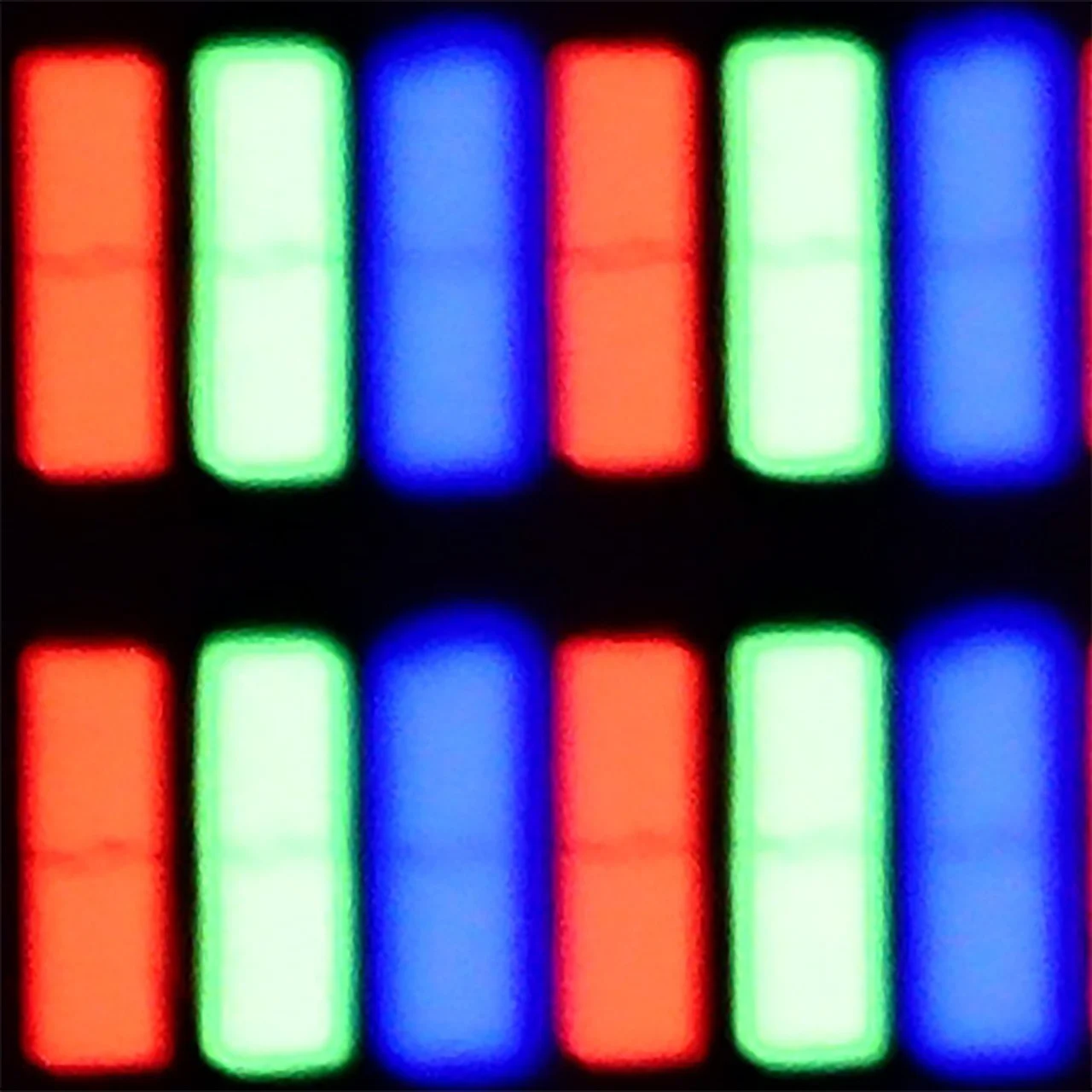
Panel uniformity and thermal imaging:


Blaupunkt UGC5500S
Dreame Q100
TV features
5.1/10
5.2/10
- SystemGoogle TVGoogle TV
- System performanceAverageAverage
- HDMI inputs3 x HDMI 2.0, 0 x HDMI 2.13 x HDMI 2.0, 0 x HDMI 2.1
- Other inputsRCA (Chinch)RCA (Chinch)
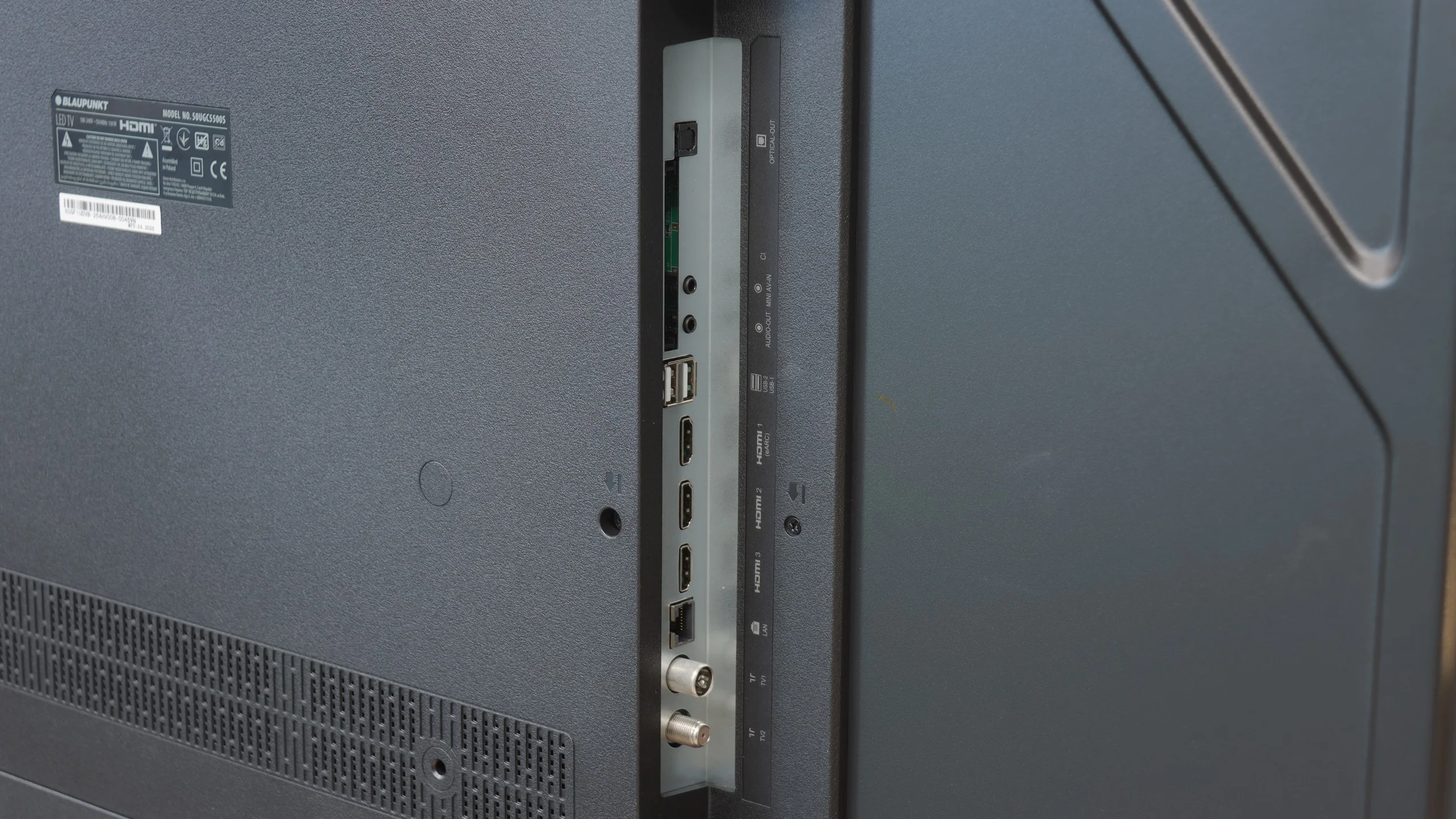
- OutputsToslink (Optical audio), eARC (HDMI), ARC (HDMI), Mini-Jack (Headphones)SPDIF (Coaxial audio), eARC (HDMI), ARC (HDMI), Mini-Jack (Headphones)
- Network InterfacesWi-Fi 2.4GHz, Wi-Fi 5GHz, Ethernet (LAN) 100MbpsWi-Fi 2.4GHz, Wi-Fi 5GHz, Ethernet (LAN) 100Mbps
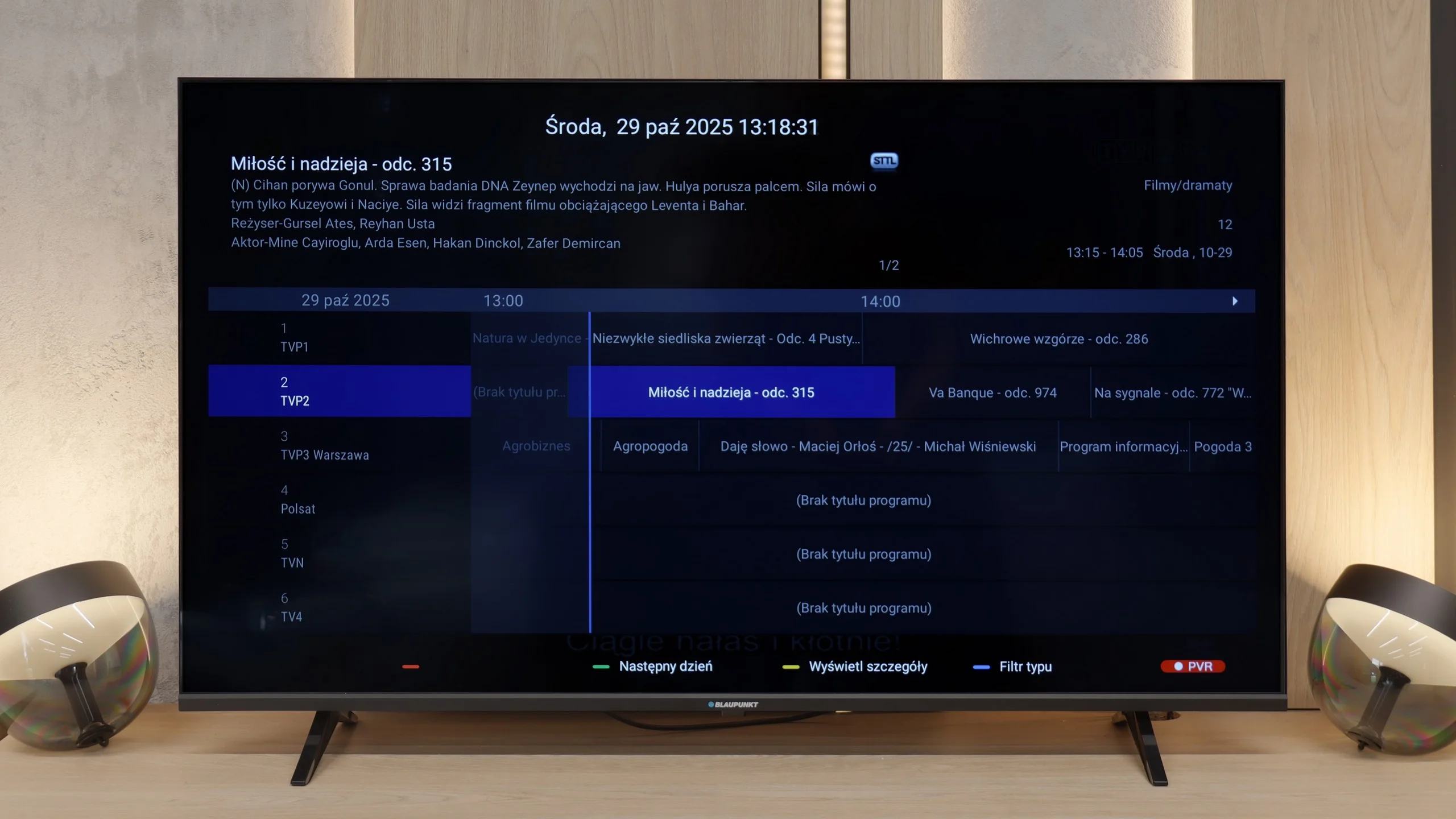
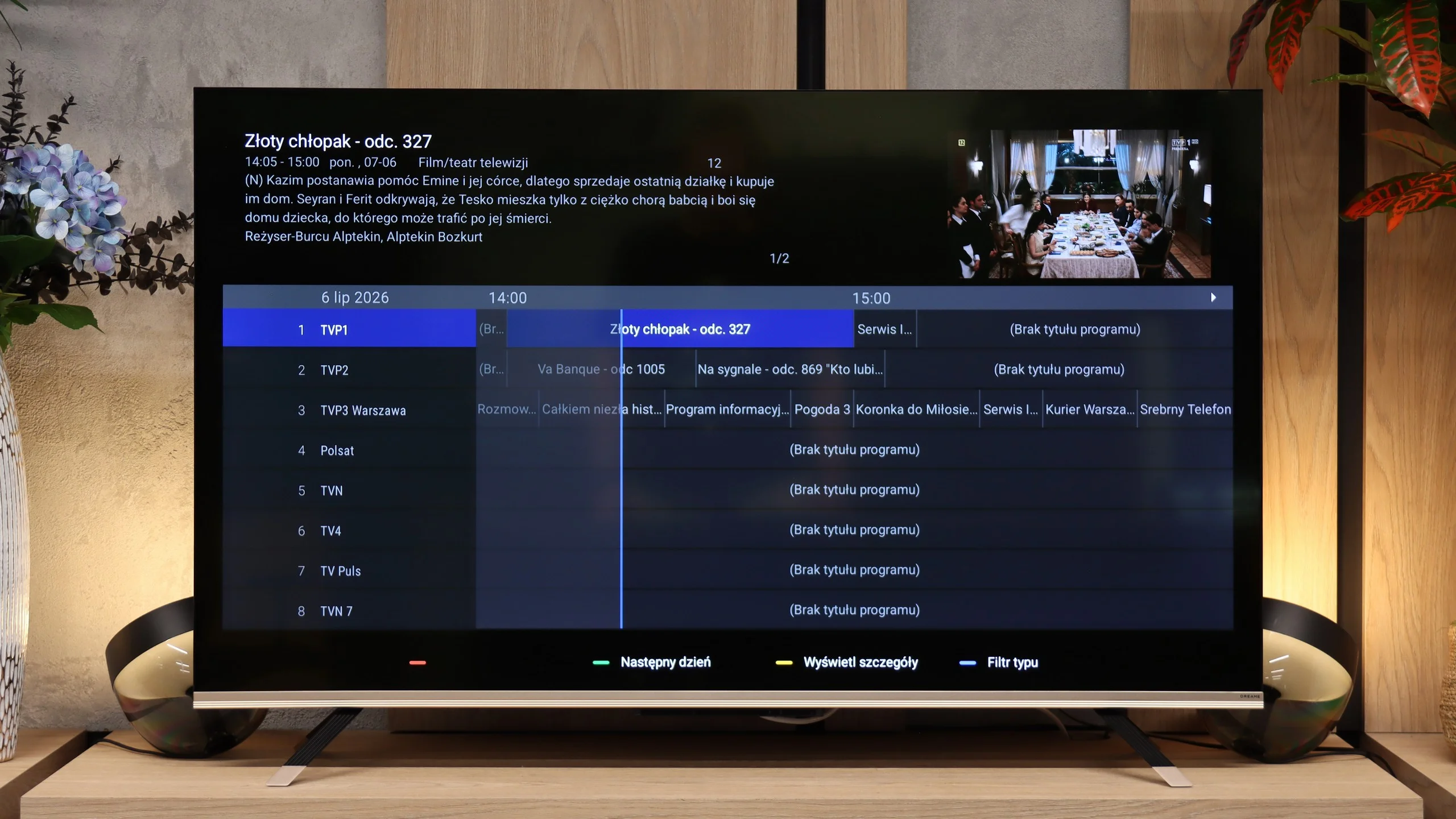
- TV receptionDVB-T, DVB-T2, DVB-S, DVB-S2, DVB-CDVB-T, DVB-T2, DVB-S, DVB-S2, DVB-C
Classic features:
- Recording to USB (terrestrial TV)
- Recording programming
- Picture in Picture (PiP)
- RF remote control (no need to aim)
- Backlit remote control
- Teletext
- Audio only mode
- Bluetooth headphones support
- Simultaneous Bluetooth headphones & TV audio
Smart features:
- AirPlay
- Screen mirroring (Windows Miracast)
- Voice search
- Voice search in native language
- Ability to connect a keyboard and mouse
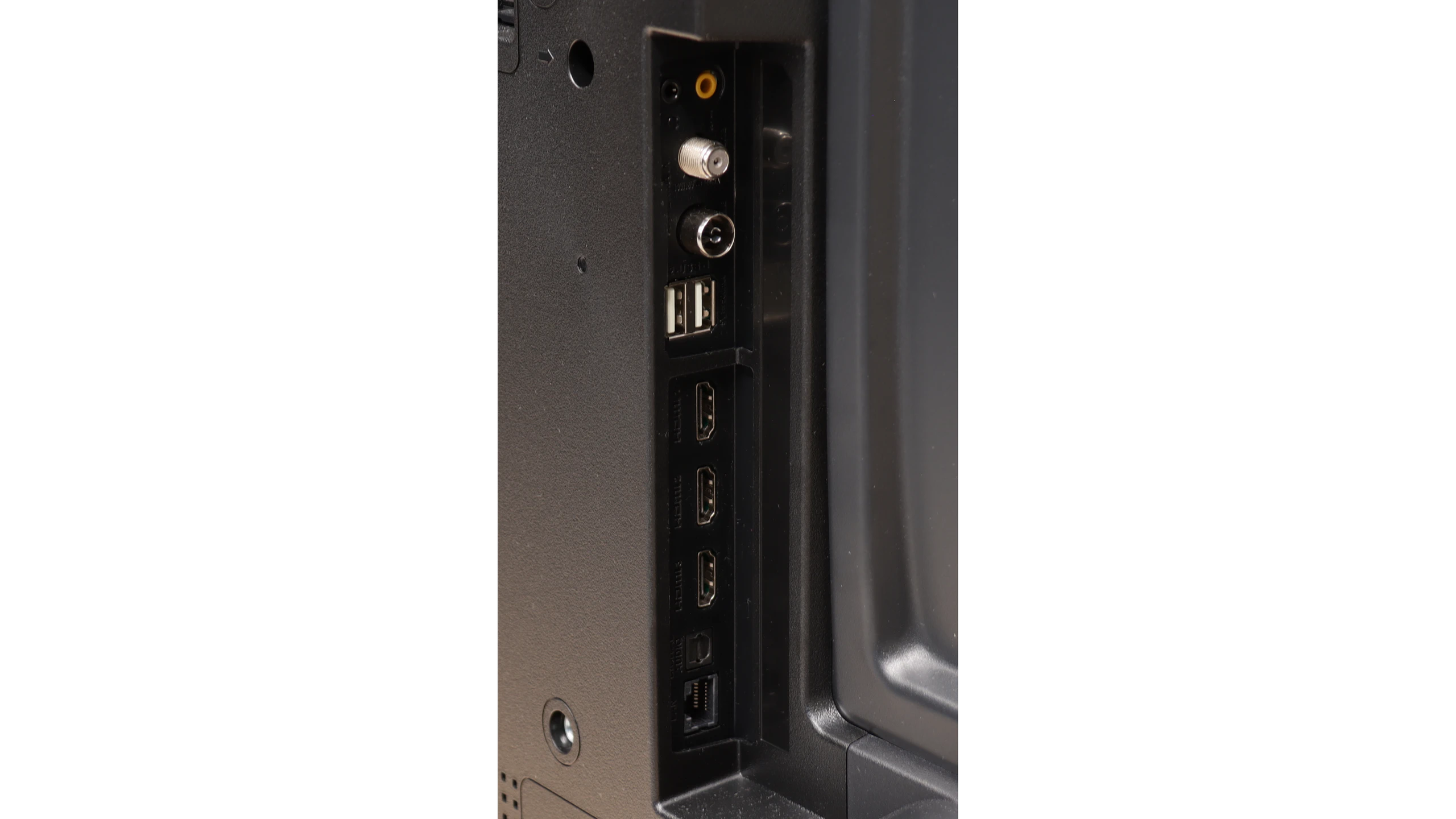
Sound connection options
- HDMI audioeARC (HDMI), ARC (HDMI)eARC (HDMI), ARC (HDMI)
- Other audio outputsToslink (Optical audio), Mini-Jack (Headphones)AuxiliaryOutput-SPDIF (Coaxial audio), Mini-Jack (Headphones)
- Wireless audioBluetoothBluetooth
Supported audio formats (external HDMI eARC audio):
- Dolby Digital Plus 7.1
- Dolby True HD 7.1
- Dolby Atmos in Dolby Digital Plus (JOC)
- Dolby Atmos in Dolby True HD
- DTS:X in DTS-HD MA
- DTS-HD Master Audio
Senior accessibility
- Numeric keyboard on TV
- Font size adjustment
- Audio description
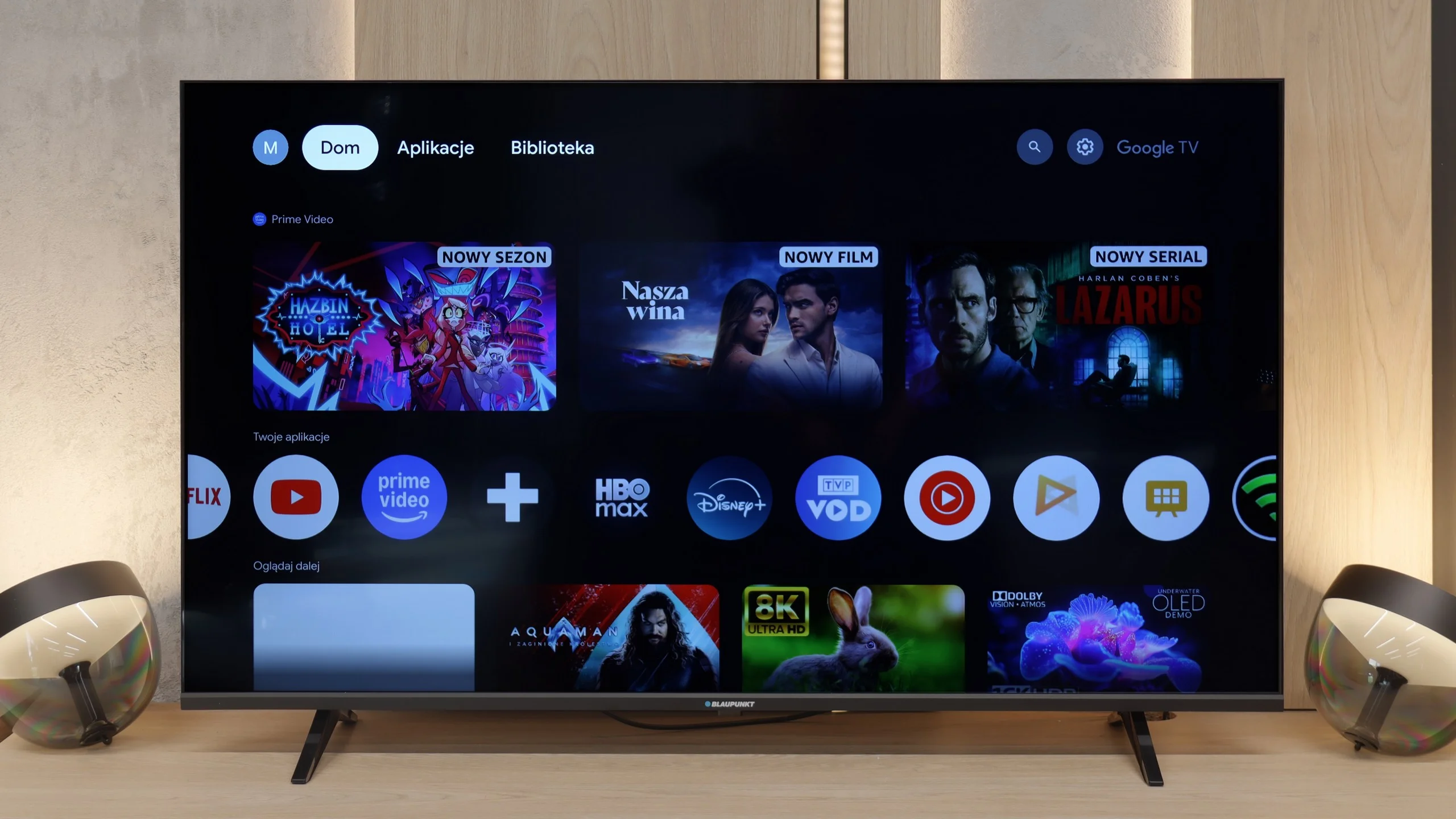
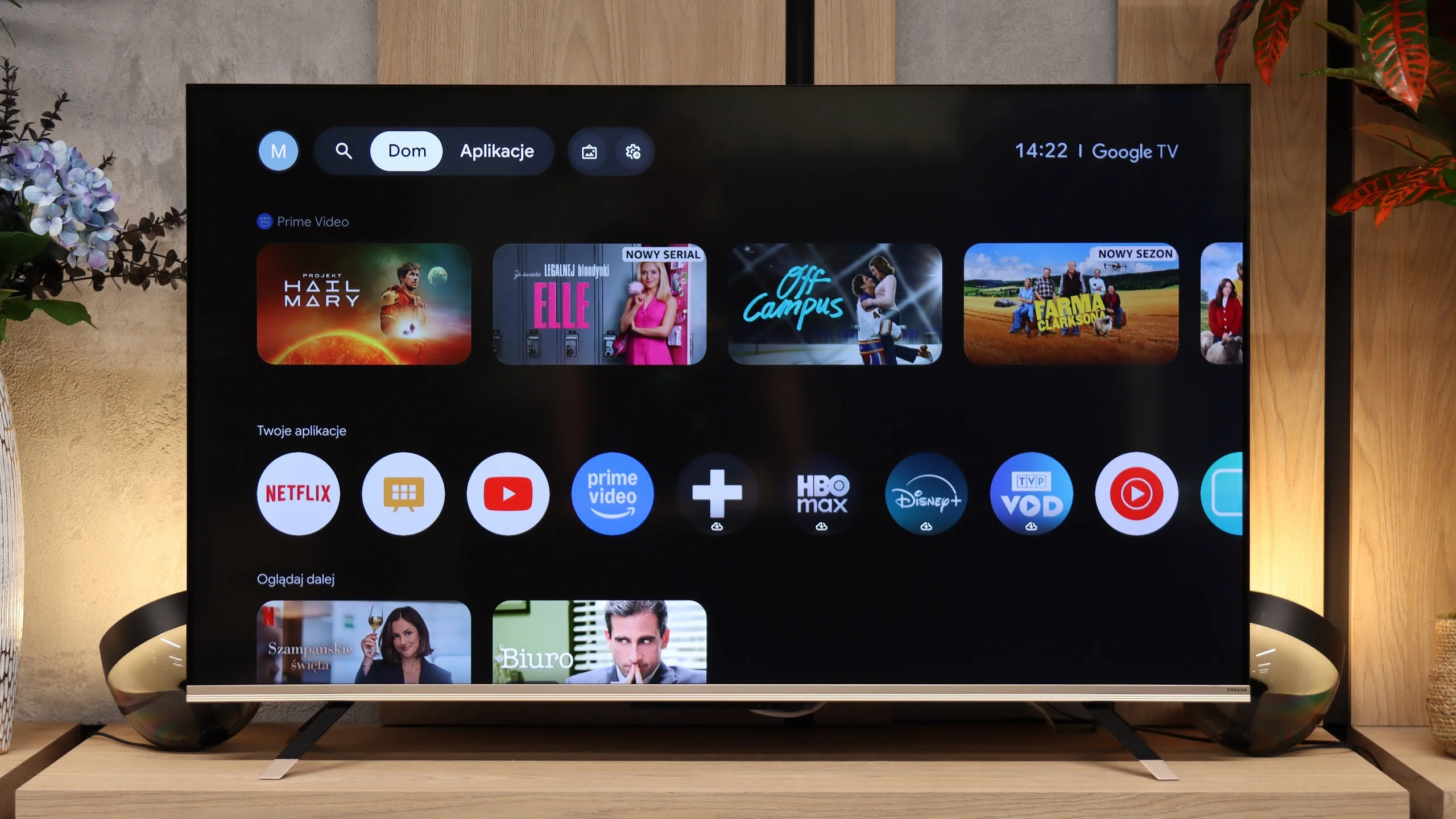
In terms of Smart TV functionality, Blaupunkt UGC5500S is a classic example of a device where the system is both its greatest asset and its biggest flaw. On one hand, we have full Google TV, which at this price point is a huge plus. We get access to a gigantic library of applications and virtually all the features we know from brands that use this software. Nothing is cut out forcefully, which is truly appreciated in such an affordable television. Unfortunately, we must honestly admit that in Blaupunkt's version, this system simply runs sluggishly. This is a typical issue with low-budget TVs featuring Google TV – the processor barely keeps up with the software. Navigation through the menu is not as smooth as we would like, and the remote can respond with a noticeable delay, giving the impression of being "dull." Of course, once you launch a specific app and start a movie, everything runs stably, but simply sifting through the interface requires a bit of patience.
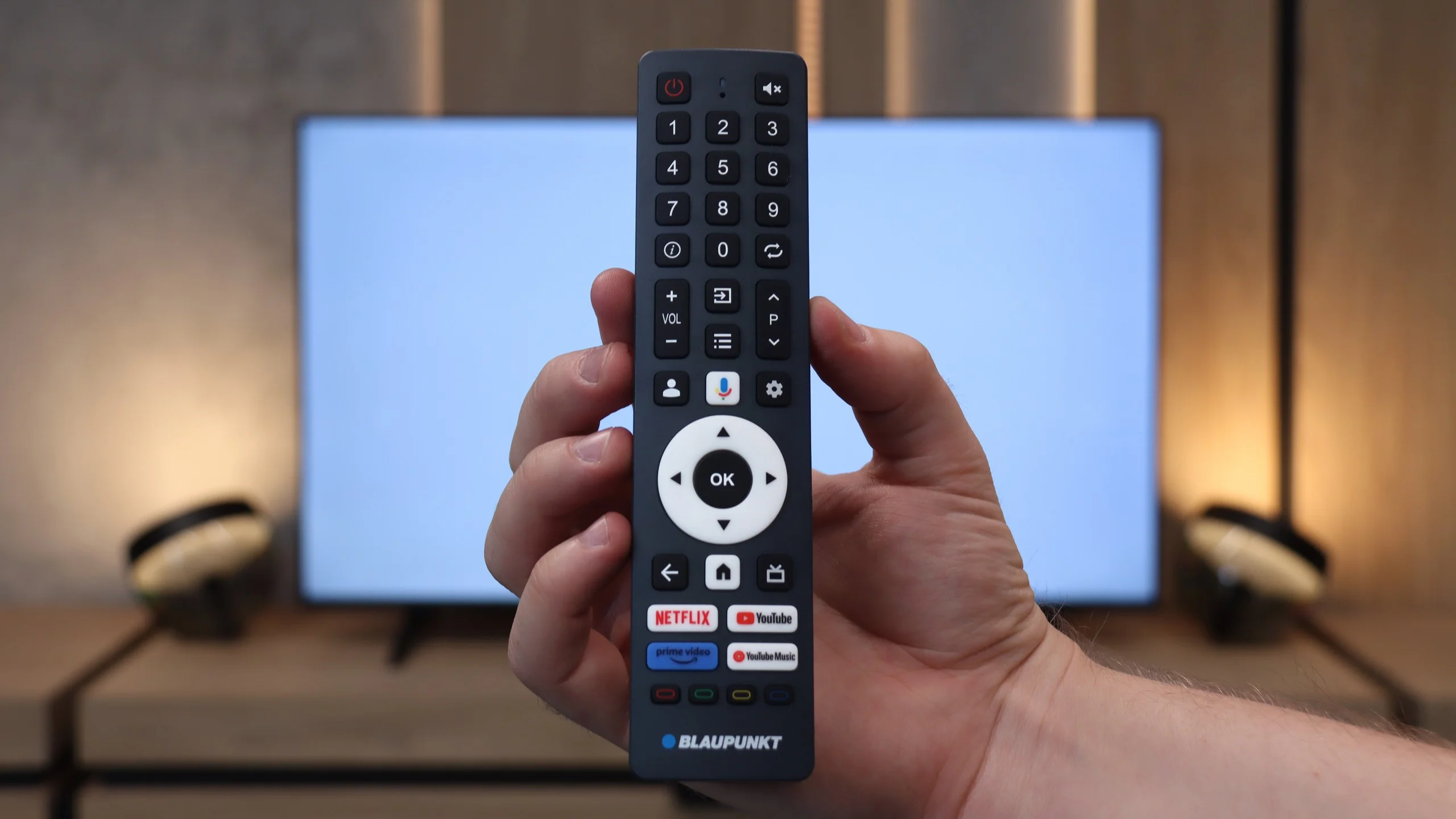
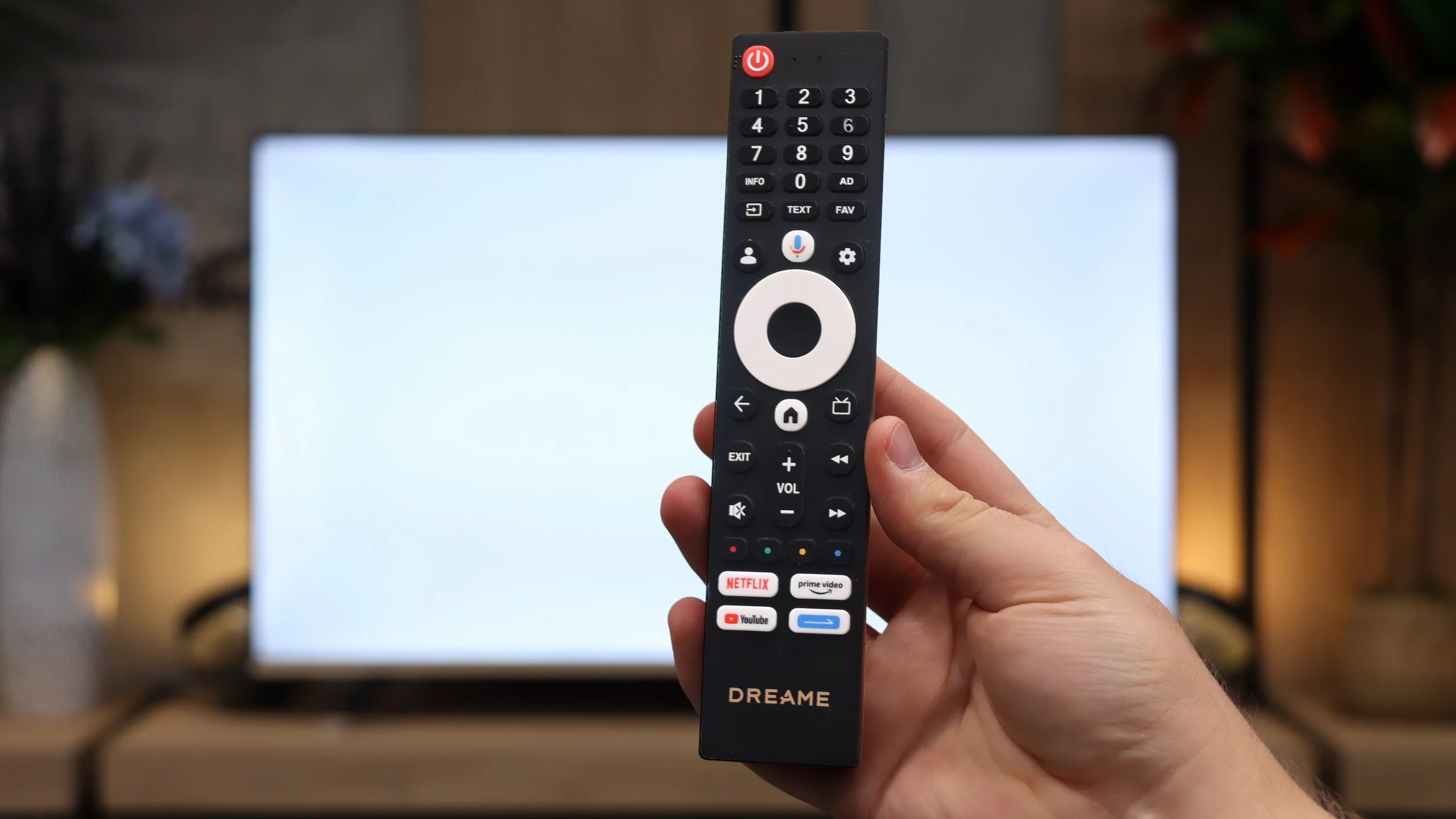
As for classic television functions, Blaupunkt does not offer anything extraordinary. It’s a basic device for fundamental tasks. The remote deserves praise for having a classic numeric keypad, which is simply convenient when flipping through cable channels. We also have Bluetooth, so you can easily connect wireless headphones or a speaker. The television also has a physical mini-jack headphone output. At a time when manufacturers are mass removing this connection, the presence of a "jack" is a nod to those with older audio equipment or simply those who prefer classic wired headphones. It's a small thing, but it brings joy.
Google TV
The Dreame Q100 uses Google TV, so in terms of app access there’s little to complain about. It includes all the most popular streaming services, the ability to install additional apps from the Google Play store, and support for a Google account. The system therefore offers similar capabilities to many much more expensive TVs. However, during our tests we were unable to connect to the TV using an iPhone, so we consider AirPlay unavailable on this model.
Classic features
For ordinary TV viewing the Q100 performs without major problems, but when it comes to extra features it’s fairly basic. There’s no option to record programs to USB or to schedule recordings. It also lacks more advanced functions found on pricier models, such as viewing from two tuners at once or picture-in-picture mode. It comes with a rather mediocre remote control, but fortunately the manufacturer kept a full numeric keypad on it, which is still very convenient for traditional TV. On the plus side, it includes analog connectors. The Q100 even has a classic 3.5 mm headphone jack, which is increasingly rare on new TVs.
Apps
9.6/10
9.6/10






















Playing files from USB
9.3/10
8.9/10
Supported photo formats:
Maximum photo resolution:
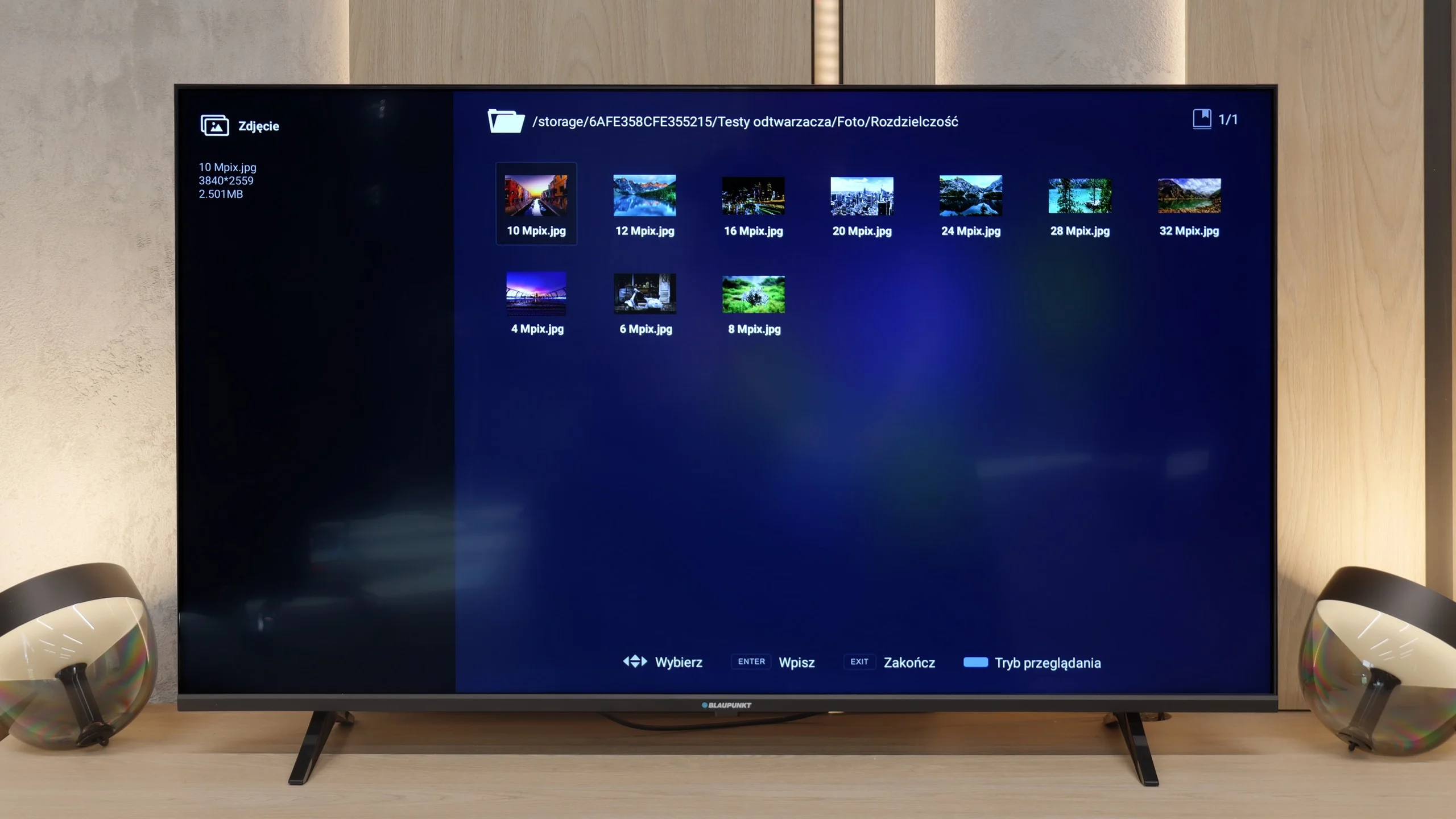
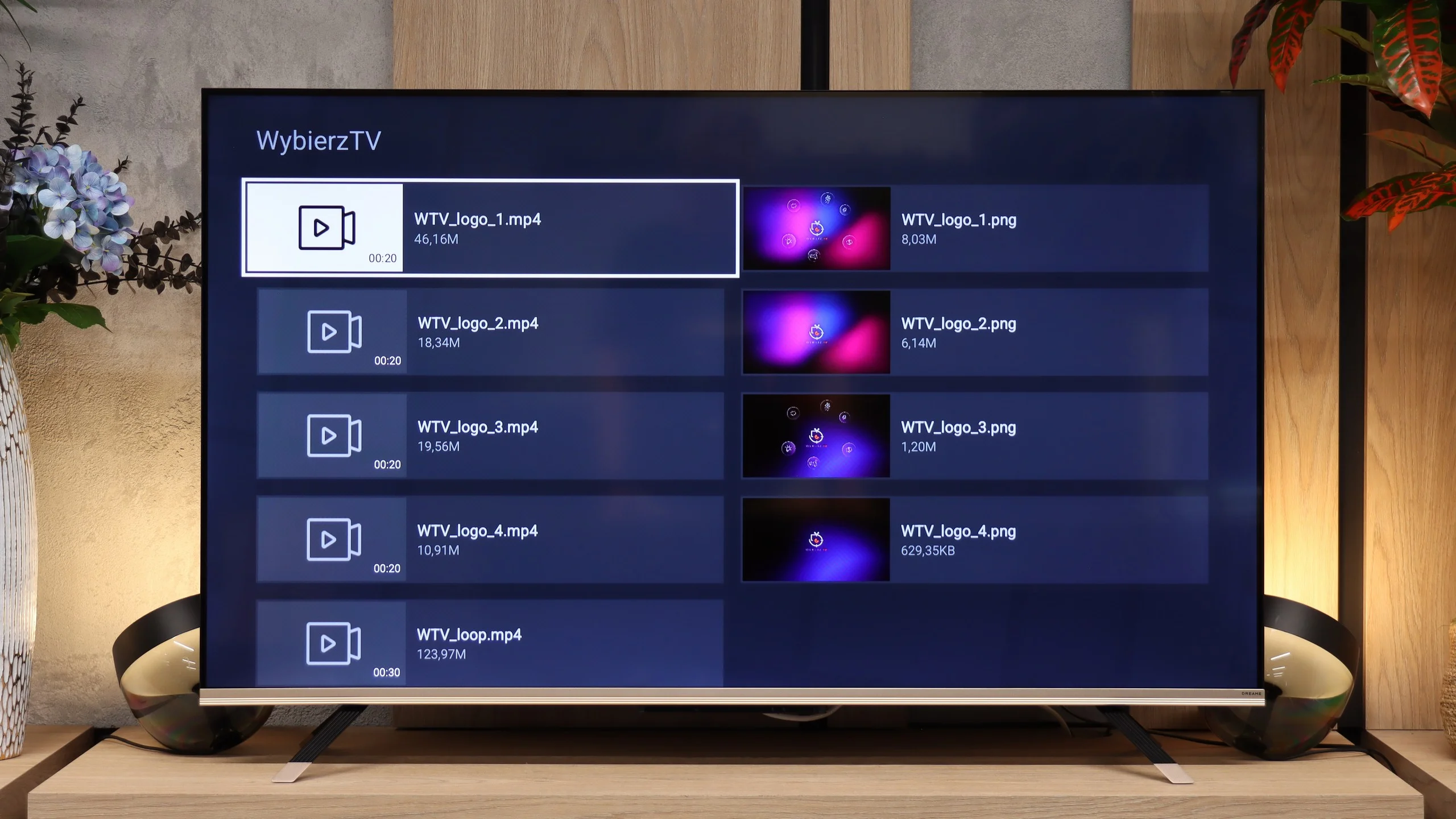
In terms of playing files from USB, Blaupunkt performs quite solidly. We checked several of the most popular formats and basically everything that matters worked smoothly on the factory player. Therefore, you are not forced to immediately download additional software right after taking the television out of the box because the device is simply self-sufficient "out of the box." Nevertheless, taking advantage of the charms of Google TV, we still recommend that you install something external, like VLC or Kodi. The factory player is adequate, but it is in these external applications that you will find the most configuration options, better subtitle support, or simply a more convenient interface. Since the system gives you such freedom, it's worth taking advantage of it to get as much as possible from your media.
The Dreame Q100 handles playback from USB storage very well. During testing it had no major problems with most common video and audio formats. The only limitations concern subtitles; the TV wouldn't play some formats, such as .SUB or .TXT.
Sound
6/10
5/10
- Maximum volume85dB87dB
- Dolby Digital Plus 7.1
- Dolby True HD 7.1
- Dolby Atmos in Dolby Digital Plus (JOC)
- Dolby Atmos in Dolby True HD
- DTS:X in DTS-HD MA
- DTS-HD Master Audio
In terms of audio, Blaupunkt performs really well, especially considering that this is a typical budget television. You can see, or rather hear, that the brand hasn't forgotten its roots, and for such an inexpensive setup, the sound is actually excellent. Of course, there's a clear lack of bass, but overall it is loud and surprisingly clear. Most importantly for us – even at louder listening levels, the sound is not heavily distorted, which is a rarity and a nice surprise at this price point.
Sound on the Dreame Q100 is simply average. It most notably lacks bass, which makes the overall sound fairly flat and doesn't provide much sense of space. Fortunately, even at higher volumes there are no unpleasant crackles, squeals, or resonance from the plastic parts of the casing. One positive is Dolby Atmos support, though the TV's built-in speakers can't really show what the format is capable of. If you want better spatial sound, you'll likely need a soundbar or a home theater system.
Sound Quality Test
Acoustic Measurements
85dBC (Max)
75dBC
87dBC (Max)
75dBC
Reader comments
Comments are provided by the external service Disqus (Zeta Global). Once loaded, Disqus may set cookies and process data about your activity.
We will remember your choice on this device. Provider's privacy policy