Xiaomi A Pro 2026 is a television that at first glance does not reveal significant changes compared to its predecessor. Someone might even think it is simply a copy of last year's model with a different label. And there is some truth to that, as the main new feature, or rather the only noticeable difference, is the 120 Hz mode at lower resolutions. Credit must be given to Xiaomi, as this addition really does make a difference – it is not a solution for professional gamers, but a nod towards those looking for a smoother image during casual gaming. This is where the A Pro 2026 can shine – with a simple yet clever idea that distinguishes it in the “super-budget” segment. Unfortunately, when we begin to look at the television more broadly, excitement quickly dwindles. Even though the year has changed on the calendar, most of the issues known from the A Pro 2025 have remained – the system can still experience strange stutters, and the occasional errors can be quite irritating. Additionally, there is a lack of any serious tools for digital image processing, which worked quite decently last year. As a result, there are many limitations in the design that the competition at a similar price point is already attempting to mask. In terms of picture quality, we will not deceive you either. A brightness level of 200–300 nits does not stand a chance against more demanding materials. Yes, with simpler streaming content, one can manage to watch something, but with high-budget productions, it is immediately evident why the television costs what it does. The impression of watching a flattened image stripped of details accompanies us almost every time. And here we get to the crux of the matter. The Xiaomi A Pro 2026 is a television for those who really require very little. As a daily screen for series, news, or YouTube – it works quite well, especially thanks to its operating system, which is GoogleTV. Also, if someone is looking for budget equipment and additionally would like a taste of smoother gameplay in games due to the 120 Hz mode, they may even be satisfied. But anyone expecting at least average picture quality, a stable system, and proper functionality will quickly notice that there are other budget models on the market that simply perform better.
- Matching (Score) |
- Our verdict |
- TV appearance |
- Where to buy |
- Contrast and black detail |
- HDR effect quality |
- Factory color reproduction |
- Color reproduction after calibration |
- Smoothness of tonal transitions |
- Image scaling and smoothness of tonal transitions |
- Blur and motion smoothness |
- Console compatibility and gaming features |
- Input lag |
- Compatibility with PC |
- Viewing angles |
- Daytime performance |
- Panel details |
- TV features |
- Apps |
- Playing files from USB |
- Sound
XIAOMI A PRO 2026 vs TCL C8L / QM8L
 Direct comparison
C8L / QM8L

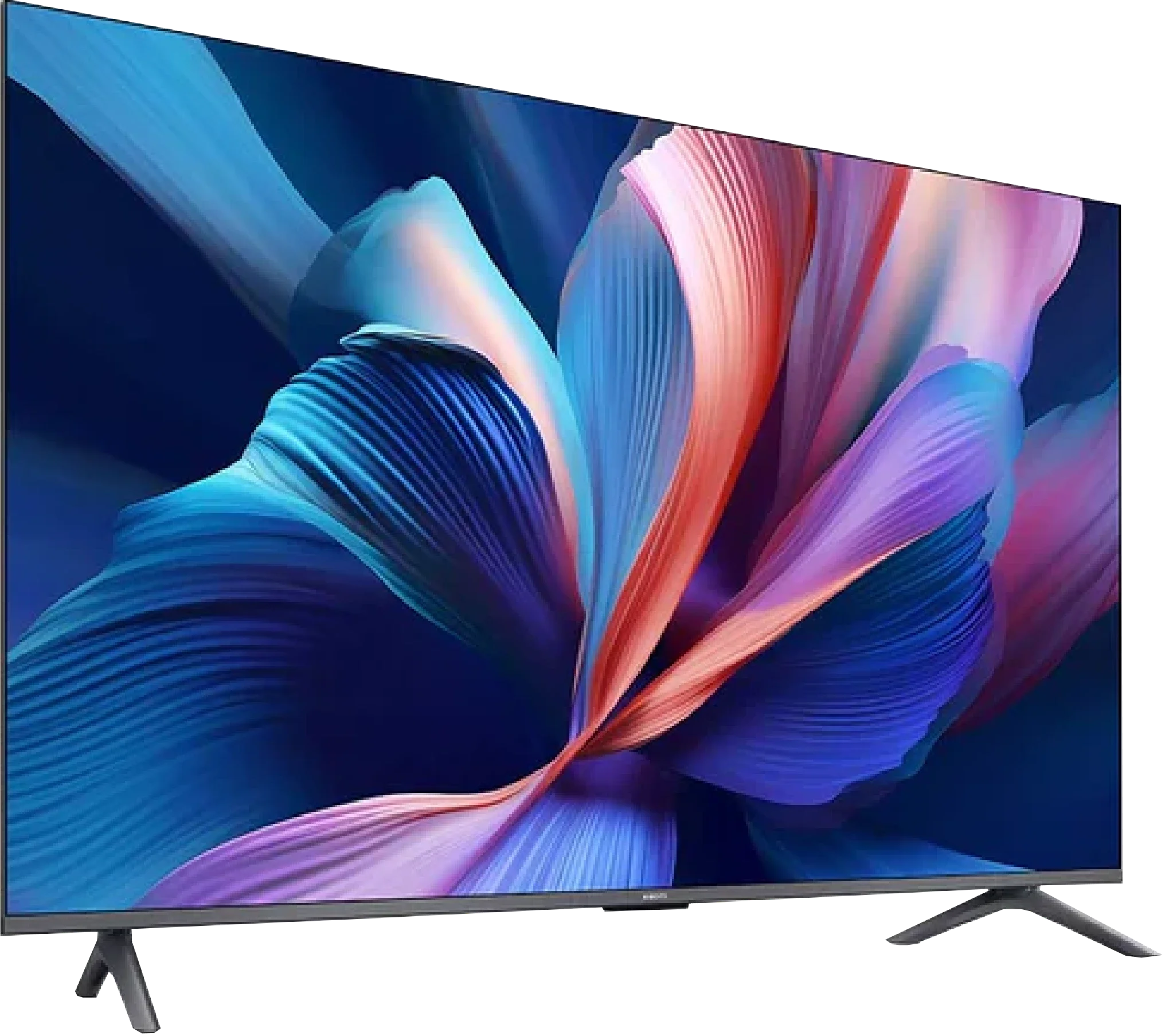
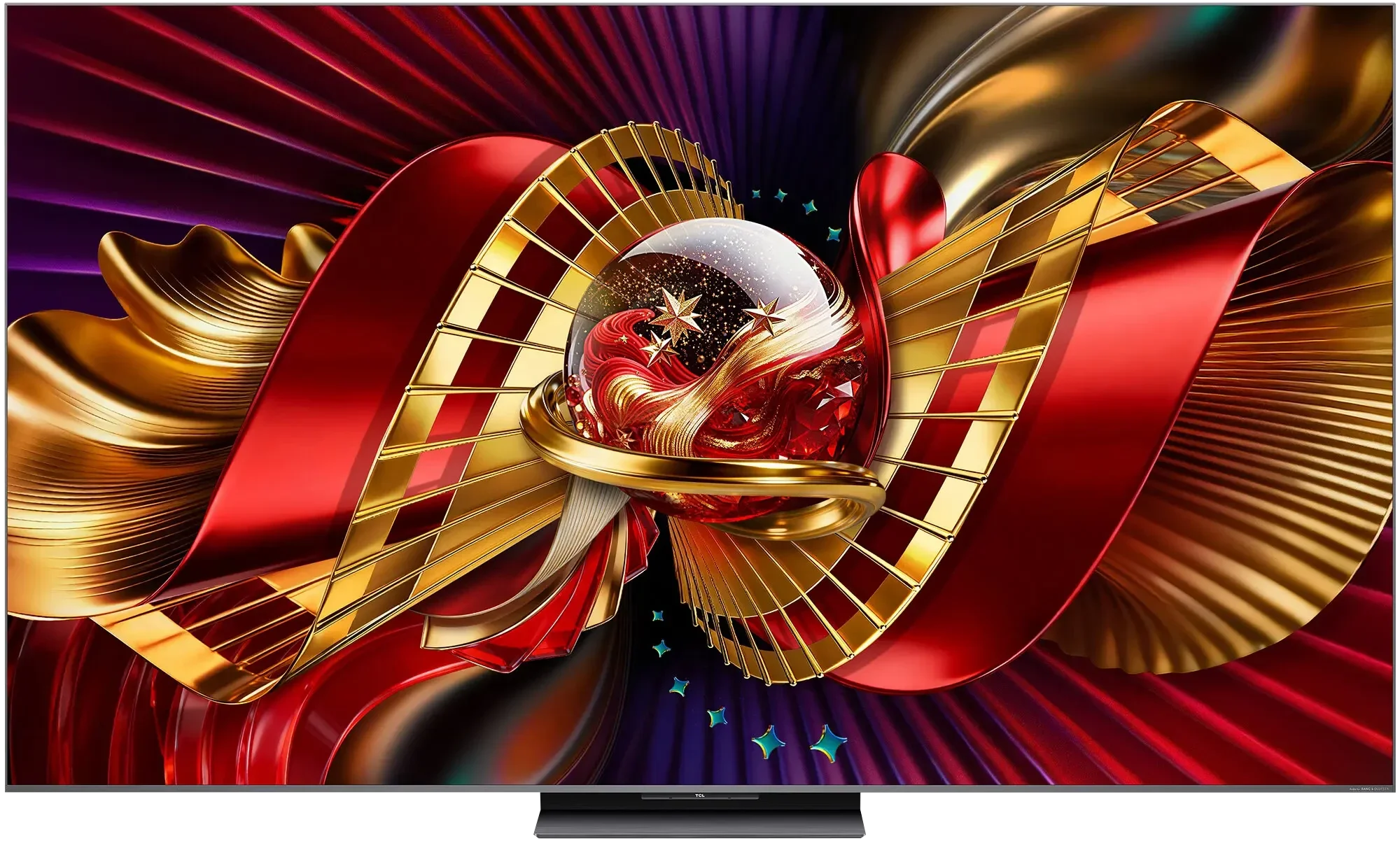
Panel type: LCD VA
Resolution: 3840x2160
System: Google TV
Model year: 2025
Complete the survey to find out the result
Panel type: LCD VA
Resolution: 3840x2160
System: Google TV
Model year: 2026
Complete the survey to find out the result
Overall rating
5.6
8.3
 Movies and series in UHD quality
 6.0
7.7
 Classic TV, YouTube
 5.7
7.5
 Sports broadcasts (TV and apps)
 4.7
7.2
 Gaming on console
 6.2
8.9
 TV as a computer monitor
 2.0
8.6
 Watching in bright light
 4.9
10.0
 Utility functions
 6.1
8.3
 Apps
Apps 9.6
9.6
 Sound quality
 5.0
8.1
Complete the survey to find out what fits your preferences
Advantages

VA matrix with good native contrast and decent blacks
Support for Game Boost mode at 120 Hz in 1080p and 1440p
Low input lag in 120 Hz mode
Google TV – a vast selection of apps and services
Wide colour gamut coverage (approx. 94% DCI-P3)
Decent colours after SDR mode calibration
Support for popular audio formats (Dolby Atmos, DTS:X)
Large, clear remote with a numeric keypad – convenient for seniors
Very good black levels: Mini-LED backlighting
High peak brightness: results reaching nearly 5000 nits
Excellent daytime performance: the powerful backlight easily cuts through reflections on the panel
Very good colours: new SQD quantum dots
Pentonic 800 processor: a noticeable quality leap in upscaling and the performance of digital features
Four full HDMI 2.1 ports
Excellent specs for gamers: exceptionally low input lag (below 10 ms), refresh rates up to 288 Hz with VRR, and support for HGiG and Dolby Vision Gaming
Google TV: the system runs quickly and allows installation of a large number of apps
Good sound: audio branded by premium Bang & Olufsen
Disadvantages

Low brightness
No real support for HDR10+ and other more advanced HDR formats (e.g. Dolby Vision)
Significant limitations when working with PC – lack of chroma 4:4:4, strong dithering, poor font readability
Poor viewing angles (typical for VA)
Clunky construction, legs mounted in plastic with screws
Weird system issues – stuttering, errors with Miracast and sound switching
Upscaling and digital image processing are practically non-existent
Very weak sound, virtually no bass (we felt it performed worse than the "2025" model)
Not faithful to the creator's intent: the TV tends to boost brightness
Slight smearing
Our verdict
TCL C8L is undoubtedly one of the most intriguing Mini-LED televisions that has entered our laboratory this year. This model stands out primarily due to its excellent price-to-performance ratio. TCL has already accustomed us to aggressive pricing for its screens, but in the case of the C8 series, the manufacturer has managed to push the boundaries even further. For the amount that often only allows the purchase of mid-range models or two such models like C8K in the competitive market, here we receive equipment and specifications equal to top models. The new image processor, four full HDMI 2.1 ports, support for extreme refresh rates, and powerful peak brightness thanks to a vast number of dimming zones are arguments that are hard to overlook.
However, analysing the whole picture, one must honestly summarise the character of this television. The C8L is equipment designed more for displaying “spectacular” images rather than rigorously faithful ones. What do we mean by this? The software and algorithms managing the Mini-LED backlight zones have been tuned to favour visual appeal – the image is meant to be bright, contrasty, and striking in saturation. And what does this mean? The television has a tendency to autonomously interpret images instead of adhering to certain studio standards. For most users looking for “greater” emotions in films or games, this effect will likely be an advantage. On the other hand, purists and fans of perfectly natural images (such as us 😉) may find this behaviour too aggressive and not in line with the director's intent. Hence, we leave the final assessment on this matter to you.
Generally speaking, despite this specificity, the TCL C8L is a television that we can, and indeed must, wholeheartedly recommend. It is primarily a premium-class product, doing literally everything right... to a fault. Certain imperfections we would simply treat as features of this device rather than flaws – mainly due to the technological limitations that all Mini-LED televisions from any manufacturer on the market have accustomed us to. Ultimately, the software refinement has brought a lot to the new model, resulting in a mature, confident, and nearly complete piece of equipment.
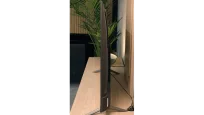
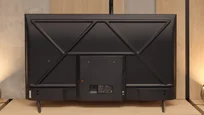
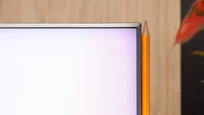
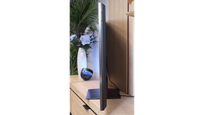
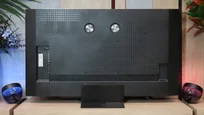
TV appearance

Contrast and black detail
6.1/10
8/10
Local dimming function: No
Local dimming function: Yes, number of zones: 2040 (34 x 60)
Contrast:


Result
5,000:1

Result
6,550:1

Result
7,300:1

Result
6,600:1

Result
4,900:1
Result
156,600:1
Result
59,250:1
Result
17,400:1
Result
23,650:1
Result
9,250:1
Halo effect and black detail visibility:
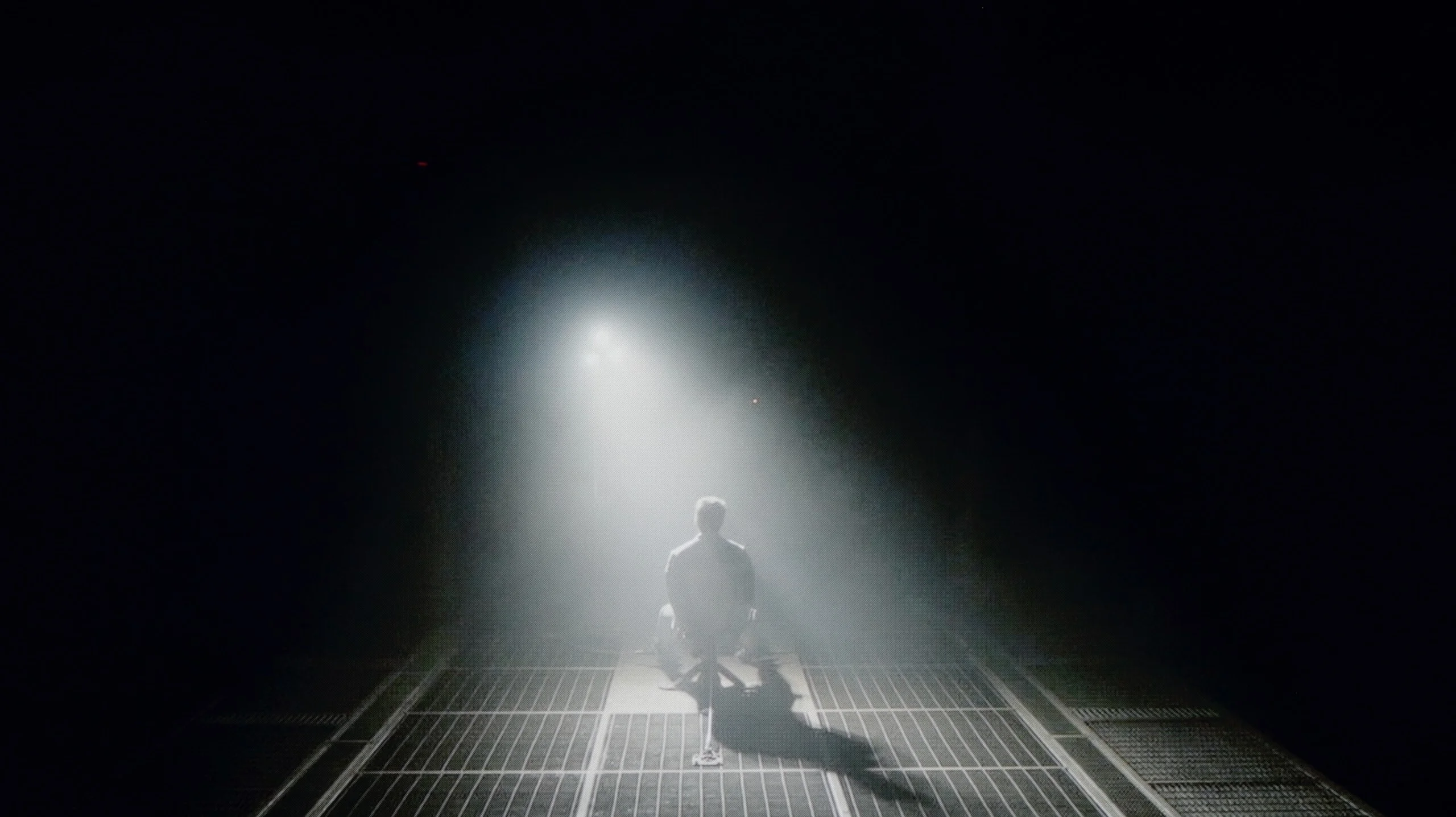
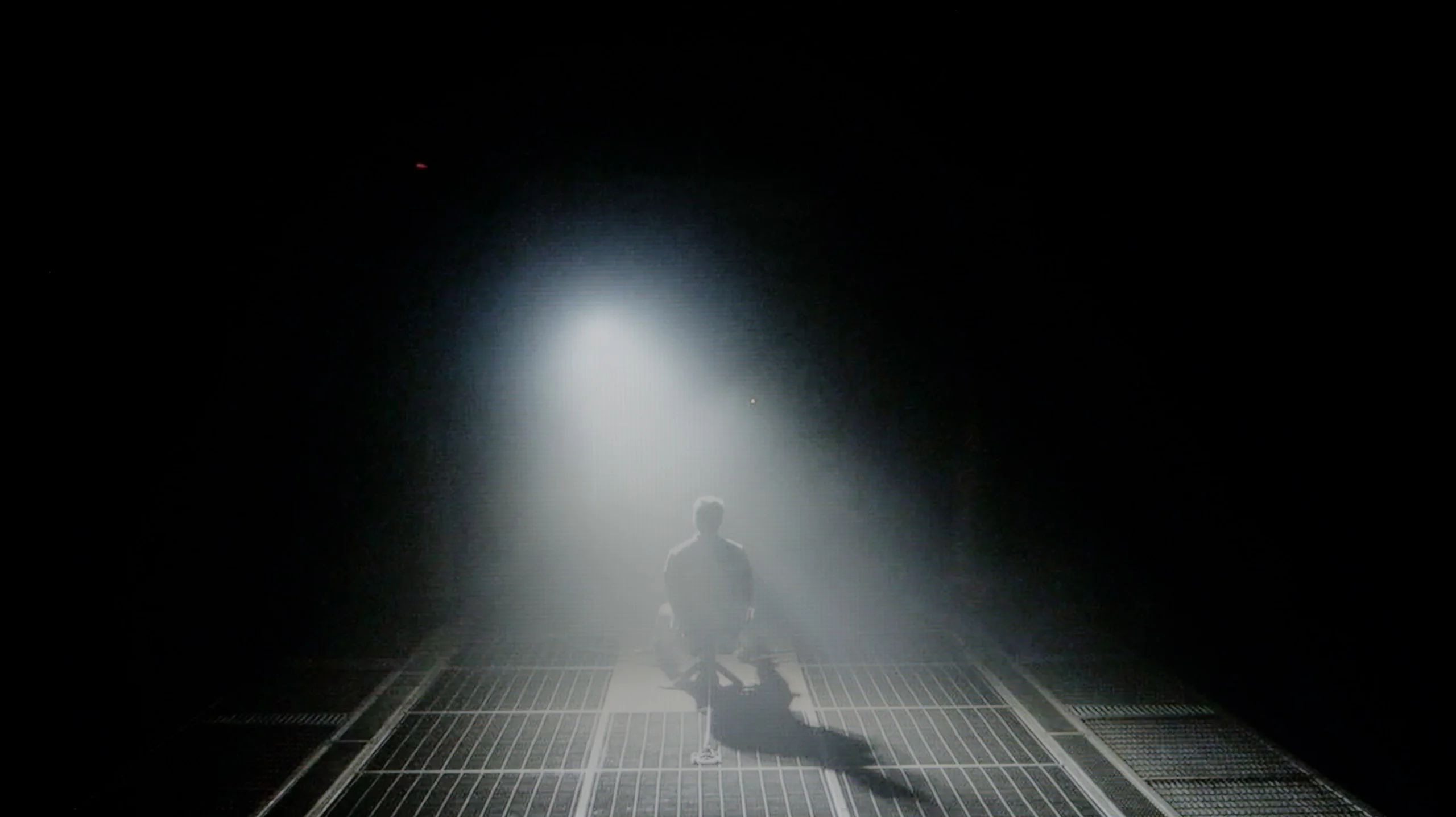
Check the visibility of bright lights on a dark background. Mini-LEDs often struggle with this. The photo does not compare black levels – that’s what the video below is for.
The video accurately shows differences in contrast and black levels between TVs, as well as potential issues: halo around bright objects or Mini-LED zone operation visible as brightness jumps.
One of the biggest advantages of even a budget model like the Xiaomi A Pro 2026 is the use of a VA panel. It is responsible for quite a decent contrast, which in our measurements oscillated around 5000:1 – 7000:1. On the screen, this translates to a stable image with a fairly deep black – something that is difficult to find in competitive models with an IPS panel without local dimming. Xiaomi has also added a feature for global dimming of the entire panel. It sounds good, but… we advise you to turn it off immediately. Why? Because the screen begins to behave very strangely in darker scenes – sometimes it dims so much that practically nothing is visible, while at other times it brightens so much that the already dark blue black turns into a bright blue. At that moment, we felt as if the television was simply damaged. Fortunately, without this feature, the contrast looks really solid. It is definitely not on the level of advanced televisions with local dimming, but in its price range, it will comfortably satisfy most users – especially if you are not watching in a completely dark room, but have at least a little light in the background, which effectively masks the imperfections of the "blue black".
The C8L model certainly cannot be denied one thing: an impressive specification. In the 65-inch variant we tested: the manufacturer packed in as many as 2040 independent local dimming zones (this number, of course, increases or decreases with the screen diagonal). Such a dense packing of light points has a direct impact on the depth of black. The contrast measured by us in film scenes reached impressive five- and six-digit values to one, which is a remarkable result in the LCD world. Is the algorithm perfect? Not entirely. On small, bright elements displayed against a dark background, the trained eye can still discern a slight halo effect and moments when the zones come to life, which is a natural feature of Mini-LED technology. Interestingly, in our test scene with a helicopter, the background was noticeably brighter than on competing screens. Unfortunately, TCL manipulates the brightness curve in a specific way, artificially boosting certain plans, over which we do not have full control from the device's menu. This is an evident weakness of this model that needs to be taken into account. That said, the black levels on this model will be more than satisfactory for most viewers.
HDR effect quality
4.1/10
7.3/10
Luminance measurements in HDR:

Result
220 nit

Result
248 nit

Result
322 nit

Result
315 nit

Result
326 nit
Result
1637 nit
Result
701 nit
Result
1428 nit
Result
405 nit
Result
1728 nit
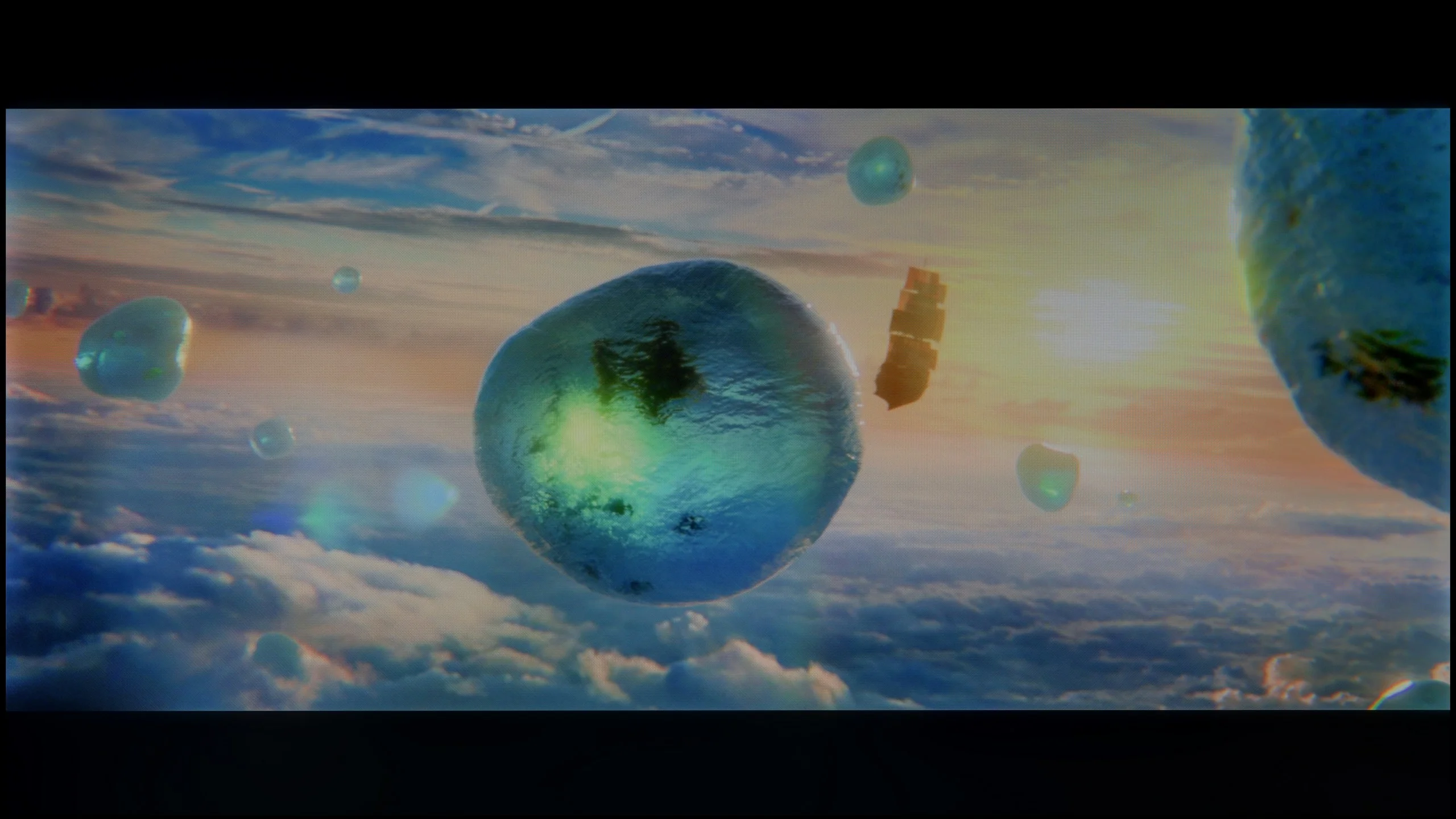
Scene from the movie “Pan” (about 2800 nits)

Scene from the movie “Billy Lynn” (about 1100 nits)
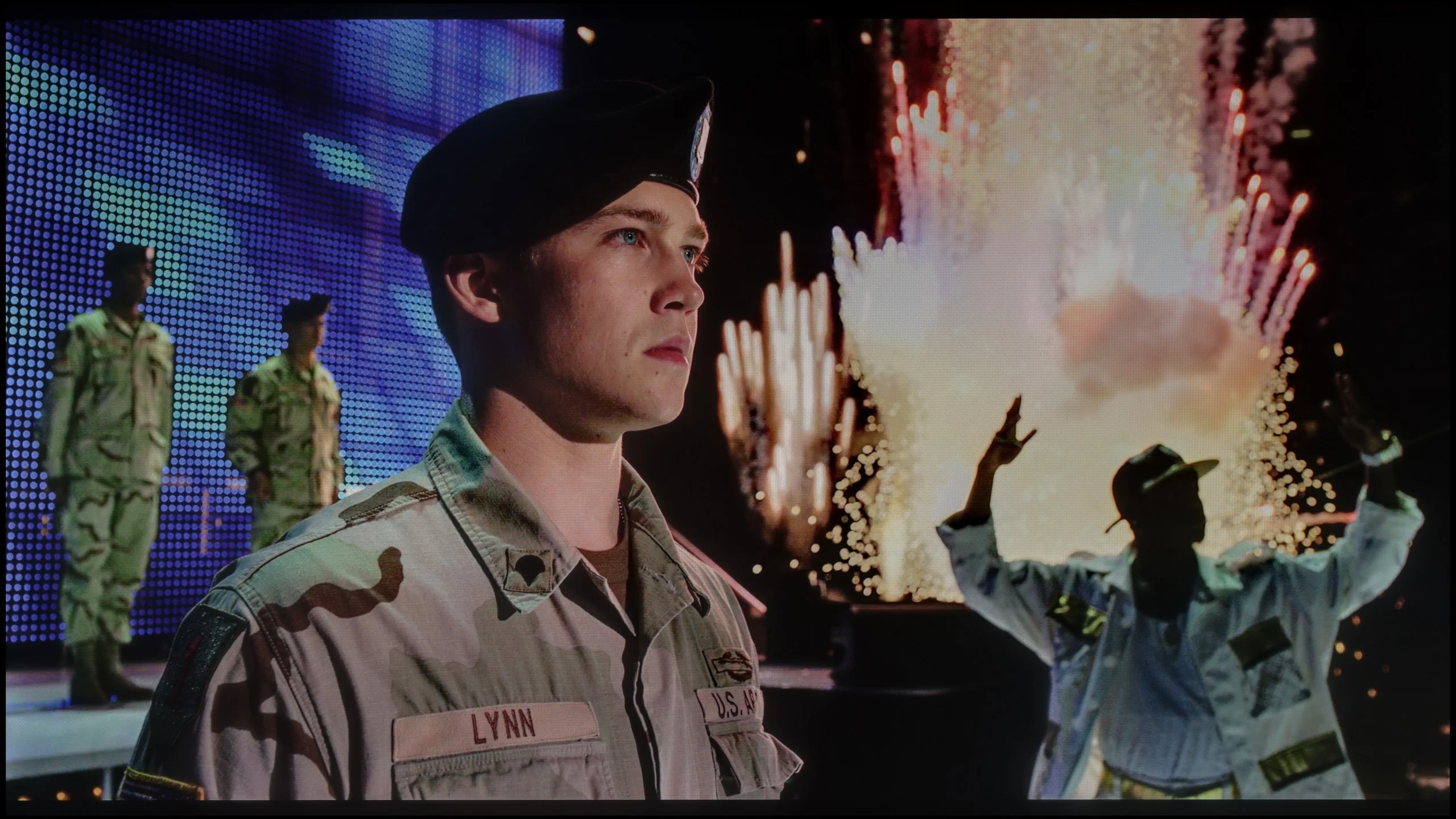
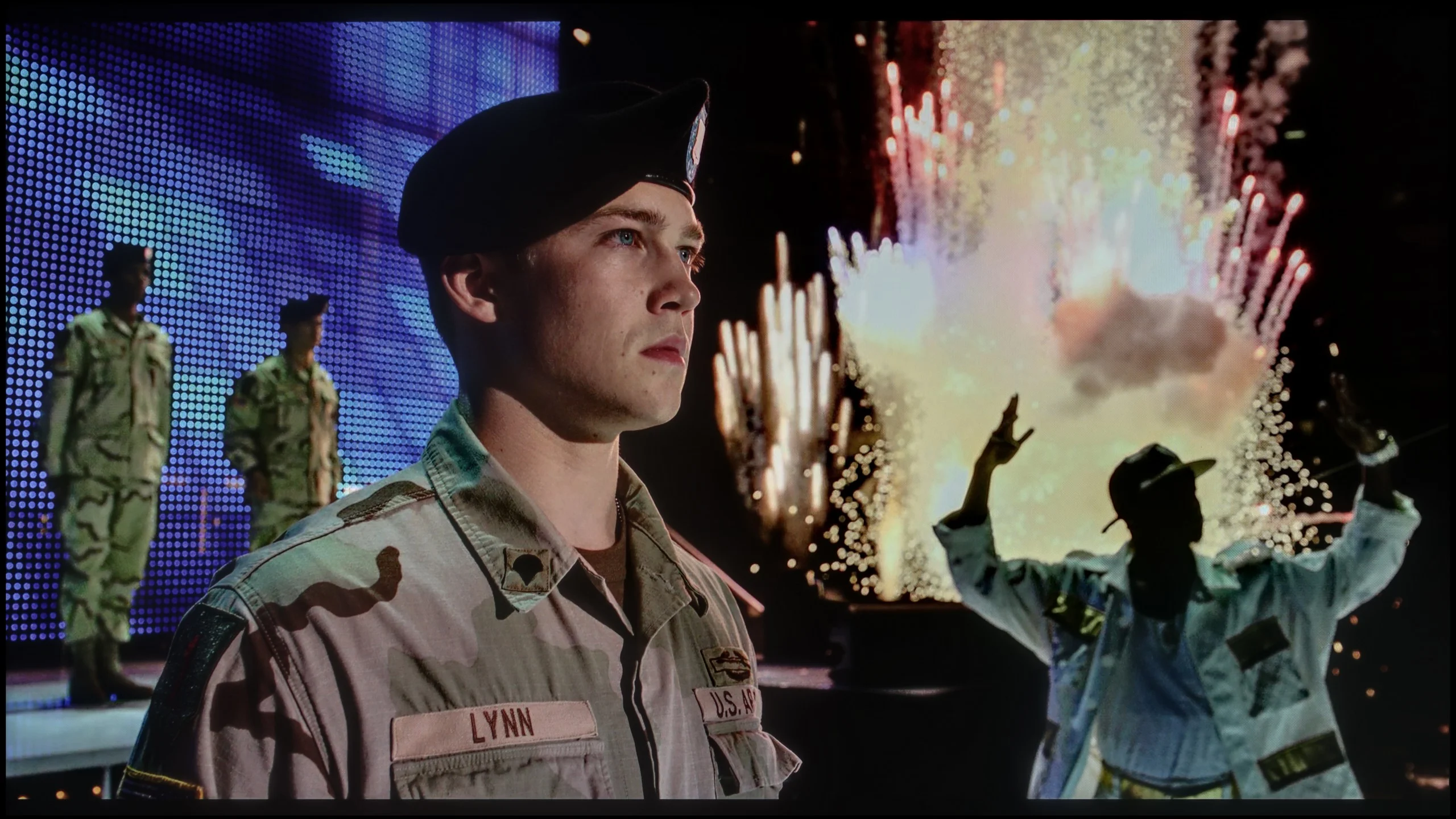
The photos show two HDR10 movies. 'Pan' is one of the brightest productions ever made, while 'Billy Lynn' (soldier) has brightness typical of streaming (Netflix, Prime, HBO MAX). Notice the intensity of effects and detail in whites.
Static HDR10


The photos present the visibility of white details in various HDR formats. They do not show brightness differences between TVs (these can be compared in the previous gallery).
Dynamic: HDR10+
Dynamic: Dolby Vision


The photos present the visibility of white details in various HDR formats. They do not show brightness differences between TVs (these can be compared in the previous gallery).
HDR luminance chart:
TCL C8L / QM8L
XIAOMI A PRO 2026
If you are hoping for a cinema-grade HDR effect in the new Xiaomi A Pro 2026, you better cool your expectations quickly. This television is simply too dim to fully showcase the capabilities of contemporary films or series designed for the highest image quality. Our measurements showed brightness in the range of 200–300 nits, which is more akin to SDR content than ambitious HDR productions. In practice, this means that while most films may look fine, they certainly won't evoke that "wow" effect that other televisions are known for. Fortunately, not everything is lost – we must credit the PFS LED filter used here, which is a solution similar to the quantum dot technology found in QLEDs. Thanks to this, the coverage of the DCI-P3 colour palette reaches about 94%, resulting in vibrant, saturated colours in the vast majority of materials.
In terms of HDR, the TCL C8L turns out to be a hellishly bright television – quite literally. On a synthetic test pattern sized at 5%, our measurement equipment indicated a result exceeding 4500 nits. This is a truly astronomical result, considering that reference monitors used by directors, which we often refer to in our materials, typically operate around 4000 nits. Does this mean that the C8L breaks barriers and climbs to the technological peak of Mini-LED? Not quite. Dry synthetic tests are one thing, while real cinematic images are another. In real, varied scenes, the C8L peaks at around 1600 nits. This is still a very good result, ensuring a very high level of HDR dynamics, but it is also clearly lower than what the manufacturer boasts in the specifications. The problems begin with very small bursts of light – at that point, brightness can drastically drop to around 600 nits. The algorithm tries at all costs to maintain deep blacks and minimise the halo effect, but this comes at the expense of HDR impact. This is perfect evidence that laboratory test patterns rarely align with what we ultimately see on the screen.
However, huge praise is due for colour reproduction, thanks to the new generation of SQD (Super Quantum Dot) quantum dots. The DCI-P3 colour gamut coverage reaches 97%, but the truly jaw-dropping measurements come from the extremely demanding BT.2020 space. The C8L achieves an impressive 90% in this space, placing it alongside today's top screens equipped with RGB backlighting. Importantly, unlike some screens with Micro/Mini RGB backlighting, this effect is stable regardless of the scene displayed. Of course, it’s worth remembering that content mastered for such a wide gamut in films or series is still rare. However, the very fact that the panel has such a "colour reserve" deserves tremendous admiration.
Factory color reproduction
3.5/10
5.3/10


This gallery shows how colors change after professional TV calibration. If you notice the difference, we recommend ordering this service at SkalibrujTV.com.
Factory Mode
After calibration


This gallery shows how colors change after professional TV calibration. If you notice the difference, we recommend ordering this service at SkalibrujTV.com.
Factory Mode
After calibration
What we saw in Filmmaker mode took us by surprise – and unfortunately not in a good way. The mode advertised as Hollywood standard resembled more of a shop window display. The white balance was shifted towards blue, leading to significant colour mistakes and burnt-out scenes in SDR content. It was slightly better, though still not perfect, in HDR materials. There were also issues there – the colour saturation and the entire palette consistently drifted towards cooler tones, resulting in an image that had more of an artificial, cold tint instead of a cinematic character. In other words: even in Filmmaker mode, which should showcase this television, we got an effect far from expectations.
We tested the TCL C8L in the best factory mode available in the TV’s menu for image fidelity. That’s of course Filmmaker Mode, which only arrived in this brand’s software relatively recently (a year ago in the "K" series). It allows the average user to achieve quite decent colour reproduction straight out of the box, though it is certainly not perfectly tuned. Looking at the unit’s out-of-the-box white balance — in both SDR and HDR material — the red component was clearly lacking, which made the image noticeably cooler and slightly shift towards blue‑green tints. The issue of brightness management also looks ambiguous, as we mentioned earlier. While the gamma linearity in SDR content is really good and stays steadily at the reference value of 2.4, the situation in HDR is much worse. Tracking the EOTF curve clearly shows the TV has a noticeably boosted brightness across the entire range, so the final image can be excessively bright and inconsistent with the creators’ intent, and this is in a mode that by definition should avoid that. Of course, as with every sample in our lab, we subjected this one to professional calibration, and you can find the results below.
Color reproduction after calibration
7/10
7.5/10
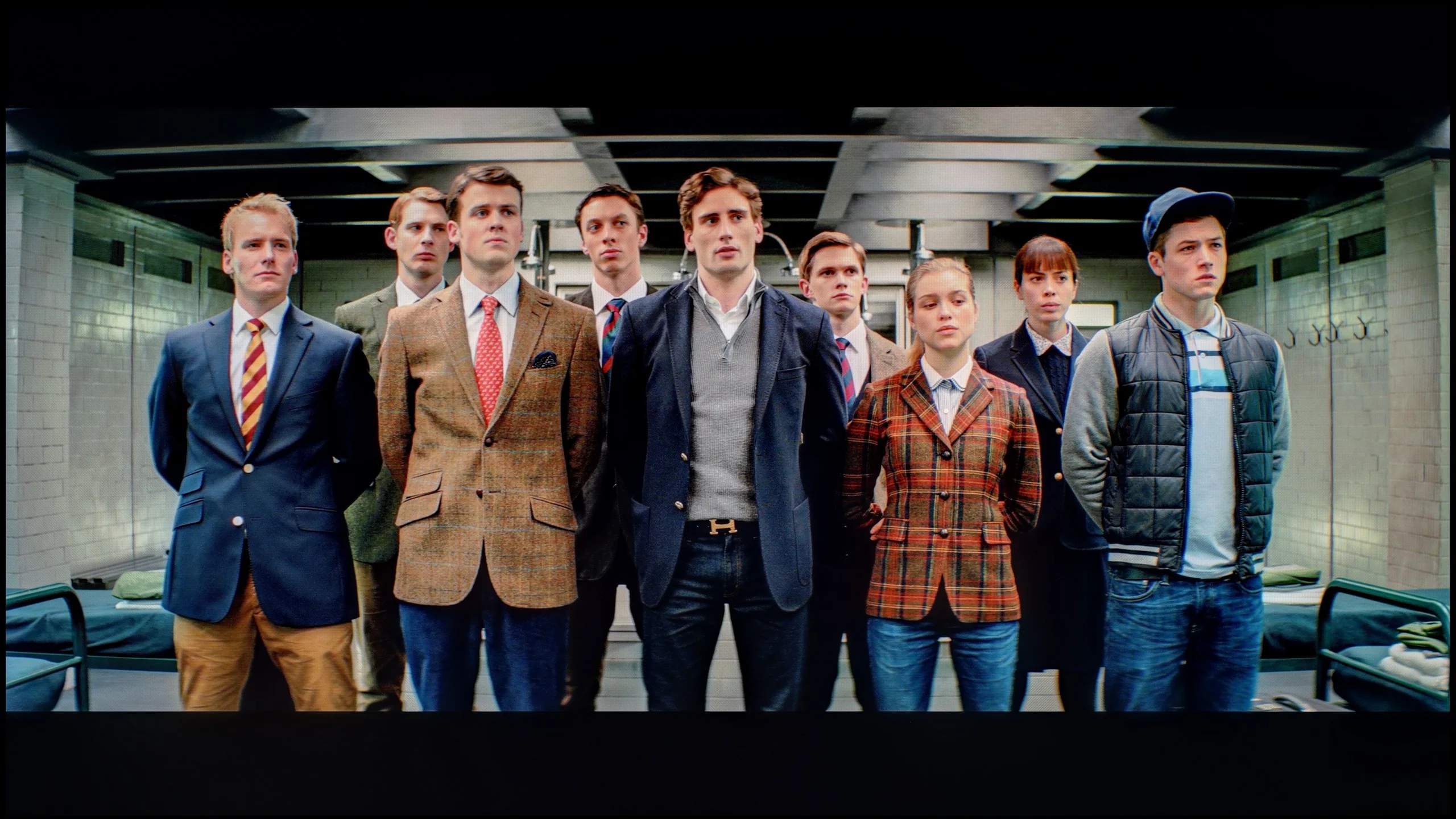
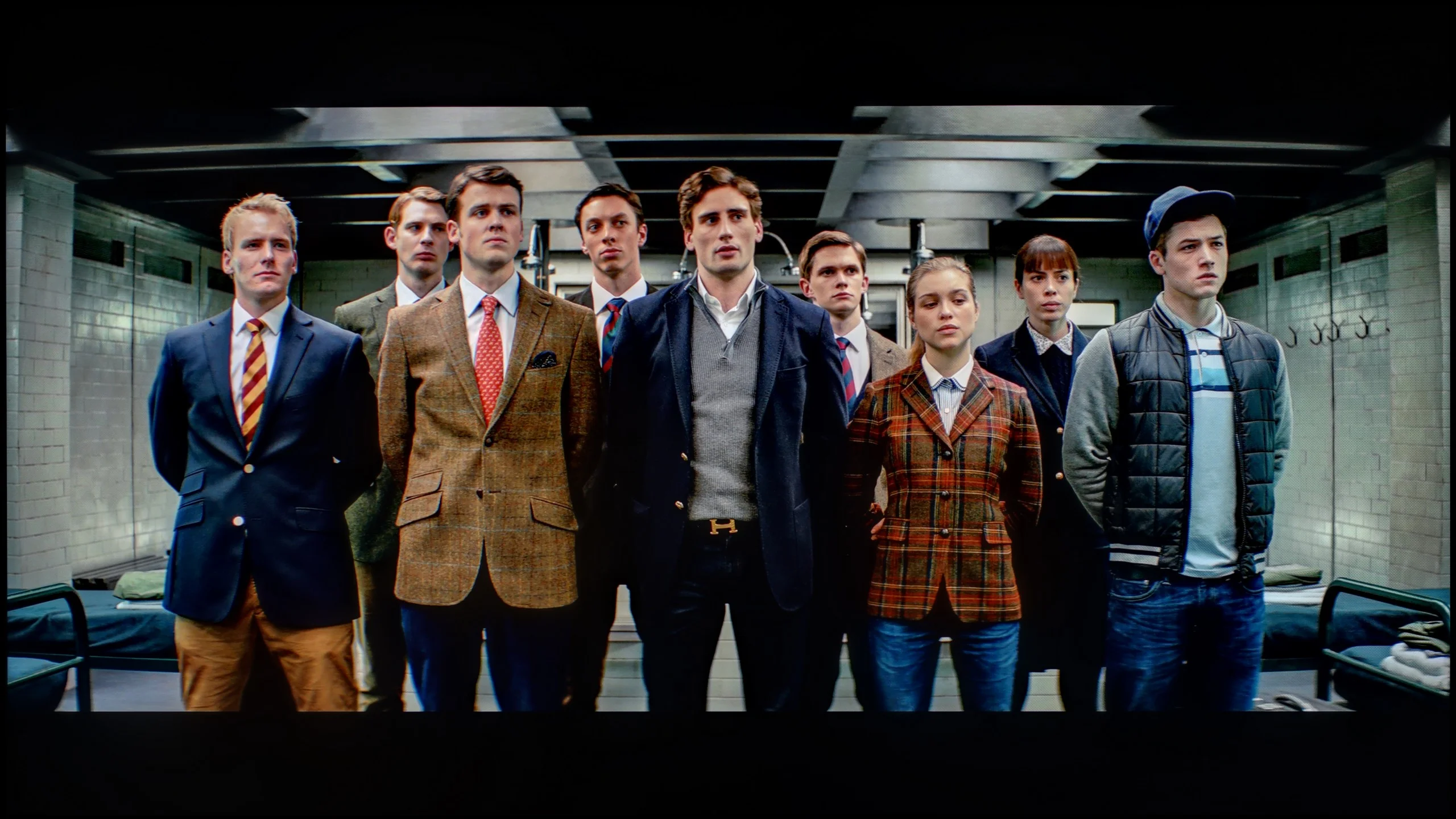
The photos show how movies look on the TV. Pay attention to black detail visibility, colors, and shadow tint.
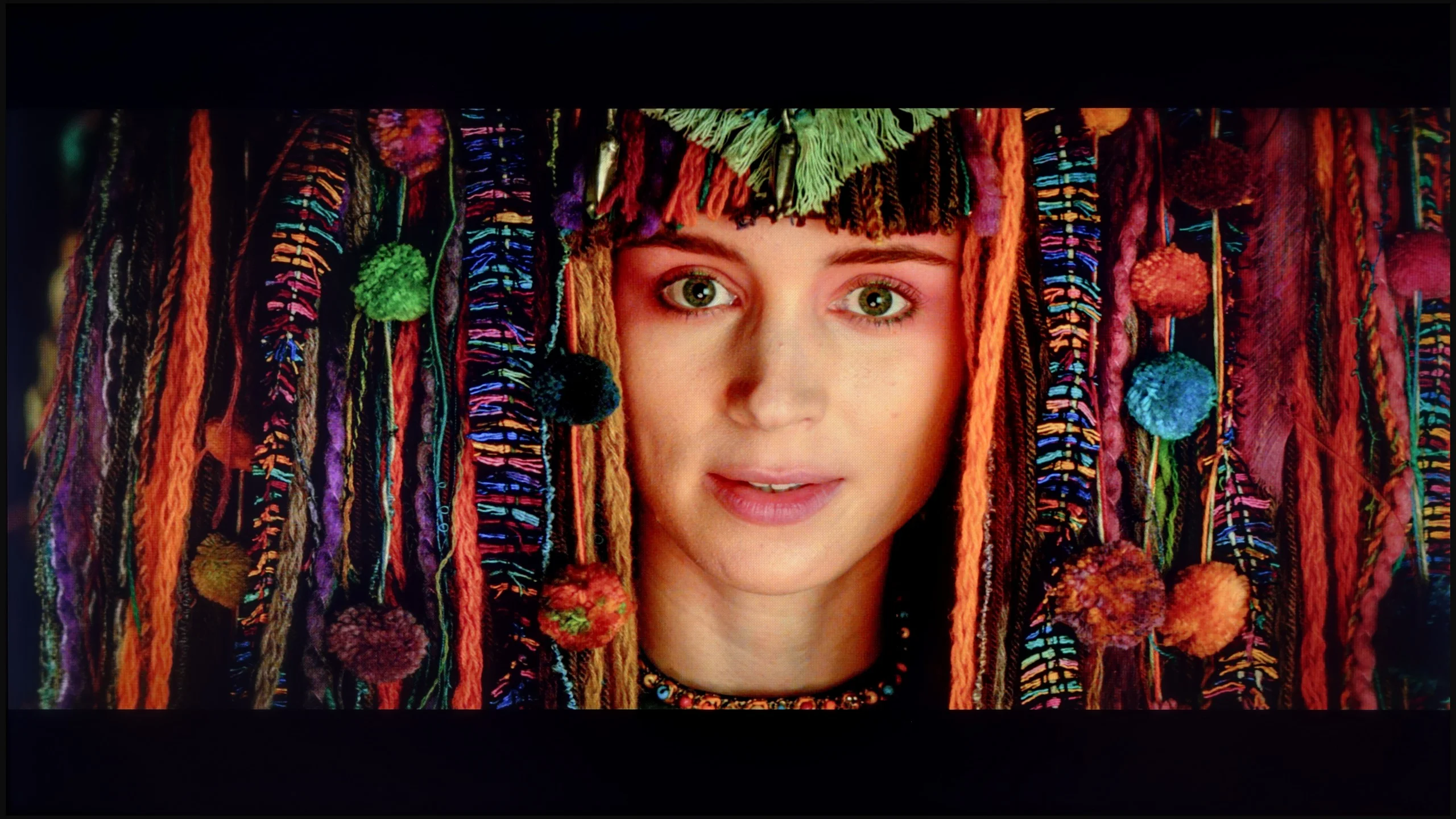
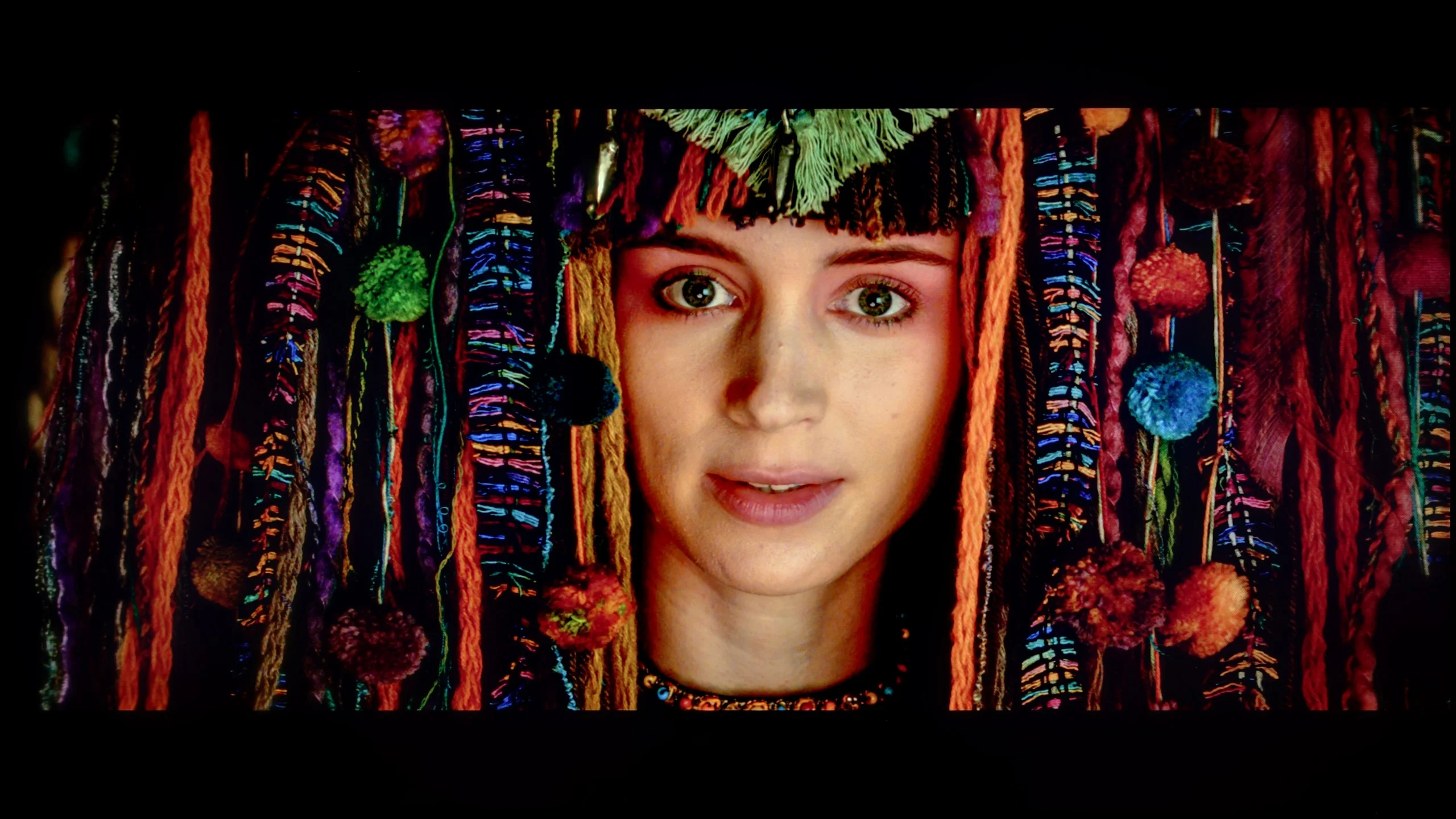
The photos show how movies look on the TV. Pay attention to black detail visibility, colors, and shadow tint.
Although Xiaomi is not a brand associated with top-tier televisions, it must be acknowledged that even in a budget model like the A Pro 2026, the manufacturer left plenty of calibration settings. After a few adjustments, the SDR image gained a completely new look. Colours stopped drifting towards blue tones, whites took on a more natural quality, and most errors dropped to a practically invisible level. As a result, SDR content looked very good, surprisingly so for this price range.
It was somewhat different with HDR materials. Here, it was immediately evident what we had already mentioned – clipping in bright scenes and issues with balance control. Calibration helped only partly, as the limitations of the panel itself played a role. However, it must be emphasized that for SDR, the television had transformed beyond recognition and in a decidedly positive direction.
As you can see, the results of a professional calibration of the TCL C8L are truly promising, thanks to the comprehensive calibration controls the manufacturer has provided in the menu. Above all, we managed to fully correct the white balance, eliminating the red deficiency, so the image finally stopped drifting into unwanted cool tones. After that adjustment, the errors in the ColorChecker test fell to near-reference values, consistently sitting below a Delta E threshold of 2, i.e. below the visibility threshold for the human eye.
If test patterns look so perfect, you may ask us why the final score in this category is lower. The answer lies in the brightness management described earlier. Although the menu includes sliders that let you precisely straighten the EOTF curve on synthetic signals, when faced with real film material (I recommend enabling the EOTF filter when watching films), it becomes clear that the TV, in most scenarios, still responds to HDR metadata in its own way. As a result, the picture can be slightly over-bright and not faithful to the filmmakers' intent, and it is precisely for this lack of consistency with real films that we had to take a few points off the C8L's score.
Smoothness of tonal transitions
9.3/10
9/10
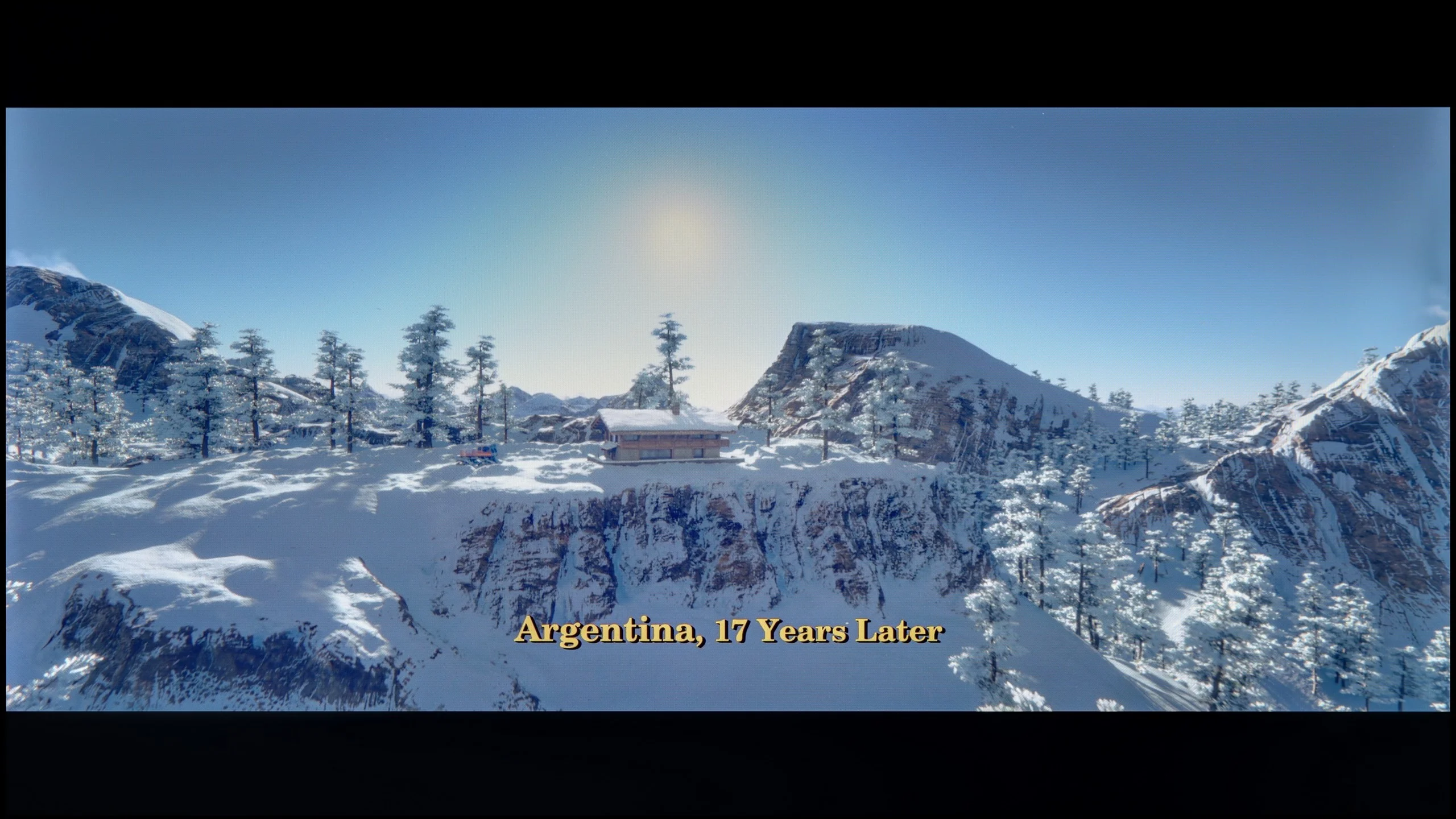

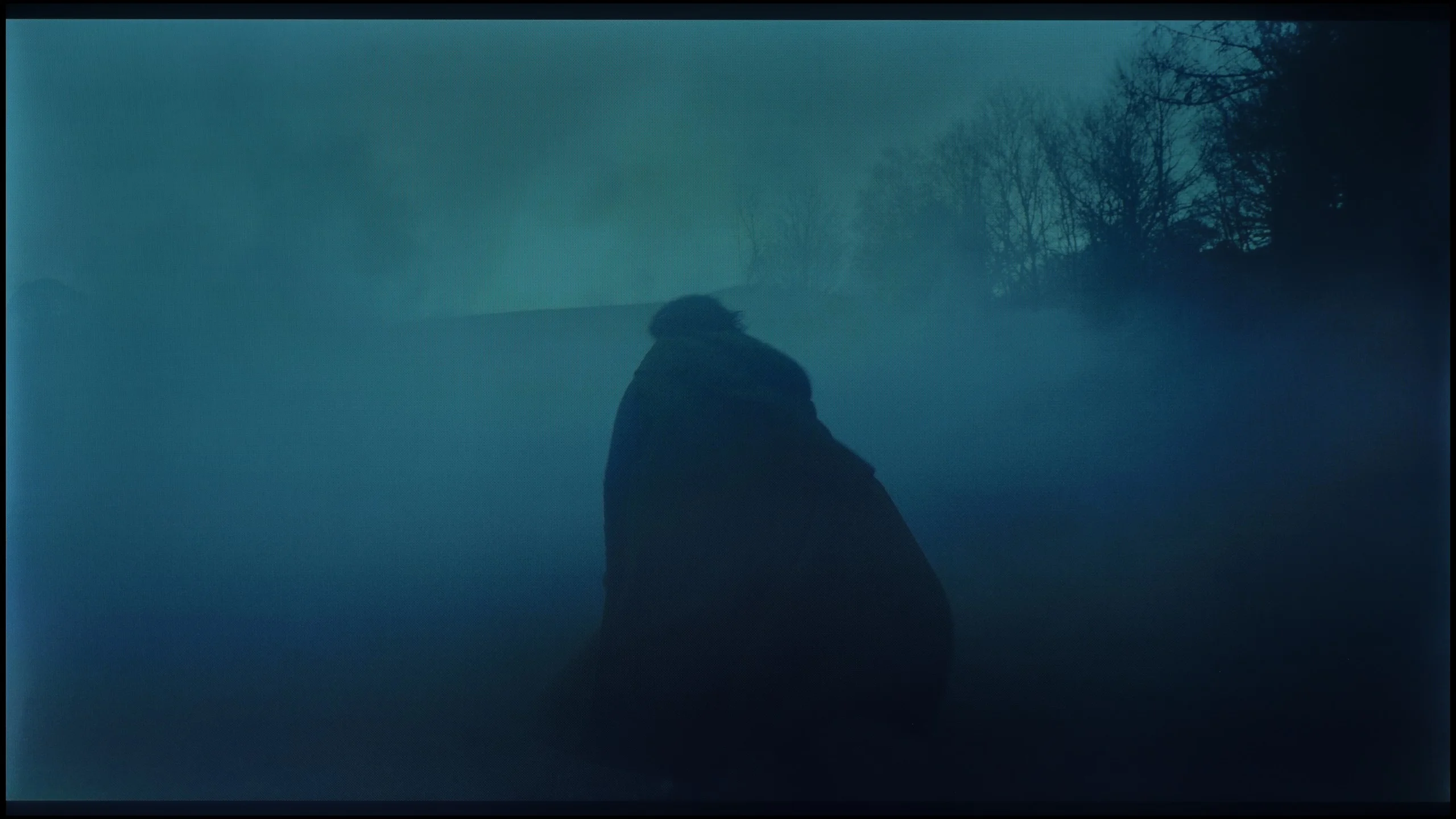
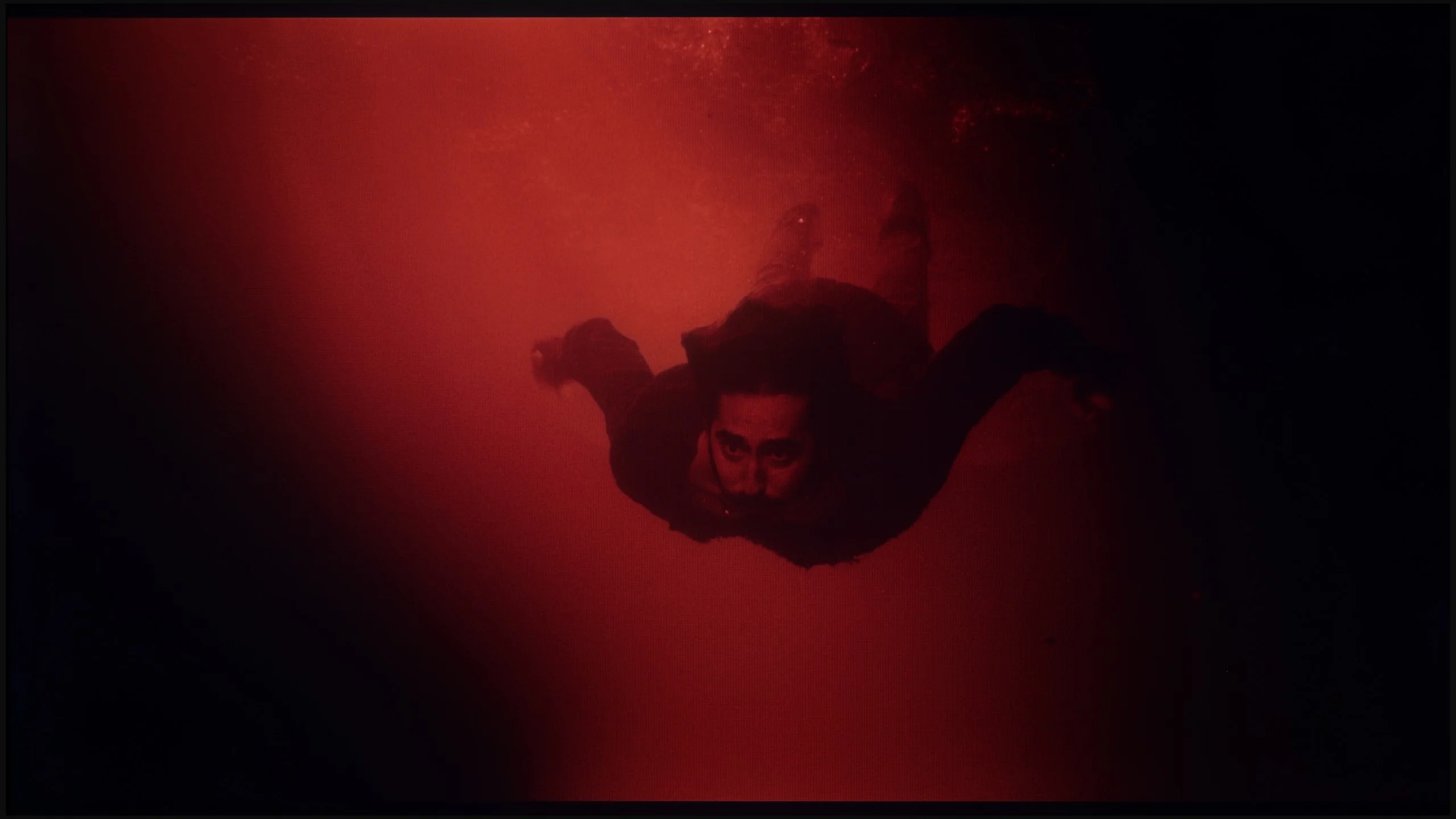
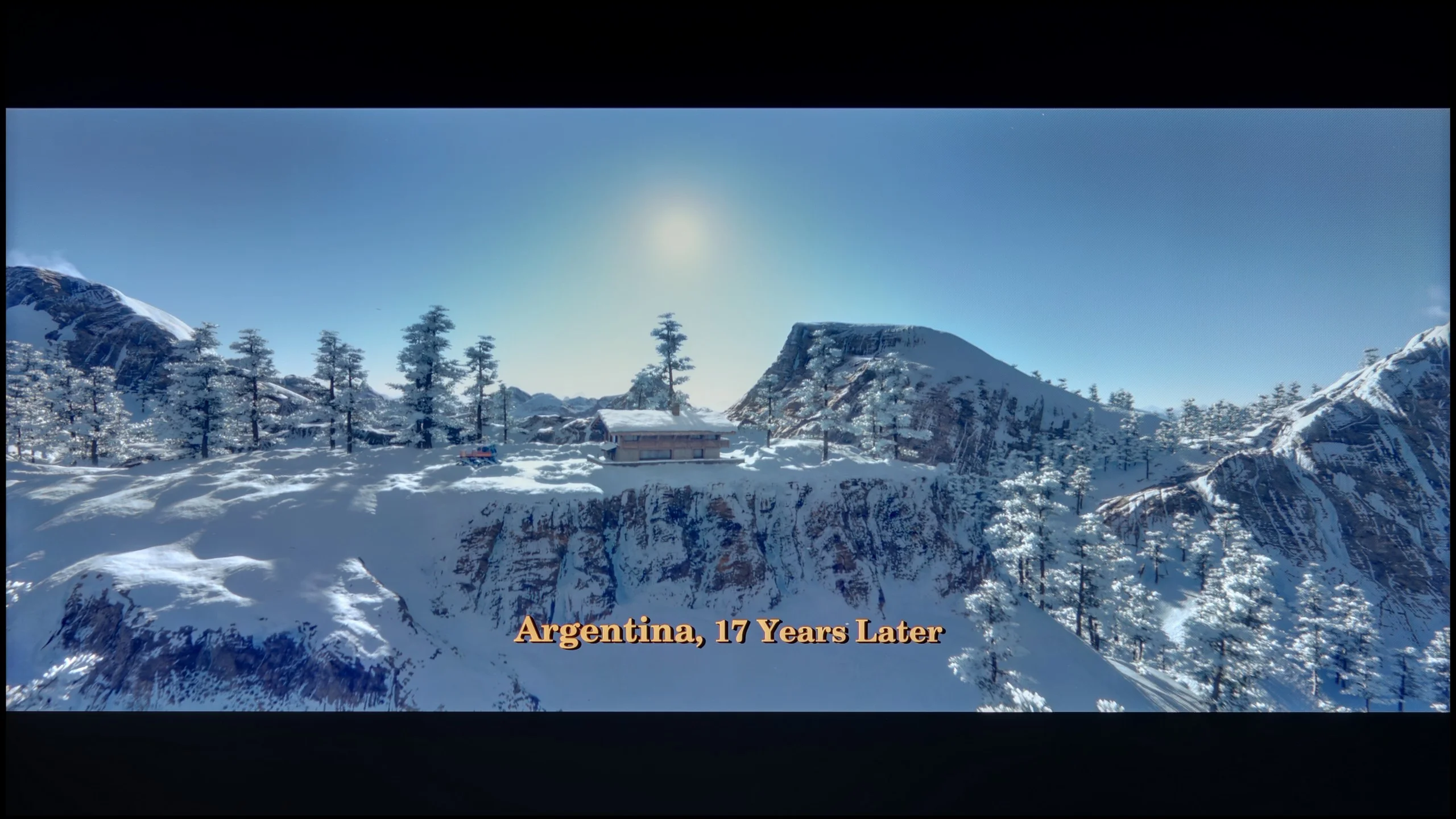
These are selected scenes that show smooth tonal transitions from one color to another. If you see distinct banding, it’s the TV panel’s fault.
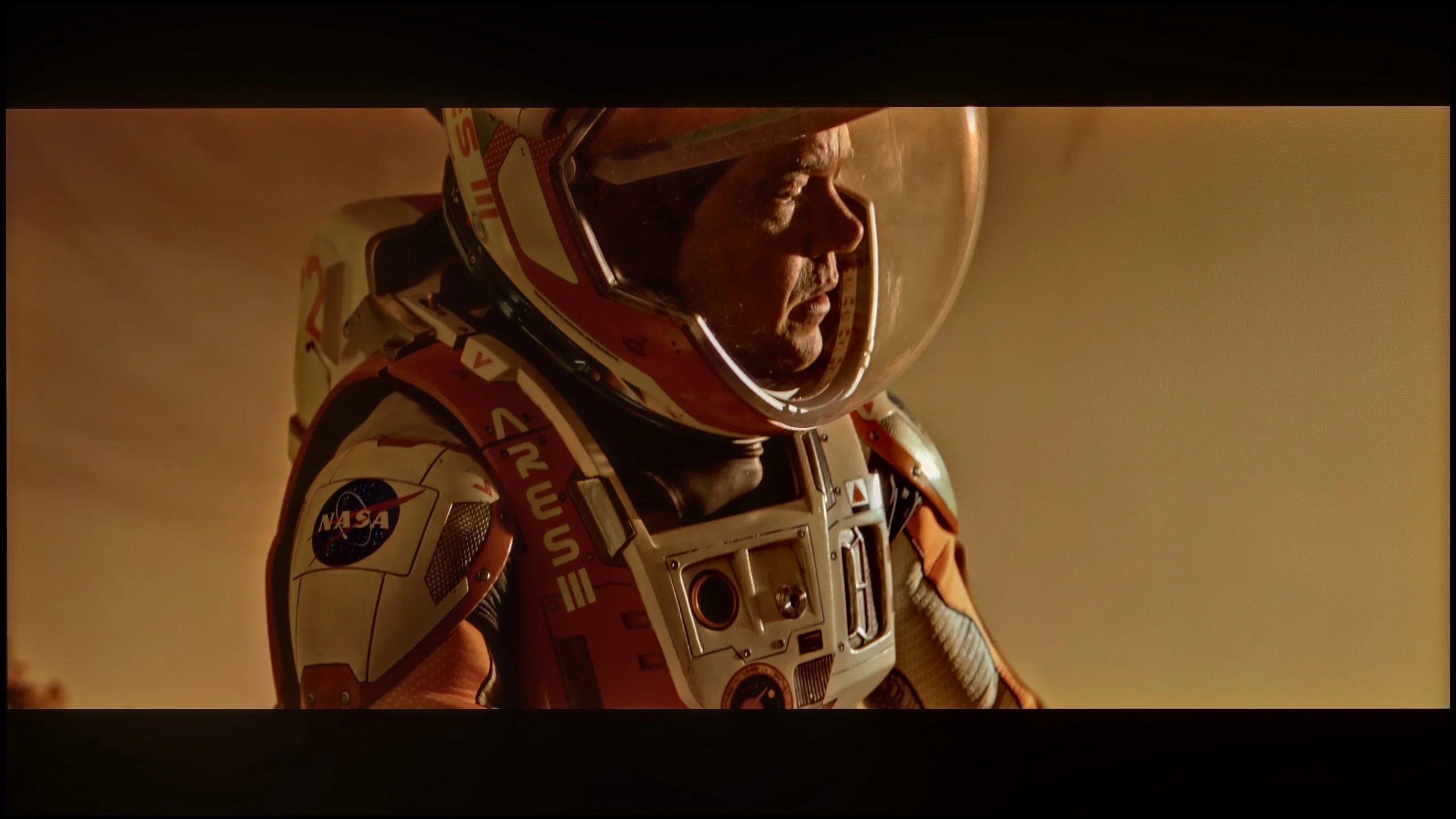
These are selected scenes that show smooth tonal transitions from one color to another. If you see distinct banding, it’s the TV panel’s fault.
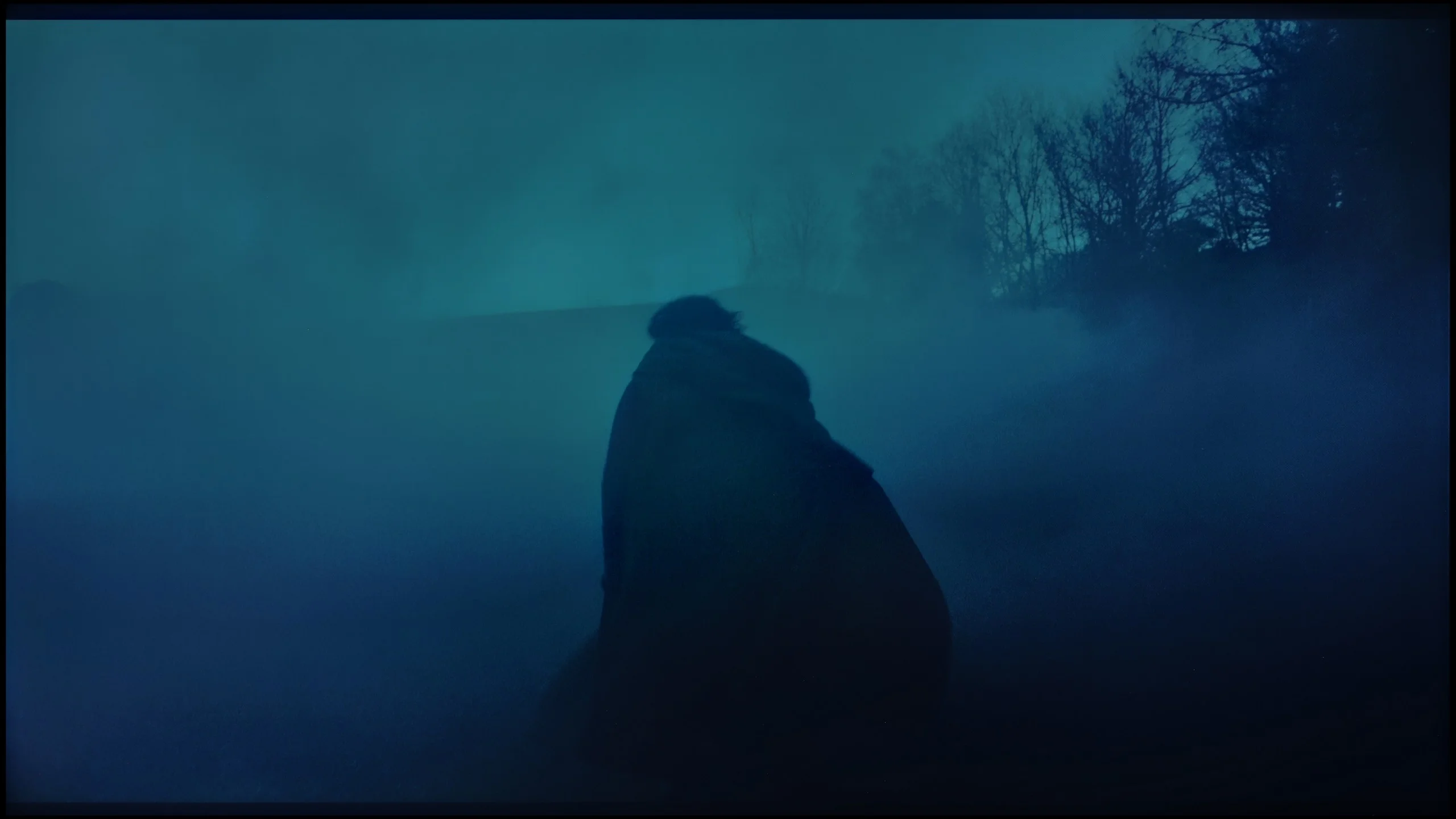
These are selected scenes that show smooth tonal transitions from one color to another. If you see distinct banding, it’s the TV panel’s fault.
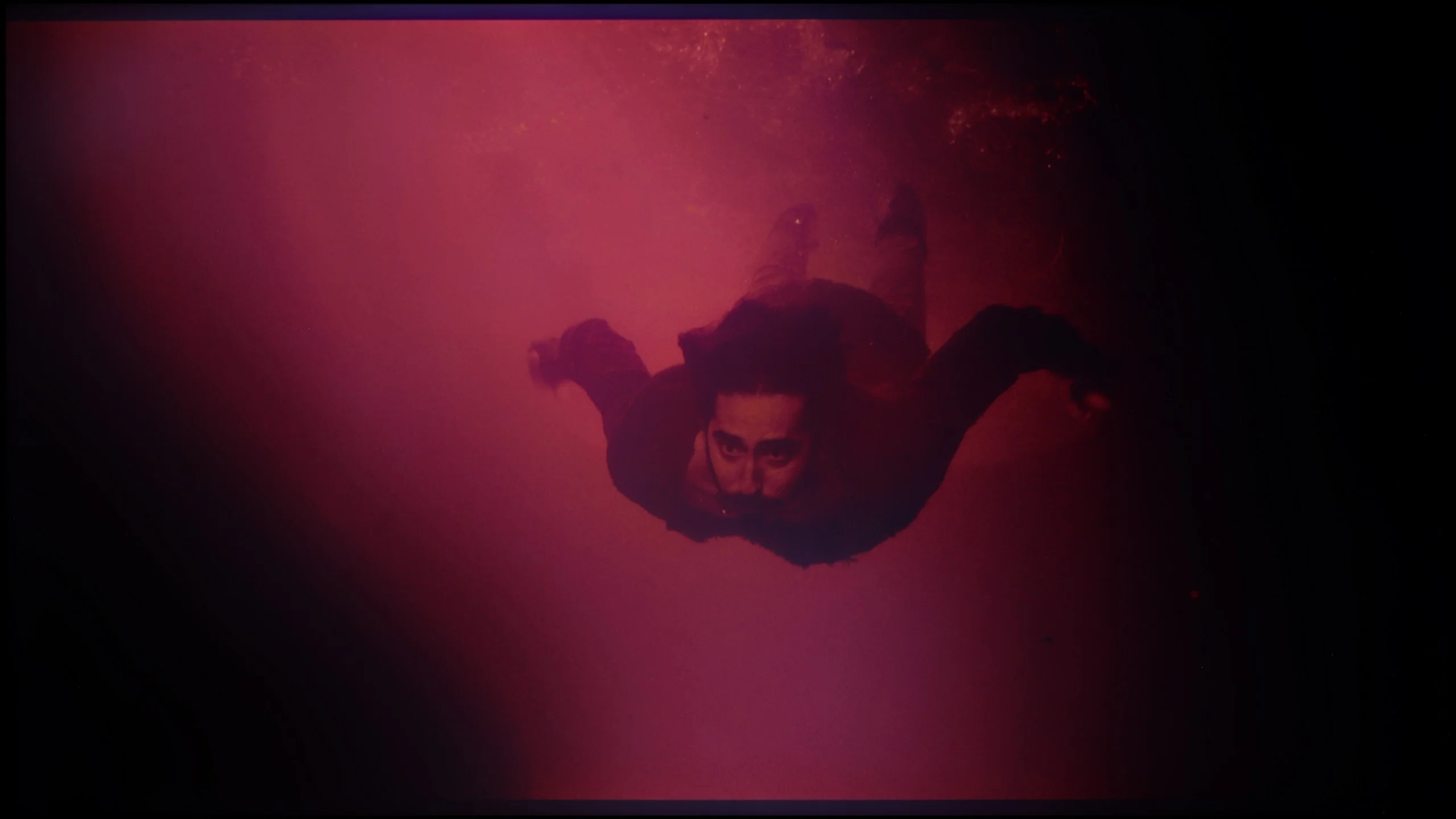
These are selected scenes that show smooth tonal transitions from one color to another. If you see distinct banding, it’s the TV panel’s fault.
The television really handles colour blending well, and in most scenes, it's difficult to spot any imperfections. This is most evident in the bright segments of films, where tonal transitions look almost perfect; the image is then smooth and natural. Darker scenes present slightly worse, where characteristic banding can be noticed. Fortunately, this is not a flaw that stands out prominently, and for most viewers, it will remain practically unnoticed.
We judge the tonal transitions in the C8L to be almost exemplary. The well-tuned panel and accompanying algorithms mean the TV handles posterization, the ugly, stepped separation of individual shades, very well. Subtle, minimal errors and slight inconsistencies in tone gradation are noticeable only in extremely dark, demanding scenes. Overall, however, when watching good-quality content at native resolution, the transitions between colours are exceptionally smooth and natural-looking.
Image scaling and smoothness of tonal transitions
3/10
8/10


Smooth transition function
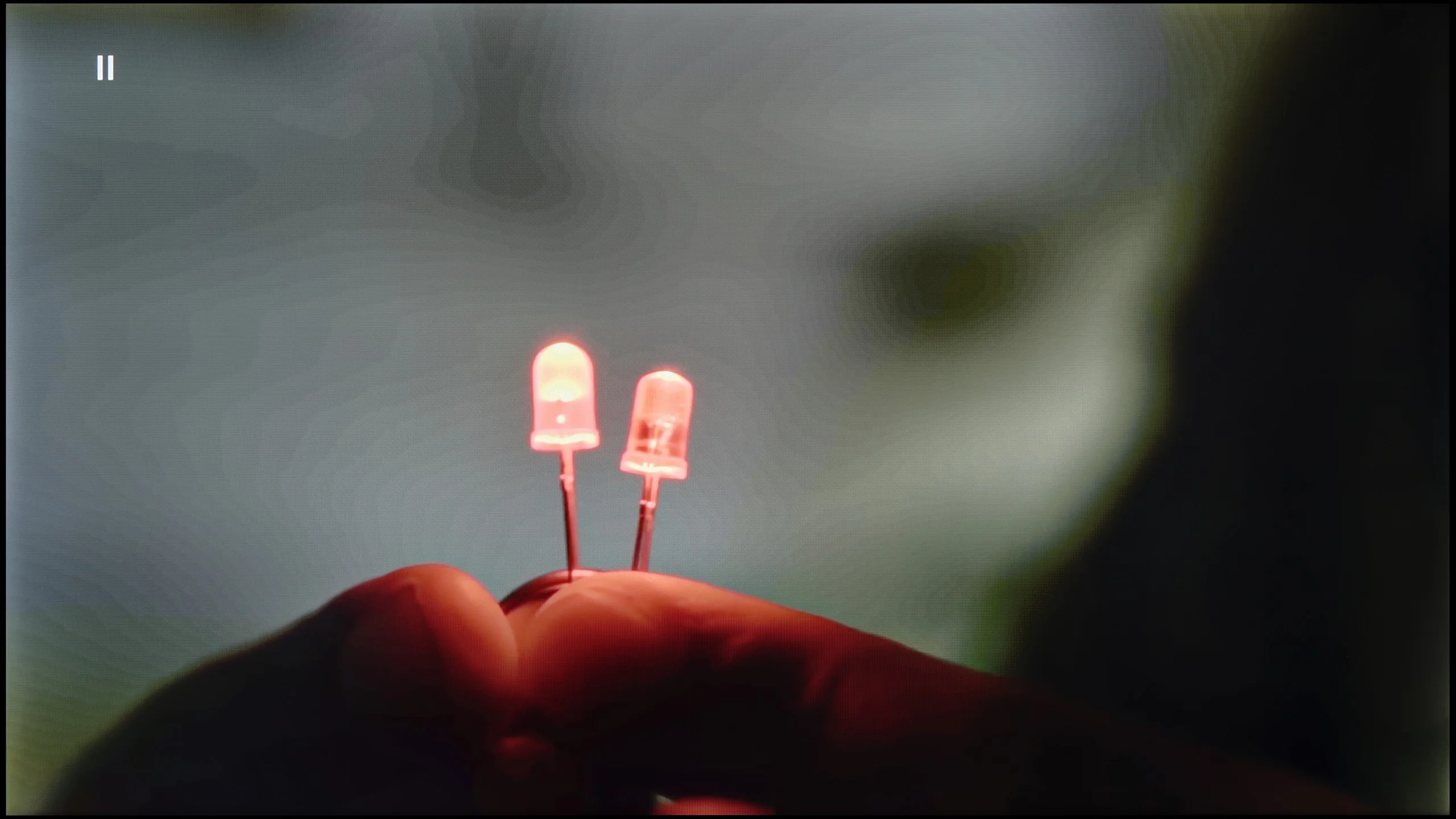
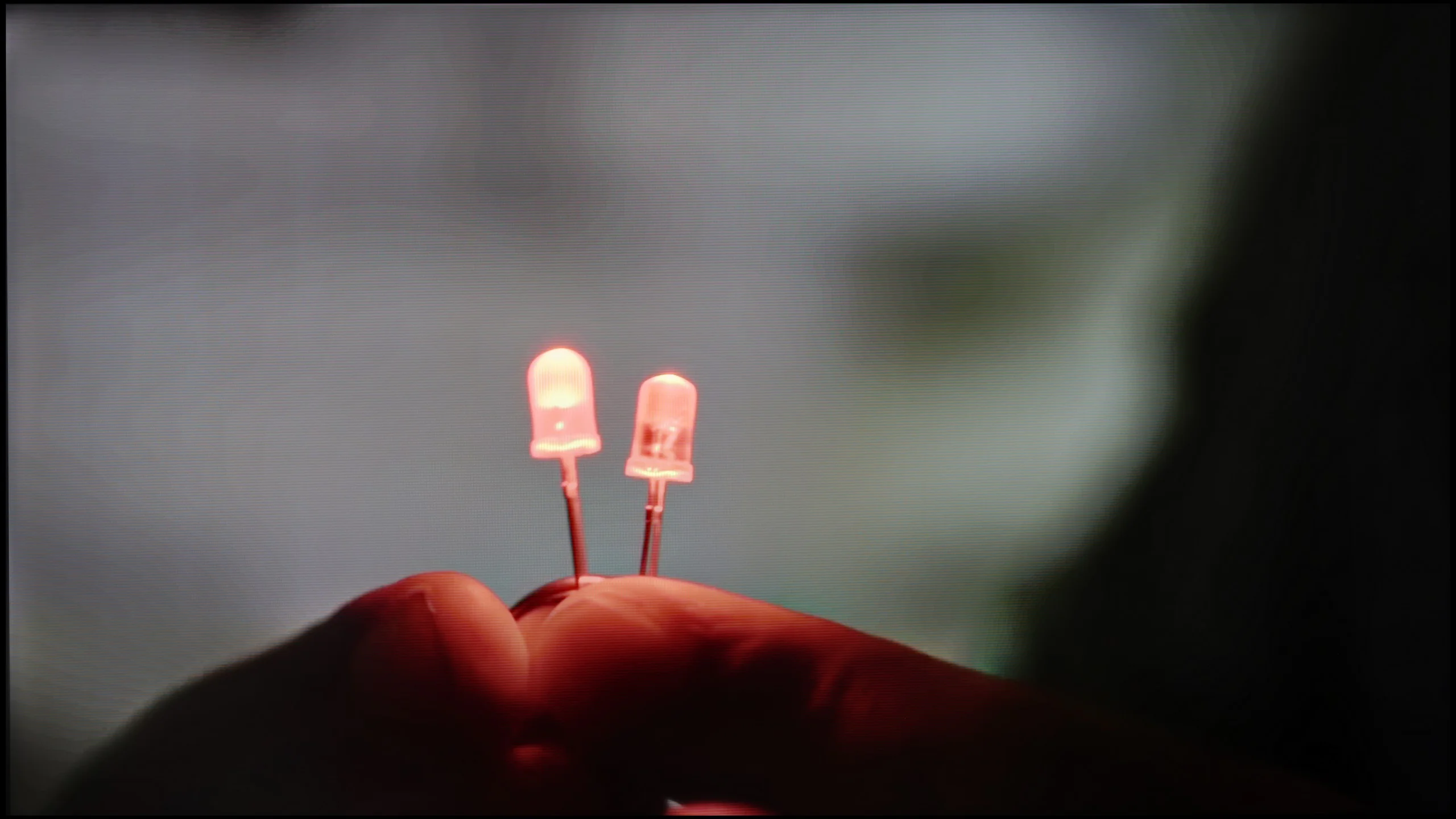
The match photo shows how the TV smooths weak tonal transitions in low-quality video.
Image scaling SD (576i)
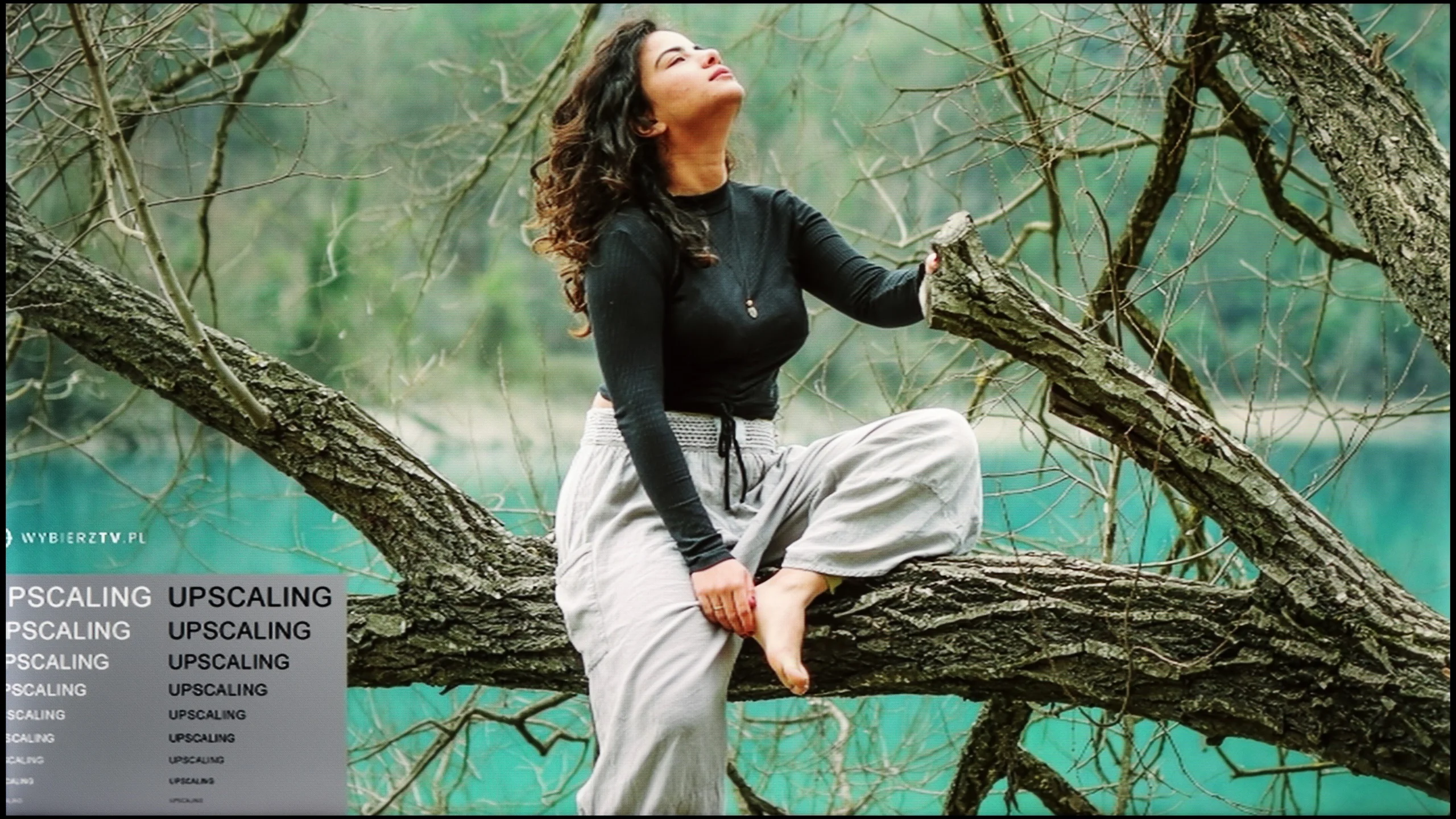

The model photo shows how it handles upscaling of SD material.
Upscaling and digital image processing in the Xiaomi A Pro 2026 are not among the strengths of this model. One might expect that since the television was not designed to achieve record brightness levels, the manufacturer would focus on a more robust processor and a set of features that would "enhance" lower-quality images. Unfortunately – and here we are also faced with significant disappointment. On the positive side, we can note reasonably good upscaling, which handles HD materials and boosts them up to 4K in an acceptable manner. However, this is where the list of advantages ends. The television does not offer any features that improve tonal transitions or smooth out digital imperfections, so in most cases, we get a raw image, exactly as we deliver from an external source. On a large screen, such a lack of support makes lower-quality materials simply look bland. An additional problem is the phenomenon of overscan. When watching older materials, it happens that part of the image gets cut off, which only amplifies the impression that Xiaomi still has a lot of ground to make up in this category.
This year the C8 series and the higher-end models have probably received the biggest and most eagerly awaited upgrade in TCL’s history, and it concerns digital picture processing. The C8L is the entry-level model in the manufacturer's line-up that has been equipped with the latest flagship chip MediaTek Pentonic 800 (listed in the menu as MT9655). It is thanks to its computing power that the feature called "Gradual Smoothing" finally works as it should. The algorithm effectively removes unwanted posterization (ugly tonal transitions / colour banding) from the image, doing so intelligently enough that it does not degrade the sharpness of other details.
The processor also handles upscaling lower-resolution content to 4K very well. Although assessing this element can be largely academic, because the differences between today’s TVs in this class are very subtle. The most important takeaway is that TCL finally has nothing to be ashamed of compared with the competition.
Blur and motion smoothness
4.5/10
7.7/10
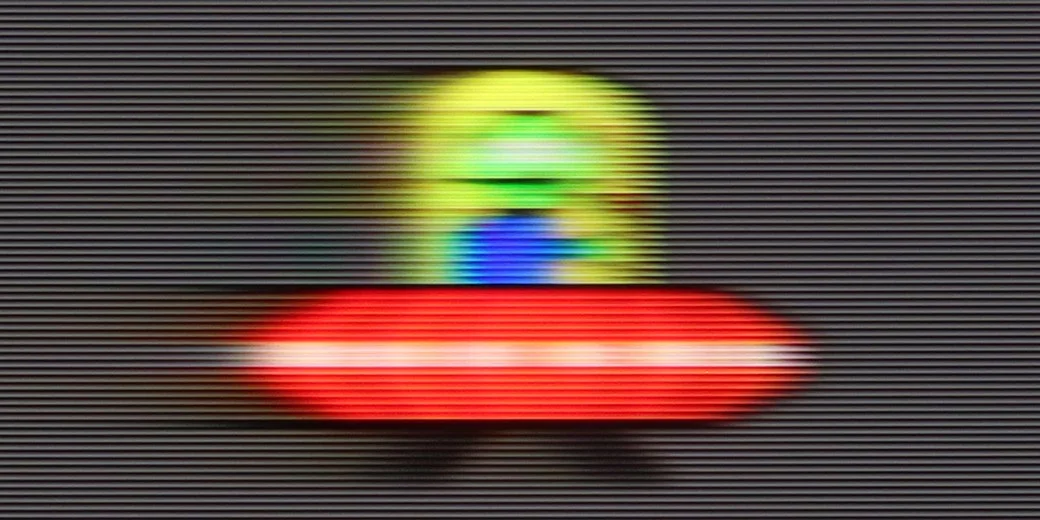
Blur (native resolution, maximum refresh rate):
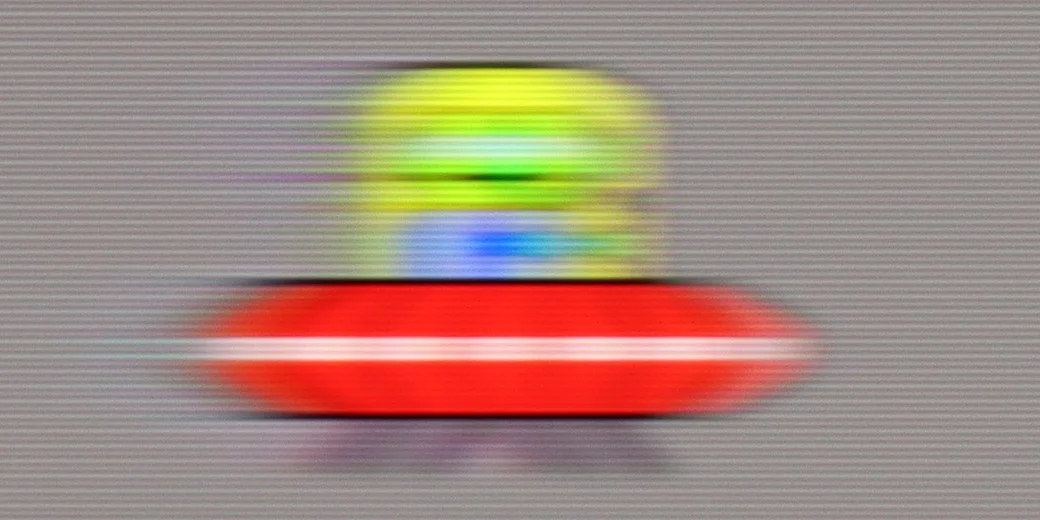
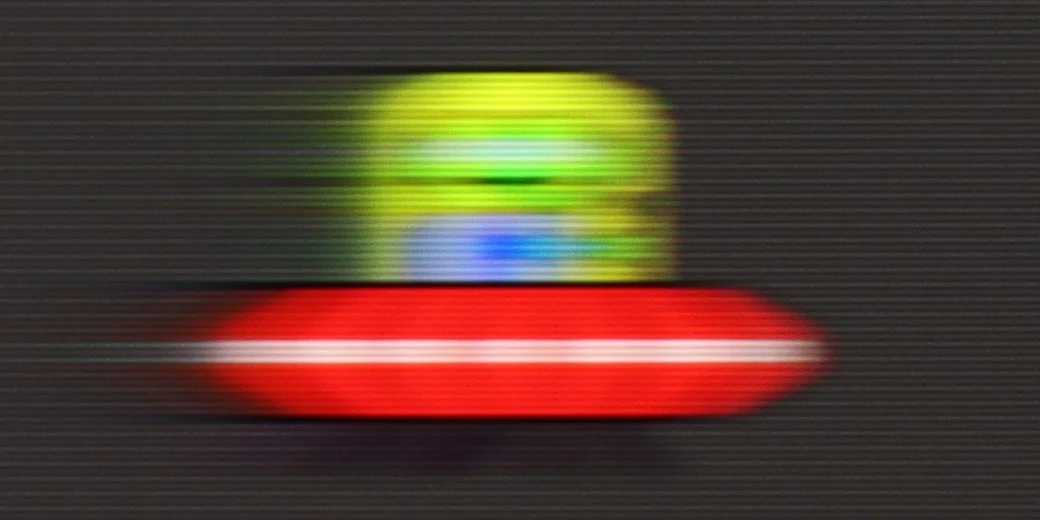
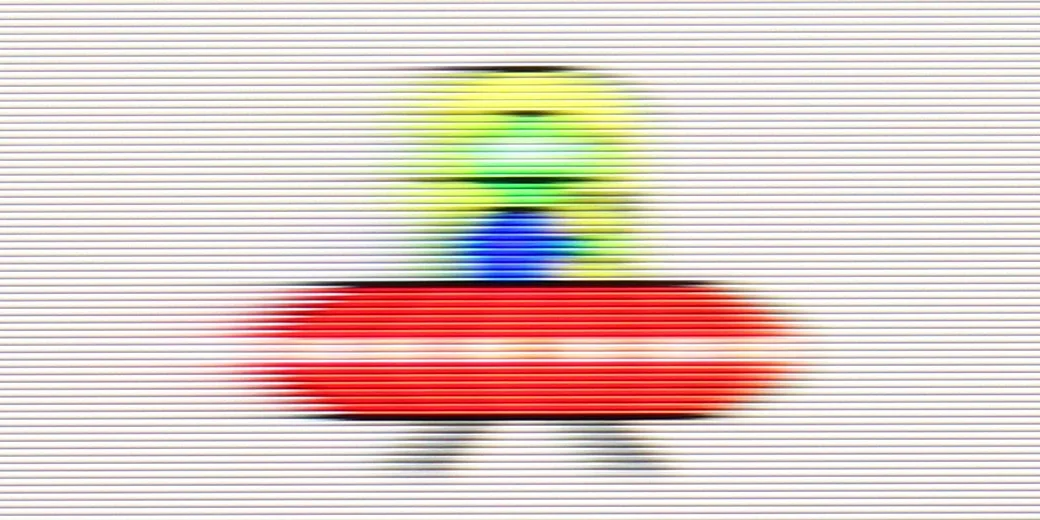
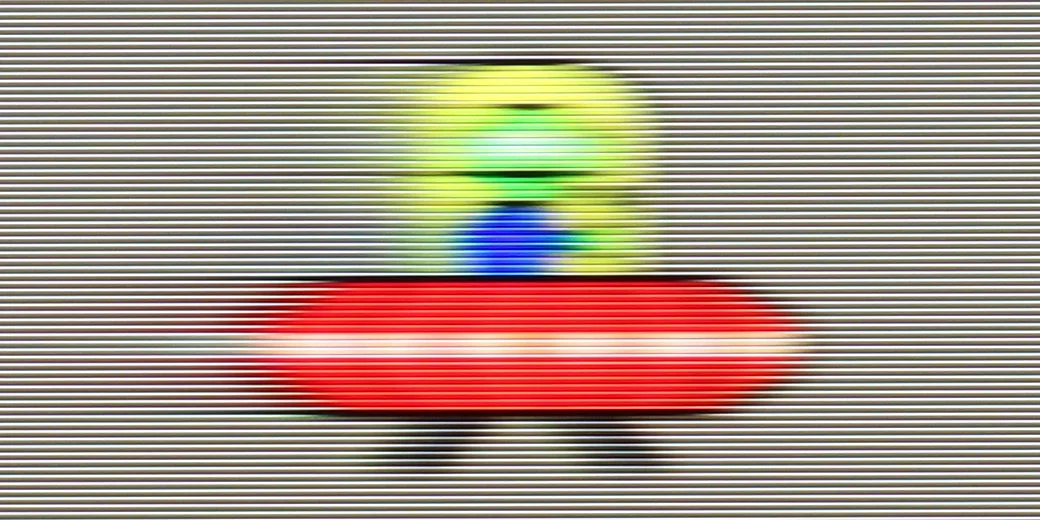
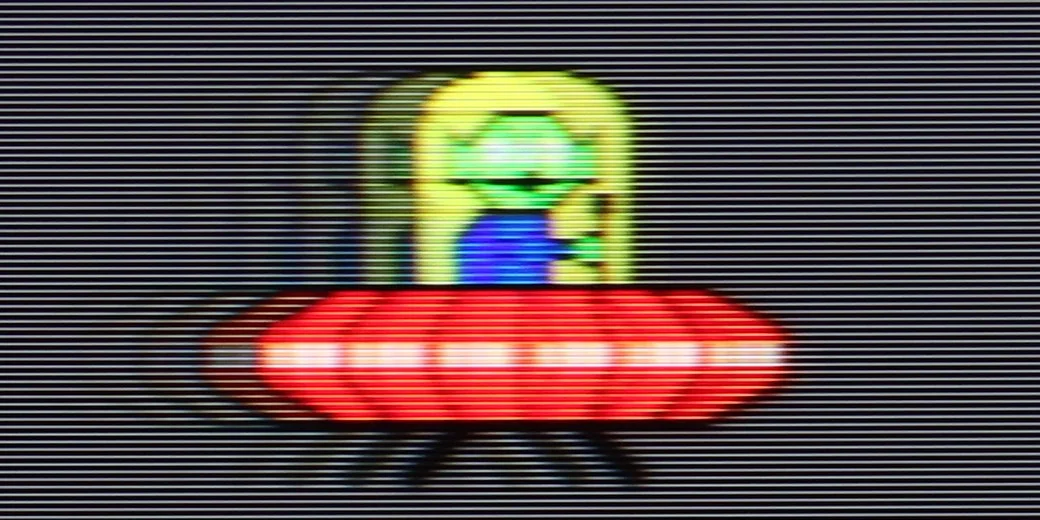
Blur (BFI function enabled):


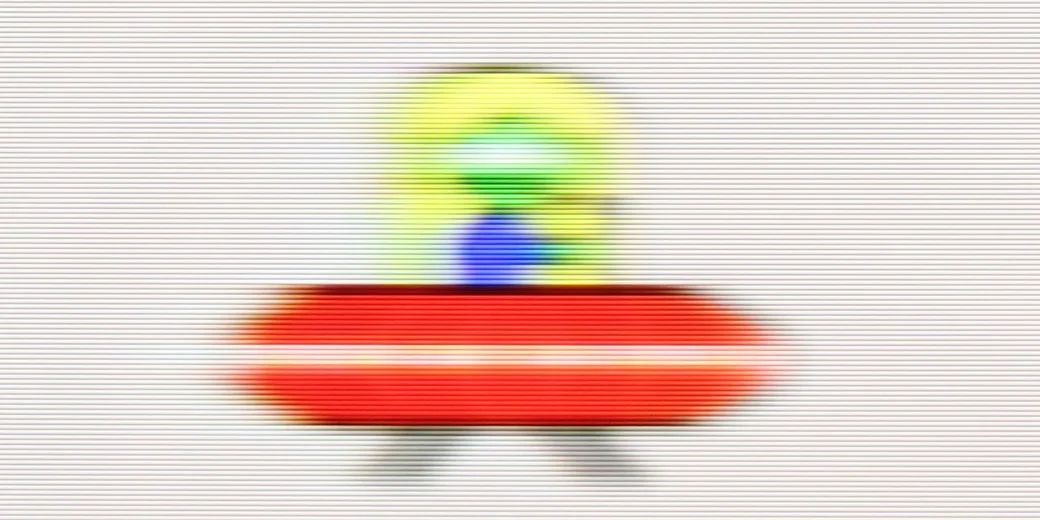
Blur (1440p@120Hz):
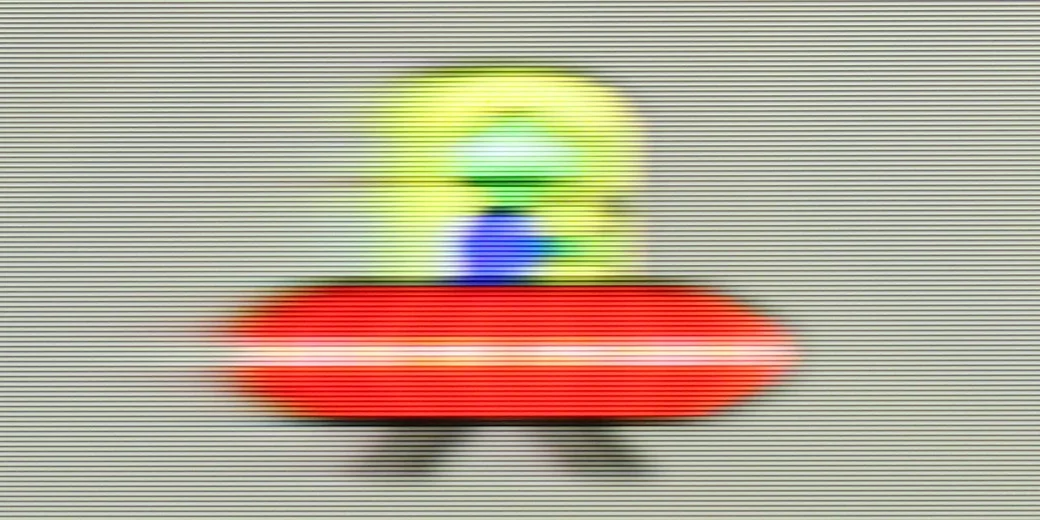
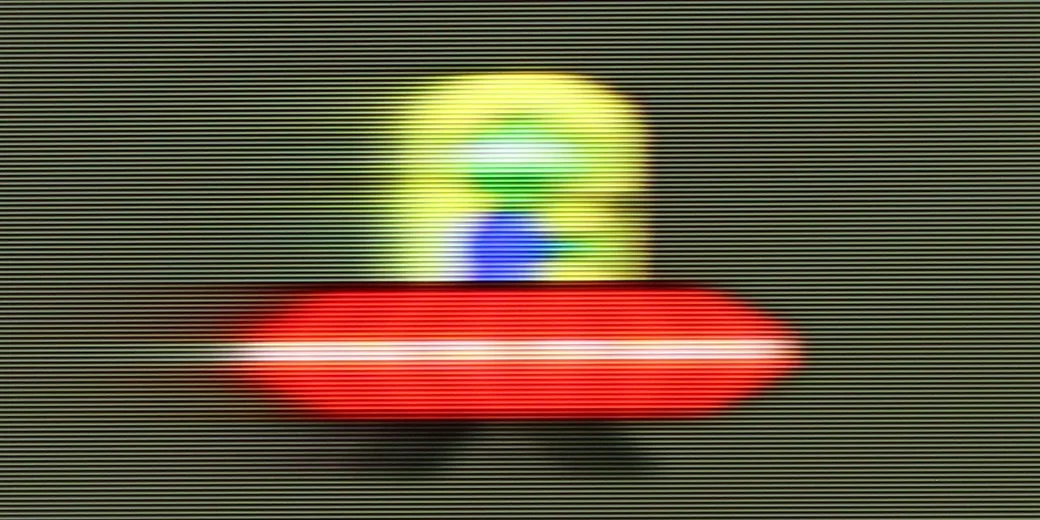
Blur (1080p@288Hz):
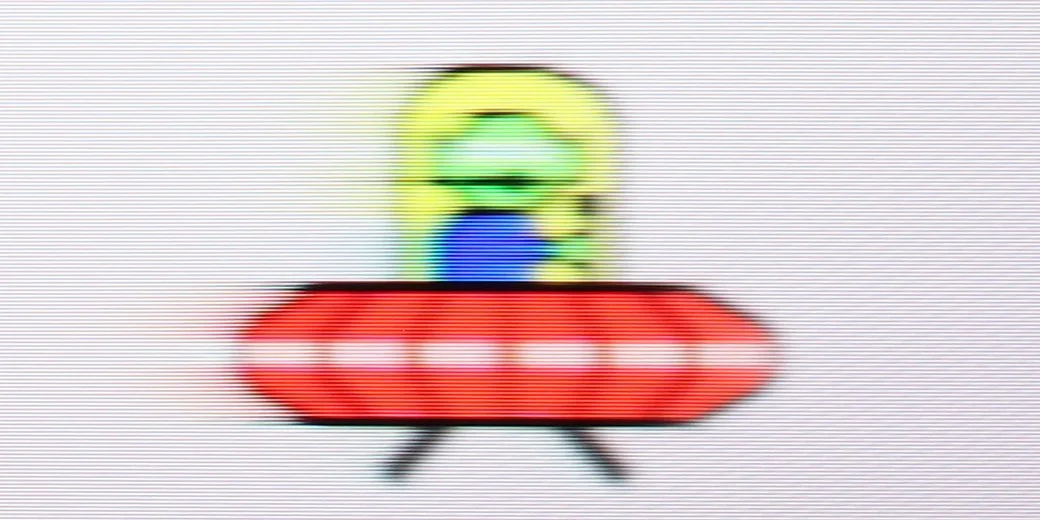

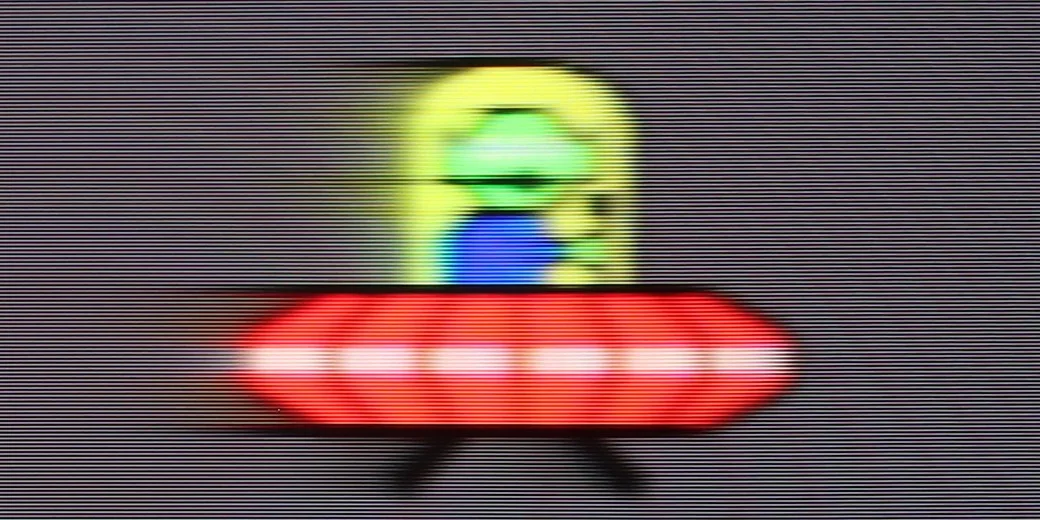
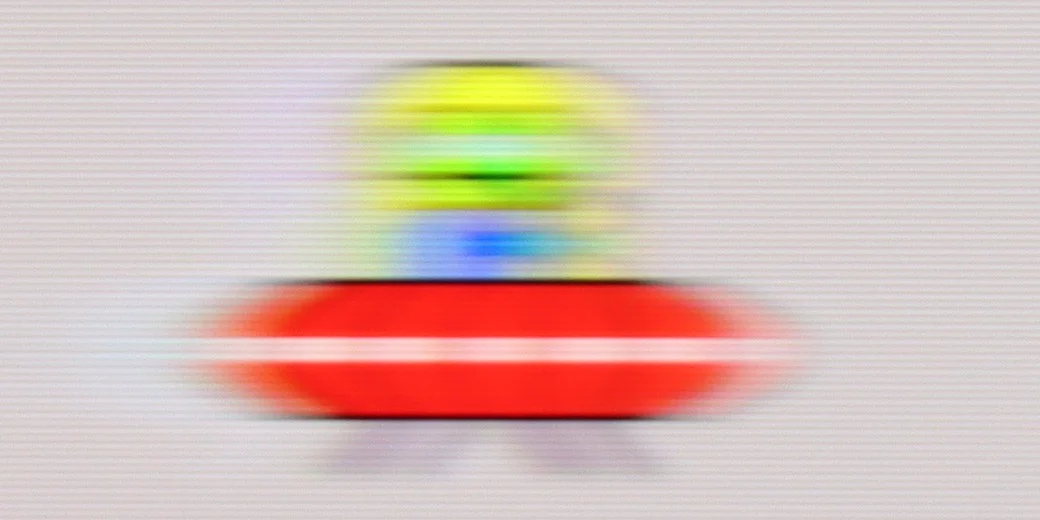
The fluidity of motion in the Xiaomi A Pro 2026 is an interesting compromise that arises from the hybrid matrix used here. At its native 4K resolution, the maximum refresh rate is 60 Hz – sufficient for those who mainly watch films and series. It is precisely with them in mind that the manufacturer has added a motion smoother, allowing users to adjust the image to their own preferences – opting for greater fluidity or leaving more "cinematic" frames depending on the settings.
The TCL C8L is equipped with a fast panel with a native refresh rate of 144 Hz. This specification will be most appreciated by demanding PC gamers, while most users, who rely on consoles or TV broadcasts, will make use of a stable 120 Hz. It is at 120 Hz that the motion-processing algorithms take care of image processing (in films, series and sports). In the TV menu you'll find a "Motion Clarity" tab that allows you to tailor the motion smoothing to your own preferences. The algorithms cope well with both cinematic productions at 24 or 30 frames per second and with fast-paced sports broadcasts at 50 or 60 frames per second, ensuring appropriate smoothness.
Console compatibility and gaming features
3.6/10
9.8/10
- ALLM
- VRR
- VRR range 48 - 288Hz
- Dolby Vision Game Mode
- Correct implementation of HGIG
- 1080p@120Hz
- 1440p@120Hz
- 4K@120Hz
- Game bar
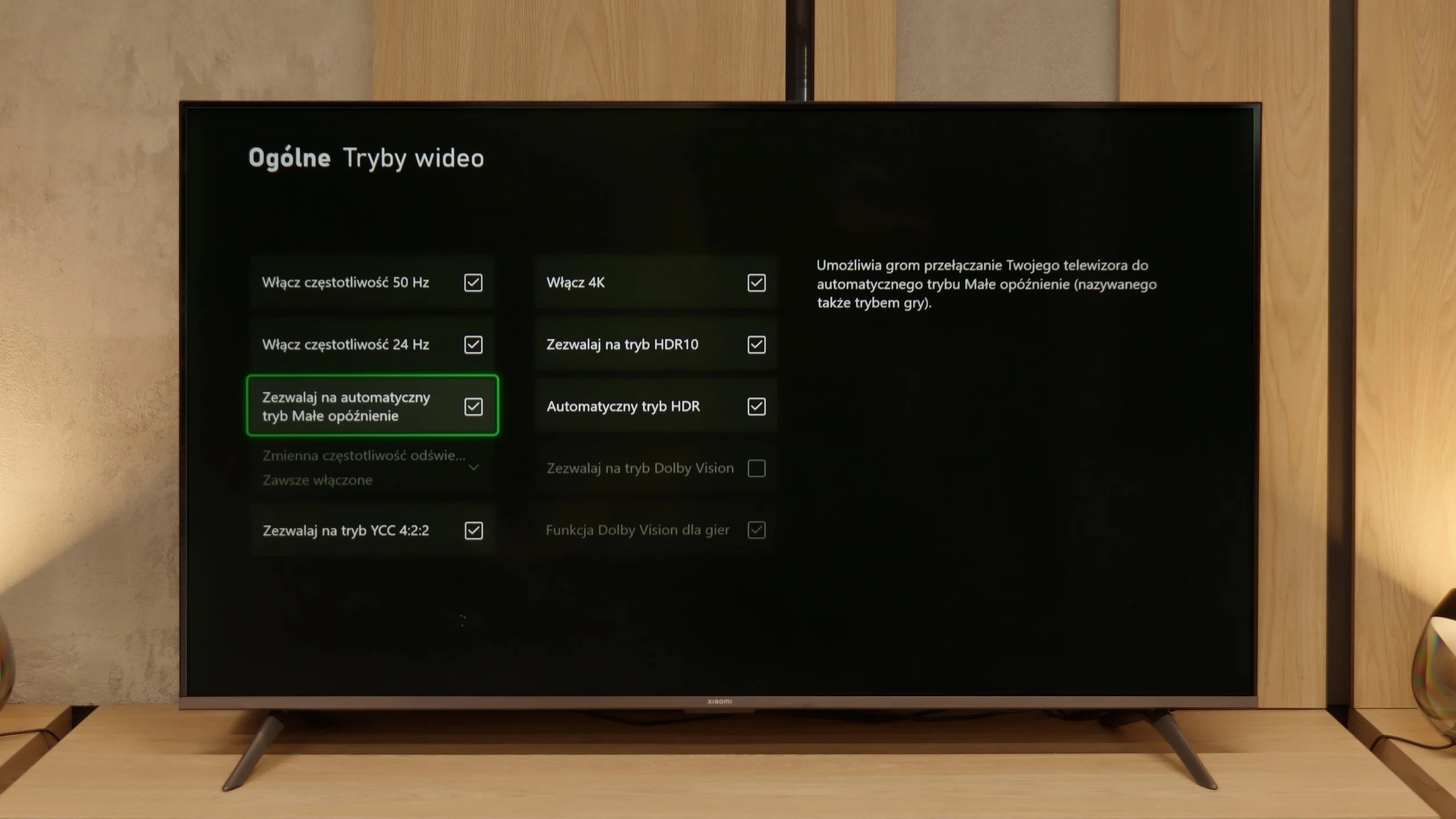
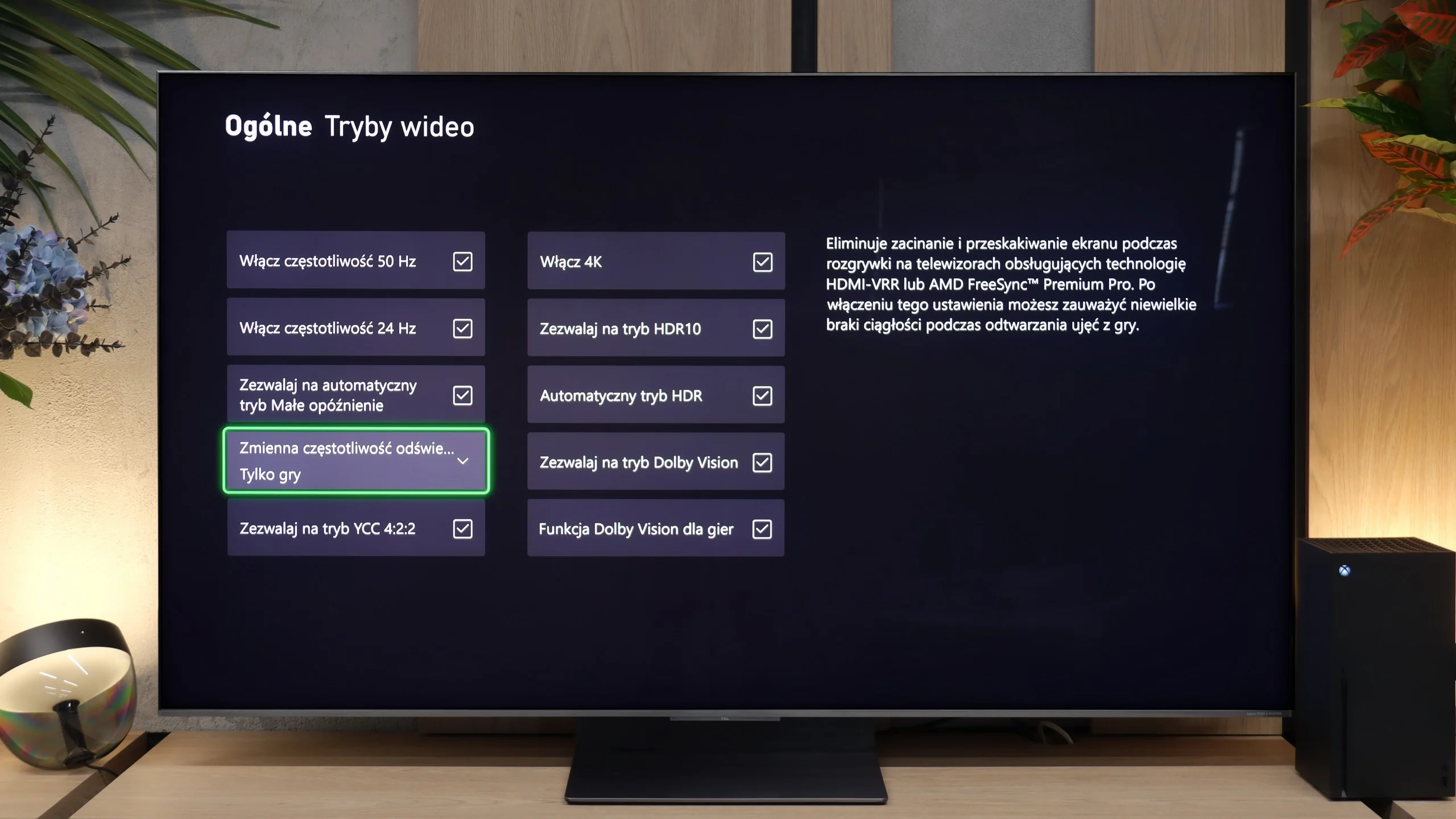
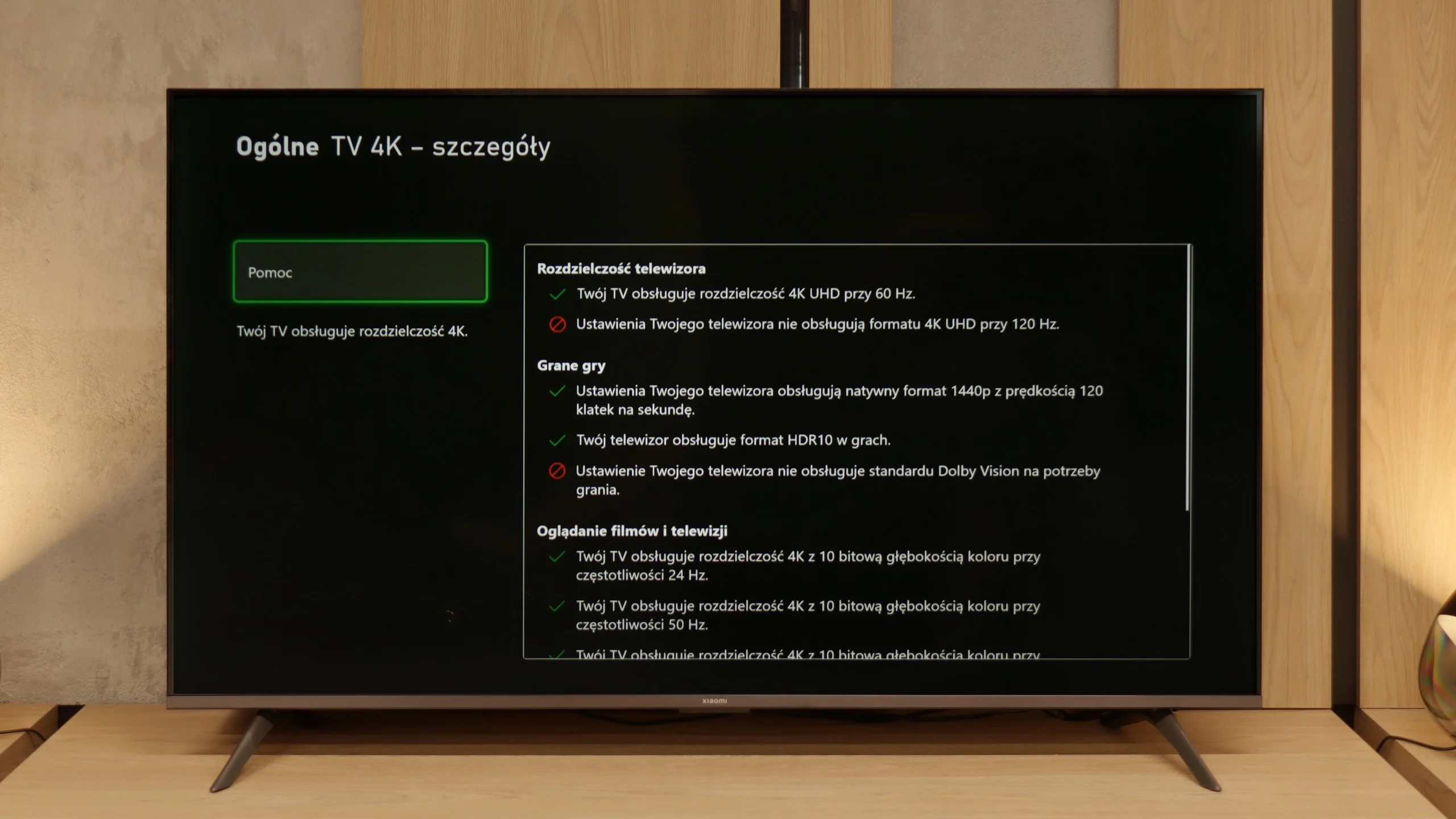
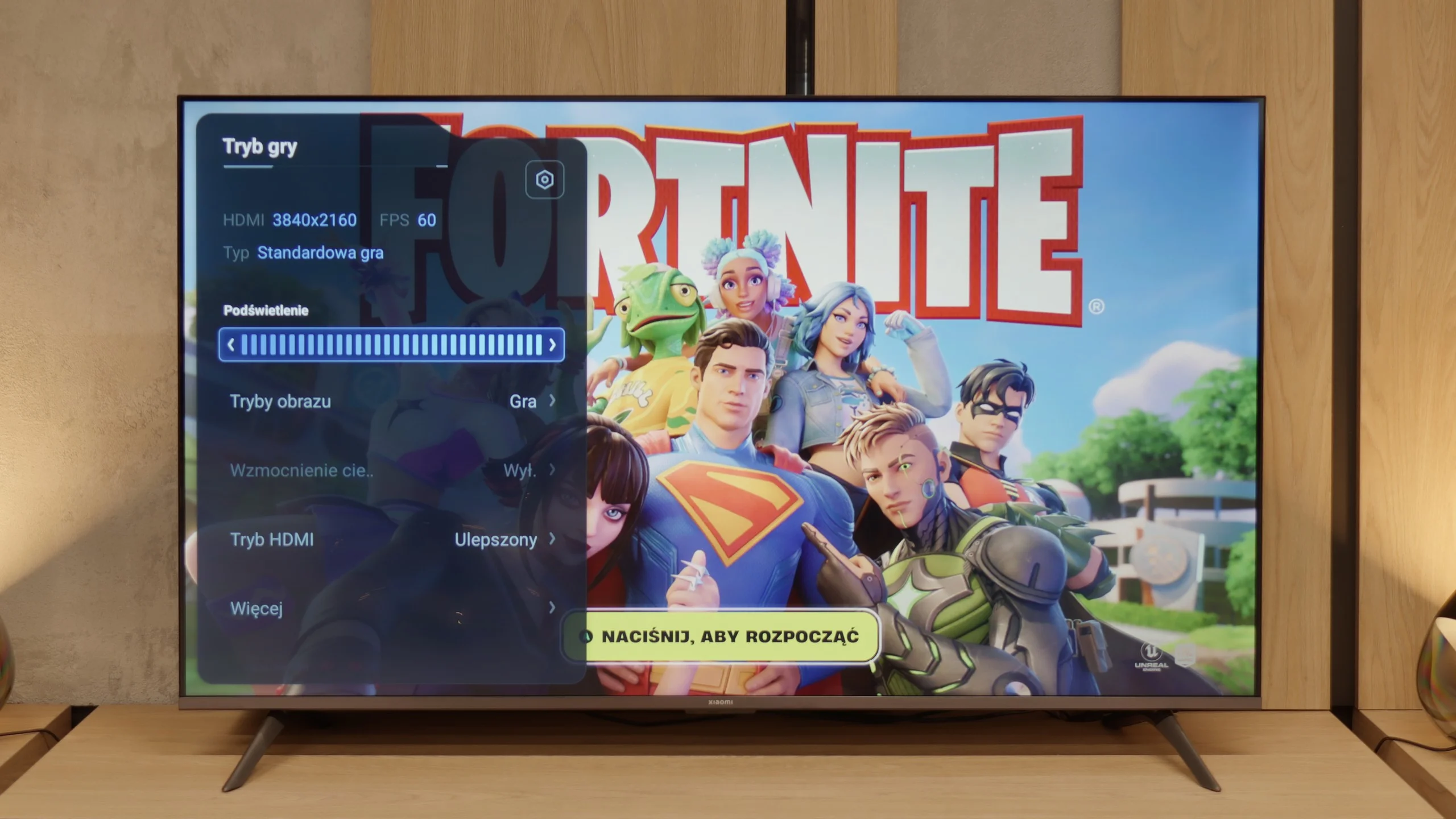
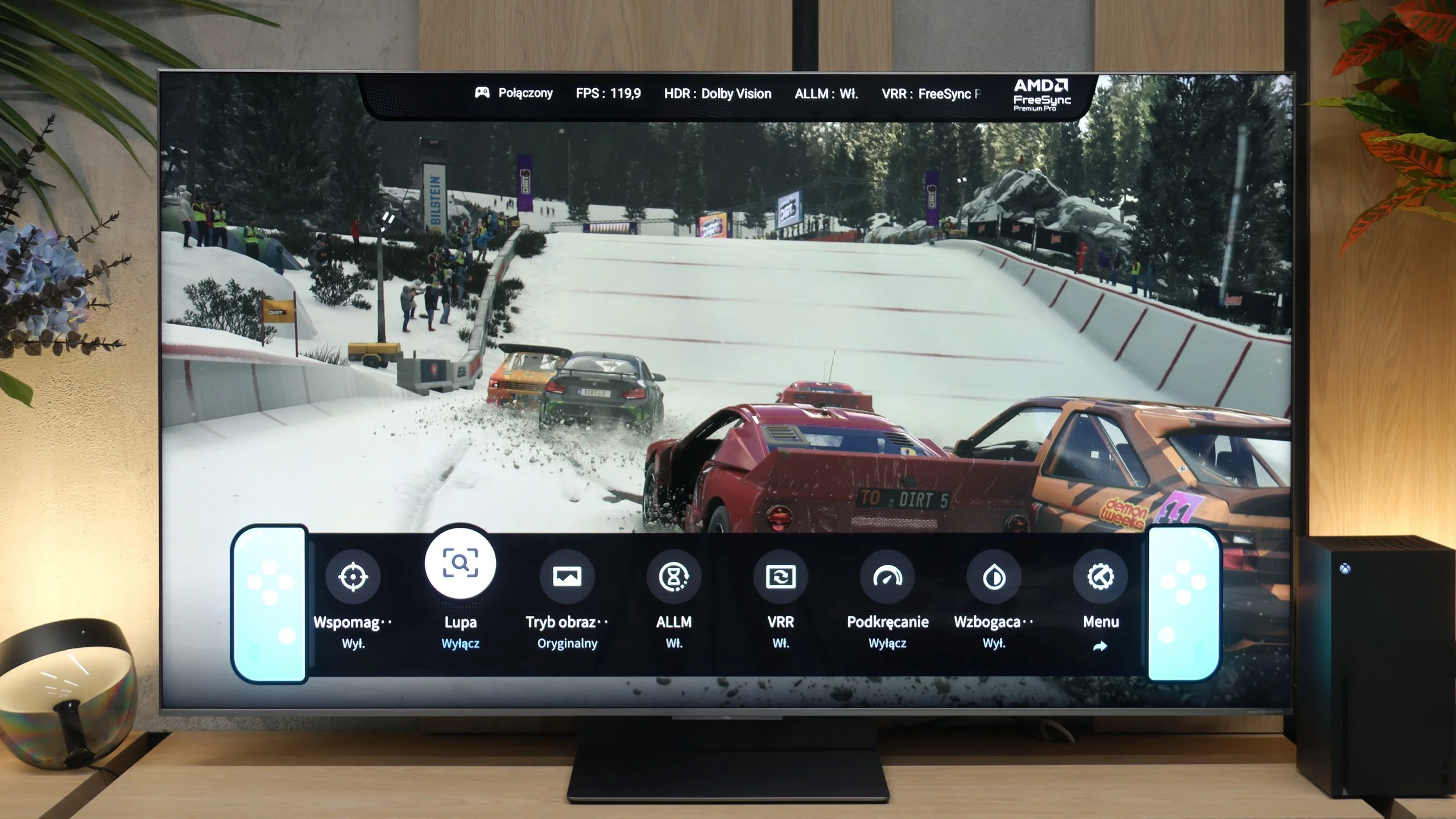
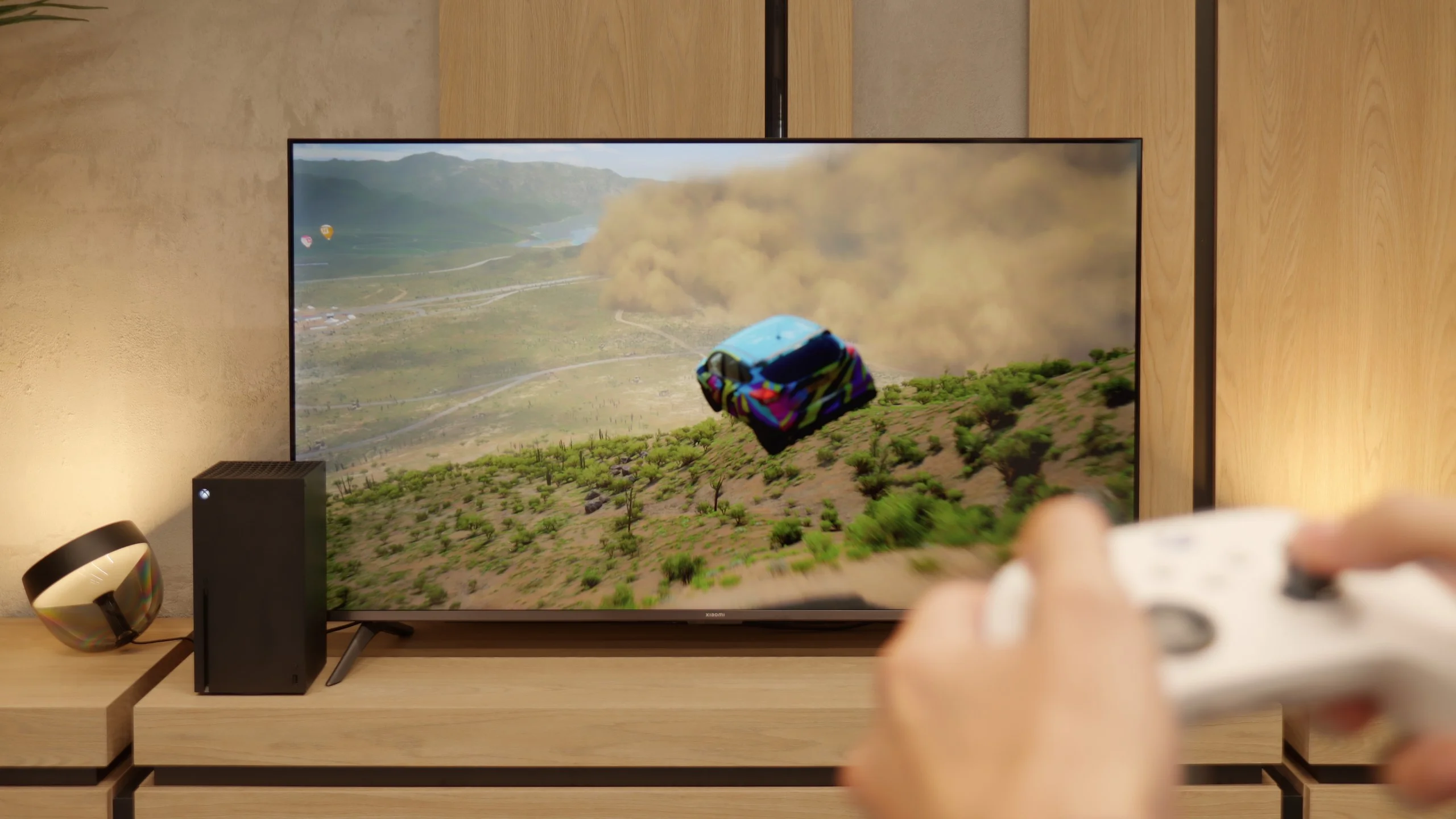
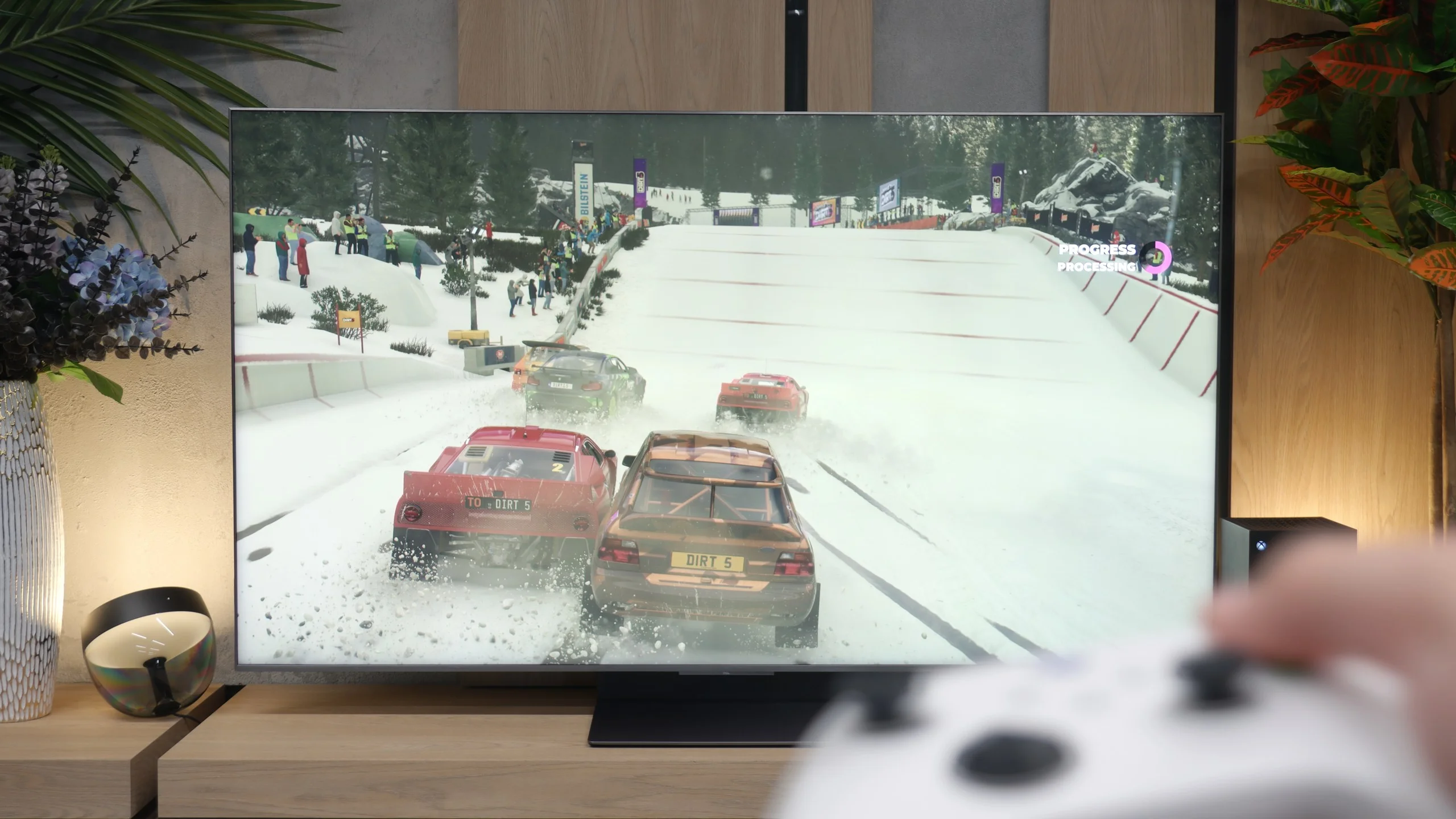
Exactly – since Xiaomi has included the "Game Boost 120 Hz" feature, one might expect that they would follow up with a solid gaming package. Unfortunately, reality quickly dampens this enthusiasm. Aside from this mode (which, it must be admitted, is a great addition in a budget design), we only have a rather odd player panel. It's hard to call it a full-fledged "game bar" – it’s more of a simple overlay on the TV Menu with limited capabilities. And that would be about it. There’s a lack of ALLM, so the TV won’t automatically switch to game mode. There’s no VRR, so you can forget about smooth frame sync. We also won’t find support for Dolby Vision in games or the HGiG format, which are becoming increasingly standard on consoles. In short: besides the Game Boost 120 Hz, which actually allows for a more enjoyable experience at 1080p or 1440p, the Xiaomi A Pro 2026 offers nothing that could particularly attract gamers.
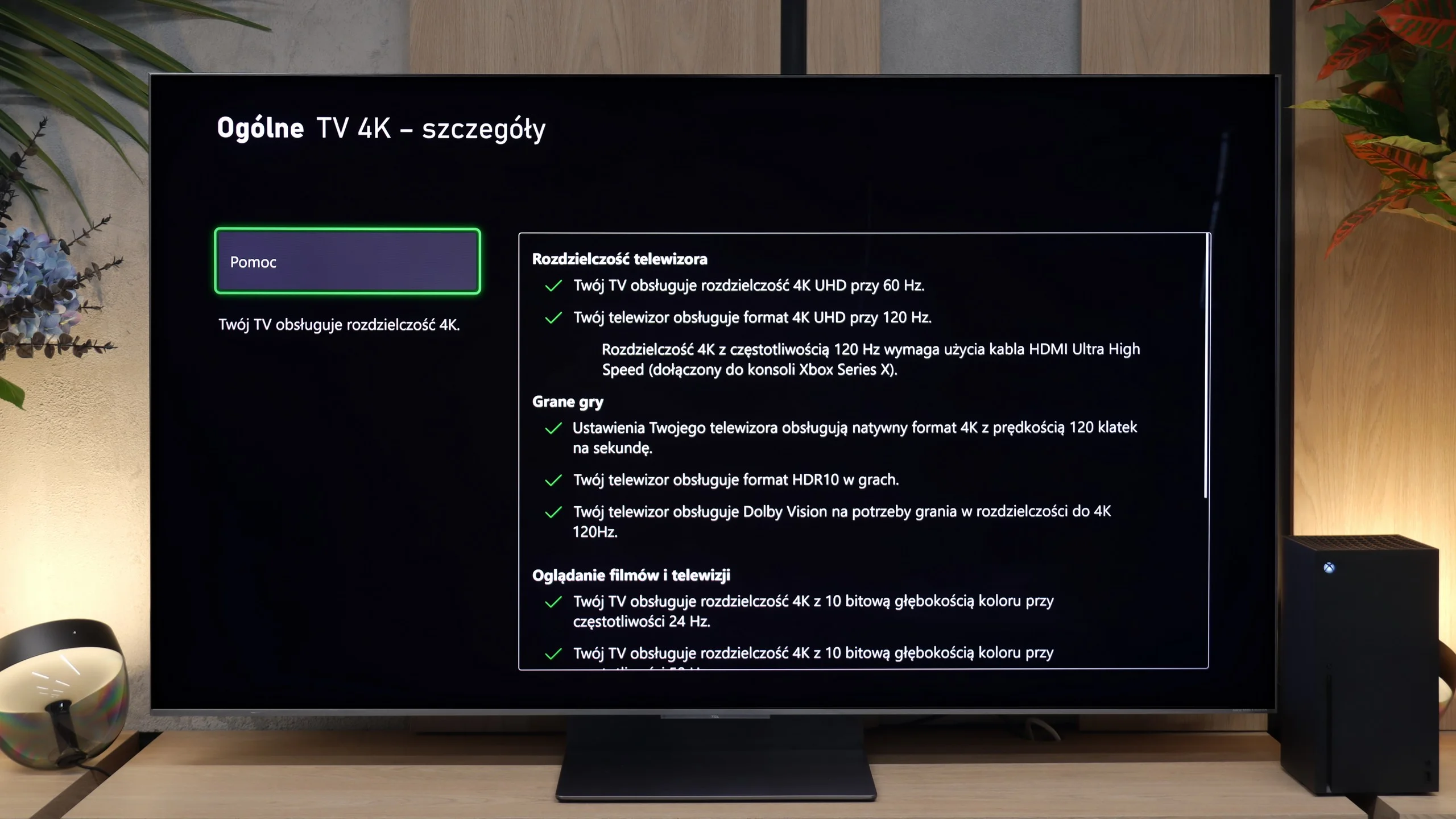
For gamers – and especially for owners of powerful PCs and several consoles simultaneously – the TCL C8L is a true monster. It is the first model in this manufacturer's lineup to feature as many as four full HDMI 2.1 ports with a maximum bandwidth of 48 Gbps. This is directly attributable to the use of the new Pentonic 800 processor, which we discussed earlier. Additionally, the television seamlessly supports practically every gaming feature. We have an automatic game mode (ALLM) that reduces latency to minimal levels, and full frame synchronization (VRR) operating in an impressive range of up to 288 Hz. There's also talk of standards such as G-Sync or FreeSync from Nvidia and AMD. When it comes to display standards, there are no compromises either: the C8L offers complete support for HDR formats in games, including gaming Dolby Vision and the HGiG profile. We can conveniently manage all of these features from a very readable player bar (Game Bar), which we can personalise to our own preferences. From a purely gaming perspective, there's really nothing to fault the C8L on – well, maybe aside from the previously mentioned slight blurring. But other than that? It's a no-nonsense machine for gamers.
Input lag
9.5/10
10/10
SDR
HDR
Dolby Vision
The input lag on the Xiaomi A Pro 2026 is quite decent and definitely not its weak point. The best results were achieved in 1080p@120 Hz and 1440p@120 Hz modes – in those, the television goes below 10 ms, which can easily be described as an outstanding result, and more than sufficient even for the more demanding gamers. The situation changes with 60 Hz content – the input lag then rises to around 25 ms. While these may not be the best figures on the market, they are perfectly acceptable for casual gaming or firing up a console in the evening. Especially since in most cases, it's still worthwhile to enable the 120 Hz mode, which is the most advantageous for gamers.
In our laboratory tests we measured Input Lag of below 10 ms. For a gamer this means a completely imperceptible delay. Importantly, this result can be improved further by forcing the PC to use a refresh rate above 120 Hz. A big plus is the Dolby Vision Game mode; latency there is just as low as in standard SDR and HDR10 modes.
Compatibility with PC
2/10
8.6/10
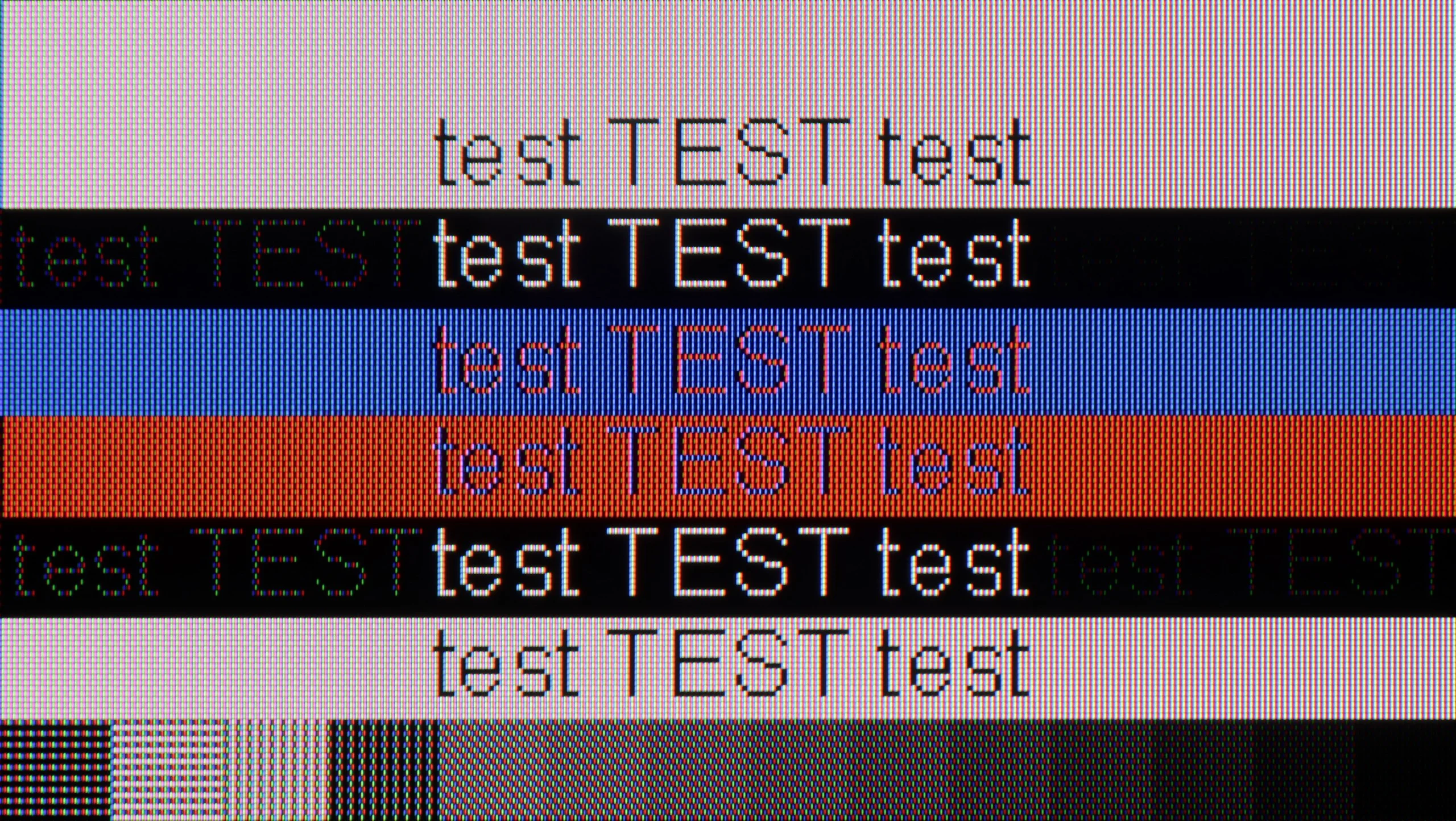
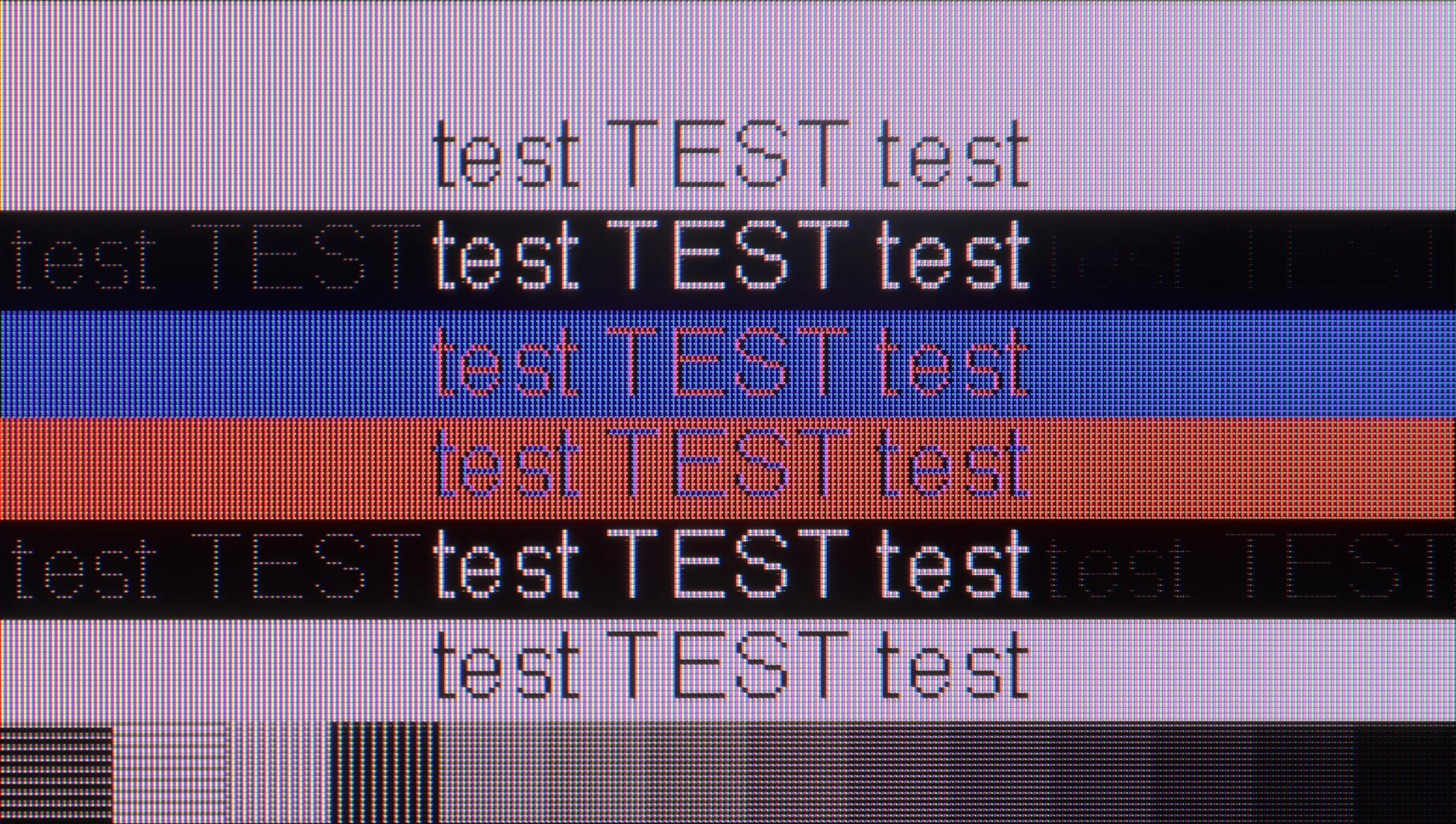
The photo shows the legibility of small fonts. Ideally, lines should be the same thickness on both light and dark text, with minimal pixel gaps.
Xiaomi A Pro 2026 as a computer monitor? There's no point beating around the bush – it's very bad. While the 120 Hz mode can still be used in games at lower resolutions, for daily work the television is completely unsuitable. There's a lack of full support for chroma 4:4:4, meaning fonts are blurred and sometimes even rainbow-like. Additionally, there's significant dithering, causing the image to appear uneven – some pixels shine brighter, others dimmer, and vertical lines can even break apart. In practice, this means that text (especially coloured and on a dark background) becomes hard to read. Light text manages to hold up somewhat, but it’s hard to talk about any comfort here. In this category, we give the Xiaomi A Pro 2026 a score of 2/10 (+1 for the additional high refresh rate mode), and there’s really no point in dwelling on this further.
The TCL C8L is very well suited to use as a large-format monitor. The TV supports refresh rates up to 288 Hz at Full HD resolution, which will be appreciated by fans of e-sports titles and by owners of less powerful graphics cards in AAA games. The TV also works seamlessly with frame synchronisation systems AMD FreeSync and NVIDIA G-Sync. Importantly for text work, the C8L renders most fonts correctly and legibly. Up close you can notice minor errors in the rendering of letter edges and a slight grain around them, but the issue largely disappears (or rather becomes less noticeable) when you sit at a normal, recommended distance from the screen.
Viewing angles
3/10
4.5/10
Xiaomi A Pro 2026 uses a VA panel, which immediately suggests that viewing angles are not its strong suit. When looking at the screen from the side, we quickly notice a loss of quality – colours noticeably fade, and the whole image appears washed out. The drop in brightness may not be as drastic as in some constructions based on similar technology, but that does not change the fact that this is clearly a weak point of this model. If we plan to use it as a large, cheap screen for the living room, we need to reckon with this limitation.
TCL C8L uses a VA-type panel, which by nature is not known for wide viewing angles. In this case, however, the manufacturer used a proprietary WHVA 2.0 panel from TCL CSOT. Therefore the viewing angles are decidedly better than in average VA panels, which is undoubtedly a plus. Colours and contrast do not degrade as drastically when moving slightly off-axis as is the case with most LCD screens. Overall, it is still at a lower level than IPS panels, and even more so OLED screens, but for a VA LCD panel the improvement is fairly noticeable.
Daytime performance
4.9/10
10/10
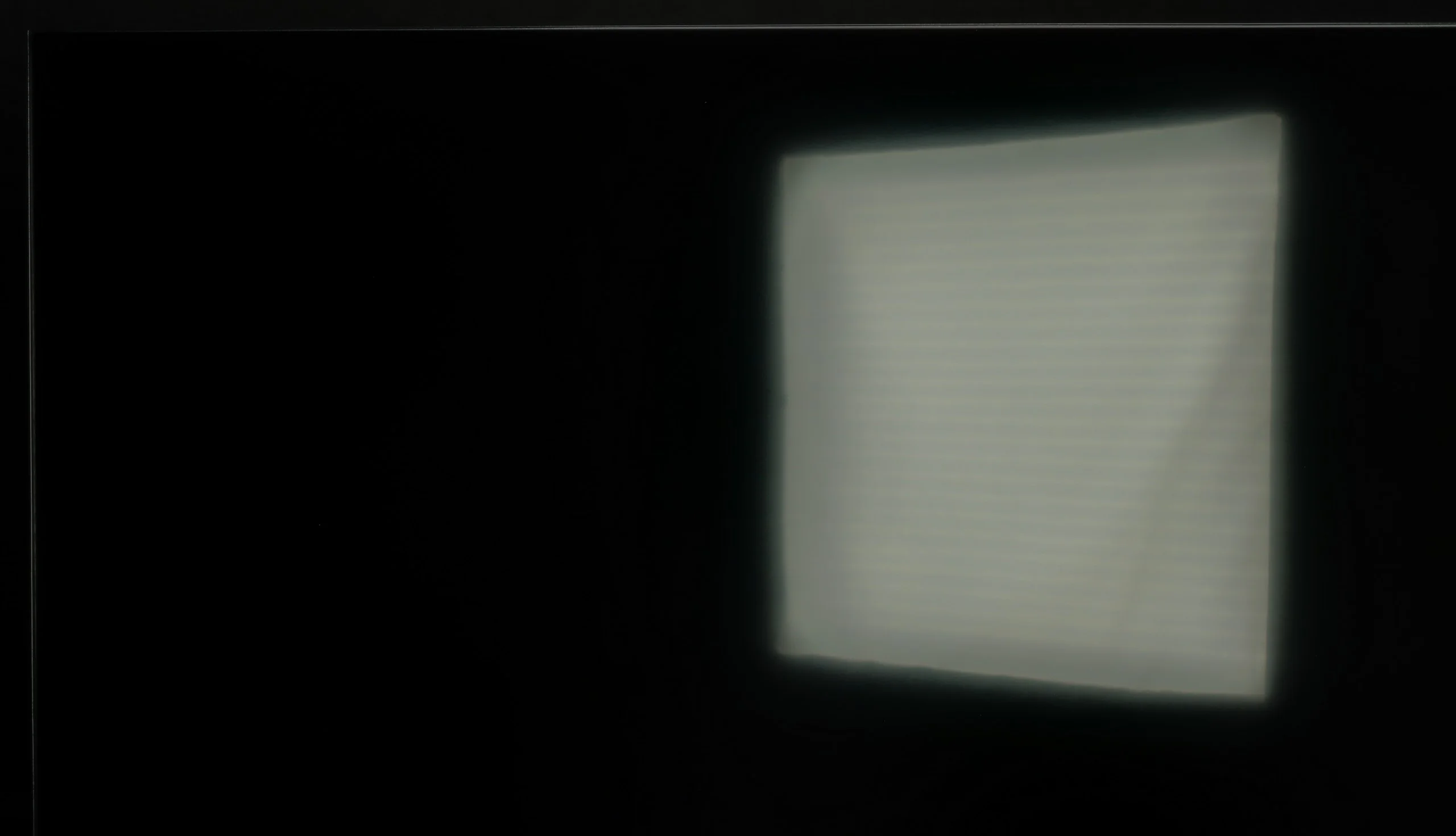
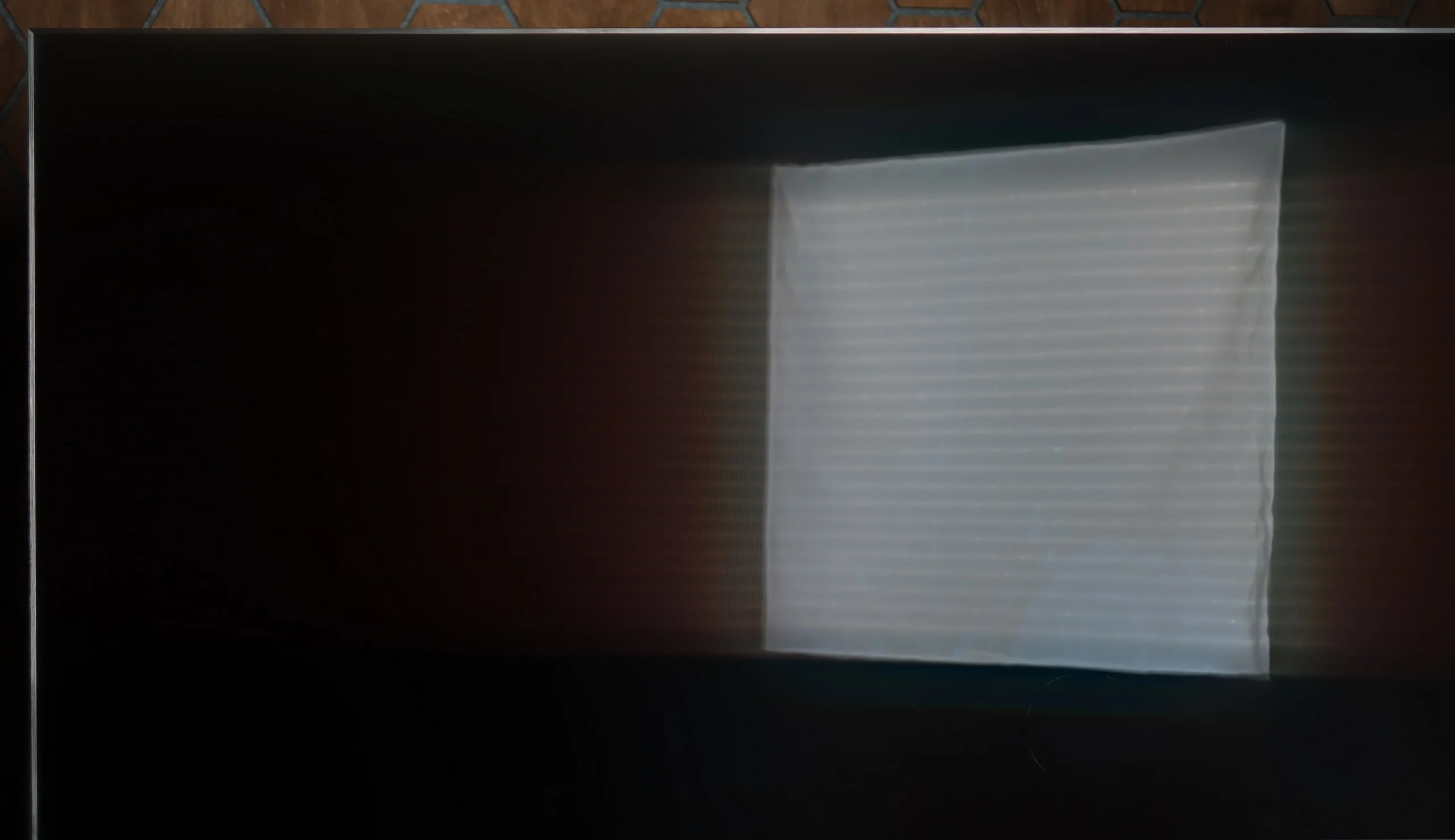
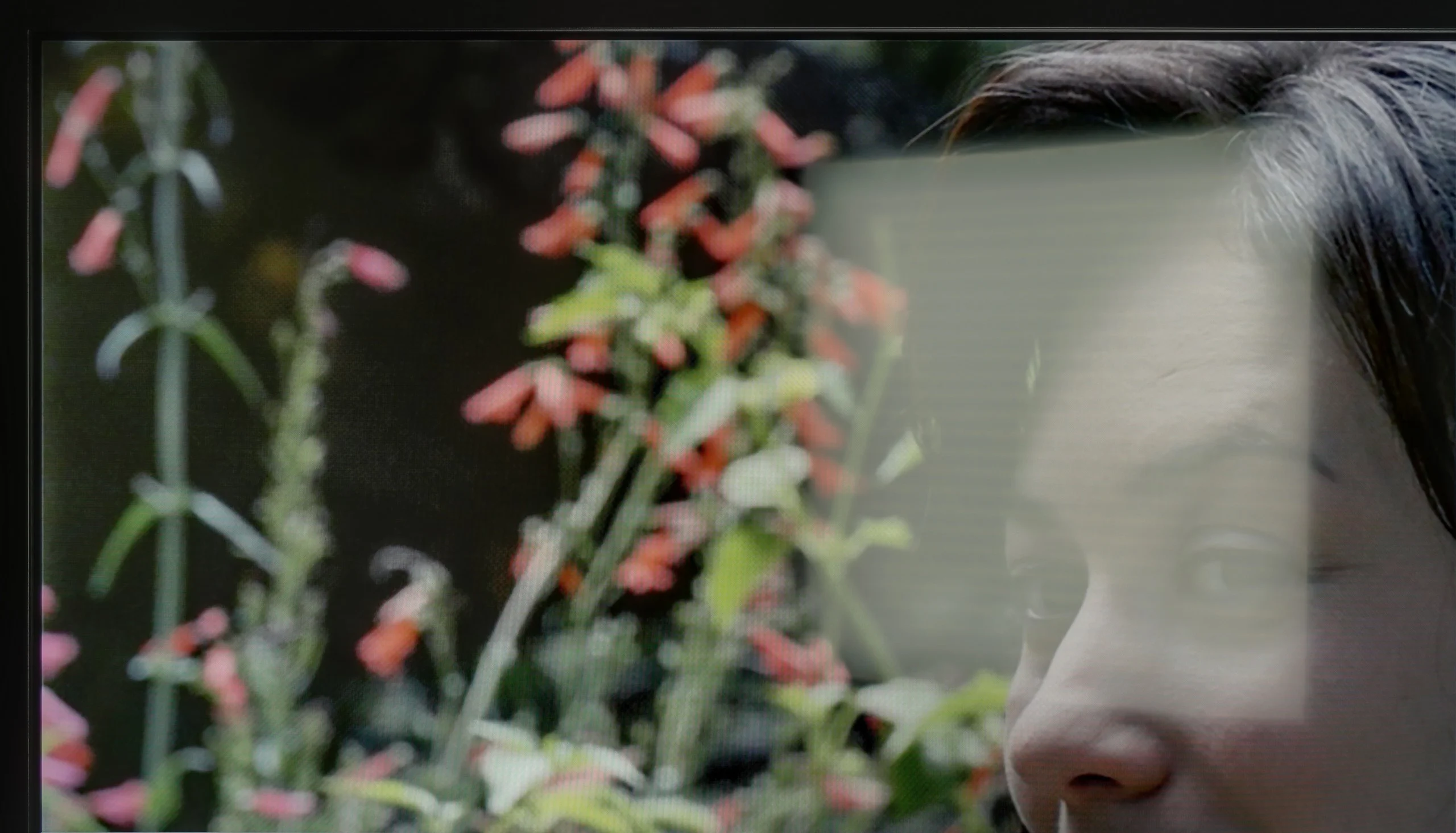
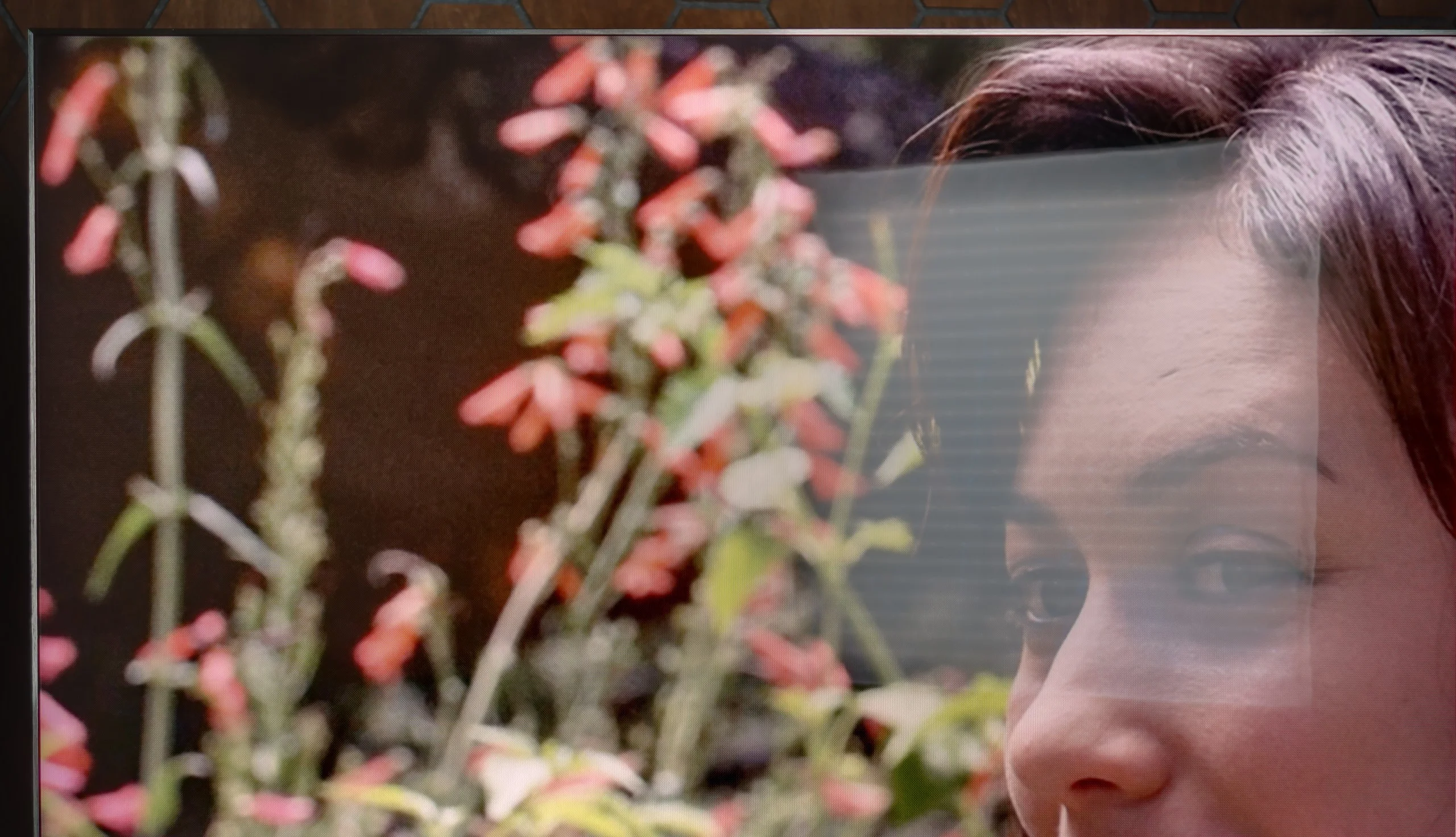
Panel brightness
TCL C8L / QM8L : 1651 cd/m2
XIAOMI A PRO 2026: 334 cd/m2
Xiaomi A Pro 2026 performs quite well during the day. The display has a satin coating that manages to dull reflections somewhat, so the colours do not lose their vibrancy, even when the room is bright. Just remember that it is not an extremely bright screen – the average brightness is around 350 nits. In a typical, moderately sunlit living room, it is sufficient, but if you have large windows and plenty of sunshine coming in, it might simply be difficult without blinds or curtains.
The TCL C8L is one of the brightest TVs we’ve tested so far. As you can see from the brightness chart (or rather, you might not) its peak brightness reaches an astronomical 5,000 nits (exactly 4,862). Although that falls to around 600 nits with a full-screen white field, the TV’s overall daytime performance means you can confidently call it practically ideal for very bright, sunlit living rooms. While the glossy panel used here does not suppress reflections as aggressively as matte screens, the screen’s sheer output can cut through most unwanted reflections coming from windows or other artificial light sources such as lamps.
Panel details
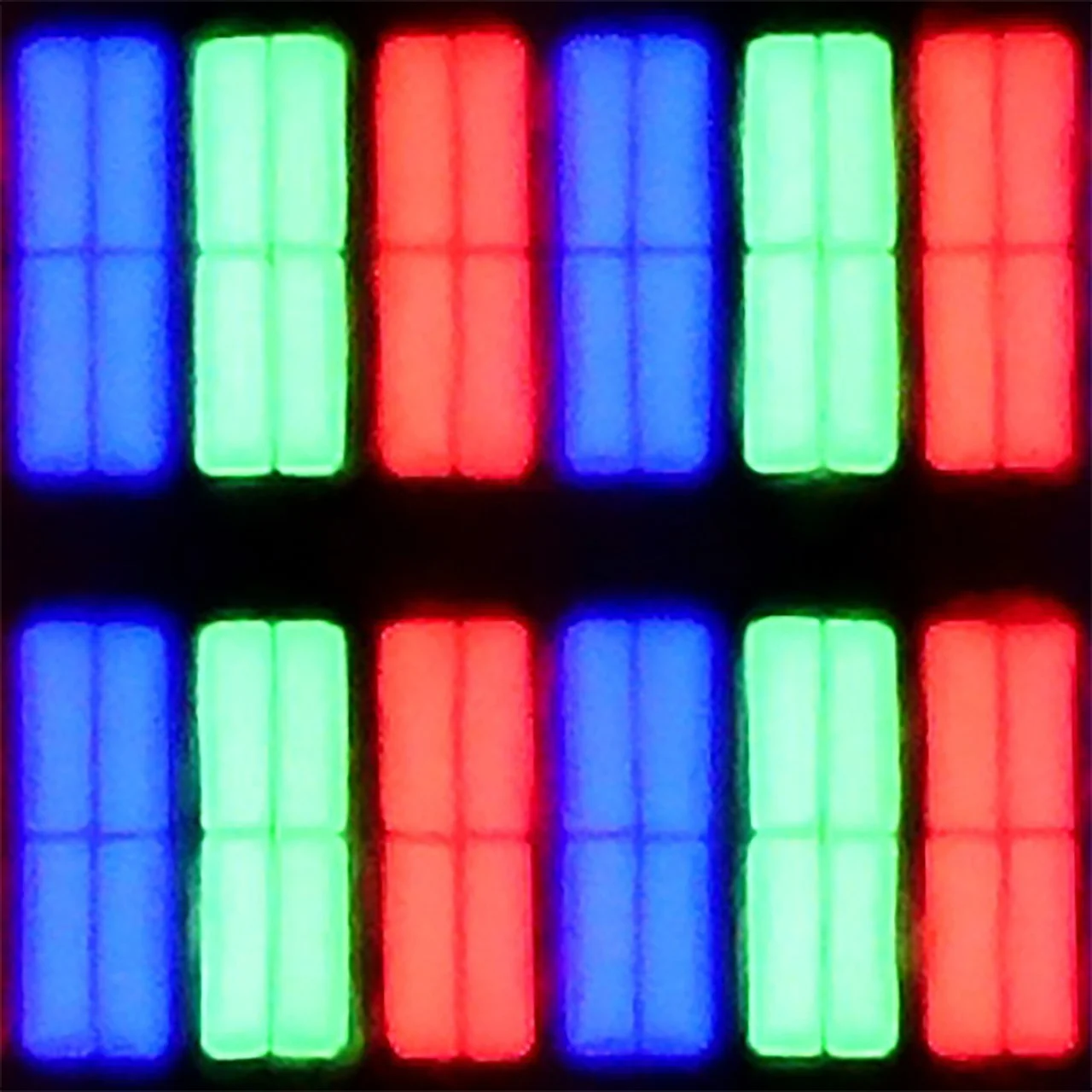
Subpixel Structure:
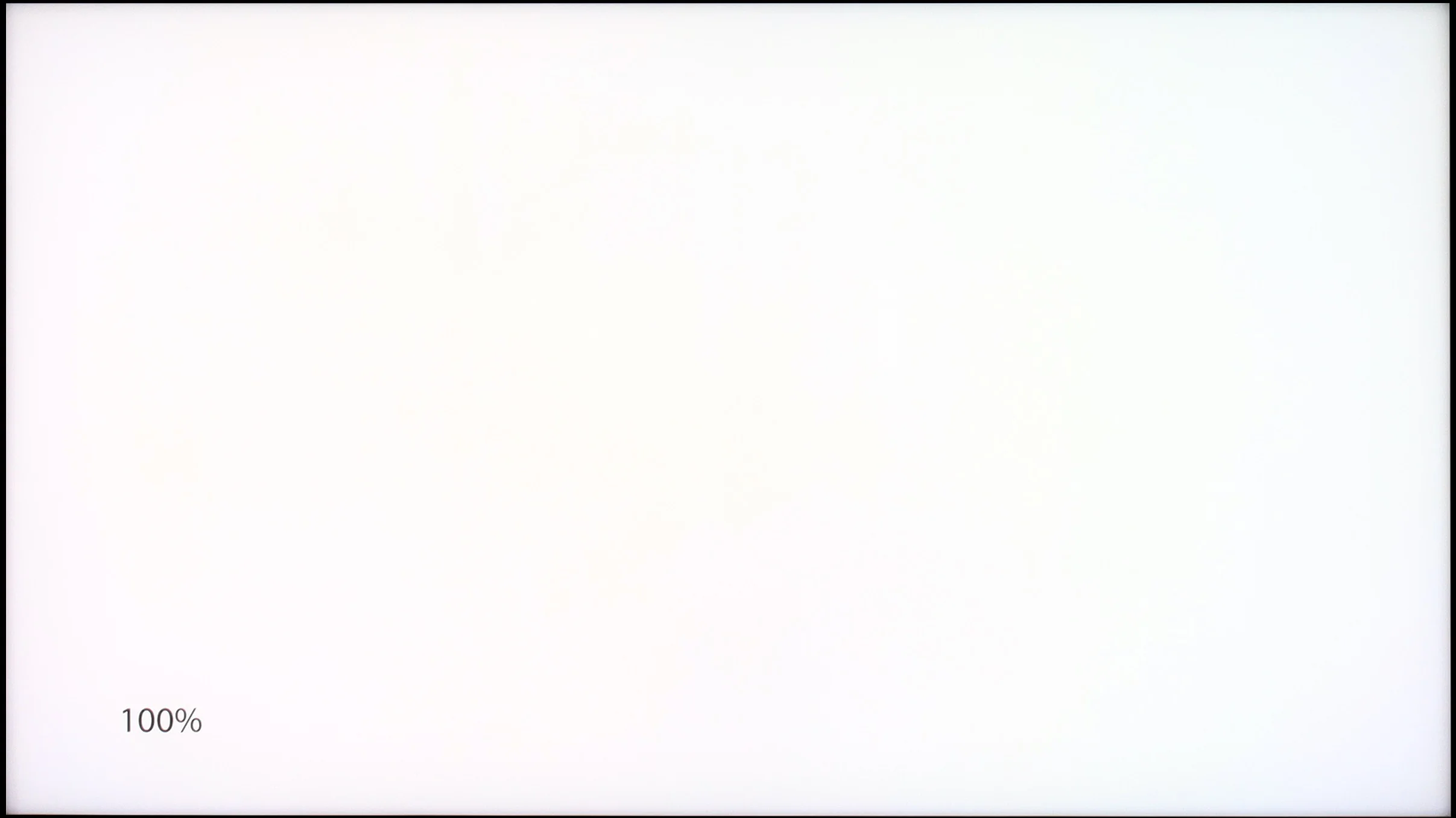
Panel uniformity and thermal imaging:
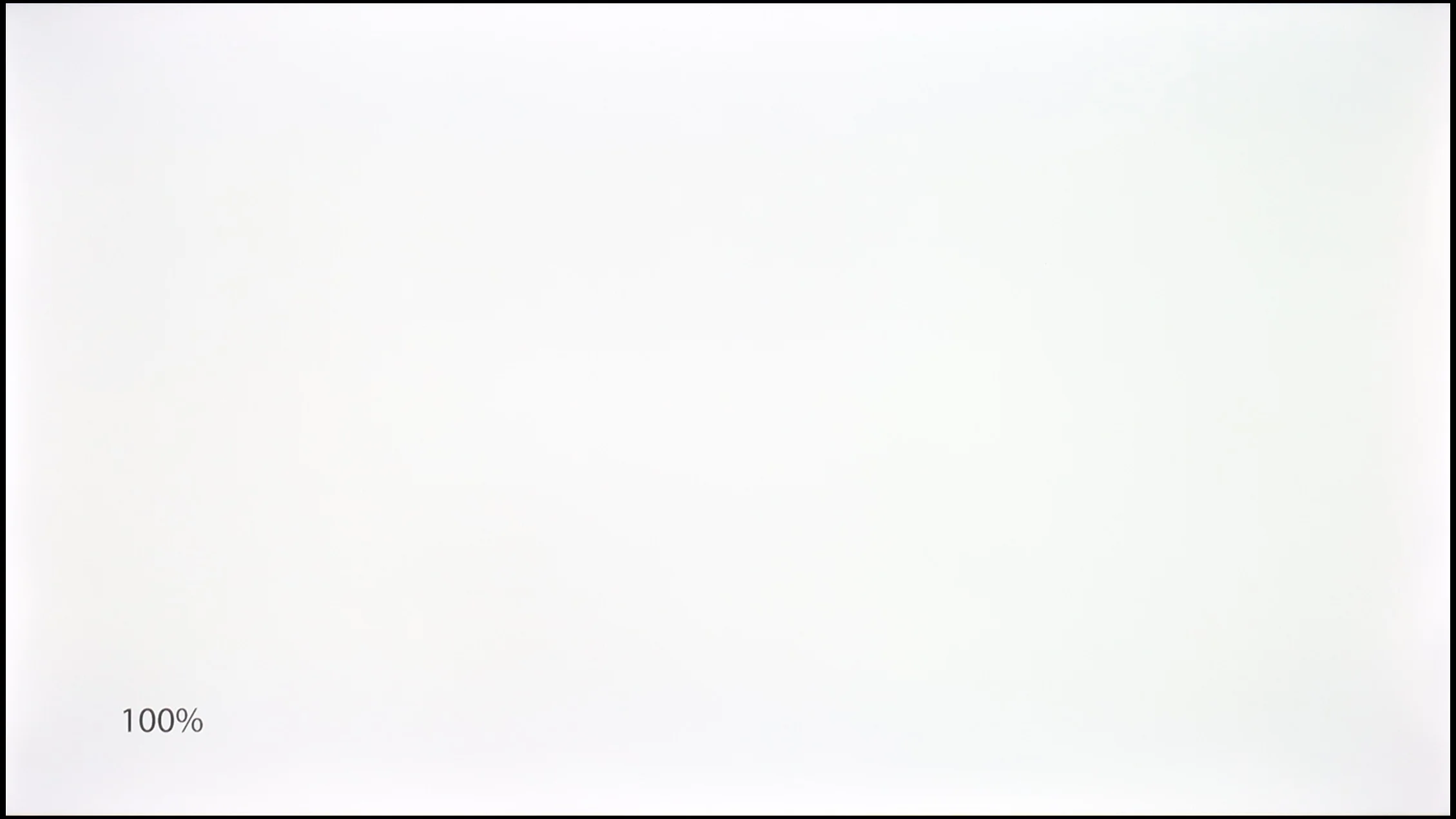
XIAOMI A PRO 2026
TCL C8L / QM8L
TV features
6.1/10
8.3/10
- SystemGoogle TVGoogle TV
- System performancePoorVery good
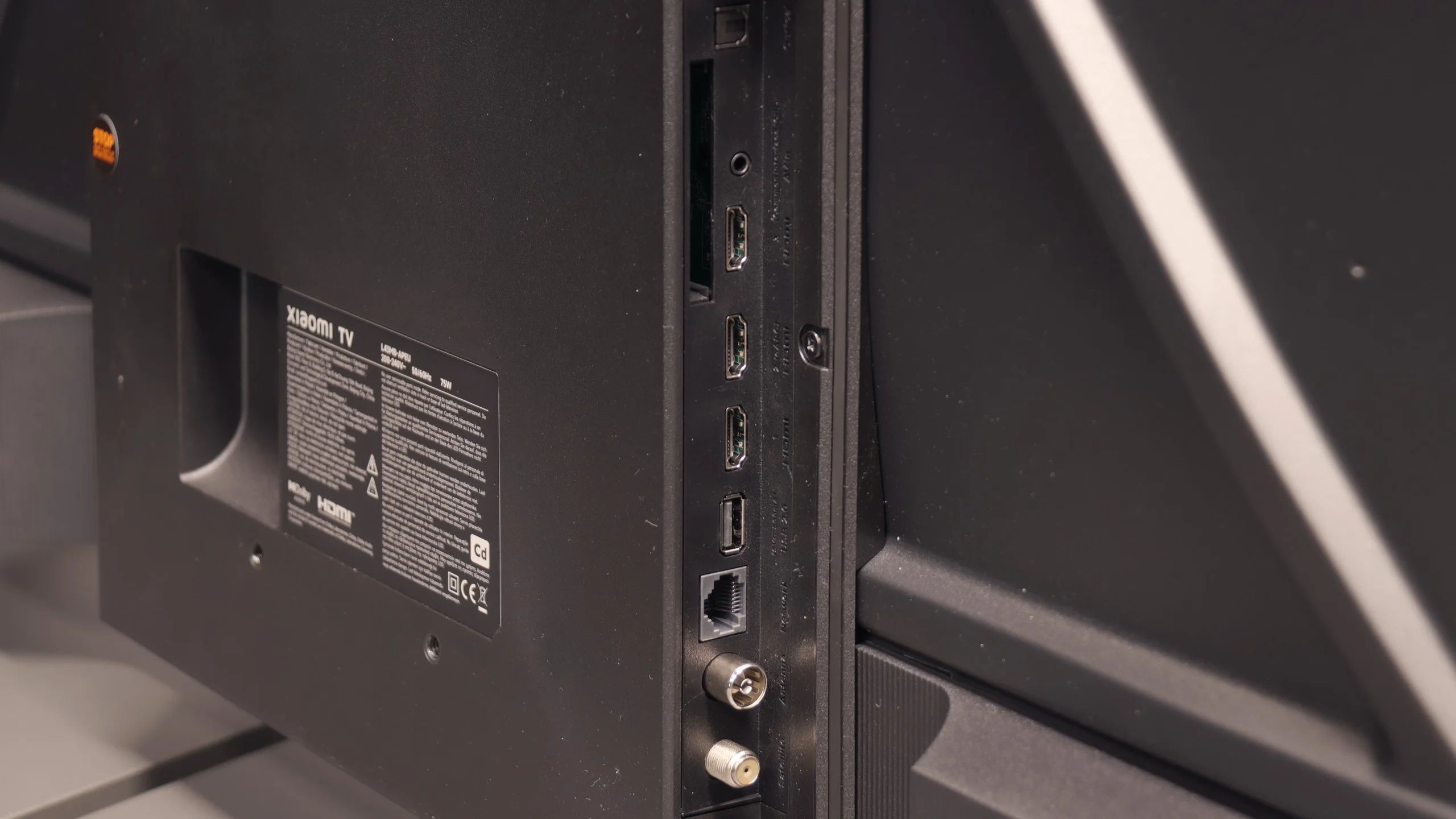
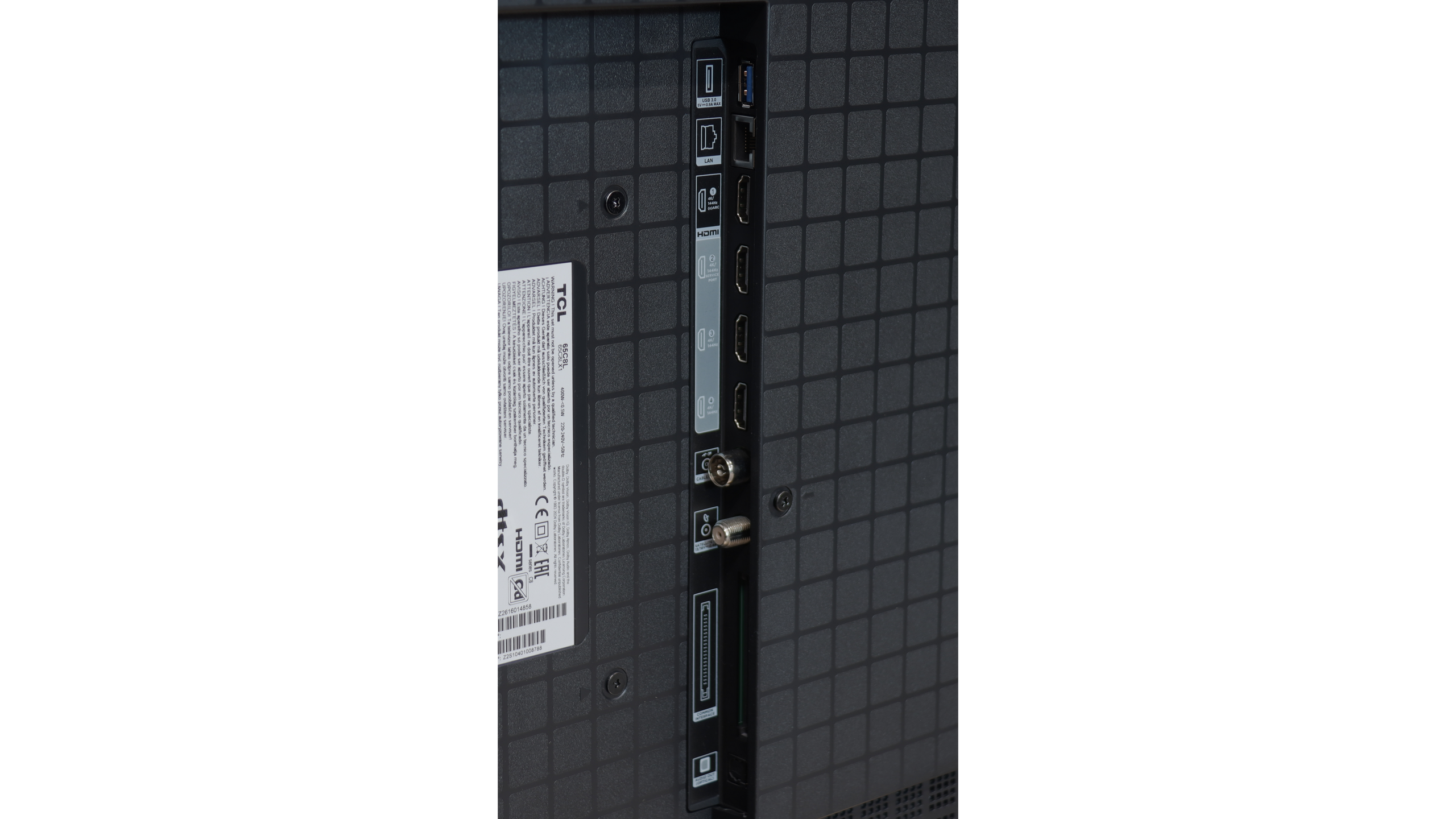
- HDMI inputs3 x HDMI 2.0, 0 x HDMI 2.10 x HDMI 2.0, 4 x HDMI 2.1 48Gbps
- Other inputsRCA (Chinch)
- OutputsToslink (Optical audio), eARC (HDMI), ARC (HDMI), Mini-Jack (Headphones)Toslink (Optical audio), eARC (HDMI), ARC (HDMI)
- Network InterfacesWi-Fi 2.4GHz, Wi-Fi 5GHz, Ethernet (LAN) 100MbpsWi-Fi 2.4GHz, Wi-Fi 5GHz, Ethernet (LAN) 100Mbps
- TV receptionDVB-T, DVB-T2, DVB-S, DVB-S2, DVB-CDVB-T, DVB-T2, DVB-S, DVB-S2, DVB-C
Classic features:
- Recording to USB (terrestrial TV)
- Recording programming
- Picture in Picture (PiP)
- RF remote control (no need to aim)
- Backlit remote control
- Teletext
- Audio only mode
- Bluetooth headphones support
- Simultaneous Bluetooth headphones & TV audio
Smart features:
- AirPlay
- Screen mirroring (Windows Miracast)
- Voice search
- Voice search in native language
- Ability to connect a keyboard and mouse
Sound connection options
- HDMI audioeARC (HDMI), ARC (HDMI)eARC (HDMI), ARC (HDMI)
- Other audio outputsToslink (Optical audio), Mini-Jack (Headphones)Toslink (Optical audio)
- Wireless audioBluetoothBluetooth
Supported audio formats (external HDMI eARC audio):
- Dolby Digital Plus 7.1
- Dolby True HD 7.1
- Dolby Atmos in Dolby Digital Plus (JOC)
- Dolby Atmos in Dolby True HD
- DTS:X in DTS-HD MA
- DTS-HD Master Audio
Senior accessibility
- Numeric keyboard on TV
- Font size adjustment
- Audio description
SmartTV - Google TV
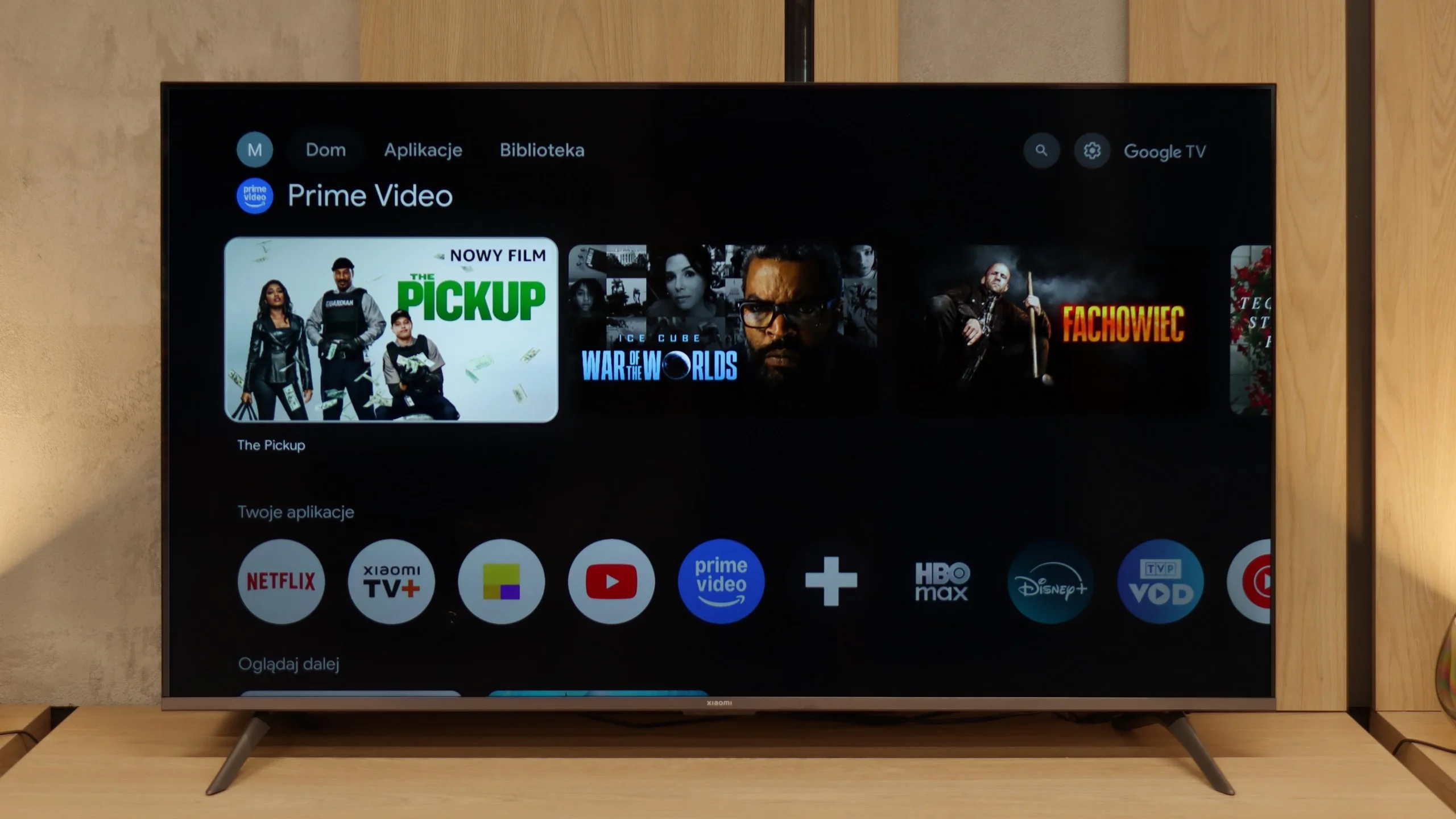
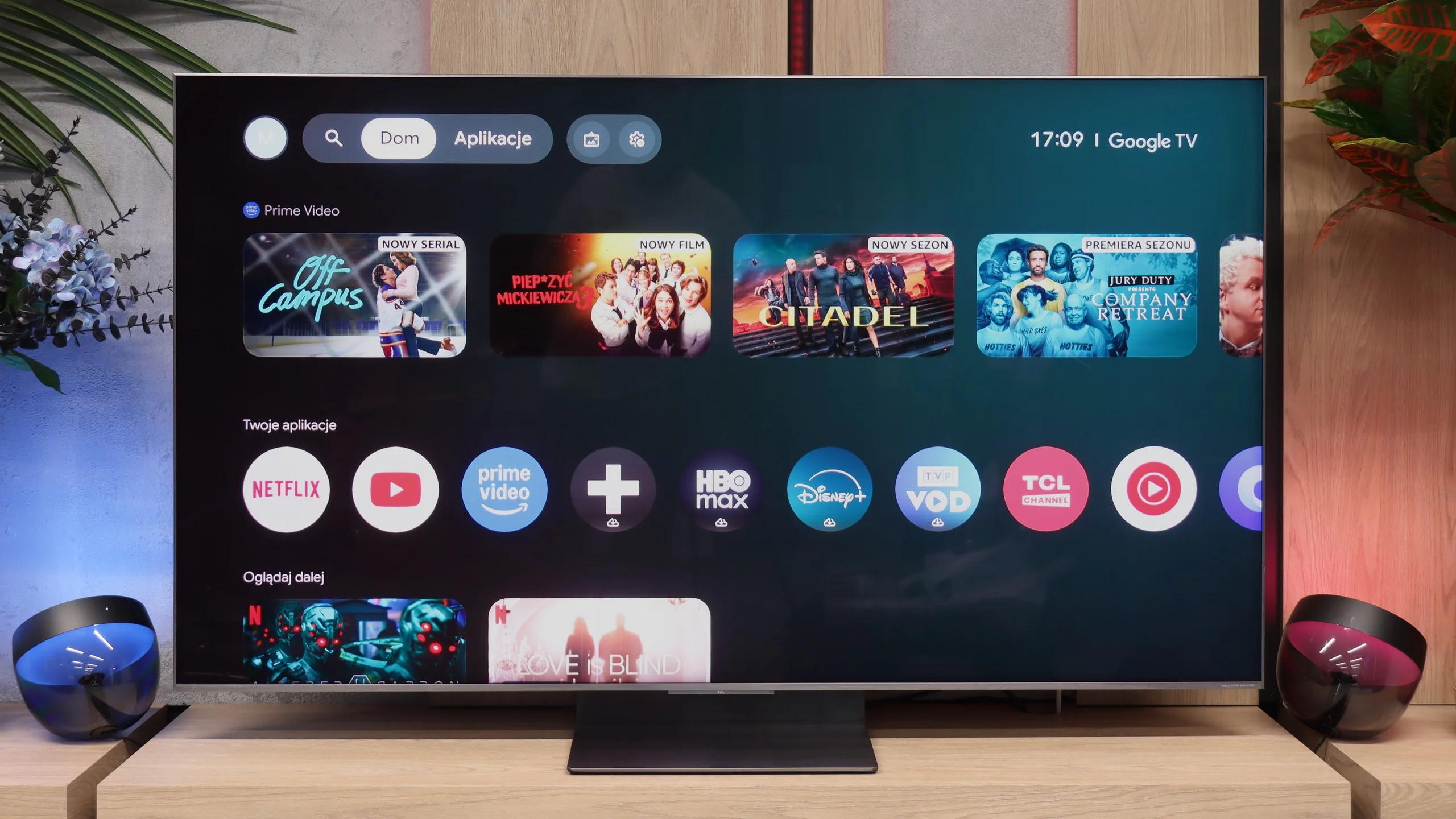
The biggest advantage of the Xiaomi A Pro 2026 is the Google TV system. It is what gives the television a second life – you can run practically any application on it, from Netflix and YouTube to music services and lesser-known programmes from the Google Play Store. We are not limited to what the manufacturer has pre-installed, as is the case with other budget televisions. Additionally, we have AirPlay, voice search via Google Assistant, and even integration with Gemini. We did encounter a few minor hiccups – for example, streaming from a laptop did not always want to work – but despite these shortcomings, Google TV is a huge plus in this setup.
Classic TV Functions
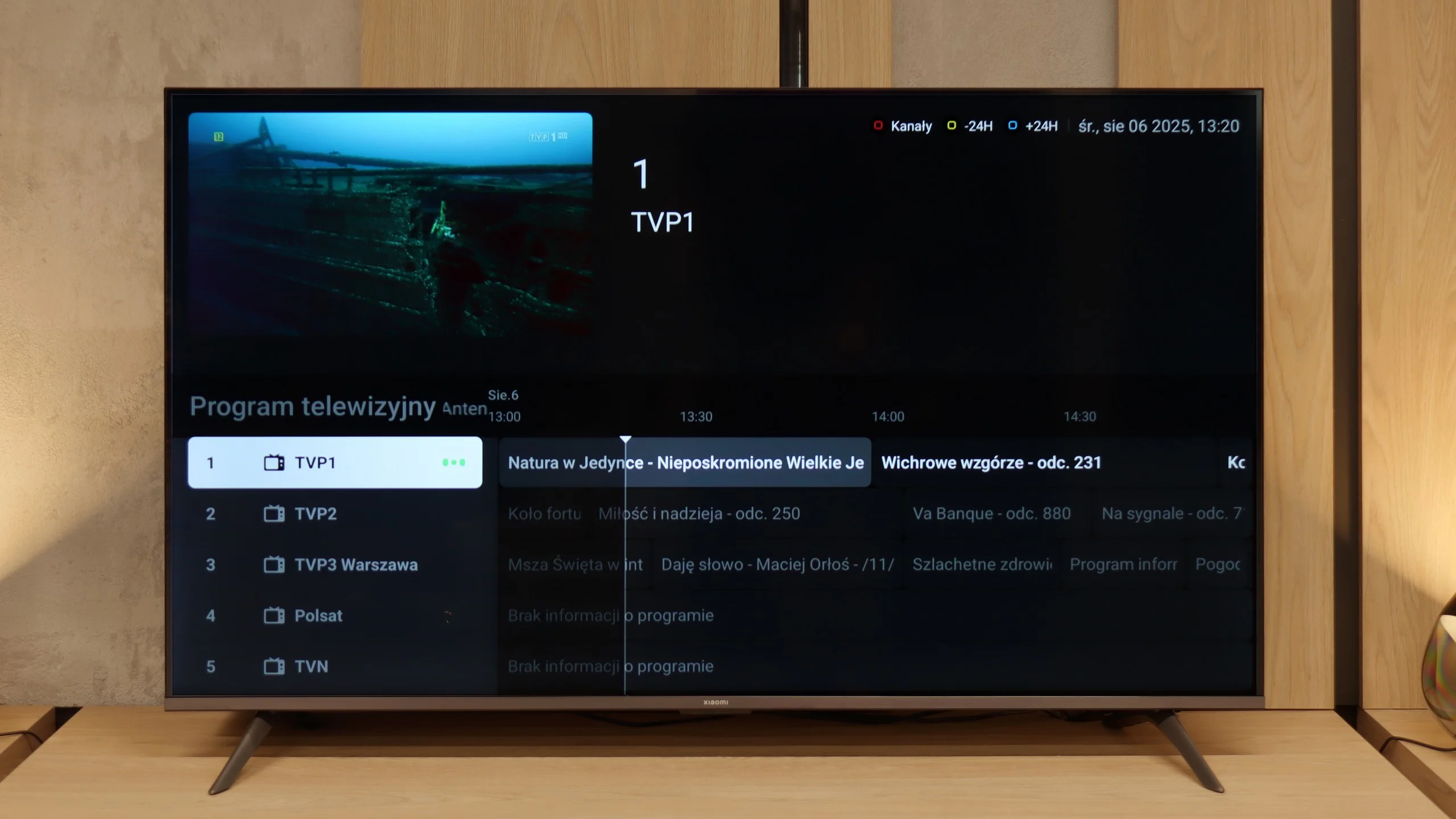
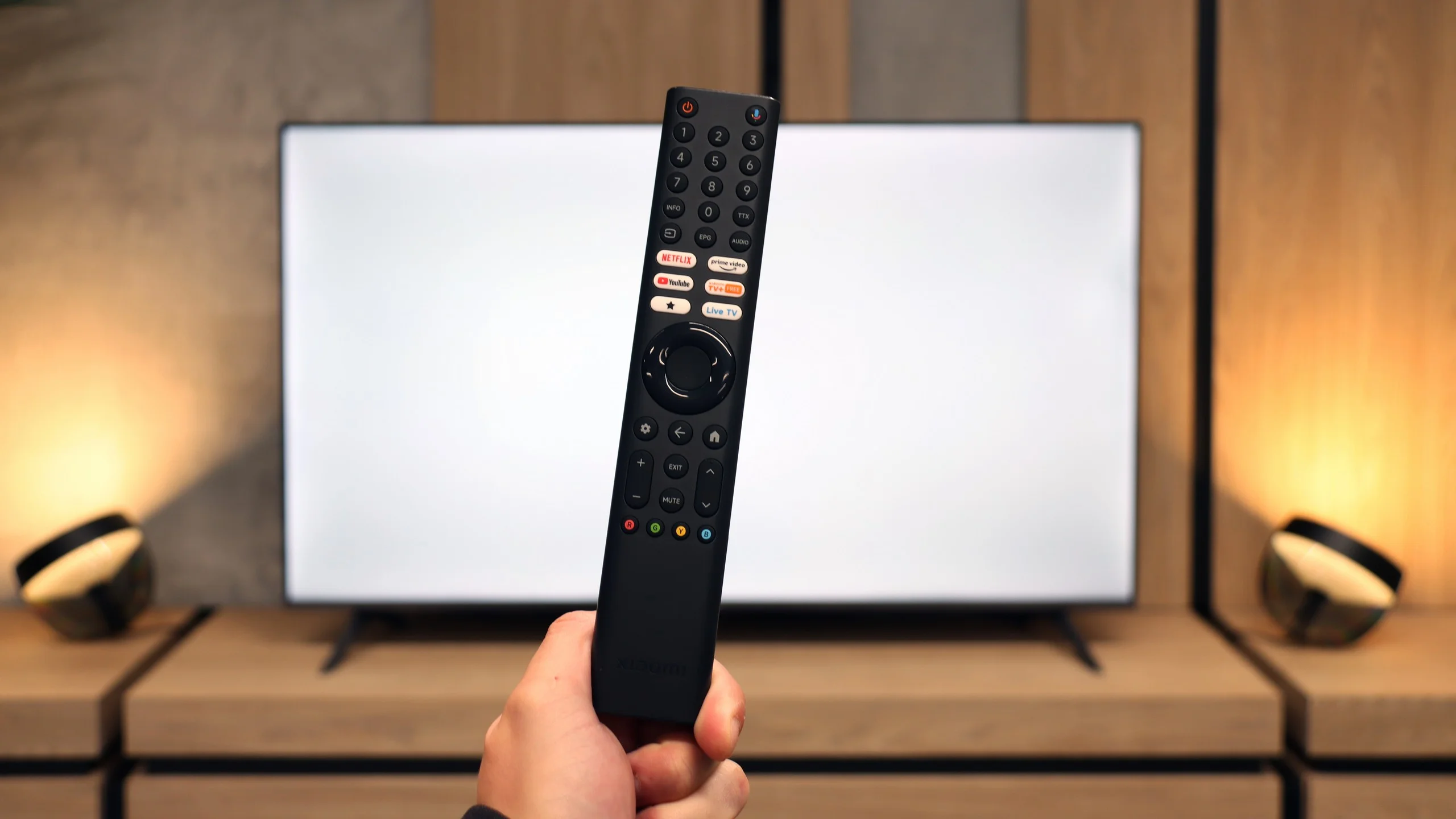
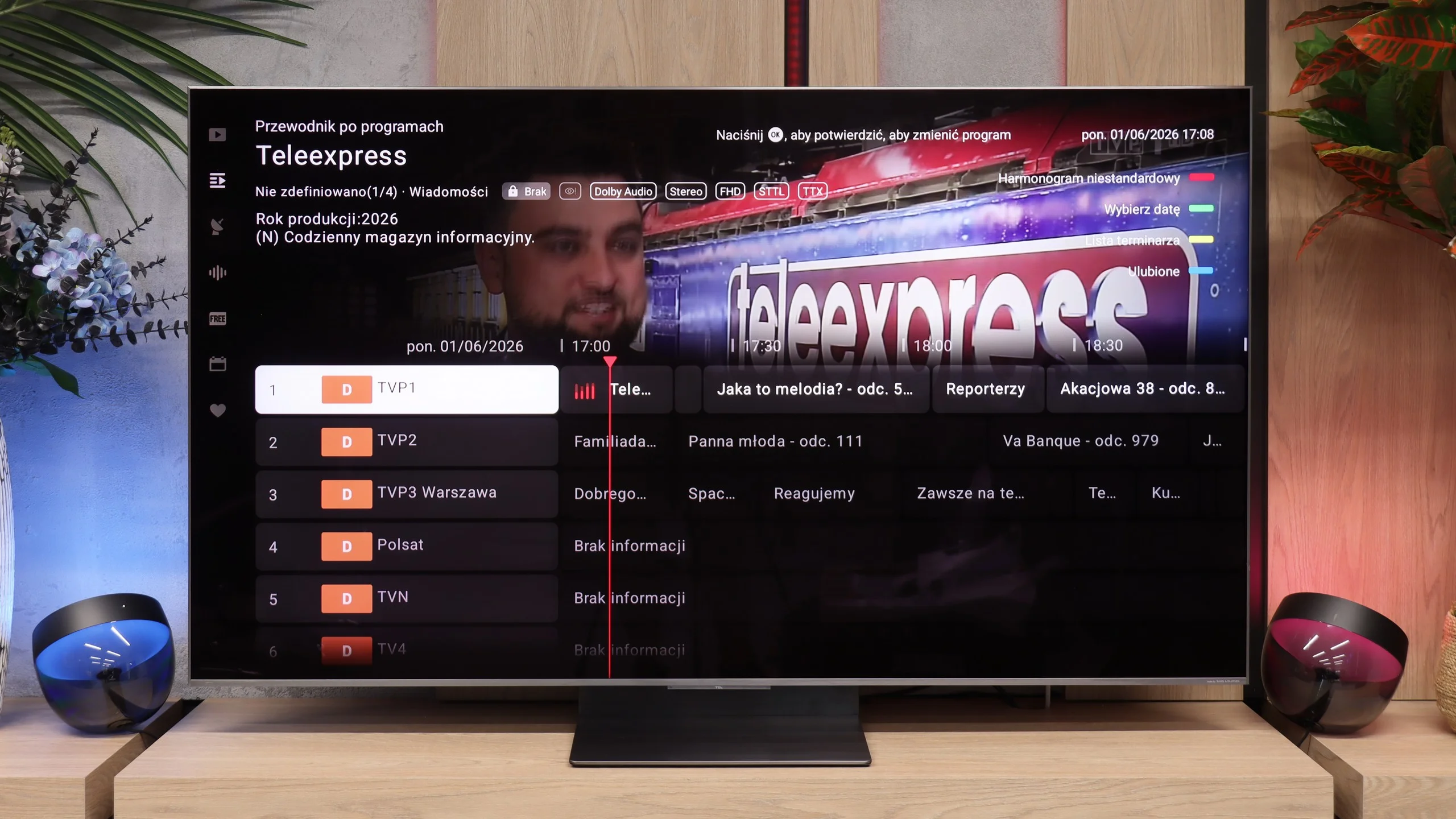
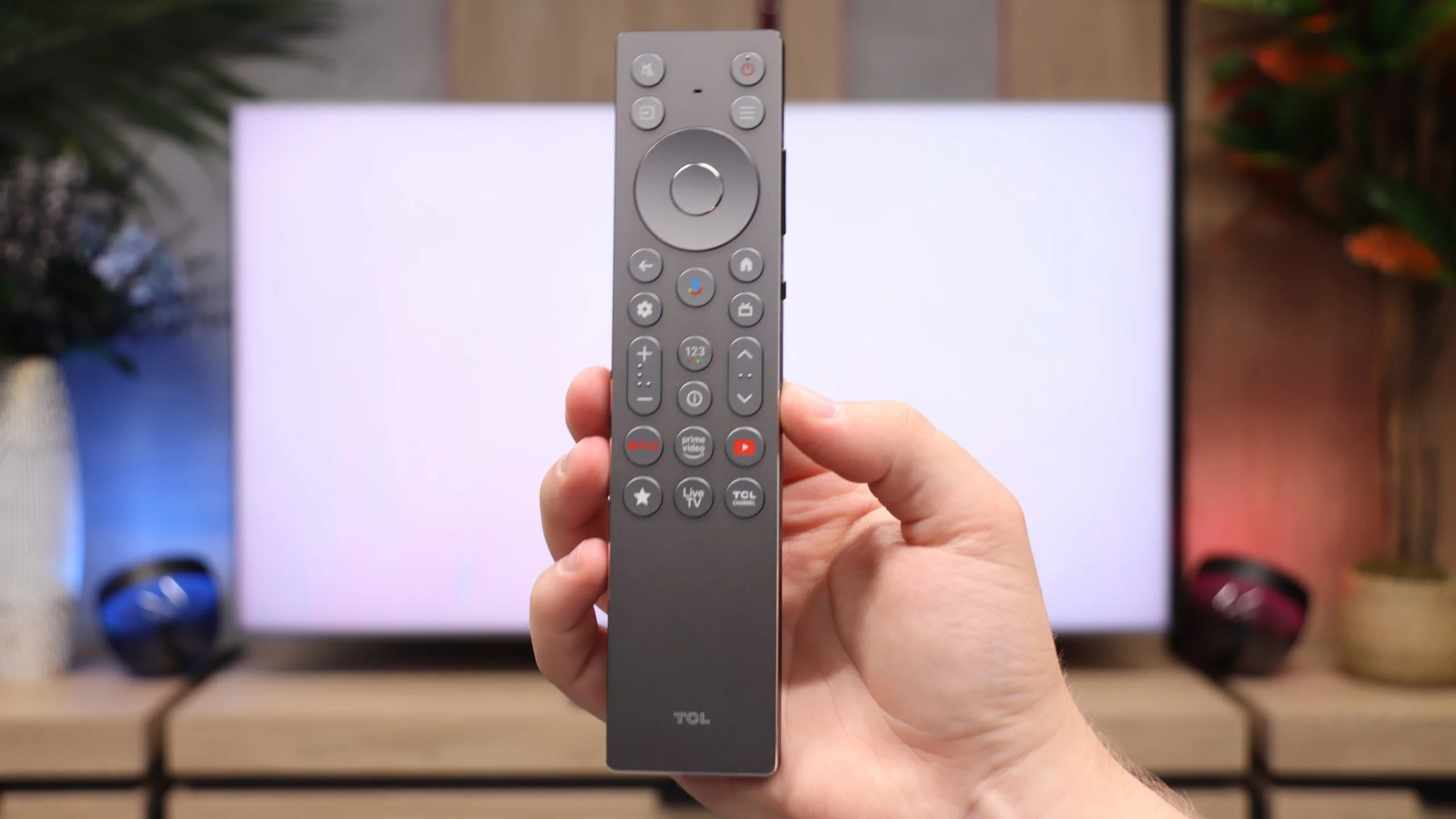
The Xiaomi A Pro 2026 can be termed a 'senior-friendly' television. The large remote control with a numerical keypad and a considerable number of physical buttons makes it intuitive to operate. Support for teletext and a clear EPG interface facilitate the use of classic television functions. We will not find many advanced features such as USB recording or the PiP function, but the presence of an analogue headphone jack output can be surprisingly practical for some users. It gives the impression of a set of features tailored to the needs of the most traditional viewers.
System Stability
However, not everything works as it should. During testing, we encountered irritating system lags, problems with Miracast, and issues when switching audio sources. There were even instances where it was necessary to reset the television by disconnecting it from the power supply. This simply shows that although Google TV offers huge possibilities, the stability in such a budget-friendly construct can still be quite problematic.
Smart TV: Google TV
On the internet you can still come across older opinions about the TCL brand where users complained about sluggish performance or occasional freezes of the Google TV interface. In the case of the C8L model, however, there is a significant step forward. Thanks to the new processor and certain stability fixes, Google TV's responsiveness and speed are at a very high level. We can easily compare this system's level of polish with closed systems such as Tizen or webOS found in rival flagship models. The set comes with a full suite of features, led by the updated Gemini voice system.
Television features
On strictly TV matters the C8L simply does its job reliably as a television 😉. You'll find the usual standard features, such as a Bluetooth module for quick pairing of wireless headphones and the still-present teletext for use with the built-in tuners. It is, however, clearly designed primarily for modern streaming platforms. This is evident from the minimalist, modern remote control, which, unlike the cheaper C7L, does not feature a traditional numeric keypad.
Apps
9.6/10
9.6/10






















Playing files from USB
6.8/10
9.4/10
Supported photo formats:
Maximum photo resolution:
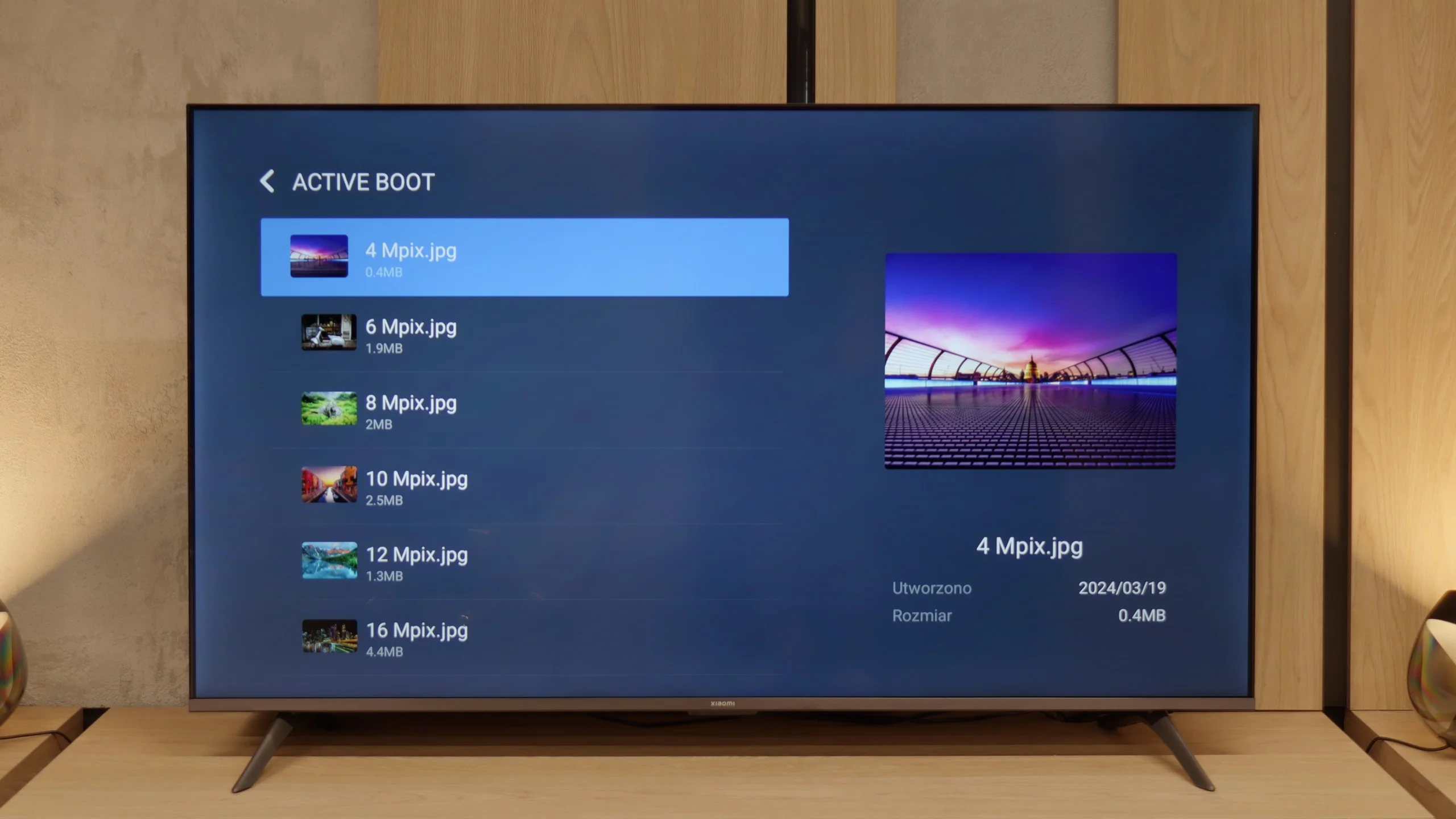
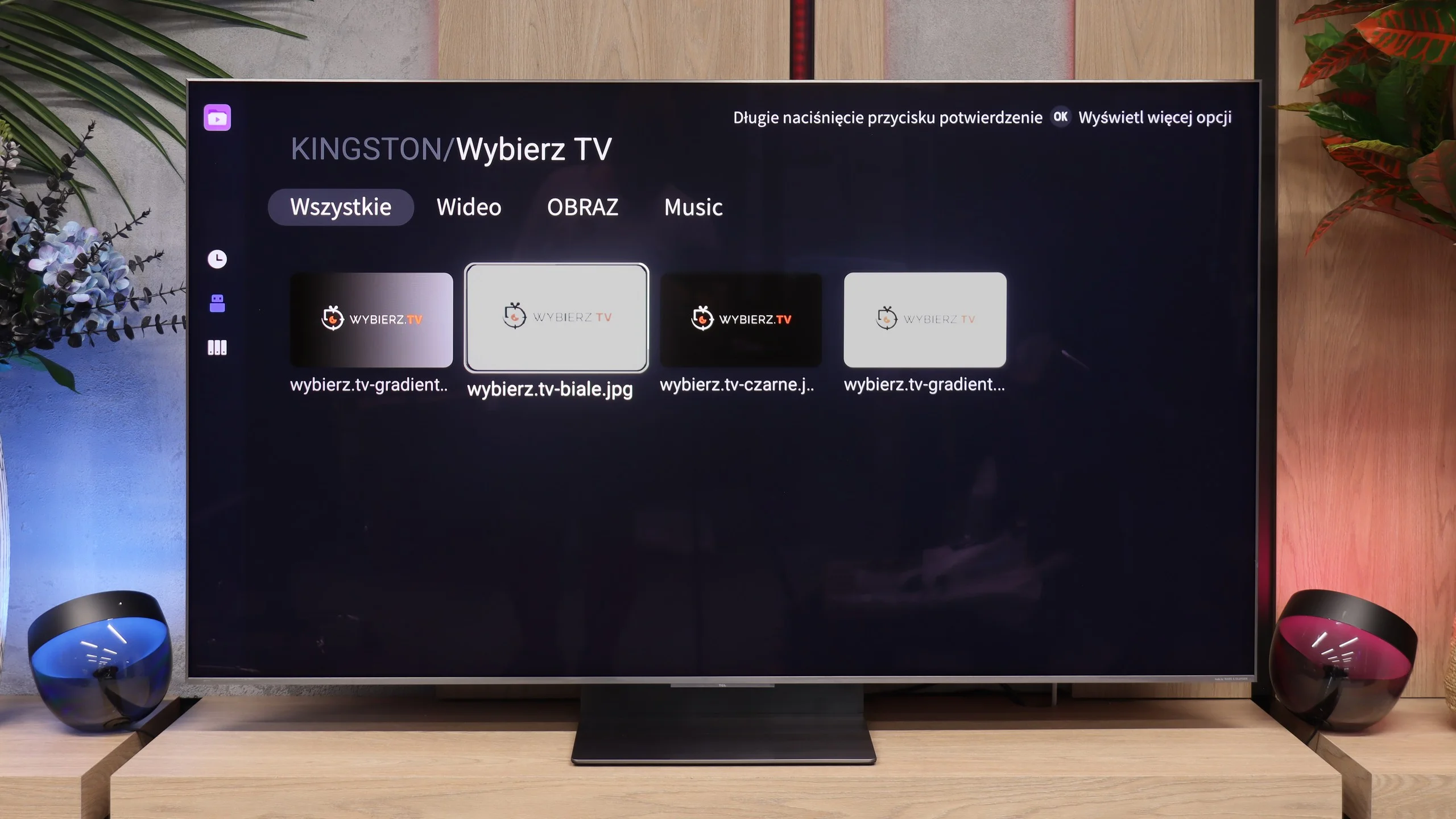
The built-in media player in the Xiaomi A Pro 2026 is a real enigma. On one hand, it plays most popular audio and video formats without major issues. On the other hand, it can struggle with basic things like Polish characters. Files with letters such as ą, ł, ć or ś in their names often refuse to open or are displayed incorrectly. This looks strange, as we seemingly have codec support, yet the television simply gets lost on simple matters related to the alphabet. Fortunately, this is not a huge problem, as thanks to Google TV we can simply install another player, e.g. VLC. Then the issue with Polish characters disappears completely, and using multimedia becomes hassle-free.
The built-in USB media player handles our everyday tests with no problems. It's good to see that the TV natively and smoothly opens even less common image formats, such as Apple's HEIC. We did encounter a few formats that the built-in app couldn't cope with, but with Google TV that's no obstacle. A major advantage of this platform is the ability to install any third-party player (for example VLC) directly from the Google Play store, which often completely solves file compatibility issues.
Sound
5/10
8.1/10
- Maximum volume81dB78dB
- Dolby Digital Plus 7.1
- Dolby True HD 7.1
- Dolby Atmos in Dolby Digital Plus (JOC)
- Dolby Atmos in Dolby True HD
- DTS:X in DTS-HD MA
- DTS-HD Master Audio
Last year, the Xiaomi A Pro 2025 surprised us with really decent sound, considering it is a super budget television. Unfortunately, this year's edition – the A Pro 2026, has let us down across the board. The sound resembles the sensation of the equipment playing from underwater: flat, devoid of any bass or depth. The only upside remains the wide support for audio formats, such as Dolby Atmos or DTS:X, but in practice, it changes very little. If you are considering this television, you must immediately factor in a soundbar, as without it the audio experience will be quite disappointing.
It might seem that in terms of sound the TCL C8L will perform exactly the same as last year's C8K. After all, it again features a Bang & Olufsen audio system in a 6.2.2 configuration, with the same power and the same system features, namely Beosonic technology. Nothing could be further from the truth. The new generation sounded noticeably better in our listening tests. Why is that? To be honest, from a purely hardware point of view we don't know, but it's clear on the graphs from our measurements. Perhaps TCL has simply managed to improve the speakers' behaviour with a firmware update and better speaker tuning.
But as we always say, they are still the TV's speakers. We believe anyone who wants to fully enjoy this TV's potential will still have to buy a good soundbar or a home cinema system. The C8L offers full support for audio codecs such as Dolby Atmos and the niche DTS. Only by connecting an external audio setup will you be able to squeeze real, spatial sound from films or games and complete what you see on this TV.
Sound Quality Test
No sound test video
Acoustic Measurements
81dBC (Max)
75dBC
78dBC (Max)
75dBC
Reader comments
Comments are provided by the external service Disqus (Zeta Global). Once loaded, Disqus may set cookies and process data about your activity.
We will remember your choice on this device. Provider's privacy policy