The TCL V6C is a television whose essence lies primarily in three elements: the Google TV system, several features useful for gamers, and a very low price. It is the Google TV that is its greatest asset – providing access to a vast library of applications, from the most popular streaming services to lesser-known programmes, and it also allows for the use of AirPlay, screen mirroring, and voice search. For many users, this system alone may be a sufficient reason to consider purchasing it. Adding to this are simple yet practical features for gamers, such as ALLM mode, low input lag, or the Game Bar with parameter overview, which make occasional gaming on a console more convenient. The third argument, and perhaps the most important, is the price – in this class, it's hard to find another model with Google TV that offers such broad access to smart functions. However, when we turn to picture quality, it becomes clear how many compromises we are dealing with. The V6C is a very dark television. Colours remain lacking, and in more demanding scenes, the image can appear flattened and devoid of detail. The contrast provided by the VA panel can be considered decent, but it comes at the cost of poor viewing angles. Additionally, there is motion blur in dynamic sports scenes, as well as an unnatural upscaling effect that, instead of improving details, often artificially sharpens them. So who is this model for? The V6C is a television that will work well as a simple device for everyday watching of TV or YouTube, and its greatest strength is its operating system and low price. However, if we're hoping for cheap cinematic experiences or comfortable gaming on modern titles, this model will quickly show its limitations. When purchasing it, one must clearly understand what they are deciding upon – this is a television for simple tasks, not a piece of equipment that is meant to impress with its picture quality.
- Matching (Score) |
- Our verdict |
- TV appearance |
- Where to buy |
- Contrast and black detail |
- HDR effect quality |
- Factory color reproduction |
- Color reproduction after calibration |
- Smoothness of tonal transitions |
- Image scaling and smoothness of tonal transitions |
- Blur and motion smoothness |
- Console compatibility and gaming features |
- Input lag |
- Compatibility with PC |
- Viewing angles |
- Daytime performance |
- Panel details |
- TV features |
- Apps |
- Playing files from USB |
- Sound
TCL V6C vs LG QNED80A6A (IPS)
 Direct comparison
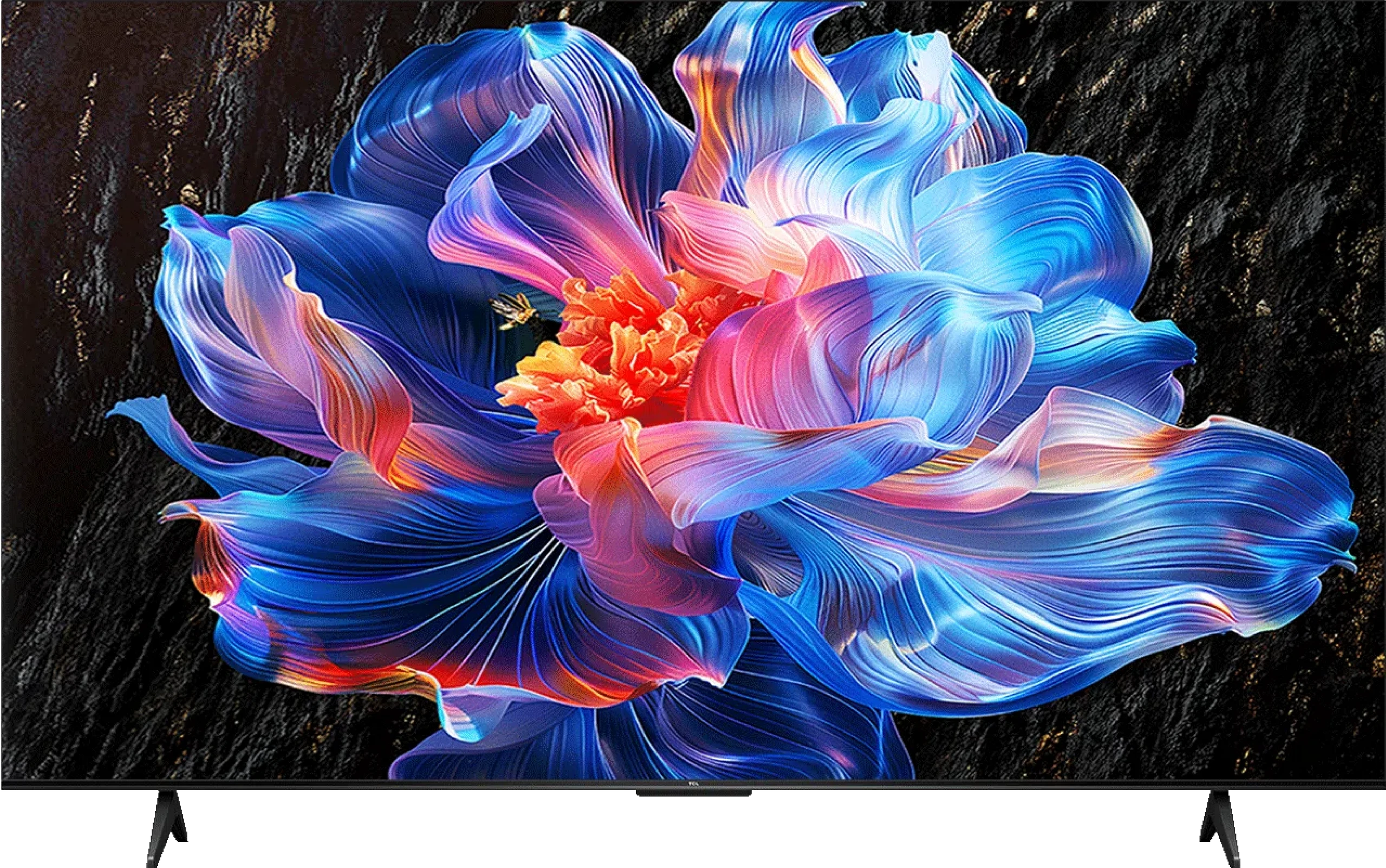

Panel type: LCD VA
Resolution: 3840x2160
System: Google TV
Model year: 2025
Complete the survey to find out the result
Panel type: LCD IPS
Resolution: 3840x2160
System: WebOS
Model year: 2025
Complete the survey to find out the result
Overall rating
5.2
5.9
 Movies and series in UHD quality
 4.9
5.7
 Classic TV, YouTube
 5.0
5.6
 Sports broadcasts (TV and apps)
 3.9
5.5
 Gaming on console
 6.0
6.8
 TV as a computer monitor
 4.0
5.0
 Watching in bright light
 3.6
4.7
 Utility functions
 7.3
6.8
 Apps
Apps 9.6
9.1
 Sound quality
 5.8
6.0
Complete the survey to find out what fits your preferences
Advantages

Attractive price
Extensive GoogleTV system with a large app library
Decent contrast thanks to the VA panel
Pretty good dynamic tone mapping function (often saves the TV in HDR content)
Low input lag below 15 ms
Presence of ALLM mode and a simple Game Bar
Support for Dolby Vision Gaming (Xbox Series S/X)
Support for Dolby Atmos and DTS:X, facilitating the use of a soundbar
Wide viewing angles – the picture looks equally good from any spot on the sofa
Rich and vibrant colours thanks to the PFS (QNED) filter
Smooth and modern WebOS 25 system
Magic remote (with cursor)
Good detail reproduction in HDR
Effective upscaling and tone transition smoothing function
Low input lag
Decent features for gamers (VRR, ALLM, HGiG), despite the 60Hz panel
Smooth tone transitions – no visible "steps" in colour gradients
Disadvantages

Very low brightness (~200 nits) = lack of cinematic effects
Narrow colour gamut coverage, especially in HDR content
Poor implementation of Dolby Vision
Strong ghosting in dynamic scenes (panel only 60 Hz)
Average upscaling – the image can be artificially sharpened
Unusual subpixel layout making text readability difficult when working with a PC
Limited viewing angles typical of VA panels
The television performs poorly in brightly lit rooms
Google TV system can be sluggish and does not run as smoothly as in more expensive models
Lack of USB recording function and PiP mode
Poor contrast and greyish black – the IPS panel does not perform well in low light
Problematic local dimming – vertical bands of backlighting are very noticeable on a dark background
60Hz panel
No support for Dolby Vision
Sound lacks depth – a soundbar is recommended
Our verdict
The QNED80A variant based on an IPS panel is aimed at a completely different audience. If you are looking for a television for a place where life buzzes all day and family members watch TV from various spots, this will be a good choice. Wide viewing angles and saturated colours ensure that the picture looks good whether we are sitting directly in front of it or at the dining table. Of course, this is not perfect equipment, as there simply aren't any in this price segment. The IPS panel will not offer you pitch-black blacks, so evening horror screenings may appear slightly grey, and edge dimming in dark scenes can create noticeable light strips. Despite these shortcomings, the QNED80A makes up for them with its overall picture quality. The performance of the processor deserves great recognition – both scaling regular television to 4K and presenting details in HDR content are outstanding here. The picture is clear, sharp, and rich in details, even if the screen itself does not break brightness records. Combined with the fantastic WebOS system, which operates quickly and stably, this is a very safe, solid choice for everyday family entertainment at a relatively low price.
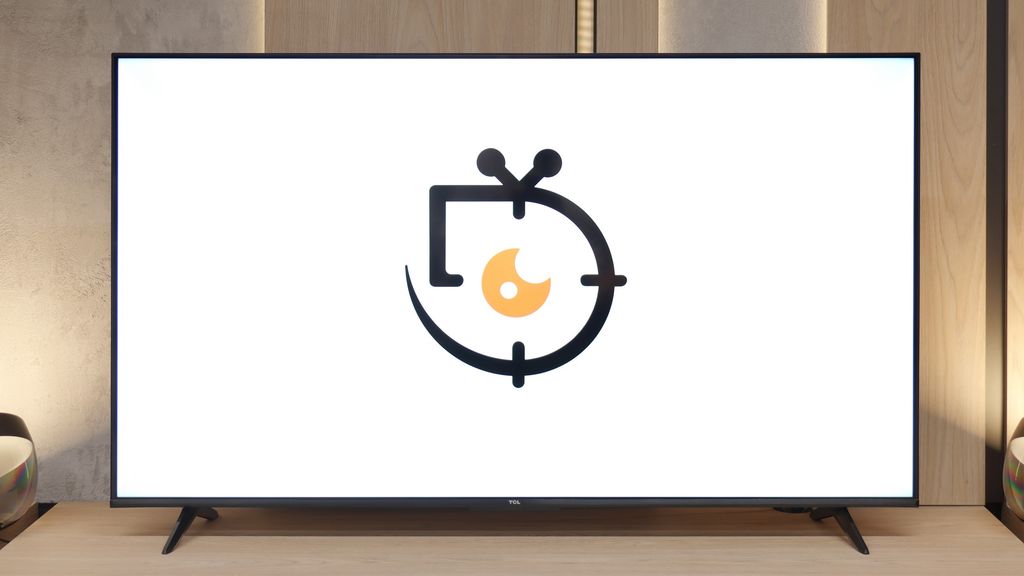
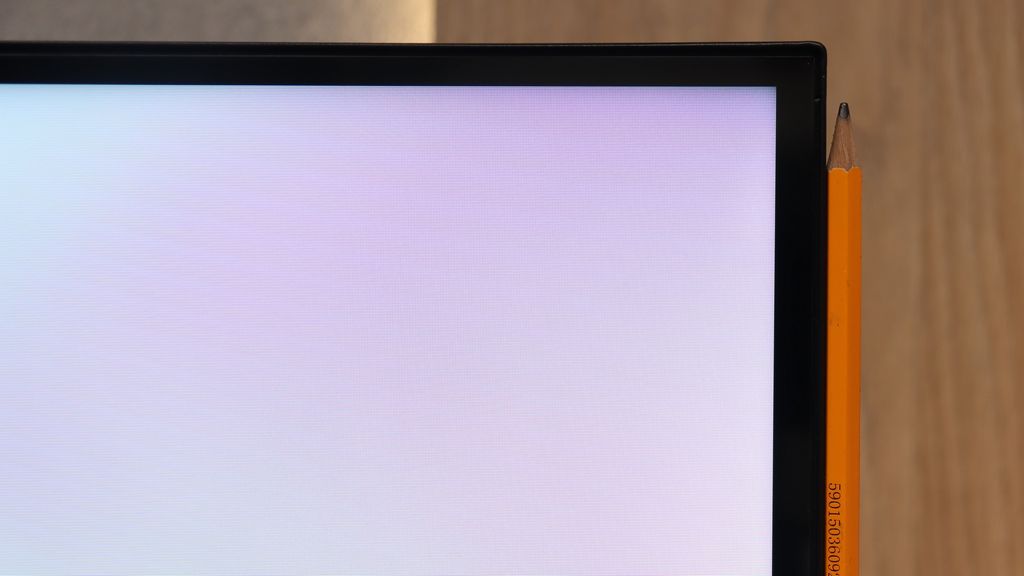
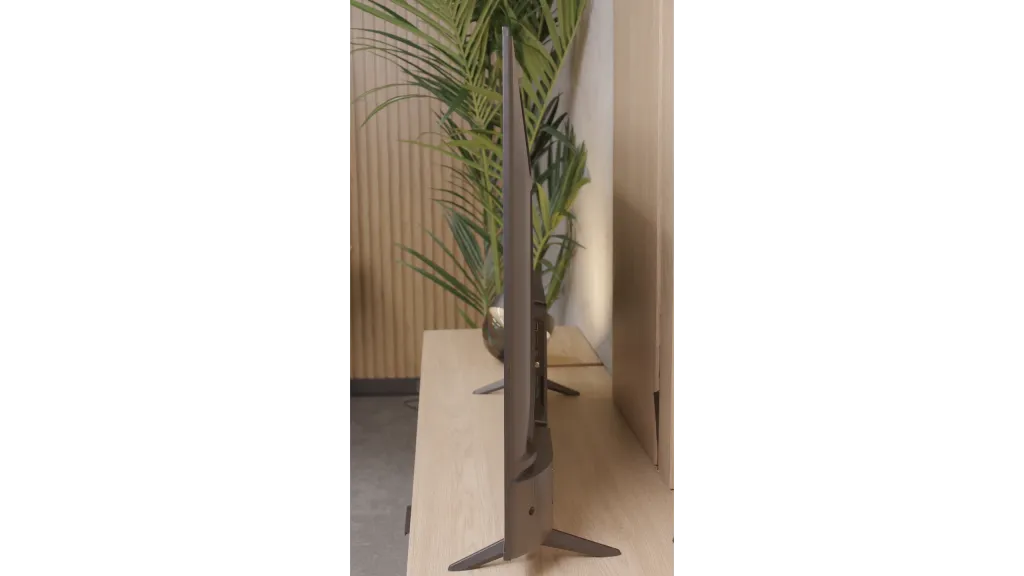
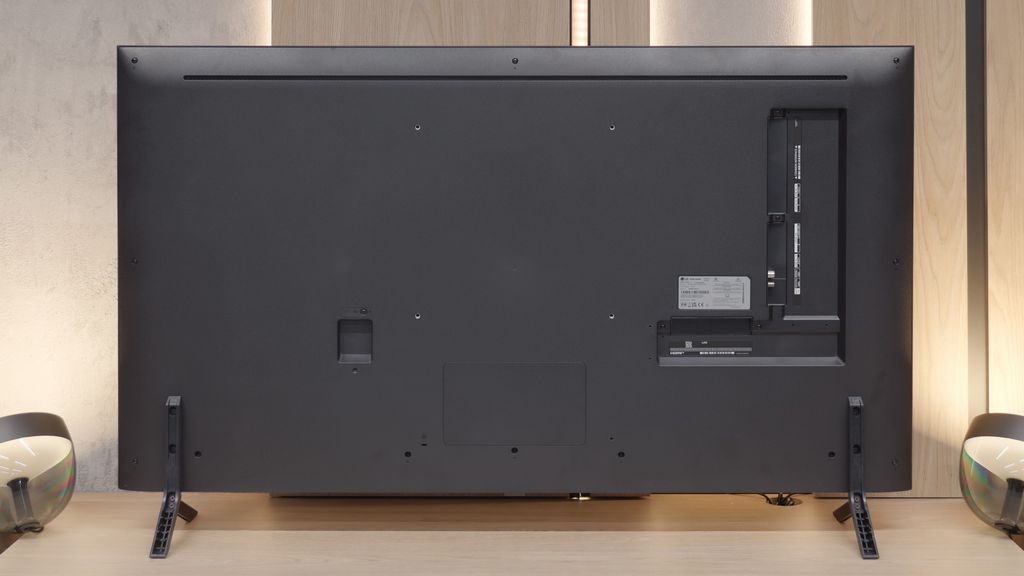
TV appearance
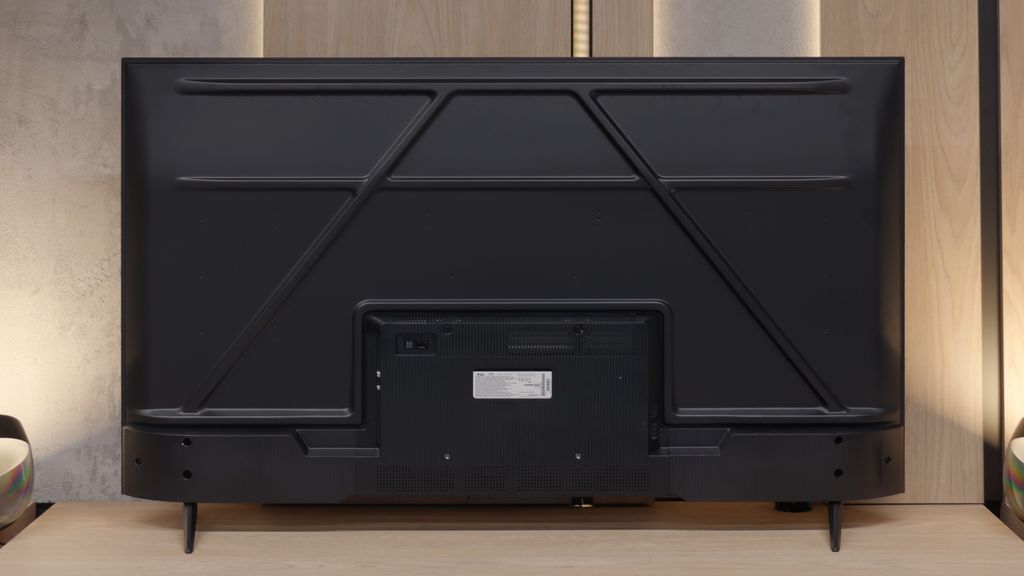
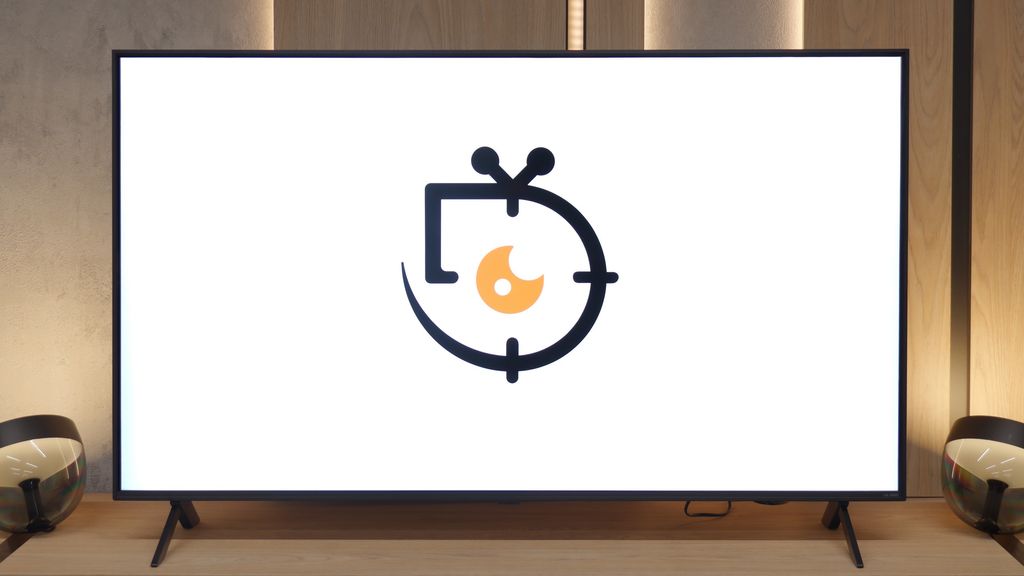
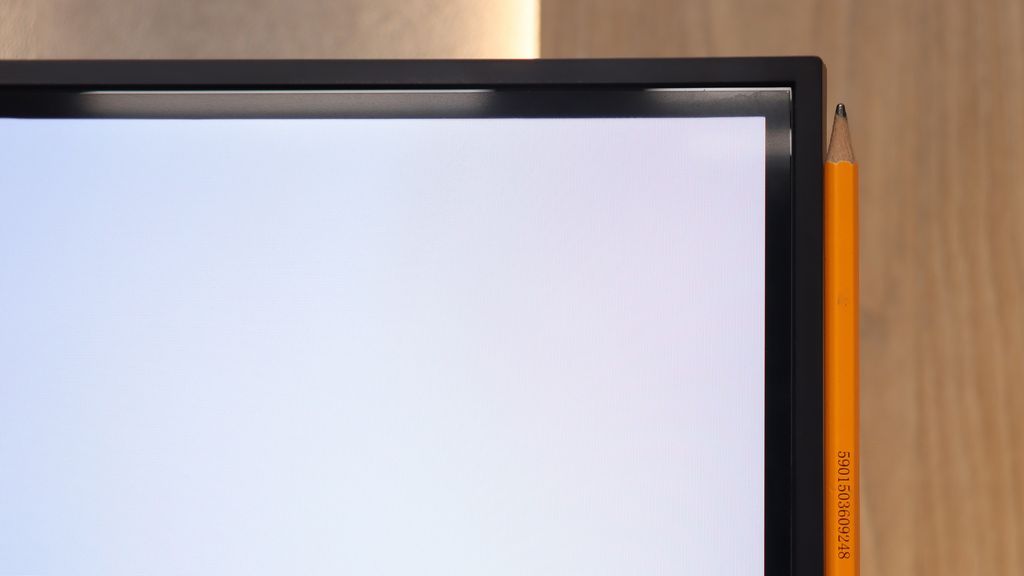
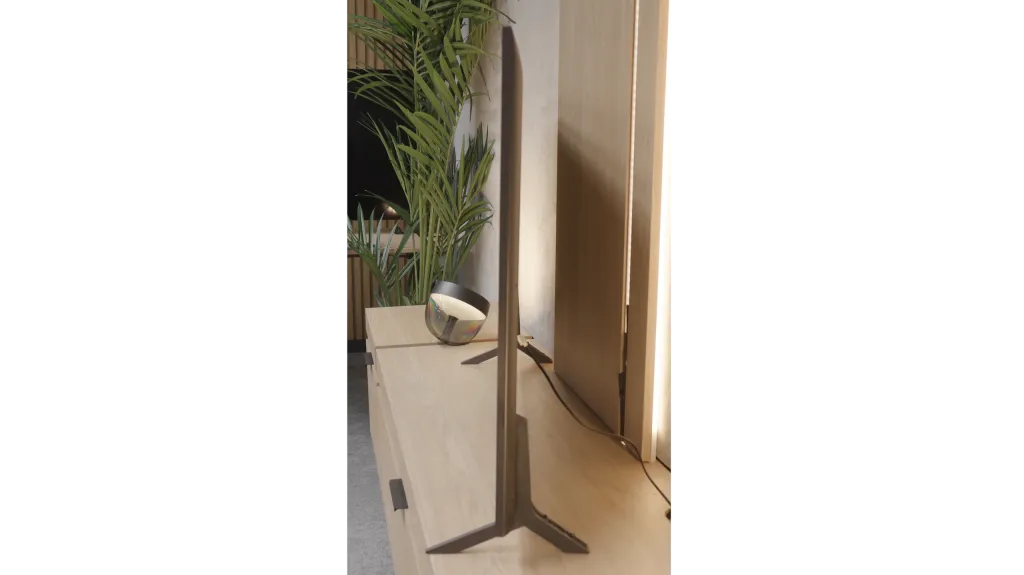

Contrast and black detail
5.2/10
2.7/10
Local dimming function: No
Local dimming function: Yes, number of zones: 6 (1 x 6)
Contrast:


Result
4,450:1

Result
4,900:1

Result
3,150:1

Result
4,250:1

Result
2,550:1
Result
2,400:1
Result
1,350:1
Result
2,450:1
Result
1,200:1
Result
1,150:1
Halo effect and black detail visibility:
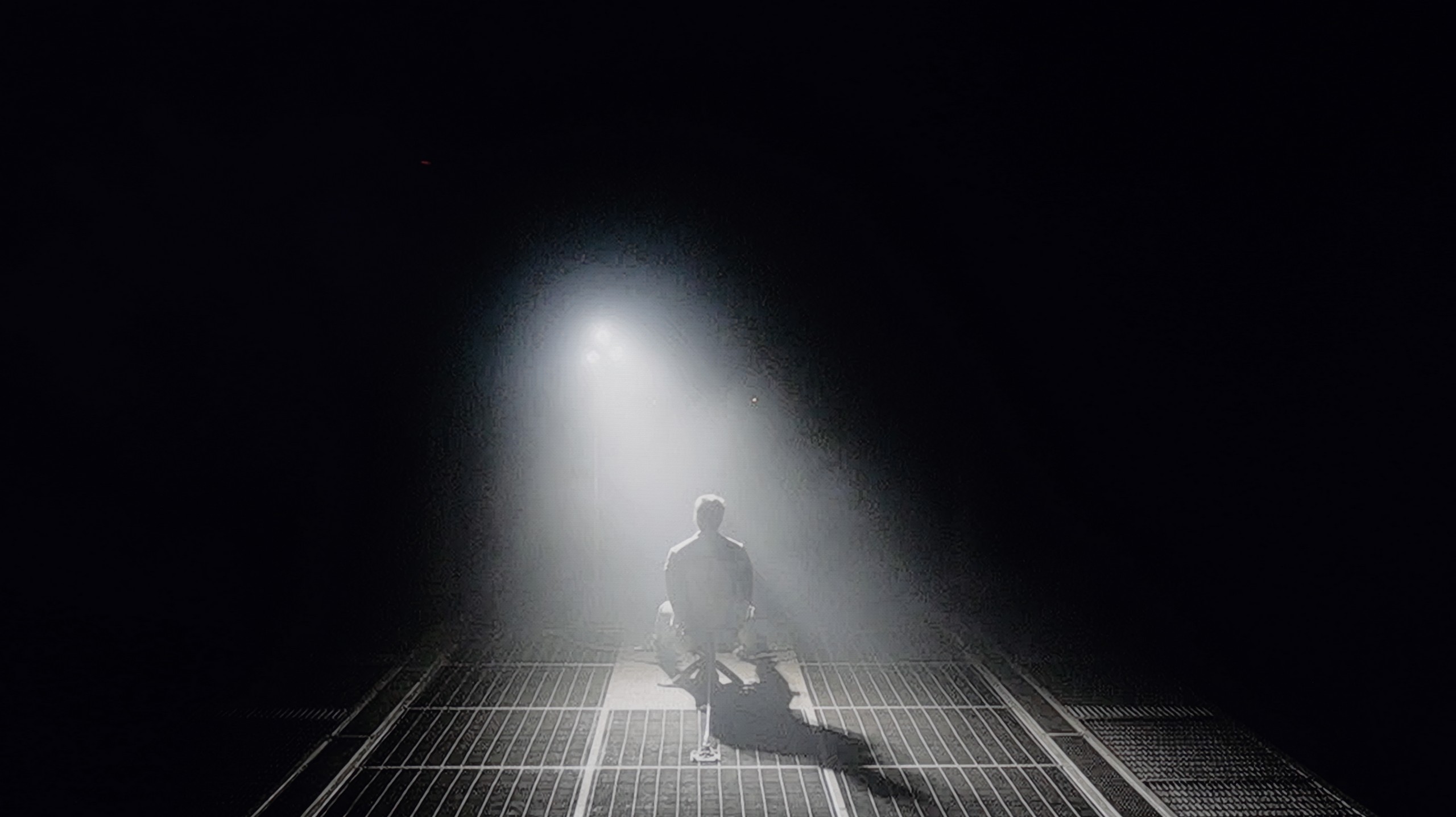
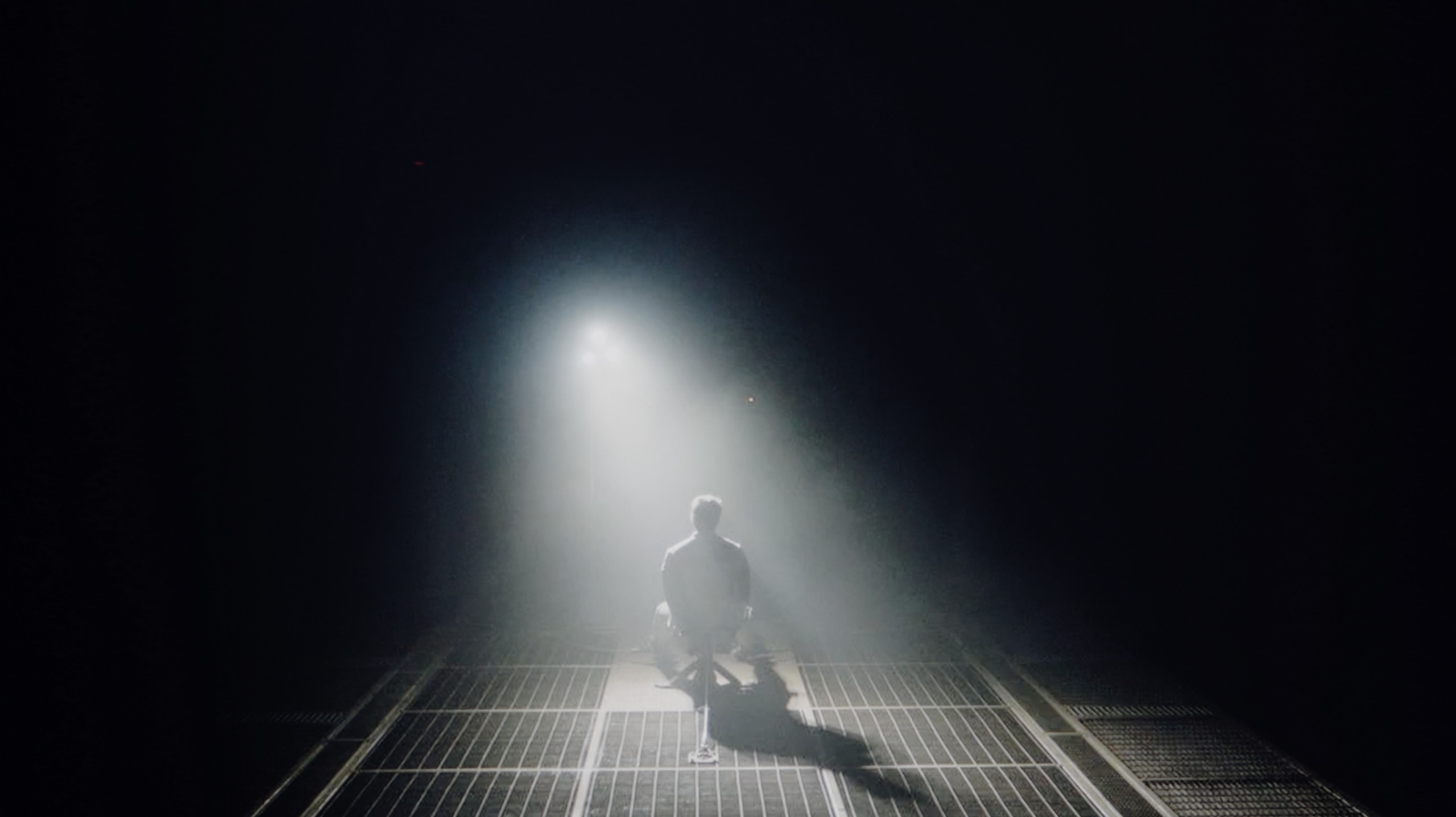
Check the visibility of bright lights on a dark background. Mini-LEDs often struggle with this. The photo does not compare black levels – that’s what the video below is for.
The video accurately shows differences in contrast and black levels between TVs, as well as potential issues: halo around bright objects or Mini-LED zone operation visible as brightness jumps.
The TCK V6C uses a VA matrix, which is a solution that is considered quite a reasonable choice in budget televisions. This type of panel offers high contrast and can provide pleasant experiences, particularly during evening film screenings. Of course, in this price range, it is difficult to expect local dimming – that technology simply isn't present here. The effect is that black will not be as deep and inky as in more expensive models, and at times it may resemble more of a shade of navy. Fortunately, this can be easily mitigated – just turn on a soft light behind the television or place a small lamp in the corner of the room, allowing the eyes to "trick" themselves and making blacks appear significantly better. For equipment in this category, the contrast can therefore be regarded as decent and sufficient for daily viewing.
If you come across a model equipped with an IPS panel, the situation changes dramatically, and let’s not beat around the bush – the contrast is simply weak. This is a natural characteristic of this technology, which pales in comparison to VA panels. Black, especially during evening viewings with the lights off, is rarely pitch black – it often leans towards shades of dark grey or navy blue. The real problem with this variant, however, is the way the local dimming system operates. Since we are dealing with edge lighting on a panel that inherently "lets through" more light, this system often does more harm than good. When a bright object appears on a dark background, the television tries to brighten it by activating the corresponding zone. The effect? Instead of a focused light, we see illuminated vertical bands stretching across the entire screen. Unfortunately, it looks worse than in the VA version. Due to the lower native contrast of the panel, these “light bands” (so-called blooming) are much more visible and stand out more sharply from the background. In many cases, these brightness jumps are so aggressive that instead of enjoying the viewing experience, we focus on the performance of the backlighting.
HDR effect quality
3.2/10
4.8/10
Luminance measurements in HDR:

Result
149 nit

Result
163 nit

Result
193 nit

Result
172 nit

Result
196 nit
Result
369 nit
Result
325 nit
Result
434 nit
Result
342 nit
Result
318 nit
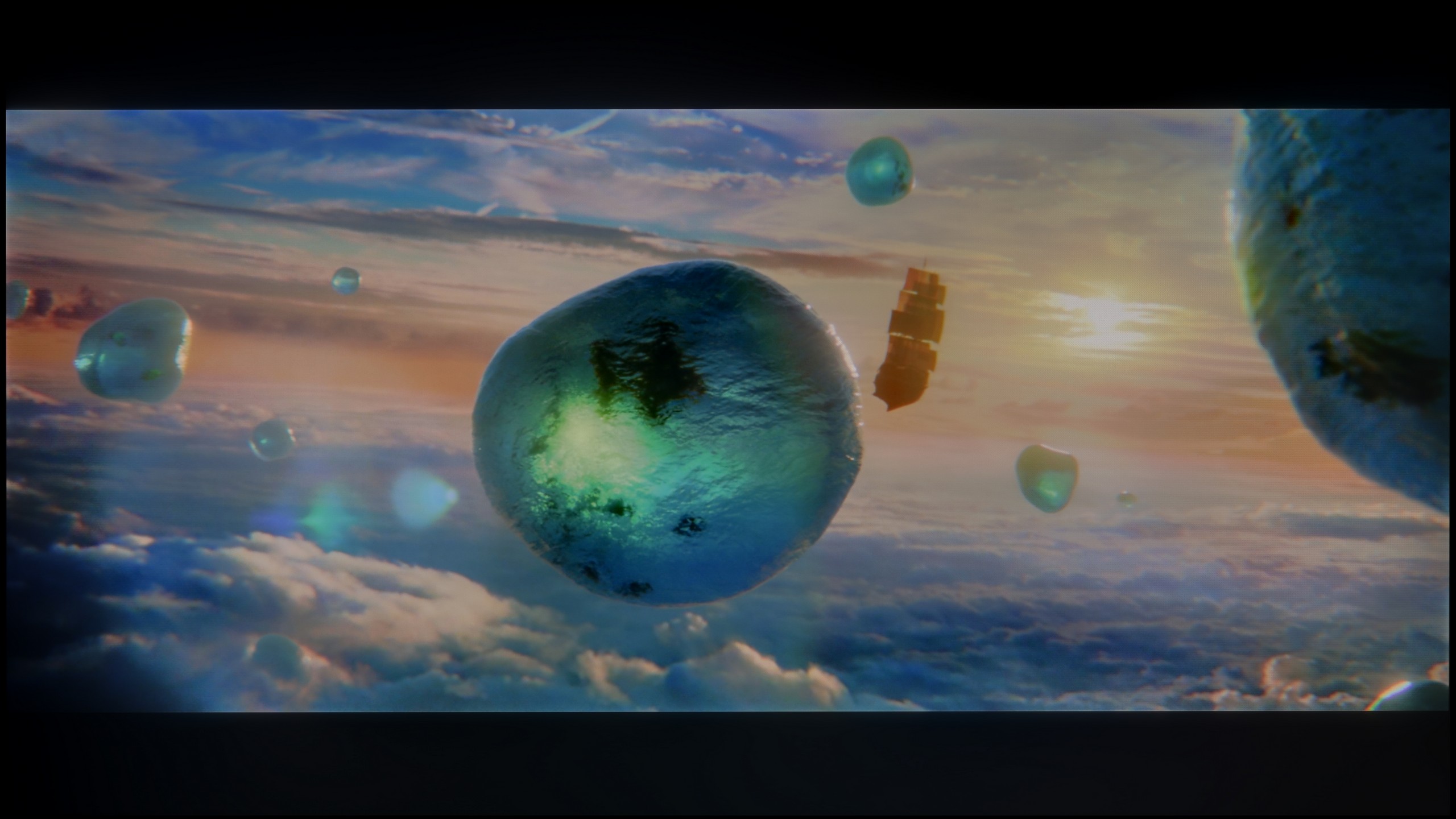
Scene from the movie “Pan” (about 2800 nits)
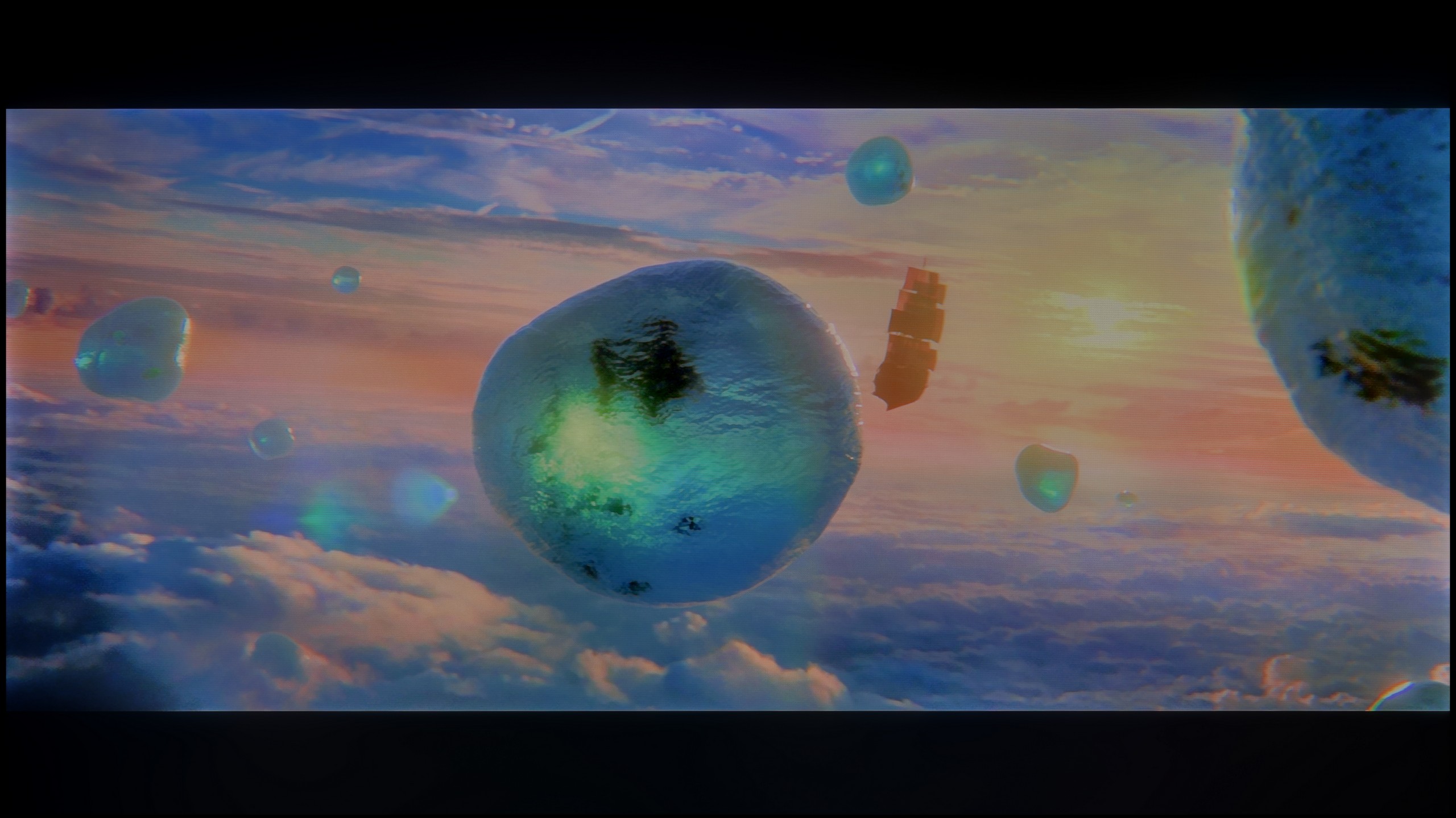
Scene from the movie “Billy Lynn” (about 1100 nits)
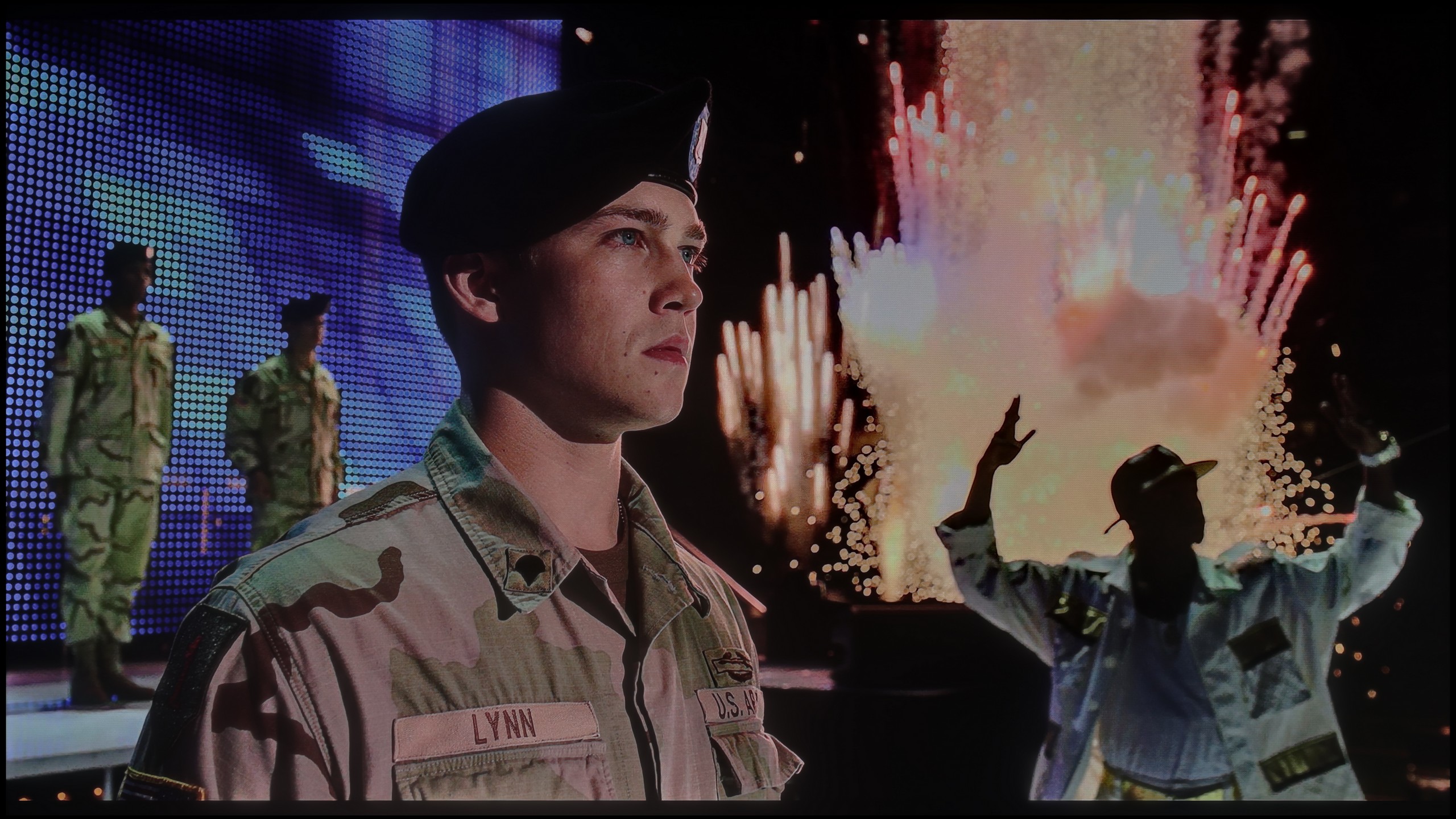
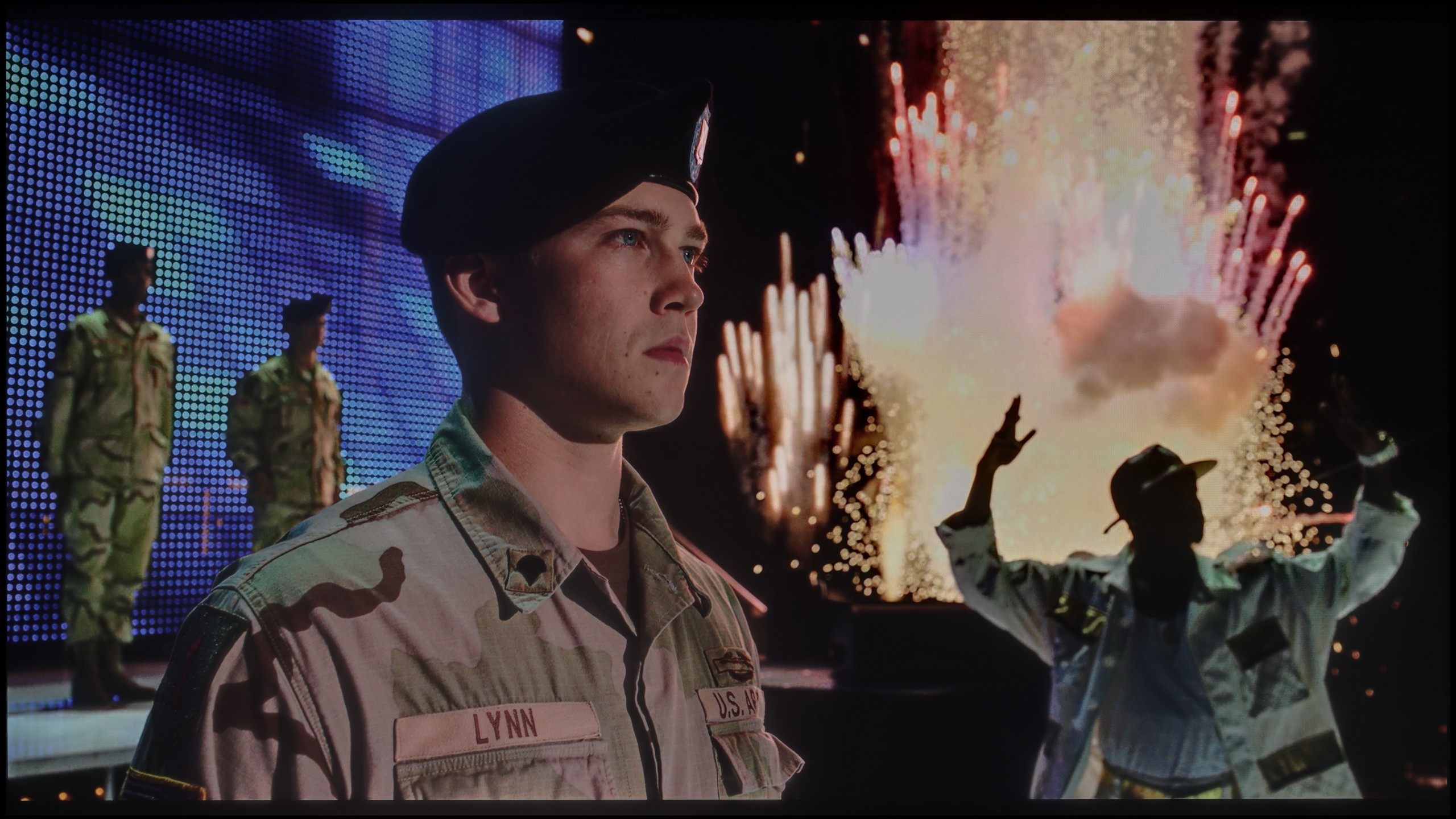
The photos show two HDR10 movies. 'Pan' is one of the brightest productions ever made, while 'Billy Lynn' (soldier) has brightness typical of streaming (Netflix, Prime, HBO MAX). Notice the intensity of effects and detail in whites.
Static HDR10


The photos present the visibility of white details in various HDR formats. They do not show brightness differences between TVs (these can be compared in the previous gallery).
HDR luminance chart:
LG QNED80A6A (IPS)
TCL V6C
When it comes to HDR, the TCK V6C clearly shows that this is not its strong suit. A peak brightness of around 200 nits makes it difficult to speak of true HDR effects – the image simply remains too dark to extract details in bright scenes or convey the appropriate dynamics. Although the television formally supports many HDR formats, in practice it is not equipped for such demanding content. The lack of additional coatings that enhance colours, such as QLED or PFS LED, further limits the attractiveness of the image – in more spectacular productions, colours can appear washed out compared to more expensive models. Therefore, the V6C will primarily serve as a television for everyday viewing, YouTube or SDR content, rather than as equipment for cinematic experiences in high quality.
When it comes to image dynamics and brightness, the QNED80A firmly stands its ground. It is not a “bright beast” – during our measurements, peak luminance oscillated between 350-400 nits. To put it plainly: these values won't allow HDR formats to fully spread their wings. So, do not expect that the glare of the sun or car headlights in films will blind you. However, this television has a powerful ace up its sleeve that salvages the overall picture impression – and that is the colours. LG's engineers have employed an advanced filtration system (technically most likely based on PFS phosphor, marketed as QNED/NanoCell), which does a fantastic job. Thanks to this, despite average brightness, the screen is capable of generating exceptionally saturated and pure hues. Our instruments showed coverage of the wide DCI-P3 cinema colour palette at a level of 93-94%. This is a result that outclasses most standard LCD televisions. In practice, this means that when watching 4K HDR content, the picture – although not very bright – is very plastic, vivid, and delights the eye with its depth of colours.
Factory color reproduction
4.8/10
4.4/10
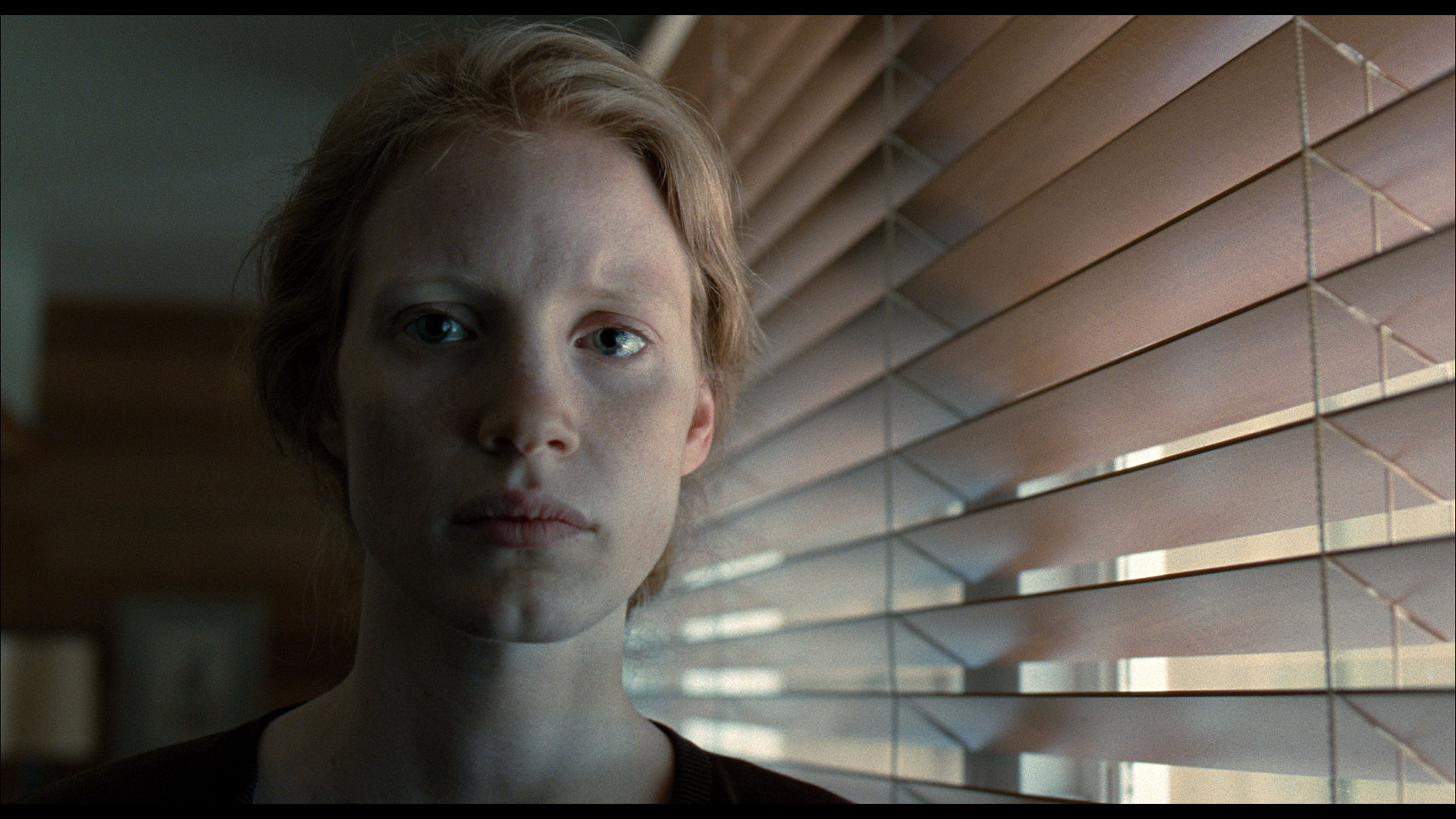
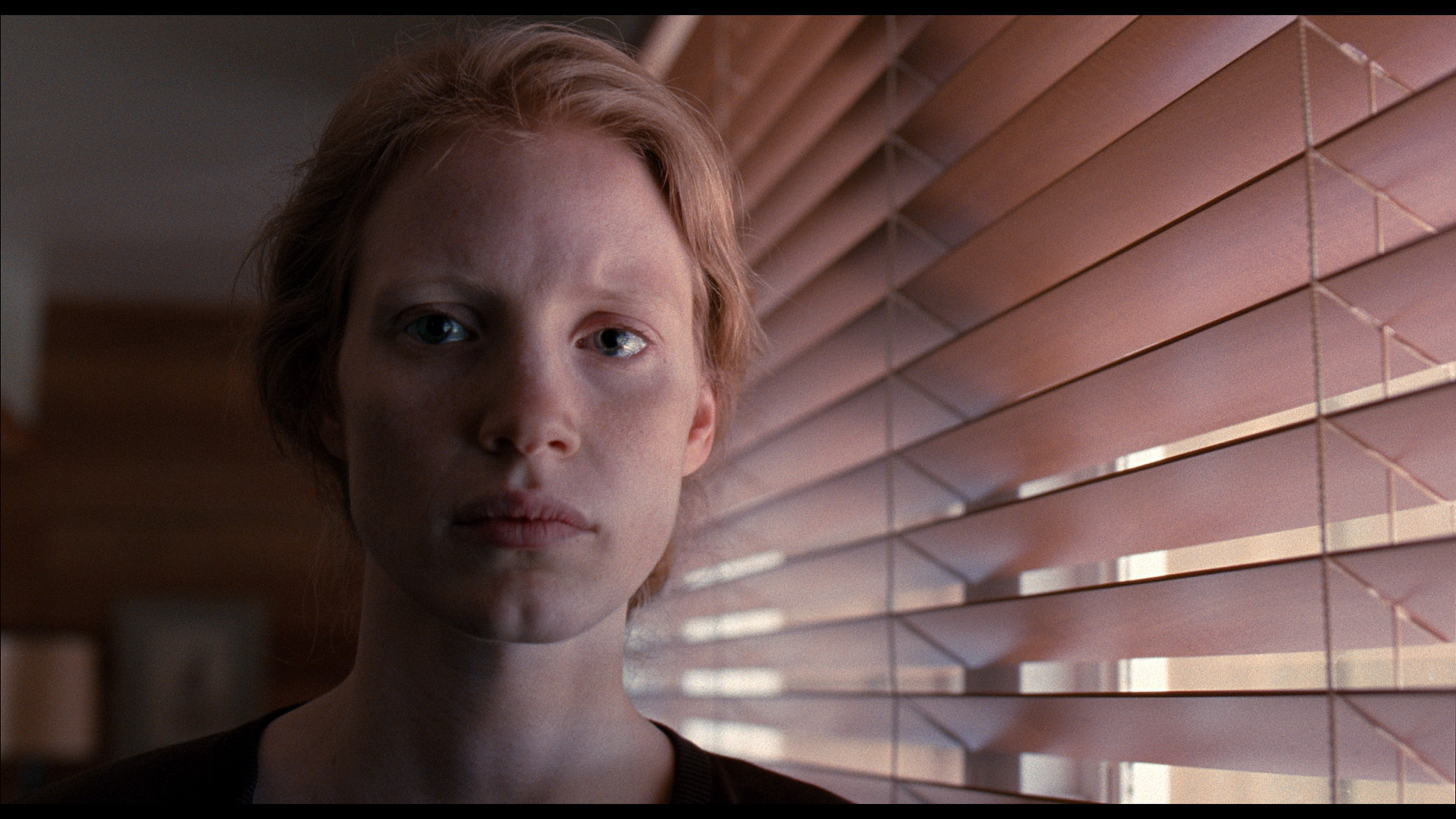
This gallery shows how colors change after professional TV calibration. If you notice the difference, we recommend ordering this service at SkalibrujTV.com.
Factory Mode
After calibration
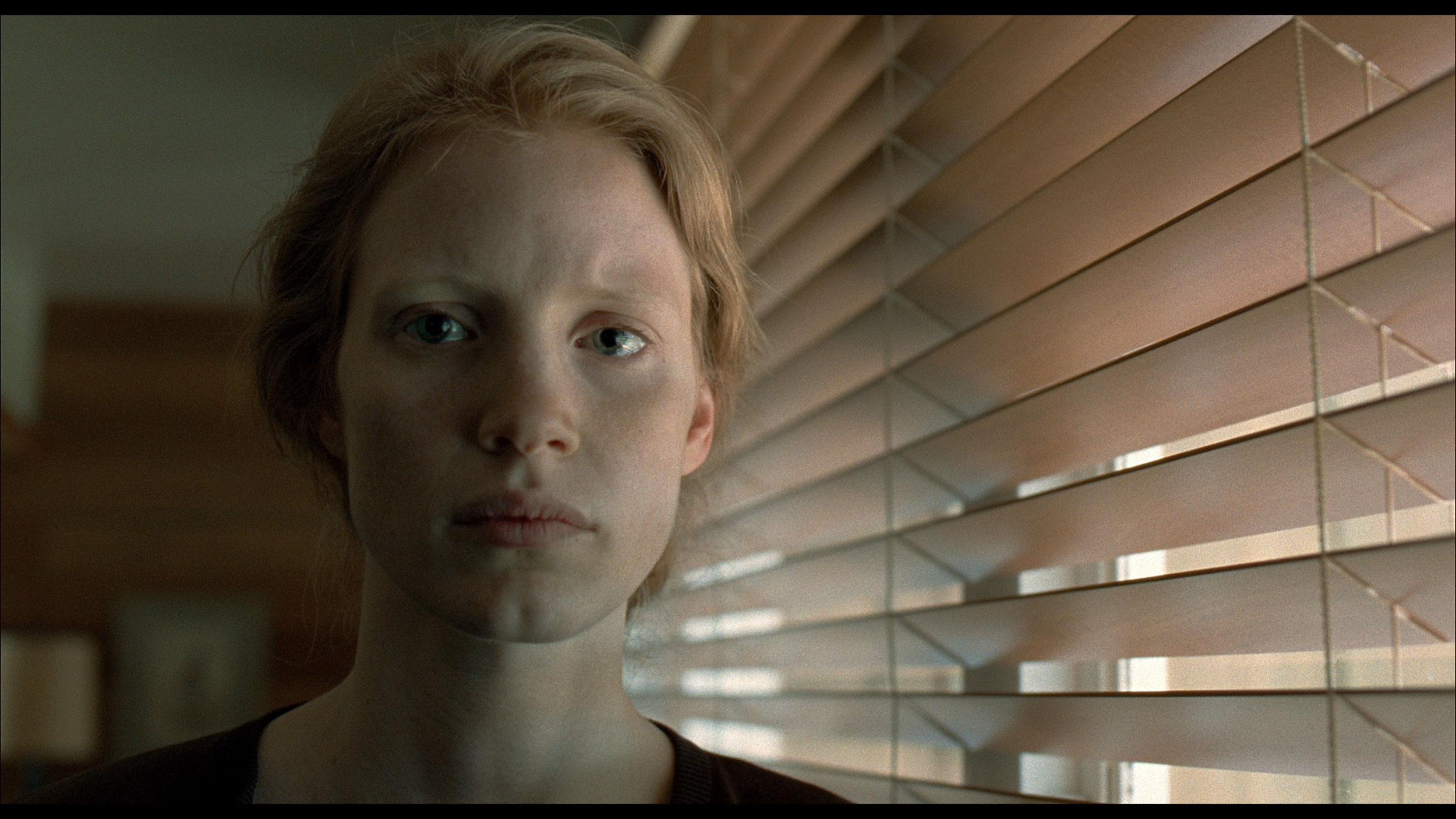
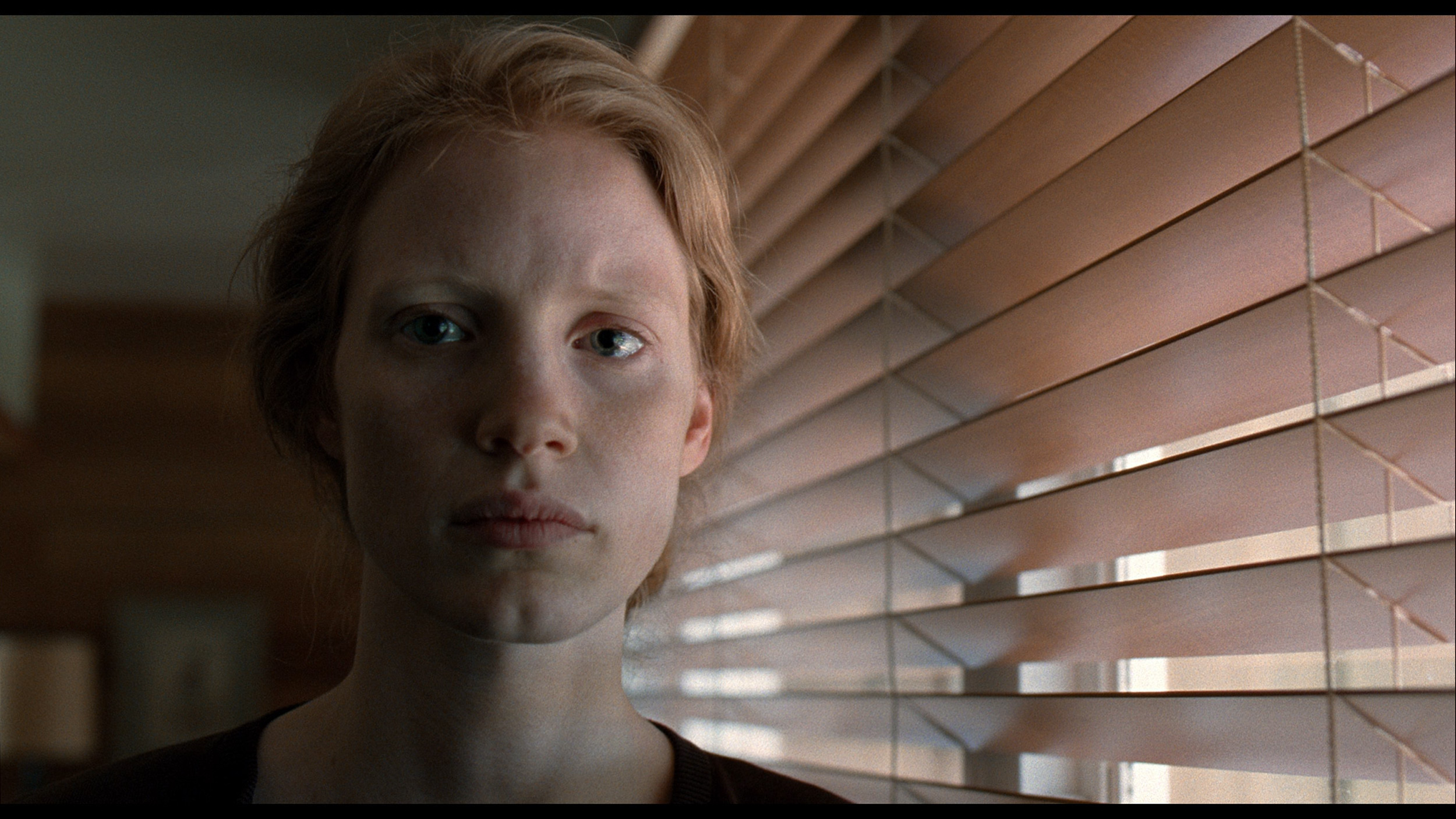
This gallery shows how colors change after professional TV calibration. If you notice the difference, we recommend ordering this service at SkalibrujTV.com.
Factory Mode
After calibration
We started our colour reproduction tests with the Filmmaker mode, which in theory should be the best choice straight out of the box. It certainly performs better than the Eco or Dynamic modes, which significantly alter the image and spoil its natural character. As you can see from the graphs, the factory calibration of the V6C is not ideal, although it's not a complete disaster either. The biggest issue turned out to be a deficiency in red – the television clearly "cools" the image, which is particularly noticeable on human faces, giving a "corpse skin" effect. This issue was the most bothersome in everyday viewing. Looking at the colour palette in HDR content, the shortcomings in red are also noticeable, and their source is the relatively narrow coverage of the colour space. Of course, every television can be calibrated, so we decided to check how the V6C would perform after such an adjustment.
Here, regardless of whether you encounter the VA or IPS version, the situation is identical. LG engineers once again served us their vision of a "gaming look," which unfortunately has little to do with accuracy. When switched to console mode, the white balance automatically drifts towards very cold regions. The image is dominated by the colour blue, which makes it seem artificially sharpened, and the white is so aggressive that it appears burnt out. This creates an effect we associate with vibrant shop modes – everything is meant to shine and scream "I am digital." While some may appreciate this, we must say plainly: the image is not accurate. If you care about naturalness, we suggest you immediately check the settings and change the colour temperature to a warmer one.
Color reproduction after calibration
5.2/10
7.4/10
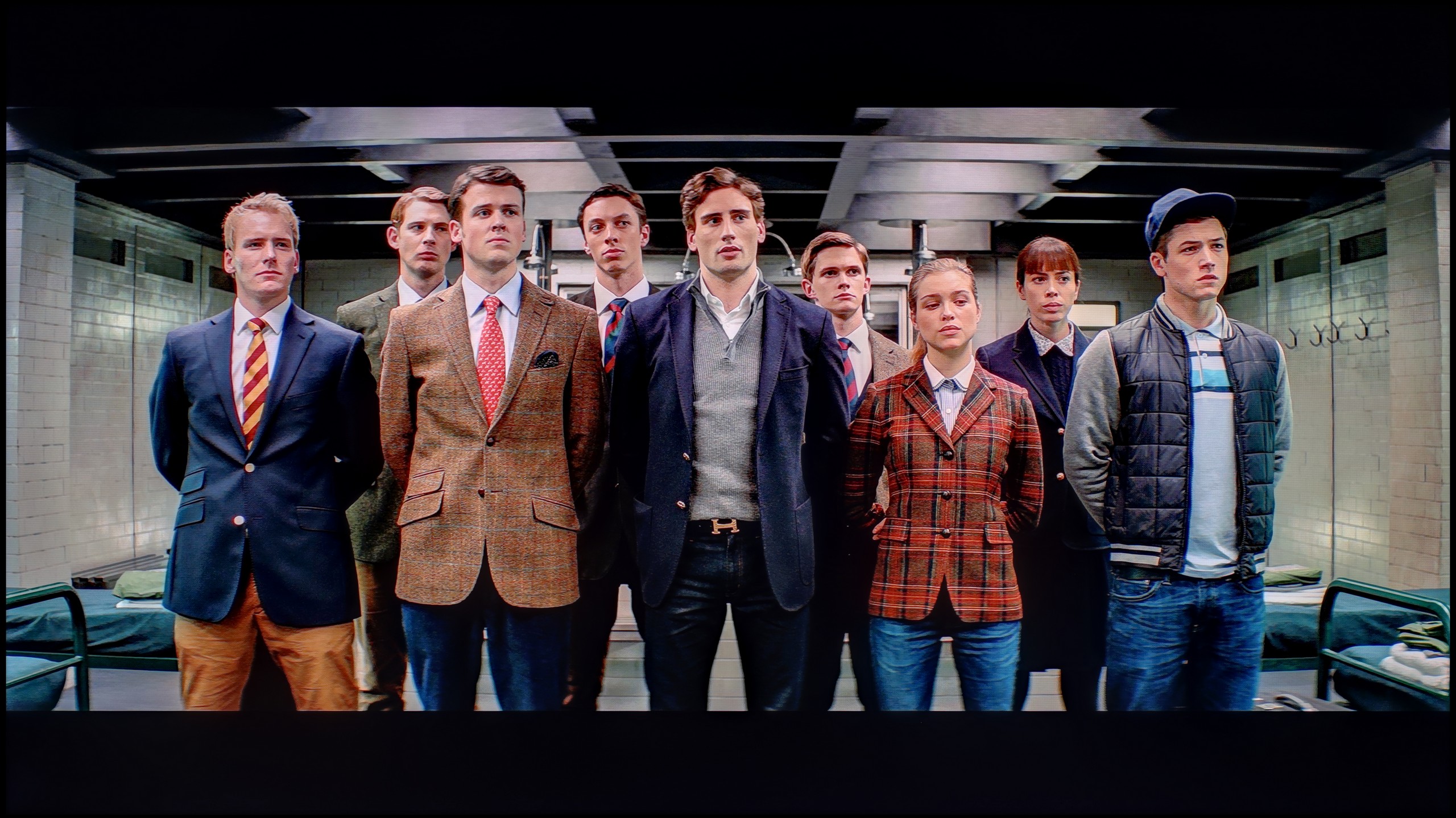

The photos show how movies look on the TV. Pay attention to black detail visibility, colors, and shadow tint.
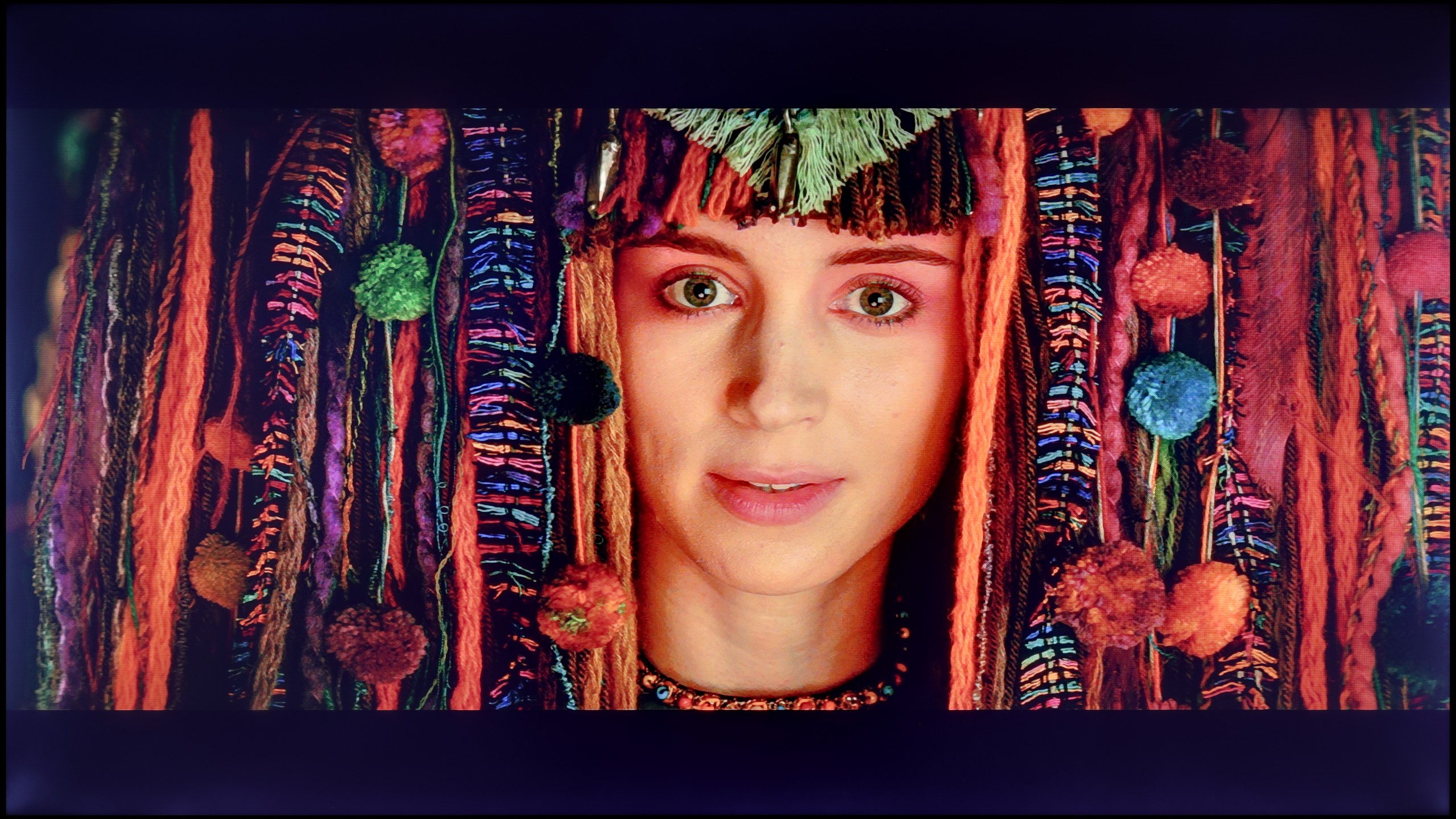
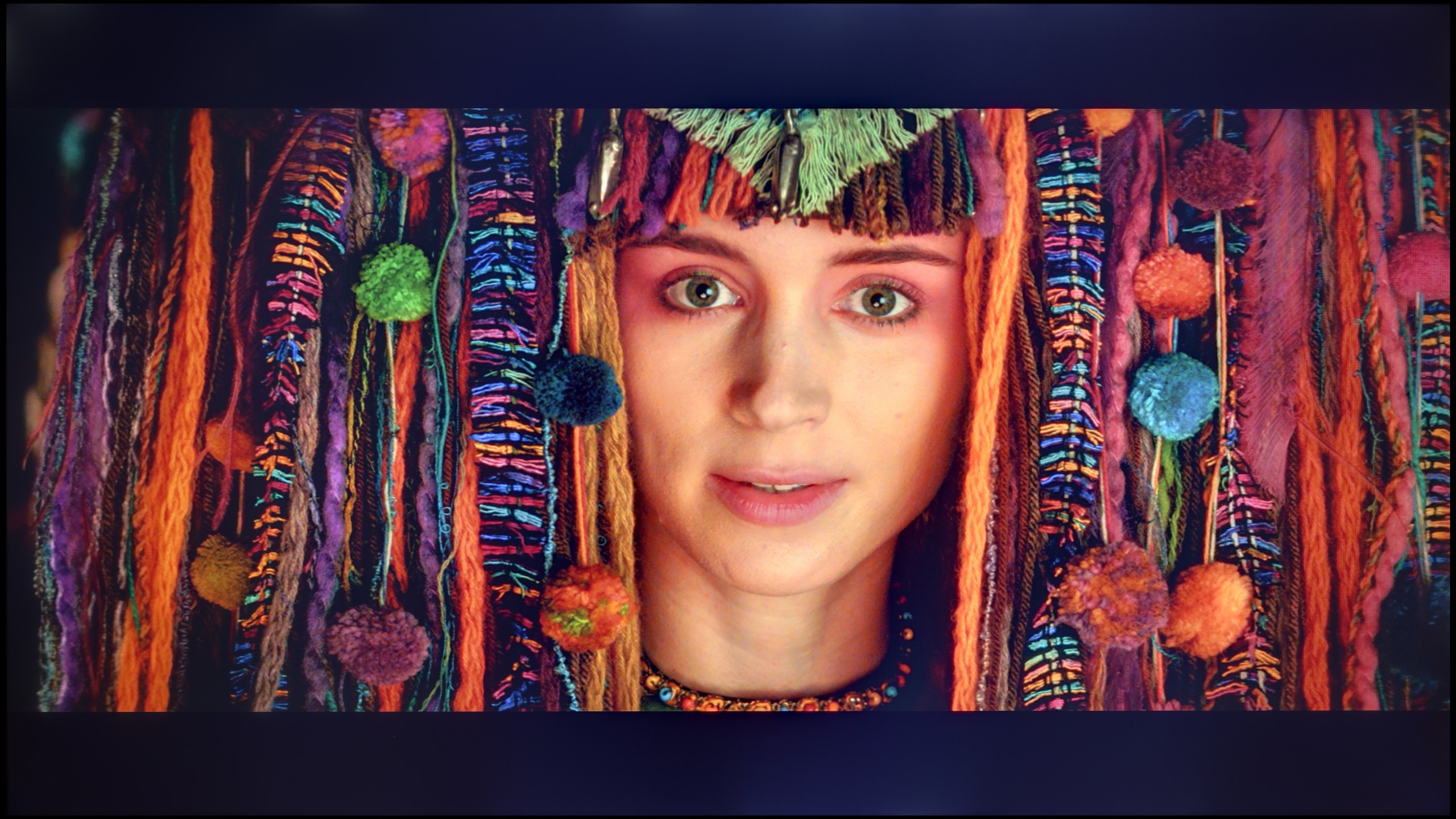
The photos show how movies look on the TV. Pay attention to black detail visibility, colors, and shadow tint.
My dear friends – we haven’t had such a difficult "calibration battle" in years. The V6C turned out to be one of the most stubborn televisions we have encountered in the editorial office. The calibration attempts alone took us several man-hours and required considerable patience. We finally managed to slightly warm the skin tones, which made faces stop looking like they were pulled straight from a horror film, a complaint regarding the factory settings. Unfortunately, that's not the end of it – the television reacted to our white balance corrections in a completely unpredictable manner. Where we expected stabilisation of the image in a certain area, new errors appeared, and the Color Checker measurements showed deviations that could not be rationally explained. It is hard to determine whether the issue lay with the software or the design itself, but one thing is certain – the V6C put up exceptionally strong resistance. Ultimately, the calibration brought improvement, especially in SDR content, where the image became more pleasant and natural. However, it must be clearly stated that the design limitations remain. The television still flattens the image in HDR materials and has noticeable deficiencies in colour reproduction. This device is rather intended for everyday television watching or SDR materials than for cinematic viewing in the highest quality.
After professional calibration, the QNED80A in the IPS version has changed unrecognisably, especially with "ordinary" content (SDR). We managed to eliminate the greenish tint and calm down the overly bright gamma. In classic television or older games, colour errors (DeltaE) have dropped below the threshold of perception (value < 2). The picture is now coherent, natural, and truly pleasing to the eye. The situation is somewhat more complicated in HDR mode. Although the colours are now in place, the television has a problem with perfectly controlling the brightness (EOTF curve). Due to the limitations of edge lighting and the rather meagre adjustment options provided by LG in this respect, the television's software at times "does what it wants," just to mask the imperfections of black and contrast. However, this is not a cause for concern – despite these technical limitations, the picture after calibration is a class better than what you saw out of the box.
Smoothness of tonal transitions
7/10
9.2/10
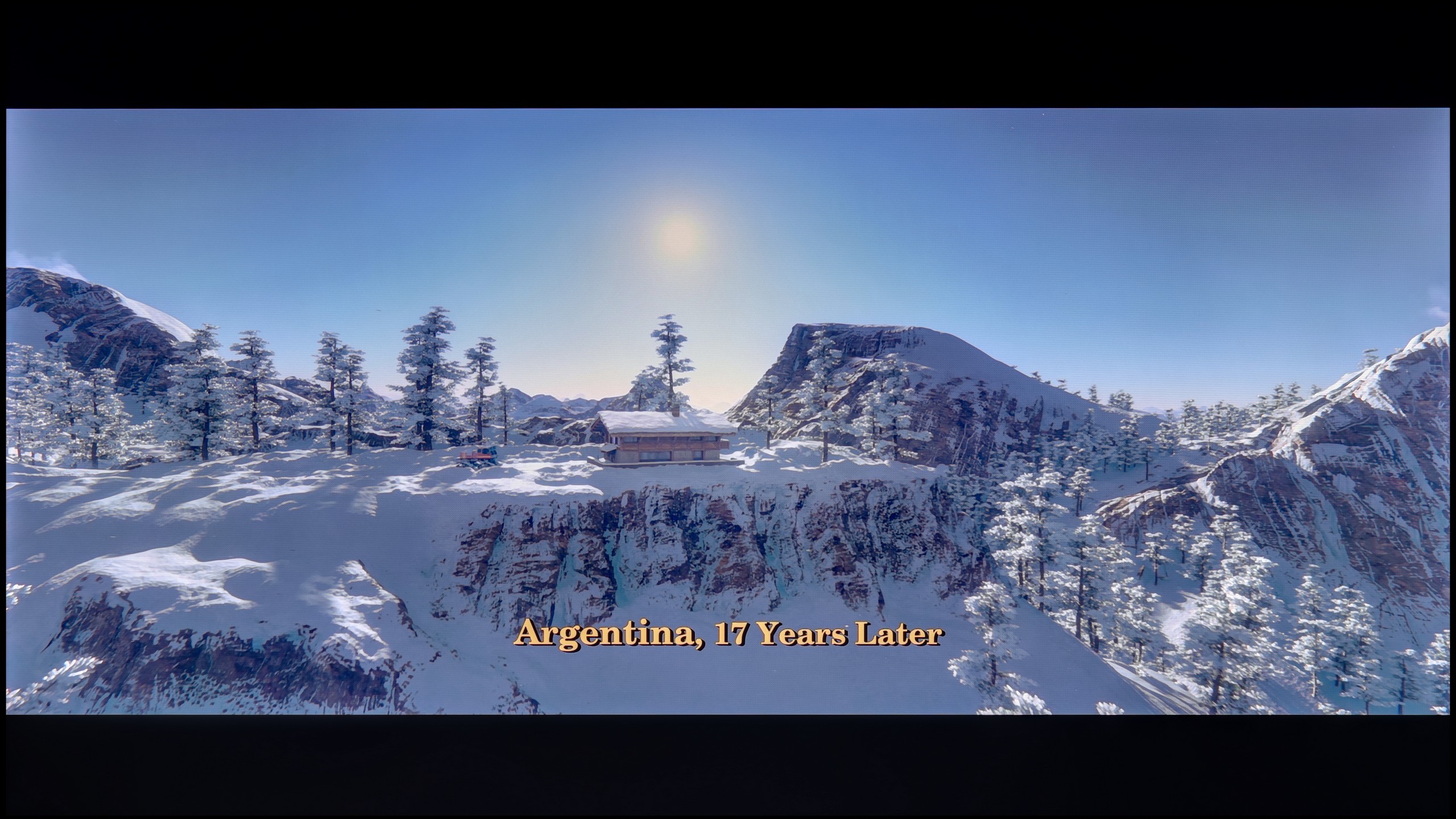
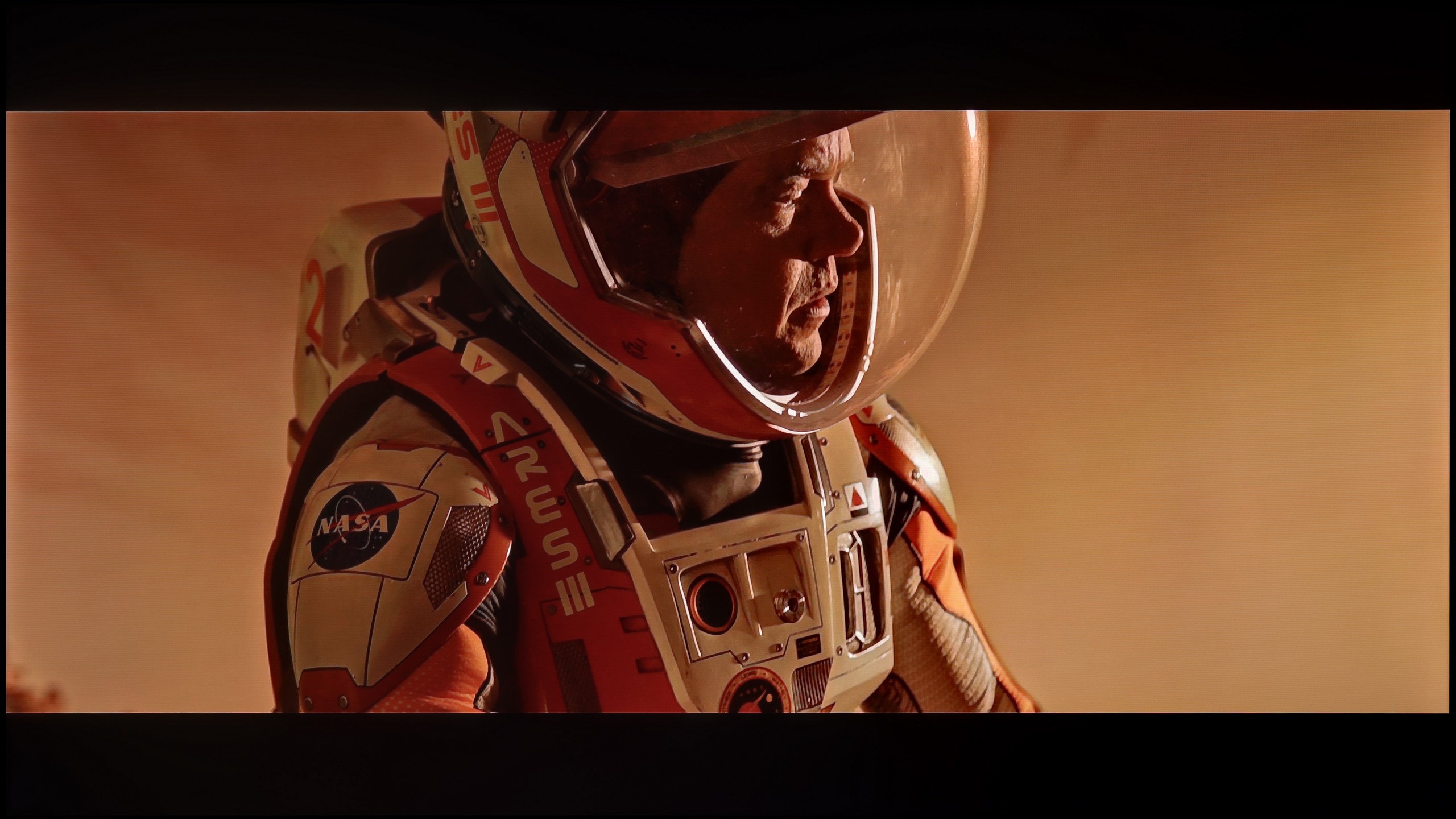
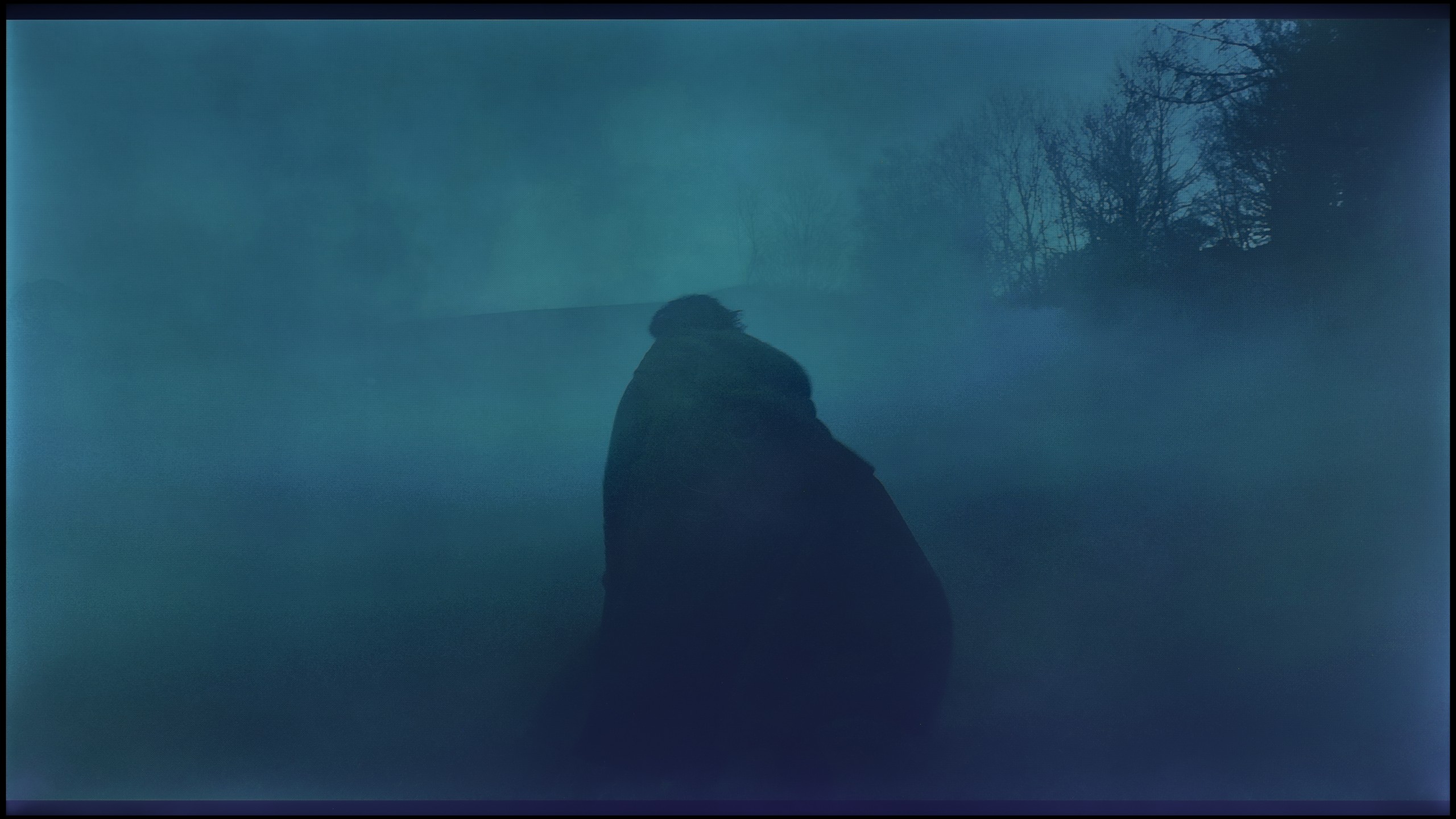
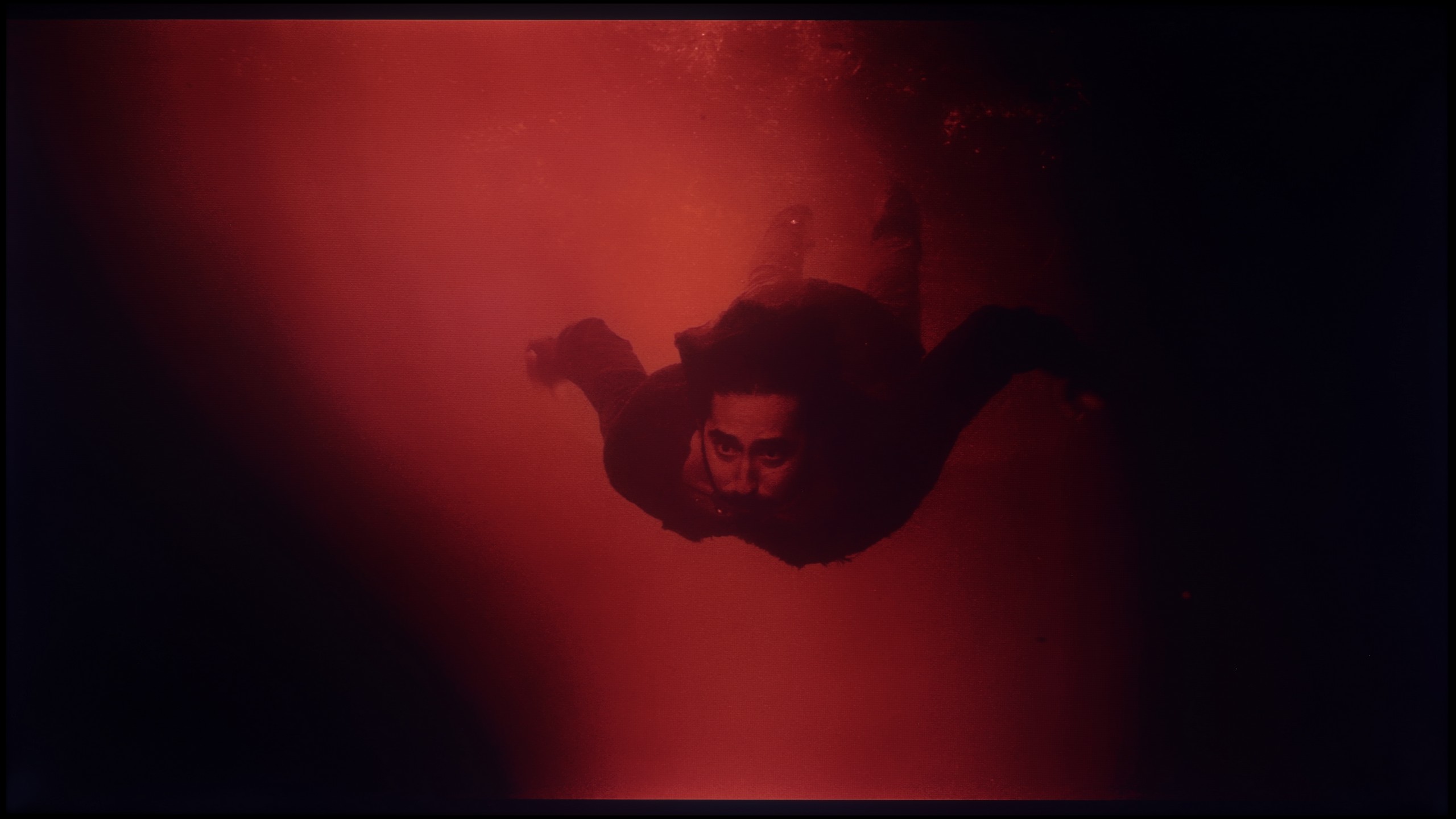
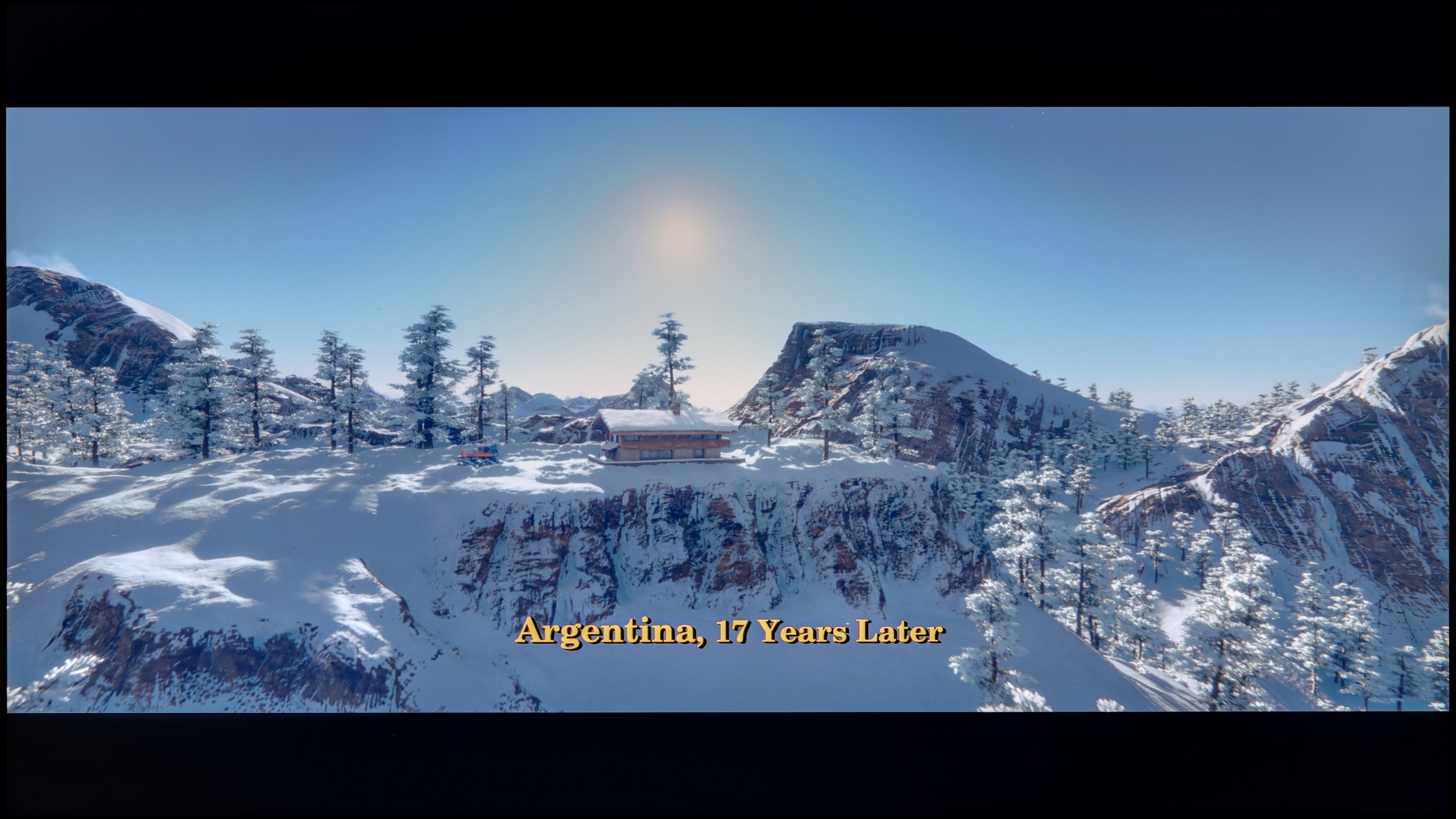
These are selected scenes that show smooth tonal transitions from one color to another. If you see distinct banding, it’s the TV panel’s fault.
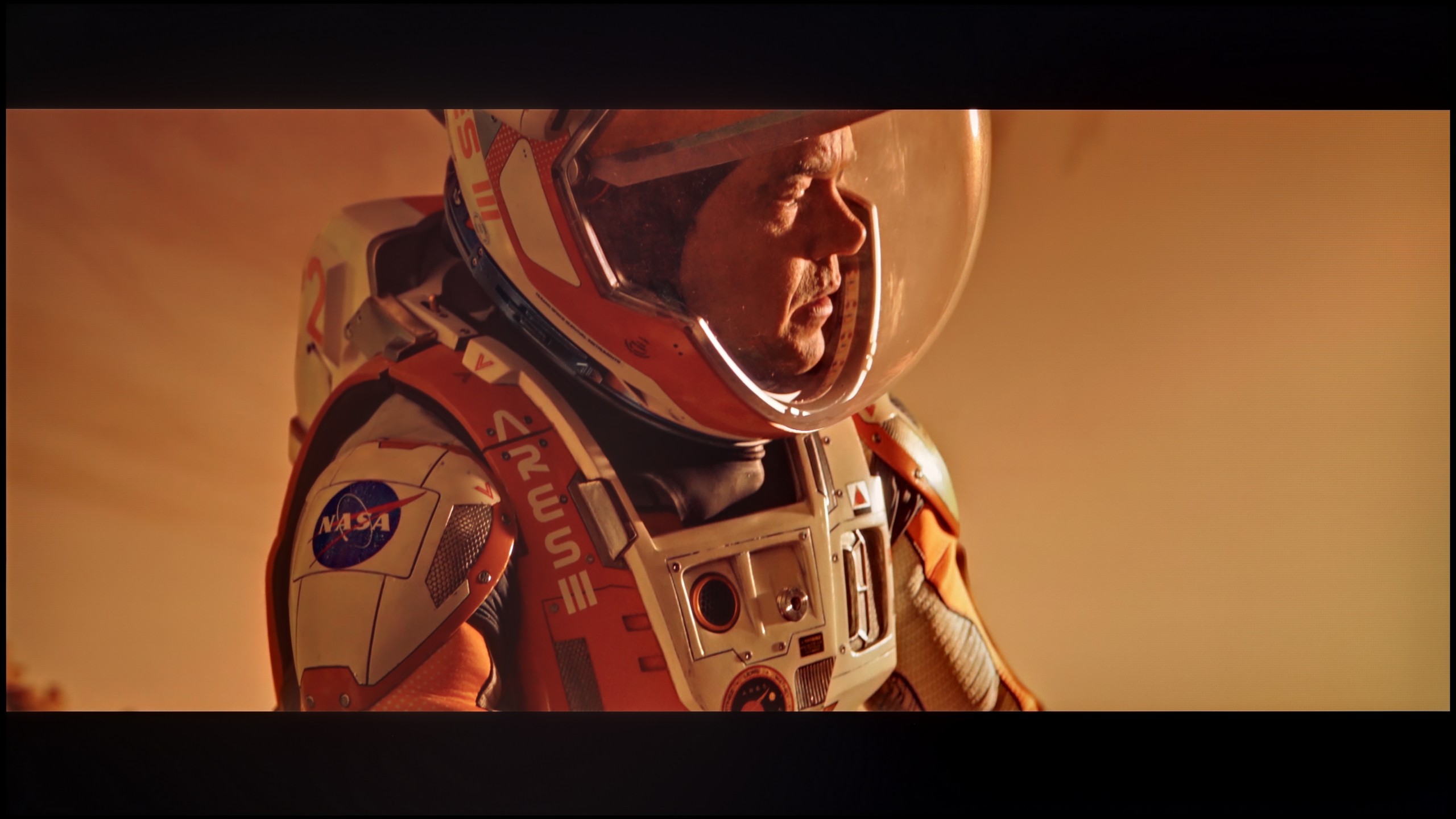
These are selected scenes that show smooth tonal transitions from one color to another. If you see distinct banding, it’s the TV panel’s fault.
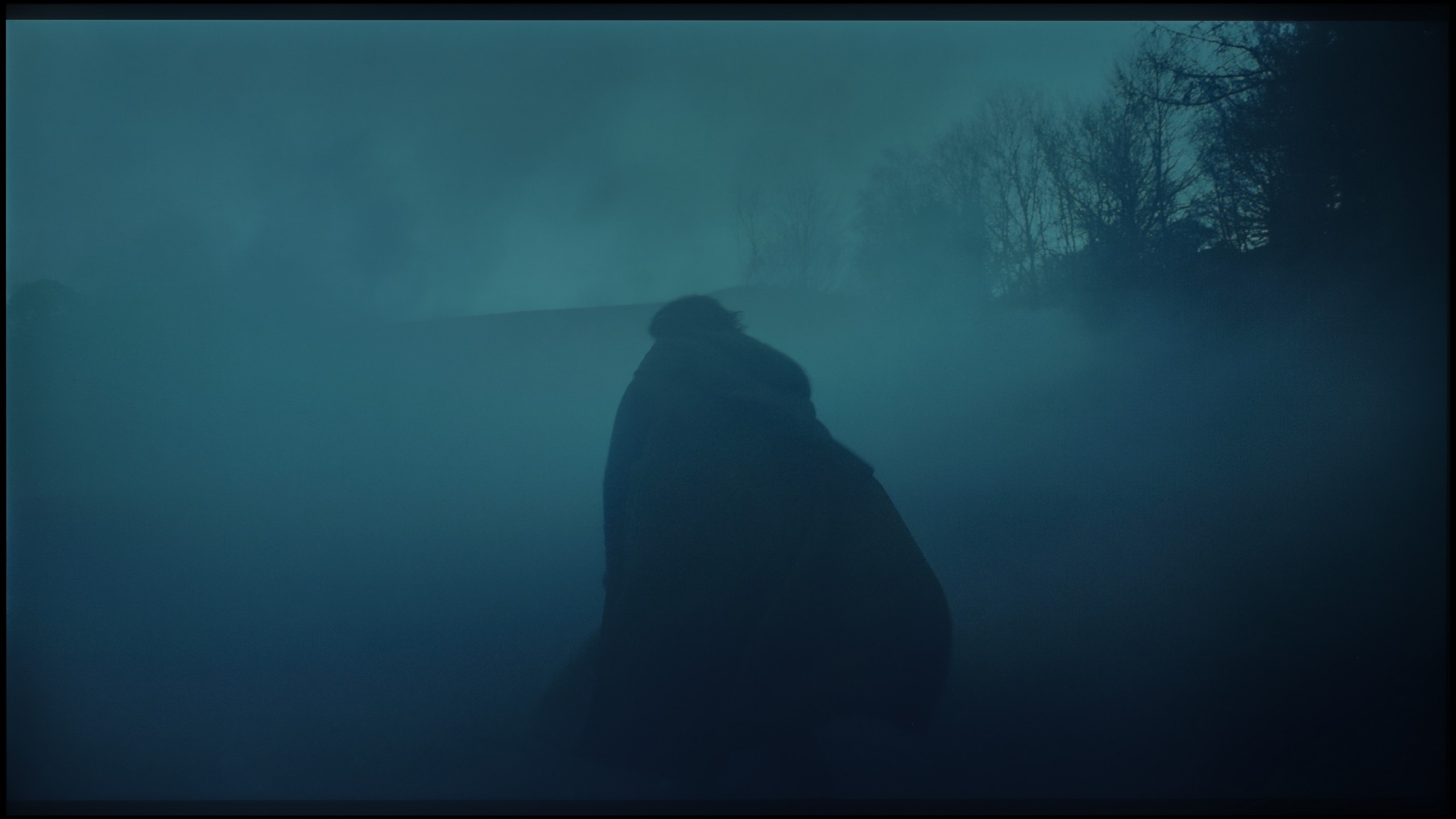
These are selected scenes that show smooth tonal transitions from one color to another. If you see distinct banding, it’s the TV panel’s fault.
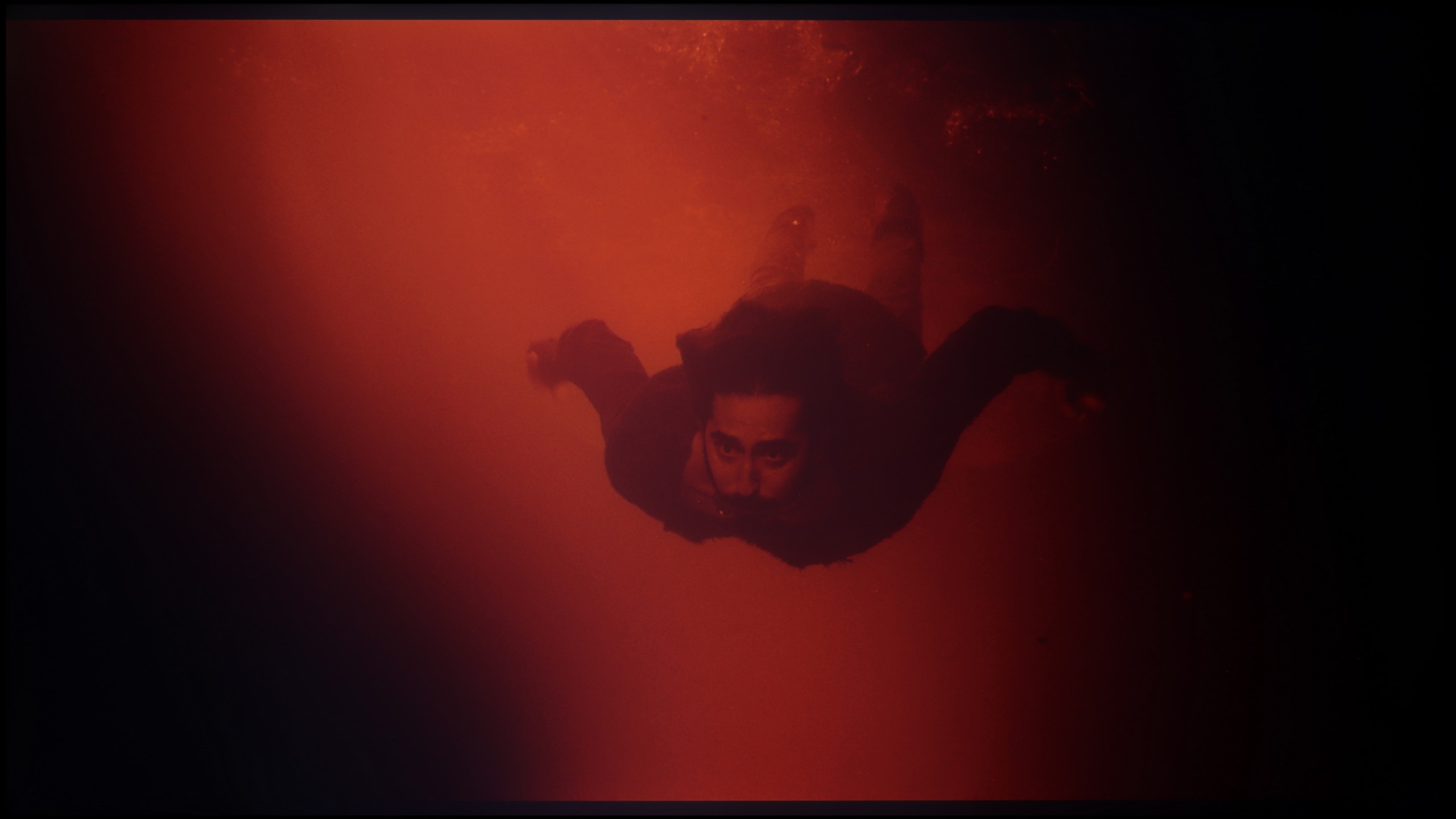
These are selected scenes that show smooth tonal transitions from one color to another. If you see distinct banding, it’s the TV panel’s fault.
When it comes to the fluidity of tonal transitions, in everyday viewing it doesn't look too bad. In most scenes, the image appears smooth, and the colours blend without noticeable disturbances. Therefore, you can comfortably watch films or series without worrying about glaring artifacts. The problem only begins in more extreme moments – in very bright or exceptionally dark scenes, the V6C shows its limitations. At those times, you can see a slight "stepping" of colours, meaning a lack of perfectly smooth transitions. Fortunately, these situations are rather occasional.
The next very strong point of this model is the way it handles tonal transitions. Often in cheaper LCD constructions, we see what's known as banding – that is, a situation where the television cannot smoothly display a gradient, creating visible "steps" between shades. In the case of the QNED80A, the engineers did their homework. Regardless of whether we are watching a blue sky, fog, or dark scenes full of grey, the transitions between colours are extremely smooth and soft. There are no artificial cuts or jagged edges of colours. As a result, the image is very coherent and natural, which is by no means standard in this price segment.
Image scaling and smoothness of tonal transitions
5/10
7/10

Smooth transition function
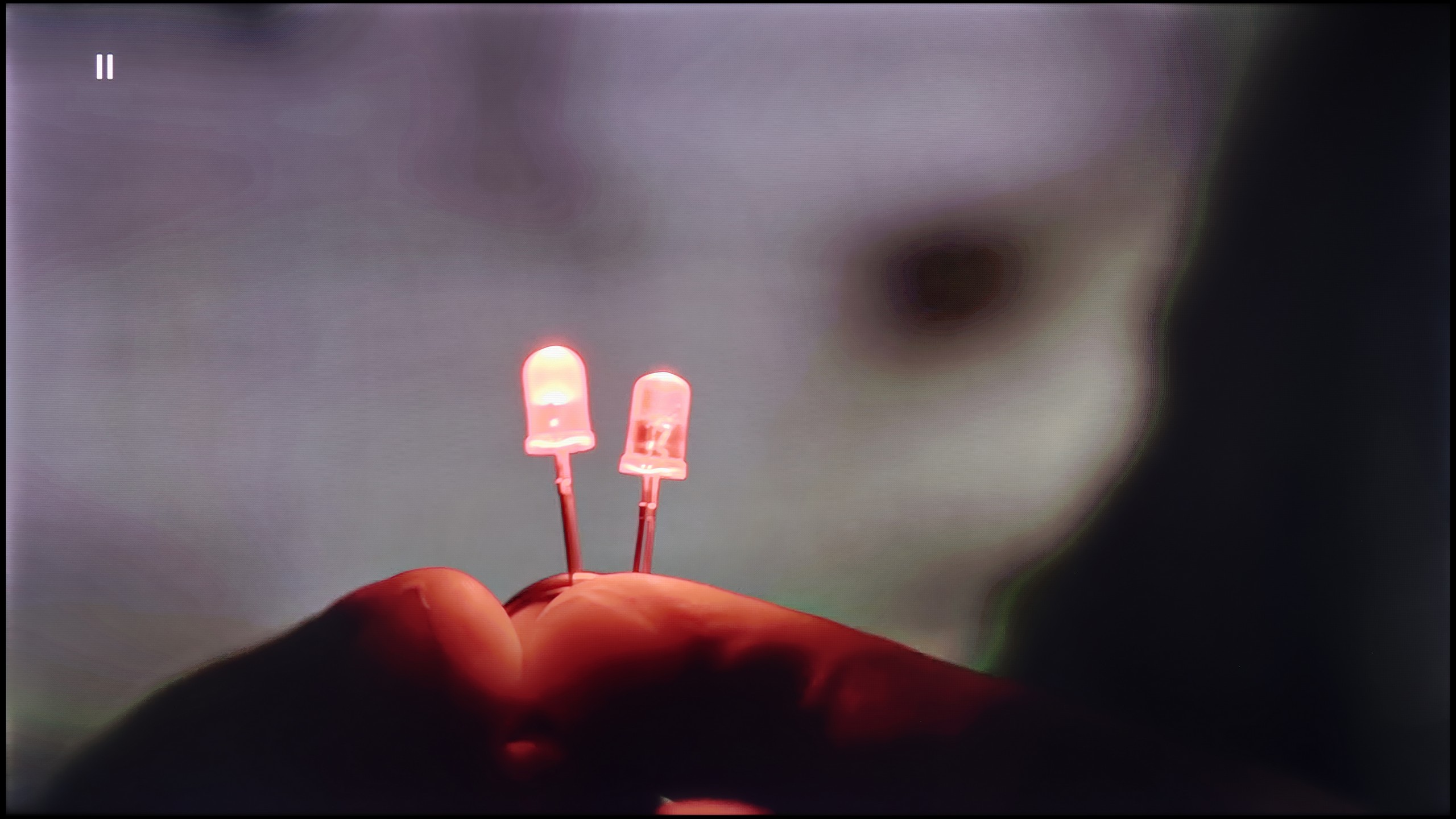
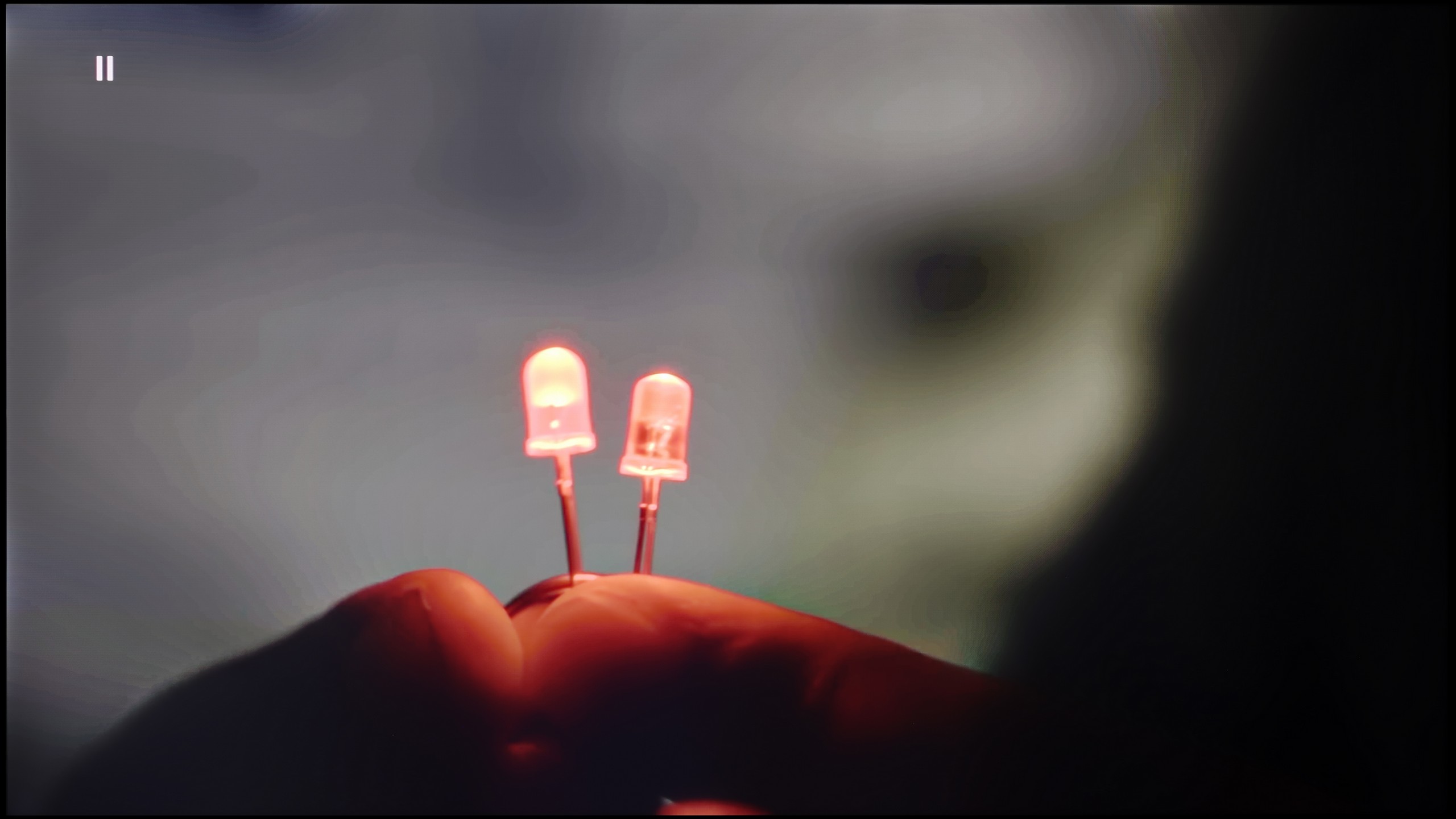
The match photo shows how the TV smooths weak tonal transitions in low-quality video.
Image scaling SD (576i)


The model photo shows how it handles upscaling of SD material.
When it comes to upscaling, the V6C does not bring anything groundbreaking to the table. Lower quality content is heavily sharpened, making the image look very unnatural, at times even artificial. This can be somewhat mitigated by lowering the sharpness level in the settings, but the effect is not spectacular. The image still remains far from ideal. The digital processing itself performs better. The function responsible for smoothing tonal transitions works quite effectively, especially at the medium setting, where the image does indeed appear smoother. Unfortunately, its operation is rather aggressive – it heavily interferes with the overall scene, causing the actors in the foreground to start looking like characters from super smooth soap operas. Therefore, we would rather not recommend using this option if a natural viewing experience is important to us.
It often happens that cheap 4K TVs mercilessly expose the flaws of low-resolution materials. Here, it is different. The QNED80A is great equipment for watching content that is not perfect. The processor does a good job of upscaling the image, making even older recordings look quite decent on a 4K screen – they are consistent and free of digital noise. Interestingly, there is a gradation reduction feature available in the settings. It is very effective in combating the so-called banding in low bitrate materials. Of course, it should be approached with some caution. Due to the lower processing power of the chip (compared to the premium series), turning on this option can sometimes result in unwanted artifacts or blurriness. Despite this risk, we encourage experimentation, as in many cases this feature can save a poor-quality viewing experience.
Blur and motion smoothness
3/10
4.6/10

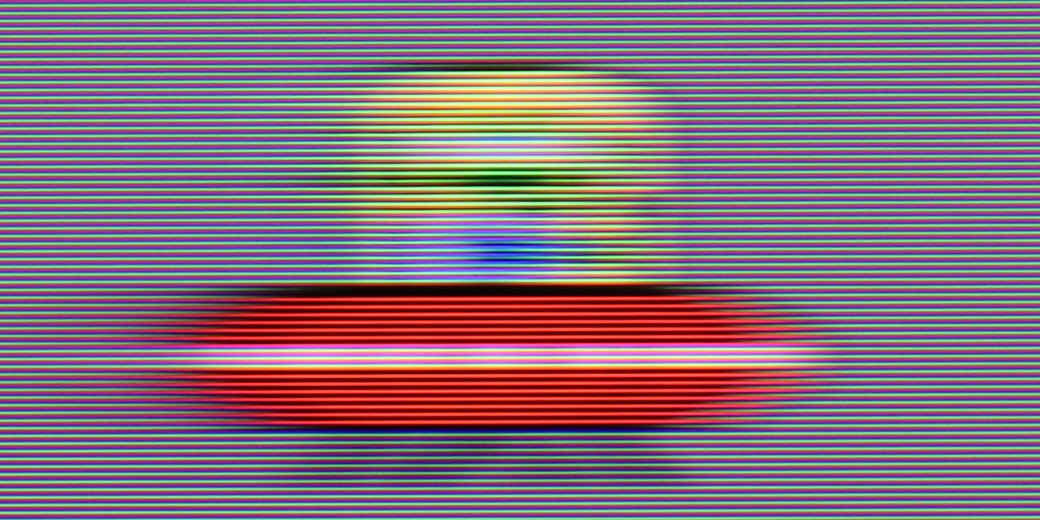
Blur (native resolution, maximum refresh rate):
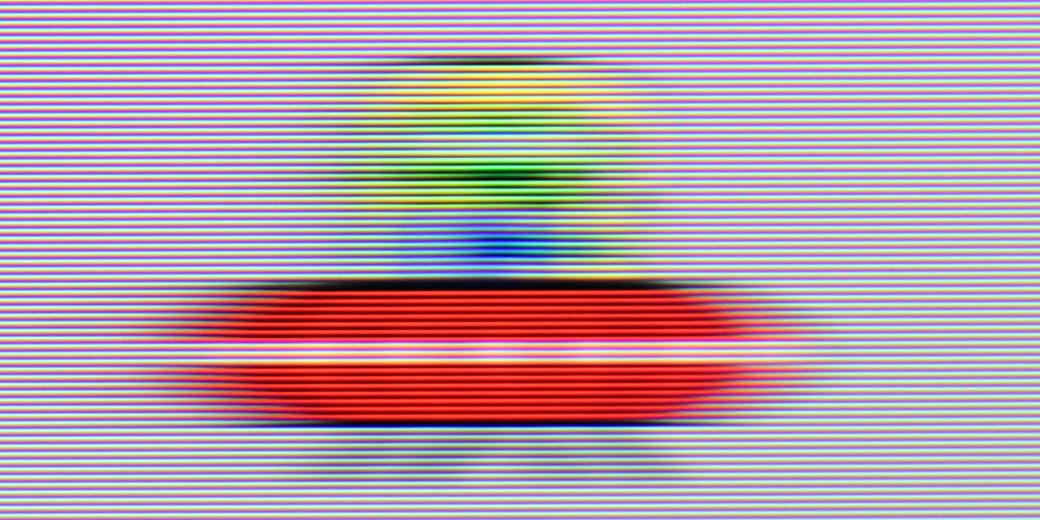
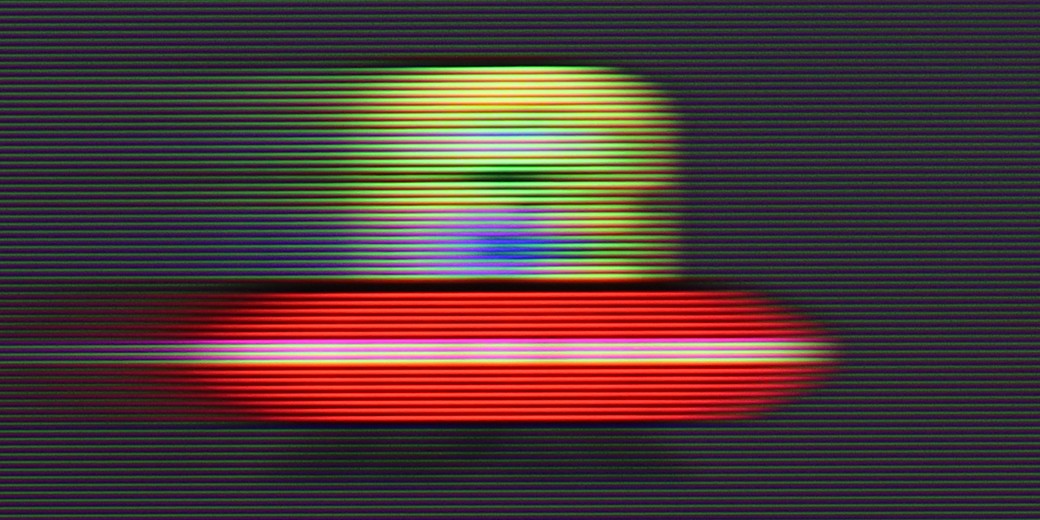
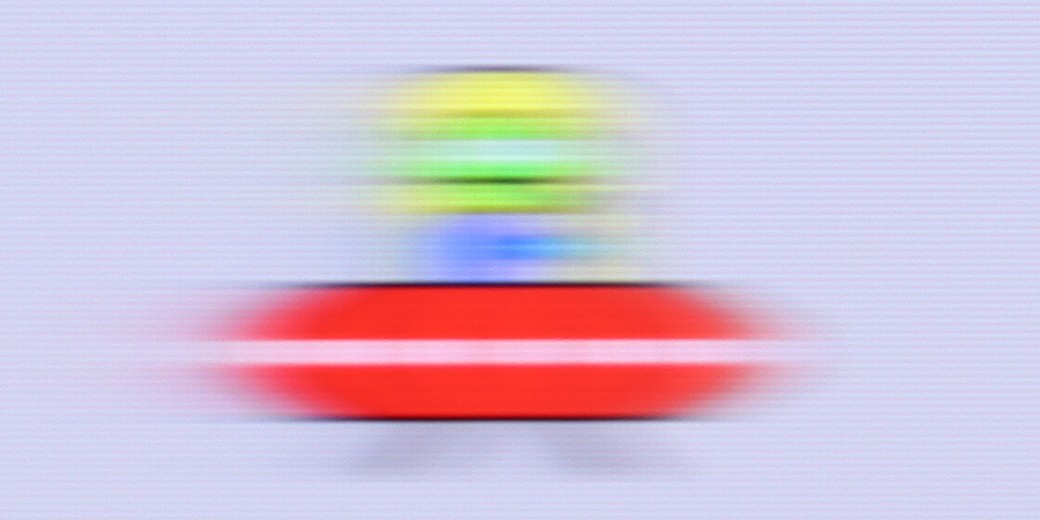
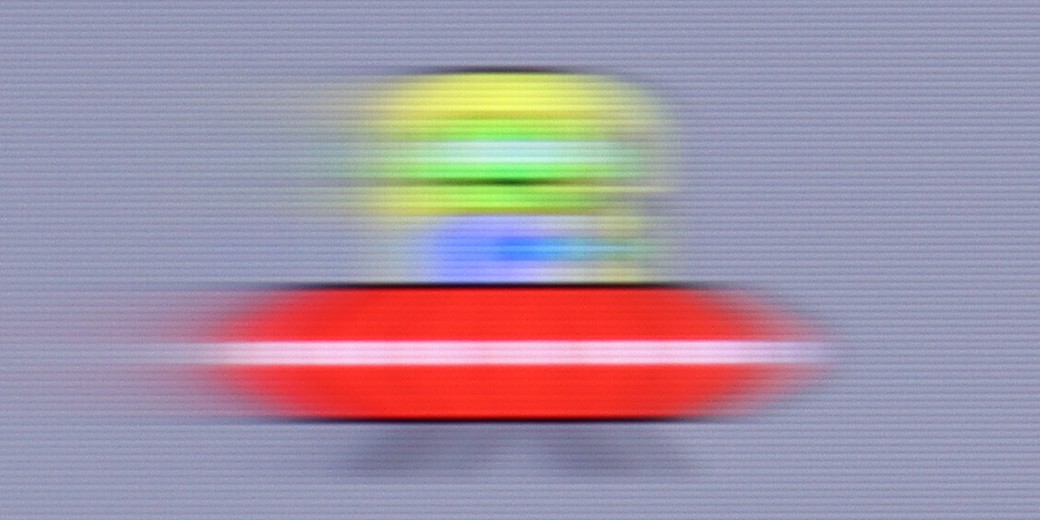
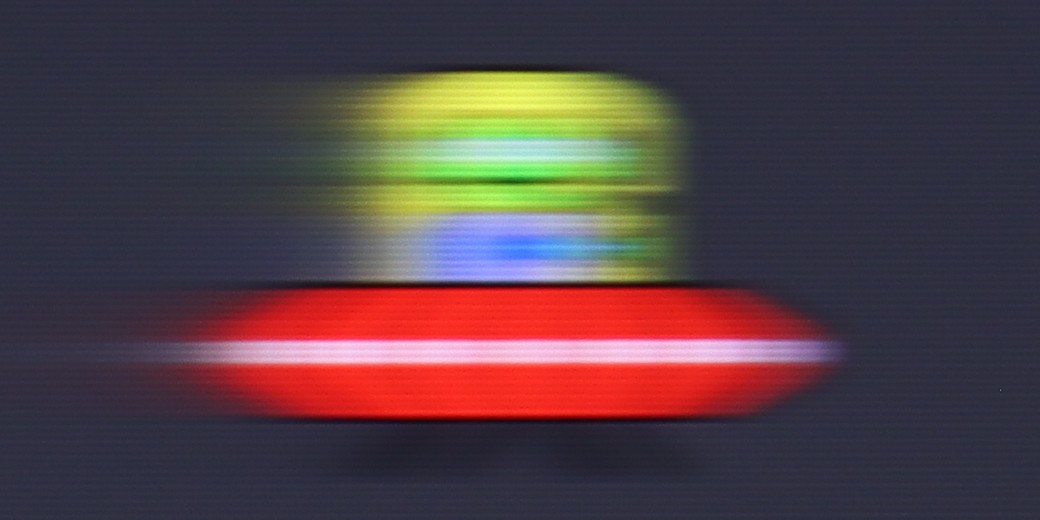
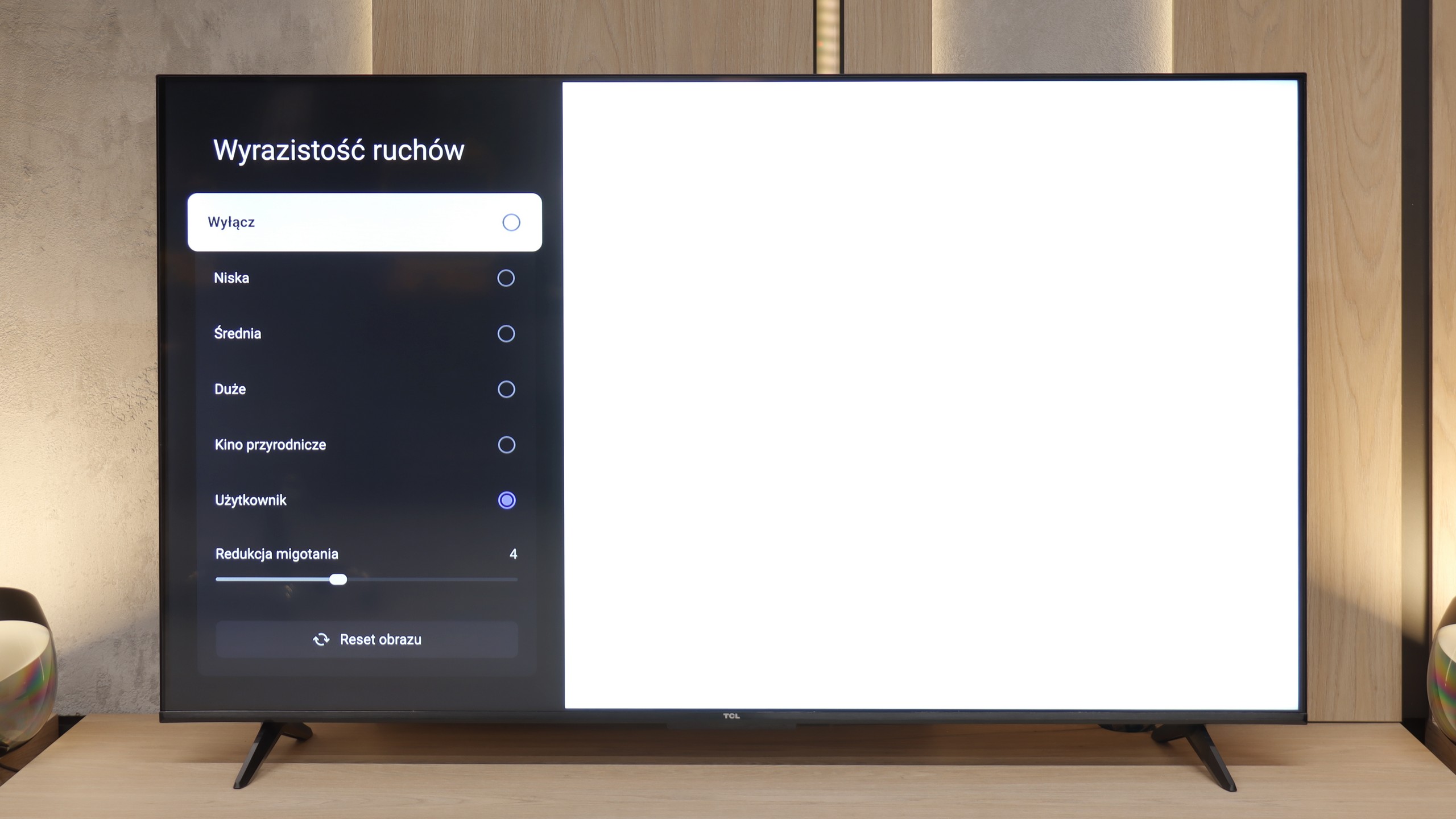
Motion smoothing and fluidity are areas where the V6C quickly reveals its limitations. It's a 60 Hz television, so it was difficult to expect miracles here. During dynamic sports scenes, the image is rather average. This is most noticeable in darker scenes, where clear trails and blurred "glows" follow moving objects, which can be quite distracting. This is definitely a weaker point of this design. Fortunately, there is also a small plus. The V6C is equipped with a motion smoother that works while watching films. Thanks to it, productions recorded at 24 frames per second, which includes practically all cinematic titles and series, can look smoother than they were actually recorded. Importantly, the intensity of the effect can be adjusted to personal preferences – from a slight smoothing to a full "soap opera effect".
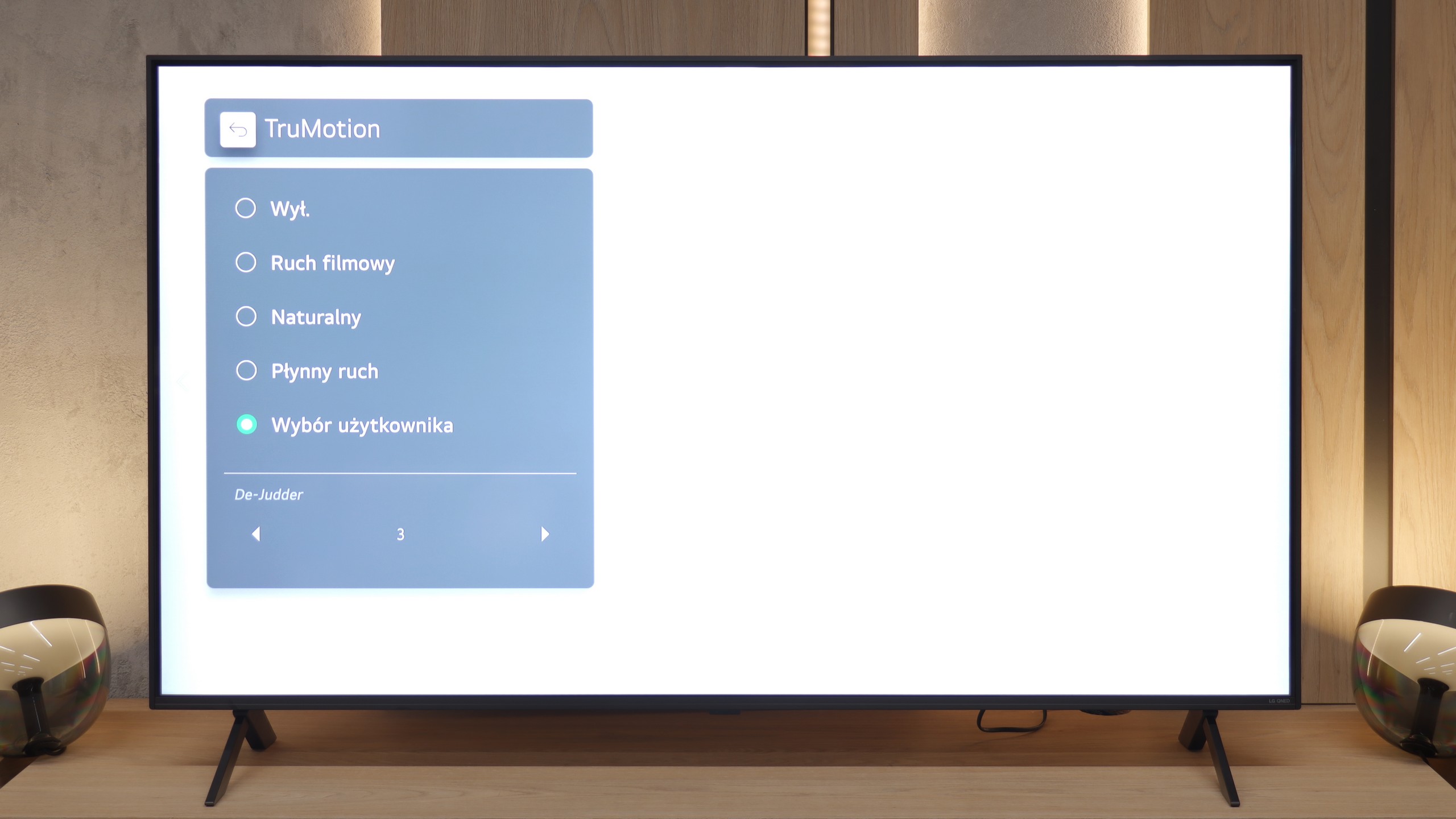
In terms of motion reproduction, the QNED80A unfortunately has a tough time. The television is based on a display with a refresh rate of 60Hz, which is quite a disappointment for the QNED series in 2025. If you are looking for perfect sharpness during dynamic football matches, you may feel somewhat unsatisfied. A solution in this situation is the TruMotion system. It allows for artificial frame generation, which smooths out the image in films and series. In the menu, you will find a De-Judder slider – we recommend setting it to a value of 2, 3, or 4. This is the "golden mean" that improves fluidity without turning the film into a soap opera.
Console compatibility and gaming features
4/10
6/10
- ALLM
- VRR
- VRR range 48 - 60Hz
- Dolby Vision Game Mode
- Correct implementation of HGIG
- 1080p@120Hz
- 1440p@120Hz
- 4K@120Hz
- Game bar
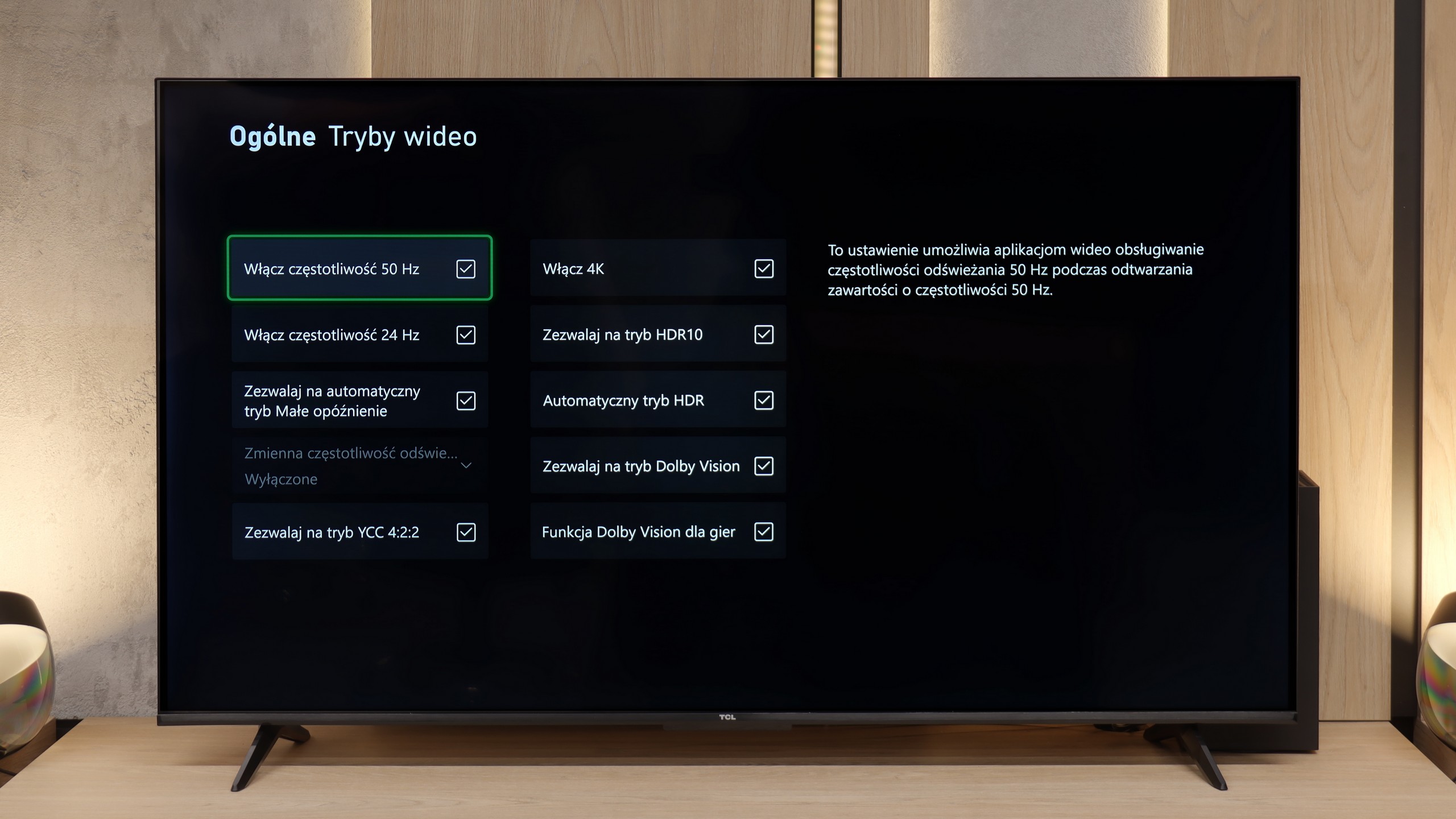
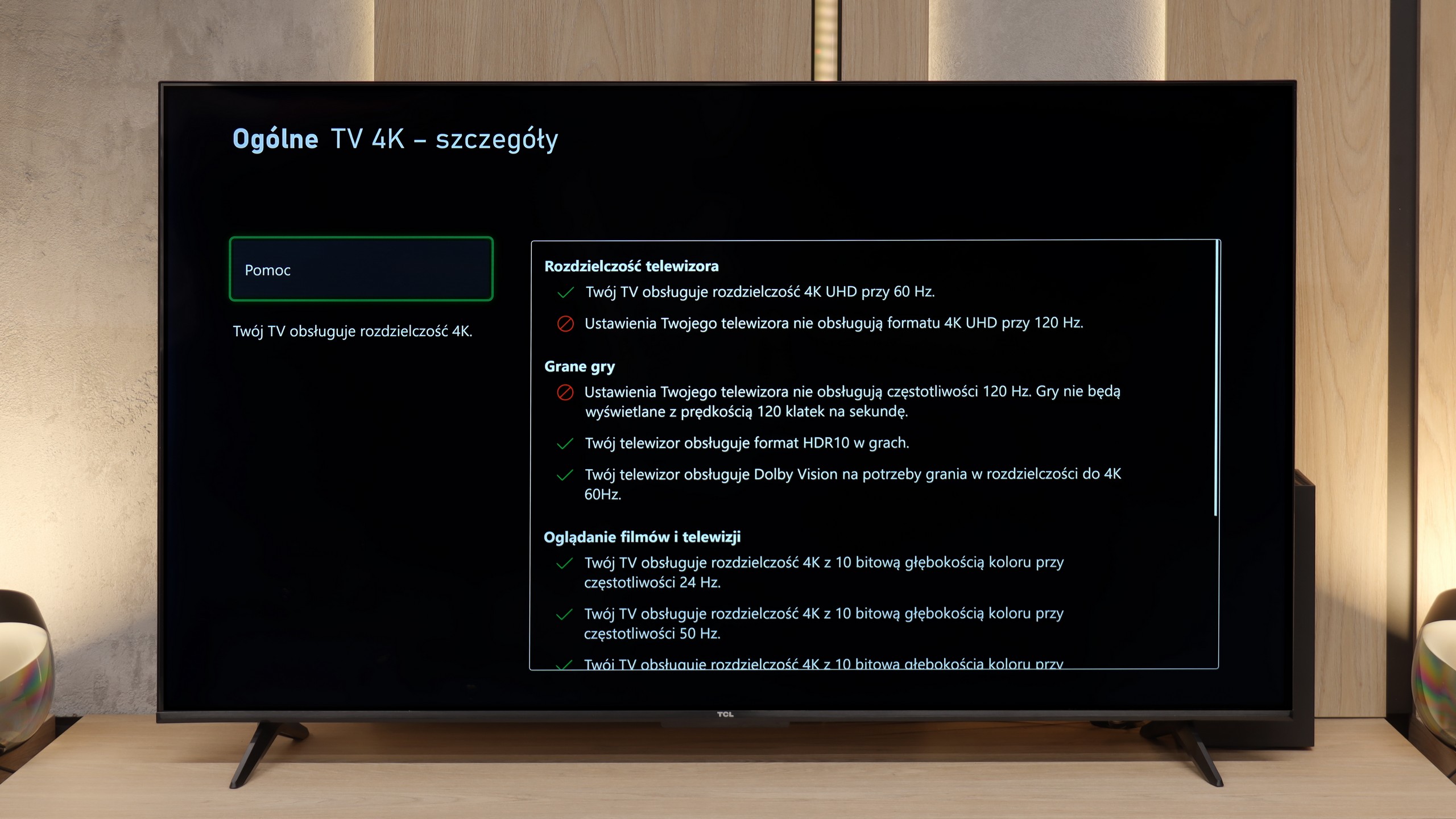
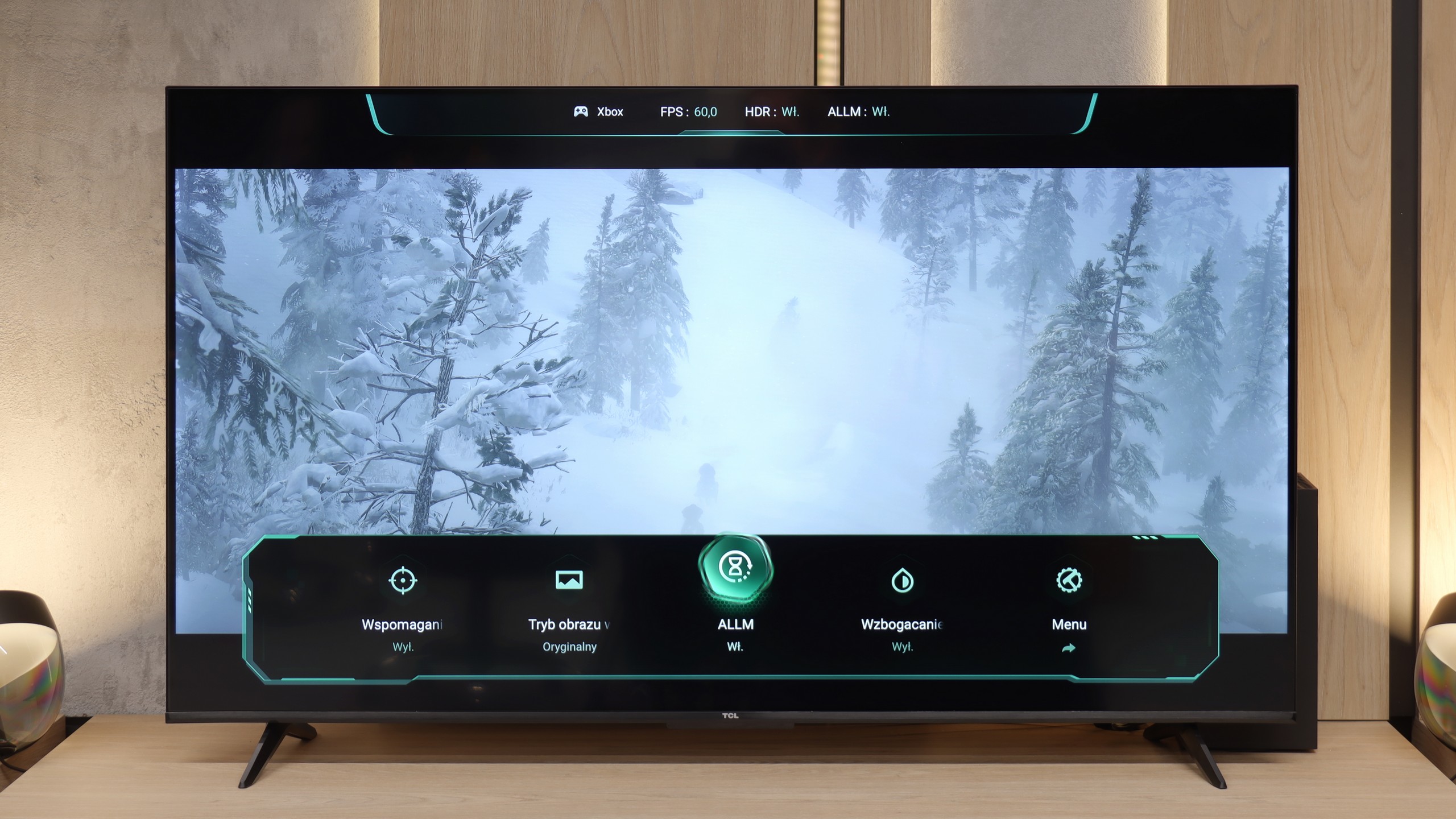
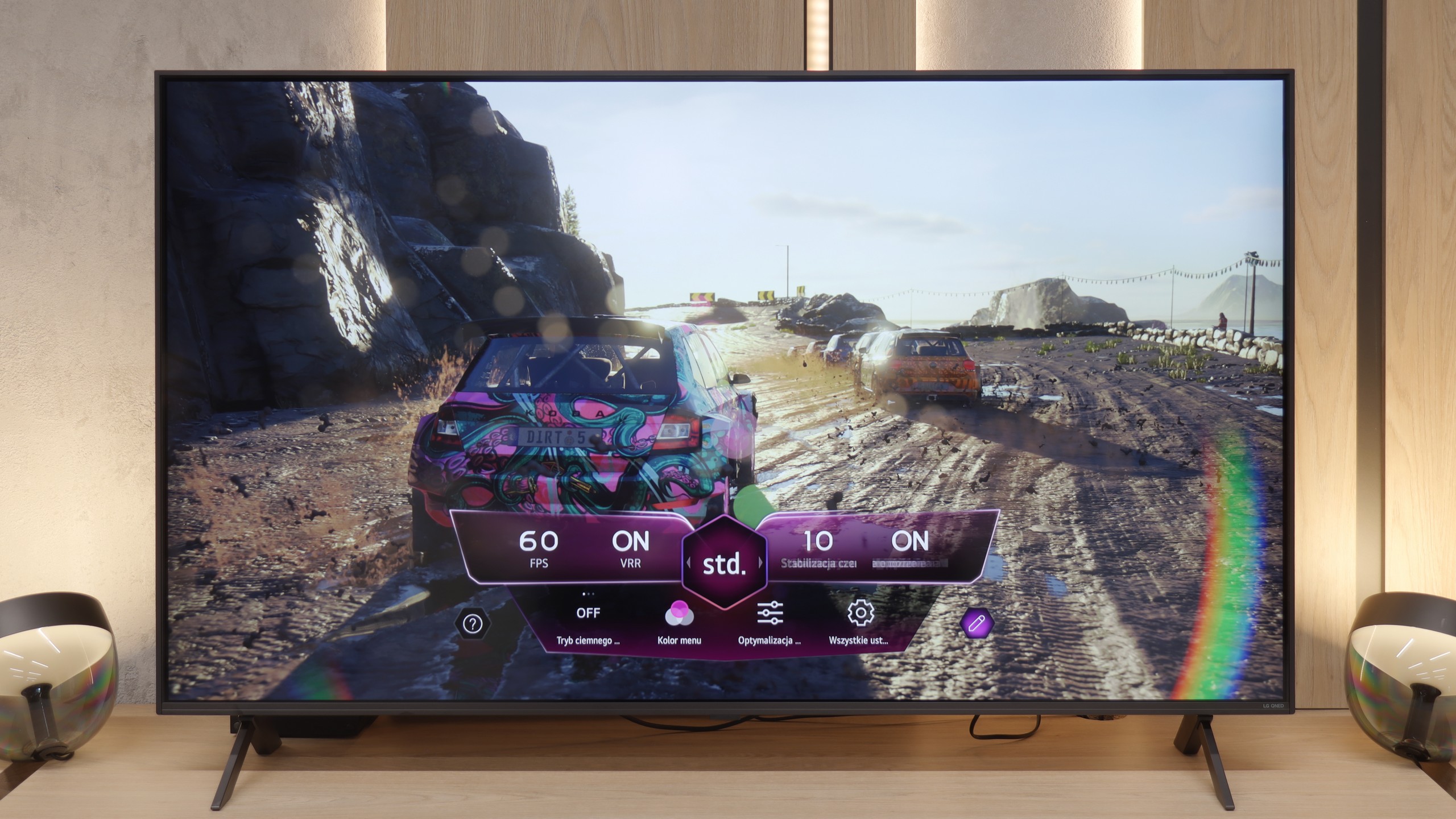
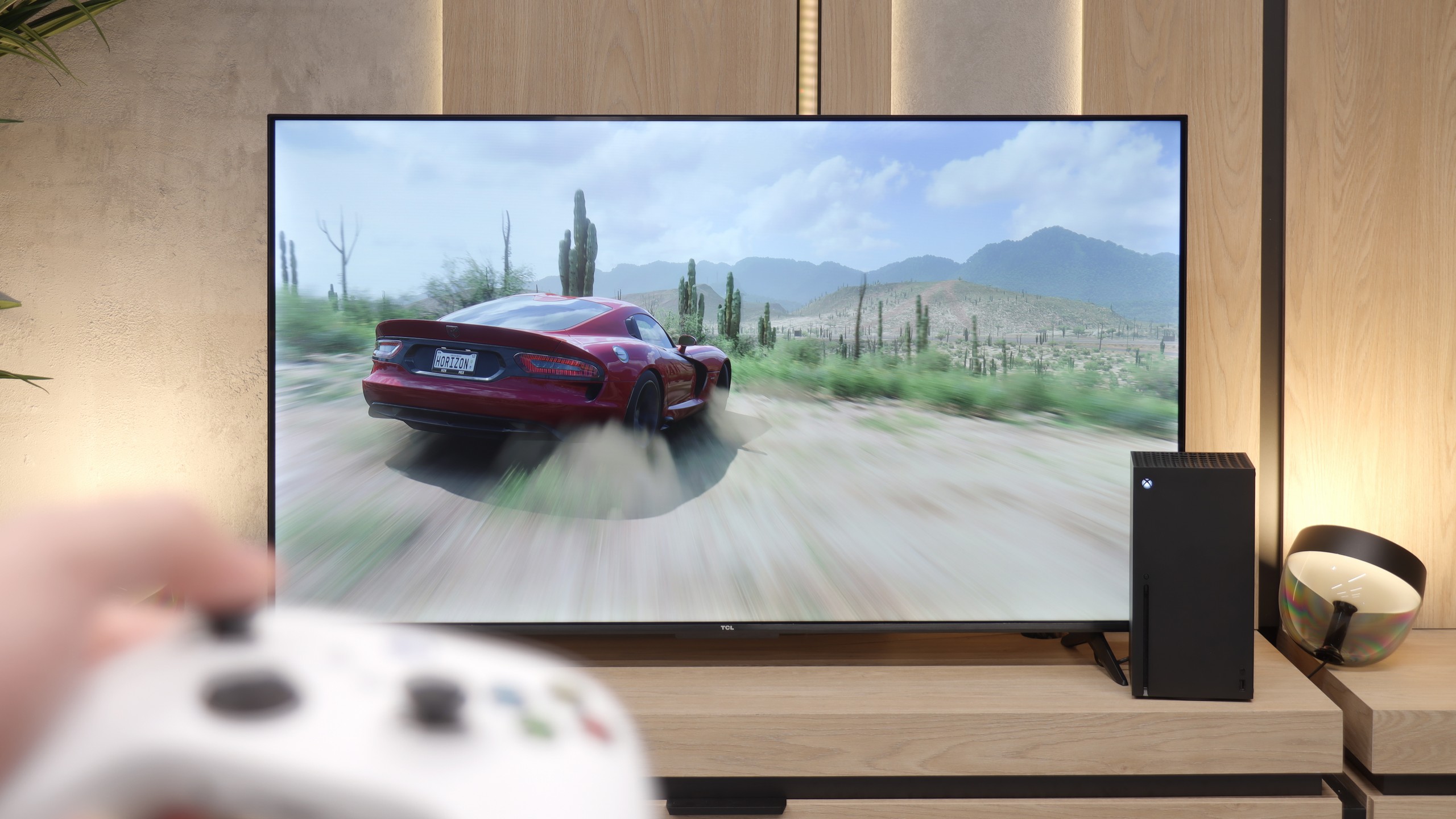
Although the V6C is not a television designed with avid gamers in mind, TCL has added a few features that might appeal to more casual users. It does not have a 120 Hz panel or HDMI 2.1 ports, but there is an ALLM mode that automatically switches the television to low-latency mode. Additionally, there is quite a practical Game Bar – a simple panel for previewing basic parameters, changing picture modes, or even activating a virtual crosshair on the screen. An interesting feature is the support for Dolby Vision Gaming, intended for Xbox Series S/X consoles – a nice addition, although in practice it does not offer as much as in more expensive models. However, the biggest issue remains the configuration of HDR. The HGiG function, responsible for adjusting the brightness and contrast of games to the capabilities of the panel, does not respond as we would expect – the image can be excessively dark or too flat. As a result, the better solution turns out to be simply playing in SDR mode, where the V6C performs stably and does not try to pretend to be a HDR television.
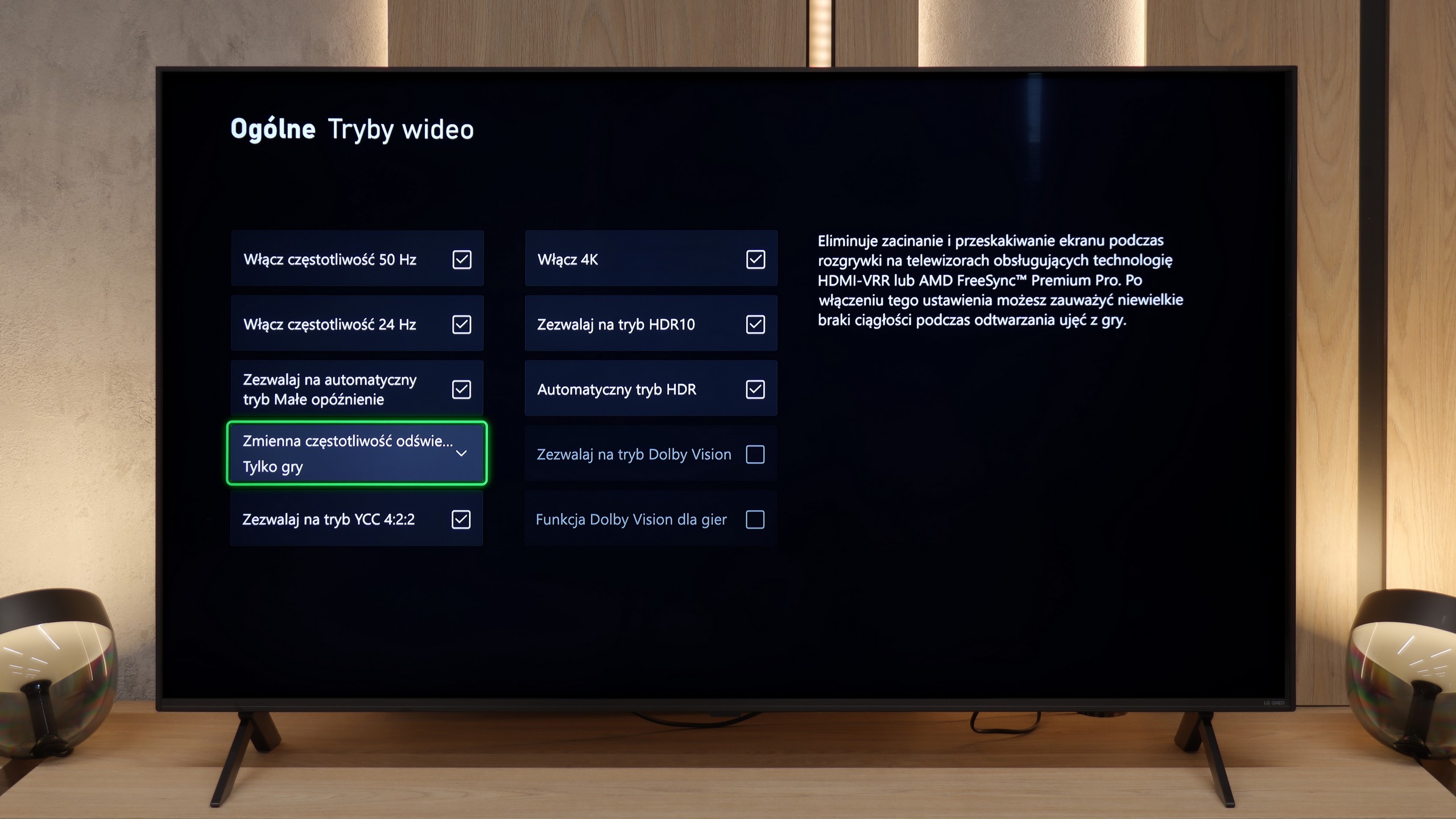
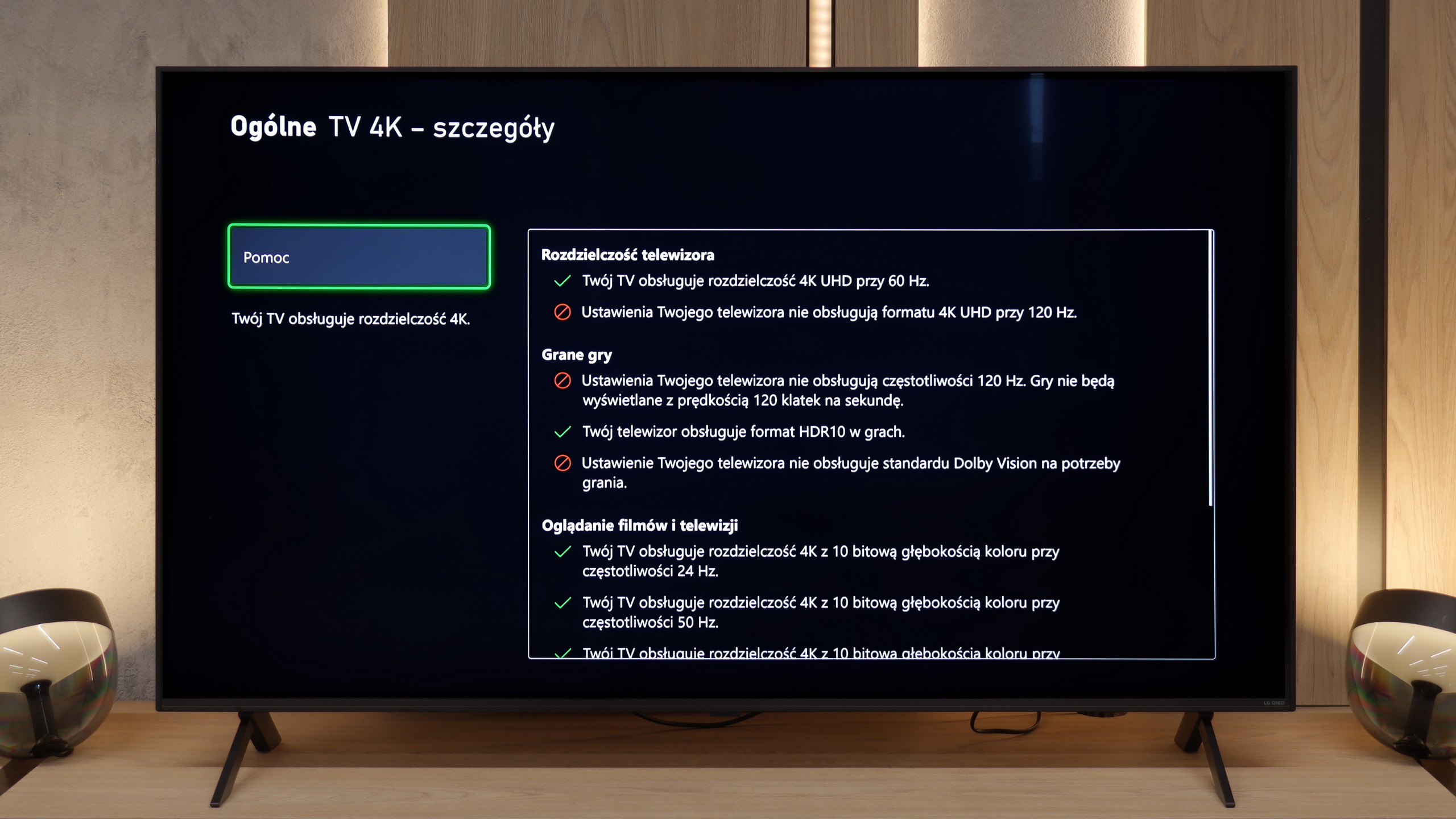
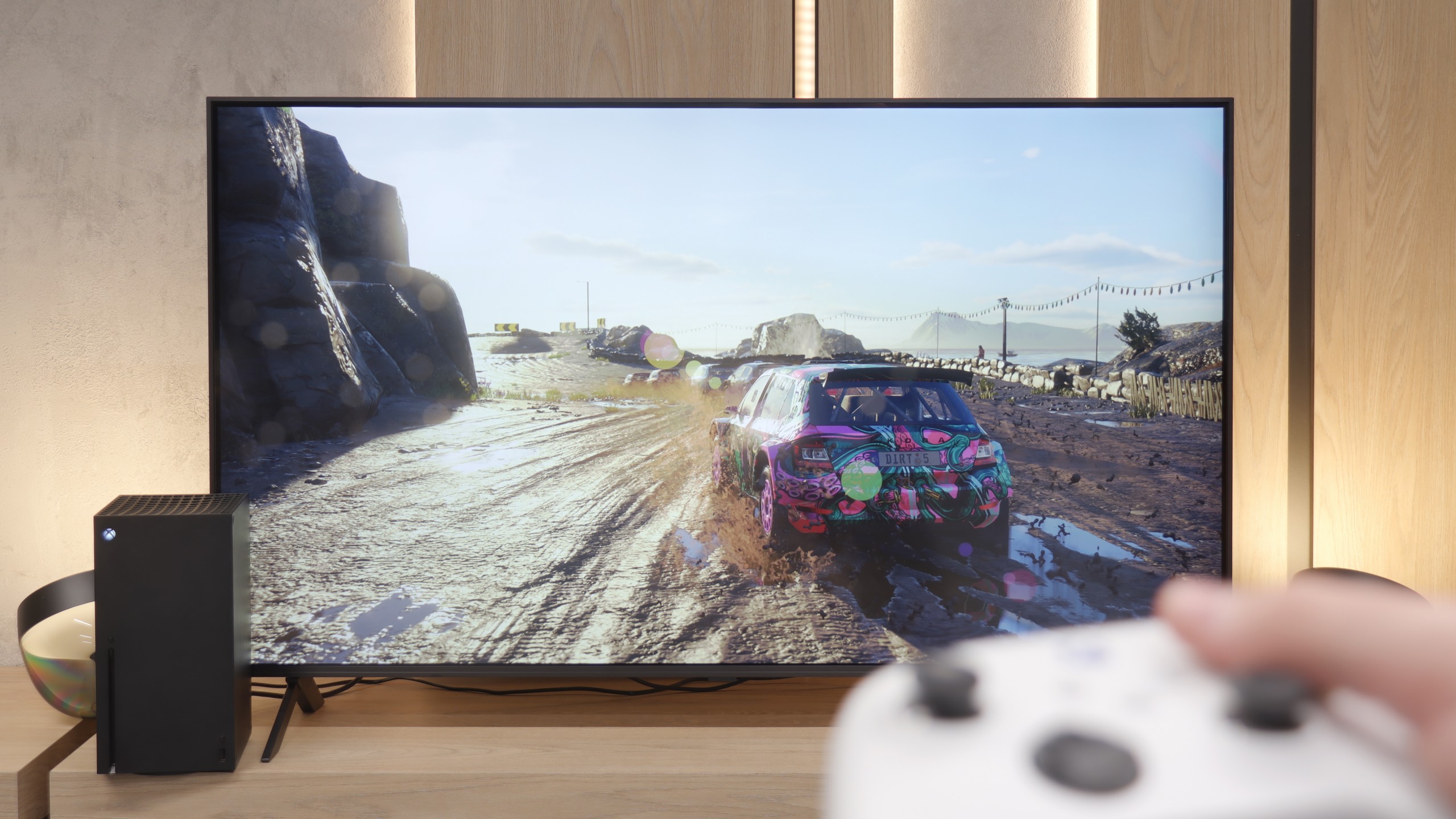
In the gaming section, we won't be pulling the wool over your eyes – the QNED80A is not e-sports equipment. The lack of 120Hz signal support is a fact that must be accepted. However, LG's engineers have done everything possible to maximise the potential of this 60Hz panel, providing gamers with a set of desirable features. First and foremost, the television supports VRR (in the range of 48-60Hz) and ALLM. This means that the image is smooth, not choppy, and the television automatically switches to low-latency mode as soon as we pick up the controller. Accessing these options is incredibly simple thanks to the dedicated system overlay – Game Dashboard. It’s also worth appreciating the support for the HGiG format. This is a nod to owners of modern consoles. Although the screen does not support gaming Dolby Vision, HGiG ensures that the television 'understands' how to display games in HDR. As a result, we avoid the problem of blown-out clouds, which is unfortunately a plague on cheaper LCD televisions.
Input lag
10/10
9.8/10
SDR
HDR
Dolby Vision
The measurement of input lag indicates values below 15 ms, which is a level that is practically difficult to detect with the naked eye. Even in dynamic games, the action remains responsive and the controls fluid. This is a result that can confidently be considered very good and sufficiently adequate for most players, even though the V6C is not strictly a gaming device.
And what about responsiveness? Our measurements showed an input lag of around 15 ms. In the gaming world, where top monitors go down to 1 ms, this may seem like an average result, but in the category of living room televisions, it is a very good outcome. In practice, this means that when playing on a console, you will not feel any discomfort. There is no situation here where the character reacts with a noticeable delay after pressing a button on the controller. The television responds to the controller without delay, allowing you to enjoy gaming without unnecessary irritation. For casual gaming after work – a perfectly acceptable result.
Compatibility with PC
4/10
5/10
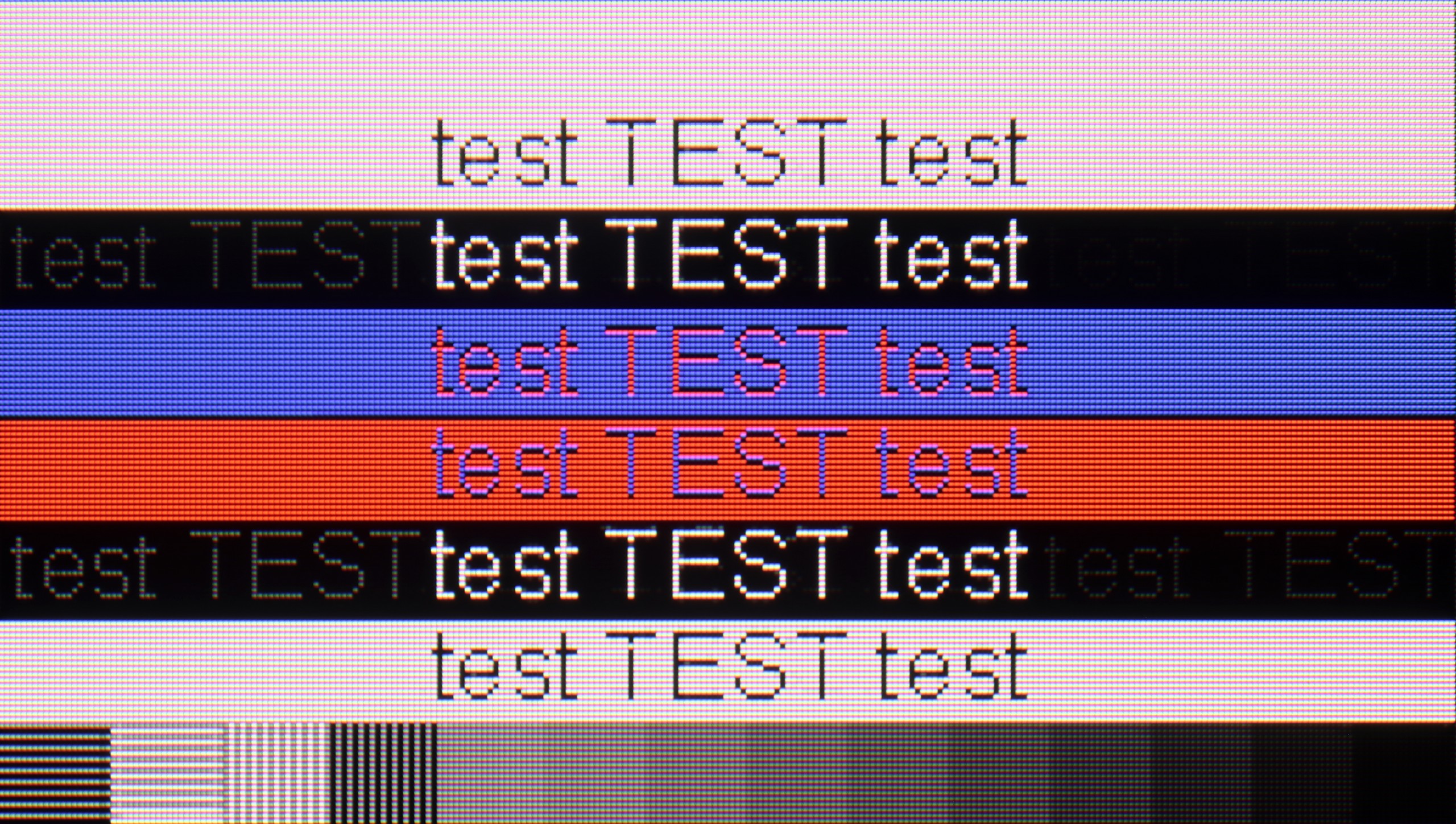
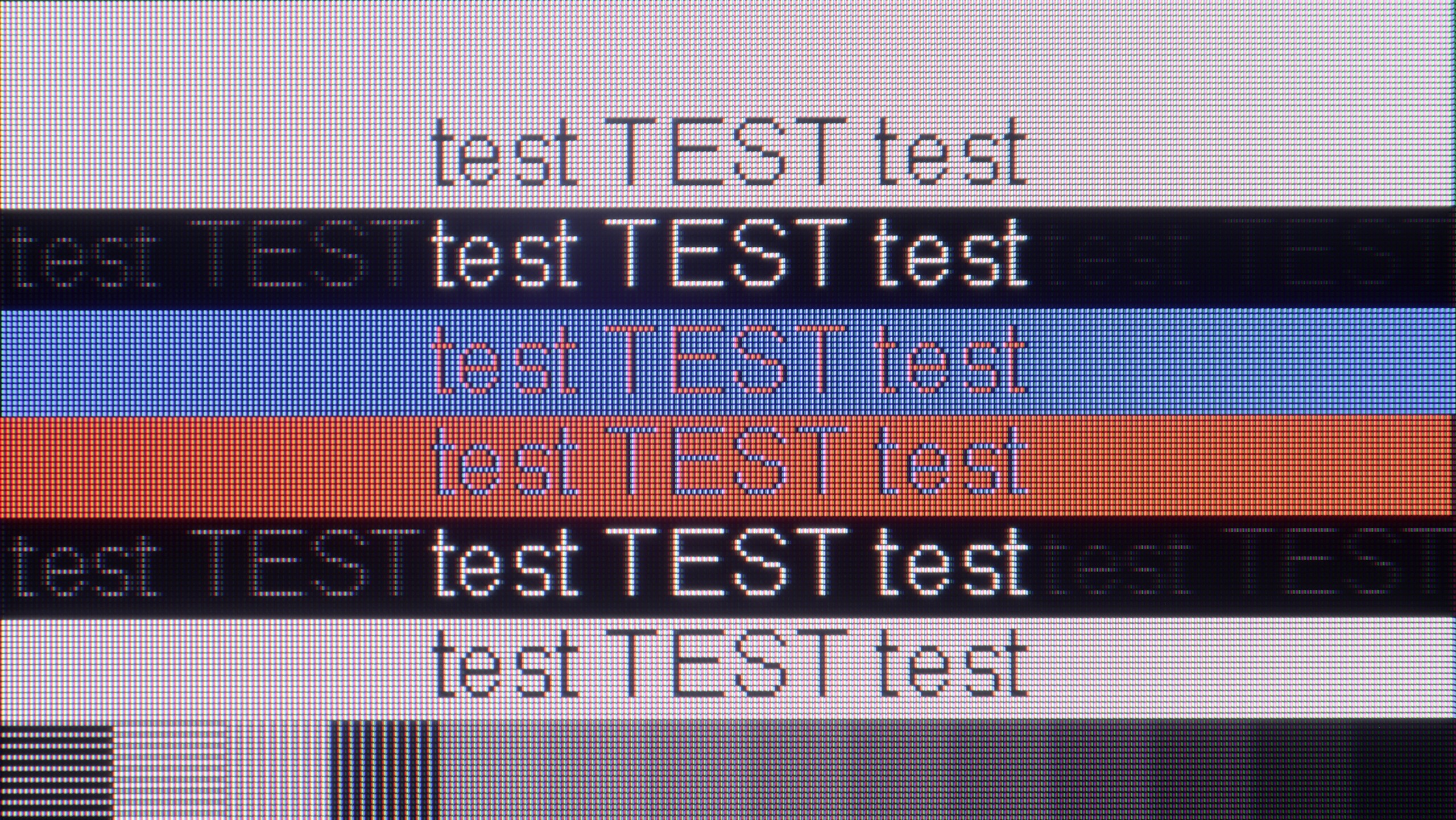
The photo shows the legibility of small fonts. Ideally, lines should be the same thickness on both light and dark text, with minimal pixel gaps.
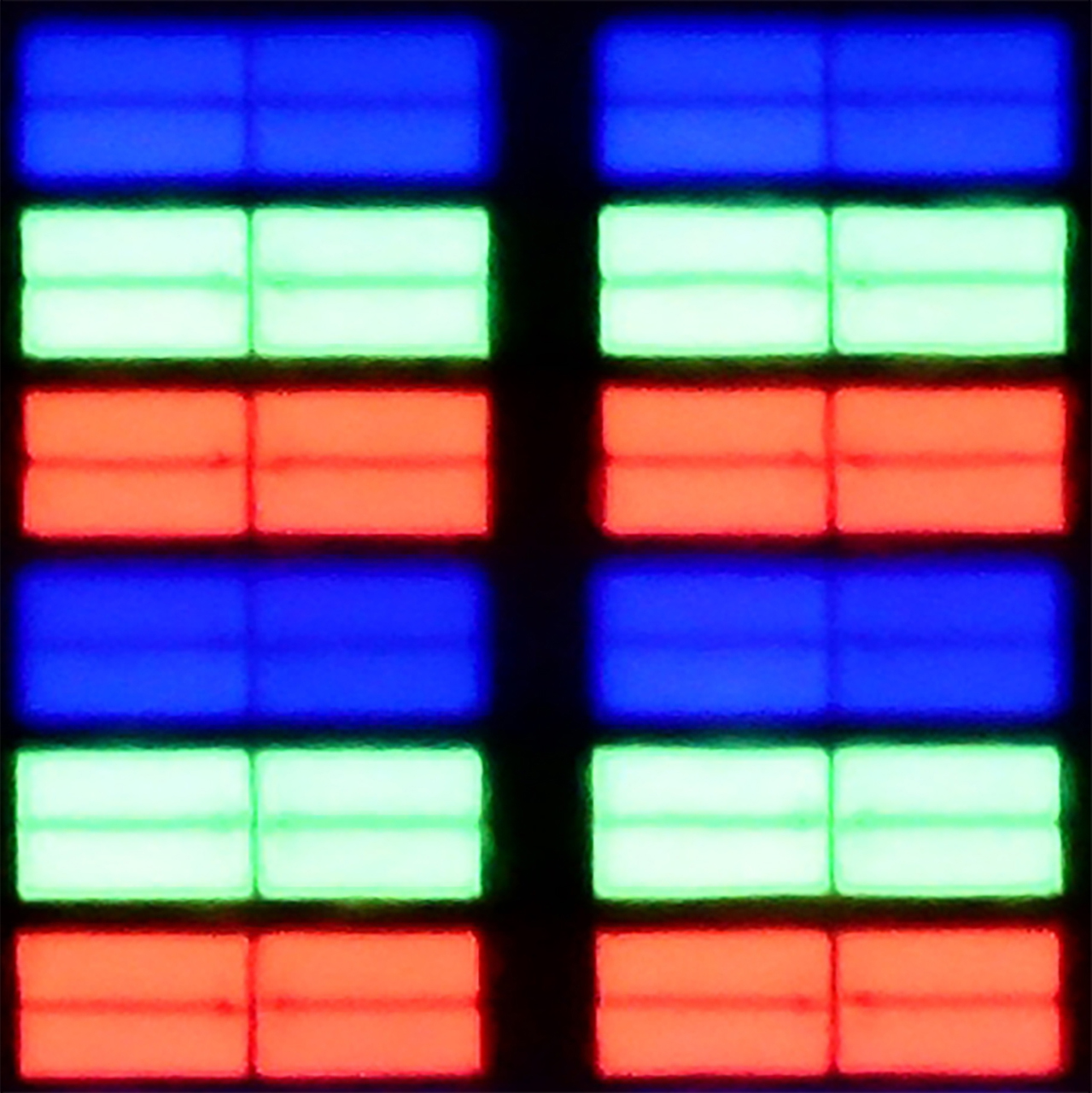
Collaboration with a PC is only partially satisfactory. The TV supports chroma 4:4:4, so at first glance, the fonts appear quite decent. The problem arises only when we look closely – under a microscope, it turns out that TCL has employed an unusual subpixel arrangement in the V6C. Instead of the classic vertical layout, we have a horizontal arrangement here, which in practice causes various artifacts and irregularities in the display of letters. Fonts can appear jagged, and after extended use, text can be straining on the eyes. Therefore, it is hard to consider the V6C as a sensible alternative to a monitor – it is suitable for occasional browsing or viewing content from a computer, but it completely fails as a primary work screen. There is also nothing to say about gaming features, as they simply do not exist.
In terms of cooperation with a PC, we have another surprise waiting. Theoretically, it is IPS matrices that should dominate in displaying static office content due to their pixel structure. However, the QNED80A once again breaks the mould. During tests, we noticed strange behaviour when displaying text. While classic, bold fonts are readable and look correct, the issues begin with small, thin letters. They tend to "split" on the contours and cast a strange shadow. This causes the small text to become less clear and, with prolonged use, can be tiring for the eyes. Therefore, if you are looking for a television that will primarily serve to display tables in Excel or Word documents, this particular variant may disappoint you a bit.
Viewing angles
2.9/10
6/10
The viewing angles on the V6C are a classic compromise that we know from VA panels. We gain solid blacks when watching directly in front, but simply shifting slightly to the side causes the picture to noticeably lose quality – colours fade, and contrast drops. This is a typical limitation of this technology and is unlikely to surprise anyone who has previously dealt with televisions. In practice, this means that the V6C performs best in a “one-sofa” setup – when we watch directly in front of the screen, the blacks appear decent, but a larger group of viewers spread around the entire living room will quickly notice differences in the displayed image.
Do you remember how we complained about the weaker contrast? Well, now it's time for a comeback. It is precisely in terms of viewing angles that the IPS matrix shows its superiority and purpose. If you have a spacious living room, and family members watch television from different places – for instance, from an armchair in the corner or from over the table in the dining room – this variant will be spot on. Unlike VA matrices, here the image retains its properties even at a large angle. Colours remain vivid and do not change shades when viewed from the side. This makes the QNED80A in this version a fantastic choice for watching matches with friends or cartoons with children, where not everyone has the luxury of sitting directly in front of the screen.
Daytime performance
3.6/10
4.7/10
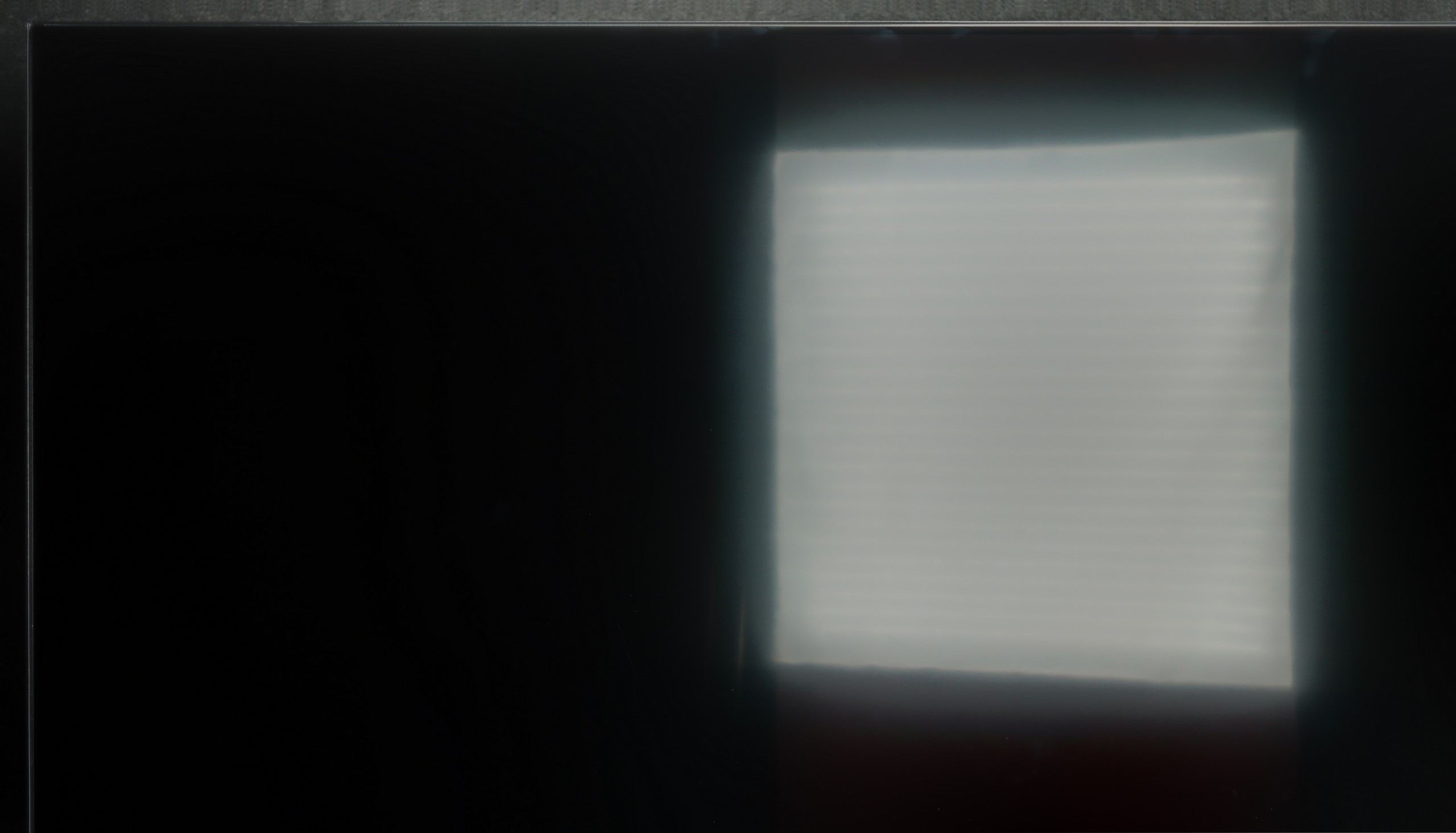
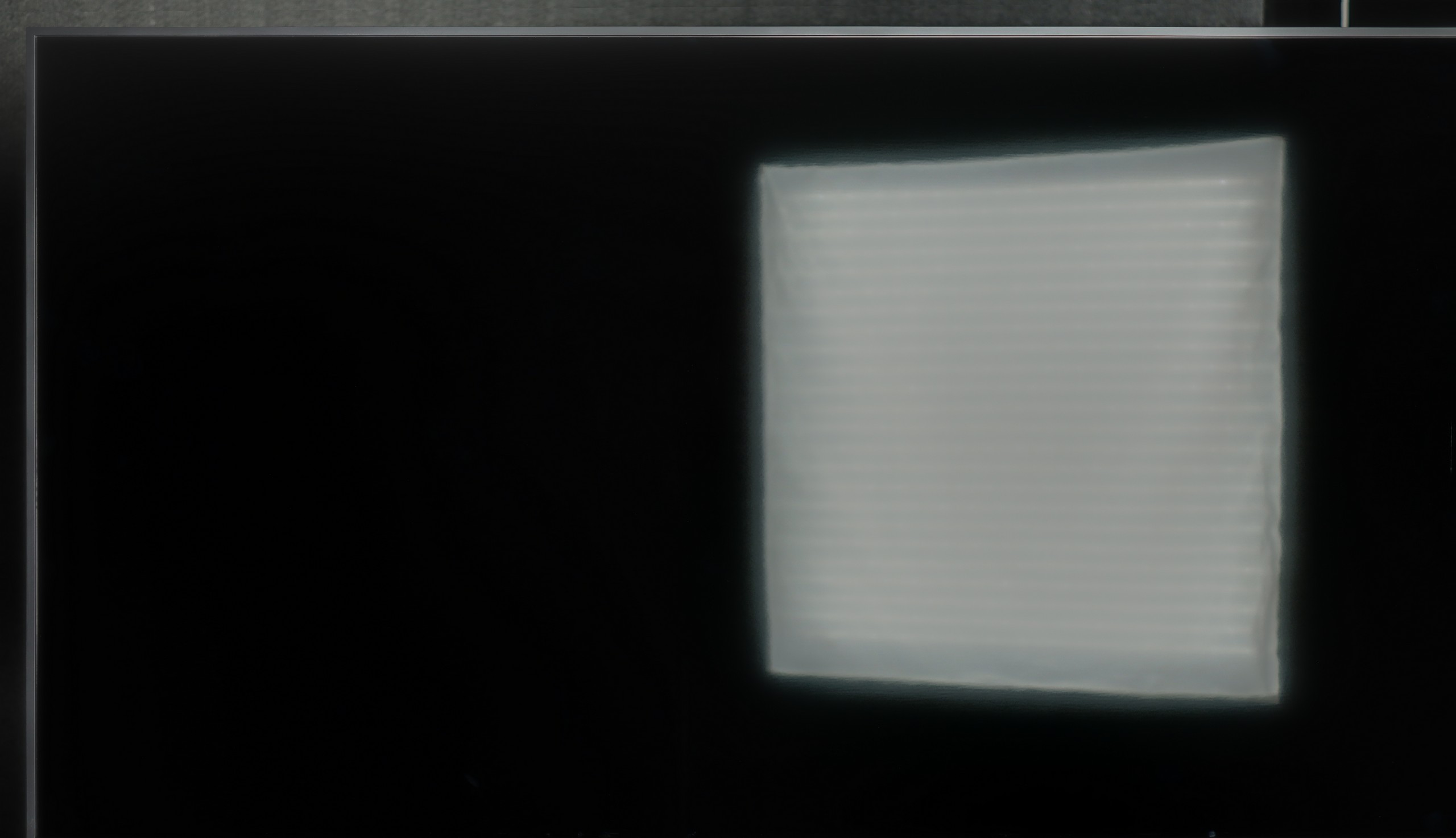
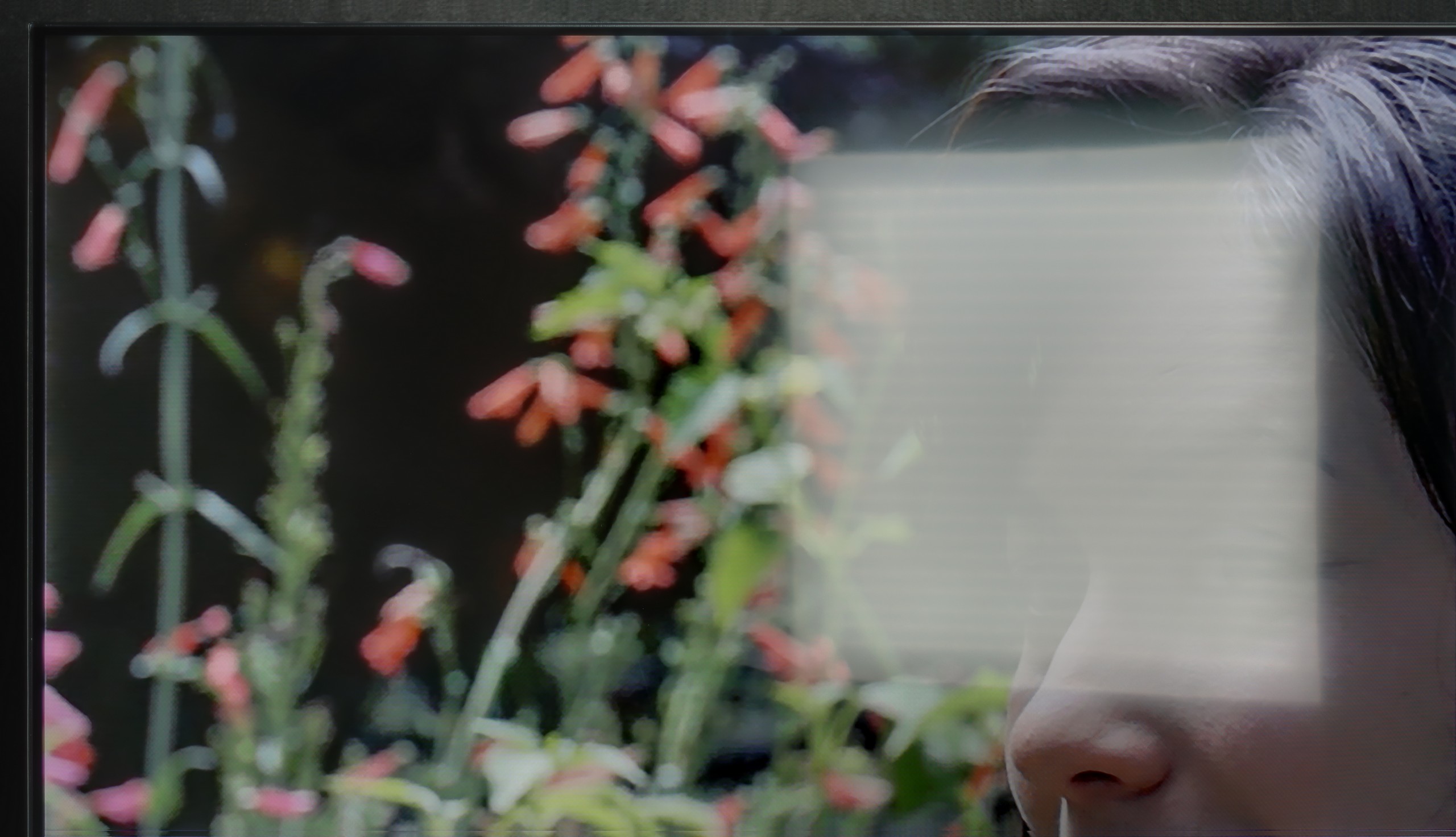
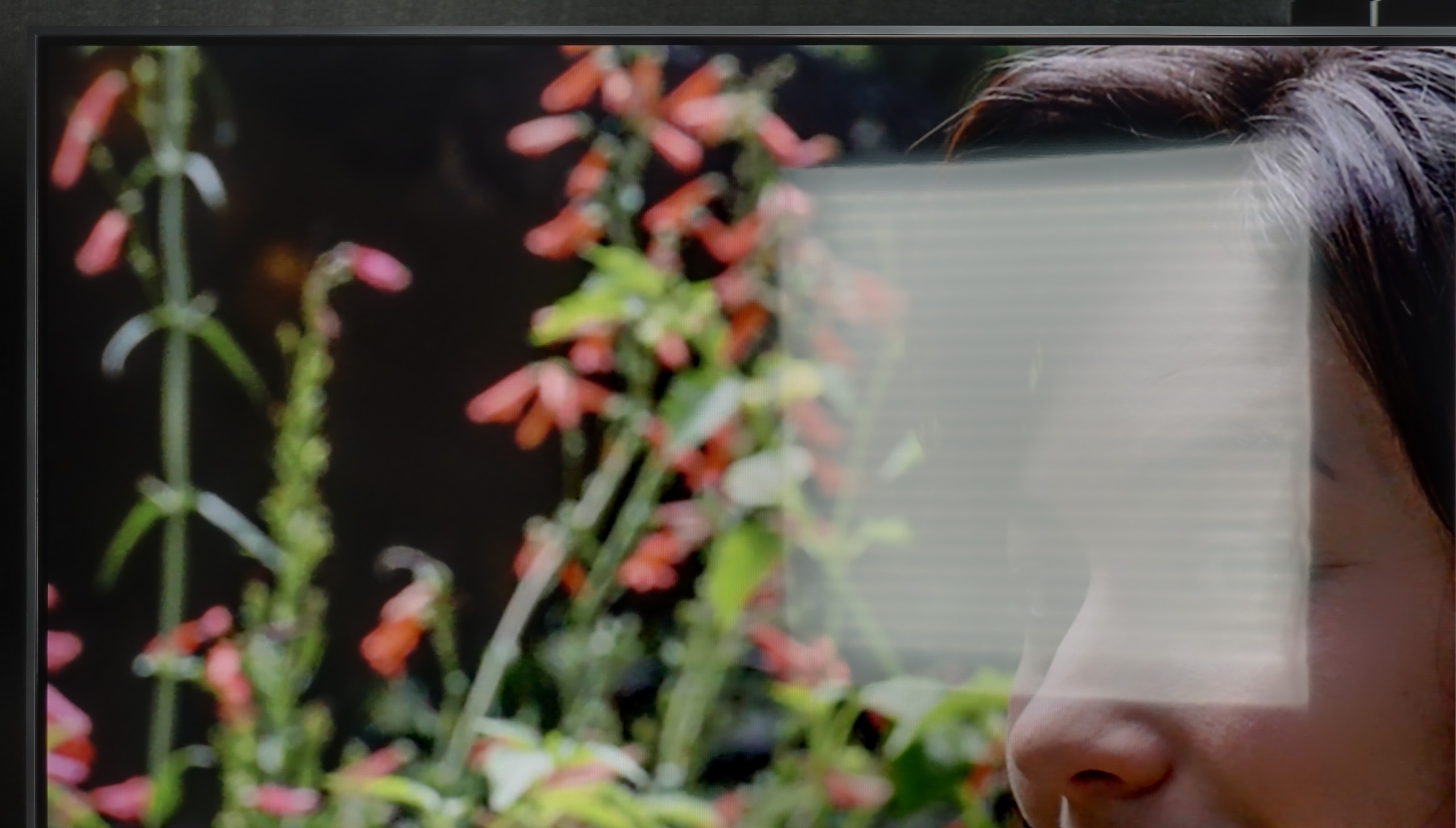
Panel brightness
LG QNED80A6A (IPS): 310 cd/m2
TCL V6C: 210 cd/m2
The performance of the V6C during the day is not one of its strong points. It is a relatively dim television, which is why it simply struggles in brightly lit rooms. The satin coating of the panel somewhat dampens reflections and indeed reduces bothersome glare, but it is not enough to speak of full viewing comfort. When a lot of natural light floods into the room, the screen cannot 'break through' it, causing the image to become dimmed and barely readable. The V6C is definitely a piece of equipment that feels much better during an evening viewing than in the sunny afternoon.
QNED80A is not a "light monster", so in full, direct sunlight, the image may appear a bit washed out. This is not equipment designed to battle sharp sunlight hitting directly on the screen. However, it does have an ace up its sleeve that significantly improves user comfort: a matte screen coating. Instead of cheap, glossy finishing, LG has applied a satin structure here. It works very effectively by "softening" reflections from the surroundings. Therefore, we do not see our perfect reflection in the screen like in a mirror, which can be extremely annoying in darker scenes. So it may be insufficient for extremely bright rooms, but in standard, moderate home conditions, QNED80A will perform perfectly.
Panel details
Subpixel Structure:
Panel uniformity and thermal imaging:
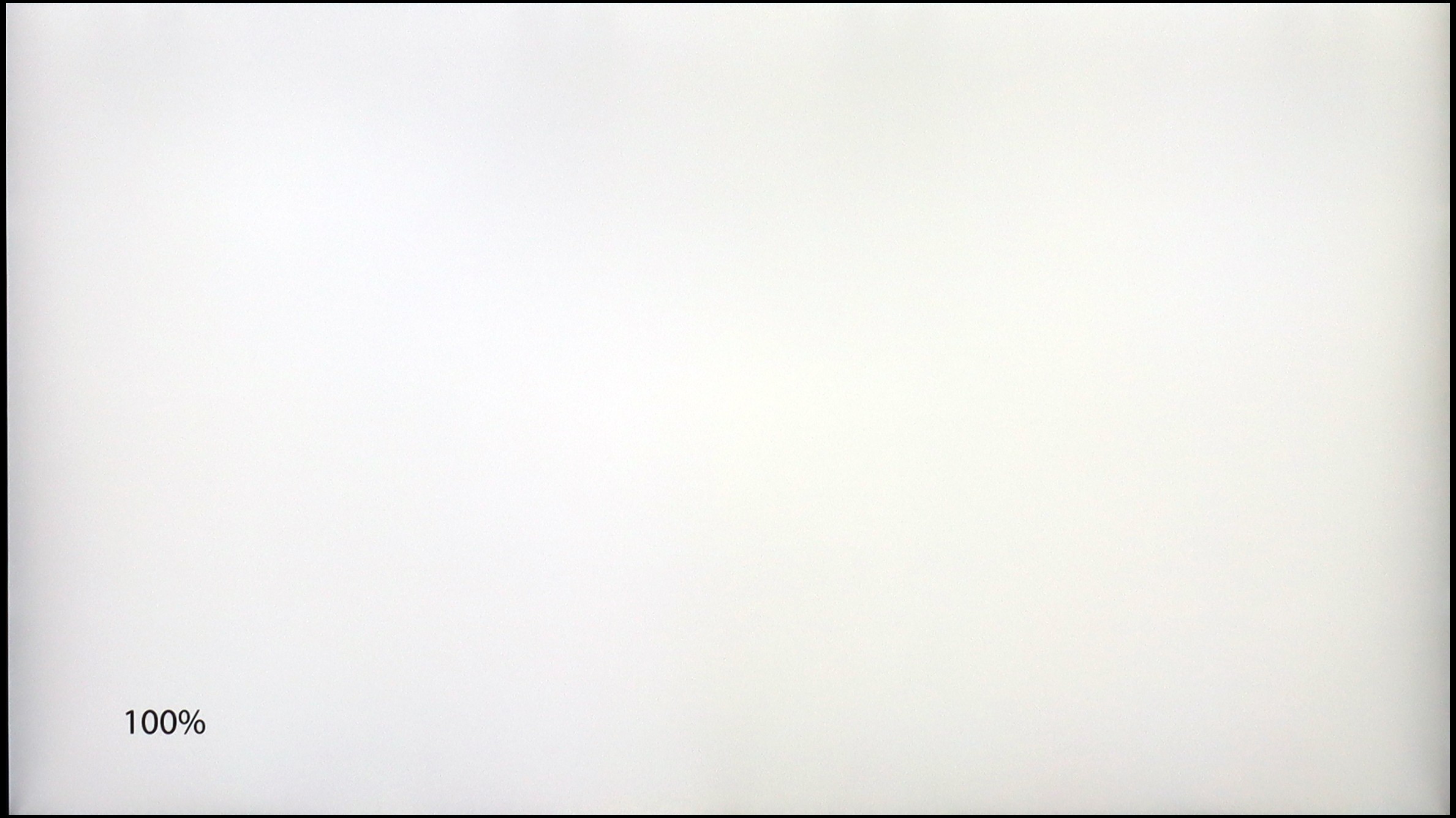
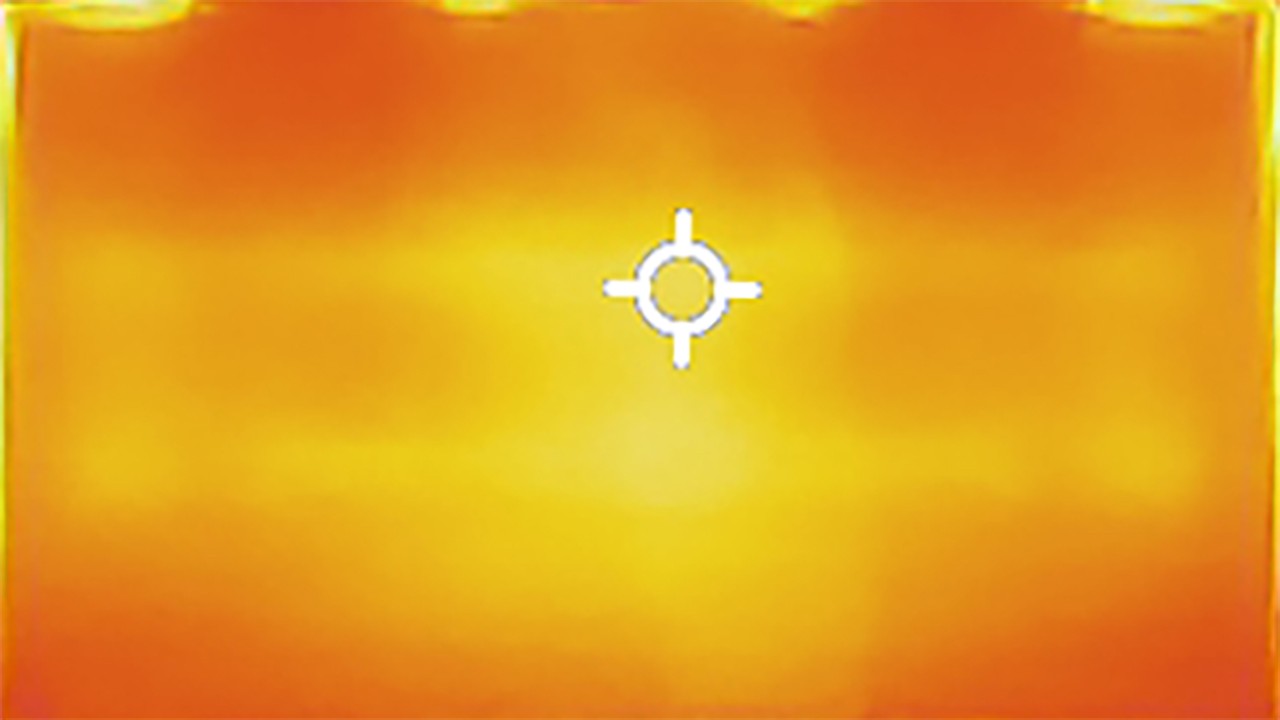
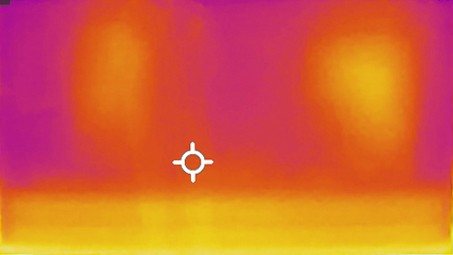
TCL V6C
LG QNED80A6A (IPS)
TV features
7.3/10
6.8/10
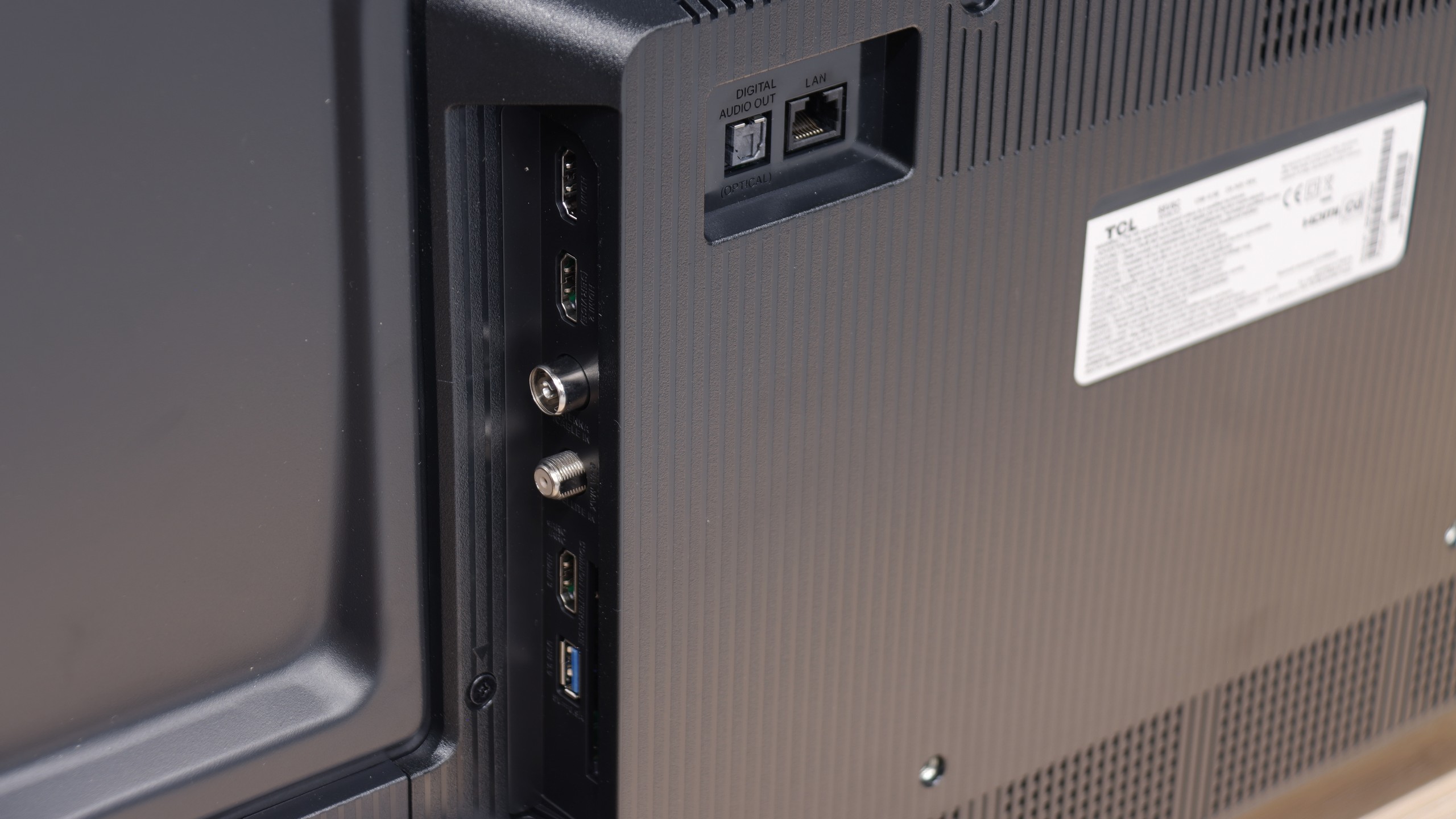
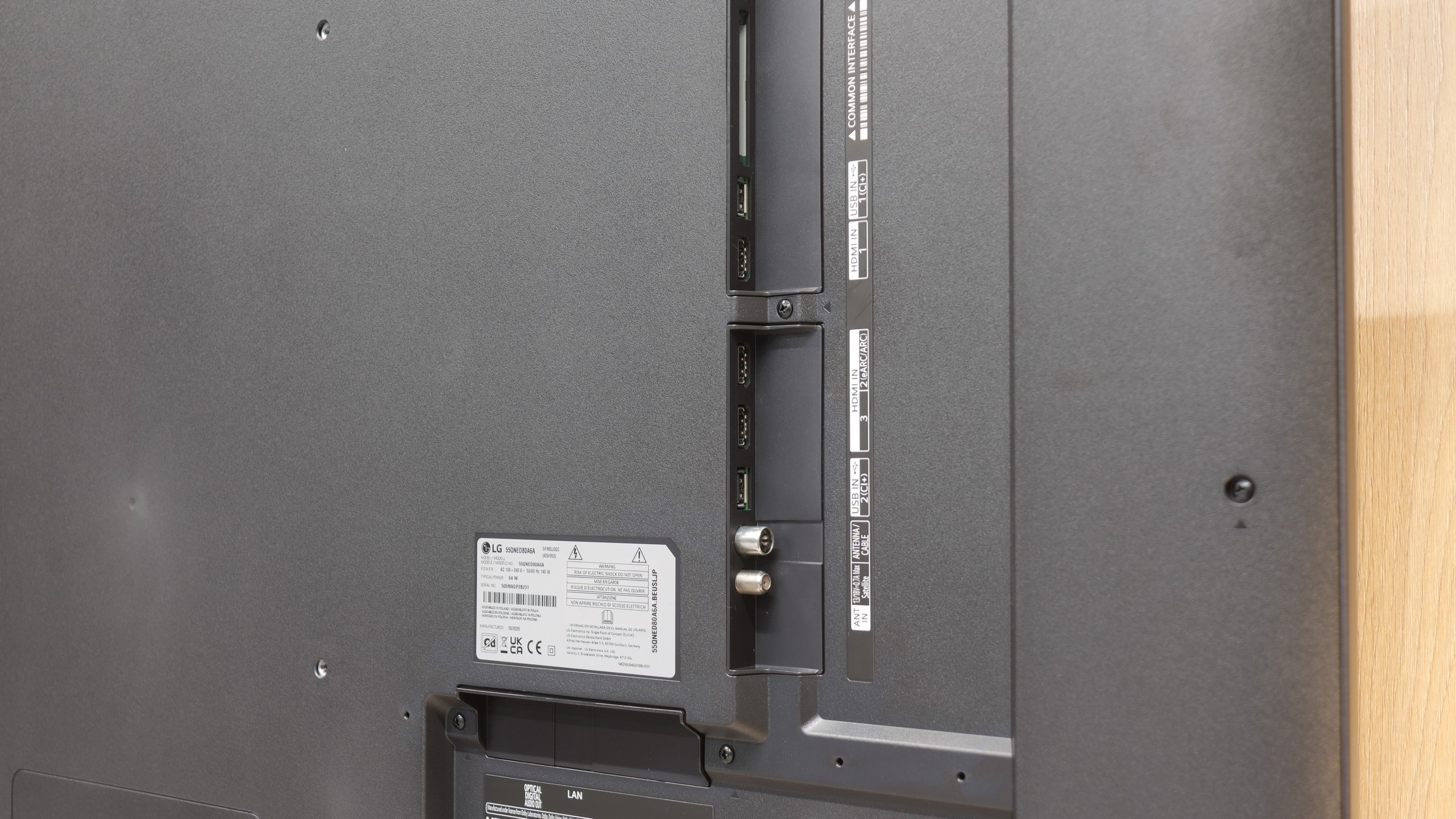
- HDMI inputs3 x HDMI 2.0, 0 x HDMI 2.13 x HDMI 2.0, 0 x HDMI 2.1
- OutputsToslink (Optical audio), eARC (HDMI), ARC (HDMI)Toslink (Optical audio), eARC (HDMI), ARC (HDMI)
- Network InterfacesWi-Fi 2.4GHz, Wi-Fi 5GHz, Ethernet (LAN) 100MbpsWi-Fi 2.4GHz, Wi-Fi 5GHz, Ethernet (LAN) 100Mbps
- TV receptionDVB-T, DVB-T2, DVB-S, DVB-S2, DVB-CDVB-T, DVB-T2, DVB-S, DVB-S2, DVB-C
Classic features:
- Recording to USB (terrestrial TV)
- Recording programming
- Picture in Picture (PiP)
- RF remote control (no need to aim)
- Backlit remote control
- Teletext
- Audio only mode
- Bluetooth headphones support
- Simultaneous Bluetooth headphones & TV audio
Smart features:
- AirPlay
- Screen mirroring (Windows Miracast)
- Voice search
- Voice search in native language
- Ability to connect a keyboard and mouse
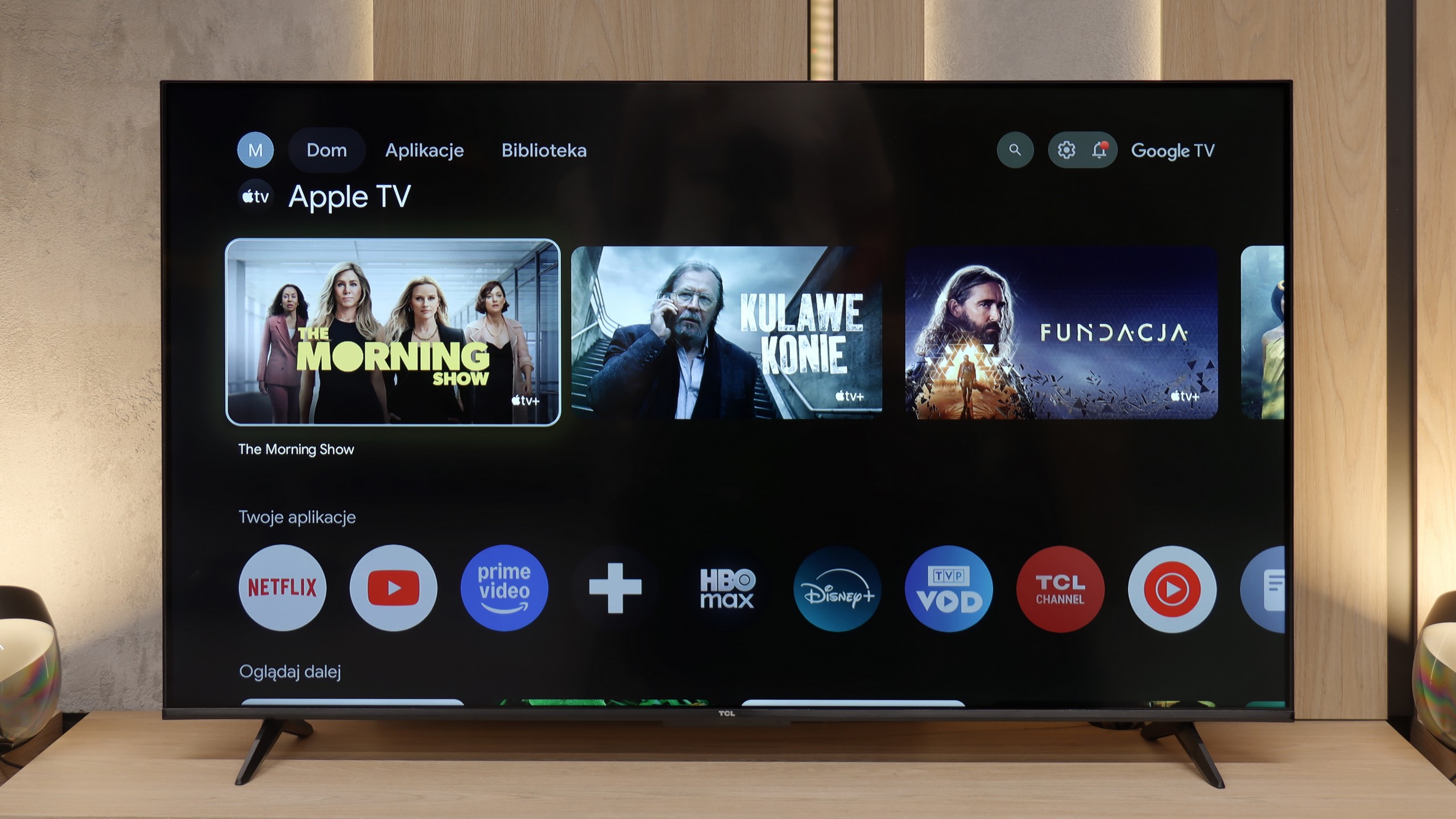
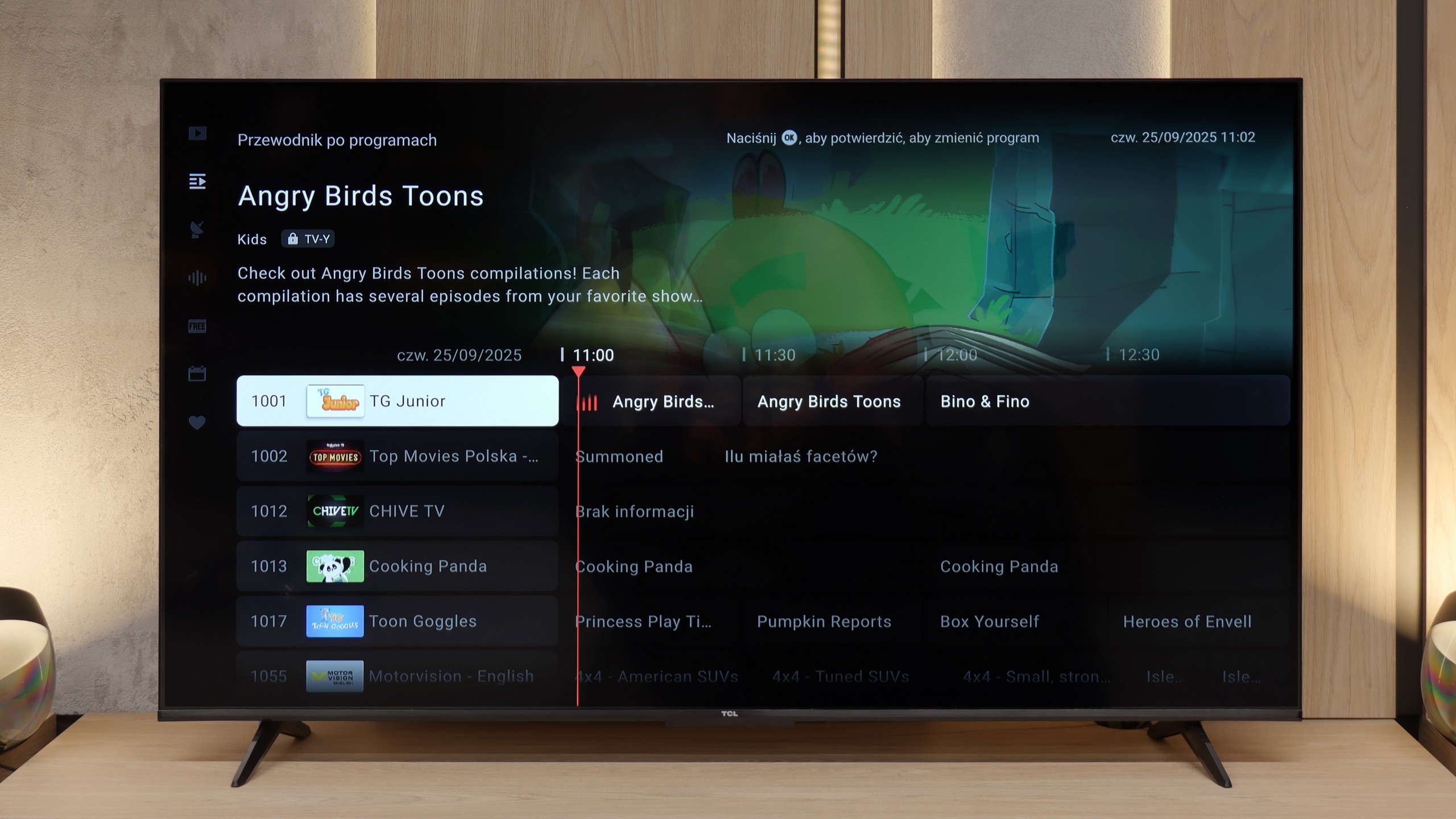
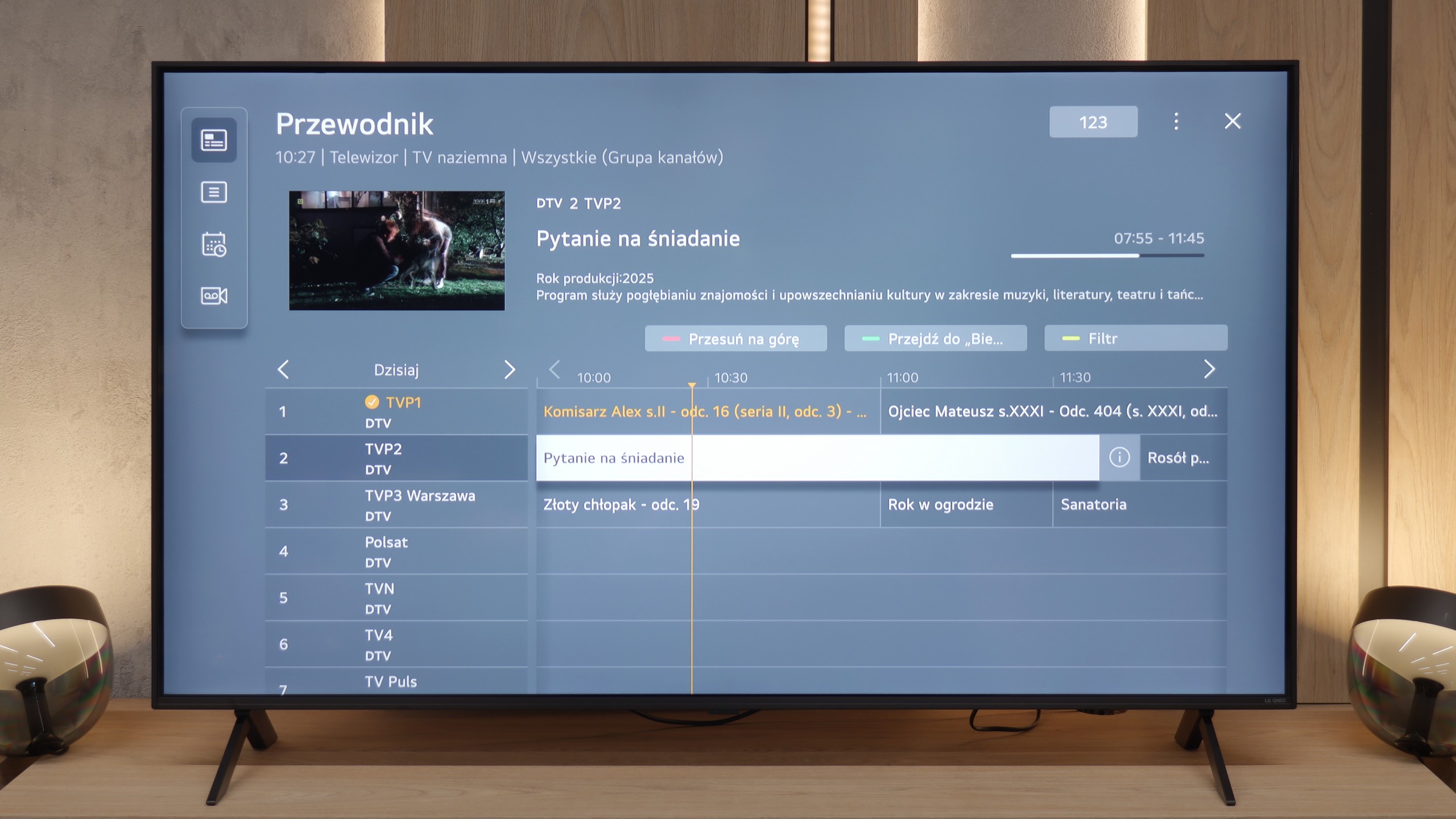
SmartTV: GoogleTV
The greatest asset of the V6C is the Google TV operating system. This is an extensive platform that provides access to a huge database of applications – from YouTube, Netflix, Disney+, and HBO Max, to less popular programmes that can be easily downloaded from the Google store. In addition, there are useful features such as AirPlay, screen mirroring, and voice search. However, it is important to remember that Google TV is not one of the lightest systems. In the case of the V6C, which is a budget television, there are sometimes noticeable lags and slower interface responses. This does not spoil everyday usage, but it can be felt, especially in comparison to more expensive TCL models or competitors.
Classic Features
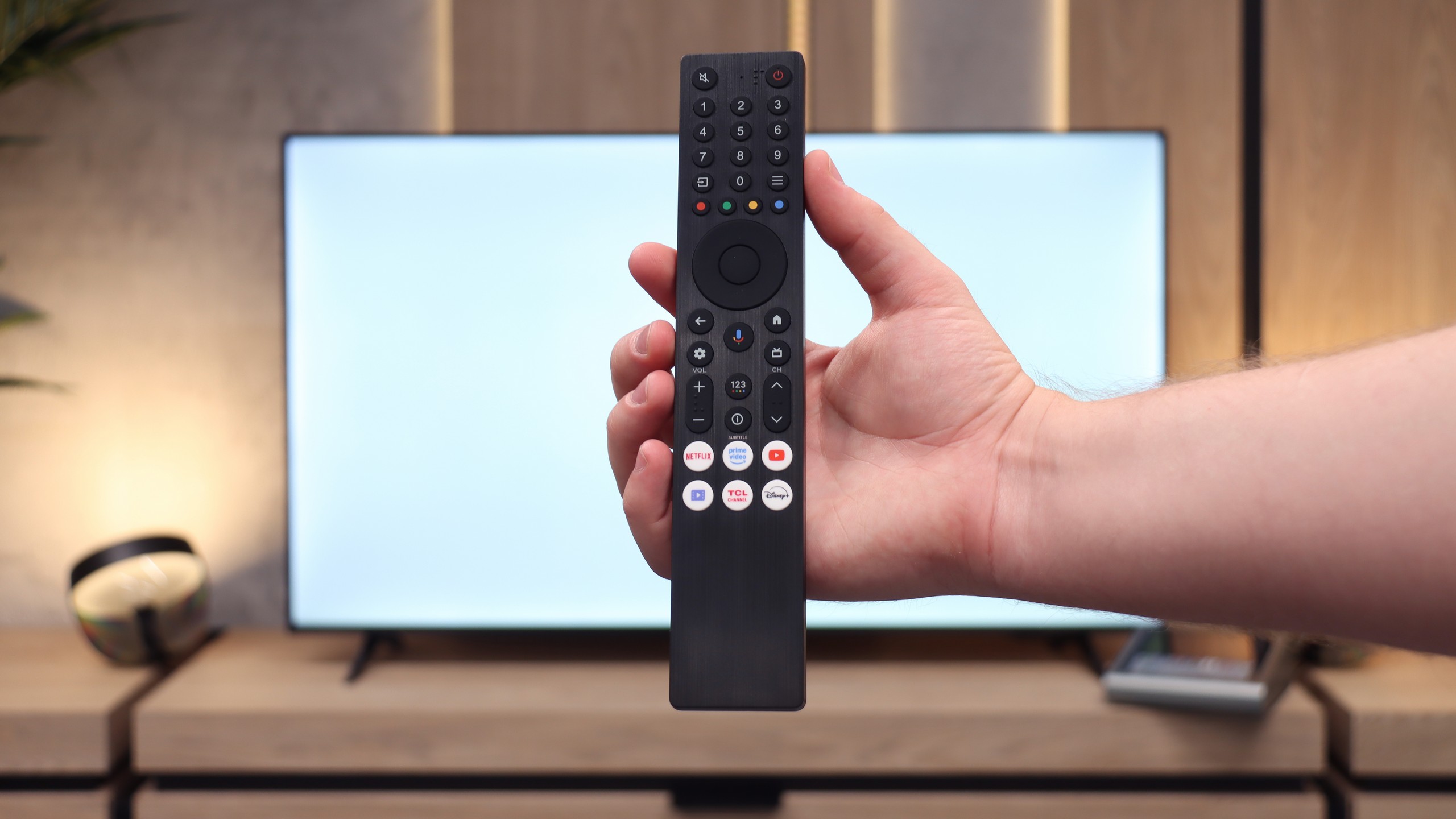
The V6C also does not forget about solutions for those who use traditional television. Included in the package is a classic remote control with a large number of buttons, including a full numerical keypad. This is practical for those watching terrestrial or cable television. The television also offers teletext and a clear interface for navigating channels. The seamless Bluetooth operation is a plus – we can easily pair headphones or speakers. Thus, the V6C performs solidly as an everyday television, although certain shortcomings should be kept in mind. We will not find USB recording or picture-in-picture (PiP) mode here, which are features that may mainly be needed by older users. (Though not exclusively 😉).
WebOS Platform and Support
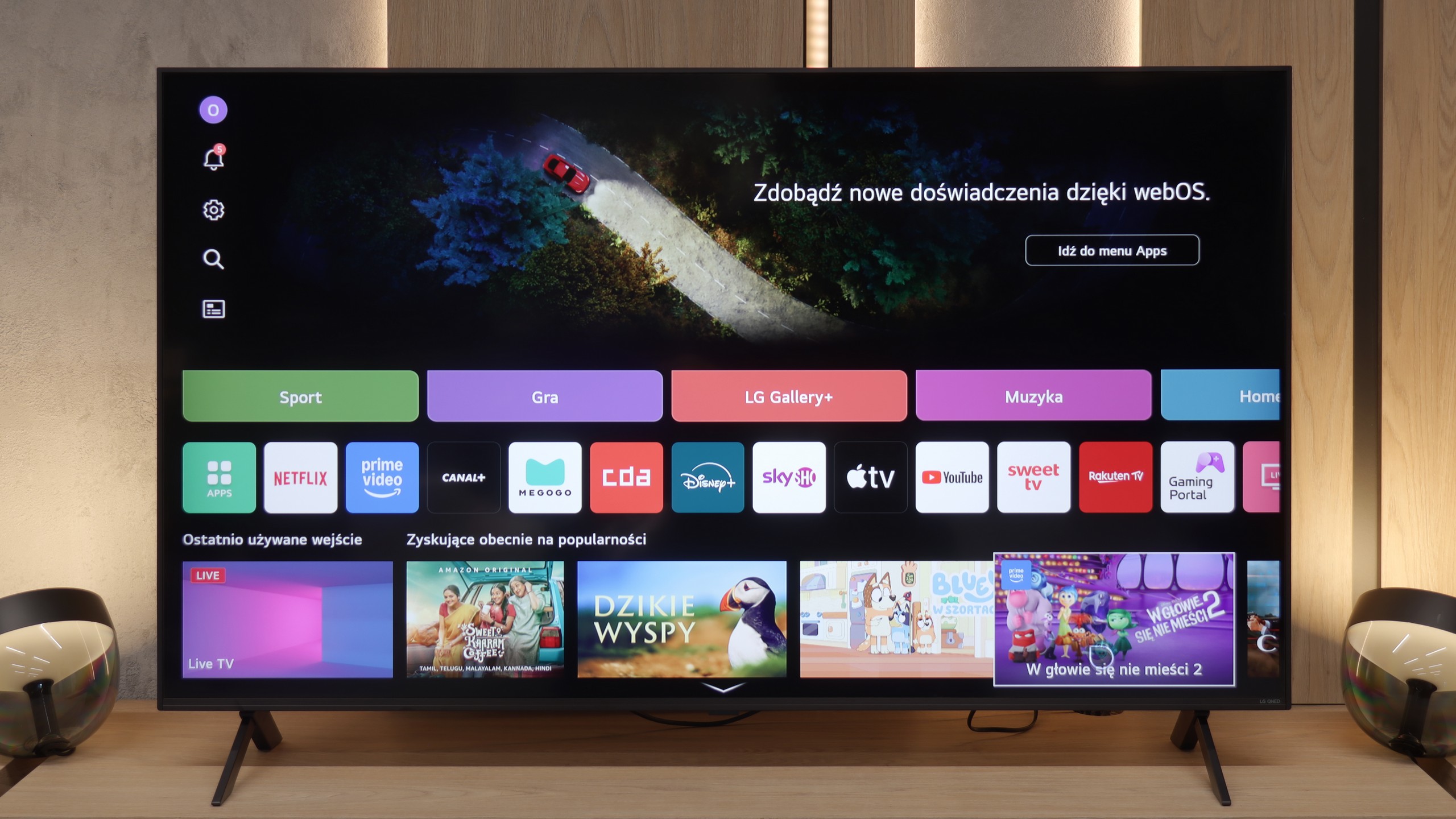
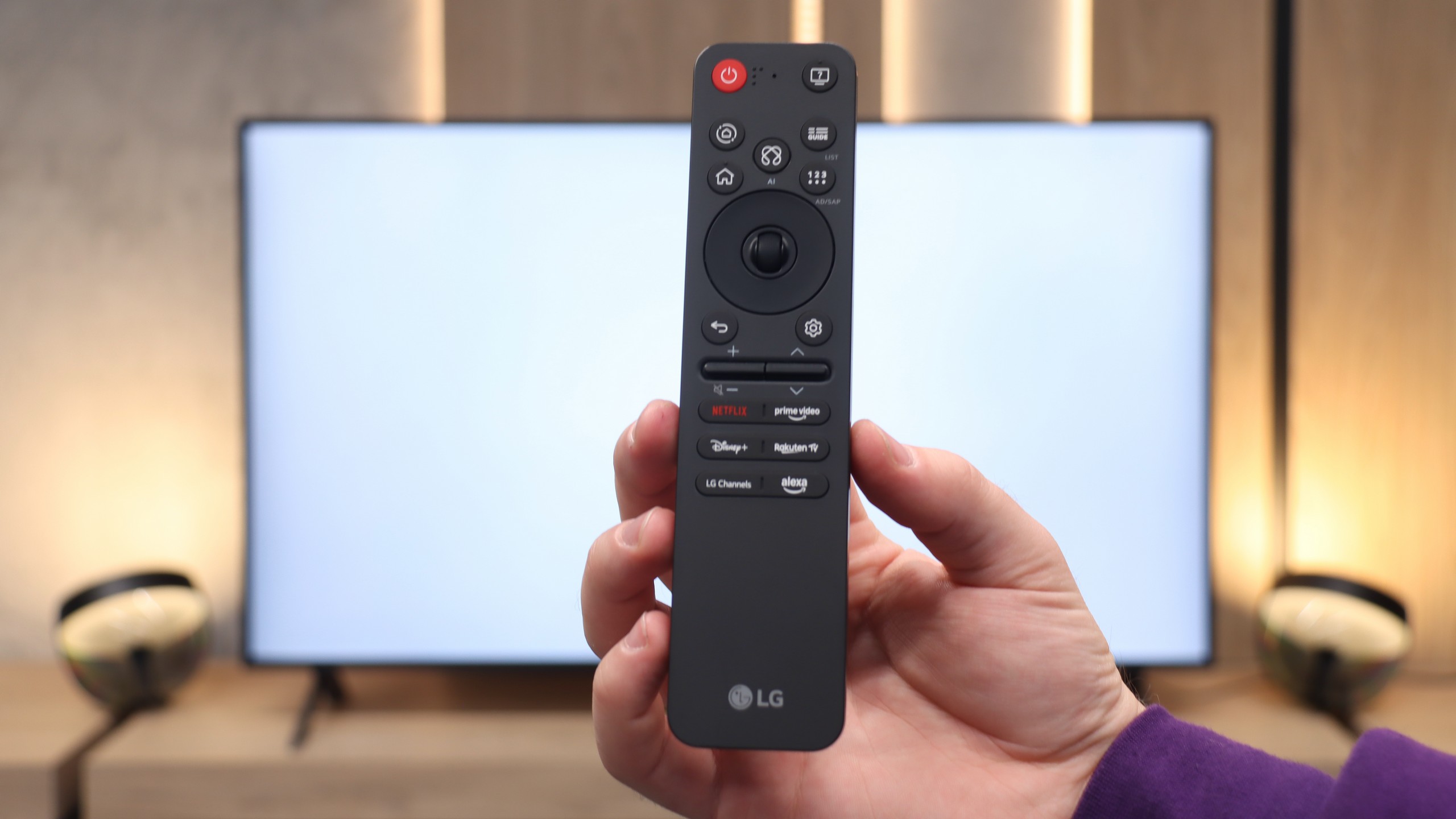
One of the greatest advantages of the QNED80A model is its "brain", namely the operating system. LG has implemented a fully-fledged WebOS version for 2025, which, in terms of smoothness and usability, is on par with more expensive models. Applications launch smoothly, and navigating the menu is a sheer pleasure. All thanks to the unique remote control with a pointer (cursor) function, which has undergone a visual revamp this year. The manufacturer has opted for minimalism – the new "Magic" is significantly smaller and more ergonomic. It fits perfectly in the hand, but this change has a downside. The physical numeric section has been removed from the casing. For the younger generation, accustomed to streaming, this is not a problem, but older household members who are used to entering channel numbers from memory will need to change their habits.
Everyday Use and Extras
In terms of functions we would call "classic", the QNED80A adheres to a tested standard. It is not a multimedia powerhouse that will surprise you with exotic features, but it performs excellently in everyday television use. The handling of traditional television, including Teletext, is correct and hassle-free. The wireless communication is also commendable – the Bluetooth module works reliably, allowing for quick connection to a console controller or wireless speakers. This is a television that simply "works" – stably, predictably, and without unnecessary complications.
Apps
9.6/10
9.1/10






















Playing files from USB
8.7/10
8.2/10
Supported photo formats:
Maximum photo resolution:
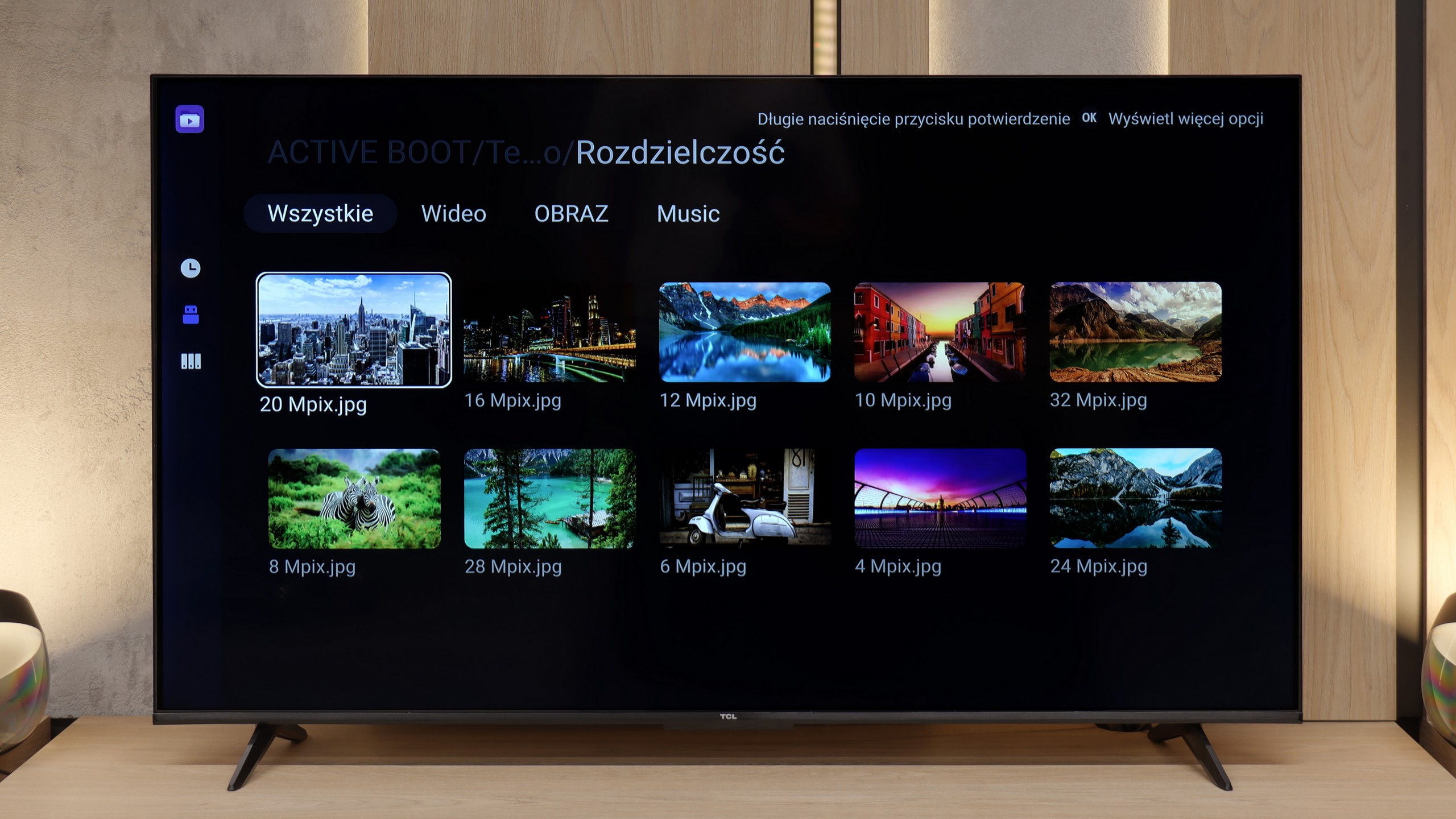
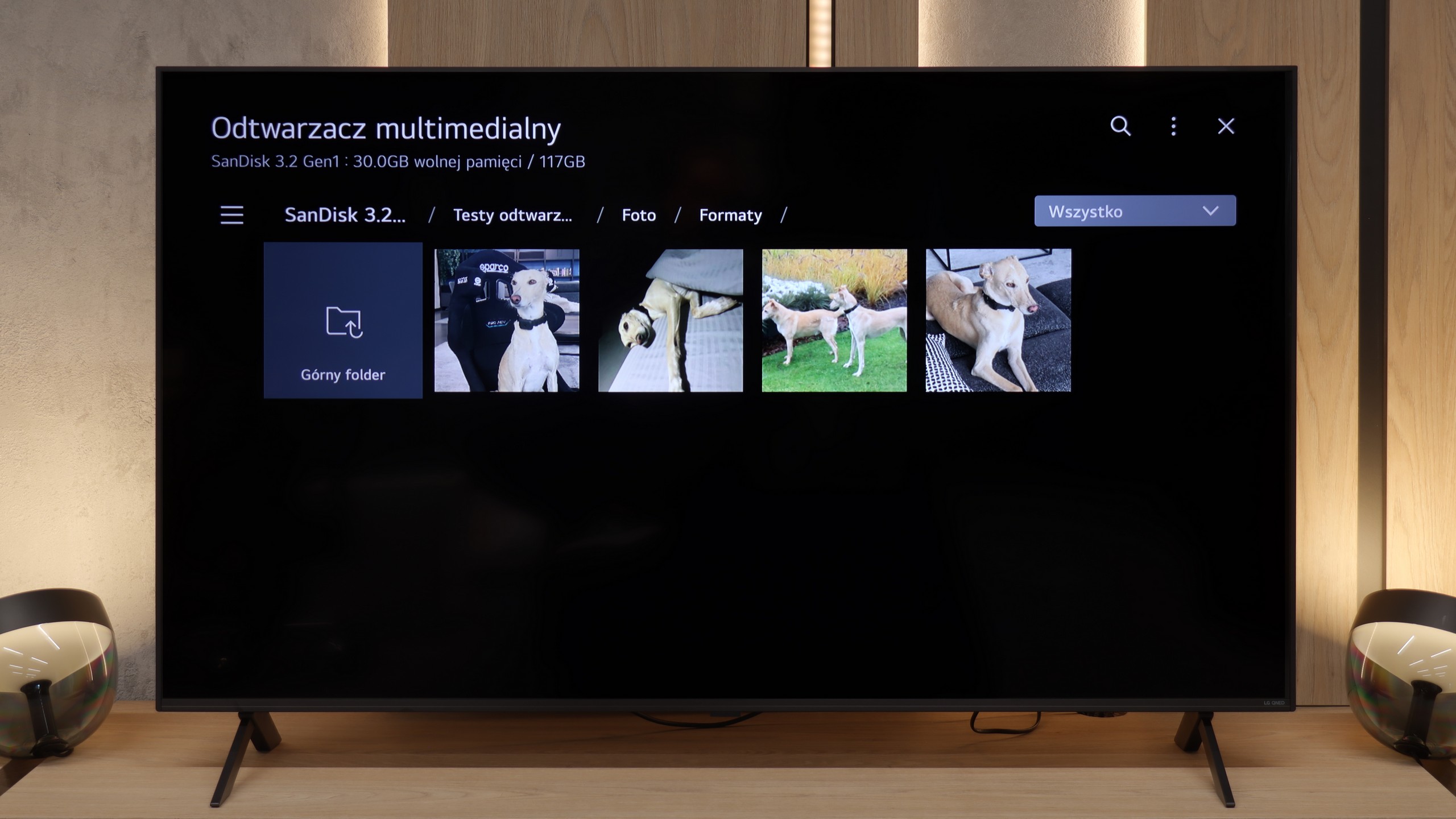
Playing files from USB on the V6C is quite impressive. The built-in player handles most popular video and audio formats well, and during testing, we did not encounter major difficulties when launching typical files. The biggest issue arose with images in very high resolution – above 20 Mpix the television often refused to cooperate. We also noticed minor gaps in functionality regarding video playback. The video player does not have the option to change the font colours, which had previously worked without issue in other TCL models. Fortunately, these inconveniences are easy to work around. Thanks to Google TV, one can install external applications such as VLC or KODI, which solve most problems and offer much broader file handling capabilities.
Many of us still enjoy watching films or photos from our own USB drives. Here, the QNED80A performs quite decently, supporting a wide range of video and audio codecs. Most film libraries will start "right away." However, it is important to remember the specifics of the WebOS system. Since this is a closed environment, we are reliant on what the manufacturer has prepared for us – there is no option to install alternative players (e.g., the popular VLC) if we encounter a read error. What kind of errors might we encounter? Primarily, the lack of support for HEIC files. So if you take pictures with an iPhone and want to display them on a large screen straight from a USB stick – the television won't recognise them. It's worth changing the photo format to JPG on your phone right away. We also noticed that the player struggles to process very large graphic files. Photos with resolutions of 20-28 Mpix may not load or cause errors. Aside from these exceptions – the operation is seamless.
Sound
5.8/10
6/10
- Maximum volume83dB81dB
- Dolby Digital Plus 7.1
- Dolby True HD 7.1
- Dolby Atmos in Dolby Digital Plus (JOC)
- Dolby Atmos in Dolby True HD
- DTS:X in DTS-HD MA
- DTS-HD Master Audio
The sound in the V6C does not stand out in any particular way compared to competitors in the same price range. The audio is quite flat, and there is simply a lack of bass. Fortunately, the television can play loudly – a measured 83 decibels is a fairly decent result, and importantly, even at maximum volume there is no unpleasant crackling that often plagues cheaper models. However, it’s worth noting not just the quality of the built-in audio, but also the support for advanced spatial audio formats. The V6C handles Dolby Atmos and DTS:X, so connecting a soundbar or another external audio system will not be a problem and will allow users to fully utilise these codecs. This is a good signal for those who plan to upgrade their setup with additional sound equipment.
When it comes to sound, the QNED80A fits the market standard for mid-range televisions. We are dealing with a classic 2.0 setup with a power of 20 watts here. We won’t hide it – you cannot cheat physics. The sound lacks low tones (bass) and that specific depth which creates an atmosphere in action films or when listening to music. However, the television has one significant advantage that users of traditional television, such as for series and news programmes, will appreciate. That is the reproduction of speech. The dialogue is surprisingly clear and natural. The sound is not "bass-heavy" or artificially boosted, which makes it easy on the ears and allows one to understand every word of the commentator without the need to increase the volume.
Sound Quality Test
Acoustic Measurements
83dBC (Max)
75dBC
No acoustic data