TCL MQLED85, or model C765, is a television that can truly surprise, especially in this price range. It is one of the cheapest models with mini-LED technology, which is immediately evident from the picture quality. The blacks are deep, and the brightness is sufficient even in a brightly lit room. Thanks to the large number of dimming zones, watching films in the evening is a pure pleasure – the blacks are genuinely deep, and the image in dark scenes appears clear. However, it is not perfect – in some shots, you can notice minor issues with small bright elements, but this is really a trifle compared to what this model offers. Google TV works excellently here – there are plenty of applications, and using the system is simply convenient. Voice control in Polish operates flawlessly, which can be particularly useful if you don’t want to type film titles using the remote. Of course, there are minor shortcomings, like the lack of recording features, but these are not things that hinder everyday use. For gamers, it is also a great option. Support for HDMI 2.1, VRR, and low input lag make the television handle consoles well and compete effortlessly with more expensive models from Korean or Japanese manufacturers. It's hard to find something better in this price range concerning smooth and responsive gameplay. During testing, we encountered a few minor software issues, but it's difficult to say if this is a significant drawback. We hope that TCL will release updates, so there is a chance this issue will be resolved quickly. TCL MQLED85/C765 is an excellent choice if you’re looking for a television with good picture quality and modern features at a reasonable price. This model combines accessible mini-LED technology with a convenient Google TV system, while also performing exceptionally well in gaming. The minor software shortcomings are something you can live with, especially considering what this television offers in its class.
- Matching (Score) |
- Our verdict |
- TV appearance |
- Where to buy |
- Contrast and black detail |
- HDR effect quality |
- Factory color reproduction |
- Color reproduction after calibration |
- Smoothness of tonal transitions |
- Image scaling and smoothness of tonal transitions |
- Blur and motion smoothness |
- Console compatibility and gaming features |
- Input lag |
- Compatibility with PC |
- Viewing angles |
- Daytime performance |
- Panel details |
- TV features |
- Apps |
- Playing files from USB |
- Sound
TCL MQLED85 / C765 vs Panasonic W85
 Direct comparison
C765 / MQLED85


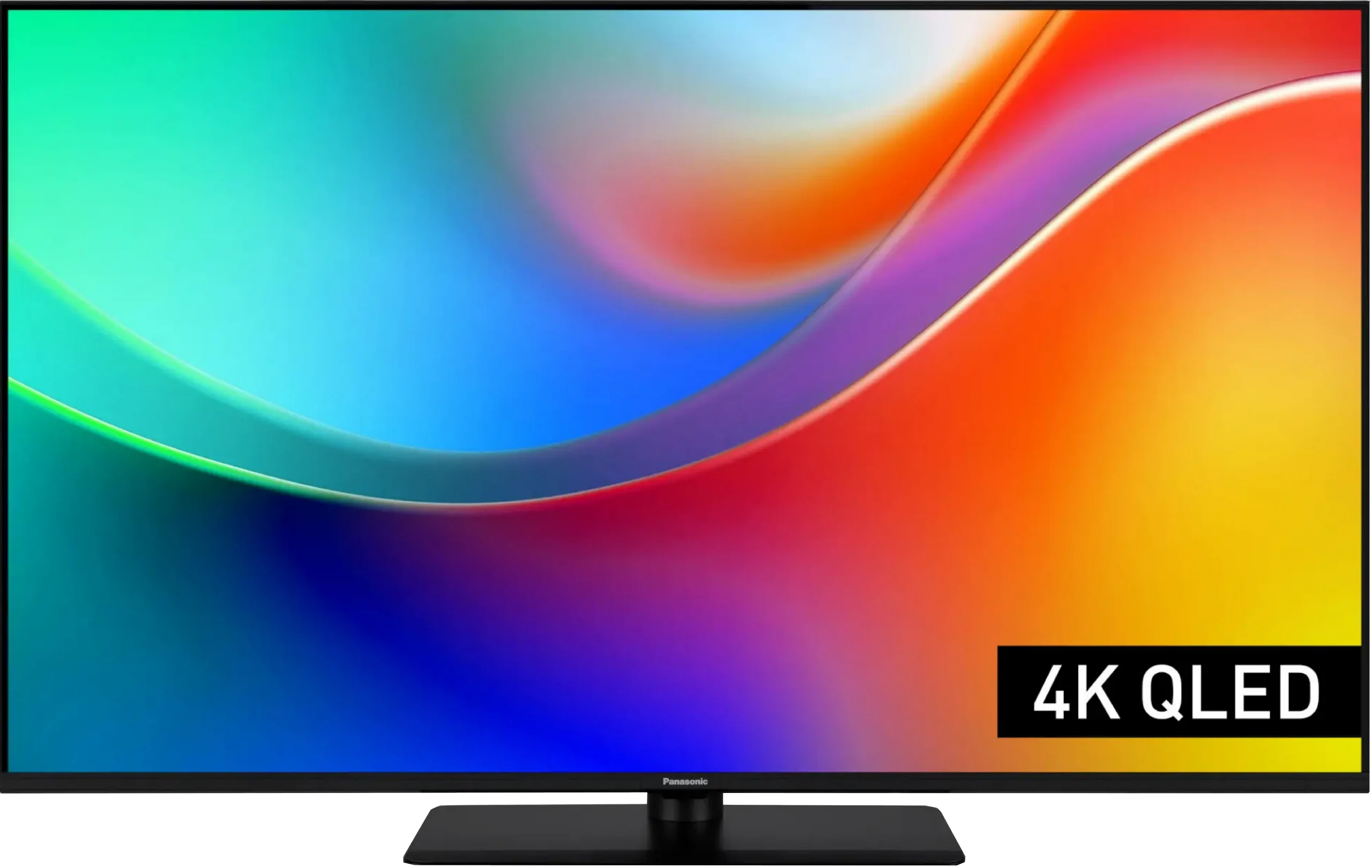
Panel type: LCD VA
Resolution: 3840x2160
System: Google TV
Model year: 2024
Complete the survey to find out the result
Panel type: LCD VA
Resolution: 3840x2160
System: Amazon FireTV
Model year: 2025
Complete the survey to find out the result
Overall rating
7.2
6.1
 Movies and series in UHD quality
 6.8
5.5
 Classic TV, YouTube
 6.6
5.8
 Sports broadcasts (TV and apps)
 6.5
5.8
 Gaming on console
 8.6
7.7
 TV as a computer monitor
 8.6
8.6
 Watching in bright light
 6.3
4.2
 Utility functions
 6.5
6.8
 Apps
Apps 9.6
7.6
 Sound quality
 6.9
5.8
Complete the survey to find out what fits your preferences
Advantages

Great choice for gamers - plenty of features, low input lag, 144Hz
High brightness of the panel - good performance during the day
Good black levels and contrast
Advanced Google TV
Premium build at a low price
VA matrix with high native contrast
High refresh rate of 120/144 Hz
Two HDMI 2.1 ports with support for ALLM, VRR, and Dolby Vision in games
Very low input lag
Fairly good colour gamut coverage thanks to the QLED filter
Support for multiple HDR formats including Dolby Vision and HDR10+
Sturdy central stand
Great compatibility with PC – full chroma 4:4:4, clear fonts
Disadvantages

Average viewing angles
Missing recording function
Low brightness (below 270 nits) – no real HDR
HDR mode in games is poorly developed, with incorrect HGiG implementation
Poor media file player
The FireTV system in Europe is poorly developed: there are micro stutters and awkward translations, and many applications are missing
Average sound quality, lacking depth
The motion smoother does not want to work
Our verdict
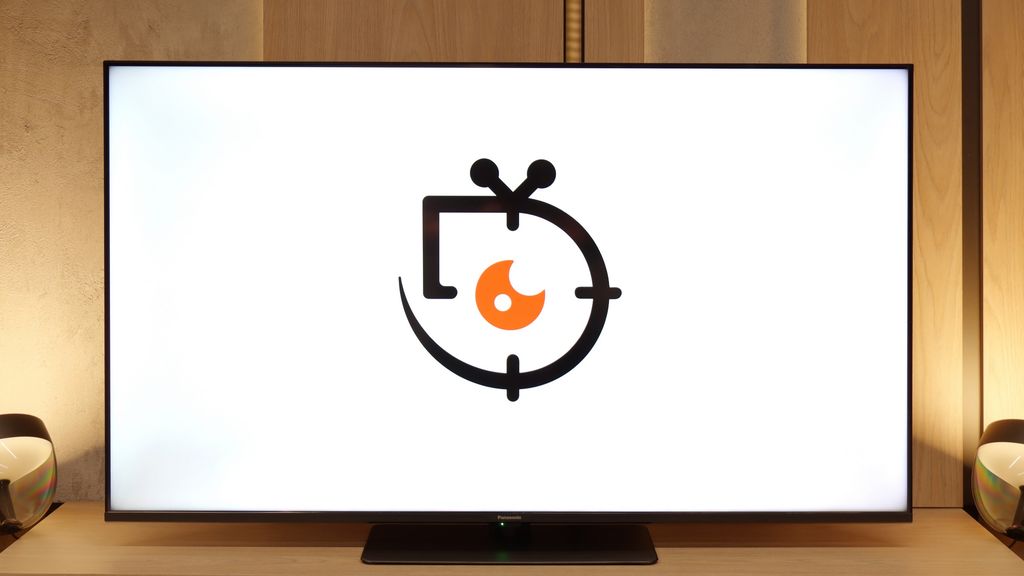
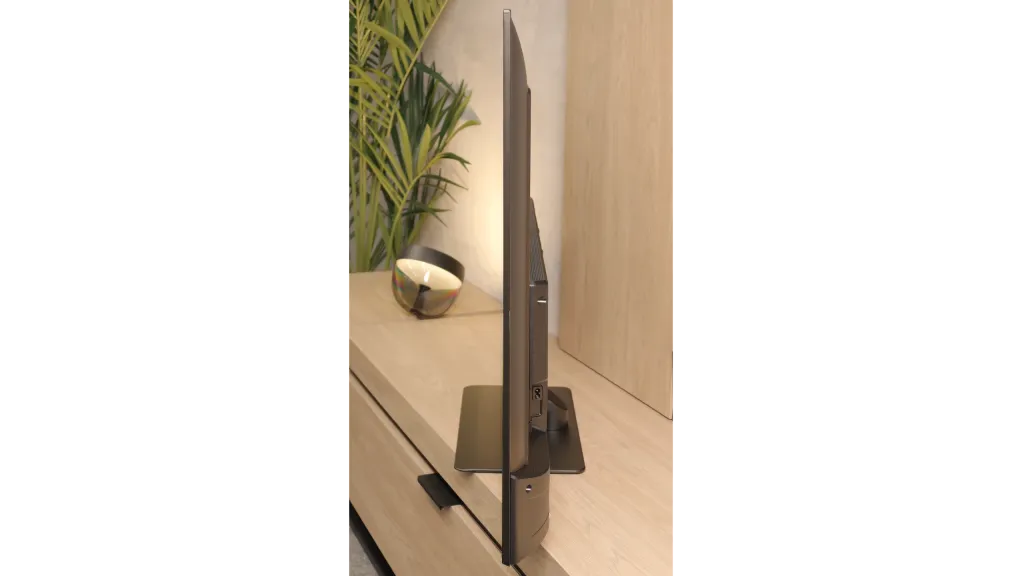
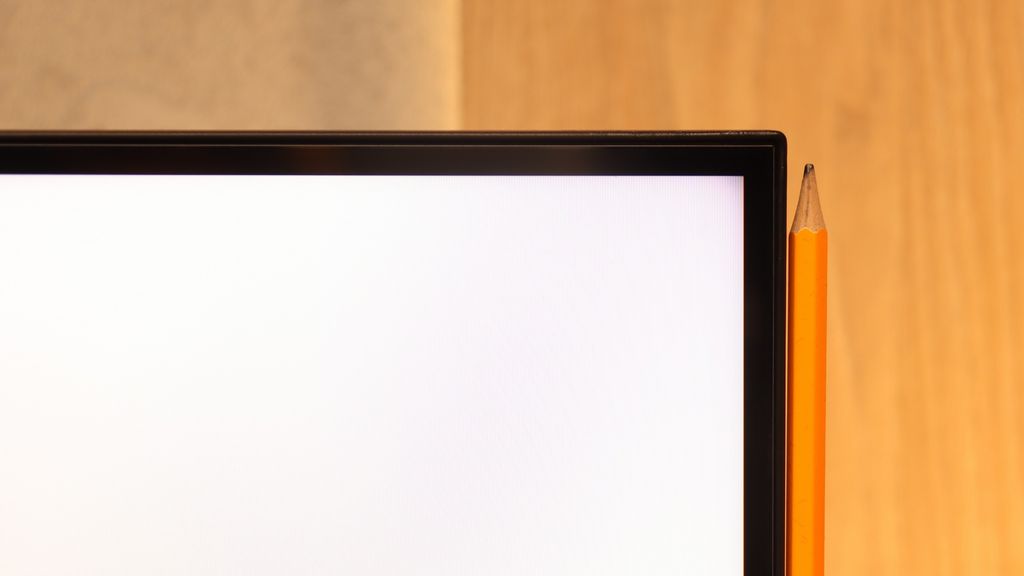
The Panasonic W85B is a television that aims to prove that the Japanese brand can make not only high-end equipment but also something more "for the people." And indeed — on paper, it looks quite decent: a VA panel with solid contrast, high refresh rates of 120/144 Hz, two full HDMI 2.1 ports, and low input lag. It sounds like a great set for a gamer or someone who just wants an affordable TV with good fundamentals. However, the reality is a bit more complicated. The W85B performs well mainly with the SDR format, especially after calibration, and is suitable for typical daily use. But when we start demanding more from it — for example, expecting strong HDR effects or greater immersion in games with that mode turned on — the TV quickly reveals its limitations. Its brightness is low and the lack of local dimming really stands out during evening viewing. Therefore, we see the W85B more as a "daily" television — ideal for someone who watches terrestrial television, YouTube, or streaming in SDR, and wants to connect a console or PC at 120/144 Hz (but without HDR). In this role, it performs very well. Is it a television for everyone? Definitely not. But if we accept its limitations and approach it without high expectations, the W85B can provide a lot of enjoyment for relatively reasonable money.
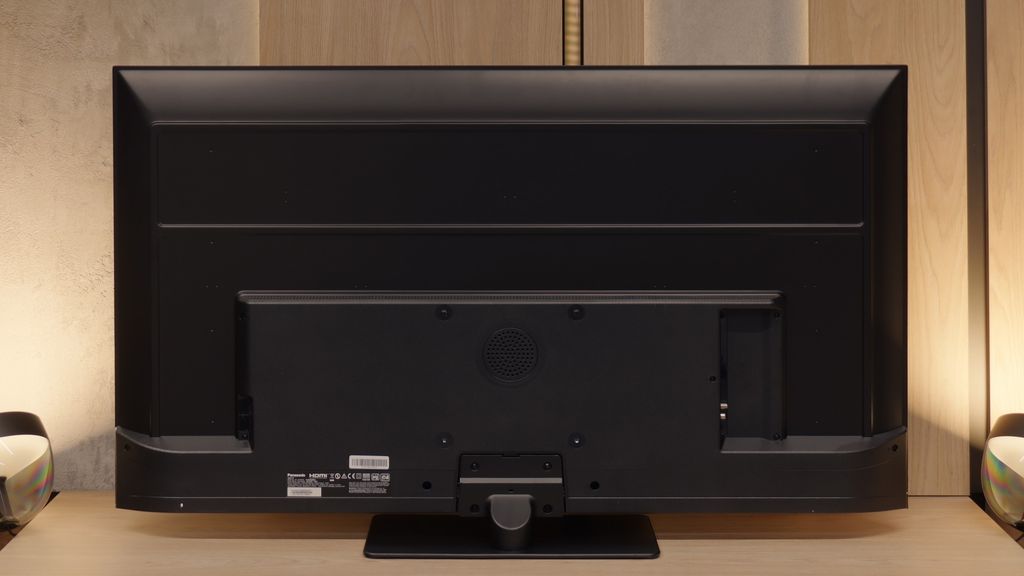
TV appearance



Contrast and black detail
7.7/10
5.3/10
Local dimming function: Yes, number of zones: 720 (36 x 20)
Local dimming function: No
Contrast:


Result
∞:1

Result
30,150:1

Result
17,500:1

Result
9,500:1

Result
5,750:1
Result
4,300:1
Result
4,250:1
Result
4,200:1
Result
4,400:1
Result
3,150:1
Halo effect and black detail visibility:

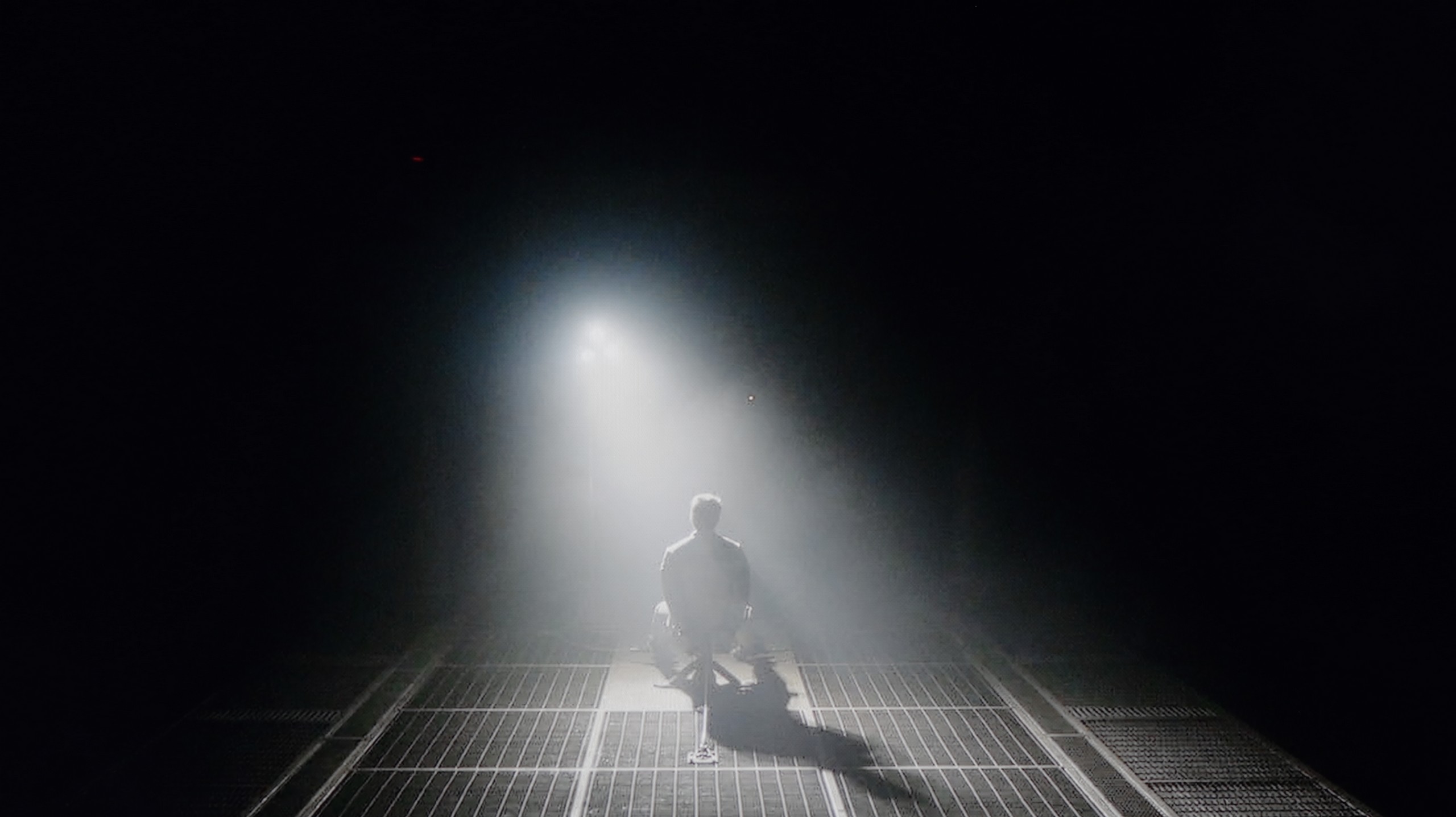
Check the visibility of bright lights on a dark background. Mini-LEDs often struggle with this. The photo does not compare black levels – that’s what the video below is for.
The video accurately shows differences in contrast and black levels between TVs, as well as potential issues: halo around bright objects or Mini-LED zone operation visible as brightness jumps.
TCL MQLED85/C765 stands out due to its use of a VA panel and Mini LED backlighting, which makes a significant difference compared to traditional backlighting systems. Mini LED, with its considerably smaller diodes, allows for more precise control of the screen's backlighting, resulting in much better contrast and deeper blacks. The 55-inch model we are testing has an impressive number of over 700 local dimming zones, providing exceptional precision in image display. However, it is worth noting that the number of backlighting zones may vary depending on the screen size – for larger diagonals, the number of zones naturally increases due to the larger screen area, allowing larger displays to achieve better results in terms of contrast and black levels. Thanks to the vast number of zones, the TCL MQLED85/C765 achieved a performance comparable to OLED screens on our first test scene from the film "Oblivion," offering nearly reference-level contrast. But what happens when we test this model in even more demanding conditions? How will the television perform in more challenging scenarios? Overall, the TCL MQLED85/C765 performs very well in displaying blacks, but in some cases, the local dimming algorithm is not perfect. On dark backgrounds, smaller bright elements can lose clarity and brightness, as confirmed by our recent test scene from the Pioneer Kuro test disc. Despite some imperfections in the local dimming algorithm and the slight occurrence of the HALO effect (which is a bright halo around bright objects on a dark background caused by screen local dimming deficiencies), the results achieved by the TCL MQLED85/C765 are impressive, especially considering its price. This television offers contrast and black depth that can compete with models that are even half again as expensive.
The W85B is Panasonic's basic LCD, so one shouldn't expect miracles in this category, but… the VA panel does a really good job here. Its biggest advantage is simply better contrast than in popular IPS panels – there, blacks often look like grey, whereas here you can actually see deeper tones. In the scenes we tested, the contrast held around 4000:1, which translates to roughly four times better performance than in IPS. Of course, there's no local dimming, so in challenging conditions, when it gets really dark in the room, black can resemble navy more than absolute pitch black. This is exactly the difference you notice when comparing it to OLEDs or Mini-LEDs. But for everyday viewing – series, matches, films in the evening in the living room – this contrast is more than sufficient. The picture has the appropriate depth, and the W85B does not give the impression of a "faded" television.
HDR effect quality
6.2/10
4.2/10
Luminance measurements in HDR:

Result
1016 nit

Result
365 nit

Result
765 nit

Result
235 nit

Result
1178 nit
Result
228 nit
Result
249 nit
Result
283 nit
Result
282 nit
Result
297 nit
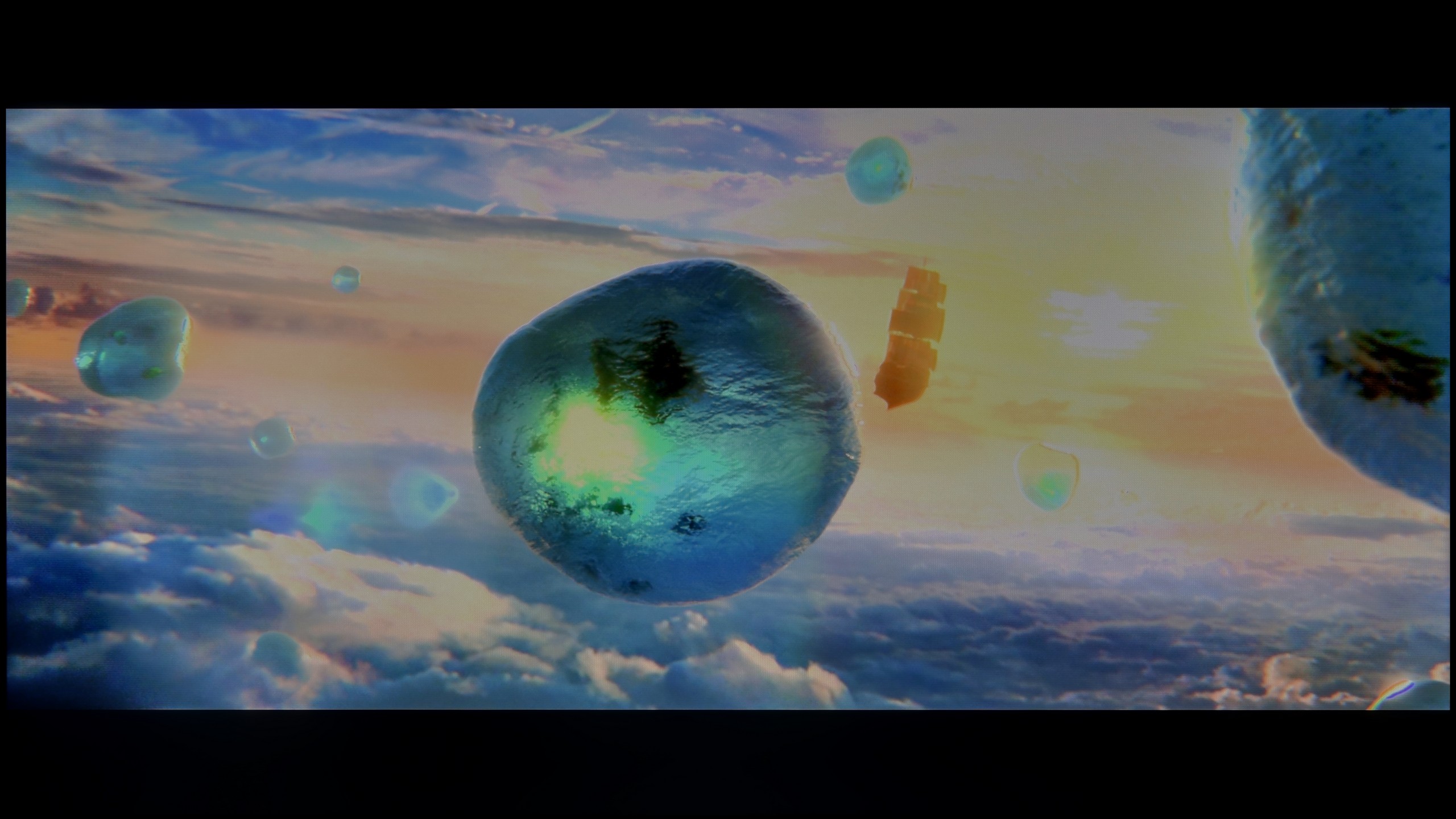
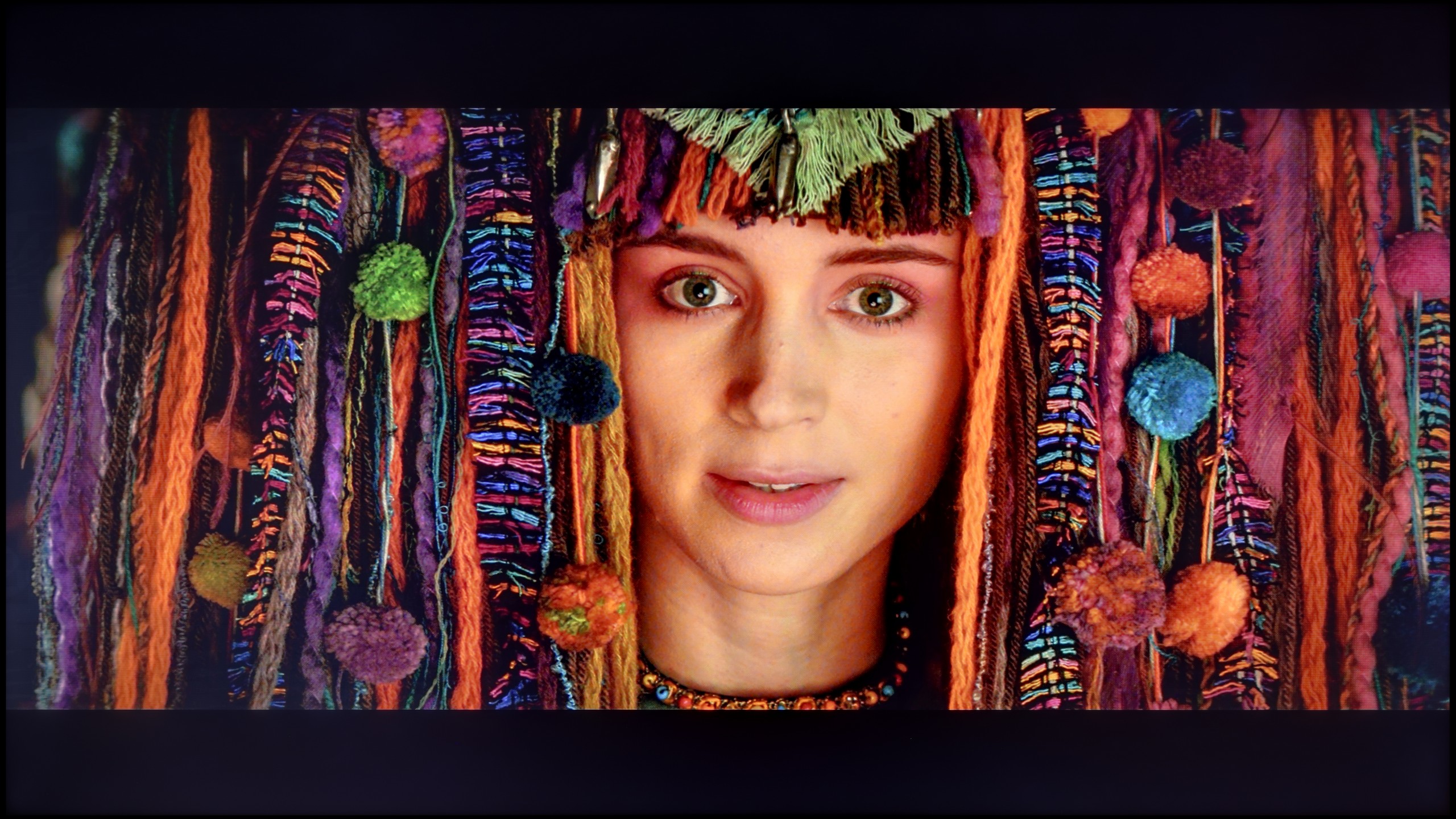
Scene from the movie “Pan” (about 2800 nits)

Scene from the movie “Billy Lynn” (about 1100 nits)

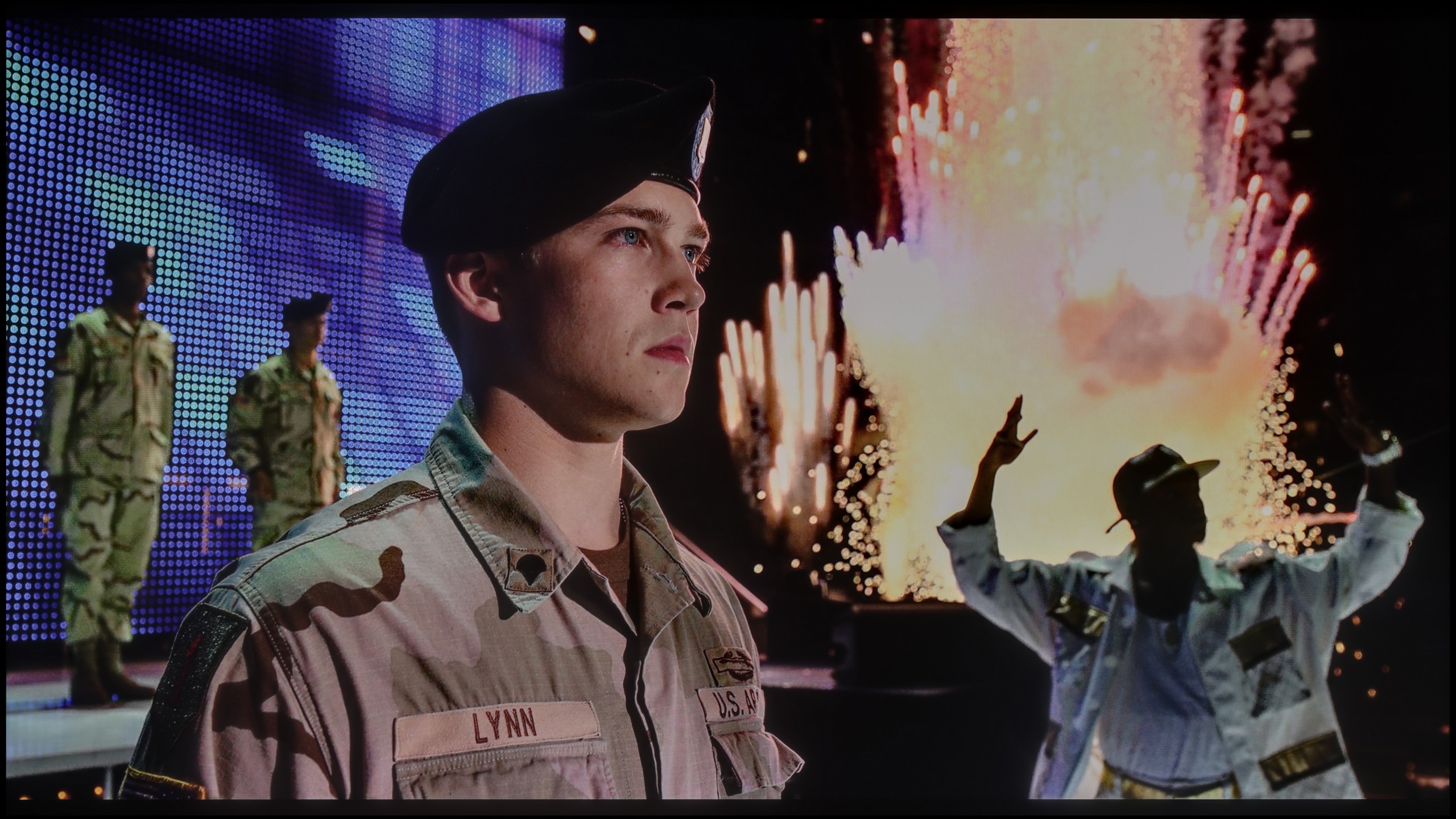
The photos show two HDR10 movies. 'Pan' is one of the brightest productions ever made, while 'Billy Lynn' (soldier) has brightness typical of streaming (Netflix, Prime, HBO MAX). Notice the intensity of effects and detail in whites.
Static HDR10

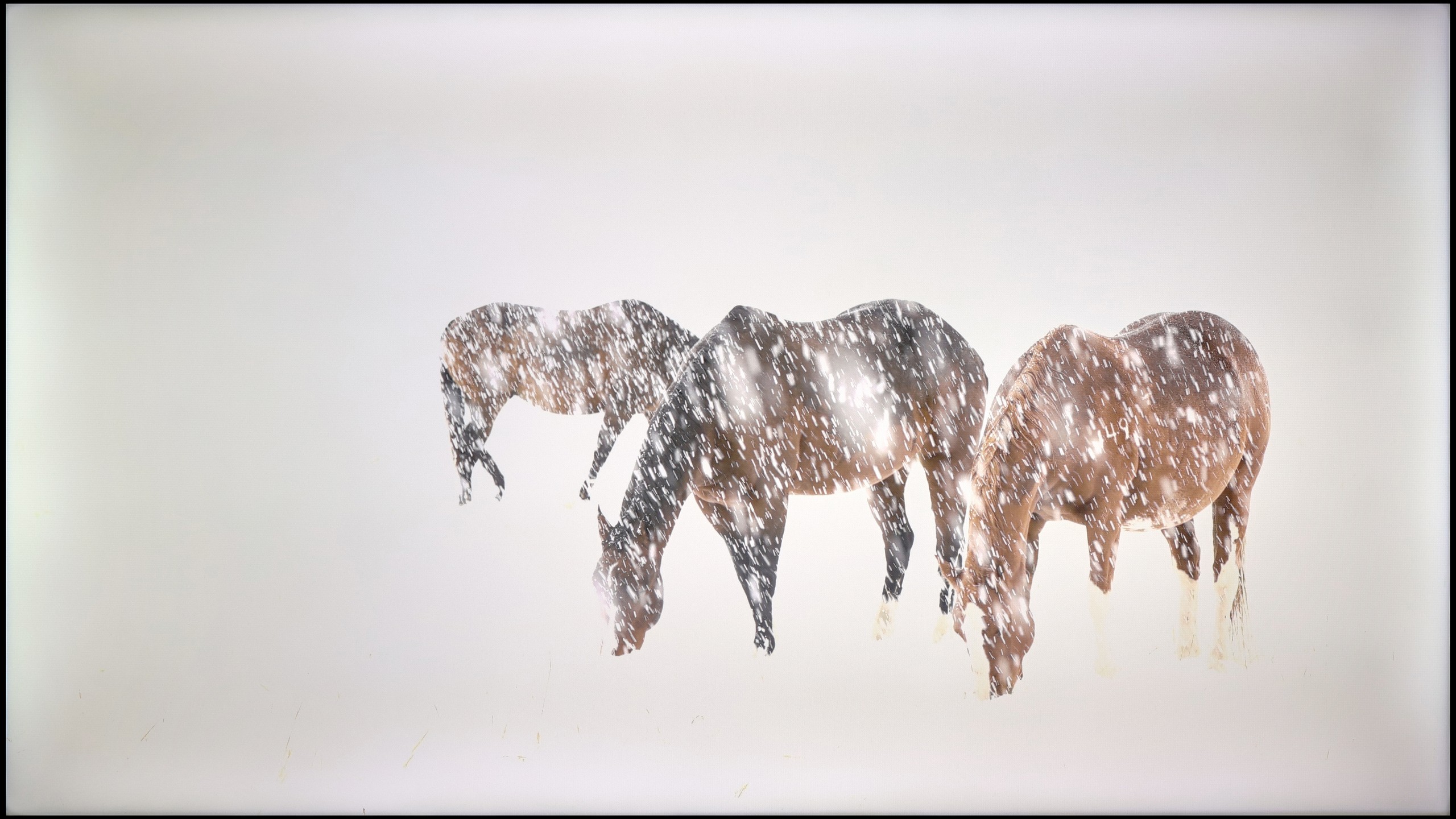
The photos present the visibility of white details in various HDR formats. They do not show brightness differences between TVs (these can be compared in the previous gallery).
Dynamic: Dolby Vision
Dynamic: Dolby Vision

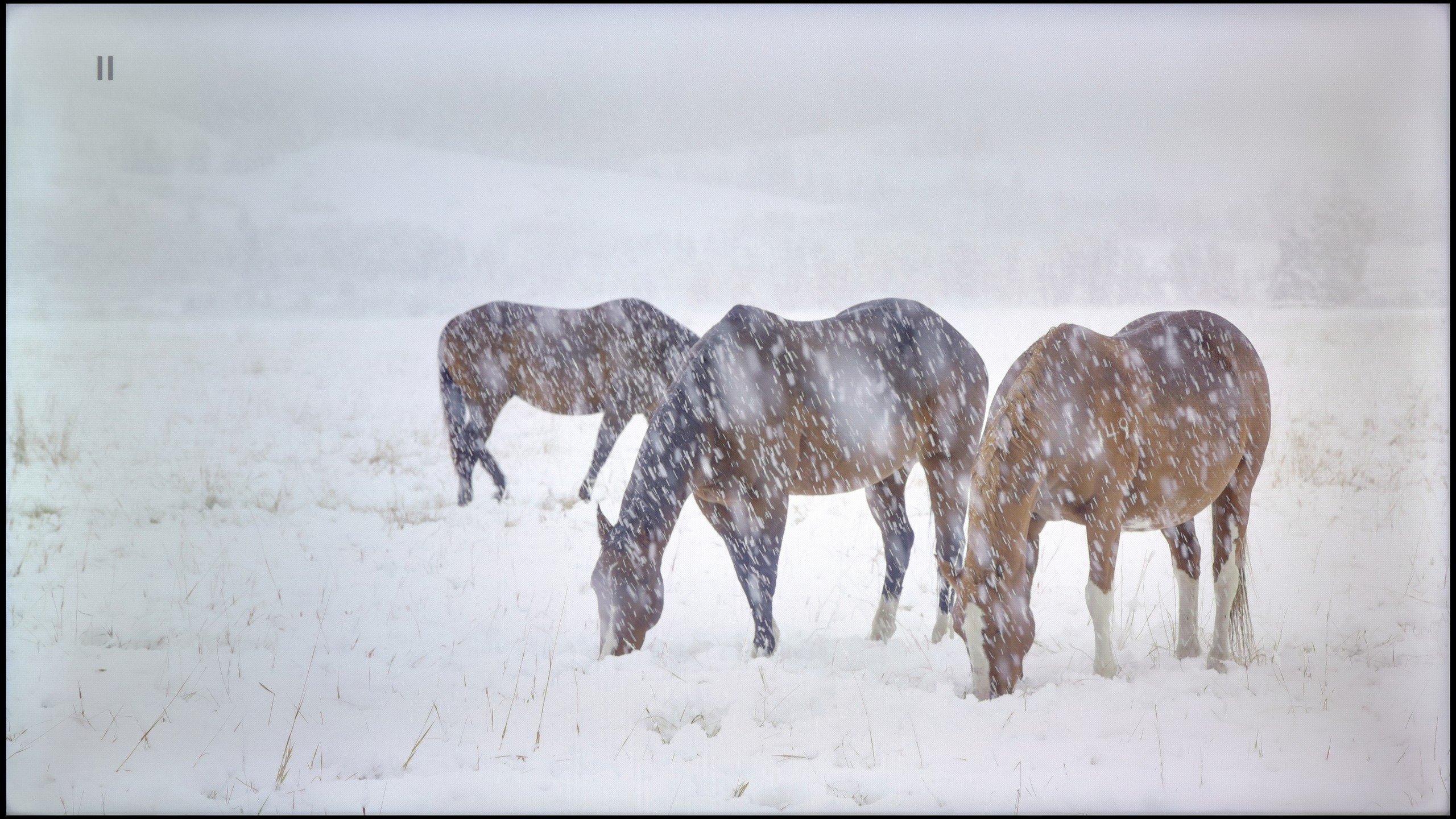
The photos present the visibility of white details in various HDR formats. They do not show brightness differences between TVs (these can be compared in the previous gallery).
HDR luminance chart:
Panasonic W85
TCL MQLED85 / C765
The television TCL MQLED85/C765 handles HDR well. In the tested movie scenes where the screen is covered with 100% brightness, the model achieves impressive results of around 1000 nits, providing intense and realistic rendering of HDR content. However, similar to contrast, the dimming algorithm may exhibit certain limitations. Despite a large number of Mini LED zones, the television does not always manage to "wow" the user with brightness in very challenging test scenes. For example, in the scene from the film "Life of Pi," where a bright moon appears against a dark background, and in another scene from "Sicario 2," where a very bright light effect is visible on a dark background, the television did not reach maximum intensity. For users expecting perfect HDR performance in such extreme cases, the TCL MQLED may be slightly disappointing. However, in terms of colours, the television stands out with very high coverage of the DCI P3 colour palette at 95%, which is an impressive result, comparable to much more expensive models. TCL MQLED85 / C765 offers support for various HDR formats, including Dolby Vision and HDR10+, which is significant for cinema image enthusiasts. Although this model achieves brightness over 1000 nits, TCL MQLED85 may struggle to reflect details in very high-contrast scenes. For better HDR quality control, C765 is equipped with a dynamic tone mapping option, making the image more realistic and natural depending on the content.
Unfortunately, we do not have good news here. The Panasonic W85B is rather dim – its peak brightness does not exceed 300 nits, so it’s hard to talk about any true HDR effect. In practice, this means that scenes which can “shine” and make an impression on other screens simply look like ordinary SDR with a slight boost in colours here. Our measurements and film tests confirmed this – regardless of the content, the W85B will not extract anything more from HDR. Therefore, if someone is looking for a television specifically for HDR, it is better to look towards other models. As consolation, the fact remains that in terms of colours, the W85B performs quite well. It is a QLED television, so its colour gamut coverage is wide, and most films and series look natural, without a distinct “washed-out” effect. The colours are saturated, so in everyday viewing, there is no sense that something is strongly amiss.
Factory color reproduction
5.2/10
4.2/10


This gallery shows how colors change after professional TV calibration. If you notice the difference, we recommend ordering this service at SkalibrujTV.com.
Factory Mode
After calibration
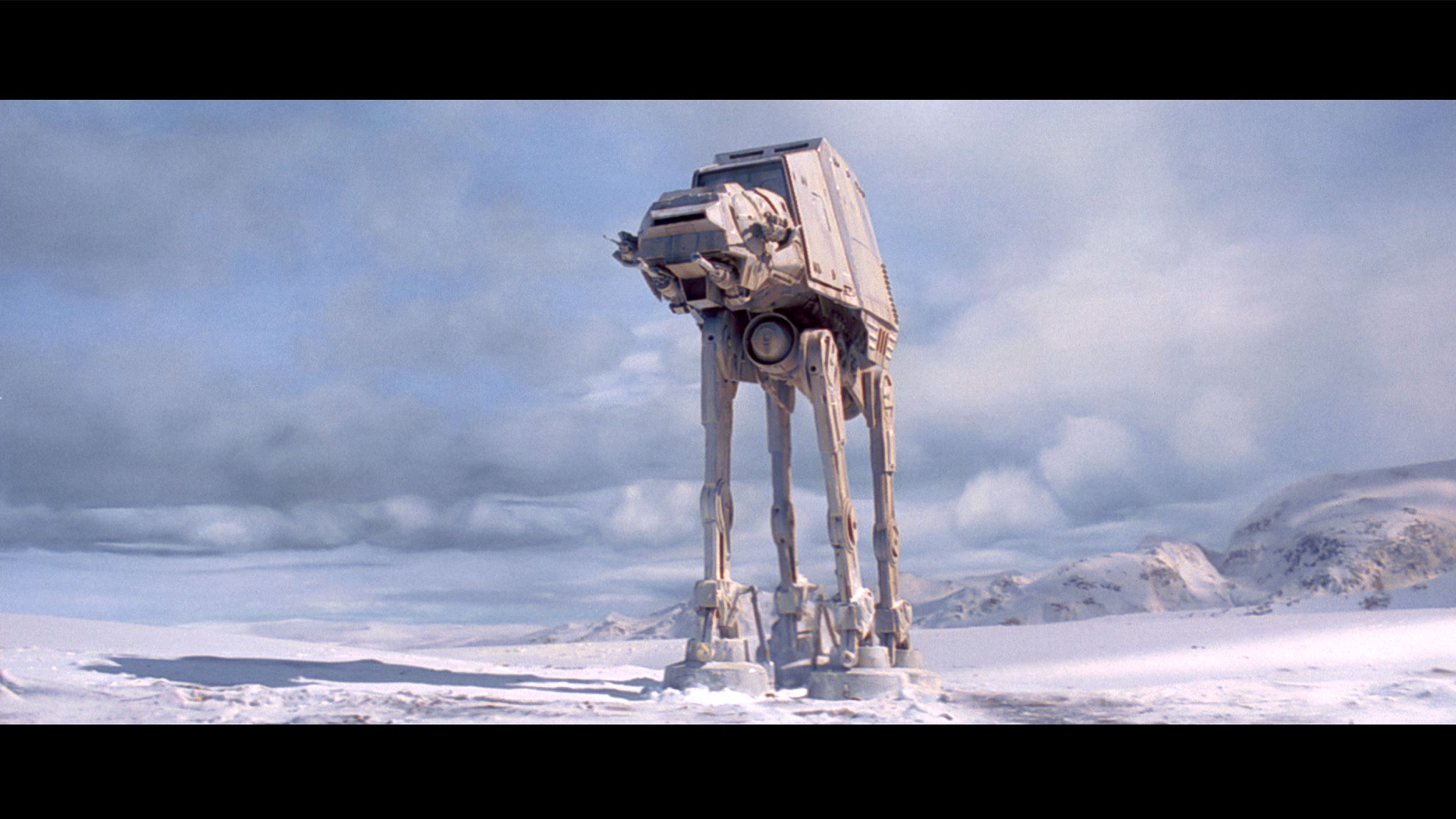

This gallery shows how colors change after professional TV calibration. If you notice the difference, we recommend ordering this service at SkalibrujTV.com.
Factory Mode
After calibration
The television TCL MQLED85/C765 was tested in movie mode, which, although it seems to be the best setting from the manufacturer, is not without flaws. The colour reproduction in HD/SDR mode MQLED85 shows some shortcomings. In the analysis of white balance, there is a significant lack of blue, which can affect the overall image quality, especially in bright scenes where blue shades are crucial for natural representation. The overall shape of the image may then appear too warm. Regarding gamma contrast, the graph shows a large jump above the reference line of 2.4 at the beginning, which may suggest significant dimming of brightness in darker areas, leading to loss of detail in black. Then, for most of the time, the values lie below this line, which may lead to loss of detail in brighter parts of the image. Such a distribution can negatively impact perceived image quality, particularly when watching regular television in HD quality.
In the case of 4K HDR image quality of the TCL MQLED85/C765, there is a noticeable excess of red in the analysis of white balance. This excess can significantly affect the viewer's experience, leading to several significant effects. Firstly, an excessive amount of red can make other colours, such as green or blue, appear muted or unnatural. This distortion of colour balance can result in an overall impression of "over-saturation," which detracts from the naturalness and authenticity of the image. As for contrast, the EOTF (Electro-Optical Transfer Function) graph indicates that most values are above the reference line, suggesting an intense boost in brightness in bright areas of the image. However, there is an exception at the beginning of the graph, where the EOTF line is below the reference line, which can lead to excessive dimming of small light elements.
Users should be aware that despite using the best mode, which is movie mode, the television is not free from flaws in terms of image settings, so it is worth considering adjusting the settings to achieve better results.
When testing the Panasonic W85B, we obviously started with Filmmaker mode, as this is today’s gold standard when it comes to watching content “as the director intended.” The problem is that this television is quite far from those intentions. The biggest issue turned out to be an excess of red – both in SDR and HDR. The image often appeared too warm because of this, and in some scenes, it was almost “blazing.” Additionally, there is the issue of brightness management. When we looked at the gamma or EOTF charts, it was clear as day that in most scenes, the television brightens the image more than it should. The effect was simply predictable. Details can get lost, there is flattening, and highlights are blown out across the entire screen. We know, of course, how to correct this, but it must be said honestly that it requires a lot of work during calibration. Out of the box, the W85B does not provide a picture close to reference – it is rather a television that will always interpret colours and brightness a little “in its own way” without professional adjustments. Unfortunately, this is to the viewer’s detriment.
Color reproduction after calibration
7.8/10
6.9/10

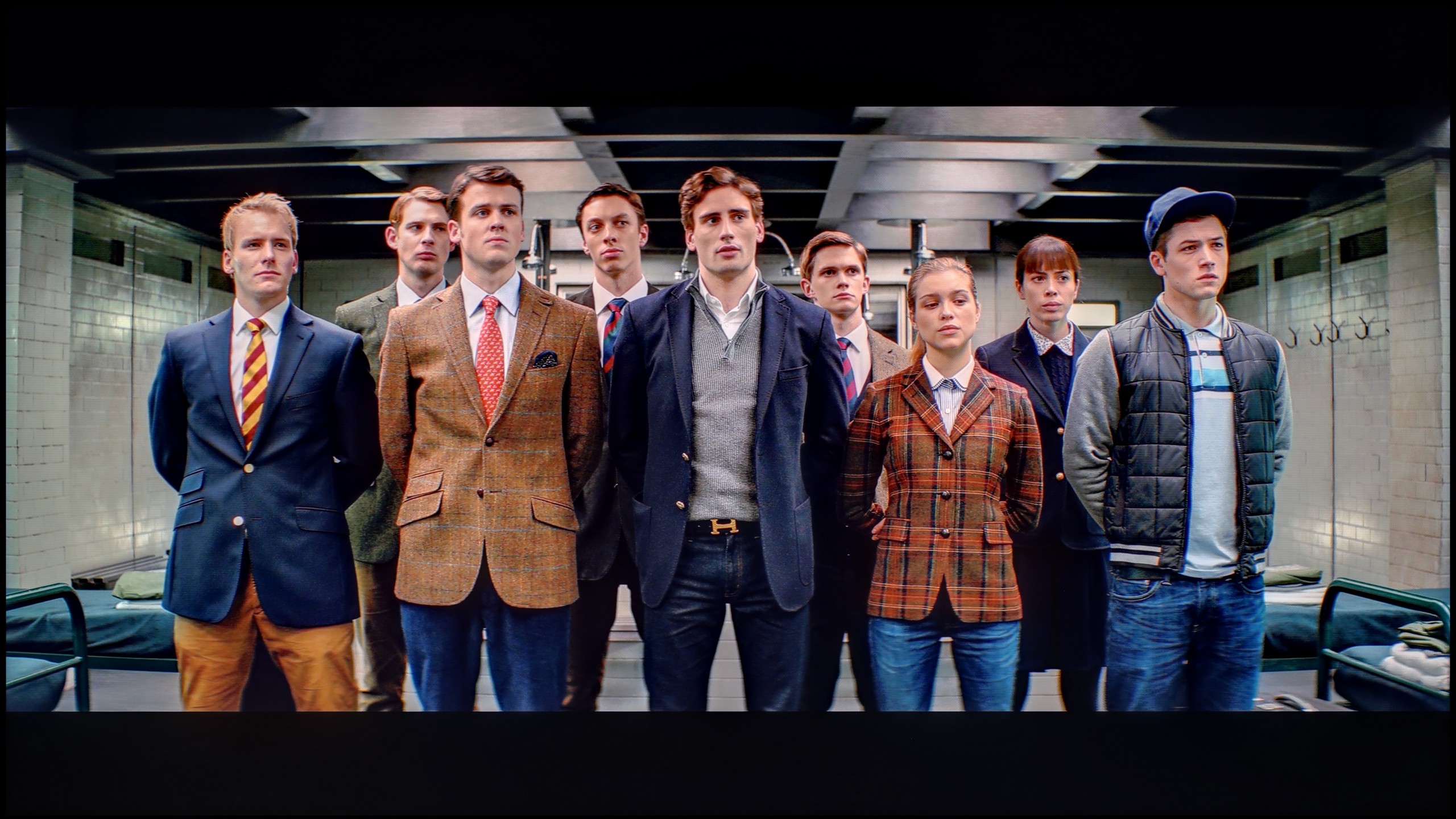
The photos show how movies look on the TV. Pay attention to black detail visibility, colors, and shadow tint.

The photos show how movies look on the TV. Pay attention to black detail visibility, colors, and shadow tint.
After the professional calibration of the television TCL MQLED85/C765, its colour properties in movie mode have significantly improved, resulting in a much more satisfying visual experience. Both in SDR and HDR modes, the white balance shows no serious errors, and the graph appears much better harmonised. Users can now enjoy natural colour reproduction, which is crucial for obtaining an authentic experience when watching films. It is worth noting that in HDR content, there may be slight colour reproduction errors at the end of the graph, but these are much smaller than before calibration. As a result, characters and landscapes become more realistic, enhancing the depth of immersion in the story.
In terms of contrast, the gamma curve, responsible for HD quality, has been completely free of drops below the reference line, meaning better detail visibility in dark scenes. Nevertheless, there is still a slight boost at the beginning of the graph, which may affect the perception of bright elements. For HDR content, the EOTF curve also exhibits smaller errors, although certain issues with medium tone reproduction may still be noticeable. The EOTF curve measured on actual movie scenes still shows a significant brightness boost, making the image appear more intense but artificially brightened. This is a typical problem for TCL televisions, which may appeal to inexperienced viewers, but can be irritating for those more familiar with an ideal image.
What benefits does professional calibration bring for film enthusiasts? Thanks to it, viewing becomes even more realistic and immersive, and each scene can be fully experienced, preserving details and natural colours.
Fortunately, calibration made a significant difference for the Panasonic W85B, particularly in SDR content. Here, the improvement was really noticeable – we managed to balance the whites and somewhat tame the tendency of the television to excessively brighten the entire image. The picture became more coherent, and the colours gained a naturalness that was lacking in the factory settings. Admittedly, the results from the Color Checker are not perfect, as the W85B has visible issues with green saturation, but overall, we evaluate the post-calibration effect in SDR very positively. The situation is a bit different with HDR. Here too, we managed to reduce the tendency to warm up the entire scene, so the image performed significantly better than in the factory settings. However, the same issue we mentioned earlier is still evident – the television interprets the image too much "on its own" and brightens the entire screen. The lack of local dimming only exacerbates this effect. In summary, briefly in SDR content, the W85B performs really well after calibration and is more than suitable for daily viewing. However, in HDR, even after adjustments, it remains difficult to unequivocally recommend it for serious viewing sessions.
Smoothness of tonal transitions
7/10
9.1/10


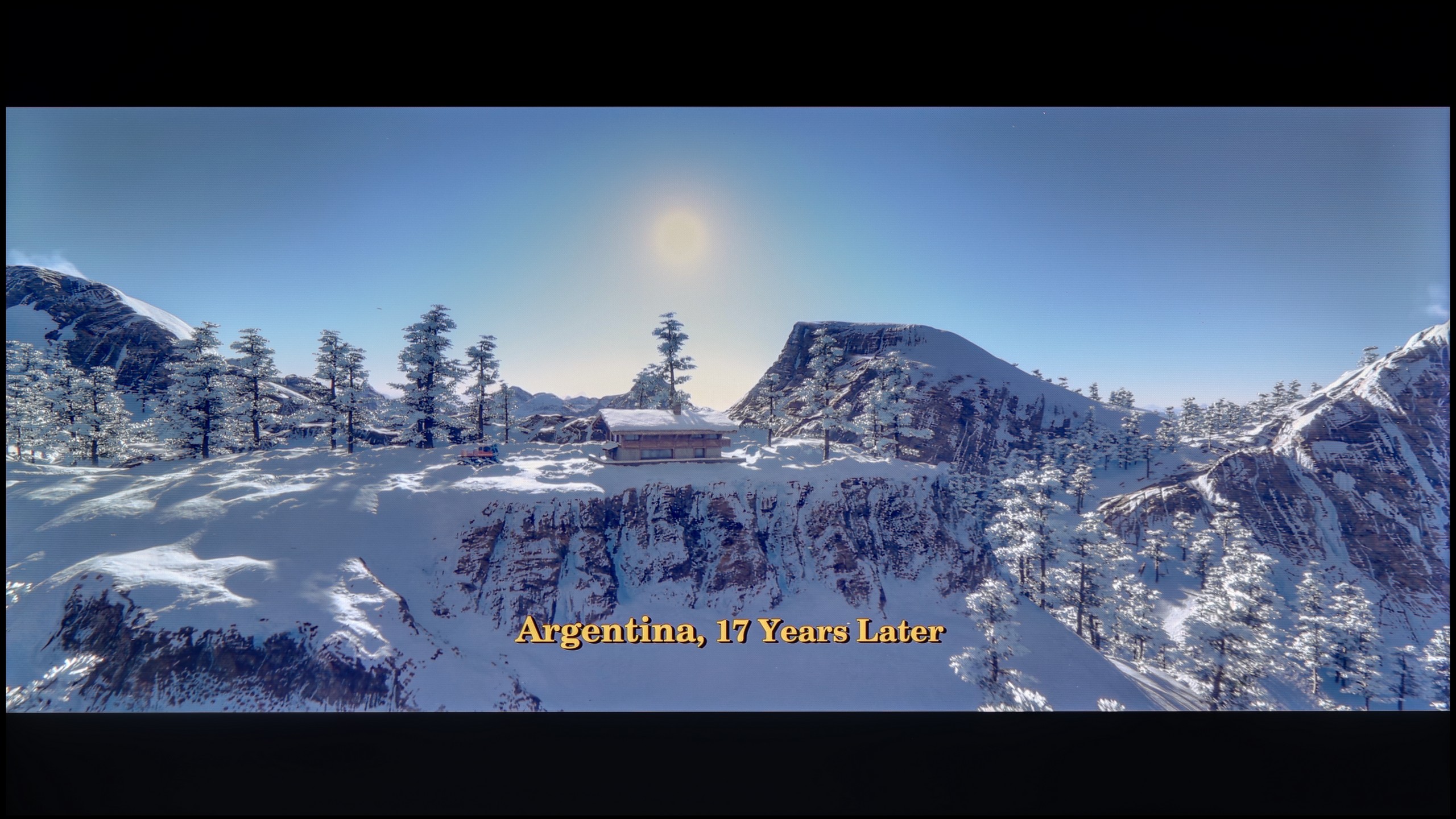
These are selected scenes that show smooth tonal transitions from one color to another. If you see distinct banding, it’s the TV panel’s fault.
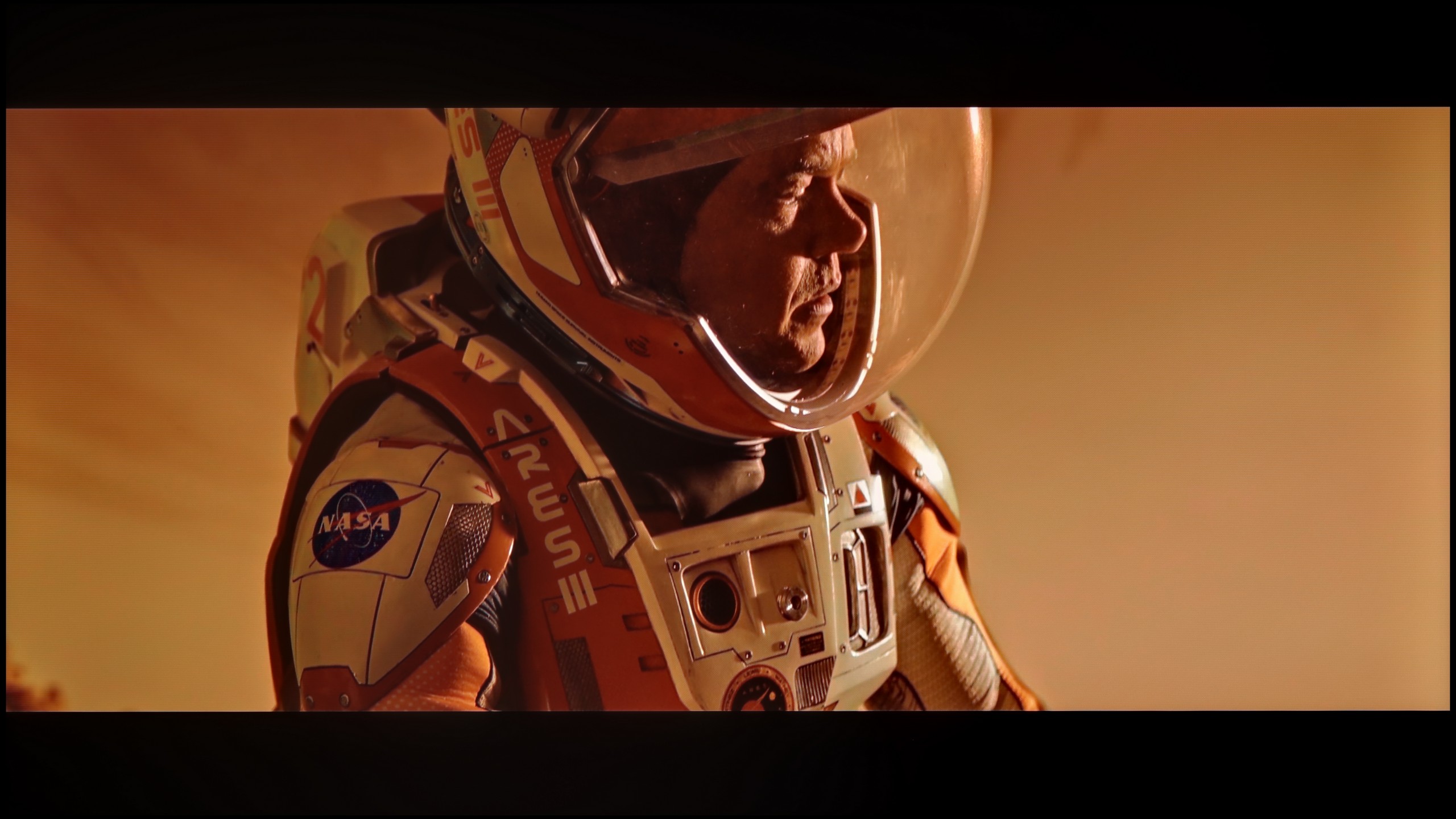
These are selected scenes that show smooth tonal transitions from one color to another. If you see distinct banding, it’s the TV panel’s fault.
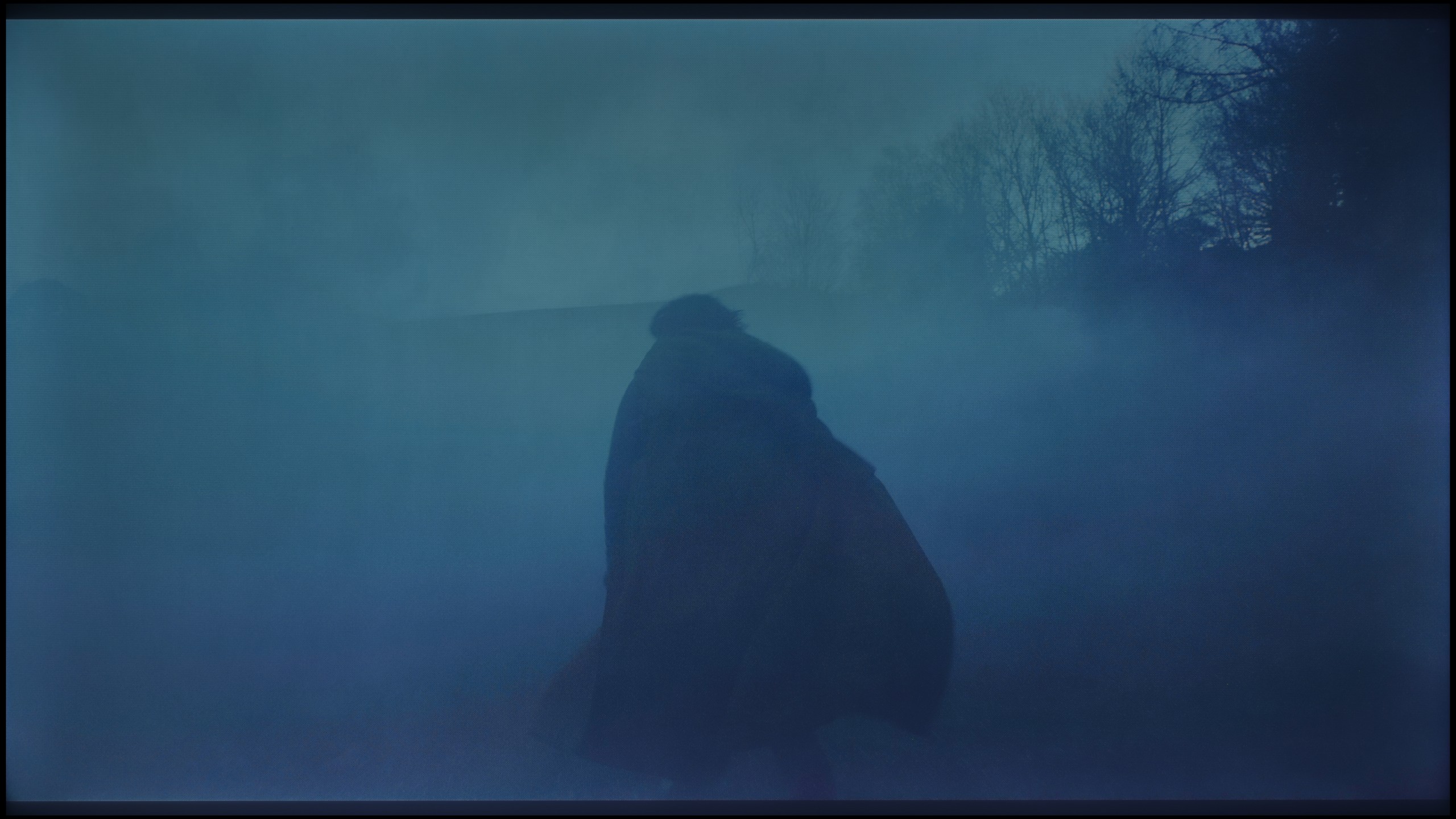
These are selected scenes that show smooth tonal transitions from one color to another. If you see distinct banding, it’s the TV panel’s fault.
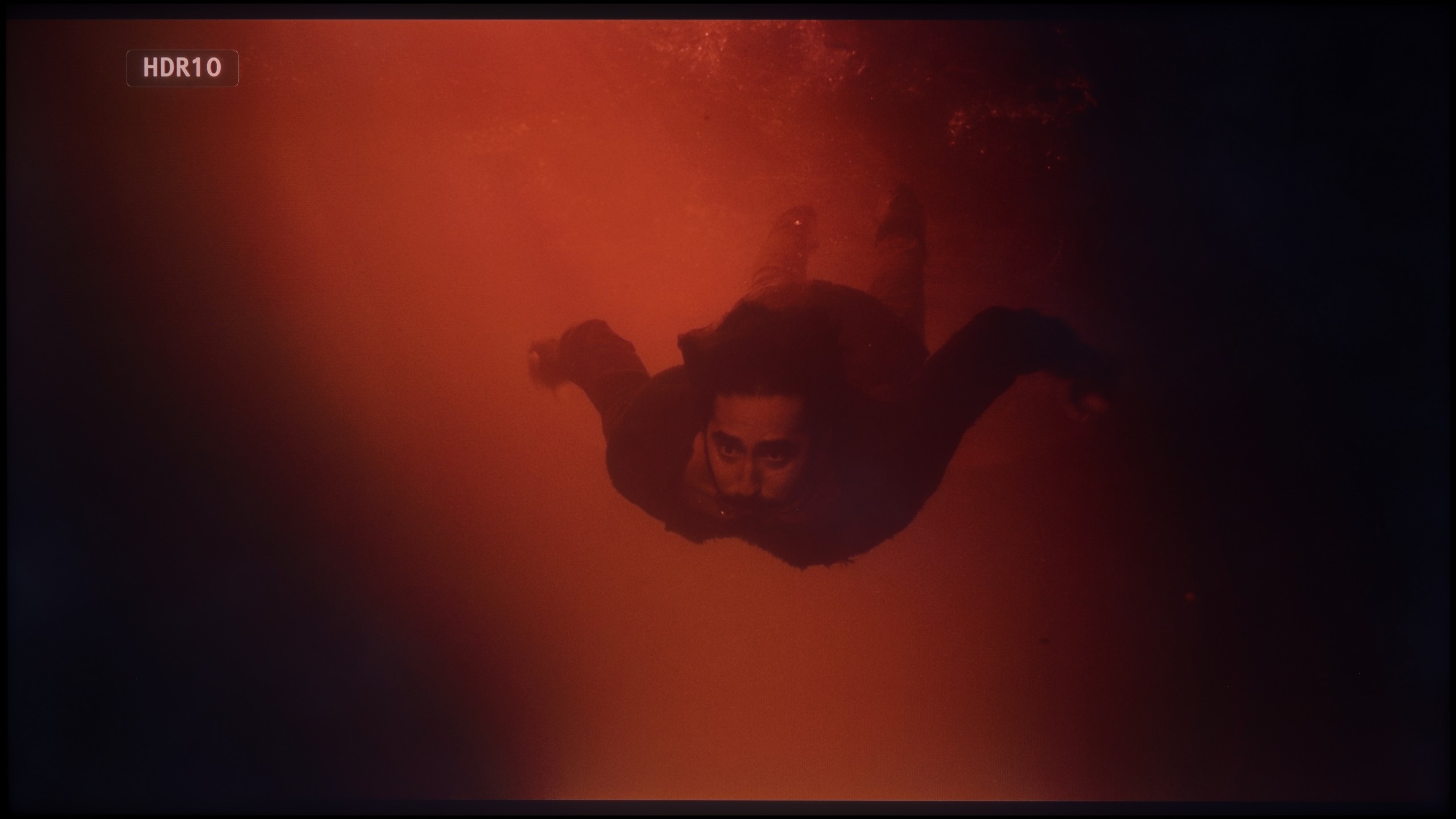
These are selected scenes that show smooth tonal transitions from one color to another. If you see distinct banding, it’s the TV panel’s fault.
The fluidity of tonal transitions in the television TCL MQLED85/C765 is quite decent, although some issues are noticeable in both bright and dark test scenes. In particular, colour blending is evident in the scene from the film "The Green Knight", where the red colour of the water transitions to black. Despite these imperfections, the overall quality of gradation is acceptable and does not overly detract from the visual experience. The television handles most scenes well, offering satisfactory tonal transitions, which contributes to an overall pleasing visual experience that will not spoil our cinema enjoyment.
Here we can comfortably praise the Panasonic W85B. The television handles colour matching and tonal transitions remarkably well. Gradients appear smooth, without visible bands or artificial contours. As a result, the image gains a natural quality, and sequences with a large number of subtle shades – such as the sky or blurred backgrounds – look exceptionally good for this class of equipment.
Image scaling and smoothness of tonal transitions
5.1/10
6/10


Smooth transition function

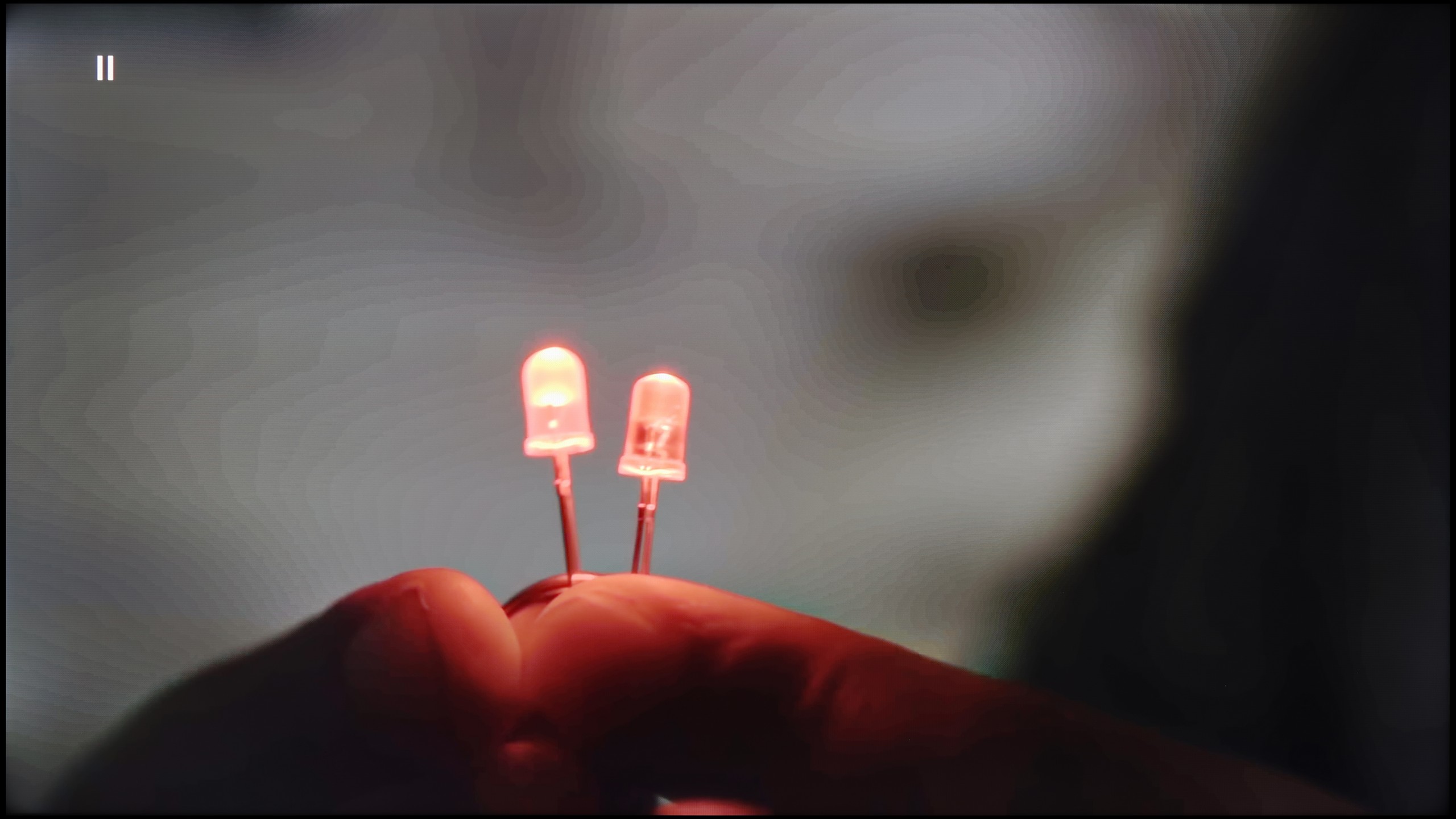
The match photo shows how the TV smooths weak tonal transitions in low-quality video.
Image scaling SD (576i)

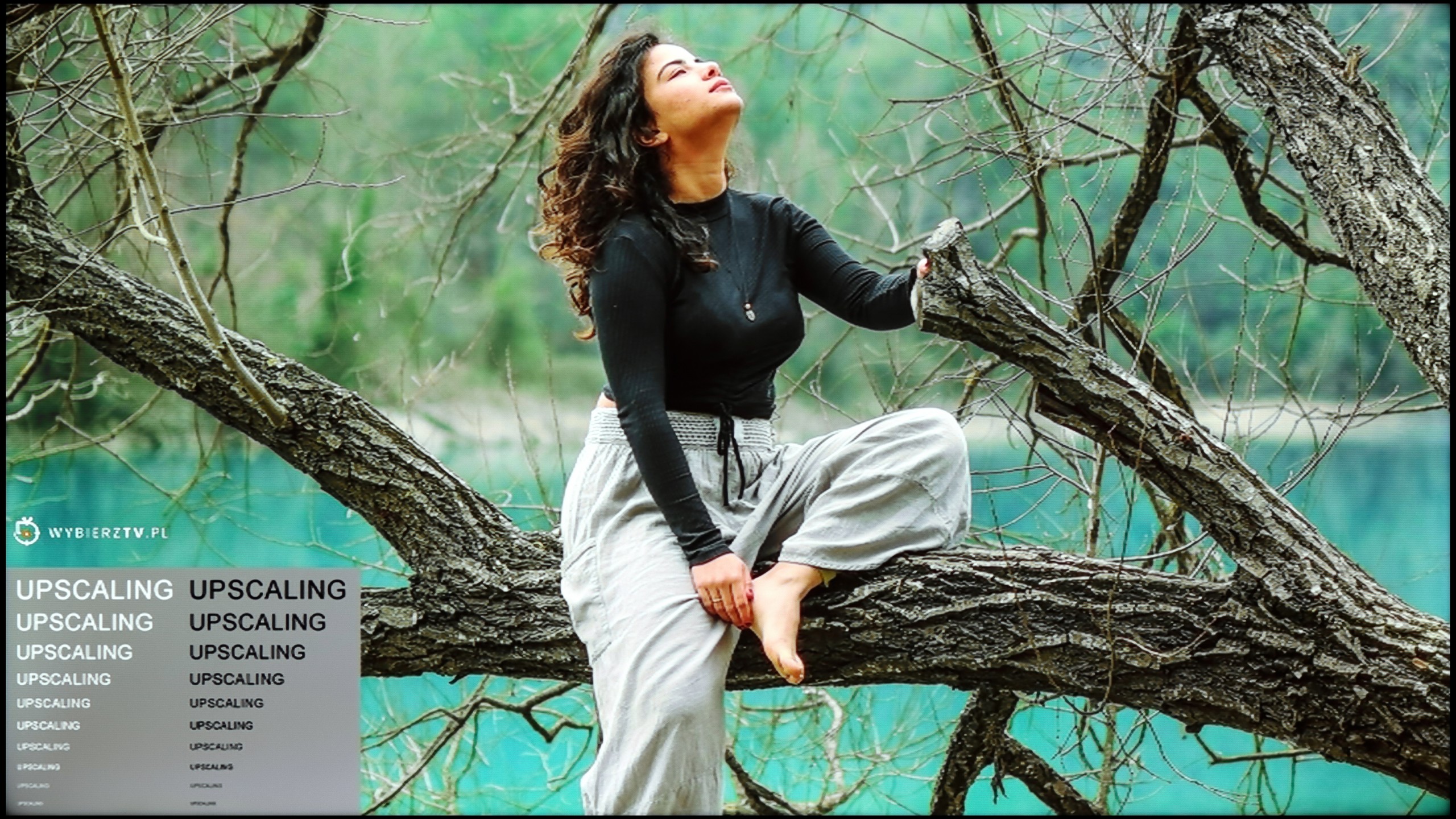
The model photo shows how it handles upscaling of SD material.
Let’s take another look at the tonal transitions in the TCL MQLED85/C765 television, but in the context of poorer image quality. Despite the presence of the "Gradual Smoothing" option, when set to "low," the effects are practically invisible, disappointing users expecting an improvement in image quality. On the other hand, the "high" setting produces minimal results, and worse still, it can blur significant details, negatively affecting the sharpness and clarity of the displayed image. However, in the context of image scaling, the television successfully displayed the image without overscan, meaning we do not lose any part of the view. The image looks rather decent, and details such as tree branches or the outlines of models do not exhibit significant jaggedness, which positively impacts the visual quality.
With native SDR content, the Panasonic W85B performs very well – tonal transitions are smooth and natural, without artificial bands or prominent contours. However, the situation is worse when it comes to lower resolution materials. It is precisely there that the television has the most difficulty with "enhancing" the image. The lack of any option in the menu that would allow for improving gradation means that with older films or materials from YouTube, one can sometimes notice slight issues with colour blending.
Fortunately, upscaling, or raising the quality of lower resolution content, performs much better. This is definitely a strong point of this model – the image is scaled cleanly and in detail, and the television handles this better than one might expect from such an inexpensive piece of equipment. This is thanks to the HCX processor, which Panasonic has been developing for years, and it is noticeable that even in the lower series it can do a good job.
Blur and motion smoothness
7.5/10
6.5/10

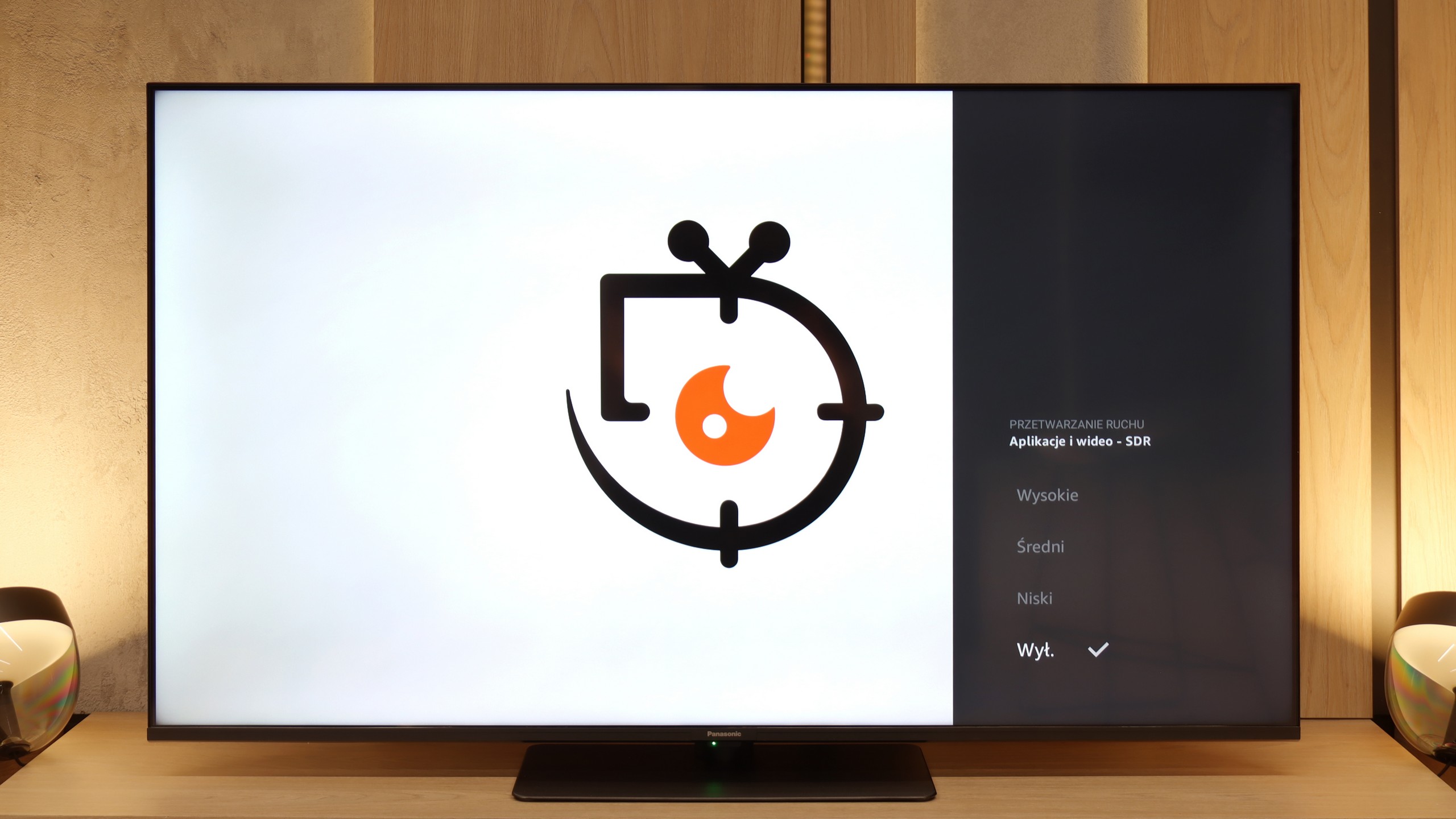
Blur (native resolution, maximum refresh rate):


Blur (BFI function enabled):


Blur ():
Blur (4K@144Hz):
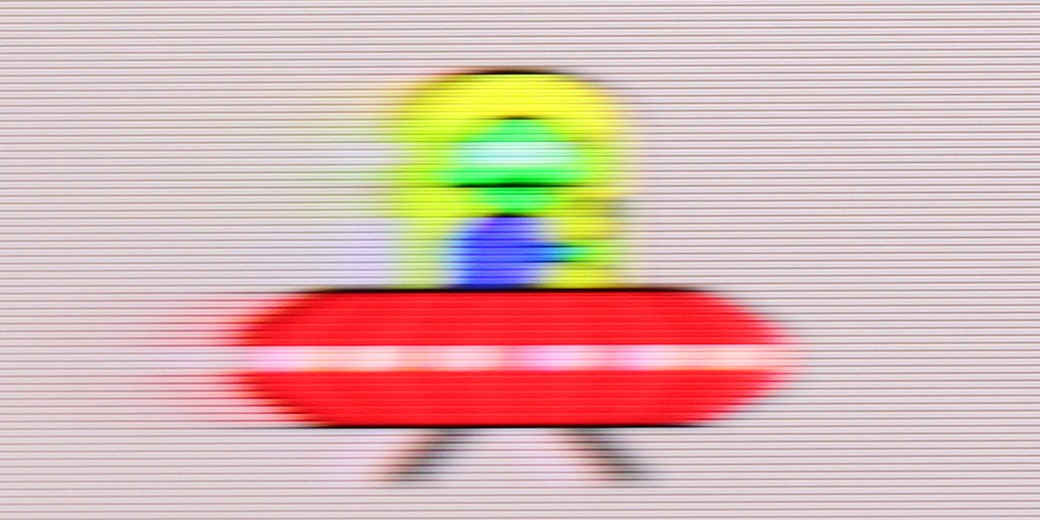
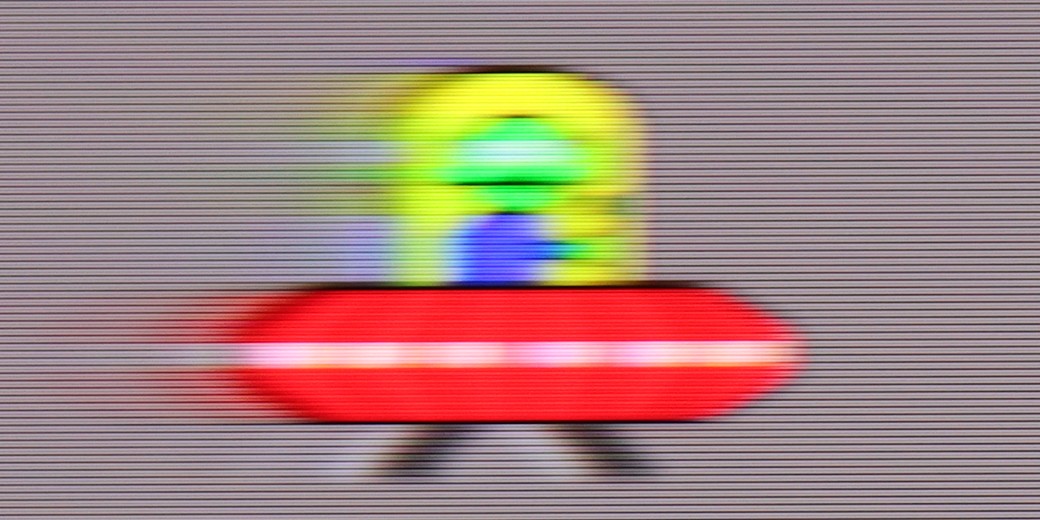
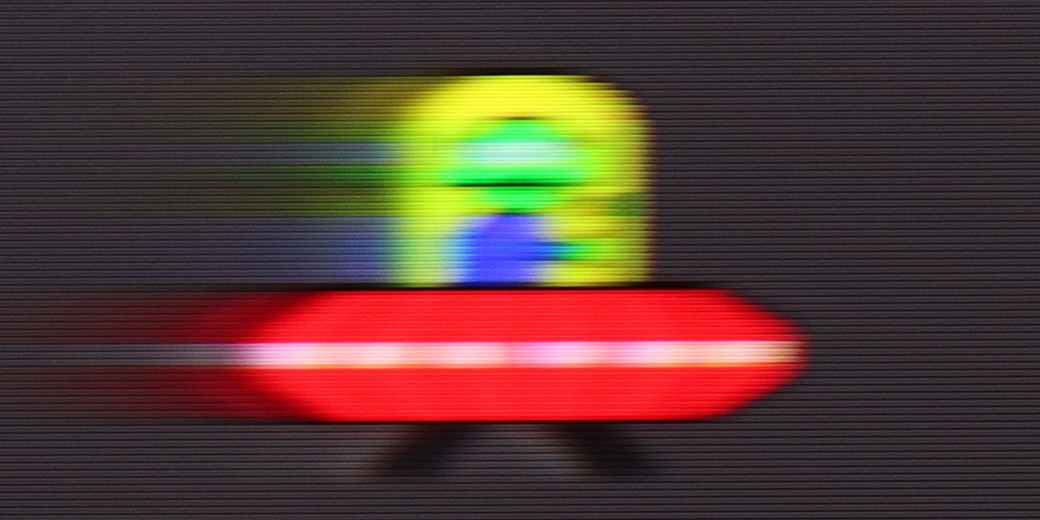
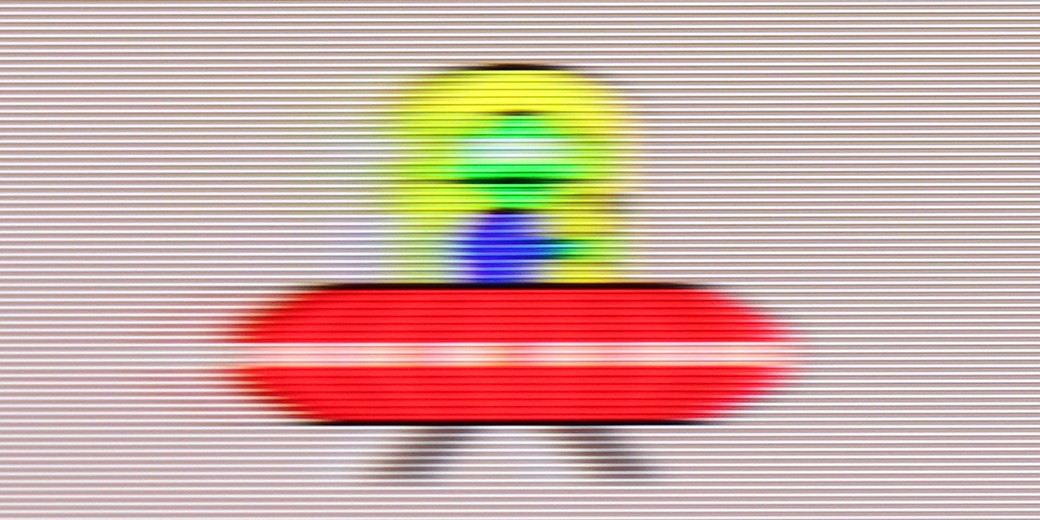
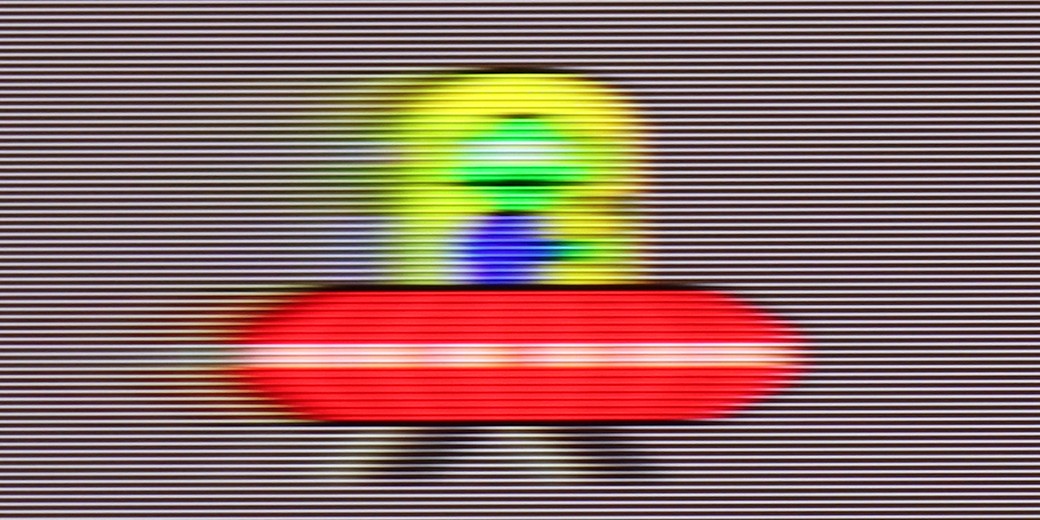
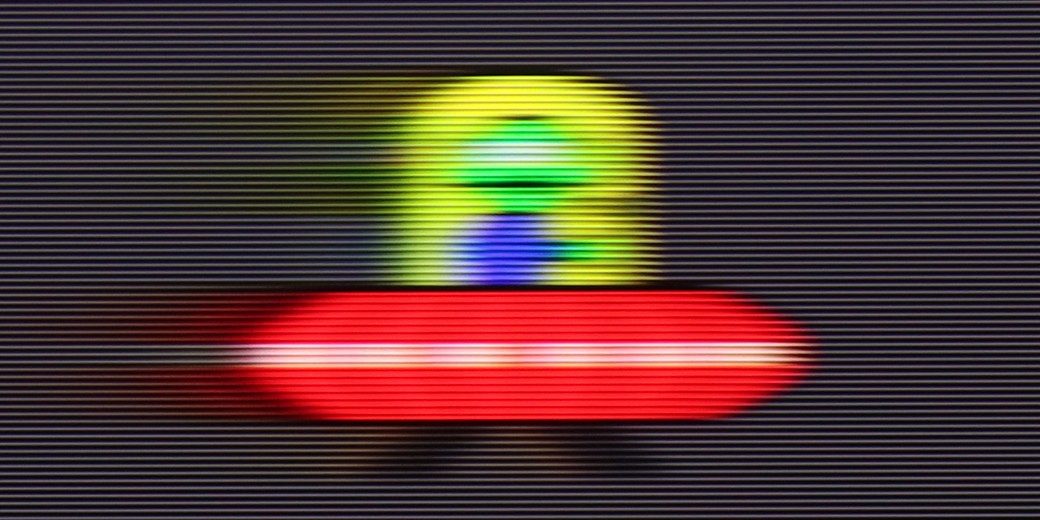
TCL MQLED85/C765 is equipped with a panel featuring a standard refresh rate of 120 Hz, with the capability to increase to 144 Hz when connected to a powerful computer. The television also offers a multi-level motion smoother, primarily aimed at users wishing to enhance motion fluidity in films. It allows for the adjustment of effect intensity on a scale from 0 to 10, enabling precise tuning of image smoothness to individual preferences. The response time of the panel is decent, but not perfect. We can observe blurring occurring behind both dark and medium objects.
At first glance, everything looks good – the Panasonic W85B has a 120 Hz panel and even a 144 Hz mode, so it seems that it should cope well with smooth motion. The problem arises when we look into the settings. The options for improving fluidity are supposedly present in the menu, but in practice… they don't change anything. No matter what we choose, the image looks the same. On top of that, there is a lack of BFI, or the black frame insertion mode, which on many televisions helps sharpen motion. And suddenly it turns out that despite the strong panel, the W85B offers us no real tools to adjust motion according to our needs. It’s only good when the source itself operates at a higher frequency – for example, games at 120 Hz. But when it comes to films or sports, we simply have to accept what the television shows us, because nothing more can be done about it.
Console compatibility and gaming features
9.8/10
8.5/10
- ALLM
- VRR
- VRR range48 - 144Hz48 - 144Hz
- Dolby Vision Game Mode
- Correct implementation of HGIG
- 1080p@120Hz
- 1440p@120Hz
- 4K@120Hz
- Game bar

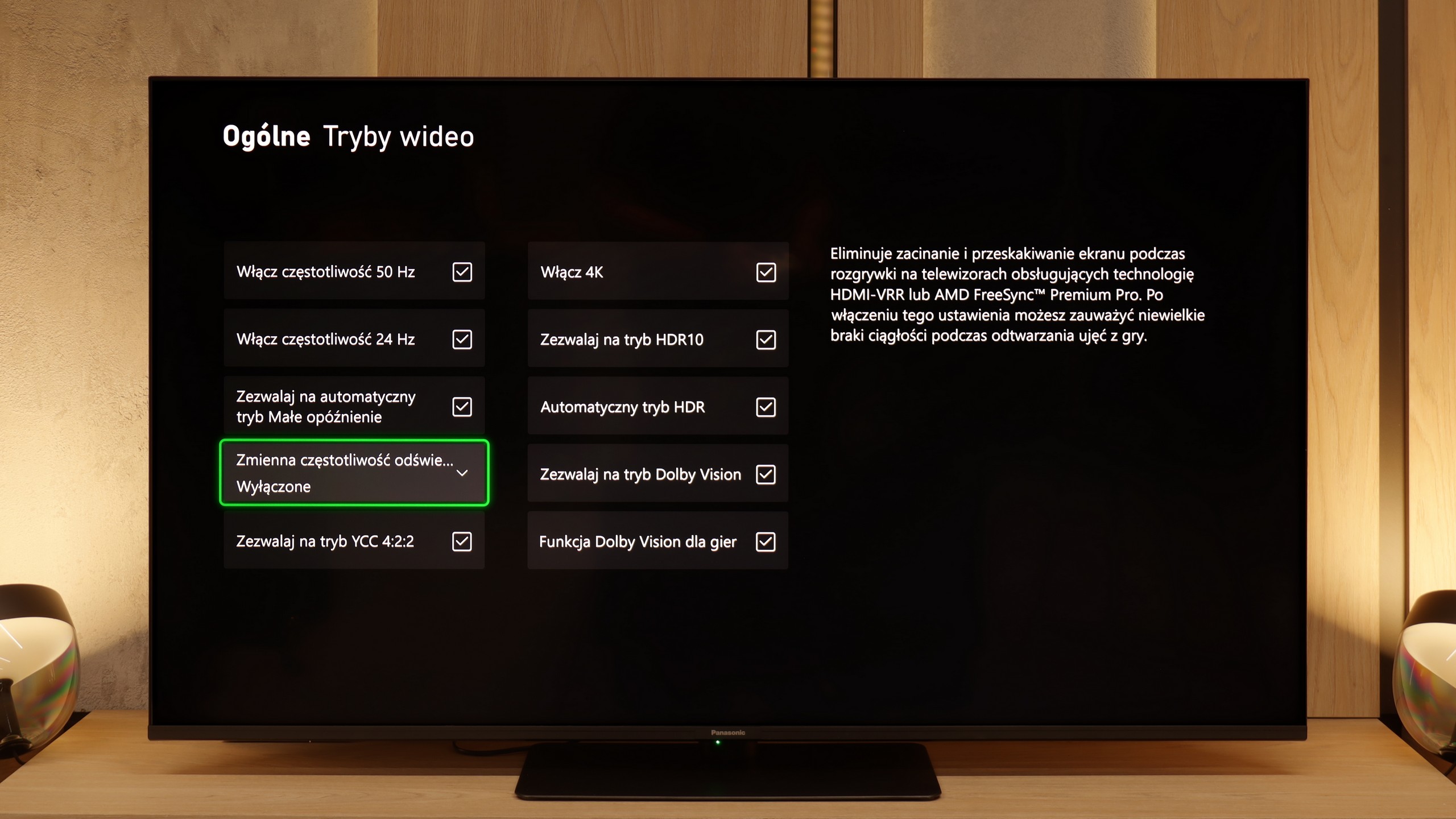

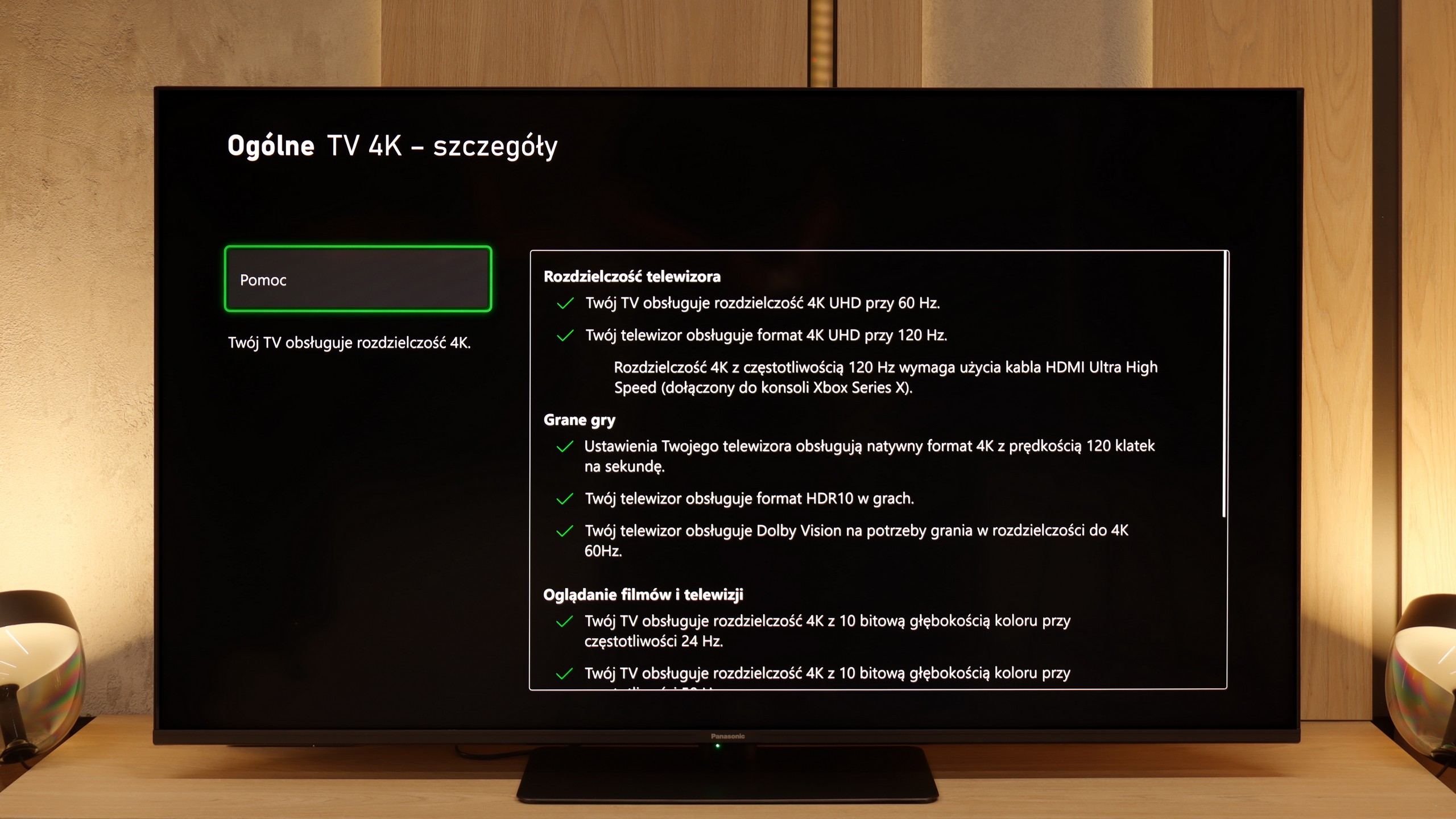

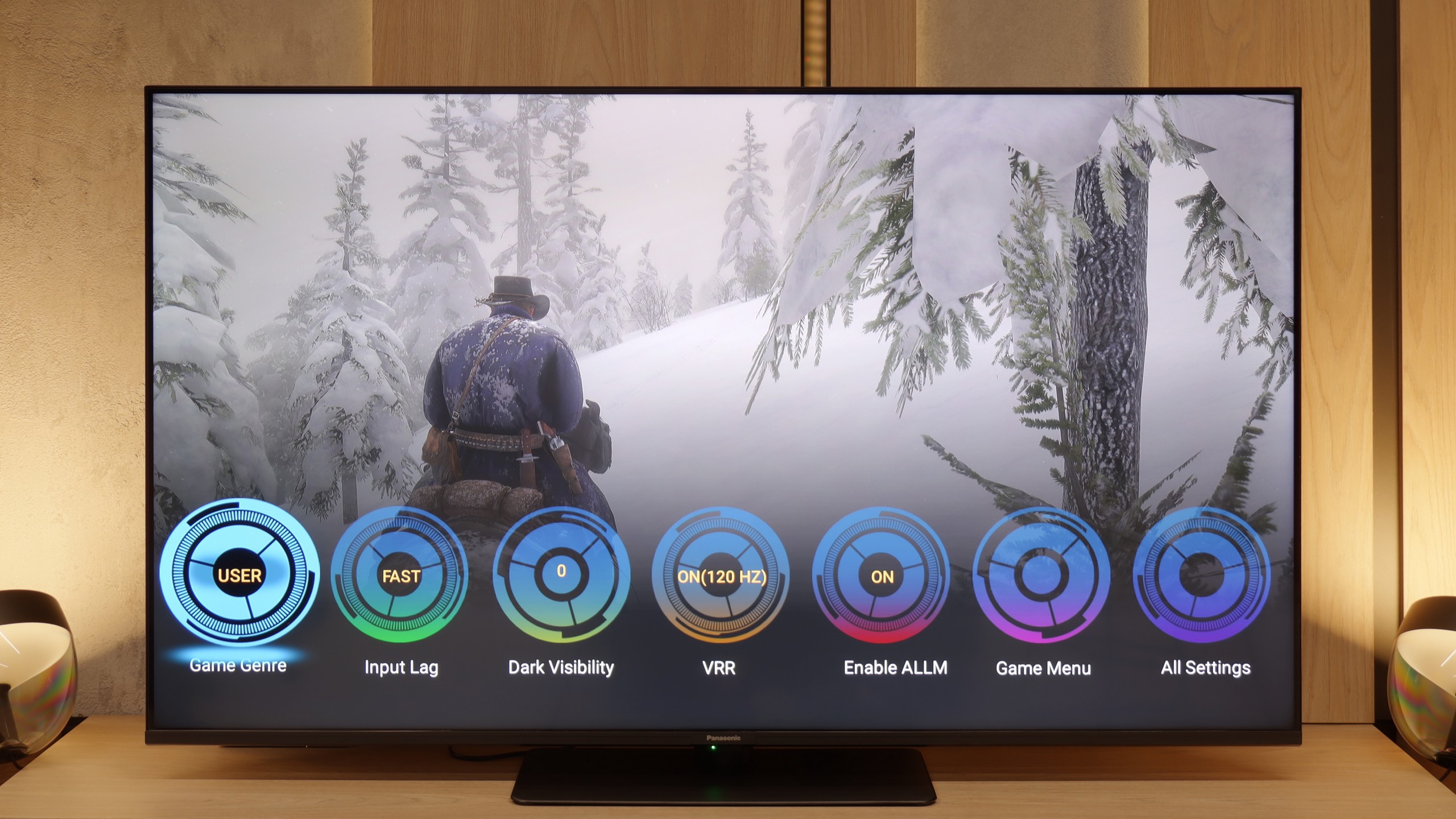

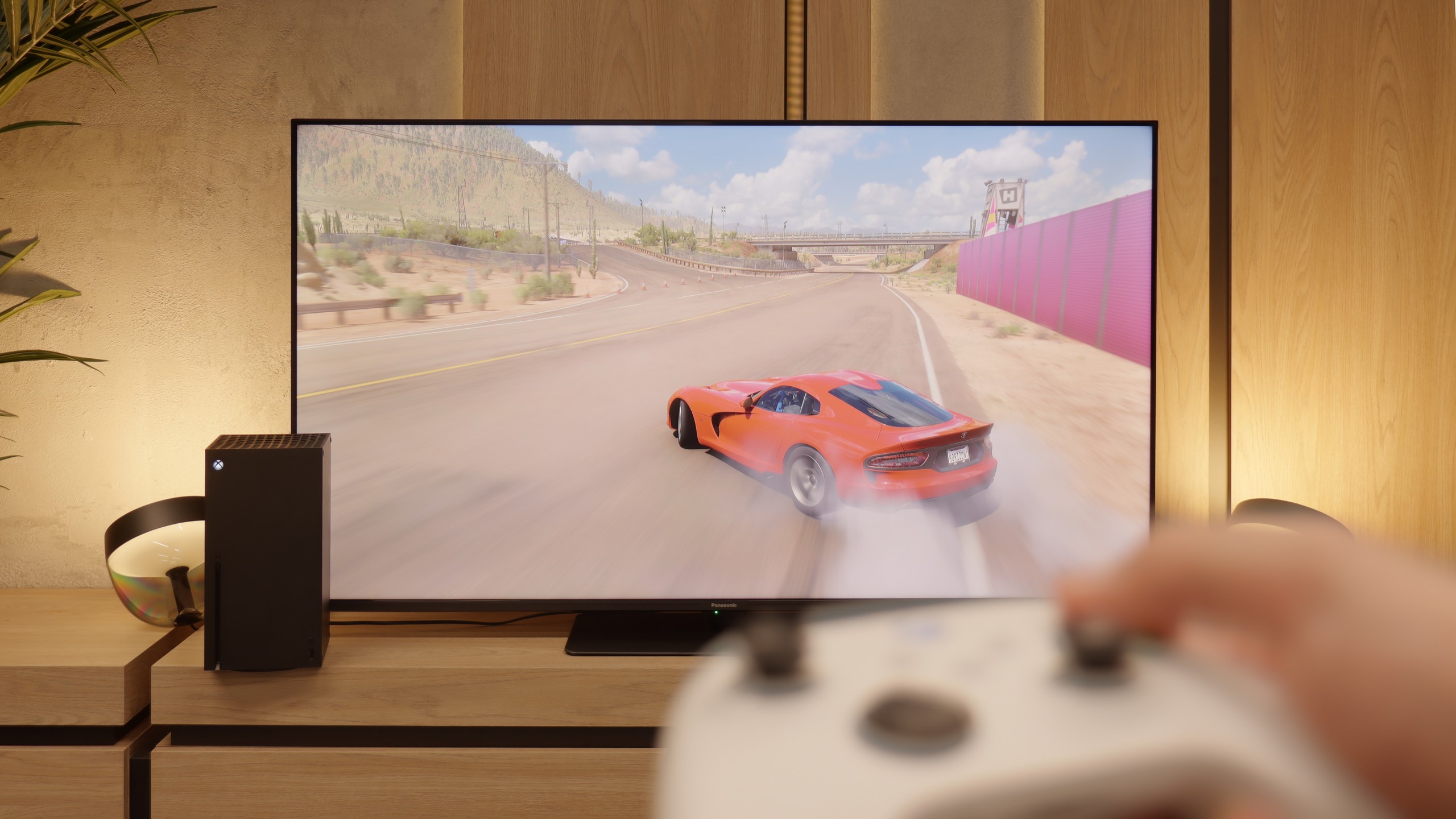
TCL MQLED85/C765 has received an impressive rating in the gaming features category, making it an excellent choice for gaming enthusiasts. The television supports all the latest technologies that significantly enhance the gaming experience. Among the key gaming features is ALLM (Auto Low Latency Mode), which automatically switches the TV to low-latency mode, minimising response time and ensuring smooth gameplay. VRR (Variable Refresh Rate) functioning in the range of 48 to 144 Hz eliminates stuttering and screen tearing in dynamic game scenes. Additionally, the TV supports Dolby Vision Game Mode, which provides better image quality in games with exceptional colour depth and contrast. TCL MQLED85/C765 also features a decent if not the best implementation of HGiG (HDR Gaming Interest Group), optimising HDR game display; however, for TCL, it causes detail in whites to be brightened, resulting in some elements merging into a white blob - we can read more about this in the colour reproduction section. It supports various resolutions, such as 1080p@120Hz, 1440p@120Hz, and 4K@120Hz, allowing players to enjoy higher image quality and better fluidity. The Game Bar feature allows easy switching between game settings and quick parameter control, greatly simplifying the adjustment of the television to individual needs. With support for G-Sync and FreeSync technologies, users of NVIDIA and AMD graphics cards will be pleased with the refresh rate synchronisation capabilities, eliminating tearing and stuttering issues, thereby providing a smoother and more immersive gaming experience.
MQLED85/C765 is a television that combines advanced technologies and excellent support for gamers, making it the perfect choice for those who wish to maximise their gaming experiences.
On paper, the Panasonic W85B looks really solid. It has two full HDMI 2.1 ports, support for ALLM, variable refresh rates, Dolby Vision in games, and of course, a high refresh rate of the panel itself. Additionally, it features Panasonic's characteristic game tools bar – a "game bar" that allows you to preview key parameters and quickly change them if needed with a single click. This sounds great, but the problem arises when we turn on HDR. Here, the W85B suffers significantly, as there is practically no HGiG implementation – the television poorly manages brightness, and instead of an accurate picture, we get scenes that are too bright, sometimes even blown out. The solution? The simplest one – turn off HDR in the console settings and leave everything in SDR. And this is where it gets really interesting, as in this scenario, the W85B shows its better side. Low input lag, high fluidity thanks to 120 Hz – all of this makes gaming look phenomenal. Indeed, HDR can be forgone, but if the priority is responsiveness and smooth gameplay, the W85B offers a lot of fun.
Input lag
9.8/10
9.8/10
SDR
HDR
Dolby Vision
The latency time on the TCL MQLED85 television reaches impressively low levels in all conditions. Even the most demanding gamers will surely appreciate the minimal input lag of just 8 ms at 4K 120 Hz settings with HDR. Moreover, the latency remains at the same level even with Dolby Vision HDR turned on, which is not the case for many competing models.
There is really nothing to worry about here. The Panasonic W85B responds instantly to our movements, and the values measured in tests can comfortably compete with monitors for gamers. At a 120 Hz signal, the input lag is around 8–10 ms, while at 60 Hz it hovers around 17–20 ms. In practice, this means one thing – no delays, no frustration! You press the button, and the action happens on the screen straight away.
Compatibility with PC
8.6/10
8.6/10

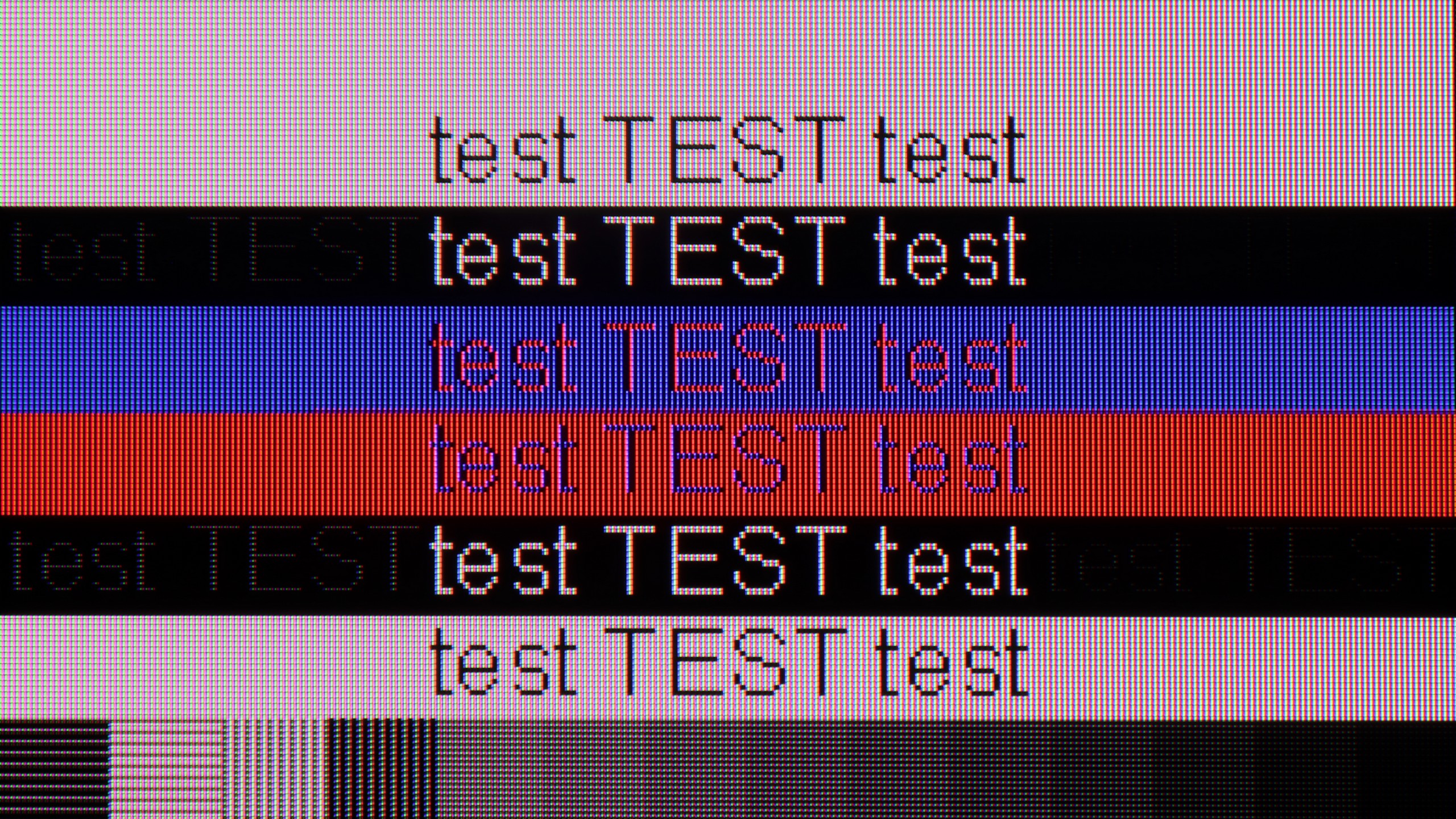
The photo shows the legibility of small fonts. Ideally, lines should be the same thickness on both light and dark text, with minimal pixel gaps.
TCL MQLED85 will perform well as a computer monitor. With support for chroma 4:4:4, the text on the screen is sharp and legible, which is important for those working with word documents or spreadsheets. One of the greatest assets of this model is its exceptionally low input lag in "PC" mode, which is just 8 ms. This is a reference-level result that ensures fluidity and responsiveness, crucial for both gamers and those engaged in video editing. However, it is worth noting that there is a certain issue related to font display on dark backgrounds. When zooming in on the tested font image, one can see that the horizontal lines are darker compared to the vertical ones. This means that the sub-pixels in the television do not fully illuminate in this case, which can affect the quality of the displayed text. Nevertheless, the overall performance of TCL MQLED85 as a computer monitor is very good and will certainly meet the expectations of many users.
The Panasonic W85B performs surprisingly well as a computer monitor. It is perfectly suited for office work – the fonts are sharp and very readable thanks to full chroma 4:4:4 support, so you can easily write, browse pages, or work on spreadsheets. But the real fun begins when gaming. The television handles refresh rates of up to 144 Hz for PC without any issues, and it also supports popular image synchronisation technologies such as NVIDIA G-Sync and AMD FreeSync. This means we don't have to worry about screen tearing or stuttering – gameplay is smooth and looks simply fantastic.
Viewing angles
3.2/10
3.2/10
The viewing angles on the TCL MQLED85 television are not its strong suit. The use of a VA panel means that the picture loses a significant amount of brightness when viewed at an angle. Changing the viewer's position, especially when watching with a larger group, can cause colours to appear less saturated and the contrast to become less pronounced. For this reason, it is recommended to sit directly in front of the screen to fully enjoy the picture quality. Although the television offers excellent colour reproduction from a direct view, the loss of brightness and detail at an angle can be problematic for those planning to use the television in a larger room or from different locations.
Here you can see the biggest price we pay for the high quality of the VA matrix contrast. The W85B, like most televisions with this type of panel, does not perform very well when viewed from a wider angle. Colours lose intensity and the image begins to fade as soon as we move away from the screen's axis. This is not a flaw of Panasonic itself, but rather a characteristic of VA technology – excellent contrast in exchange for poorer viewing angles. So if you plan to watch films with a larger group and often sit "off to the side," you need to keep this in mind.
Daytime performance
6.3/10
4.2/10

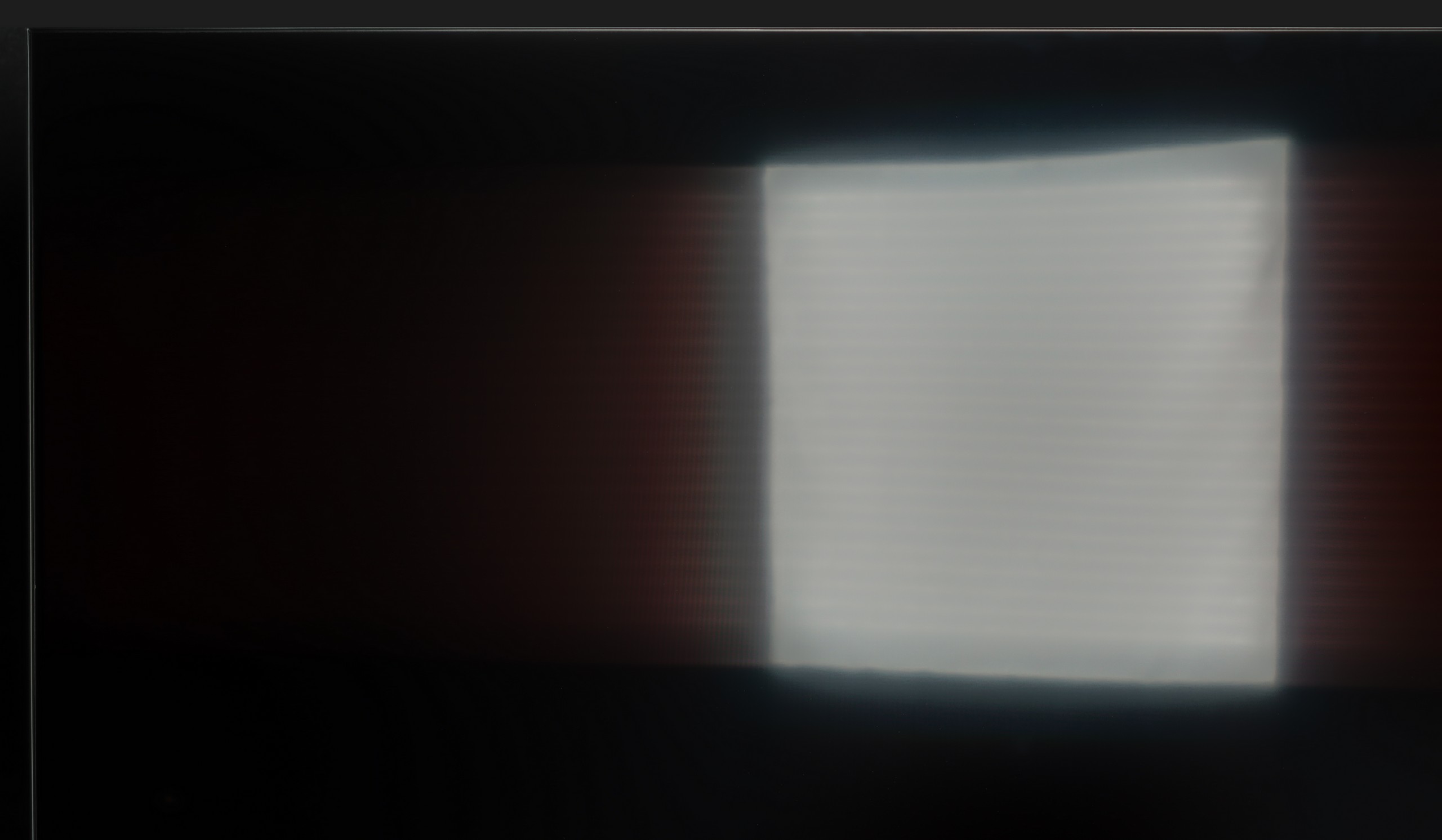

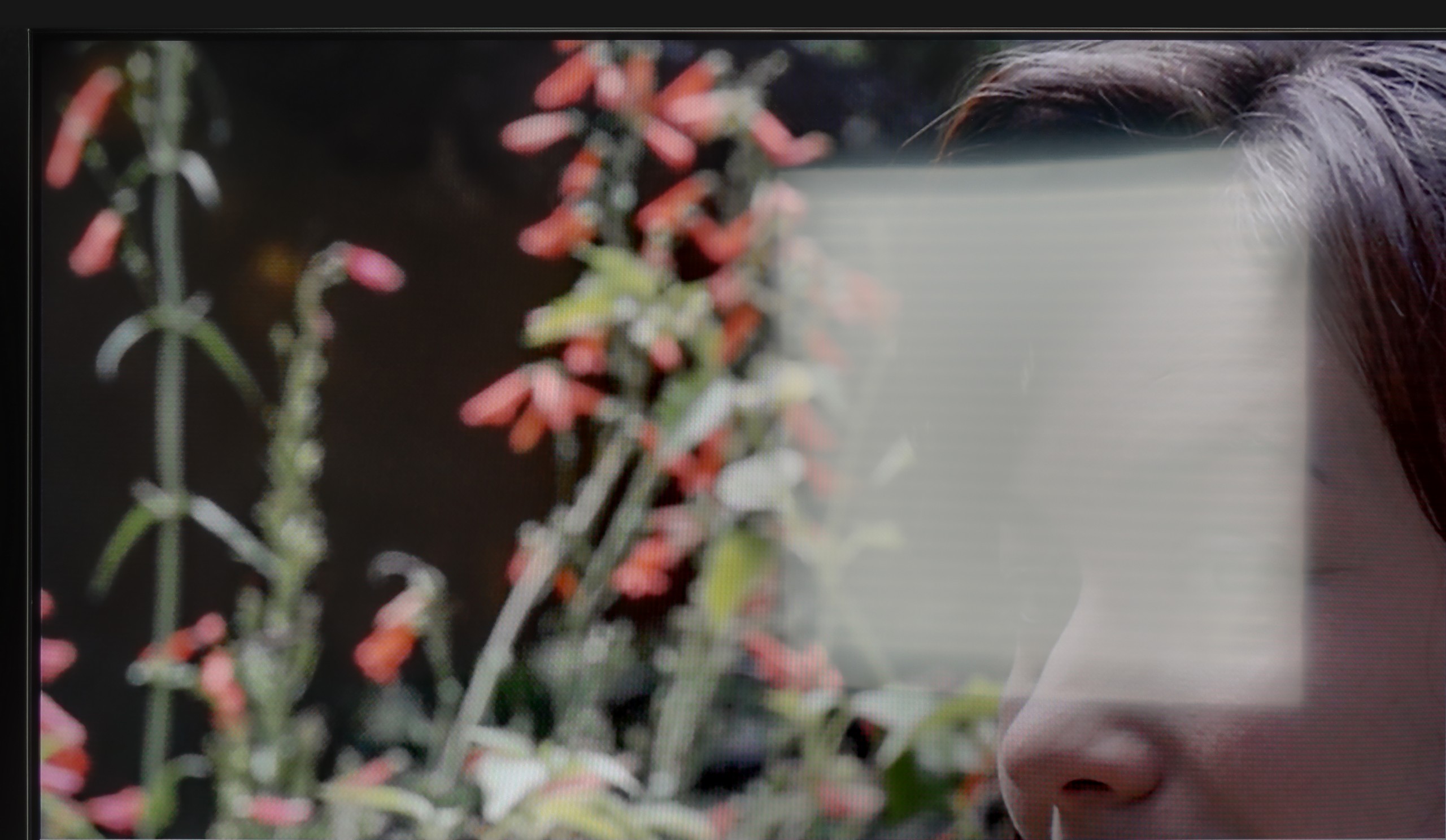
Panel brightness
Panasonic W85: 263 cd/m2
TCL MQLED85 / C765: 618 cd/m2
MQLED85 performs reasonably well in daytime conditions, and it is worth noting the satin finish of the panel. Although it doesn't handle reflections perfectly, it offers decent performance in various lighting conditions. An average brightness level of over 600 nits is an impressive achievement, allowing for comfortable viewing even in well-lit rooms. As a result, the television performs well both during the day and during evening movie sessions, providing satisfactory picture quality.
The Panasonic W85B features a satin-finish panel that performs quite well in reducing reflections and maintaining colours even under strong light from windows or lamps. There is no "mirror" effect here, so watching television in a typical living room during the day is comfortable. However, the problem arises in really bright rooms – the television does not have high brightness, so it cannot compete with very strong sunlight. It is simply a screen that performs best in controlled conditions.
Panel details
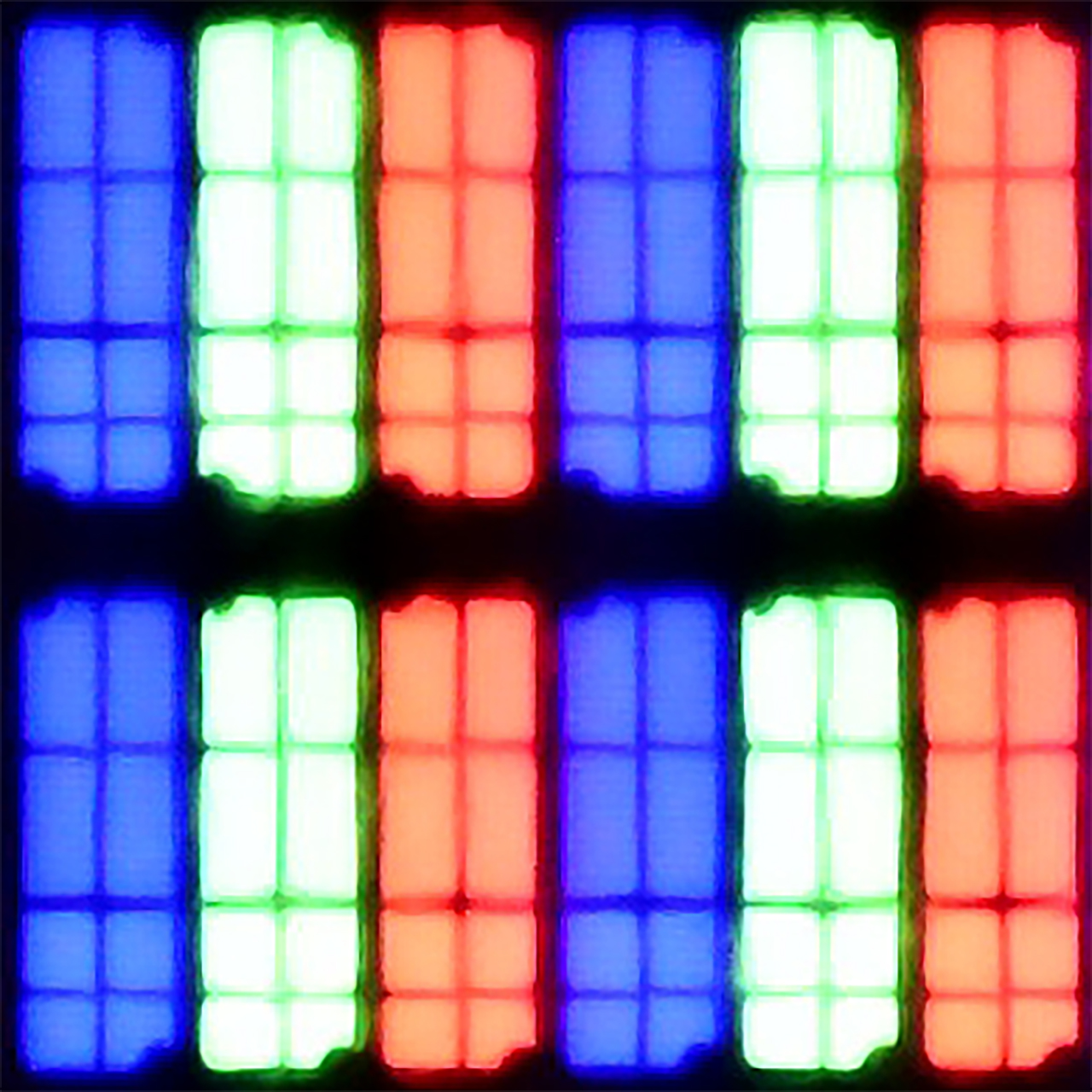
Subpixel Structure:

Panel uniformity and thermal imaging:

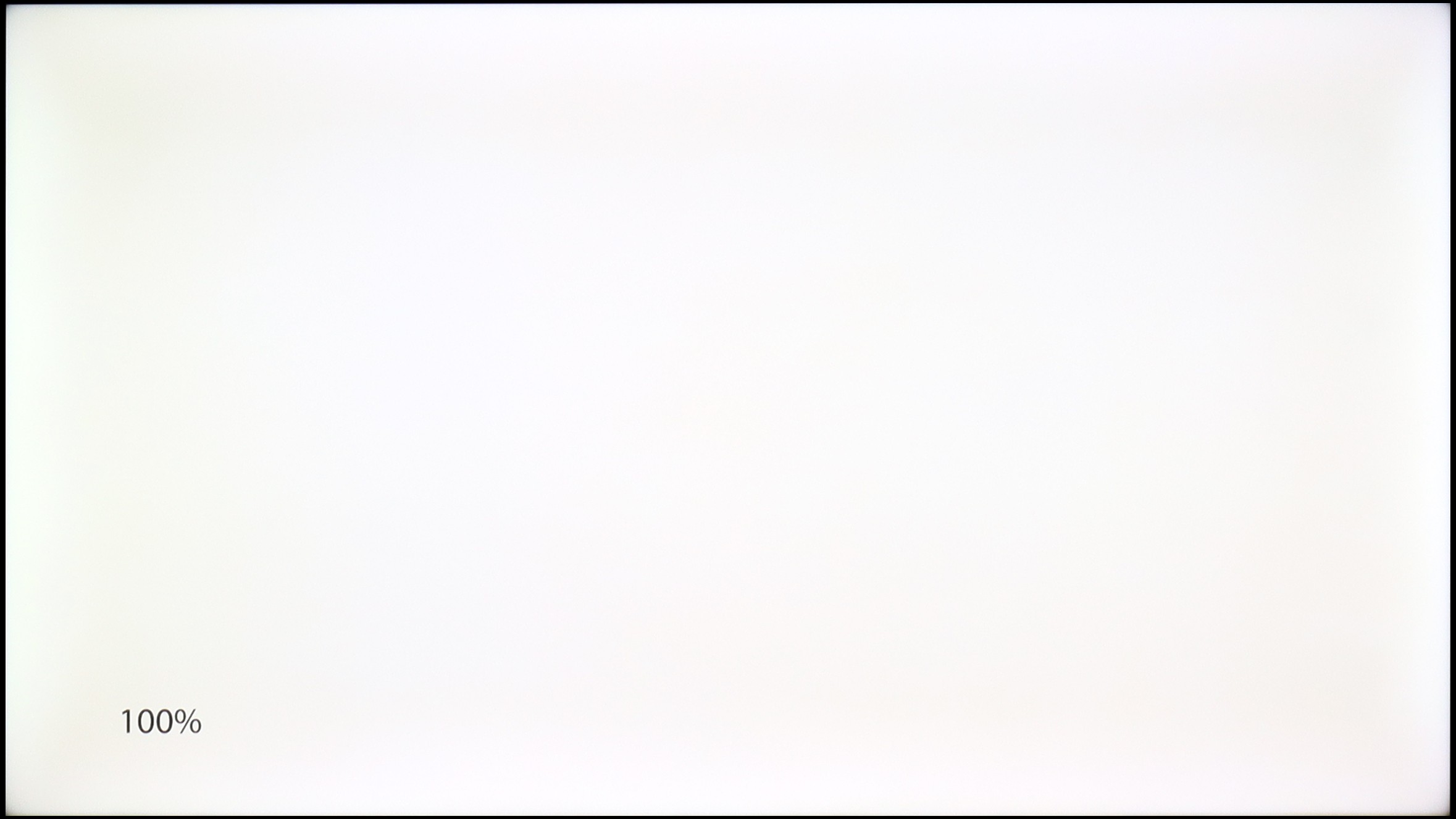
TCL MQLED85 / C765
Panasonic W85
TV features
6.5/10
6.8/10
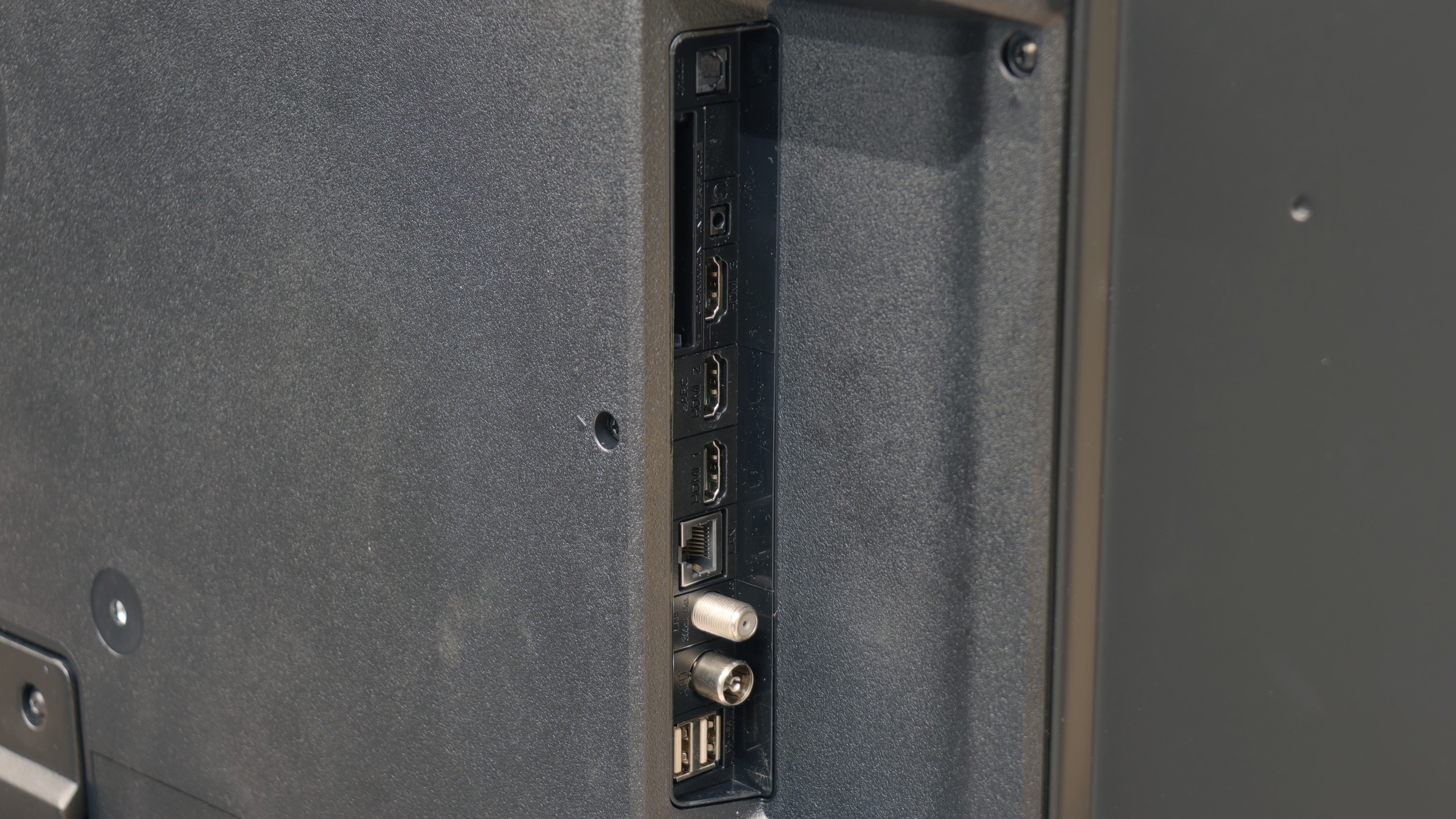
- HDMI inputs2 x HDMI 2.0, 2 x HDMI 2.1 48Gbps1 x HDMI 2.0, 2 x HDMI 2.1 48Gbps
- Other inputsRCA (Chinch)
- OutputsToslink (Optical audio), eARC (HDMI), ARC (HDMI)Toslink (Optical audio), eARC (HDMI), ARC (HDMI), Mini-Jack (Headphones)
- Network InterfacesWi-Fi 2.4GHz, Wi-Fi 5GHz, Ethernet (LAN) 100MbpsWi-Fi 2.4GHz, Wi-Fi 5GHz, Ethernet (LAN) 100Mbps
- TV receptionDVB-T, DVB-T2, DVB-S, DVB-S2, DVB-CDVB-T, DVB-T2, DVB-S, DVB-S2
Classic features:
- Recording to USB (terrestrial TV)
- Recording programming
- Picture in Picture (PiP)
- RF remote control (no need to aim)
- Backlit remote control
- Teletext
- Audio only mode
- Bluetooth headphones support
- Simultaneous Bluetooth headphones & TV audio
Smart features:
- AirPlay
- Screen mirroring (Windows Miracast)
- Voice search
- Voice search in native language
- Ability to connect a keyboard and mouse


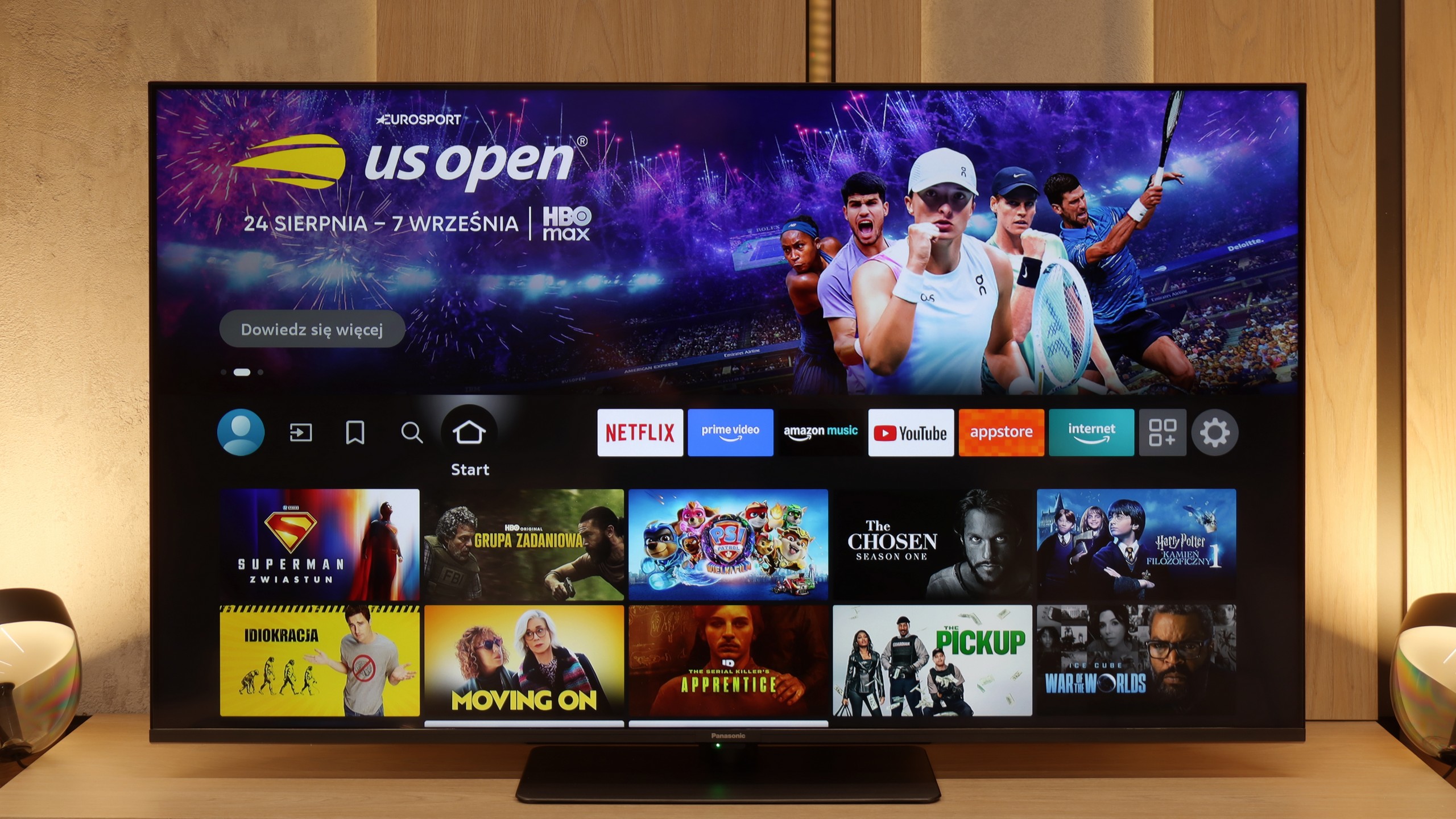
TCL MQLED85 television offers many features that enhance user comfort, with the centrepiece of its functionality being the Google TV system. This modern interface allows for easy content searching as well as access to applications available in the Google Play store. Users can utilize voice search in Polish, which greatly facilitates navigation and allows for the quick discovery of interesting programmes, films, or applications. It is also worth noting that Google TV is currently the only system on the market that does not restrict Polish users in accessing applications, offering the greatest availability among all platforms. However, in the context of traditional television viewing, this television has its limitations. It does not offer recording functionality, which may be a significant drawback for those who would like to save their favourite programmes. Additionally, the absence of the Picture-in-Picture (PIP) option limits the ability to simultaneously follow several video sources. On the other hand, the television features the "MultiVision" function, which allows for screen division between the television and a mobile device. This enables users to use applications on their phone while simultaneously watching a television programme. This solution will certainly appeal to those who enjoy multitasking and want to watch television while using social media or browsing the internet on their smartphone. Despite certain limitations, the TCL MQLED85 presents itself as a solid option for users who value modernity and functionality.
SmartTV: FireTV
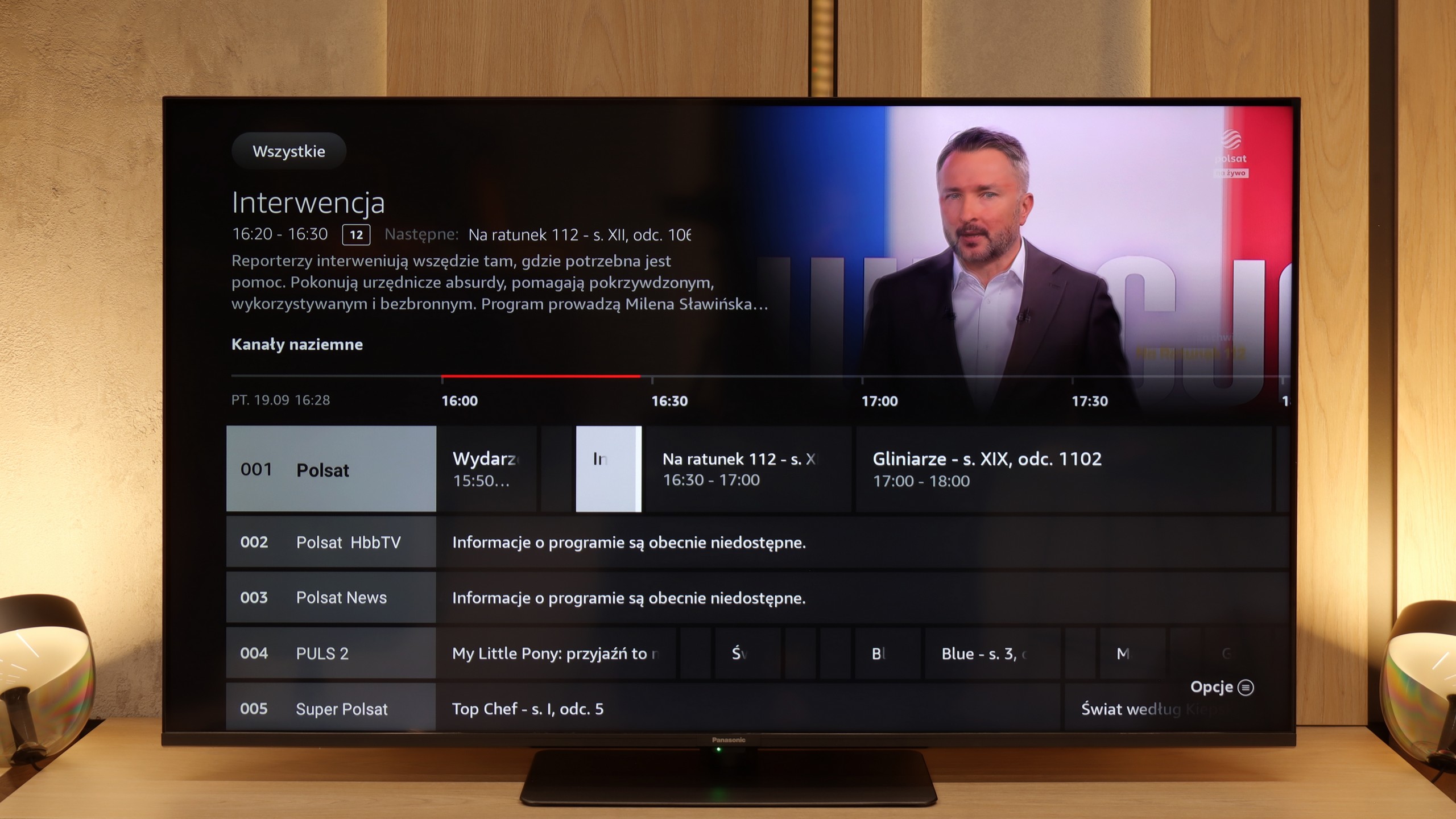
The W85B runs on the Fire TV system, and it must be said – it is a significant step forward compared to Panasonic's previous proprietary solutions. Here, we have support for AirPlay, screen mirroring, and even voice control through Alexa. It sounds modern, and in practice, it does provide a lot of capabilities. The problem is that in Europe, Fire TV still looks a bit like a “guest with luggage.” It works decently, but there are occasional micro-hiccups, the interface doesn't always respond as smoothly as we would like, and in the menu, one can encounter awkward translations. This is not yet at the level of the big players like Google TV or even Tizen, but it is still an improvement compared to what Panasonic had previously. The worst part, however, is that the Fire TV application library is quite modest, and this is its biggest drawback.
Classic Television Functions
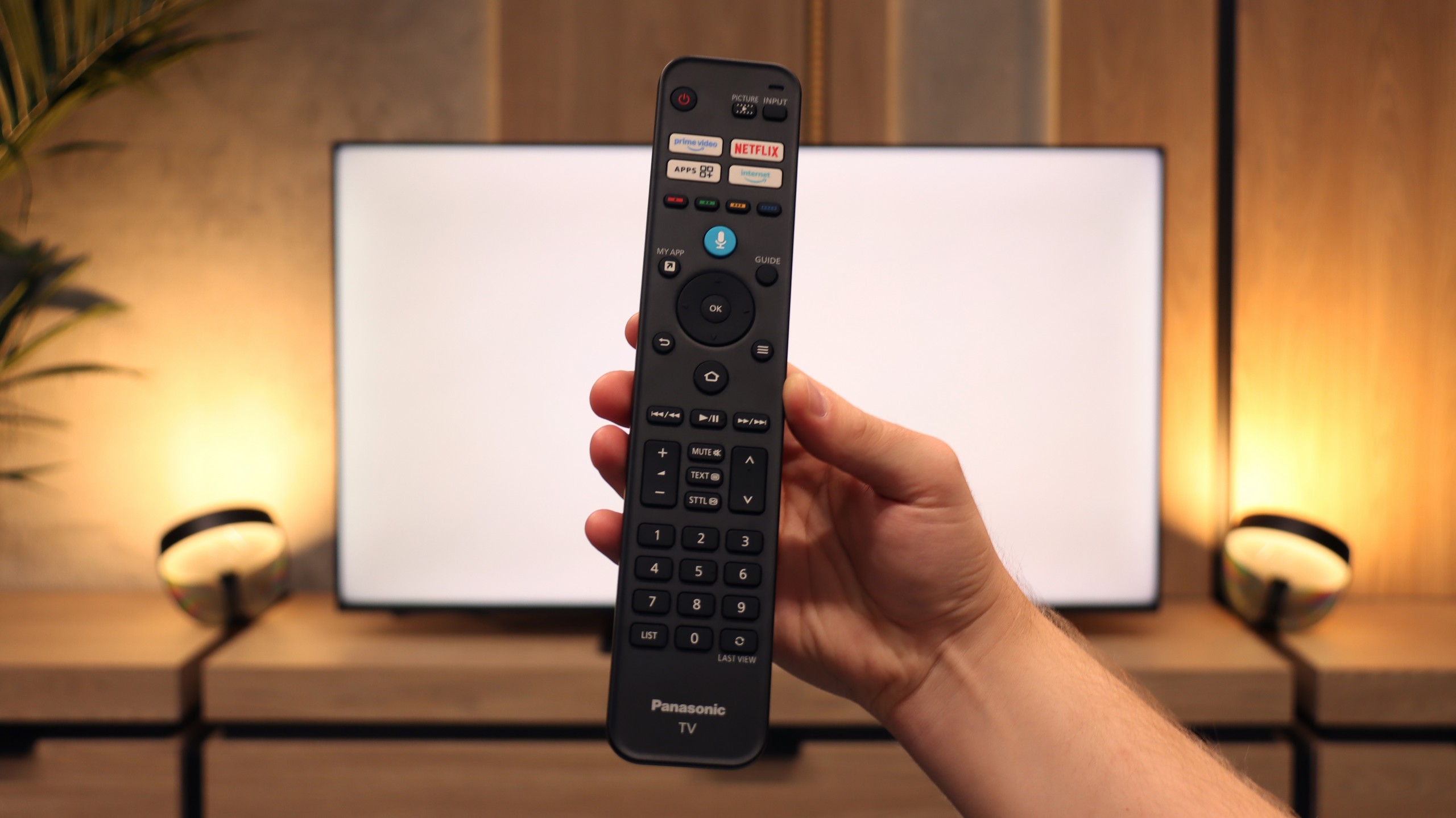
In terms of typical television functionalities, it is quite good – we have a classic remote control with a full numeric keypad, a clear EPG guide, and the possibility to record programmes from the built-in tuner to an external USB drive (e.g. a flash drive). The downside is the lack of the option to schedule recordings in advance – you can only record “here and now,” but not set recordings for later.
Apps
9.6/10
7.6/10






















Playing files from USB
8.9/10
3.1/10
Supported photo formats:
Maximum photo resolution:

Thanks to the built-in player, the television is capable of playing most file formats found on external storage devices, making it a versatile tool for consuming multimedia. However, there may be certain limitations in supporting some formats, which could be annoying for more demanding users. Fortunately, the Google TV system allows the installation of other media players from Google Play, which helps eliminate compatibility issues. As a result, users have the option to choose applications that best meet their needs, significantly enhancing the functionality of the television.
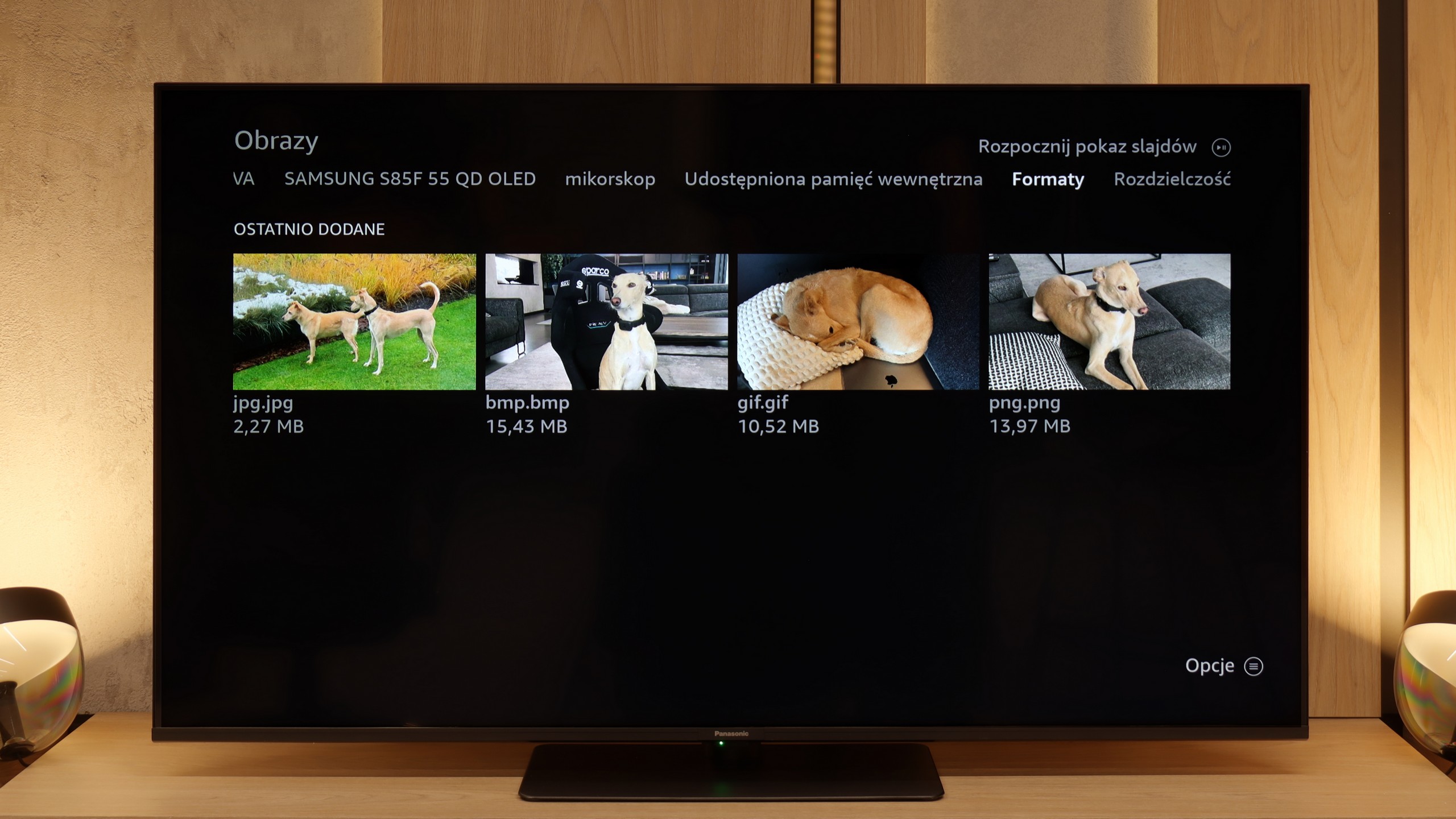
The biggest downside of the built-in player with Fire TV is the lack of support for external text subtitles. If you have your own film library and use text files, you simply won't be able to display them on this television. The player itself handles basic video formats, but if someone wants to fully utilise files from USB, they will likely end up installing an additional application from the store (e.g. VLC).
Sound
6.9/10
5.8/10
- Maximum volume-87dB
- Dolby Digital Plus 7.1
- Dolby True HD 7.1
- Dolby Atmos in Dolby Digital Plus (JOC)
- Dolby Atmos in Dolby True HD
- DTS:X in DTS-HD MA
- DTS-HD Master Audio
The sound of the television TCL MQLED85 can be described as decent, making it sufficient for daily viewing of films, television programmes, and games. The speakers branded by Onkyo offer surprisingly good audio quality, and the sound does not screech or distort even at higher volumes.
Here, the Panasonic W85B unfortunately has nothing to boast about. The speakers sound flat and rather “plastic”, so there’s definitely no talk of cinema experiences here. There’s no depth, there’s no clear bass – just basic sound that’s merely meant to “exist”. It’s a shame because we thought that the external subwoofer used here would actually make a difference. Unfortunately, we were mistaken. The only advantage is that the television can play really loudly. This may appeal to older users who often need higher volumes to comfortably watch programmes or news. It’s sufficient for everyday TV watching, but if someone is thinking about films and games – an additional soundbar or audio system is practically a must.
Sound Quality Test
No sound test video
Acoustic Measurements
No acoustic data
87dBC (Max)
75dBC