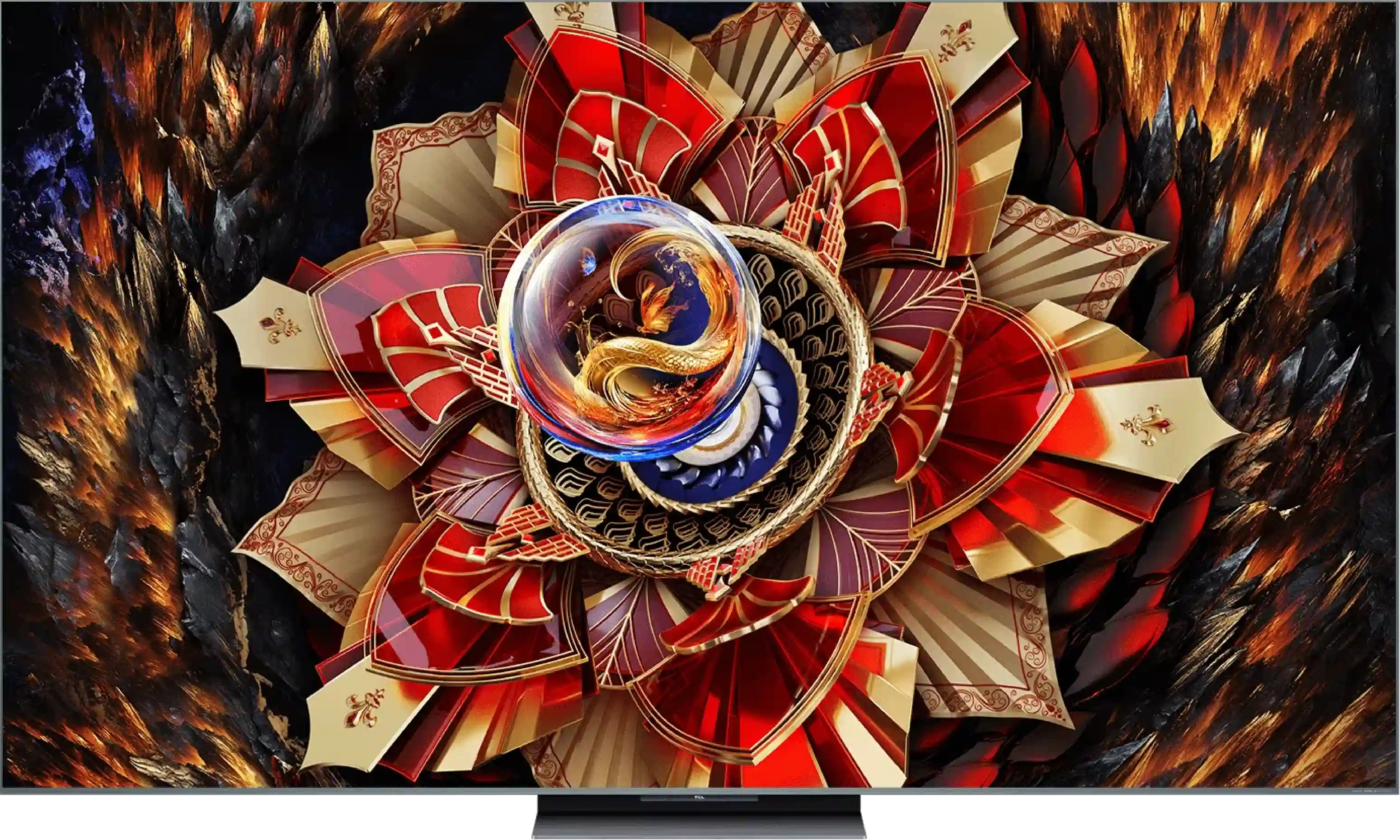
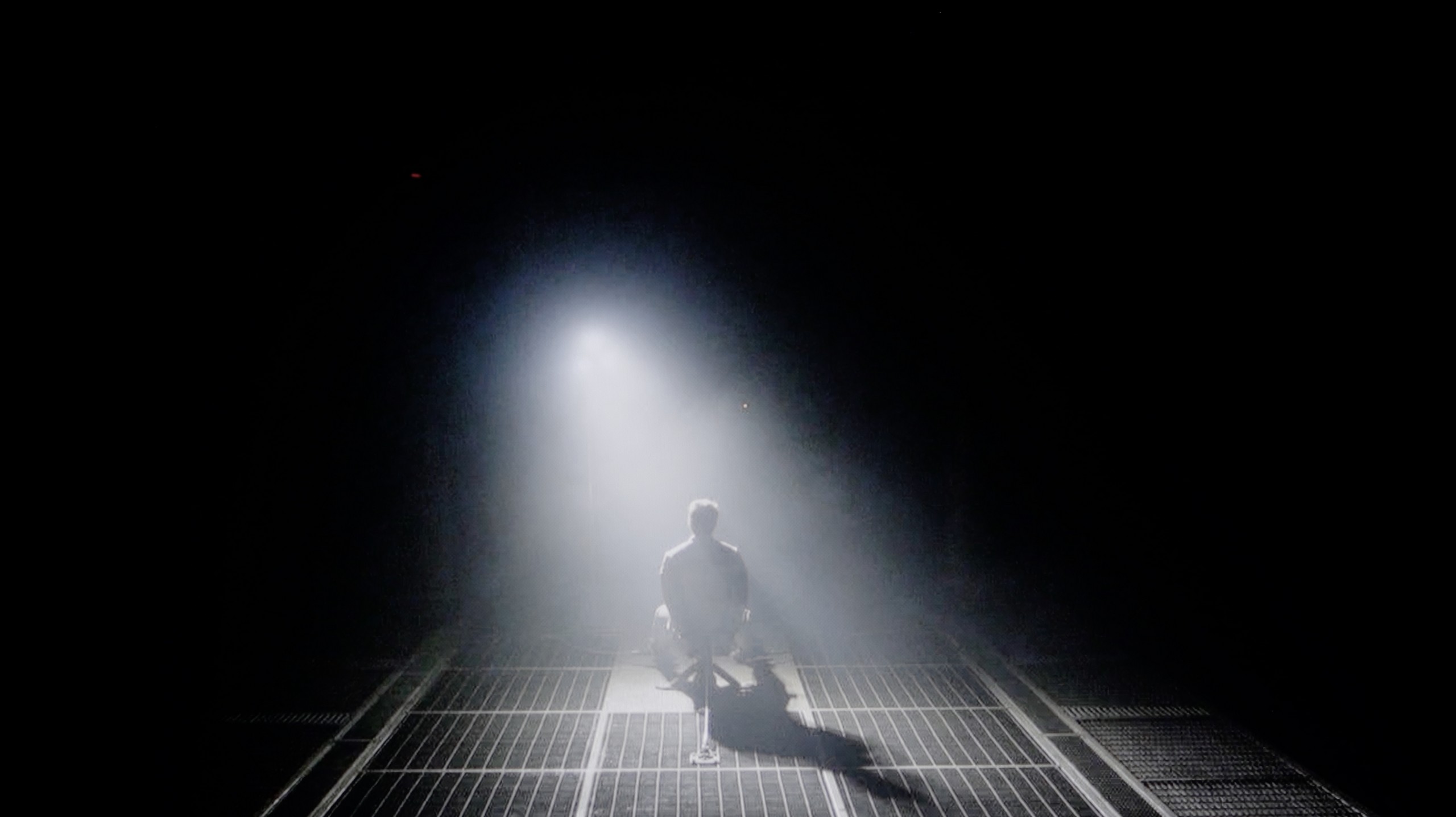
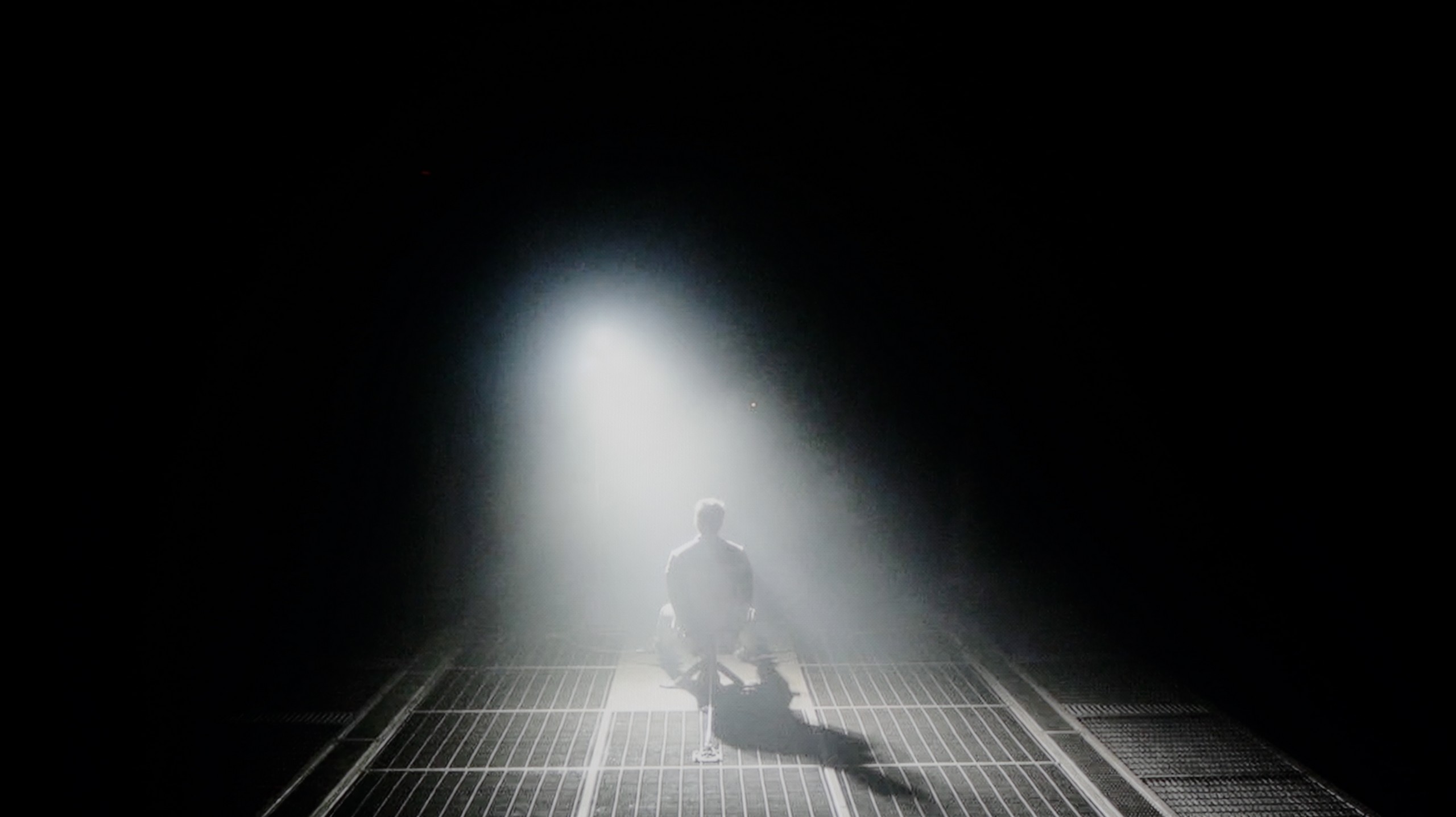
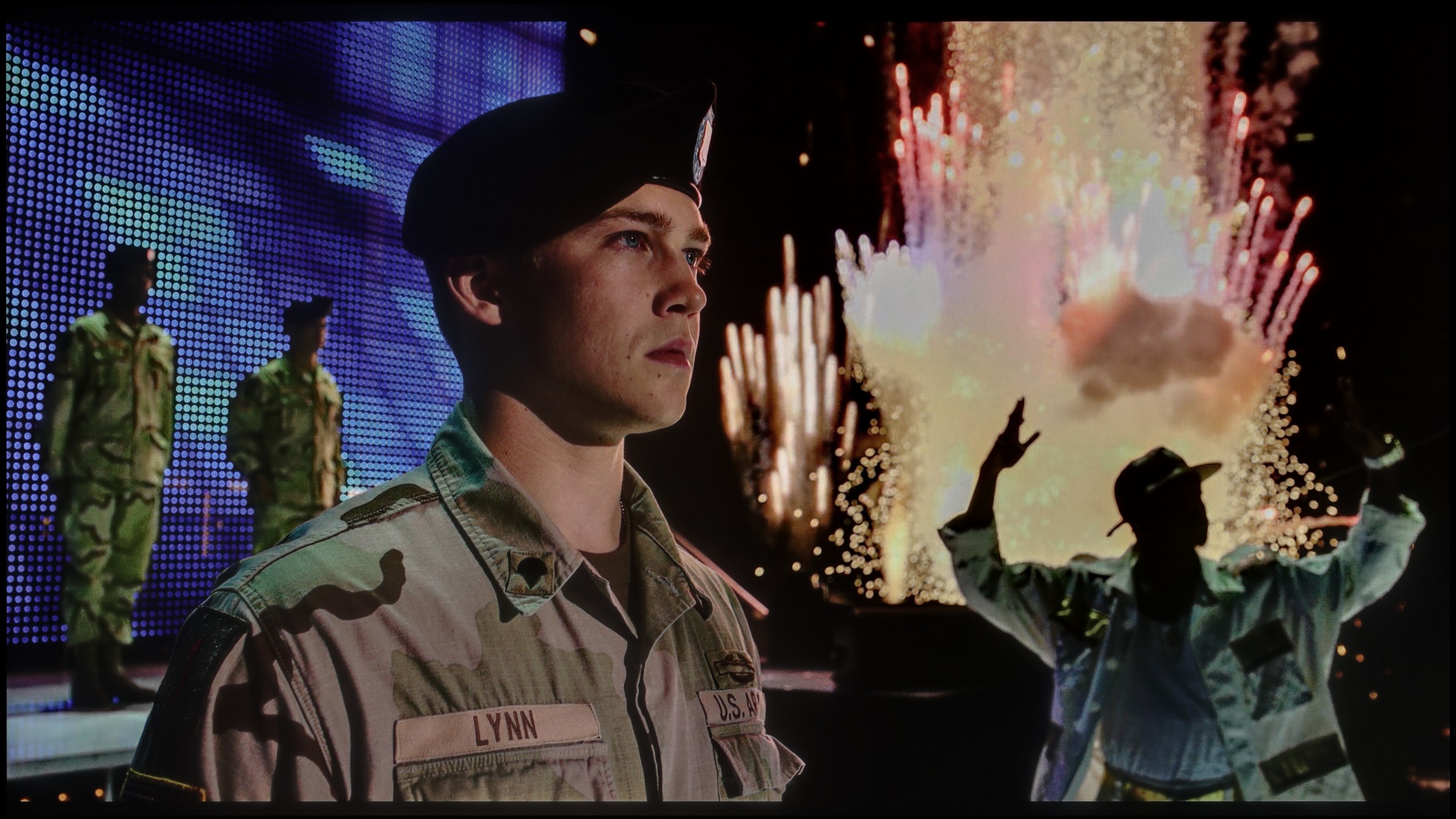
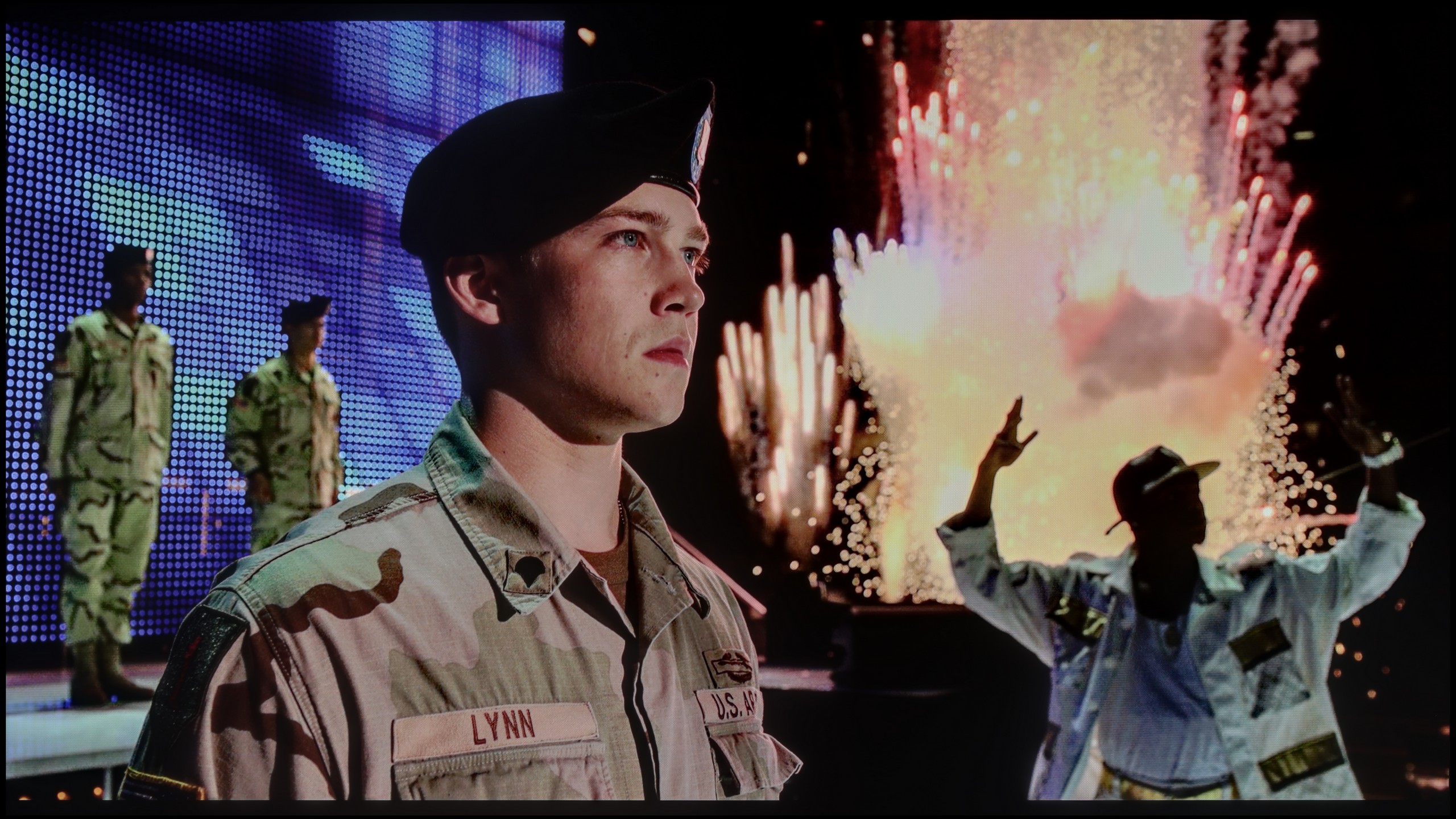
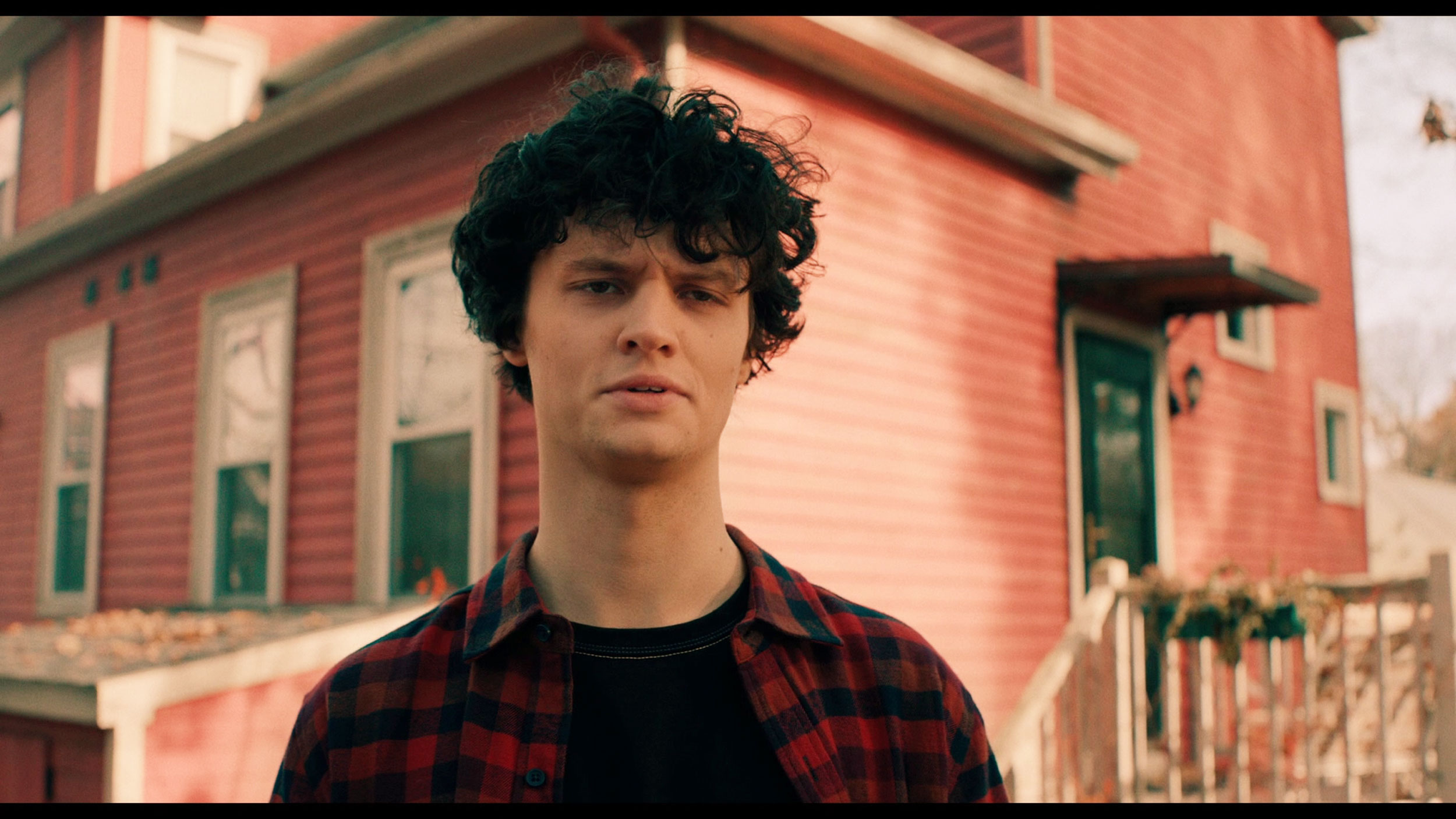
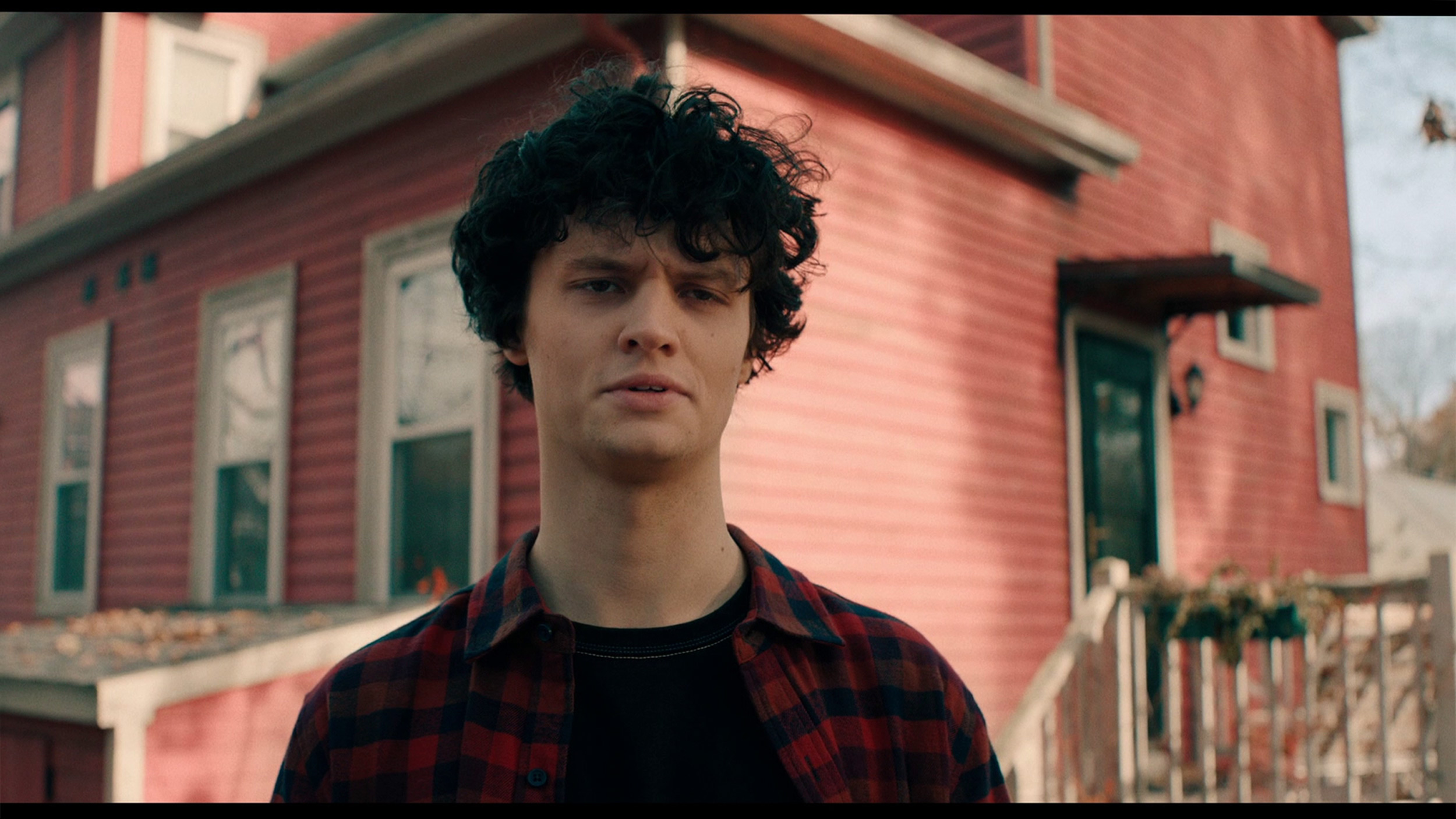
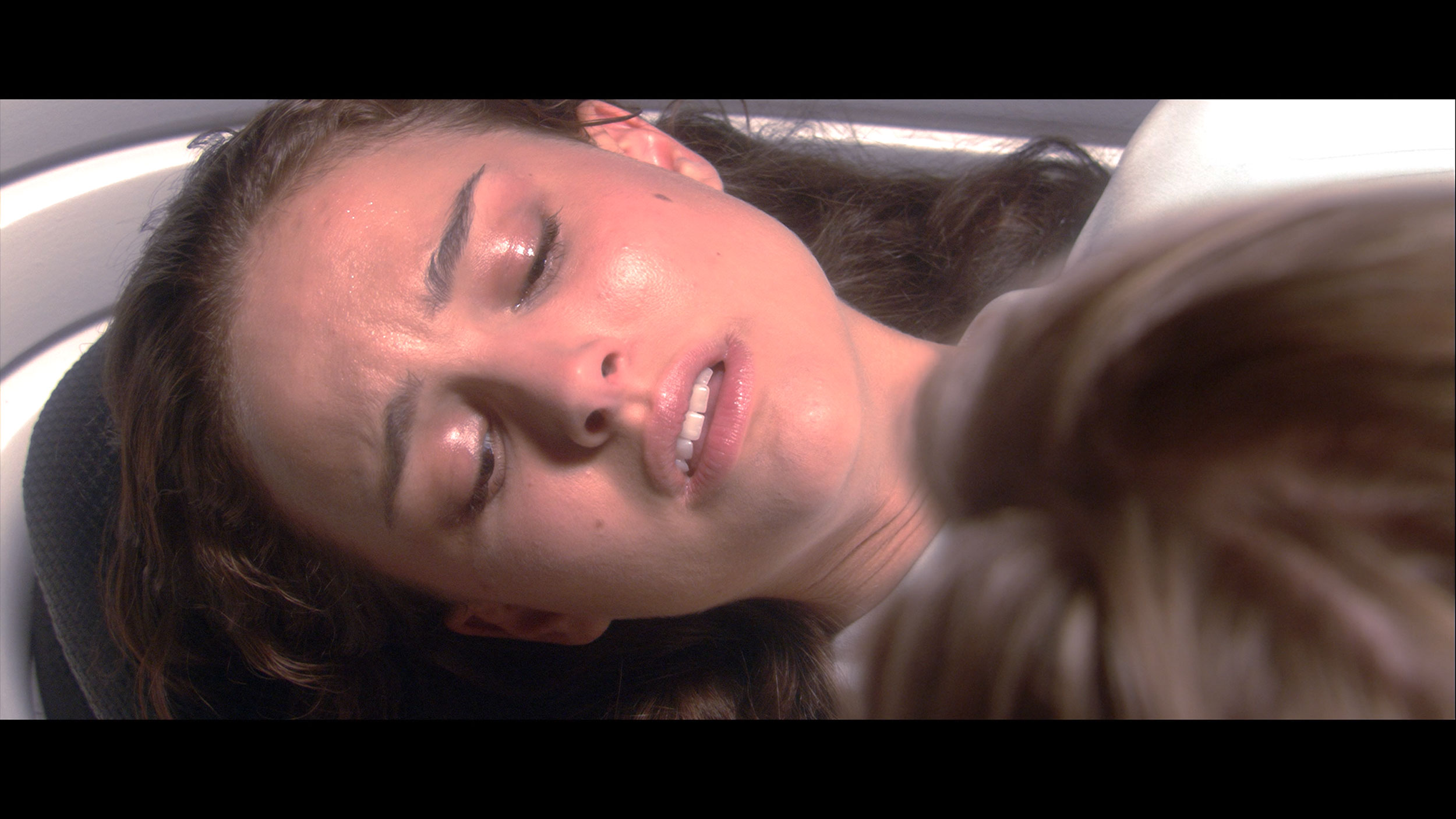
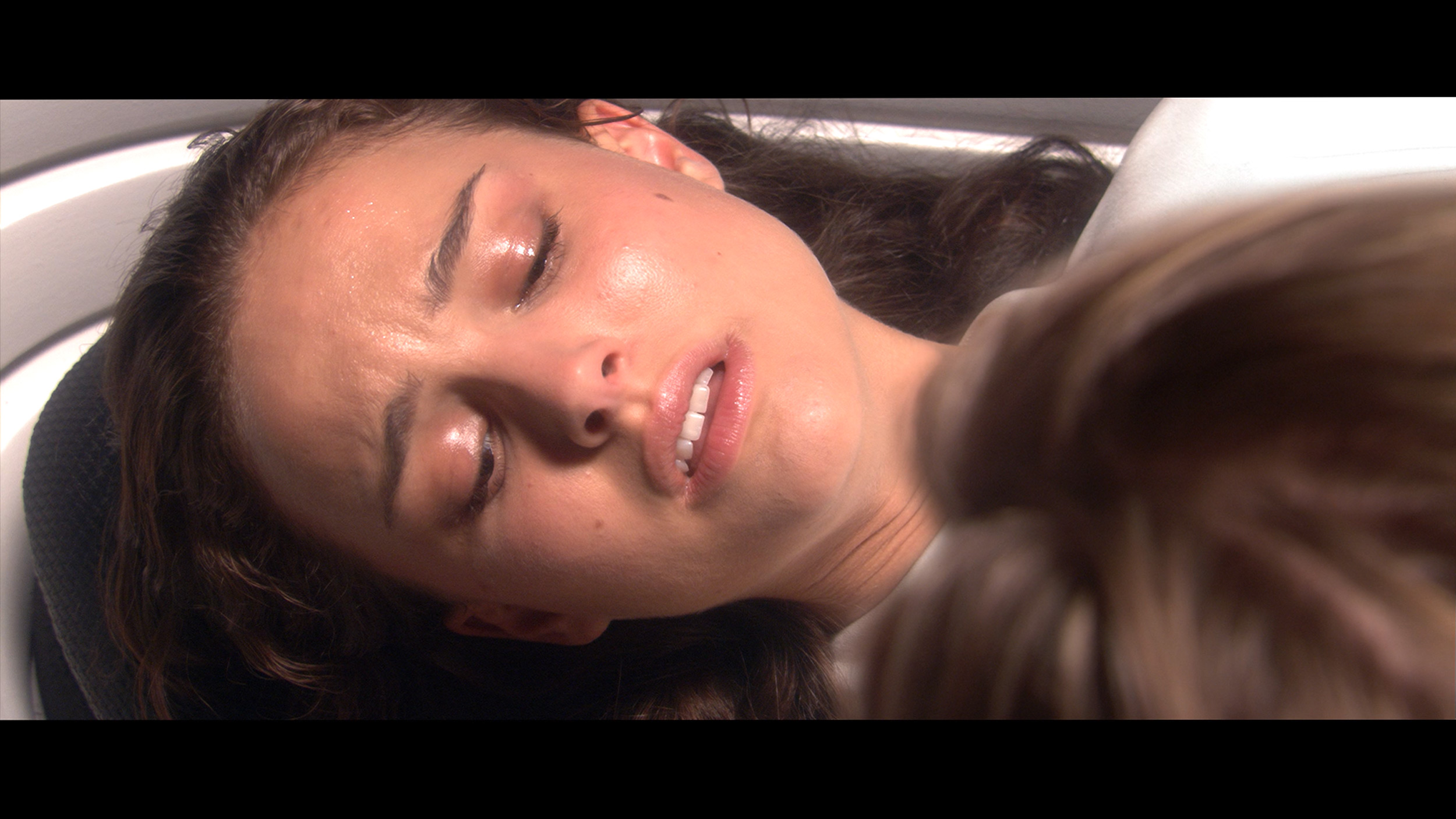
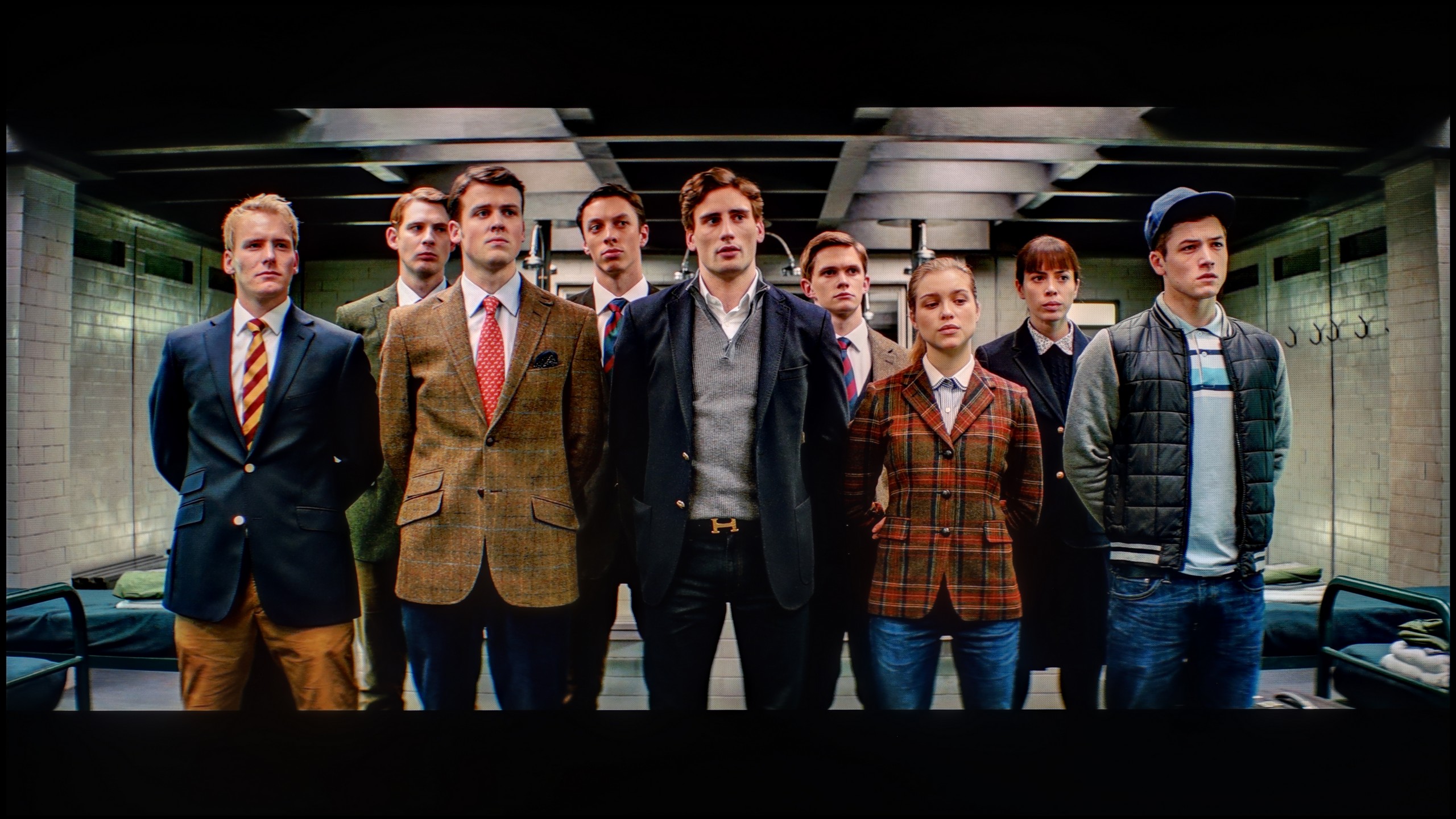
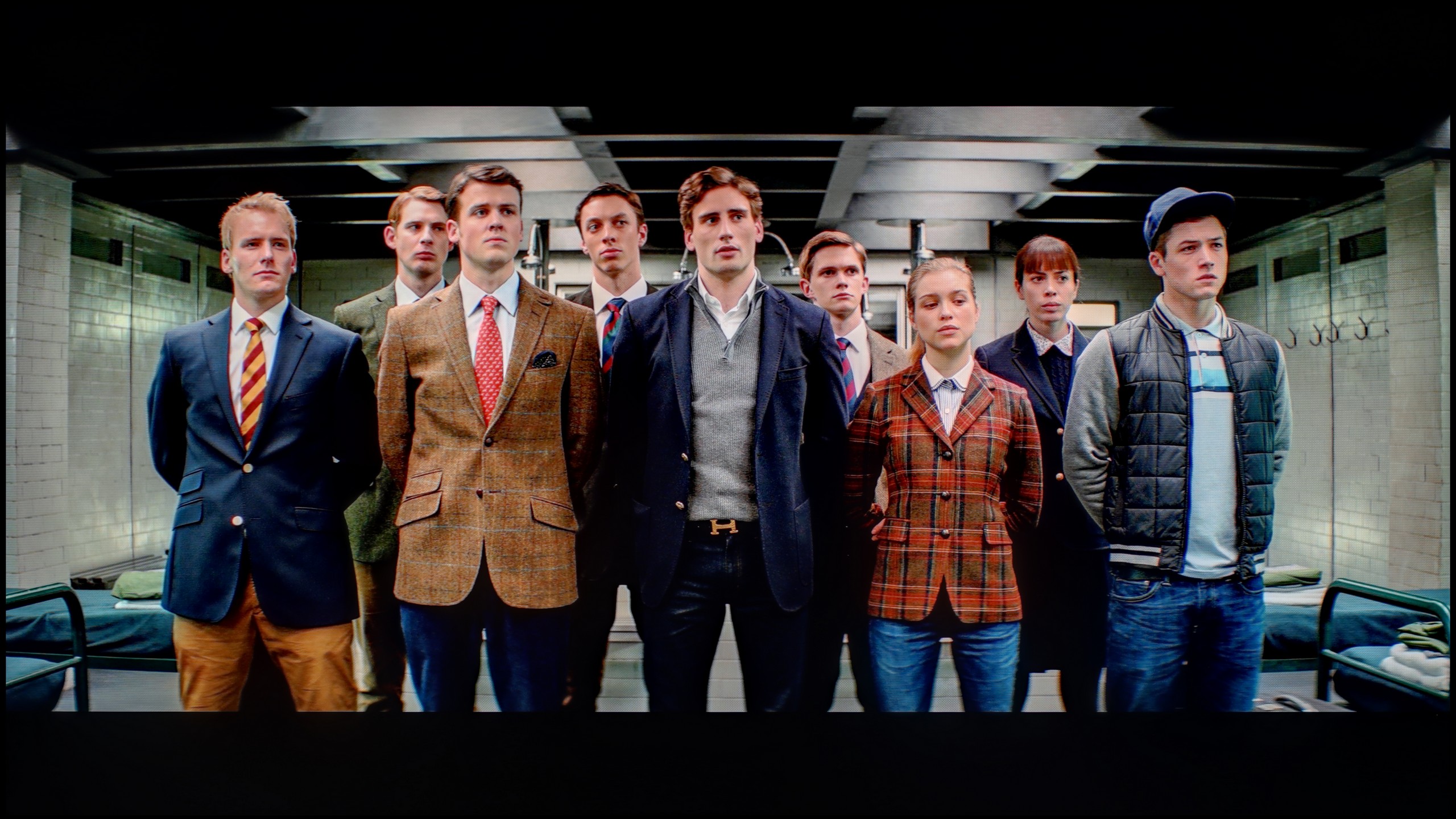
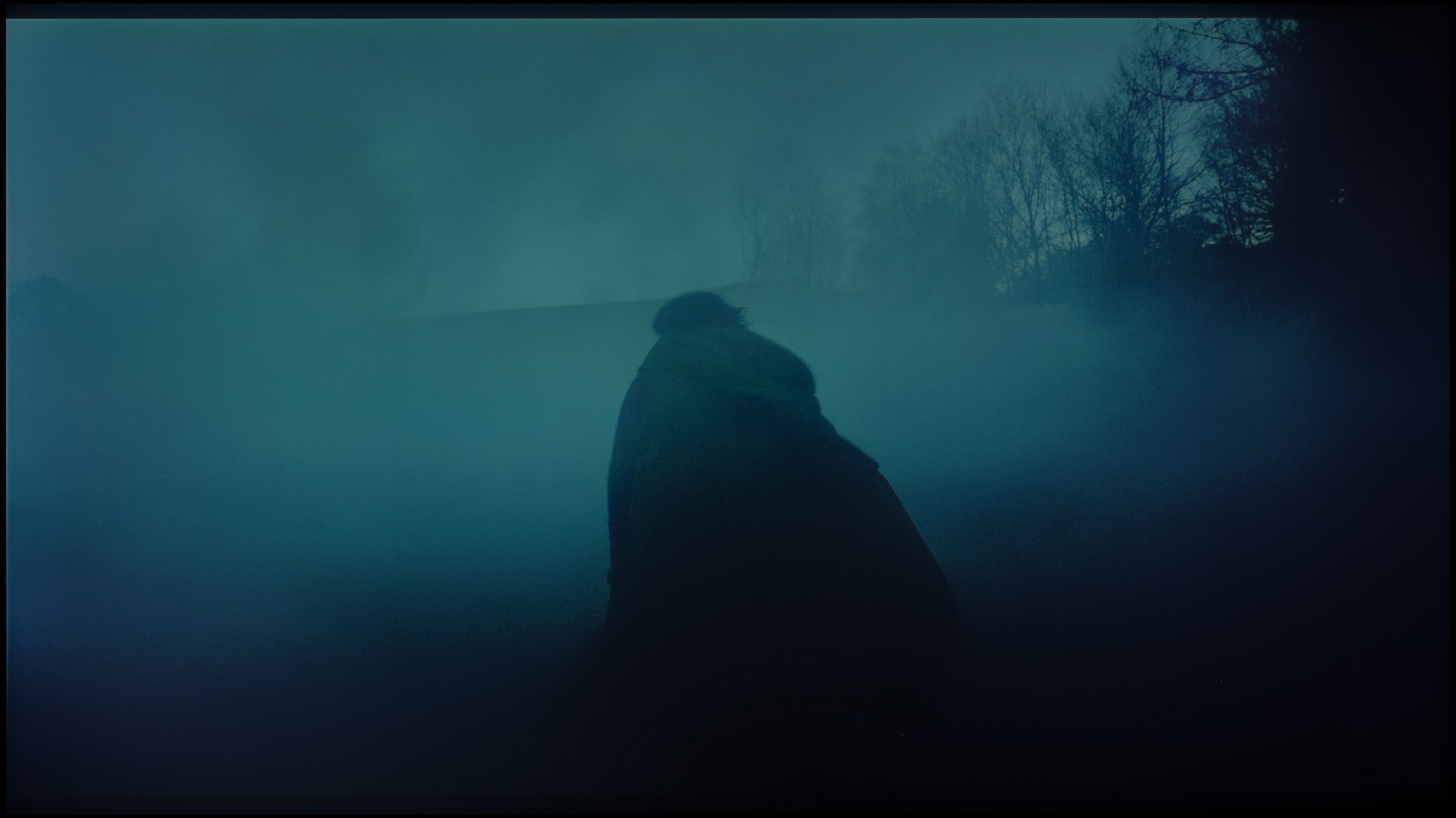
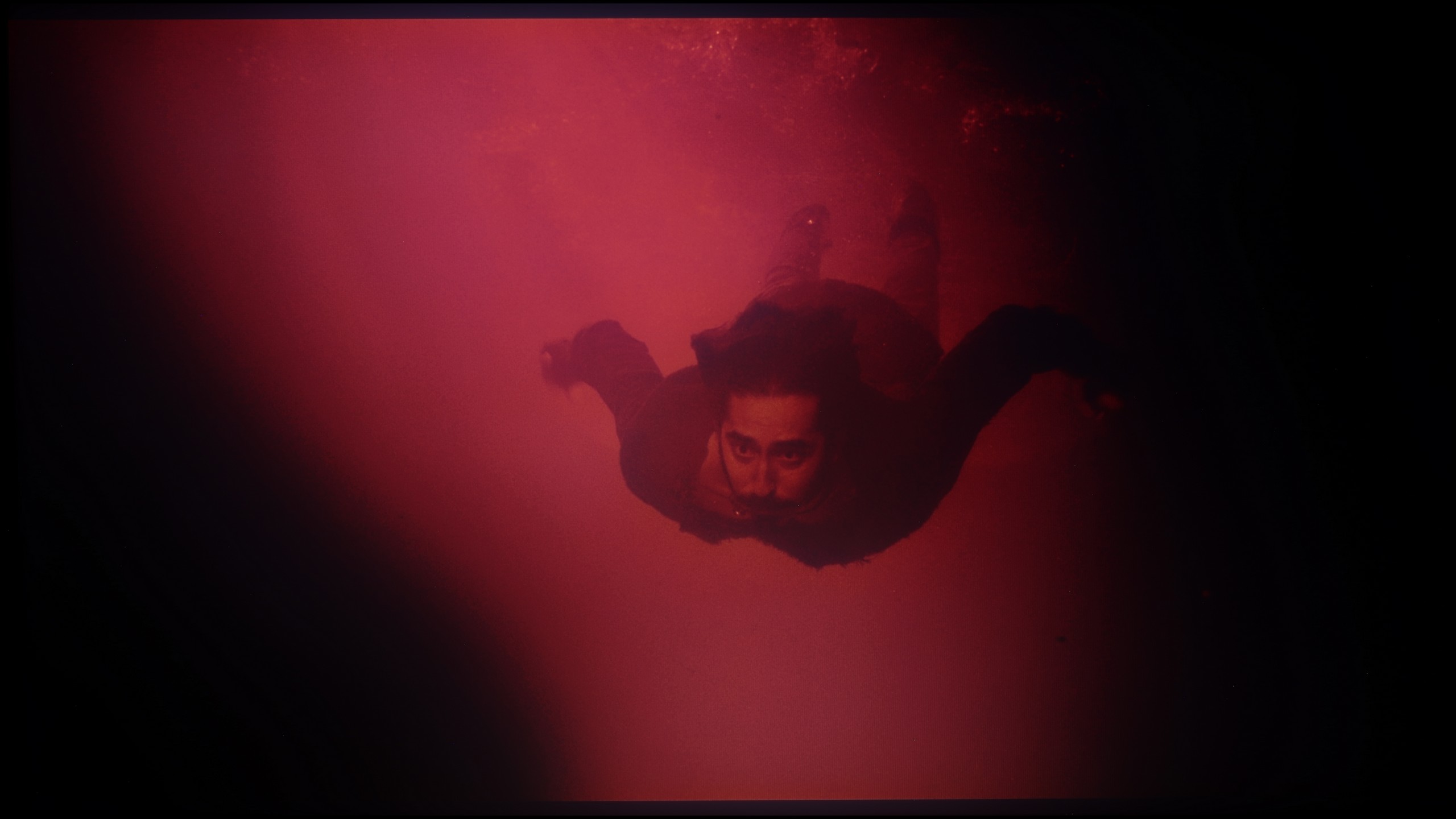
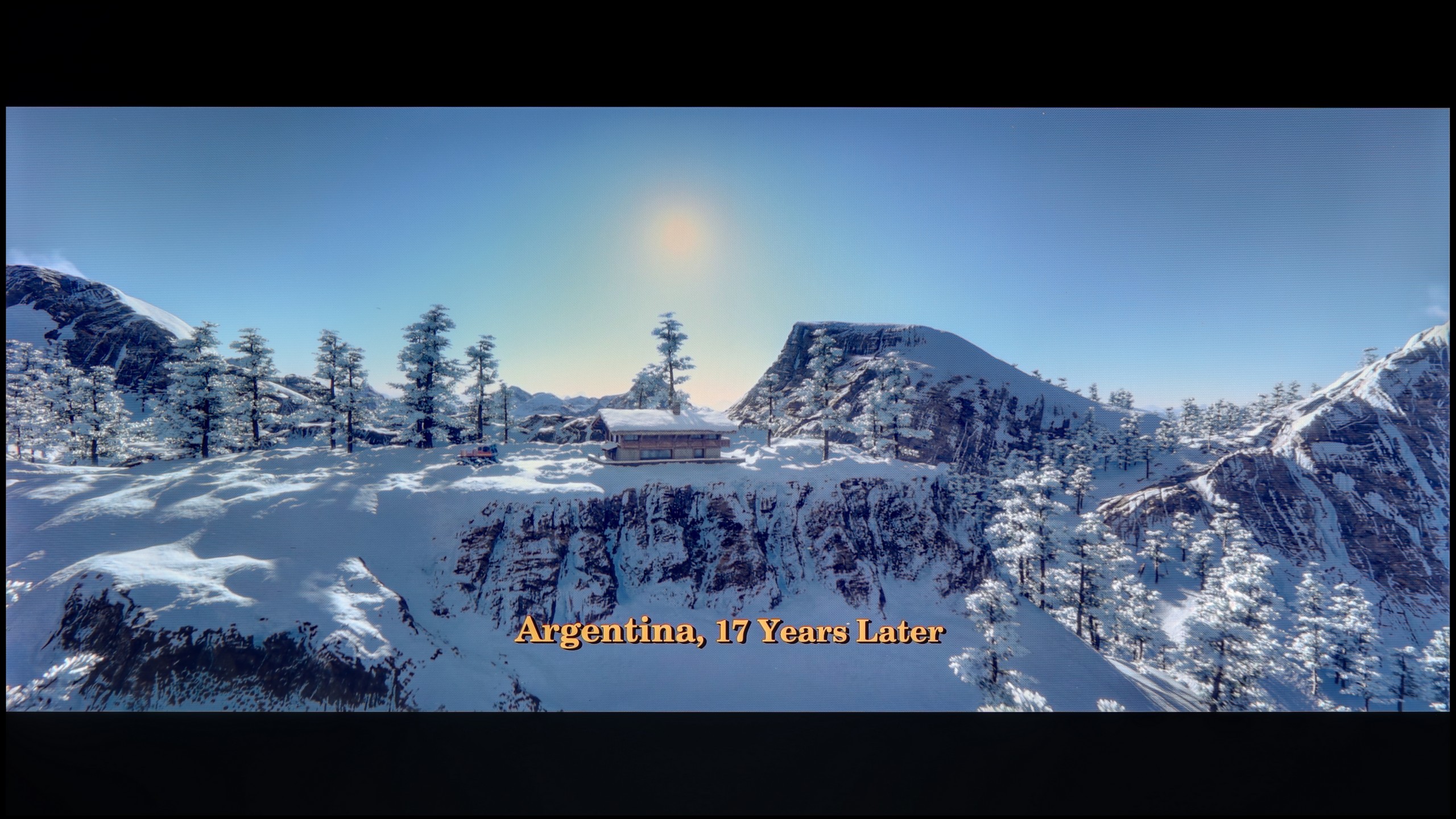
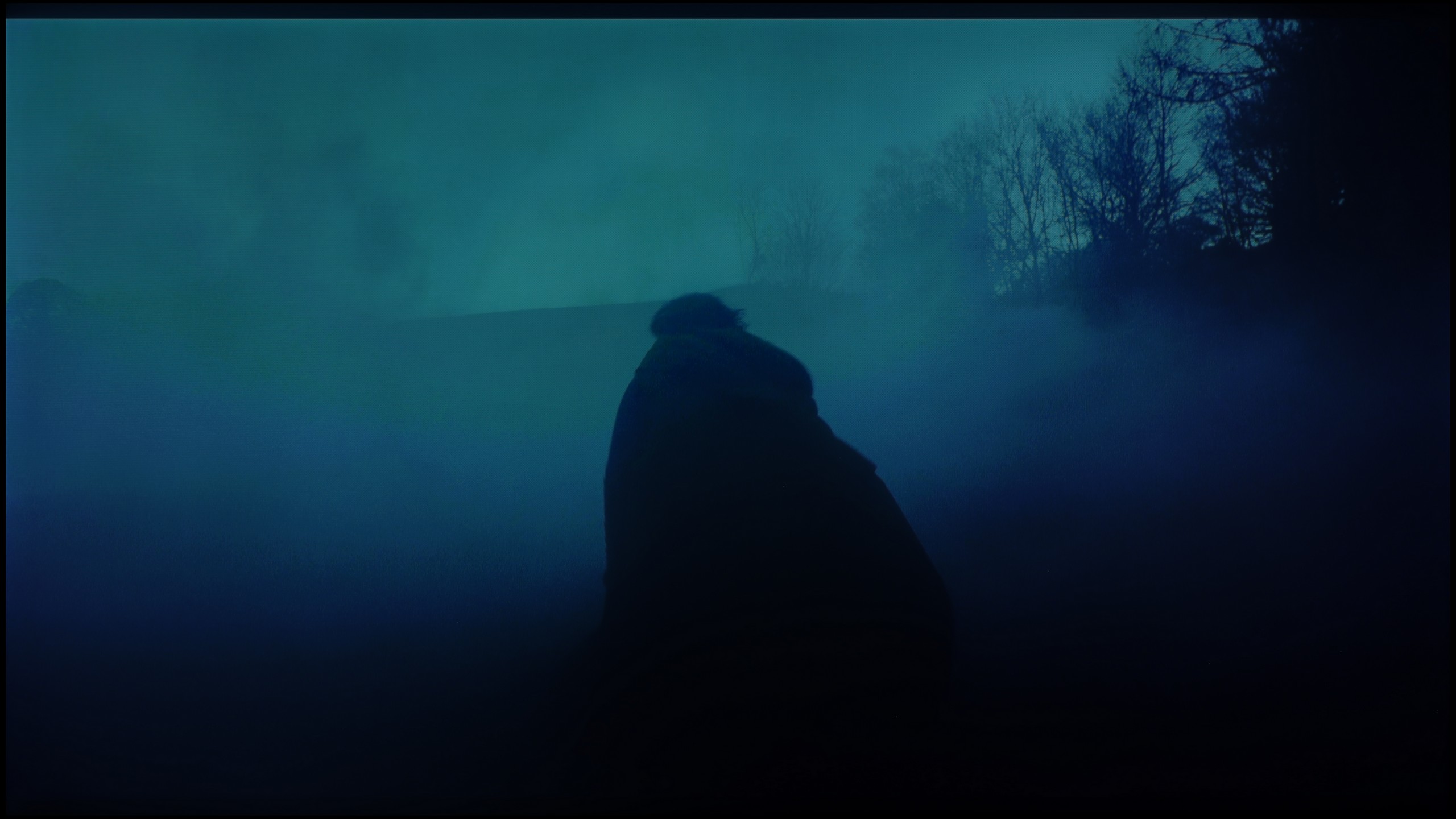
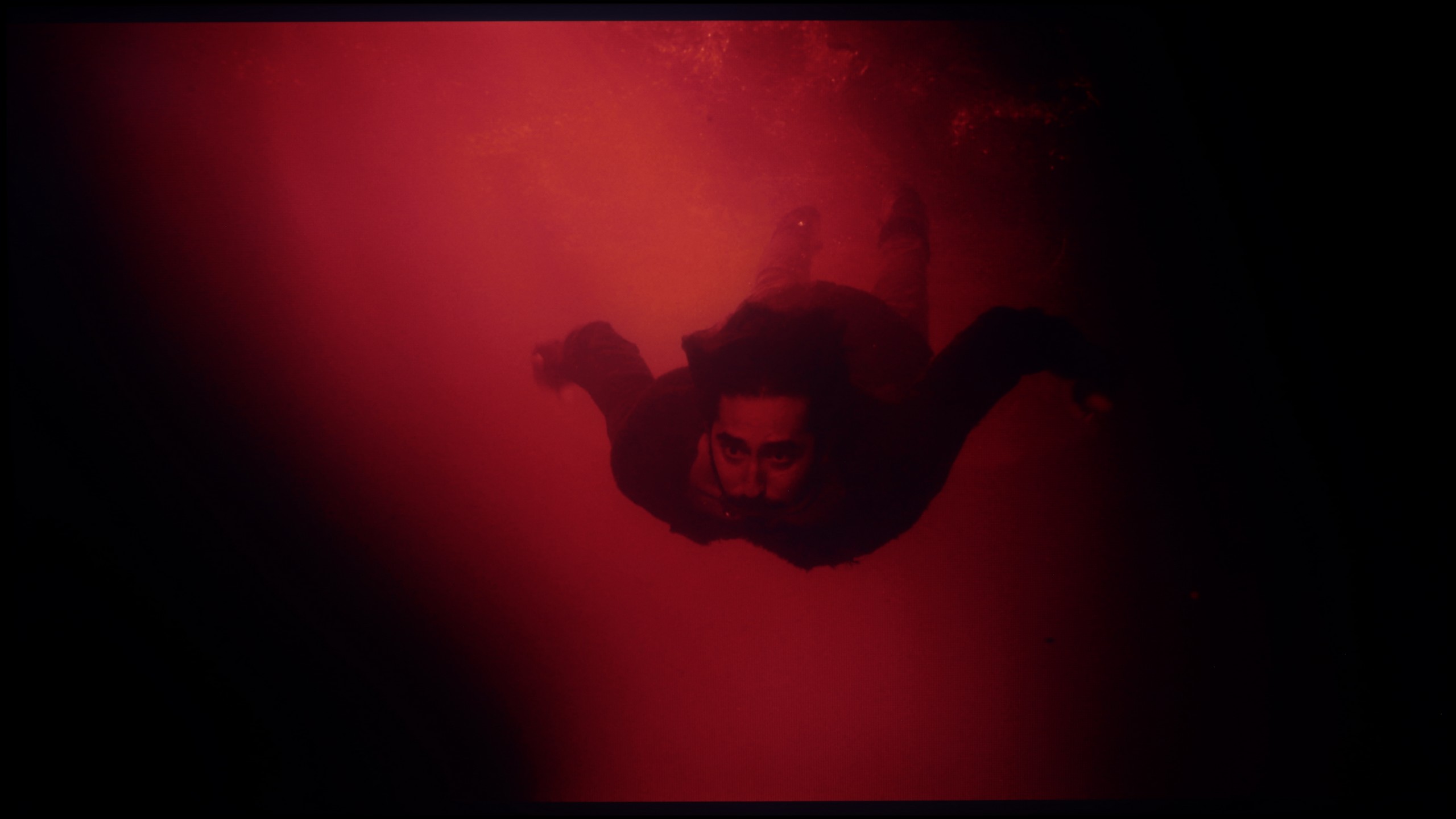
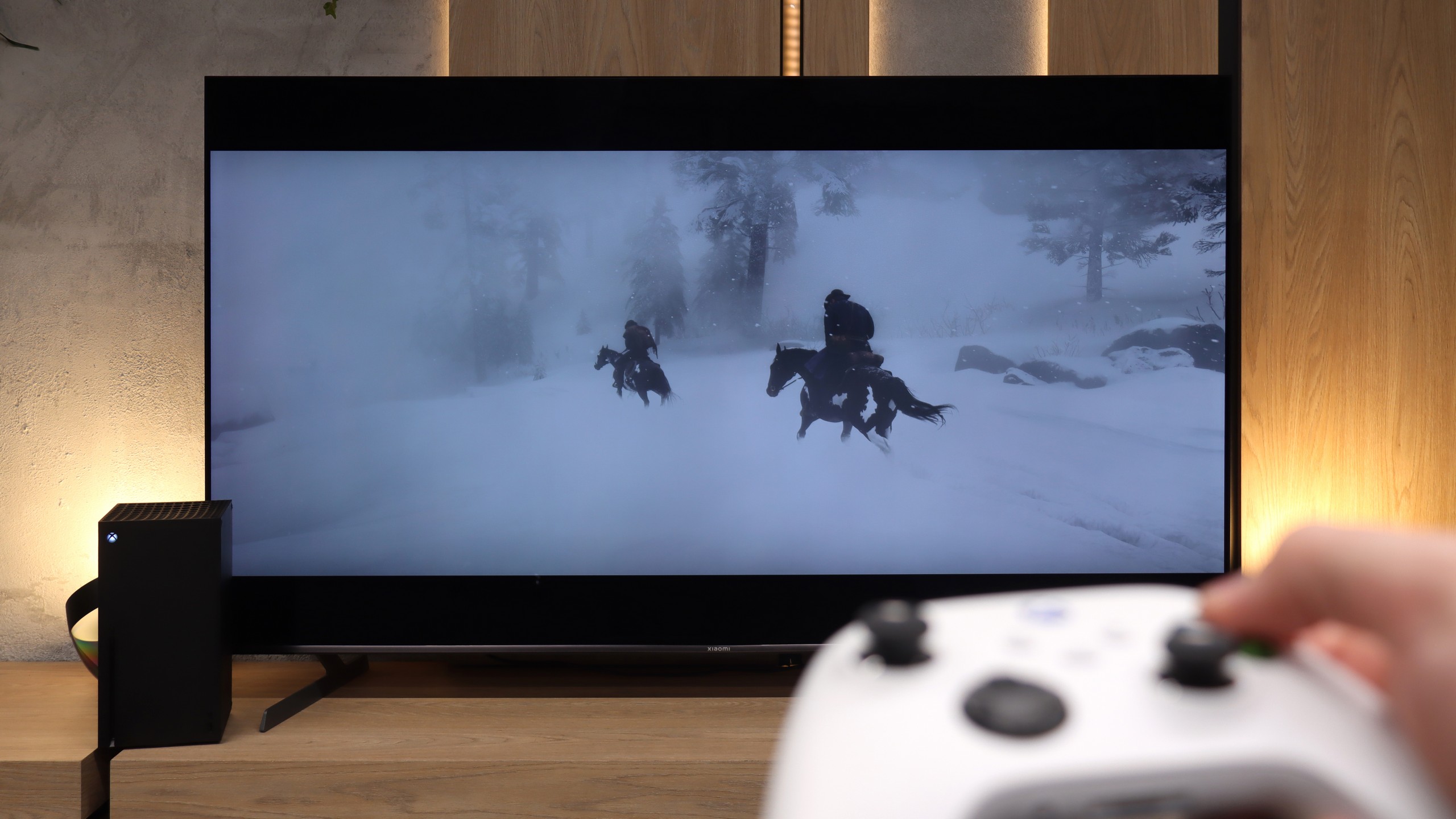
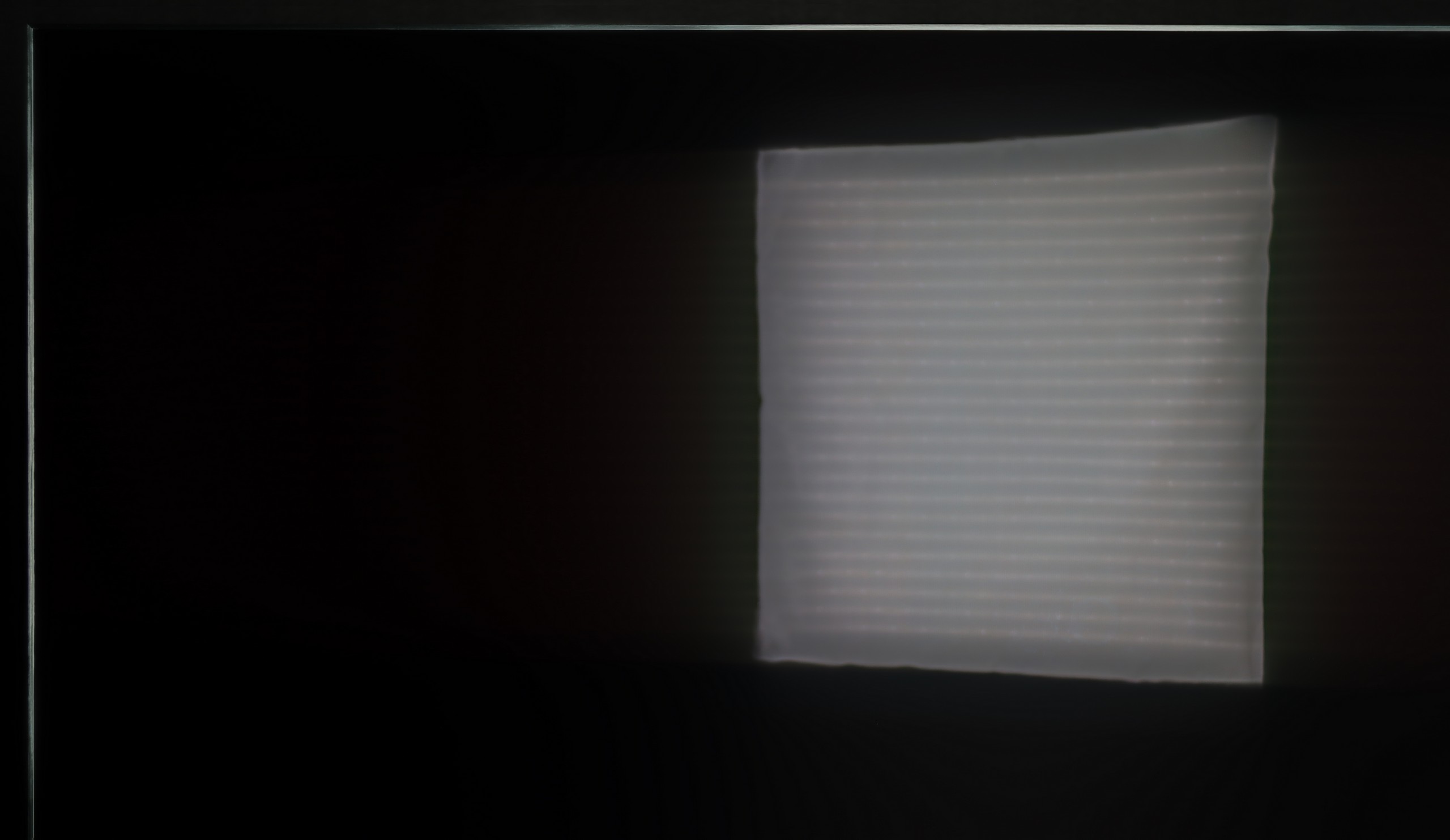
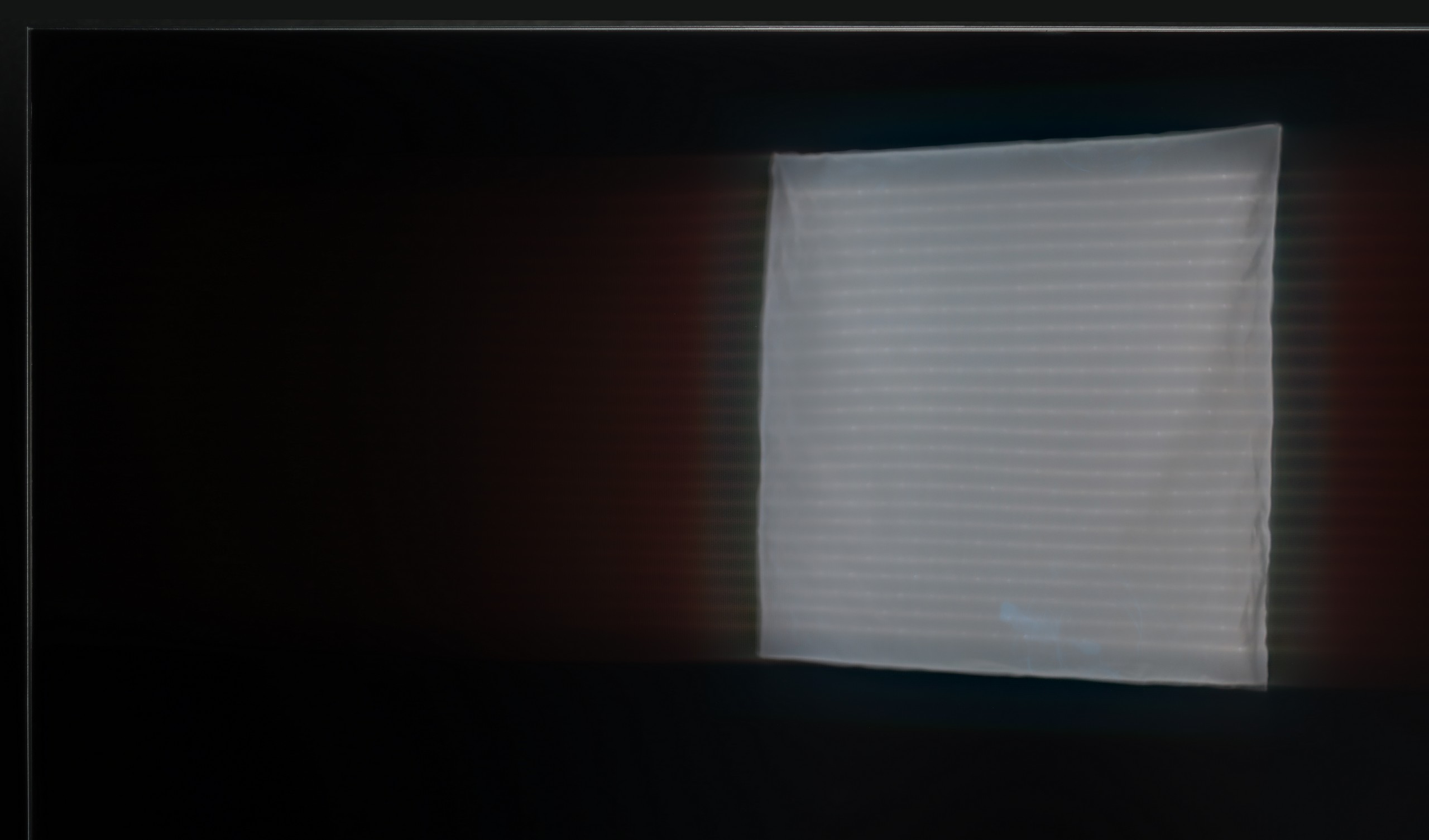
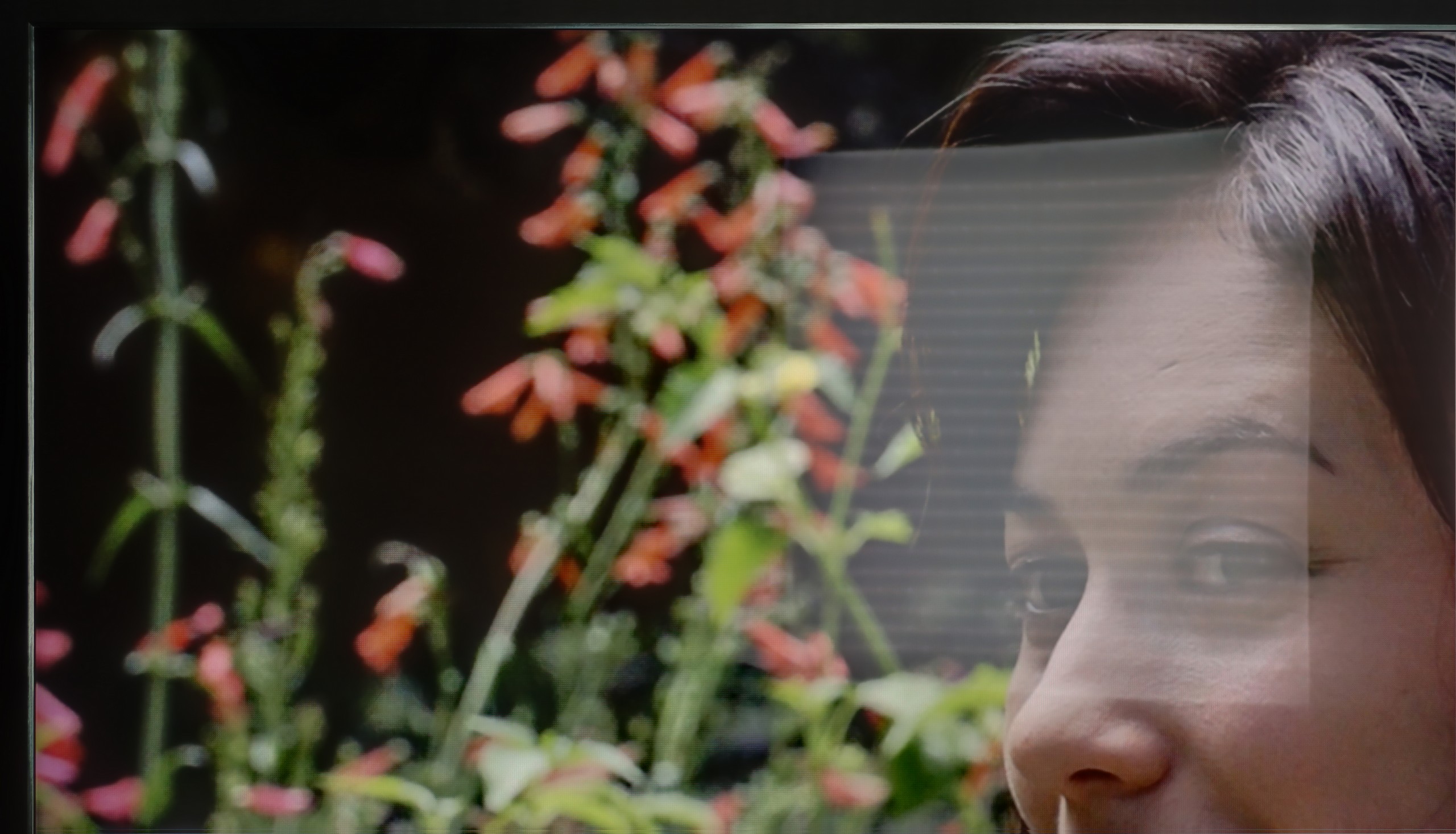
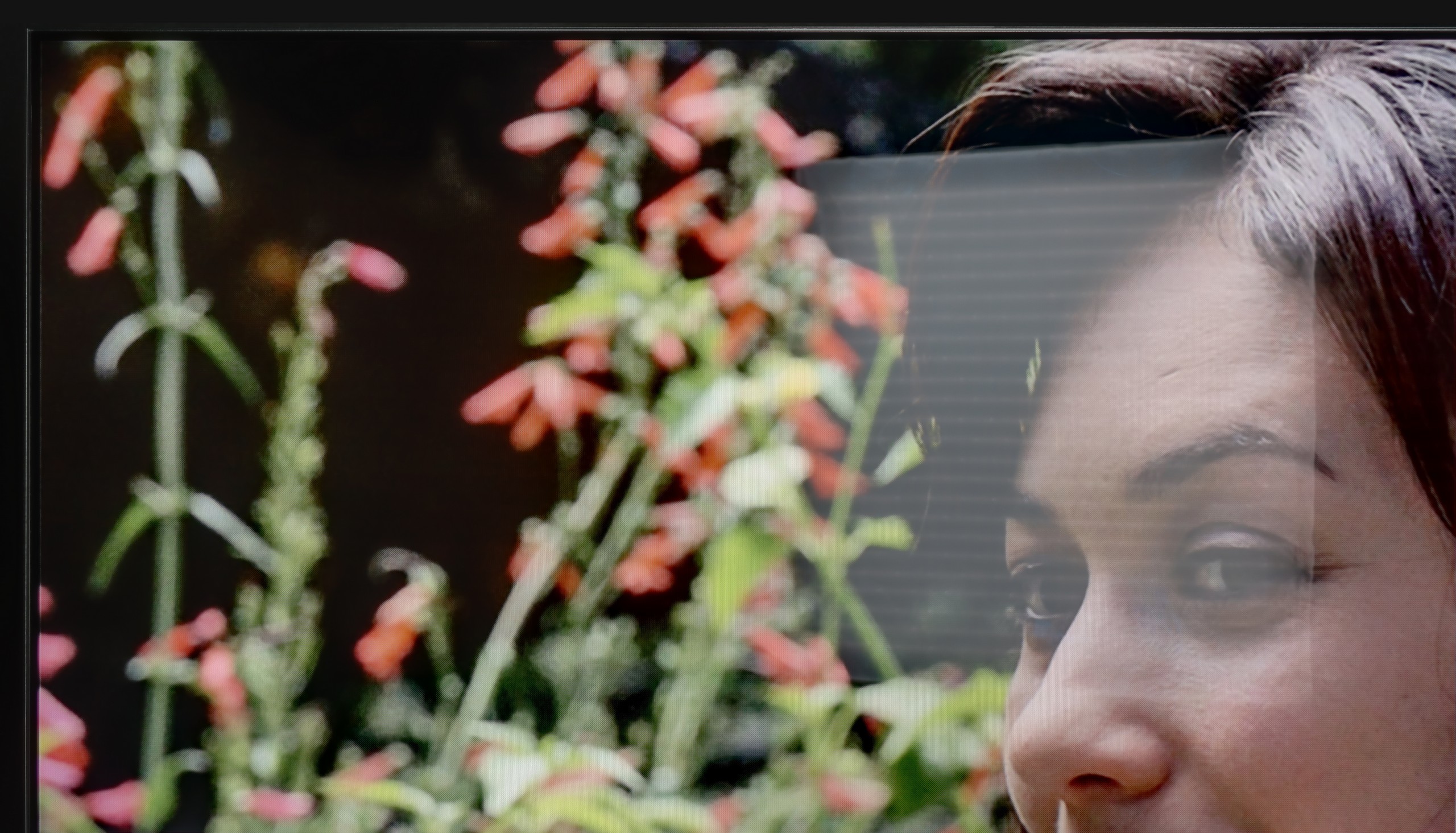
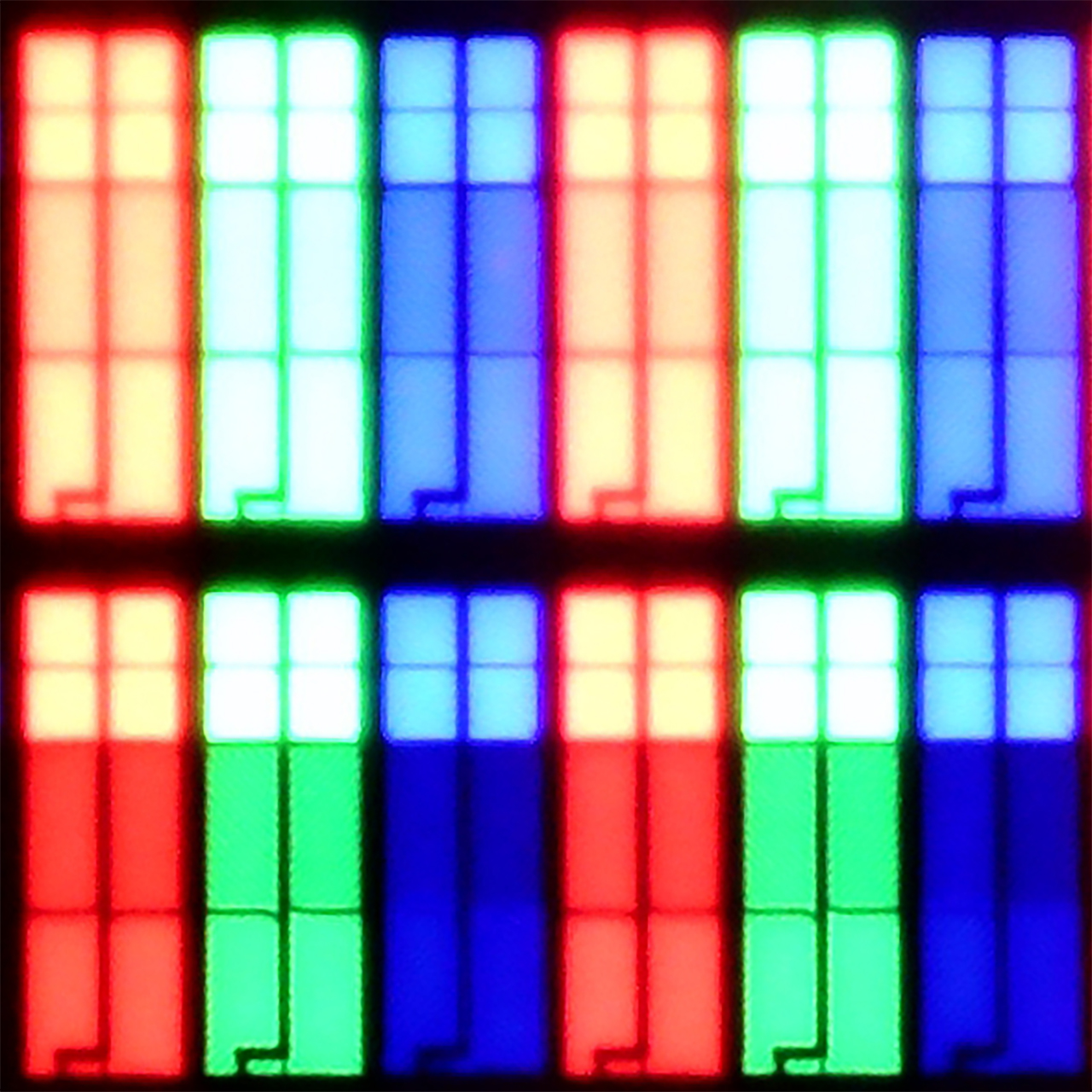
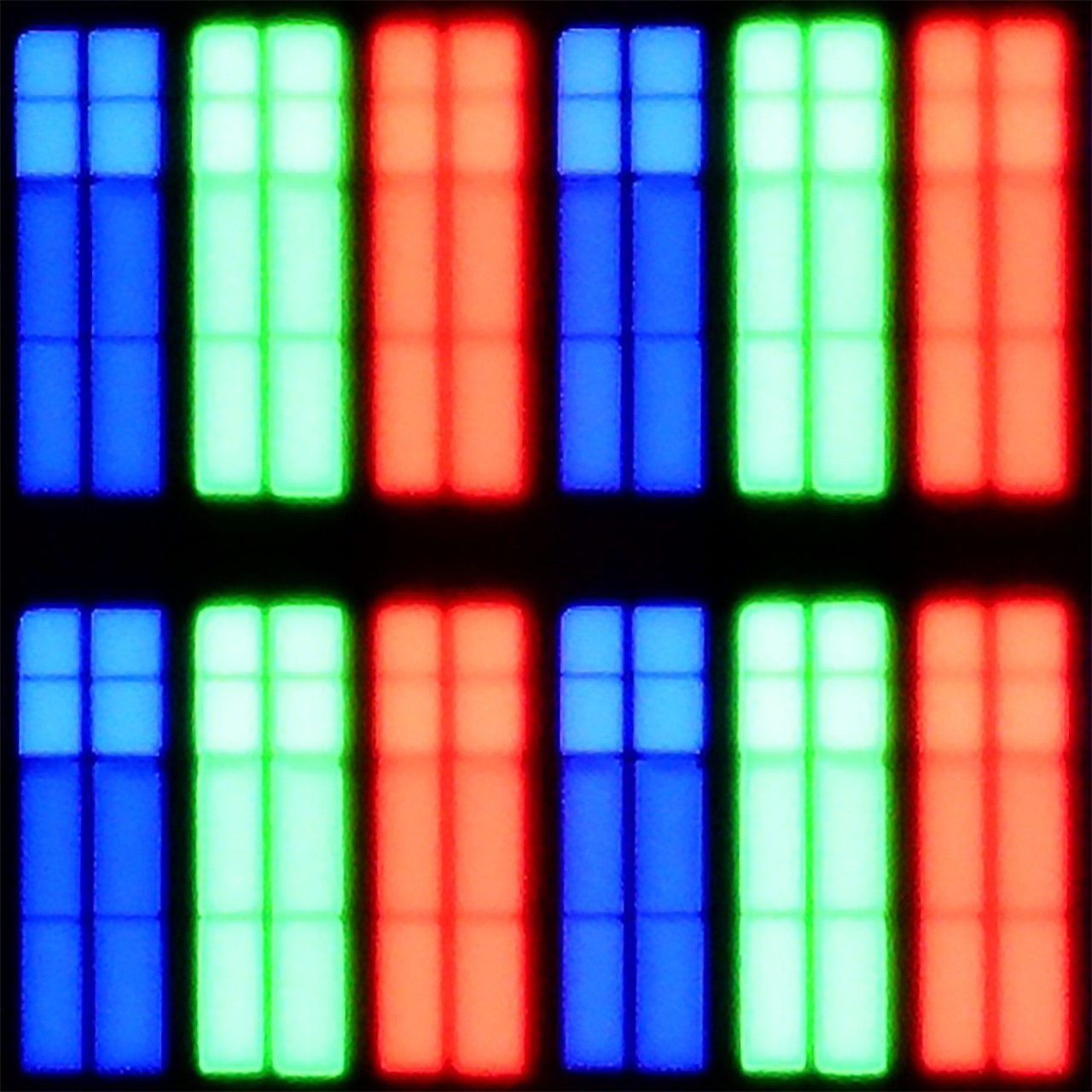
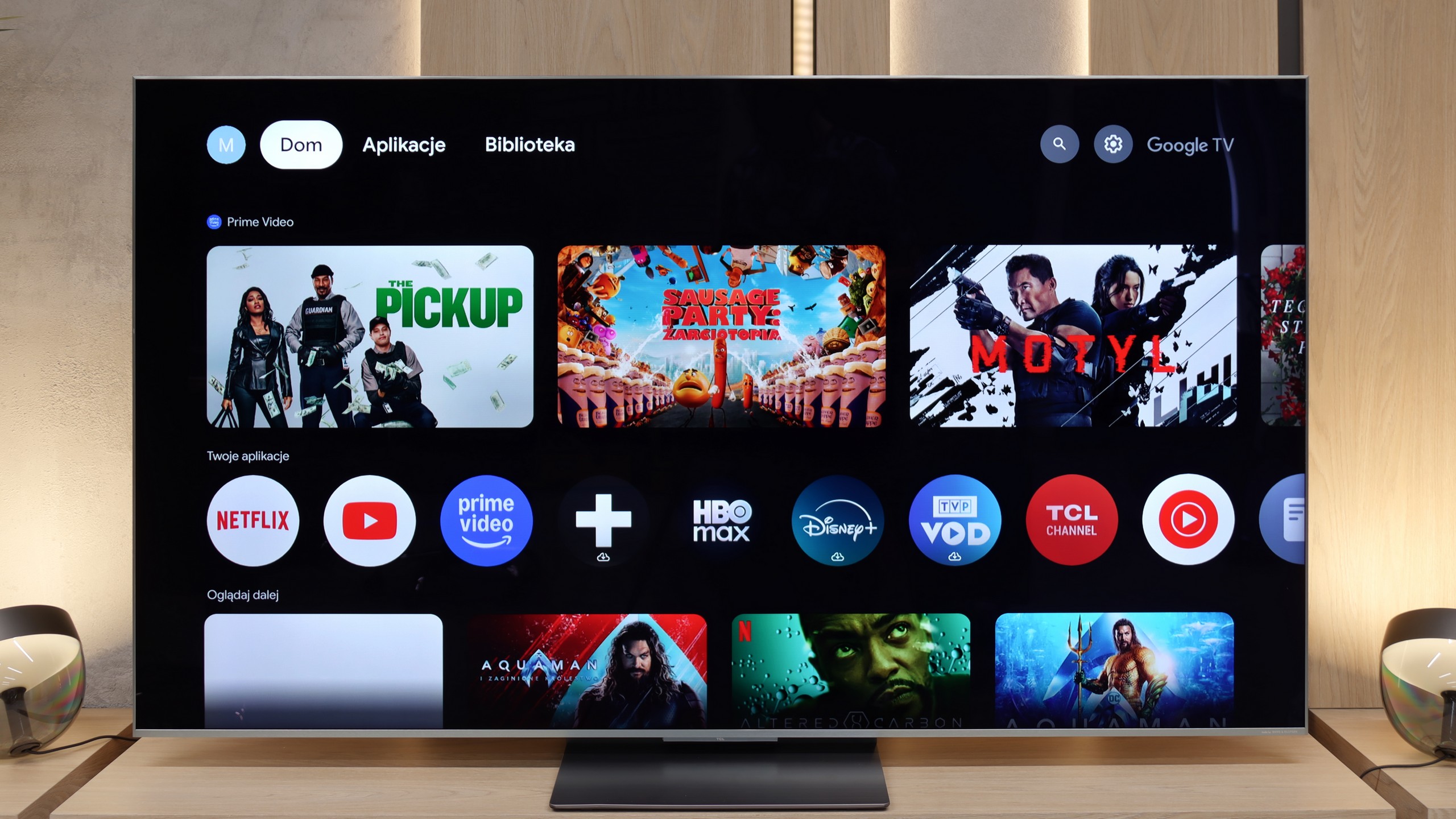
What immediately distinguishes the C9K from the C8K model is the number of backlight zones. In the 65-inch version, we counted… over 3000! One has to admit – it's a true display of TCL's strength, cramming literally everything they had at hand into this television. On paper, it makes a huge impression and indeed – in less demanding movie scenes, the blacks look fantastic. The level is absolutely top-notch, and the separation of lights from dark parts of the image can be impressive. The problem is that this impressive specification does not always translate into practice. In our tests, we noticed situations where the C9K, despite having a greater number of zones, could fall into contrast traps and performed… worse than the C8K. For instance, it struggles to perfectly dim the true black bars in 21:9 format films (those with black bars at the top and bottom). Sounds strange? Unfortunately, it's the result of a lack of optimisation – the hardware is 'packed' with technology, but the algorithms do not always keep up with making use of that potential.
Don't get us wrong – black levels are a strong point of the C9K and in many scenes, it looks simply fantastic. In synthetic measurements, the contrast performs remarkably well, coming close to the levels of the best televisions on the market. But in real cinematic usage, these numbers do not always correlate with a better experience than with its cheaper cousin. And that is perhaps the greatest disappointment – because the potential was huge.
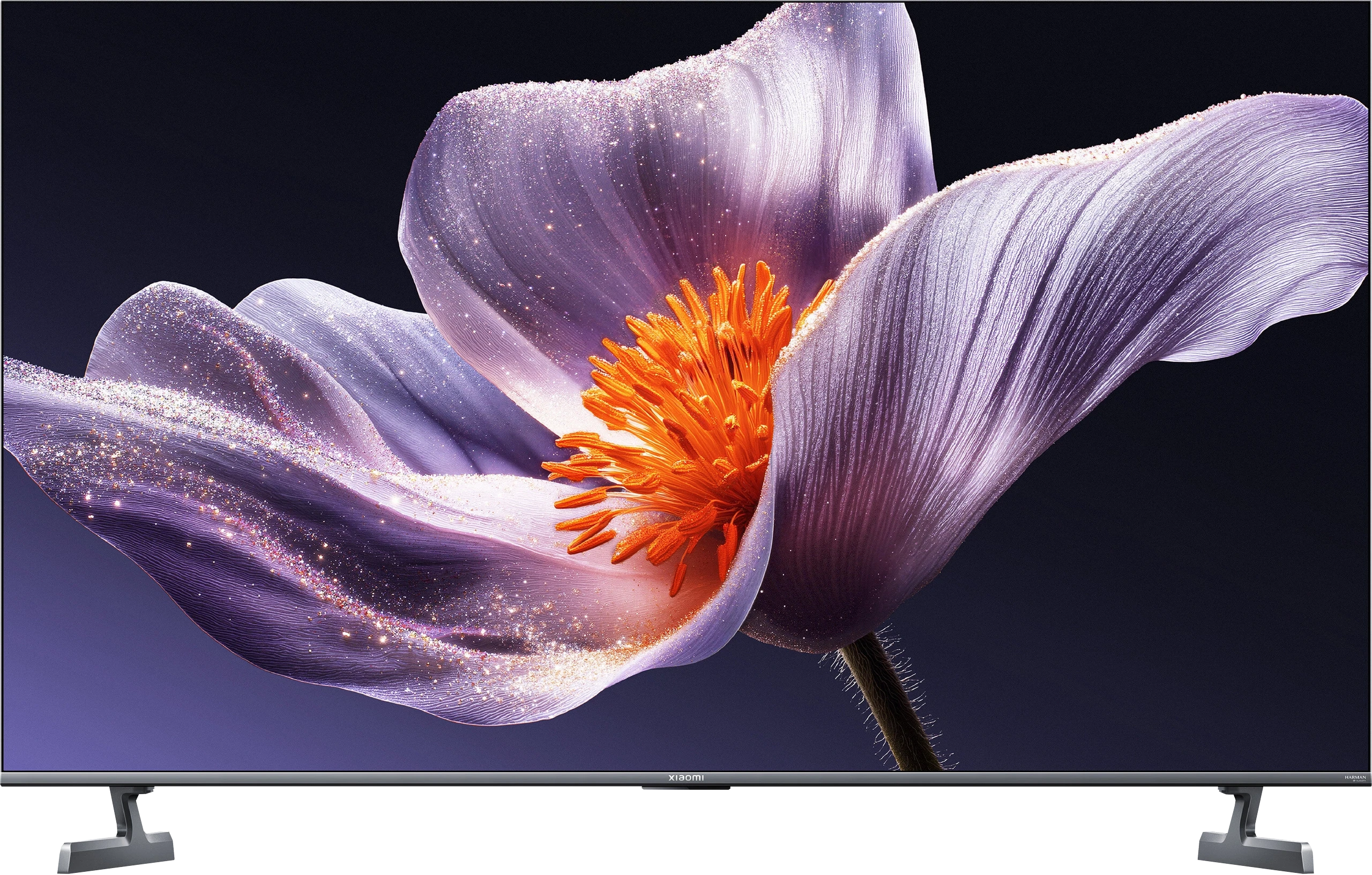
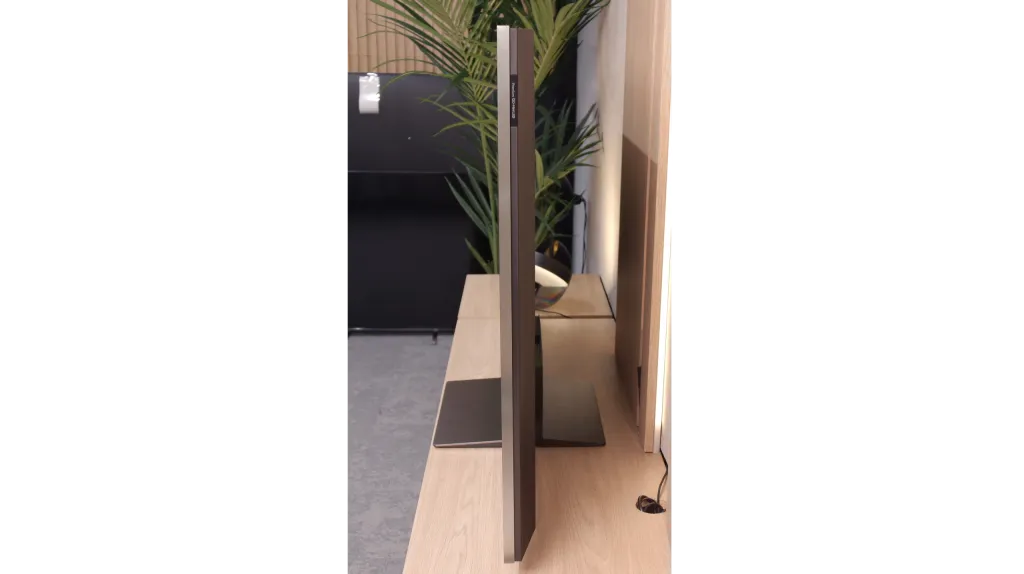
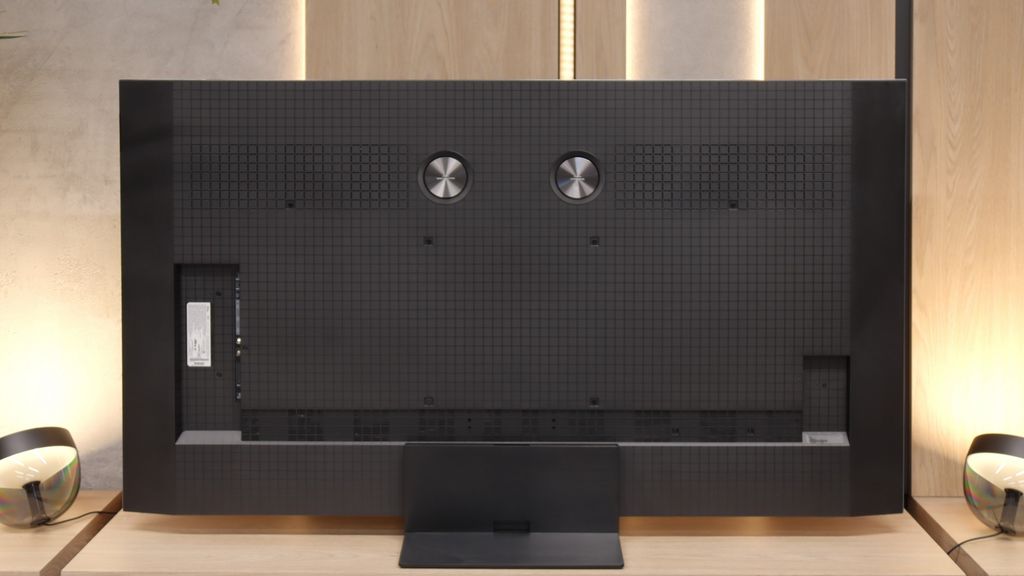
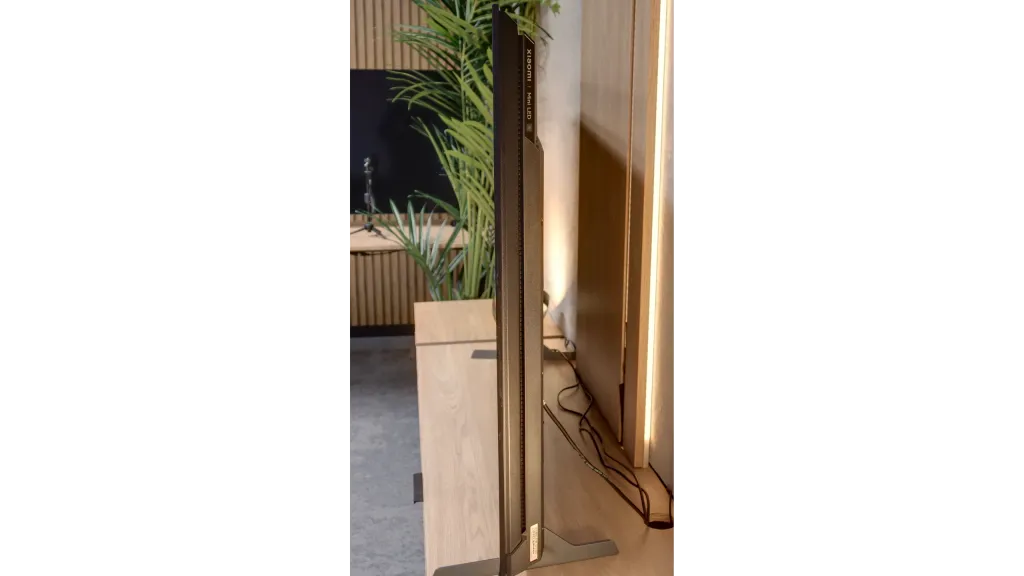
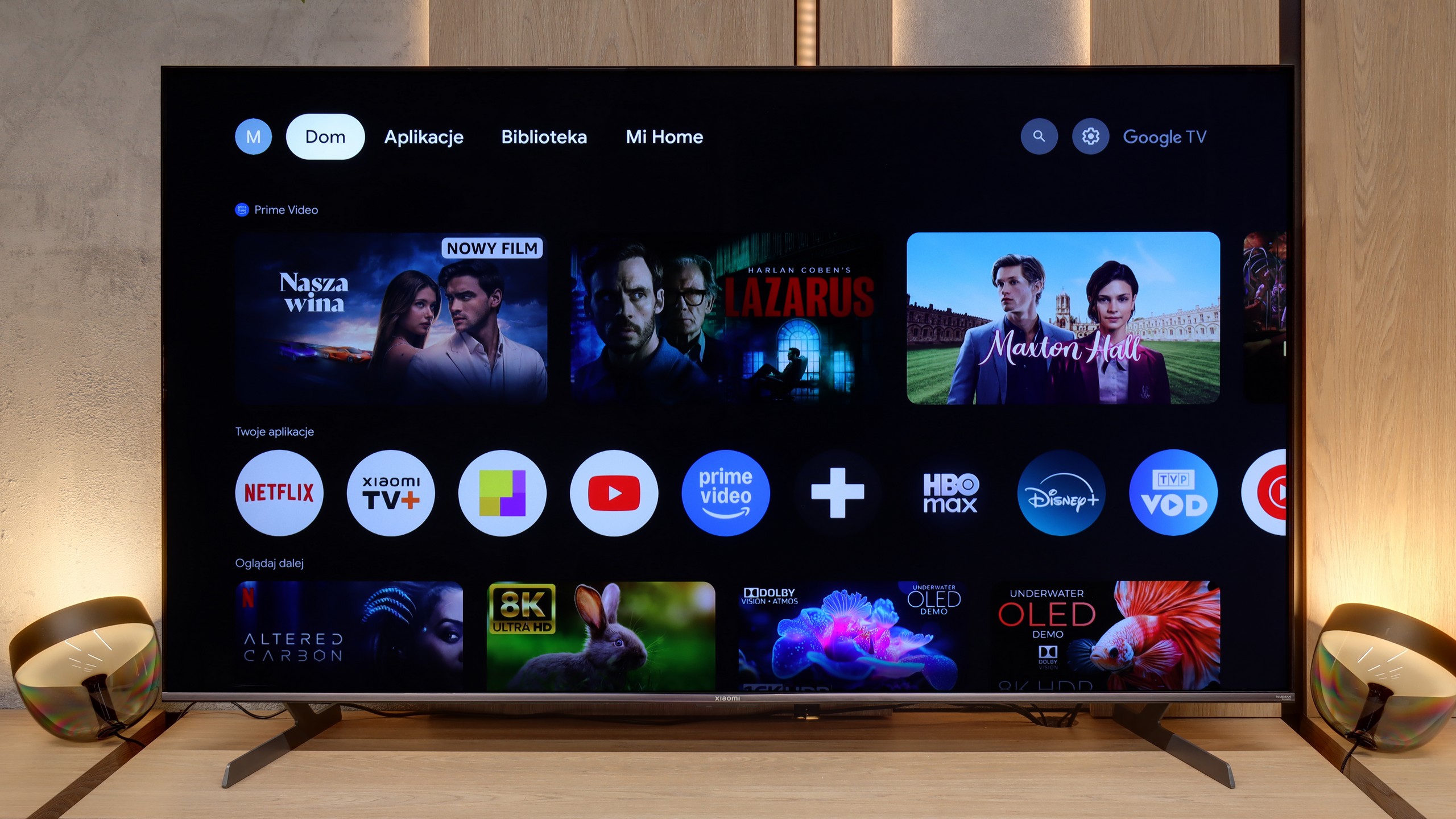
Let's get to the point, which is what is most important in the Mini LED panel: black levels and contrast. The Xiaomi S Pro 2026 is built on a VA matrix, which already promises deep blacks from the start. Adding to that is the Mini LED backlighting with a very large number of local dimming zones. In the 65-inch variant we tested, we counted as many as 532. This is a solid number that should provide precise control over the backlighting. It should be noted that this number is proportional to the size – by choosing the smaller 55-inch variant, there will be correspondingly fewer zones, and in larger models, more.
So, how does the black level perform on the S Pro 2026? The answer is complex.
Overall, it is really quite good, and we see a clear improvement compared to the problematic model from 2025. As you can see from our measurement charts, the results are sometimes spectacular. In most of the film scenes we measured in SDR (standard dynamic range), the contrast could be confidently described as very good and even comparable to designs three times as expensive. Well, it could be... and here we come to the paradox of this model. The issue is how the television manages the zones in scenarios other than SDR. As soon as we feed the television a higher-quality signal, such as an HDR series or Dolby Vision from streaming platforms (Netflix, HBO Max or Disney+), something strange happens. We have the undeniable impression that the television suddenly... forgets that it has been equipped with local dimming zones at all. As can be seen in our video below, the black levels in such scenes resemble more shades of dark grey or navy blue. Additionally, there is a subtle flickering of the entire screen. This is a level we would expect from televisions entirely devoid of a local dimming system. It seems that Xiaomi decided to fix one, but key, flaw of last year's 2025 model over the course of a year. And they succeeded – we no longer have the annoying "zone disco", the image is stable. It's just a shame that when consuming content of the highest quality (HDR), this entire advanced system becomes completely useless.
 Direct comparison