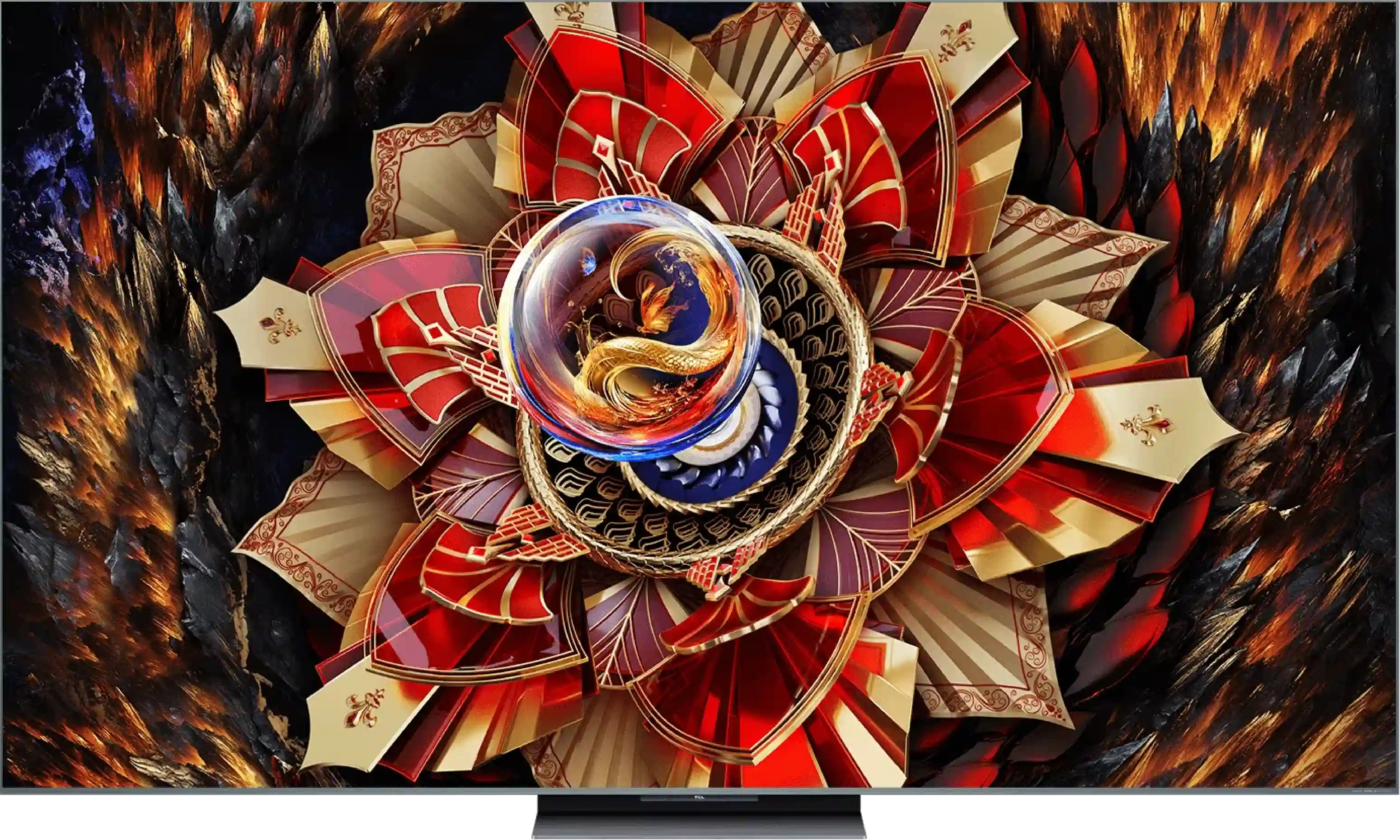
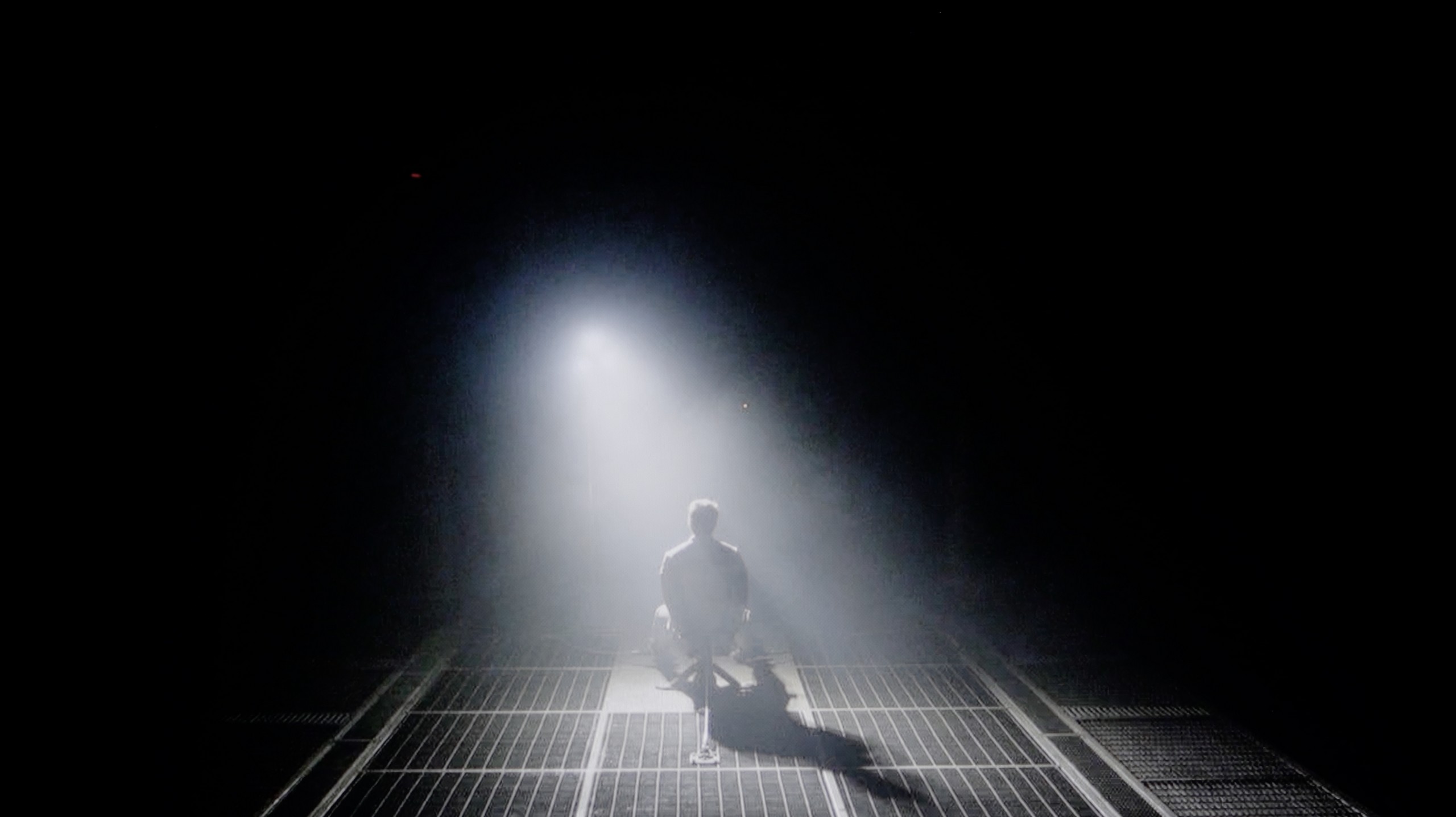
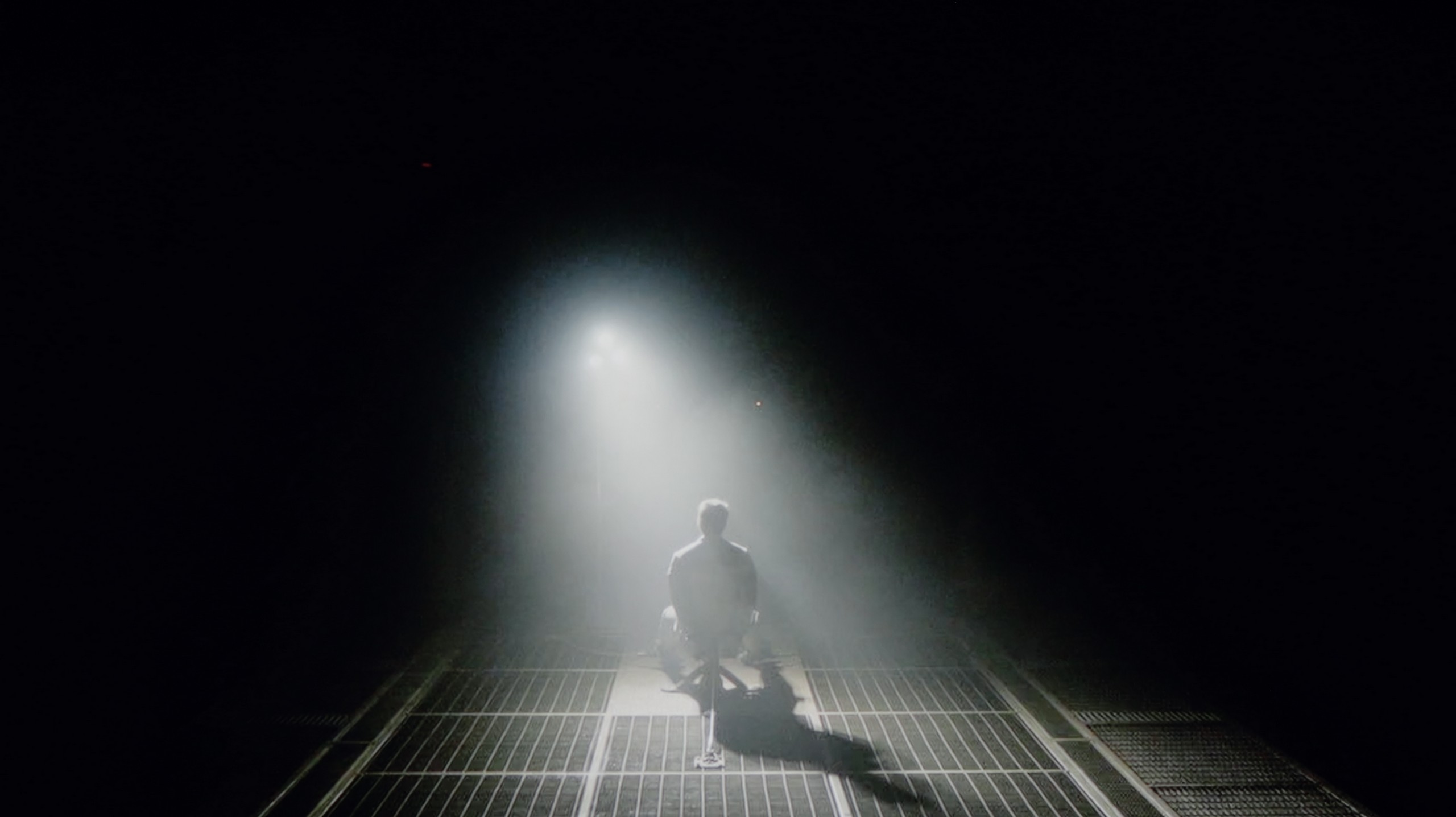
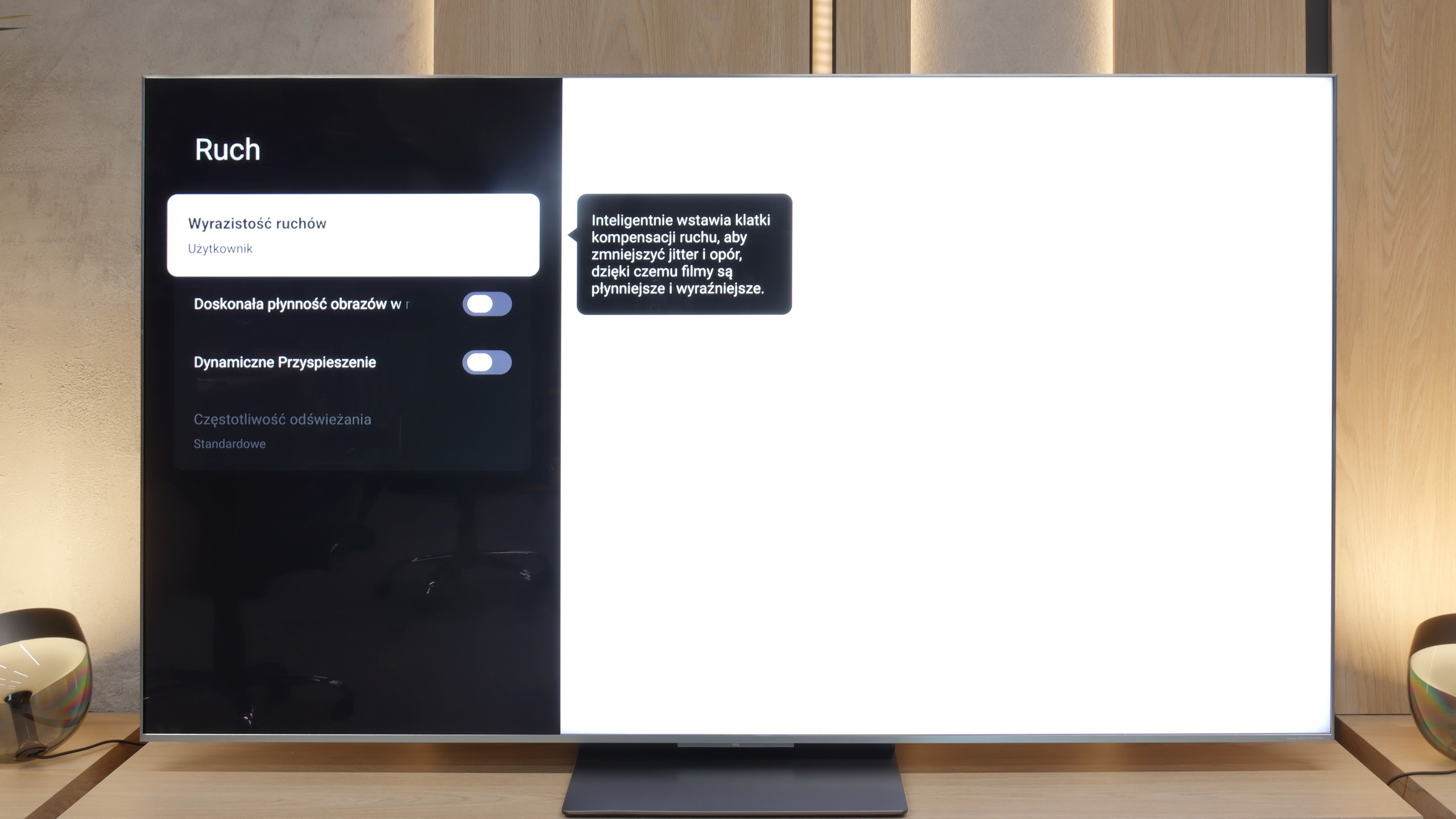
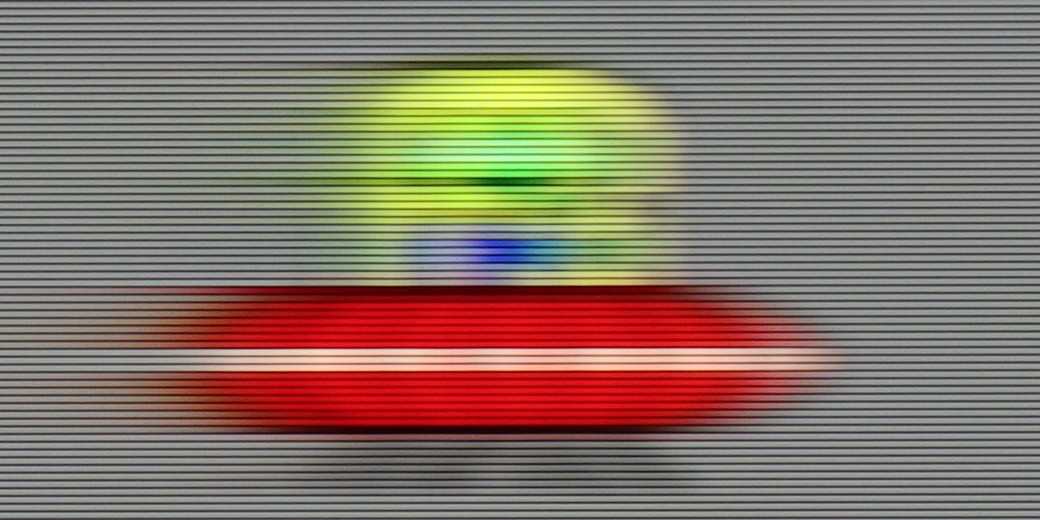
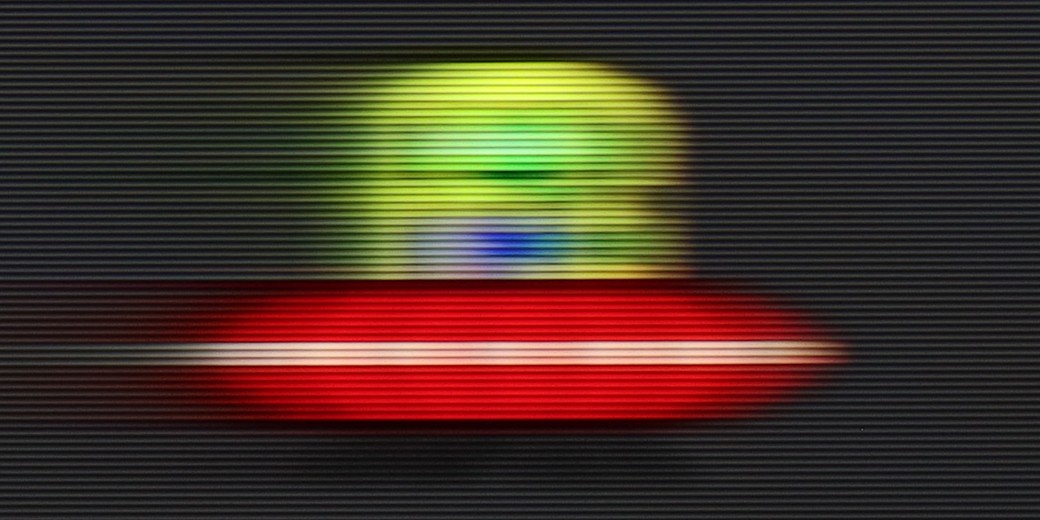
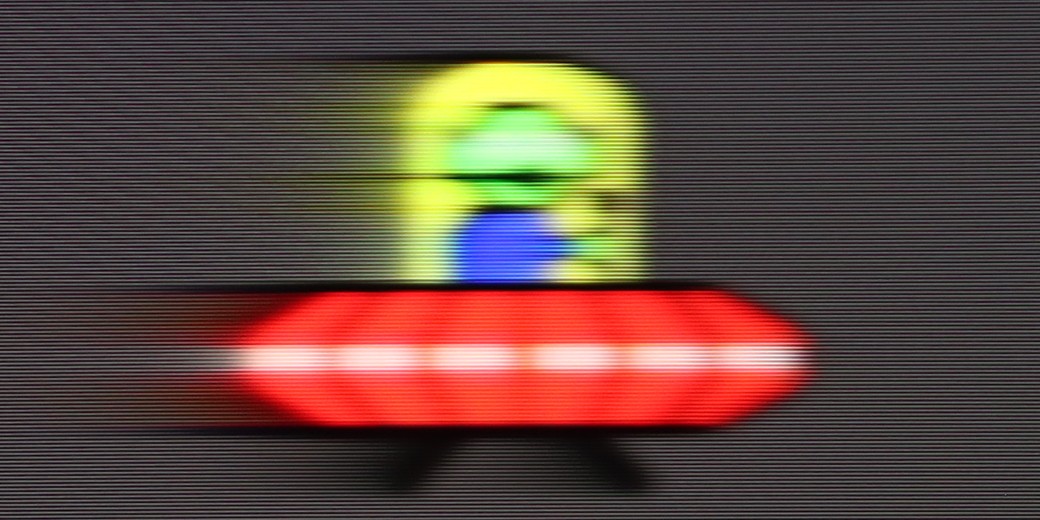
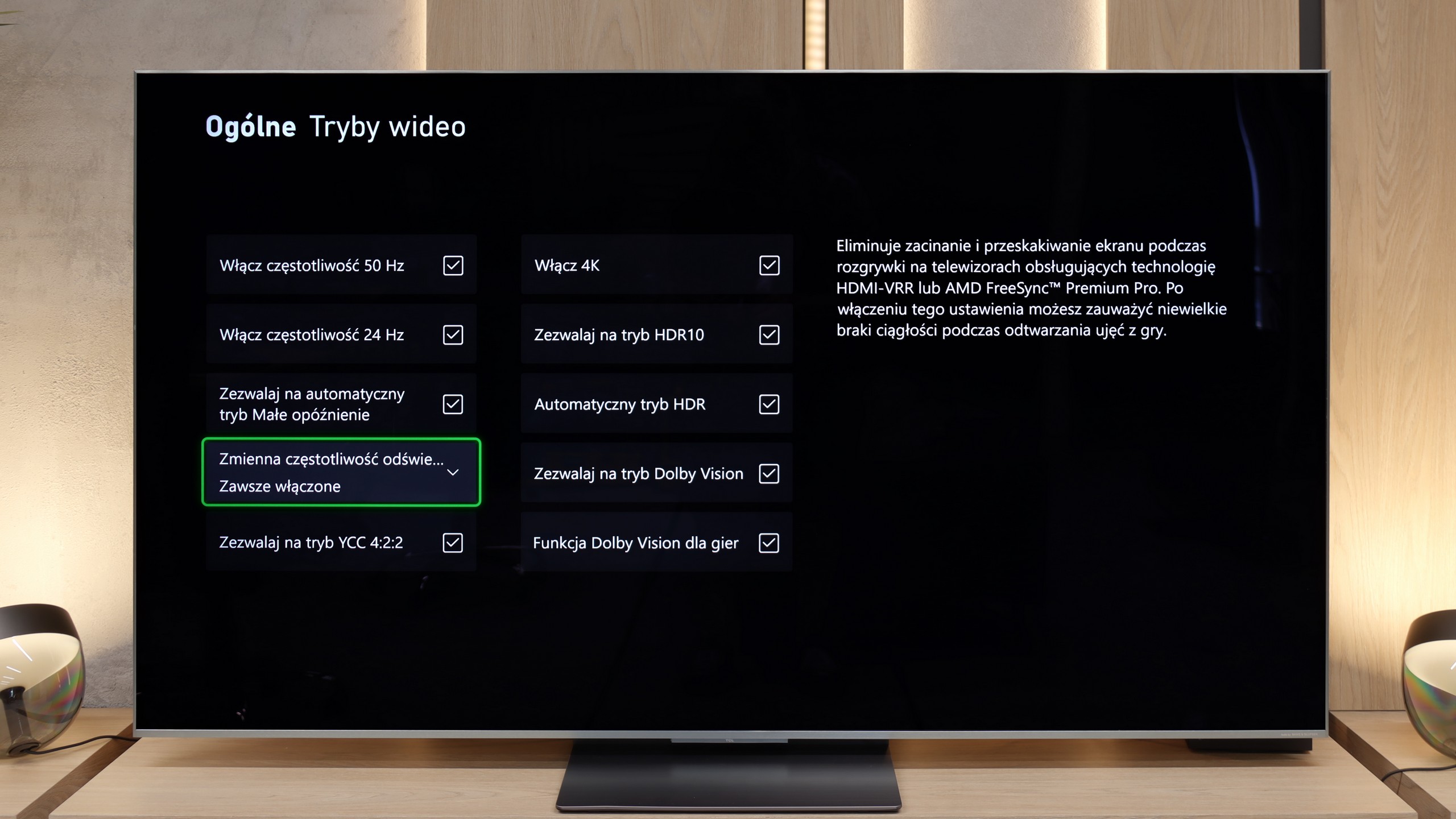
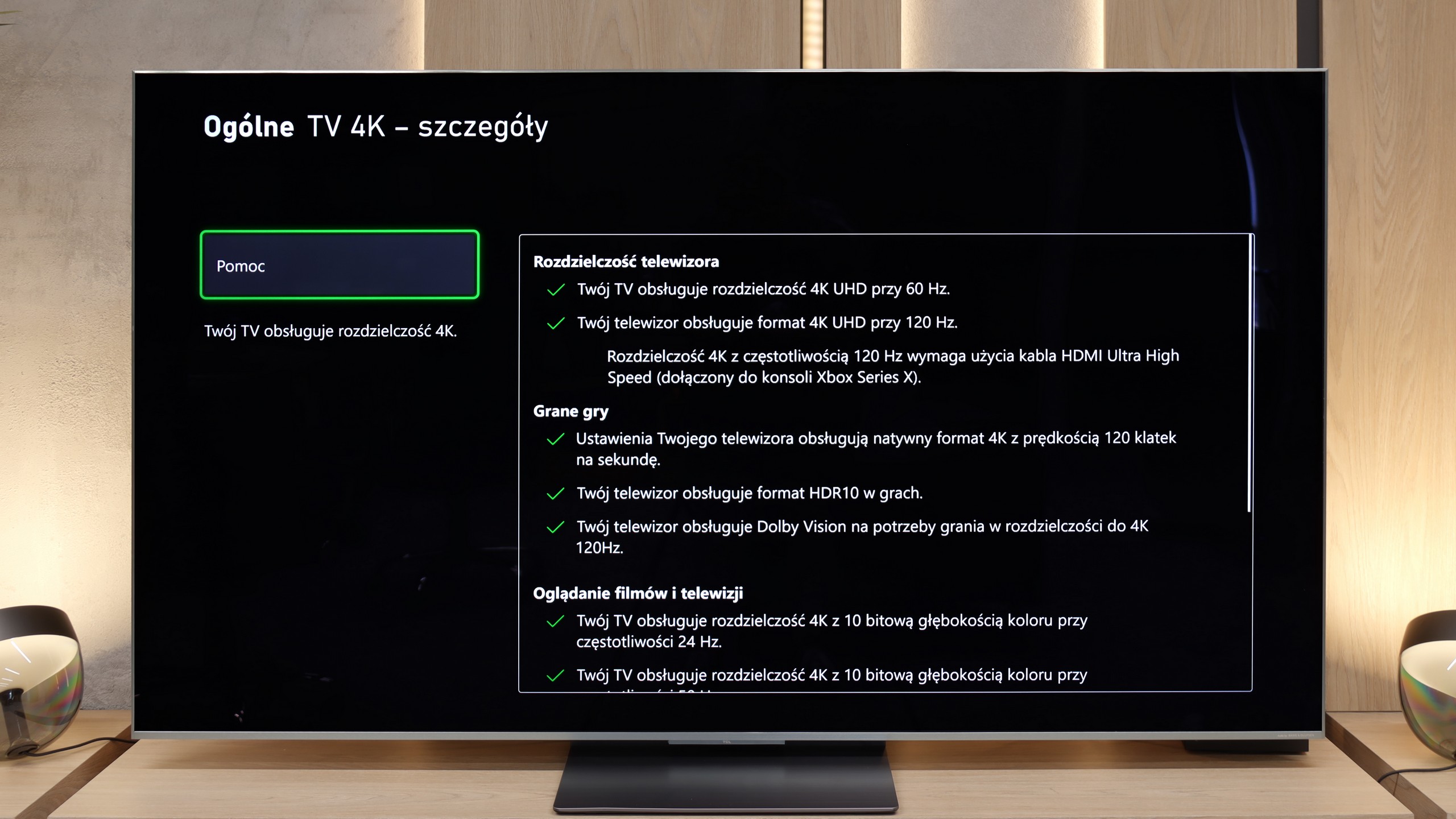
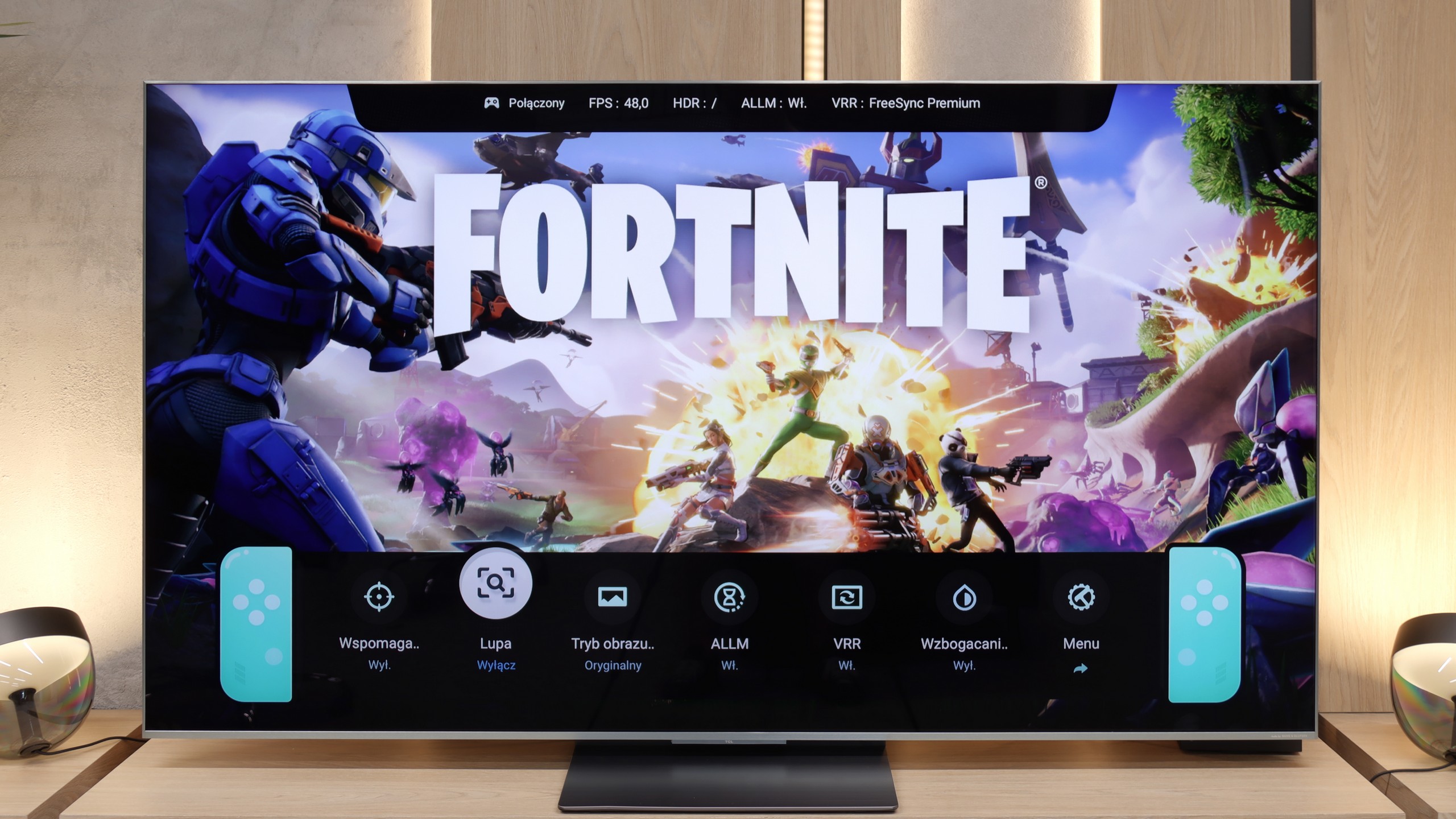
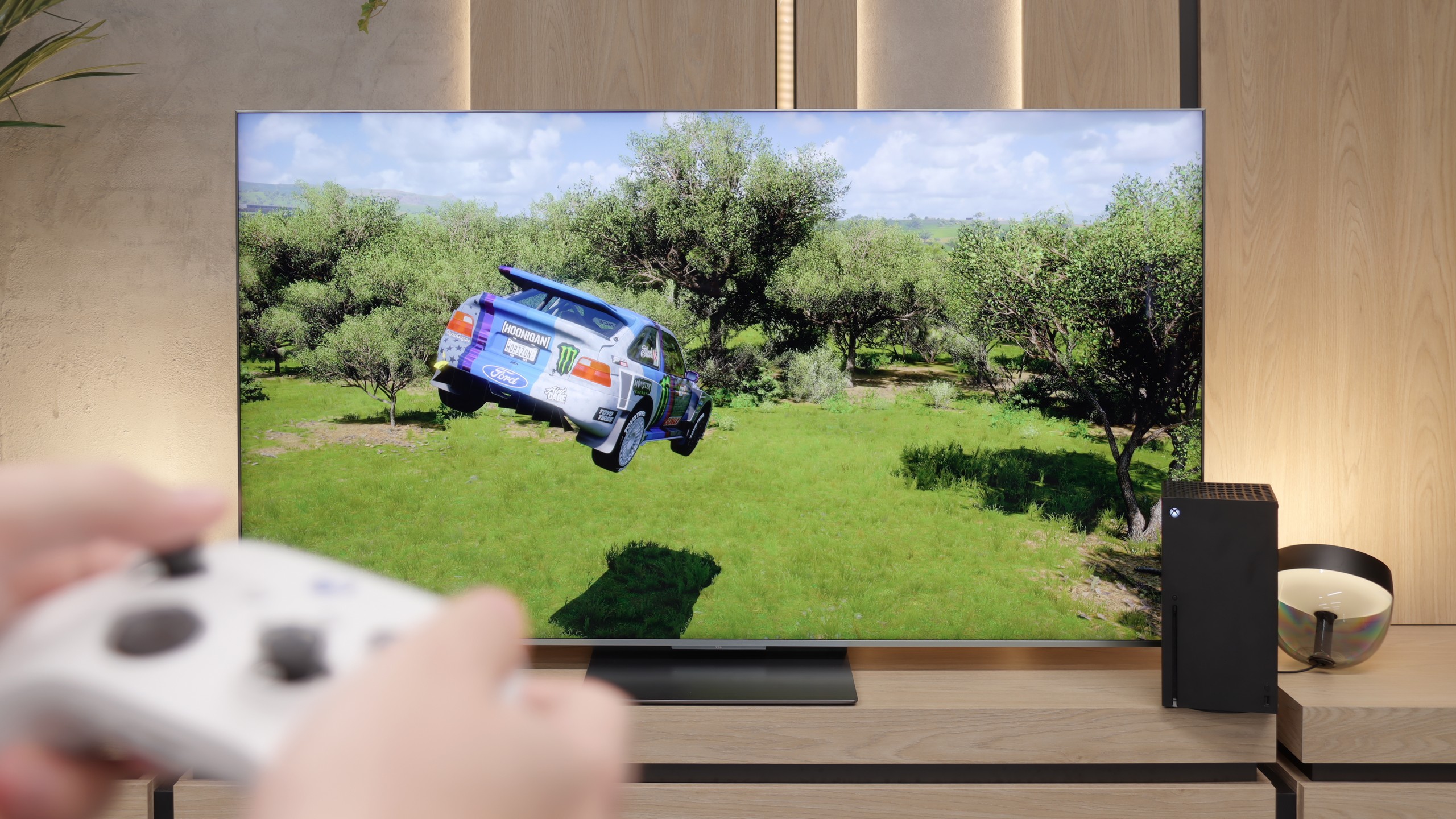
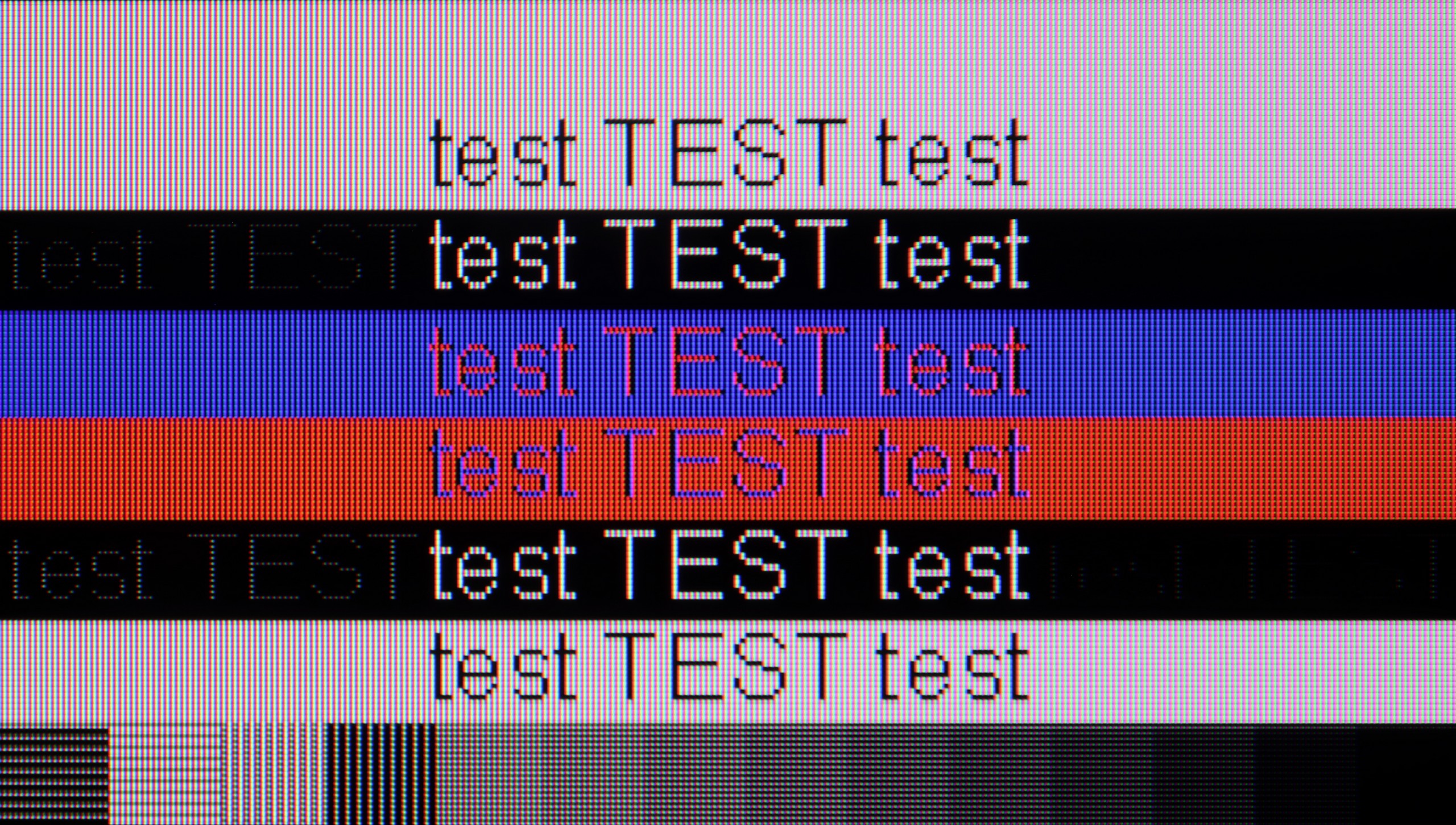
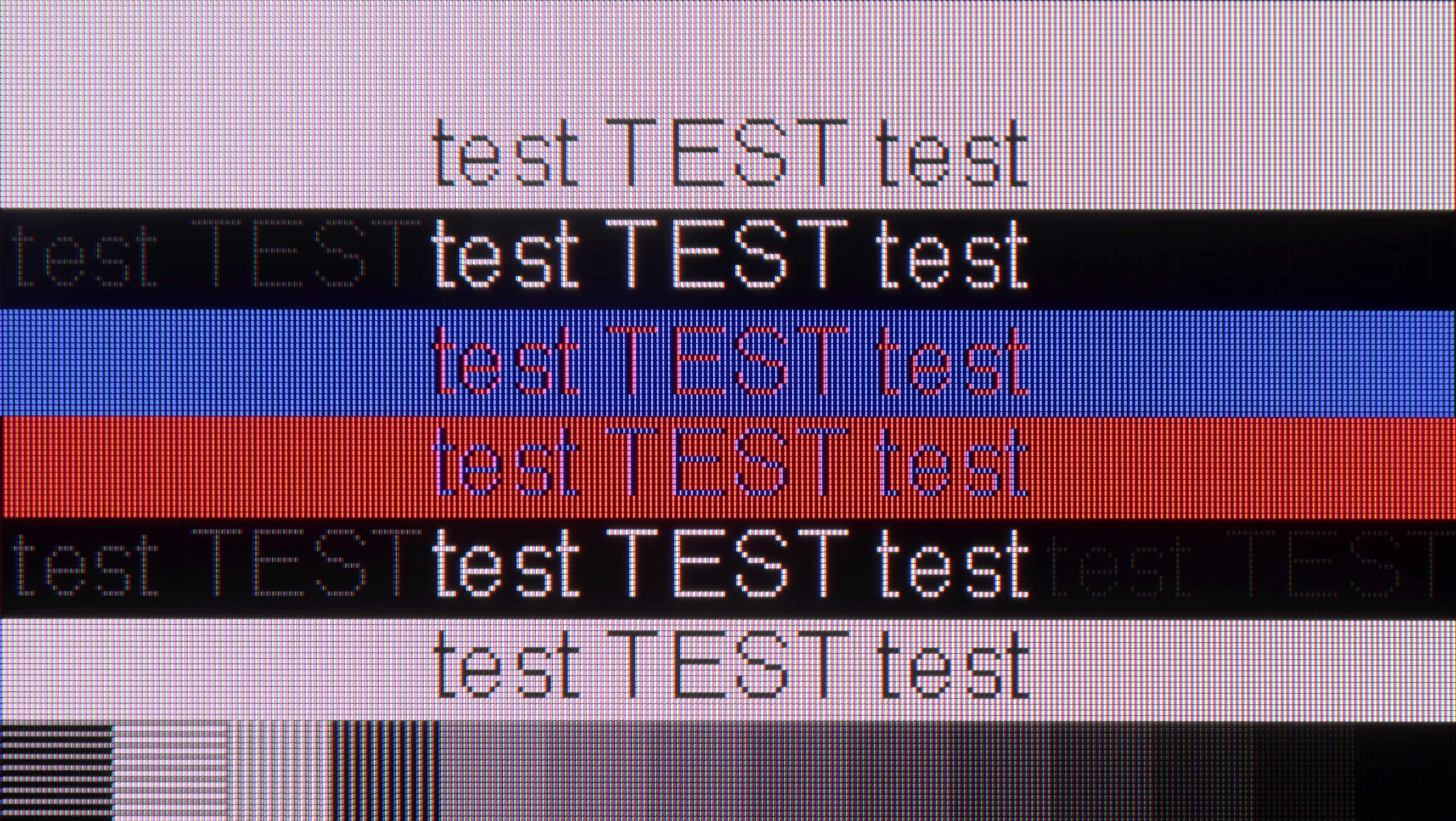
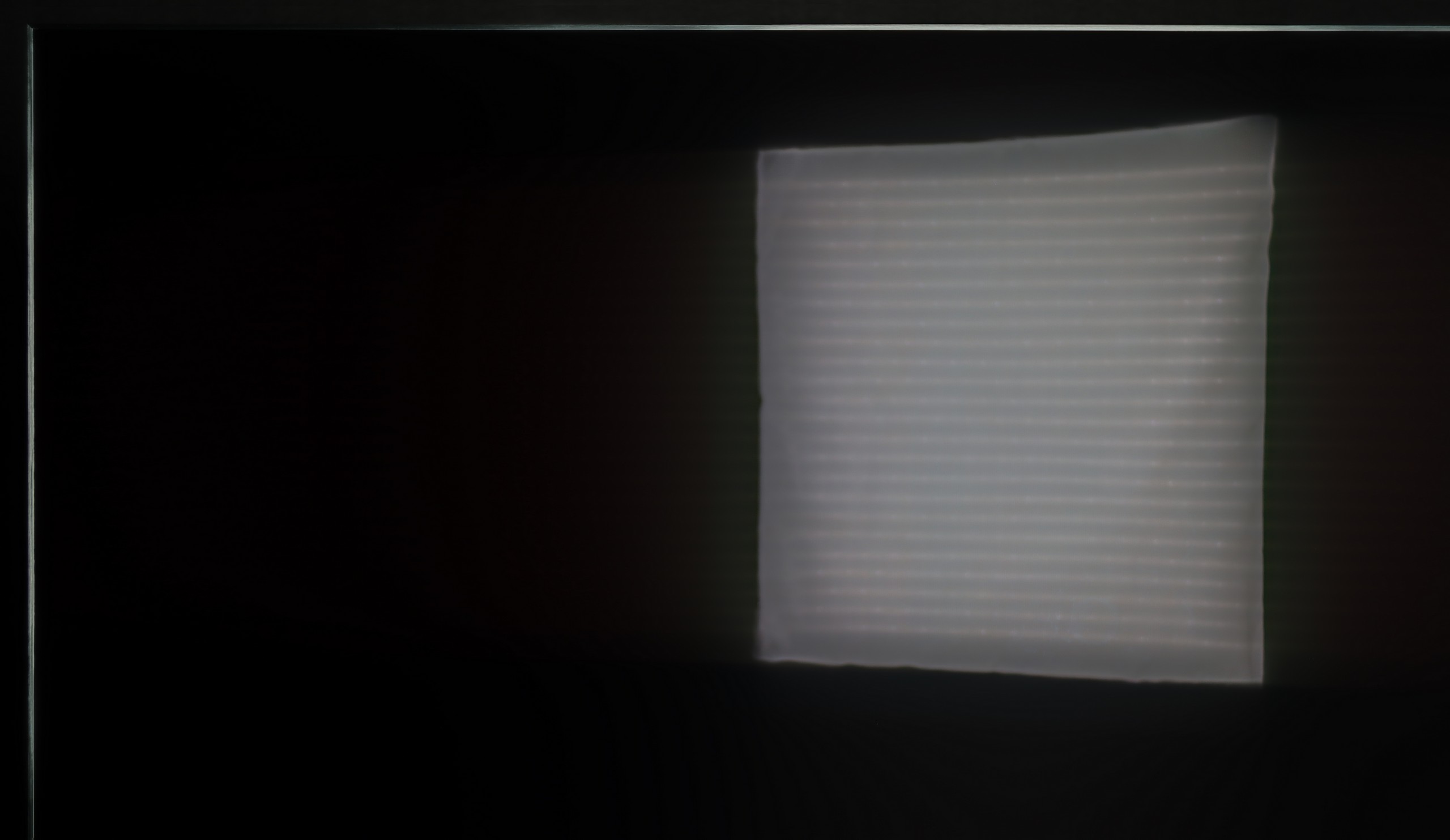
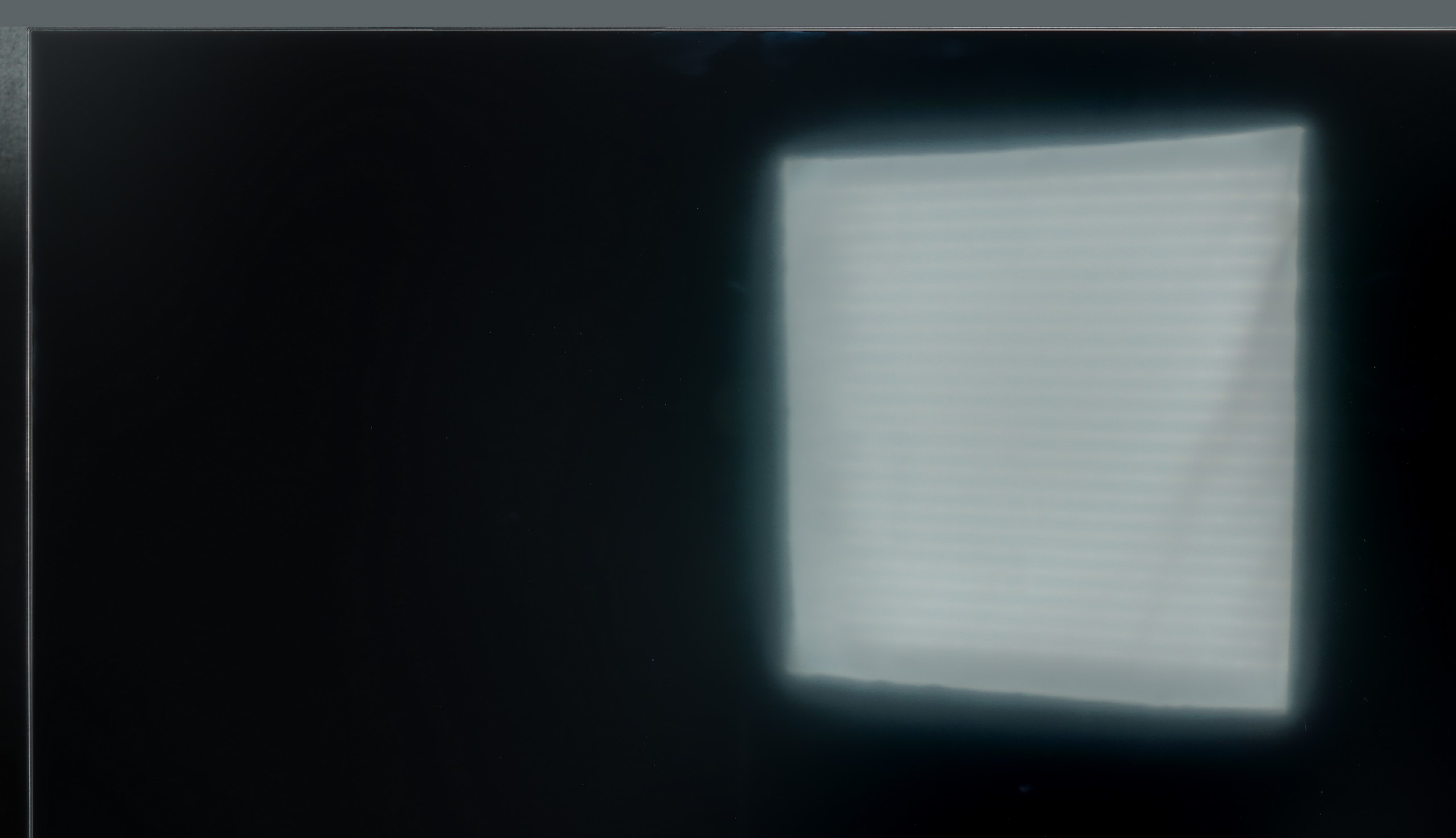
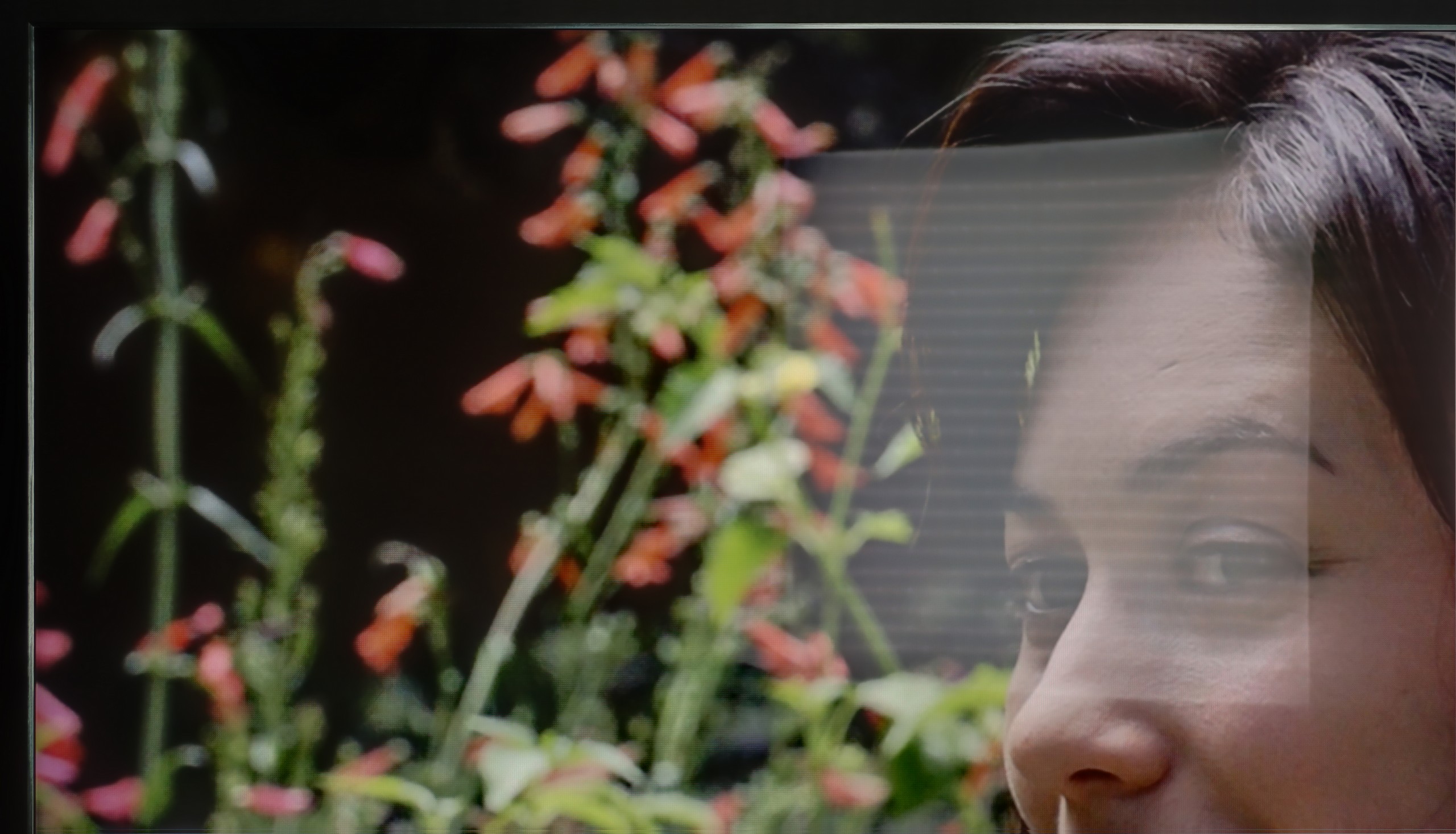
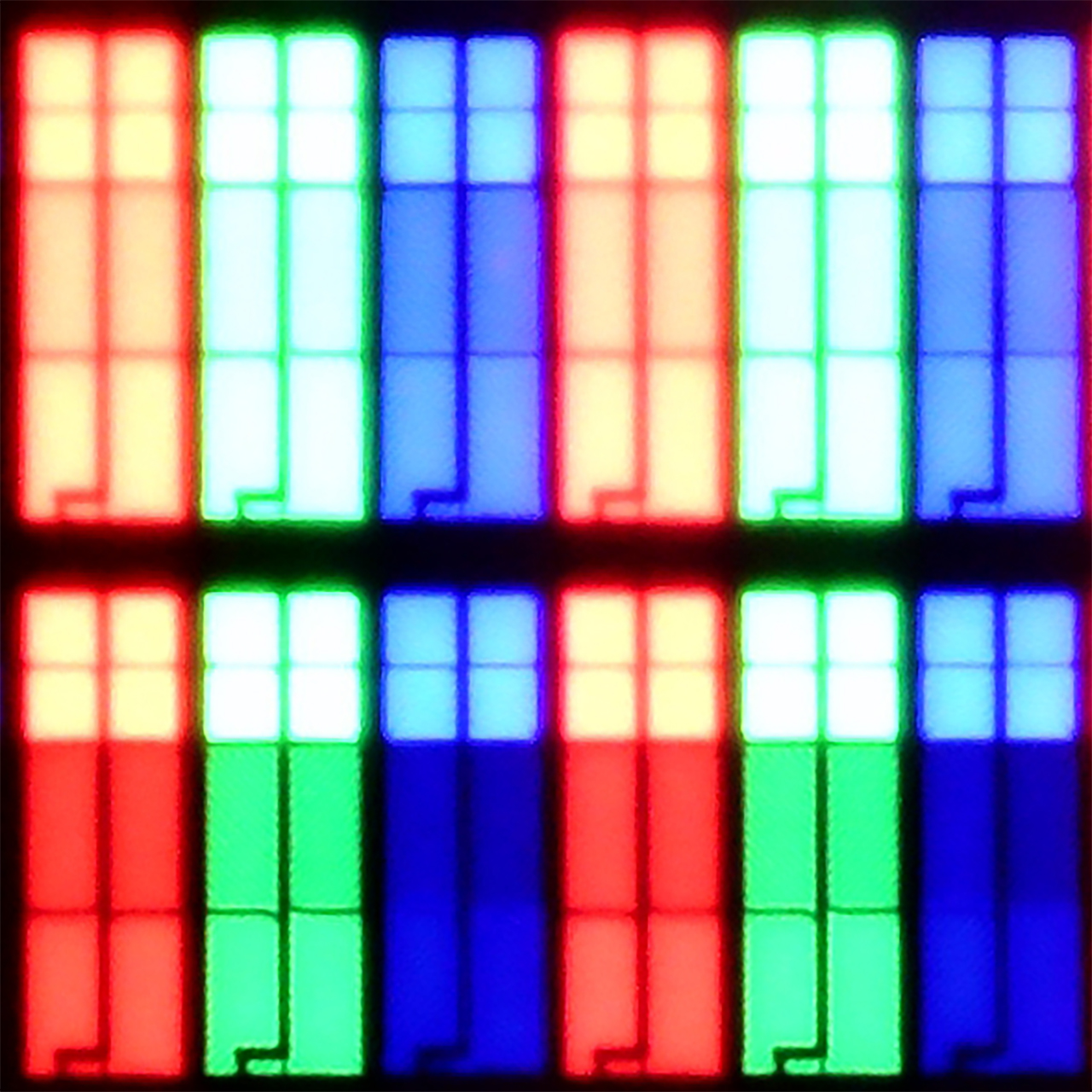
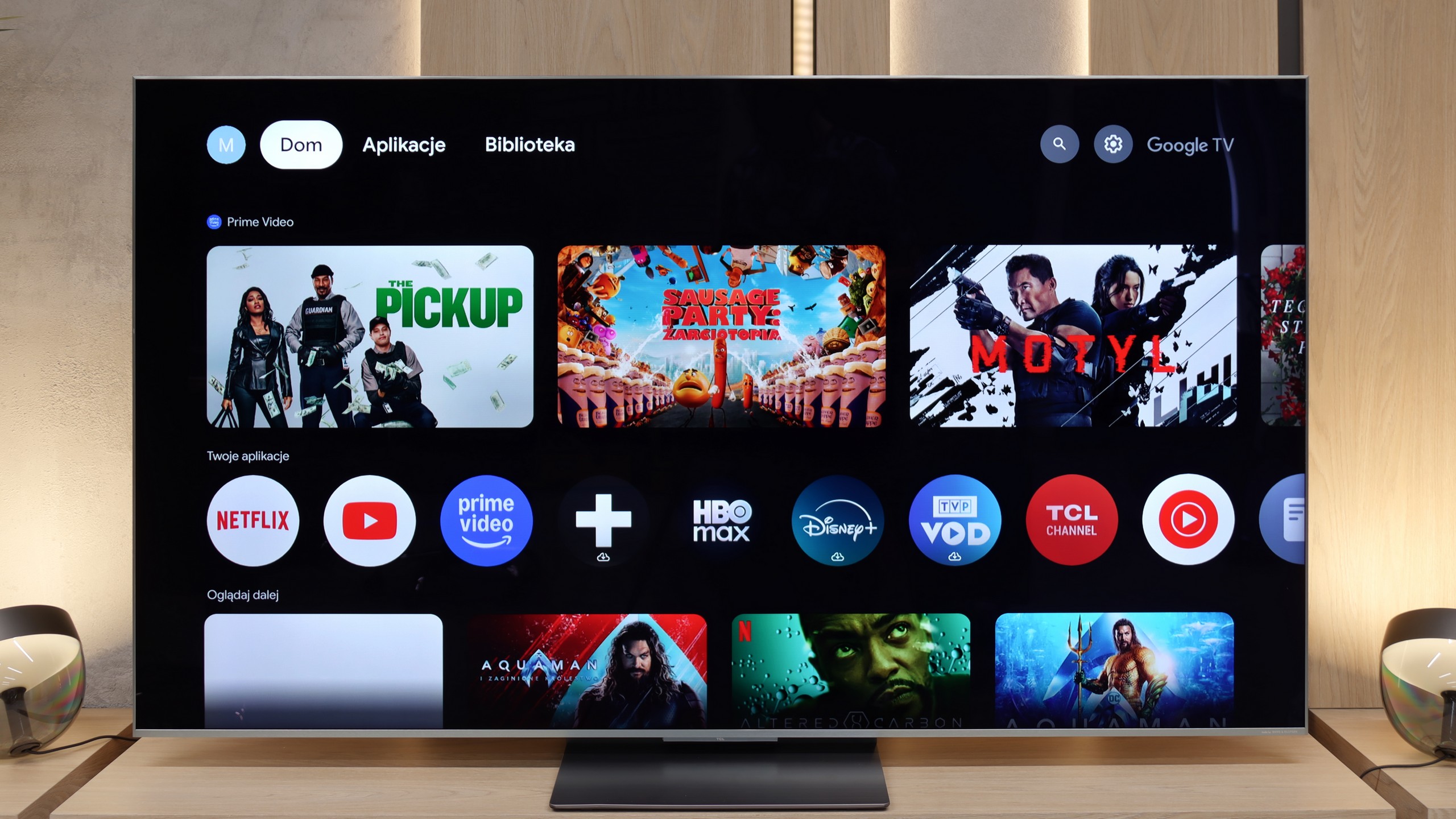
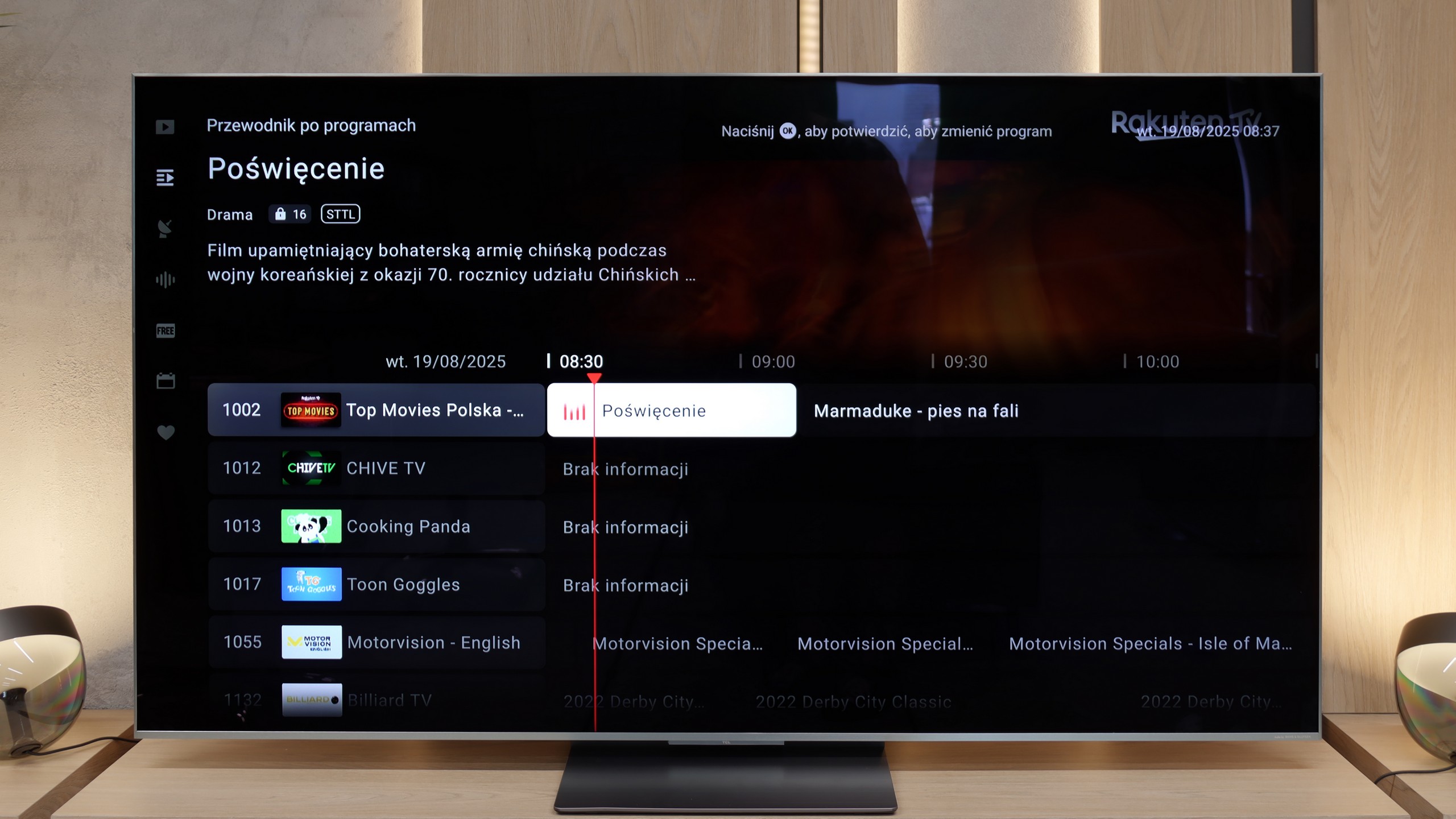
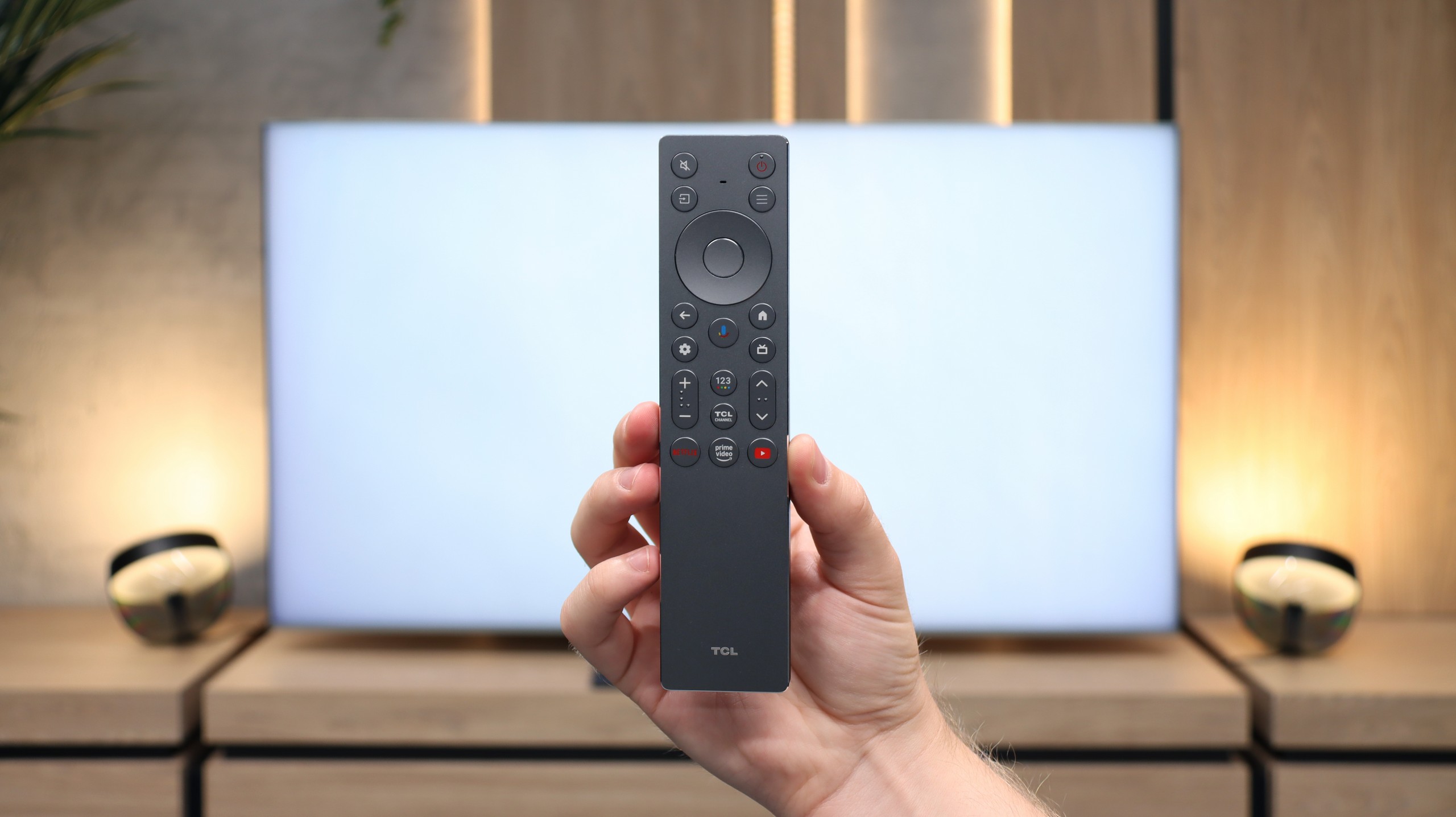
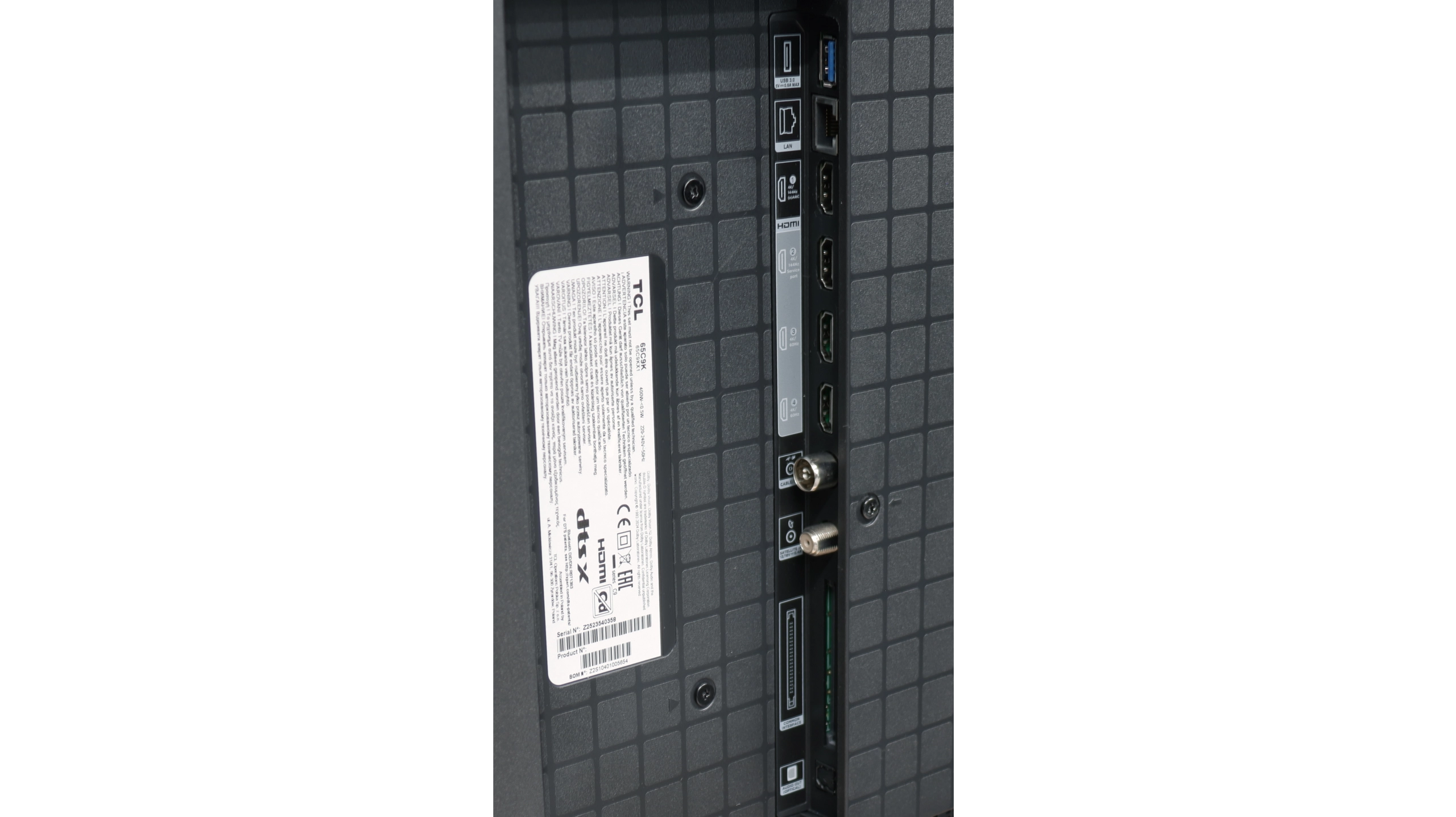
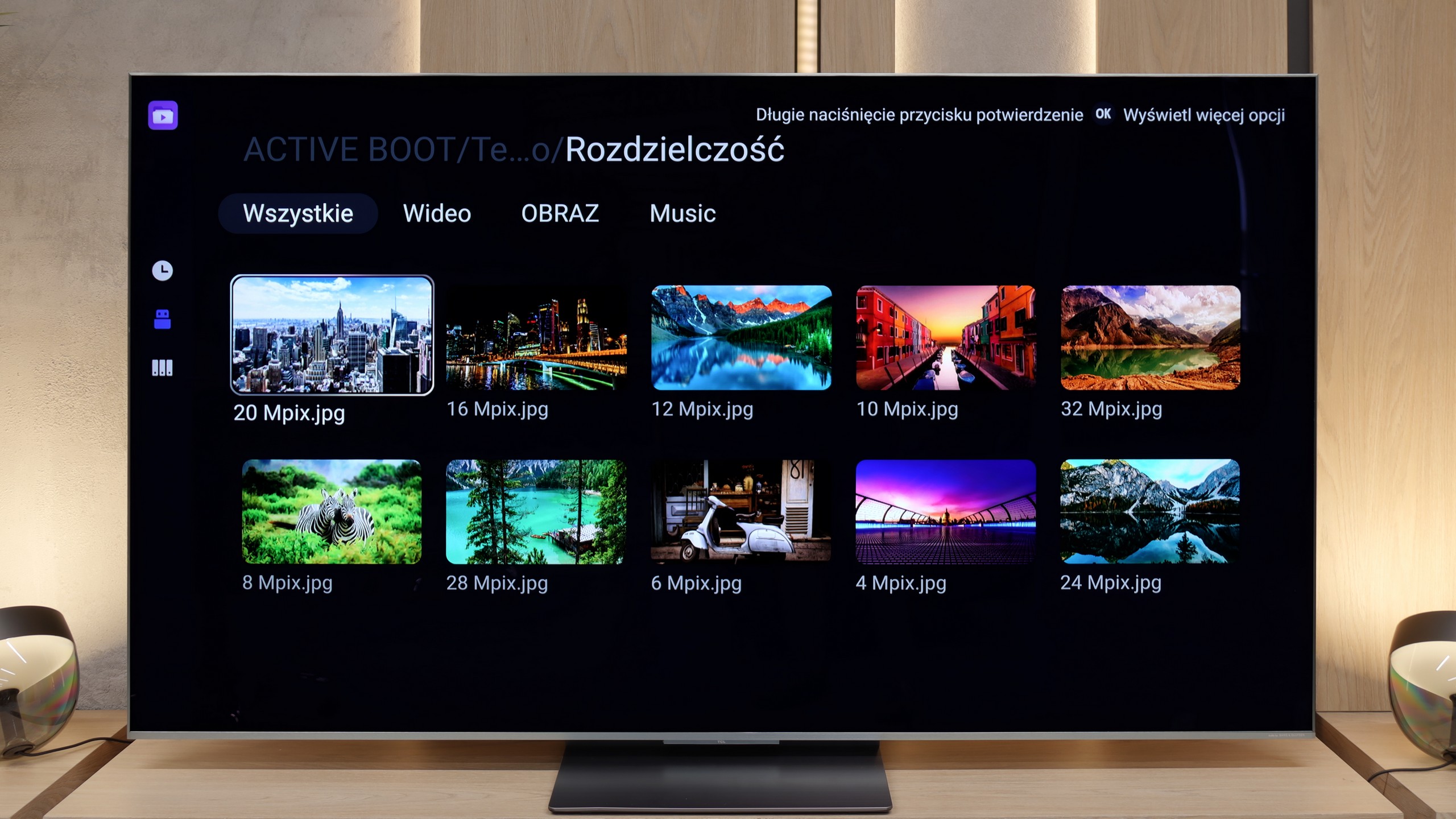
TCL C9K is a television that on paper looks like a showcase of the manufacturer's strength – thousands of Mini-LED zones, a WHVA panel, audio system from Bang & Olufsen, full support for HDR formats, gaming at 144 Hz, and even 288 Hz at lower resolutions. It is clear that TCL wanted to include absolutely everything it had best. And indeed – in many aspects, the C9K is capable of impressing. The brightness is enormous, HDR in large scenes can be stunning, motion fluidity and capabilities for gamers are at a top level, and the sound – considering it is built into the television – sounds really good. This is a device that can easily be regarded as a home entertainment hub. But there is also a downside. Managing brightness simply falters despite the incredible technical specifications – finer details often get lost in shadows or are blown out. And although synthetic tests of contrast and brightness perform excellently, the effect during everyday viewing of films and series is no longer so impressive.
In short: the C9K is a television full of contrasts – literally and metaphorically. It can deliver experiences similar to top screens, but it is still evident that TCL needs to work on software and optimisation. If someone is looking for a screen for gaming, sports, or spectacular blockbusters – they will be delighted. However, if they expect perfect representation of the director's vision and think they have managed to purchase an absolutely top model at half the price of the competition, they will unfortunately be disappointed. It's a shame, because the technological potential here is truly enormous – it just lacked a bit of common sense in its utilisation.
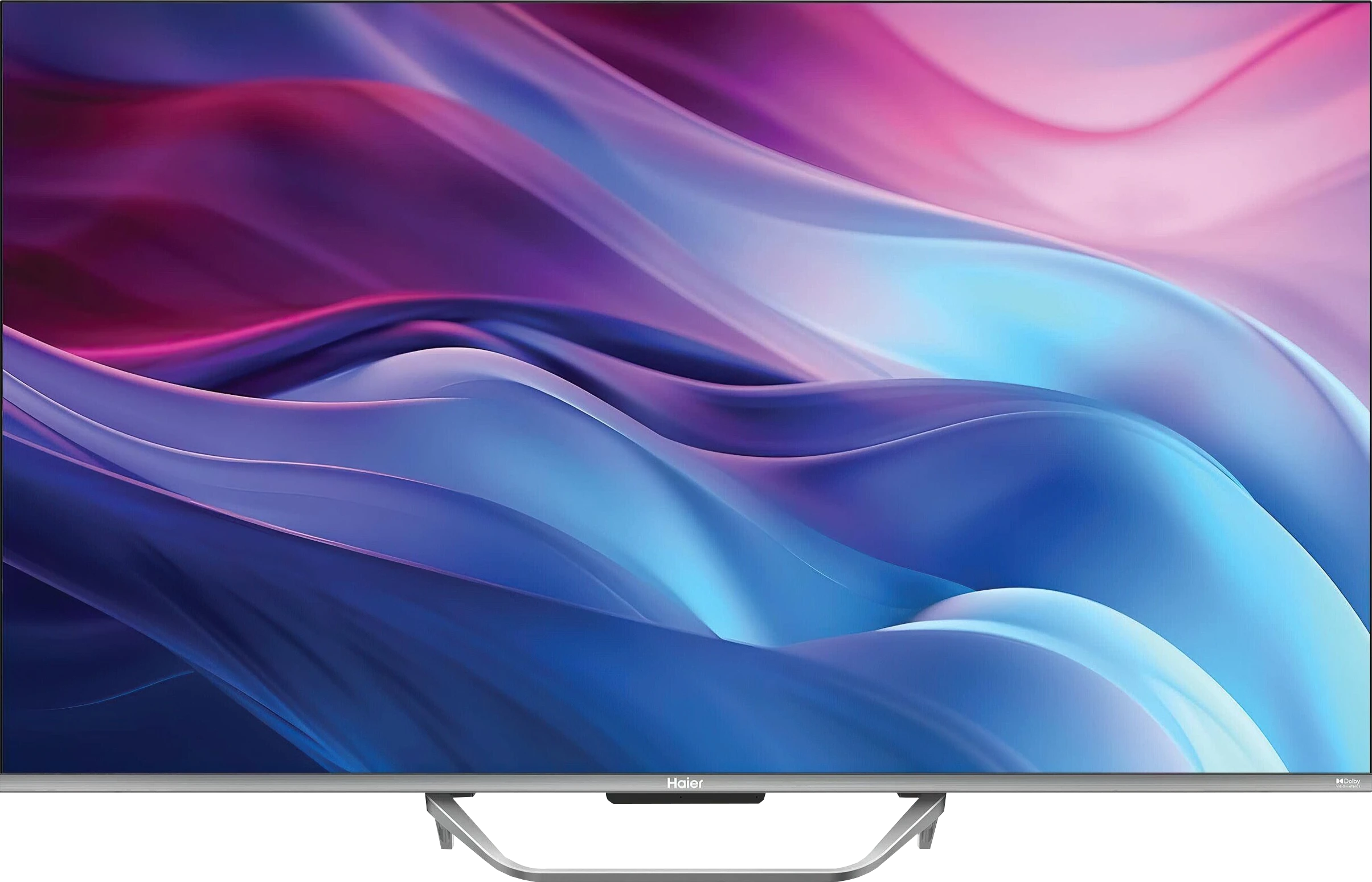
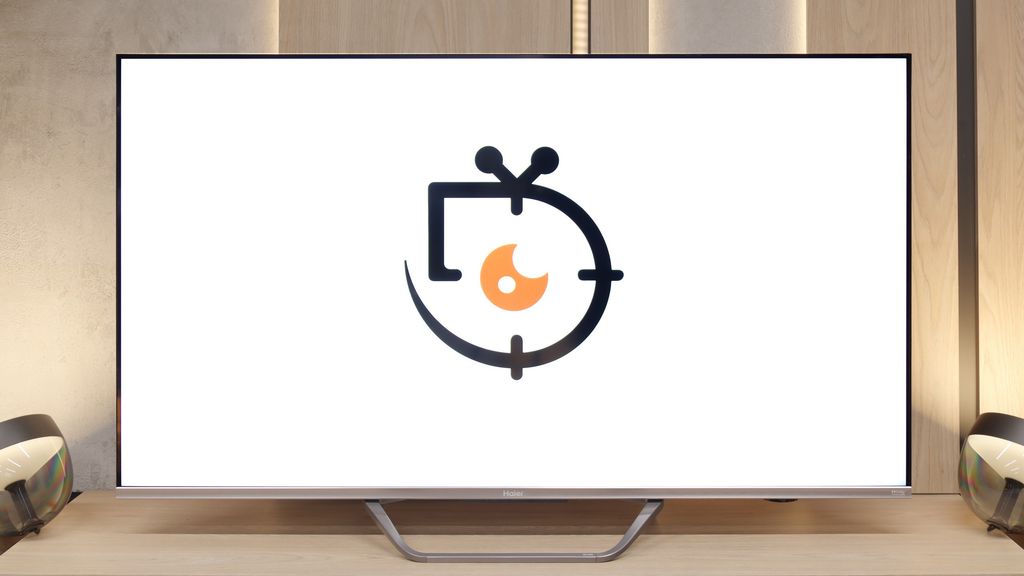
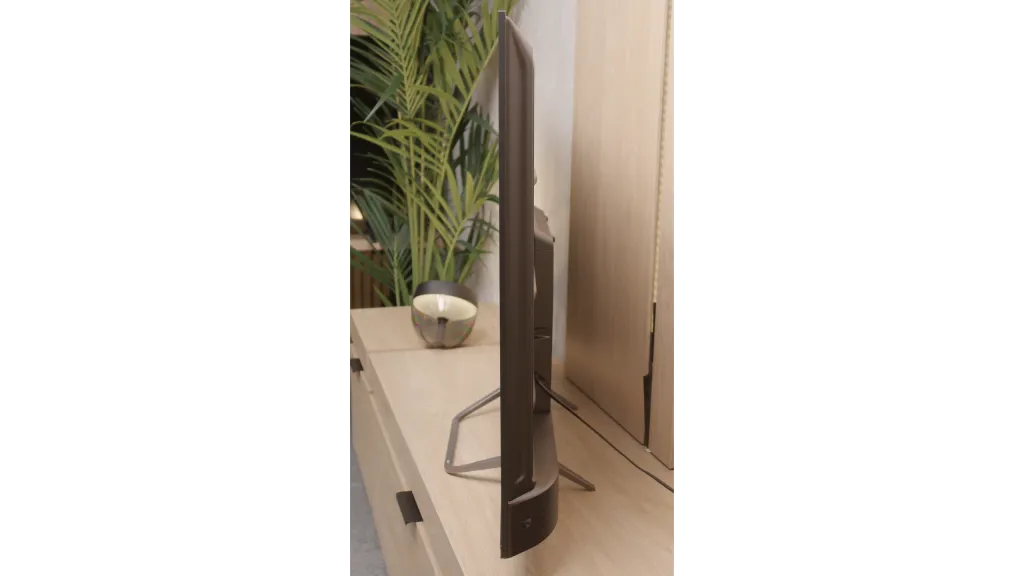
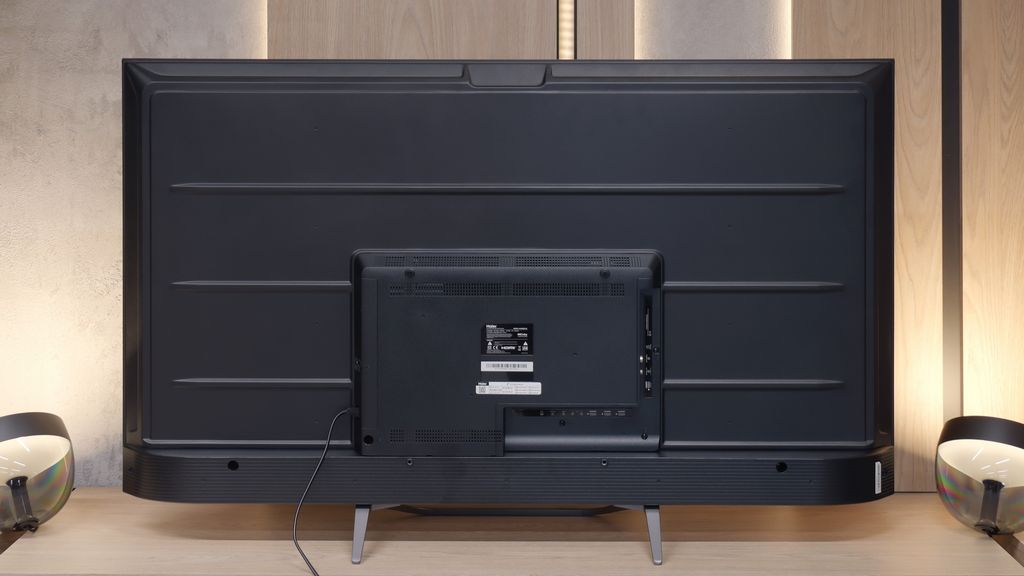
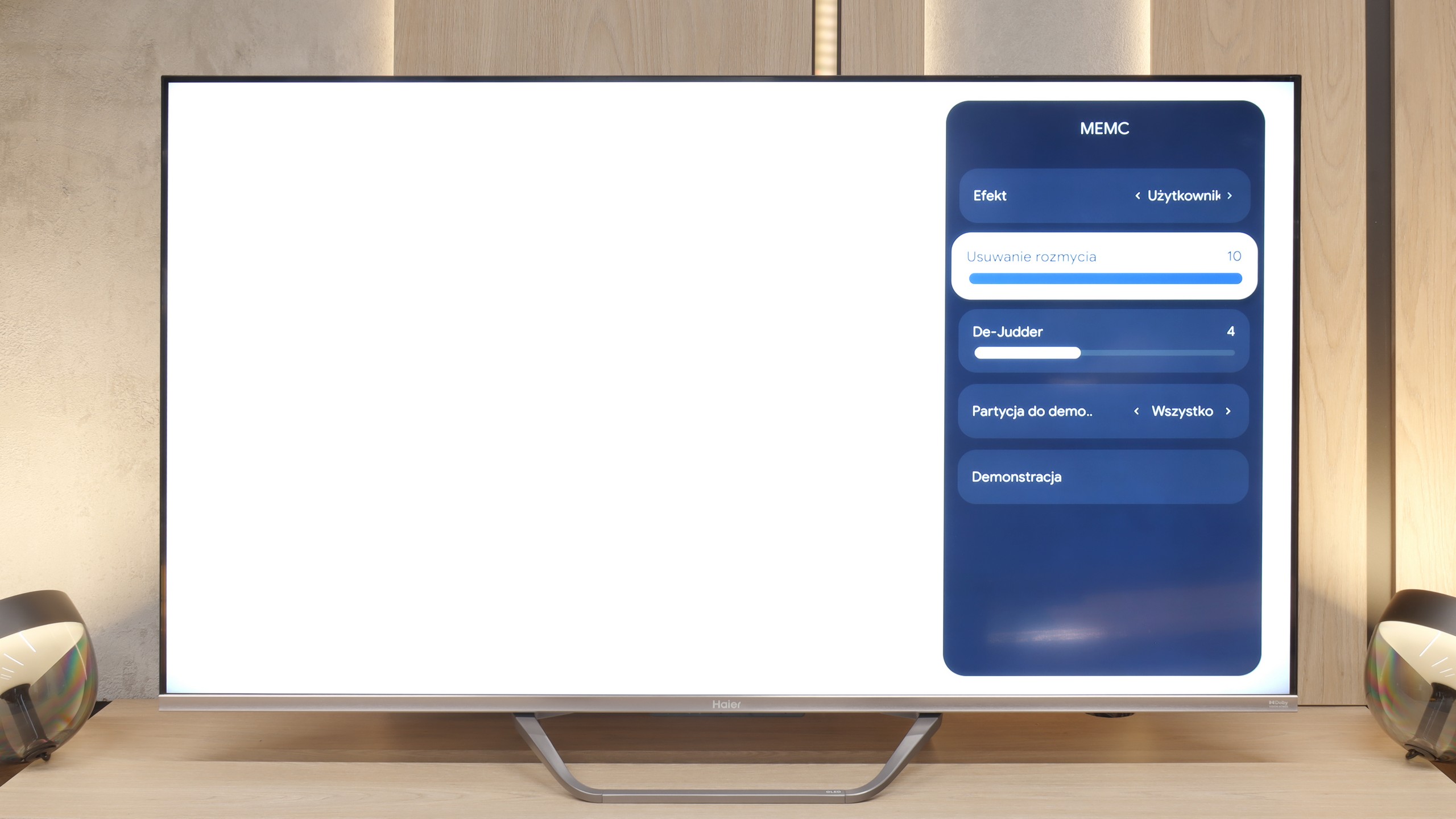
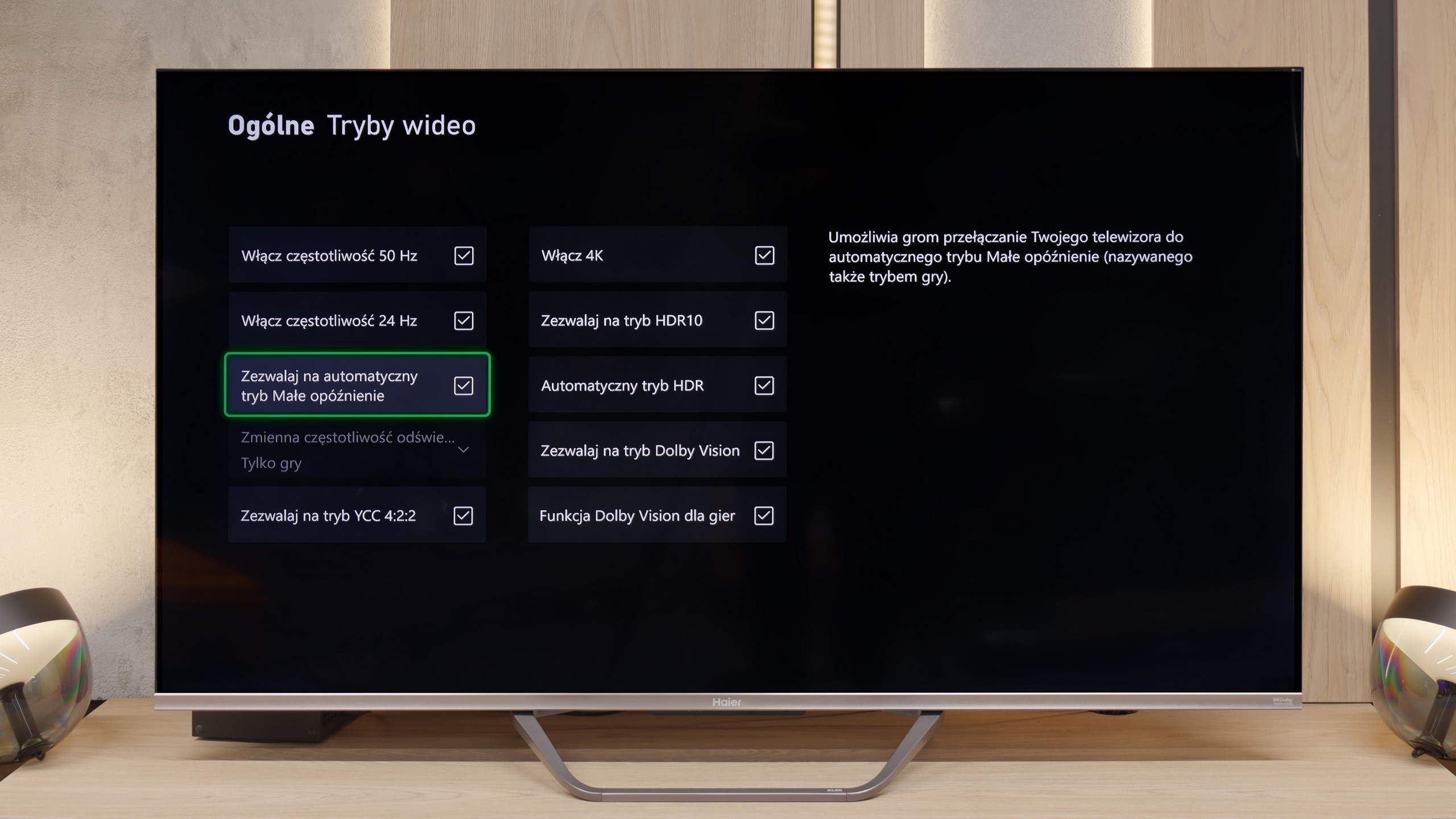
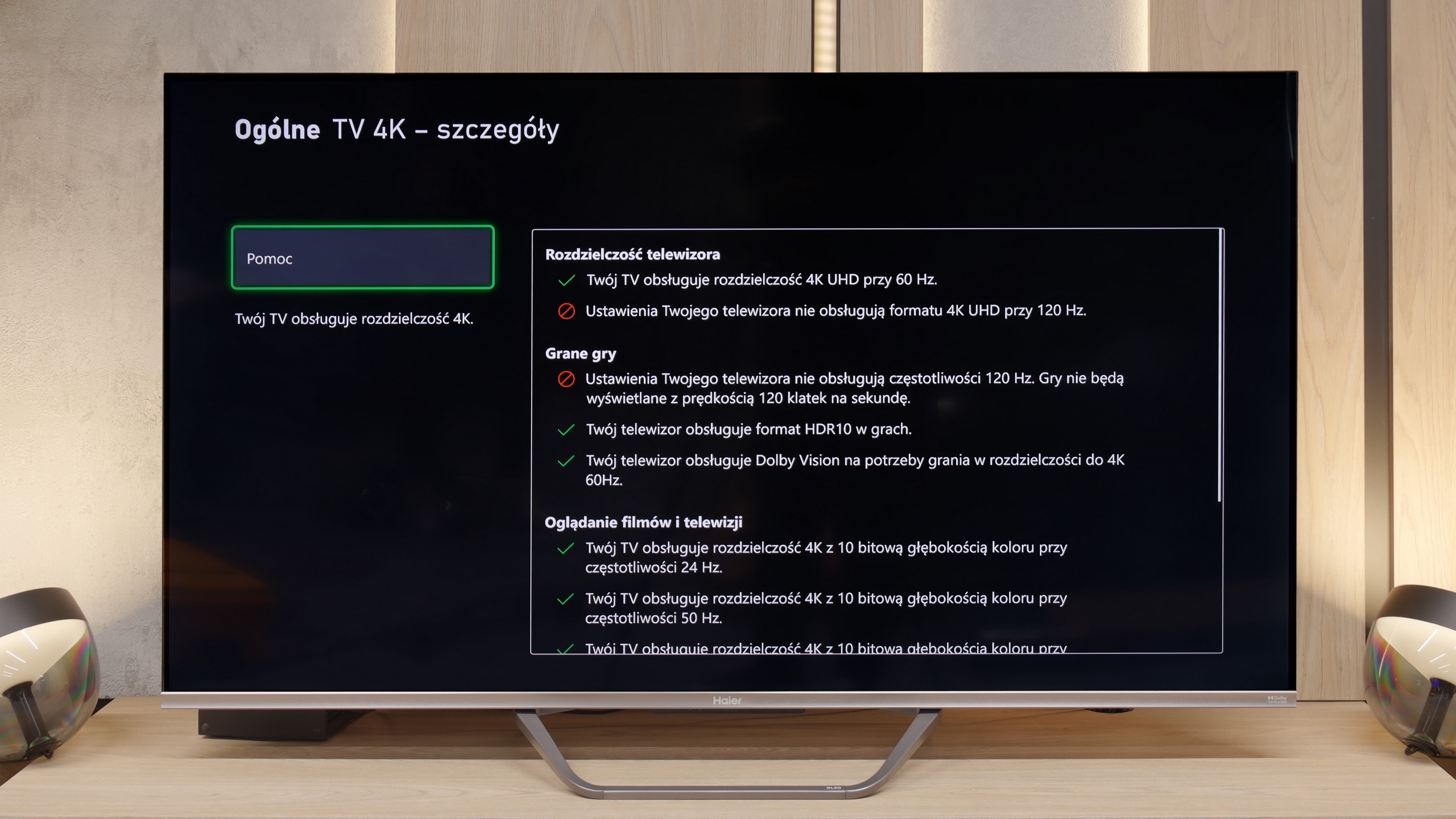
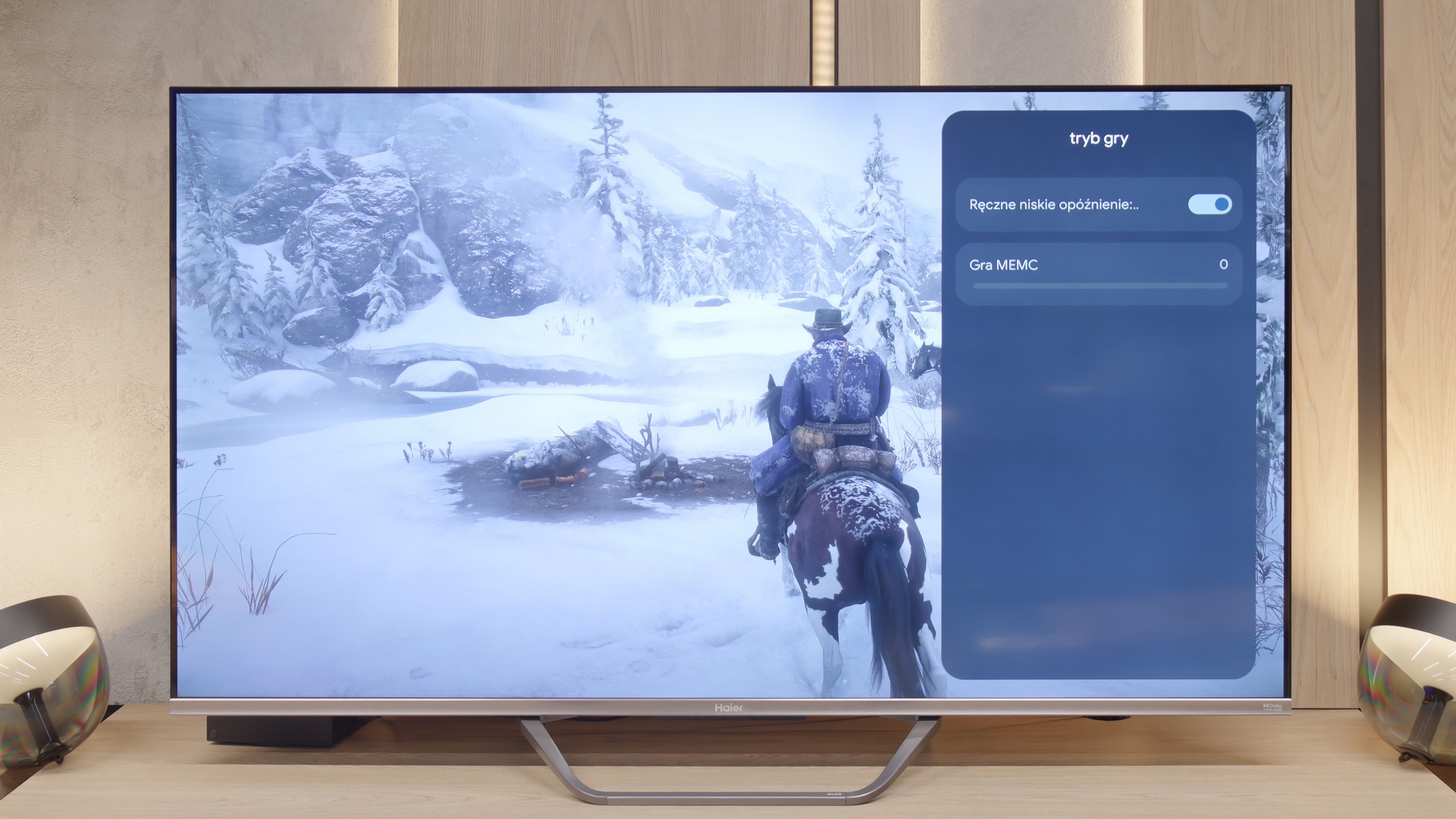
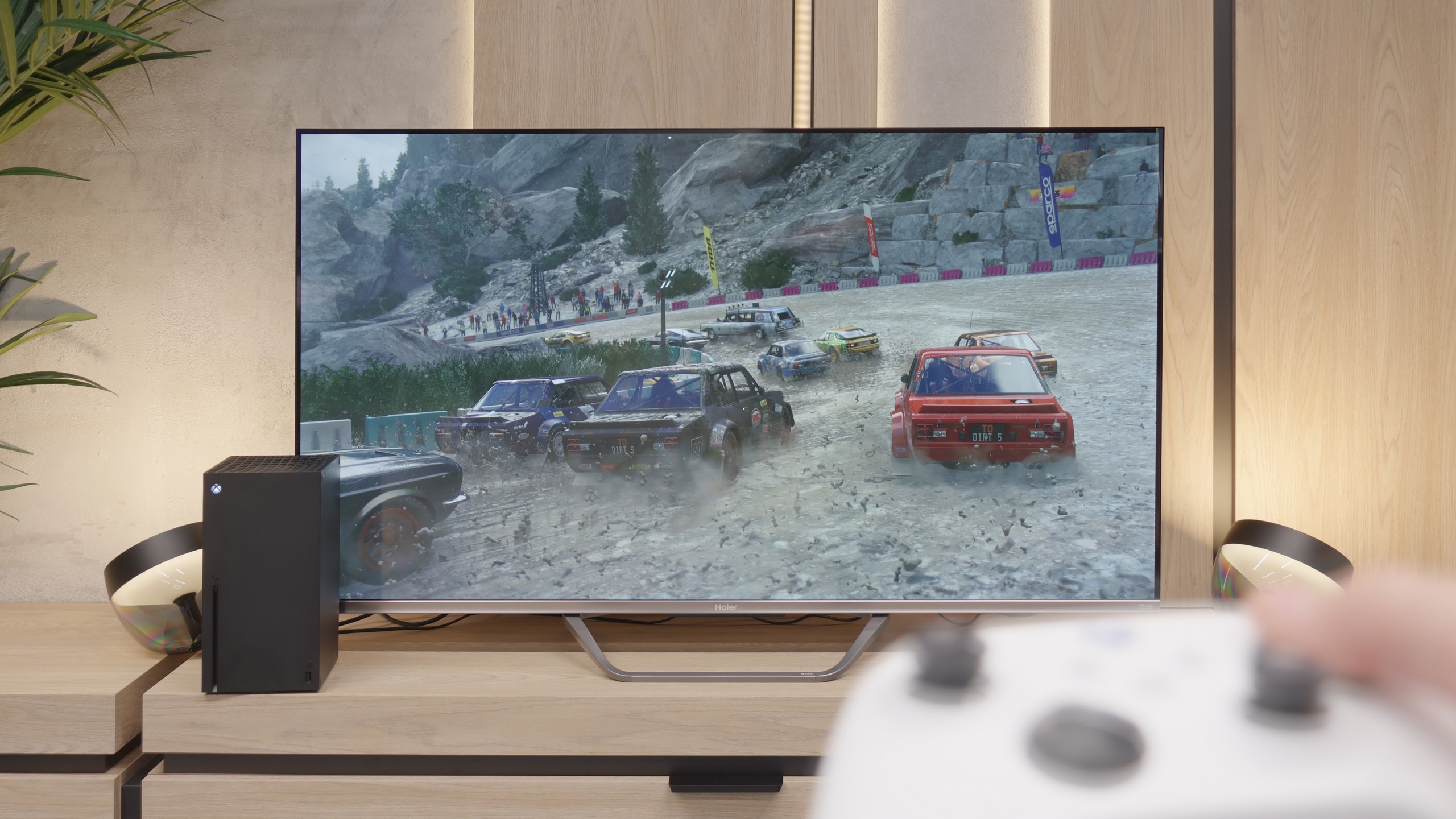
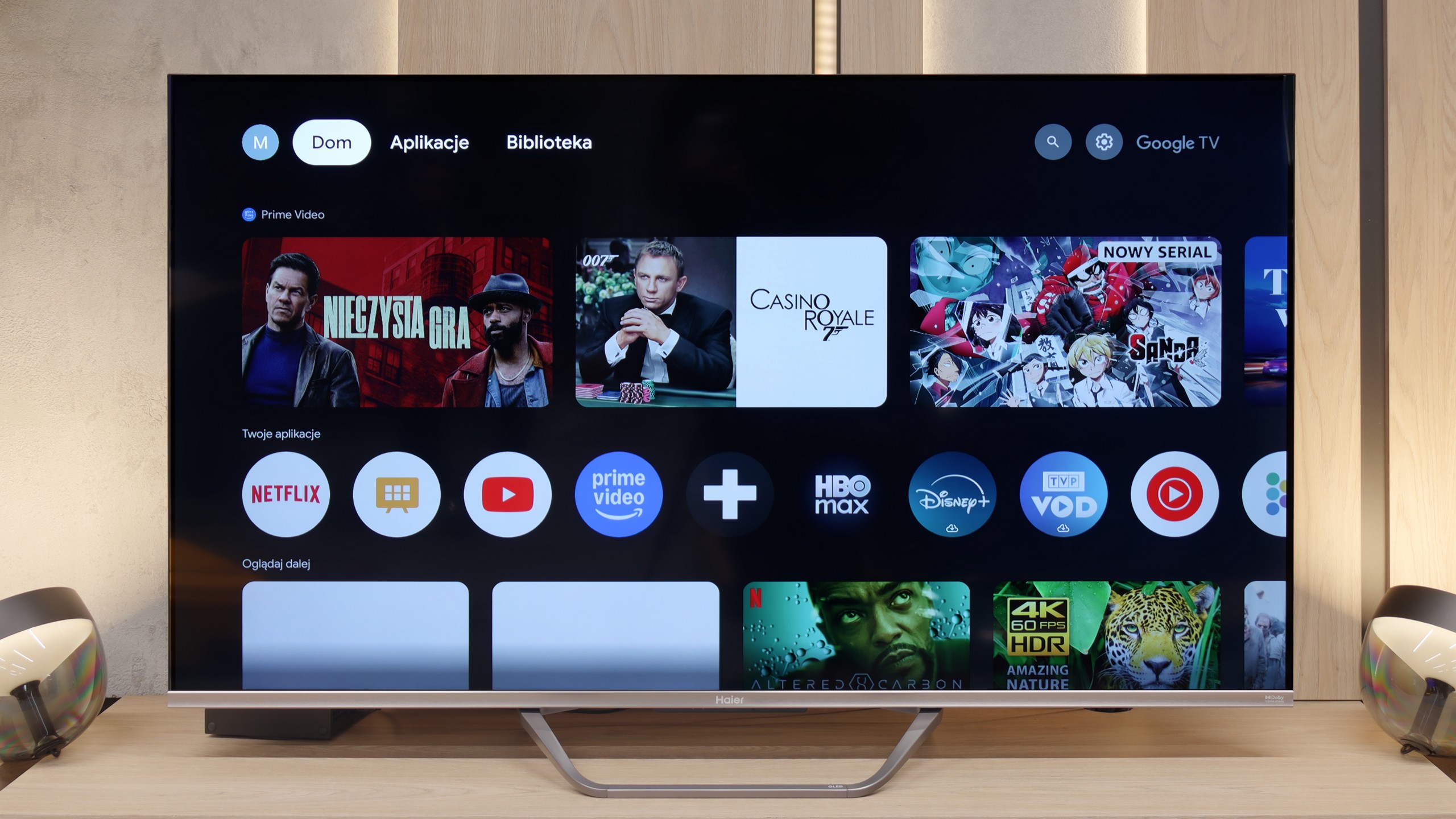
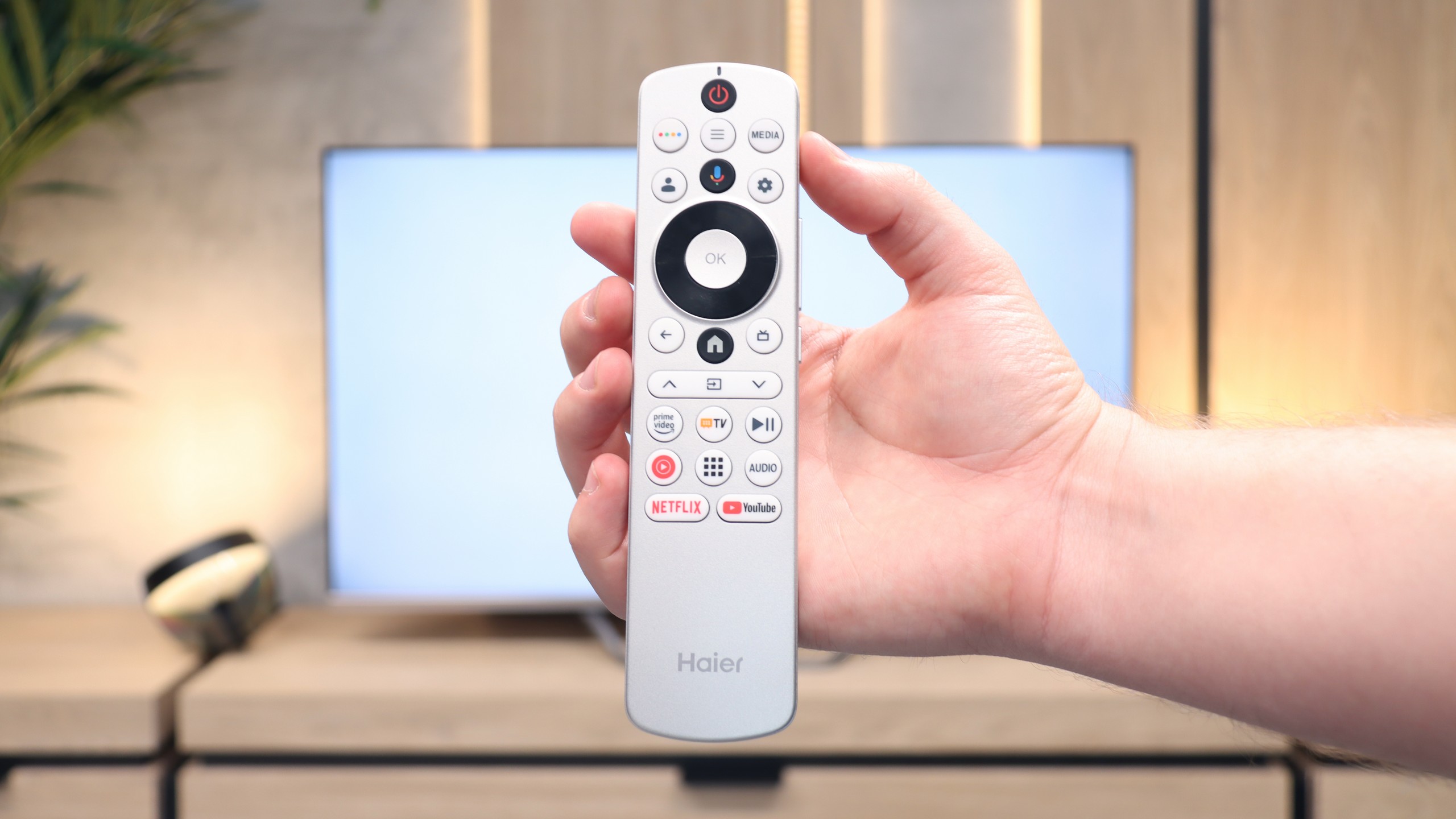
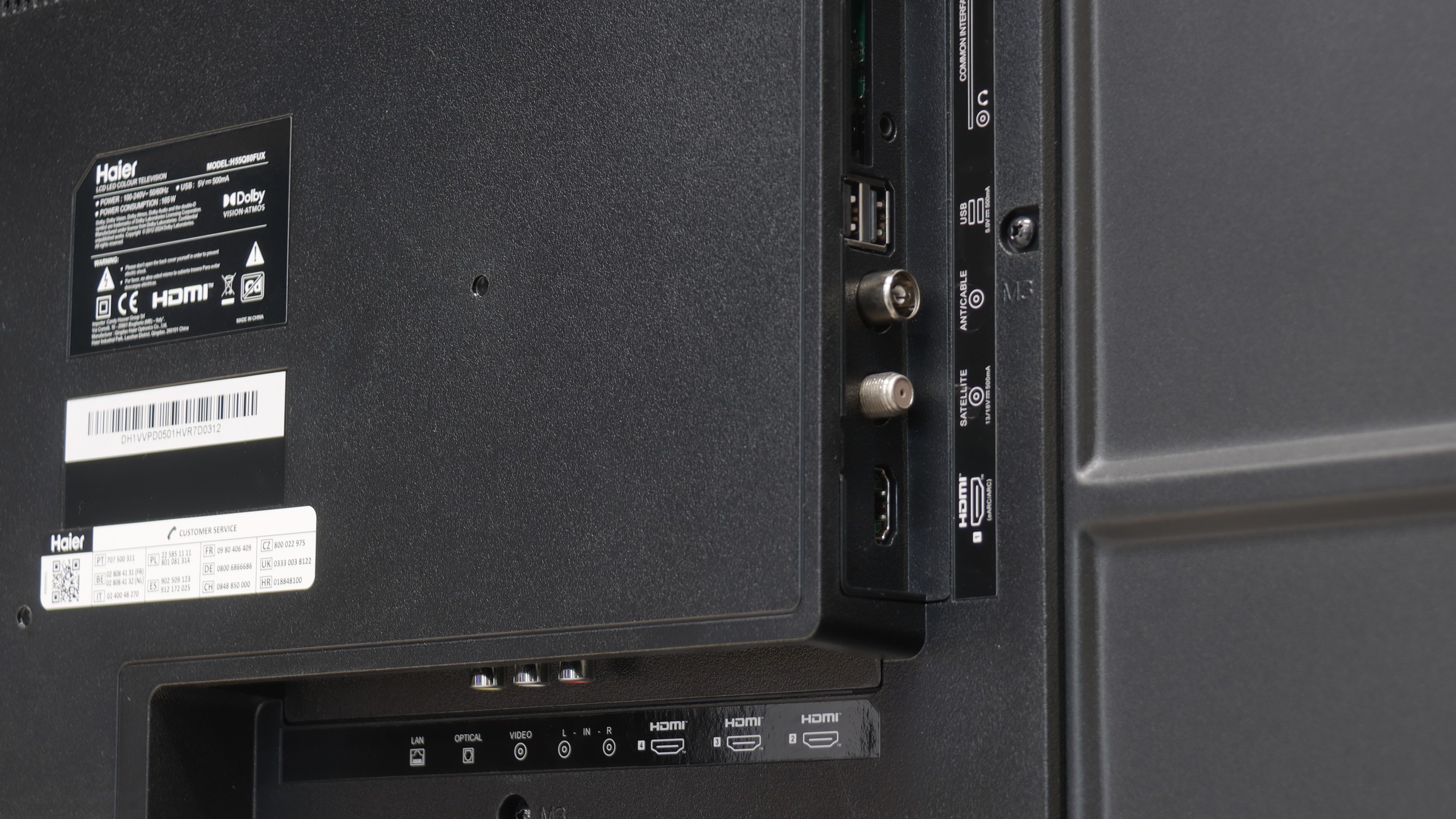
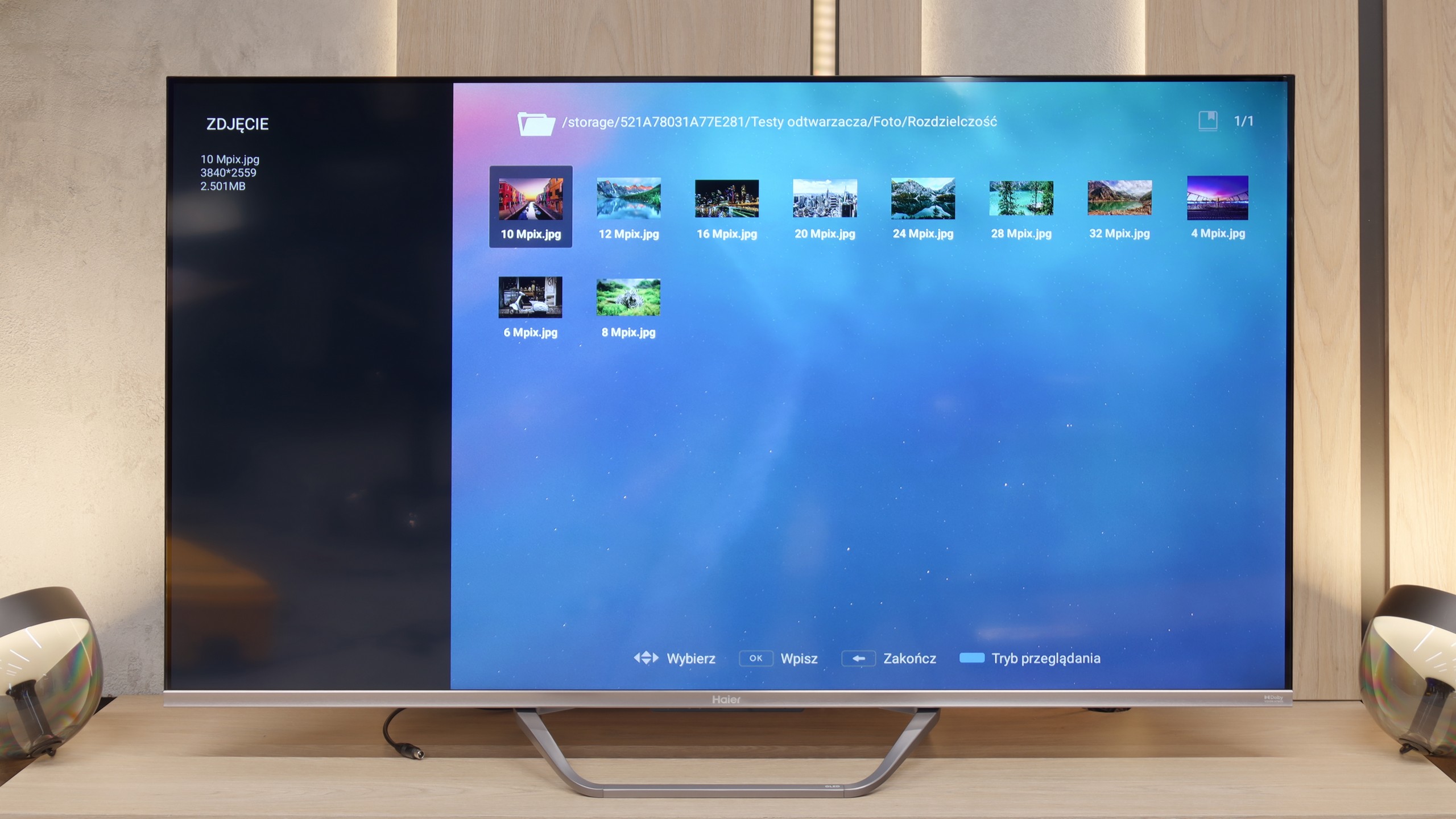
The Haier Q80FUX television is one of the most schizophrenic propositions we've had in our editorial office for a long time. On one hand, we have a solid piece of equipment here: a VA panel ensuring deep blacks, as expected in this segment, and a QLED quantum filter that can indeed produce vibrant, eye-catching colours. This is the foundation upon which a really competitive mid-range receiver could have been built. Unfortunately, all this matrix potential is systematically thwarted by the software, which represents a true millstone around the neck of this model. The Achilles' heel of the Q80FUX is its total capitulation when faced with HDR10 materials. The electronics seem to completely misunderstand how to interpret the signal, resulting in the brightest parts of the image being continuously blown out, turning them into a flat, milky patch. If we add the Google TV system to this, which, although functional, is unstable, full of bugs, and annoying shortcomings, we see a product that feels raw and clearly shows the manufacturer's lack of experience. Just when we thought we had written this model off, we discovered its surprising niche. Once connected to a console, the Q80FUX undergoes a transformation. It turns out that this television offers an impressively low input lag, fully supports VRR, and can handle a 120Hz signal in Full HD resolution. In the gaming world, where responsiveness is everything, these parameters put it in a very good light. So, we are dealing with a device of very narrow specialization. This is not a universal living room television – it lacks stability and above all, any correctness when handling films. Rather, it is a budget-friendly, large-format monitor for gamers, who can consciously forgive it all the software flaws in exchange for those few key attributes needed for consoles/PC at a relatively affordable price.
 Direct comparison