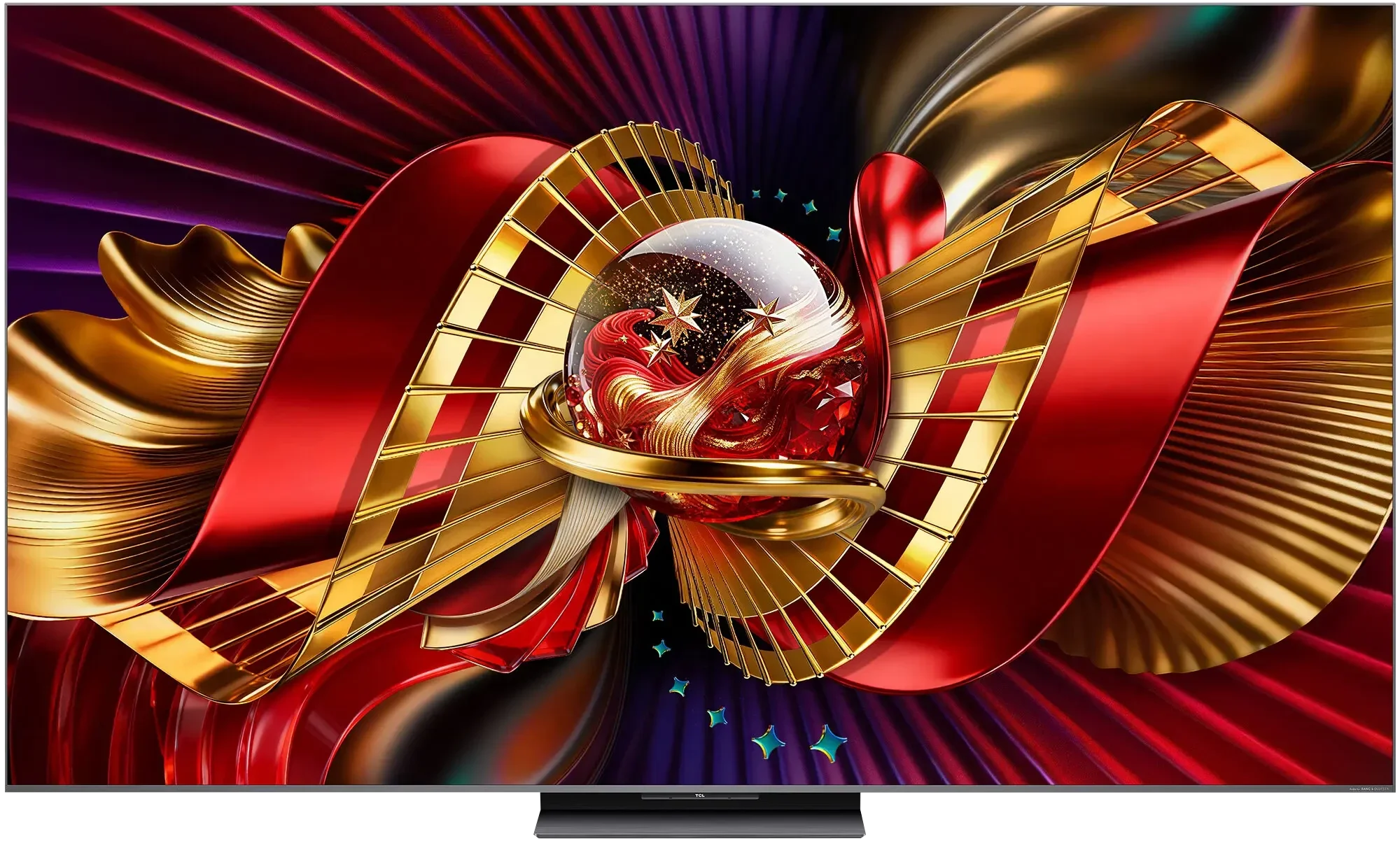
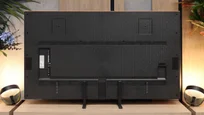
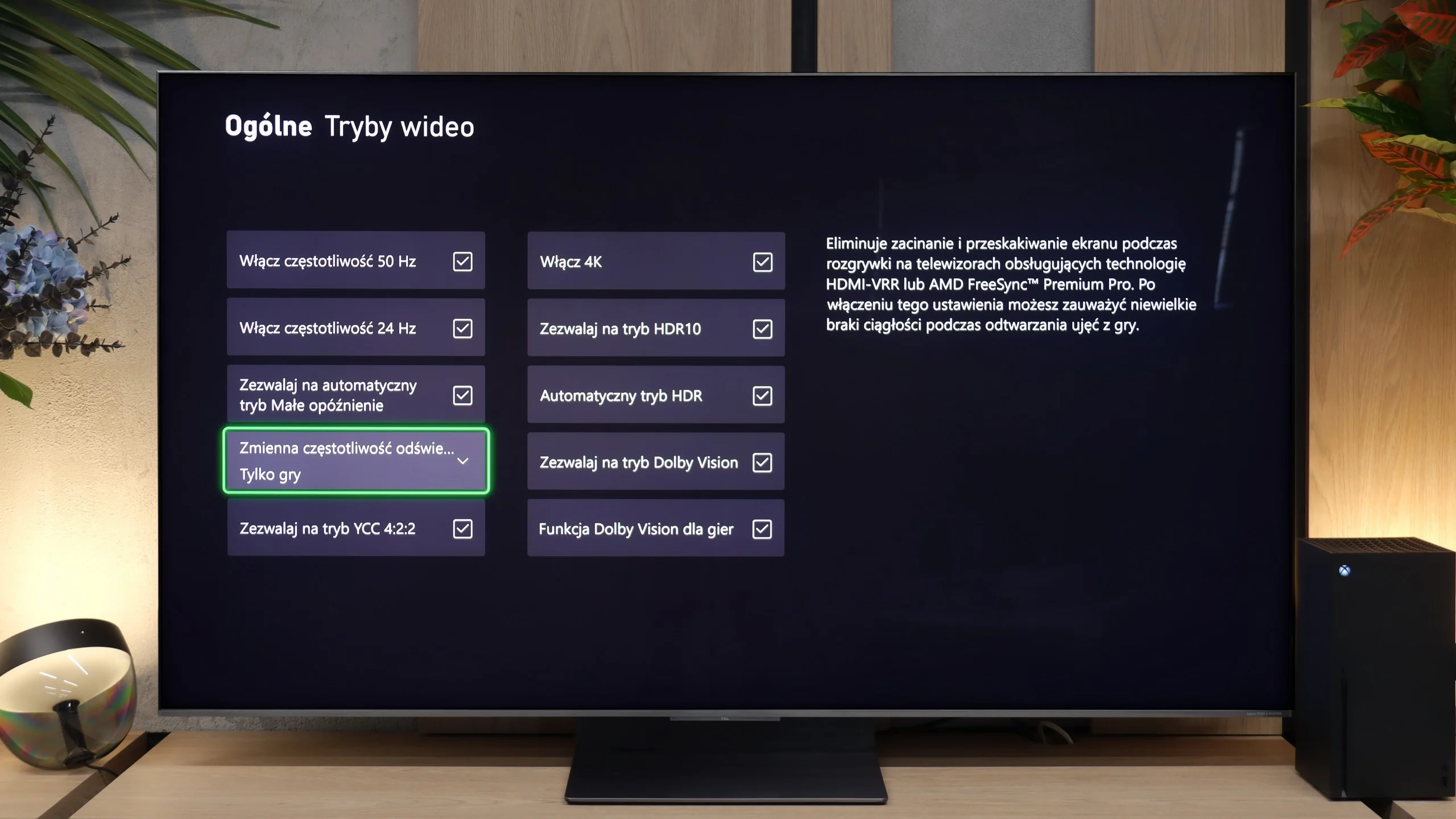
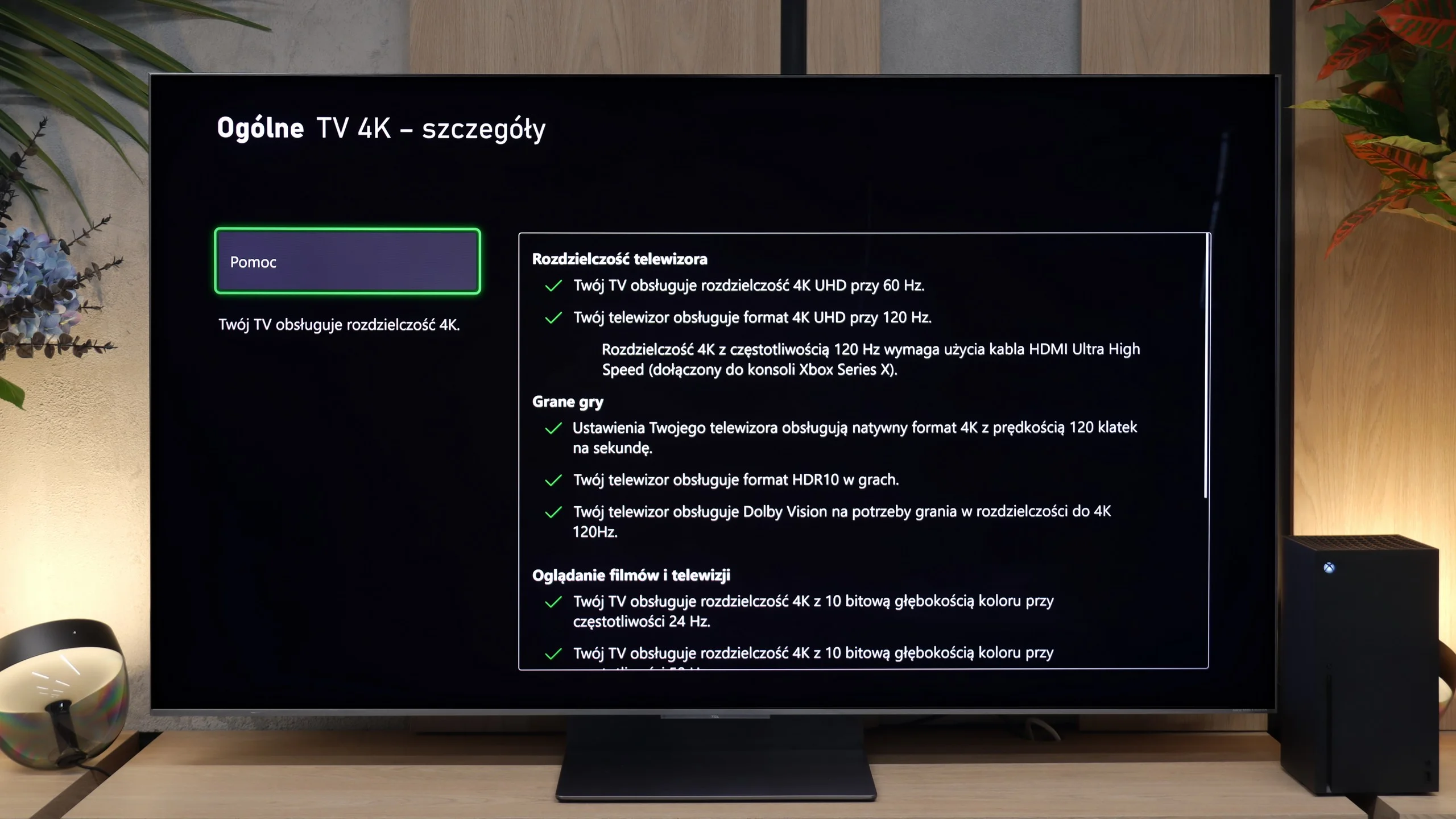
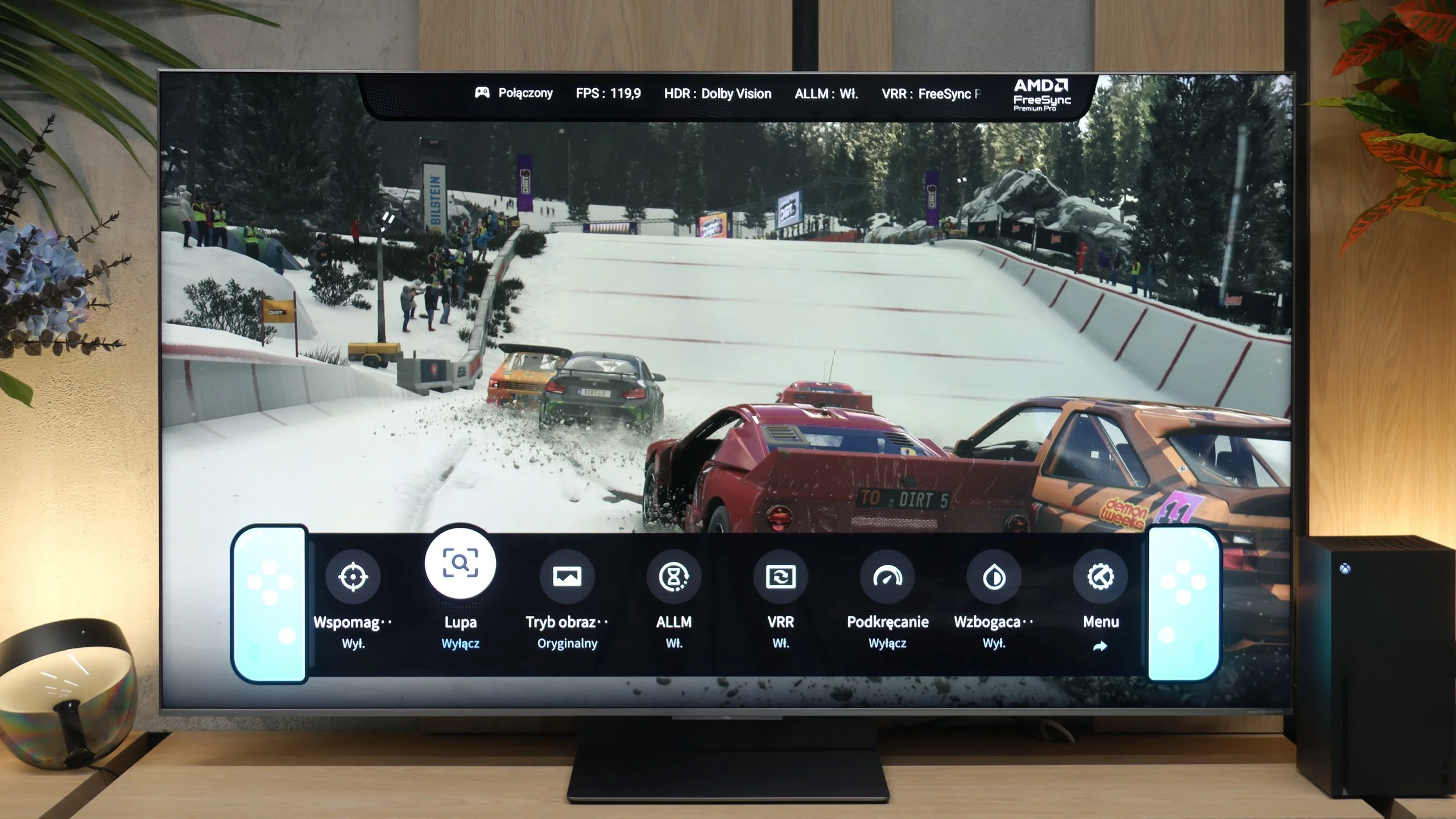
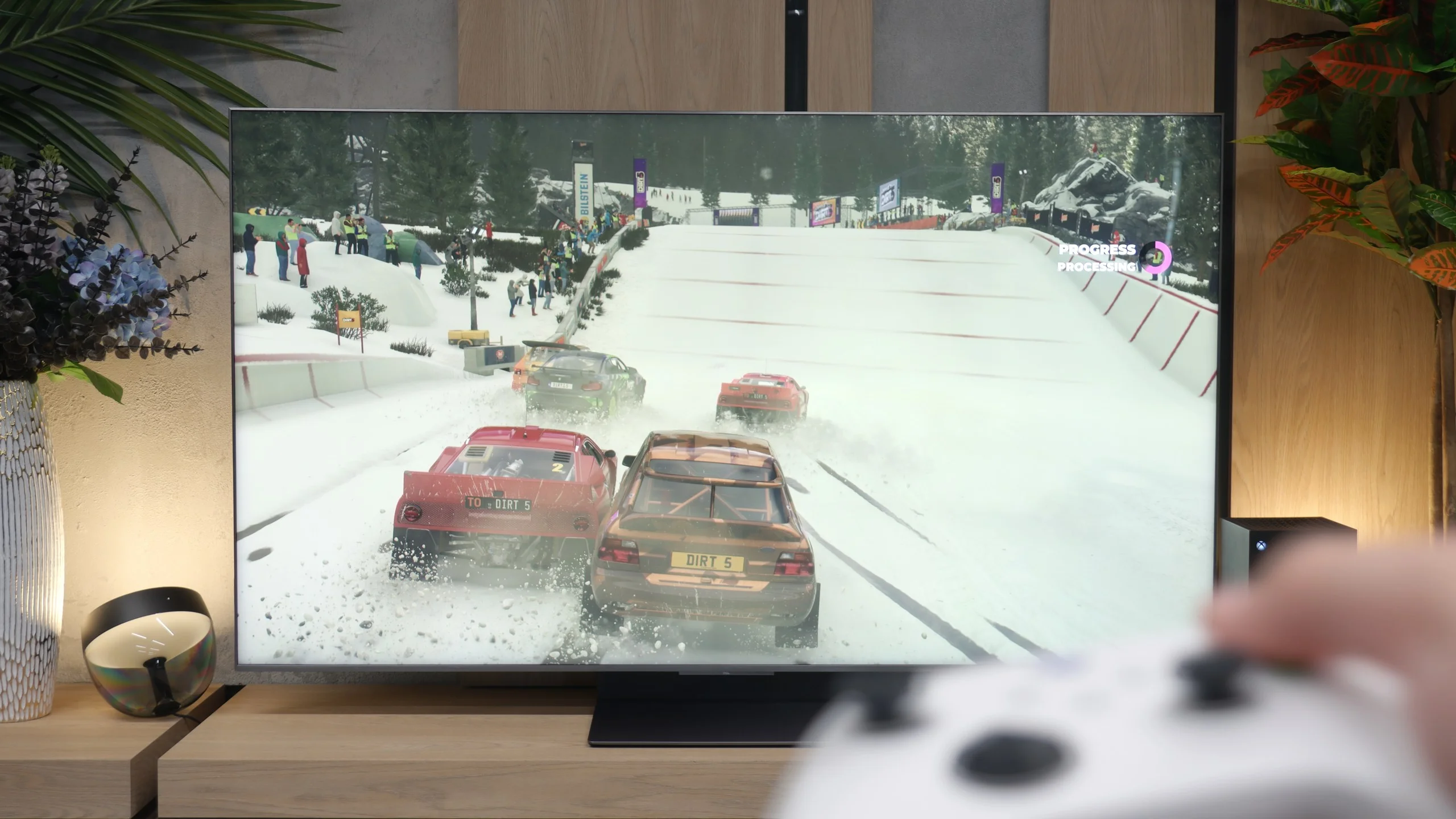
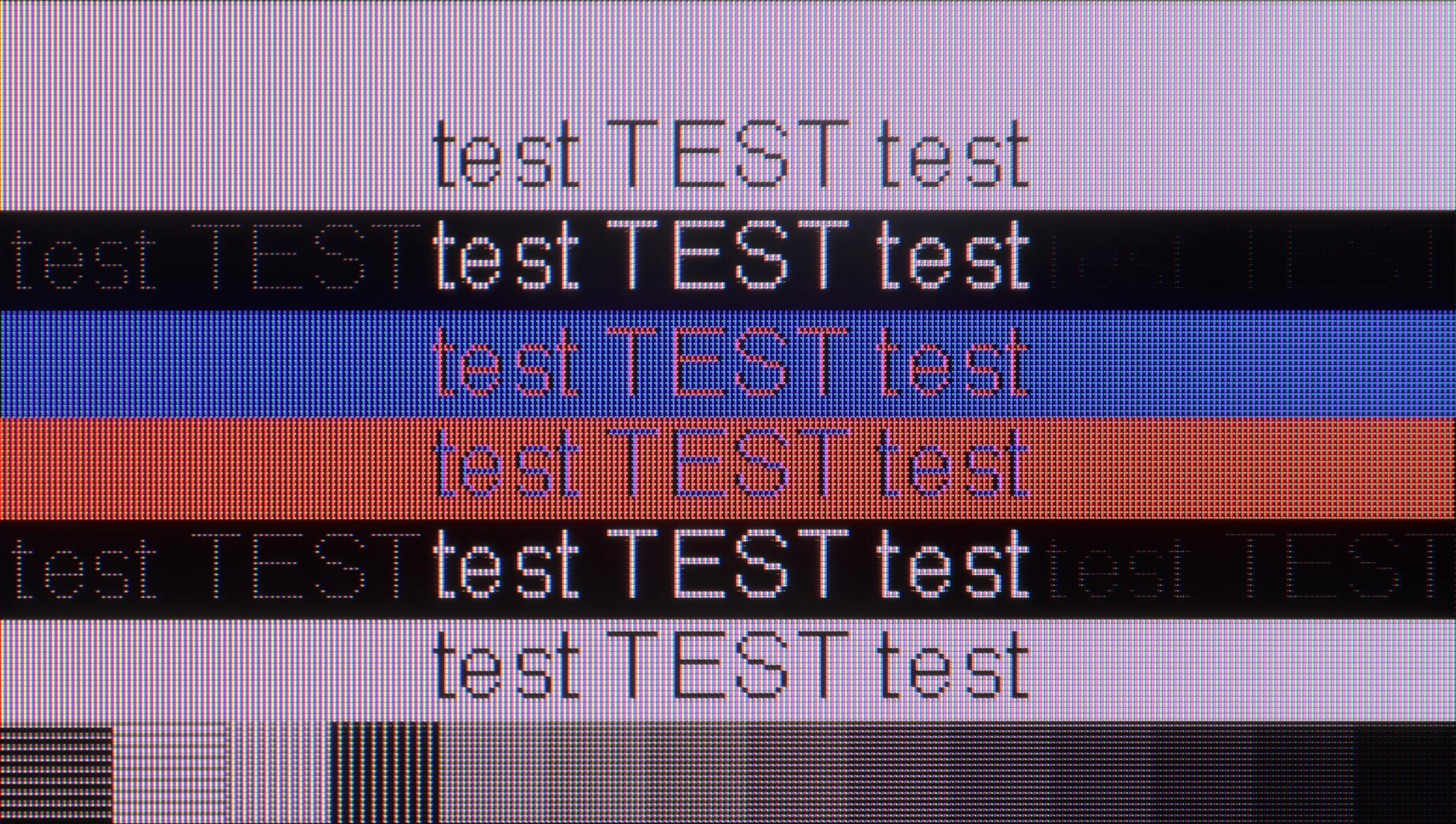
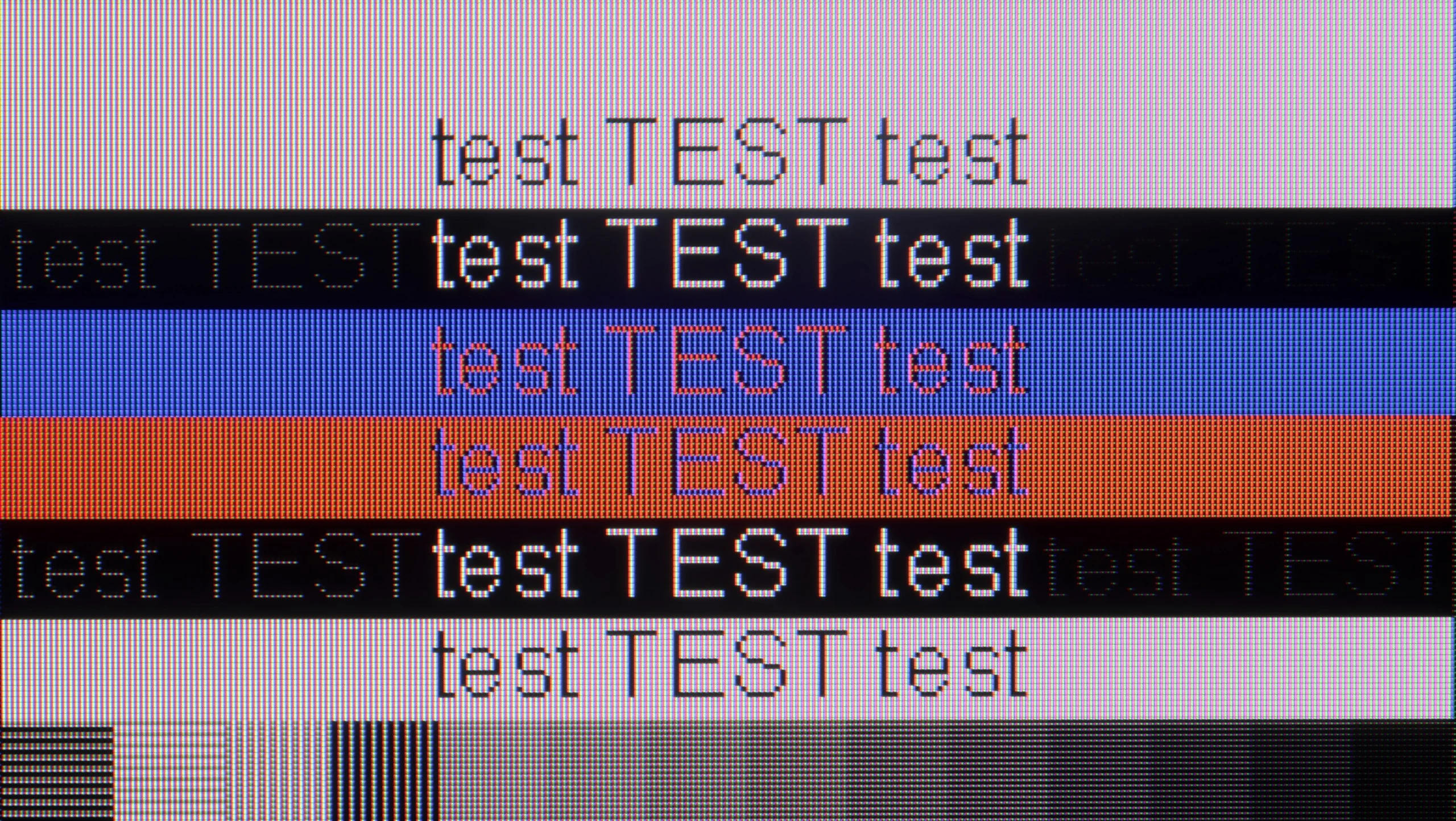
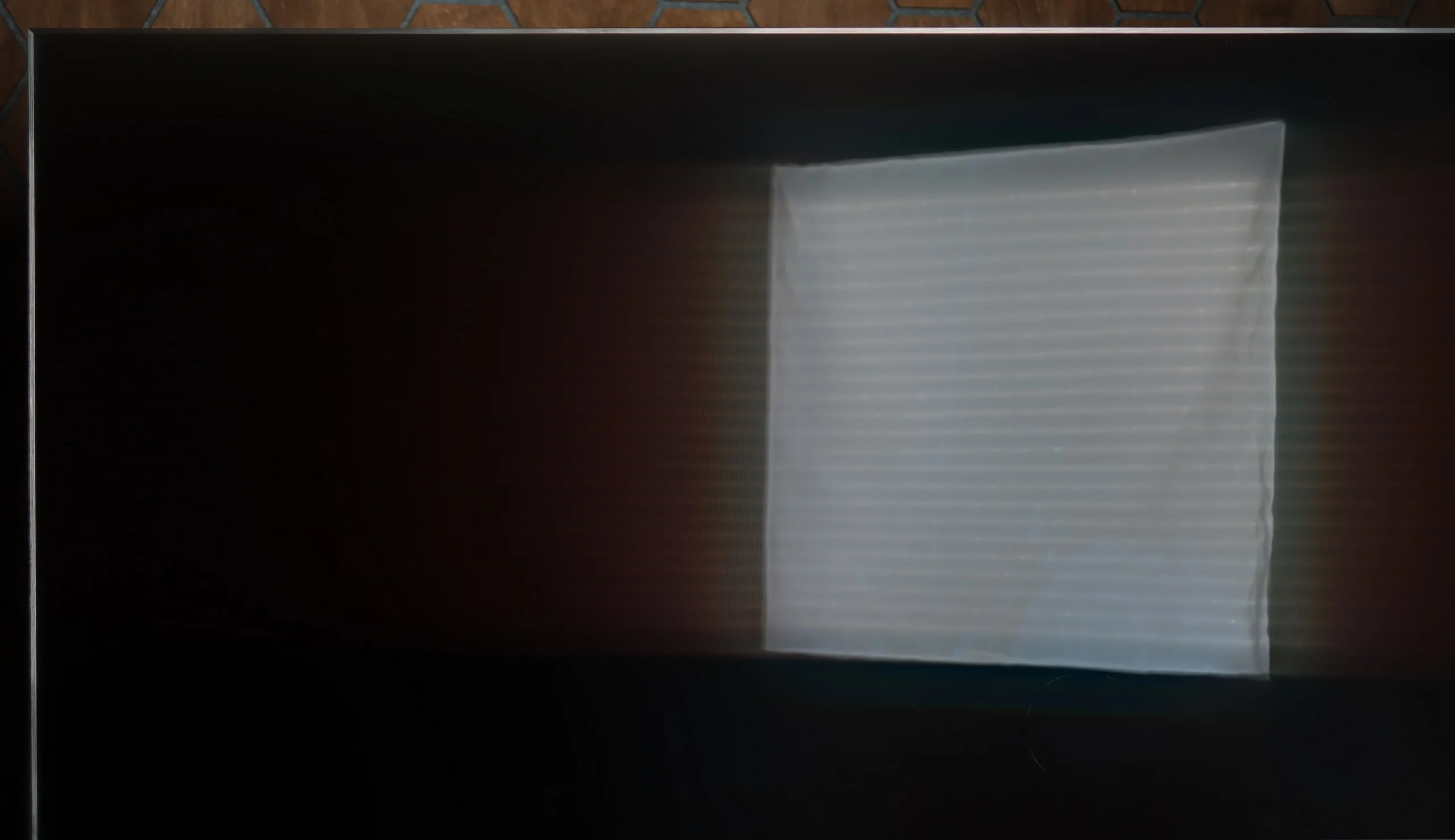
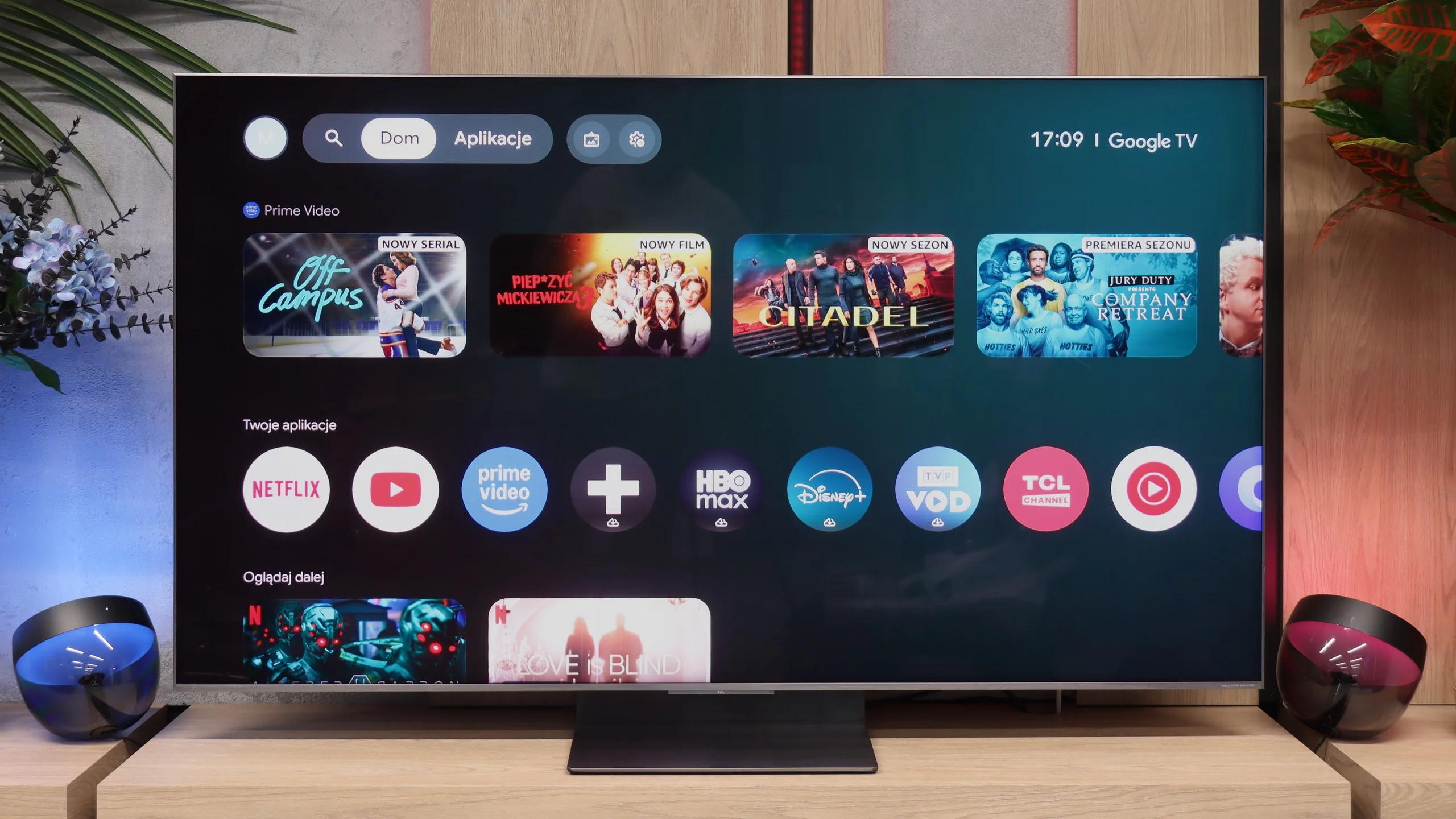
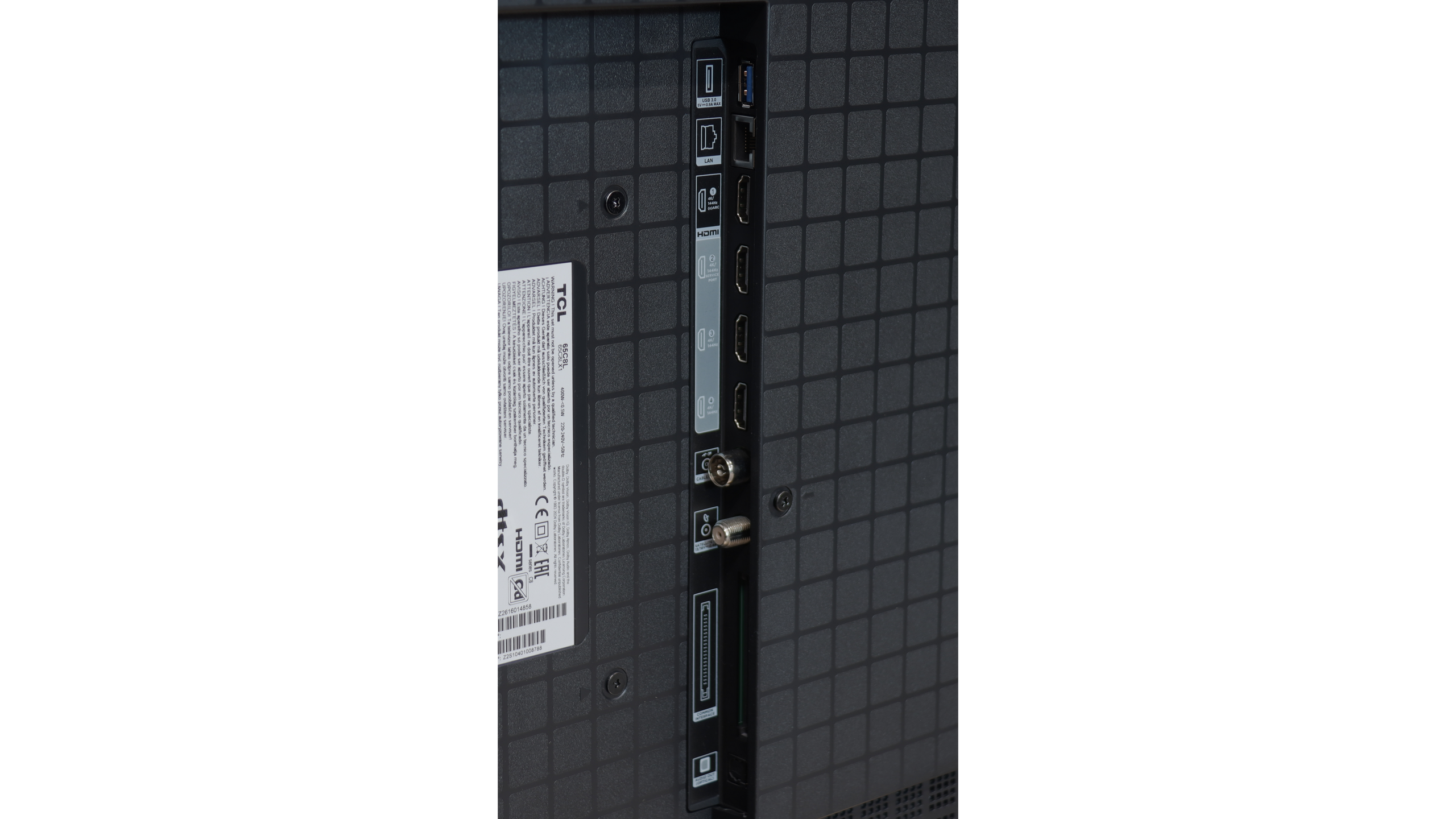
TCL C8L is undoubtedly one of the most intriguing Mini-LED televisions that has entered our laboratory this year. This model stands out primarily due to its excellent price-to-performance ratio. TCL has already accustomed us to aggressive pricing for its screens, but in the case of the C8 series, the manufacturer has managed to push the boundaries even further. For the amount that often only allows the purchase of mid-range models or two such models like C8K in the competitive market, here we receive equipment and specifications equal to top models. The new image processor, four full HDMI 2.1 ports, support for extreme refresh rates, and powerful peak brightness thanks to a vast number of dimming zones are arguments that are hard to overlook.
However, analysing the whole picture, one must honestly summarise the character of this television. The C8L is equipment designed more for displaying “spectacular” images rather than rigorously faithful ones. What do we mean by this? The software and algorithms managing the Mini-LED backlight zones have been tuned to favour visual appeal – the image is meant to be bright, contrasty, and striking in saturation. And what does this mean? The television has a tendency to autonomously interpret images instead of adhering to certain studio standards. For most users looking for “greater” emotions in films or games, this effect will likely be an advantage. On the other hand, purists and fans of perfectly natural images (such as us 😉) may find this behaviour too aggressive and not in line with the director's intent. Hence, we leave the final assessment on this matter to you.
Generally speaking, despite this specificity, the TCL C8L is a television that we can, and indeed must, wholeheartedly recommend. It is primarily a premium-class product, doing literally everything right... to a fault. Certain imperfections we would simply treat as features of this device rather than flaws – mainly due to the technological limitations that all Mini-LED televisions from any manufacturer on the market have accustomed us to. Ultimately, the software refinement has brought a lot to the new model, resulting in a mature, confident, and nearly complete piece of equipment.
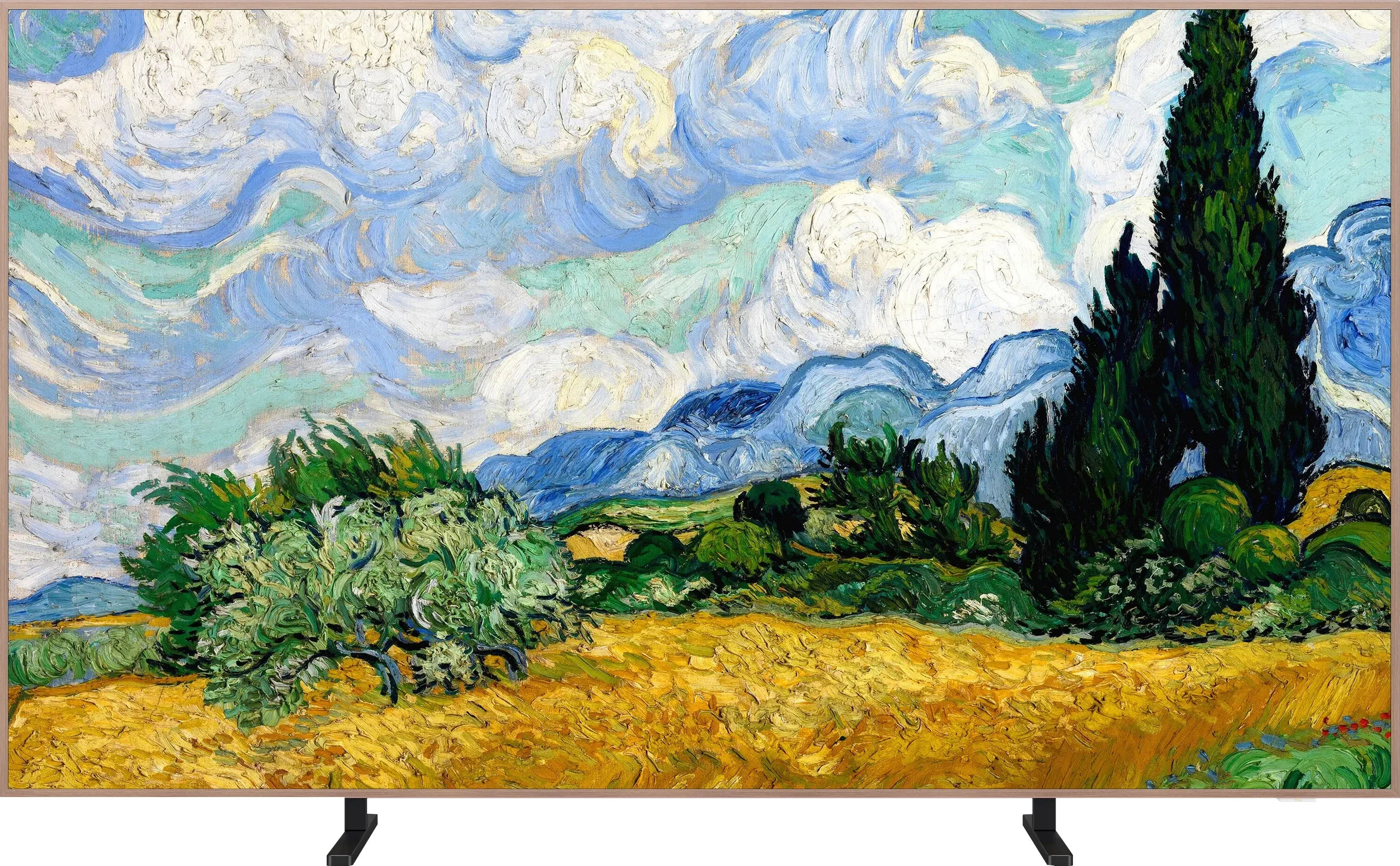
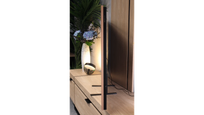
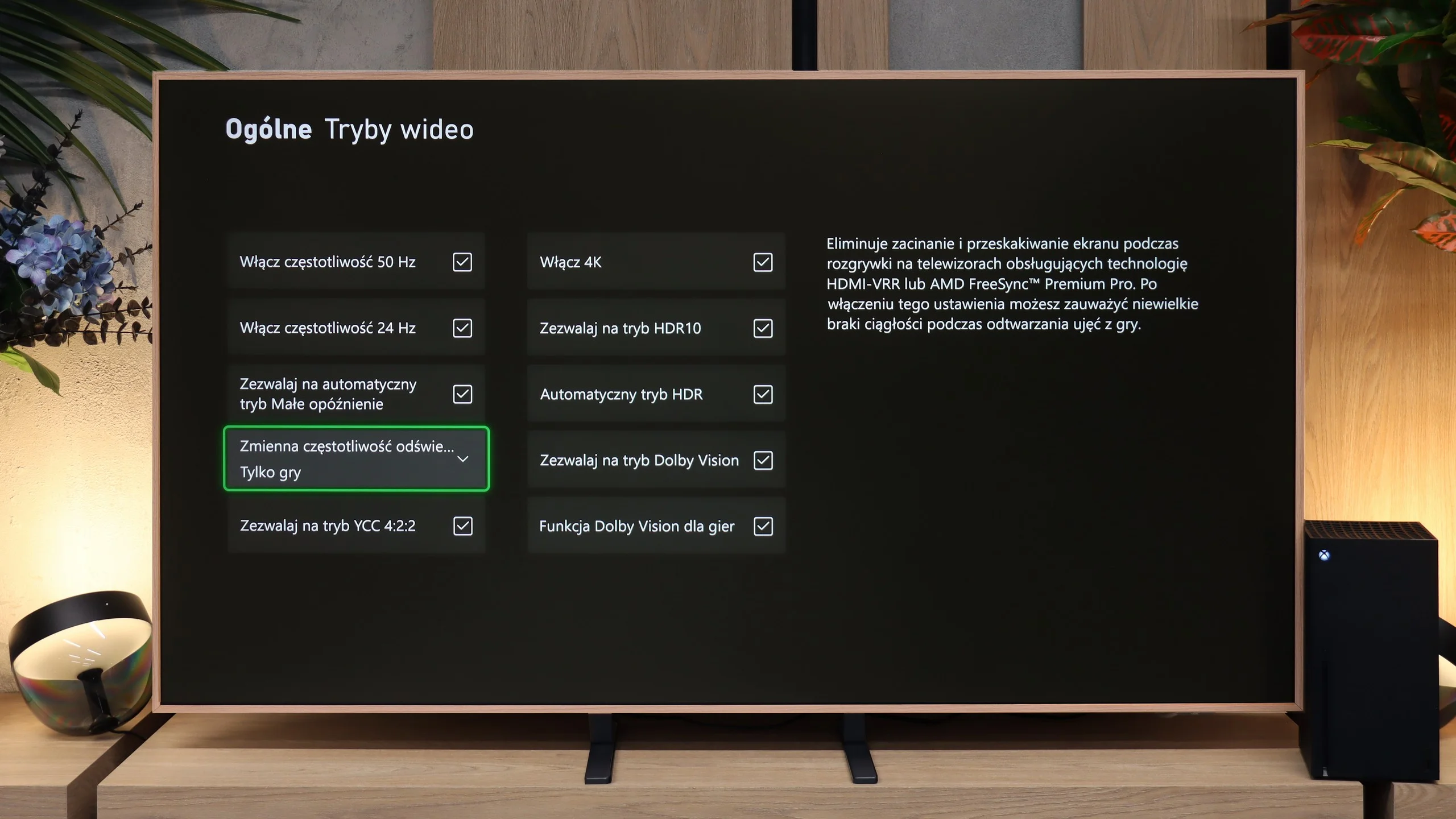
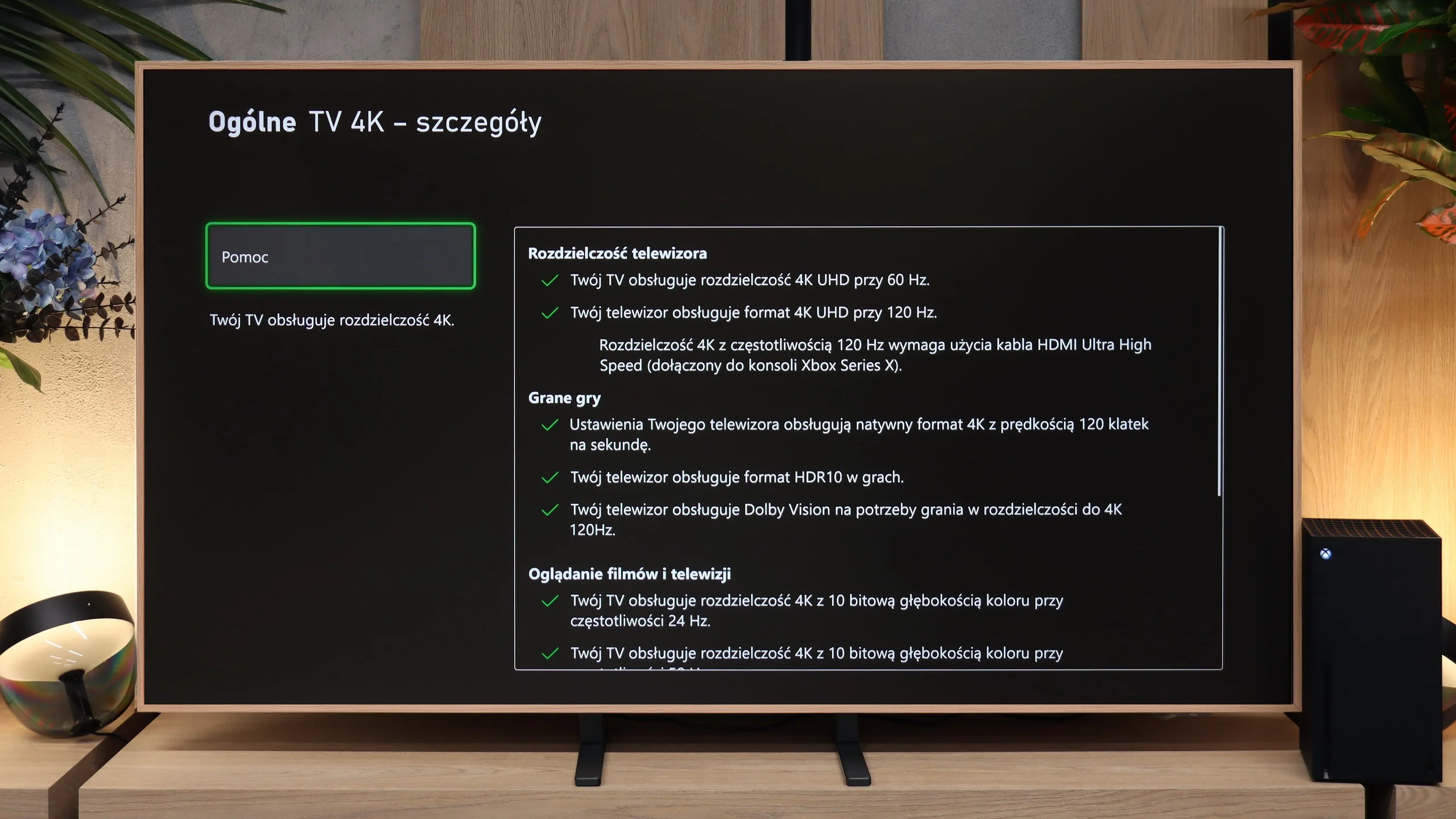
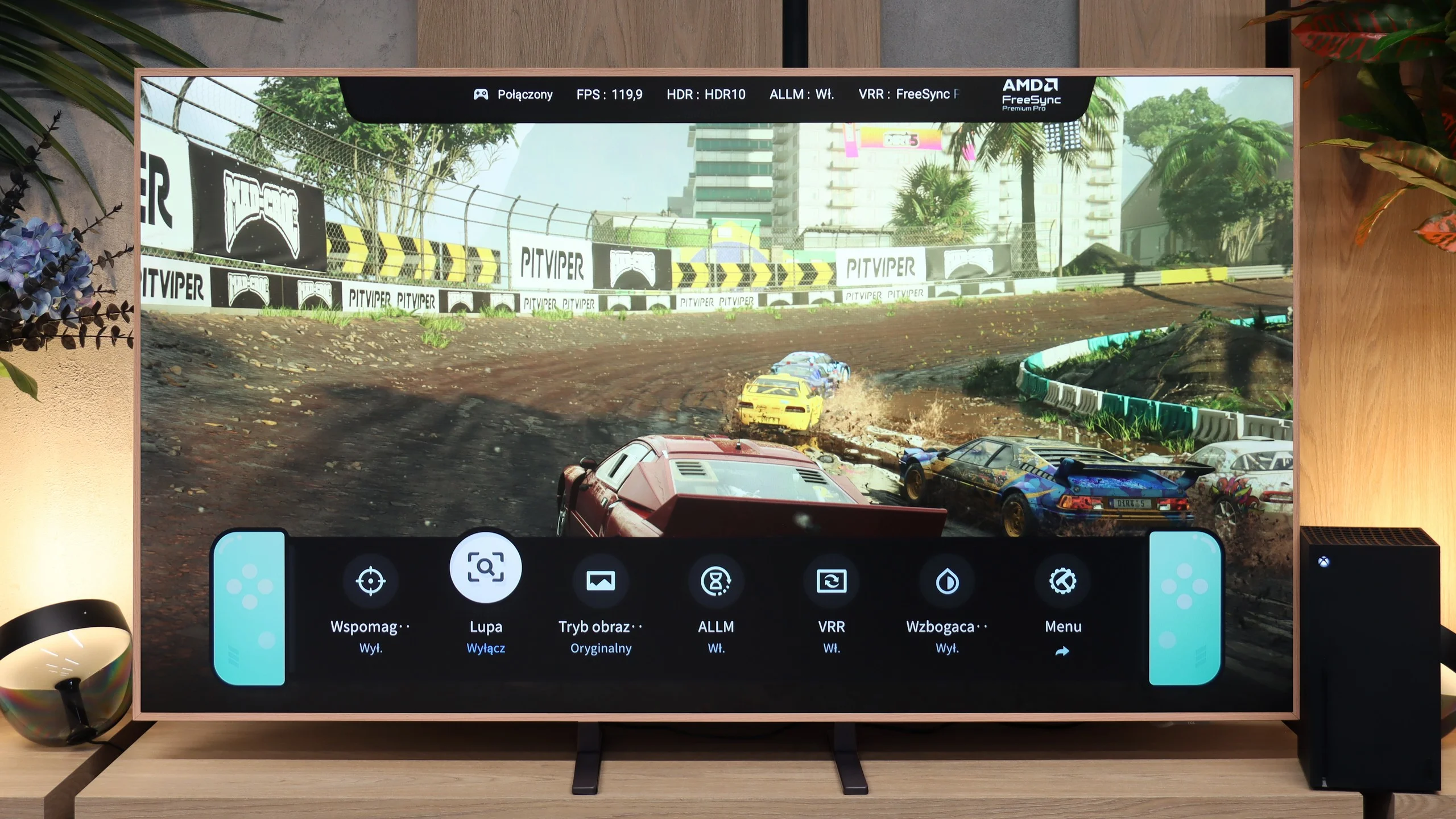
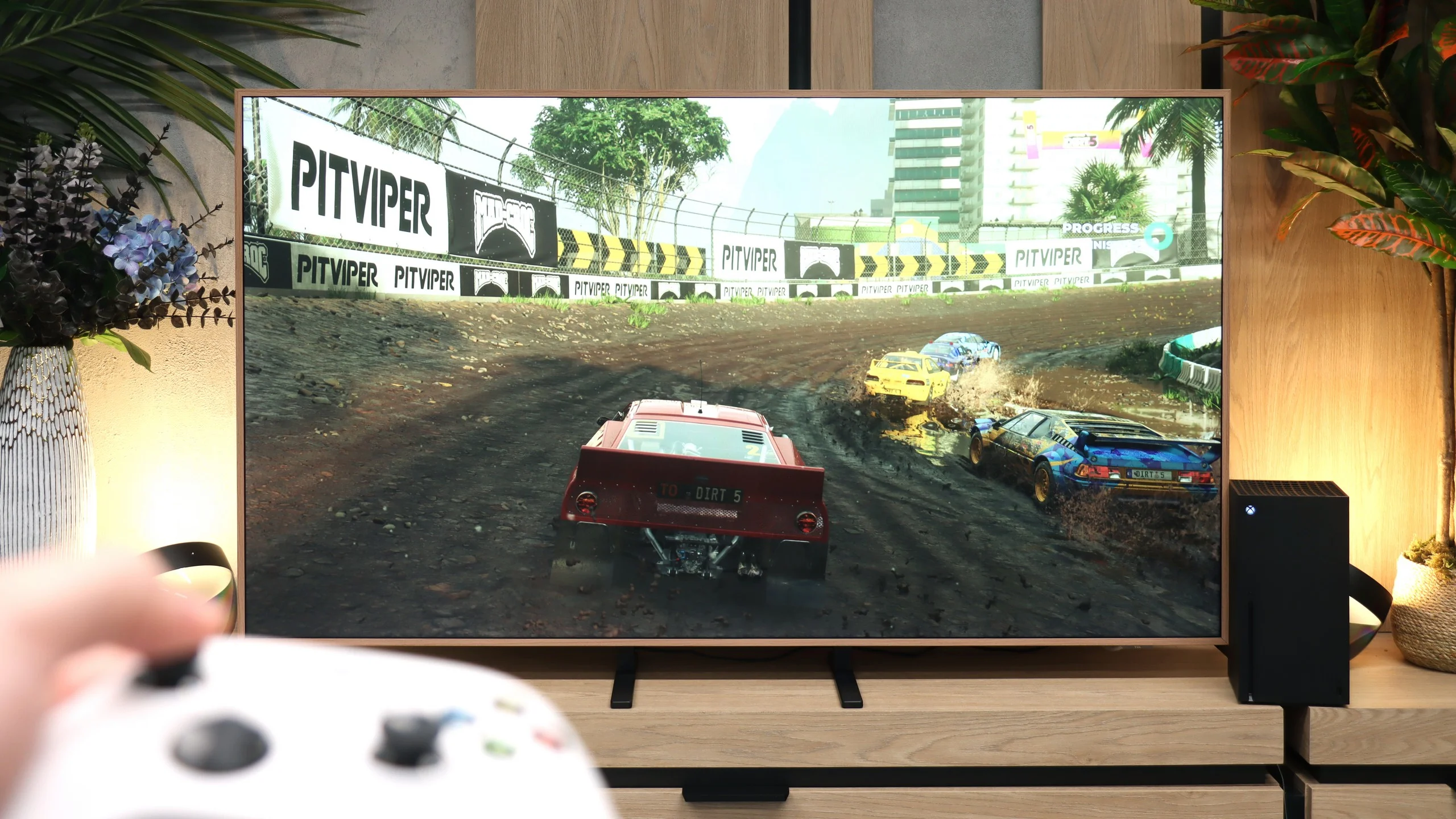
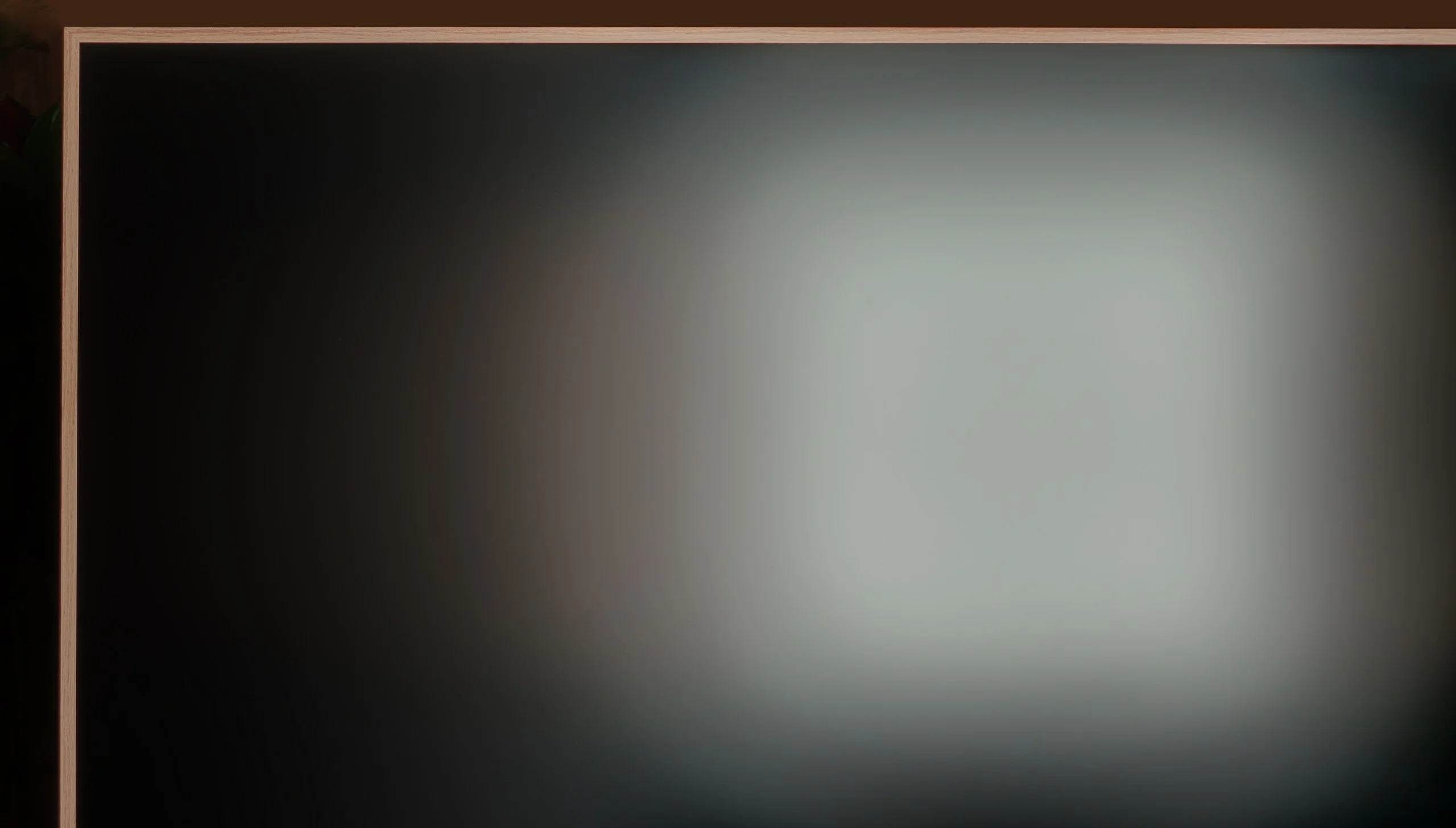
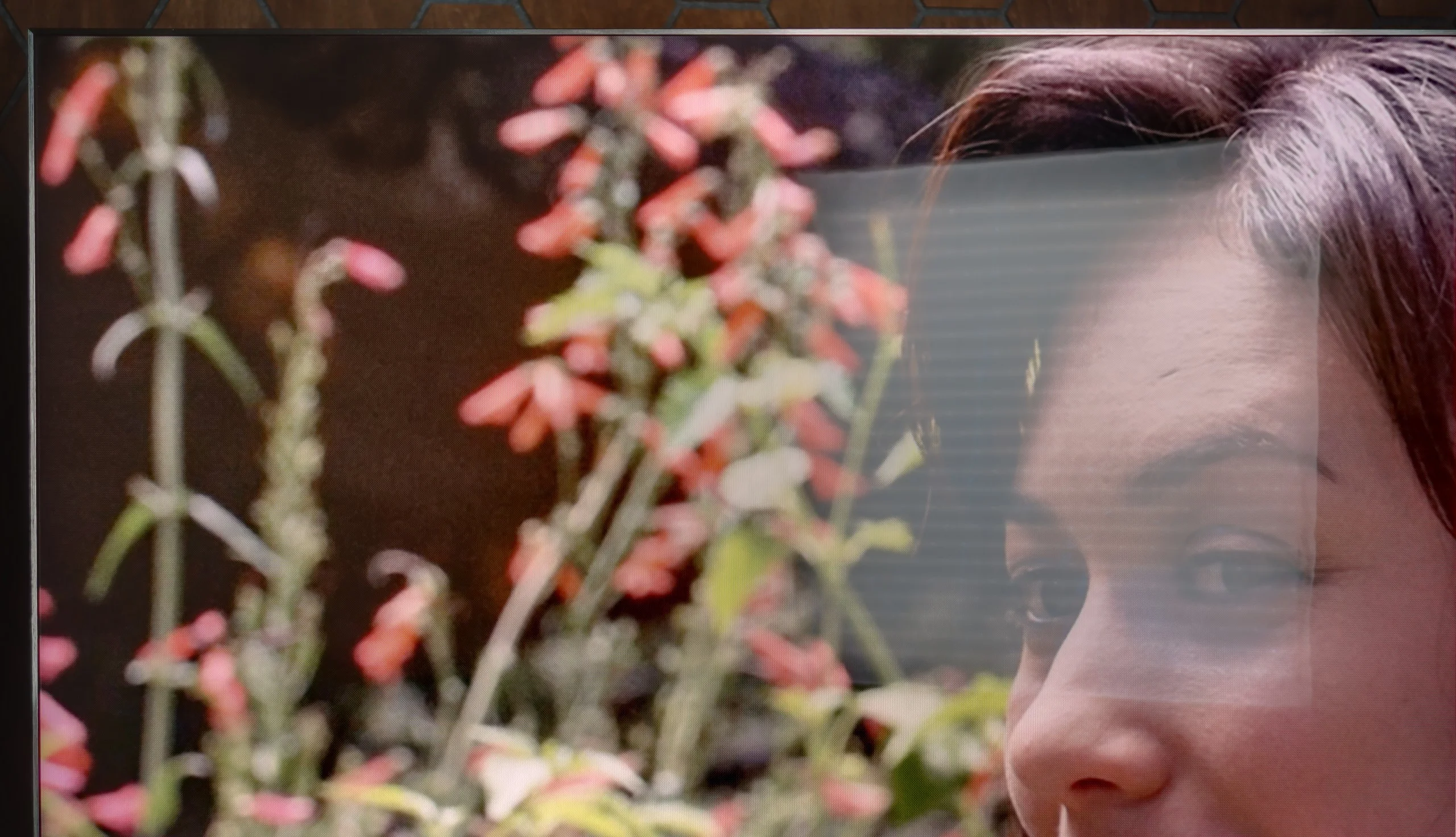
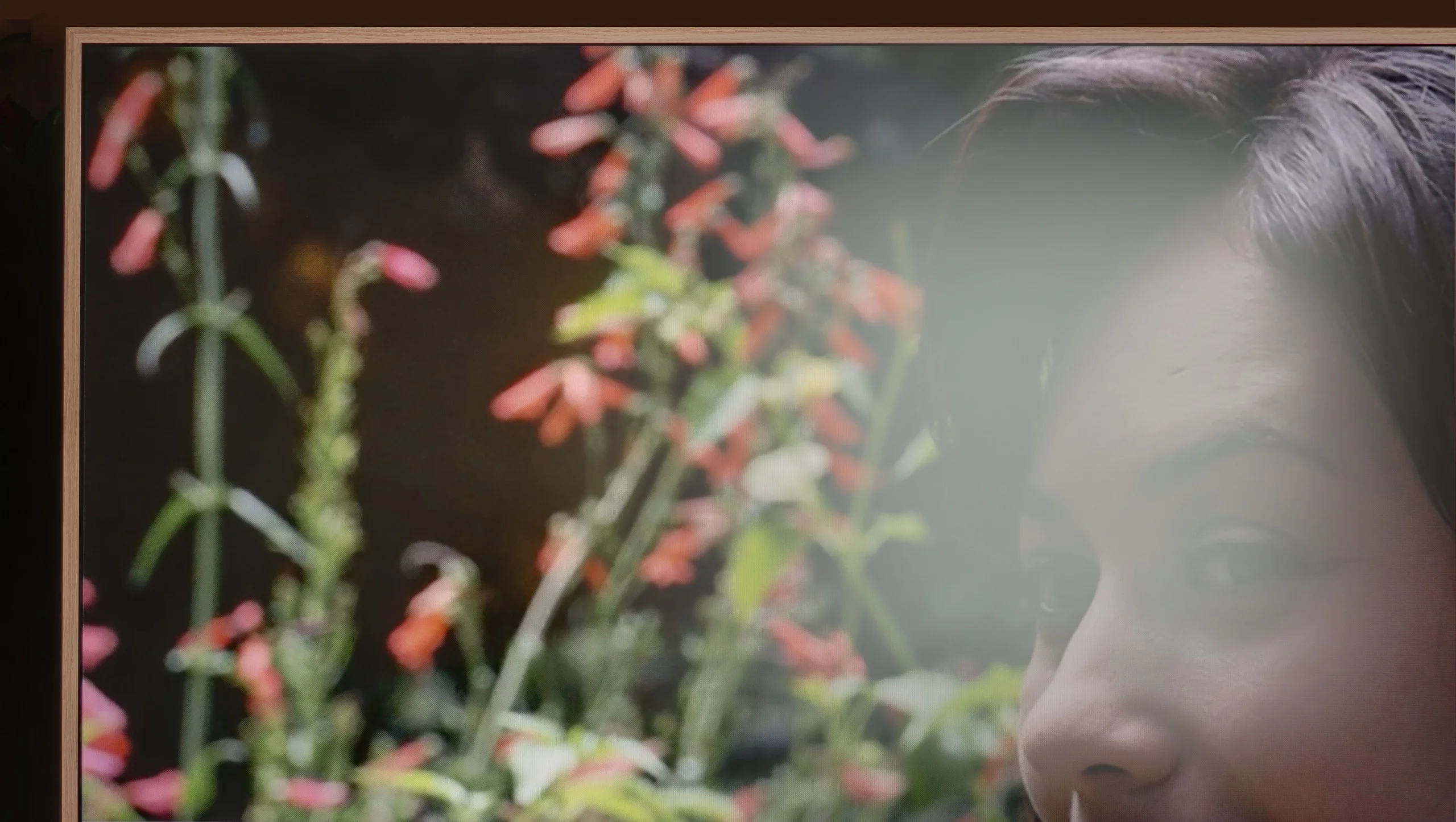
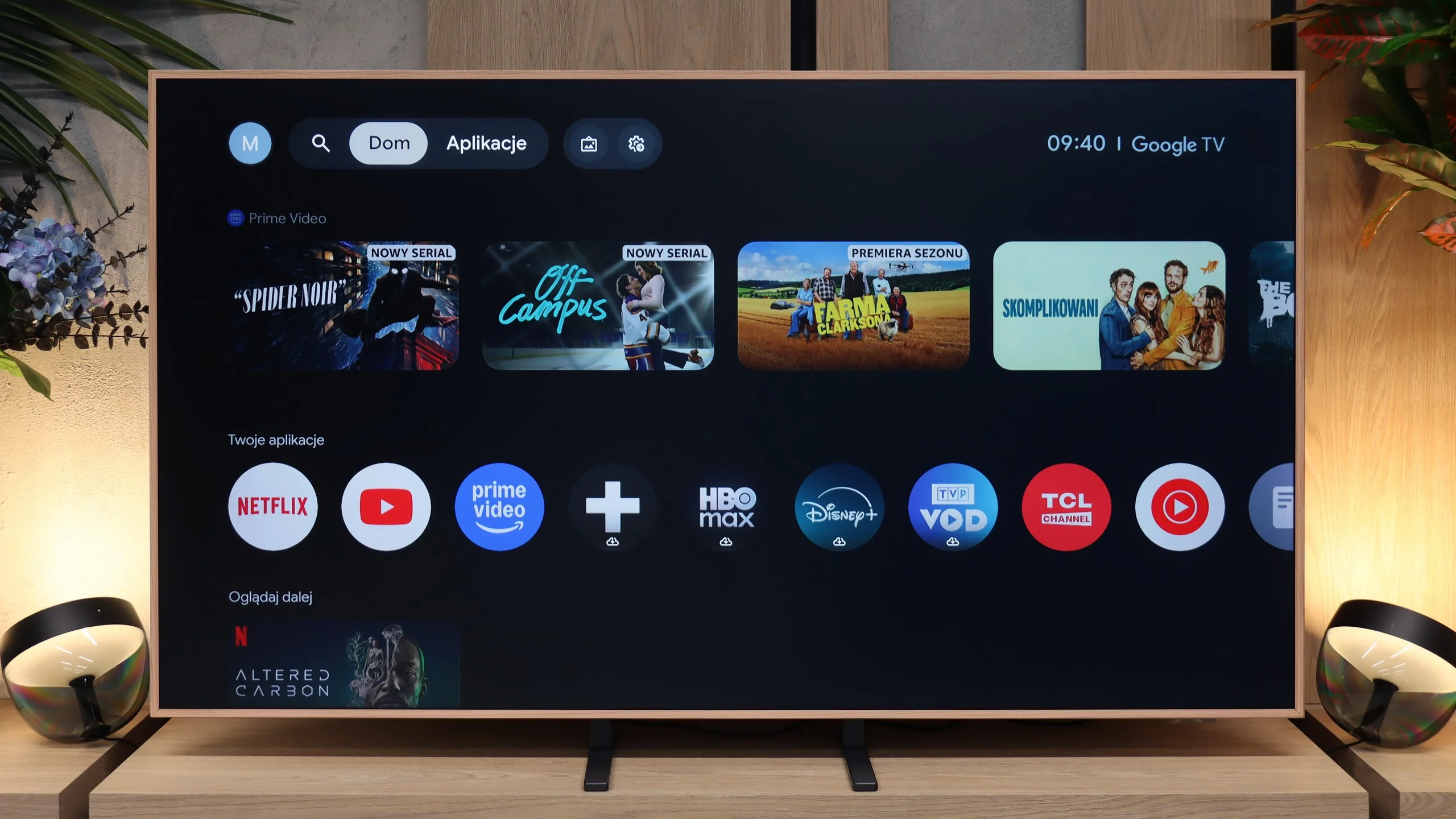
TCL A400 Pro is one of the most interesting lifestyle TVs we’ve tested so far. Not because it turns the whole idea of the “TV as a picture” on its head. In that respect it does roughly what the competition does: it’s meant to look good, blend into the room and not be just another black slab in the living room. Its real strength lies elsewhere: in picture quality. This is the first TV of this kind that actually gives us an image built on solid blacks and high contrast. Full-fledged Mini-LED backlighting combined with a VA panel means the A400 Pro can show a level of depth that has simply been missing from lifestyle TVs until now. Of course it’s not Mini-LED that you would put shoulder to shoulder with the best LCDs on the market, but in its “picture-focused” category the A400 Pro does something important: it proves that an artistic TV doesn’t have to mean a large compromise in picture quality. What’s important is that it’s not just about blacks and contrast. The A400 Pro has very good colour, supports Dolby Vision and runs Google TV, so day to day it’s simply a convenient, fully fledged TV for films, series and streaming. On top of that there are very strong gaming features, so it performs easily with a console or a PC. And perhaps it’s this versatility that is its biggest surprise. It looks like a lifestyle TV, but it doesn’t force you to give up the features you expect from a regular television.
Paradoxically, the biggest reservations are not really about the image itself. Sure, the number of local dimming zones could be higher and the upscaling doesn’t stand out from the norm. However, given the character of this model what bothers us more are decisions related to the whole concept of a TV on the wall. The lack of a slim wall mount in the box is a strange move, because this type of mounting should be the default here. In addition, the wood-effect bezels are fixed, so they don’t offer the same freedom of personalisation as in other models of this type. And because the casing is thicker, the A400 Pro doesn’t always deliver as flat and subtle a look as you might expect from a TV in this category.
And that is the biggest paradox of the TCL A400 Pro. Picture-wise it can be one of the strongest lifestyle TVs on the market, yet it loses a little where such a product should charm the most. All the same, the overall verdict is very positive. If the design choices mentioned above don’t bother you, the A400 Pro makes a lot of sense. It’s a TV for people who want something nicer than a classic television but don’t want to pay for looks with a big sacrifice in picture quality. That is why the TCL A400 Pro is one of the most interesting models in its class.
 Direct comparison