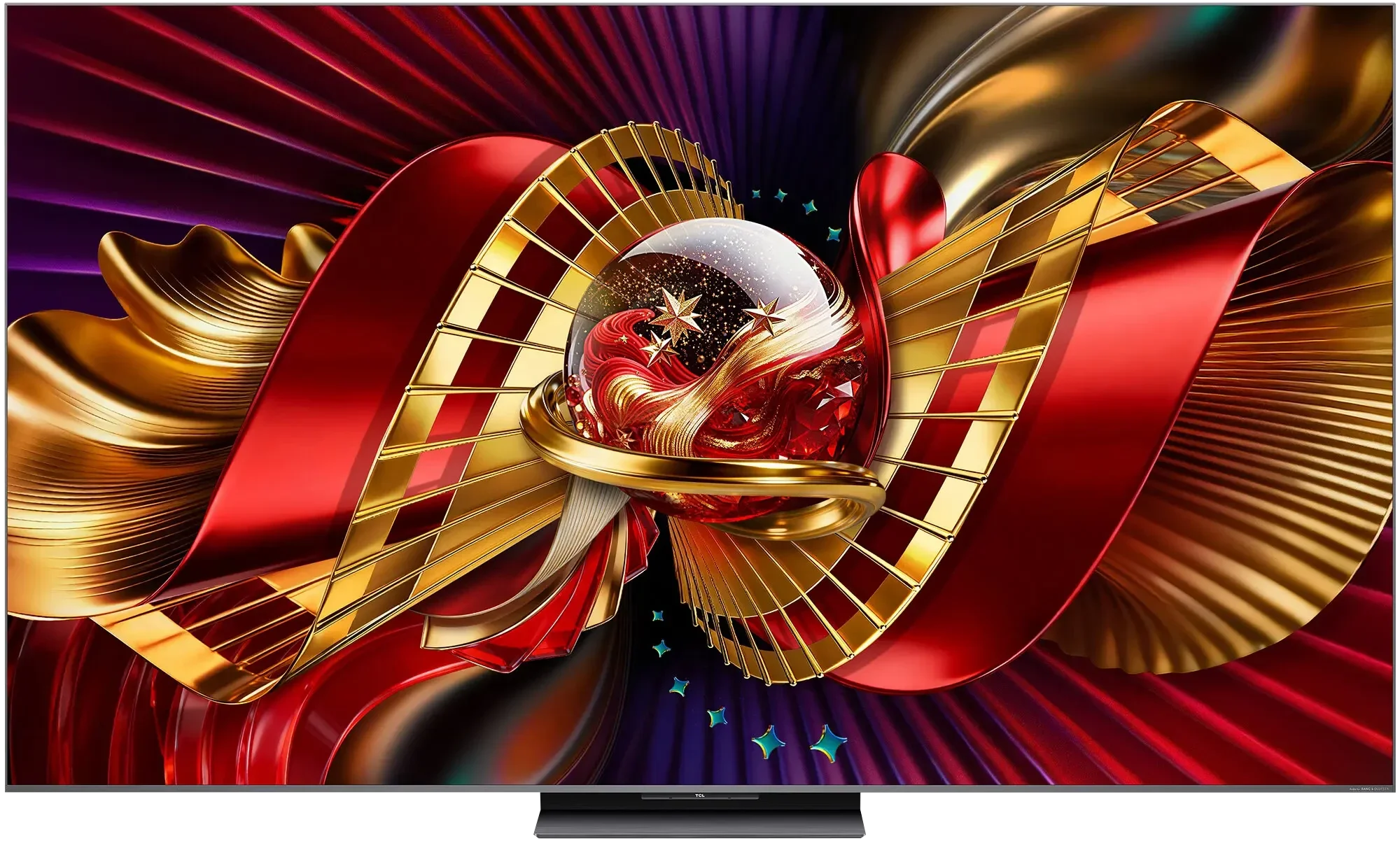
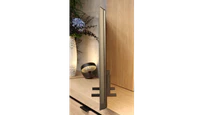
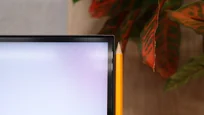
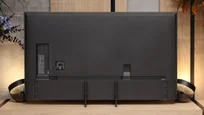
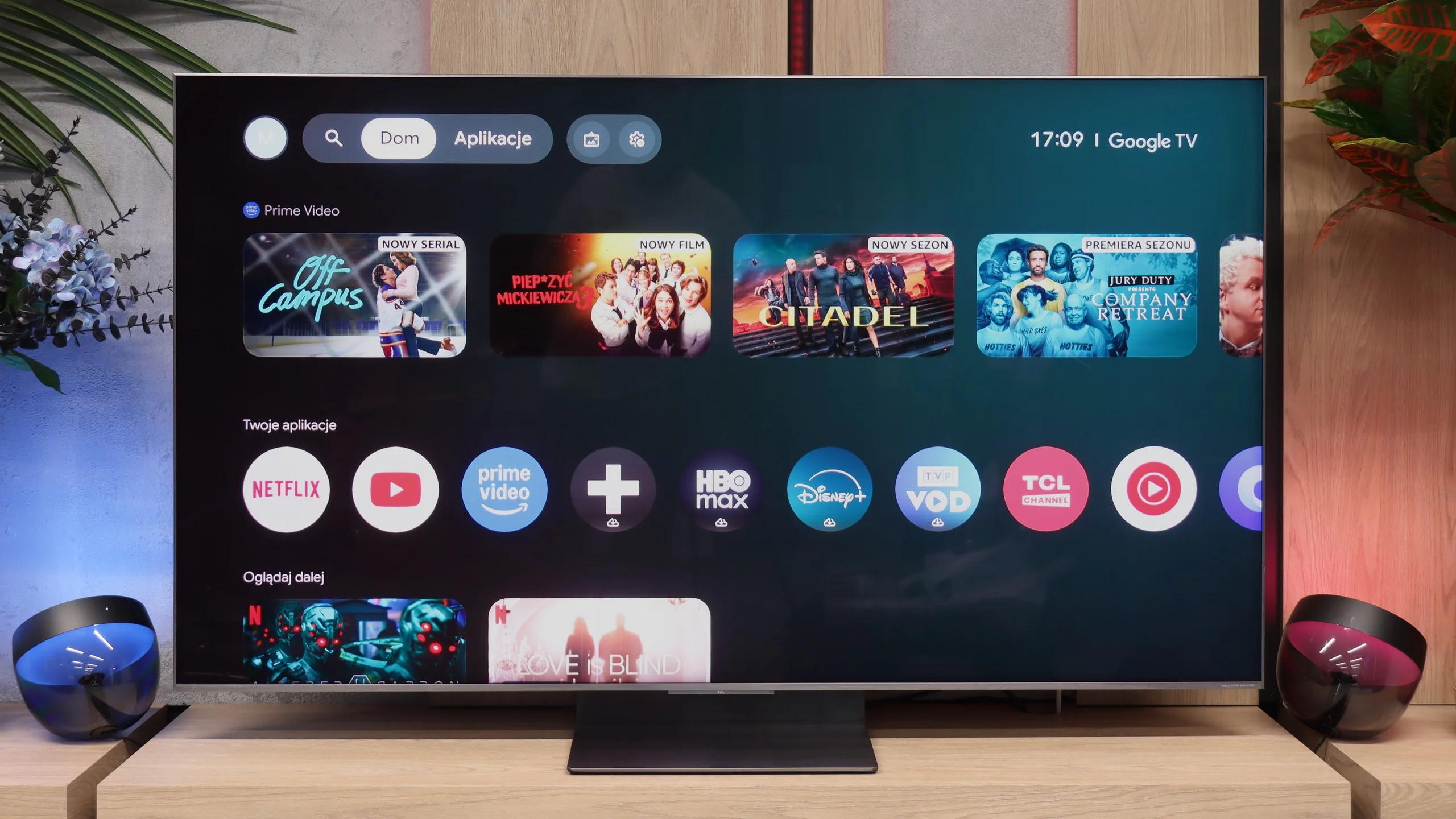
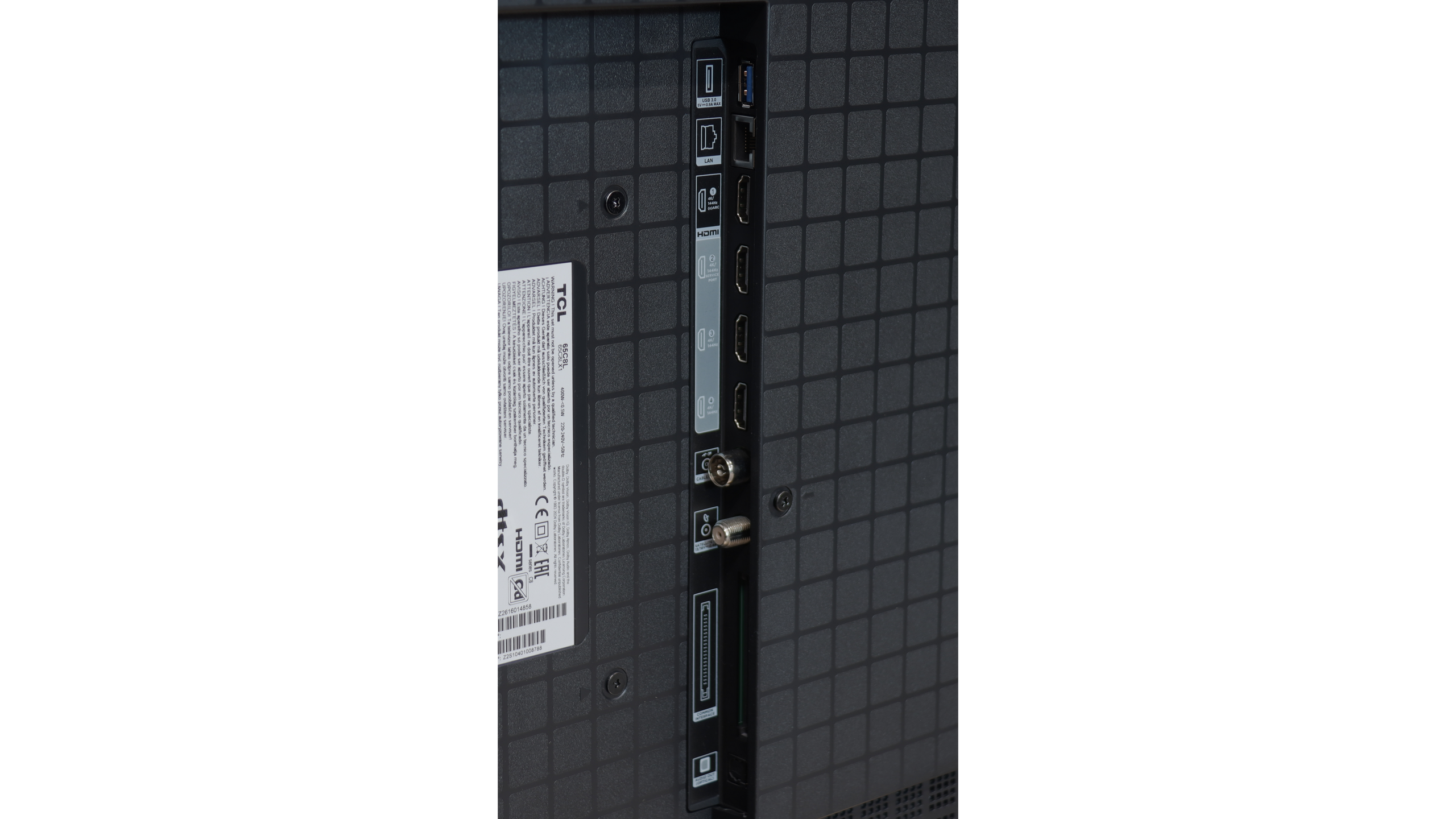
TCL C8L is undoubtedly one of the most intriguing Mini-LED televisions that has entered our laboratory this year. This model stands out primarily due to its excellent price-to-performance ratio. TCL has already accustomed us to aggressive pricing for its screens, but in the case of the C8 series, the manufacturer has managed to push the boundaries even further. For the amount that often only allows the purchase of mid-range models or two such models like C8K in the competitive market, here we receive equipment and specifications equal to top models. The new image processor, four full HDMI 2.1 ports, support for extreme refresh rates, and powerful peak brightness thanks to a vast number of dimming zones are arguments that are hard to overlook.
However, analysing the whole picture, one must honestly summarise the character of this television. The C8L is equipment designed more for displaying “spectacular” images rather than rigorously faithful ones. What do we mean by this? The software and algorithms managing the Mini-LED backlight zones have been tuned to favour visual appeal – the image is meant to be bright, contrasty, and striking in saturation. And what does this mean? The television has a tendency to autonomously interpret images instead of adhering to certain studio standards. For most users looking for “greater” emotions in films or games, this effect will likely be an advantage. On the other hand, purists and fans of perfectly natural images (such as us 😉) may find this behaviour too aggressive and not in line with the director's intent. Hence, we leave the final assessment on this matter to you.
Generally speaking, despite this specificity, the TCL C8L is a television that we can, and indeed must, wholeheartedly recommend. It is primarily a premium-class product, doing literally everything right... to a fault. Certain imperfections we would simply treat as features of this device rather than flaws – mainly due to the technological limitations that all Mini-LED televisions from any manufacturer on the market have accustomed us to. Ultimately, the software refinement has brought a lot to the new model, resulting in a mature, confident, and nearly complete piece of equipment.
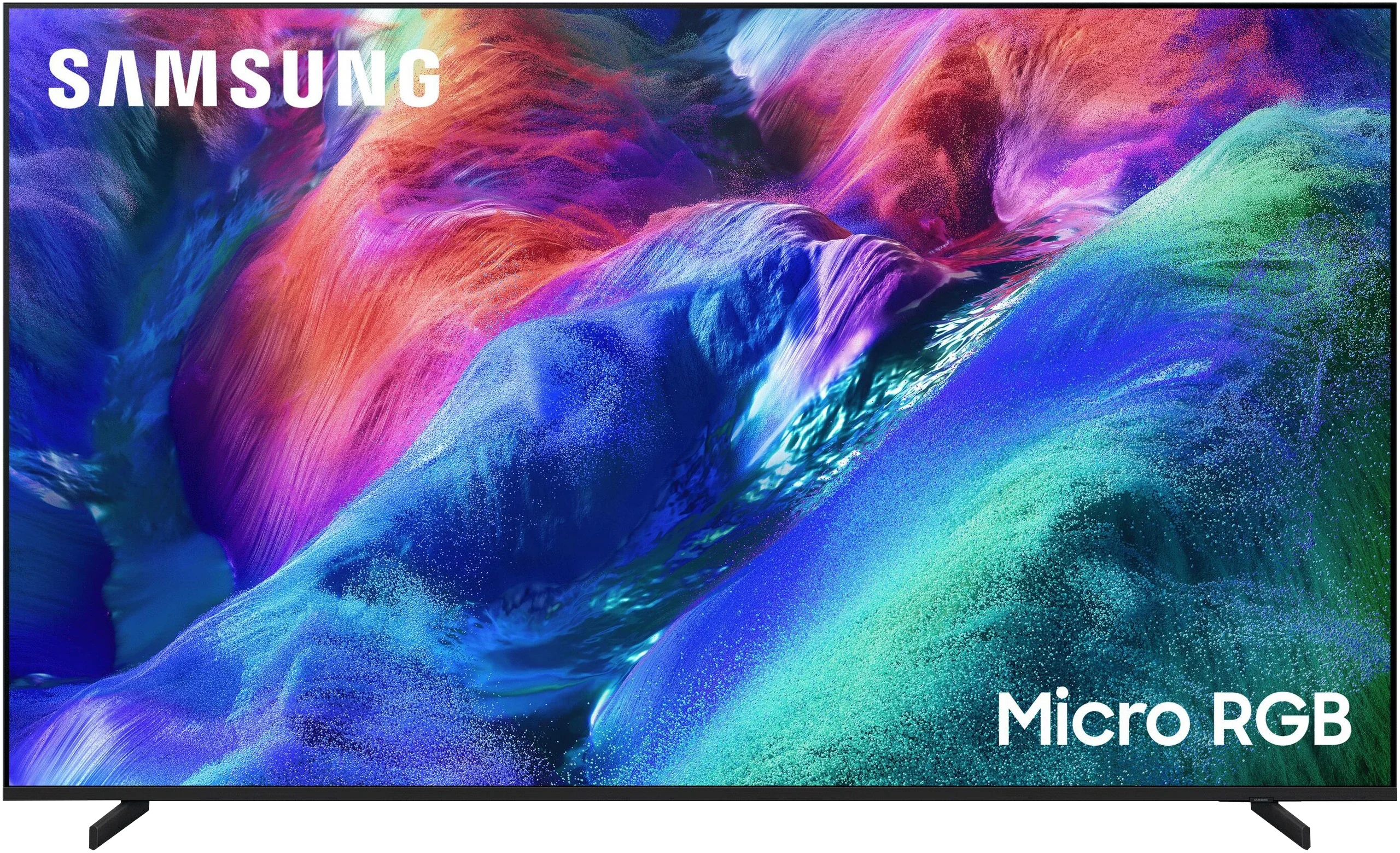
The Samsung R85H is, above all, a very versatile television that performs well in almost any use. You can place it in a bright living room, connect a console, watch a film or series in the evening, and use it for everyday broadcast TV, and each time you’ll get a picture of a good standard. It may not be a model that makes as strong an impression from the first minutes as Samsung’s best OLEDs, but it’s hard to point to a single feature that would significantly limit its use. That versatility is probably its greatest strength. Naturally, the most attention around the R85H goes to the new "Micro RGB" backlight. From our tests, we’d say it can indeed give some advantage over conventional Mini-LED, although not always in the areas the manufacturer emphasises most. On measurement charts its colour reproduction capabilities are impressive, but in real, more complex scenes the TV is not always able to exploit the full potential of the three-colour backlight. Its strength is most evident in simpler parts of the image, where intense reds, greens or blues can look really striking. Viewing angles are also a little better, as colours viewed at an angle retain their saturation longer than on classic LCD TVs. However, Micro RGB does not solve all the limitations of RGB technology. With very saturated elements you can sometimes notice slight colour bleeding onto neighbouring bright parts of the image, and a relatively small number of local dimming zones means the backlight cannot always operate as precisely as its on-paper capabilities would suggest. The R85H therefore shows that RGB genuinely has potential and could be the next step in the development of LCD televisions, but simply using coloured LEDs does not automatically deliver a huge jump in picture quality. For that reason we would treat the R85H primarily as a slightly better and more interesting alternative to the QN80H, rather than a TV you must buy at all costs just because it carries the Micro RGB badge. If the price difference between the models is reasonable, we would choose the R85H. We would not, however, pay a large premium solely for the new backlight, because its advantage in everyday viewing is not always as great as marketing materials might suggest. Regardless, the R85H is a successful all-purpose TV and that is probably the best way to view it.
 Direct comparison