TCL C8K vs Sony Bravia 8 MK2

Direct comparison

Check the best price offer:

TCL C8K
£3 997

C8K / QM8K

Info

Bravia 8 II / XR8M

Available screen sizes: 65”75”85”98”

Available screen sizes: 55”65”

Panel type: LCD VA

Resolution: 3840x2160

System: Google TV

Model year: 2025

Complete the survey to find out the result

Panel type: QD-OLED

Resolution: 3840x2160

System: Google TV

Model year: 2025

Complete the survey to find out the result

Overall rating

7.7

8.5

  • Movies and series in UHD quality

    7.4

    9.1

  • Classic TV, YouTube

    7.0

    9.4

  • Sports broadcasts (TV and apps)

    6.8

    9.0

  • Gaming on console

    8.9

    9.3

  • TV as a computer monitor

    8.6

    7.6

  • Watching in bright light

    6.9

    5.6

  • Utility functions

    7.7

    8.9

  • Apps

    9.6

    9.6

  • Sound quality

    7.9

    8.5

Advantages

  • Great contrast and black levels

  • Very high HDR brightness

  • Support for all popular HDR formats

  • Fast 4K@144 Hz panel

  • Many features for gamers (VRR, ALLM, Game Bar, Low input lag)

  • GoogleTV operating system with multiple apps

  • Improved viewing angles thanks to WHVA panel

  • Very good sound: Collaboration with Bang & Olufsen

  • Amazing Contrast and Black Levels

  • High brightness in HDR content

  • Great motion fluidity: QD-OLED 120Hz panel

  • Many features for gamers VRR, ALLM, HGIG, GameBar

  • Top-notch digital image processing quality (XR Processor)

  • A multitude of apps on the GoogleTV system

  • Two remote controls included

  • Phenomenal sound with DTS audio and Dolby Atmos support

Disadvantages

No like
  • No smaller variants such as 55"

  • Very weak dimming algorithms

  • Colour reproduction out of the box needs improvement

  • Only 2 HDMI 2.1 ports and one USB.

  • No recording function from built-in tuners or PiP

  • Only Two HDMI 2.1 Ports: One of the HDMI 2.1 ports is used for eARC (Soundbar)

  • Cherry Black Effect in Bright Light: The QD-OLED panel causes blacks to lose their depth in strong lighting

  • Average Brightness in SDR Mode (competition at this price can do a lot more)

  • No additional smoothness modes for PC gamers

Our verdict

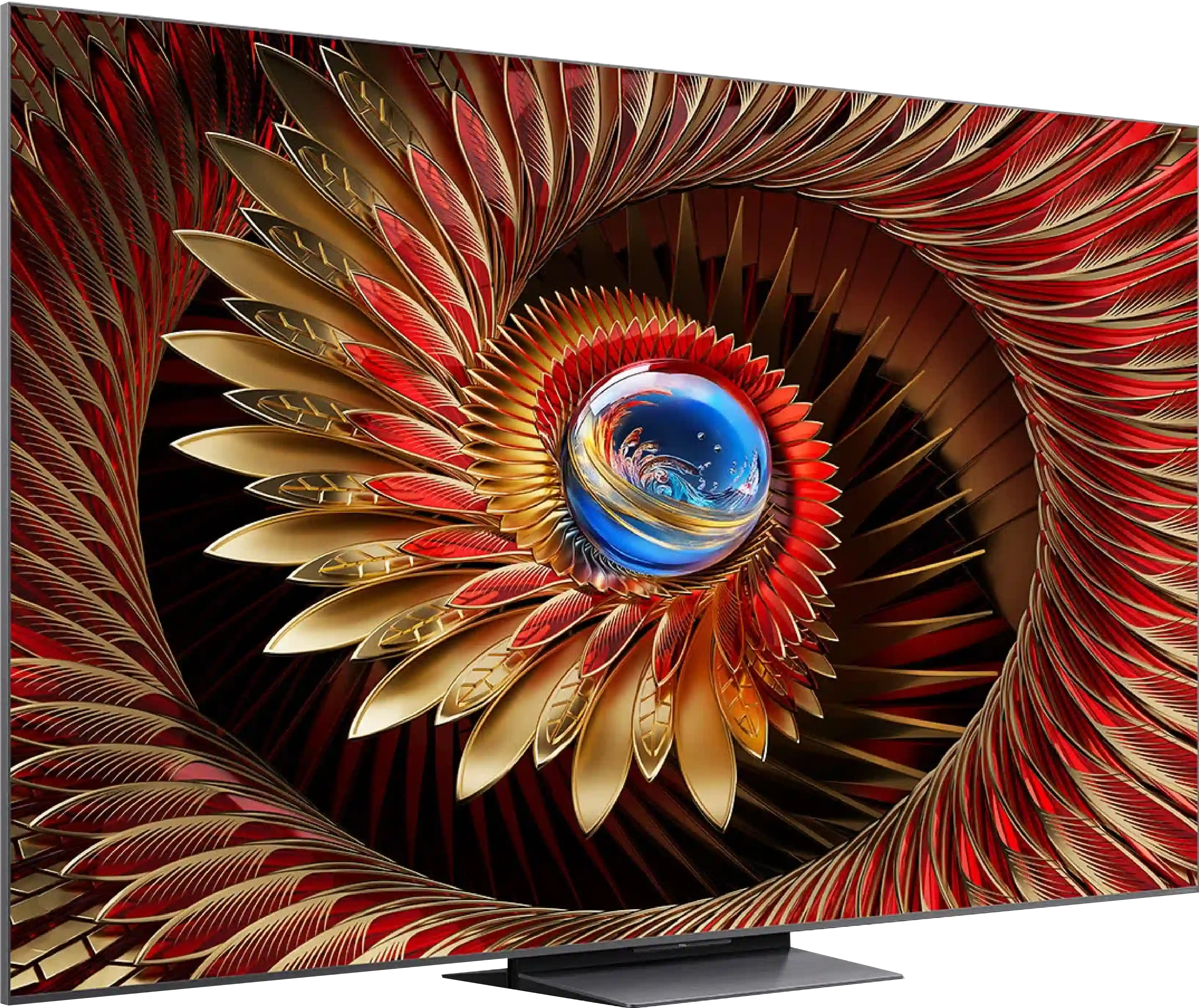
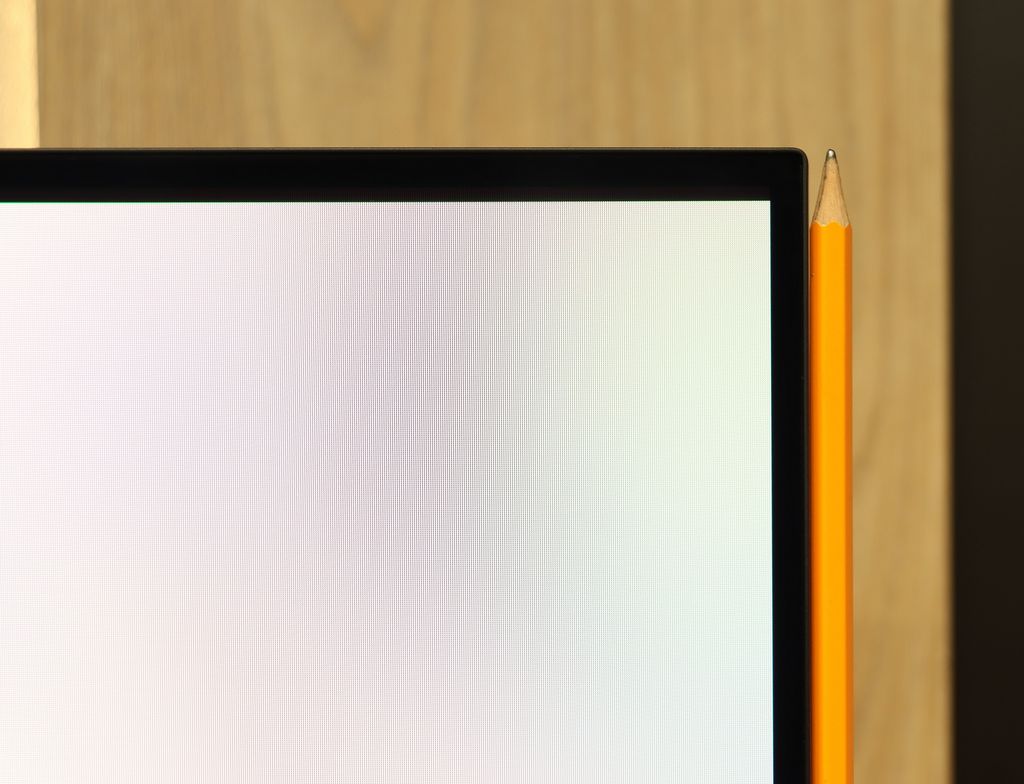
The C8K is proof that premium Mini LED technology does not have to cost as much as a premium product. With a high number of dimming zones and a new WHVA panel, the television offers excellent contrast, deep blacks, and very high brightness – everything we expect from a good viewing experience in the living room. The improved viewing angles are also surprising, finally allowing us to enjoy watching even when sitting outside the centre of the frame. The C8K also excels in the gaming world – 144 Hz, support for 288 Hz in Full HD, a complete set of gaming features, very low input lag, and sensible compatibility with PCs make it hard to tear ourselves away from it with a controller or keyboard in hand. Onboard, we also have Google TV – currently the most advanced and versatile Smart TV platform. There is access to all key applications, excellent voice control, and an intuitive interface. It may lack some classic TV features like USB recording from built-in tuners or picture-in-picture (PiP), but most users won't even notice that. On top of all this, there is very decent sound – a new collaboration with Bang & Olufsen.

Of course, it is not a screen without flaws. HDR, although impressive, still carries some 'mini LED' traits – bright scenes can be overly bright or dimmed, and the system lacks a few classic features known from other brands. But when we look at its price compared to the competition, it’s hard not to ask ourselves – why pay more?

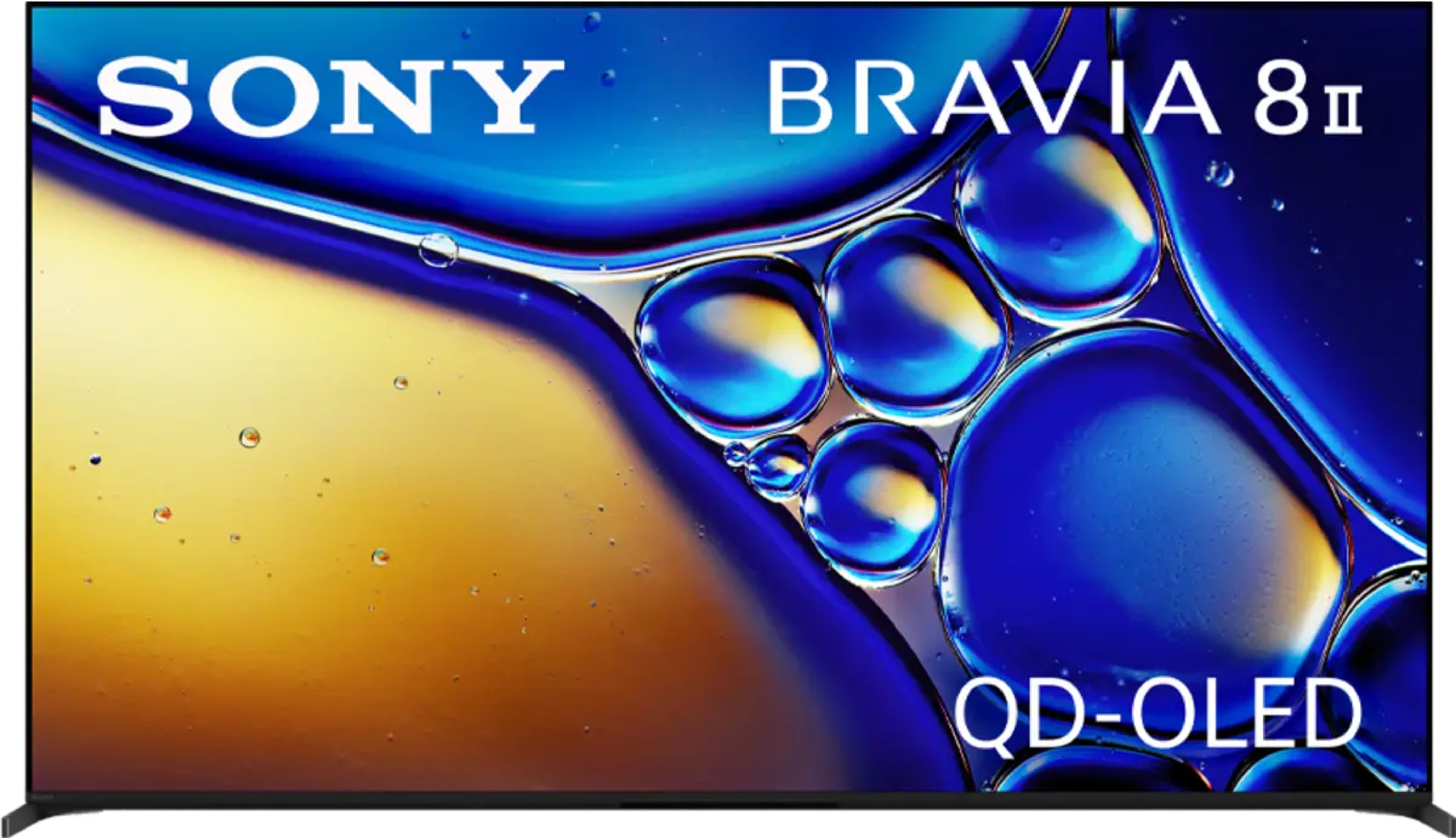
Sony Bravia 8 II is undoubtedly a worthy successor to the A95L – refined, incredibly versatile, and featuring several notable improvements over its predecessor. The quality of the picture, sound, and overall user experience place this model among the top premium televisions of 2025. It is equipment that can charm both cinema enthusiasts and demanding gamers. Among its greatest assets is the nearly perfect image, in which the XR processor subtly yet effectively enhances detail and smoothness without overdoing it in terms of interference with the original material. Additionally, there is the phenomenal Acoustic Surface sound, creating the impression that dialogues and effects come straight from the screen. Google TV operates very smoothly, offering an enormous selection of applications, and additional features – such as the ability to play in the cloud on a PlayStation console or access to Bravia Core – increase the device's value. There is also no shortage of low input lag, variable refresh rate, and full support for modern HDR formats.

Nonetheless, in this barrel of honey, there are a few spoonfuls of tar. The lack of refresh rates above 120 Hz, only two HDMI 2.1 ports, and average performance during the day are downsides that should not exist in a television of this class in 2025. And while for many these will not be flaws that negate the purchase, competition in the super premium segment is becoming increasingly stronger and more uncompromising. Will these shortcomings make it harder for the Bravia 8 II to compete for customers' wallets? That we leave to your judgment, the market… and the sales results. Regardless, the Bravia 8 II is a phenomenal product that would undoubtedly be hard to not recommend.

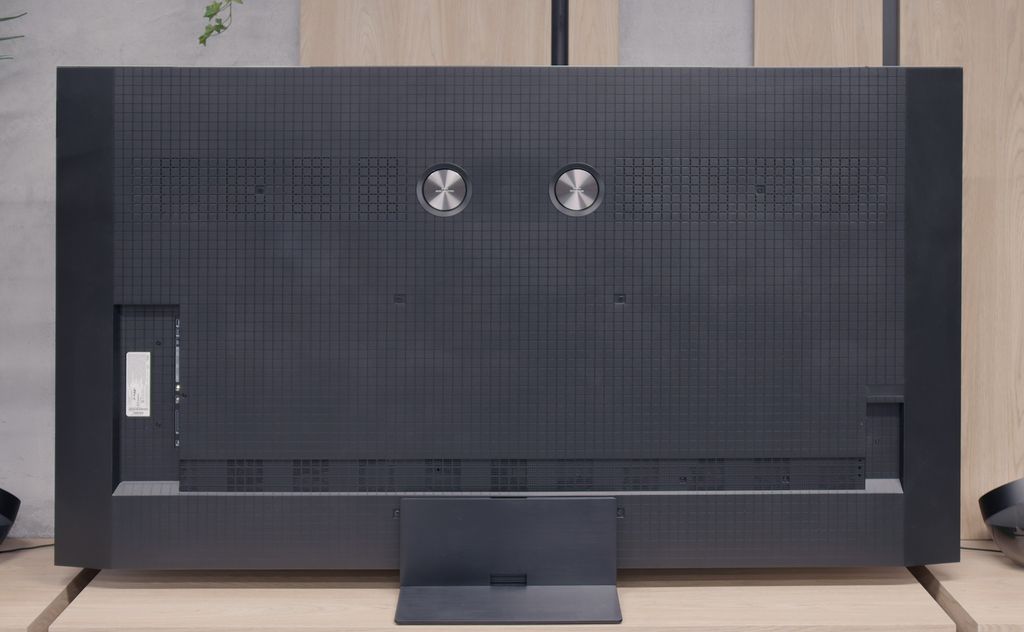
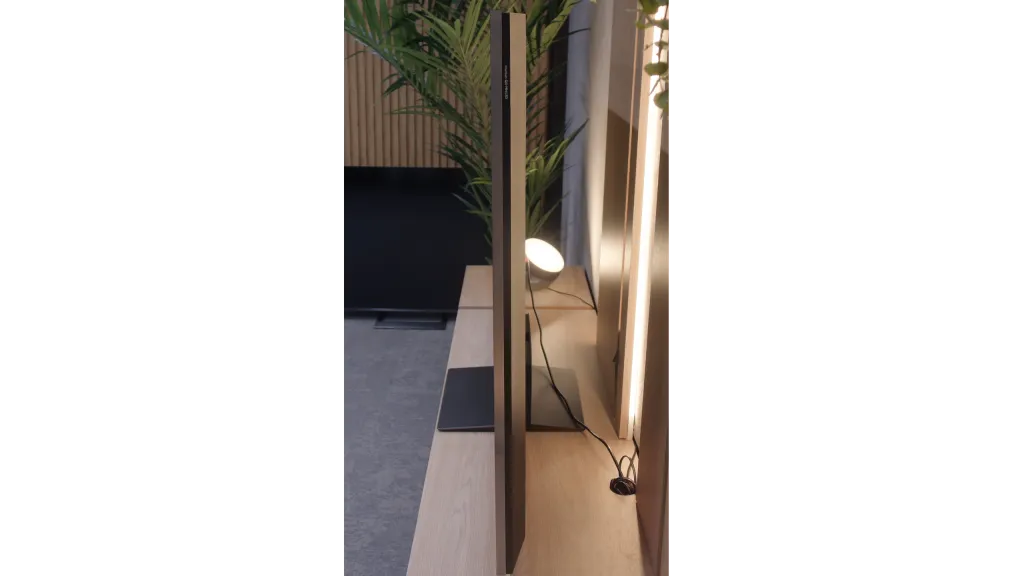
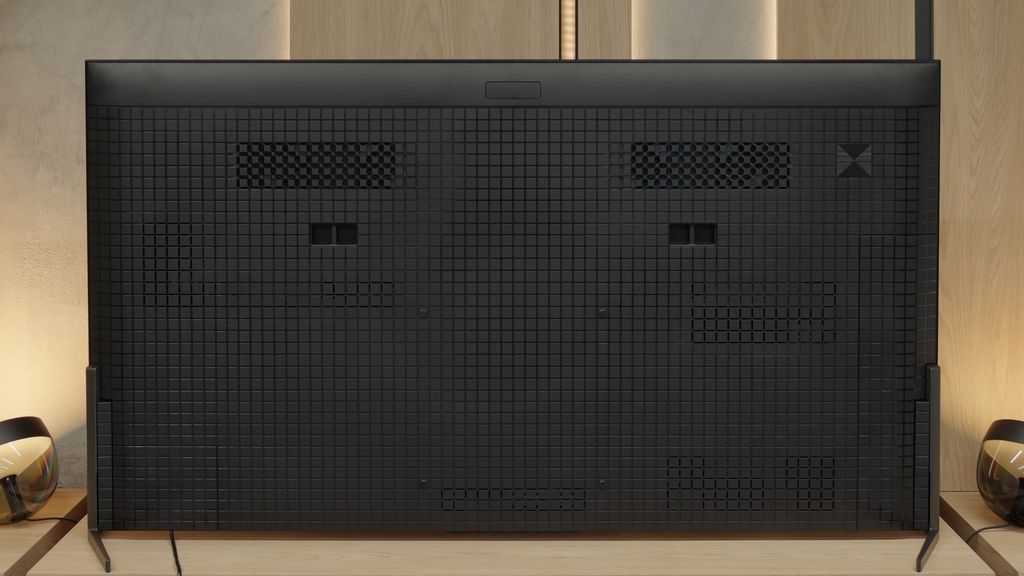
TV appearance

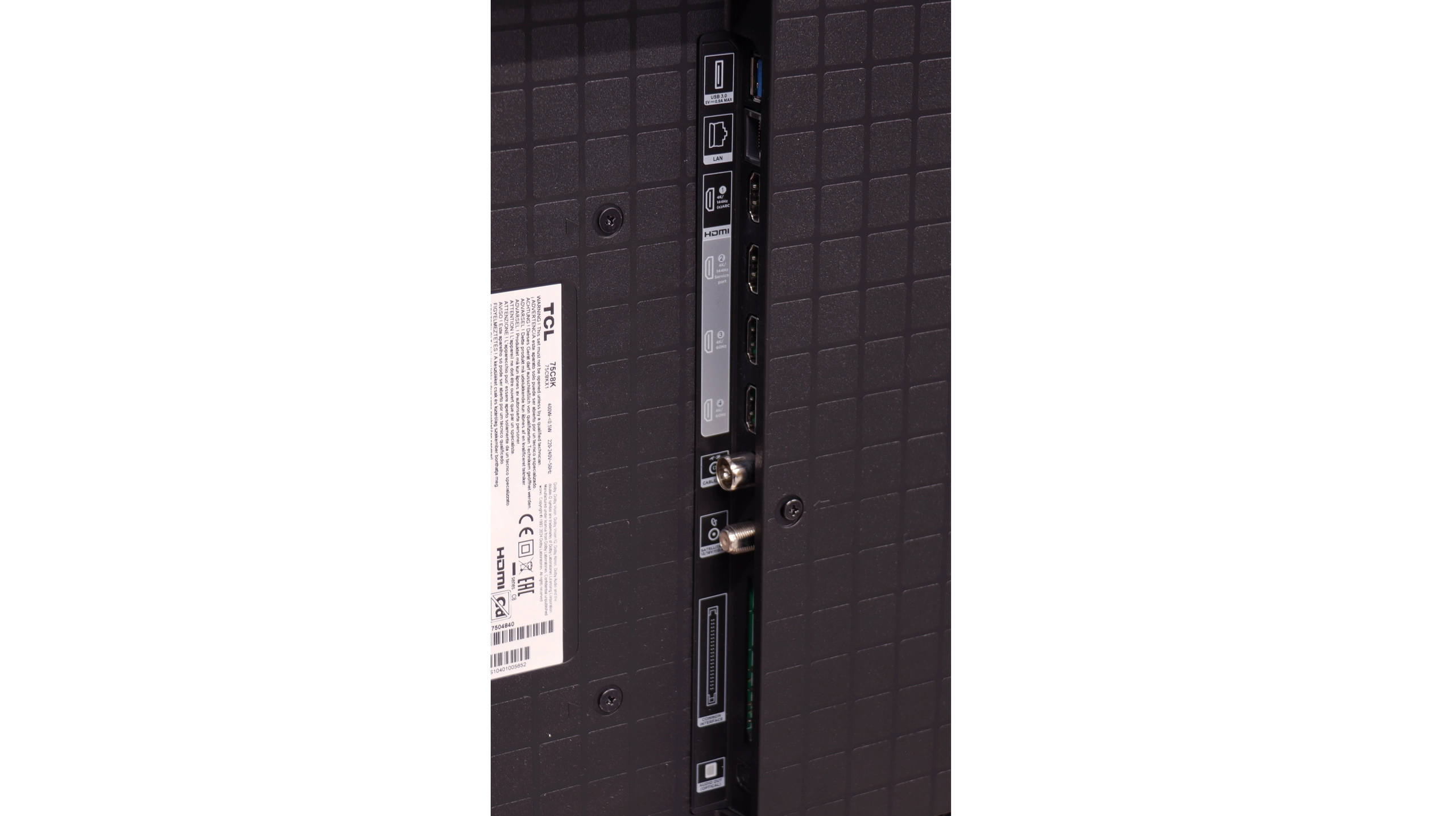
HDMI inputs
2 x HDMI 2.0, 2 x HDMI 2.1 (48Gbps)
Other inputs
Outputs
Toslink (Optical audio), eARC (HDMI), ARC (HDMI)
Network Interfaces
Wi-Fi 2.4GHz, Wi-Fi 5GHz, Ethernet (LAN) 100Mbps
Build quality
Premium
Premium
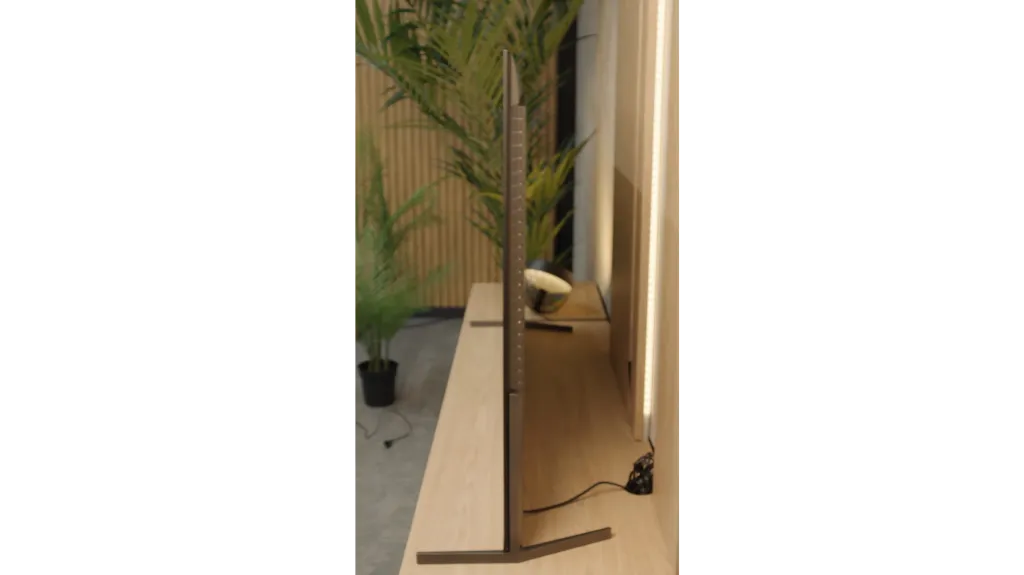
Stand type
Central
Legs
Bezel color
Graphite
Graphite
Stand
Fixed
Height adjustment
Flat design
Yes
Yes
Accessories
Stand
Two remote controls, Stand

Contrast and black detail

8.2/10

10/10

Local dimming function: Yes, number of zones: 1680 (30 x 56)

Contrast:

Review TCL C8K Contrast and black detail

Result

714,300:1

Review TCL C8K Contrast and black detail

Result

68,100:1

Review TCL C8K Contrast and black detail

Result

25,050:1

Review TCL C8K Contrast and black detail

Result

17,800:1

Review TCL C8K Contrast and black detail

Result

12,500:1

Review Sony Bravia 8 MK2 Contrast and black detail

Result

:1

Review Sony Bravia 8 MK2 Contrast and black detail

Result

:1

Review Sony Bravia 8 MK2 Contrast and black detail

Result

:1

Review Sony Bravia 8 MK2 Contrast and black detail

Result

:1

Review Sony Bravia 8 MK2 Contrast and black detail

Result

:1

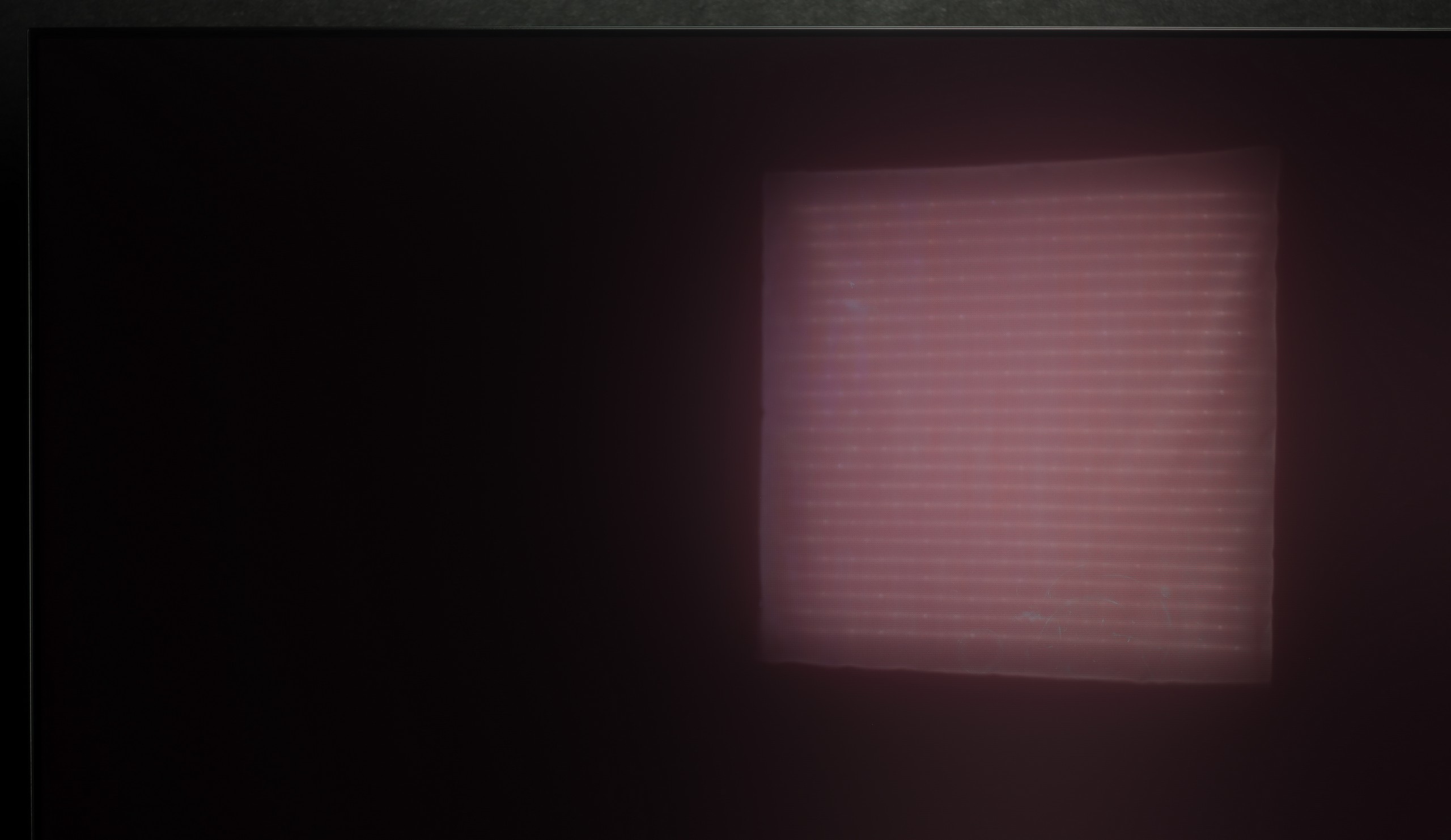
Halo effect and black detail visibility:

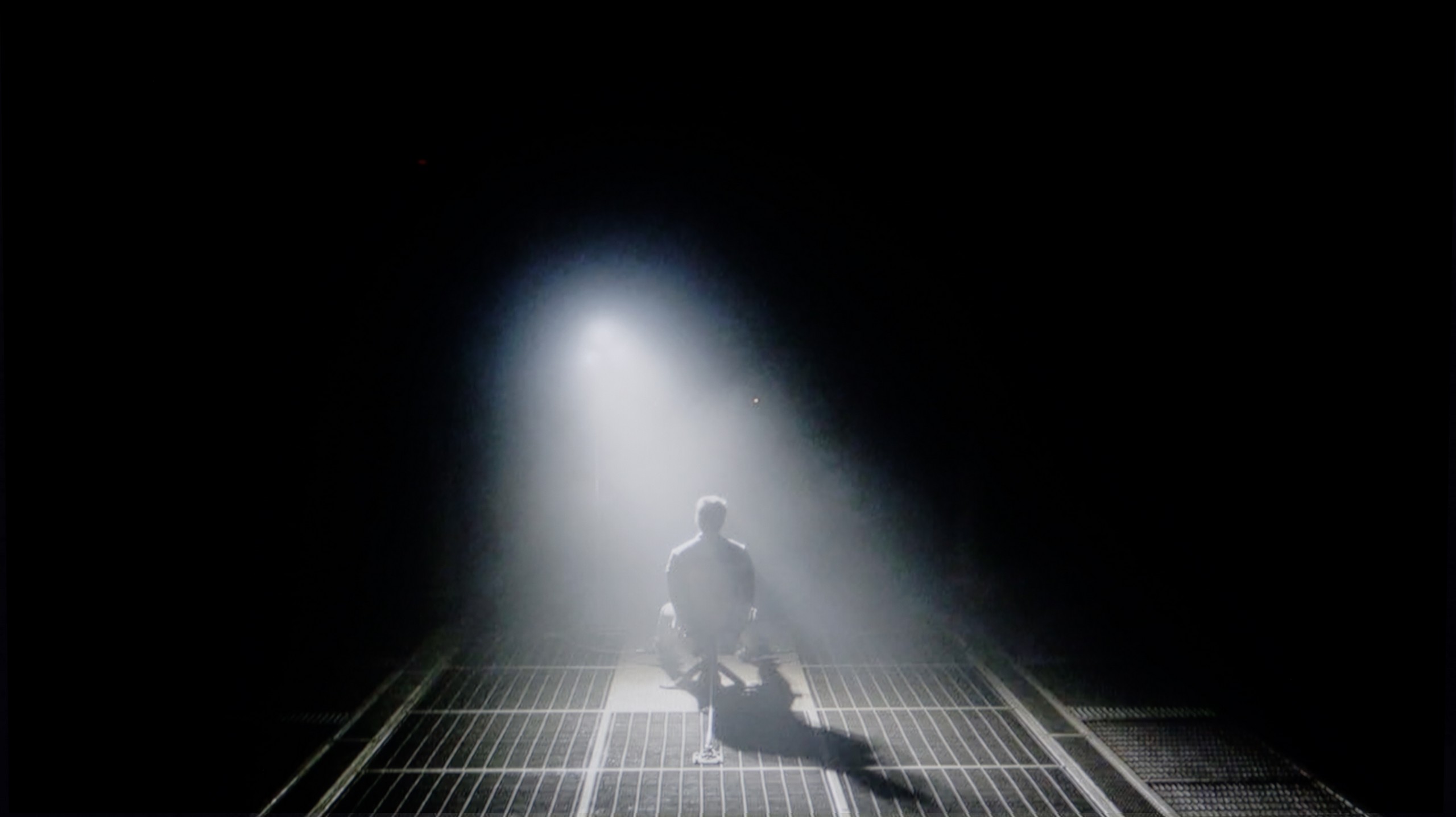
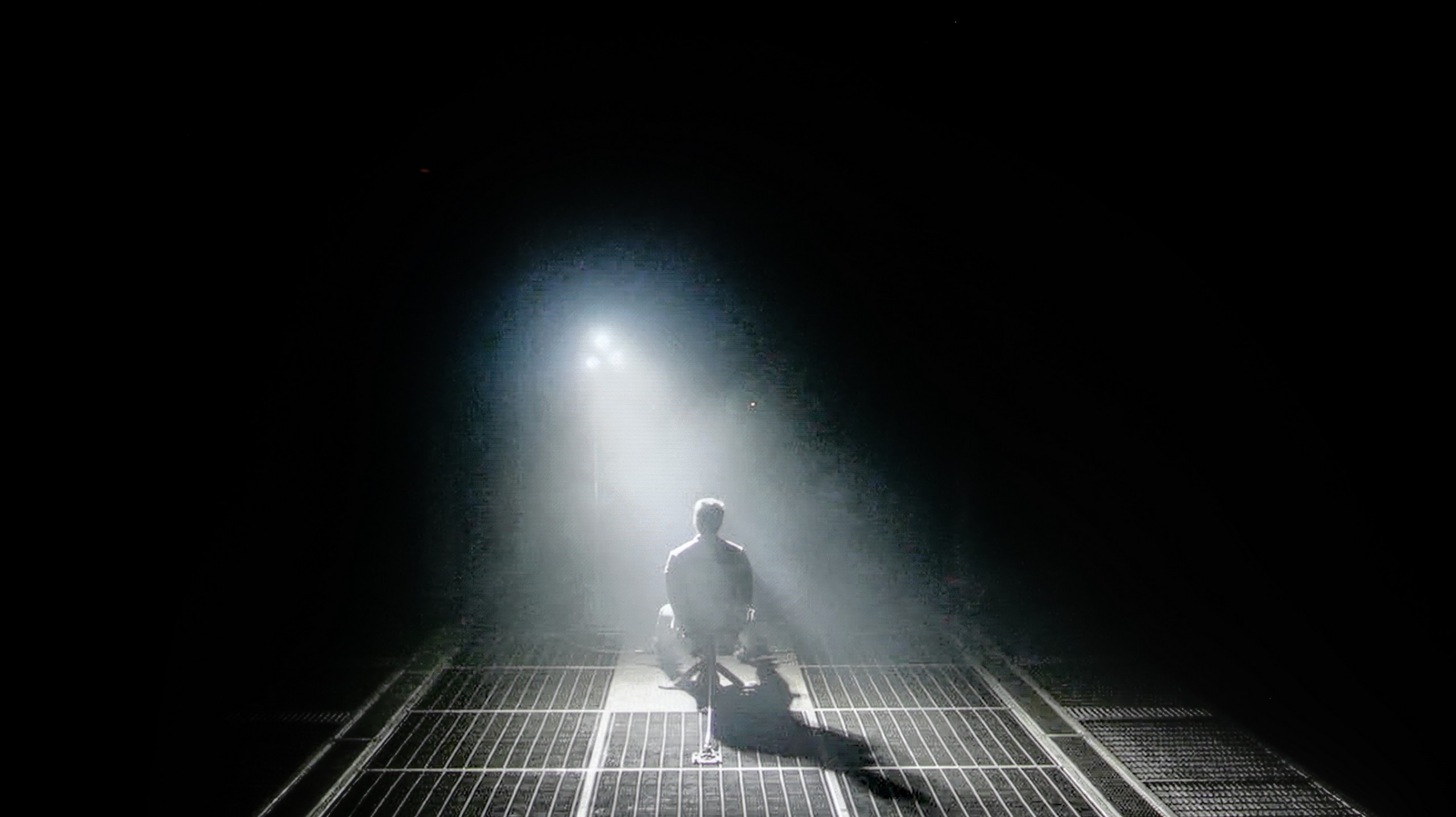
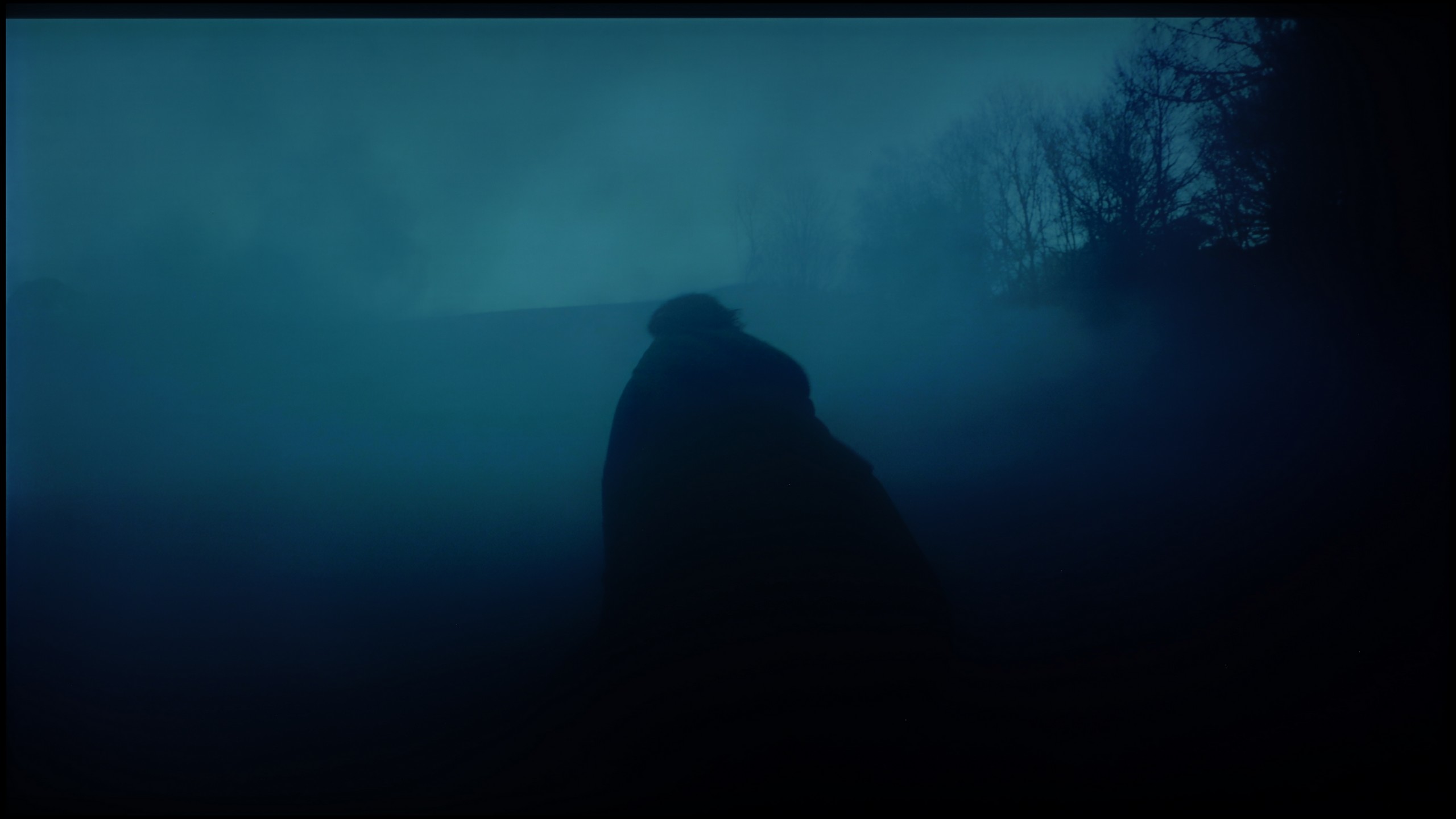
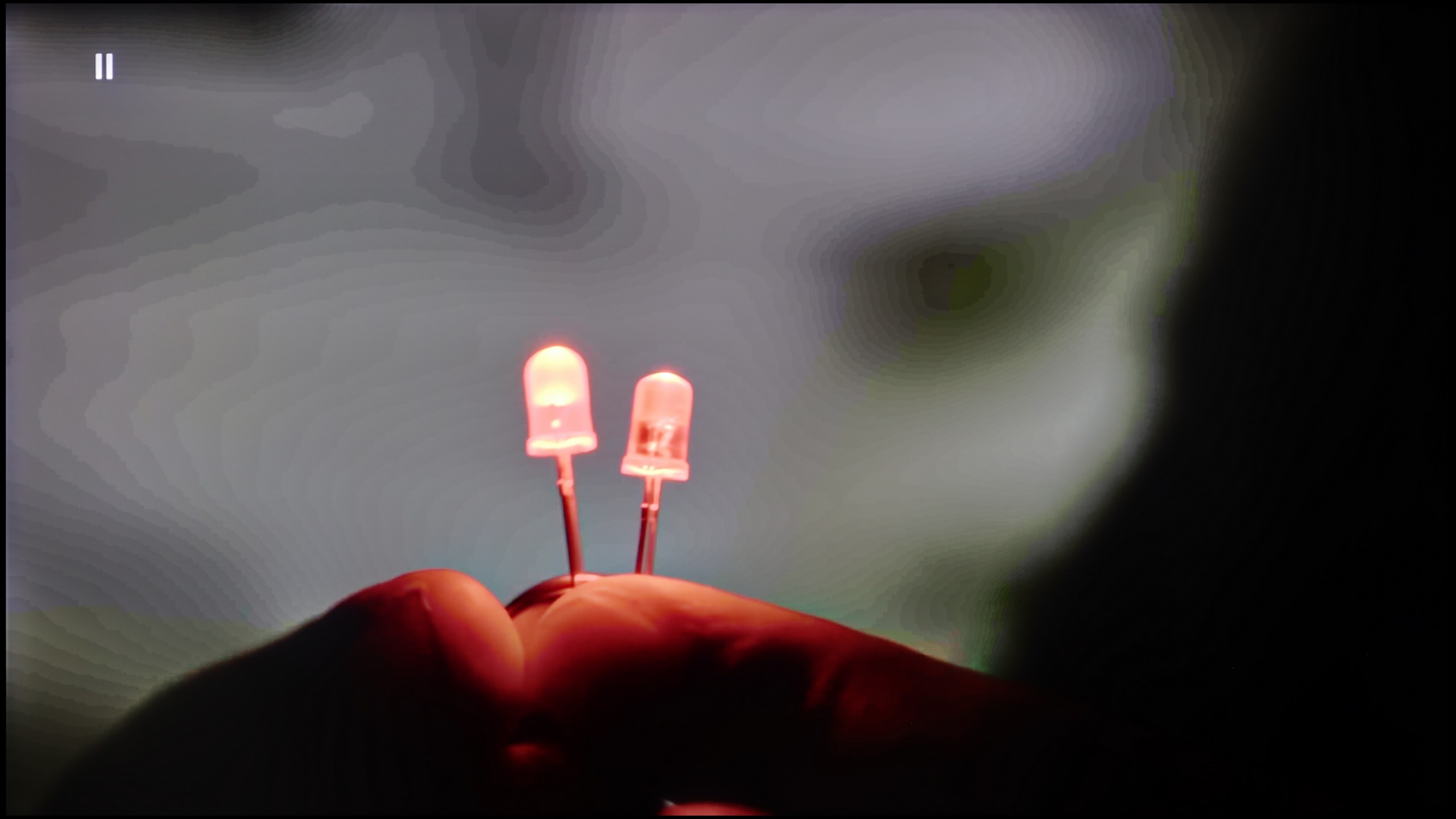
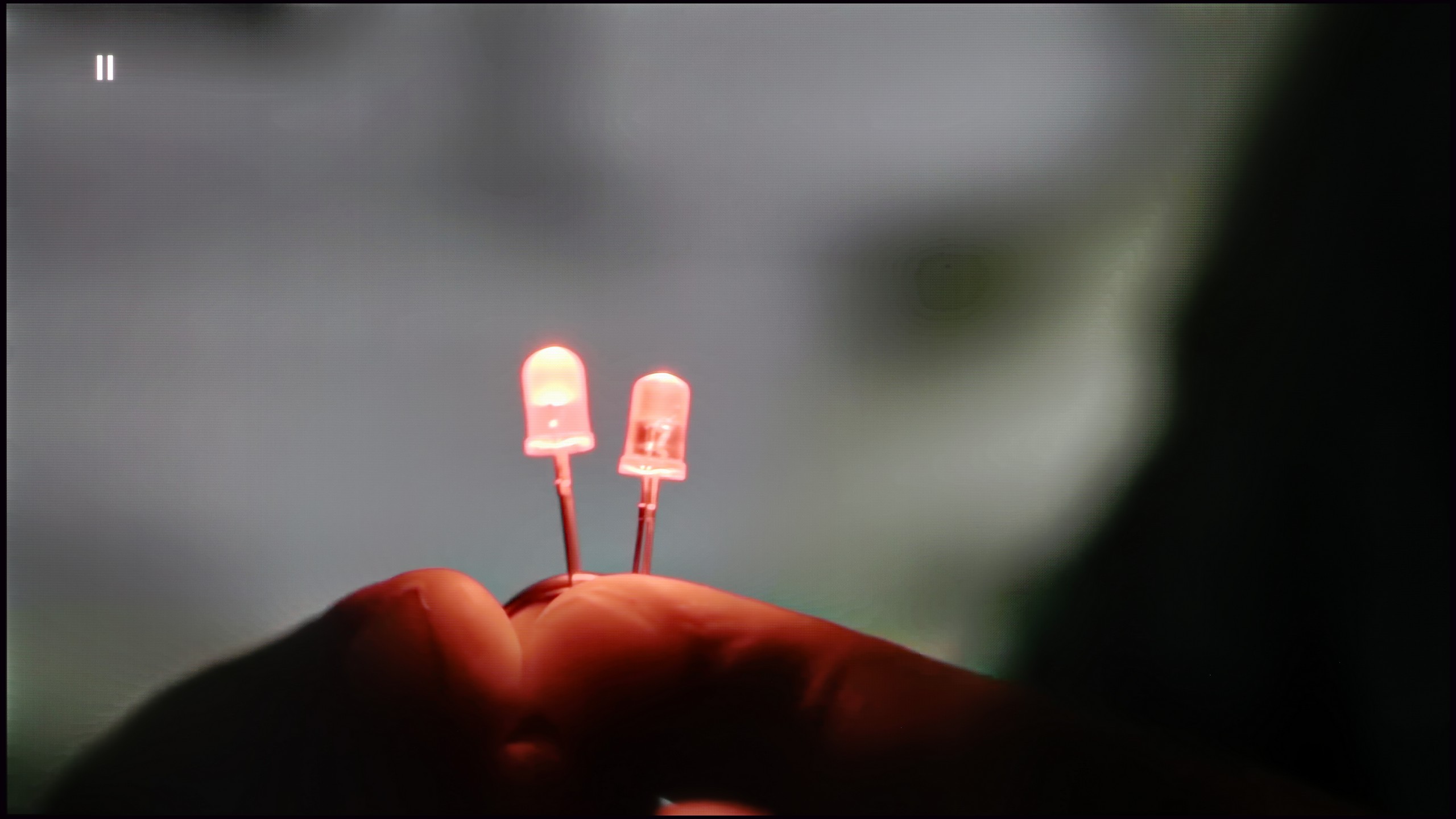
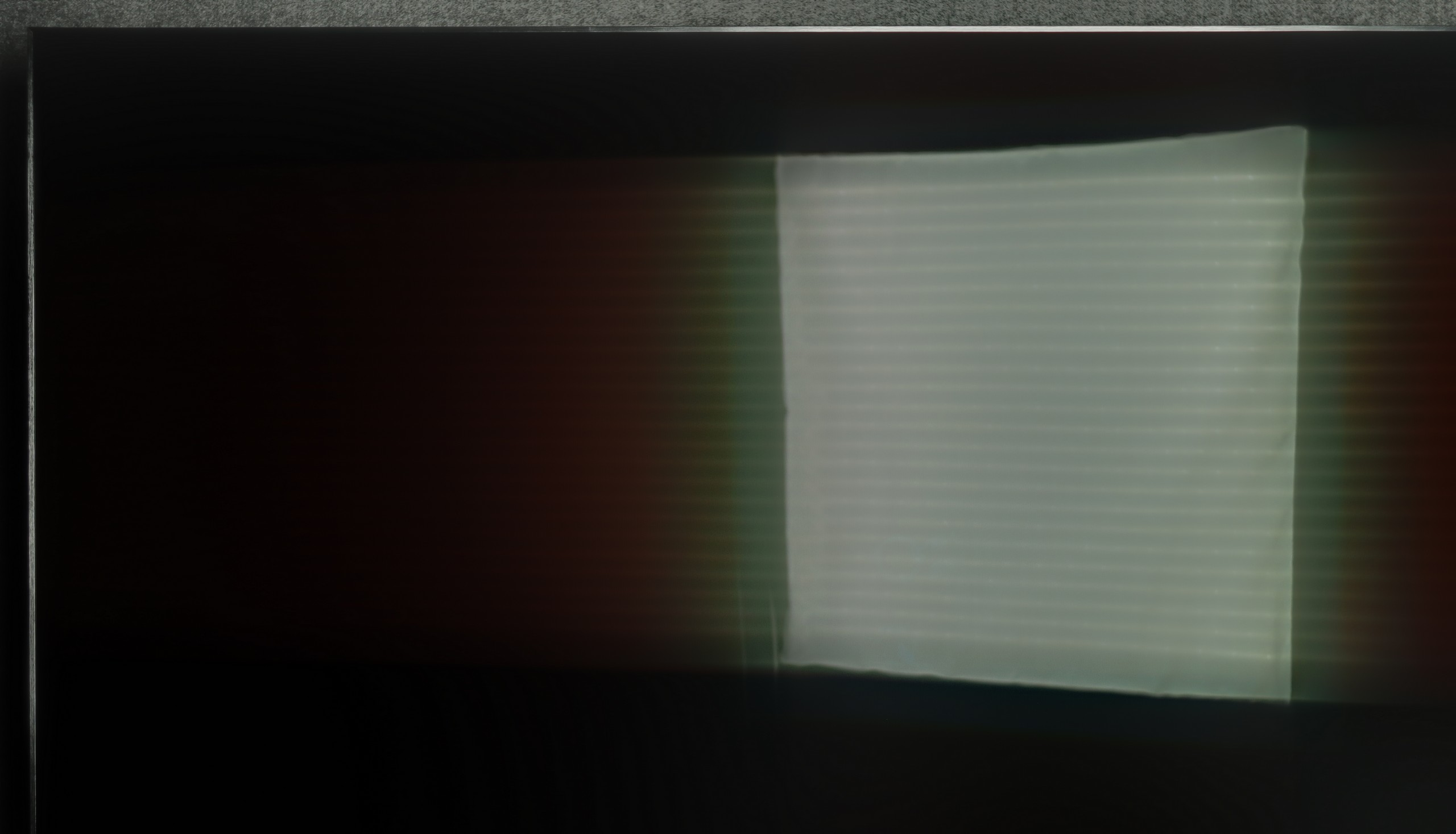
Check the visibility of bright lights on a dark background. Mini-LEDs often struggle with this. The photo does not compare black levels – that’s what the video below is for.

The video accurately shows differences in contrast and black levels between TVs, as well as potential issues: halo around bright objects or Mini-LED zone operation visible as brightness jumps.

TCL C8K is a representative of Mini LED televisions and – importantly – uses a VA panel. This means high native contrast right from the start, but the true strength of this model reveals itself only when we combine it with an impressive number of dimming zones. In the 75-inch version we tested, we counted nearly 1700 independent zones – and you can feel it. In many scenes, the effect of black levels and contrast is nothing short of phenomenal. In less demanding scenes – where the dimming algorithms do not have to 'struggle' much – the screen can resemble OLEDs. The contrast can be almost infinite, and the separation of bright and dark elements leaves an excellent impression.

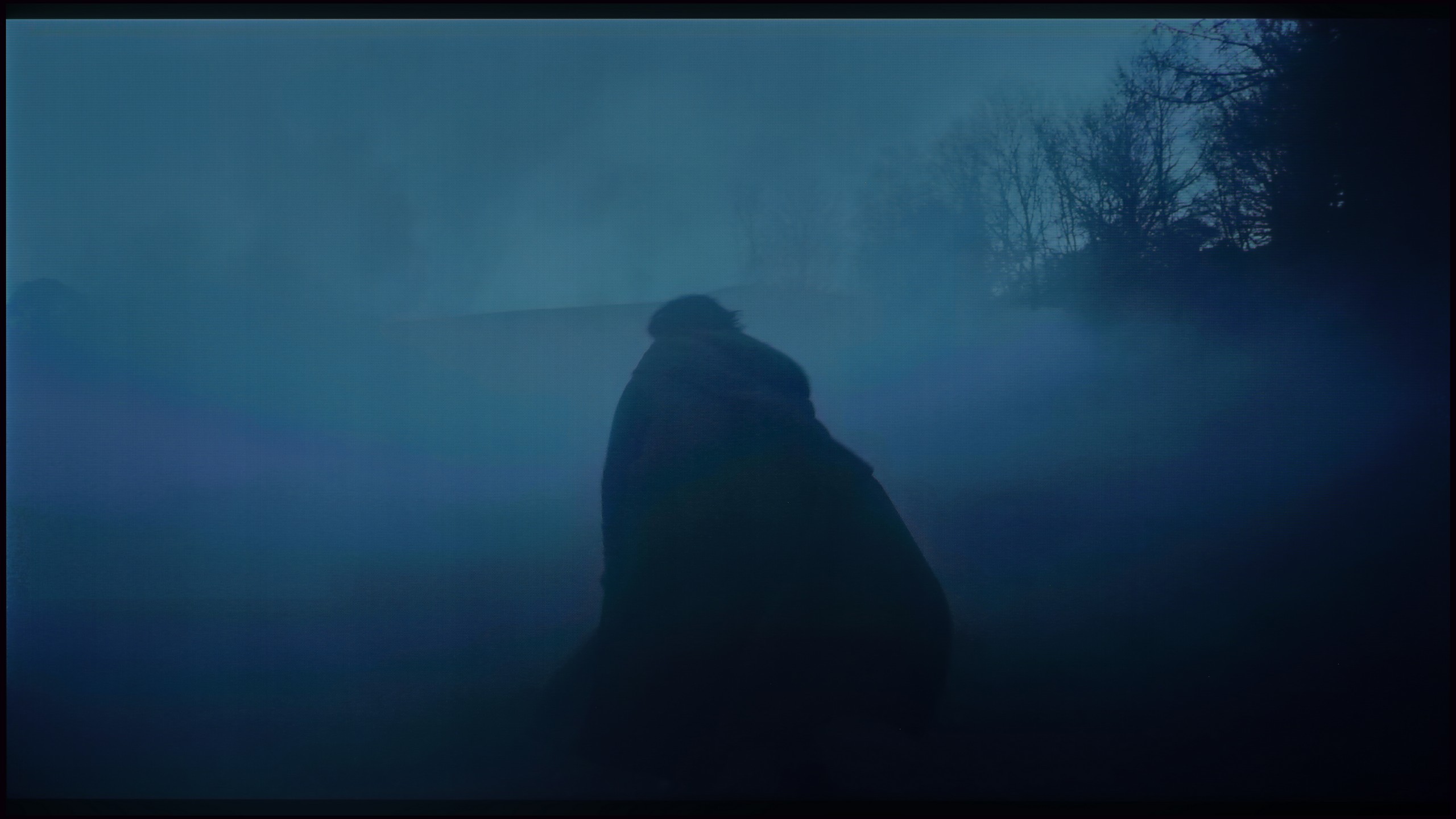
However – as is often the case with Mini LEDs – it is not an organic screen and some compromises must be accepted. Brightness is a significant advantage, but also a factor that can reveal the weaknesses of this solution – especially in dark scenes. In particularly challenging scenes to display – such as those famous ones with a starry sky or sequences from the iconic Pioneer Kuro – the so-called halo becomes noticeable, which is a glow around small bright details. Sometimes the entire screen also slightly brightens when the system tries to balance contrast with extreme luminance. However, this is a feature of the technology, not a flaw of the specific model. And although these types of compromises can slightly diminish the overall impression in certain scenes, TCL C8K is among the very best when it comes to contrast among Mini LED televisions.

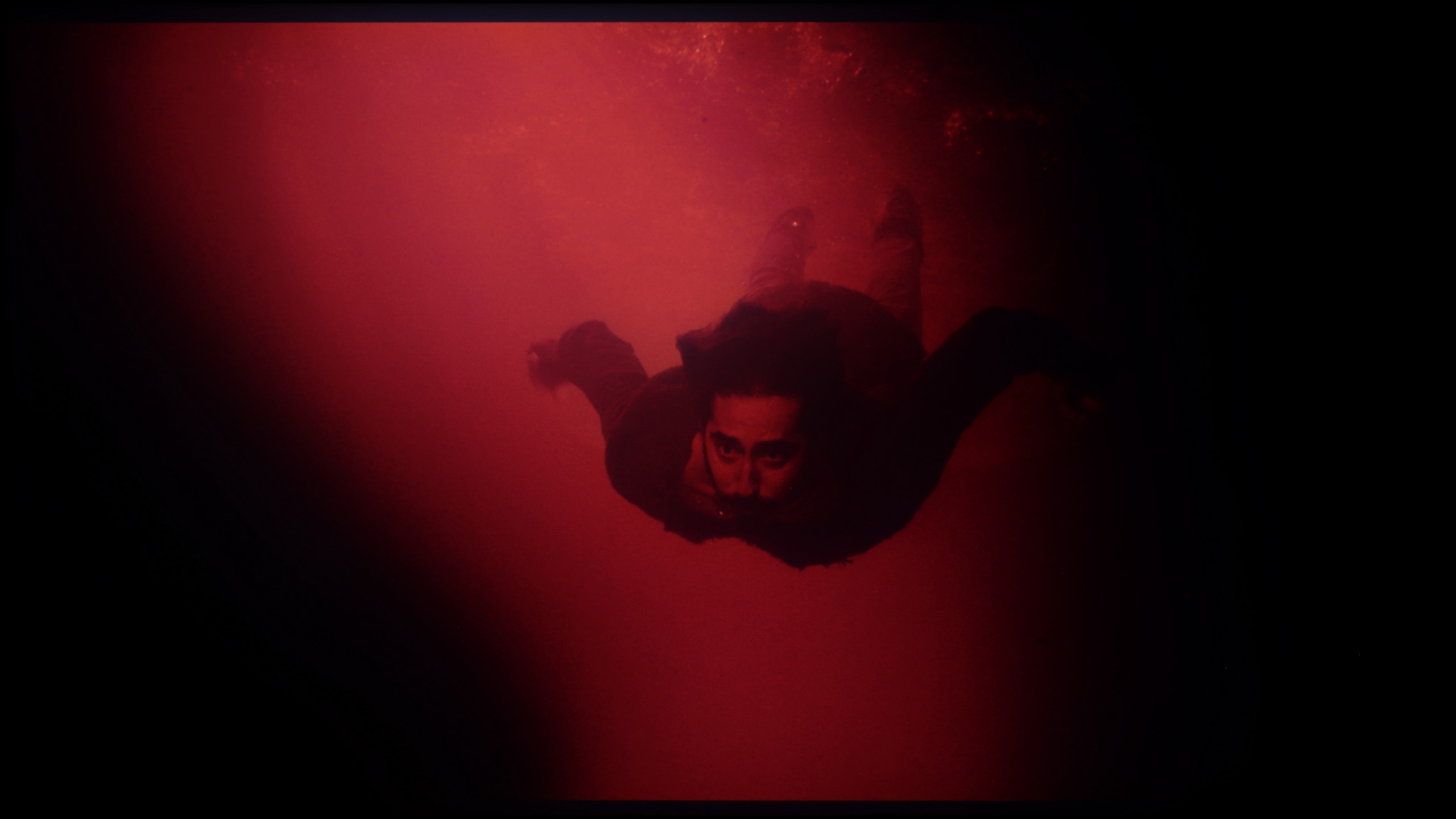
In terms of black levels and contrast, the Sony Bravia 8 II is absolutely top-notch – and I mean that in every sense of the word. Here we have a QD-OLED panel that naturally offers contrast close to infinity. This means that each pixel can completely turn off, resulting in truly black areas of the image, rather than dark grey or navy. The effect is particularly striking in cinema conditions when the lights in the room are dimmed – at that point, the picture takes on real depth and a filmic quality. The Bravia 8 II also impresses with its light separation in challenging scenes. Sample materials from films like Oblivion demonstrate how precisely the television can separate subtle light sources from the surrounding darkness – without blooming or blurring, which still occurs in the best LCD televisions (even the Bravia 9). Furthermore, bright elements maintain their full intensity even against absolute black. This not only creates a significant visual impact but also translates to better detail reproduction in high-contrast scenes, which is particularly important in HDR content.

HDR effect quality

6.9/10

8.4/10

Supported formats
HDR10, HDR10+, Dolby Vision, Dolby Vision IQ, HLG
HDR10, Dolby Vision, HLG
Color gamut coverage
DCI P3: 96.7%, Bt.2020: 80.8%
DCI P3: 99.9%, Bt.2020: 89.3%

Luminance measurements in HDR:

Review TCL C8K Brightness measurement

Result

1241 nit

Review TCL C8K Brightness measurement

Result

510 nit

Review TCL C8K Brightness measurement

Result

1180 nit

Review TCL C8K Brightness measurement

Result

375 nit

Review TCL C8K Brightness measurement

Result

1421 nit

Review Sony Bravia 8 MK2 Brightness measurement

Result

1922 nit

Review Sony Bravia 8 MK2 Brightness measurement

Result

2034 nit

Review Sony Bravia 8 MK2 Brightness measurement

Result

1999 nit

Review Sony Bravia 8 MK2 Brightness measurement

Result

2026 nit

Review Sony Bravia 8 MK2 Brightness measurement

Result

770 nit

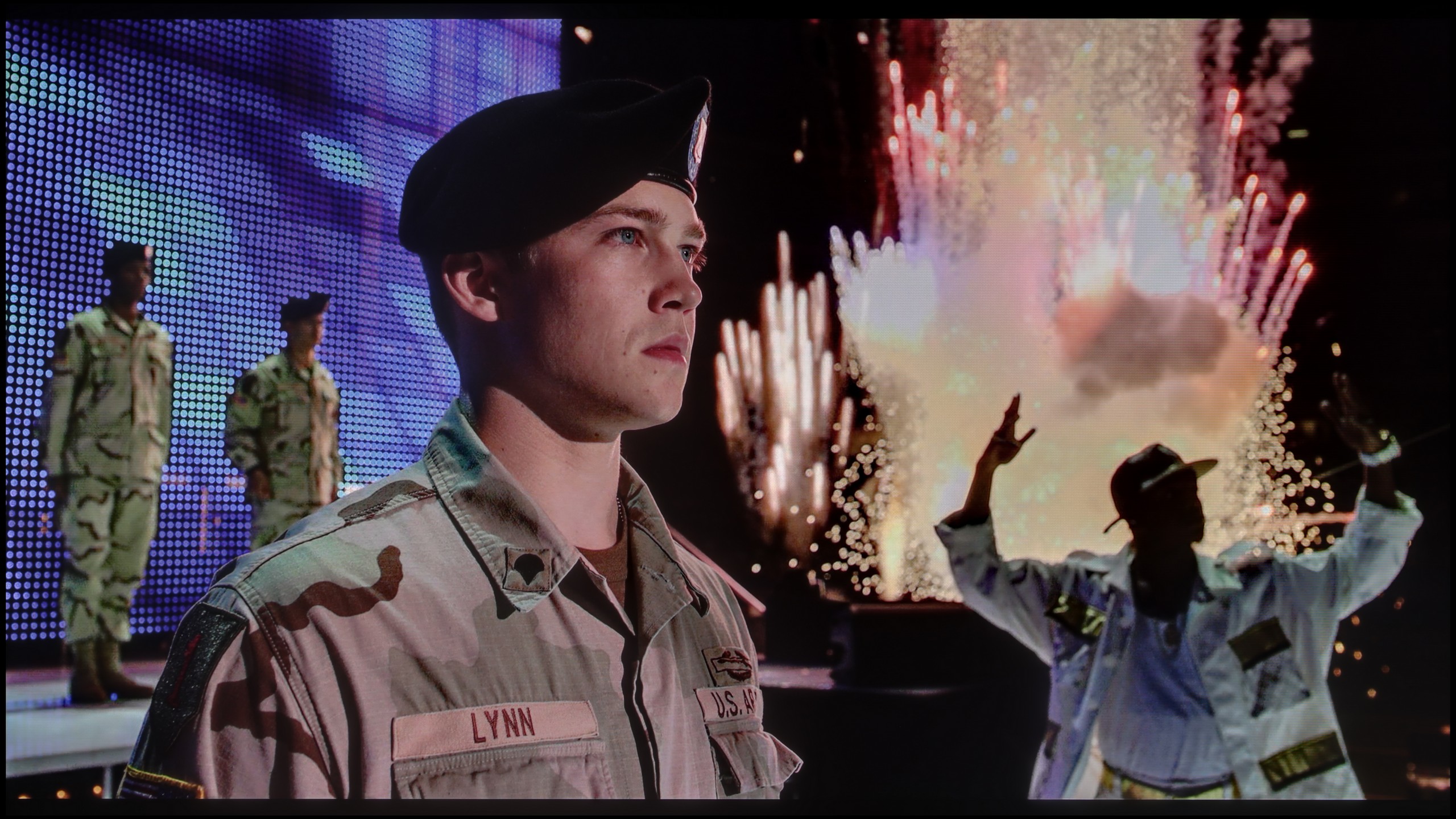
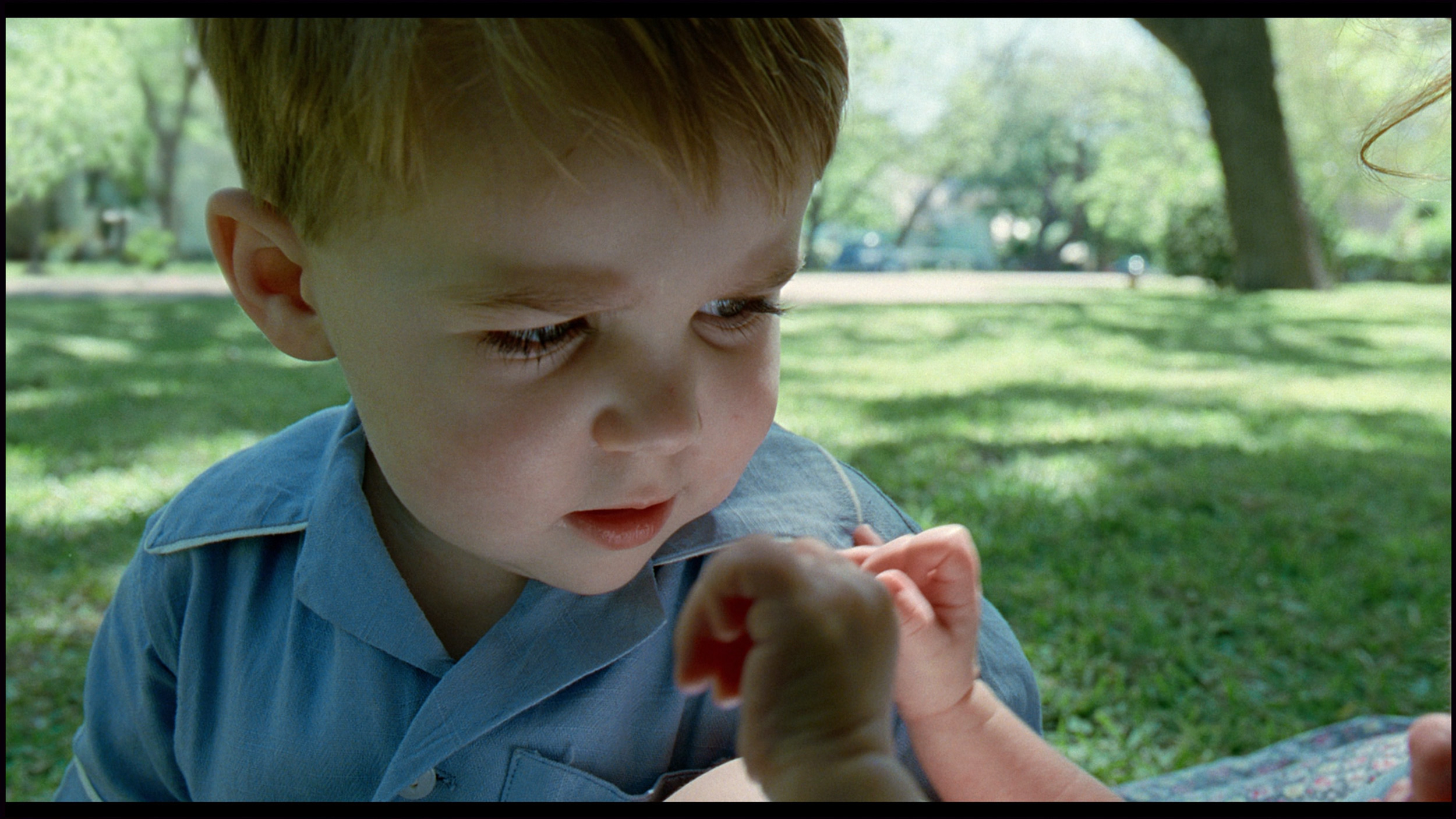
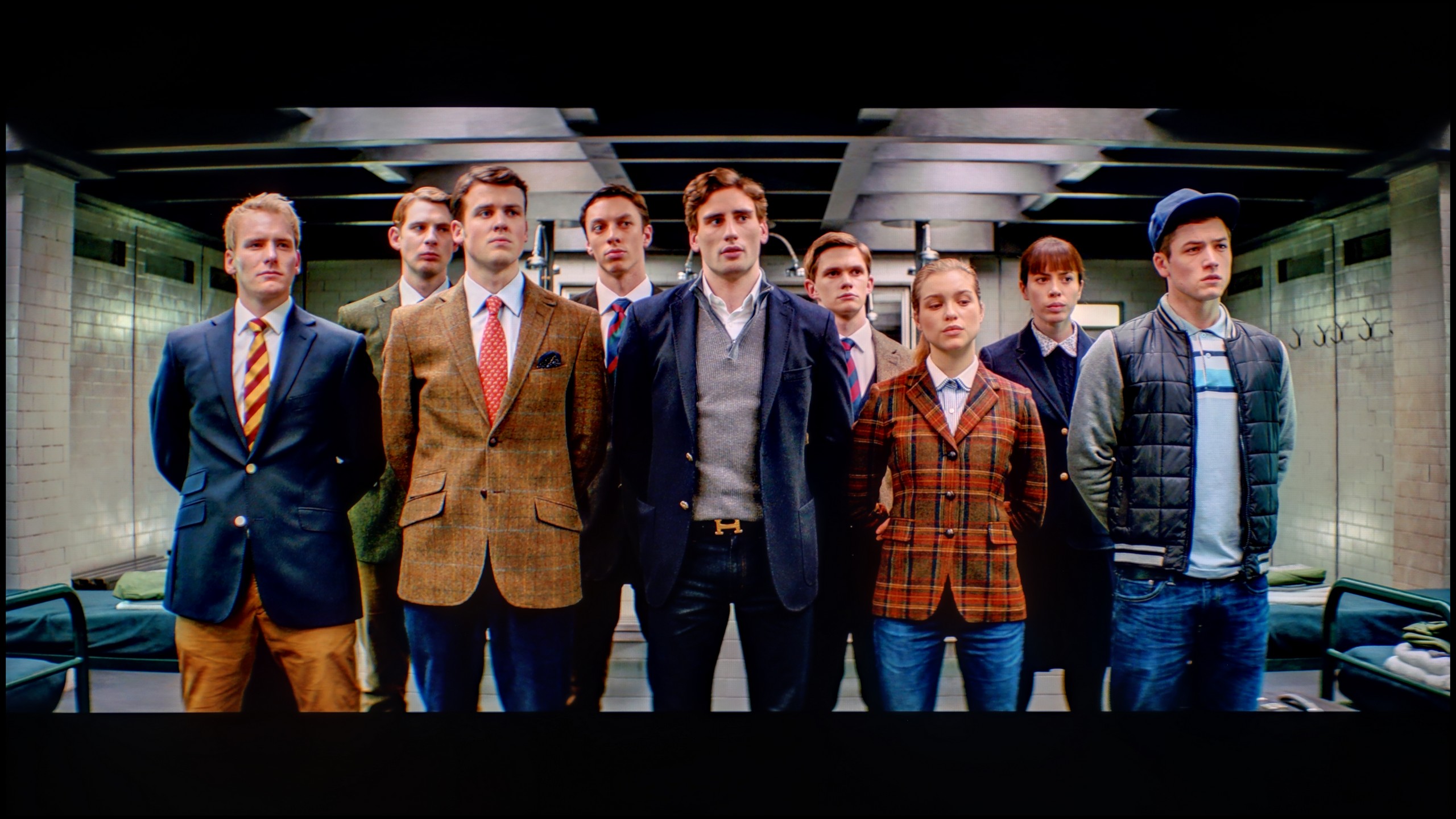
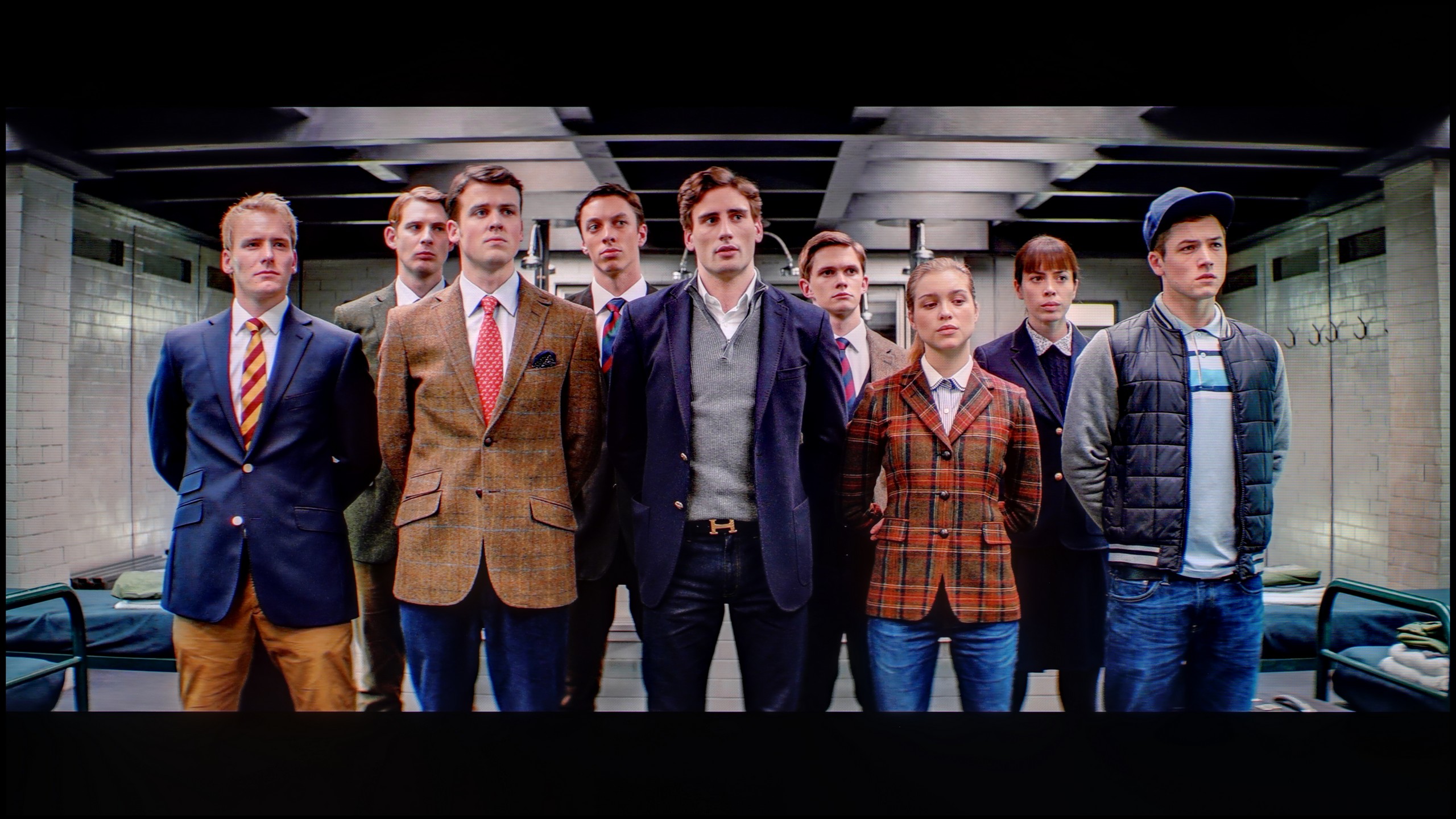
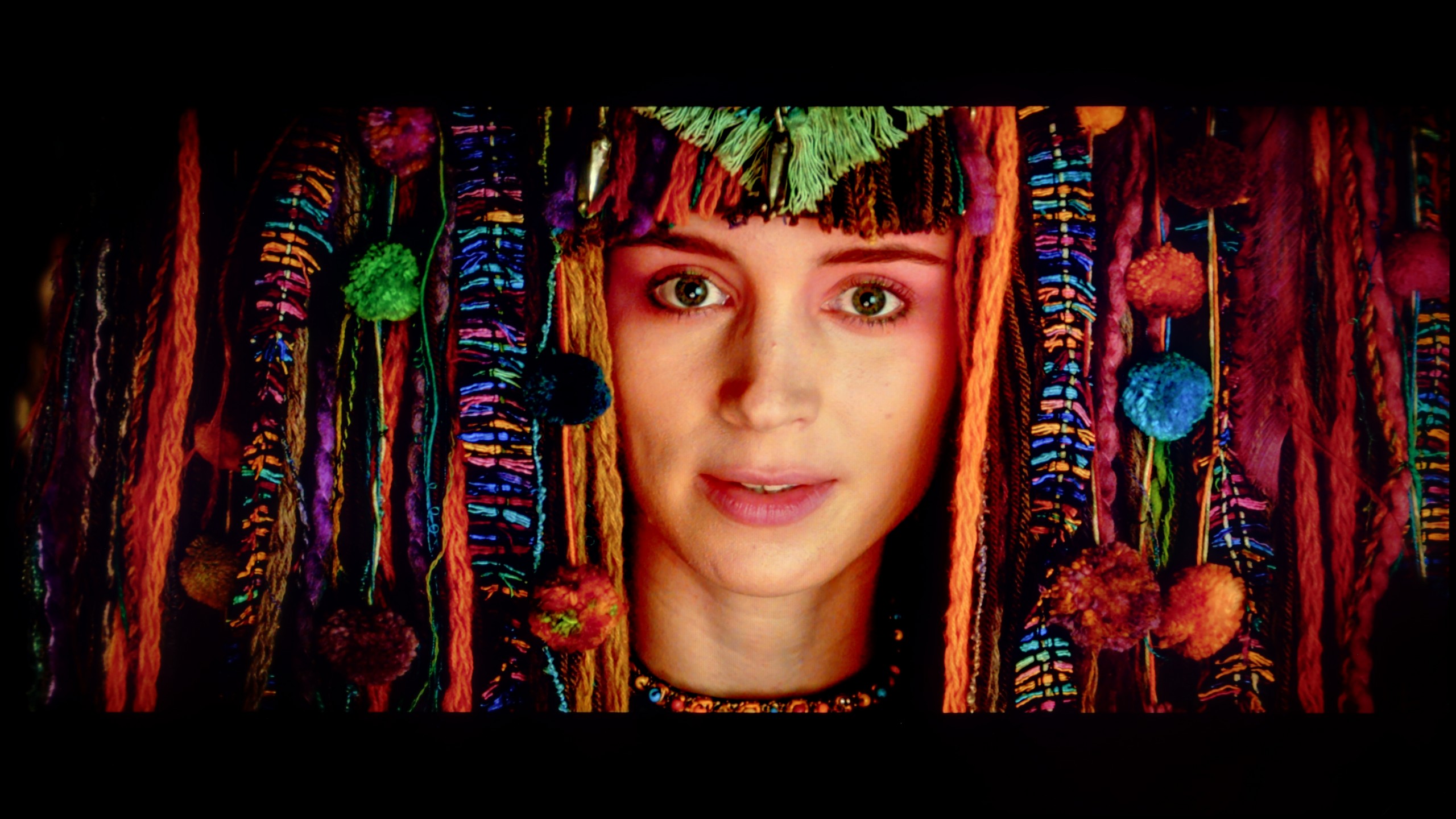
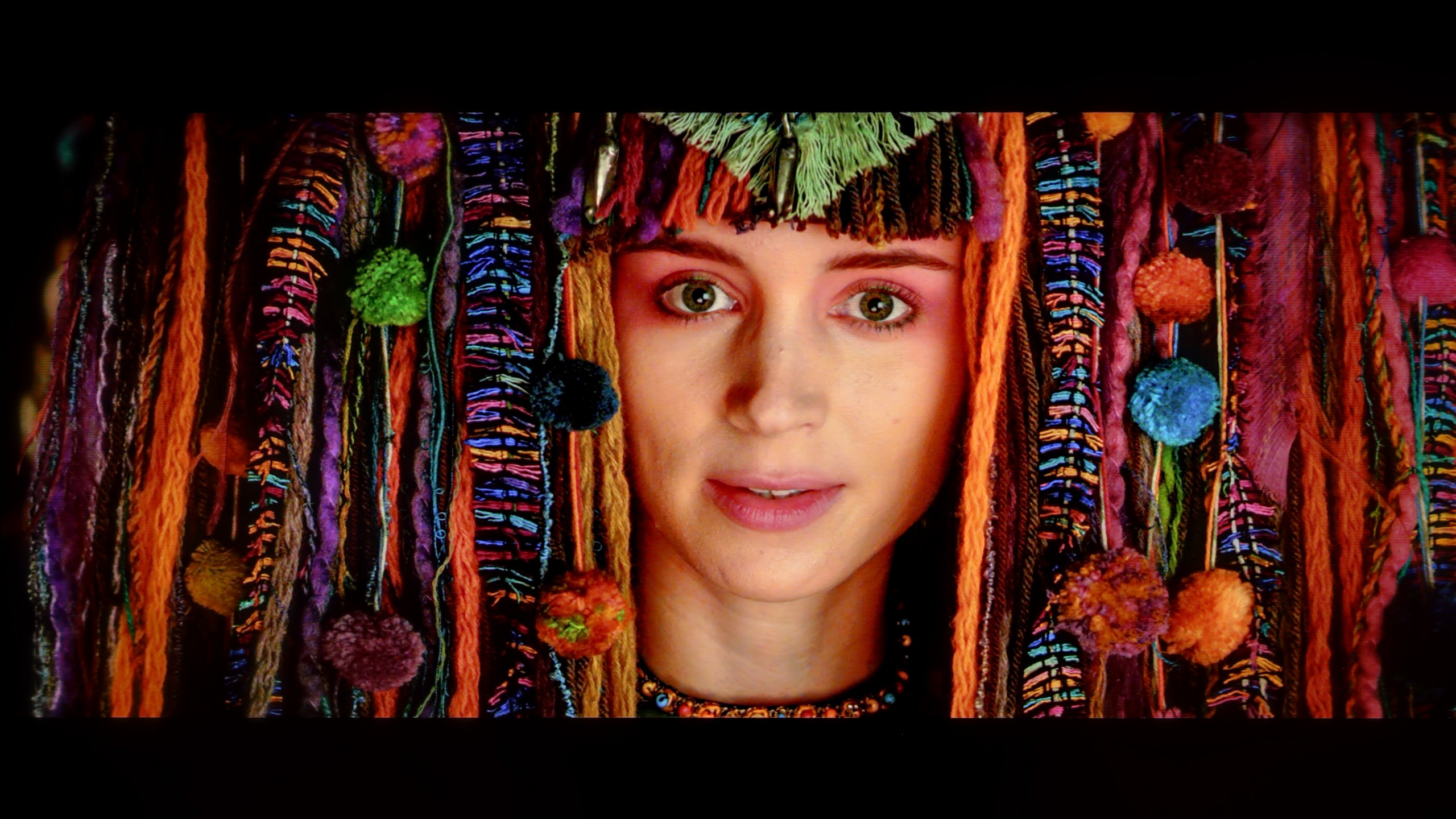
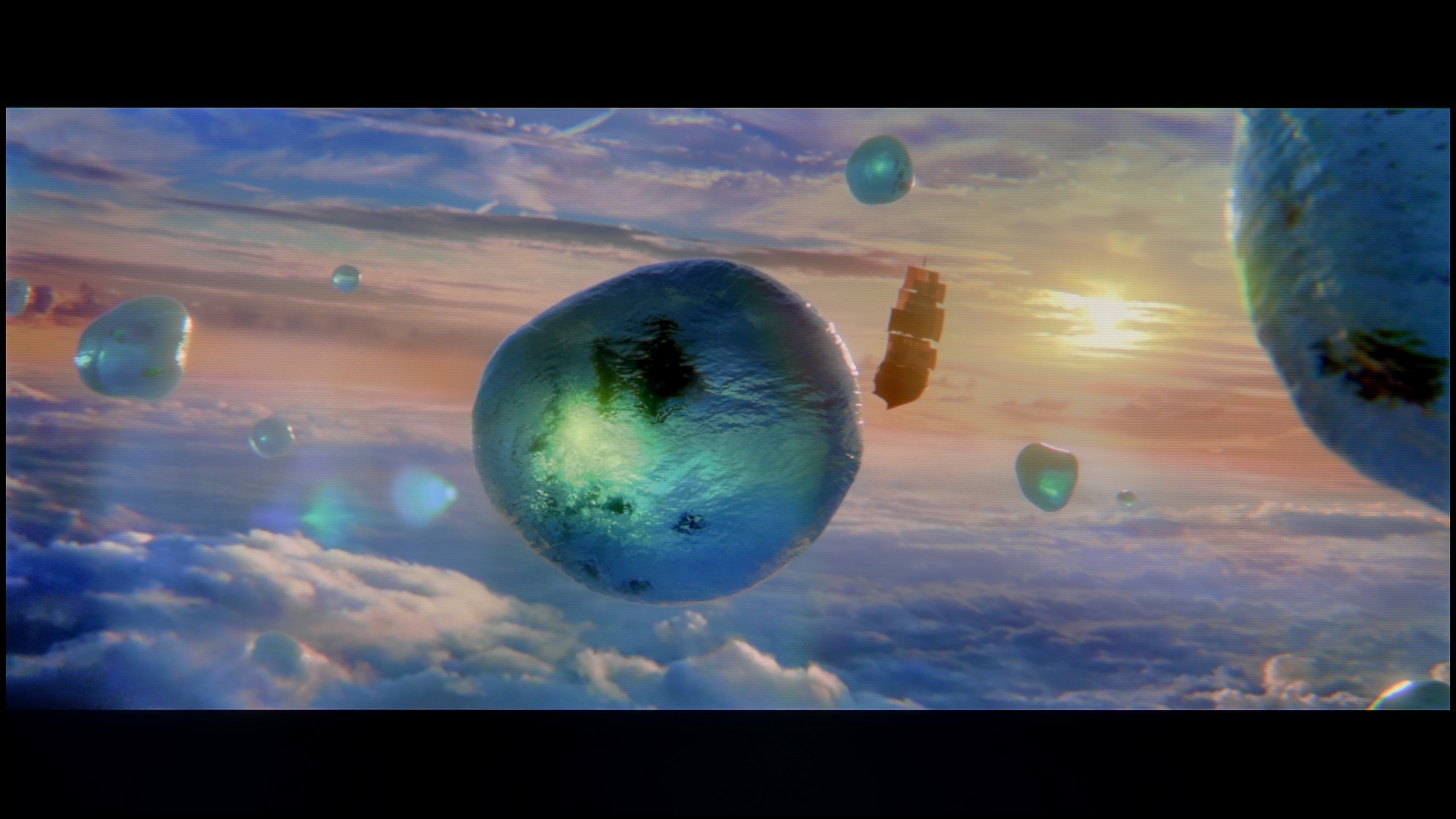
Scene from the movie “Pan” (about 2800 nits)

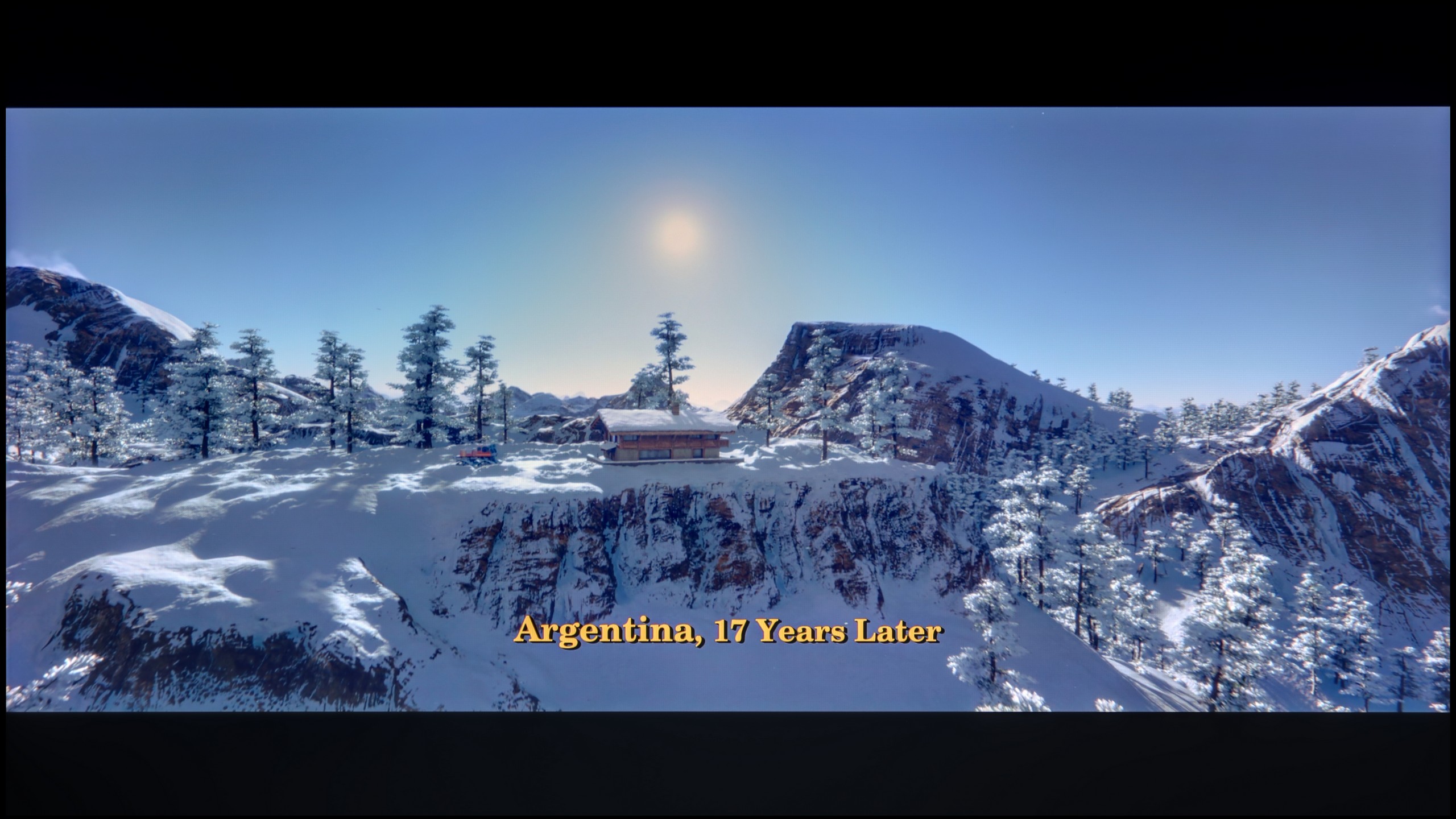
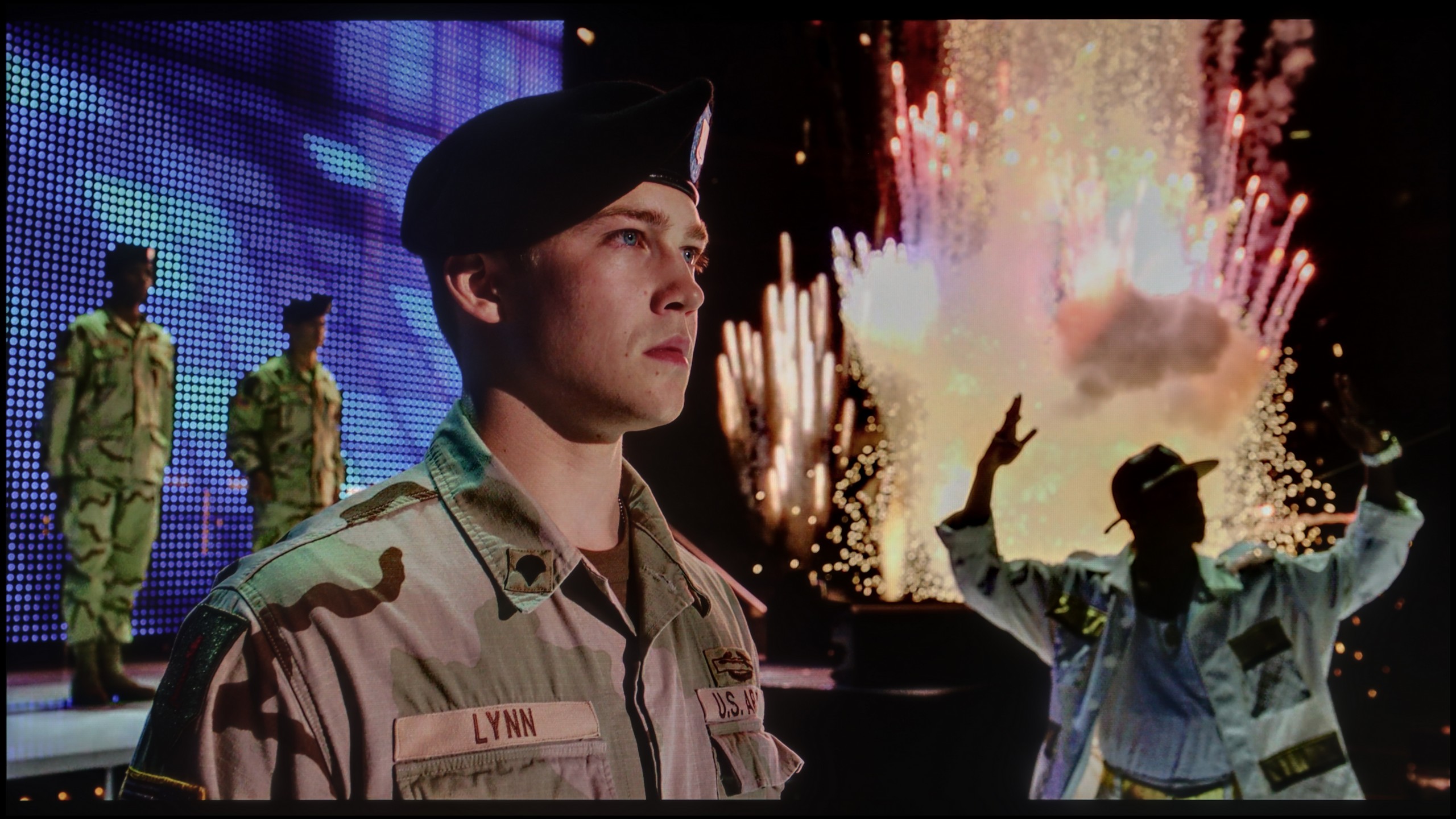
Scene from the movie “Billy Lynn” (about 1100 nits)

The photos show two HDR10 movies. 'Pan' is one of the brightest productions ever made, while 'Billy Lynn' (soldier) has brightness typical of streaming (Netflix, Prime, HBO MAX). Notice the intensity of effects and detail in whites.

Static HDR10

The photos present the visibility of white details in various HDR formats. They do not show brightness differences between TVs (these can be compared in the previous gallery).

Dynamic: Dolby Vision

Dynamic: Dolby Vision

The photos present the visibility of white details in various HDR formats. They do not show brightness differences between TVs (these can be compared in the previous gallery).

HDR luminance chart:

Sony Bravia 8 MK2

TCL C8K

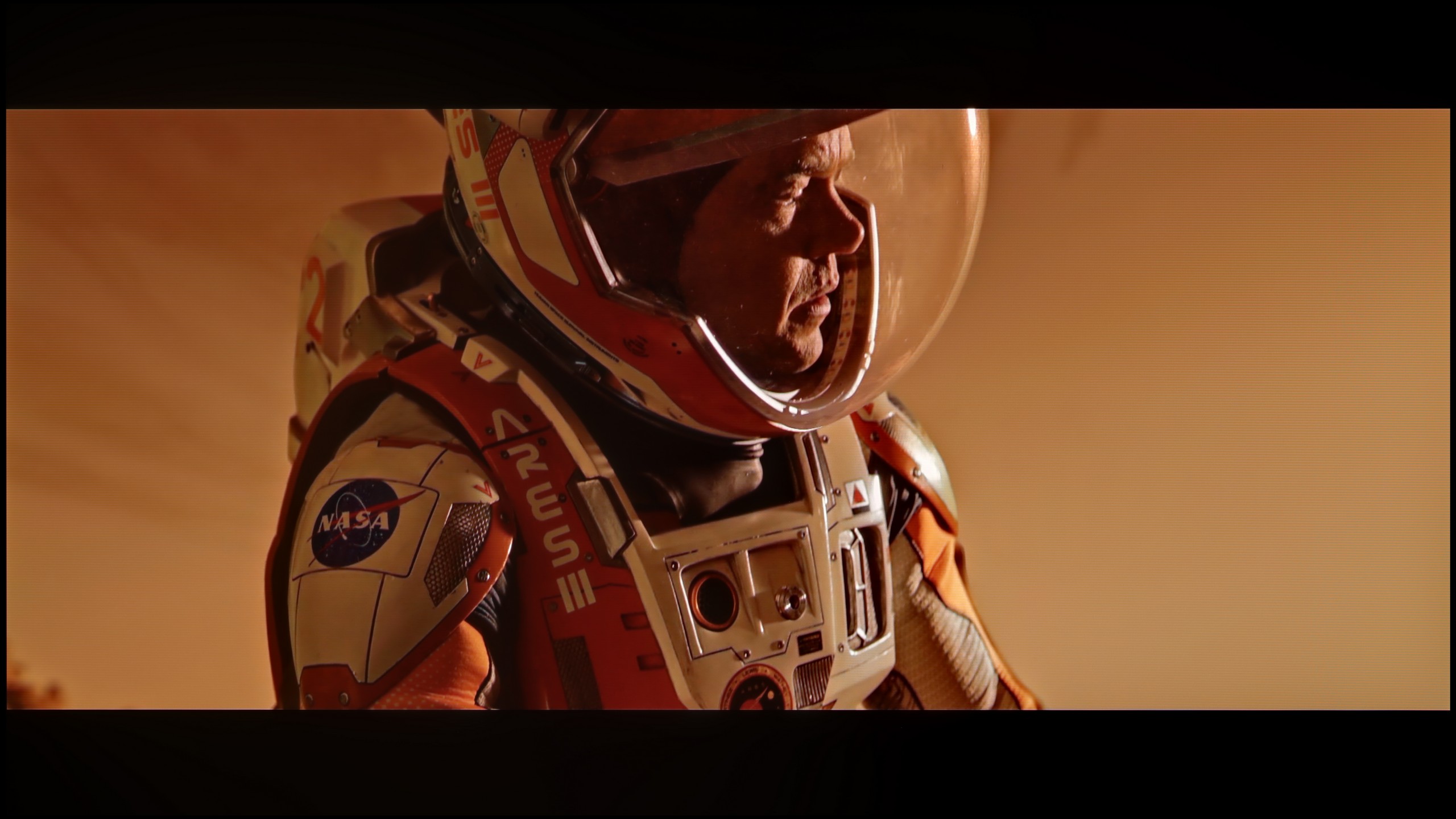
The TCL C8K is a truly bright television. In synthetic conditions – that is, during brightness test patterns – it was able to achieve even 3500 nits of peak brightness in movie mode. This is an impressive result that brings the C8K close to the market leaders, at least in terms of panel brightness. More importantly – these are not just numbers on paper. In films with a lot of bright scenes, such as Life of Pi or The Meg, the brightness clearly exceeds 1000 nits, providing a real sense of HDR effect. The picture in such moments looks very dynamic, colours are vibrant thanks to excellent colour gamut coverage, and lights are spot-on and intense. Just as it should be.

However, this does not mean that everything is perfect. Similar to the contrast tests, compromises also arise here in more demanding scenes. In sequences with very fine light elements – such as stars in the night sky or reflections in dark rooms – the local dimming algorithm can… get confused. Instead of bringing those details up, the television sometimes decides to significantly dim them – to a level of around 300 nits – to maintain blacks. On one hand, this is quite a reasonable approach (better deep blacks than a grey/blue screen), but on the other hand – there may be moments when certain elements of the picture become hardly visible or even disappear into darkness.

TEST UPDATE (20/08/2025) : The brightness control algorithm in this model is quite problematic – an attempt to calibrate the picture so that it does not drastically overexpose the brightest scenes results in unnatural shifts: an improvement in one area of the picture leads to a deterioration in another. The television may achieve slightly higher brightness measurements, but in practice, this comes with a highly oversaturated image that looks very unnatural!

For the sake of order, we provide the brightness values without this adjustment:

  1. 1463 nits

  2. 640 nits

  3. 1368 nits

  4. 468 nits

  5. 1025 nits

Thanks to the new QD-OLED panel, the Sony Bravia 8 II can achieve astronomically high brightness levels of around 2000 nits, translating into nearly reference-quality for films and series recorded in HDR format. In test materials such as Life of Pi and Sicario 2, the effect is truly captivating – details in bright areas of the image remain perfectly visible, and night scenes enchant with depth and contrast. However, it is not perfect. Compared to its fiercest competitors, the Bravia 8 II shows a noticeable drop in brightness during full-screen, very bright scenes. When comparing maximum peak luminance with 100% white brightness in HDR mode, the Bravia 8 II appears even two or three times dimmer than LG G5 or Samsung S95F models. This was especially evident in a scene from the film The Meg – the screen became noticeably darker than in competing televisions. Despite this shortcoming, the results of the Bravia 8 II still place it among the top of the market. It deserves praise for its absolutely top-tier colour gamut coverage – nearly 100% DCI-P3 and close to 90% BT.2020. These parameters allow for fully extracting the potential of HDR content and providing experiences akin to those in a cinema within the comfort of home.

Factory color reproduction
4.8/10

8/10

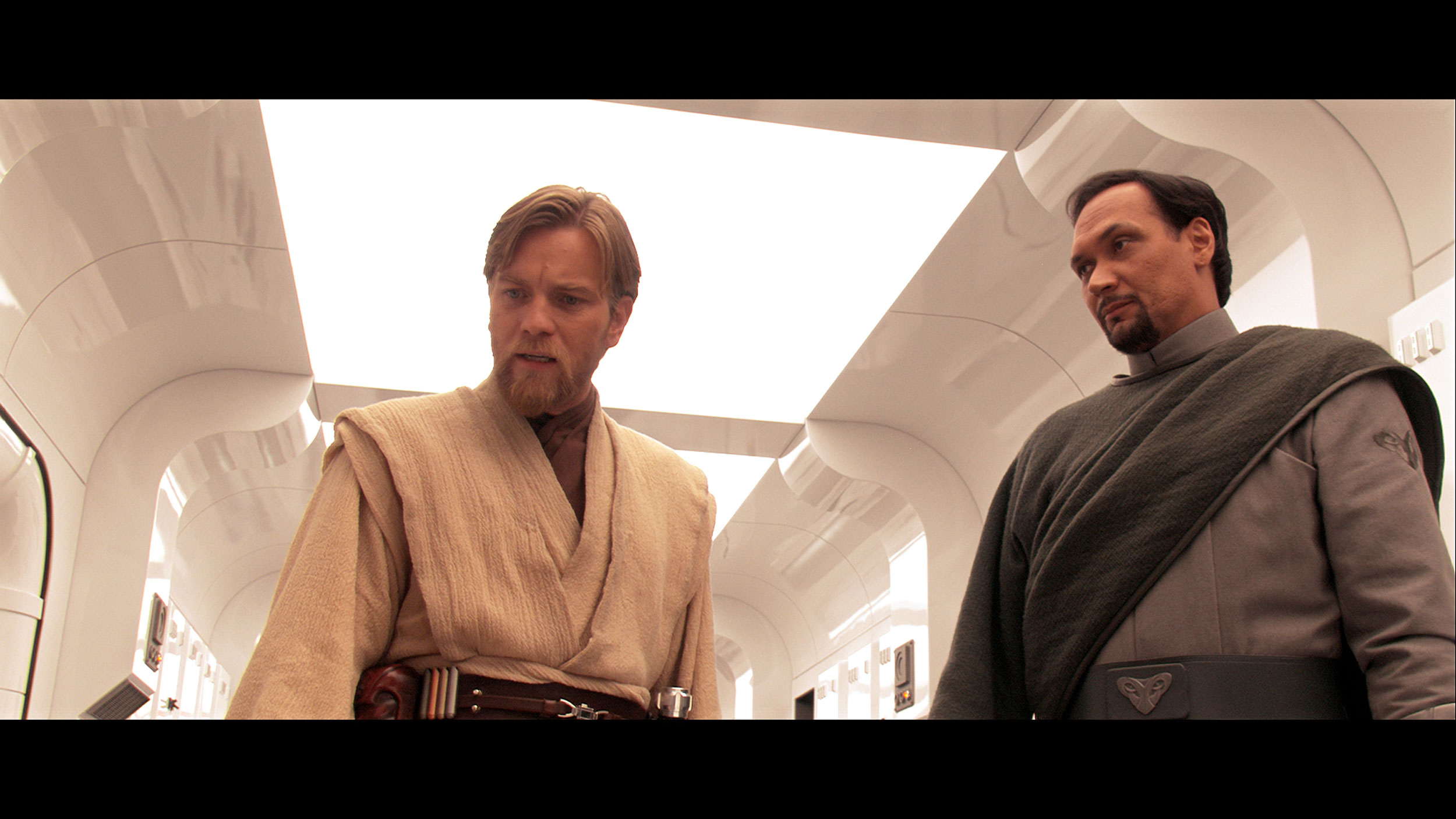
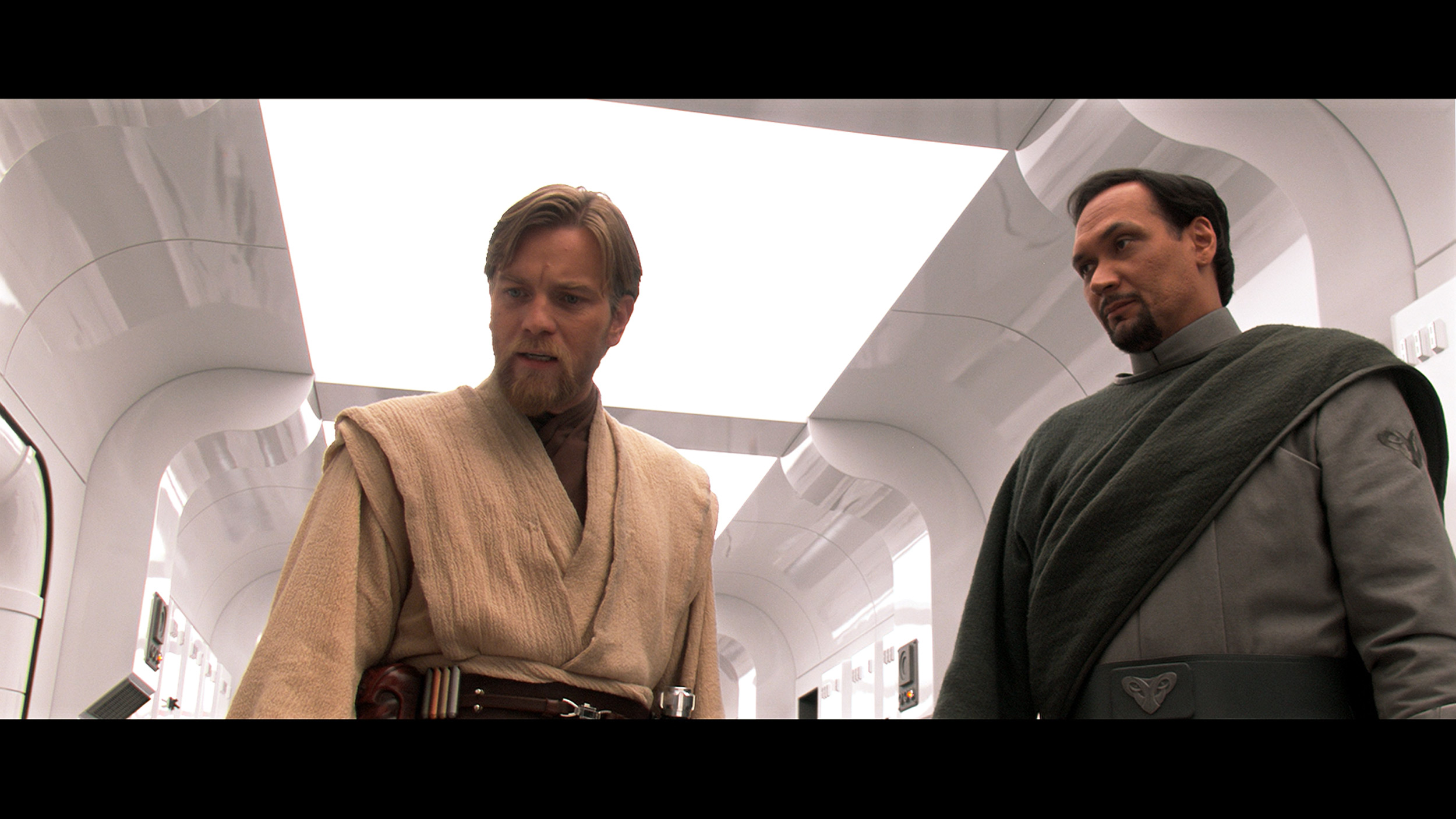
This gallery shows how colors change after professional TV calibration. If you notice the difference, we recommend ordering this service at SkalibrujTV.com.

Factory Mode

After calibration
This gallery shows how colors change after professional TV calibration. If you notice the difference, we recommend ordering this service at SkalibrujTV.com.

Factory Mode

After calibration
In the C8K, a new picture mode has appeared: Filmmaker Mode. This is something we have known for years from televisions of other brands – a mode designed to deliver the director's vision as faithfully as possible, without unnecessary image enhancements. Unfortunately, with TCL, this still seems to be at a stage 'in need of improvement'. At first glance, the screen appears too warm – the image leans towards reds, which may not appeal to everyone. The white balance was significantly skewed – the screen looked distinctly warm, and the red colour dominated almost every scene. There was a lack of blue, which resulted in an unpleasant yellowing and distortion of the image. But that’s not all. Regardless of whether we were watching regular television, YouTube, or films in HDR – the television had a clear tendency to excessively brighten the image. In the gamma and EOTF graph tests, the lines, instead of sticking to the pattern, strayed, which in practice translates to an overly bright and less contrasty image. Additionally, in the colour reproduction tests, there were noticeable deviations – on the colour wheel, certain points were even 'off the mark'. It must be said plainly: Filmmaker Mode in the C8K in its current form is not very filmic.
Straight out of the box, the Bravia 8 II performs quite well. In the best IMAX® Enhanced mode, the television is able to render colours in a pleasant and natural way, although “good” doesn’t mean “best in class” here. The white balance definitely needs adjustment – skin tones tend to lean towards slightly pink/cool hues, both in SDR and HDR materials. We also noticed that the characteristic of the EOTF curve reveals a certain tendency to brighten the darkest parts of the image. This is probably due to the manufacturer’s desire to highlight as many details as possible even in deep shadows. Is this a good approach? It’s hard to say definitively, but we know one thing – it is not an ideal solution.

Color reproduction after calibration

7/10

9.2/10

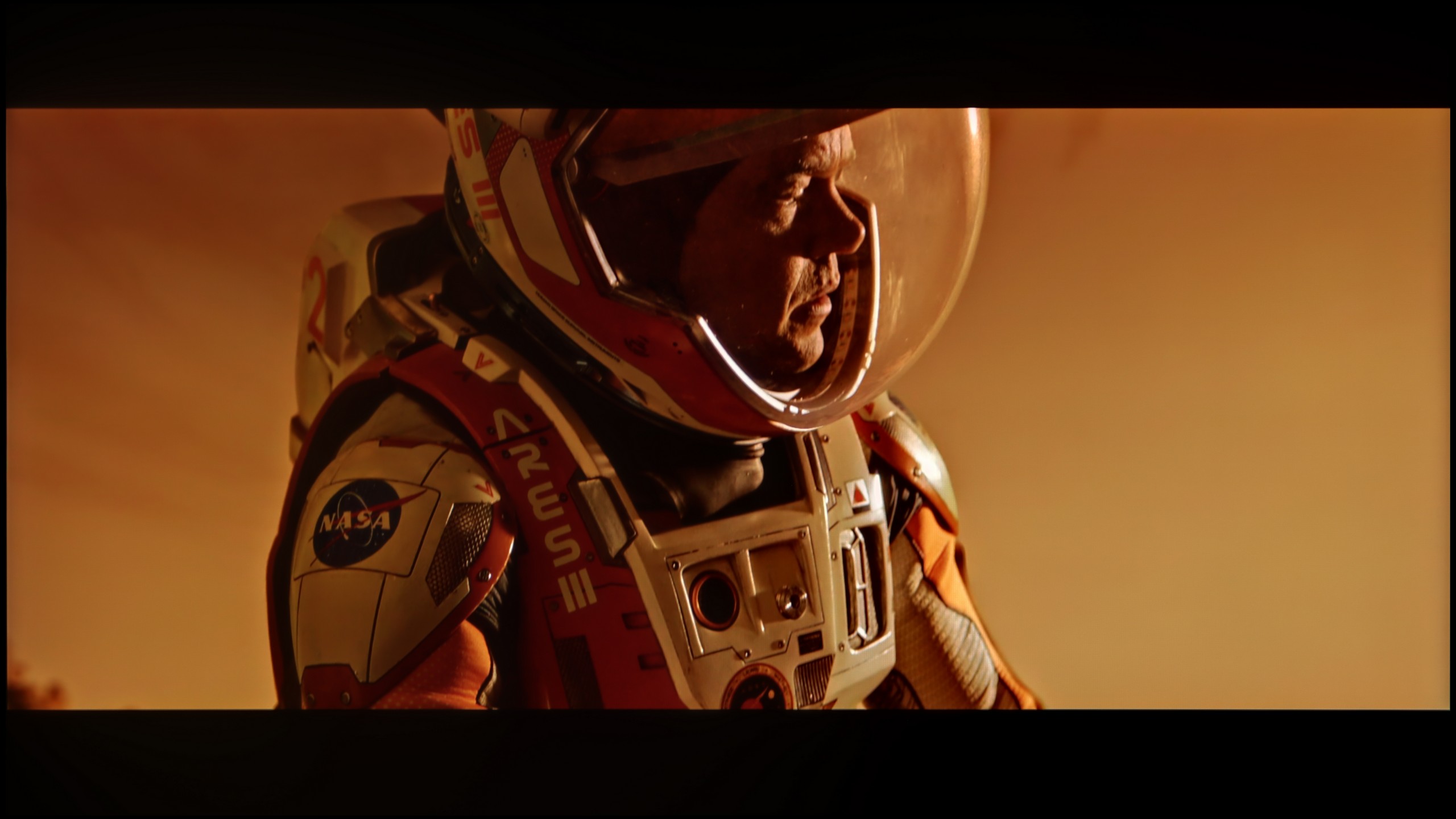
The photos show how movies look on the TV. Pay attention to black detail visibility, colors, and shadow tint.

The photos show how movies look on the TV. Pay attention to black detail visibility, colors, and shadow tint.

After professional calibration, the TCL C8K has made a huge step forward. In SDR content, we managed to almost perfectly set the white balance – the screen has finally stopped being too warm and has acquired a neutral character. The gamma curve, responsible for the way brightness is reproduced, also looks very good now – the image is more consistent and realistic. We also improved the white balance in HDR content – within the limits that the television itself allows. Unfortunately, the C8K still interprets brightness management somewhat "in its own way." When we look at the EOTF chart in films, it is clear that the television brightens entire scenes more than it should. Before calibration, this effect was really troublesome – now the situation looks much better, although it still falls a bit short of perfection. This, however, is a limitation of the device itself, which – despite our efforts – does not allow us to fully tame its nature.

After calibration, the excessive cooling of the image caused by an overly strong boost of the blue colour was mainly eliminated. The reds have become deeper, and skin tones have taken on a natural, healthy appearance. The actors, who previously seemed "cold," now look much livelier and more convincing on screen. However, one thing has not changed – the analysis of the EOTF curve still shows that the Bravia 8 II has a tendency to brighten the darkest areas of the image. It is difficult to determine whether this is a deliberate method used by the manufacturer or a result of the panel and software design. In practice, this means that scenes which the creators intended to leave in deep darkness can reveal more details than anticipated. Despite this, the image quality after calibration is clearly improved – warm, natural colours and realistic skin tones make viewing on the Bravia 8 II simply more pleasant to the eye.

Smoothness of tonal transitions

8.7/10

8.5/10

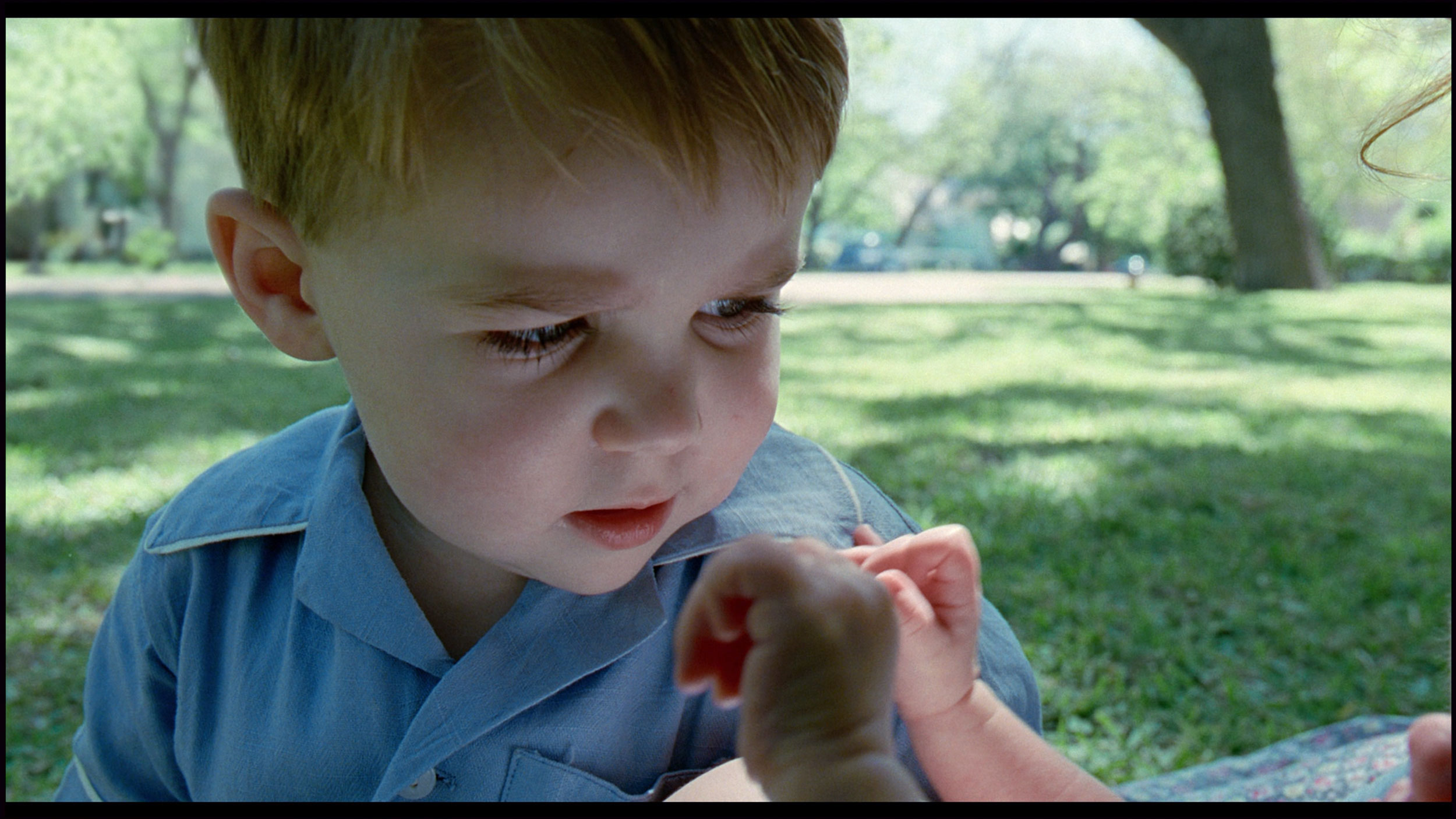
These are selected scenes that show smooth tonal transitions from one color to another. If you see distinct banding, it’s the TV panel’s fault.

These are selected scenes that show smooth tonal transitions from one color to another. If you see distinct banding, it’s the TV panel’s fault.

These are selected scenes that show smooth tonal transitions from one color to another. If you see distinct banding, it’s the TV panel’s fault.

These are selected scenes that show smooth tonal transitions from one color to another. If you see distinct banding, it’s the TV panel’s fault.

In this respect, the TCL C8K performs really well. Transitions between colours look natural and coherent – there are no strange bands or significant banding that could disrupt the viewing experience. Especially in bright scenes, everything appears very smooth. In the darkest parts of the image, particularly in shades of grey, one can sometimes notice slight unevenness, but they are subtle enough not to be distracting to anyone.

The fluidity of tonal transitions in the Sony Bravia 8 II can be described as very good, though with a clear distinction between light and dark materials. In scenes with high luminance, the television performs almost flawlessly – the gradation is smooth, free from visible bands or artifacts, and subtle colour transitions maintain full consistency. This is particularly evident in HDR materials, where bright skies or illuminated shots look nearly perfect – here, the rating could easily be 9.5/10.

The situation looks somewhat different in darker sequences. In night scenes or heavily shadowed ones, especially in test materials, slight issues with the fluidity of gradation can be noticed – transitions become less subtle. Although this is not a level that detracts from the viewing experience, a more discerning eye will catch the difference, especially when compared to absolutely top-tier models on the market. In this category, the rating rather hovers around 7.5/10.

Image scaling and smoothness of tonal transitions

5.5/10

8.5/10

Image without overscan on the SD signal
OK
OK
Smooth transition function
OK
OK

Smooth transition function

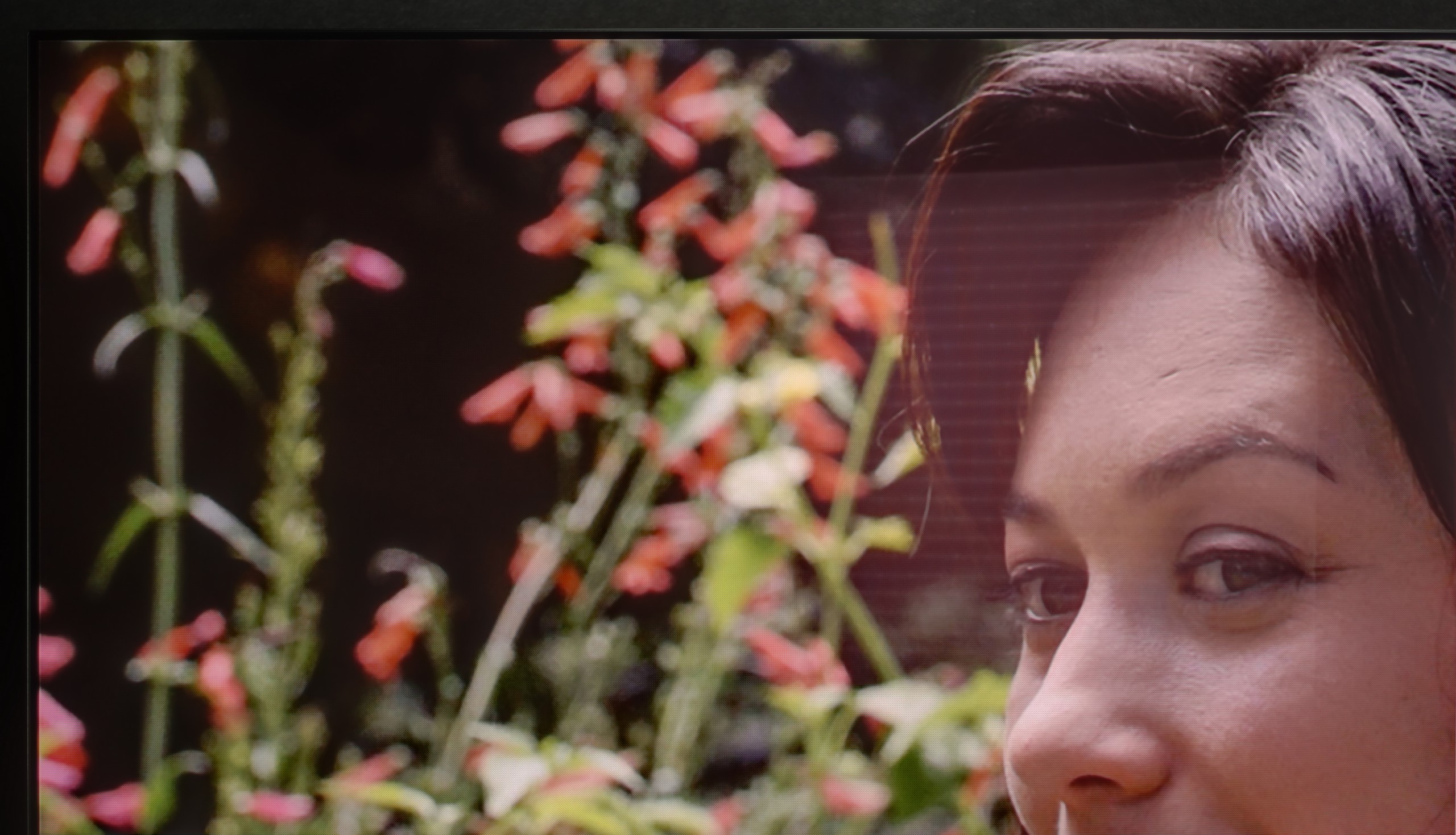
The match photo shows how the TV smooths weak tonal transitions in low-quality video.

Image scaling SD (576i)

The model photo shows how it handles upscaling of SD material.

How does the TCL C8K perform with lower quality content? One could say: reasonably well, though without much enthusiasm. The television offers a tonal transition enhancement feature, which aims to smooth out unwanted gradients. In practice, there is a slight improvement, but it is not at a level that will eliminate all imperfections. The feature subtly softens harsh transitions, but does not perform miracles. Film grain is not completely suppressed, and gentle banding on grey backgrounds can still be noticeable. But perhaps that is for the best? – at least the image does not lose its texture or depth, as can happen with televisions that overdo digital processing. When it comes to upscaling, or enhancing the quality of images from lower resolutions, the C8K performs quite well. The picture is sharp, and details – although sometimes slightly softened – remain readable. However, it is not at the level of the best image processors from the competition. On the plus side, it is worth noting the lack of overscan issues, which is the artificial trimming of the image that can still surprise in some models from other brands.

Upscaling and digital image processing are a true showcase of the capabilities of the Bravia 8 II. Sony has long been regarded as a master in this field, and here it only reaffirms its reputation. The proprietary XR processor can extract nearly the maximum from lower-resolution materials – whether it's television or an old DVD film, the image appears clearer, with more detail and better depth. Of course, if we feed it exceptionally low-quality material (like our archival photo with the Model), it won't work wonders, but in everyday viewing, it's hard to find fault with it.

The gentle gradation feature also performs excellently. In the "Medium" setting, it effectively smooths tonal transitions, eliminating banding in coloured and grey gradients, while not destroying the film grain or fine details in the image. It is this balance between subtlety and effectiveness that keeps Sony televisions among the best on the market in this category.

Blur and motion smoothness

7.8/10

8.5/10

Maximum refresh rate of the panel
144Hz
120Hz
Film motion smoothing option
OK
OK
Blur reduction option
OK
OK
BFI function 60Hz
Yes, 120Hz (double contours)
Yes, 60Hz (image flickers)
BFI function 120Hz
Yes, 240Hz (double contours)
Yes, 120Hz
Brightness drop with BFI
51%
49%

Blur (native resolution, maximum refresh rate):

Blur (BFI function enabled):

Blur (288HZ 1080p):

Blur (MotionFlow 120Hz):

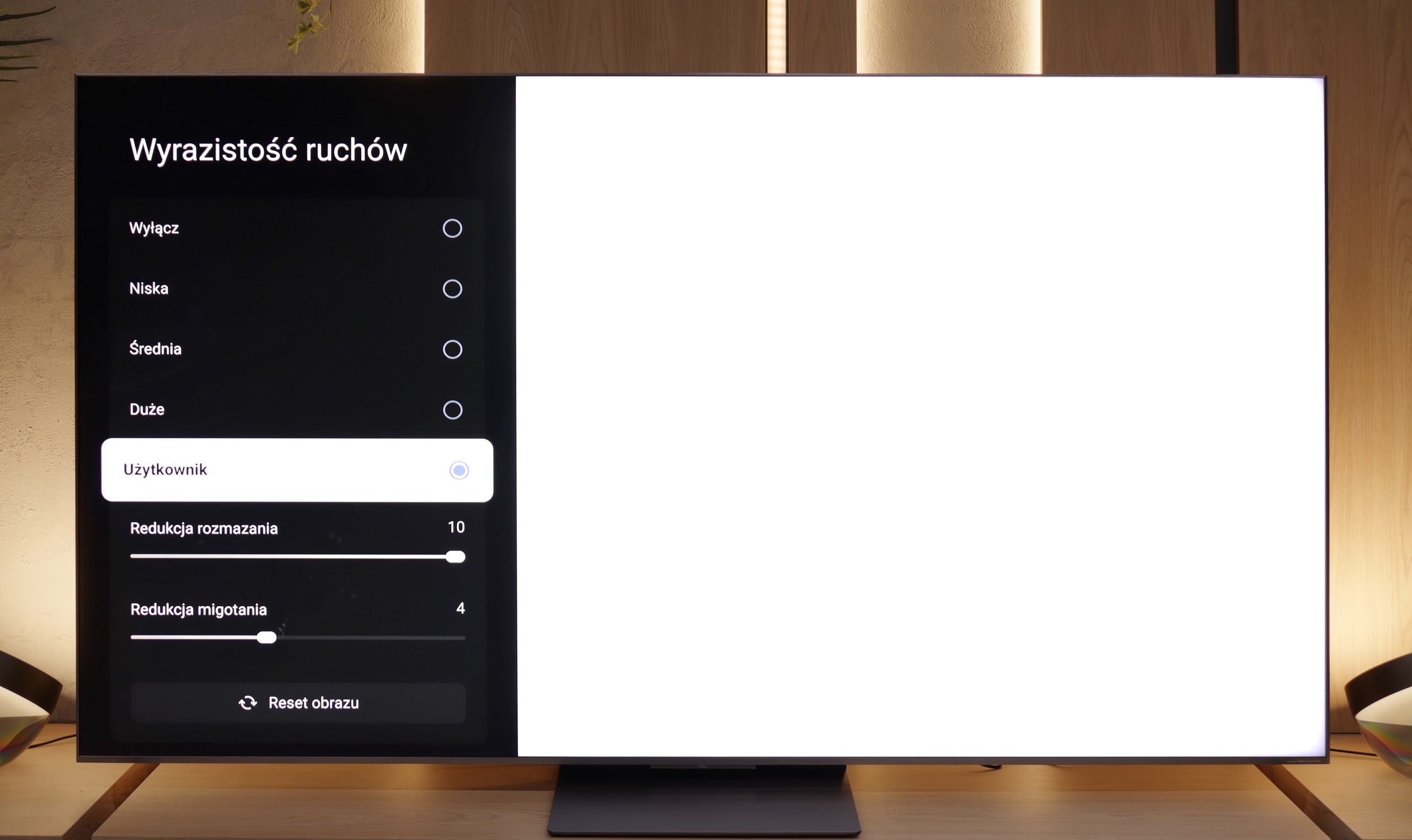
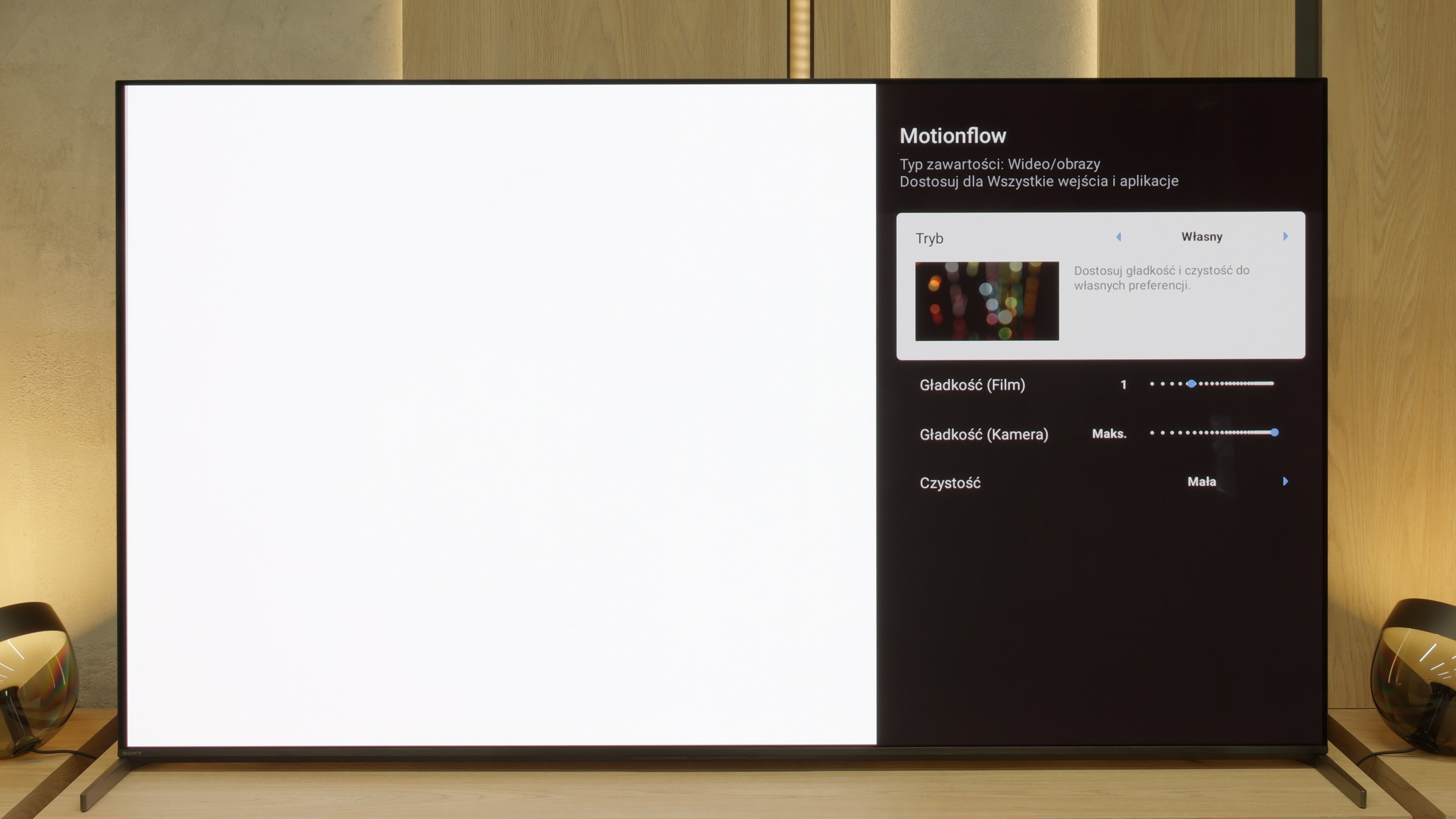
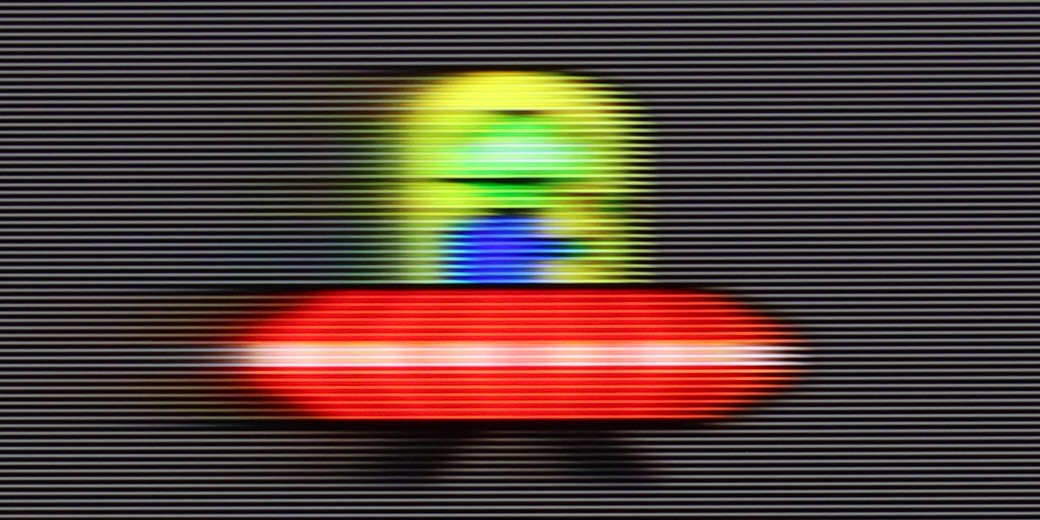
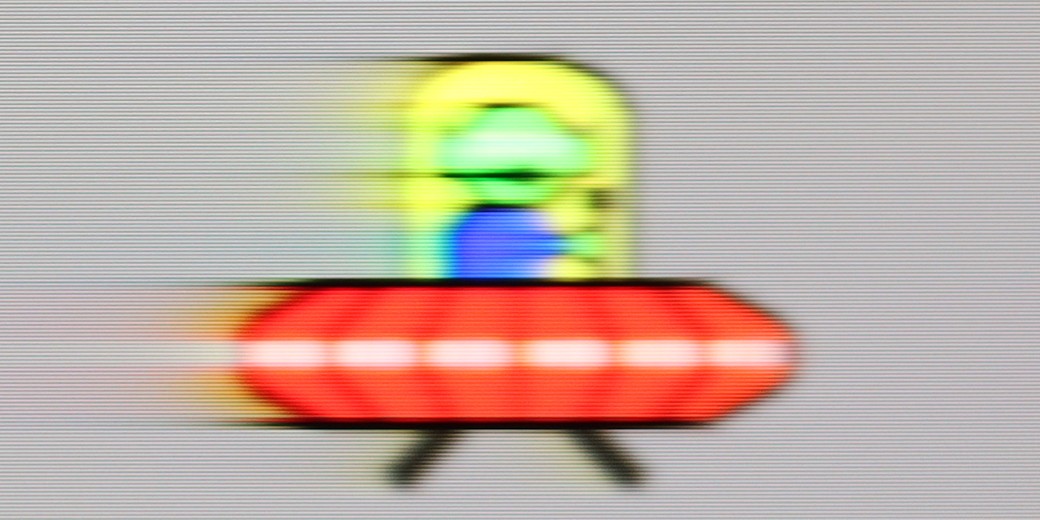
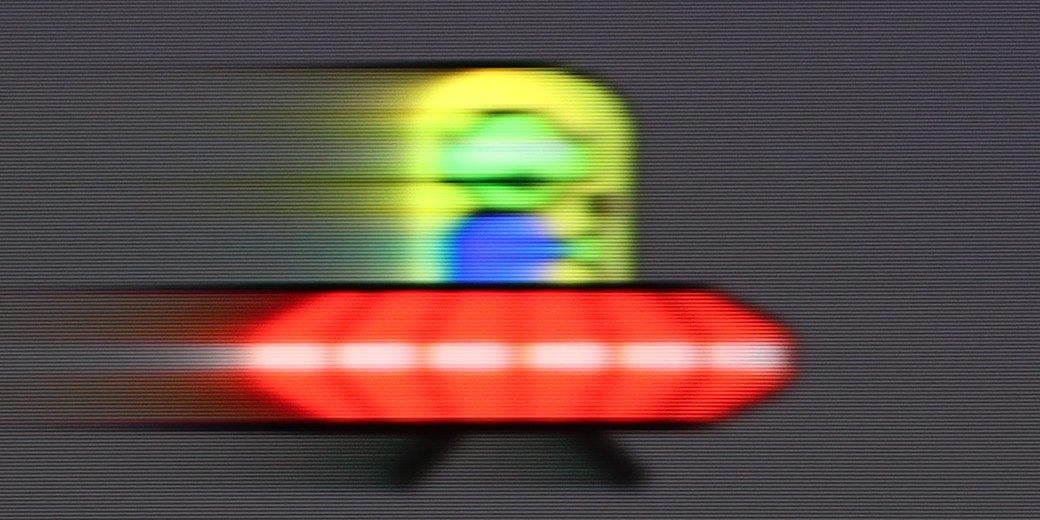
If you are planning a weekend with the Champions League or a marathon of F1 races – the TCL C8K won't let you down. The television is equipped with a 144 Hz panel, which means it should handle fast motion well by definition. And indeed – it performs very well. The fluidity of motion is at a very good level here, and the "Motion Clarity" feature with two sliders (motion blur reduction and flicker reduction) makes it easy to adjust the effect to your own preferences. Want to smooth it out a bit – you can. Prefer a cinematic look – no problem.

The smoothness of motion is practically a closed topic in the case of the Bravia 8 II. The OLED with a refresh rate of 120 Hz naturally provides a very clear, sharp image in dynamic scenes, so it's hard to complain about anything here. However, one of the best motion smoothing systems on the market truly deserves special praise. They allow precise adjustment of film smoothness to one’s own preferences – from gentle smoothing to almost a “theatrical” effect – without the risk of artificial jumps, tearing of the image, or annoying artifacts. This is one of those features that will be appreciated both during movie screenings and while watching sports.

Console compatibility and gaming features

9.8/10

9.4/10

  • ALLM
    Yes
    Yes
  • VRR
    Yes
    Yes
  • VRR range
    48 - 288Hz
    48 - 120Hz
  • Dolby Vision Game Mode
    Yes
    Yes
  • Correct implementation of HGIG
    Yes
    Yes
  • 1080p@120Hz
    Yes
    Yes
  • 1440p@120Hz
    Yes
    No
  • 4K@120Hz
    Yes
    Yes
  • Game bar
    Yes
    Yes

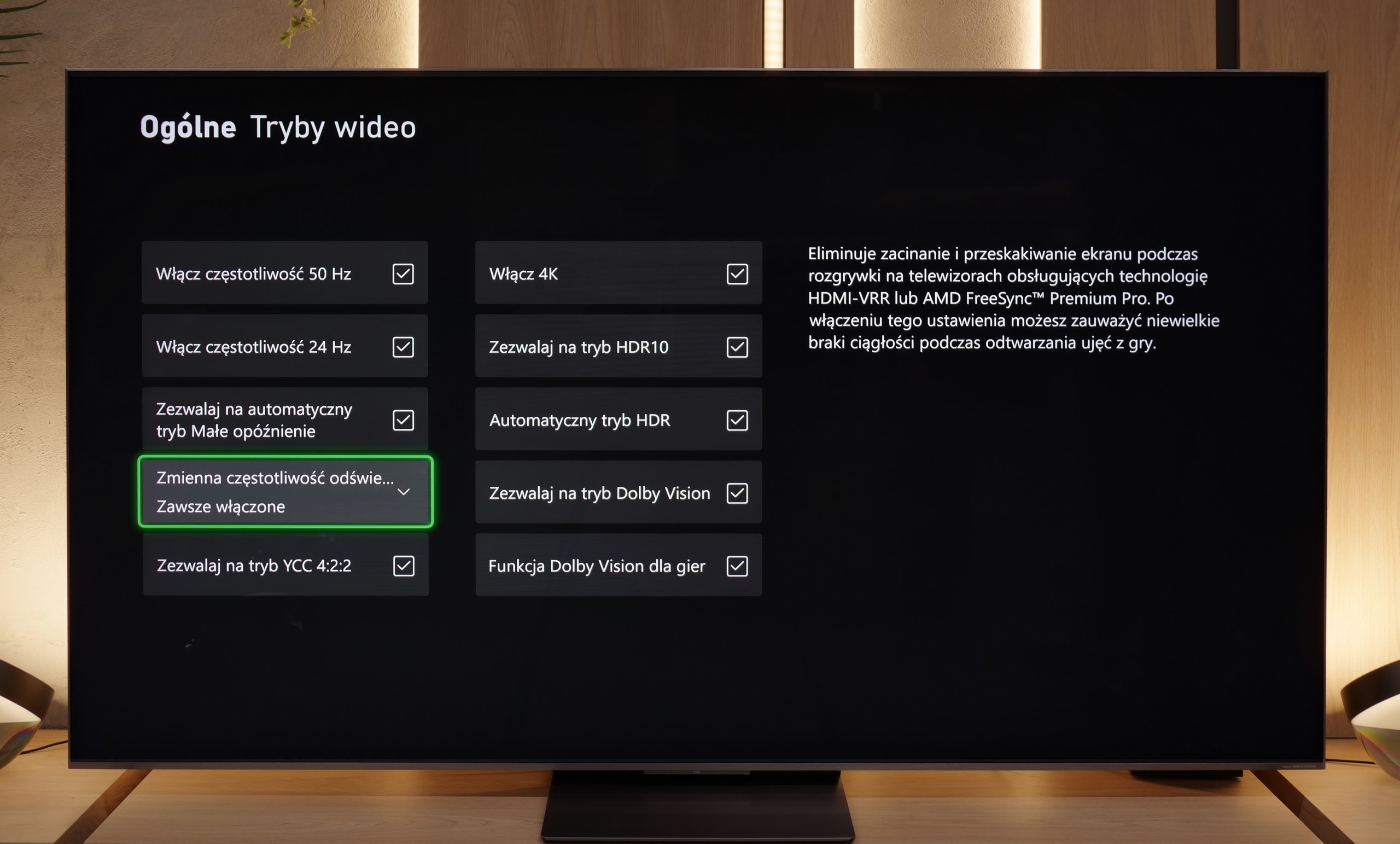
TCL C8K offers practically everything we could expect from a screen for gamers. It features variable refresh rate (VRR), automatic game mode (ALLM), Dolby Vision in games, and a correctly functioning implementation of HGiG, which helps preserve the creators' intentions in HDR titles. The television also supports 120 Hz at lower resolutions without any issues and can even display an astonishing 288 Hz in Full HD – a value that is sure to please fans of dynamic shooters and racing games on PC.

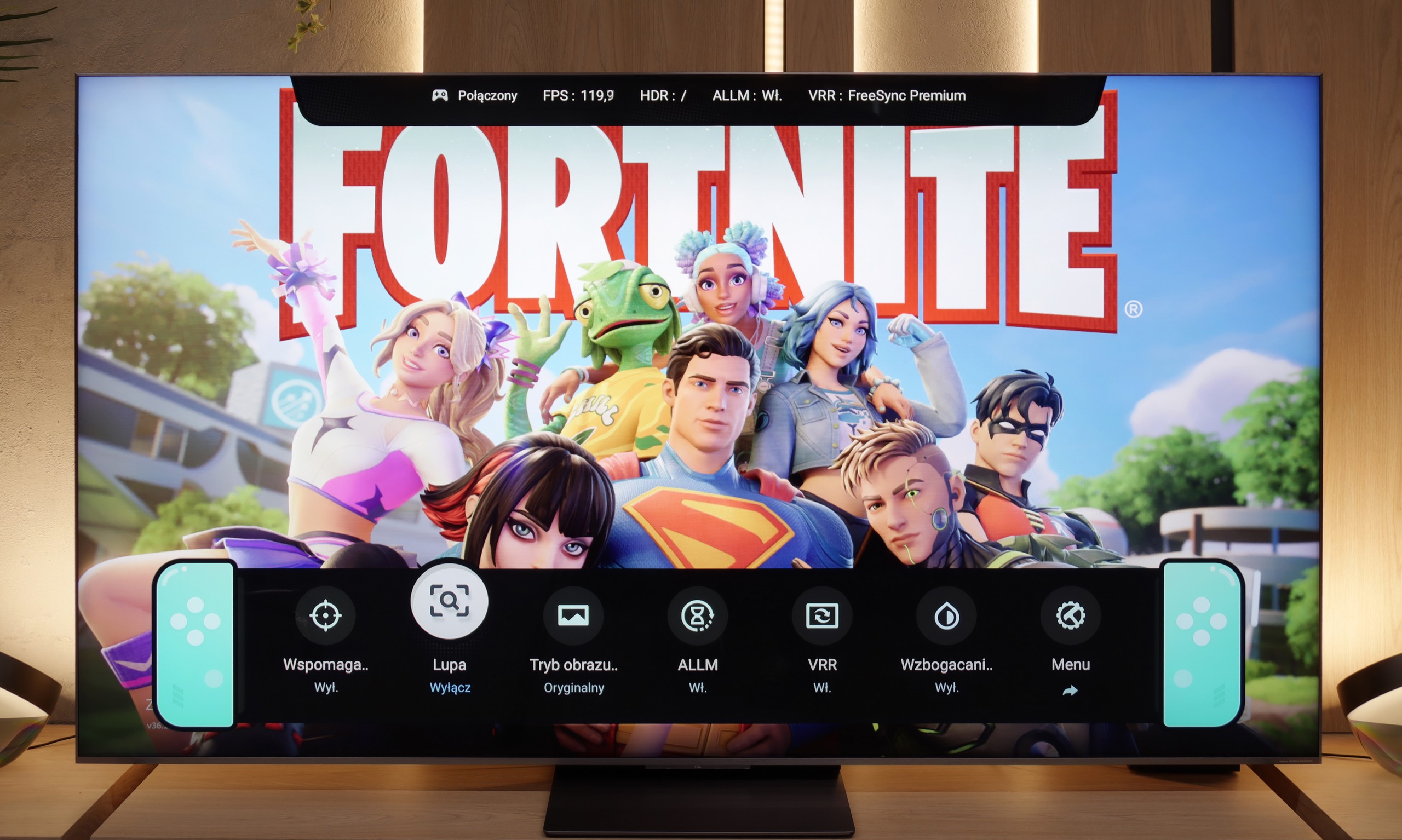
We also find the GameBar – a graphic interface reminiscent of an elongated Nintendo Switch console. It is thanks to this that we gain quick access to information about the current game mode, frame rate, HDR format, and other details that really make life easier for the gamer. Of course, we couldn't resist and launched a couple of races in Forza Horizon on the C8K – and we must admit, it looked and performed really well.

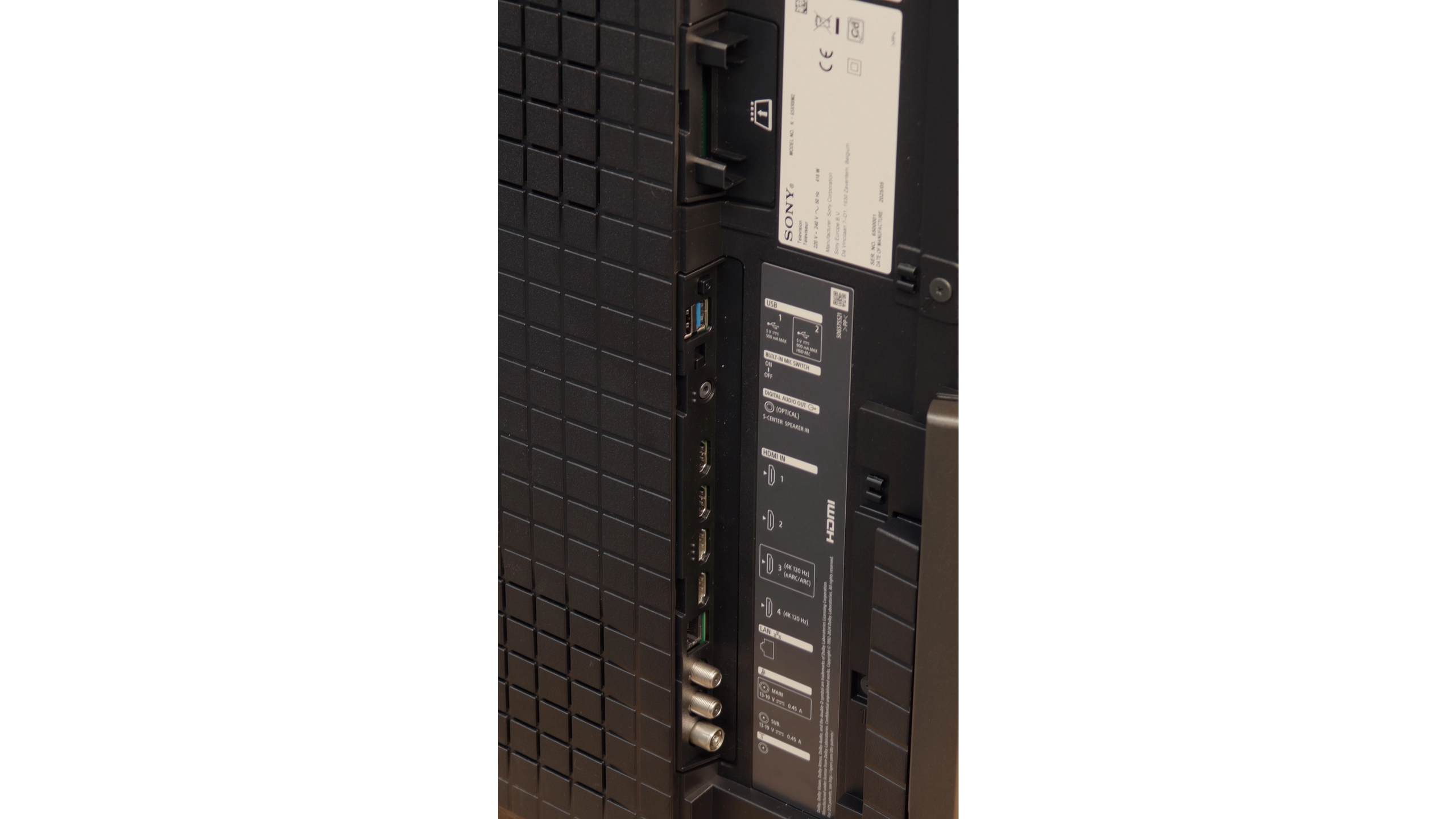
However, there is a slight drawback – in such a fast and evidently gaming device, it is somewhat disappointing that the manufacturer opted for the implementation of only two HDMI 2.1 ports. For some users who utilise several next-generation consoles and, for example, a soundbar with eARC, this might be a certain limitation that is hard to overlook.

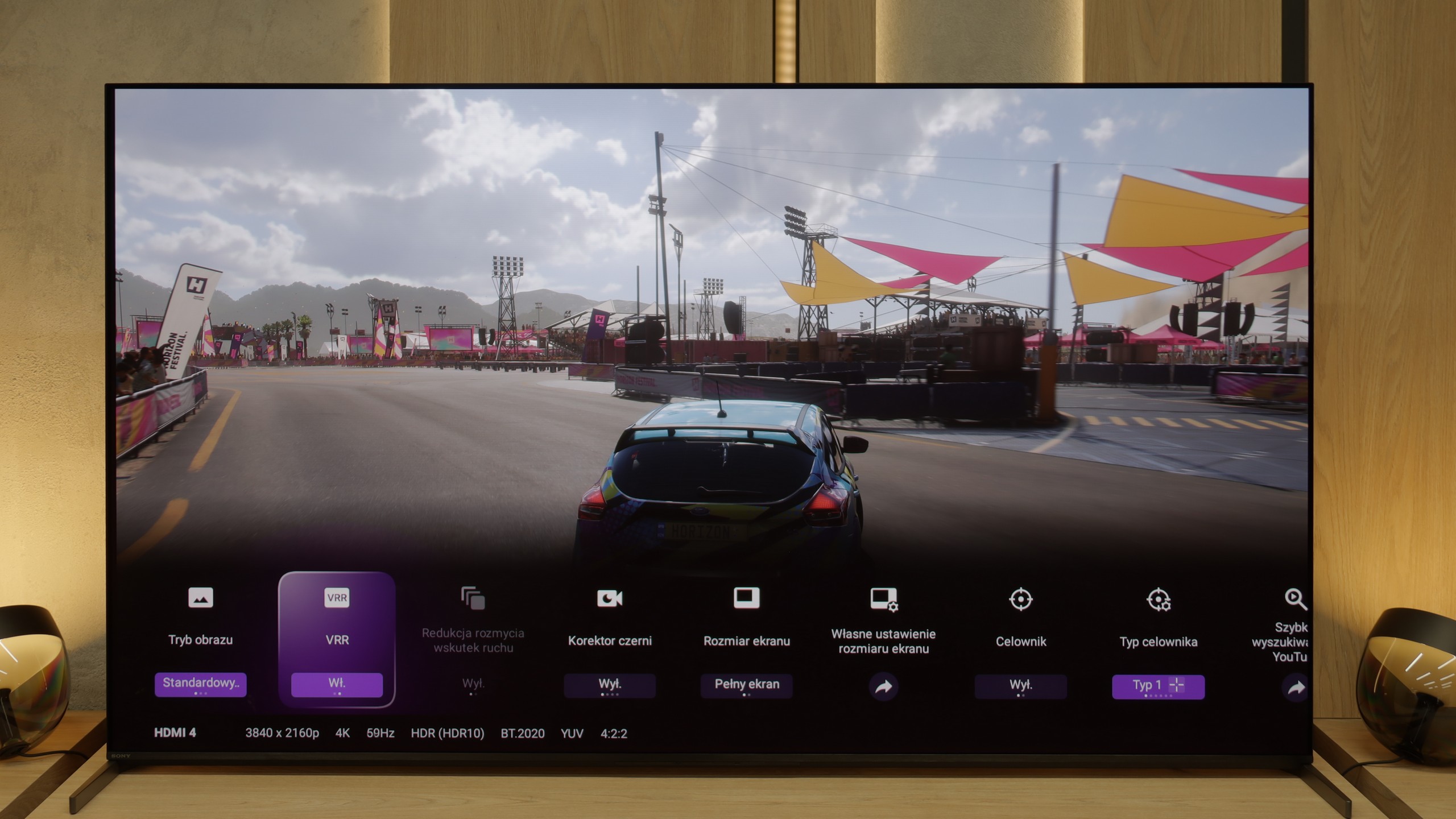
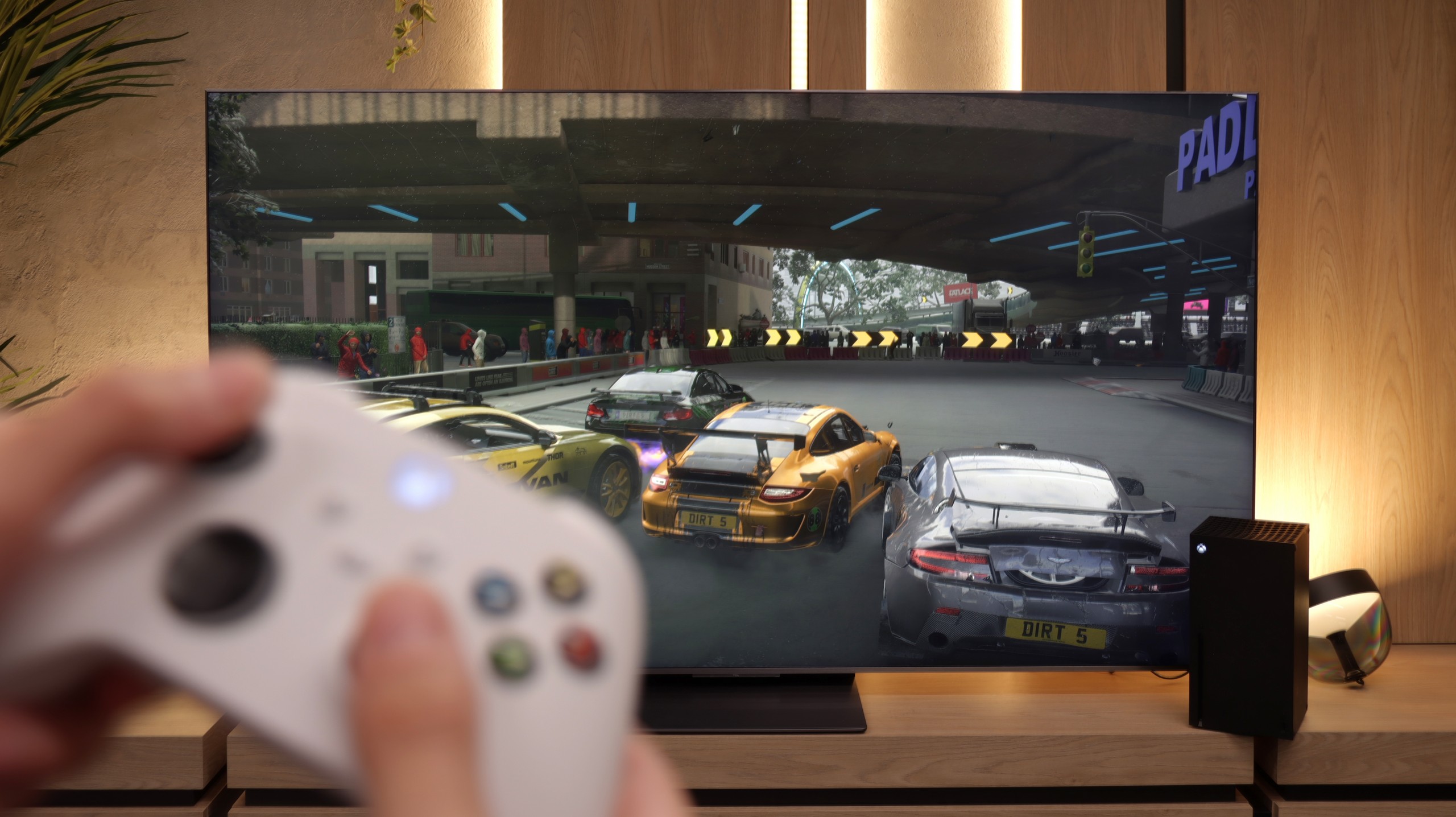
Sony has really learnt its lessons from previous years and in the Bravia 8 II has prepared a package of features for gamers that is hard to describe in any other way than "almost perfect". We have everything you'd expect from equipment of this class – VRR, ALLM, Dolby Vision Gaming mode, HGiG, and even a handy Game Bar that allows you to quickly preview parameters and change settings without leaving the game. It's also worth noting how smoothly and seamlessly these features work – no delays, no strange stutters. You simply start the game, and everything looks as it should. Unfortunately, there are a few "buts". The manufacturer still only provides us with two full-bandwidth HDMI ports, so if someone has a console, PC, and another device such as a soundbar connected via eARC, it becomes a hassle of switching cables. It is also surprising that there is no support for 1440p resolution at 120 Hz – particularly important for Xbox gamers. Overall, however – this is one of those televisions that can easily be placed in the centre of a gaming lounge and enjoyed without significant compromises.

Input lag

9.9/10

9.8/10

SDR

1080p60
15 ms
19 ms
1080p120
7 ms
10 ms
2160p60
15 ms
19 ms
2160p120
7 ms
10 ms

HDR

2160p60
15 ms
18 ms
2160p120
7 ms
9 ms
4320p60

Dolby Vision

2160p60 DV
15 ms
19 ms
2160p120 DV
7 ms
10 ms

In terms of delays, the TCL C8K pleasantly surprised us. Whether we were playing in 4K at 60 Hz, 120 Hz, or even in Full HD with Dolby Vision – the input lag remained at a very low level. This is a rare sight, as many televisions lose their advantage here, especially with the more demanding Dolby Vision GAMING picture settings.

The input lag on the Bravia 8 II is a strong point that every gamer will appreciate. With 120 Hz content, the values hover around 10 ms, which places this television among the best – the response is nearly instantaneous, and control in dynamic games remains fully predictable. At 60 Hz, the lag time naturally doubles, but it still remains at a level that can be described as exemplary. Importantly, Sony has done an excellent job with the handling of Dolby Vision mode in games – it operates here exceptionally smoothly and quickly. This is a significant change compared to previous years when Dolby Vision Gaming on televisions of this brand could cause additional lag or minor issues with fluidity. It’s clear now that the manufacturer has refined this element to perfection.

Compatibility with PC

8.6/10

7.6/10

Chroma 444 (max. resolution and refresh rate)
Yes
Yes
Font clarity
Good
Good
Readability of dark text and shapes
Good
Very Good
Input lag in PC mode (4K, max. refresh rate)
6ms
10ms
Matrix subpixel arrangement
RGB
RGB
Max refresh rate
144Hz
120Hz
G-Sync
Yes
Yes

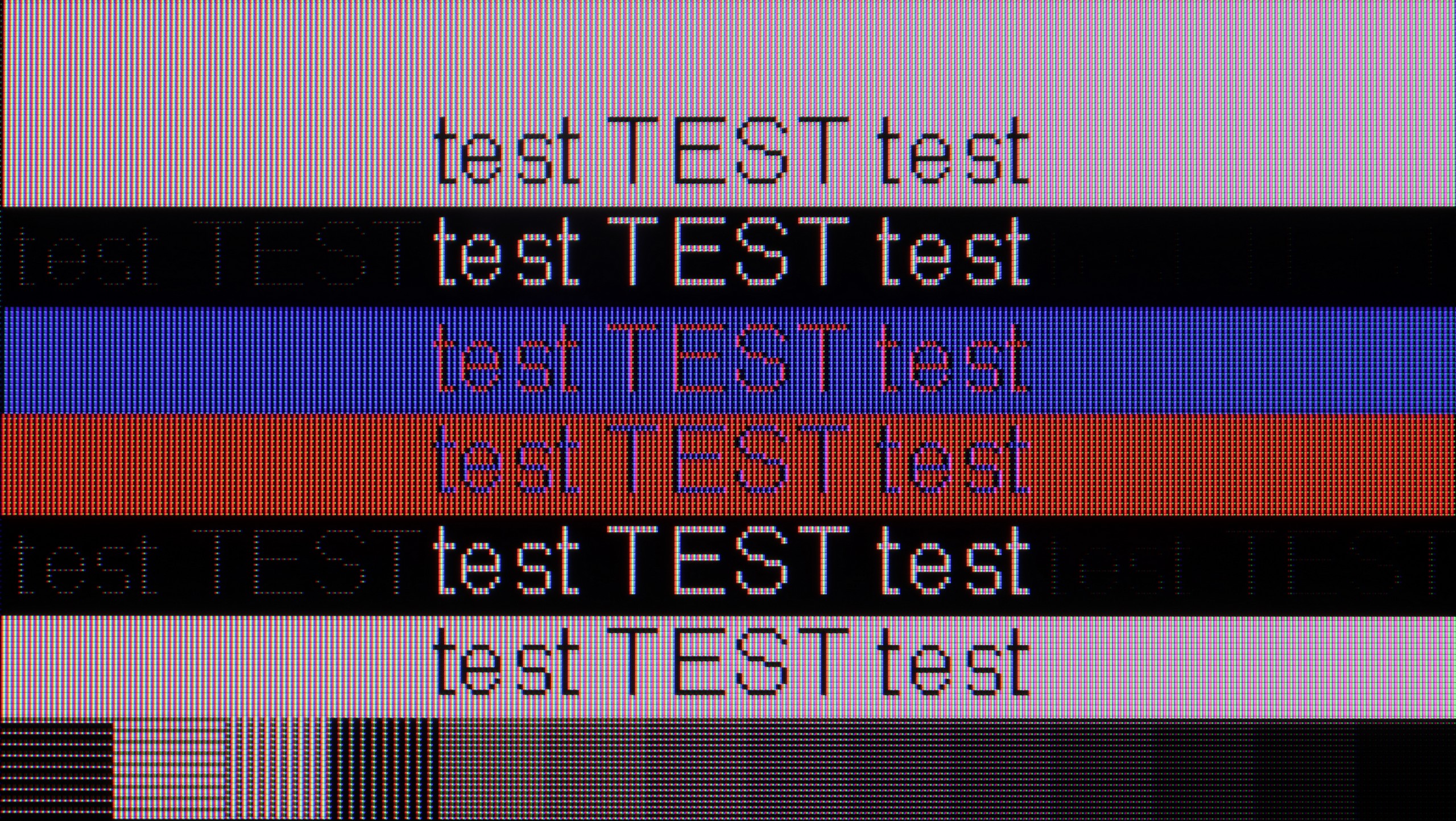
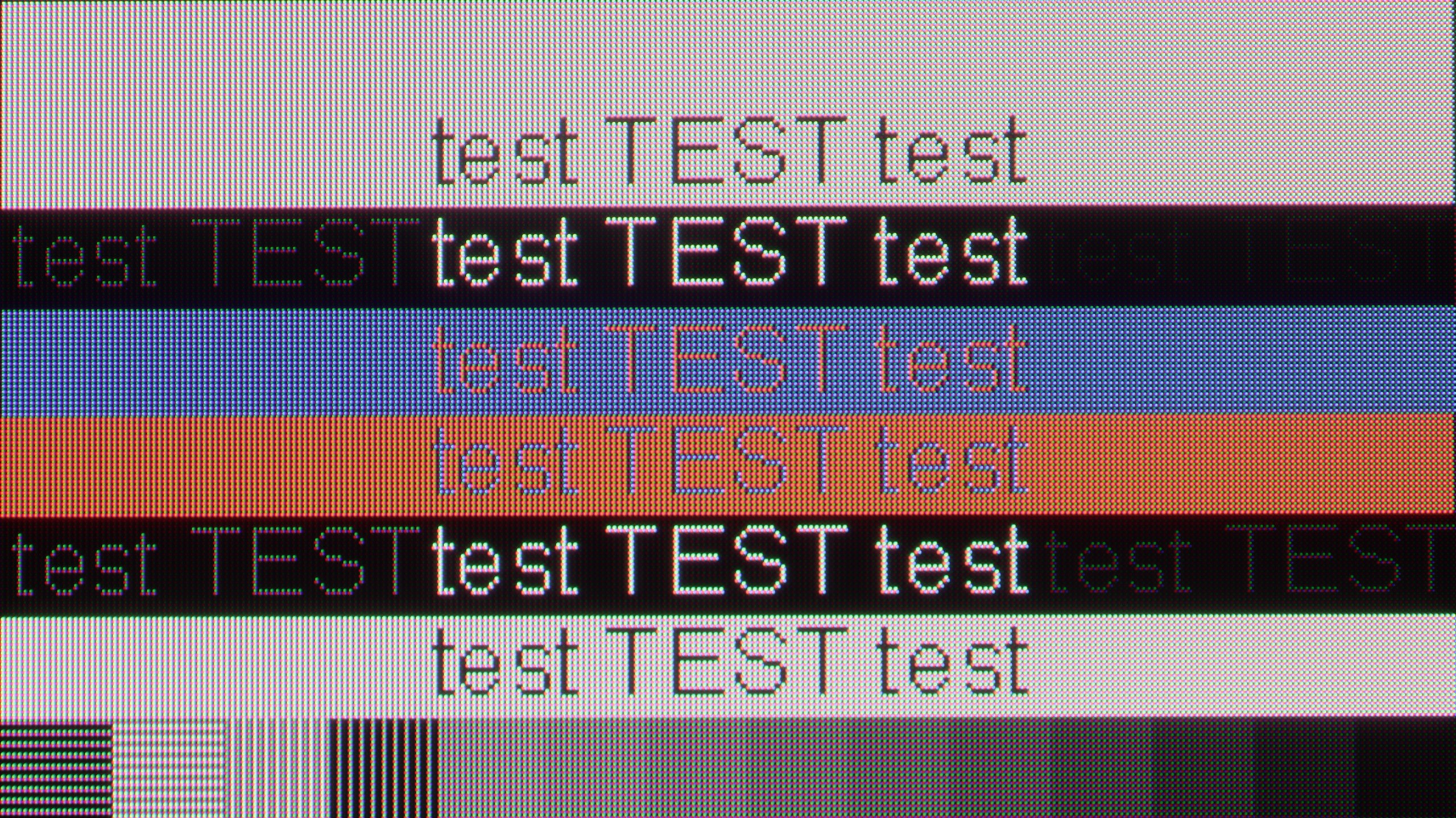
The photo shows the legibility of small fonts. Ideally, lines should be the same thickness on both light and dark text, with minimal pixel gaps.

As we mentioned earlier, the C8K is a television designed with gamers in mind – and not just for console gaming. Connecting a PC is pure pleasure. The low input lag is practically unnoticeable, and the 4K panel at 144 Hz (or even 288 Hz in Full HD) makes gameplay exceptionally smooth. This is the kind of equipment that is really hard to tear yourself away from once you plug in a keyboard and mouse.

Office work and everyday use of the computer are equally impressive. Fonts – regardless of size – are readable and sharp thanks to Chroma 444. However, we have a small note: with very thin horizontal lines, slight imperfections can be noticed. We assume, though, that few will notice this, as hardly anyone plans to place the smallest 65-inch monster 50 cm from their face and use it like a regular monitor.

Compared to last year's A95L, the Bravia 8 II has made a significant leap forward in terms of compatibility with PC computers. The support for 4:4:4 chroma works flawlessly, so text – both regular and very fine – remains sharp and clear. This means that working with documents, spreadsheets, or even editing photos does not strain the eyes and does not require fiddling with settings.

However, there is a certain sense of dissatisfaction. One would expect additional gaming mode with refresh rates above 120 Hz in a television of this class. After all, in the price segment this model occupies (and even in lower ones), 165 Hz and even 240 Hz are becoming increasingly common. This option is missing here, which may be a slight disappointment for some PC enthusiasts. Fortunately, thanks to its low input lag and support for G-Sync, the Bravia 8 II can still immerse players in PC gaming without feelings of delay or image tearing. It is equipment that performs well not only in the living room but also on the player's desk.

Viewing angles

4.5/10

9.8/10

Brightness drop at an angle of 45 degrees
80%
11%

One of the novelties in this year's TCL series is the WHVA panel, which has finally made a significant advancement in viewing angles for the Chinese manufacturer. And although you can't completely cheat physics – brightness does indeed drop quite noticeably when viewed from the side – the image itself remains readable and does not drastically lose colours or contrast. This is a considerable change, as VA panels typically fall short compared to IPS panels in this category. Meanwhile, in the C8K, it is evident that TCL has made an effort to ensure that even viewers sitting slightly to the side can still enjoy the full depth of the image – something that will be appreciated by anyone who cannot sit 'in the perfect middle of the sofa'.

In this respect, the Bravia 8 II is at the absolute top of the market. Thanks to the use of a QD-OLED panel, the television maintains full colour depth and high contrast even when viewed from a large angle. This is a distinct advantage over constructions based on WOLED panels, which can slightly lose saturation and detail at more extreme viewer positions. Like its competitor, the Samsung S95F, the Bravia 8 II performs almost flawlessly in this category – regardless of whether we are watching a film from the sofa, from a chair nearby, or standing in the corner of the room, the image remains true to the original.

Daytime performance

6.9/10

5.6/10

Panel finish
Glare
Glare
Reflection suppression
Decent
Good
Black levels during daytime
Very Good
Average

Panel brightness

Sony Bravia 8 MK2: 419 cd/m2

TCL C8K: 613 cd/m2

C8K is truly a bright performer, and not just in theory. In SDR content, it can achieve an impressive 700 nits, which translates to very good image readability even in brightly sunlit rooms. So if you have a bright living room with large windows, this television won't have much trouble with that. However, it is worth mentioning one detail: the WHVA panel used here, with improved viewing angles, causes light reflections to be more diffused sideways. In practice, this means that, for example, wall sconces or floor lamps directly opposite the screen may reflect in a slightly more widespread manner than in typical glossy/satin panels.

For a television of this class, we expected a better performance. An average SDR brightness of around 400 nits is definitely too little to speak of great visibility in a sunlit living room. In very demanding lighting conditions, we will be forced to reach for curtains or… move the television to another location. As with every QD-OLED panel, the black levels during the day are not perfectly black – they have a slight cherry tint. Fortunately, this technology also has its advantages over WOLED panels – it effectively reduces reflections, making direct light glare less bothersome. Despite this advantage, the overall efficiency of the Bravia 8 II in a bright room should be assessed as average, particularly in the context of the high-class equipment to which this model belongs.

Panel details

Backlight Type
Mini-LED QLED
Software version during testing
V8-0012T01-LF1V531.002396
112.632.050.1EUA
Image processor
4x ARM Cortex-A73 @1390MHz
MT5897 6GB RAM

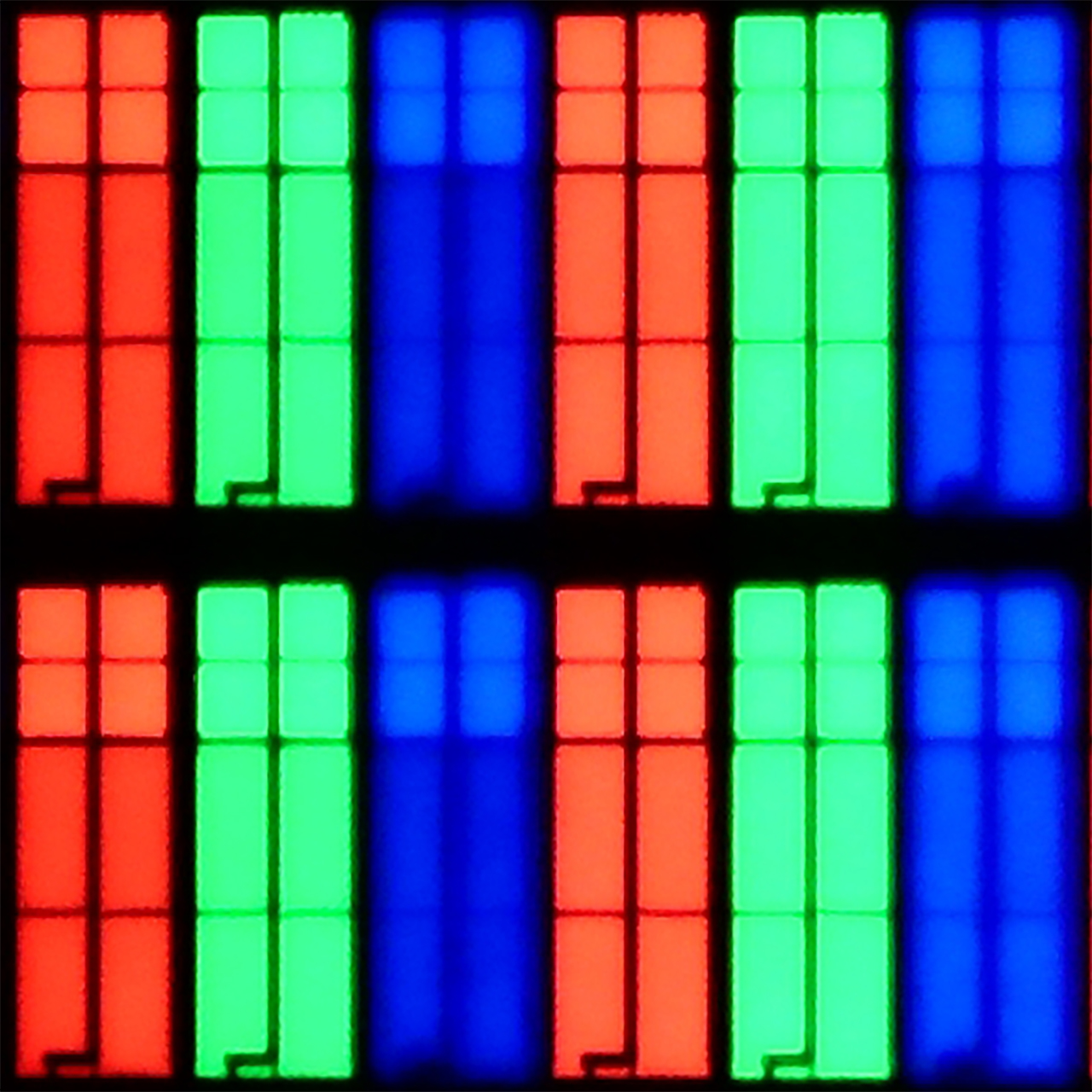
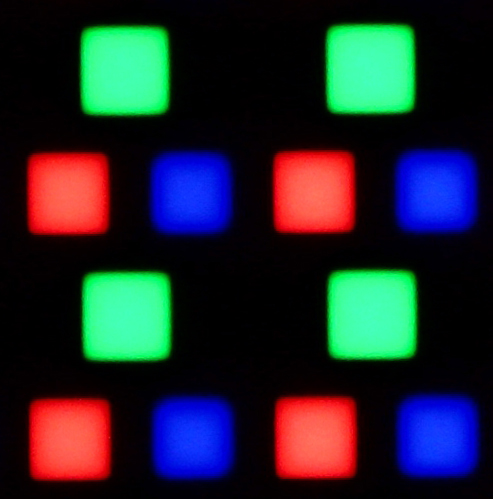
Subpixel Structure:

Panel uniformity and thermal imaging:

Review TCL C8K TV Panel details
Review Sony Bravia 8 MK2 TV Panel details

TV features

7.7/10

8.9/10

  • HDMI inputs
    2 x HDMI 2.0, 2 x HDMI 2.1 48Gbps
    2 x HDMI 2.0, 2 x HDMI 2.1 48Gbps
  • Outputs
    Toslink (Optical audio), eARC (HDMI), ARC (HDMI)
    Toslink (Optical audio), eARC (HDMI), ARC (HDMI)
  • Network Interfaces
    Wi-Fi 2.4GHz, Wi-Fi 5GHz, Ethernet (LAN) 100Mbps
    Wi-Fi 2.4GHz, Wi-Fi 5GHz, Ethernet (LAN) 100Mbps
  • TV reception
    DVB-T, DVB-T2, DVB-S, DVB-S2, DVB-C
    DVB-T, DVB-T2, DVB-S, DVB-S2, DVB-C

Classic features:

  • Recording to USB (terrestrial TV)
    No
    Yes
  • Recording programming
    No
    Yes
  • Picture in Picture (PiP)
    No
    No
  • RF remote control (no need to aim)
    Yes
    Yes
  • Backlit remote control
    Yes
    No
  • Teletext
    Yes
    Yes
  • Audio only mode
    Yes
    Yes
  • Bluetooth headphones support
    Yes
    Yes
  • Simultaneous Bluetooth headphones & TV audio
    Yes
    Yes

Smart features:

  • AirPlay
    Yes
    Yes
  • Screen mirroring (Windows Miracast)
    Yes
    Yes
  • Voice search
    Yes
    Yes
  • Voice search in native language
    Yes
    Yes
  • Ability to connect a keyboard and mouse
    Yes
    Yes
Review TCL C8K TV features
Review Sony Bravia 8 MK2 TV features

Classic Television Features

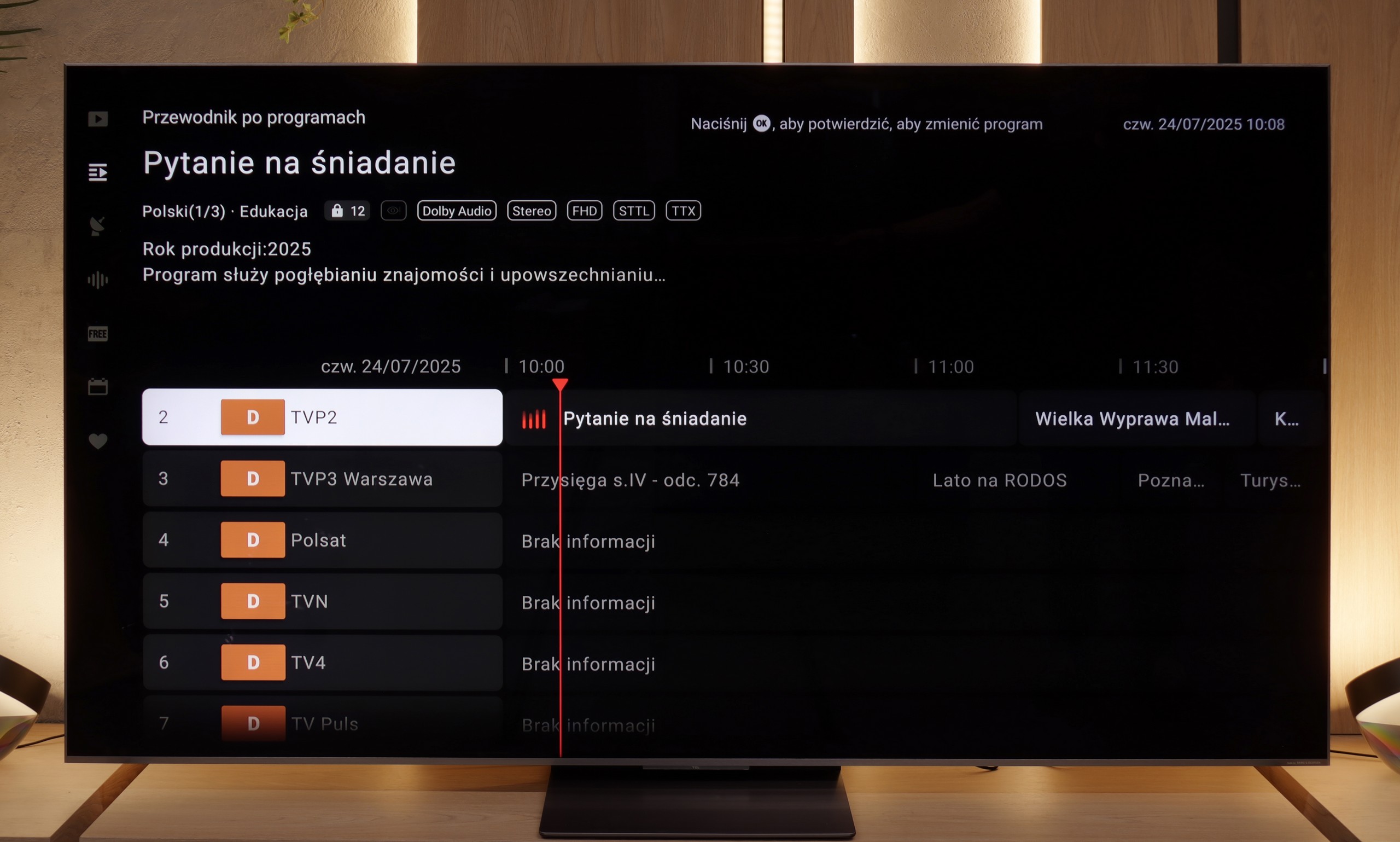
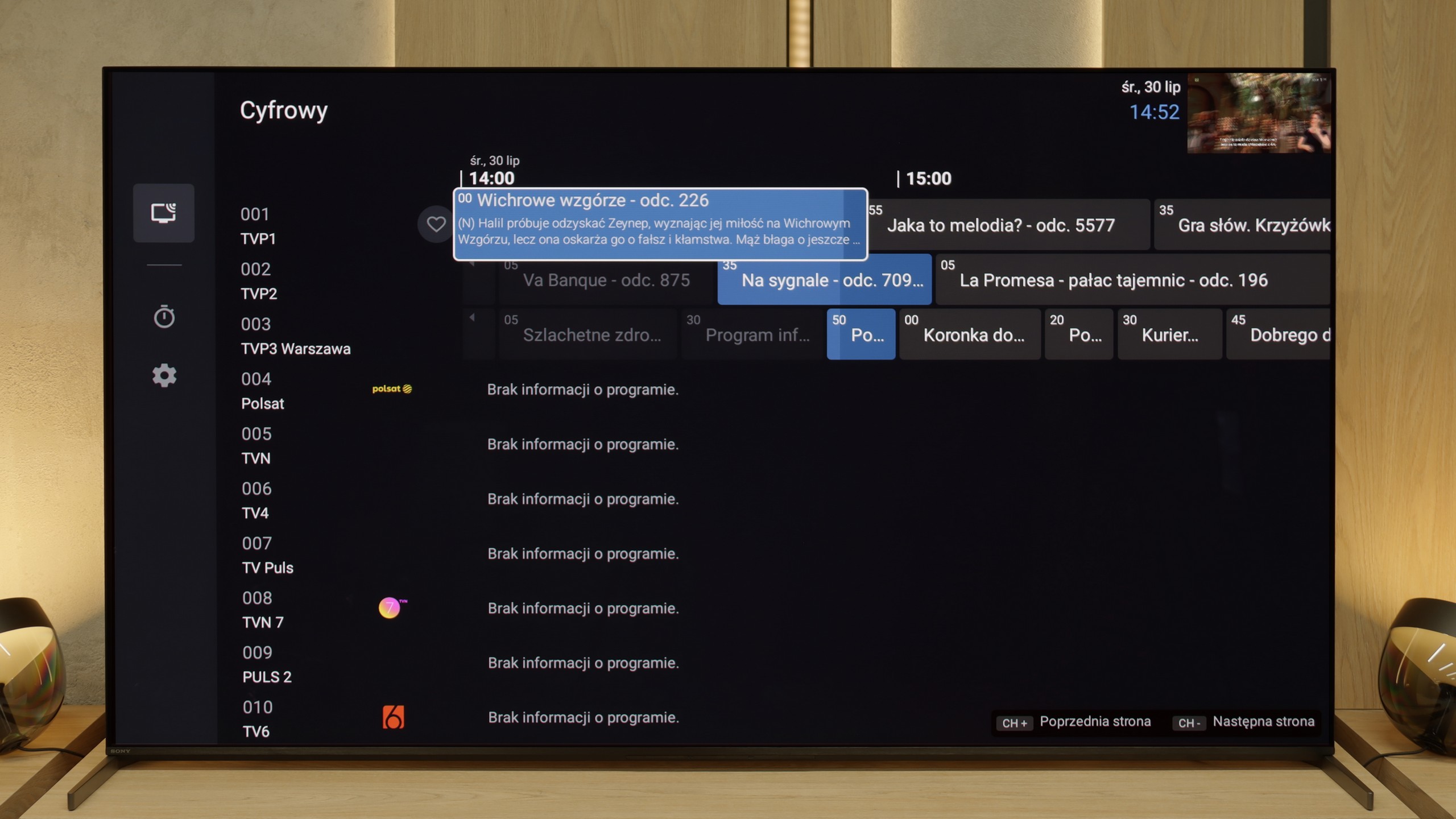
The TCL C8K offers the vast majority of features that we consider essential today. It has a classic and clear electronic programme guide (EPG), and teletext features are included, while connecting a keyboard, mouse, or Bluetooth headphones posed no problems at all. It's somewhat unfortunate that the Google TV system – like in many other TCL models – lacks more advanced options, such as programme recording or picture-in-picture (PiP). This may be a drawback for some users, especially if they are accustomed to using these options with other manufacturers. One might also have some reservations about the number of USB ports – there is only one. However, in practice, most people will find it sufficient to connect a drive with movies or a USB stick.

Smart Features

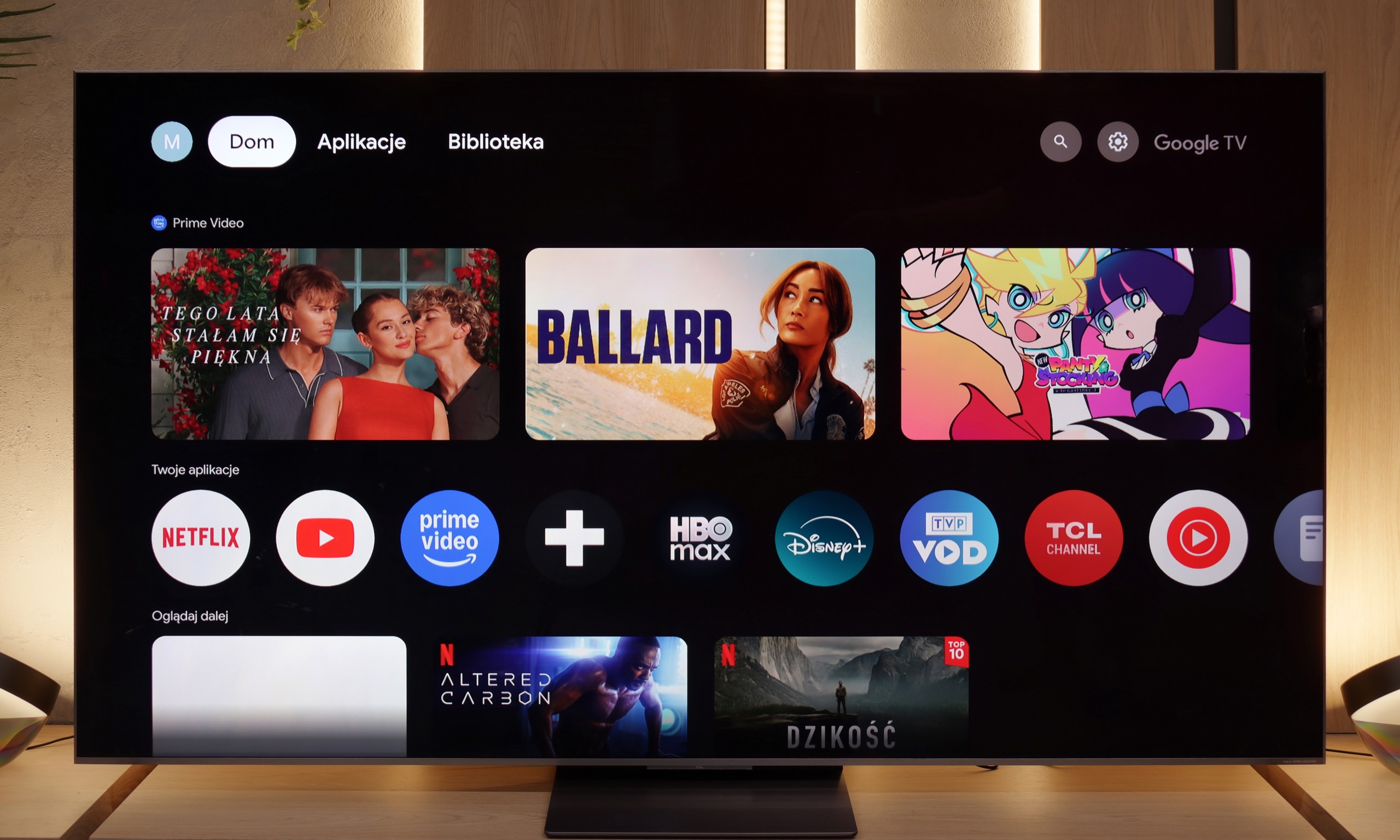
While classic television functions are not the strong suit of the C8K, in terms of smart features, this television truly shines. The Google TV system implemented is the largest and most popular platform on the market – and you can feel it at every turn. The availability of applications is phenomenal. Netflix, YouTube, Disney+, HBO Max, Amazon Prime – all of these can be found here without the slightest problem. Only truly niche or closed ecosystems (e.g. Apple Music) may not be available. The built-in voice assistant works very efficiently – you can ask it to change the channel, launch an application, search for a film, or check the weather. The system responds naturally and quickly, giving a genuine sense of convenience and modernity. It is precisely here that the C8K definitely outpaces a large portion of the competition – after all, that's why we have smart TVs, so that the television does more than just display images.

SONY Bravia 8 II – Features of the Television

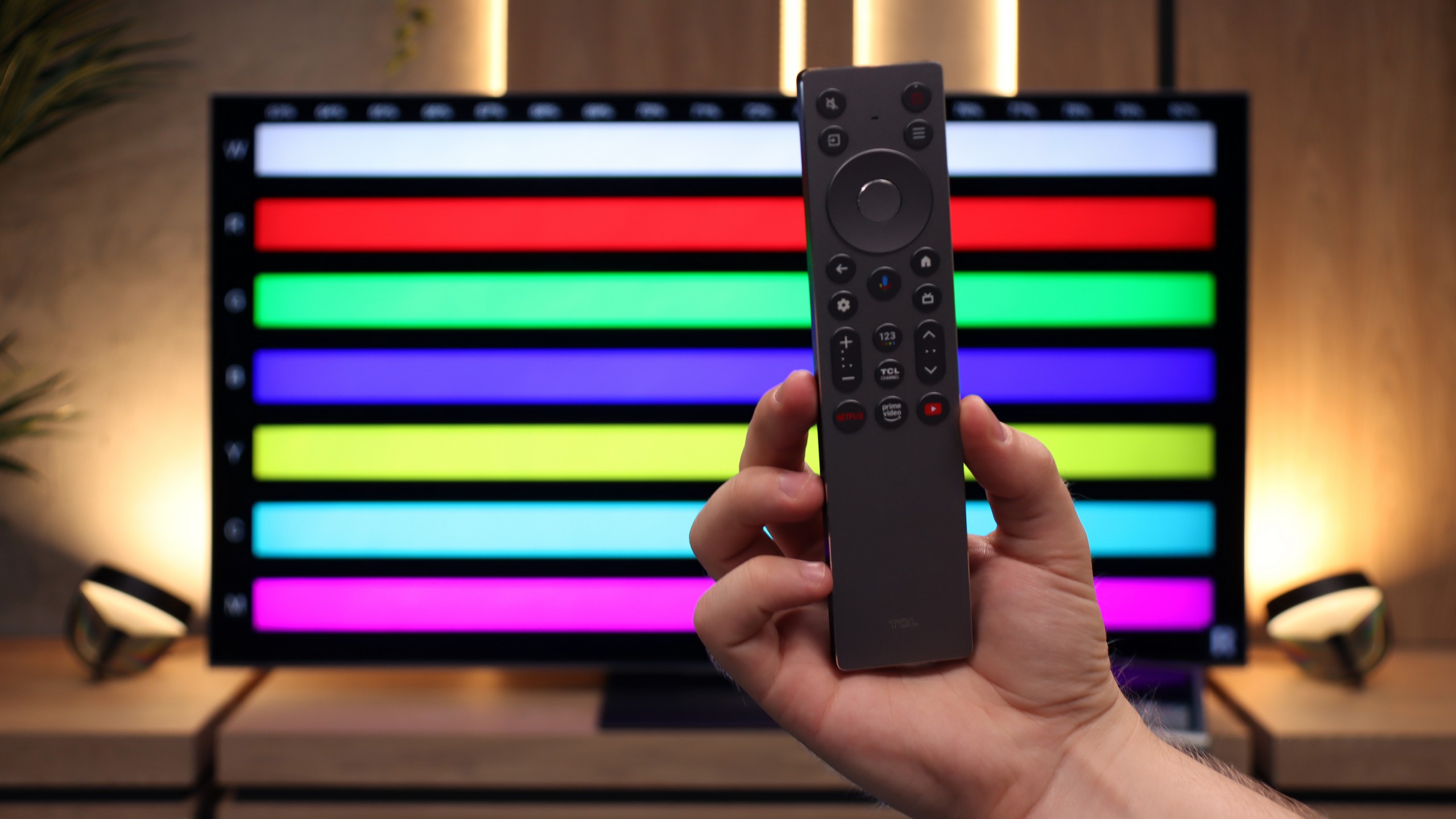
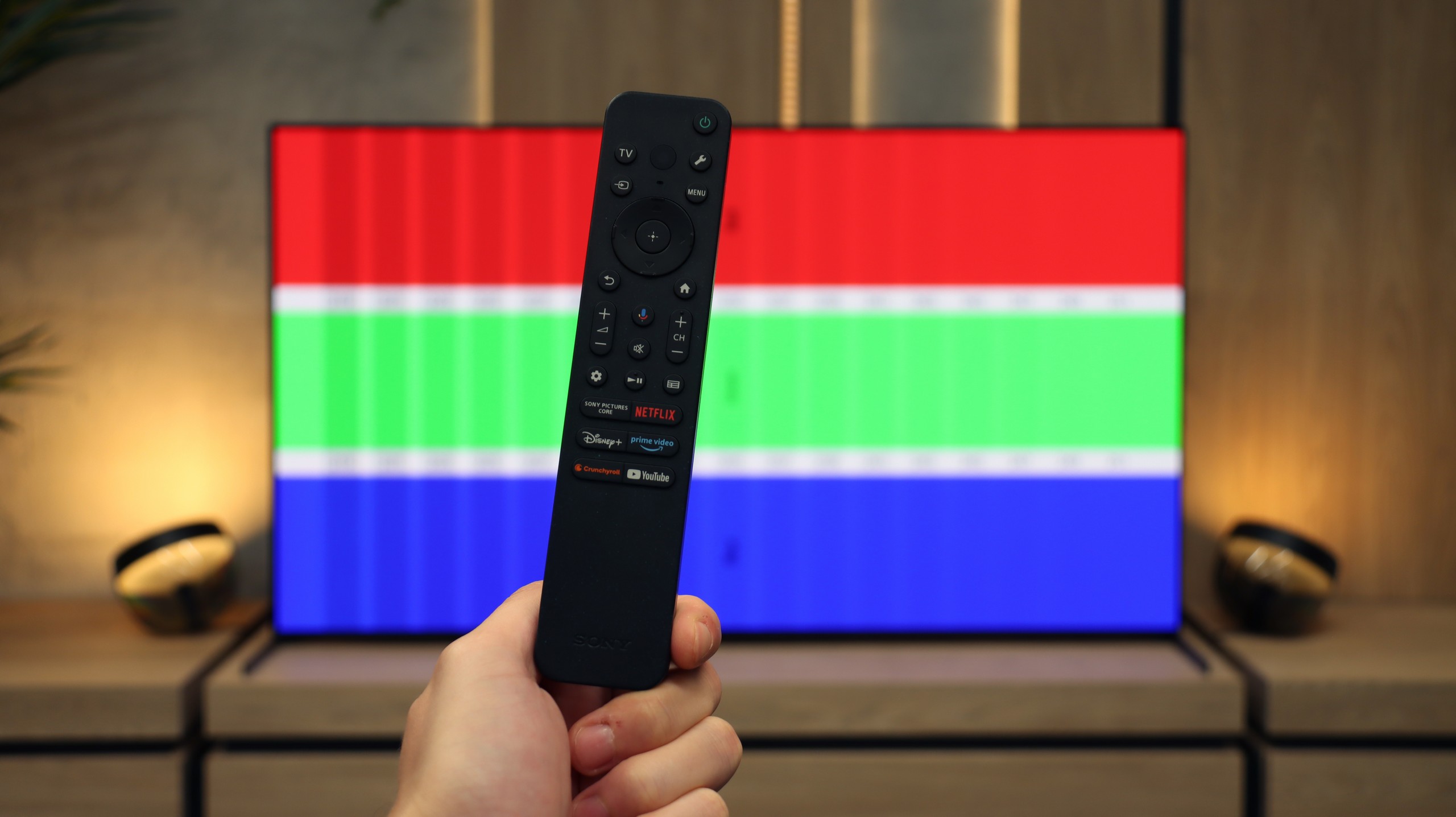
Bravia 8 II has a lot to offer to those who use a television in a traditional way. In the package, we receive two remote controls – one modern, minimalist "smart" and the other, traditional, numeric, designed for those who treat the television simply... like a television 😉. Sony also allows for programming and recording television broadcasts to external memory, e.g. a USB drive. Features such as EPG or teletext are hardly worth mentioning – they are obvious.

SONY Bravia 8 II – GoogleTV

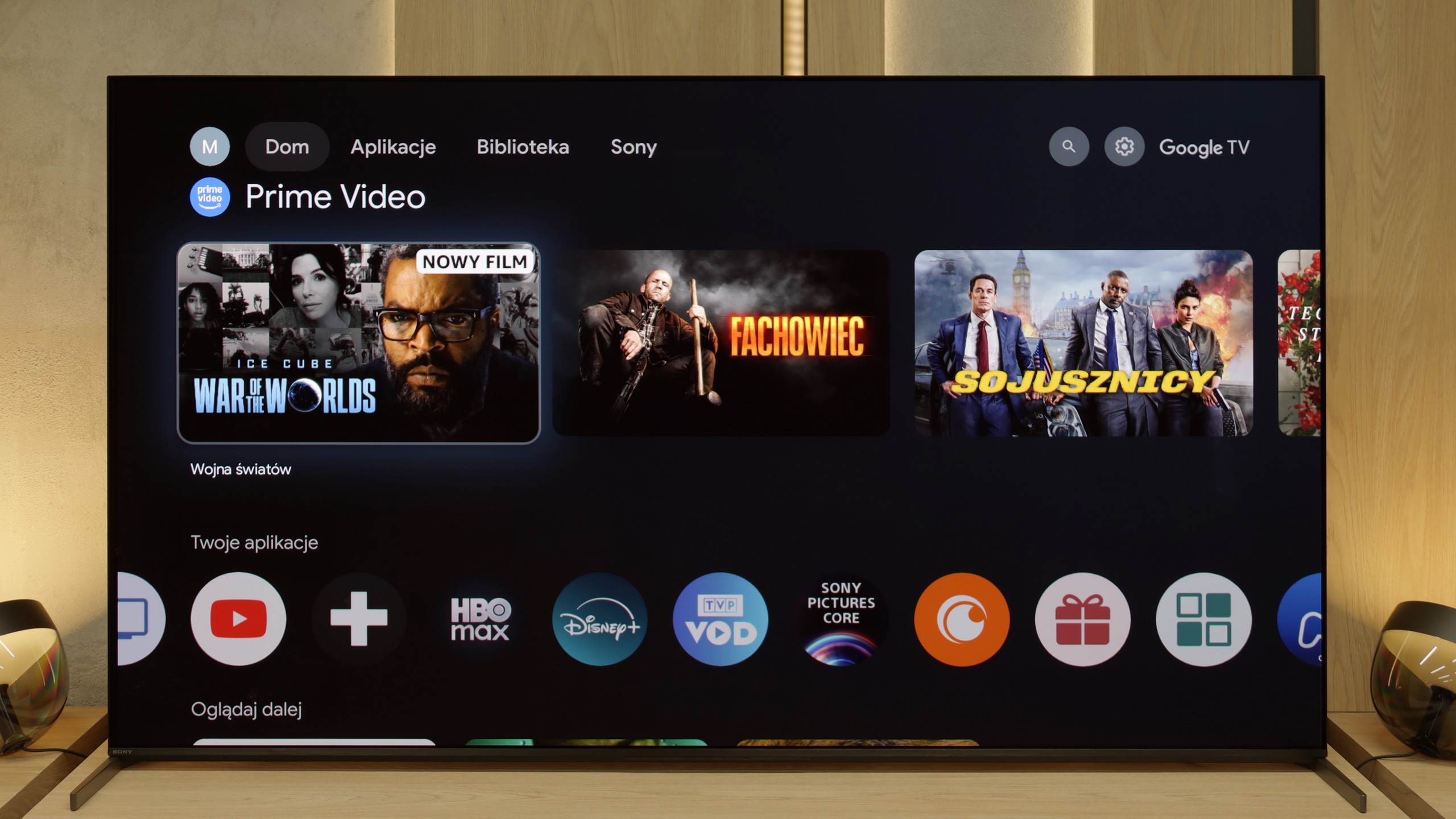
When it comes to smart functions, the biggest advantage is the Google TV system, which we believe Sony has refined the best on the market among all manufacturers. Although the system can be demanding in terms of hardware, it runs very smoothly on the Bravia 8 II. Google TV also offers a huge selection of applications, which is another strong point. There are also exclusive features that are hard to find with competitors – including the ability to play remotely on your own PlayStation console or access to the private film library Bravia Core, available exclusively on Sony televisions. In short – a complete package of possibilities.

Apps

9.6/10

9.6/10

OK
Disney_Plus
OK
Amazon_Prime_Video
OK
Player_TVN
OK
Polsat_Box_Go
OK
Canal_Plus_Online
OK
TVP_VOD
OK
Apple_TV_Plus
OK
SkyShowtime
OK
Rakuten
OK
CDA_Premium_Browser
OK
Spotify
OK
Tidal
OK
Netflix
OK
YouTube
OK
HBO_MAX
OK
Kodi
No
Apple_music
OK
Eleven_sports
No
Xbox Game Pass
OK
GeForce Now!
No
Amazon Luna
OK
Boosteroid
OK
Steam Link
OK
Disney_Plus
OK
Amazon_Prime_Video
OK
Player_TVN
OK
Polsat_Box_Go
OK
Canal_Plus_Online
OK
TVP_VOD
OK
Apple_TV_Plus
OK
SkyShowtime
OK
Rakuten
OK
CDA_Premium_Browser
OK
Spotify
OK
Tidal
OK
Netflix
OK
YouTube
OK
HBO_MAX
OK
Kodi
No
Apple_music
OK
Eleven_sports
No
Xbox Game Pass
OK
GeForce Now!
No
Amazon Luna
OK
Boosteroid
OK
Steam Link

Playing files from USB

9.2/10

8.9/10

Supported photo formats:

JPEG
Yes
Yes
HEIC
No
Yes
PNG
Yes
No
GIF
Yes
No
WebP
Yes
No
TIFF
No
No
BMP
Yes
No
SVG
No
No

Maximum photo resolution:

4 Mpix
Yes
Yes
6 Mpix
Yes
Yes
8 Mpix
Yes
Yes
10 Mpix
Yes
Yes
12 Mpix
Yes
Yes
16 Mpix
Yes
Yes
20 Mpix
Yes
Yes
24 Mpix
Yes
Yes
28 Mpix
Yes
Yes
32 Mpix
Yes
Yes

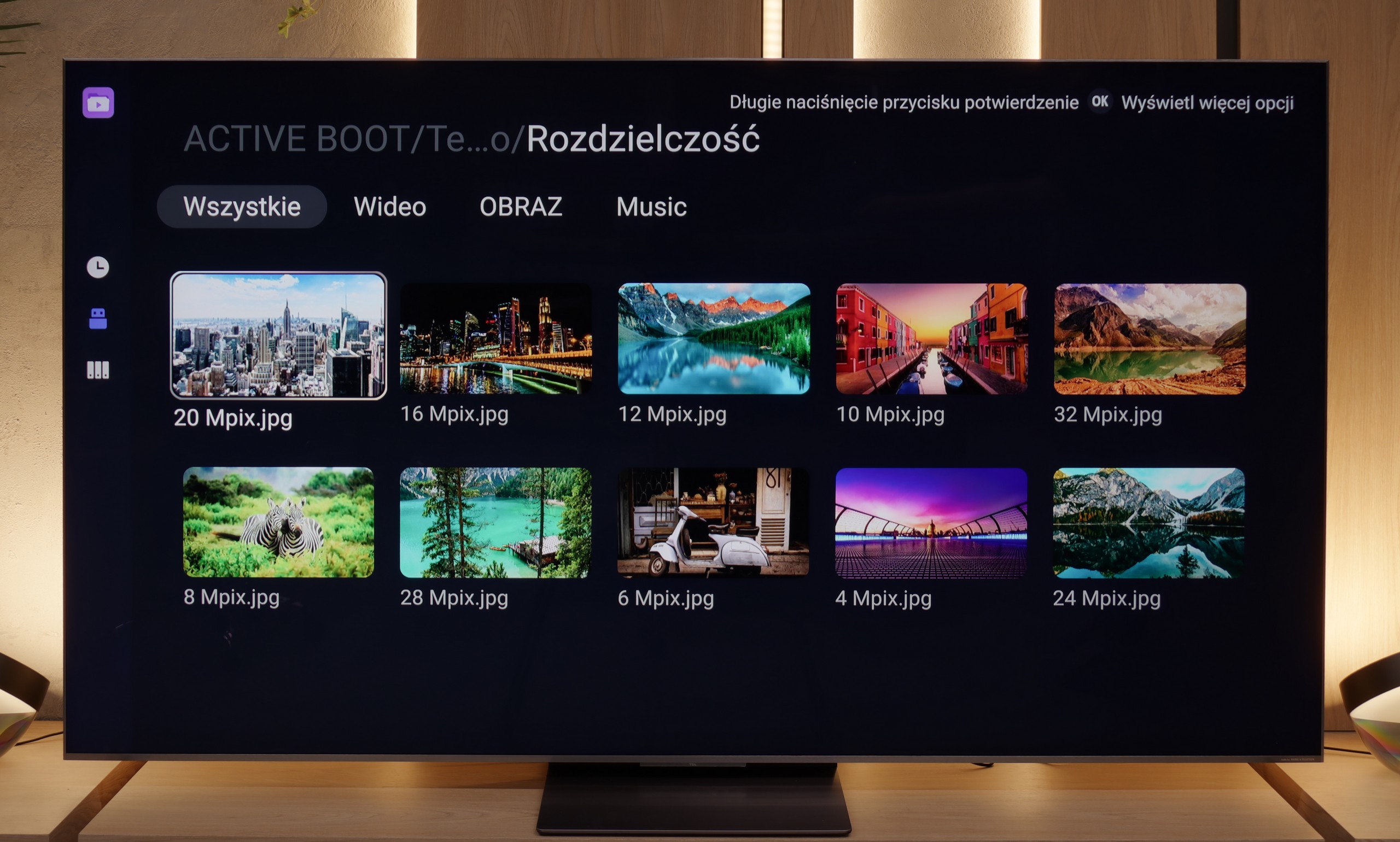
We did not expect miracles, but... we got more than we anticipated. The TCL C8K handled most of the files we put on the USB stick without any issues. Movies in MKV, older AVI, audio tracks in DTS or AC3 – everything worked without a hitch. If we were to nitpick, it would be the usual lack of support for the HEIC format from Apple devices, but that is a standard shortcoming one can live with. The most important thing, however, is that if someone lacks anything, they can simply... install a better player. And this is where the advantage of Google TV is felt.

The Bravia 8 II performs very well when it comes to media playback – the built-in player handles virtually everything you would expect. Admittedly, there are a few formats that it does not support, but this is not a serious issue. The biggest advantage is that, thanks to the Google TV system, we are not limited solely to the default player. At any time, we can install an alternative application that can handle files that the built-in Sony software struggles with. As a result, the television becomes a universal multimedia hub, ready to support almost any format.

Sound

7.9/10

8.5/10

  • Maximum volume
    77dB
    86dB
  • Dolby Digital Plus 7.1
    Yes
    Yes
  • Dolby True HD 7.1
    No
    No
  • Dolby Atmos in Dolby Digital Plus (JOC)
    Yes
    Yes
  • Dolby Atmos in Dolby True HD
    No
    No
  • DTS:X in DTS-HD MA
    Yes
    Yes
  • DTS-HD Master Audio
    Yes
    Yes

In the case of sound, we typically don't have high expectations. After all, a television is not a Hi-Fi system. But... the C8K pleasantly surprised us. A new feature in the latest top models from TCL is the collaboration with Bang & Olufsen and – most importantly – you can really hear that this isn't just a marketing gimmick. After just a few minutes with the TV, it was clear that it sounds different from a typical "flat screen." The sound is full with a slight but noticeable bass. Of course, we are still talking about sound from a television, so it won't compete with the cheapest soundbar with a subwoofer, but considering the standards of built-in speakers – it is very good.

*During testing at maximum volume, we noticed unusual behaviour in the audio system. With the slider set to 100%, the television reaches around 76–78 dB, but you can hear it trying to generate more power, after which the sound level is immediately adjusted back to the mentioned value. On the other hand, when we lower the volume to, for example, 70%, it initially drops as expected, but after a moment, it slowly rises back to the same level of 76 dB. This effect gives the impression of an aggressive limiter that always brings the volume down to a single level, regardless of the position of the slider. We checked this behaviour multiple times and in each case, the result was identical – no additional functions of "intelligent" volume adjustment or AI were active.

In terms of sound, the Bravia 8 II is absolutely top-notch in the world of televisions. Sony once again proves that their Acoustic Surface technology is not a marketing gimmick, but a real asset – the speakers hidden behind the screen make the entire panel act as a membrane. The sound stage is wide, dialogues sound exceptionally clear, and the audio follows the action on the screen precisely. It's one of the few televisions for which you can really forgo an additional soundbar. (Of course, the basic one). Moreover, Sony hasn't forgotten about the formats that the competition is slowly leaving behind – full DTS support is a nod to cinephiles who want to extract the maximum experience from films and series recorded on physical media.

Sound Quality Test

Acoustic Measurements

77dBC (Max)

75dBC

86dBC (Max)

75dBC