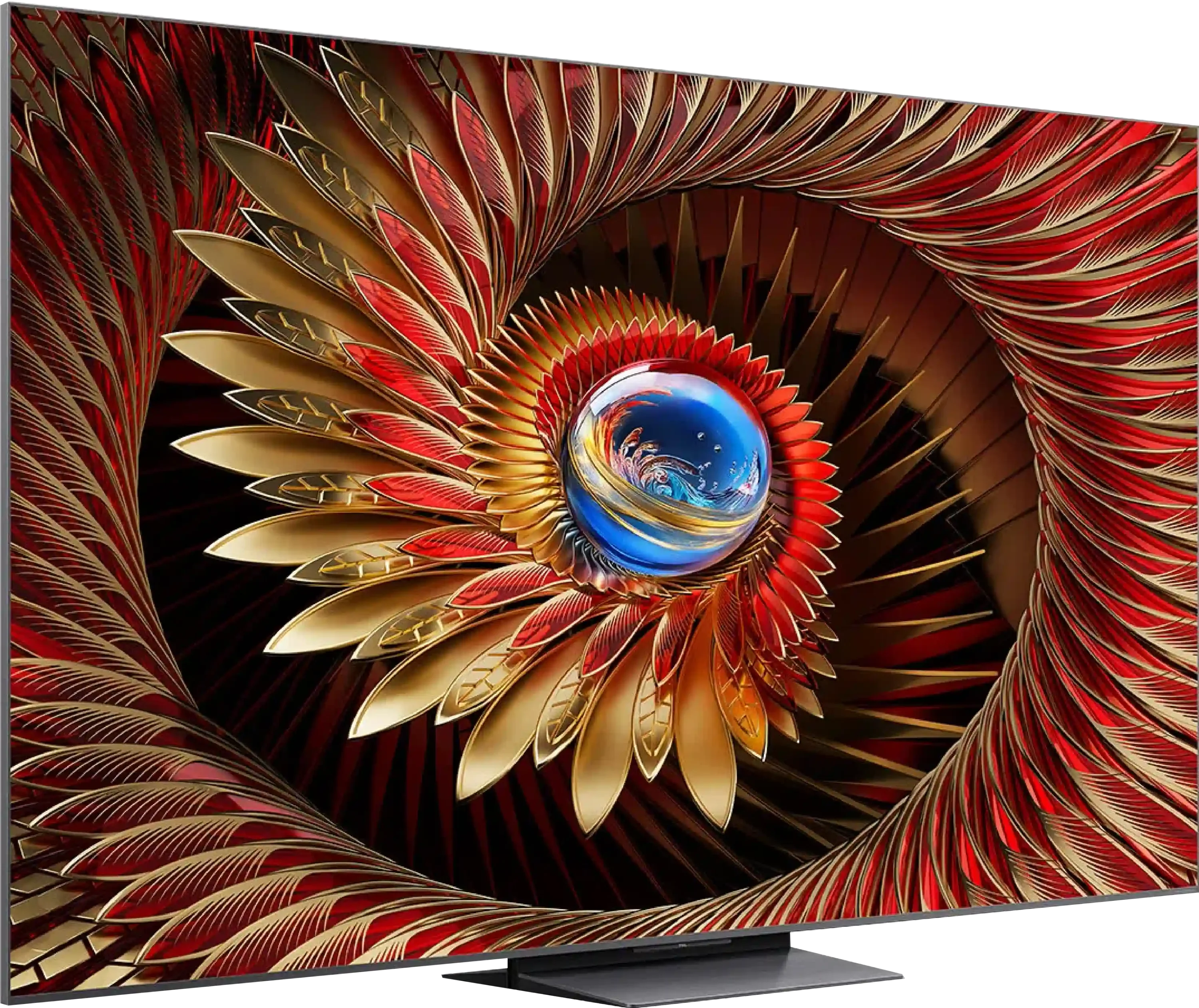
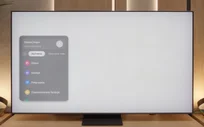
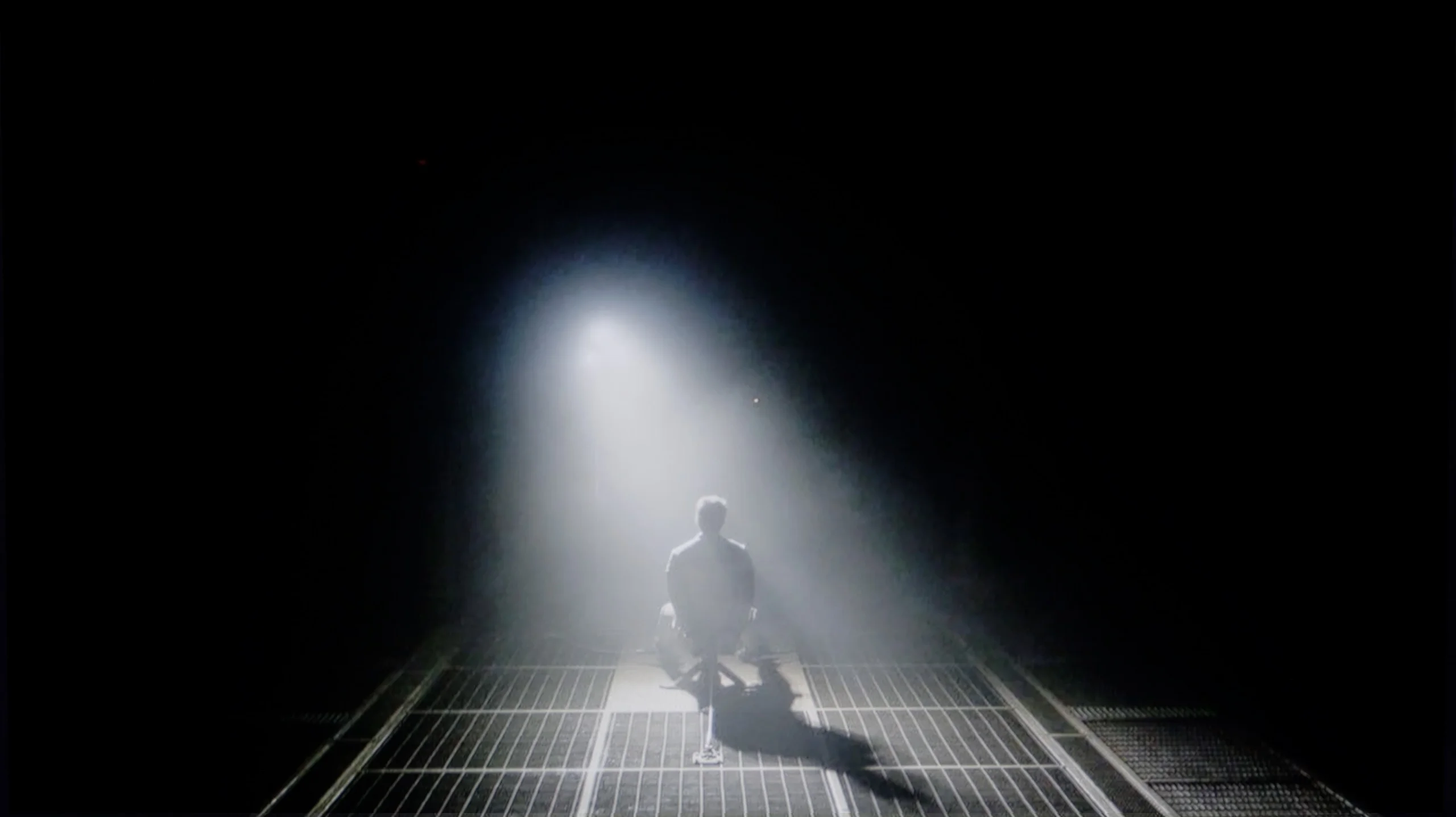
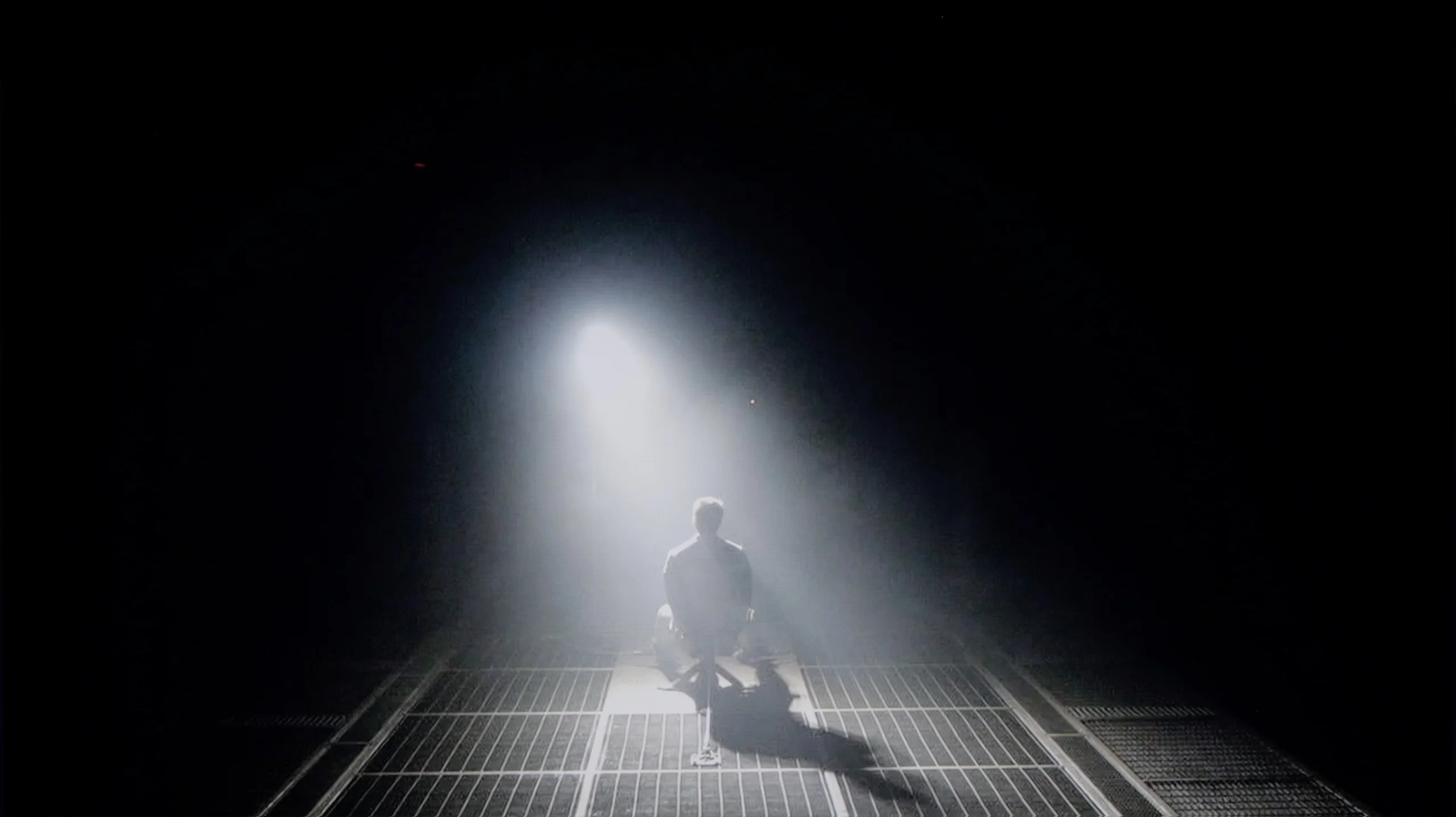
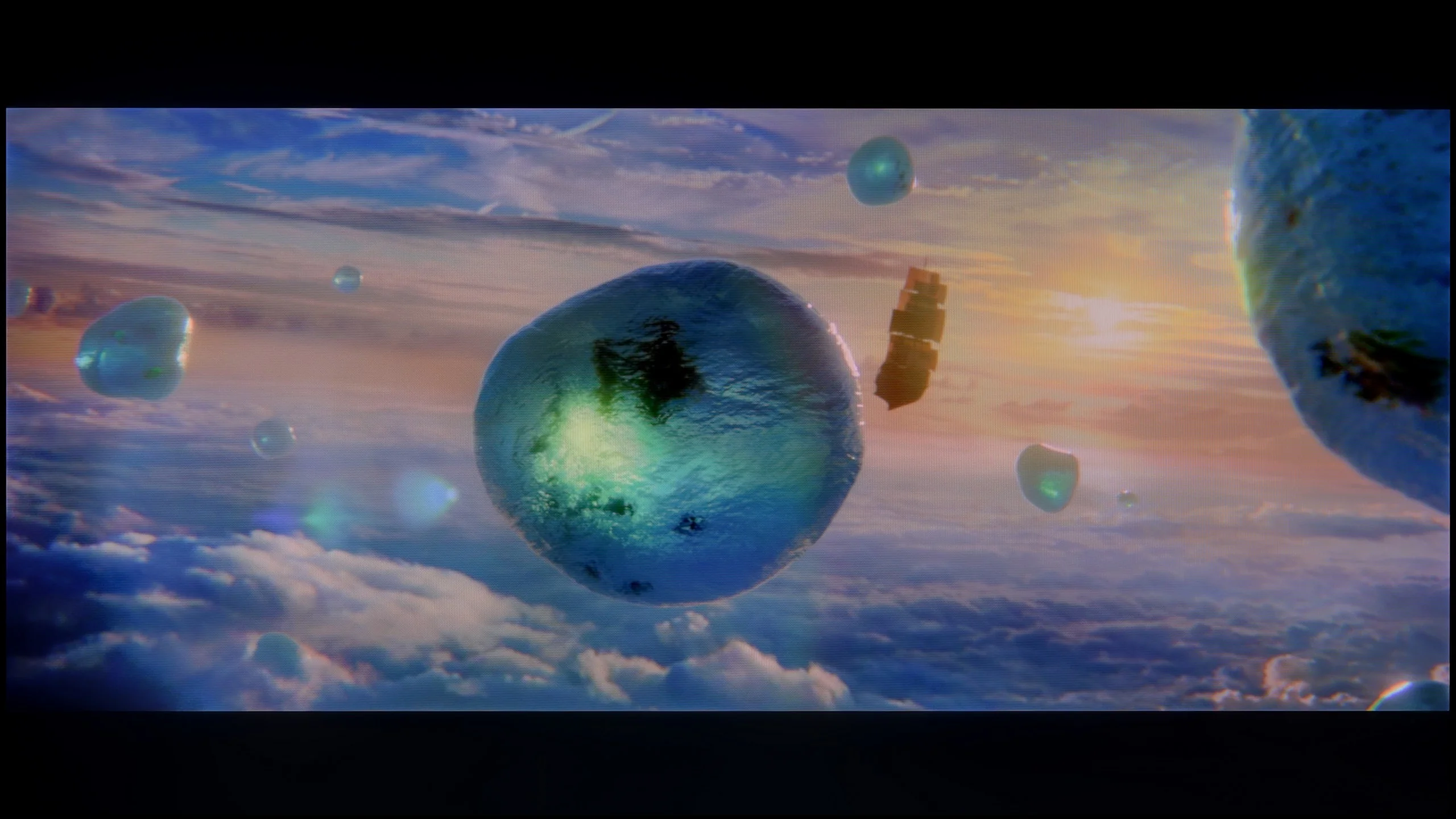
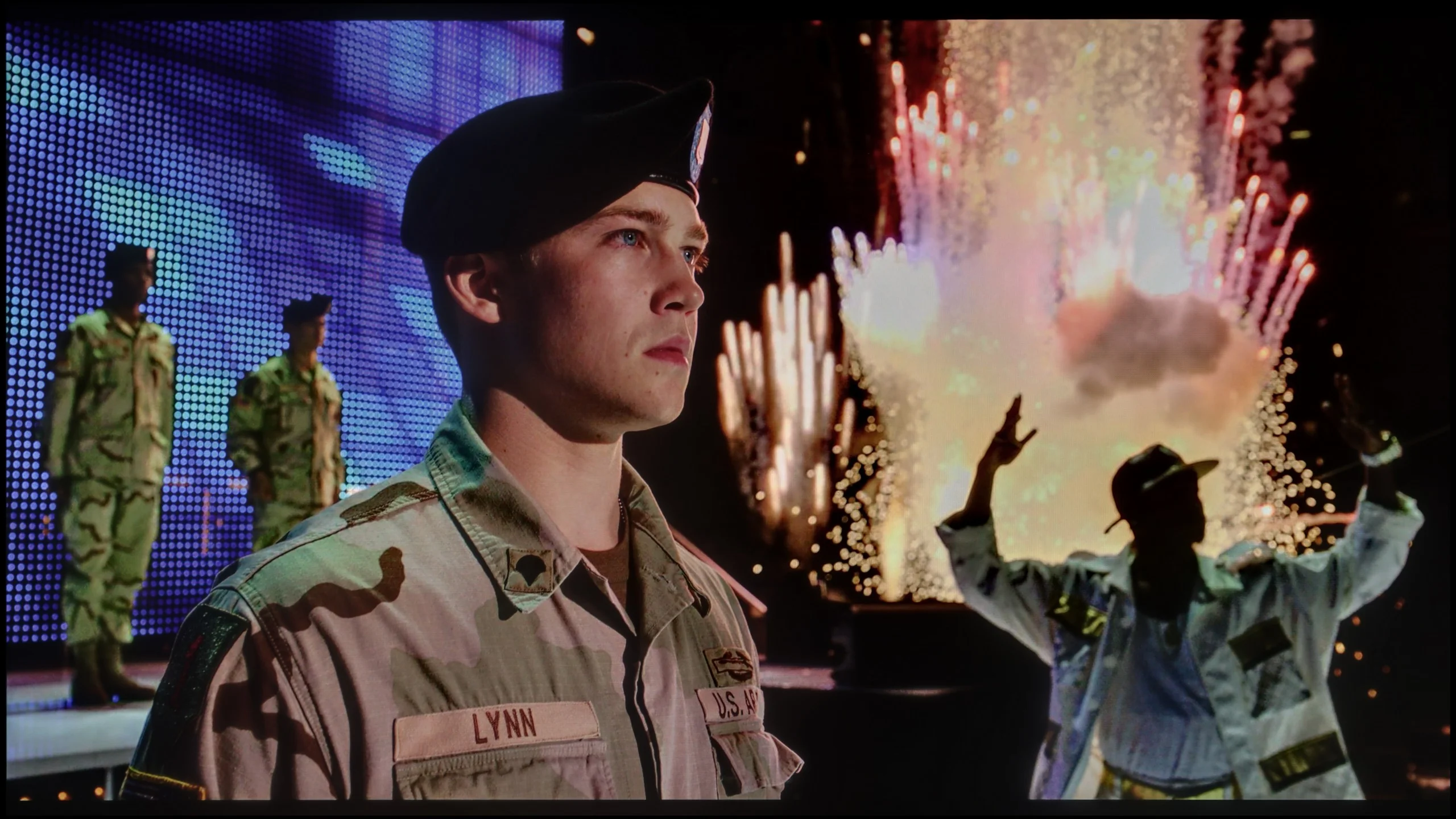
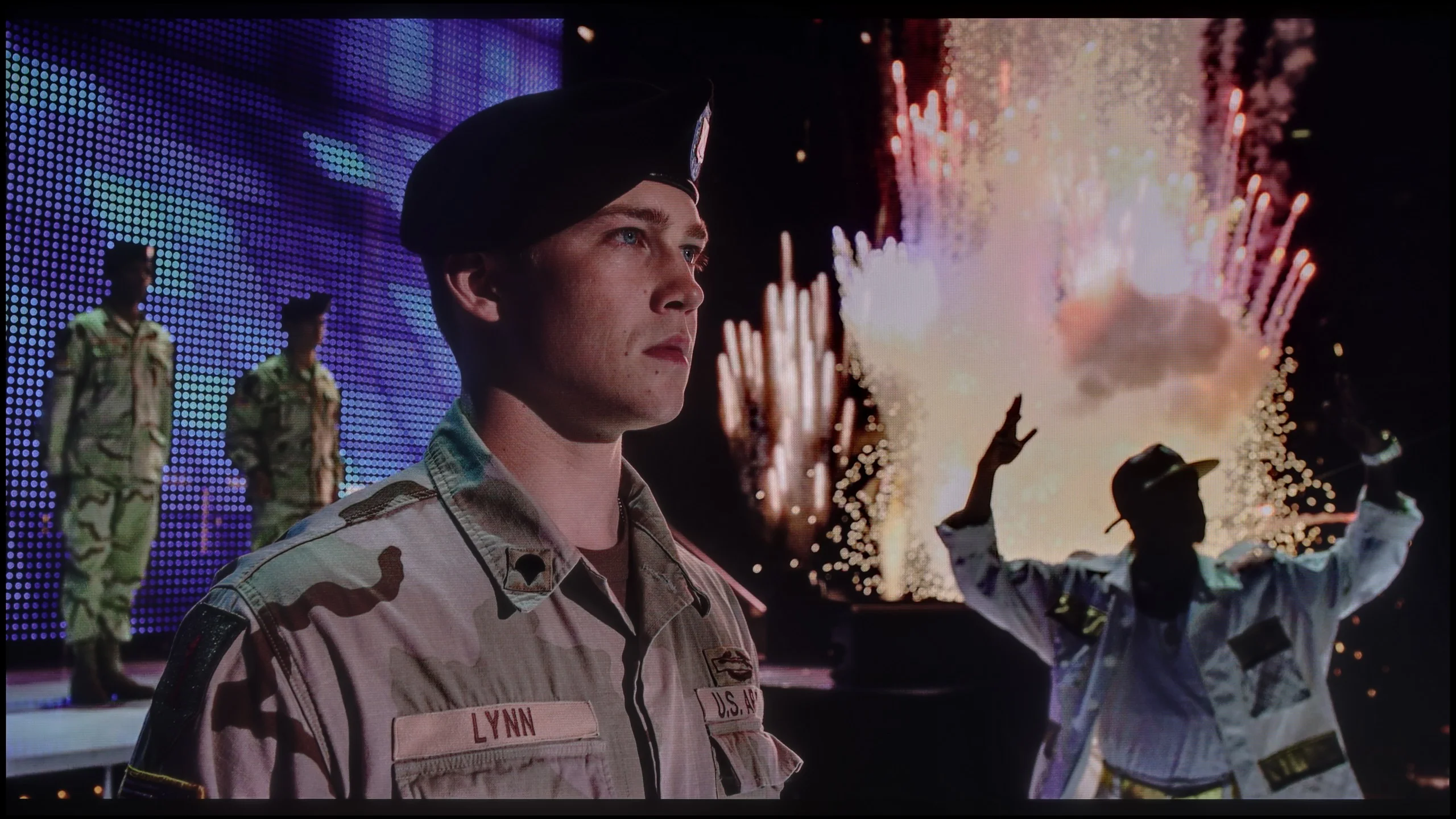
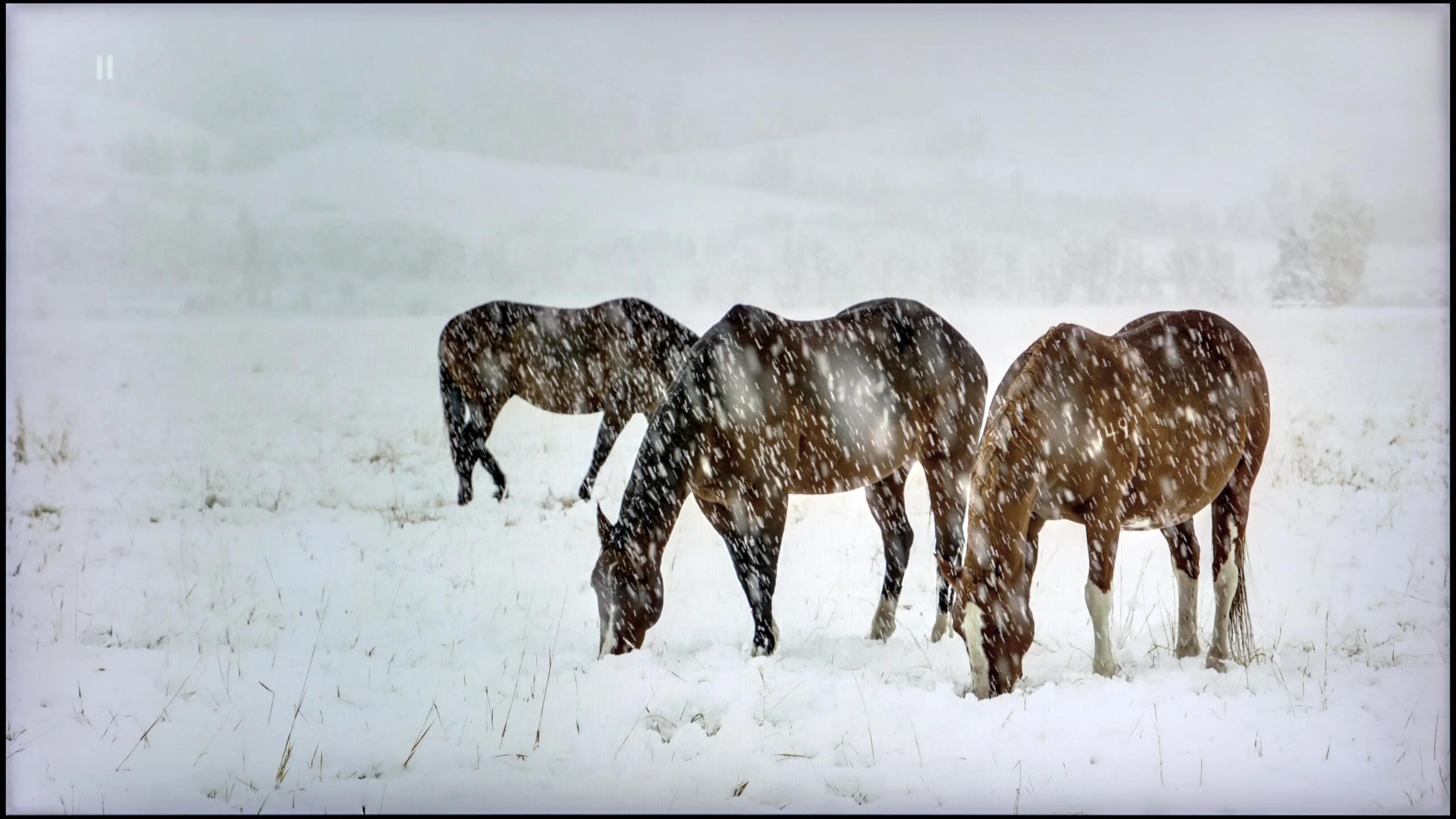
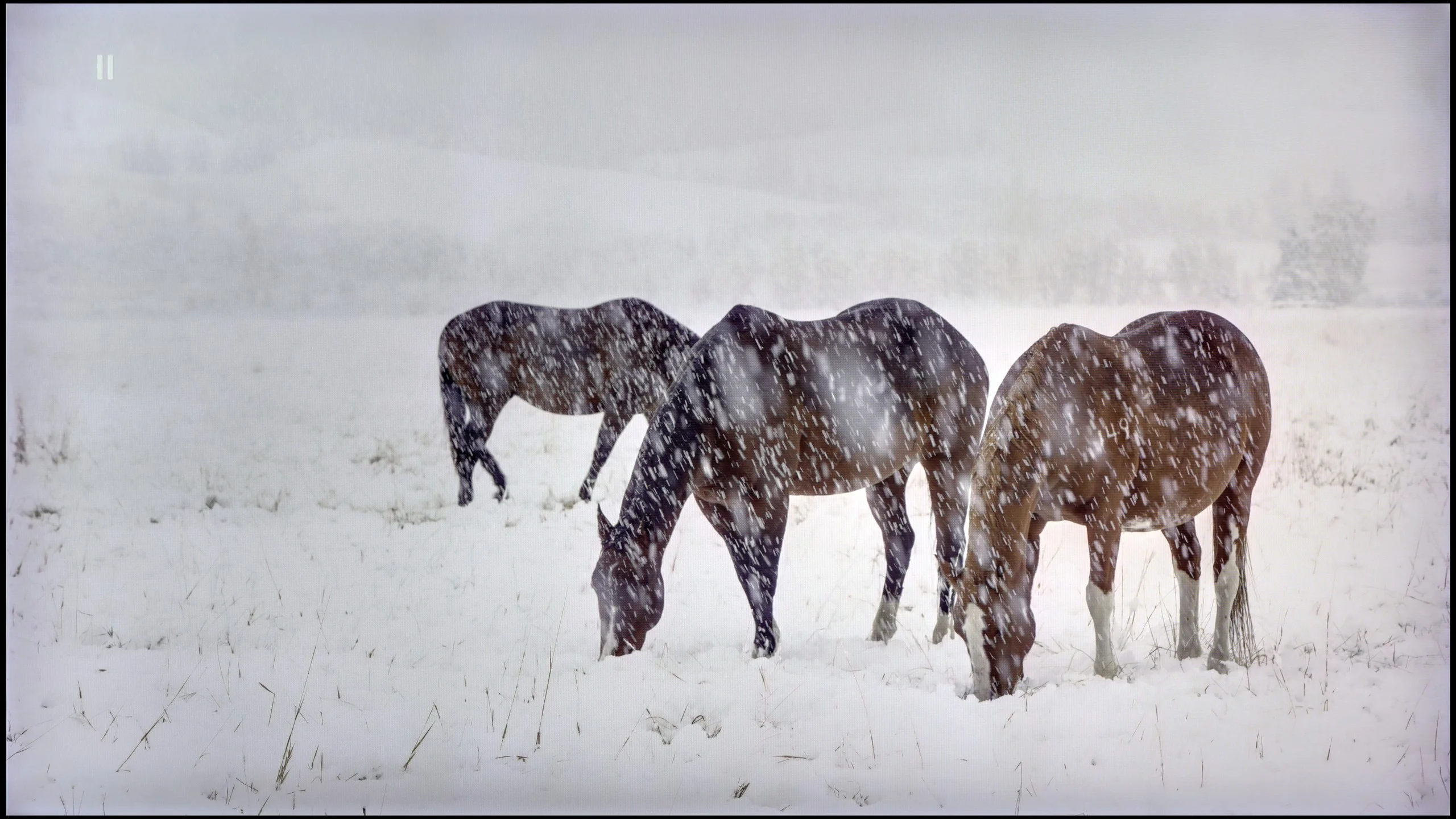
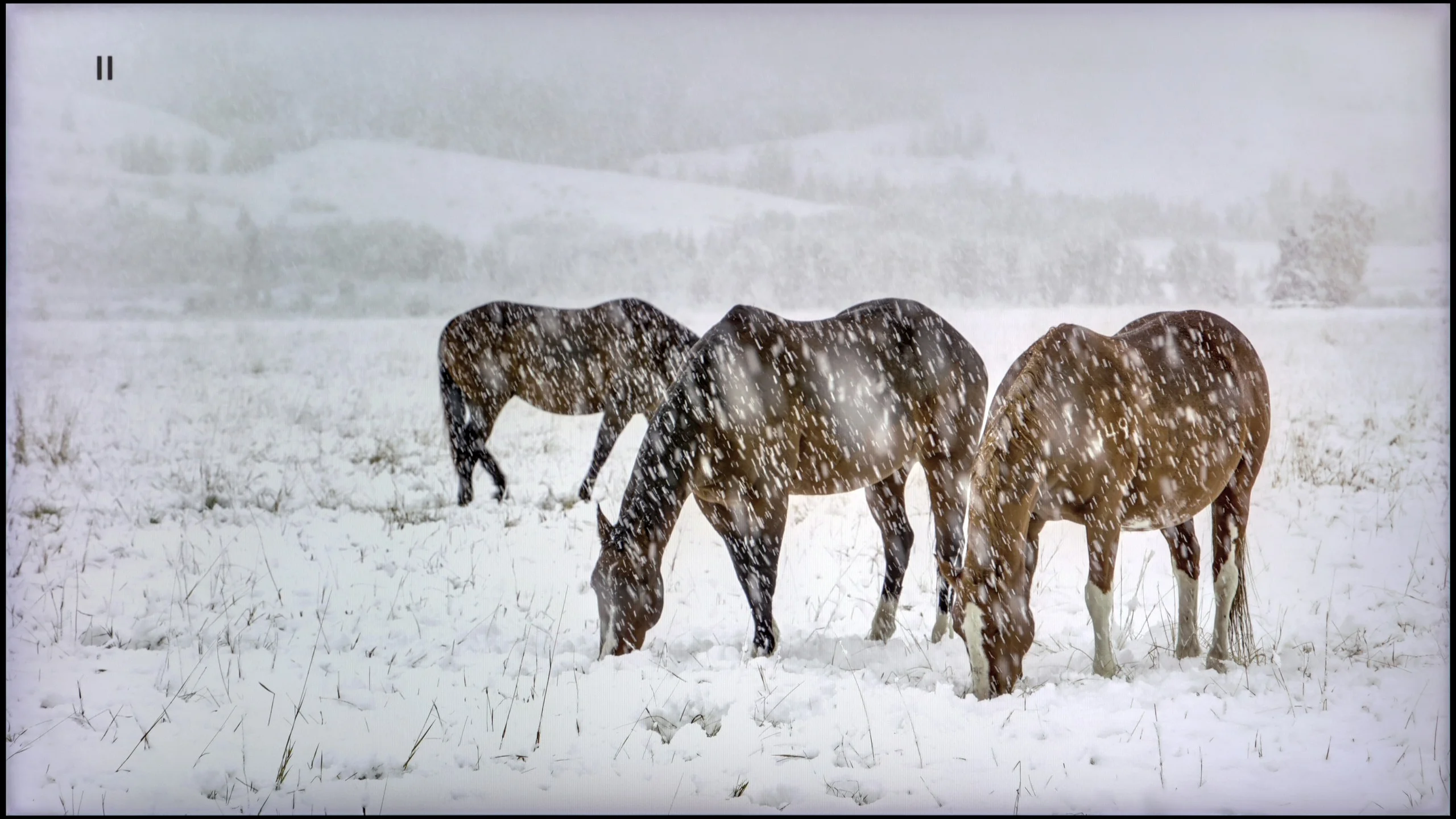
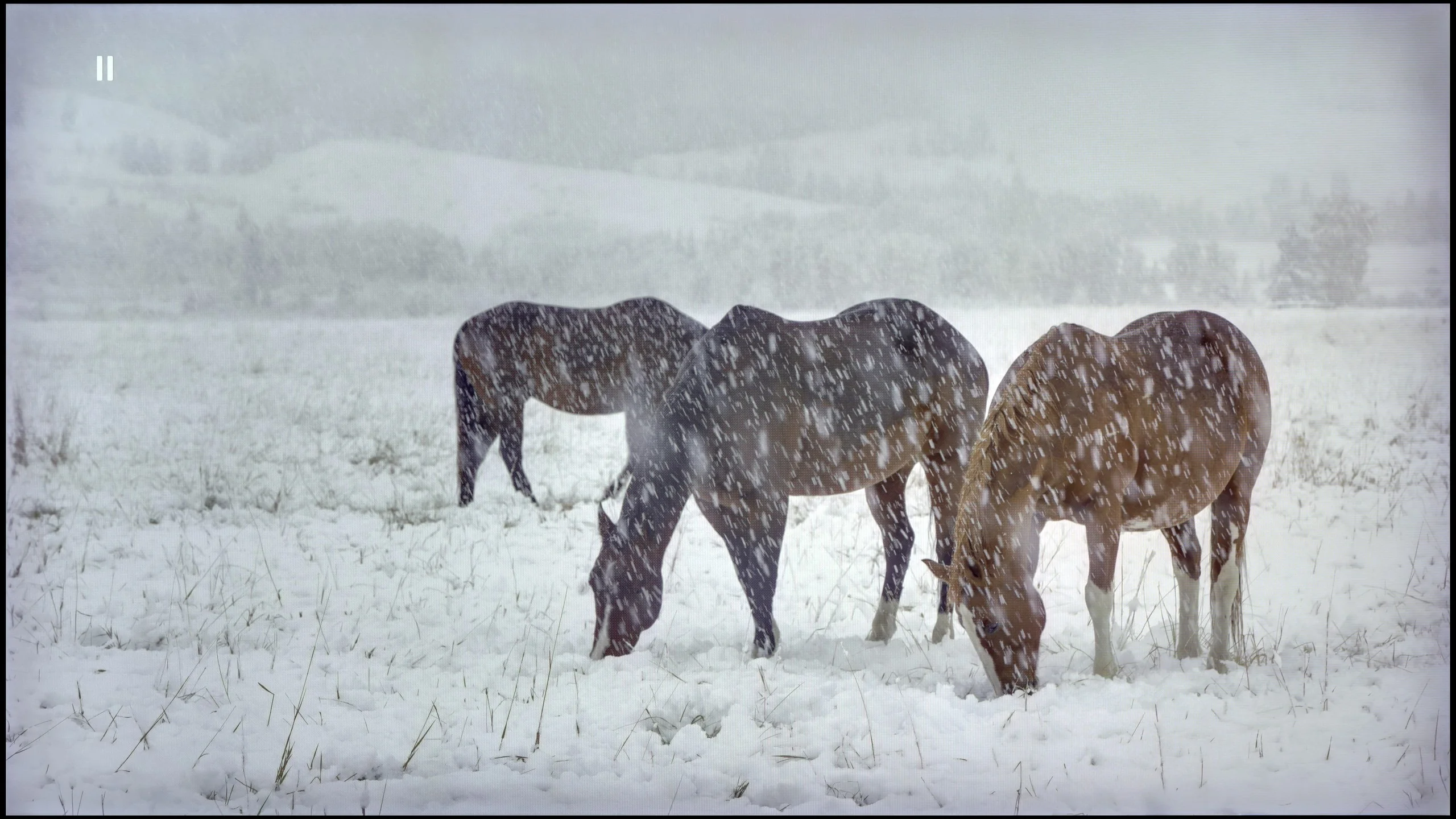
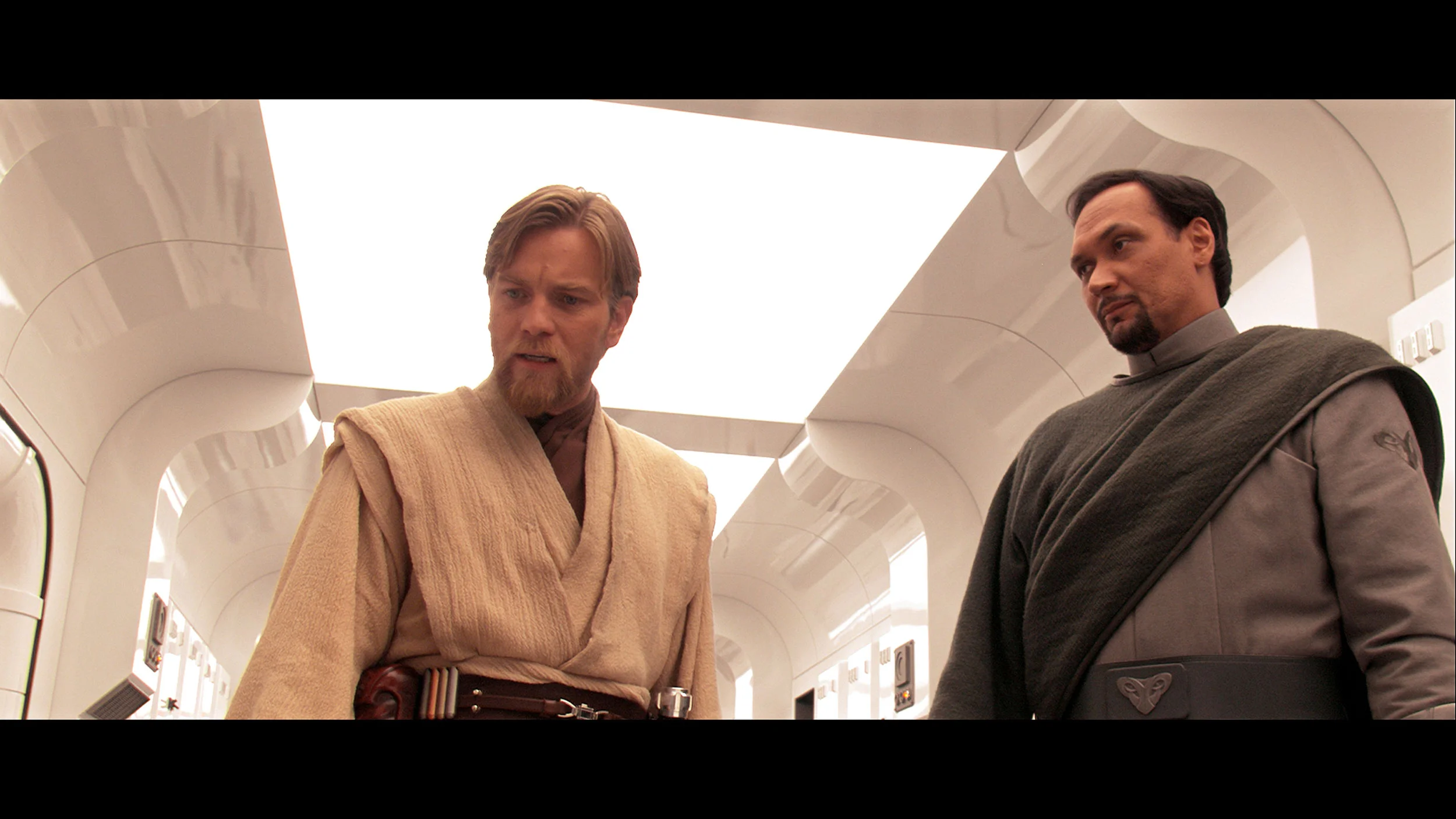
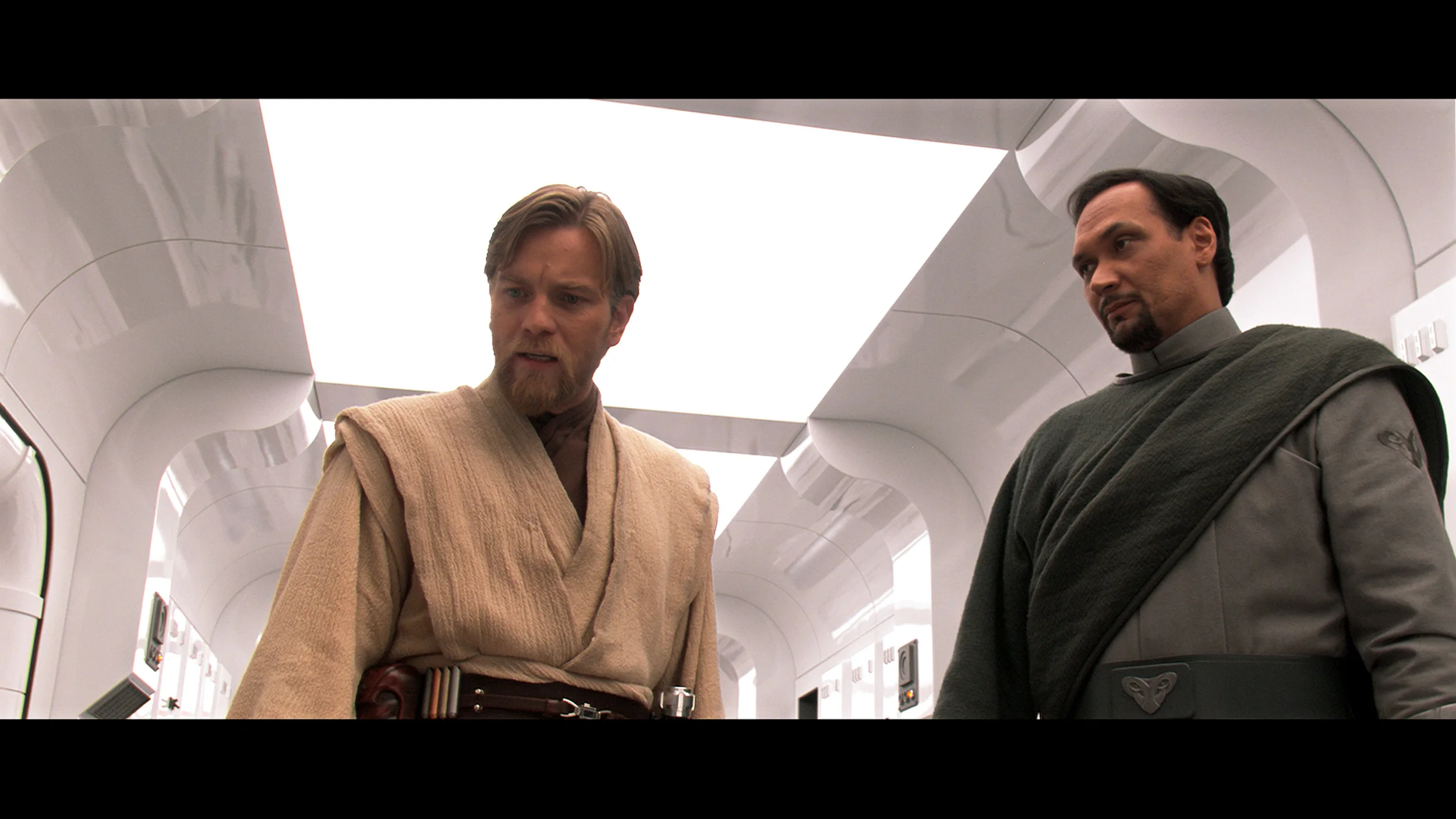
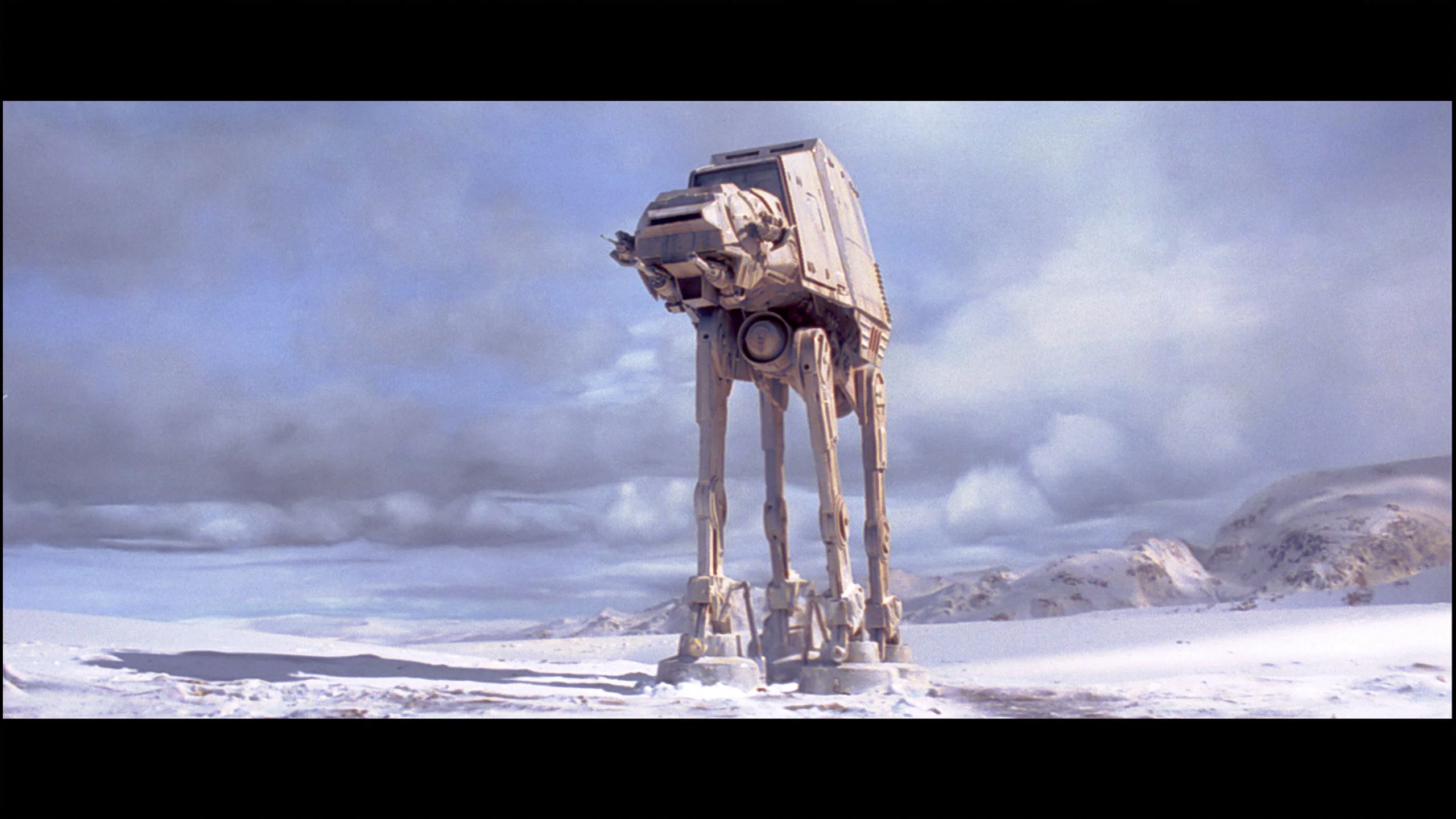
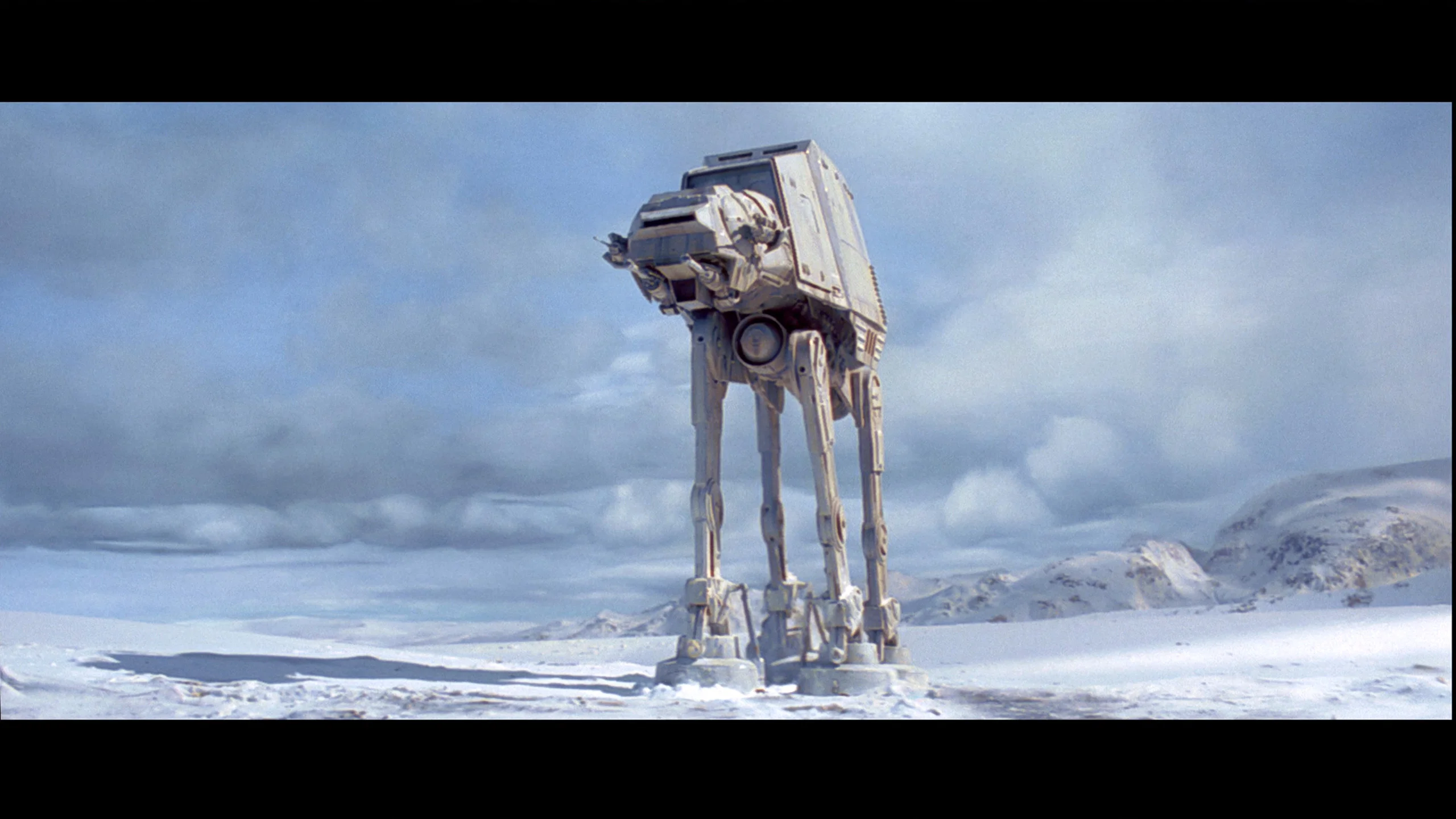
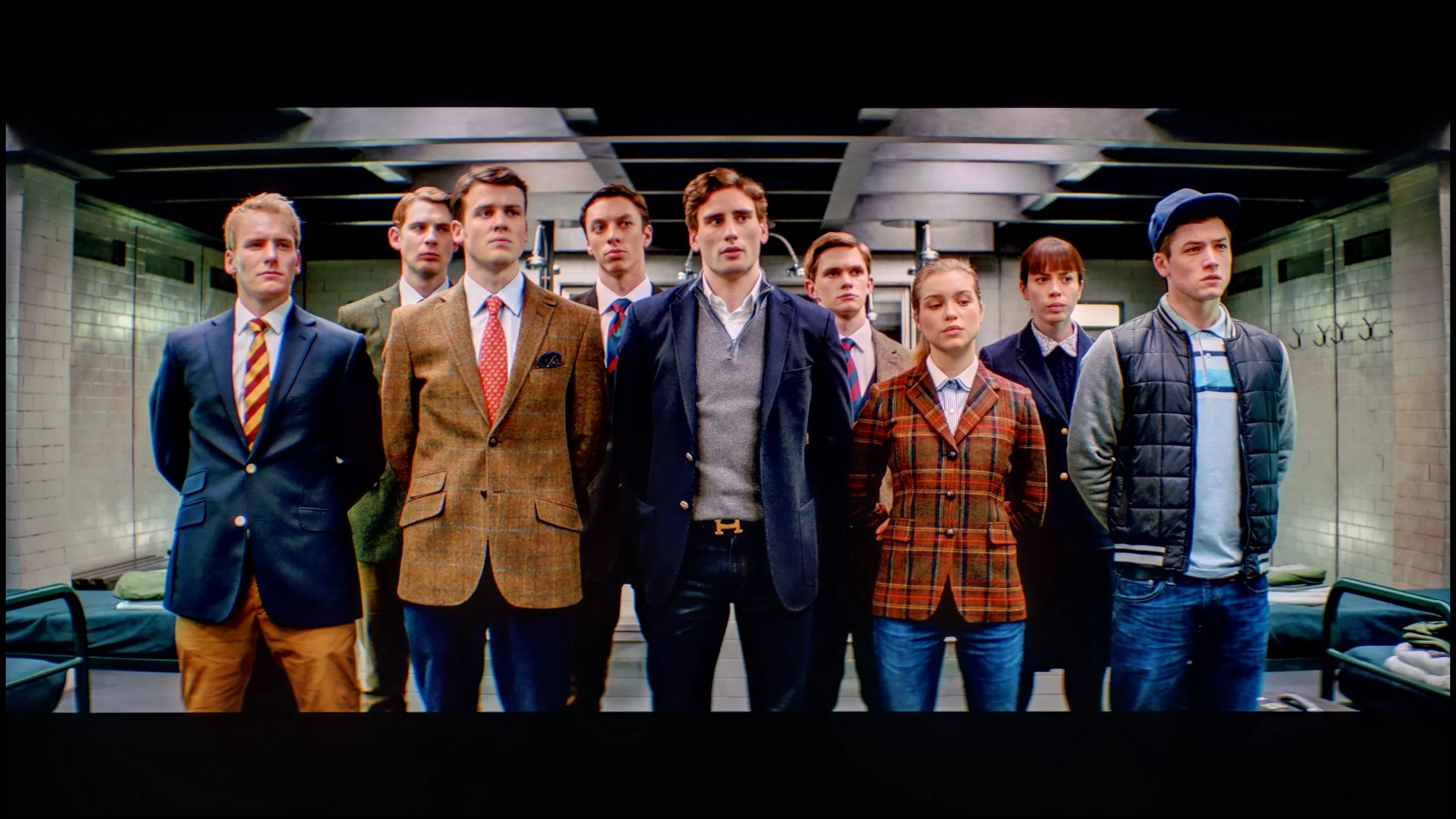
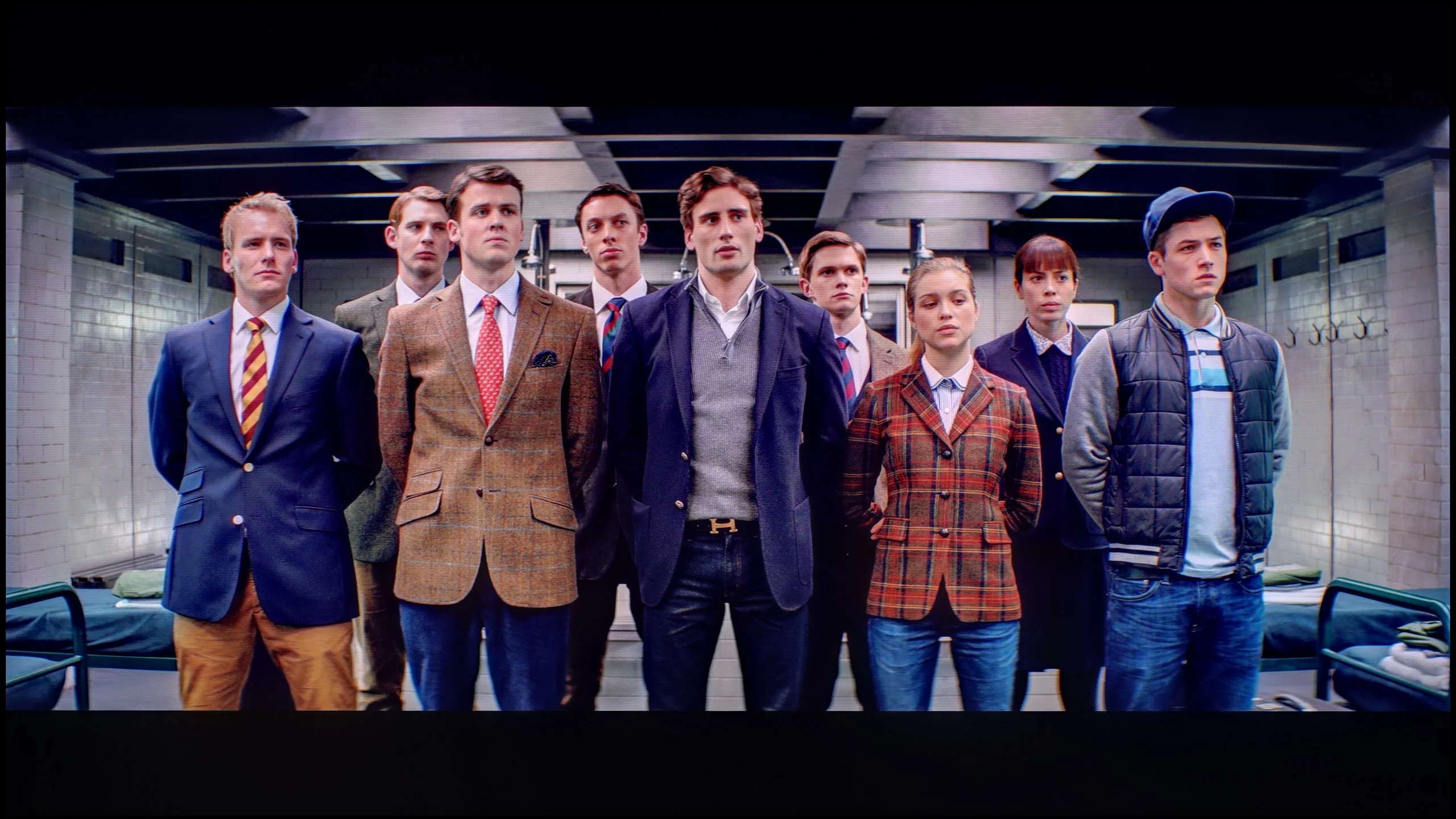
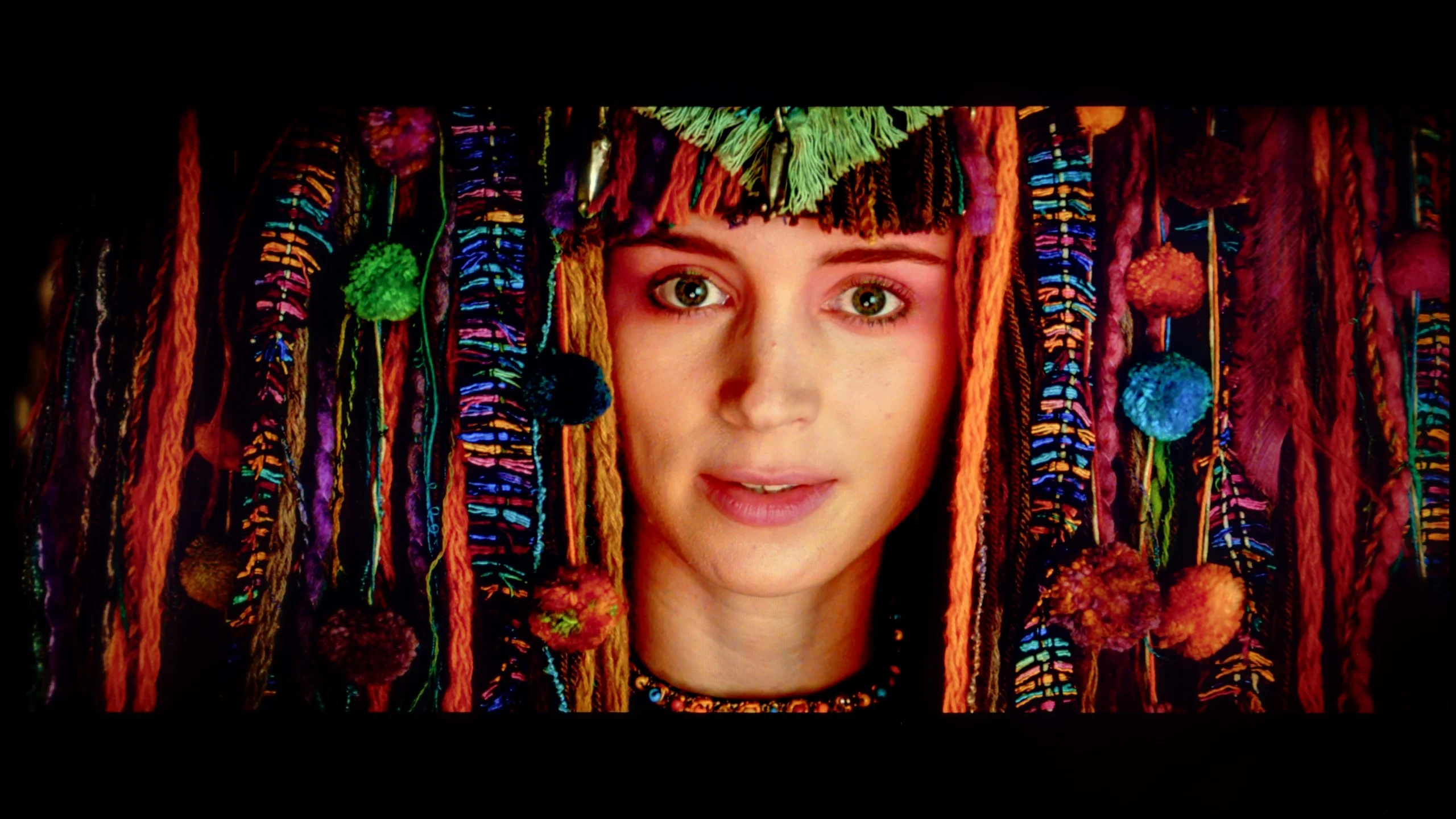
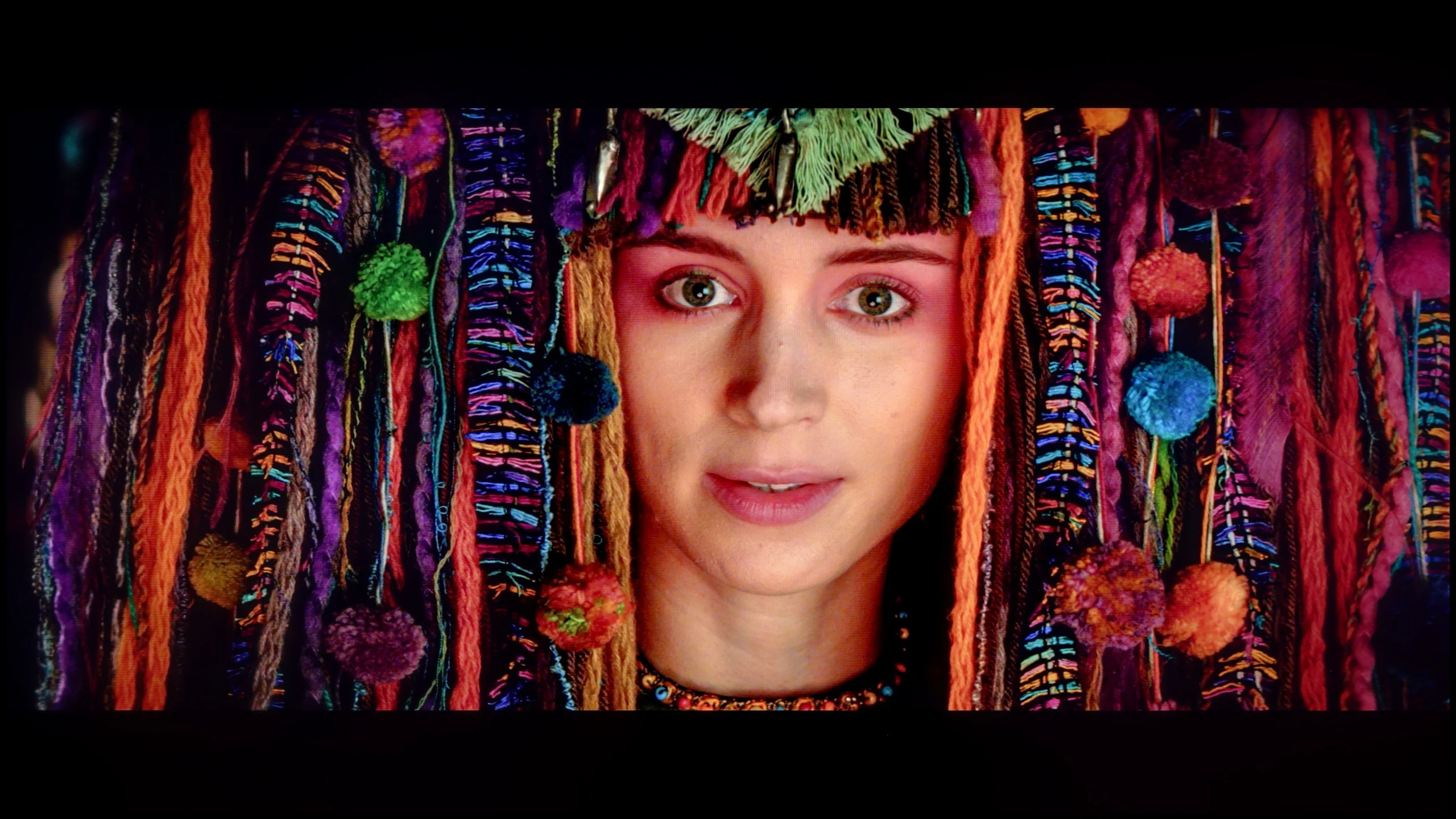
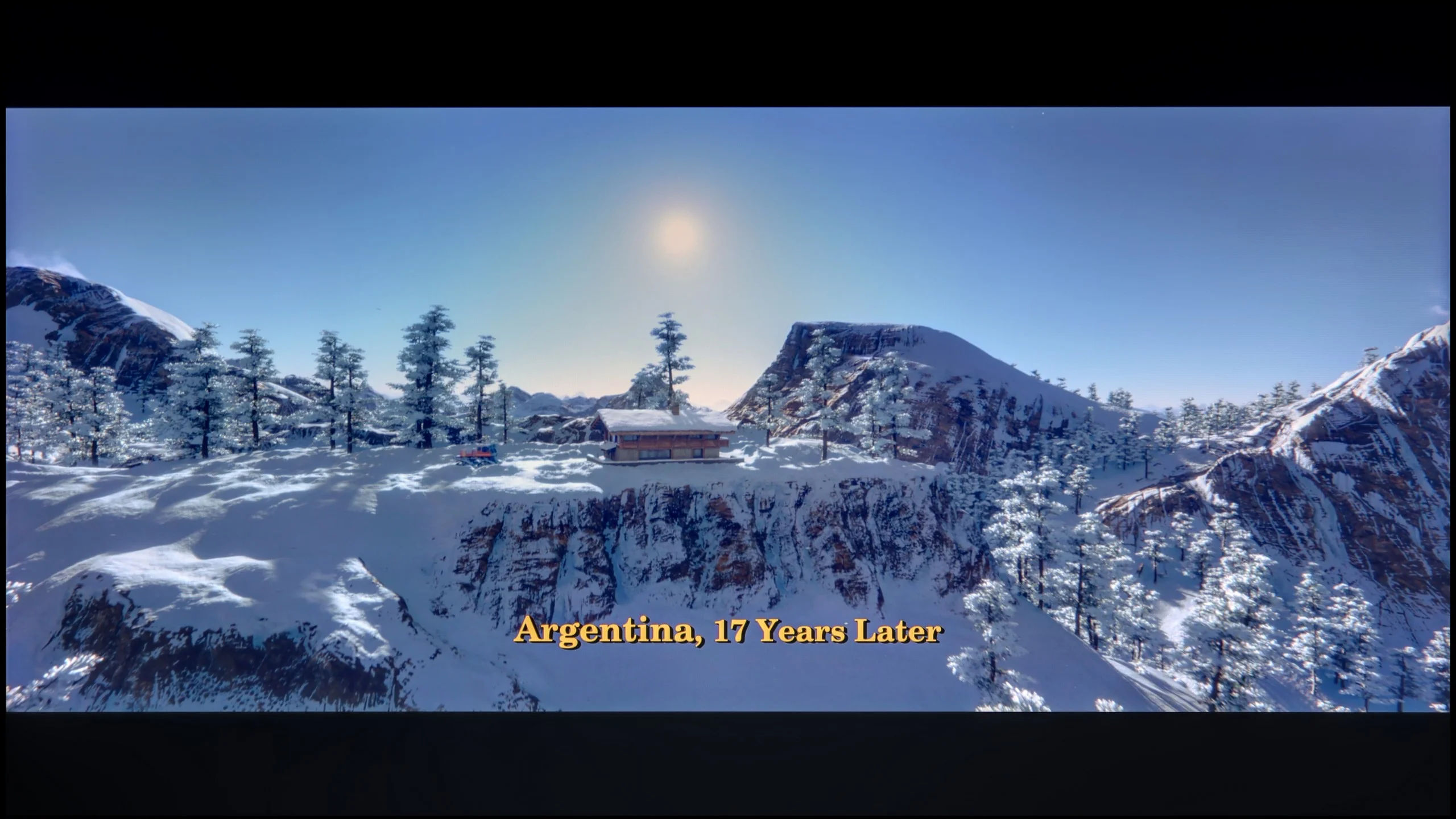
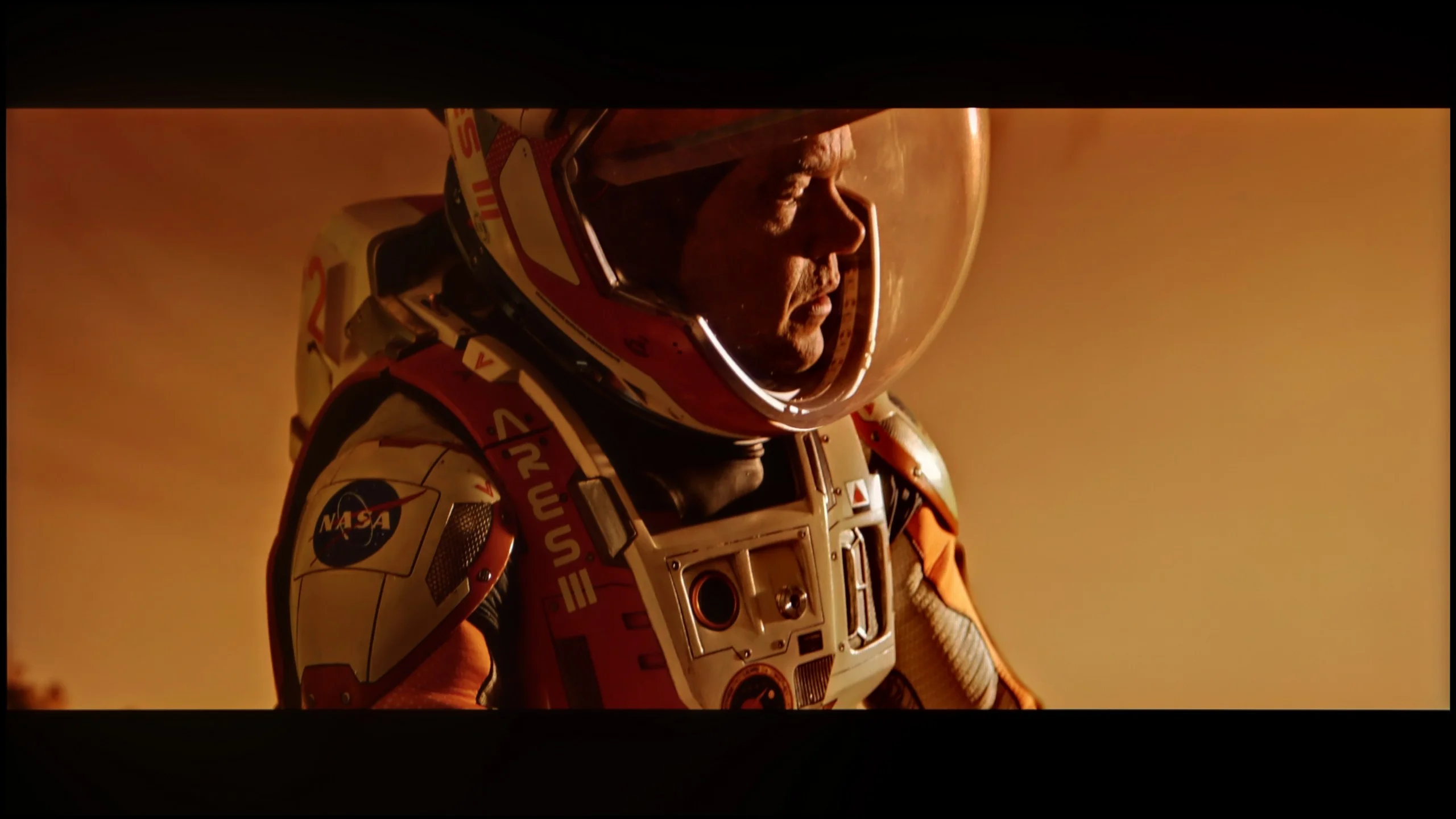
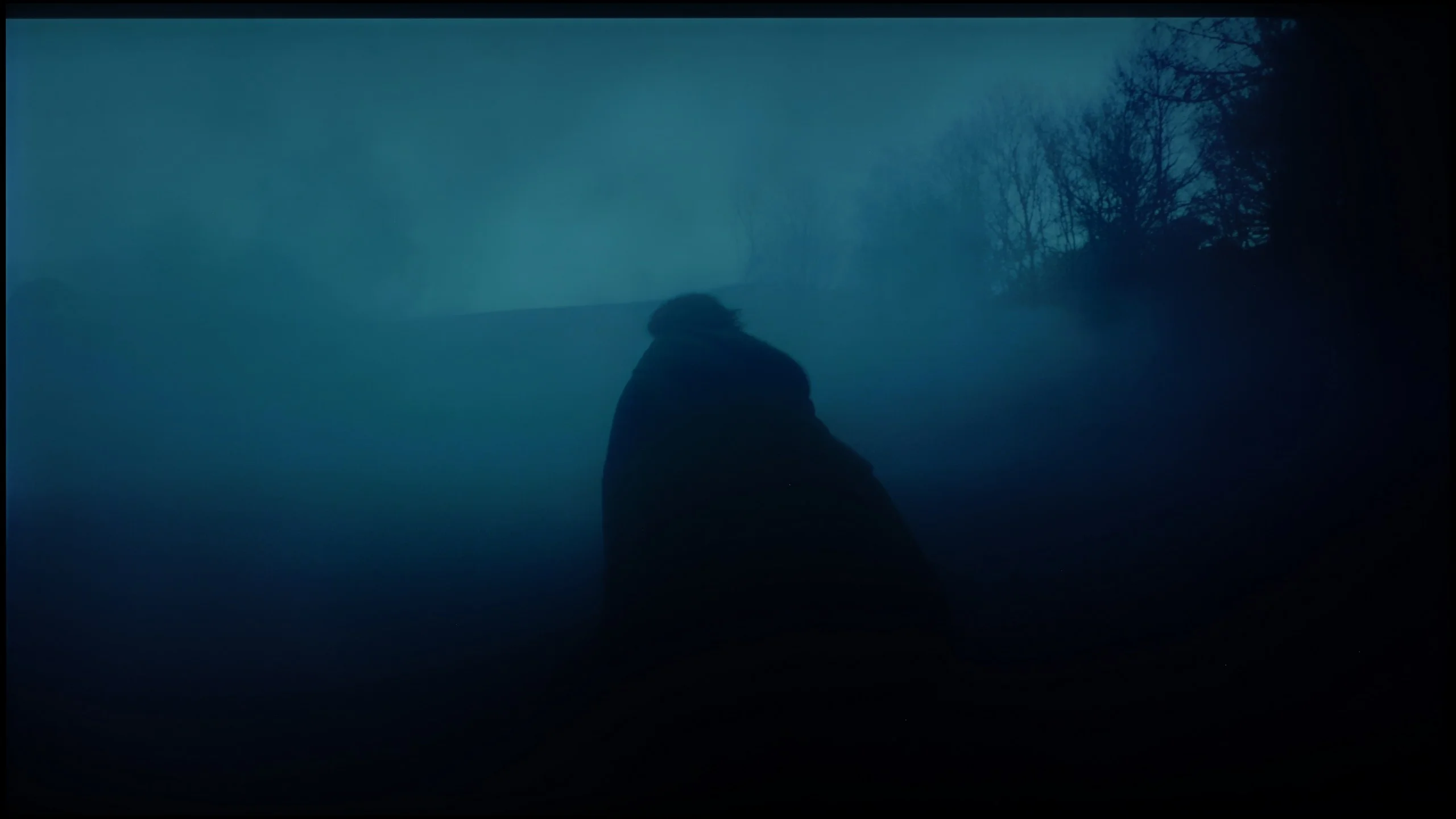
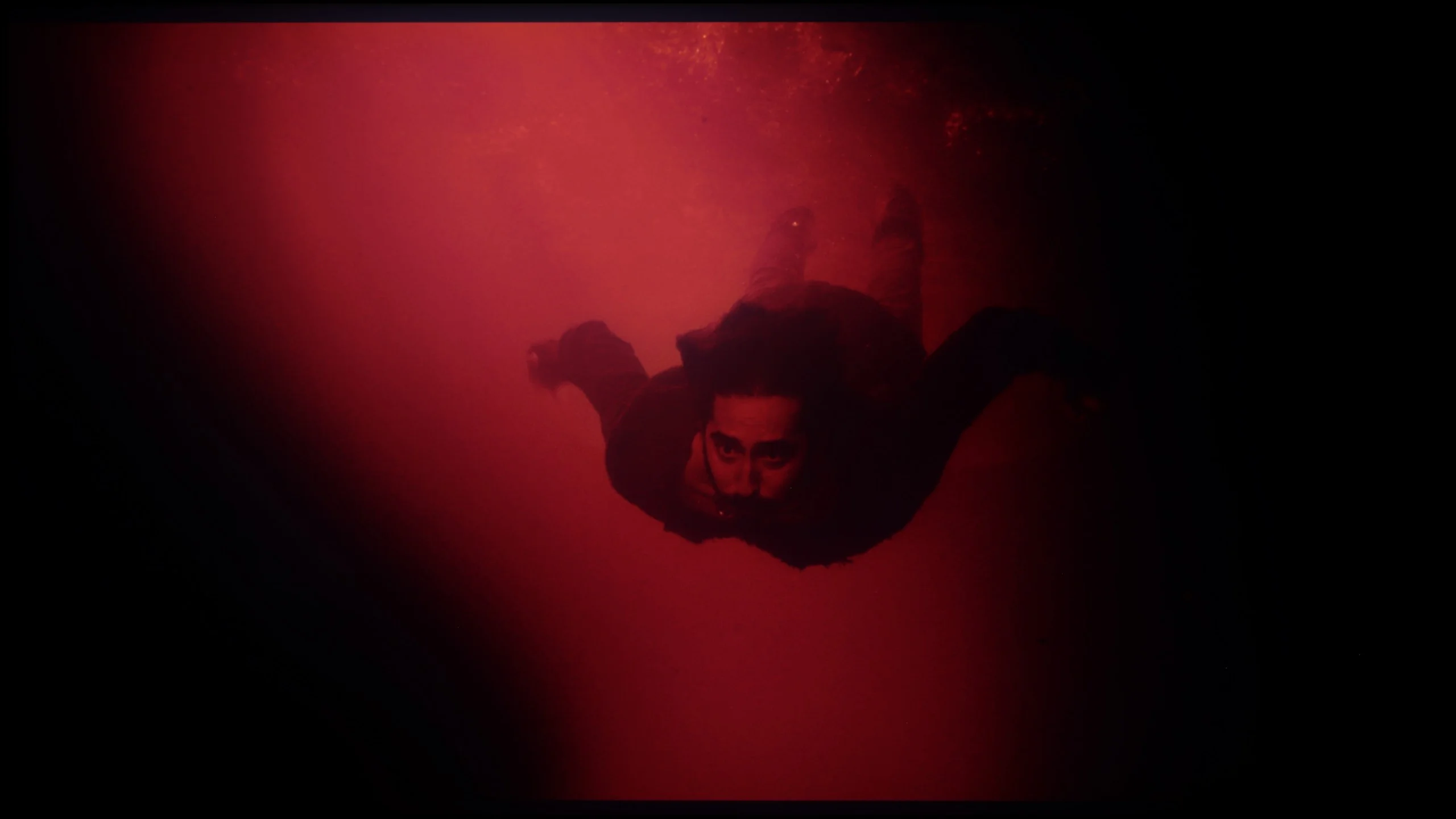
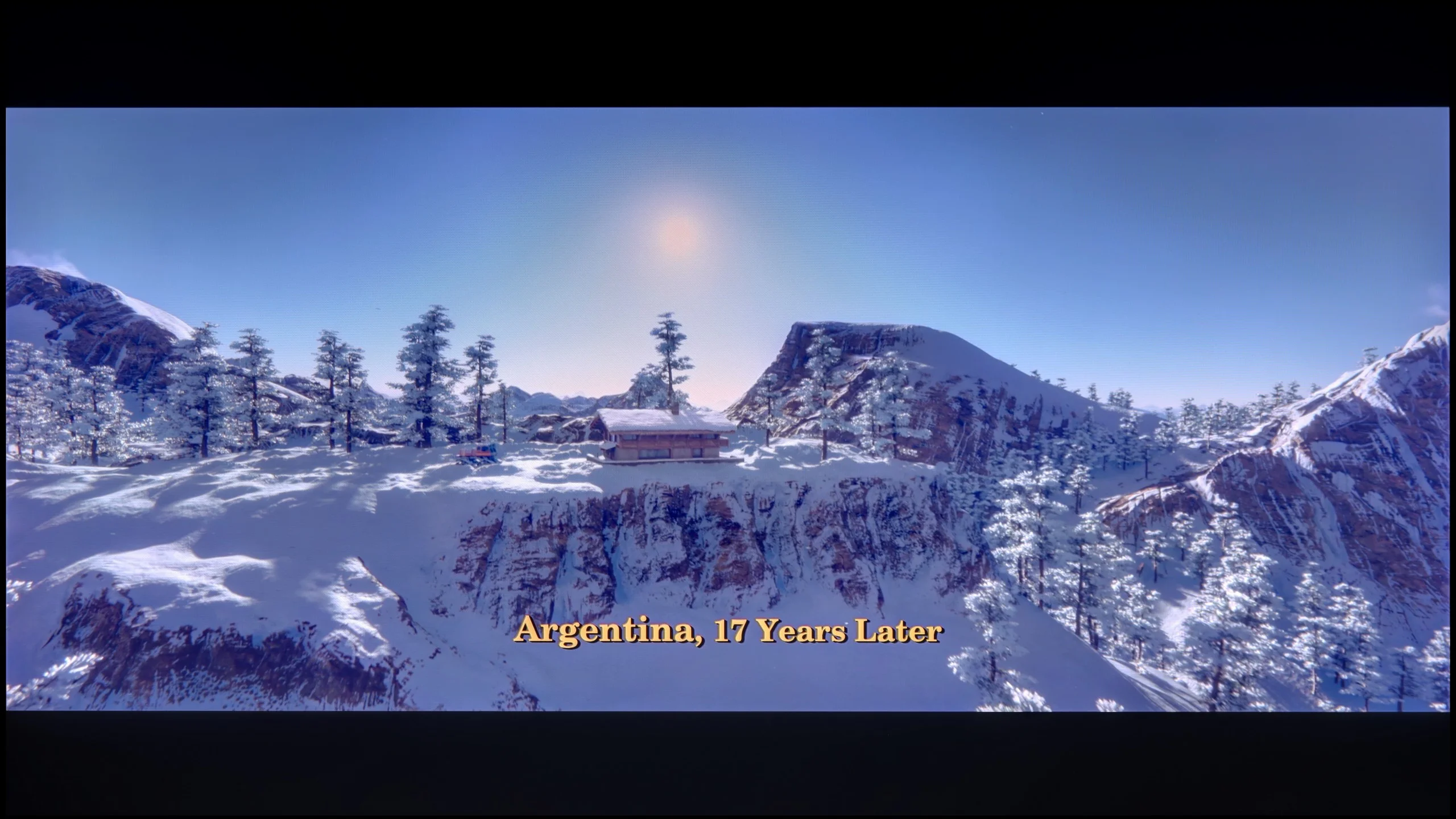
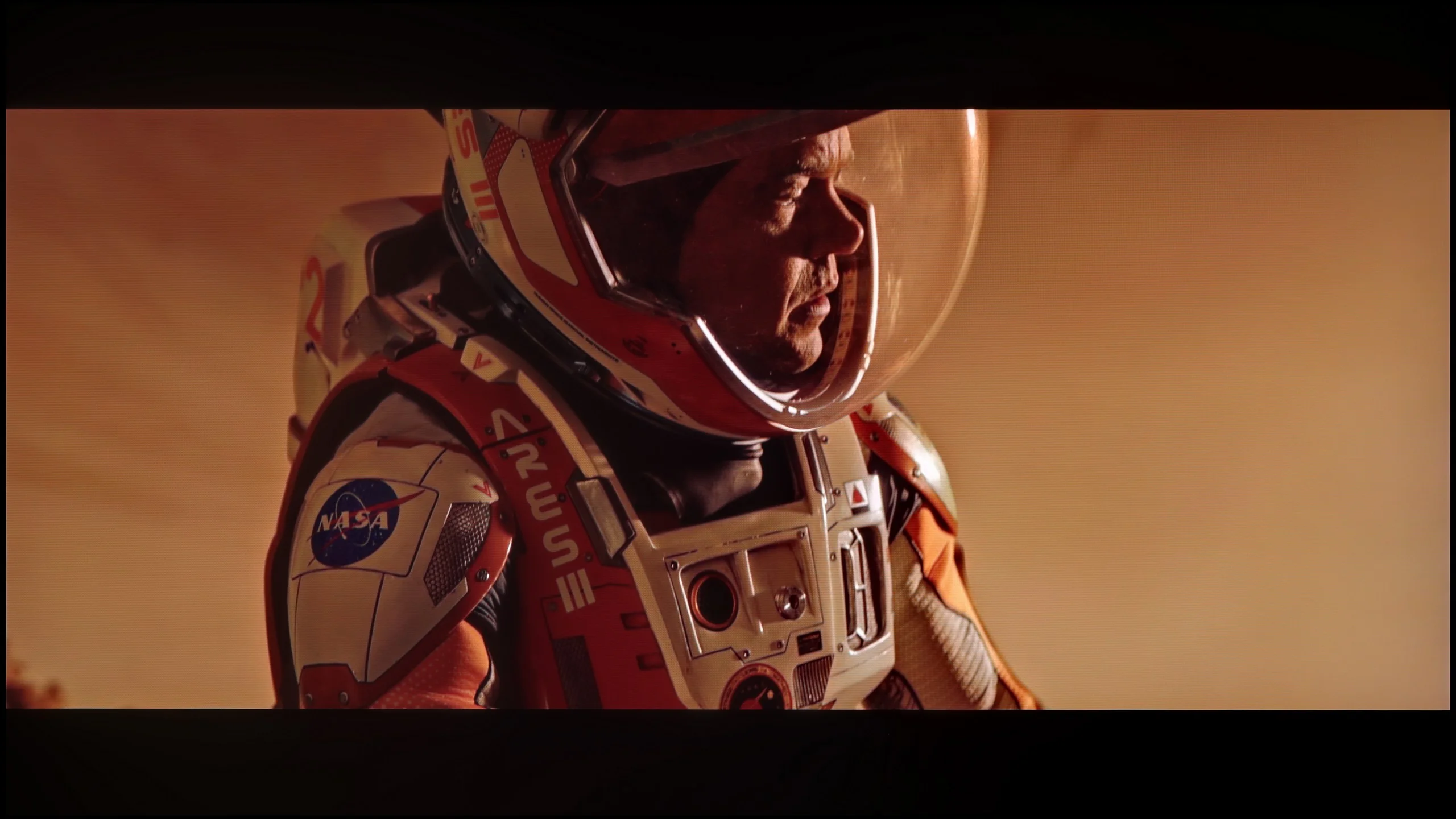
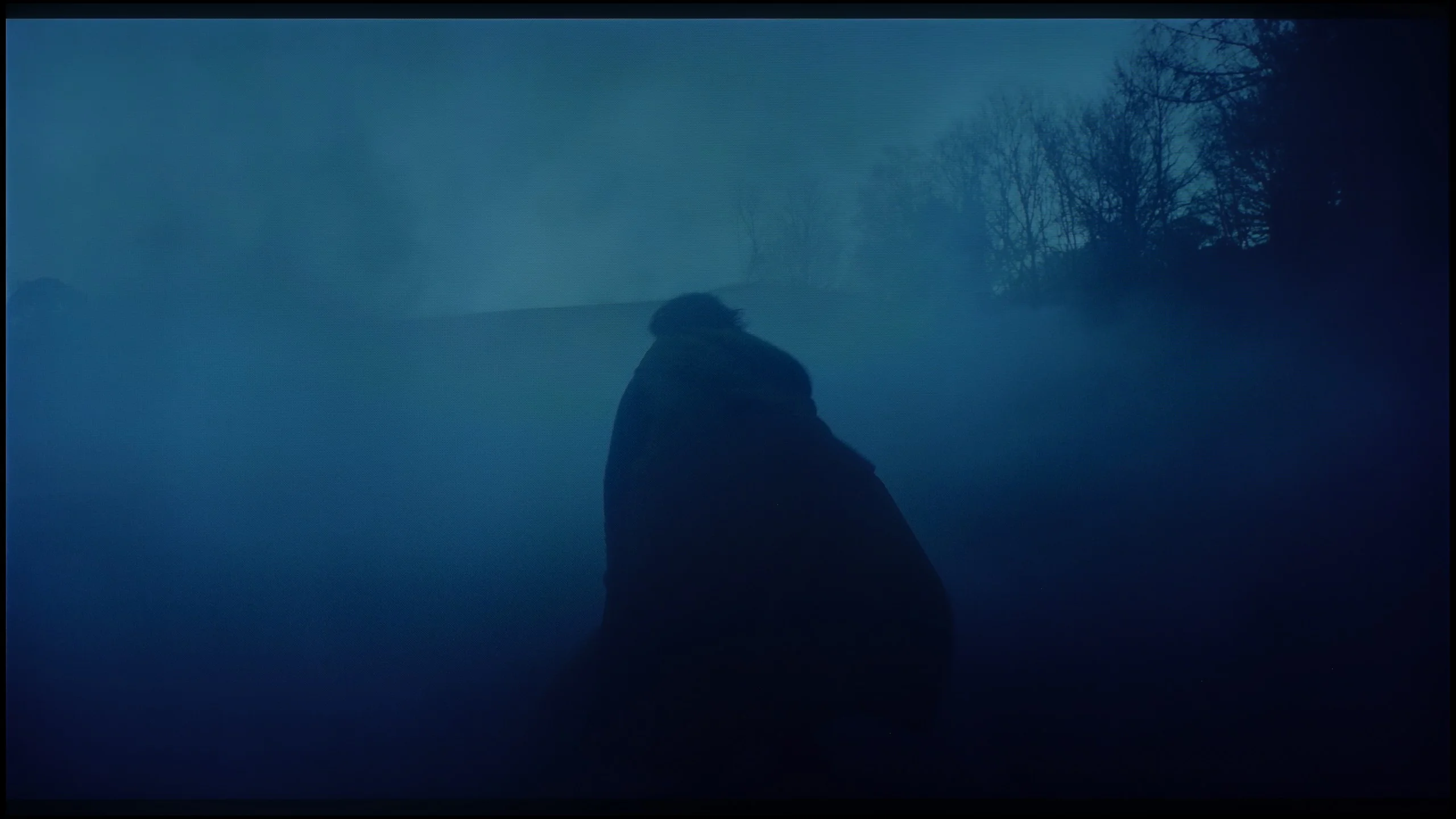
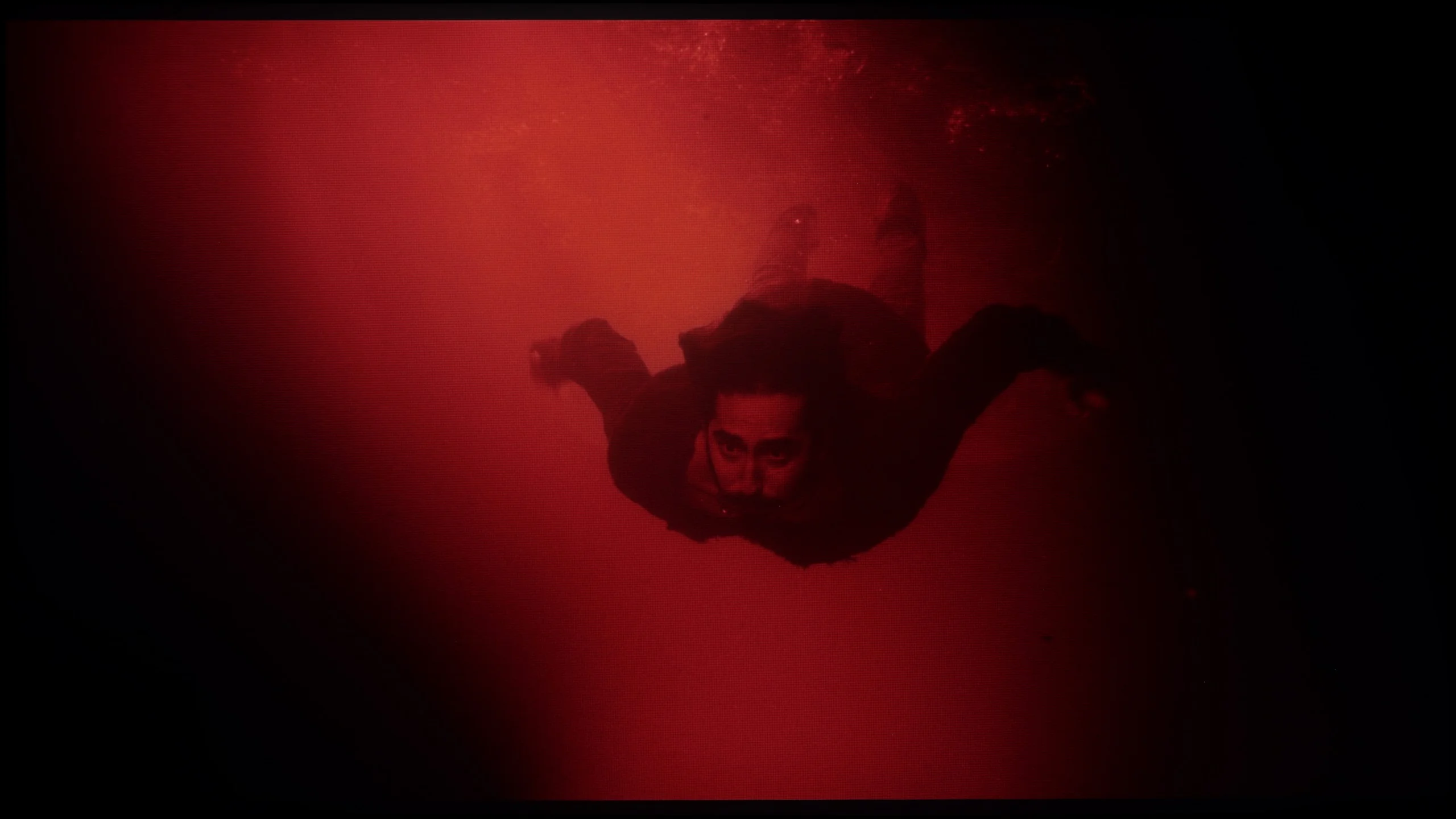
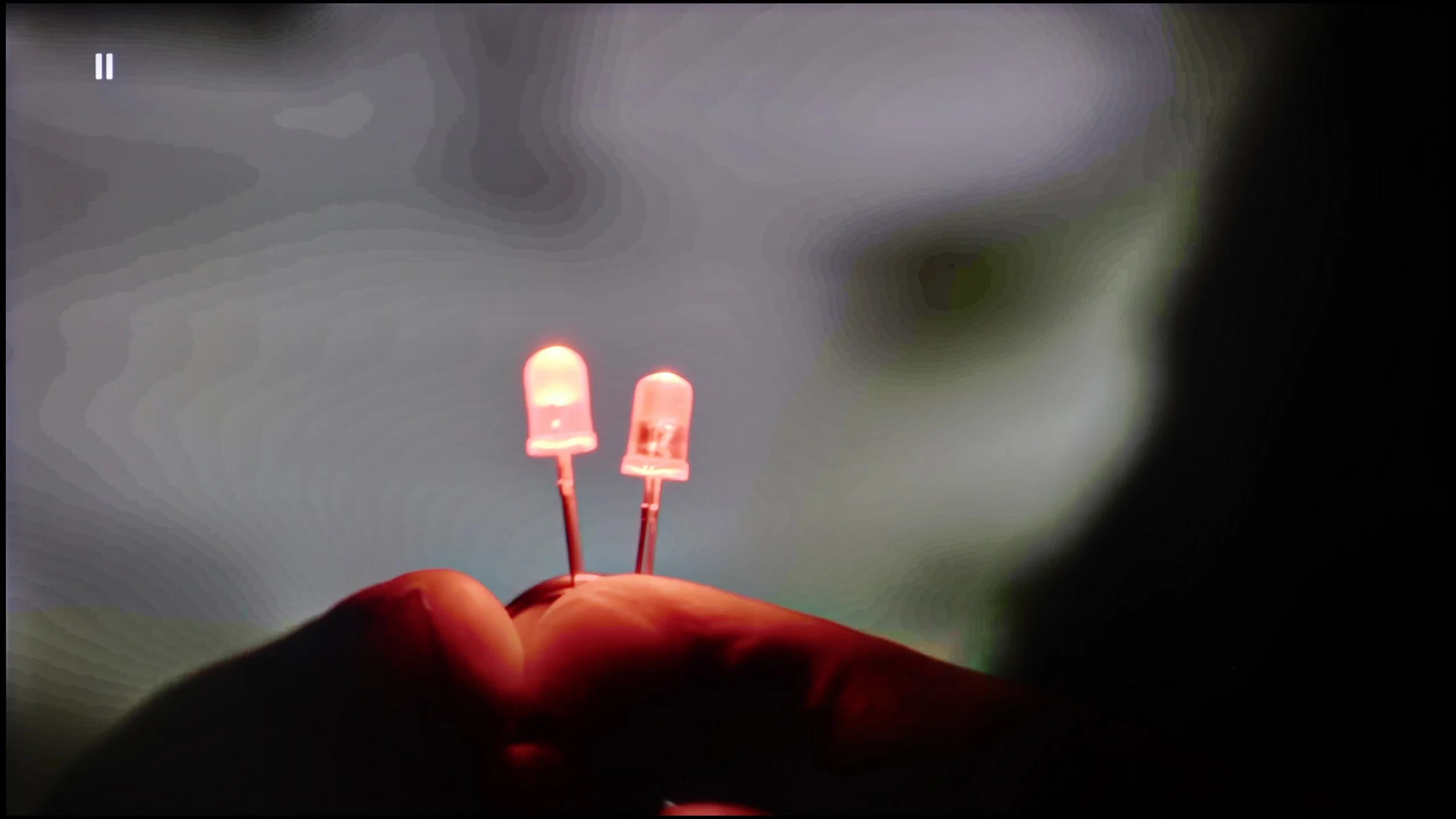
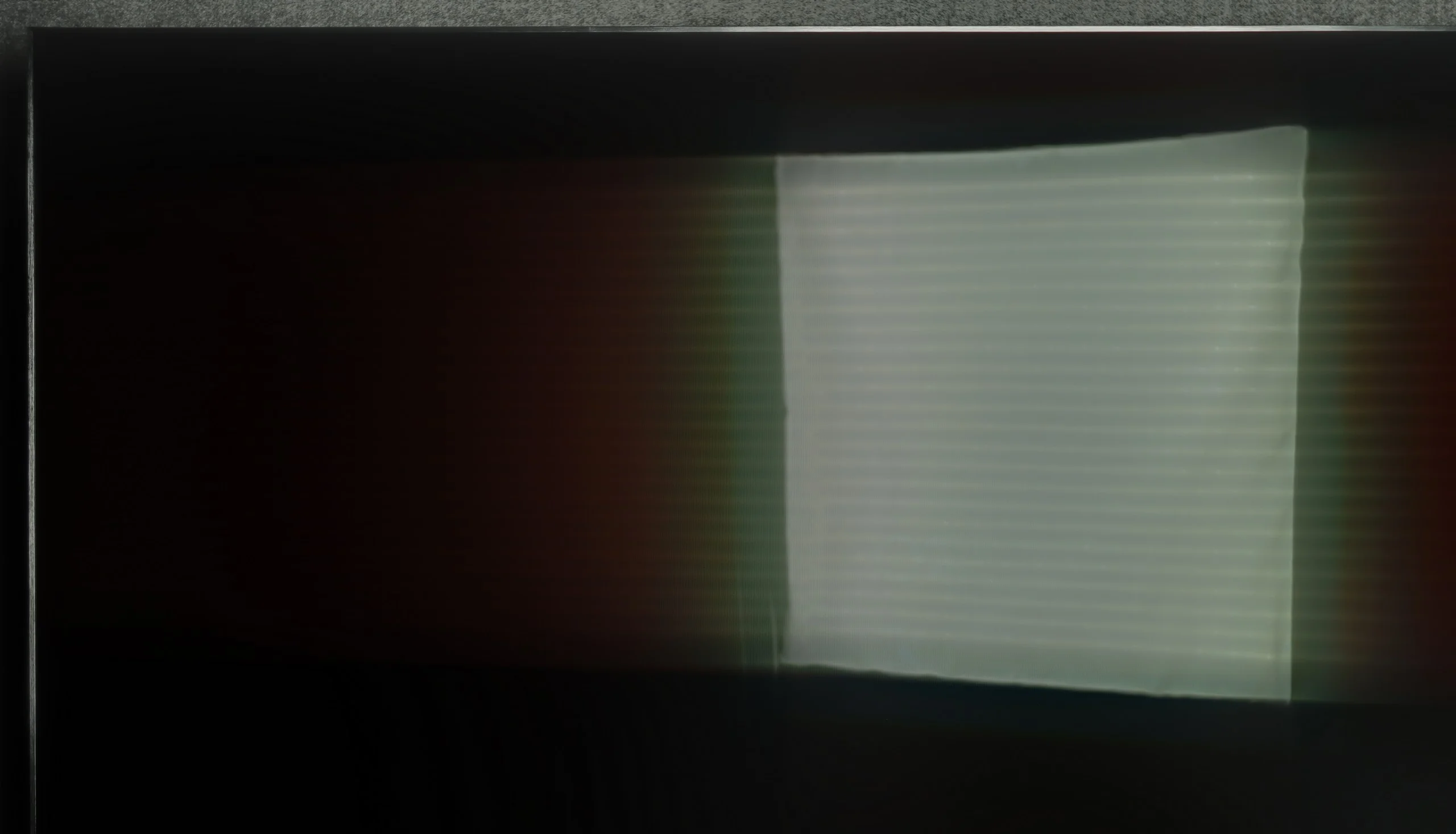
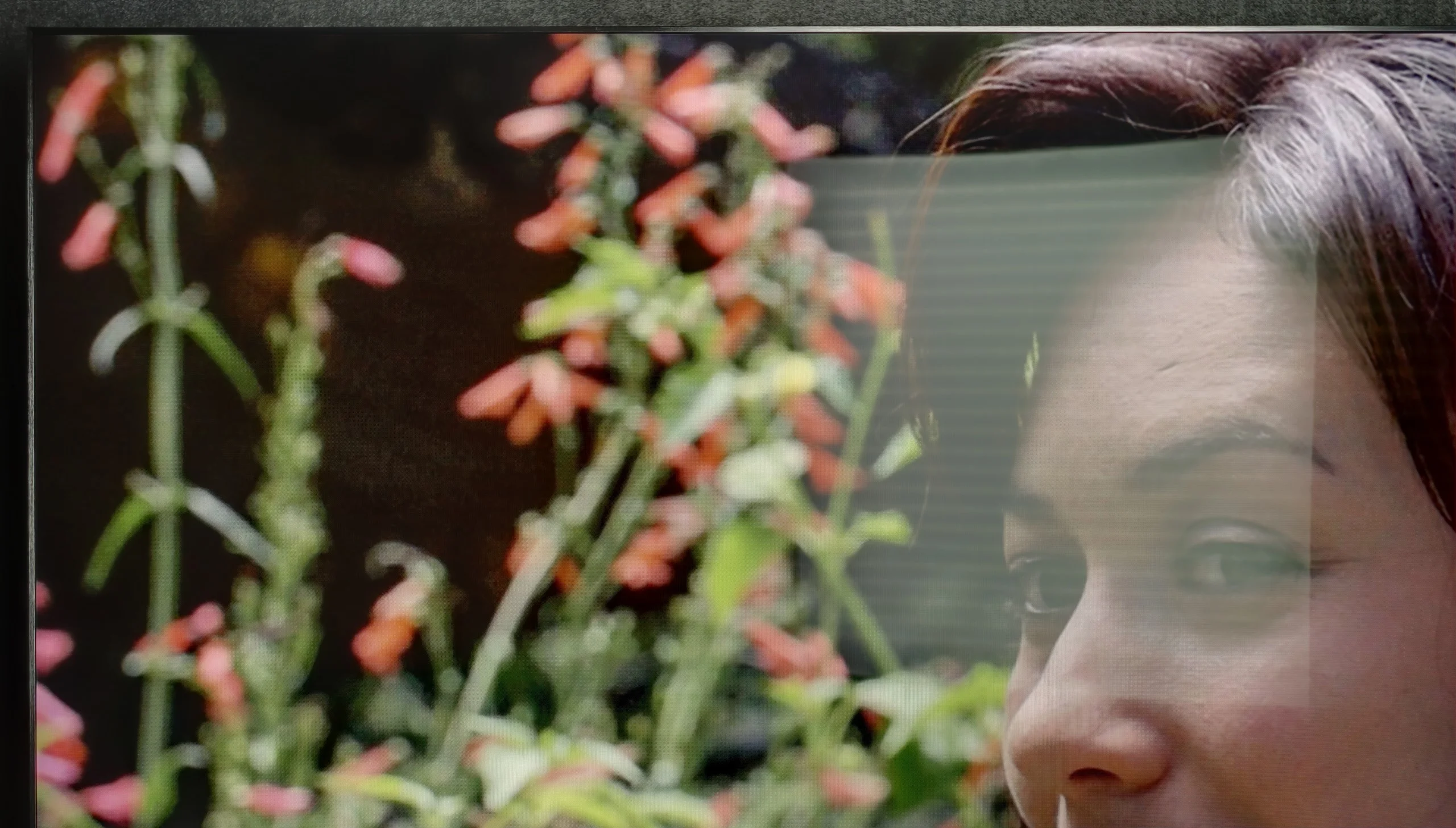
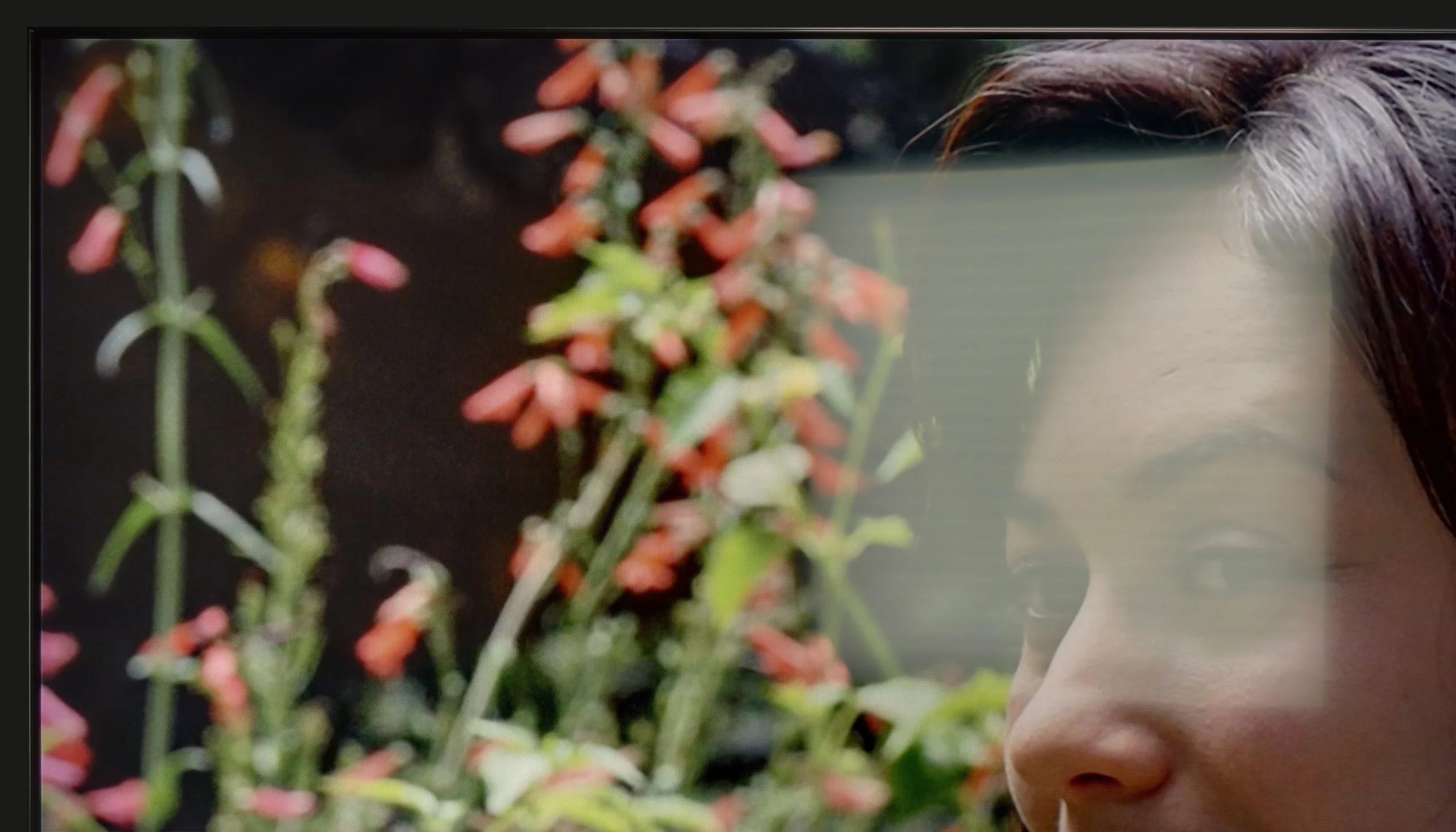
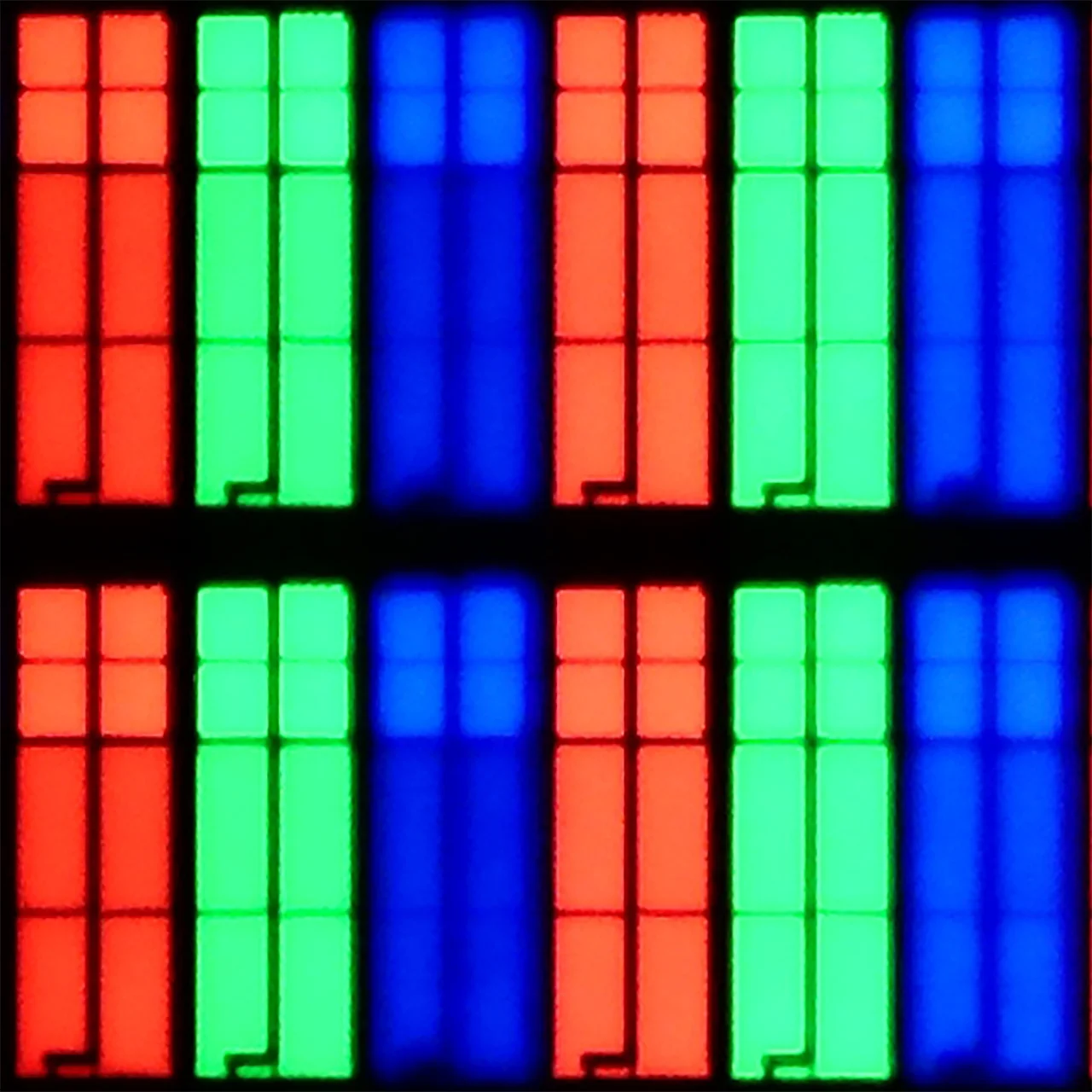
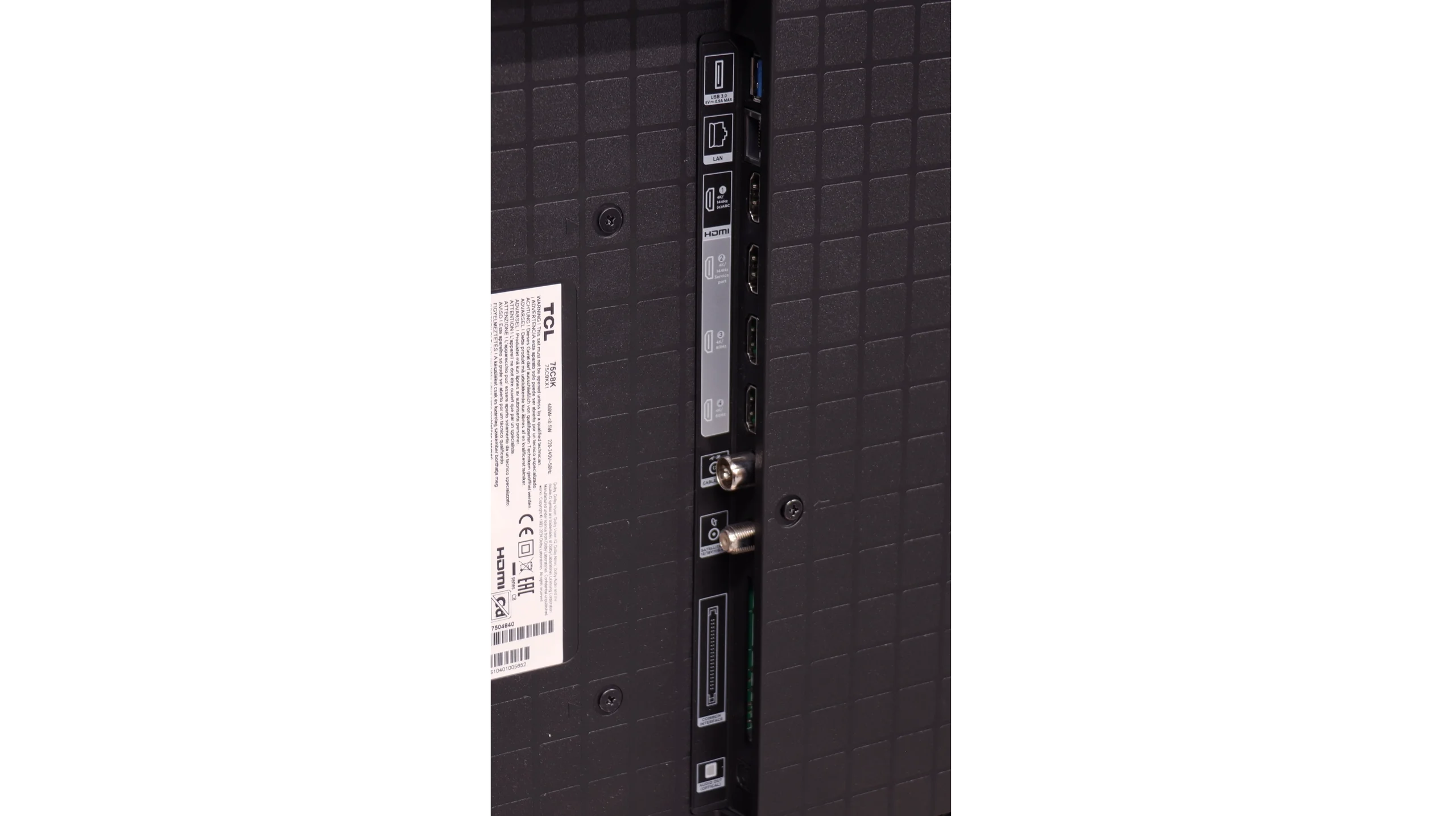
TCL C8K is a representative of Mini LED televisions and – importantly – uses a VA panel. This means high native contrast right from the start, but the true strength of this model reveals itself only when we combine it with an impressive number of dimming zones. In the 75-inch version we tested, we counted nearly 1700 independent zones – and you can feel it. In many scenes, the effect of black levels and contrast is nothing short of phenomenal. In less demanding scenes – where the dimming algorithms do not have to 'struggle' much – the screen can resemble OLEDs. The contrast can be almost infinite, and the separation of bright and dark elements leaves an excellent impression.
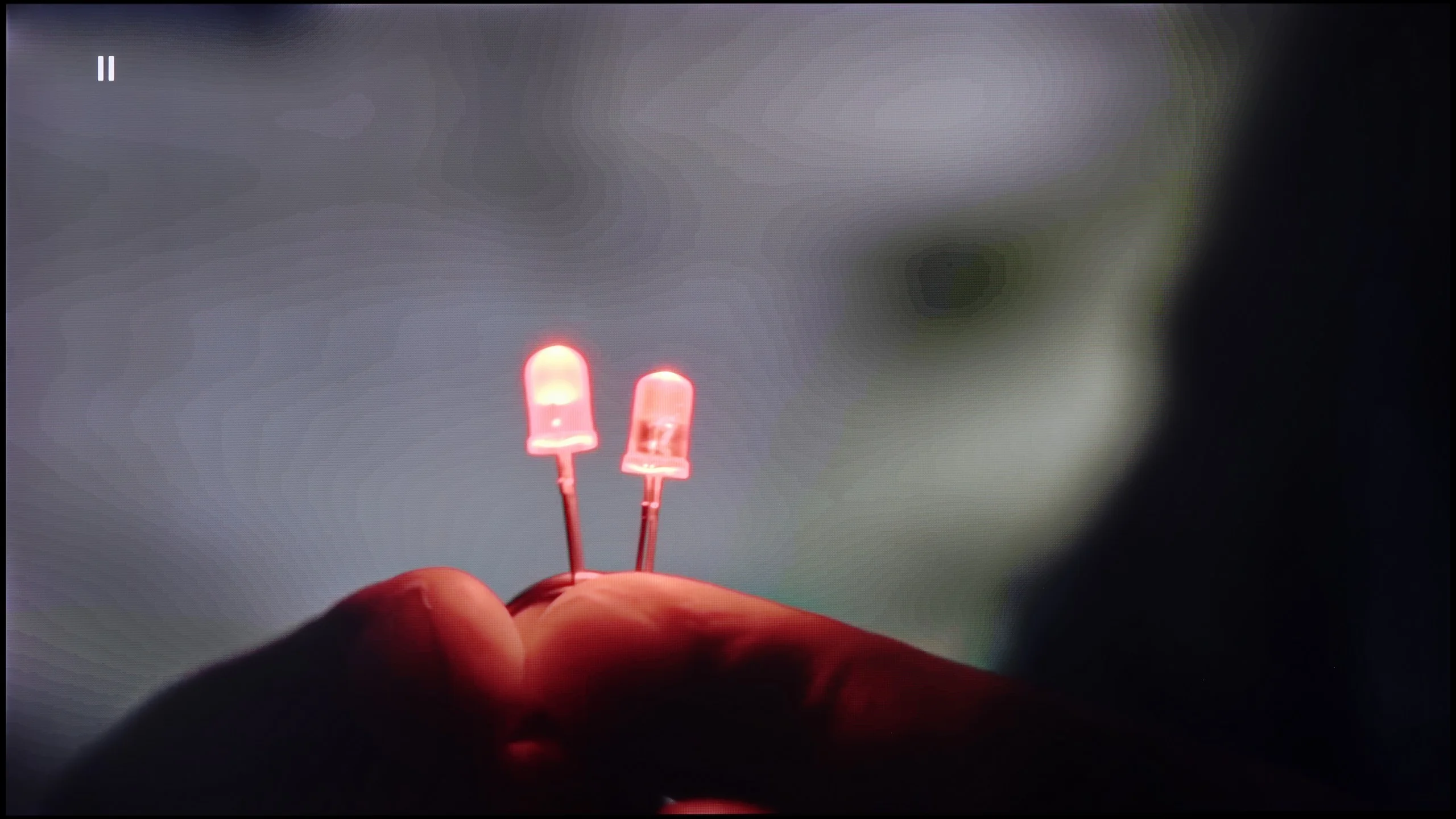
However – as is often the case with Mini LEDs – it is not an organic screen and some compromises must be accepted. Brightness is a significant advantage, but also a factor that can reveal the weaknesses of this solution – especially in dark scenes. In particularly challenging scenes to display – such as those famous ones with a starry sky or sequences from the iconic Pioneer Kuro – the so-called halo becomes noticeable, which is a glow around small bright details. Sometimes the entire screen also slightly brightens when the system tries to balance contrast with extreme luminance. However, this is a feature of the technology, not a flaw of the specific model. And although these types of compromises can slightly diminish the overall impression in certain scenes, TCL C8K is among the very best when it comes to contrast among Mini LED televisions.
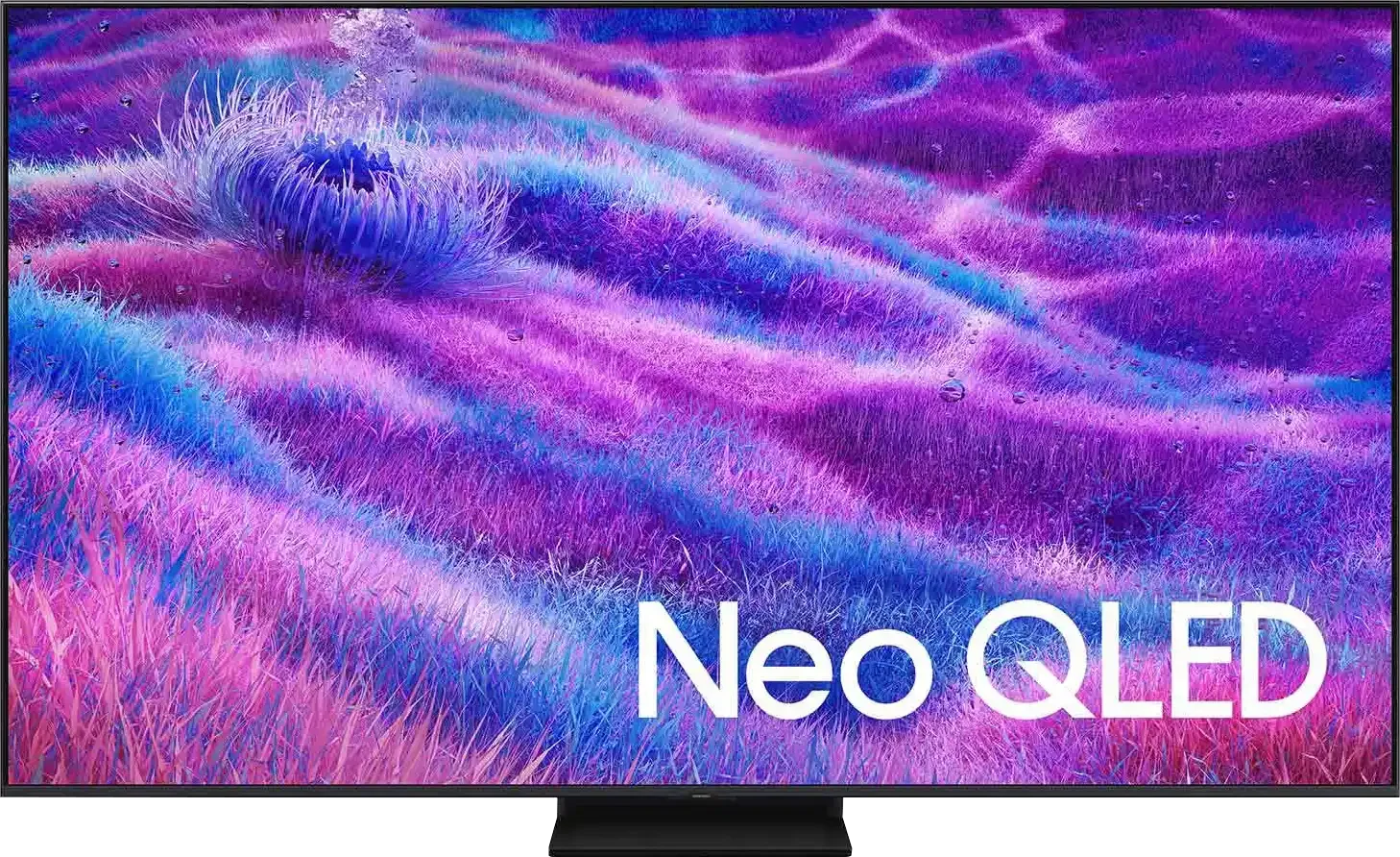
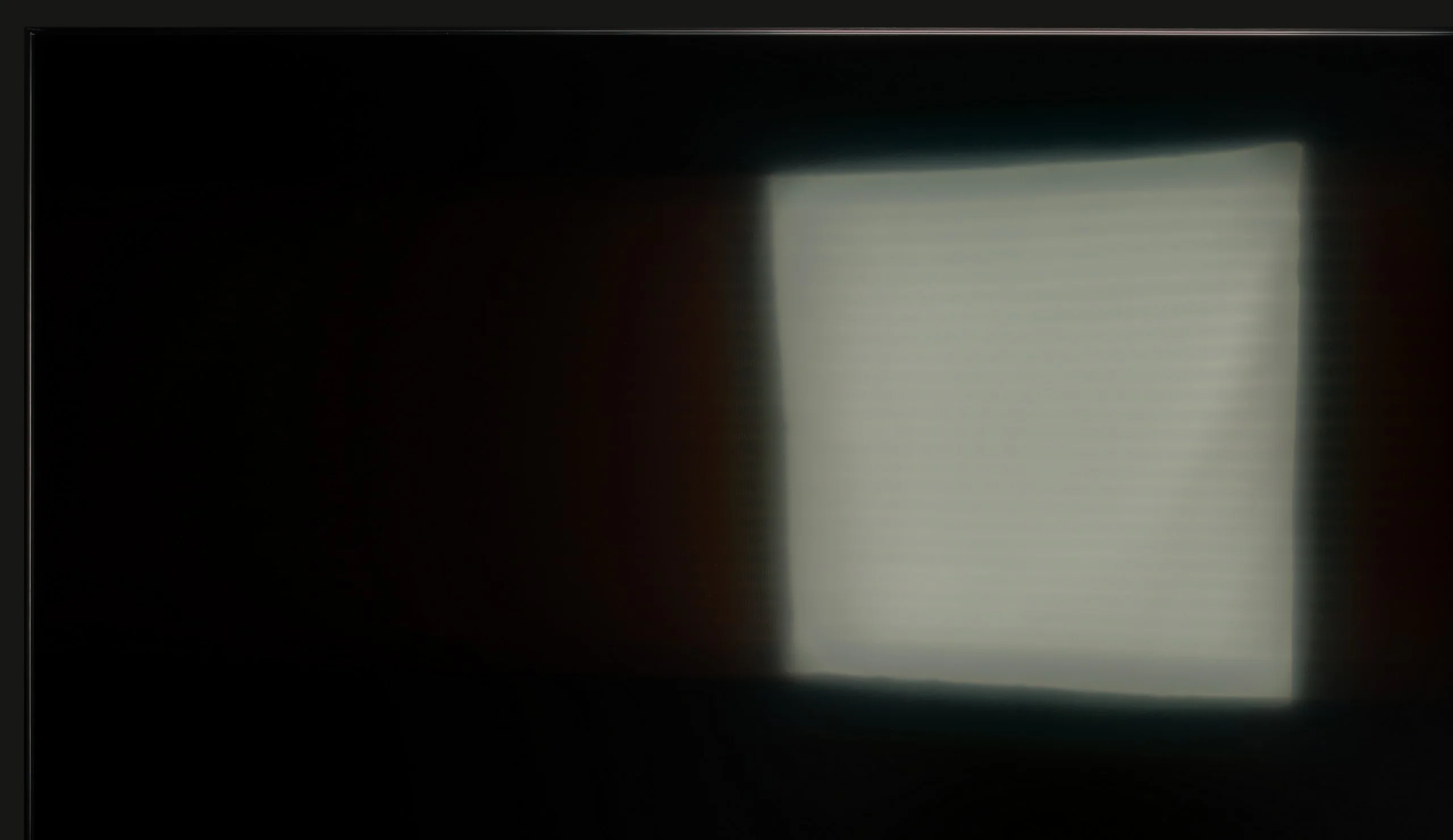
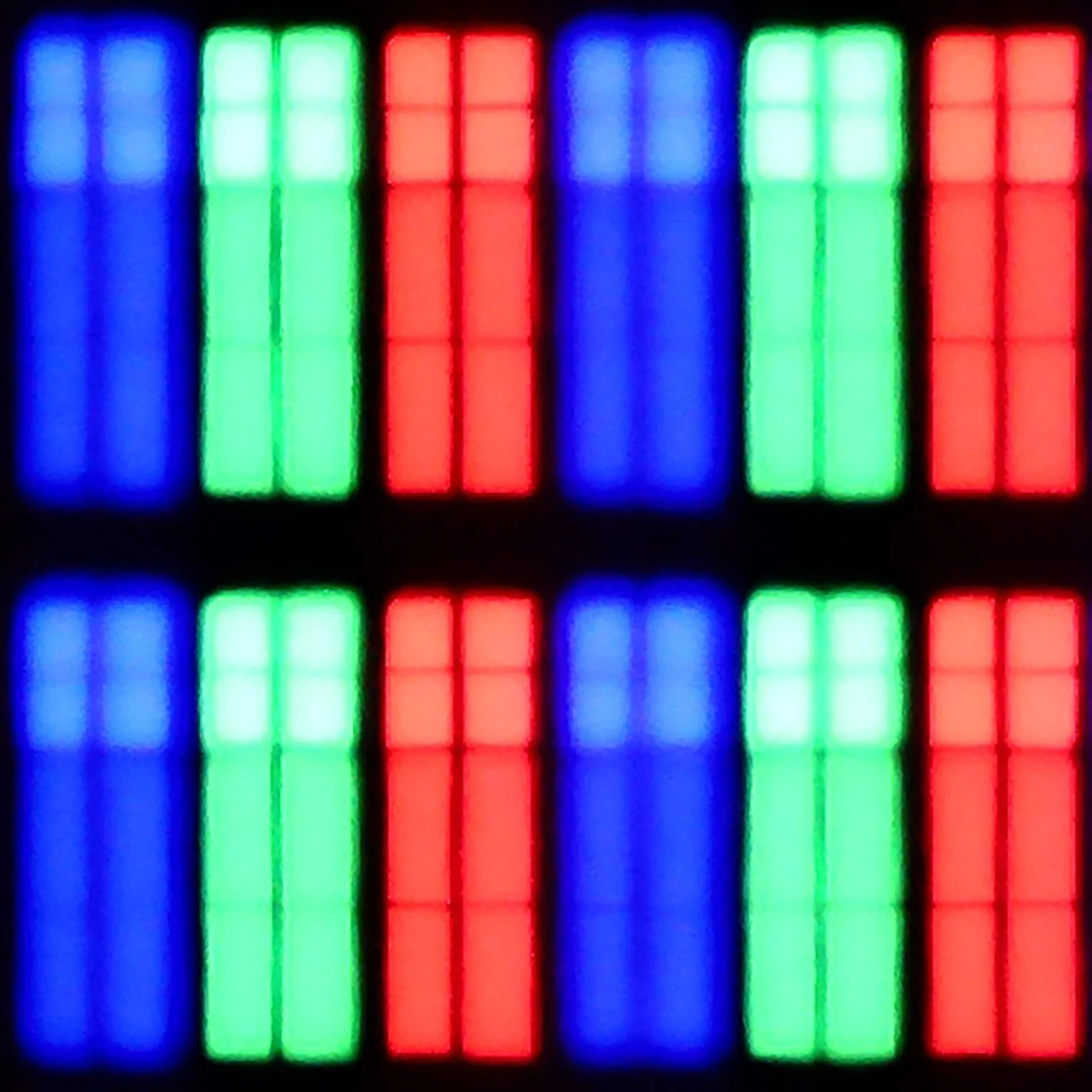
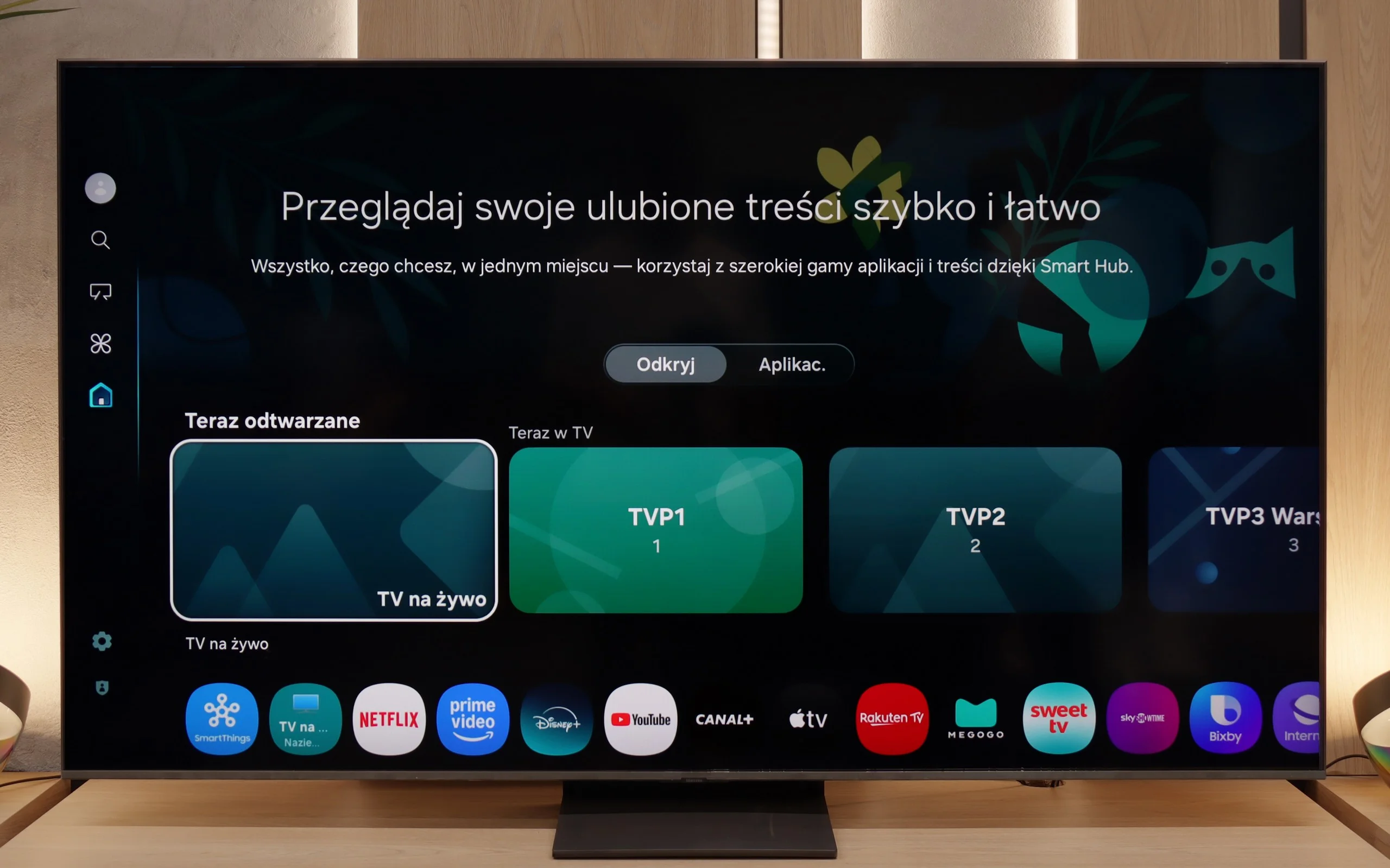
QN80F is a representative of the Neo QLED series, meaning it is a television with Mini LED backlighting. Unlike its cheaper cousin, the QN70F model, the diodes here are placed directly behind the panel (rather than at the edges), which gives it a solid advantage right from the start when it comes to contrast control. In the 65-inch variant we tested, we counted 88 dimming zones – a result that may not be particularly impressive, but as it turned out, sufficient to achieve quite decent results.
In tests based on scenes from films such as Oblivion and The Meg, the QN80F performed well – blacks were deep, and the overall image consistency was visually appealing. However, in more demanding moments (e.g., scenes with a large number of bright details on a dark background), a halo effect appeared. This is where the limitation of the number of zones becomes evident – bright elements could bleed into one another, and some details in the dark areas lost visibility. In one scene featuring a helicopter (The Meg), we even noticed slight brightness flickering, as if the television was trying its best to maintain detail visibility at the expense of black depth.
However, these issues are not exclusive to this model – halo effects or drops in contrast during very complex scenes are challenges faced by most Mini LED televisions, even the more expensive ones. In its class, the QN80F performs positively and offers significantly better contrast than the QN70F model with edge backlighting. For most users, this will be a level more than sufficient – although not perfect.
 Direct comparison