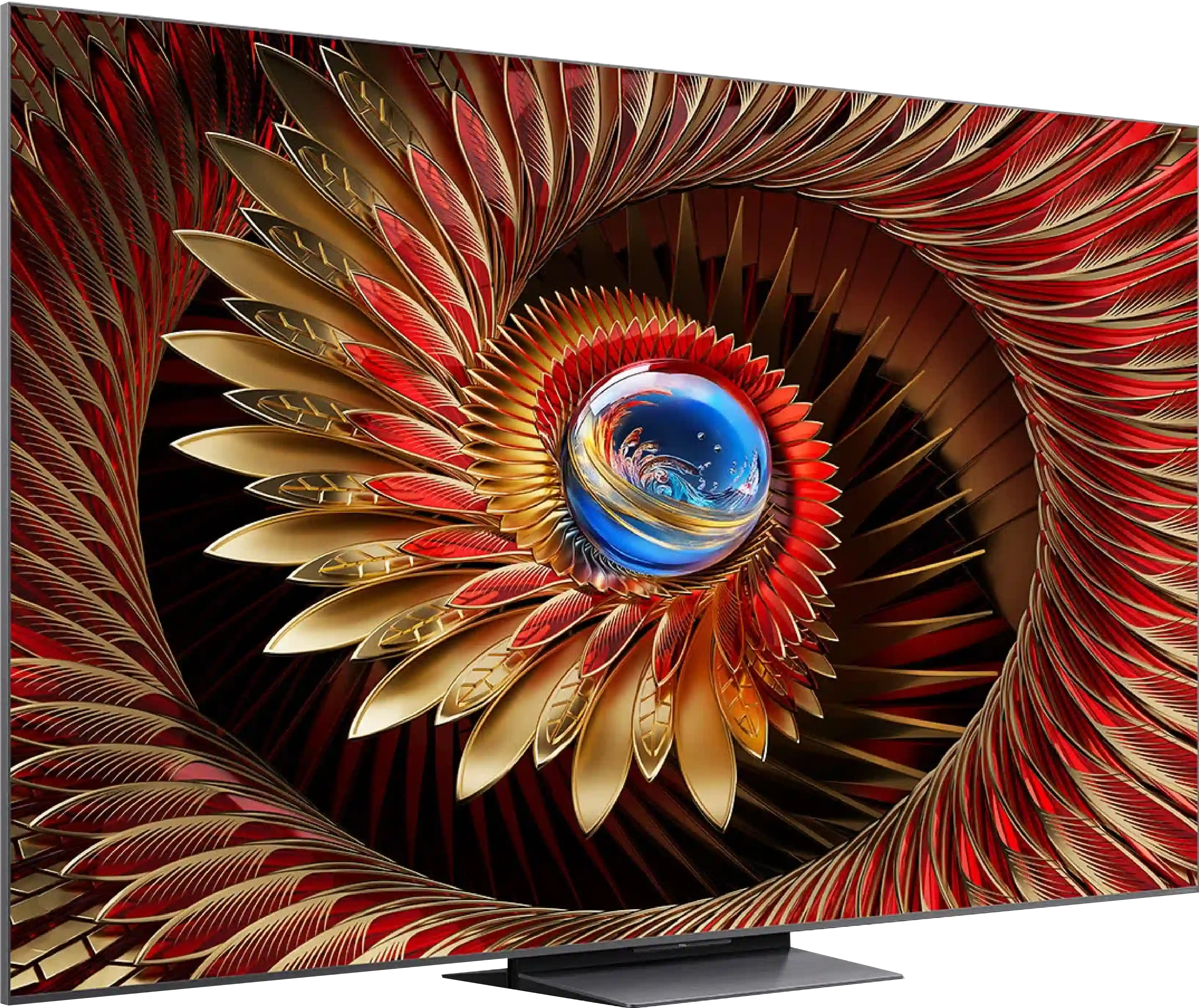
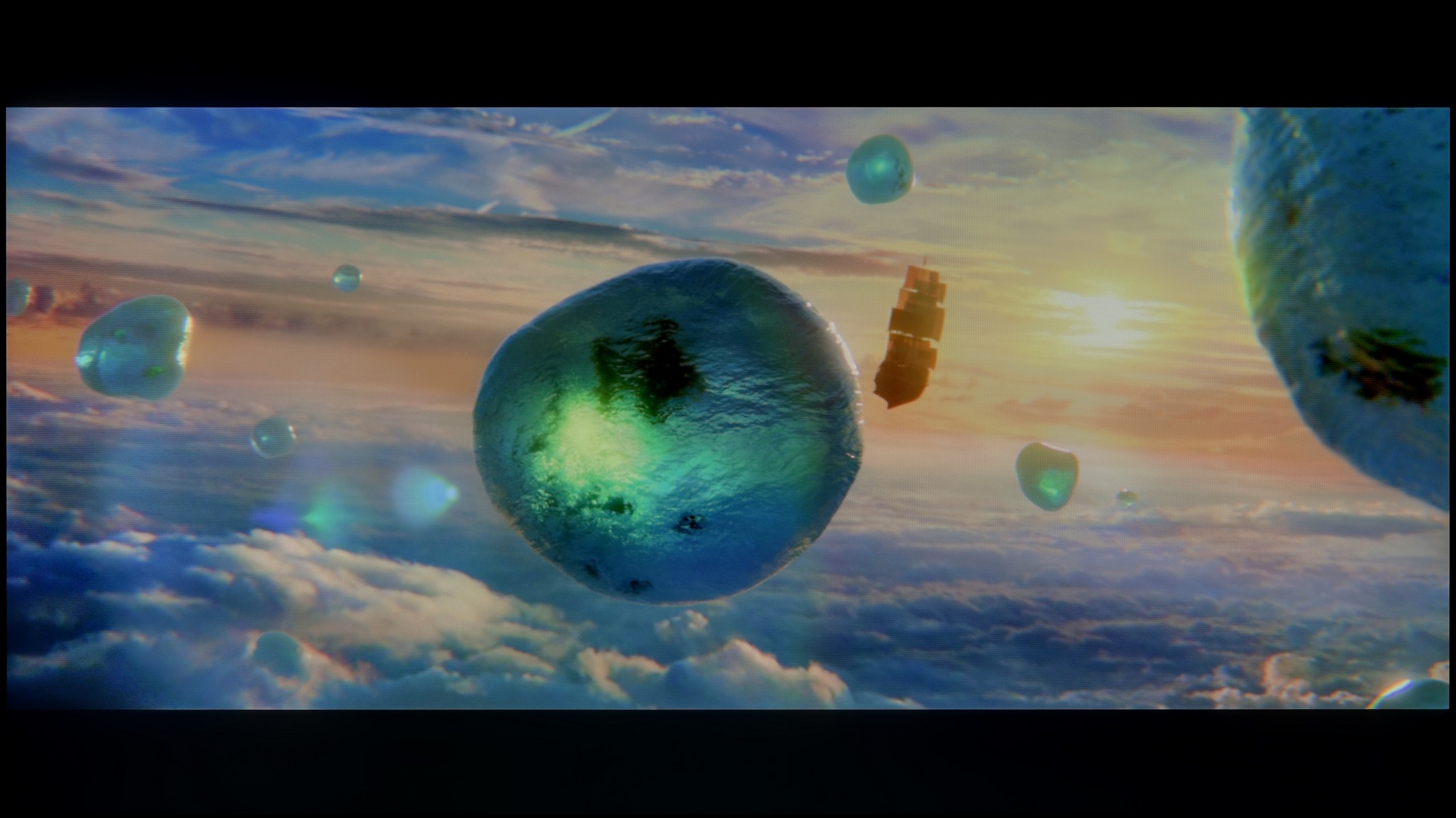
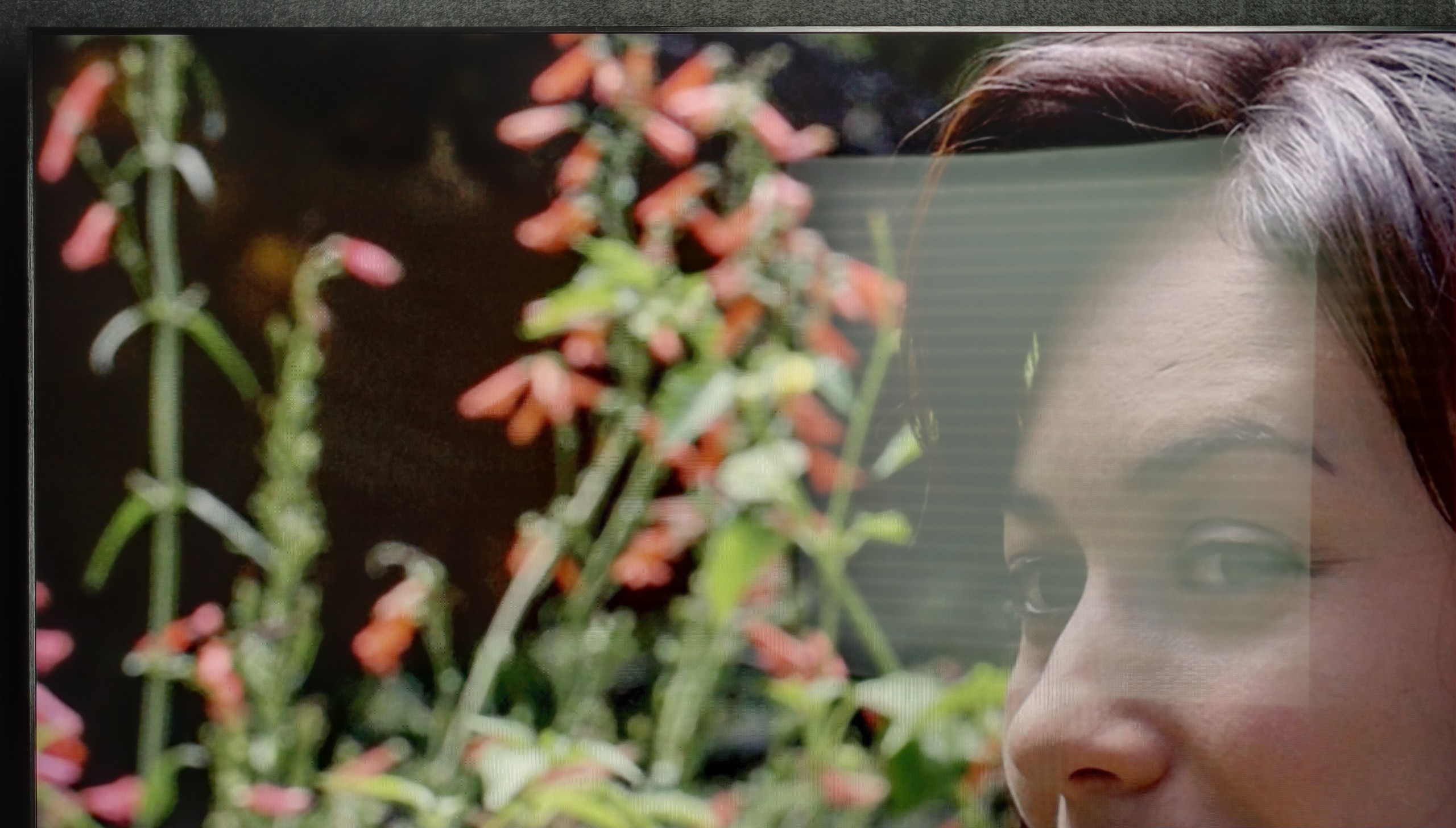
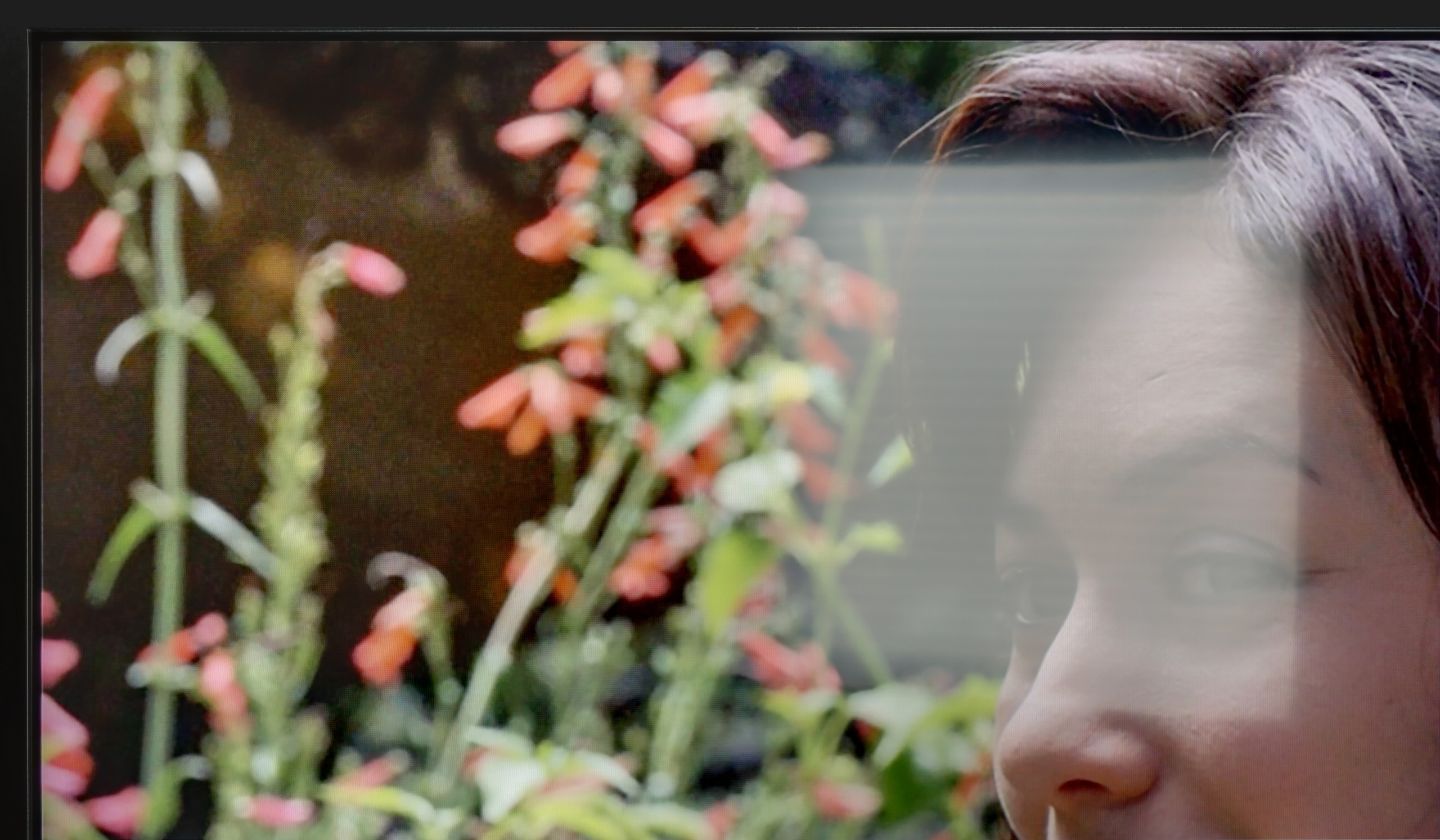
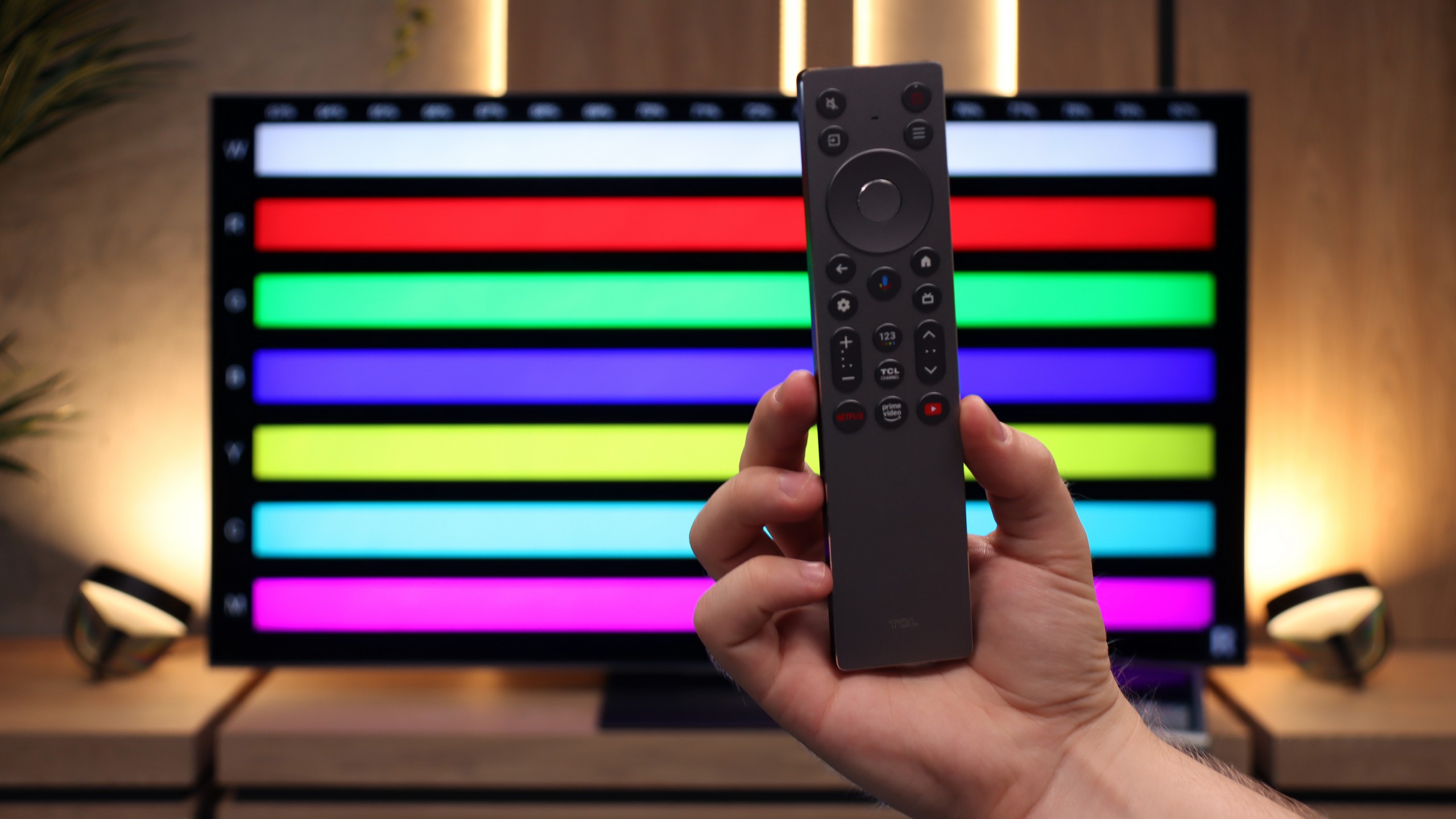
The TCL C8K is a truly bright television. In synthetic conditions – that is, during brightness test patterns – it was able to achieve even 3500 nits of peak brightness in movie mode. This is an impressive result that brings the C8K close to the market leaders, at least in terms of panel brightness. More importantly – these are not just numbers on paper. In films with a lot of bright scenes, such as Life of Pi or The Meg, the brightness clearly exceeds 1000 nits, providing a real sense of HDR effect. The picture in such moments looks very dynamic, colours are vibrant thanks to excellent colour gamut coverage, and lights are spot-on and intense. Just as it should be.
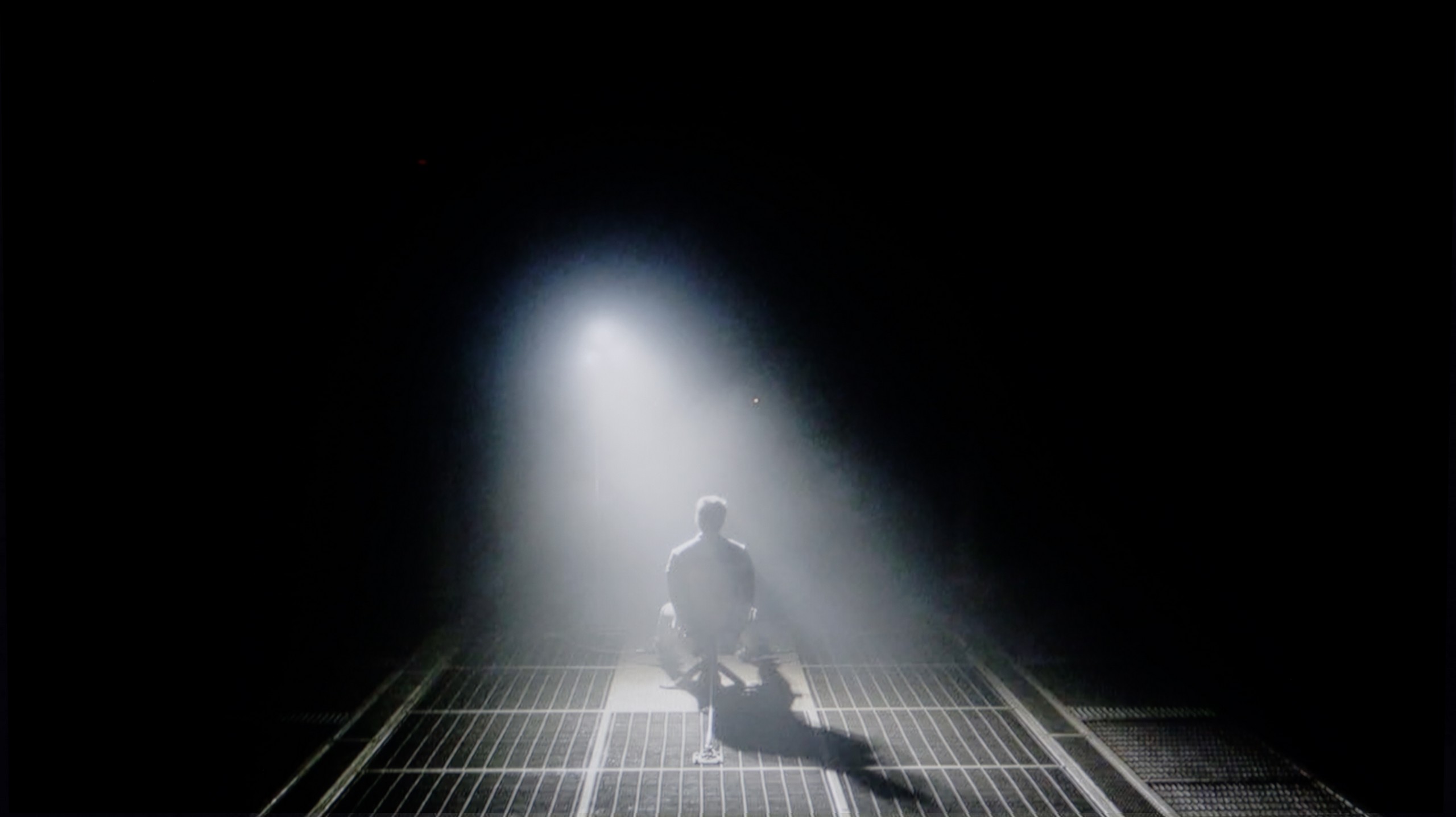
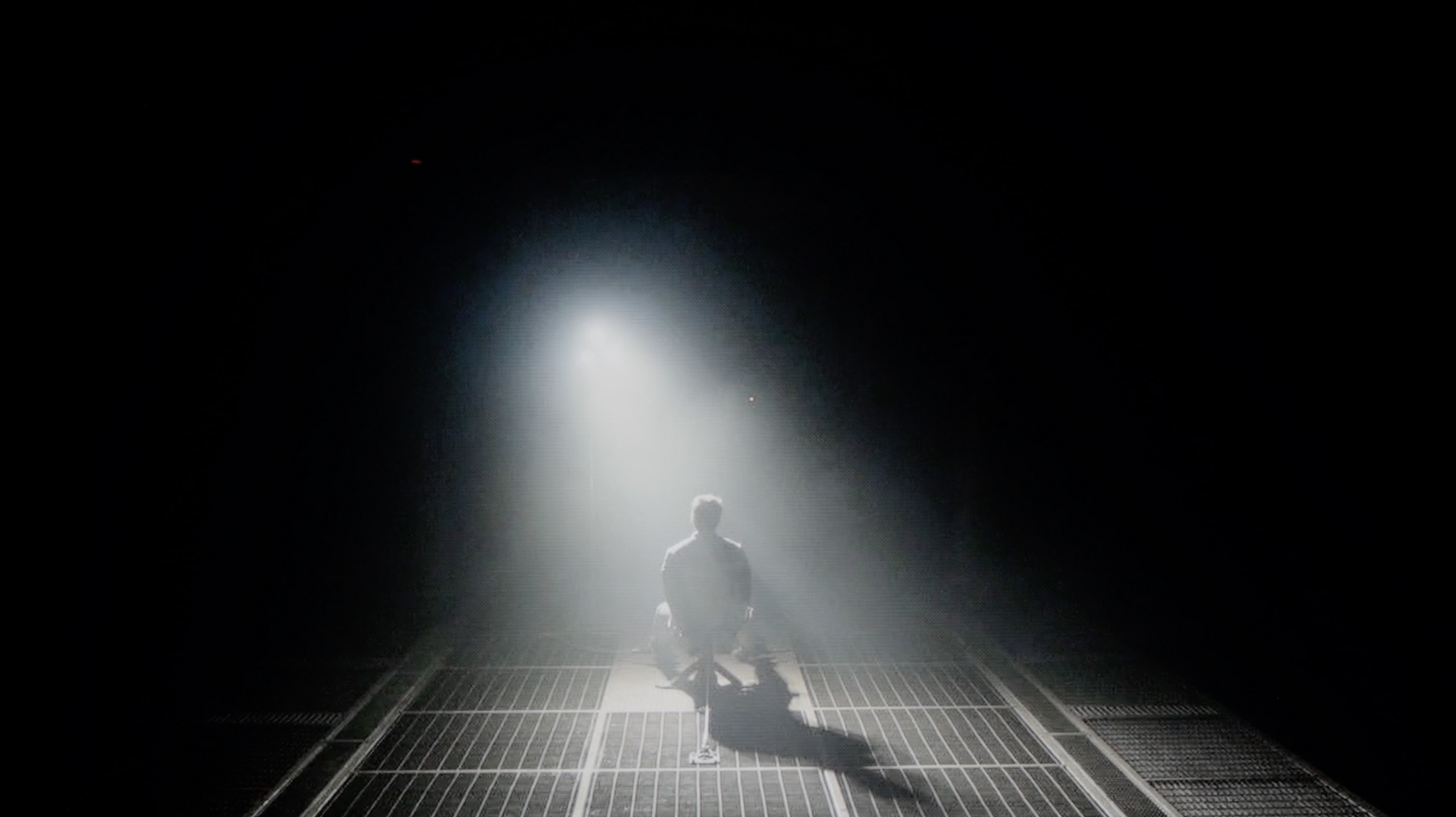
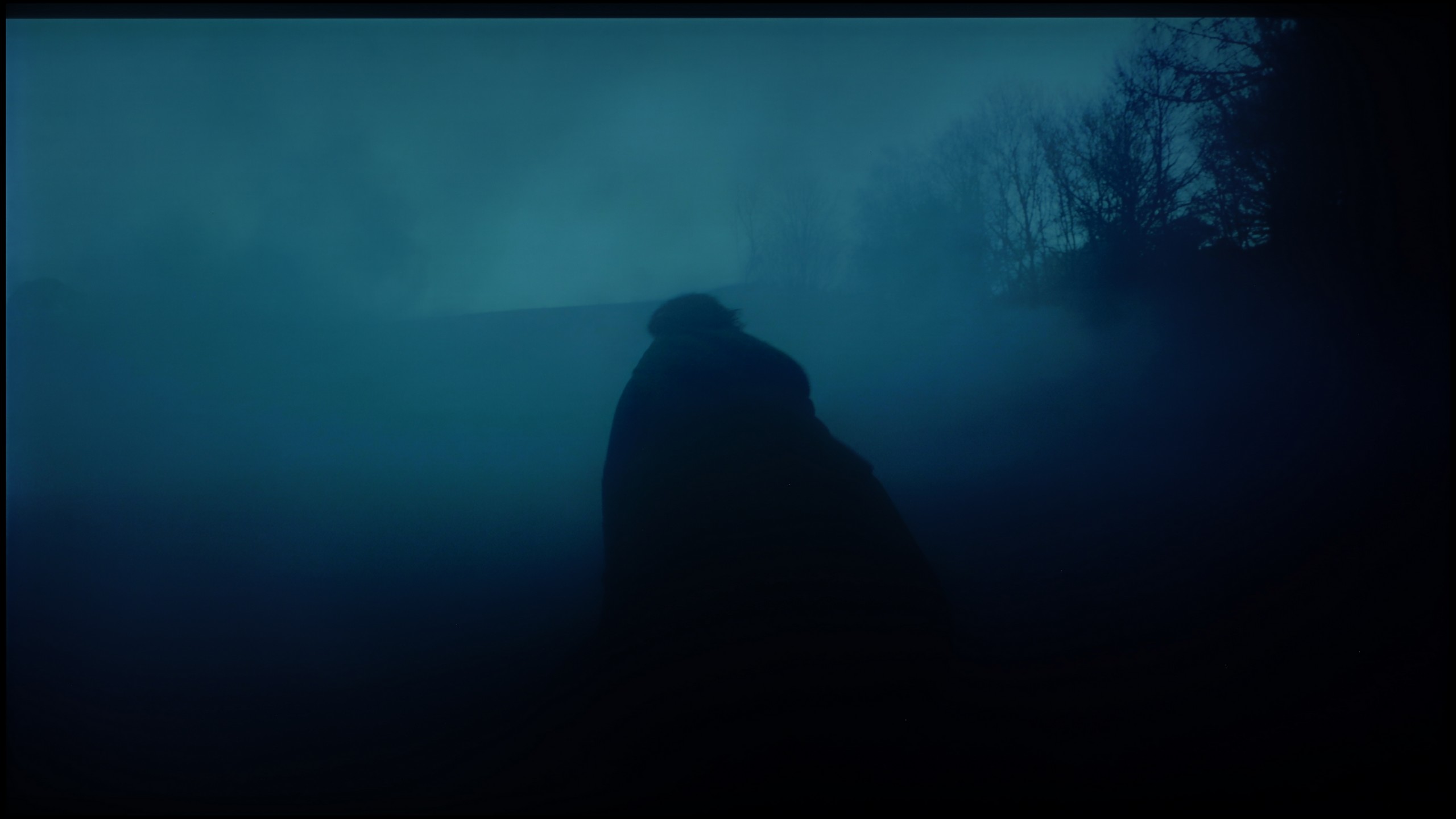
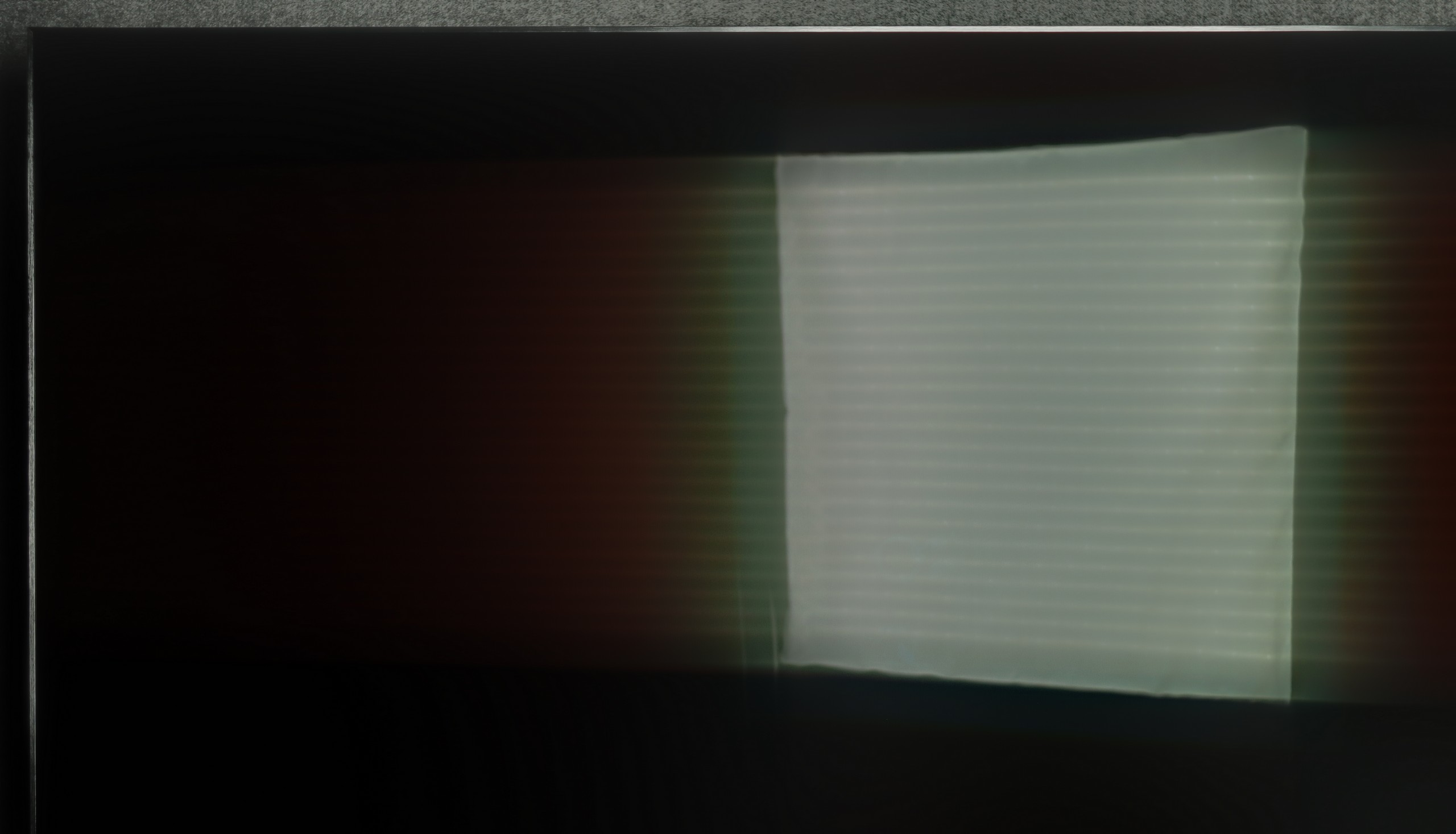
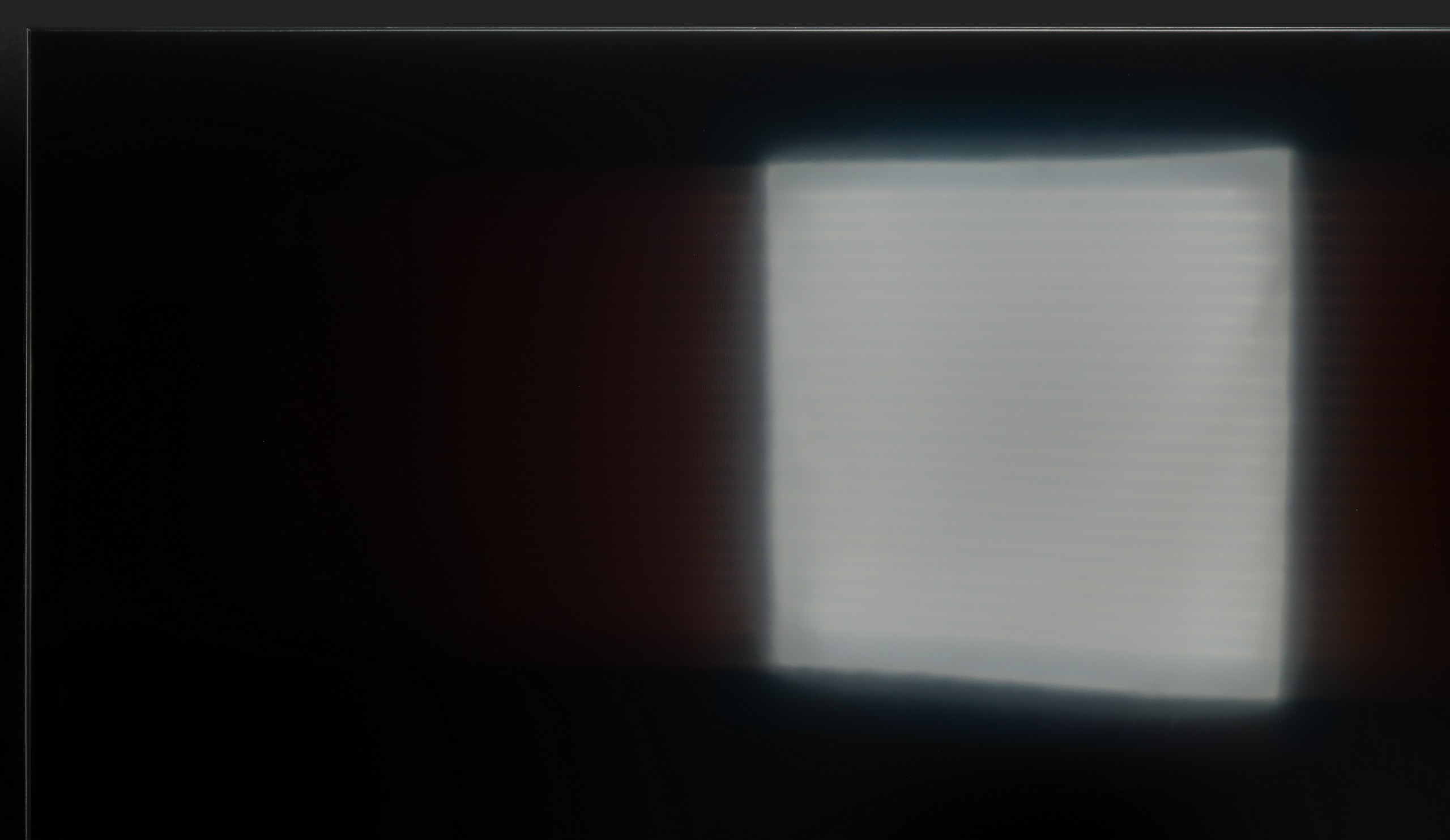
However, this does not mean that everything is perfect. Similar to the contrast tests, compromises also arise here in more demanding scenes. In sequences with very fine light elements – such as stars in the night sky or reflections in dark rooms – the local dimming algorithm can… get confused. Instead of bringing those details up, the television sometimes decides to significantly dim them – to a level of around 300 nits – to maintain blacks. On one hand, this is quite a reasonable approach (better deep blacks than a grey/blue screen), but on the other hand – there may be moments when certain elements of the picture become hardly visible or even disappear into darkness.
TEST UPDATE (20/08/2025) : The brightness control algorithm in this model is quite problematic – an attempt to calibrate the picture so that it does not drastically overexpose the brightest scenes results in unnatural shifts: an improvement in one area of the picture leads to a deterioration in another. The television may achieve slightly higher brightness measurements, but in practice, this comes with a highly oversaturated image that looks very unnatural!
For the sake of order, we provide the brightness values without this adjustment:
1463 nits
640 nits
1368 nits
468 nits
1025 nits
The Panasonic W95B is truly a bright screen, capable of achieving a peak luminance of around 1400 nits. In brighter, well-lit film scenes, this value translates to spectacular HDR effects that can make a big impression. However, knowing our test setup, you can probably see that in very demanding shots – such as the moon in the distance or the lights of a helicopter in the scene from Sicario 2 – the television does not impress. In such situations, brightness drops to around 200 nits, which makes the HDR effect much less noticeable. This happens because Panasonic prioritises maintaining deep blacks, not illuminating the background – for many users, this shouldn't be a cause for concern. However, it is important to remember that in these moments the image begins to resemble SDR content. The coverage of the colour palette also deserves praise, as it reaches about 93% of the DCI-P3 space thanks to the use of a PFS filter (also known from QLED technology). As a result, most films look very good in terms of saturation and colours, preserving the cinematic character of the image.
 Direct comparison