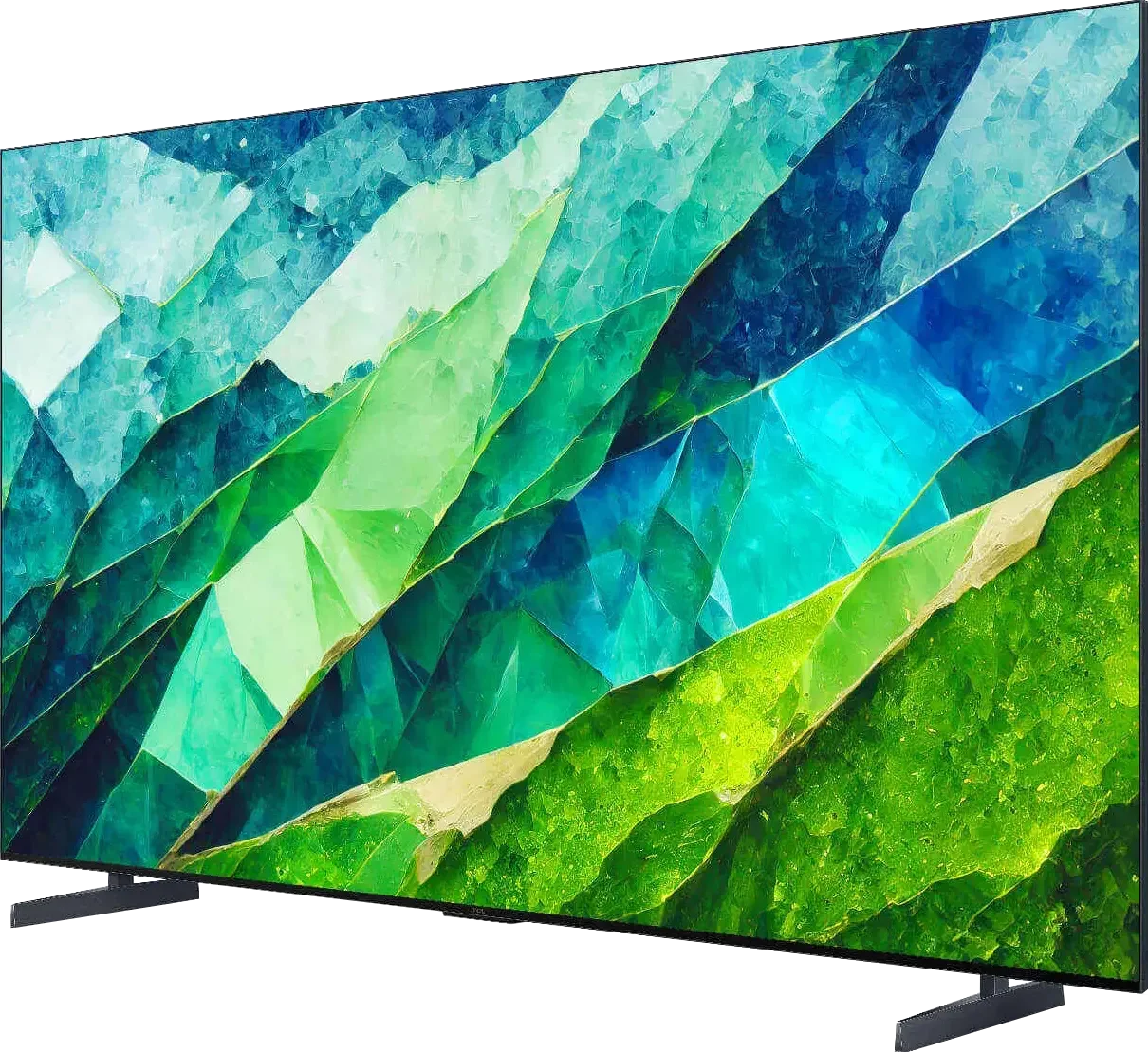
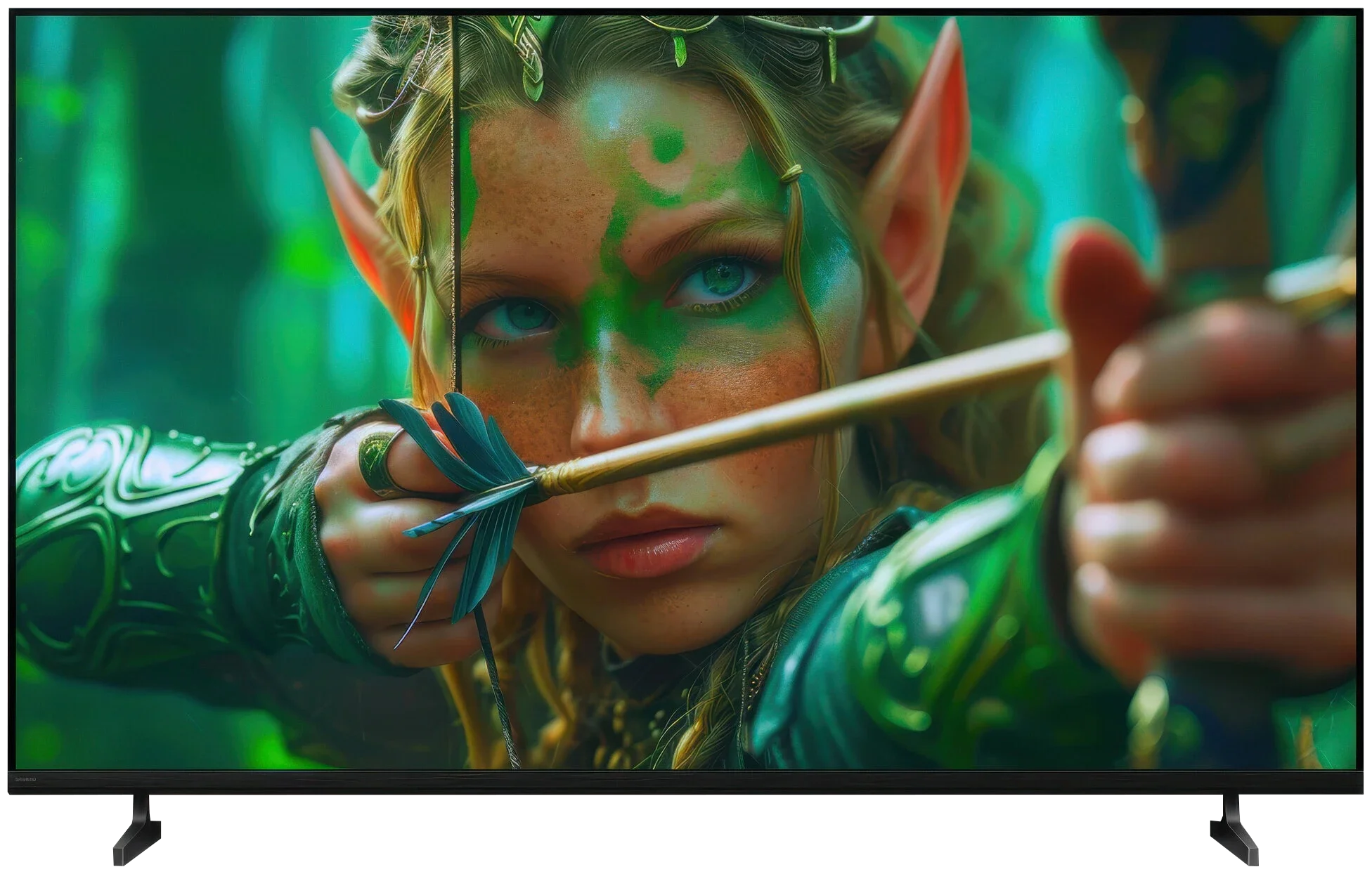
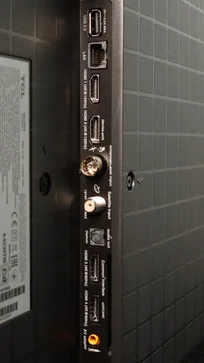
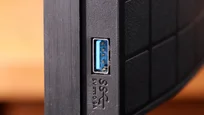
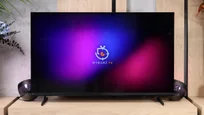
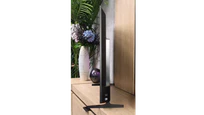
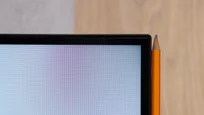
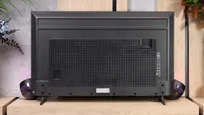
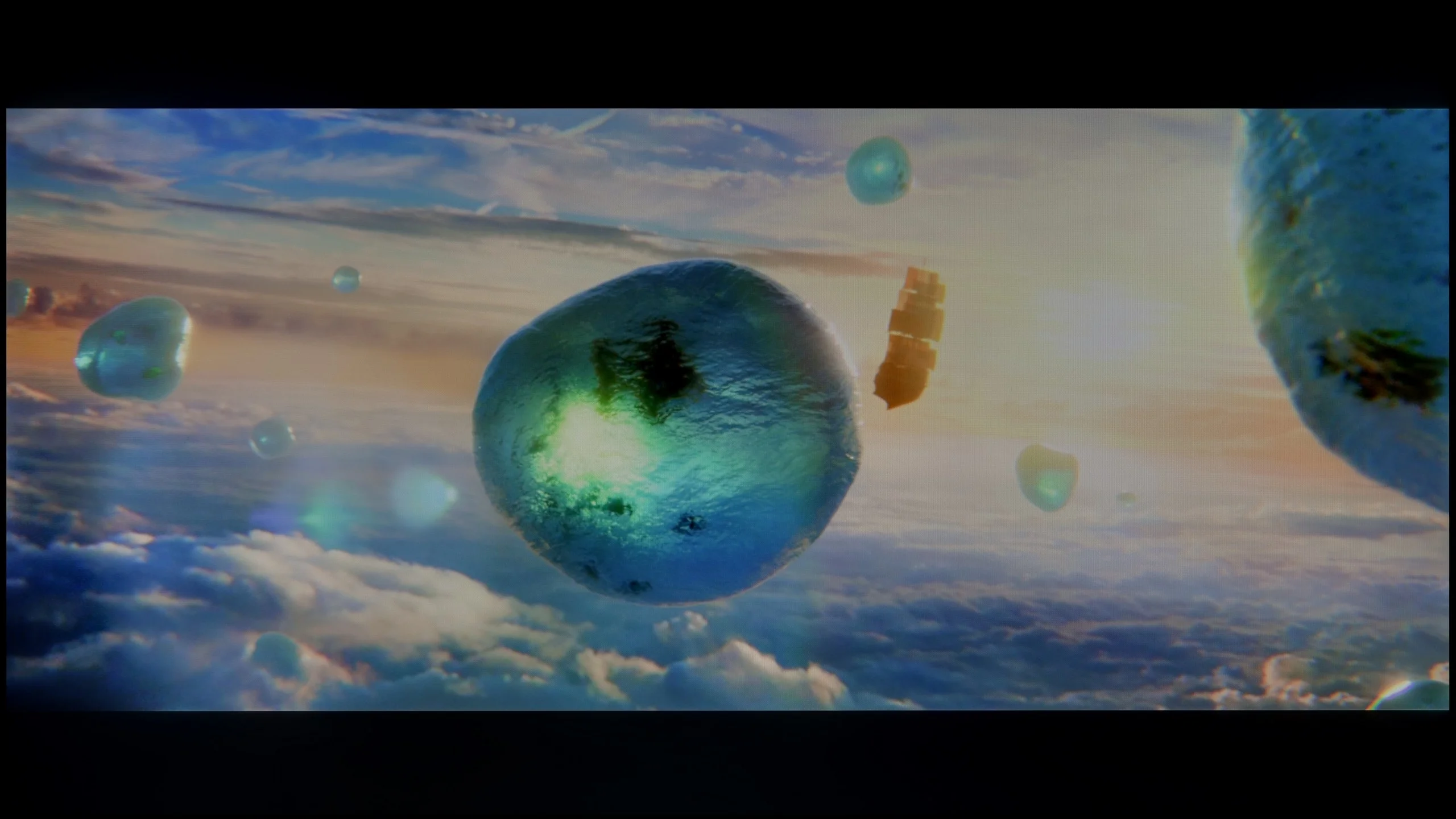
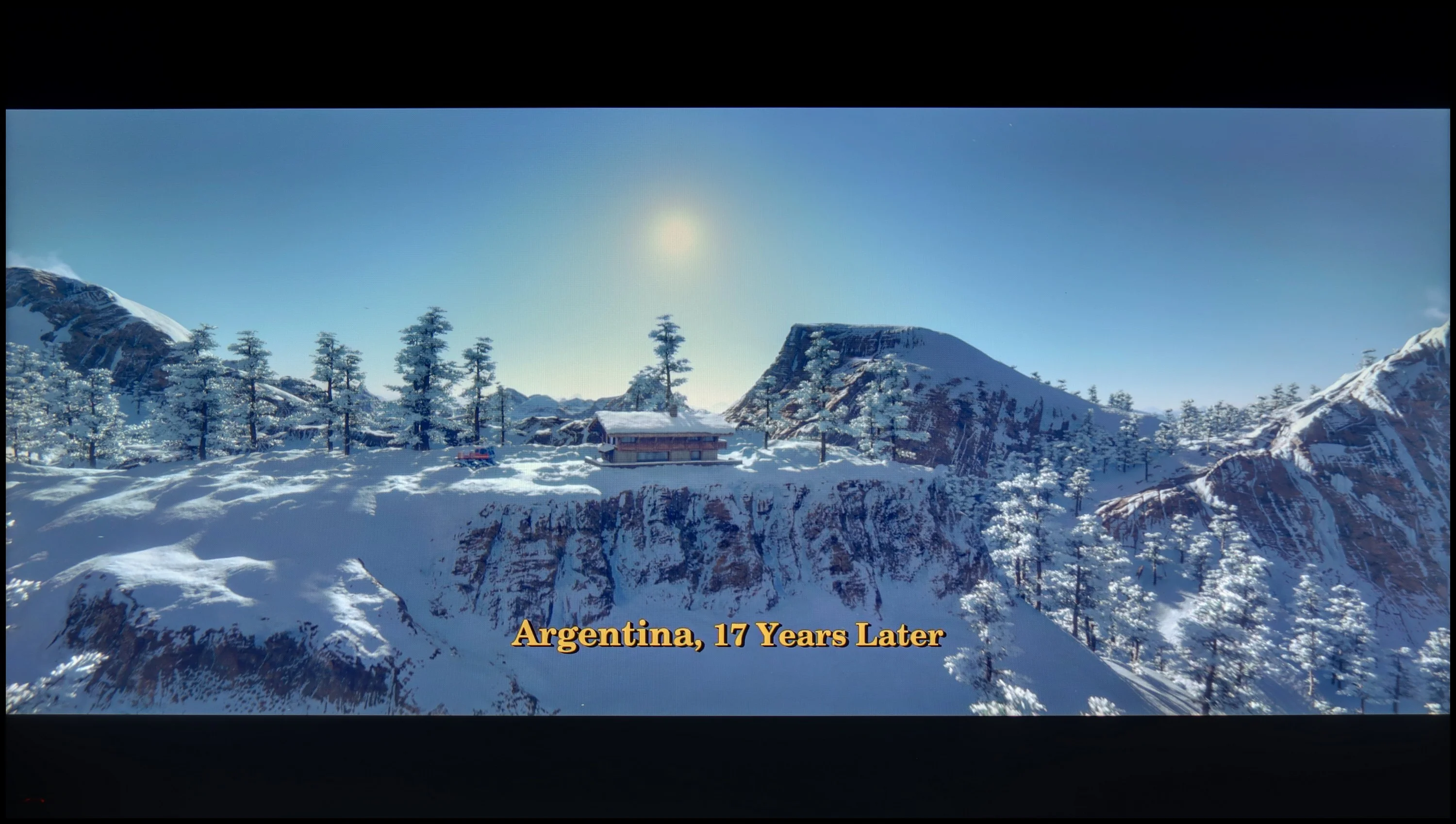
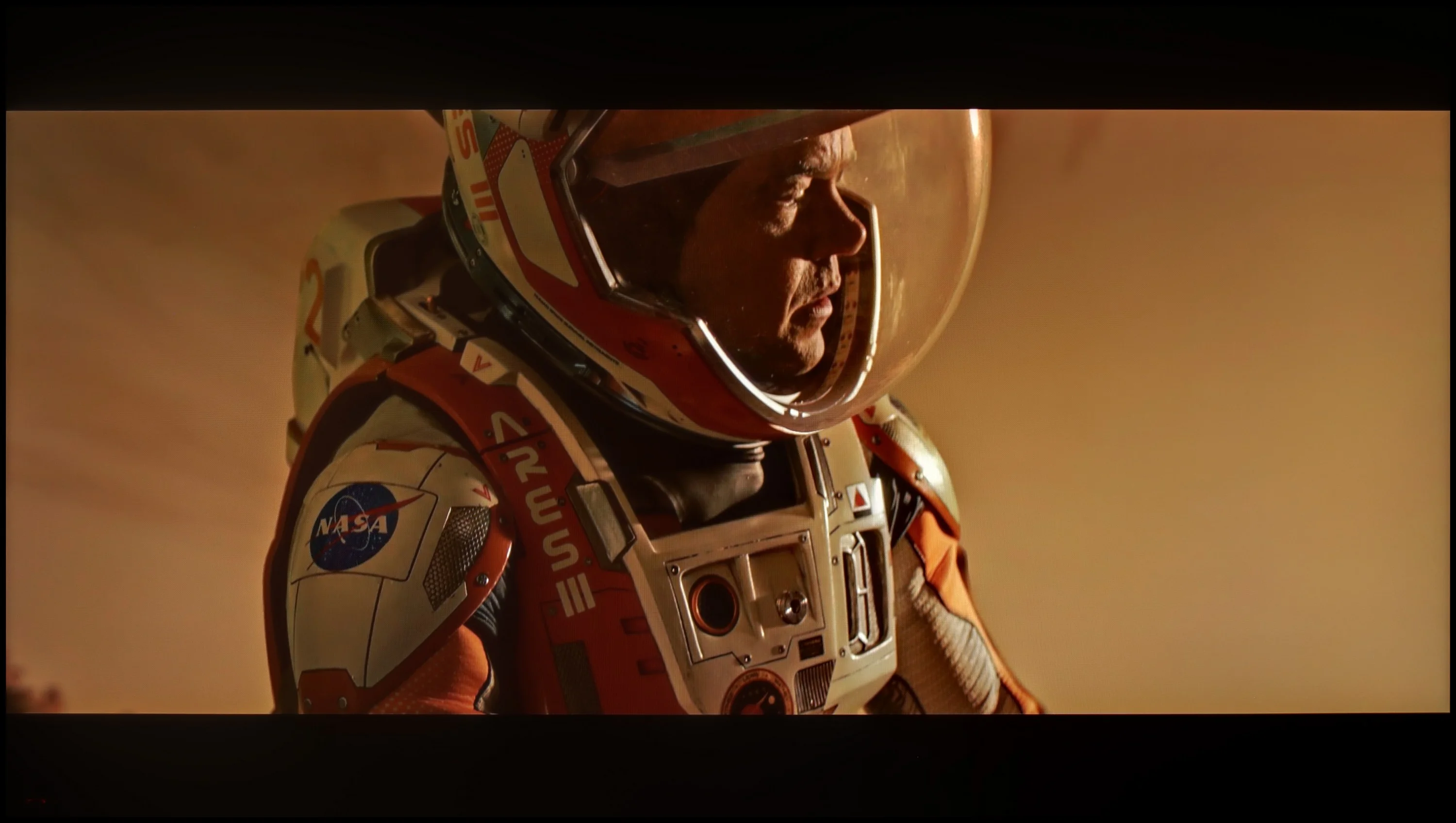
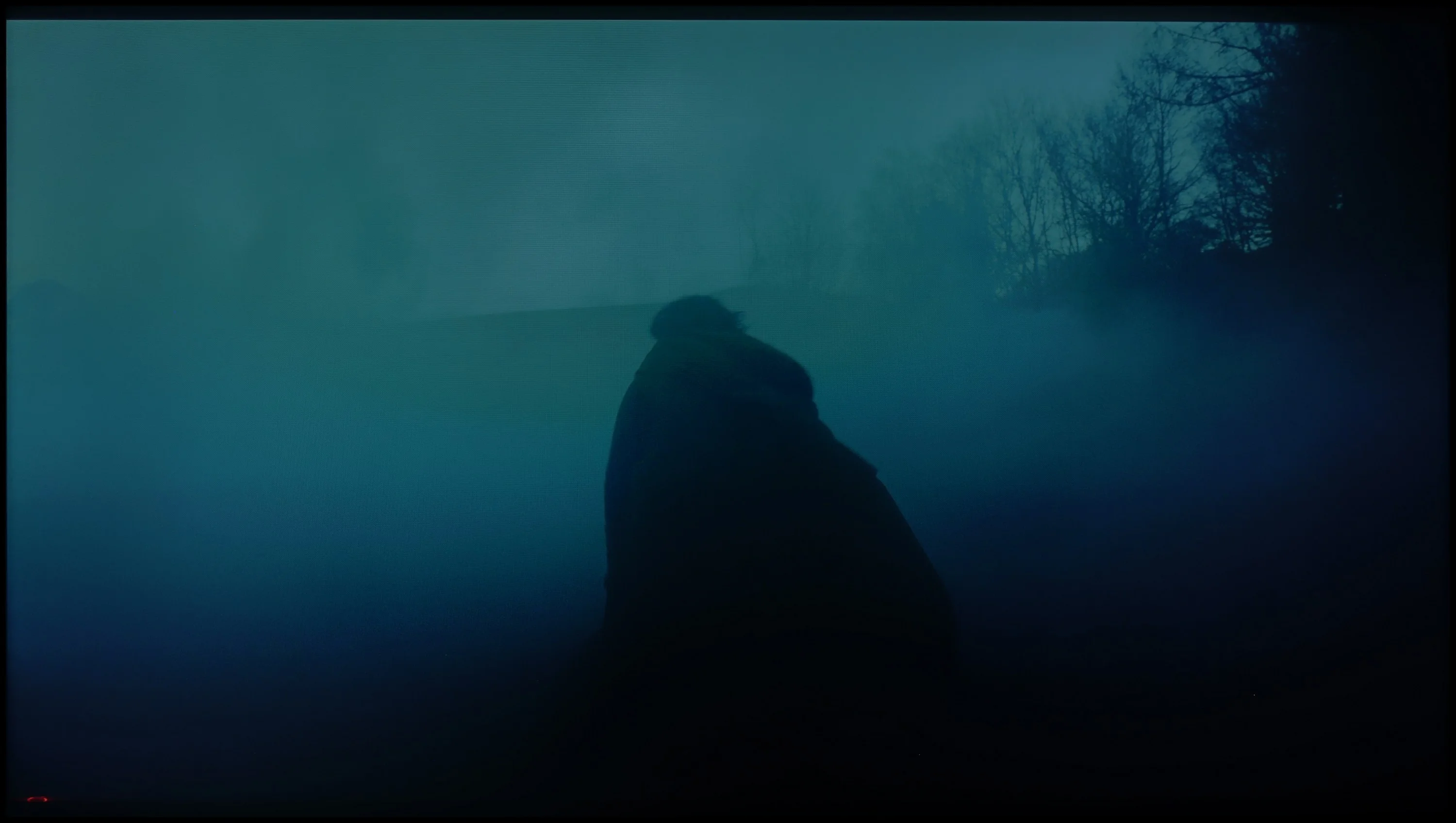
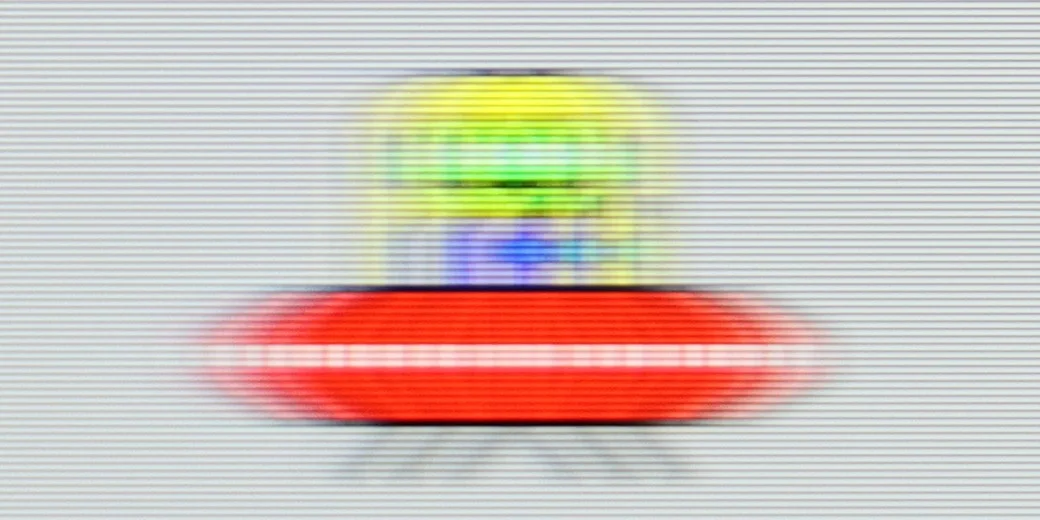
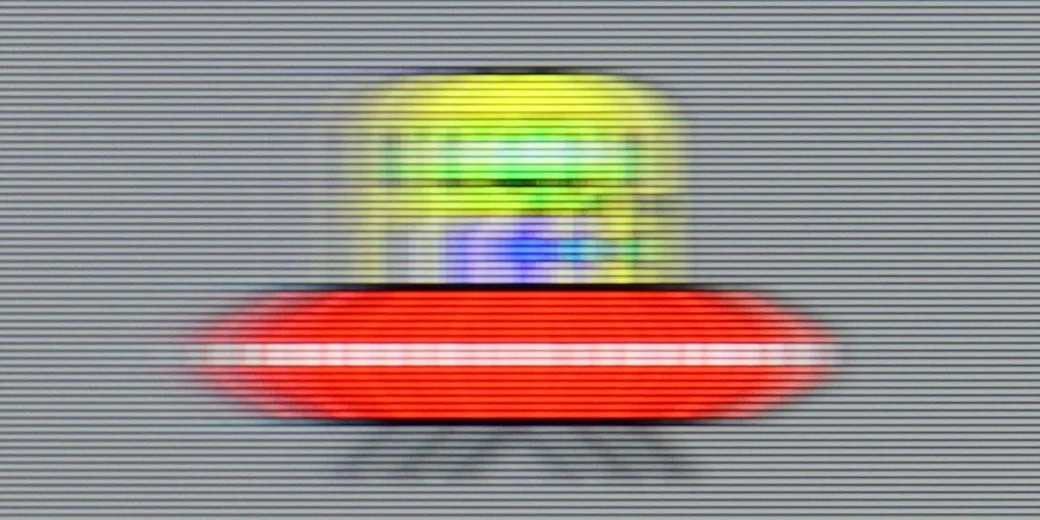
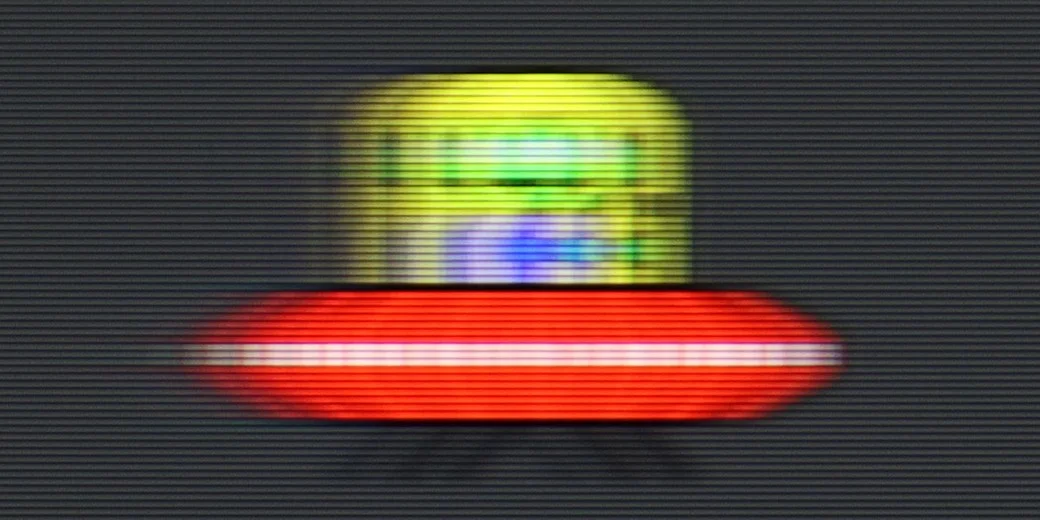
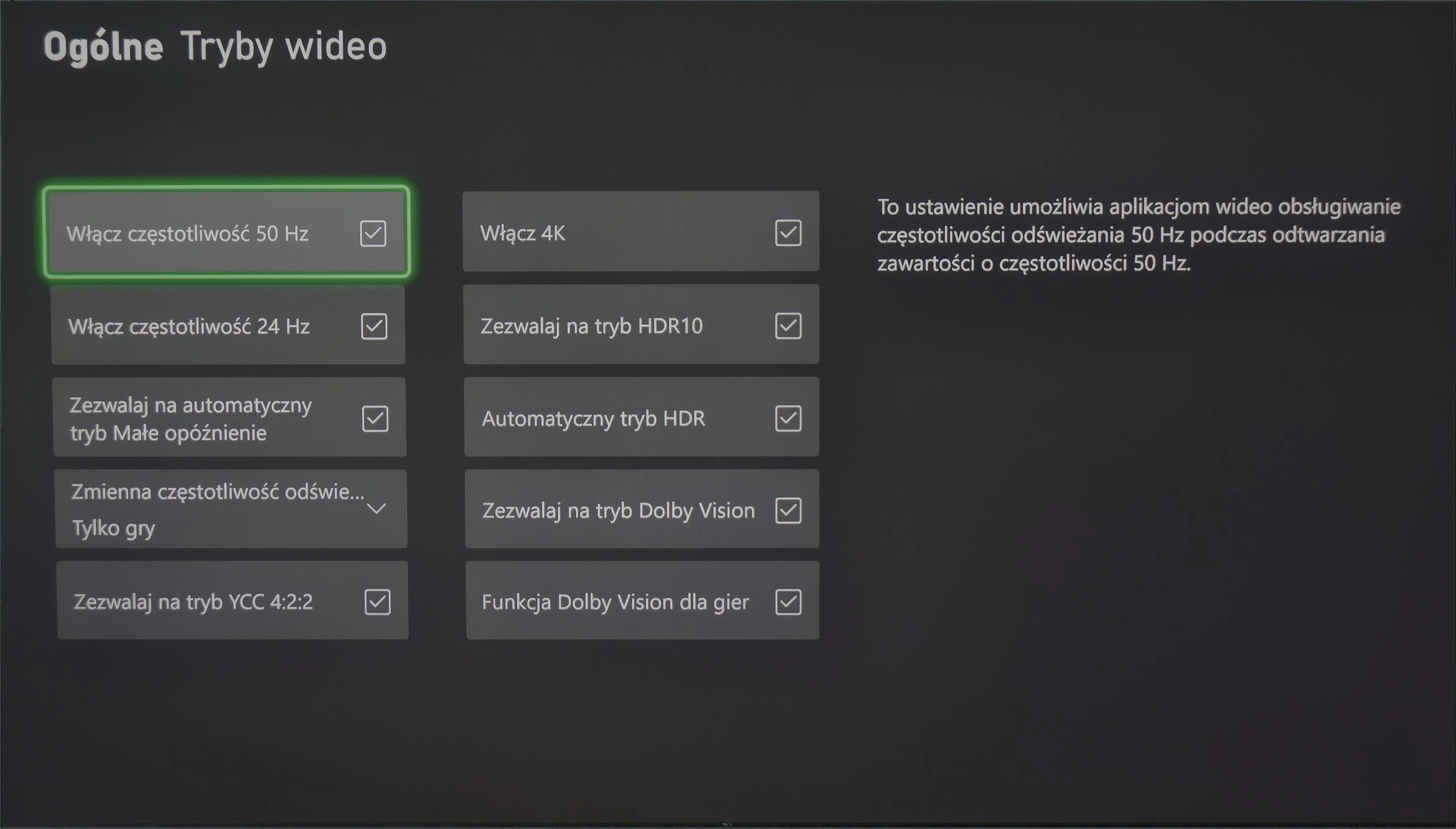
Once again, the manufacturer demonstrates that although it is a relatively young player in Poland (but not worldwide) in the RTV market, it certainly cannot be said that it is a second-tier choice. The television TCL C855 is an incredibly versatile device that performs well in various applications and excels in its price class. Thanks to the Mini LED backlighting, the results of contrast and blacks are very solid, allowing for a deep and vivid image. It is worth noting that the television's algorithm effectively manages to maintain black uniformity, and blooming effect is rarely noticeable. This backlighting is also a strong point of the television in HDR materials, although with some caveats. TCL C855 can achieve a brightness of up to 1800 nits, which is an impressive result; however, brightness can drastically drop to around 200 nits when a bright but small element appears on the screen. Another drawback is the boost in mid-tones, which can lead to a loss of contrast and a decrease in image fidelity with the director's vision. The television also performs excellently when connected to a console or powerful PC. In this category, TCL C855 truly showcases its power, offering incredibly low latency and high-quality gameplay, made possible by the full implementation of HDMI 2.1 features. The Google TV operating system is another advantage, providing users with nearly unlimited installation options for applications, even those from outside the official store, thanks to support for APK files.
In summary, TCL C855 is the ideal choice for those who know what they expect from a television. It is a good, versatile piece of equipment that, although not perfect, offers excellent picture quality, low gaming latency, and a flexible and robust operating system.
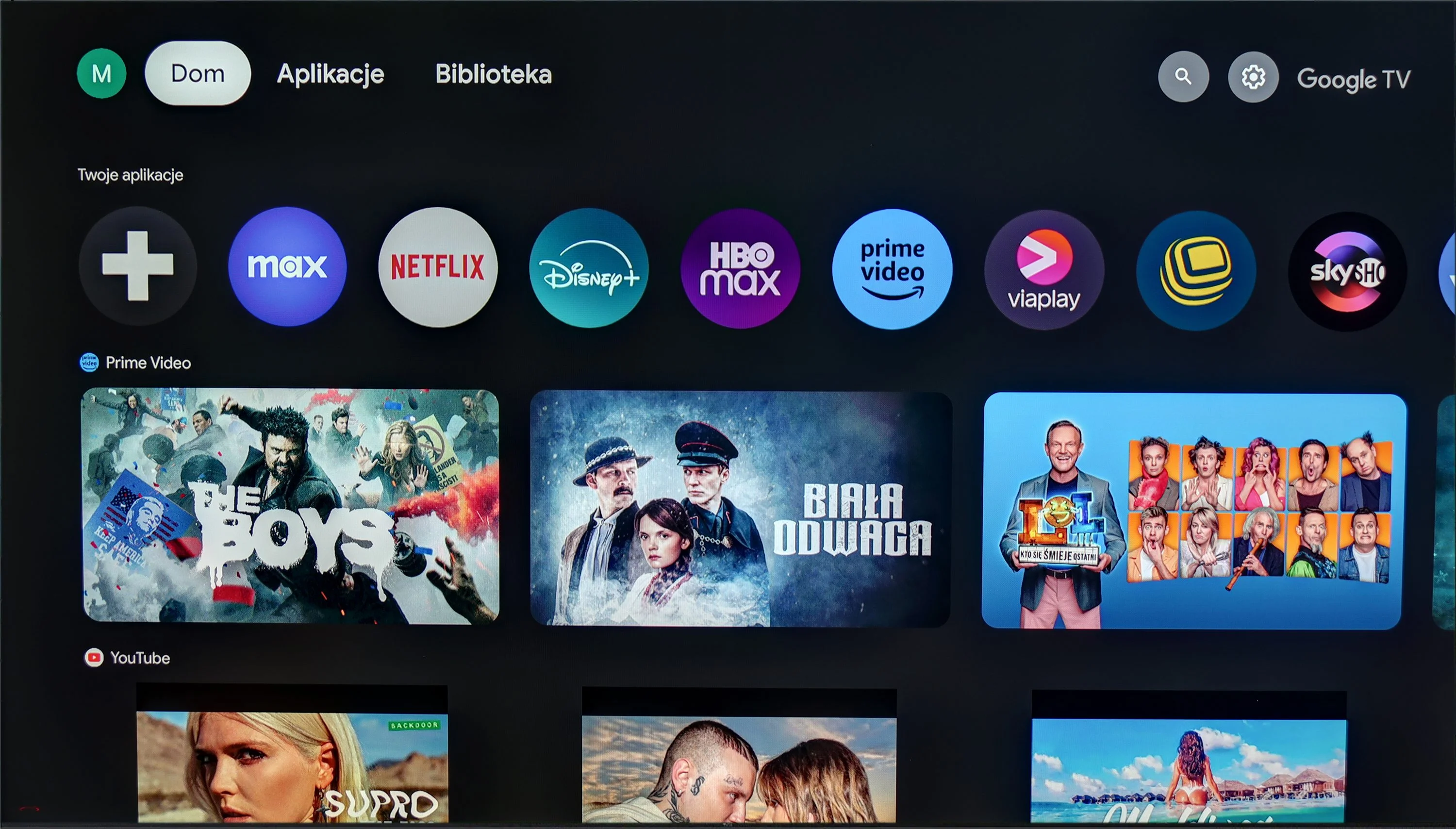
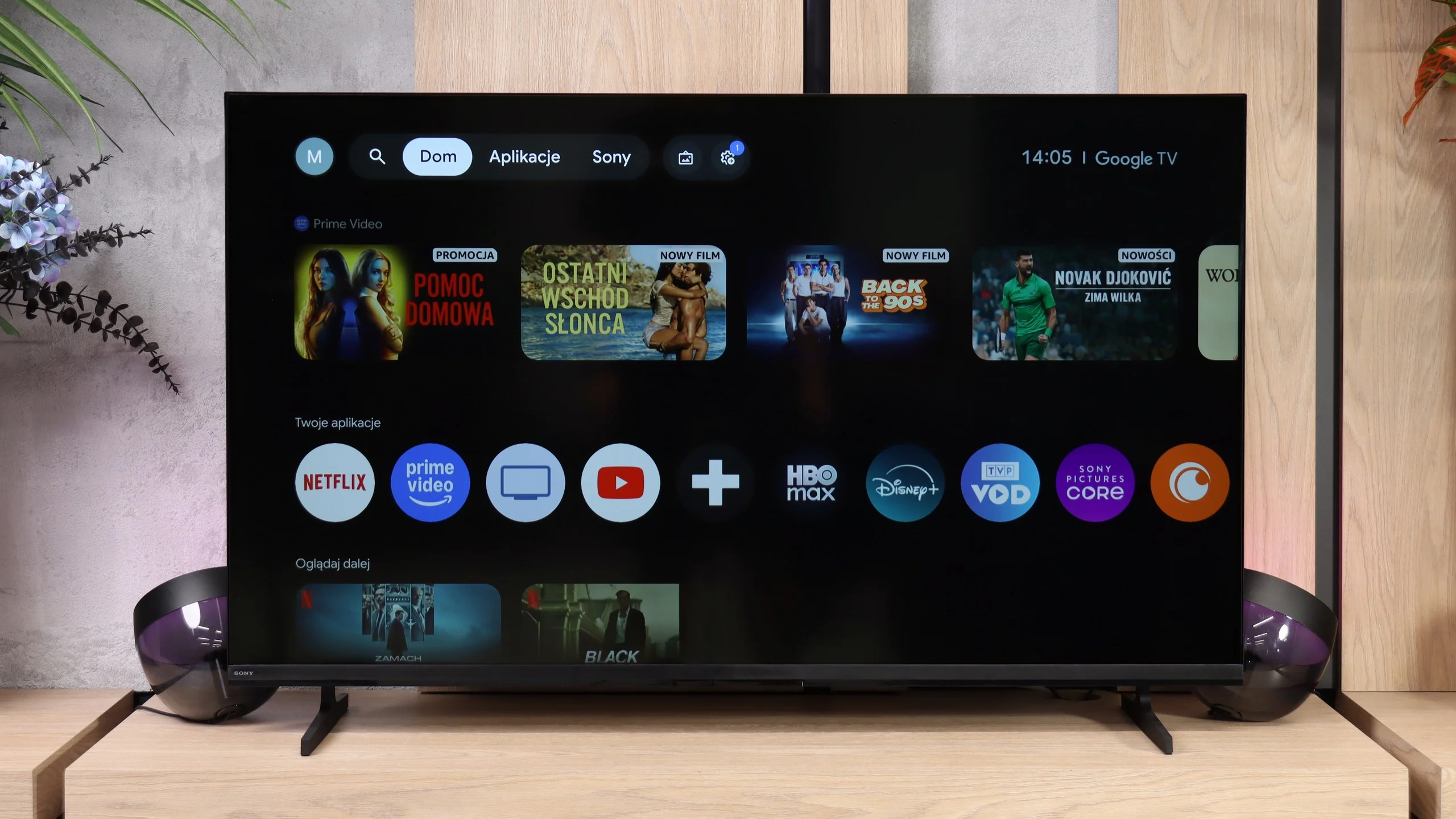
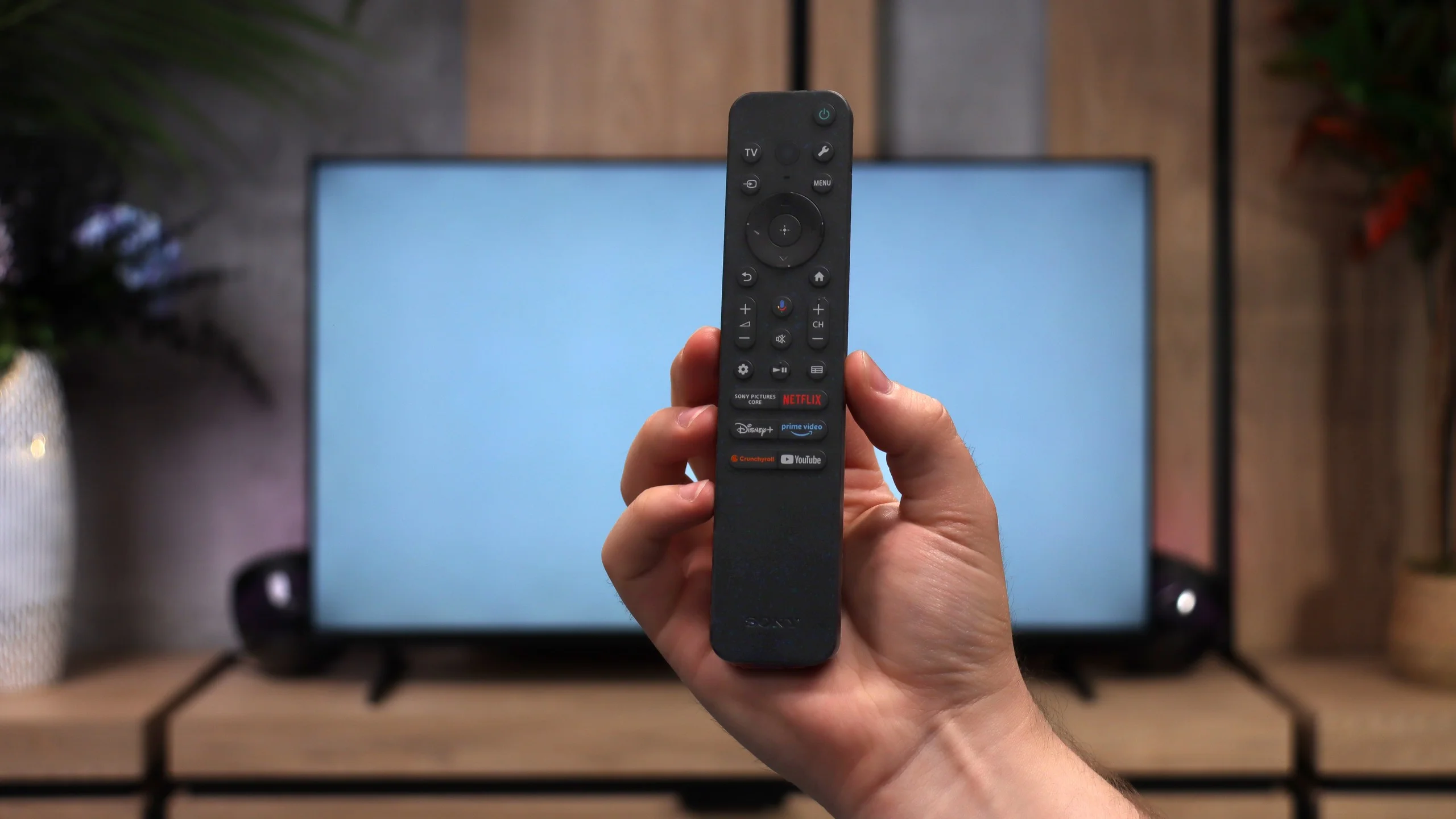
The Sony Bravia 2 II is a television that performs best in simple, everyday use. And we suspect many people will choose it mainly because of Google TV. The system provides access to a huge number of apps and streaming services, and it also includes Chromecast, AirPlay and convenient voice search. The set itself may not run as quickly as more expensive Sony models, but in terms of features there is little to complain about. Importantly, for ordinary viewing the picture quality is quite decent. The Bravia 2 II handles SDR material particularly well, meaning regular TV, YouTube and much of older films and series. The factory Cinema mode is already fairly well tuned, colours look natural and, without much fiddling with the settings, you can simply start watching. And in our view this is where the Bravia 2 II shows its best side, as a simple Smart TV for everyday use rather than a television that aims to impress with the panel's capabilities.
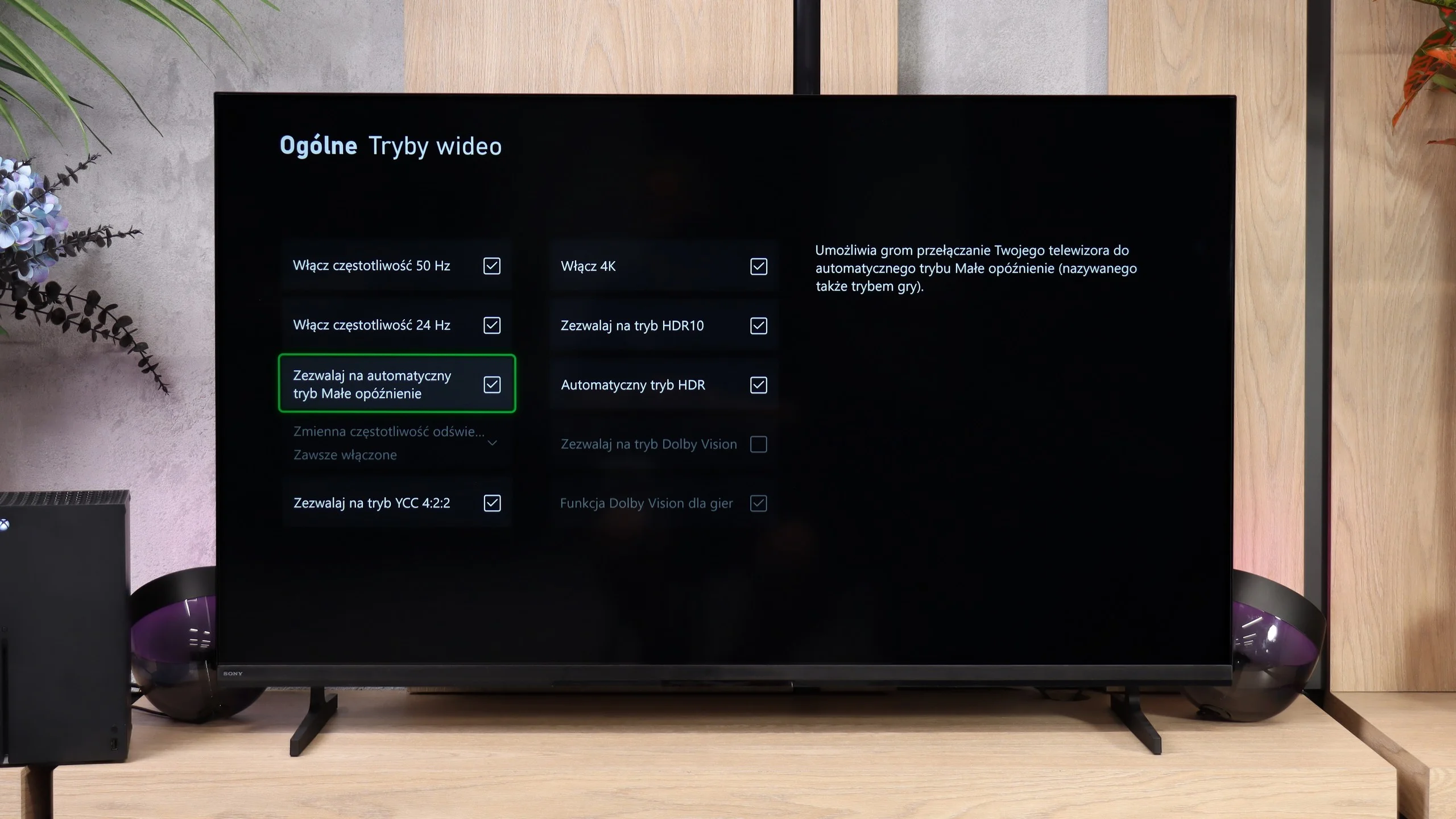
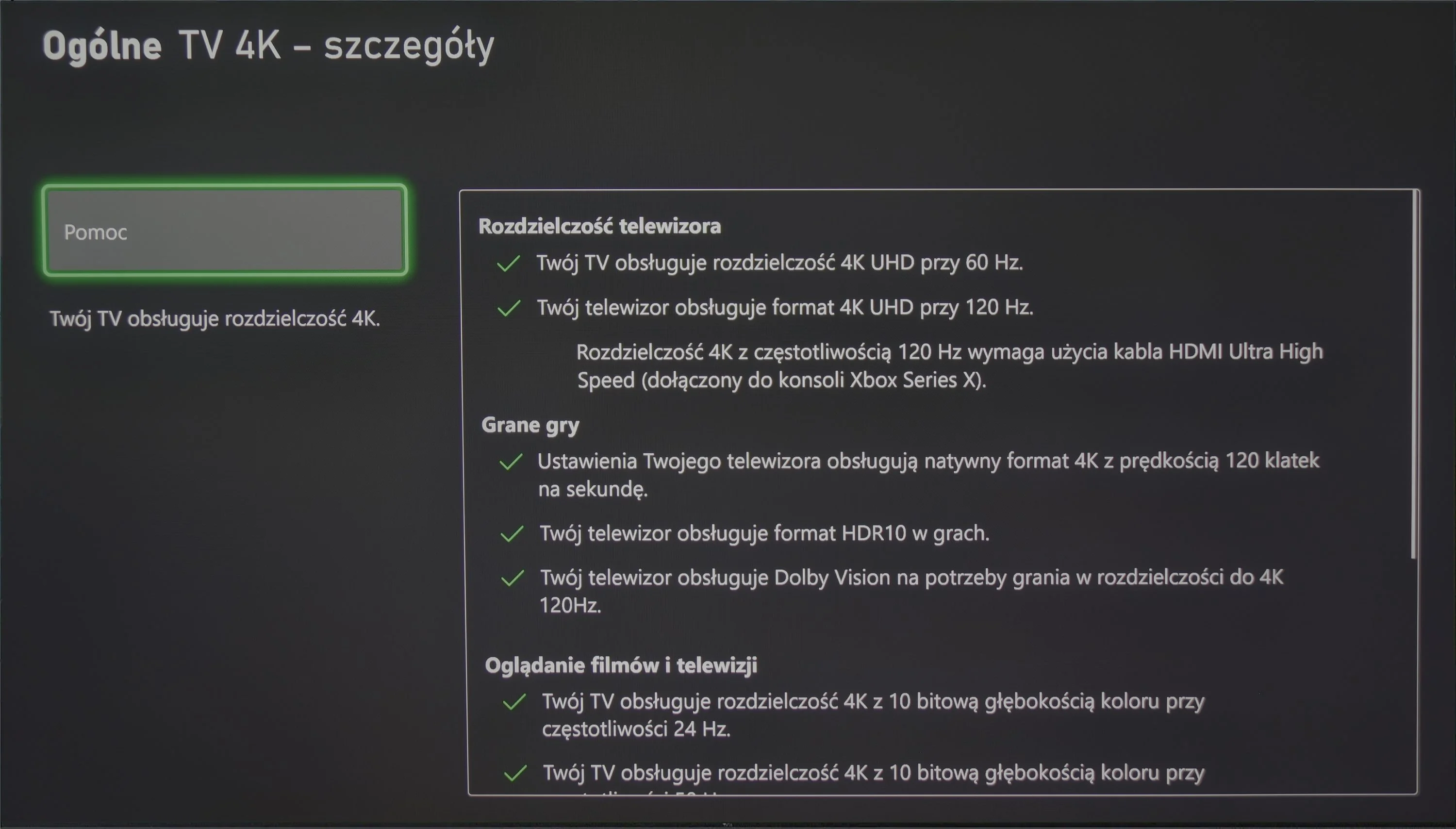
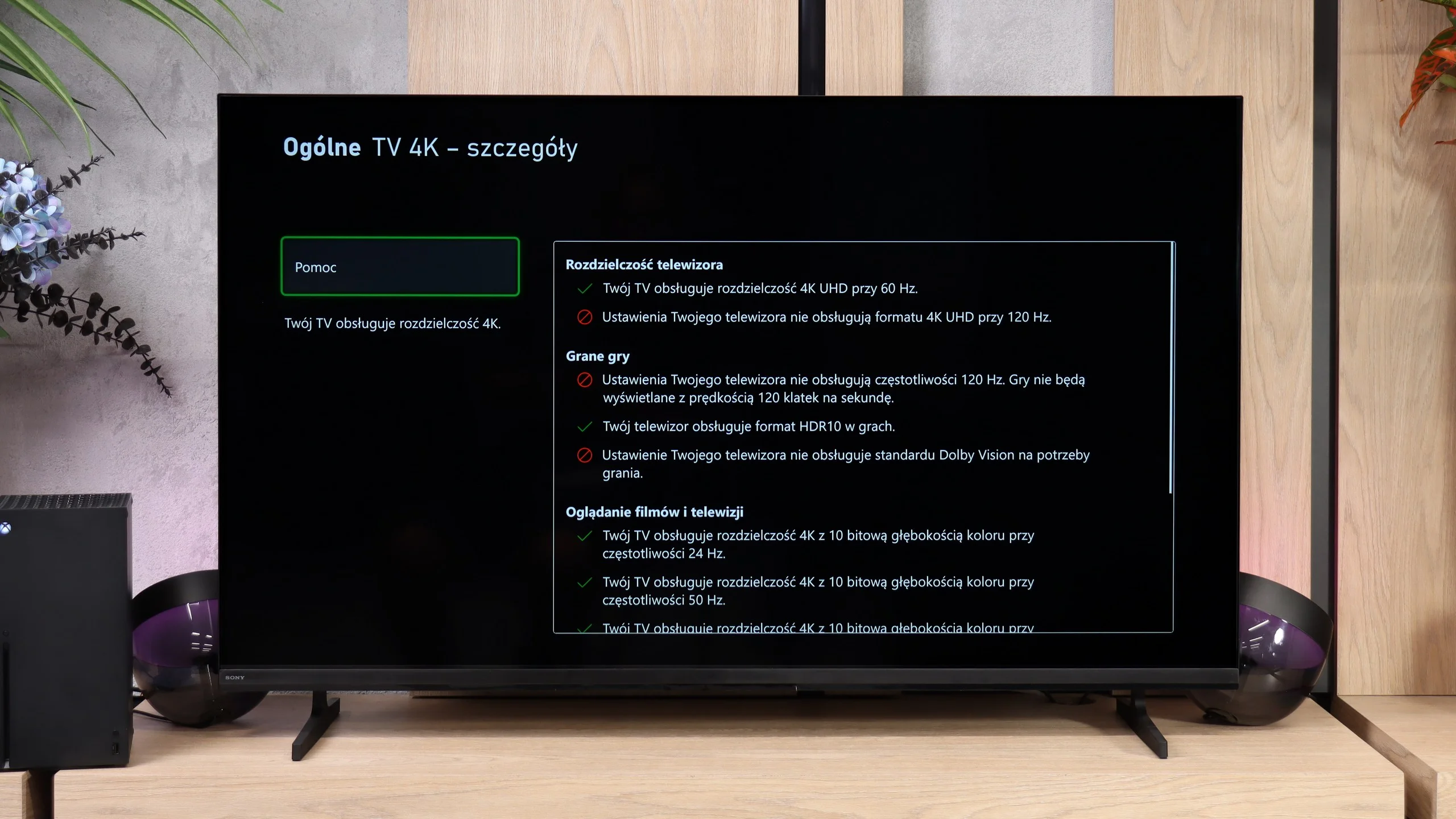
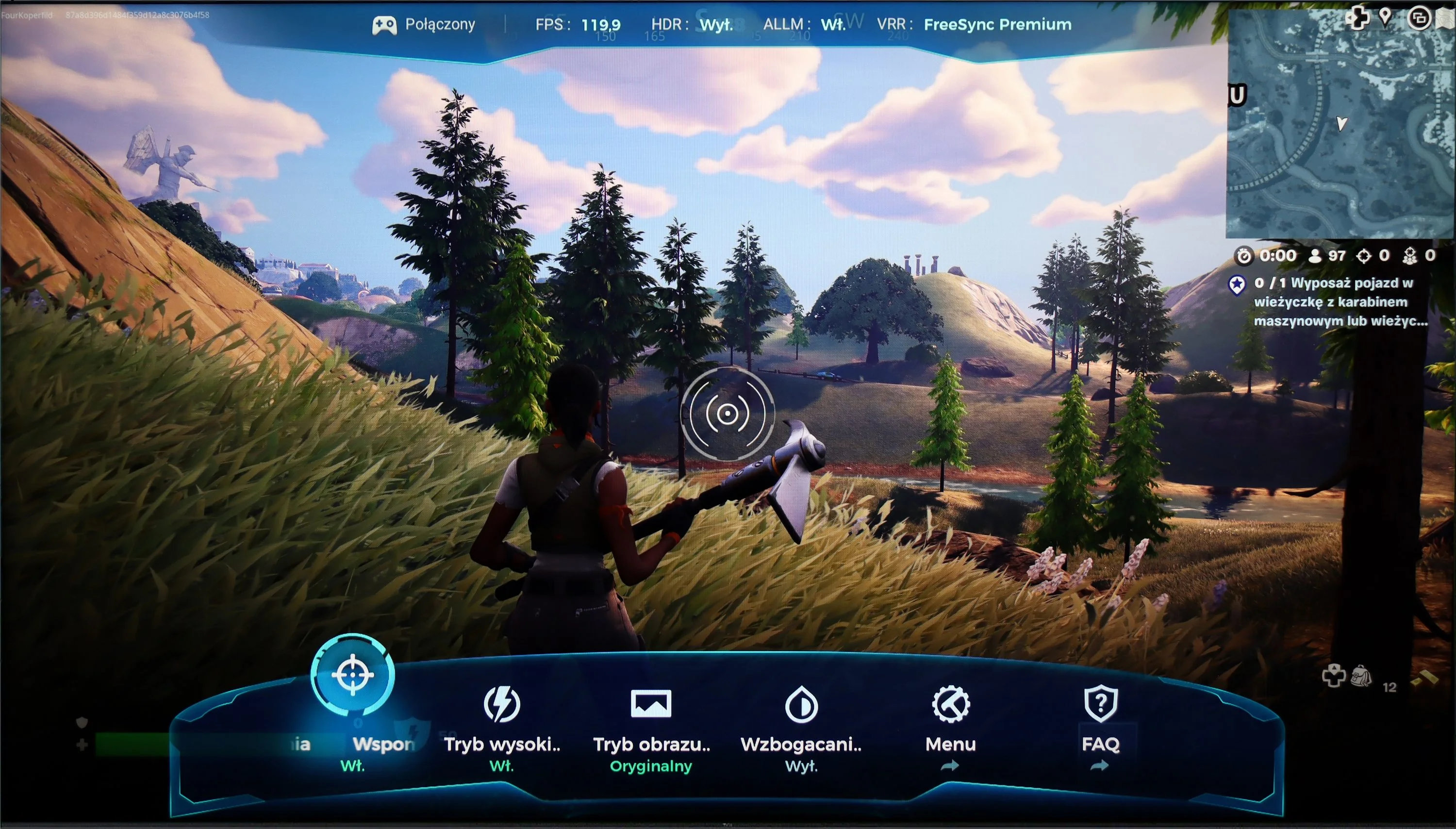
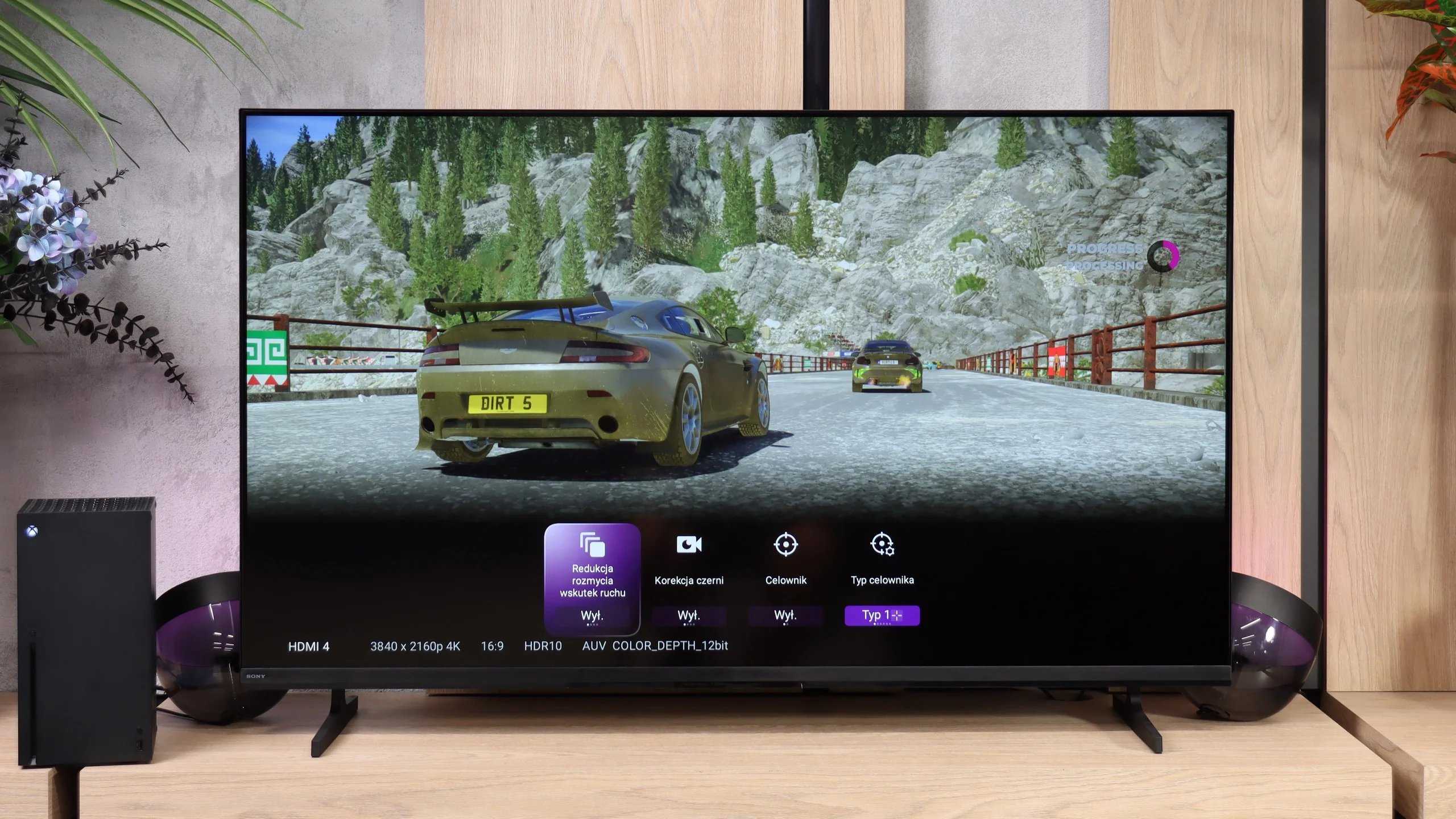
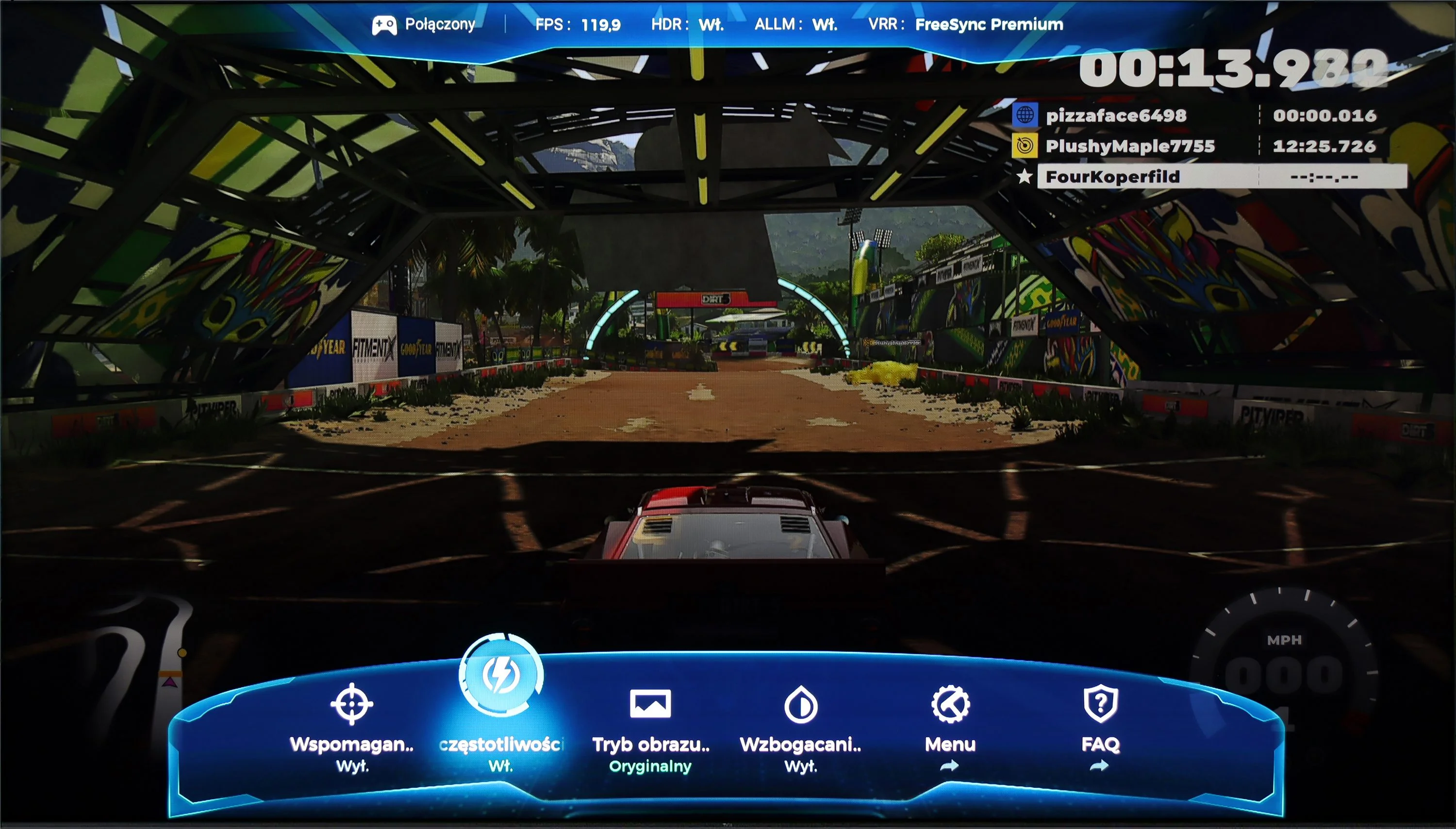
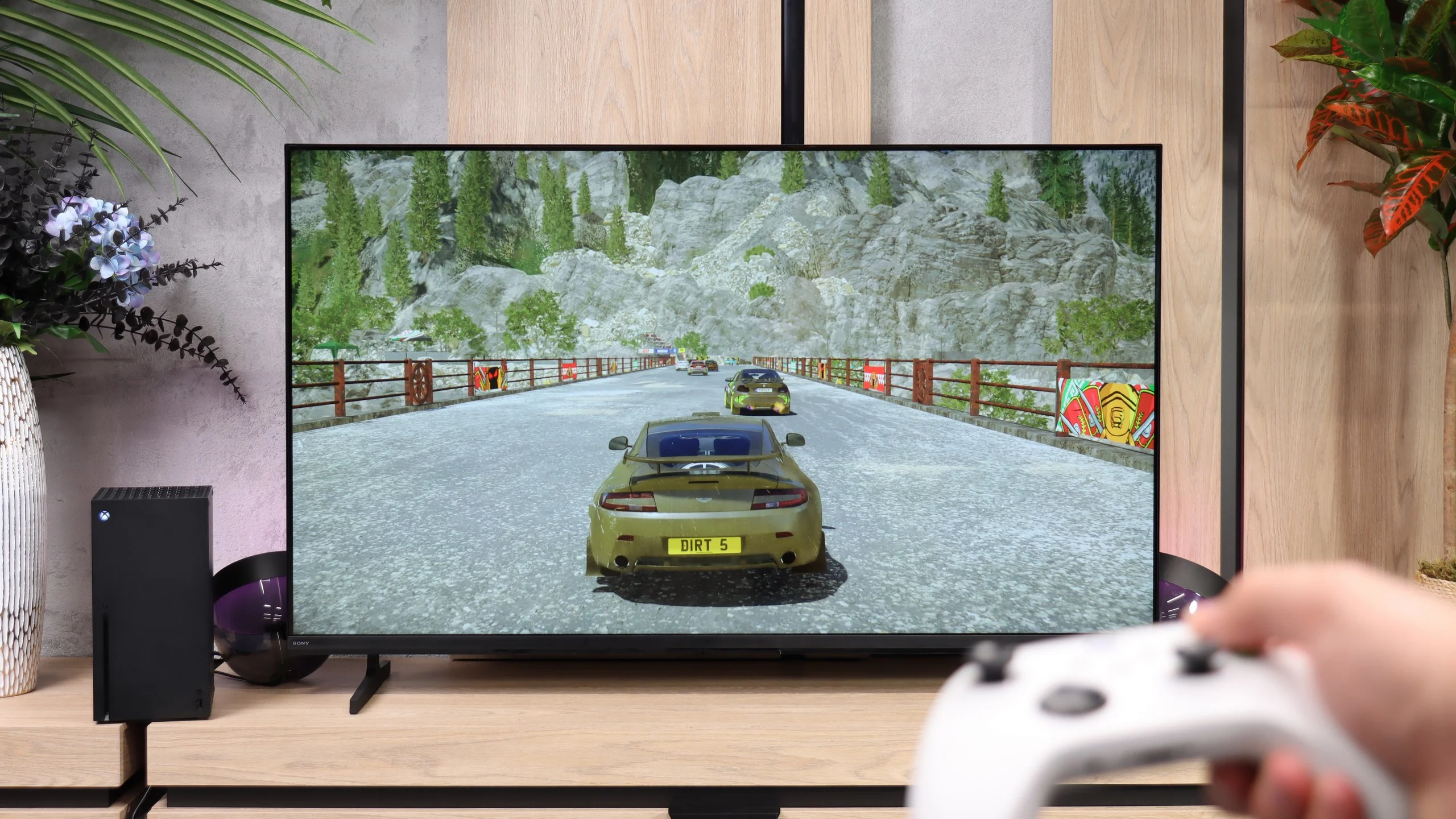
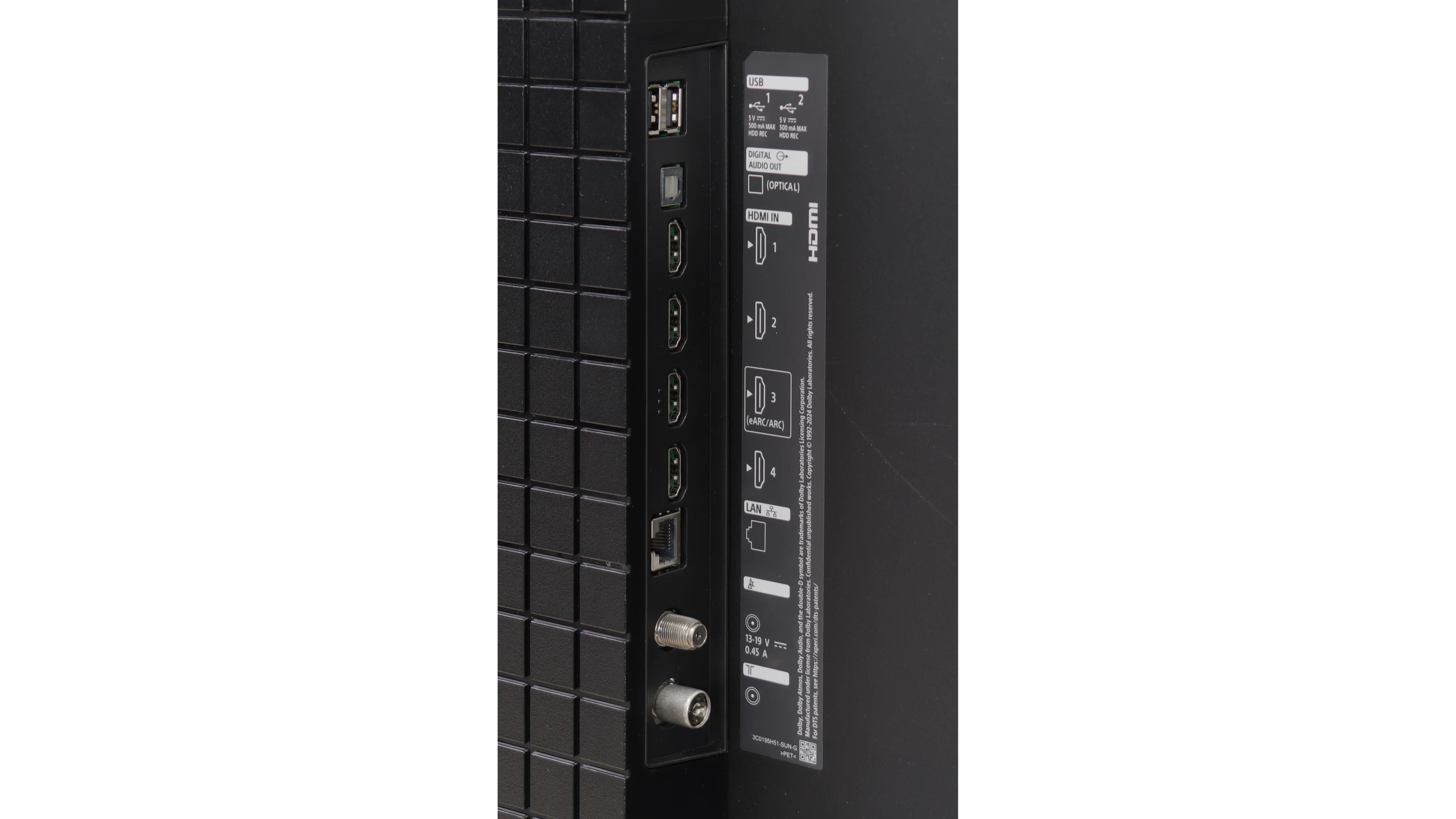
However, you should remember that the word "Bravia" on the casing does not automatically mean excellent picture quality. The Bravia 2 II uses an IPS panel with very low contrast, and that is its biggest problem. During the day this is not such a big issue, but switch the lights off in the evening and the blacks start to look more like dark grey. Of course, in return you get good viewing angles, so if the TV sits in a large living room and is watched by several people from different positions, IPS has its advantage. But that comes at the cost of weak blacks. This is also not a television made with HDR impact or more demanding gamers in mind. About 300 nits of brightness and a narrow colour gamut mean HDR material does not show much more than what we see in SDR. The 60 Hz panel and the lack of broader gaming features also clearly show that gaming is not a priority for this model.
And it wouldn't really be a big problem, because we expected exactly that from an entry-level Sony model. However, the biggest issue for the Bravia 2 II is its price. For similar money you can easily find competing TVs, especially from Korean and Chinese brands, that already offer much more, from 120 Hz panels to Mini-LED backlighting with local dimming. So the Bravia 2 II is not a bad television in itself. It's simply too expensive for what it offers. If its price were noticeably lower, as a simple TV for everyday viewing it would make much more sense.
 Direct comparison