The TCL C7L is an incredibly successful Mini-LED television and a fully deserved successor to the hit model C7K. The list of advantages of this device is truly extensive. At the top is the extremely high brightness of the panel. Thanks to this, the television handles brightly lit living rooms without any problems, offering a fantastic and dynamic image in HDR format. Huge applause is also due for the use of the new Super QLED coating – after professional calibration, the colours can be not only natural but also incredibly saturated. The best part is that the screen achieves this regardless of the scene displayed, which is often not the case with all TVs featuring RGB backlighting. The C7L is also a brilliant piece of equipment for gamers; it could even be said that it is a true "multimedia powerhouse." We get full support for consoles and PCs, refresh rates of up to 288 Hz, G-Sync, and low input lag, which doesn’t increase even when activating the demanding Dolby Vision Gaming mode. Everything is tied together by a well-optimised Google TV system, which in this generation of TCL devices operates noticeably smoother and more efficiently (at least that's the impression we got during our testing). Of course, the C7L is not a perfect device, and the manufacturer had to make certain compromises in this model. The biggest drawback of the C7L is the use of a less powerful image processor. Unfortunately, this translates to rather average digital processing and other design limitations, such as only two HDMI 2.1 ports. A more powerful chip has been reserved this year for the higher series, such as the C8L. From a business point of view, this is entirely understandable. Why? Because if TCL had included a better processor here, most people would probably not see any point in paying extra for a higher model. So even if certain compromises exist, the C7L series is once again shaping up to be one of the most cost-effective Mini-LED televisions this year. If you are looking for a versatile, extremely bright screen for movies, series, television, or gaming – literally for everything – and at the same time do not want to overpay for top series, then yes... the C7L is a brilliant choice that we can definitely recommend to you.
- Matching (Score) |
- Our verdict |
- TV appearance |
- Where to buy |
- Contrast and black detail |
- HDR effect quality |
- Factory color reproduction |
- Color reproduction after calibration |
- Smoothness of tonal transitions |
- Image scaling and smoothness of tonal transitions |
- Blur and motion smoothness |
- Console compatibility and gaming features |
- Input lag |
- Compatibility with PC |
- Viewing angles |
- Daytime performance |
- Panel details |
- TV features |
- Apps |
- Playing files from USB |
- Sound
TCL C7L vs Samsung OLED S95H (S99H) (QD-OLED)
 Direct comparison
S99H / S95H

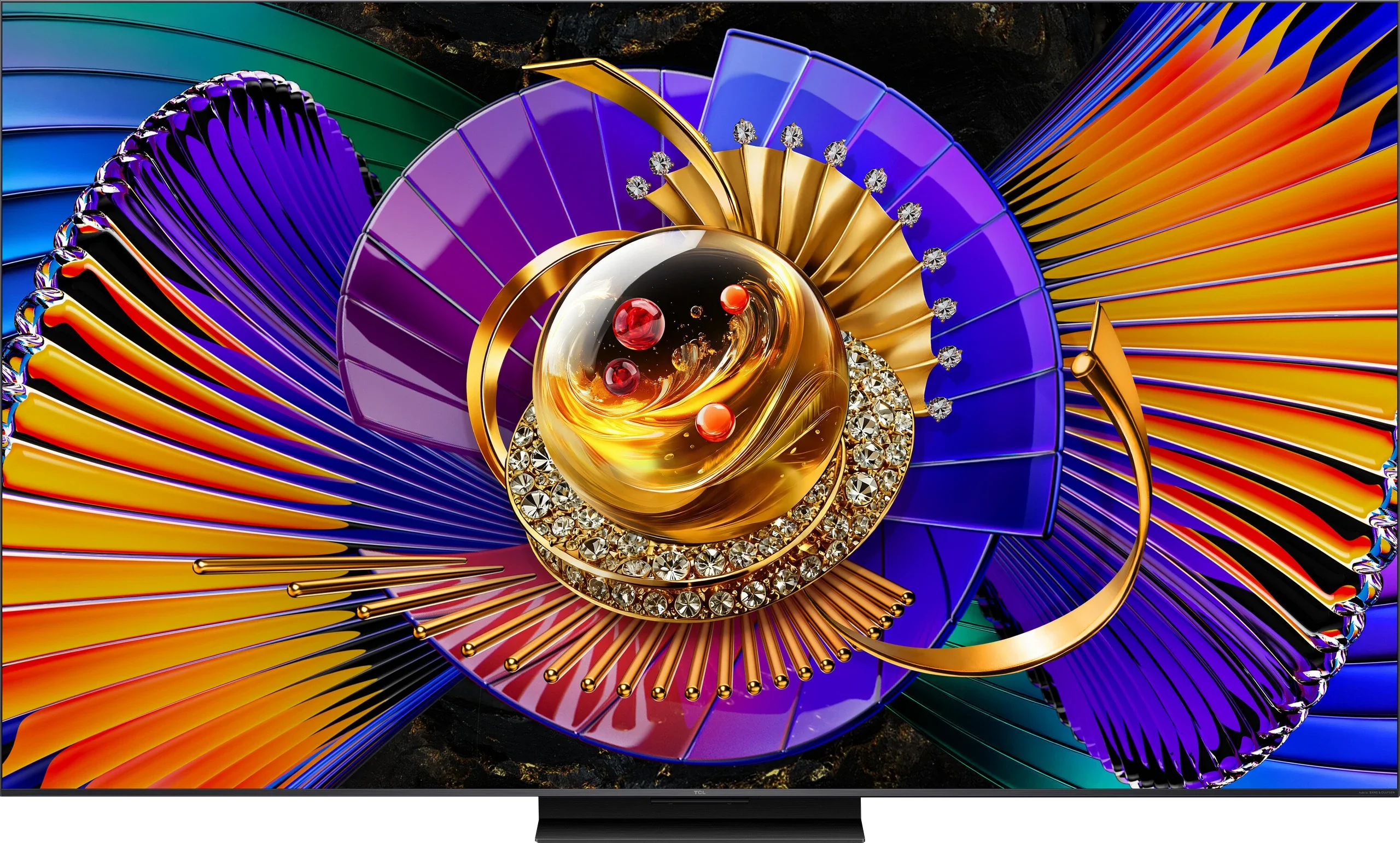
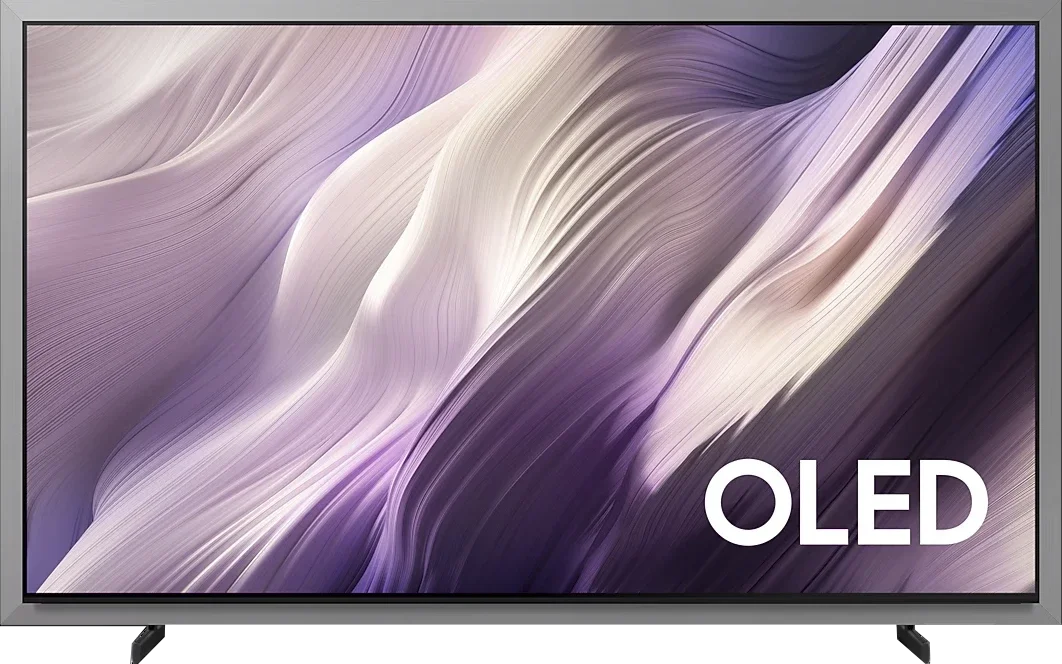
Panel type: LCD VA
Resolution: 3840x2160
System: Google TV
Model year: 2026
Complete the survey to find out the result
Panel type: QD-OLED
Resolution: 3840x2160
System: Tizen
Model year: 2026
Complete the survey to find out the result
Overall rating
7.8
9.0
 Movies and series in UHD quality
 7.2
9.7
 Classic TV, YouTube
 6.8
9.5
 Sports broadcasts (TV and apps)
 6.7
9.0
 Gaming on console
 8.8
9.9
 TV as a computer monitor
 8.4
8.8
 Watching in bright light
 8.8
8.0
 Utility functions
 7.8
7.8
 Apps
Apps 9.6
9.3
 Sound quality
 7.7
8.7
Complete the survey to find out what fits your preferences
Advantages

Very high brightness
Good black levels and contrast (VA panel + mini-LED)
Excellent colour-gamut coverage thanks to the new "Super QLED" filter
Full support for HDR formats including Dolby Vision and HDR10+
Top specs for gamers (HDMI 2.1, low input lag)
High refresh-rate performance with low motion blur (up to 288 Hz)
Google TV operating system (many apps, Gemini voice assistant)
Perfect OLED black levels
Reference HDR picture quality (after calibration)
Very high brightness (over 2800 nits in HDR!)
Richly saturated QD-OLED colours
Outstanding reflection suppression (matte coating)
Very good motion clarity (no smearing, up to 165Hz refresh rate)
Brilliant for gamers (4x HDMI 2.1, low input lag, Game Motion Plus)
Fast Tizen system with 7 years of support
Outstanding viewing angles
High build quality
Disadvantages

Poor digital image processing due to the use of the older MediaTek Pentonic 700 processor
Only two HDMI 2.1 ports, one of which is shared with the eARC audio channel, e.g. a soundbar
Sound loses dynamics above 40–50% volume
No wall mount or One Connect included
Black takes on a cherry tint under strong light (a characteristic of QD-OLED panels)
No DTS:X (for Blu-ray fans)
Unusual design 😉
Our verdict
The Samsung S99H is probably the best OLED TV we've tested so far, and certainly Samsung's best OLED in many years. In terms of picture quality it's genuinely hard to find a weak point. Blacks are perfect, as befits an organic panel, and the HDR effect impresses with its brightness and colour saturation. The use of a QD-OLED panel delivers an image that in many scenes looks almost reference-grade. Virtually every parameter related to display quality performs excellently here. It's also hard to deny that the S99H is simply a device that's a pleasure to use every day. Tizen runs quickly, has access to all the major apps and is covered by seven years of update support. On top of that there are brilliant features for gamers, which translated into one of the highest scores in this category on our site. The S99H will therefore perform well in practically any conditions, whether we're watching films in the evening, following regular TV in a bright living room, or spending several hours playing on a console.
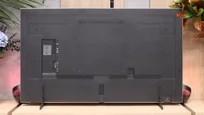
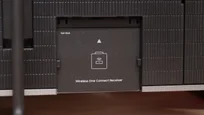
So is it the perfect TV? Not entirely. The design is, of course, the most controversial aspect. The unique look with its wide bezel means this TV is something you'll either love straight away or completely dislike, and that's purely a matter of personal taste. We can, however, judge the equipment, and in that respect Samsung has left something to be desired. In a model designed primarily for wall mounting there is no dedicated mounting bracket, nor a One Connect module. Granted, Samsung allows you to buy its wireless version, the Wireless One Connect, but for a product at this price point both items should, in our opinion, be included.
However, these are not flaws that should rule this model out. The Samsung S99H's main defence is its picture, and it is simply phenomenal. If we like its appearance and are looking for the best possible TV, it's hard to point to a better choice today. At the moment the Samsung S99H is the strongest contender for the title of best TV of 2026.
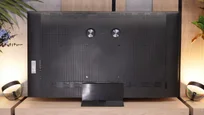
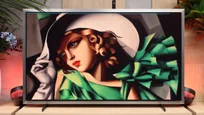
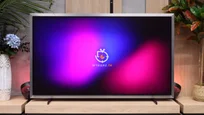
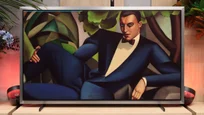
TV appearance


Contrast and black detail
7.7/10
10/10
Local dimming function: Yes, number of zones: 1152 (24 x 48)
Contrast:


Result
174,100:1

Result
25,700:1

Result
13,950:1

Result
10,900:1

Result
9,900:1
Result
∞:1
Result
∞:1
Result
∞:1
Result
∞:1
Result
∞:1
Halo effect and black detail visibility:
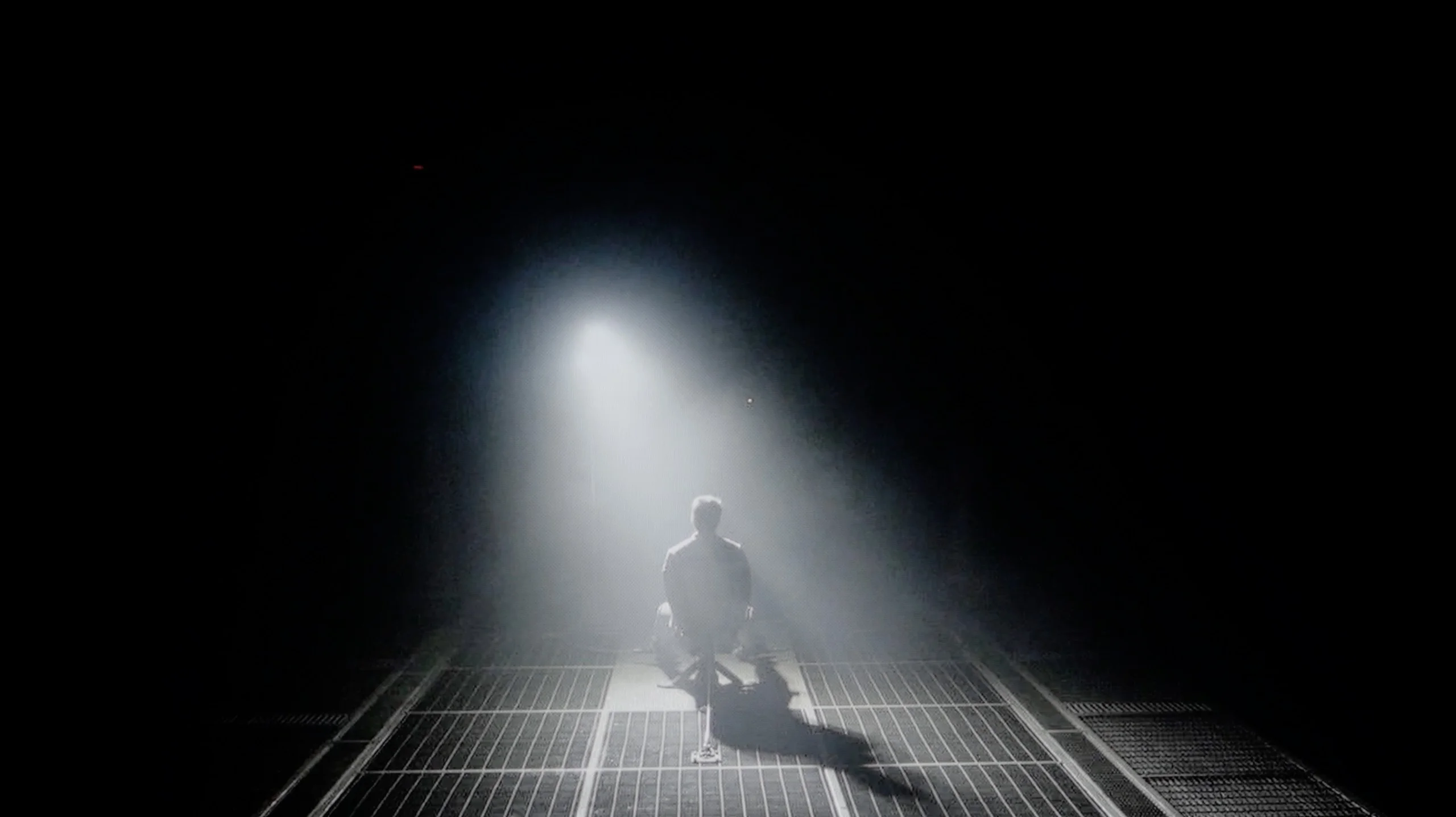
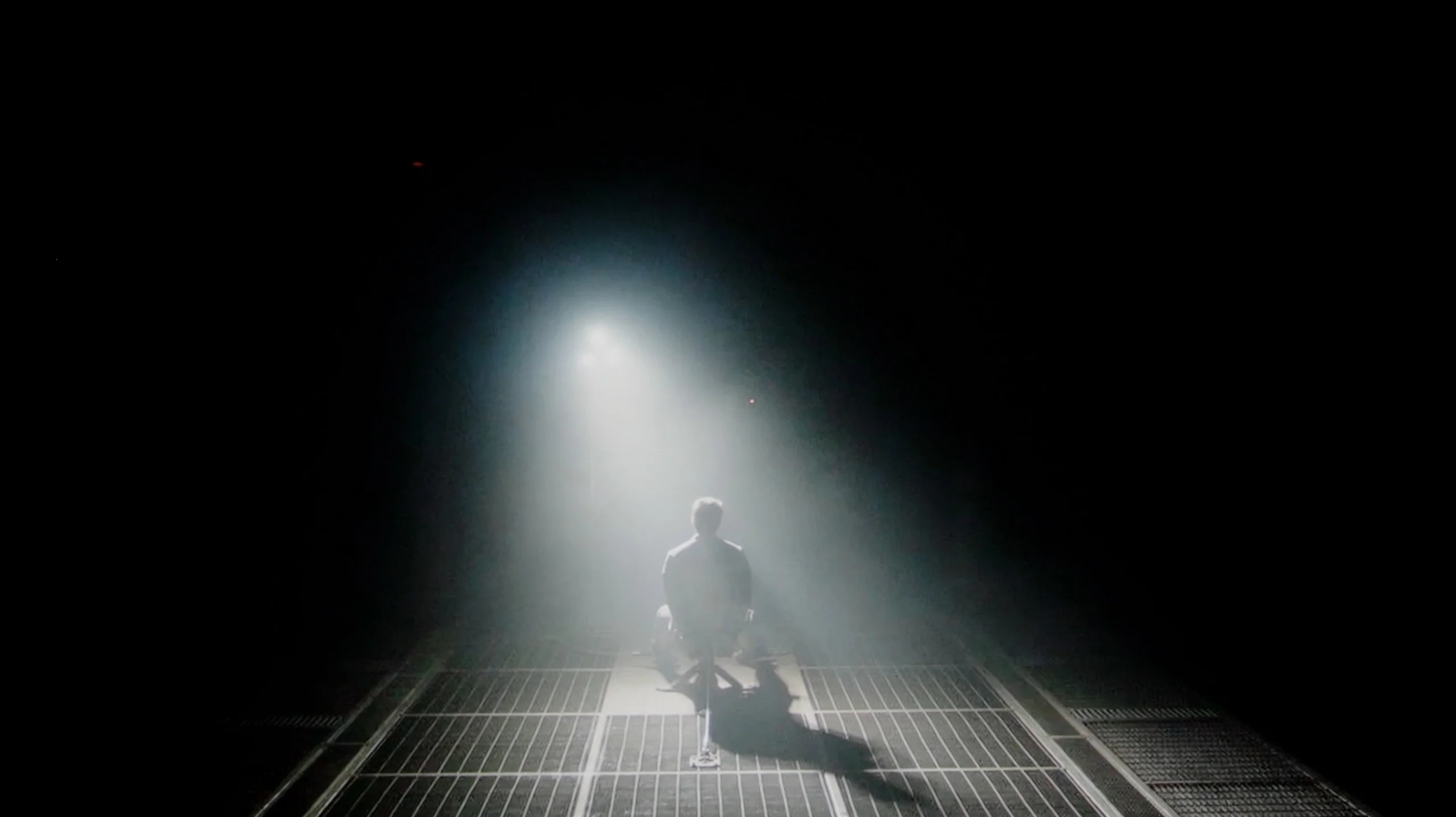
Check the visibility of bright lights on a dark background. Mini-LEDs often struggle with this. The photo does not compare black levels – that’s what the video below is for.
The video accurately shows differences in contrast and black levels between TVs, as well as potential issues: halo around bright objects or Mini-LED zone operation visible as brightness jumps.
The TCL C7L is a Mini LED TV which, in the 65-inch model we tested, is equipped with over 1,000 local dimming zones. Combined with a proprietary VA panel (referred to by TCL CSOT as HVA 2.0), this delivers very respectable results for black levels and contrast. In most of the scenes we measured, black levels and contrast looked very good, and in the easiest shots the blacks were deep enough to even resemble those seen on OLED screens. This, of course, refers to the least demanding shots with large areas of black on screen. When more bright elements appear on screen and black no longer dominates, you can see that the TCL C7L, like most Mini LED TVs, has issues handling its local dimming zones.
This is particularly obvious on the black bars in films shot in the 2.35:1 widescreen format. A distinct halo effect, a bright glow, can appear on the black bars or around small bright objects. Contrast can then drop drastically, from lab-measured values of around 200,000:1 to about 10,000:1, which is quite noticeable in a completely dark room. It’s worth remembering that this should not be treated as a flaw of the TV but rather as a characteristic of Mini LED technology. Of course the effect becomes much less intrusive if you turn on even a small amount of diffuse light in the room, which I strongly recommend doing when watching any LCD TV.
As befits an OLED TV, the Samsung S99H delivers perfect black and virtually infinite contrast. Each pixel can switch off independently, so bright elements cause no blooming or halos, and black stays black even in the most demanding scenes. This gives the picture excellent depth and it looks great in films, series and games. Compared with Mini LED LCD TVs, the advantage is especially noticeable in dark shots with small bright details. Subtitles, stars, spotlights and tiny light sources retain full clarity and do not blend into the background. There is also none of the halo effect typical of local dimming, nor any dimming of bright elements just to preserve deep blacks. Importantly, in this respect it makes little difference whether we are talking about the QD-OLED panel or the Tandem WOLED version. In both cases we can count on the same fundamental advantages of organic display technology: perfect control of every pixel and excellent contrast regardless of the scene.
HDR effect quality
6.6/10
9.4/10
Luminance measurements in HDR:

Result
1236 nit

Result
401 nit

Result
831 nit

Result
352 nit

Result
1204 nit
Result
2837 nit
Result
2795 nit
Result
2592 nit
Result
2811 nit
Result
2271 nit
Scene from the movie “Pan” (about 2800 nits)


Scene from the movie “Billy Lynn” (about 1100 nits)
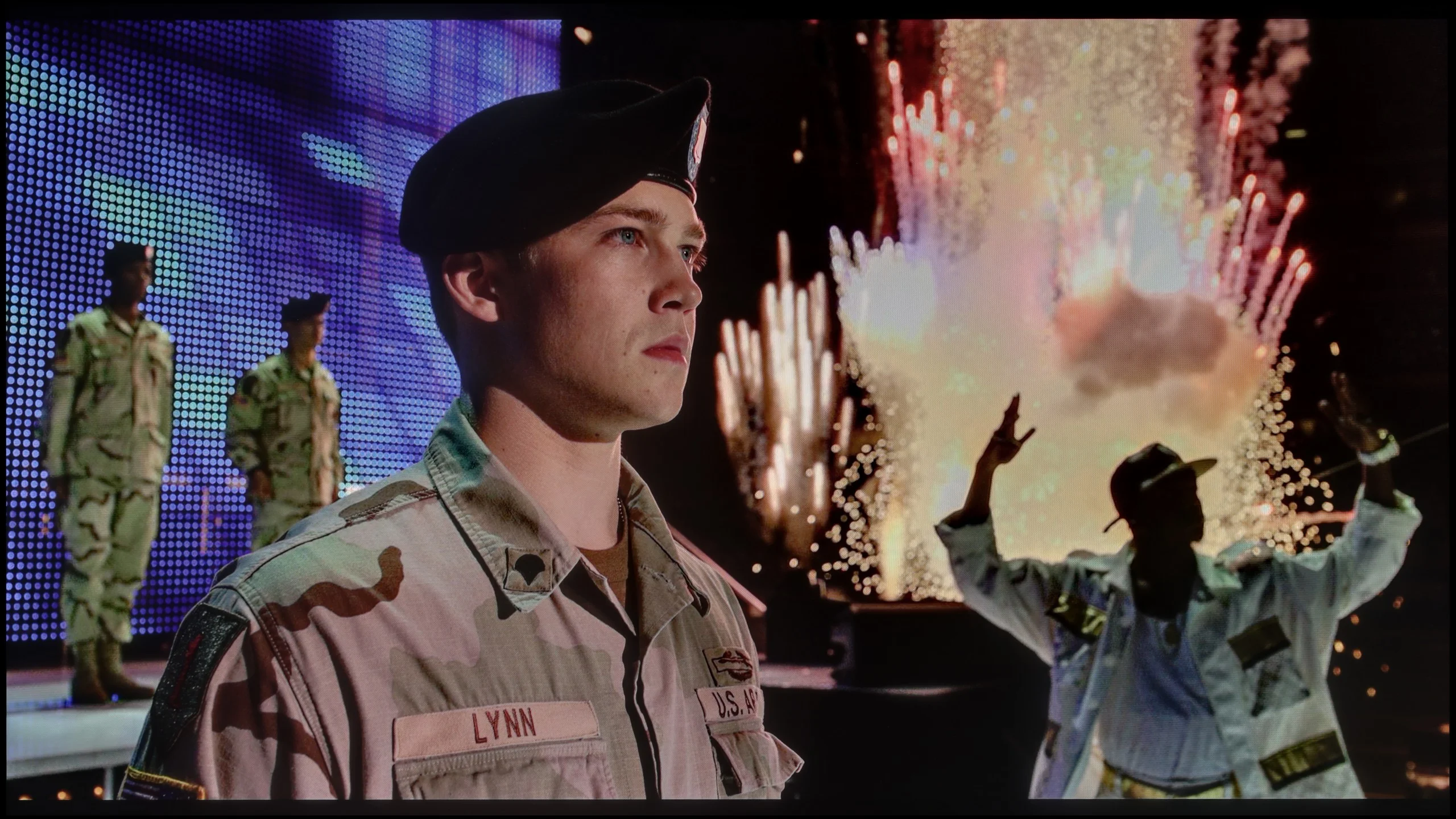
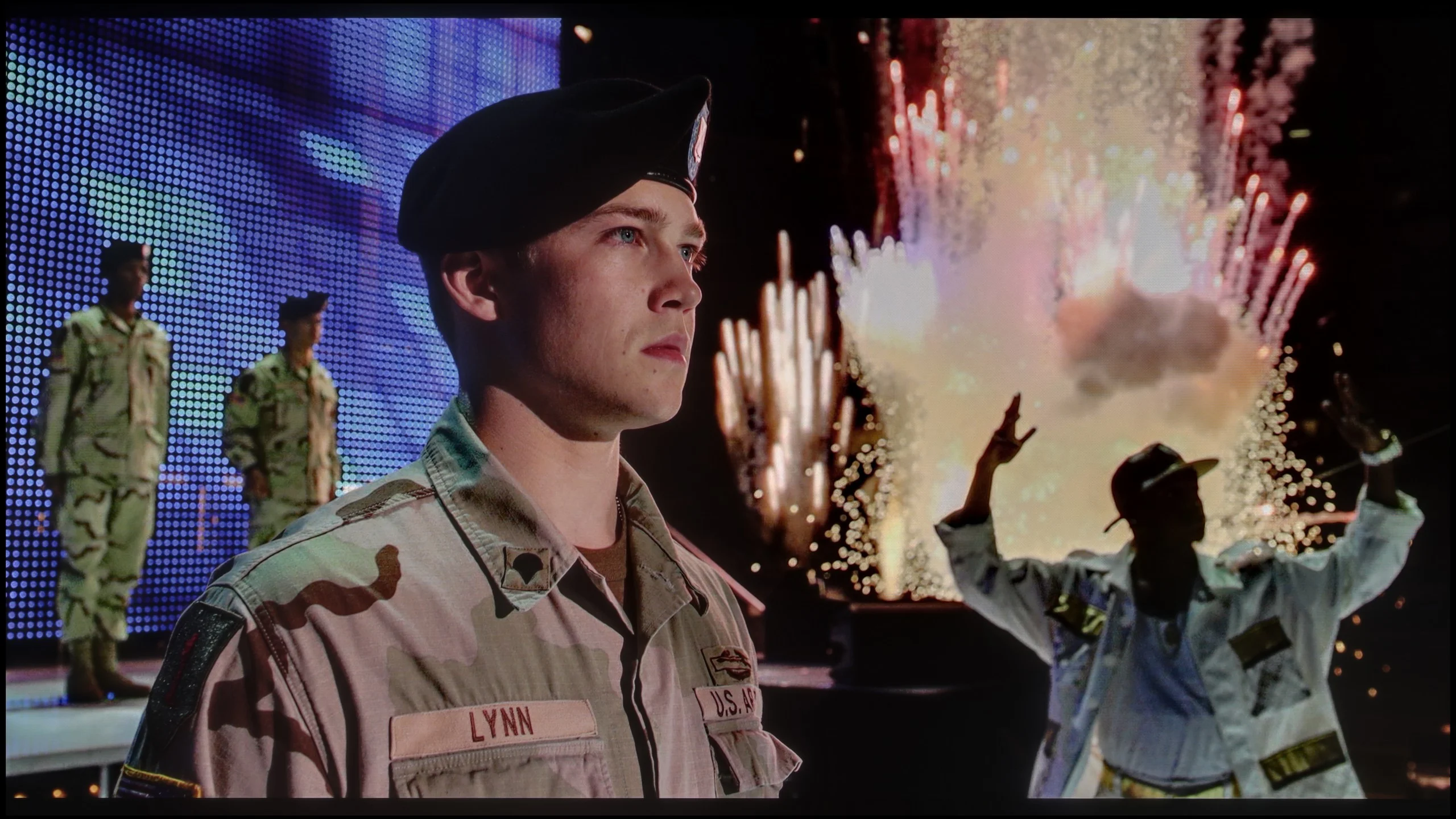
The photos show two HDR10 movies. 'Pan' is one of the brightest productions ever made, while 'Billy Lynn' (soldier) has brightness typical of streaming (Netflix, Prime, HBO MAX). Notice the intensity of effects and detail in whites.
Static HDR10


The photos present the visibility of white details in various HDR formats. They do not show brightness differences between TVs (these can be compared in the previous gallery).
Dynamic: Dolby Vision
Dynamic: HDR10+


The photos present the visibility of white details in various HDR formats. They do not show brightness differences between TVs (these can be compared in the previous gallery).
HDR luminance chart:
Samsung OLED S95H (S99H) (QD-OLED)
TCL C7L
The TCL C7L is, without doubt, an extremely bright TV. In synthetic tests using static test patterns it can reach peak brightness of around 2800 nits. That's a truly phenomenal result, given the price bracket it occupies. Unfortunately, measurements with real film scenes are not as spectacular as the white-square tests. Brightness in real HDR footage on the C7L falls to around 1200 nits. That's still very good, because the vast majority of modern films are graded to that level. However, when small, pinpoint elements appear on screen, the brightness of those details drops dramatically, even to around 400 nits, which reduces the HDR impact. The TV does this deliberately to preserve black levels and avoid excessive blooming. This is somewhat understandable, but it also shows that Mini LED technology is not completely without compromises in this respect. As for the HDR effect itself, alongside brightness the key factor is, of course, colour. Thanks to the use of new 'super' quantum dots, the colours are simply superb and among the best on the market. The TV is able to achieve very wide coverage of the BT.2020 and DCI-P3 colour gamuts, matching the best RGB Mini-LED screens with ease. Best of all, the C7L can maintain such high colour saturation regardless of the scene being displayed, which is often problematic in competing RGB Mini-LED TVs.
When it comes to brightness alone, the S99H is an astronomically bright TV. Its peak brightness in film scenes can exceed 2800 nits. Whatever the scene, you can count on powerful HDR effects that are almost blinding, exactly what you expect from a top-tier screen. It is the nature of OLED panels that they cannot sustain the same extreme brightness in very bright, full‑screen frames as they can with small highlights, but the results are still excellent. In a bright scene from the film The Meg, the sun still exceeded 2200 nits. That means the S99H managed to sustain higher brightness than most Mini LED displays on the market. In terms of brightness, the S99H is currently the best OLED TV we have tested.
Colour gamut coverage
The S99H also handles colour extremely well, which is a direct result of the QD-OLED panel used here. Whether the test scenarios were synthetic test patterns or measurements taken with film material playing in the background, the results remained at a very high level. The S99H easily covers almost 100% of the DCI-P3 gamut, and for the more demanding BT.2020 colour space it reaches nearly 90%. That is absolute top-tier performance. These results match what we have seen in the new SQD-Mini-LED screens, and in real film scenes even outperform RGB Mini LED displays.
Factory color reproduction
5.6/10
7.5/10


This gallery shows how colors change after professional TV calibration. If you notice the difference, we recommend ordering this service at SkalibrujTV.com.
Factory Mode
After calibration
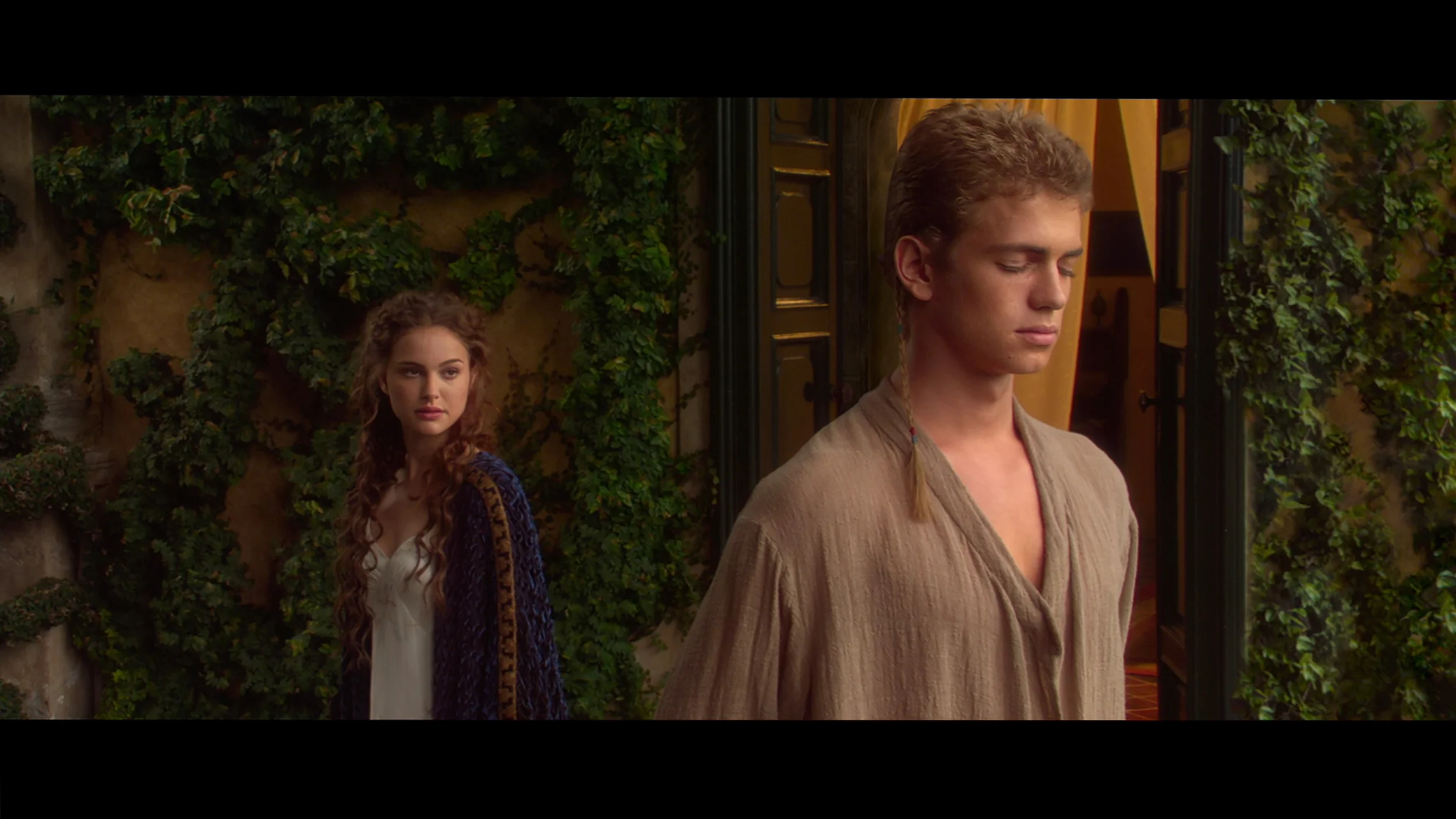
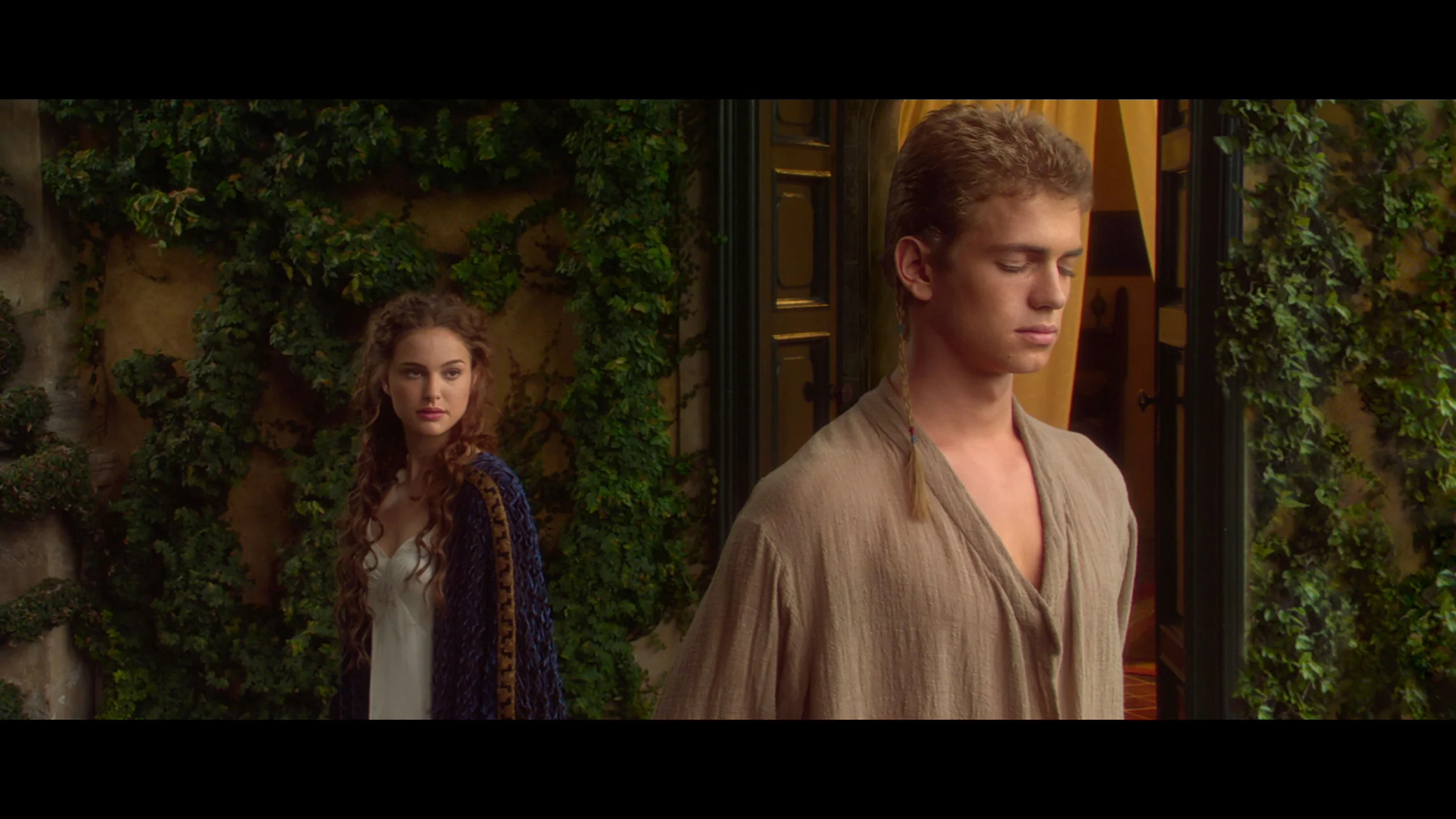
This gallery shows how colors change after professional TV calibration. If you notice the difference, we recommend ordering this service at SkalibrujTV.com.
Factory Mode
After calibration
When it comes to out-of-the-box colours, what's new in TCL TVs, including the C7L model, is the addition of a picture mode called Filmmaker Mode. This is significant because such a mode was not previously available from this manufacturer. As the name suggests, this setting is meant to present the picture with the filmmaker's full intent. After our tests we can confirm that it is, without doubt, the best built-in mode on this TV if you want faithful colour reproduction straight out of the box. However, we certainly wouldn't say it's perfect. Like most devices on the market, this C7L also had some factory calibration errors. The white balance in Filmmaker mode drifted towards a slightly greenish-yellow tint, caused mainly by an excess of the green component and a noticeable shortfall in blue. Of course, this won't be a major drawback for the average viewer, but if you care about perfect whites, natural skin tones and getting the full potential out of the structure of those new "super" quantum dots, the TV really needs professional calibration.
Samsung offers a whole host of picture modes and features, but as usual we recommend choosing Filmmaker Mode, especially if you want the most faithful rendering of the filmmakers' intent. Out of the box the TV is tuned very well, although it has minor shortcomings. These are mainly a slight drift in the white balance in SDR content and a slightly low gamma. As a result, in darker viewing conditions the picture can be a little too bright compared with the reference gamma of 2.4, which is the standard for watching films with the lights off. These are, of course, minor points, because overall colour reproduction remains at a very good level and the errors in the ColorChecker measurements are not large. However, we know that with a screen of the S99H's class you can, and arguably should, expect even more, which is why we carried out a professional calibration.
Color reproduction after calibration
7.5/10
9.6/10
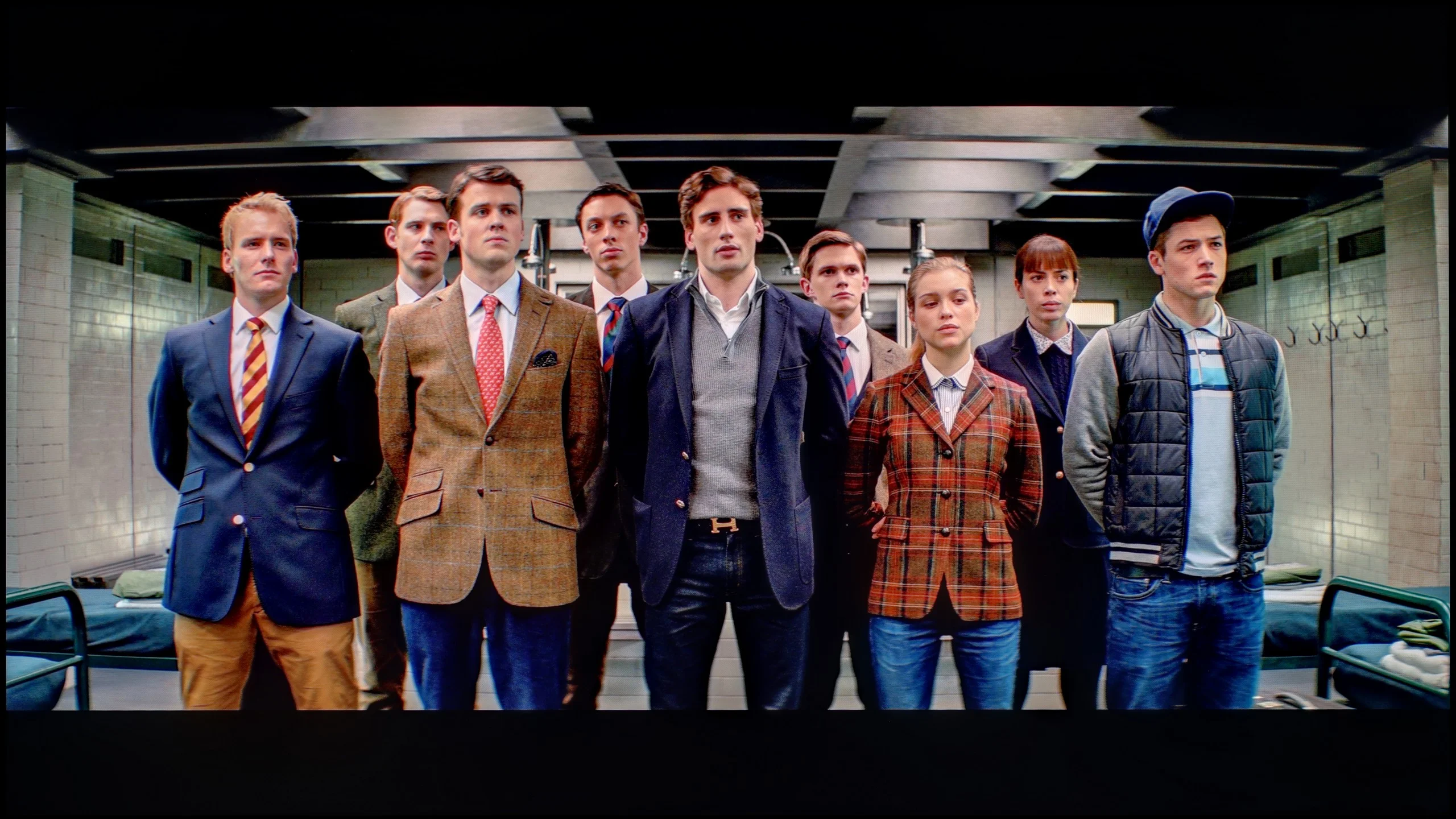
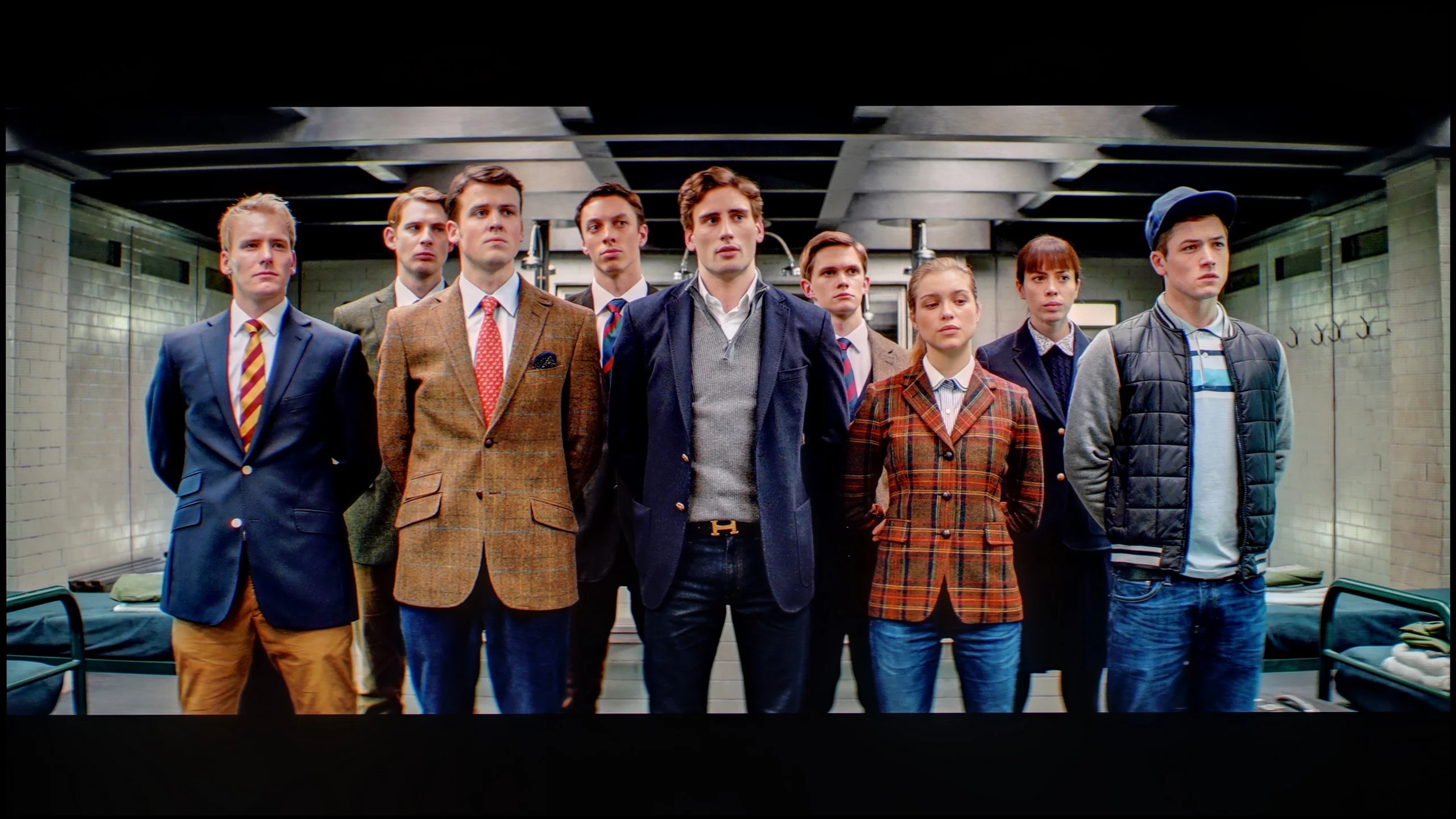
The photos show how movies look on the TV. Pay attention to black detail visibility, colors, and shadow tint.


The photos show how movies look on the TV. Pay attention to black detail visibility, colors, and shadow tint.
After professional calibration we managed to greatly improve the situation in the factory Filmmaker Mode. After our corrections, the errors in the ColorChecker test and across the wide colour gamut fell below the threshold of human perception, that is below a value of 3, which is a very good result. The TCL C7L definitely benefits from such a procedure in terms of colour fidelity, and it's hard to deny. Brightness management for HDR content looks a little worse after calibration, though. As I described earlier, even though we set this model up correctly, when you play real film scenes the TV can handle its brightness in a rather peculiar way. It often brightens some elements on screen contrary to the creator's intent, which is clearly visible in the EOTF traces measured from specific films. Despite this defect, or rather a specific characteristic of the television, one thing you can't fault is that after calibration the C7L was able to reproduce colours accurately.
After professional calibration, FILMMAKER mode looks practically perfect. Because Samsung offers a rich set of advanced calibration features, we were able to fine-tune the colours to an almost perfect level. Above all, we managed to even out the white balance and the gamma curve, which resulted in noticeably improved contrast and proper image modelling. In this tuned picture profile there really isn't a single thing to criticise or call a flaw. After calibration, the S99H can deliver an essentially reference-quality image.
Smoothness of tonal transitions
8.6/10
9.6/10
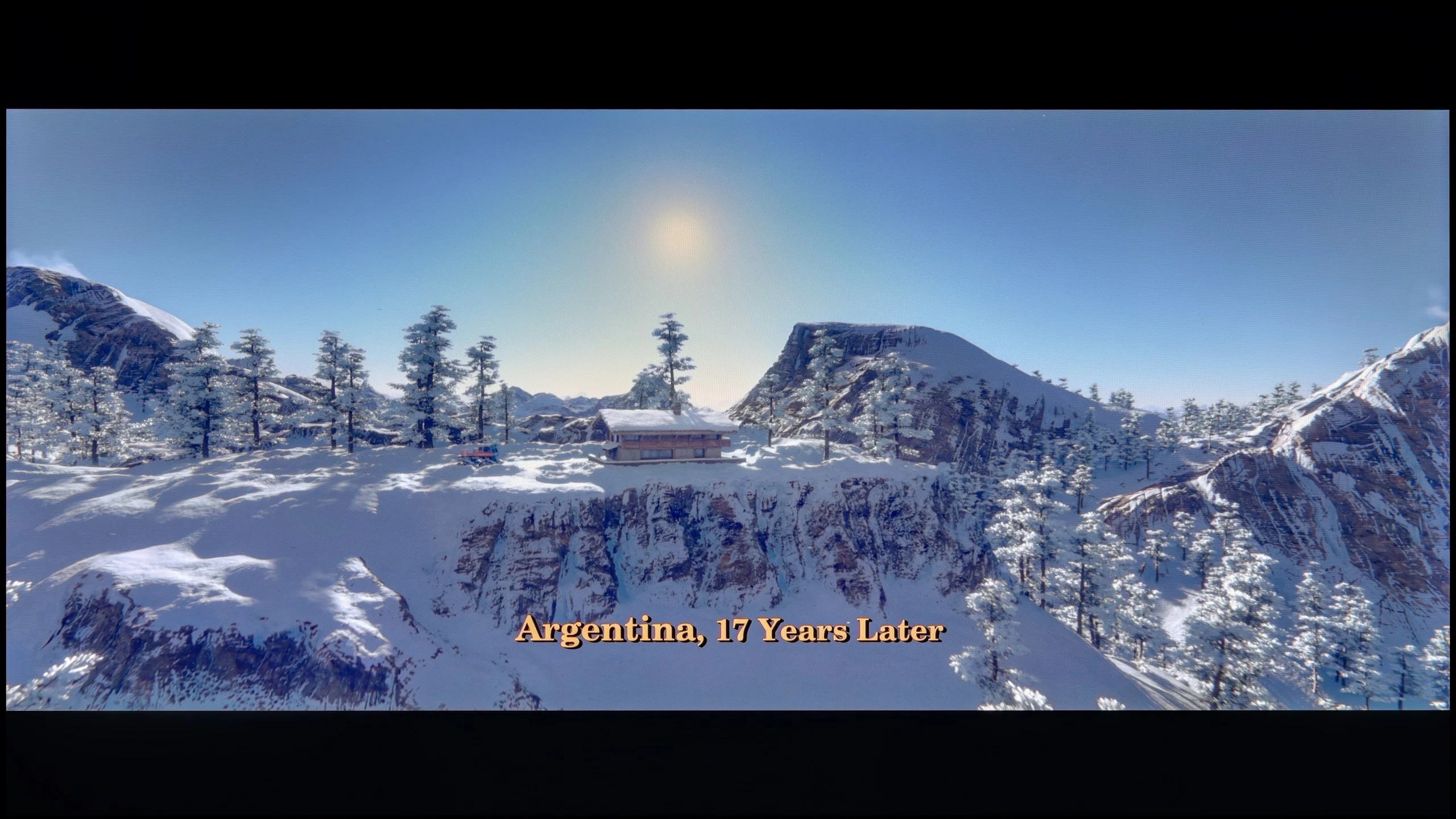

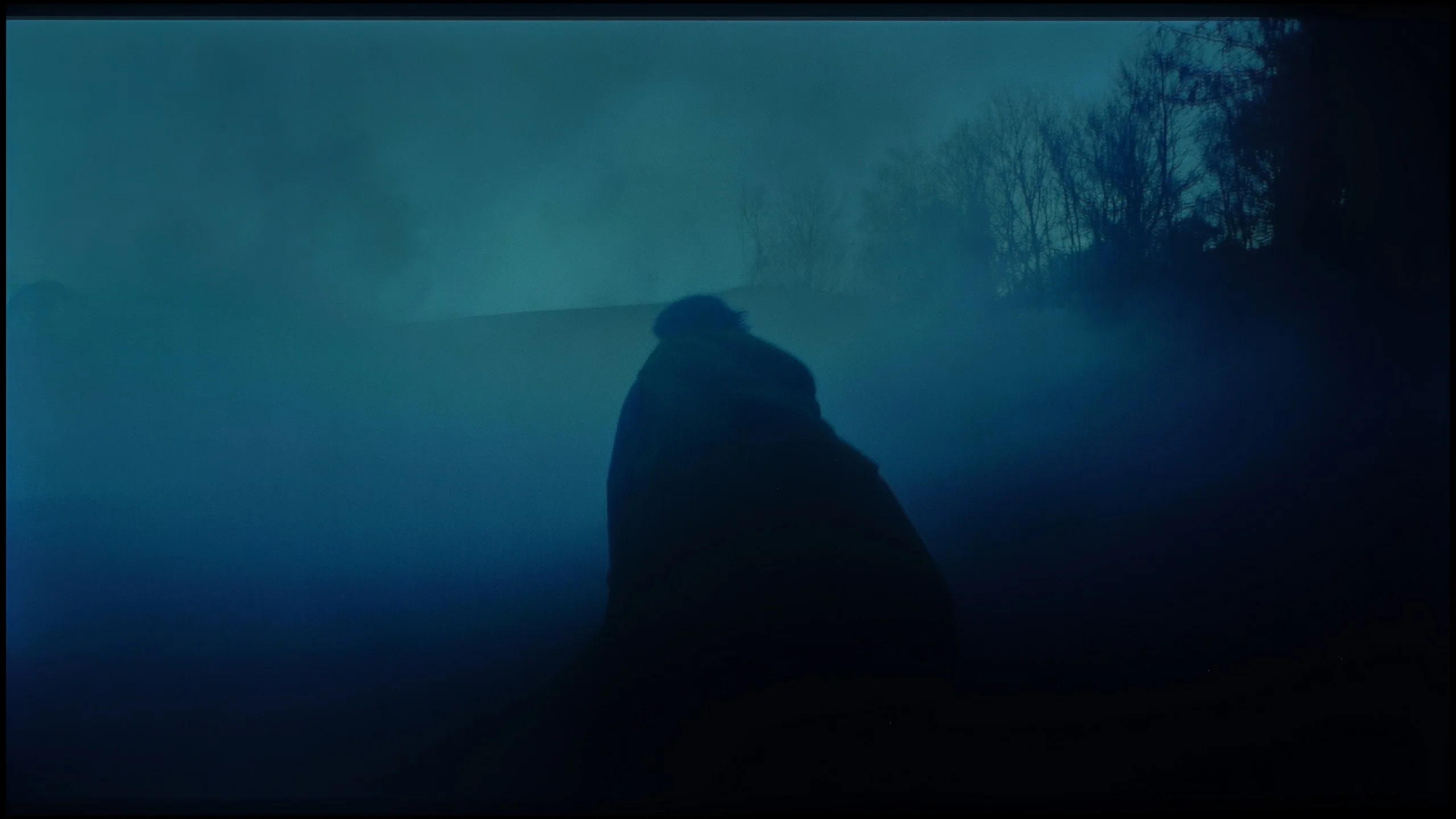
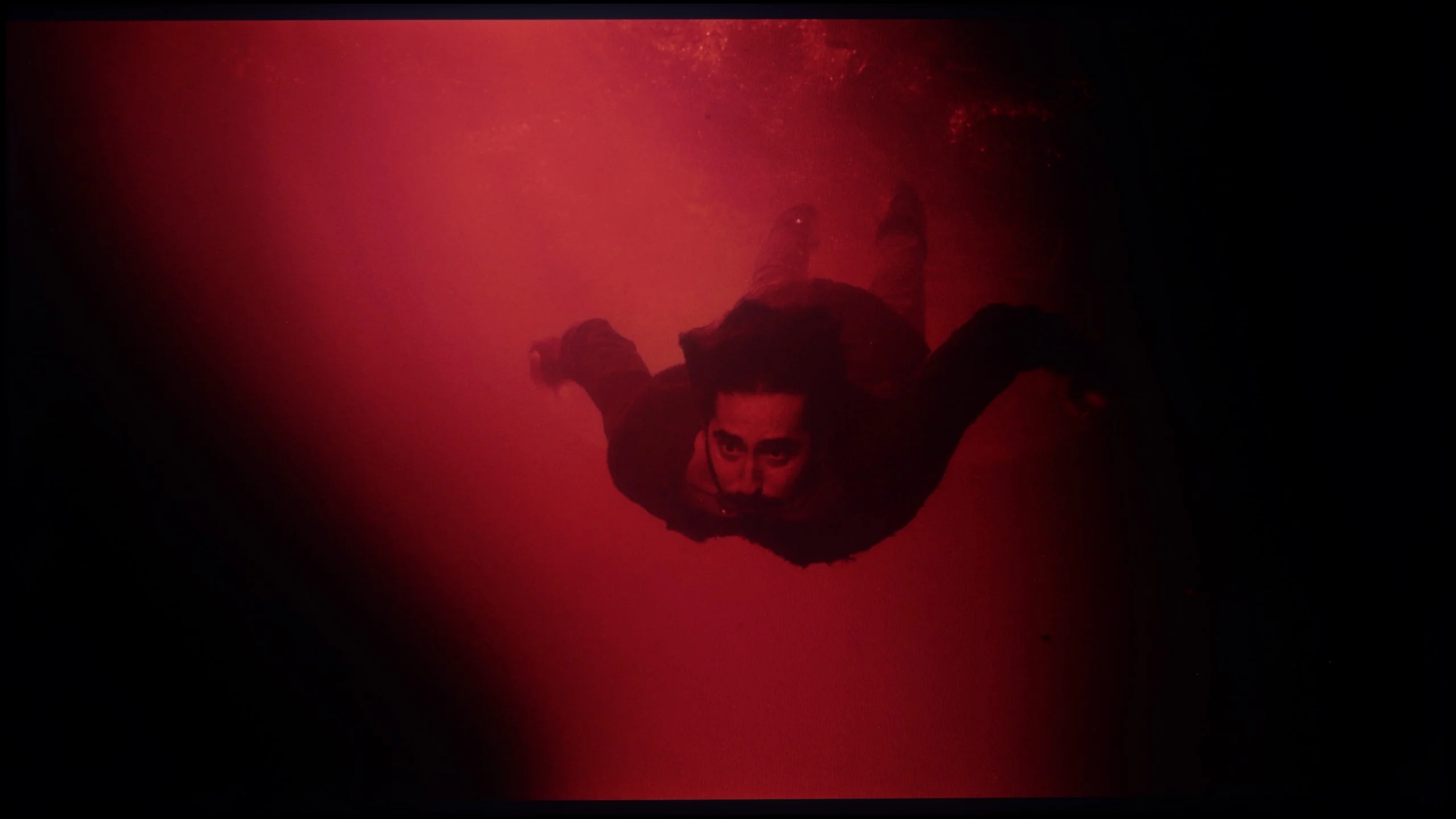
These are selected scenes that show smooth tonal transitions from one color to another. If you see distinct banding, it’s the TV panel’s fault.

These are selected scenes that show smooth tonal transitions from one color to another. If you see distinct banding, it’s the TV panel’s fault.
These are selected scenes that show smooth tonal transitions from one color to another. If you see distinct banding, it’s the TV panel’s fault.
These are selected scenes that show smooth tonal transitions from one color to another. If you see distinct banding, it’s the TV panel’s fault.
Another aspect worth discussing is the smoothness of tonal transitions. Here it must be honestly admitted that on the TCL C7L it simply looks good. In most scenes, and especially in the brighter shots, there are absolutely no banding issues. In native 4K HDR content the image is clean and the transitions between shades are very smooth. It looks just as good in Dolby Vision, where during our tests we did not notice any digital artefacts or ugly colour posterisation. You could, if you wanted to be picky, point to very dark scenes where a heavily compressed signal is being displayed on screen. Under those conditions the C7L can sometimes reveal minor imperfections, but in this model that is not something that really catches the eye, especially during everyday film viewing.
The smoothness of tonal transitions on the Samsung S99H is very good. It performs best in bright scenes, where successive shades blend very smoothly with no visible banding. In darker sections it is also good, although you can occasionally notice minor imperfections. In everyday viewing they are, however, practically unnoticeable. It is worth adding that this is one of the strengths of QD-OLED panels. Compared with WOLED panels, they handle near-black transitions much more easily, where competing panels from LG Display more often show posterization and uneven tonal gradation.
Image scaling and smoothness of tonal transitions
5.5/10
7.5/10


Smooth transition function
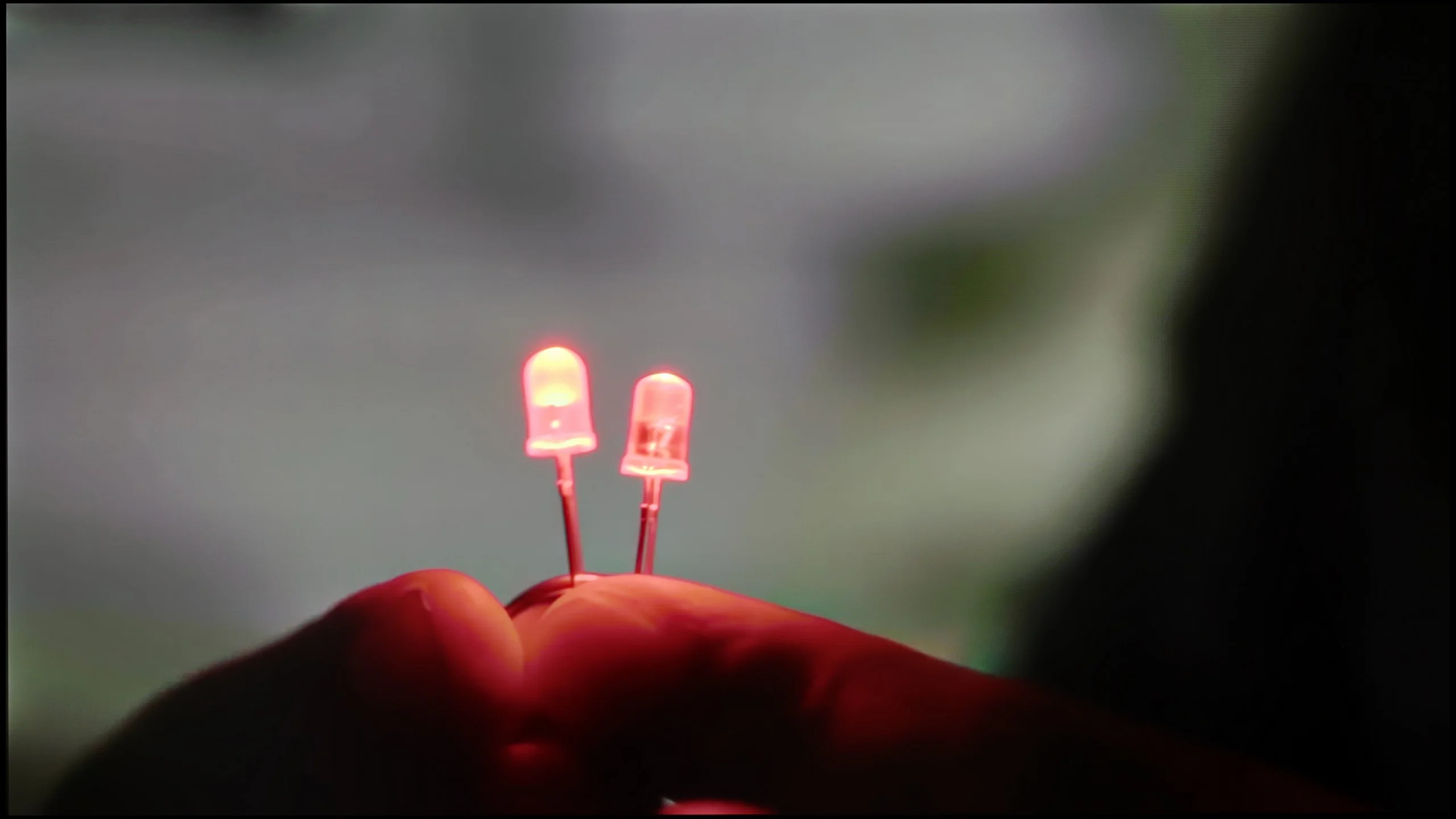
The match photo shows how the TV smooths weak tonal transitions in low-quality video.
Image scaling SD (576i)

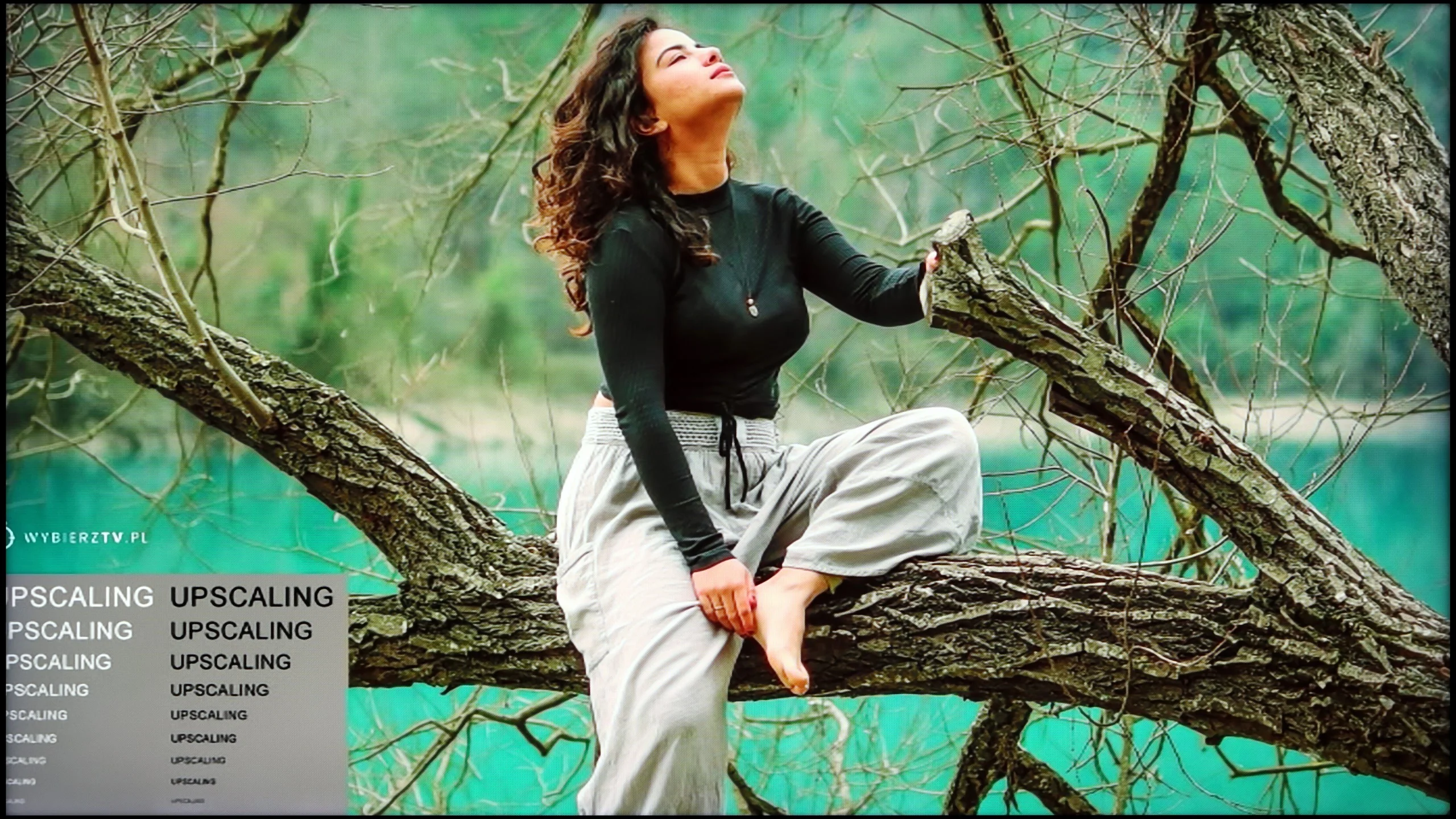
The model photo shows how it handles upscaling of SD material.
This can be seen as, to some extent, the Achilles' heel of the C7L. Unfortunately, this TV uses the older MediaTek Pentonic 700 chip, which has never been famed for outstanding digital image processing. You can clearly see that in the behaviour of the progressive smoothing function, the feature responsible for reducing jagged edges and removing digital noise. It simply performs very poorly. When set to low, its effectiveness is almost non-existent. The only small plus is that the algorithm does not further spoil the picture or blur details unnecessarily. Upscaling, that is scaling lower-resolution content to 4K, performs slightly better. It is simply adequate and does not stand out against the competition. There is no denying that the C7L would benefit greatly in this regard if the manufacturer opted for the newer Pentonic 800 processor, which is now appearing in an increasing number of rival models.
The proprietary Samsung NQ4 Gen3 processor is responsible for upscaling and digital image processing. It handles upscaling lower-resolution material to 4K very well. The picture is clear without looking artificial or overly sharp. The only rather specific drawback appears with very old material recorded at 480p or below. In such cases the TV can slightly crop the edges of the picture.
The processor also copes quite well with artefacts visible in lower bit-rate material, for example heavily compressed YouTube videos. The noise reduction function effectively smooths the image and reduces posterisation, but it operates quite aggressively. It can remove not only unwanted artefacts but also some fine detail, and even natural film grain. Wanting to preserve the source material as faithfully as possible, we decided not to use it. However, if someone prefers a clean, as-smooth-as-possible picture over retaining every detail, it may prove useful.
Blur and motion smoothness
7.8/10
8.5/10
Blur (native resolution, maximum refresh rate):


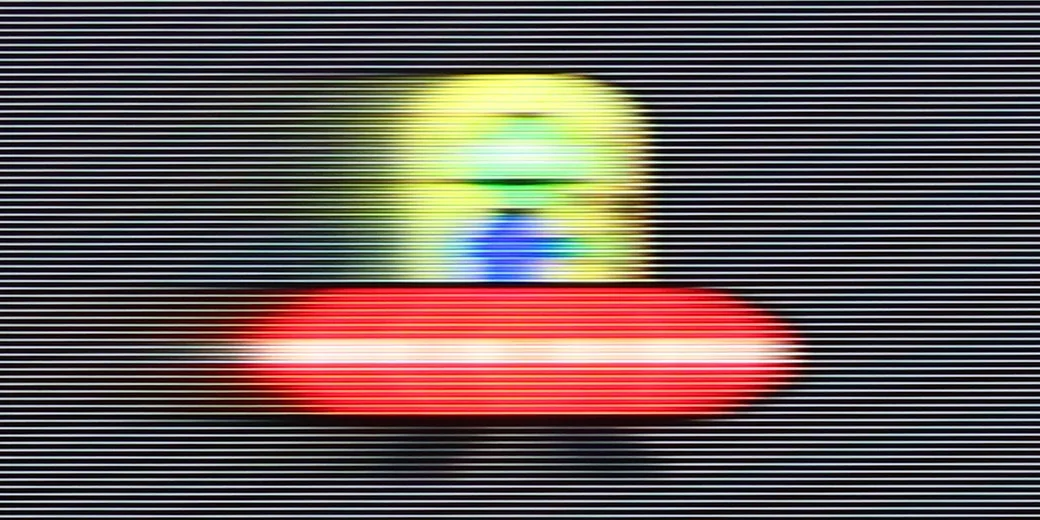



Blur (BFI function enabled):



Image flickers in this mode



Blur (4K@144Hz):


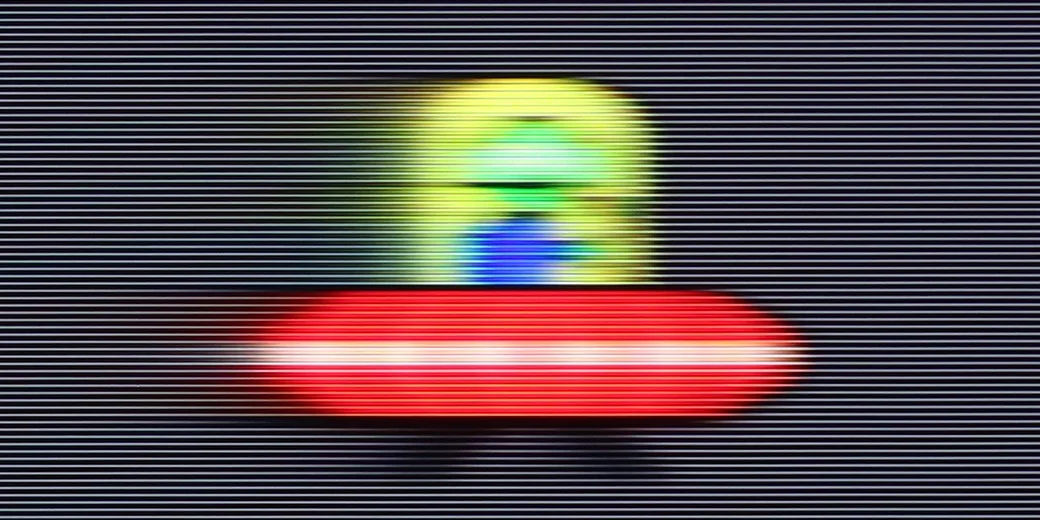
Blur (4K@165Hz):



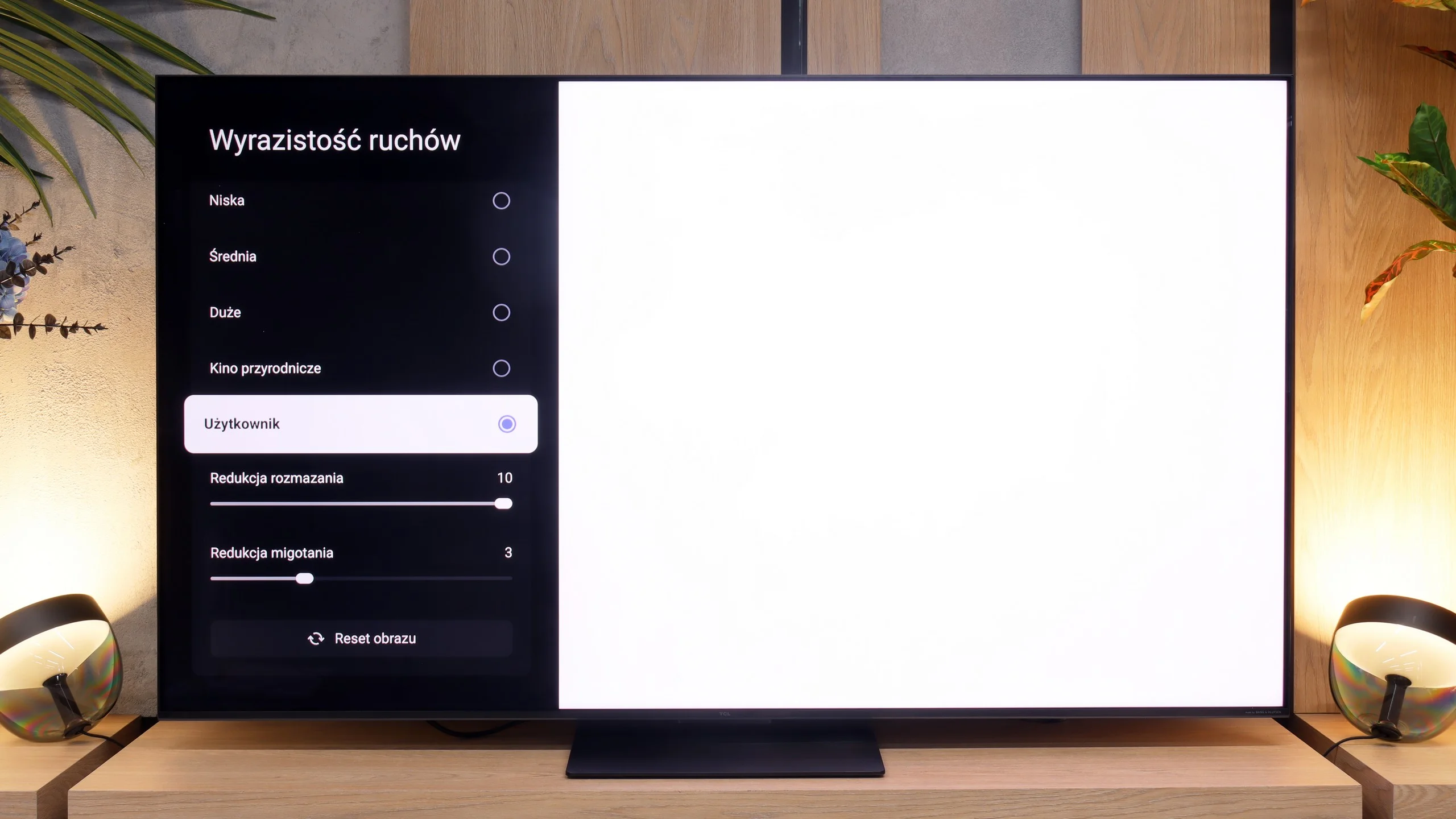
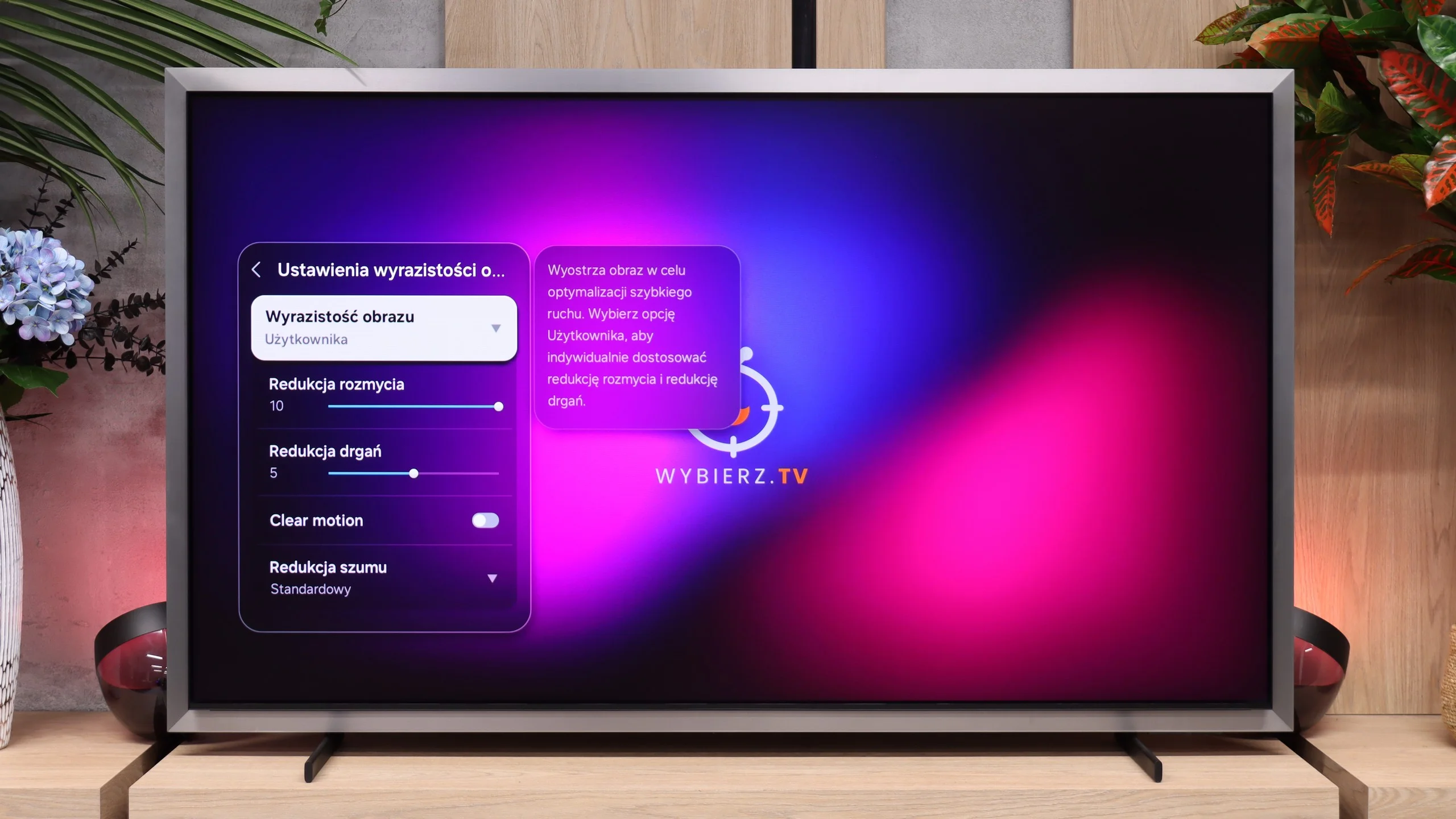
The TCL C7L uses a native 4K panel with a 144 Hz refresh rate, which at lower resolutions when connected to a PC can even reach up to 288 Hz. These are, of course, very high figures and impressive on paper, but bear in mind that almost all the dynamic content you’ll watch on this TV will still run at around a maximum of 120 Hz. To rein in that motion, the TV’s menu includes a motion-smoothing system called "Motion Clarity". It offers several preset modes, including a user mode that we strongly recommend you set manually using our tried-and-tested guides on our YouTube channel. There are two key sliders available. The first, "Blur Reduction", is responsible for cutting motion blur and improving sharpness in dynamic 60-fps material, such as sports broadcasts. The second slider, "Flicker Reduction", lets you add artificial frames to films and series shot in cinematic 24 or 30 frames per second. This, of course, can completely eliminate the irritating judder that appears during camera movement.
Another major advantage of organic OLED panels is their excellent motion handling. Thanks to the pixels' virtually instantaneous response time, the Samsung S99H exhibits virtually no motion blur. Fast-moving objects do not produce visible halos or trailing outlines, so the television performs very well for both watching sport and gaming. One characteristic of OLED screens compared with LCDs, however, is the way they render low-frame-rate material. With very slow camera movement the image can appear noticeably more 'choppy'. This can, however, be fairly effectively mitigated using a frame-interpolation system. Samsung lets you adjust judder reduction and blur reduction separately, so it's easy to find a compromise between smoother motion and preserving the cinematic character of the content.
Console compatibility and gaming features
9.8/10
9.6/10
- ALLM
- VRR
- VRR range48 - 288Hz48 - 165Hz
- Dolby Vision Game Mode
- Correct implementation of HGIG
- 1080p@120Hz
- 1440p@120Hz
- 4K@120Hz
- Game bar
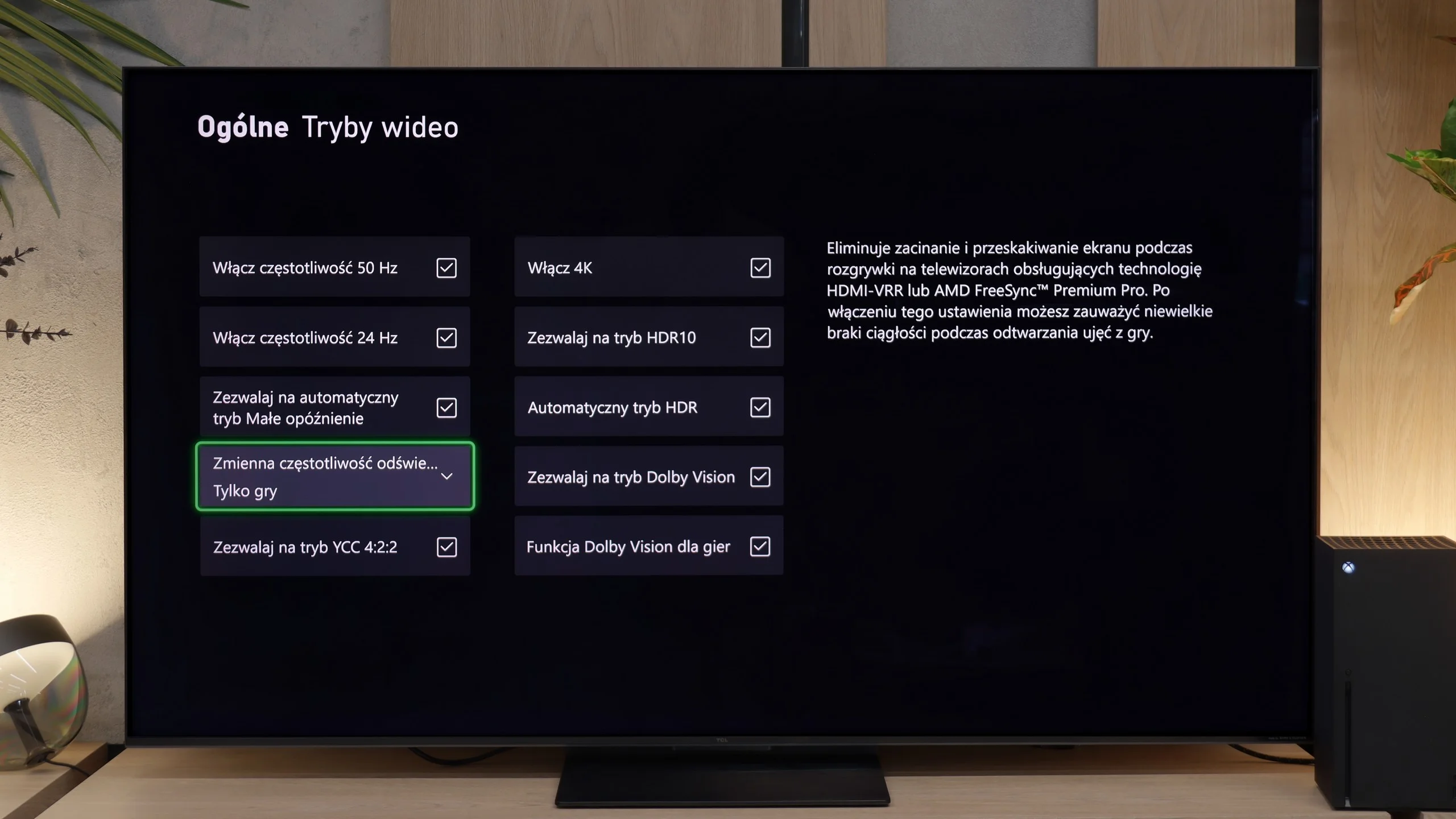
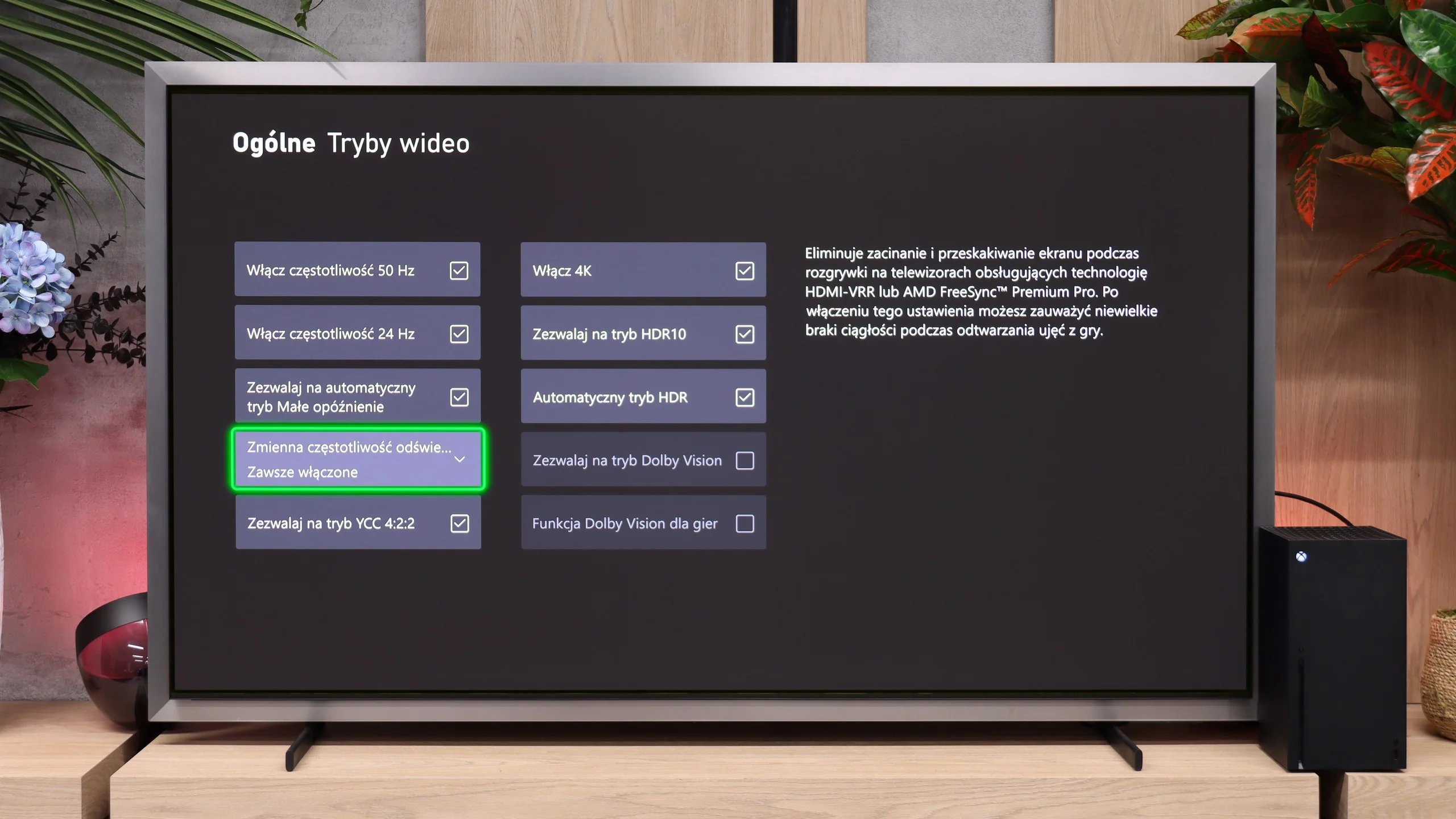
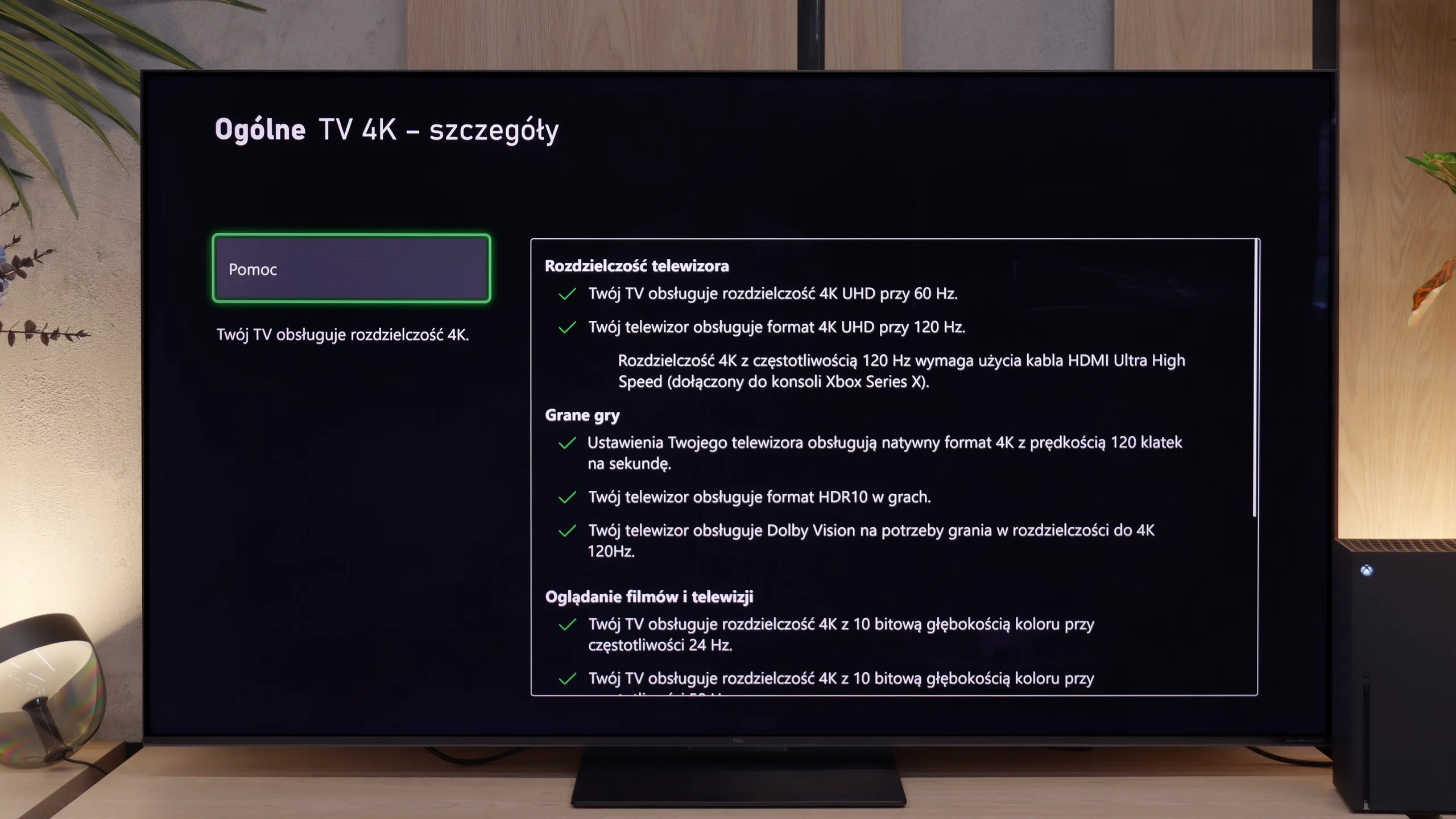
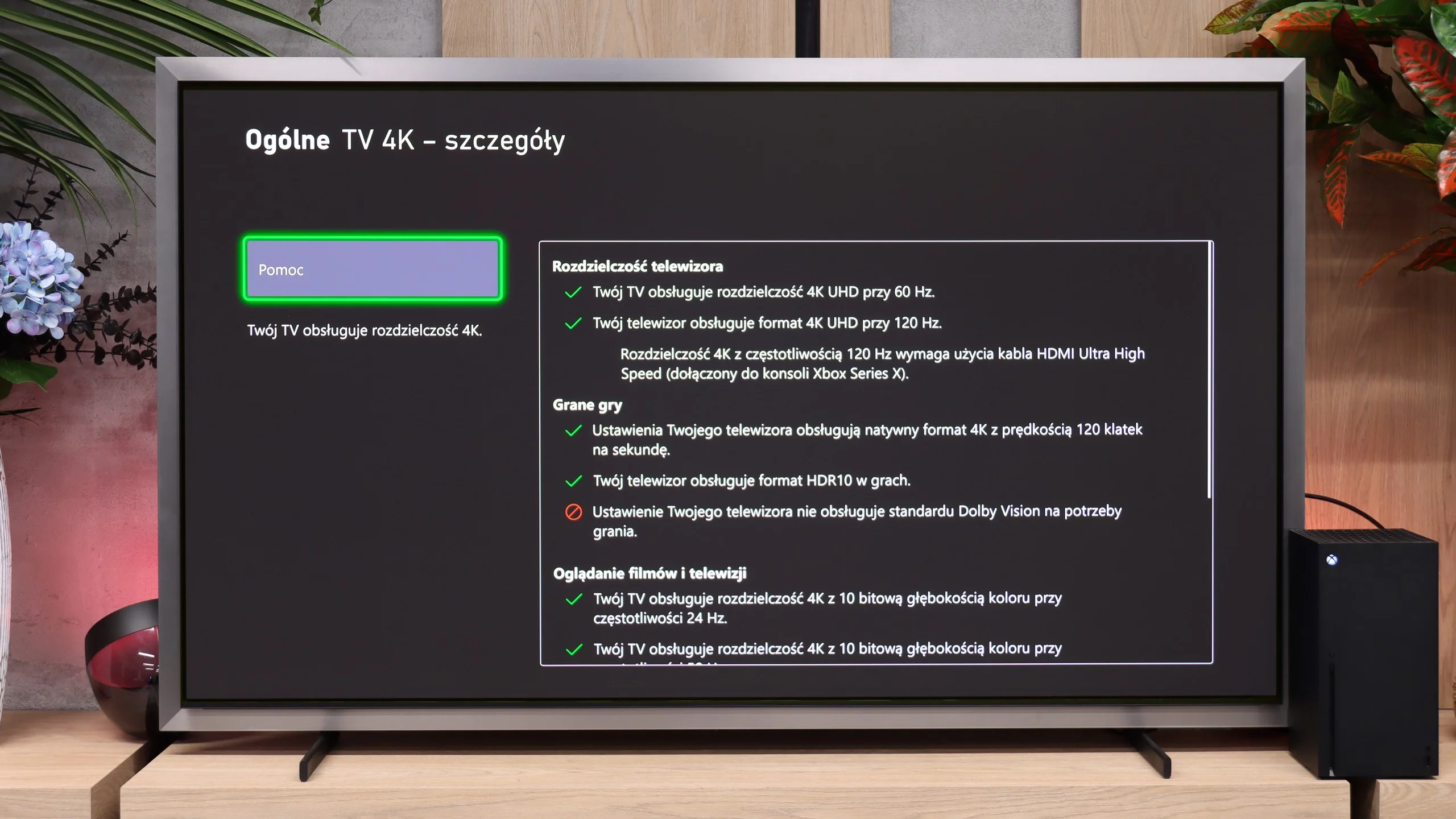
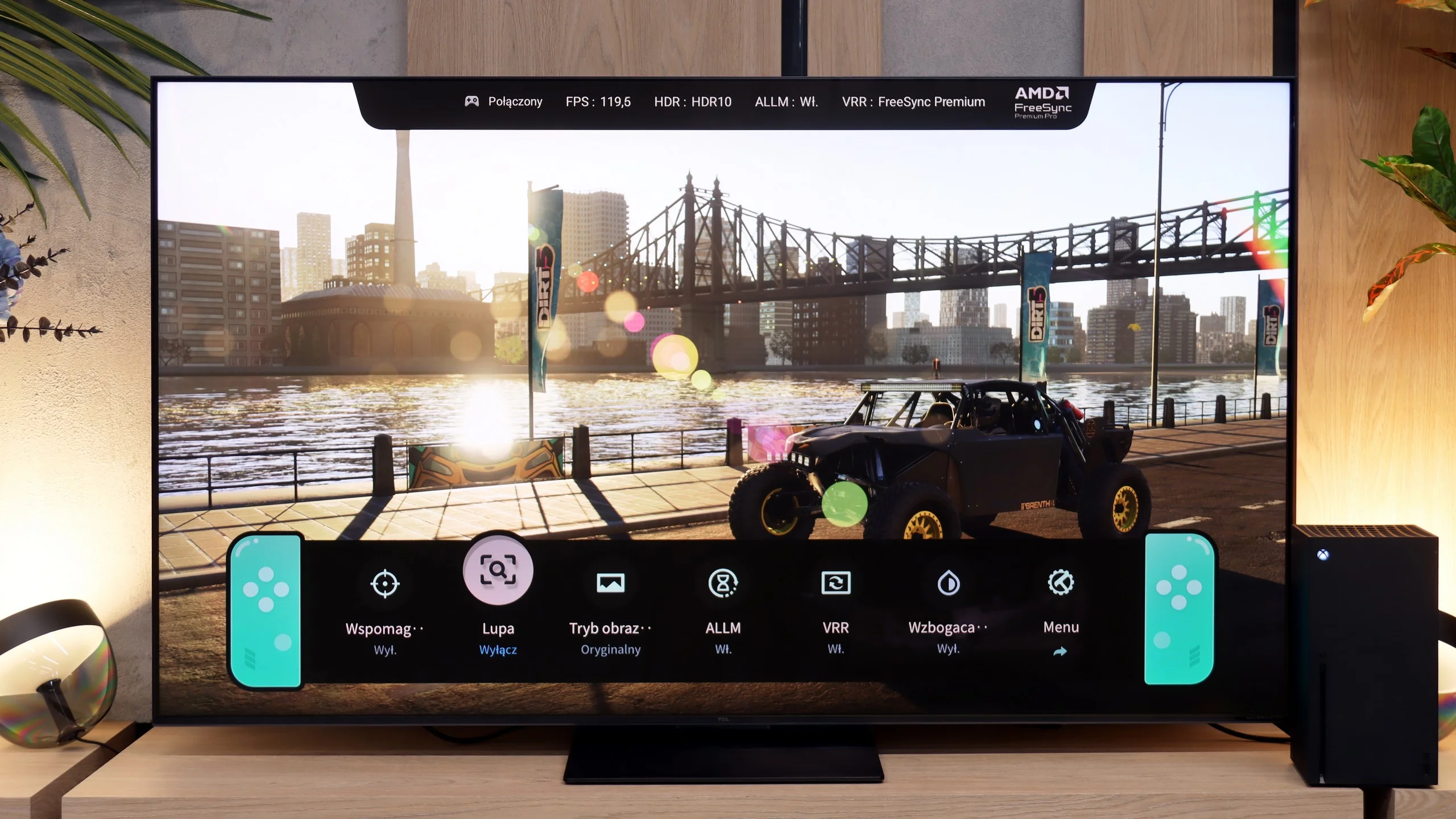
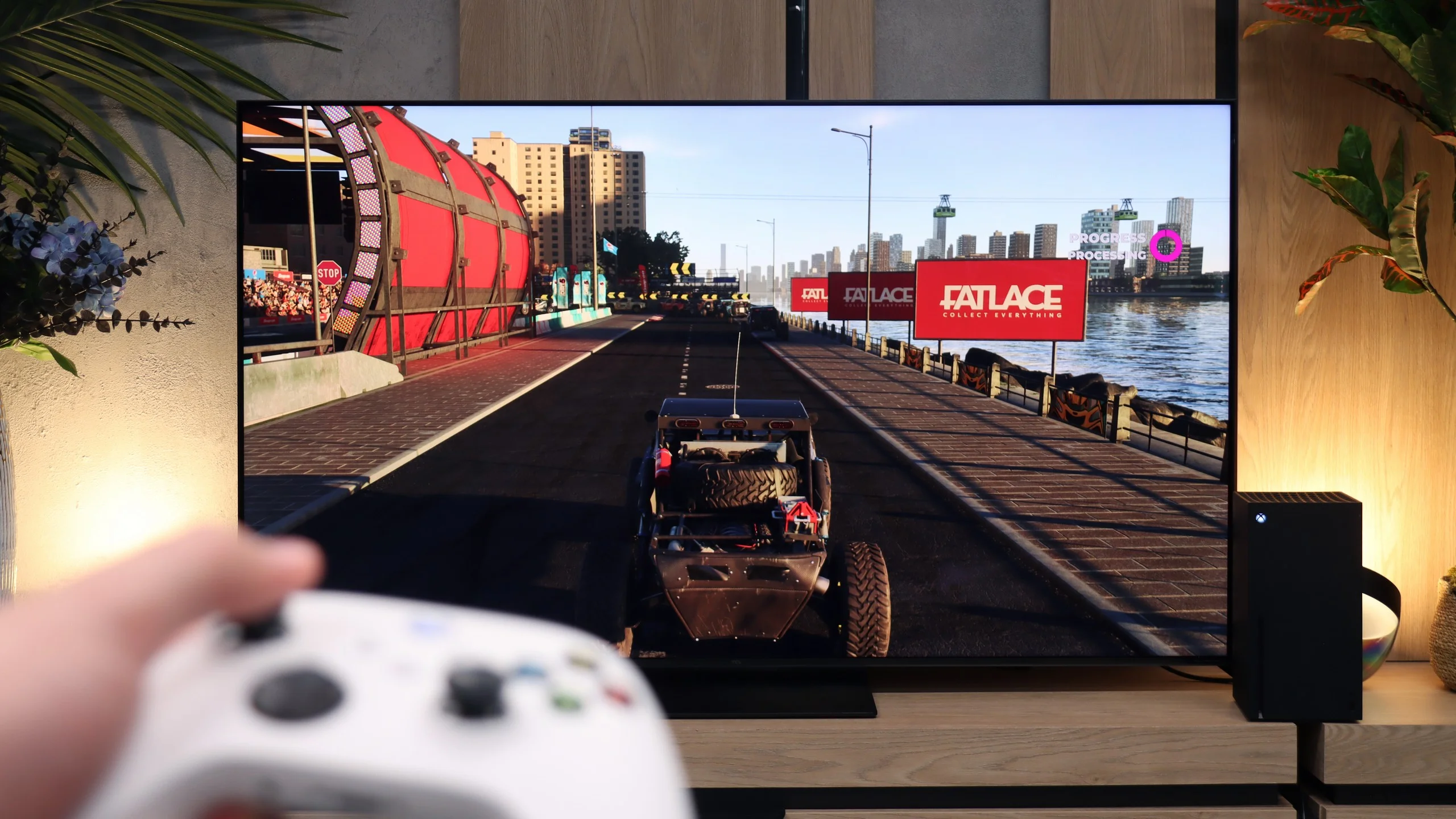
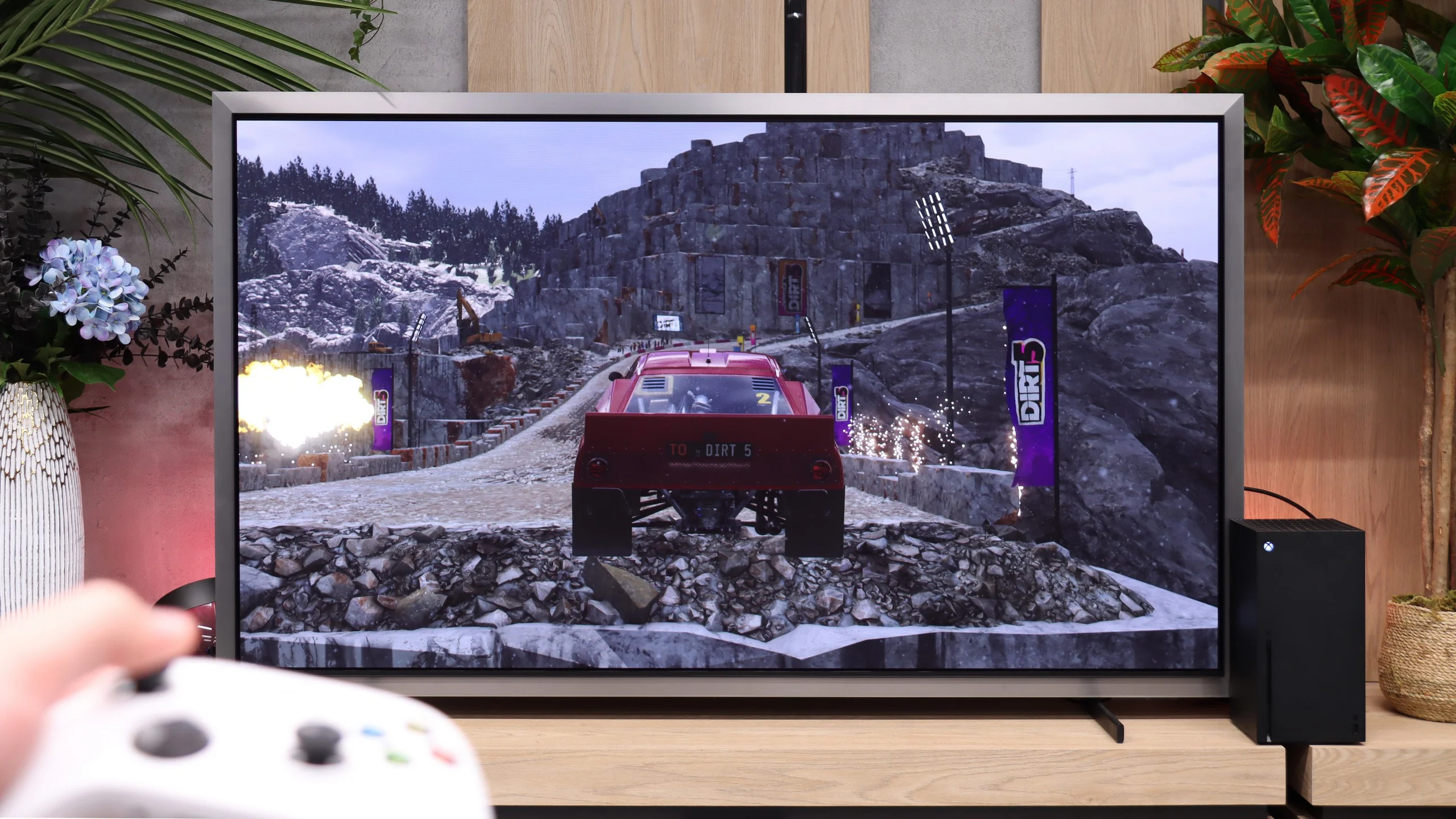
When it comes to gaming, the TCL C7L is simply an outstanding TV for players. Thanks to two HDMI 2.1 ports with full 48 Gbps bandwidth, you get access to all the key features required by console owners and powerful PC rigs. There’s a well-working ALLM mode with very low input lag and VRR frame synchronisation that operates over an impressive range from 48 to 288 Hz. Importantly, unlike some rivals, TCL has properly implemented the console HDR10 HGIG profile and supports Dolby Vision in games. The package is completed by a very well designed gamer panel, the Game Bar, which even lets you edit its appearance and change the theme so it perfectly matches the style of your console.
The only thing you can, and even should, criticise is that the TV offers only two full-spec HDMI 2.1 ports, while the other two are older HDMI 2.0. That creates quite a logistical problem. Why? Because one of the fast ports also handles the return audio channel eARC. In practice this means that if you connect a soundbar or home cinema system to the TV, you’ll be left with just one free HDMI 2.1 socket. If you have two consoles at home, or a console and a powerful PC, unfortunately you’ll have to give something up or keep juggling cables at the back of the case while trying to maintain convenient control of the audio system.
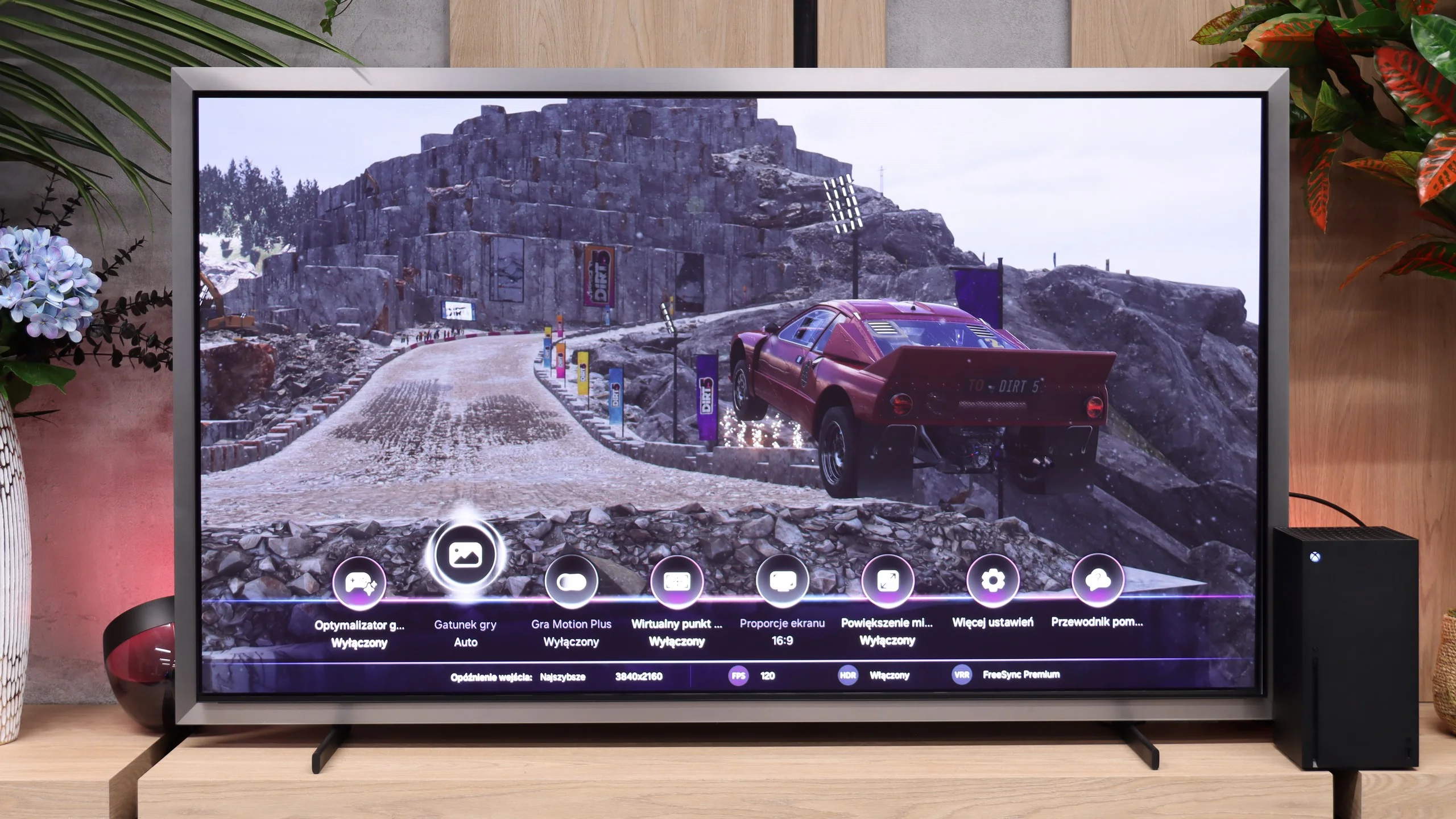
The Samsung S99H is also a great TV for gamers. It offers almost every possible and useful feature... well, except for the obvious lack of Dolby Vision for the Xbox console. It's equipped with four full-bandwidth HDMI 2.1 ports that offer the full 48 Gbps. This lets you use VRR frame-rate synchronization and the automatic game mode (ALLM) without any problems. This year Samsung also has no issues properly supporting HGiG, so HDR setup on a console is quick and straightforward. Samsung's TVs are also known for interesting extras. In the Game Bar menu you'll find options to add an on-screen crosshair, enlarge the minimap or change the displayed image's aspect ratio (PC).
Particularly noteworthy is Samsung's Game Motion Plus feature. It's Samsung's proprietary motion-smoothing system that uses interpolation to increase smoothness in games. Input lag then rises to around 40 to 50 ms (depending on the strength of the setting), which is an excellent result compared with the competition. The system makes gameplay noticeably smoother. So if someone has their eye on a demanding game (e.g. GTA 6 😉) that runs on a console at only 30 frames per second, the S99H can display it much more smoothly than competing models.
Input lag
10/10
10/10
SDR
HDR
Dolby Vision
It's worth taking a look at the raw numbers here, because in terms of signal latency the TCL C7L is right at the top of the market. Our measurements showed that the input lag is extremely low and for a 60 Hz signal it is only about 10 ms. When we step up and run a game at 120 Hz, the delay drops to an almost imperceptible 6 to 7 ms. More importantly, the TV maintains these figures even after enabling Dolby Vision in games.
Input lag is very low regardless of the selected refresh rate. At 120 Hz we measured about 5 ms, and at 60 Hz roughly 10 ms. When connected to a PC and set to 165 Hz, the values were even lower. The response to controller or mouse movement is almost instantaneous, so in this respect the Samsung S99H is suitable even for very fast-paced, demanding games.
Compatibility with PC
8.4/10
8.8/10
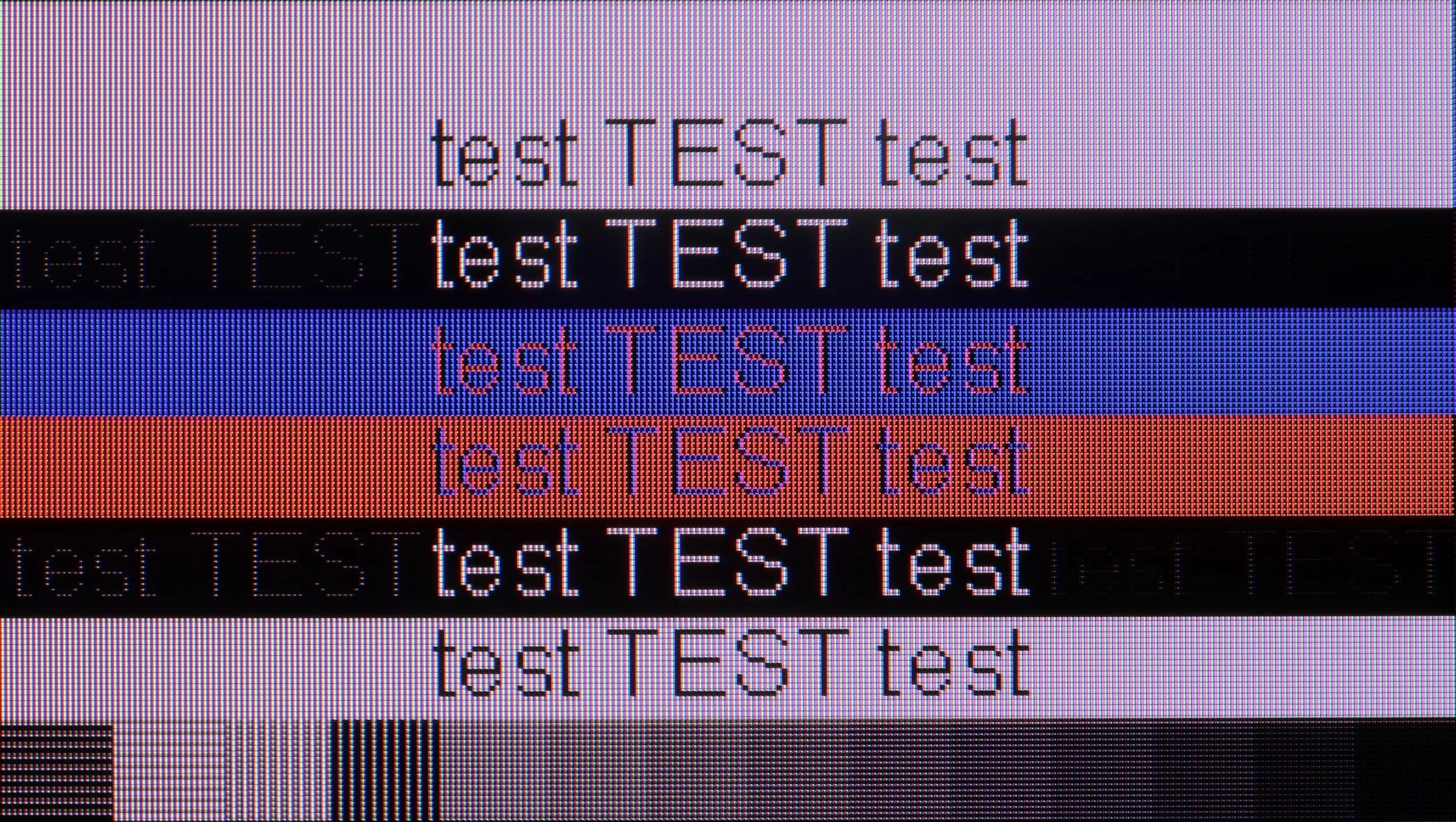
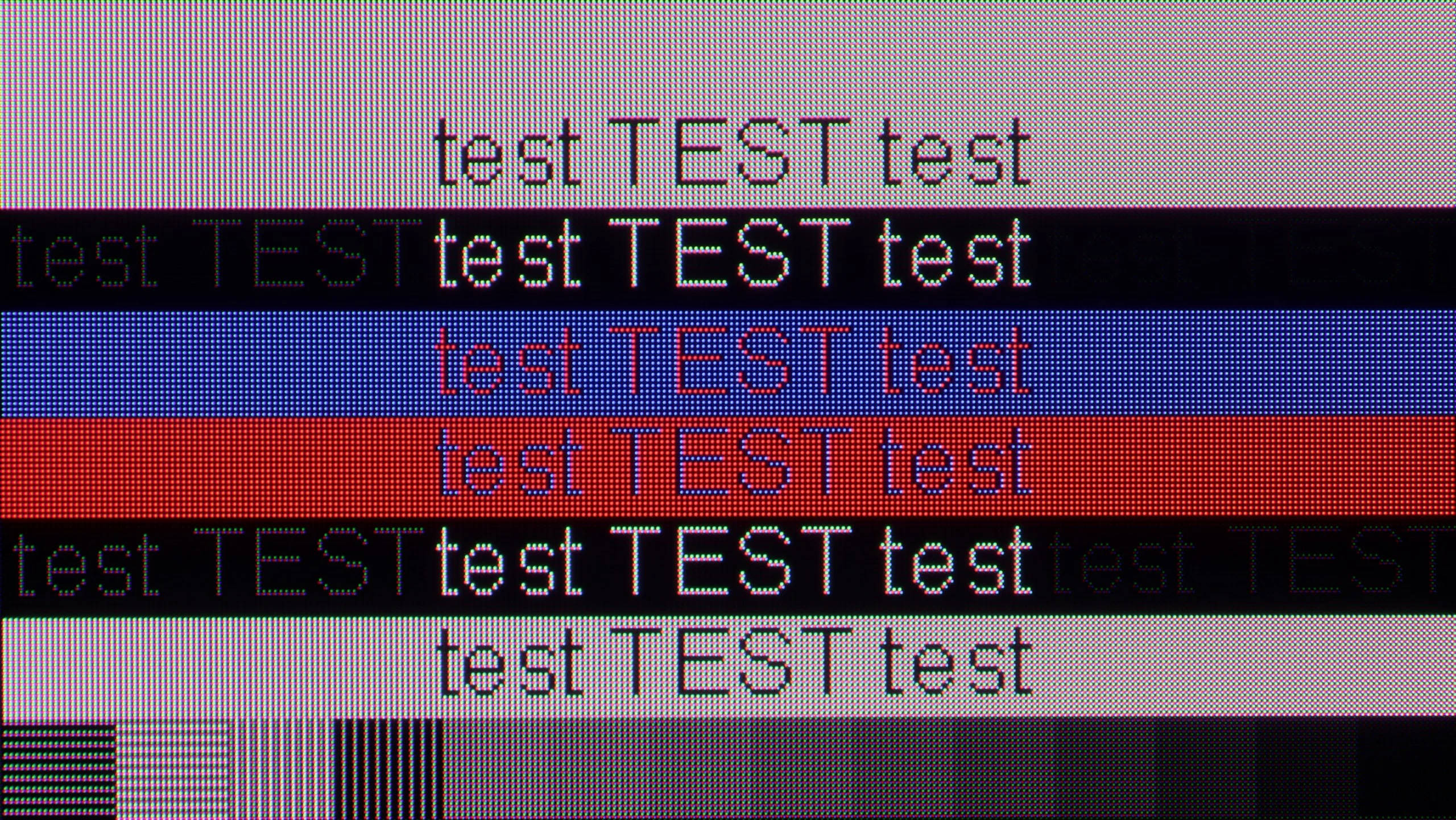
The photo shows the legibility of small fonts. Ideally, lines should be the same thickness on both light and dark text, with minimal pixel gaps.
As for gaming on PC, as I mentioned earlier, it's genuinely hassle-free. The TV handles high refresh rates without a hitch: full 4K at 144 Hz, and in Full HD it can even reach 288 Hz. On top of that, G-Sync and FreeSync work without any issues. For PC gamers, the C7L can therefore serve as an excellent, gigantic monitor.
Typical office work involving text fares a bit worse, because the panel behaves rather oddly in those circumstances. When the highest refresh modes are enabled, namely 144 Hz and 288 Hz, the readability and sharpness of dark text on a light background are rather mediocre, with fonts becoming slightly blurred and jagged. Fortunately, this can be fixed very easily by changing the display refresh rate in your graphics card settings to a steady 120 Hz. Then the text becomes perfectly sharp again, which is definitely worth remembering if you plan to use the C7L as a work screen.
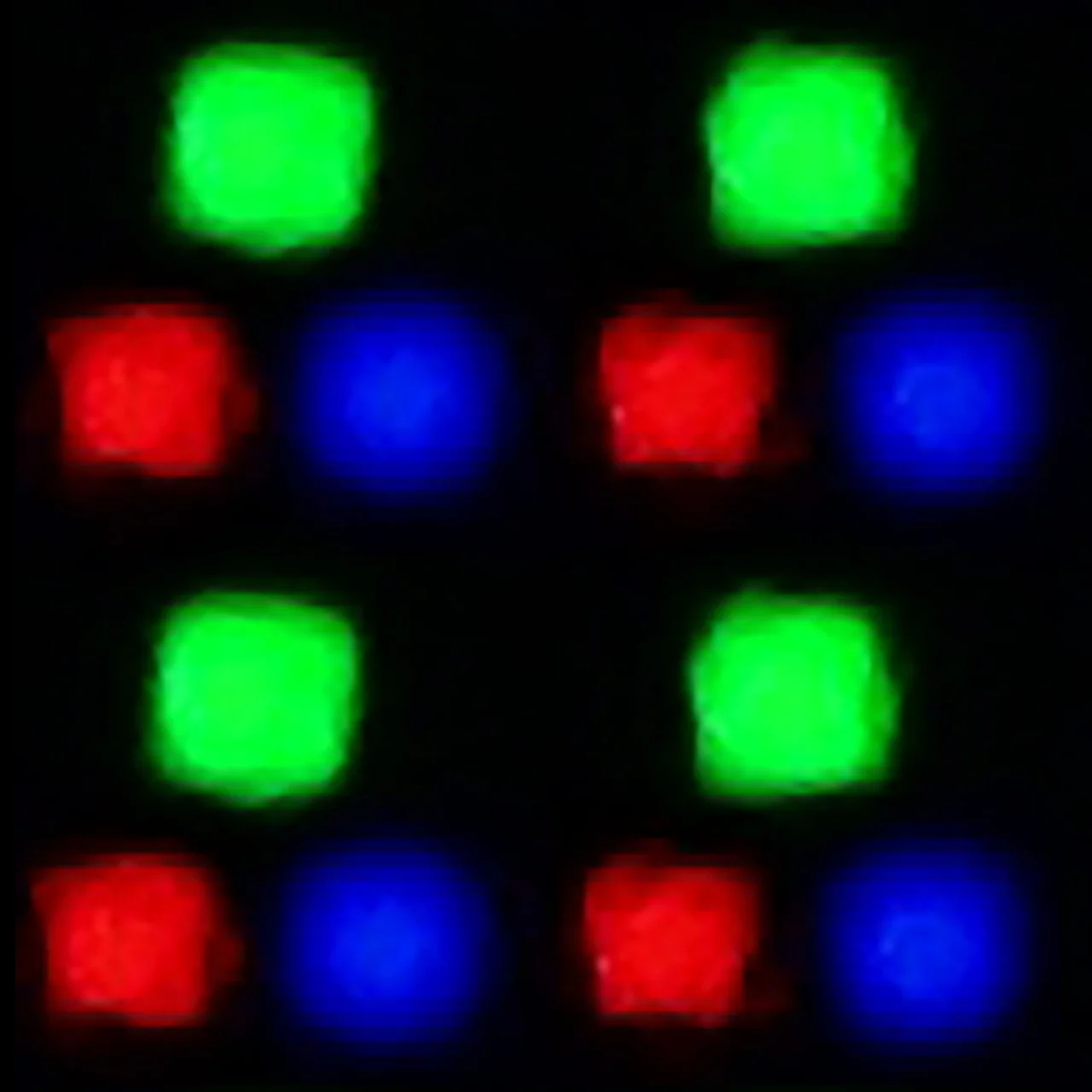
The S99H also works very well as a large monitor connected to a computer. This is mainly due to full support for frame synchronization: it offers both AMD FreeSync Premium Pro and seamless G-Sync compatibility for NVIDIA cards. In addition, the TV supports refresh rates up to 165 Hz, which is a very welcome touch for PC gamers. The only specific trait of QD-OLED panels remains the characteristic triangular subpixel arrangement. For that reason, the sharpness of very small text viewed from extremely close up is not perfect. However, given the size of the S99H, this TV is unlikely to end up sitting directly on anyone’s desk. When working or gaming from more than a metre away, the issue ceases to matter.
Viewing angles
3.7/10
9.9/10
Unfortunately, the strong native contrast of the HVA 2.0 panel comes at a price. It's the viewing angles, which on the C7L model are simply poor. That's all, of course, due to the use of the mentioned VA-type panel. It's an inherent characteristic of that technology and something you have to bear in mind when buying. If you sit directly in front of the screen, the picture will delight you with its depth, but just shift a few dozen degrees to the side on the sofa and the colours will immediately start to fade. By choosing this model, you accept a classic market compromise: you get deep blacks and superb contrast, but you sacrifice viewing angles.
The viewing angles on the S99H are simply outstanding, thanks to the QD-OLED panel used. In this respect it is among the very best on the market. Even when looking at the screen from an extremely oblique angle, the picture remains perfectly clear, and the drop in brightness or colour saturation is negligible. This is a characteristic feature of QD-OLED panels and an advantage over traditional WOLED screens, whose viewing angles are a little worse.
Daytime performance
8.8/10
8/10
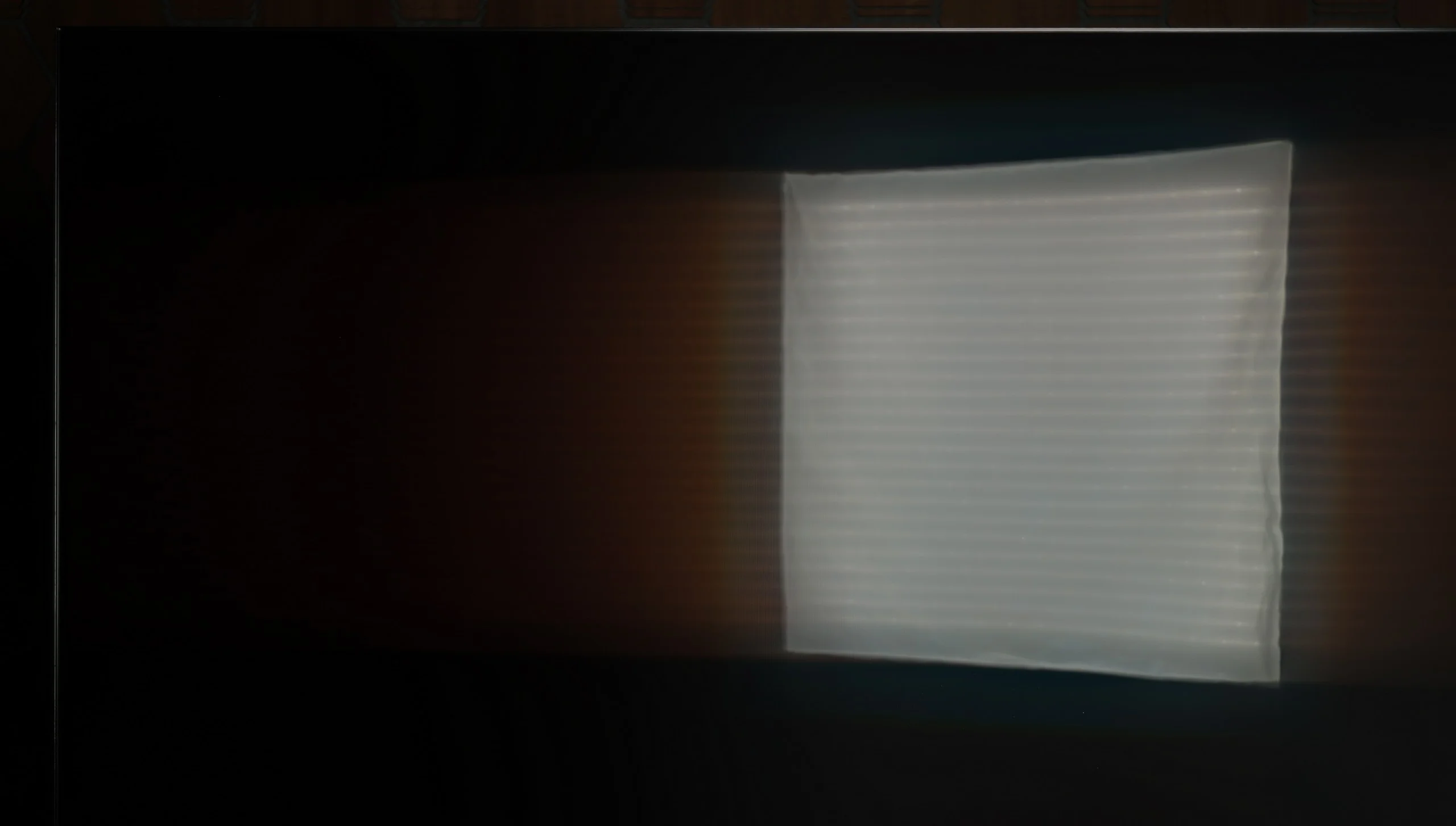
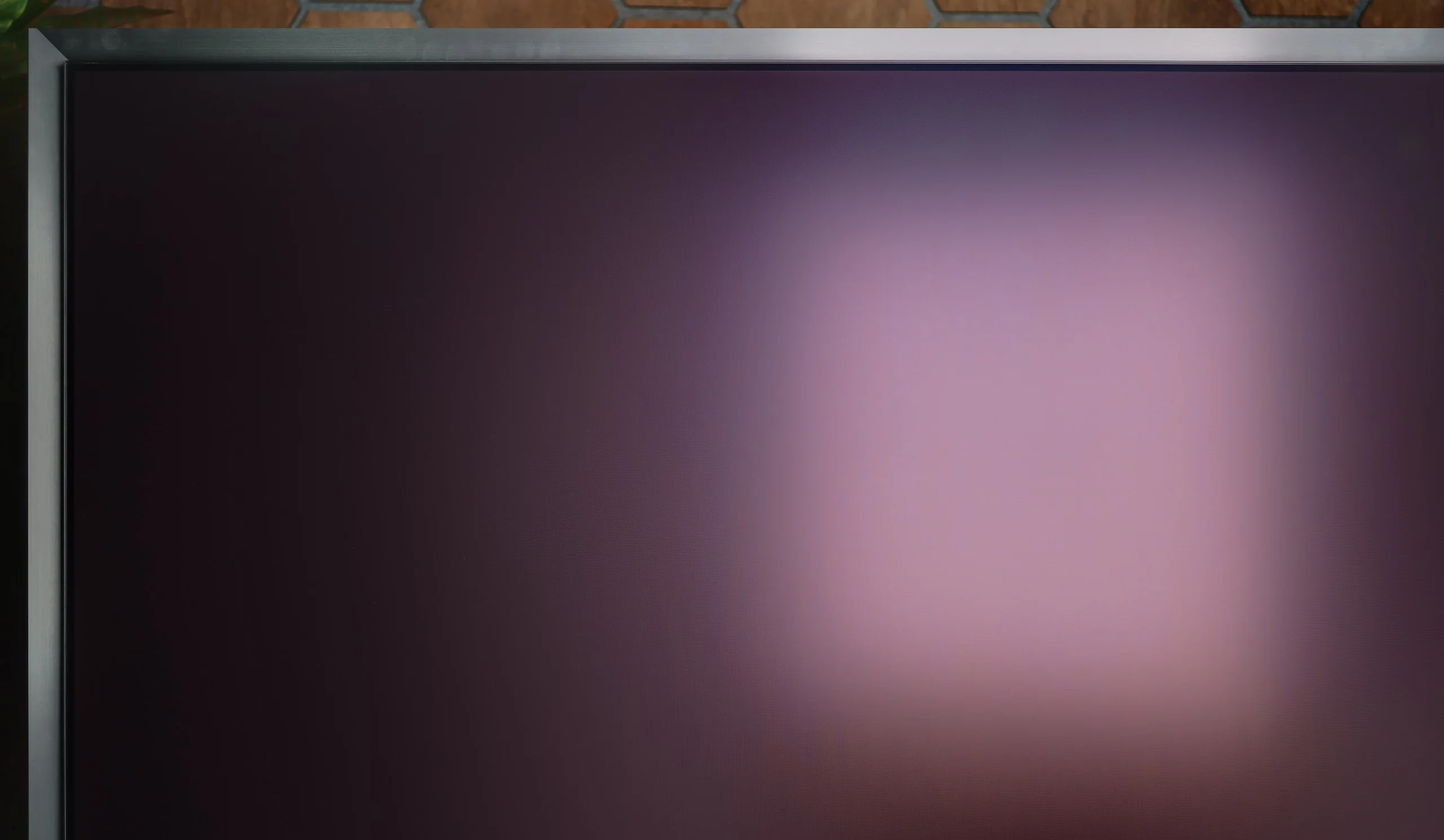
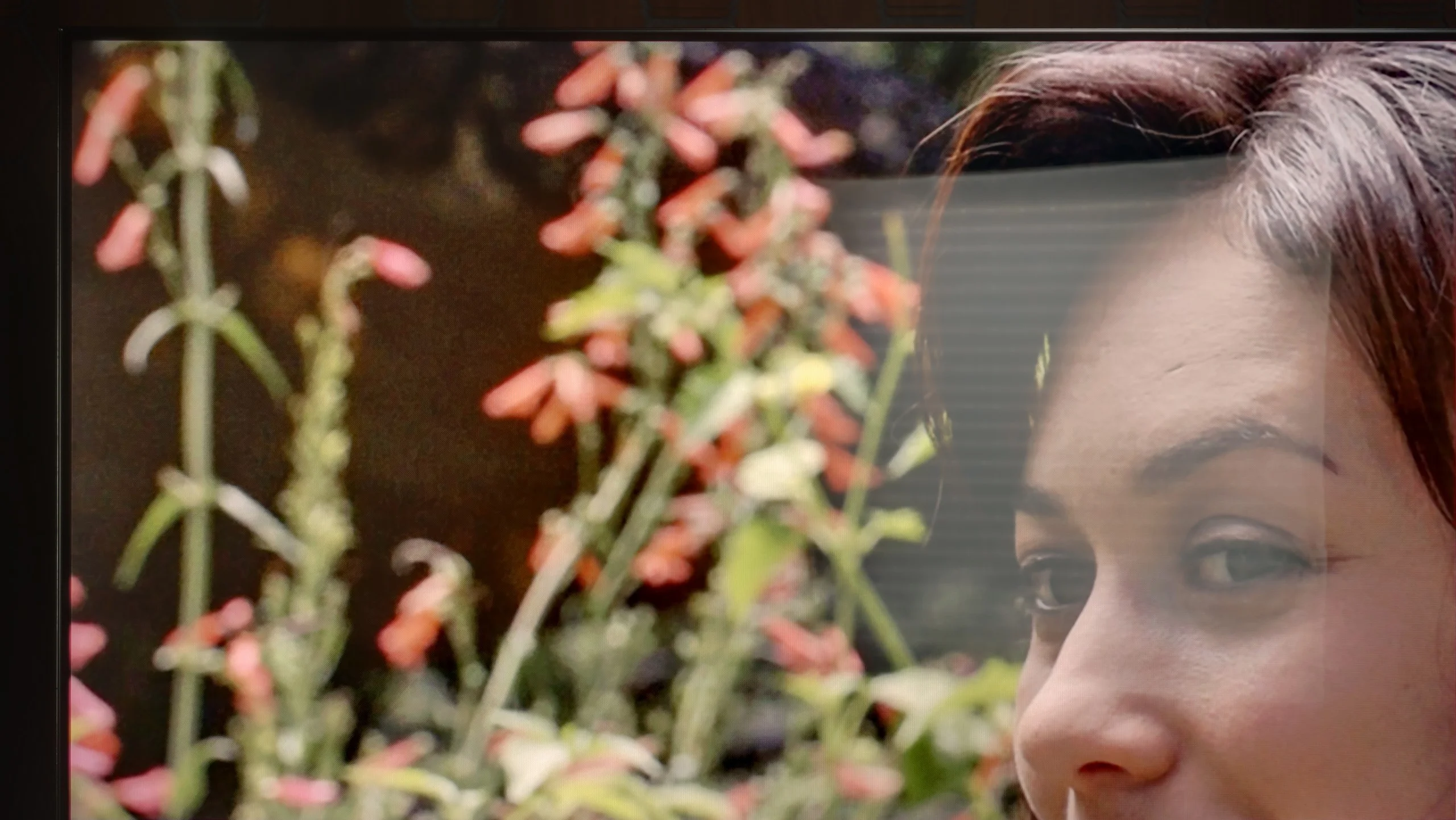
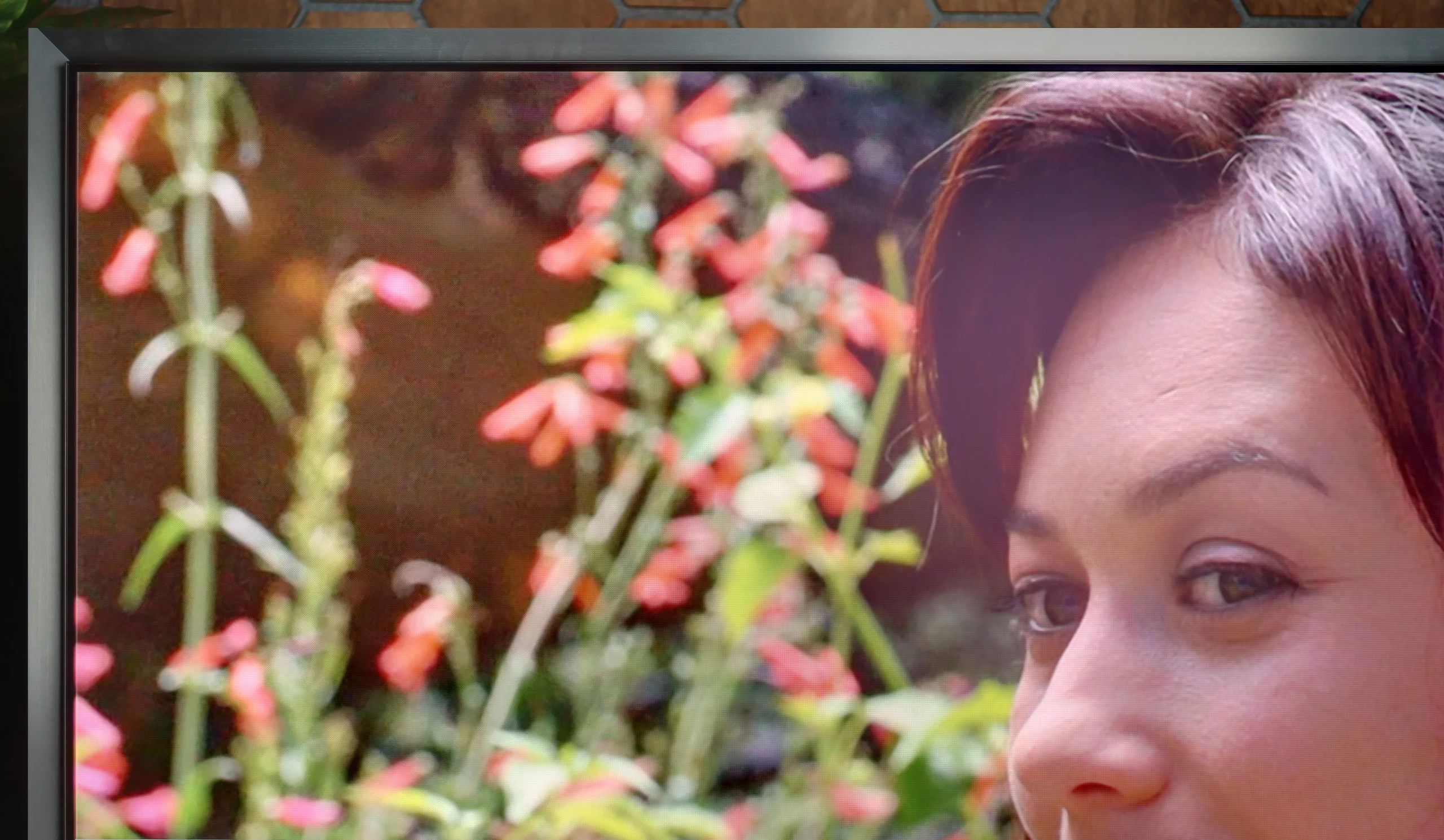
Panel brightness
Samsung OLED S95H (S99H) (QD-OLED): 851 cd/m2
TCL C7L: 1327 cd/m2
It’s also worth mentioning how the TCL C7L performs during everyday viewing in a sunlit living room. As we’ve already established, it’s an extremely bright TV, and it’s precisely thanks to such a huge luminance headroom (up to 2400 nits in SDR!) that it can perform brilliantly in very bright rooms, the picture simply cuts through the light entering the room without any problems. The only thing to watch out for are direct reflections on the screen. The coating used on the panel this year is noticeably glossier than the one we saw on last year’s C7K. The screen suppresses point reflections much less effectively, which, in unfavourable conditions, for example when a window is directly opposite the TV, may be fairly irritating for some users. Even so, in terms of raw brightness the C7L is simply a beast for bright living rooms.
One of the key and most distinctive features of Samsung's OLEDs, including the S99H under review, is the matte screen coating. It is currently one of the best solutions on the market if you want to minimise reflections as much as possible. Whether the room has large windows or the lamps are on, any light glare is dispersed very effectively. This does, however, come at a price. Because of the matte finish and the characteristics of QD-OLED panels (which in bright surroundings can take on a slightly cherry tint), blacks lose some of their depth and richness during the day. It's worth noting, however, that this mainly occurs when very harsh light falls directly on the panel. Fortunately, the S99H is an extremely bright OLED TV, in this respect comparable with the best Mini LED screens on the market. Its average brightness in everyday SDR content reaches nearly 850 to 900 nits, so the TV will have no trouble coping even in a heavily sunlit living room.
Panel details
Subpixel Structure:
Panel uniformity and thermal imaging:


TCL C7L
Samsung OLED S95H (S99H) (QD-OLED)
TV features
7.8/10
7.8/10
- SystemGoogle TVTizen
- System performanceVery goodVery good
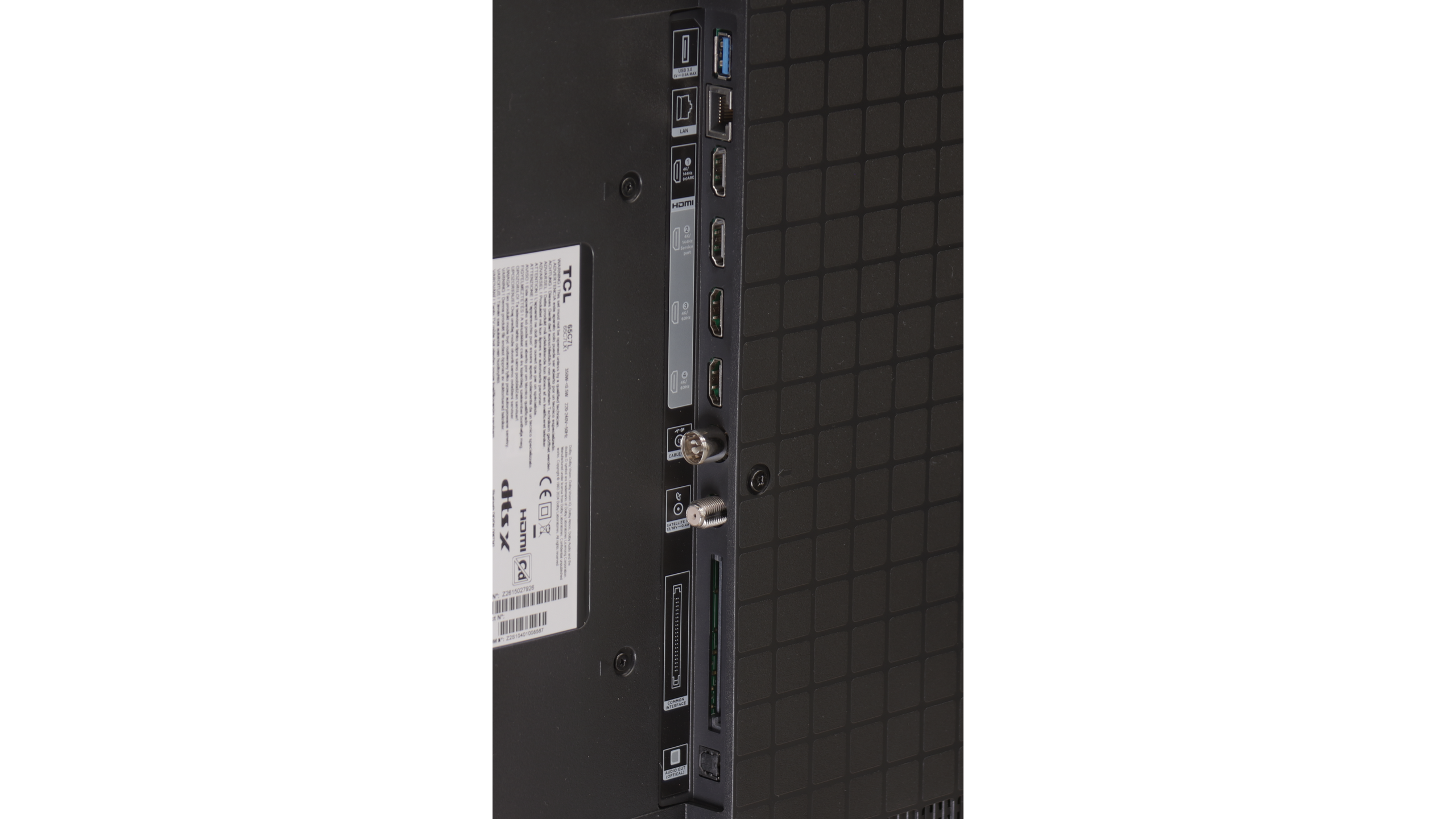
- HDMI inputs2 x HDMI 2.0, 2 x HDMI 2.1 48Gbps0 x HDMI 2.0, 4 x HDMI 2.1 48Gbps
- OutputsToslink (Optical audio), eARC (HDMI), ARC (HDMI)Toslink (Optical audio), eARC (HDMI), ARC (HDMI)
- Network InterfacesWi-Fi 2.4GHz, Wi-Fi 5GHz, Ethernet (LAN) 100MbpsWi-Fi 2.4GHz, Wi-Fi 5GHz, Ethernet (LAN) 100Mbps
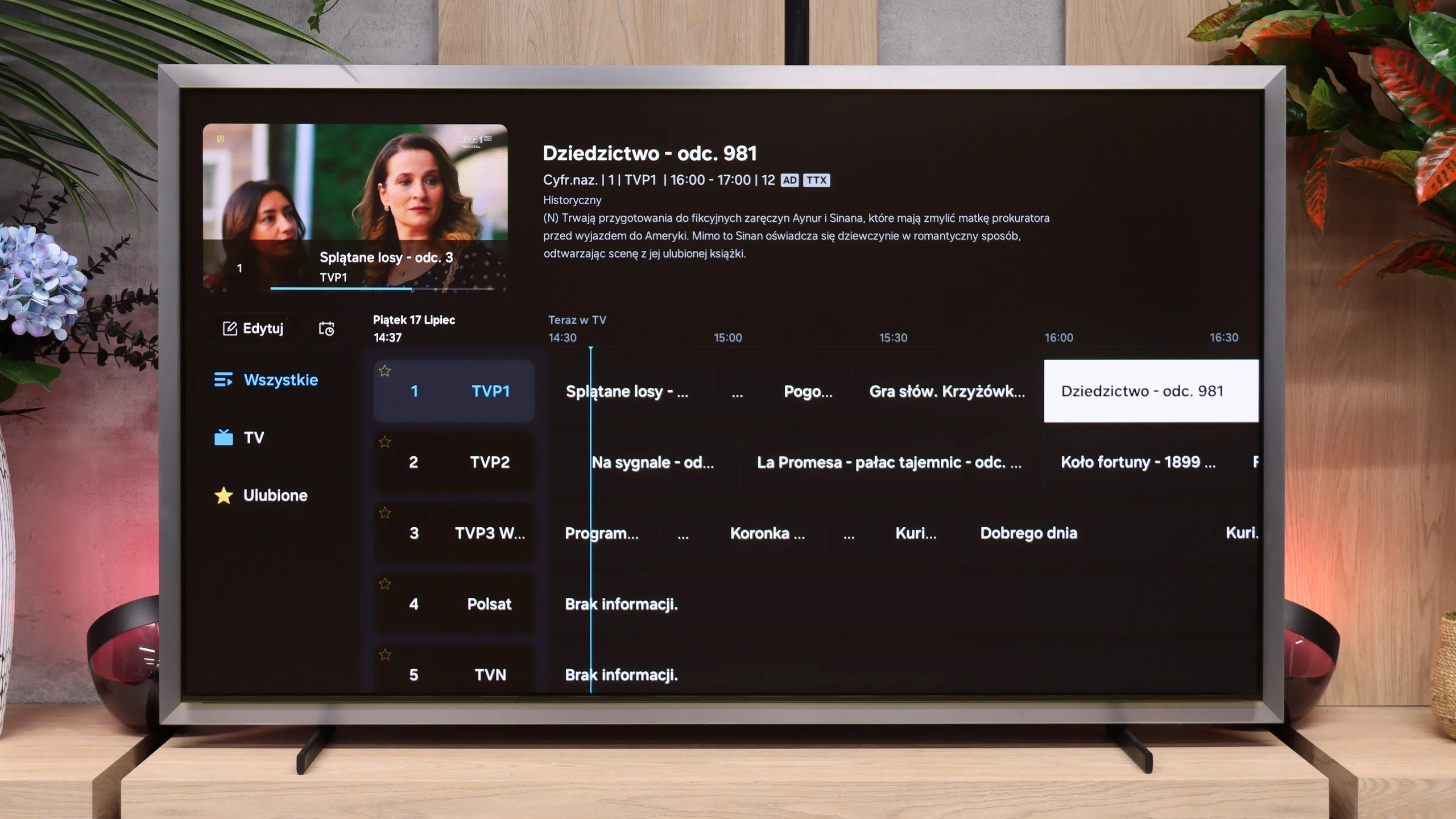
- TV receptionDVB-T, DVB-T2, DVB-S, DVB-S2, DVB-CDVB-T, DVB-T2, DVB-S, DVB-S2, DVB-C
Classic features:
- Recording to USB (terrestrial TV)
- Recording programming
- Picture in Picture (PiP)
- RF remote control (no need to aim)
- Backlit remote control
- Teletext
- Audio only mode
- Bluetooth headphones support
- Simultaneous Bluetooth headphones & TV audio
Smart features:
- AirPlay
- Screen mirroring (Windows Miracast)
- Voice search
- Voice search in native language
- Ability to connect a keyboard and mouse
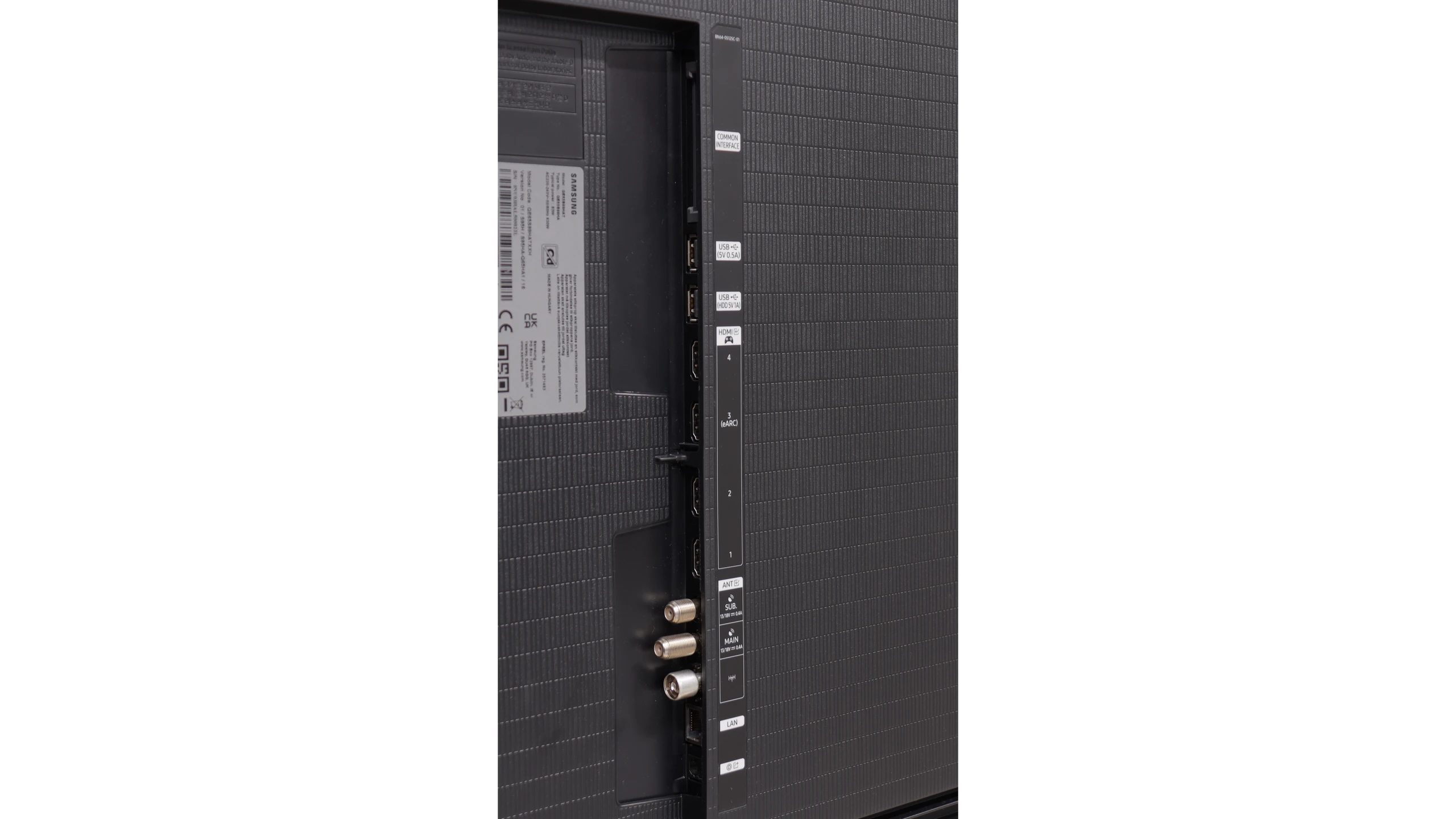
Sound connection options
- HDMI audioeARC (HDMI), ARC (HDMI)eARC (HDMI), ARC (HDMI)
- Other audio outputsToslink (Optical audio)Toslink (Optical audio)
- Wireless audioBluetoothBluetooth
Supported audio formats (external HDMI eARC audio):
- Dolby Digital Plus 7.1
- Dolby True HD 7.1
- Dolby Atmos in Dolby Digital Plus (JOC)
- Dolby Atmos in Dolby True HD
- DTS:X in DTS-HD MA
- DTS-HD Master Audio
Senior accessibility
- Numeric keyboard on TV
- Font size adjustment
- Audio description
Google TV i Smart TV
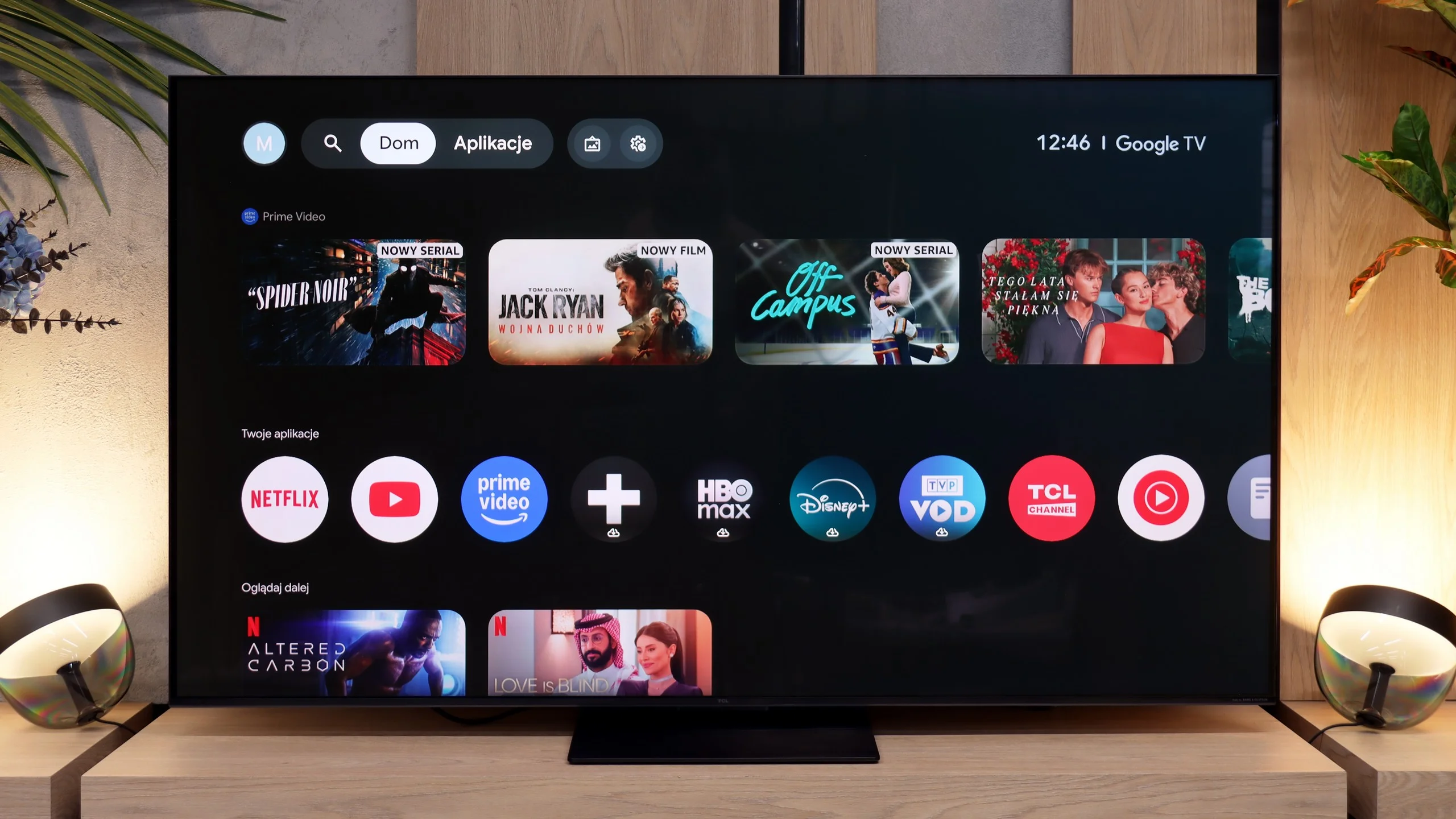
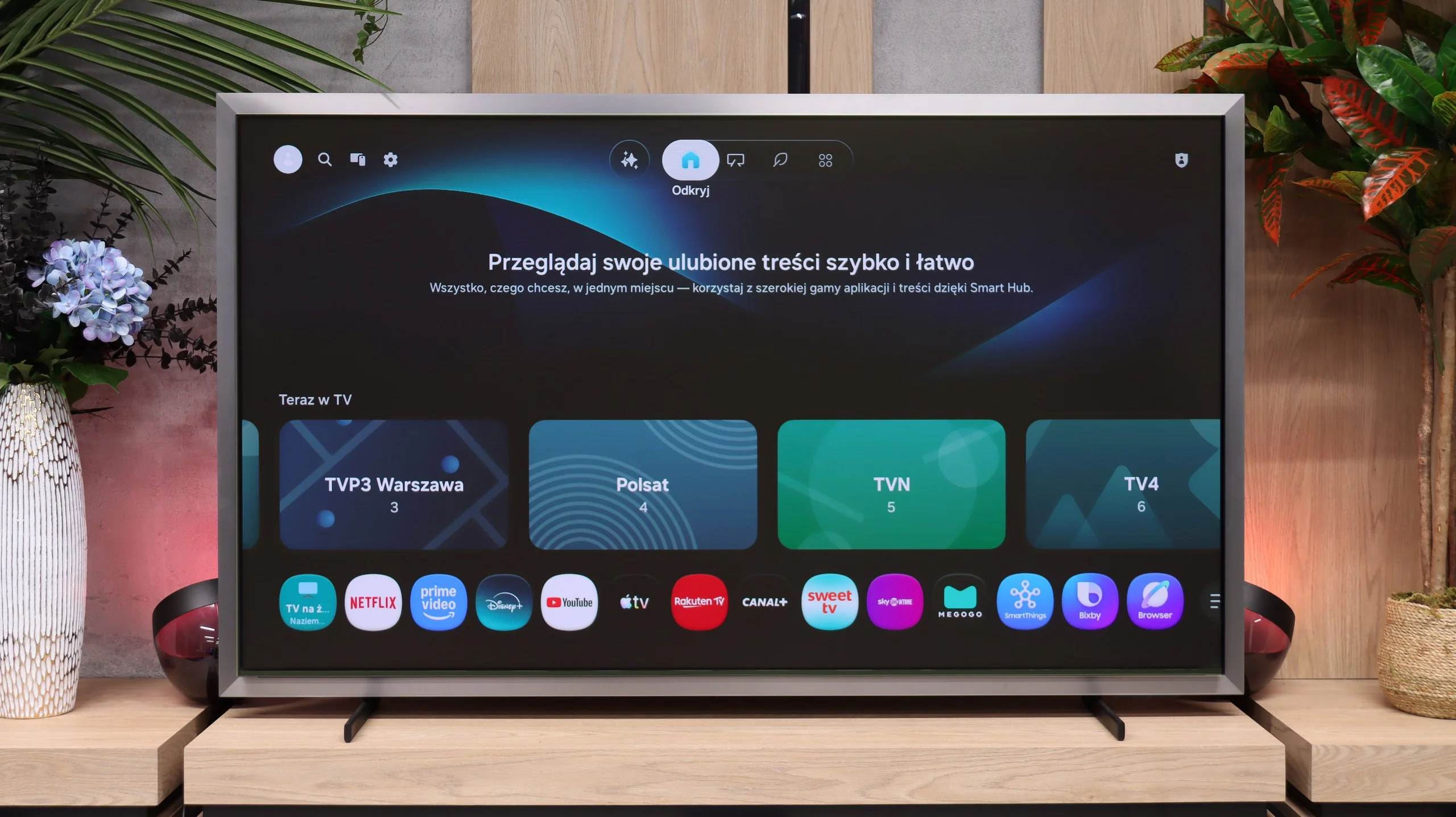
The multimedia heart of the TCL C7L is, of course, the Google TV operating system, which provides access to a vast app library and all the most popular streaming platforms on the market. The Smart TV in this model runs smoothly, offering full support for useful network features such as Apple AirPlay and Chromecast. A huge and very pleasant surprise, however, is the software's overall polish. We noticed that Google's system on the new C7L runs considerably smoother and faster than on last year's TCL models. This is largely thanks to better optimisation for the launch. Unnecessary pauses and minor interface stutters known from older models seem to be a thing of the past.
Funkcje telewizyjne
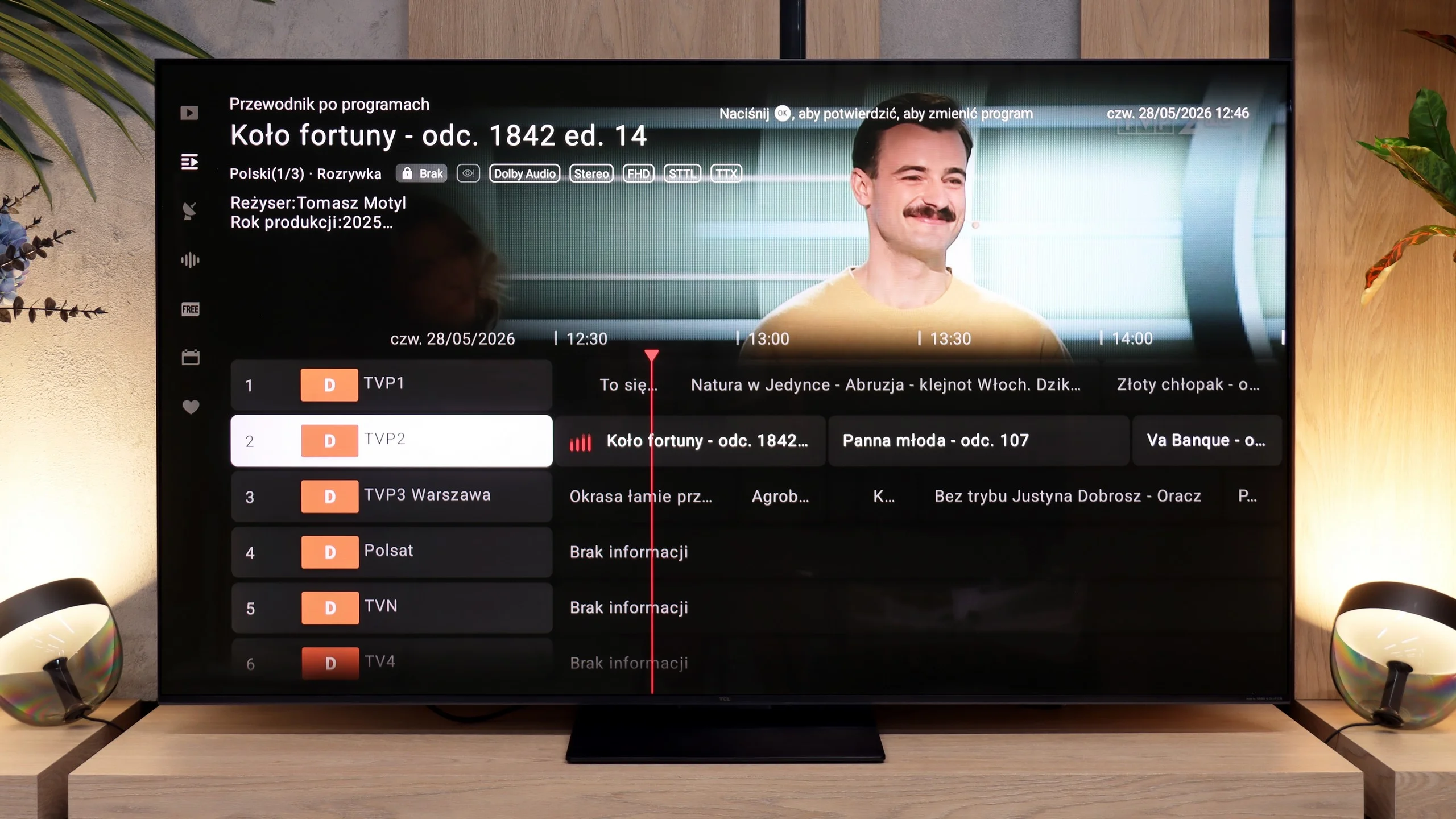
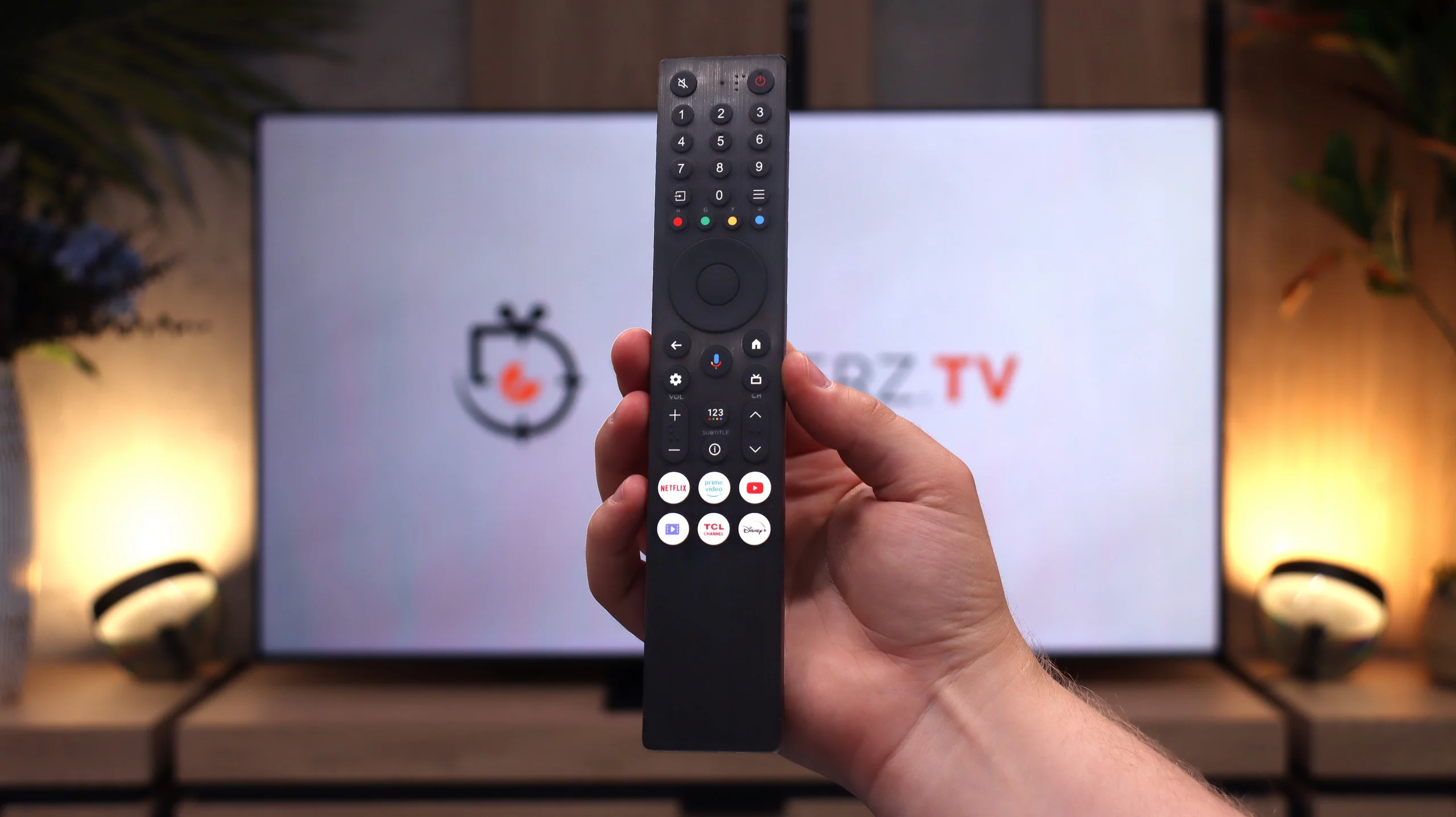
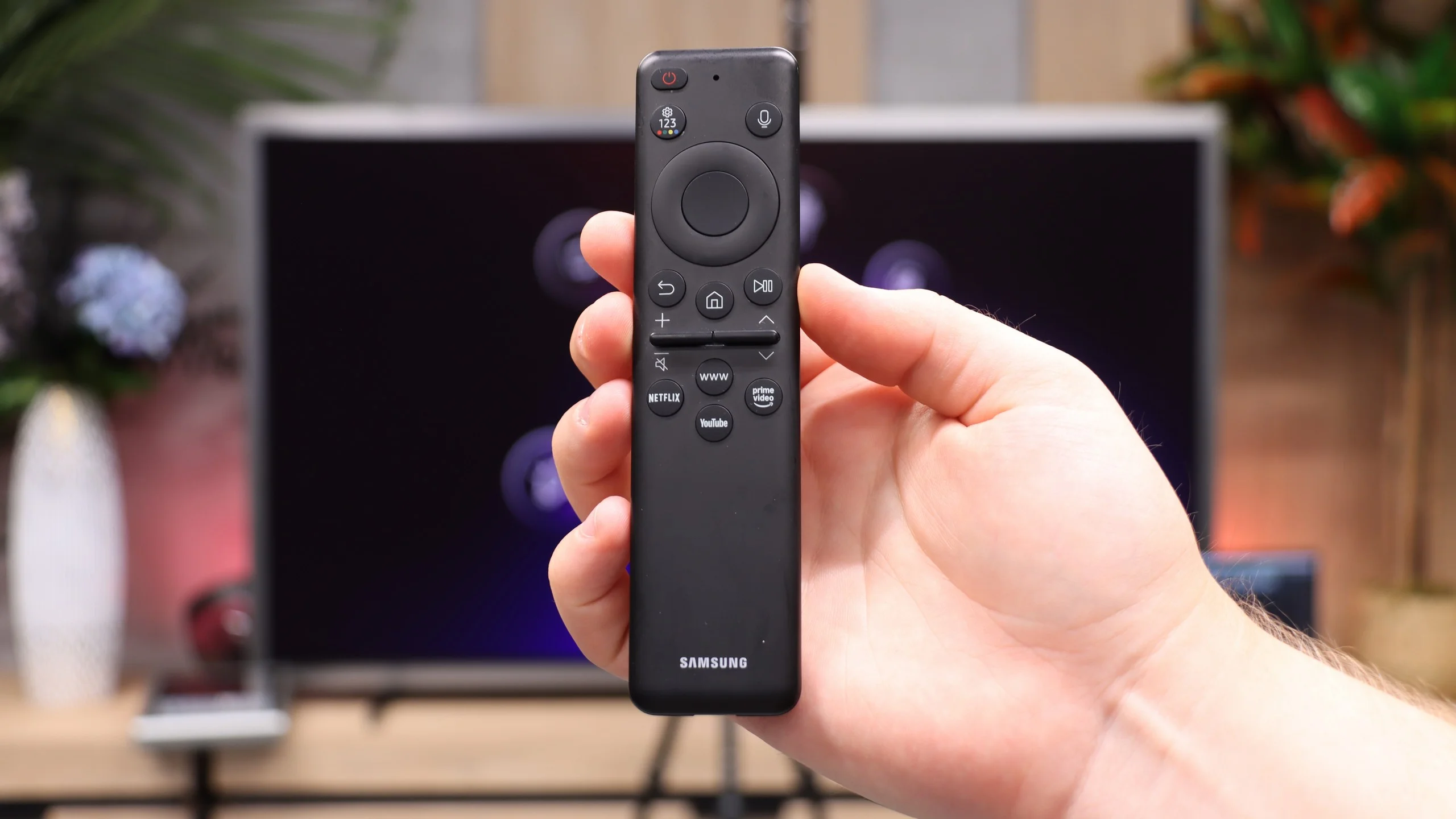
As far as traditional over-the-air or cable TV is concerned, the TCL C7L does not offer many additional advanced features. It's simply a basic receiver. The manufacturer has not attempted any revolutionary solutions here, so apart from the traditional programme guide you won't find anything special. A big nod to traditional viewers is the classic remote control. Contrary to the prevailing trend for minimalism, it still features a full numeric keypad, which makes switching channels much quicker.
Smart features: Tizen
The Tizen system on the S99H runs exceptionally quickly and reliably. The wide support for wireless protocols deserves praise, with both Apple AirPlay and the recently added support for Chromecast included. It's hard to fault Tizen today when it comes to app availability. The catalogue covers all the most popular streaming services and in that respect is on a par with Google TV.
Art Mode
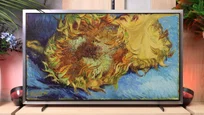
The S99H is Samsung's first OLED TV to be equipped with a dedicated Art Mode, previously known mainly from Samsung's The Frame series. This is quite a surprise, as most manufacturers of OLED TVs generally advise against long-term display of static images. Here the feature is officially promoted, which suggests Samsung is confident in the panel's resistance to permanent image retention. Unfortunately, access to the full library of artwork requires a paid subscription. However, there is a simple workaround: favourite pieces or personal photos can be uploaded to the TV's internal memory for free and set as the background in the dedicated app. It's worth adding that the device is fitted with an ambient light sensor that adjusts brightness and colour temperature so the displayed image most faithfully mimics a real canvas or print.
Daily use and the remote
All the classic TV functions perform well on the S99H, although the interface may not appeal to older users. That's down to the minimalist remote, which lacks a traditional numeric keypad. An advantage of the Solar controller, however, is its universal remote function; it can be paired easily and used to control virtually any device connected to the TV, such as satellite set-top boxes, consoles and players.
Apps
9.6/10
9.3/10






















Playing files from USB
9.4/10
8.8/10
Supported photo formats:
Maximum photo resolution:
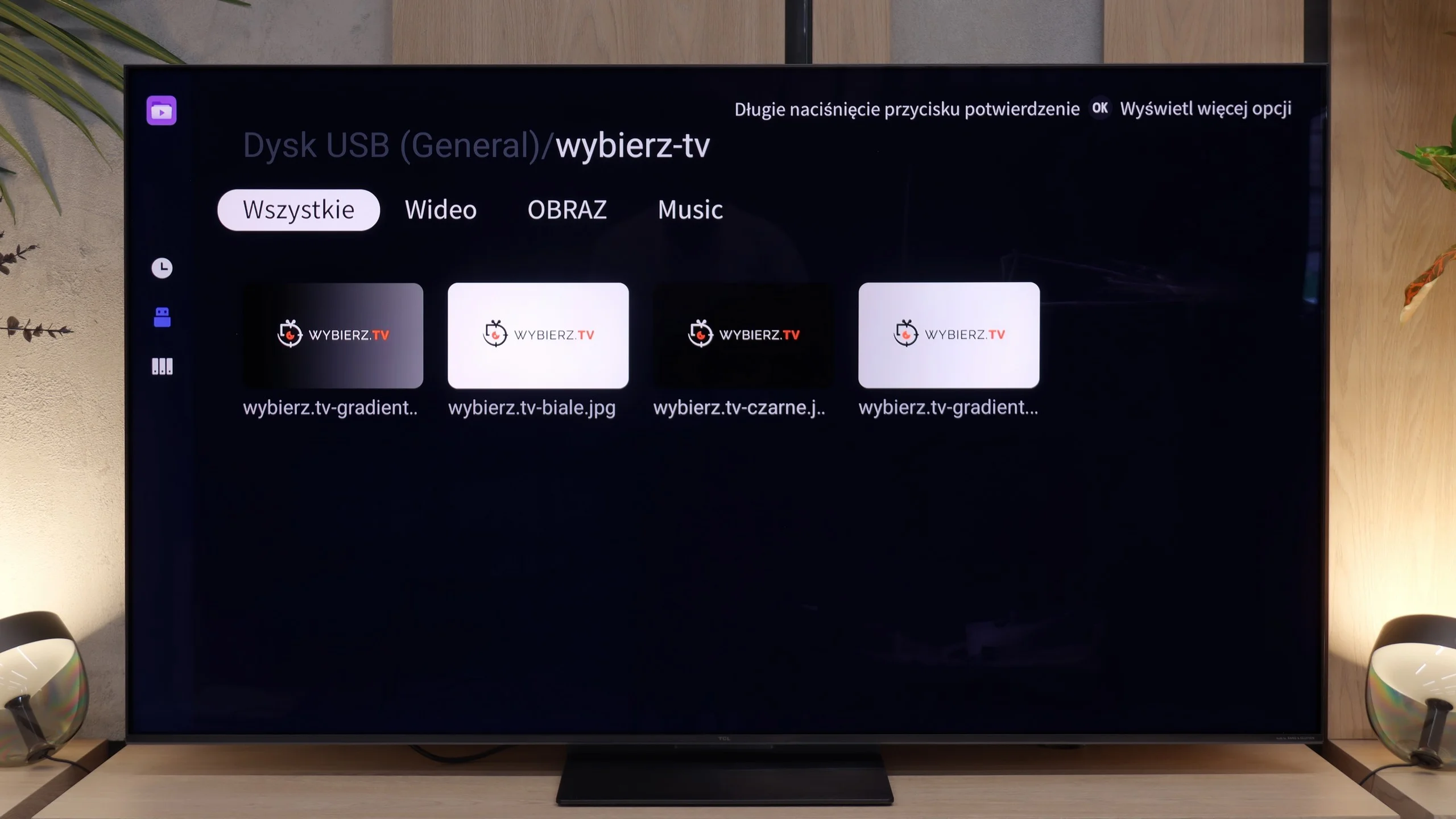
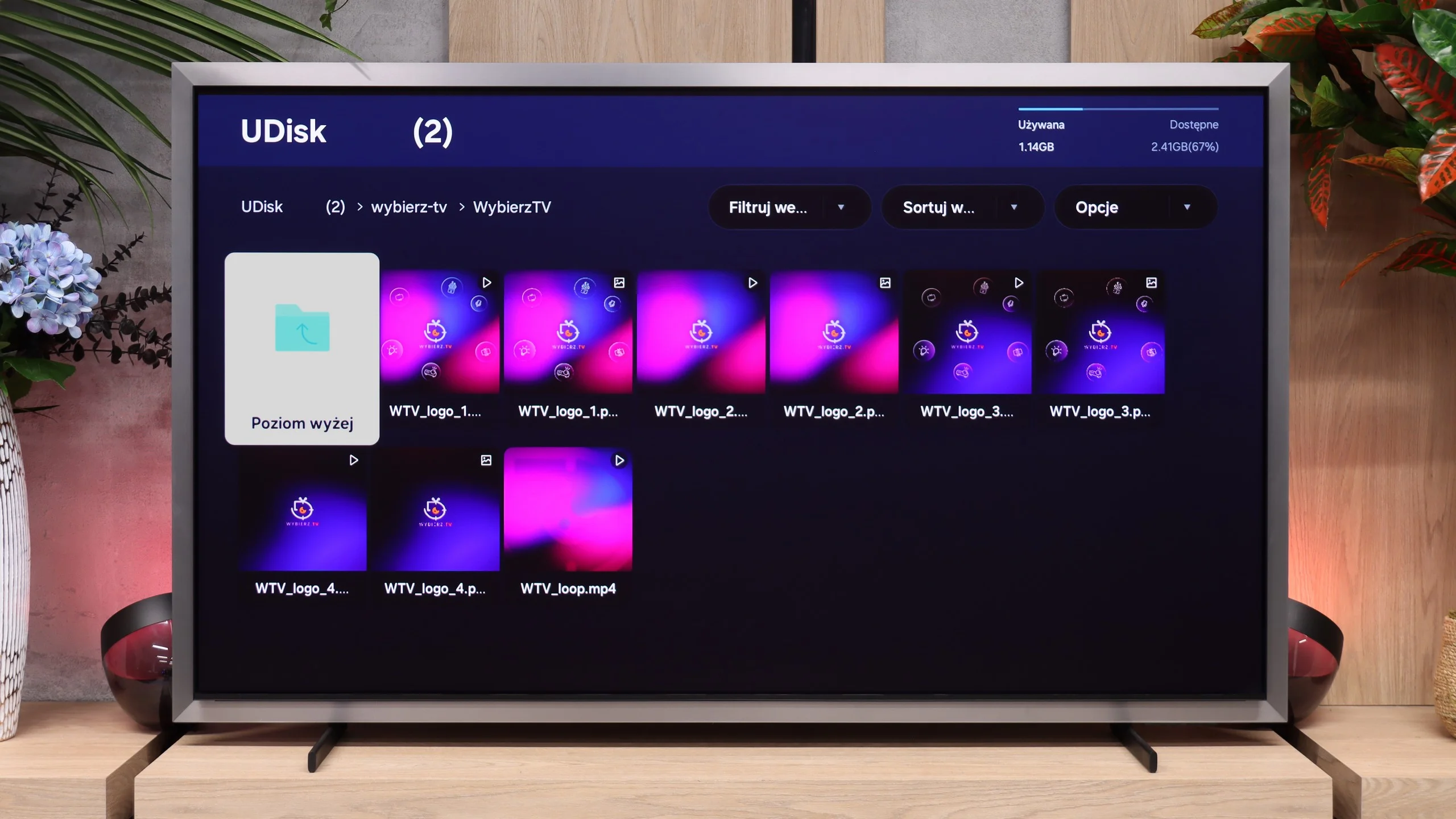
Finally, in the multimedia section it is worth mentioning playback from external USB drives. During our tests we did not encounter any unpleasant surprises; the built-in player handles all common video and audio formats exactly as it should. Interestingly, the TCL C7L also had no problem playing photos saved in Apple's native HEIC format. This is an extremely rare feature in manufacturers' built-in TV apps. And although Google TV of course lets you install external media player apps, in the case of the C7L the built-in tool is so well polished that installing additional software is unlikely to be necessary.
The built-in media player on the S99H works smoothly and quickly. The TV easily handles most popular video and audio formats, delivering smooth playback without stutters. The only real caveat is support for certain image formats stored on removable drives. The TV behaves rather oddly with files in Apple's HEIC format... although thumbnails in the browser display correctly, attempting to open an image at full size causes the interface to freeze. This appears to be a software bug that Samsung will likely fix in an upcoming update.
Sound
7.7/10
8.7/10
- Maximum volume77dB95dB
- Dolby Digital Plus 7.1
- Dolby True HD 7.1
- Dolby Atmos in Dolby Digital Plus (JOC)
- Dolby Atmos in Dolby True HD
- DTS:X in DTS-HD MA
- DTS-HD Master Audio
The TCL C7L simply sounds fairly good and does the job competently. In terms of sound quality itself, practically nothing has changed compared with last year's C7K model. The manufacturer still uses a Bang & Olufsen-branded speaker system in a 2.2 configuration. The only thing that can be quite irritating during viewing is that when you raise the volume to higher levels, roughly above 50% on the scale, the volume no longer corresponds to the on-screen indicator. The B&O audio system works well for everyday viewing of current affairs or series at moderate volume, but if you're looking for better sound it's worth buying at least a basic soundbar for the C7L.
For such a slim design, the Samsung S99H sounds surprisingly good. At first we were surprised that such a flat screen could produce such a resonant sound. Importantly, there is even some bass, of course bearing in mind that we are talking about built-in TV speakers, not a dedicated home theatre. 😉 The TV easily supports Dolby Atmos decoding and Samsung’s own Q-Symphony system. This makes it simple to pair the screen with a Samsung soundbar (or the new speakers from the Studio series), so the built-in speakers work together with external audio. For everyday viewing and typical use, however, external audio equipment won’t be needed straight away. As is traditional for Samsung, there is no support for the DTS format. For people who rely solely on streaming that may not be a major loss, but for fans of physical media and Blu-ray discs it will be a noticeable drawback.
Sound Quality Test
Acoustic Measurements
77dBC (Max)
75dBC
95dBC (Max)
75dBC
Reader comments
Comments are provided by the external service Disqus (Zeta Global). Once loaded, Disqus may set cookies and process data about your activity.
We will remember your choice on this device. Provider's privacy policy