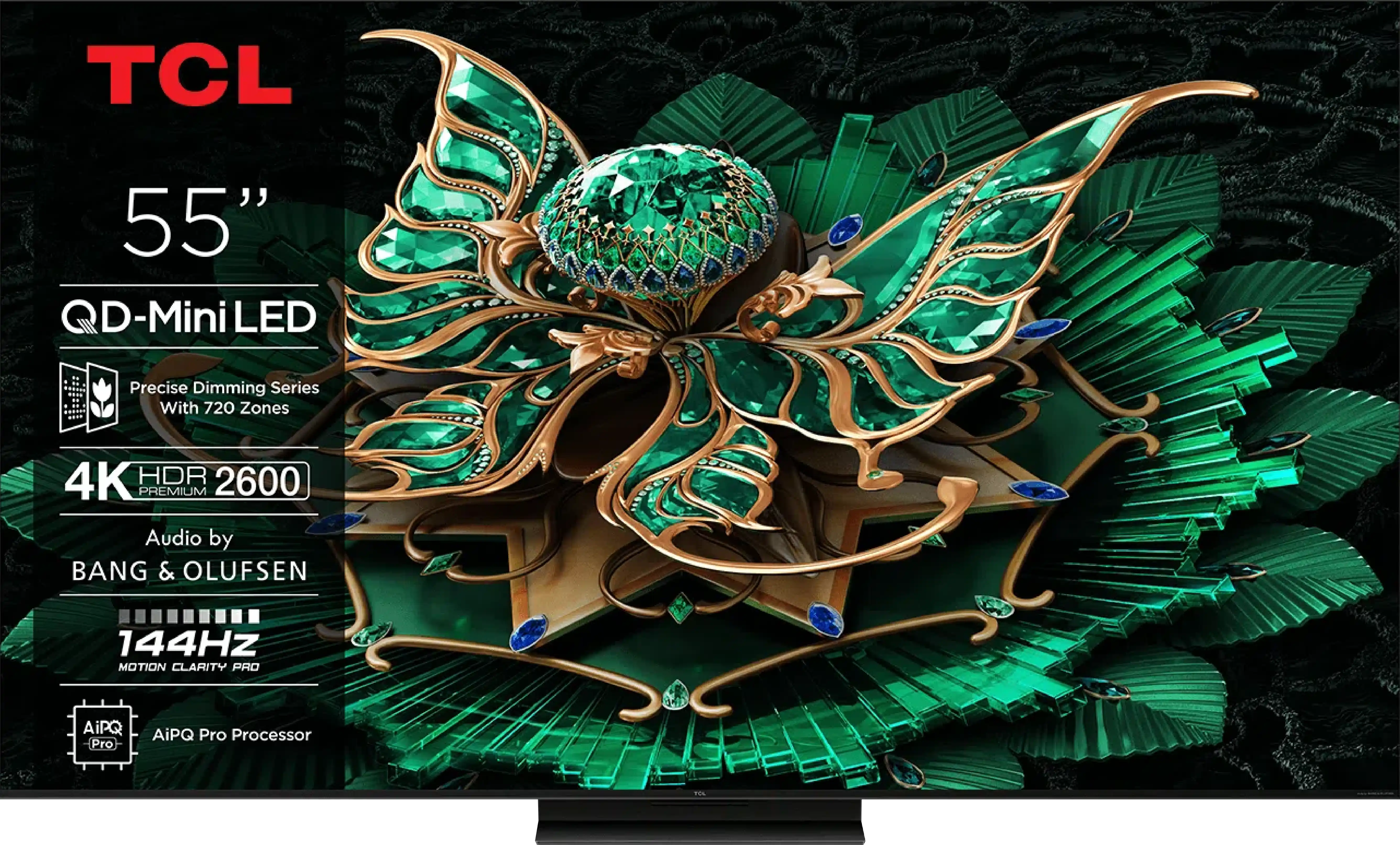
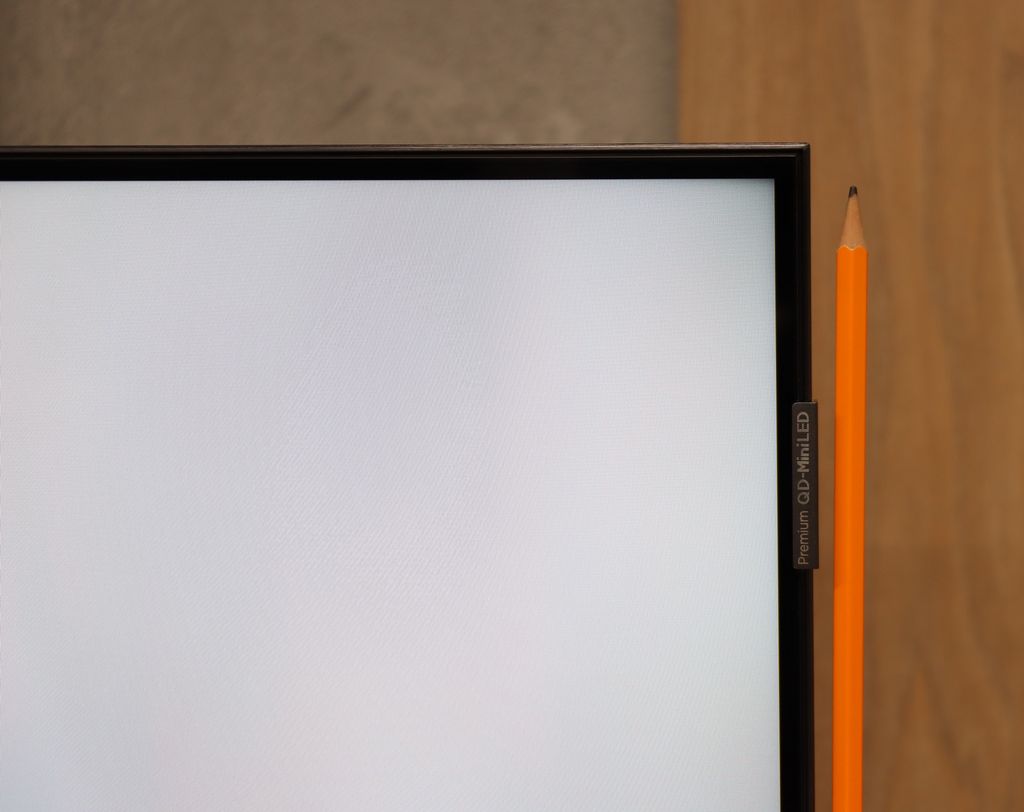
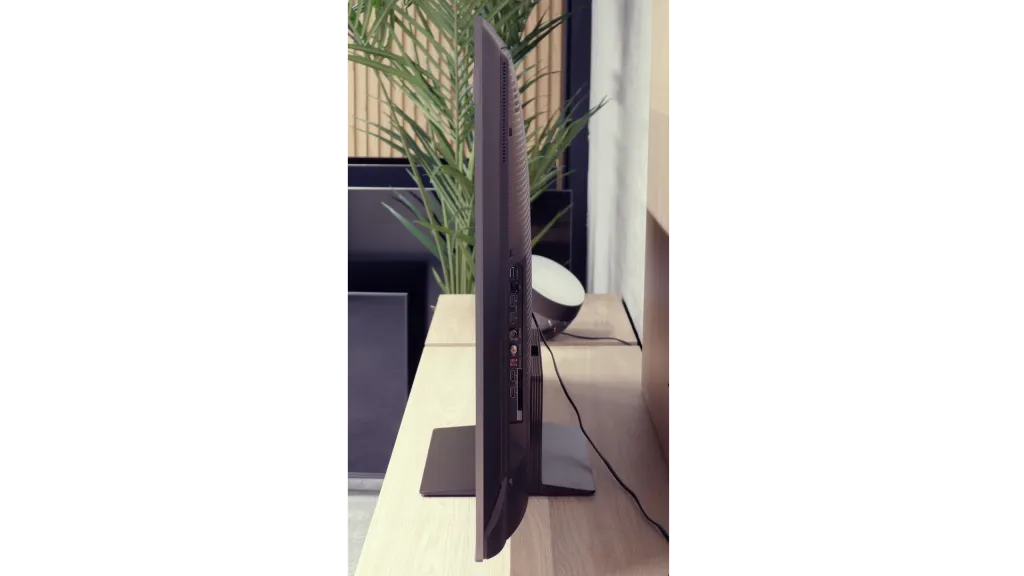
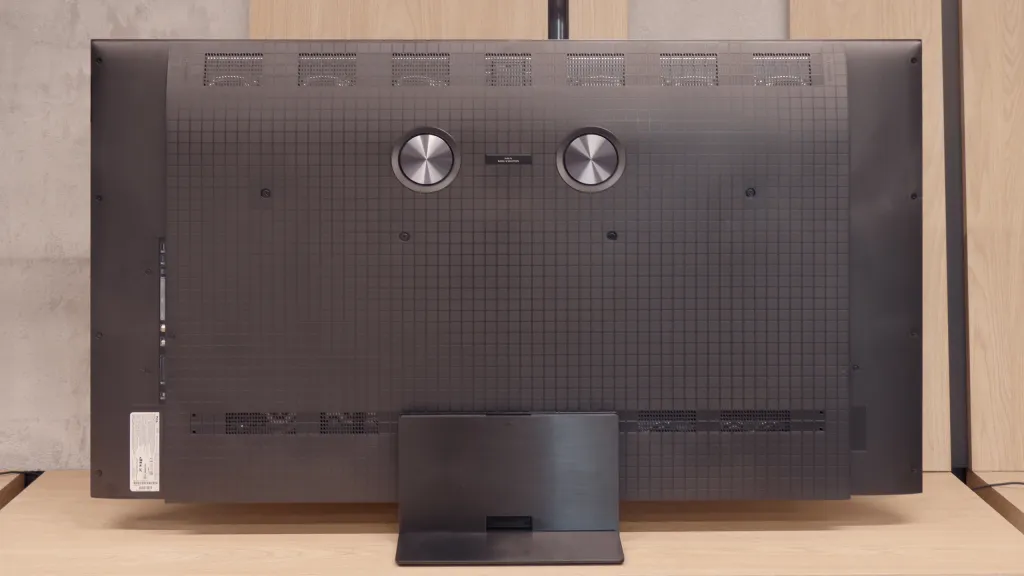
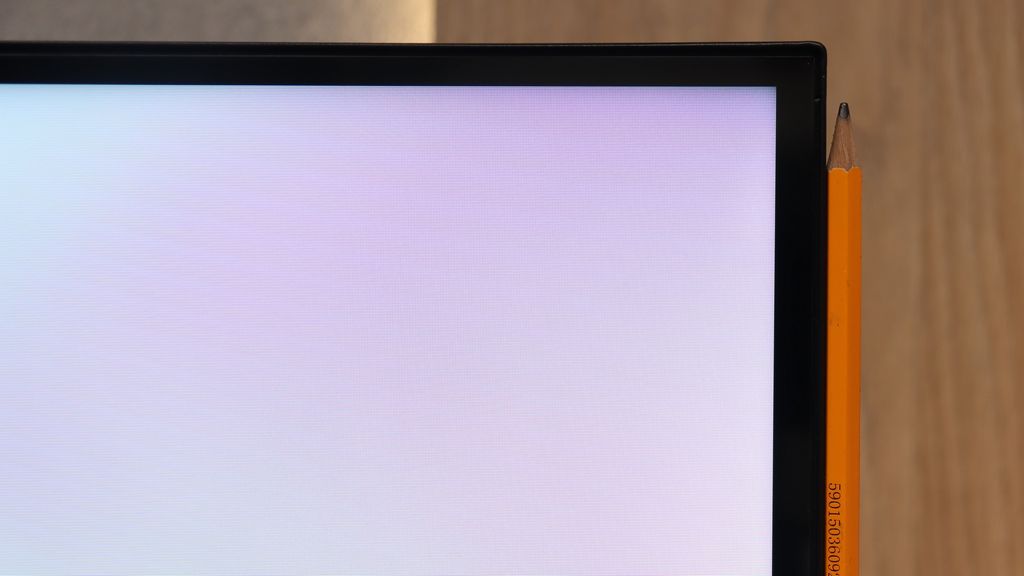
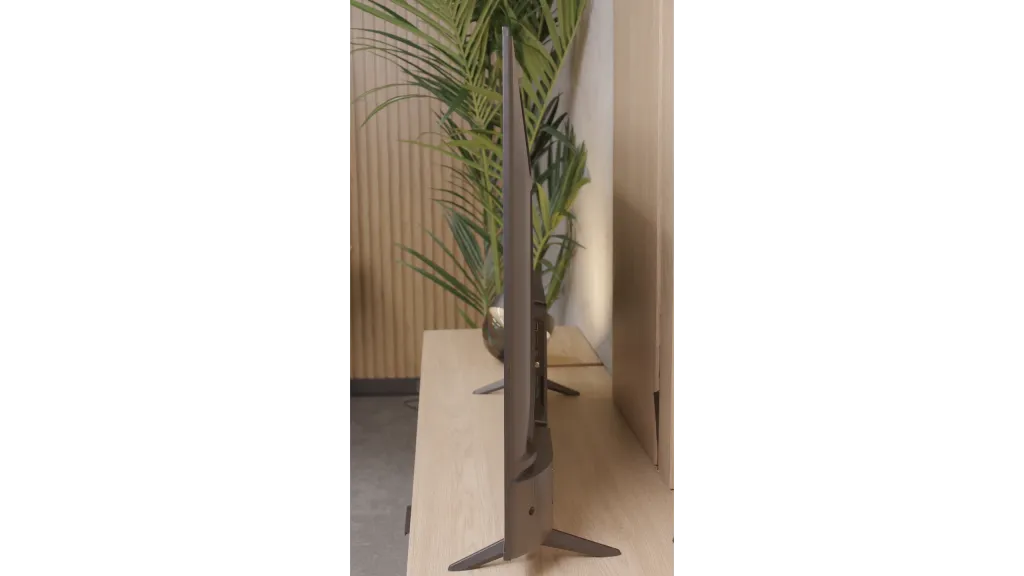
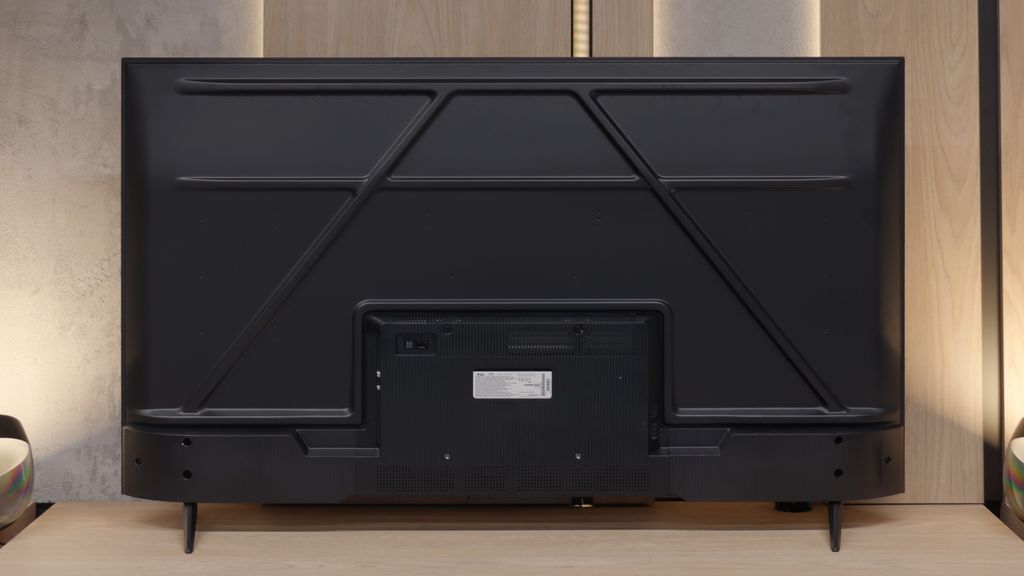
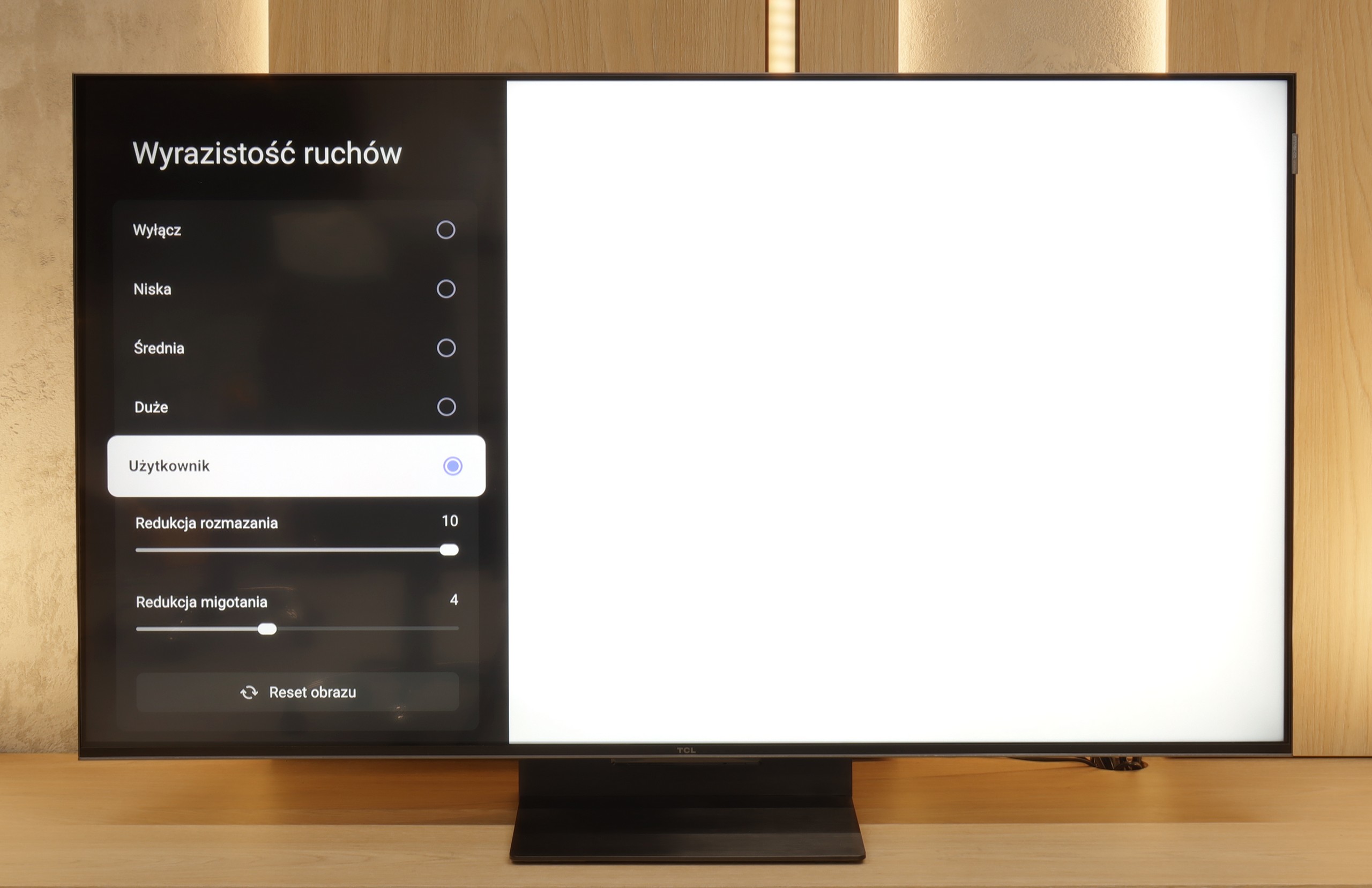
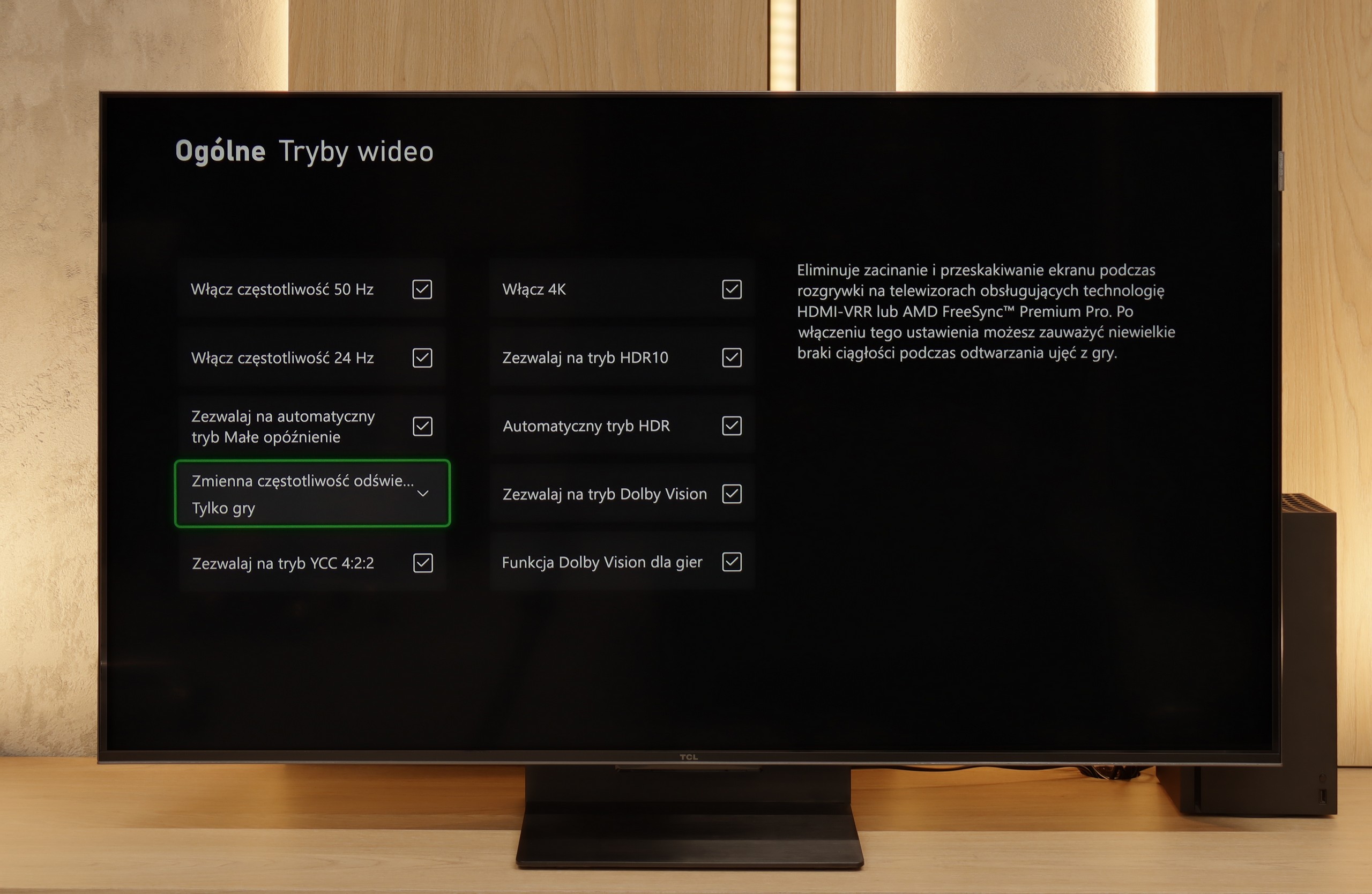
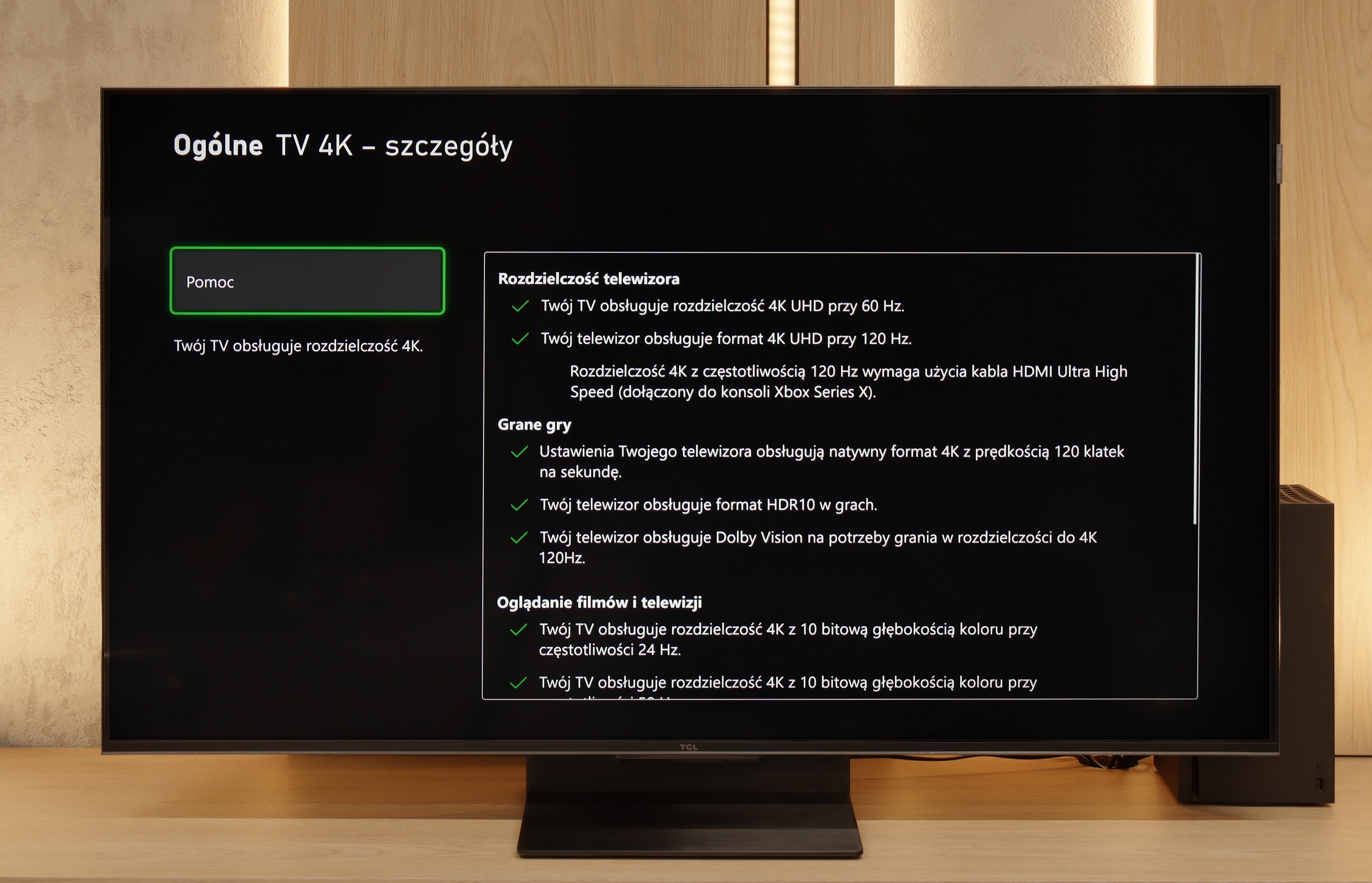
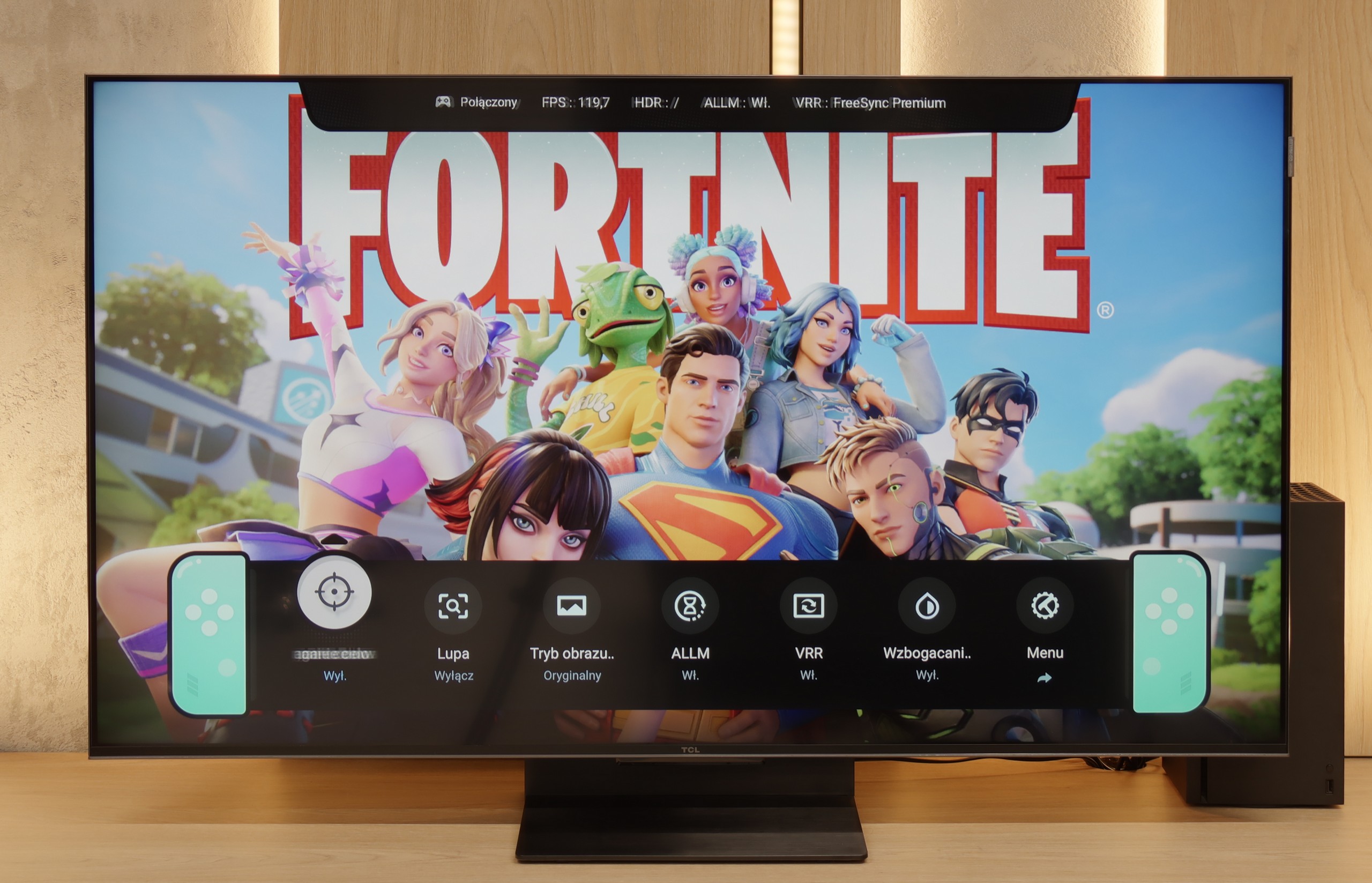
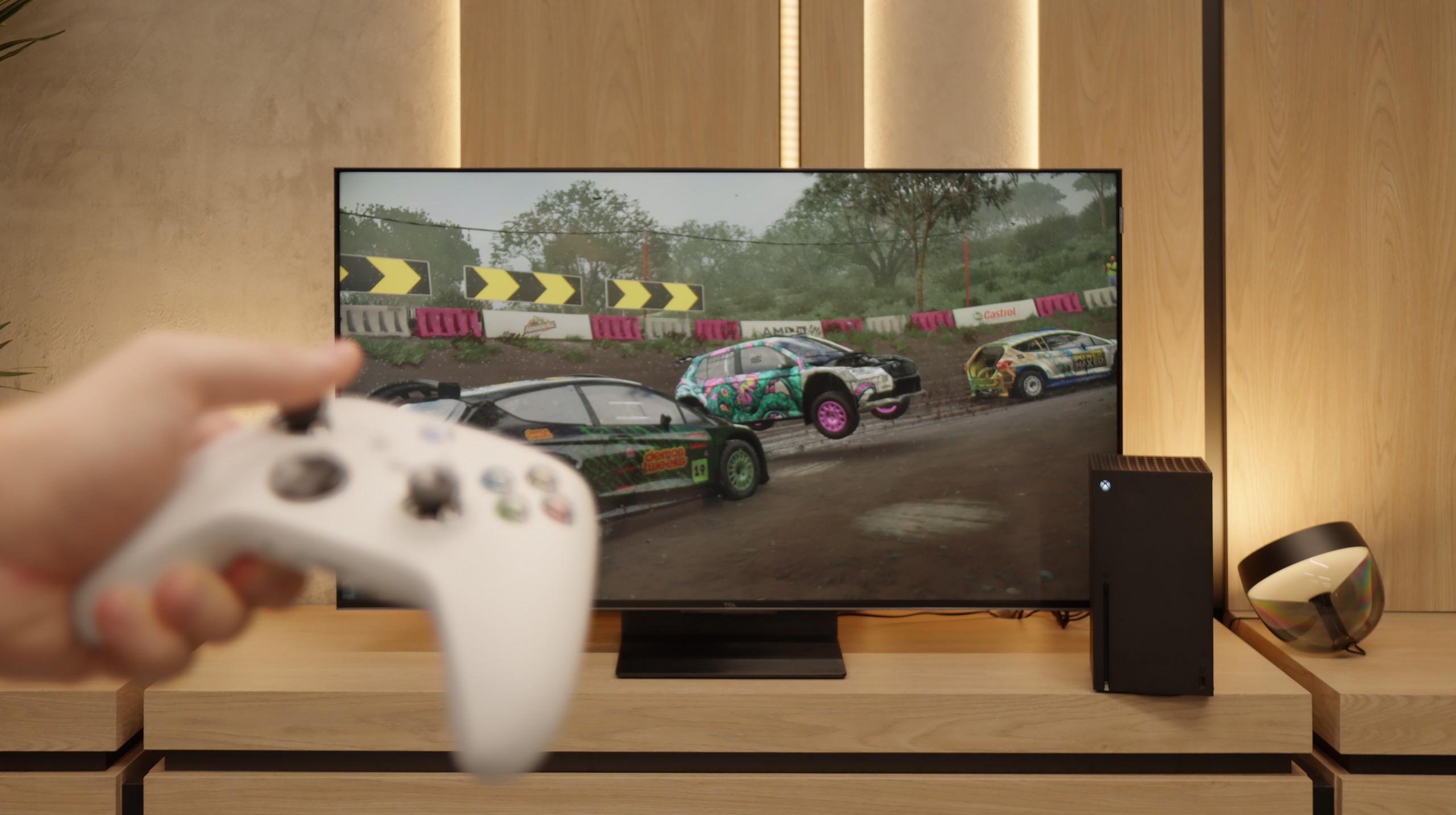
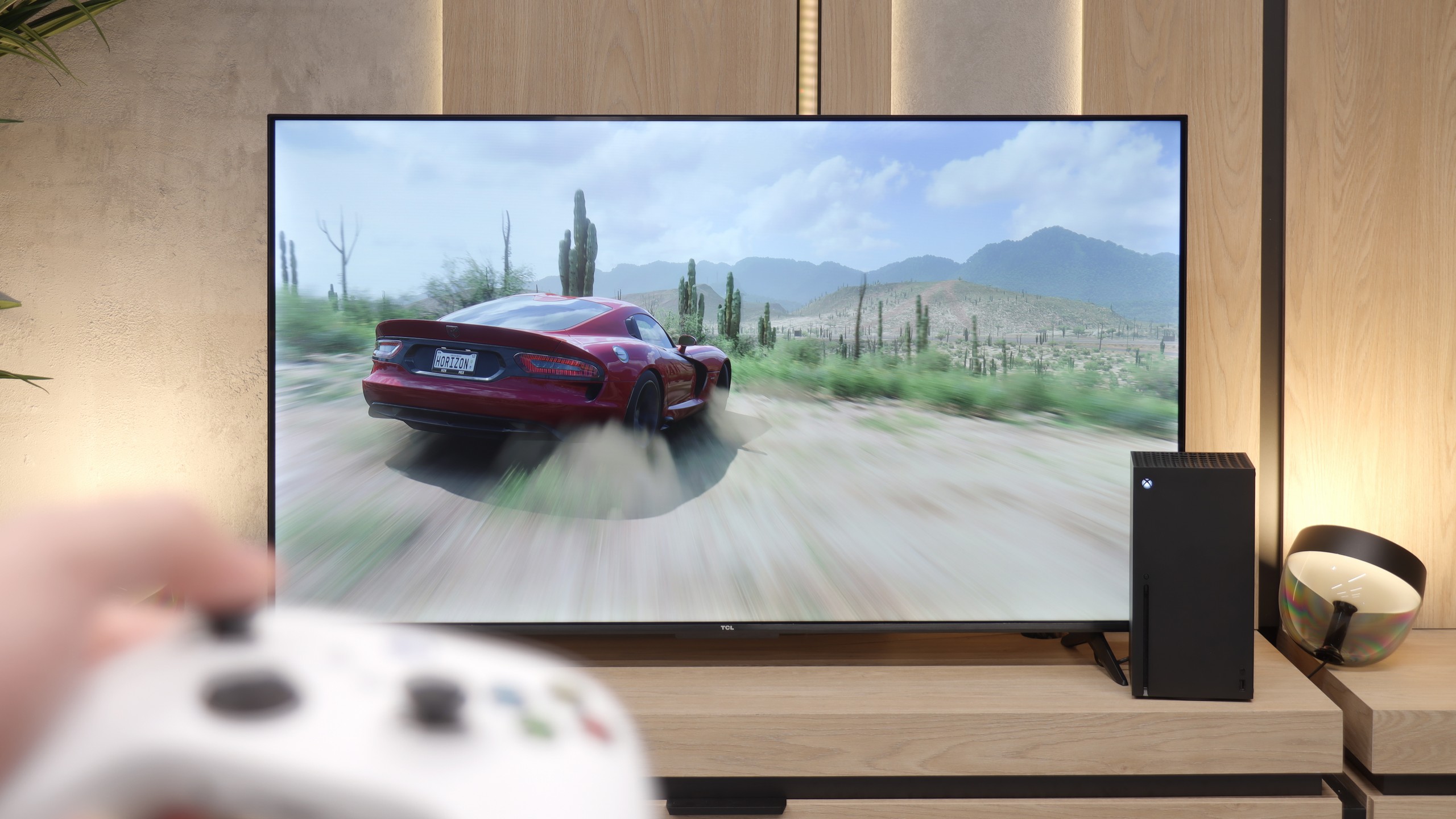
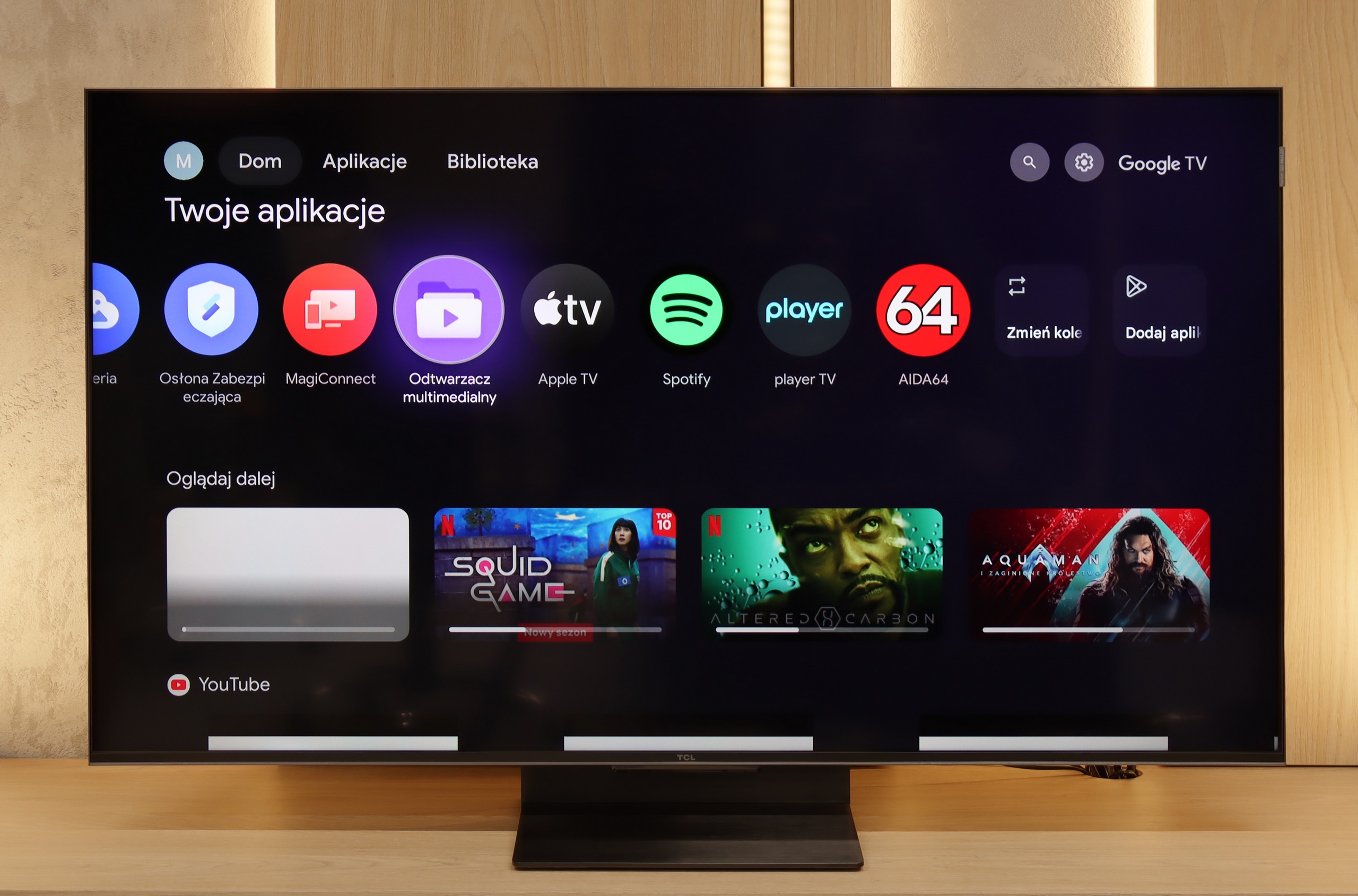
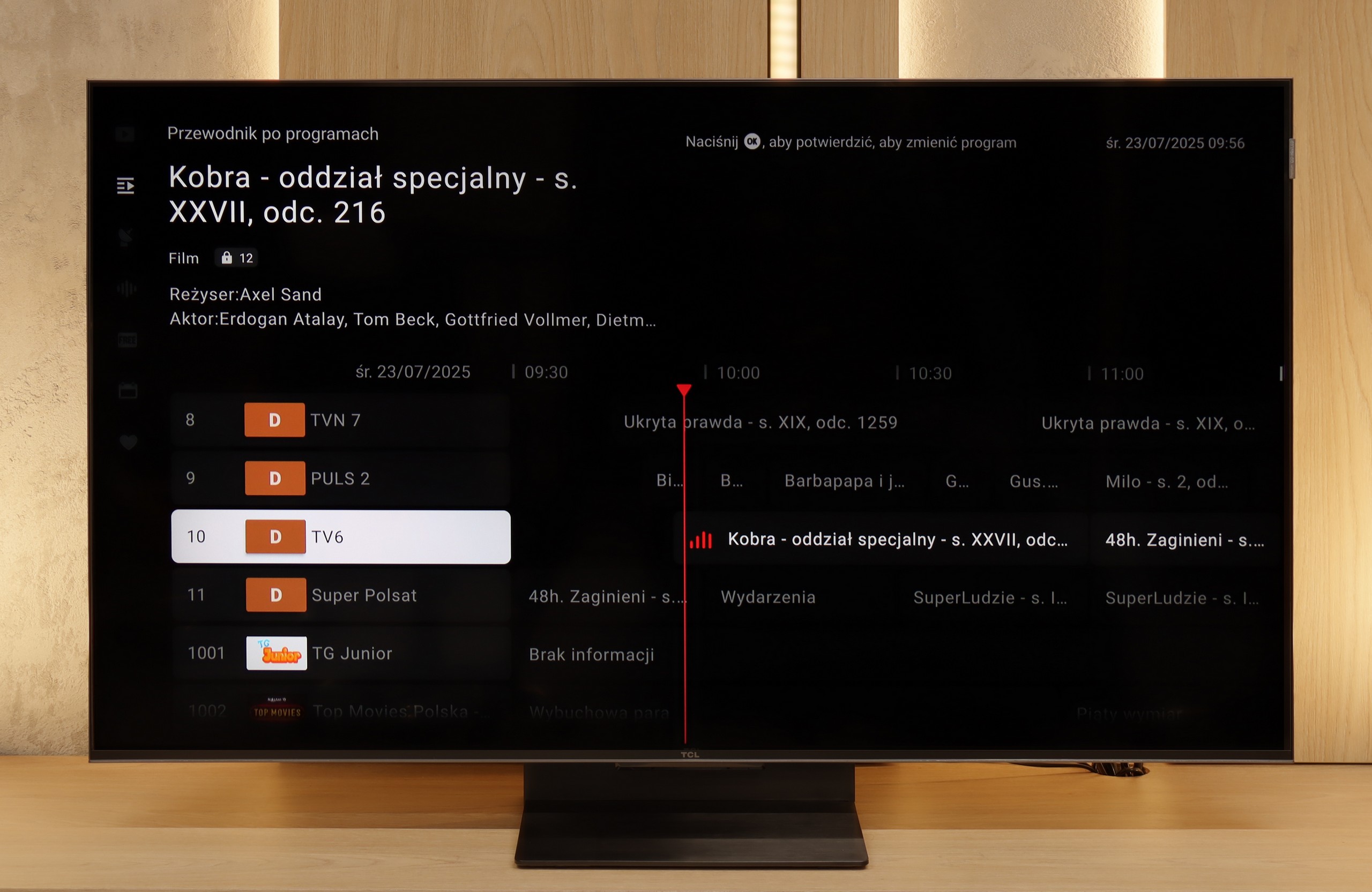
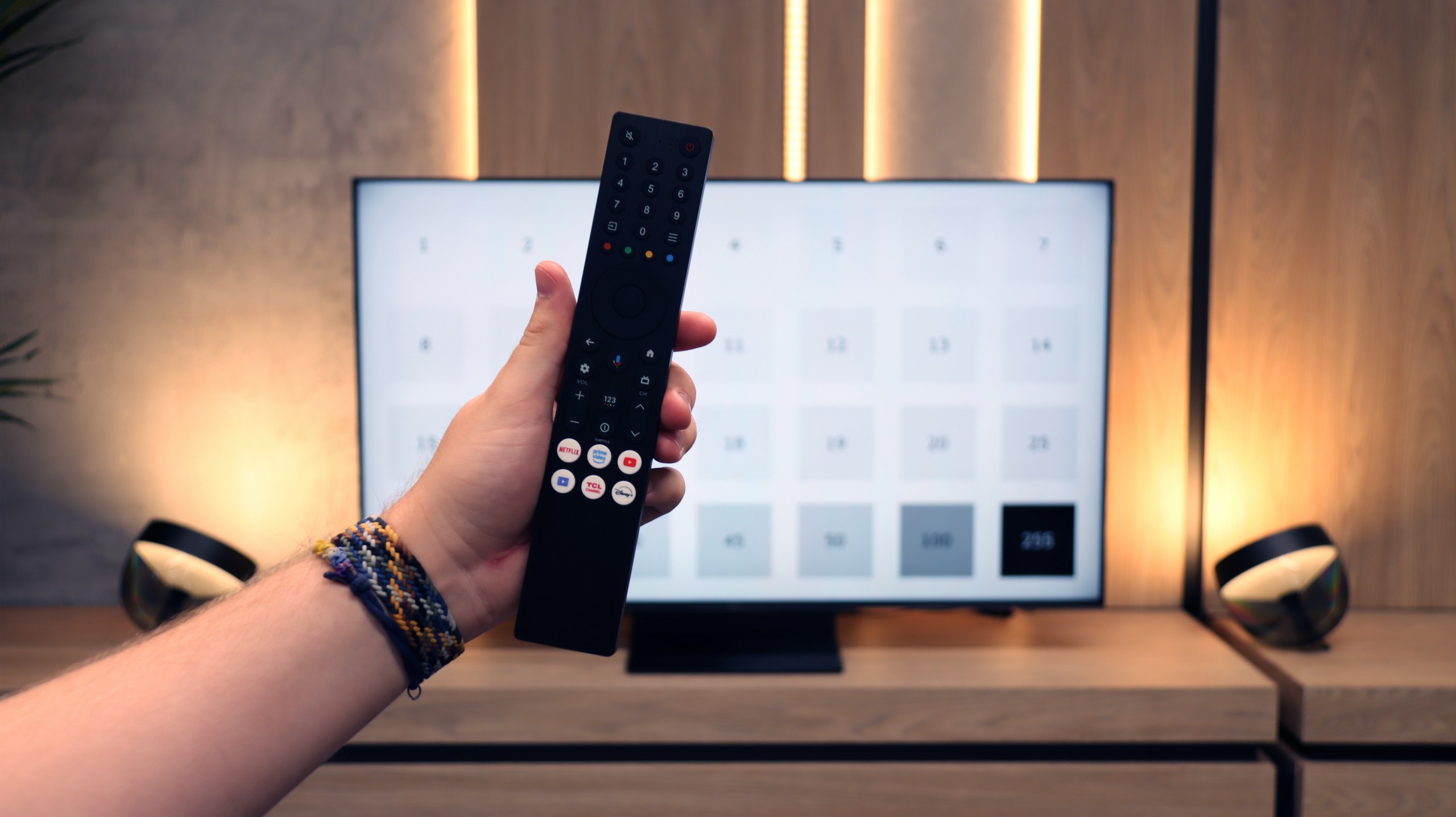
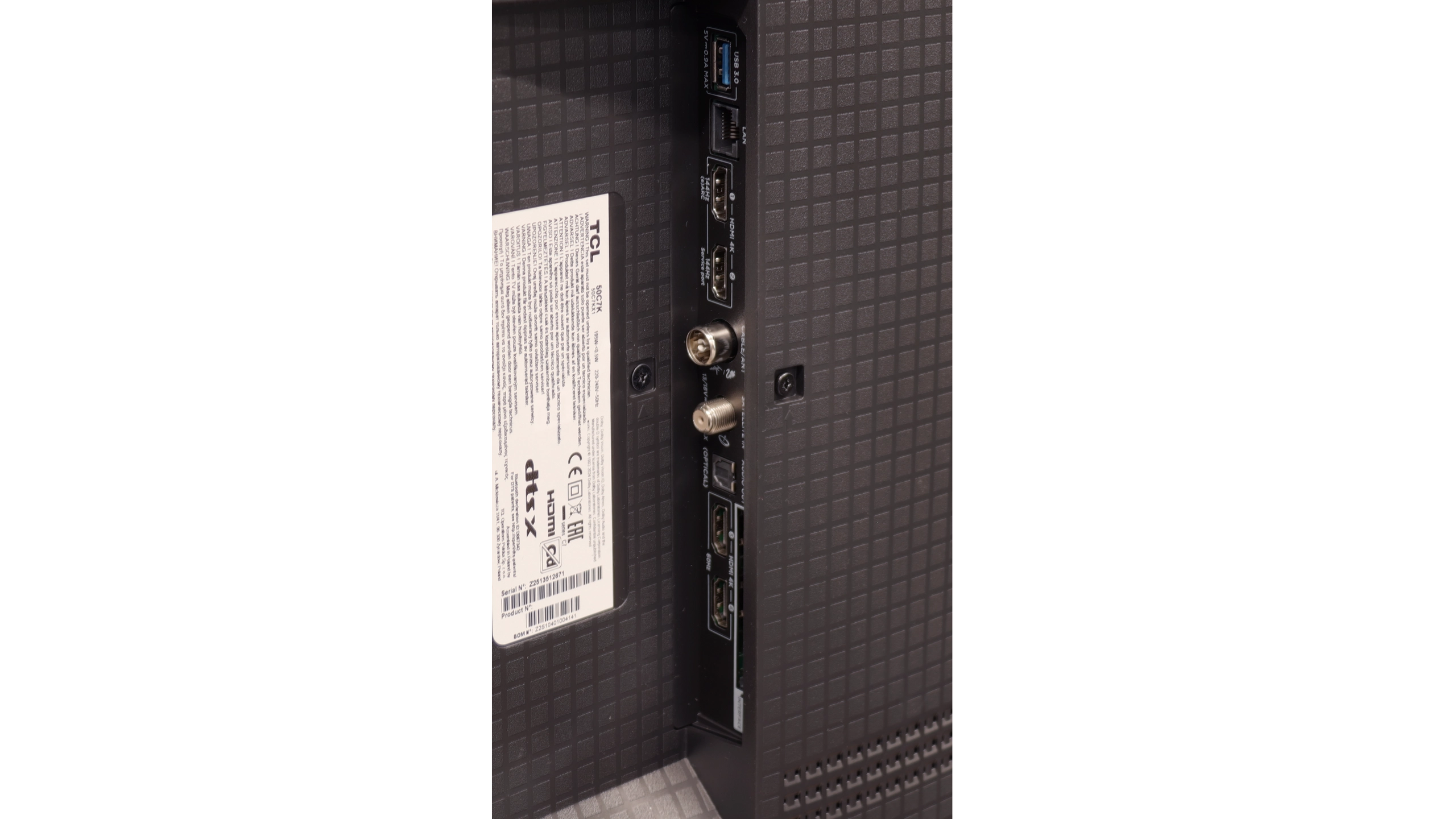
There are televisions that come in for testing and at first glance seem like just another "average" model. The TCL C7K looks just that way – without grand claims of revolution, without ambitions to dethrone OLEDs. Yet after spending a few days with this model, it's hard not to conclude that it's actually a well-made product. Its greatest strengths? Very good picture quality at a reasonable price. MiniLED combined with QLED filtering provides vibrant colours, high brightness, and contrast that really impresses in this class. Motion in sports or gaming looks smooth, and the presence of HDMI 2.1 and 144 Hz refresh rate makes gaming on this model a pure delight. Additionally, there's the Google TV system – it offers a vast range of possibilities: from voice control to AirPlay support, and access to all the most important applications.
Are there any drawbacks? Certainly. MiniLED still has its limitations, and in the most challenging cinematic scenes, compromises in dimming can be noticed. Google TV also doesn't always run perfectly smoothly. However, these are rather minor issues that don't overshadow the overall picture – which is indeed very positive. It's also worth highlighting the difference between versions. The 50-inch version we tested can surprise, but the 55–85 inch models perform significantly better – they have more lighting zones, even higher contrast quality, and better sound. So if you're considering purchasing the C7K, it's definitely worth opting for a larger size.
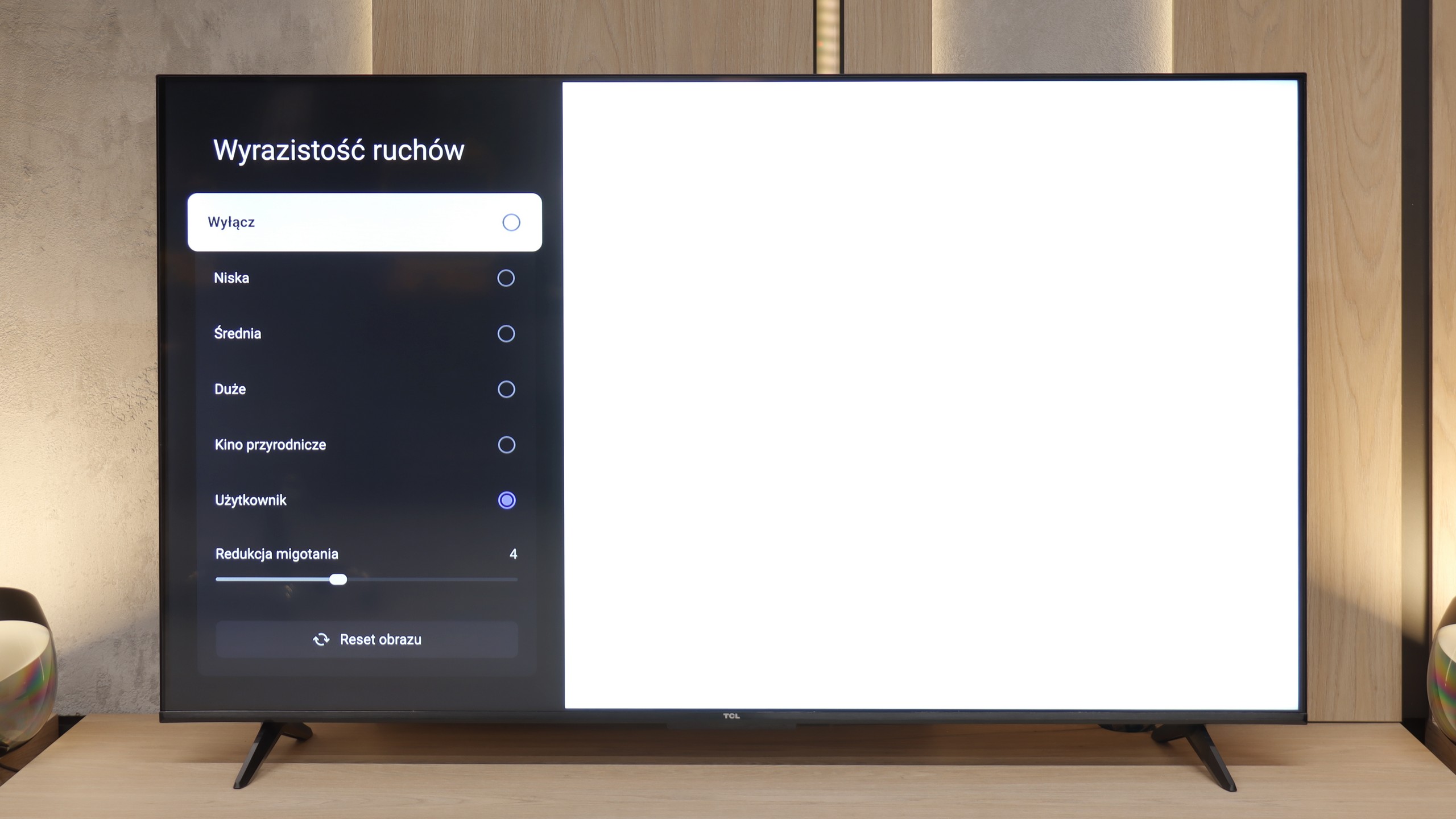
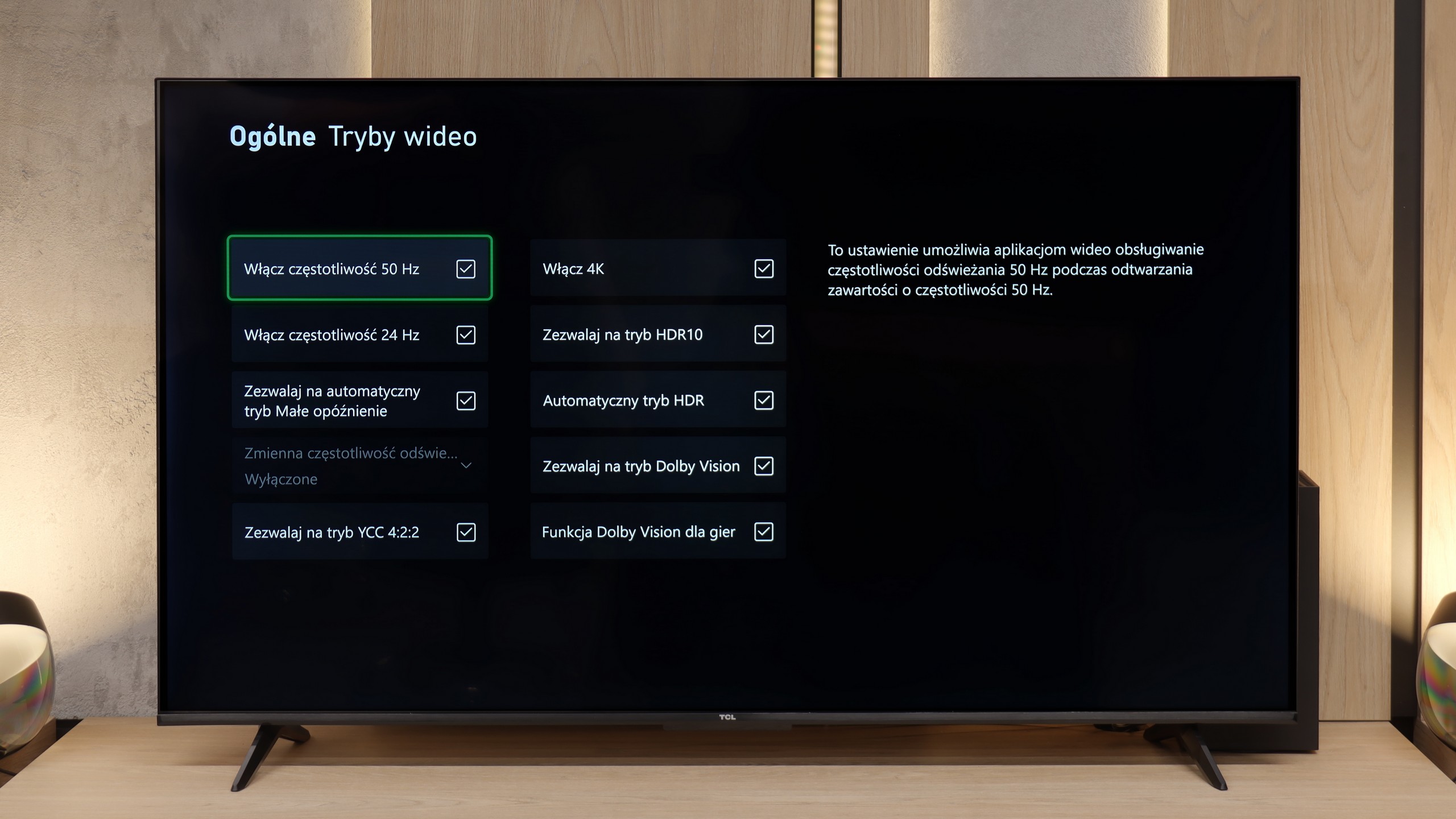
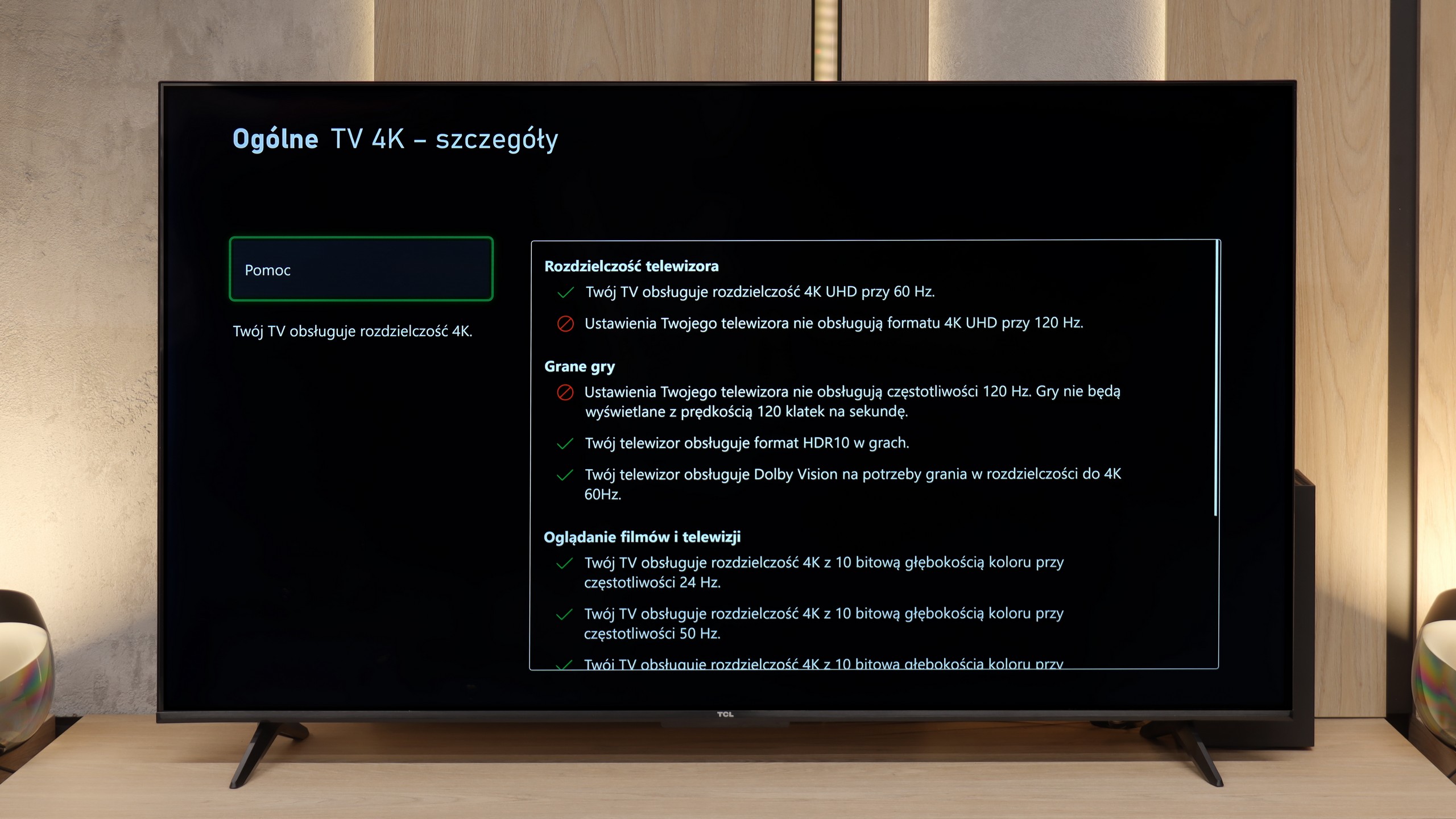
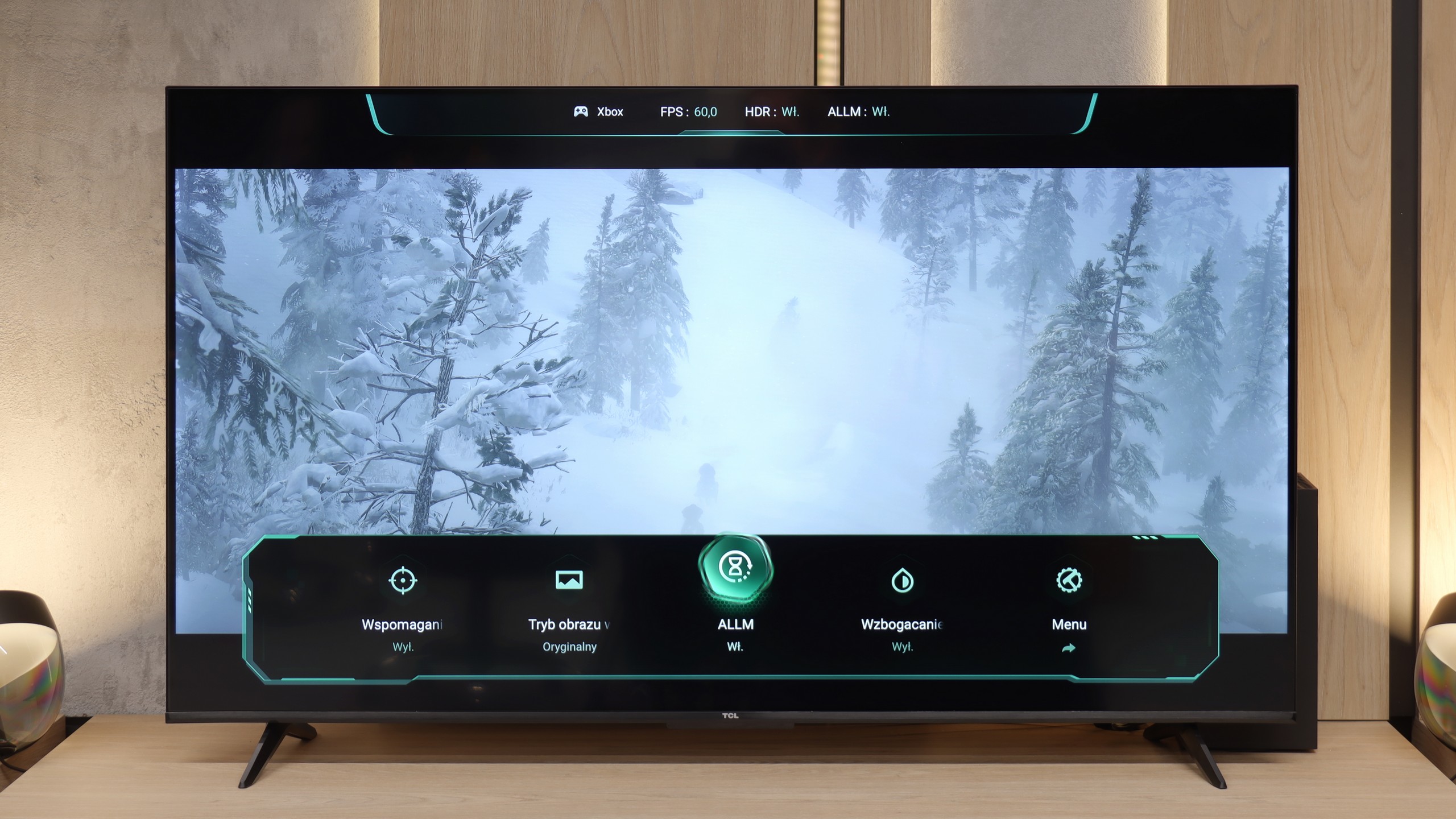
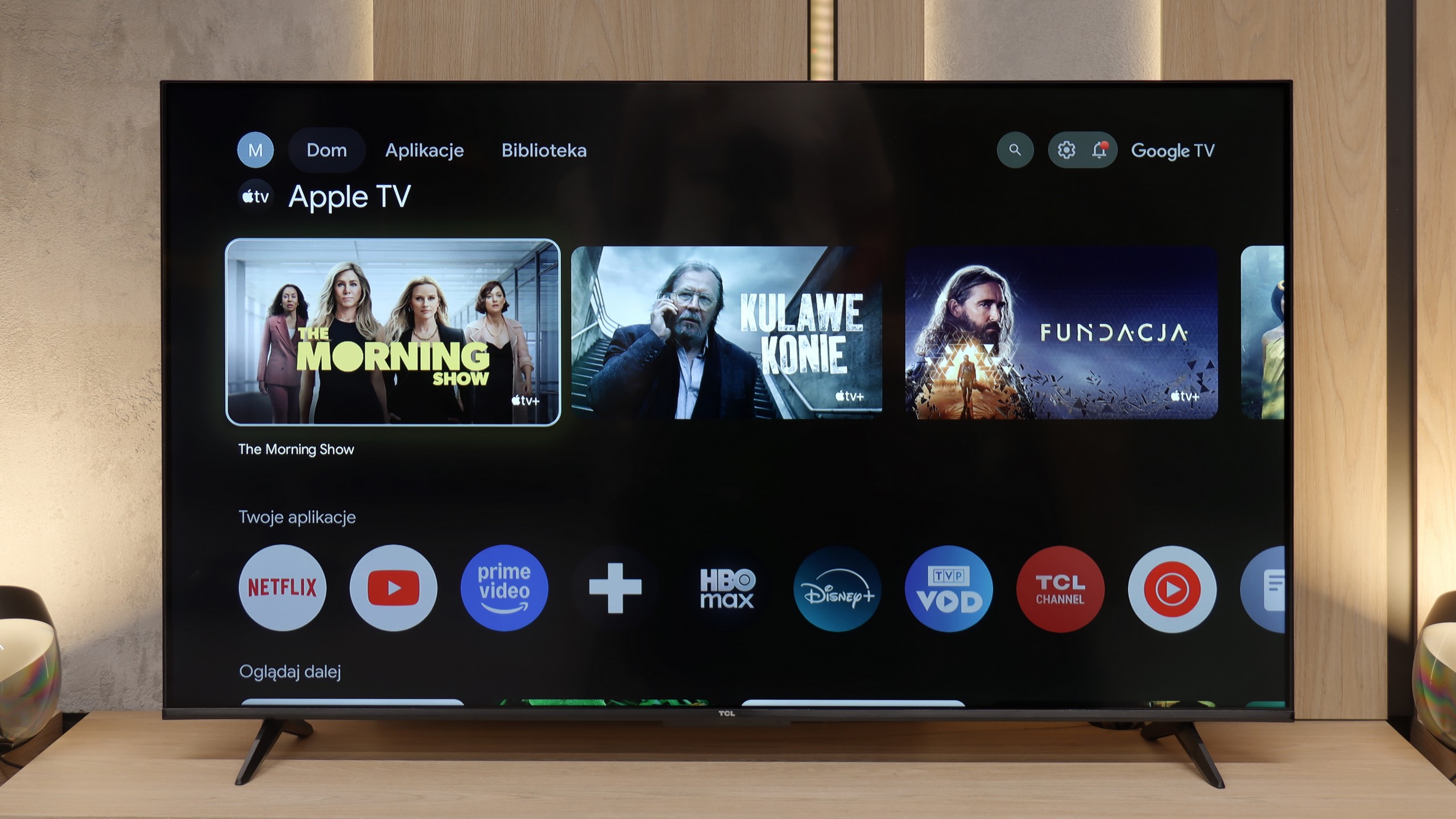
The TCL V6C is a television whose essence lies primarily in three elements: the Google TV system, several features useful for gamers, and a very low price. It is the Google TV that is its greatest asset – providing access to a vast library of applications, from the most popular streaming services to lesser-known programmes, and it also allows for the use of AirPlay, screen mirroring, and voice search. For many users, this system alone may be a sufficient reason to consider purchasing it. Adding to this are simple yet practical features for gamers, such as ALLM mode, low input lag, or the Game Bar with parameter overview, which make occasional gaming on a console more convenient. The third argument, and perhaps the most important, is the price – in this class, it's hard to find another model with Google TV that offers such broad access to smart functions. However, when we turn to picture quality, it becomes clear how many compromises we are dealing with. The V6C is a very dark television. Colours remain lacking, and in more demanding scenes, the image can appear flattened and devoid of detail. The contrast provided by the VA panel can be considered decent, but it comes at the cost of poor viewing angles. Additionally, there is motion blur in dynamic sports scenes, as well as an unnatural upscaling effect that, instead of improving details, often artificially sharpens them. So who is this model for? The V6C is a television that will work well as a simple device for everyday watching of TV or YouTube, and its greatest strength is its operating system and low price. However, if we're hoping for cheap cinematic experiences or comfortable gaming on modern titles, this model will quickly show its limitations. When purchasing it, one must clearly understand what they are deciding upon – this is a television for simple tasks, not a piece of equipment that is meant to impress with its picture quality.
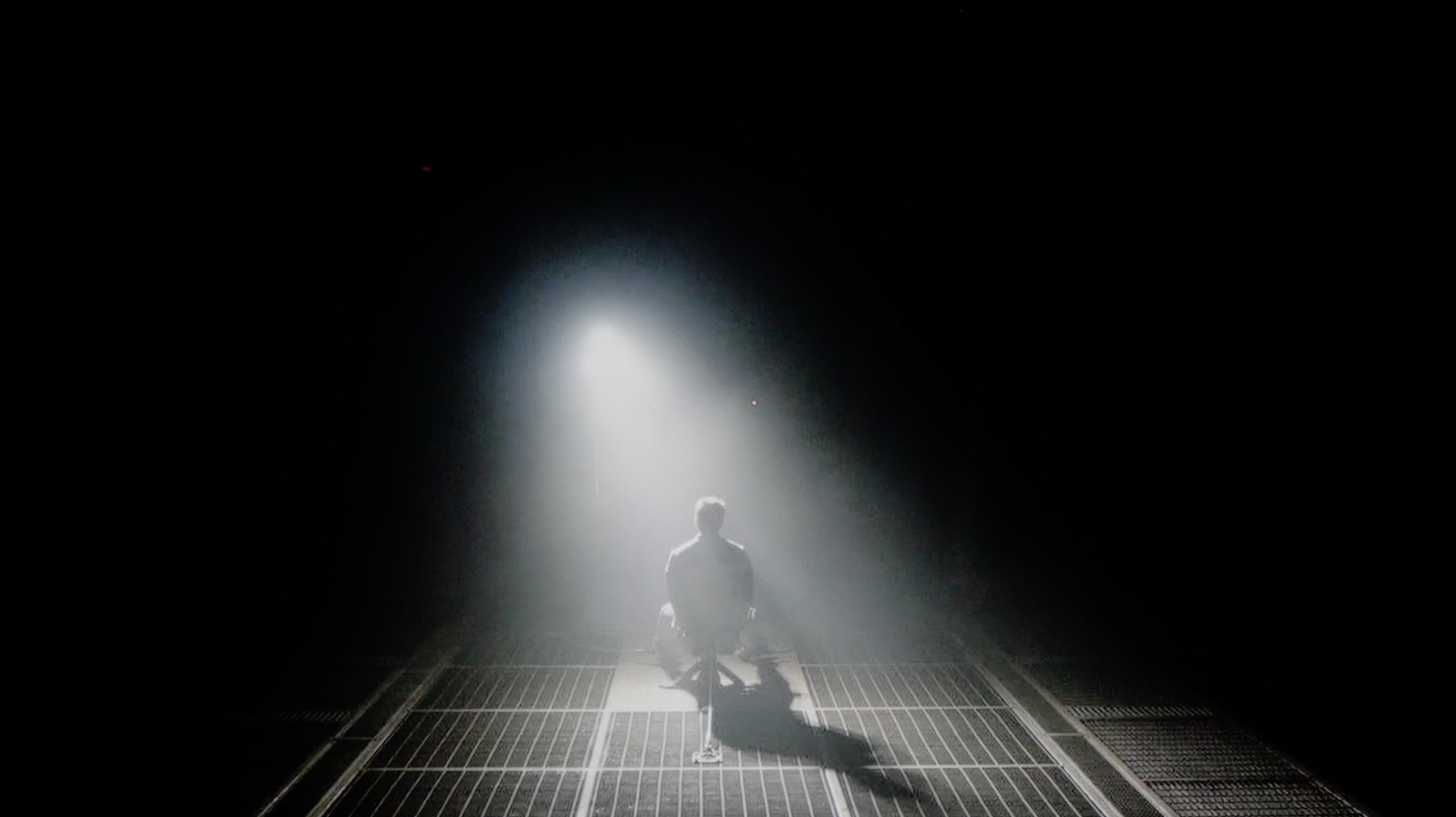
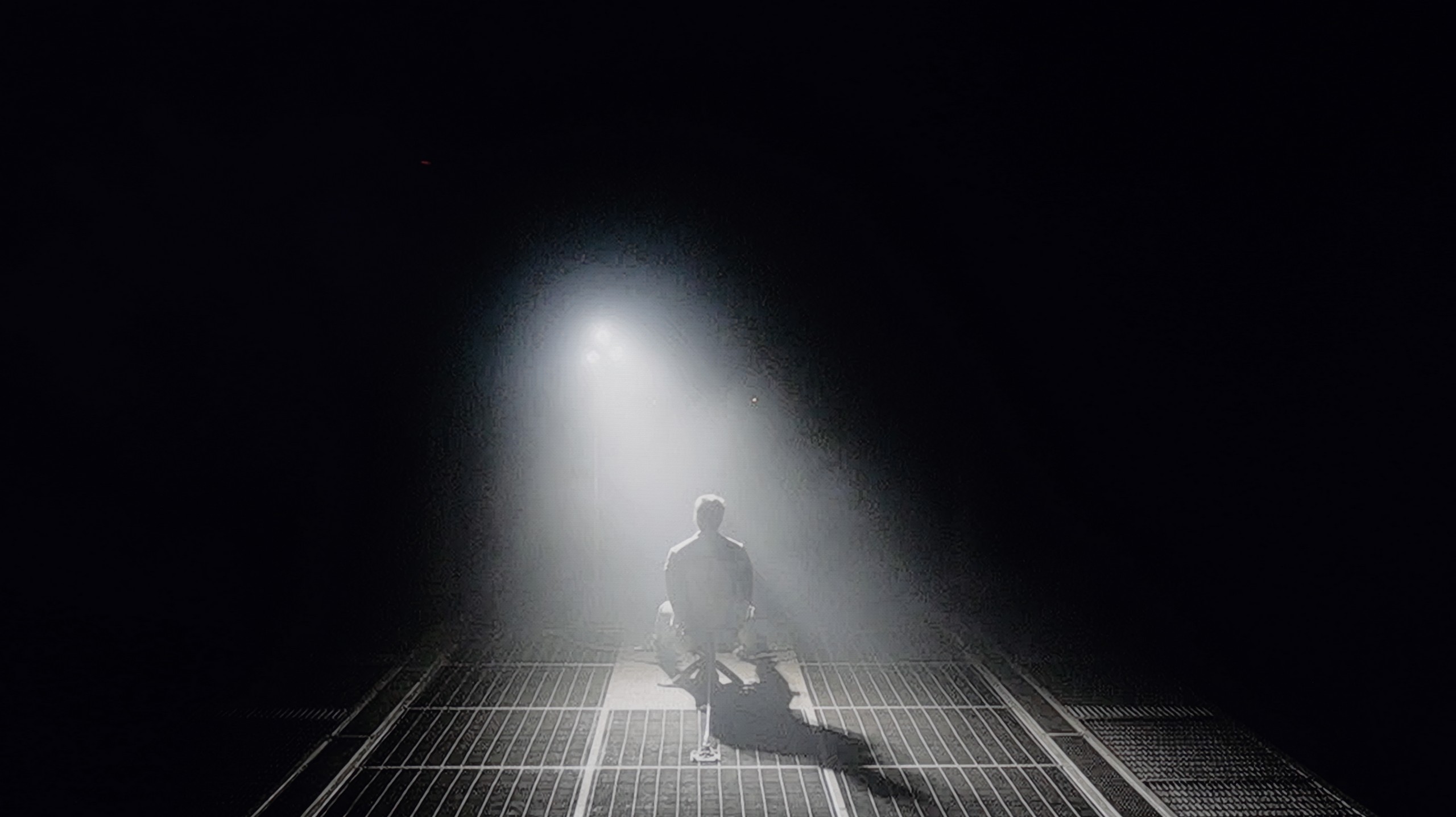
 Direct comparison