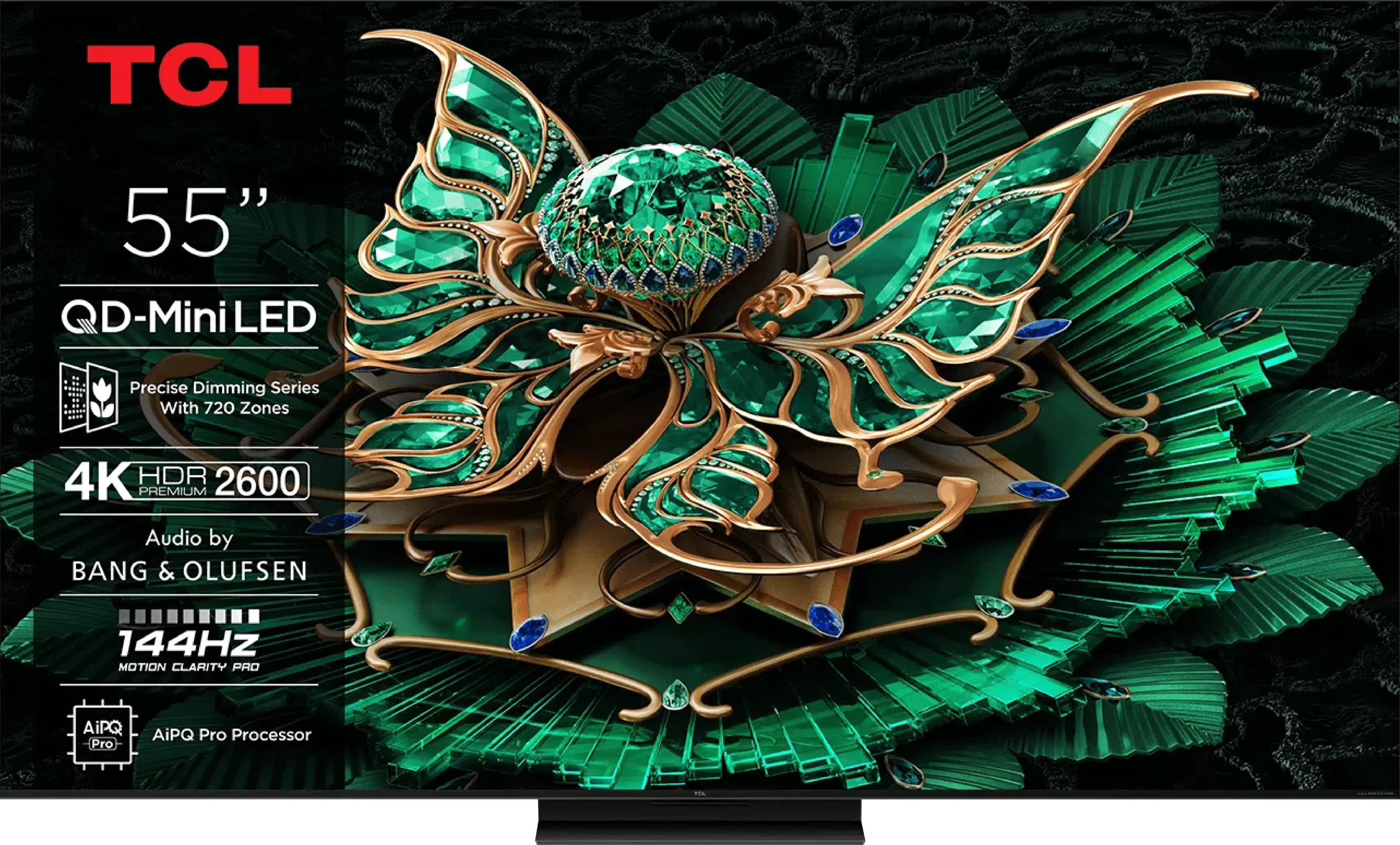
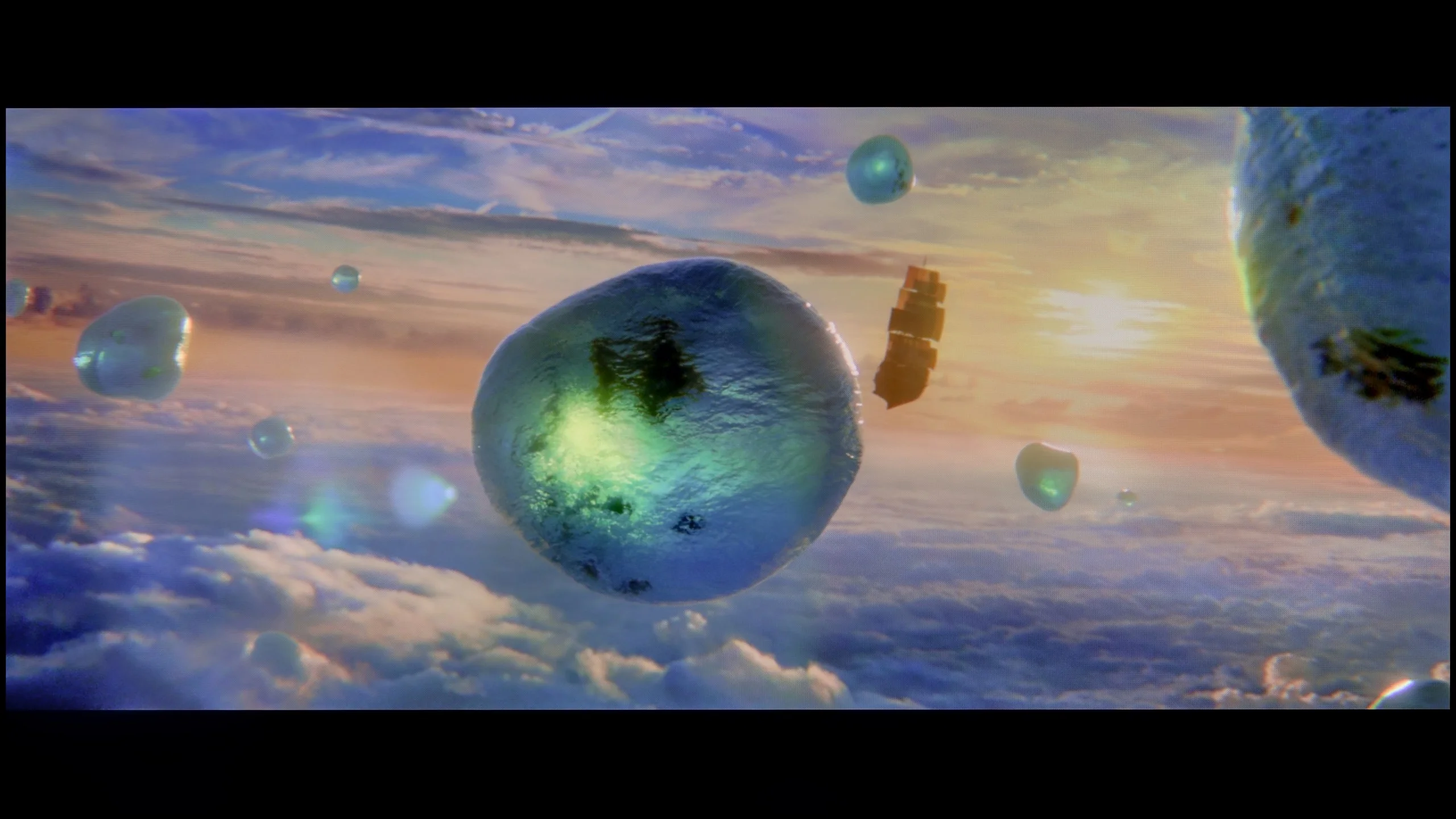
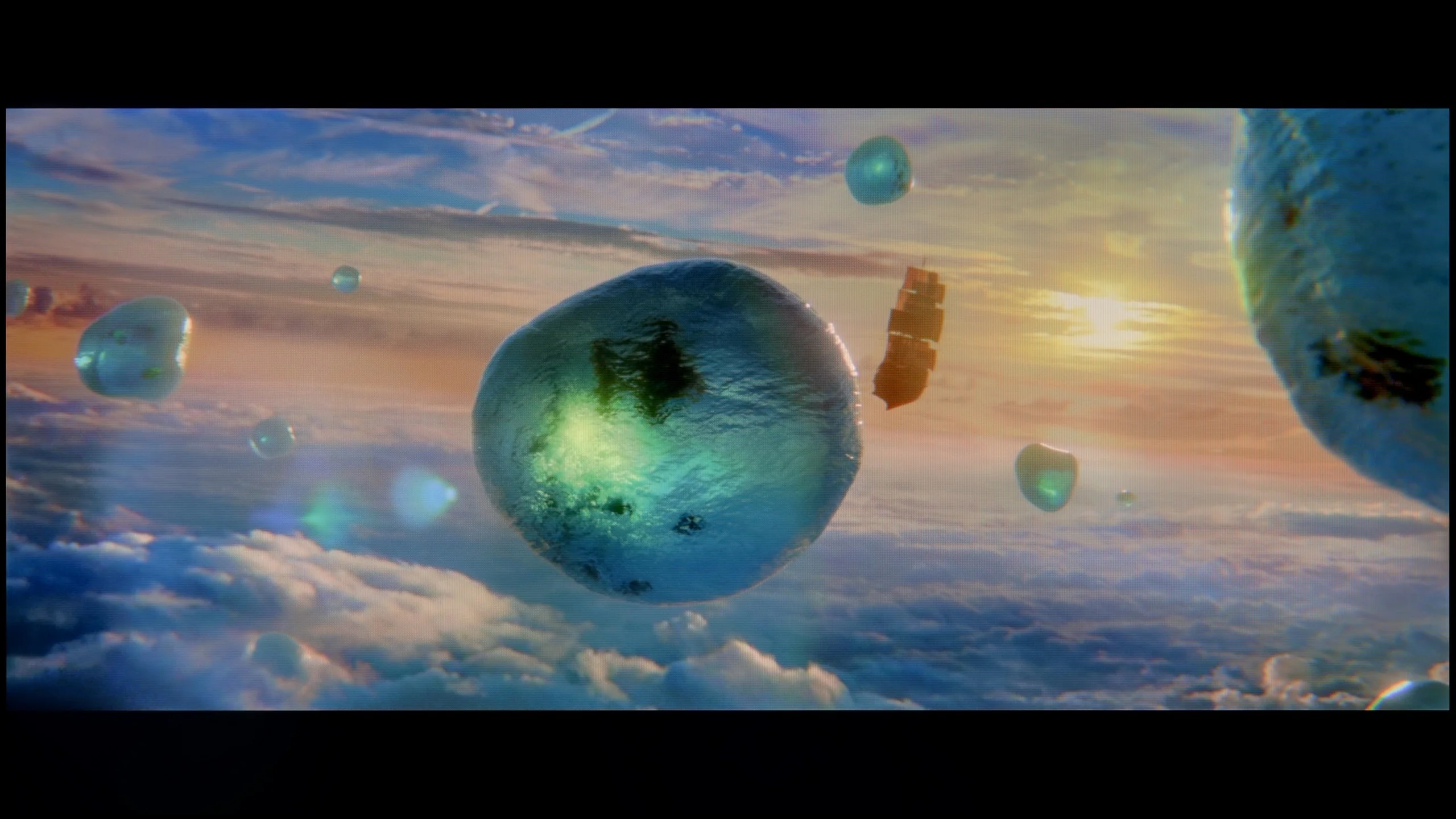
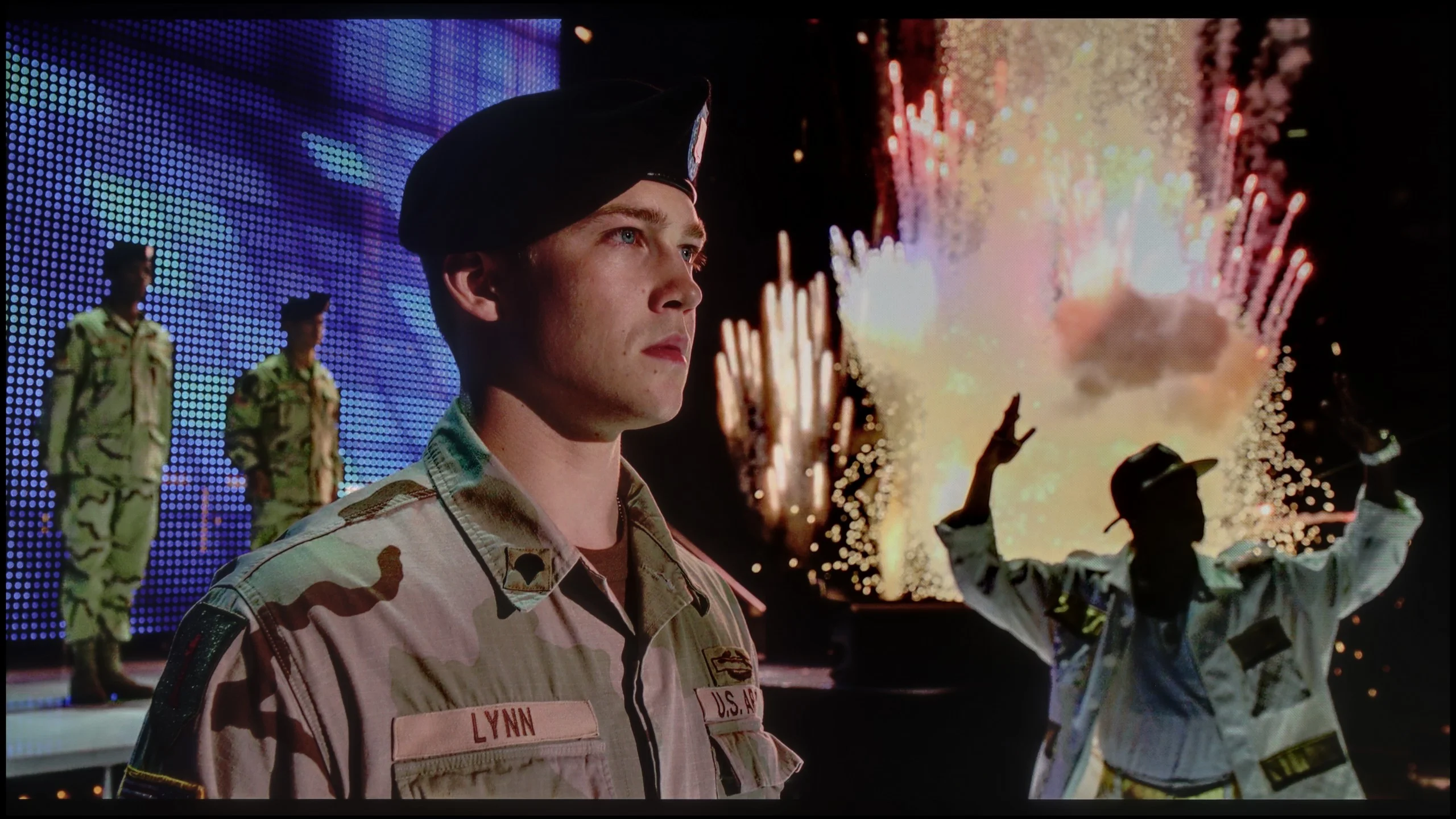
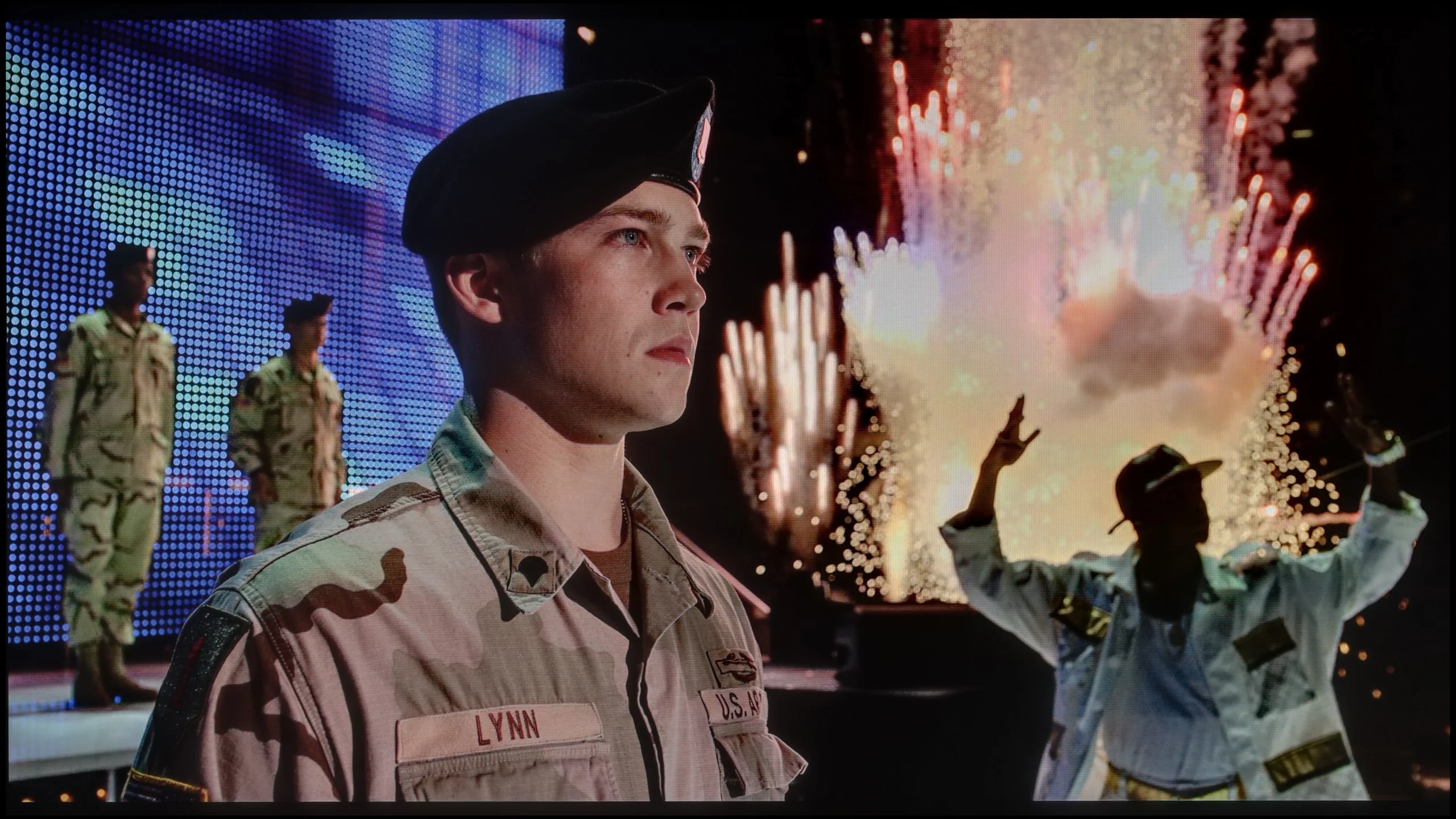
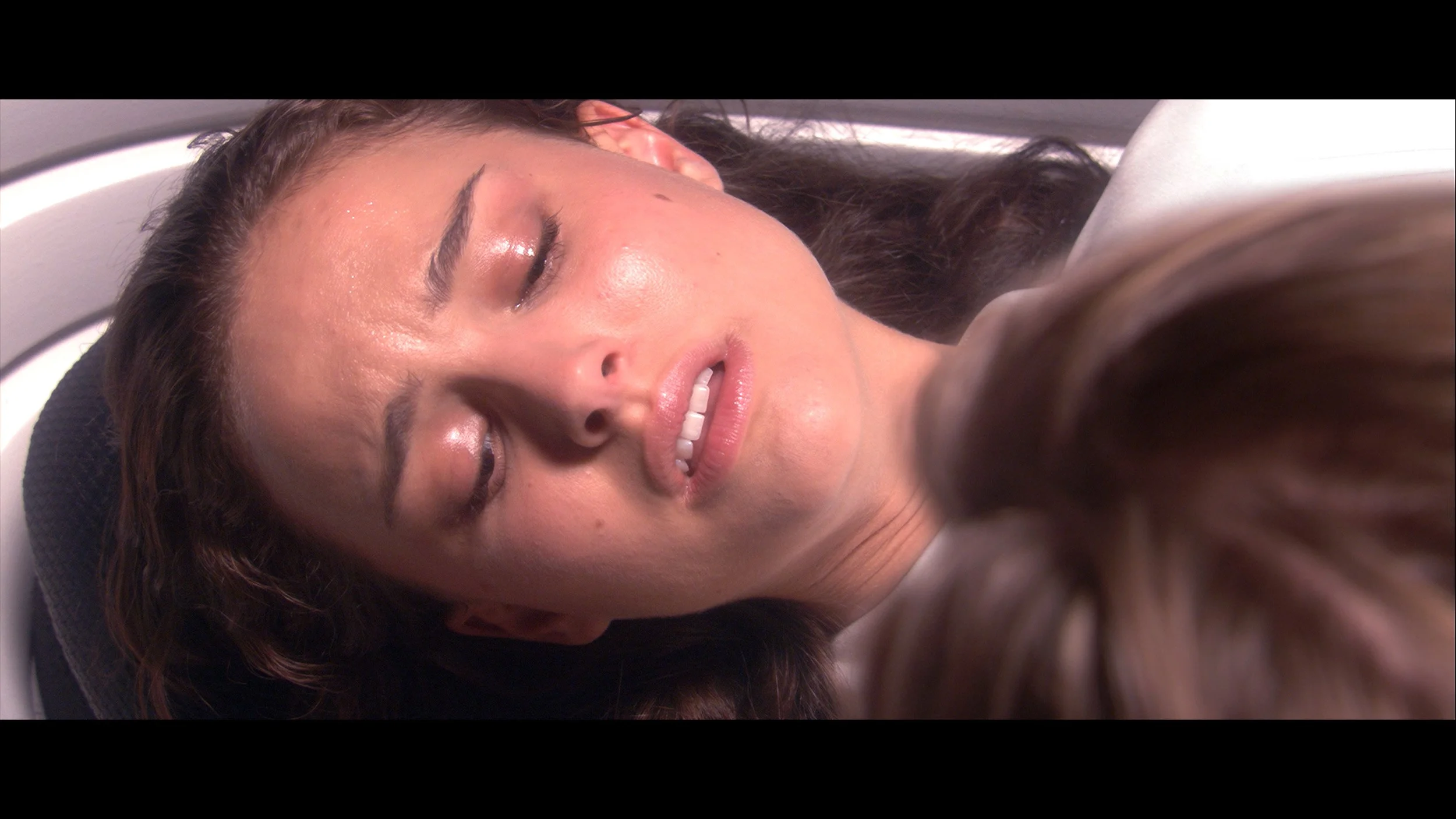
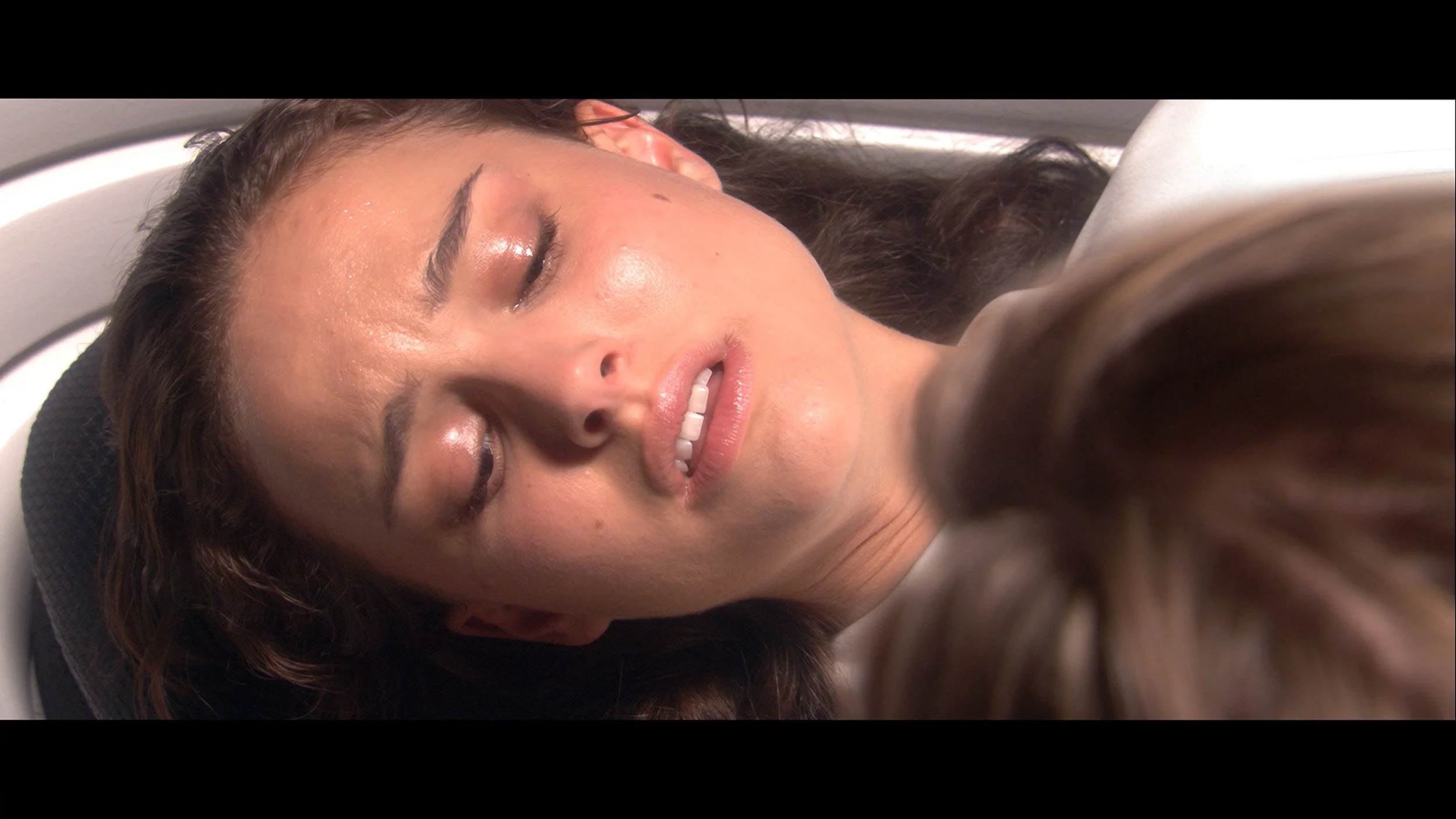
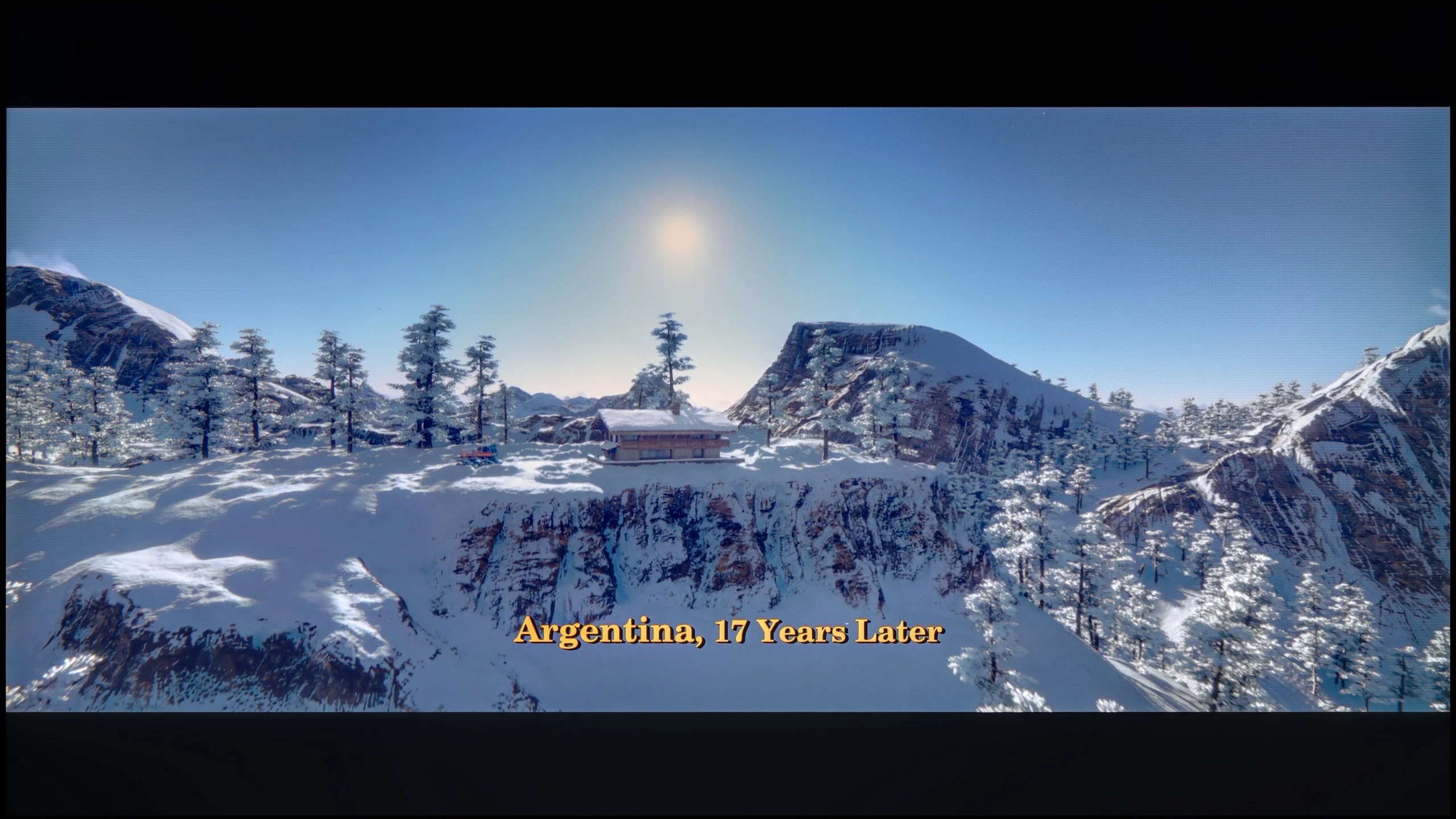
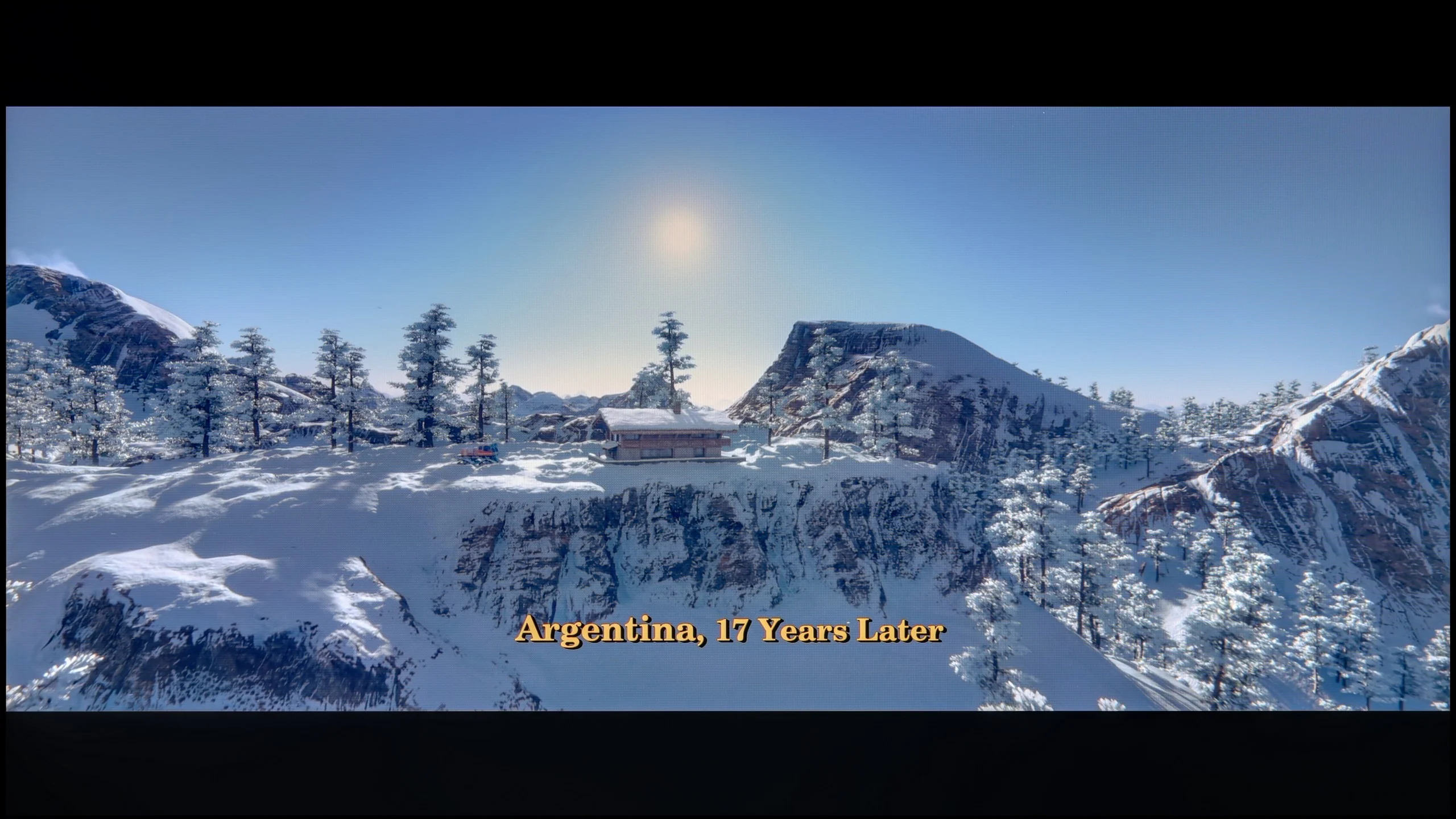
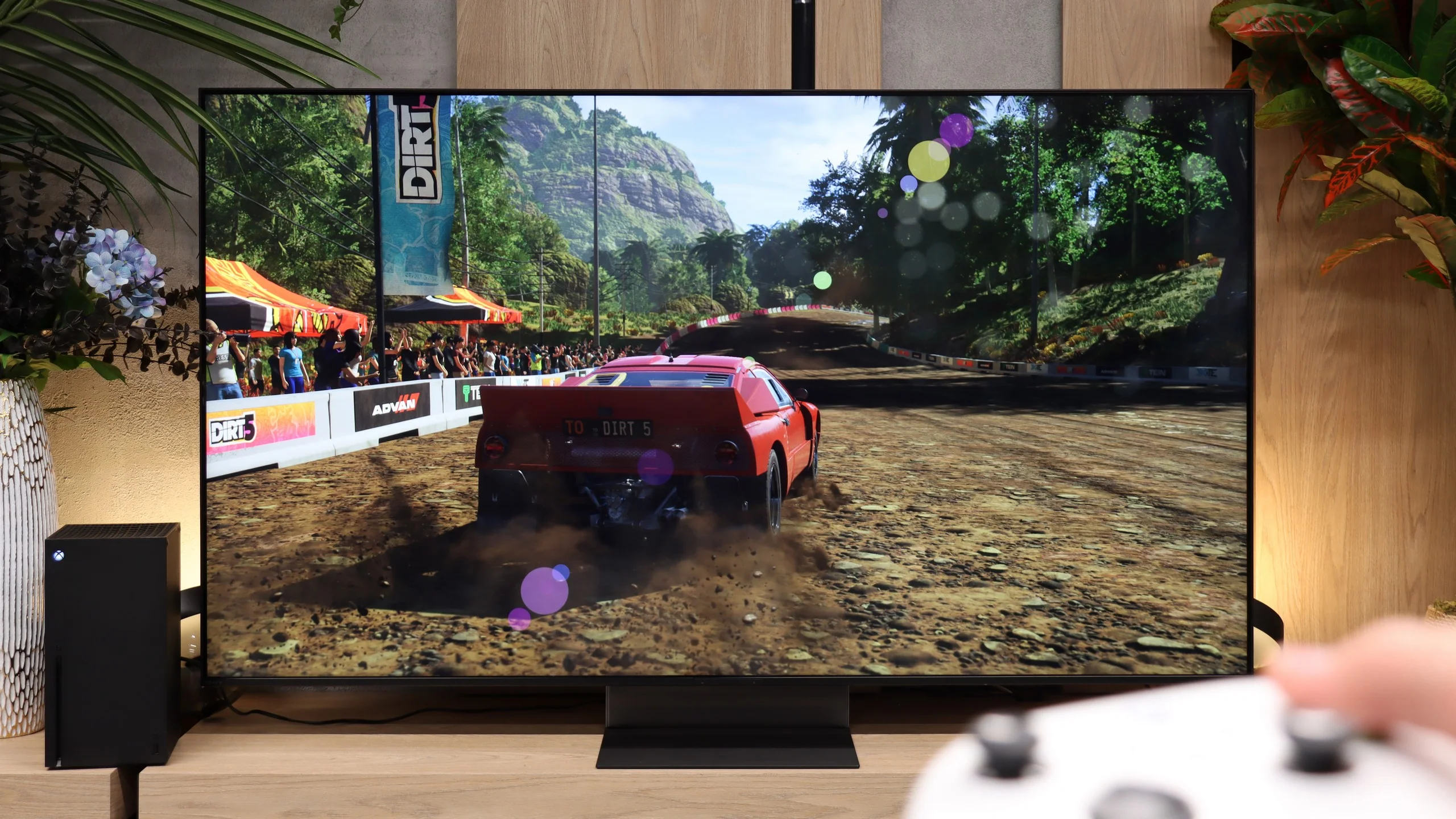
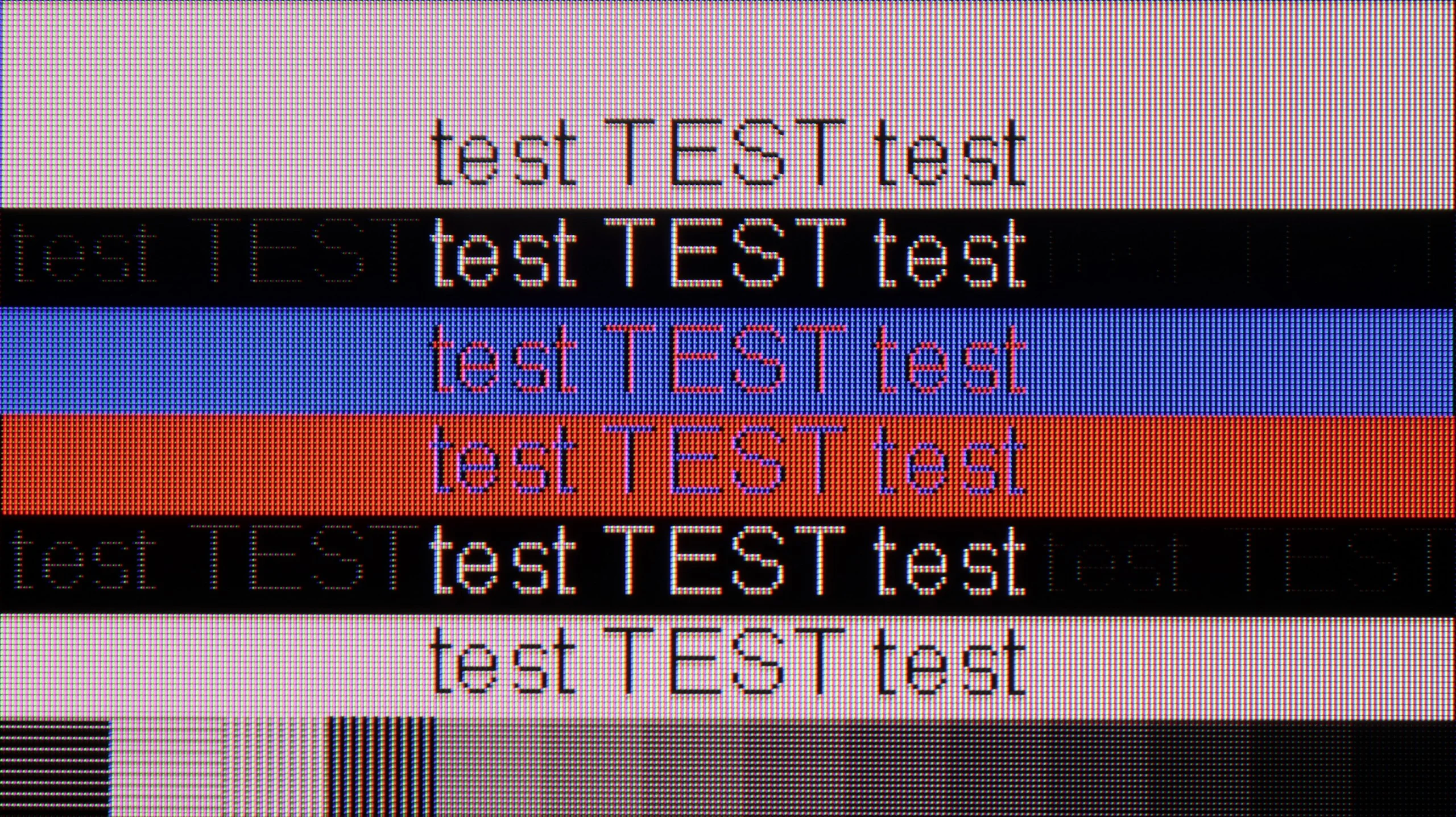
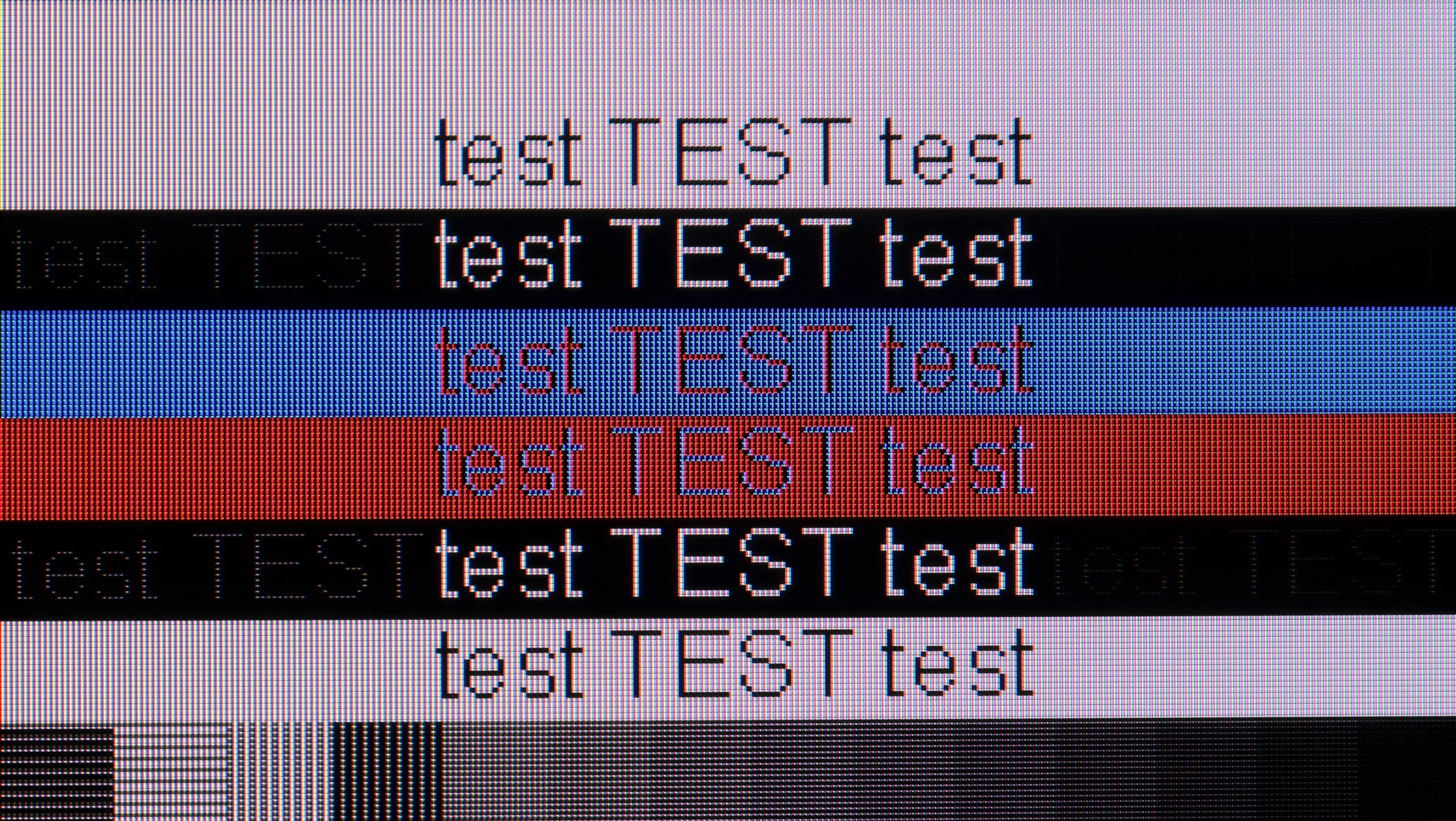
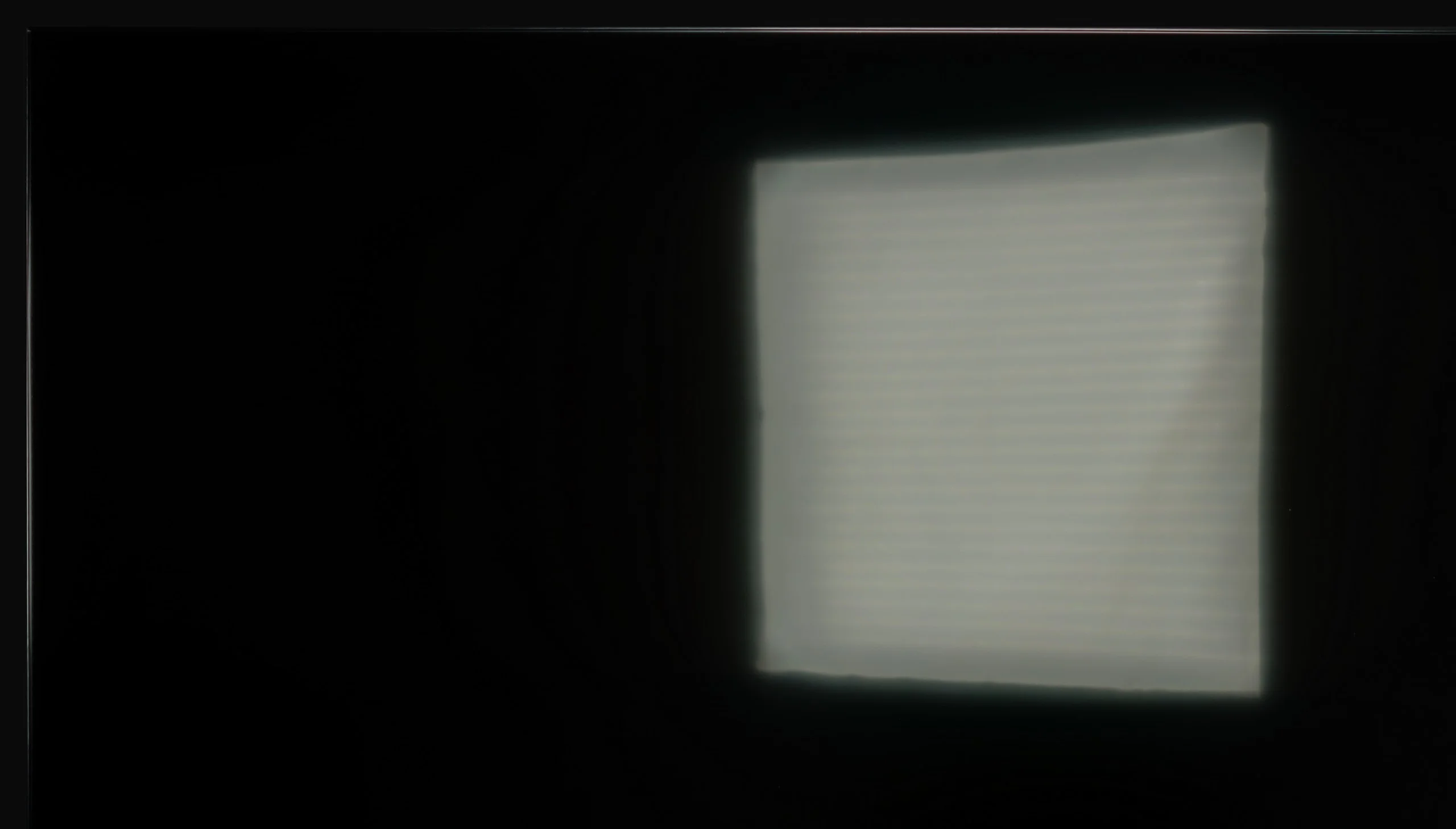
In terms of brightness, the models ranging from 55 to 85 inches in the C7K series are truly impressive. Under the best testing conditions, the 65-inch screen reached over 1200 nits, which in practice means that the brightest scenes can shine with almost cinematic brilliance. These are not just dry numbers from measurements – during viewings, the white skies, explosions or reflections of light on water looked extraordinarily striking, often giving the impression that the television exceeded its price class. This is particularly effective in scenes with large areas of brightness, where the screen is filled with intense light – such as in sunlit shots or during dynamic action sequences. Viewers seeking strong HDR will definitely be satisfied.
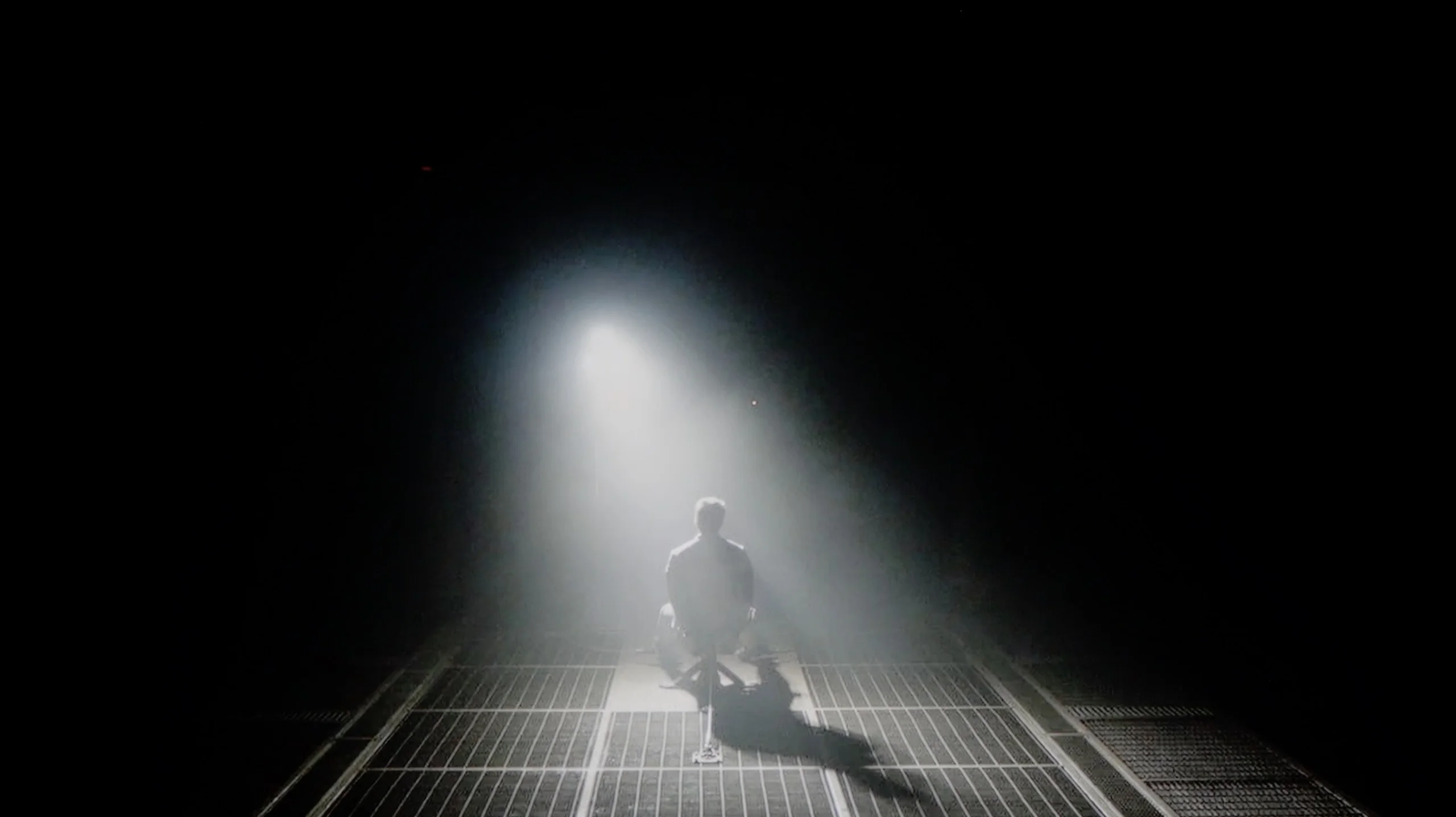
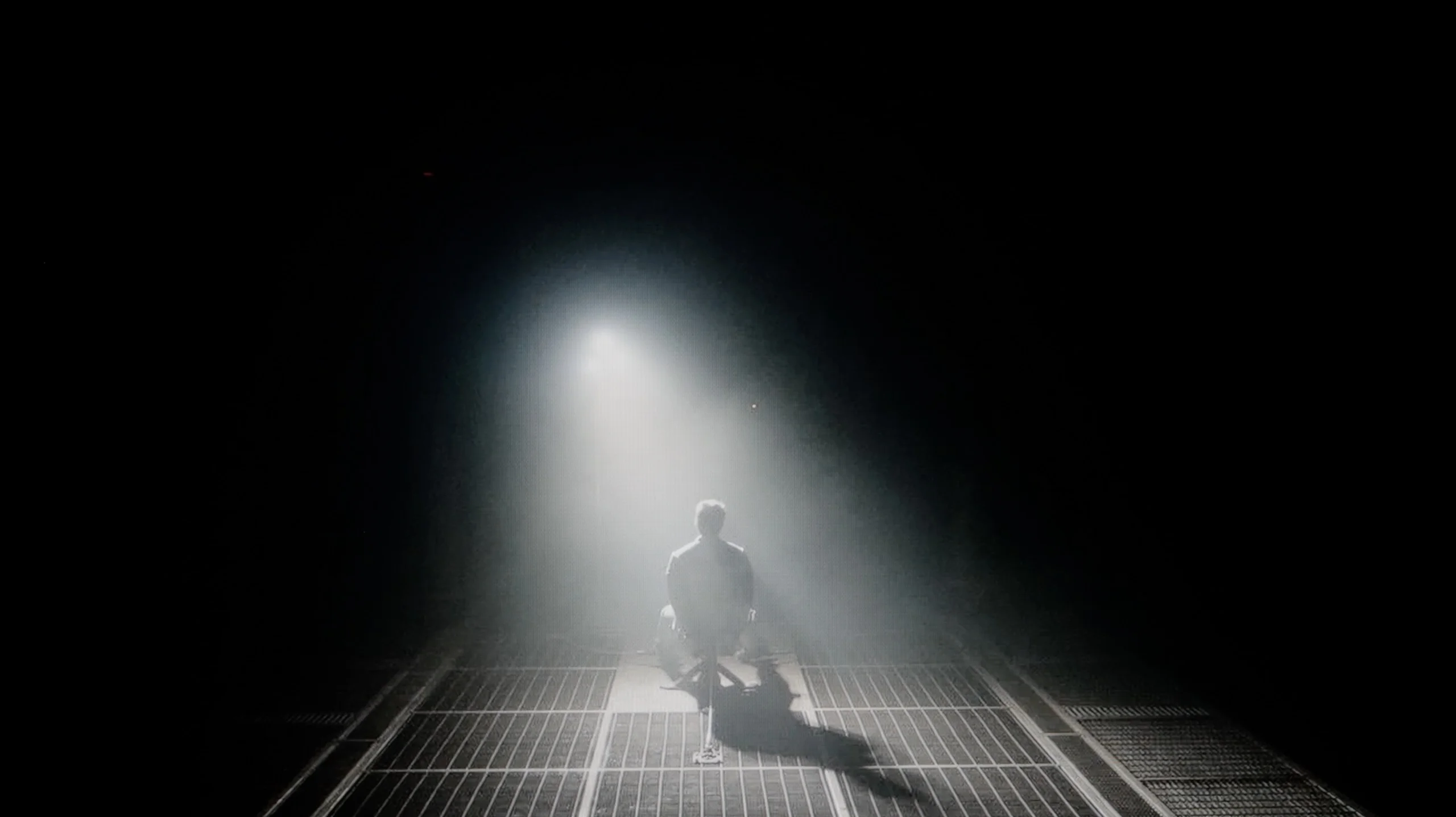
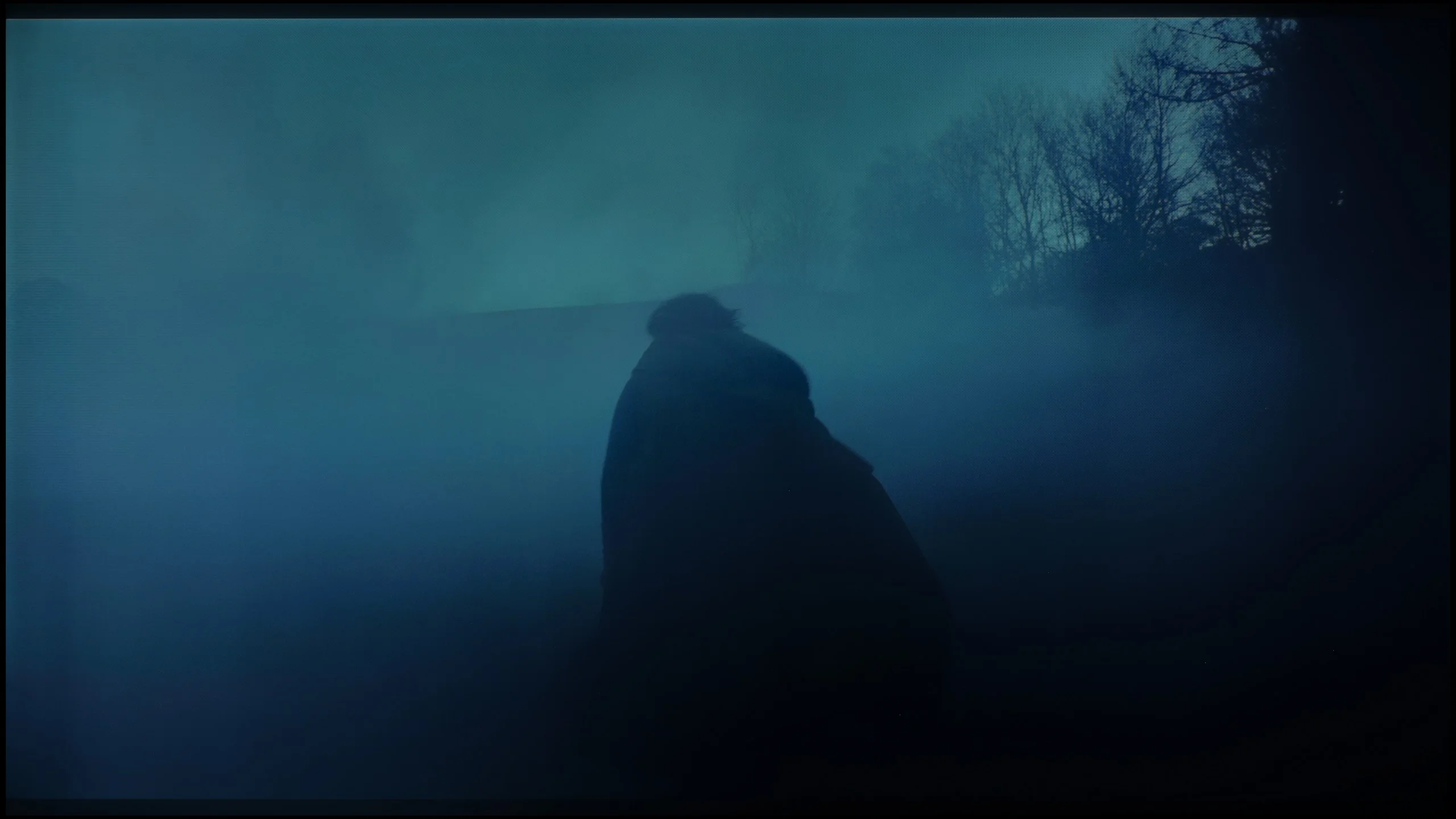
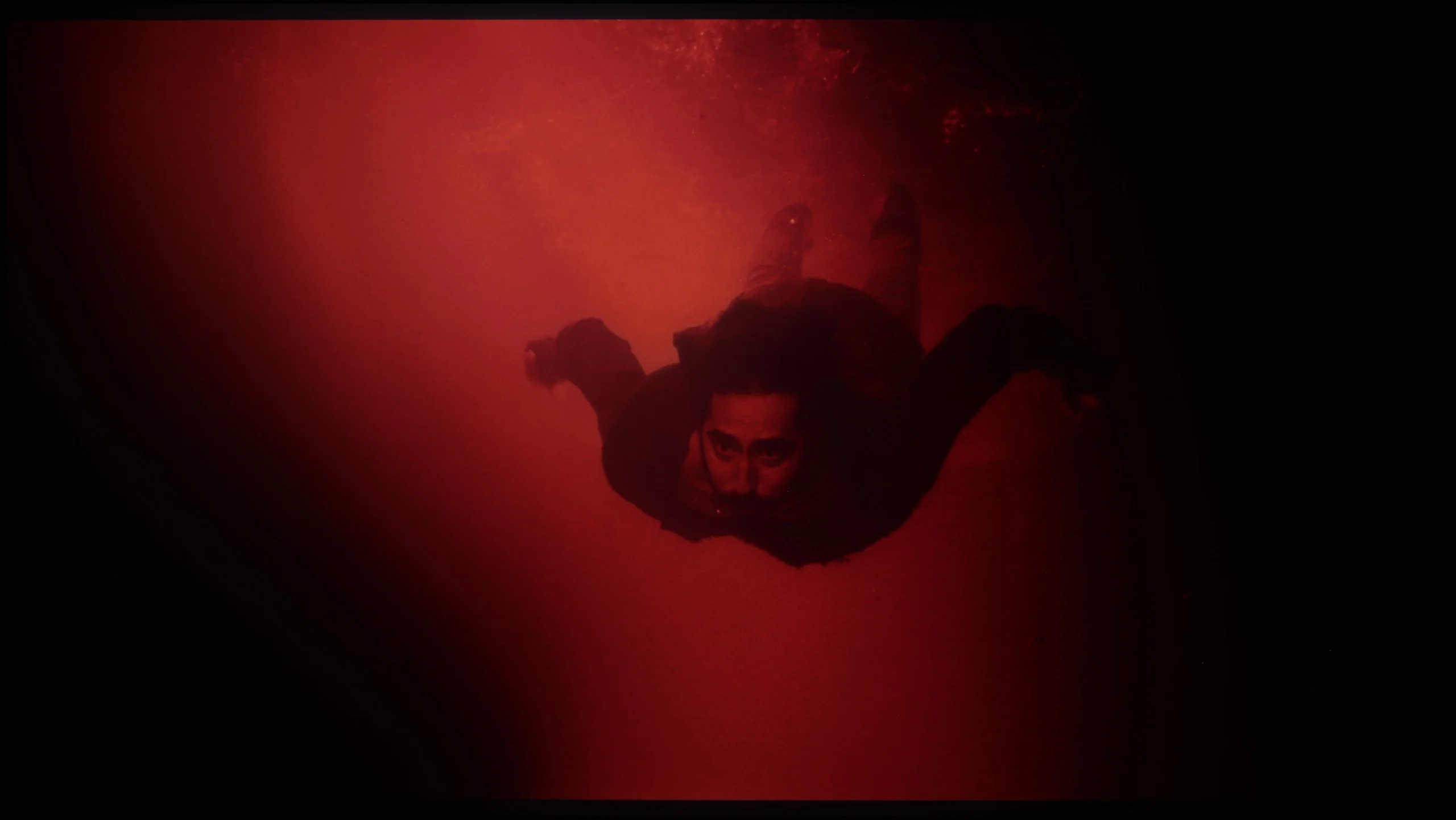
However, scenes that require precise control of the backlighting – with small points of light on a dark background – prove to be more challenging. Here, the C7K, despite having over a thousand zones, still dims the brightness to maintain deep blacks. The effect is that in films like Sicario 2 or Life of Pi, some details, like a distant lantern or single reflections, can be less distinct or blend into the surroundings. This is a compromise inherent in MiniLED technology – it provides excellent image depth and blacks at a level that ordinary LCDs do not offer, but this comes at the cost of limited visibility of the finest lights.
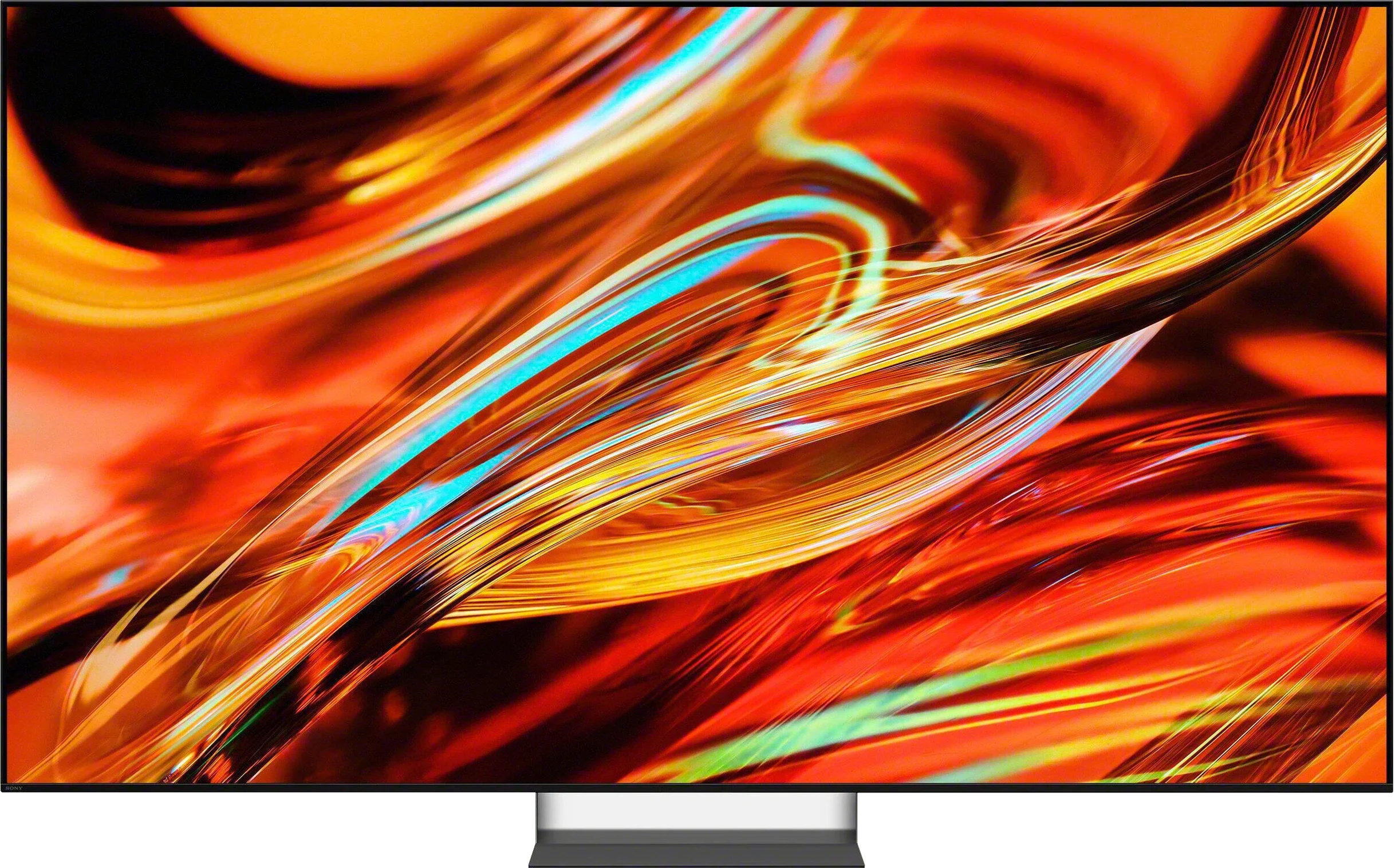
The Sony Bravia 7 II handles HDR very well and, above all, is simply a bright television. In the correct viewing mode, Professional, we measured around 2,000 nits of peak brightness, so the panel’s capabilities are truly significant. Of course, with Mini-LEDs a test pattern result is only part of the story, because a lot still depends on how the TV controls the backlight in real scenes. Here Sony’s algorithms perform very well. Depending on the scene, the brightness we measured in films ranged from roughly 1,100 to as much as 1,700 nits. That’s already a level at which HDR has proper punch and bright highlights can be genuinely impressive. It isn’t perfect in every situation, though. With small bright elements on a very dark background the Bravia 7 II clearly favours maintaining good blacks, which can cause their brightness to drop to around 500 nits. It still looks good, but you can see the TV does not always manage this without compromise.
Colours
The second thing that has a huge impact on HDR is, of course, colour. And this is precisely where True RGB technology was meant to bring one of the biggest changes. Looking at the panel’s capabilities alone, the Bravia 7 II performs very well. We measured about 98% DCI-P3 coverage and 88% BT.2020, so the potential to show strongly saturated colours is really large. In RGB TVs, however, the situation is a bit more complex. When we repeated the same measurements with a film background applied, palette coverage fell to around 92% DCI-P3 and 78% BT.2020. Those are still good figures, especially for an RGB Mini-LED TV, but they clearly show that the final result largely depends on how the algorithms control the three backlight colours. In most scenes the Bravia 7 II handles this well and colours retain high saturation. The biggest differences are visible in shades of blue, where samples begin to deviate more noticeably from reference values and coverage is weaker than for the other primary colours. True RGB therefore offers genuinely greater potential here, but, as with brightness, much depends on what is happening on screen.
 Direct comparison