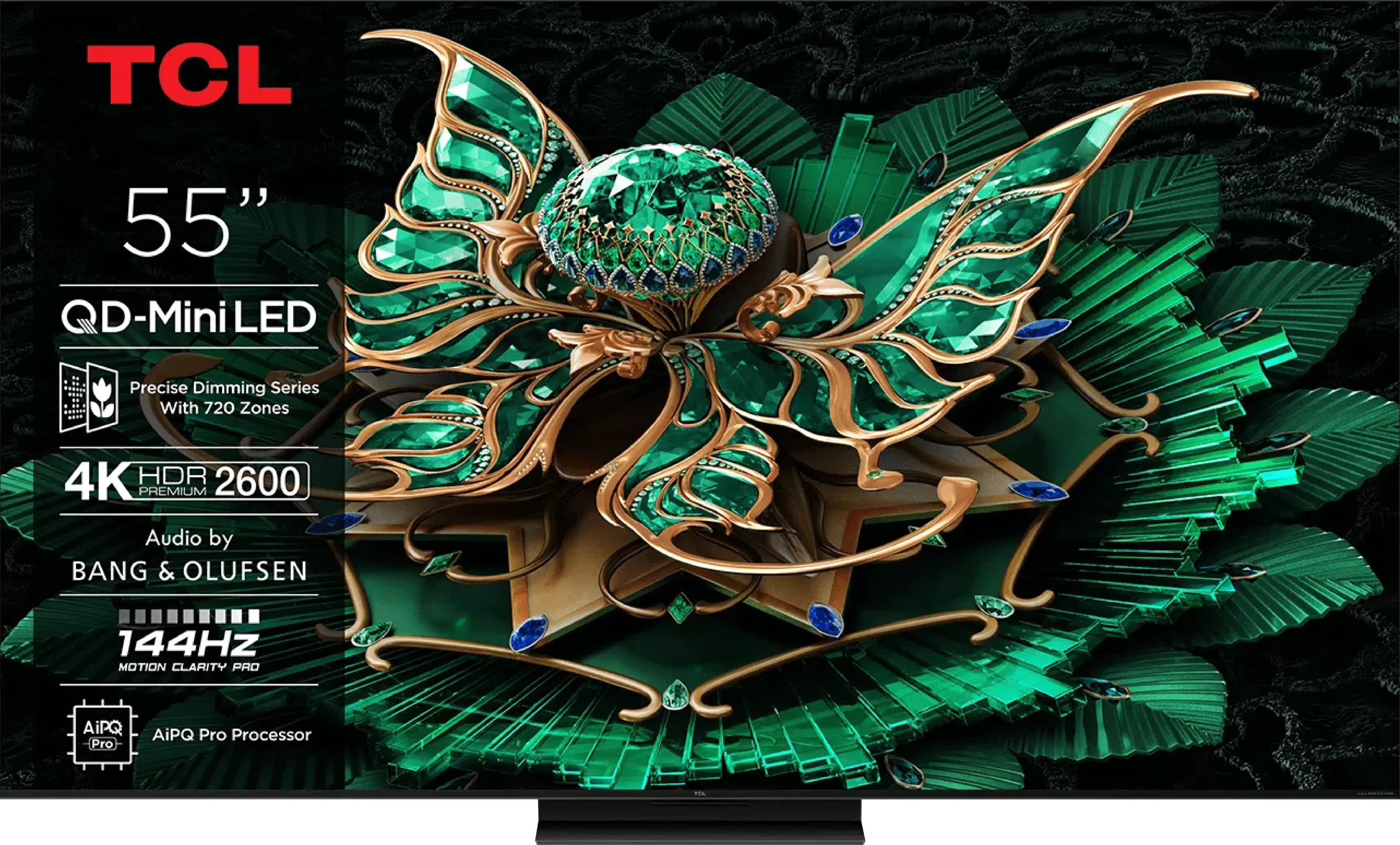
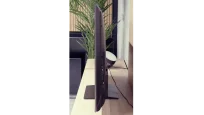
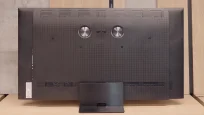
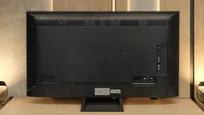
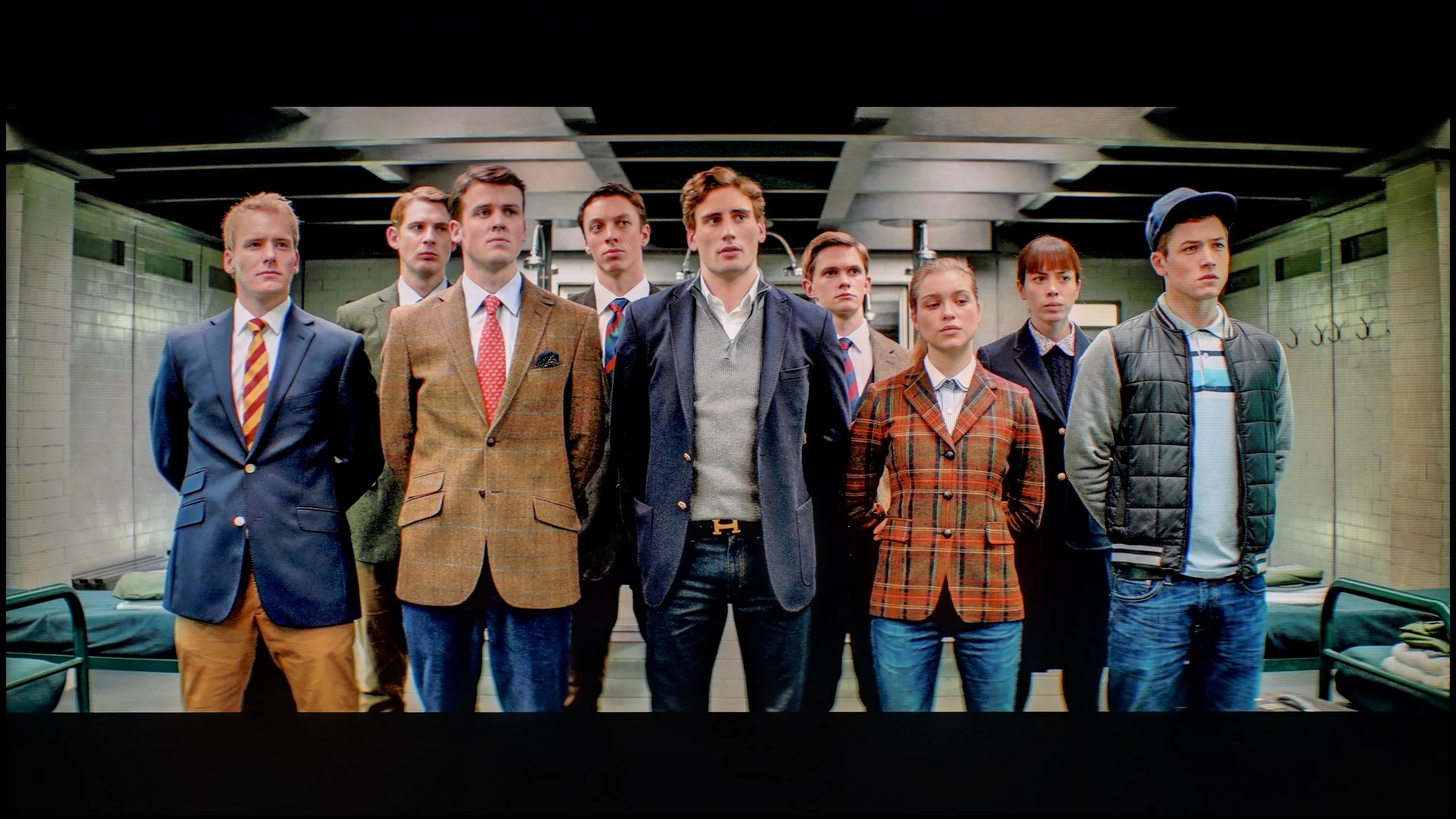
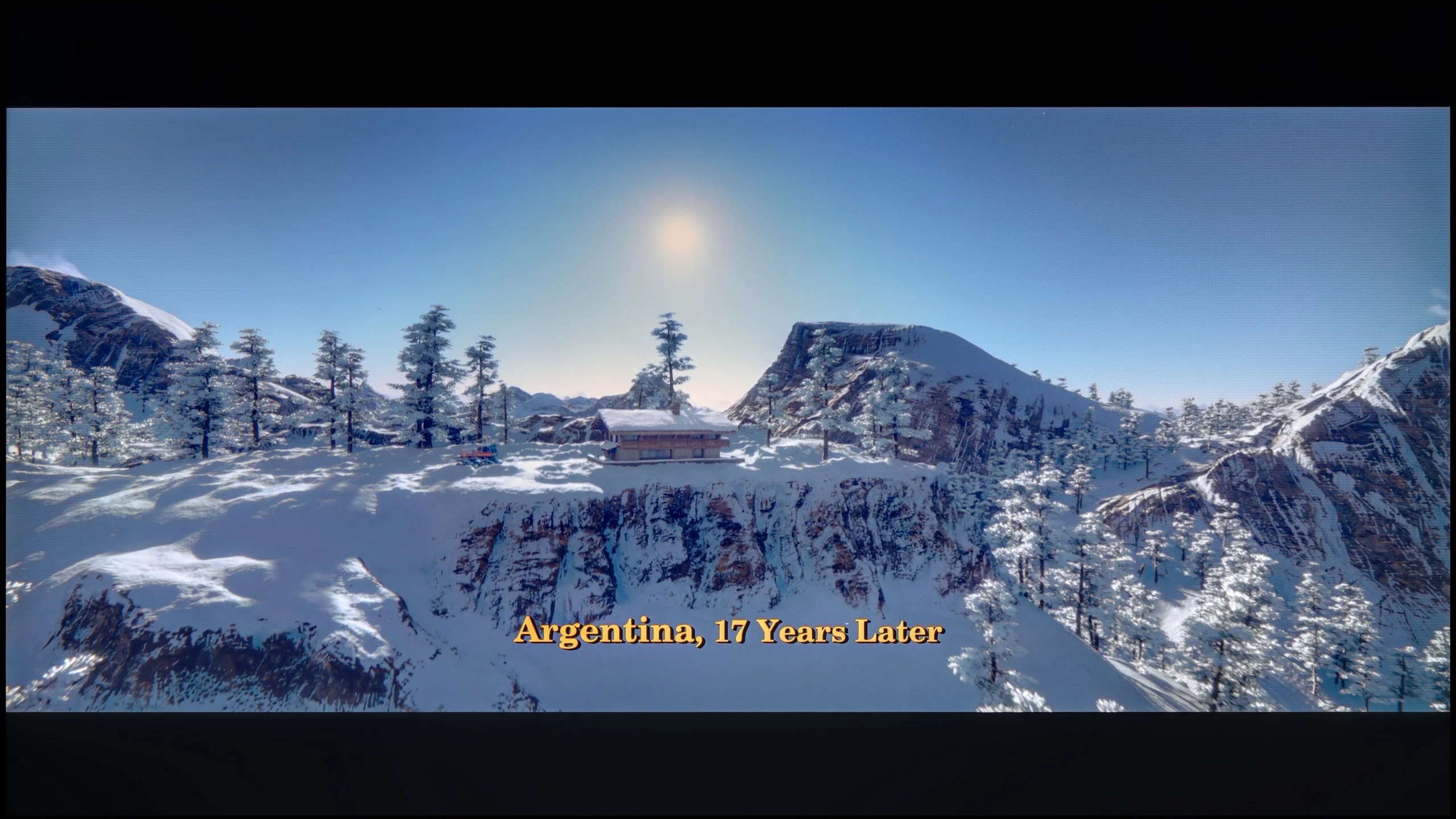
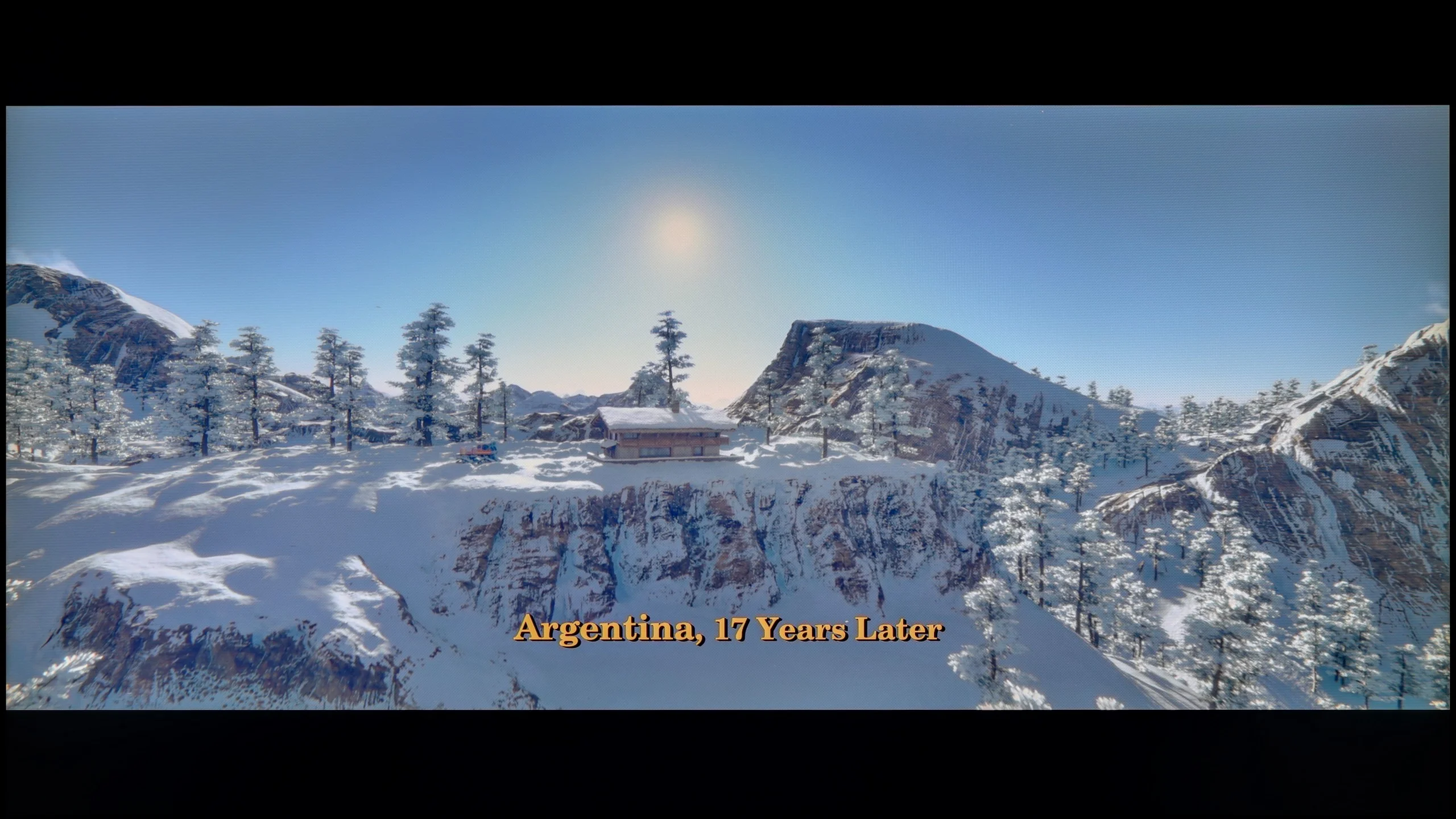
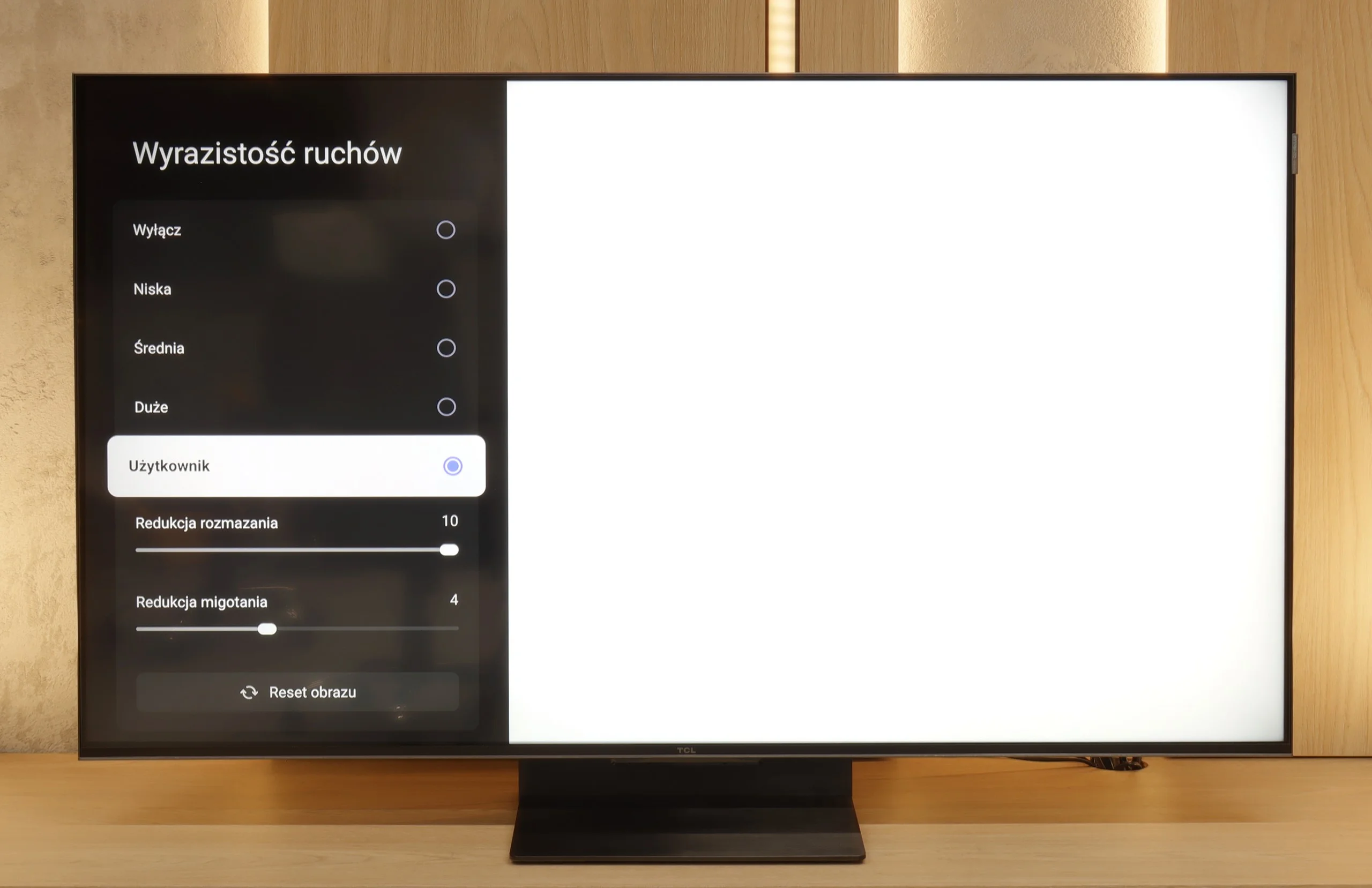
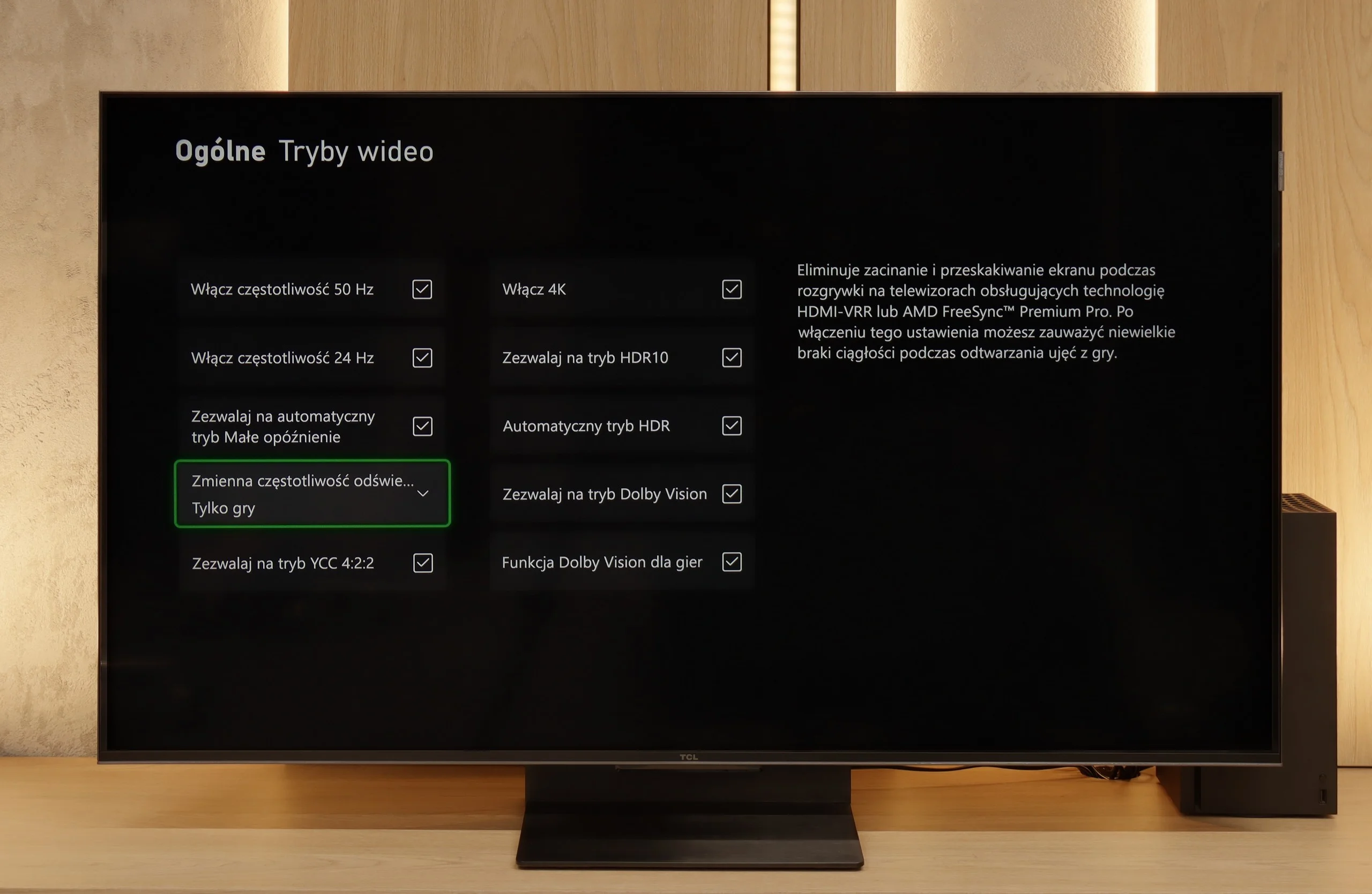
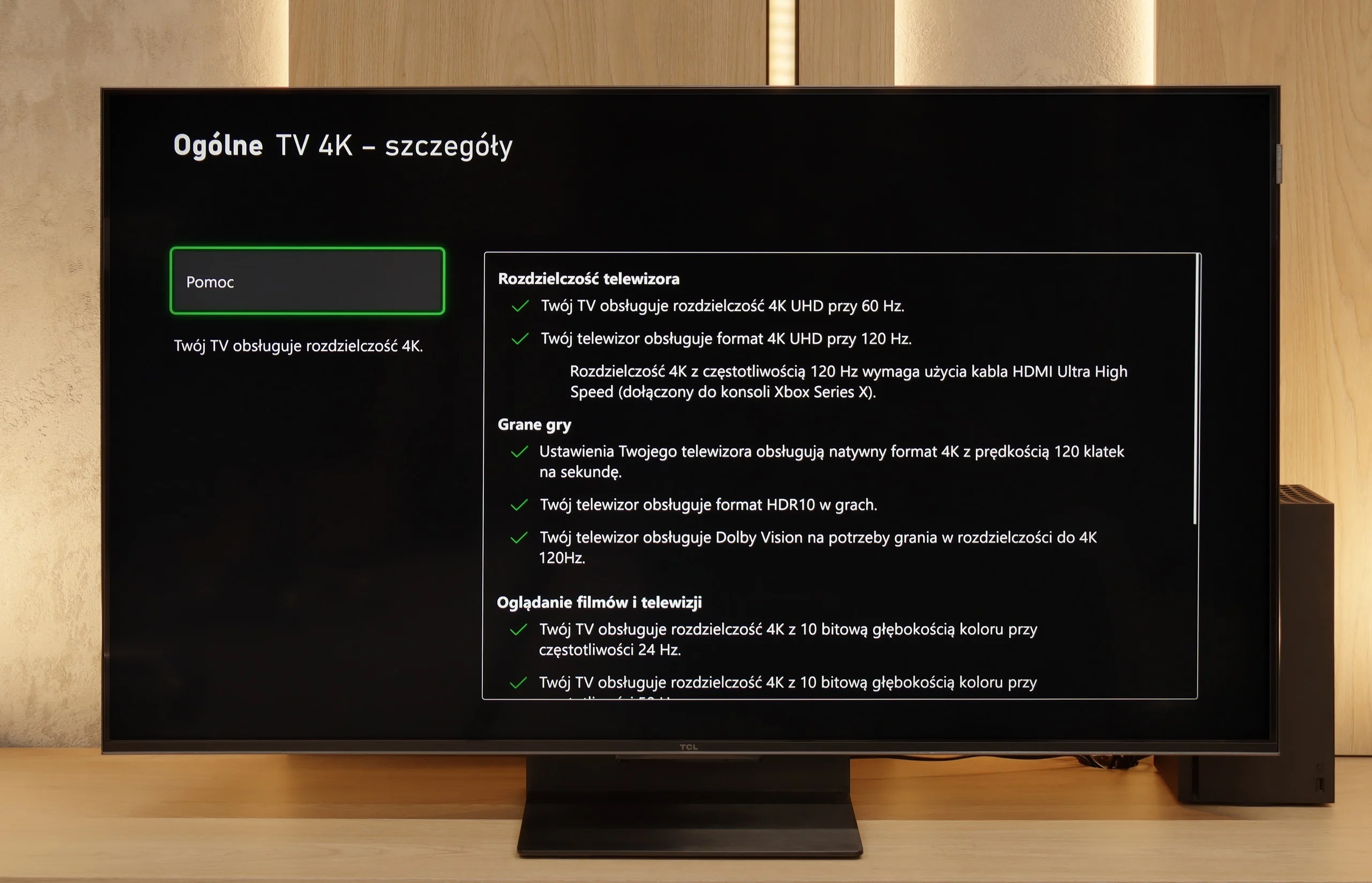
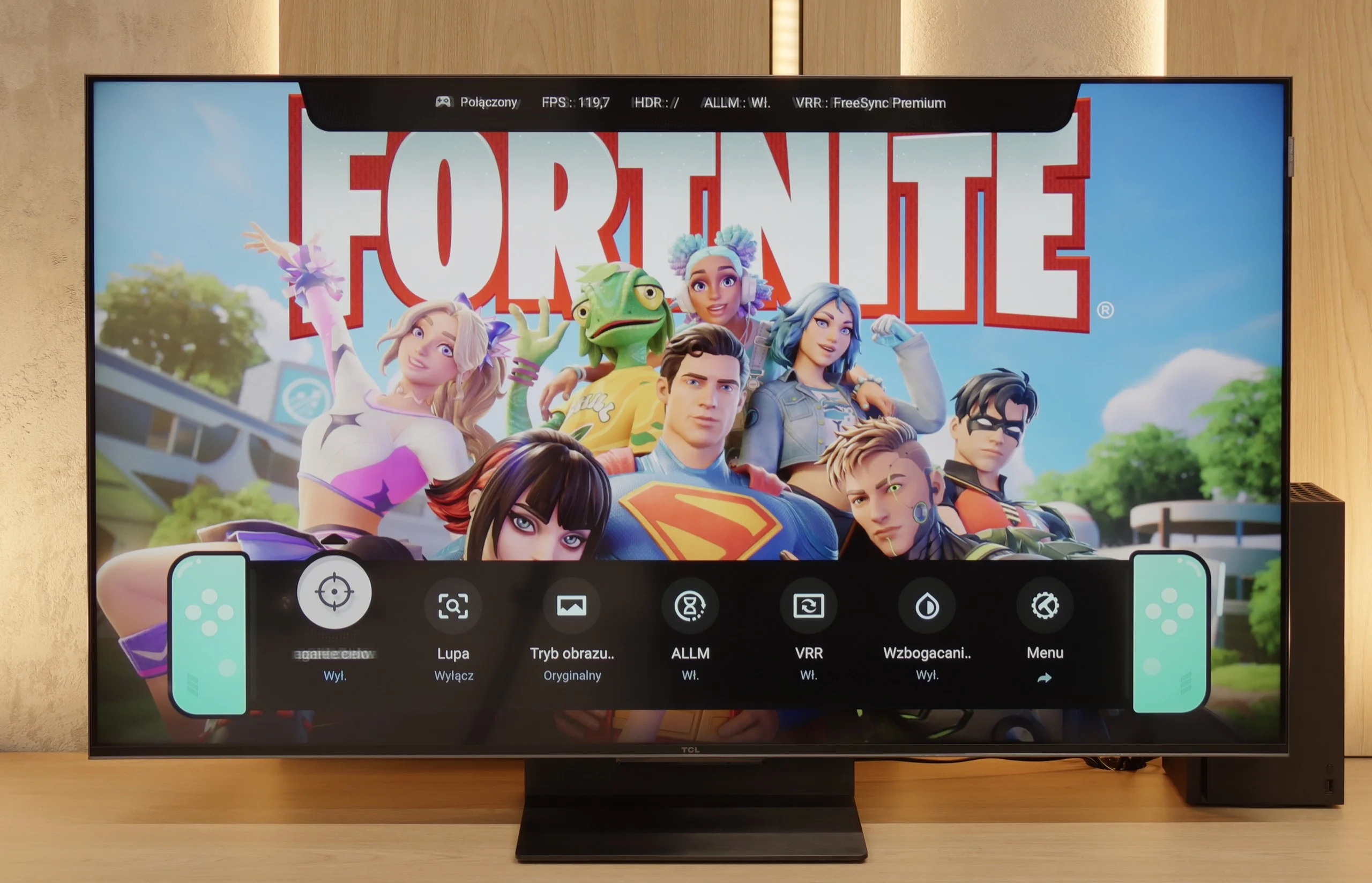
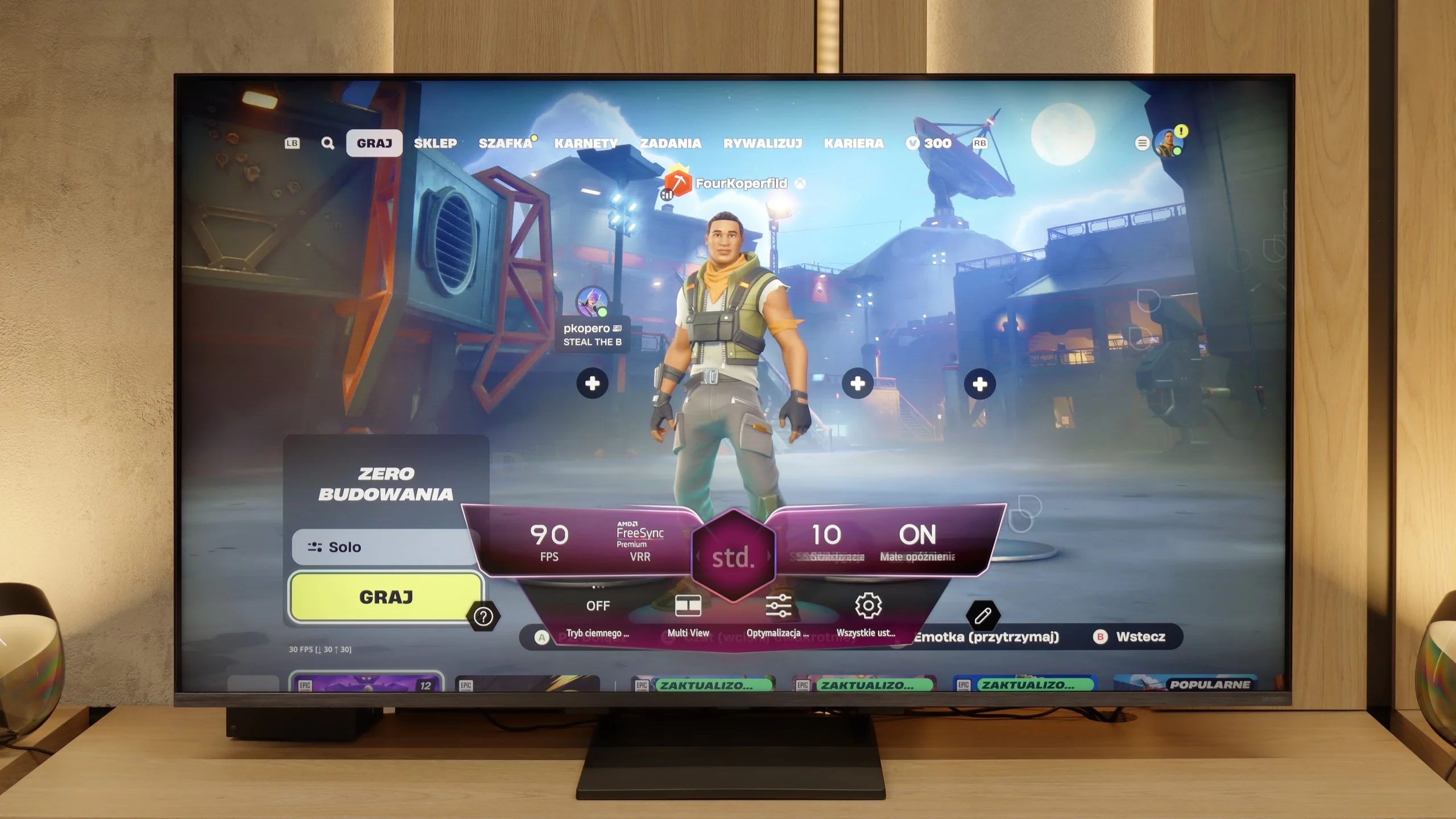
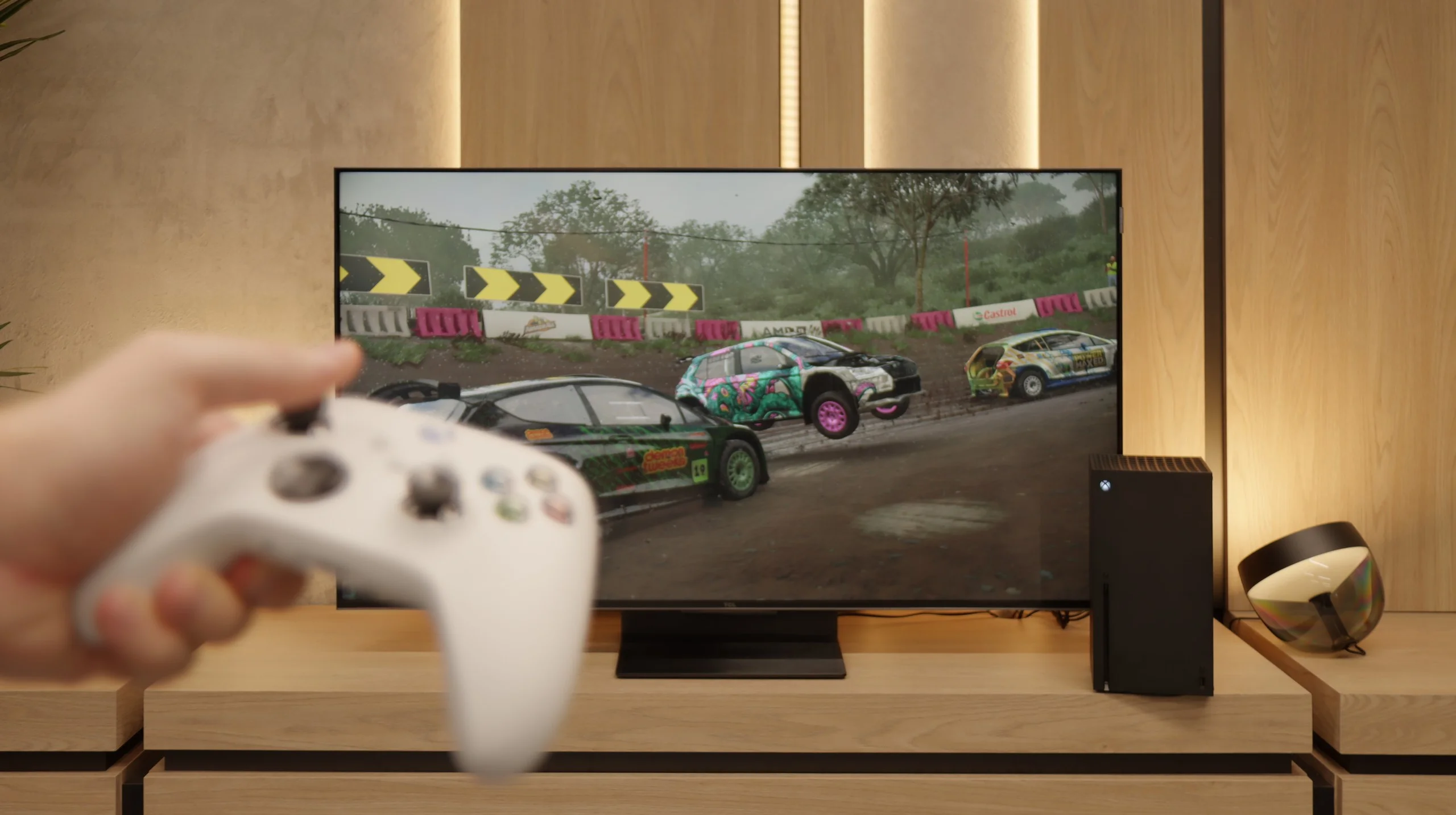
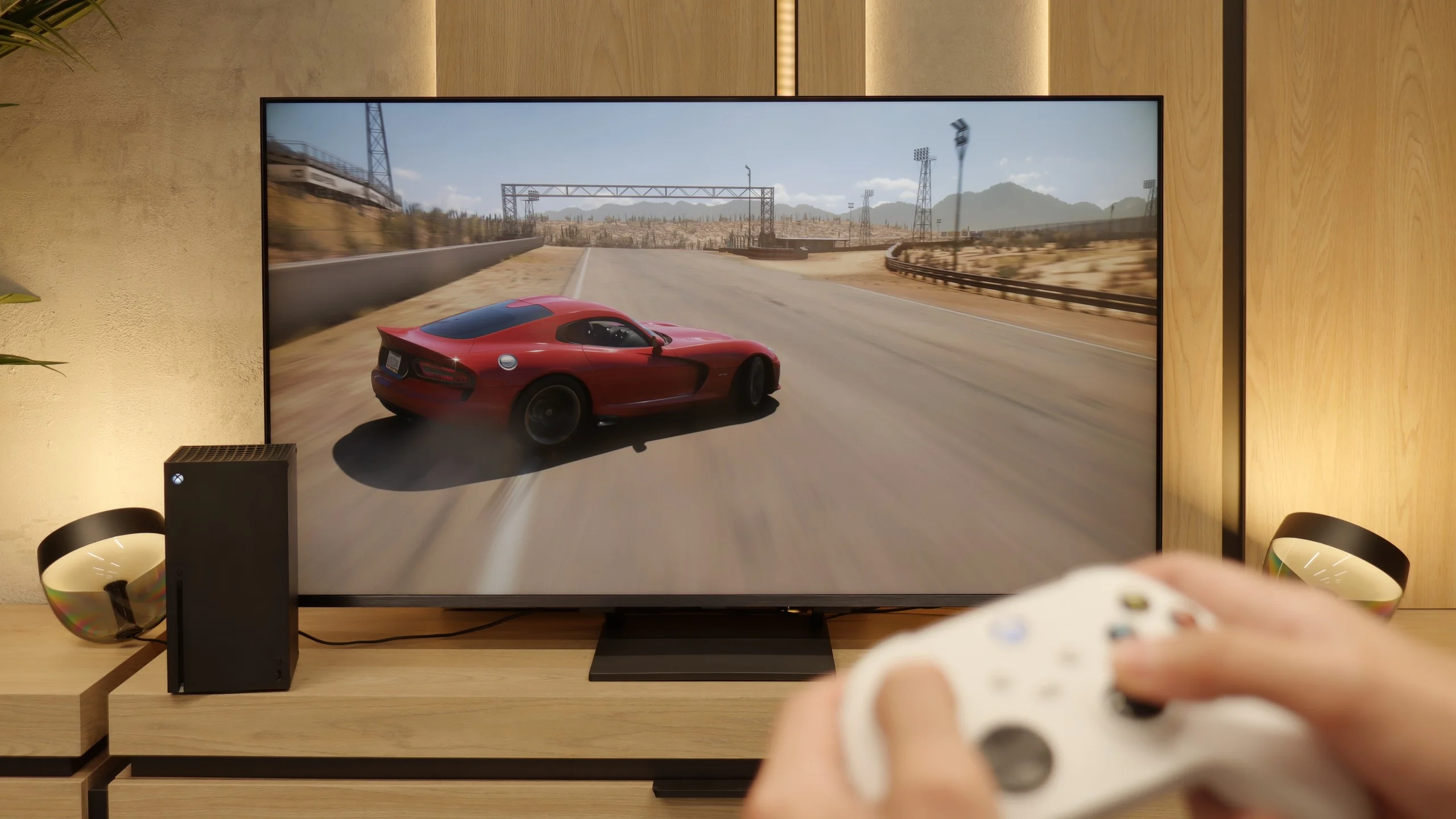
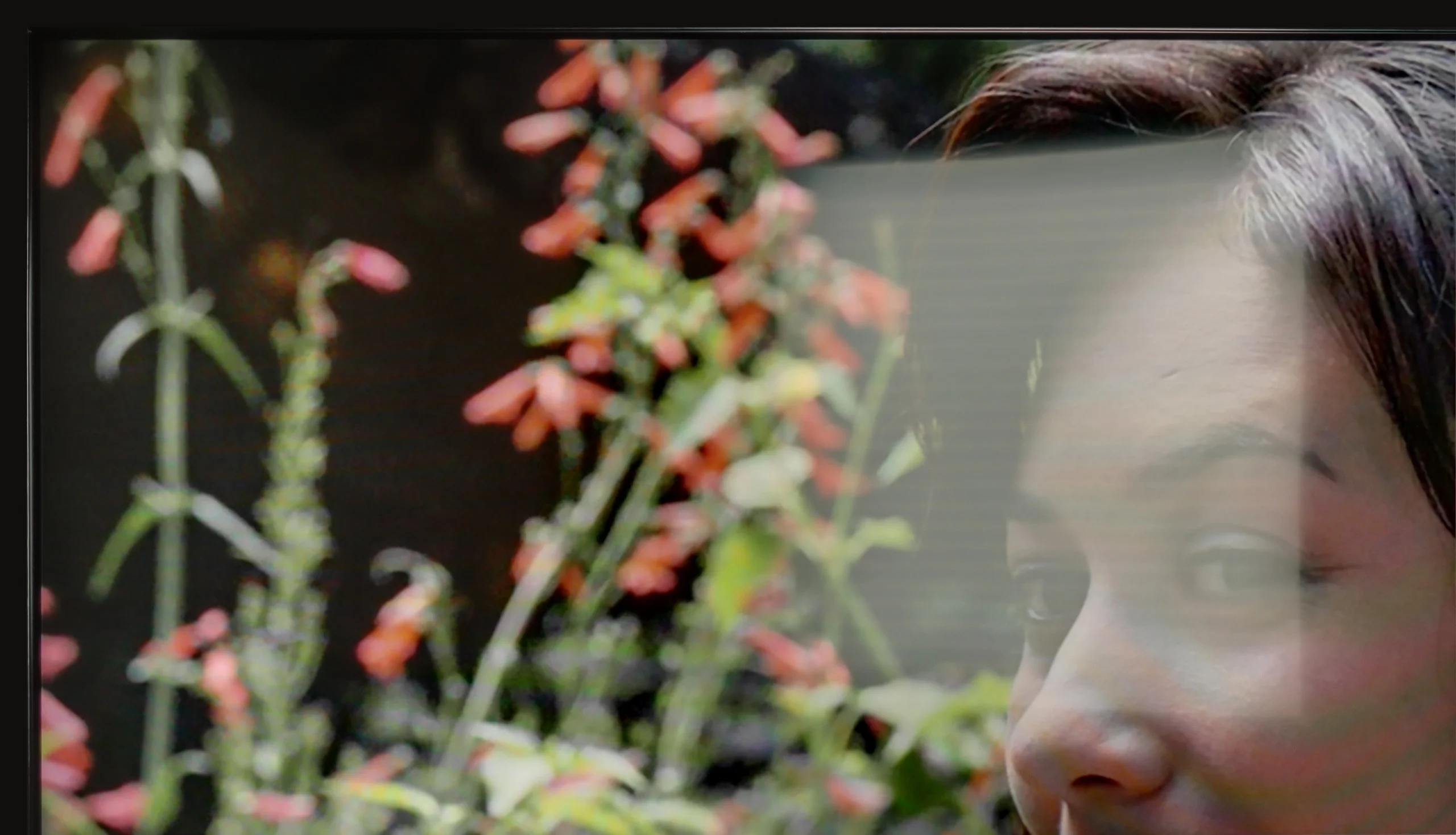
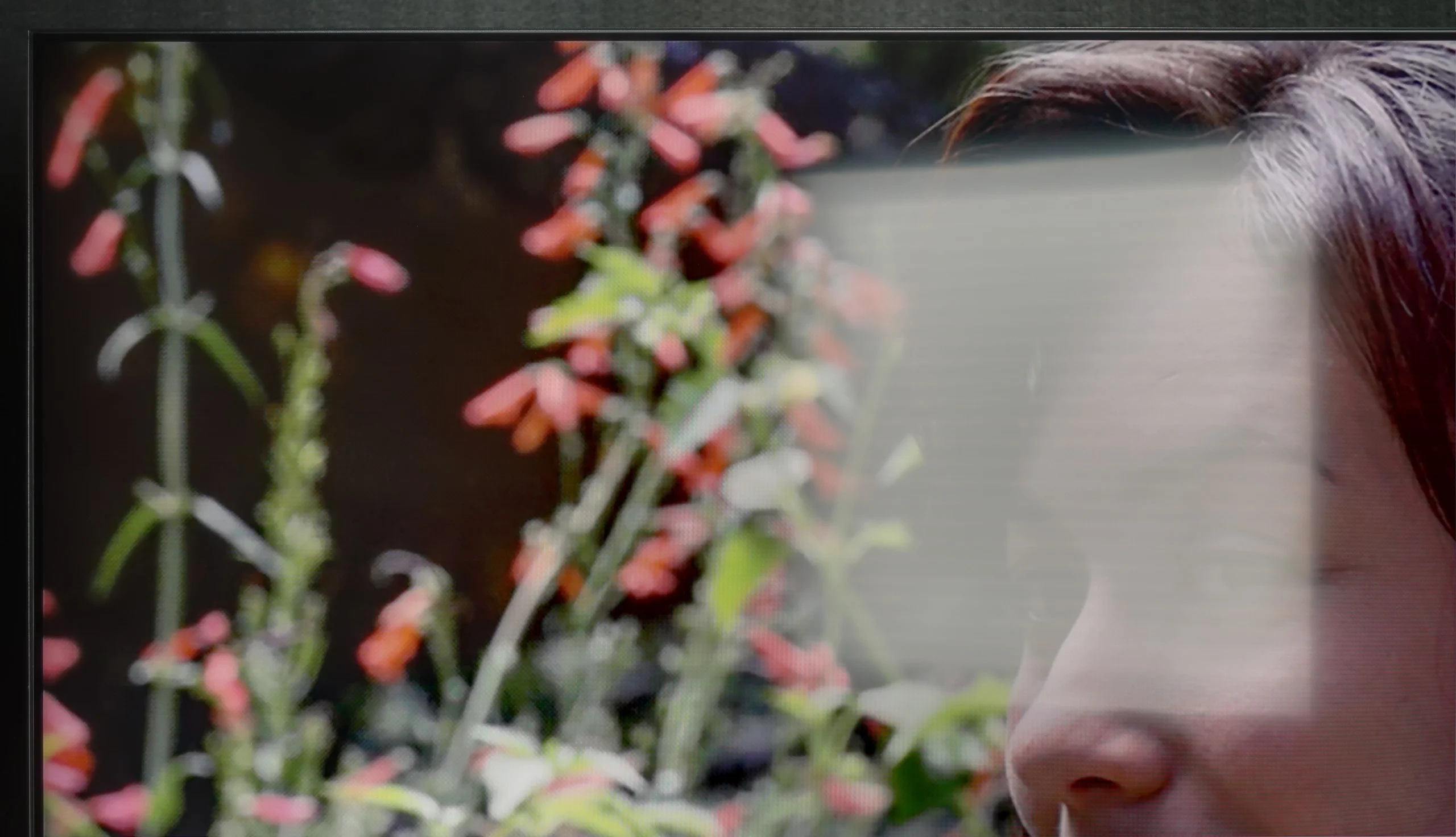
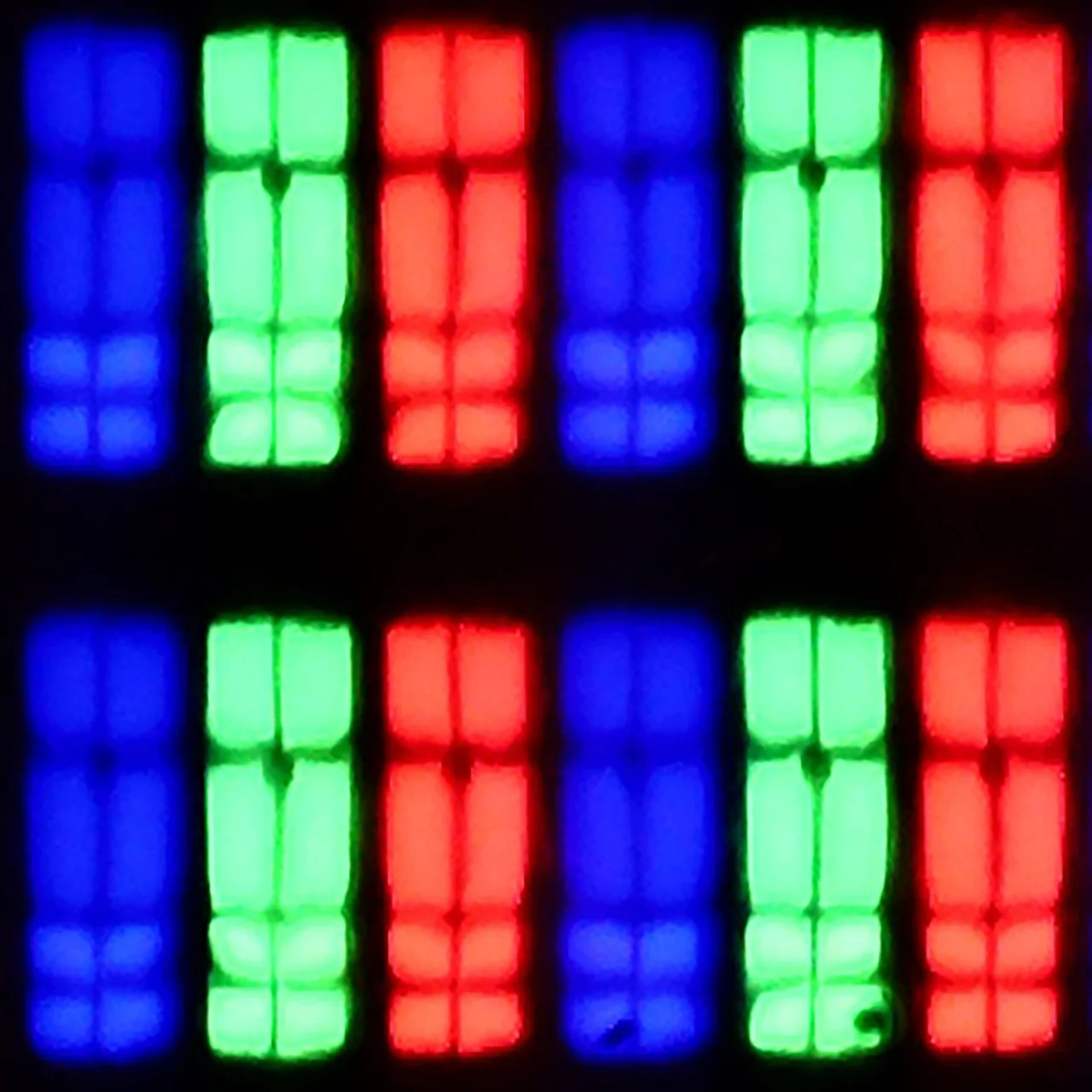
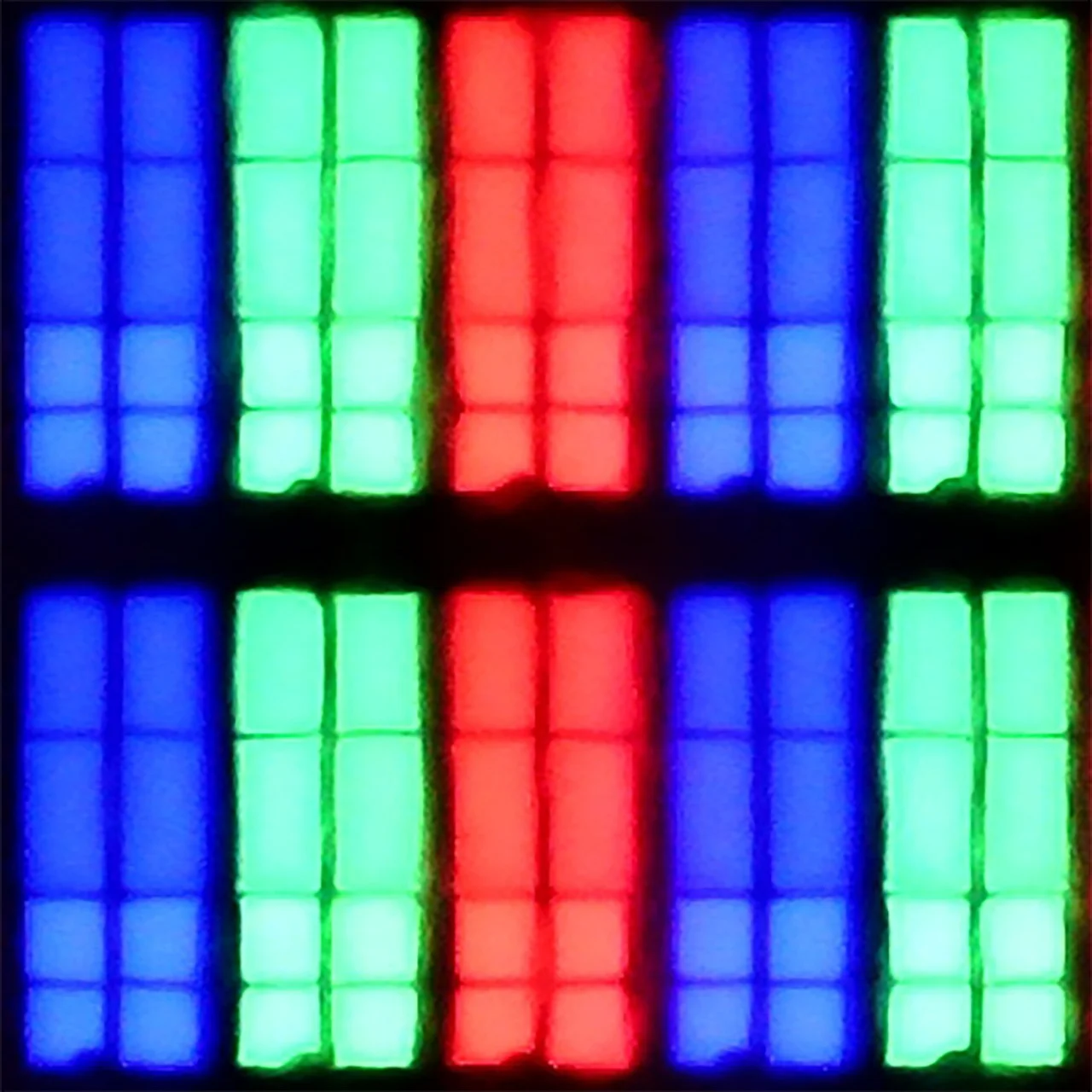
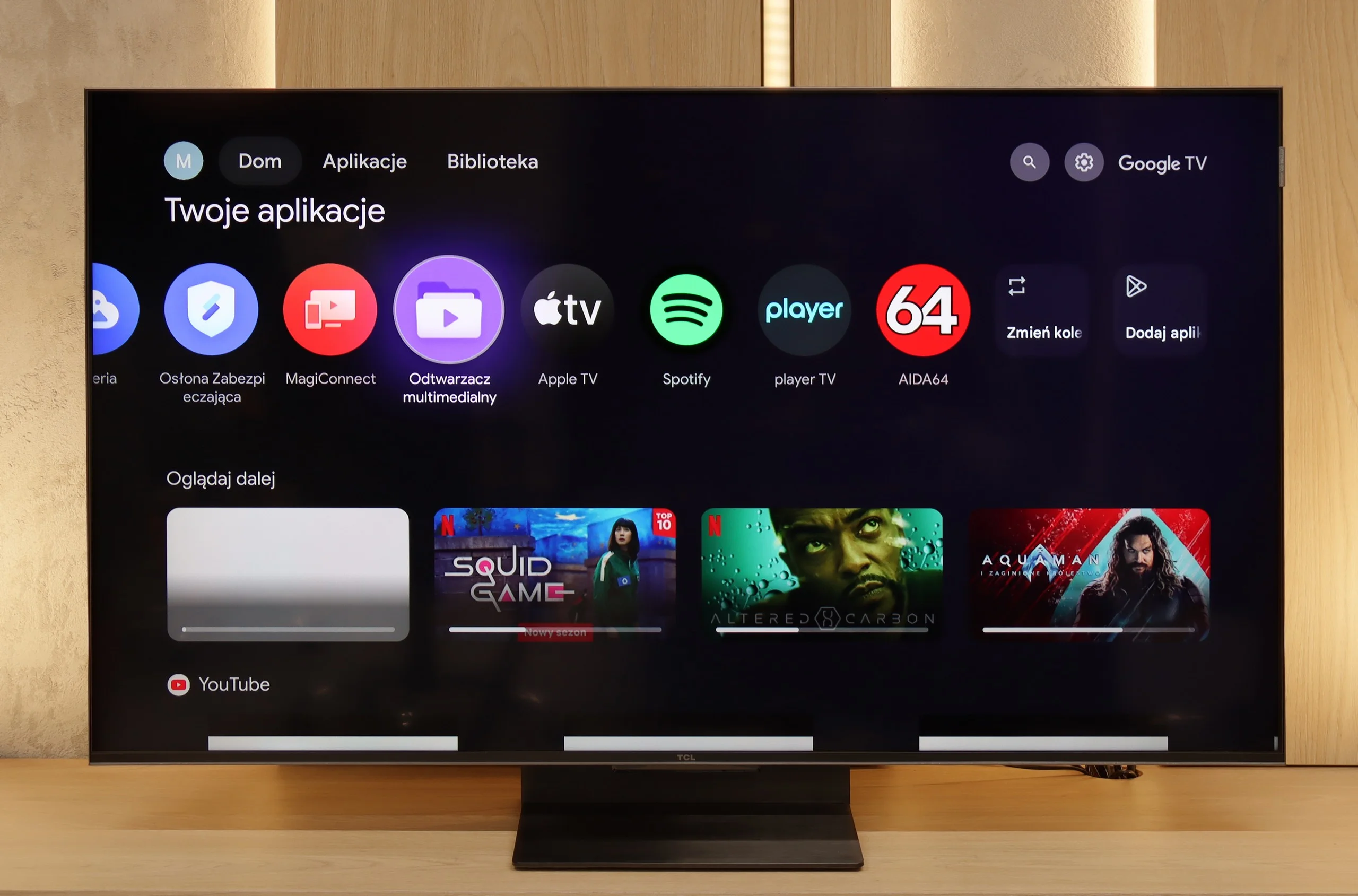
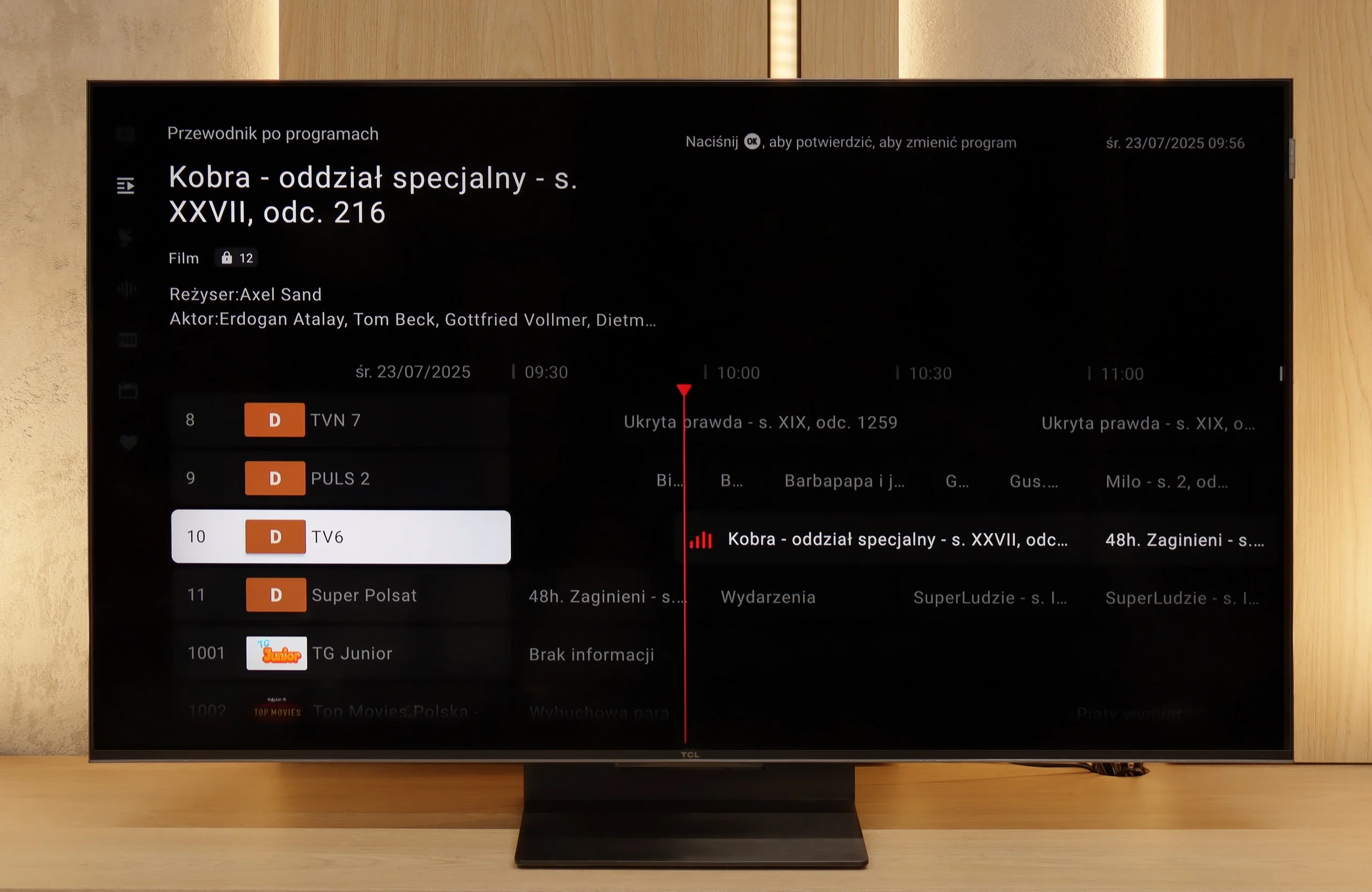
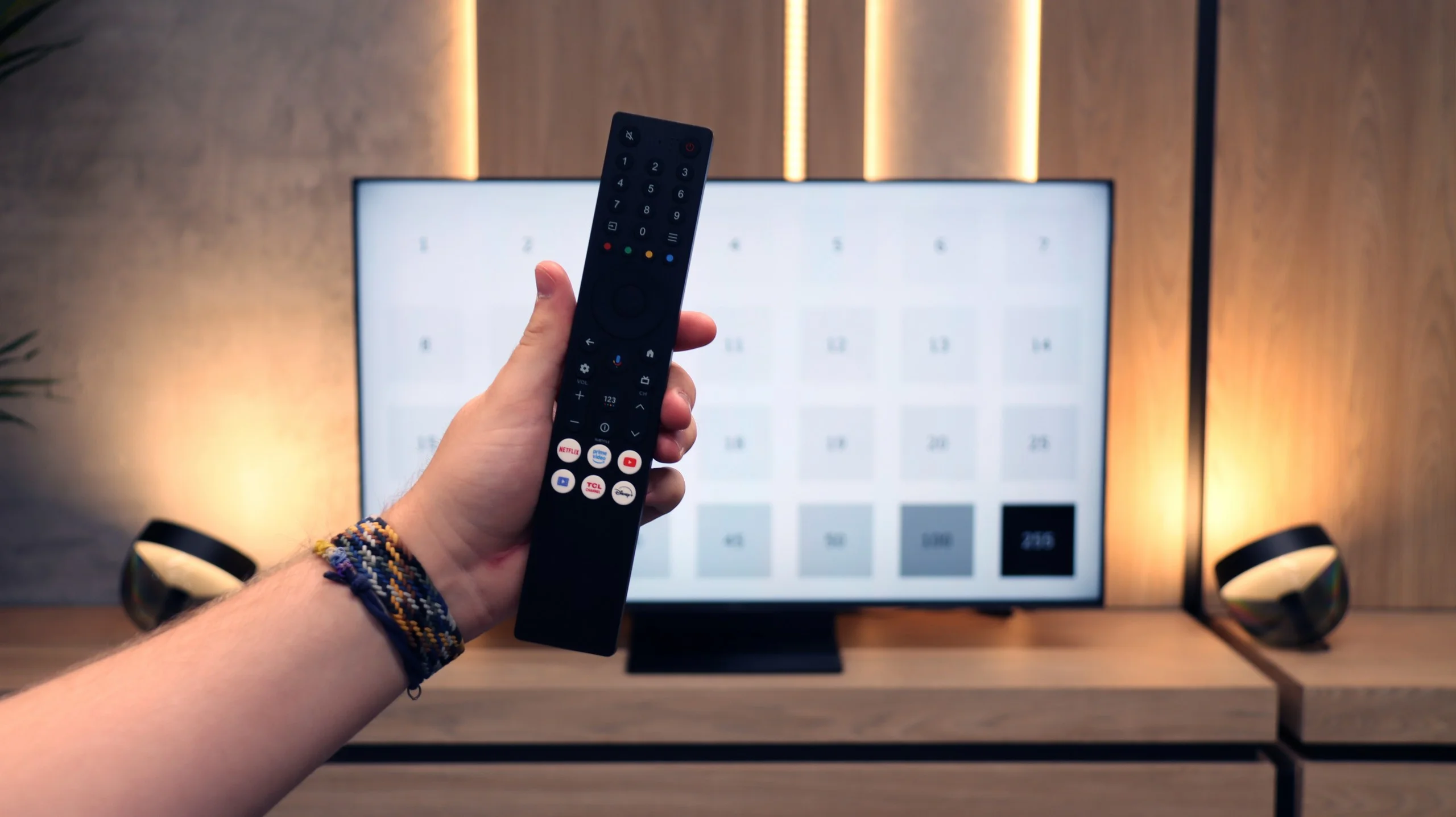
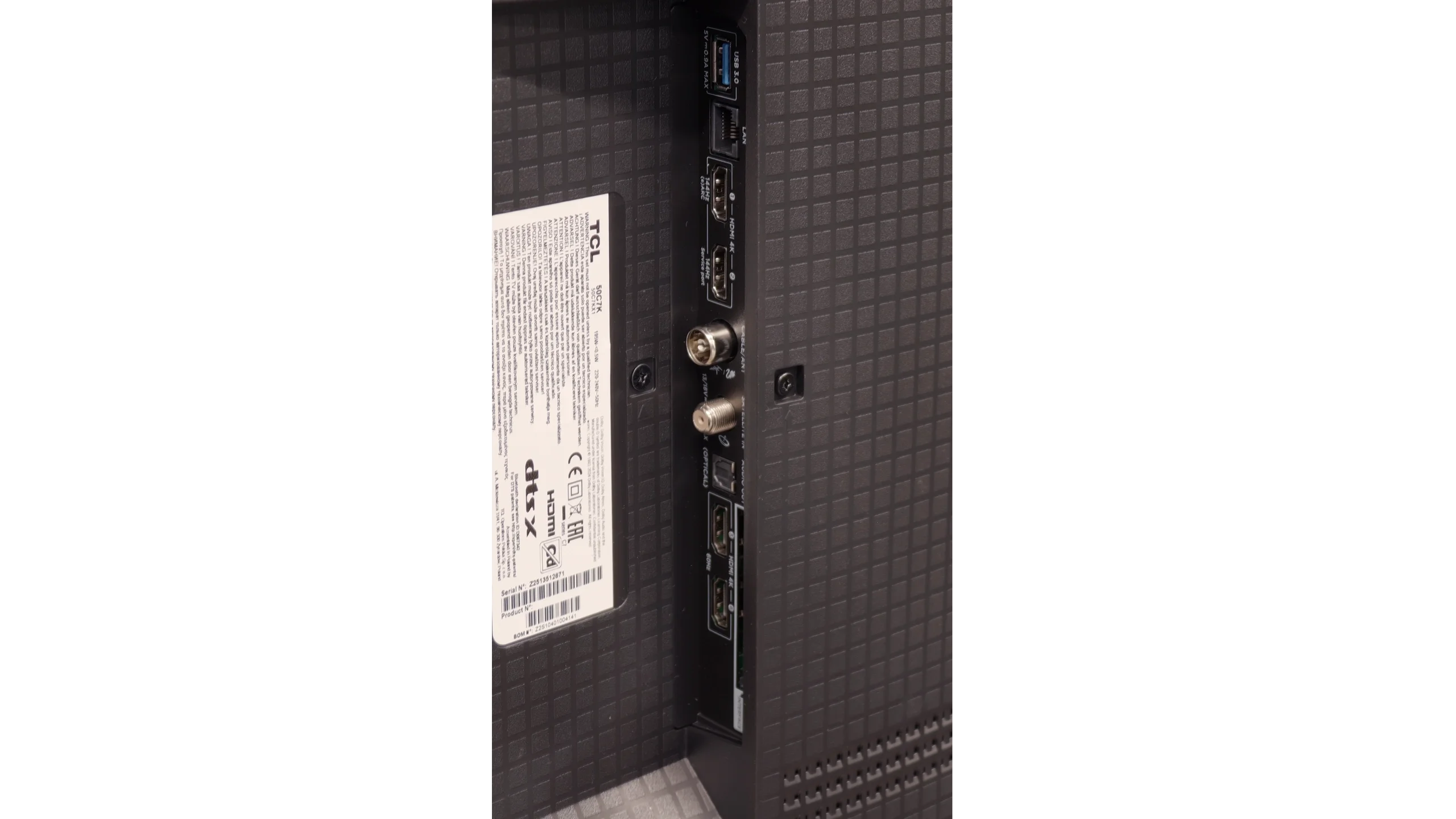
There are televisions that come in for testing and at first glance seem like just another "average" model. The TCL C7K looks just that way – without grand claims of revolution, without ambitions to dethrone OLEDs. Yet after spending a few days with this model, it's hard not to conclude that it's actually a well-made product. Its greatest strengths? Very good picture quality at a reasonable price. MiniLED combined with QLED filtering provides vibrant colours, high brightness, and contrast that really impresses in this class. Motion in sports or gaming looks smooth, and the presence of HDMI 2.1 and 144 Hz refresh rate makes gaming on this model a pure delight. Additionally, there's the Google TV system – it offers a vast range of possibilities: from voice control to AirPlay support, and access to all the most important applications.
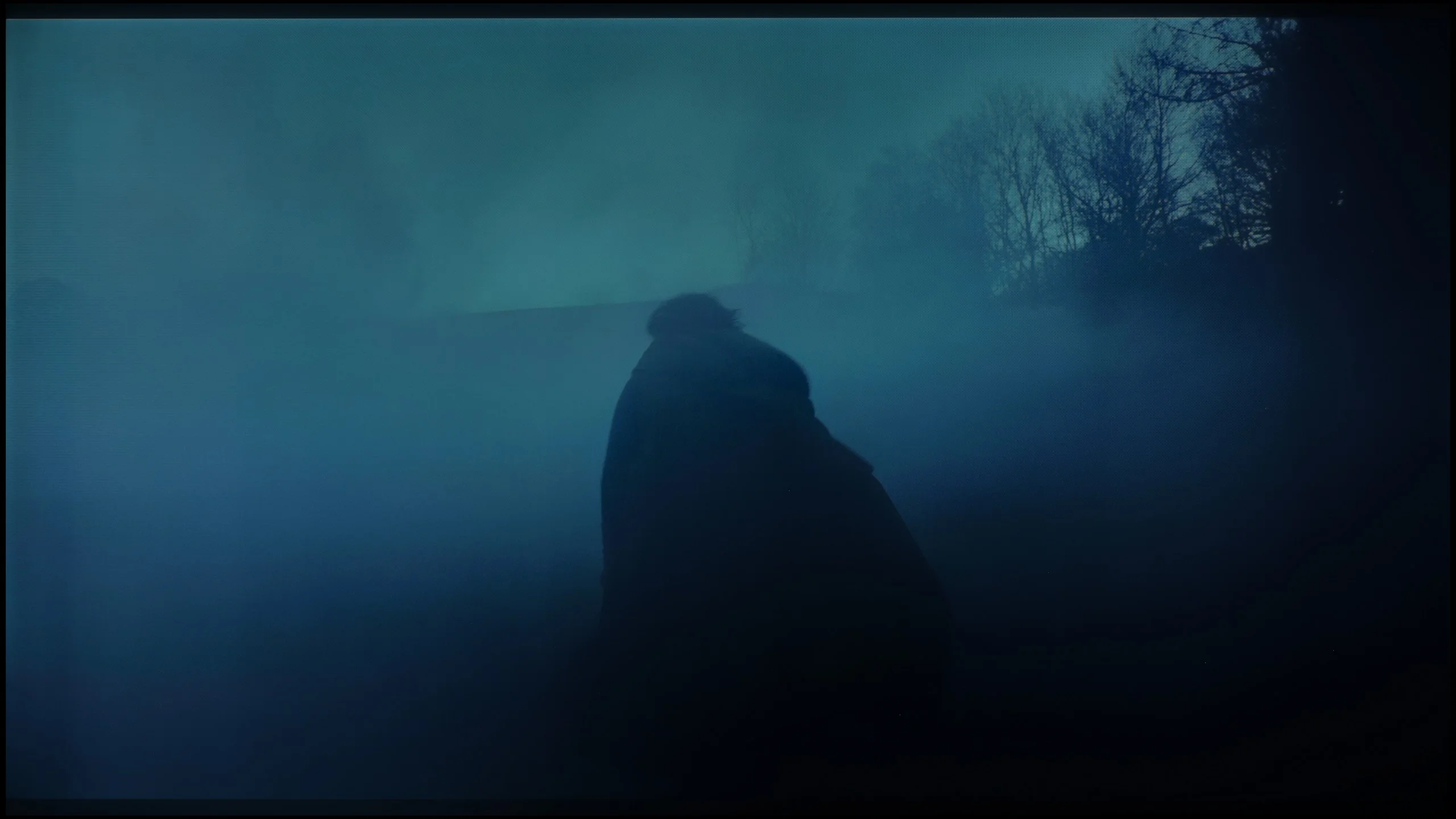
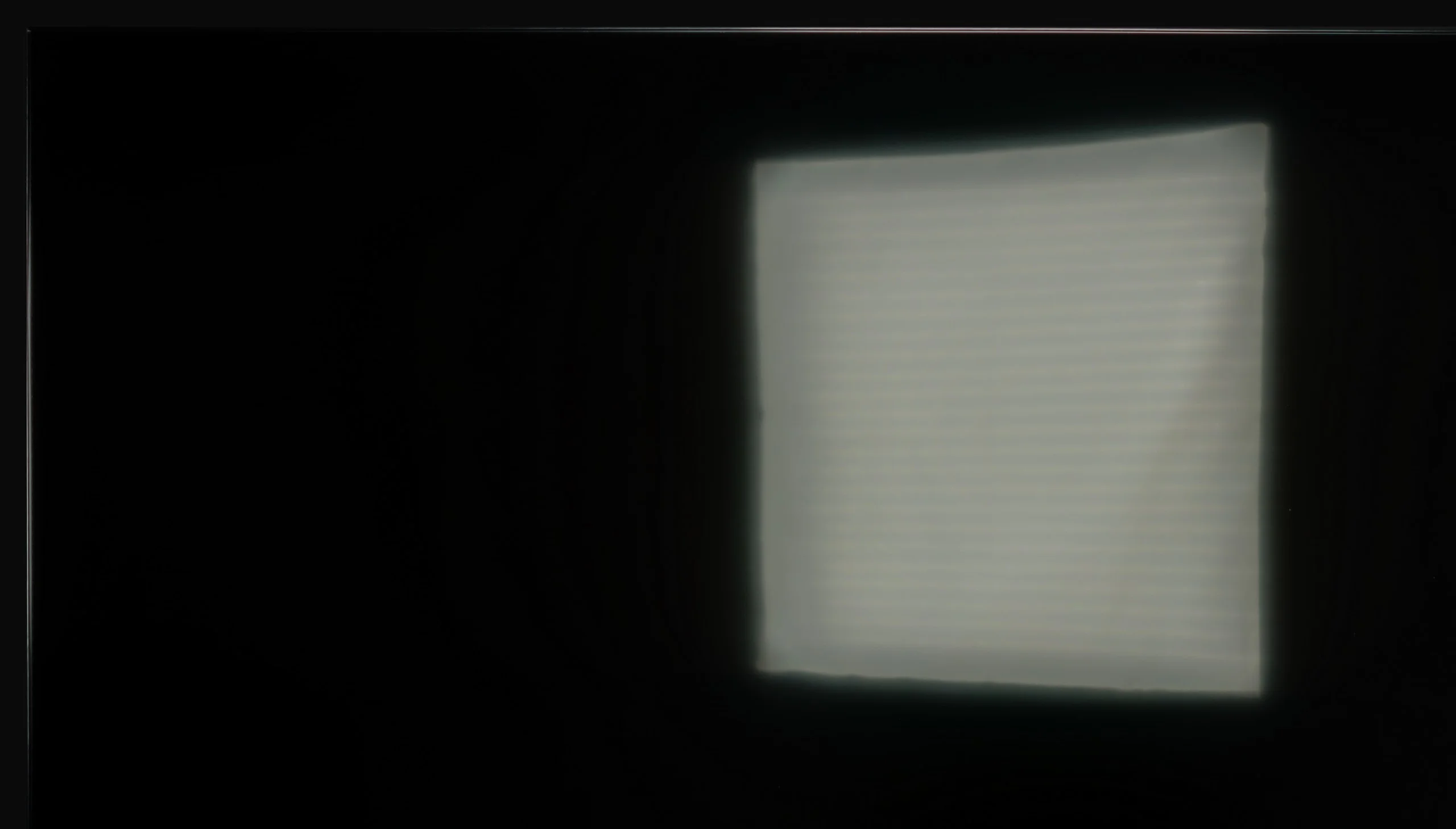
Are there any drawbacks? Certainly. MiniLED still has its limitations, and in the most challenging cinematic scenes, compromises in dimming can be noticed. Google TV also doesn't always run perfectly smoothly. However, these are rather minor issues that don't overshadow the overall picture – which is indeed very positive. It's also worth highlighting the difference between versions. The 50-inch version we tested can surprise, but the 55–85 inch models perform significantly better – they have more lighting zones, even higher contrast quality, and better sound. So if you're considering purchasing the C7K, it's definitely worth opting for a larger size.
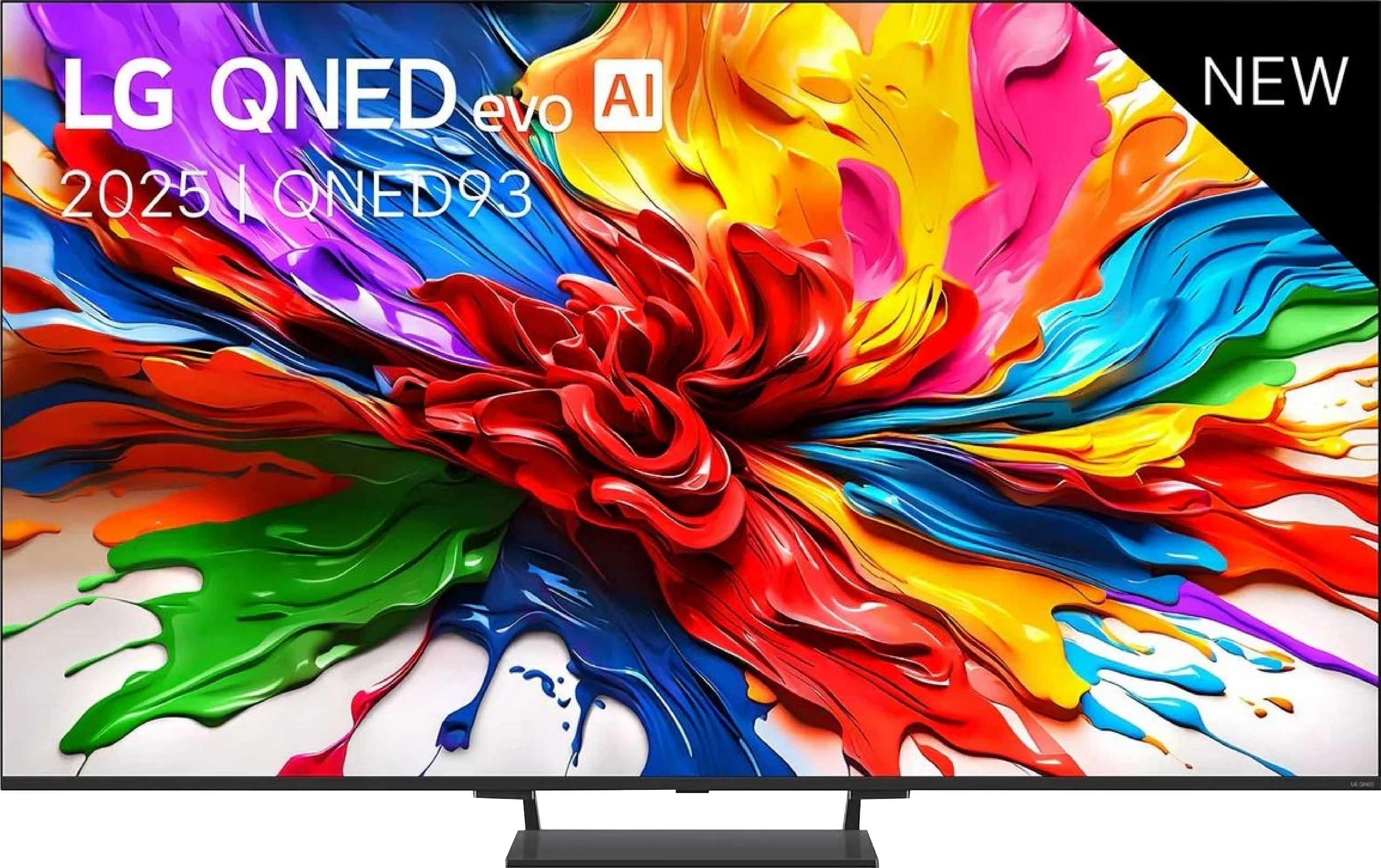
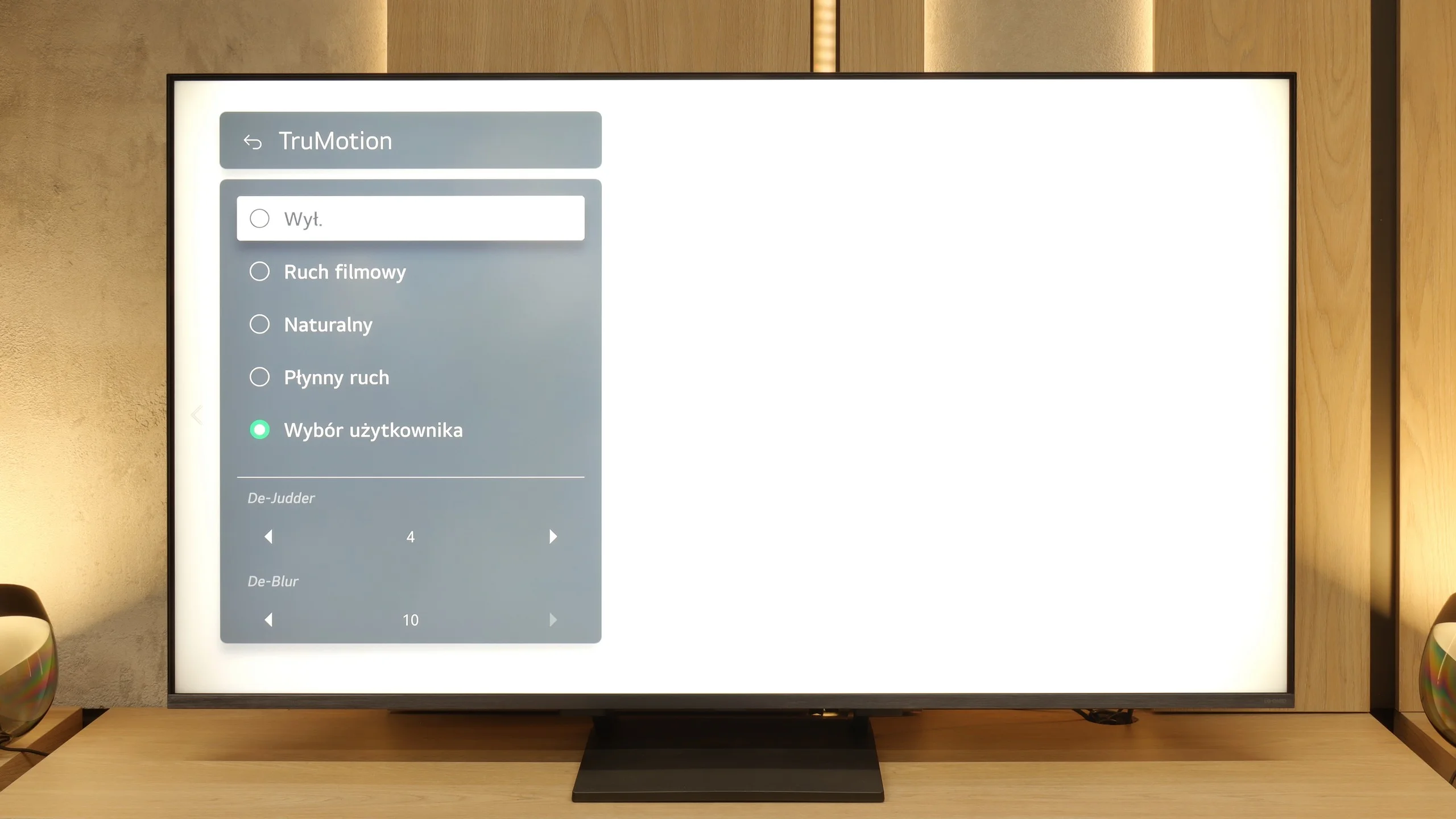
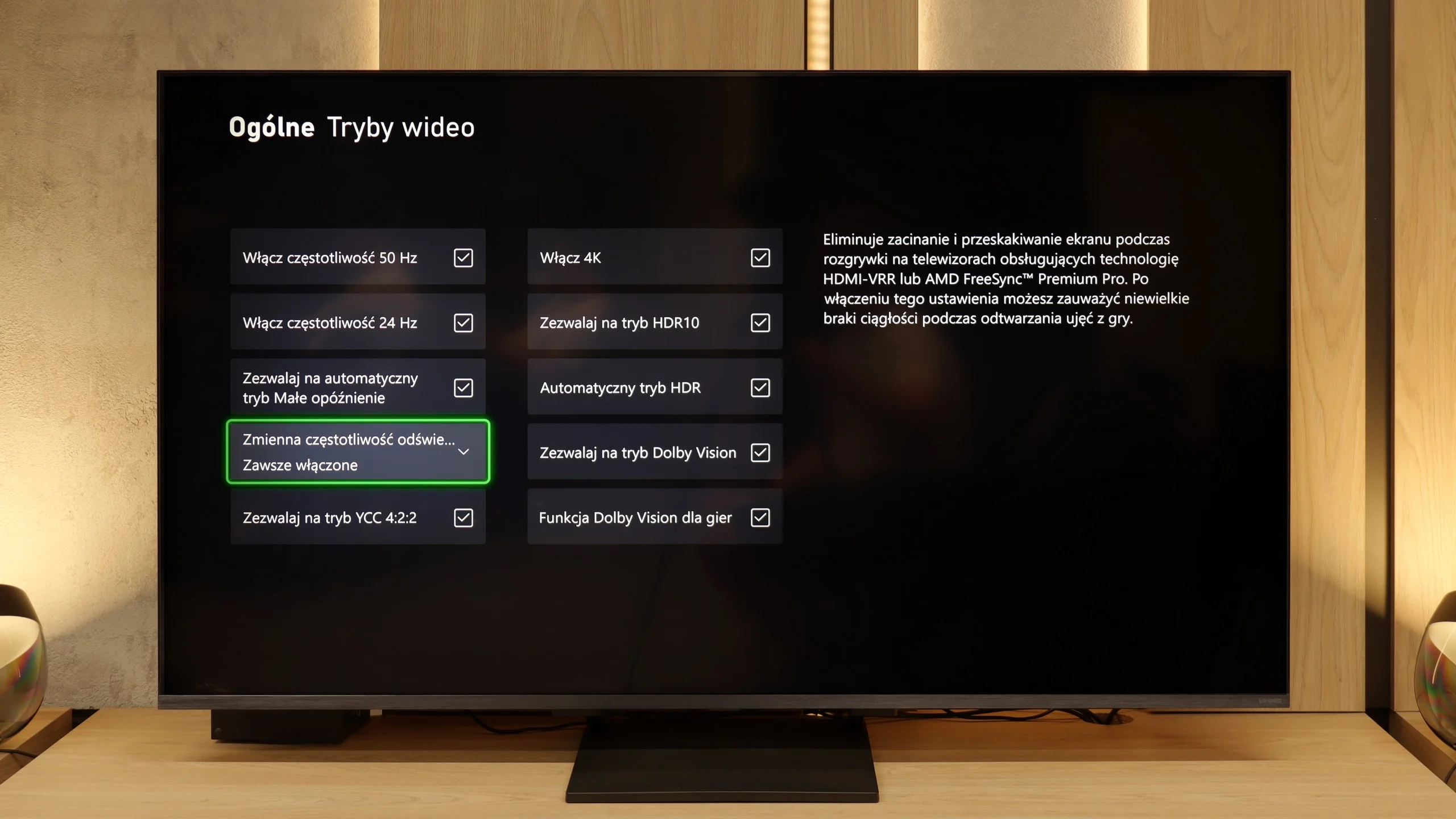
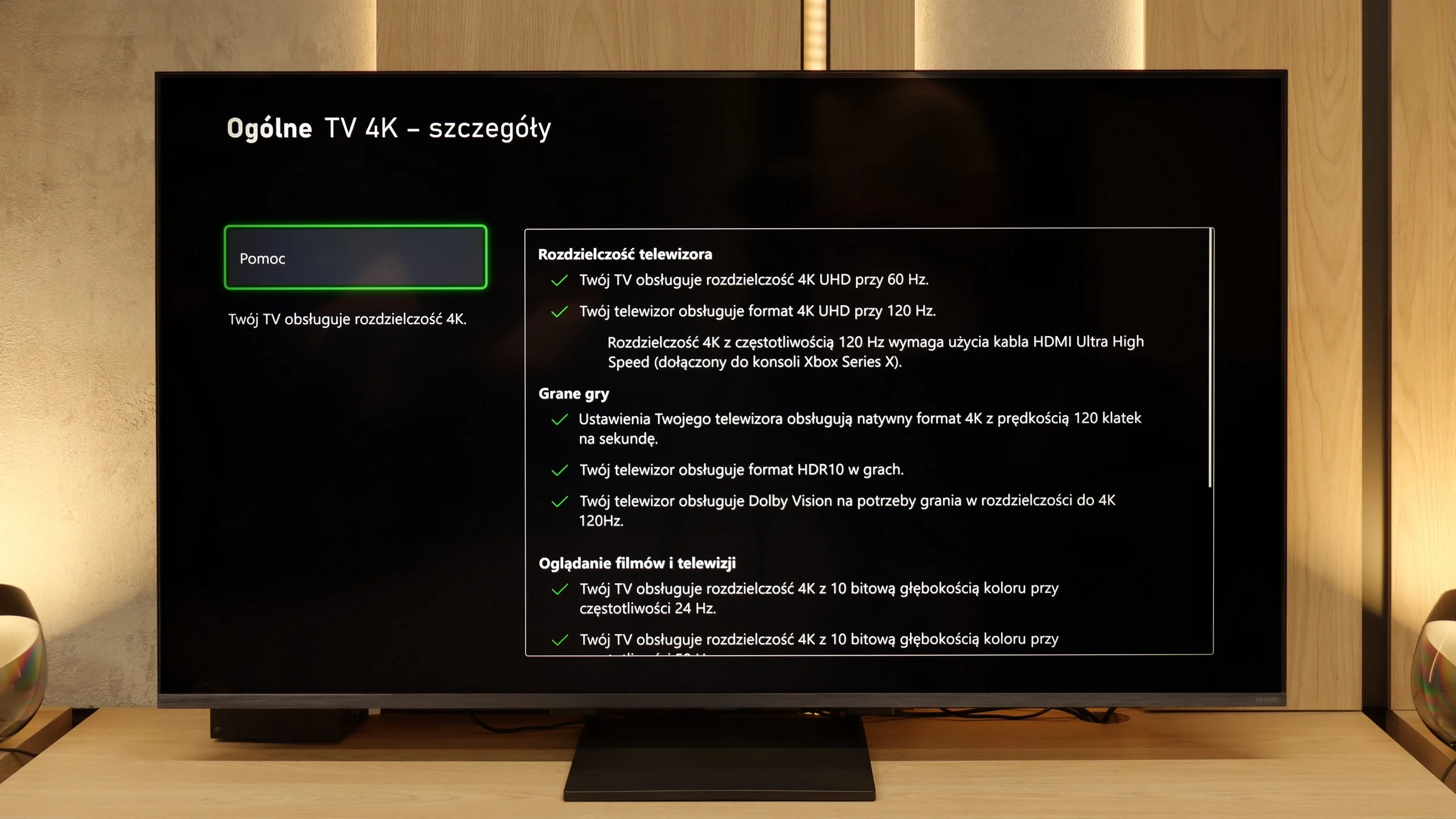
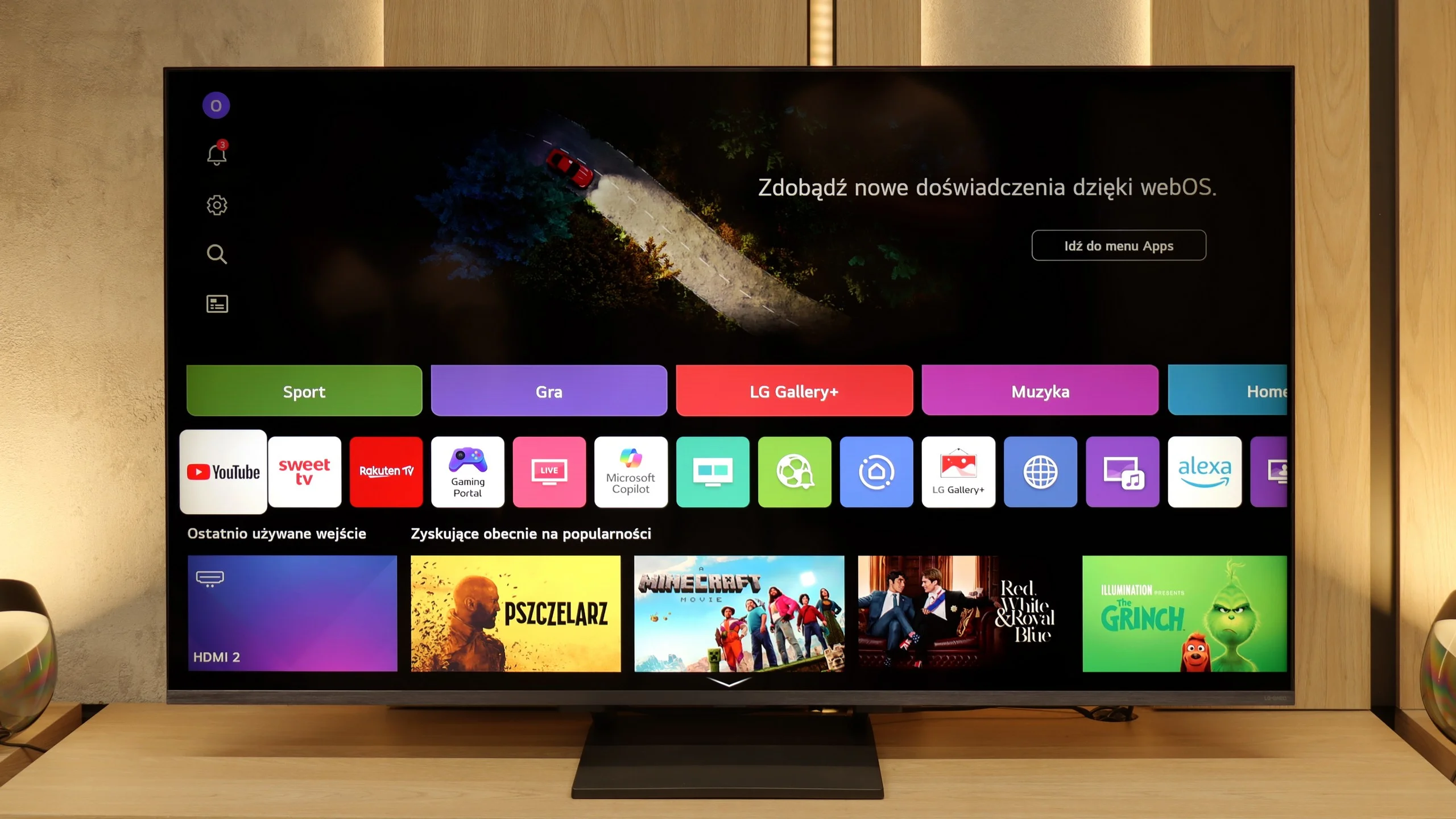
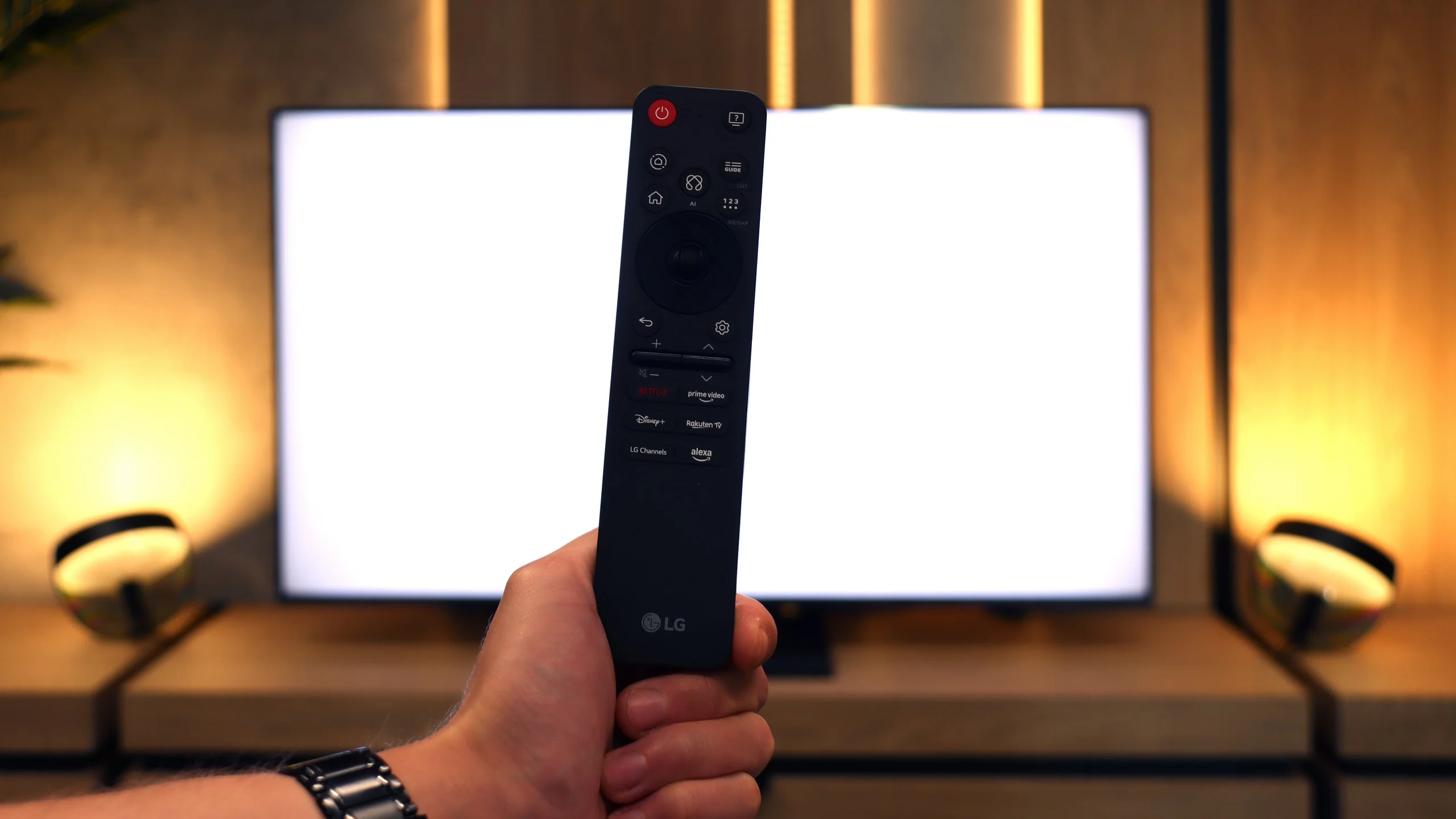
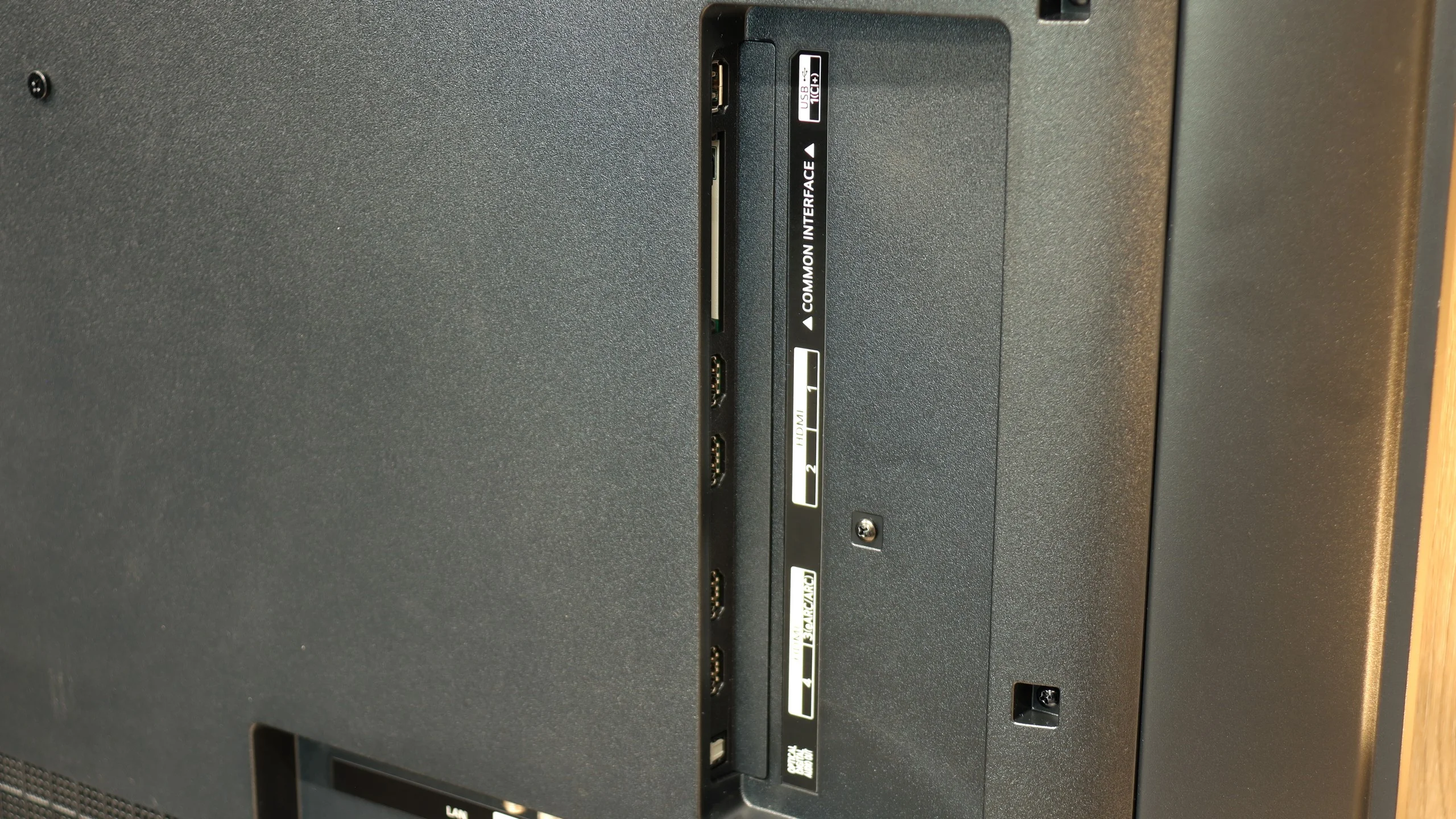
The LG QNED93A is a television that, at first glance, appears to be a solid step forward compared to previous LCD models from this brand. On paper, we get quite a lot: a significantly larger number of dimming zones, 144 Hz refresh rate for gamers, support for all HDR formats, including Dolby Vision, and WebOS with a new Magic remote, which remains one of the most convenient control systems. The QNED93A shines particularly in gaming applications. Four full-fledged HDMI 2.1 ports allow for connecting consoles and PCs without any restrictions, and the low input lag remains consistent at both 120 and 60 Hz. For PC users, an additional advantage is the 144 Hz mode and full compatibility with G-Sync and FreeSync. Therefore, it can be confidently said that in terms of gaming features, the QNED93A holds its own against the competition. Another strong point is WebOS. LG's system has long been regarded as one of the most user-friendly in everyday use, and this is confirmed here. Everything is clear, and the Magic remote allows for controlling the television like a mouse pointer – quickly and intuitively. Brightness can also be considered a plus. At its peak, it managed to achieve results close to 1400 nits. This is sufficient for the picture to remain vibrant in brighter rooms, and for special effects in films or games to look convincing. The image processor handles scaling of older content well – television or films in lower resolution appear clearer and sharper than on many competing screens.
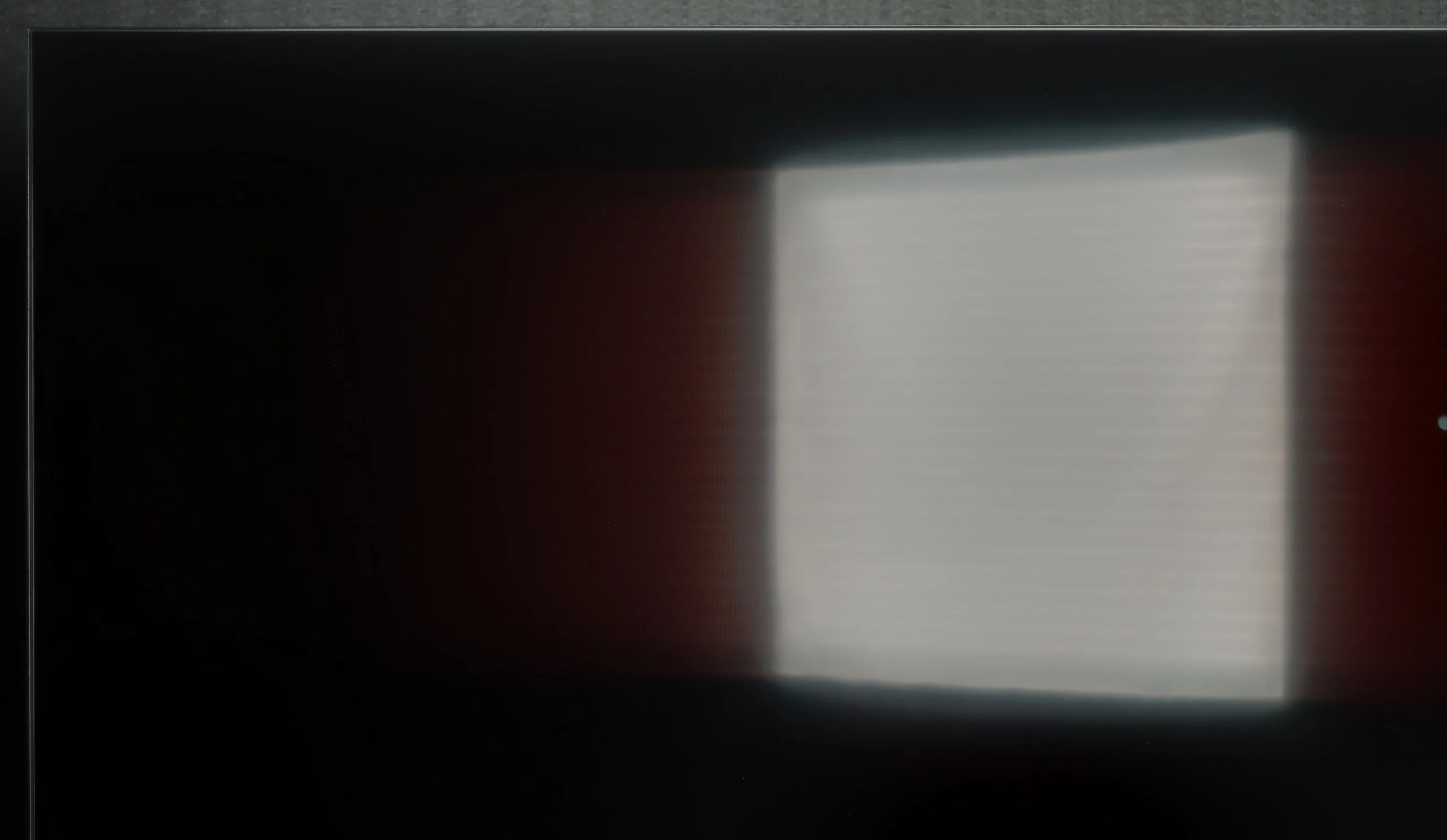
However, it cannot be denied that the biggest problem with the QNED93A lies in the local dimming algorithms. In scenes full of black, the screen can dim significantly, causing many details to simply disappear. The effect is such that contrast appears better at first glance, but at the cost of information that should be visible. An additional problem is the Dolby Vision mode, which usually improves certain aspects of screens, yet in this case, it makes little difference. The differences between dynamic and static metadata literally have to be searched for with a magnifying glass. This is simply disappointing because the hardware itself, with its number of dimming zones and stronger backlighting, provides grounds for a better result. So, who is the LG QNED93A for? It is a television that works excellently as a home entertainment centre, especially if you're considering gaming on a console or PC. In everyday television viewing and films in well-lit conditions, it also delivers a lot of satisfaction due to its high brightness and decent image processor. However, one must accept that in scenes with a lot of black and full HDR utilisation, this model does not match its competitors. LG has shown that it can create a very solid LCD screen, but it is also evident that not everything has been refined as well as in their OLED televisions.
 Direct comparison