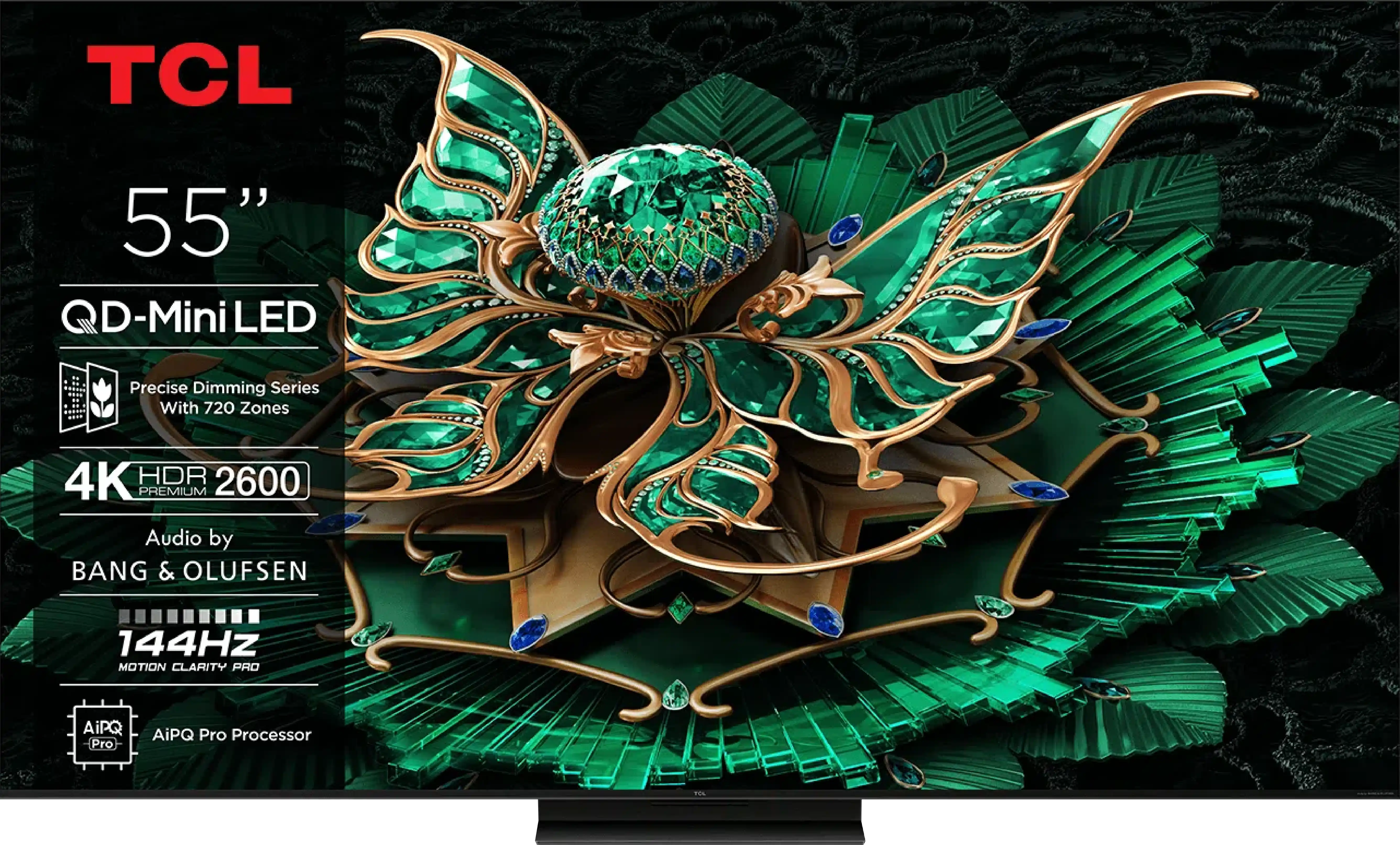
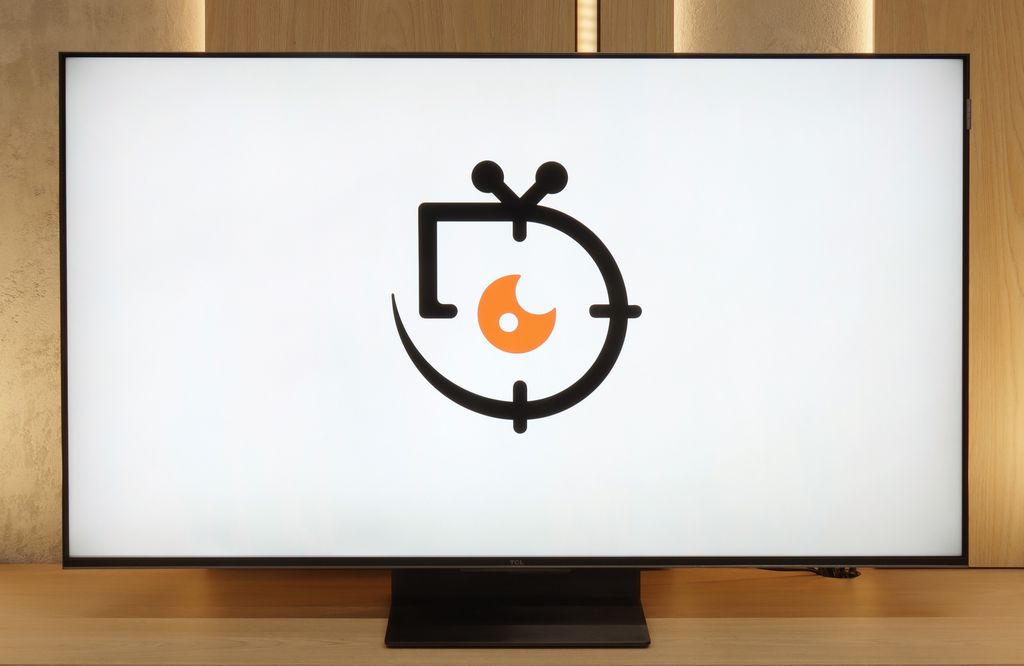
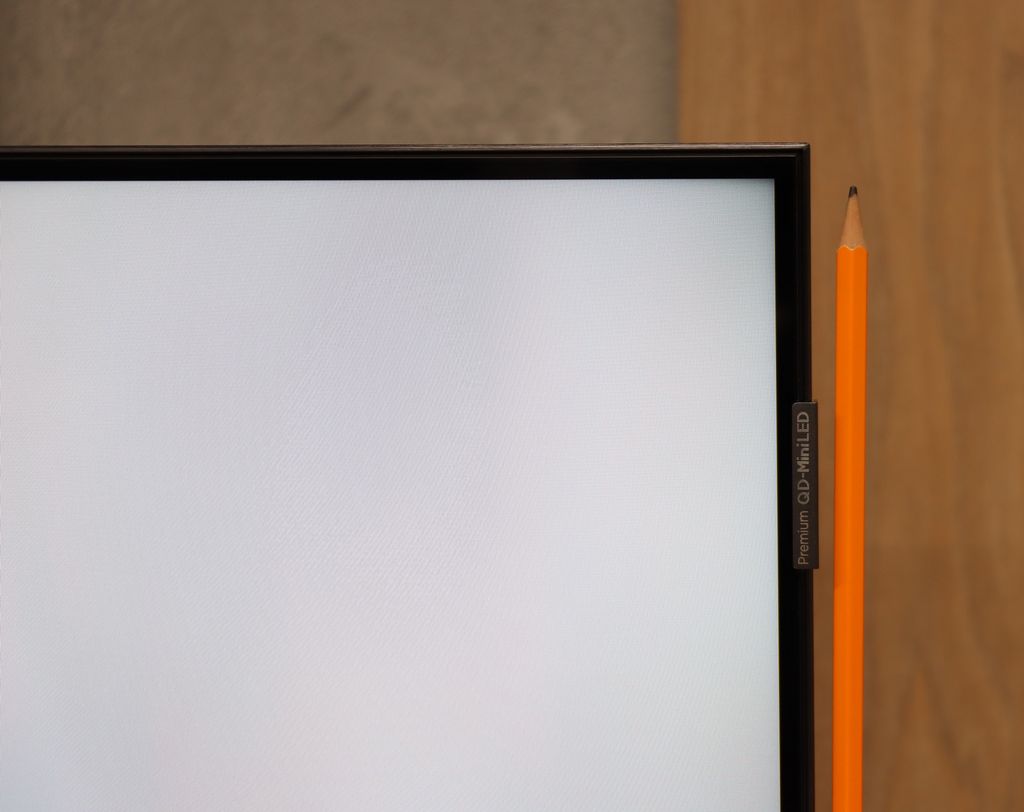
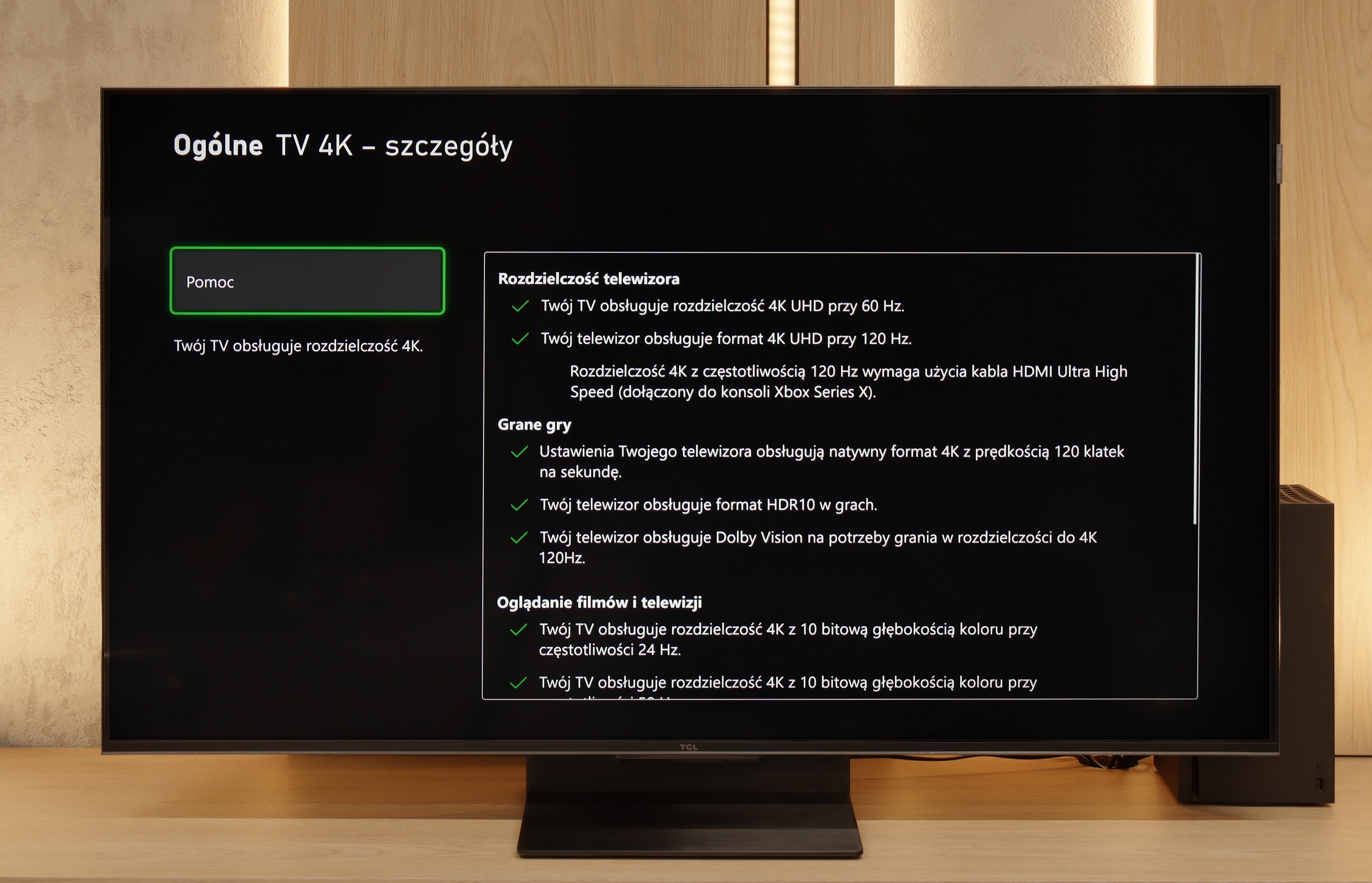
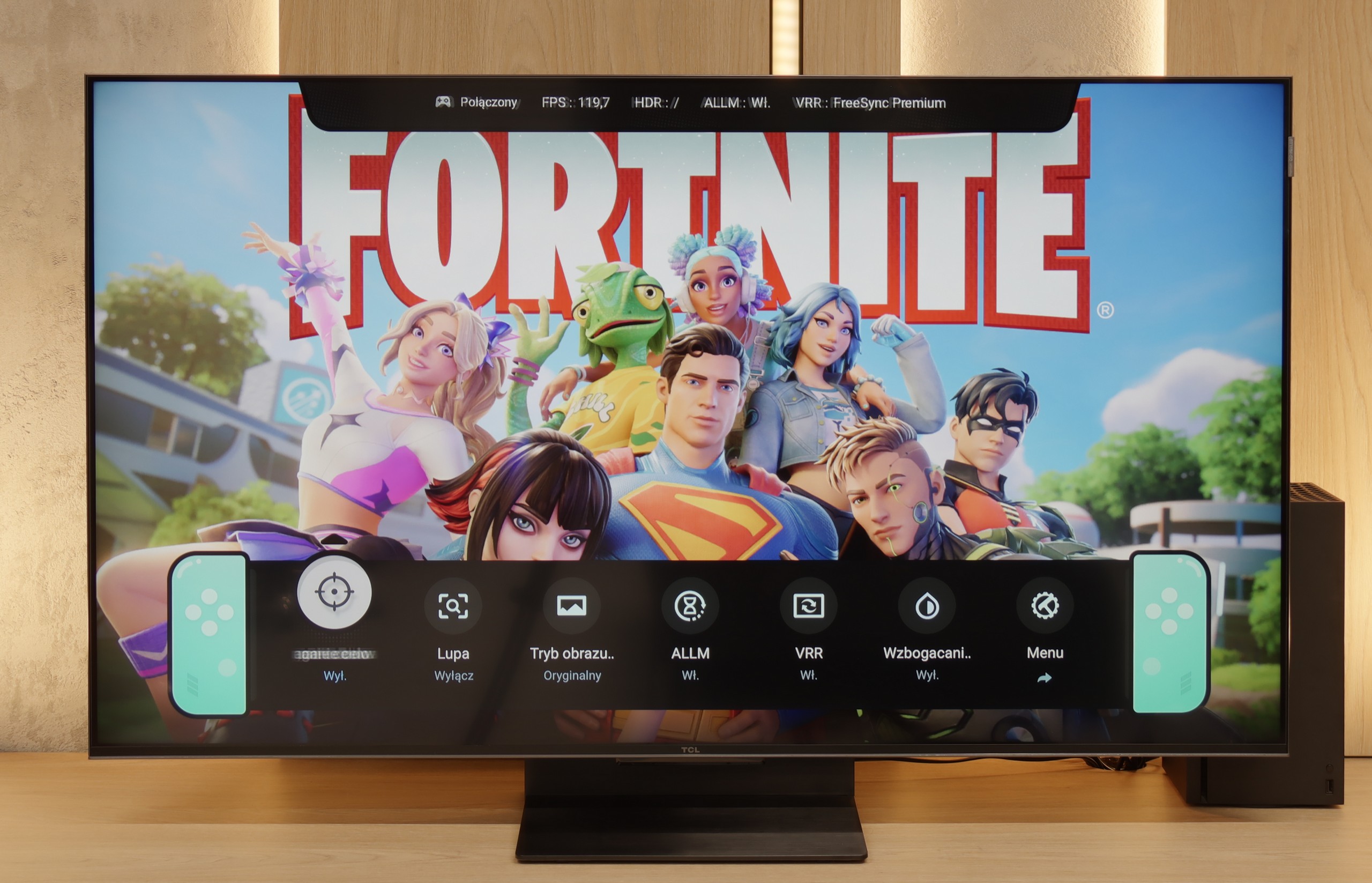
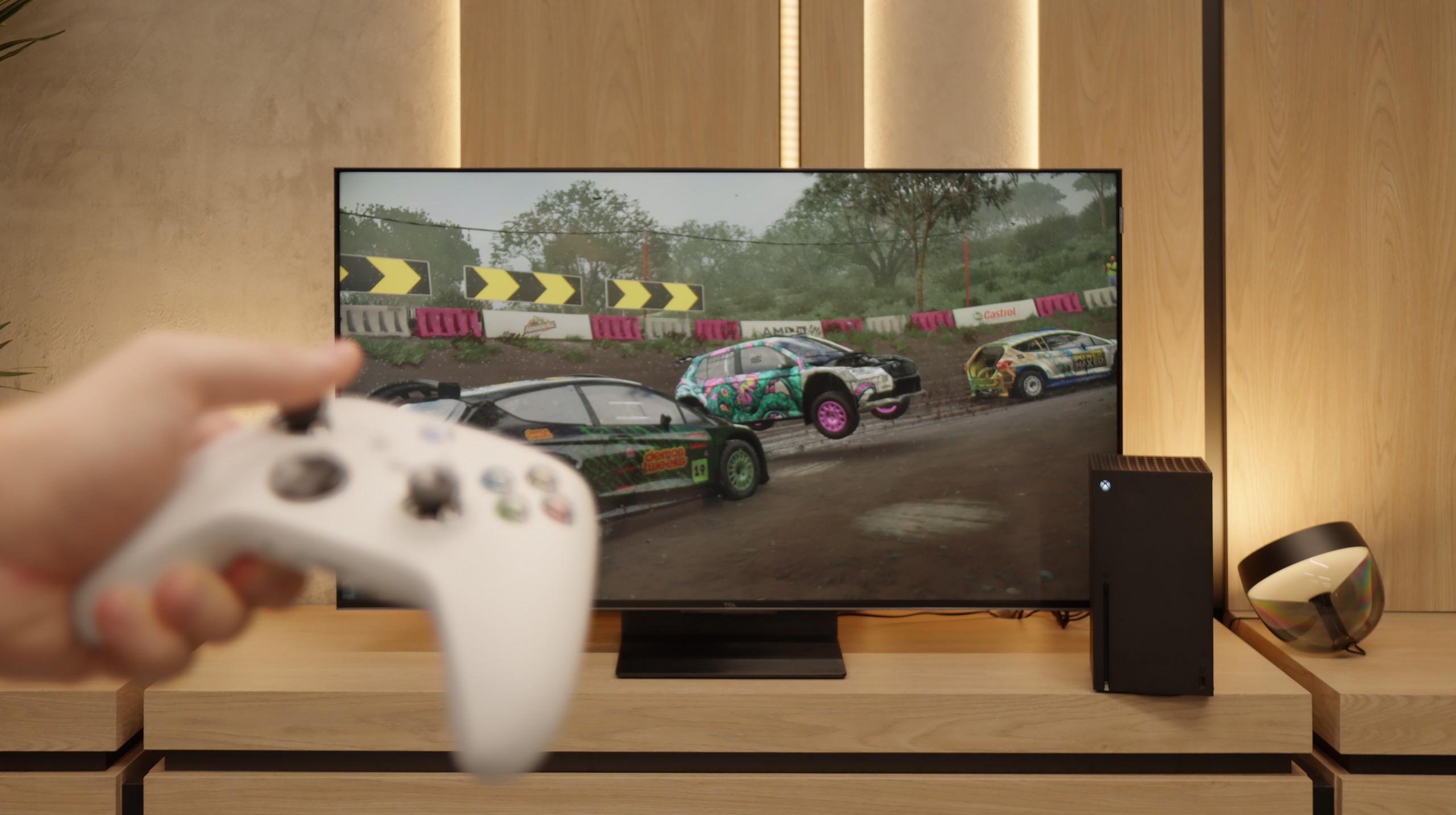
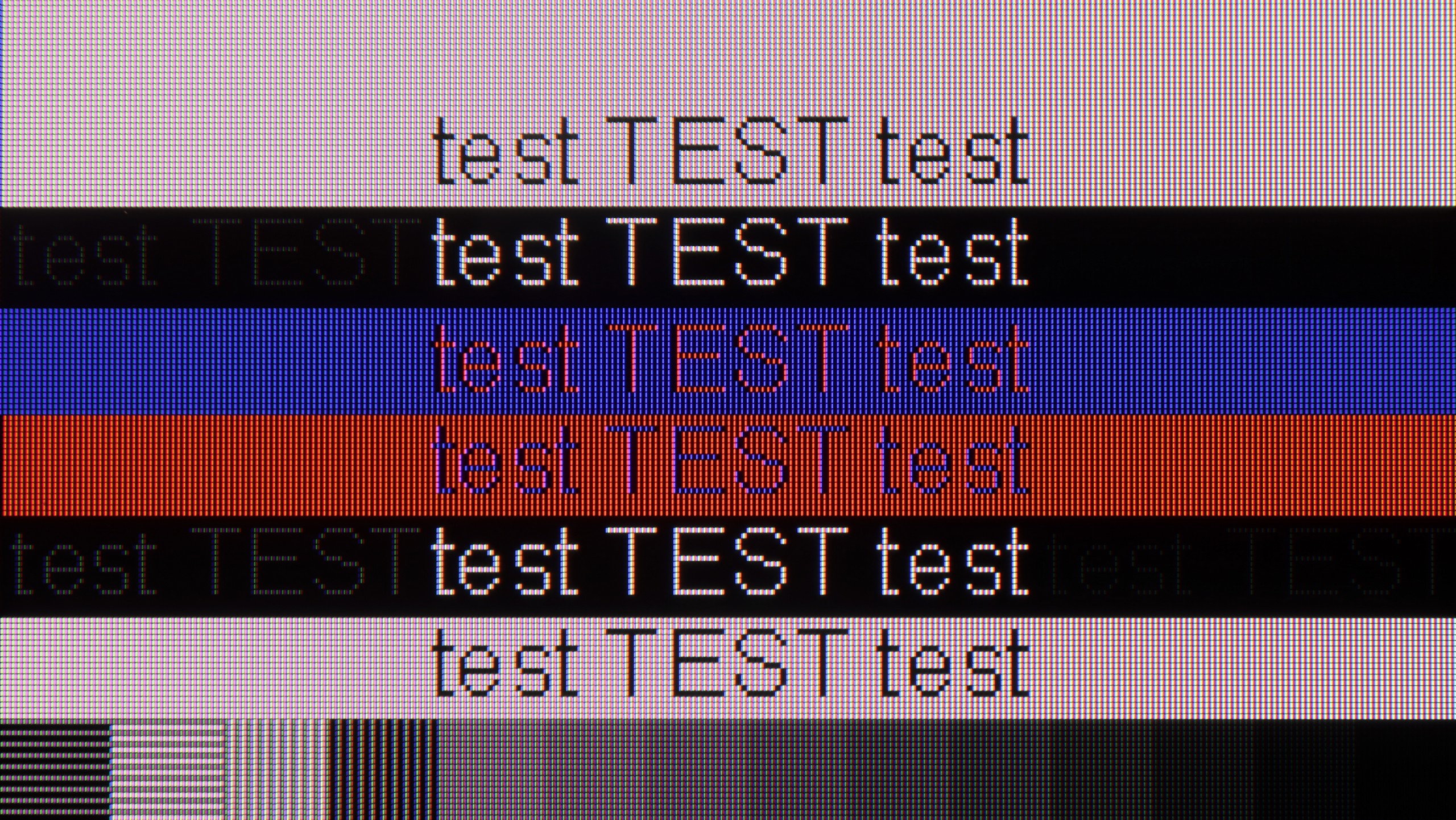
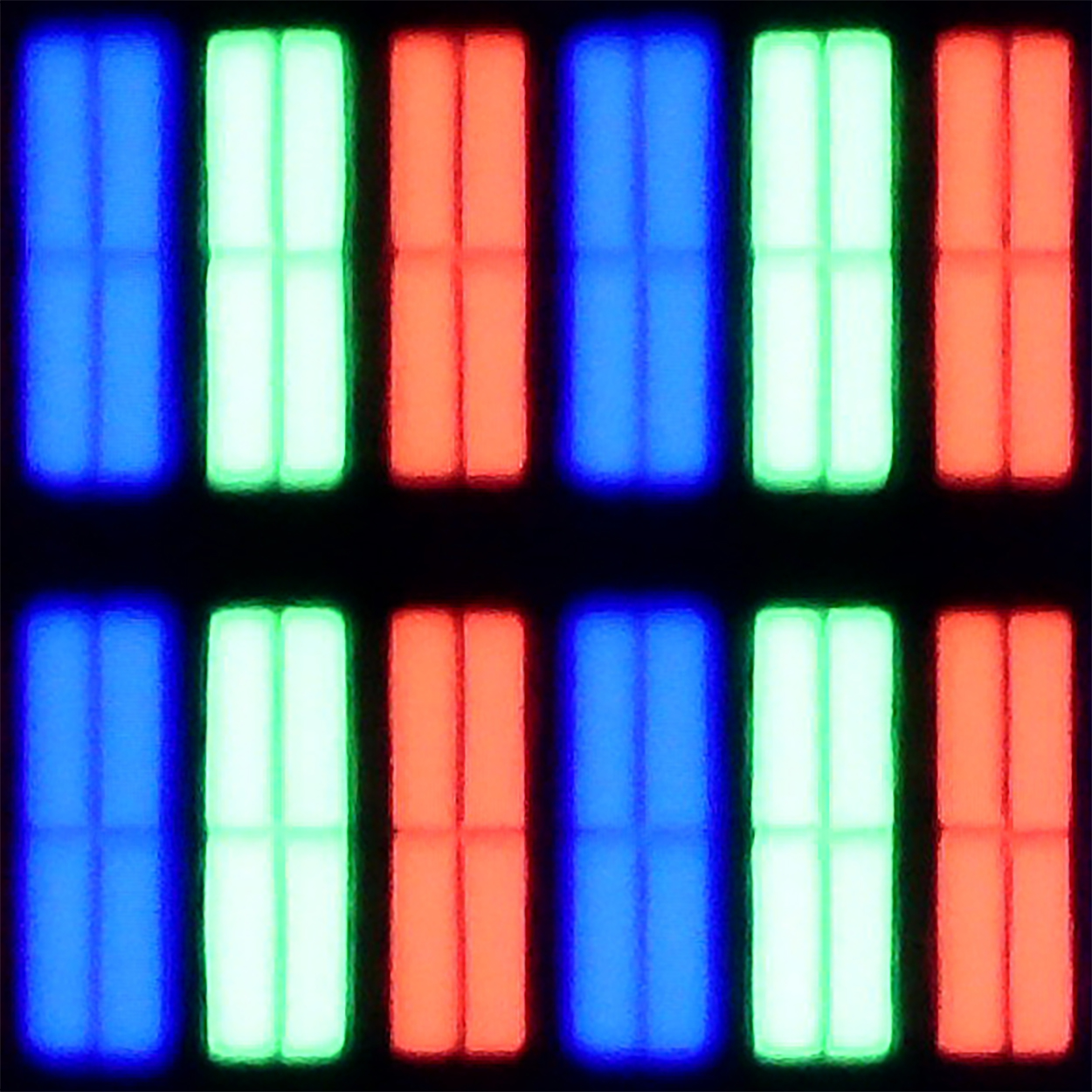
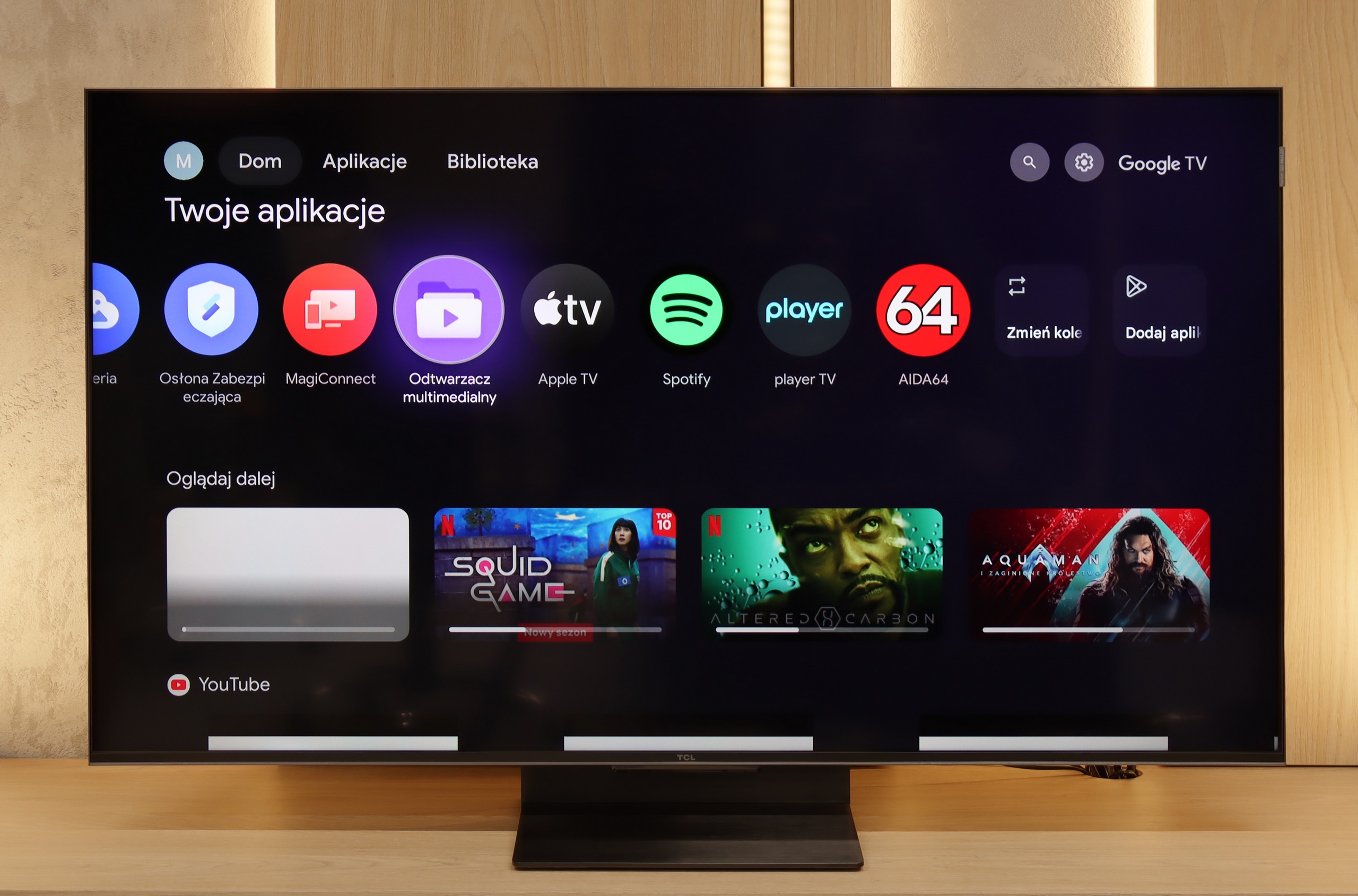
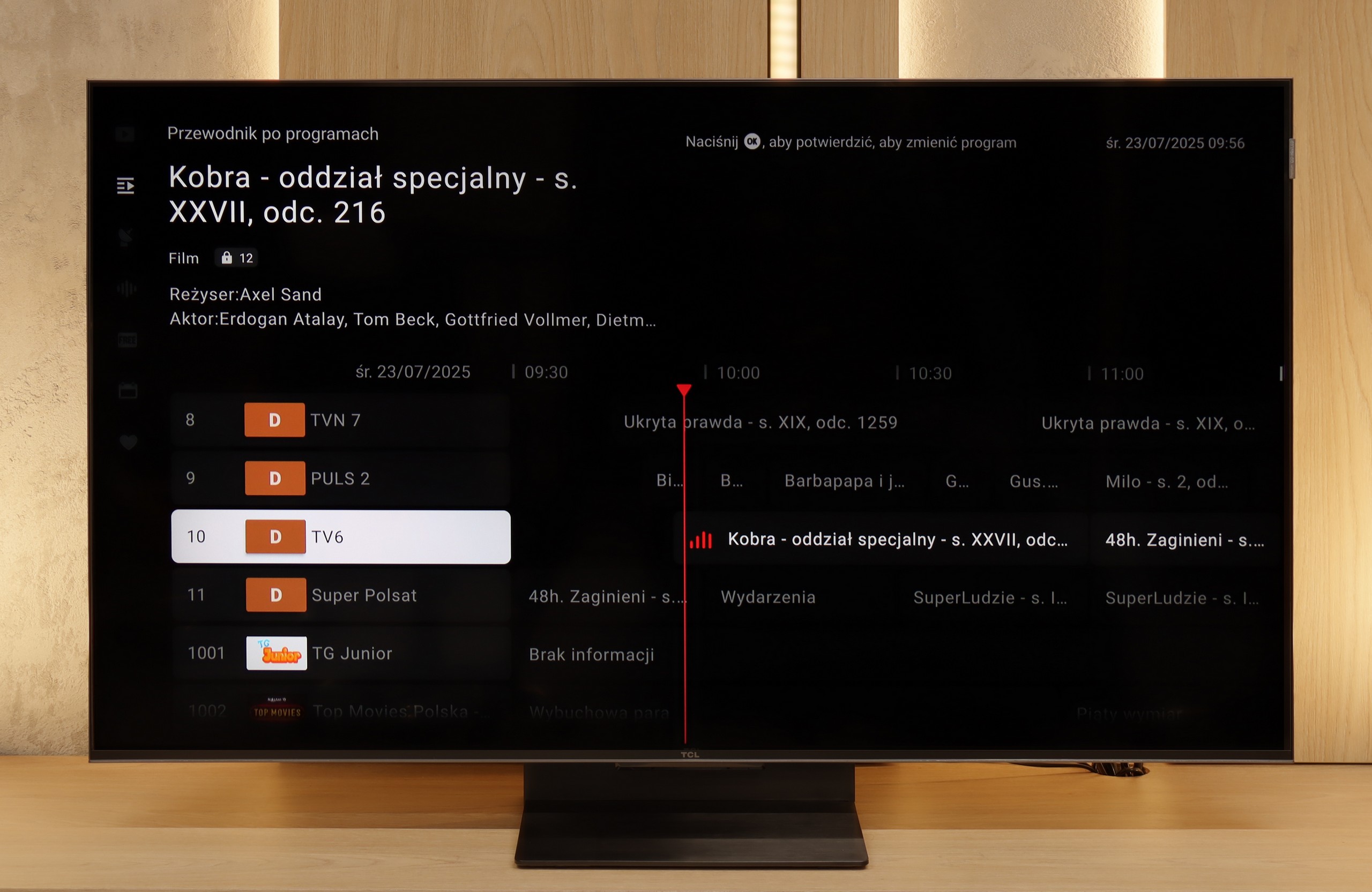
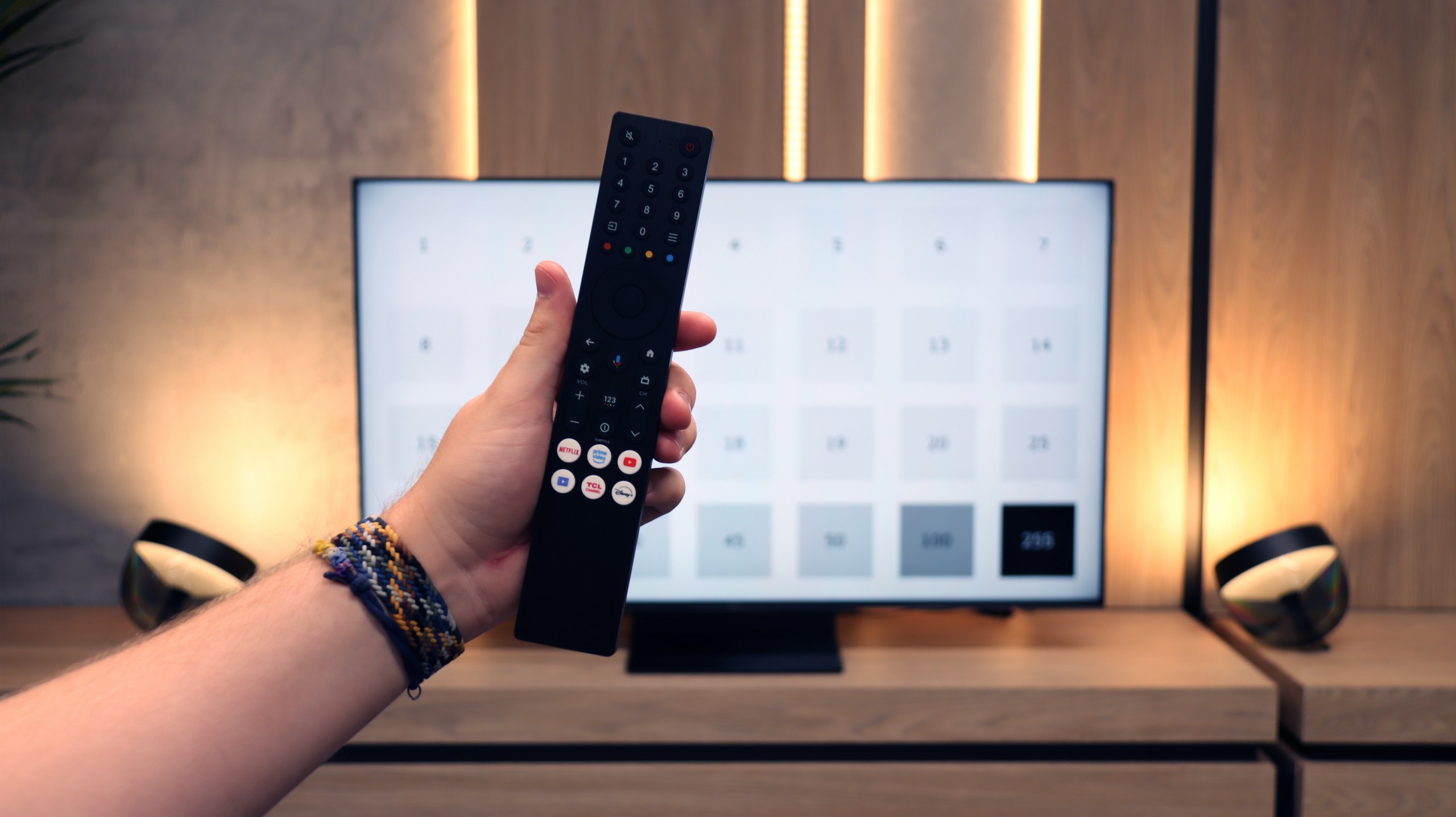
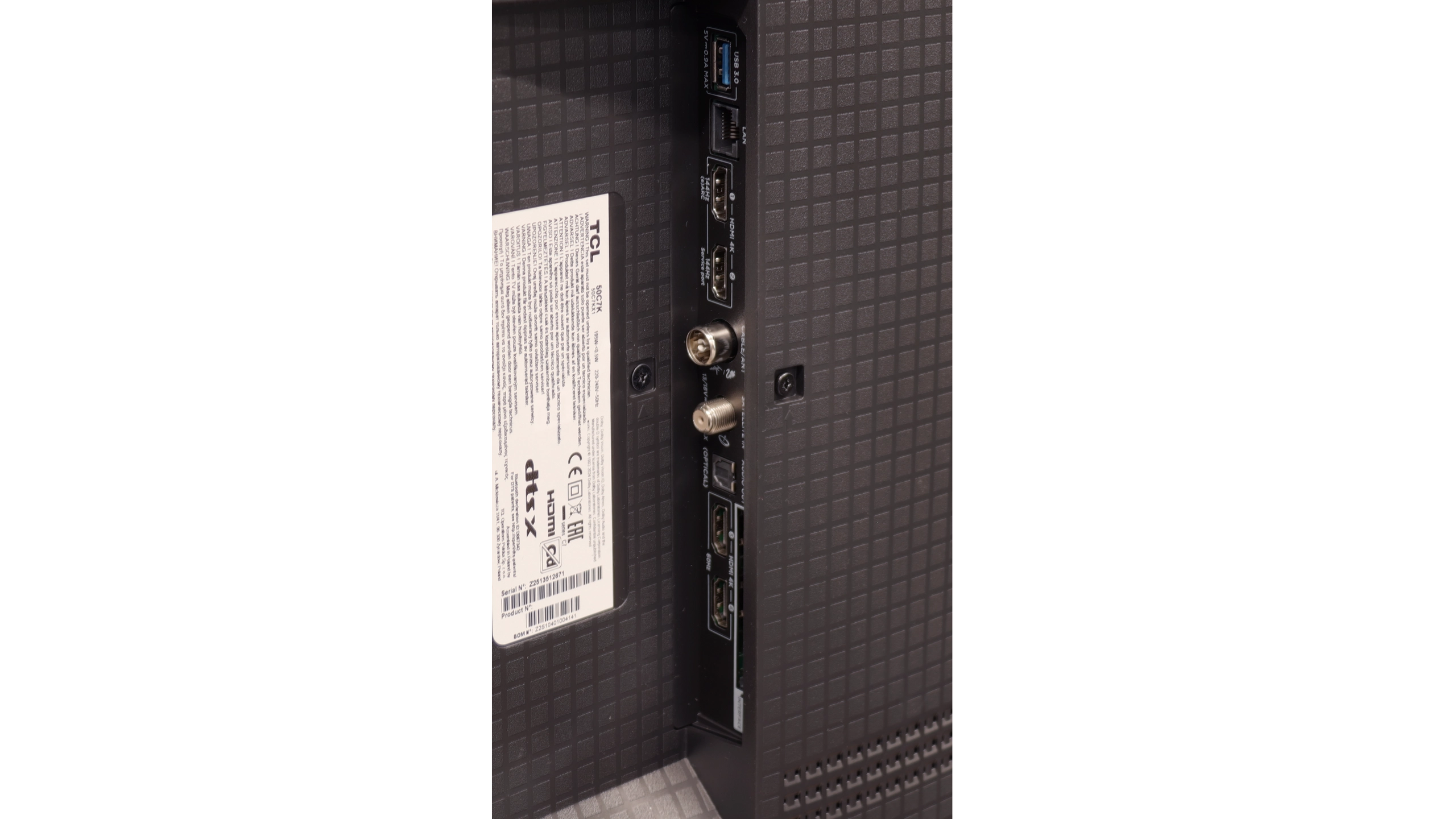
There are televisions that come in for testing and at first glance seem like just another "average" model. The TCL C7K looks just that way – without grand claims of revolution, without ambitions to dethrone OLEDs. Yet after spending a few days with this model, it's hard not to conclude that it's actually a well-made product. Its greatest strengths? Very good picture quality at a reasonable price. MiniLED combined with QLED filtering provides vibrant colours, high brightness, and contrast that really impresses in this class. Motion in sports or gaming looks smooth, and the presence of HDMI 2.1 and 144 Hz refresh rate makes gaming on this model a pure delight. Additionally, there's the Google TV system – it offers a vast range of possibilities: from voice control to AirPlay support, and access to all the most important applications.
Are there any drawbacks? Certainly. MiniLED still has its limitations, and in the most challenging cinematic scenes, compromises in dimming can be noticed. Google TV also doesn't always run perfectly smoothly. However, these are rather minor issues that don't overshadow the overall picture – which is indeed very positive. It's also worth highlighting the difference between versions. The 50-inch version we tested can surprise, but the 55–85 inch models perform significantly better – they have more lighting zones, even higher contrast quality, and better sound. So if you're considering purchasing the C7K, it's definitely worth opting for a larger size.
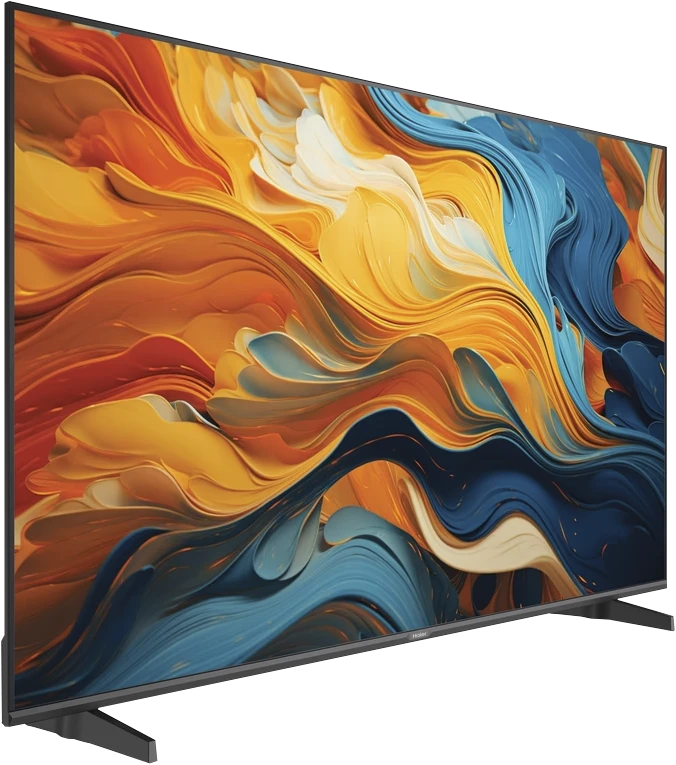
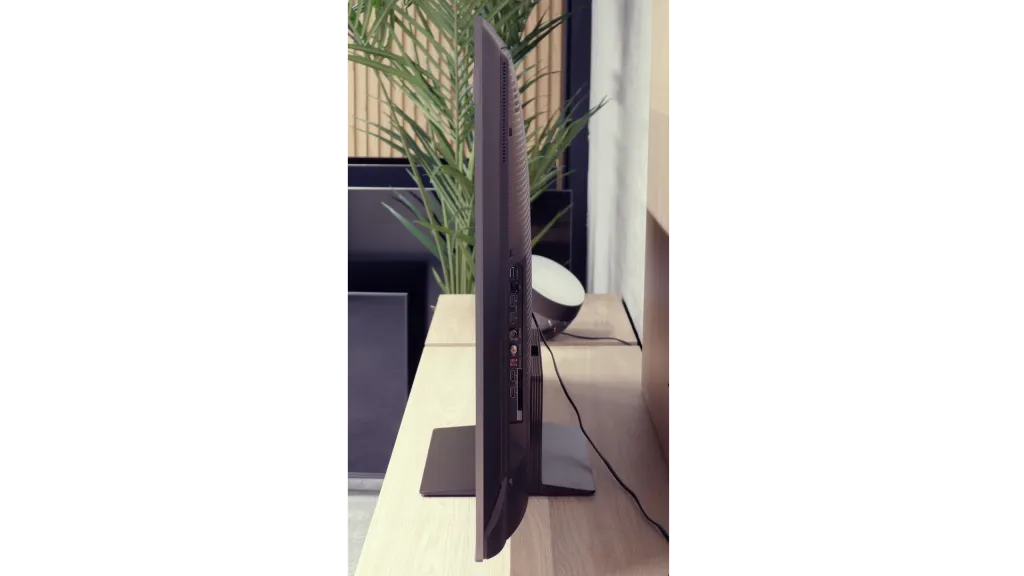
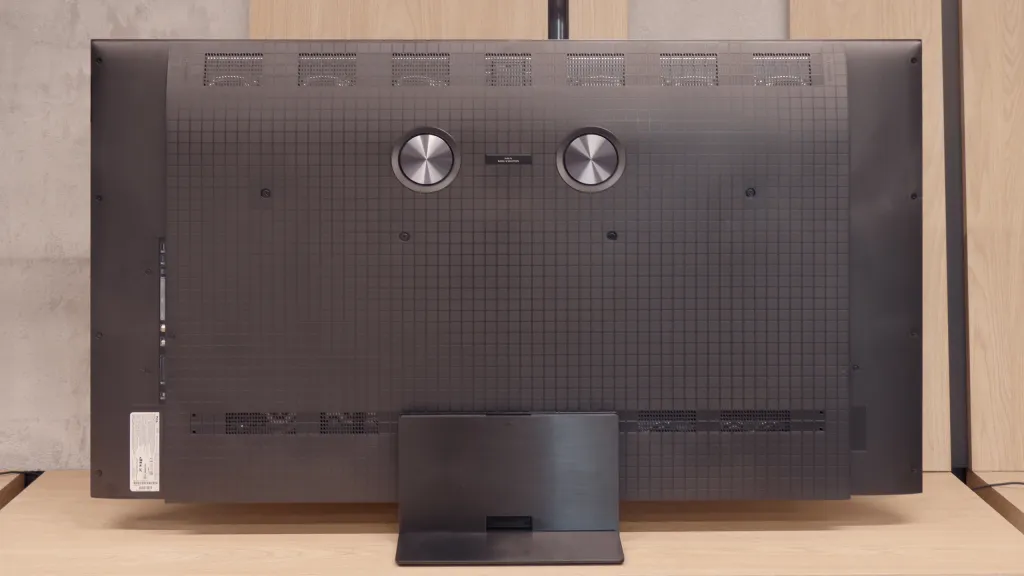
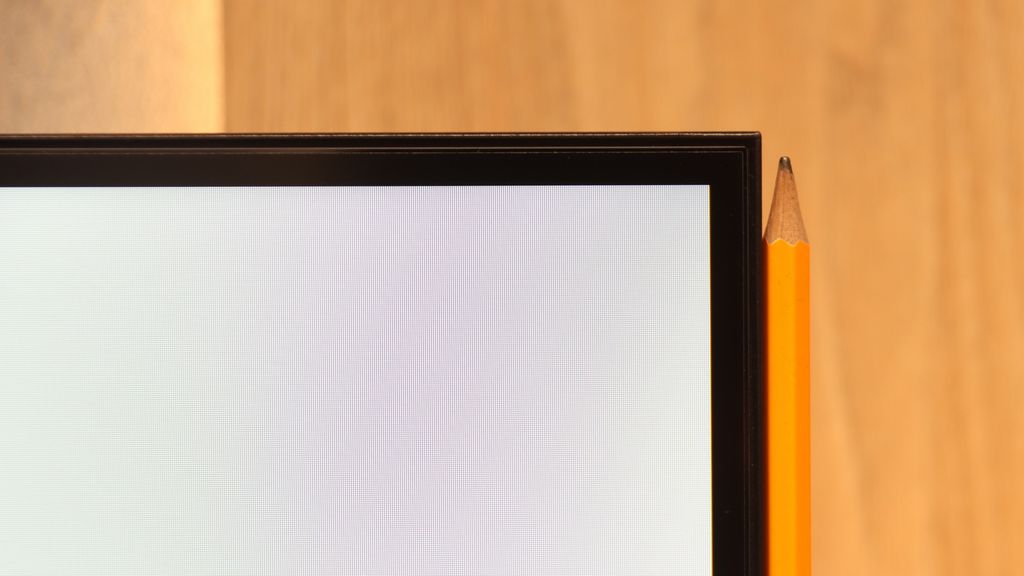
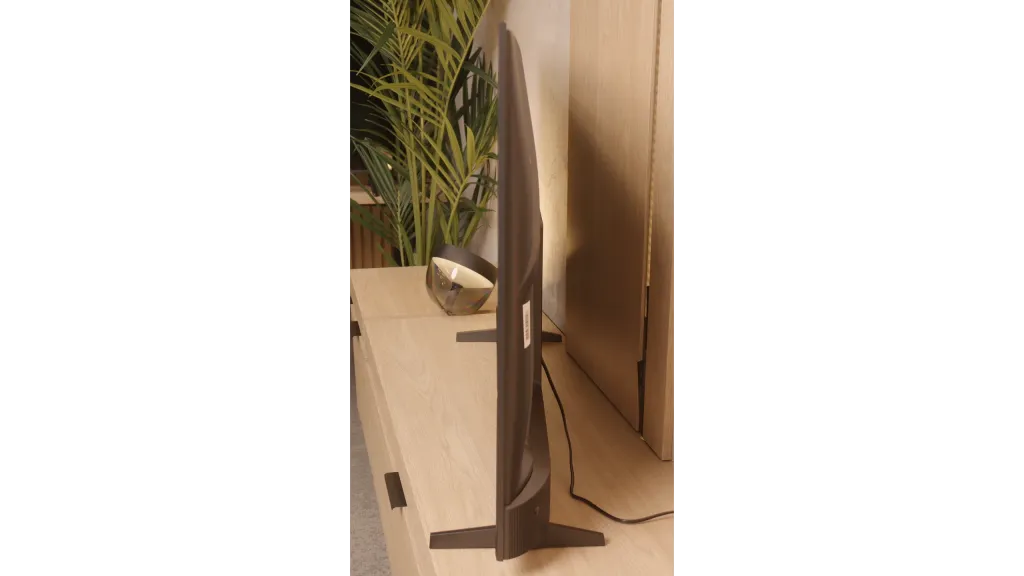
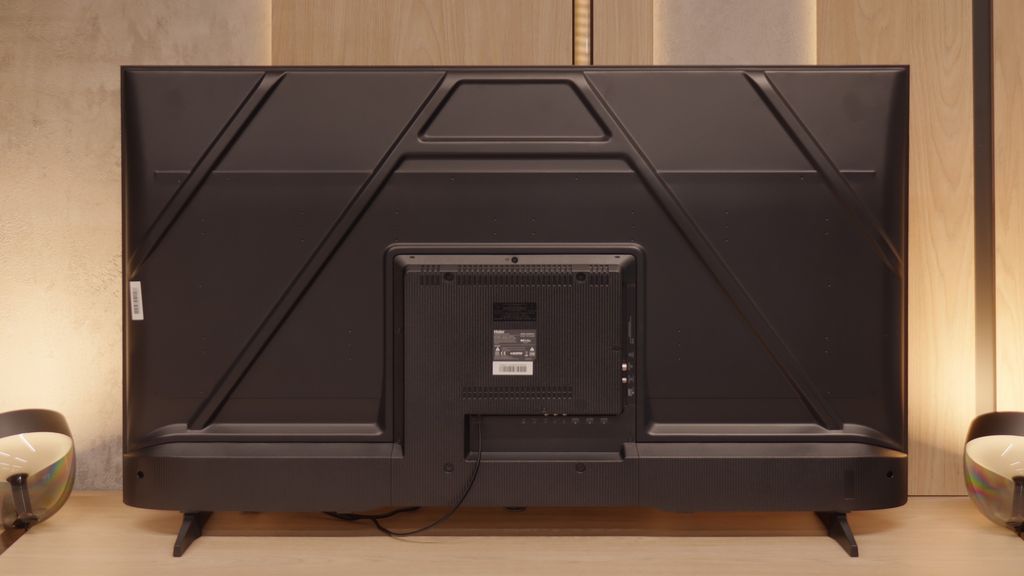
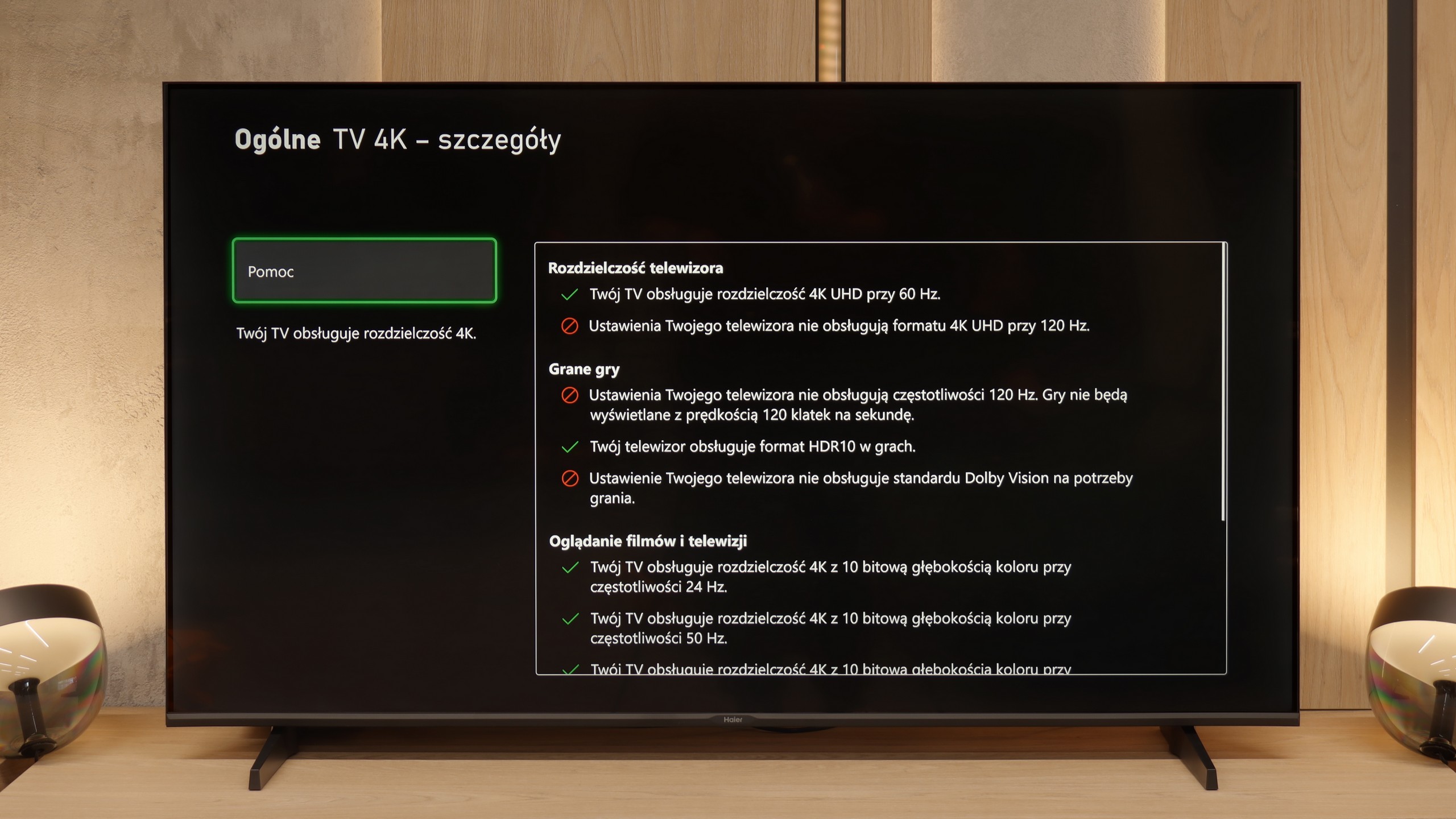
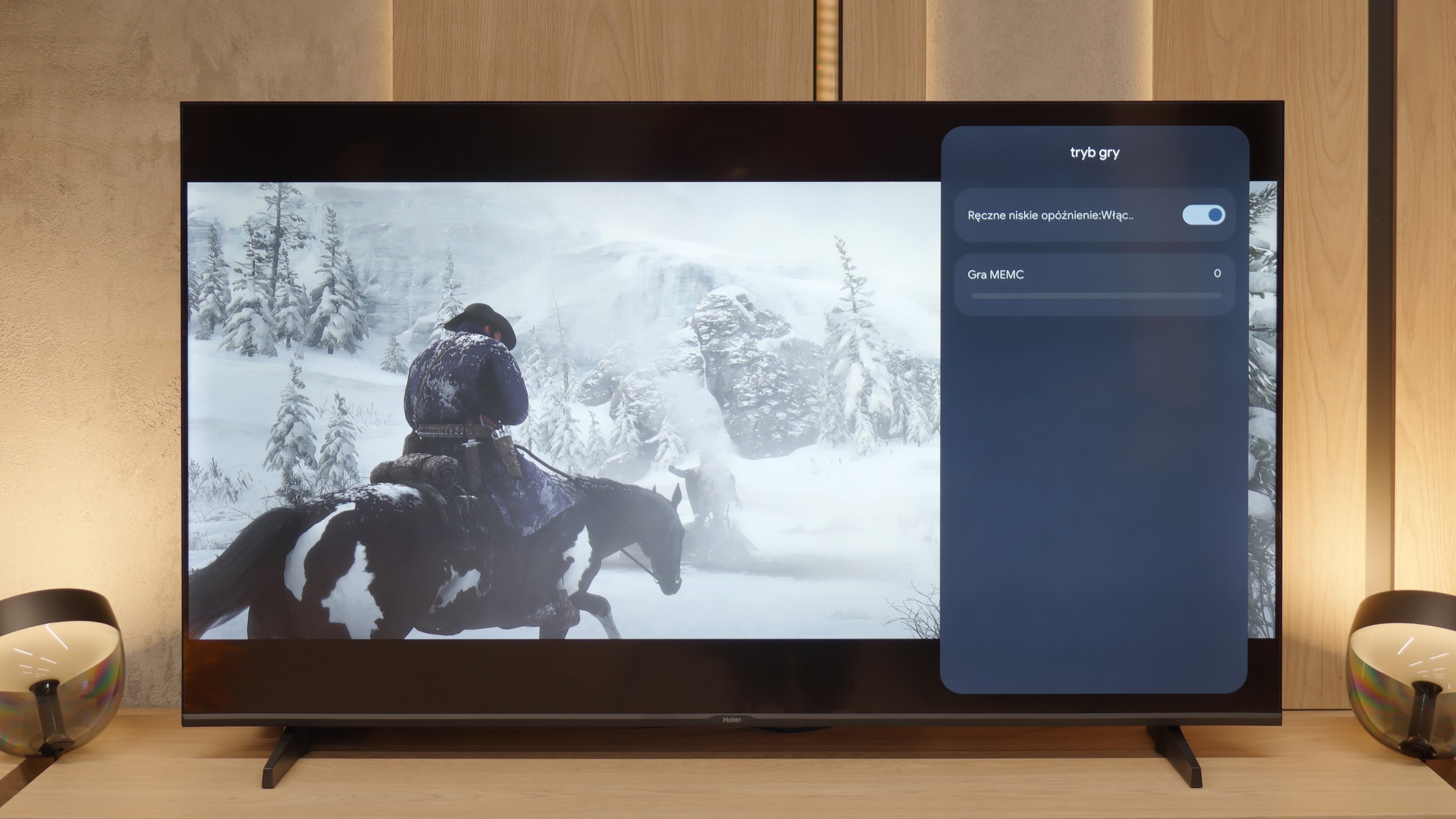
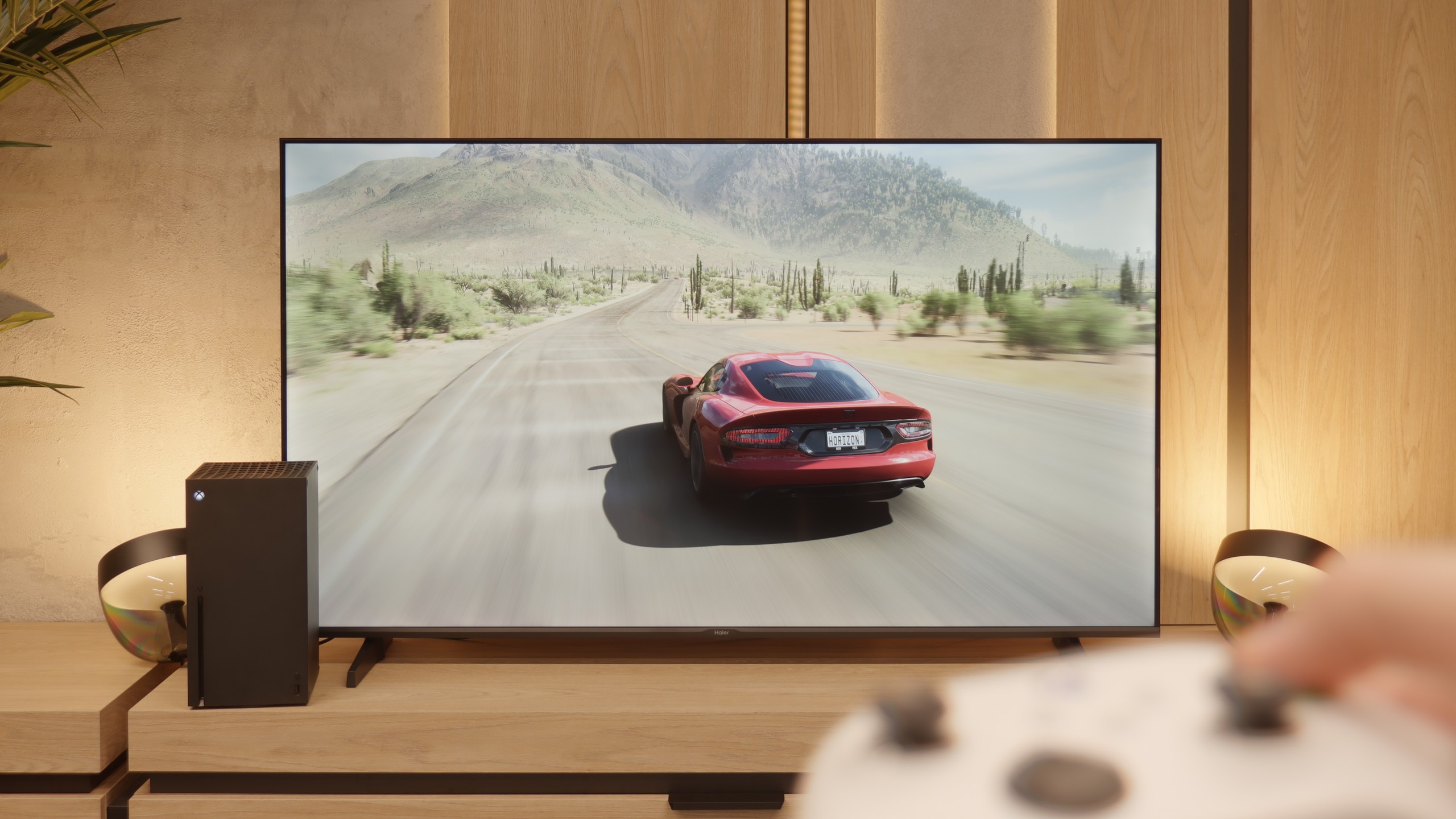
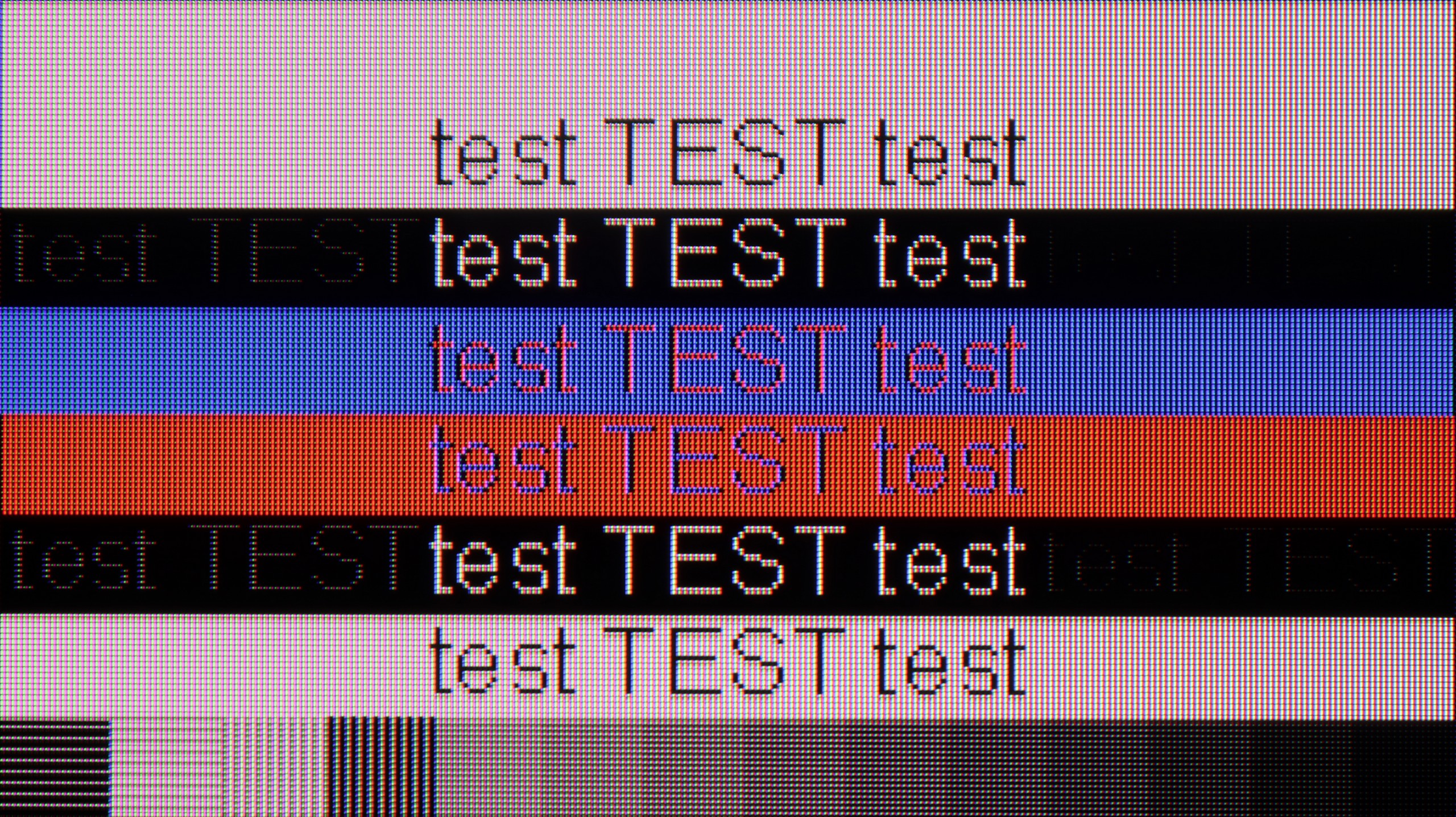
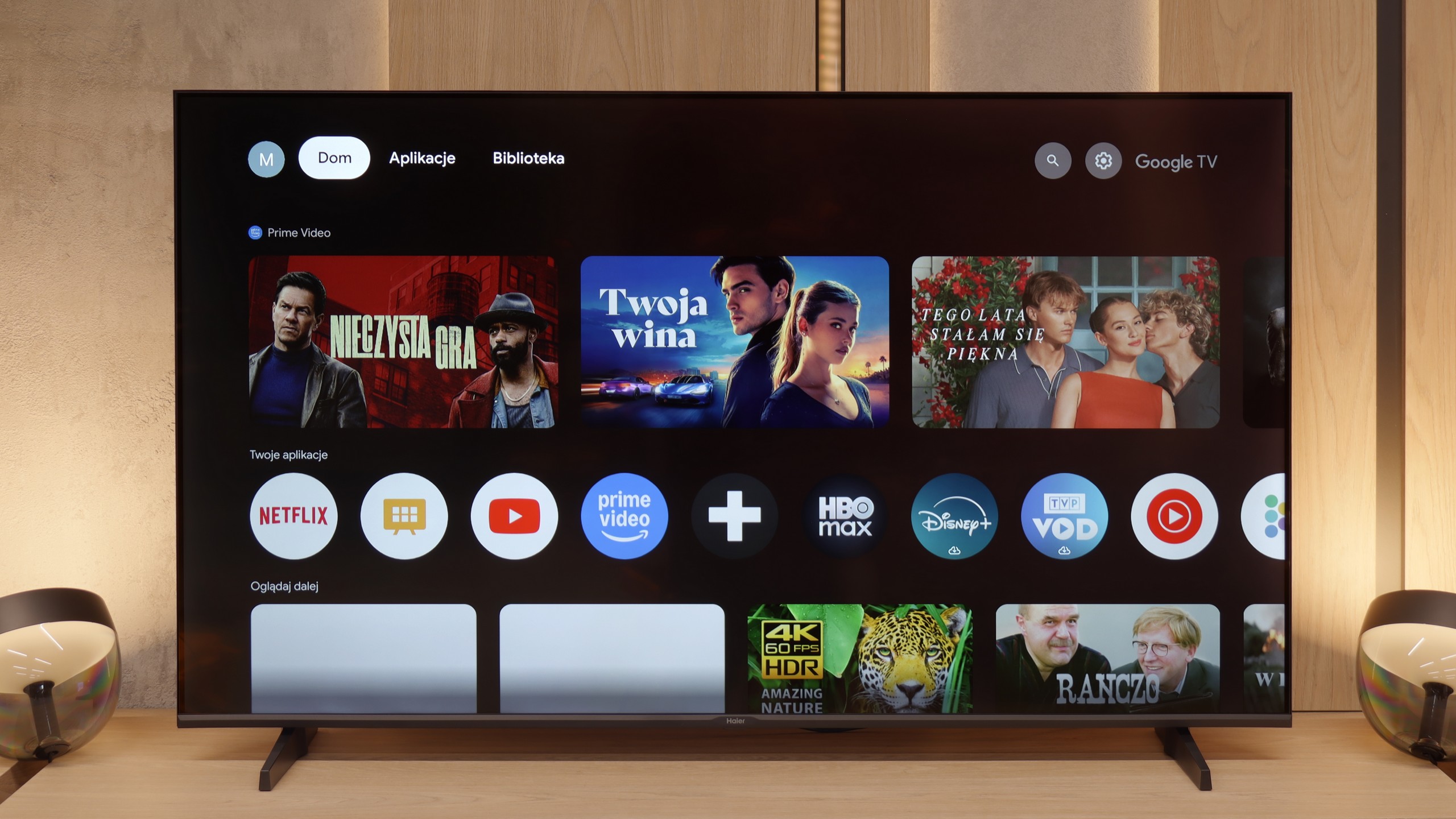
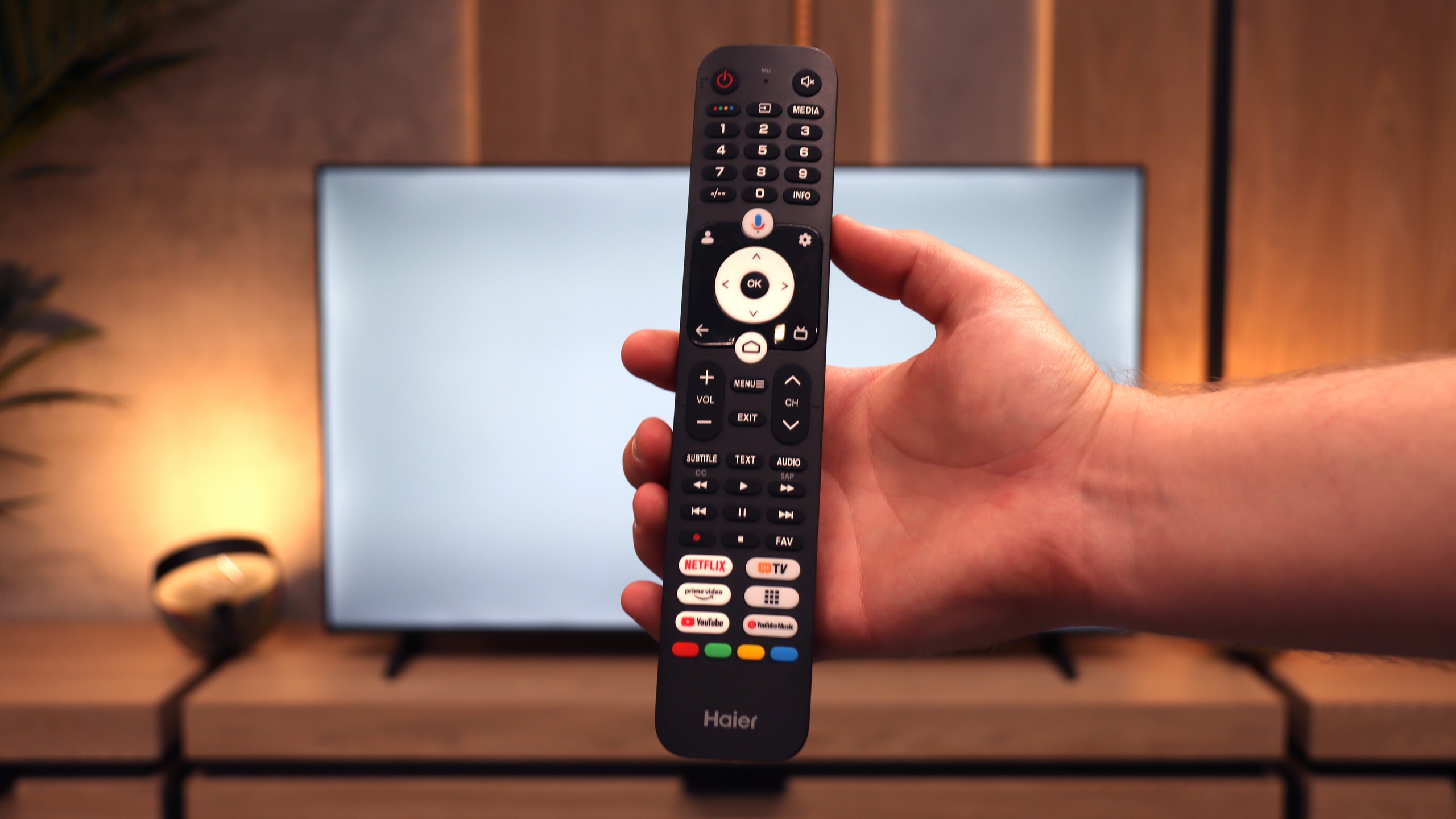
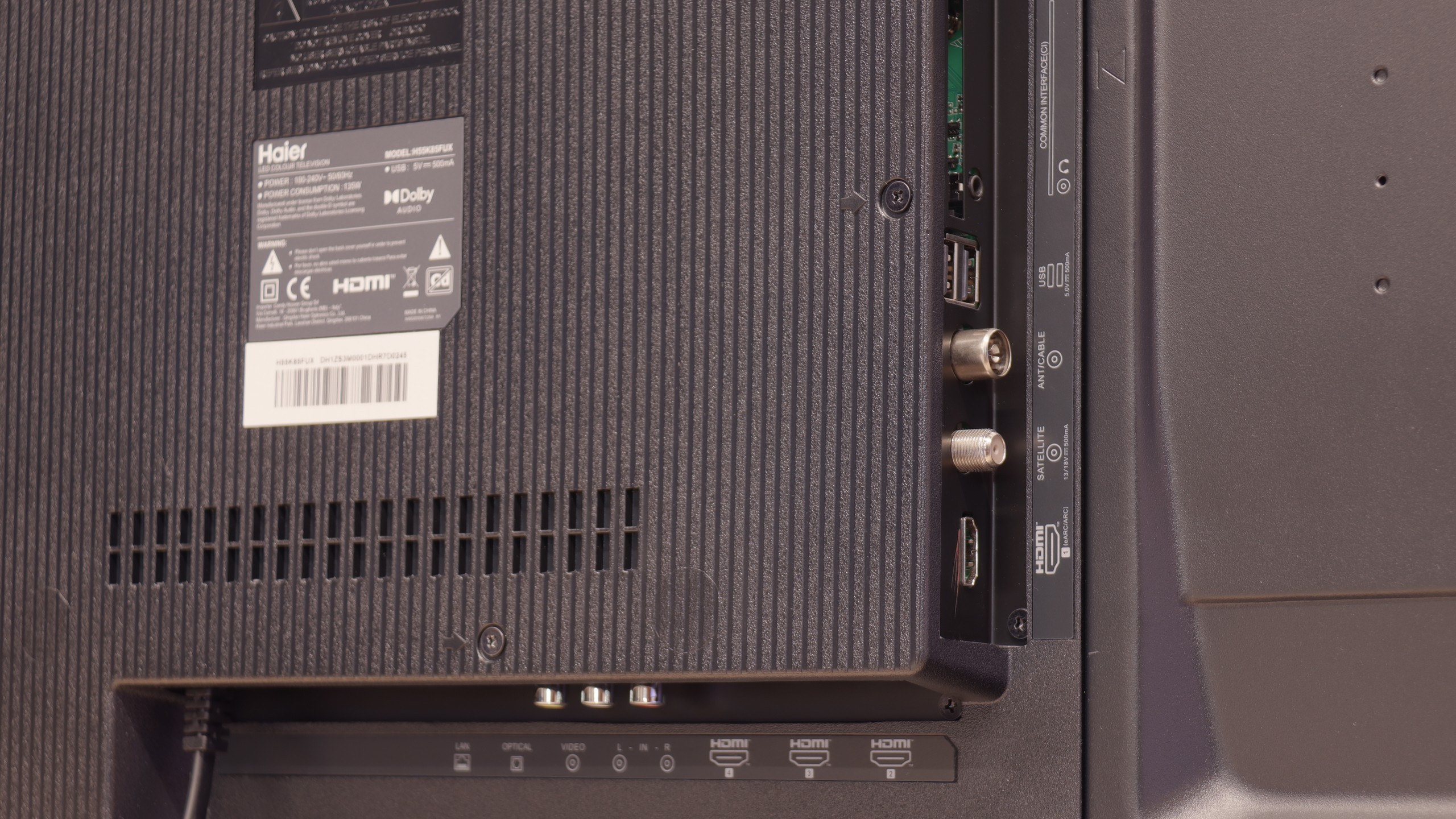
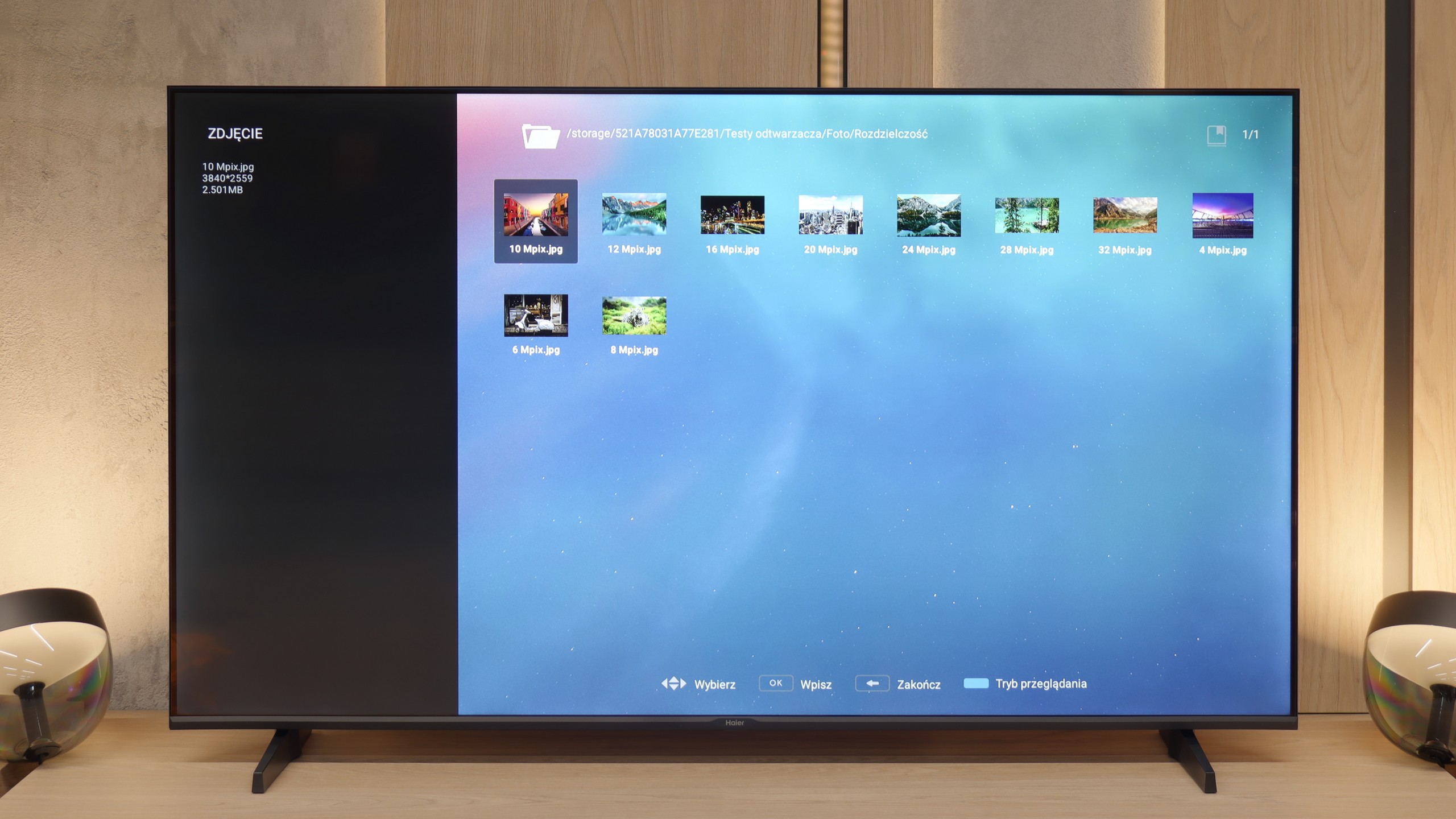
The debut of the Haier brand in the European television market with the K85F model feels hurried, and after thorough testing, it seems almost unfinished. Analyzing this product leads us to a fundamental conclusion: its biggest problem is not the quality of the panel used. This, considering the price segment, is simply average, with the typical advantages of VA technology in the form of high contrast and equally typical disadvantages, such as poor viewing angles. What truly disqualifies this model as a home entertainment centre is the glaring lack of engineering refinement and, above all, software development. The list of shortcomings is long and starts from the very first contact with the device. Sloppy assembly, which could have been avoided during quality control, a poorly optimised and badly translated Google TV system, or annoying issues with basic functions like pairing the remote – all contribute to the picture of a product that seems to have been released to market without due diligence. The catastrophic image quality in HDR mode, resulting not only from low brightness but also from a complete lack of intelligent adaptation to the signal, only adds to this disappointing picture. However, it turns out that this model has a surprising second face. One needs to look at it not through the lens of a home television, but rather as a large and inexpensive display for special tasks. Then its shortcomings become less important, and unexpected advantages come to the fore: a fantastically working media player with USB, remarkable font readability from a PC, and access to a vast application database. In this role – as a screen in a conference room, hotel lobby, or simple advertising player – the Haier K85F performs surprisingly well. For the typical user looking for a reliable and simply well-functioning television for the living room in 2025, however, the Haier K85F is a proposal that is incredibly difficult to recommend with a clear conscience. It is a product full of contradictions, which fails in its primary, intended function on too many fronts.
 Direct comparison