Sony X90L is a higher-end model from the Japanese manufacturer that premiered in 2023, but it will successfully continue into 2024 as well. The Sony brand and the name Bravia are associated with excellent picture quality, and this model confirms that reputation – it offers great brightness and very good black levels. Despite having fewer local dimming zones than its competitors, it makes up for this with an advanced algorithm. Additionally, after calibration, the television presents very well-rendered colours, resulting in a natural and cohesive image reminiscent of IMAX cinema. In everyday use, X90L performs excellently, mainly due to the image processor, which effectively scales lower resolution content, and the recording function from the built-in tuner, which is becoming increasingly rare in today’s televisions. Sony is also closely linked with the world of PlayStation, and in this regard, X90L Sony does not disappoint. It is equipped with HDMI 2.1, VRR, ALLM, and a convenient Game Bar, making it a good choice for gamers who expect smooth gameplay and quick response times. However, even in such a successful model, there are some drawbacks. Gamers may be disappointed by the lack of support for HGiG, which could enhance image quality in HDR games. Furthermore, Sony has yet to introduce an update that would reduce input lag in Dolby Vision mode – something achieved in the higher model, the A95L. Those who prefer slimmer devices should know that although Sony X90L looks elegant thanks to its aluminium frame, it is not one of the thinnest televisions on the market. Even though X90L is already a year old, it remains a solid piece of equipment that combines good picture parameters with functionality and support for gamers. It is a successful choice for those seeking a versatile high-end television.
- Matching (Score) |
- Our verdict |
- TV appearance |
- Where to buy |
- Contrast and black detail |
- HDR effect quality |
- Factory color reproduction |
- Color reproduction after calibration |
- Smoothness of tonal transitions |
- Image scaling and smoothness of tonal transitions |
- Blur and motion smoothness |
- Console compatibility and gaming features |
- Input lag |
- Compatibility with PC |
- Viewing angles |
- Daytime performance |
- Panel details |
- TV features |
- Apps |
- Playing files from USB |
- Sound
Sony X90L vs LG OLED B6
 Direct comparison
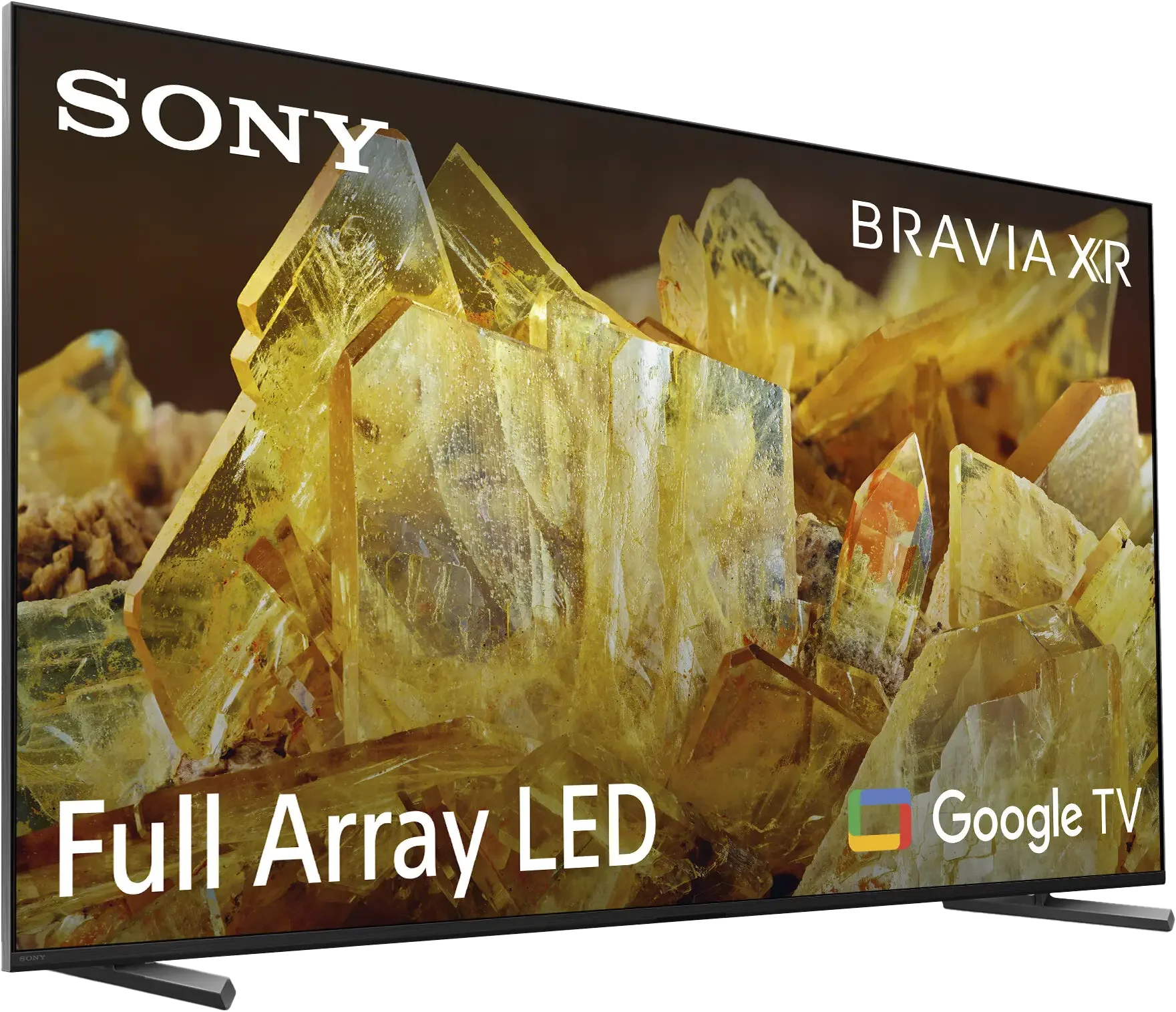
X90L
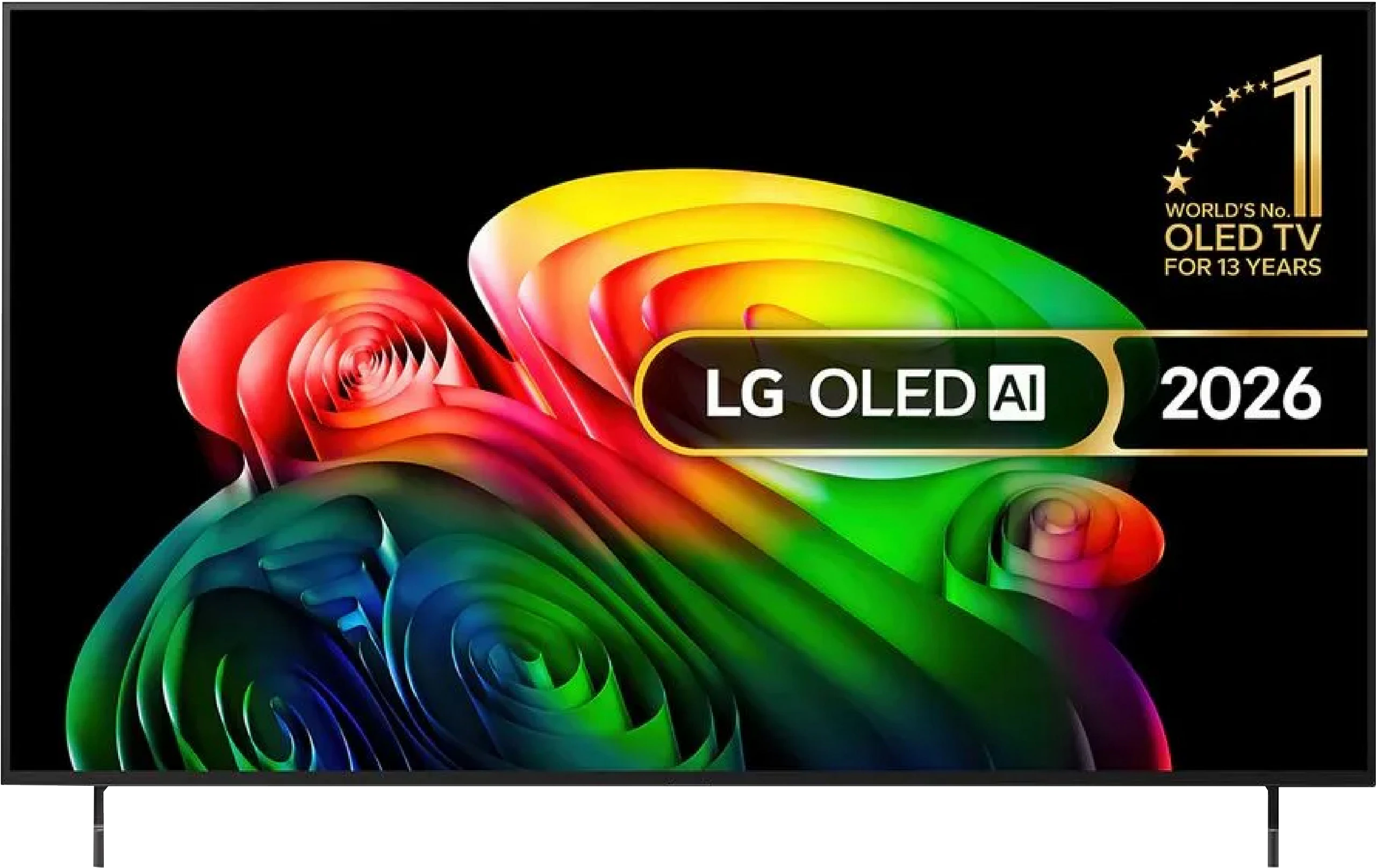
B65 / B6E / B6G
Panel type: LCD VA
Resolution: 3840x2160
System: Google TV
Model year: 2023
Complete the survey to find out the result
Panel type: WRGB OLED
Resolution: 3840x2160
System: WebOS
Model year: 2026
Complete the survey to find out the result
Overall rating
7.7
7.8
 Movies and series in UHD quality
 7.5
8.0
 Classic TV, YouTube
 7.5
8.8
 Sports broadcasts (TV and apps)
 7.4
8.6
 Gaming on console
 7.9
9.2
 TV as a computer monitor
 7.4
7.6
 Watching in bright light
 7.8
4.8
 Utility functions
 8.0
8.0
 Apps
Apps 9.6
9.1
 Sound quality
 7.0
6.7
Complete the survey to find out what fits your preferences
Advantages

120 Hz panel – great for gamers and sports fans
Good black and contrast reproduction thanks to advanced local dimming algorithm
Support for HDMI 2.1, VRR, ALLM, and Game Bar – ideal gaming features
High SDR brightness (785 cd/m²) – performs excellently in well-lit rooms
Google TV operating system – intuitive, rich in applications and customisation
TV programme recording function without the need for an external decoder
Natural image scaling – the image without excessive sharpness presents itself realistically
Perfect black levels and contrast, OLED panel
Very good HDR performance with Dolby Vision
Natural and accurate colours after calibration
Excellent motion clarity with no smearing (120 Hz)
4 HDMI 2.1 ports with full 48 Gb/s bandwidth
Very low input lag
VRR, G-Sync, FreeSync and proper HGiG support, offering a rich feature set for gamers
Feature-rich webOS with the Magic Remote
Wide viewing angles
Disadvantages

No support for HGiG
Cannot enable VRR and Dolby Vision simultaneously
Only 2 HDMI 2.1 ports, including 1 e-ARC
The television isn't the slimmest - this may be a drawback for those who prefer ultra-thin models
Inferior reflection suppression compared with its predecessor, a characteristic of the OLED SE panel
Average brightness, best suited to a room with controlled lighting
No DTS:X support, primarily a drawback for Blu-ray disc owners
The webOS system isn't the fastest here
Our verdict
The LG OLED B6 is a very successful continuation of the B series and a TV that makes a lot of sense as a first step into OLED. It doesn't try to compete with the most expensive models in every respect, but in the most important areas it still manages to deliver exactly what many people choose this technology for: perfect blacks, very high contrast and a picture that can simply look spectacular in films. Much of this is thanks to the new budget WOLED panel, the OLED SE. Thanks to it, LG's cheapest OLED is now noticeably brighter than a few years ago, and around 800 nits in HDR is a figure you can genuinely notice when watching. Highlights have more punch, the picture copes better with more demanding scenes, and combined with OLED blacks the whole thing can look really impressive. Films and series from streaming platforms look particularly good, especially those available in Dolby Vision. That's when the B6 makes the most of its capabilities and can deliver an image that will be a big step up for someone switching from a typical LCD TV.
However, this is not a model without compromises. Our biggest reservation concerns how the screen handles reflections. The lack of a classic polariser means the TV fares much worse when placed opposite a large window or a strong light source. Reflections are more noticeable than on other WOLED panels, and the blacks themselves lose some of their character in a bright room. In controlled conditions this won't be a problem, but for a very bright living room it's worth approaching this purchase a little more cautiously. The operation of webOS also leaves something to be desired. The system itself is still very good, with a rich app library, the convenient Magic Remote and essentially everything you would expect from a modern Smart TV. The problem is that on the B6 it does not always run as smoothly as it should. At times you can feel the new version of the system is more demanding and somewhat 'heavier' than before.
Despite these remarks the LG B6 still performs very well. It's a TV that delivers all the key advantages of OLED while not costing as much as the higher-end models. It makes the most sense when it's on a good deal, because then it can be one of the most interesting choices for people who want to enter the world of OLEDs without overpaying.
TV appearance
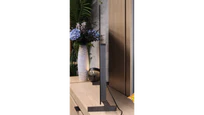
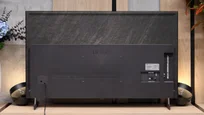
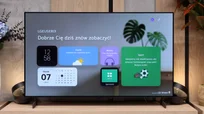

Contrast and black detail
7.6/10
10/10
Local dimming function: Yes, number of zones: 88 (11 x 8)
Contrast:


Result
87,500:1

Result
14,400:1

Result
99,250:1

Result
9,550:1

Result
6,300:1
Result
∞:1
Result
∞:1
Result
∞:1
Result
∞:1
Result
∞:1
Halo effect and black detail visibility:
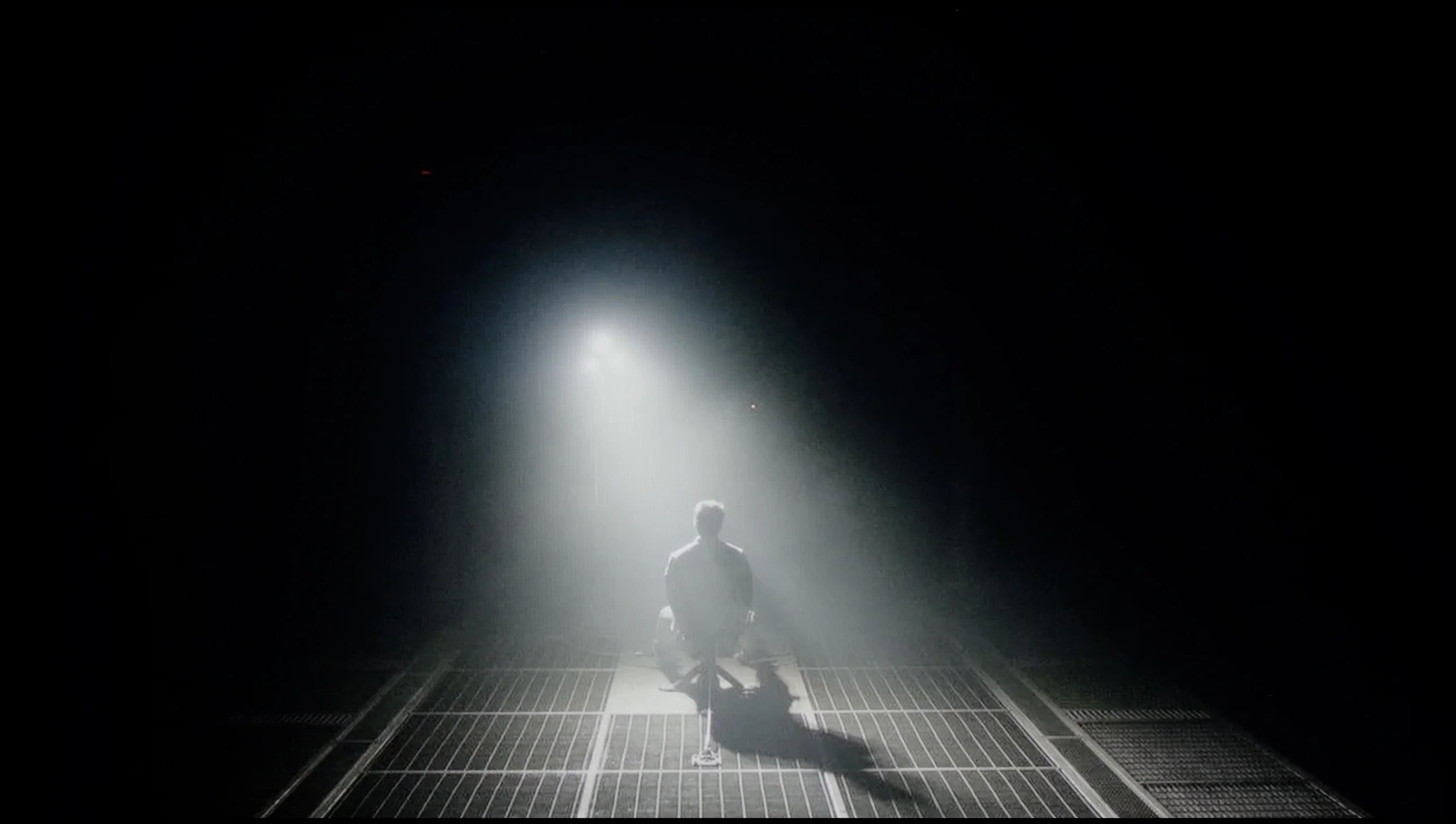
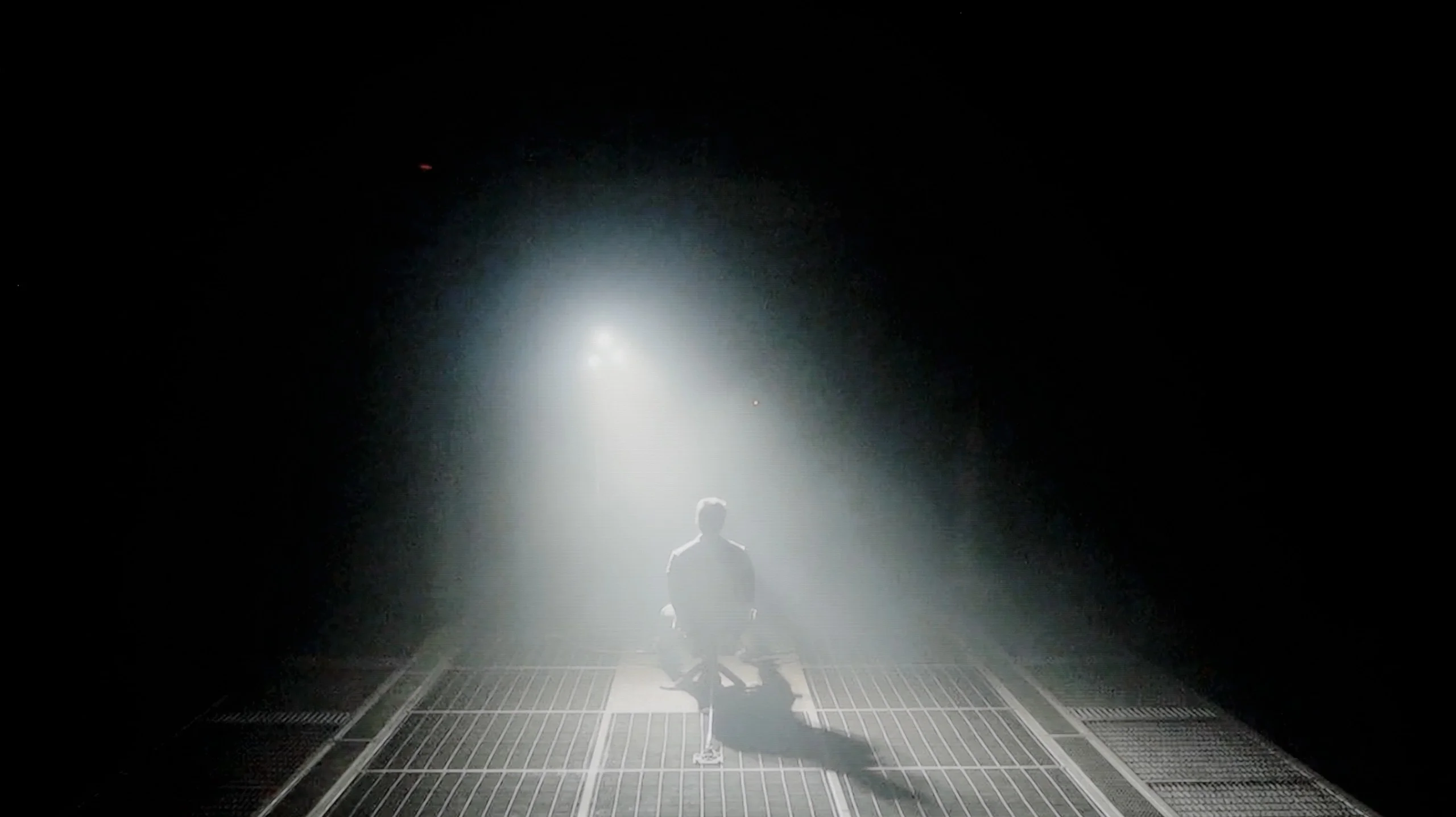
Check the visibility of bright lights on a dark background. Mini-LEDs often struggle with this. The photo does not compare black levels – that’s what the video below is for.
The video accurately shows differences in contrast and black levels between TVs, as well as potential issues: halo around bright objects or Mini-LED zone operation visible as brightness jumps.
The Sony X90L television is equipped with a VA panel and in the tested size of 65', it has 88 local dimming zones. It may seem that such a number of zones does not make a great impression, but thanks to the local dimming algorithm, the television handles blacks excellently. This is clearly visible in the first and third test patterns, where the contrast reaches nearly 100,000:1. In more demanding scenes, the X90L does not achieve such spectacular results – a contrast level of 6000:1 is just fine. Light separation performs really well, as confirmed by a scene from the film "Oblivion." However, the small number of dimming zones means that the halo effect is noticeable, especially in the test film from "Sicario 2," where the lights of the helicopter cause quite a significant flare over a large portion of the screen. Despite the limited number of dimming zones, the Sony X90L manages to reproduce blacks quite well. Although it does not match the highest series of miniLED or OLED televisions in terms of black depth and contrast level, it offers solid results that are sufficient for most demanding users.
The blacks on the LG OLED B6 are perfect. That's no surprise, since we're dealing with an OLED (WOLED), but this is precisely where you can see why this technology still has so many fans. Each pixel can switch off individually, so in dark scenes there is no grey halo or blooming around bright elements. As a result, the image has excellent depth and can genuinely look three-dimensional. Shadow detail also performs well. Nothing melts into one dark blotch, and small elements remain visible even in more challenging scenes. In that respect the B6 simply demonstrates everything we love about OLED TVs.
HDR effect quality
6.7/10
6.2/10
Luminance measurements in HDR:

Result
912 nit

Result
680 nit

Result
678 nit

Result
640 nit

Result
797 nit
Result
734 nit
Result
734 nit
Result
804 nit
Result
757 nit
Result
355 nit
Scene from the movie “Pan” (about 2800 nits)


Scene from the movie “Billy Lynn” (about 1100 nits)
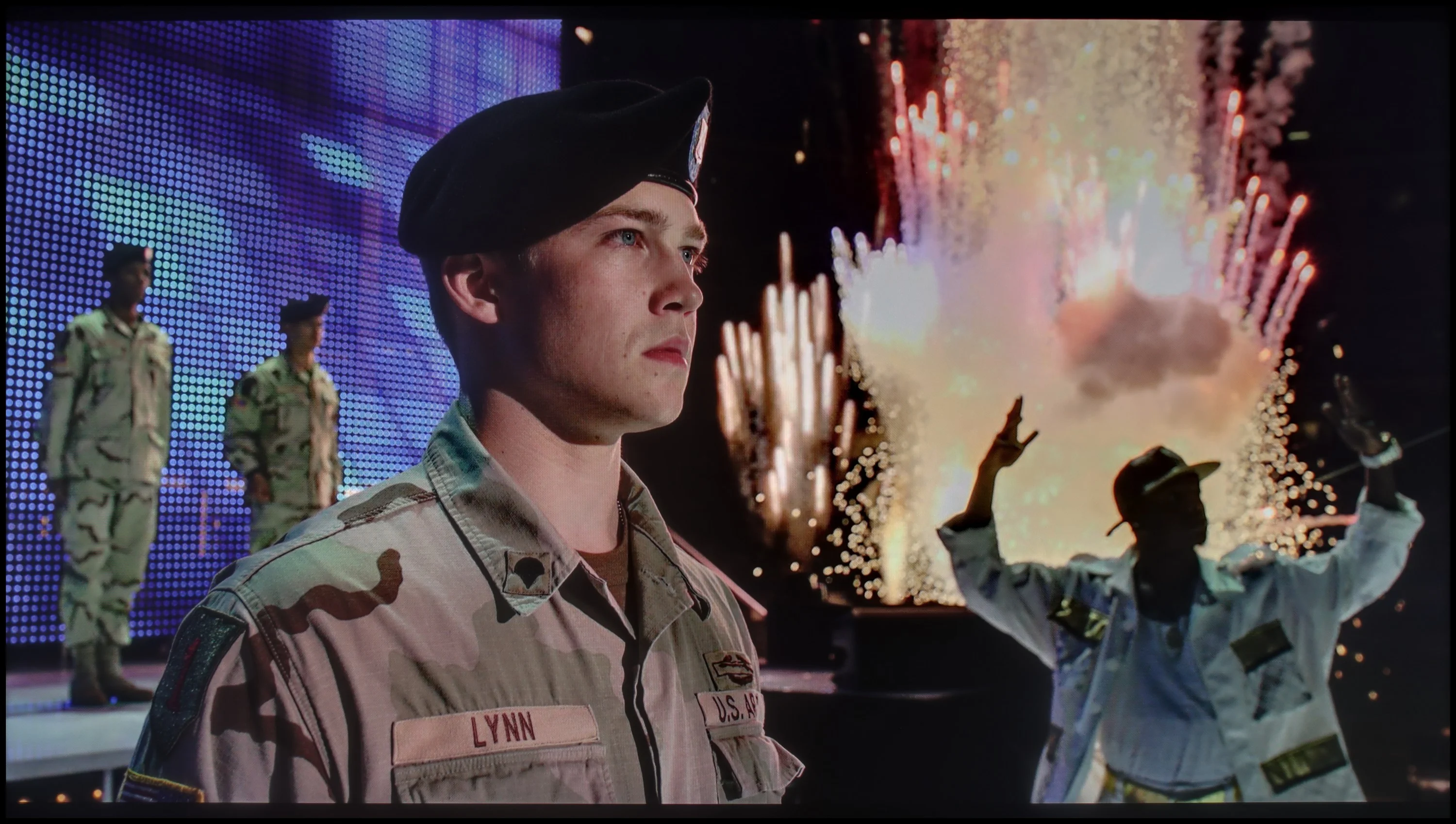
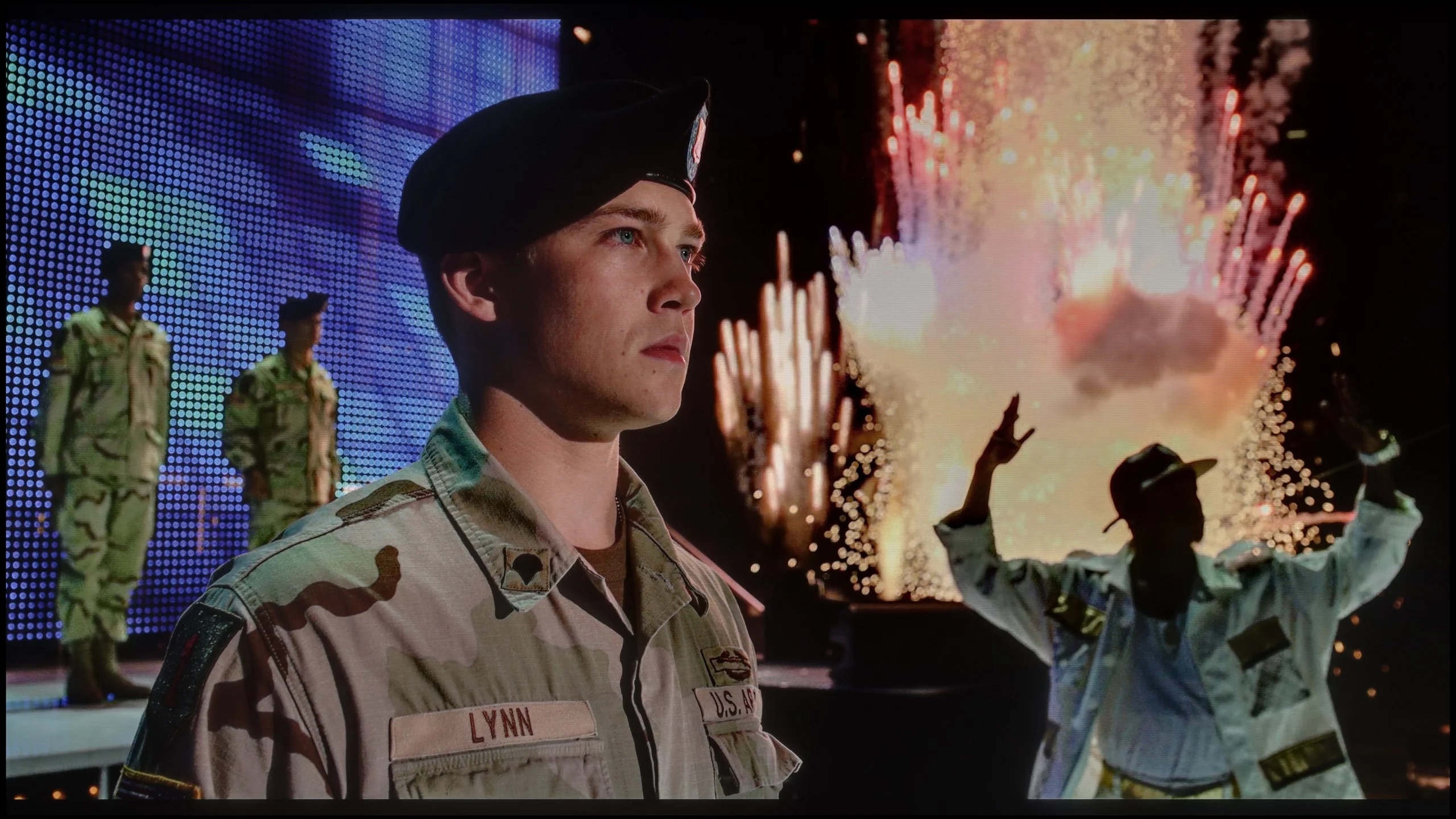
The photos show two HDR10 movies. 'Pan' is one of the brightest productions ever made, while 'Billy Lynn' (soldier) has brightness typical of streaming (Netflix, Prime, HBO MAX). Notice the intensity of effects and detail in whites.
Static HDR10


The photos present the visibility of white details in various HDR formats. They do not show brightness differences between TVs (these can be compared in the previous gallery).
Dynamic: Dolby Vision
Dynamic: Dolby Vision


The photos present the visibility of white details in various HDR formats. They do not show brightness differences between TVs (these can be compared in the previous gallery).
HDR luminance chart:
LG OLED B6
Sony X90L
Luminance of RGB colors
HDR on the Sony X90L TV looks promising. The luminance chart showed that the television has a solid power reserve, reaching a maximum of 1000 nits in synthetic tests. However, how does this perform in real-world scenarios? In scenes such as the opening of Life of Pi or the final sequence from The Meg, the TV is able to deliver this power on HDR content, reaching about 800 nits. Unfortunately, displaying small light elements on a black background, as seen in the scene from Sicario 2, poses greater challenges for the X90L – here the results drop to around 600 nits. Despite this, when compared to competing models with mini-LED technology, the effect looks very good and can shine just enough to impress us. Notably, the colour gamut coverage is commendable, with a score of 96% for DCI-P3 and 76% for BT.2020, indicating good colour reproduction in HDR content.
The LG B6 is a moderately bright OLED. After calibration it reaches around 800 nits, roughly 200 nits more than last year’s B5. That’s down to the new, budget OLED SE panel from LG Display. In practice it simply gives a bit more headroom and makes HDR look fuller in many scenes than on last year’s lower‑end OLEDs. That does not mean the B6 has no limitations. In very bright shots, when a large part of the screen is strongly lit, brightness can fall below 400 nits. This behaviour is typical for OLED TVs, especially in this segment, and that’s where you see the biggest difference compared with more expensive models. Even so, we judge the B6’s results as genuinely solid. It’s still not a TV for breaking brightness records, but the HDR effect is strong enough that films truly feel like a step up from ordinary SDR. Colour gamut Using the OLED SE panel has had a slight impact on wide colour gamut coverage. Compared with last year’s model the results have fallen by a few percentage points. It covers roughly 96% of DCI‑P3 and about 71% of BT.2020. That doesn’t mean the colours on the LG B6 are weak. In most films and series they look lively, well saturated and simply pleasing to the eye. You only notice the difference in very bright, highly colourful scenes. Then colours lose some intensity compared with QD‑OLED panels. This stems from the WOLED panel structure. Besides red, green and blue subpixels it also uses a white subpixel, which helps to boost brightness. However, this comes at a price. At very high luminance some colour is effectively 'diluted' by the white light, so the saturation of certain colours can be slightly lower. In everyday use this isn’t a major issue, but in the most demanding scenes you can notice it.
Factory color reproduction
6.2/10
7.2/10
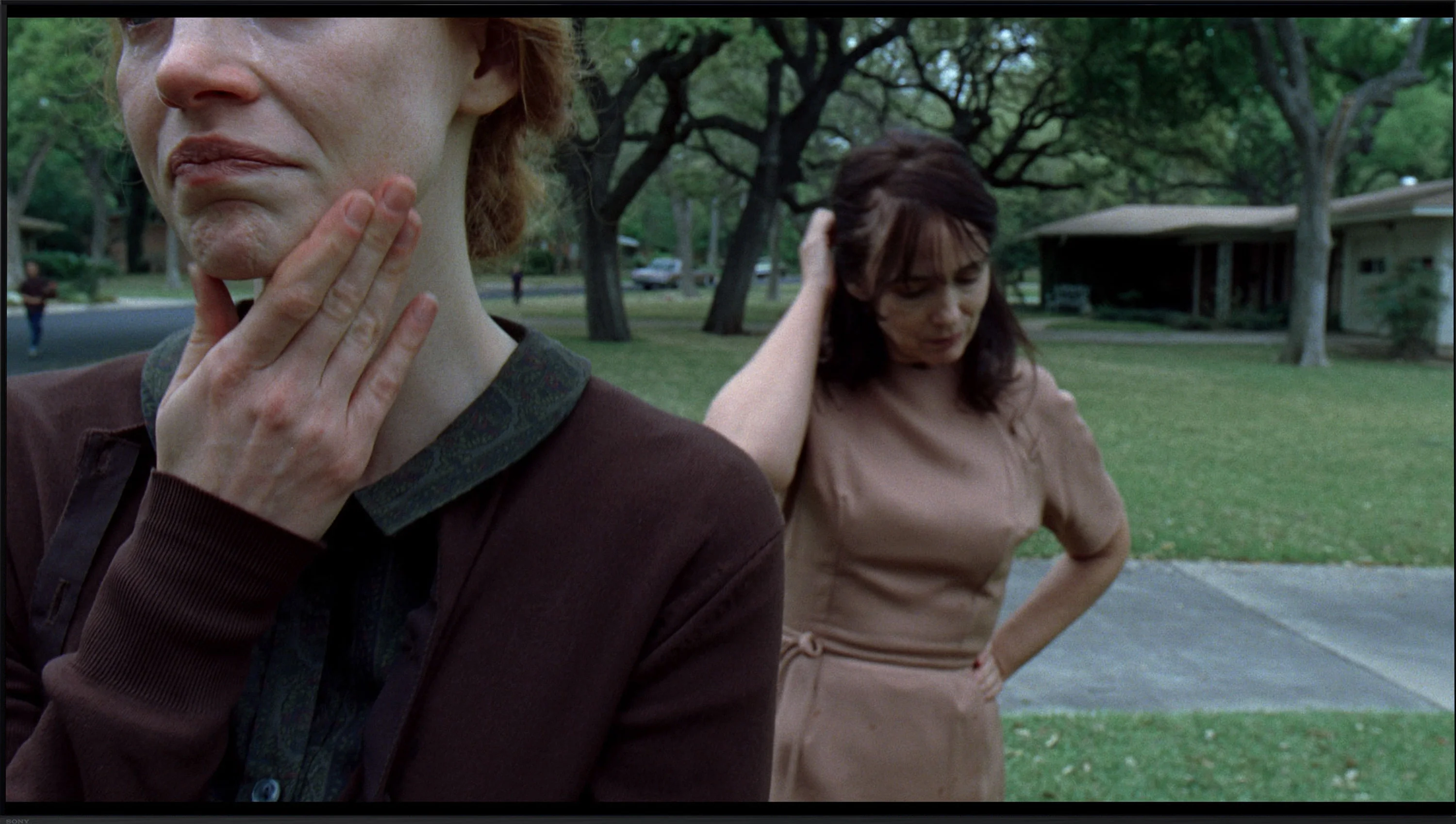
This gallery shows how colors change after professional TV calibration. If you notice the difference, we recommend ordering this service at SkalibrujTV.com.
Factory Mode
After calibration


This gallery shows how colors change after professional TV calibration. If you notice the difference, we recommend ordering this service at SkalibrujTV.com.
Factory Mode
After calibration
The best mode in Sony televisions is the IMAX Enhanced mode. Although IMAX is mainly associated with the cinematic experience, here the colour reproduction out of the box is average. In the case of lower quality content, such as HD – regular television or YouTube – it is worth paying attention to the white balance. It is characterised by a deficiency in red and an excessive dominance of blue, which gives the image a pinkish hue. The brightness characteristic, or gamma, for HD content is quite decent, but a slight boost could make the image appear washed out and look as if it is behind a light fog.
In 4K HDR content, the situation looks somewhat different. The white balance shows a significant boost in blue, which causes the image to become unnaturally sharp and seem artificial. Such an exaggeration in colour reproduction may not appeal to everyone, especially if one prefers more realistic shades. Additionally, the EOTF curve in Sony X90L appears quite correct at first glance. However, at the end of the graph, some fluctuations can be seen, suggesting that the television is trying to maintain appropriate brightness to avoid overexposing larger elements.
We tested the LG B6 in Filmmaker Mode, the best picture setting available straight out of the box. ISF modes produce very similar results, but in our tests we always stick to Filmmaker Mode for better comparison with other TVs. Each of them is, in any case, a much better starting point than Vivid or Eco mode, where the picture is heavily boosted and noticeably less natural. On SDR material the factory settings perform really well. Colour errors are small, the gamma response is correct, and the picture during normal viewing looks natural and does not feel overly "pumped up". It's a bit worse with HDR. When such content is played you quickly see that the white balance hasn't been set perfectly. Too much blue and red gives the image a slightly pink tint. This is also confirmed by colour gamut measurements and the ColorChecker, where samples clearly shift in that direction. It's not a flaw that completely spoils the picture, but it is noticeable with HDR films. Therefore anyone who wants the most faithful image should consider calibration, which we cover further on in the review.
Color reproduction after calibration
9.1/10
9.2/10


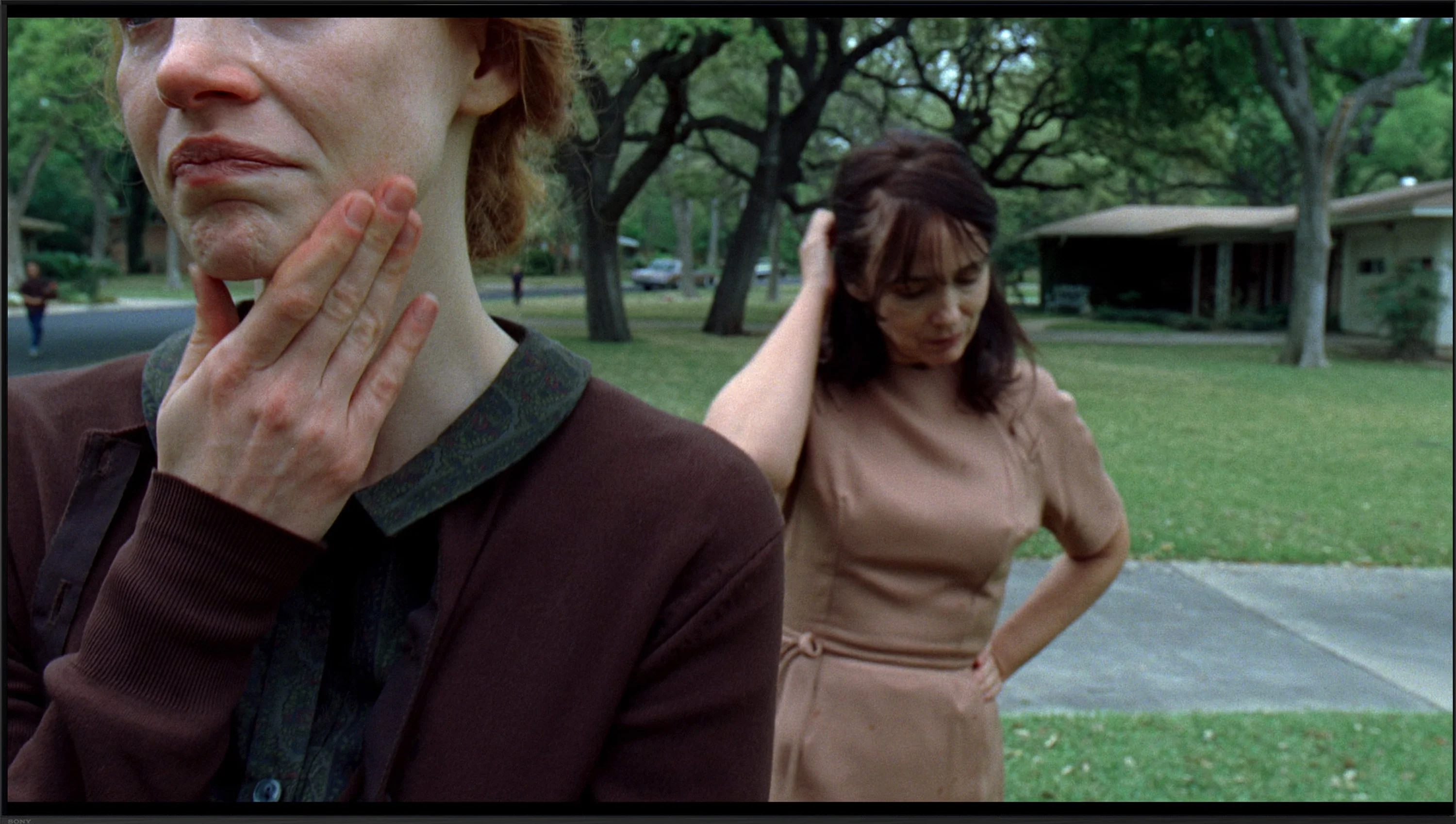
The photos show how movies look on the TV. Pay attention to black detail visibility, colors, and shadow tint.


The photos show how movies look on the TV. Pay attention to black detail visibility, colors, and shadow tint.
Sony offers a range of tools for improving image quality, including two additional picture modes that we decided to utilise during testing and to apply calibration to. This solution significantly facilitates the calibration process and is very effective, provided the appropriate tools are available. In the case of HD content, the white balance was almost perfectly aligned – only one shade of grey exceeds the error value of "1", which is an excellent result. The same can be said for the brightness characteristic (gamma), which presents itself nearly perfectly, with microscopic deviations on the order of 0.01.
In the case of 4K HDR content, the situation is not quite so ideal. Although the white balance has been greatly improved, it has not been possible to completely eliminate the dominance of blue colour. Nevertheless, the errors on the Colour Checker test only occasionally exceed the value of "2", which means that image distortions are practically imperceptible. As for the EOTF curve, it is worth activating the filter in the top right corner "EOTF in Films" – the graph looks correct, but the television encounters difficulties when illuminating very small elements, which is due to the limited number of dimming zones. Despite these minor errors, it is thanks to the calibration that the IMAX Enhanced mode on the Sony X90L makes watching films feel like a true cinema experience.
During calibration, we concentrated mainly on HDR content, because that's where the factory settings needed the most correction. We did not, however, neglect SDR mode, which after adjustment was brought almost to perfection. Colours are very accurate, and brightness is controlled as it should be. The biggest improvement in HDR came from fixing the white balance. Removing the excess red and blue eliminated the pinkish tint, and the image became much more natural. Skin tones, whites and all colours that had previously shifted towards pink improved. After calibration most errors fell below a Delta E of 2–3, the threshold at which the average viewer stops noticing differences with the naked eye. So the LG B6 can deliver a very accurate picture, particularly for the manufacturer's entry-level OLED model.
Smoothness of tonal transitions
9.2/10
7.3/10
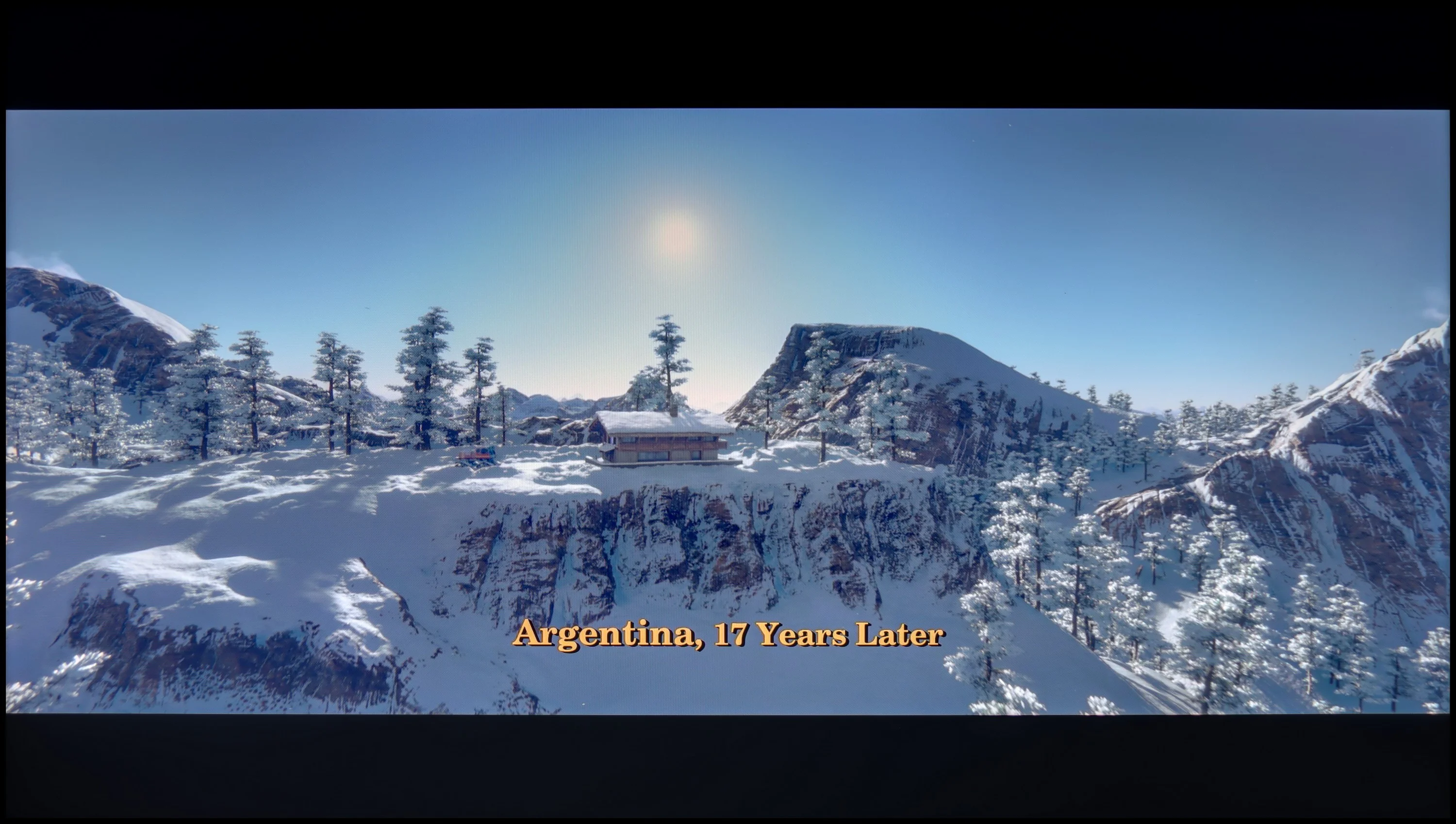

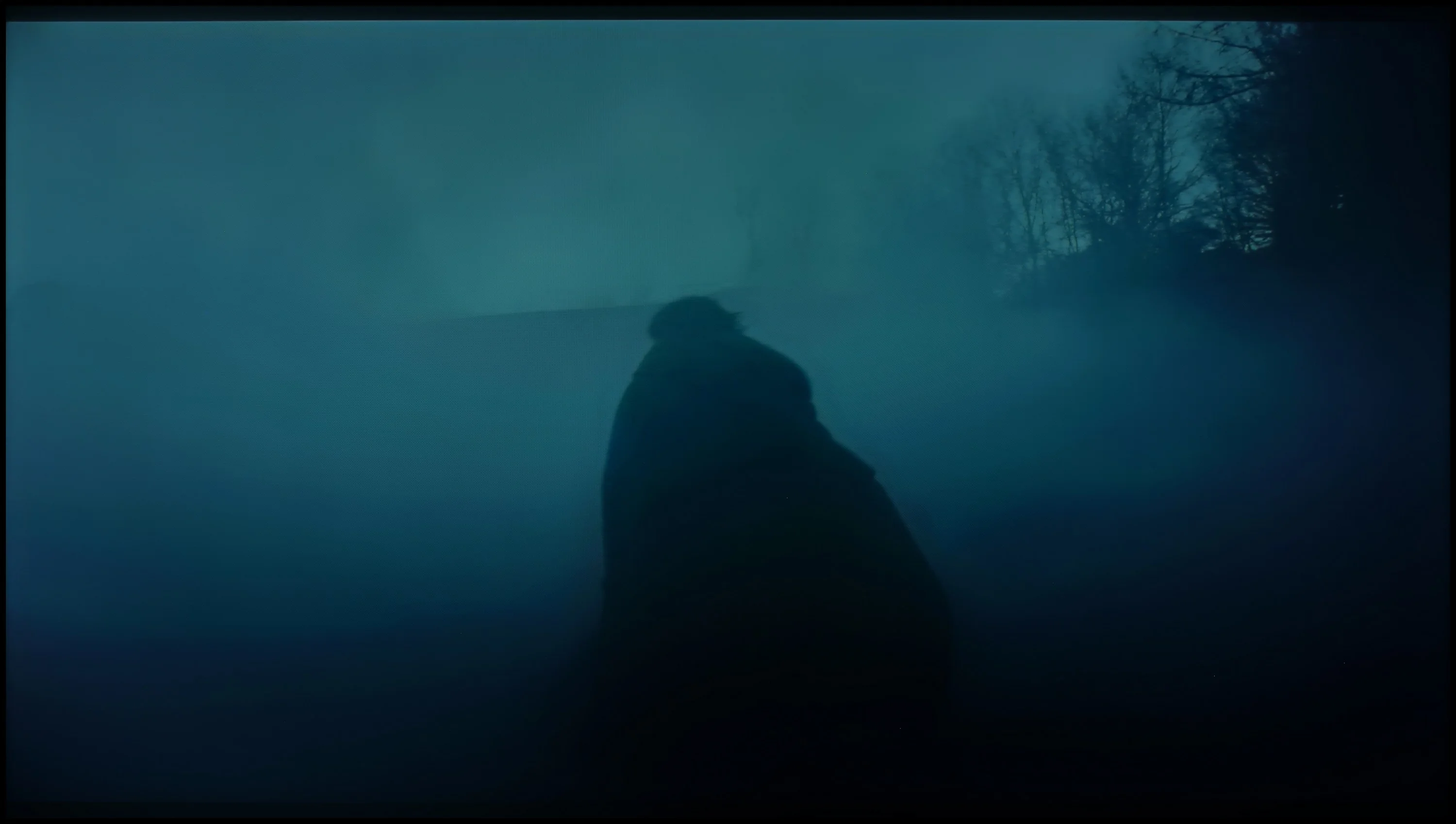

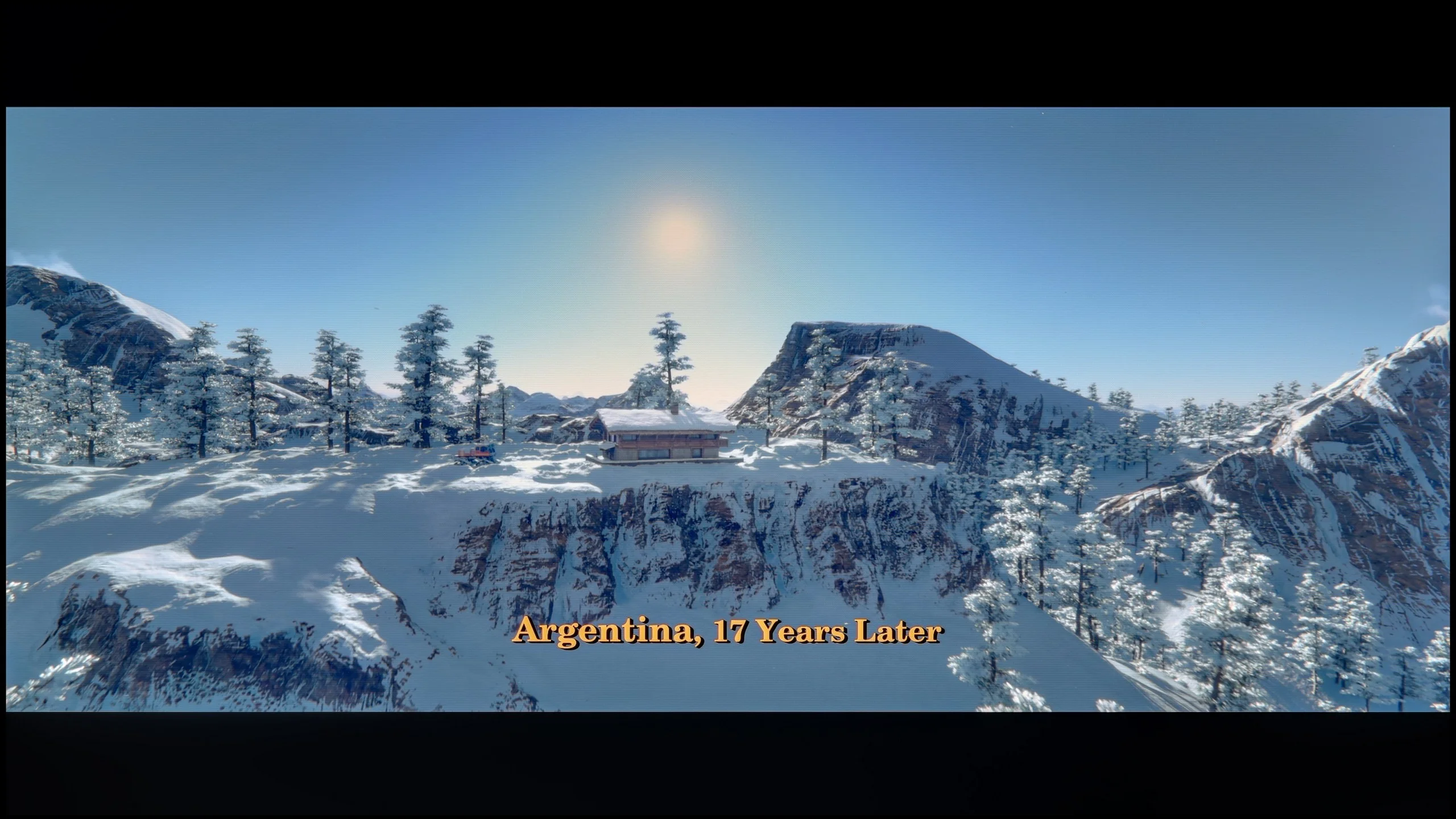
These are selected scenes that show smooth tonal transitions from one color to another. If you see distinct banding, it’s the TV panel’s fault.

These are selected scenes that show smooth tonal transitions from one color to another. If you see distinct banding, it’s the TV panel’s fault.
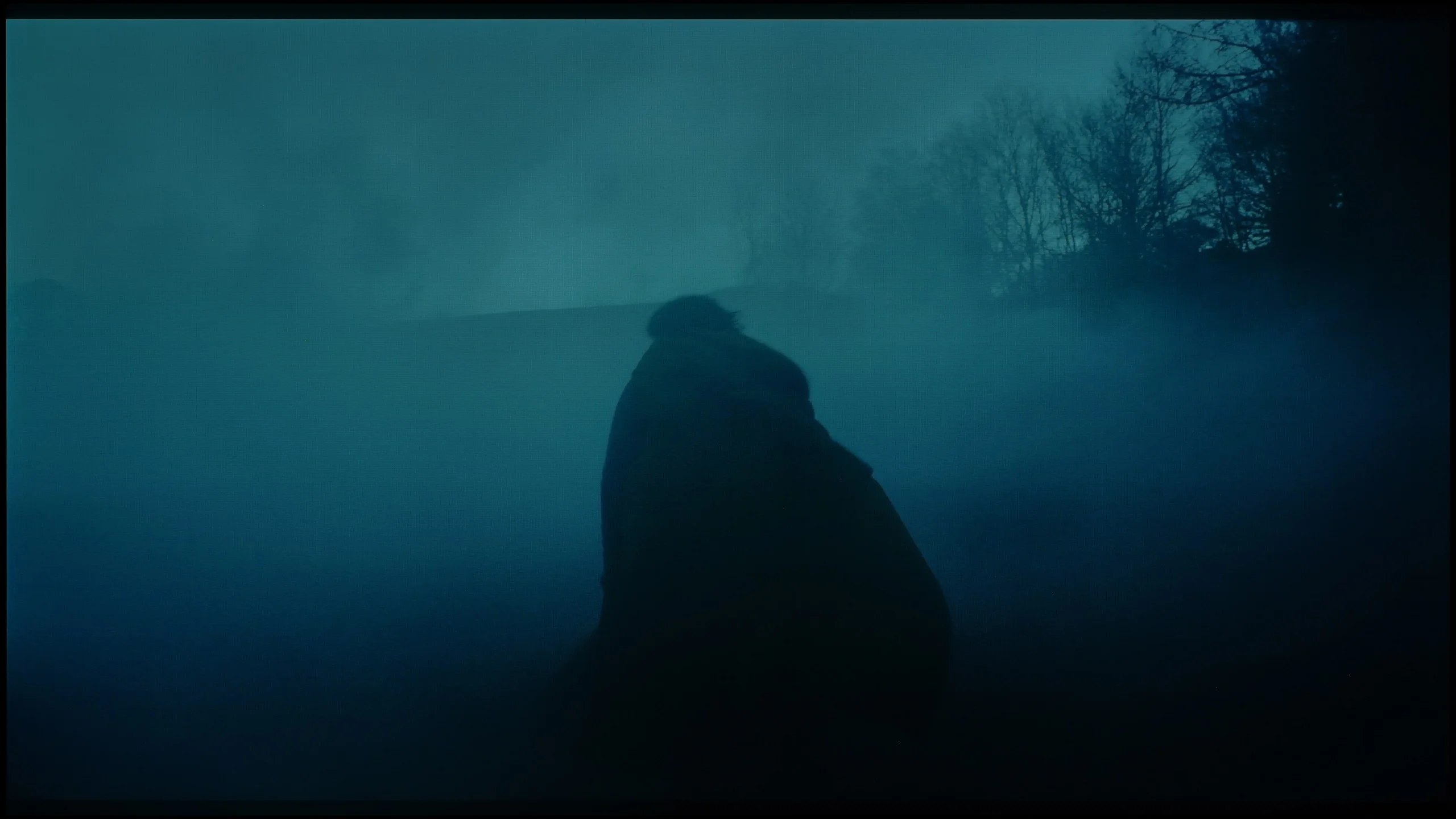
These are selected scenes that show smooth tonal transitions from one color to another. If you see distinct banding, it’s the TV panel’s fault.
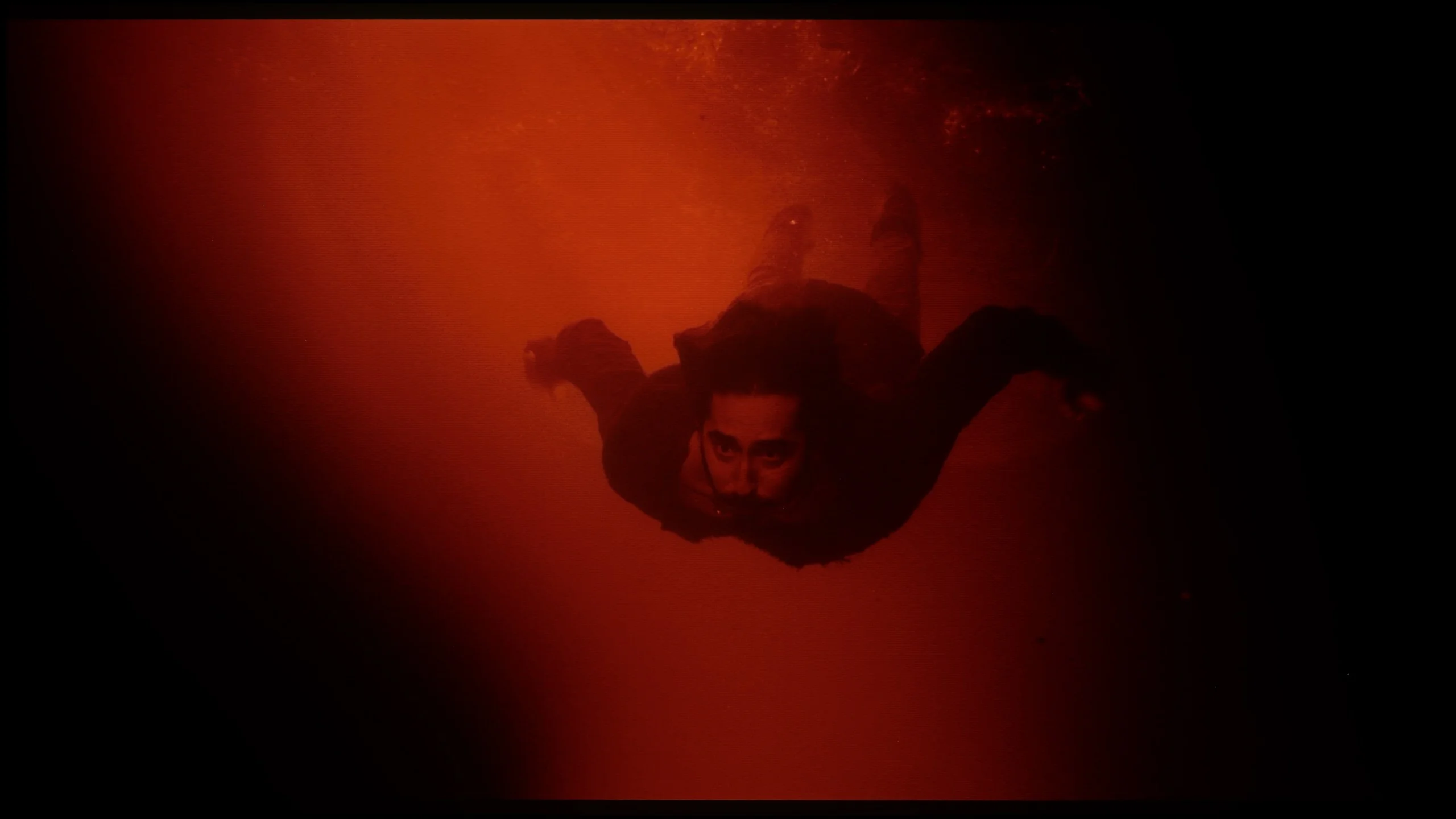
These are selected scenes that show smooth tonal transitions from one color to another. If you see distinct banding, it’s the TV panel’s fault.
The fluidity of tonal transitions in Sony X90L is excellent. The gradation is beautiful on high-quality sources such as 4K streaming. One can only notice slight cuts on more demanding gradients, but the overall effect is very good and should satisfy even the more discerning viewers.
Tonal transitions on the LG B6 are quite good, although some limitations typical of WOLED panels are still evident. In most scenes colours move between shades smoothly, without noticeable banding or unwanted digital artefacts. However, it is not always perfect. Most issues appear in the dark parts of the image, where WOLED panels have struggled for years. This is partly due to the greater difficulty of controlling the panel at very low brightness and the specific design that uses a white subpixel. Compared with last year’s model there is a slight improvement, but it still does not match the level of the best QD-OLED TVs or more advanced LCD models.
Image scaling and smoothness of tonal transitions
8.5/10
8/10

Smooth transition function
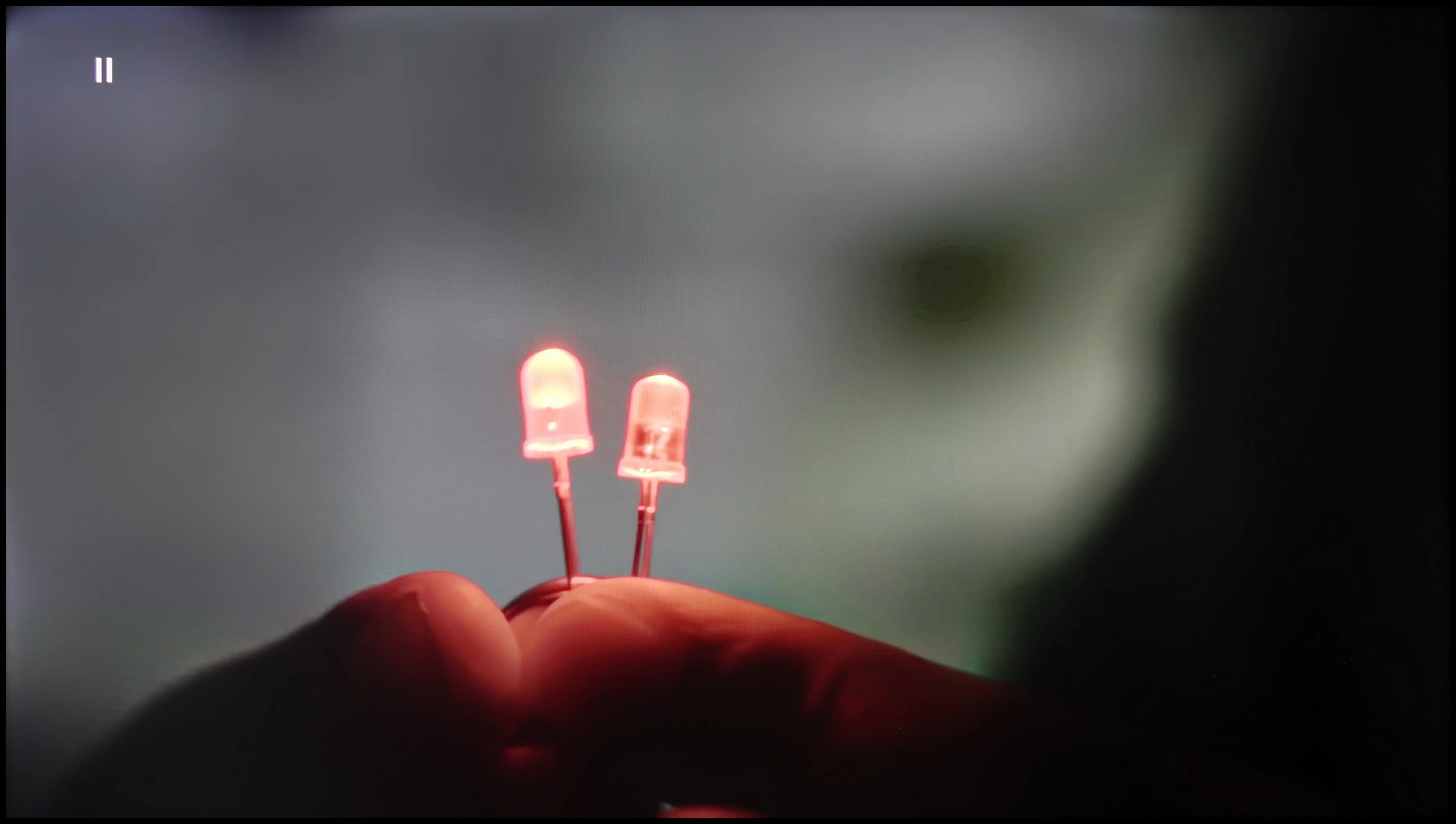
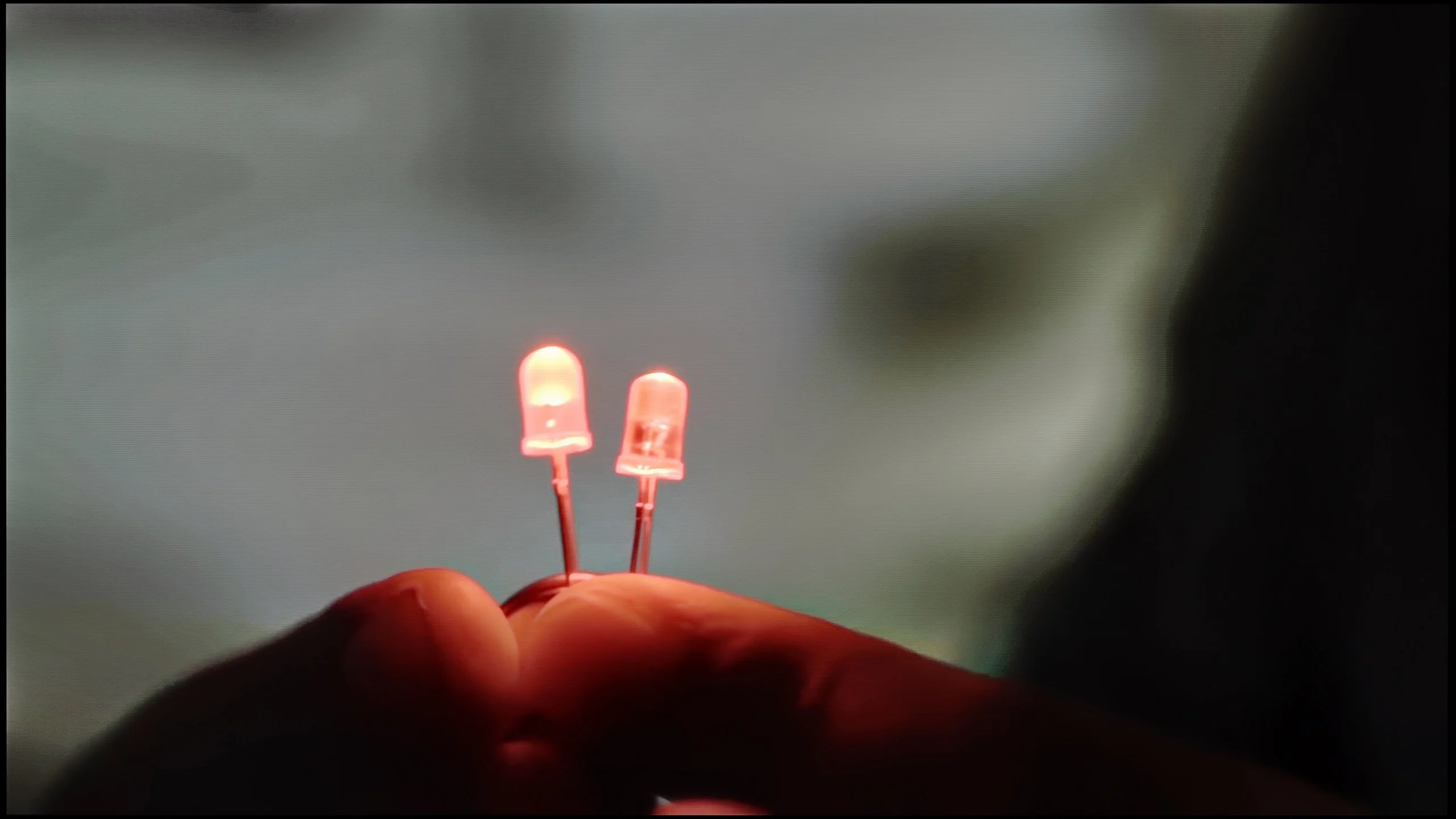
The match photo shows how the TV smooths weak tonal transitions in low-quality video.
Image scaling SD (576i)


The model photo shows how it handles upscaling of SD material.
The Sony X90L television features a tone transition smoothing function known as Soft Gradation, which is extremely effective. Even at the "low" option, the effects are satisfactory, but at the "medium" setting, it works like a dream – we recommend using this option for the best results. The image scaling on the Sony X90L is simply excellent. The image is not overly sharpened, which provides a natural effect and ensures that everything looks cohesive. It's clear that the engineers really focused on this aspect, creating a solution that is impressive and performs well in daily use. Because of this, even when watching content such as regular television or YouTube, where the image is not inherently stunning, one can enjoy a smooth, cohesive, and visually pleasing experience.
The LG B6 handles lower-quality material very well. This is largely thanks to effective digital image processing, which can mask some of the source’s imperfections without overly smoothing the whole scene. The "Smooth Gradation" function proves particularly useful. It noticeably reduces posterisation, especially in dark parts of the image. The safest choice remains the Low or Medium setting. The function still effectively smooths out unsightly tonal banding, but does not yet interfere too much with fine details. Purists can of course leave it switched off. Upscaling to 4K also performs very well. Full HD and 720p material retain a good amount of detail, and the image is neither overly sharpened nor heavily blurred. Some limitations only become apparent with very poor sources below 720p, where the smallest text and fine elements are not always perfectly sharp, but this applies to almost every other TV on the market.
Blur and motion smoothness
8.1/10
8.5/10
Blur (native resolution, maximum refresh rate):






Blur (BFI function enabled):






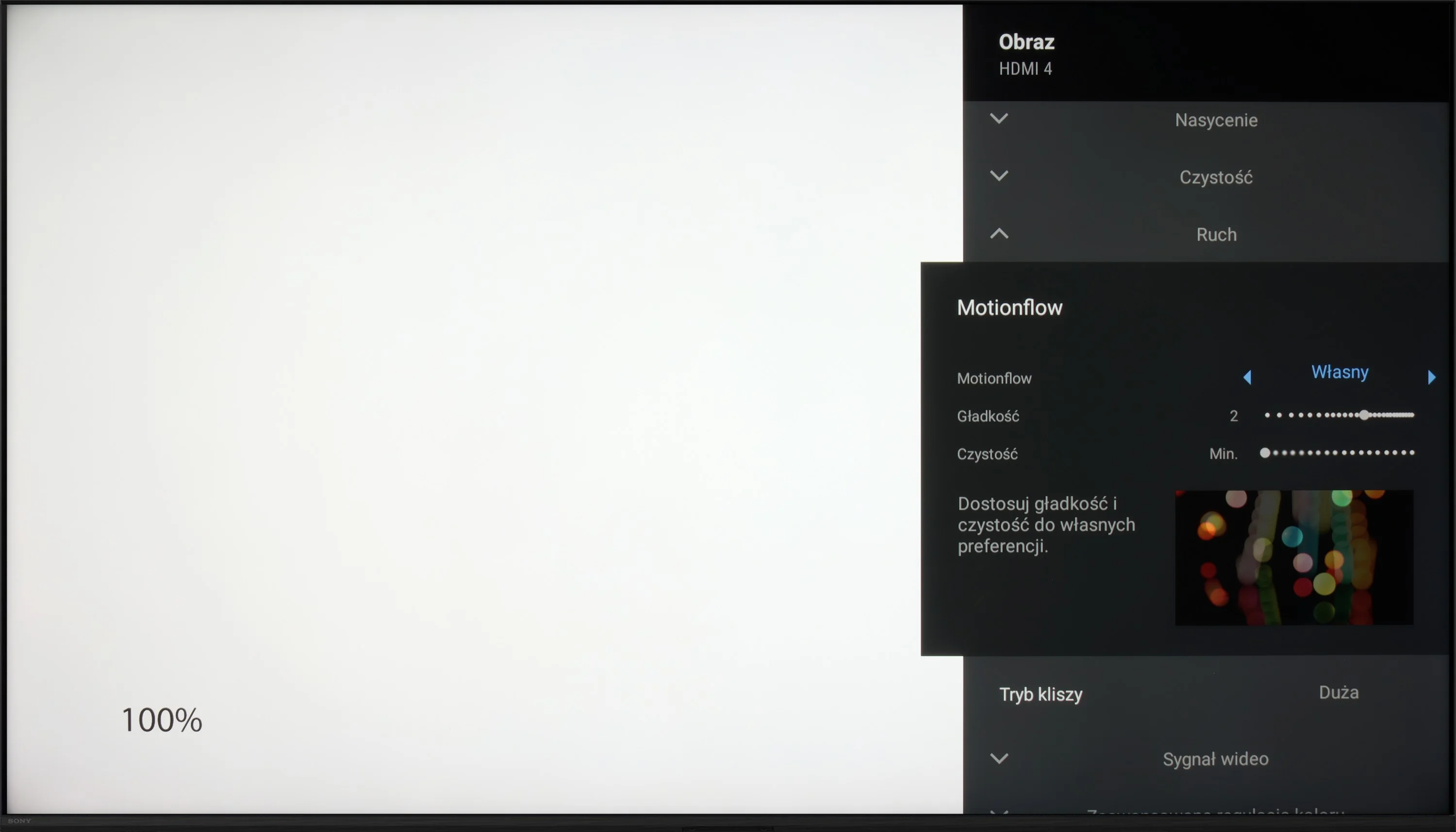
Sony X90L with a 120 Hz panel is an excellent choice for both gamers and cinema enthusiasts. The television is equipped with the Motion Flow smoothing feature, which allows for adjusting motion fluidity using two sliders: "smoothness" and "clarity." The "smoothness" slider controls the level of fluidity in motion, which helps reduce image stuttering, while "clarity" is used to minimize blur and enhance motion sharpness, which is particularly useful in dynamic scenes.
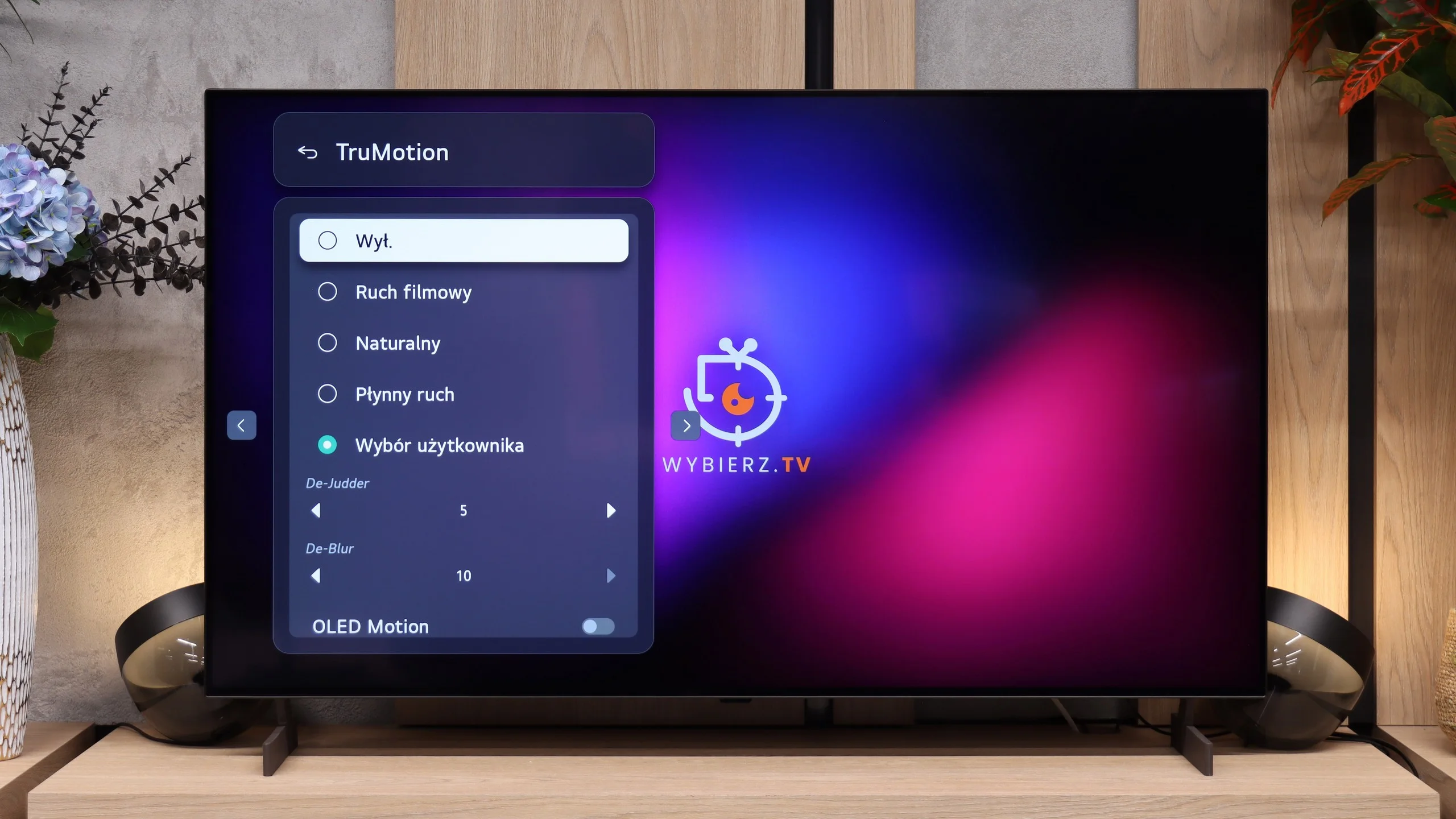
One of the biggest advantages of OLED panels is the very fast pixel response time. This keeps the picture sharp and free of the visible smearing often seen on LCD TVs. However, there is a downside. During slow camera pans motion can look choppier than on LCD screens, where some of that effect is naturally masked by the slower panel. Fortunately, on the LG B6 this can be easily mitigated using the TruMotion system. With the motion smoothing set correctly you can achieve smoother motion without giving the picture an exaggerated soap opera effect.
Console compatibility and gaming features
7.8/10
10/10
- ALLM
- VRR
- VRR range48 - 120Hz40 - 120Hz
- Dolby Vision Game Mode
 Yes, high input lag
 - Correct implementation of HGIG

- 1080p@120Hz
- 1440p@120Hz
- 4K@120Hz
- Game bar
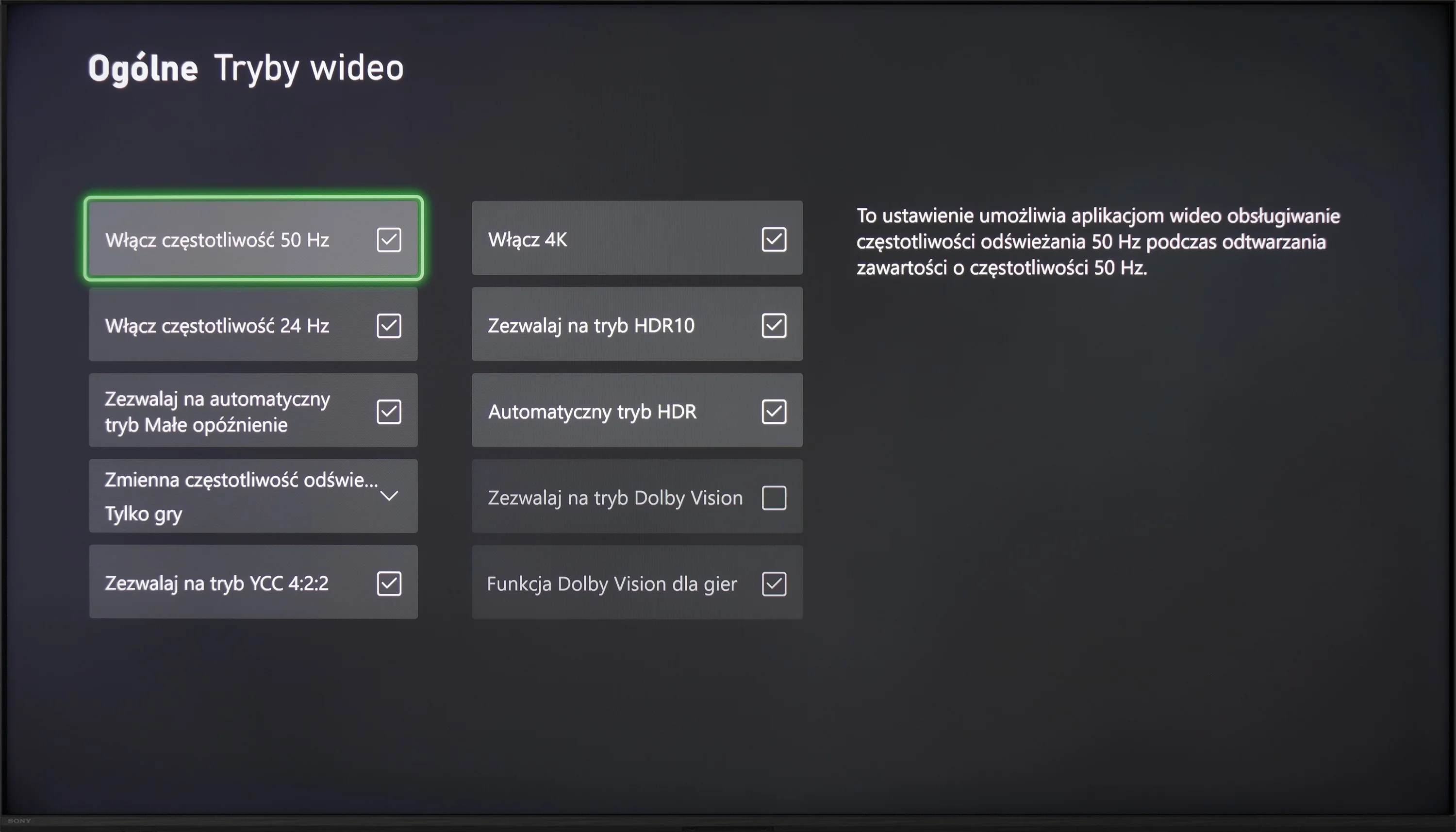
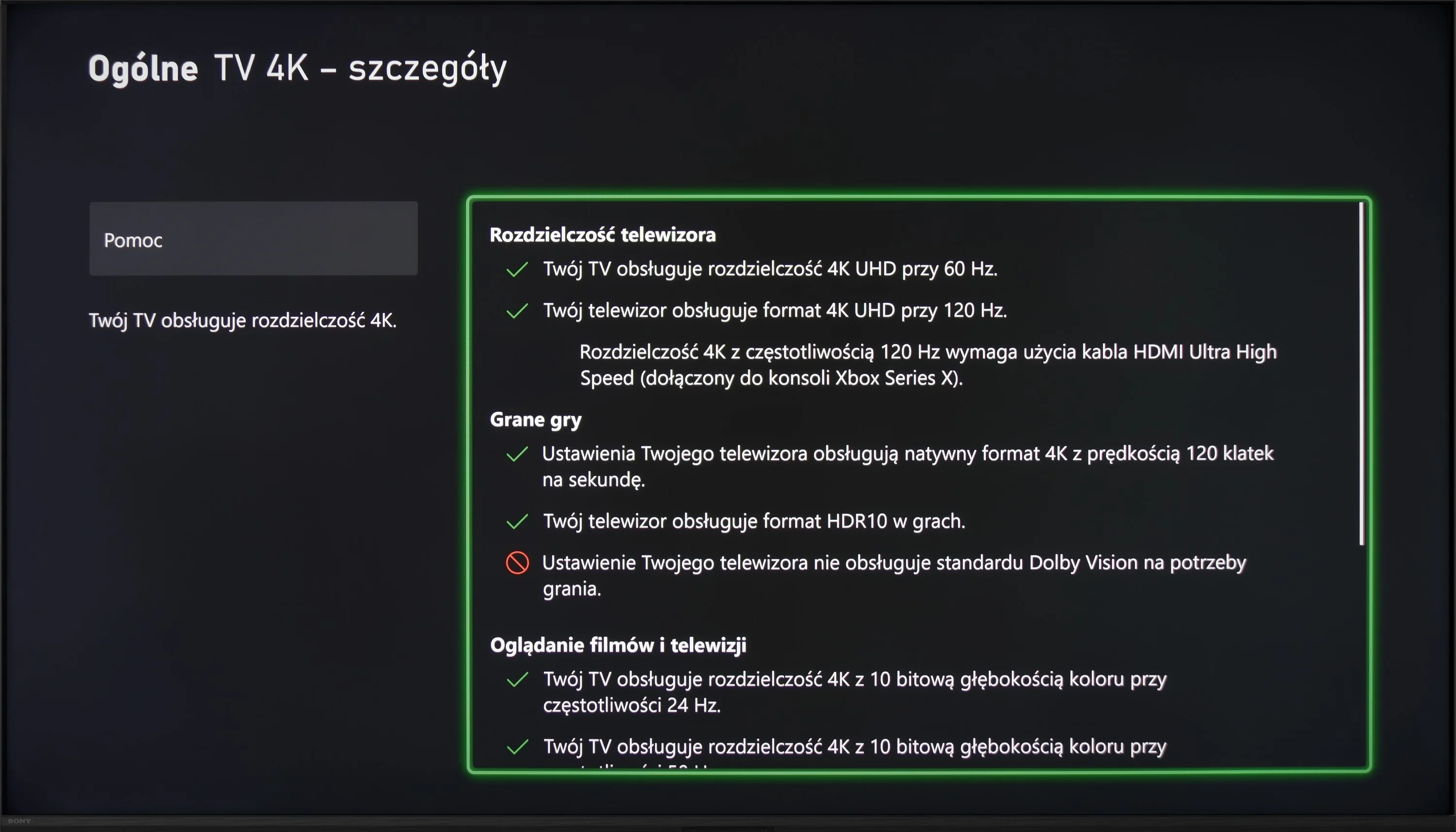
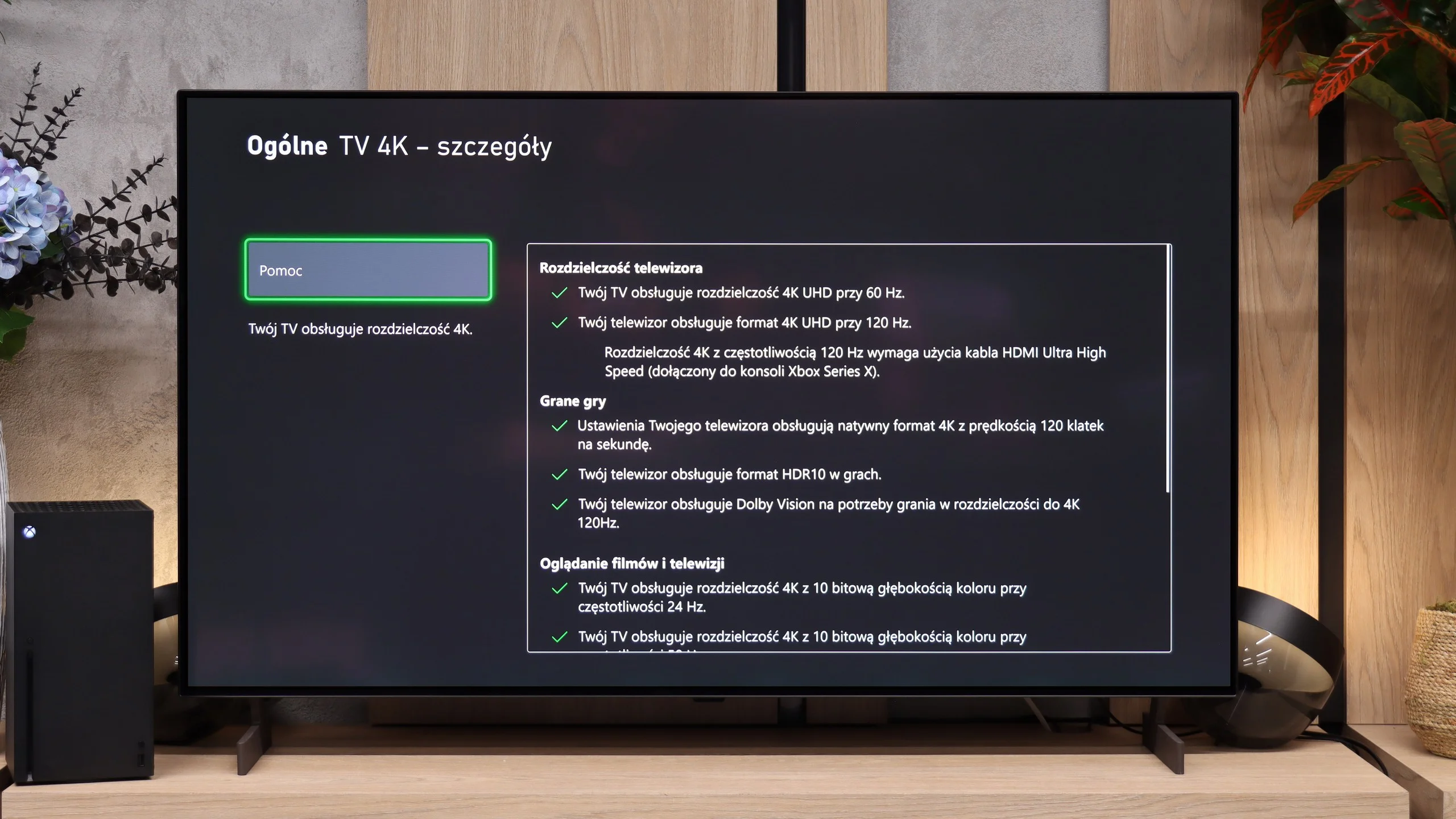
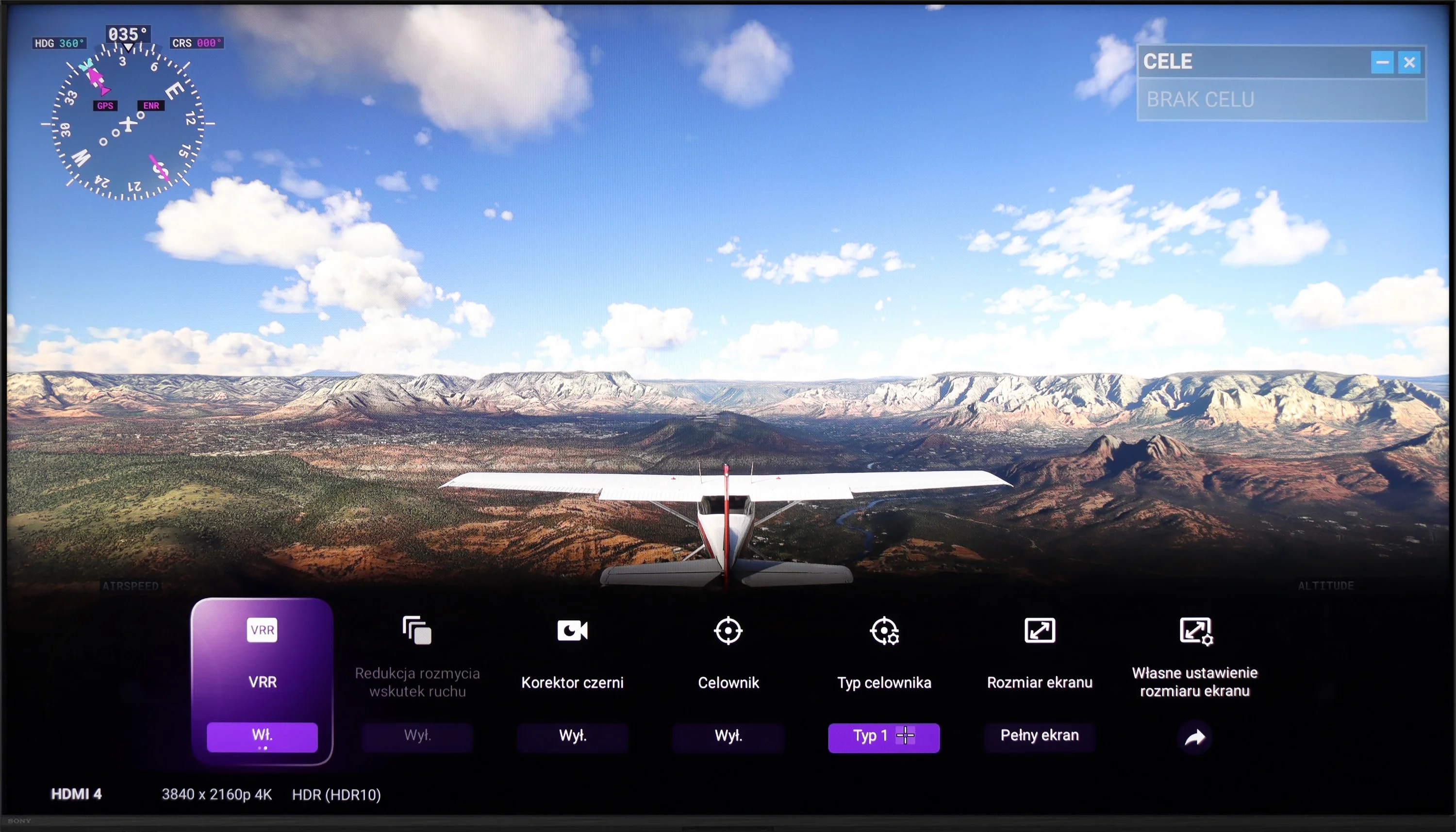
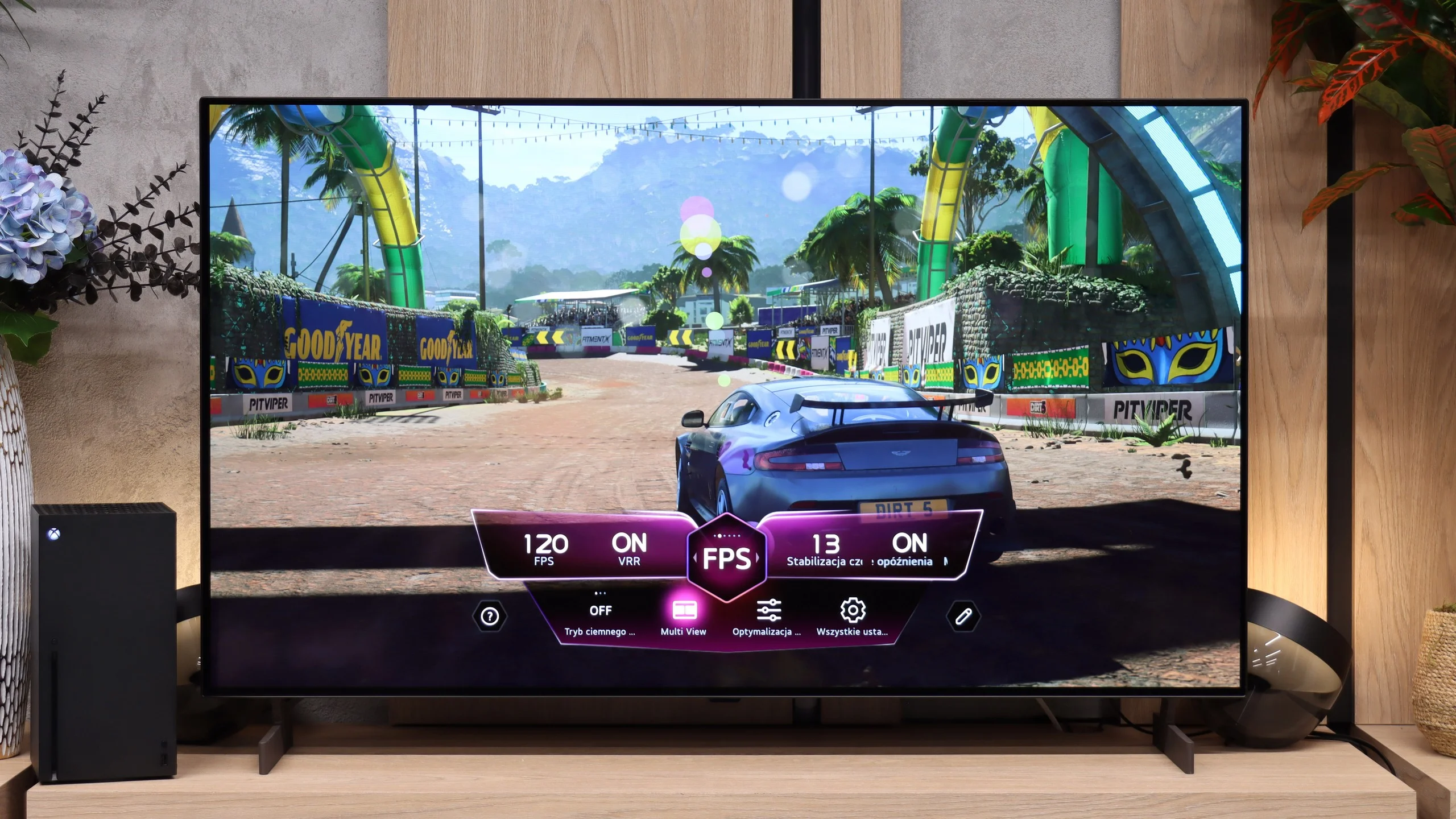
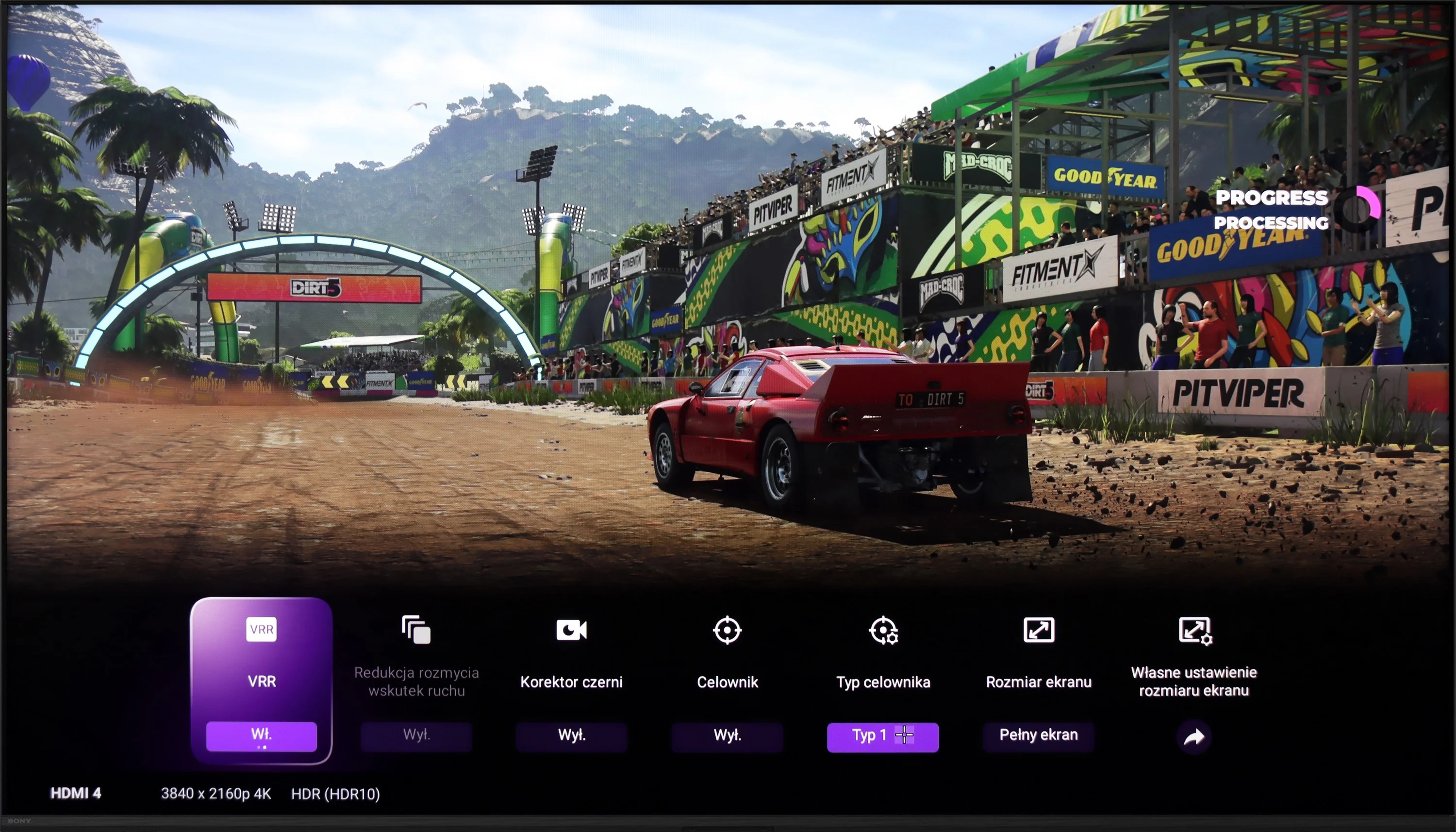
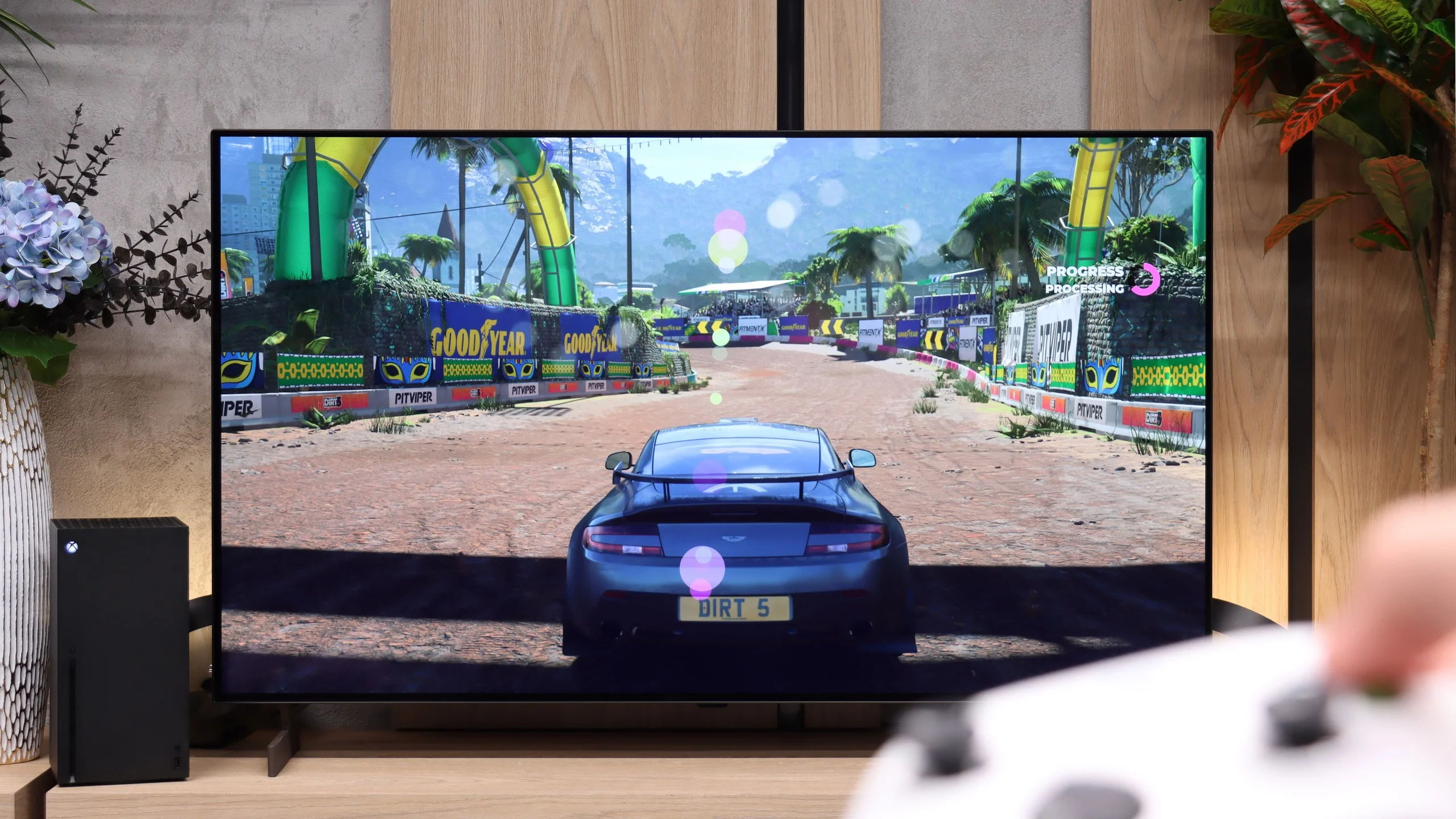
Sony X90L is a television that performs well in terms of compatibility with consoles and features for gamers. Its 120 Hz panel and two HDMI 2.1 ports with a bandwidth of 48 Gb/s allow for smooth playback of high-resolution games at a high frame rate. Gamers can also take advantage of the ALLM feature, which automatically switches the television to low latency mode, and VRR, which ensures smooth gameplay without image stuttering. The Game Bar is an additional advantage – an intuitive tool that provides quick access to the most important gaming settings and features, facilitating control over gameplay.
Unfortunately, when it comes to HDR in games, the Sony X90L has its limitations. There is a lack of support for HGiG, a standard that many gamers consider crucial for precise HDR reproduction in games. While the television supports Dolby Vision, which could theoretically improve image quality in games, the practical application of this feature is problematic. Dolby Vision in game mode is associated with very high input lag, making gameplay less comfortable and precise movements more difficult. Additionally, it is not possible to enable Dolby Vision alongside VRR. This means that despite its numerous advantages, gamers seeking the ideal HDR in games may feel a sense of disappointment.
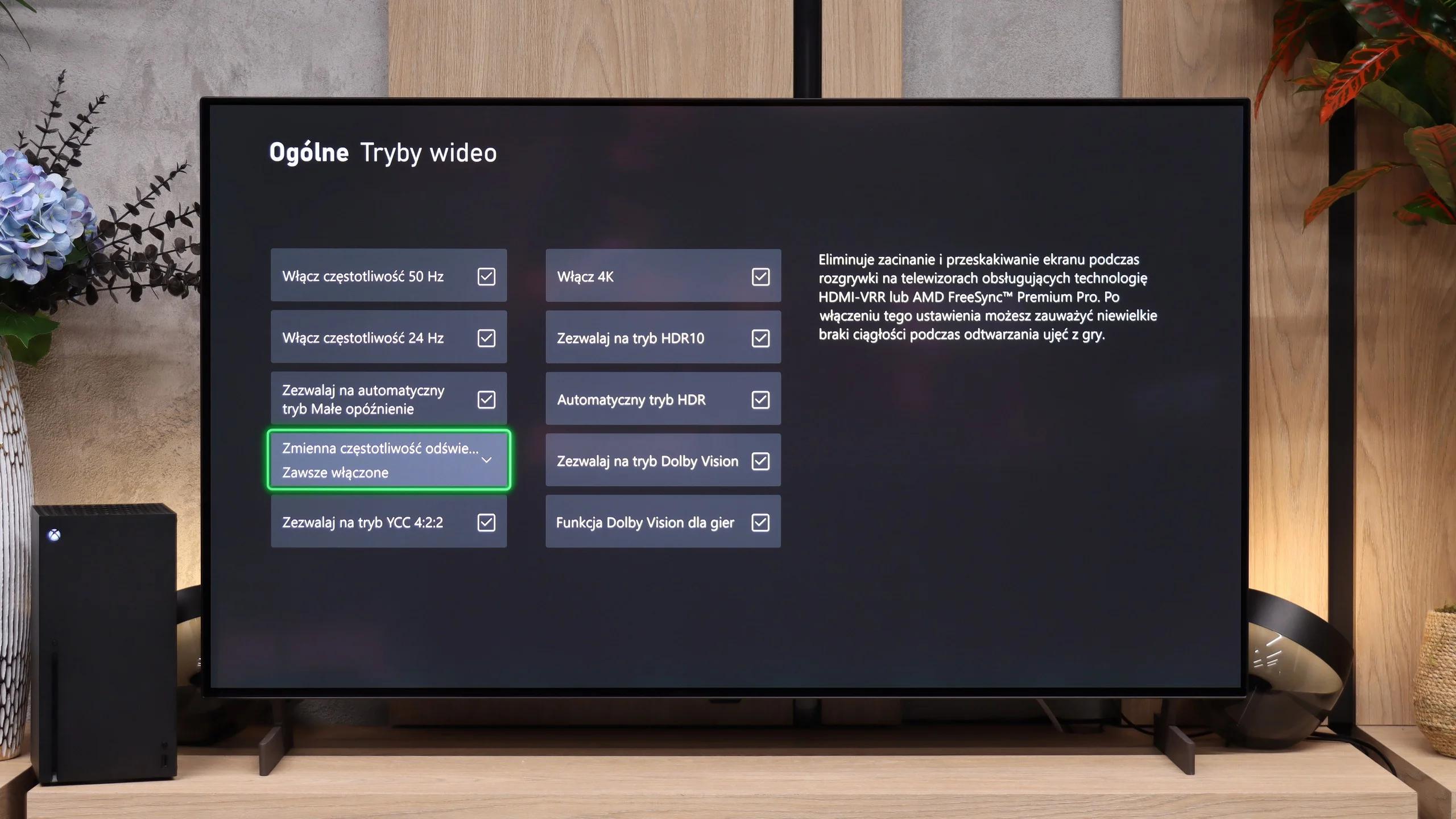
LG OLED B6 has plenty to offer gamers; it’s simply a complete base for PS5, Xbox Series X/S or a capable PC. It has four full-size HDMI 2.1 ports with 48 Gbps bandwidth, so you can avoid irritating cable swapping when connecting several newer devices at once. It offers a full suite of synchronization technologies, from standard VRR to G-Sync and FreeSync. The screen synchronises the refresh rate seamlessly with the frame output from the console or graphics card. Of course it includes ALLM: the B6 automatically recognises when a game is running and immediately reduces latency to a minimum. HDR support is also excellent. The TV supports Dolby Vision, and a correctly implemented HGiG standard means that, after initial calibration in the console settings, the image won’t suffer from blown-out highlights or lost detail in bright areas. The cherry on the cake is the Game Bar. Instead of digging through the full menu during gameplay, a single click is enough to adjust shadow visibility, tweak selected parameters or simply check the current display mode. All of this makes the LG B6 an excellent choice for gamers.
Input lag
8.7/10
9.8/10
SDR
HDR
Dolby Vision
Input lag in Sony X90L can be assessed as decent, although it is not outstanding. In Dolby Vision mode, the television operates only at 60 Hz, and the additional high input lag complicates matters as it makes gameplay practically unplayable. For games at the popular frequency of 60 Hz, the input lag is about 25 ms – this is an acceptable result, but for more demanding gamers, it may prove disappointing.
However, those more advanced gamers who have equipment supporting higher refresh rates can expect better results. With a 120 Hz signal, the input lag drops to around 12 ms, providing significantly better responsiveness and smoother gameplay, meeting the expectations of more demanding users.
Input lag in the LG B6 is very low. At 120 Hz it is about 5 ms, and at 60 Hz it rises to roughly 15 ms. Both results are good enough that most gamers won't notice any delay between their inputs and what happens on screen. Dolby Vision performs slightly worse, with input lag rising to around 25 ms. That's still not a bad result, but the most demanding Xbox gamers may already notice a difference compared with standard HDR.
Compatibility with PC
7.4/10
7.6/10
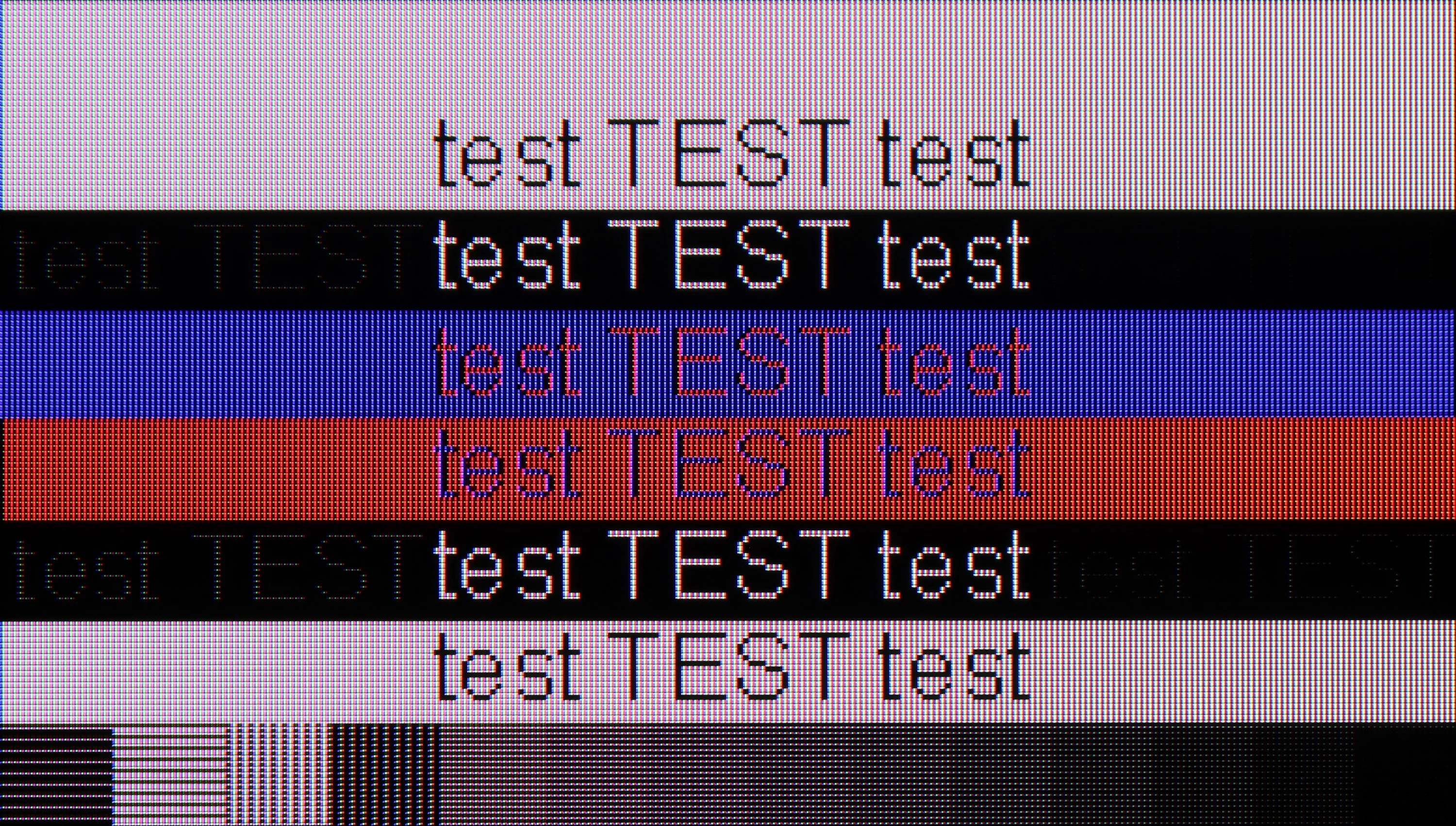
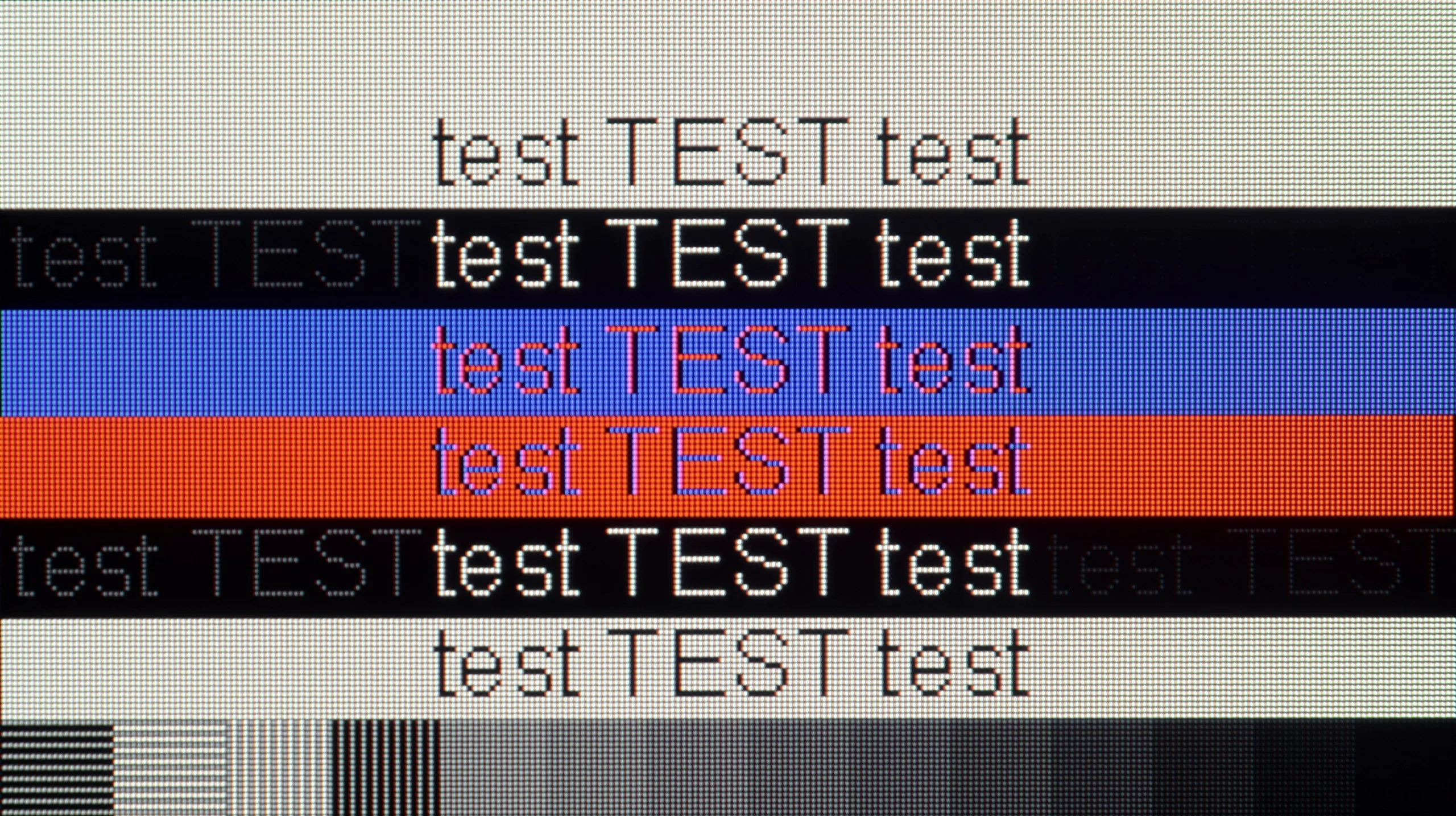
The photo shows the legibility of small fonts. Ideally, lines should be the same thickness on both light and dark text, with minimal pixel gaps.
Cooperation with the PC in Sony X90L is at a good level. The X90L television supports chroma 4:4:4, which ensures quite good font visibility, important while working or browsing content on a large screen. Although there are minimal issues with font legibility on a dark background, it is not bothersome enough to pose a major problem in everyday use.
An additional advantage for PC users is the 120 Hz refresh rate and support for G-Sync functionality. As a result, gamers can expect smoother gameplay without the effect of stuttering or tearing, which significantly enhances comfort and the gaming experience.
The LG B6 also works very well as a computer monitor. Low input lag, support for VRR, G-Sync and FreeSync, and a high refresh rate mean there's little to criticise about it for gaming. Compared with more expensive models it only lacks additional modes with even higher refresh rates. In the best OLEDs and some LCD TVs you can now find even 240 or 330 Hz at lower resolutions. The B6 doesn't have that, but for most people it won't be a big loss.
The subpixel structure of the WOLED panel may be more significant. Because it uses four subpixels, small fonts in Windows are not perfectly sharp and you can sometimes see subtle coloured fringes around them. For occasional web browsing or general computer work this is unlikely to be a problem. However, anyone planning to buy a smaller variant, for example a 48-inch model, and use it as their primary monitor at their desk should bear that in mind.
Viewing angles
2.9/10
7.5/10
The viewing angles on the Sony X90L are unfortunately very poor, which is typical for VA panels. The picture quality degrades when viewed at an angle, which can be problematic when watching from a greater distance or with a larger group of people. It's a shame that the manufacturer did not use a coating to widen the viewing angles, which could significantly improve this aspect and make the television more versatile for different room layouts.
Viewing angles on the LG B6 are very good, which is typical for almost all OLED TVs. Even when viewed from a wide angle the image retains high colour saturation and does not noticeably lose brightness. In this respect, only models with QD-OLED panels really perform better. However, there is one thing worth mentioning. Some WOLED panels may show a slight greenish tint at very wide angles. This is not a rule. Some units exhibit this effect more, others hardly at all. It depends on the individual unit.
Daytime performance
7.8/10
4.8/10
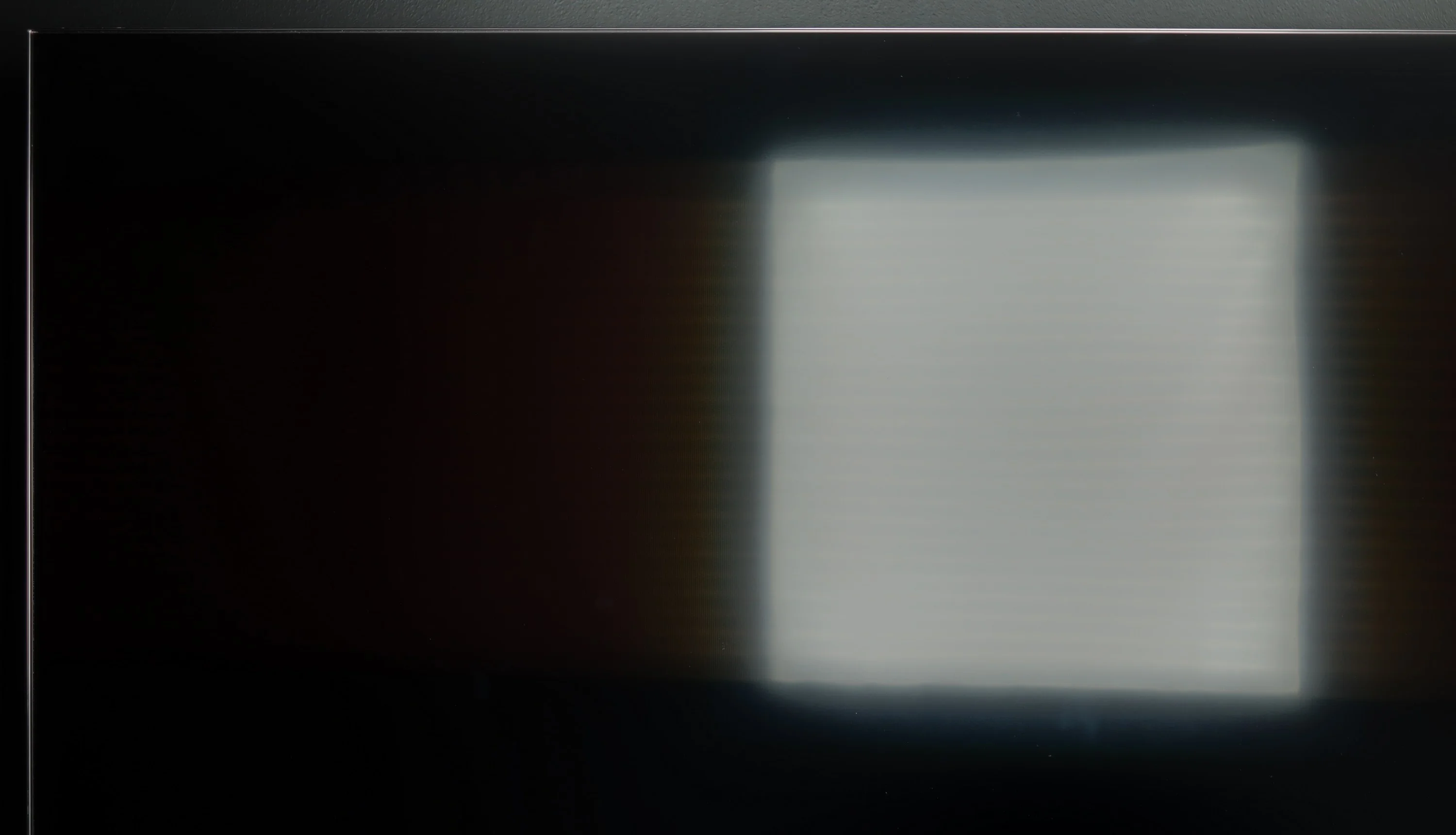
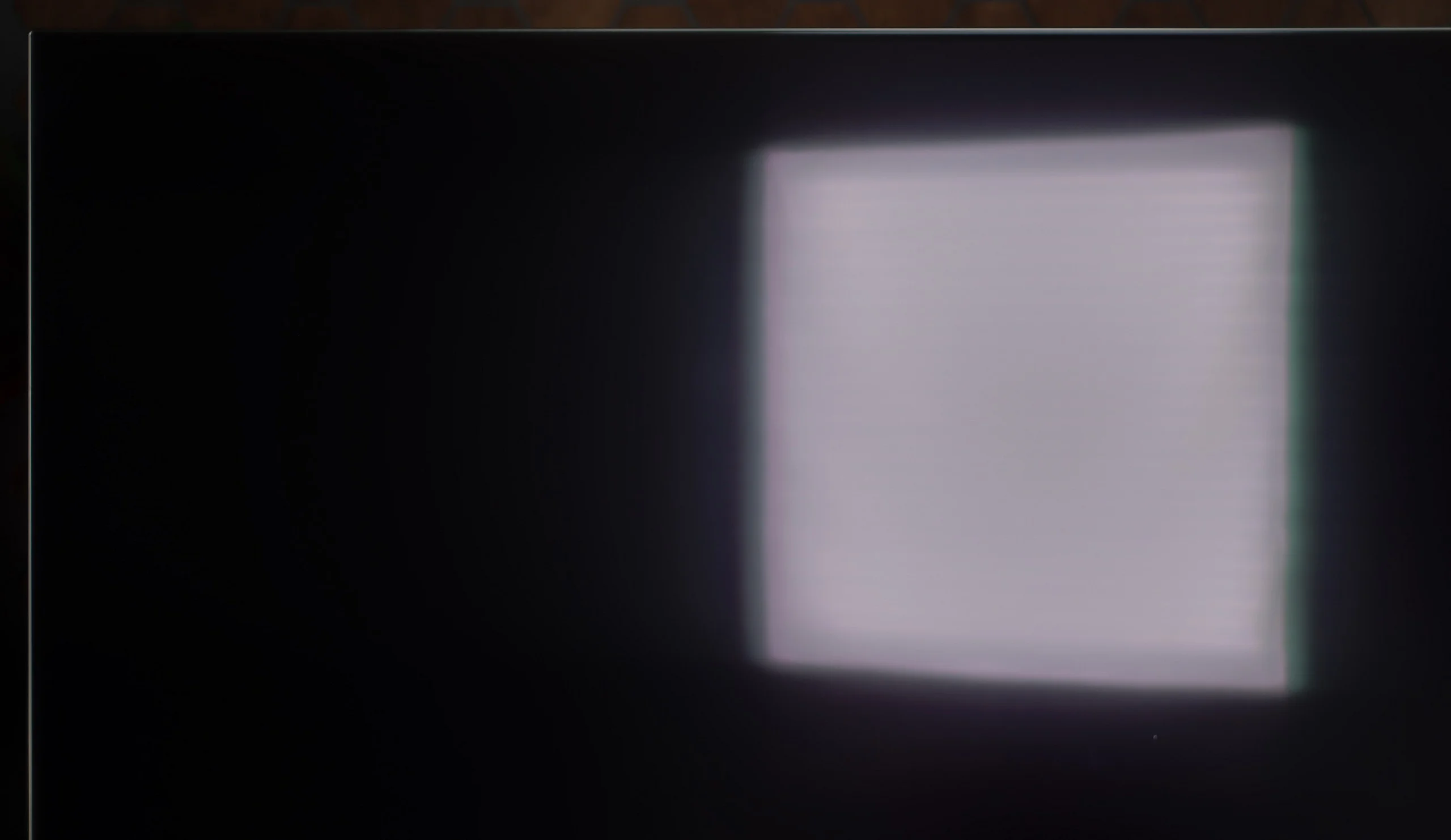
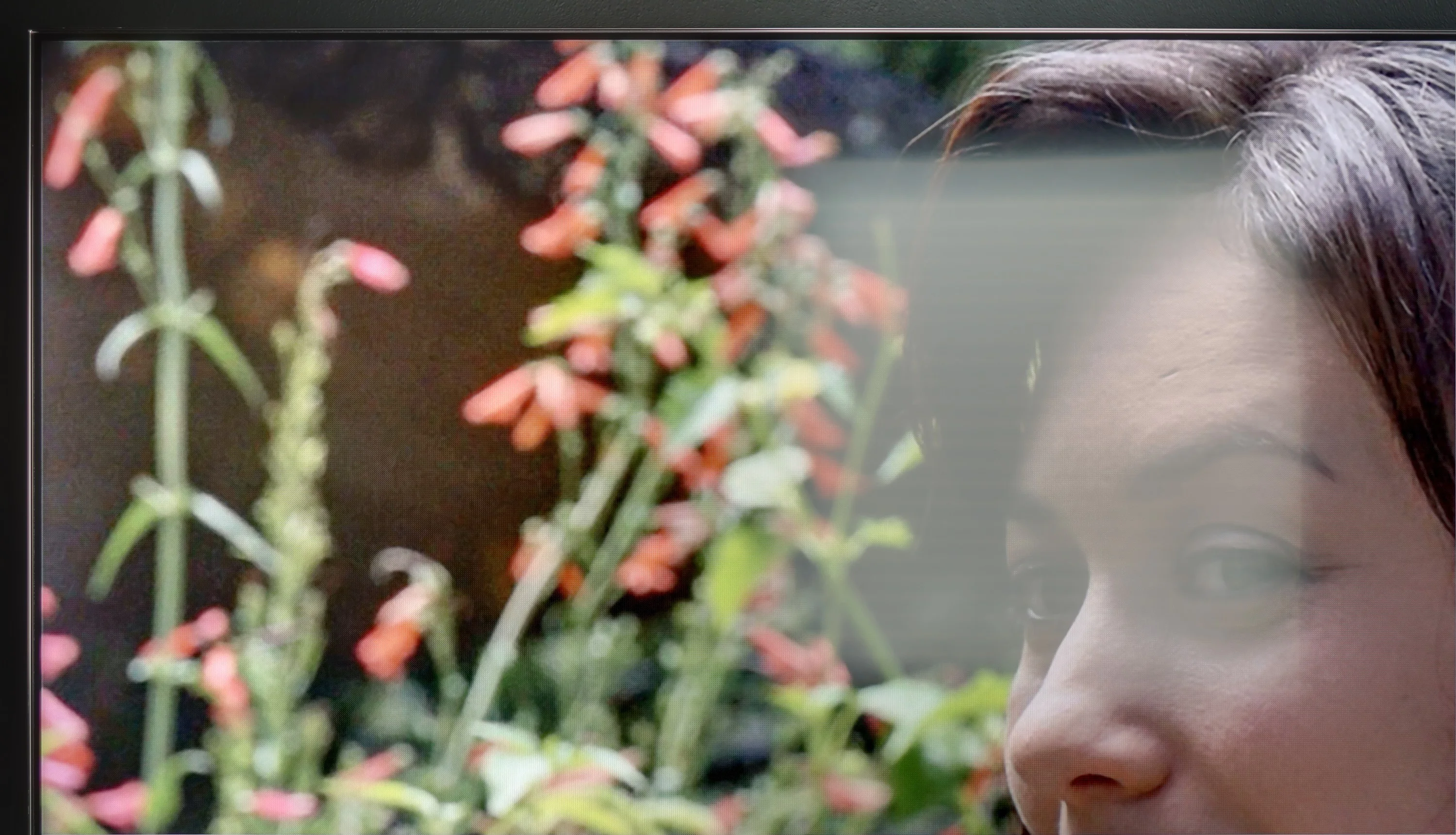
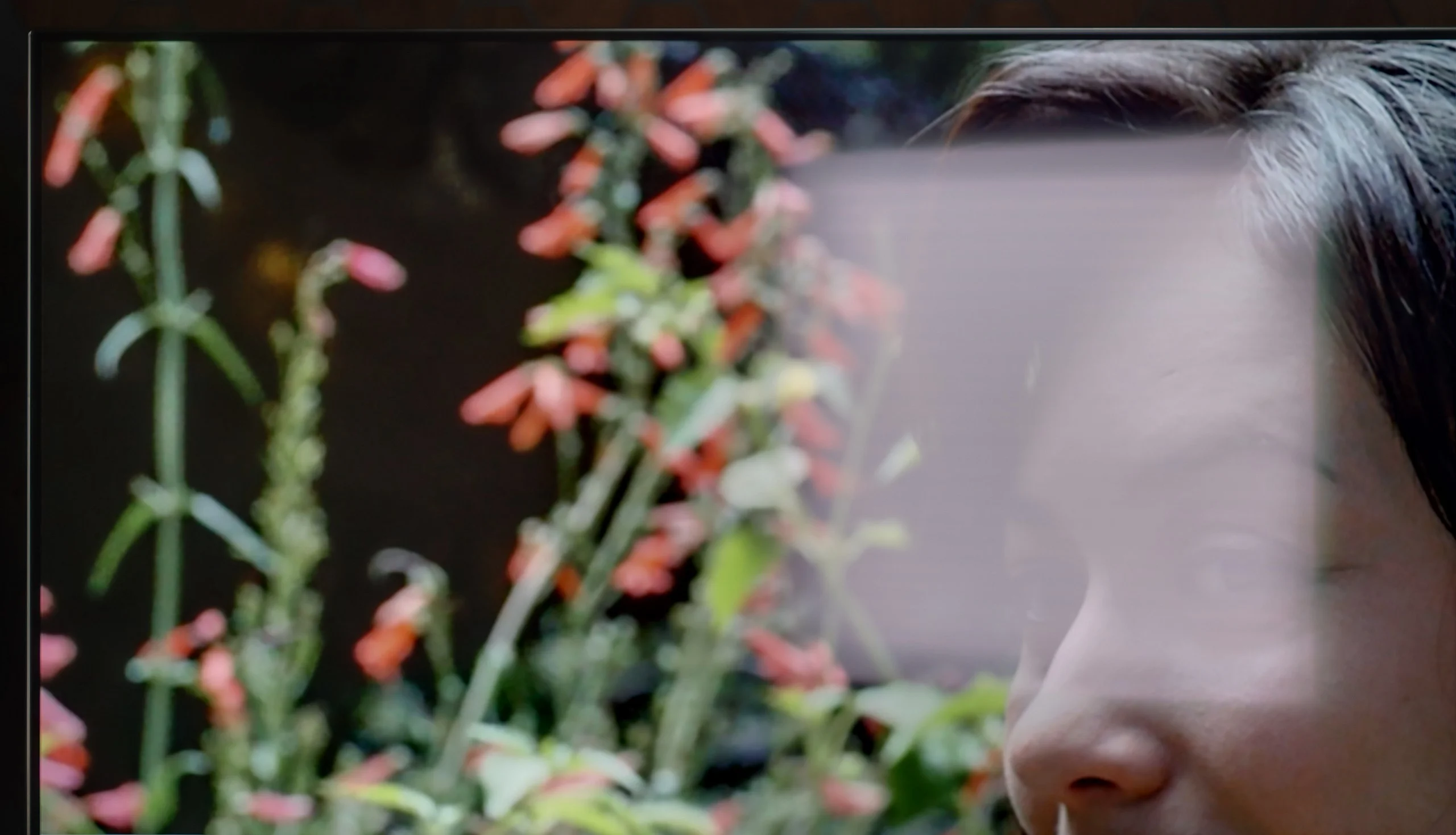
Panel brightness
LG OLED B6: 313 cd/m2
Sony X90L: 784 cd/m2
The performance of the television Sony X90L during the day is very good. The satin matrix effectively dampens reflections, which minimises glare and keeps the image clear even in bright rooms. An SDR brightness level of 785 cd/m² allows for comfortable viewing of standard television and lower quality materials regardless of the time of day. As a result, the X90L will perform excellently in both well-lit living rooms and more sunlit spaces.
In the case of the LG B6, one of the biggest changes comes from the new OLED SE panel. The TV is slightly brighter than its predecessor, but at the same time it is worse at dealing with direct reflections. The reason is a less effective polariser, so reflections from windows or lamps are less well suppressed and blacks in a bright room can look slightly lifted. LG tried to partially mask this effect with a satin screen coating. It does help to gently diffuse reflections, but it does not eliminate them as effectively as the solutions used previously. And in this respect the B series falls furthest behind the previous generation. By day the screen no longer looks as clean, and strong light sources can be clearly reflected on the panel. That does not, of course, mean the B6 is unsuitable for a bright living room. The higher screen brightness helps to cut through ambient light and during normal viewing the picture remains readable. The problem starts when there is a large window or a bright lamp opposite the TV. In those conditions the B6 does not perform at its best. It is therefore best suited to a room where you can at least partially control the light falling directly on the screen.
Panel details
Subpixel Structure:
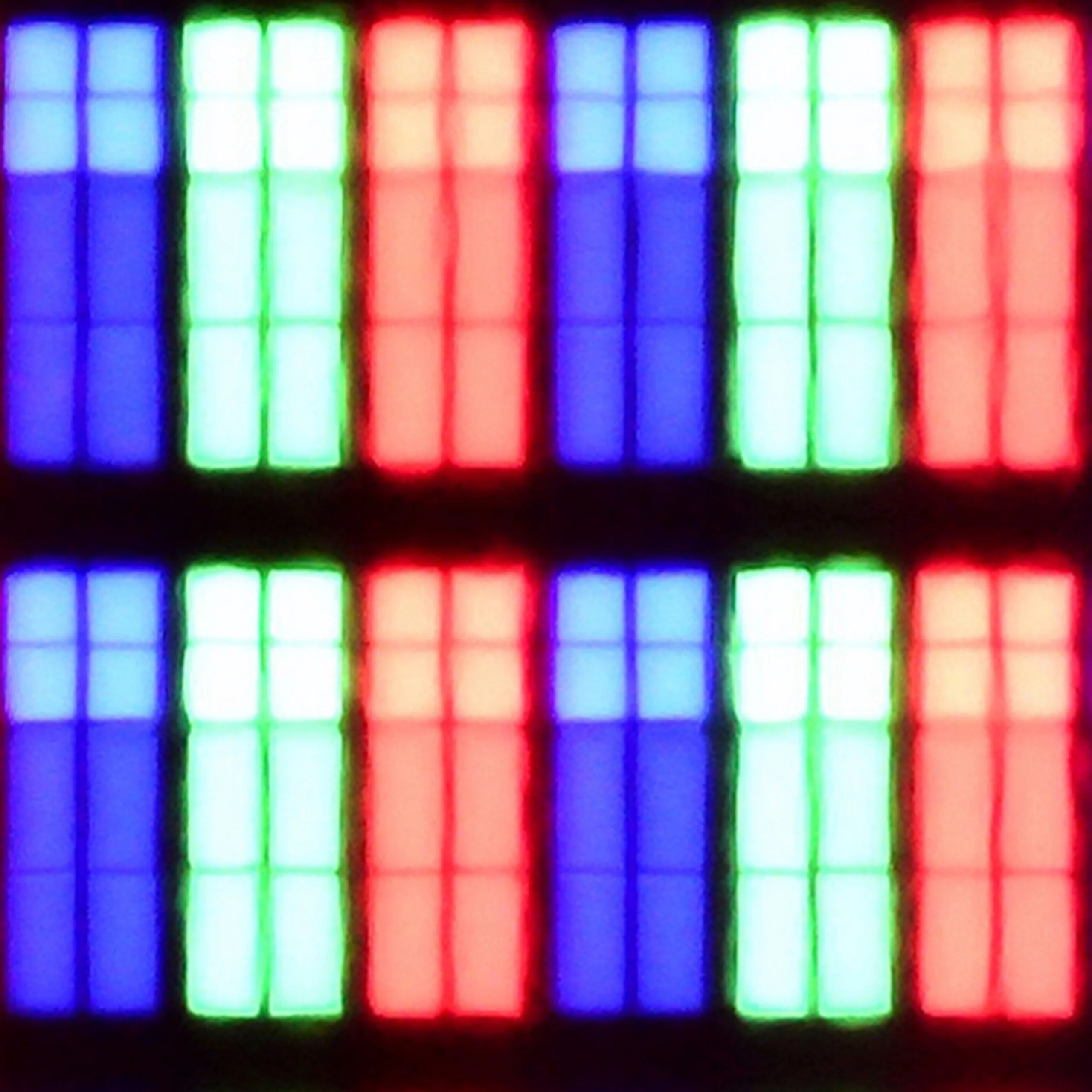
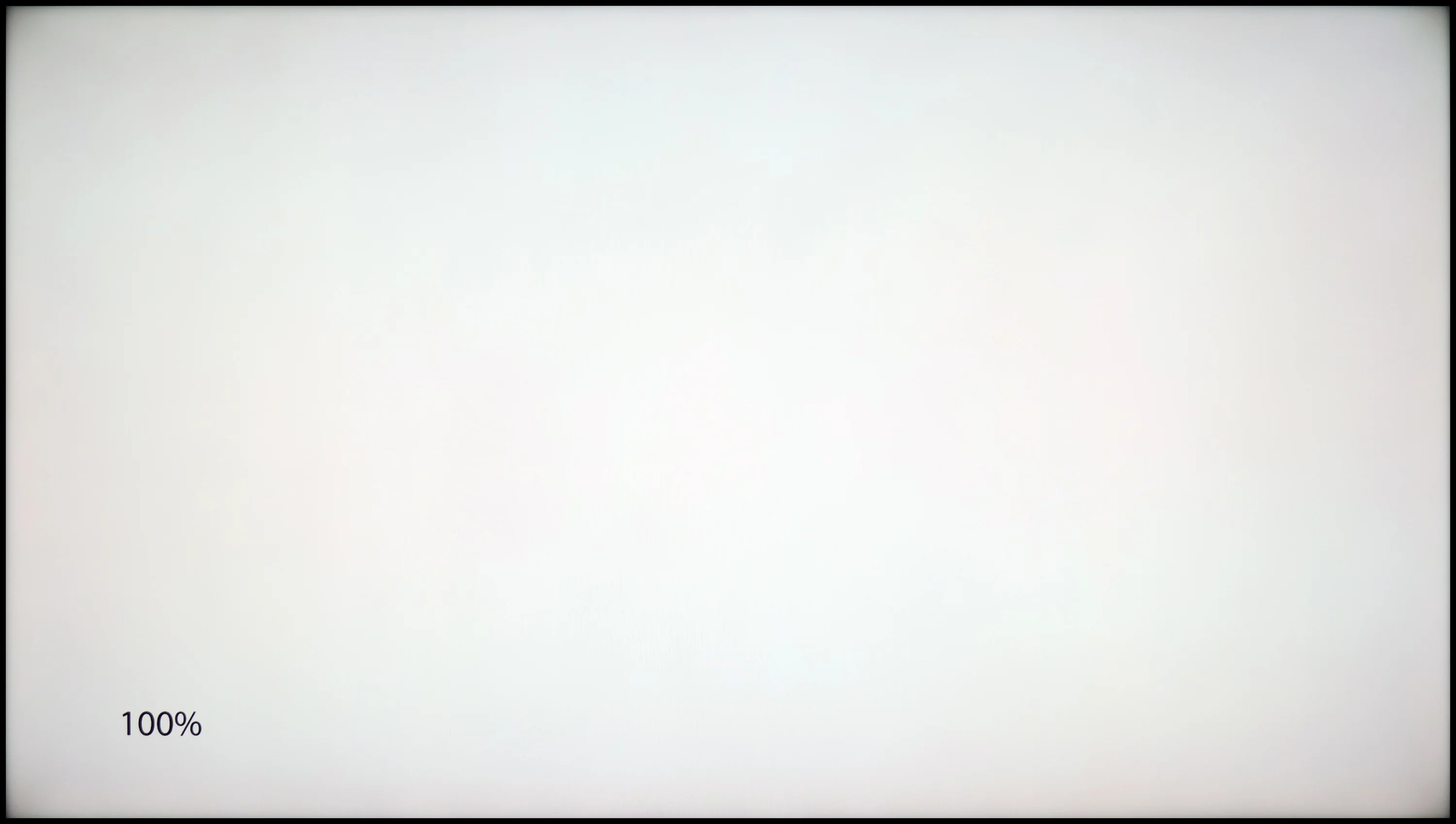
Panel uniformity and thermal imaging:

TV features
8/10
8/10
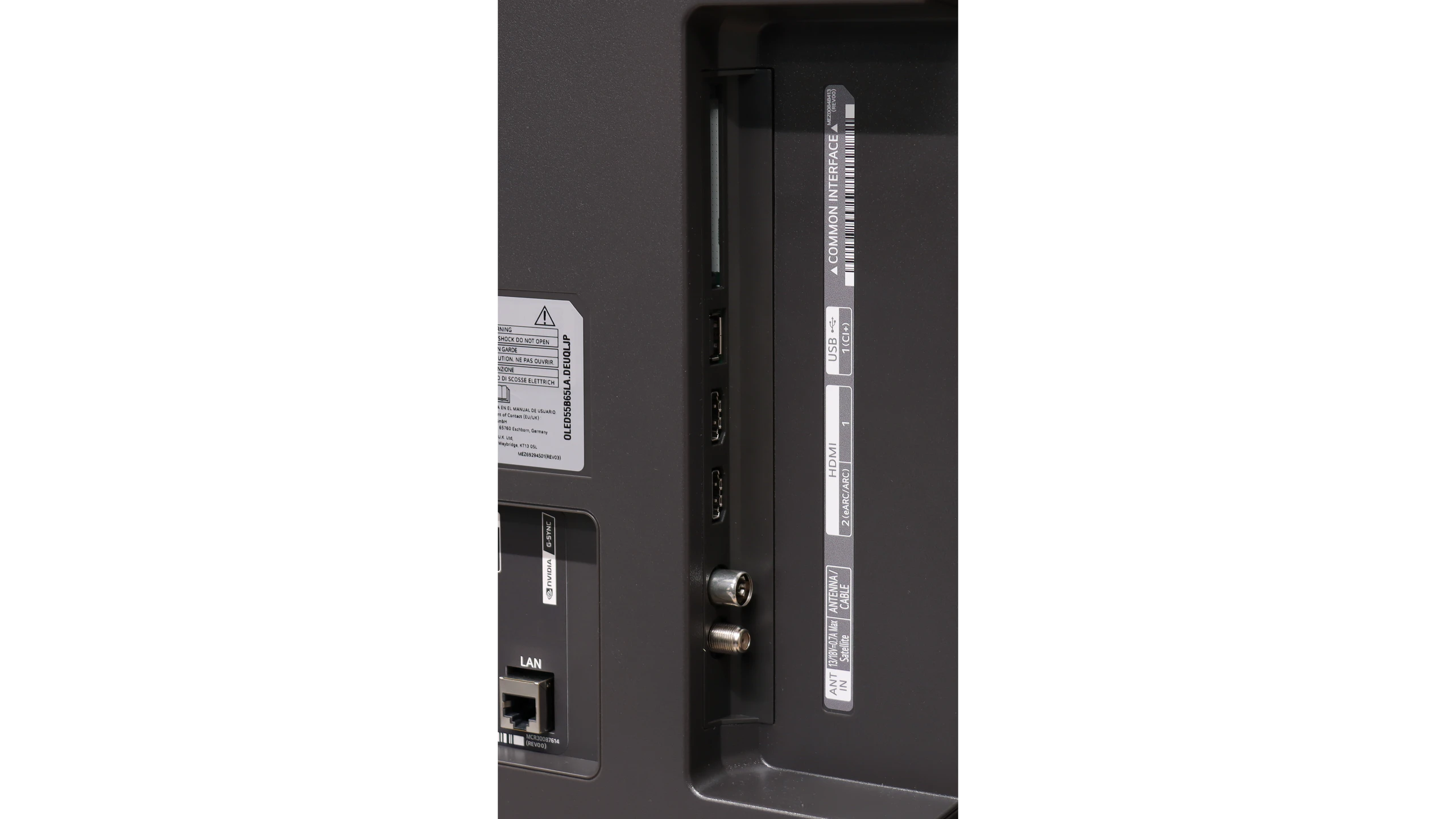
- SystemGoogle TVWebOS
- System performanceGoodDecent
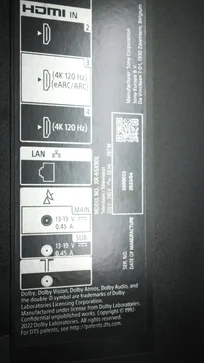
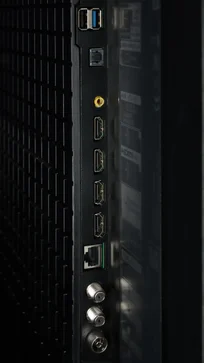
- HDMI inputs2 x HDMI 2.0, 2 x HDMI 2.1 48Gbps0 x HDMI 2.0, 4 x HDMI 2.1 48Gbps
- Other inputsRCA (Chinch)
- OutputsToslink (Optical audio), eARC (HDMI), ARC (HDMI)Toslink (Optical audio), eARC (HDMI), ARC (HDMI)
- Network InterfacesWi-Fi 2.4GHz, Wi-Fi 5GHz, Ethernet (LAN) 100MbpsWi-Fi 2.4GHz, Wi-Fi 5GHz, Ethernet (LAN) 100Mbps
- TV receptionDVB-T, DVB-T2, DVB-S, DVB-S2, DVB-CDVB-T, DVB-T2, DVB-S, DVB-S2, DVB-C
Classic features:
- Recording to USB (terrestrial TV)
- Recording programming
- Picture in Picture (PiP)
- RF remote control (no need to aim)
- Backlit remote control
- Teletext
- Audio only mode
- Bluetooth headphones support
- Simultaneous Bluetooth headphones & TV audio
Smart features:
- AirPlay
- Screen mirroring (Windows Miracast)
- Voice search
- Voice search in native language
- Ability to connect a keyboard and mouse
Sound connection options
- HDMI audioeARC (HDMI), ARC (HDMI)eARC (HDMI), ARC (HDMI)
- Other audio outputsToslink (Optical audio)Toslink (Optical audio)
- Wireless audioBluetoothBluetooth
Supported audio formats (external HDMI eARC audio):
- Dolby Digital Plus 7.1
- Dolby True HD 7.1
- Dolby Atmos in Dolby Digital Plus (JOC)
- Dolby Atmos in Dolby True HD
- DTS:X in DTS-HD MA
- DTS-HD Master Audio
Senior accessibility
- Numeric keyboard on TV
- Font size adjustment
- Audio description
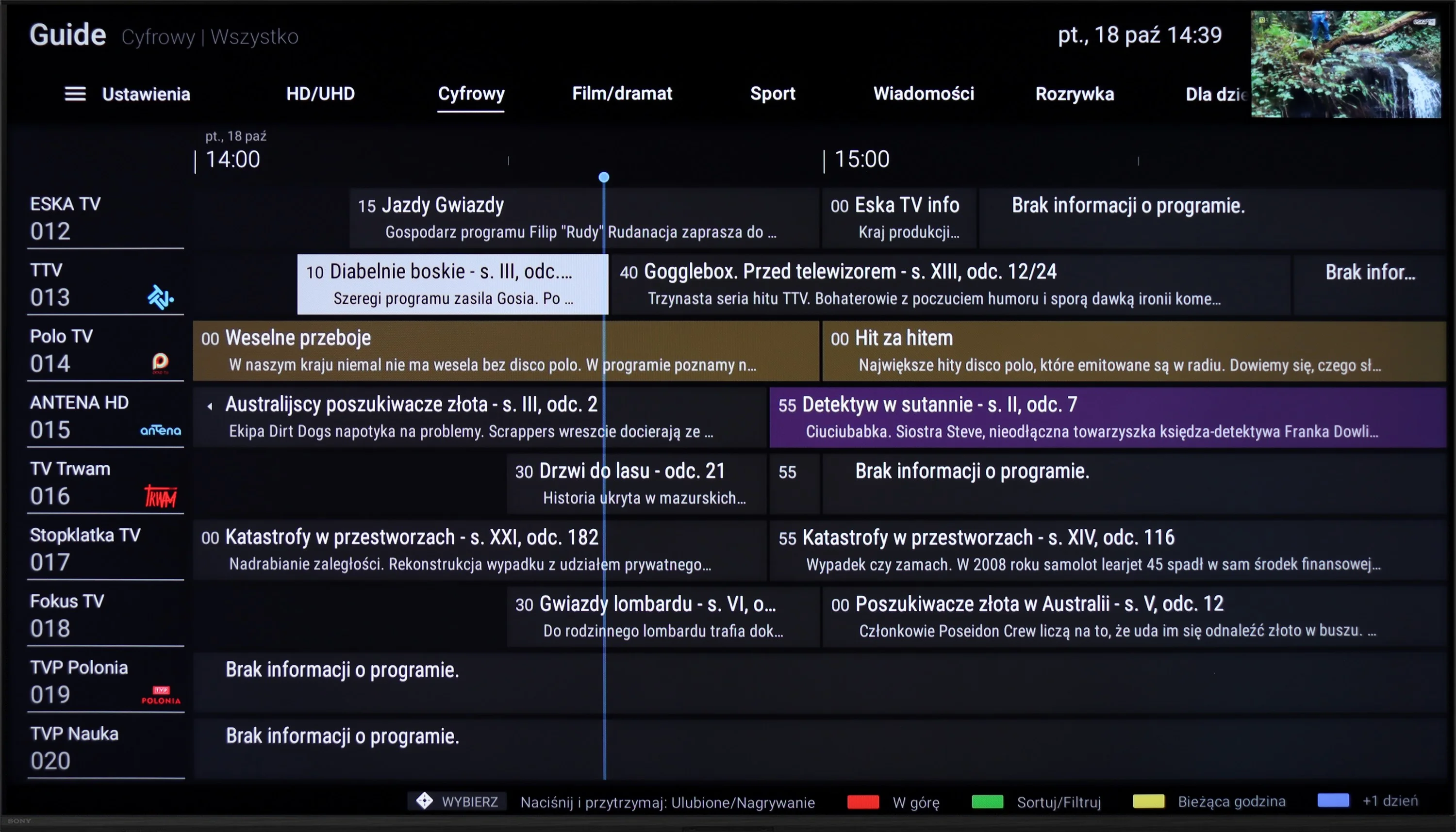
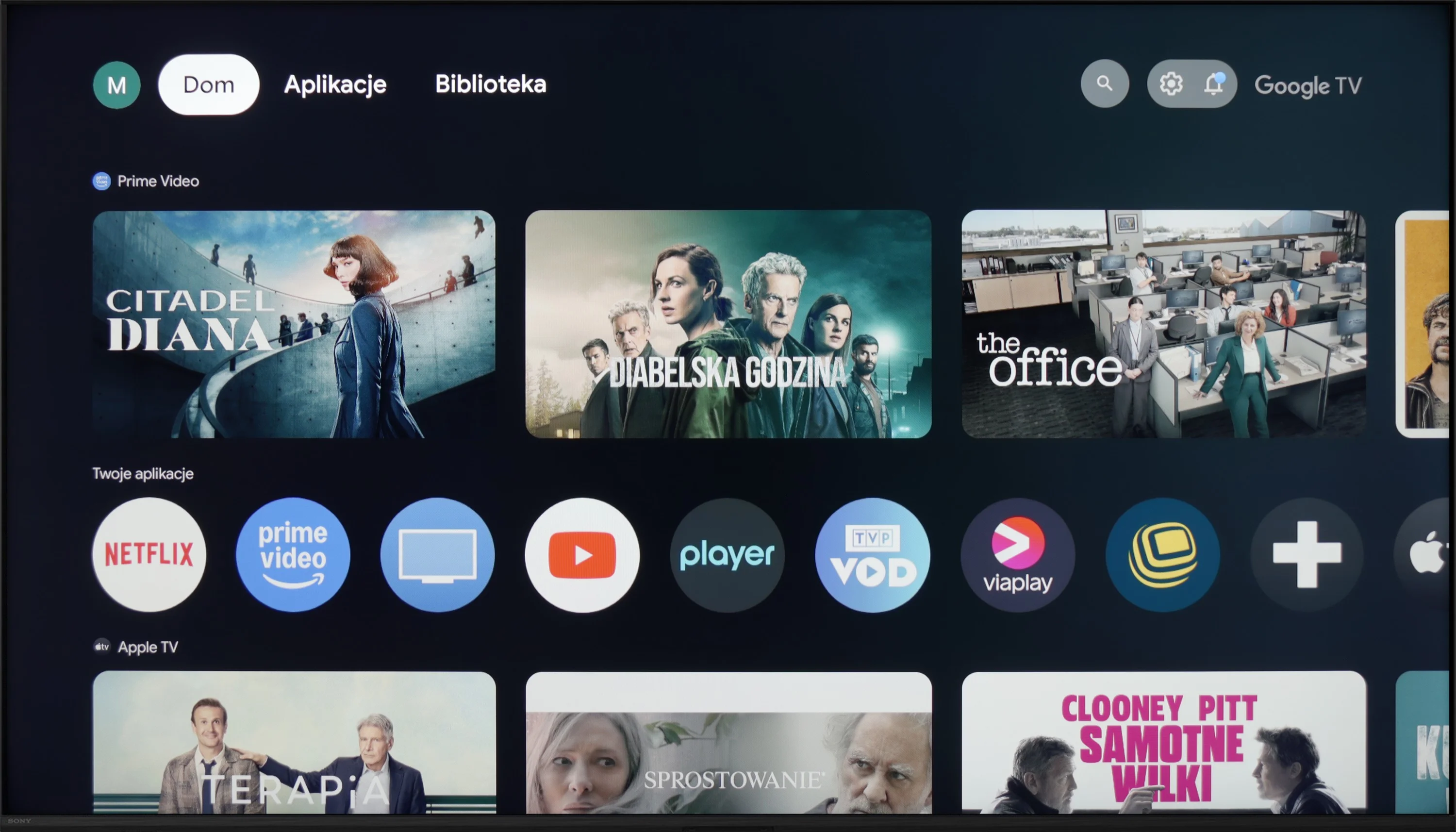
Sony X90L offers a rich set of features, starting with the Google TV system, which is the heart of entertainment. This solution provides access to a vast array of applications and streaming services, and the interface is intuitive and straightforward. With the support of a voice assistant, using the television becomes even more convenient – just one command is enough to find your favourite films, series, or music. Google TV operates smoothly and allows for full personalisation, making everyday use enjoyable and hassle-free.
The television also offers a number of user-friendly features. It supports AirPlay and Miracast, enabling easy content sharing from mobile devices. Additionally, other devices can be connected via Bluetooth, which enhances versatility and user convenience. For those who prefer traditional television viewing, there is even a recording feature available without the need for an external decoder, which is a significant advantage for fans of live shows.
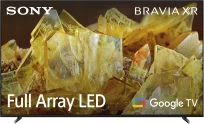
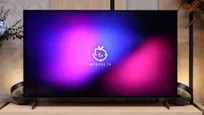
In terms of design, Sony X90L may not be the sleekest, but its appearance is impressive thanks to a metal frame that adds elegance. The television is equipped with a base that can be positioned in three different ways, allowing for adjustments according to different spaces and user preferences.
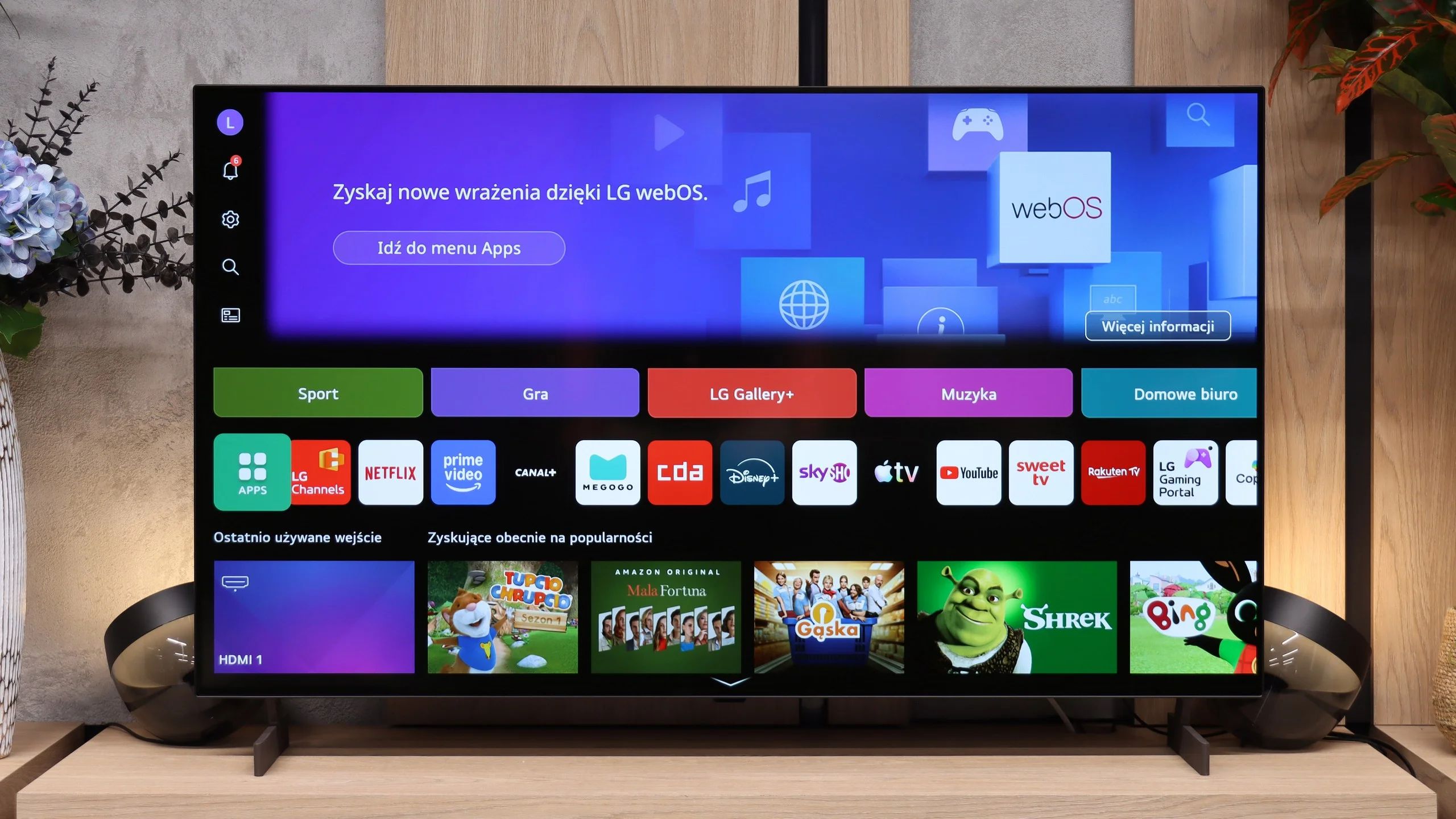
Smart TV: webOS
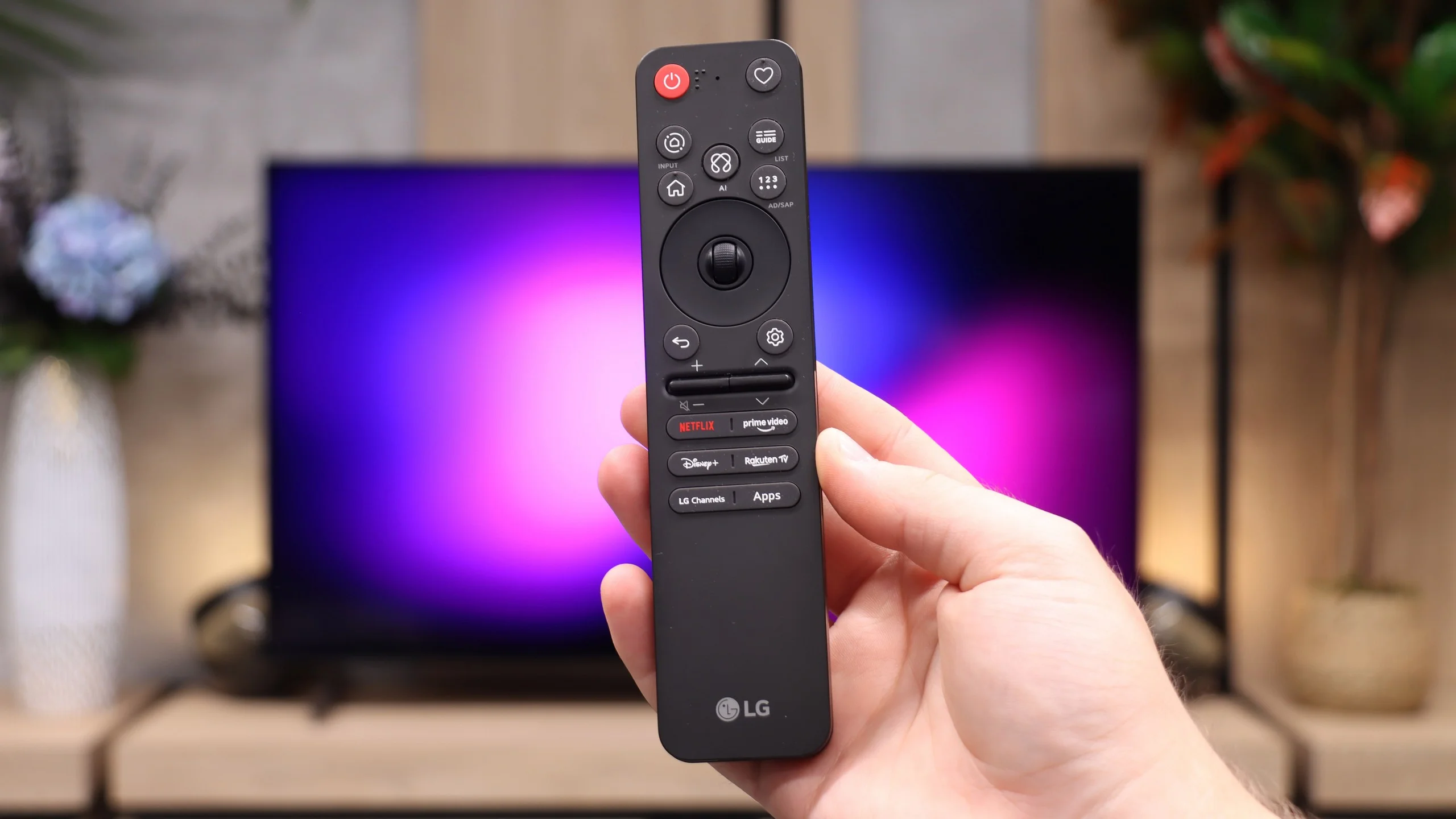
LG B6 uses webOS, LG’s proprietary platform. Its biggest advantage remains the way you control it. The supplied Magic Remote works much like a mouse; simply move your wrist to shift the cursor across the screen and point at the items you want. At first it may feel unusual, but it quickly proves very convenient, especially when typing text, selecting apps or navigating a complex menu. The remote itself is fairly minimalist and does not offer many traditional buttons, but cursor control largely makes up for that. On the other hand, if you do not want to wave your hand to enter letters, you can always speak the desired phrase into the remote and the AI voice assistant will suggest appropriate recommendations.
In terms of available apps it is hard to fault webOS. You will find virtually all the major streaming services here, as well as additional features such as AirPlay, screen mirroring and Chromecast. The TV therefore works well with both iPhones and Android devices. It is a shame, however, that the system does not run on the B6 as smoothly as on higher-end models. At times it can respond with a slight delay, and the home screen is heavily cluttered with recommendations, tiles and ads. That does not make webOS unusable, but it could certainly be more organised.
Classic features
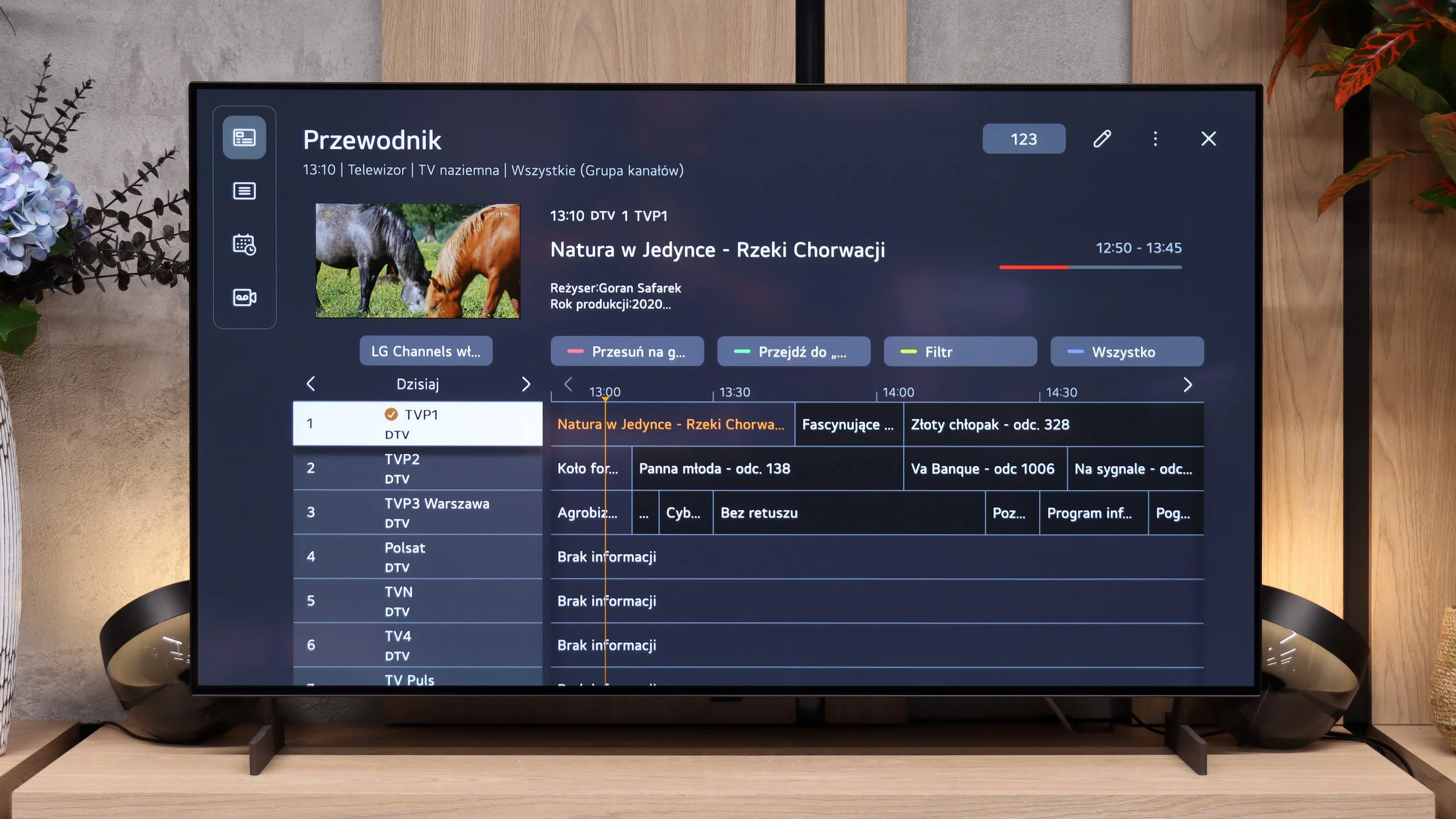
By contrast, the traditional TV features perform very well, features many manufacturers seem to be gradually forgetting. The LG B6 allows, among other things, recording programmes to a connected drive or USB storage. The PVR function also works with a scheduler, so a recording can be planned in advance from the TV guide. This comes in handy when you want to save an episode, a match or another event broadcast during your absence. There is also a clear channel guide and efficient handling of terrestrial, cable and satellite TV. For people who still regularly use traditional television, the B6 is therefore a relatively complete device, provided the lack of teletext does not bother you.
Apps
9.6/10
9.1/10






















Playing files from USB
8.7/10
9.1/10
Supported photo formats:
Maximum photo resolution:
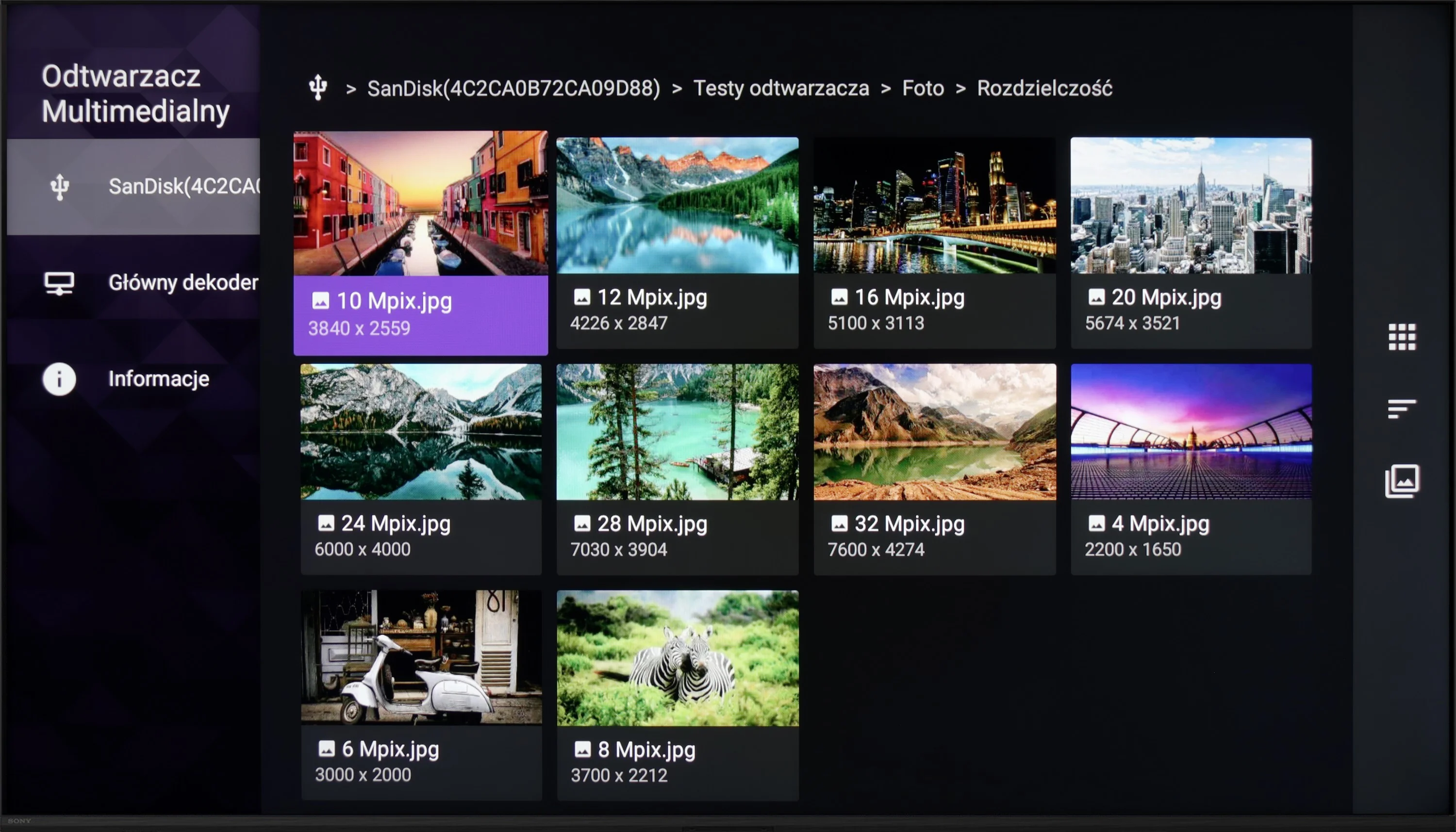
Sony X90L handles the playback of most popular file formats from USB without any issues, which is a big plus for those who often access external content. However, it is worth mentioning a slight downside – the built-in player does not allow for changing the font colour in subtitles, which may be problematic for some. Fortunately, thanks to the extensive Google TV system, users have a wide range of options. Alternative media players, which offer more personalisation options, can be easily installed.
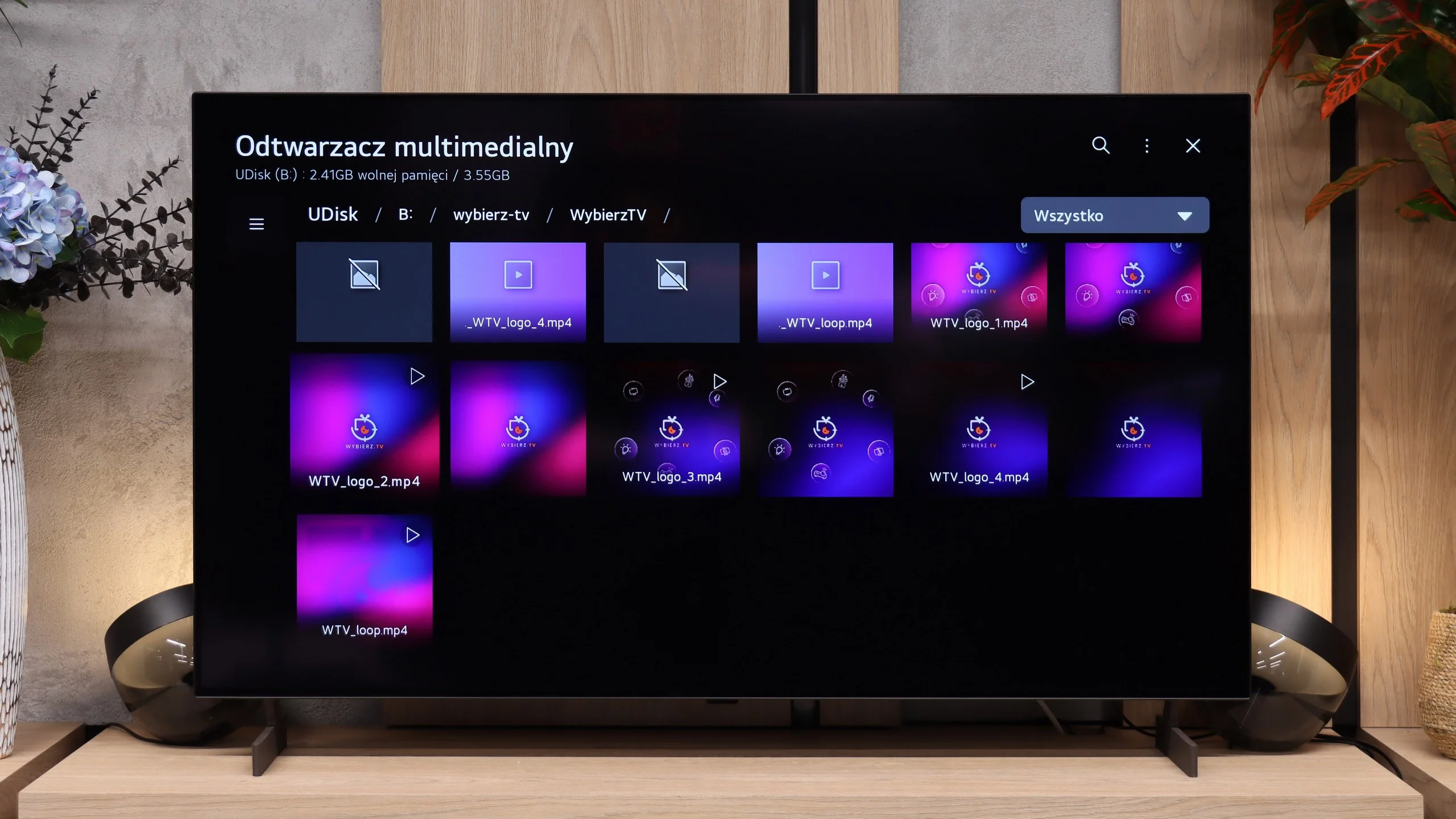
The LG B6's built-in player handles most common video files played from USB without much trouble. The TV also correctly supports subtitles and the most common audio formats, although it lacks DTS support. The situation is slightly worse for photos. The list of supported formats is rather limited and does not include, among others, HEIC, the format in which photos taken with an iPhone are saved by default. Such files therefore need to be converted to JPG beforehand, or you can simply use the AirPlay function.
Sound
7/10
6.7/10
- Maximum volume-87dB
- Dolby Digital Plus 7.1
- Dolby True HD 7.1
- Dolby Atmos in Dolby Digital Plus (JOC)
- Dolby Atmos in Dolby True HD
- DTS:X in DTS-HD MA
- DTS-HD Master Audio
The sound on the Sony X90L is pleasant and clear, and the presence of bass makes the audio richer. The television performs well when playing music, offering satisfactory audio experiences. An additional advantage is the support for Dolby Atmos and DTS technologies, which provide a more spatial and immersive sound. As a result, films, games, and music gain depth and realism, creating a better experience for the user.
In terms of sound, the LG B6 performs very similarly to last year's model. It still uses a 2.0 speaker setup delivering 20 W, which is perfectly adequate for everyday viewing. Dialogue is clear and the sound isn't bad, but there is no soundstage, dynamics or bass you'd expect from higher-end models. The TV supports the Dolby Atmos spatial audio format, but lacks DTS:X. The main problem, however, isn't the speakers themselves but the settings. Compared with its predecessor, many of the options for tailoring the sound to your own preferences have disappeared. A few presets remain, including AI and Standard, but the ability to fine-tune the sound is much reduced compared with a year ago.
Sound Quality Test
No sound test video
Acoustic Measurements
No acoustic data
87dBC (Max)
75dBC
Reader comments
Comments are provided by the external service Disqus (Zeta Global). Once loaded, Disqus may set cookies and process data about your activity.
We will remember your choice on this device. Provider's privacy policy