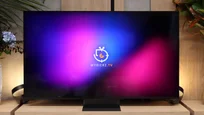
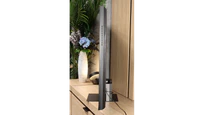
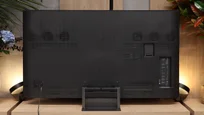
Direct comparison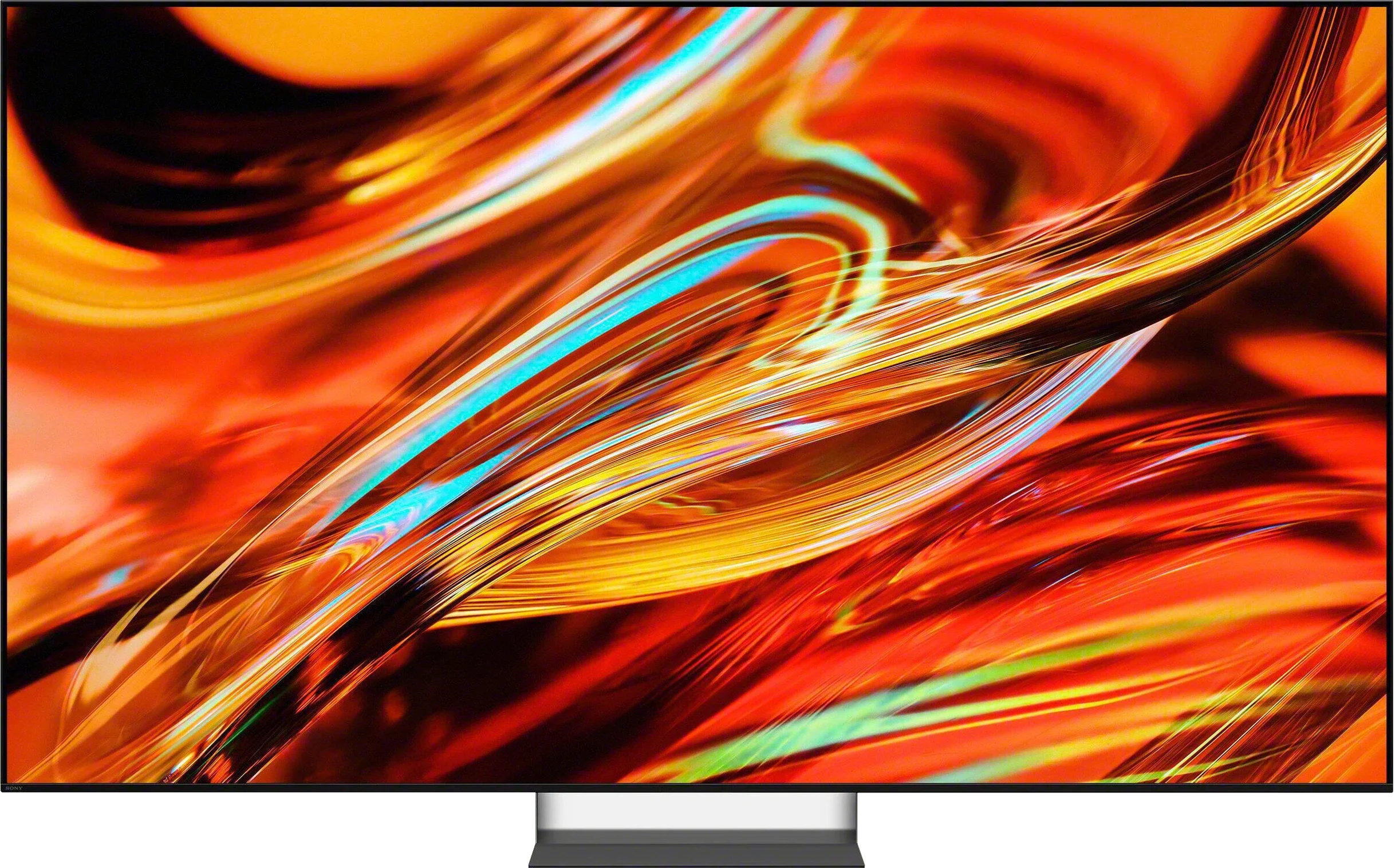
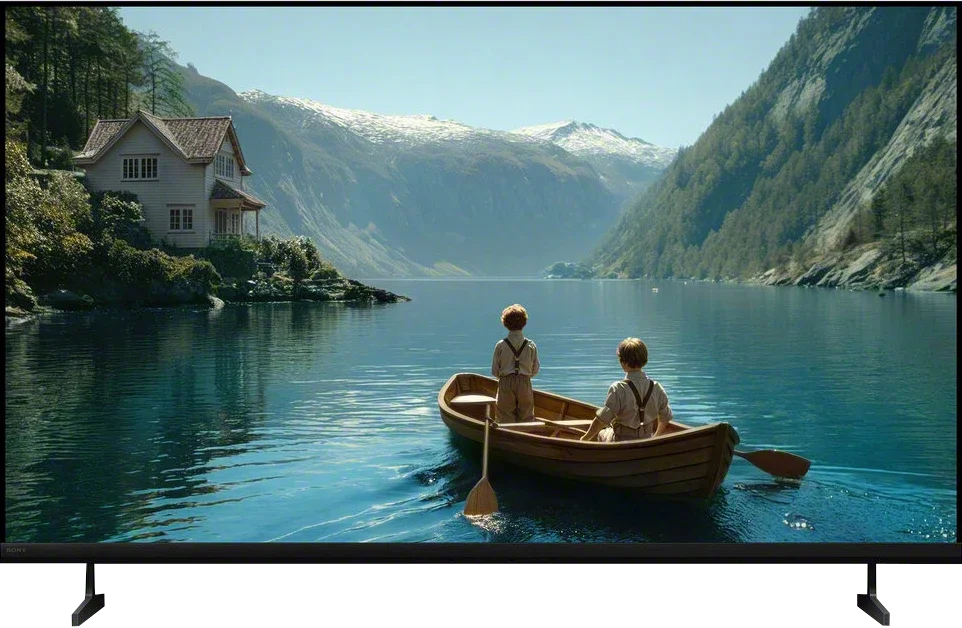


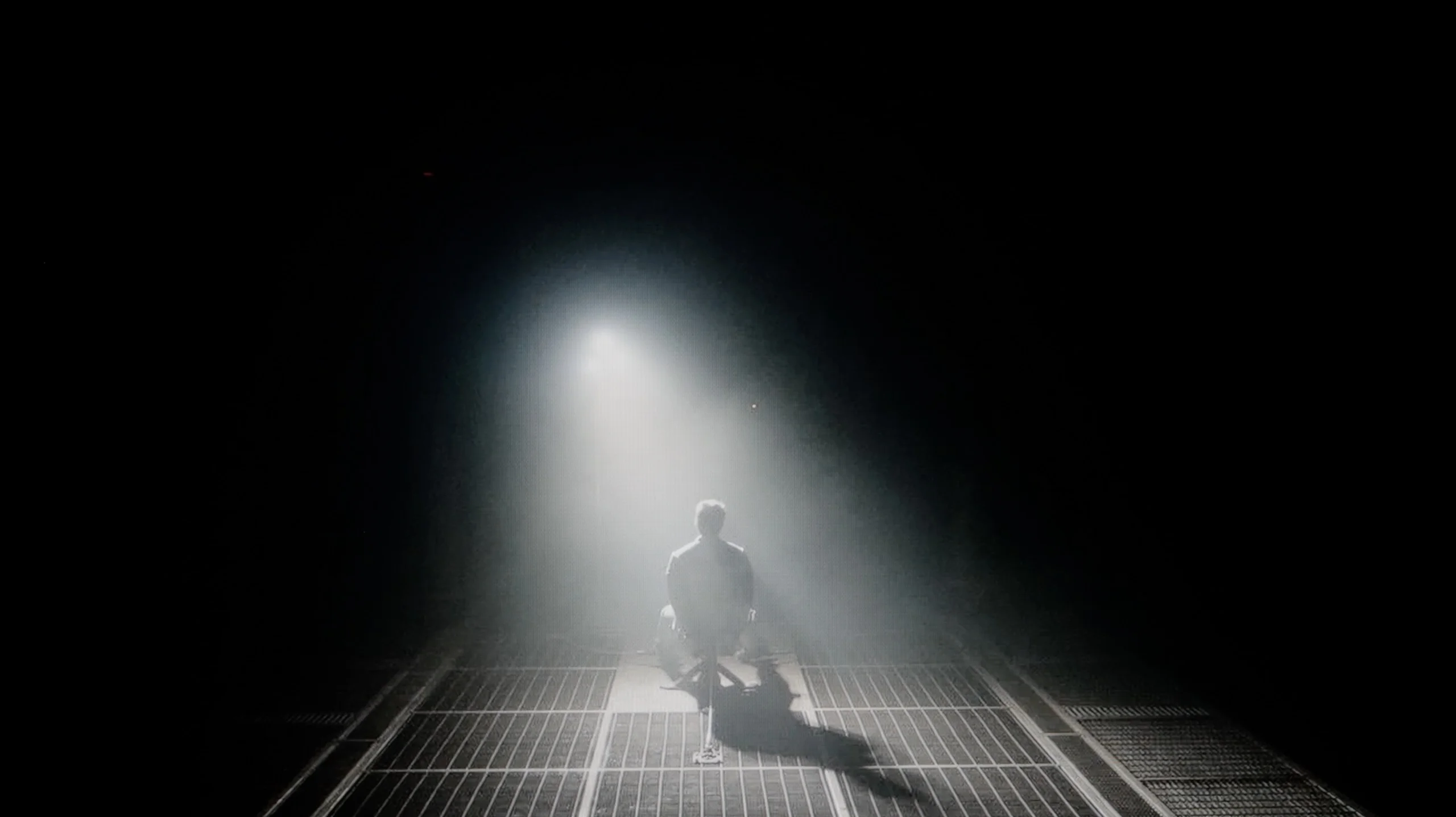
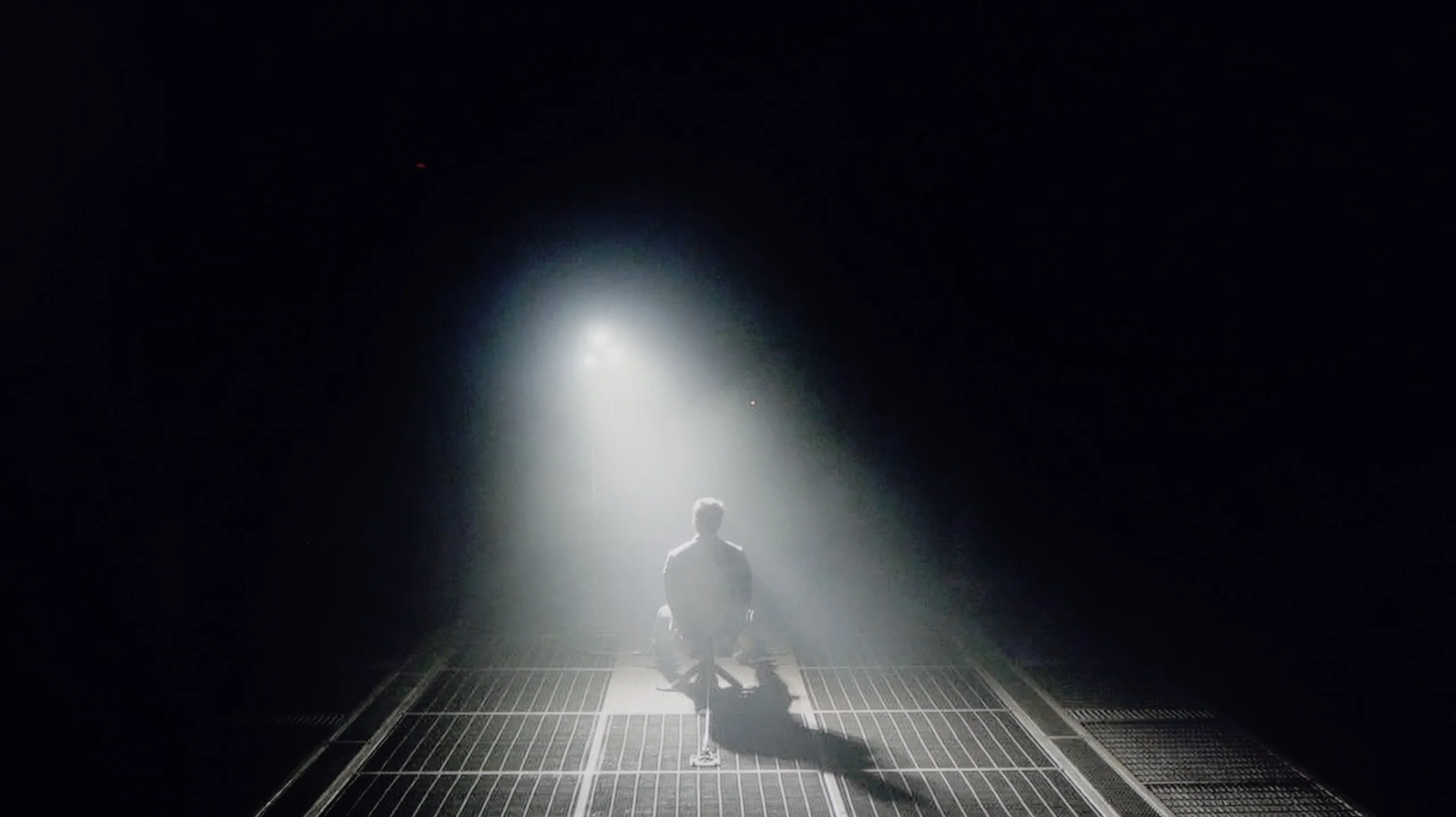
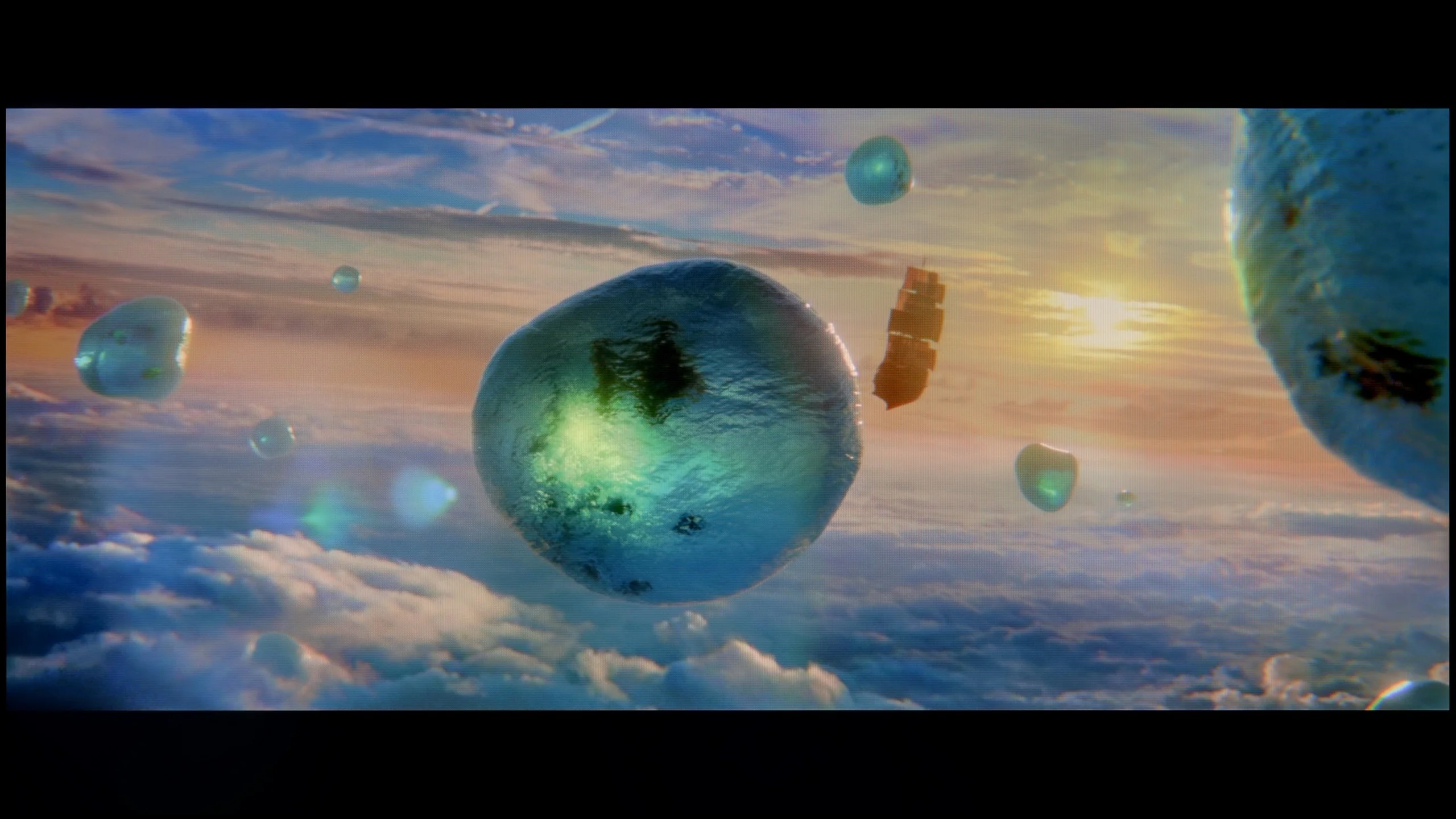
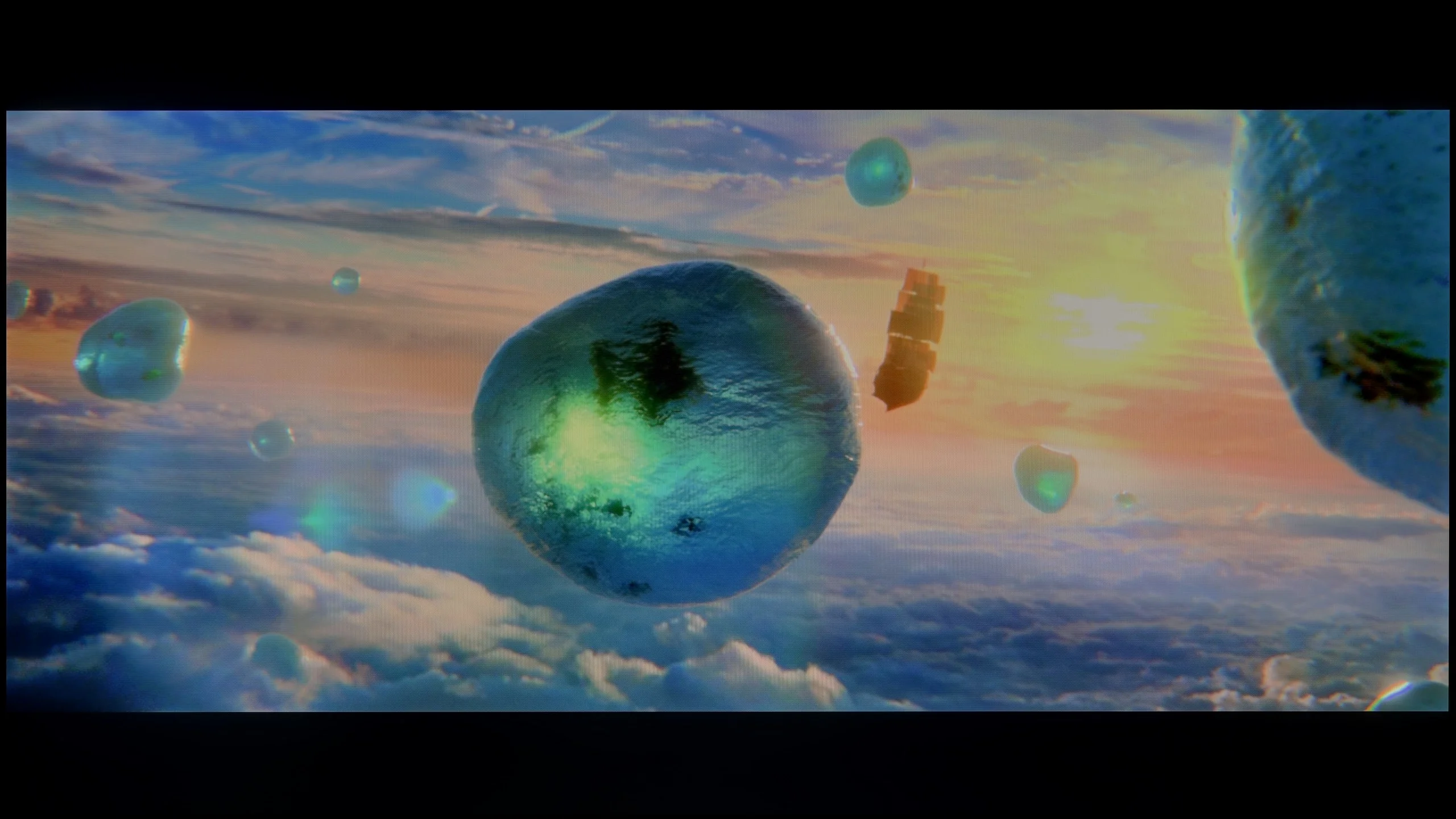
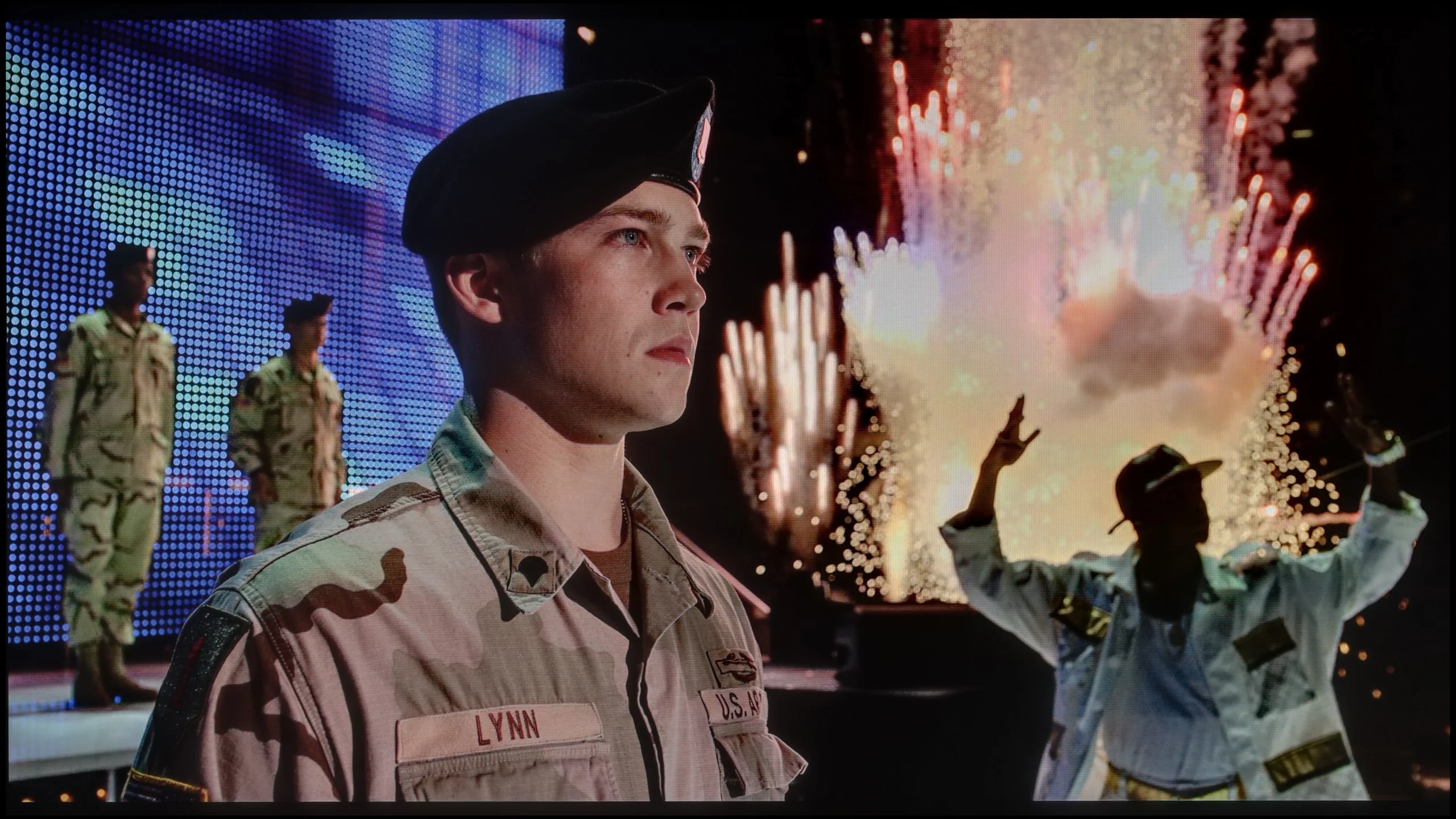
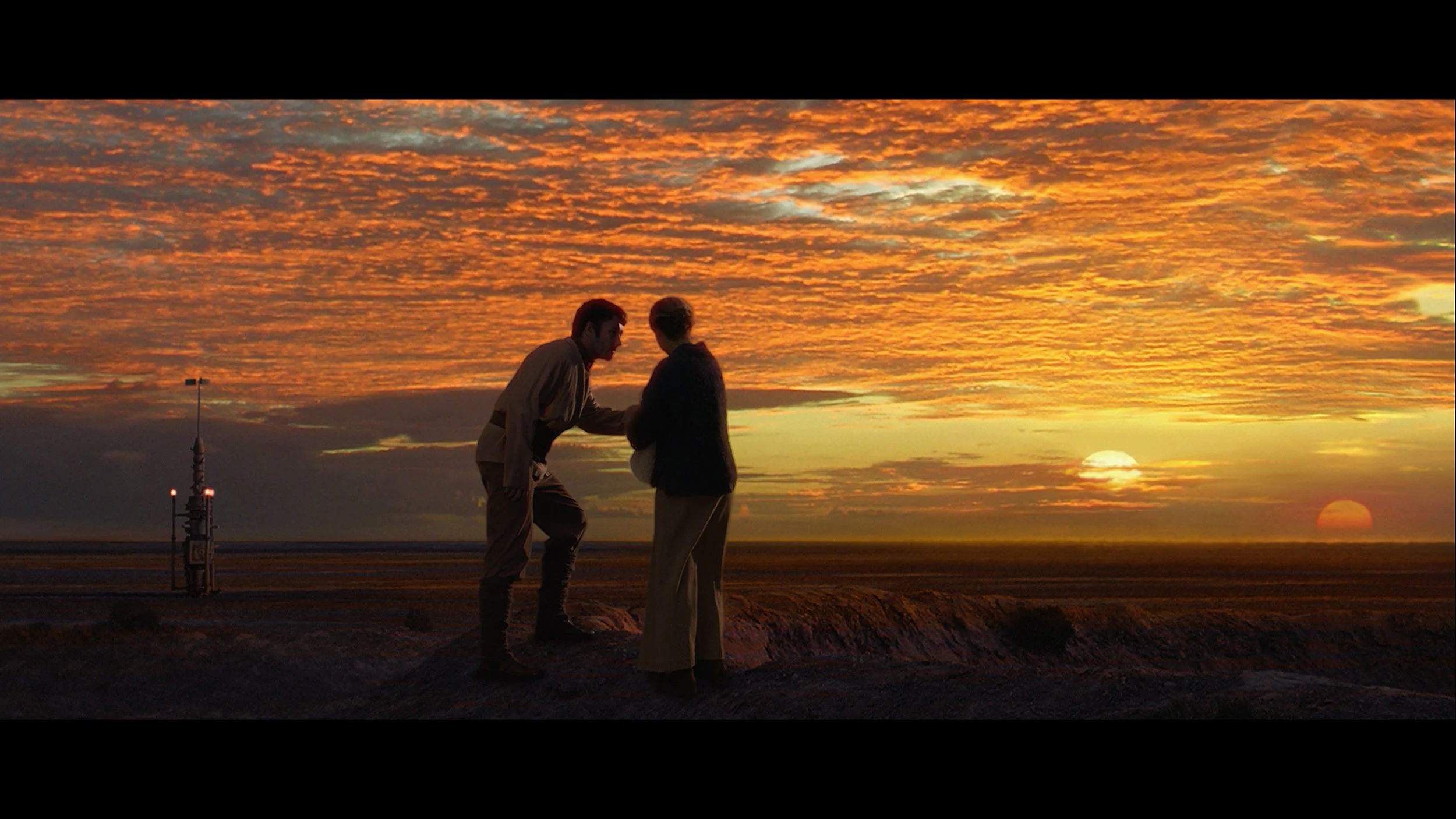
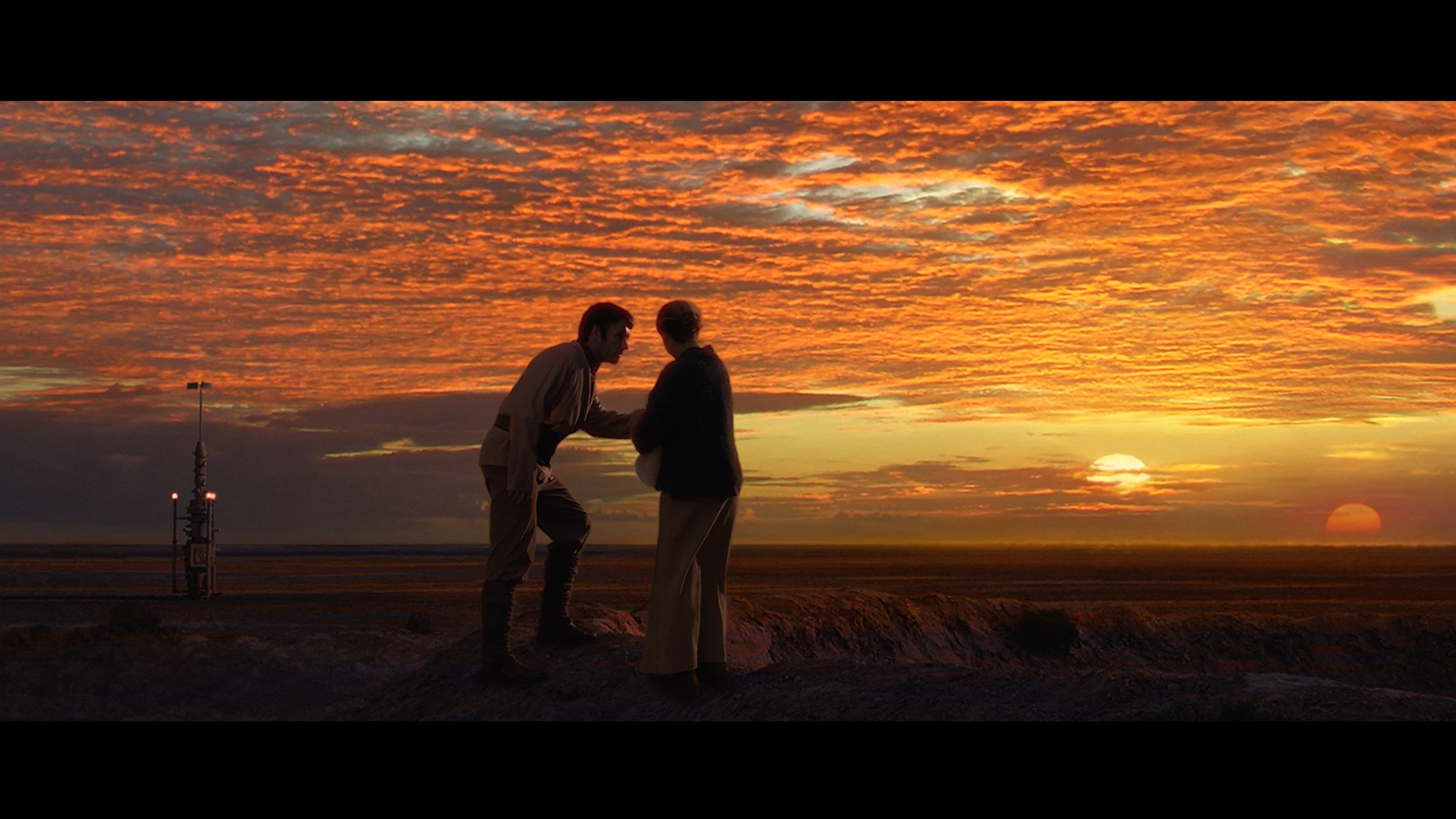
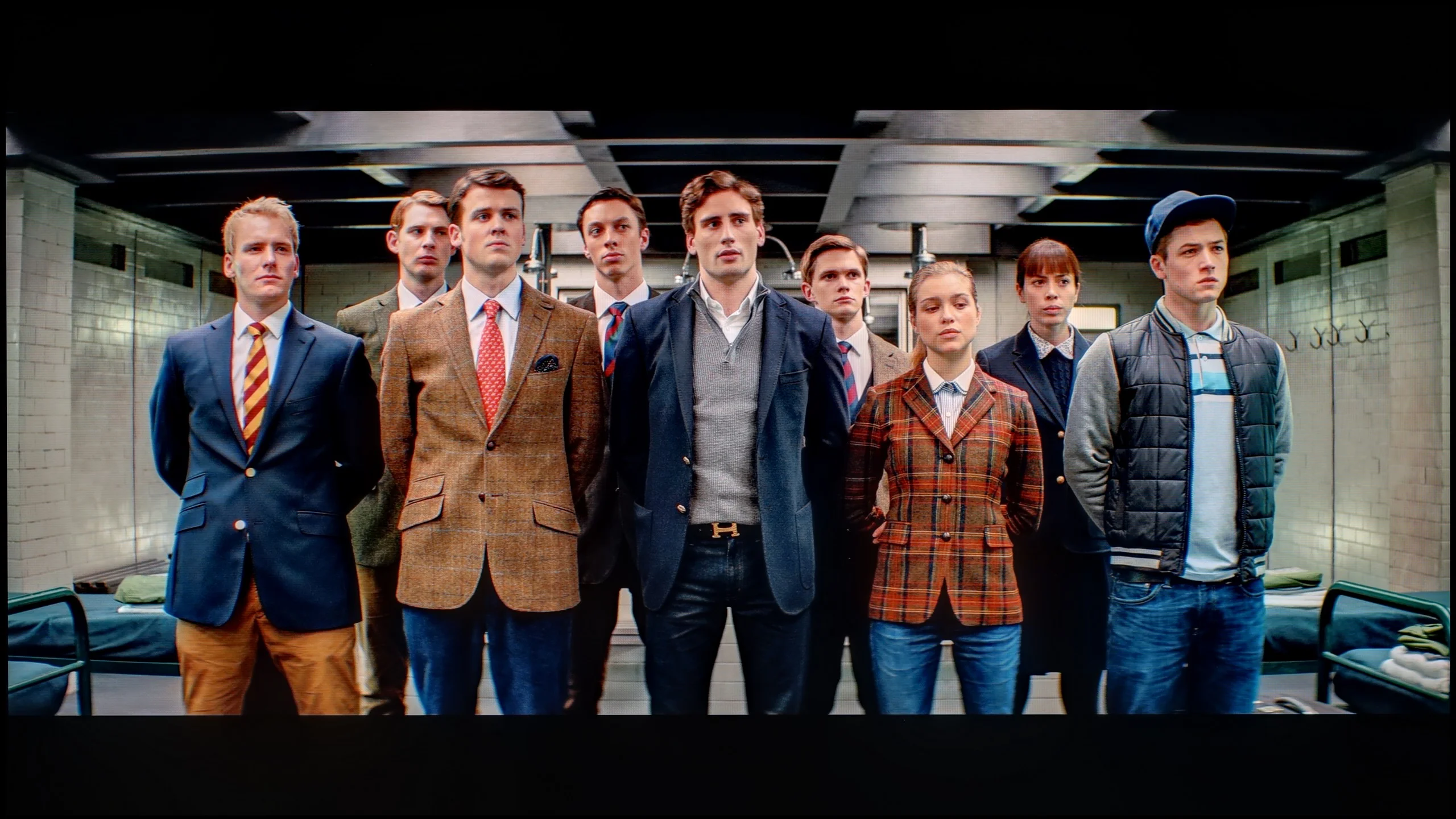
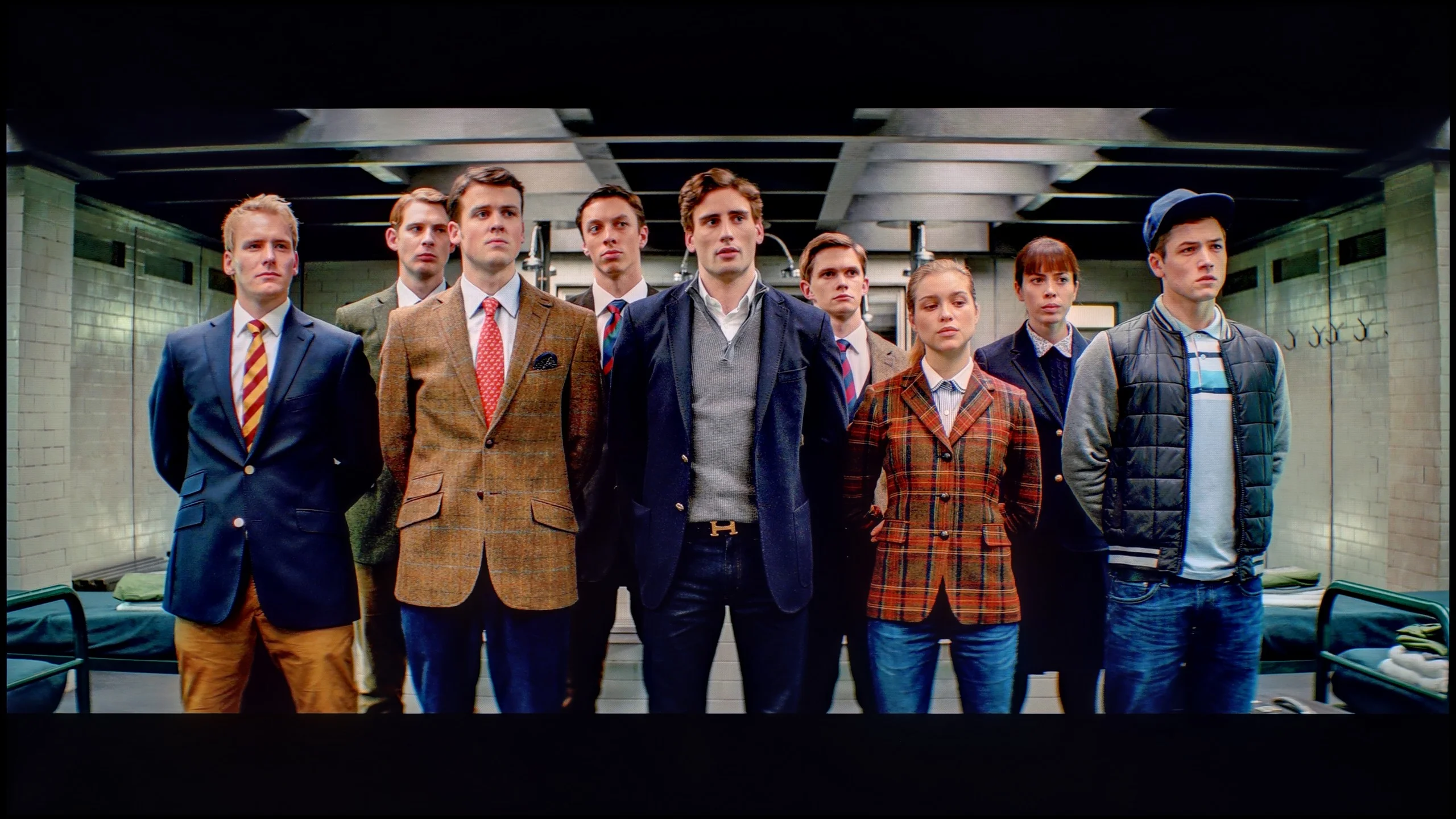
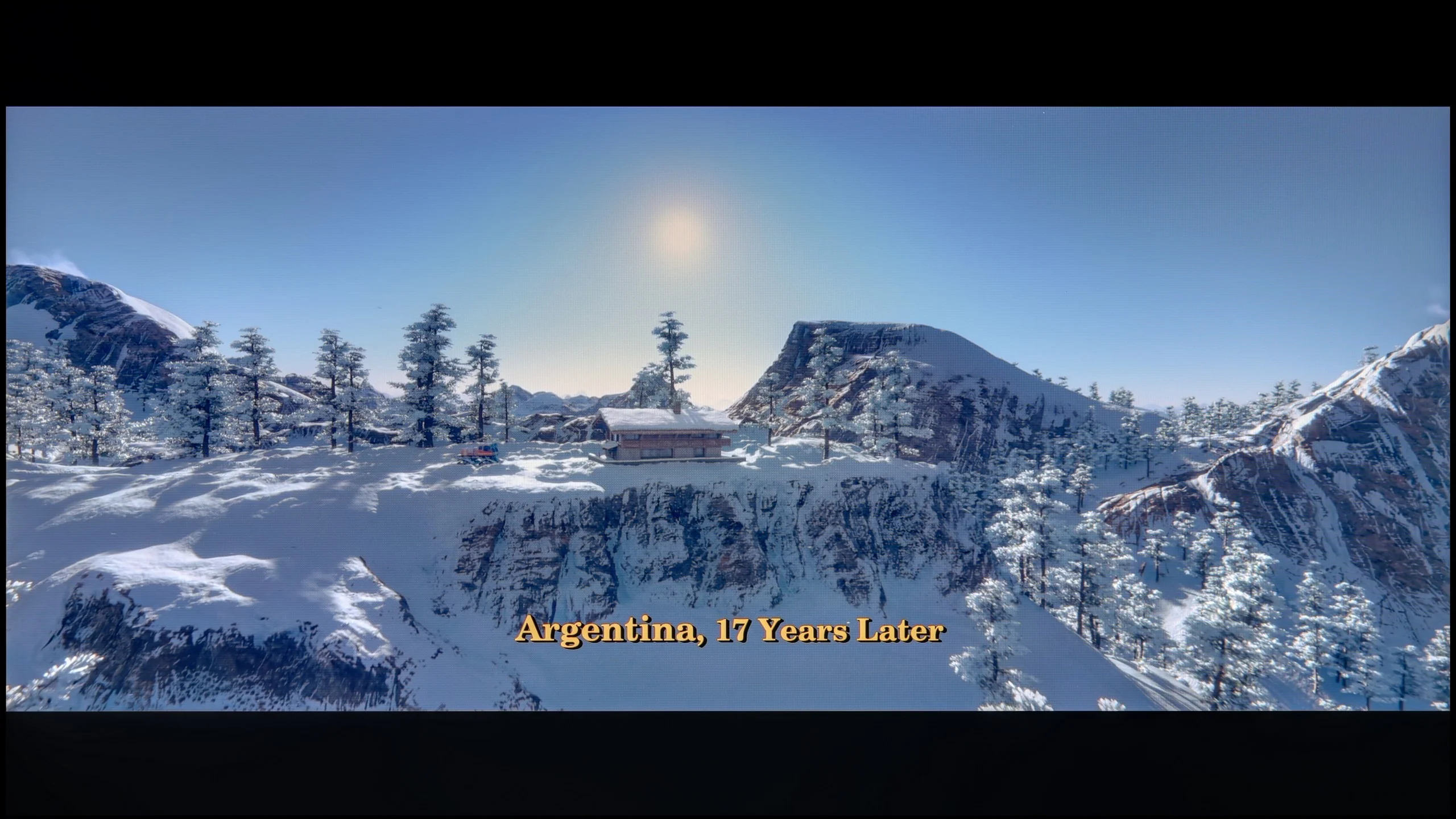
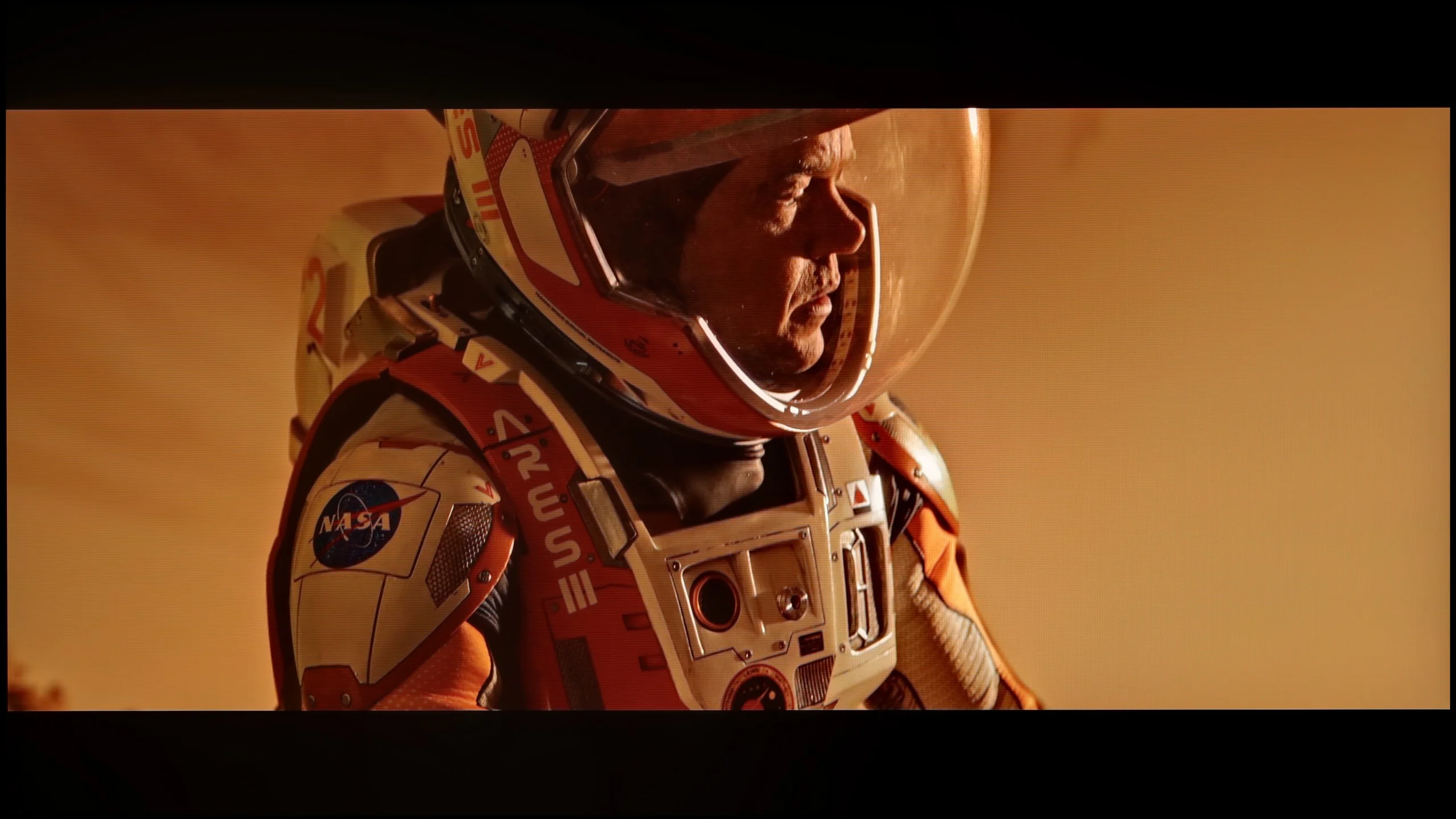
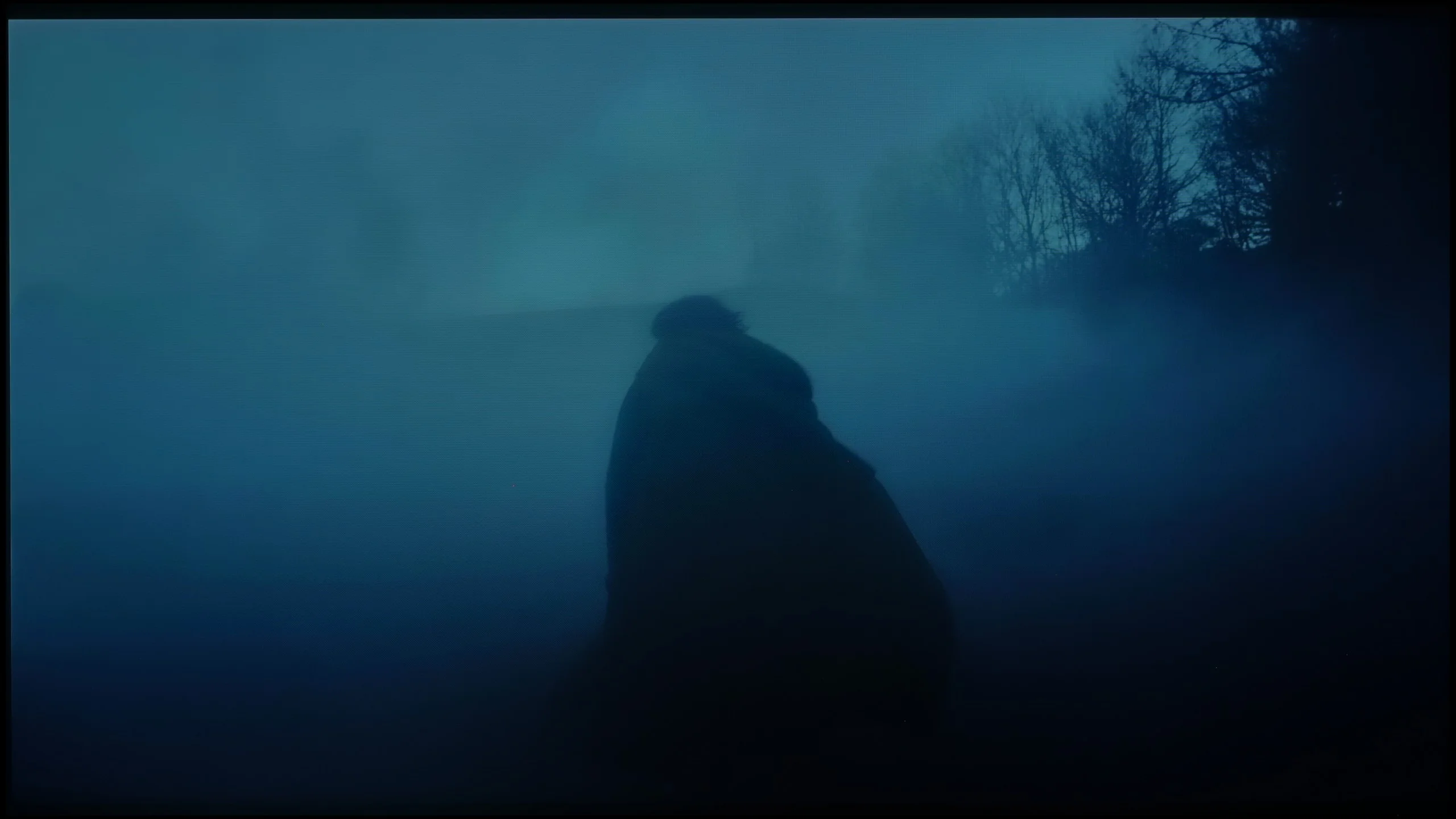
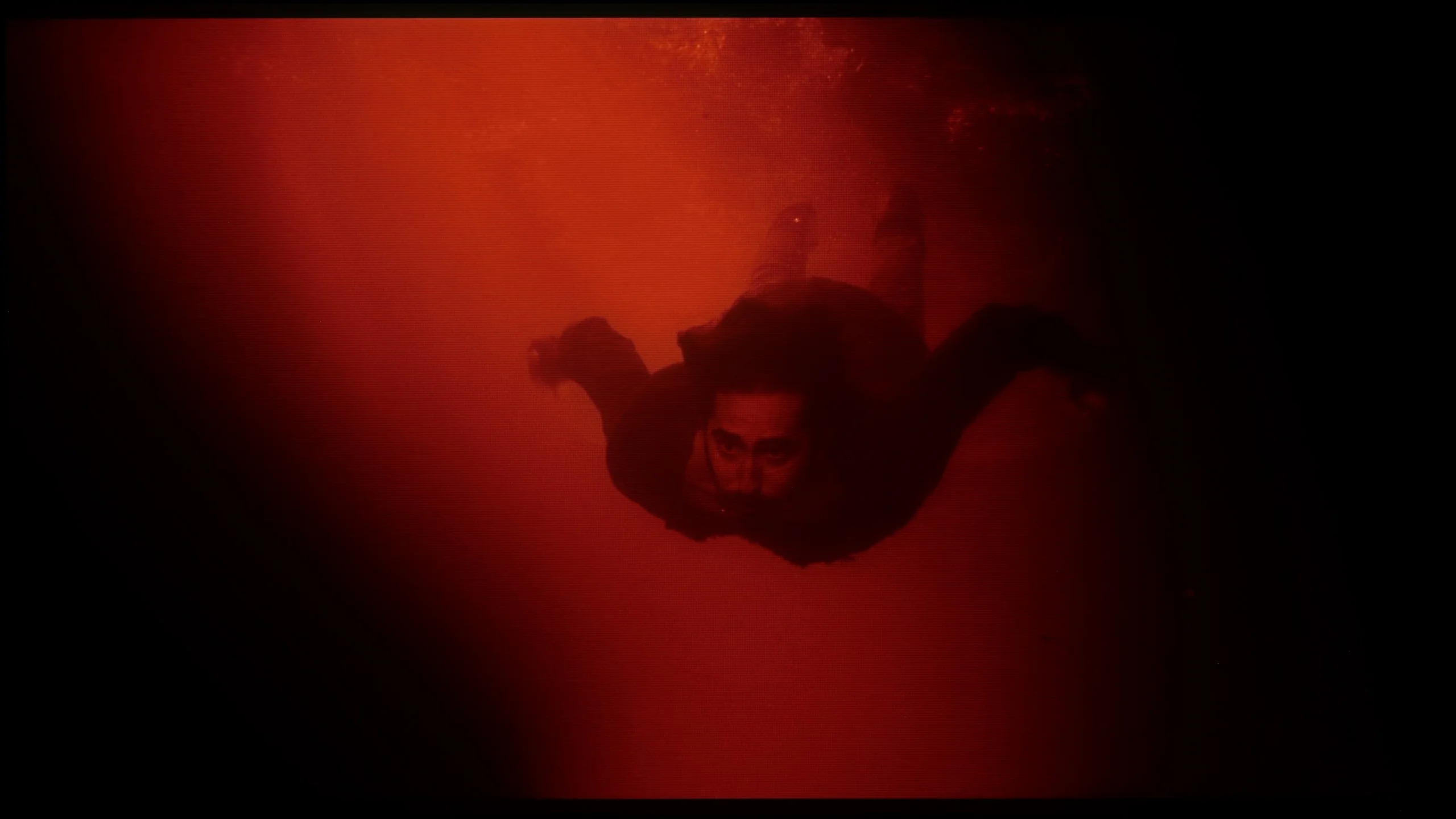
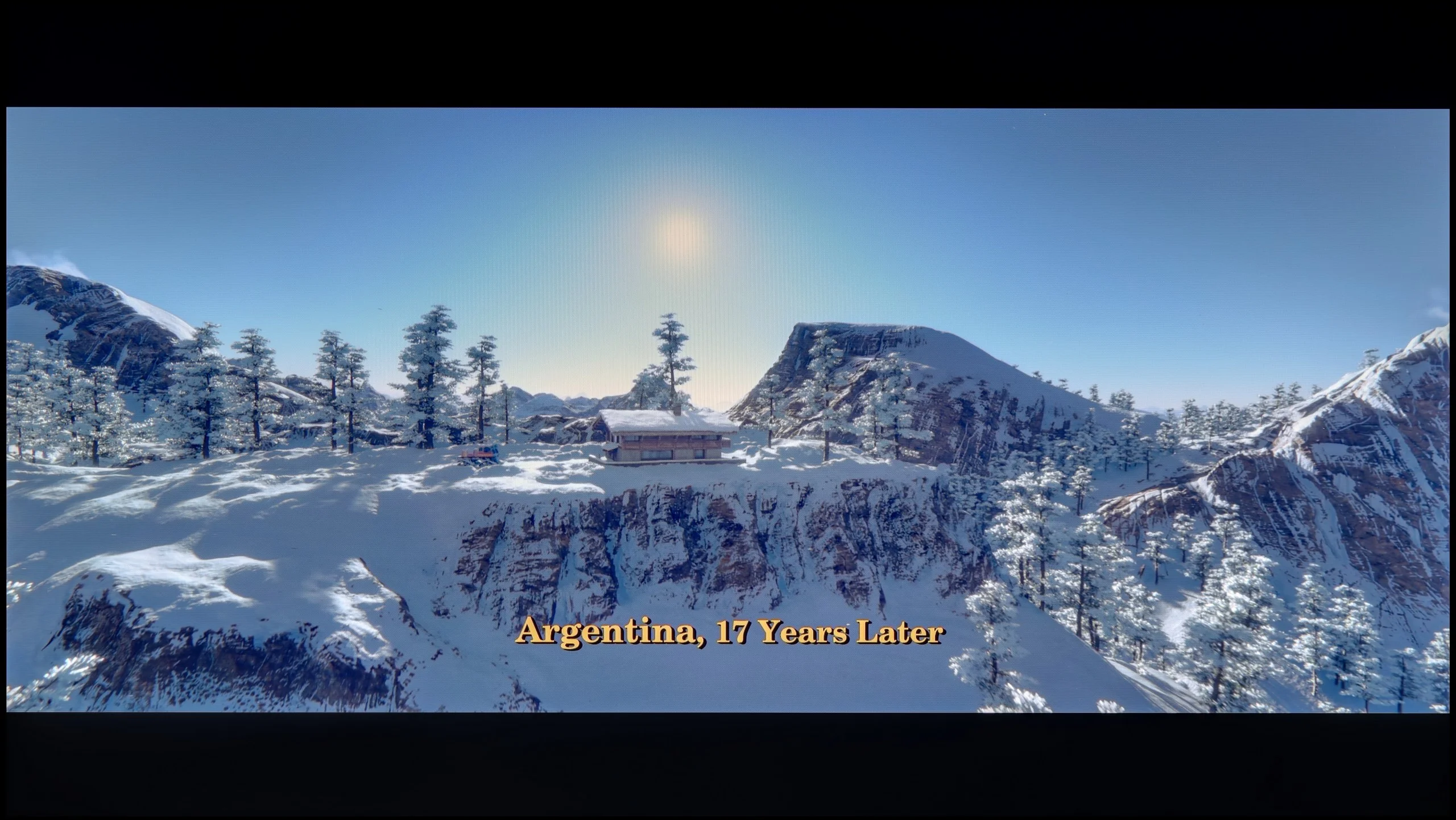
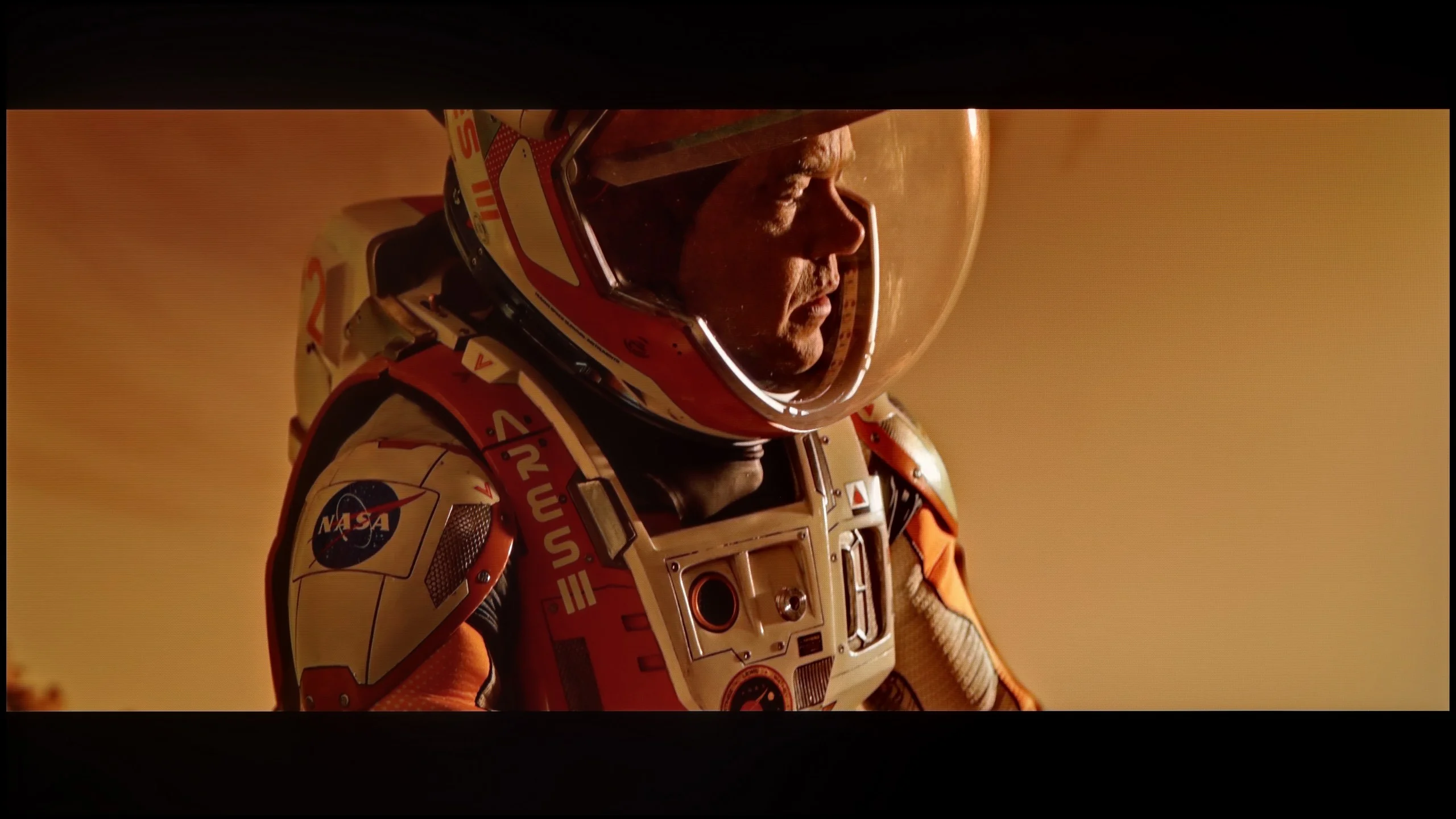
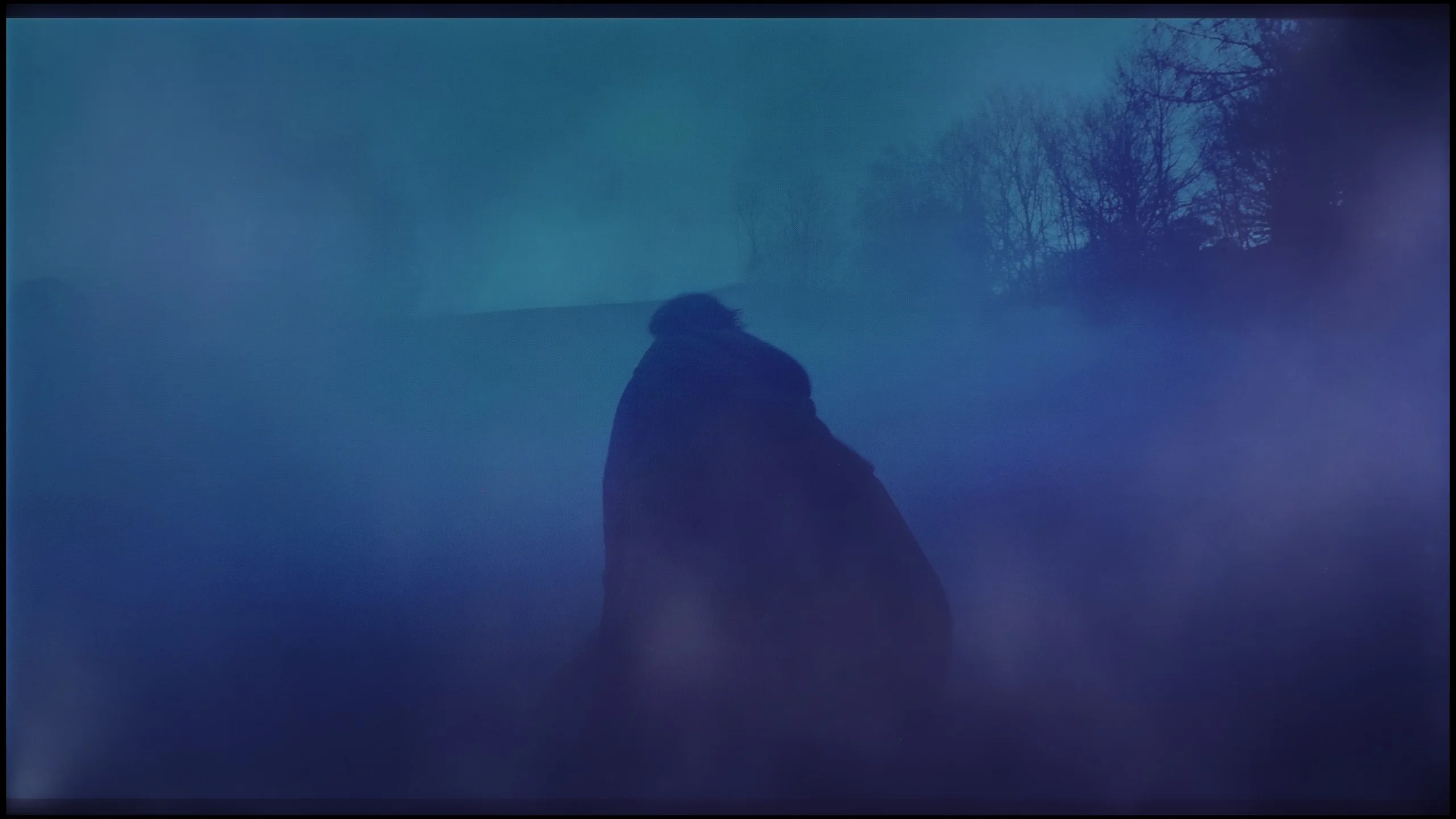
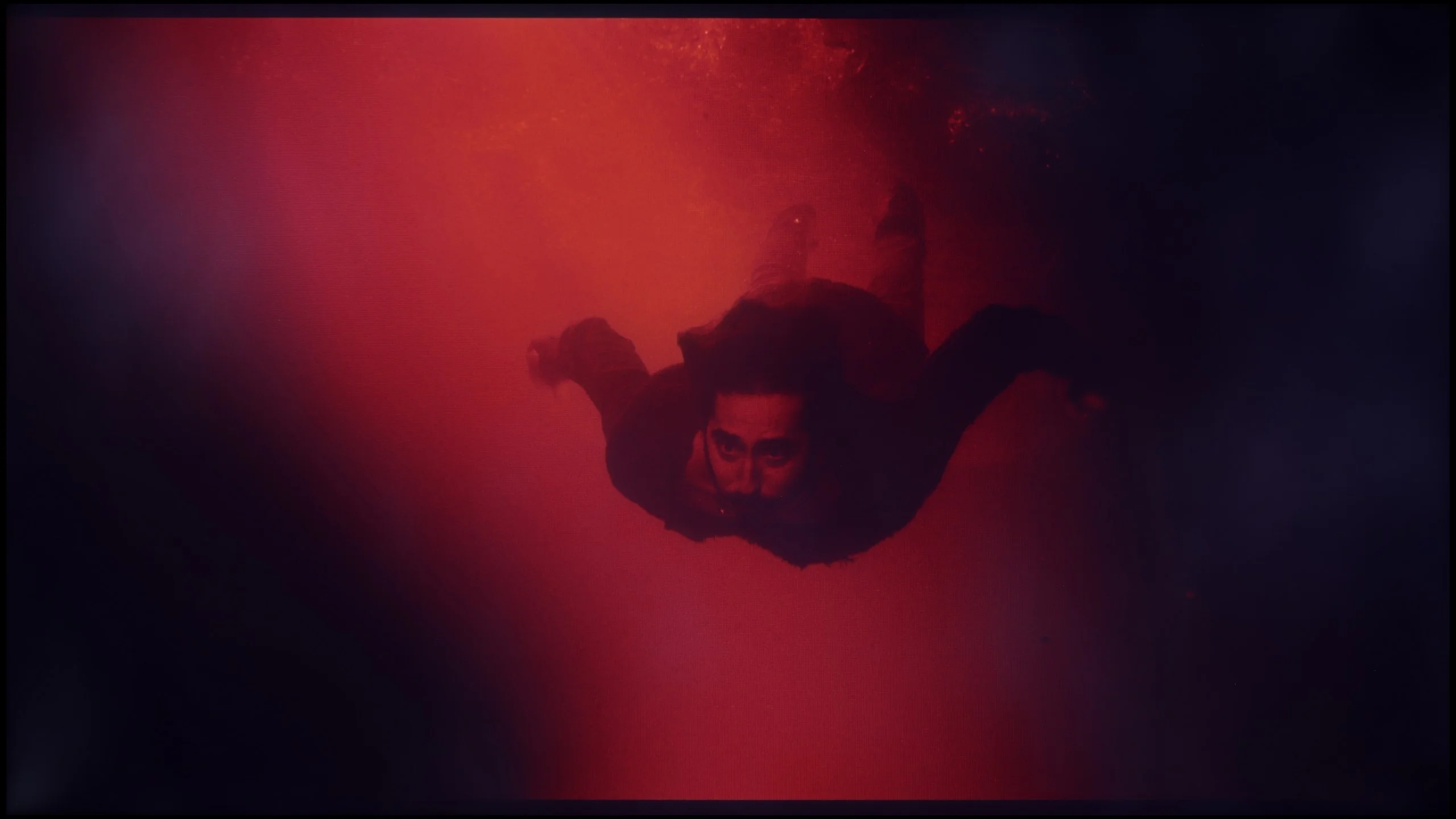
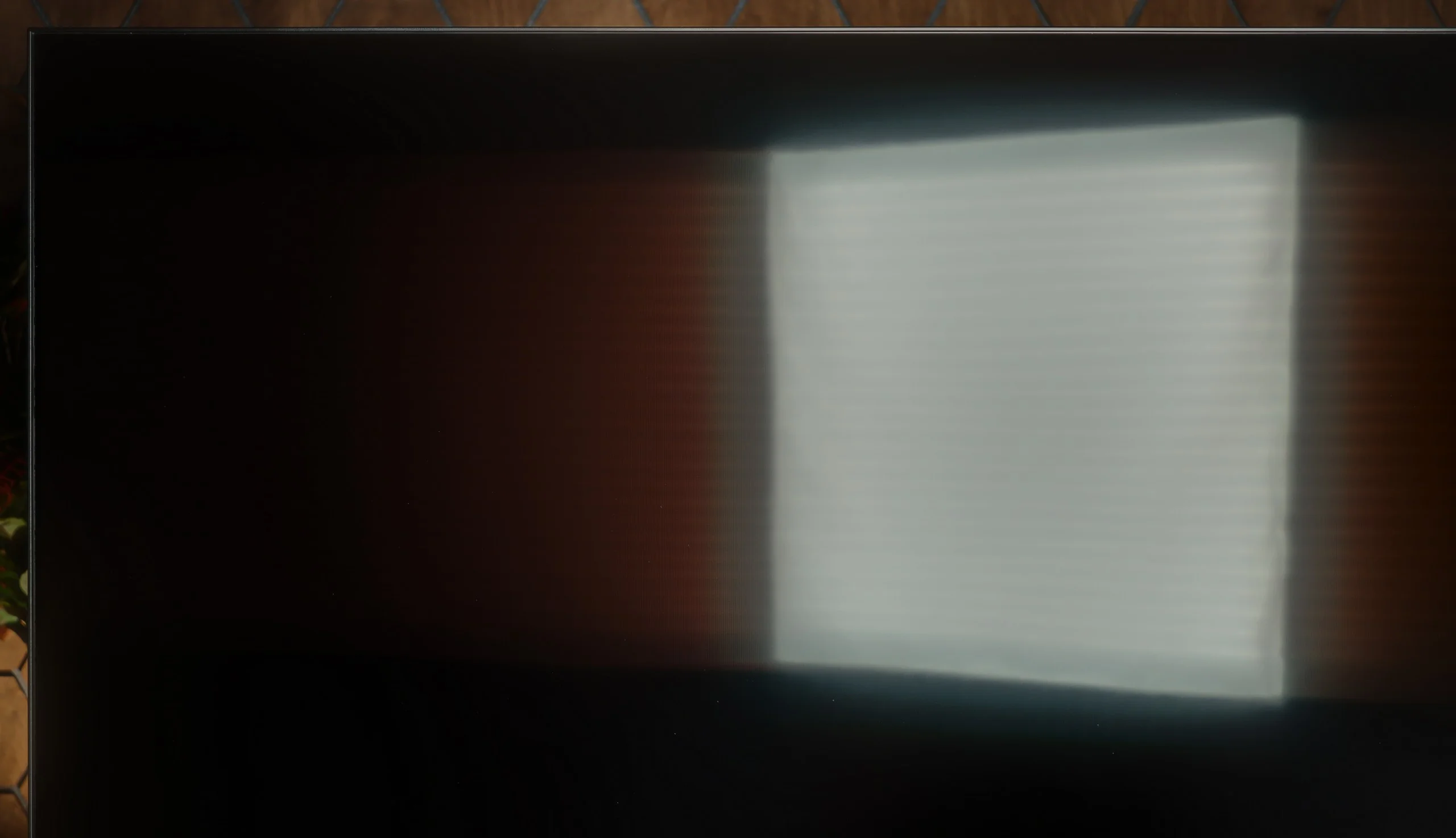
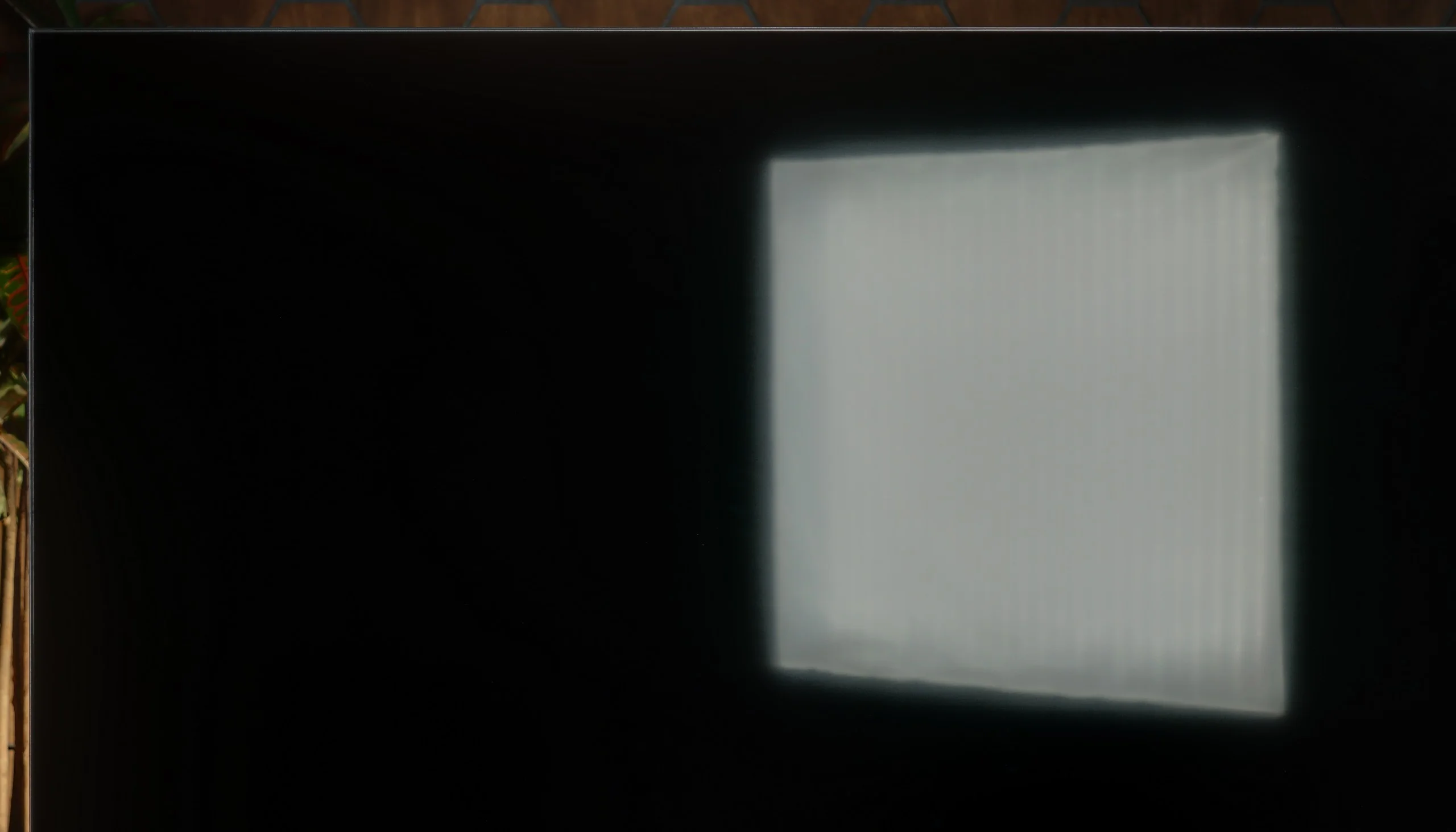
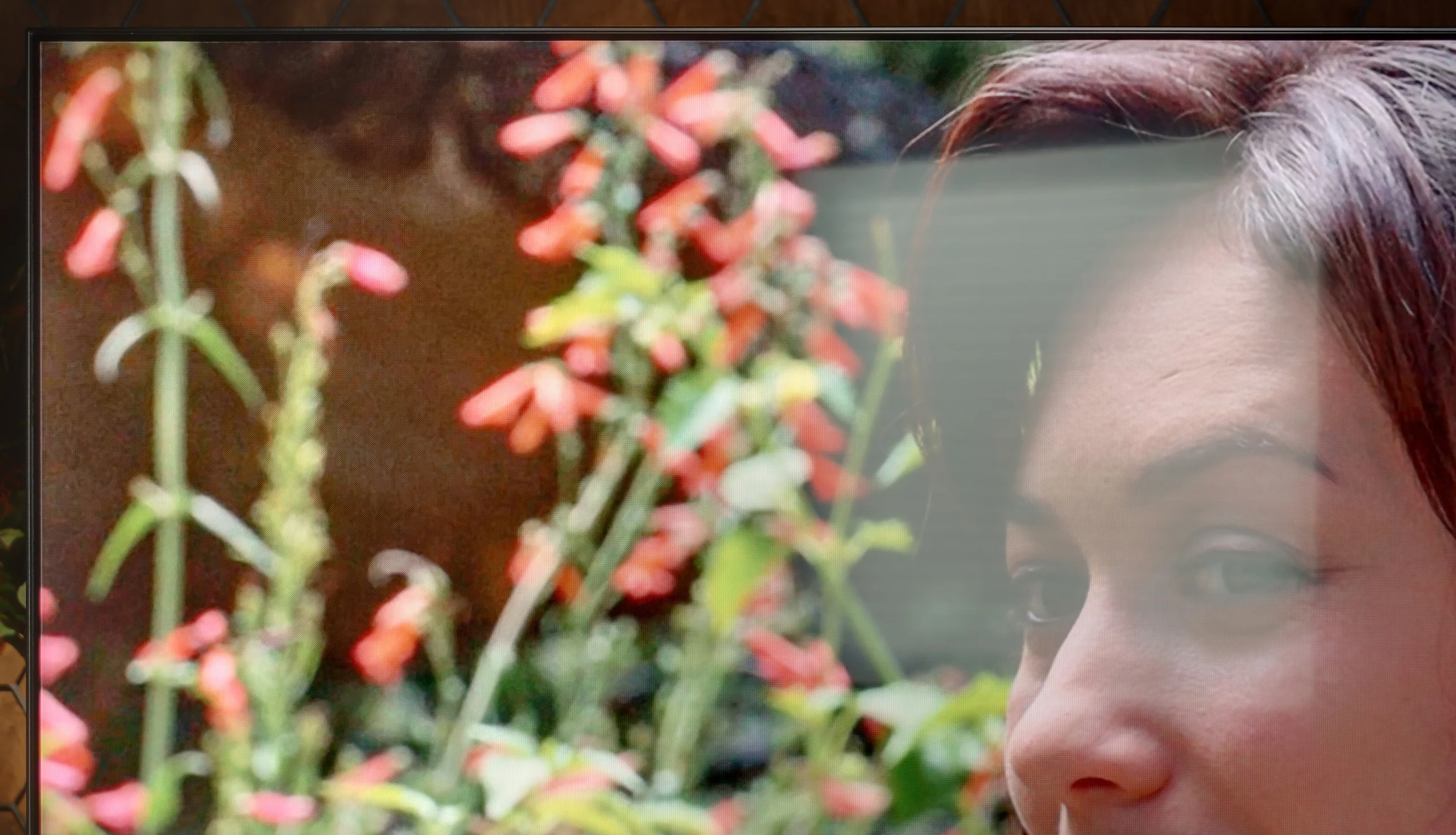
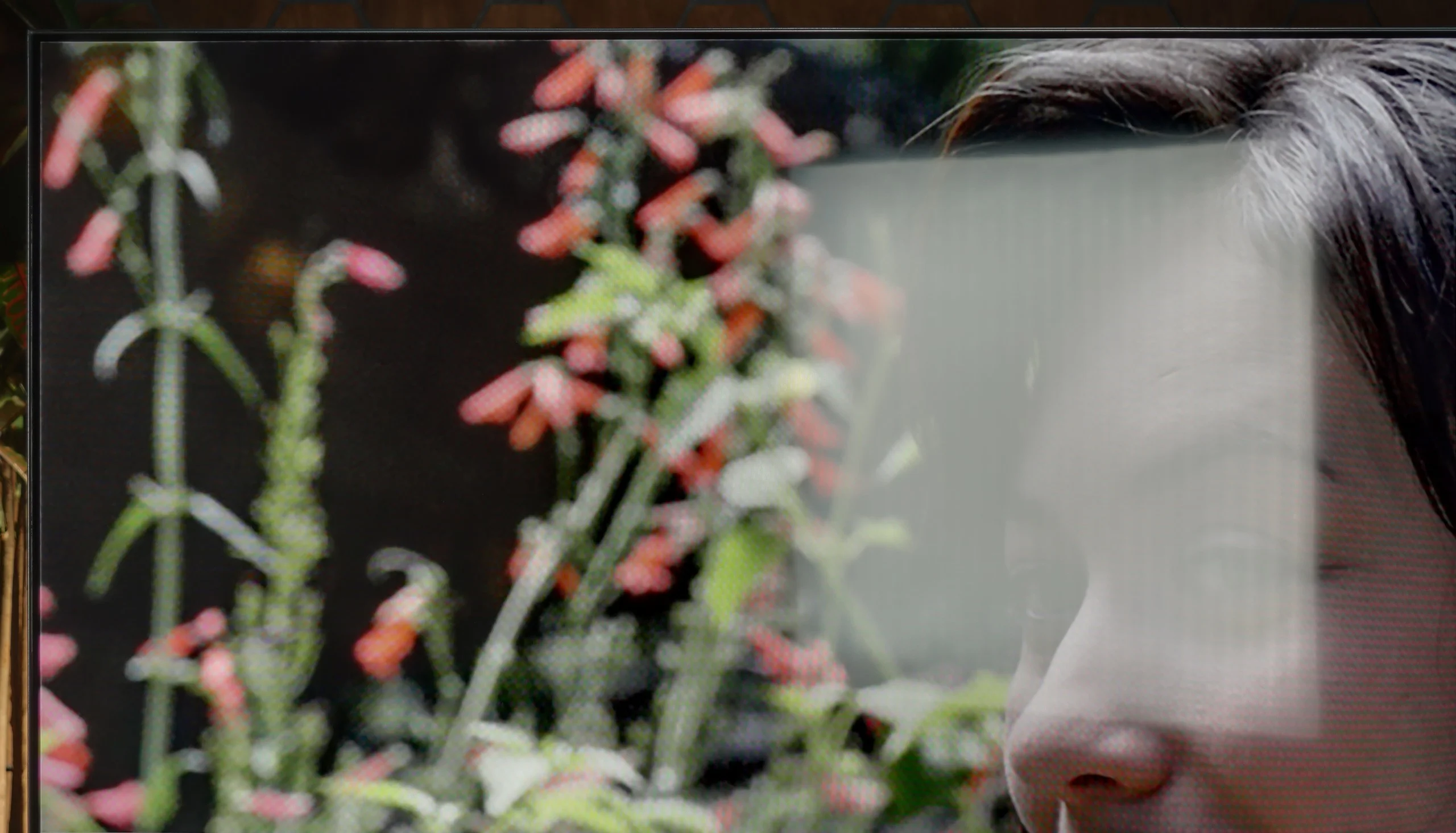
The Sony Bravia 7 II is a TV that shows RGB Mini-LED doesn't have to be reserved just for the wealthiest customers. Although in some areas it's clearly positioned below the Bravia 9 II, in everyday use it doesn't feel like a severely stripped-down model. What really makes the difference is the combination of very good black levels, high brightness and Sony's excellent algorithms. As a result the picture is striking, yet it stays very true to how a film should look. HDR performs particularly well, with the Bravia able to show a lot of light without losing detail. The True RGB backlight itself also has its advantages. It gives the TV a wide colour gamut and improves viewing angles, which for a VA panel are really good. That doesn't mean, however, that RGB Mini-LED suddenly solves all the limitations of LCD TVs. We can still see haloing around small bright elements, and the backlight's colour capabilities are not used to their full extent in every scene. Nonetheless, Sony controls all this very well, and the way the picture is managed is one of the Bravia 7 II's greatest strengths.
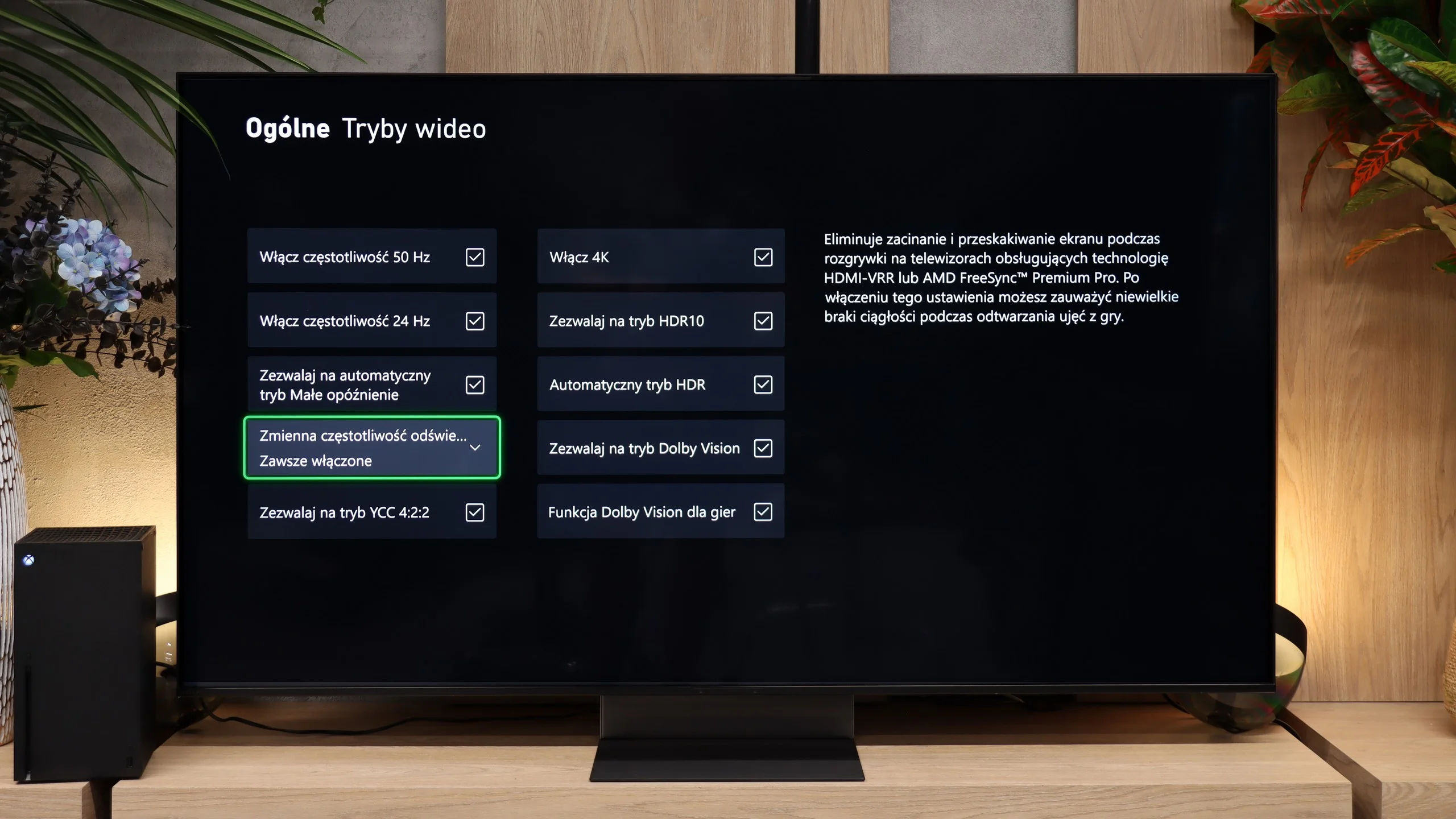
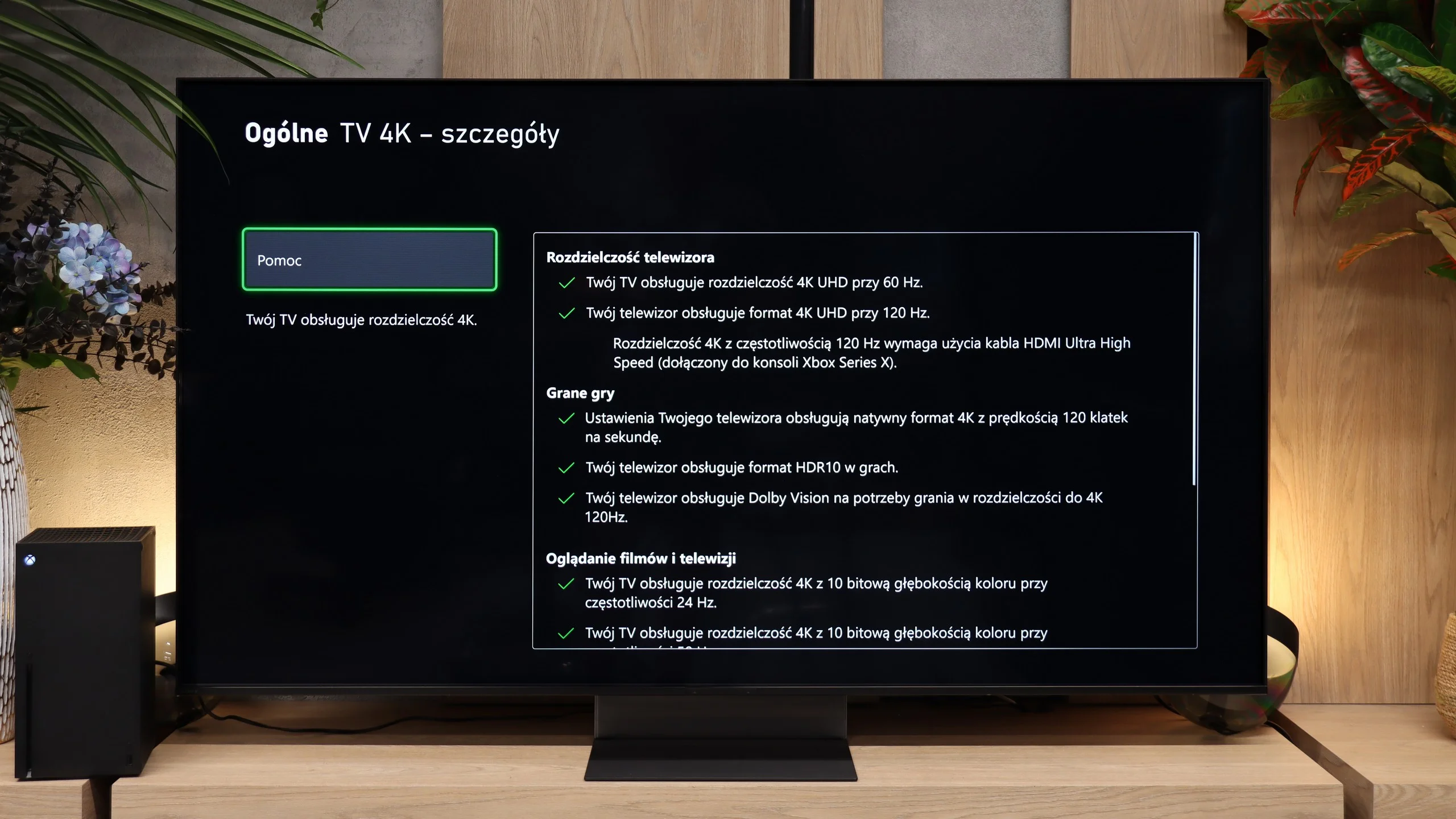
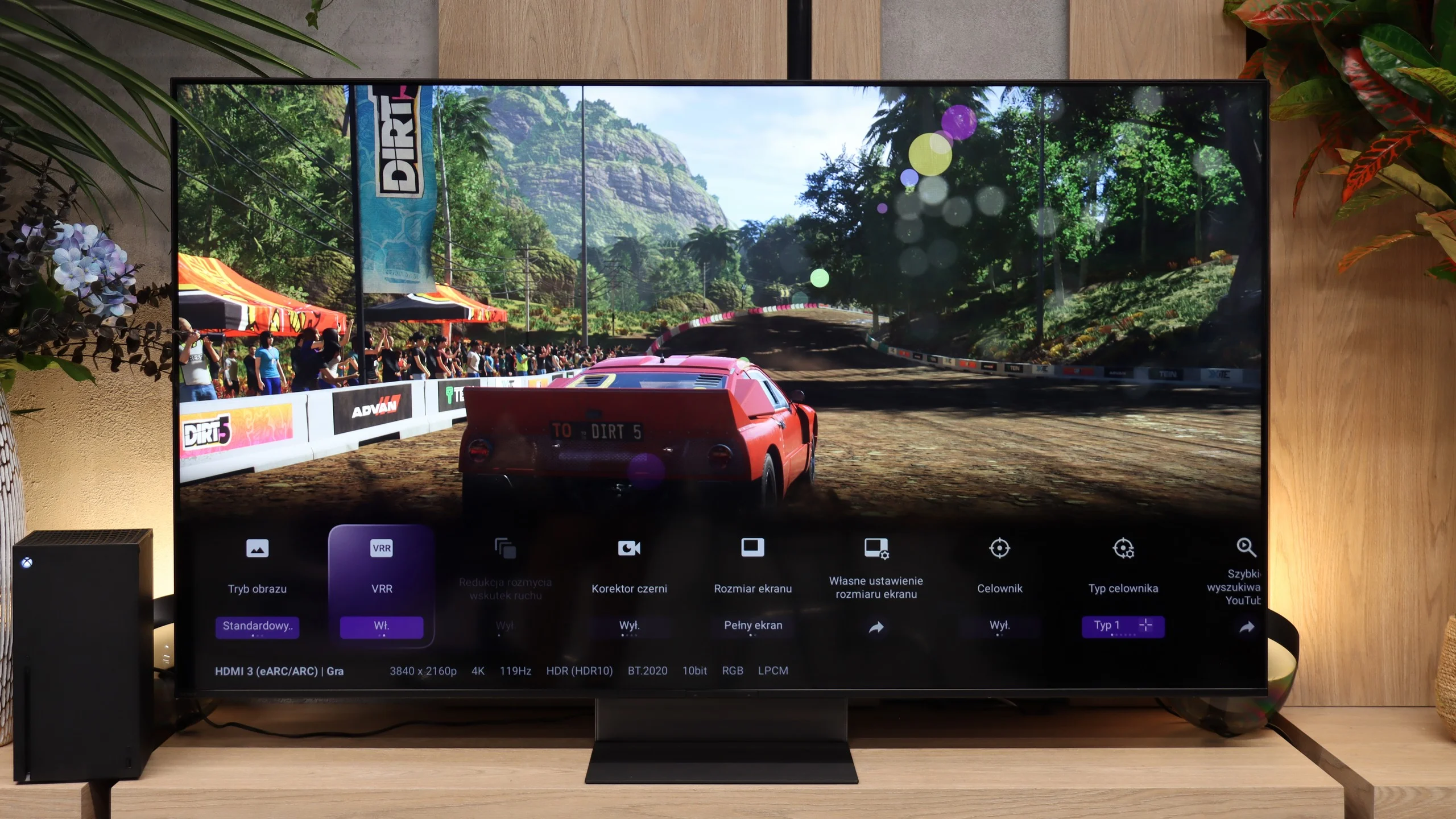
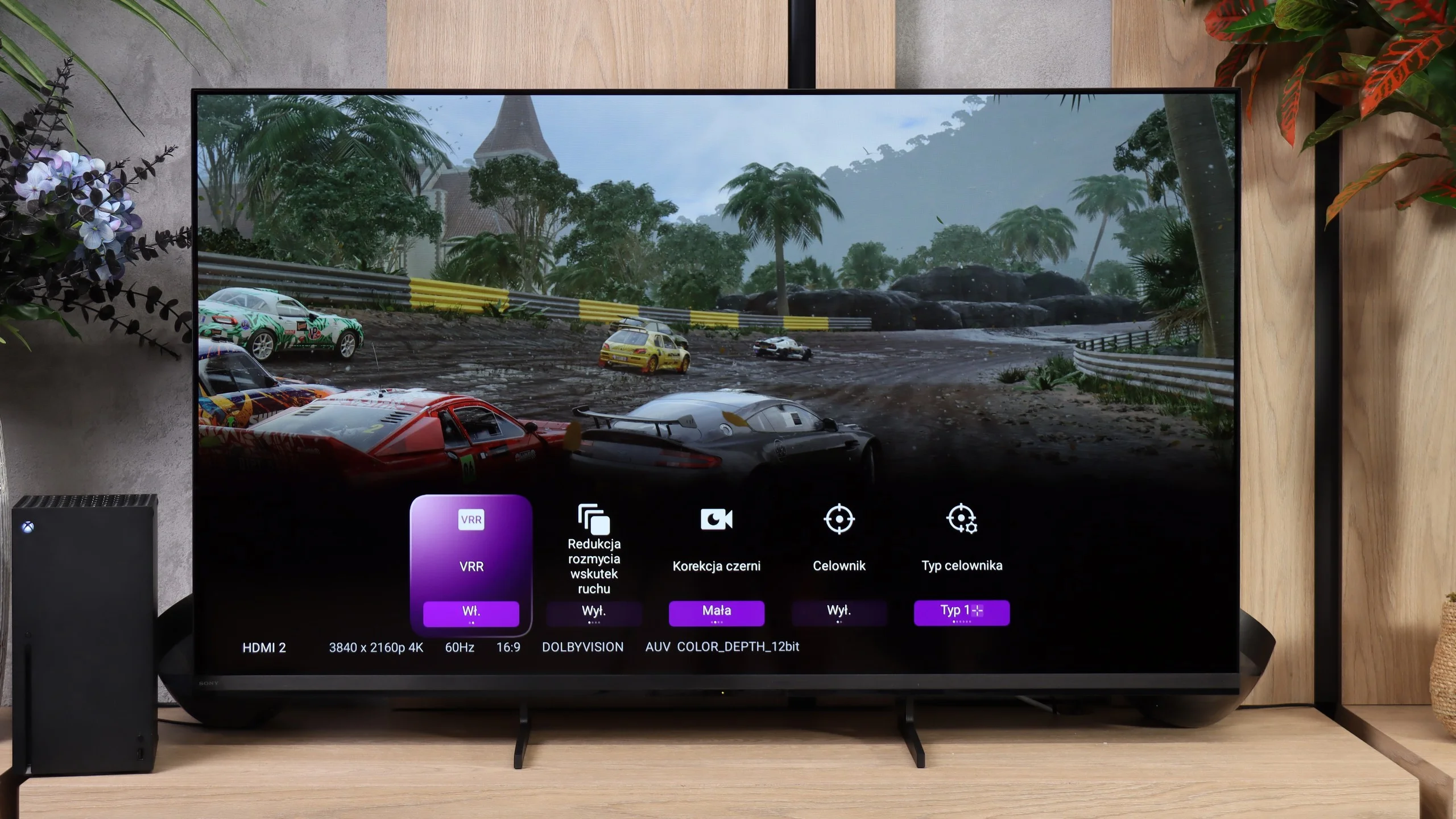
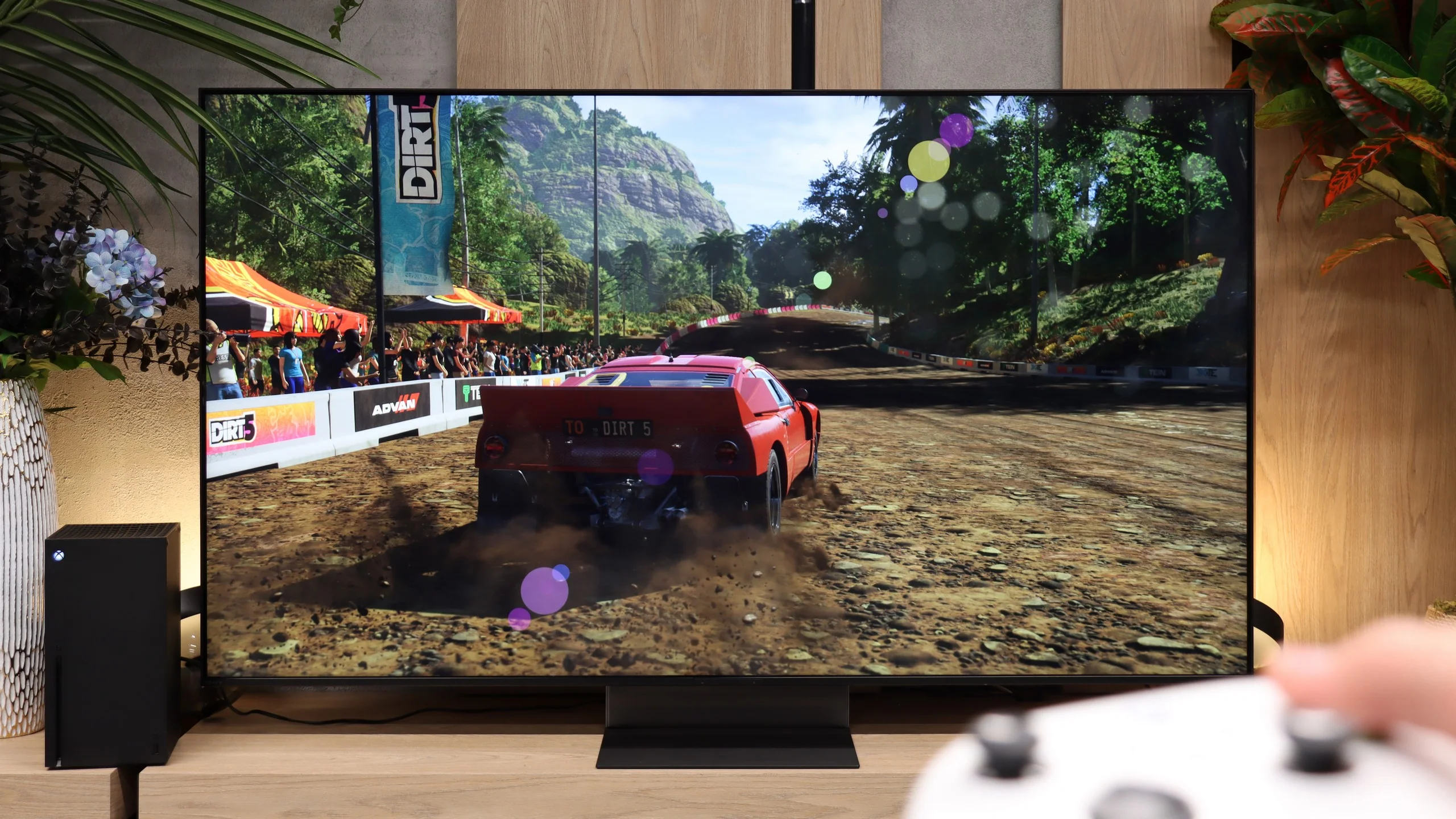
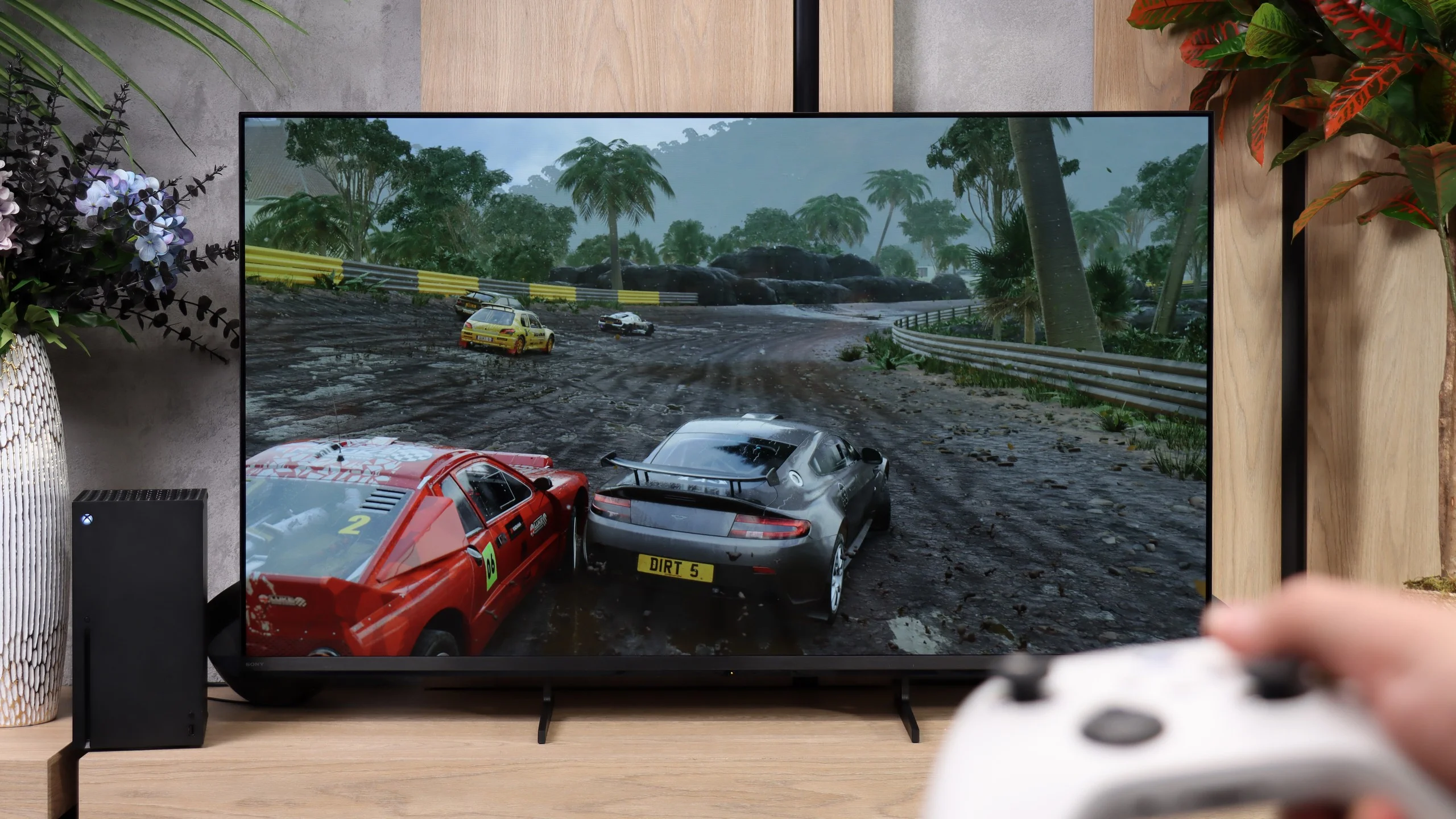
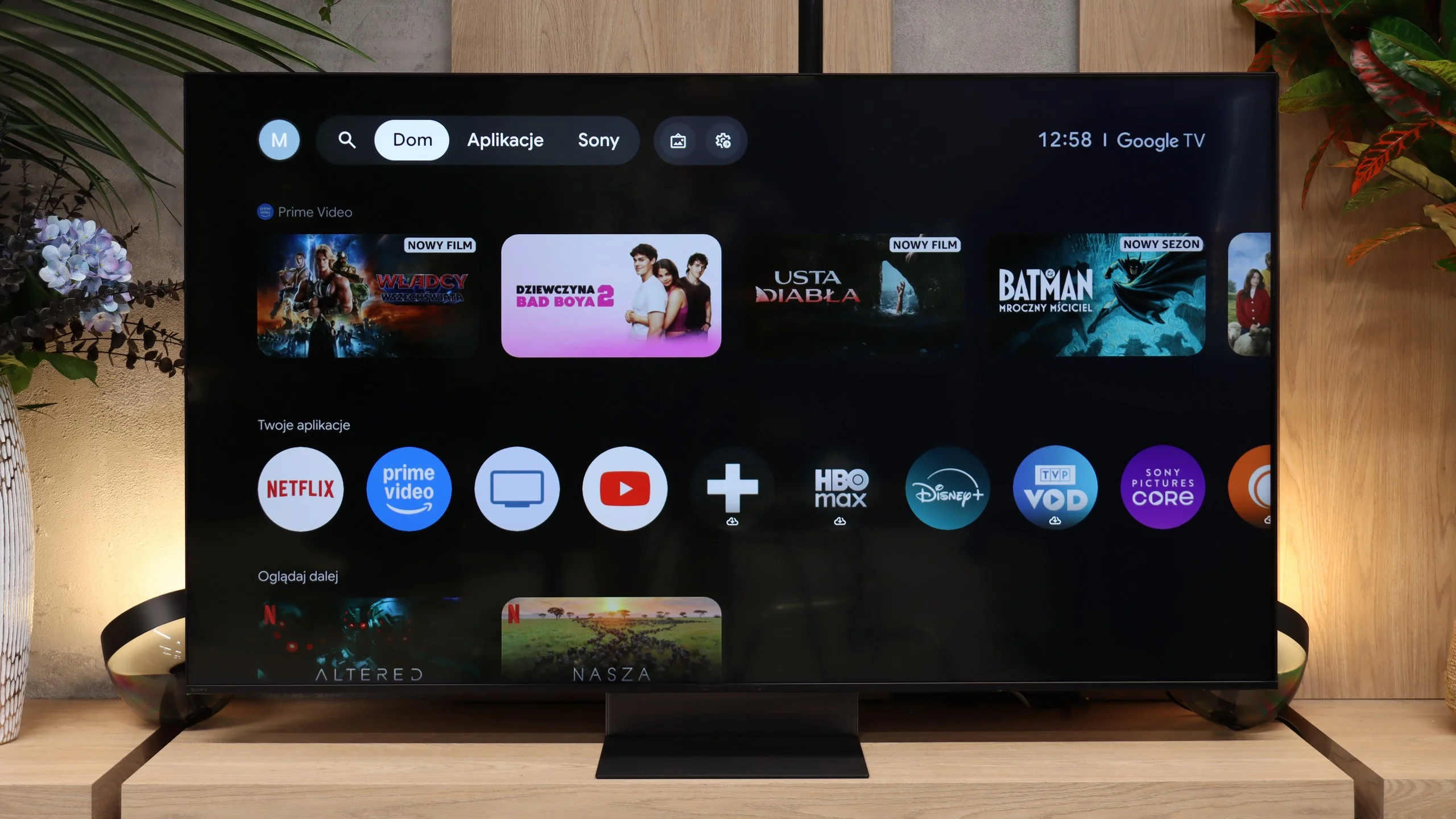
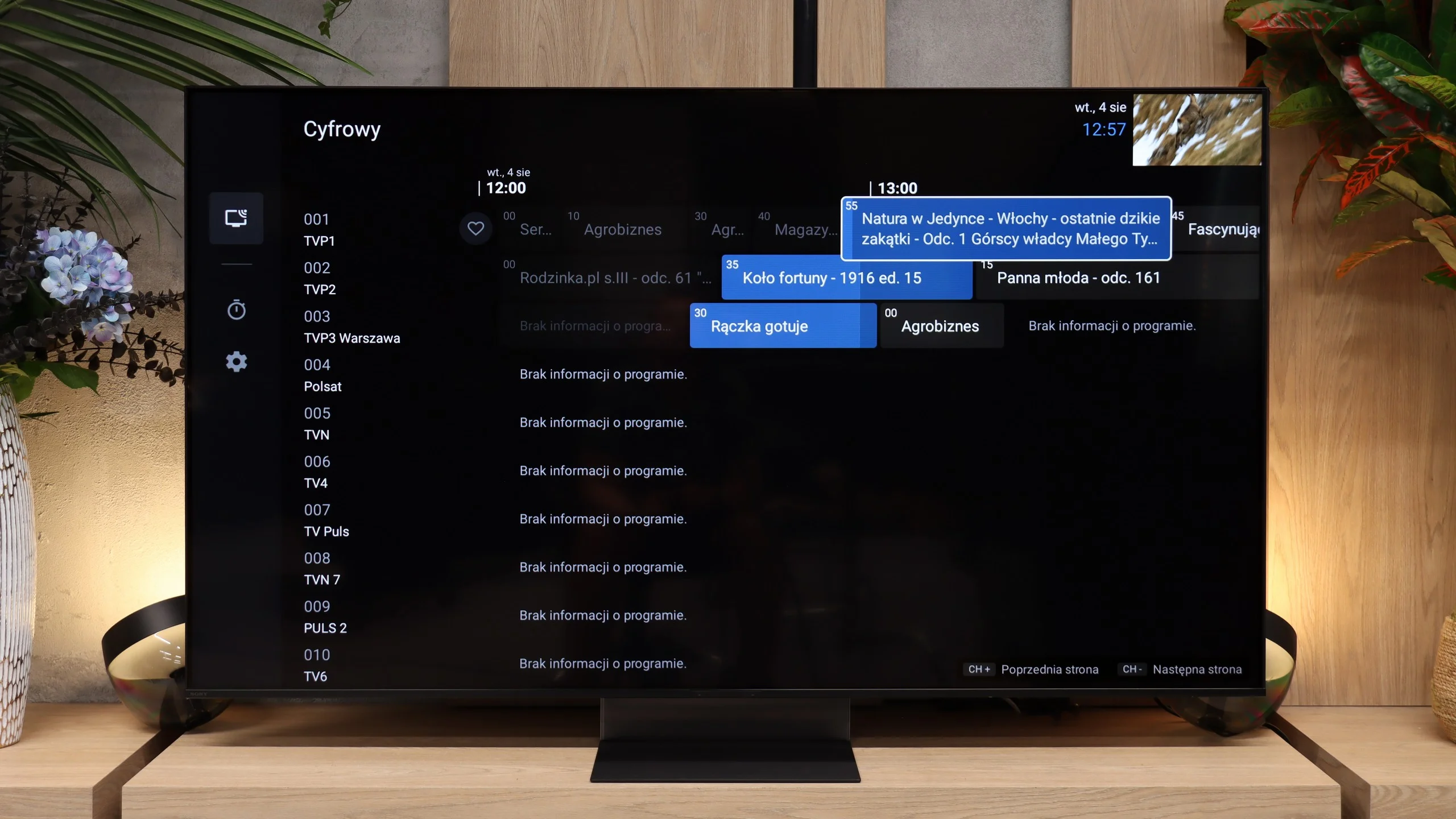
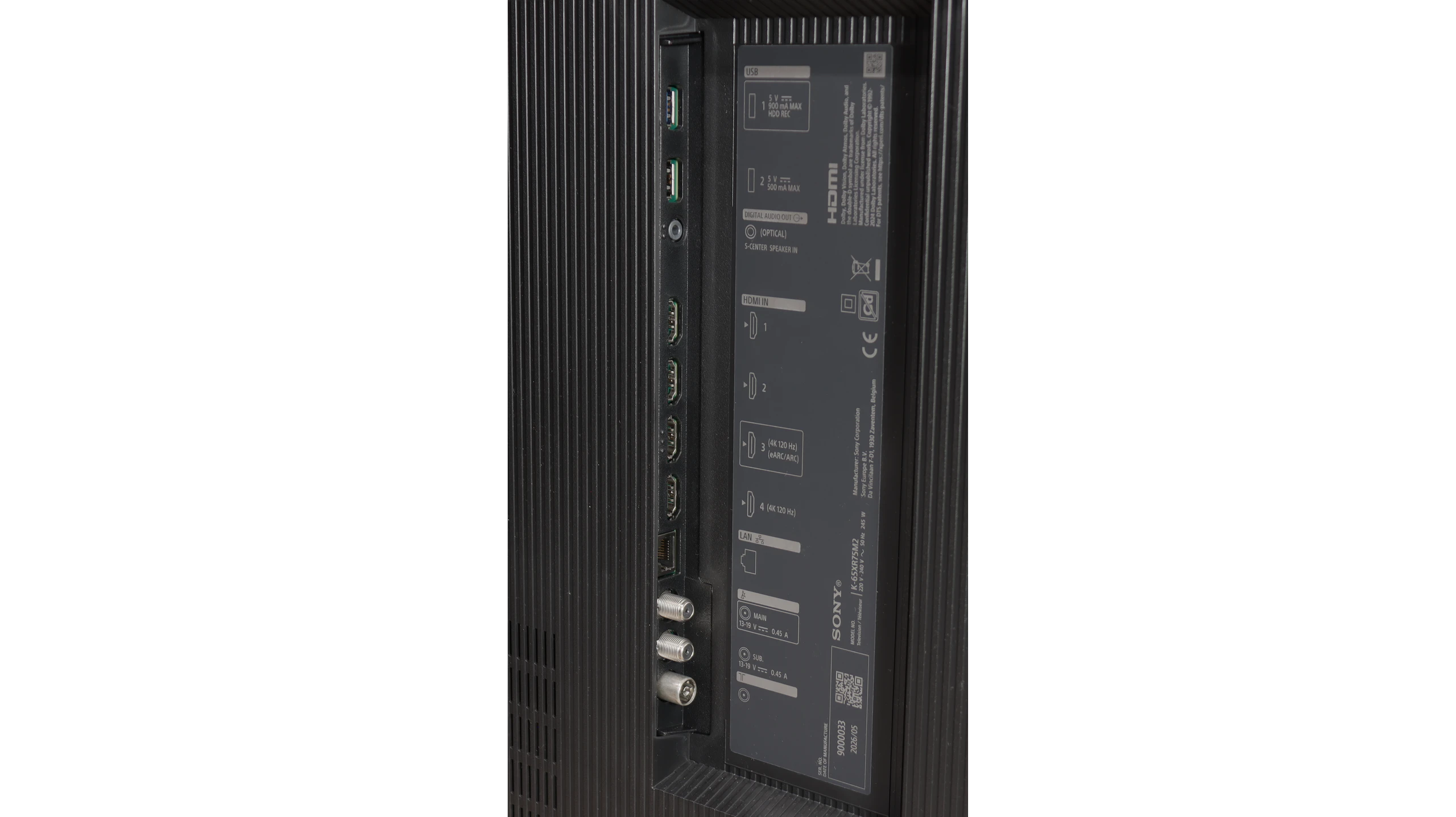
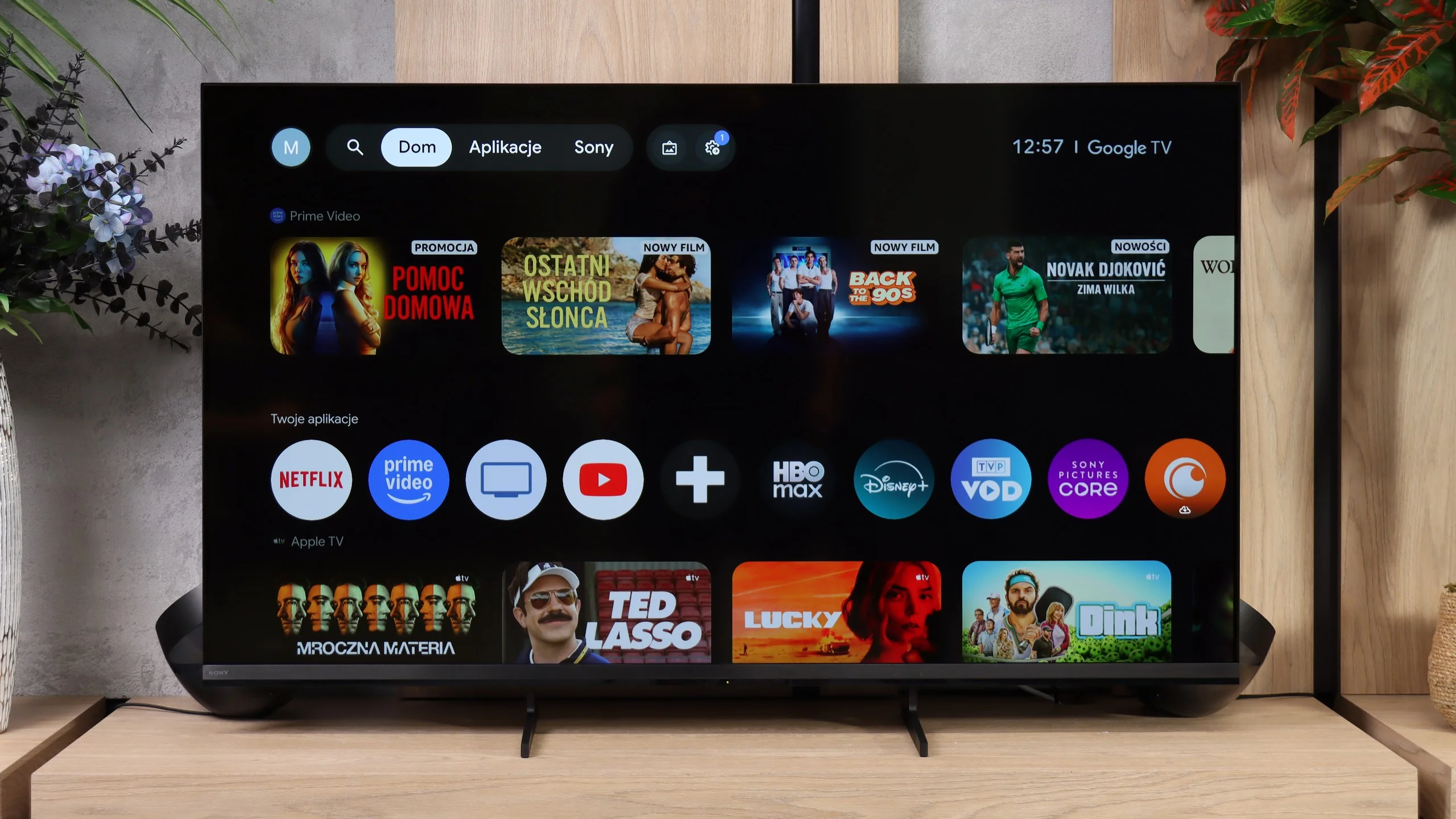
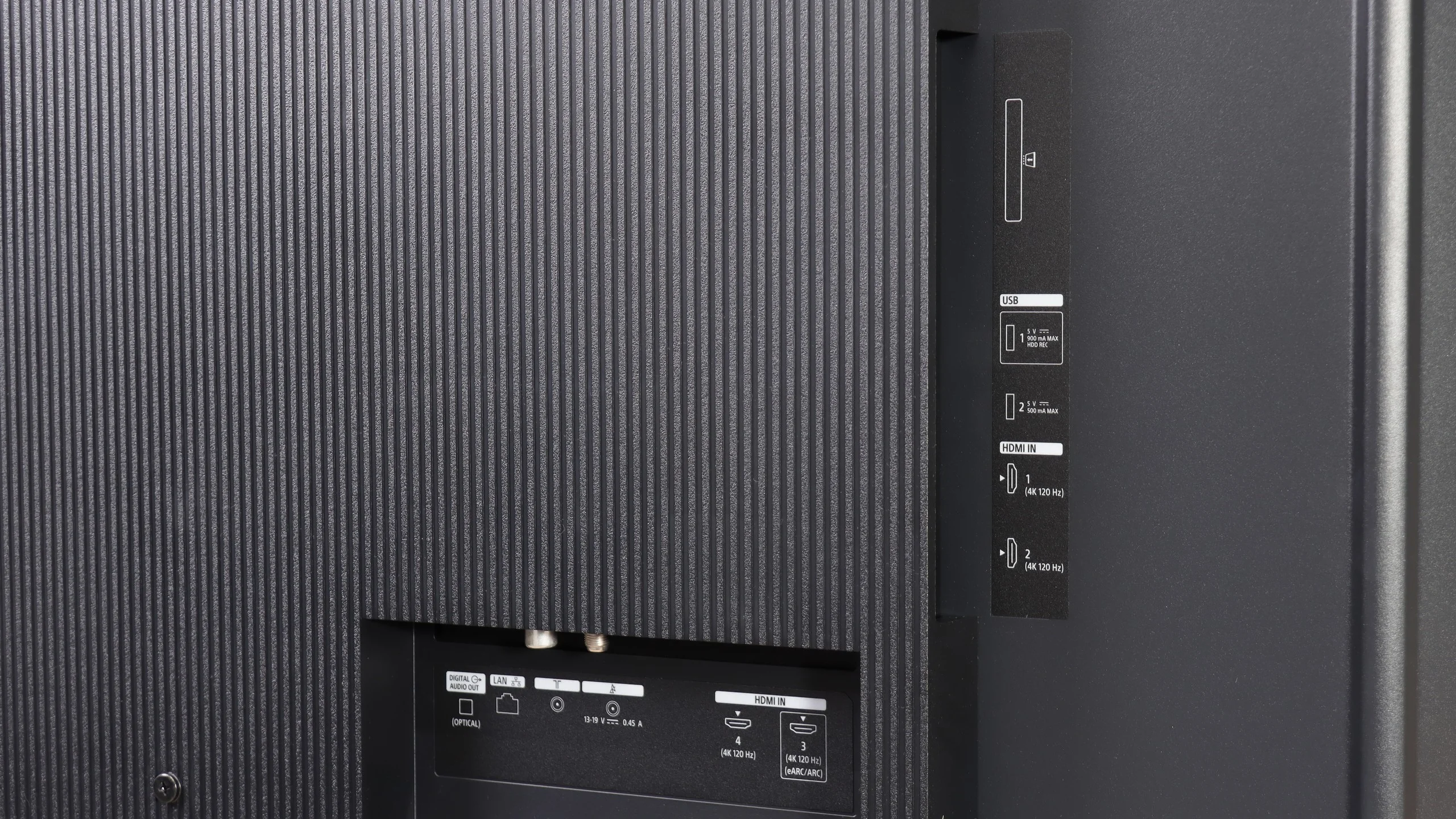
Image processing also remains a considerable advantage over many competitors. Upscaling, smoothing weaker tonal transitions and HDR mapping are among this model's strengths. Add Google TV, a good feature set, very low input lag and a practically complete set of features for gamers. However, there are things in a TV of this class that are hard to understand. The most notable gripe is the presence of only two HDMI 2.1 ports, one of which is also eARC. Sony also sticks with 120 Hz, while the competition increasingly offers 144, 165 or 180 Hz. Ultimately the Bravia 7 II defends itself primarily as a very complete TV. It doesn't try to win on a spec sheet and in a few areas the competition will offer more. Sony makes up for that where the specifications don't tell the whole story, with image processing, very good HDR tuning, backlight control and the overall picture quality in films. That's exactly what makes the Bravia 7 II one of the more interesting Mini-LEDs of 2026, especially for people looking for a bright, all-purpose TV for films, television, sport and gaming, but who don't necessarily want to go for OLED.