SONY BRAVIA 3 vs Panasonic W95B

Direct comparison

BRAVIA 3 / K-(XX)S3

Info

Available screen sizes: 43”55”65”75”85”

Available screen sizes: 55”65”75”85”

Panel type: LCD IPS

Resolution: 3840x2160

System: Google TV

Model year: 2025

Complete the survey to find out the result

Panel type: LCD VA

Resolution: 3840x2160

System: Amazon FireTV

Model year: 2025

Complete the survey to find out the result

Overall rating

6.0

7.5

  • Movies and series in UHD quality

    5.4

    7.3

  • Classic TV, YouTube

    5.3

    7.4

  • Sports broadcasts (TV and apps)

    5.7

    7.2

  • Gaming on console

    6.4

    8.6

  • TV as a computer monitor

    6.0

    8.4

  • Watching in bright light

    4.9

    7.2

  • Utility functions

    6.6

    6.8

  • Apps

    9.6

    7.2

  • Sound quality

    6.5

    7.9

Advantages

  • Google TV system – a vast library of apps and services

  • IPS panel with good viewing angles

  • Enhanced colours – (91% DCI-P3 colour gamut)

  • Supports Dolby Vision

  • Good upscaling – lower quality materials look surprisingly good

  • Excellent input lag and ALLM mode

  • Very good PC compatibility – supports 4:4:4 chroma, excellent font readability

  • Two remote controls included – modern minimalist and classic with a numeric keypad

  • Very good built-in media player – supports a wide range of files, even less common ones like HEIC

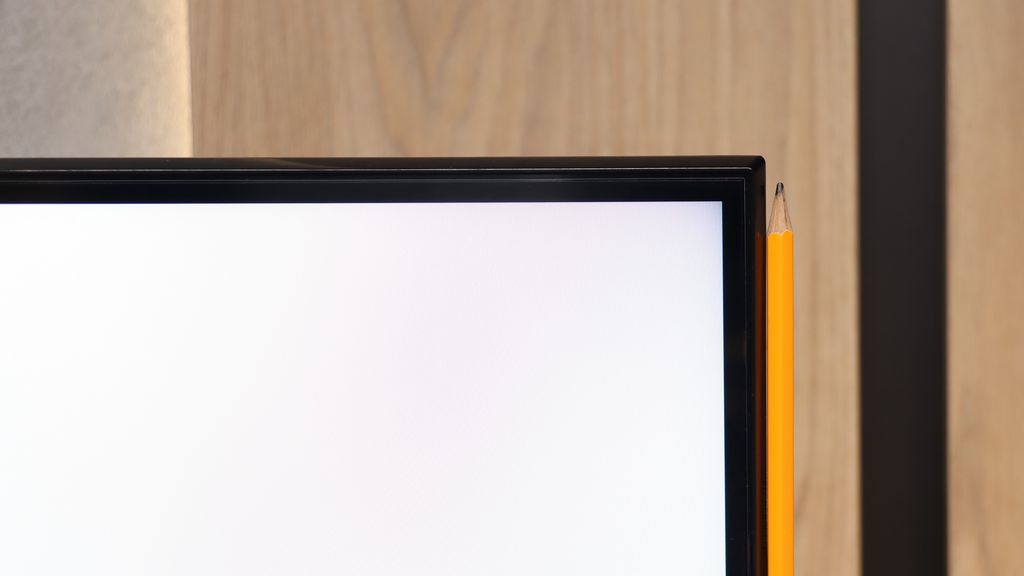
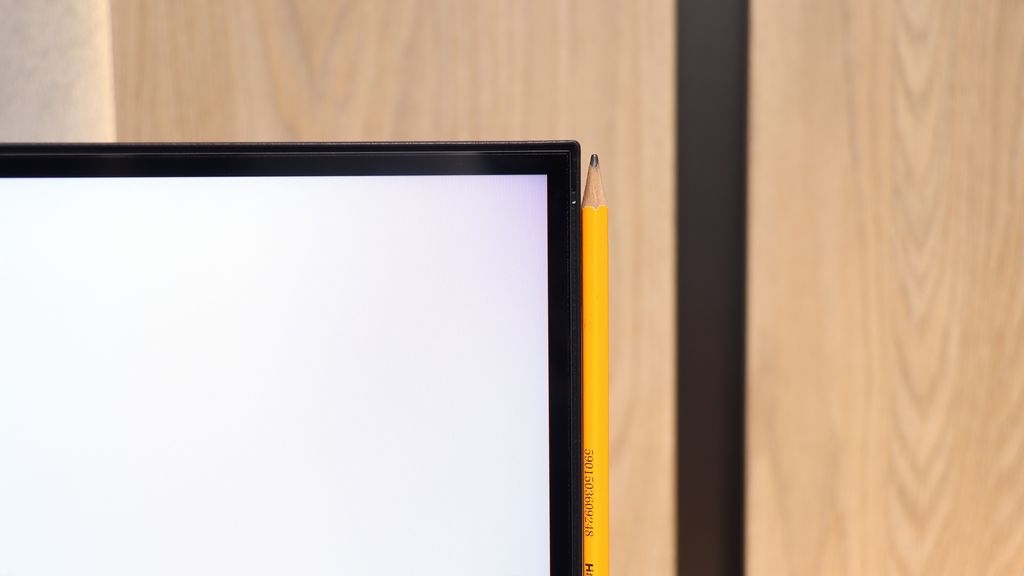
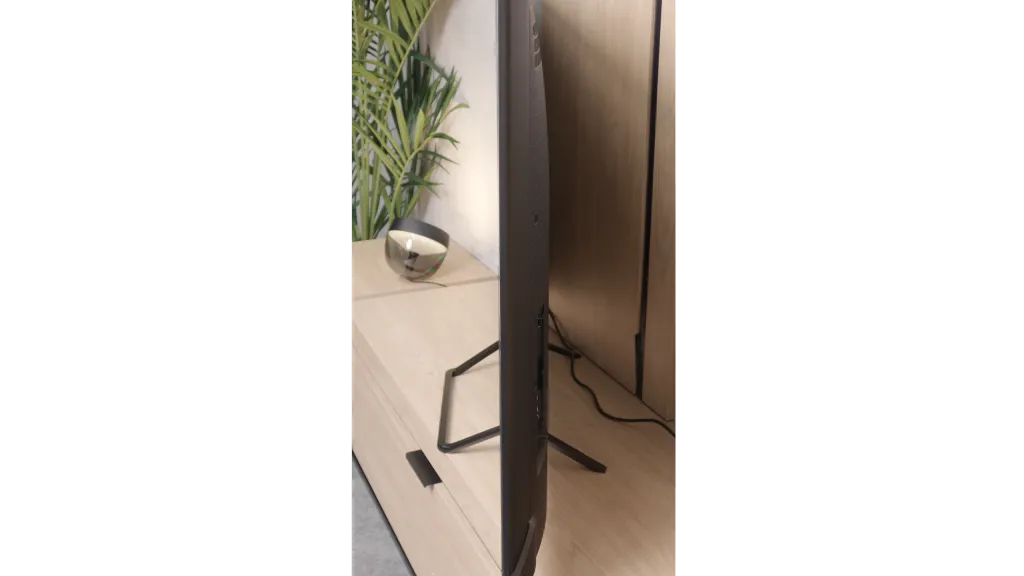
  • Thin bezels and modern design – a significant step forward compared to X75WL

  • Supports Dolby Atmos and DTS:X

  • Excellent black levels and contrast thanks to 504 local dimming zones and a VA panel

  • Very high HDR brightness (up to 1400 nits)

  • Good motion fluidity. 144 Hz panel – perfect for gaming and dynamic content

  • Support for Dolby Vision, HDR10+

  • Many features for gamers including: HGiG, ALLM, FreeSync, and G-Sync

  • Low input lag

  • Well-functioning upscaling and subtle digital image processing

  • High brightness in daylight and effective anti-reflective coating

  • Pleasant sound with Dolby Atmos support

  • USB recording capability, Bluetooth, and jack input

Disadvantages

No like
  • Tragic black - IPS matrix without local dimming

  • Limited brightness (approx. 350 nits), the image in HDR mode is not very appealing

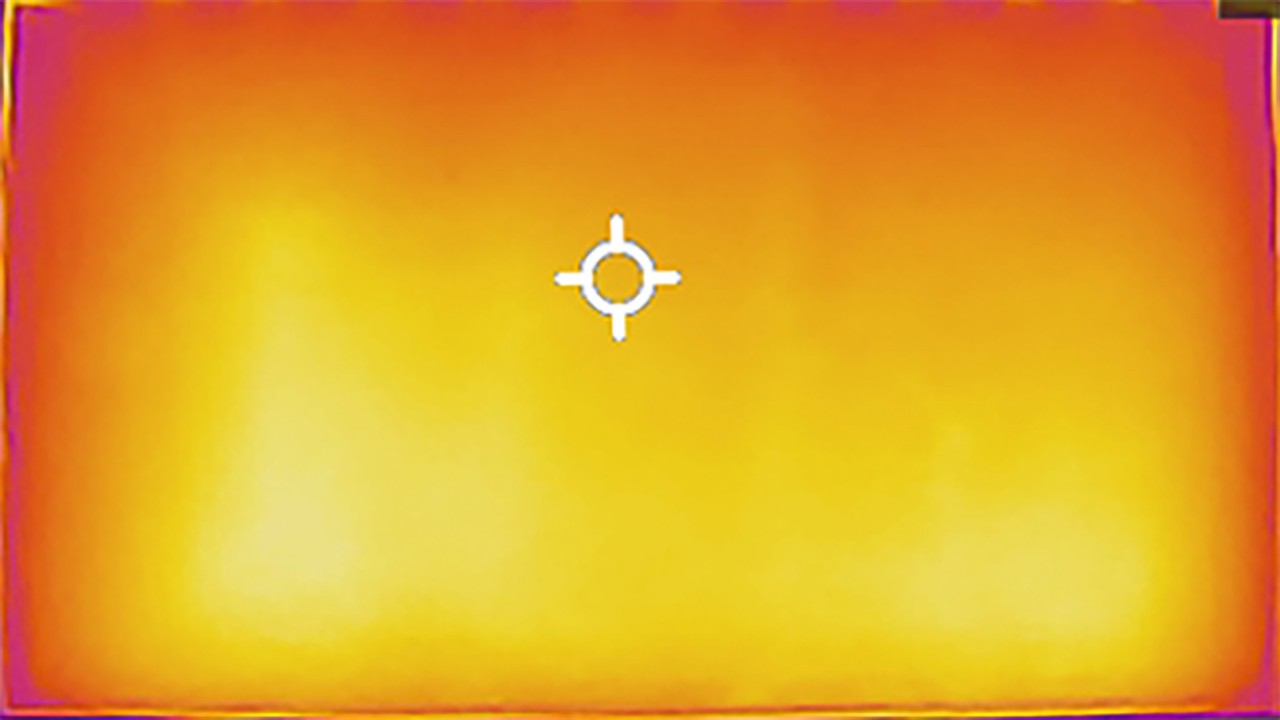
  • Issues with backlight uniformity

  • The Google TV system can stutter

  • Lack of recording function from built-in tuners to USB memory

  • The Fire TV system is poorly developed in Europe – many applications are missing

  • Clunky interface operation and software bugs, e.g. lack of subtitles when playing films from USB

  • Local dimming does not work in VRR mode

  • Narrow viewing angles – typical for VA panels

  • Only two HDMI 2.1 ports

Our verdict

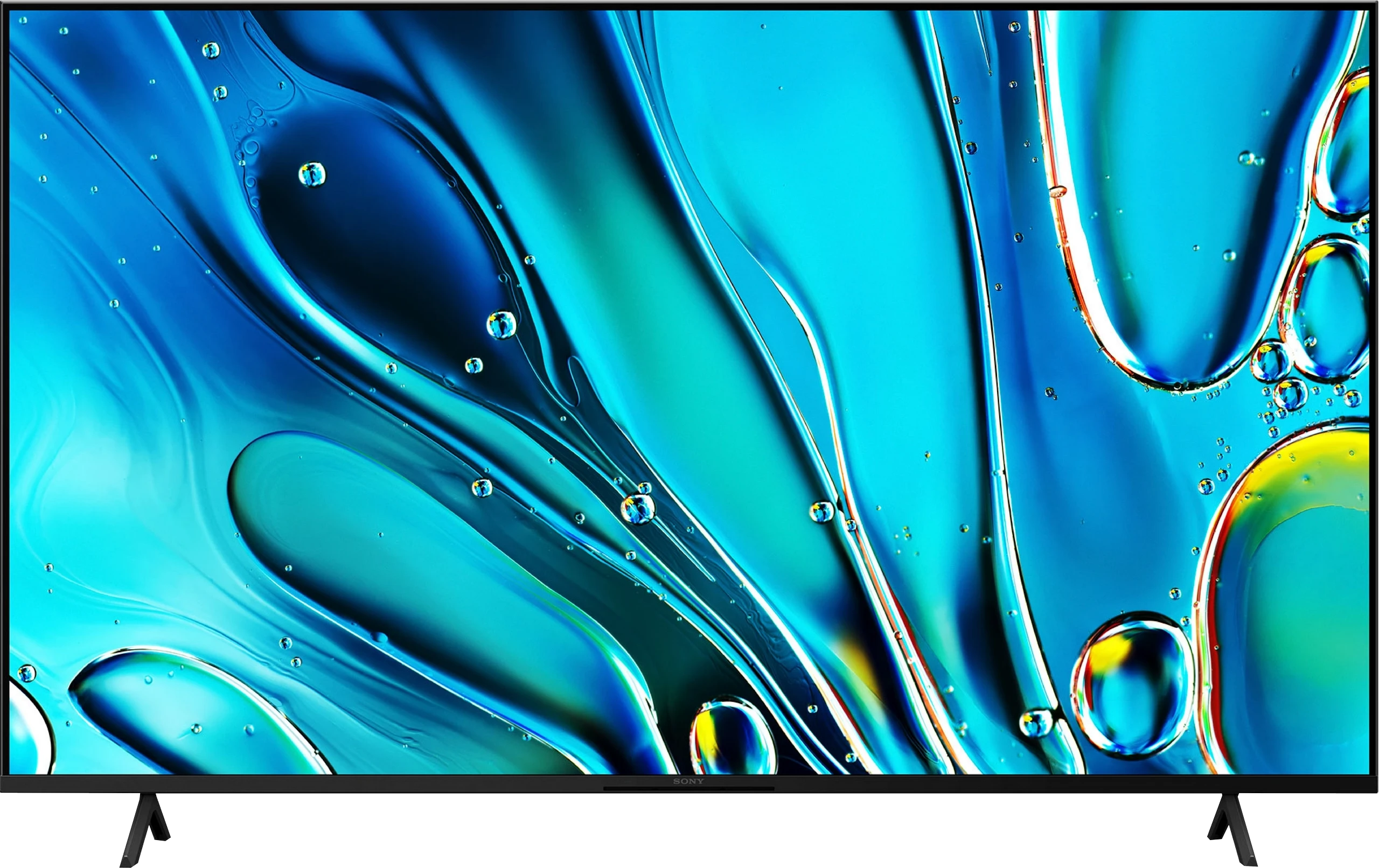
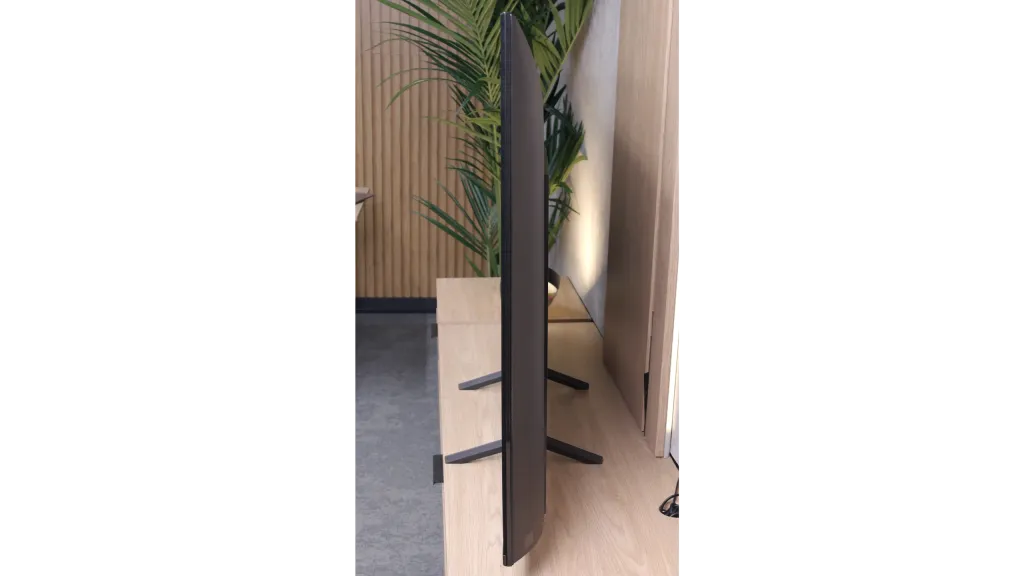
Sony Bravia 3 is a television that brings several important improvements over its predecessor, while remaining true to its core. The biggest change is the design – slim bezels and sturdy metal legs give it a modern appearance that fits much better in a living room than the X75WL. Improved colours thanks to the PFS filter and really good upscaling should also be noted. It is particularly in lower quality content, especially in classic SDR, that the Bravia 3 shows its best side – colours look pleasing, the image is clear, and thanks to the IPS panel, viewing angles are at a very good level. It is perfectly suited for the role of a “classic” television receiver, where the convenience of watching from different spots in the room and decent quality of everyday content matter. A huge advantage remains the Google TV system. During our tests, there were times when the interface did not always work as smoothly as we would have liked, and some features could freeze. However, despite these imperfections, the presence of Google TV is a significant plus – access to thousands of applications and a full streaming library compensates for minor shortcomings. Unfortunately, what was weak in the X75WL remains weak here as well. The IPS panel has very low contrast and does not offer local dimming, making watching films in a dark room quickly lose its appeal – black resembles grey and effectively detracts from the enjoyment of the viewing experience. Additionally, the option to record content to USB, which was available in its predecessor, has been dropped. It is hard not to notice this and not add it to the list of downsides.

So who is the Bravia 3 for? Primarily for those looking to enter the world of Sony televisions at a potentially low price and who also appreciate the Google TV system. However, it is not the most attractive option in its class – competitors in this budget can offer models with Mini-LED backlighting, whose images perform several times better in terms of contrast and HDR. Therefore, the Bravia 3 is worth keeping in mind, but mainly when a solid discount is available. At regular price, it will be very difficult to stand out against its more cost-effective rivals.
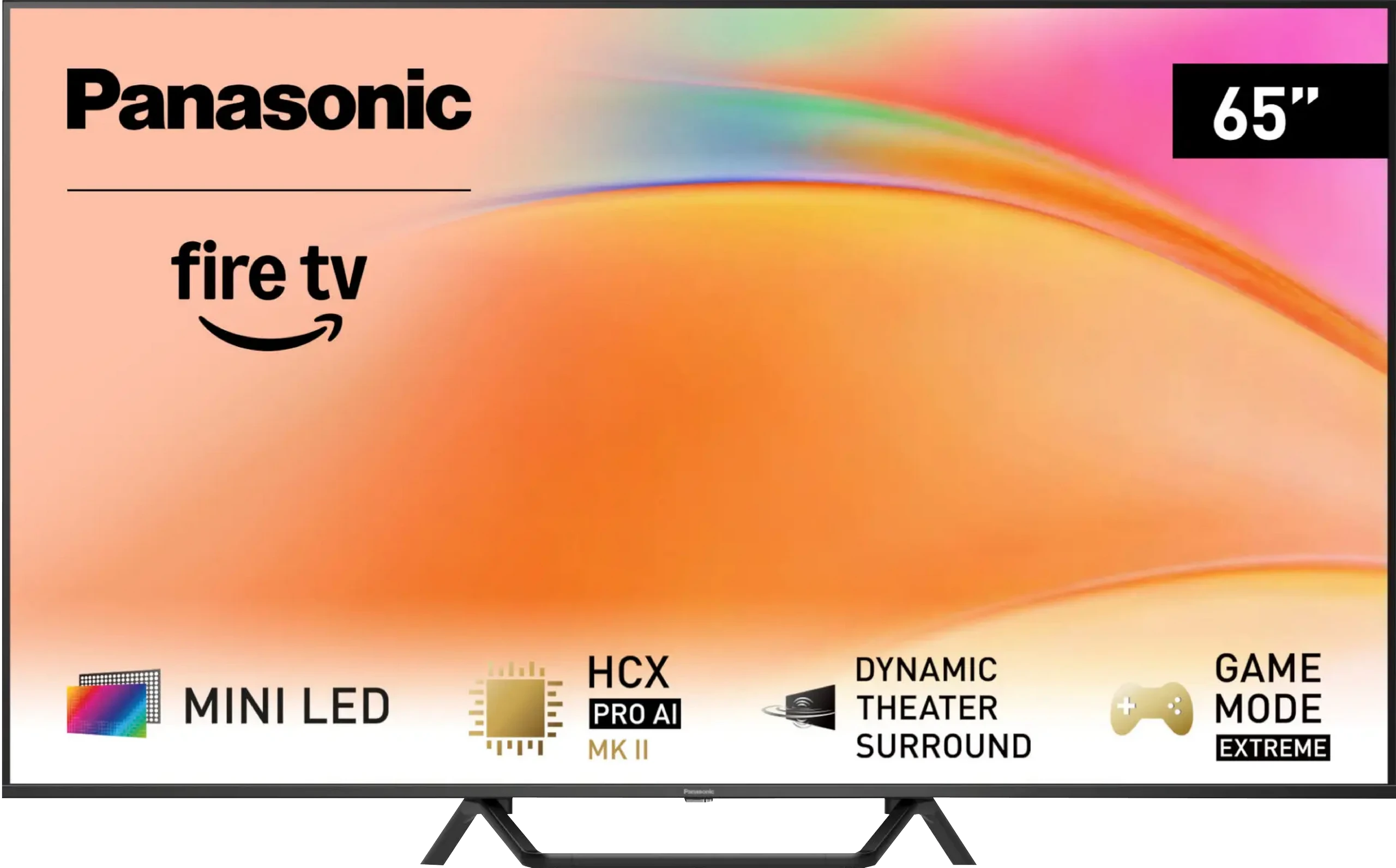
The Panasonic W95B is one of those televisions that not only impresses with its specifications on paper but also delights in practice. It boasts an excellent Mini LED screen, offering remarkable black levels, very high brightness, and smooth motion, which combined with refined local dimming create an image close to perfection. Most content simply looks stunning on it, and the low-latency gaming mode with support for key technologies makes it a good choice for gaming as well. However, it is important to remember that the W95B is aimed at a rather specific group of consumers – those who can accept weaker usability features in exchange for good image quality. The Fire TV system in this version is not very polished: several apps are missing, some functions operate clumsily, and the built-in file player doesn't even support subtitles. Despite these shortcomings, the Panasonic W95B is a solid, well-crafted visual device that proves Mini LED can be a true alternative for those who, for various reasons, do not want an OLED television. It is one of the few televisions of this type that can be wholeheartedly recommended, provided that the priority is the image, rather than the system and applications.

TV appearance

HDMI inputs
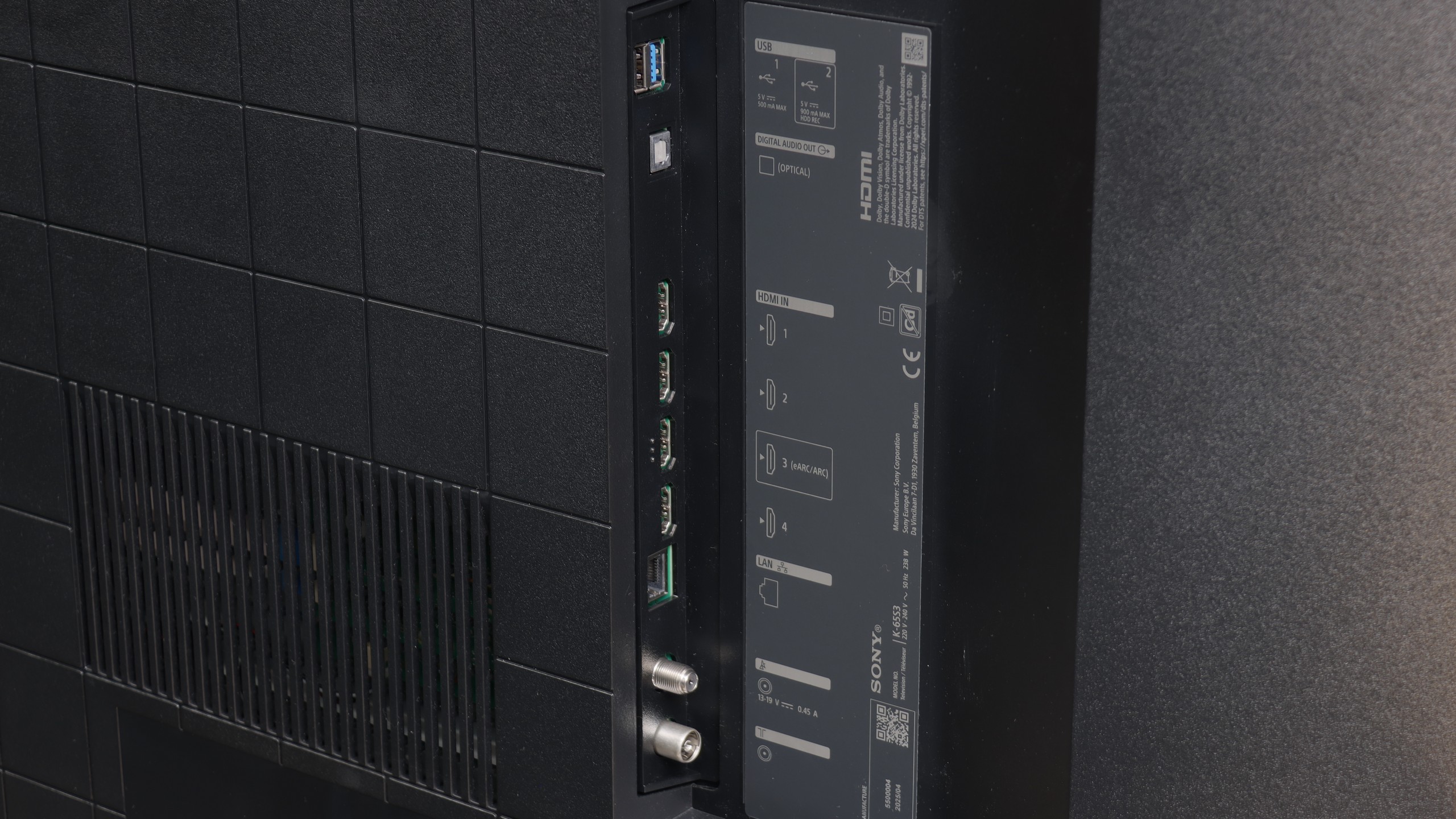
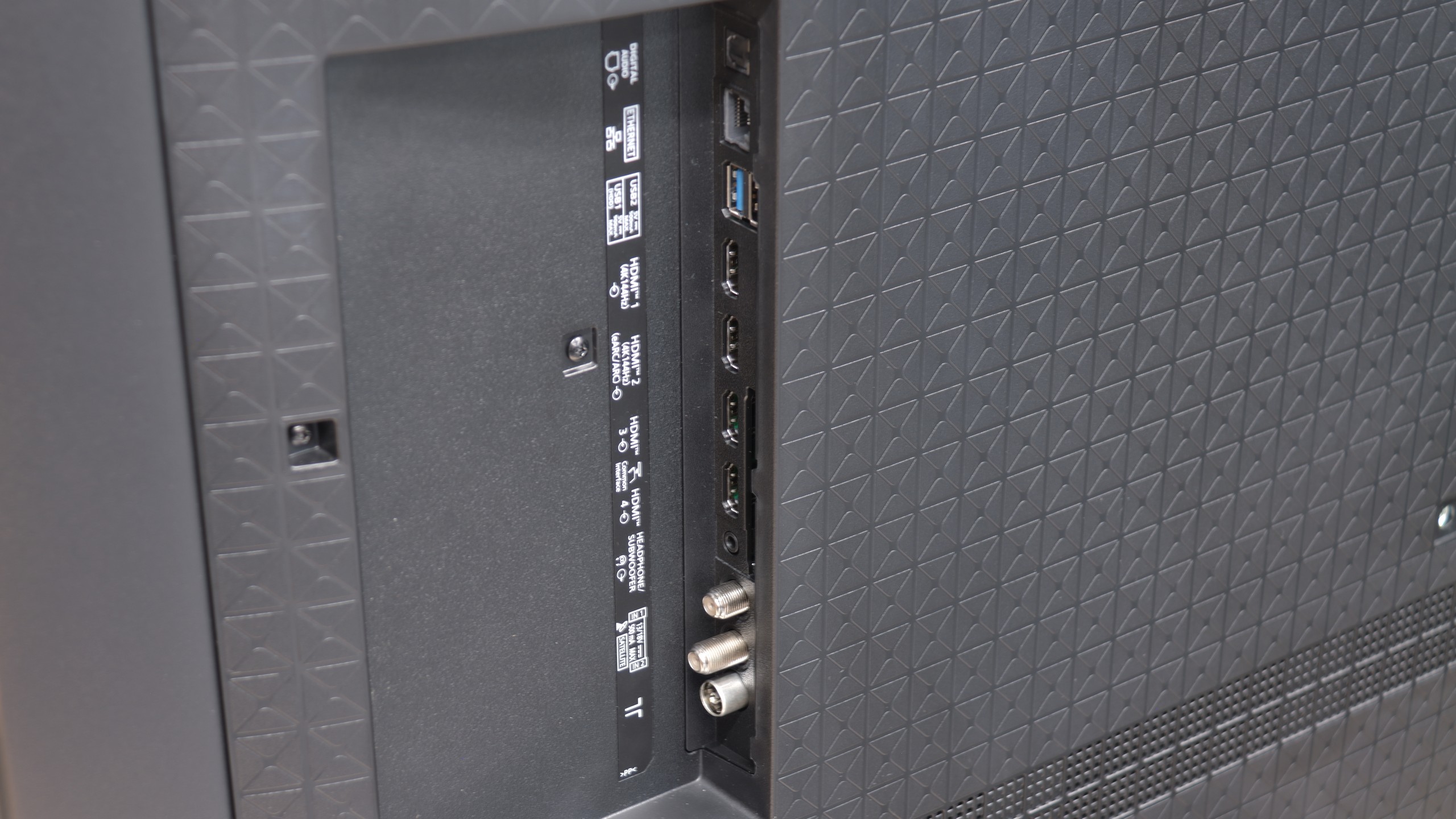
4 x HDMI 2.0, 0 x HDMI 2.1
2 x HDMI 2.0, 2 x HDMI 2.1 (48Gbps)
Other inputs
Outputs
Toslink (Optical audio), eARC (HDMI), ARC (HDMI)
Toslink (Optical audio), eARC (HDMI), ARC (HDMI), Mini-Jack (Headphones)
Network Interfaces
Wi-Fi 2.4GHz, Wi-Fi 5GHz, Ethernet (LAN) 100Mbps
Build quality
BuildQuality-Good
BuildQuality-Good
Stand type
Legs
Central
Bezel color
Graphite
Silver
Stand
Base adjustment
Fixed
Accessories
Two remote controls, Stand
Stand

Contrast and black detail

2.2/10

7.5/10

Local dimming function: No

Local dimming function: Yes, number of zones: 504 (18 x 28)

Contrast:

Review SONY BRAVIA 3 Contrast and black detail

Result

1,150:1

Review SONY BRAVIA 3 Contrast and black detail

Result

1,150:1

Review SONY BRAVIA 3 Contrast and black detail

Result

1,050:1

Review SONY BRAVIA 3 Contrast and black detail

Result

1,050:1

Review SONY BRAVIA 3 Contrast and black detail

Result

900:1

Review Panasonic W95B Contrast and black detail

Result

175,300:1

Review Panasonic W95B Contrast and black detail

Result

28,450:1

Review Panasonic W95B Contrast and black detail

Result

19,450:1

Review Panasonic W95B Contrast and black detail

Result

8,600:1

Review Panasonic W95B Contrast and black detail

Result

5,400:1

Halo effect and black detail visibility:

Review SONY BRAVIA 3 Contrast and black detail
Review Panasonic W95B Contrast and black detail
Review SONY BRAVIA 3 Contrast and black detail
Review Panasonic W95B Contrast and black detail

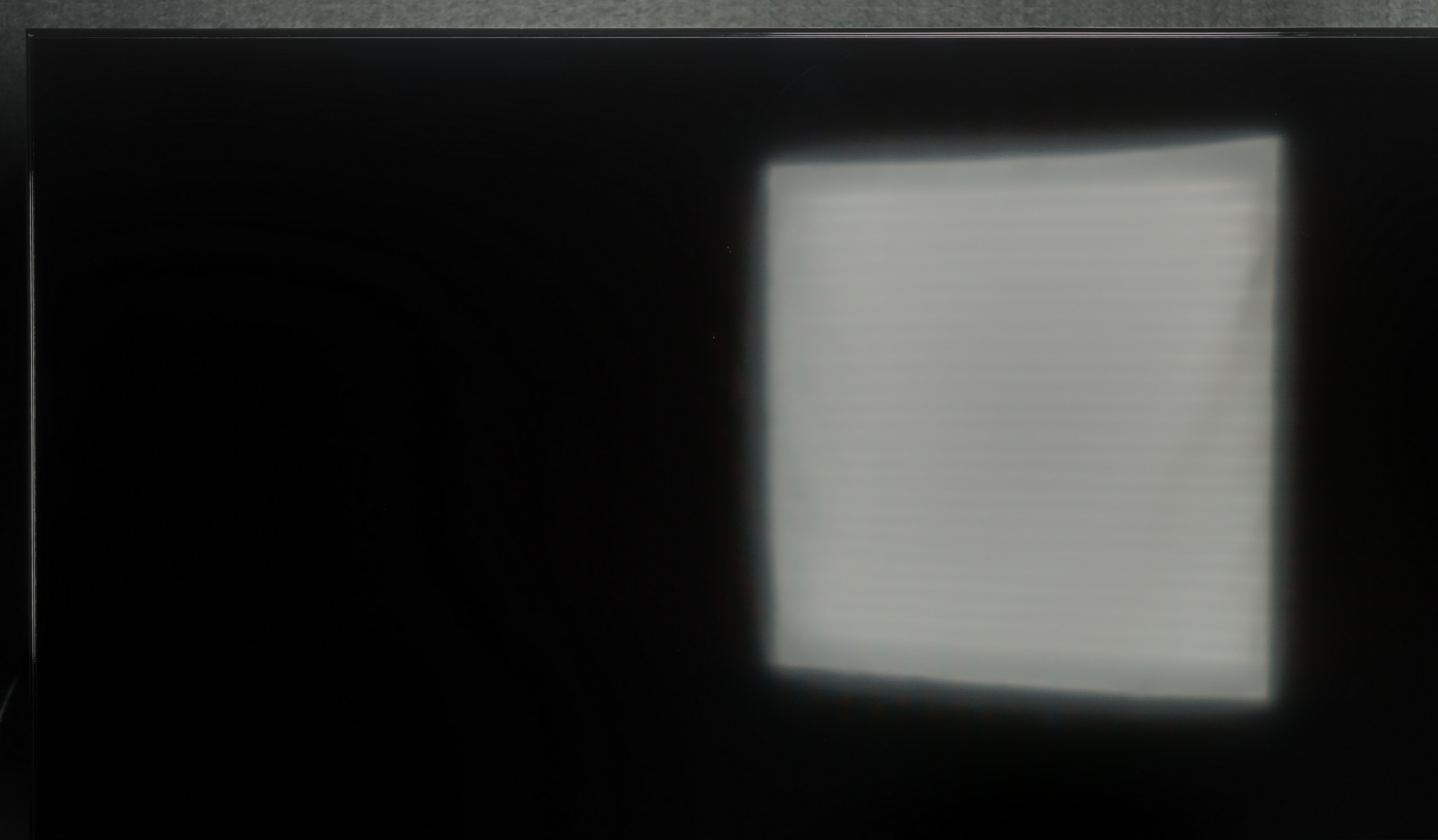
The Bravia 3 in most variants, including the 65-inch model we tested, uses an IPS panel and unfortunately, this is not the best news for those who value depth of image and true velvety blacks. This technology has its advantages, as it offers decent viewing angles, but these come at the cost of very low contrast, which is particularly noticeable during evening viewings when we expect the screen to go dark where it should. However, this is not the end of the list of problems. Our unit also exhibited noticeable unevenness in blacks, which exacerbates the effect of their shallowness. For example, in a scene with a helicopter, the blooming in the corners of the screen and pronounced vignetting are clearly visible.

It's hard not to think that even a simple local dimming system could have salvaged the situation and added a touch of drama to the image, which is lacking here. Unfortunately, Sony has decided against such a solution, and as a result, we have a repeat of last year's issues. The Bravia 3 is therefore not a television that will charm you with cinema-like black depth. At night, instead of intense blacks, we are likely to see a grey pretending to be darkness, which may disappoint more demanding viewers.

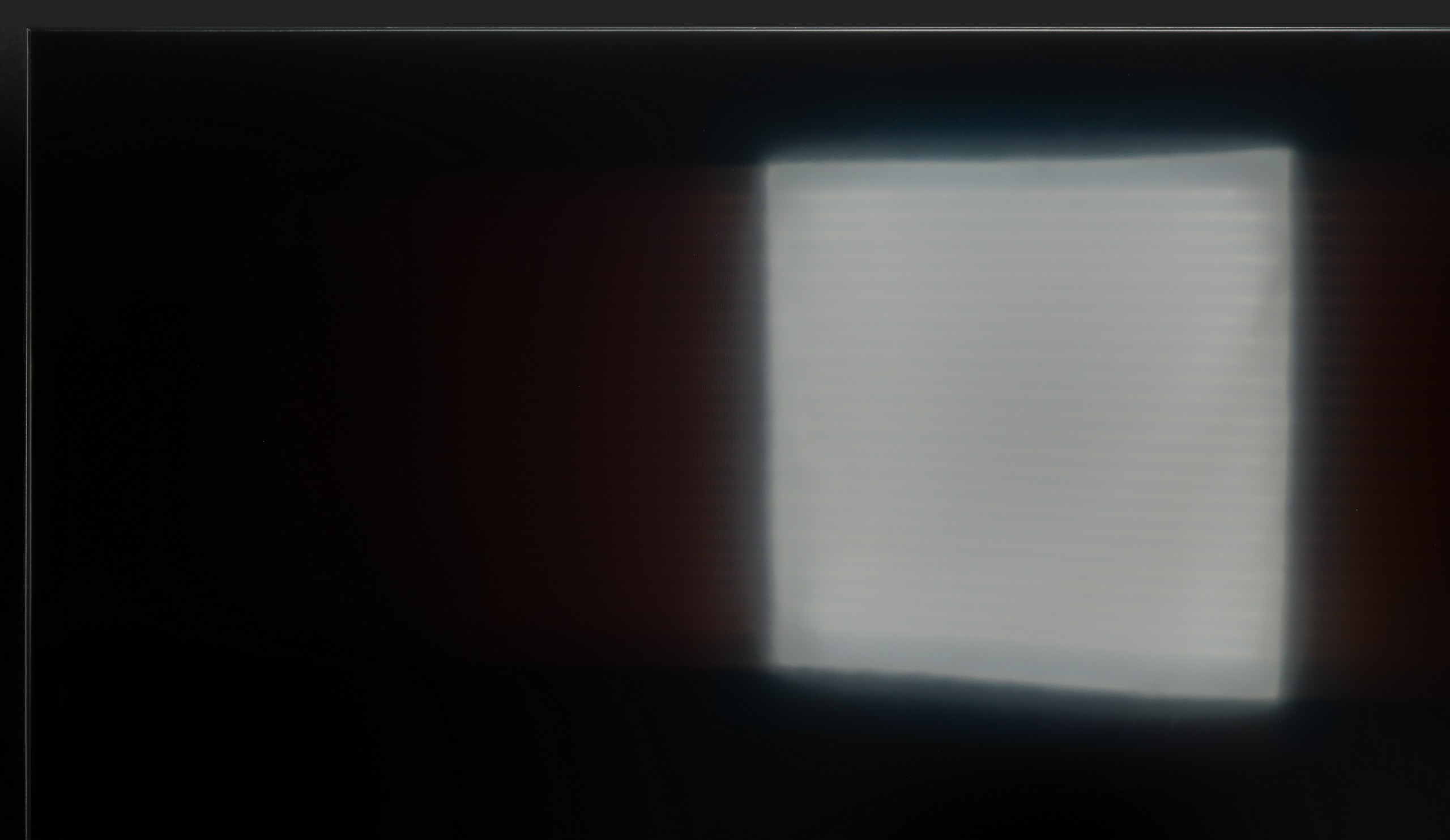
We tested the 65-inch variant, equipped with as many as 504 local dimming zones. The Panasonic W95B is an LCD television with a VA panel, but the most important feature is the use of Mini LED backlighting with precise zone control. The results we managed to achieve are truly impressive – in easier scenes, the contrast can reach six-digit values, making it at times easy to confuse this screen with an OLED. Of course, this model is not an OLED and in more demanding sequences, certain limitations resulting from the operation of the zones can be observed; however, it must be admitted that Panasonic has refined its algorithms to near perfection. Local dimming is practically invisible in action – the image remains coherent, without obvious defects or the effect of excessive "bleeding" of light. Details in dark areas are preserved, and the transitions between brightness and black look exceptionally natural.

HDR effect quality

4.6/10

5.7/10

Supported formats
HDR10, Dolby Vision, HLG
HDR10, HDR10+, Dolby Vision, Dolby Vision IQ, HLG
Color gamut coverage
DCI P3: 91.3%, Bt.2020: 69.0%
DCI P3: 93.0%, Bt.2020: 71.0%

Luminance measurements in HDR:

Review SONY BRAVIA 3 Brightness measurement

Result

316 nit

Review SONY BRAVIA 3 Brightness measurement

Result

327 nit

Review SONY BRAVIA 3 Brightness measurement

Result

369 nit

Review SONY BRAVIA 3 Brightness measurement

Result

236 nit

Review SONY BRAVIA 3 Brightness measurement

Result

379 nit

Review Panasonic W95B Brightness measurement

Result

1145 nit

Review Panasonic W95B Brightness measurement

Result

229 nit

Review Panasonic W95B Brightness measurement

Result

636 nit

Review Panasonic W95B Brightness measurement

Result

198 nit

Review Panasonic W95B Brightness measurement

Result

740 nit

Scene from the movie “Pan” (about 2800 nits)

Review SONY BRAVIA 3 HDR effect quality
Review Panasonic W95B HDR effect quality

Scene from the movie “Billy Lynn” (about 1100 nits)

Review SONY BRAVIA 3 HDR effect quality
Review Panasonic W95B HDR effect quality

Static HDR10

Review SONY BRAVIA 3 HDR effect quality
Review Panasonic W95B HDR effect quality

Dynamic: Dolby Vision

Dynamic: Dolby Vision

Review SONY BRAVIA 3 HDR effect quality
Review Panasonic W95B HDR effect quality

HDR luminance chart:

Panasonic W95B

HDR luminance

SONY BRAVIA 3

HDR luminance

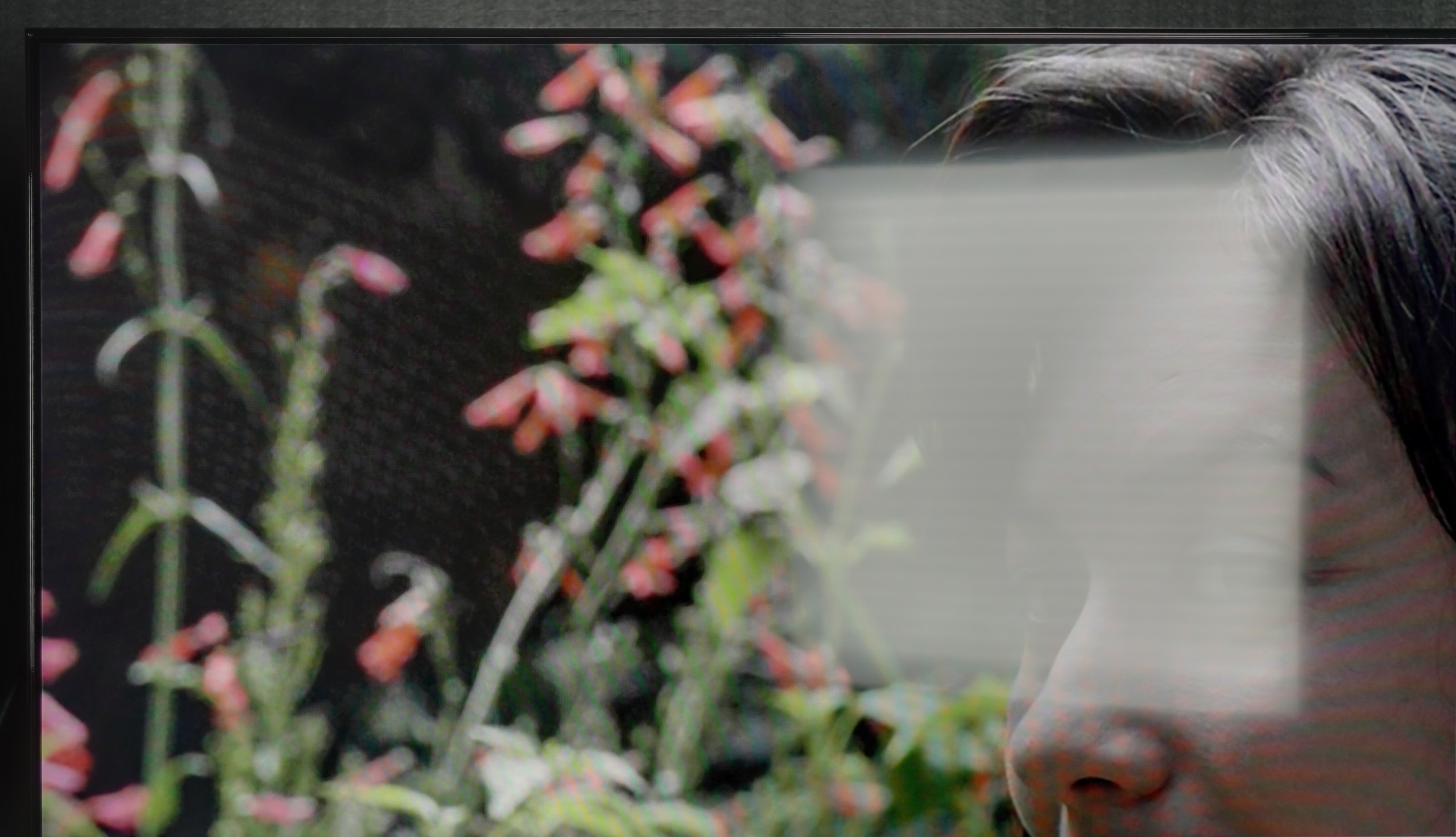
Bravia 3 does not hide the fact that it belongs to the group of televisions that are rather modest in terms of brightness. Our measurements showed around 370 nits, which is a value teetering on the edge of where one can still speak of any HDR effect. For some, this is an acceptable level, while for others it is rather typical for SDR content, where spectacular highlights or vivid contrasts are not expected. The impression is that this is not a television for those focused on the highest image quality in demanding cinematic content. However, this does not mean that we cannot find any advantages here. Compared to its predecessor, the X75WL, Bravia 3 has gained an additional PFS filter, which works similarly to solutions known from QLED technology. Thanks to this, the DCI-P3 colour palette has been significantly widened and reaches over 91 percent, which in practice results in more saturated colours and a more pleasing image texture. As a result, even everyday content looks somewhat livelier, and films and series can surprise with vibrant visuals, despite limitations in brightness itself.

The Panasonic W95B is truly a bright screen, capable of achieving a peak luminance of around 1400 nits. In brighter, well-lit film scenes, this value translates to spectacular HDR effects that can make a big impression. However, knowing our test setup, you can probably see that in very demanding shots – such as the moon in the distance or the lights of a helicopter in the scene from Sicario 2 – the television does not impress. In such situations, brightness drops to around 200 nits, which makes the HDR effect much less noticeable. This happens because Panasonic prioritises maintaining deep blacks, not illuminating the background – for many users, this shouldn't be a cause for concern. However, it is important to remember that in these moments the image begins to resemble SDR content. The coverage of the colour palette also deserves praise, as it reaches about 93% of the DCI-P3 space thanks to the use of a PFS filter (also known from QLED technology). As a result, most films look very good in terms of saturation and colours, preserving the cinematic character of the image.

Factory color reproduction

5.8/10

5.1/10

Review SONY BRAVIA 3 Factory color reproduction
Review Panasonic W95B Factory color reproduction

Factory Mode

After calibration

Review SONY BRAVIA 3 Factory color reproduction
Review Panasonic W95B Factory color reproduction

Factory Mode

After calibration

Sony Bravia 3 was primarily tested in film mode, which immediately proved to be the best choice among the factory settings. It is not a perfect picture, but compared to the eco mode that the television offers right out of the box, the difference is clear and positive. In film mode, one can notice a certain problem: the image appears too warm, which results from a lack of blue colour in the white balance. Despite this, in SDR content, the final effect can still be considered quite decent and satisfactory for everyday viewing. Much more serious errors occur in HDR materials. The Color Checker analysis showed considerable deviations, and poor brightness management, combined with limited colour gamut coverage, further exposes the shortcomings of the image in this mode. All of this makes HDR on the Bravia 3 appear unconvincing and can spoil the impression left by the quite decent SDR content setting. Fortunately, this is not an insurmountable situation. Various errors can be somewhat mitigated, and some can even be fully corrected through professional calibration. Therefore, we decided to check how the television would perform after such adjustments.

In Filmmaker mode, the Panasonic W95B offers an image with quite accurate colour reproduction, although it is not without minor imperfections. The white balance slightly veers towards red, which may cause a subtle warming of the image, and the gamma curve is slightly elevated, making the screen appear a bit brighter. It is good that the manufacturer included this mode – even in factory configuration, it provides a reasonably natural appearance for films. However, knowing how susceptible Panasonic televisions are to calibration, we decided to see how much the image could be improved after professional tuning.

Color reproduction after calibration

7.5/10

9.1/10

Review SONY BRAVIA 3 Color reproduction after calibration
Review Panasonic W95B Color reproduction after calibration
Review SONY BRAVIA 3 Color reproduction after calibration
Review Panasonic W95B Color reproduction after calibration

The calibration allowed us to extract significantly more from the Bravia 3 than we could have expected at the beginning. Firstly, it managed to compensate for the deficiency of blue, which had previously caused a noticeable warming of the image. After a slight adjustment to the white balance, most of the errors in the Color Checker measurements for SDR content virtually disappeared. The white tones became more natural, and the brightness management in gamma stabilised to an almost ideal level, not exceeding the threshold of human perception. Thus, it can be confidently stated that in SDR content, after a few adjustments to the settings, the Bravia 3 performs remarkably well. Significantly worse, although still definitely better than before calibration, are HDR contents. The white balance was brought into order, however, the limitations of the IPS panel are insurmountable. The lack of local dimming means that even the smallest elements can be overexposed, which immediately stands out. Colour-wise, the effect is also improved, though far from perfect – many errors still exceed the threshold of four or even five delta E units, meaning they remain visible to the human eye. It was already clear earlier that the Bravia 3 is not a television designed to impress with HDR quality. Nevertheless, it is gratifying that in SDR content, after calibration, the image can look truly excellent, and in this category, the television pleasantly surprised us.

After professional calibration, the Panasonic W95B shows what it is truly capable of. Colour errors have mostly dropped below values of 2–3, making them practically invisible to the human eye. It was also possible to correct the excess red in the white balance, which has resulted in the image no longer having a slight pink tint, and details in dark areas are no longer lost due to excessive dimming in the gamma. In HDR content, the improvement is also noticeable – colour saturation is now more stable and does not shift so markedly towards blue as it did before. This is truly an excellent television for watching films and series in the highest possible quality. While we know that Mini LED screens are not always perfect for this, the W95B is a perfect example that with proper fine-tuning, an effect close to OLEDs can be achieved.

Smoothness of tonal transitions

8/10

9.5/10

Review SONY BRAVIA 3 Smoothness of tonal transitions
Review Panasonic W95B Smoothness of tonal transitions
Review SONY BRAVIA 3 Smoothness of tonal transitions
Review Panasonic W95B Smoothness of tonal transitions
Review SONY BRAVIA 3 Smoothness of tonal transitions
Review Panasonic W95B Smoothness of tonal transitions
Review SONY BRAVIA 3 Smoothness of tonal transitions
Review Panasonic W95B Smoothness of tonal transitions

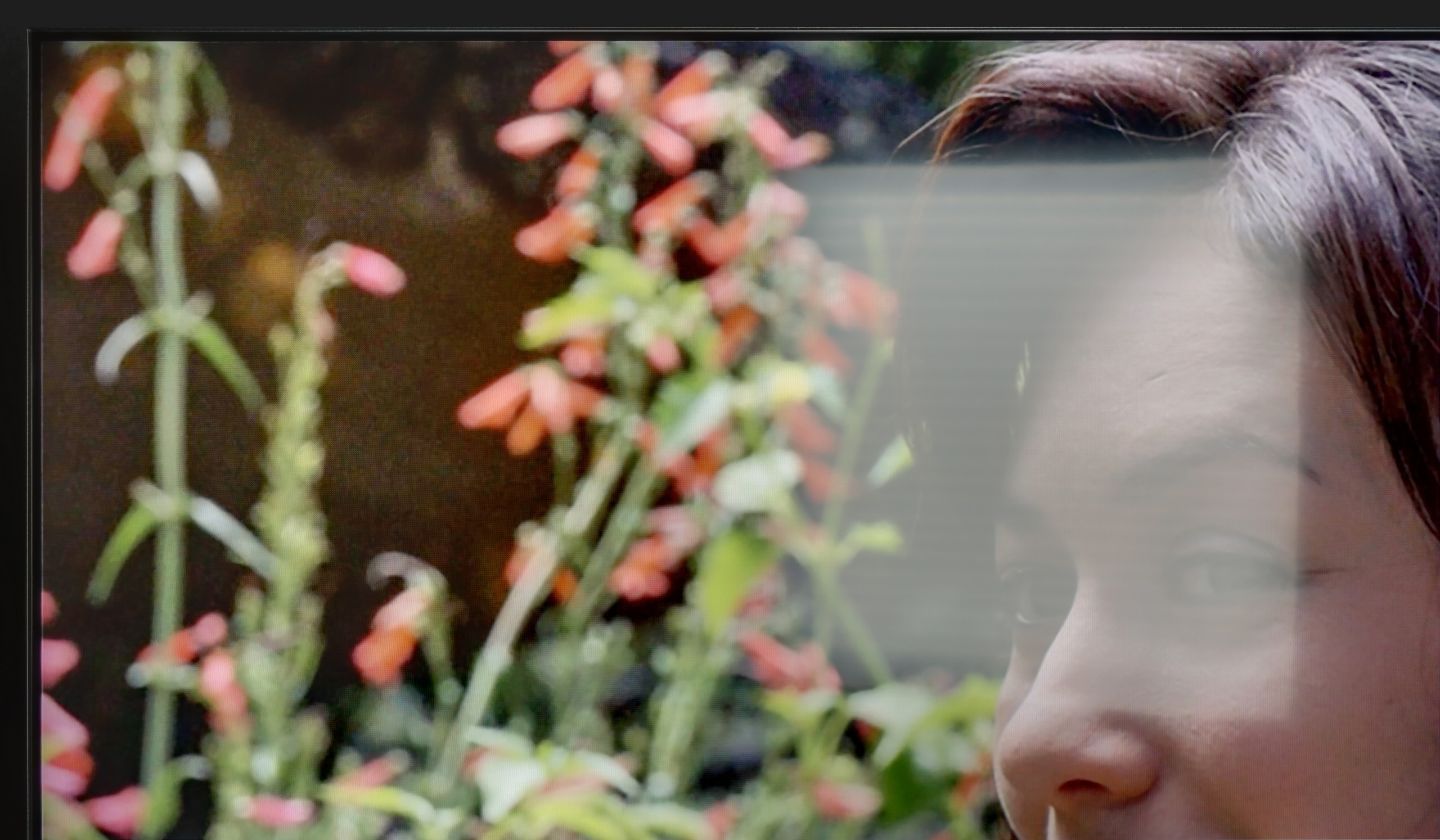
In terms of the fluidity of tonal transitions, the Bravia 3 performs really well. In brighter scenes, we did not notice any significant errors – the screen handles the blending of colours almost flawlessly and does not create artificial contours that can spoil the viewing experience. Similarly, in darker segments, there are no major issues with colour gradation, although another problem arises here. Strong brightening and uneven backlighting of the panel in dark scenes make it difficult to assess the gradation itself clearly, as the effect is spoiled by the unevenness of the image. However, when we focus solely on the blending of colours, the result should be considered very good.

In terms of the fluidity of tonal transitions, the Panasonic W95B performs exceptionally well. In the vast majority of scenes, the gradation is practically imperceptible, making the image look exceptionally smooth and natural. Minimal issues only occur in extreme shades of grey, which are extremely rare and difficult to detect with the naked eye. This is a level that will satisfy even the most demanding users.

Image scaling and smoothness of tonal transitions

7/10

7.8/10

Image without overscan on the SD signal
OK
OK
Smooth transition function
OK
OK

Smooth transition function

Review SONY BRAVIA 3 Image scaling and smoothness of tonal transitions
Review Panasonic W95B Image scaling and smoothness of tonal transitions

Image without overscan on the SD signal

Review SONY BRAVIA 3 Image scaling and smoothness of tonal transitions
Review Panasonic W95B Image scaling and smoothness of tonal transitions

Bravia 3 brings something more to the Sony TV family than just a shared name. It stands out primarily for its ability to enhance the quality of weaker materials thanks to the processor used. Of course, we won’t find the advanced XR chip known from more expensive models here, but even so, it must be admitted that the image in lower resolutions looked surprisingly good. The scaling worked effectively, and most parts of the screen were free from the typical excessive edge tearing found in budget constructions.

Attention should also be paid to the function that improves the smoothness of tonal transitions. In the high setting, it works really well, effectively masking gradation imperfections without significant detail loss. It does happen, however, that the algorithm overly smooths elements that should remain sharp – for example, faces – but overall, the effect is beneficial. The best results were achieved precisely at the highest setting, and this option could be recommended to those watching lower quality content.

In terms of image processing, the Panasonic W95B performs excellently. The proprietary processor responsible for digital image processing effectively upscales lower resolution content to 4K, preserving a great deal of detail and a natural appearance of contours. The final effect is impressive – the upscaling here is at a truly high level, and Full HD content can look surprisingly good. The way the television smooths tonal transitions in low-quality materials is also noteworthy. The algorithm does not operate as aggressively as in some competing models, but as a result, it does not cause a loss of detail or blur film grain.

Blur and motion smoothness

5/10

7.8/10

Maximum refresh rate of the panel
60Hz
144Hz
Film motion smoothing option
OK
OK
Blur reduction option
OK
OK
BFI function 60Hz
Yes, 120Hz (double contours)
No
BFI function 120Hz
No
No
Brightness drop with BFI
22%
-%

Blur (native resolution, maximum refresh rate):

Blur (BFI function enabled):

Blur ():

Blur (4K@144Hz):

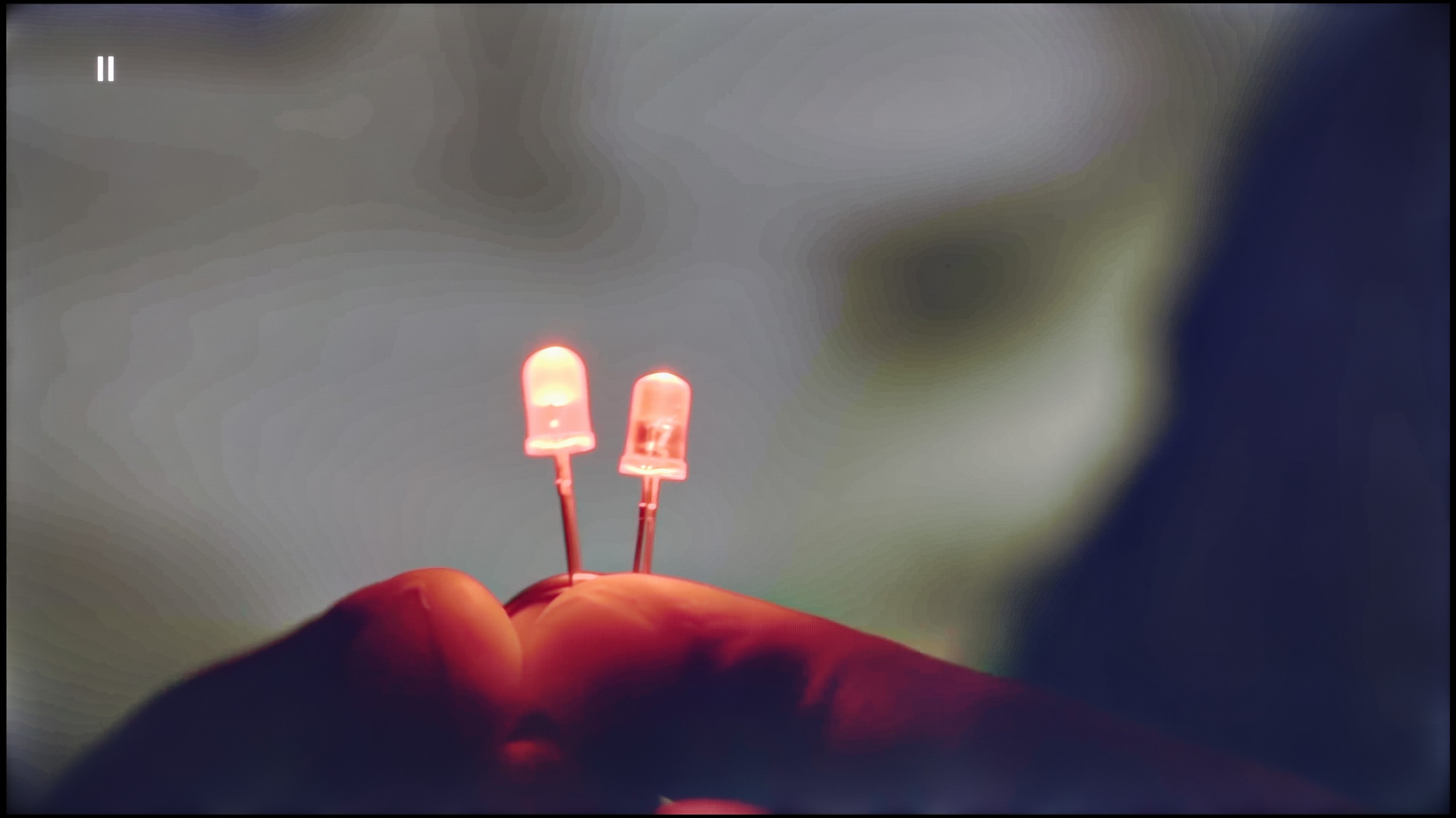
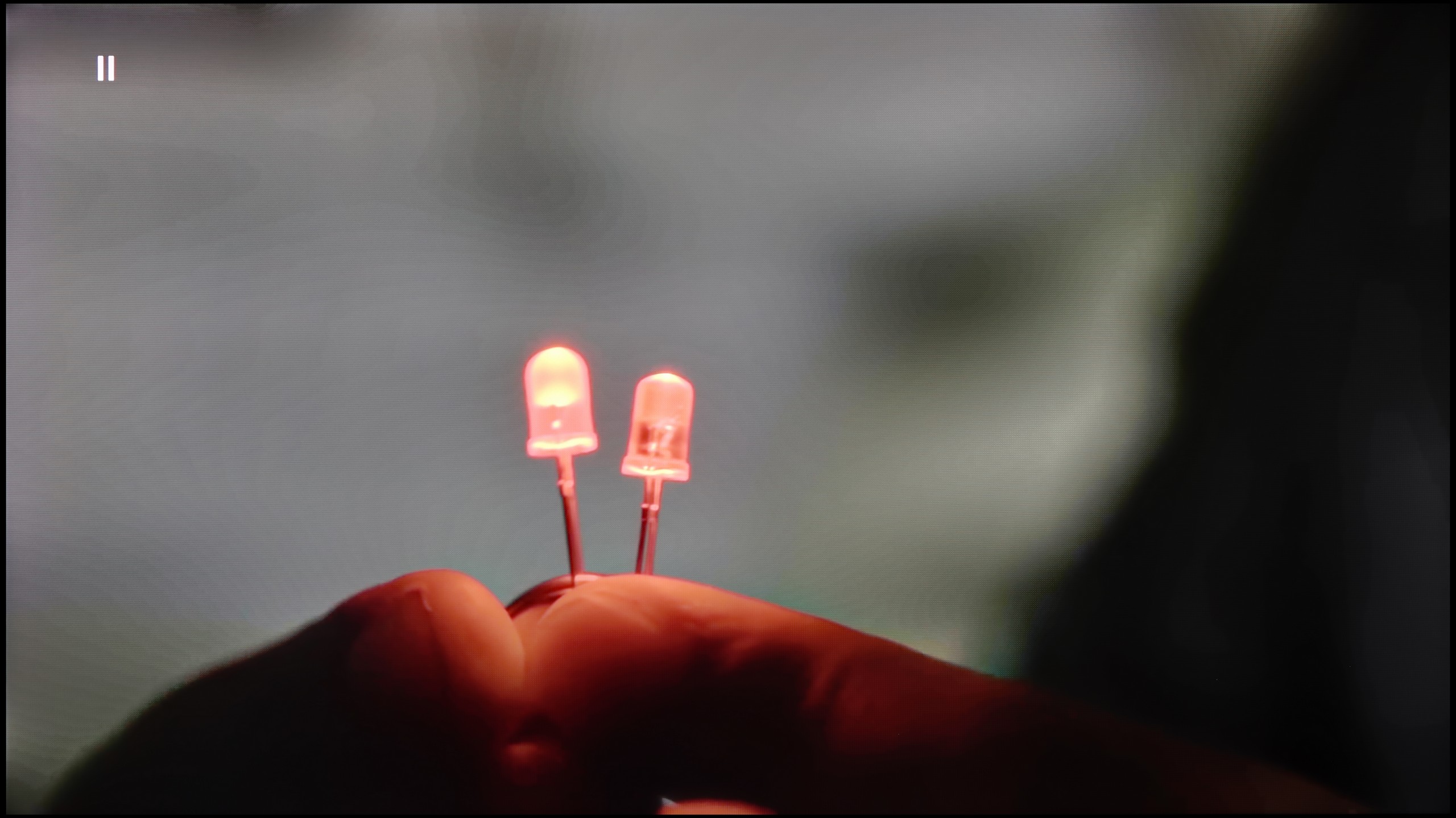
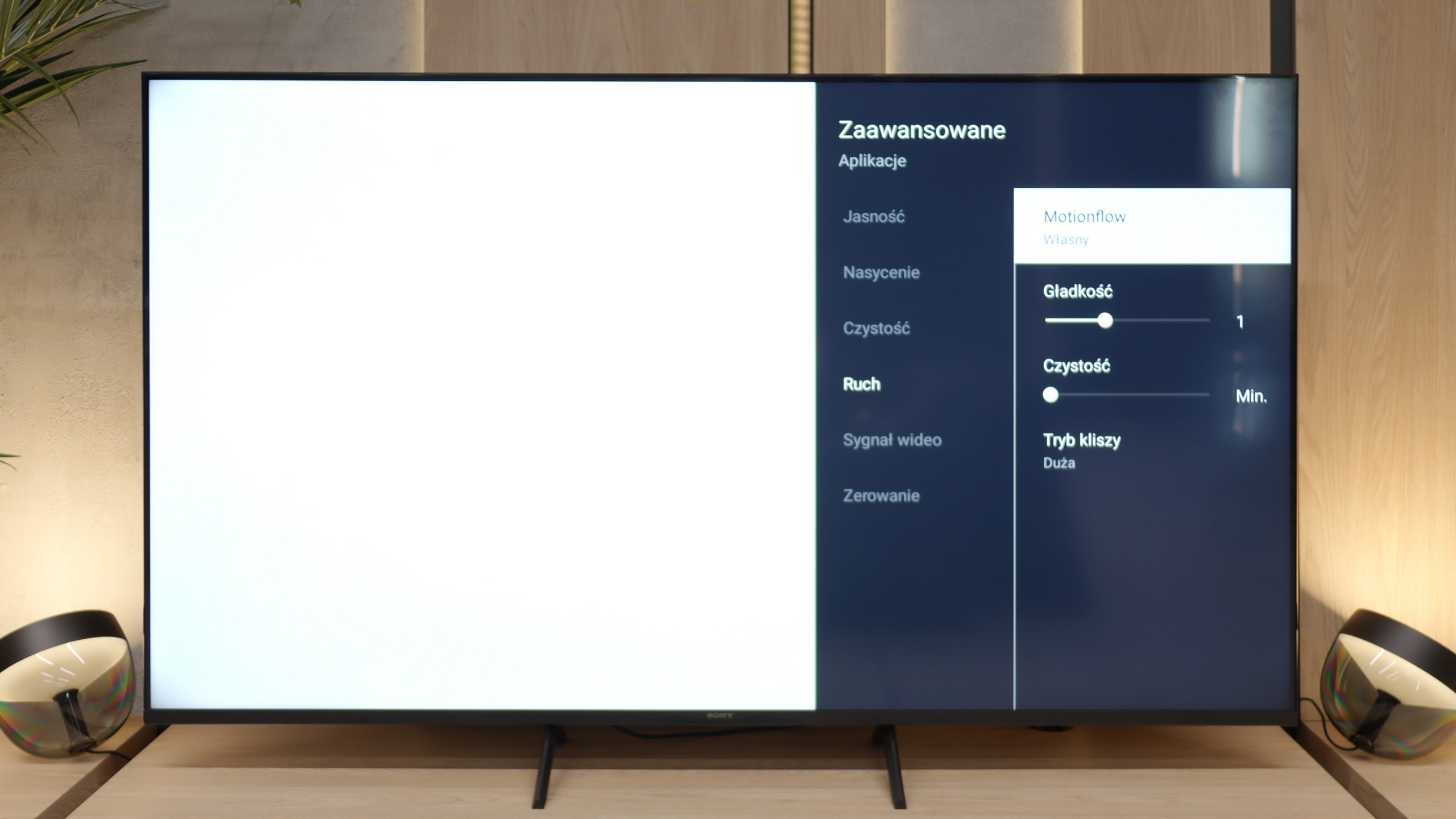
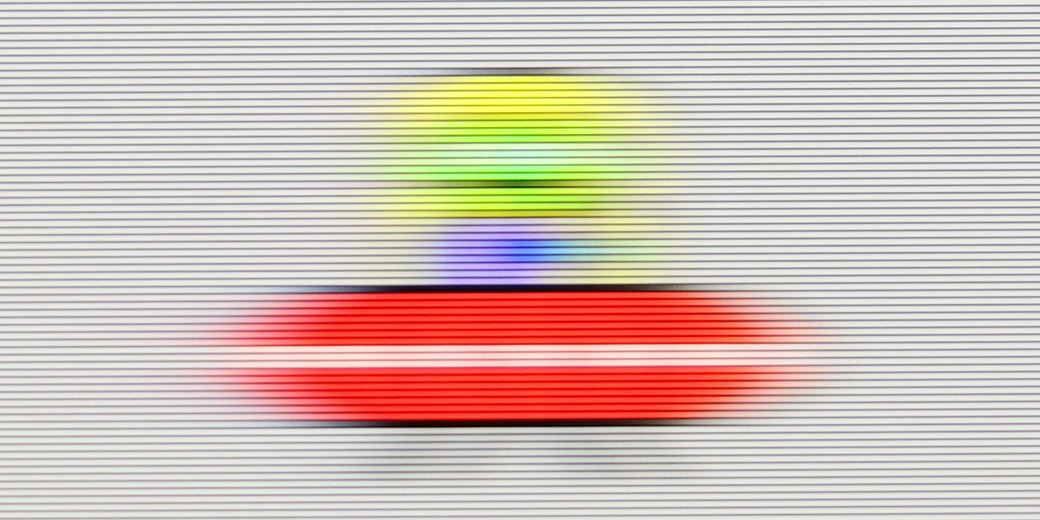
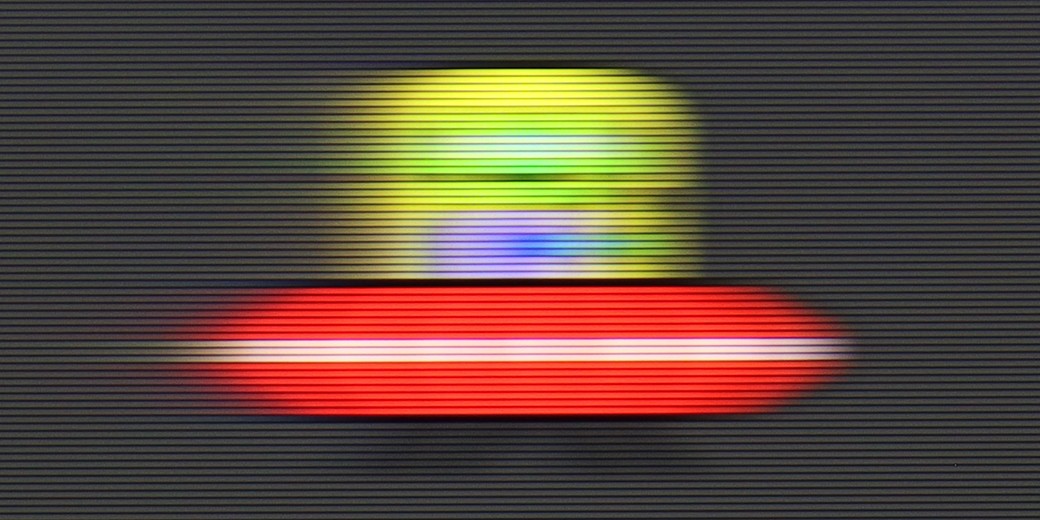
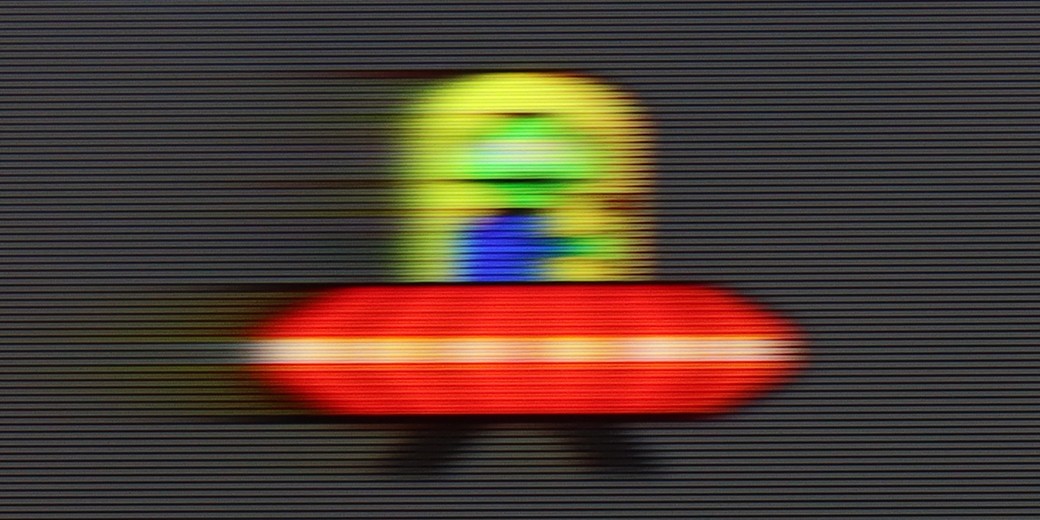
The fluidity of motion has never been a strong point of televisions equipped with 60 Hz panels, and the Bravia 3 is no exception. Nevertheless, Sony has added something that may appeal to those more sensitive to the way images are displayed. We are talking about the proprietary motion smoother, Motion Flow, which offers users a considerable range of adjustment options. Thanks to it, one can make the image smoother, even theatrical, or stick to a more cinematic style with the characteristic judder that many simply associate with the filmic atmosphere. These functions work with content at lower frame rates, such as films and series recorded at 24 or 30 frames per second, which are the materials we encounter on a daily basis. It is here that the motion smoother proves to be one of the most important features in everyday use of the television, and this is where the Bravia 3 performs quite well.

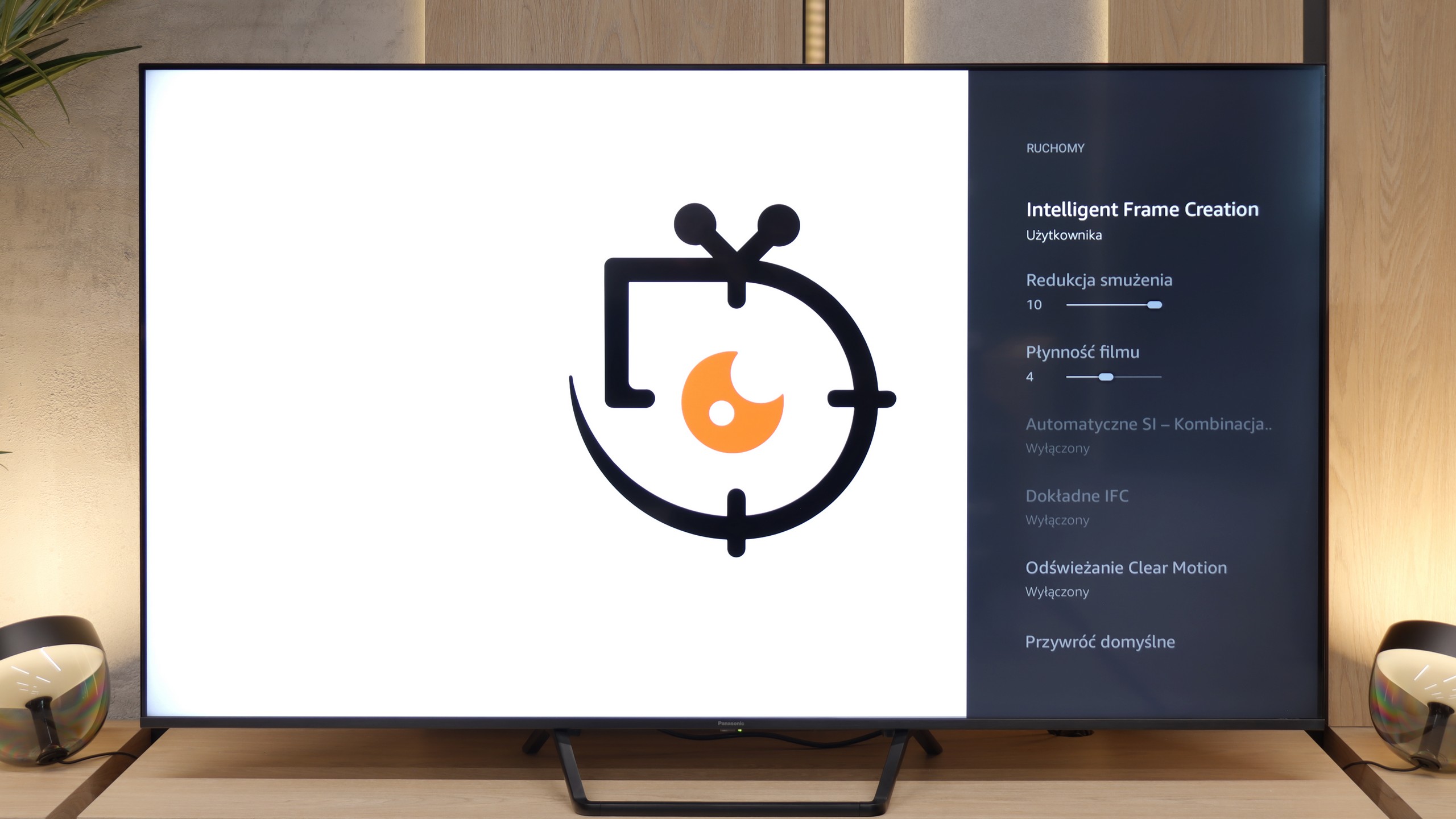
The 144 Hz panel used in the Panasonic W95B offers excellent fluidity, although in practice, due to the appearance of television content or the limitations of new generation consoles, it is worth observing its performance at a refresh rate of 120 Hz. In this mode, the television performs superbly – despite being a VA panel, which is not known for the fastest pixel response times, motion blur here is minimal and difficult to detect with the naked eye.

Console compatibility and gaming features

4/10

9.8/10

  • ALLM
    Yes
    Yes
  • VRR
    No
    Yes
  • VRR range
    No
    48 - 144Hz
  • Dolby Vision Game Mode
    Yes
    Yes
  • Correct implementation of HGIG
    No
    Yes
  • 1080p@120Hz
    No
    Yes
  • 1440p@120Hz
    No
    Yes
  • 4K@120Hz
    No
    Yes
  • Game bar
    Yes
    Yes

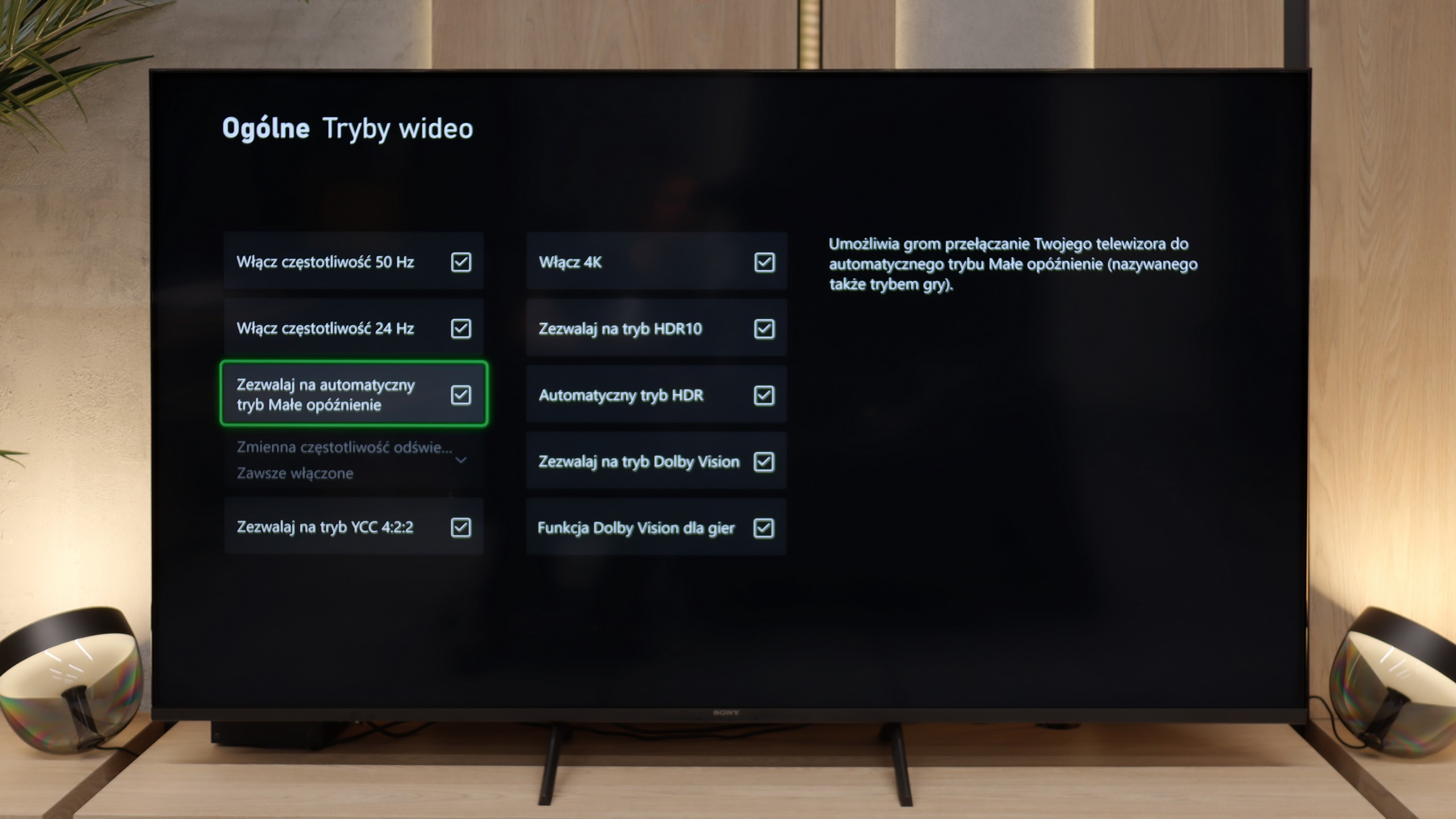
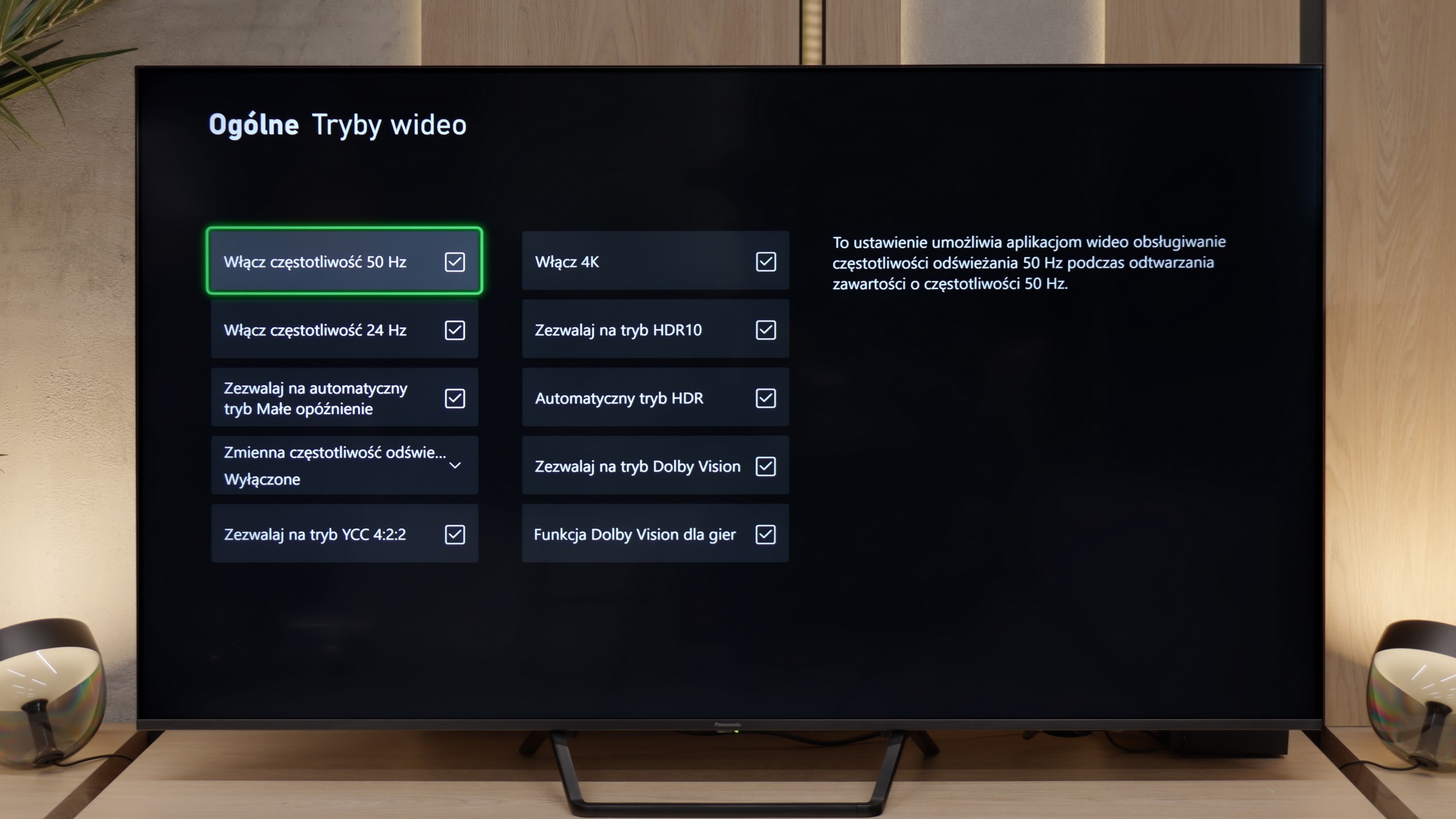
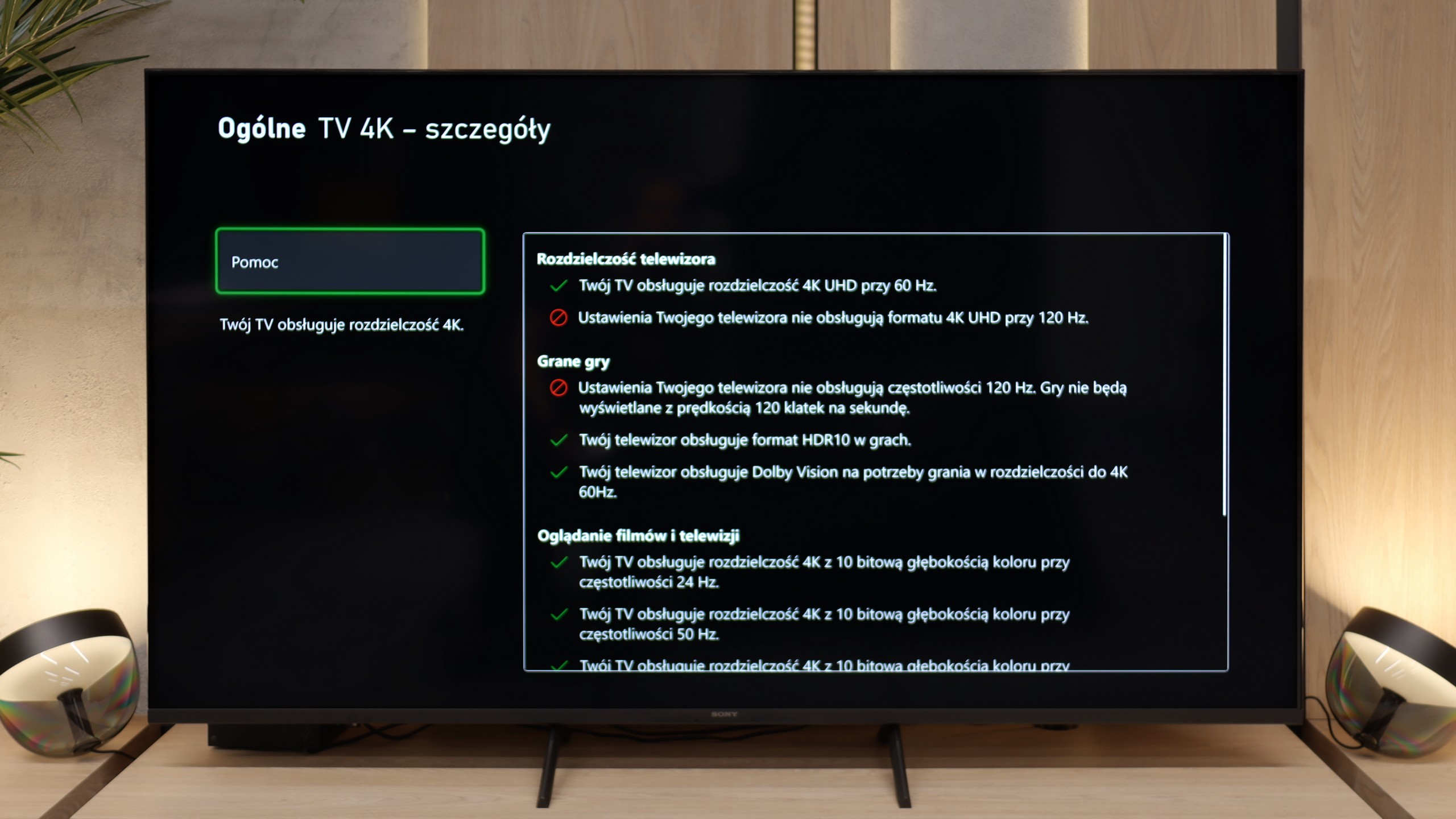
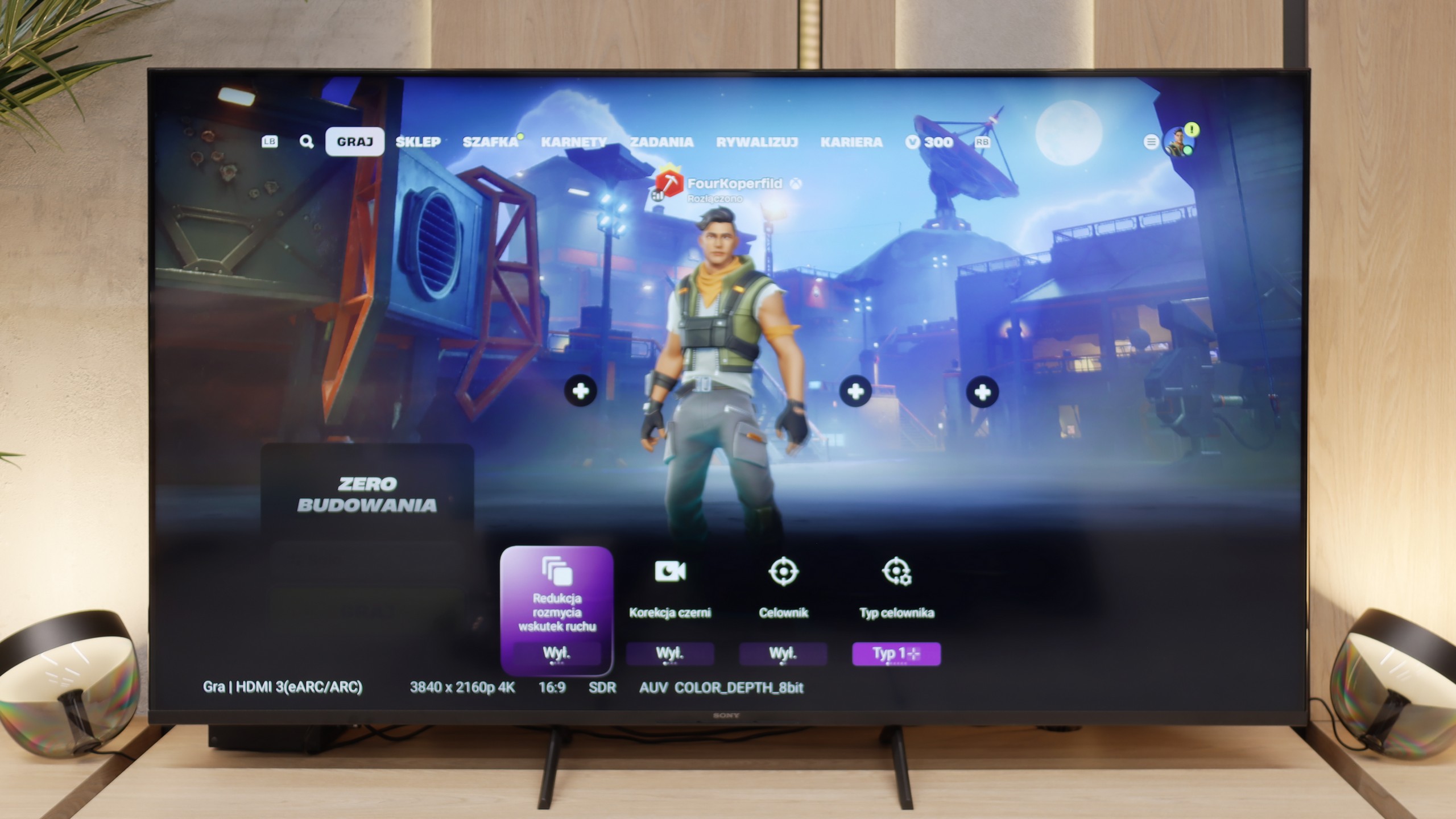
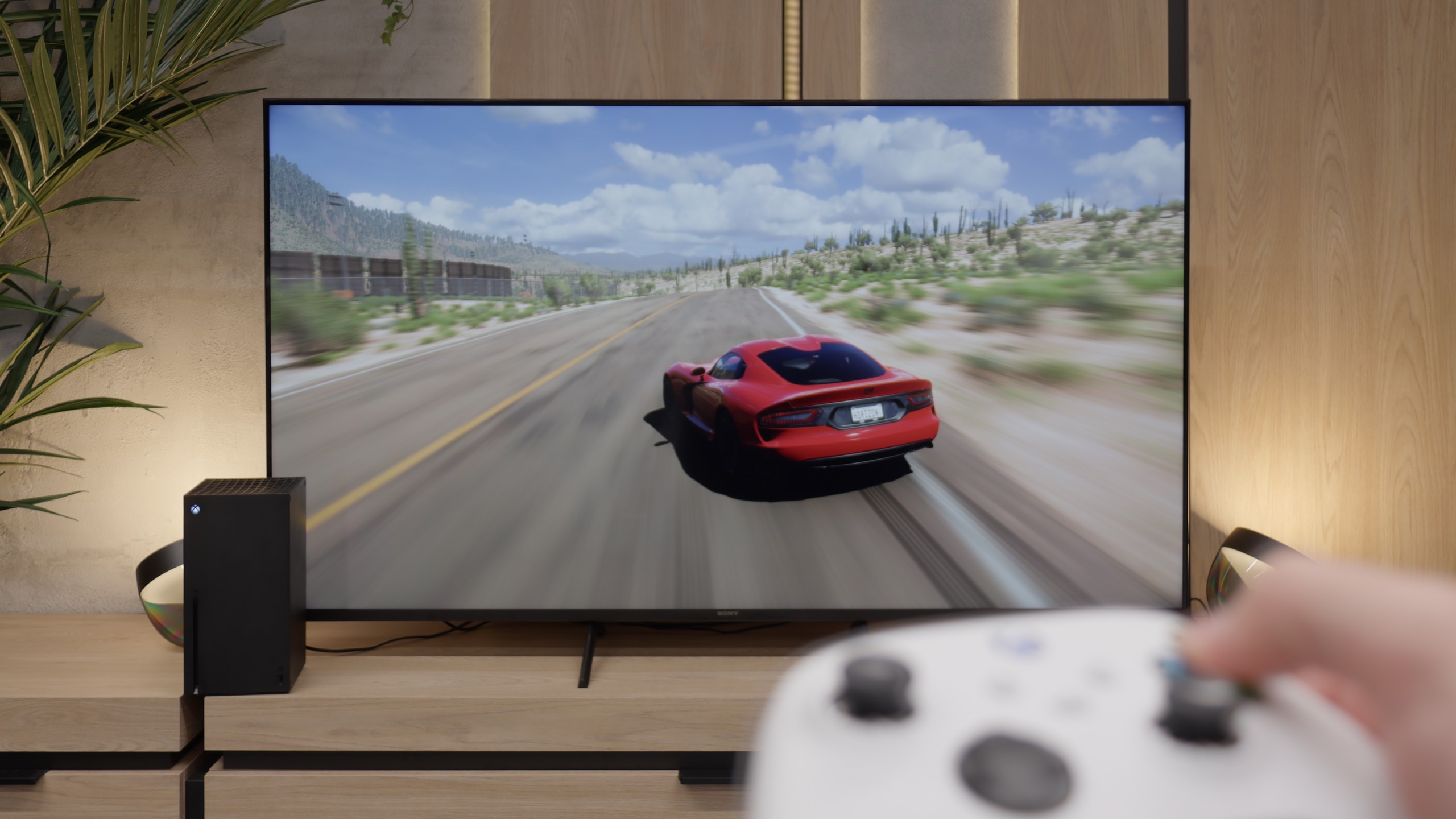
Bravia 3 is not equipment for e-sports enthusiasts or fans of night marathons with a controller in hand. The lack of 120 Hz refresh rate and HDMI 2.1 ports closes the topic before it even has a chance to develop. This is a television for casual gamers who will play FIFA or racing games after work, not for someone who measures every frame in a spreadsheet. Nevertheless, Sony has added a few nice extras to ensure it’s not too sparse. ALLM works as it should, automatically switching the television to game mode (low latency). There’s even a simple Game Bar, which is clear. However, the biggest novelty here is the PlayStation Portal app. Thanks to it, you can launch PS5 games wirelessly and view them immediately on the television screen. It sounds great, but just a few minutes is enough to feel significant lag. In our opinion, it’s more of a showcase of capabilities than something that can be used every day. If someone really wants to play, it’s better to connect the console via HDMI cable and forget about wireless issues.

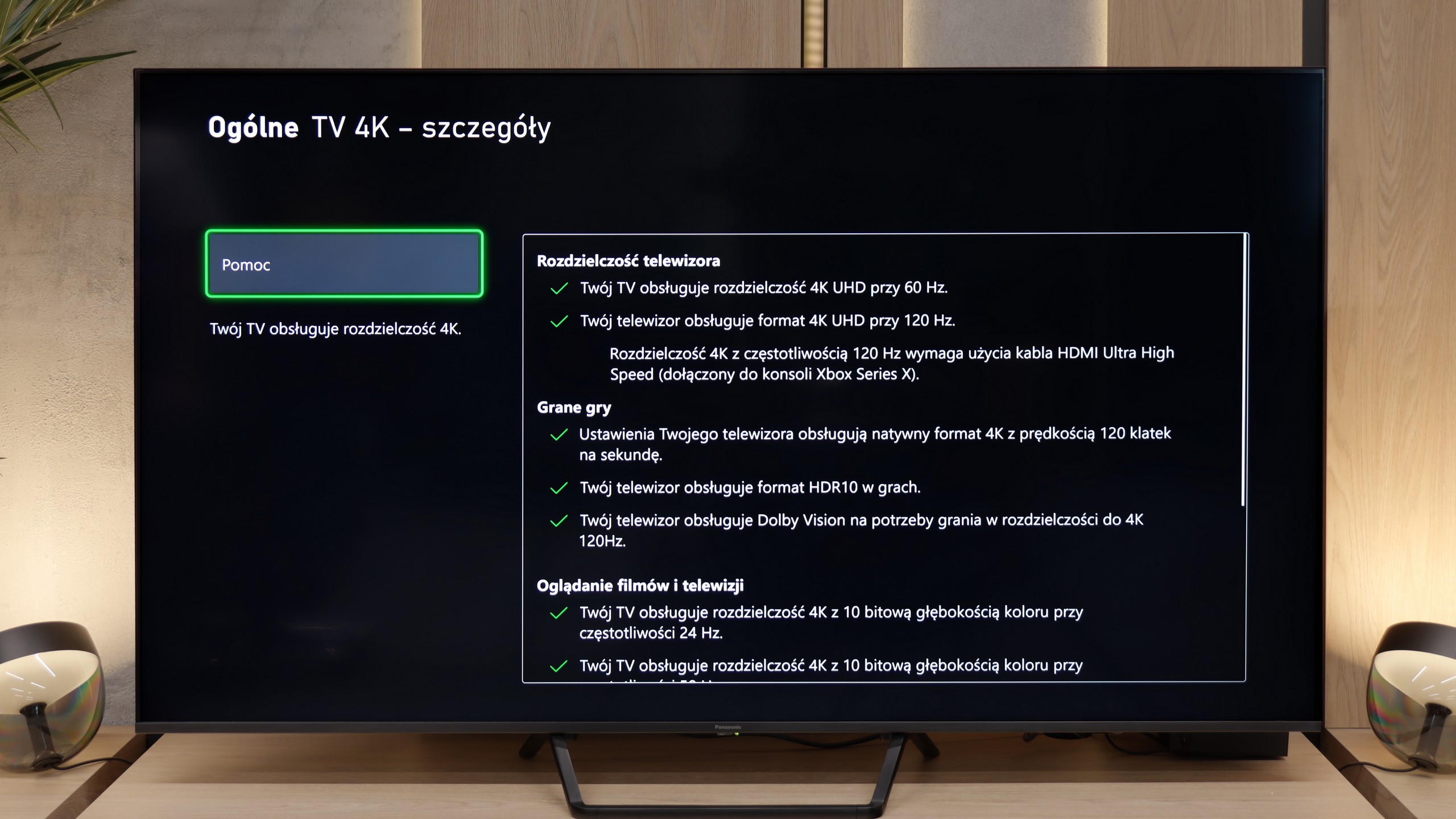
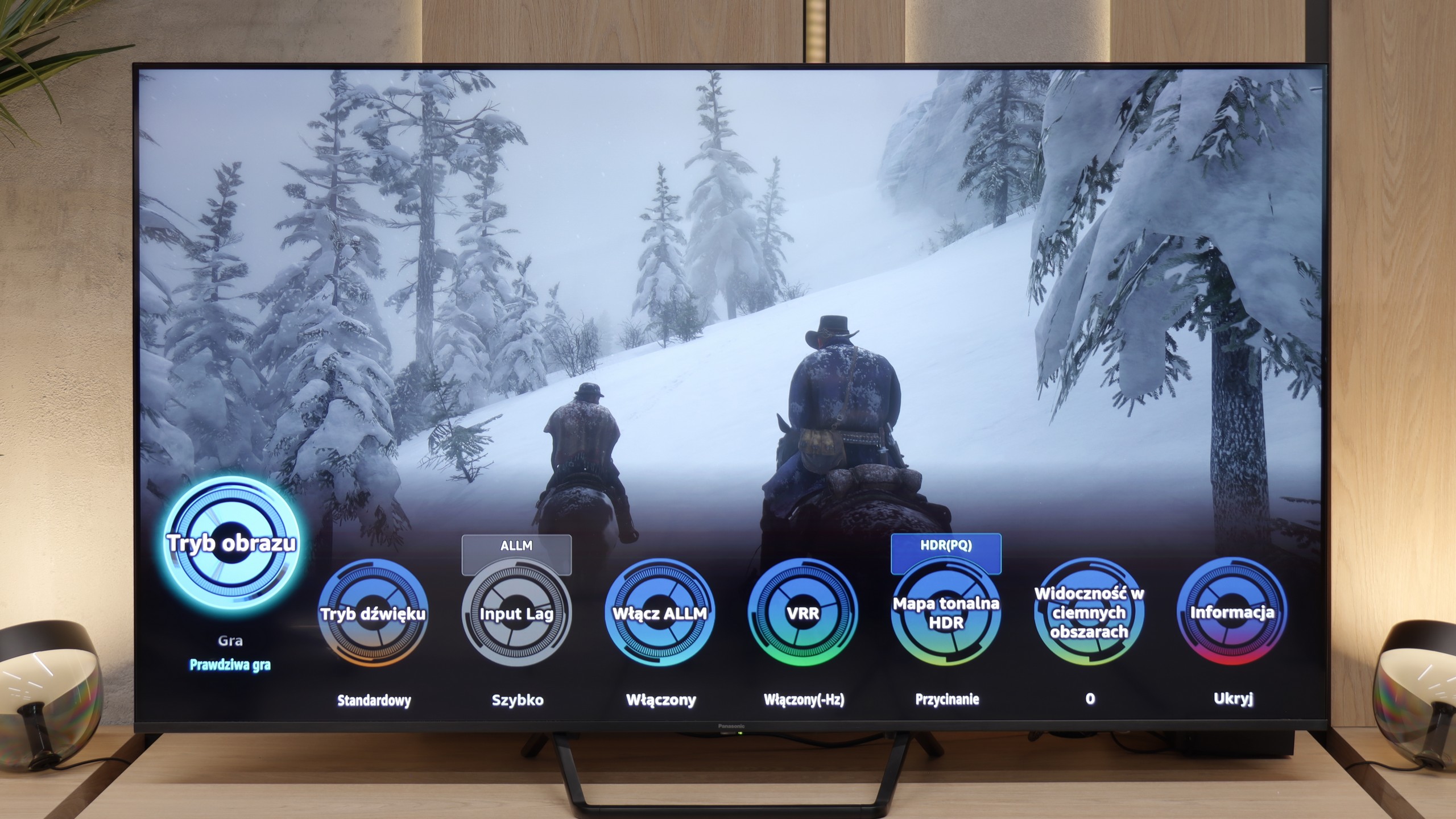
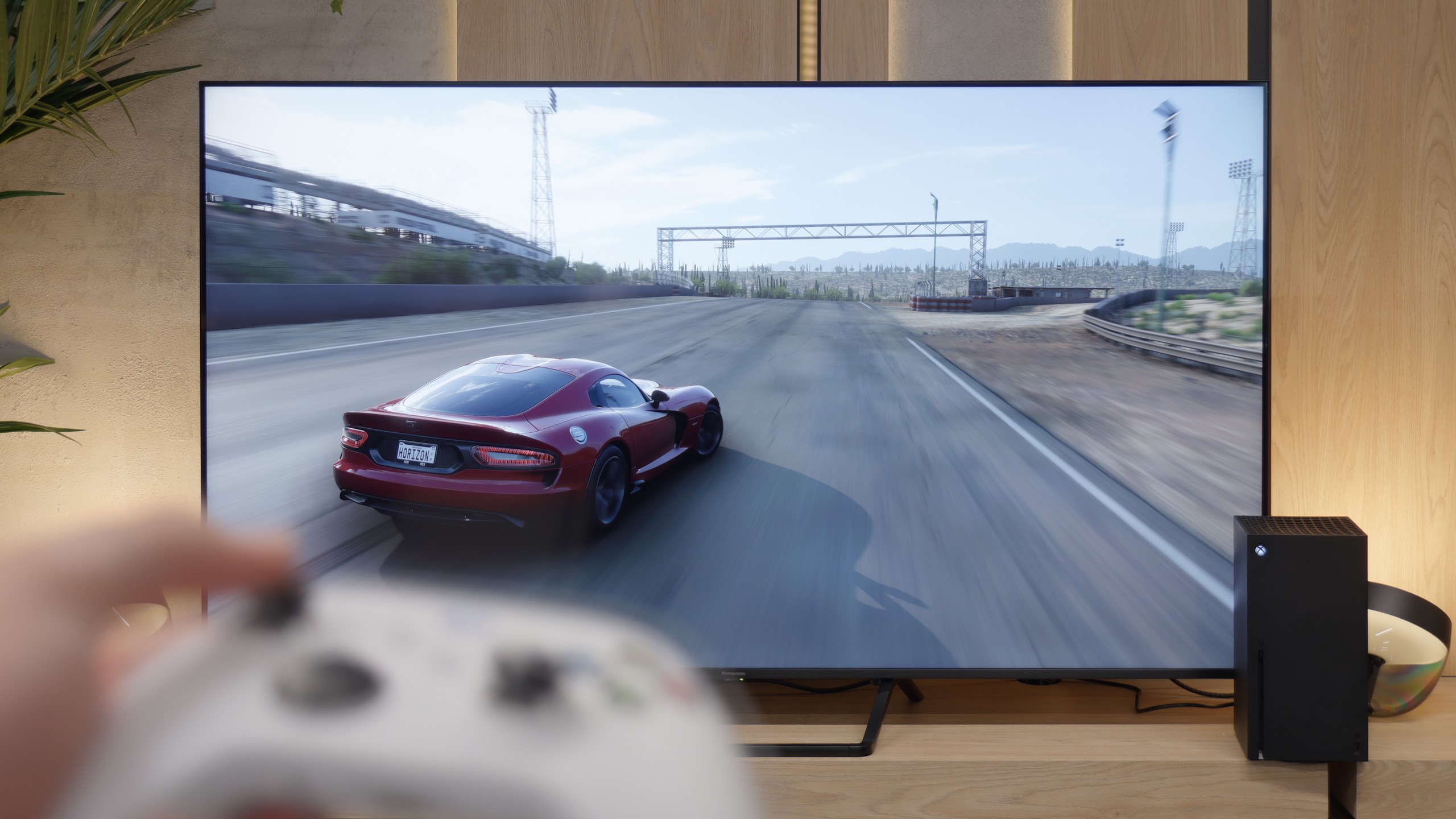
Aside from the previously mentioned drawback related to the VRR mode, in which local dimming does not work, the Panasonic W95B is a true gaming monster. The television offers practically everything that gamers can expect – perhaps except for four HDMI 2.1 ports, as there are only two available. Onboard, we find an auto low latency mode (ALLM), properly implemented HDR modes for gamers, including HGiG, as well as support for Dolby Vision in games. It is all complemented by an interestingly designed Game Bar, presented in the form of circles. While it may not be the most visually attractive, it serves its purpose – allowing quick access to key game parameters and adjusting settings without entering the system menu.

Input lag

10/10

9.8/10

SDR

1080p60
12 ms
20 ms
1080p120
11 ms
2160p60
12 ms
20 ms
2160p120
11 ms

HDR

2160p60
11 ms
1 ms
2160p120
10 ms
4320p60

Dolby Vision

2160p60 DV
11 ms
18 ms
2160p120 DV
9 ms

Here, the Bravia 3 shows its best side. Latencies drop below 12 milliseconds in almost every resolution and mode, so the response to controller movements is instantaneous and there is no feeling of delay. It feels as though the console and the television are speaking the same language, without unnecessary pauses or hesitations. The Dolby Vision Gaming mode is particularly noteworthy. In its predecessor, the X75WL model, using this feature was simply a pain – input lag could exceed 100 milliseconds, which effectively spoiled the enjoyment of gaming. In the Bravia 3, this issue has been completely eliminated.

The Panasonic W95B offers a very low input lag – around 11 ms at 120 Hz content and 20 ms at 60 Hz. Although on paper these are not record-breaking results that could impress the most demanding esports players, in practice the difference is practically imperceptible. During testing, even in dynamic, fast-paced titles, we did not notice any delay in reaction. The television responds instantly, and gameplay remains smooth and comfortable. This level is more than sufficient for both console gaming and more demanding online productions.

Compatibility with PC

6/10

8.4/10

Chroma 444 (maximum resolution and refresh rate)
Yes
Yes
Font clarity
Very Good
Good
Readability of dark text and shapes
Very Good
Good
Input lag in PC mode (4K, maximum refresh rate)
12ms
10ms
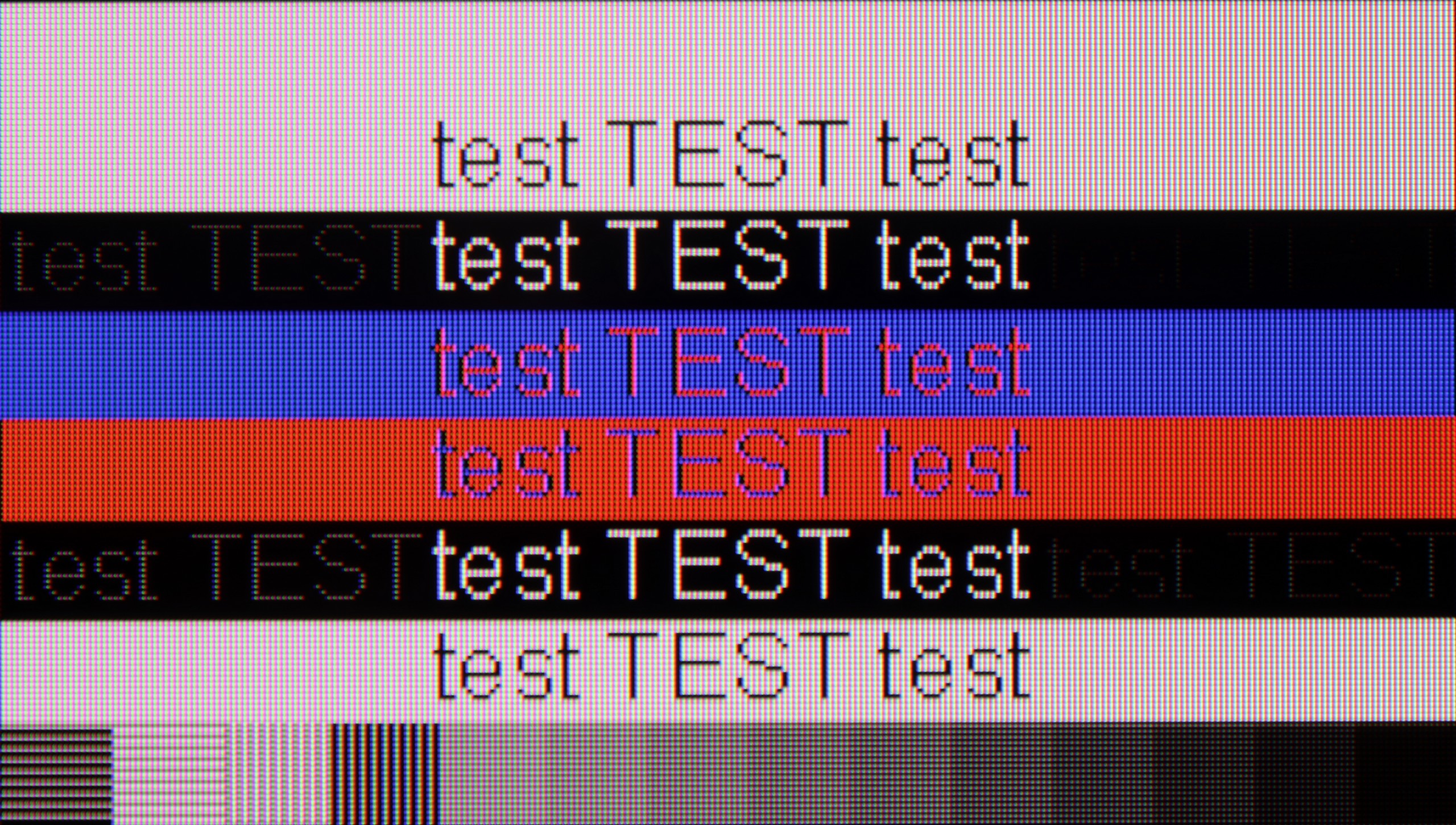
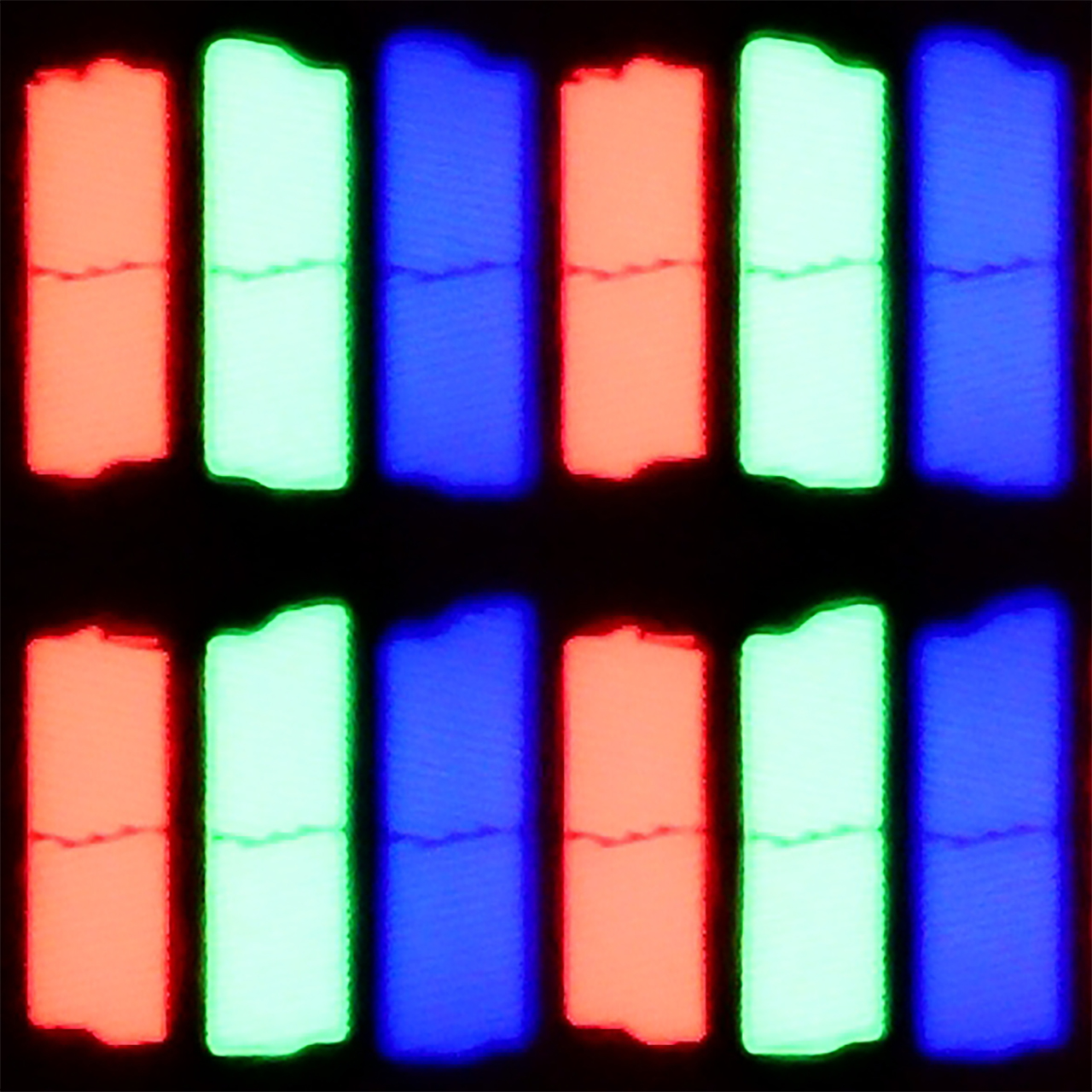
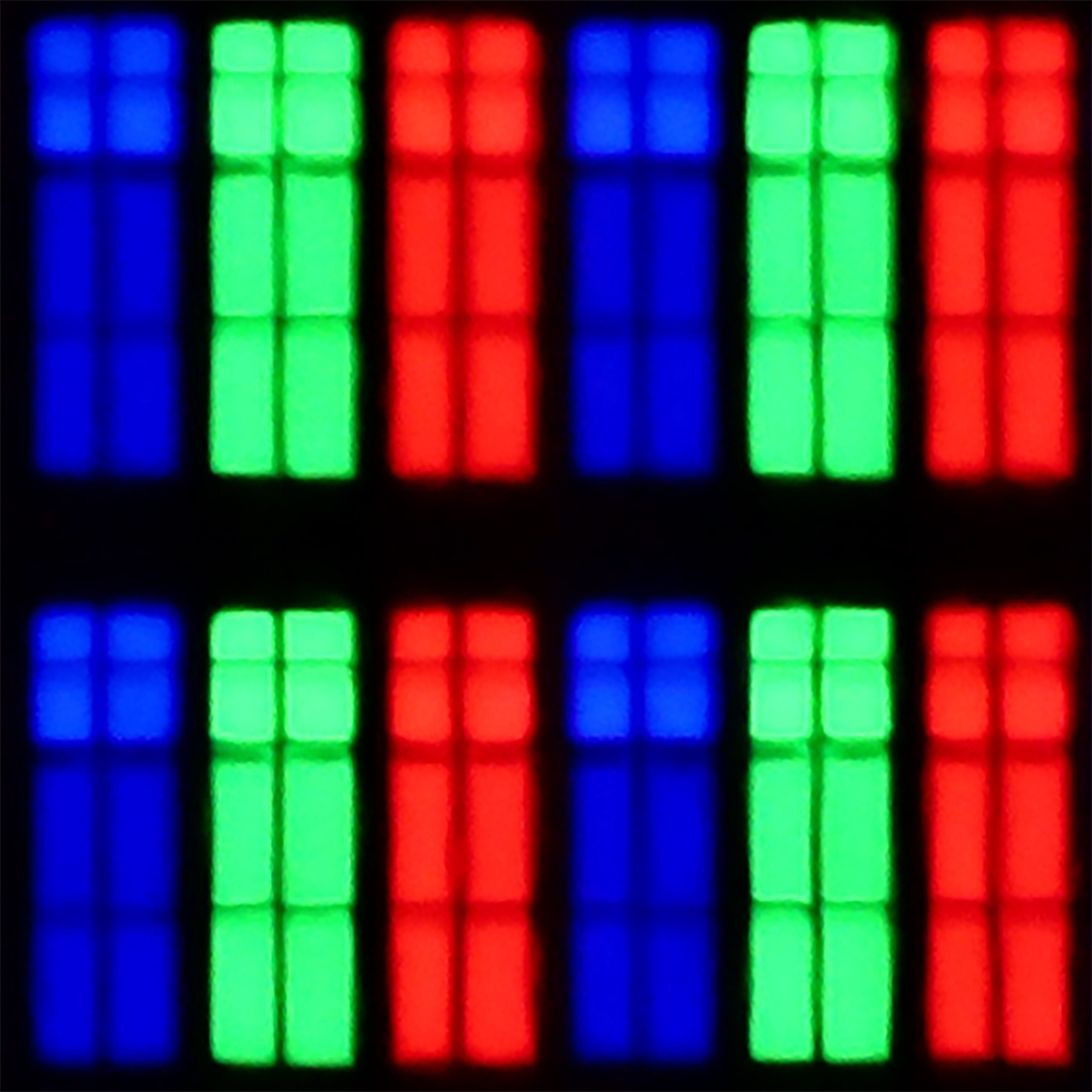
Matrix subpixel arrangement
RGB
BGR
Max refresh rate
60Hz
144Hz
G-Sync
No
Yes
Review SONY BRAVIA 3 Compatibility with PC
Review Panasonic W95B Compatibility with PC

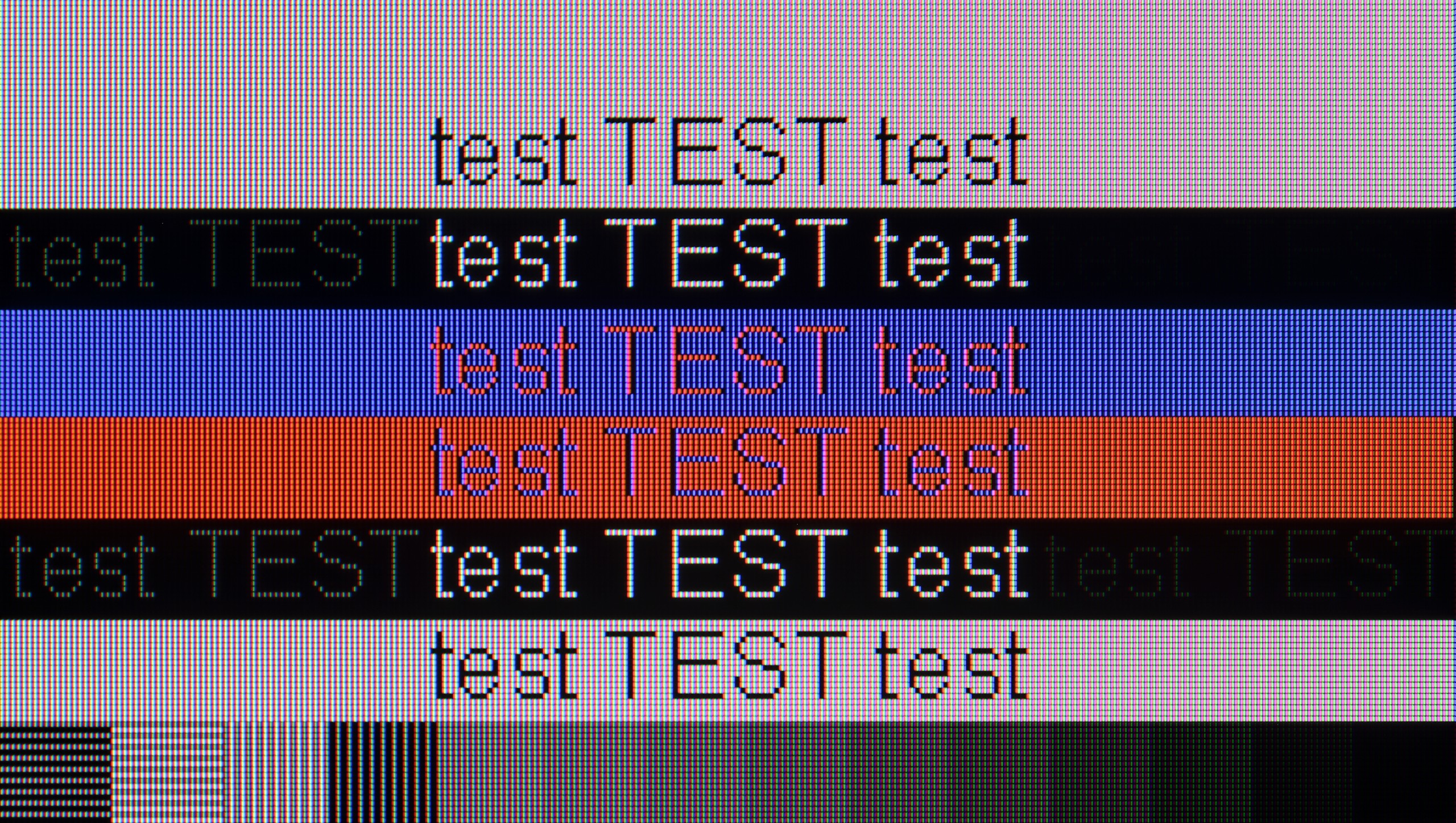
The applied IPS matrix, combined with properly functioning support for chroma 4:4:4, ensures that the readability of fonts is at an excellent level. Letters appear sharp, regardless of the background colour or the content itself, so working with documents or browsing websites does not strain the eyes. In this role, the television easily deserves a very good, if not outstanding, rating, as there are not many models in this budget that perform as well. Of course, if we look at the Bravia 3 from a PC gamer’s perspective, the picture is not quite so rosy. We won't find G-SYNC or Free Sync frame synchronization with graphics cards, nor high refresh rates, so the television is not the best choice for fast-paced computer games. However, it performs excellently as a monitor for work, whether in a home office or a student room, and in this respect, it is truly hard to criticise.

The Panasonic W95B performs very well when used with a computer. Thanks to its gaming panel with a 144 Hz refresh rate and support for G-Sync and AMD FreeSync, the screen provides a smooth image without the tearing effect, which will be appreciated not only by gamers but also by those using the television as a large monitor. It is also comfortable to work on daily – fonts are readable and the image is sharp. Although they are not as clear as in the case of IPS panel screens, for most users the quality of text display will be fully satisfactory.

Viewing angles

6.6/10

2.9/10

Brightness drop at an angle of 45 degrees
75%
80%

Thanks to the use of an IPS matrix, colours do not lose intensity as quickly as in the case of screens based on VA panels. Even when watching television with a larger group, when some people sit at an angle, the image remains clear and does not appear washed out. Of course, it is not at the level offered by organic OLED matrices, where the image looks identical from almost any position, but for an LCD television, the viewing angles in the Bravia 3 are among the better ones. This provides a sense of comfort and freedom, especially in larger living rooms or during family viewings, where it is difficult for everyone to find a spot directly in front of the screen.


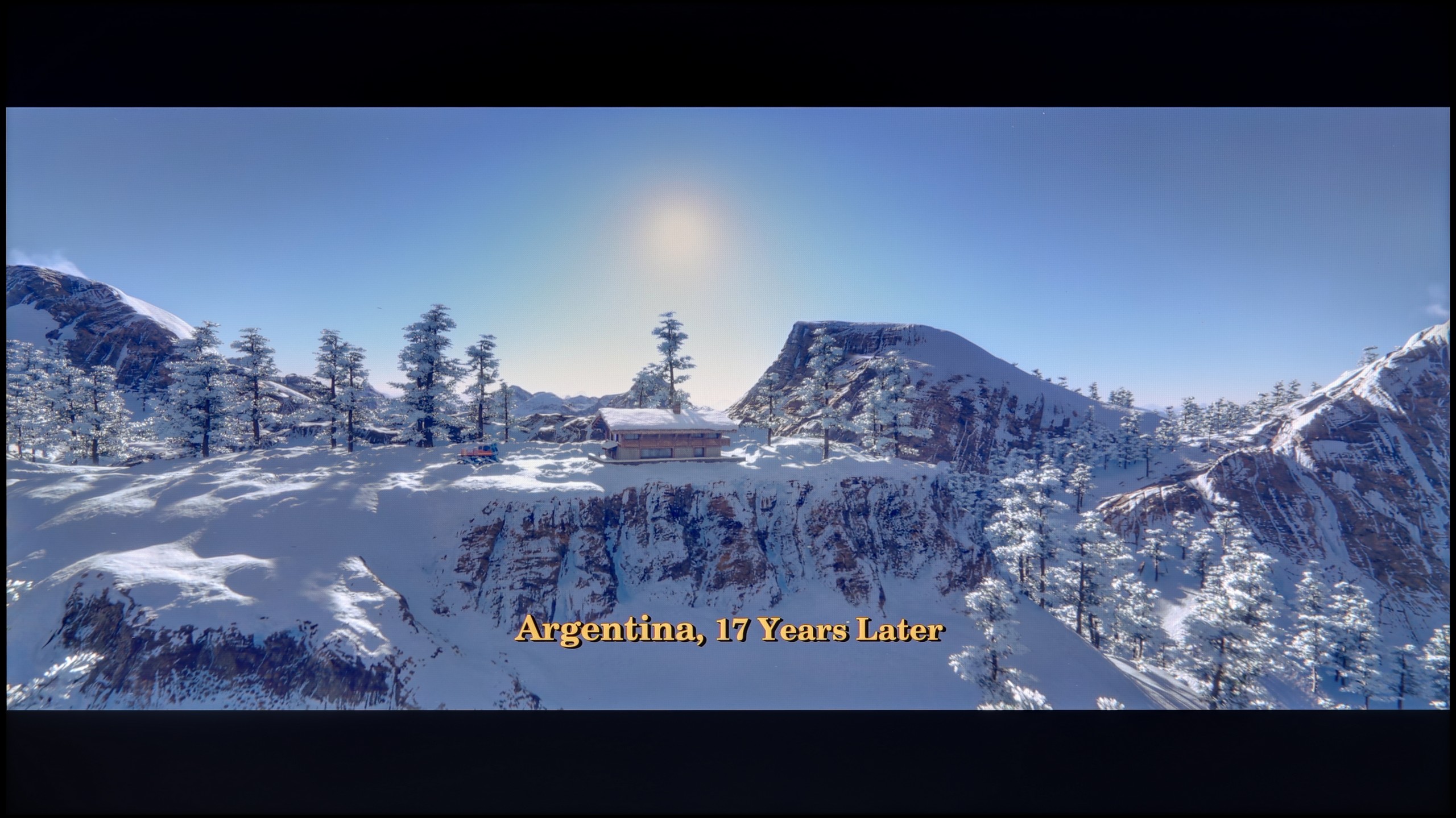
Unfortunately, this is the Achilles' heel of the Panasonic W95B model – as with most televisions equipped with a VA panel without additional coatings to widen the viewing angles. Colours start to fade even with a slight deviation from the screen's axis, and the contrast noticeably decreases. For this reason, when watching, it’s best to sit as directly in front of the television as possible to fully utilise the potential of the image.

Daytime performance

4.9/10

7.2/10

Panel finish
Satin
Satin
Reflection suppression
Good
Good
Black levels during daytime
Good
Good
Review SONY BRAVIA 3 Daytime performance
Review Panasonic W95B Daytime performance
Review SONY BRAVIA 3 Daytime performance
Review Panasonic W95B Daytime performance

Panel brightness

Average luminance SDR

Panasonic W95B: 673 cd/m2

SONY BRAVIA 3: 337 cd/m2

Bravia 3 performs quite decently in the face of daylight. The satin coating on the panel effectively reduces reflections, and the colours do not lose their intensity when stronger external light hits the screen. As a result, in typical home conditions, with blinds open or in a living room with a larger window, the image maintains its clarity. However, it must be remembered that this is not a high-brightness television. Bravia 3 has no chance of competing with brighter models, so in very sunny rooms, there are moments when the screen simply does not stand out against intense light. In normal conditions, it will cope without problems, but in more challenging scenarios, one should not expect miracles.

The satin finish of the panel used in the Panasonic W95B effectively suppresses light reflections, ensuring that the screen remains readable even in brightly lit rooms. However, the greatest advantage of this model is its high brightness – when viewing everyday content, it reaches around 700 nits, which is more than sufficient even in very demanding daytime conditions. The television performs exceptionally well in living rooms with large windows or when watching on a sunny day, maintaining appropriate contrast and colour saturation without sacrificing visual comfort.

Panel details

Backlight Type
PFS LED
PFS LED
Software version during testing
6120600301
RS8141/3009
Image processor
MT5896 2,5 GB RAM

Subpixel Structure:

Panel uniformity and thermal imaging:

Review SONY BRAVIA 3 TV Panel details
Review Panasonic W95B TV Panel details
Review SONY BRAVIA 3 TV Panel details
Review Panasonic W95B TV Panel details

SONY BRAVIA 3

Panasonic W95B

TV features

6.6/10

6.8/10

  • HDMI inputs
    4 x HDMI 2.0, 0 x HDMI 2.1
    2 x HDMI 2.0, 2 x HDMI 2.1 48Gbps
  • Outputs
    Toslink (Optical audio), eARC (HDMI), ARC (HDMI)
    Toslink (Optical audio), eARC (HDMI), ARC (HDMI), Mini-Jack (Headphones)
  • Network Interfaces
    Wi-Fi 2.4GHz, Wi-Fi 5GHz, Ethernet (LAN) 100Mbps
    Wi-Fi 2.4GHz, Wi-Fi 5GHz, Ethernet (LAN) 100Mbps
  • TV reception
    DVB-T, DVB-T2, DVB-S, DVB-S2, DVB-C
    DVB-T, DVB-T2, DVB-S, DVB-S2, DVB-C

Classic features:

  • Recording to USB (terrestrial TV)
    No
    Yes
  • Recording programming
    No
    No
  • Picture in Picture (PiP)
    No
    No
  • RF remote control (no need to aim at the screen)
    Yes
    Yes
  • Backlit remote control
    No
    No
  • Teletext
    Yes
    Yes
  • Audio only mode
    Yes
    Yes
  • Bluetooth headphones support
    Yes
    Yes
  • Simultaneous Bluetooth headphones & TV audio
    No
    Yes

Smart features:

  • AirPlay
    Yes
    Yes
  • Screen mirroring (Windows Miracast)
    No
    Yes
  • Voice search
    Yes
    Yes
  • Voice search in native language
    Yes
    No
  • Ability to connect a keyboard and mouse
    Yes
    Yes
Review SONY BRAVIA 3 TV features
Review Panasonic W95B TV features

Smart TV Features

The biggest advantage of the Bravia 3 in everyday use is the presence of the Google TV system. Thanks to it, we have access to one of the largest libraries of apps and streaming services, so regardless of whether someone mainly uses Netflix, Disney+ or smaller platforms, everything is within reach. The Google voice assistant also worked very well, managing to respond to our commands quite "cleverly". In theory, the Google TV system should operate very smoothly, as Sony has been implementing it better than many cheaper competitors for years. Unfortunately, in the case of the Bravia 3, it is not as great as we might have hoped. During testing, we noticed slight stutters in the interface, and some functions, such as screen mirroring, simply refused to work. One might get the impression that the processor in this model sometimes struggles to handle the demanding system, and not everything works as smoothly as we would expect.

Classic Features

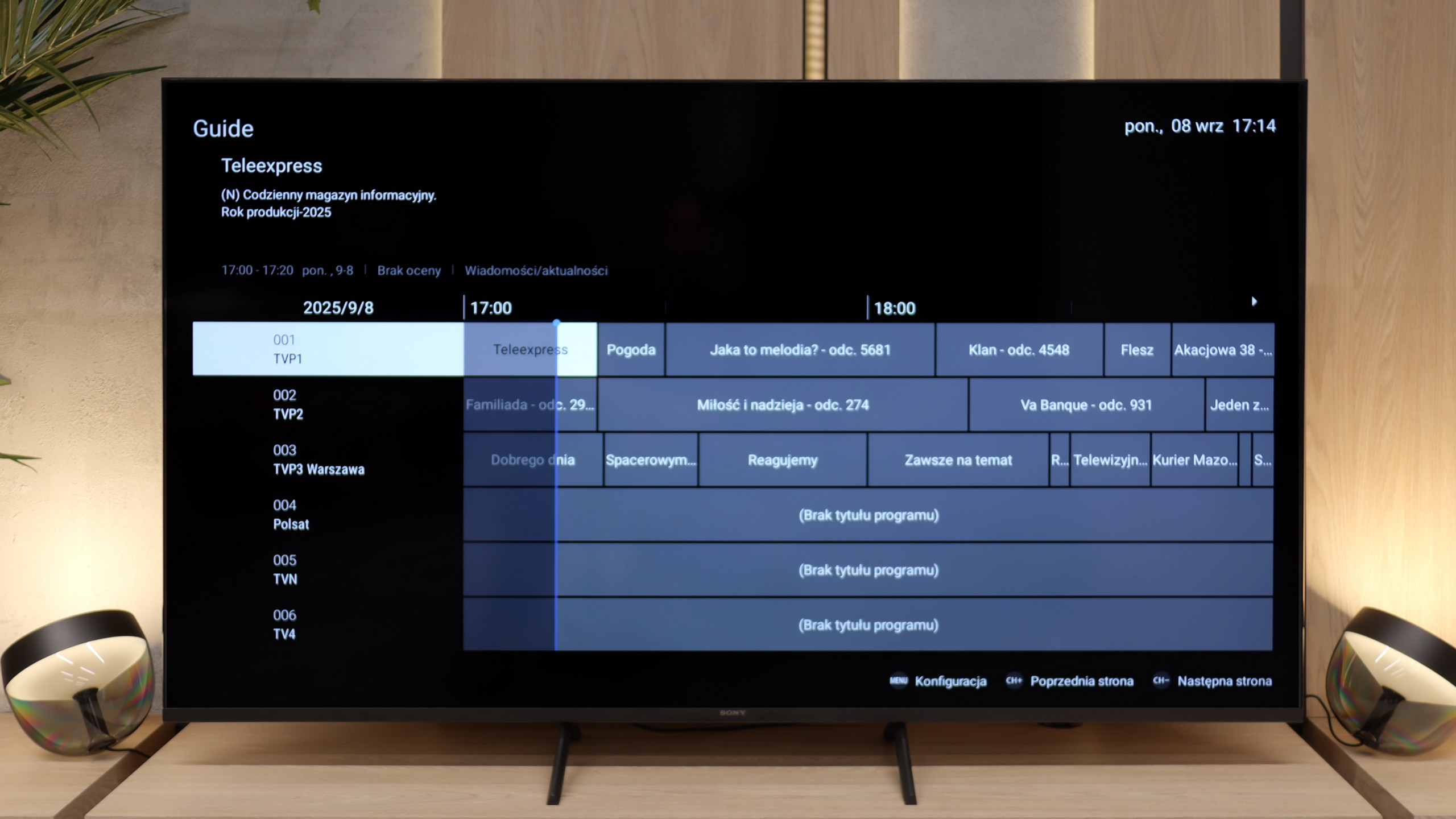
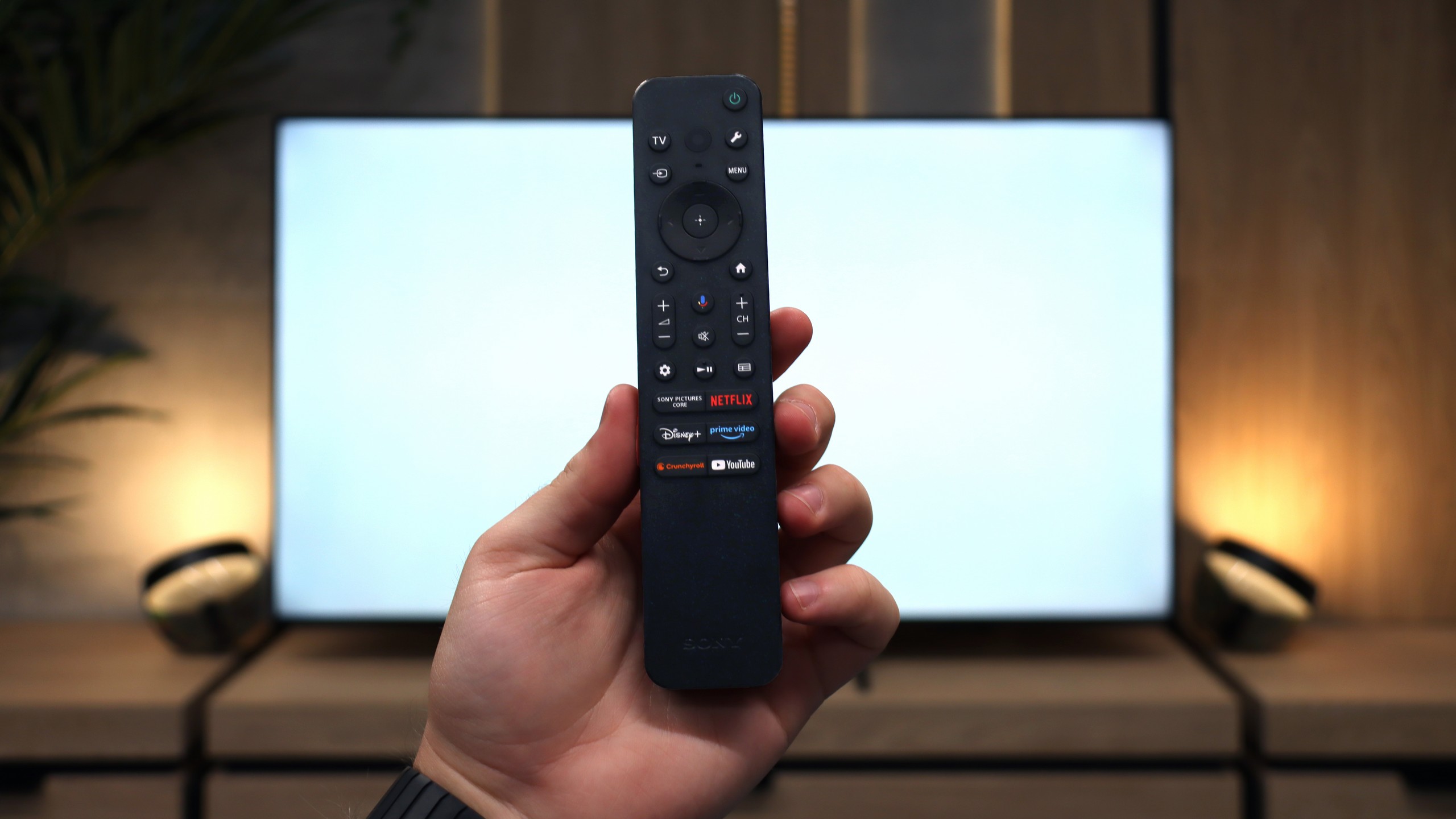
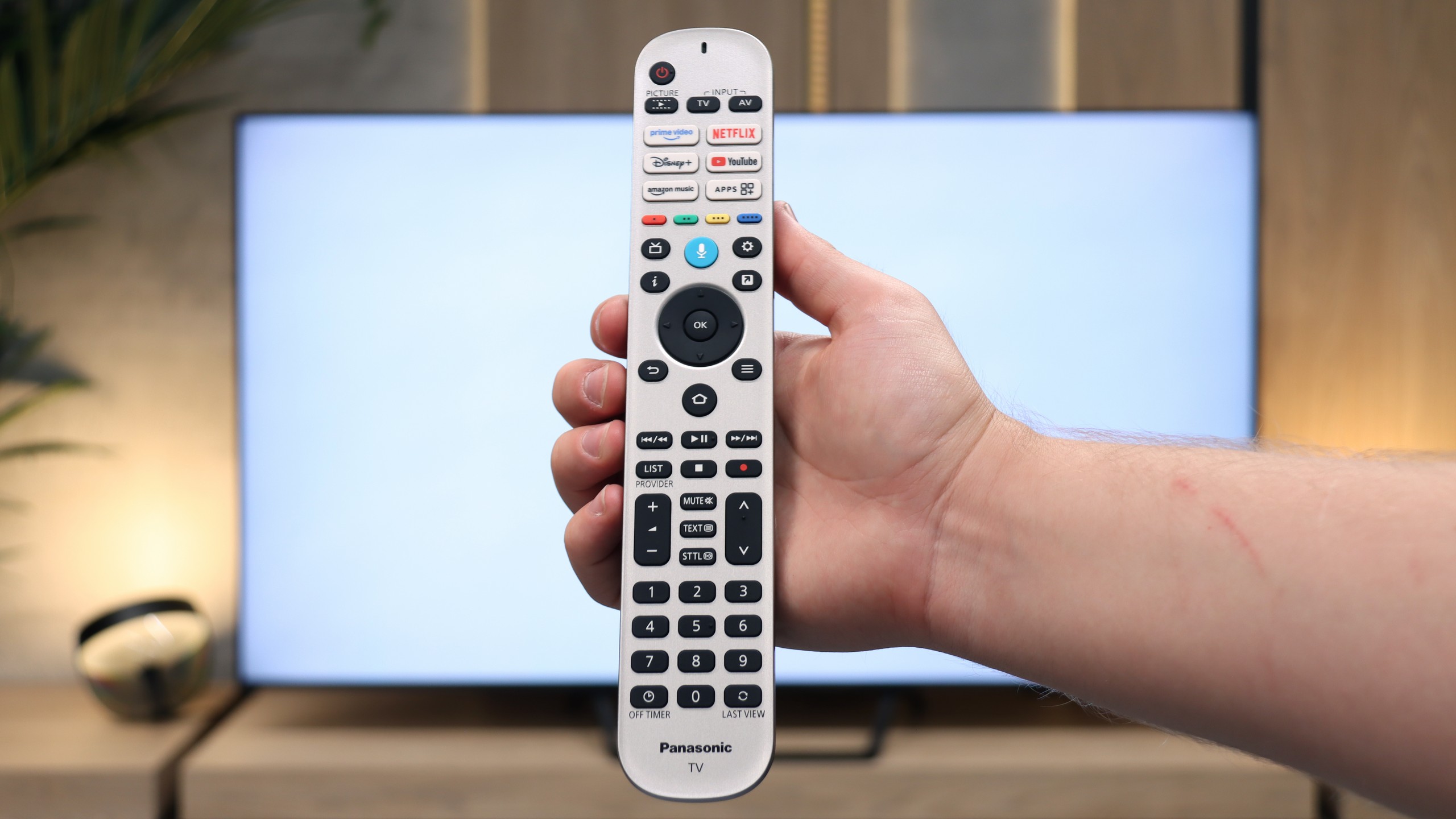
Even in the cheapest series, Sony can remind us of its experience with various users. The set includes two remote controls. The first is modern and minimalist, with a small number of buttons, which works excellently for using apps and Google TV functions. The second is a classic remote with a richer set of keys and a numeric keypad, which will be especially appreciated by older people accustomed to traditional solutions. This is a nice nod towards different user groups, and it must be acknowledged that Sony has solved this very practically. It's a pity, however, that the ability to record content from TV tuners to USB memory has disappeared compared to the X75WL model. The manufacturer has completely eliminated this function, so if someone was attached to it, they will unfortunately not find it in the Bravia 3.

SmartTV Features W95B

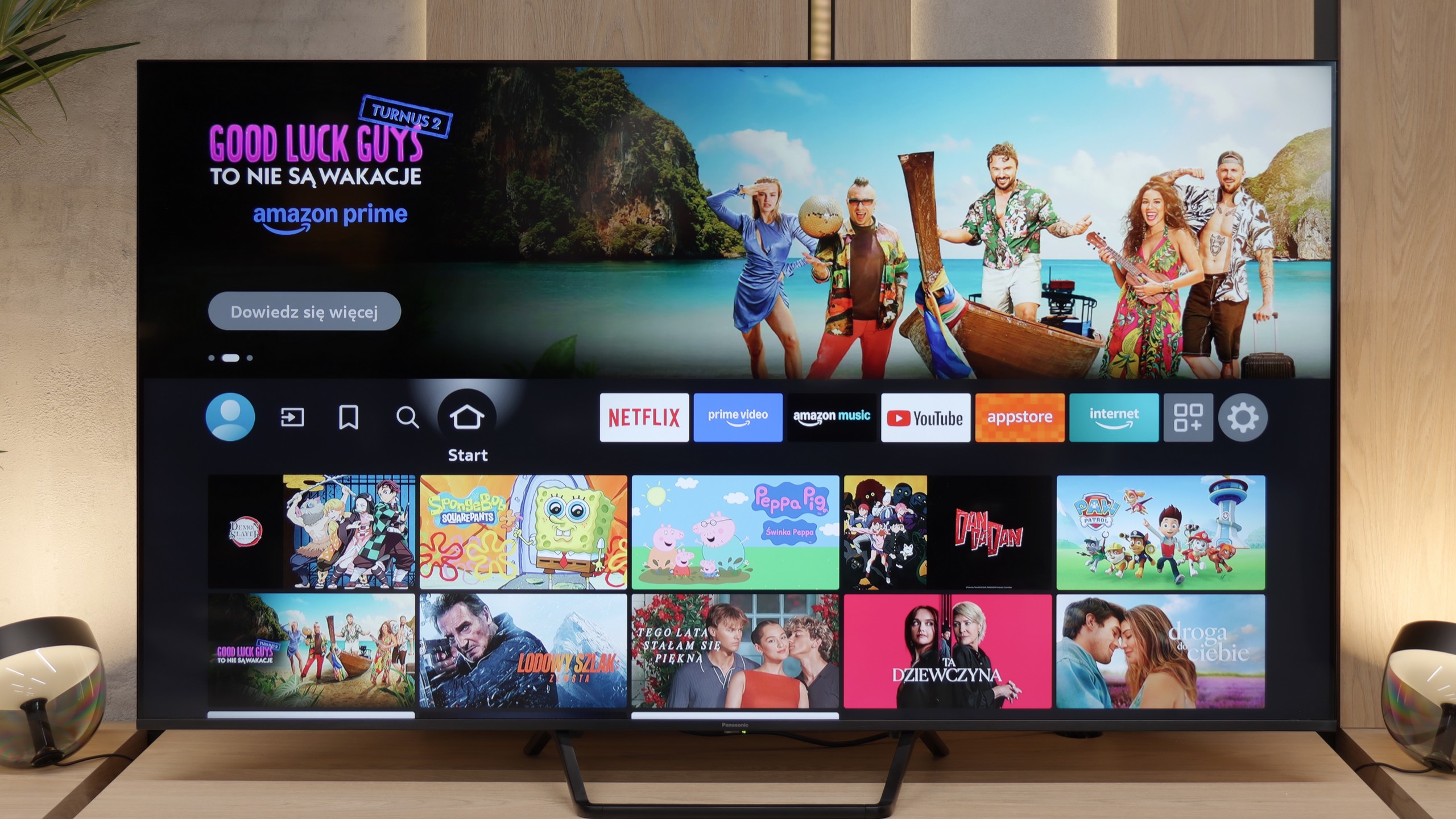
Unfortunately, this is yet another Achilles' heel of the Panasonic W95B model. The operating system Fire TV used here in its European version is poorly refined - it lacks many key applications, and the interface sometimes operates clumsily and sluggishly. Although we find basic features such as AirPlay and Screen Mirroring, it is a poor consolation compared to the efficient performance of platforms from other manufacturers. As a result, despite the excellent picture quality, the television falls short of expectations in terms of software.

User Features W95B

In terms of user features, the Panasonic W95B presents itself much better. The television offers Bluetooth, a classic well-equipped remote control, and the ability to record programmes to USB from the built-in terrestrial TV tuners – a rarity that is missing in many competitive models. An additional advantage is the presence of a jack headphone socket, which will certainly please users of older home cinema systems or traditional wired headphones. In terms of hardware equipment, therefore, the W95B is a solid and complete television.

Playing files from USB

9.6/10

3.1/10

Supported photo formats:

JPEG
Yes
Yes
HEIC
Yes
No
PNG
Yes
Yes
GIF
Yes
Yes
WebP
Yes
No
TIFF
No
No
BMP
Yes
Yes
SVG
No
No

Maximum photo resolution:

4 Mpix
Yes
Yes
6 Mpix
Yes
Yes
8 Mpix
Yes
Yes
10 Mpix
Yes
Yes
12 Mpix
Yes
Yes
16 Mpix
Yes
Yes
20 Mpix
Yes
Yes
24 Mpix
Yes
Yes
28 Mpix
Yes
Yes
32 Mpix
Yes
Yes

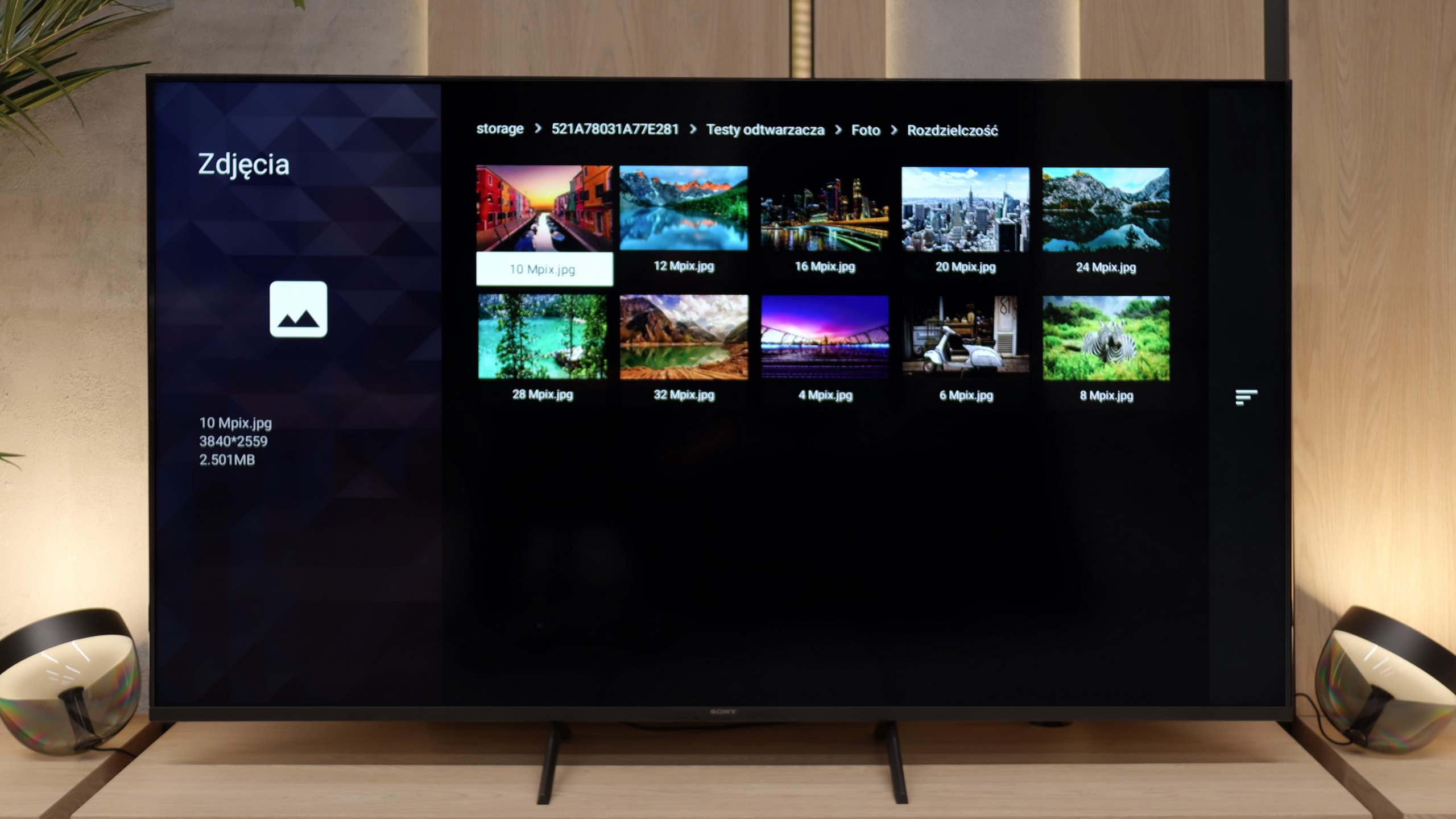
Here Sony has really done a great job. The built-in player works quickly and doesn’t “complain” when launching various formats. We didn’t have to reach for external applications like VLC, as the television handled even files that can cause quite a few problems on other models – such as HEIC photos from Apple devices. It's a small detail, but one that shows the manufacturer wanted the user to have a complete sense of convenience. By plugging a film onto a USB drive or holiday photos onto an external hard drive, you can simply connect them and start watching on the big screen right away. No fuss, no installing additional software, no searching for workarounds. This is truly a rarity in televisions, and it must be admitted that in this aspect, the Bravia 3 really pleasantly surprised us.

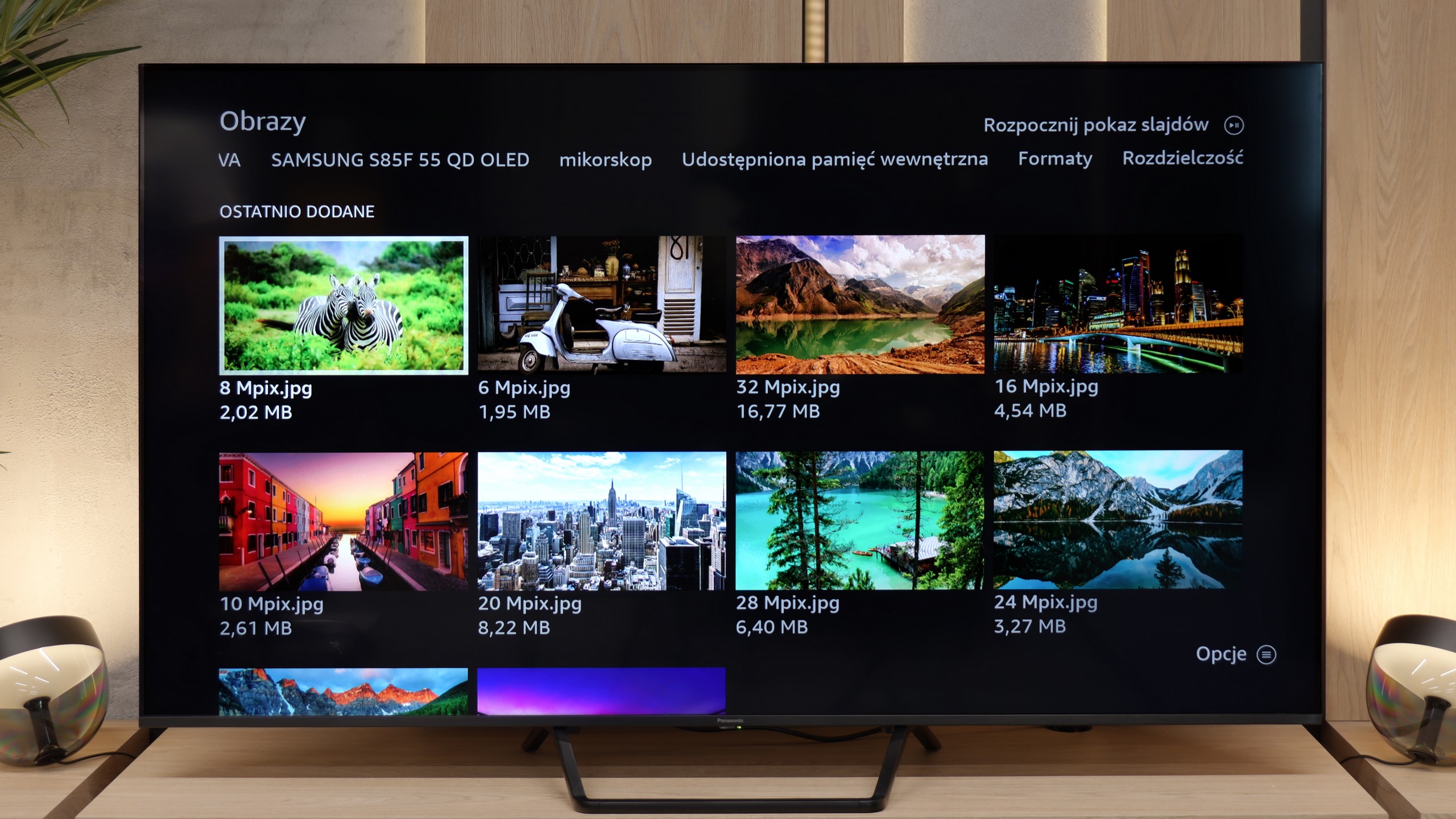
This is another shortcoming of the Fire TV system used in the Panasonic W95B. If someone has their own movie library and plans to play it directly from a USB drive or external hard drive, they may be disappointed. The television manages reasonably well only with displaying photos, such as from holidays, whereas video playback is heavily limited. The biggest issue is the lack of subtitle display when playing films from USB. Therefore, if you care about watching files from your own collection, it is definitely better to use an external media player.

Apps

9.6/10

7.2/10

OK
Disney_Plus
OK
Amazon_Prime_Video
OK
Player_TVN
OK
Polsat_Box_Go
OK
Canal_Plus_Online
OK
TVP_VOD
OK
Apple_TV_Plus
OK
SkyShowtime
OK
Rakuten
OK
CDA_Premium_Browser
OK
Spotify
OK
Tidal
OK
Netflix
OK
YouTube
OK
HBO_MAX
OK
Kodi
No
Apple_music
OK
Eleven_sports
No
Xbox Game Pass
OK
GeForce Now!
No
Amazon Luna
OK
Boosteroid
OK
Steam Link
OK
Disney_Plus
OK
Amazon_Prime_Video
No
Player_TVN
OK
Polsat_Box_Go
OK
Canal_Plus_Online
No
TVP_VOD
OK
Apple_TV_Plus
No
SkyShowtime
No
Rakuten
OK
CDA_Premium_Browser
OK
Spotify
No
Tidal
OK
Netflix
OK
YouTube
OK
HBO_MAX
No
Kodi
No
Apple_music
No
Eleven_sports
No
Xbox Game Pass
No
GeForce Now!
OK
Amazon Luna
No
Boosteroid
No
Steam Link

Sound

6.5/10

7.9/10

  • Maximum volume
    88dB
    82dB
  • Dolby Digital Plus 7.1
    Yes
    Yes
  • Dolby True HD 7.1
    Yes
    No
  • Dolby Atmos in Dolby Digital Plus (JOC)
    Yes
    Yes
  • Dolby Atmos in Dolby True HD
    No
    No
  • DTS:X in DTS-HD MA
    Yes
    No
  • DTS-HD Master Audio
    Yes
    No

Bravia 3 plays in a rather flat manner, but makes up for it with loudness. It is perfectly suited for watching classic television, as the dialogues are clear and the mid tones are easily heard. This type of characteristic will be particularly appreciated by older users who primarily value speech intelligibility. However, if someone expects something more from the sound, like stronger bass or a wider soundstage, it is still worth reaching for a soundbar. The television supports modern codecs, including Dolby Atmos and DTS:X, so an external sound system can easily take advantage of their potential. This assures that with a relatively modest expense, one can achieve a much fuller and more engaging sound.

The Panasonic W95B performs surprisingly well for a television. The sound is clear and spatial, and thanks to the subwoofer located at the back, you can even hear a slightly noticeable bass, which is not common in televisions of this class. The overall sound quality is at a very high level here, allowing you to comfortably watch films and series without the need to connect an external audio system. Of course, it is known that if someone wants to watch in really high quality, it is worth connecting a soundbar – especially since the Panasonic W95B supports Dolby Atmos format, thus seamlessly transmitting spatial sound to it. The only thing missing is support for the currently less popular DTS:X format, which is simply not available in this model.

Sound Quality Test

Acoustic Measurements

88dBC (Max)

75dBC

82dBC (Max)

75dBC