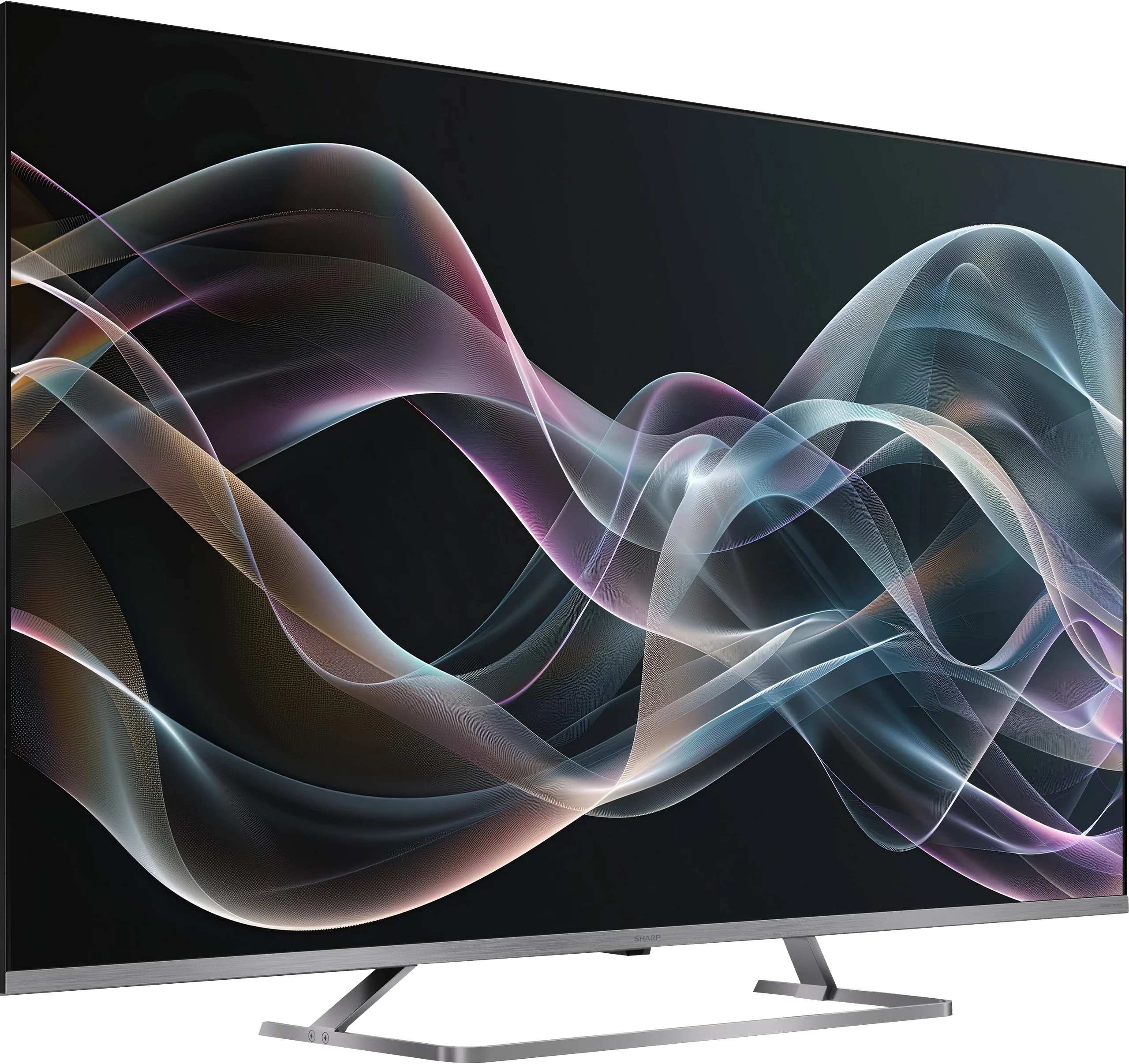
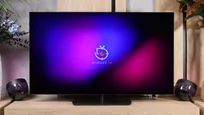
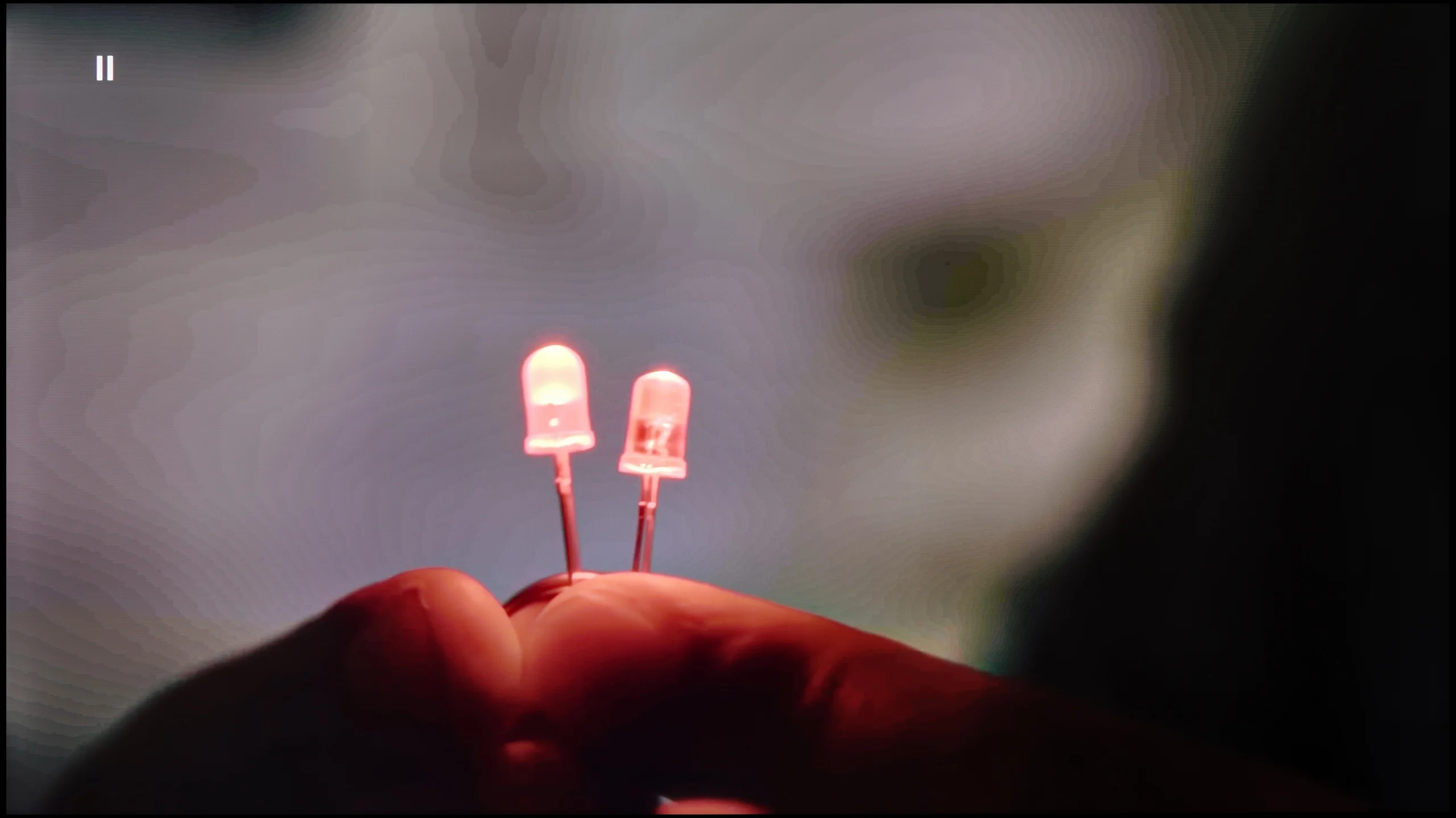
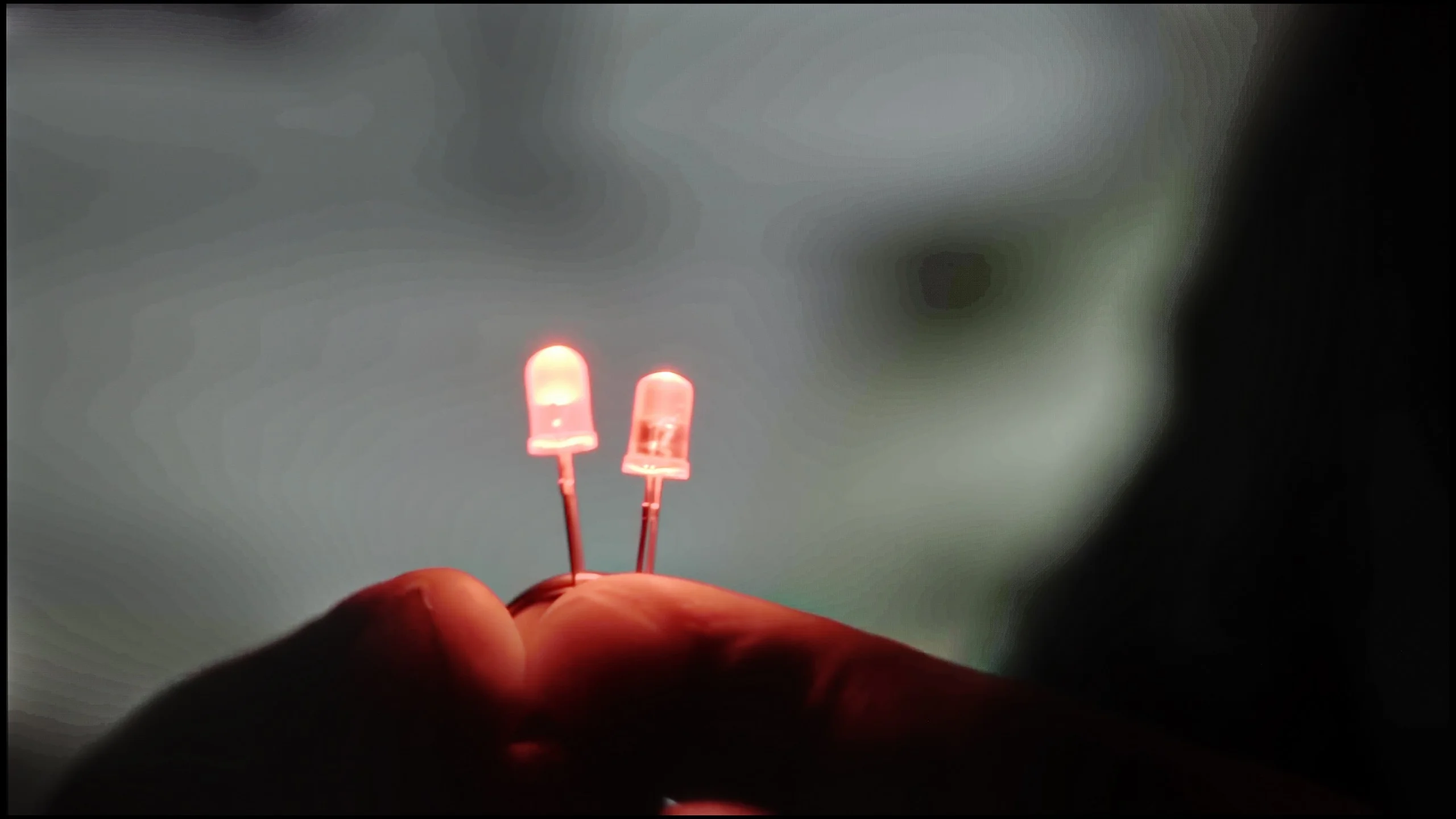
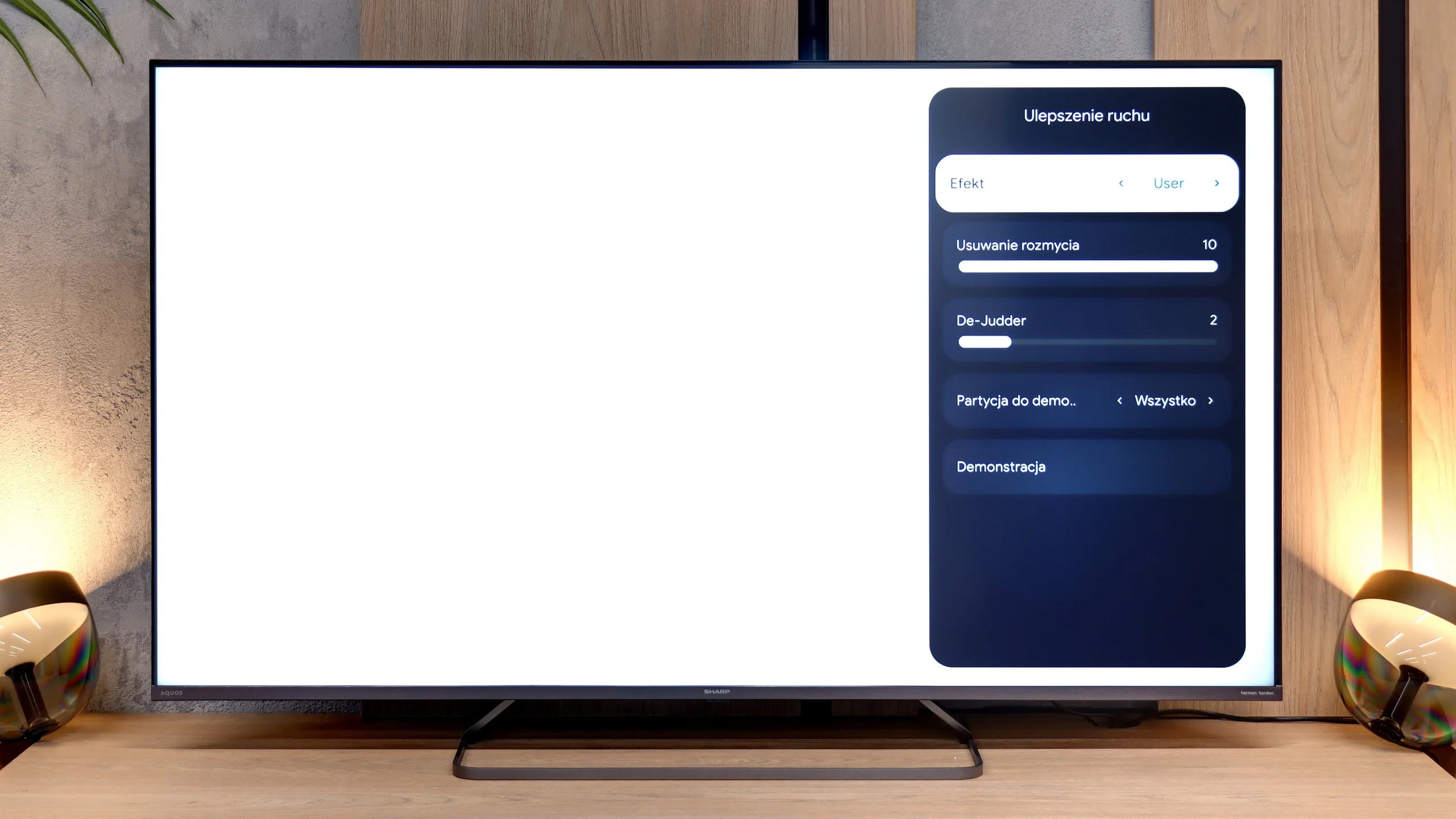
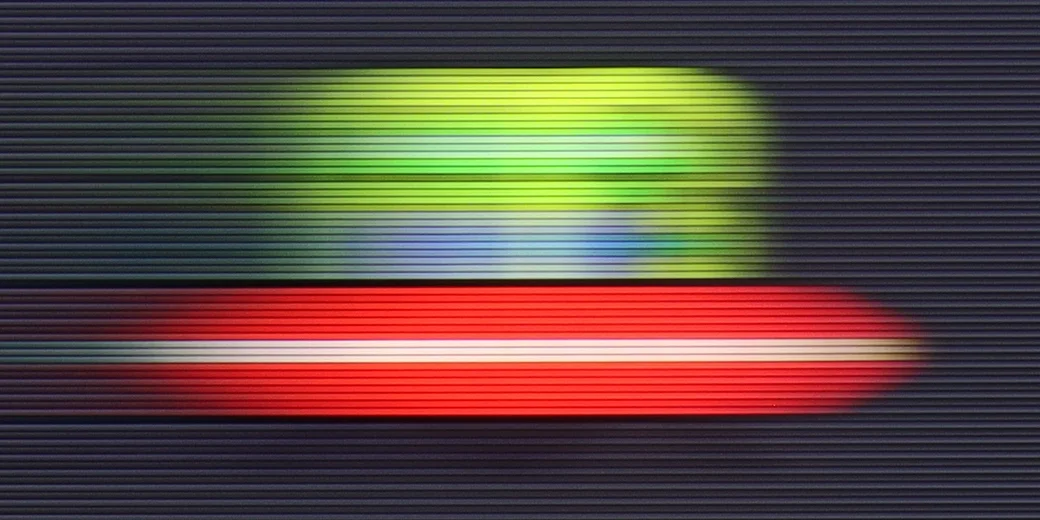
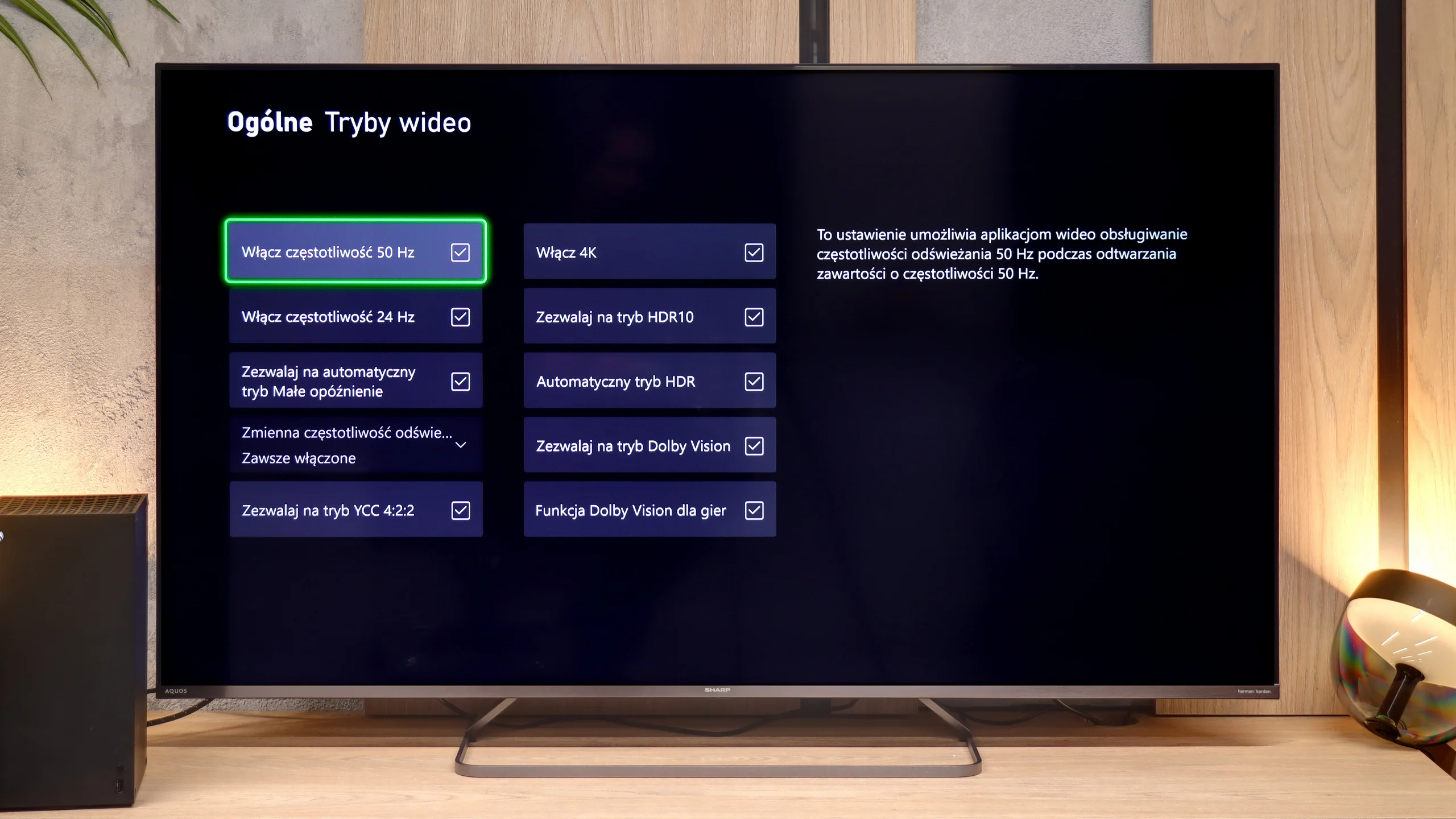
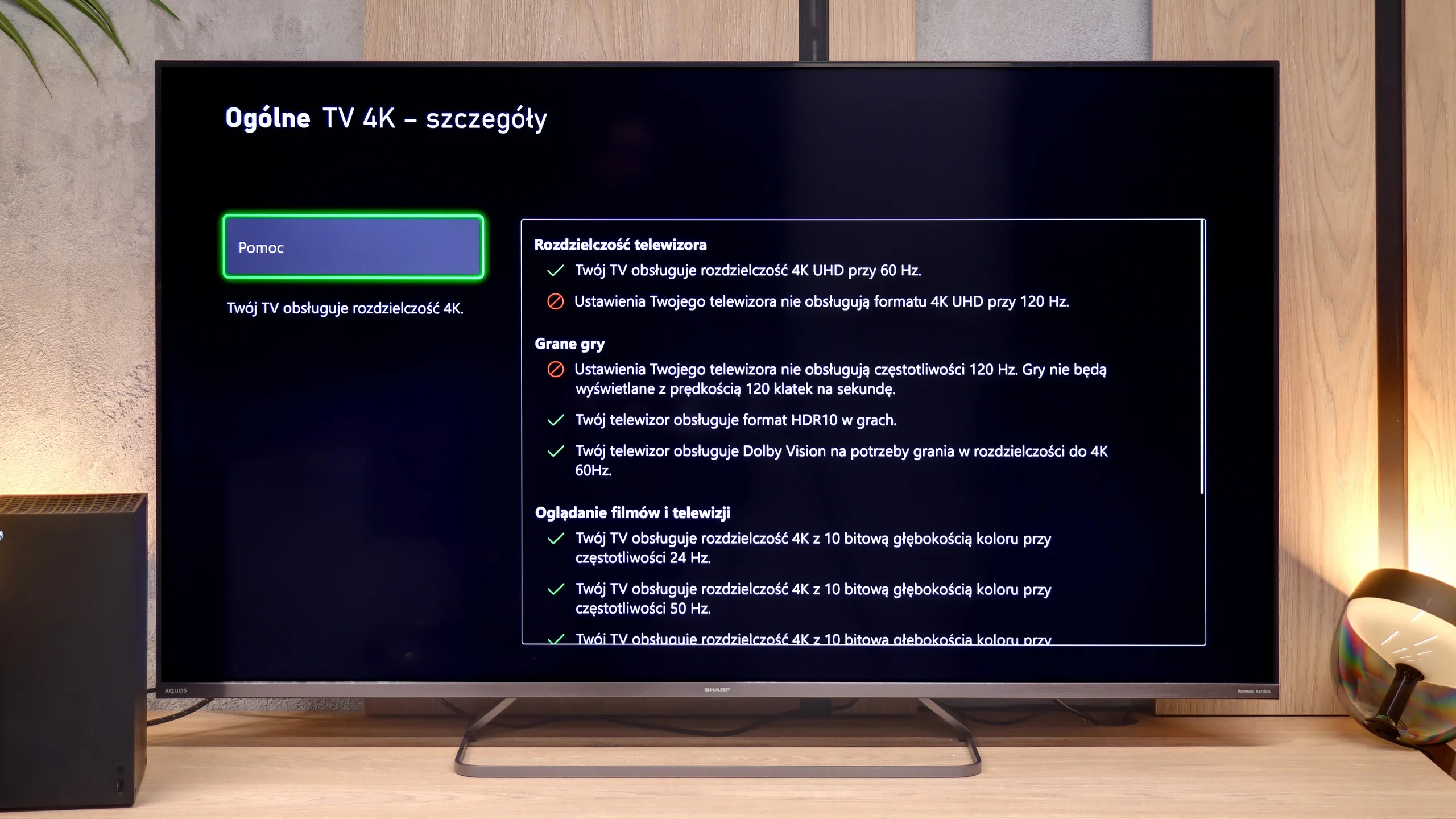
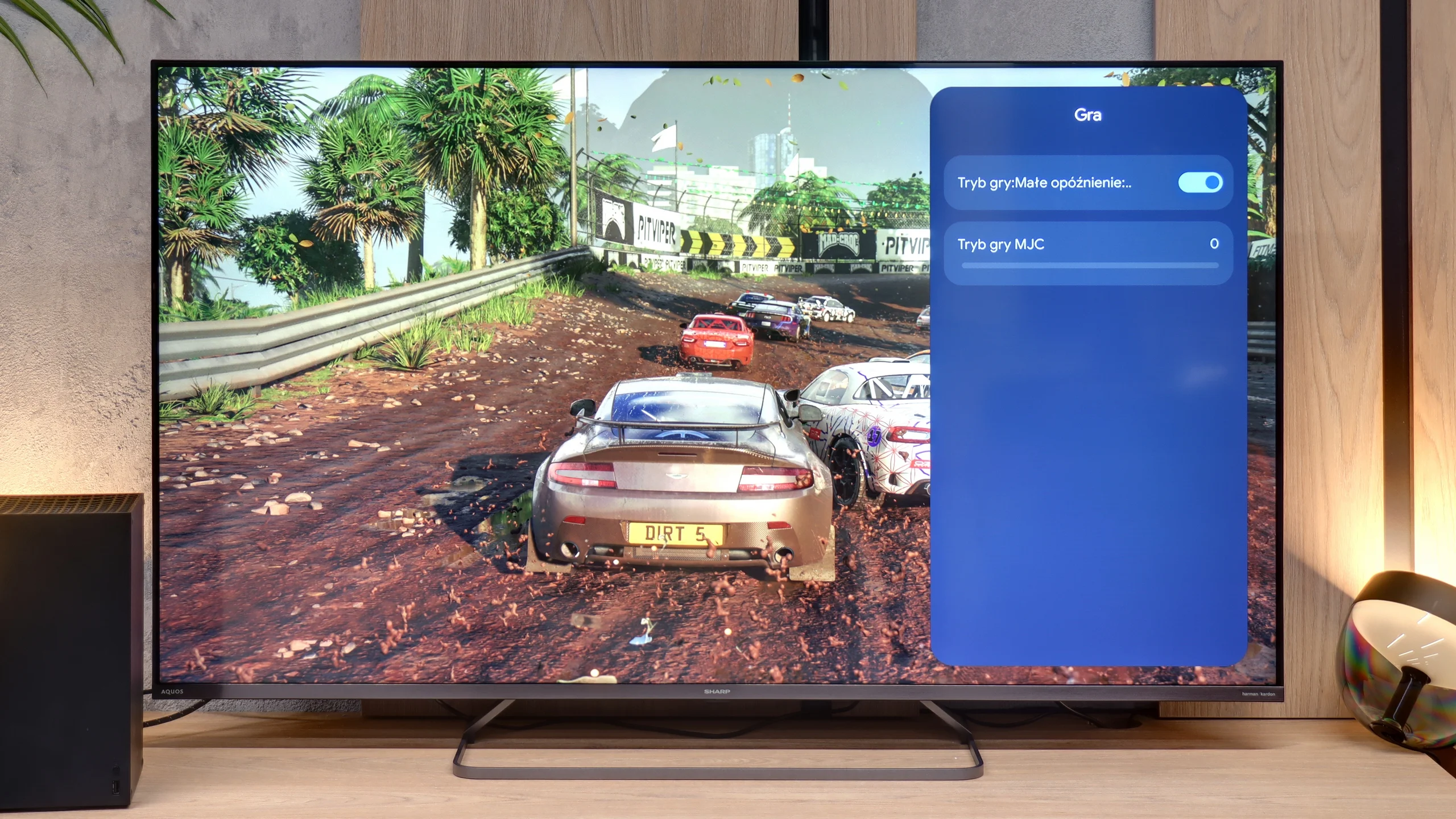
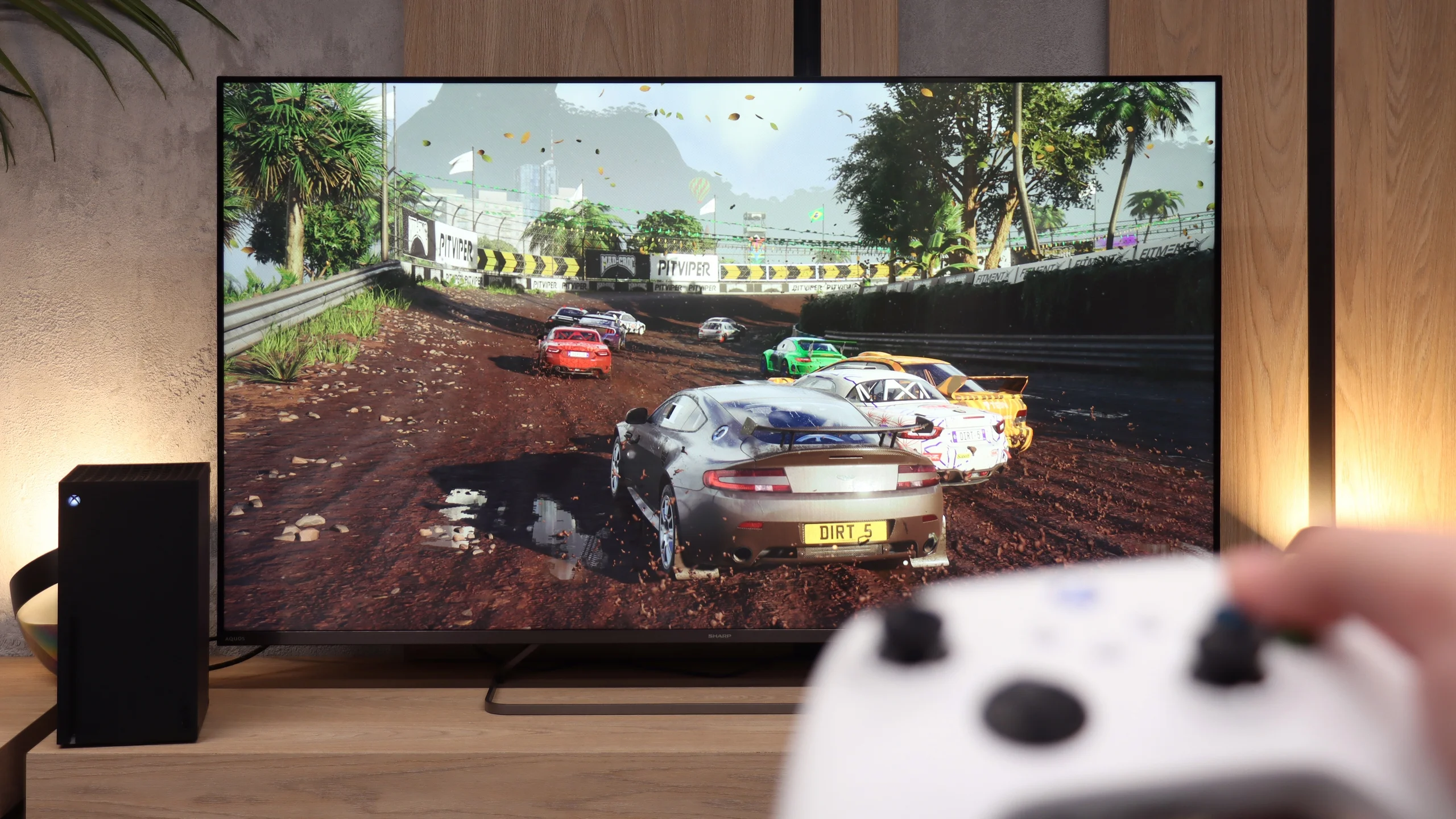
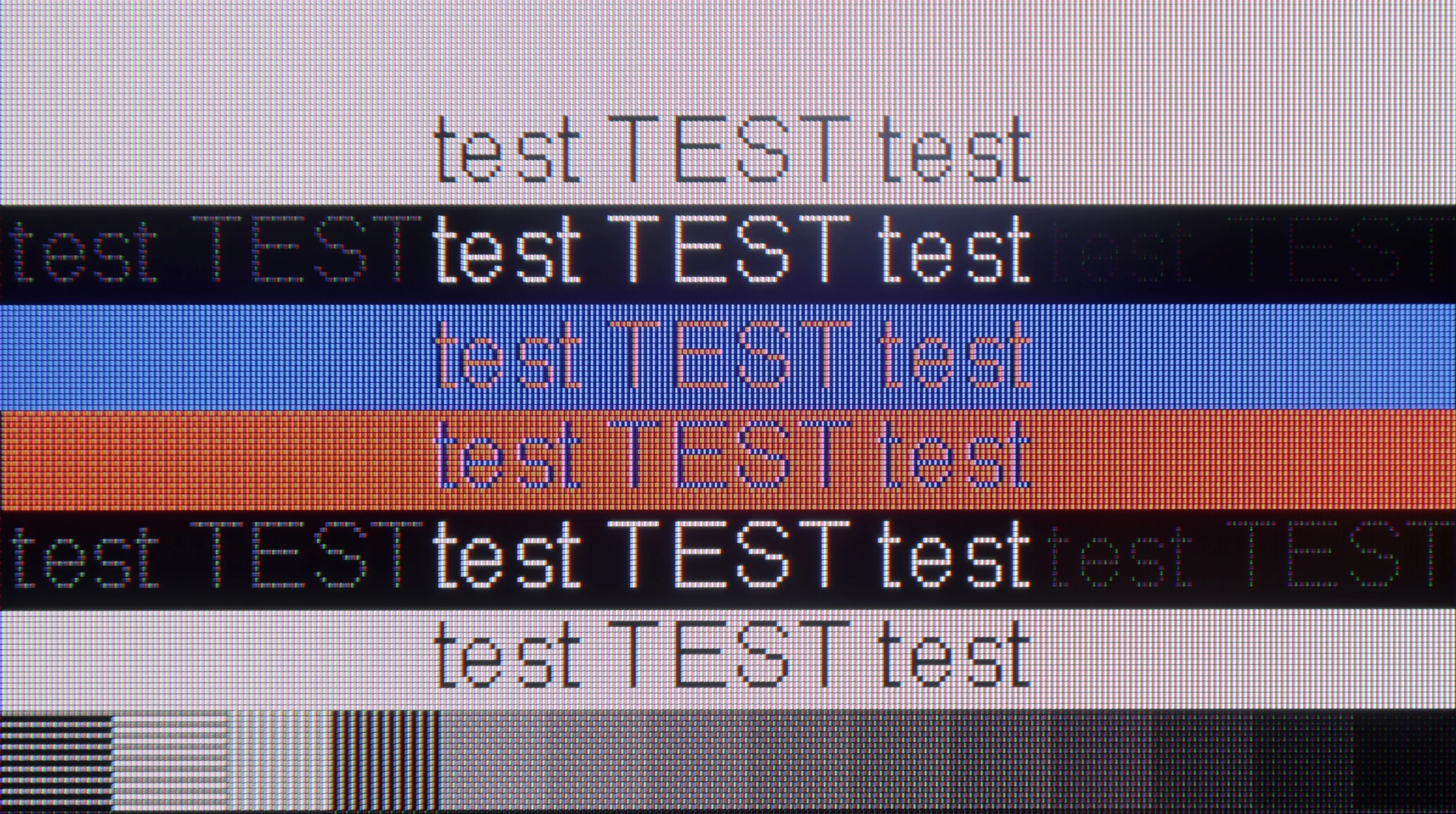
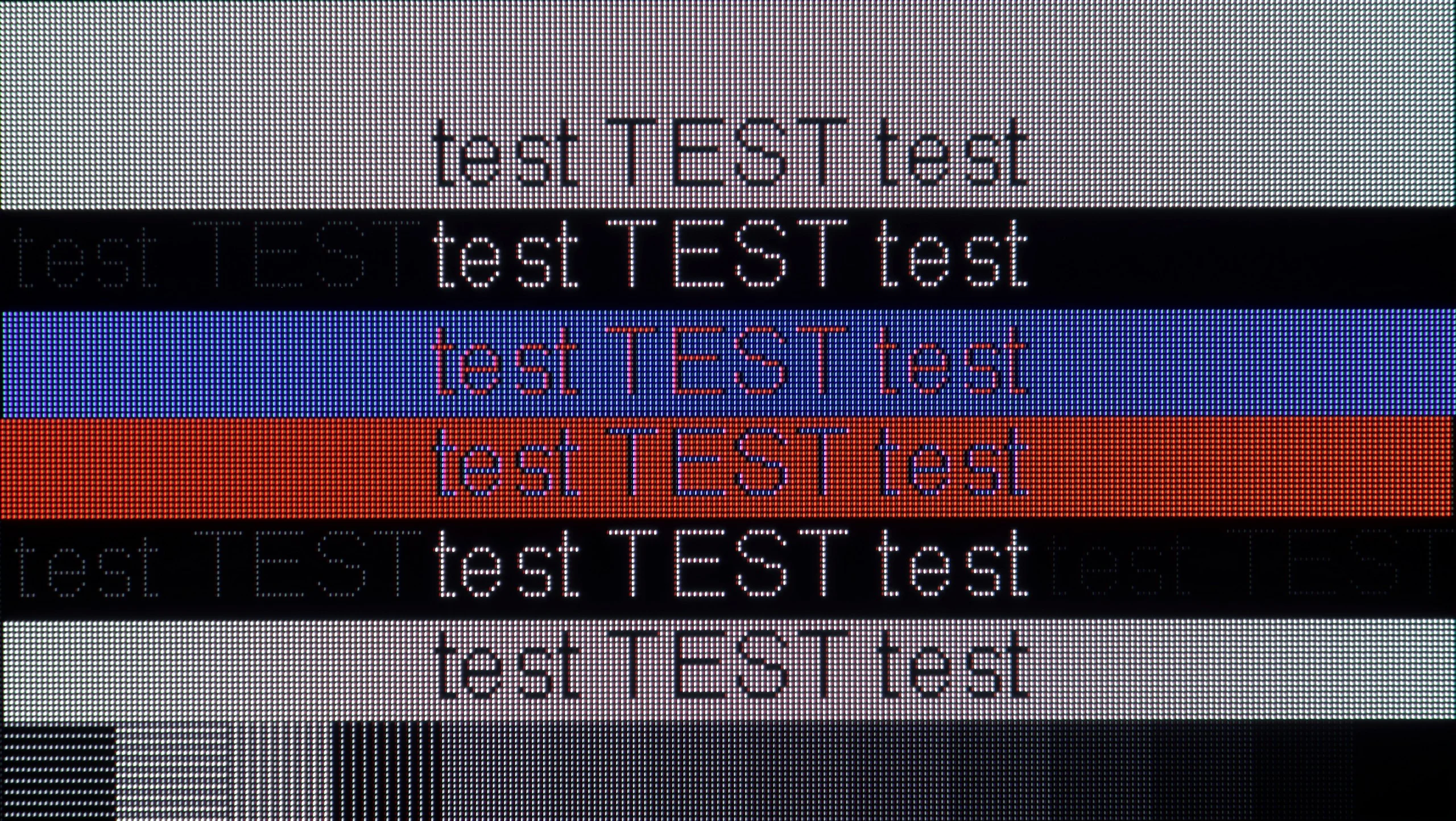
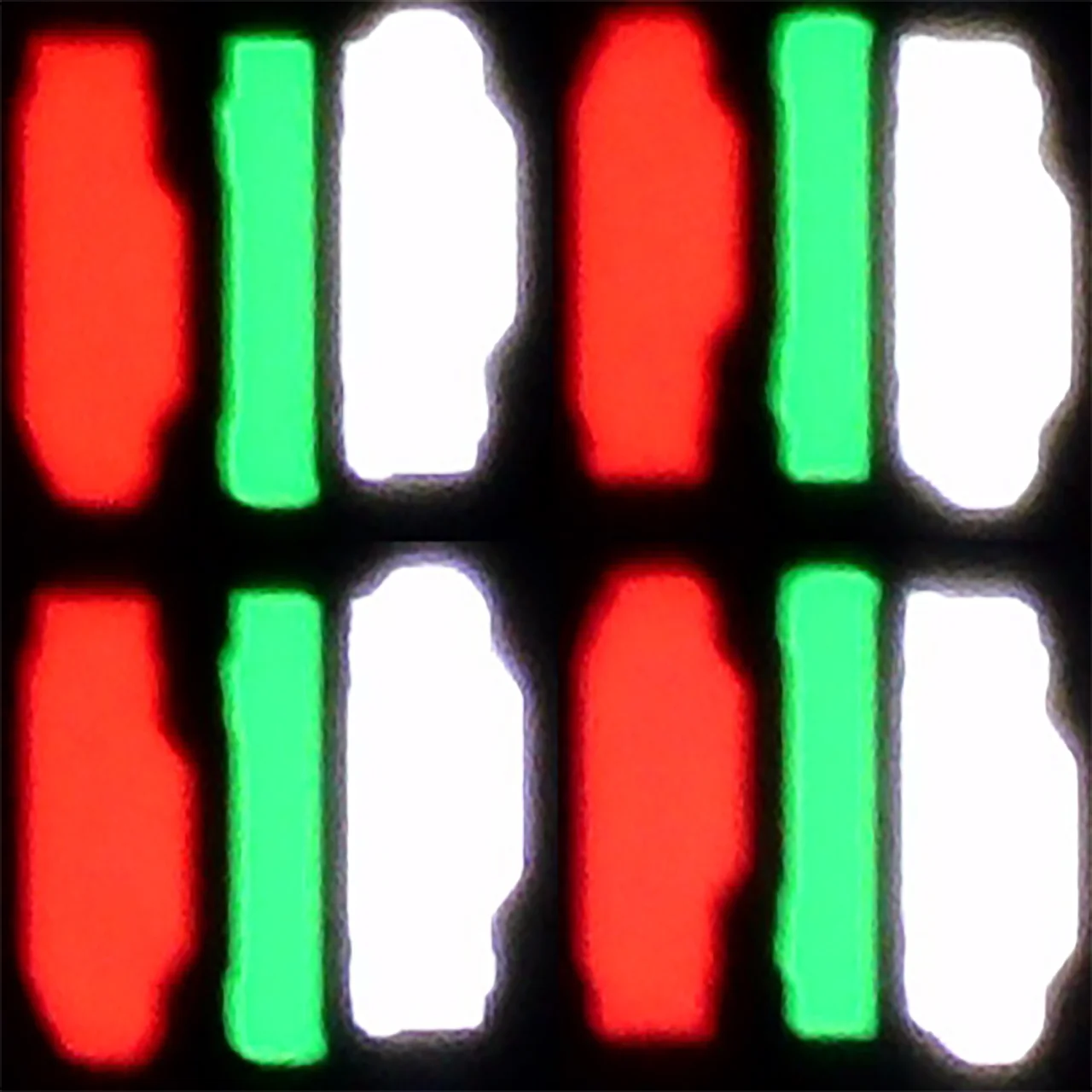
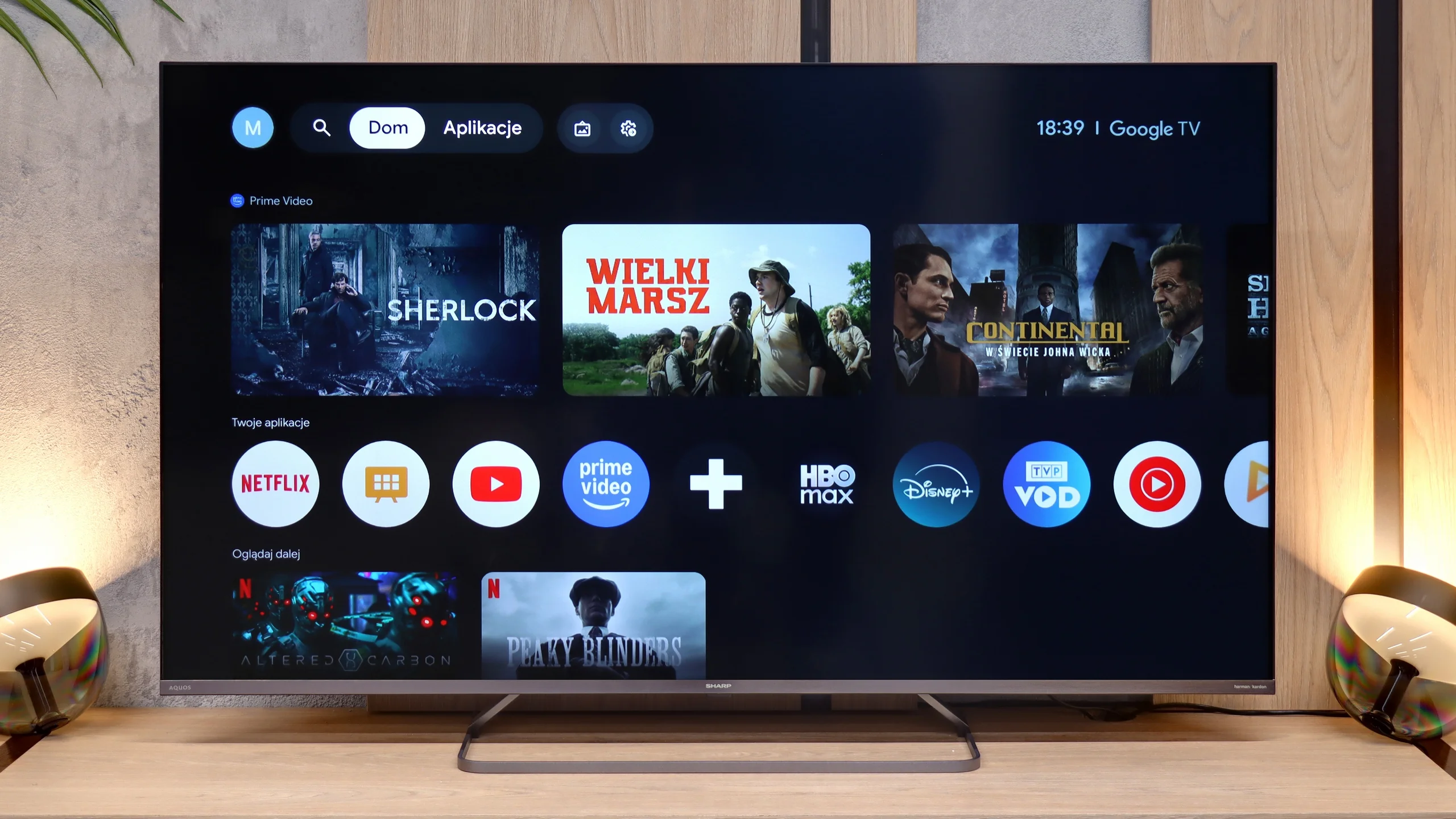
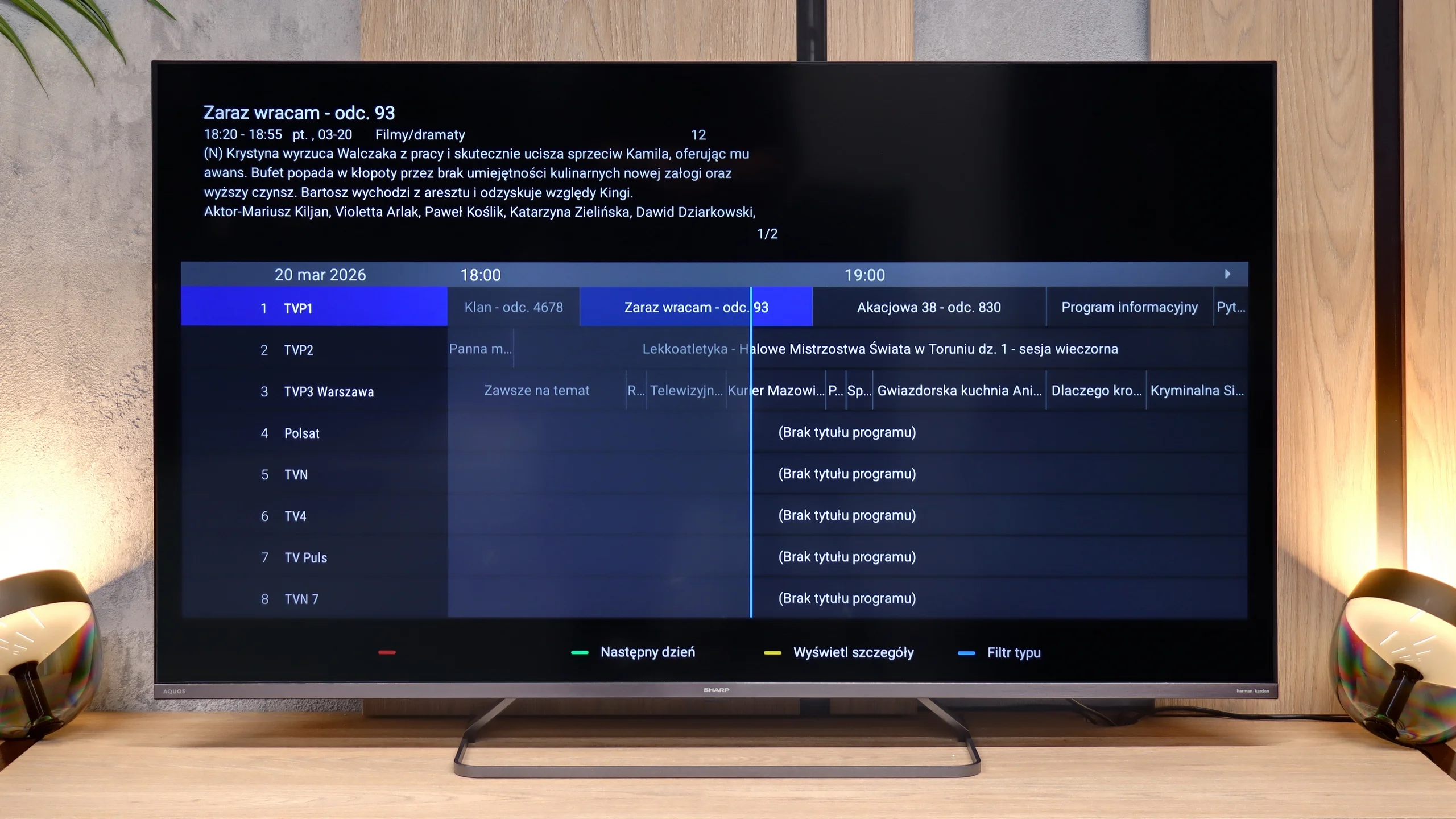
Sharp JP7765 is yet another offering in the market that attempts to prove that Mini-LED technology doesn’t have to cost a fortune. The low price comes hand in hand with an exceptionally high brightness – a peak of 1000 nits in HDR is a result that simply impresses in this price range. Although the proprietary processor doesn’t always manage the backlighting perfectly in demanding scenes, support for Dolby Vision effectively saves the situation. Thanks to dynamic metadata, the picture becomes plastic, deep, and simply attractive to the eye. Adding to this the Google TV system, extreme volume, and the now-rare jack headphone socket, we get a device that is a brilliant option for seniors or less demanding viewers transitioning from a regular, cheap LCD. In such a scenario, the Sharp JP7 presents itself as a really decent and cost-effective choice. However, it must be stated clearly: contrary to marketing slogans, this is not equipment for everyone. Gamers or sports fans will definitely not find themselves here. The biggest drawback of the JP7765 model is the slow, 60-hertz panel and significant motion blur, which essentially disqualifies this television for watching dynamic matches or playing fast-paced titles. The picture loses sharpness during rapid movements to such an extent that for a football or racing fan, it may be an unacceptable barrier.
So, for whom is the Sharp JP7765? It is a sensible choice for budget-conscious individuals who do not have high demands regarding motion fluidity but value a “kick” of brightness. By choosing the Sharp JP7, you will definitely make a better deal than purchasing basic (non-dimming) televisions from the competition. Rivals typically offer ordinary LCD panels for a similar price, which cannot compete with the capabilities of even such a basic Mini-LED model as the JP7. Ultimately, it comes down to a simple arrangement: you accept lower motion fluidity in exchange for powerful brightness, which is hard to find from other manufacturers at this price.
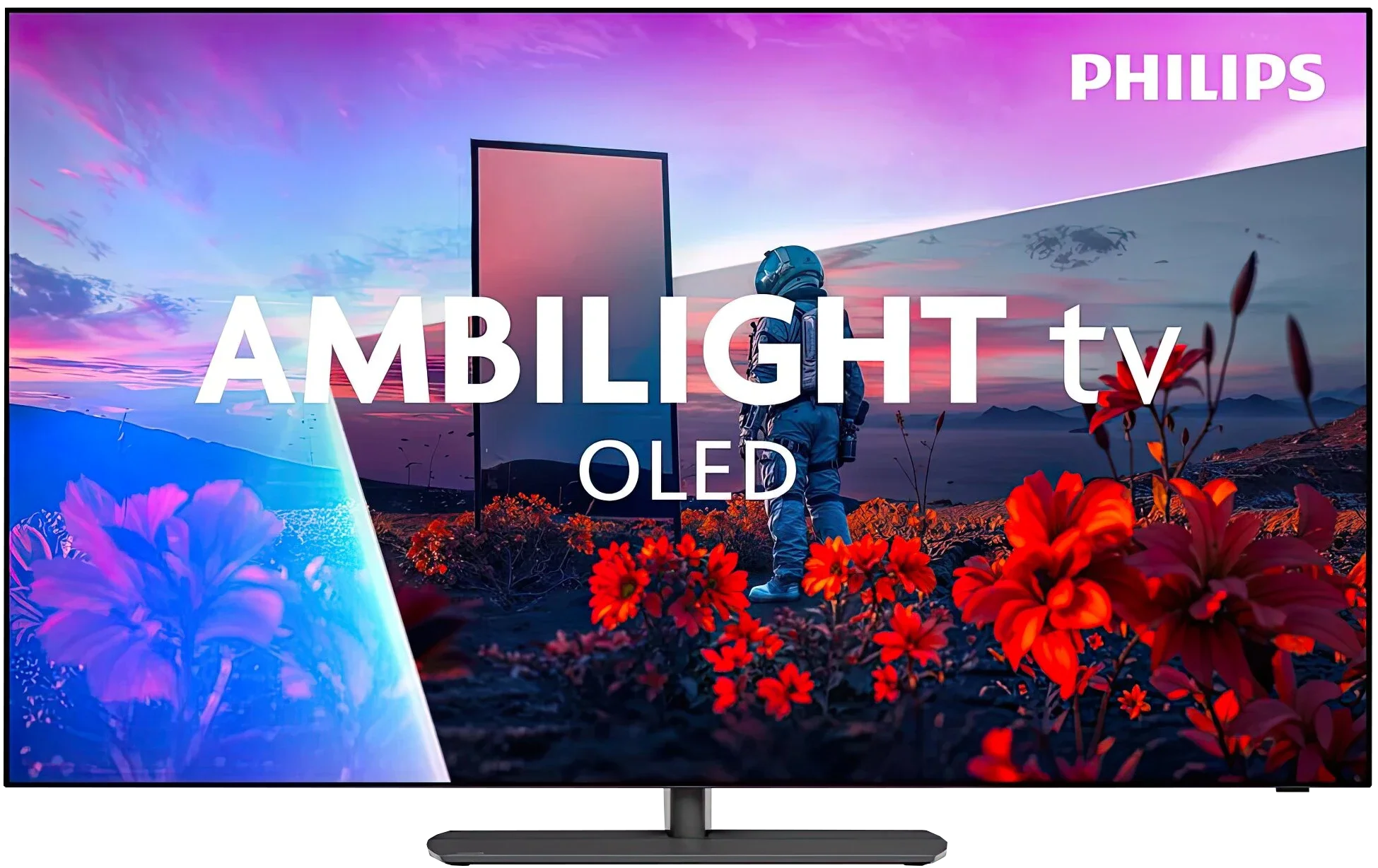
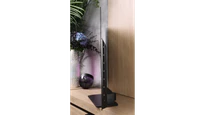
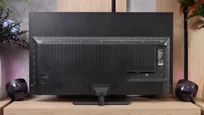
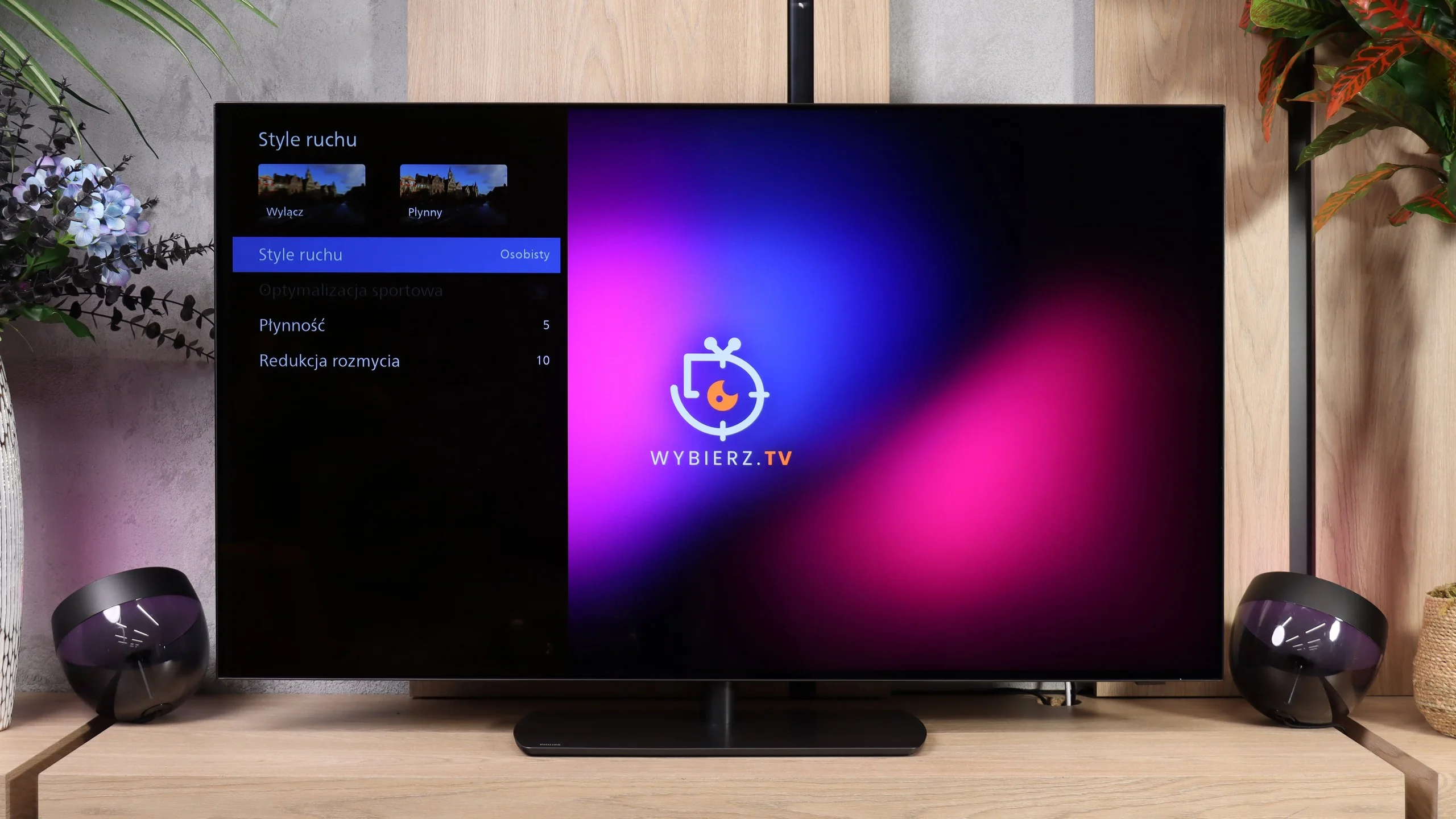
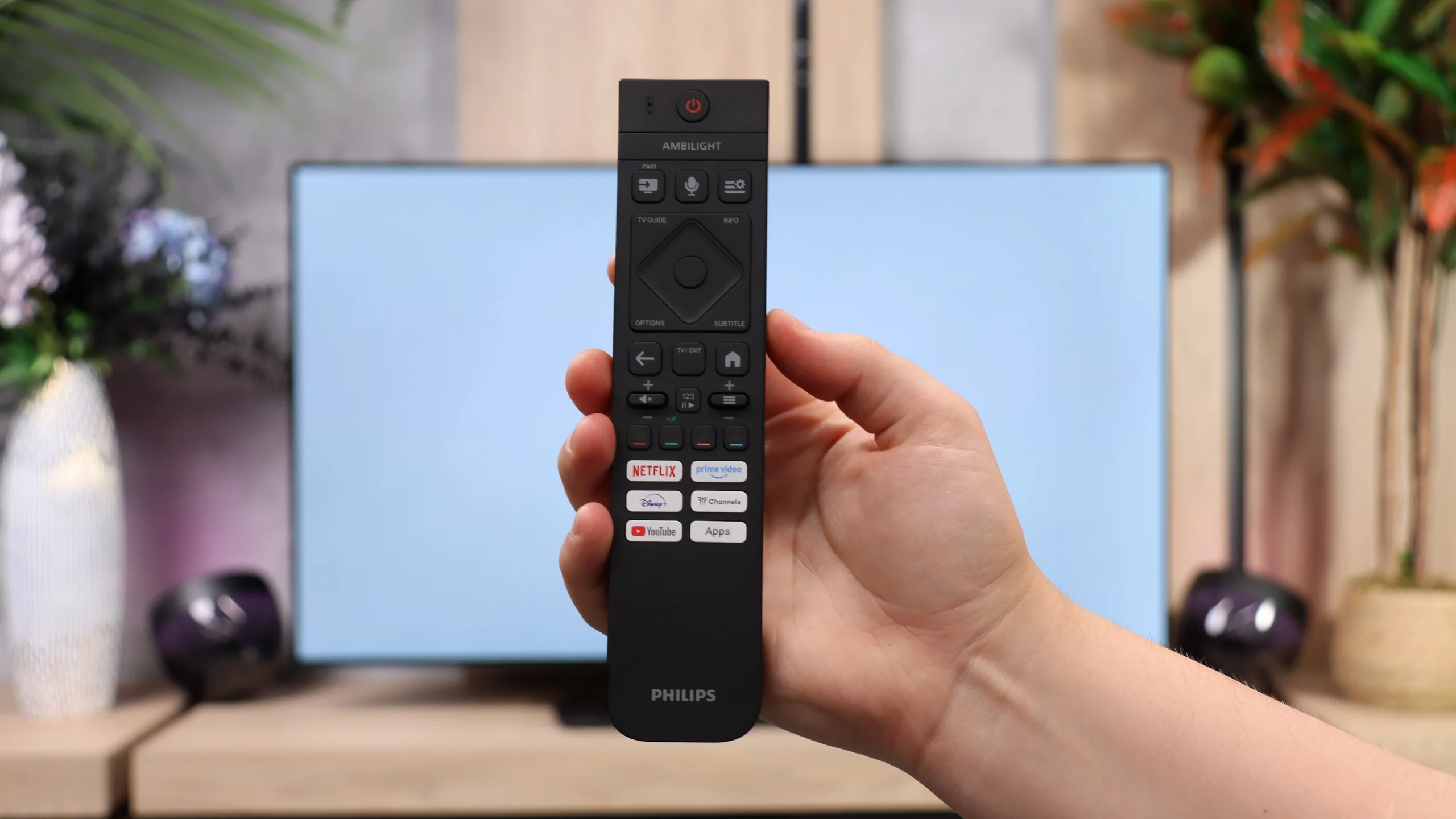
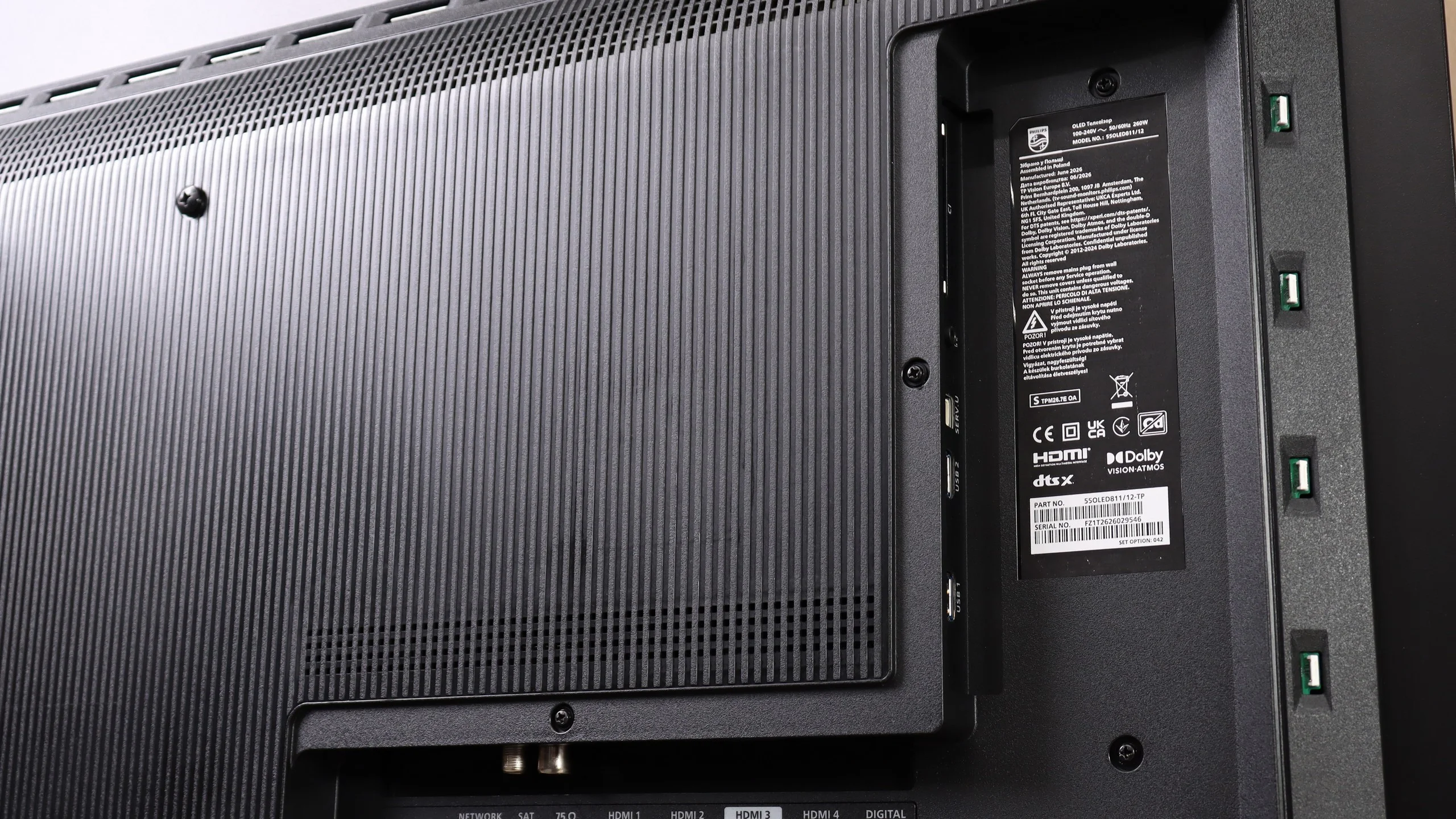
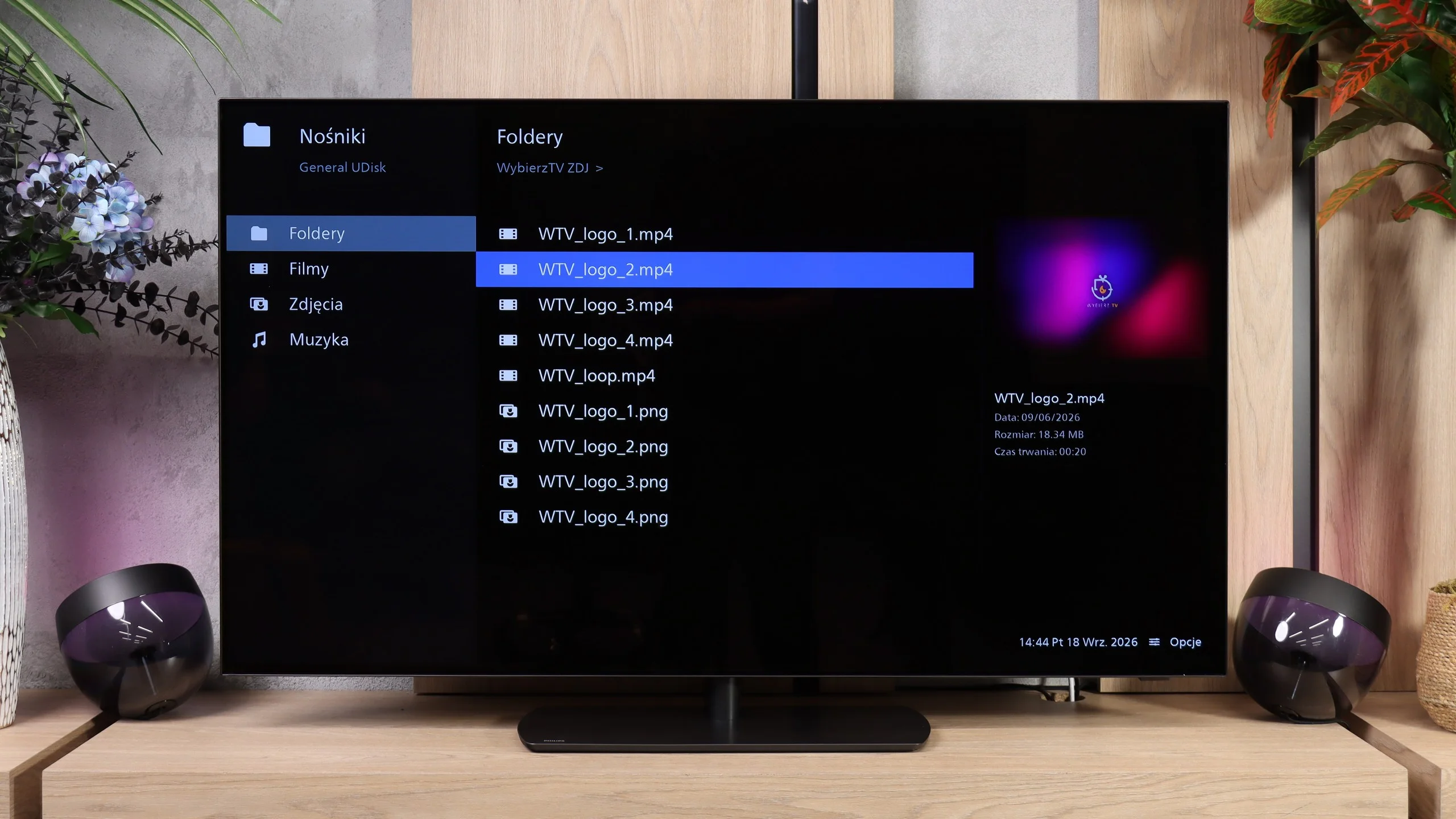
Philips OLED811 is a mid-range OLED for 2026 that stands out from its biggest rivals mainly for one thing: Ambilight. The light that follows the picture and spreads across the wall can change the atmosphere of an entire viewing session. In the evening the screen seems to extend beyond its borders and watching simply gains extra charm. For some it will be a pleasant extra, for others a sufficient reason to choose Philips again. The picture itself is very comparable to what models such as the LG C6 or Samsung S90H offer when using the same type of panel. So you get deep, perfect blacks on which bright elements make a strong impression. The OLED811 can deliver powerful HDR and, importantly, after calibration the picture itself is close to the reference. There is no big advantage over the competition, but there is also no feeling that by choosing Philips for Ambilight you are sacrificing image quality.
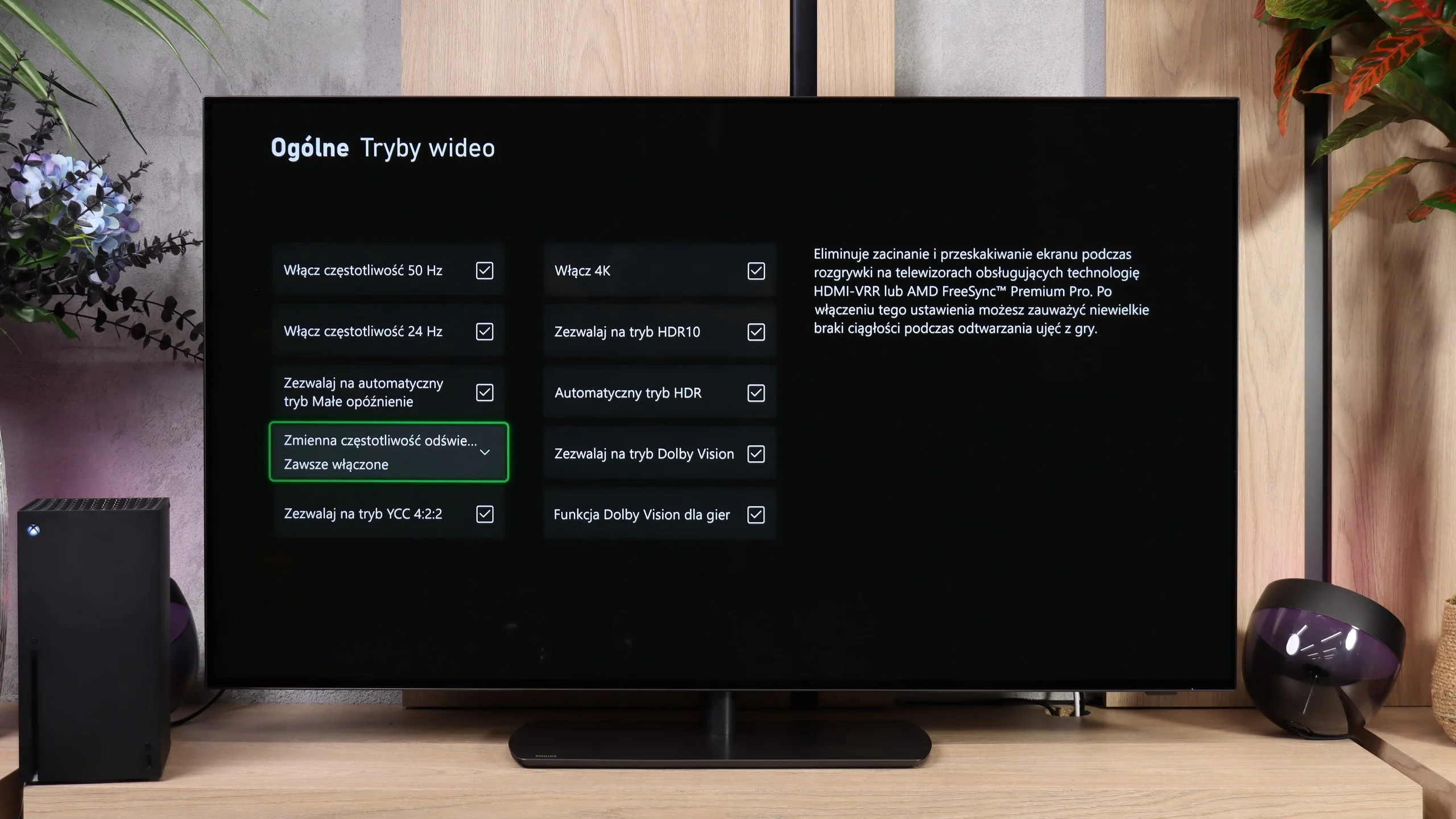
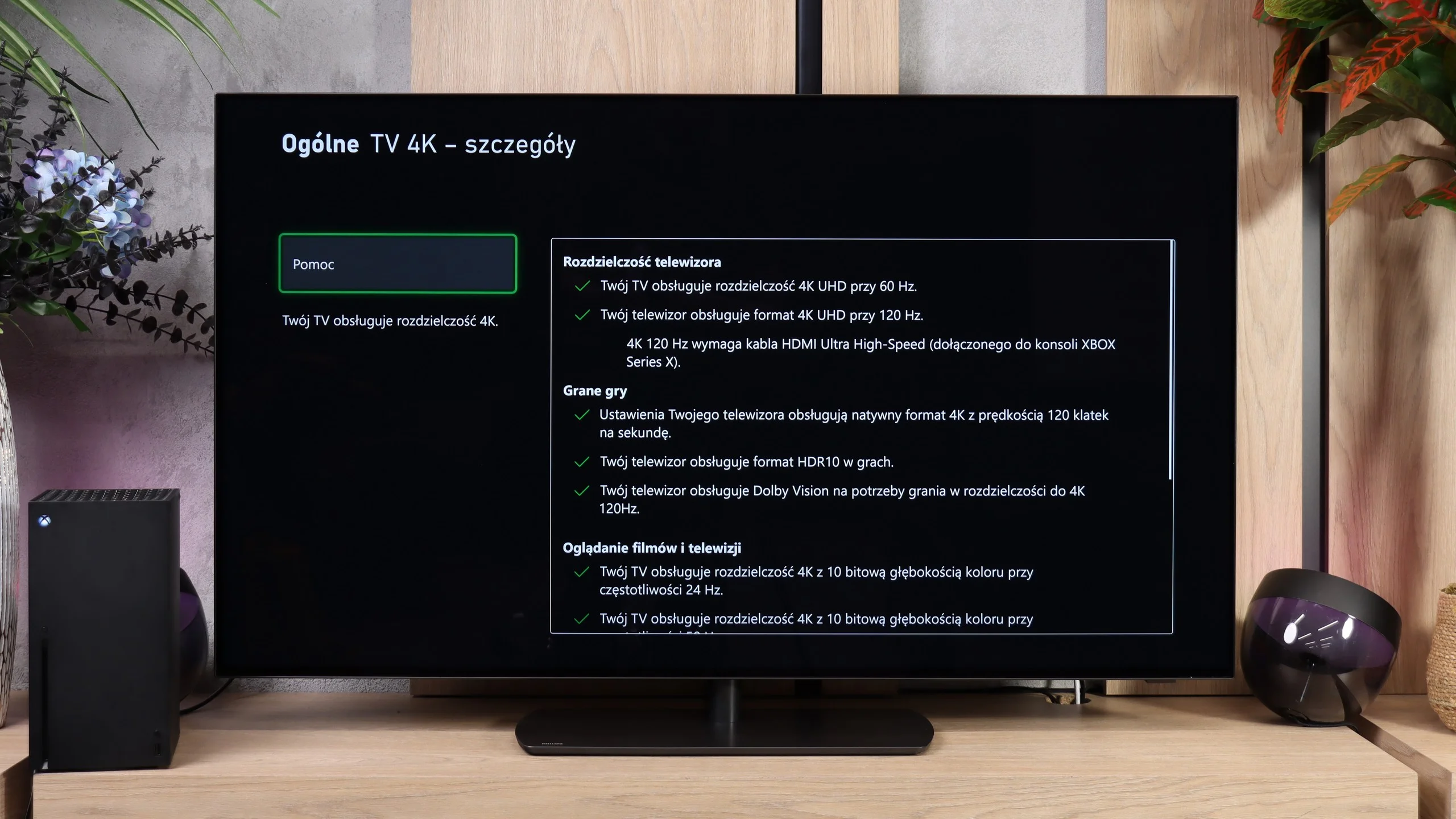
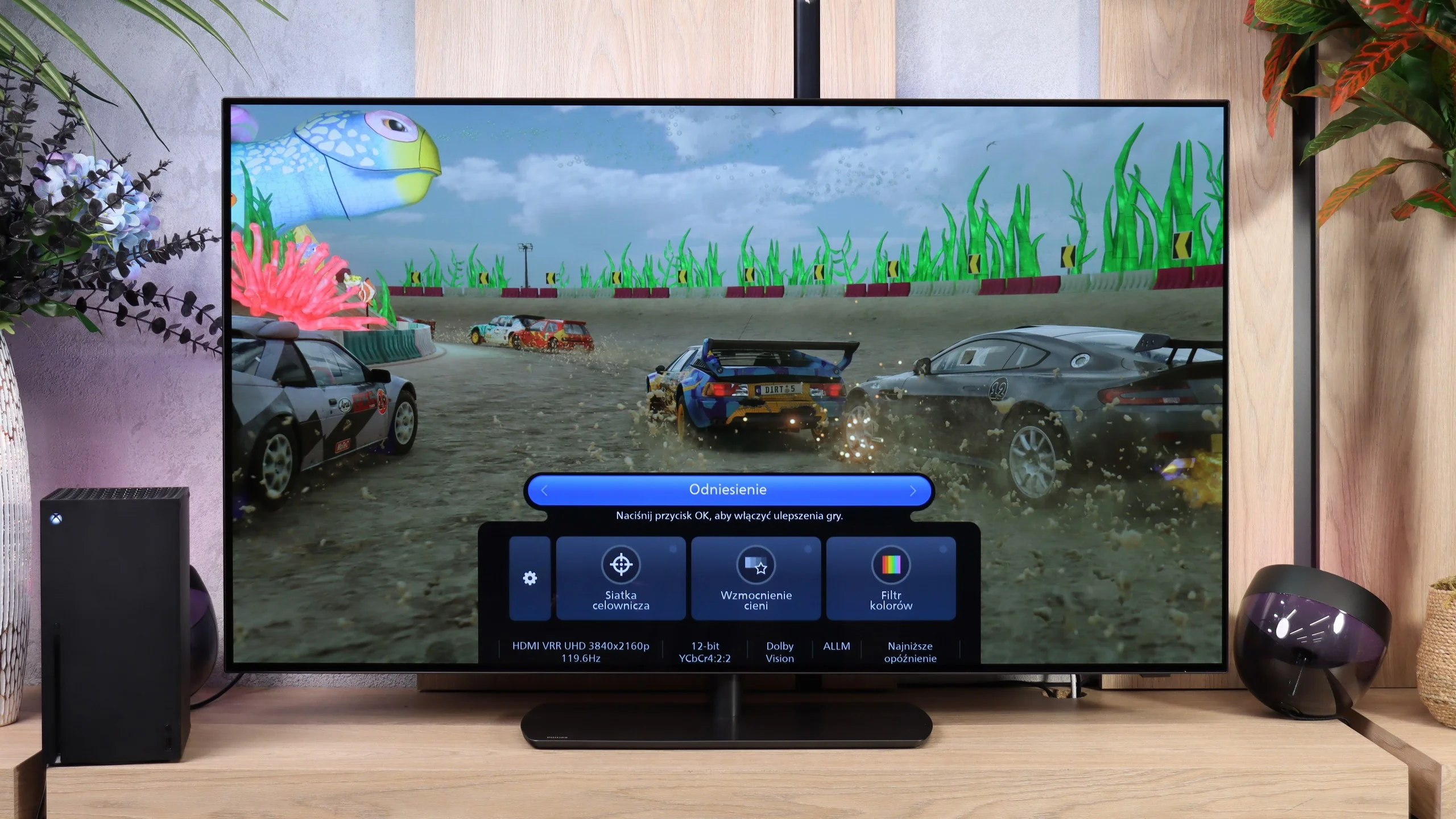
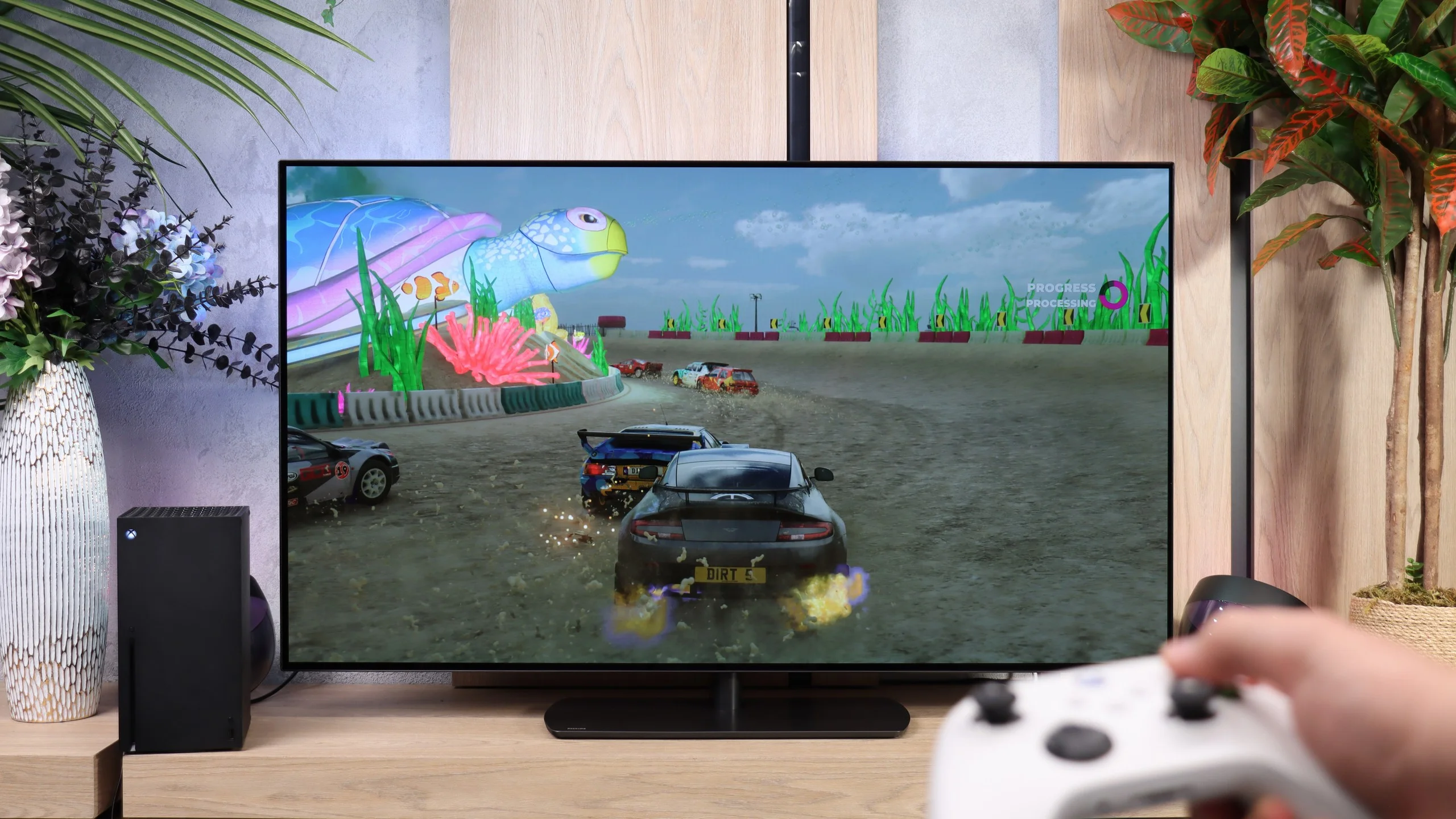
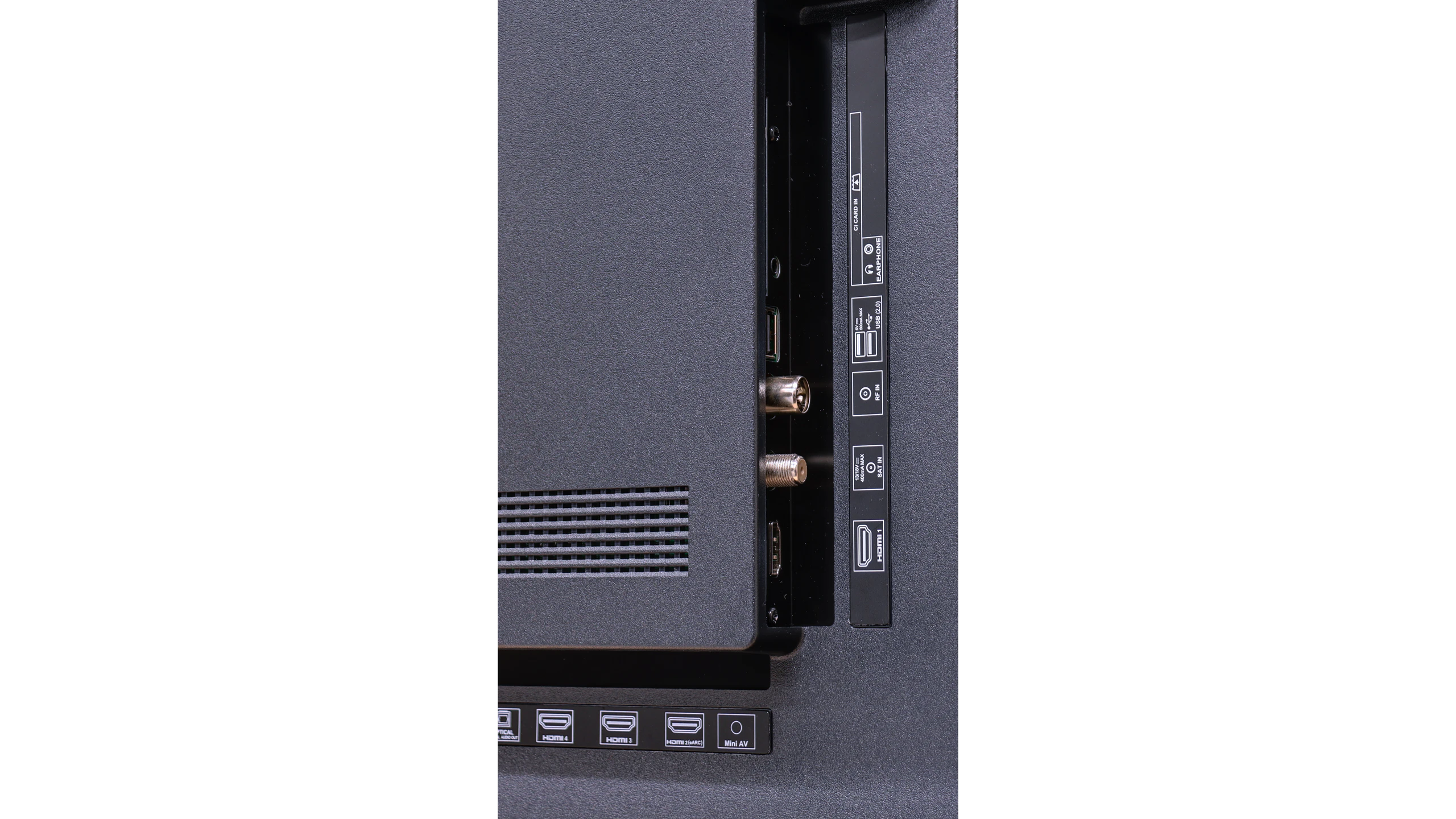
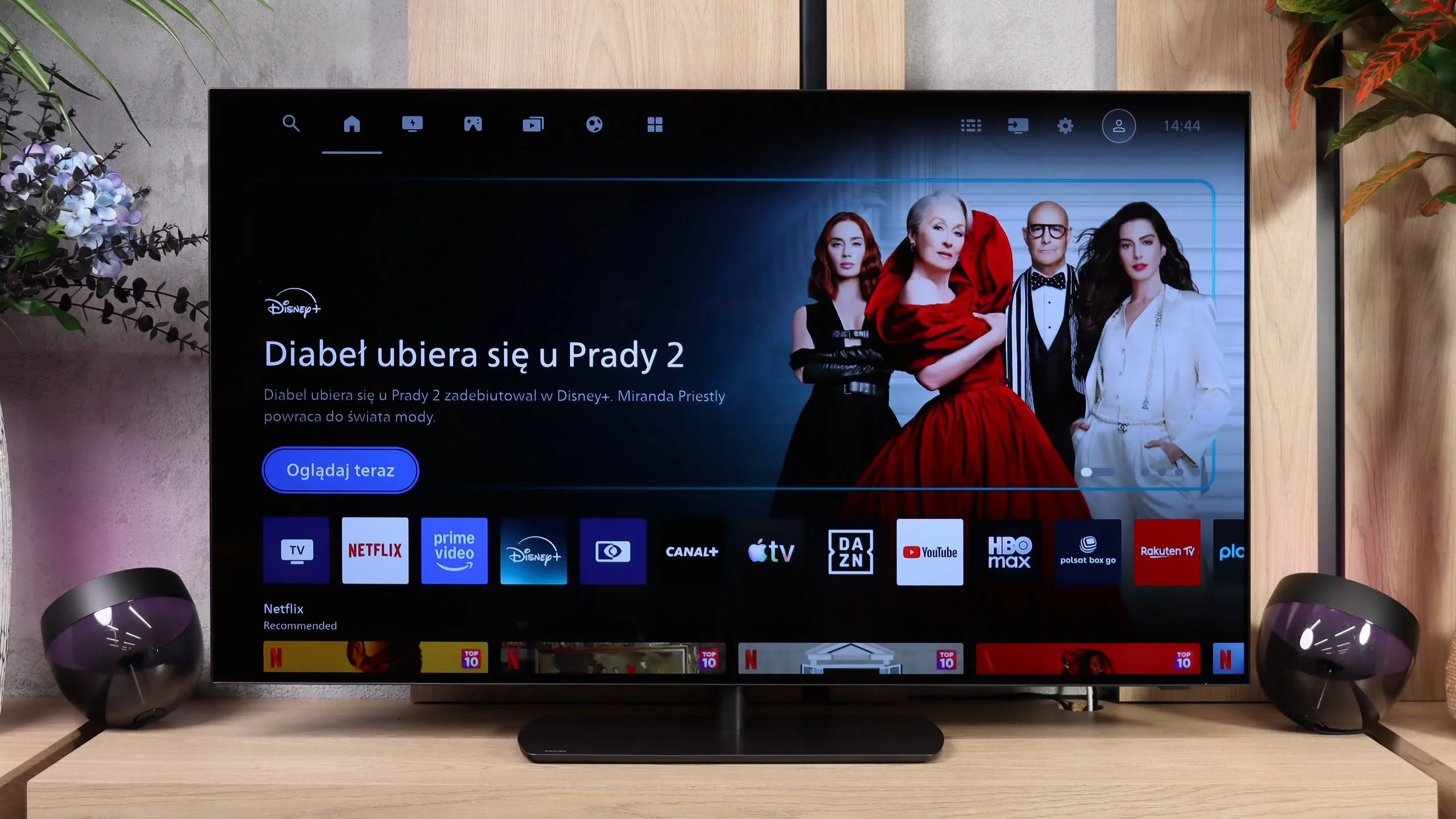
There are also a few good changes for gamers compared with last year’s model. Thanks to the MediaTek Pentonic 800 chipset we finally have four HDMI 2.1 ports, so connecting several devices, for example consoles, a PC and a soundbar, no longer requires choosing which device will get the full capabilities of the port. Gaming itself is very enjoyable — the television responds quickly, supports variable refresh rates, and from a PC allows gaming in 4K at 165 Hz. It’s a pity that the new processor’s capabilities were not put to equally good use when processing lower-quality sources. The biggest concern, however, is the operating system. Titan OS replaced the popular Google TV and although it has clearly developed over the past year, it is still hard to call the change a positive one. The system runs more smoothly, has more useful features, and the app library already contains most popular streaming services. Nevertheless, the selection of apps is still much smaller than with Google or the competition, and in our view that remains the OLED811’s biggest drawback. People who use less popular services may particularly feel this difference.
Is it worth buying? Yes, if Titan OS meets your needs. In terms of picture and gaming capabilities the OLED811 has as much to offer as its rivals, but Ambilight gives it something others do not. So Philips both gives and takes. It adds a unique viewing atmosphere but limits freedom of app choice. If the apps you use are available, that compromise may be worth making.
 Direct comparison