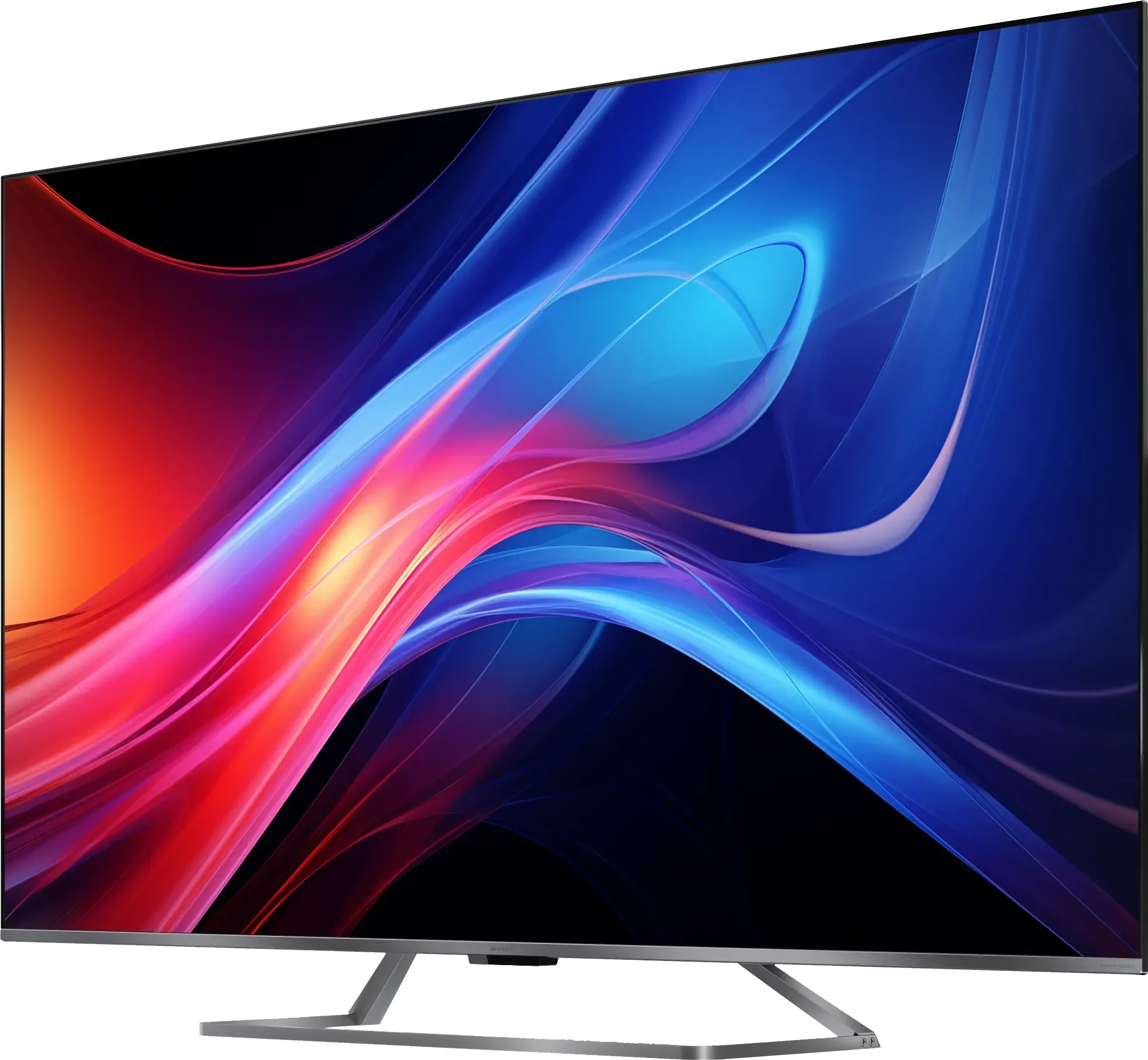
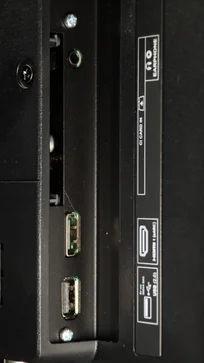
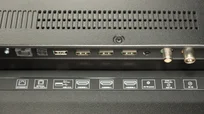
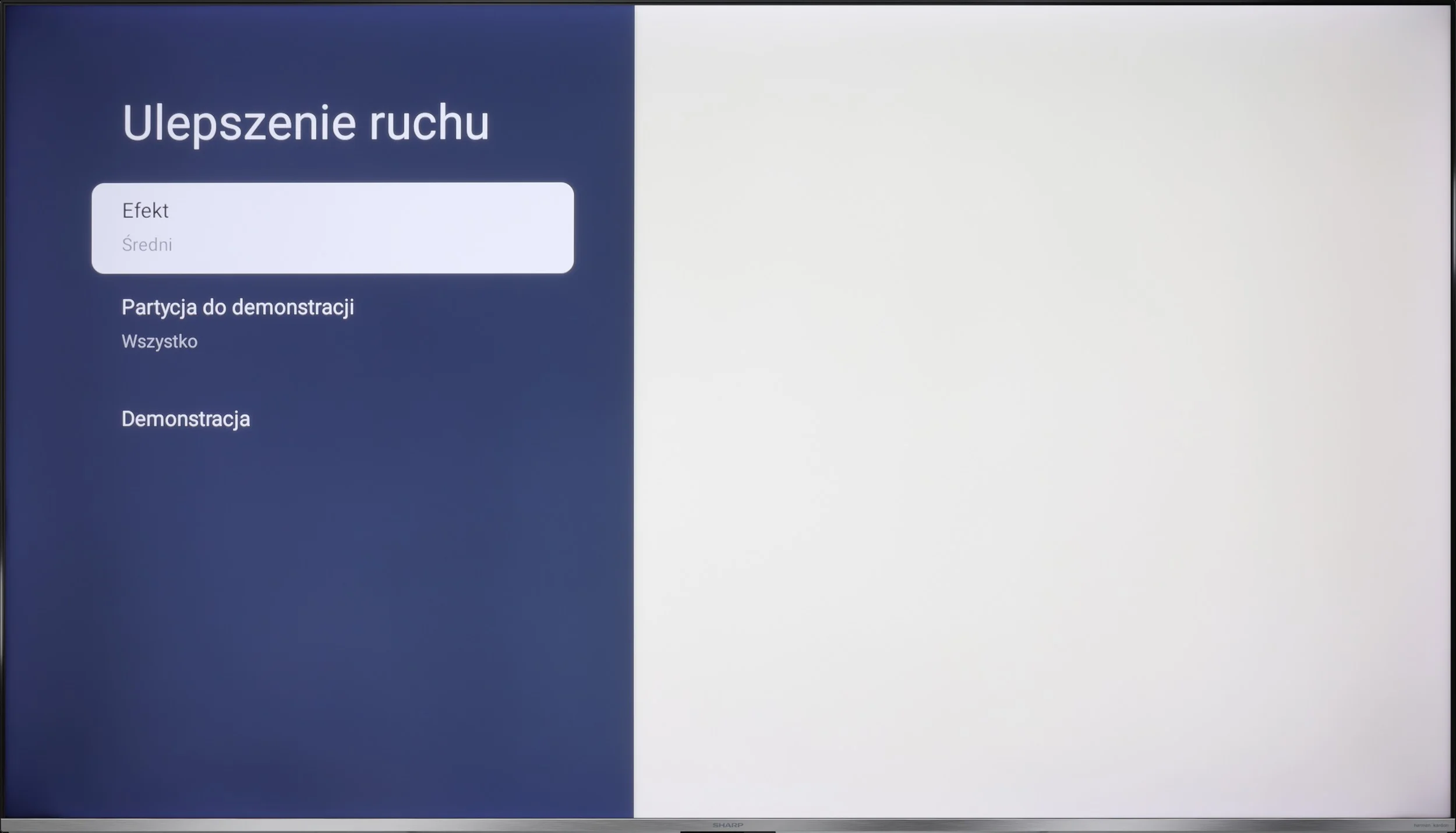
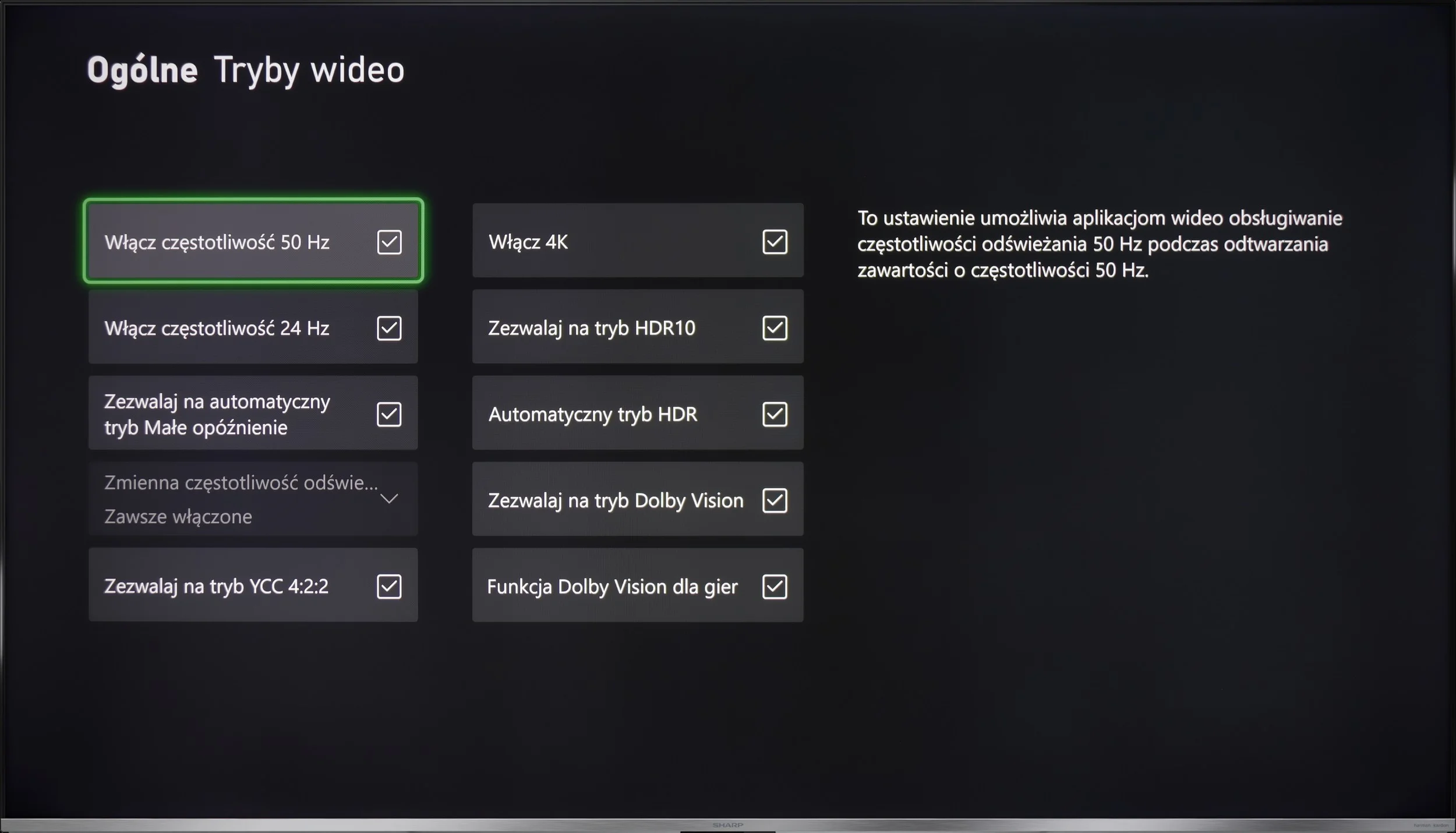
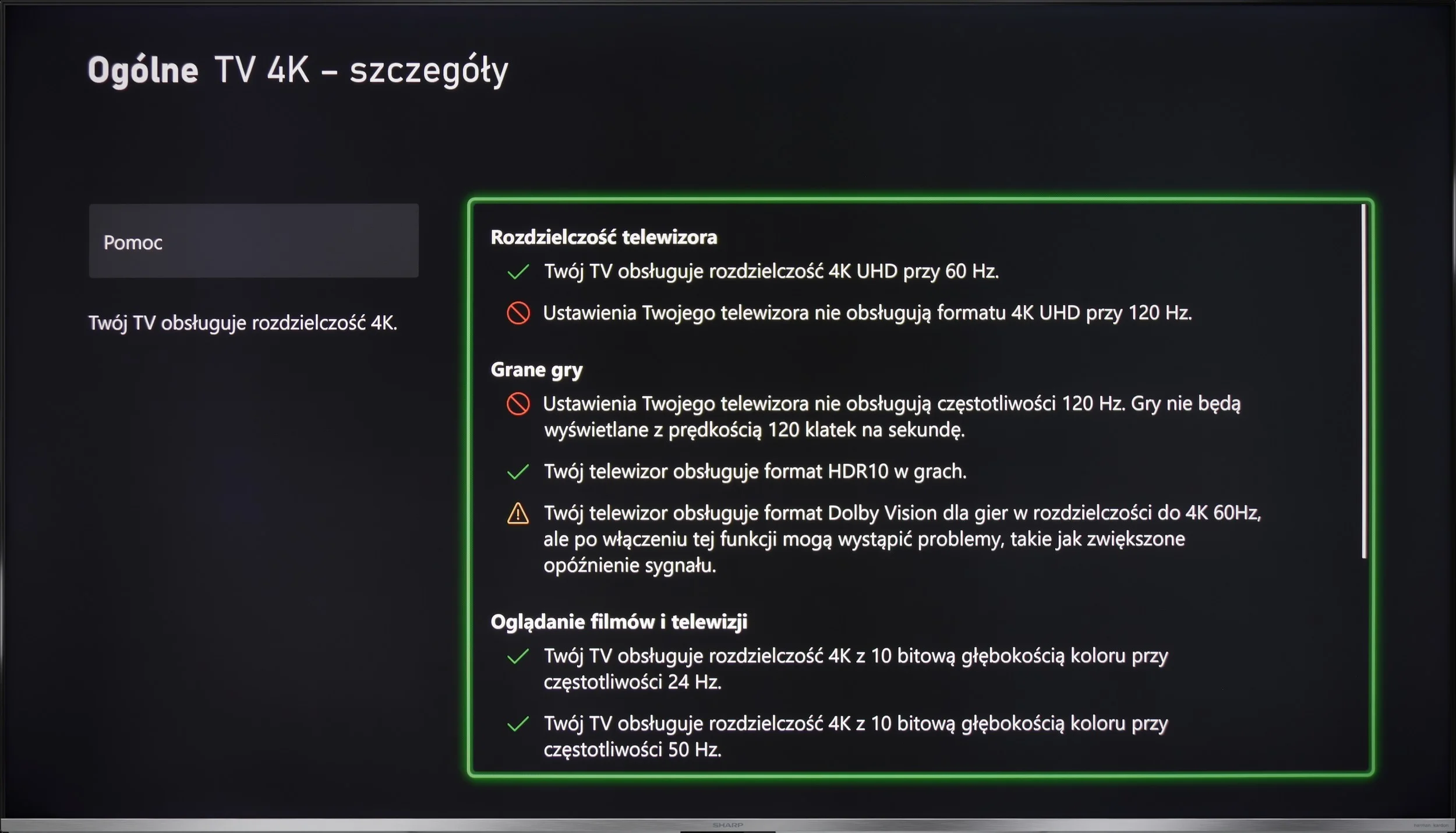
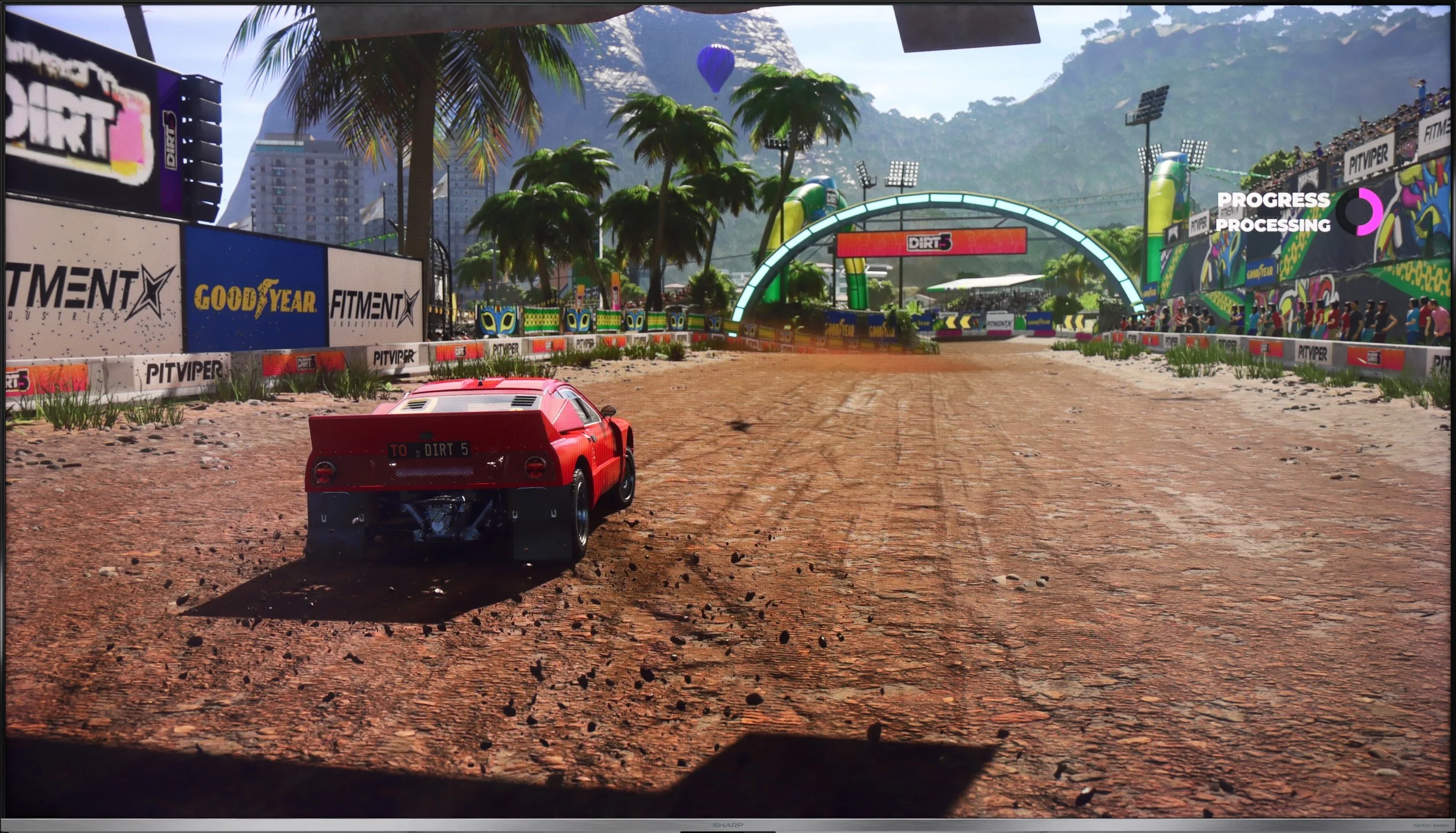
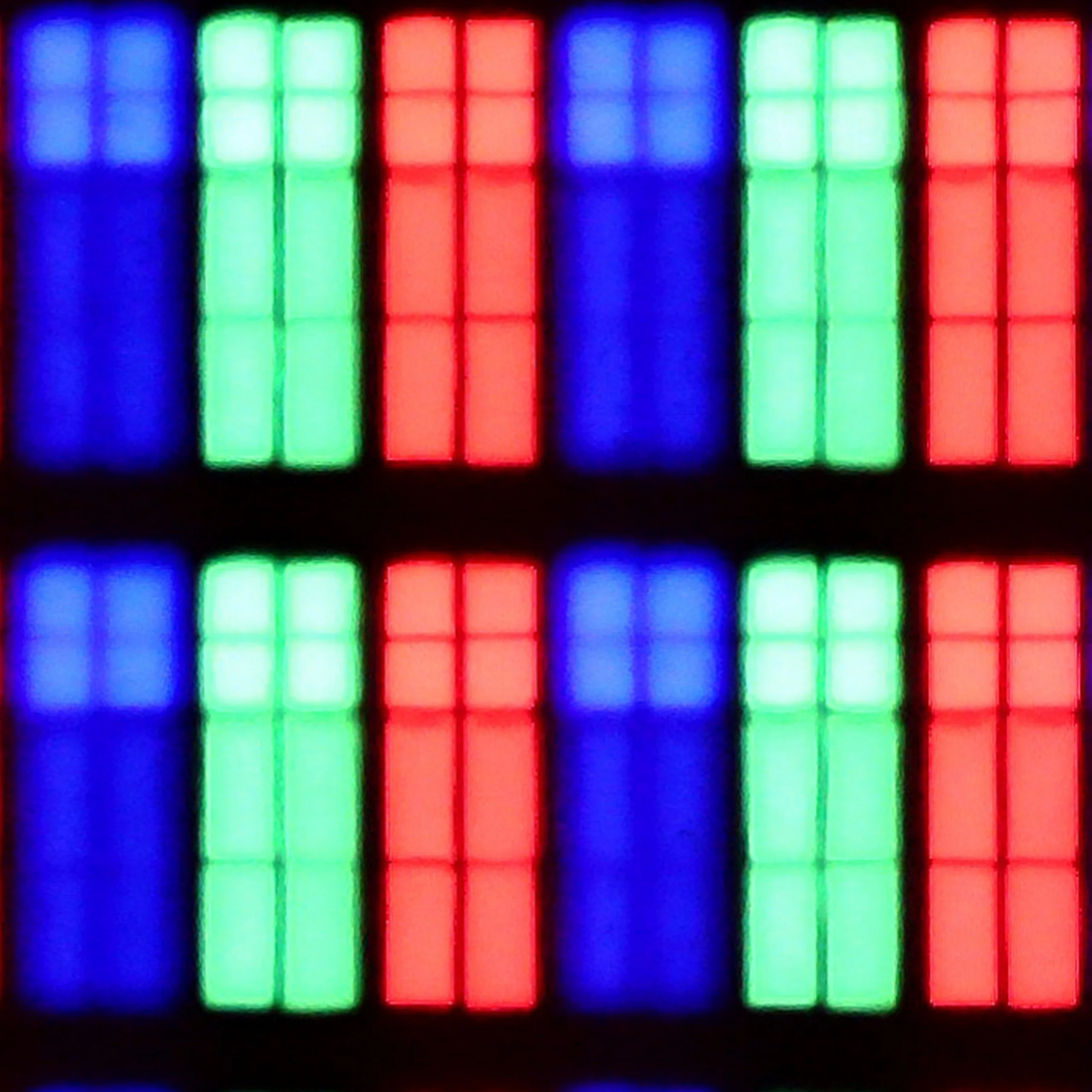
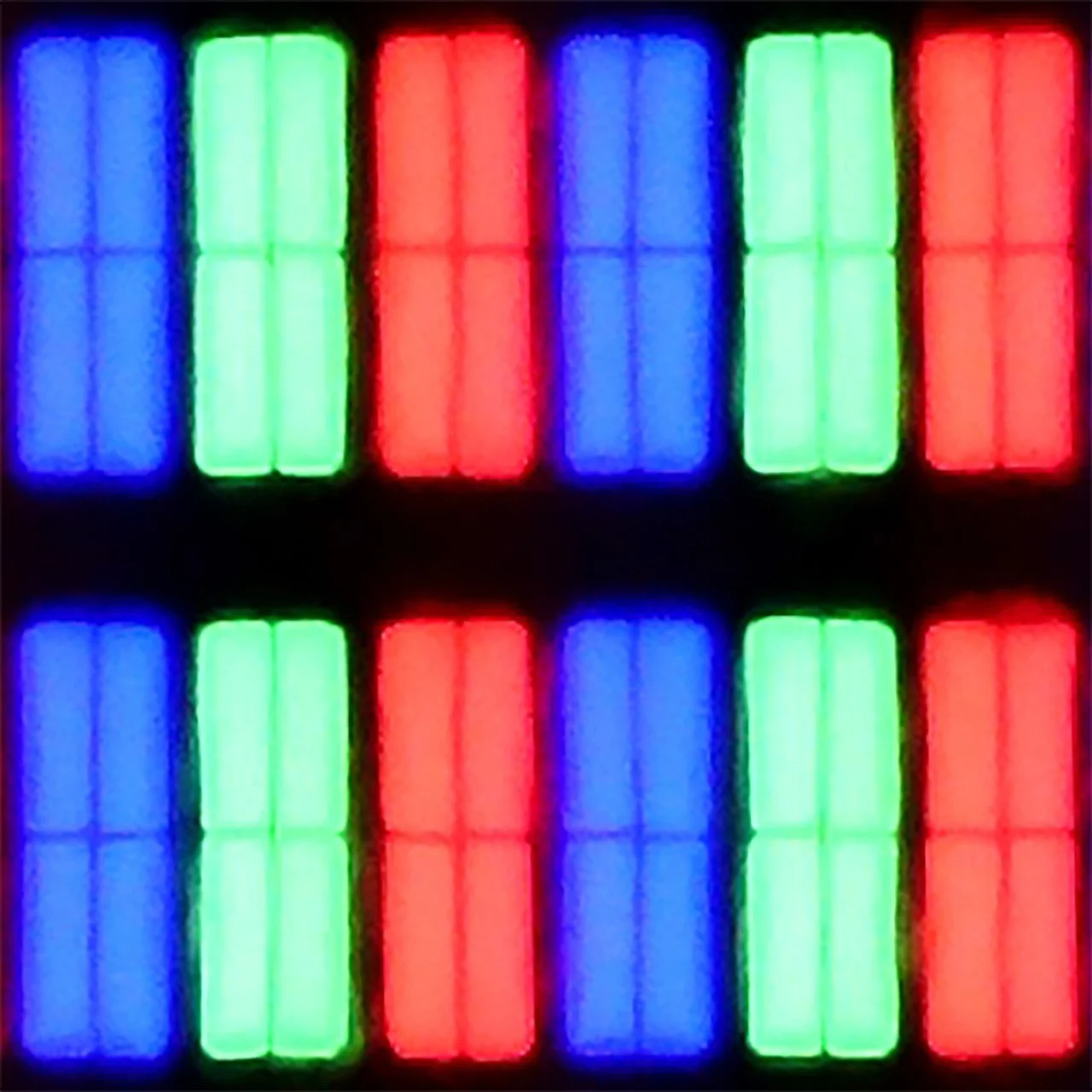
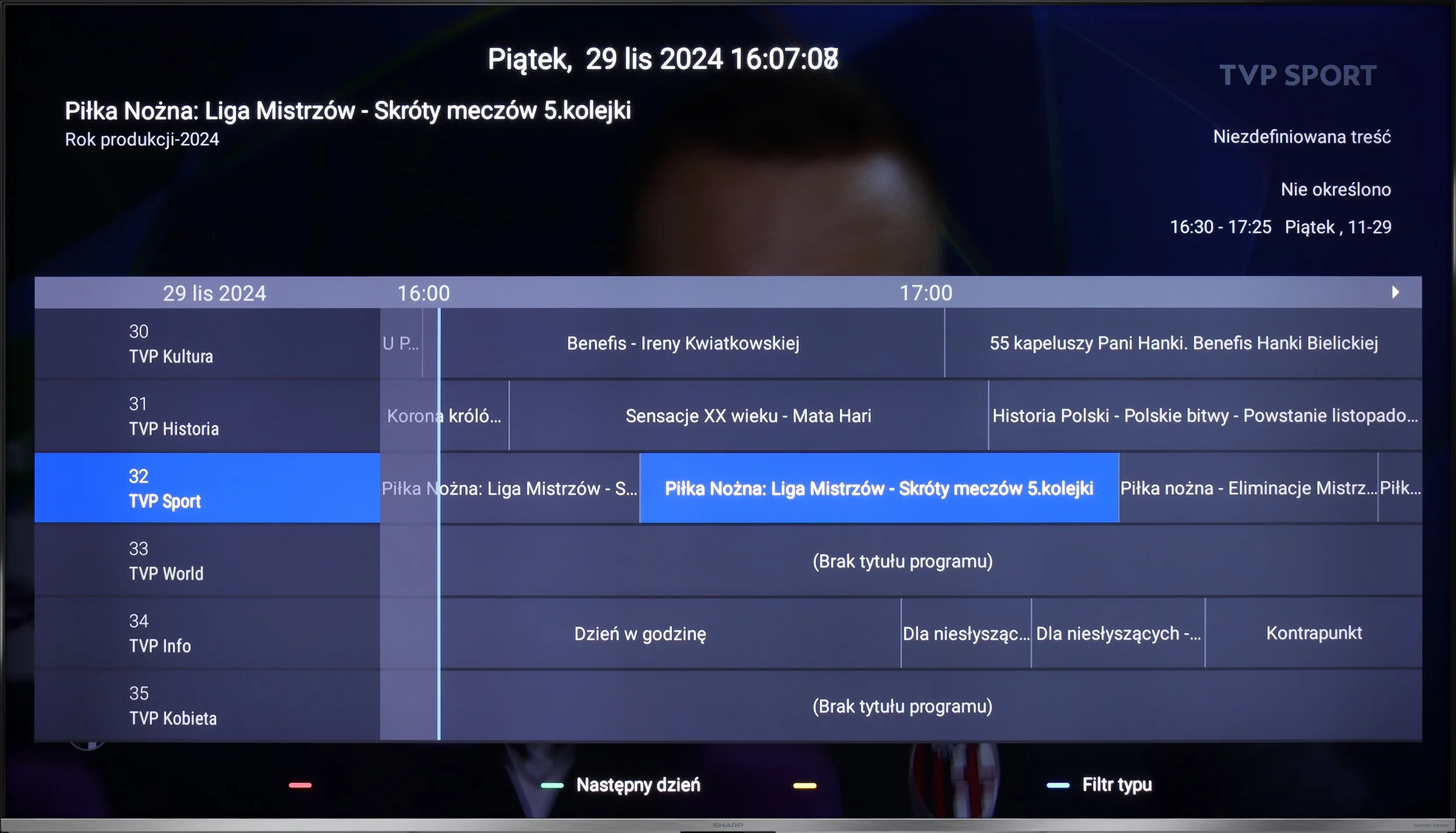
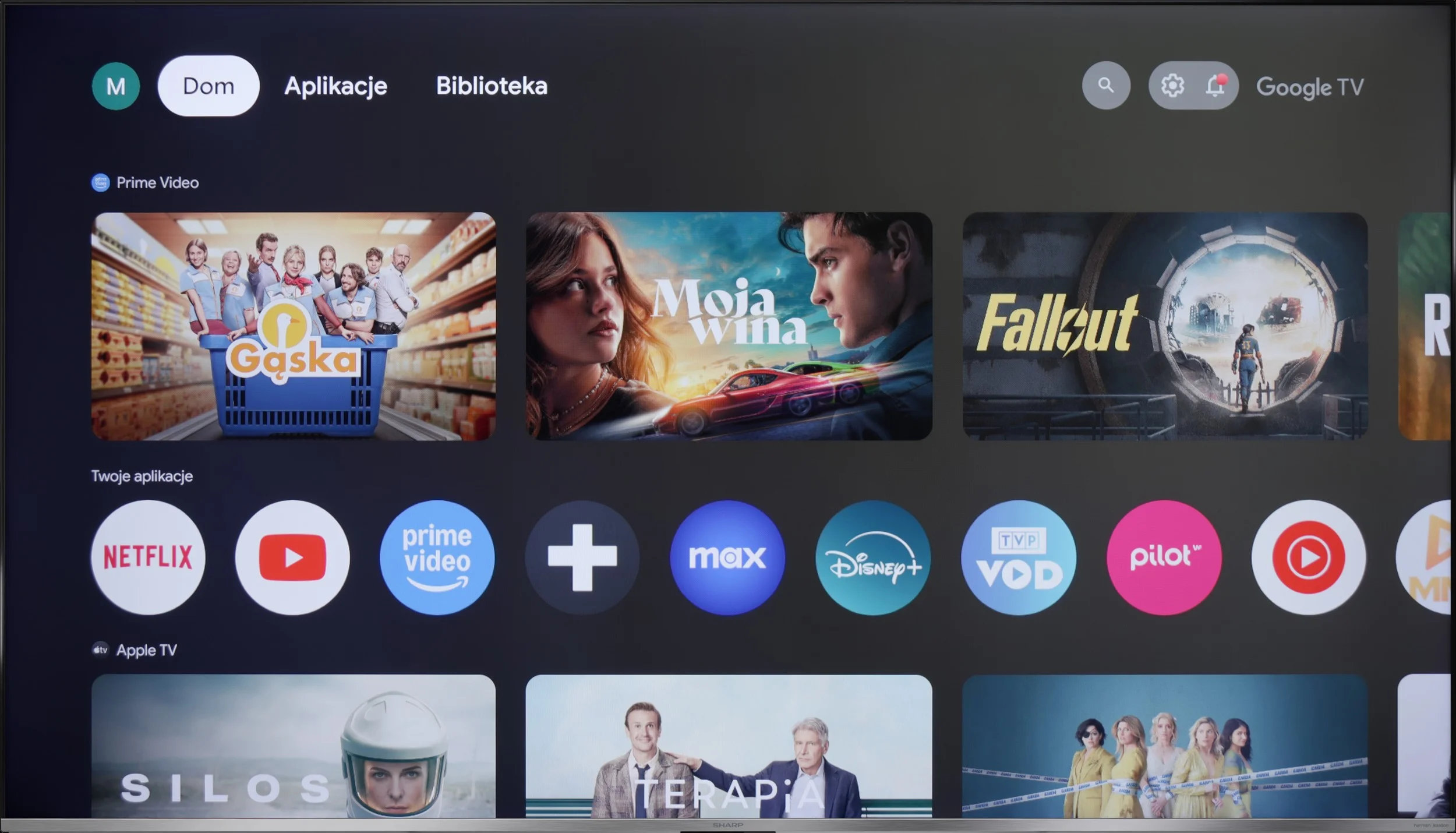
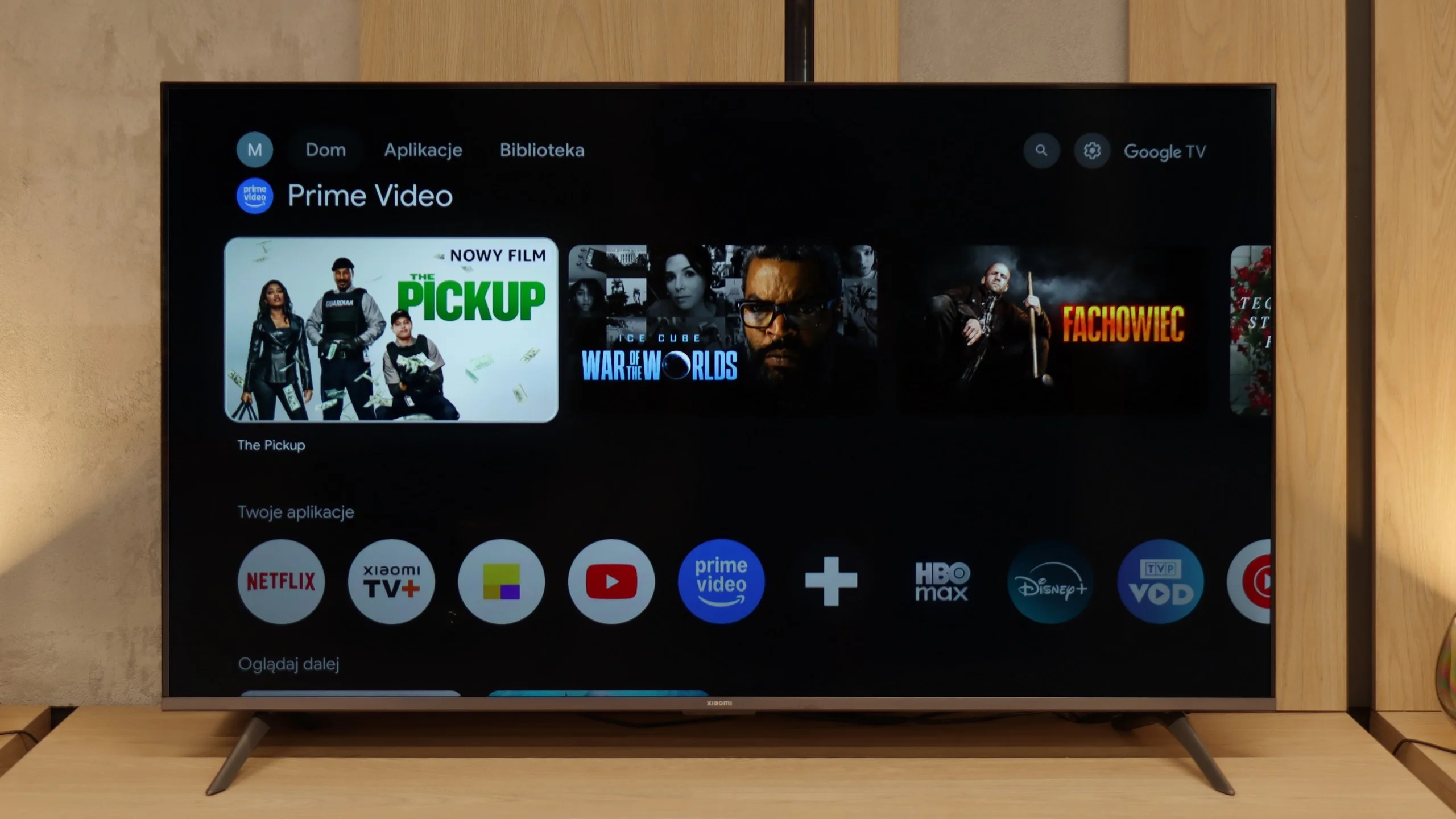
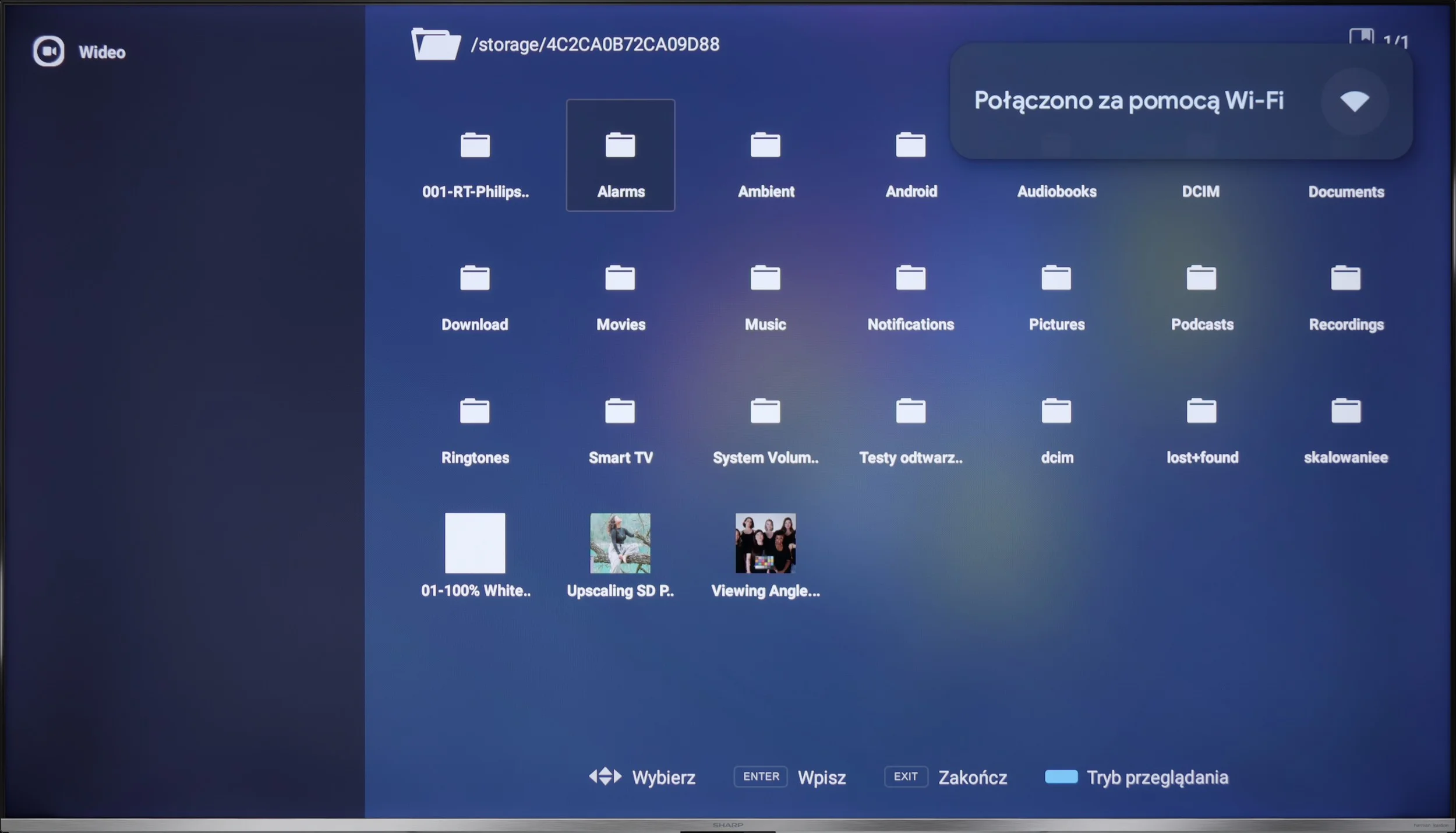
Sharp GP7 is a television that definitely has its strengths, but it isn’t without a few flaws. Is it perfect? No, but for its price, it does a really decent job and will serve as quite a nice choice in many homes. The biggest plus? The Google TV system. Here Sharp GP7 showcases its class – we have a vast selection of apps, probably the largest on the market. It doesn’t matter whether we want to watch Netflix, YouTube, or something less known – we can find everything in one place. Additionally, the interface is simple and intuitive, and if we don’t feel like clicking, we only need to speak to the remote about what we are searching for, as it supports voice commands in Polish. Google TV is definitely something that raises the value of this television because we do not feel like anything is missing. It simply works. When it comes to picture quality, it’s quite good as well. A brightness level of 500 nits combined with Dolby Vision holds up – movies look really solid for this price range. The colours thanks to the PFS (QLED) coating are vivid, the contrast from the VA panel gives depth to dark scenes, and the whole presentation simply "plays". This isn’t premium level, but for this price, you can’t really complain. It’s a good picture that will comfortably satisfy most users. Of course, there are weaker points. The television struggles somewhat with dynamic scenes – sports or video games won’t look perfect here. The 60 Hz panel and response time cannot provide the highest fluidity. Additionally, the manufacturer mentions HDMI 2.1, but the only thing we find here is the ALLM feature. VRR, G-Sync, or other features that could attract gamers are missing.
In summary – Sharp GP7 is a solid television for everyday watching of films and series. It’s not for gamers or fans of sports broadcasts, but for universal use – definitely. If we value access to a rich ecosystem of applications and good picture quality at a reasonable price, this model might just be for us.
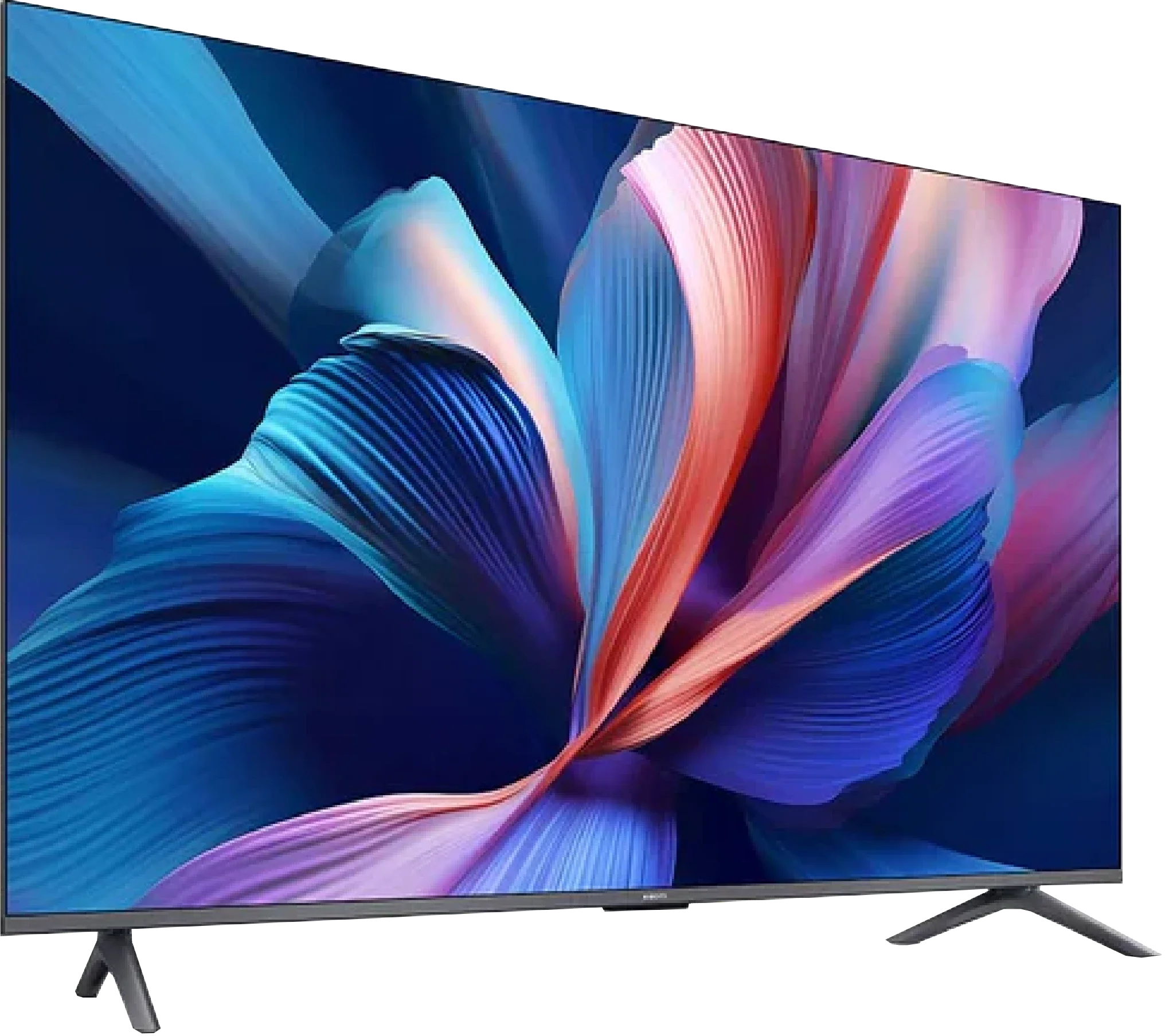
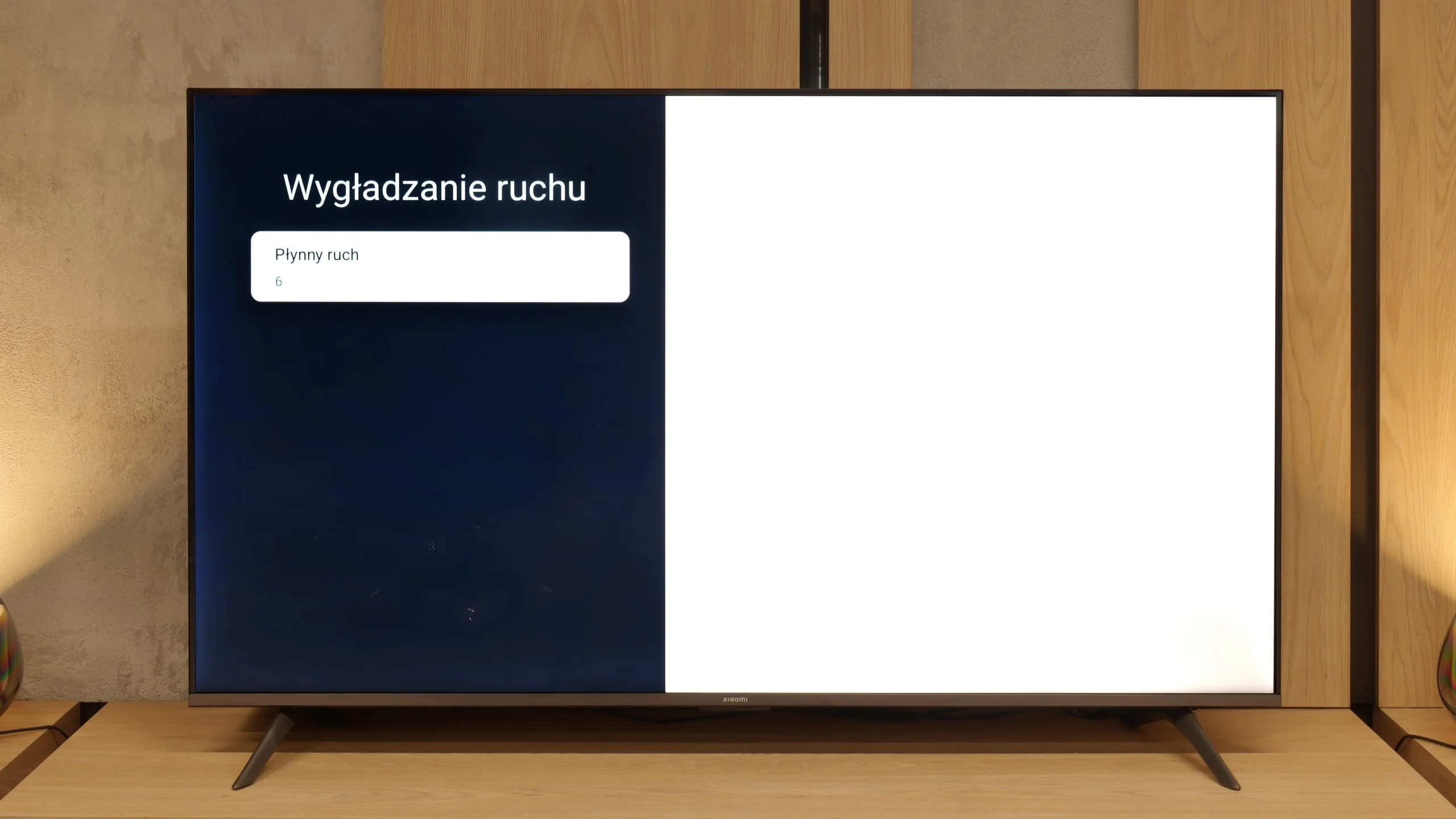
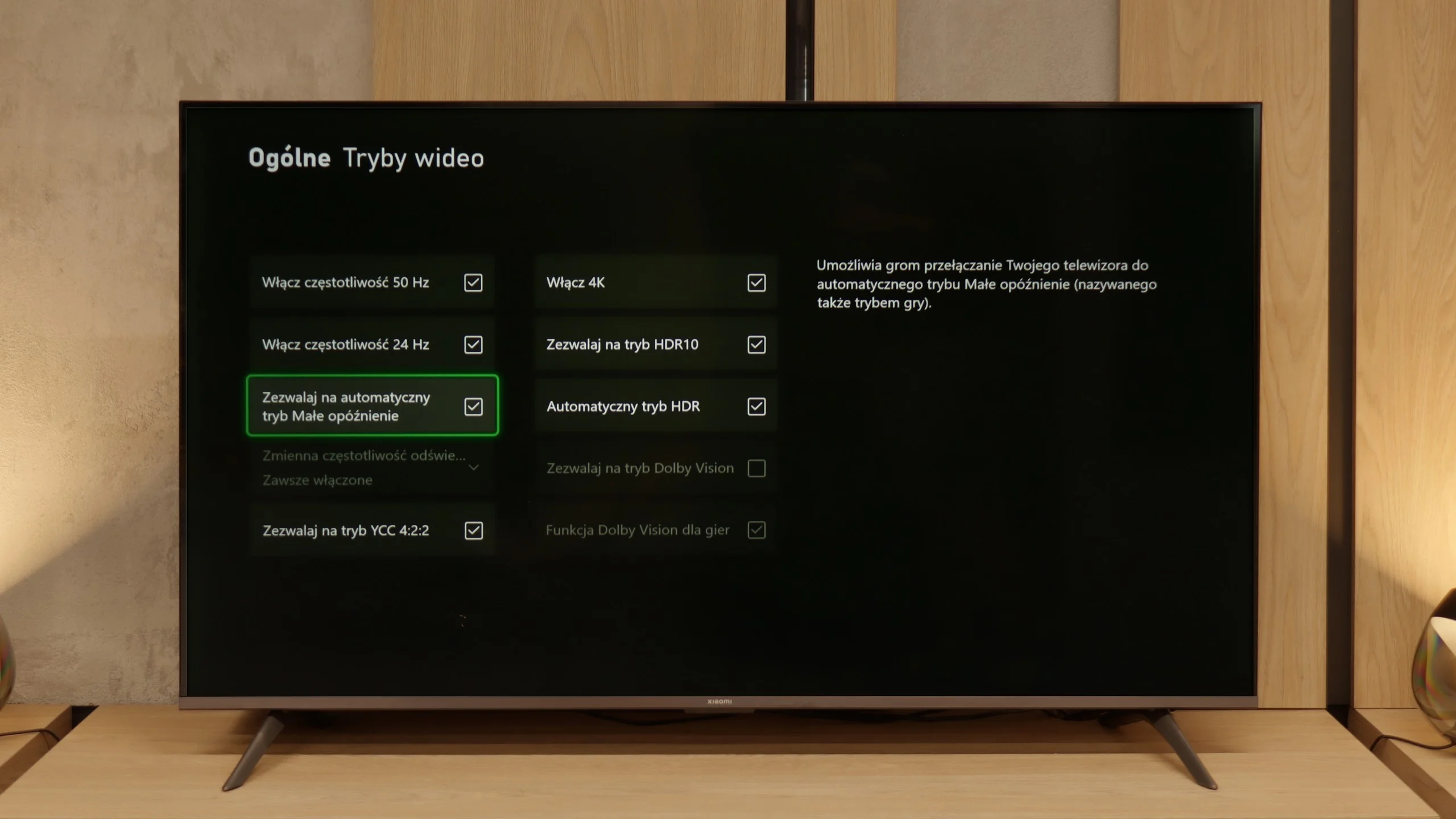
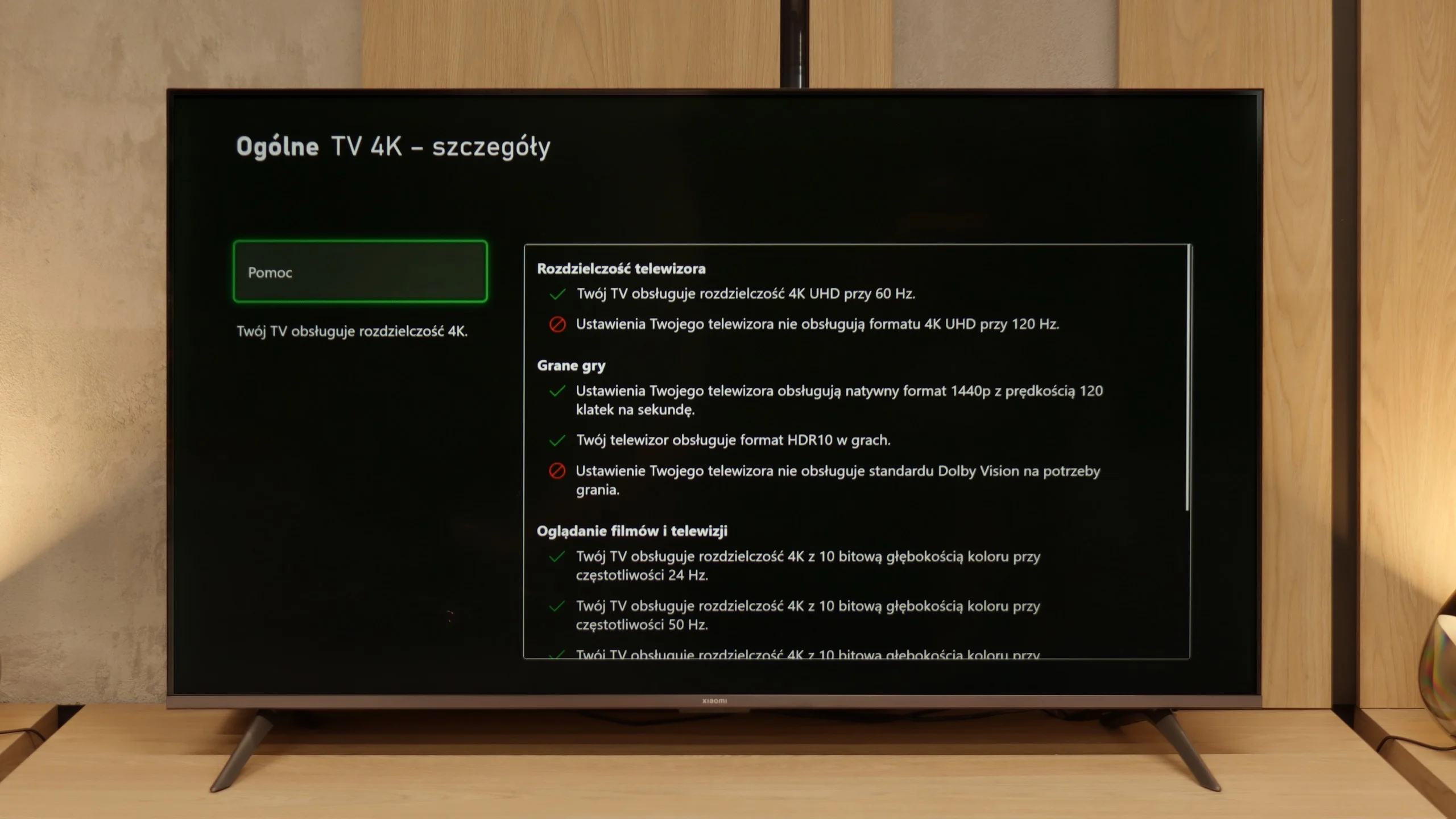
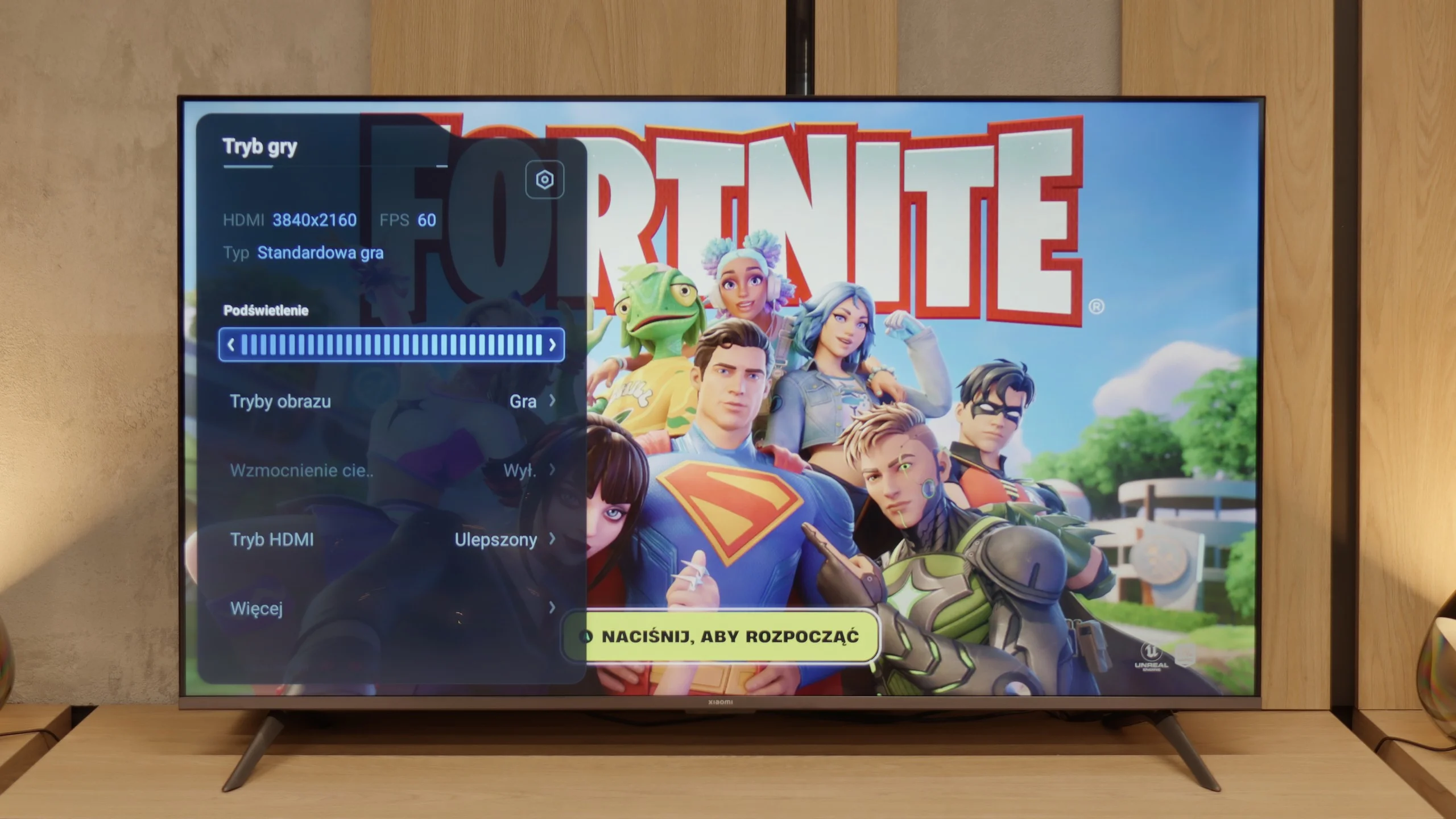
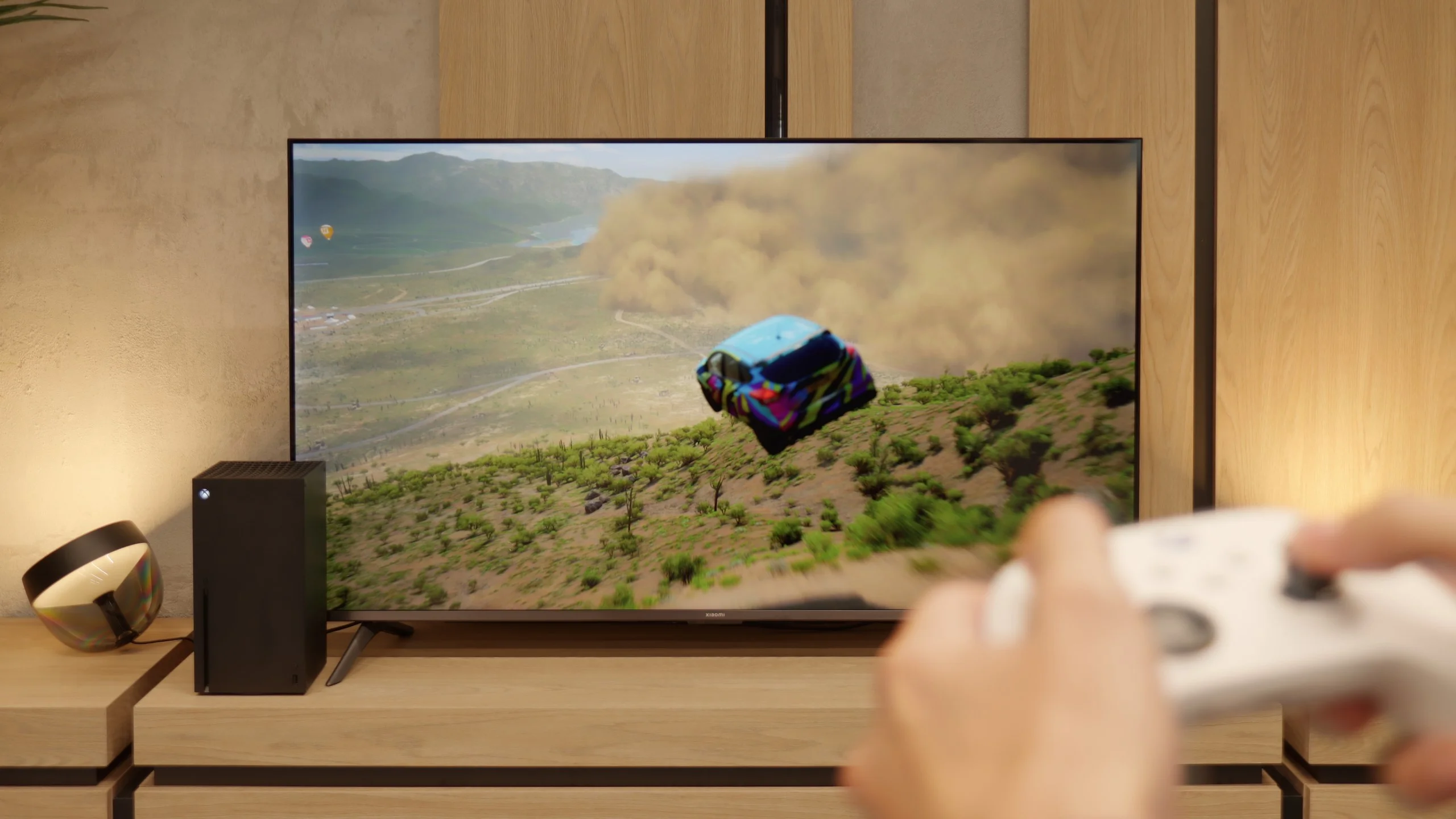
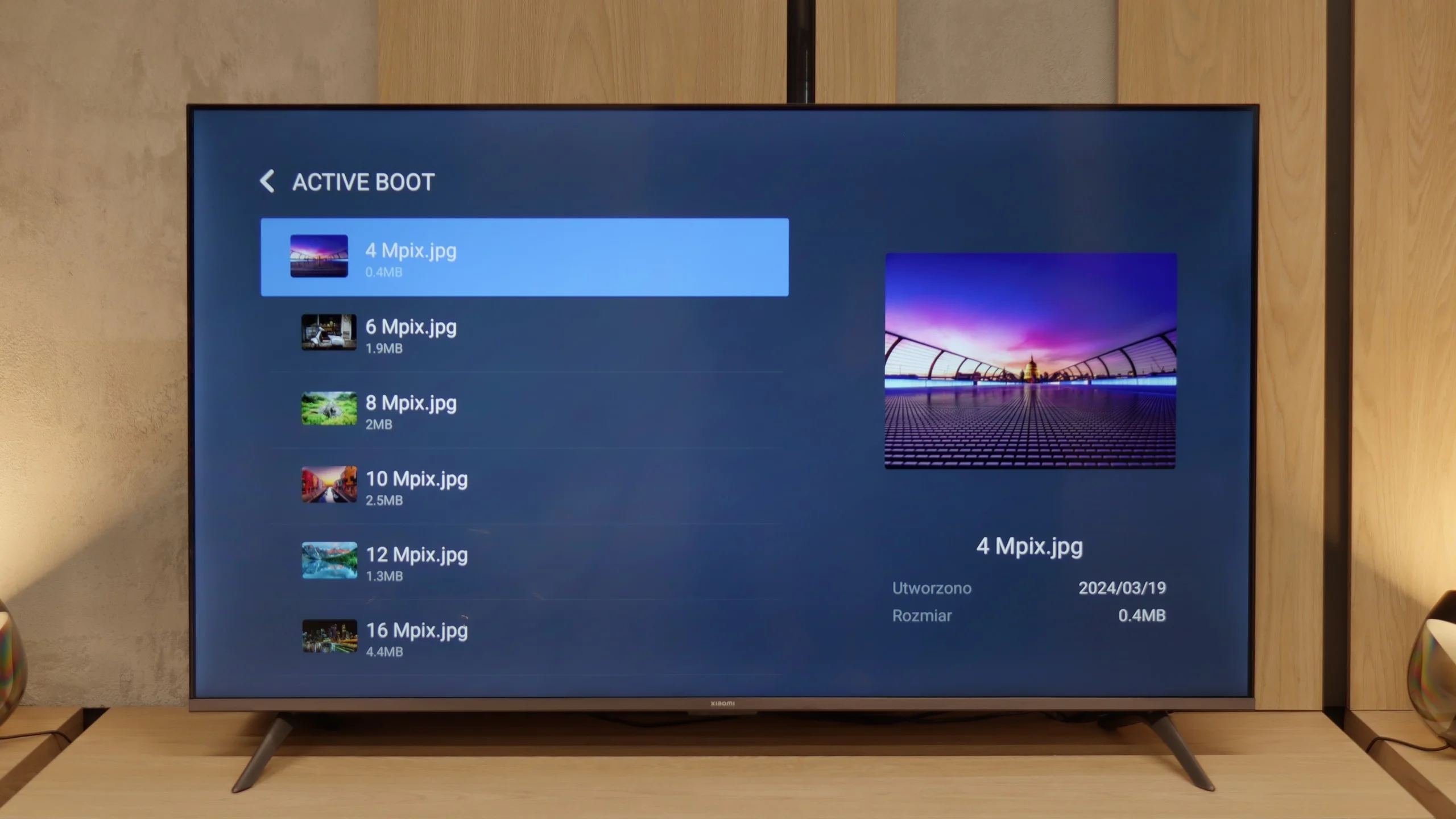
Xiaomi A Pro 2026 is a television that at first glance does not reveal significant changes compared to its predecessor. Someone might even think it is simply a copy of last year's model with a different label. And there is some truth to that, as the main new feature, or rather the only noticeable difference, is the 120 Hz mode at lower resolutions. Credit must be given to Xiaomi, as this addition really does make a difference – it is not a solution for professional gamers, but a nod towards those looking for a smoother image during casual gaming. This is where the A Pro 2026 can shine – with a simple yet clever idea that distinguishes it in the “super-budget” segment. Unfortunately, when we begin to look at the television more broadly, excitement quickly dwindles. Even though the year has changed on the calendar, most of the issues known from the A Pro 2025 have remained – the system can still experience strange stutters, and the occasional errors can be quite irritating. Additionally, there is a lack of any serious tools for digital image processing, which worked quite decently last year. As a result, there are many limitations in the design that the competition at a similar price point is already attempting to mask. In terms of picture quality, we will not deceive you either. A brightness level of 200–300 nits does not stand a chance against more demanding materials. Yes, with simpler streaming content, one can manage to watch something, but with high-budget productions, it is immediately evident why the television costs what it does. The impression of watching a flattened image stripped of details accompanies us almost every time. And here we get to the crux of the matter. The Xiaomi A Pro 2026 is a television for those who really require very little. As a daily screen for series, news, or YouTube – it works quite well, especially thanks to its operating system, which is GoogleTV. Also, if someone is looking for budget equipment and additionally would like a taste of smoother gameplay in games due to the 120 Hz mode, they may even be satisfied. But anyone expecting at least average picture quality, a stable system, and proper functionality will quickly notice that there are other budget models on the market that simply perform better.
 Direct comparison