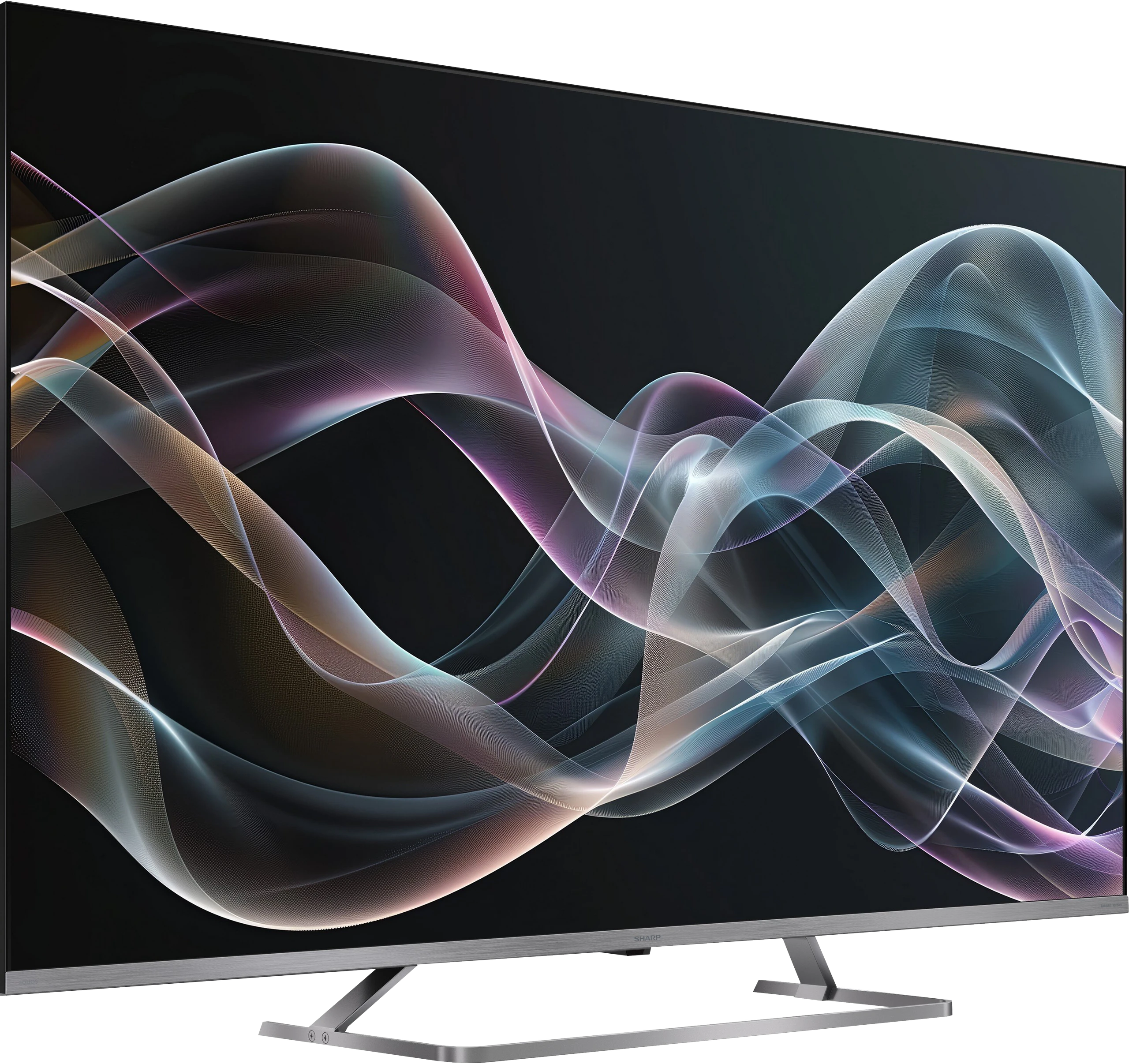
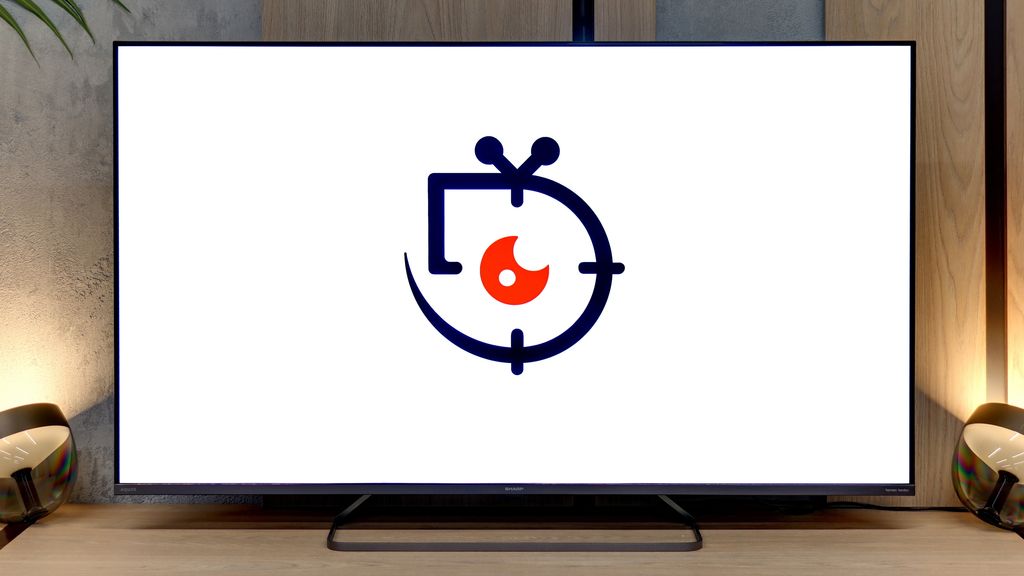
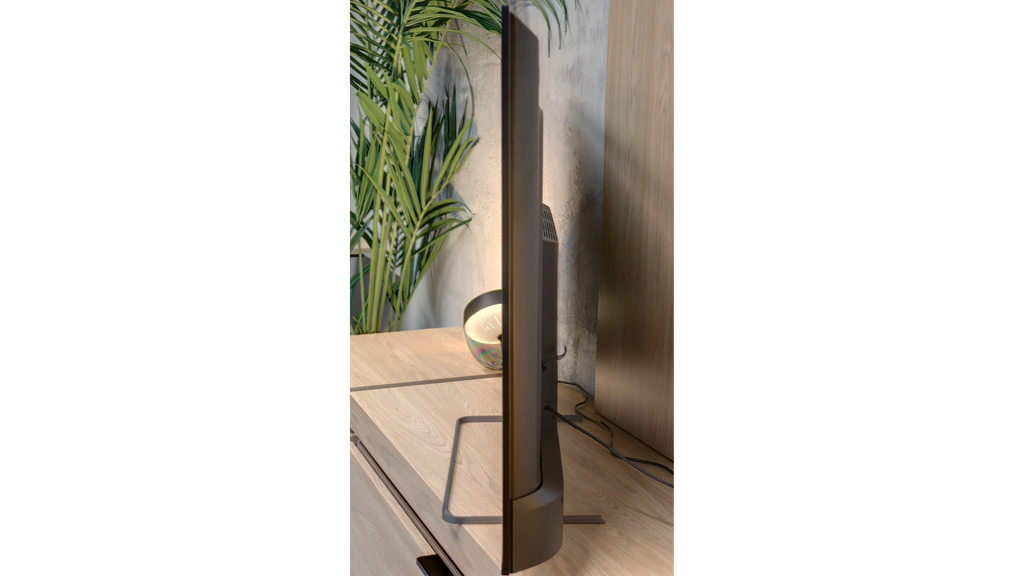
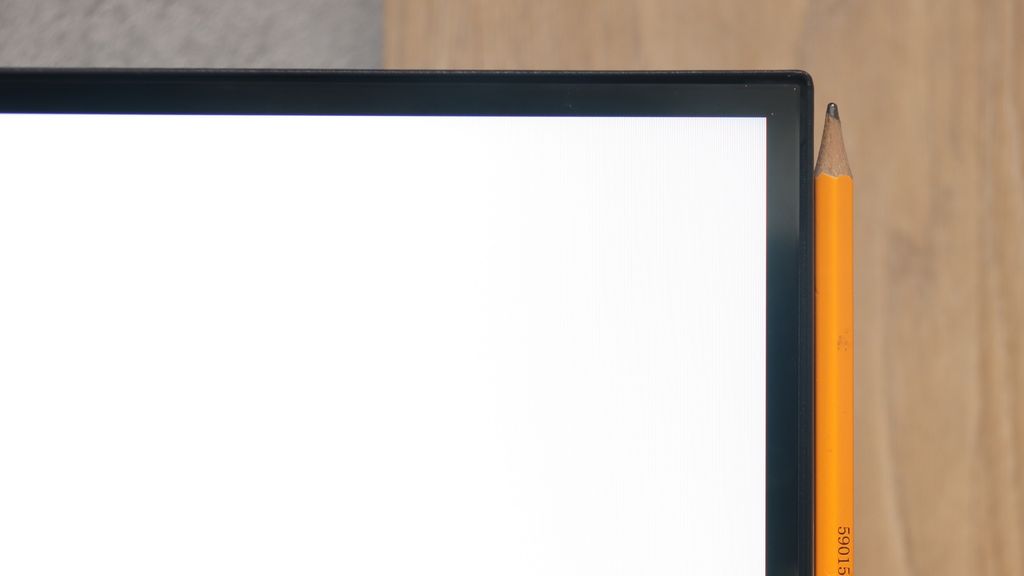
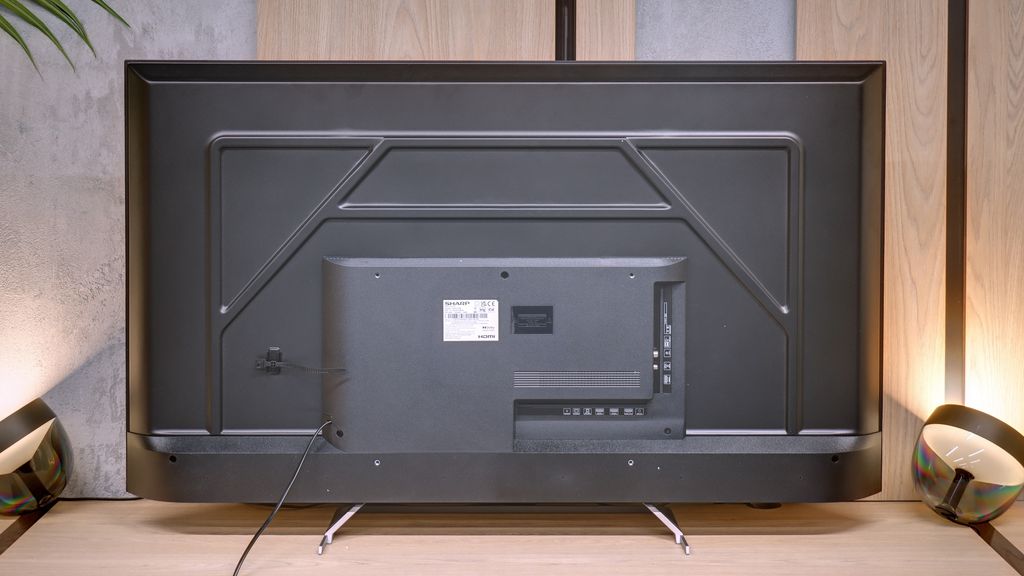
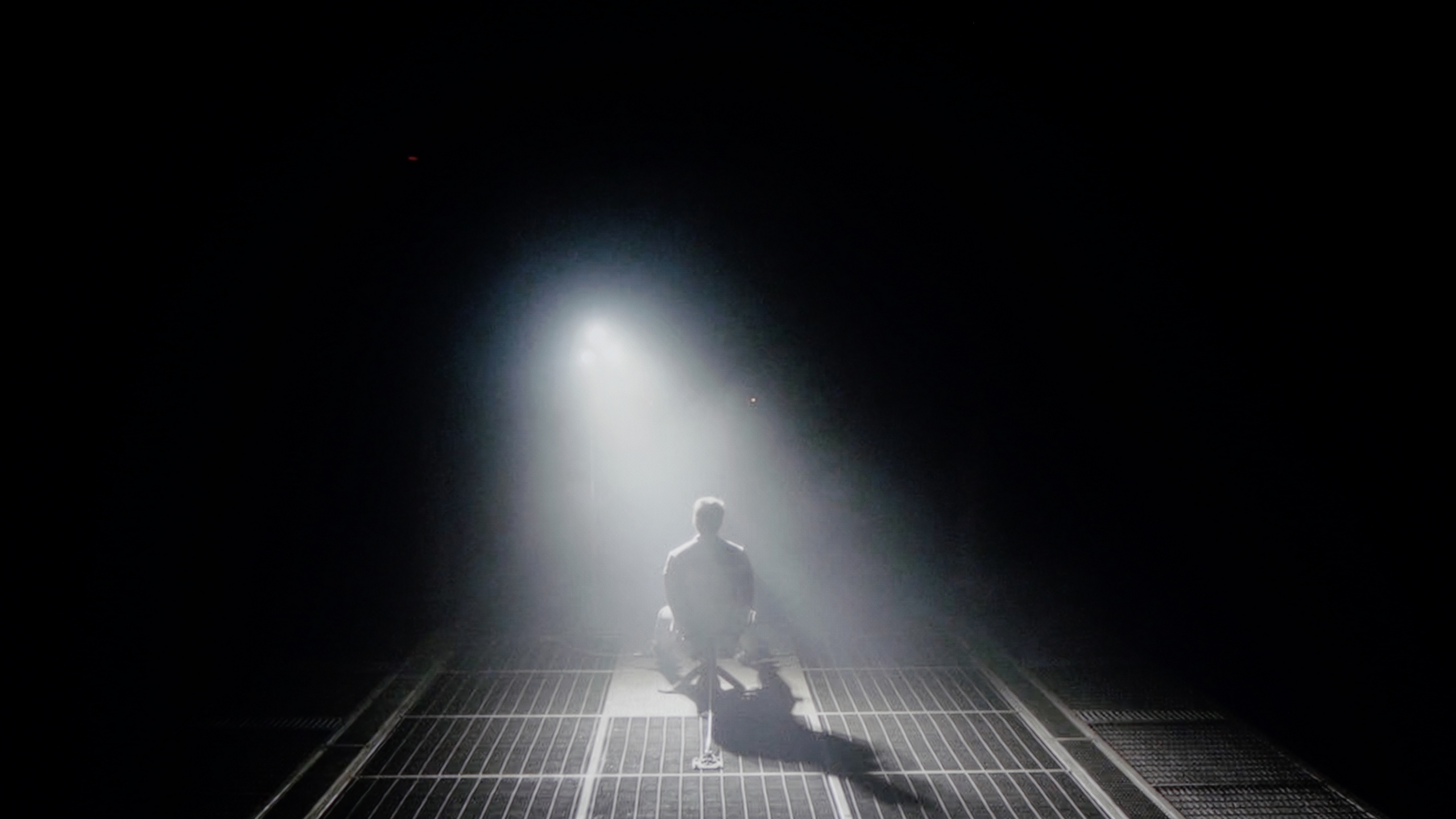
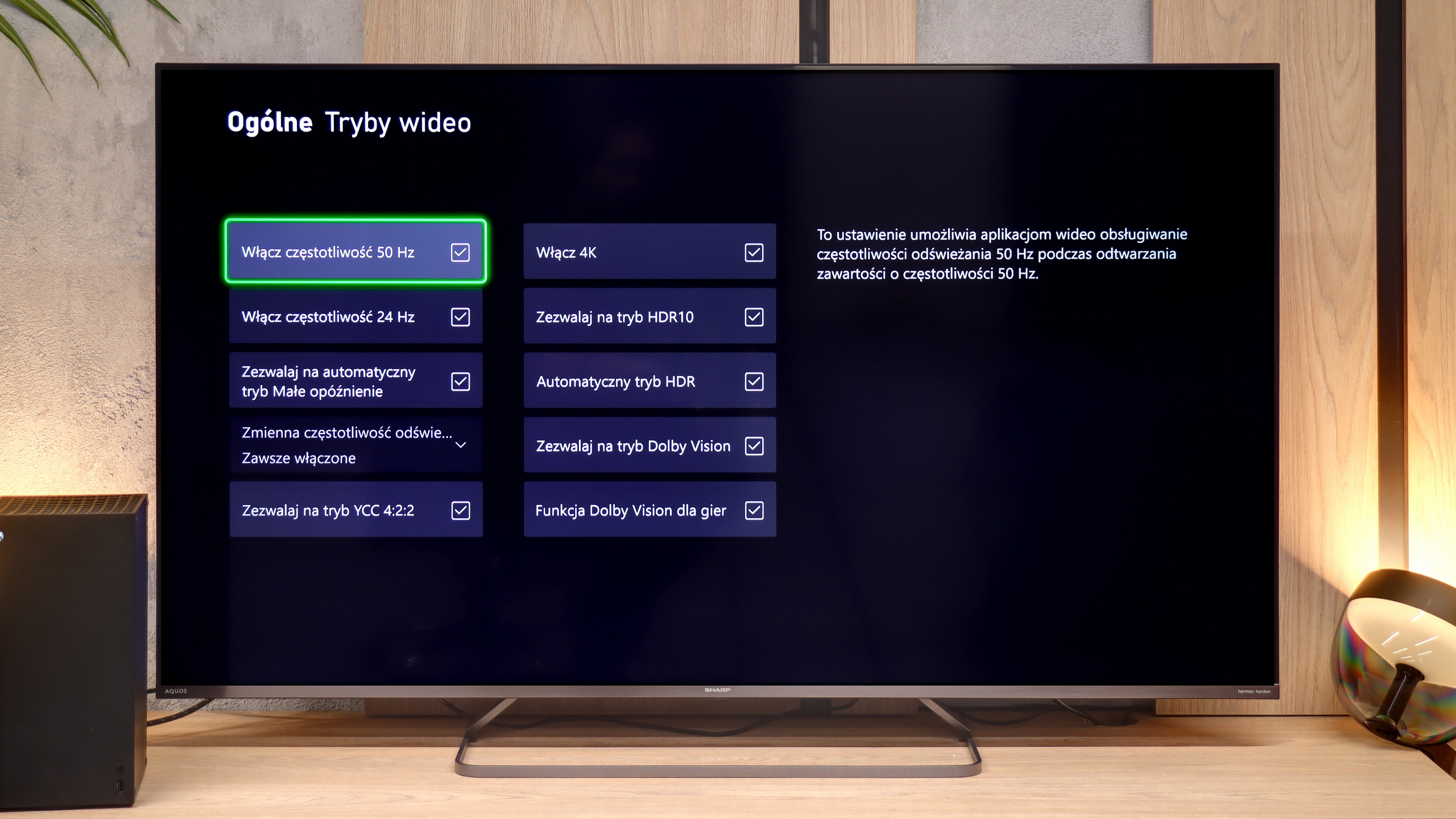
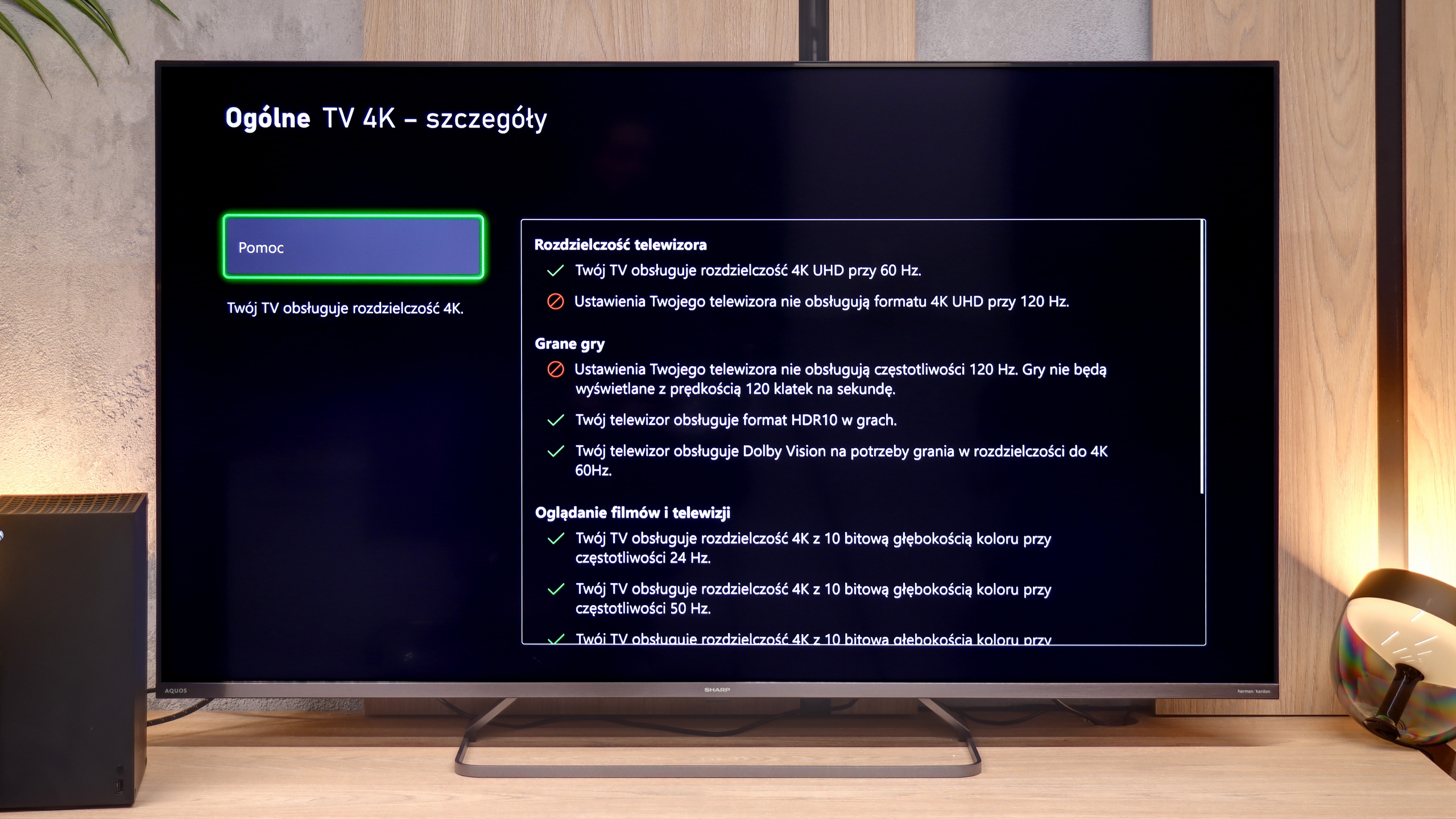
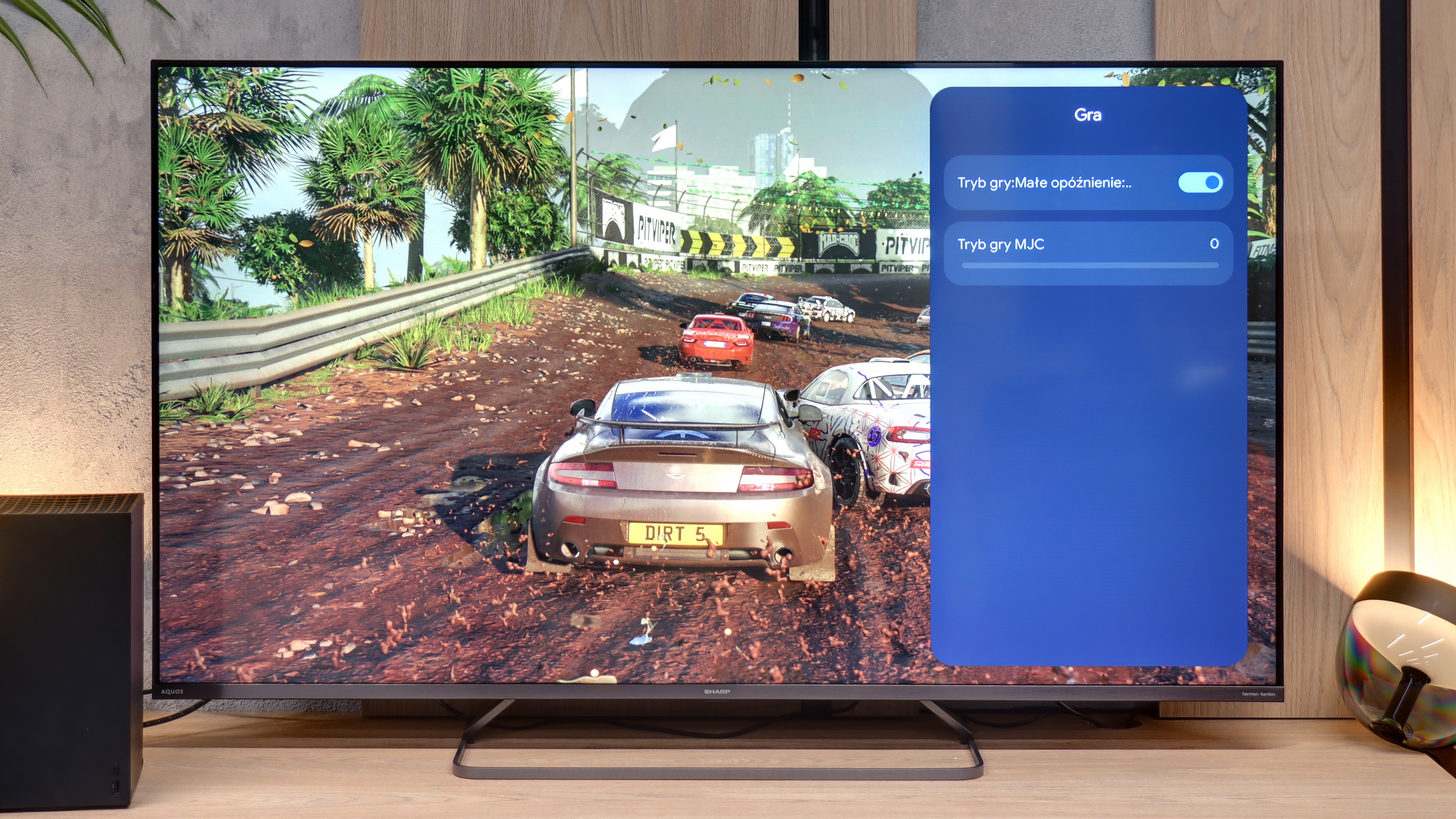
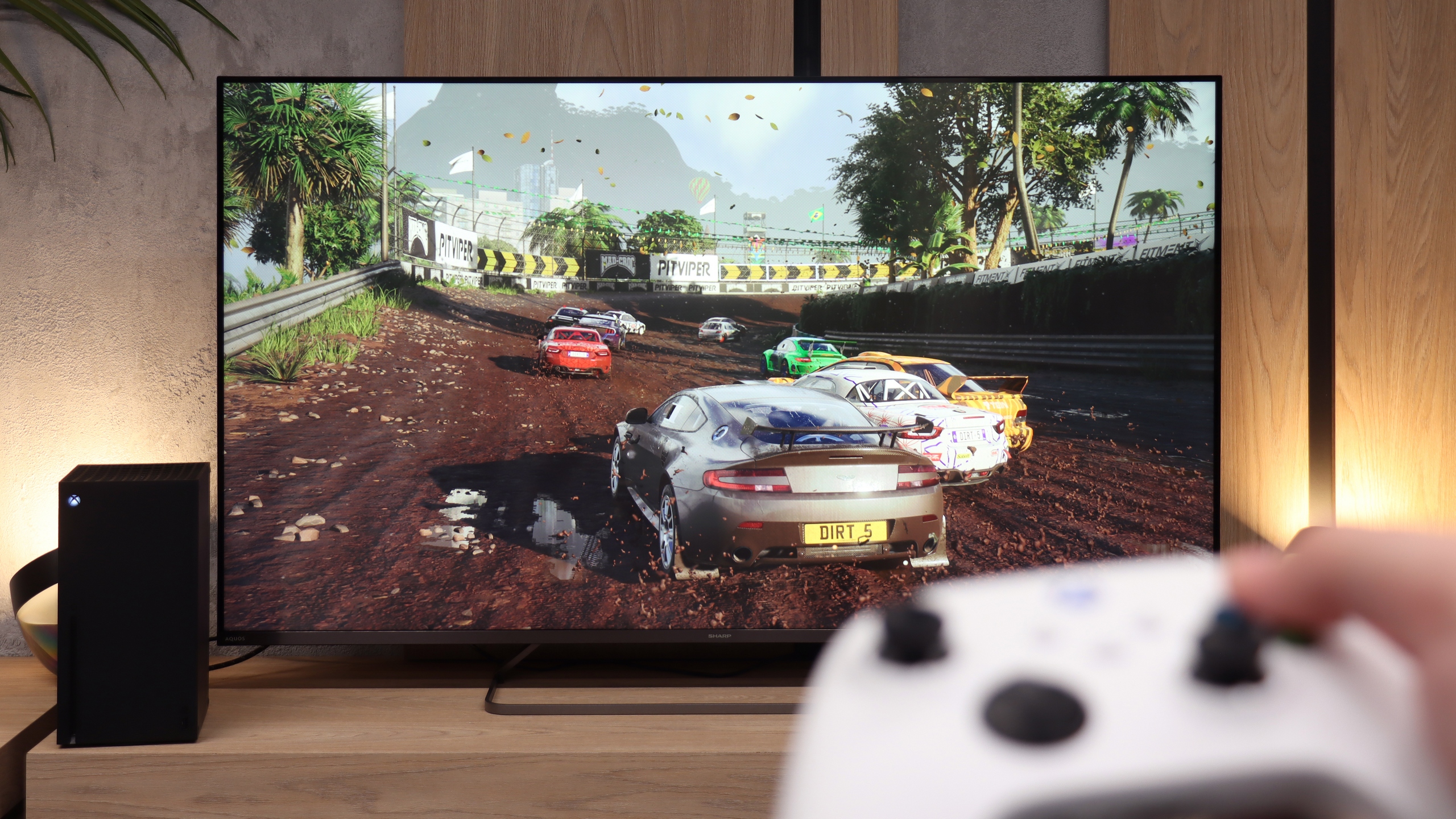
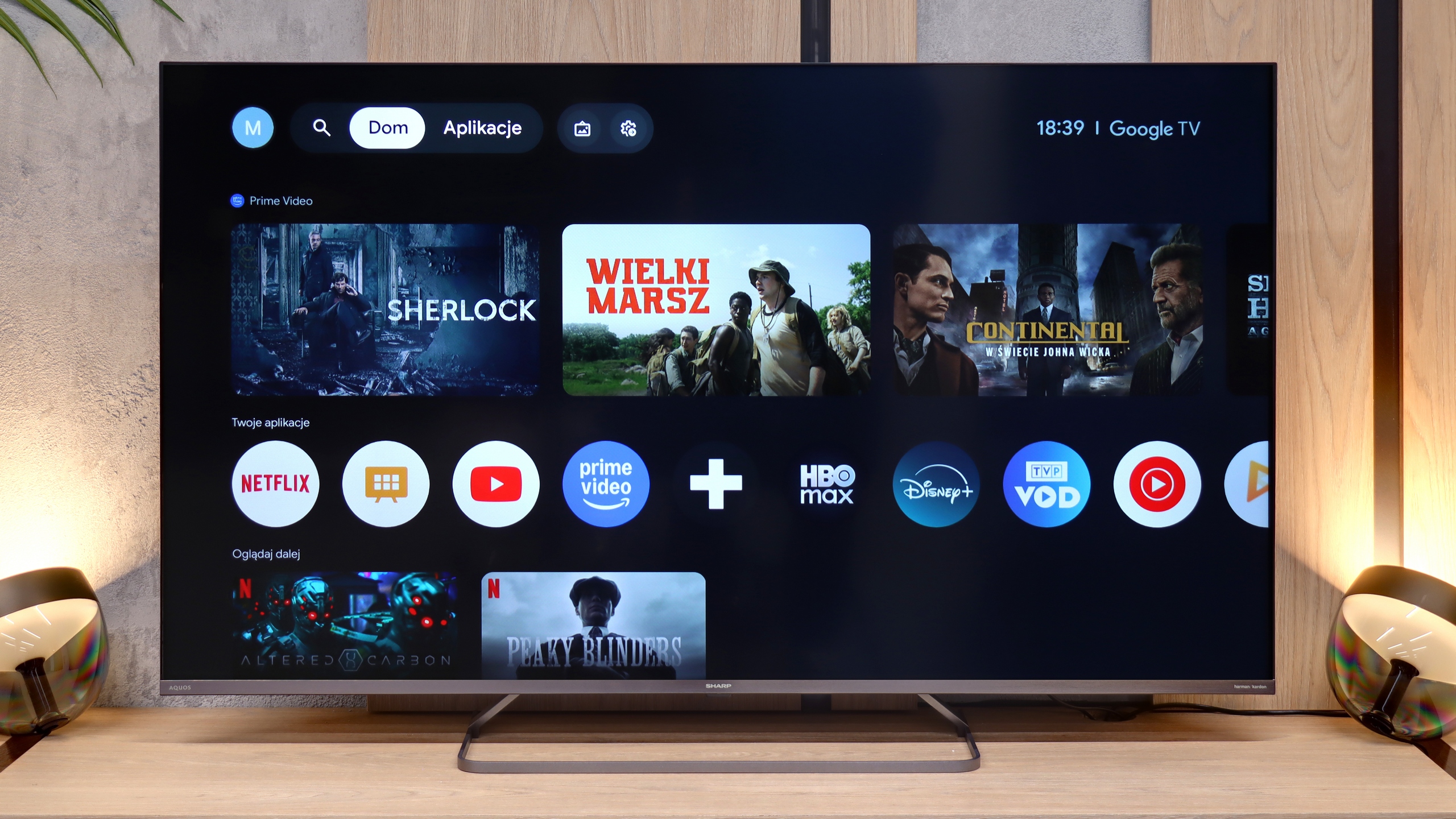
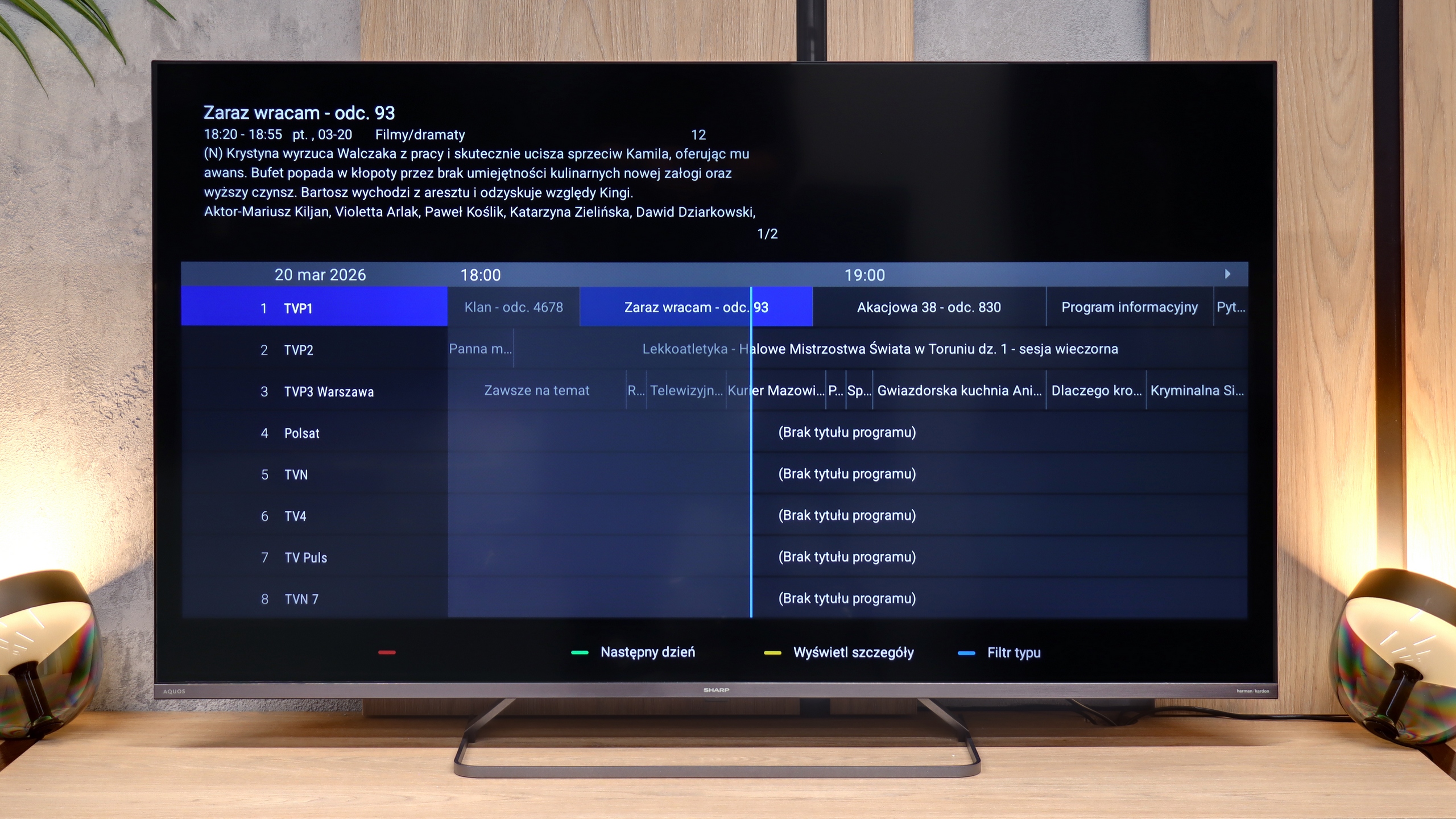
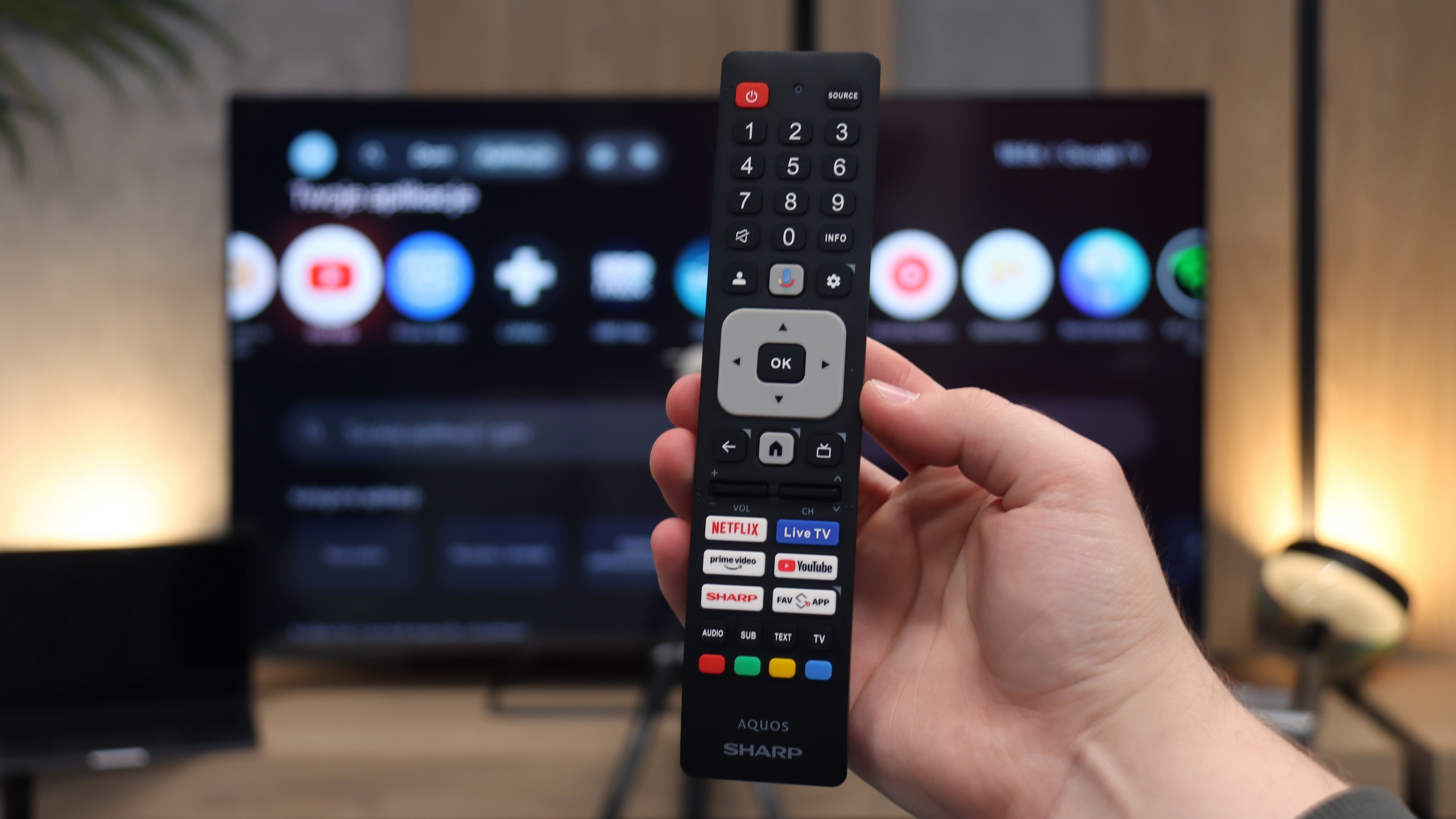
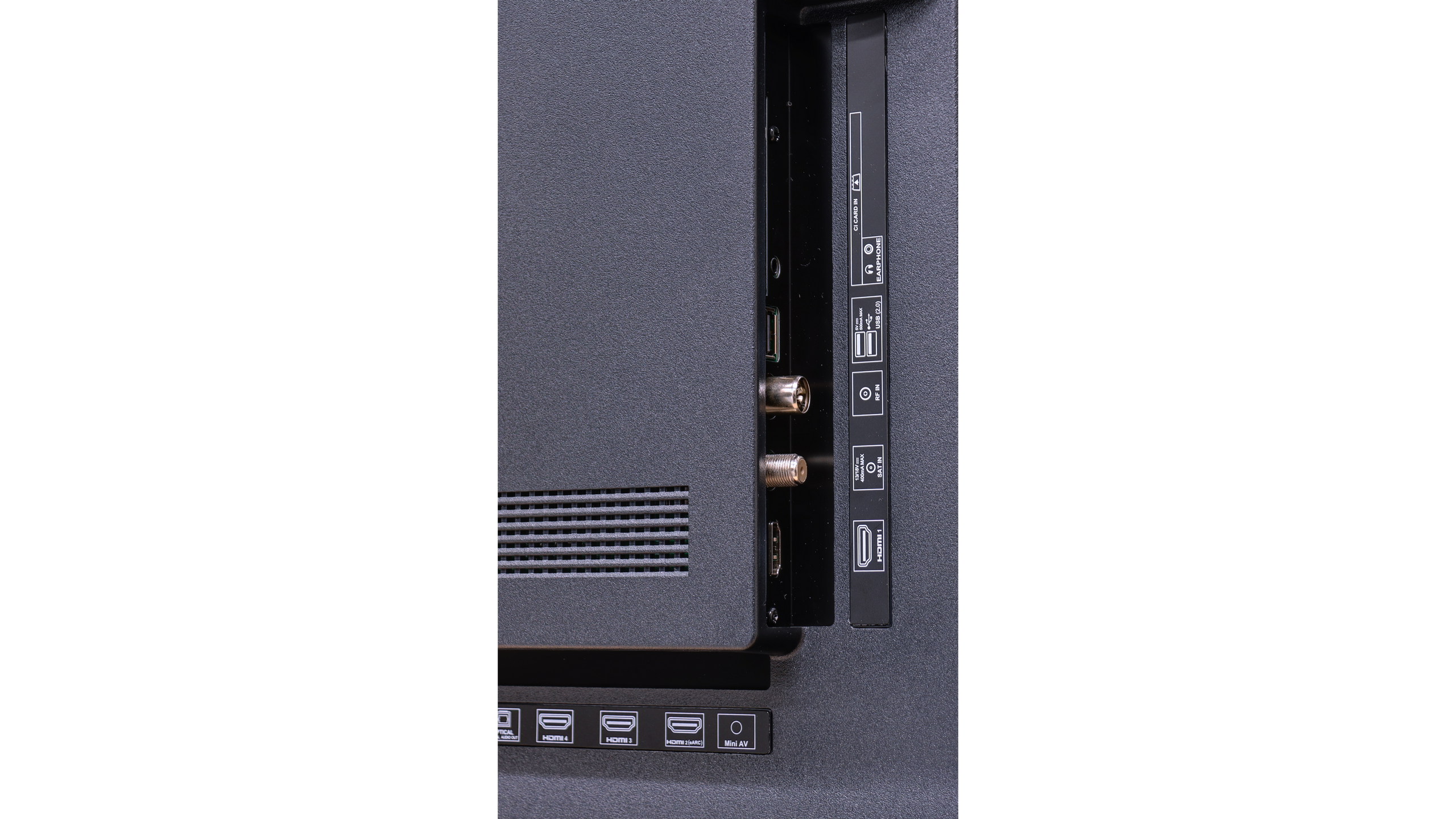
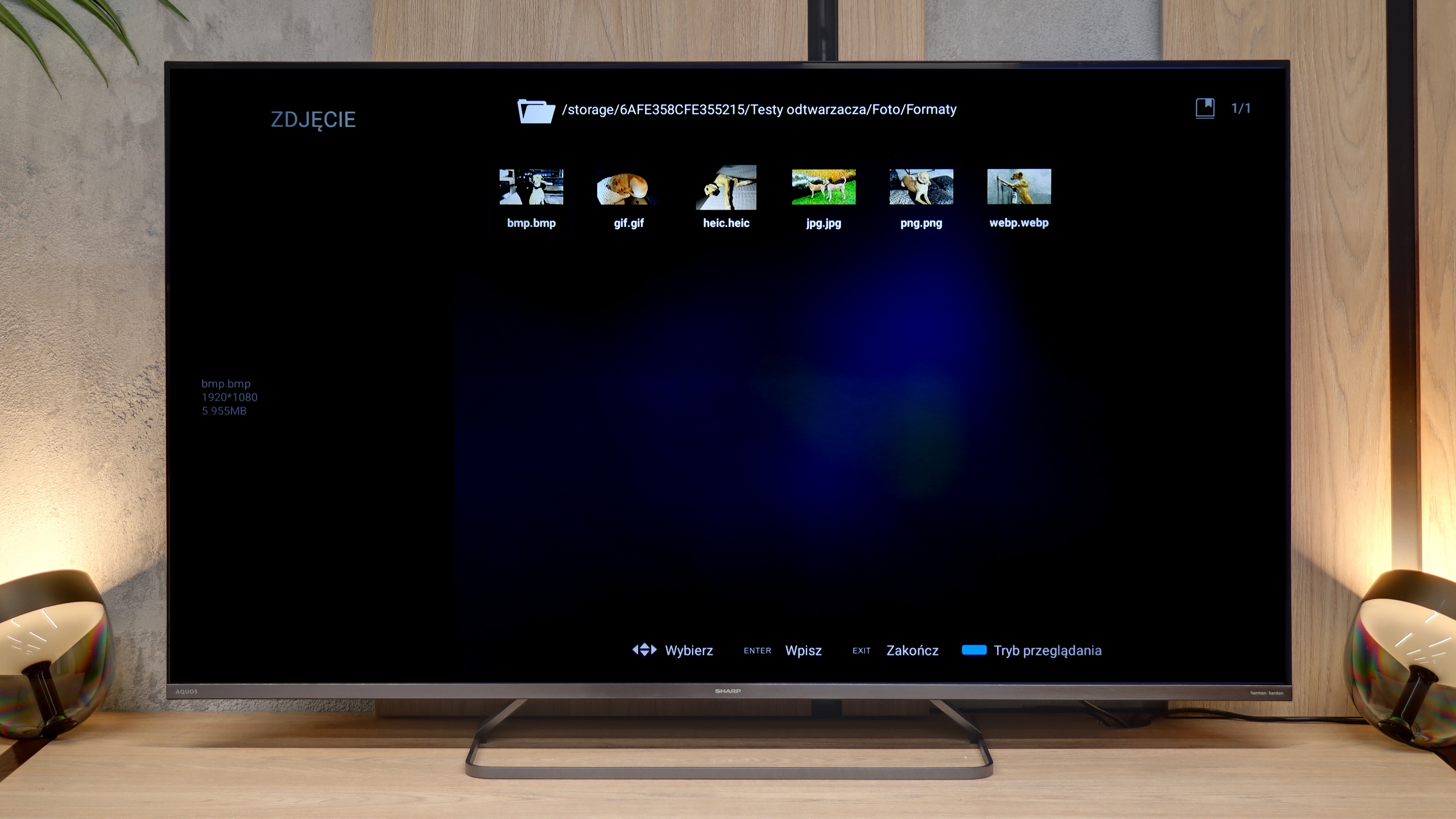
Sharp GP7 is a television that definitely has its strengths, but it isn’t without a few flaws. Is it perfect? No, but for its price, it does a really decent job and will serve as quite a nice choice in many homes. The biggest plus? The Google TV system. Here Sharp GP7 showcases its class – we have a vast selection of apps, probably the largest on the market. It doesn’t matter whether we want to watch Netflix, YouTube, or something less known – we can find everything in one place. Additionally, the interface is simple and intuitive, and if we don’t feel like clicking, we only need to speak to the remote about what we are searching for, as it supports voice commands in Polish. Google TV is definitely something that raises the value of this television because we do not feel like anything is missing. It simply works. When it comes to picture quality, it’s quite good as well. A brightness level of 500 nits combined with Dolby Vision holds up – movies look really solid for this price range. The colours thanks to the PFS (QLED) coating are vivid, the contrast from the VA panel gives depth to dark scenes, and the whole presentation simply "plays". This isn’t premium level, but for this price, you can’t really complain. It’s a good picture that will comfortably satisfy most users. Of course, there are weaker points. The television struggles somewhat with dynamic scenes – sports or video games won’t look perfect here. The 60 Hz panel and response time cannot provide the highest fluidity. Additionally, the manufacturer mentions HDMI 2.1, but the only thing we find here is the ALLM feature. VRR, G-Sync, or other features that could attract gamers are missing.
In summary – Sharp GP7 is a solid television for everyday watching of films and series. It’s not for gamers or fans of sports broadcasts, but for universal use – definitely. If we value access to a rich ecosystem of applications and good picture quality at a reasonable price, this model might just be for us.
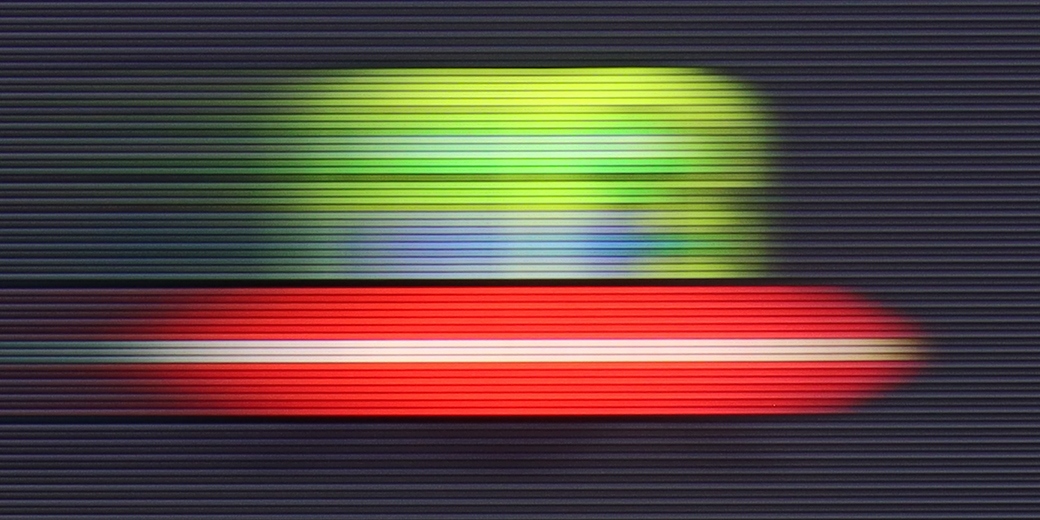
Sharp JP7765 is yet another offering in the market that attempts to prove that Mini-LED technology doesn’t have to cost a fortune. The low price comes hand in hand with an exceptionally high brightness – a peak of 1000 nits in HDR is a result that simply impresses in this price range. Although the proprietary processor doesn’t always manage the backlighting perfectly in demanding scenes, support for Dolby Vision effectively saves the situation. Thanks to dynamic metadata, the picture becomes plastic, deep, and simply attractive to the eye. Adding to this the Google TV system, extreme volume, and the now-rare jack headphone socket, we get a device that is a brilliant option for seniors or less demanding viewers transitioning from a regular, cheap LCD. In such a scenario, the Sharp JP7 presents itself as a really decent and cost-effective choice. However, it must be stated clearly: contrary to marketing slogans, this is not equipment for everyone. Gamers or sports fans will definitely not find themselves here. The biggest drawback of the JP7765 model is the slow, 60-hertz panel and significant motion blur, which essentially disqualifies this television for watching dynamic matches or playing fast-paced titles. The picture loses sharpness during rapid movements to such an extent that for a football or racing fan, it may be an unacceptable barrier.
So, for whom is the Sharp JP7765? It is a sensible choice for budget-conscious individuals who do not have high demands regarding motion fluidity but value a “kick” of brightness. By choosing the Sharp JP7, you will definitely make a better deal than purchasing basic (non-dimming) televisions from the competition. Rivals typically offer ordinary LCD panels for a similar price, which cannot compete with the capabilities of even such a basic Mini-LED model as the JP7. Ultimately, it comes down to a simple arrangement: you accept lower motion fluidity in exchange for powerful brightness, which is hard to find from other manufacturers at this price.
 Direct comparison