Direct comparison



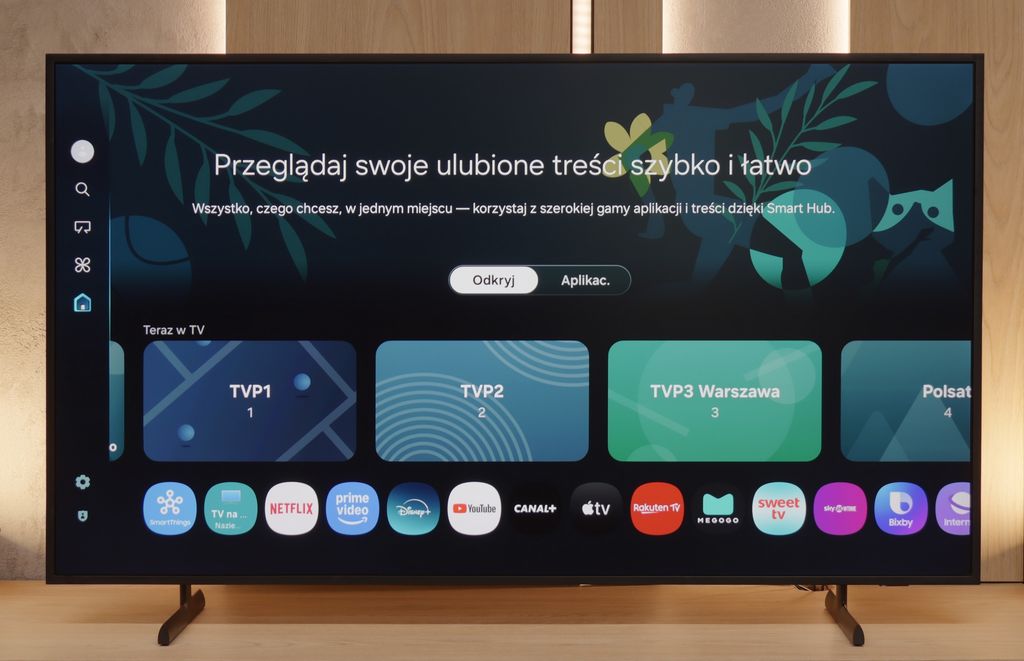
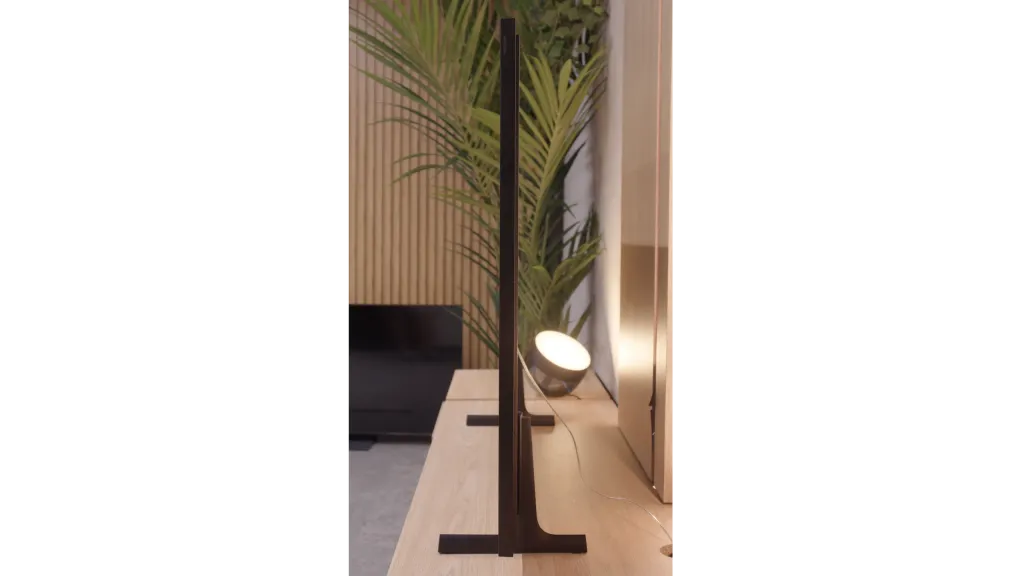
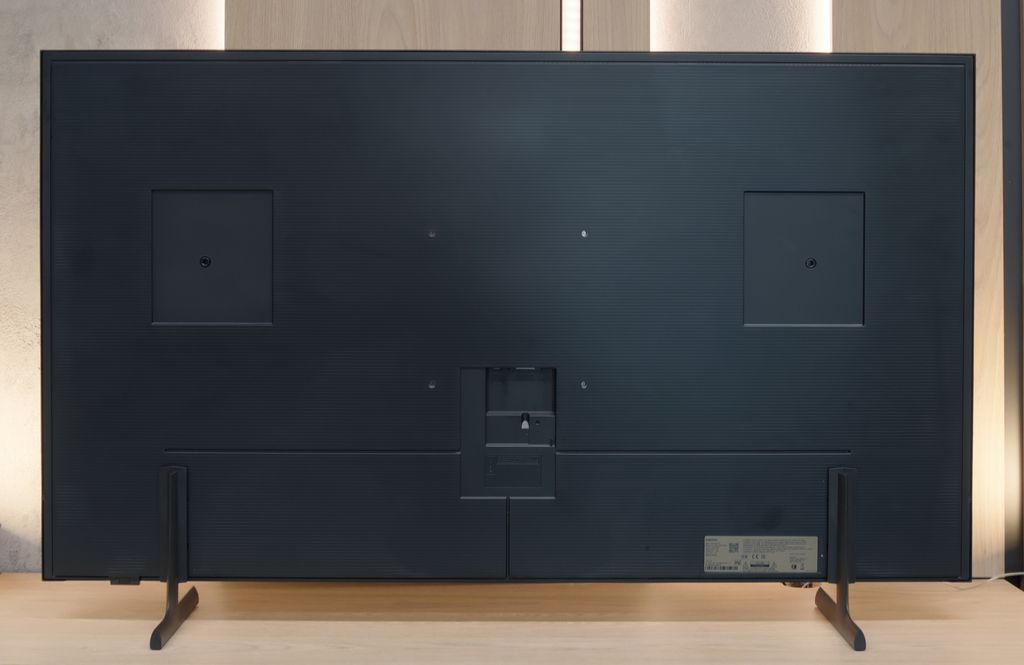
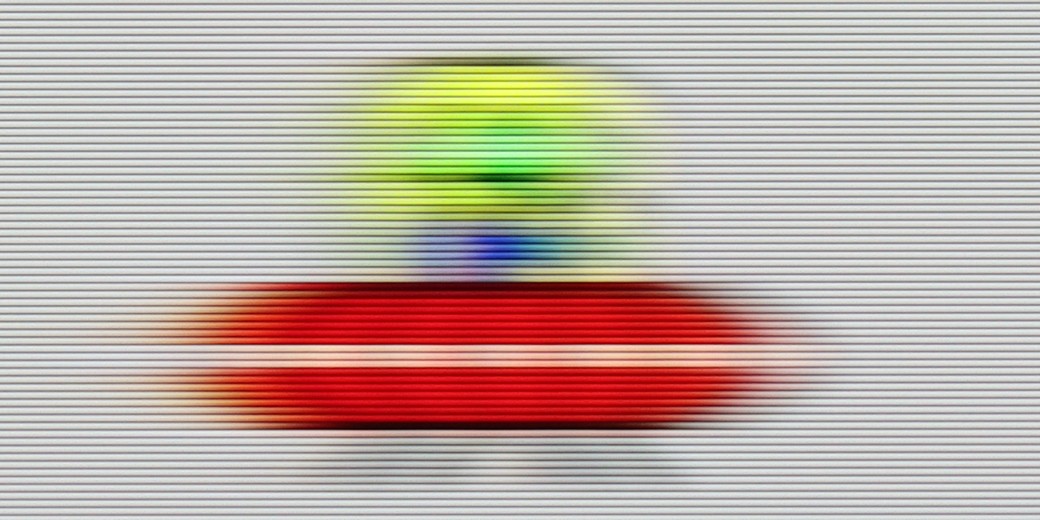
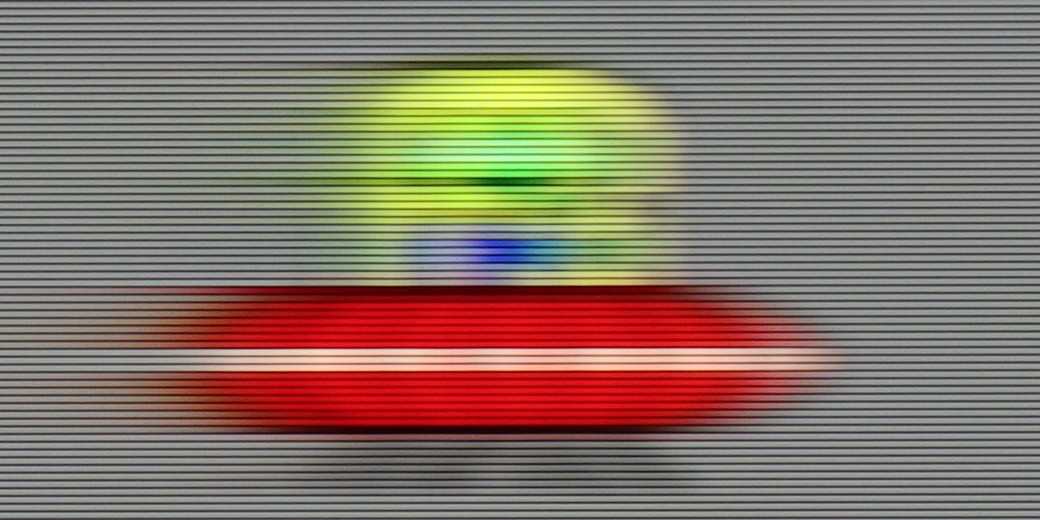
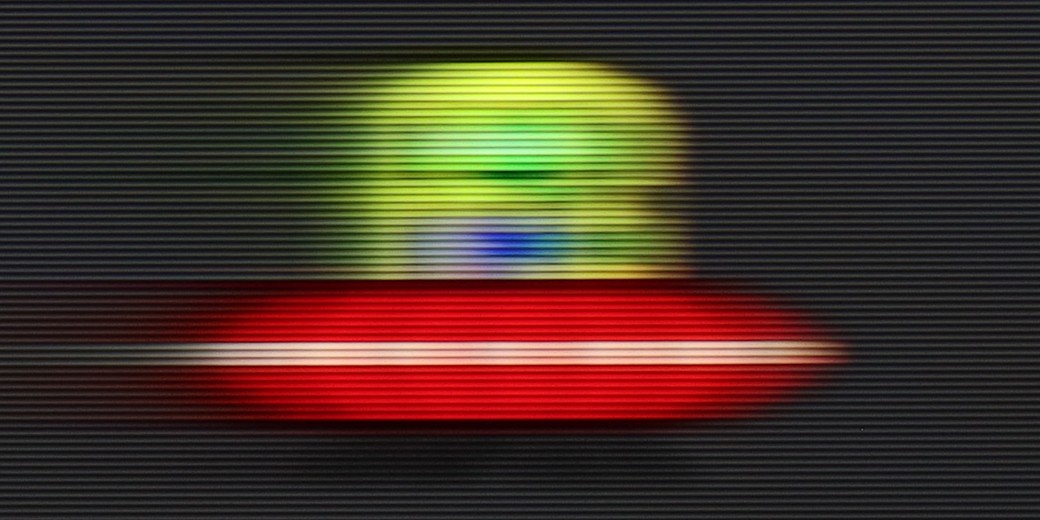
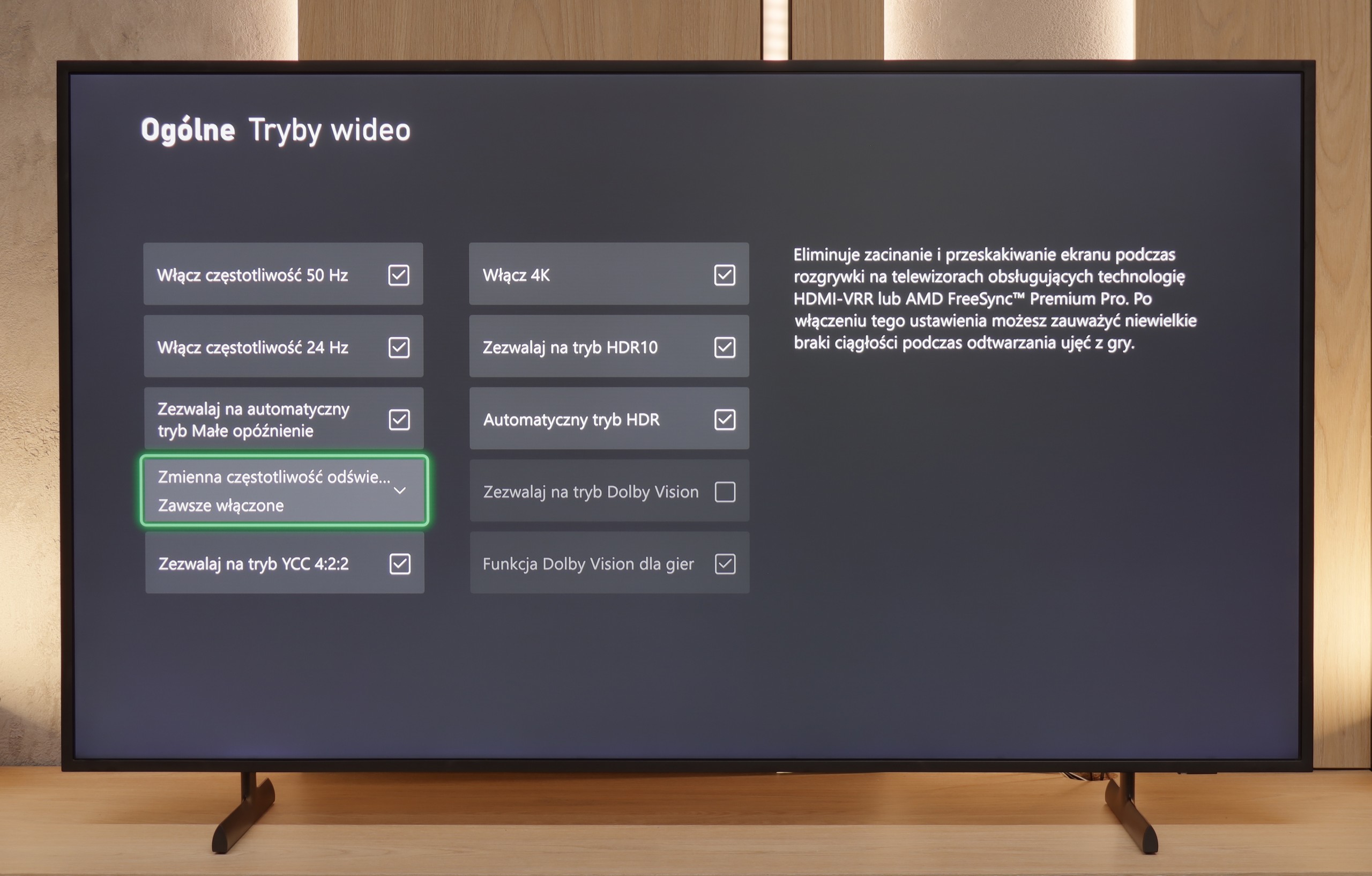
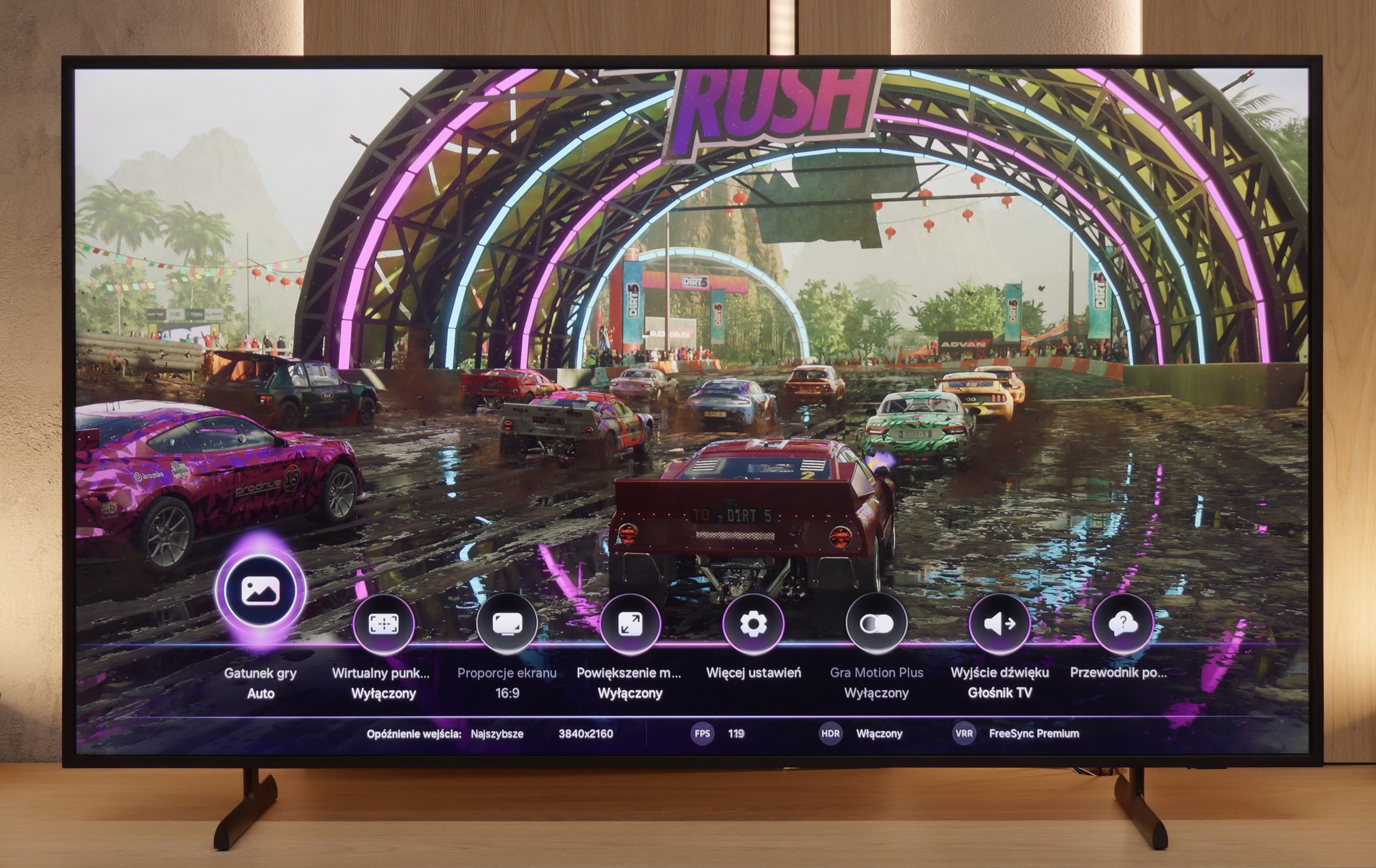
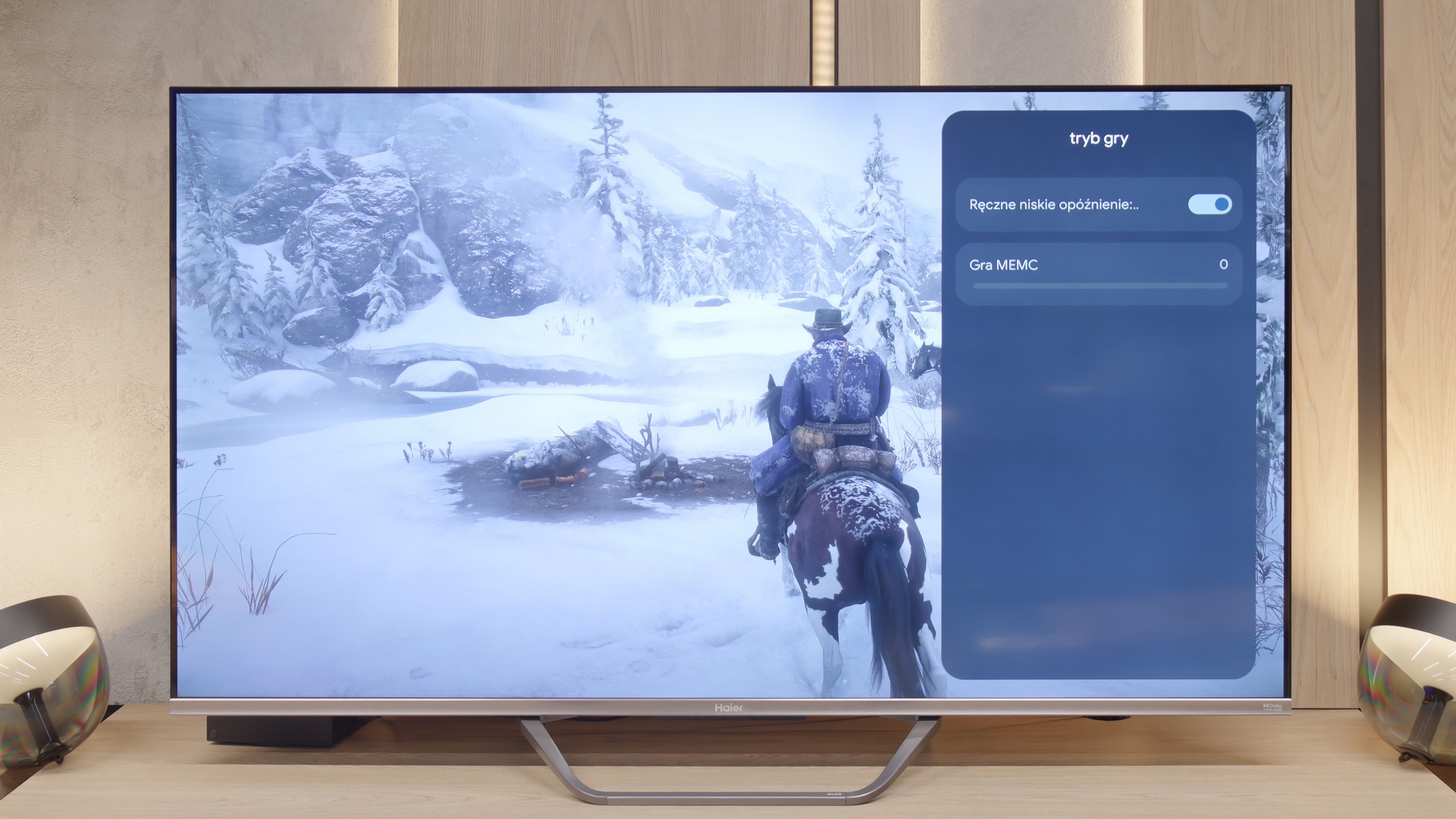
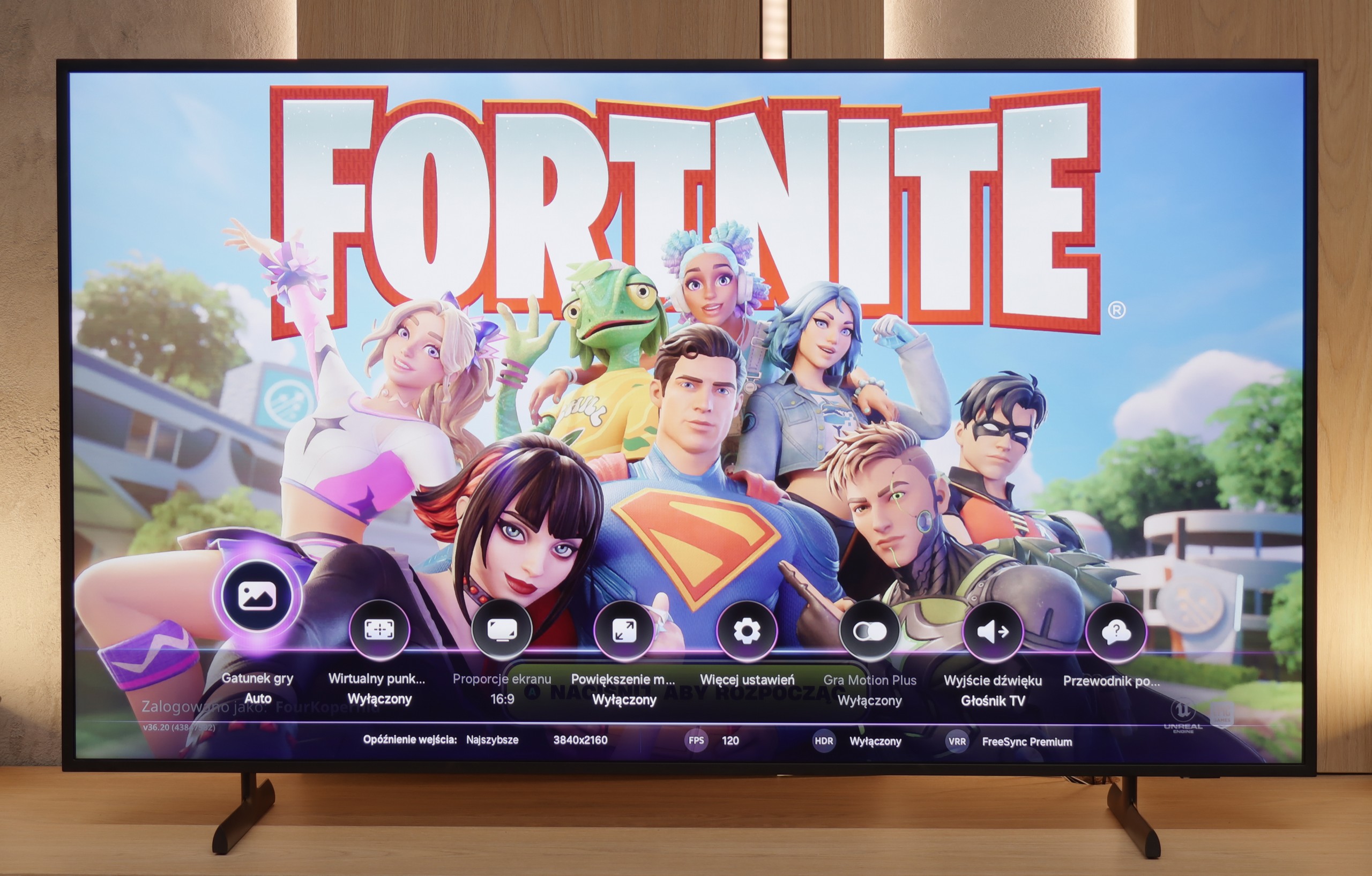
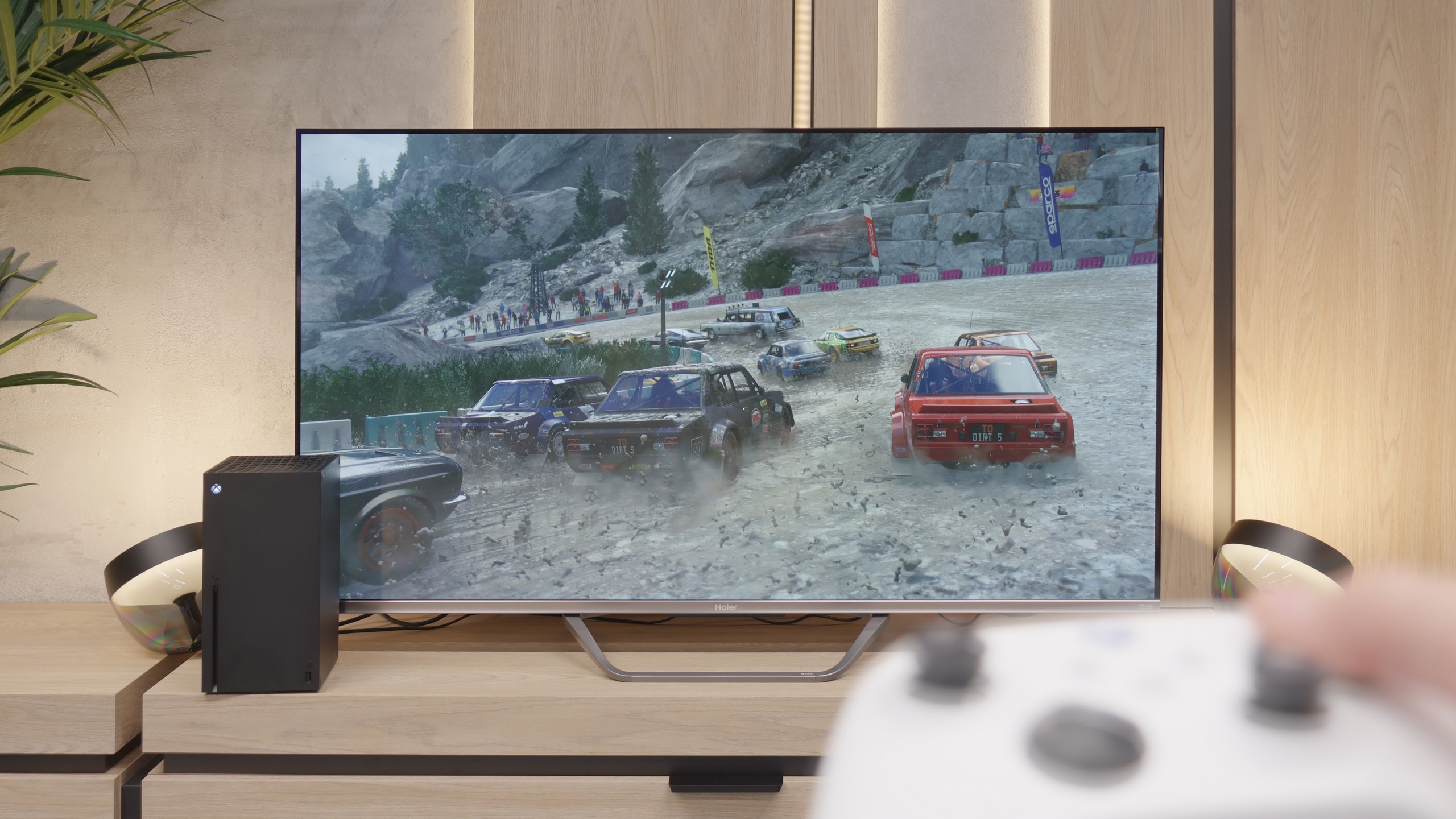
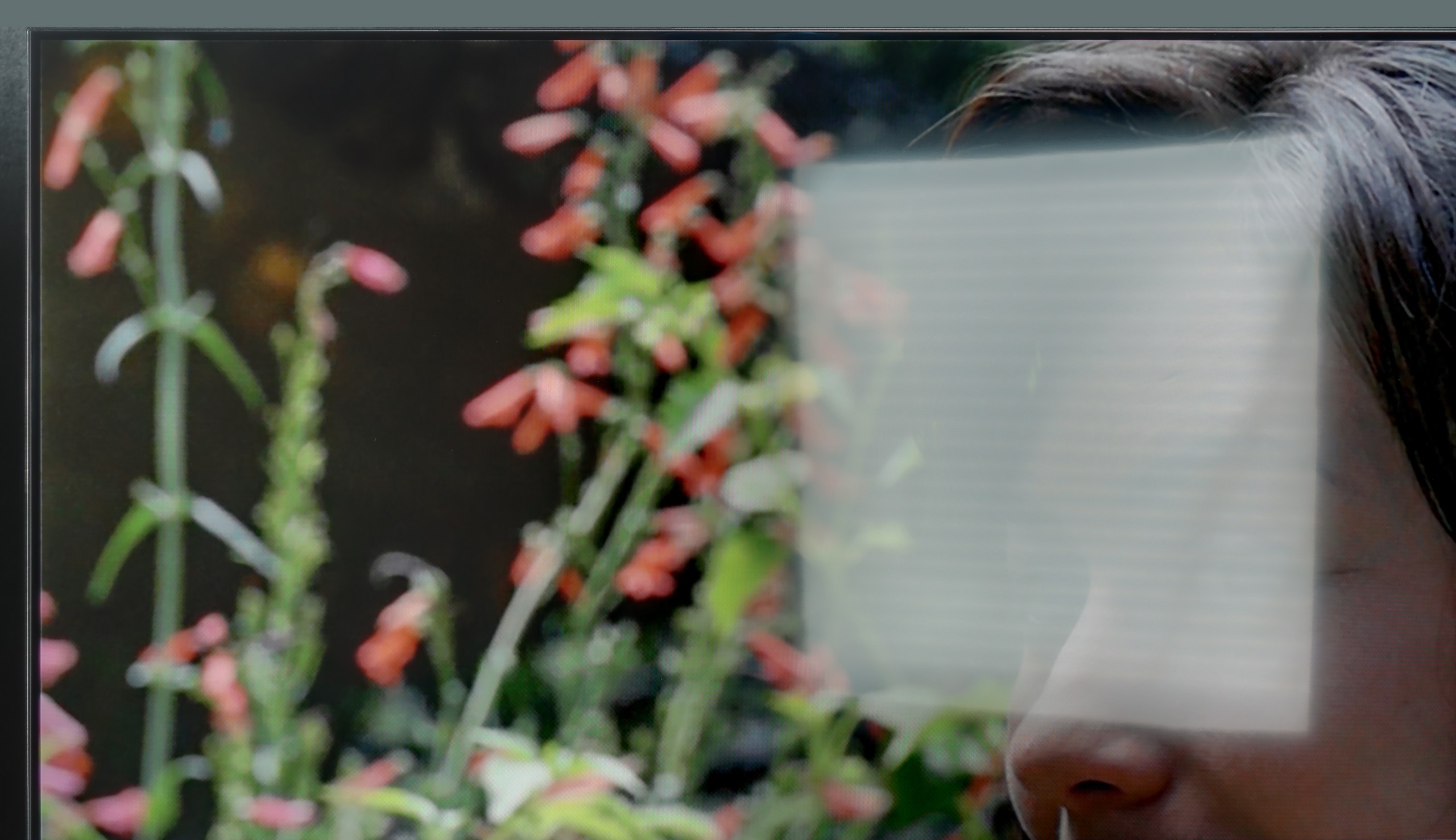
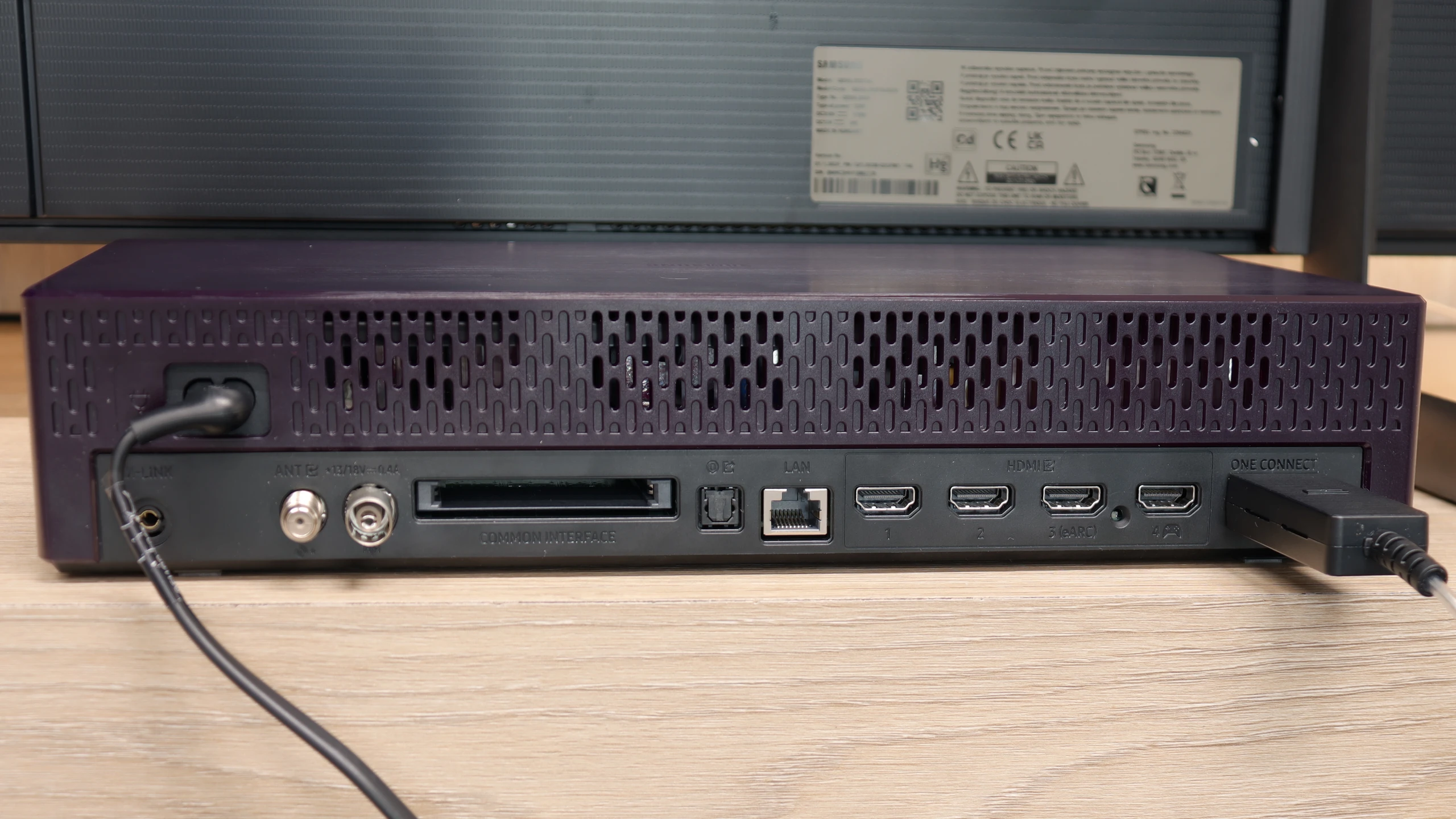
Samsung The Frame 2025 is a television unlike any other – and even though competition has emerged, it still does it best. The matte display, flush mounting with the wall, and a single thin cable thanks to the One Connect module make the device resemble a painting more than any other screen. The Art Store app continues to offer the best art scans on the market (even if they are subscription-based), and with interchangeable frames, we can adapt the TV to our interior almost like a piece of furniture. As for the picture itself, because we are also talking about an ordinary television, there are no significant changes, but also no disappointments compared to last year's LS03D model. The Frame still offers a high native contrast and solid brightness at 600 nits, which, combined with the matte finish, provides very comfortable daytime use. The colours are not as vibrant as in glossy screens, but against the backdrop of competing matte constructions – they perform the best. A novelty is the 144 Hz refresh rate, although in practice, mainly PC gamers will benefit from it. And indeed – in terms of gaming features, The Frame has almost everything: low input lag, variable refresh rate (VRR) support, auto low latency mode (ALLM), Game Bar, and a unique motion smoother designed for games. Unfortunately, not everything is as perfect as it might seem. Why? Well, because the HGiG mode is missing, which suddenly disappeared from the latest version of the Tizen system. And Samsung really should respond here because for many gamers, it’s a crucial aspect of choosing a screen. And we fully understand that. Even though LS03F The Frame 2025 does not bring significant revolutions, it remains a unique television that, aside from its appearance, offers a quite solid picture and extensive gaming features. It’s just a shame that year after year we also get new compromises.
[UPDATE] We have updated our tests of Samsung televisions from the 2025 range due to the release of software version 1131, which restored the crucial HGiG function for gamers.