In the case of the 83-inch version, Samsung took a different route than with the smaller sizes and opted for the Tandem WOLED panel produced by LG Display. This move initially raised questions, but in practice, it turned out to be a home run. Here we have an exceptionally successful mix: absolutely reference black levels, outstanding brightness that allows enjoyment of HDR content even during the day, as well as overall picture quality that firmly places this television among the very best on the market. There are also advantages aimed at gamers – lightning-fast input lag, 165 Hz refresh rate, full support for VRR and G-Sync/Freesync, and four HDMI 2.1 ports that let you connect several consoles or PCs without any compromises. To the list of positives, we must also add the matte coating – rarely found in OLEDs, and in this case, exceptionally effective. Thanks to it, light reflections are largely eliminated, and the television remains readable and comfortable to view even in a sunlit living room. This feature becomes even more significant in such a large size, as it is hard to imagine an 83-inch screen on which instead of a movie we see a reflection of our own room. Of course, there were some compromises – the viewing angles on the WOLED panel are not as perfect as in QD-OLED versions. However, in return, we get better performance in challenging lighting conditions and a more stable image under strong light hitting the screen. In practice, it is hard to consider this a real downside, rather as a different distribution of emphasis compared to smaller variants. The S95F in the 83-inch version is an almost explosive mix: a gigantic OLED with a matte finish, excellent brightness, fantastic black levels, and a comprehensive suite of features for gamers. If someone dreams of a huge, matte screen that isn’t afraid of daylight, they will not find a better screen on the market at this moment.
- Matching (Score) |
- Our verdict |
- TV appearance |
- Where to buy |
- Contrast and black detail |
- HDR effect quality |
- Factory color reproduction |
- Color reproduction after calibration |
- Smoothness of tonal transitions |
- Image scaling and smoothness of tonal transitions |
- Blur and motion smoothness |
- Console compatibility and gaming features |
- Input lag |
- Compatibility with PC |
- Viewing angles |
- Daytime performance |
- Panel details |
- TV features |
- Apps |
- Playing files from USB |
- Sound
SAMSUNG S95F (TANDEM OLED 83") vs TCL C69K / Q6C
 Direct comparison
S95F / FAT / FAE

C69K / Q6C / C6K
Available screen sizes: 83”
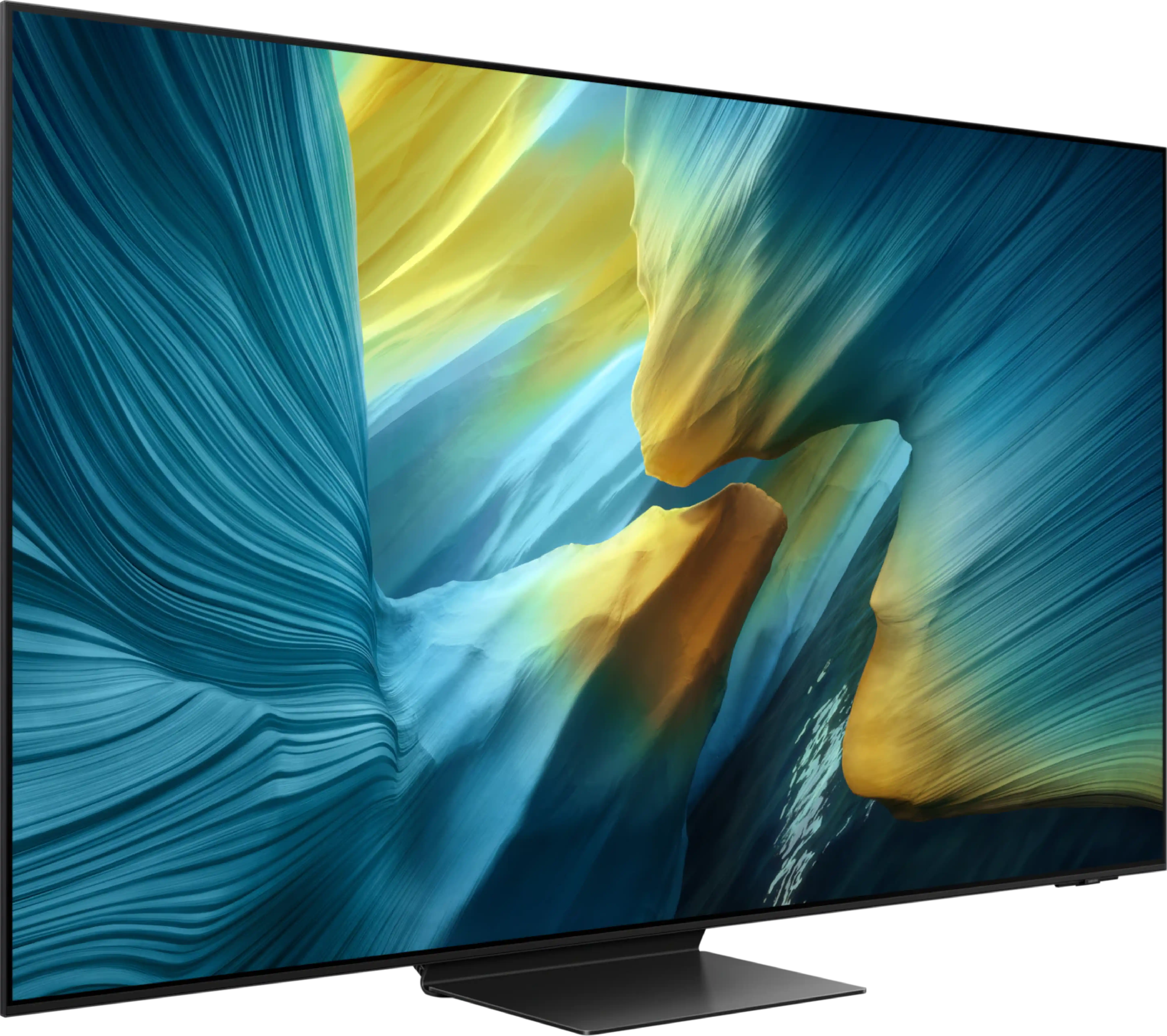
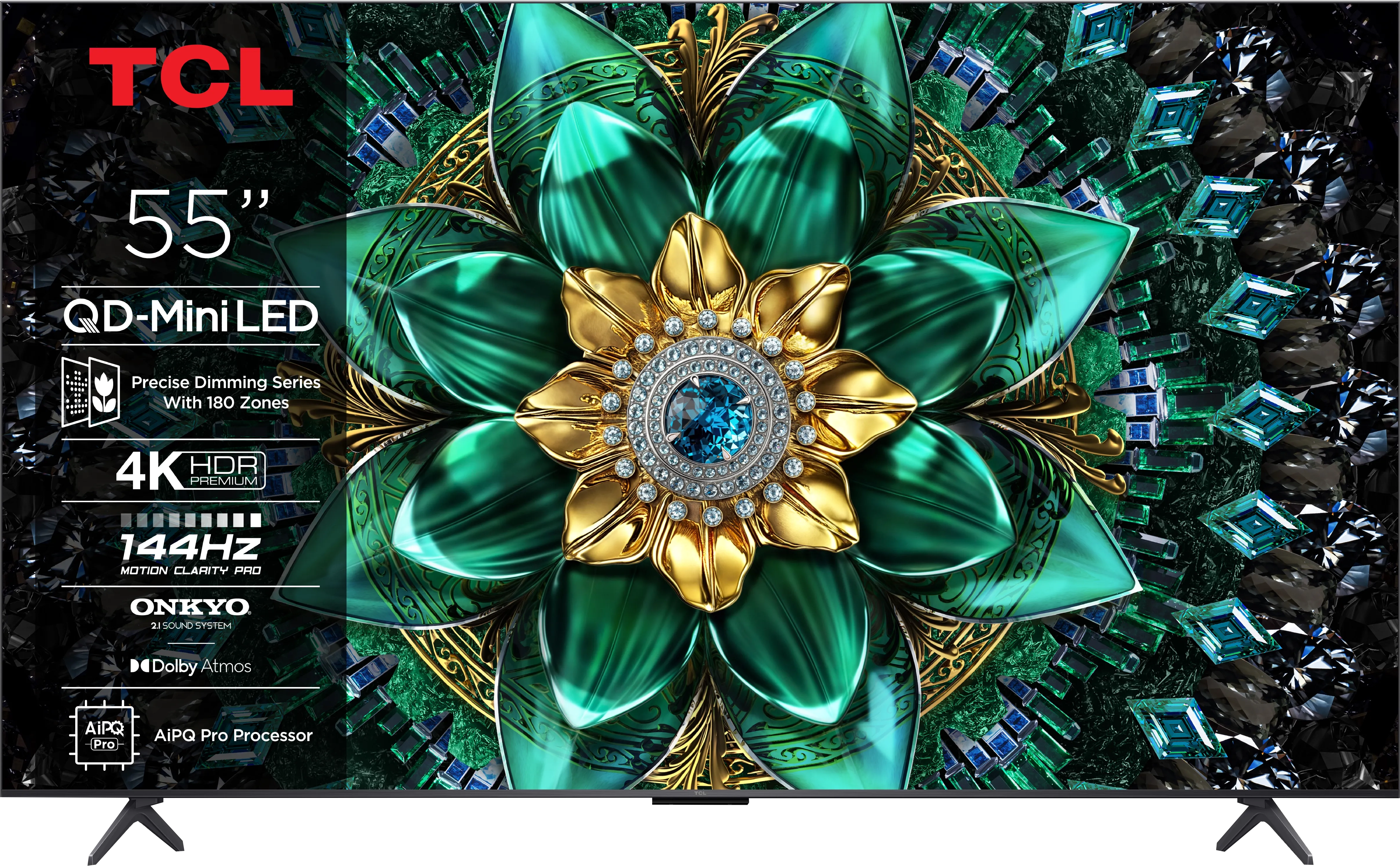
Panel type: WRGB OLED
Resolution: 3840x2160
System: Tizen
Model year: 2025
Complete the survey to find out the result
Panel type: LCD VA
Resolution: 3840x2160
System: Google TV
Model year: 2025
Complete the survey to find out the result
Overall rating
8.7
7.1
 Movies and series in UHD quality
 9.0
6.7
 Classic TV, YouTube
 9.0
6.6
 Sports broadcasts (TV and apps)
 8.6
6.3
 Gaming on console
 9.8
8.4
 TV as a computer monitor
 8.8
8.6
 Watching in bright light
 7.7
6.4
 Utility functions
 7.9
7.0
 Apps
Apps 9.3
9.6
 Sound quality
 8.0
6.5
Complete the survey to find out what fits your preferences
Advantages

Perfect black and excellent contrast
High image brightness
Amazing image quality after calibration
Ultra-fast WOLED 165 Hz panel
Great choice for gamers – full support for HDMI 2.1, VRR, ALLM, and HGiG, with an input lag of just 5 ms
Very accurate colour reproduction after calibration
Best reflection suppression thanks to the matte screen finish and better performance of the panel in challenging lighting conditions compared to the version with a QD-OLED panel
Intuitive and speedy Tizen operating system with a rich set of features
Modern and elegant design
One Connect module for easy aesthetic cable management
Very good contrast and black: VA panel and MINI-LED backlighting
Good motion smoothness: High refresh rate of 144Hz
Decent panel brightness
Many features for gamers: VRR, ALLM, HDMI 2.1, HGiG
Additional mode for PC gamers: 240Hz
GoogleTV system with a wide selection of applications
Support for multiple HDR formats including Dolby Vision
Support for Dolby Atmos and DTS
Very attractive price
Disadvantages

No support for DTS:X (home cinema)
No USB recording from built-in tuners
Worse viewing angles (although still very good) than in the version with QD-OLED panel
Management of backlighting could be more precise
Minor, occasional errors in the system
Slight ghosting visible in dynamic scenes
Great chaos in naming (many derivative models that differ in no way)
Our verdict
The TCL C69K / Q6C is a TV that perfectly targets gamers and movie fans on a reasonable budget. Its biggest strength is the combination of a VA panel with Mini-LED backlighting. Simply put, contrast is high and blacks are deep, making evening movie sessions look truly impressive. Add to that a 144 Hz refresh rate, which does wonders not only for sports but especially for gaming. And for gamers, it’s a full package: HDMI 2.1, VRR, ALLM, HGiG, and even a 240 Hz option for PC. Throw in Dolby Vision, which gives movies a cinematic touch, and you get a picture that’s just pleasing to the eye. On the software side, it runs Google TV with the Gemini AI assistant, so there’s no shortage of apps. The sound system holds up well too — Dolby Atmos and DTS support are nice additions, complemented by branded Onkyo speakers. Of course, it’s not perfect. The local dimming system can sometimes struggle in complex scenes, slightly lifting black levels. And those Polish translations in the menu... let’s just say they could use some work. Still, the C69K / Q6C makes a very strong case for itself. Considering the price, it’s one of the most interesting all-around TVs for both movies and gaming. Definitely worth watching out for during sales — and hoping for TCL’s usual post-launch firmware improvements.
TV appearance
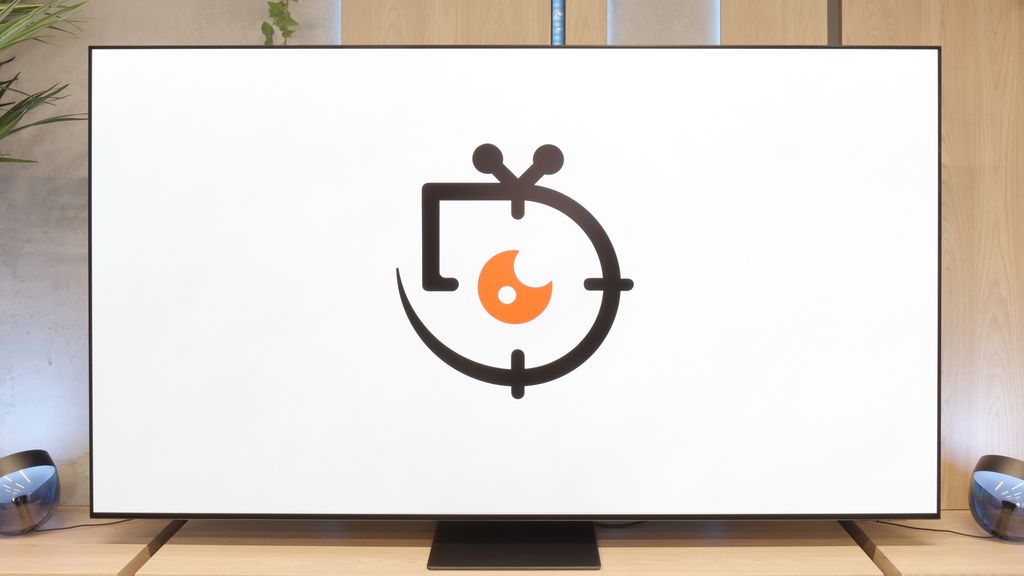
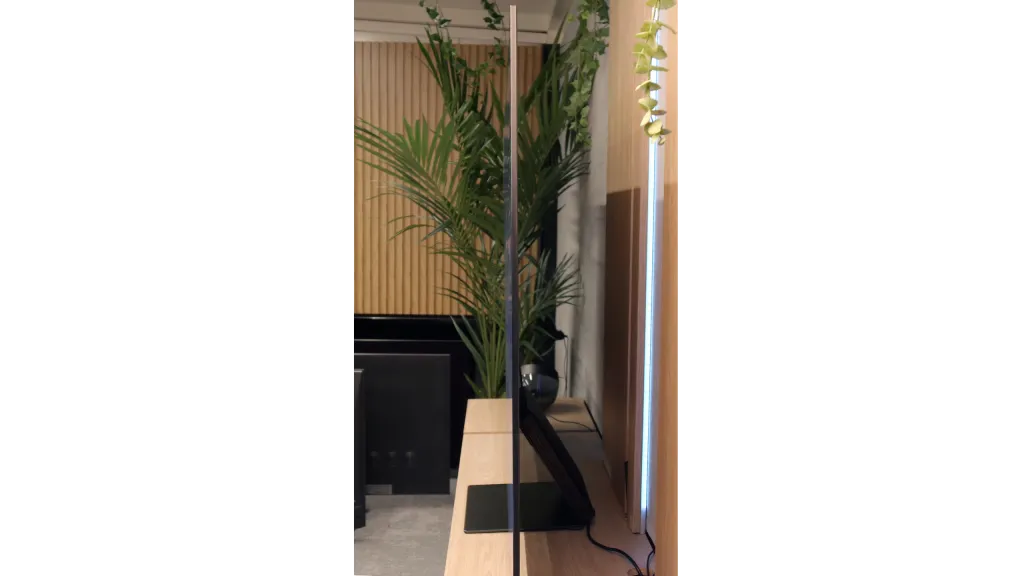
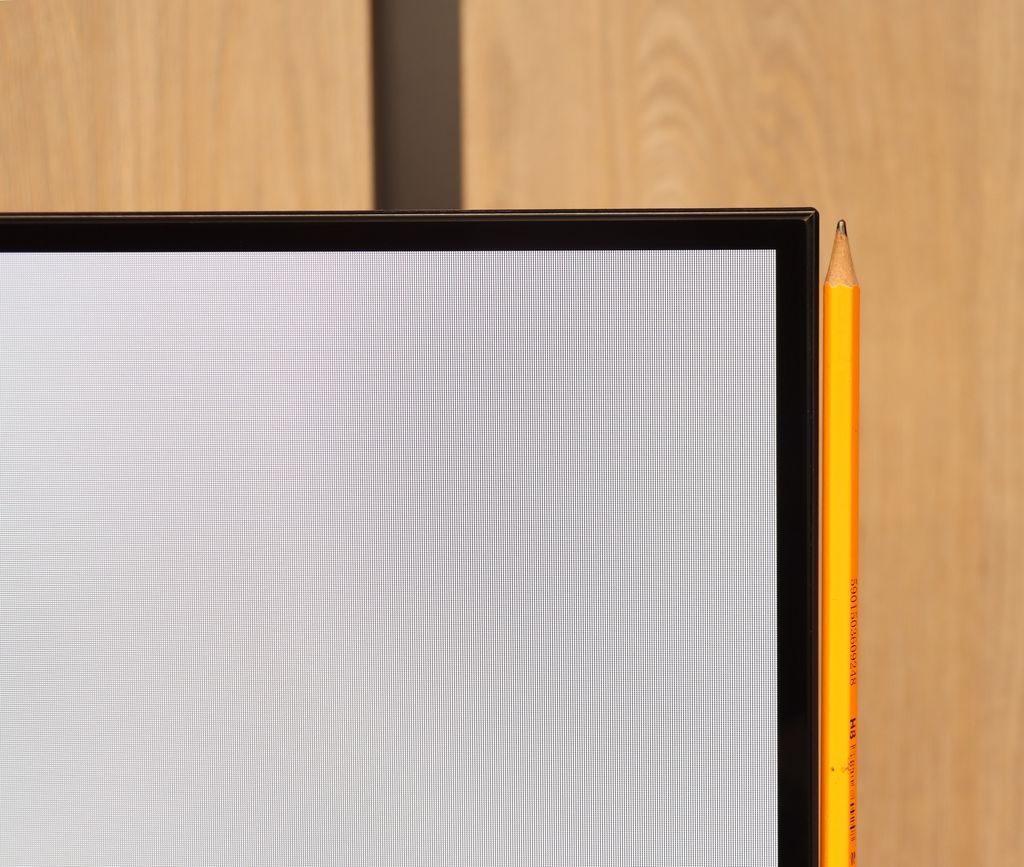
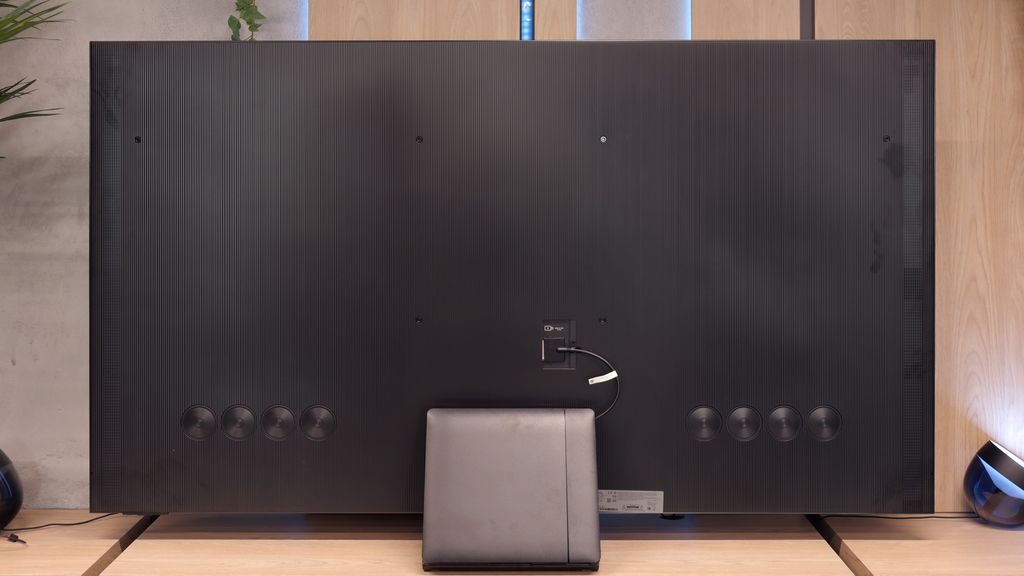
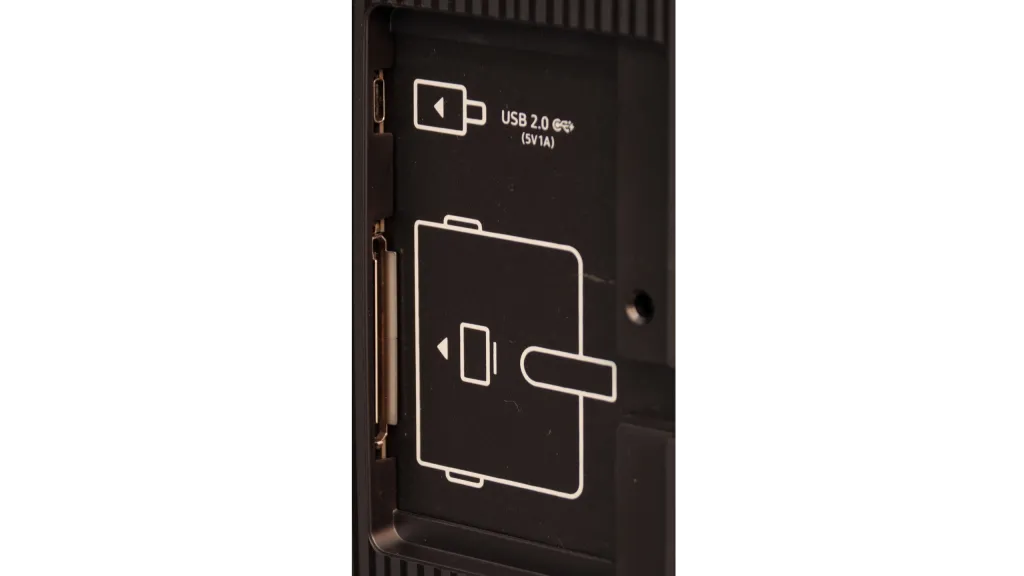
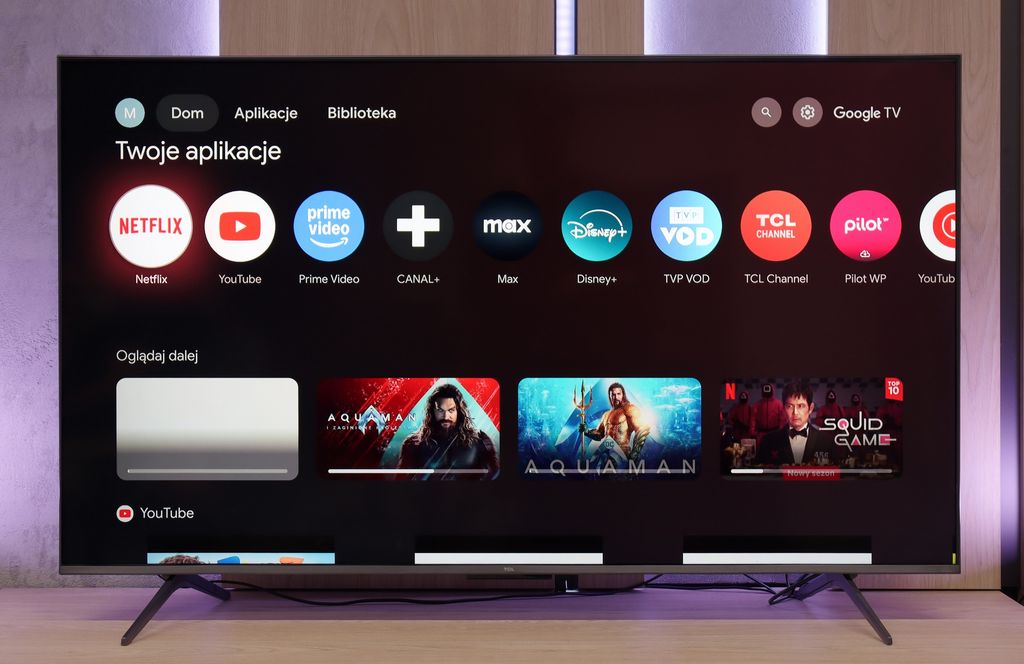
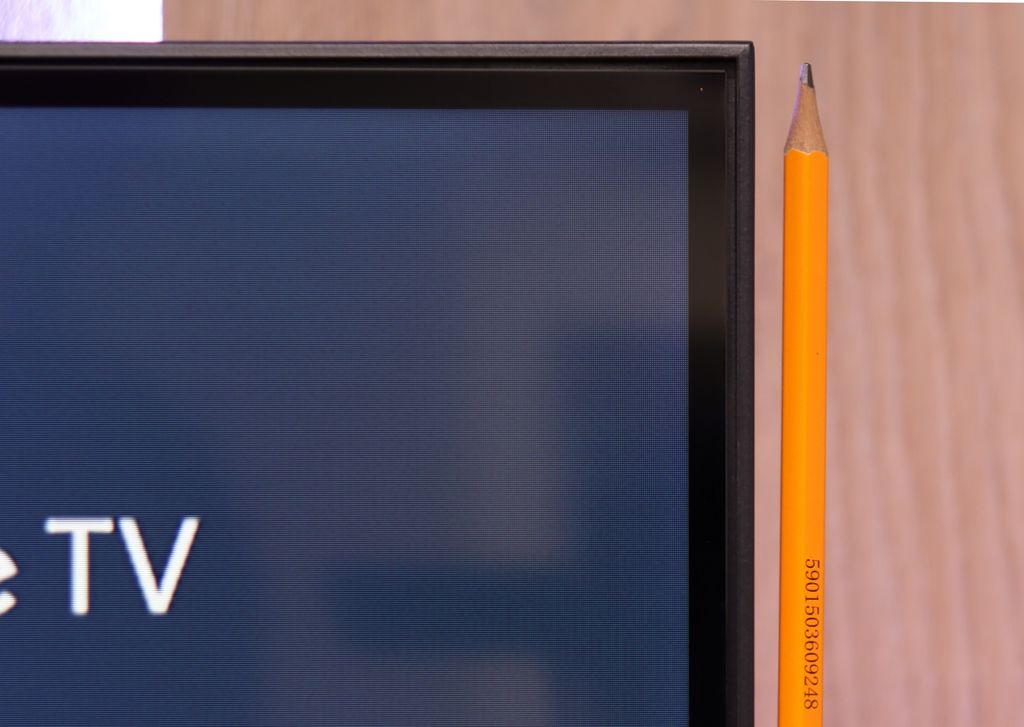
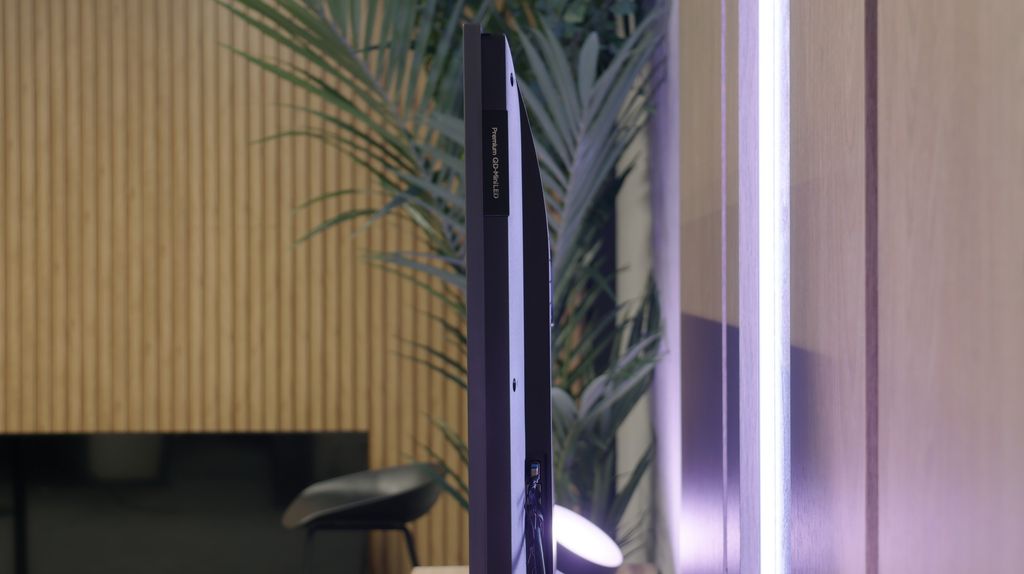
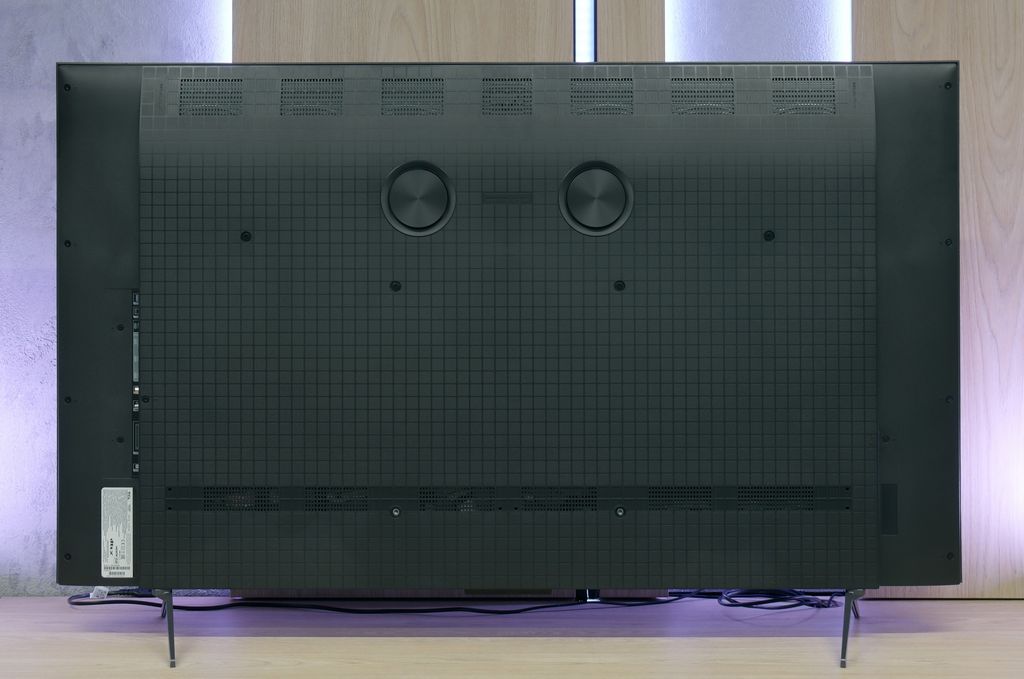

Contrast and black detail
10/10
7.3/10
Local dimming function: Yes, number of zones: 180 (10 x 18)
Contrast:


Result
∞:1

Result
∞:1

Result
∞:1

Result
∞:1

Result
∞:1
Result
113,750:1
Result
17,350:1
Result
16,300:1
Result
9,850:1
Result
4,850:1
Halo effect and black detail visibility:
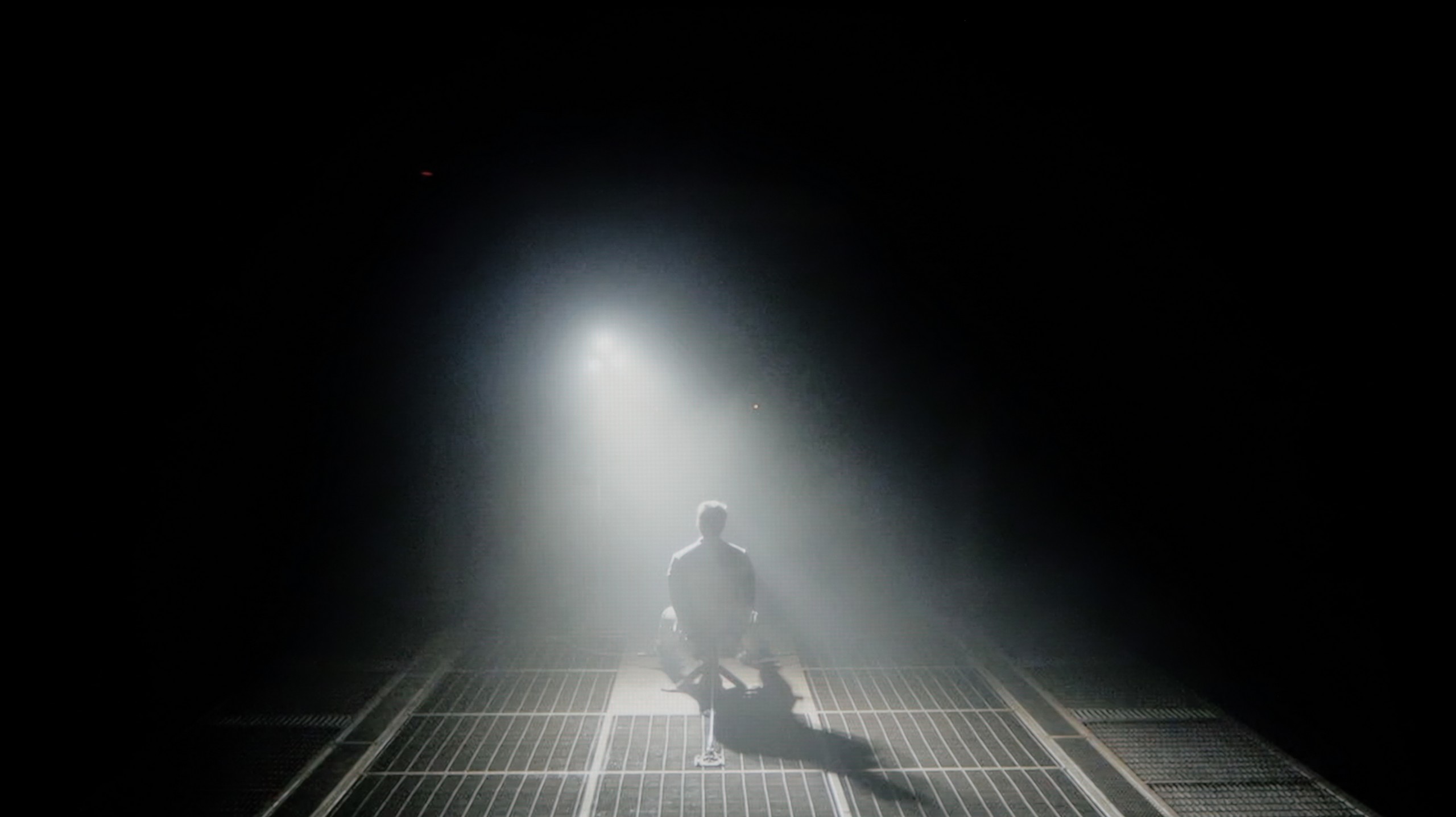
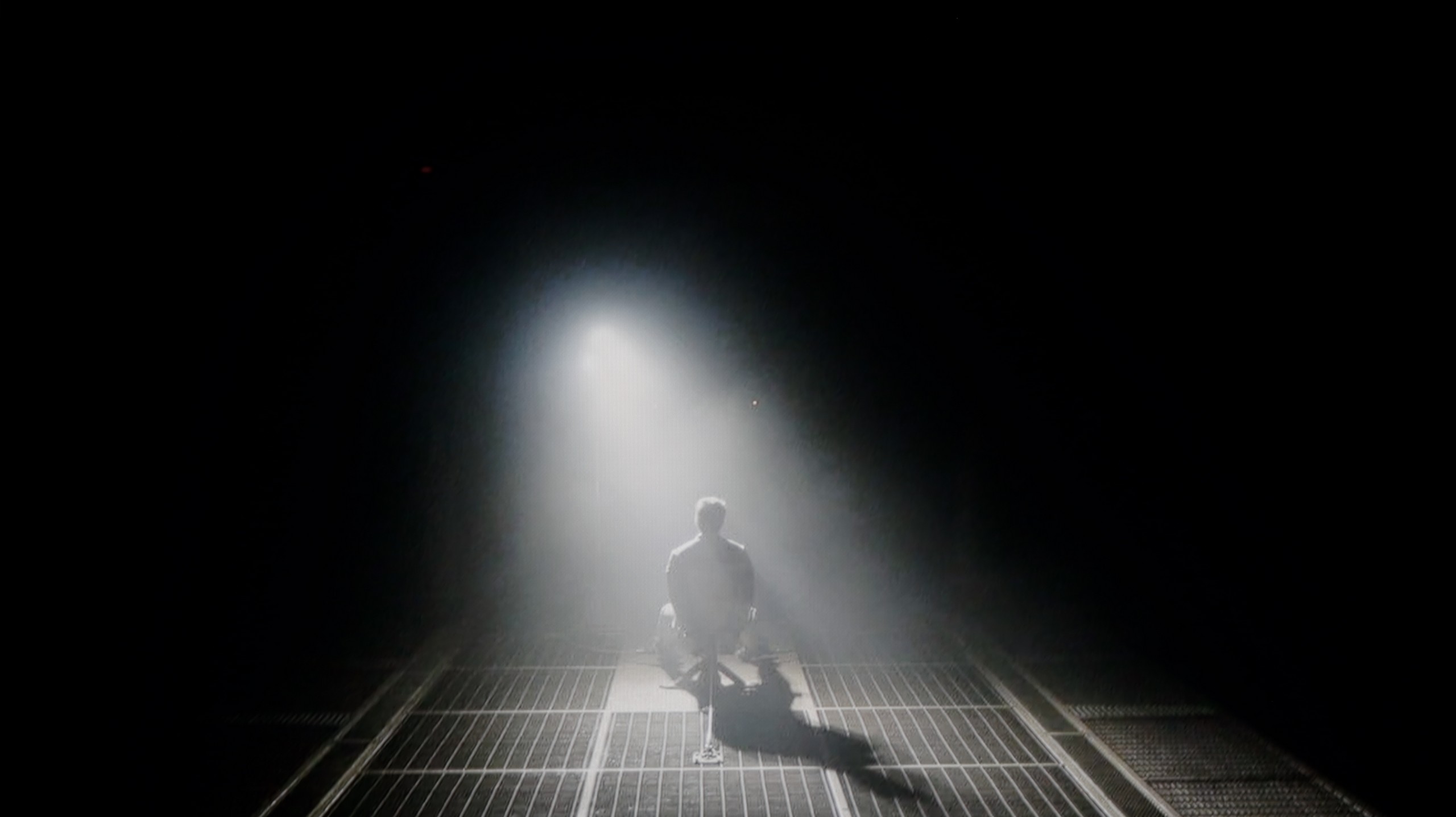
Check the visibility of bright lights on a dark background. Mini-LEDs often struggle with this. The photo does not compare black levels – that’s what the video below is for.
The video accurately shows differences in contrast and black levels between TVs, as well as potential issues: halo around bright objects or Mini-LED zone operation visible as brightness jumps.
The 83-inch version, equipped with a Tandem OLED panel, also offers a picture that makes a stunning impression. Despite the different technology, the final effect remains at an absolutely top level. The black is deep and uniform, without any transparency or imperfections, and the contrast is truly breathtaking. In dark scenes, every detail remains visible, and the separation of lights is perfect – nothing blends together, and the image looks exactly as it should on a reference-class television. This is proof that regardless of the panel used, Samsung has set the bar very high in this series.
The heart of the image in TCL C69K / Q6C is the VA panel (specifically HVA from TCL CSOT), which offers a solid native contrast of around 6000–7000:1, even before local dimming is activated. However, the true strength of this model lies in the Mini-LED backlighting with the ability to dim individual zones. In the 55-inch unit we tested, we counted around 180 of them (this value increases with the diagonal size). For this price segment, the contrast is indeed very impressive. In less complex film scenes, for example in segments from "Oblivion," it presents excellently, and shots immersed in black are very striking. Nevertheless, the characteristics of Mini-LED technology mean that we do not always avoid issues – in more demanding frames with many bright details, halo effects or excessive dimming of certain elements may occur (regardless of the selected local dimming settings). All in all, contrast is undoubtedly a strong point of the C69K / Q6C.
HDR effect quality
8.6/10
4.9/10
Luminance measurements in HDR:

Result
2074 nit

Result
2107 nit

Result
2330 nit

Result
2165 nit

Result
1083 nit
Result
610 nit
Result
204 nit
Result
425 nit
Result
148 nit
Result
589 nit
Scene from the movie “Pan” (about 2800 nits)


Scene from the movie “Billy Lynn” (about 1100 nits)
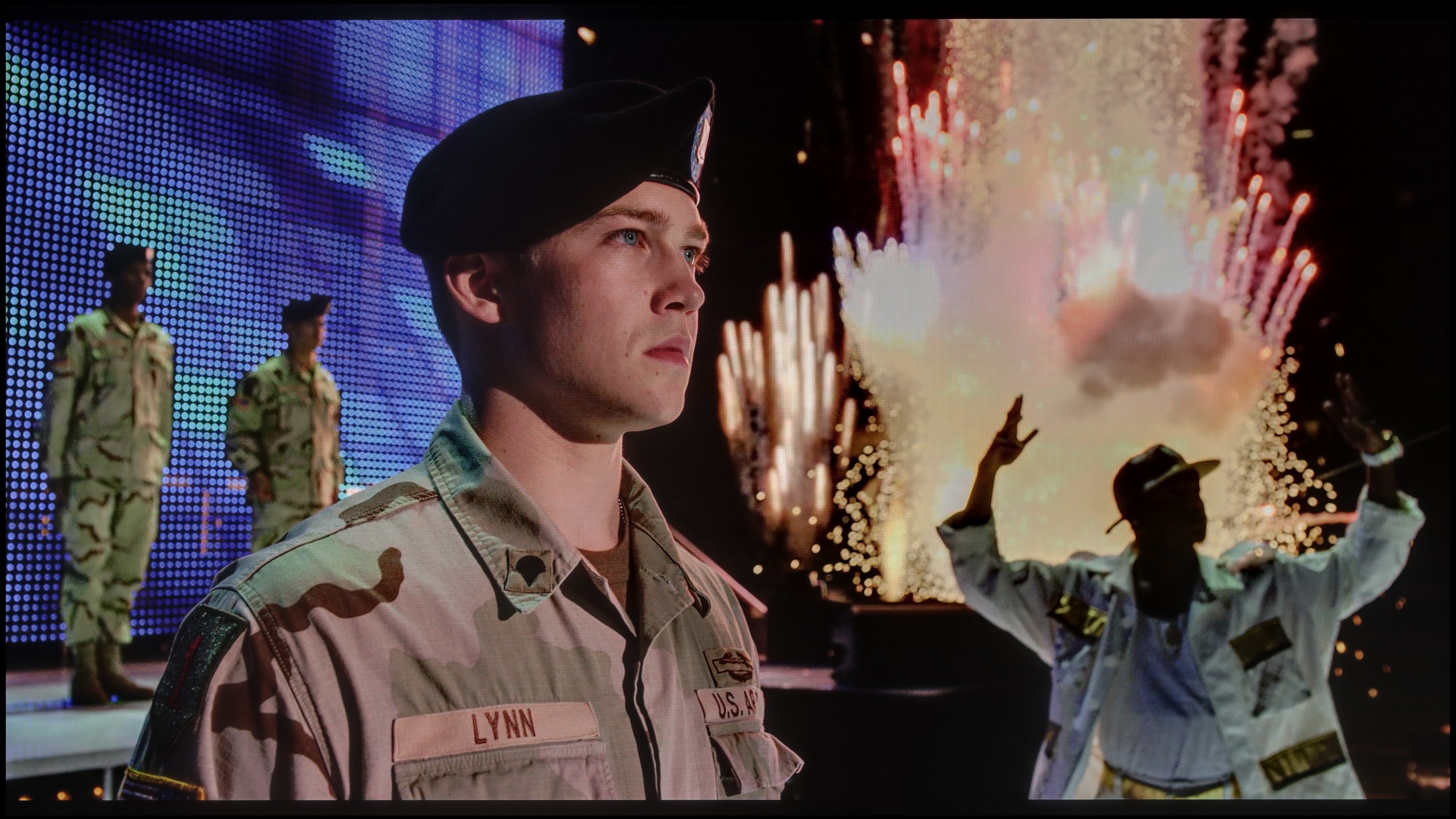
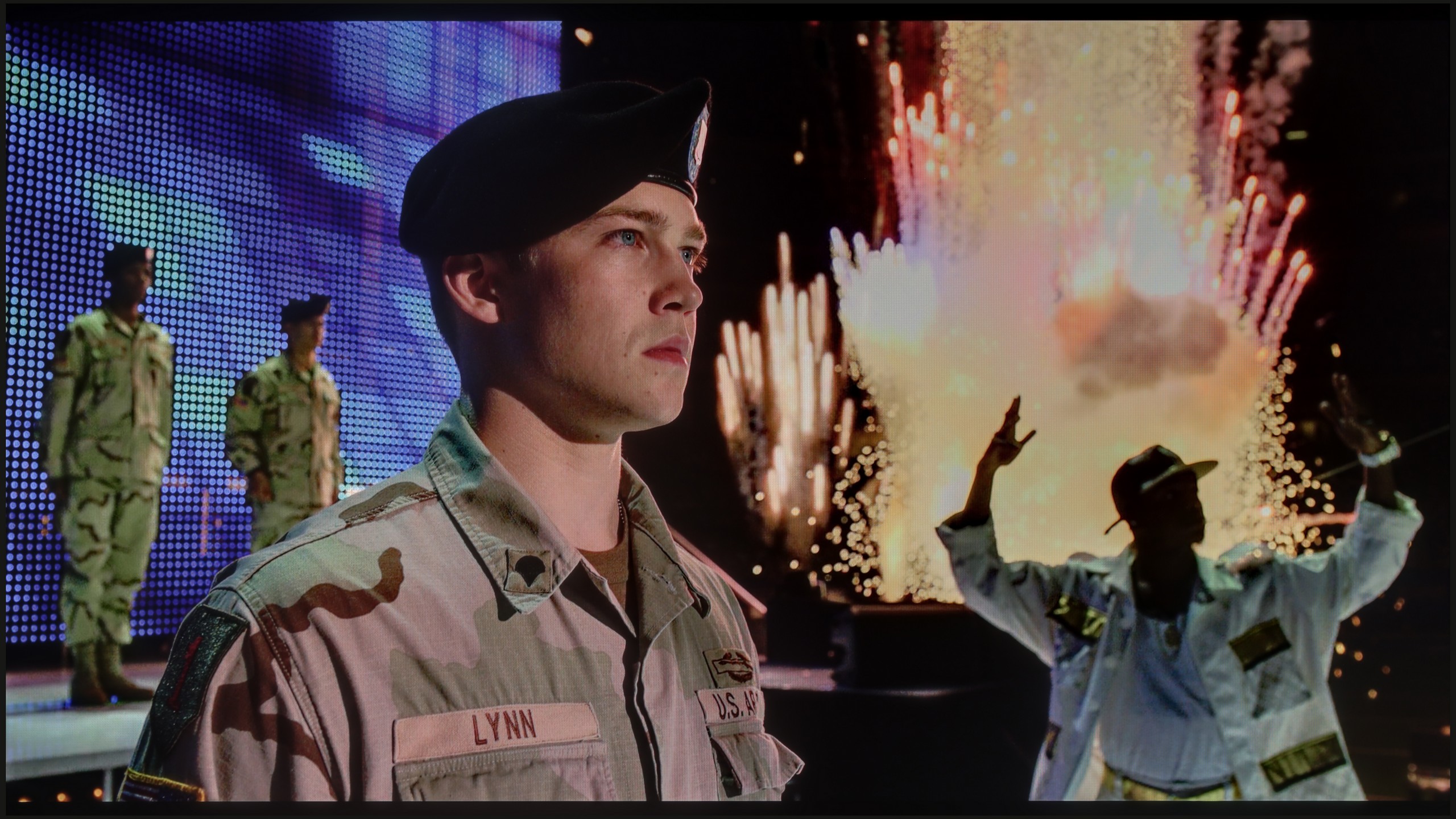
The photos show two HDR10 movies. 'Pan' is one of the brightest productions ever made, while 'Billy Lynn' (soldier) has brightness typical of streaming (Netflix, Prime, HBO MAX). Notice the intensity of effects and detail in whites.
Static HDR10


The photos present the visibility of white details in various HDR formats. They do not show brightness differences between TVs (these can be compared in the previous gallery).
Dynamic: HDR10+
Dynamic: Dolby Vision


The photos present the visibility of white details in various HDR formats. They do not show brightness differences between TVs (these can be compared in the previous gallery).
HDR luminance chart:
TCL C69K / Q6C
SAMSUNG S95F (TANDEM OLED 83")
Luminance of RGB colors
The Samsung S95F in the 83-inch variant with a Tandem OLED panel also manages to enchant with HDR effects. In test film scenes, such as "Life of Pi" or "Sicario 2", where smaller light points dominate – stars in the night sky, the glow of the moon or headlights – the television effortlessly achieves brightness values exceeding 2000 nits. This is a result that not long ago seemed unattainable for OLEDs and positions this model alongside the best Mini-LED constructions.
The limitations of organic panels only reveal themselves in full-screen scenes filled entirely with white. In the case of this model, for instance in the final scene from the film The Meg, brightness drops to around 1000 nits – a bit lower than in the smaller QD-OLED variants, where the result hovered around 1400 nits. Nevertheless, we are still talking about a remarkable result, unprecedented in OLED televisions of this size. The colour reproduction is equally impressive. The new Tandem OLED panel virtually catches up with QD-OLED televisions, offering excellent coverage of a wide colour gamut. The results are slightly weaker than with QD-OLED, but in practice, they still provide an image whose intensity and naturalness of colours are hard to compare with any other television.
In terms of brightness, TCL C69K / Q6C is a moderate model. In optimal film conditions, it shows its full potential, achieving a maximum of around 600 nits. In scenes with large, intense light sources, the HDR effect can be truly satisfying, providing a cinematic shimmer. However, it should be noted that when managing backlight zones, there are situations where parts of the image become dimmed, and sometimes they are barely visible. This suggests that there is still a lack of proper optimisation of the algorithms; however, considering the technical parameters in this price range, the design itself still presents very well.
Factory color reproduction
6/10
5/10


This gallery shows how colors change after professional TV calibration. If you notice the difference, we recommend ordering this service at SkalibrujTV.com.
Factory Mode
After calibration


This gallery shows how colors change after professional TV calibration. If you notice the difference, we recommend ordering this service at SkalibrujTV.com.
Factory Mode
After calibration
The best picture mode straight out of the box is undoubtedly Filmmaker Mode. This is a mode that has been available in Samsung televisions for several years and is intended to reproduce the image as faithfully as possible to the creators' vision. In SDR material, it performs reasonably well, although not without faults. The image is slightly subdued, and the white balance tends to shift towards red and blue, resulting in a slight pinkish tint on the screen. The average colour errors hover around a value of ΔE 3–4, which is at the limit of what most people can discern with the naked eye.
Much more pronounced are the limitations when it comes to HDR content. Here, a slight excess of blue in the white balance is not such a big problem – the real obstacle is the way the television manages brightness. In many scenes, the image appeared as if it had been overexposed, and details in the blacks could completely disappear. The final effect did not reflect what the hardware of this class is capable of and led to significant colour errors. It's hard to understand why such a factory characteristic was chosen, as the HDR reception in this version was definitely not what it should have been.
The Filmmaker mode, which has made its debut in this year's TCL televisions (including the C69K / Q6C), is definitely the best choice "to start with." This is the mode we recommend for daily film and series viewings. Unfortunately, as is often the case, best does not mean perfect. In SDR material, the image proved to be too warm, with a pronounced red tint in the white balance. We had the opposite impression with HDR content – here the image became cooler than it should, due to an excess of blue. Additionally, there is the characteristic of brightness, which at times resulted in overexposure. In practice, this translated into quite noticeable errors in colour tests, which is difficult to accept in a mode branded as "from the creators."
Color reproduction after calibration
9.4/10
7.5/10
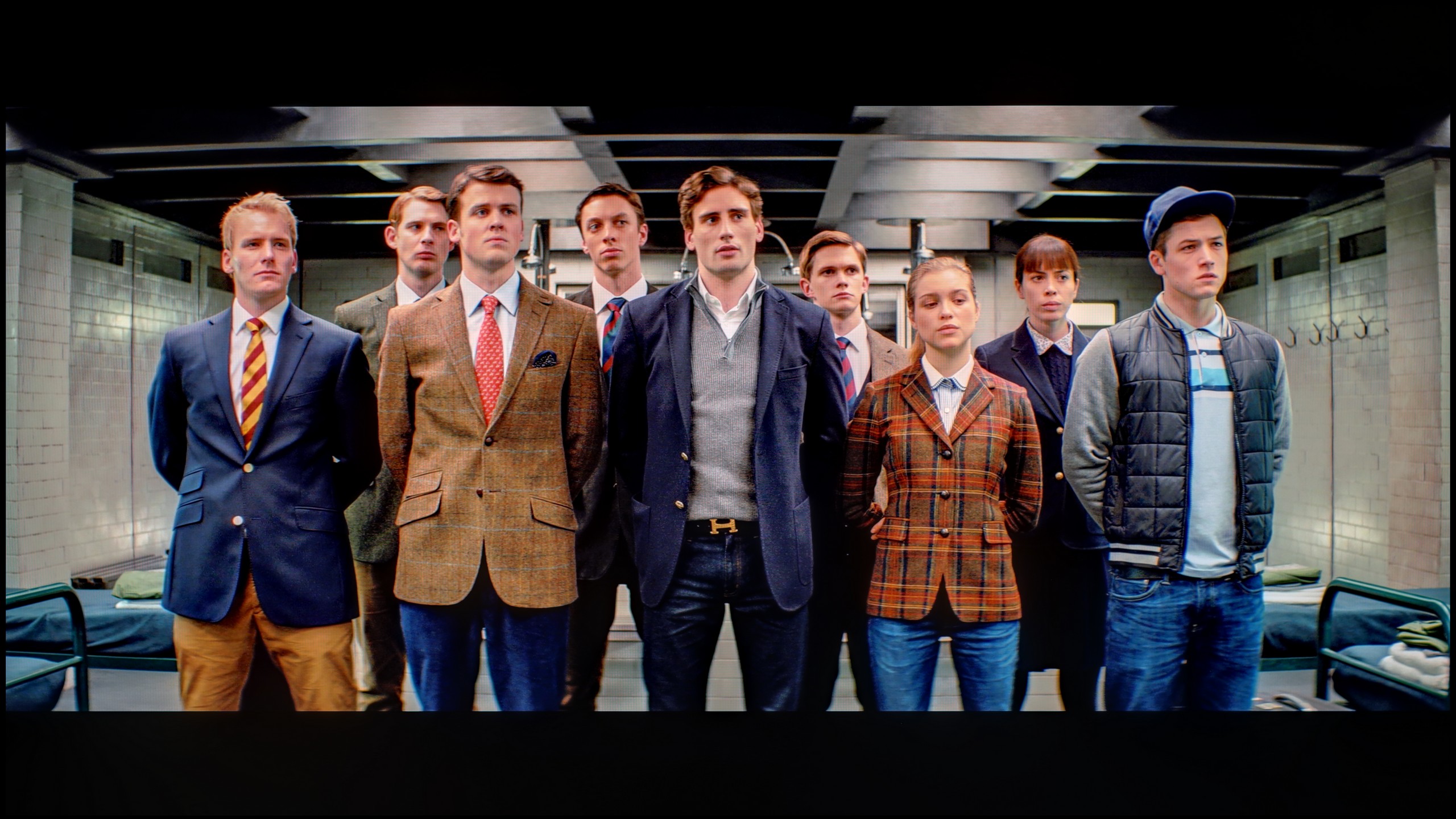
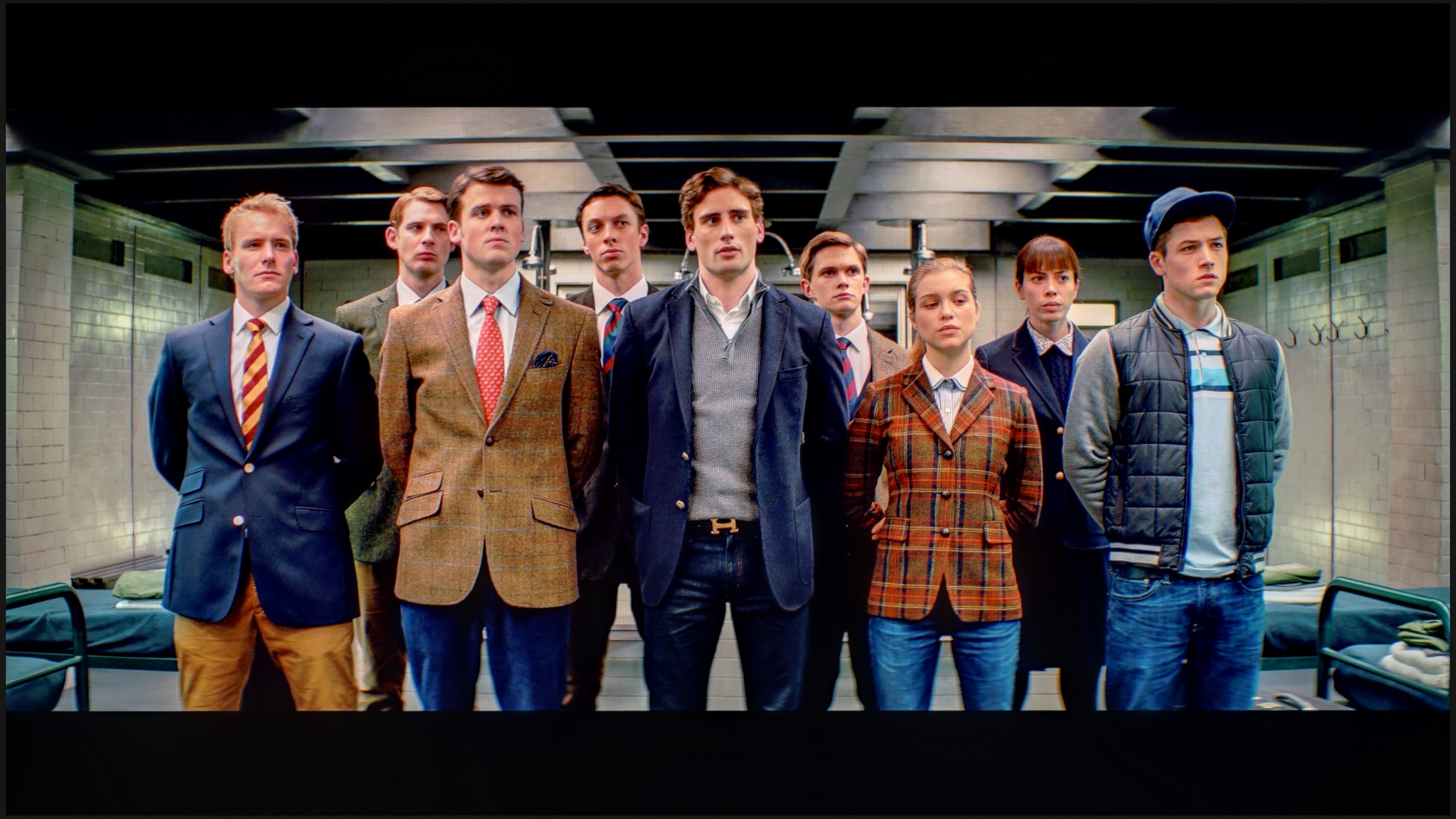
The photos show how movies look on the TV. Pay attention to black detail visibility, colors, and shadow tint.


The photos show how movies look on the TV. Pay attention to black detail visibility, colors, and shadow tint.
After calibration, the S95F shows what it is truly capable of. The white balance has been corrected and minor inaccuracies adjusted, resulting in an almost exemplary image for SDR content. The colour differences have dropped below the level that the human eye can perceive – looking at the screen gives a sense of complete naturalness and colour coherence.
In HDR, the improvement is equally noticeable. The TV performs much better with brightness, eliminating the issue of "blowing out" the entire frame. Bright scenes are more controlled, and blacks retain more detail, although there can still be a slight brightening of the image as a whole. However, this does not change the fact that after calibration, the S95F delivers an image that can comfortably be called one of the best on the market – regardless of whether we are watching movies in SDR or spectacular productions in HDR.
Through white balance correction, we were able to significantly reduce the tendency of C69K / Q6C to distort colours, which yielded a very good final result. After calibration, the issue of excessive warming of scenes in SDR and excessive cooling of the image in HDR disappeared. However, it is worth analysing the brightness characteristics more closely. While in SDR content it is hard to have major objections – the image looks really good, especially in older films, TV programmes or on YouTube – it performs significantly worse in the case of HDR content. Analysis of the EOTF curve suggests that everything is fine, yet in practice (EOTF in films) the limitations of the design itself become apparent. This model has a tendency to excessively brighten small parts of the frame, only to overly dim the entire scene in other situations. The effect of calibration is therefore undeniable, and in terms of colour reproduction, C69K / Q6C gains a lot. Unfortunately, certain limitations arising from local dimming management simply cannot be bypassed.
Smoothness of tonal transitions
8.6/10
9.5/10
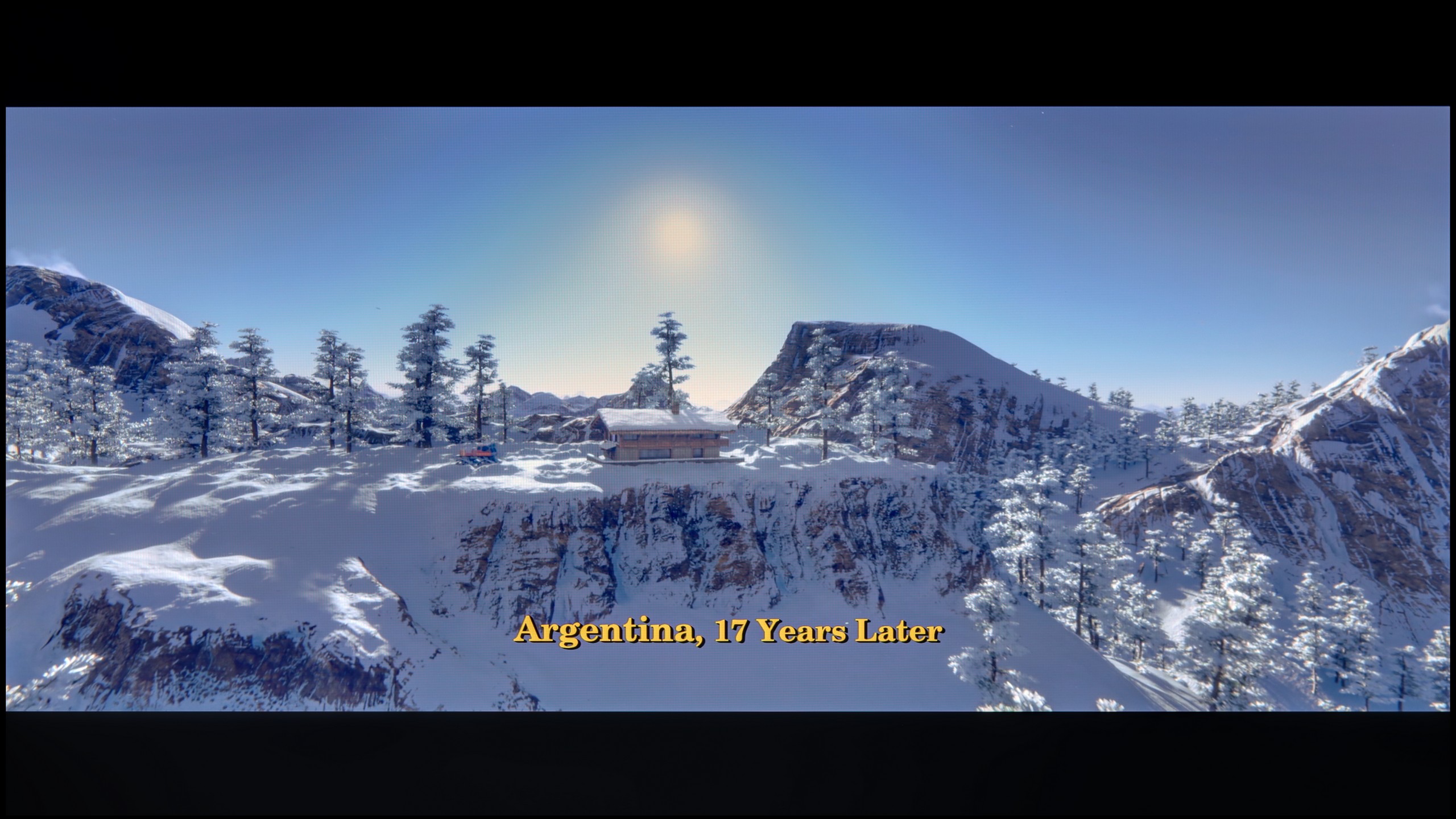

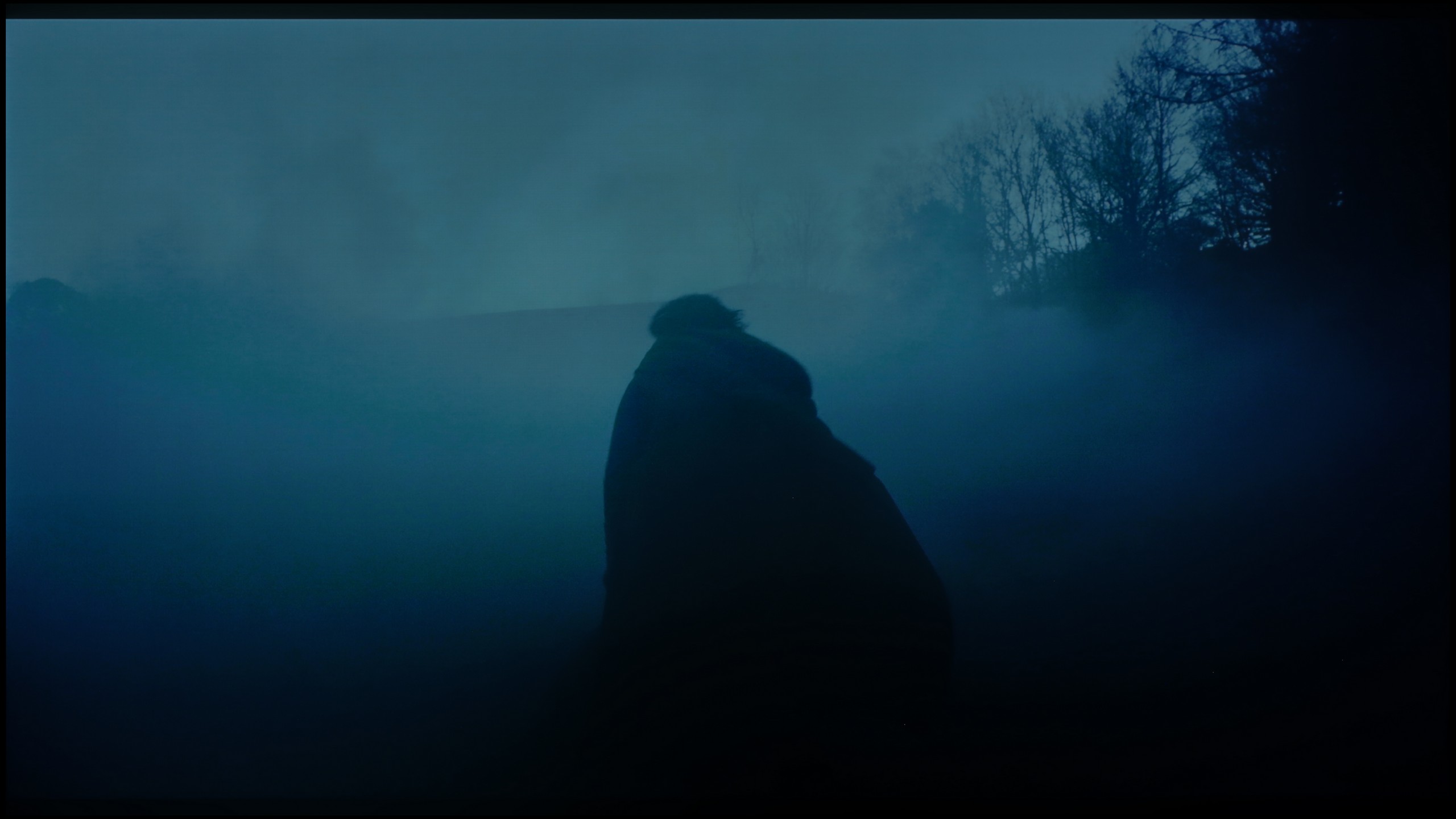
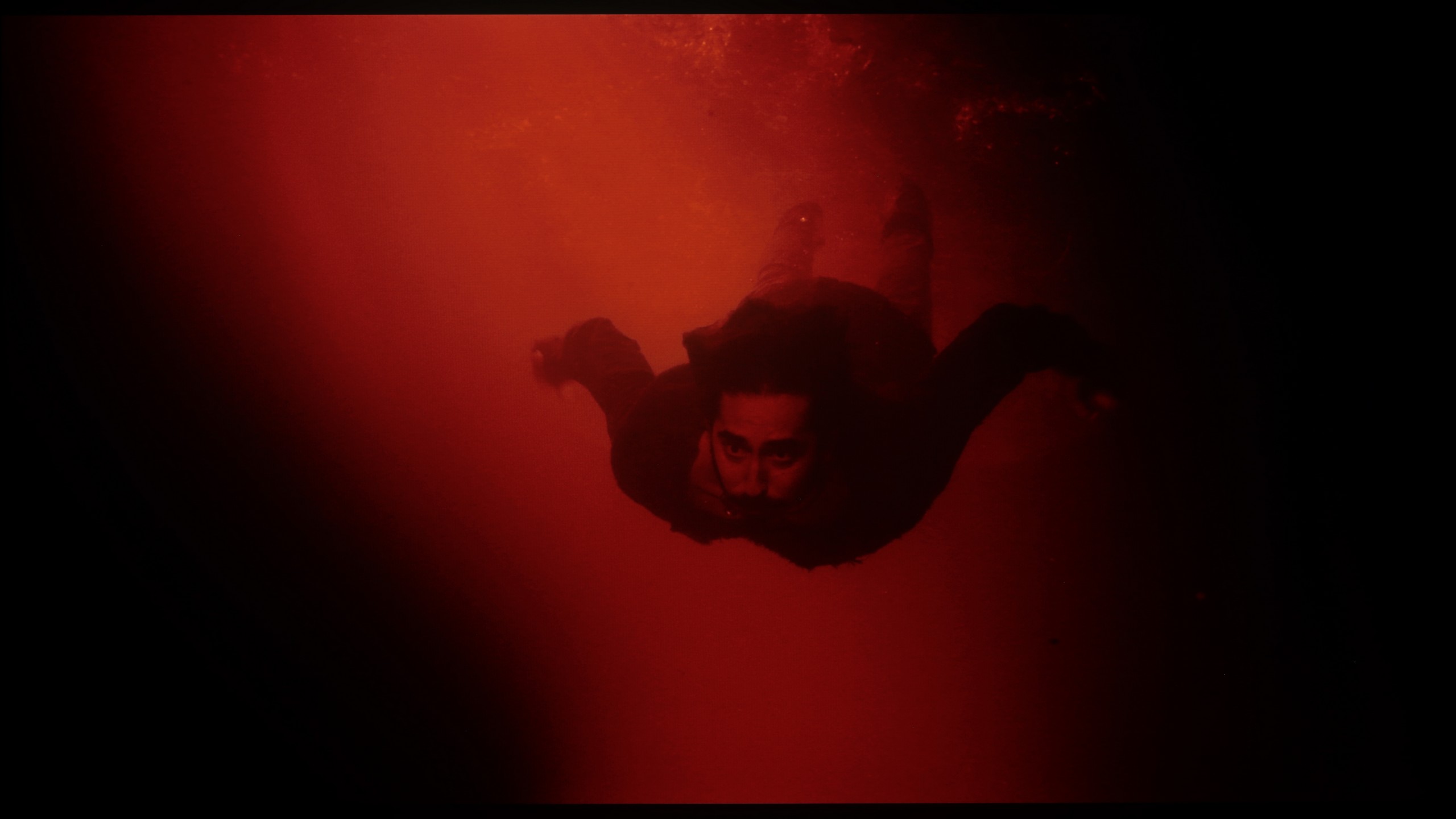
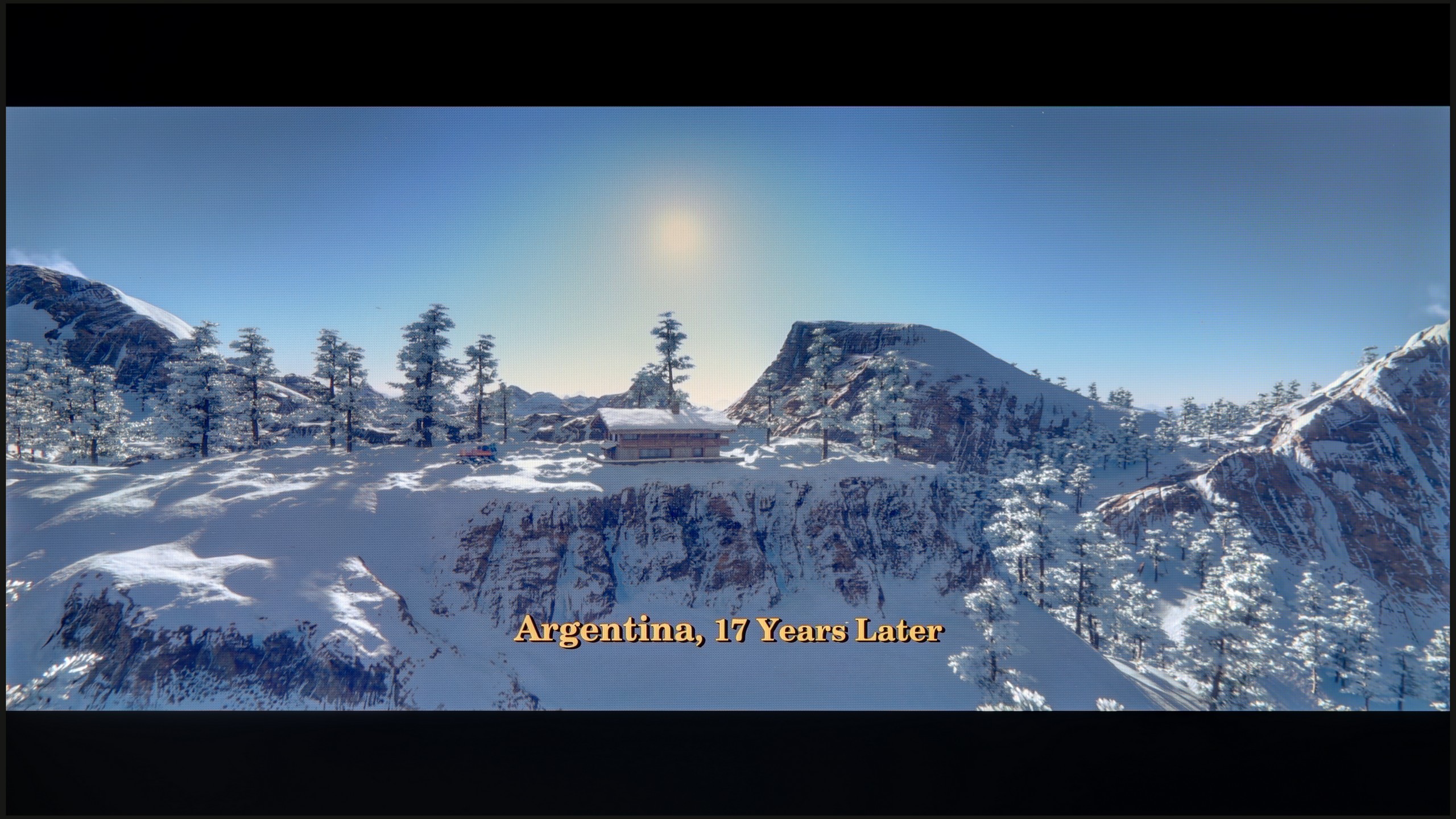
These are selected scenes that show smooth tonal transitions from one color to another. If you see distinct banding, it’s the TV panel’s fault.
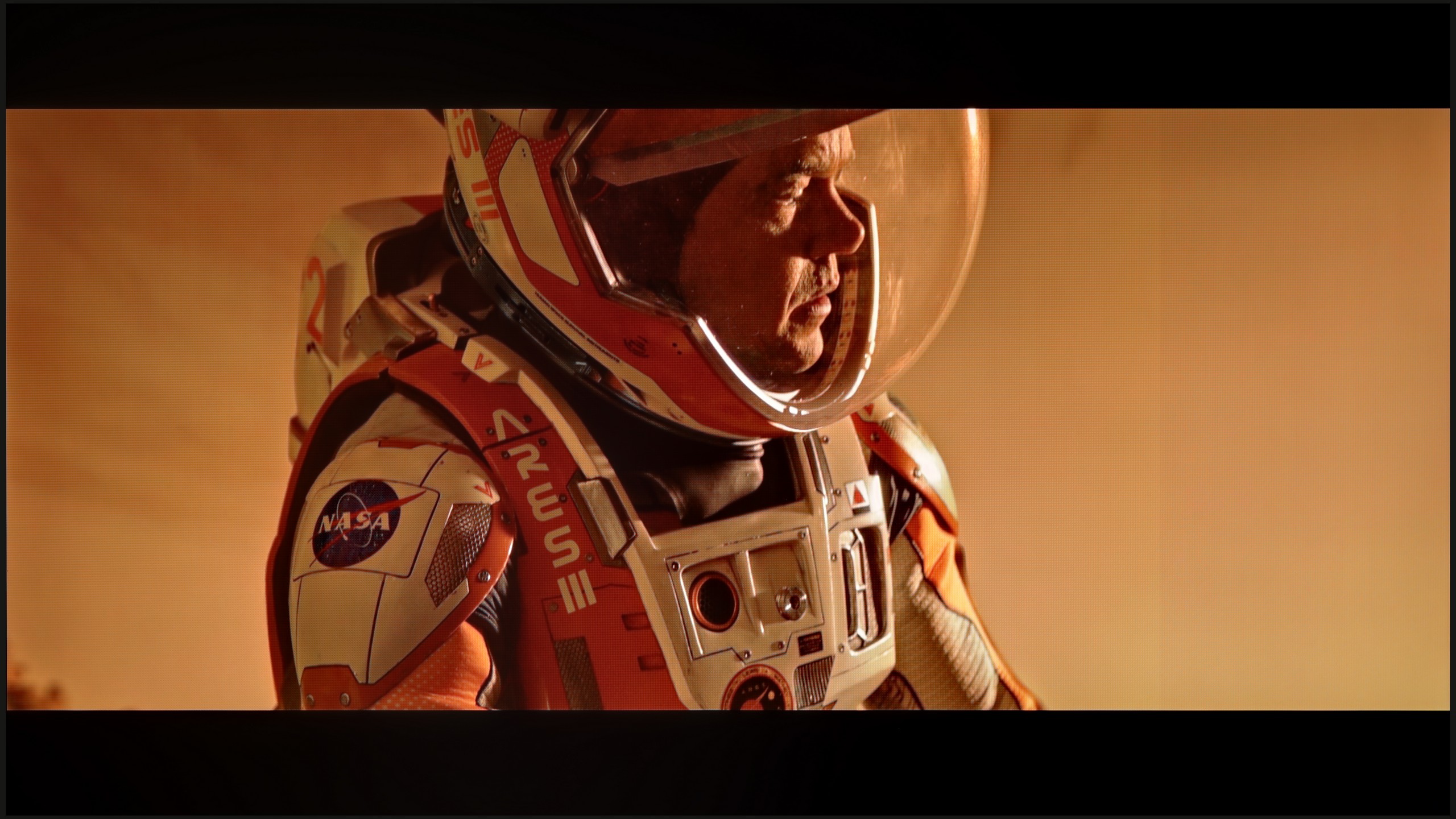
These are selected scenes that show smooth tonal transitions from one color to another. If you see distinct banding, it’s the TV panel’s fault.
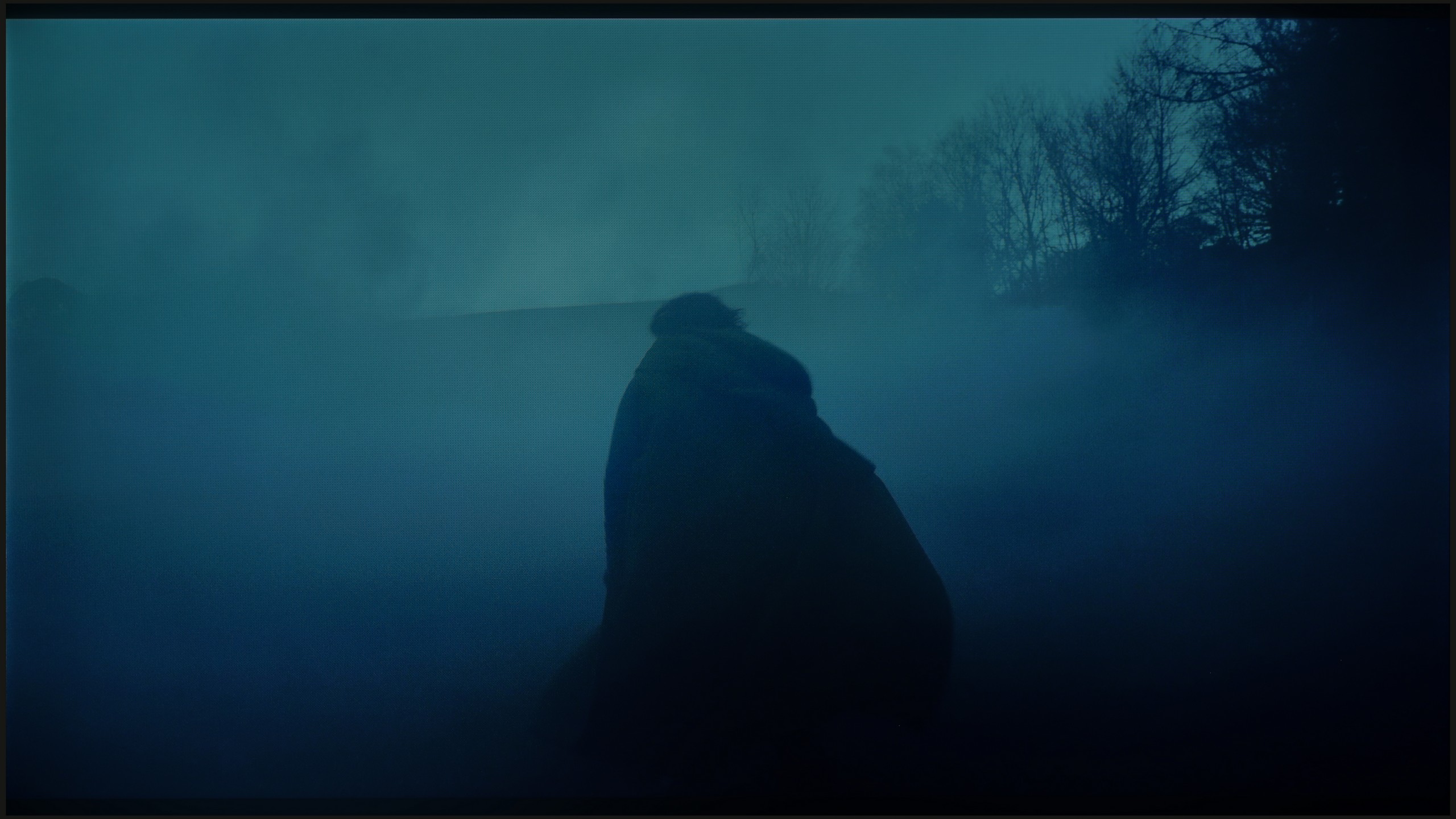
These are selected scenes that show smooth tonal transitions from one color to another. If you see distinct banding, it’s the TV panel’s fault.
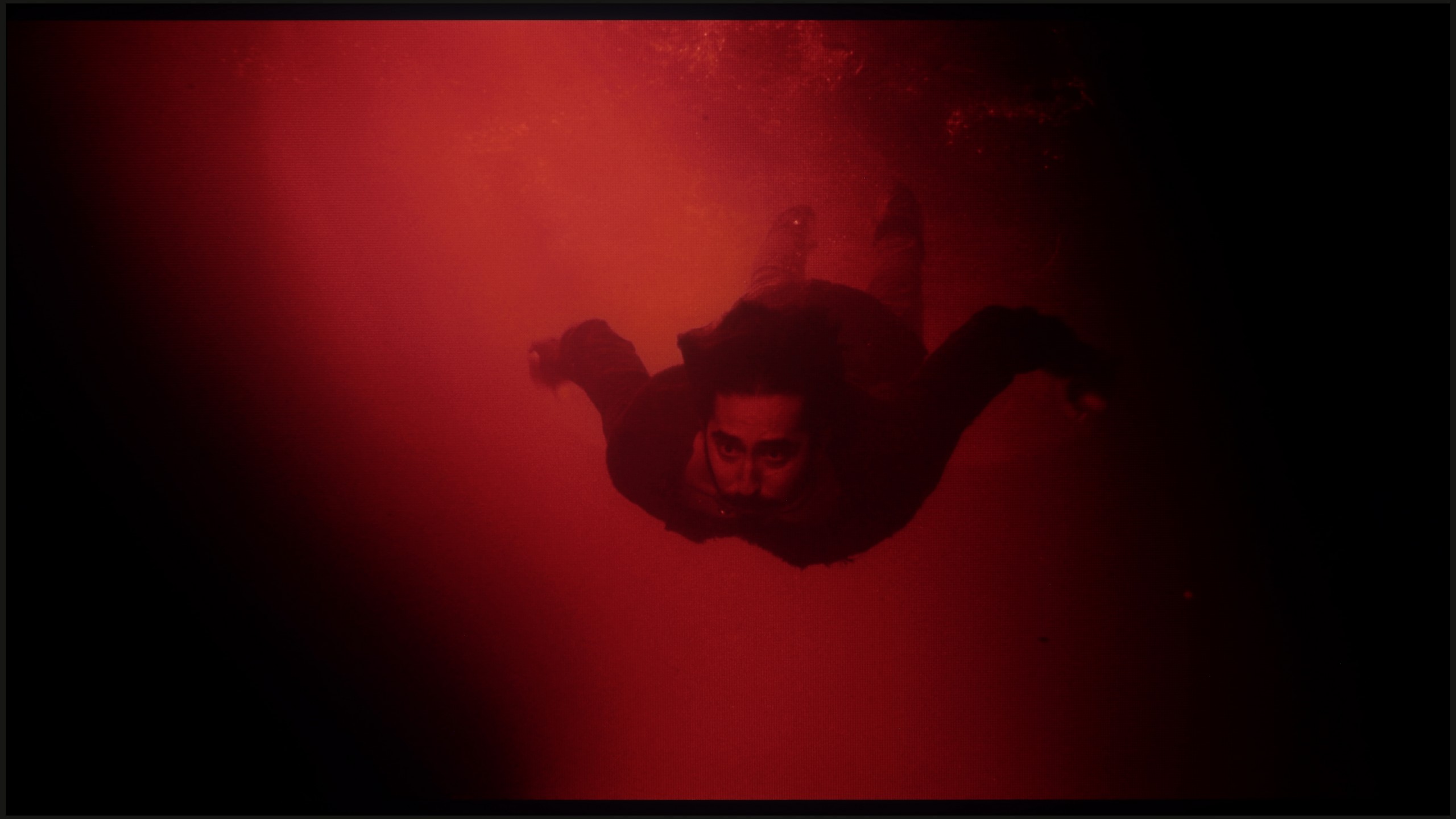
These are selected scenes that show smooth tonal transitions from one color to another. If you see distinct banding, it’s the TV panel’s fault.
The S95F version with the Tandem OLED panel also handles the fluidity of tonal transitions very well. Although WOLED panels have not typically been the strongest in this category, it is difficult to spot any serious issues here. The gradation of colours is smooth and natural, and the only minor imperfections may appear with brighter colours. However, they are not significant enough to spoil the overall impression of the picture – the whole thing presents itself at a really high level.
In the model C69K / Q6C, tonal transitions (between colours) are very smooth, and it is difficult to notice any banding. The image appears natural, and any minor imperfections are only visible on bright test screens, and that requires very careful scrutiny. In everyday viewing, the effect is simply outstanding. It can be confidently stated that in this category, C69K / Q6C performs exceptionally well.
Image scaling and smoothness of tonal transitions
7.5/10
5/10


Smooth transition function
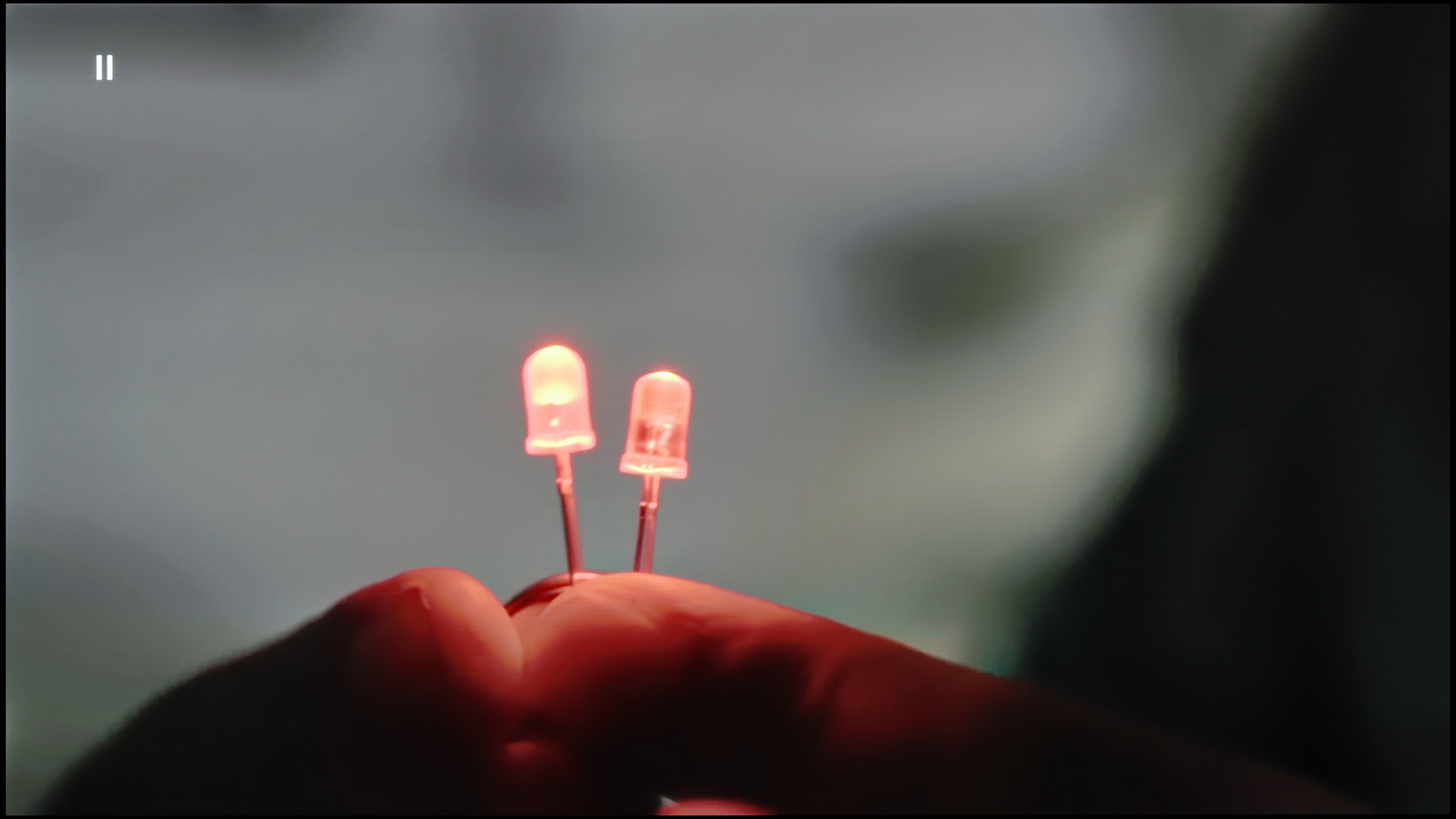
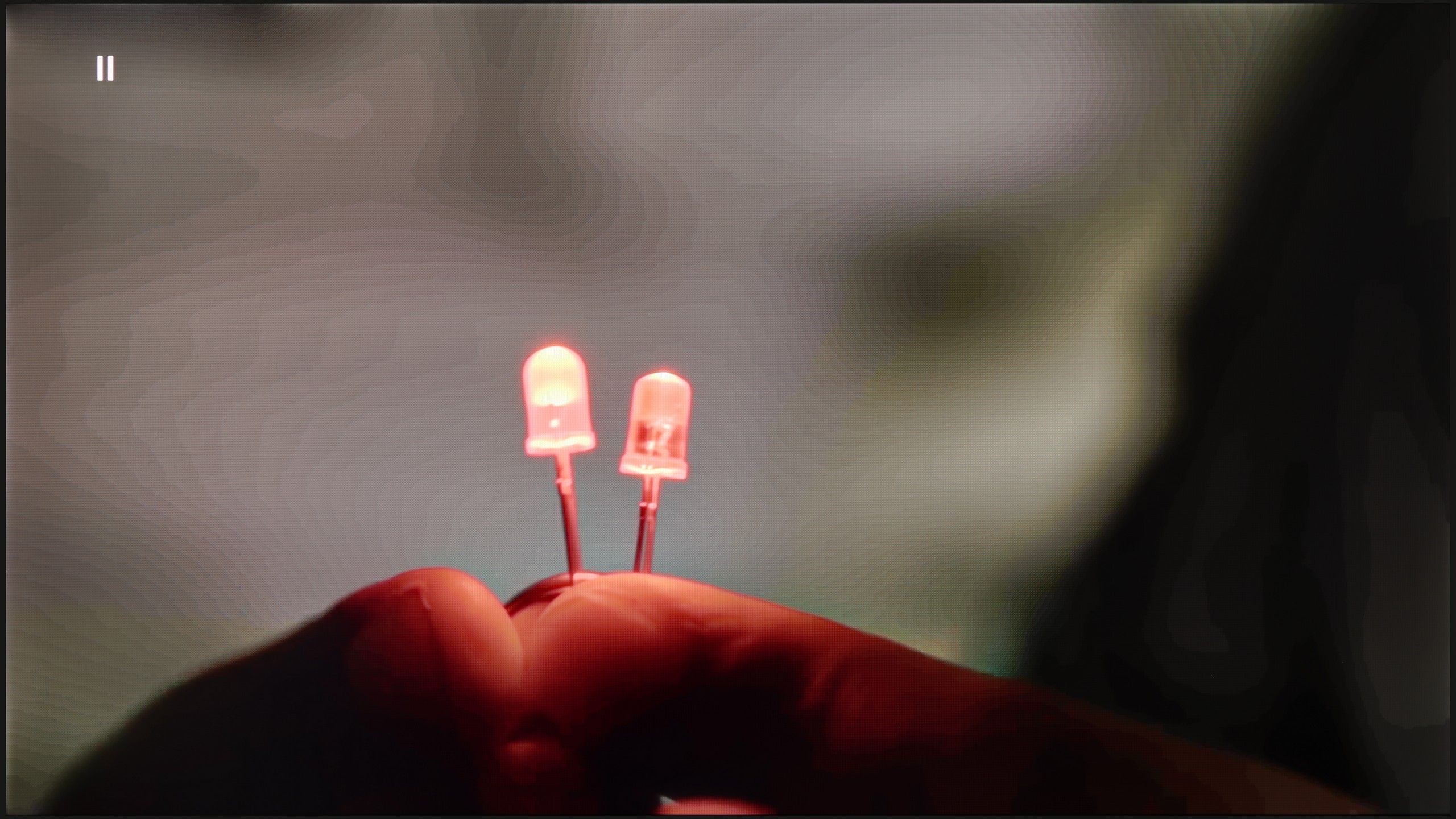
The match photo shows how the TV smooths weak tonal transitions in low-quality video.
Image scaling SD (576i)
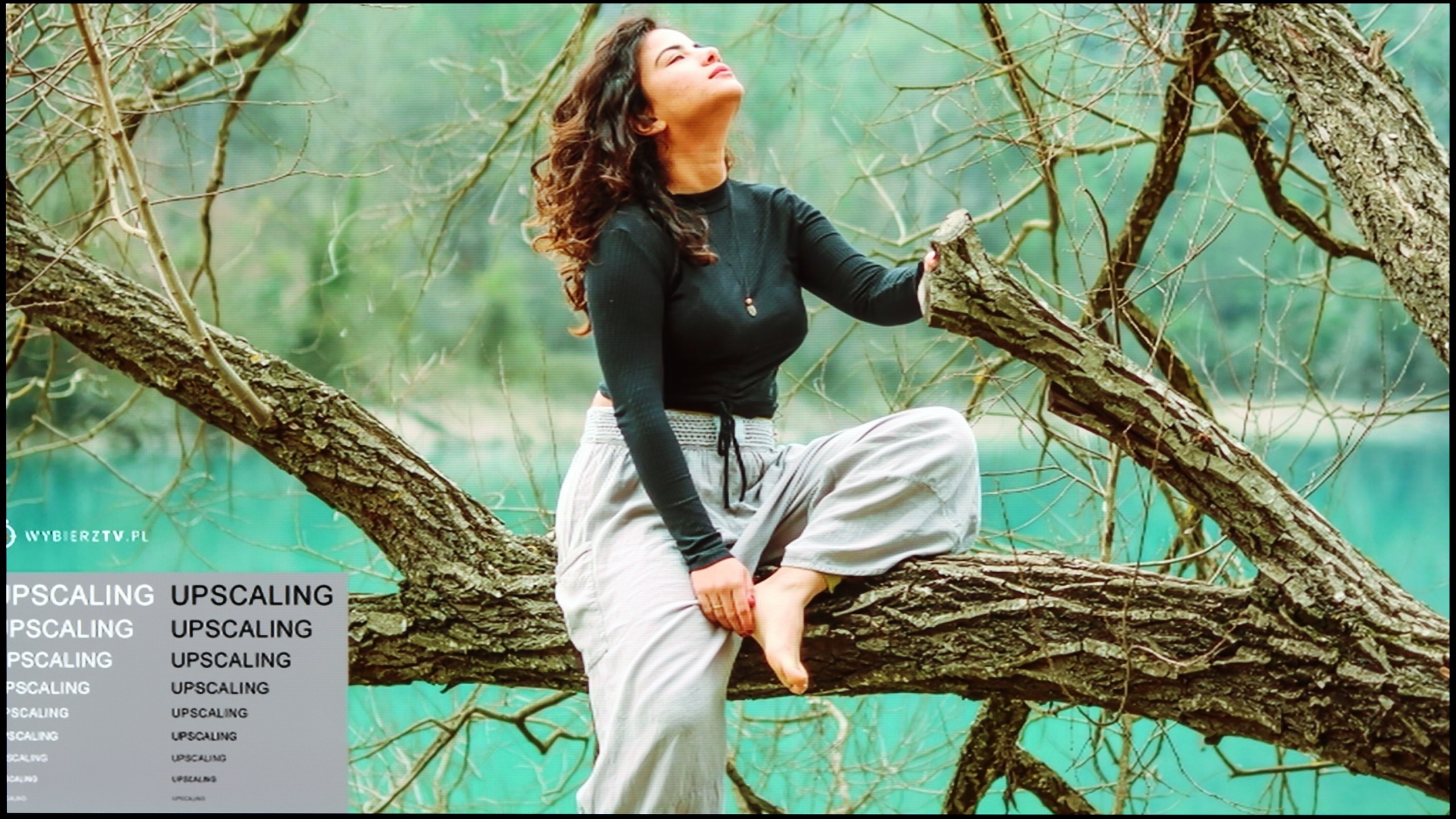

The model photo shows how it handles upscaling of SD material.
In the Samsung S95F model, there is a noise reduction feature aimed at improving the smoothness of tonal transitions. Its operation can hardly be called ineffective – on the contrary, it can overly interfere with the image. Older films or materials of poorer quality, such as those from YouTube, acquire a soft, smoothed character thanks to it, reminiscent of a painting effect. The problem is that along with the noise, the natural film grain disappears, stripping the image of its cinematic character. Fortunately, the feature does not blur significant details, so its use is more a matter of taste. If someone prefers a slightly polished and smooth image, it is worth enabling, but in our opinion, the most sensible setting is “Standard”.
A better impression is left by the upscaling. The S95F efficiently enhances the quality of lower resolution content – even 576p video looks quite good, although minor artifacts in the form of blockiness can be noticed. Overall, the effect is very solid, although when compared to competitors – such as the Sony Bravia 8 (II) or LG G5 – it is noticeable that those models can extract a bit more from the image. However, it is worth remembering one inconvenience: with older films and photos, there is an overscan issue that causes a slight cutting off of the left edge of the image.
In terms of image scaling, TCL C69K / Q6C performs quite well. Lower quality content appears acceptable, and thanks to the lack of overscan issues, the image is displayed in full without any cropping. However, one should not expect miracles – very low-quality materials will not gain a second life here, as the image processor has its limitations.
Thin lines and details exhibit characteristic tearing, which reveals the absence of more advanced image enhancement algorithms. It is also a pity that the C69K / Q6C lacks a tone transition smoothing feature. As a result, in older films or video materials, banding of colours can be visible and may become distracting during prolonged viewing.
Blur and motion smoothness
8.5/10
7.3/10
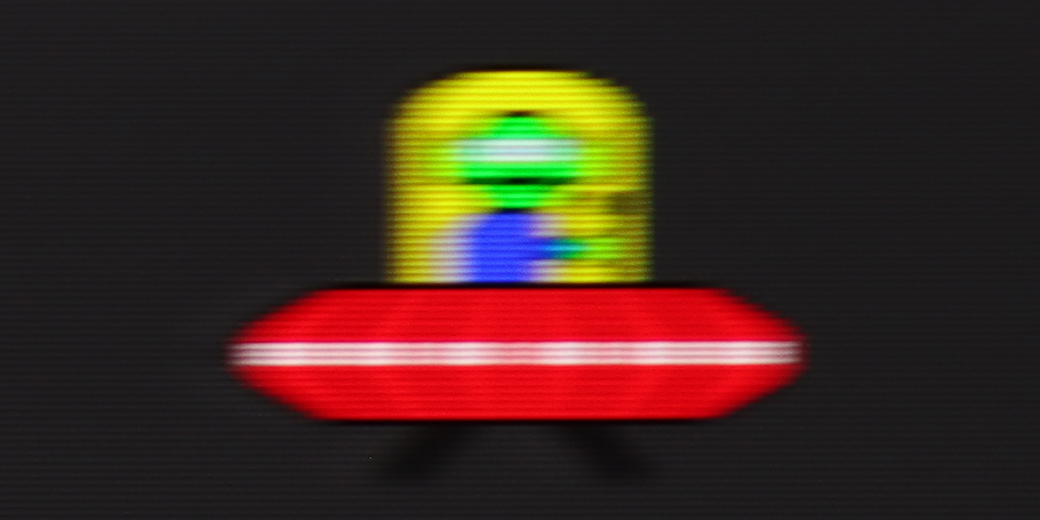
Blur (native resolution, maximum refresh rate):


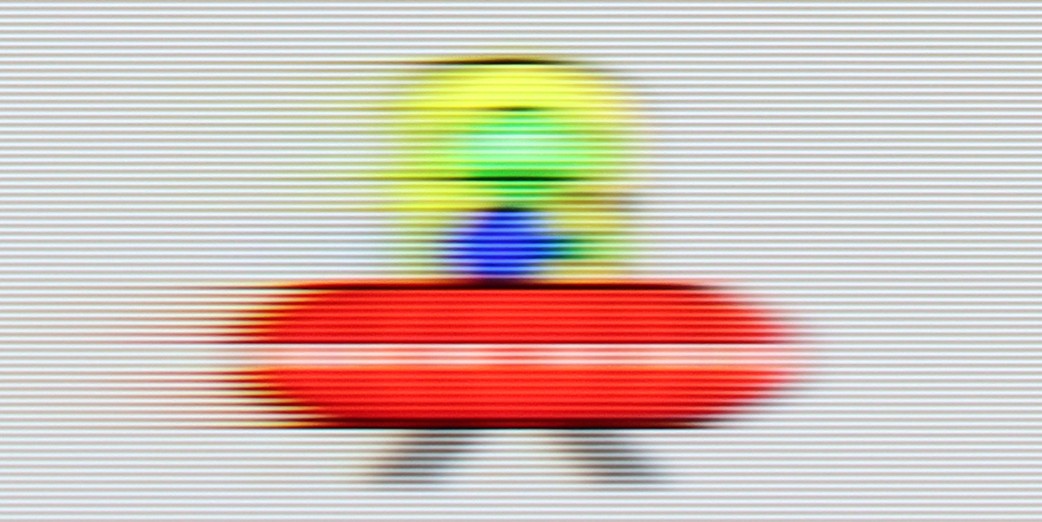
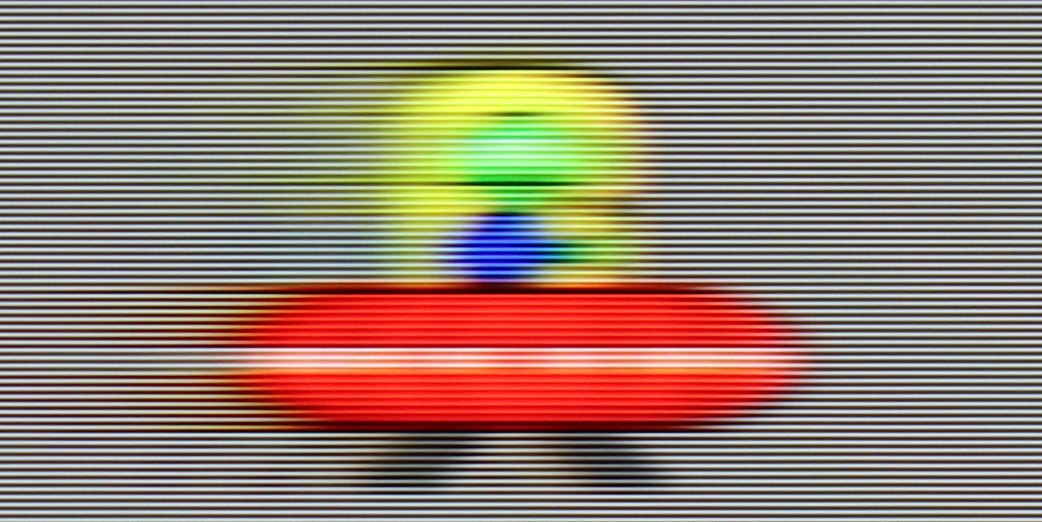
Blur (BFI function enabled):
Image flickers in this mode


Blur (4K@165Hz):


Blur ():
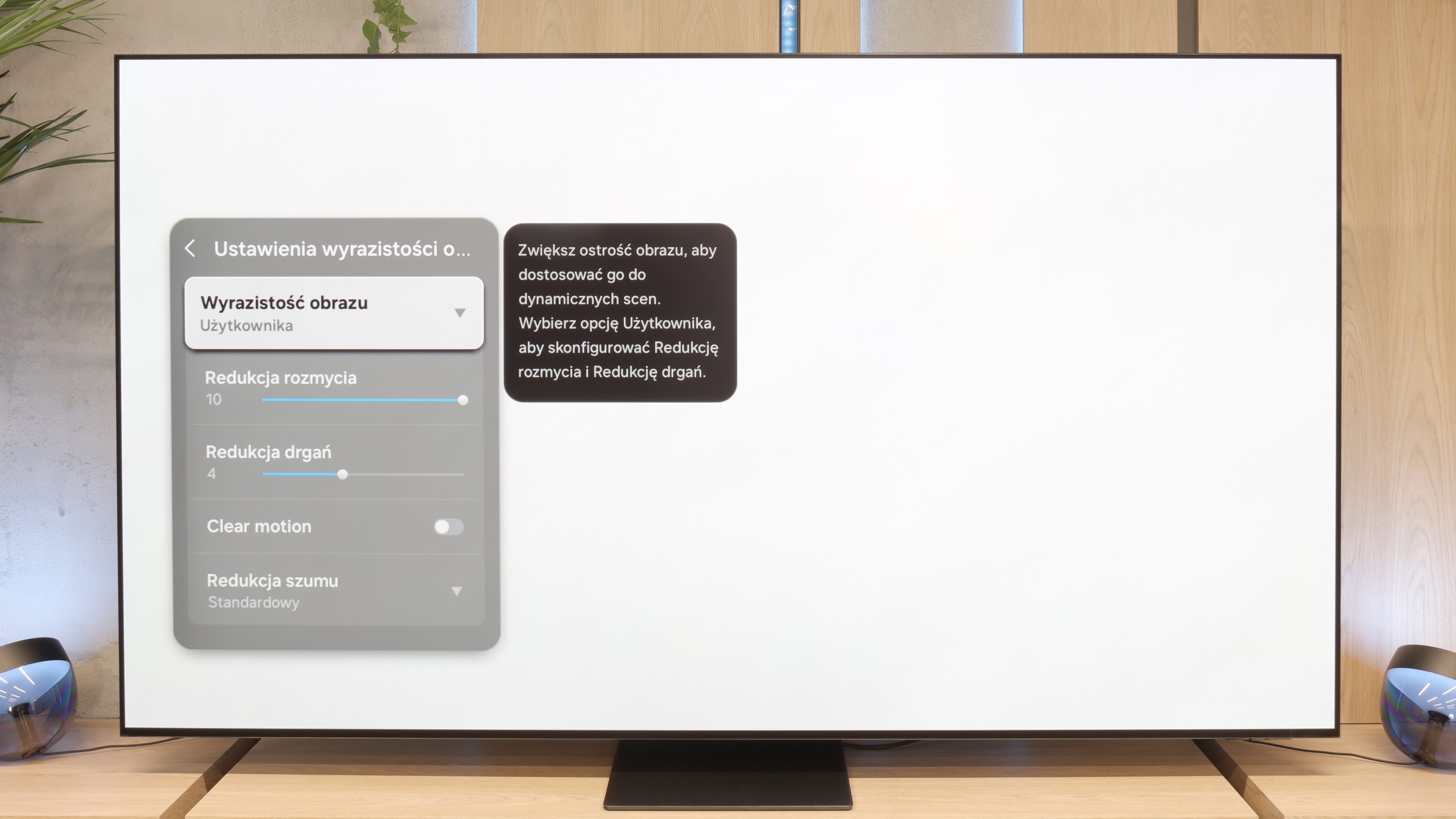
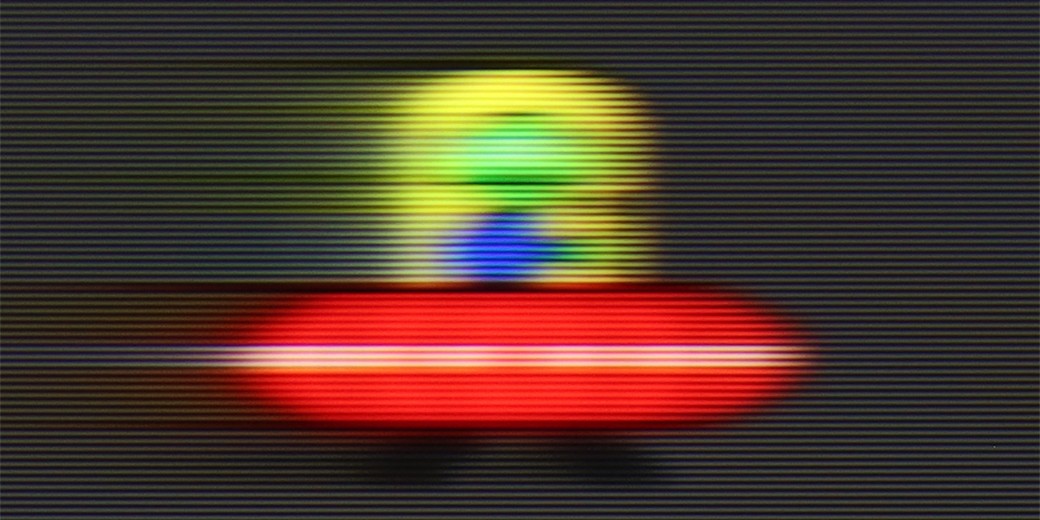
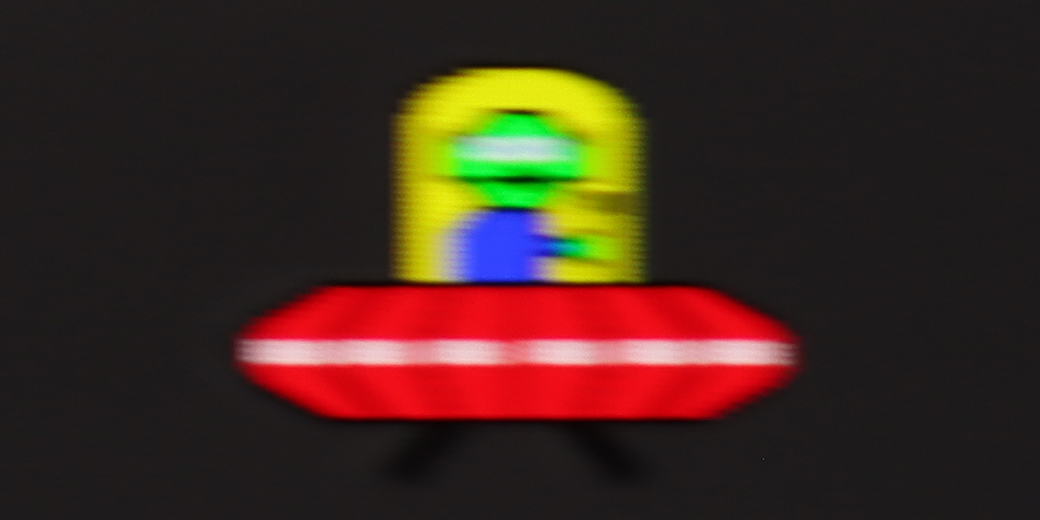
In the case of the 83-inch S95F with a Tandem OLED panel, the fluidity of motion also makes a huge impression. The panel, with a native resolution of 4K, offers a refresh rate of 165 Hz, and this combined with organic technology makes games and sports look superb. Additionally, the manufacturer has added a film smoother and a motion blur reduction system, allowing each viewer to adjust the image to their own preferences – whether it's a more "frame-rate" cinematic effect or a smooth, almost theatrical spectacle.
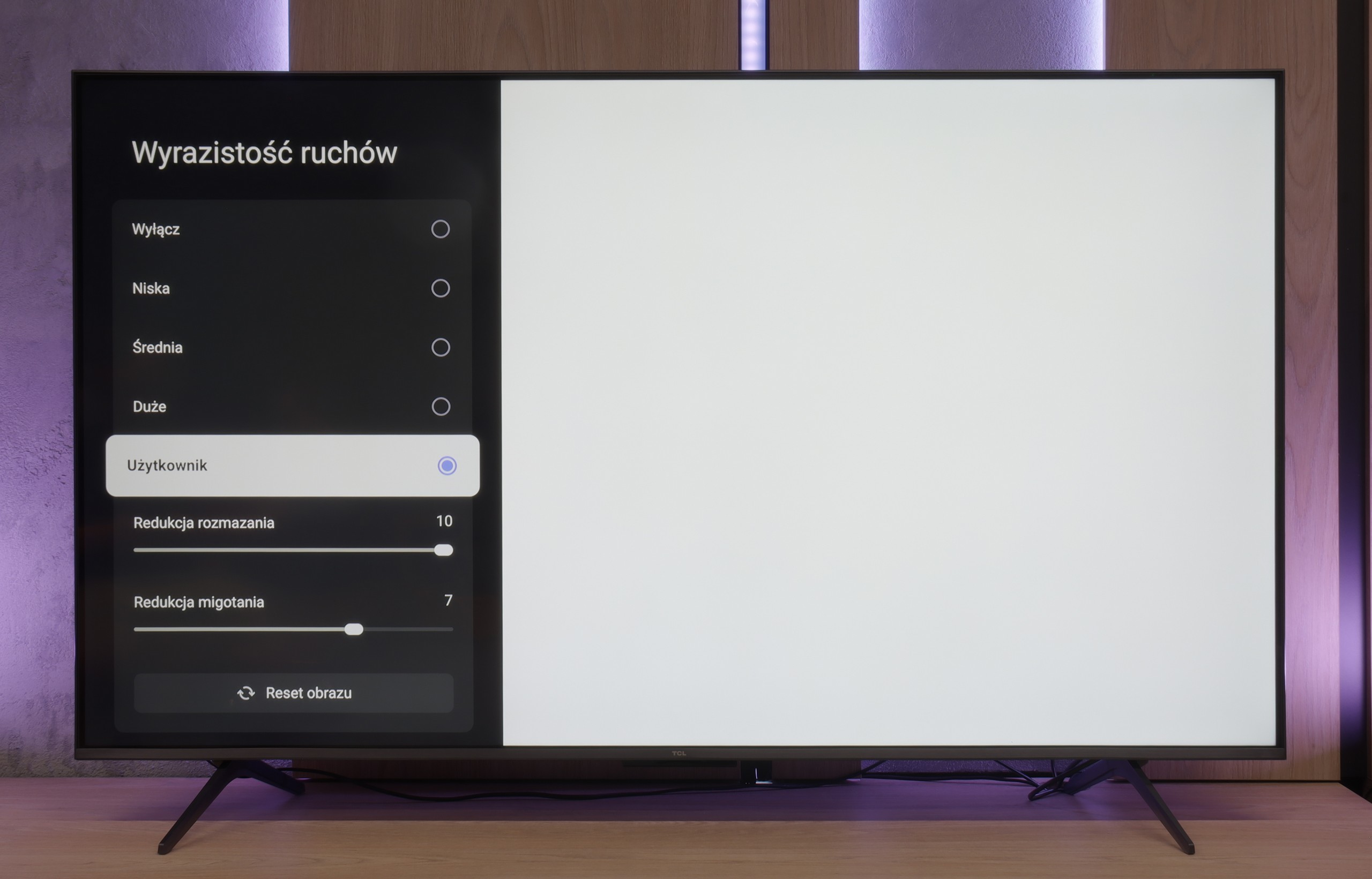
The use of a 144 Hz panel in TCL C69K / Q6C is a significant advantage in this price range. It represents an important step forward compared to its predecessor (C655 PRO), which only offered 60 Hz in 4K. The difference is particularly noticeable when watching sports or playing games – the ball, players, or dynamic action in games are displayed more clearly and without loss of detail. Another interesting feature is the panel's ability to work at 240 Hz (which the manufacturer does not officially mention) – we will return to this topic in relation to the PC gaming mode. TCL has also added a feature for movie fans: “Motion Clarity”. This allows users to adjust the picture to their preferences using two simple sliders. We can either keep the visible film frame or opt for very smooth, "
Console compatibility and gaming features
9.6/10
9.8/10
- ALLM
- VRR
- VRR range48 - 165Hz48 - 240Hz
- Dolby Vision Game Mode
- Correct implementation of HGIG
- 1080p@120Hz
- 1440p@120Hz
- 4K@120Hz
- Game bar
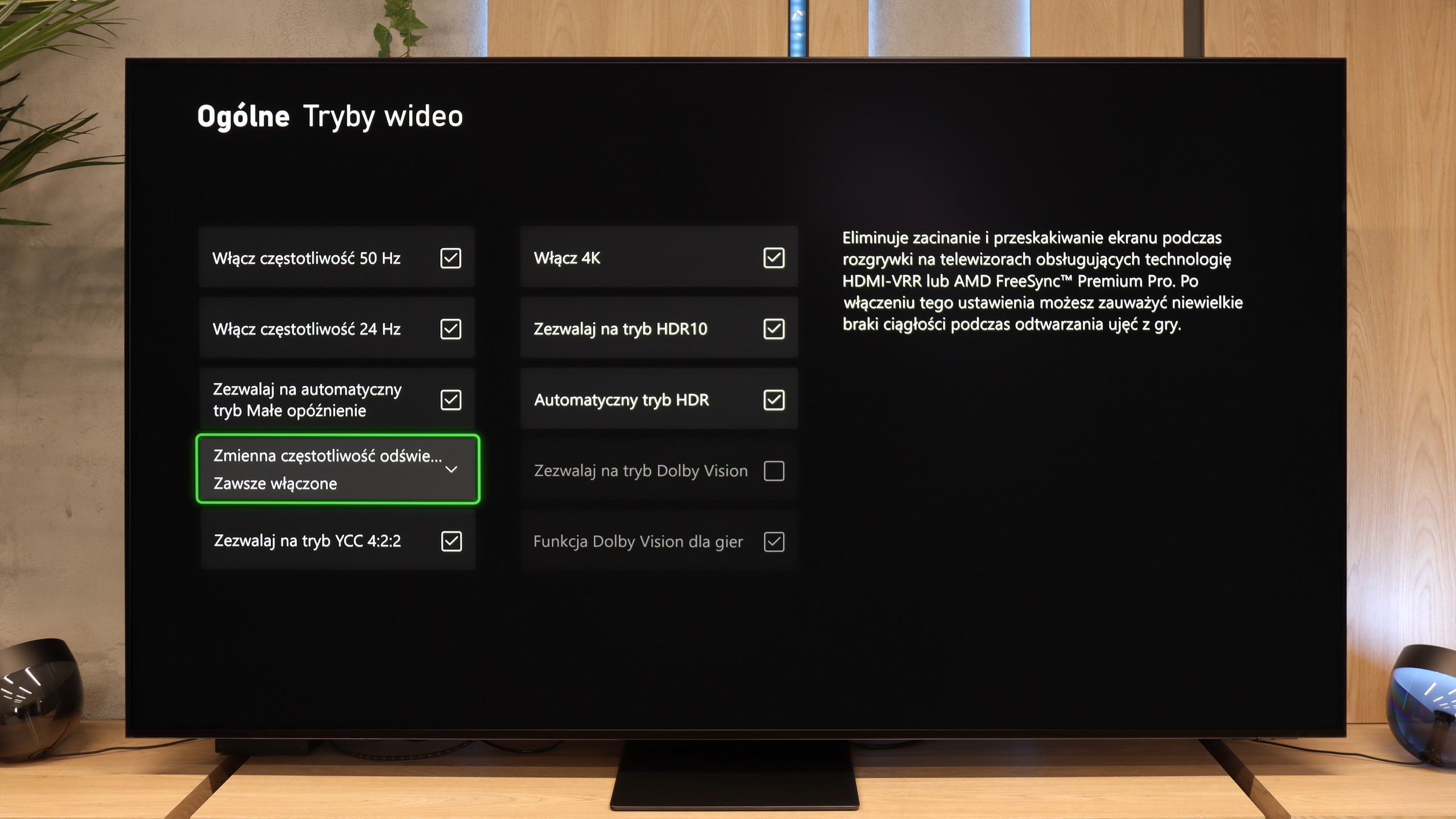
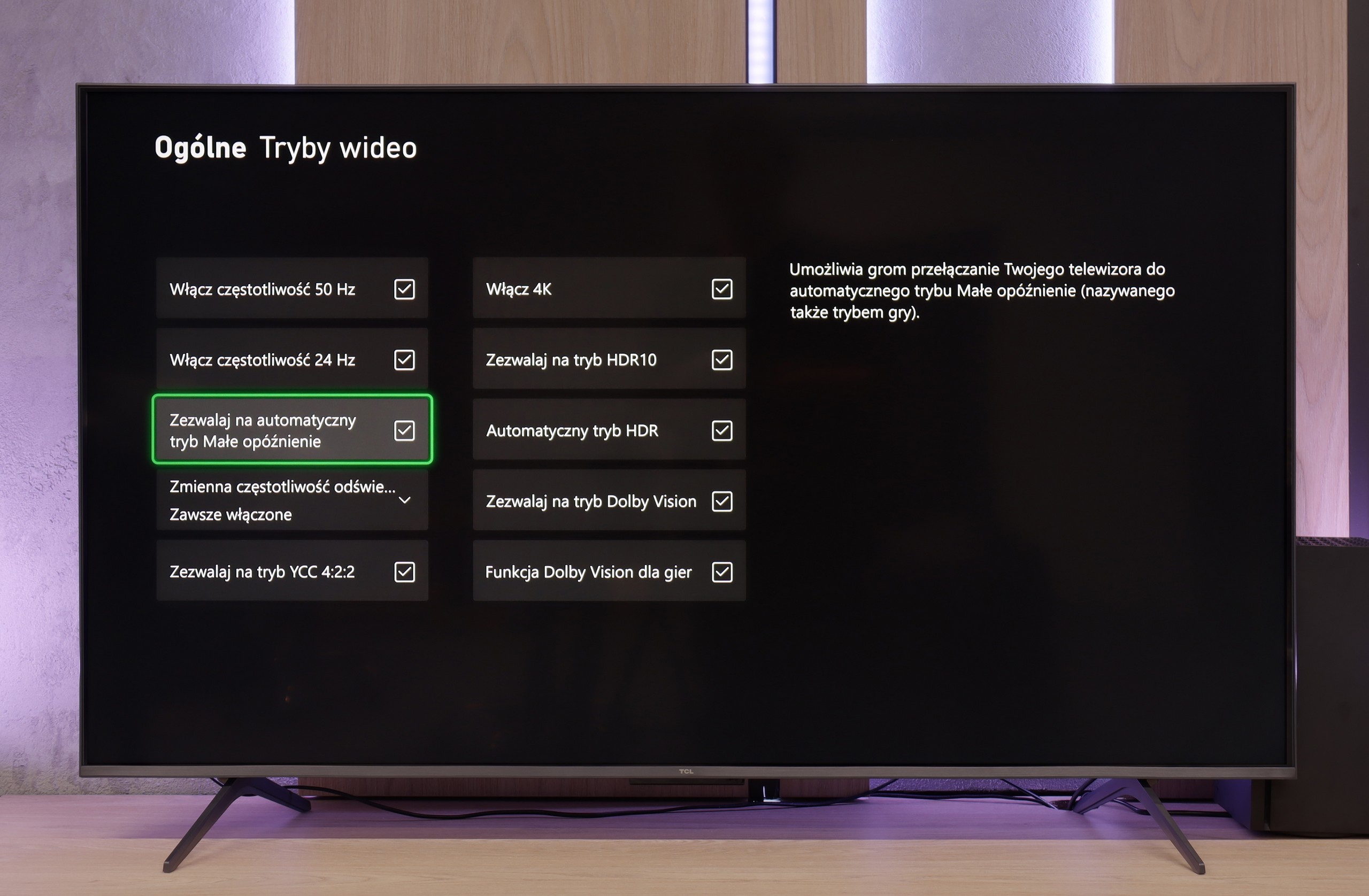
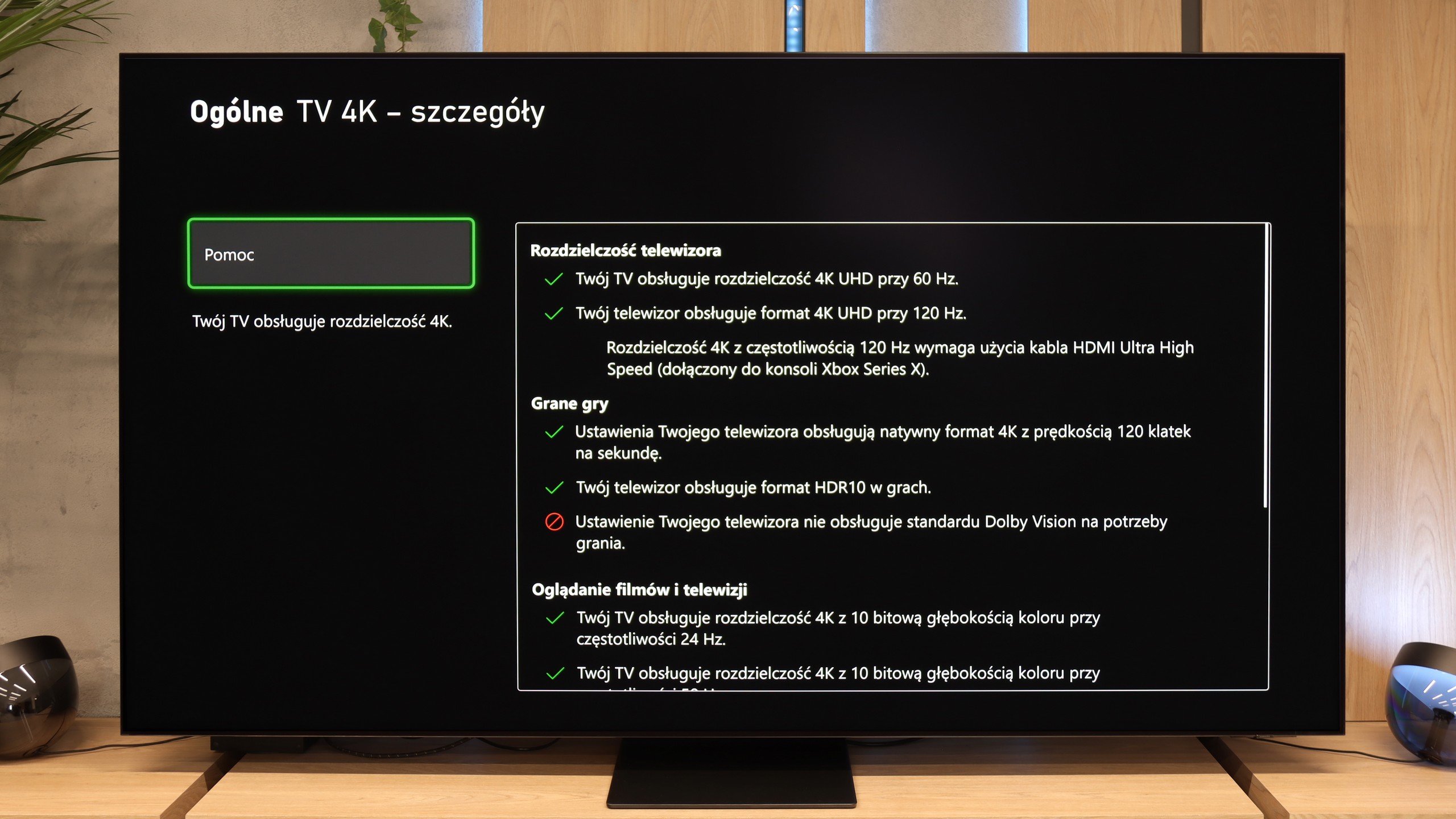
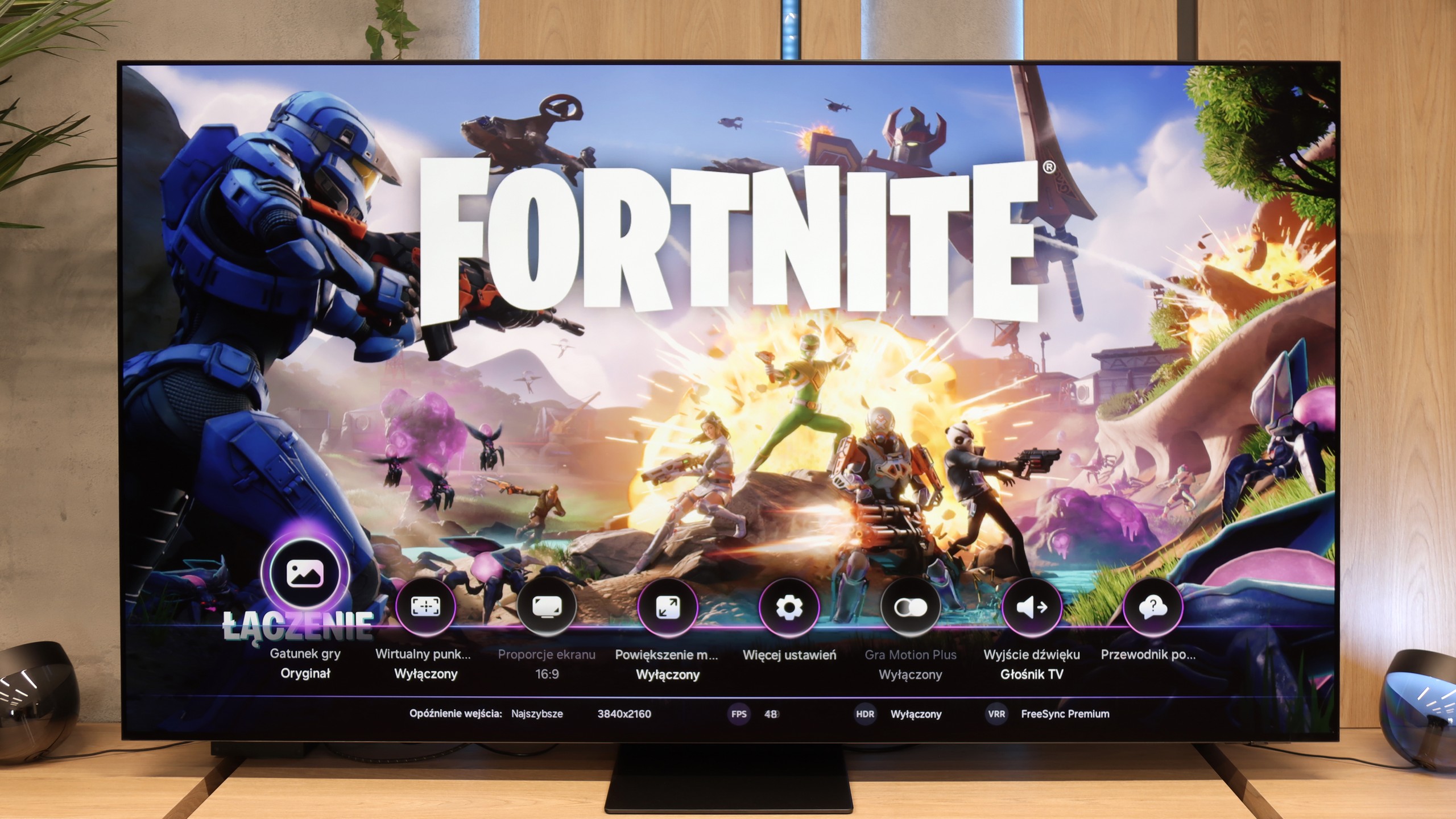
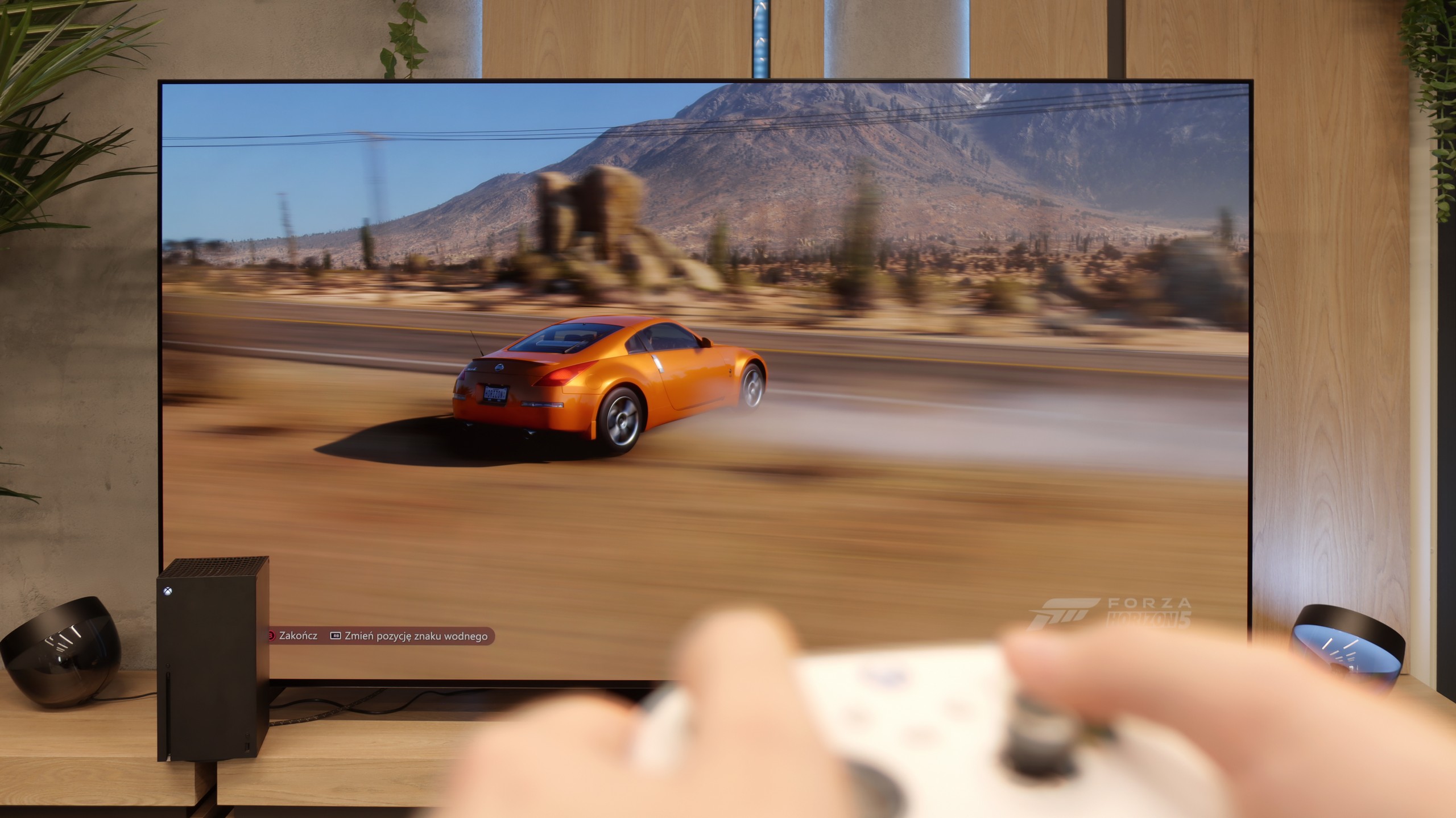
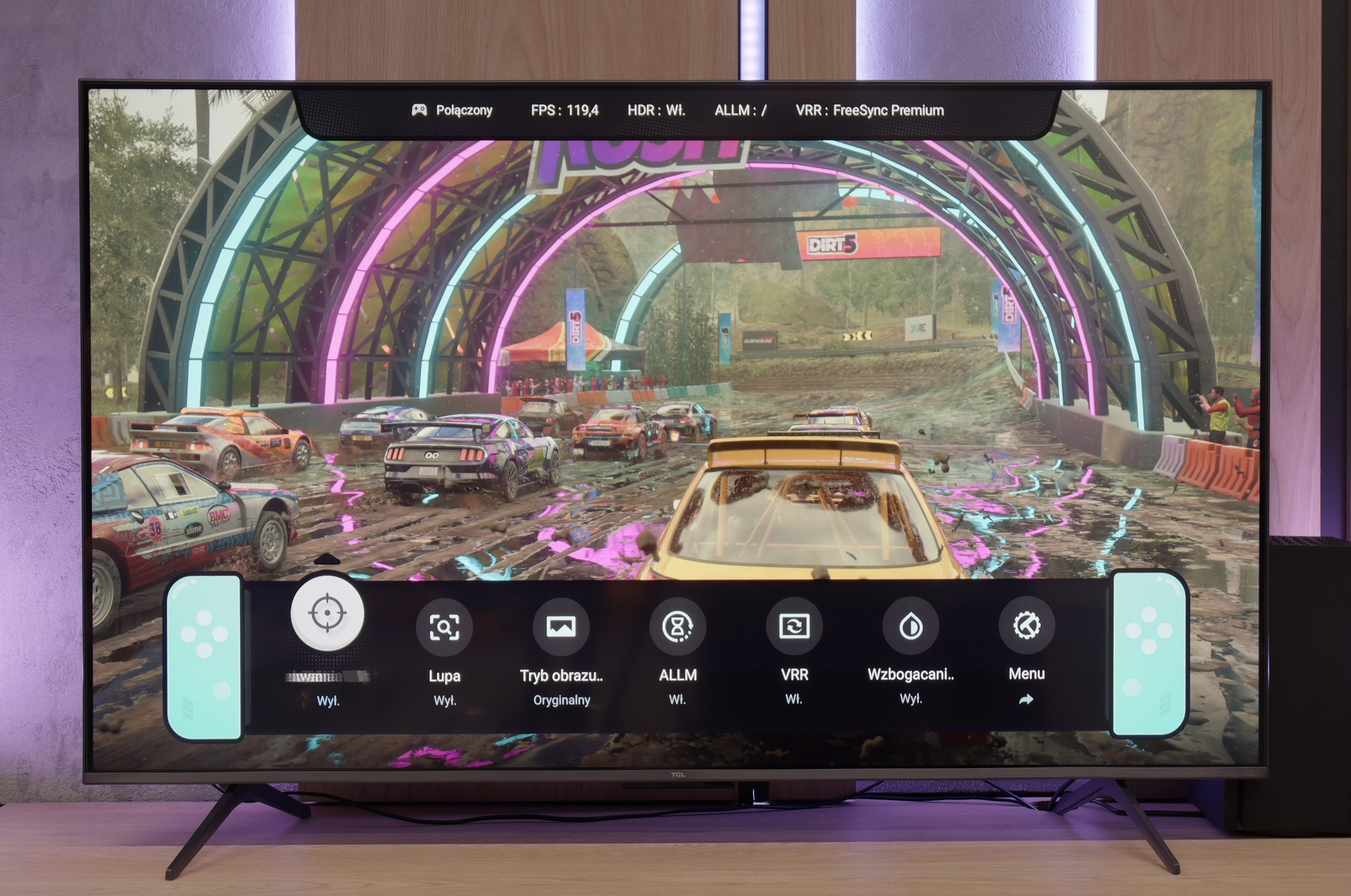
Low smearing and phenomenal motion fluidity, which are the hallmarks of OLED displays, are just the warm-up. The Samsung S95F has been designed with gamers in mind – and this is evident at every turn. Four HDMI 2.1 ports with a bandwidth of 40 Gb/s may sound like a compromise on paper, but in practice, neither consoles nor PCs will experience the slightest limitation here. On board, there is a full set of gaming features: Variable Refresh Rate (VRR), Auto Low Latency Mode (ALLM), as well as a flawlessly implemented HGiG standard that allows you to enjoy HDR exactly as the creators intended. All of this is complemented by Game Bar – an intuitive command centre where you can check and adjust the most important settings in seconds.
Particular attention should also be paid to Game Motion Plus, Samsung's proprietary motion smoothing technology. It can add extra fluidity to animations, which can be a lifesaver in games running at 60 frames per second, where stability doesn't always hold up. Indeed, support for Dolby Vision in games is lacking, but it’s hard to consider this a serious flaw – the manufacturer compensates for this gap with other solutions. The S95F is one of the absolute favourites for the title of the best gaming television on today's market.
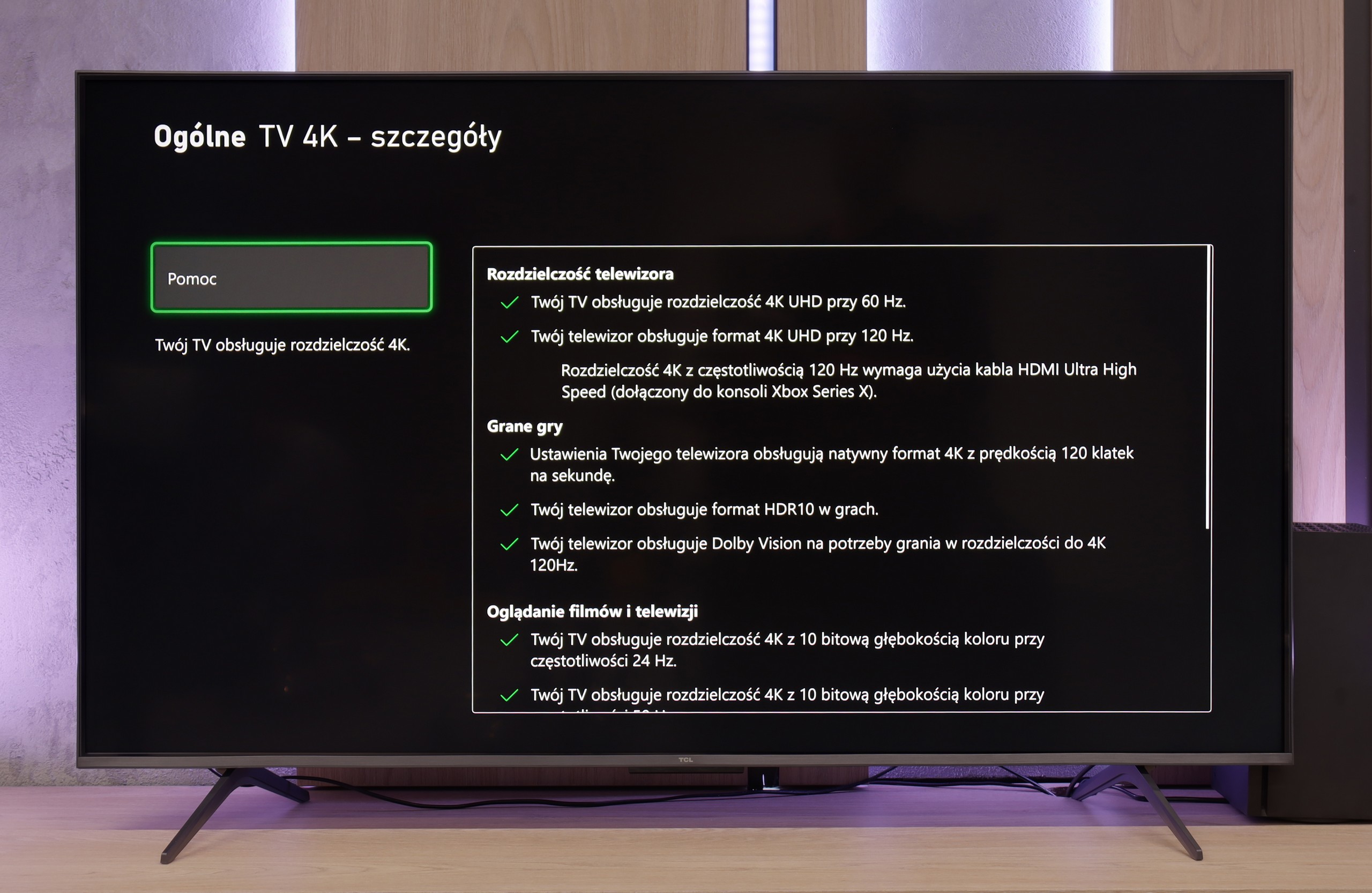
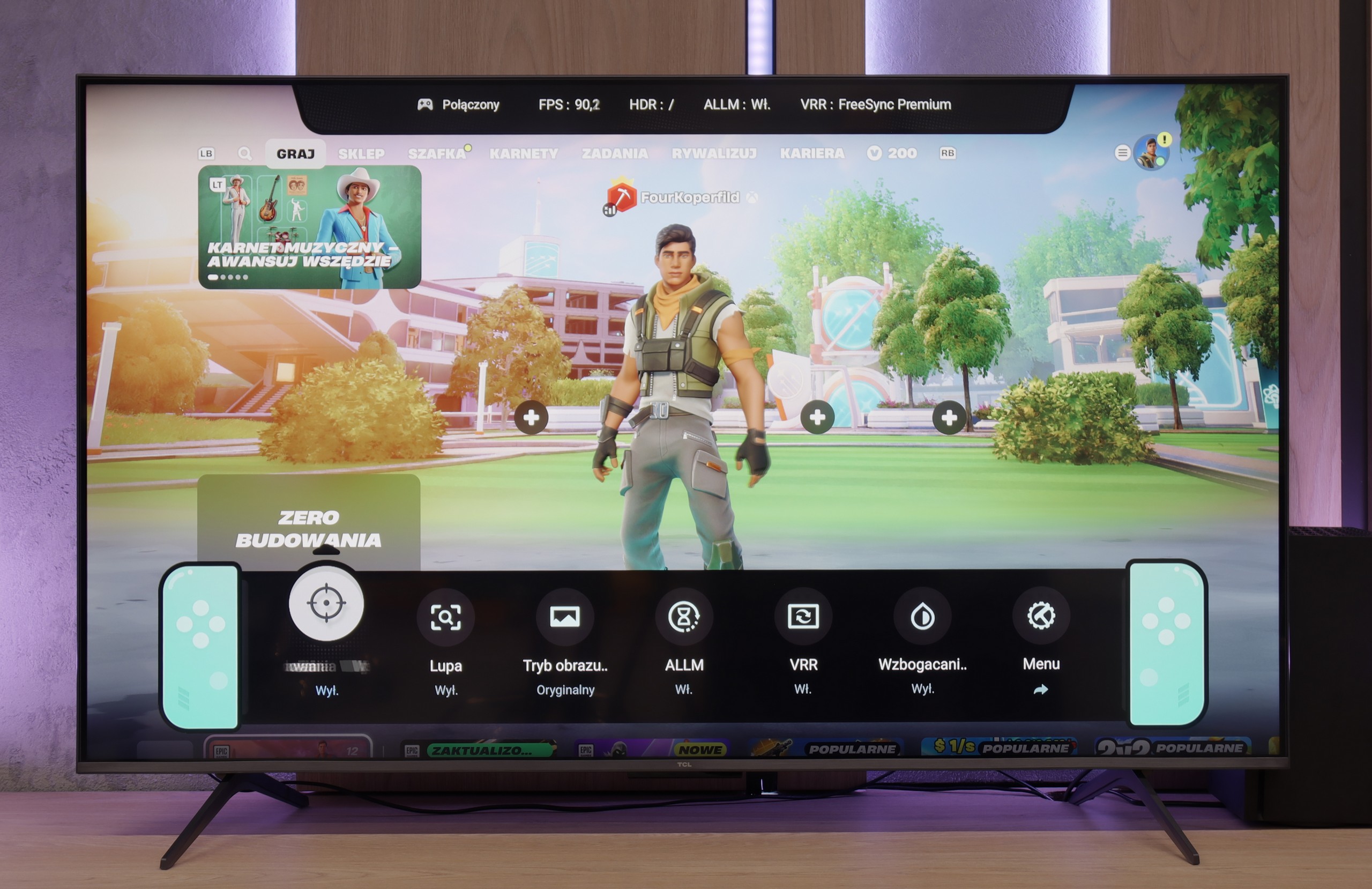
TCL C69K / Q6C is a television that can confidently be described as equipment created with gamers in mind. Here we have 4K at 144 Hz, VRR support, automatic game mode (ALLM), and Dolby Vision Gaming. Additionally, there is a practical Game Bar, which is a panel with the most important settings conveniently at hand – useful when we want to change something quickly during gameplay (e.g. screen aspect ratio: Yes, it can be done!). The wide range of VRR, reaching up to 240 Hz, is particularly noteworthy. However, this option is mainly for PC gamers who will operate below the native 4K resolution. In that case, the television can spread its wings and show additional smoothness, especially in fast-paced e-sports titles. For consoles, we stick to the classic limit of 120 Hz, but even so, the capabilities are truly extensive. The only downside is a slight ghosting that can occasionally be seen in dynamic scenes. Other than that, C69K / Q6C offers everything that gamers expect from a television.
Input lag
10/10
9.7/10
SDR
HDR
Dolby Vision
The input lag on the Samsung S95F is absolutely top-notch – just 5 ms with 120 Hz content is stunning. The response to our actions on the controller is almost instantaneous, providing a sense of complete control over the gameplay. Of course, with 60 Hz content, the lag is doubled, but even 10 ms is hard to consider a reason for complaints – it’s still a result that will satisfy both demanding gamers and e-sports perfectionists.
In terms of input lag, TCL C69K / Q6C performs excellently. With 120 Hz content, the delay is about 10 ms, and at times even less. This is a level at which the response is practically instantaneous and difficult to find any objections. For 60 Hz material, the result is around 18 ms – still a very good result, entirely sufficient for comfortable gaming.
Compatibility with PC
8.8/10
8.6/10
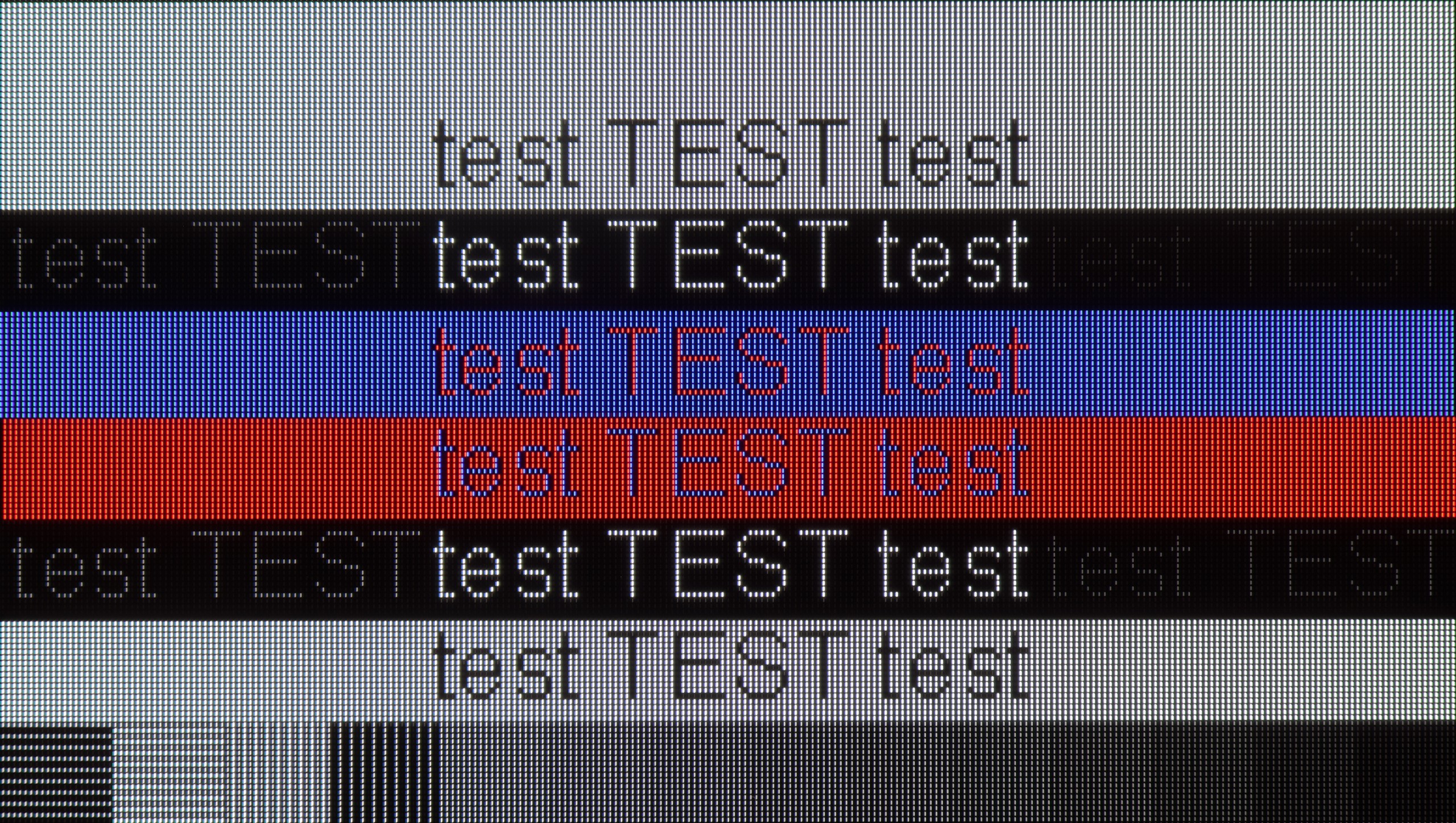
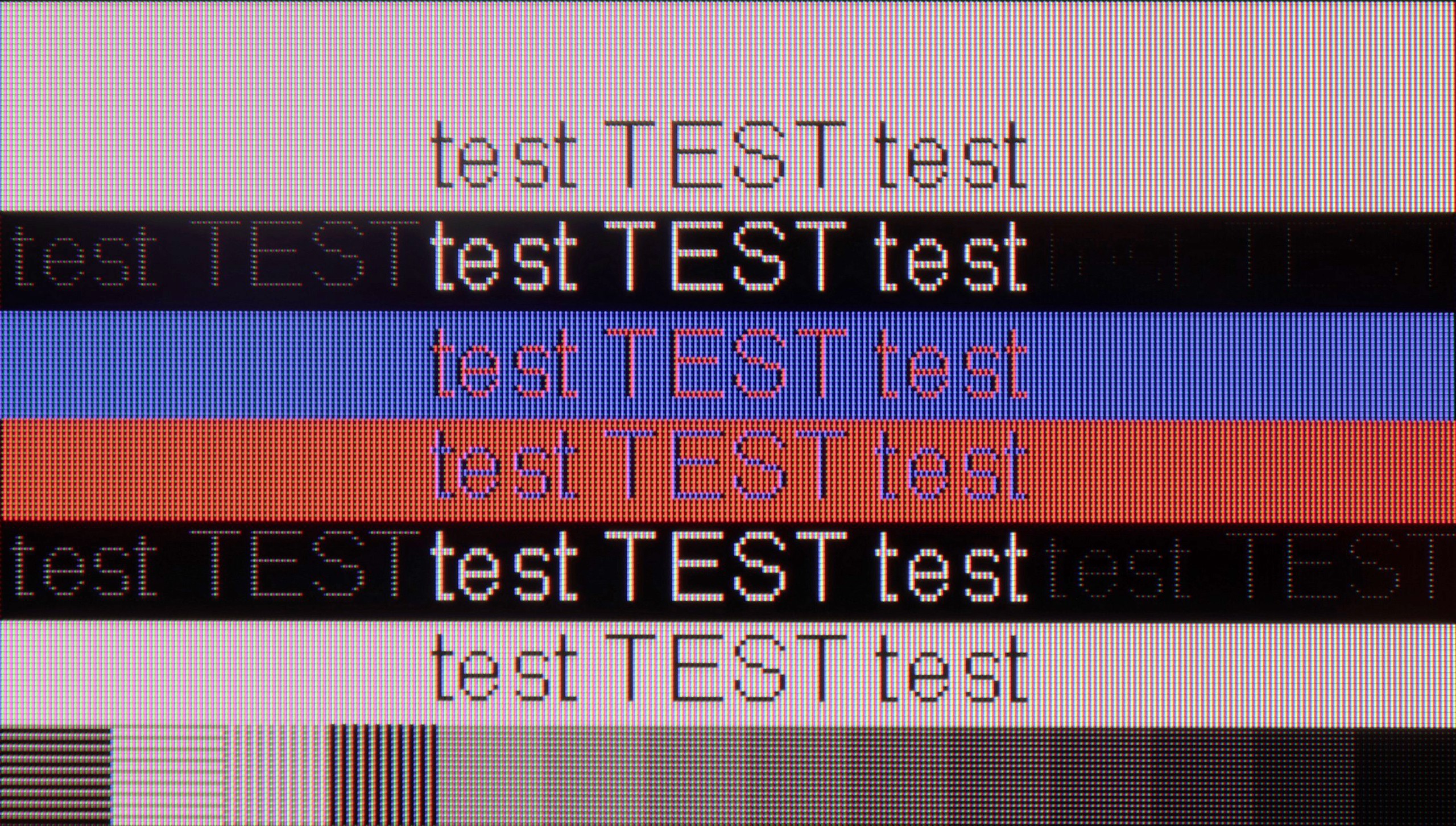
The photo shows the legibility of small fonts. Ideally, lines should be the same thickness on both light and dark text, with minimal pixel gaps.
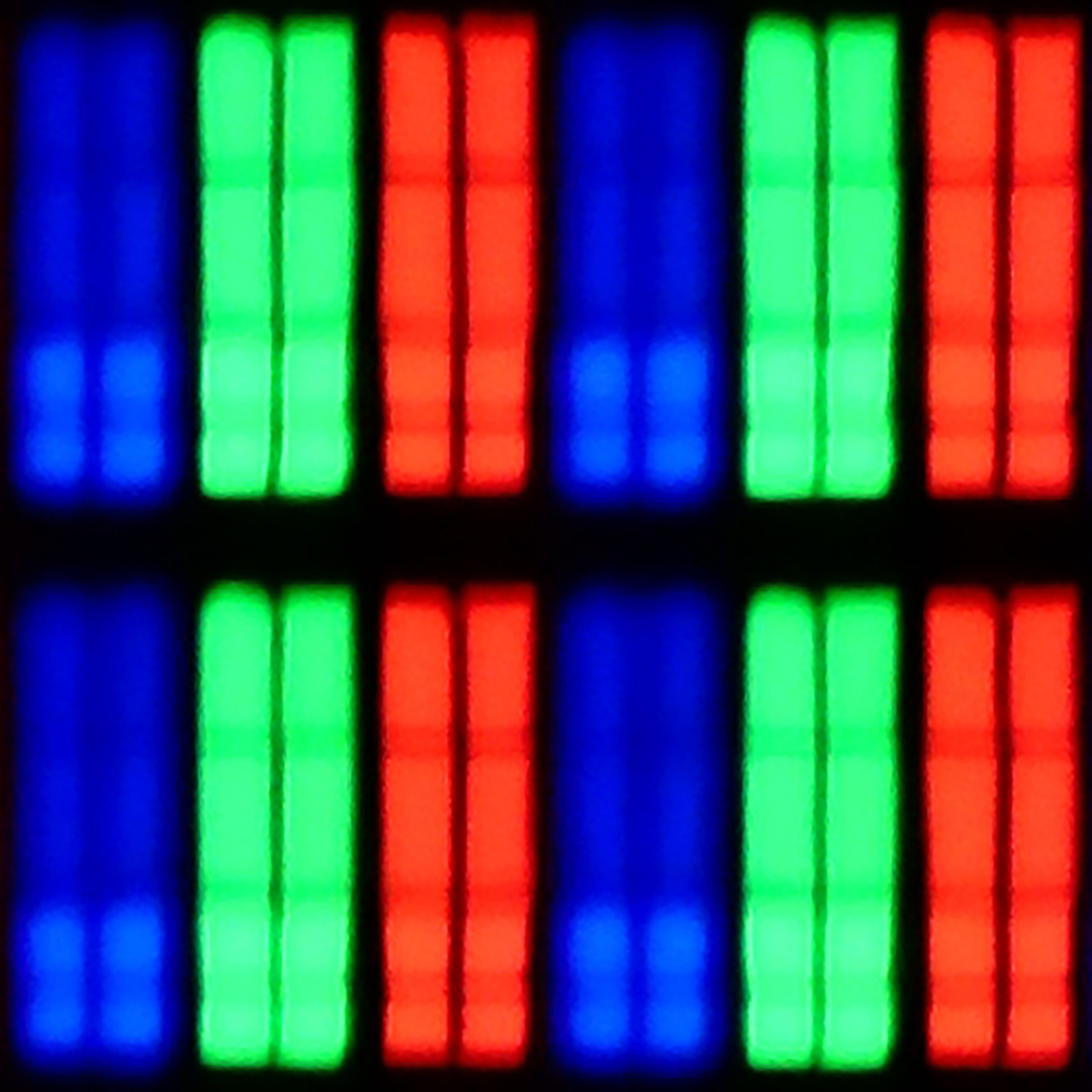
In the version with the WOLED panel, the Samsung S95F also shows its claws – PC gamers have a complete gaming package at their disposal with low input lag, support for G-Sync and FreeSync, and fast refresh rates. This is hardware that can easily replace a monitor even in dynamic titles. When working with text, the differences compared to QD-OLED are subtle yet noticeable – the BWGR subpixel arrangement may give the impression of a slight softening of the edges of letters, as if the text has a delicate shadow. This is not a flaw that ruins the comfort of using a PC, rather a feature arising from the panel's construction.
As a monitor for a computer, TCL C69K / Q6C performs excellently. At its native resolution, we achieve 4K at 144 Hz, and by lowering the resolution, it can reach even 240 Hz. The television also works with Nvidia and AMD graphics cards, supporting both G-Sync and FreeSync. It is also difficult to find any complaints for office work. Thanks to the support for chroma 4:4:4, the fonts are sharp and legible, and any minor imperfections are so small that they remain unnoticed in everyday use.
Viewing angles
7.6/10
3/10
In the variant with the WOLED matrix, the viewing angles are good and absolutely adequate for everyday watching. The fact is that the QD-OLED panel performs better in this respect, and with a strong angle, you can notice a slight shift in colours; however, this is not something that disrupts a normal viewing experience. Sitting on the sofa – whether in the middle or slightly to the side – the picture still looks very good, and most viewers will be fully satisfied.
On the TCL C69K / Q6C, the viewing angles are typical for a VA panel. Sitting directly in front, the image looks very good, but any shift to the side results in a noticeable drop in colour saturation and brightness. The difference is particularly evident in colourful scenes – the hues become washed out, and the contrast loses its depth. Compared to IPS panels, this is clearly a weaker performance, although it is compensated by better blacks and higher native contrast.
Daytime performance
7.7/10
6.4/10
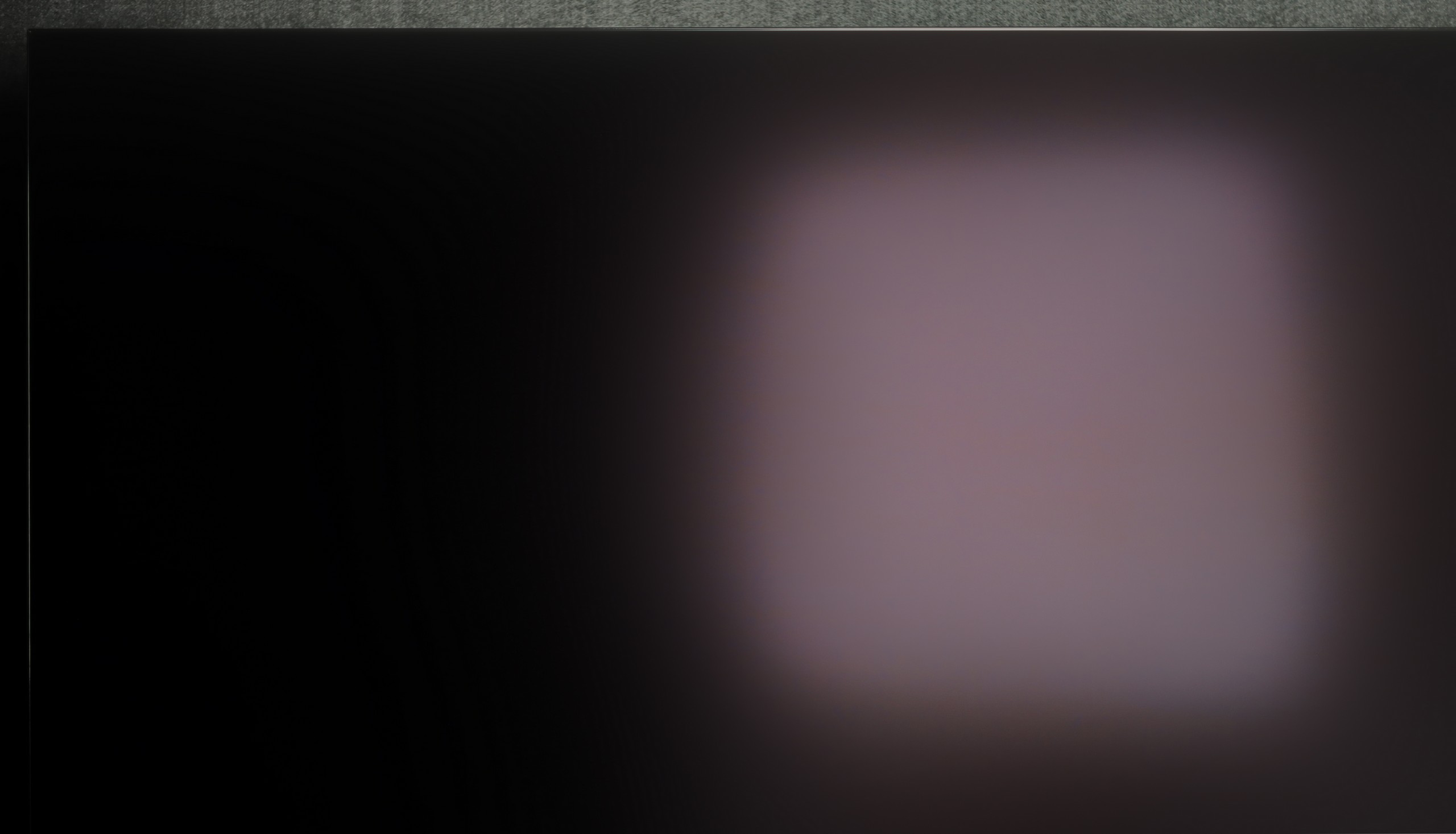
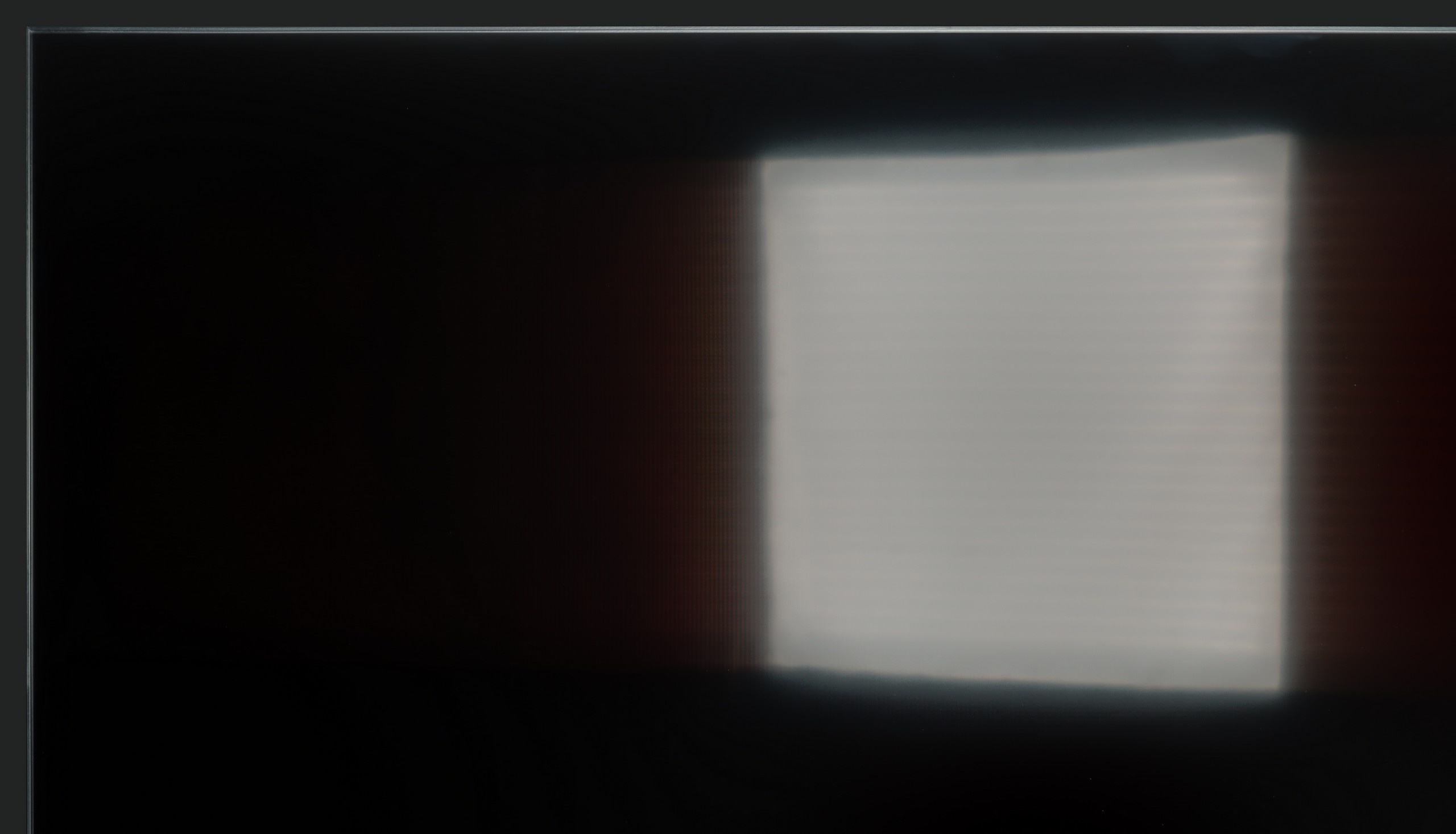
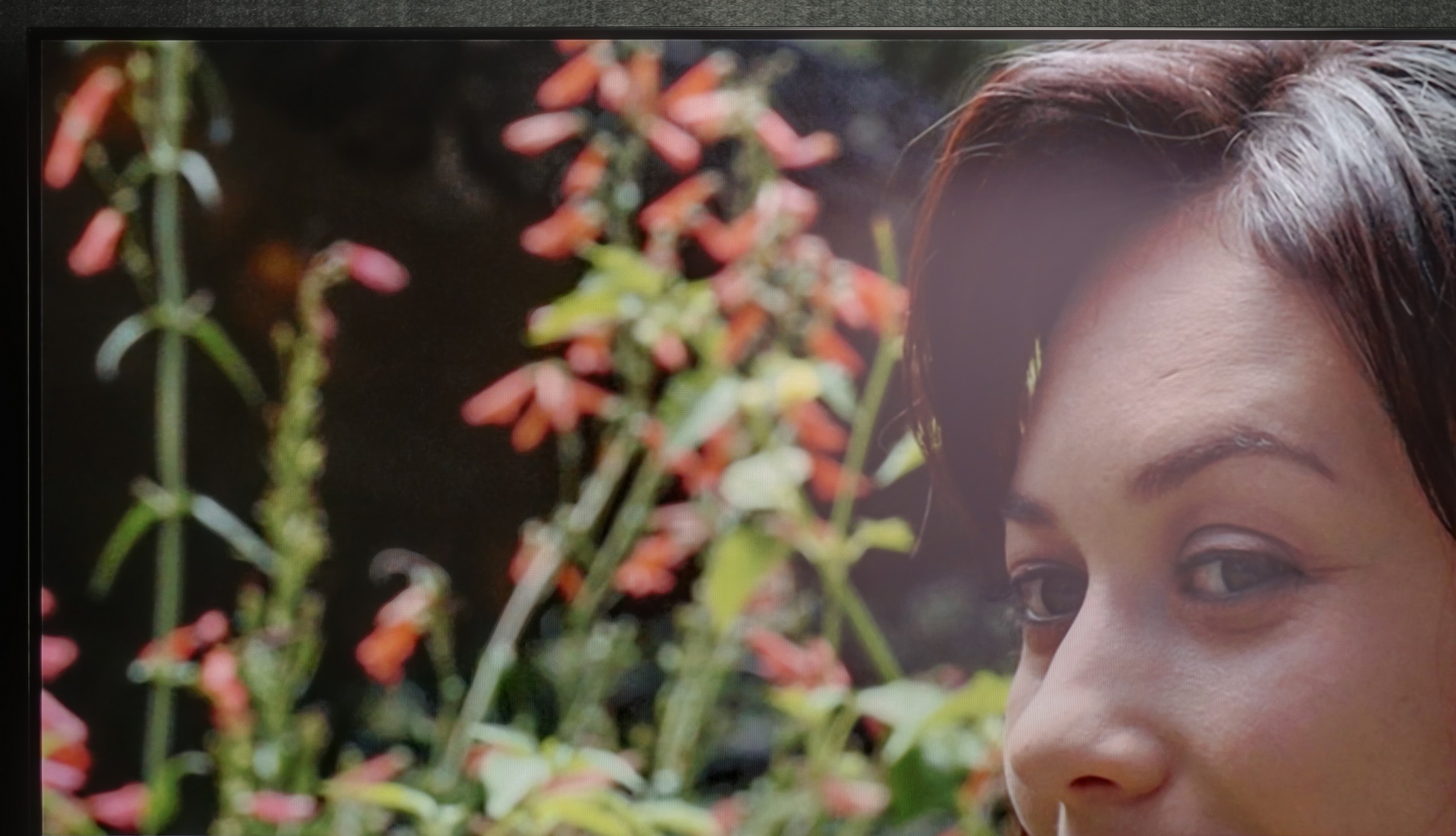
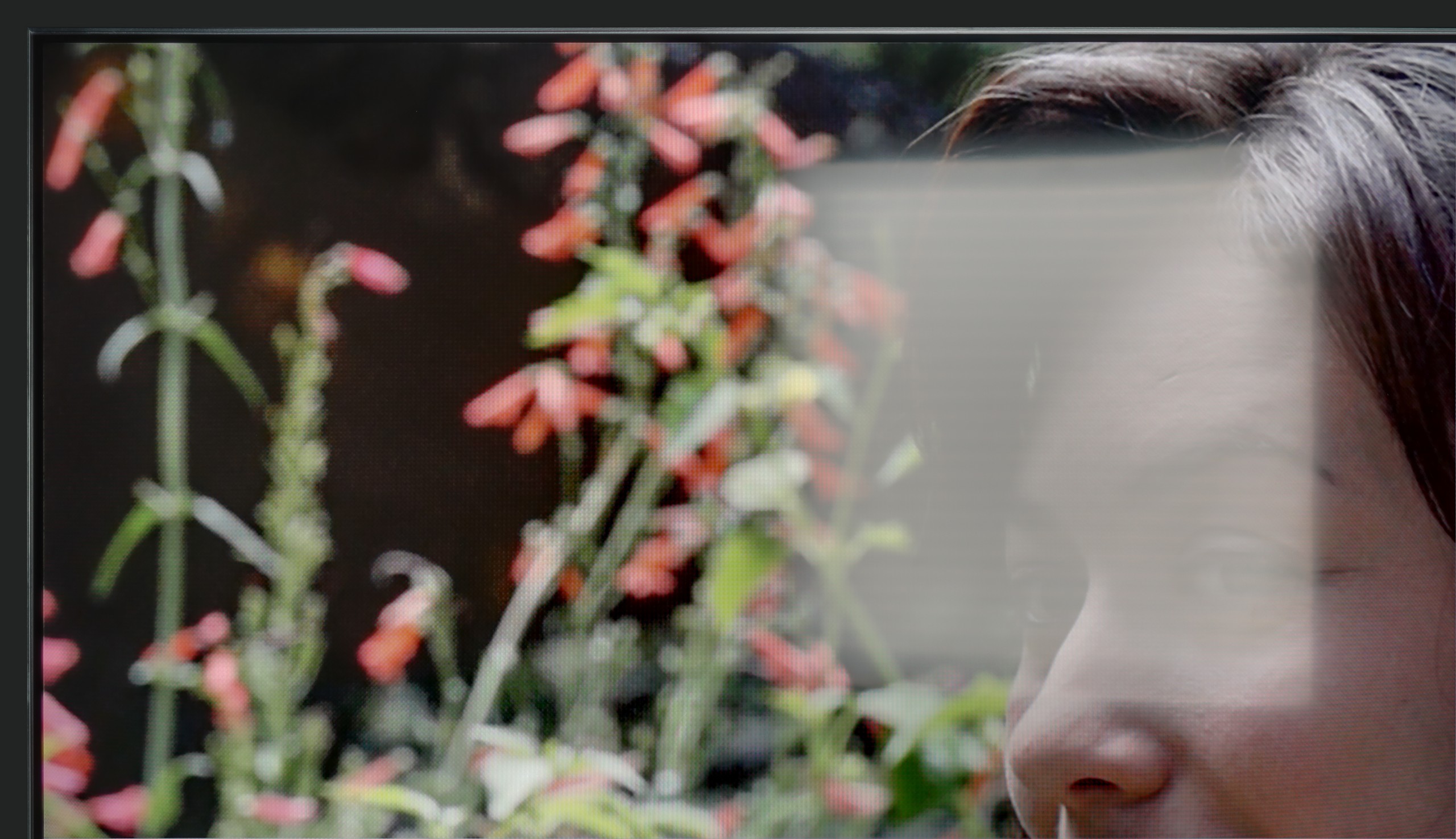
Panel brightness
TCL C69K / Q6C: 532 cd/m2
SAMSUNG S95F (TANDEM OLED 83"): 704 cd/m2
This is probably the first television in the world where two worlds have come together – the matte finish from Samsung and the WOLED panel from LG Display. And it's fair to say that such a duo makes a stunning impression. Light reflections virtually disappear, and the image does not lose its naturalness – colours remain saturated, and black does not lighten as it does in QD-OLED. It sounds almost like an industry joke, but it turns out that the combination of technologies from two rivals has produced a result better than anyone could have expected. Moreover, the panel's brightness, hovering around 700 nits, means that the television performs excellently even in difficult daytime conditions.
In bright lighting conditions, TCL C69K / Q6C performs quite well. The panel offers decent brightness (in SDR content, it reaches around 550 nits), which allows for comfortable TV viewing in an average-lit living room, and even on days when strong light comes through the windows. This means that daytime viewing does not require complete darkening of the room. Another positive aspect is that the screen coating does a fair job of suppressing reflections, so the television does not become a "mirror" even in bright light. However, it is not at the level of top models with more advanced anti-reflective coatings – in very challenging conditions (e.g., with large windows), reflections will be noticeable.
Panel details
Subpixel Structure:
Panel uniformity and thermal imaging:
SAMSUNG S95F (TANDEM OLED 83")
TCL C69K / Q6C
TV features
7.9/10
7/10
- HDMI inputs0 x HDMI 2.0, 4 x HDMI 2.1 40Gbps2 x HDMI 2.0, 2 x HDMI 2.1 48Gbps
- OutputsToslink (Optical audio), eARC (HDMI), ARC (HDMI)Toslink (Optical audio), eARC (HDMI), ARC (HDMI)
- Network InterfacesWi-Fi 2.4GHz, Wi-Fi 5GHz, Ethernet (LAN) 100MbpsWi-Fi 2.4GHz, Wi-Fi 5GHz, Ethernet (LAN) 100Mbps
- TV receptionDVB-T, DVB-T2, DVB-S, DVB-S2, DVB-CDVB-T, DVB-T2, DVB-S, DVB-S2, DVB-C
Classic features:
- Recording to USB (terrestrial TV)
- Recording programming
- Picture in Picture (PiP)
- RF remote control (no need to aim)
- Backlit remote control
- Teletext
- Audio only mode
- Bluetooth headphones support
- Simultaneous Bluetooth headphones & TV audio
Smart features:
- AirPlay
- Screen mirroring (Windows Miracast)
- Voice search
- Voice search in native language
- Ability to connect a keyboard and mouse
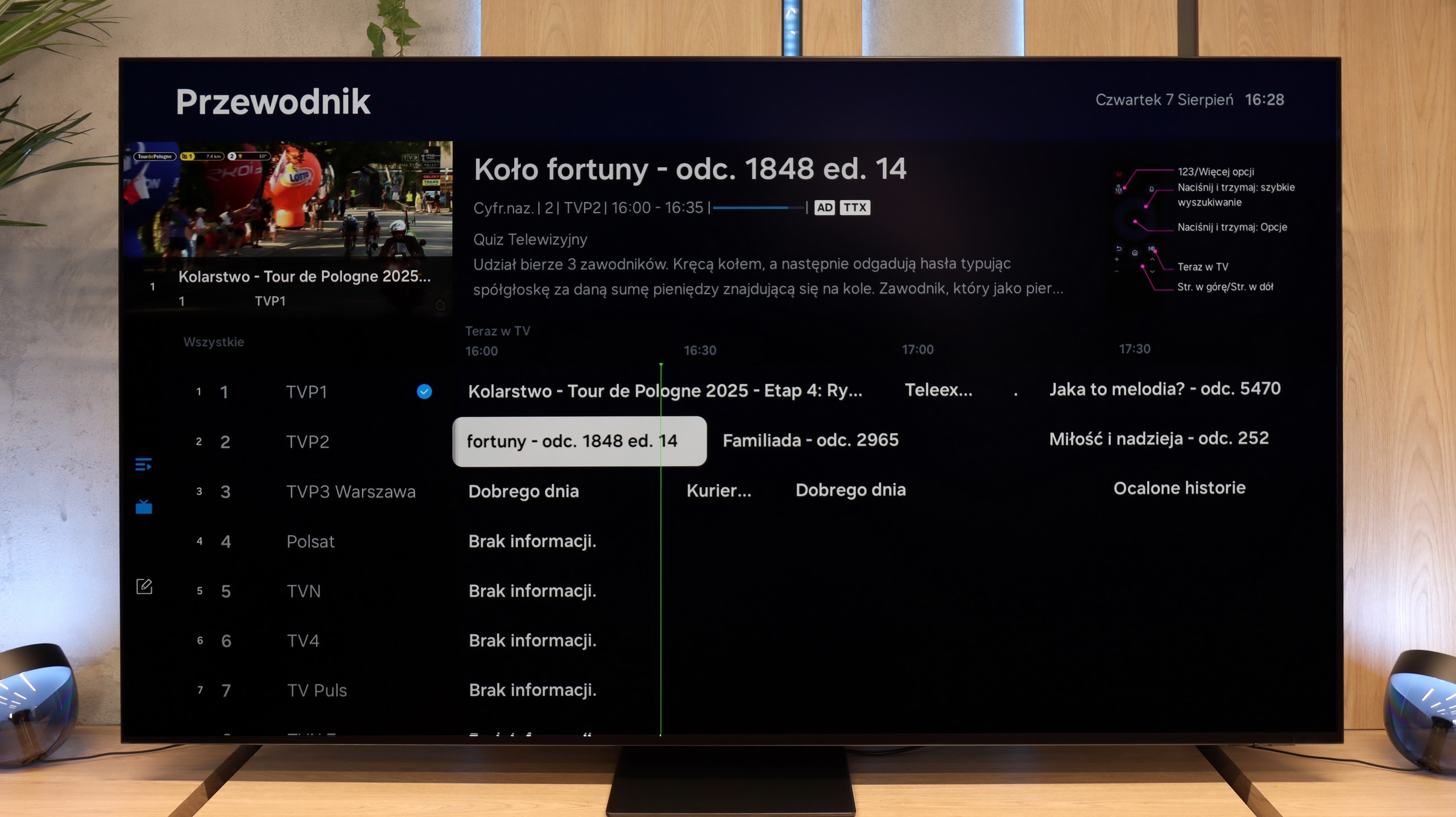
SmartTV in S95F: Tizen
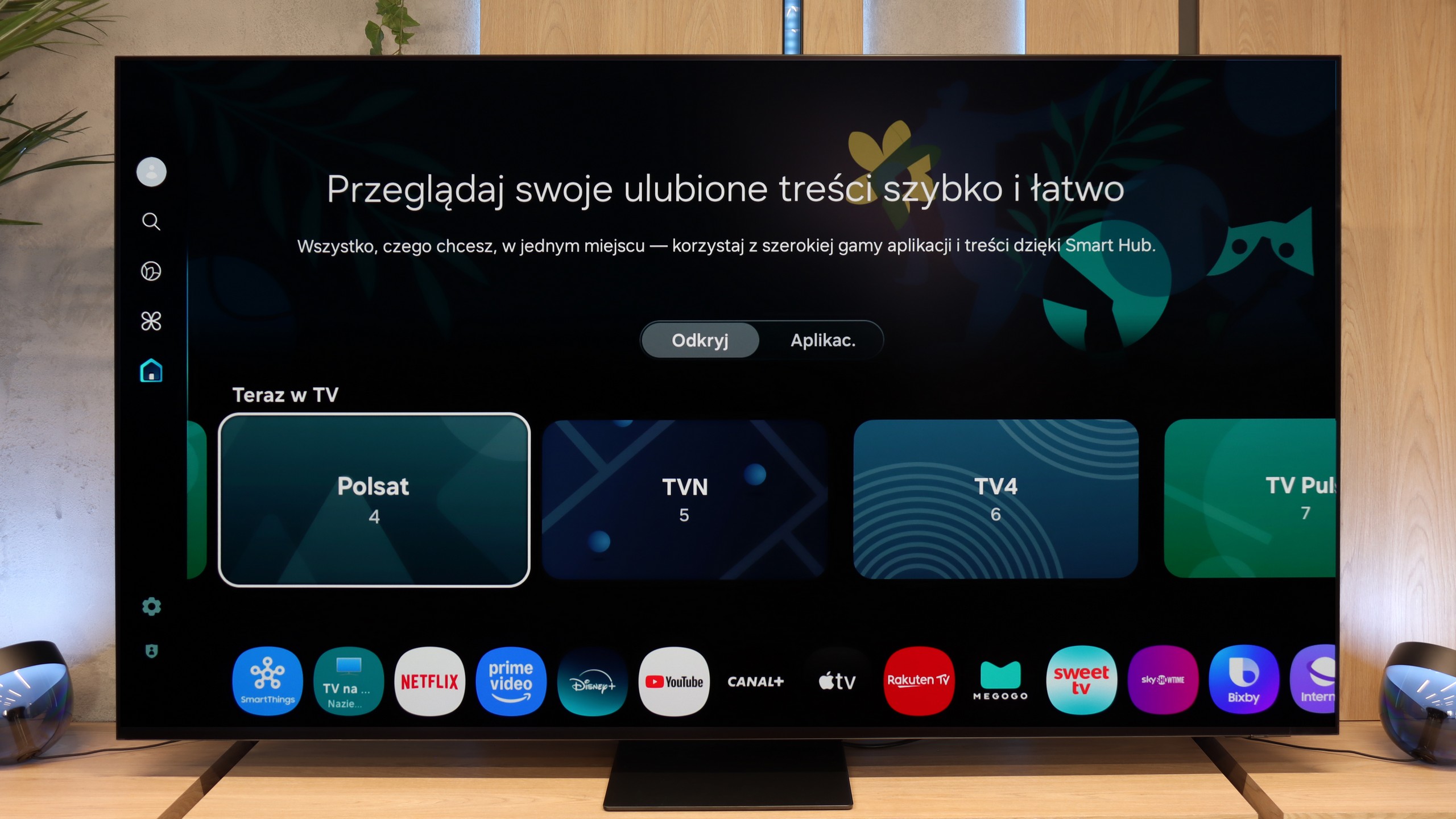
Samsung S95F is not just a screen for films and games, but also a well-developed smart platform. The Tizen system runs quickly and smoothly – it is hard to encounter stutter or major issues here. In everyday use, we have everything we need: AirPlay, screen sharing from smartphones, and voice search (which works even without the remote in hand). It is a closed system, so we won't find every app available on Android, but the library is rich enough that no one is likely to feel deprived. Additionally, there is SmartThings, which integrates with smart home devices, allowing the TV to be more than just a display.
Classic features of the S95F
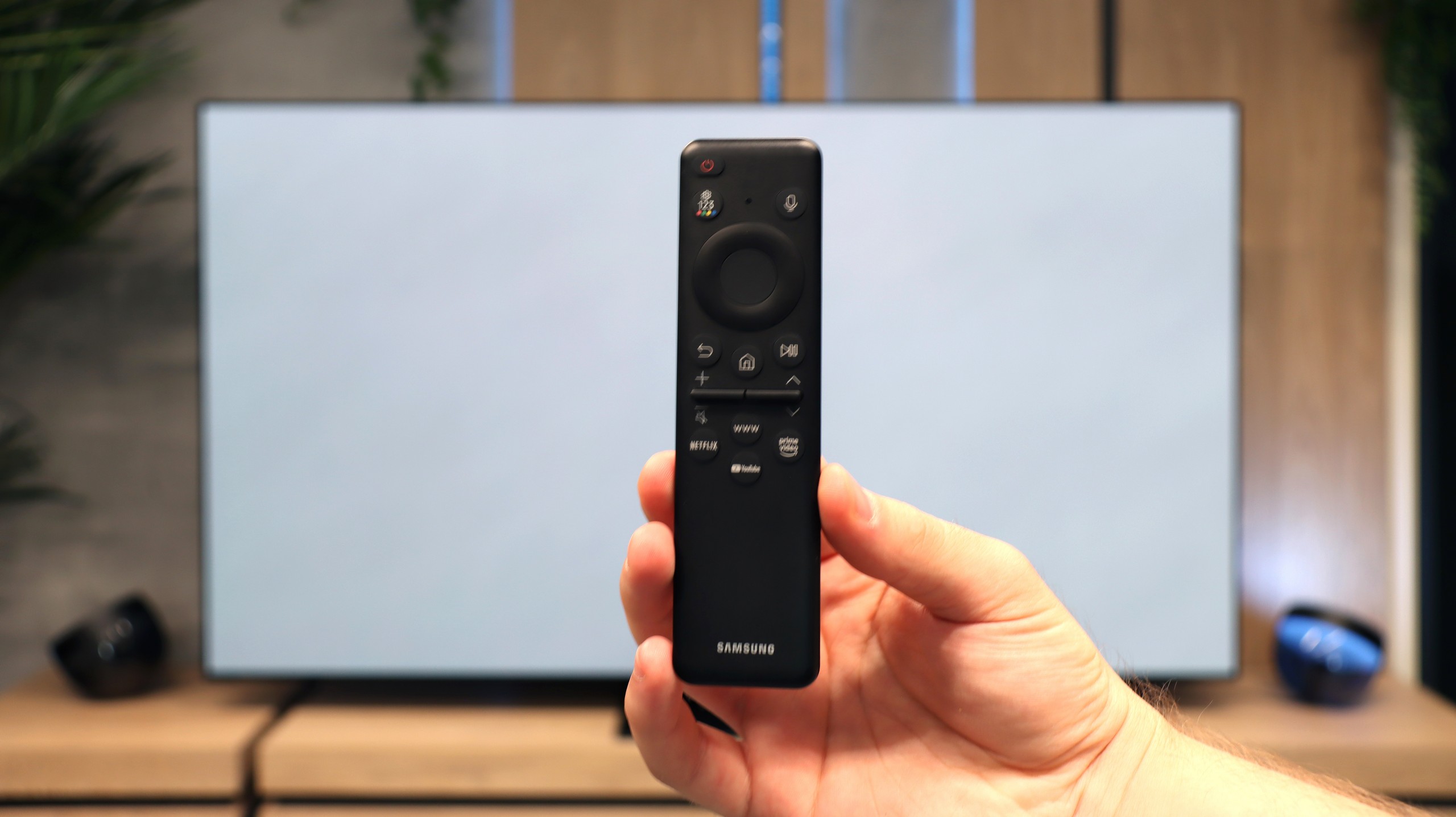
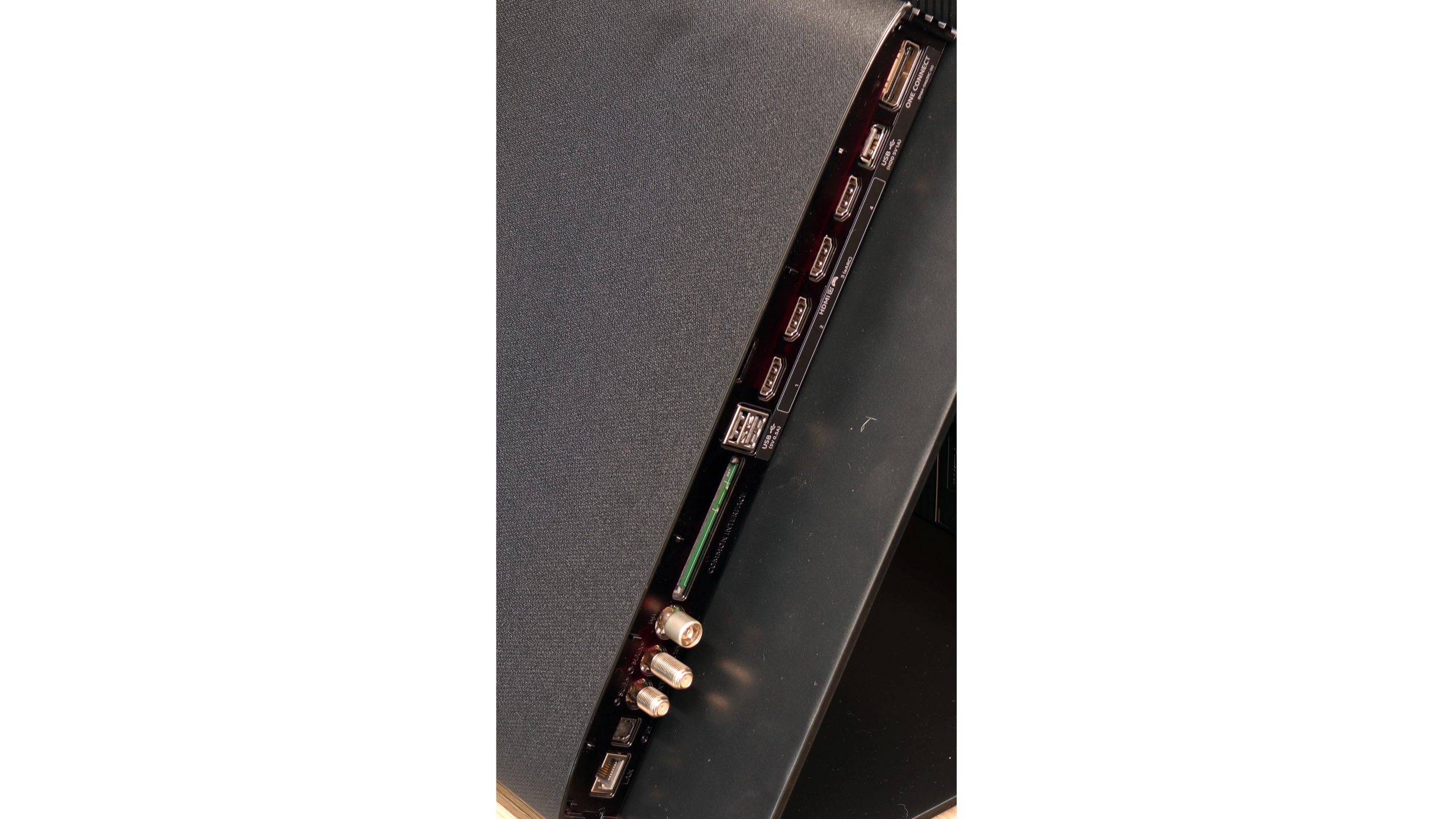
A pleasant surprise is the presence of features that are often omitted in this class of equipment – PiP, teletext, and the ability to connect headphones via Bluetooth. The only thing missing is USB recording from the built-in DVB-T/T2 tuners, but Samsung makes up for this with an excellent remote (tiny), which can easily control other devices, including the Canal+ decoder. The One Connect module also deserves praise – having all the inputs hidden in a separate box is a huge convenience, especially for those who frequently juggle connected devices. Thus, it is difficult to point out any element that could provoke complaints here.
Multimedia Features: Google TV
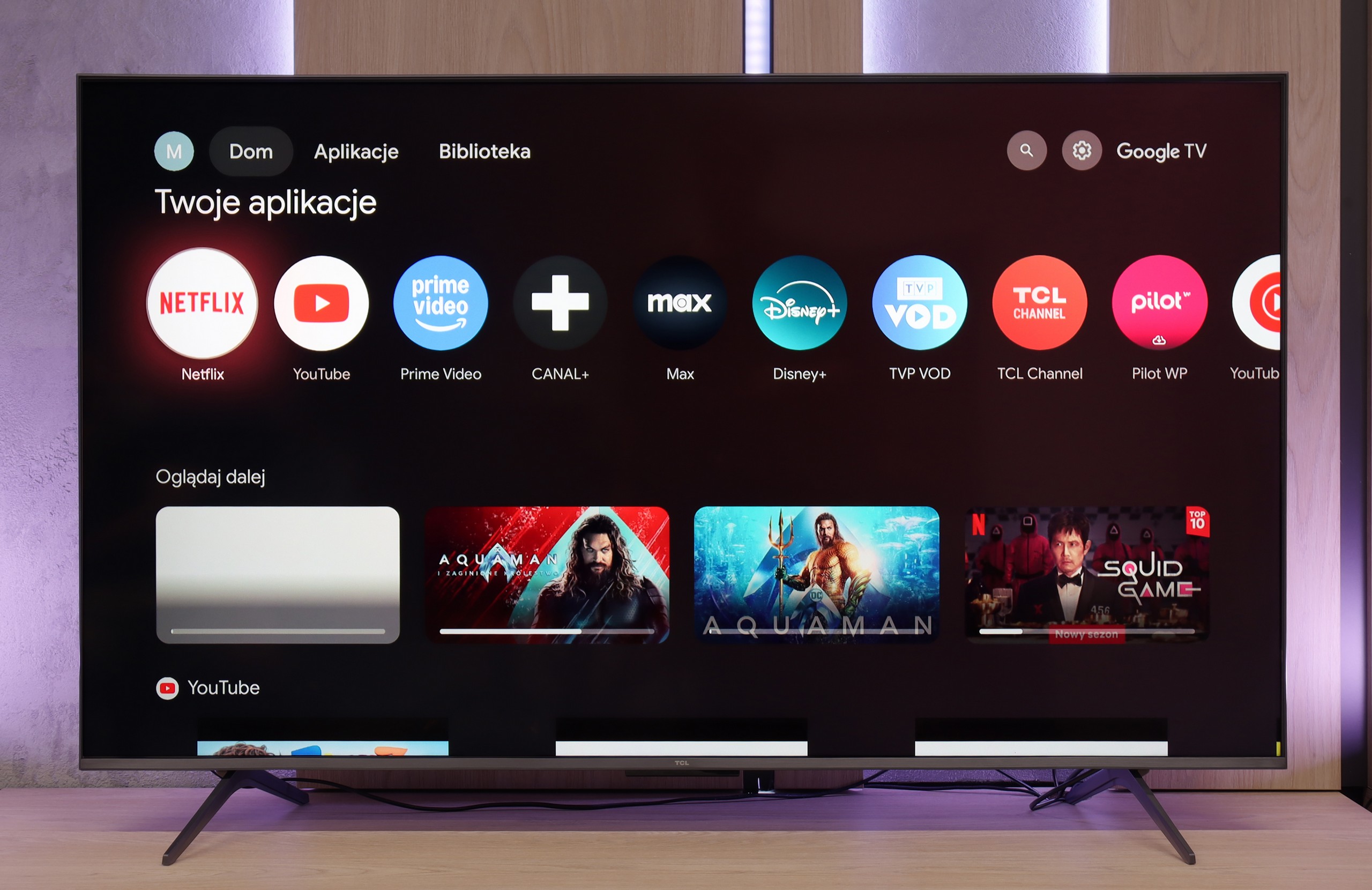
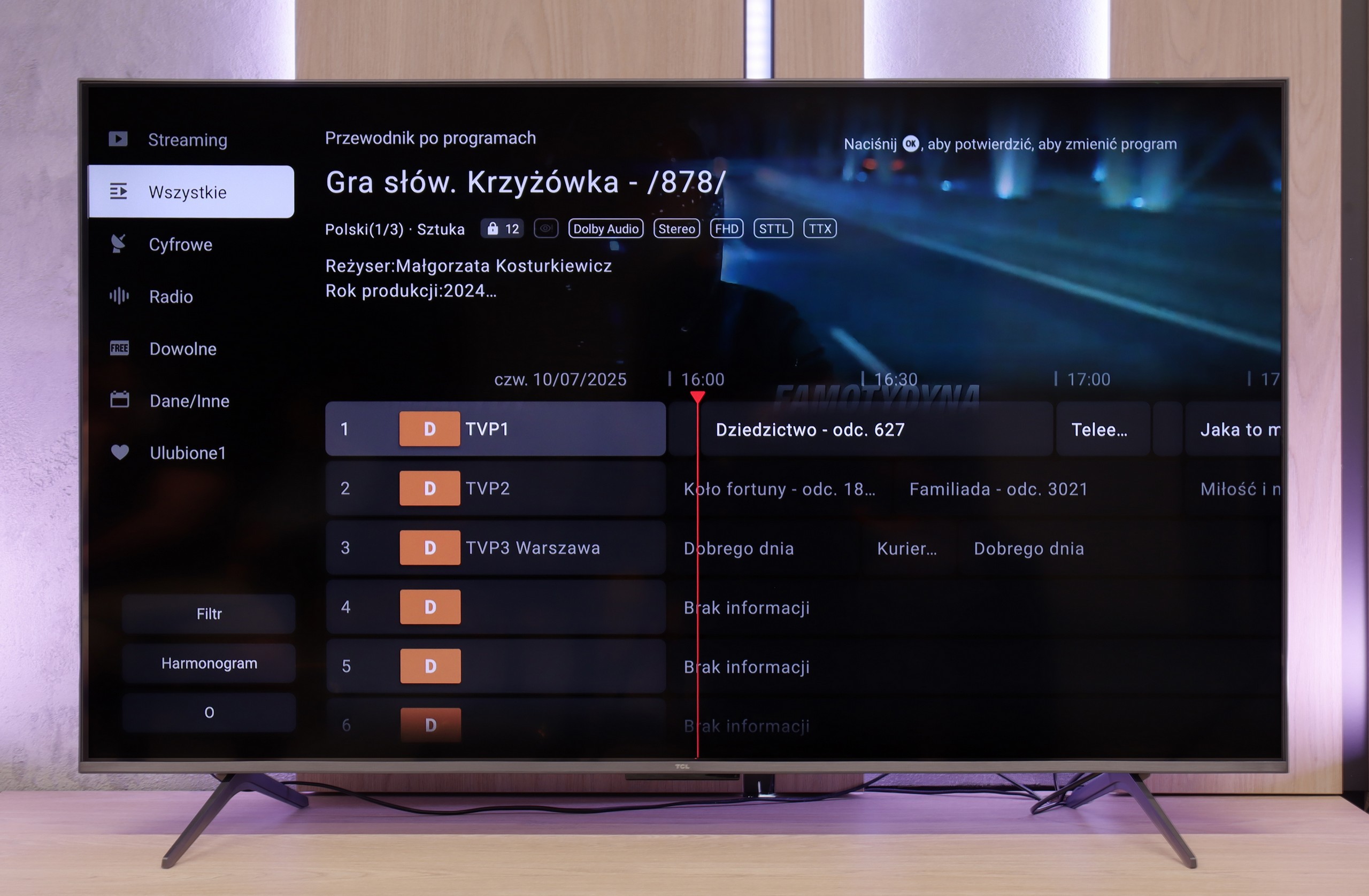
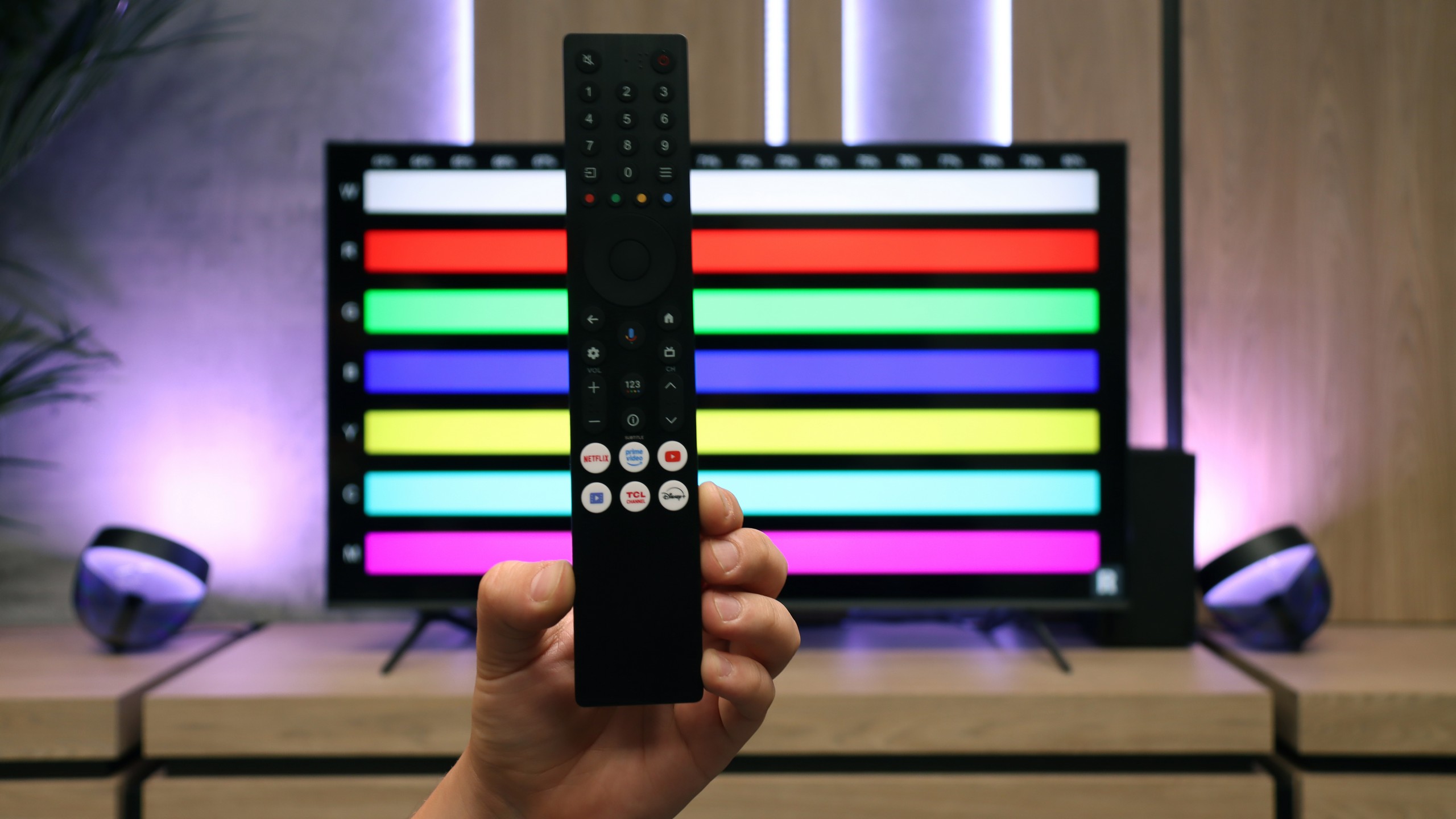
The Google TV system is undoubtedly the strongest user aspect of TCL C69K / Q6C. It gives the television its character and provides an advantage over many competitors. We receive a full package of services: from support for popular streaming applications, through support for screen mirroring, to AirPlay (so that iPhone users feel at home). Additionally, there is the Google Assistant, recently updated to Gemini AI, which not only answers questions but also efficiently executes simple commands (e.g., changing channels or searching for content in VOD). The system itself operates quite responsively. However, one cannot overlook a certain downside: the awkward translations in the Polish menu can elicit a smile but sometimes require a moment's thought to decipher their meaning.
Classic Features
In terms of classic television functions, the TCL C69K / Q6C fares rather average. We will not find USB recording or PiP mode here, which may be disappointing for some users. However, the manufacturer has not forgotten the basics: teletext television and a clear EPG are available, which still matter to certain users. In daily use, the support for external audio devices via Bluetooth is also useful. It’s a simple way to connect, for example, a speaker or headphones, which can be a practical solution for seniors. Beyond that, however, it's hard to find elements that would distinguish C69K / Q6C from its rivals – it is simply a solid but standard package of basic functions.
Apps
9.3/10
9.6/10






















Playing files from USB
9/10
8.9/10
Supported photo formats:
Maximum photo resolution:
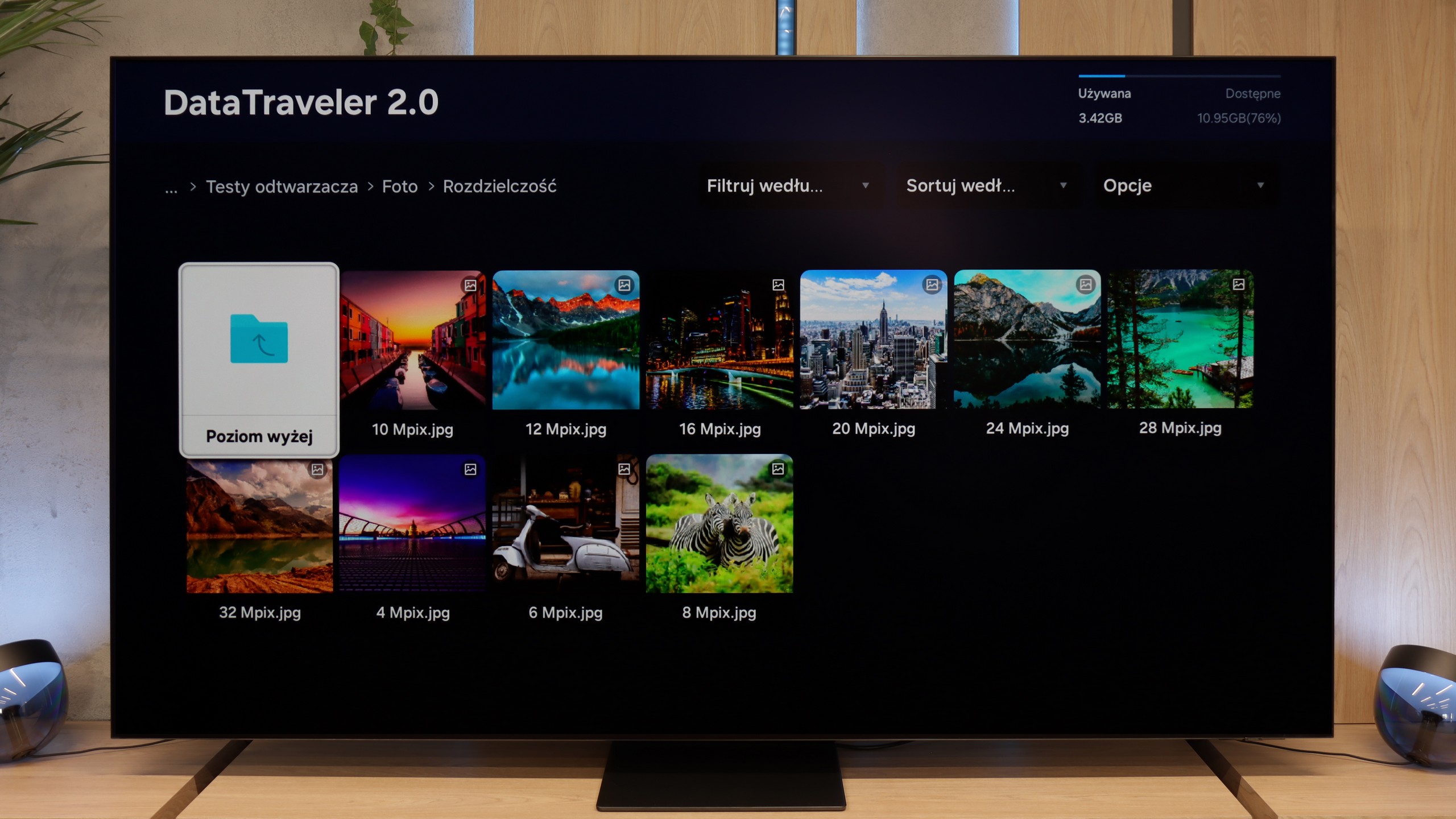
The built-in media player in the S95F works quite well, although it is not without its limitations. It handles most popular video and audio formats, but there may be some concerns with photos. The manufacturer's claims do not always align with reality – for example, HEIC files would not open. On the other hand, for most users, such a set of features will be perfectly sufficient; however, if someone needed something more advanced, they could always look for an alternative in the Tizen catalogue (if they can find one) or use wireless connectivity 😉.
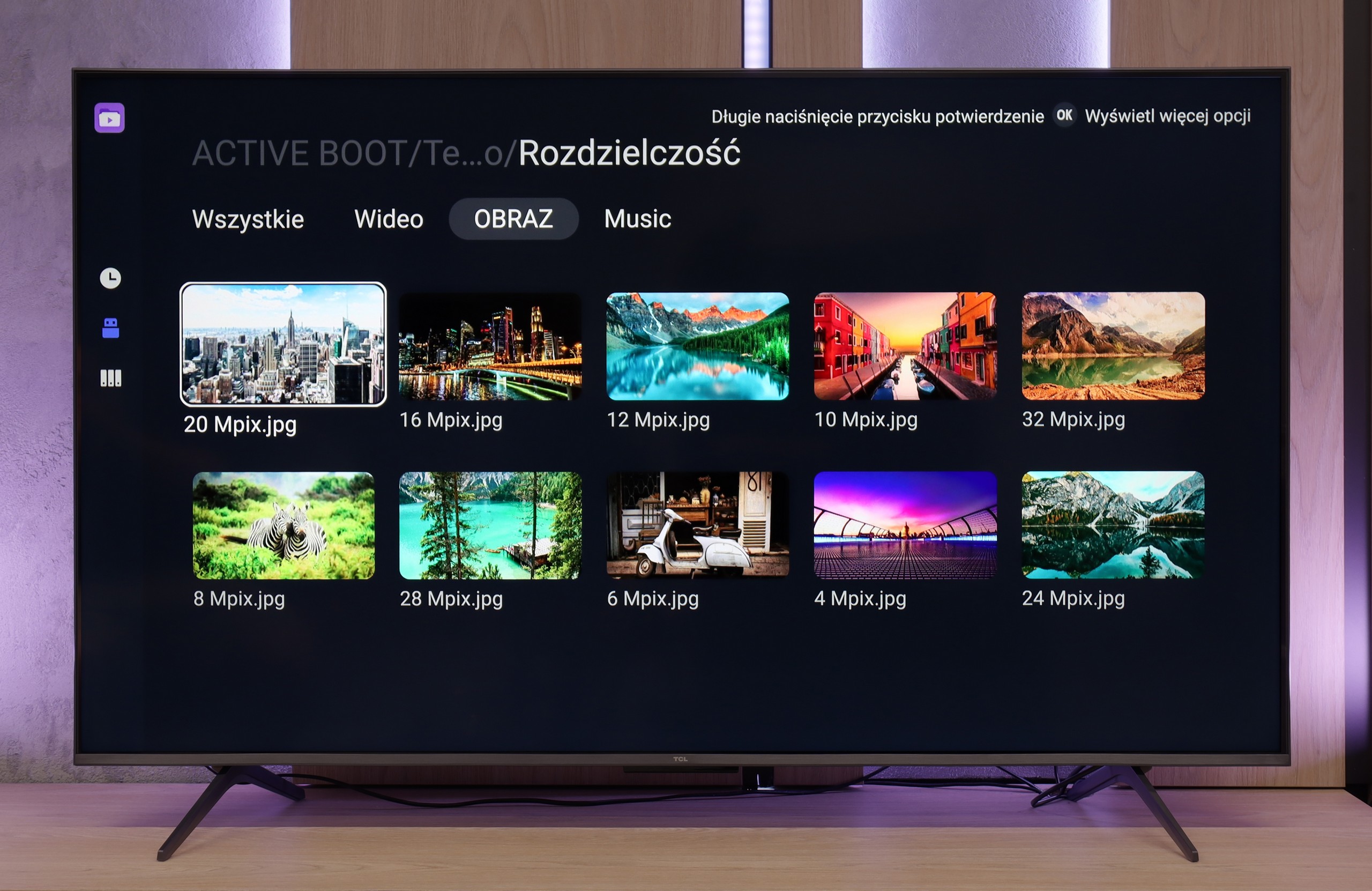
The built-in media player in TCL C69K / Q6C performs really well – practically all popular file formats work without major issues. There are indeed minor exceptions, particularly with less common codecs or unusual video file configurations, but in everyday use, this is rarely noticeable. The biggest advantage, however, is that the television runs on Google TV, which provides complete freedom in choosing additional software. If someone encounters a file that the standard player does not support, it's enough to install an alternative – such as VLC – and the problem disappears.
Sound
8/10
6.5/10
- Maximum volume82dB-
- Dolby Digital Plus 7.1
- Dolby True HD 7.1
- Dolby Atmos in Dolby Digital Plus (JOC)
- Dolby Atmos in Dolby True HD
- DTS:X in DTS-HD MA
- DTS-HD Master Audio
The built-in speakers of the S95F can be pleasantly surprising – they sound enjoyable and clear, and despite the slim construction of the television, it is hard to say that the sound is flat. Admittedly, there could be more bass, but this is a natural compromise with such a thin casing. For everyday watching of films or series, the set performs excellently. Those who enjoy stronger sensations should consider a soundbar – preferably one with Q-Symphony support. Then the television speakers and the Samsung soundbar work together.
In terms of audio, TCL C69K / Q6C performs quite well. The manufacturer has been boasting about its collaboration with the Onkyo brand for several years, and it indeed translates into sound quality. The sound is pleasant, with clear mids and a fairly clean top end, and overall it feels well-balanced. Of course, it cannot replace a full-fledged soundbar, especially regarding bass depth, but for built-in speakers in a television of this price range – it is really very good.
Sound Quality Test
No sound test video
Acoustic Measurements
82dBC (Max)
75dBC
No acoustic data