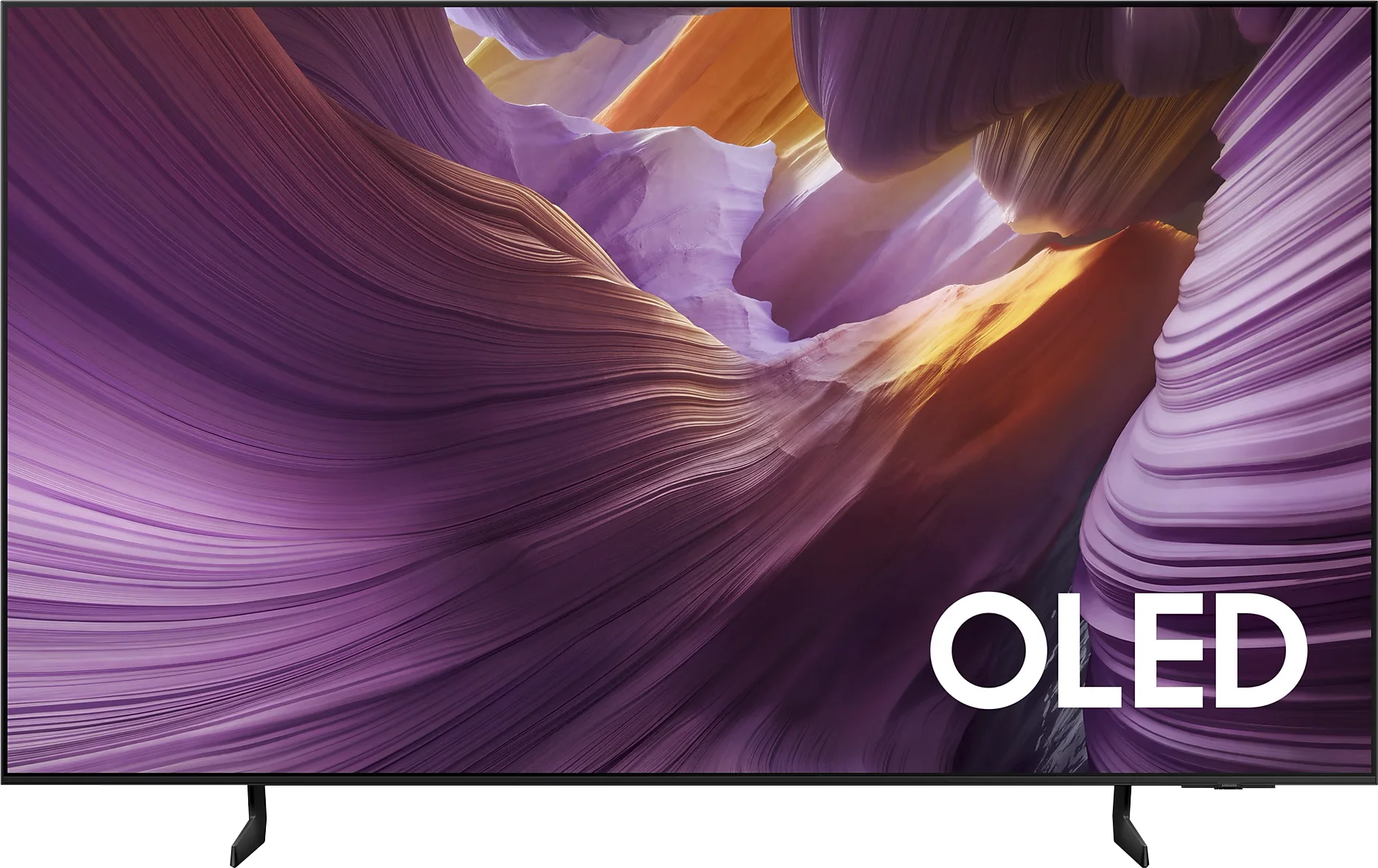
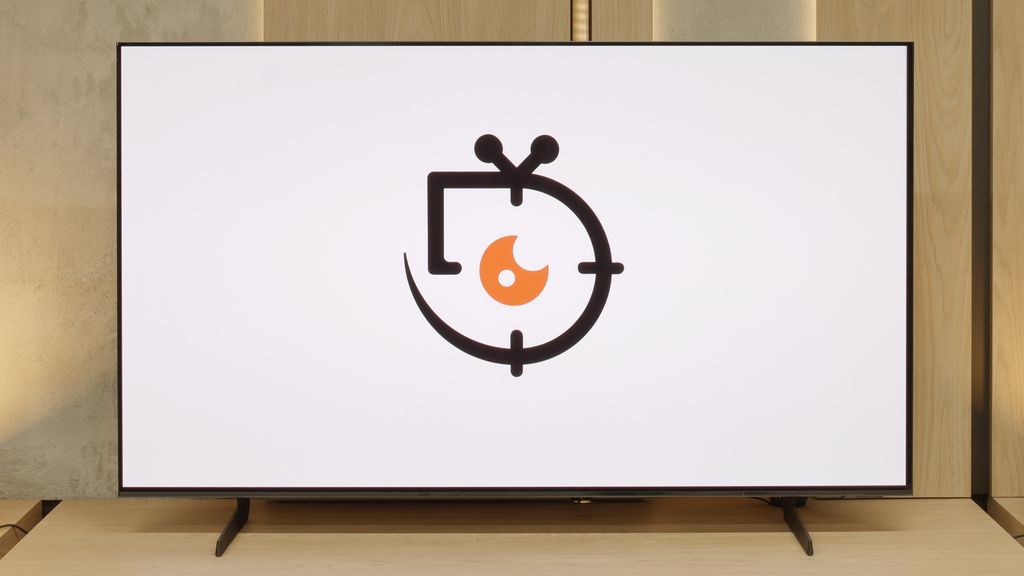
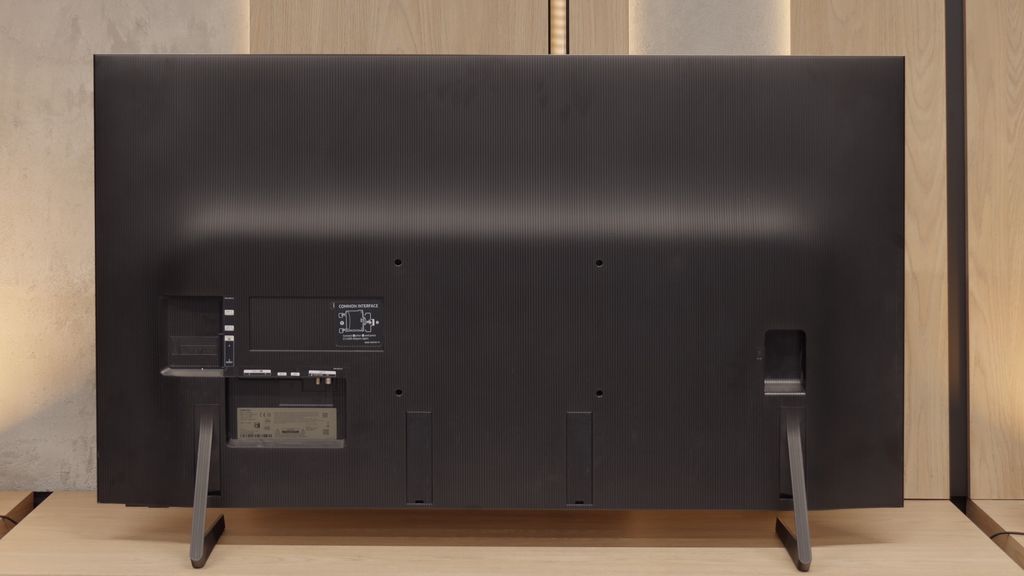
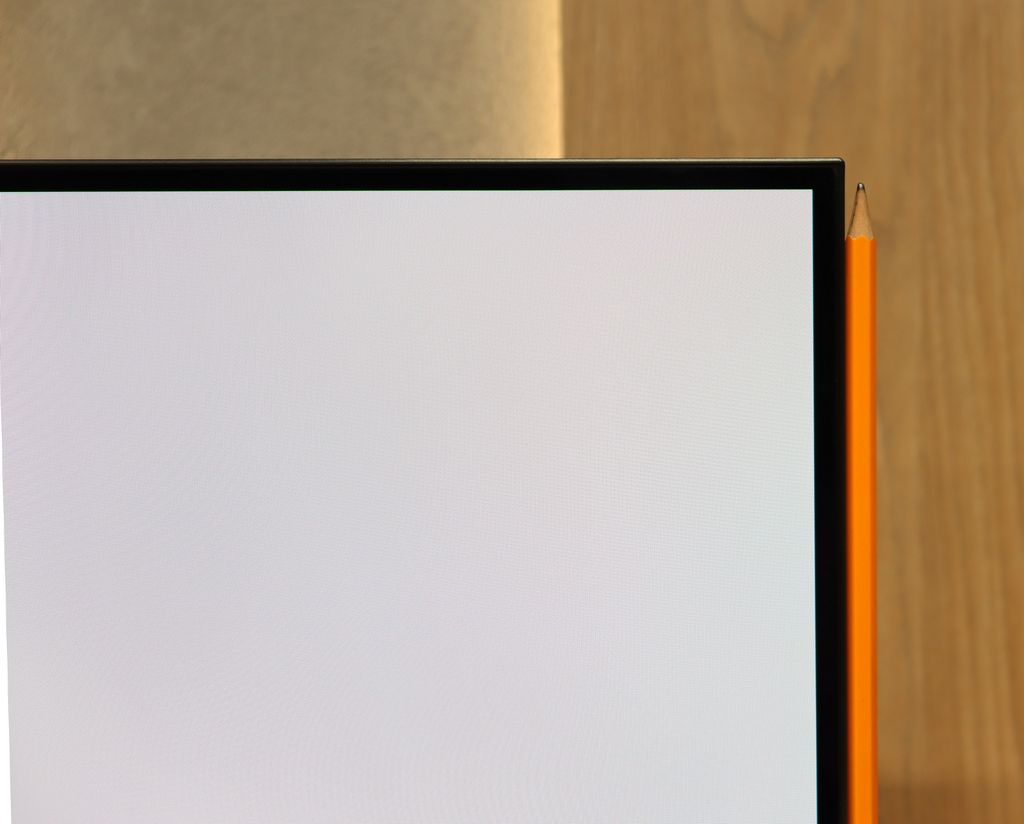
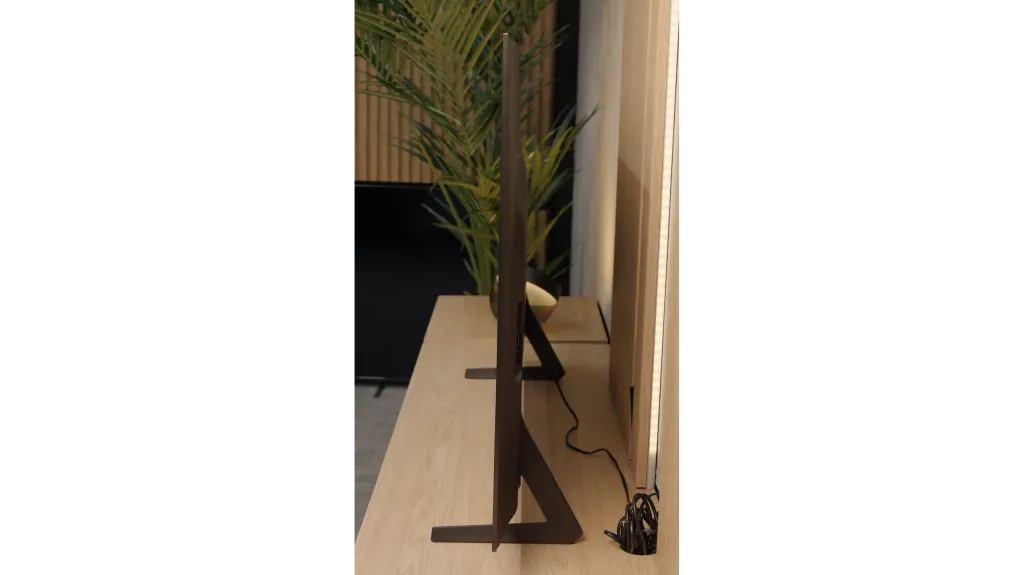
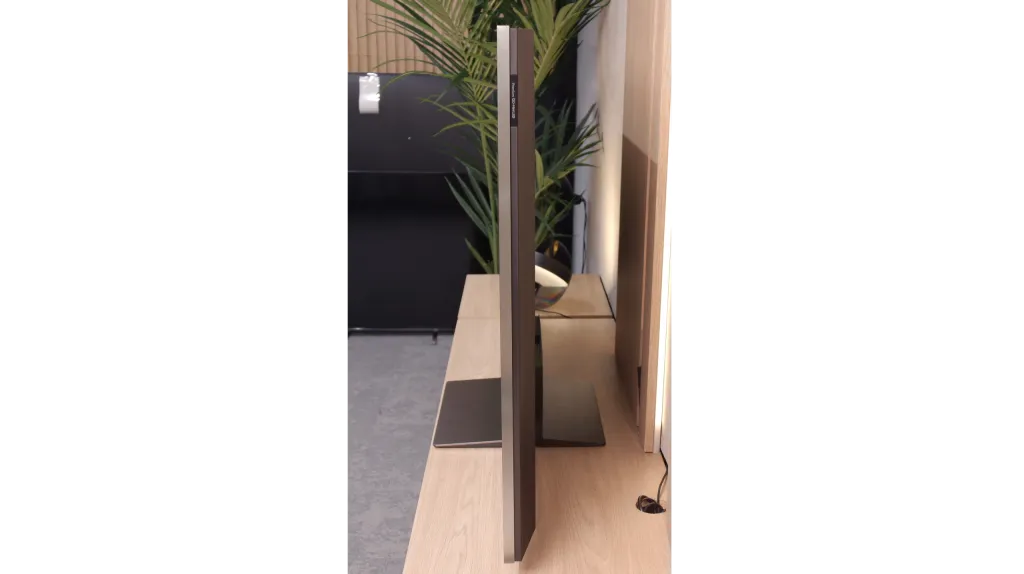
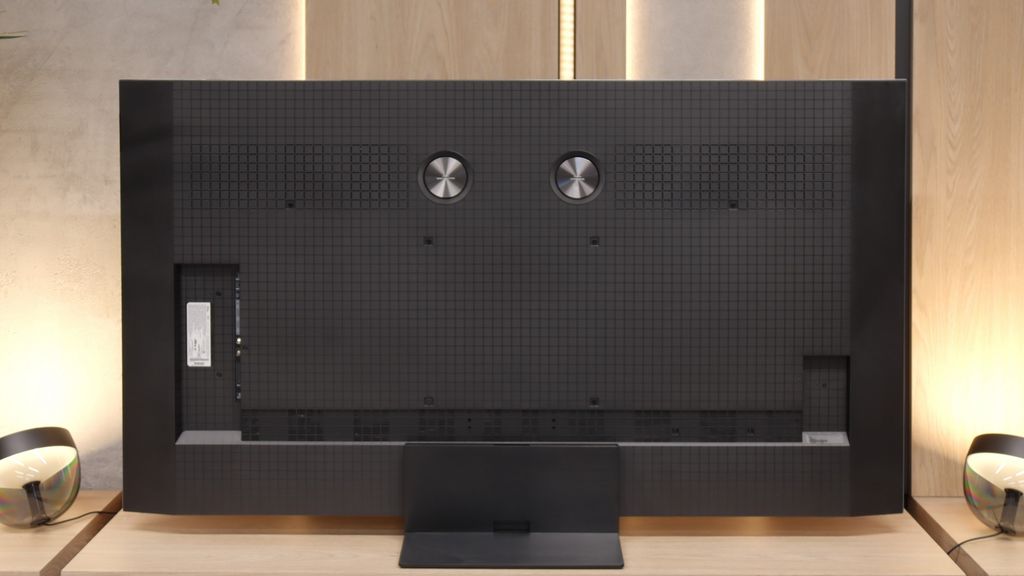
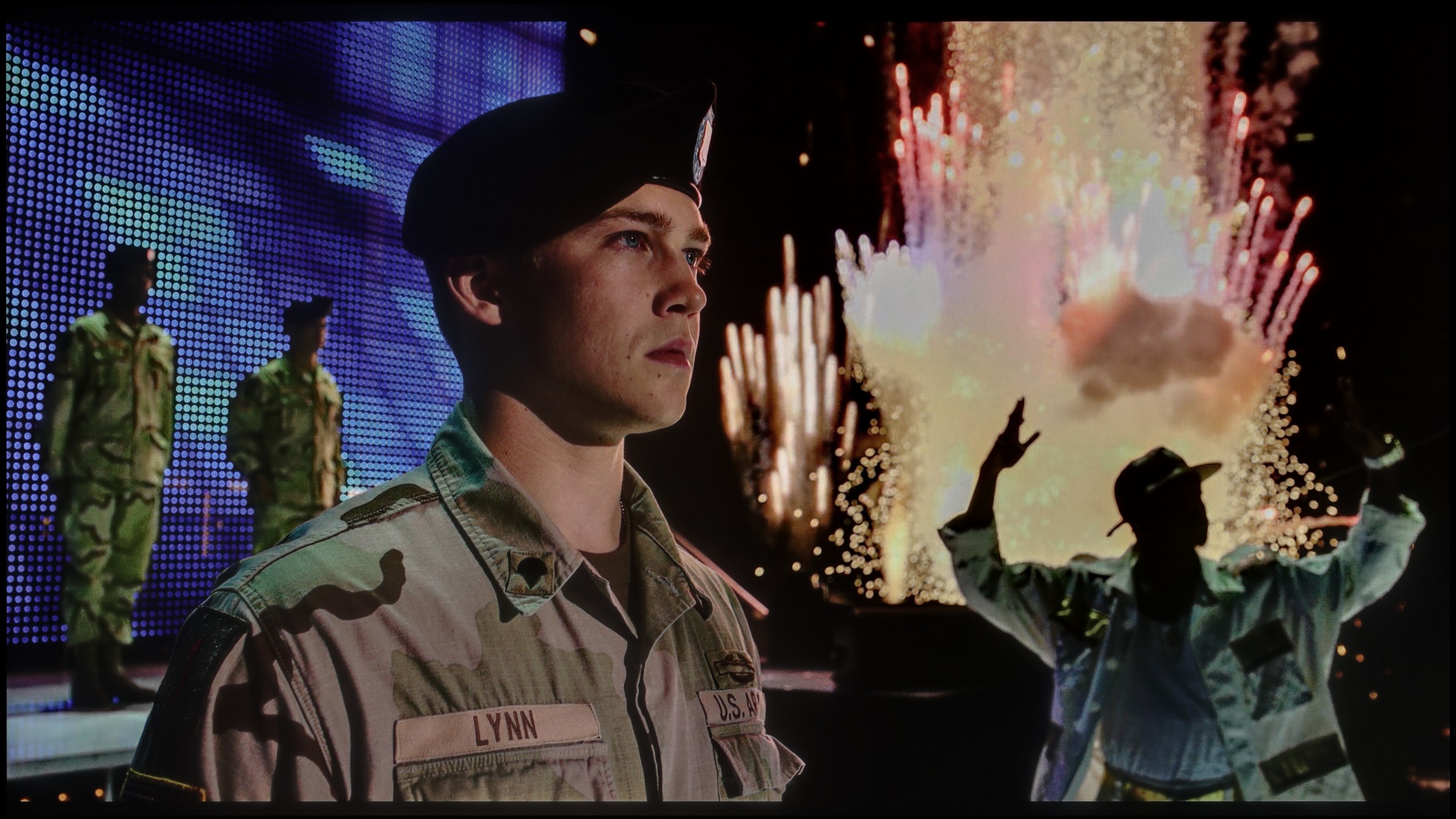
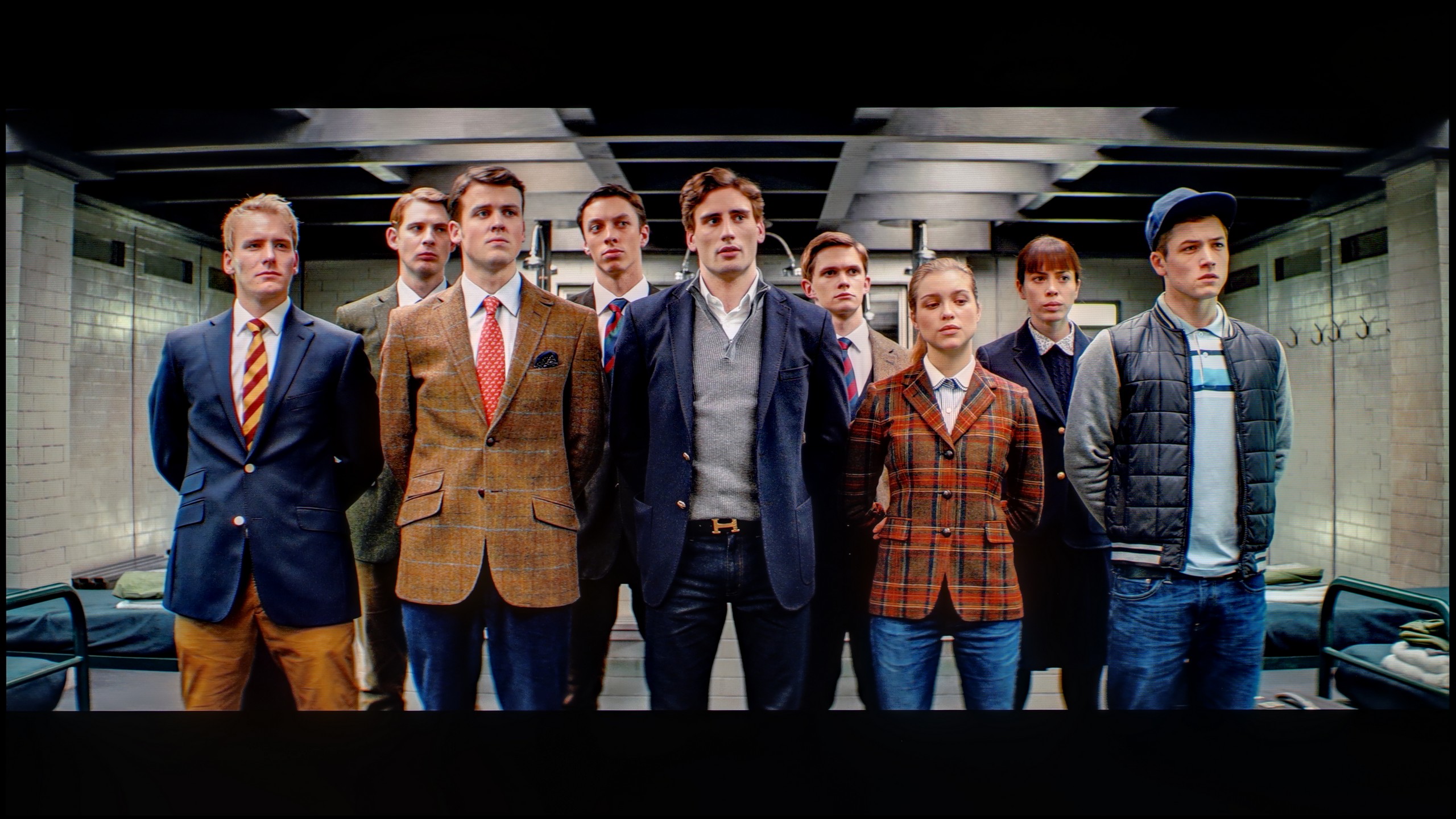
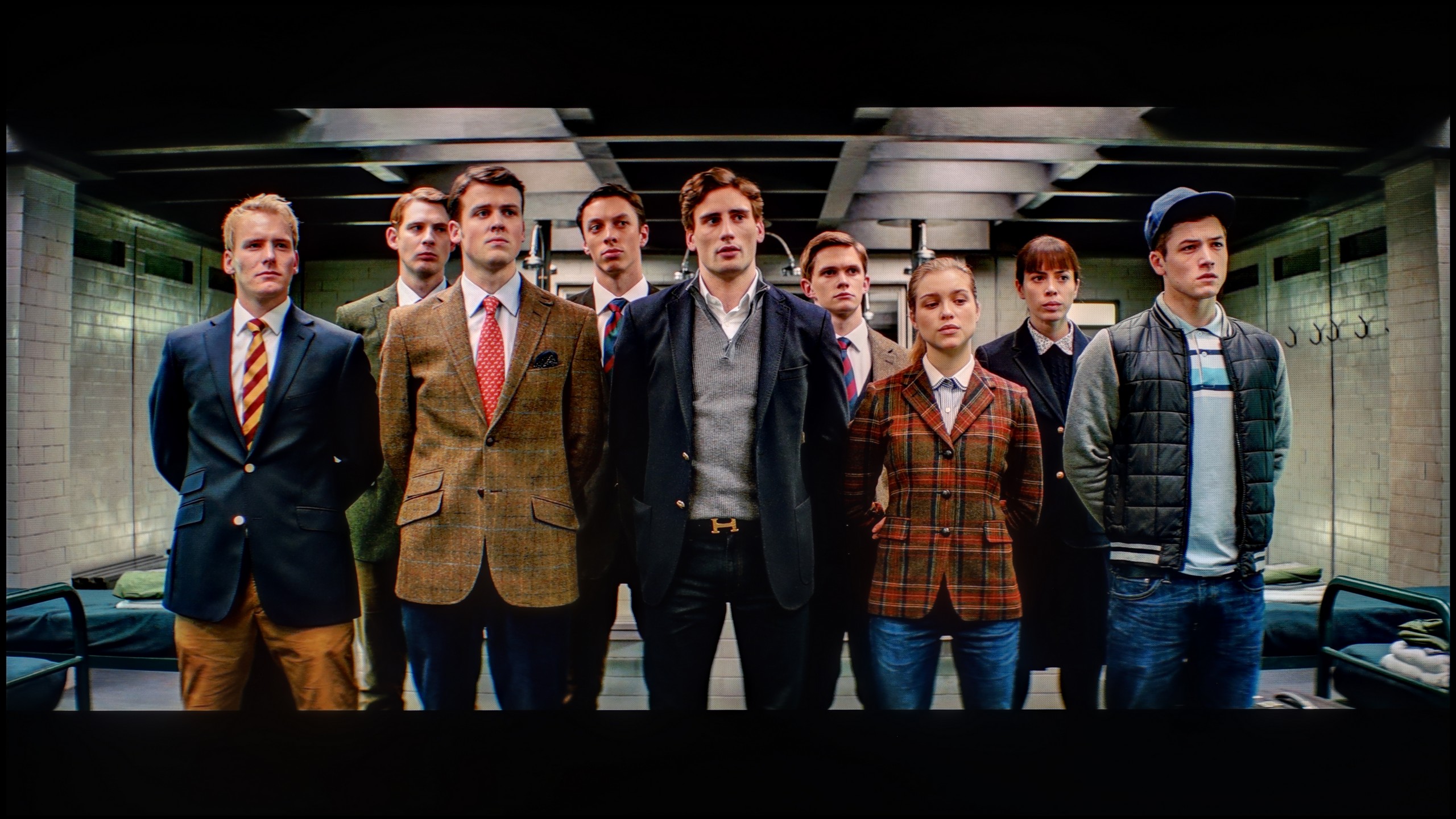
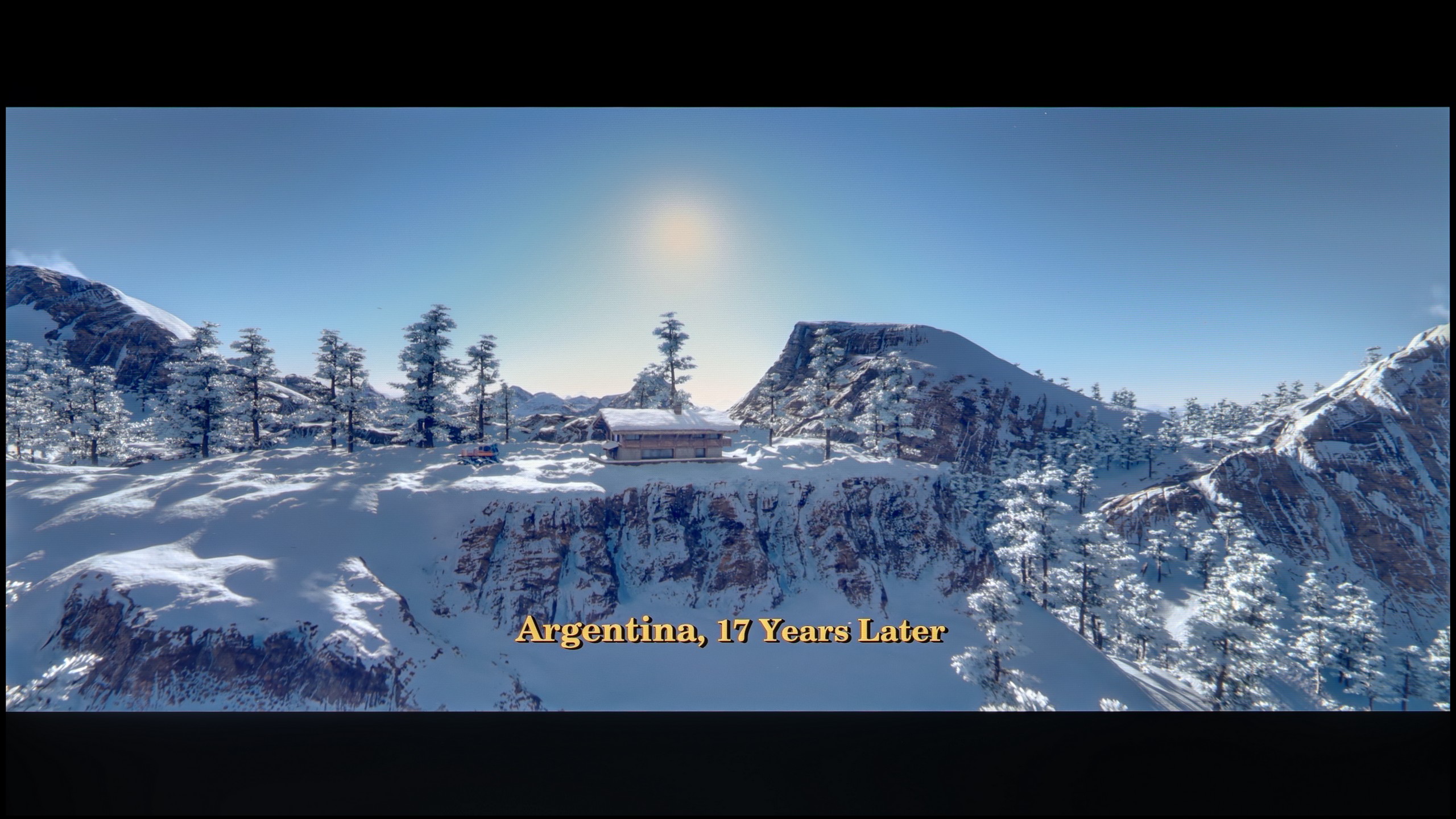
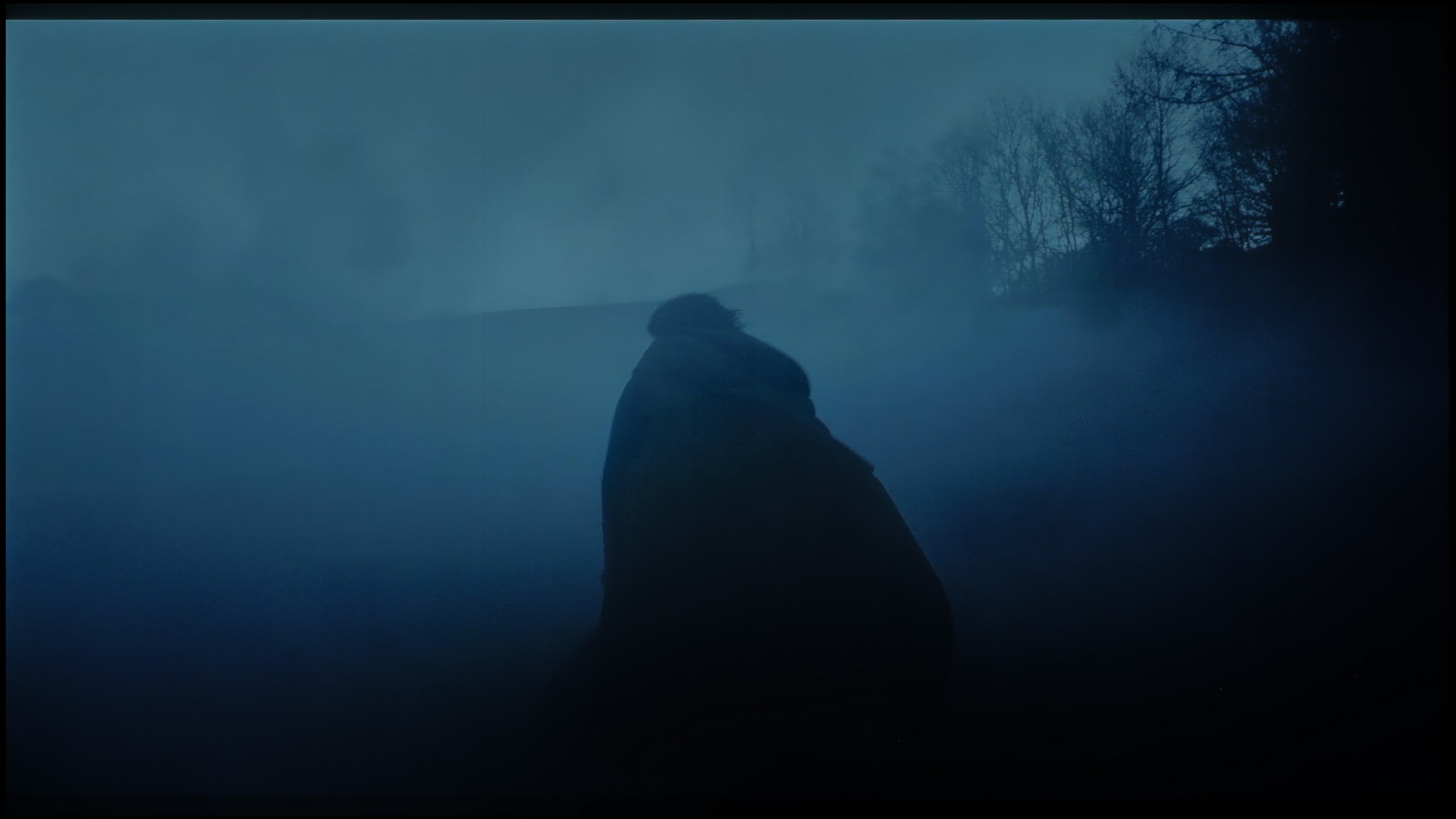
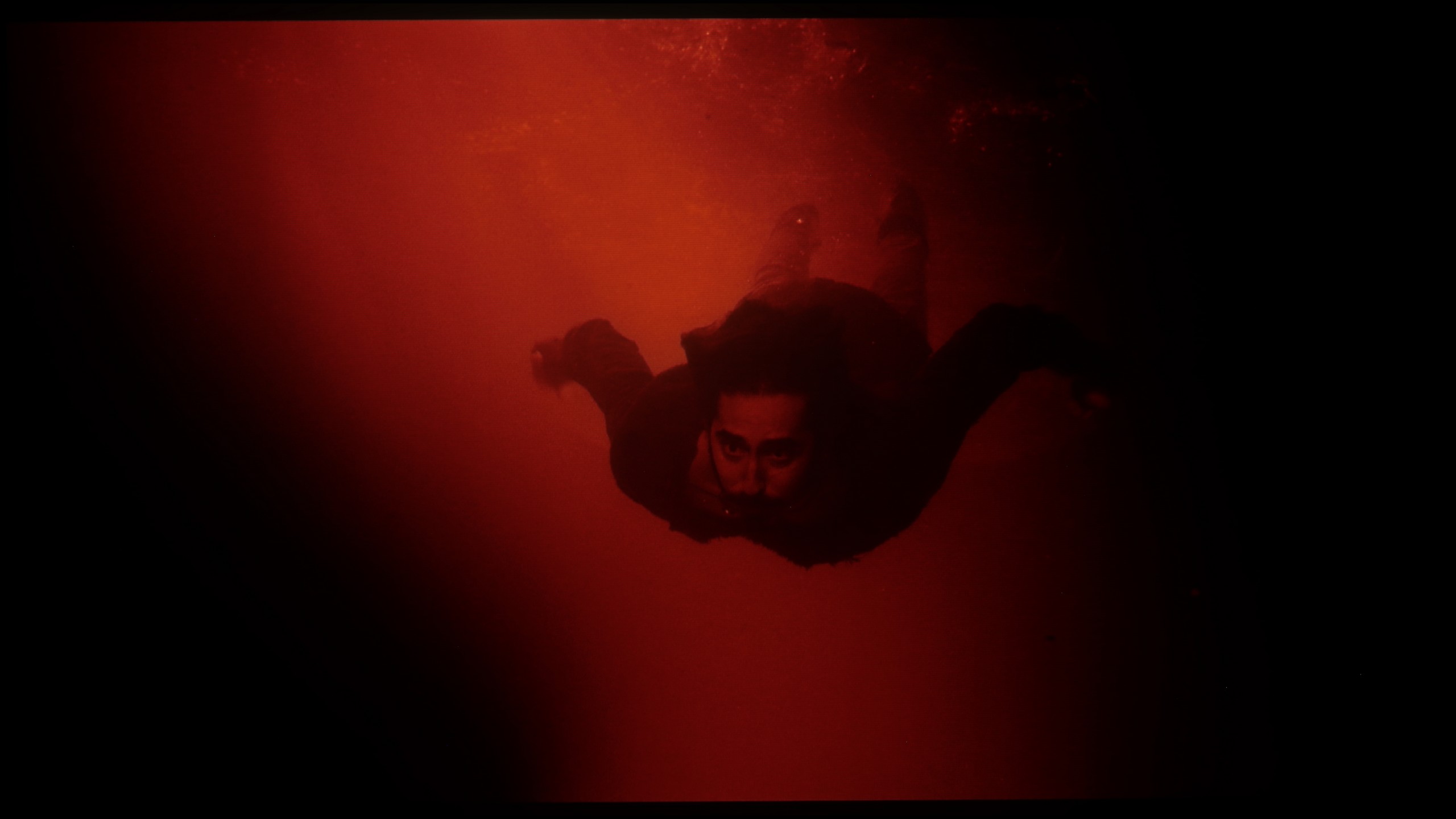
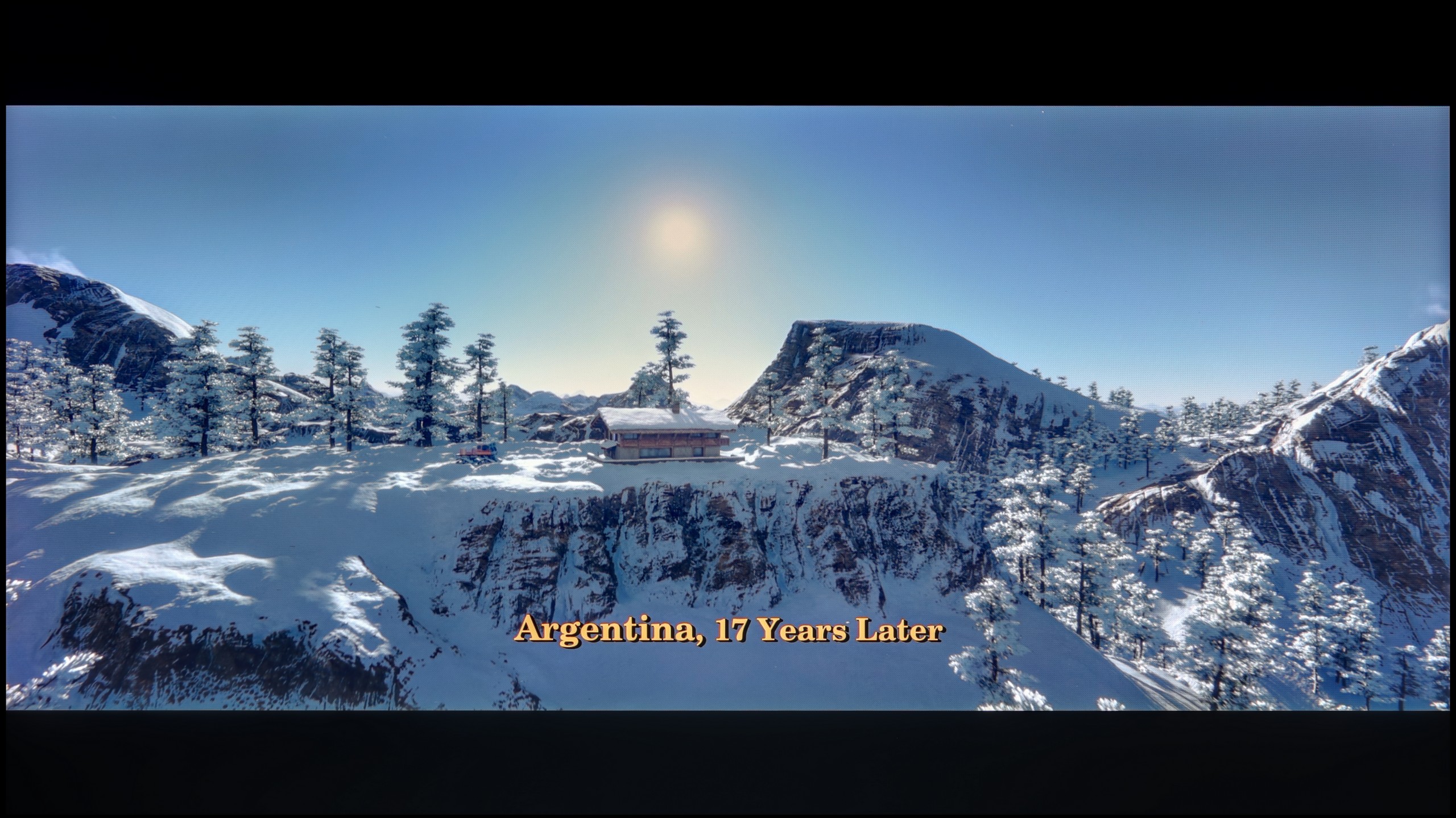
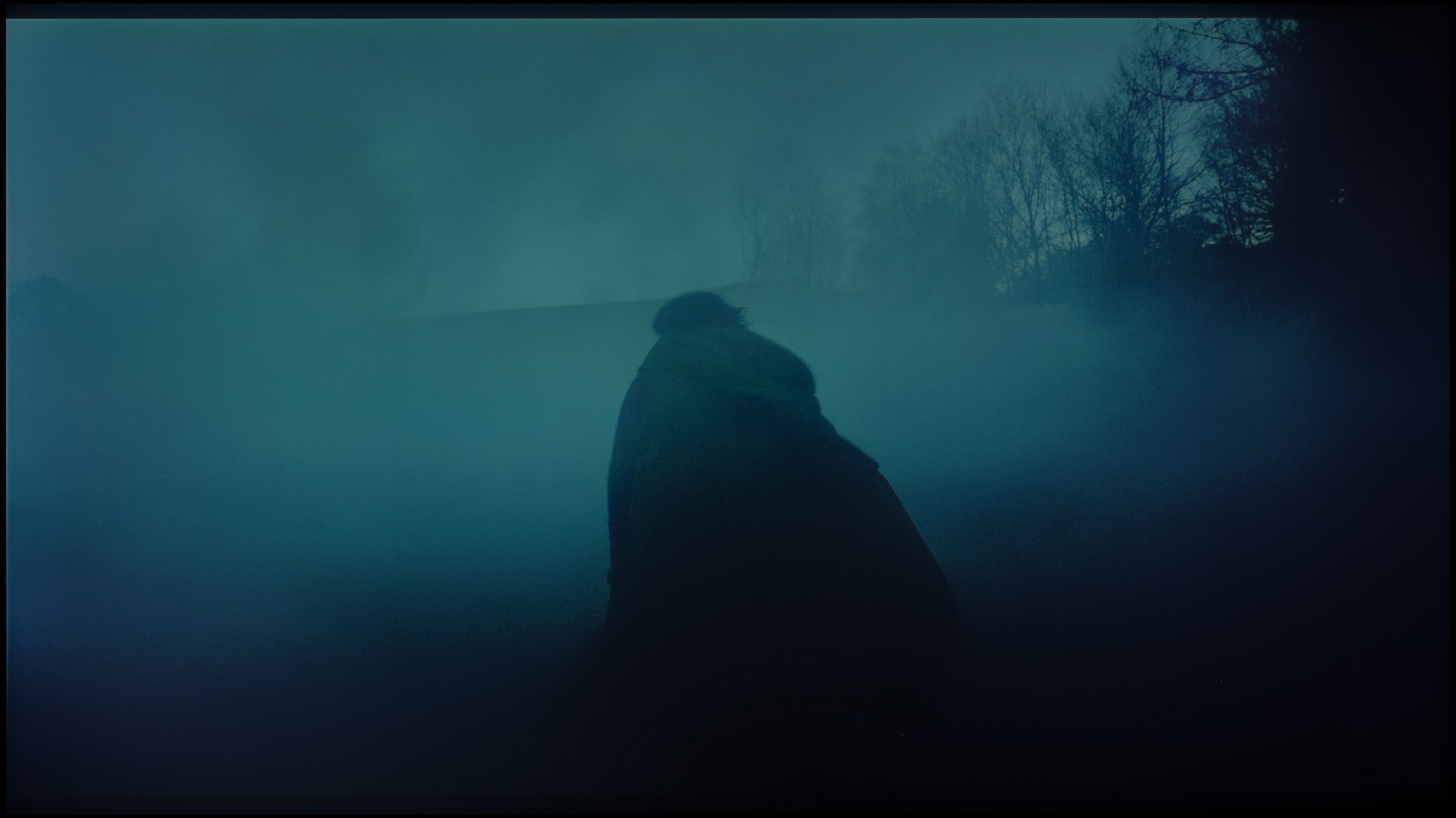
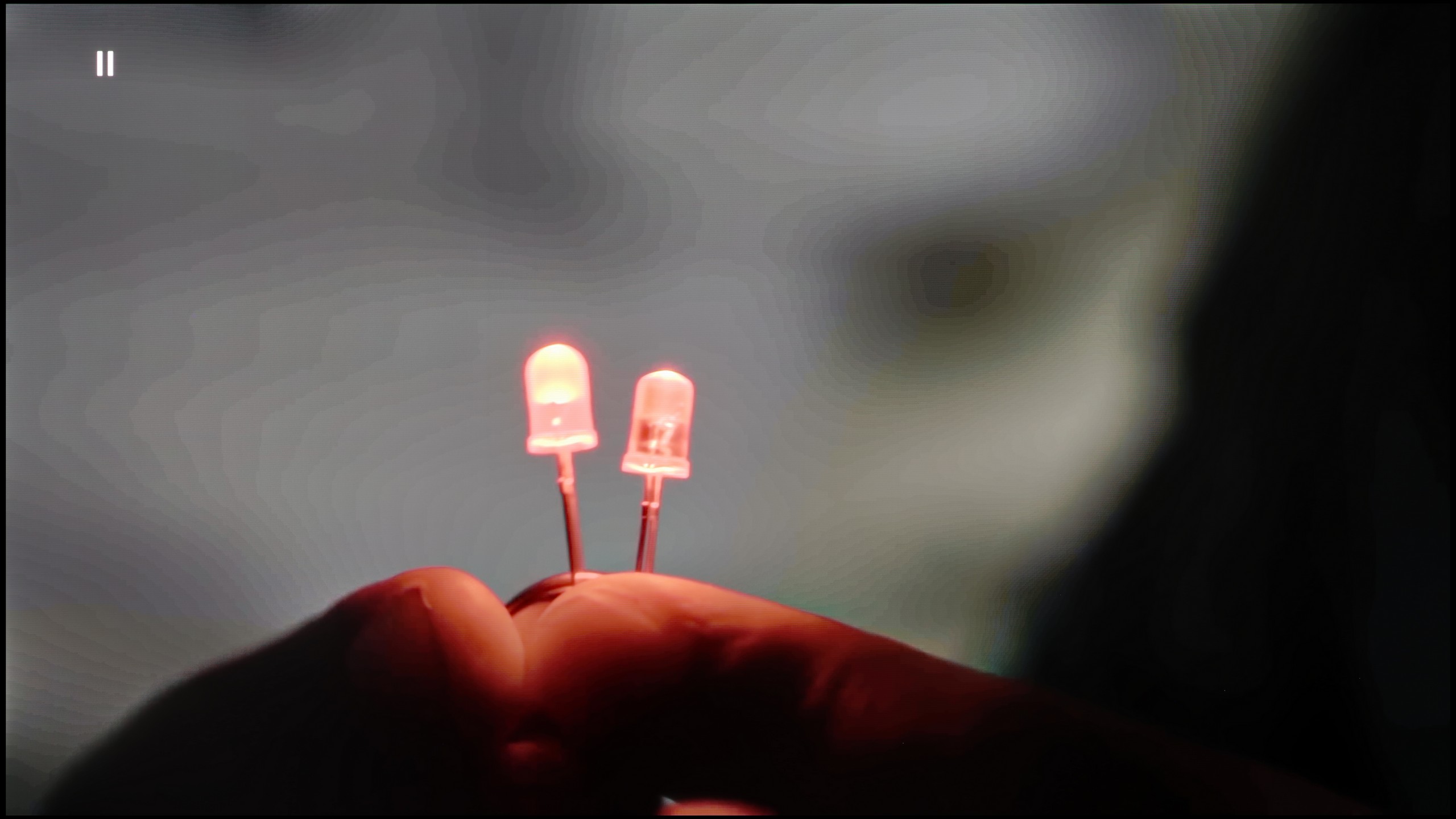
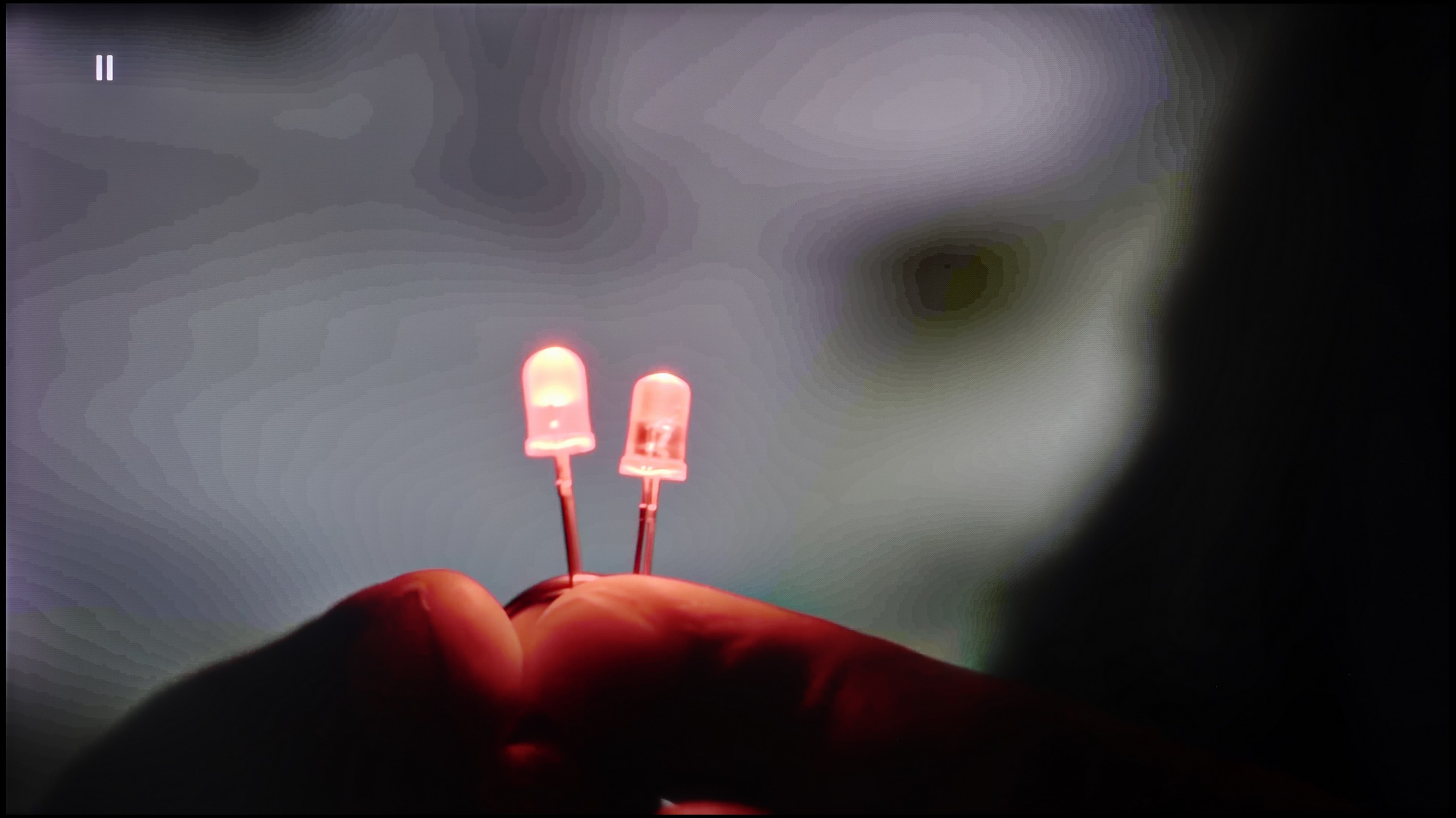
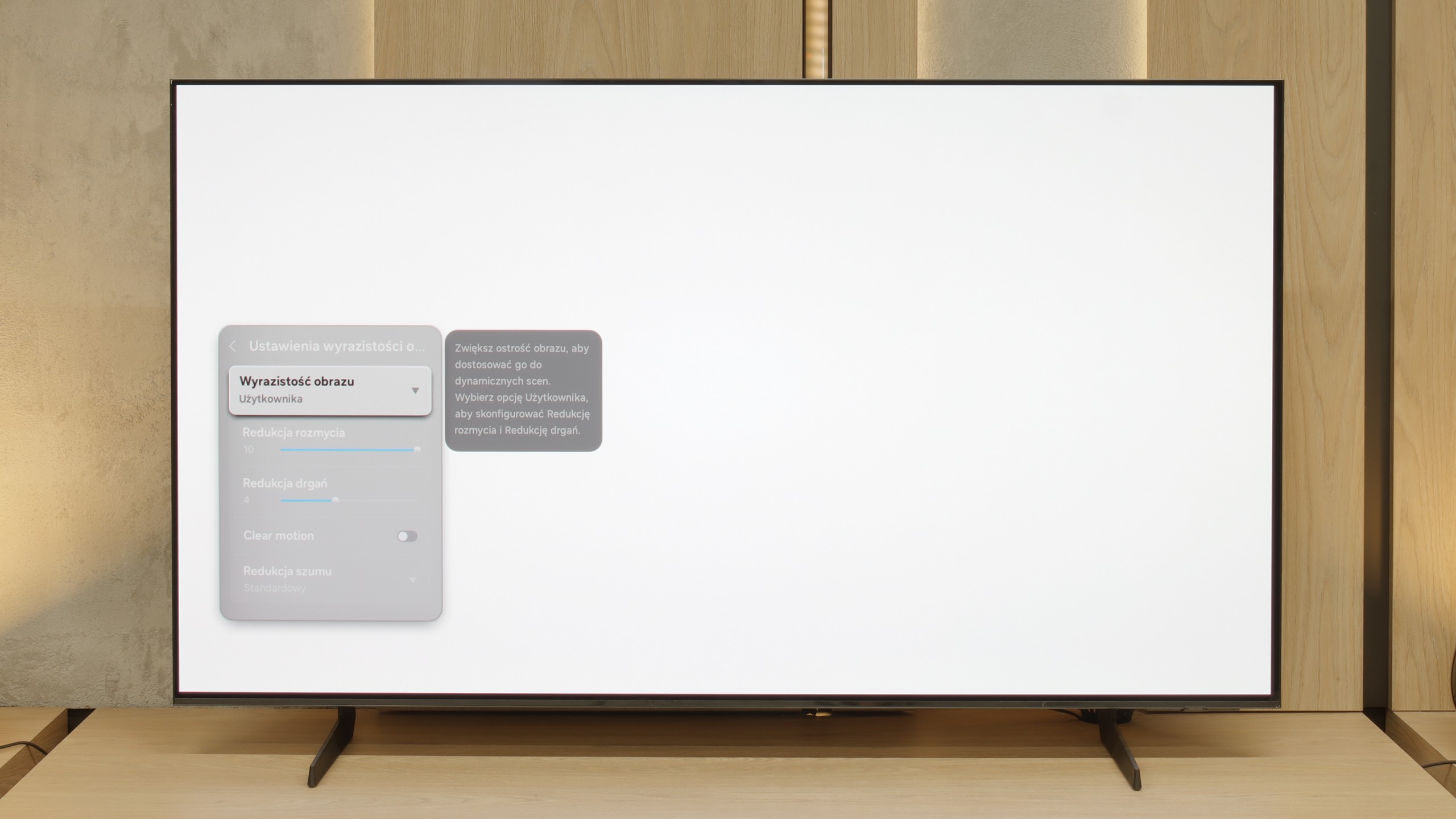
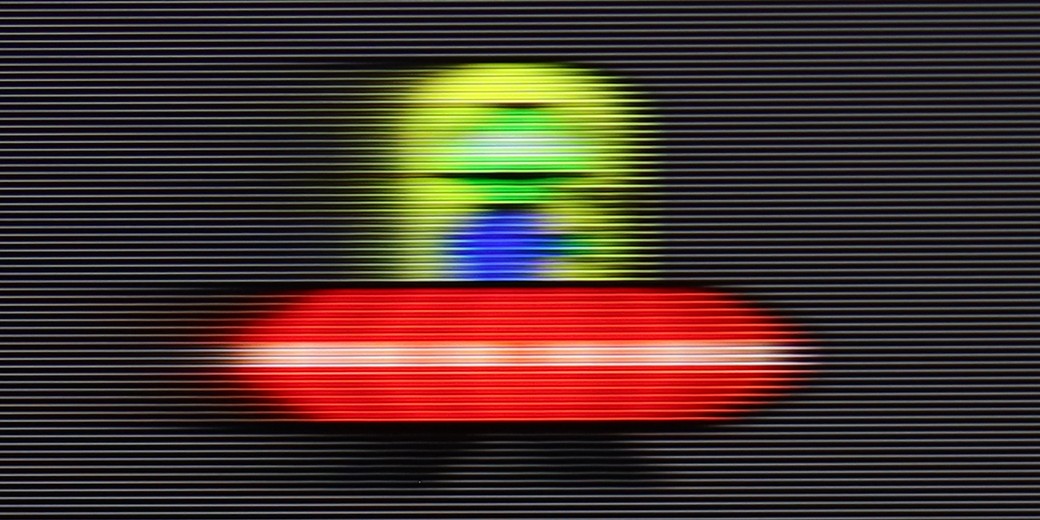
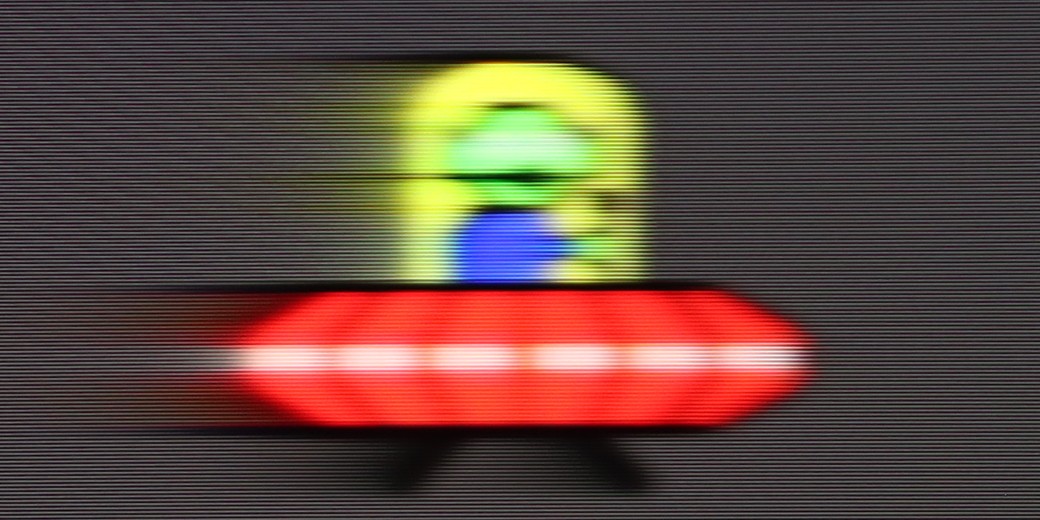
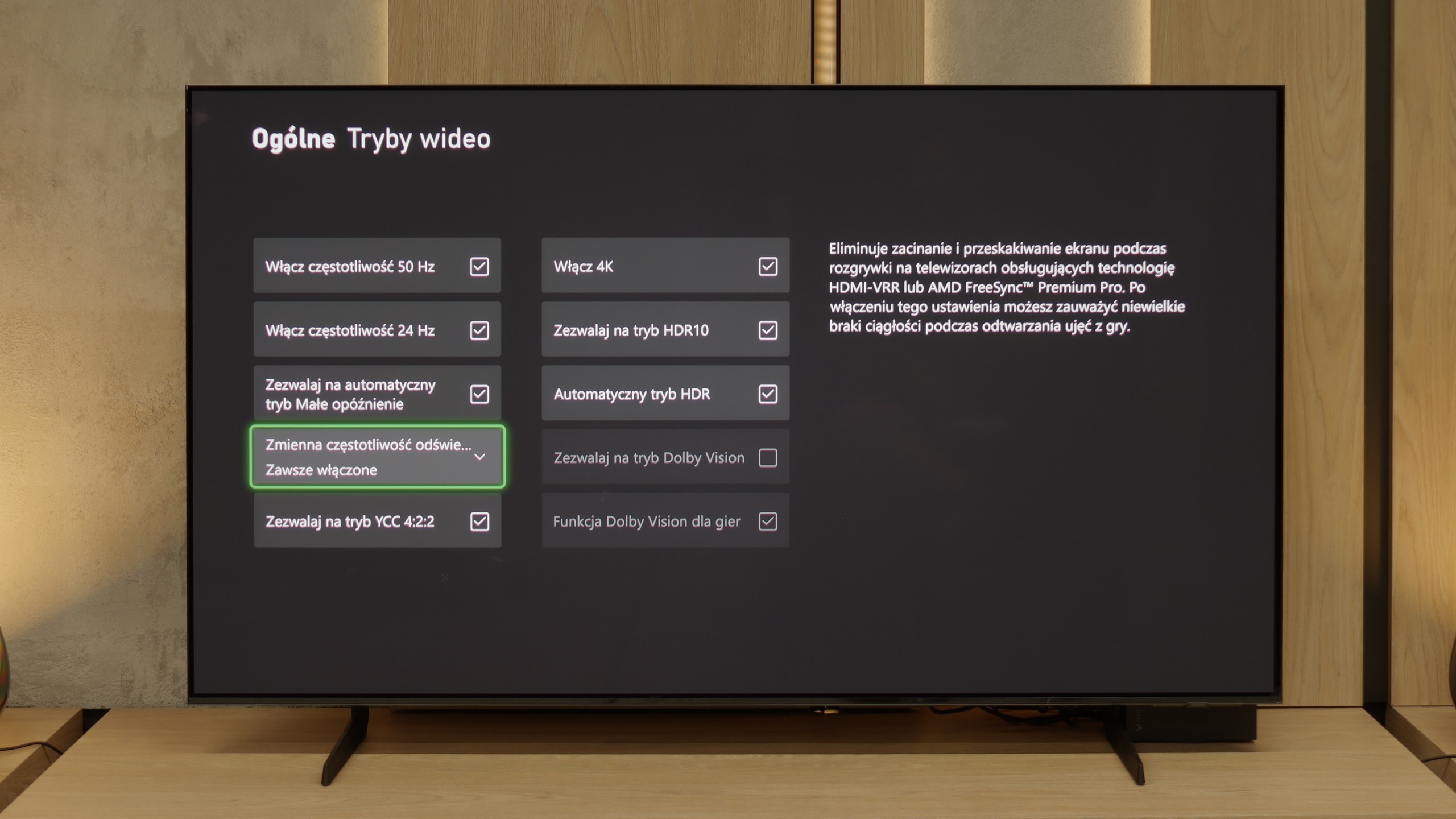
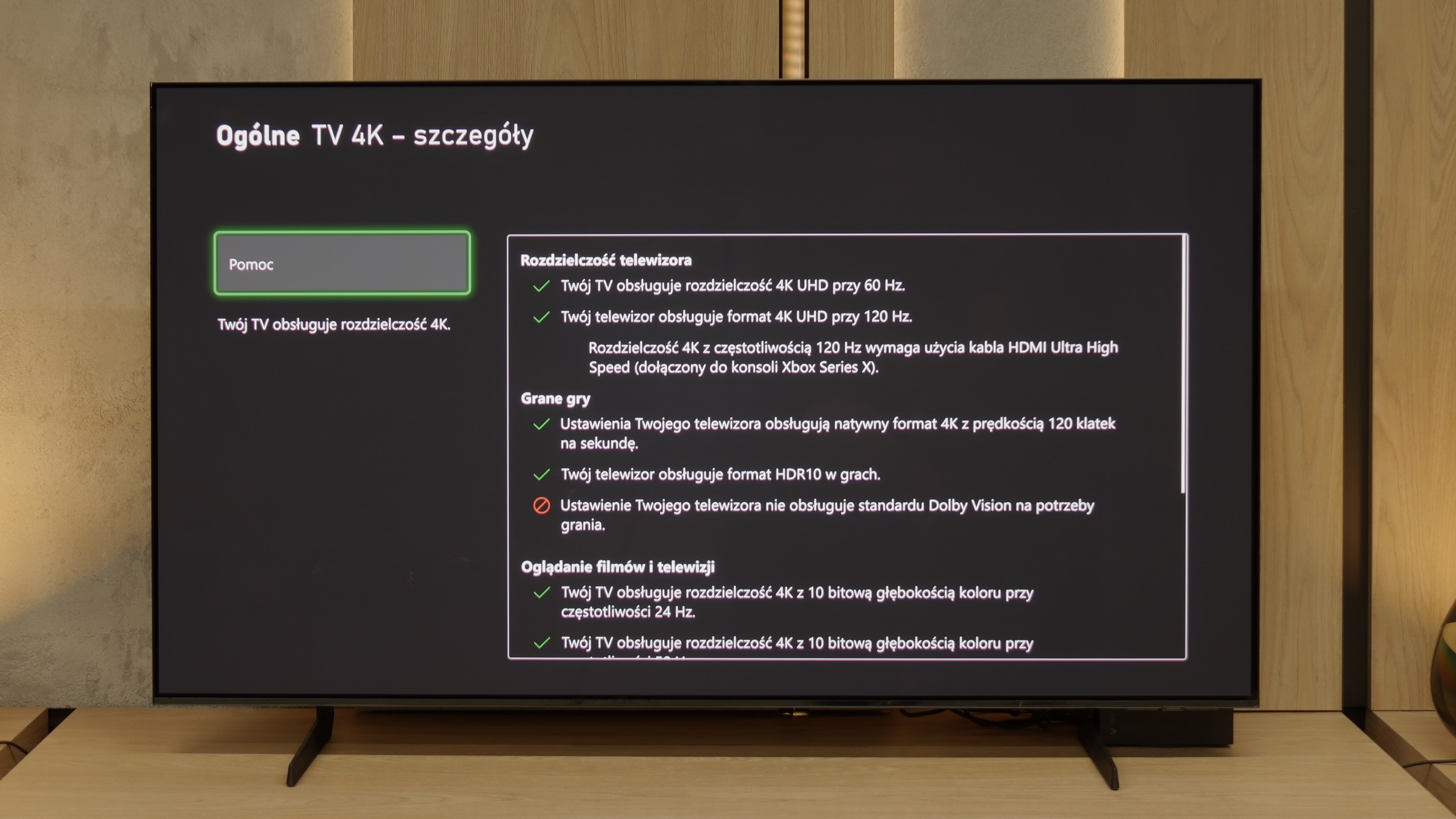
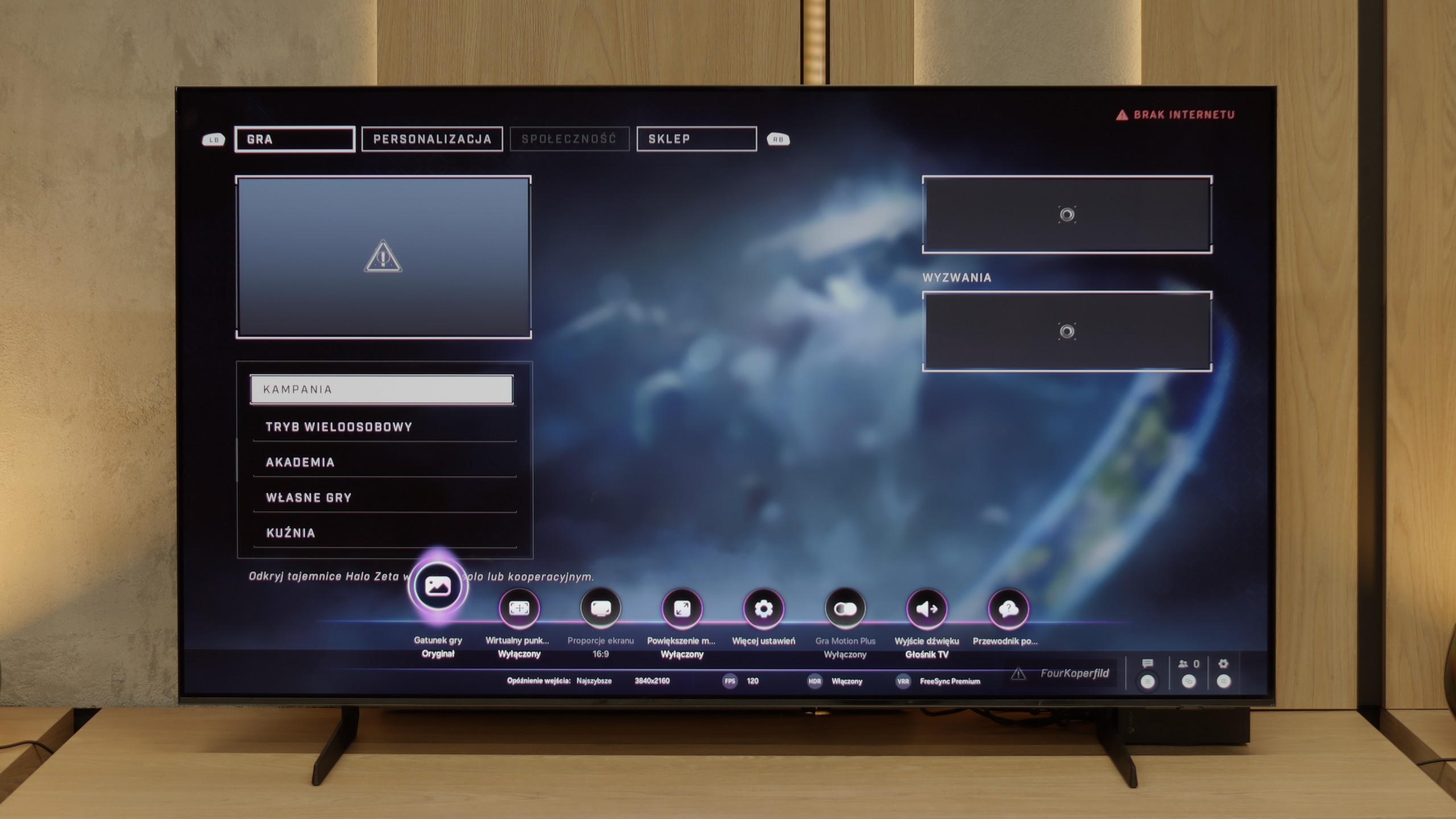
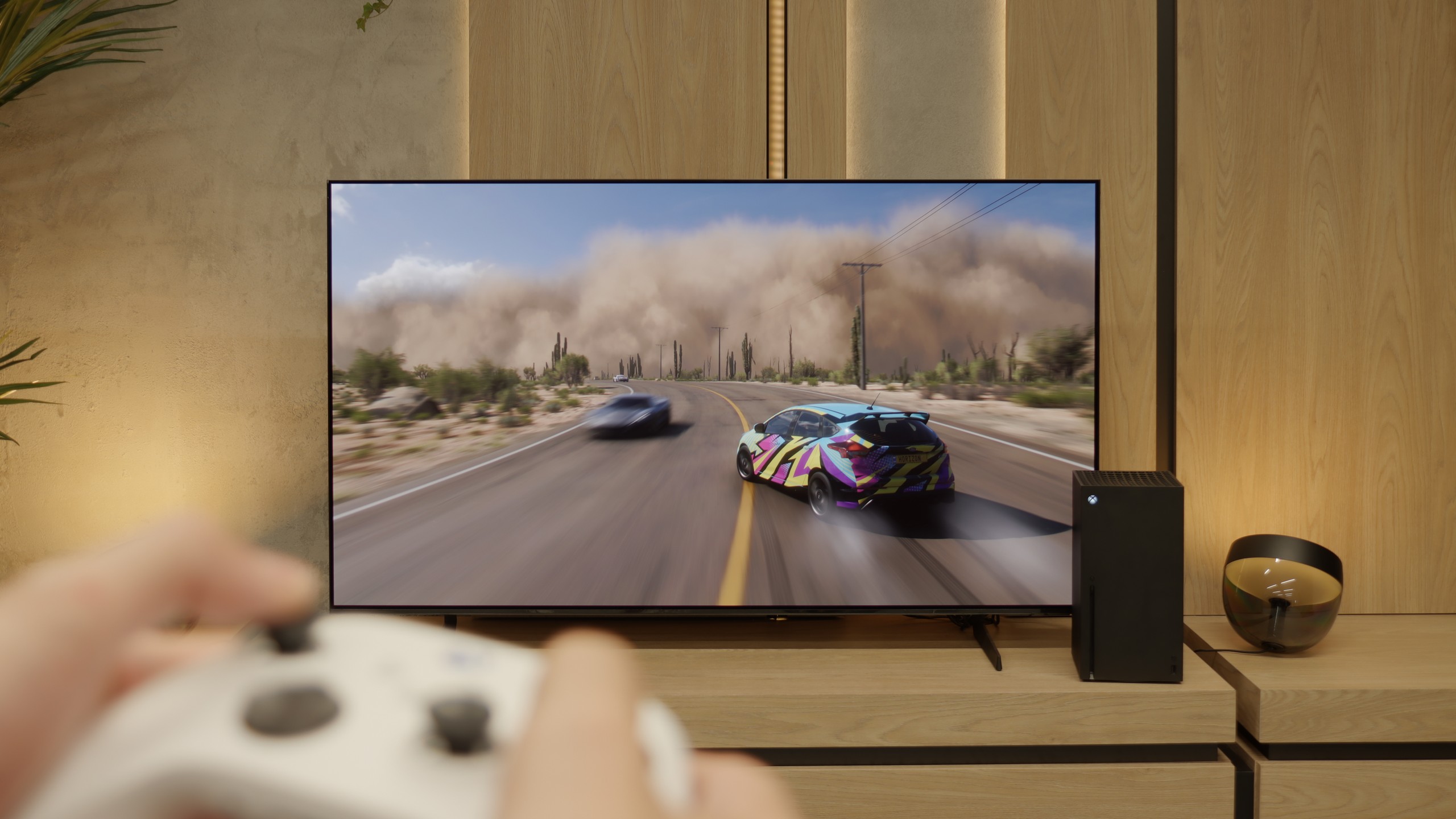
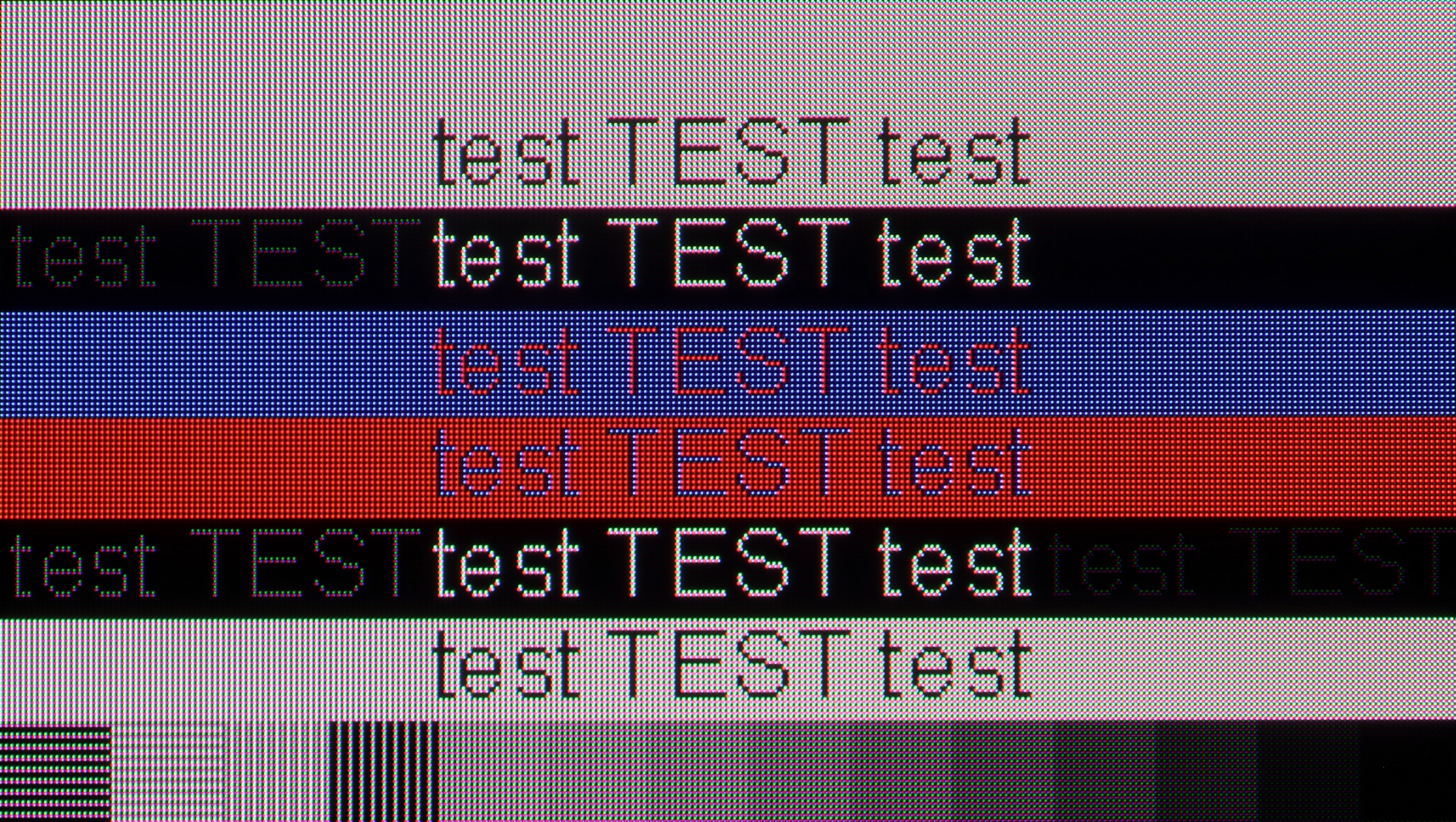
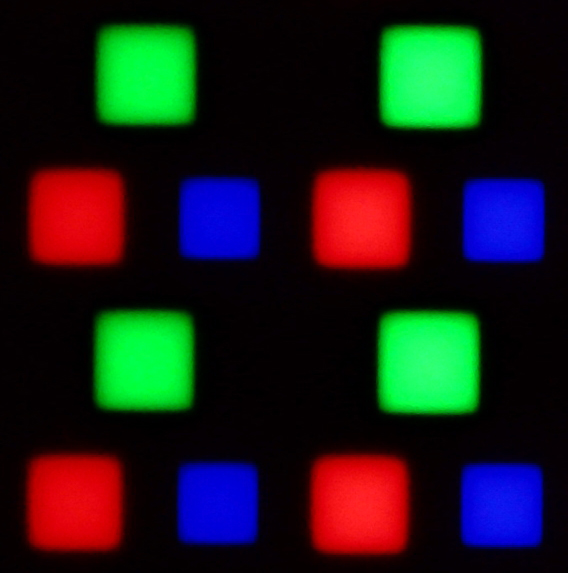
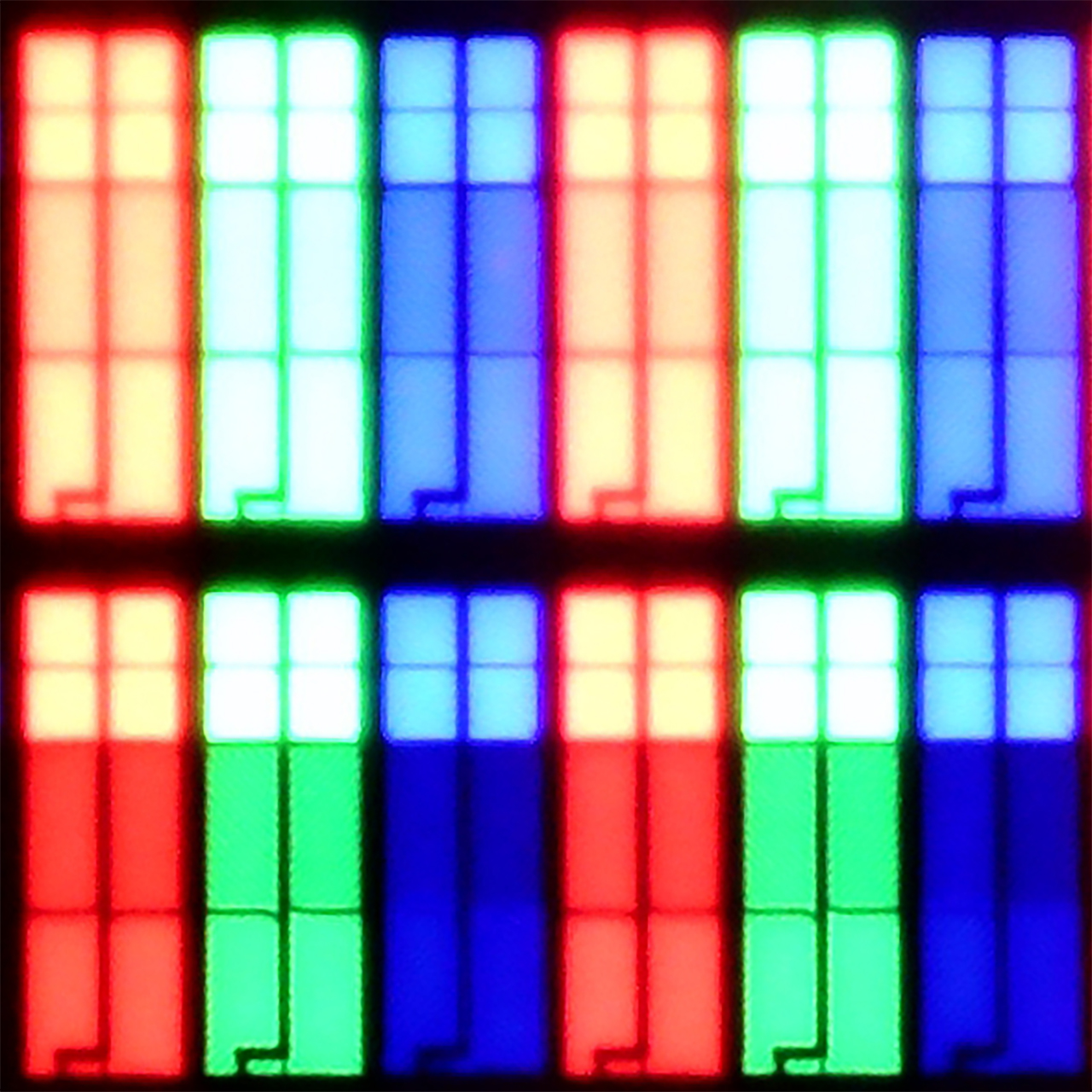
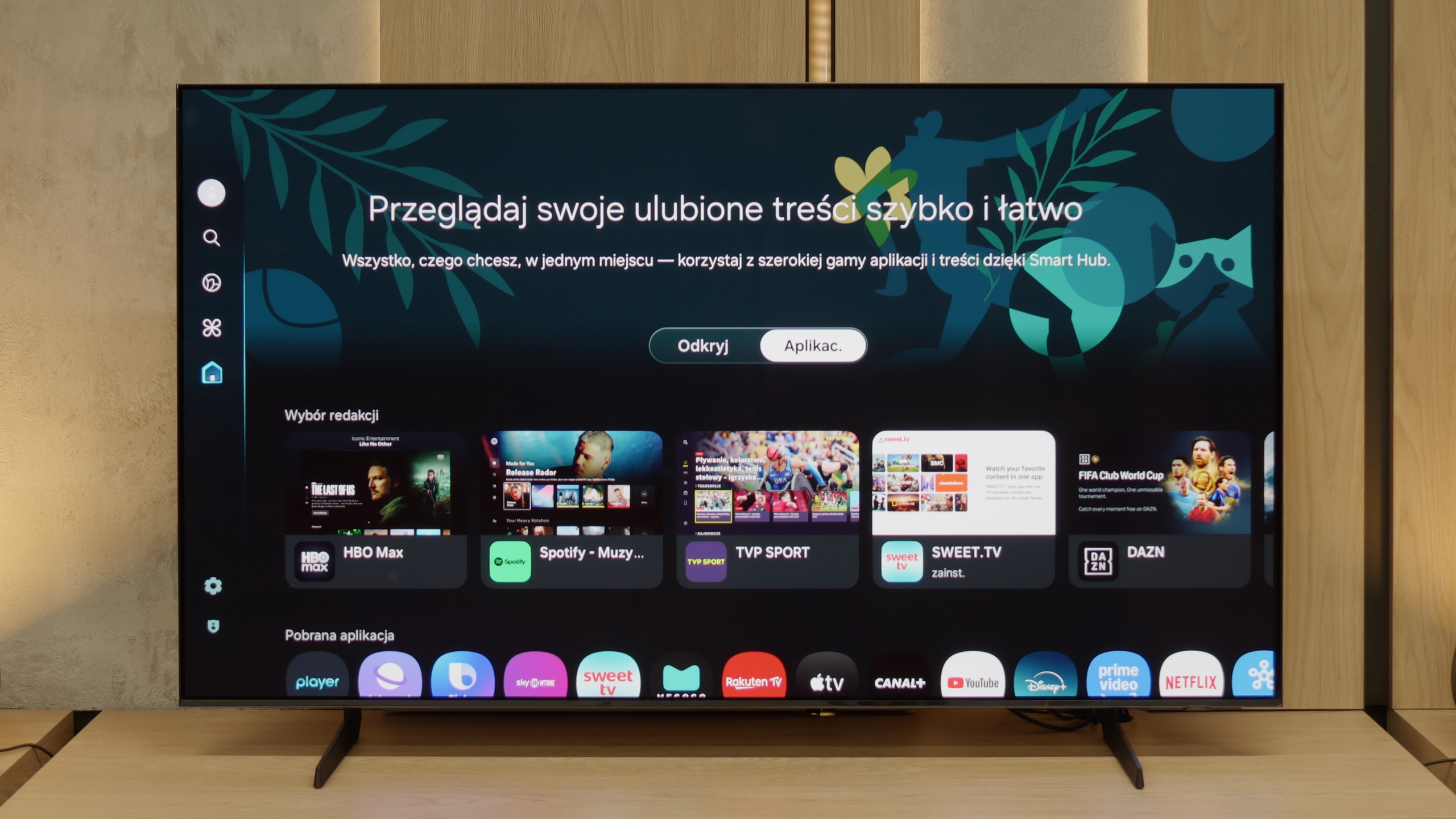
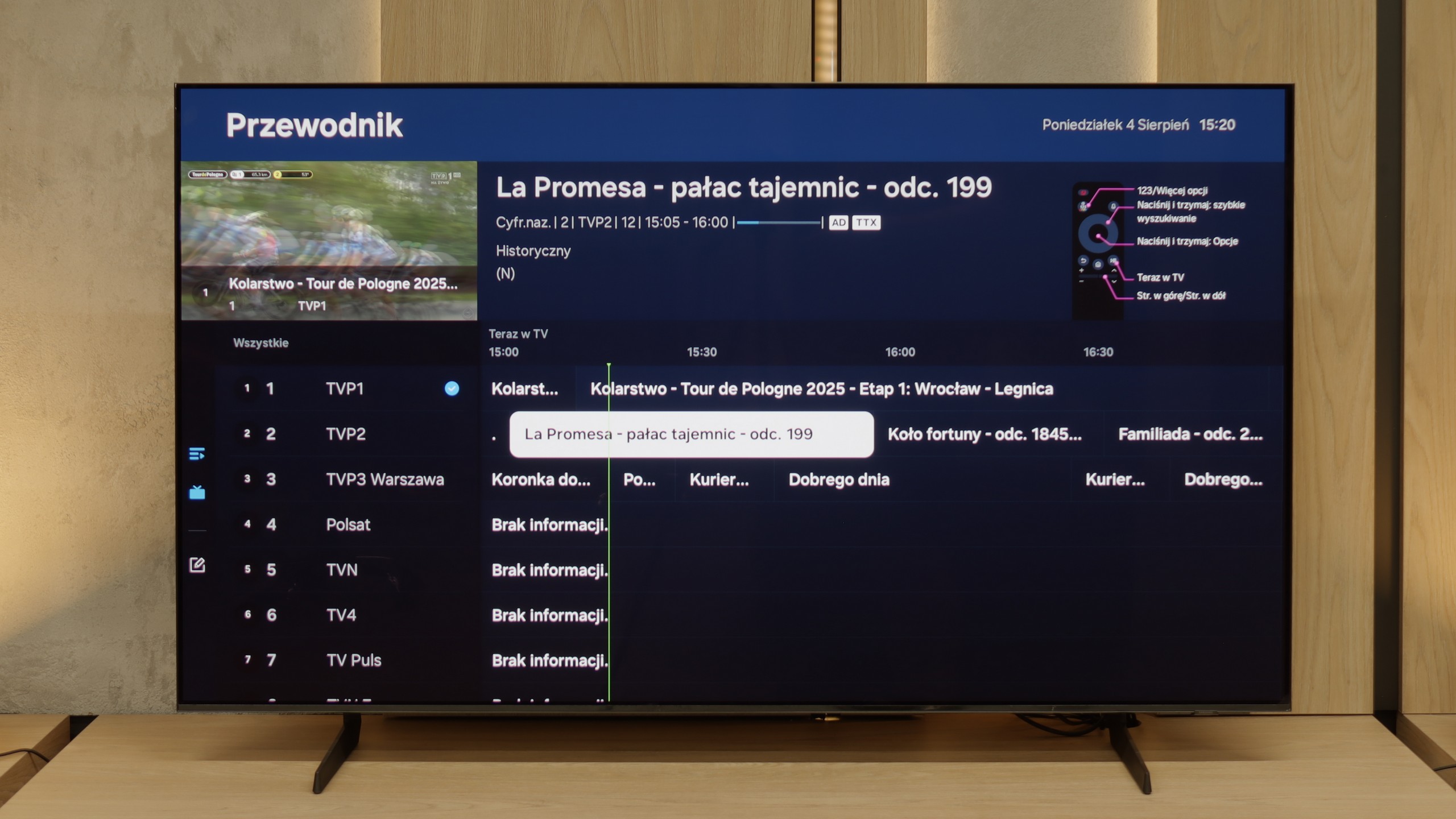
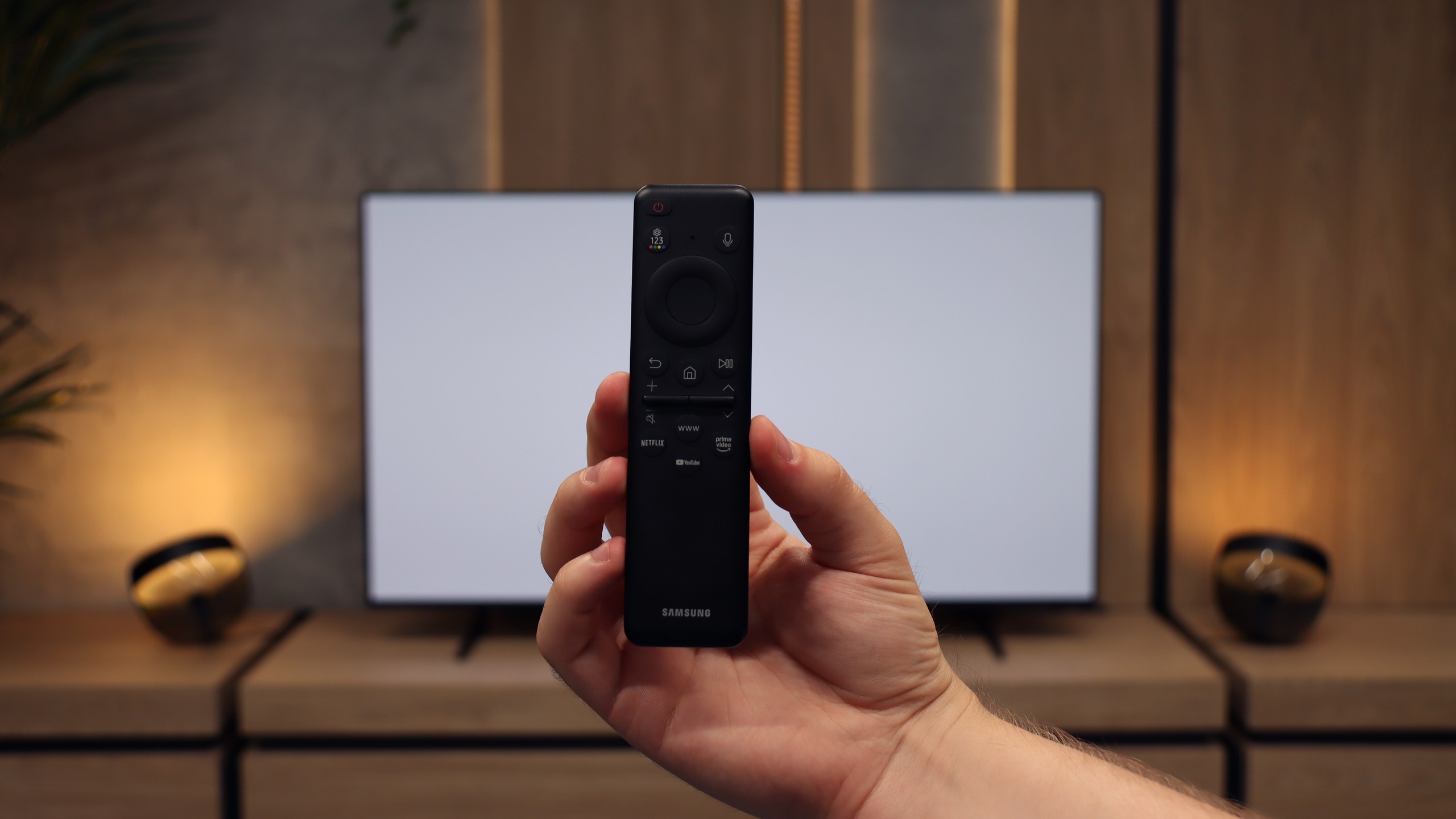
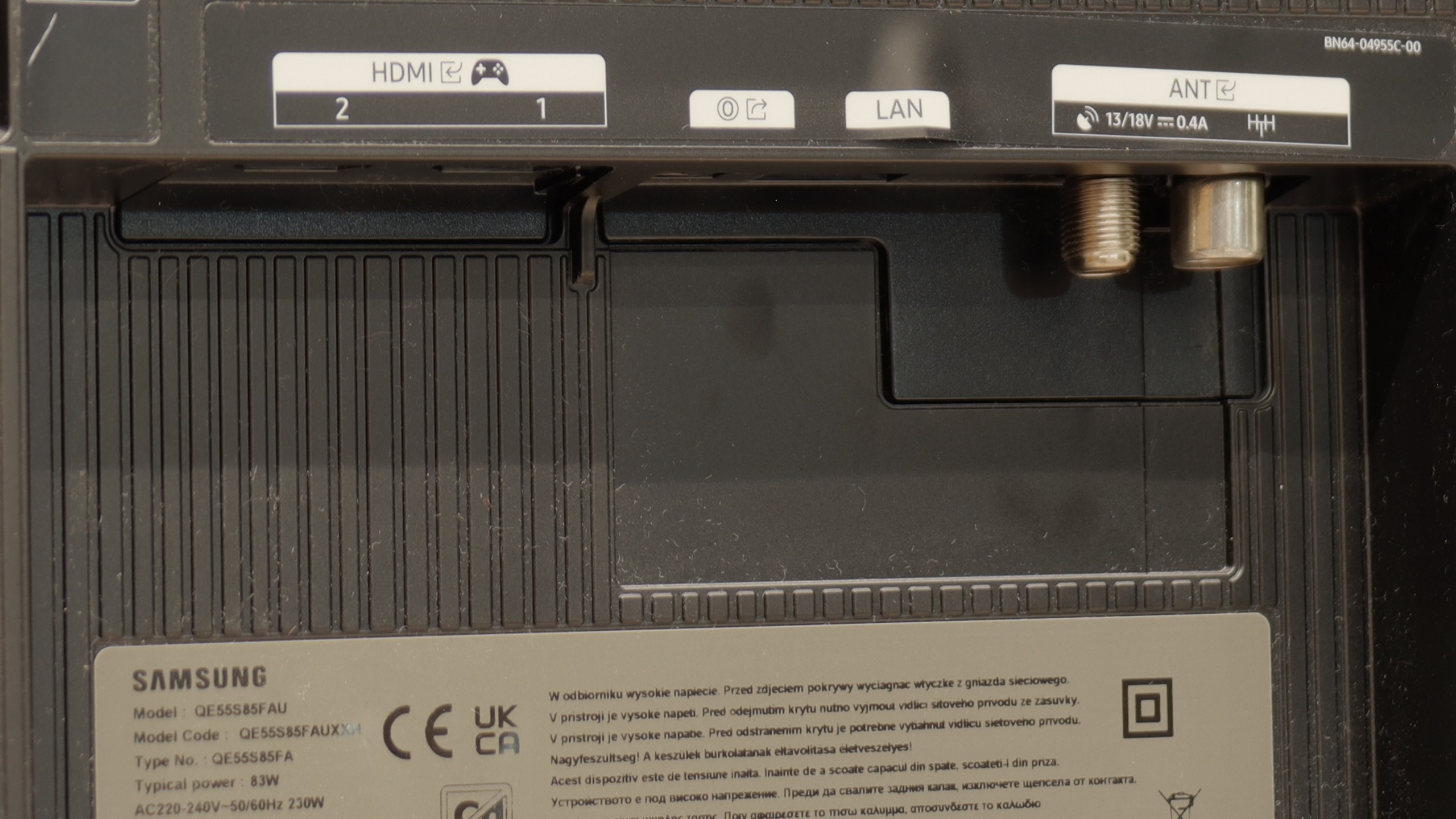
Samsung S85F with a QD-OLED panel can surprise – and it surprises very positively. Even before the tests, we didn't think that in the case of TVs that are talked about in the context of "panel lottery," one could come across something that would benefit the user. However, in this case, particularly in the 55-inch version, it has fully succeeded. The QD-OLED panel, as befits organic technology, offers perfect, almost ideal black and contrast in cinematic conditions. The difference lies, however, in the way colours are reproduced – here it is simply outstanding. The colour gamut coverage is impressive, and after a gentle calibration, the colours become almost exemplary. Motion fluidity is equally high. The 120 Hz panel handles both sports and action films excellently. And if someone plans to connect a console to the S85F, they will receive a complete set of advantages: low input lag, variable refresh rate, Game Bar, and full support for HDMI 2.1. In everyday use, we were assisted by the Tizen system – closed, but extremely well-designed. It responds quickly, offers a rich selection of applications, and add-ons such as AirPlay and voice control make it hard to find something more complete in this category. Indeed, the S85F is not without its flaws. However, the balance of advantages and disadvantages is exceptionally favourable here. One could even get the impression that it is one of the best TVs in its price segment.
[UPDATE] We have updated our 2025 Samsung TV reviews following the release of firmware version 1131, which officially restores the essential HGiG (HDR Gaming Interest Group) support.
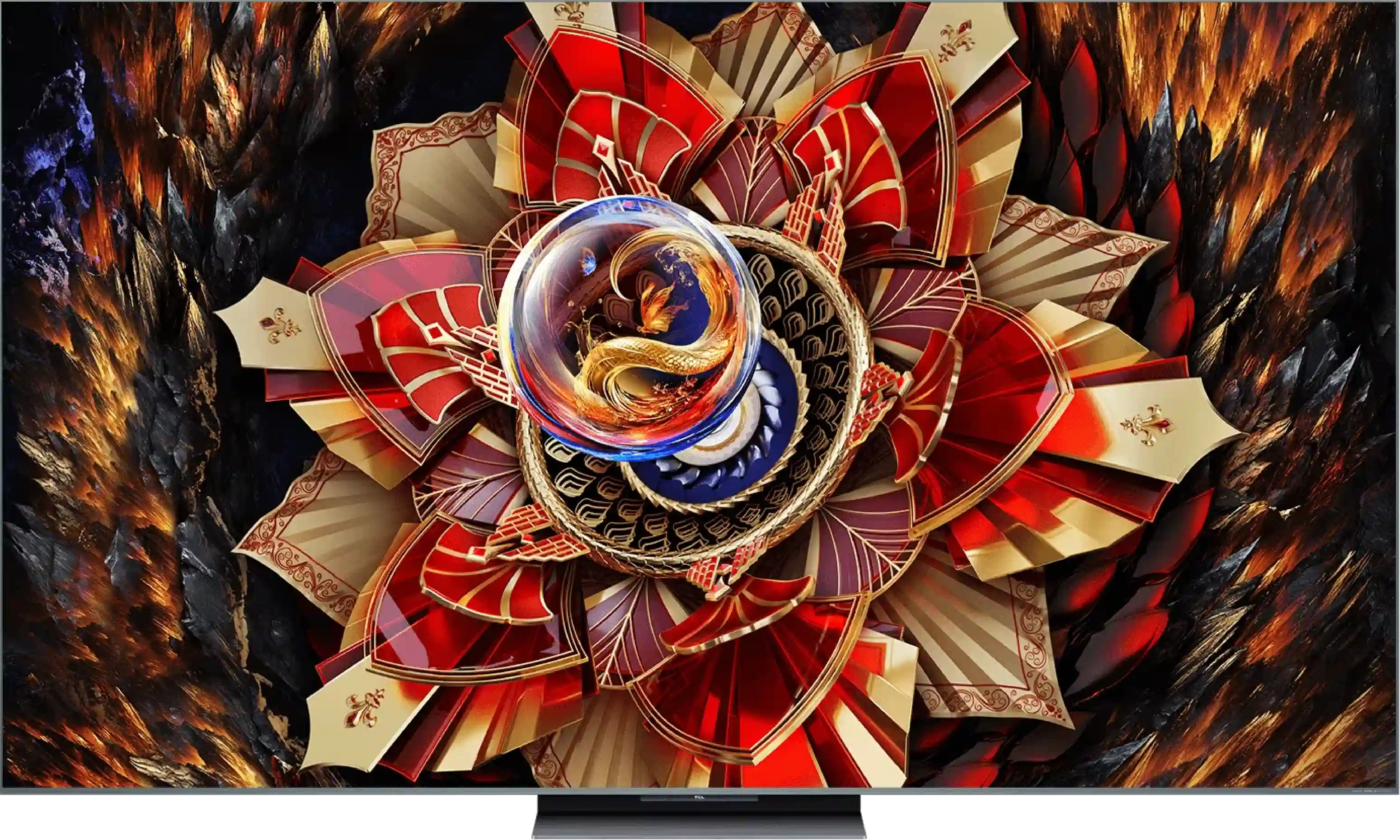
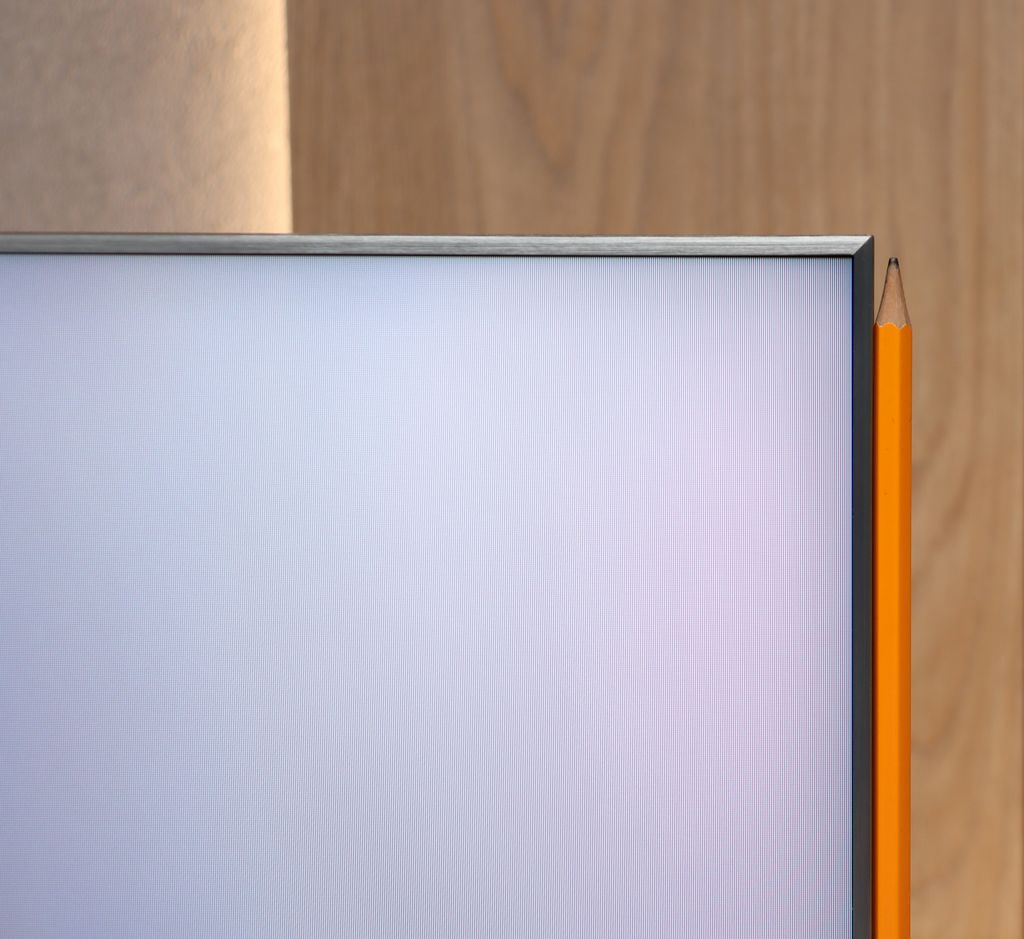
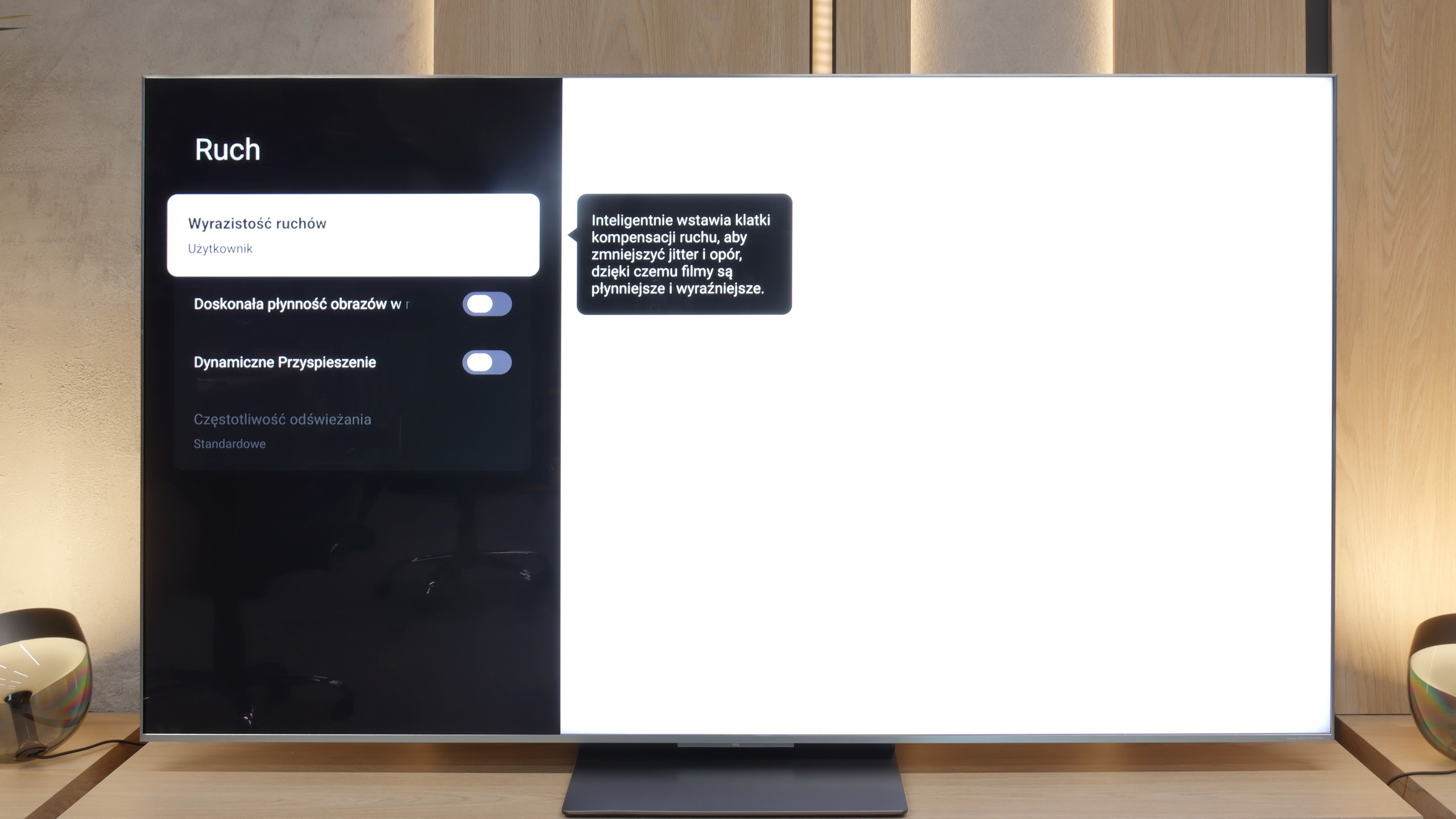
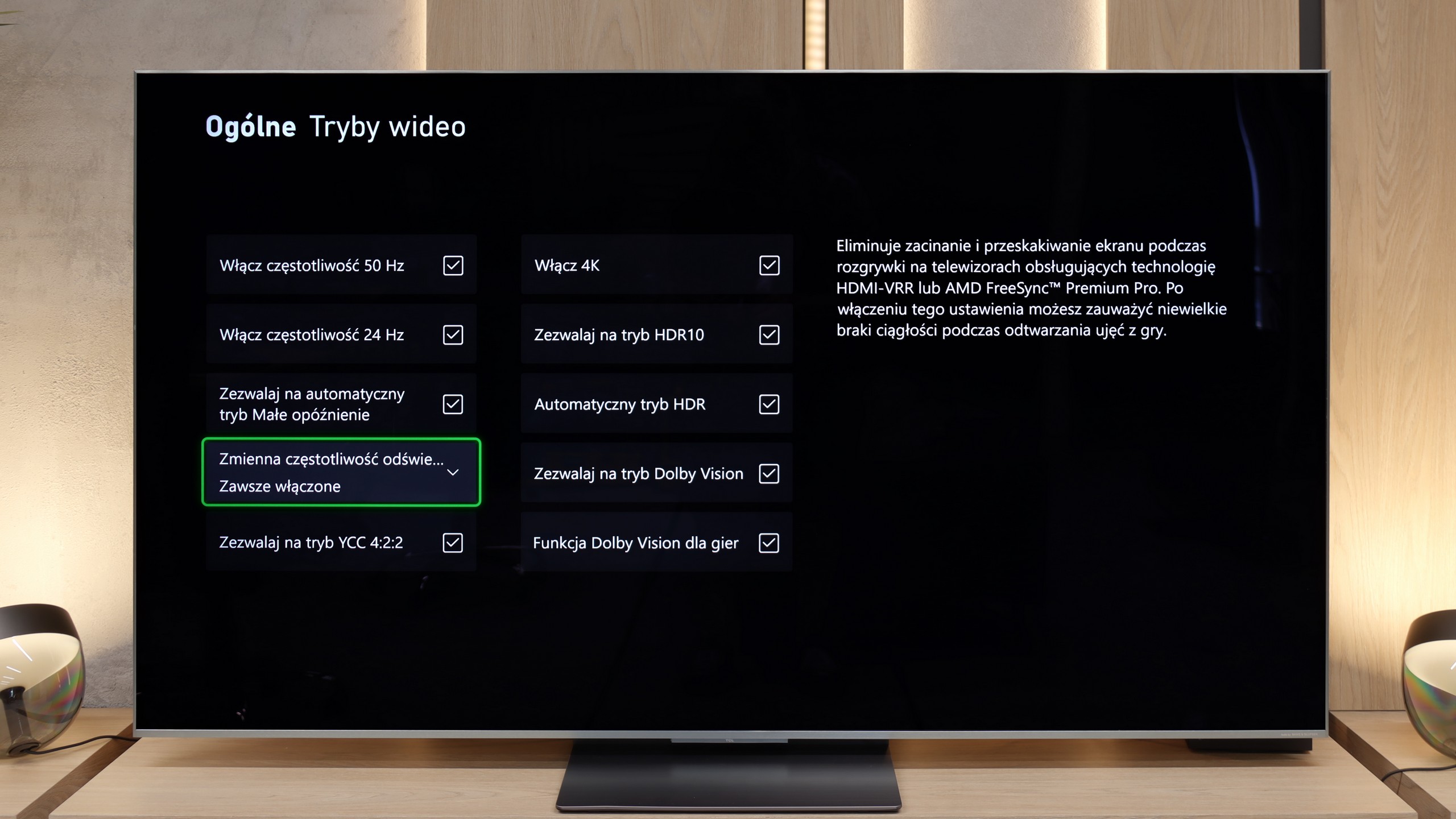
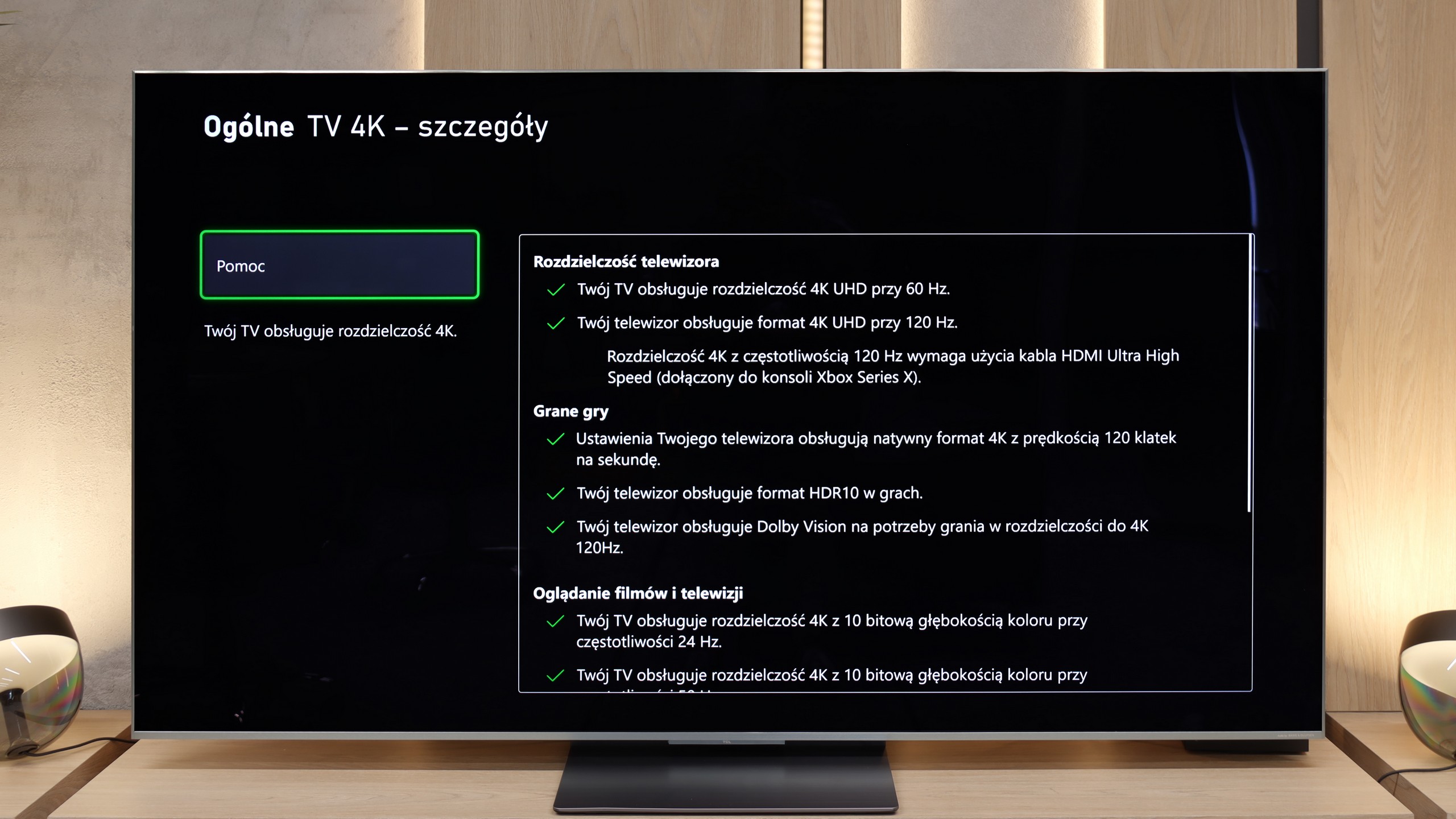
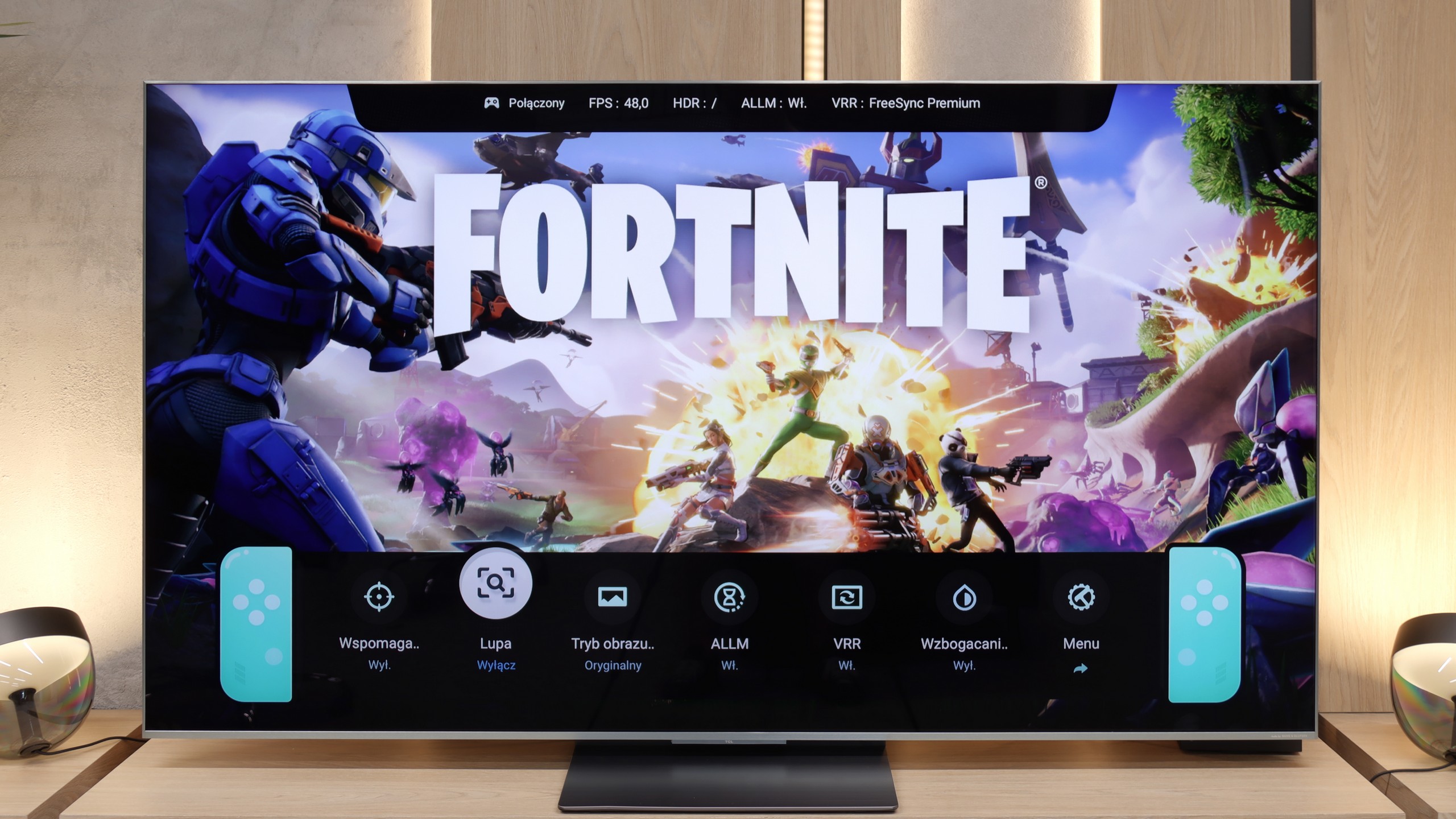
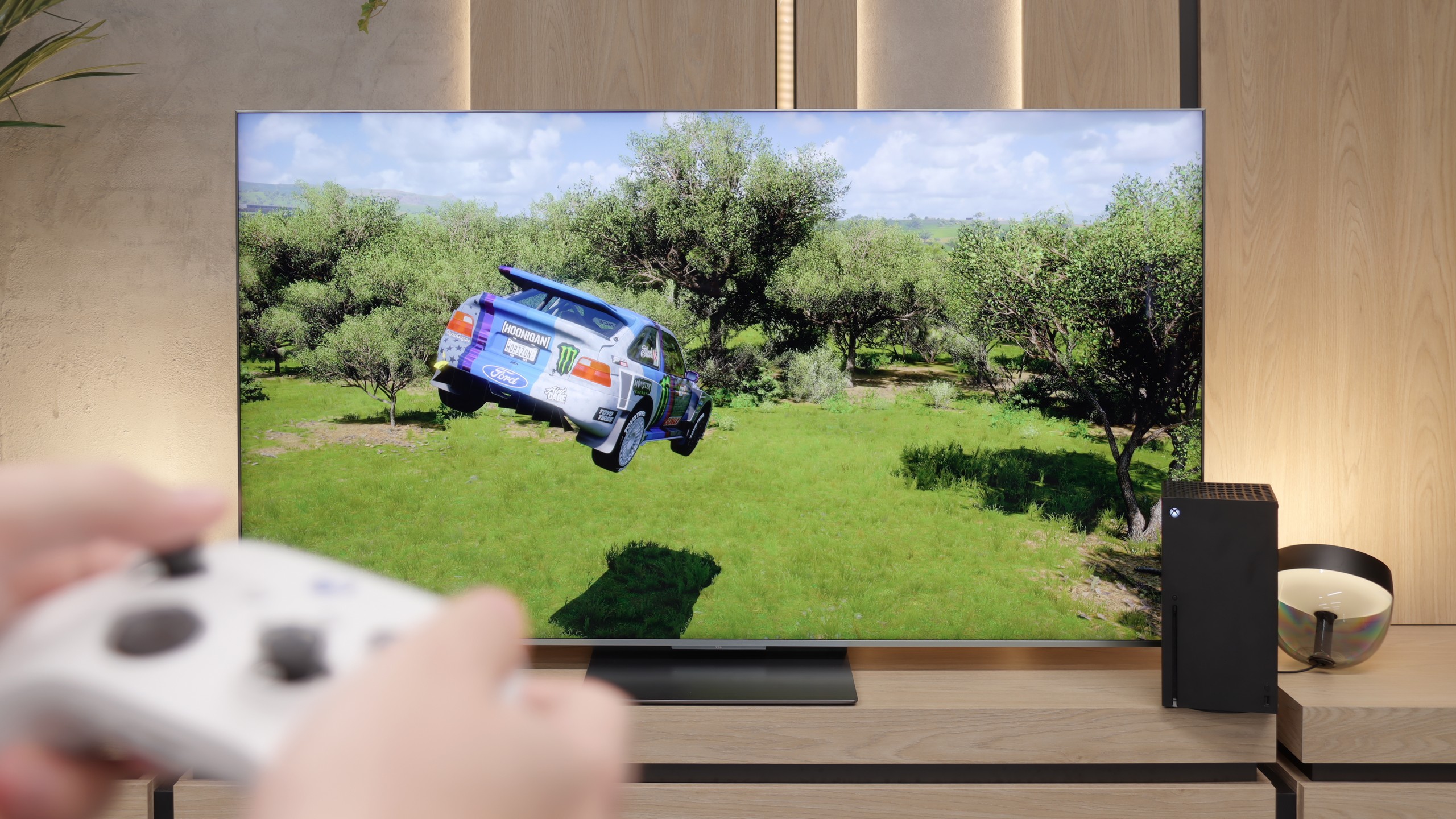
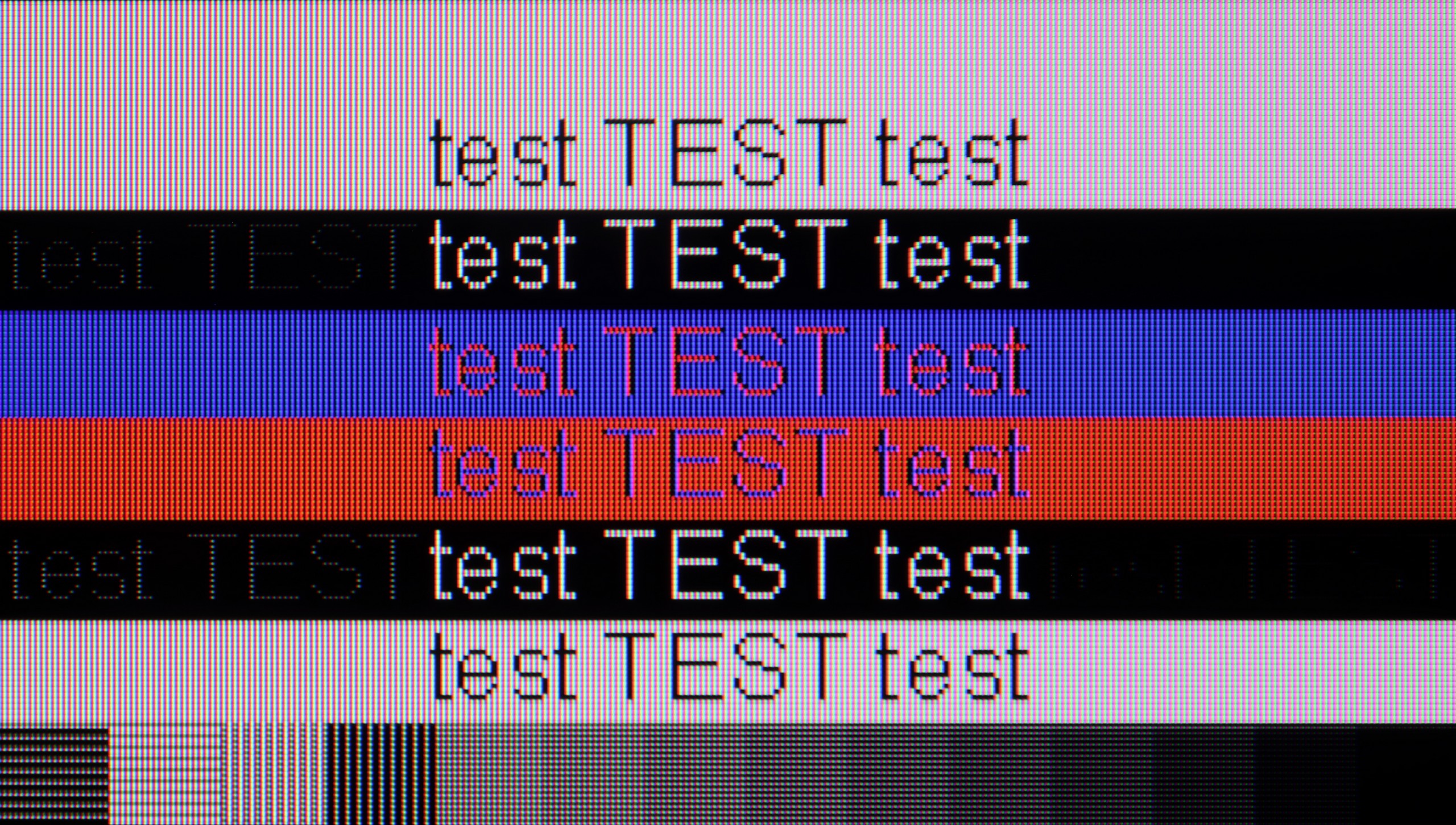
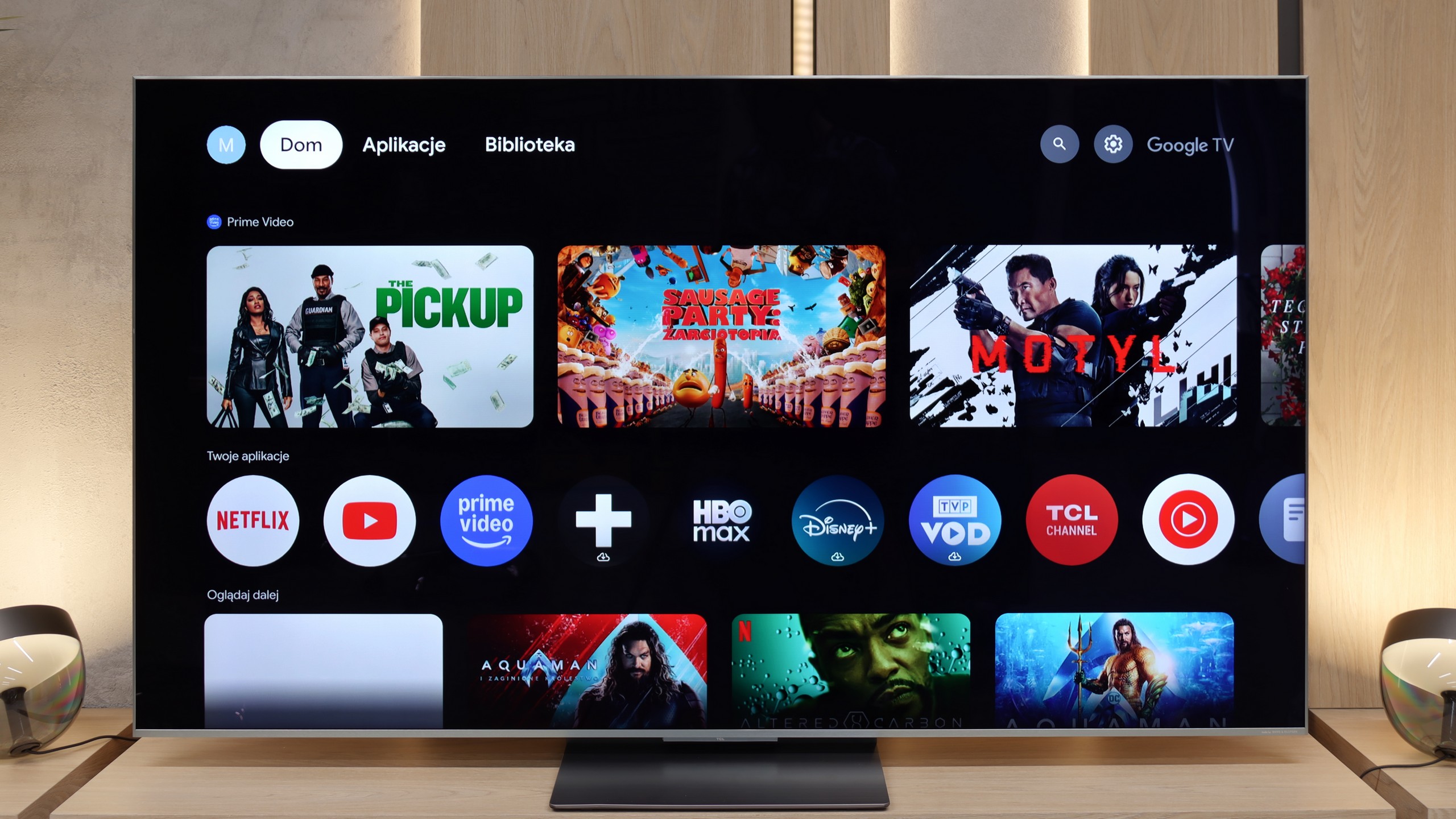
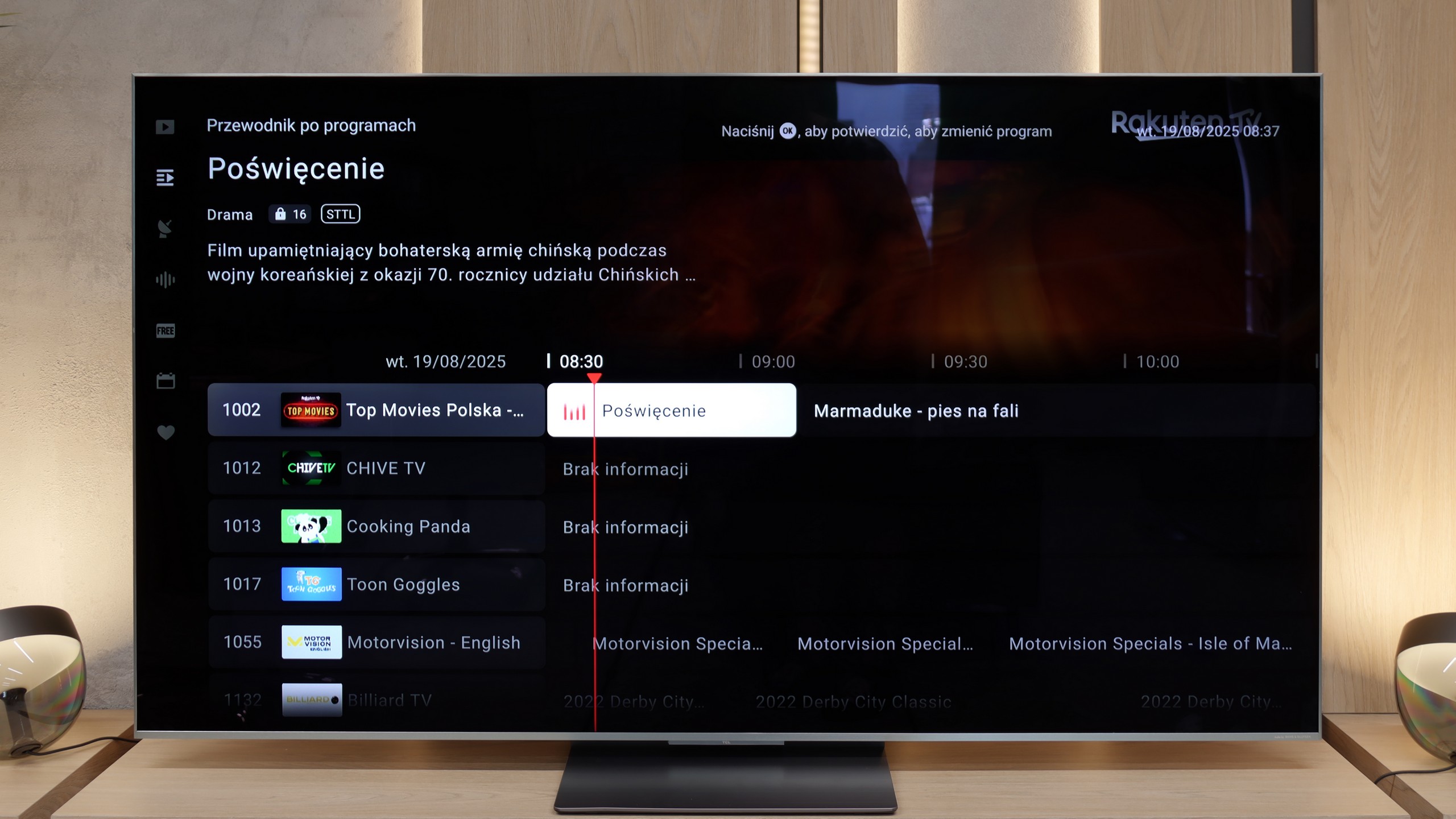
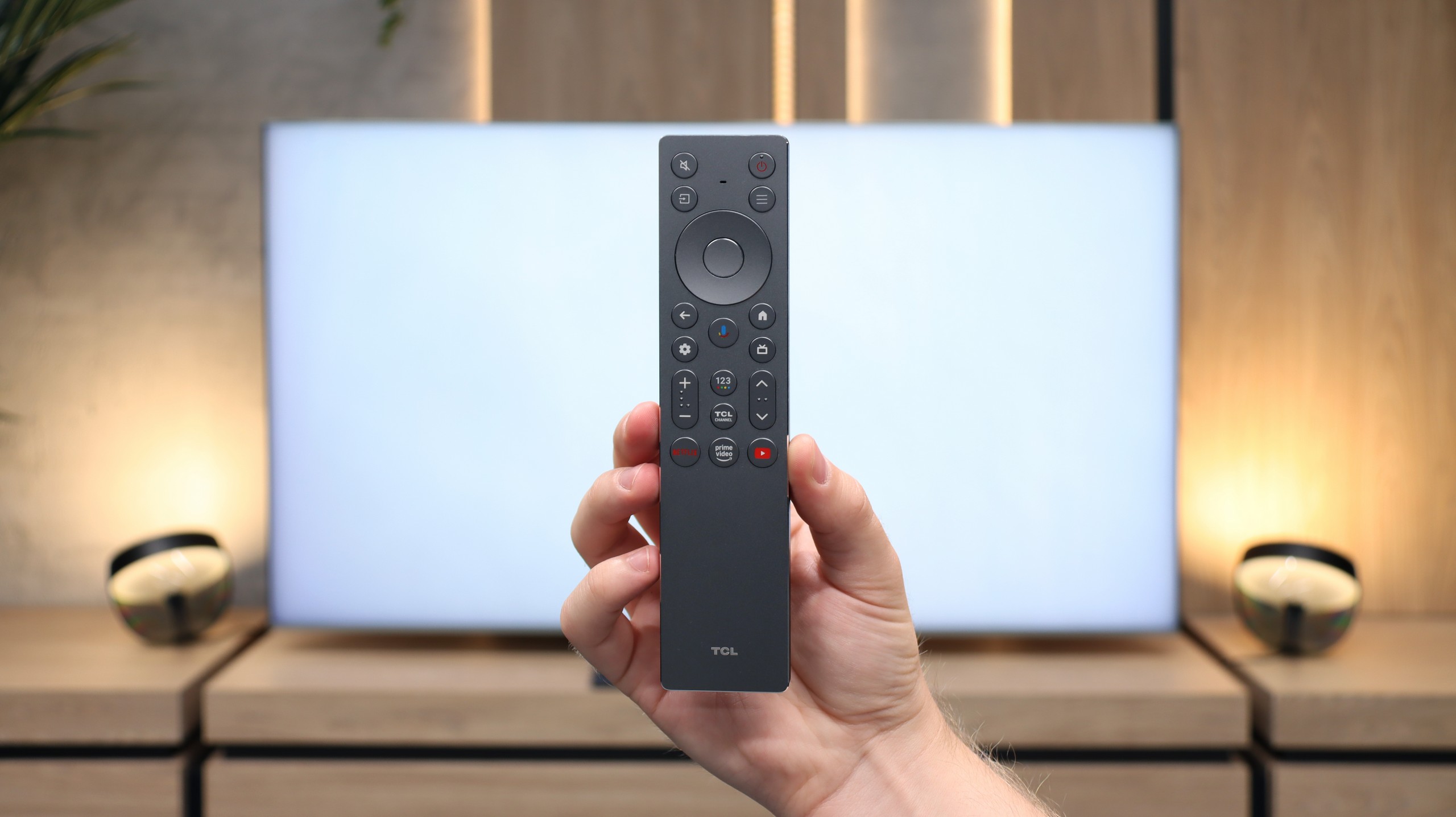
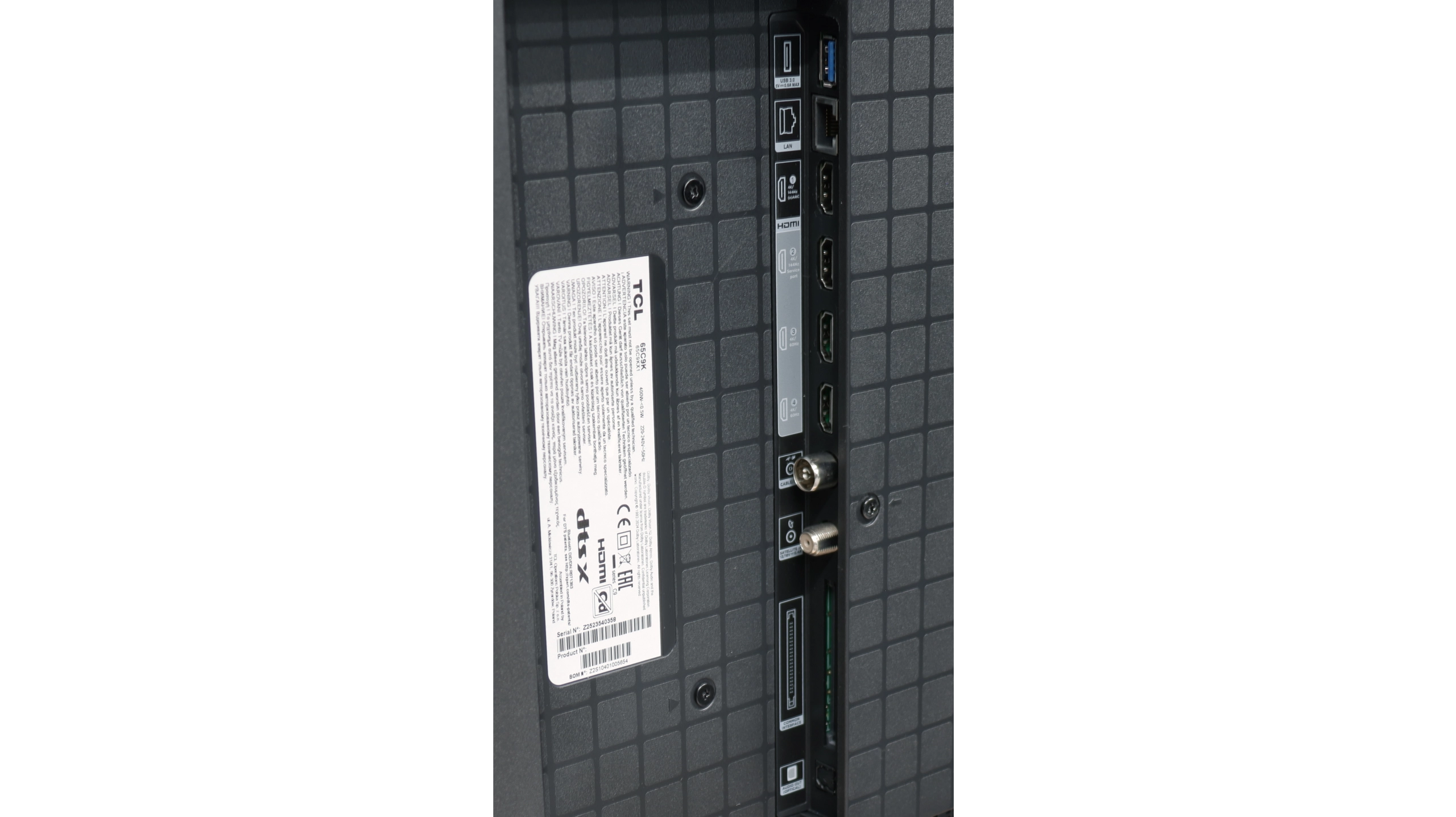
TCL C9K is a television that on paper looks like a showcase of the manufacturer's strength – thousands of Mini-LED zones, a WHVA panel, audio system from Bang & Olufsen, full support for HDR formats, gaming at 144 Hz, and even 288 Hz at lower resolutions. It is clear that TCL wanted to include absolutely everything it had best. And indeed – in many aspects, the C9K is capable of impressing. The brightness is enormous, HDR in large scenes can be stunning, motion fluidity and capabilities for gamers are at a top level, and the sound – considering it is built into the television – sounds really good. This is a device that can easily be regarded as a home entertainment hub. But there is also a downside. Managing brightness simply falters despite the incredible technical specifications – finer details often get lost in shadows or are blown out. And although synthetic tests of contrast and brightness perform excellently, the effect during everyday viewing of films and series is no longer so impressive.
In short: the C9K is a television full of contrasts – literally and metaphorically. It can deliver experiences similar to top screens, but it is still evident that TCL needs to work on software and optimisation. If someone is looking for a screen for gaming, sports, or spectacular blockbusters – they will be delighted. However, if they expect perfect representation of the director's vision and think they have managed to purchase an absolutely top model at half the price of the competition, they will unfortunately be disappointed. It's a shame, because the technological potential here is truly enormous – it just lacked a bit of common sense in its utilisation.
 Direct comparison