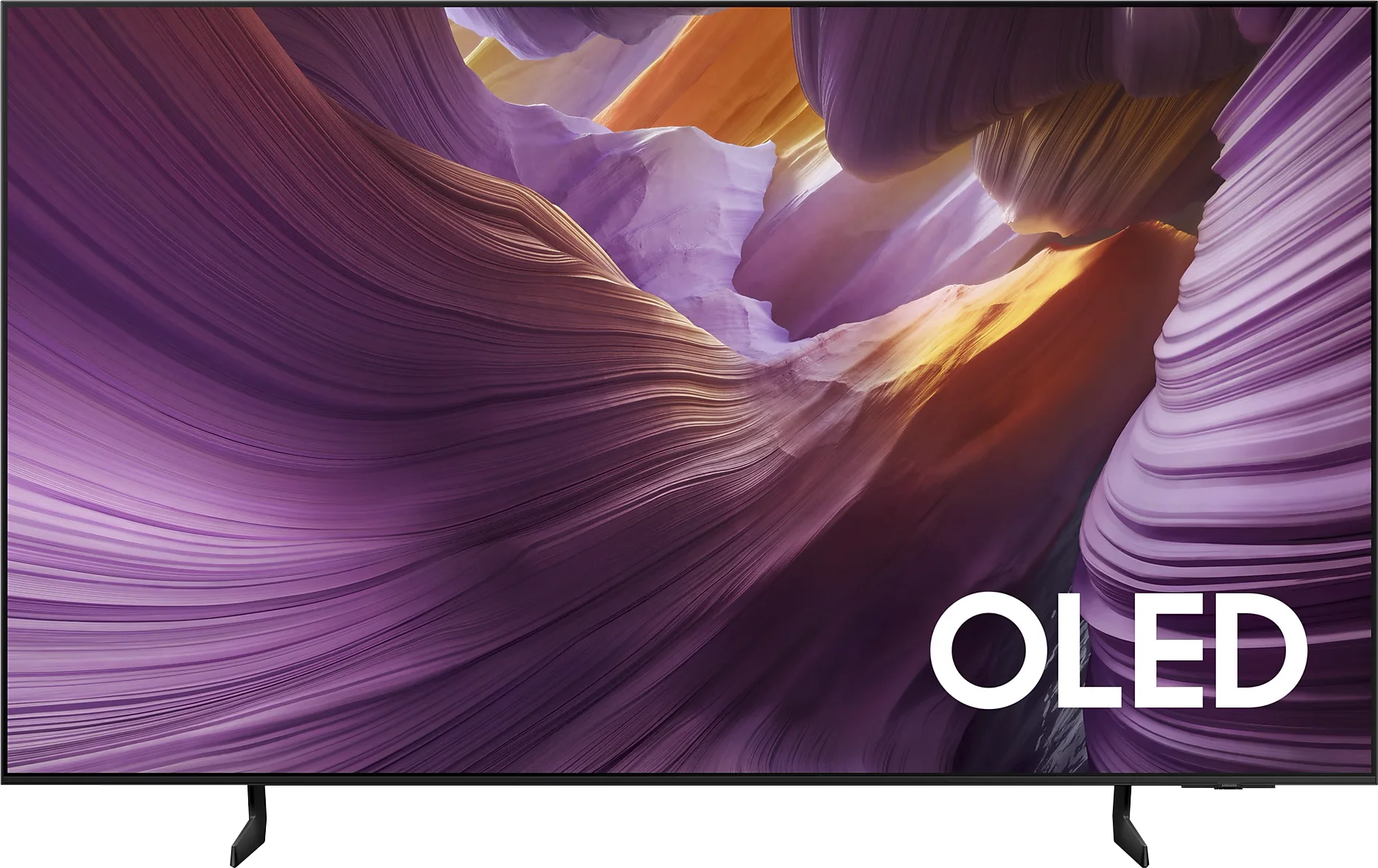
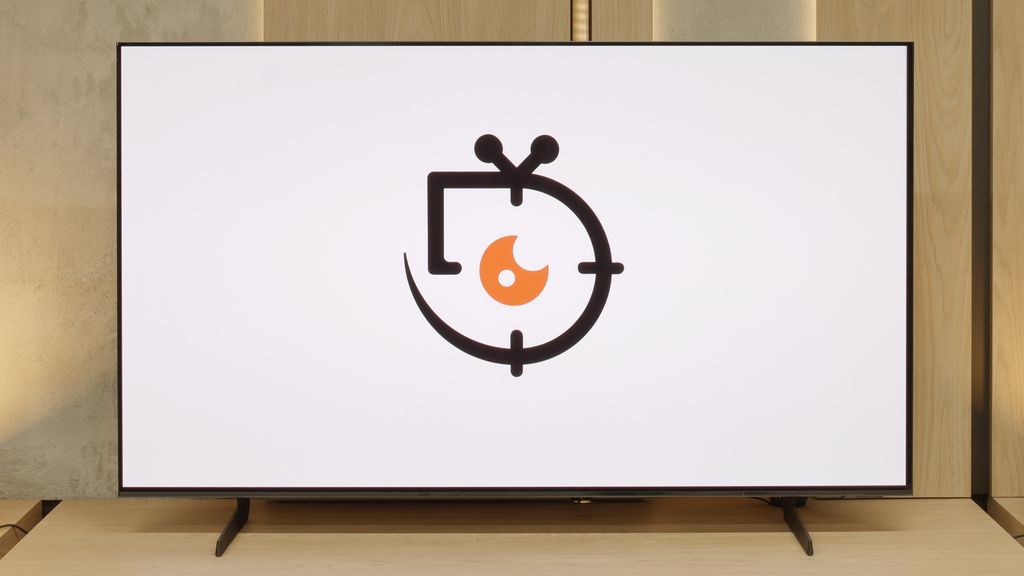
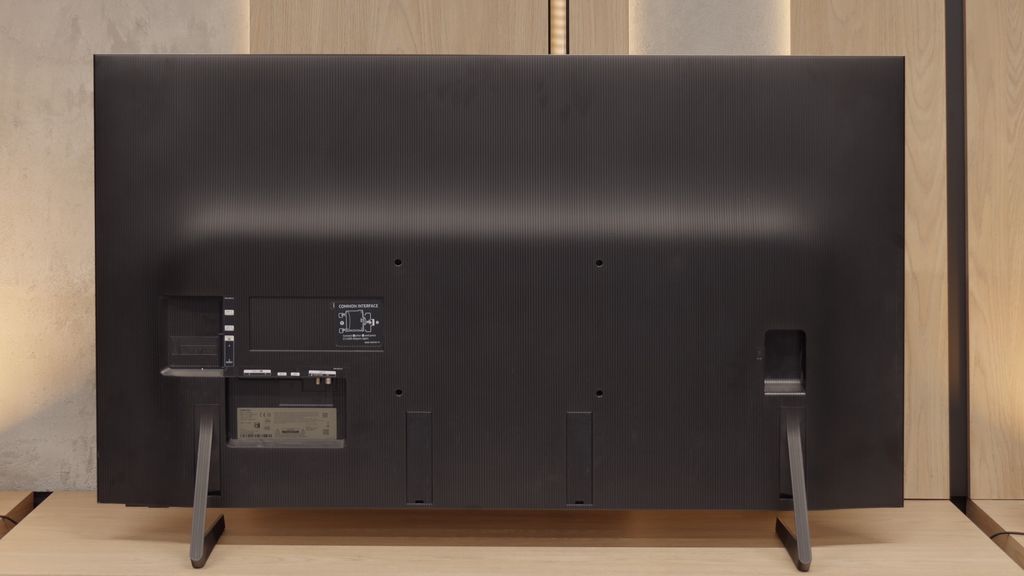
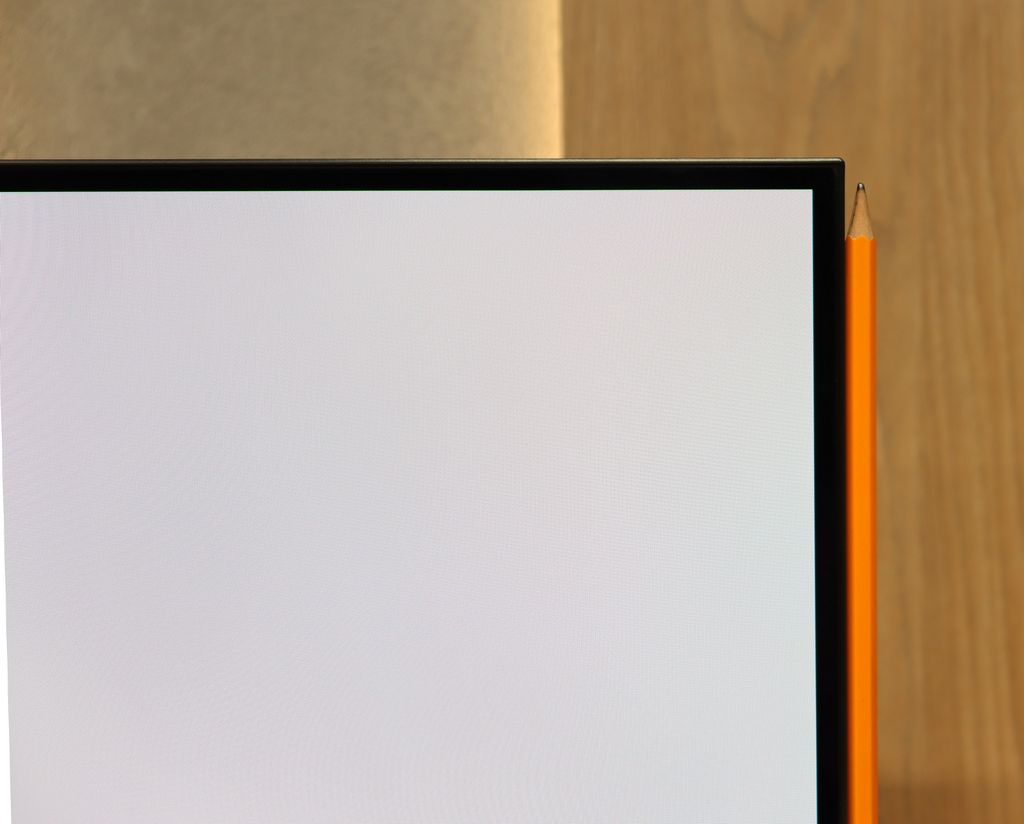
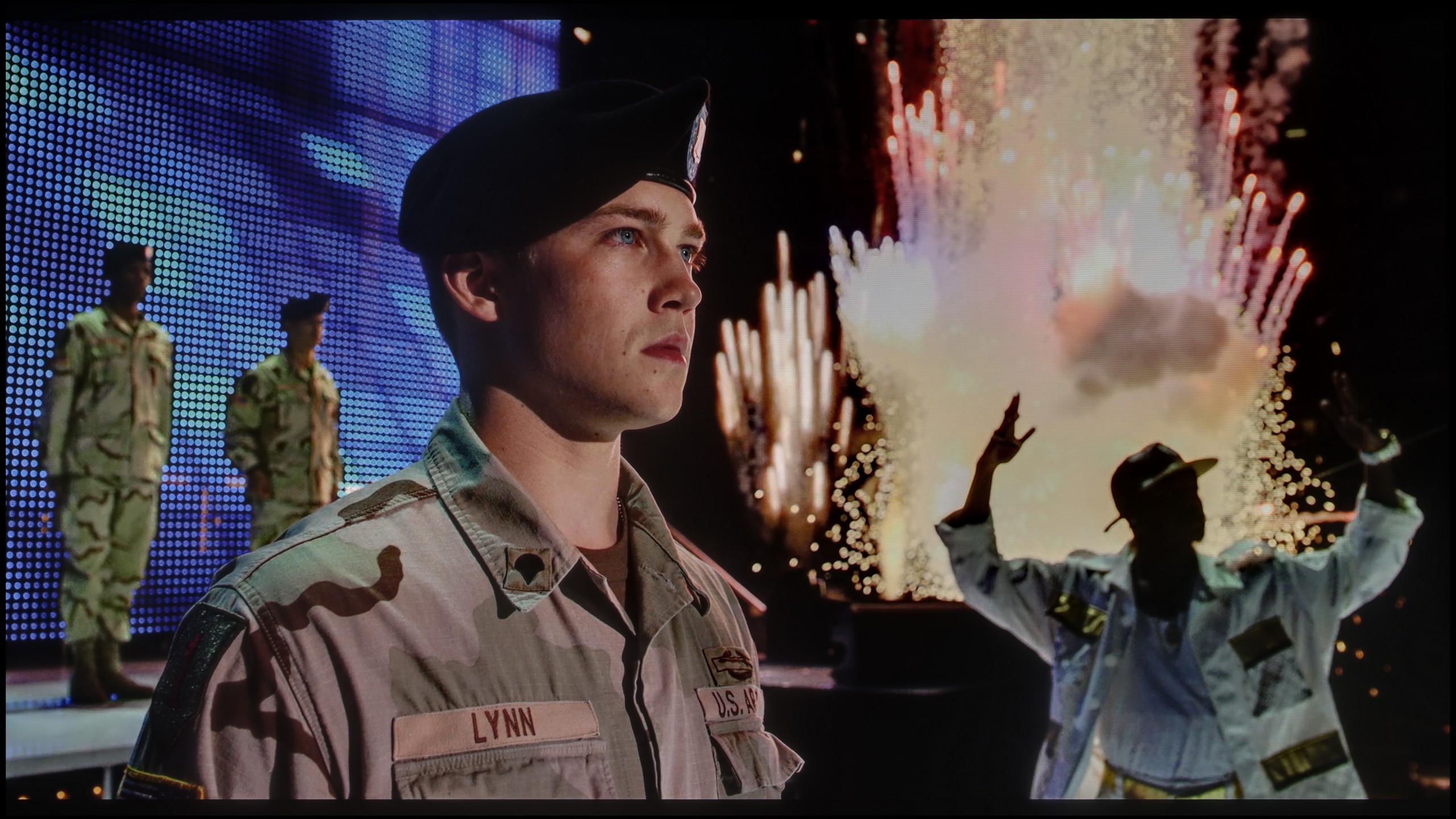
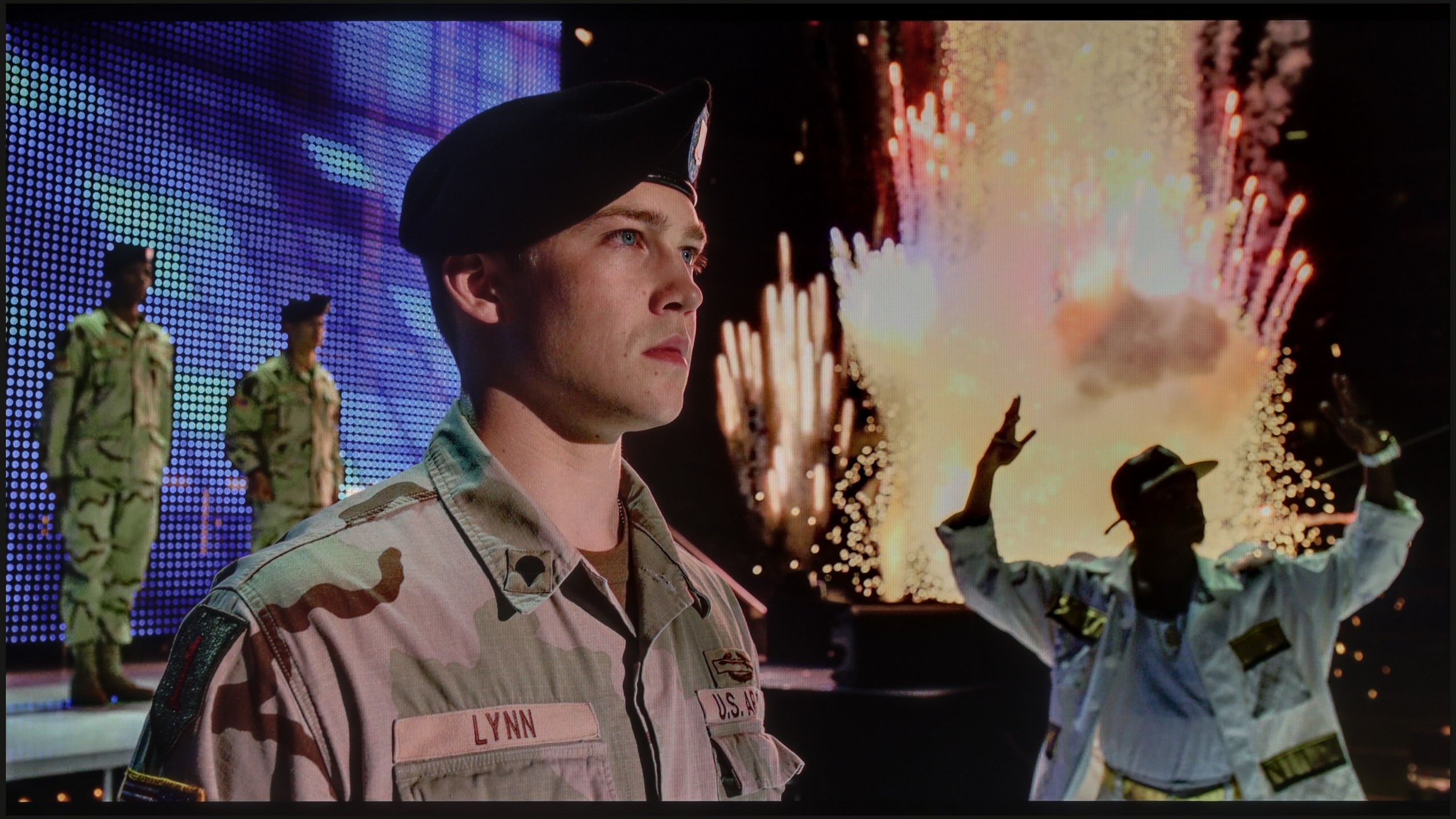
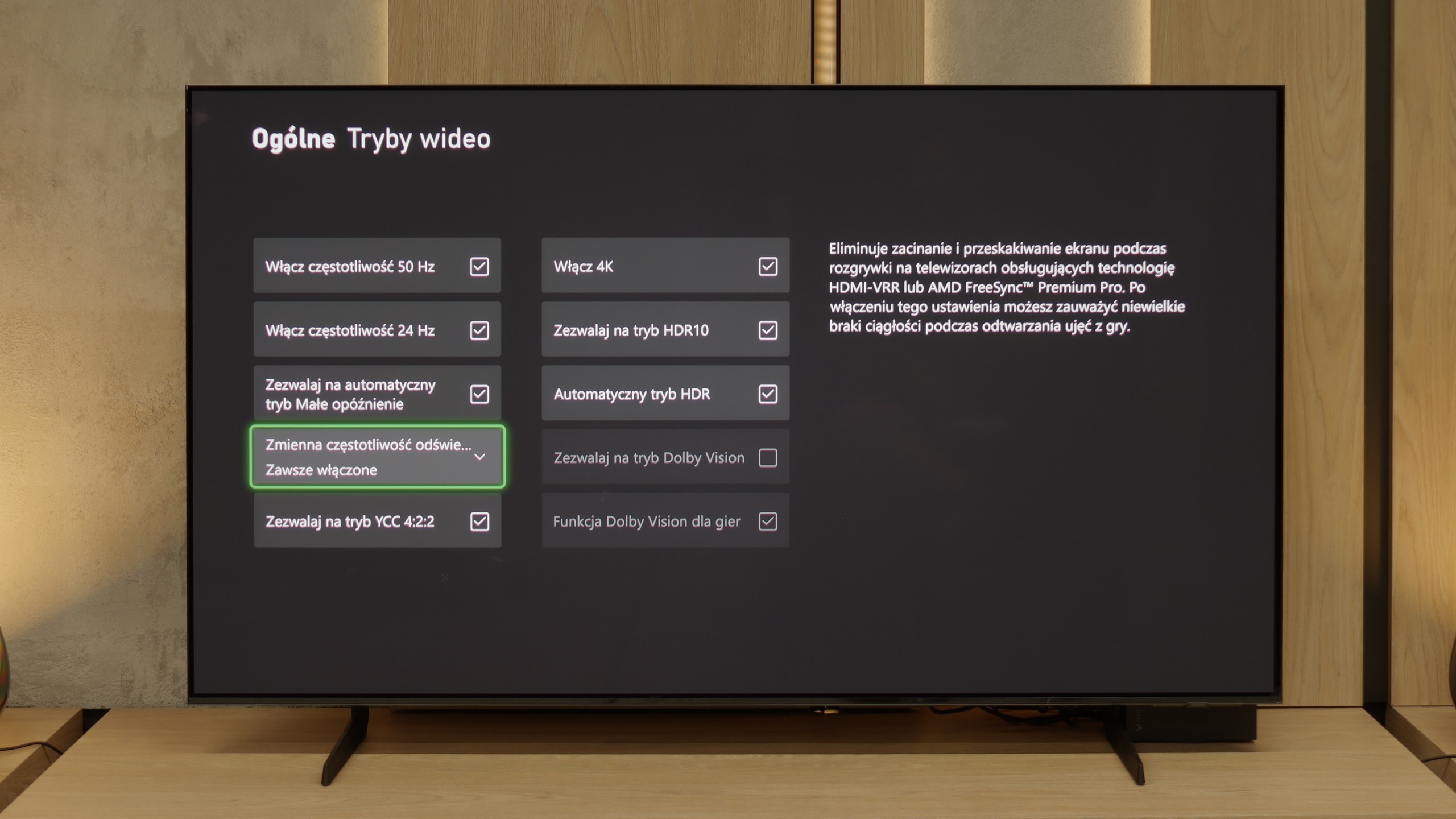
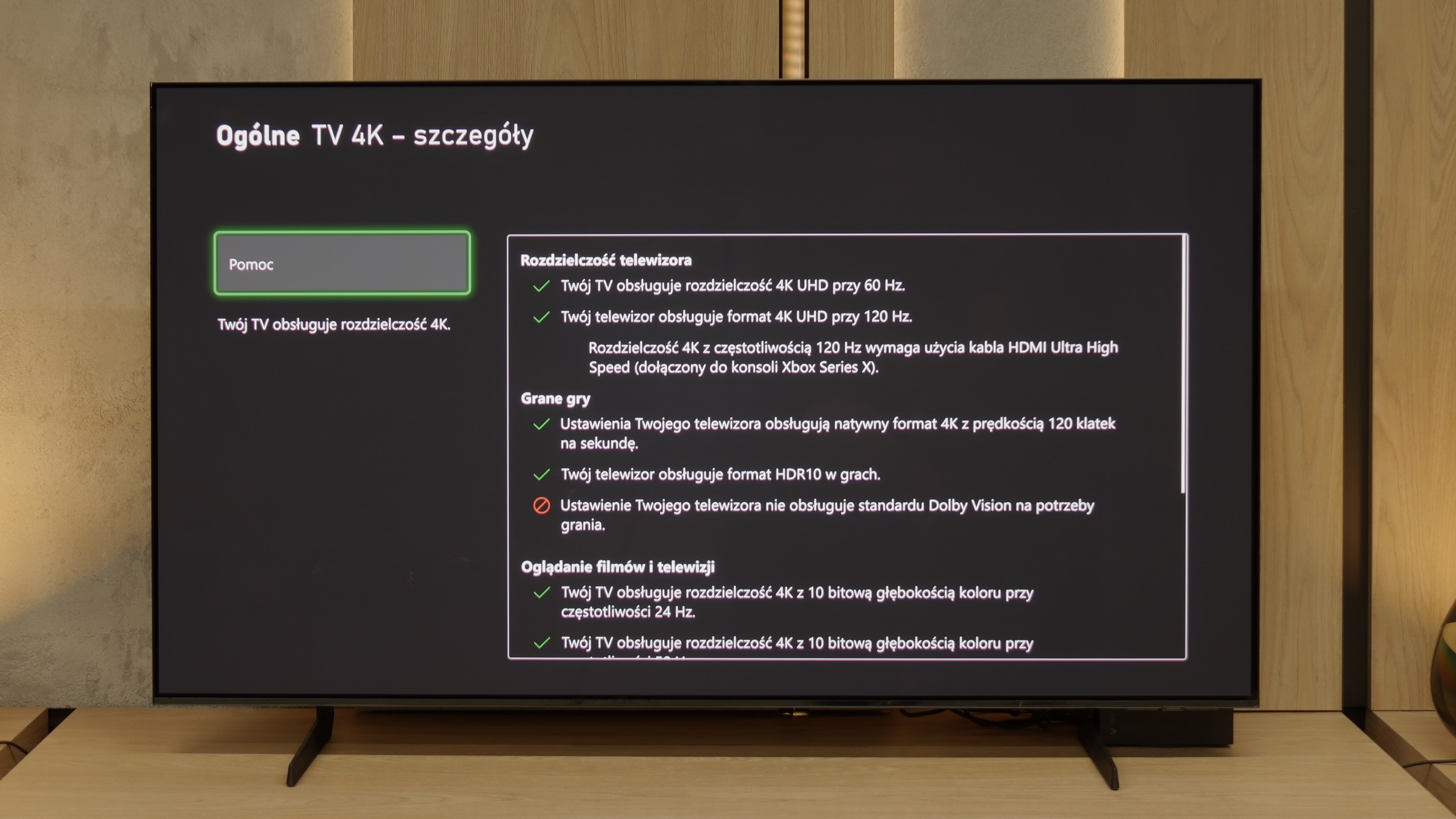
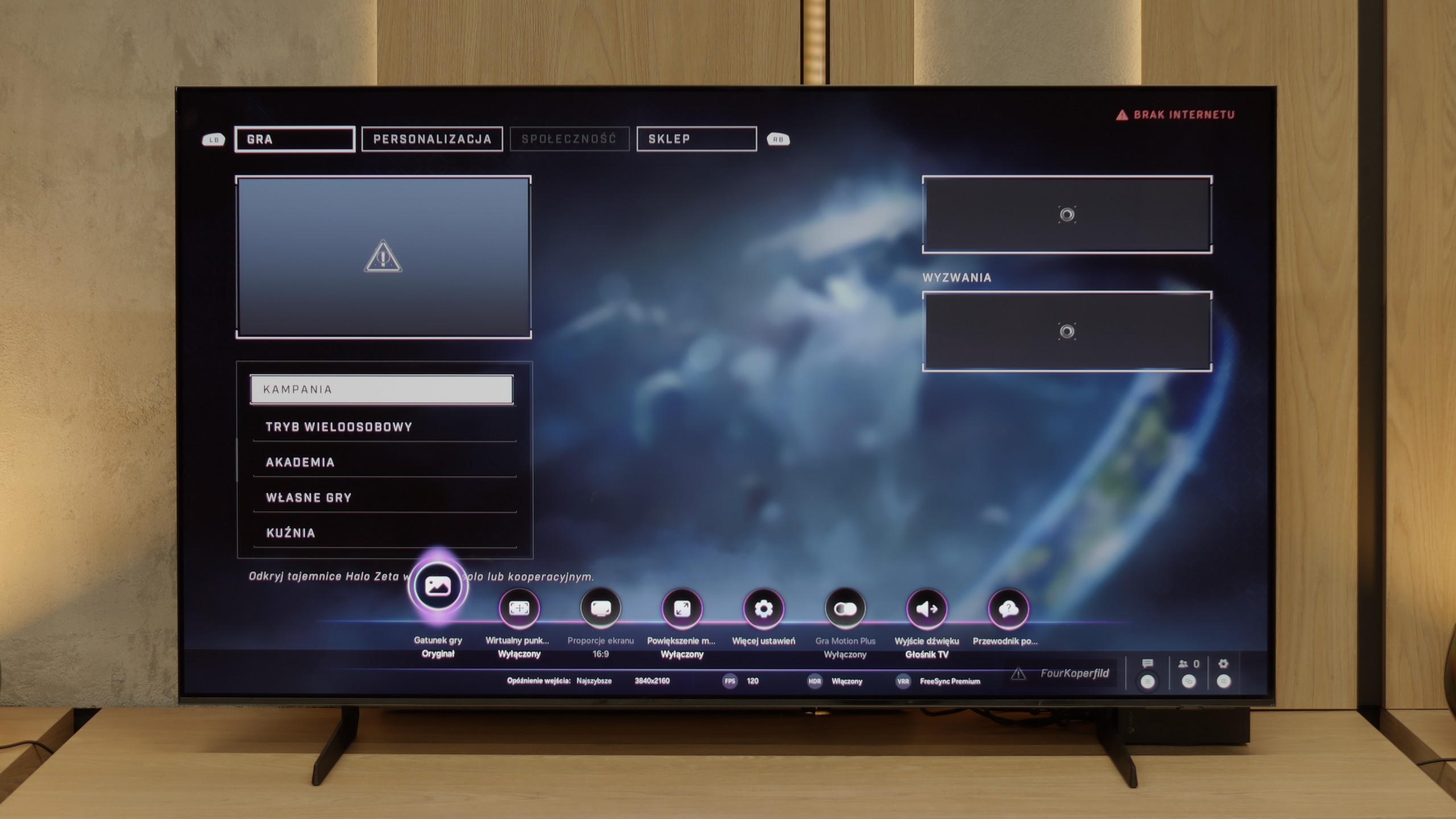
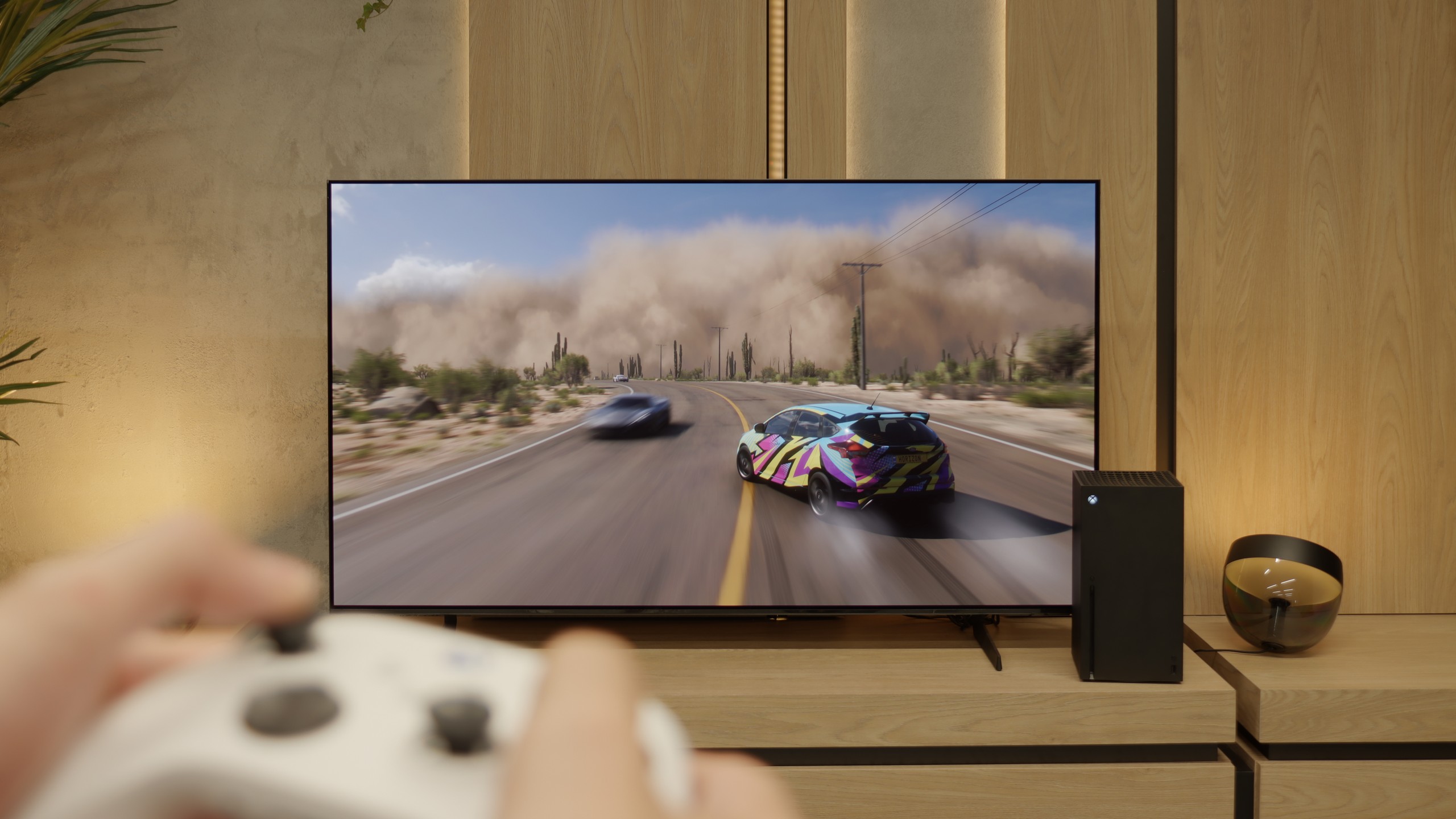
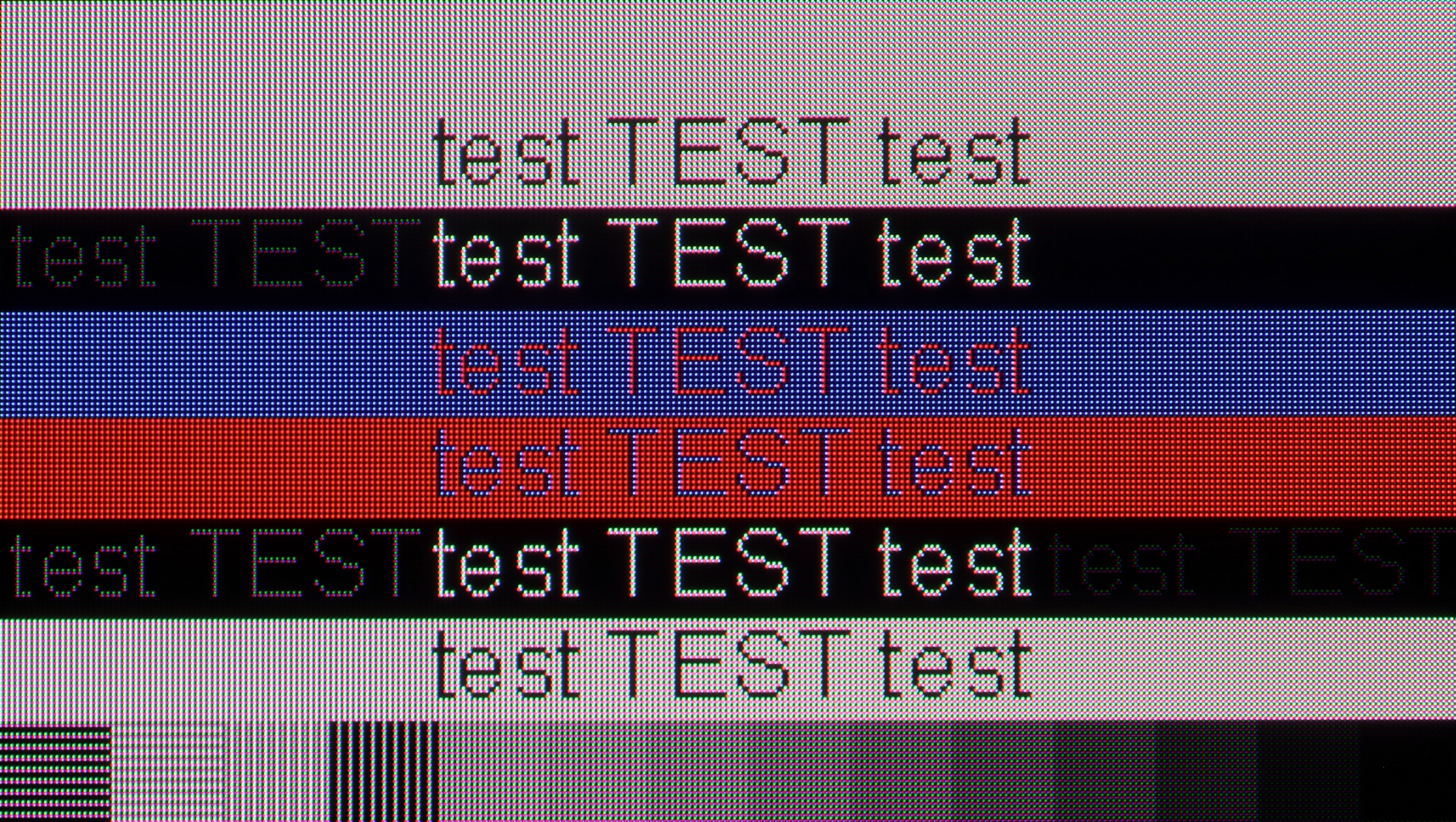
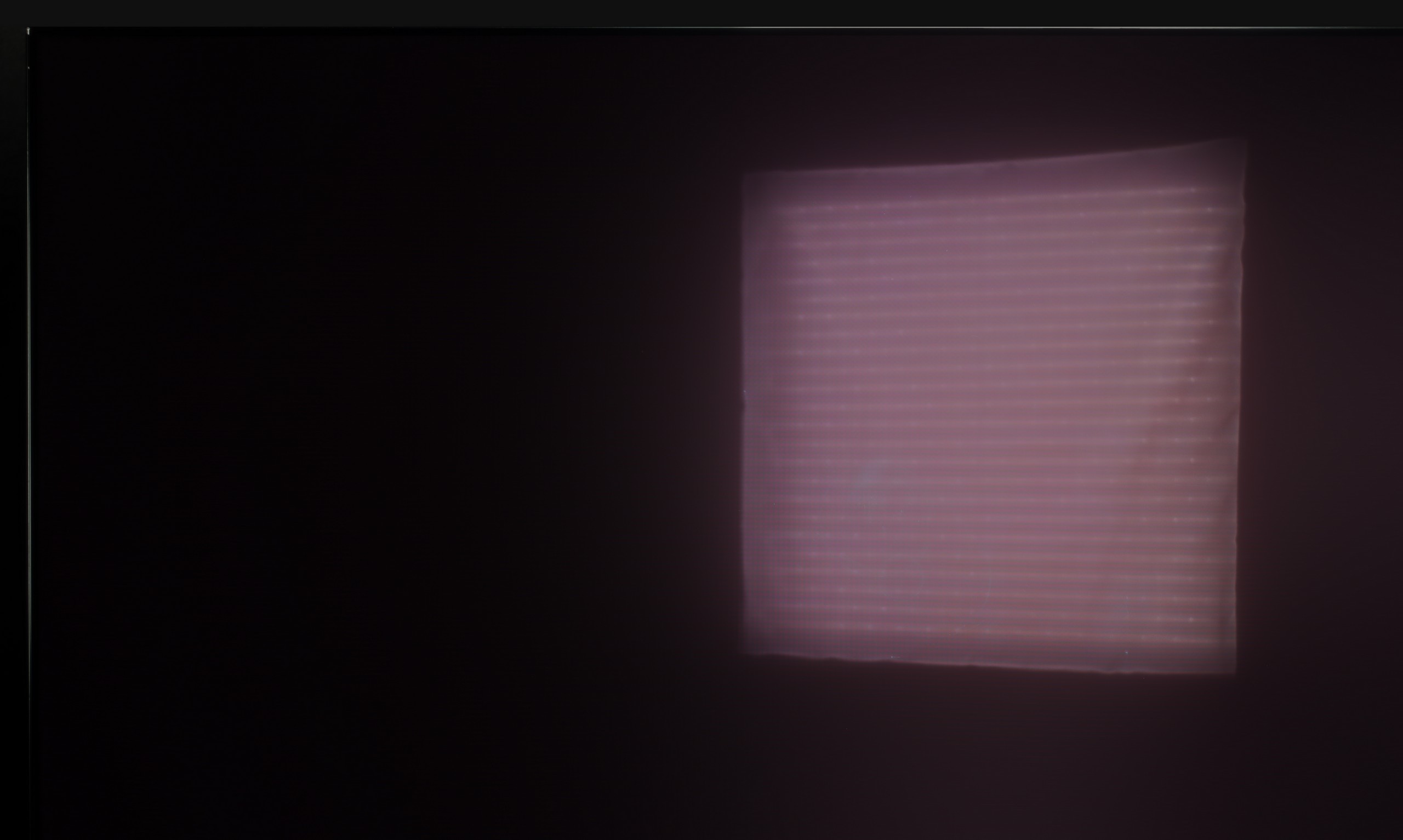
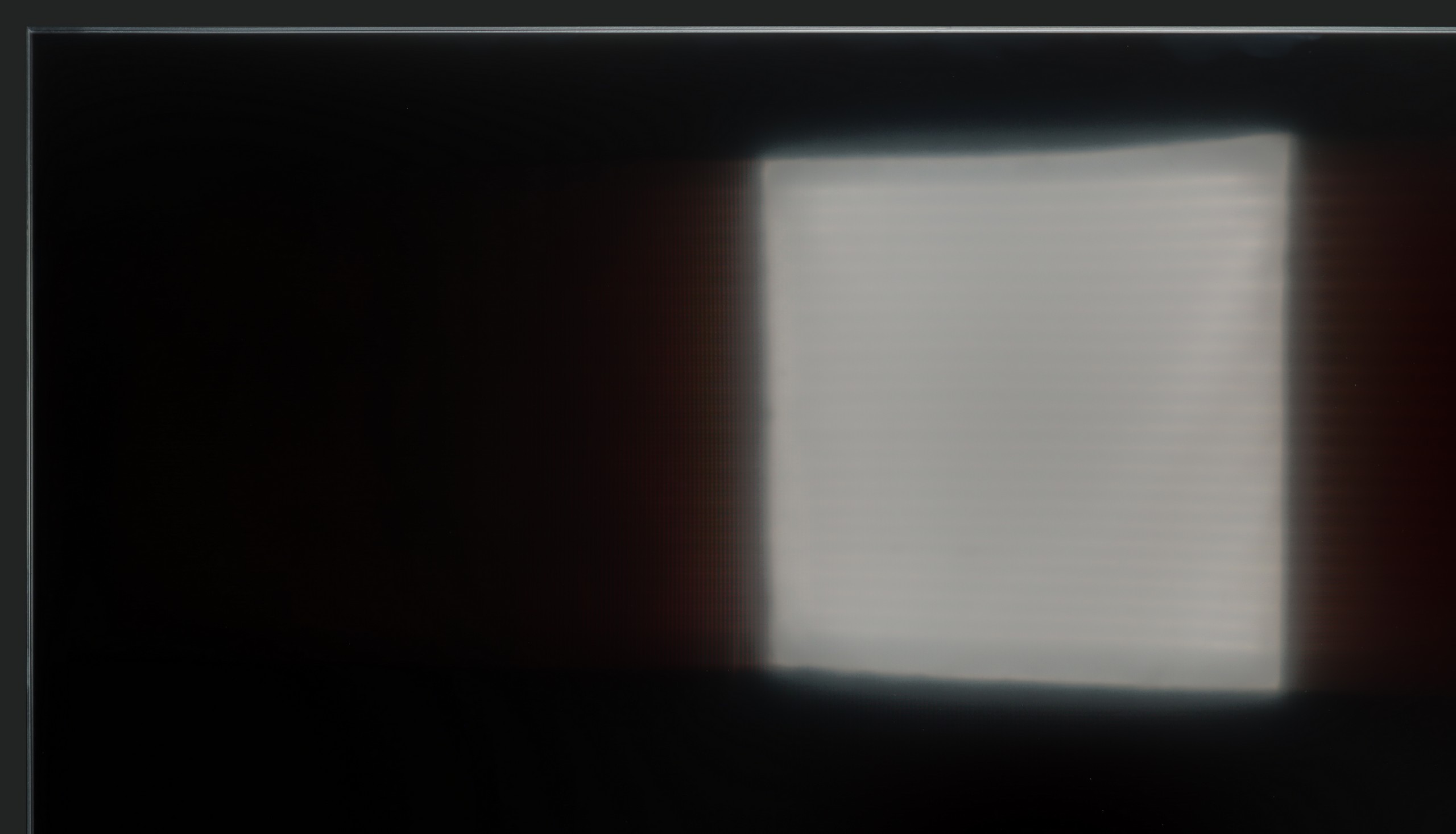
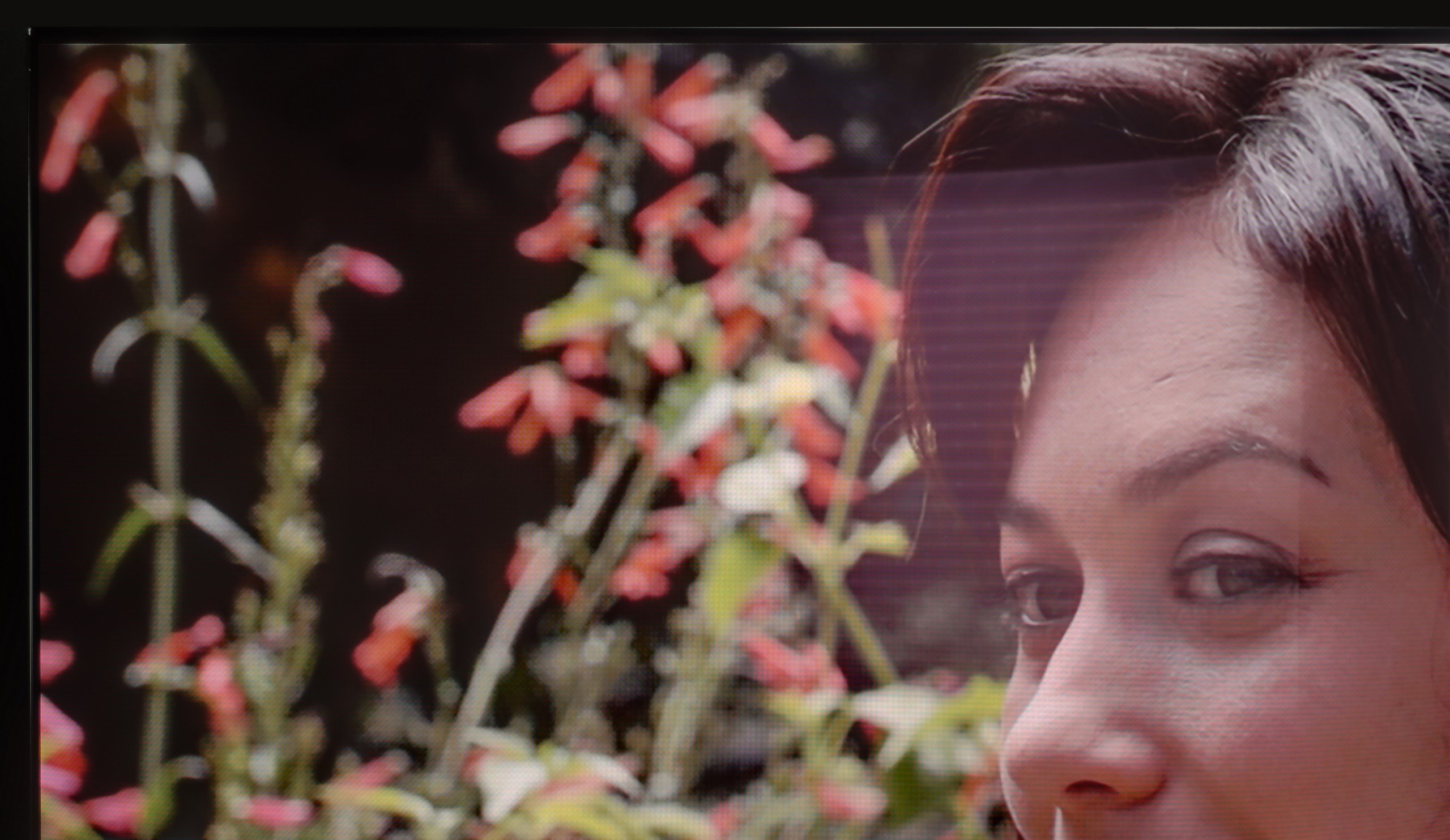
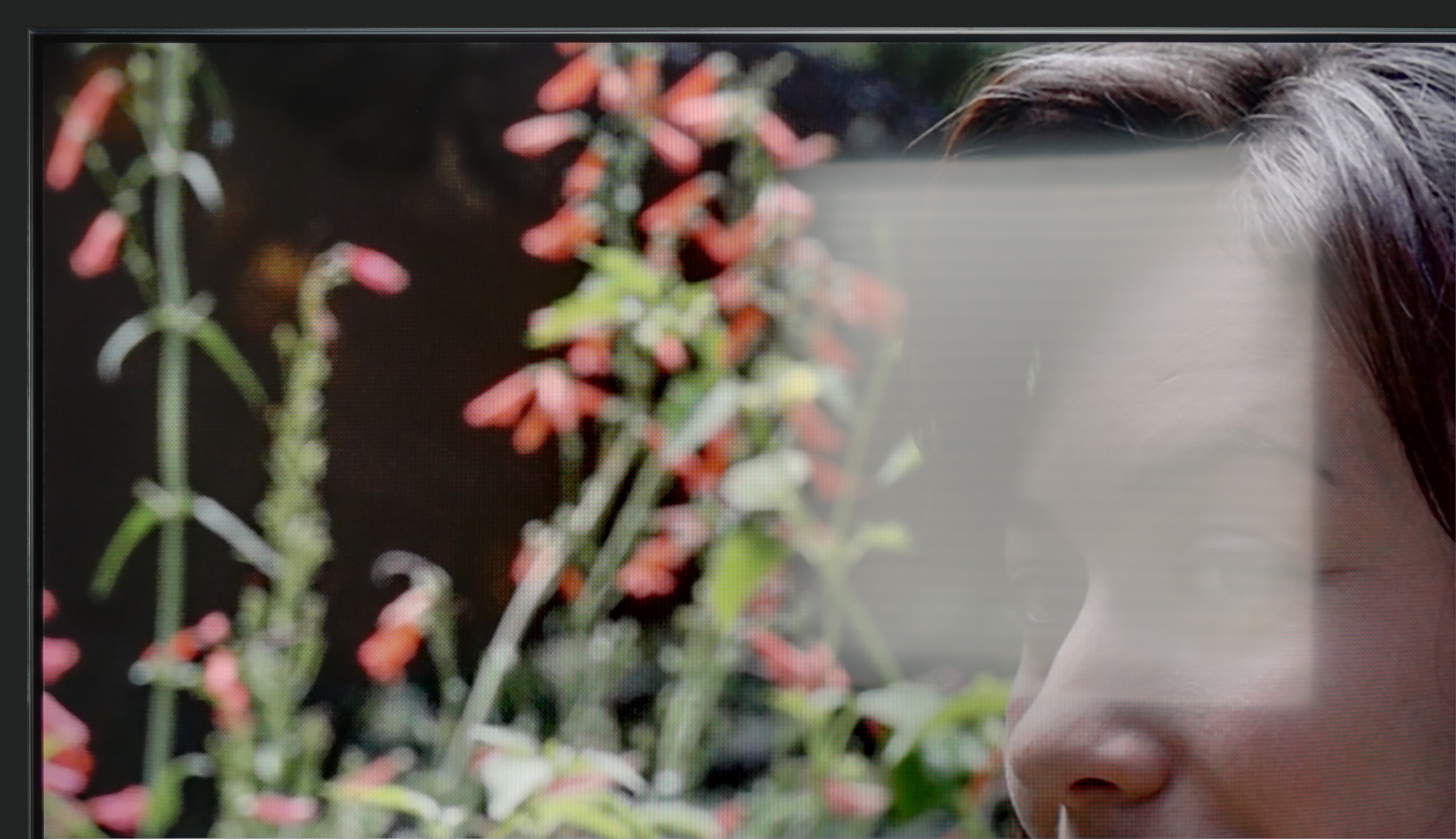
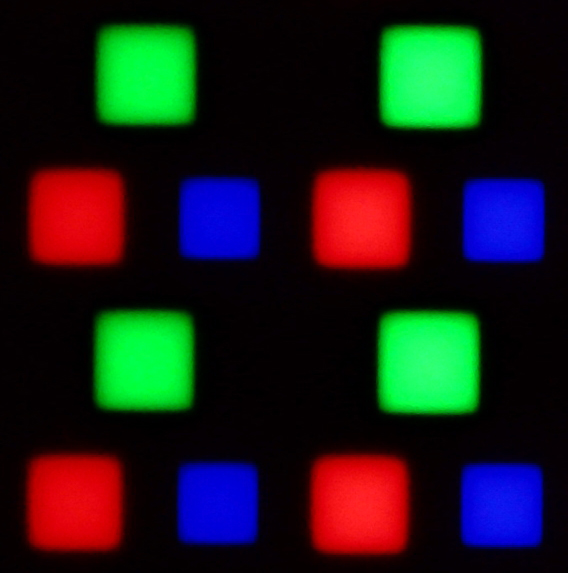
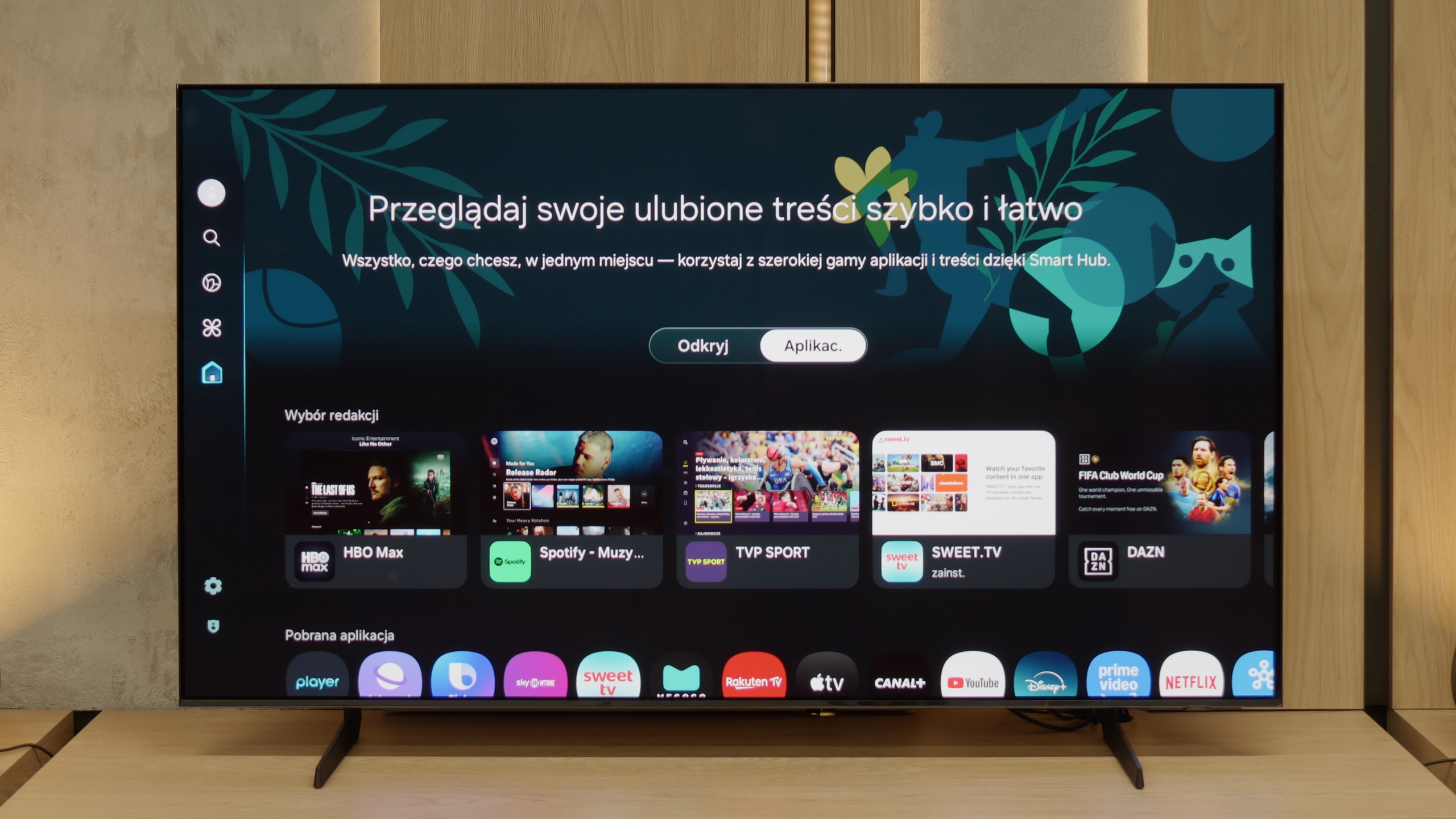
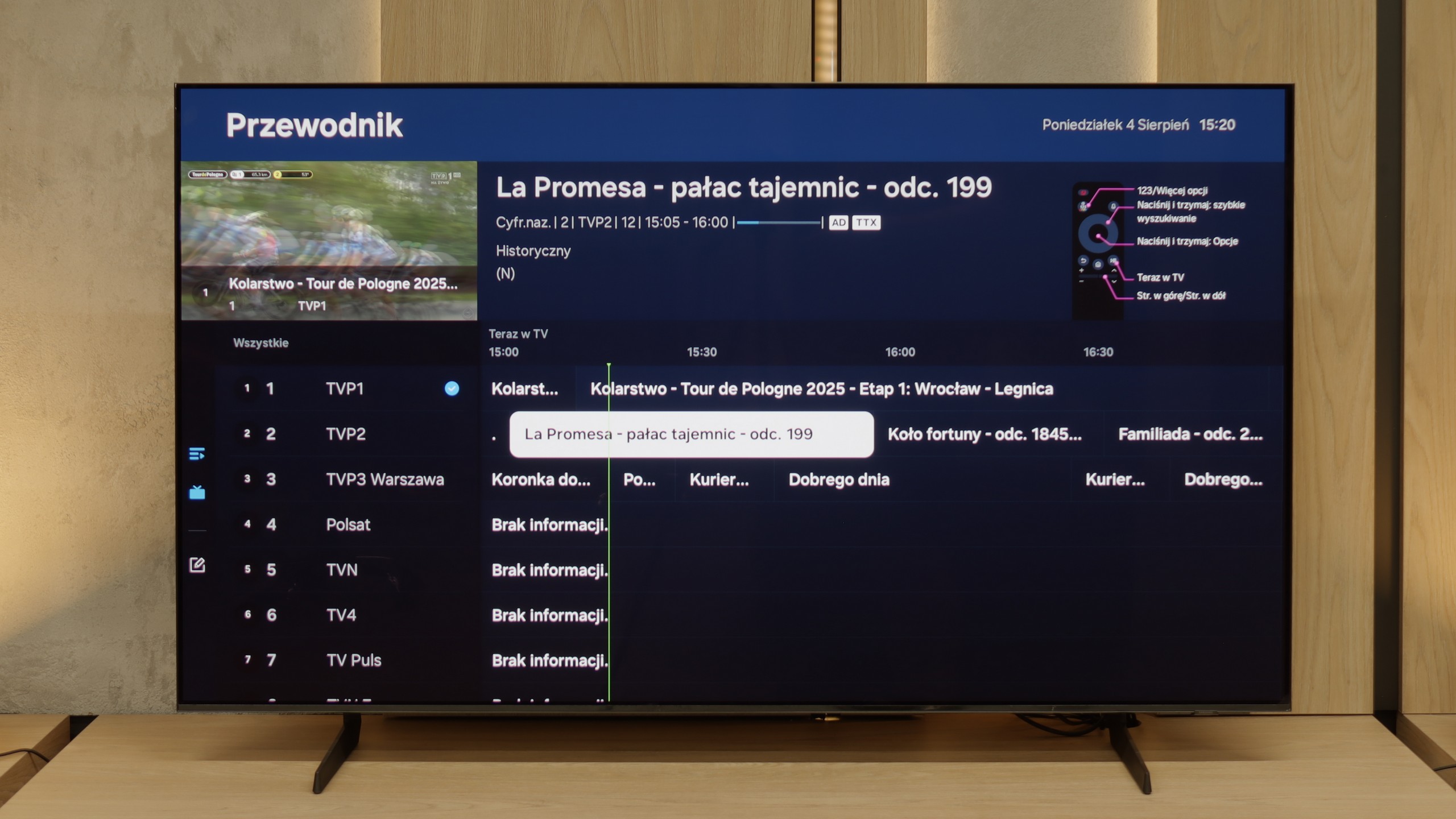
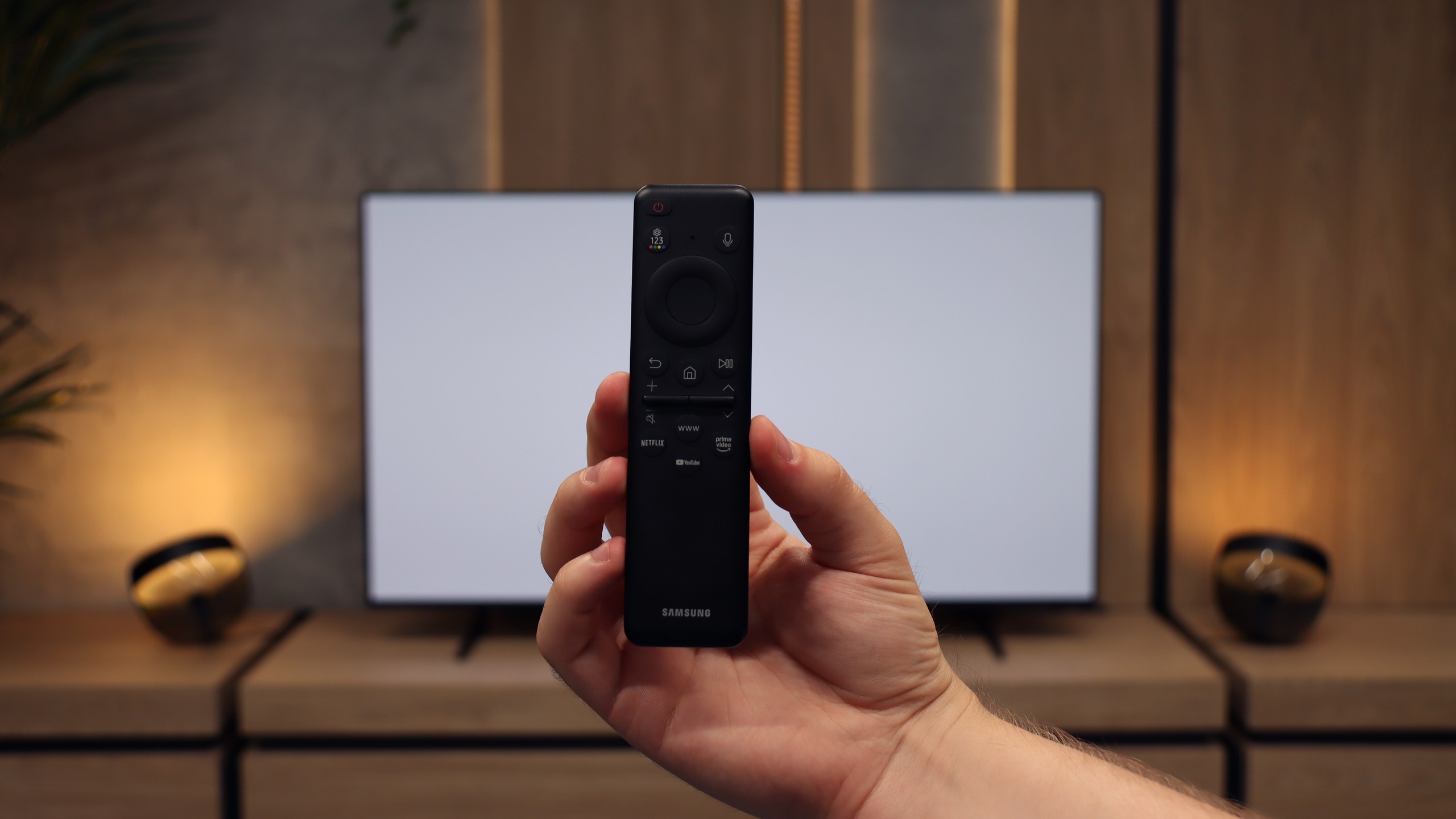
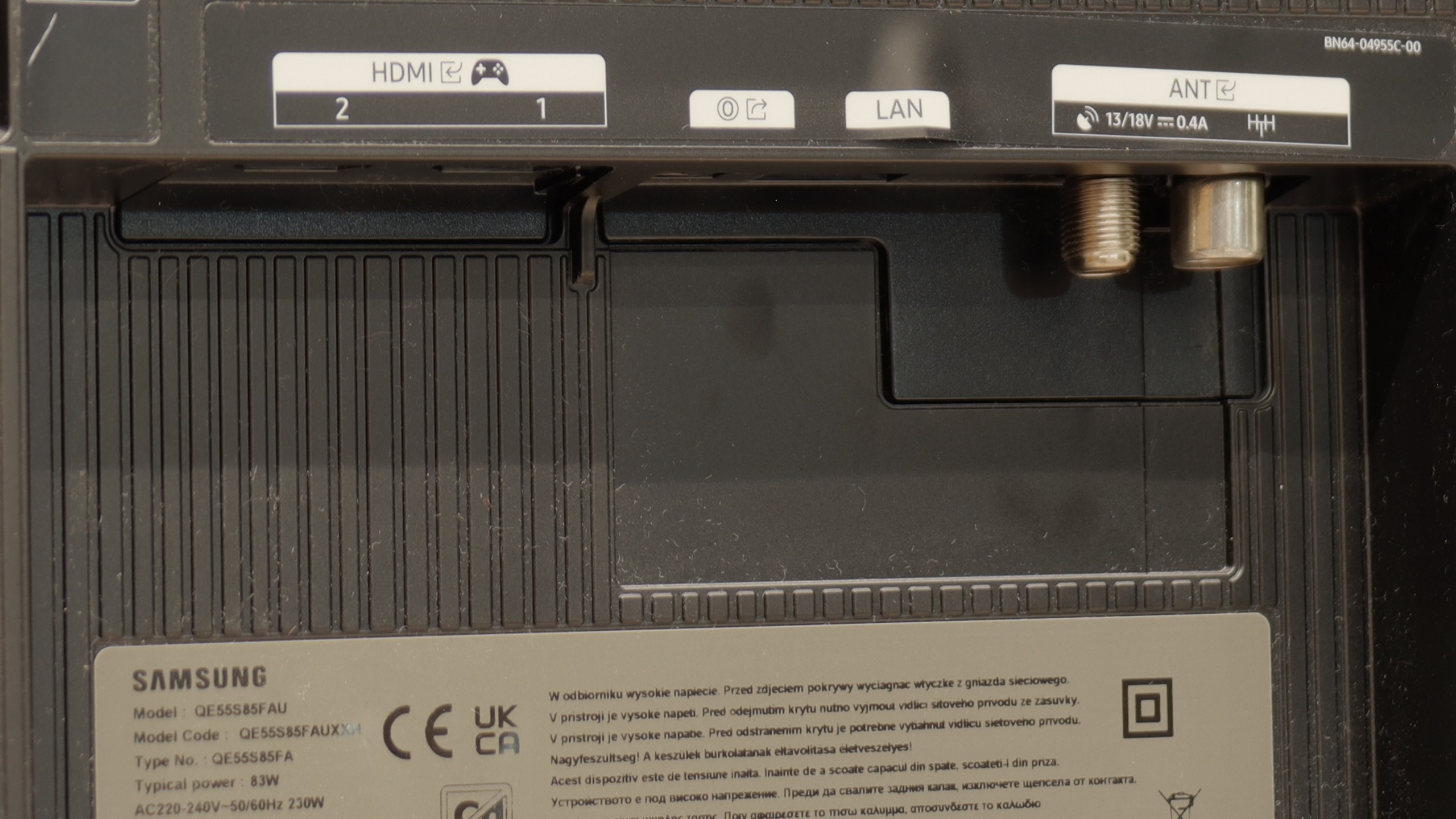
Samsung S85F with a QD-OLED panel can surprise – and it surprises very positively. Even before the tests, we didn't think that in the case of TVs that are talked about in the context of "panel lottery," one could come across something that would benefit the user. However, in this case, particularly in the 55-inch version, it has fully succeeded. The QD-OLED panel, as befits organic technology, offers perfect, almost ideal black and contrast in cinematic conditions. The difference lies, however, in the way colours are reproduced – here it is simply outstanding. The colour gamut coverage is impressive, and after a gentle calibration, the colours become almost exemplary. Motion fluidity is equally high. The 120 Hz panel handles both sports and action films excellently. And if someone plans to connect a console to the S85F, they will receive a complete set of advantages: low input lag, variable refresh rate, Game Bar, and full support for HDMI 2.1. In everyday use, we were assisted by the Tizen system – closed, but extremely well-designed. It responds quickly, offers a rich selection of applications, and add-ons such as AirPlay and voice control make it hard to find something more complete in this category. Indeed, the S85F is not without its flaws. However, the balance of advantages and disadvantages is exceptionally favourable here. One could even get the impression that it is one of the best TVs in its price segment.
[UPDATE] We have updated our 2025 Samsung TV reviews following the release of firmware version 1131, which officially restores the essential HGiG (HDR Gaming Interest Group) support.
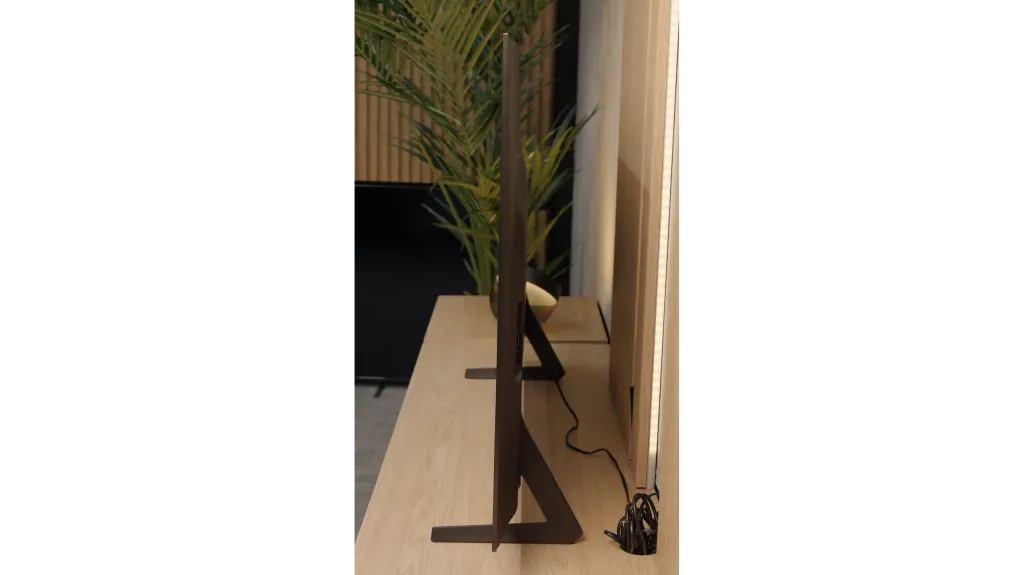
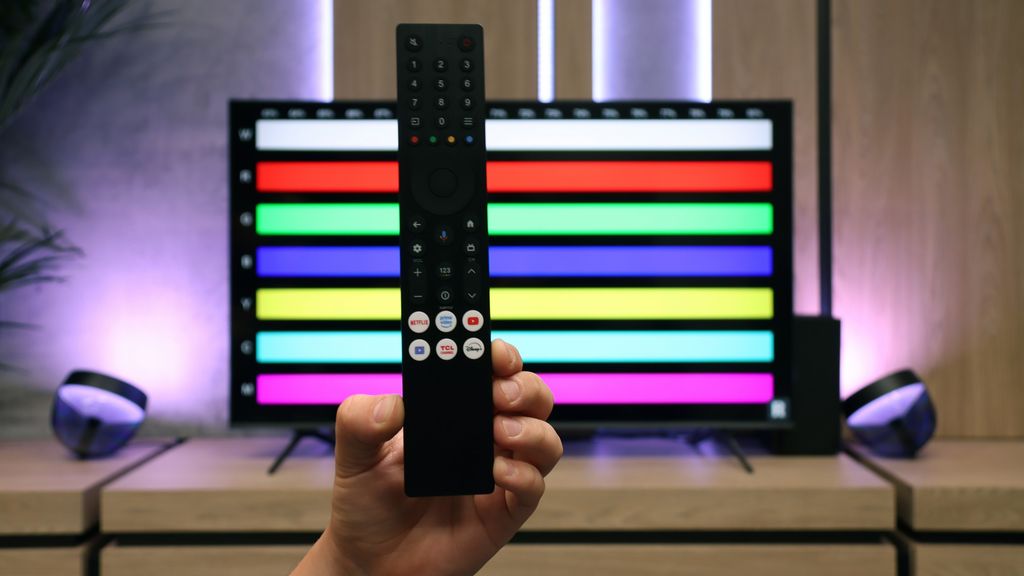
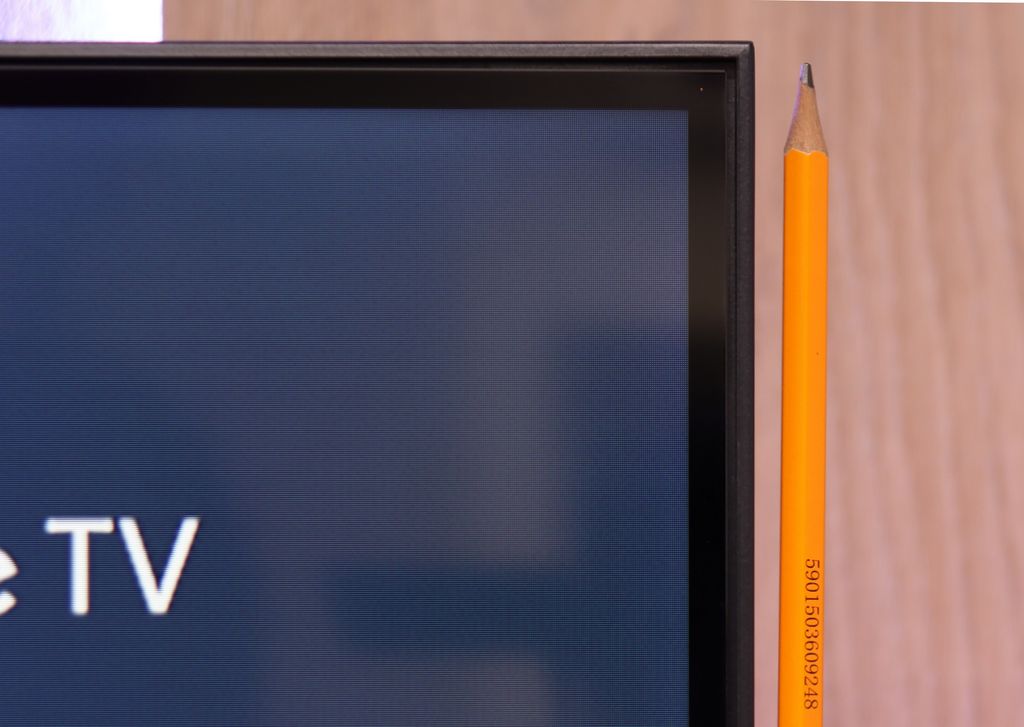
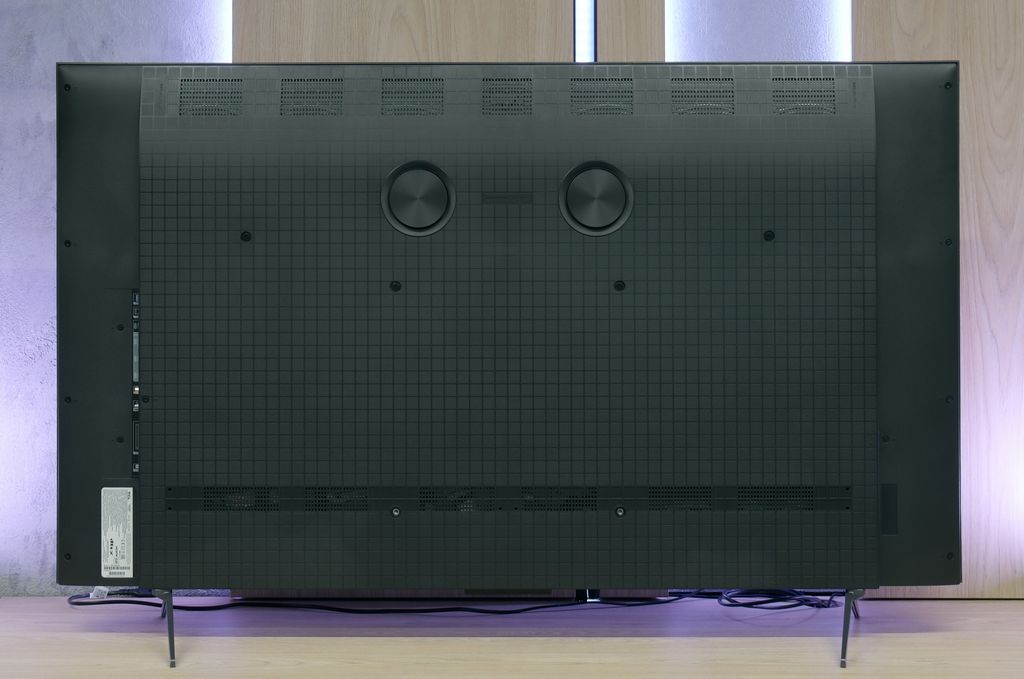
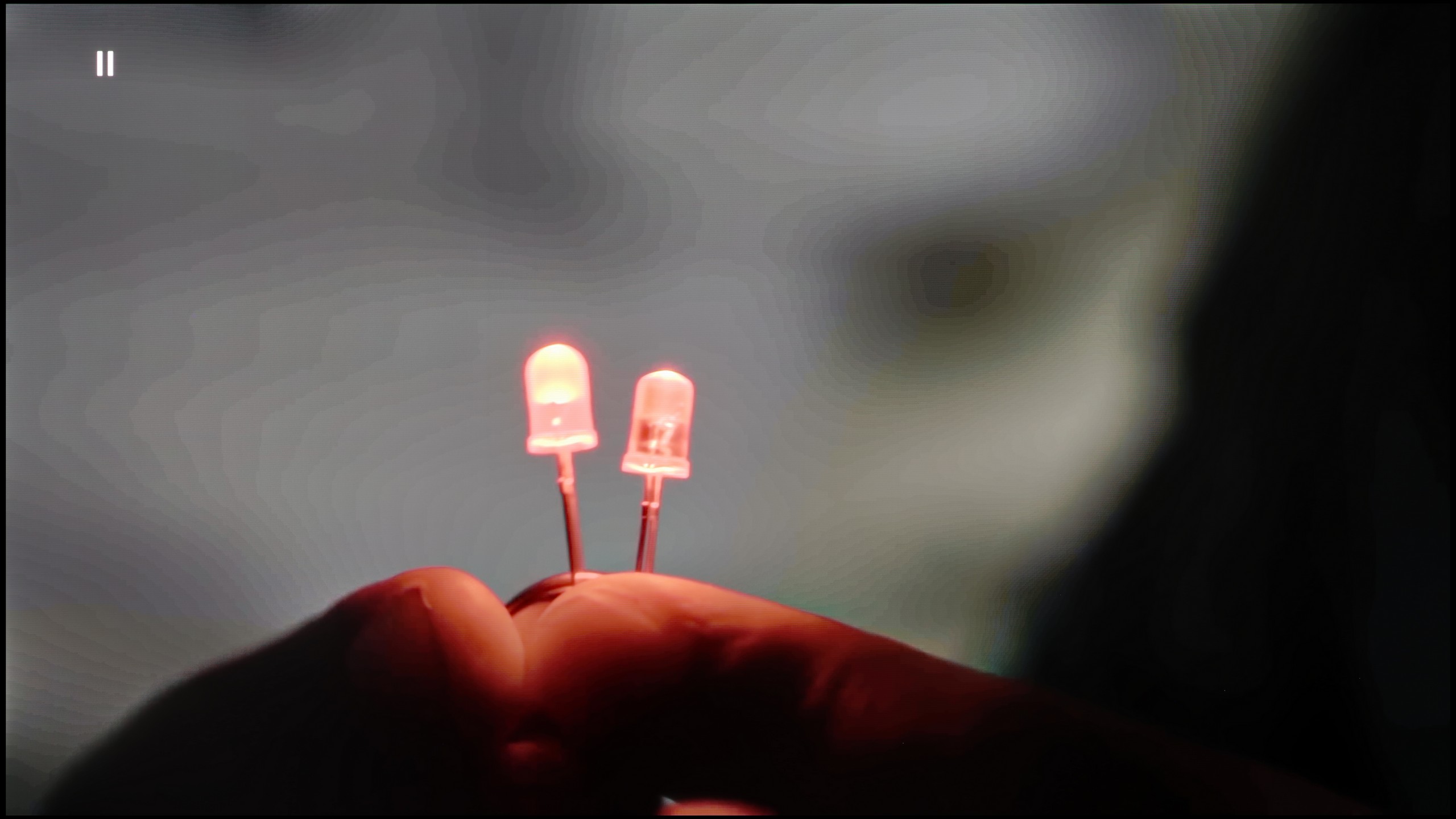
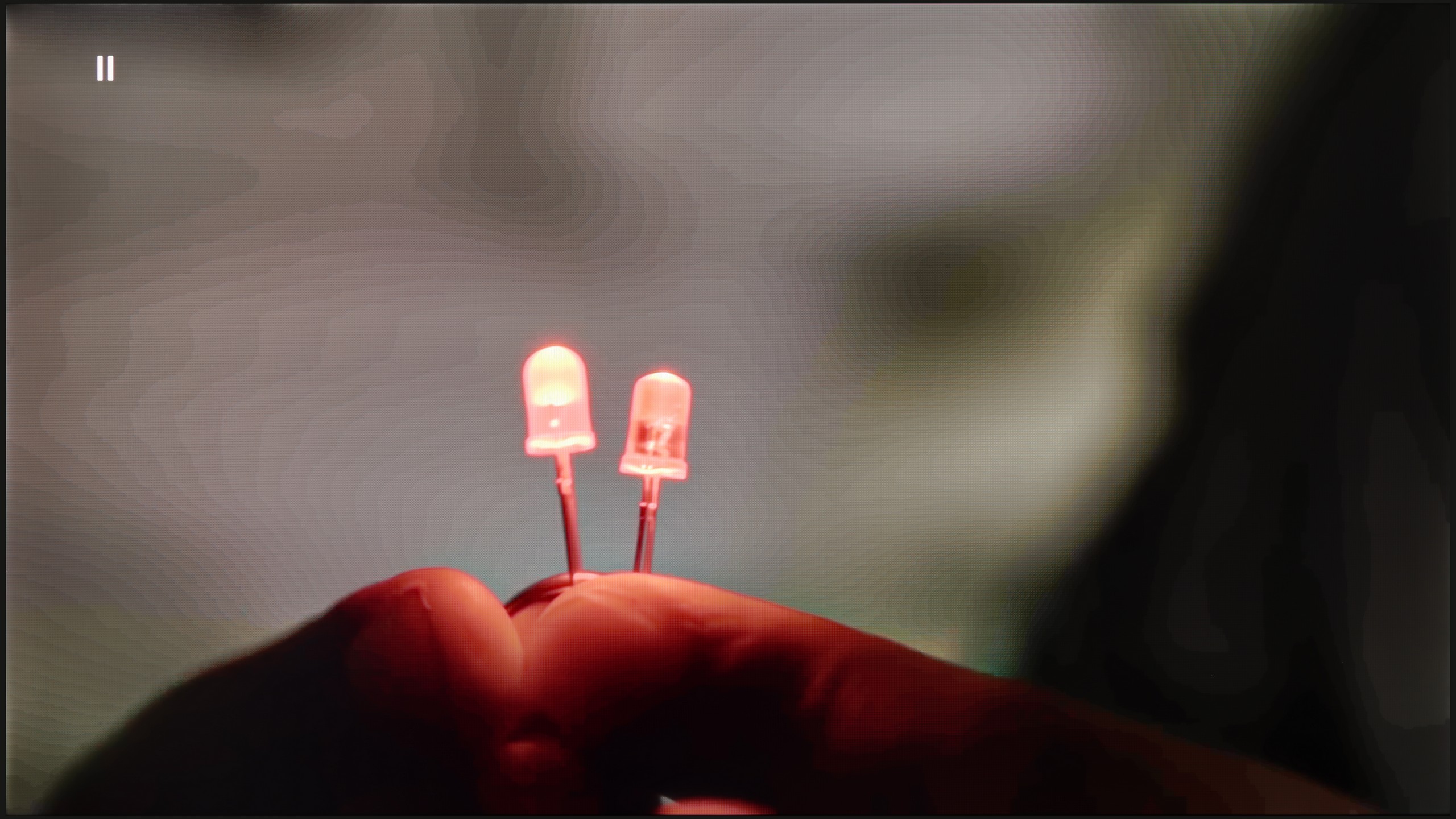
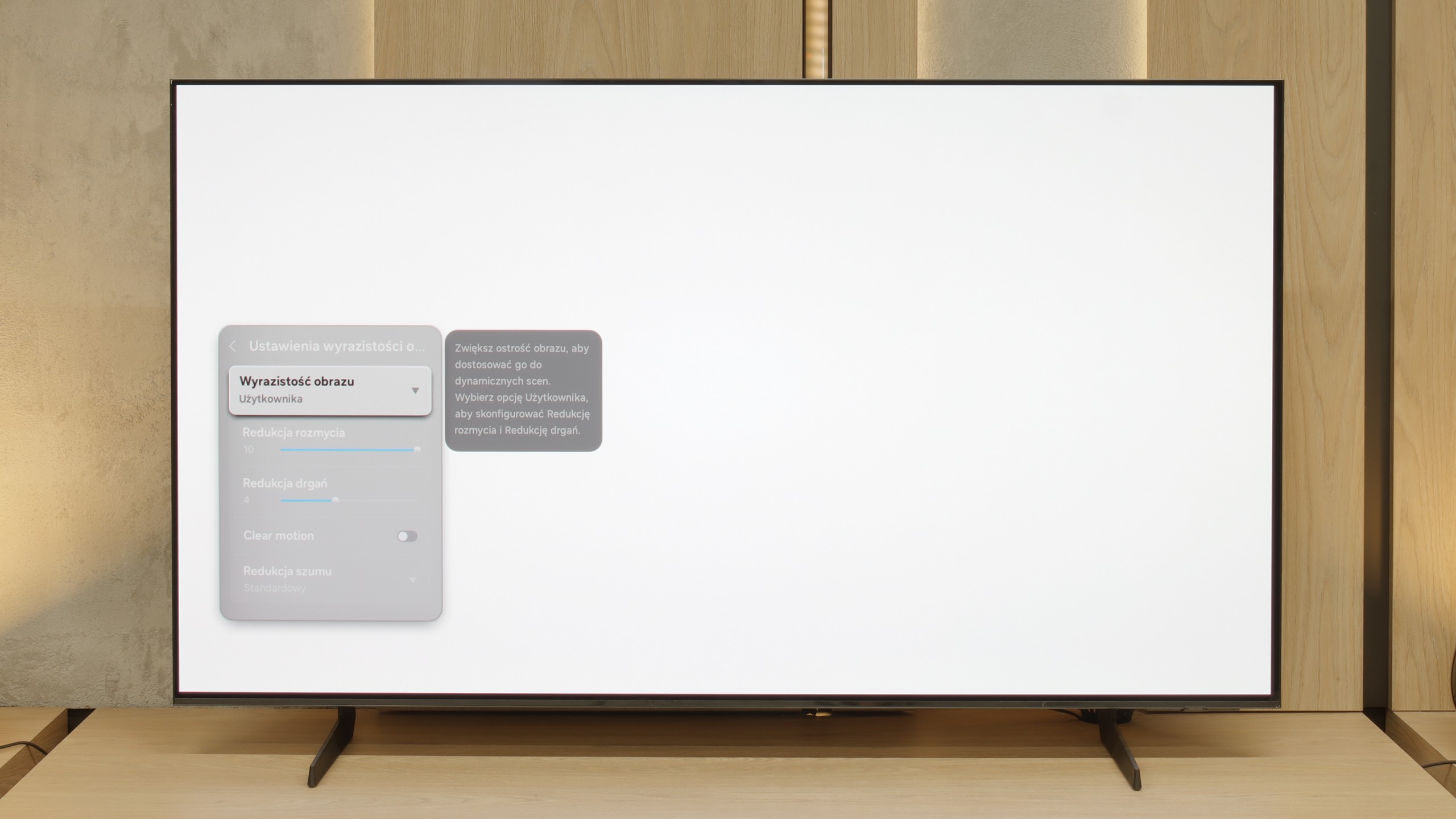
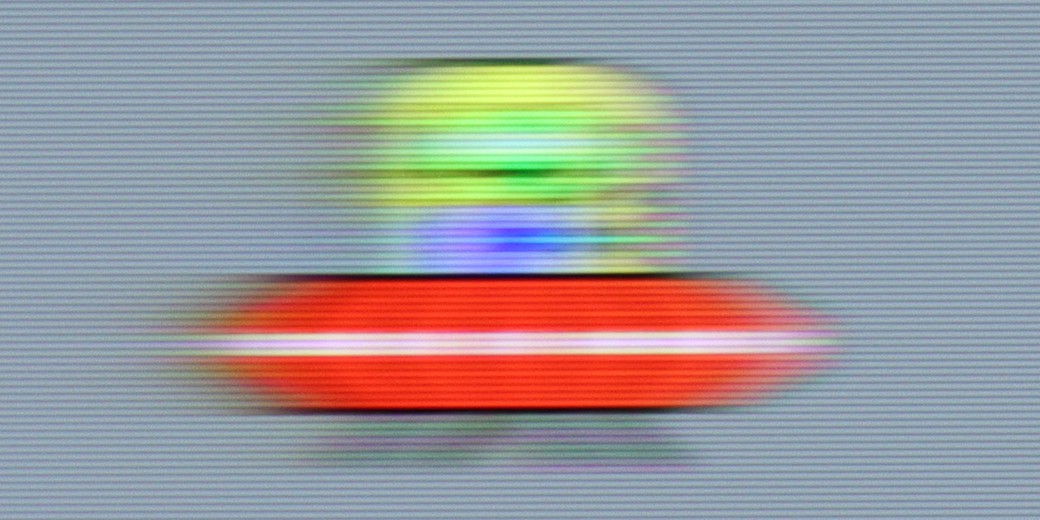
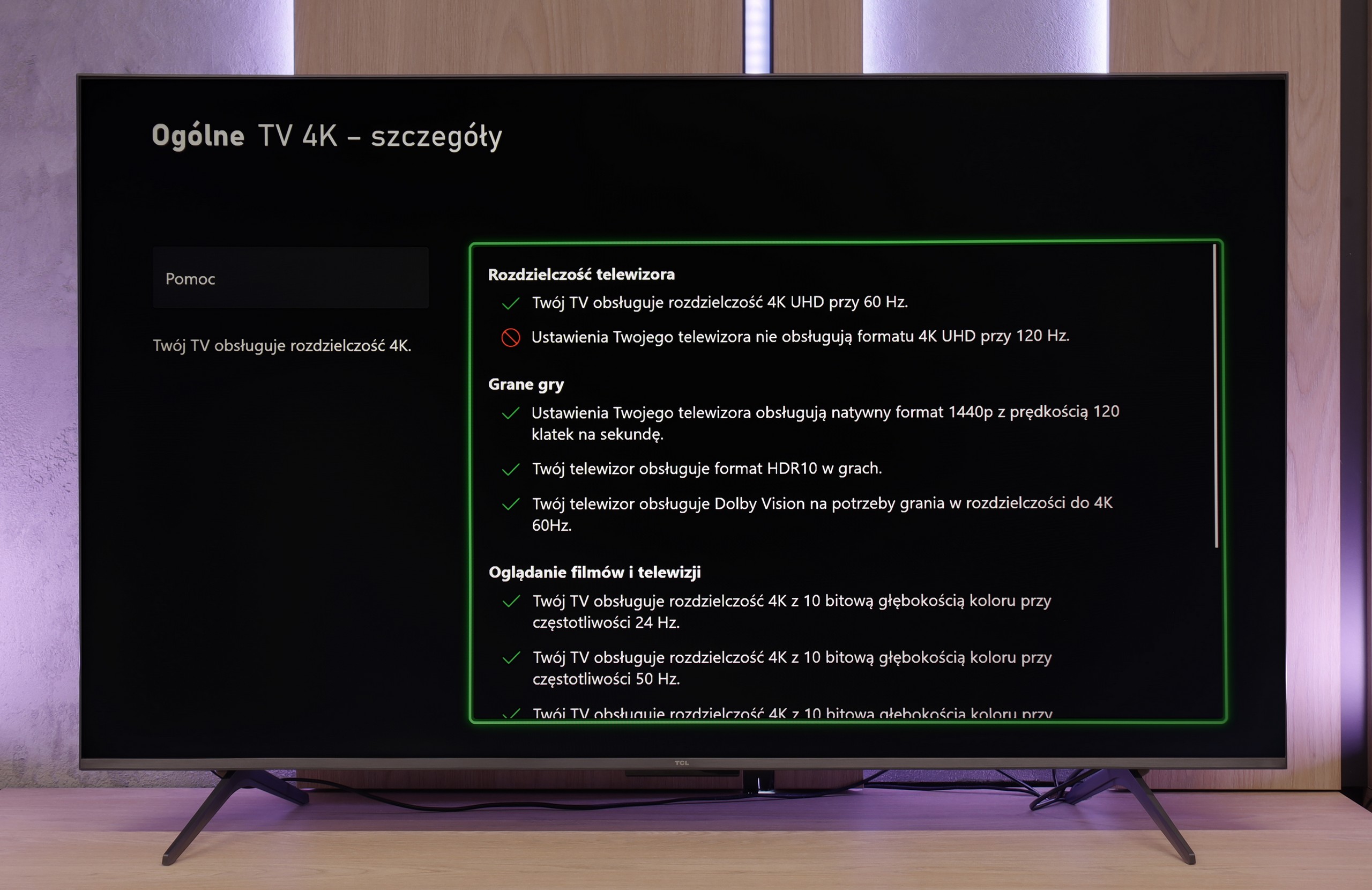
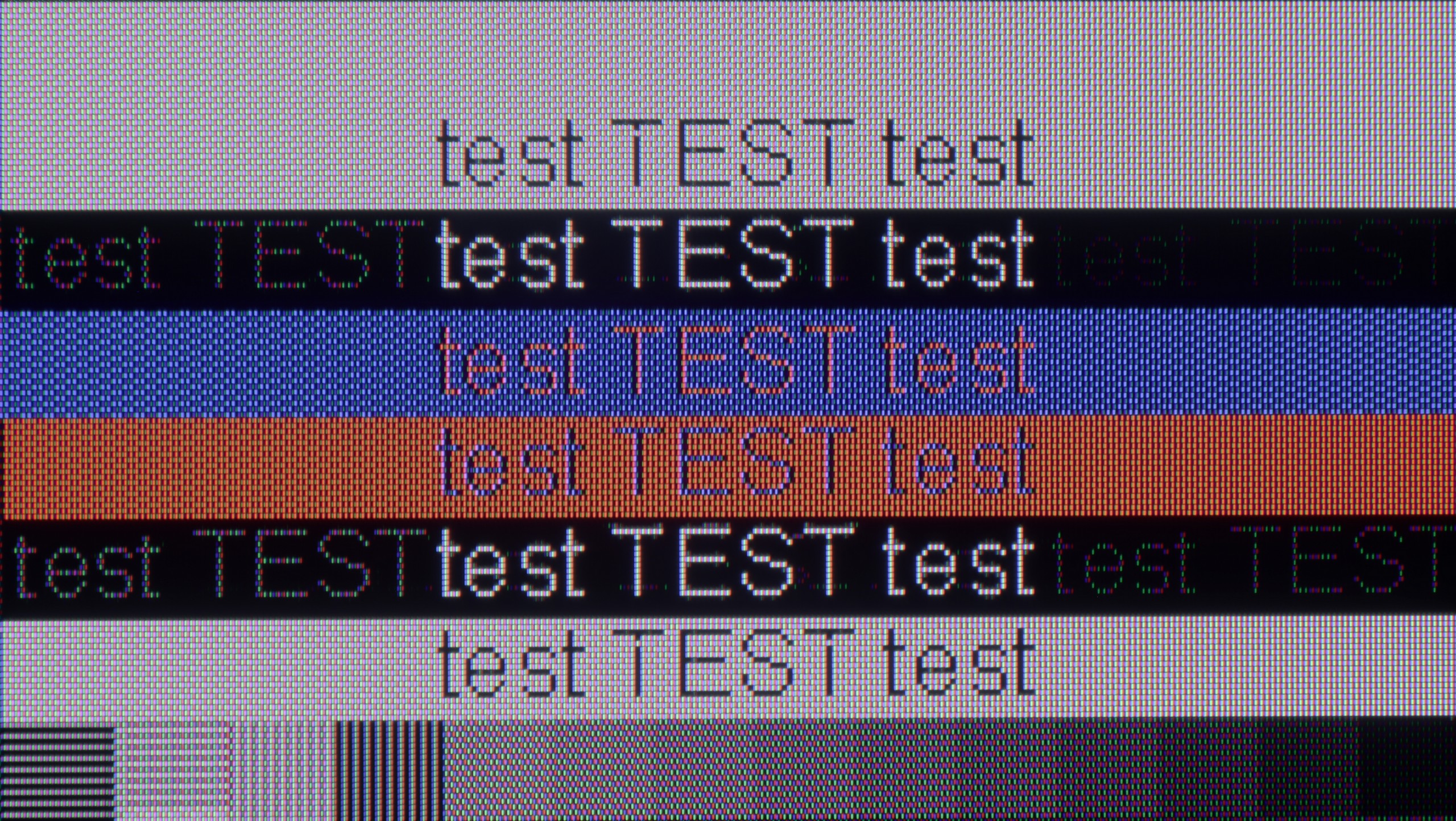
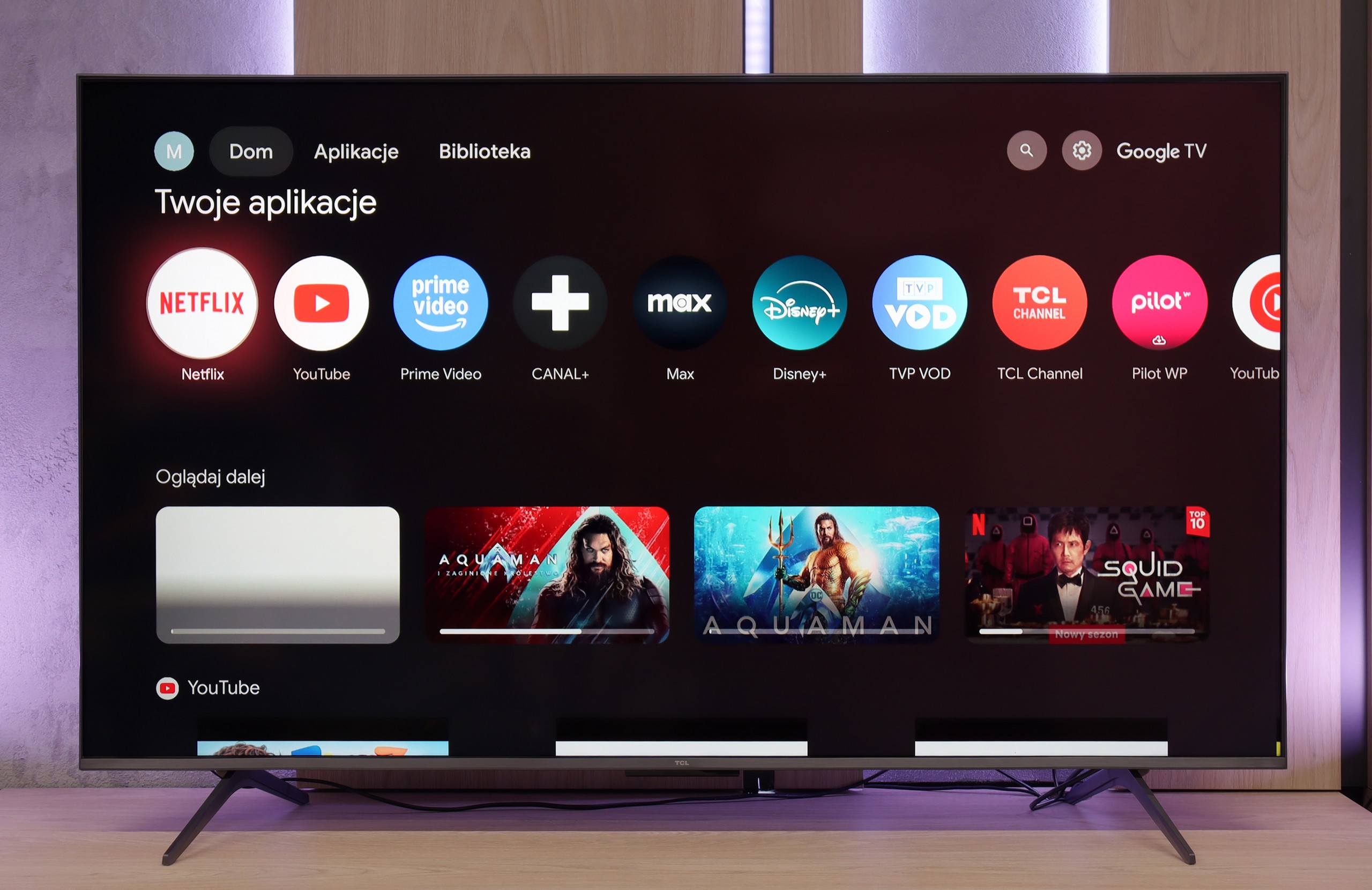
TCL C6KS (also known as C69KS and Q6CS) is a television that on paper promised to be a hit in the "value for money" category. Indeed, in many respects, it is a successful piece of equipment: thanks to Mini-LED backlighting, we get good blacks and brightness that competes with more expensive models. In fact, it is identical to the slightly pricier C6K model that we have already tested for you. Additionally, it features the same excellent Google TV system and surprisingly rich gaming features that make it enjoyable to play even with a 60 Hz panel. Unfortunately, the overall impression is tarnished by the performance of the panel used. The television struggles with noticeable motion blur, and aggressive dithering (digital grain) causes the image to often appear unnatural and artificial – as if it were being overly sharpened. Ultimately, the biggest problem with the C6KS is not its flaws, but its sibling, the C6K. At its current price, this model finds itself in a strange "middle ground." It costs almost the same (or slightly less) as the fully-fledged TCL C6K, which offers a significantly better 120 Hz panel and is simply a complete construction without those annoying errors. The C6KS is a compromise model that will only become attractive under one condition – if its price drops drastically. For the moment, a significantly safer and better option remains paying a (often nominal) premium for the C6K model. One could cynically state that the letter "S" in the name indeed stands for "Slim." Only it does not refer to an exceptionally slim chassis, but to how much this model has been "trimmed" in terms of features compared to the full-fledged C6K.
 Direct comparison