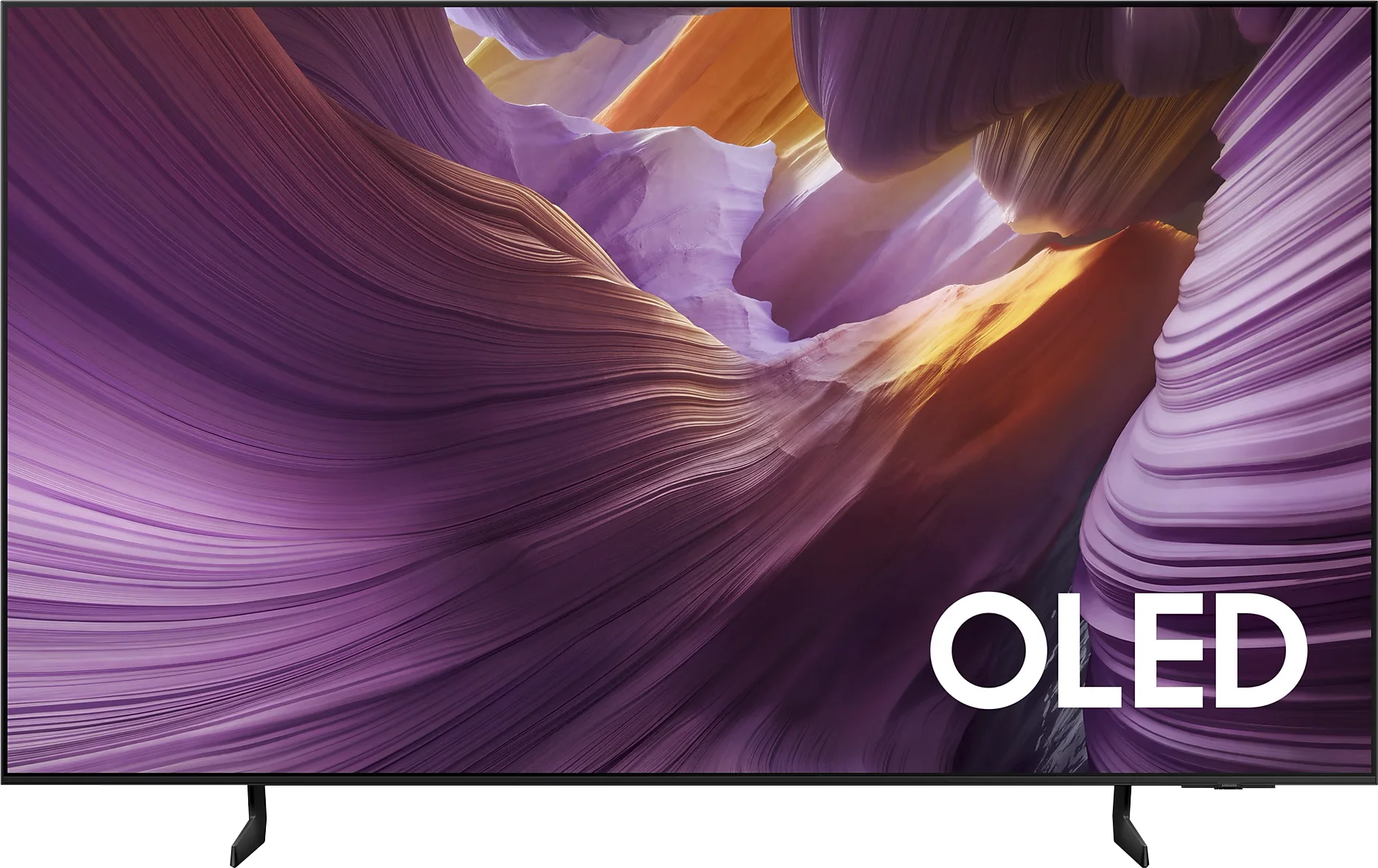
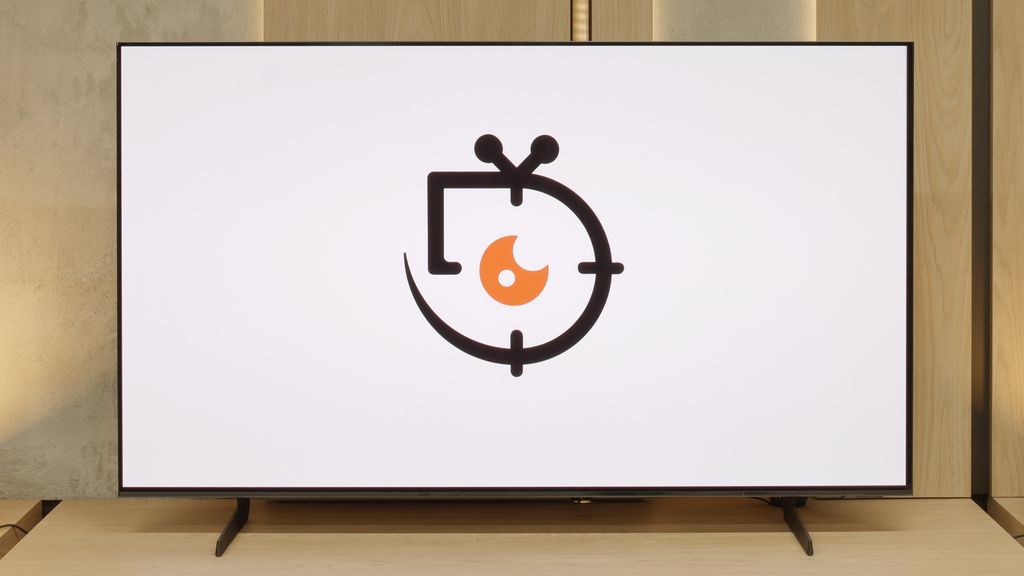
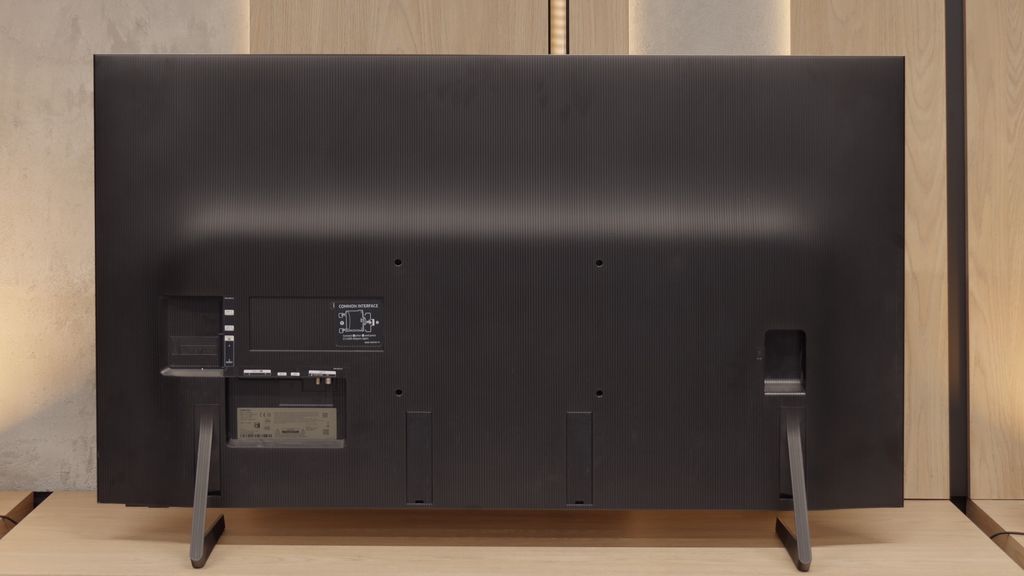
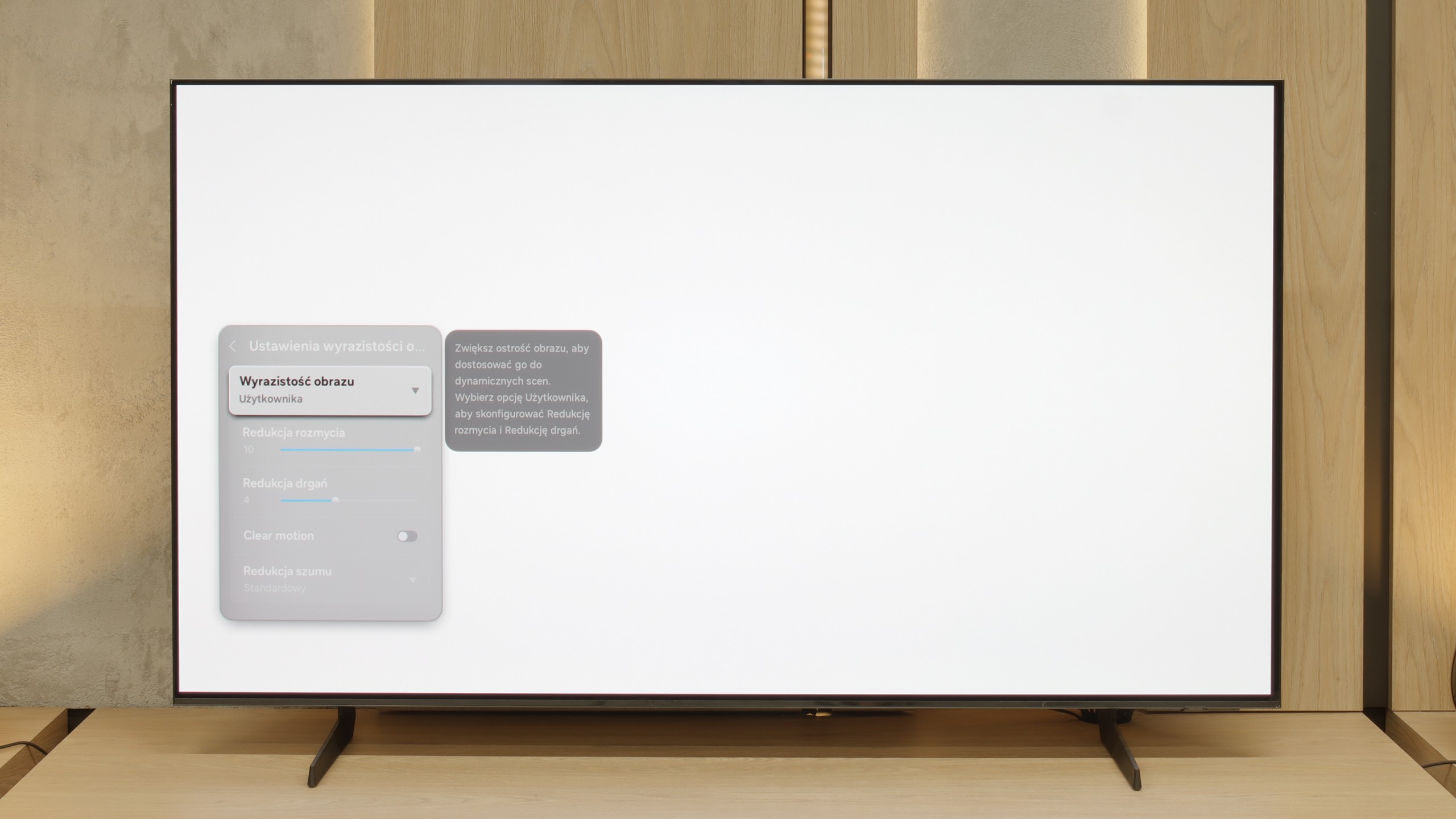
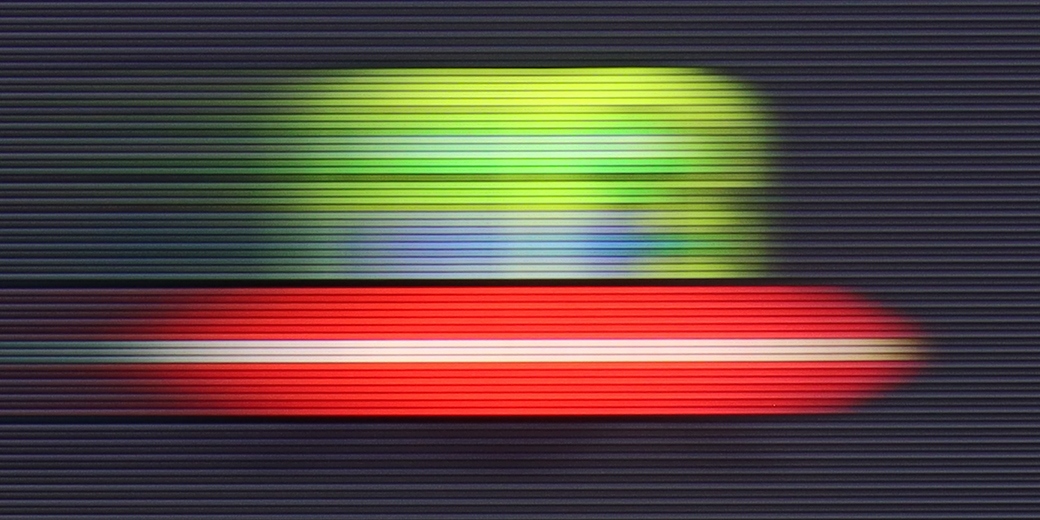
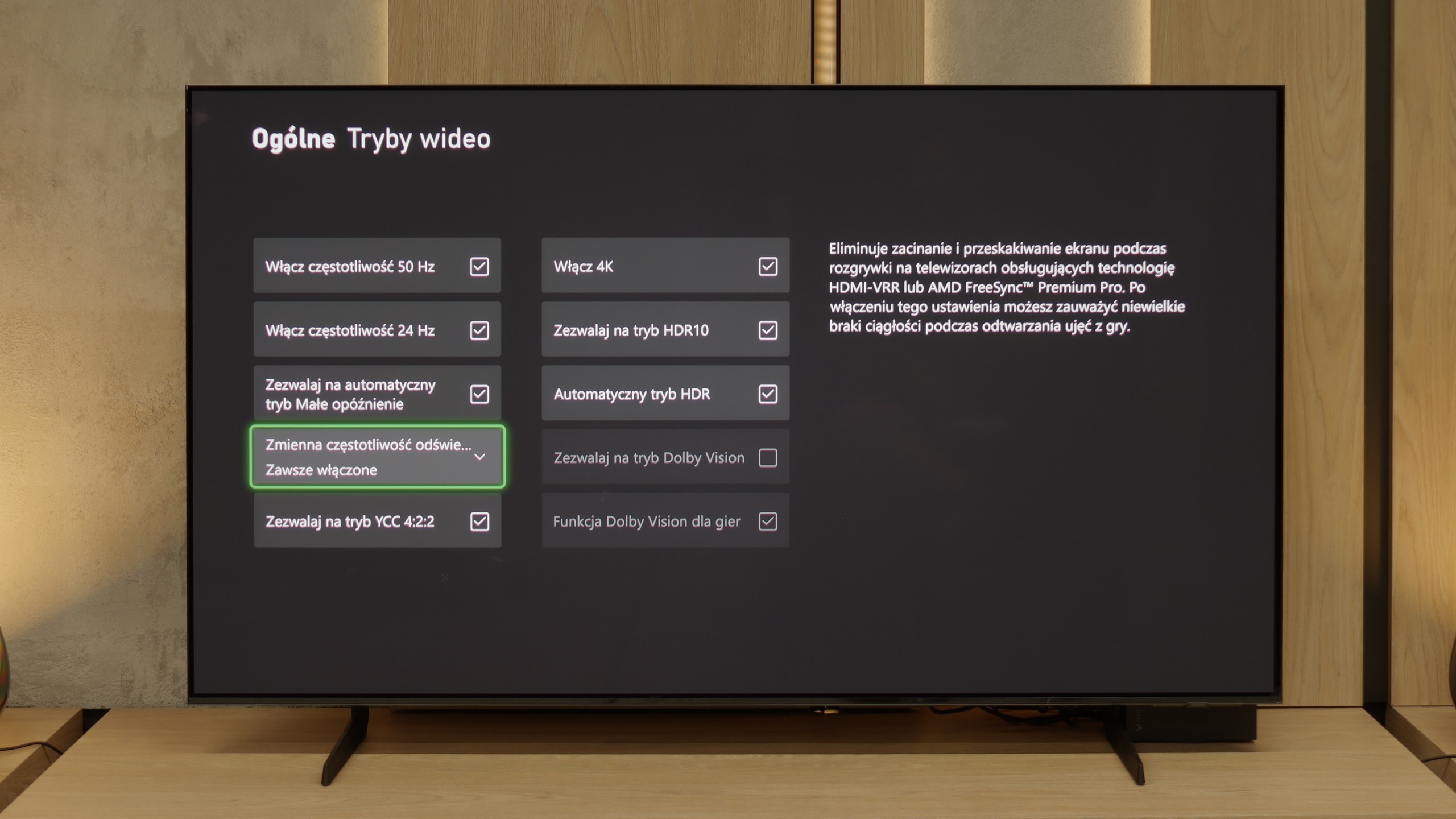
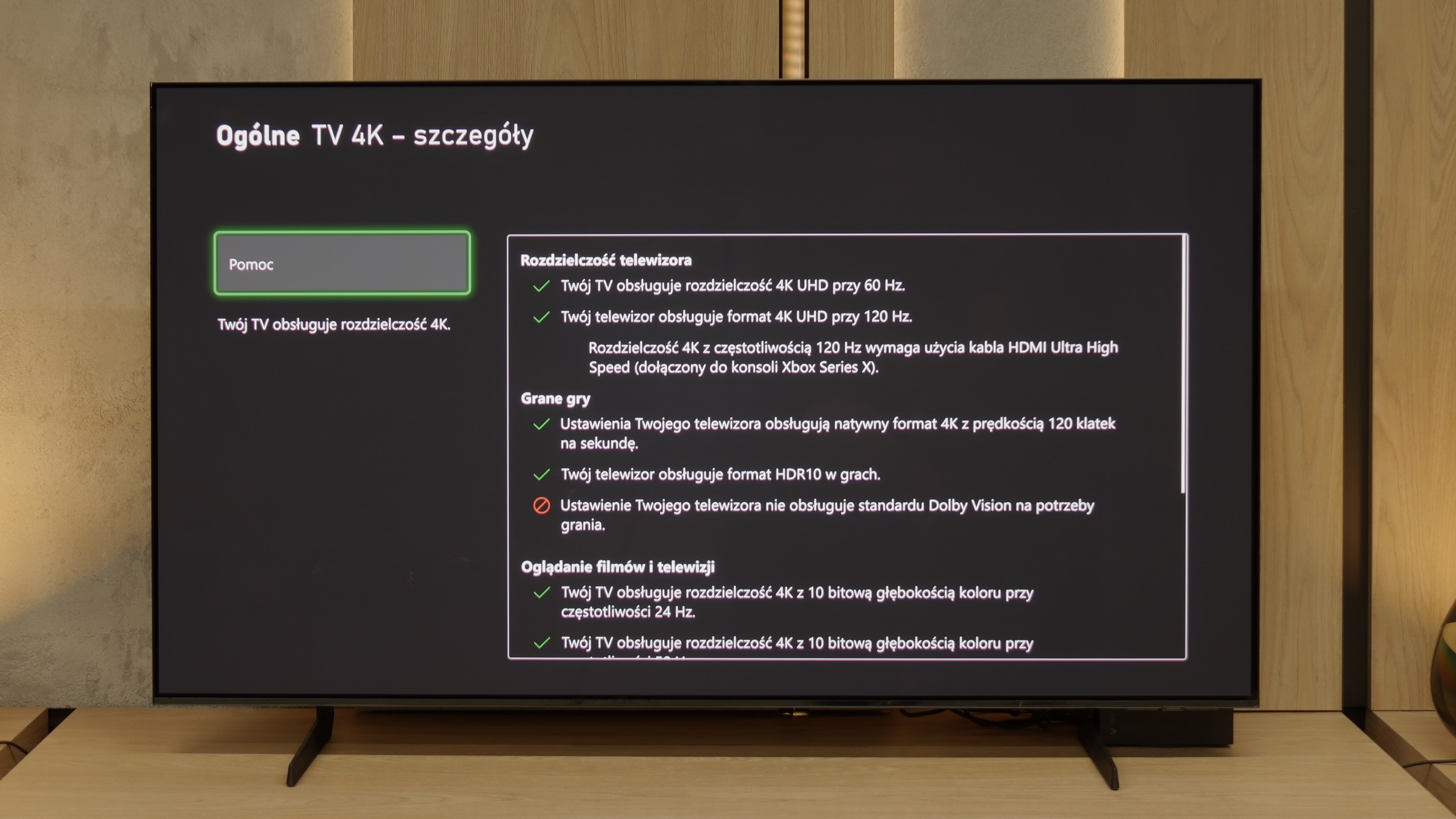
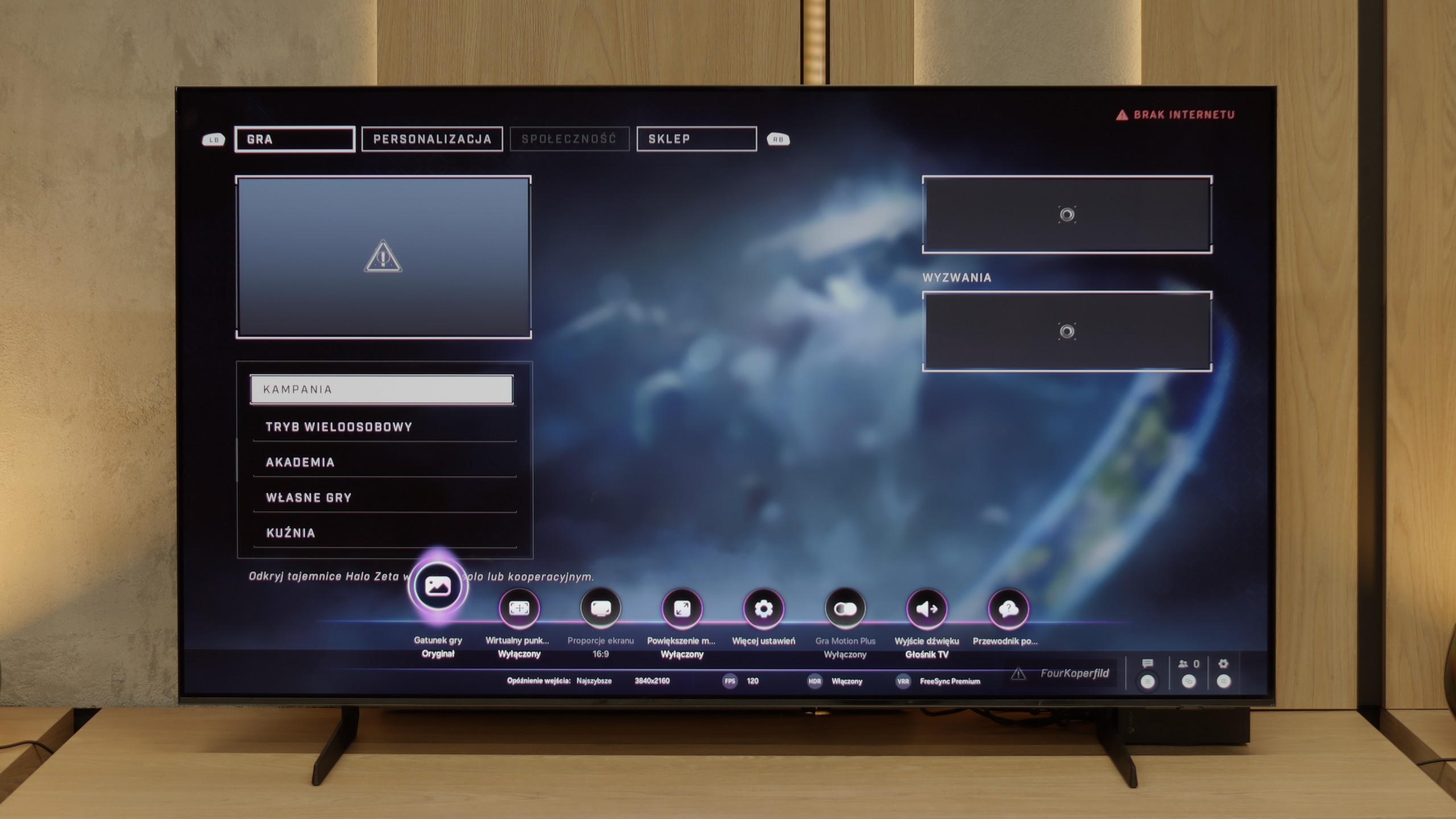
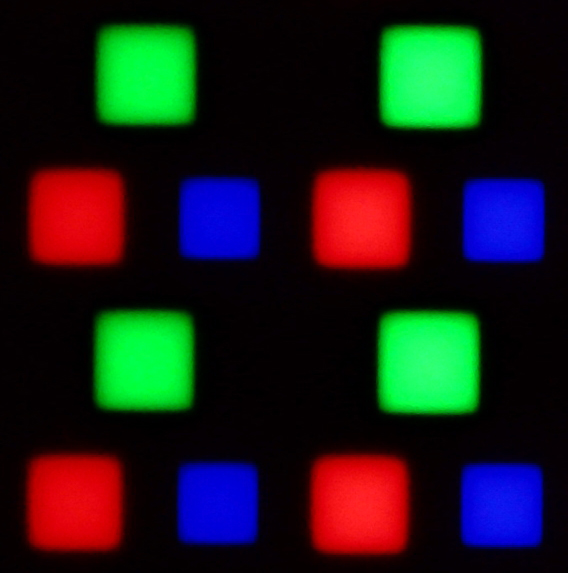
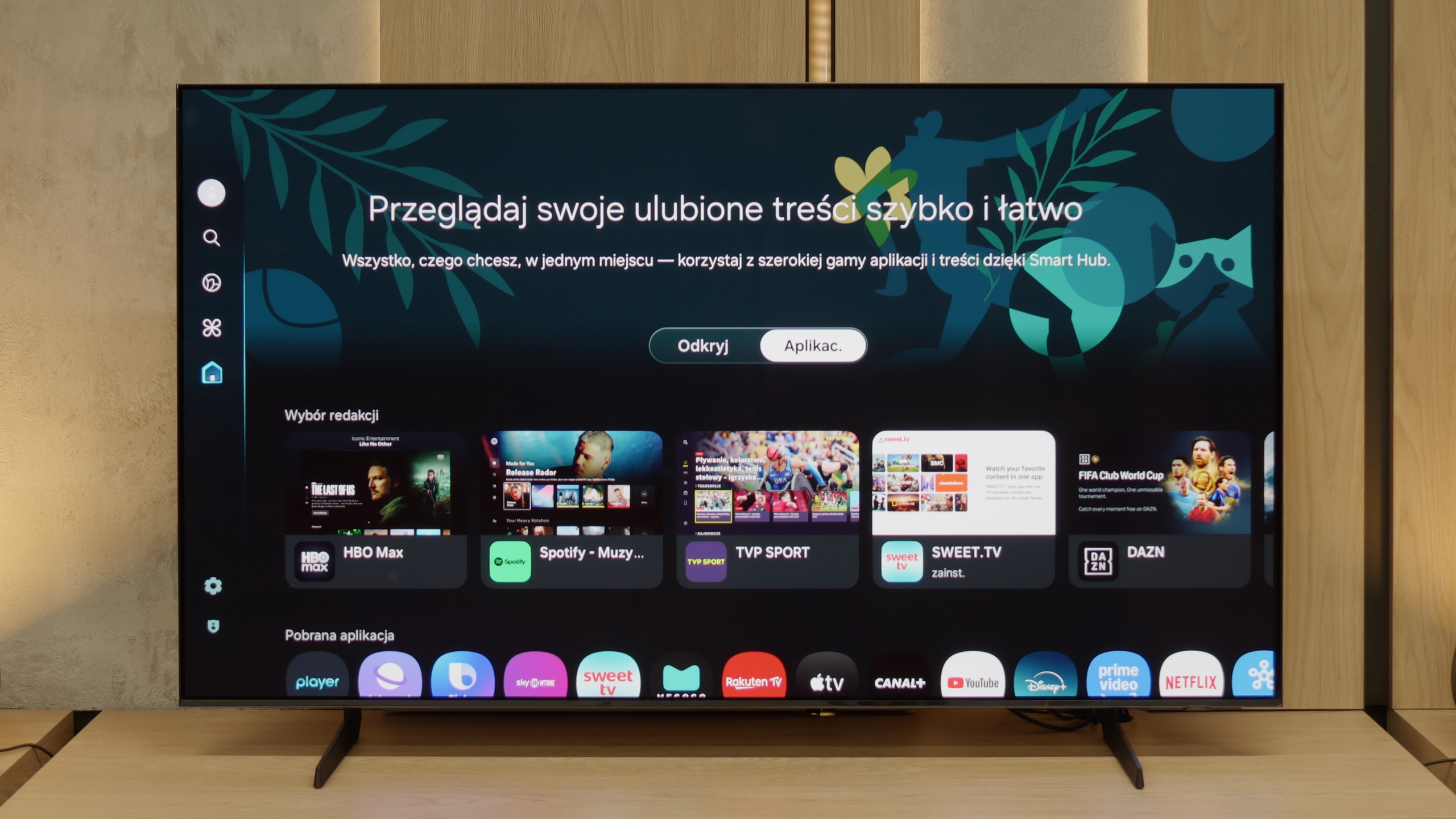
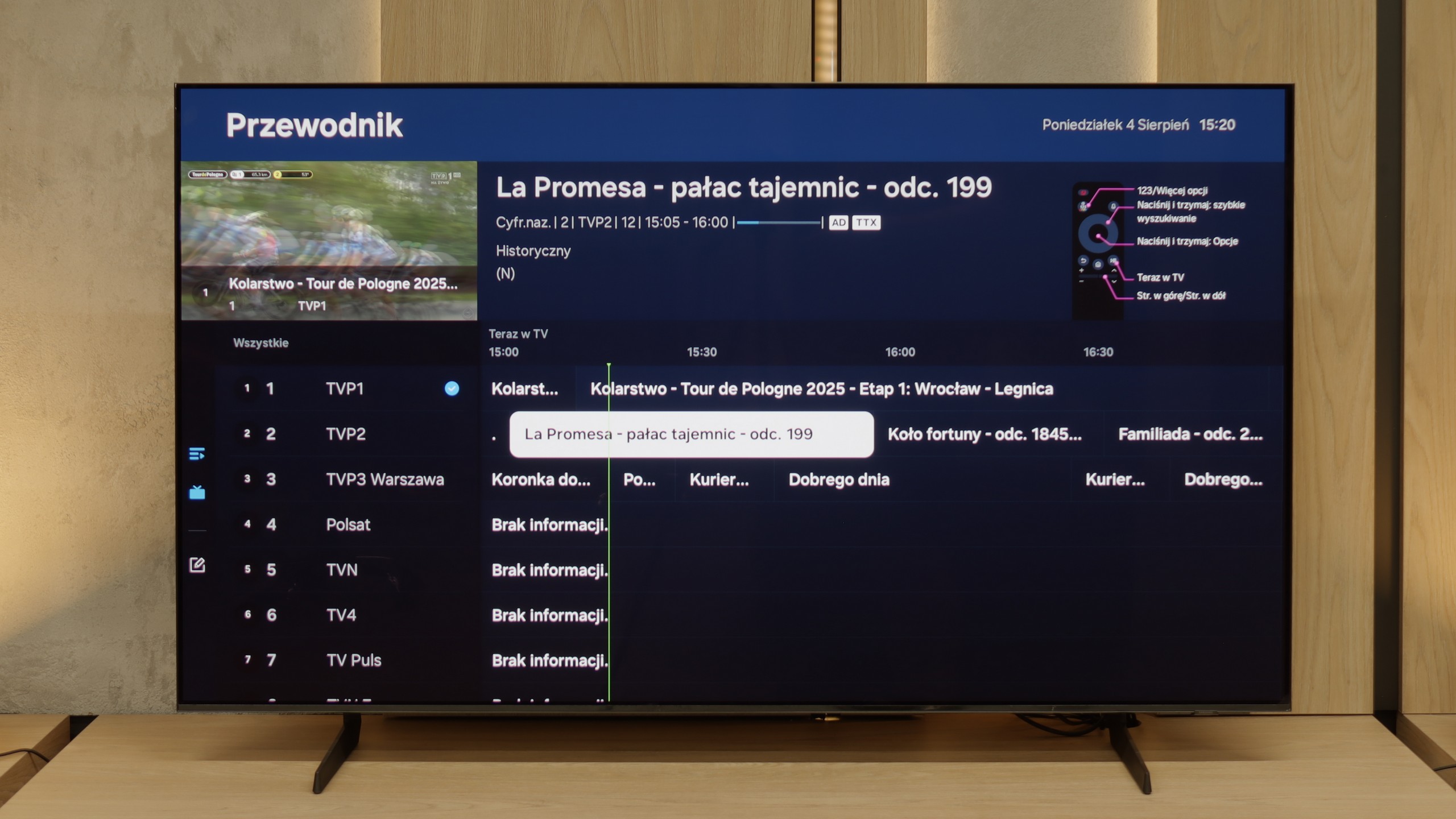
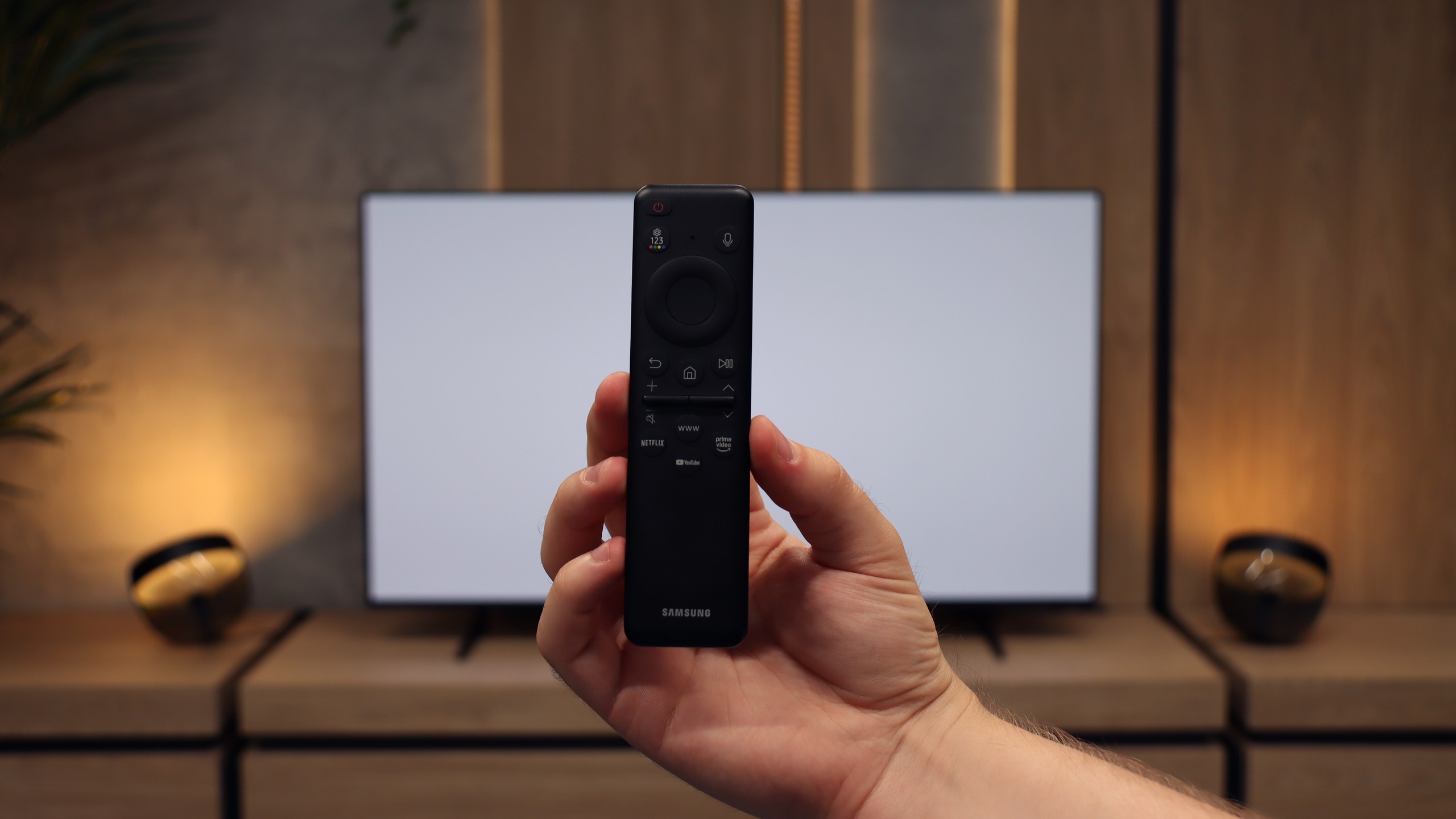
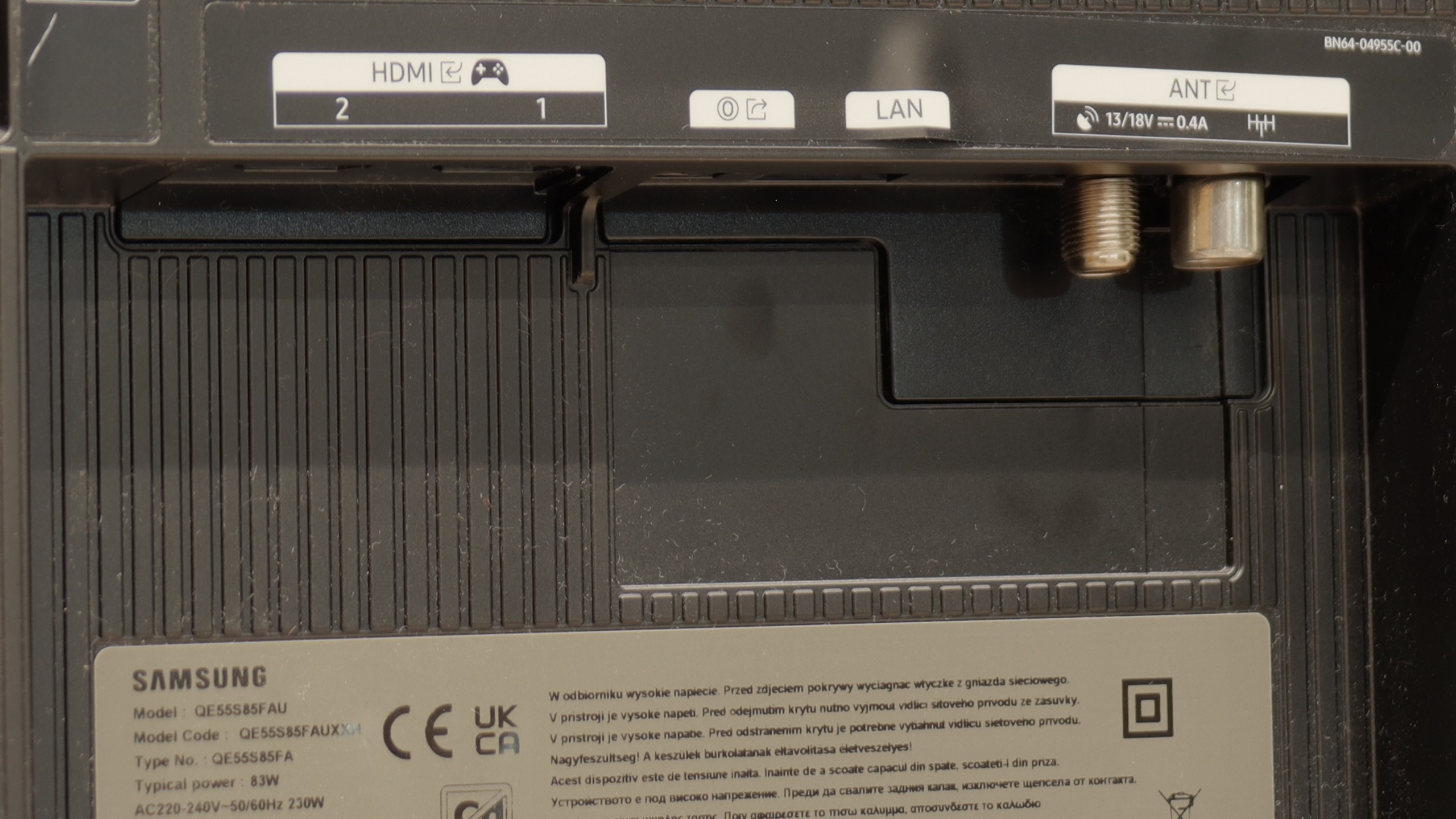
Samsung S85F with a QD-OLED panel can surprise – and it surprises very positively. Even before the tests, we didn't think that in the case of TVs that are talked about in the context of "panel lottery," one could come across something that would benefit the user. However, in this case, particularly in the 55-inch version, it has fully succeeded. The QD-OLED panel, as befits organic technology, offers perfect, almost ideal black and contrast in cinematic conditions. The difference lies, however, in the way colours are reproduced – here it is simply outstanding. The colour gamut coverage is impressive, and after a gentle calibration, the colours become almost exemplary. Motion fluidity is equally high. The 120 Hz panel handles both sports and action films excellently. And if someone plans to connect a console to the S85F, they will receive a complete set of advantages: low input lag, variable refresh rate, Game Bar, and full support for HDMI 2.1. In everyday use, we were assisted by the Tizen system – closed, but extremely well-designed. It responds quickly, offers a rich selection of applications, and add-ons such as AirPlay and voice control make it hard to find something more complete in this category. Indeed, the S85F is not without its flaws. However, the balance of advantages and disadvantages is exceptionally favourable here. One could even get the impression that it is one of the best TVs in its price segment.
[UPDATE] We have updated our 2025 Samsung TV reviews following the release of firmware version 1131, which officially restores the essential HGiG (HDR Gaming Interest Group) support.
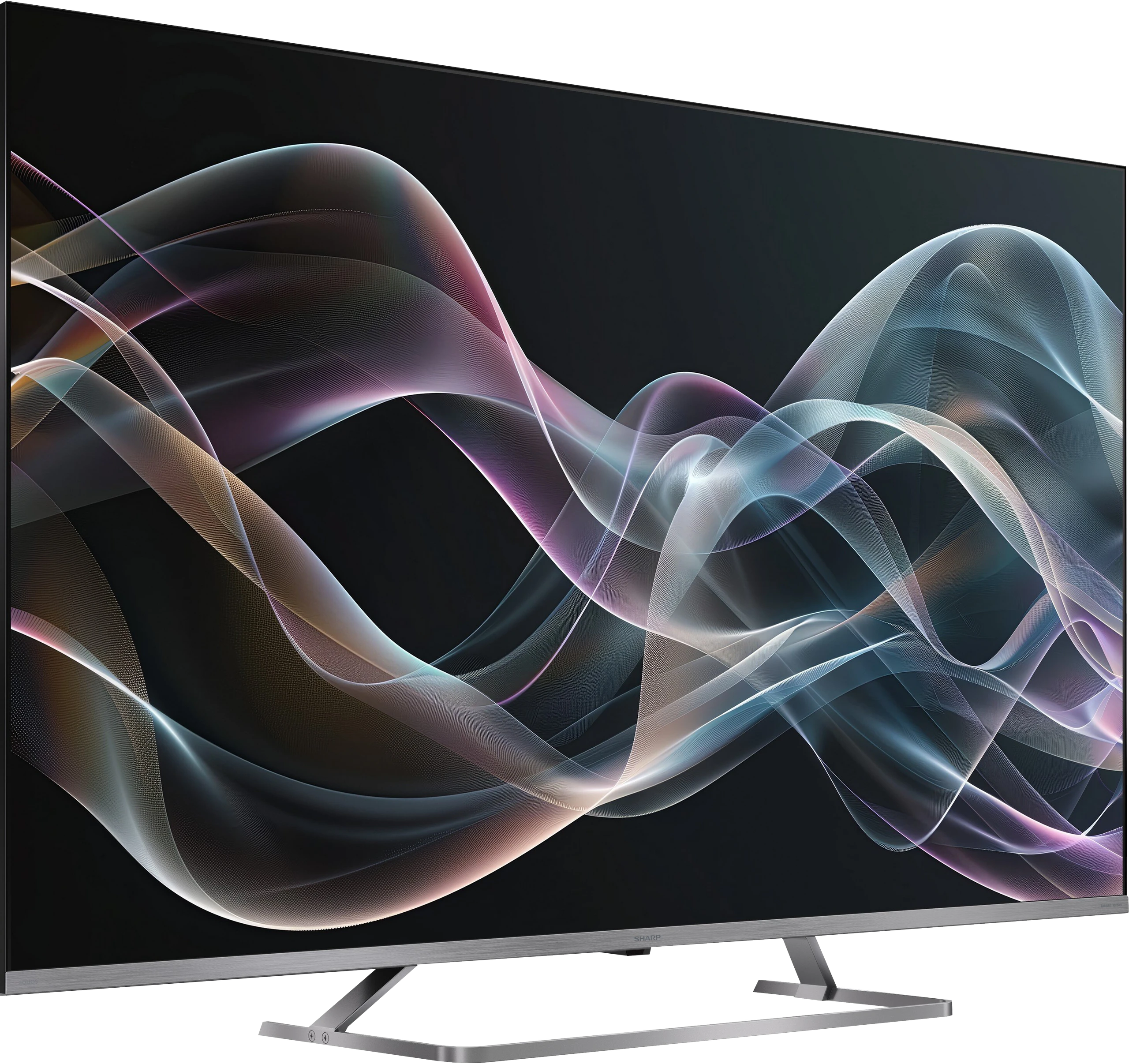
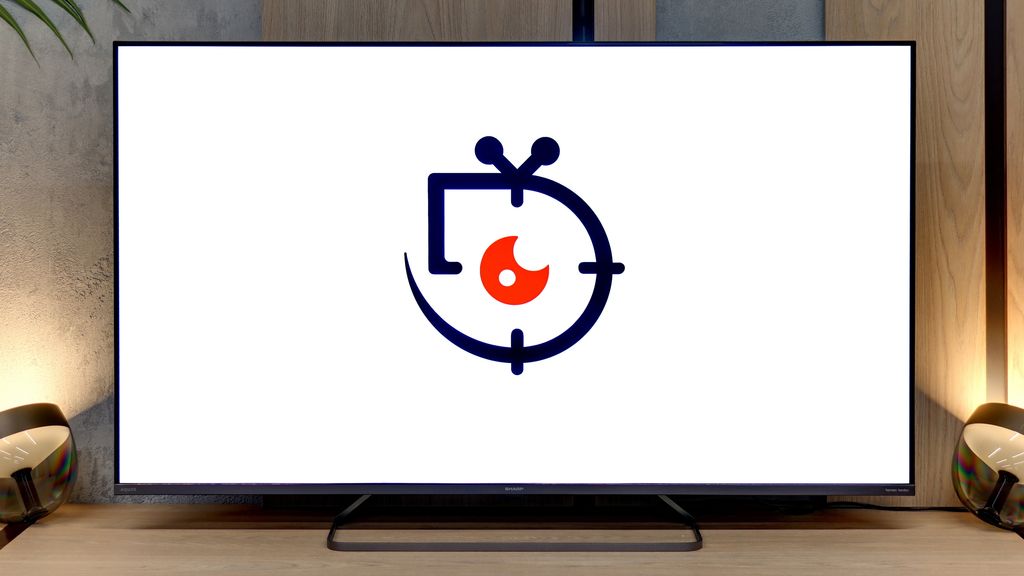
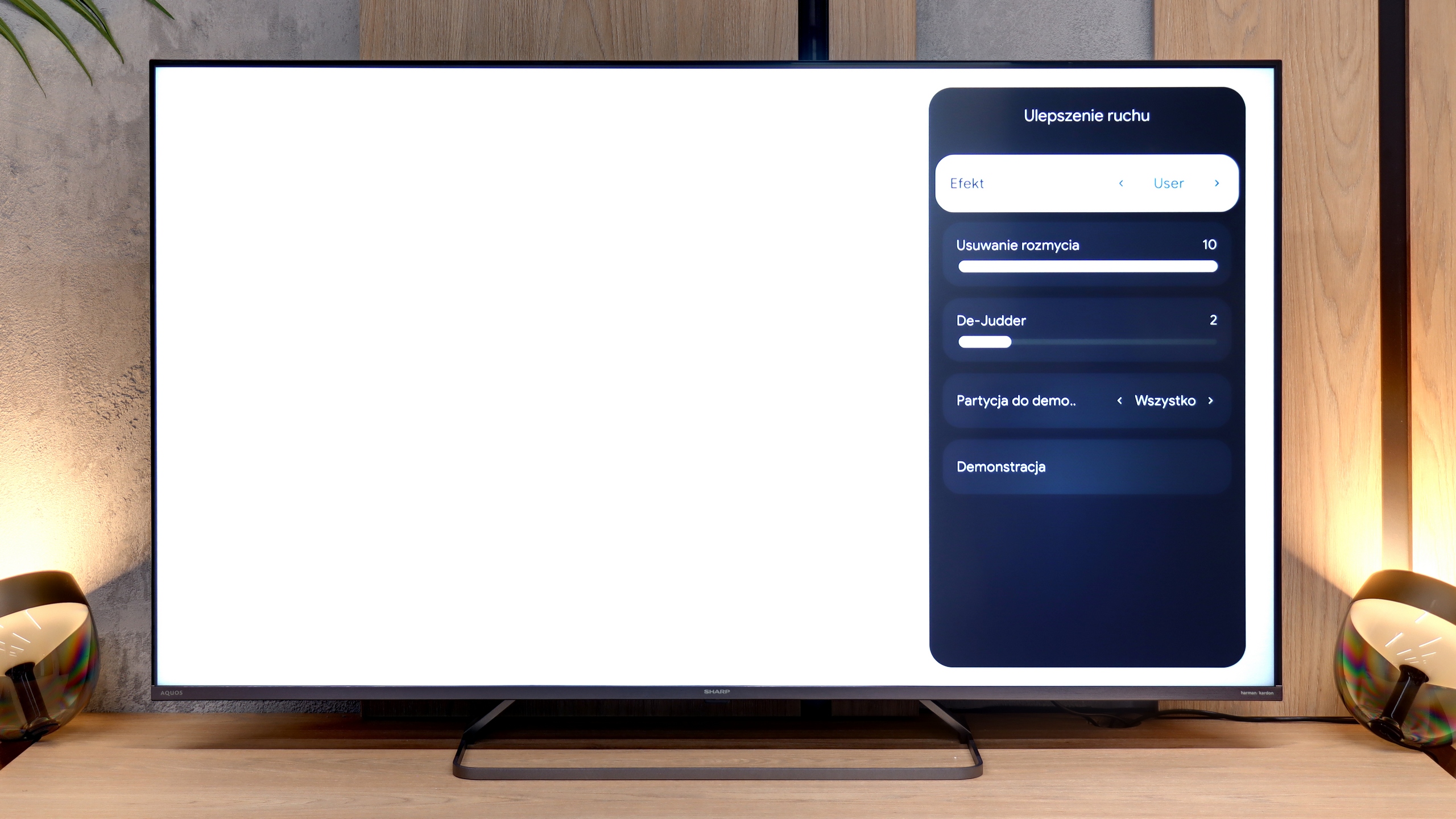
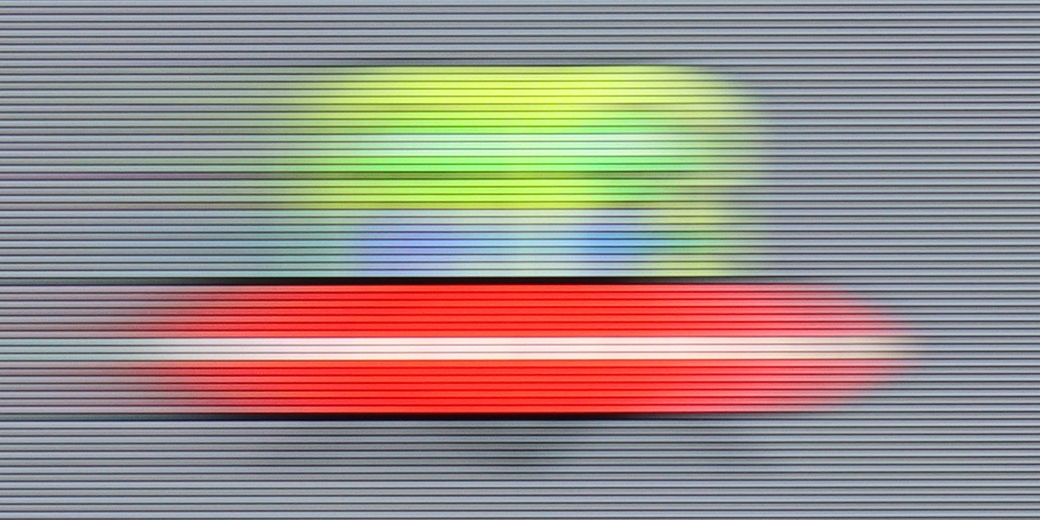
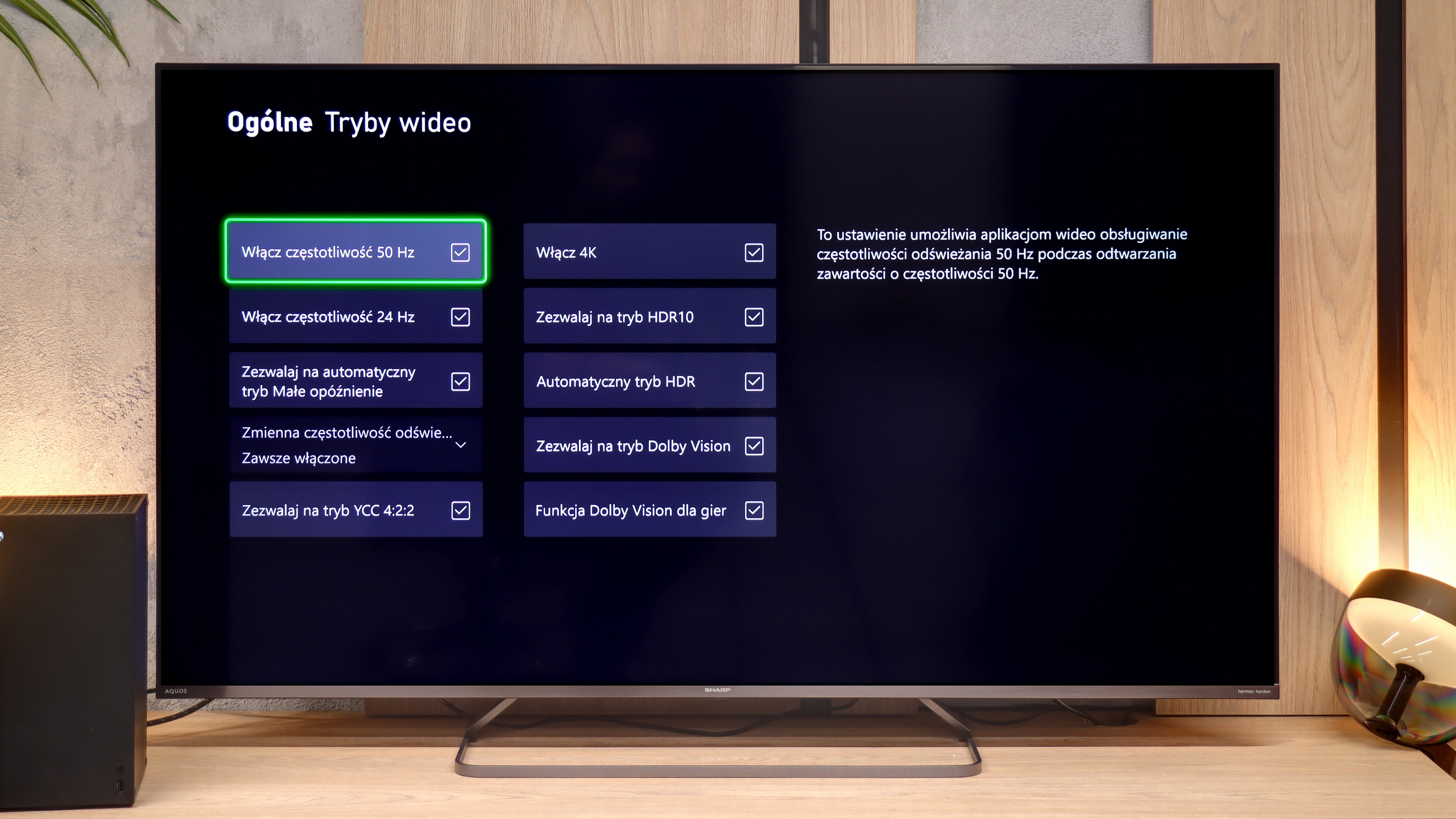
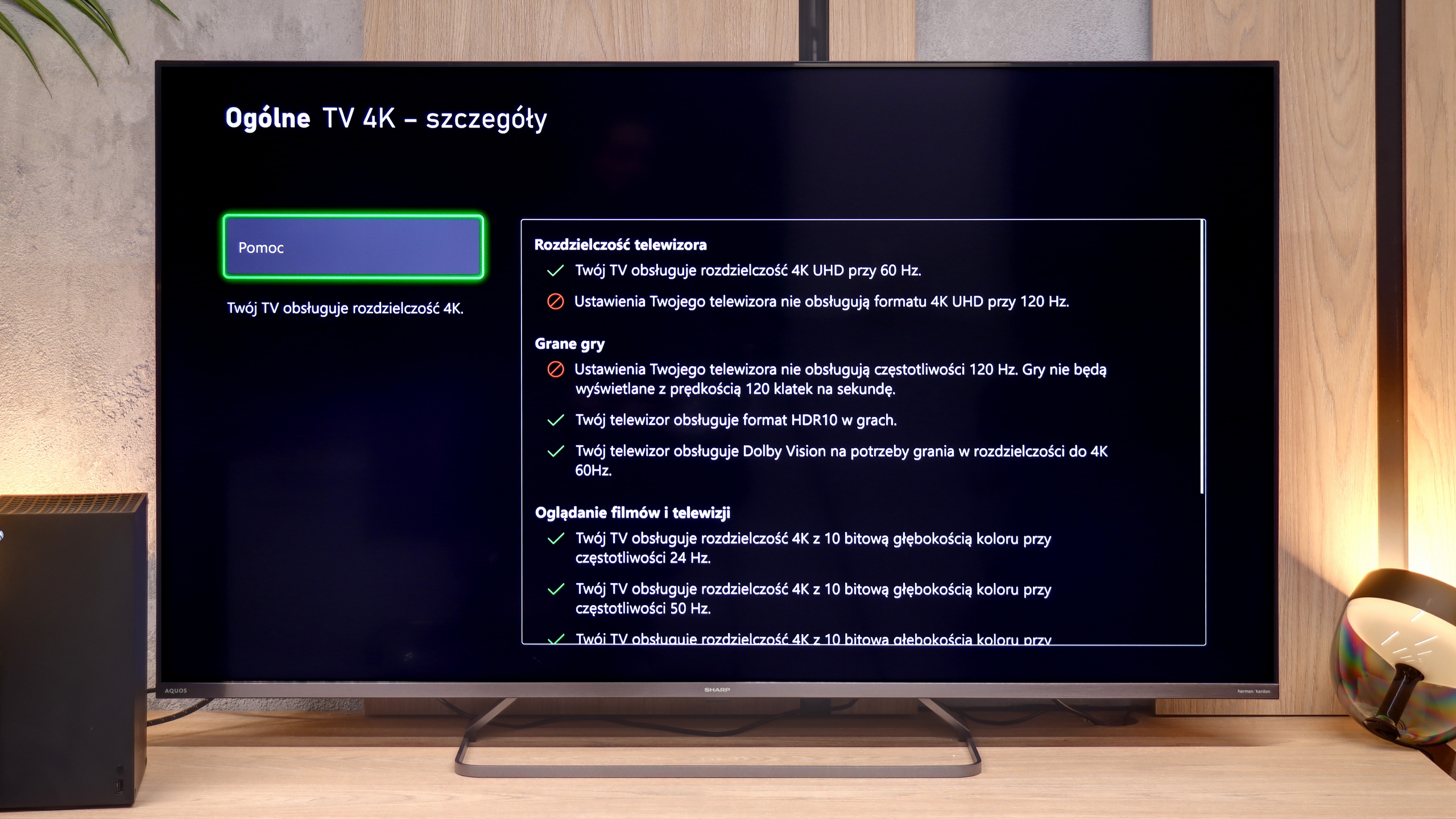
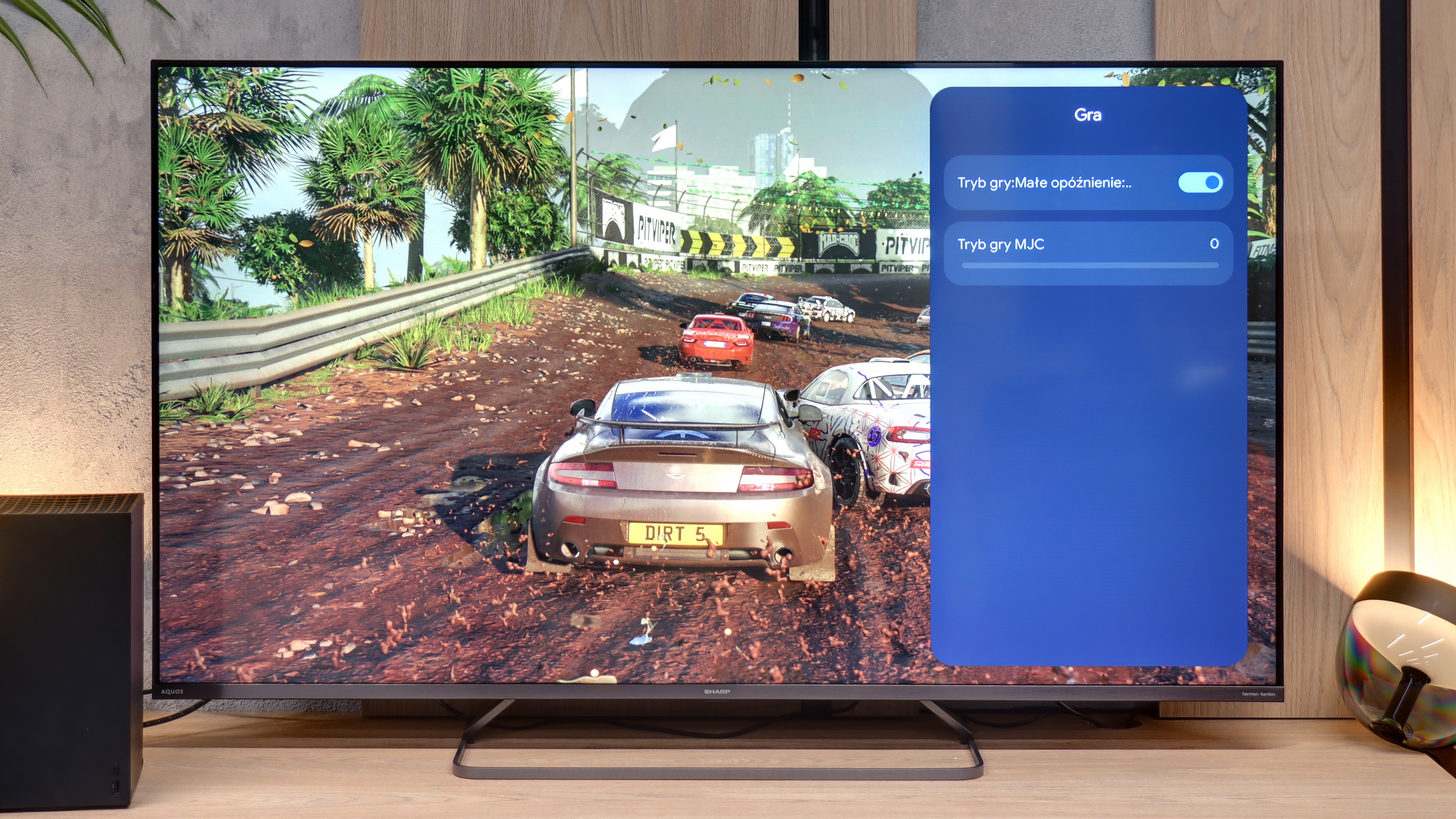
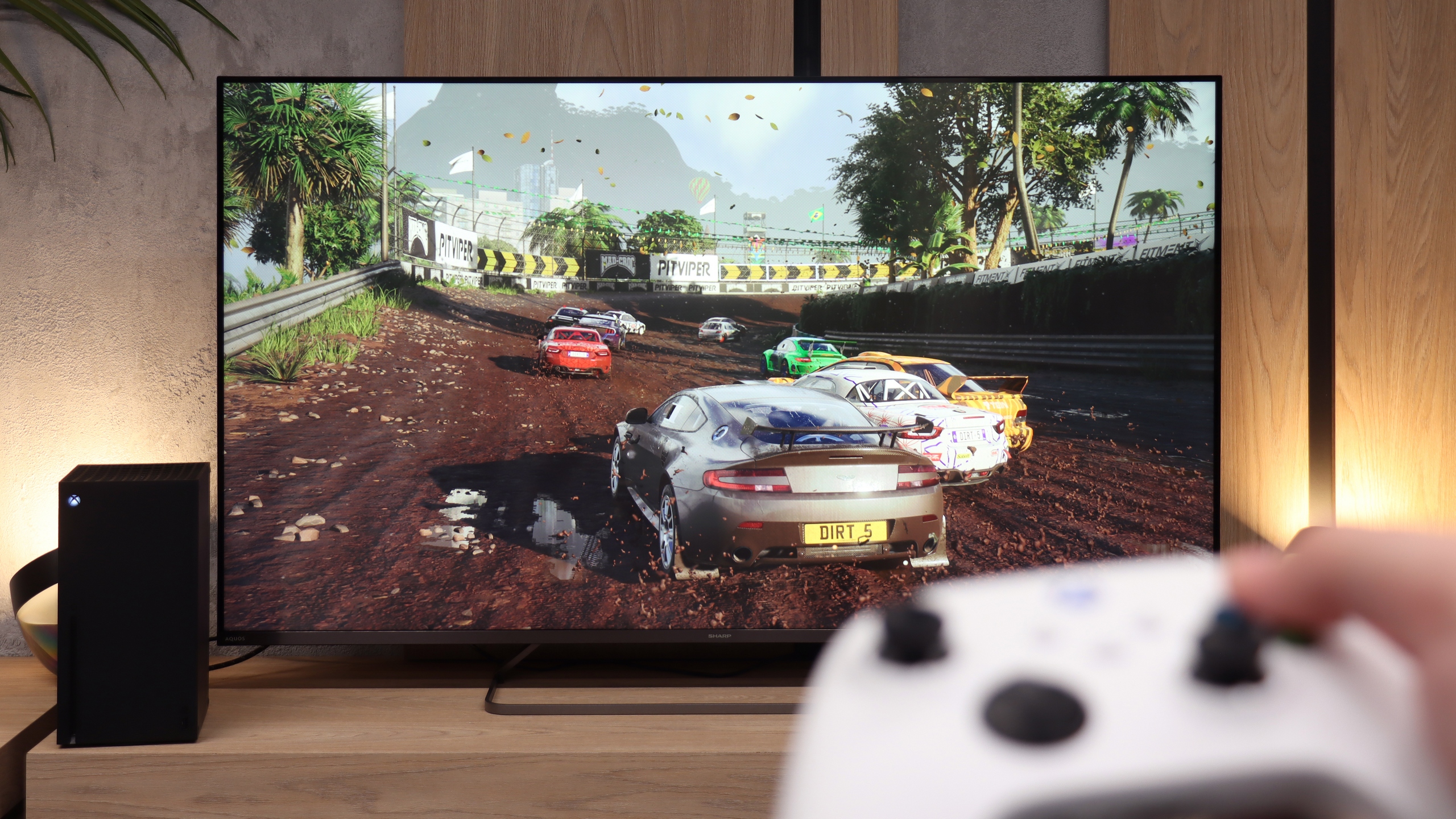
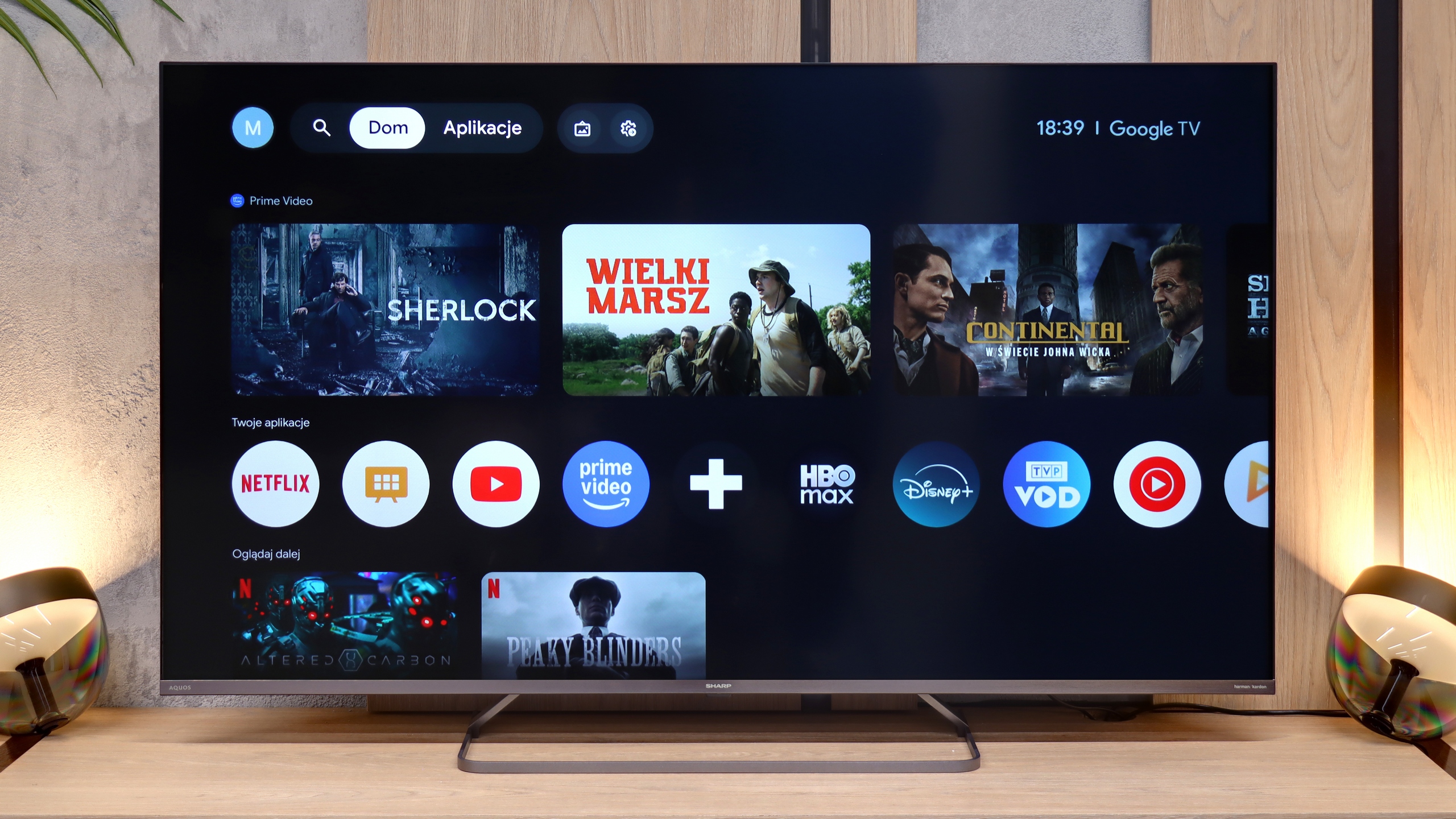
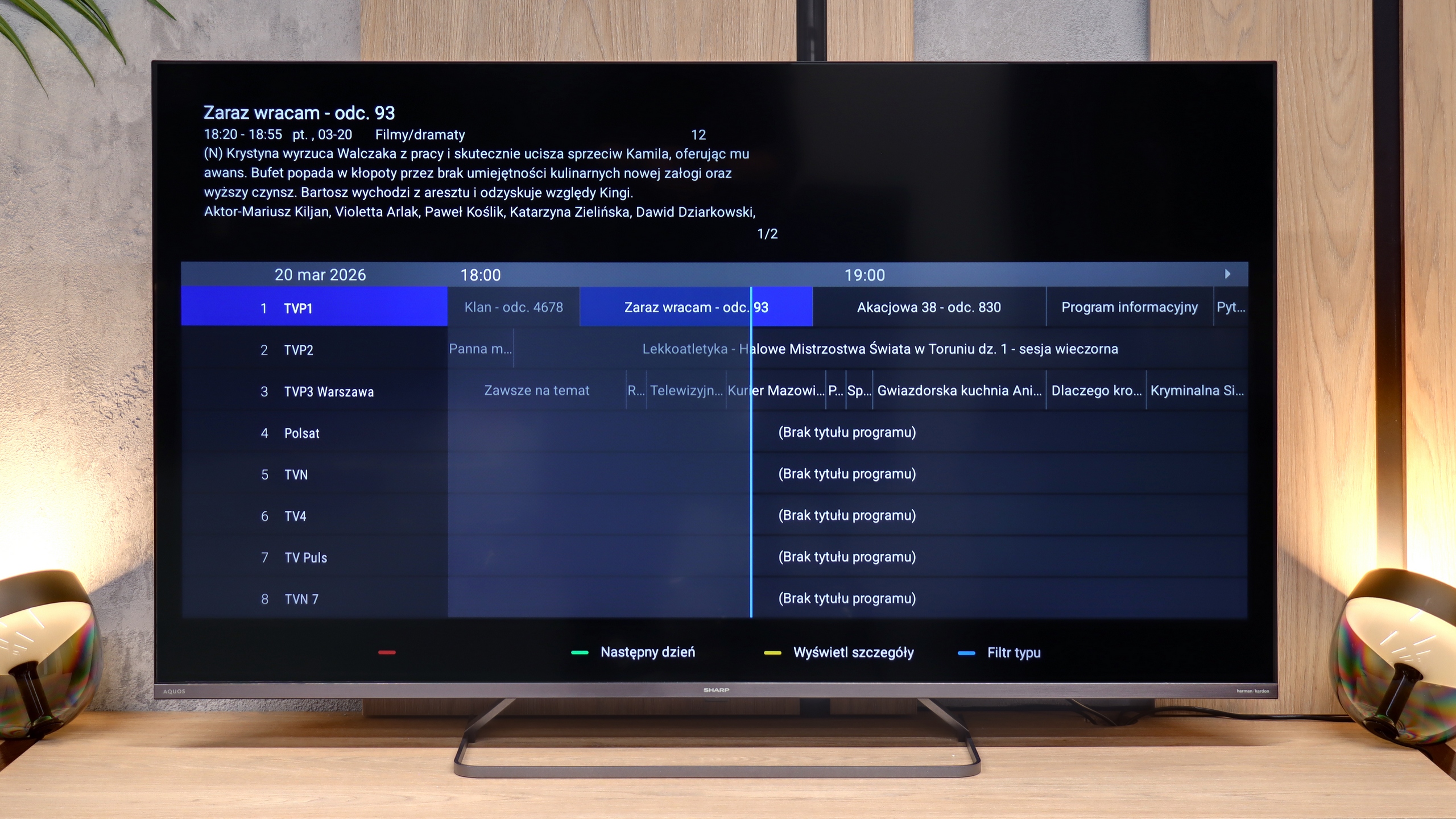
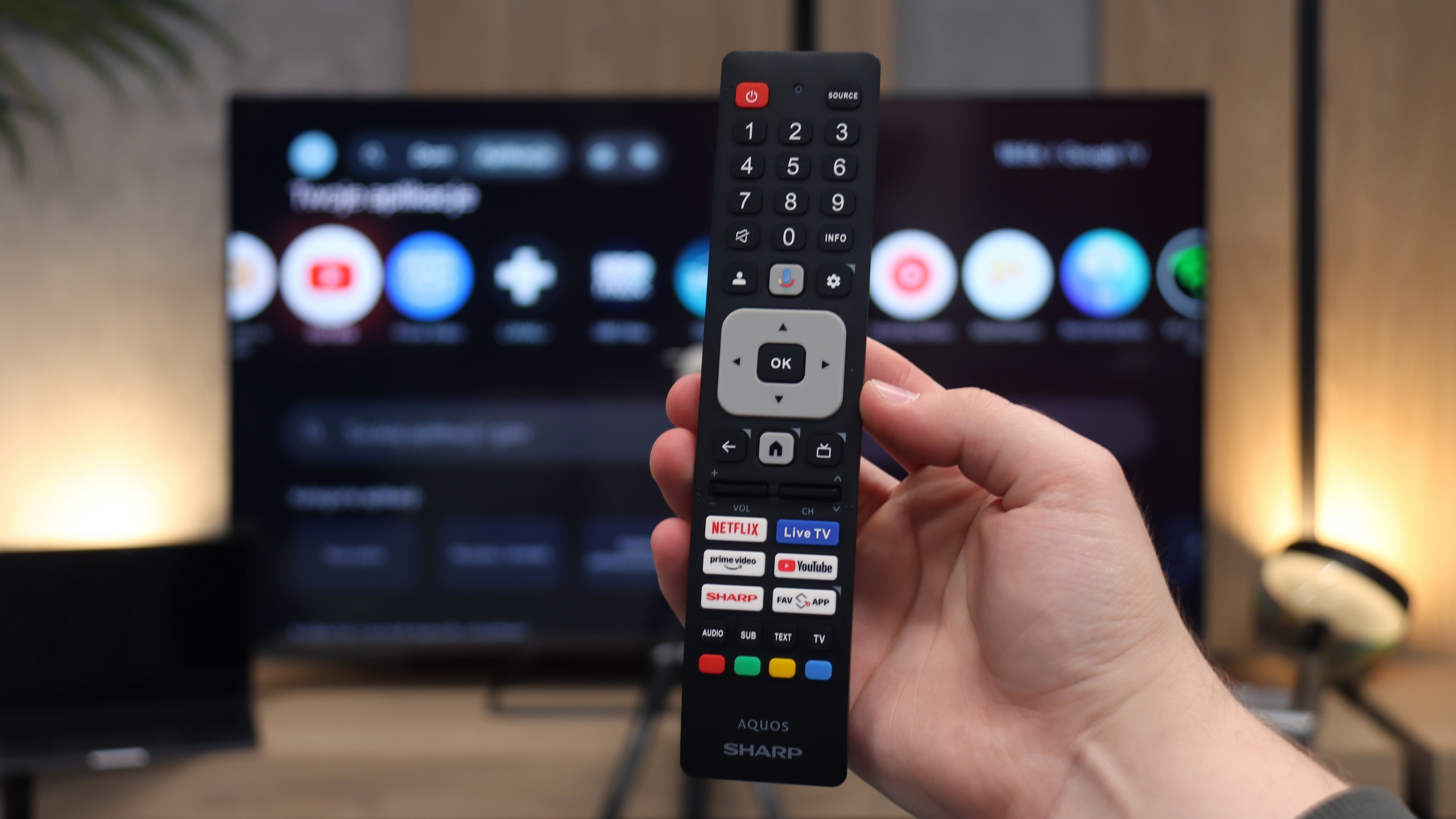
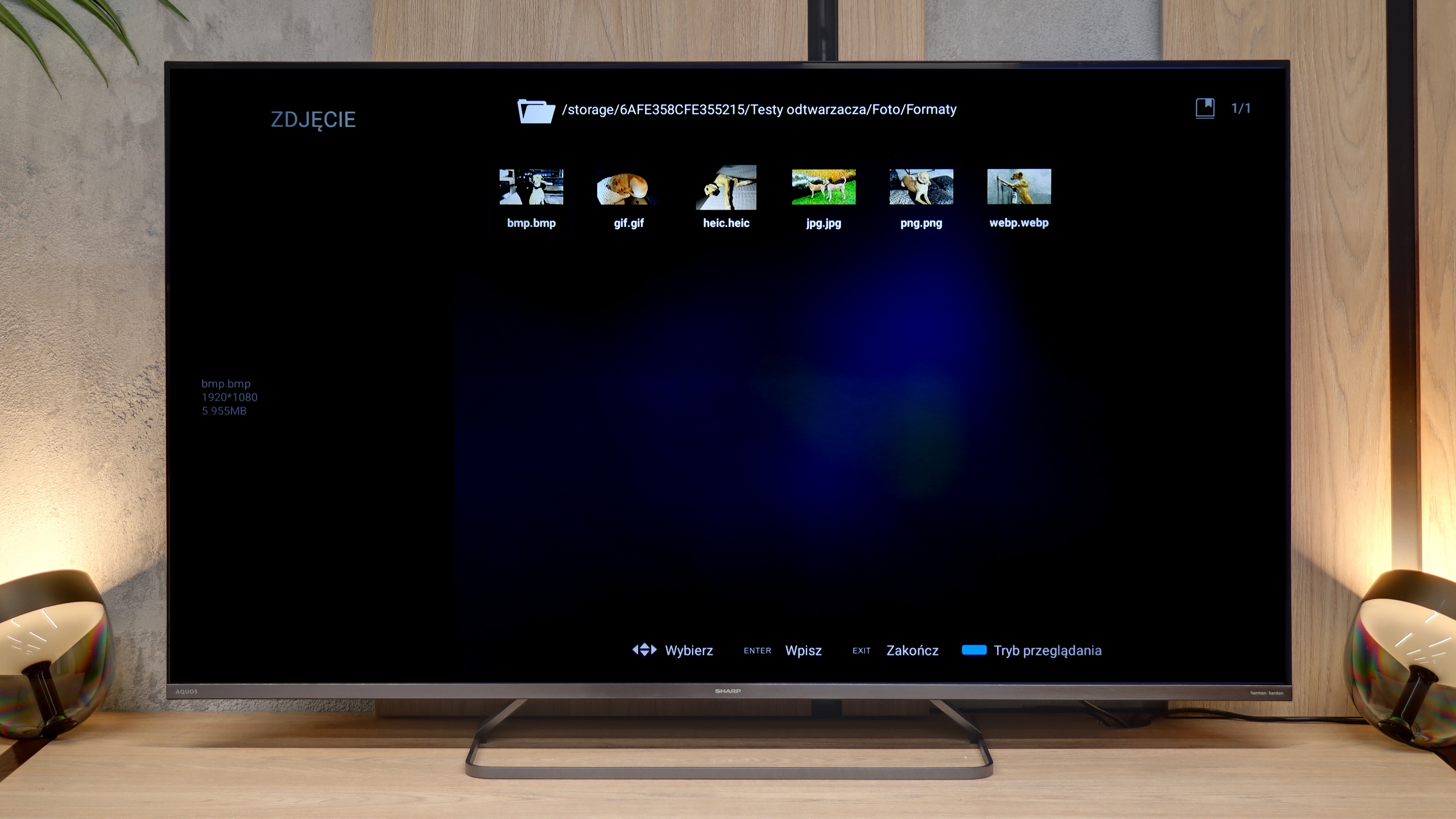
Sharp JP7765 is yet another offering in the market that attempts to prove that Mini-LED technology doesn’t have to cost a fortune. The low price comes hand in hand with an exceptionally high brightness – a peak of 1000 nits in HDR is a result that simply impresses in this price range. Although the proprietary processor doesn’t always manage the backlighting perfectly in demanding scenes, support for Dolby Vision effectively saves the situation. Thanks to dynamic metadata, the picture becomes plastic, deep, and simply attractive to the eye. Adding to this the Google TV system, extreme volume, and the now-rare jack headphone socket, we get a device that is a brilliant option for seniors or less demanding viewers transitioning from a regular, cheap LCD. In such a scenario, the Sharp JP7 presents itself as a really decent and cost-effective choice. However, it must be stated clearly: contrary to marketing slogans, this is not equipment for everyone. Gamers or sports fans will definitely not find themselves here. The biggest drawback of the JP7765 model is the slow, 60-hertz panel and significant motion blur, which essentially disqualifies this television for watching dynamic matches or playing fast-paced titles. The picture loses sharpness during rapid movements to such an extent that for a football or racing fan, it may be an unacceptable barrier.
So, for whom is the Sharp JP7765? It is a sensible choice for budget-conscious individuals who do not have high demands regarding motion fluidity but value a “kick” of brightness. By choosing the Sharp JP7, you will definitely make a better deal than purchasing basic (non-dimming) televisions from the competition. Rivals typically offer ordinary LCD panels for a similar price, which cannot compete with the capabilities of even such a basic Mini-LED model as the JP7. Ultimately, it comes down to a simple arrangement: you accept lower motion fluidity in exchange for powerful brightness, which is hard to find from other manufacturers at this price.
 Direct comparison