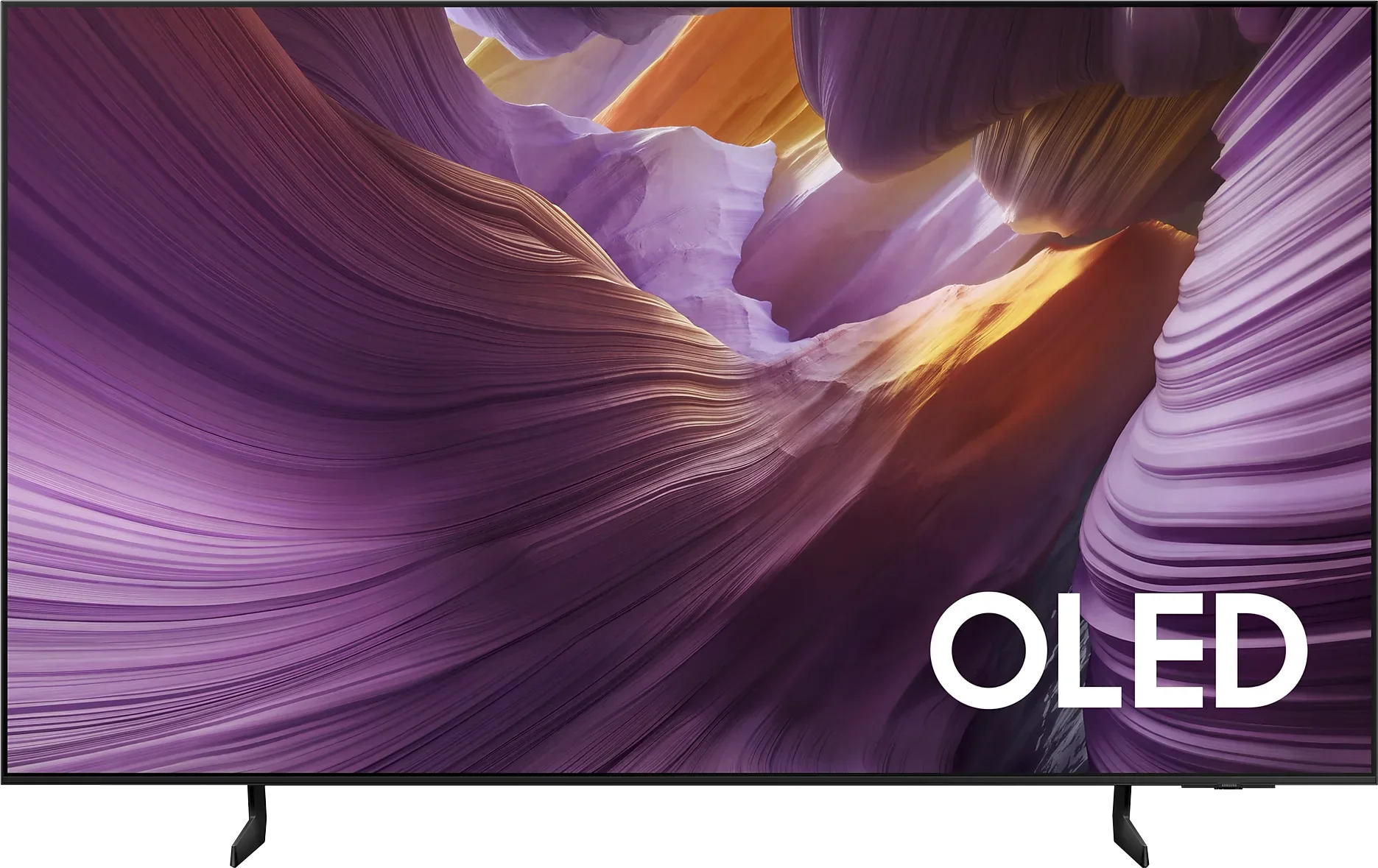
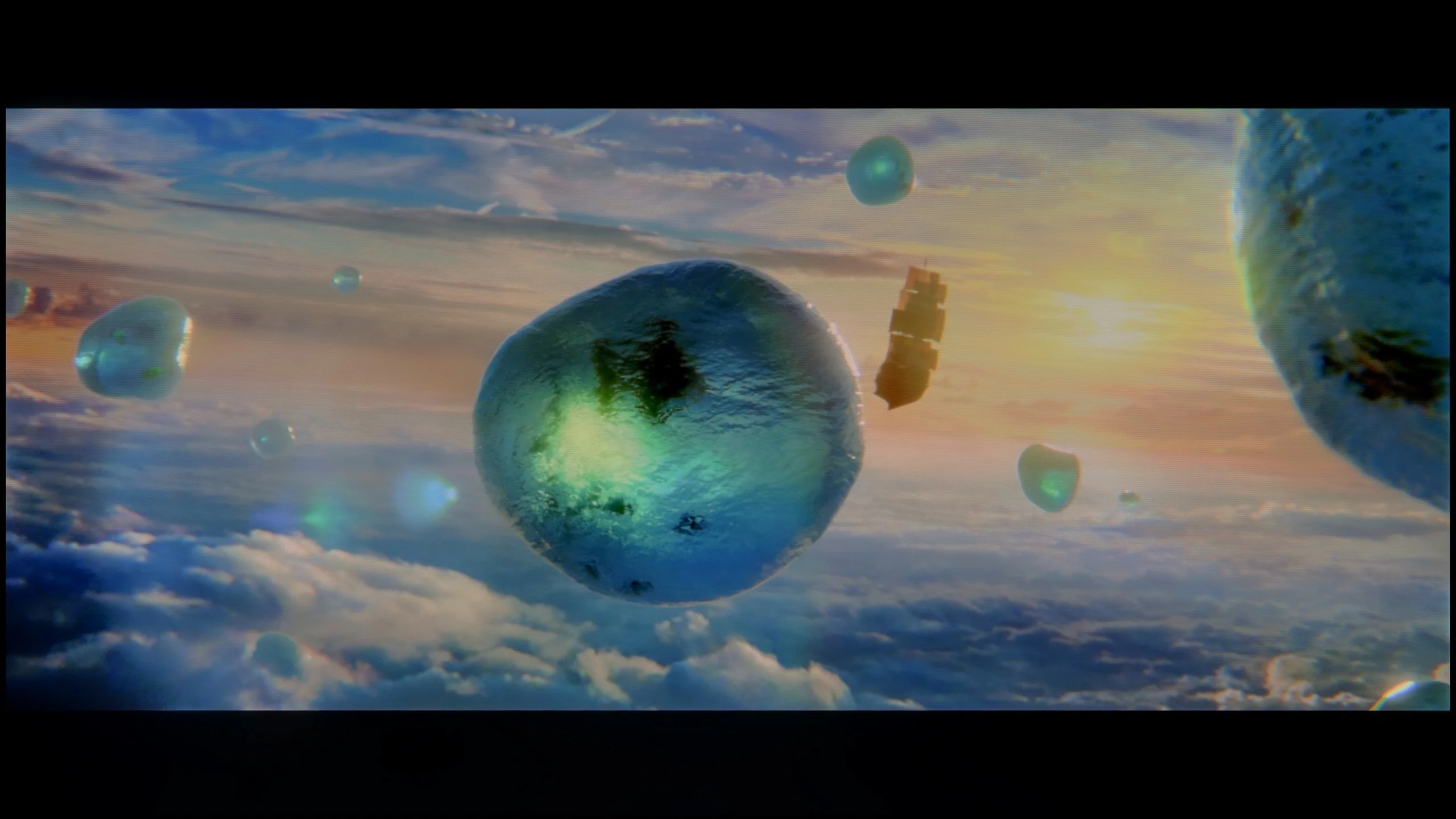
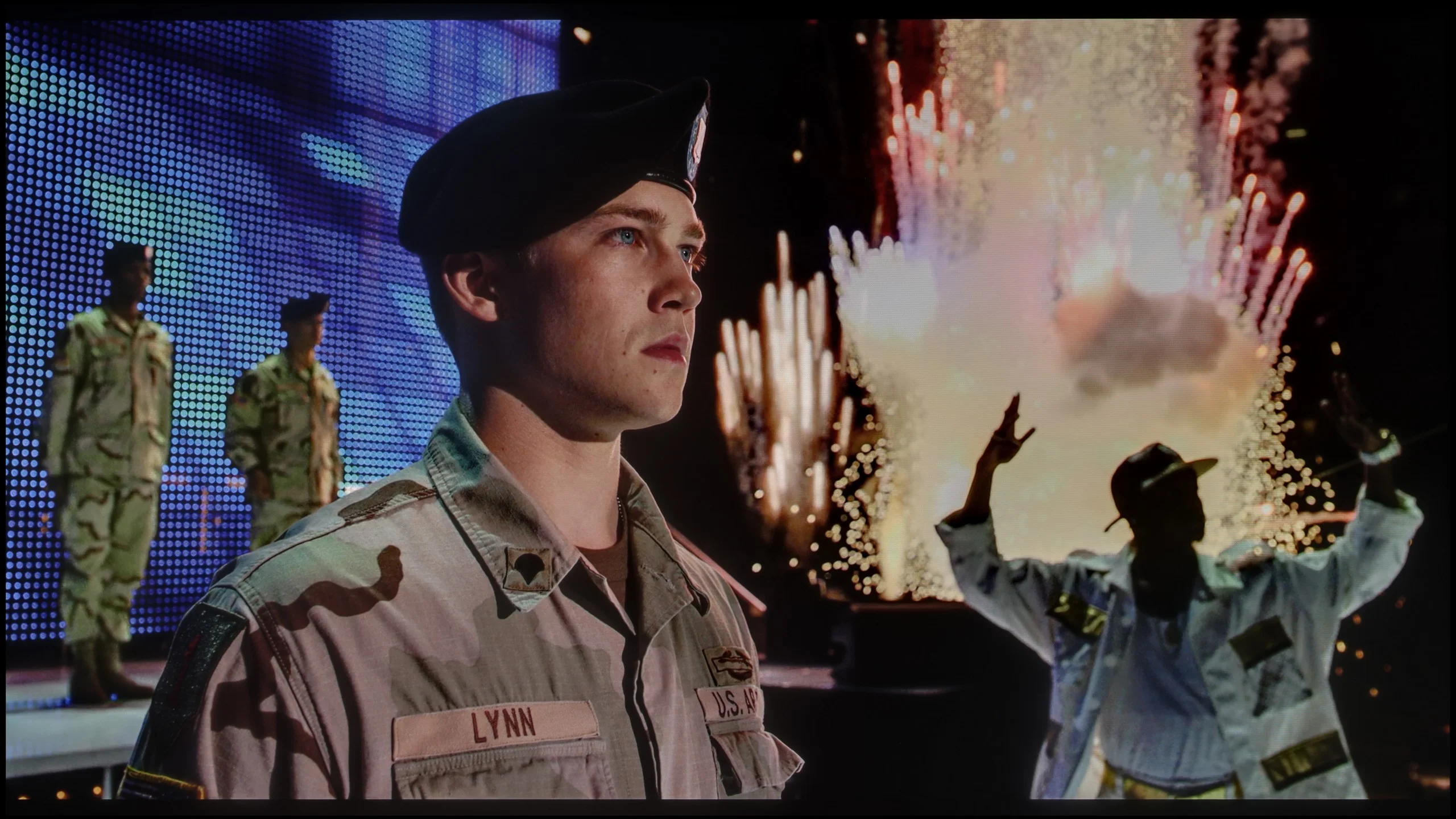
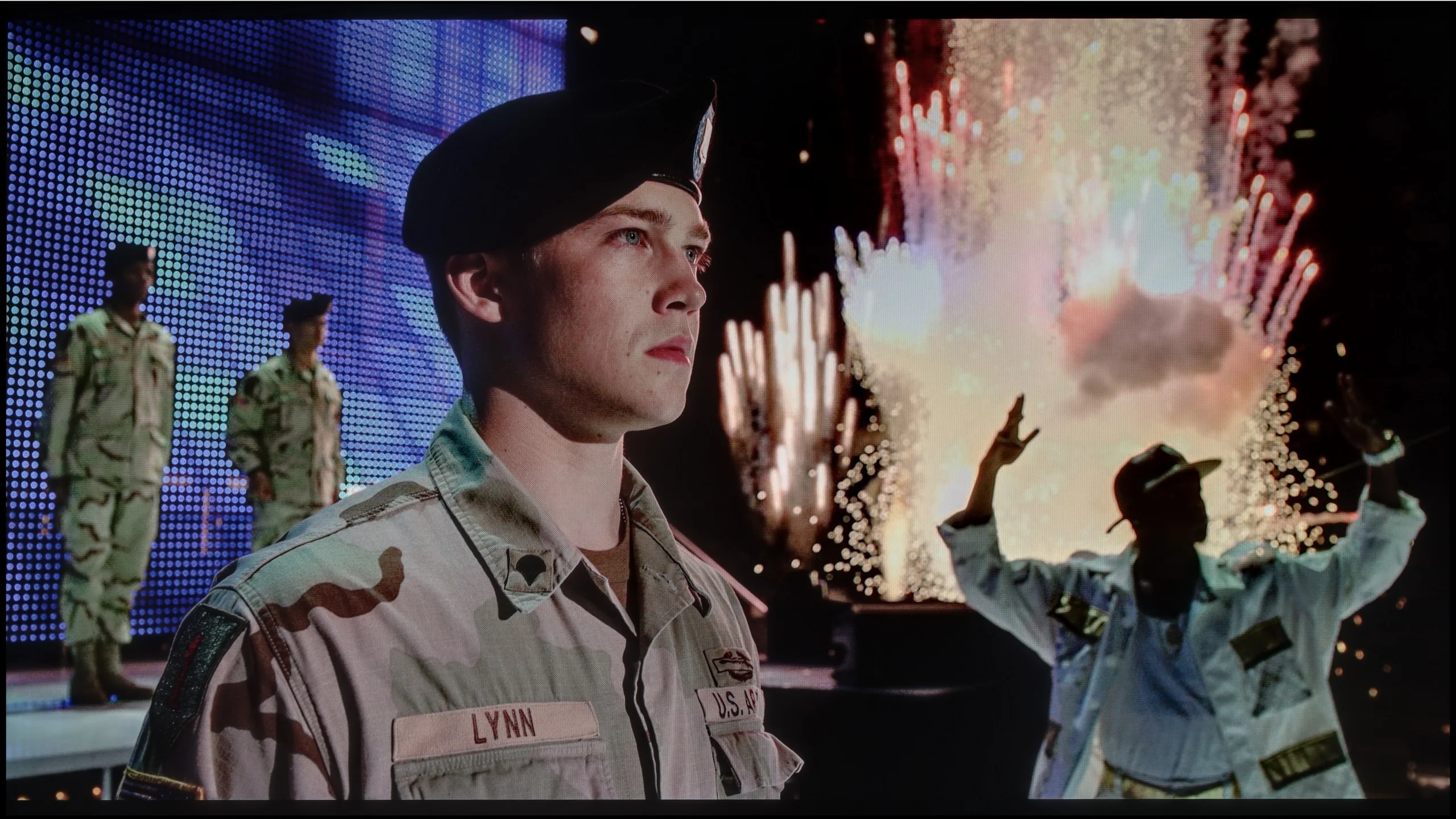
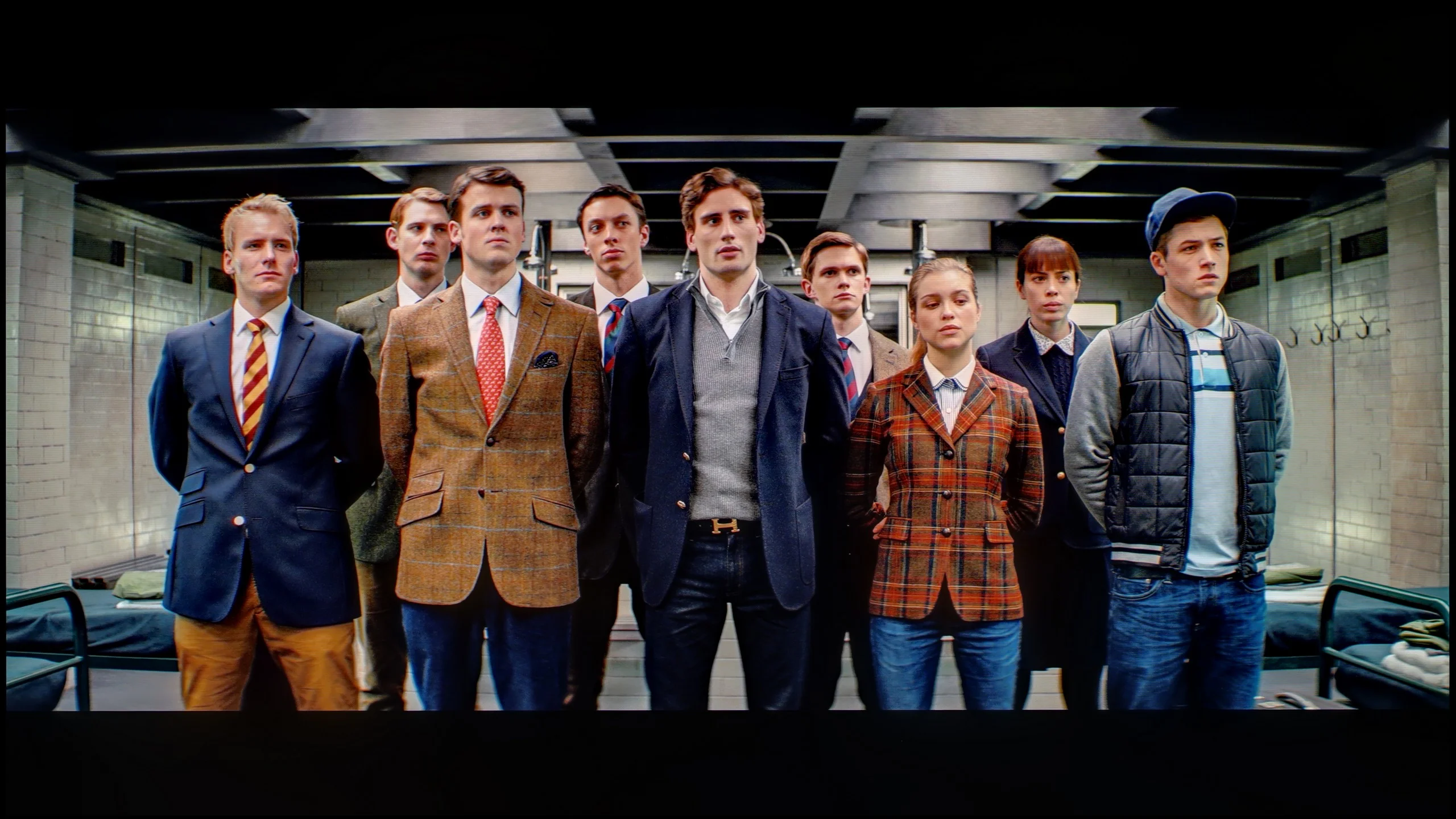
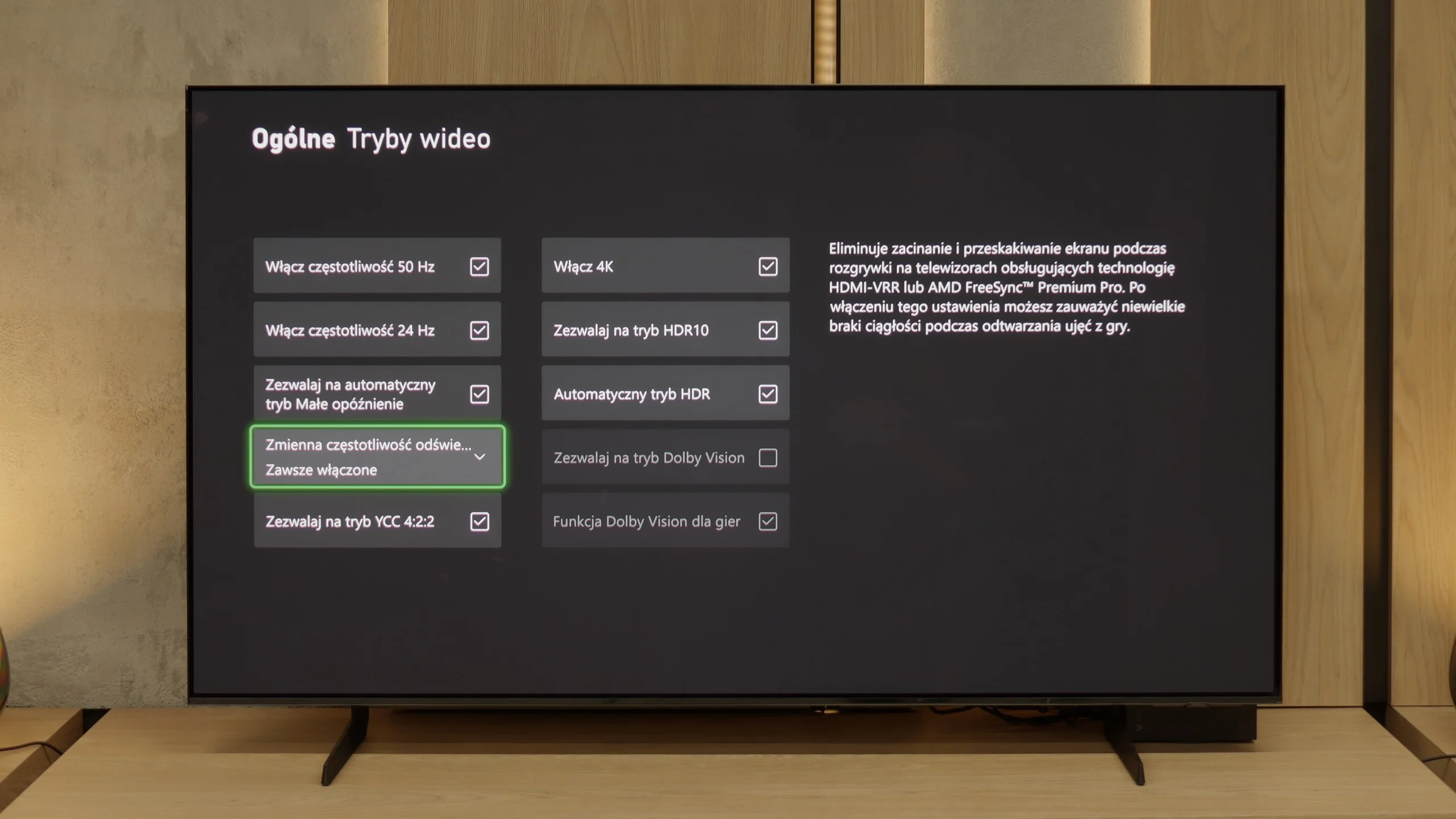
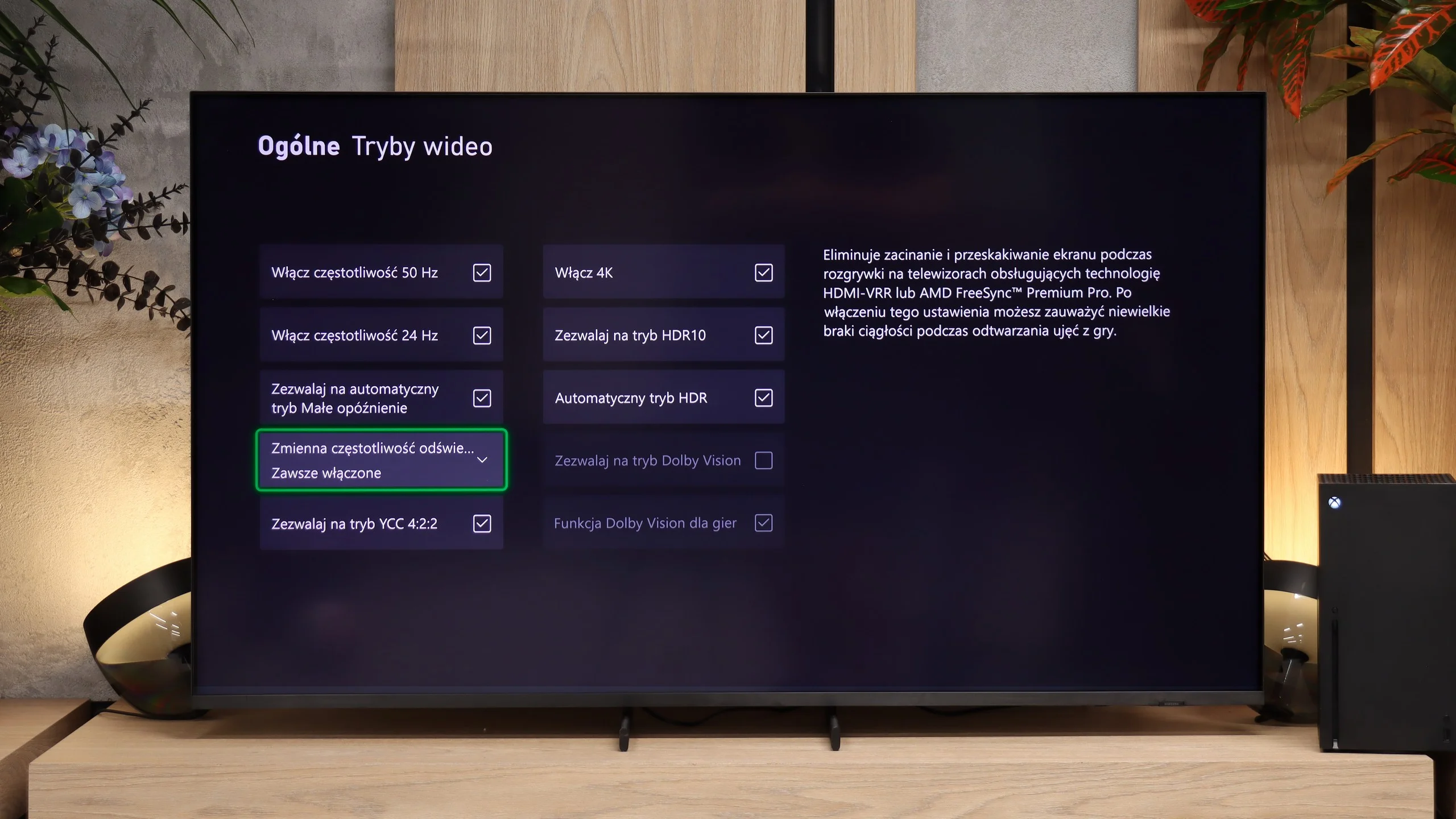
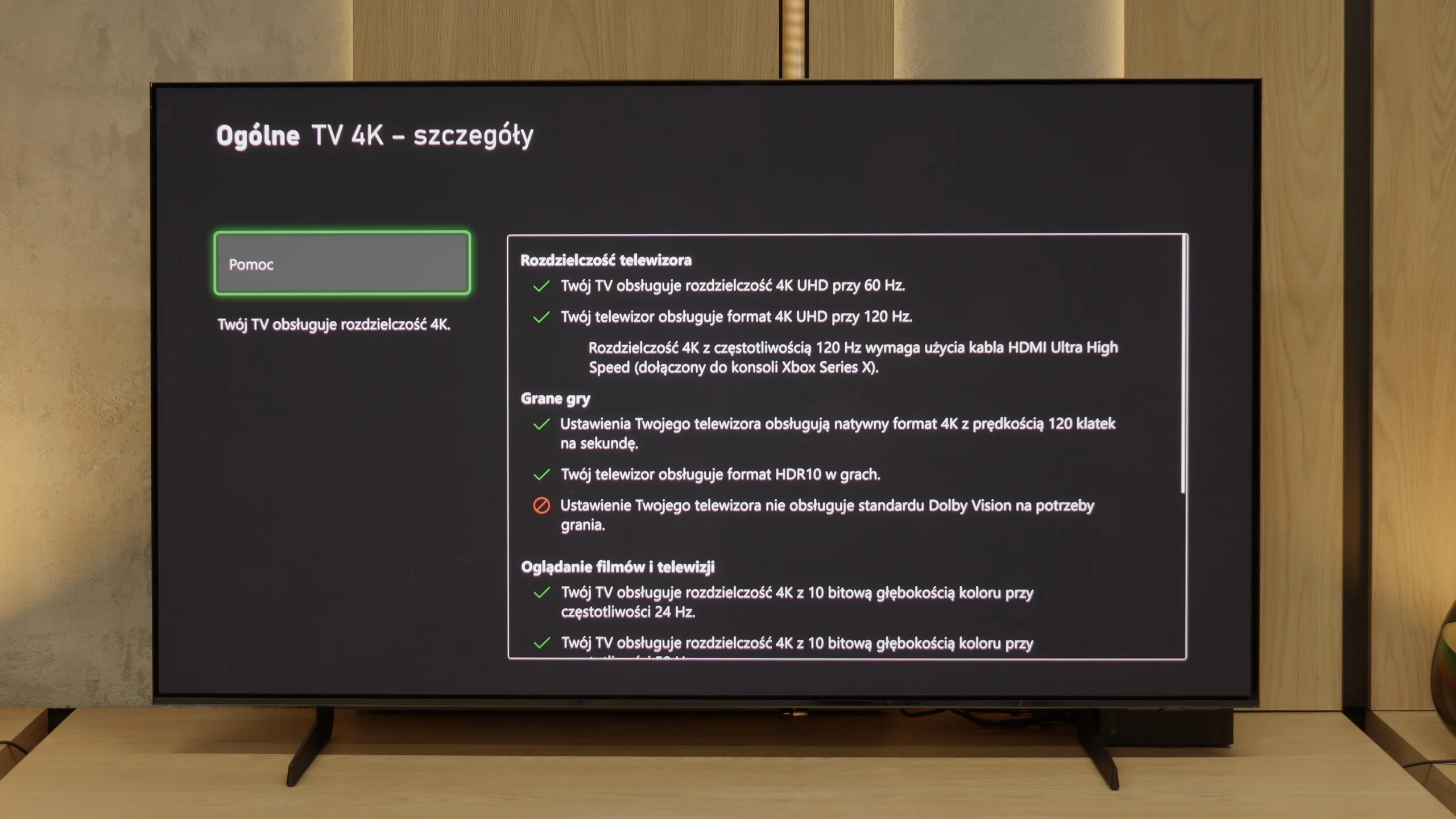
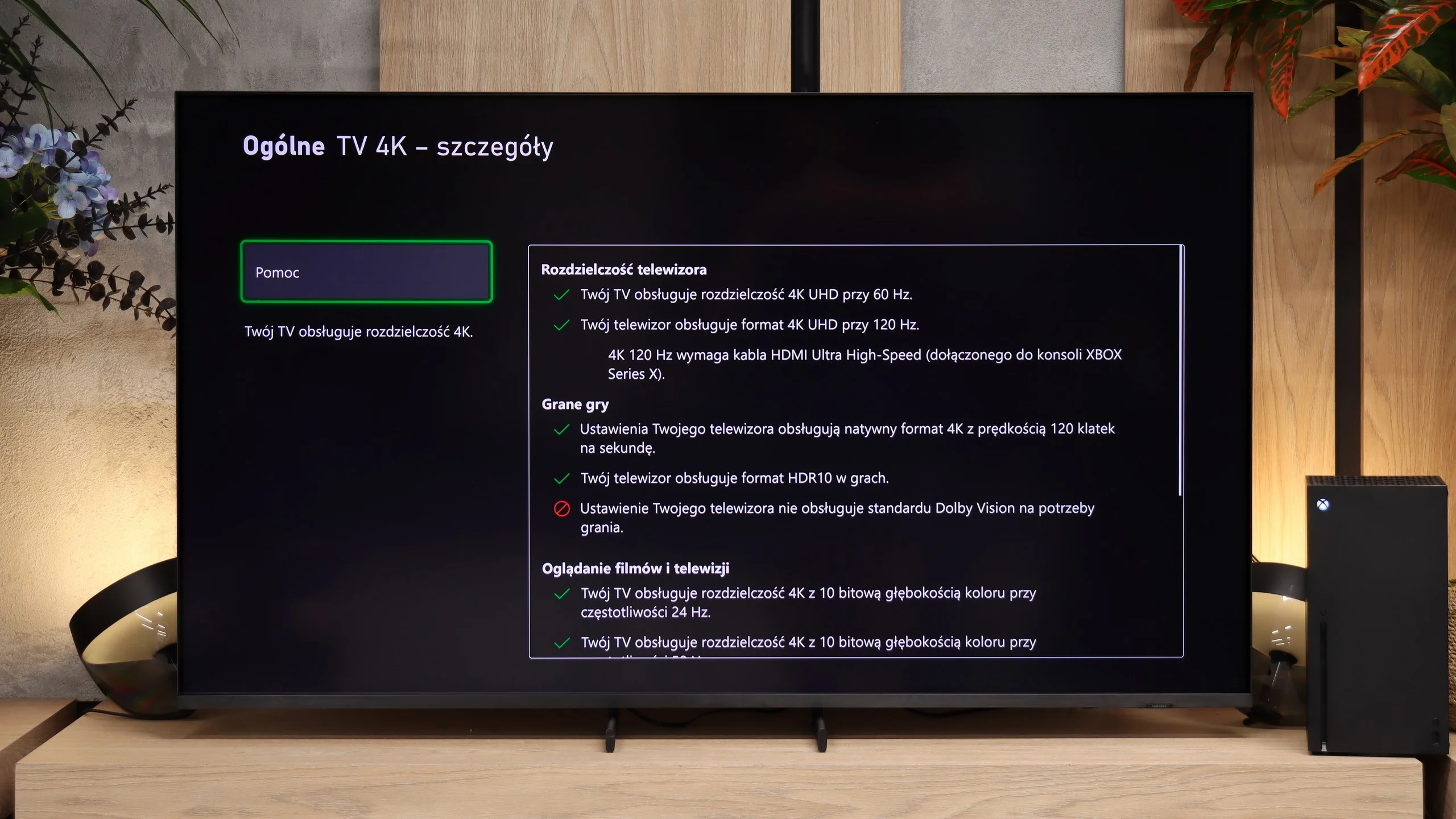
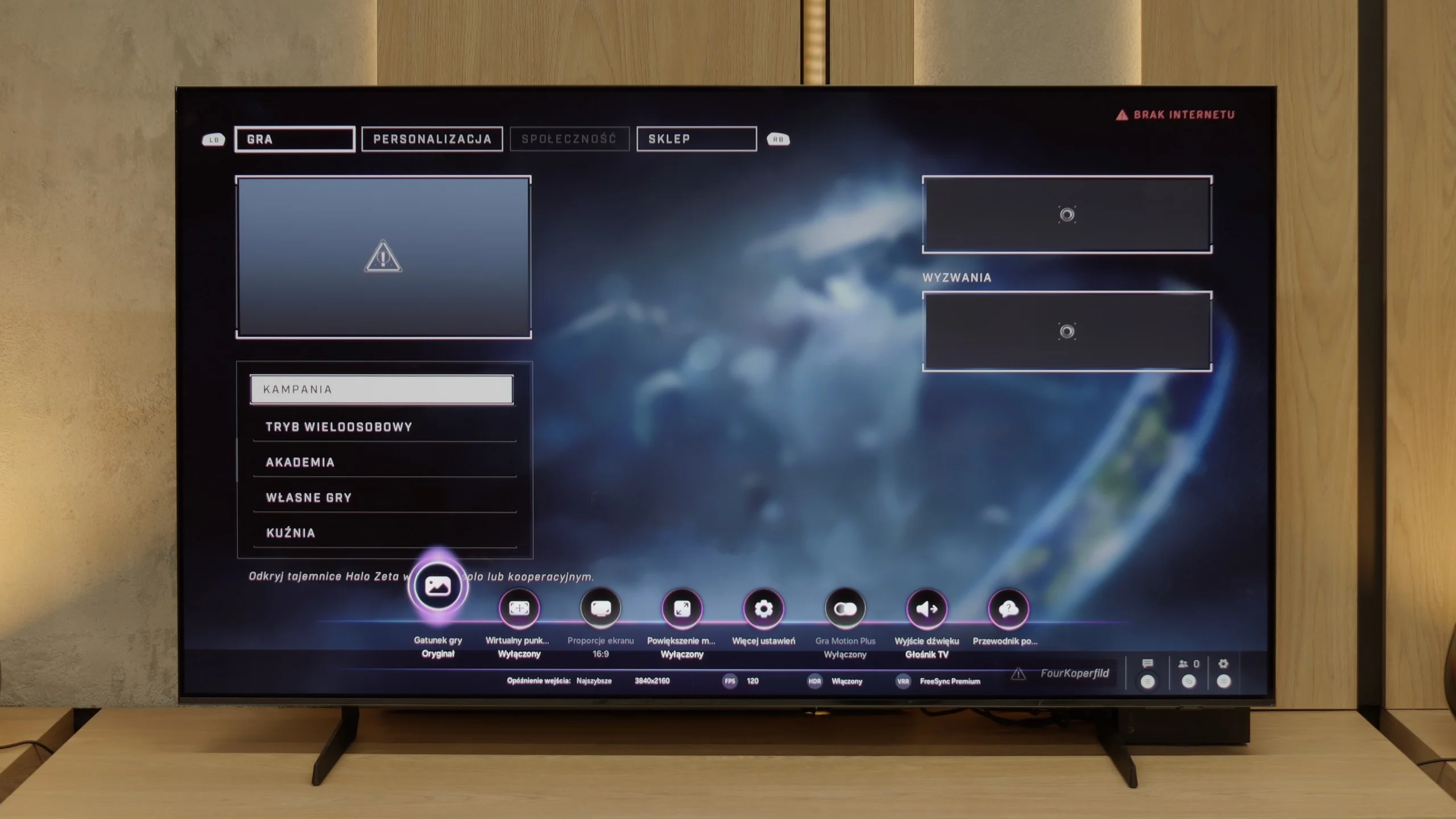
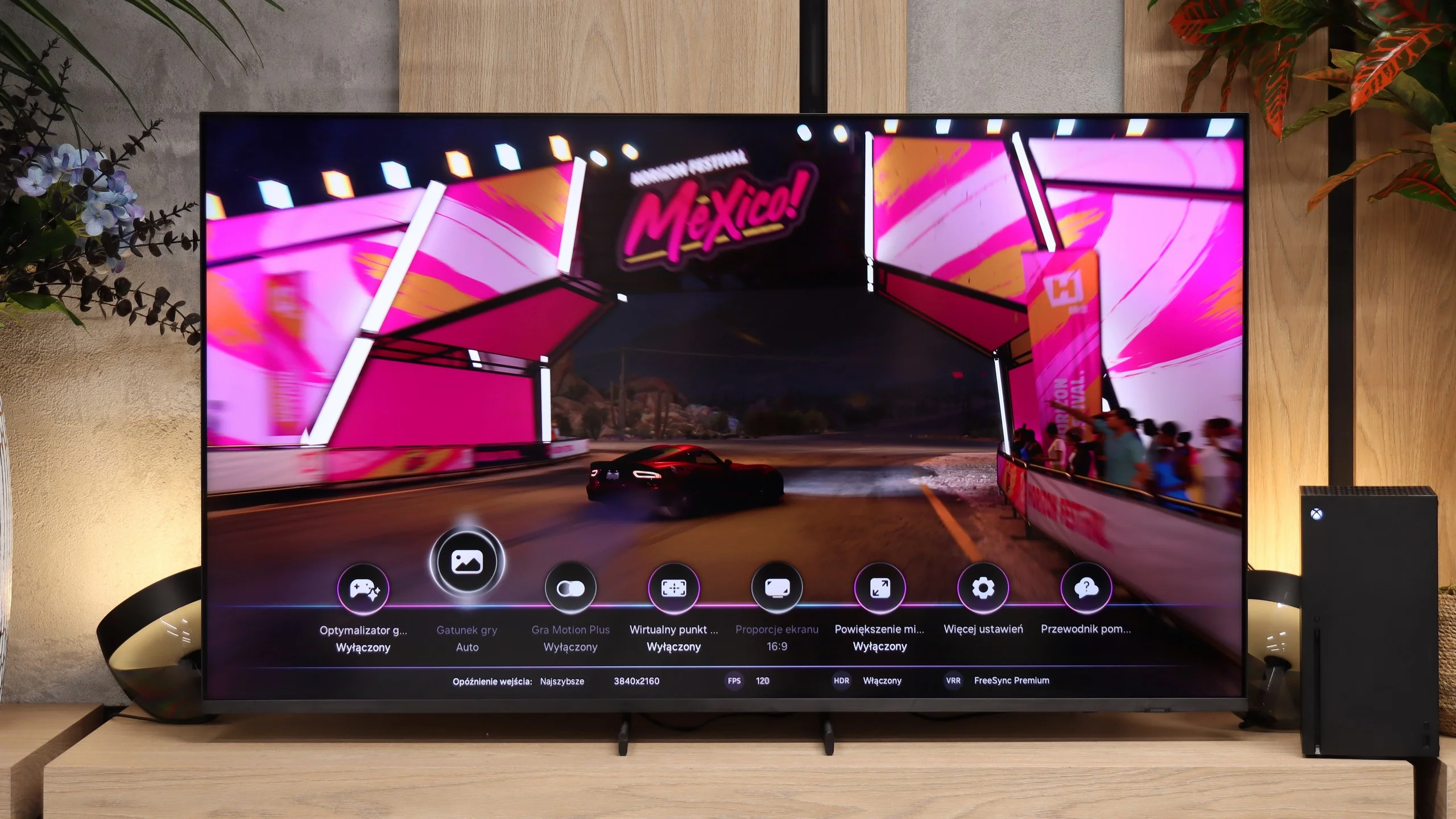
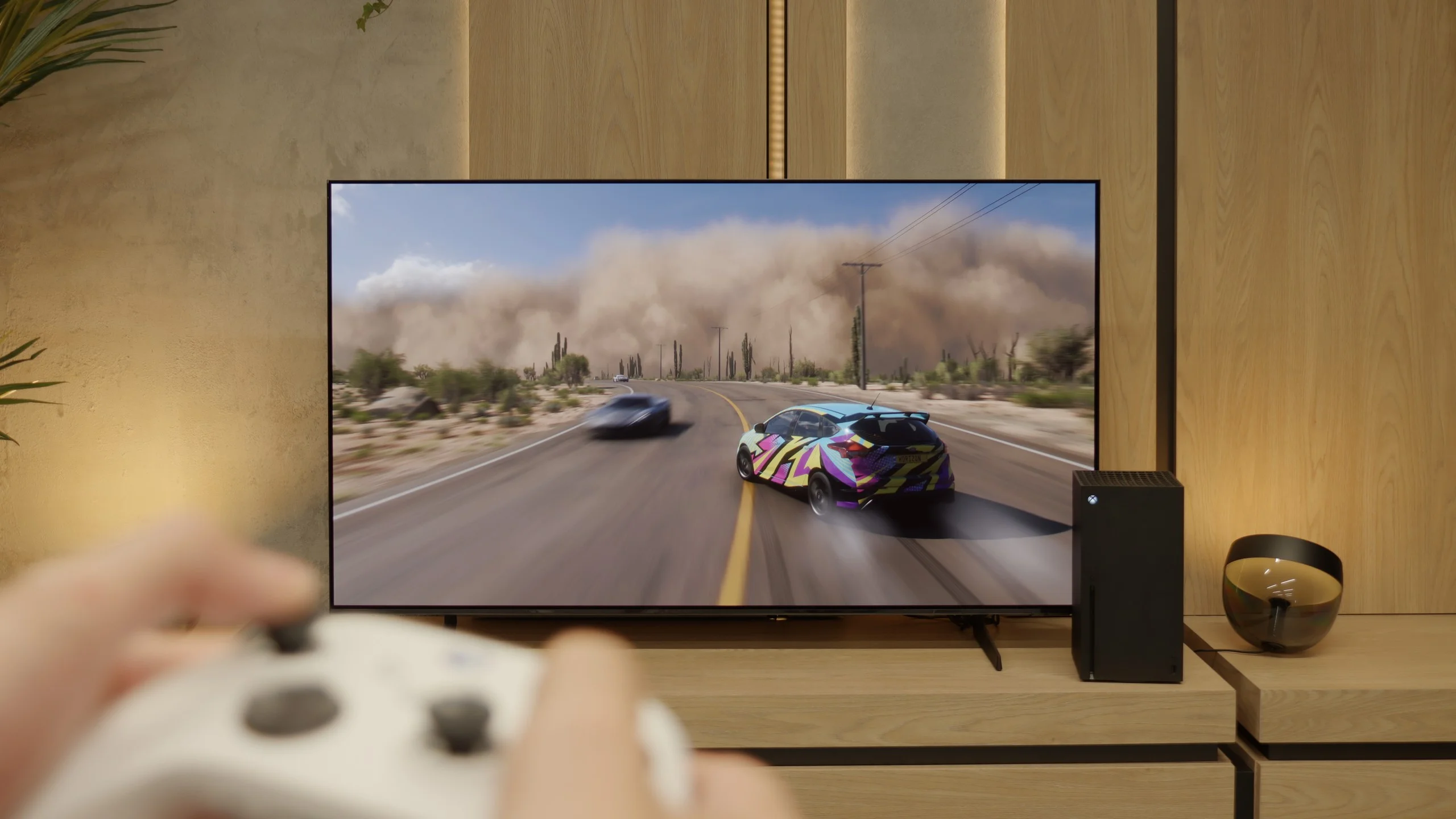
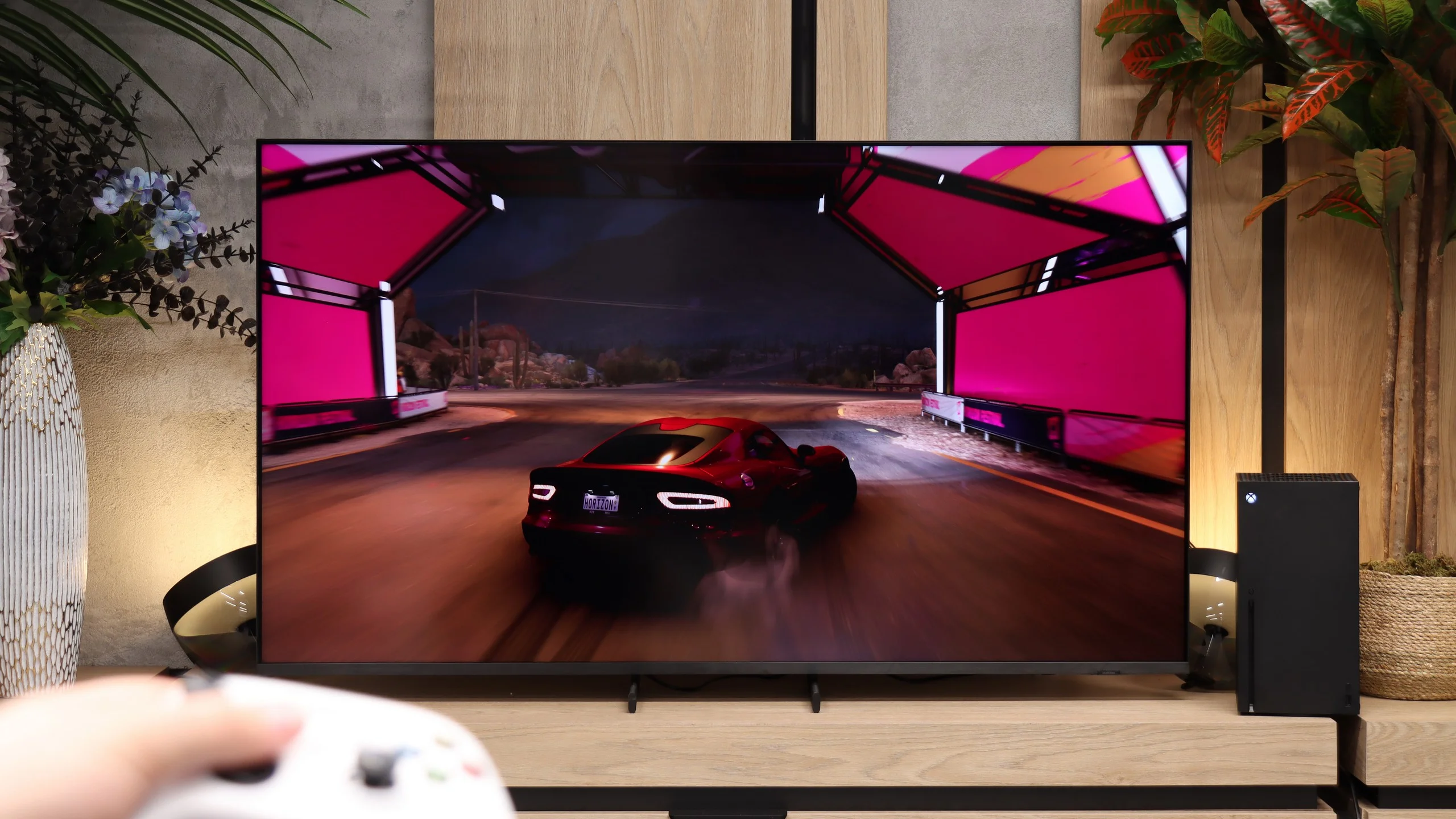
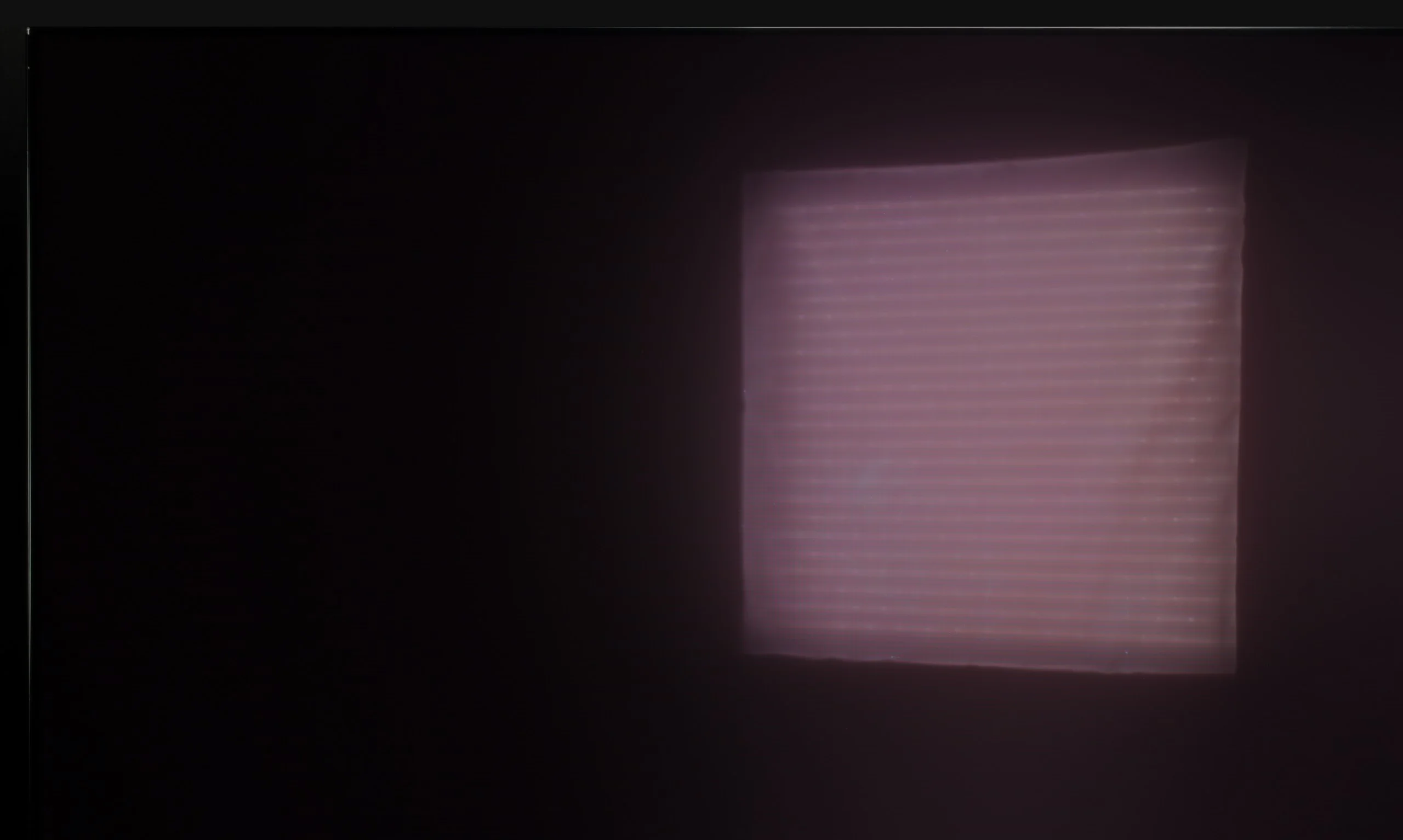
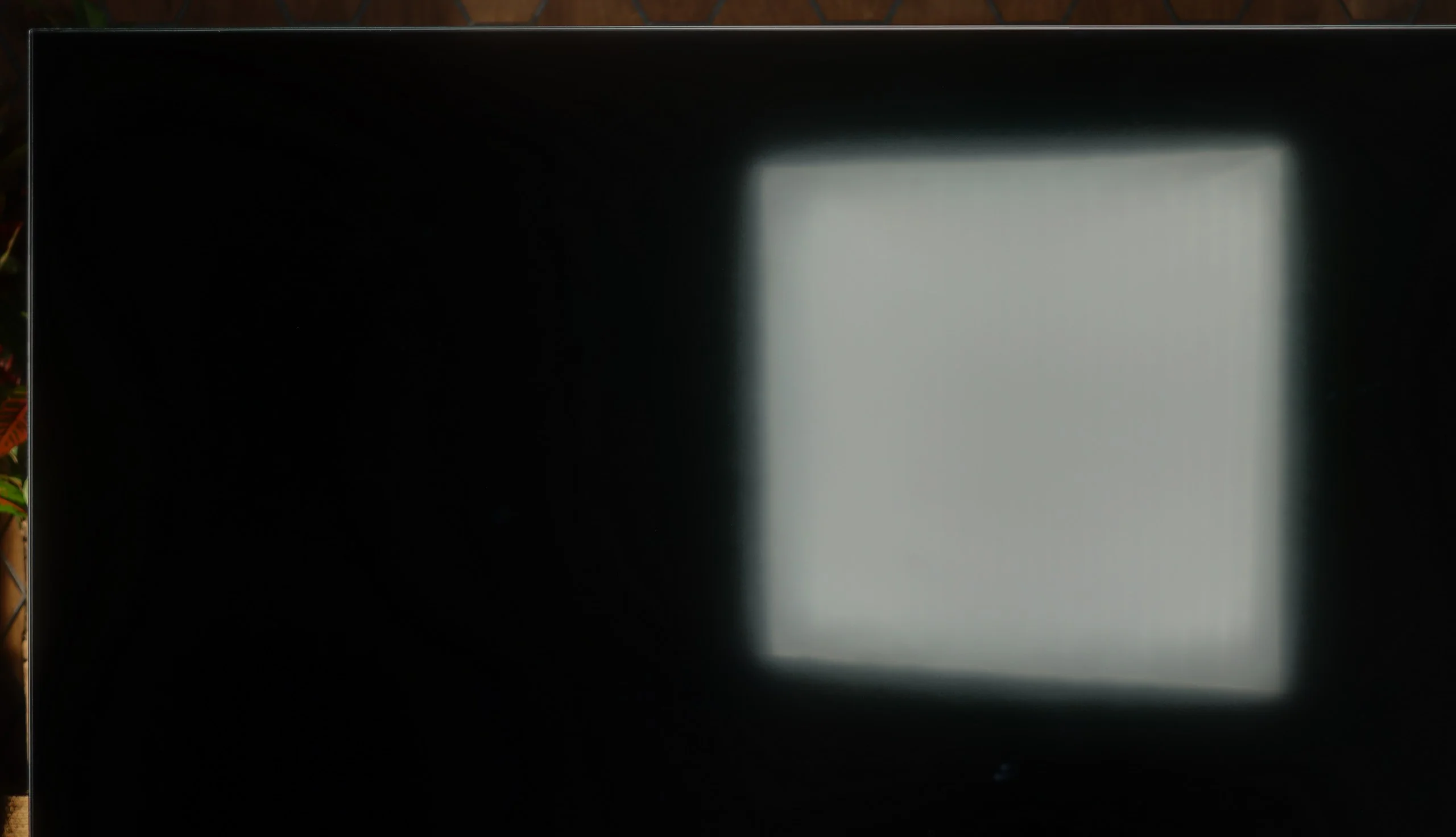
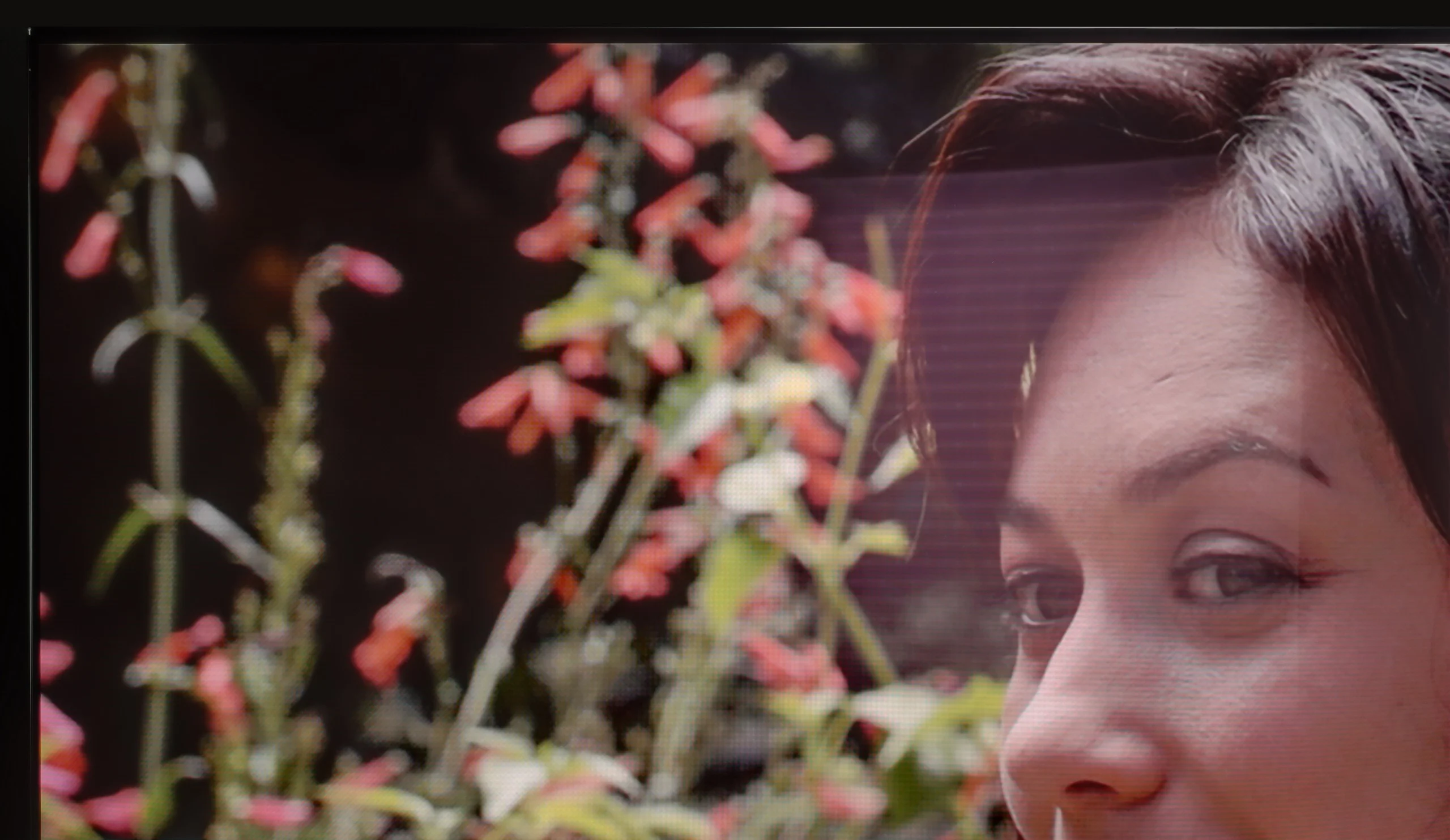
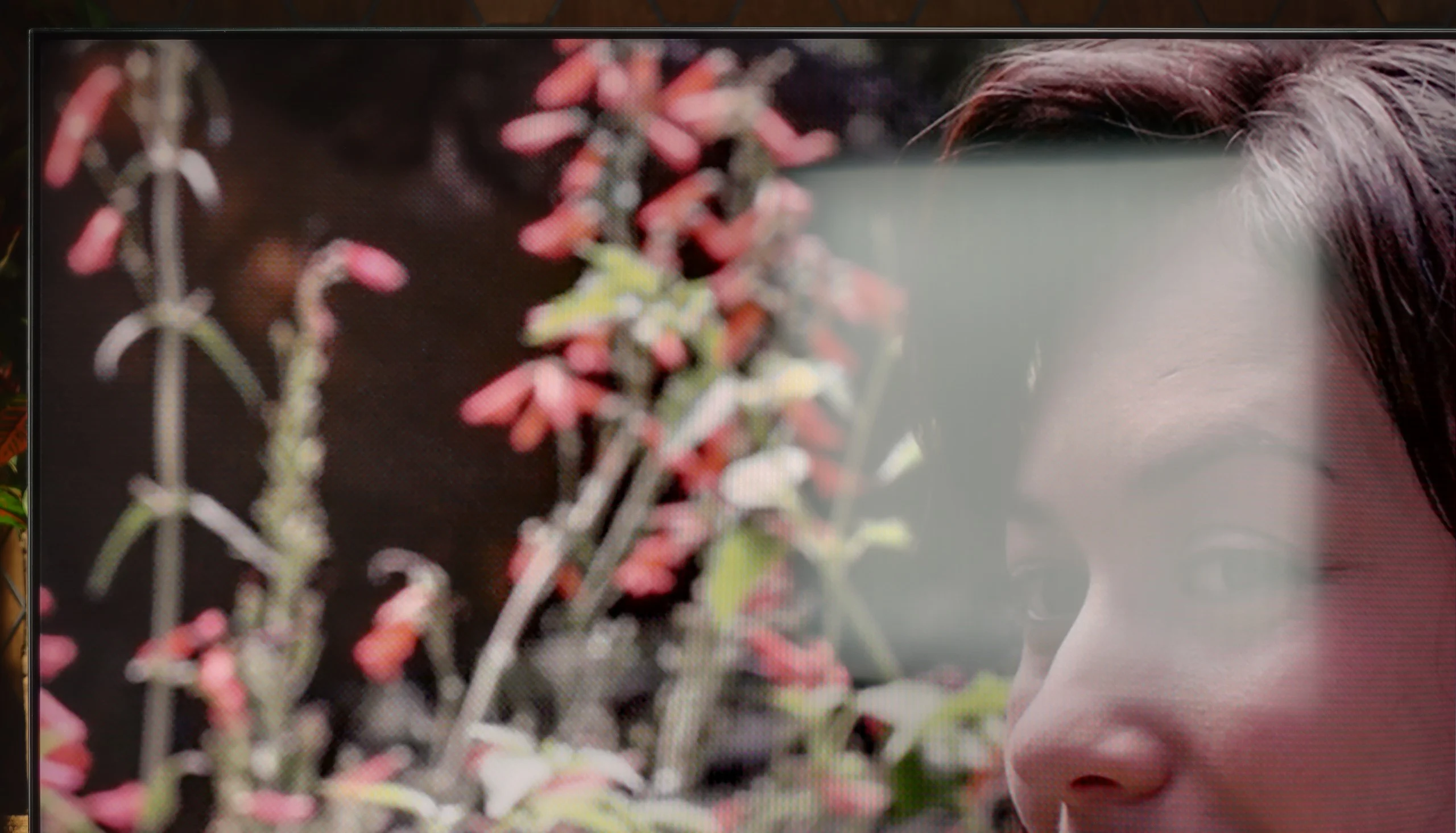
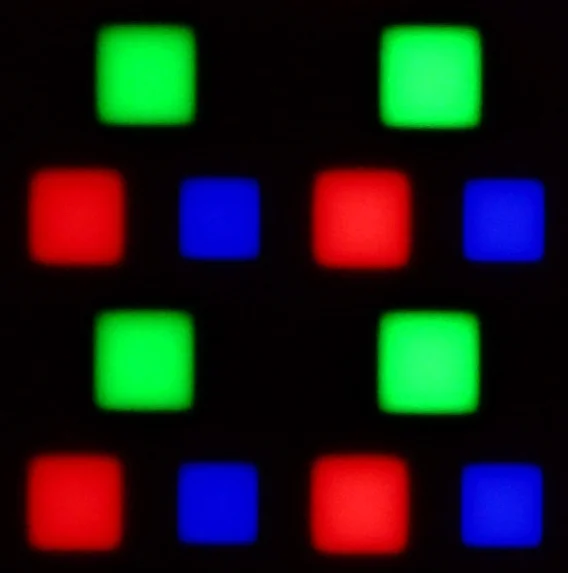
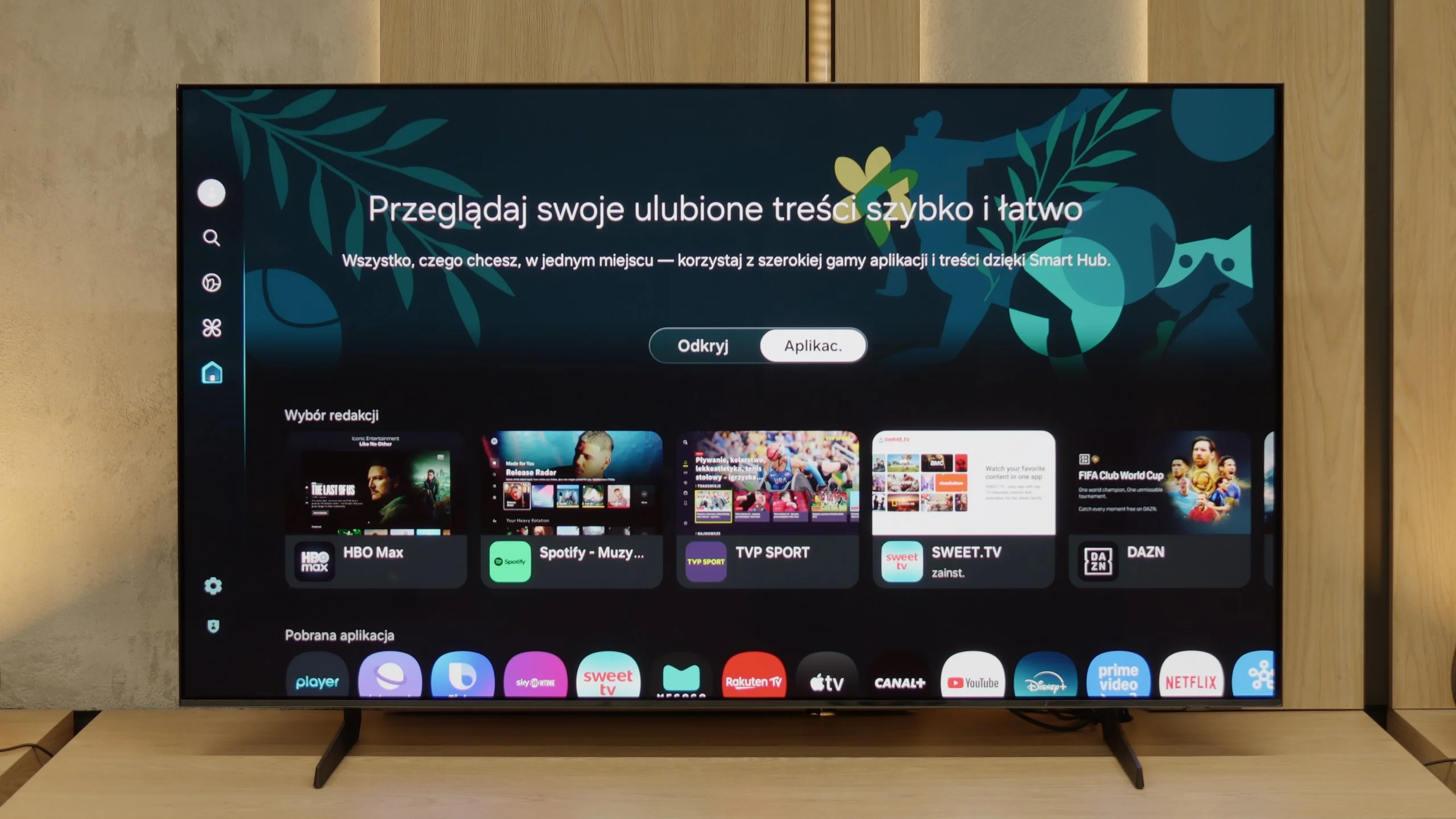
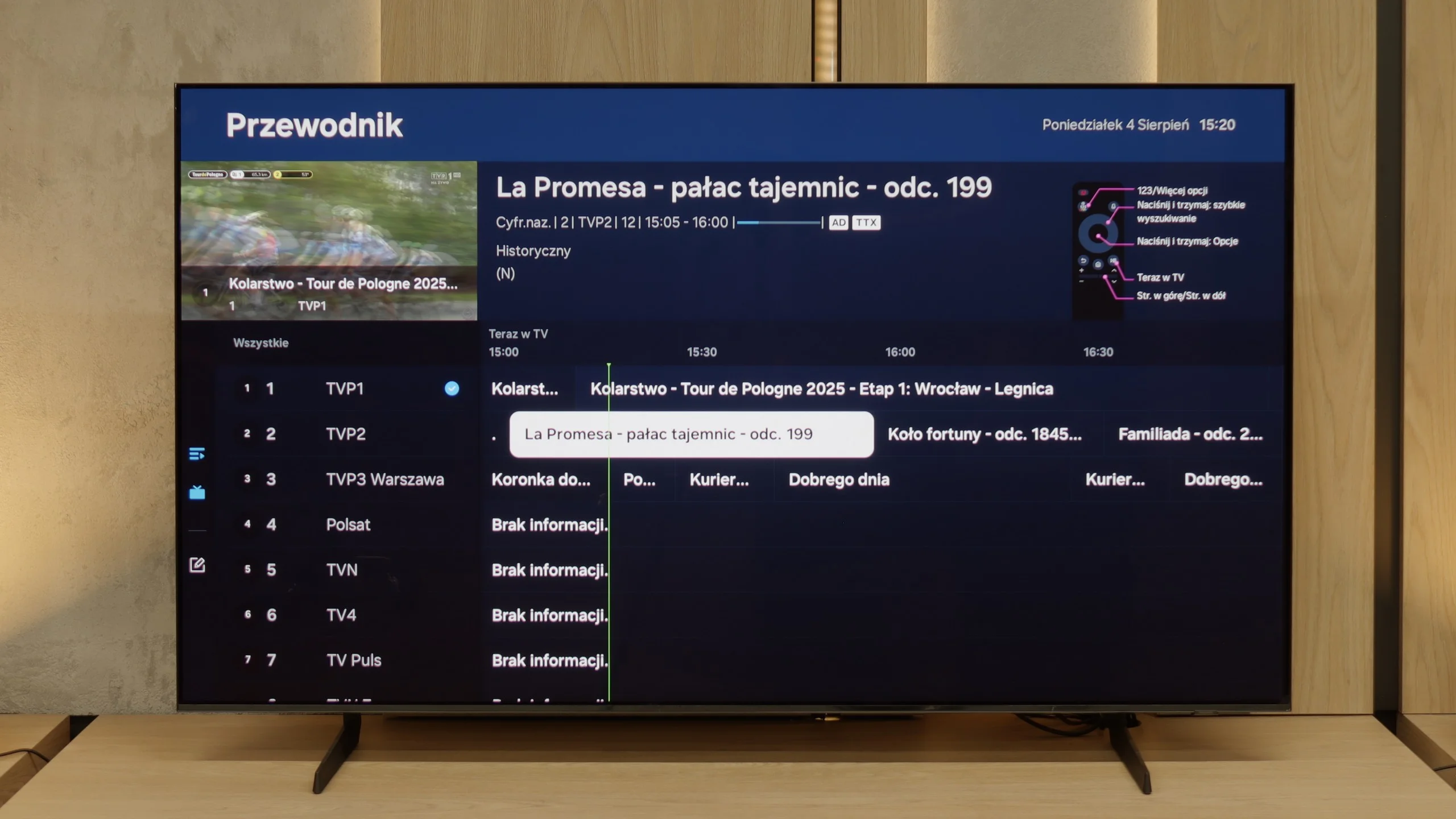
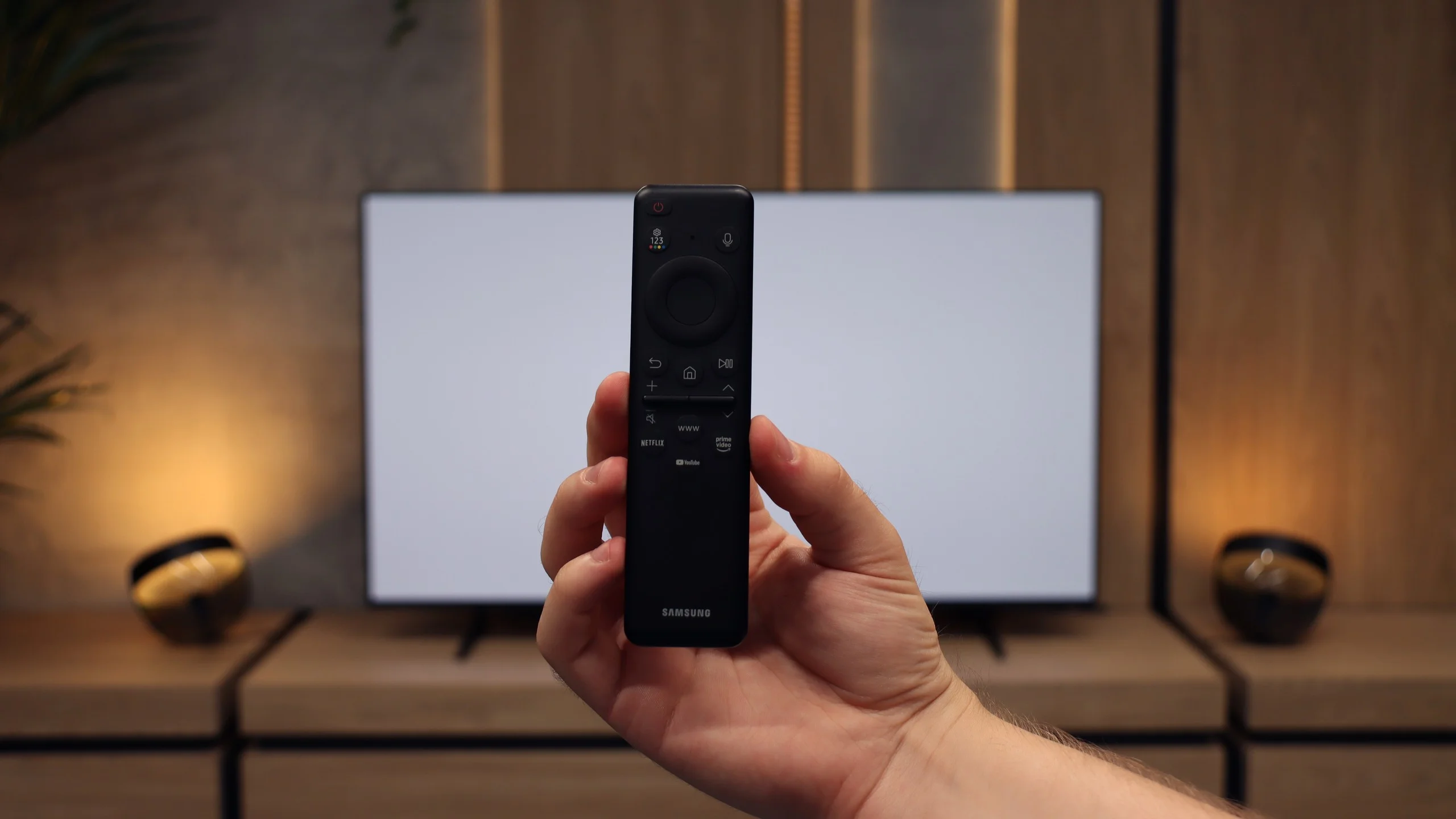
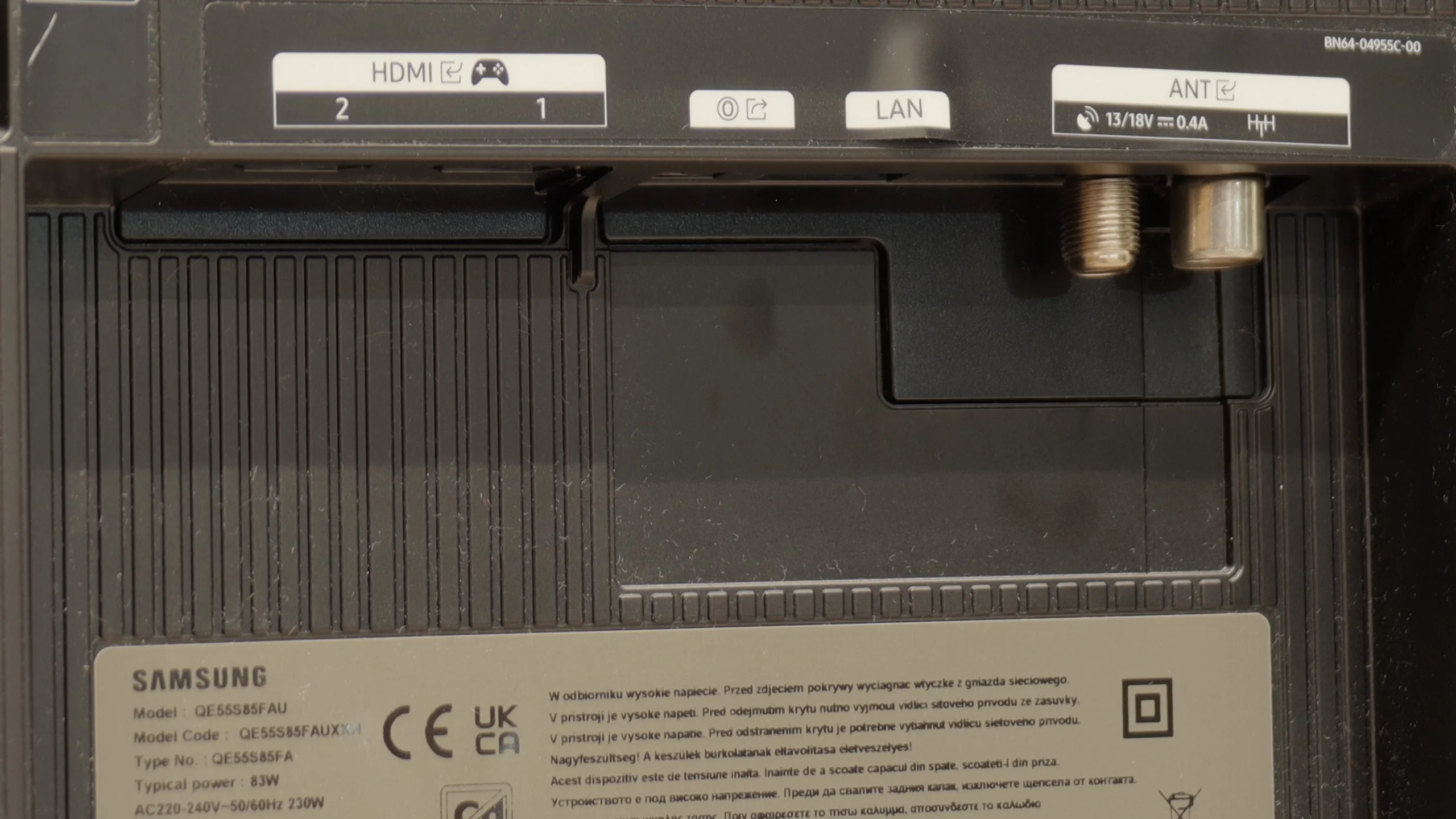
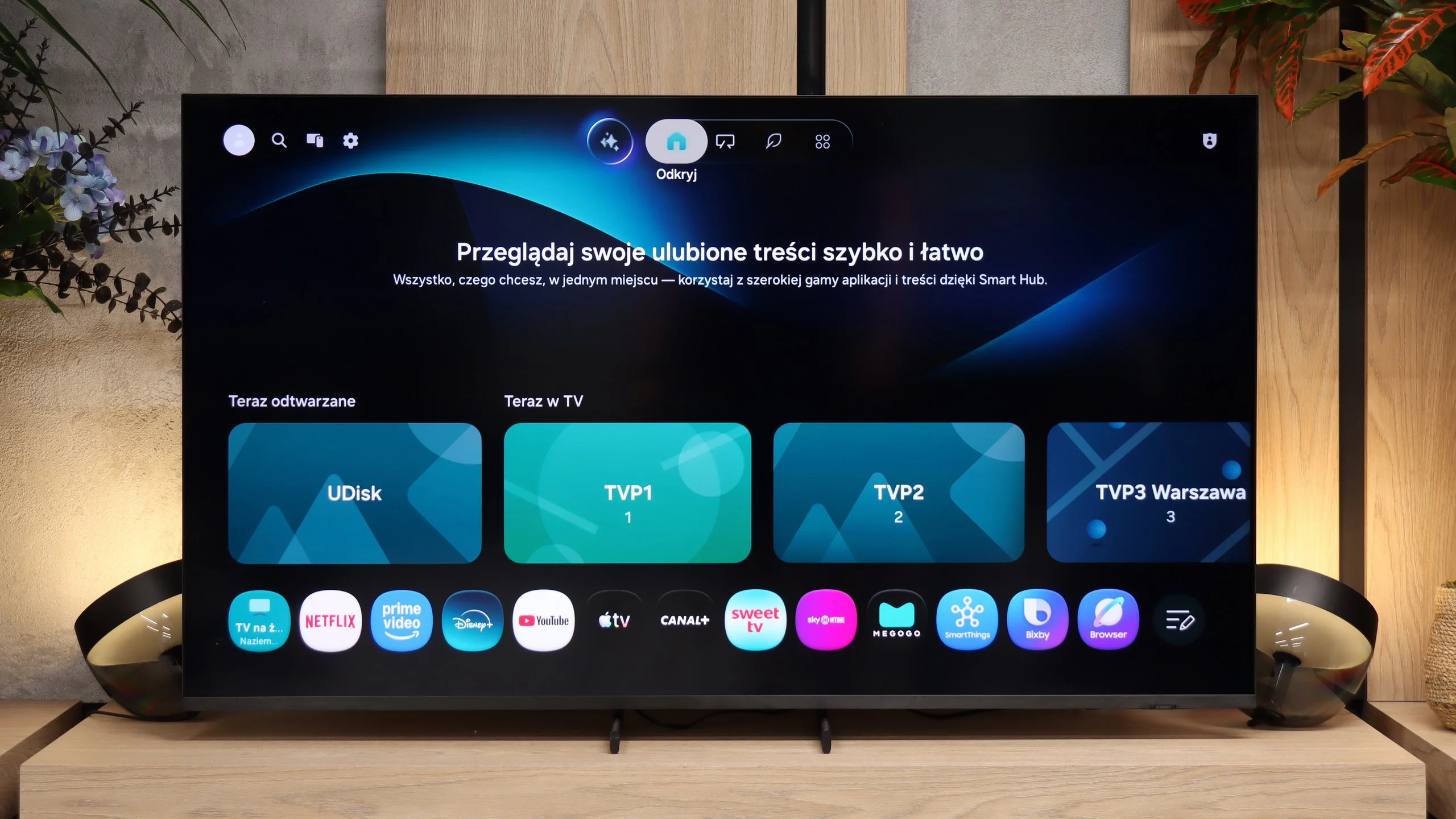
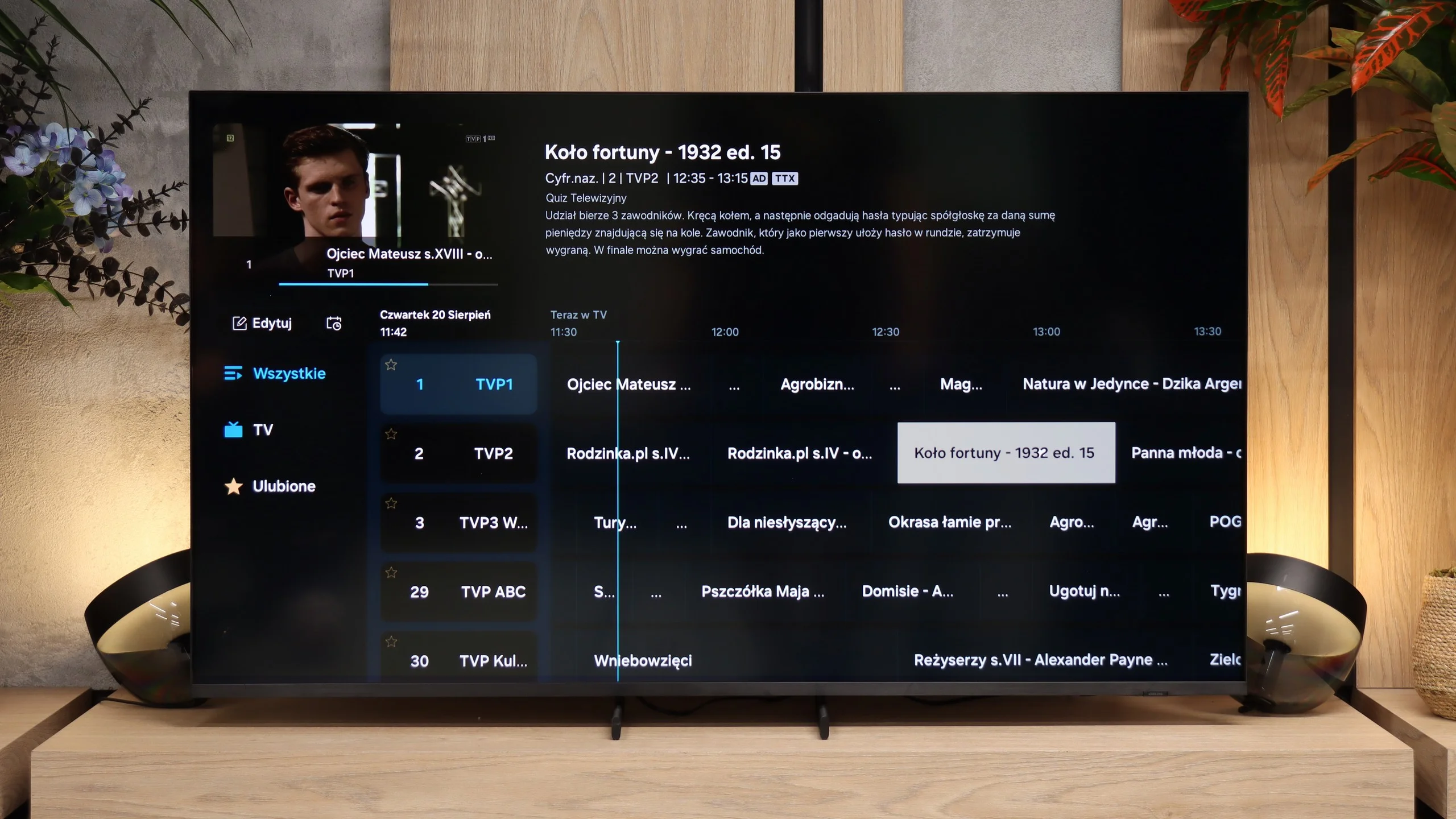
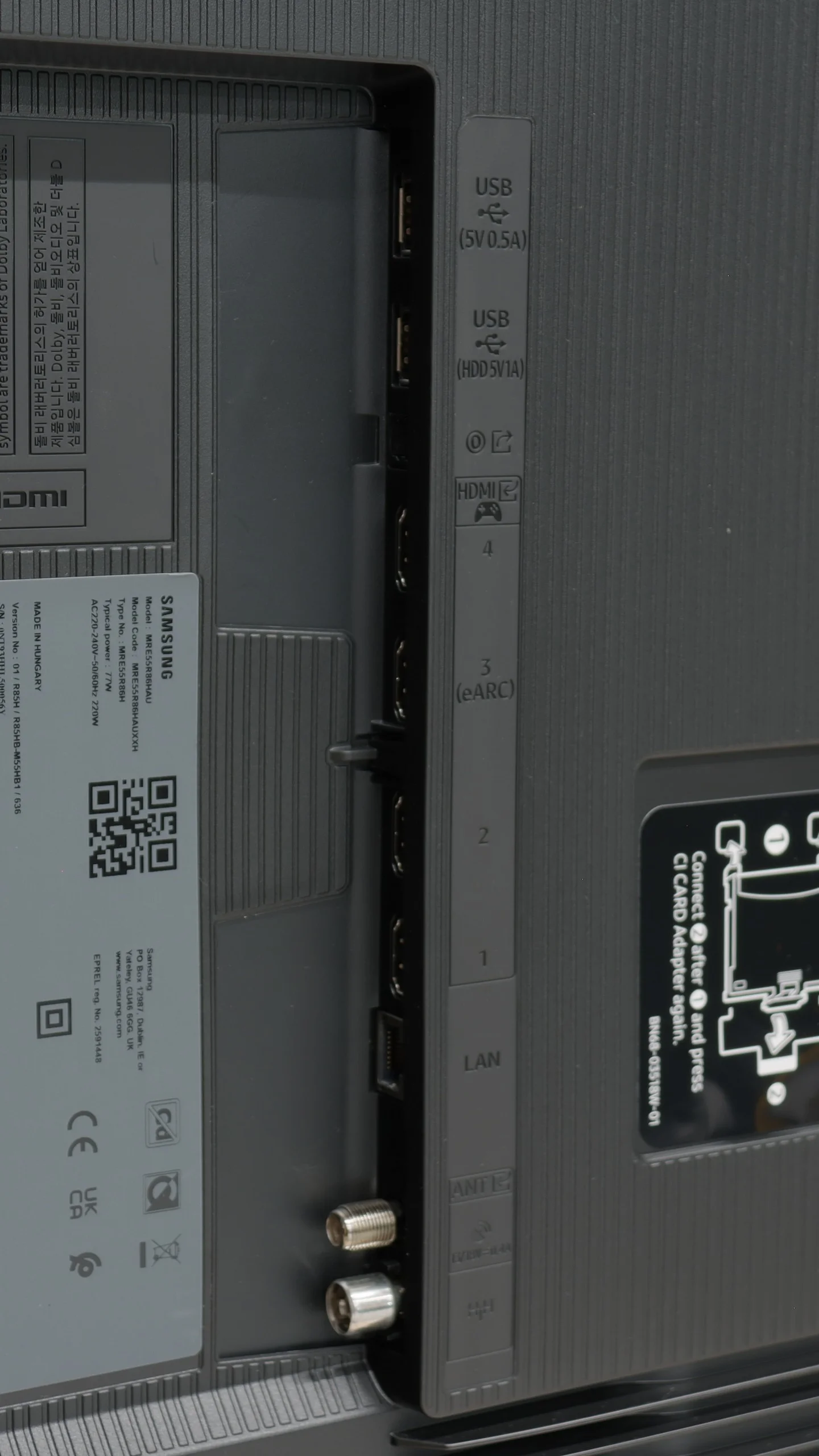
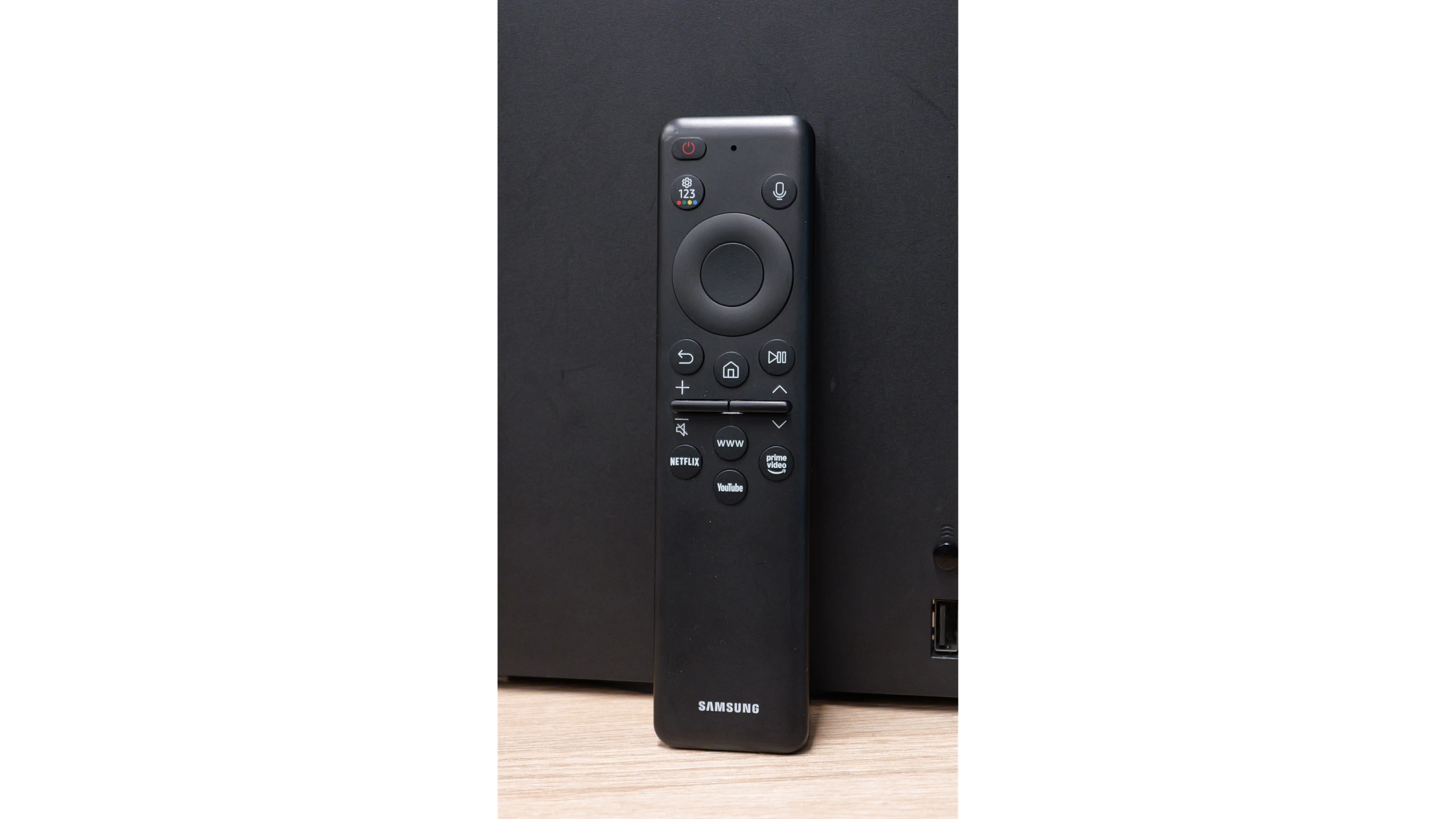
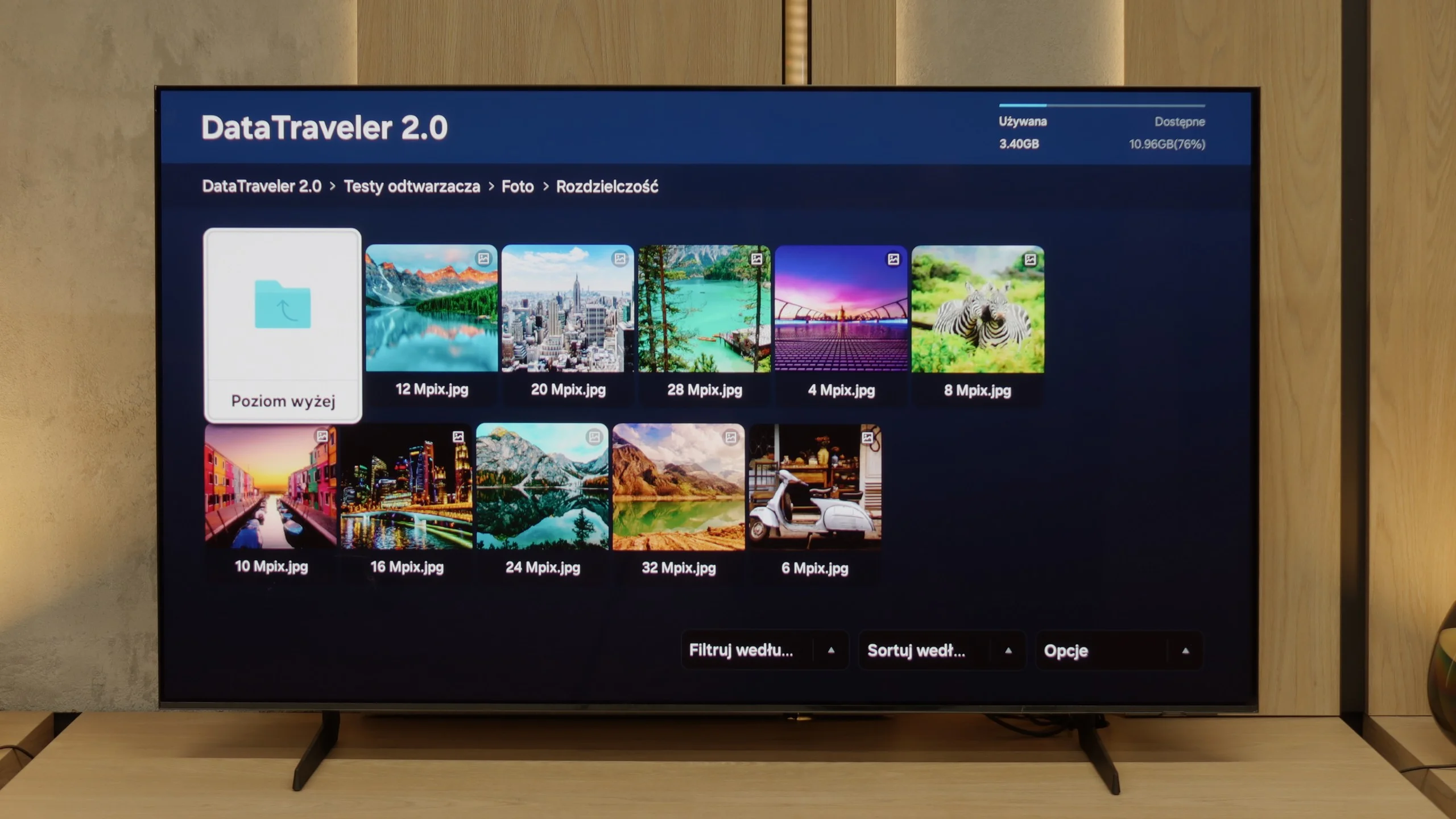
Samsung S85F with a QD-OLED panel can surprise – and it surprises very positively. Even before the tests, we didn't think that in the case of TVs that are talked about in the context of "panel lottery," one could come across something that would benefit the user. However, in this case, particularly in the 55-inch version, it has fully succeeded. The QD-OLED panel, as befits organic technology, offers perfect, almost ideal black and contrast in cinematic conditions. The difference lies, however, in the way colours are reproduced – here it is simply outstanding. The colour gamut coverage is impressive, and after a gentle calibration, the colours become almost exemplary. Motion fluidity is equally high. The 120 Hz panel handles both sports and action films excellently. And if someone plans to connect a console to the S85F, they will receive a complete set of advantages: low input lag, variable refresh rate, Game Bar, and full support for HDMI 2.1. In everyday use, we were assisted by the Tizen system – closed, but extremely well-designed. It responds quickly, offers a rich selection of applications, and add-ons such as AirPlay and voice control make it hard to find something more complete in this category. Indeed, the S85F is not without its flaws. However, the balance of advantages and disadvantages is exceptionally favourable here. One could even get the impression that it is one of the best TVs in its price segment.
[UPDATE] We have updated our 2025 Samsung TV reviews following the release of firmware version 1131, which officially restores the essential HGiG (HDR Gaming Interest Group) support.
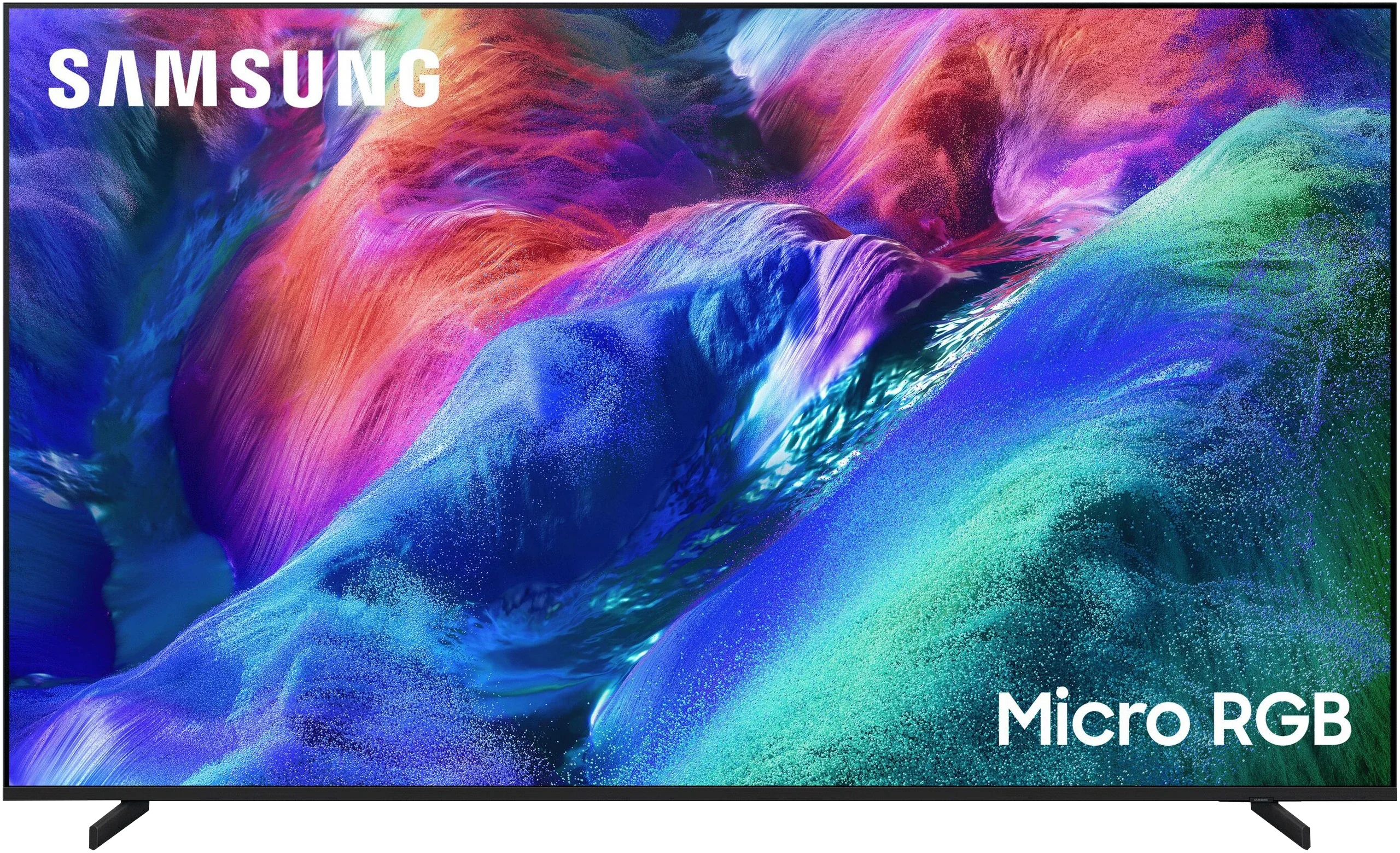
The Samsung R85H is, above all, a very versatile television that performs well in almost any use. You can place it in a bright living room, connect a console, watch a film or series in the evening, and use it for everyday broadcast TV, and each time you’ll get a picture of a good standard. It may not be a model that makes as strong an impression from the first minutes as Samsung’s best OLEDs, but it’s hard to point to a single feature that would significantly limit its use. That versatility is probably its greatest strength. Naturally, the most attention around the R85H goes to the new "Micro RGB" backlight. From our tests, we’d say it can indeed give some advantage over conventional Mini-LED, although not always in the areas the manufacturer emphasises most. On measurement charts its colour reproduction capabilities are impressive, but in real, more complex scenes the TV is not always able to exploit the full potential of the three-colour backlight. Its strength is most evident in simpler parts of the image, where intense reds, greens or blues can look really striking. Viewing angles are also a little better, as colours viewed at an angle retain their saturation longer than on classic LCD TVs. However, Micro RGB does not solve all the limitations of RGB technology. With very saturated elements you can sometimes notice slight colour bleeding onto neighbouring bright parts of the image, and a relatively small number of local dimming zones means the backlight cannot always operate as precisely as its on-paper capabilities would suggest. The R85H therefore shows that RGB genuinely has potential and could be the next step in the development of LCD televisions, but simply using coloured LEDs does not automatically deliver a huge jump in picture quality. For that reason we would treat the R85H primarily as a slightly better and more interesting alternative to the QN80H, rather than a TV you must buy at all costs just because it carries the Micro RGB badge. If the price difference between the models is reasonable, we would choose the R85H. We would not, however, pay a large premium solely for the new backlight, because its advantage in everyday viewing is not always as great as marketing materials might suggest. Regardless, the R85H is a successful all-purpose TV and that is probably the best way to view it.
 Direct comparison