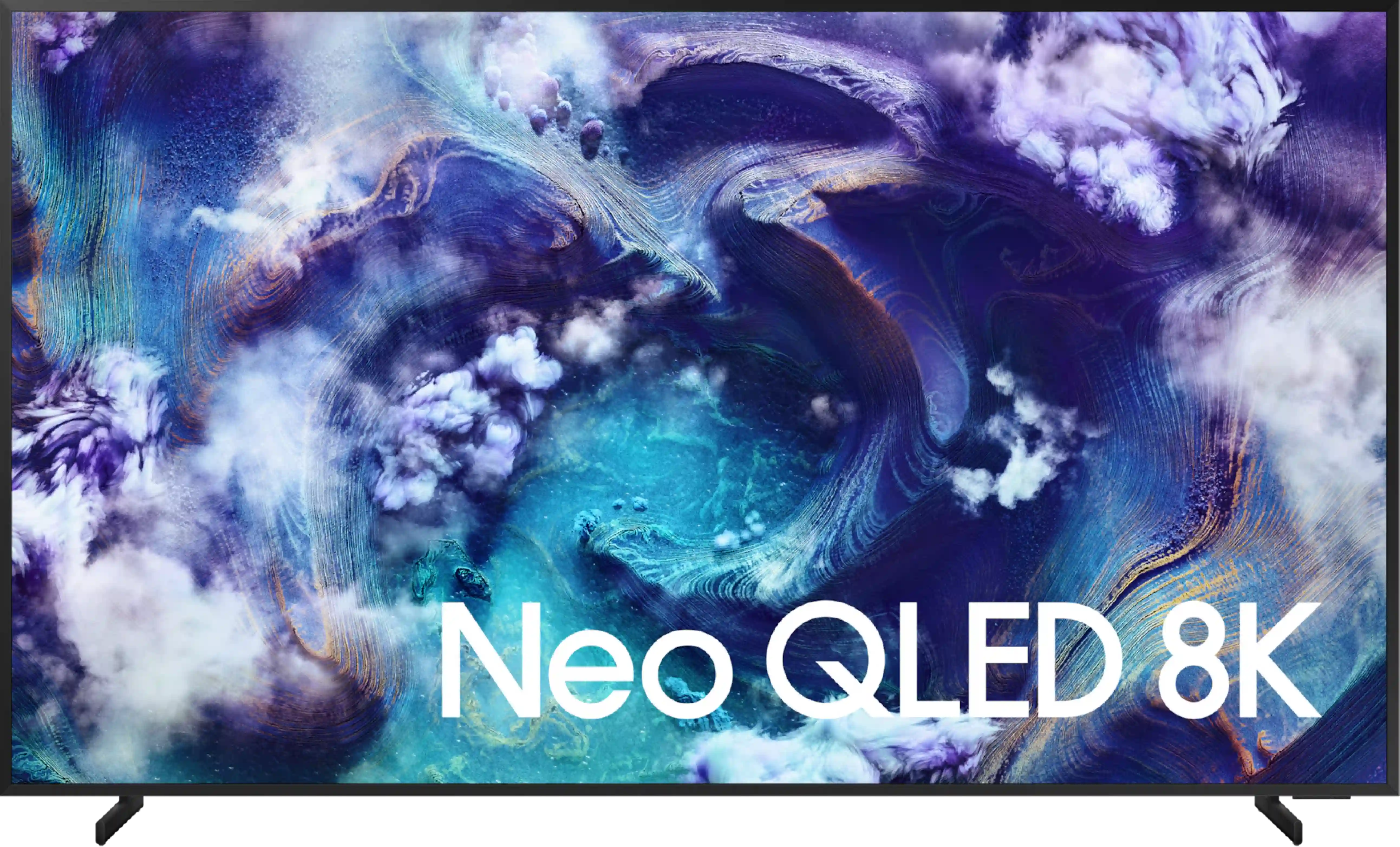
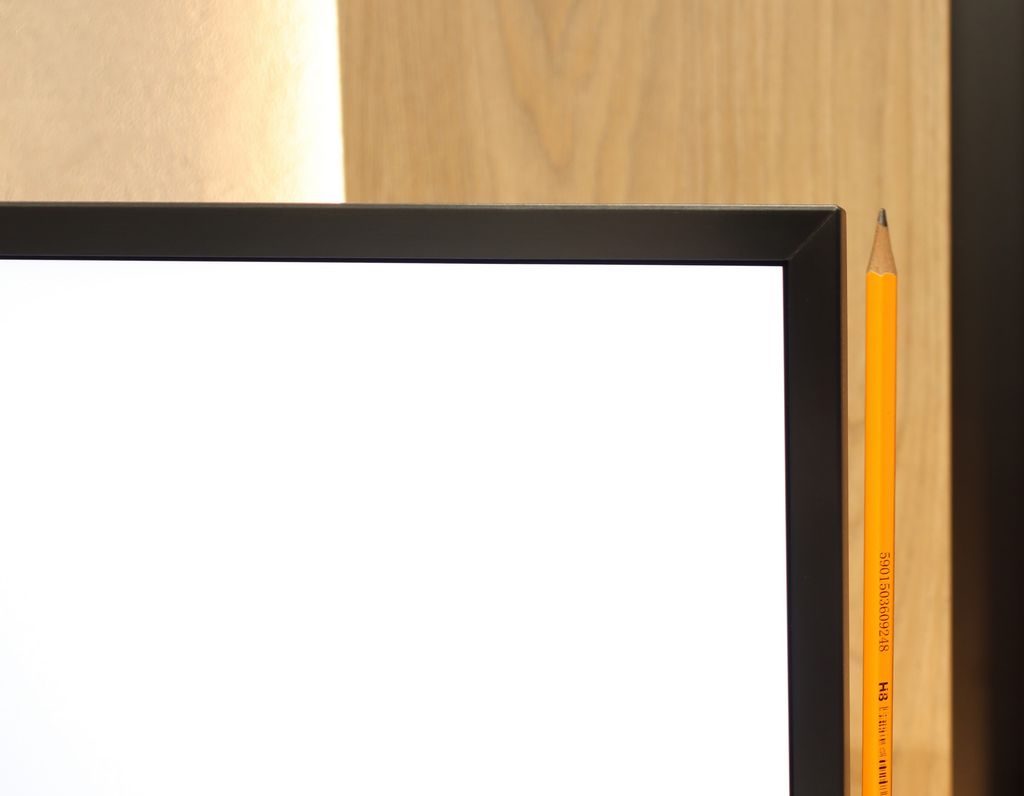
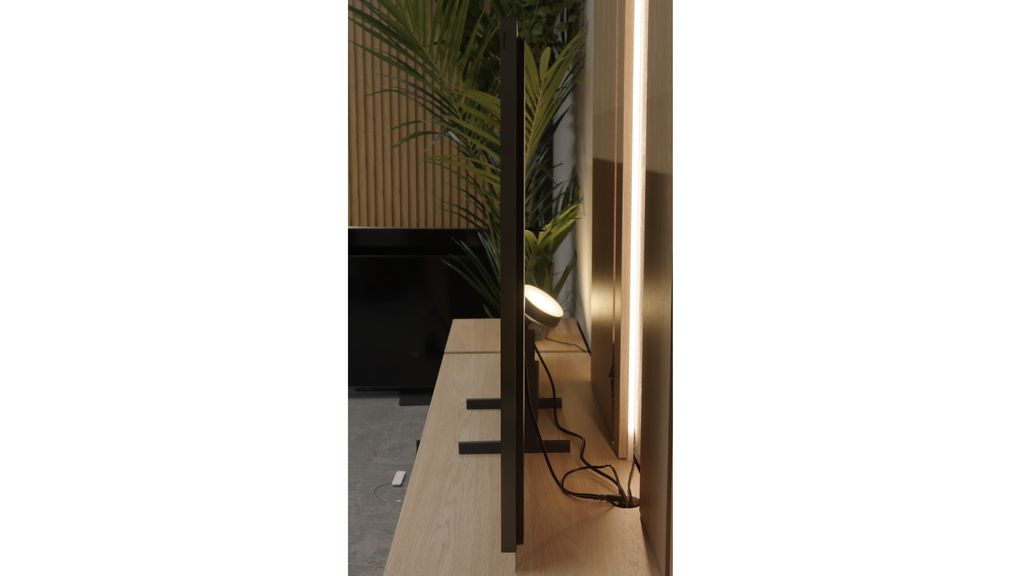
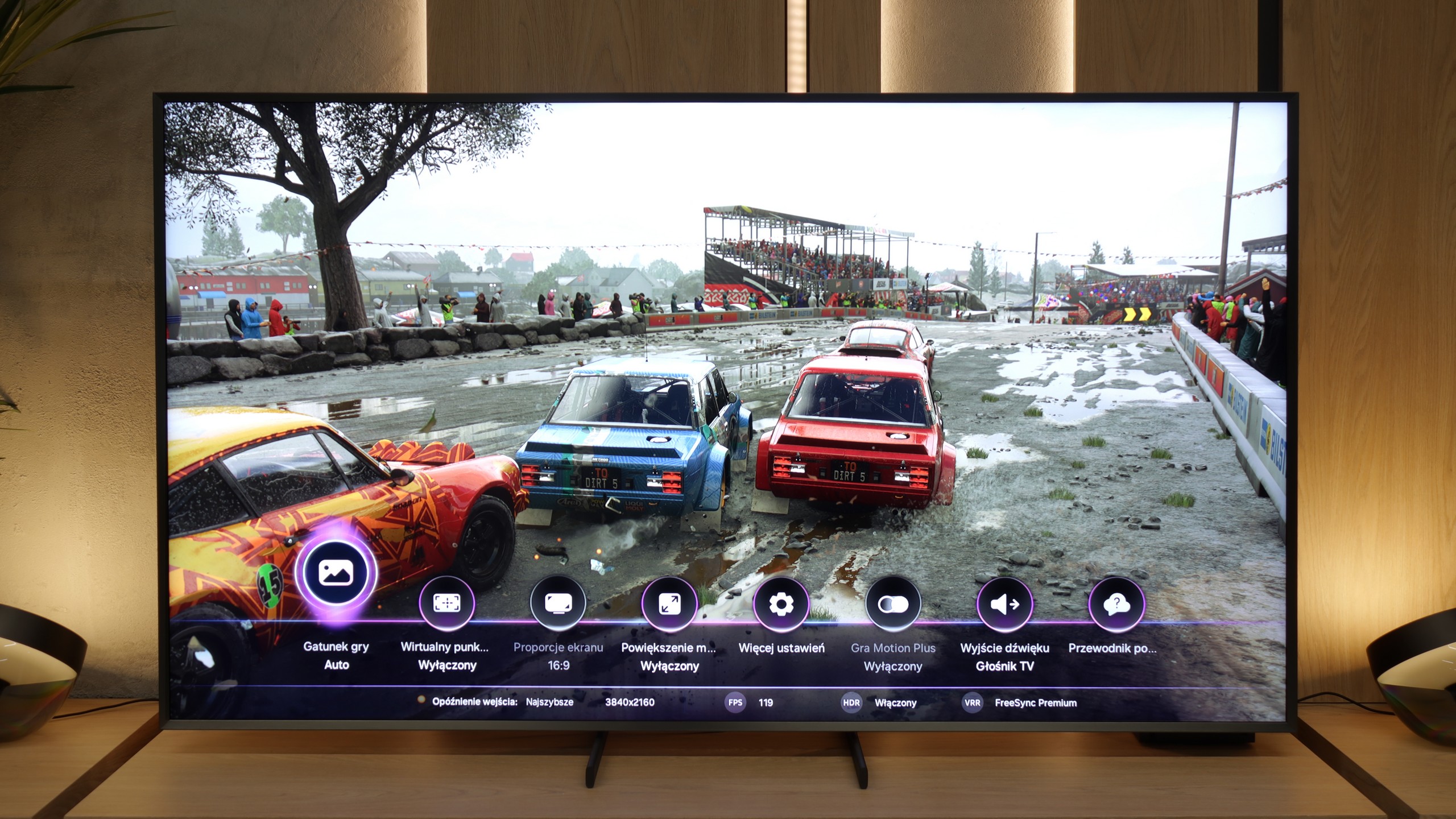
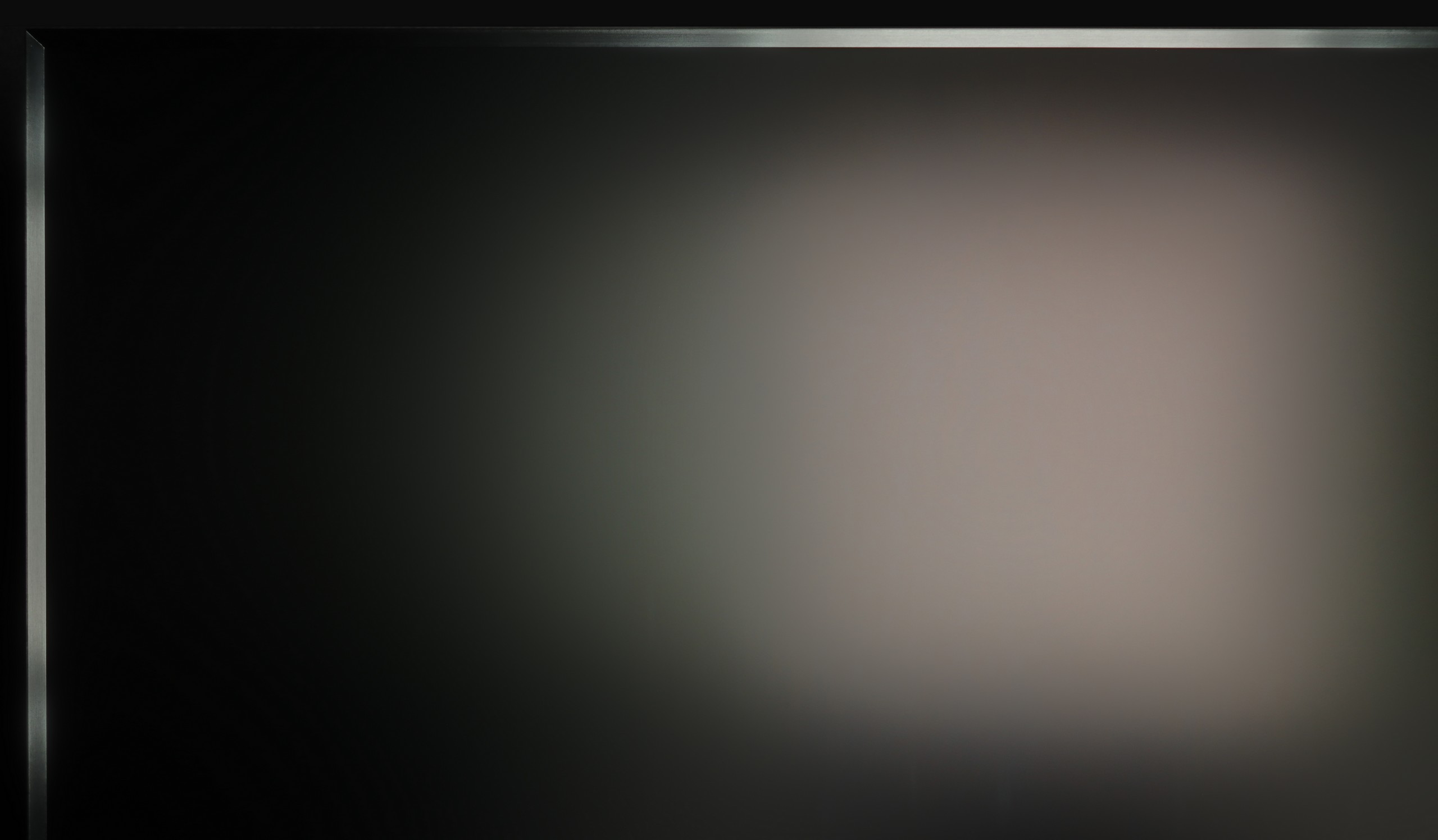
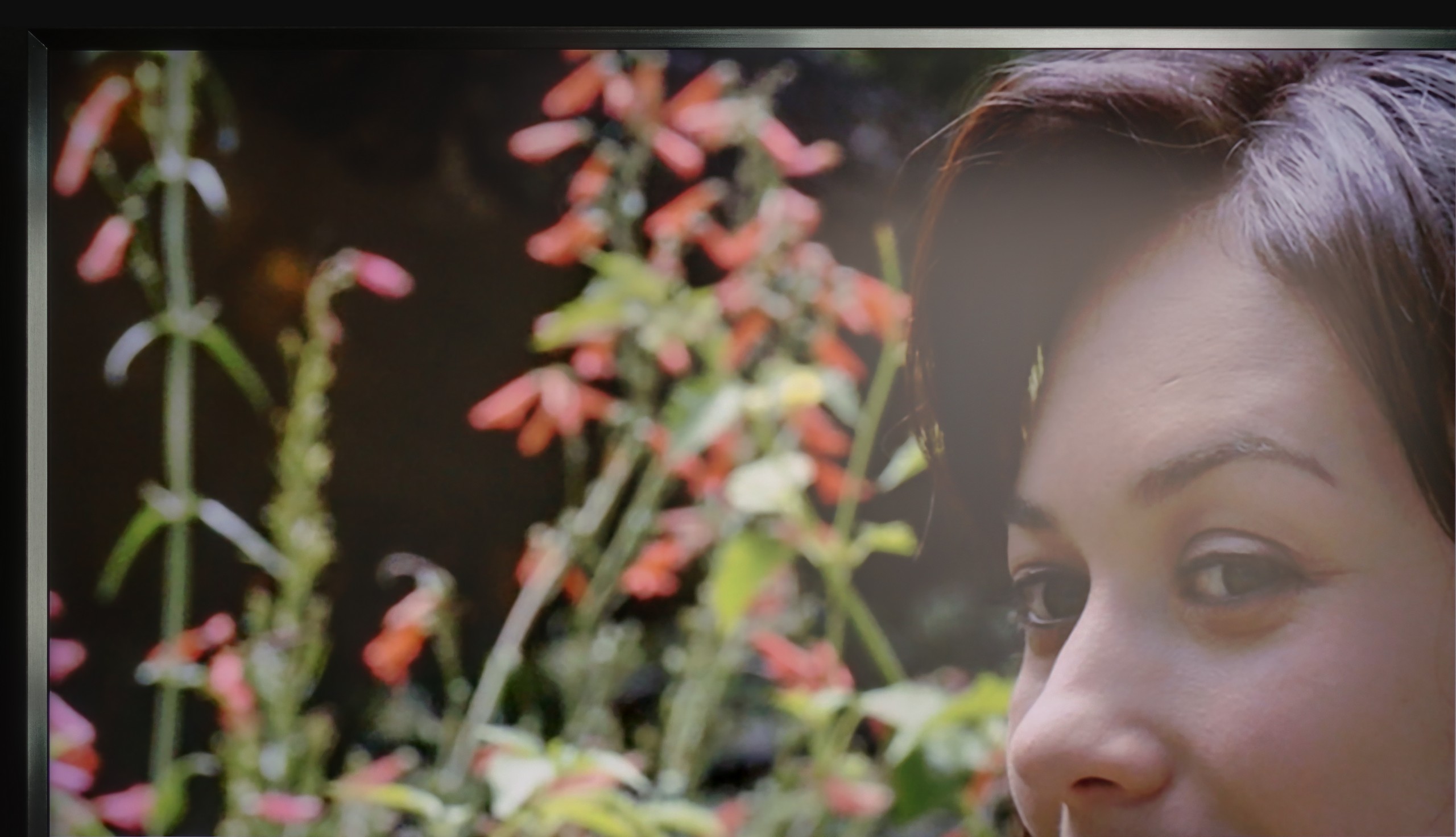
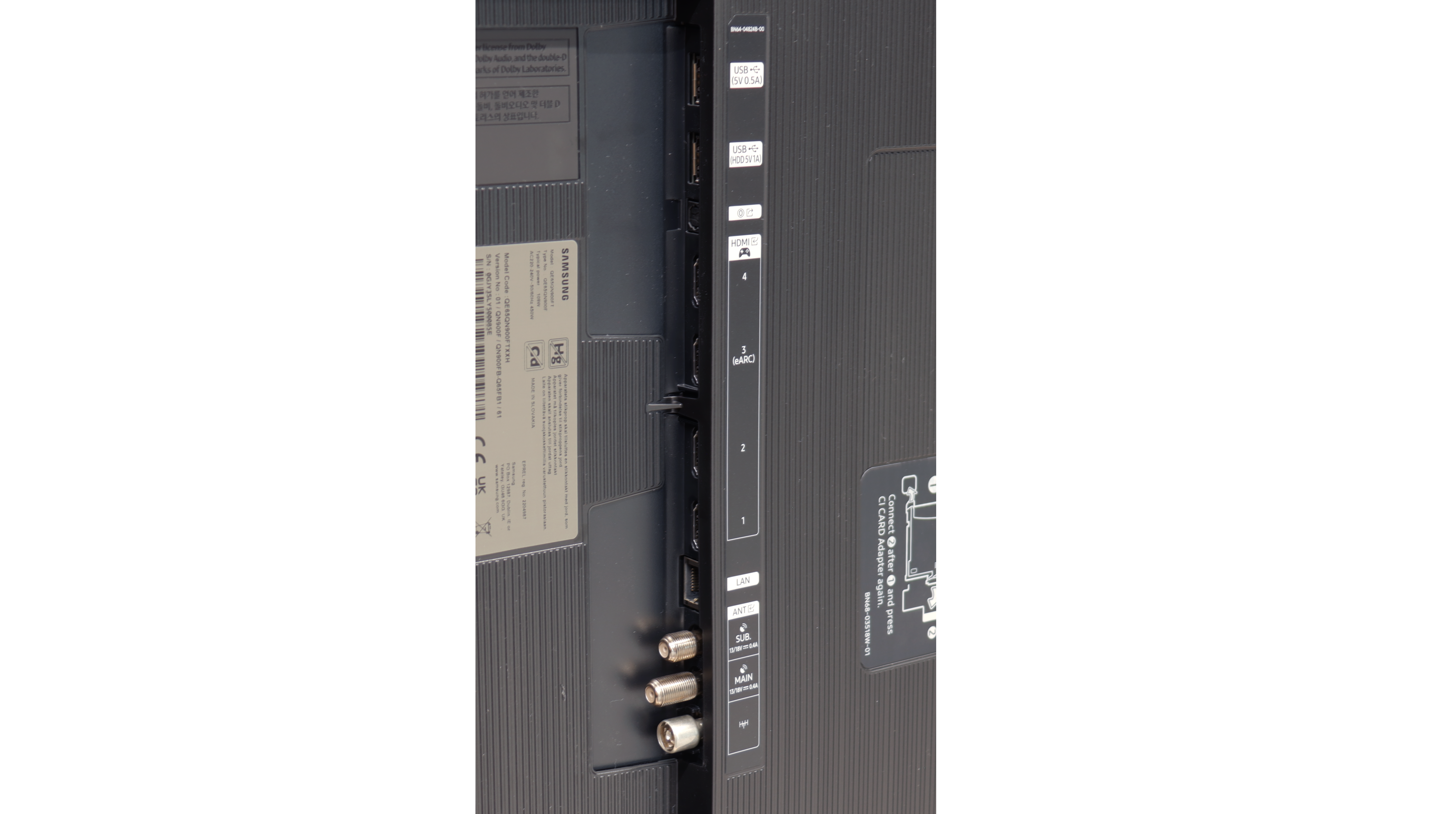
The Samsung QN900F is a television that can make a tremendous impression. The greatest strength of this model is the combination of Mini-LED backlighting with a matte panel. This not only gives us decent blacks but, above all, incredible brightness and excellent readability in all conditions. During the day, in a brightly lit living room, it is probably the best-performing television in this year's Samsung offerings. Gamers will also find plenty to enjoy here – despite being an 8K screen, it can operate at a frequency of up to 165 Hz in 4K. Additionally, it comes with a full HDMI 2.1 package, VRR and ALLM features, and low input lag, so the QN900F is suitable for both next-generation consoles and PCs. The design also deserves great praise – when hung on the wall, with a thick metal frame, this model resembles a more luxurious version of the iconic The Frame. Combined with the matte panel and Art Store mode, it can indeed be treated as equipment that not only plays and lights up but also decorates the living room.
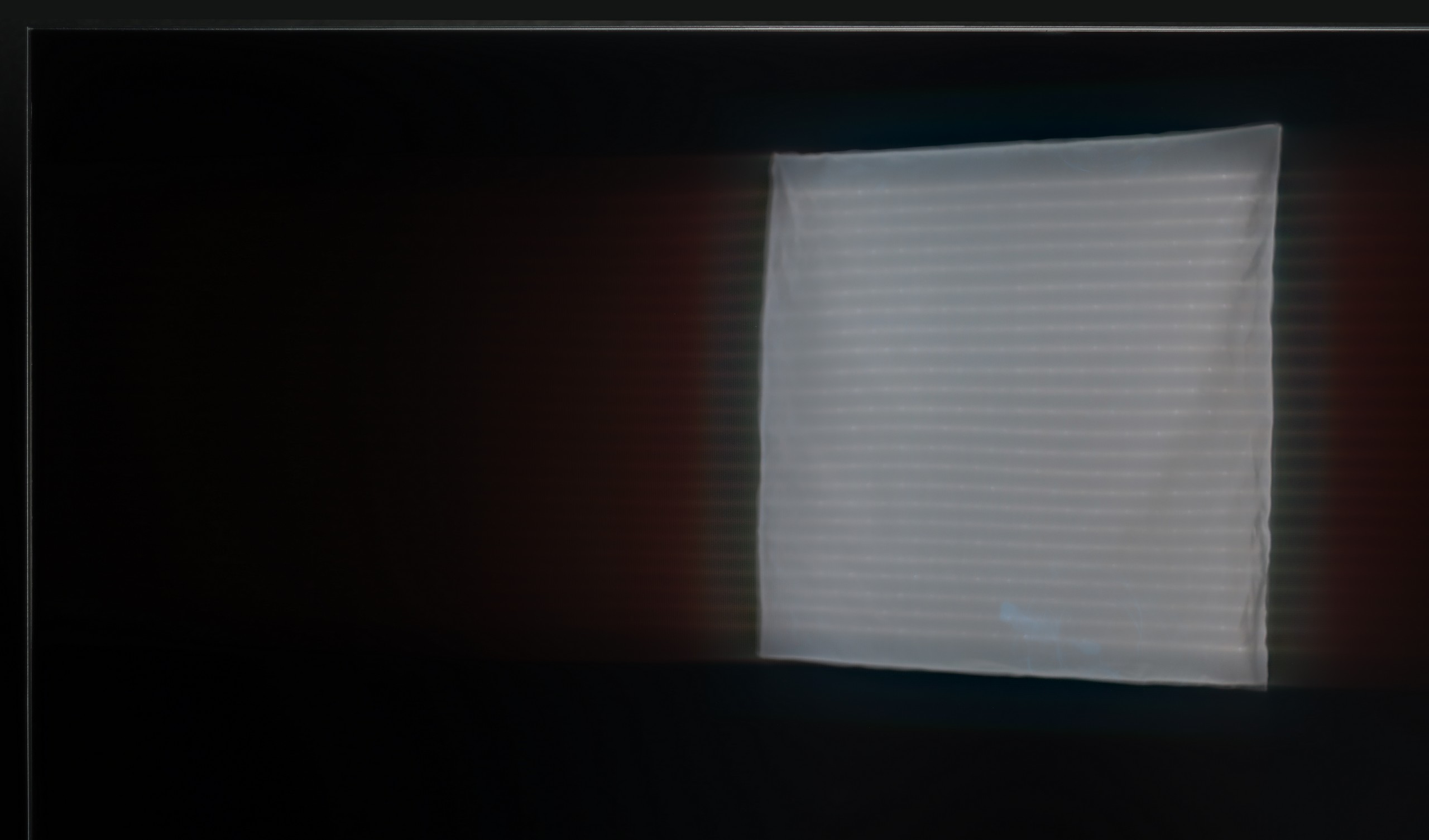
However, not everything is perfect. Despite its impressive specifications, local dimming management does not always perform as well as one might hope. Given the large number of zones, Samsung could refine its control over blacks and HDR effects – it is evident that the potential is immense, but it does not always translate into top-tier picture quality. Moreover, it is important to remember that 8K resolution is still more of a novelty than a genuine necessity, and the price of this model makes it easy to start looking for cheaper alternatives, including within Samsung's own offerings. Despite these reservations, the QN900F is a television that can undoubtedly impress. Its strength lies not in the 8K itself but in how it presents the image, how it looks, and the enjoyment it brings during use.
[UPDATE] We have updated our 2025 Samsung TV reviews following the release of firmware version 1131, which officially restores the essential HGiG (HDR Gaming Interest Group) support.
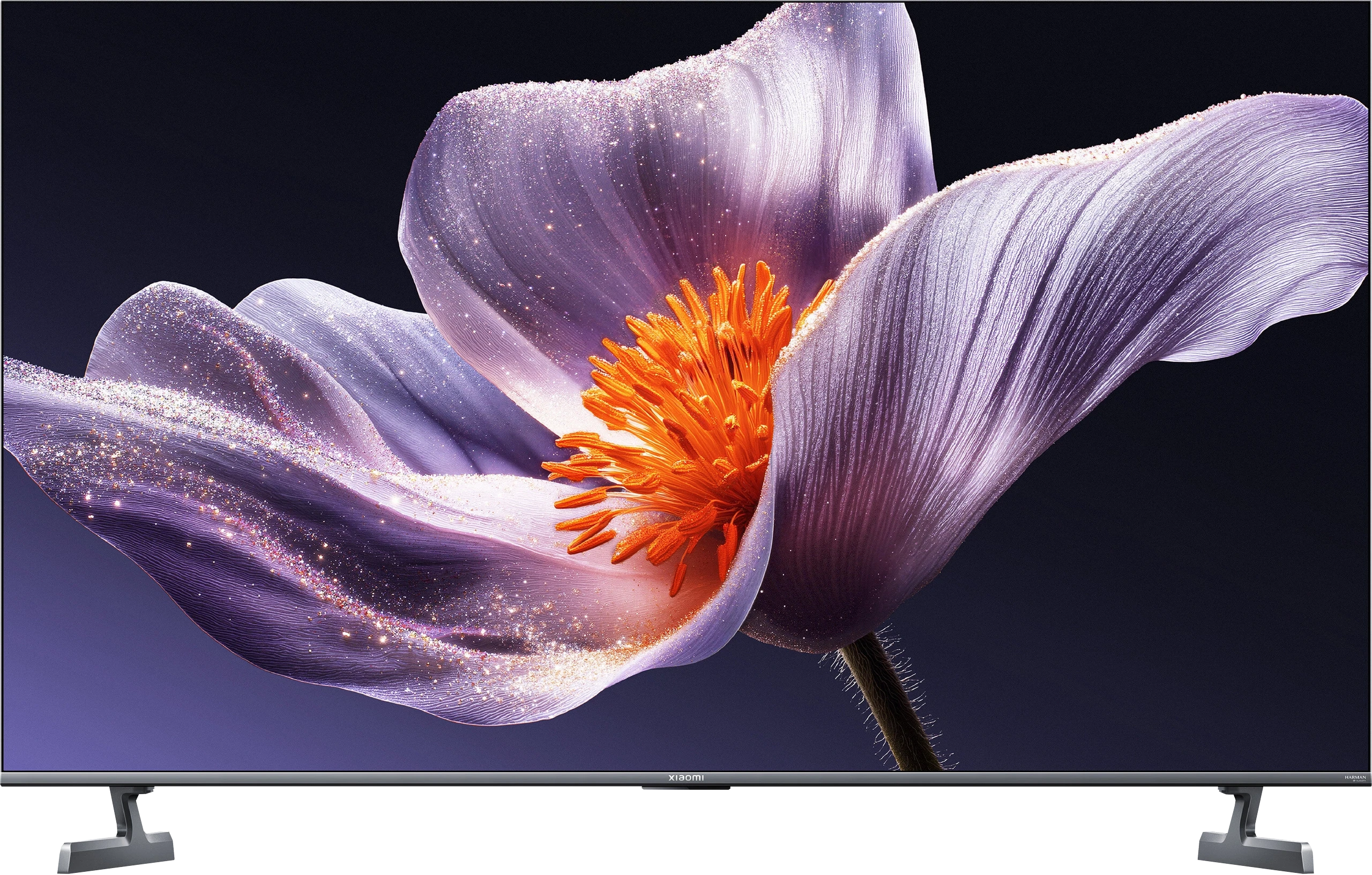
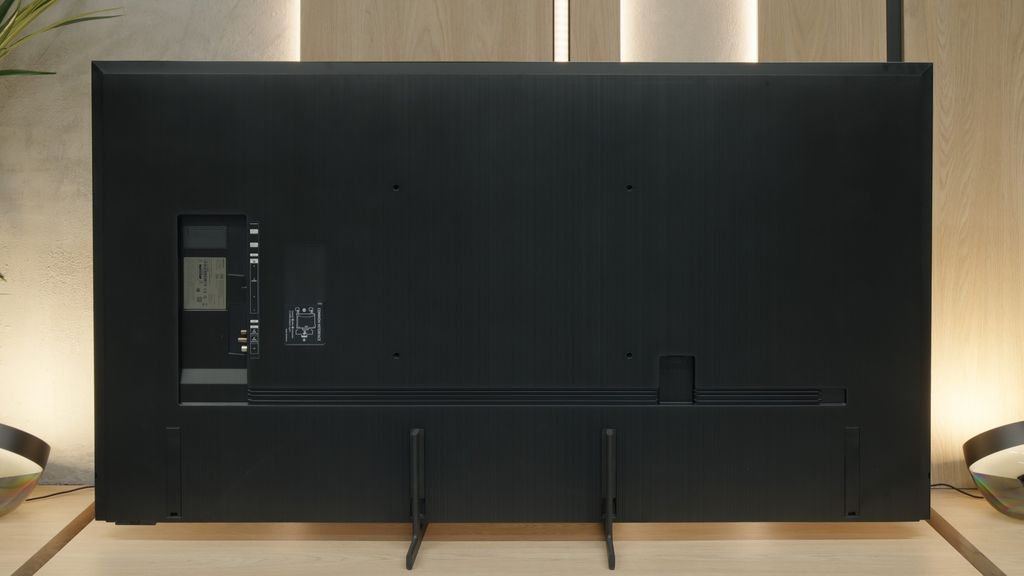
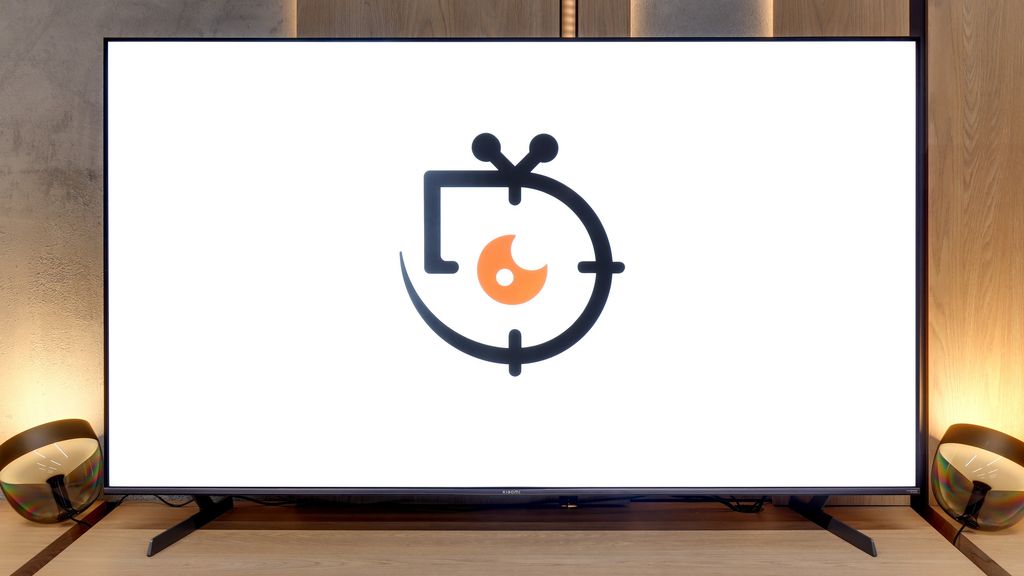
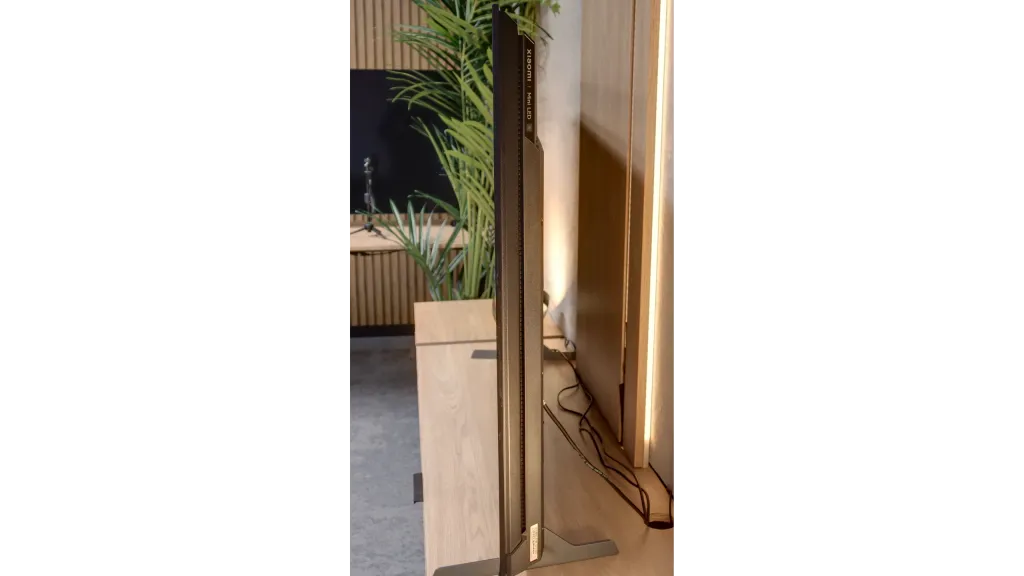
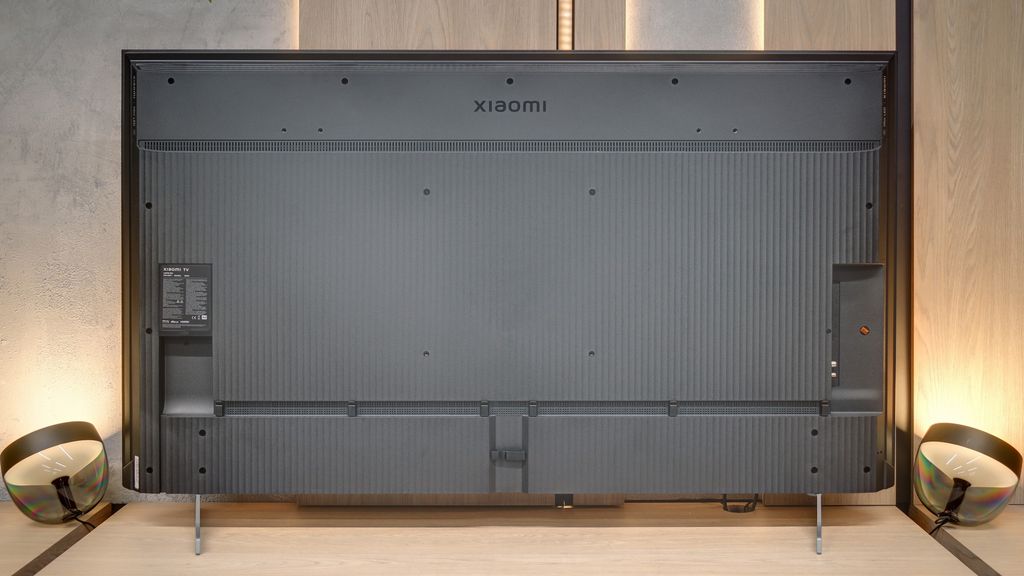
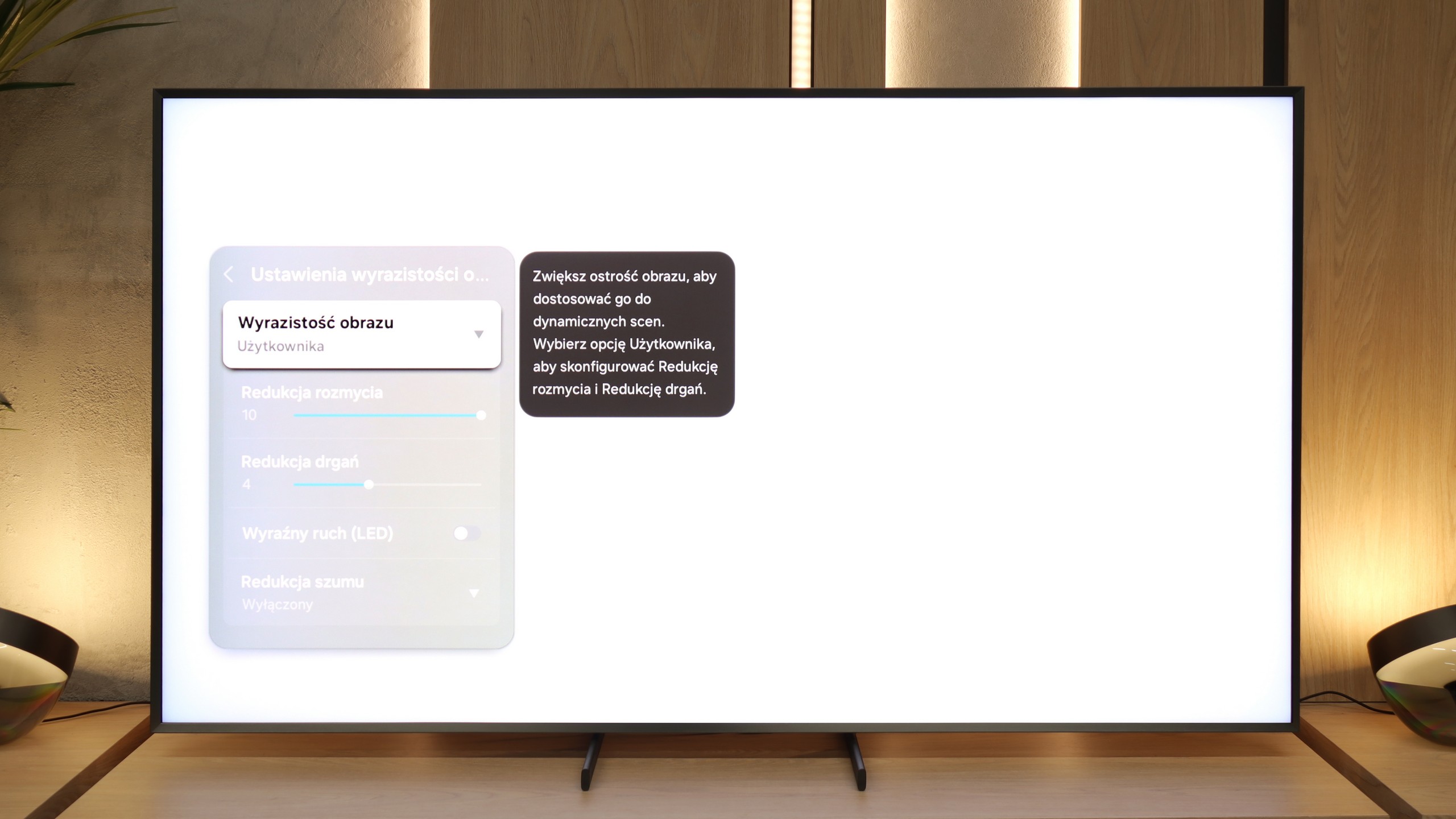
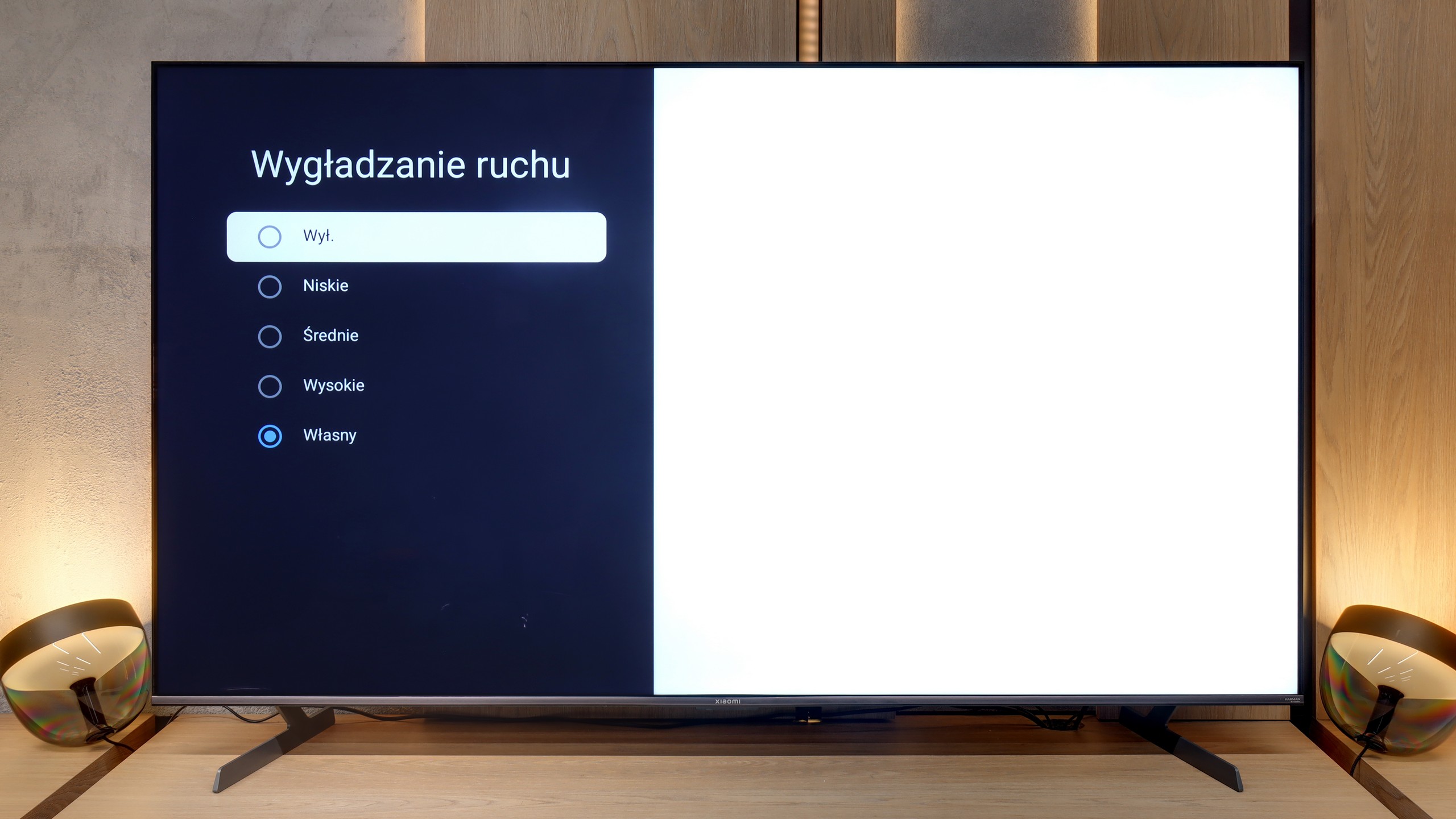
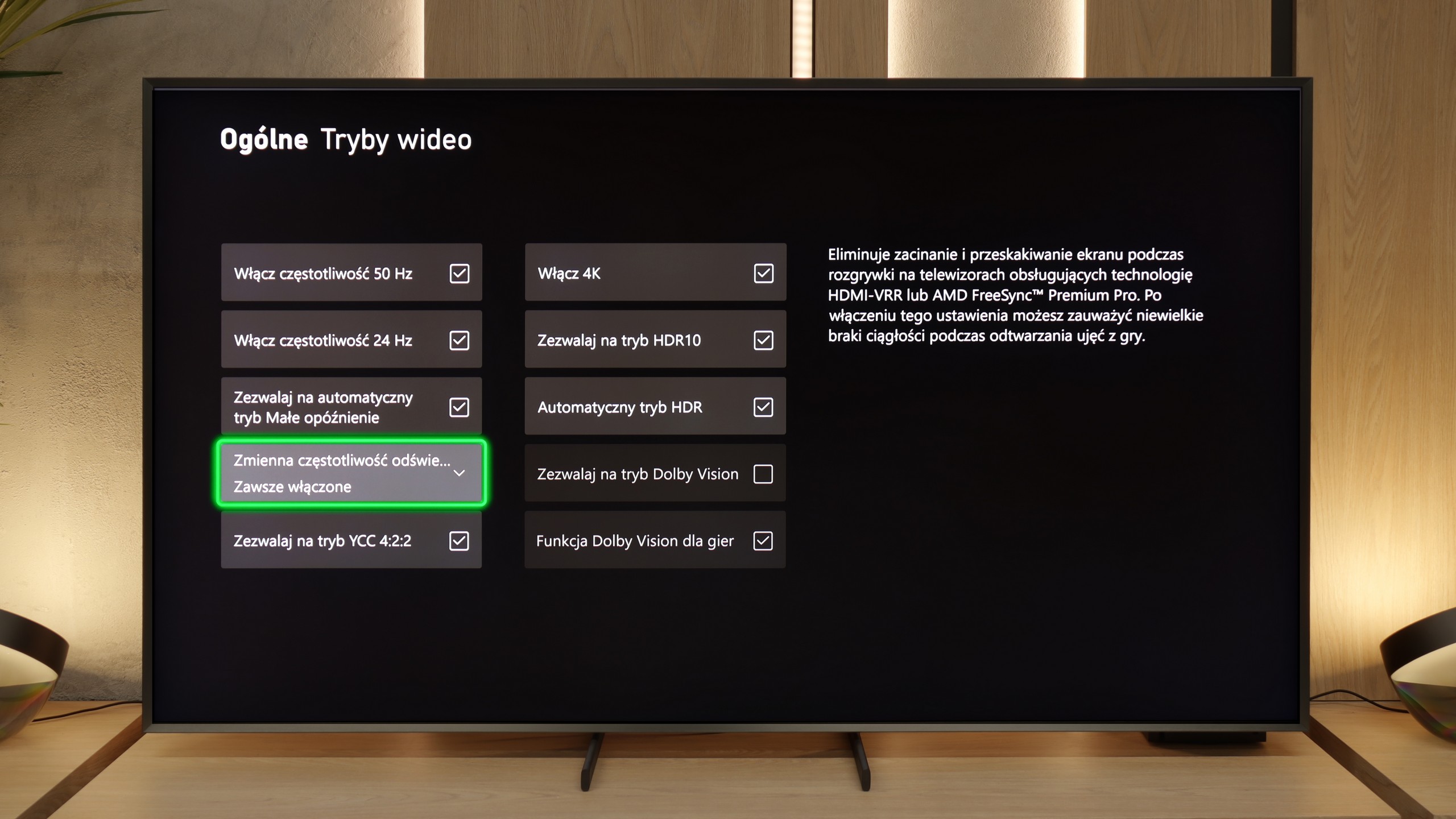
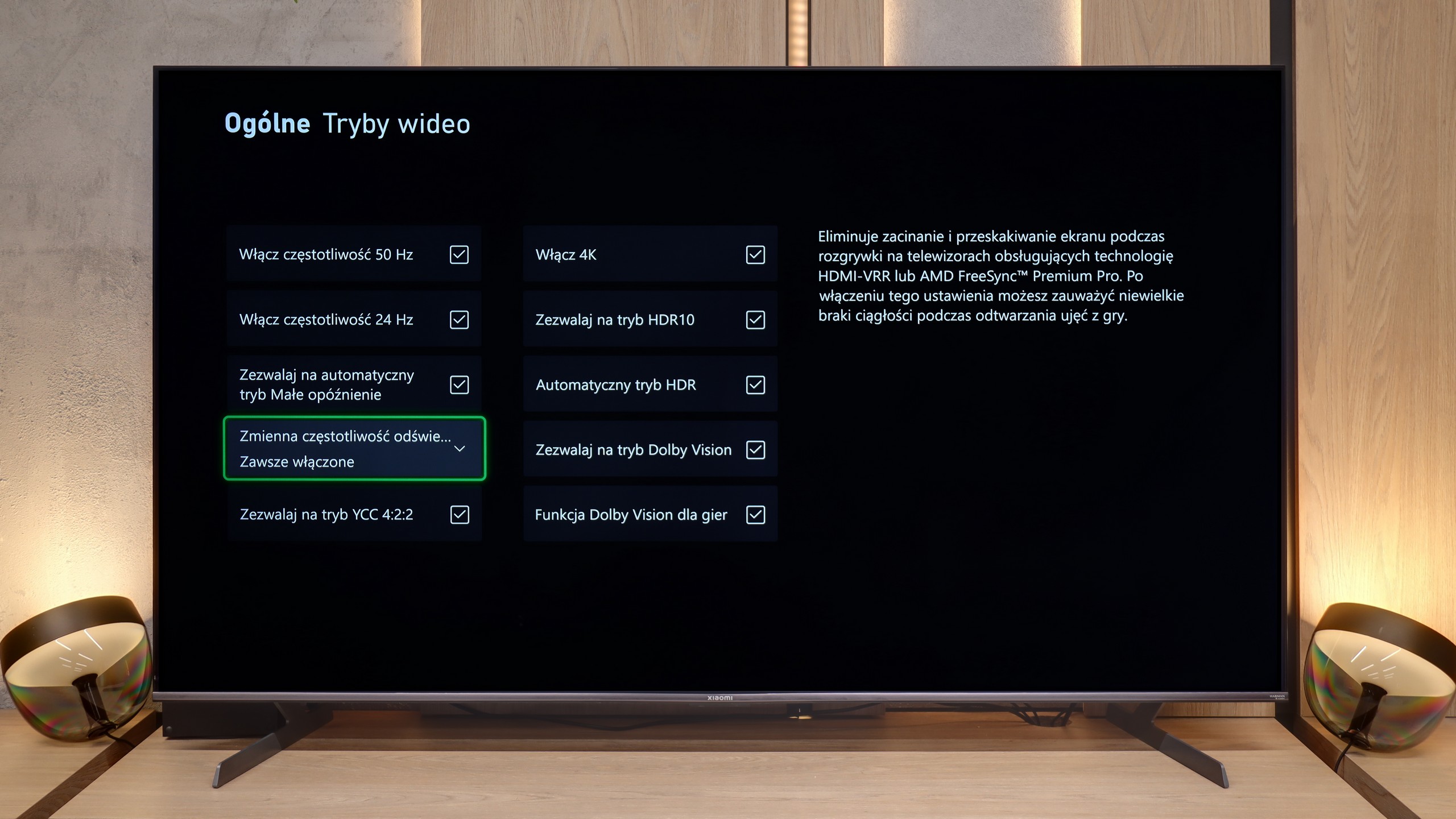
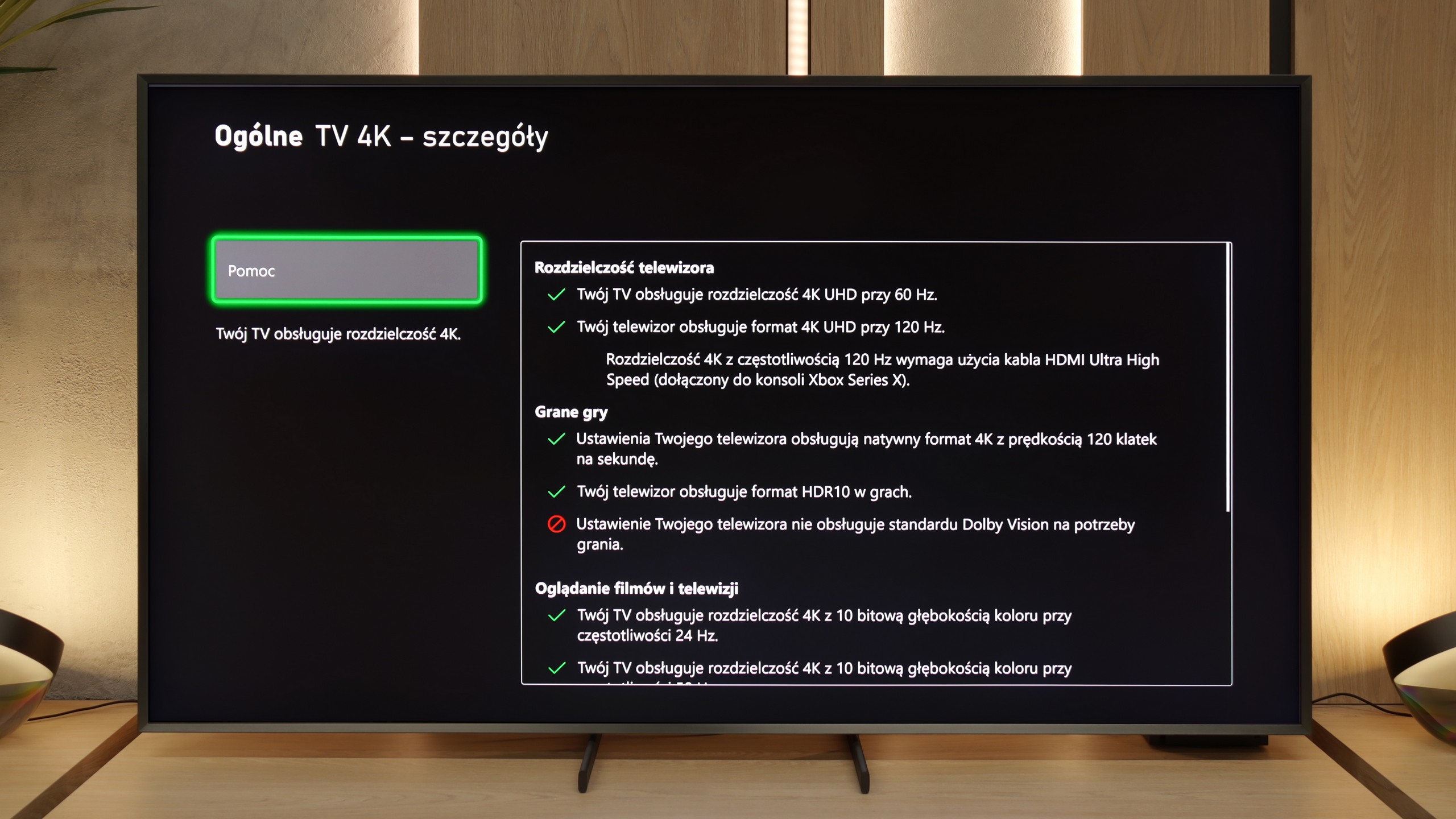
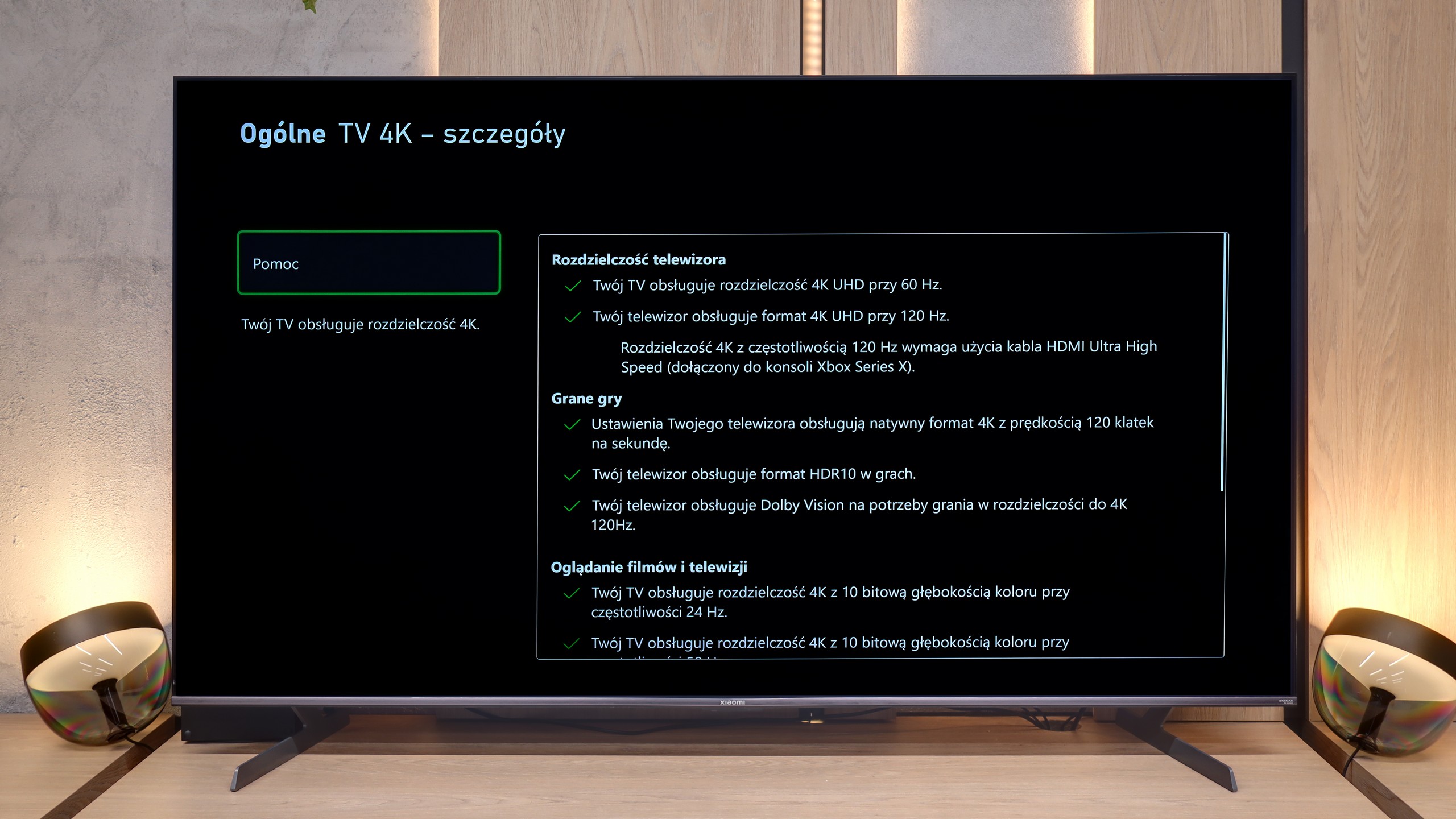
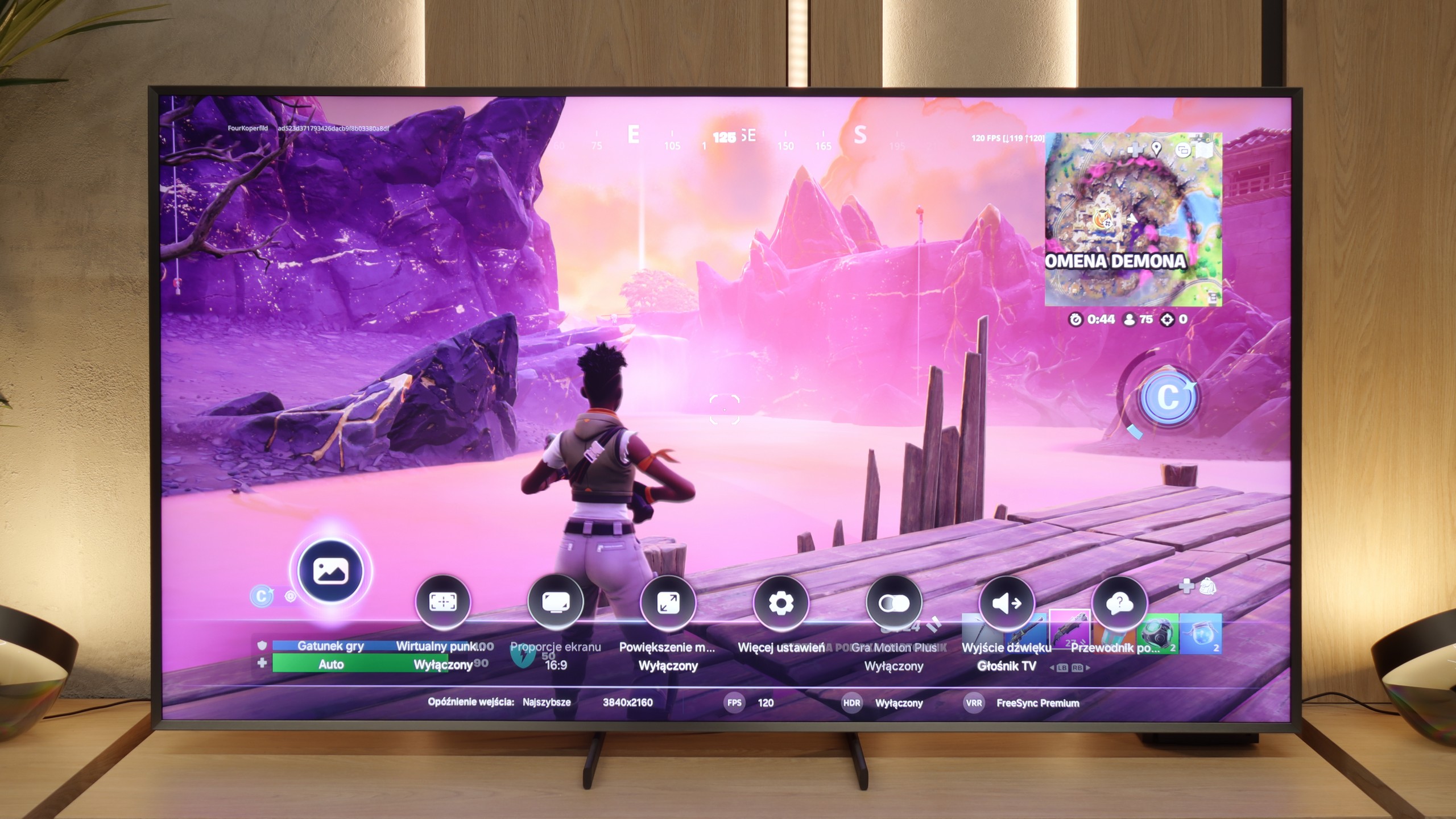
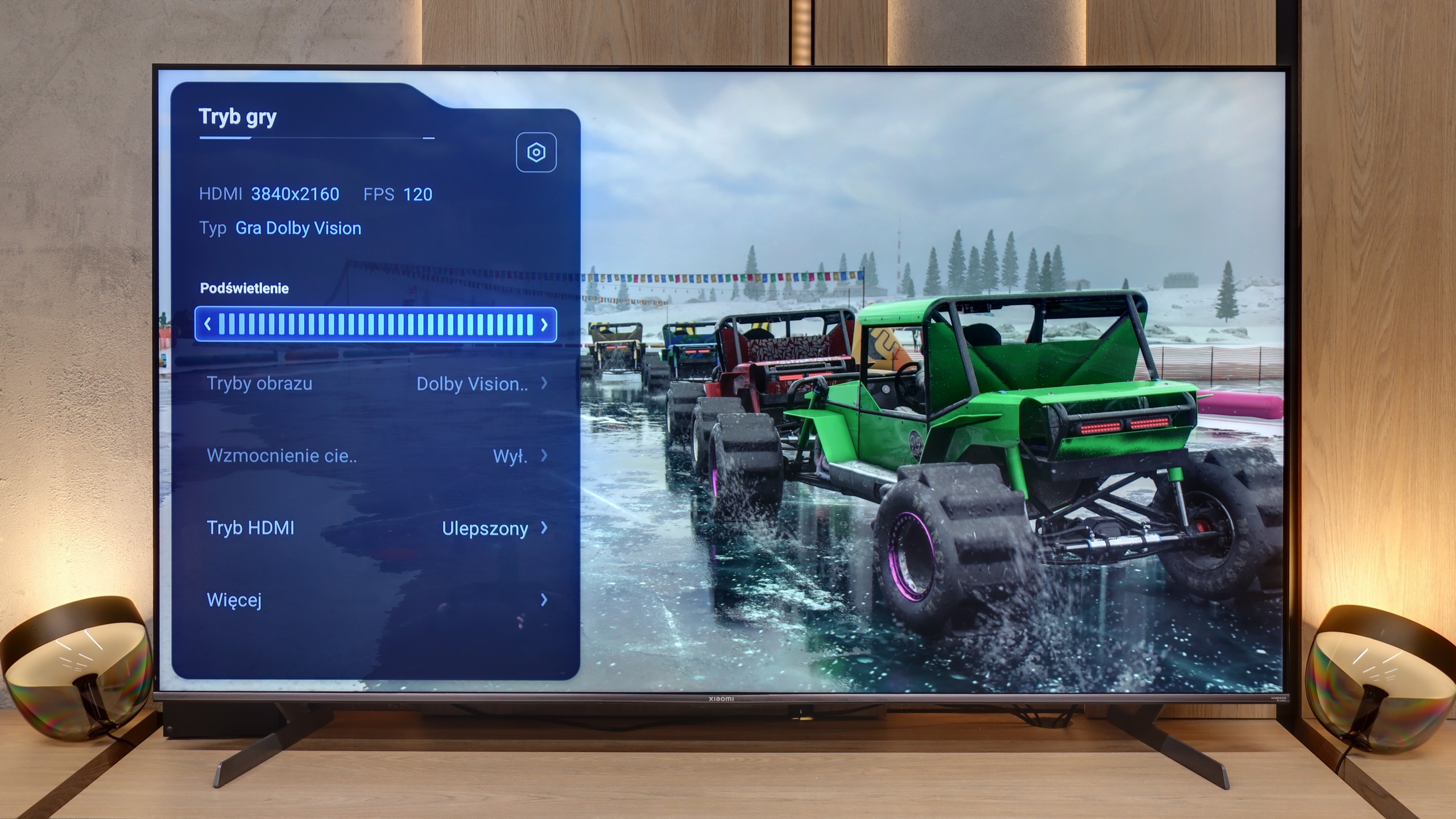
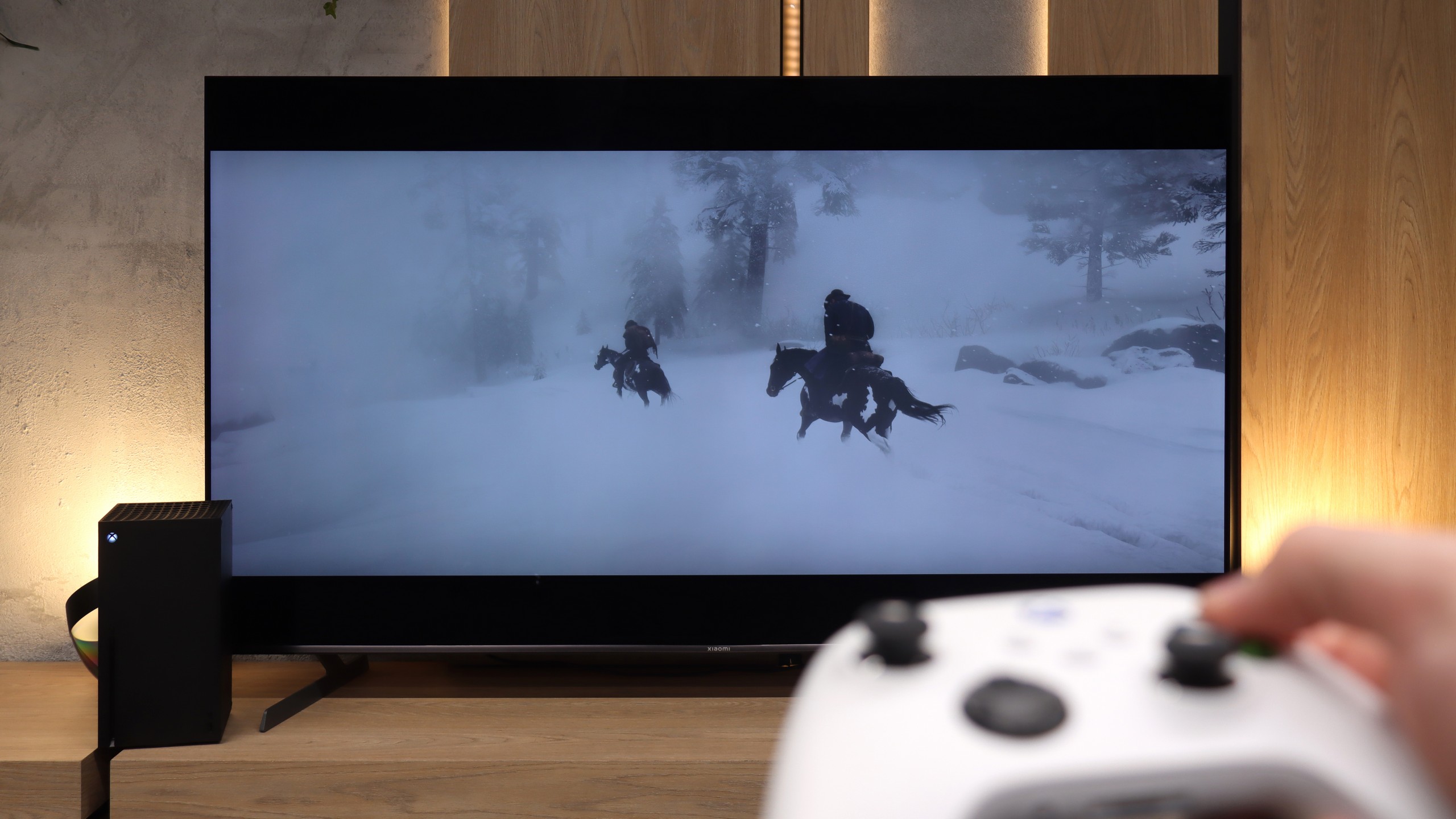
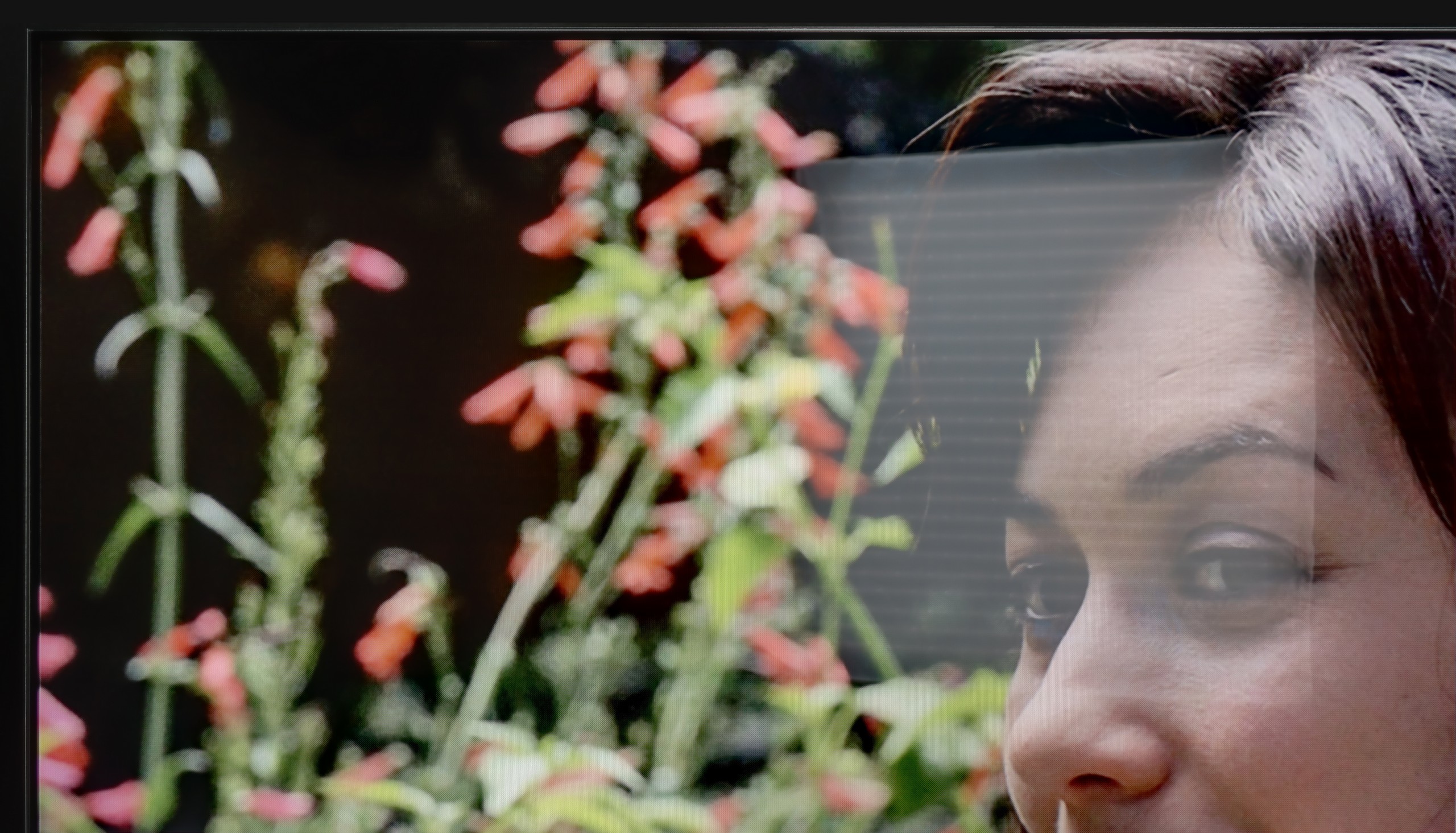
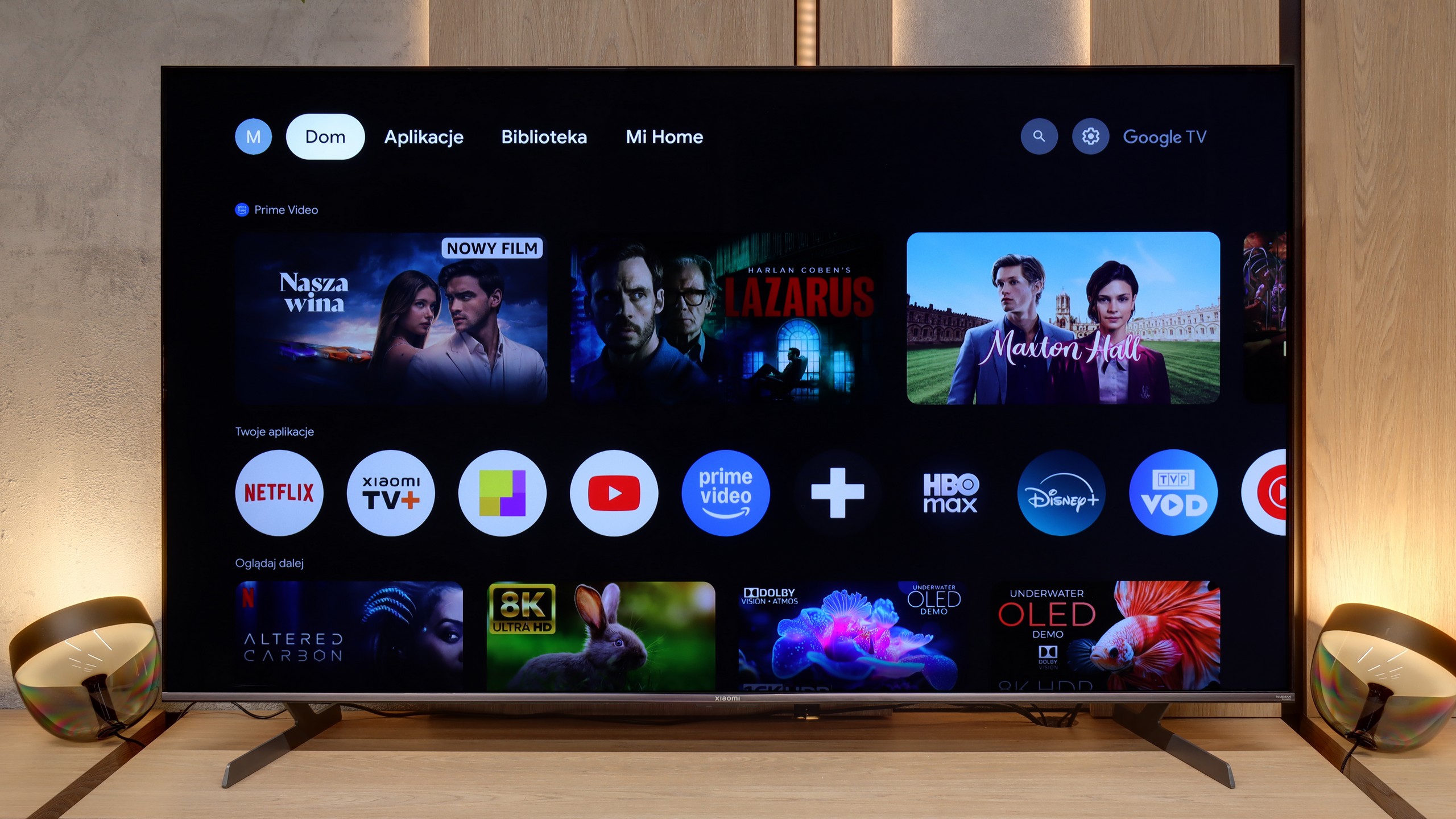
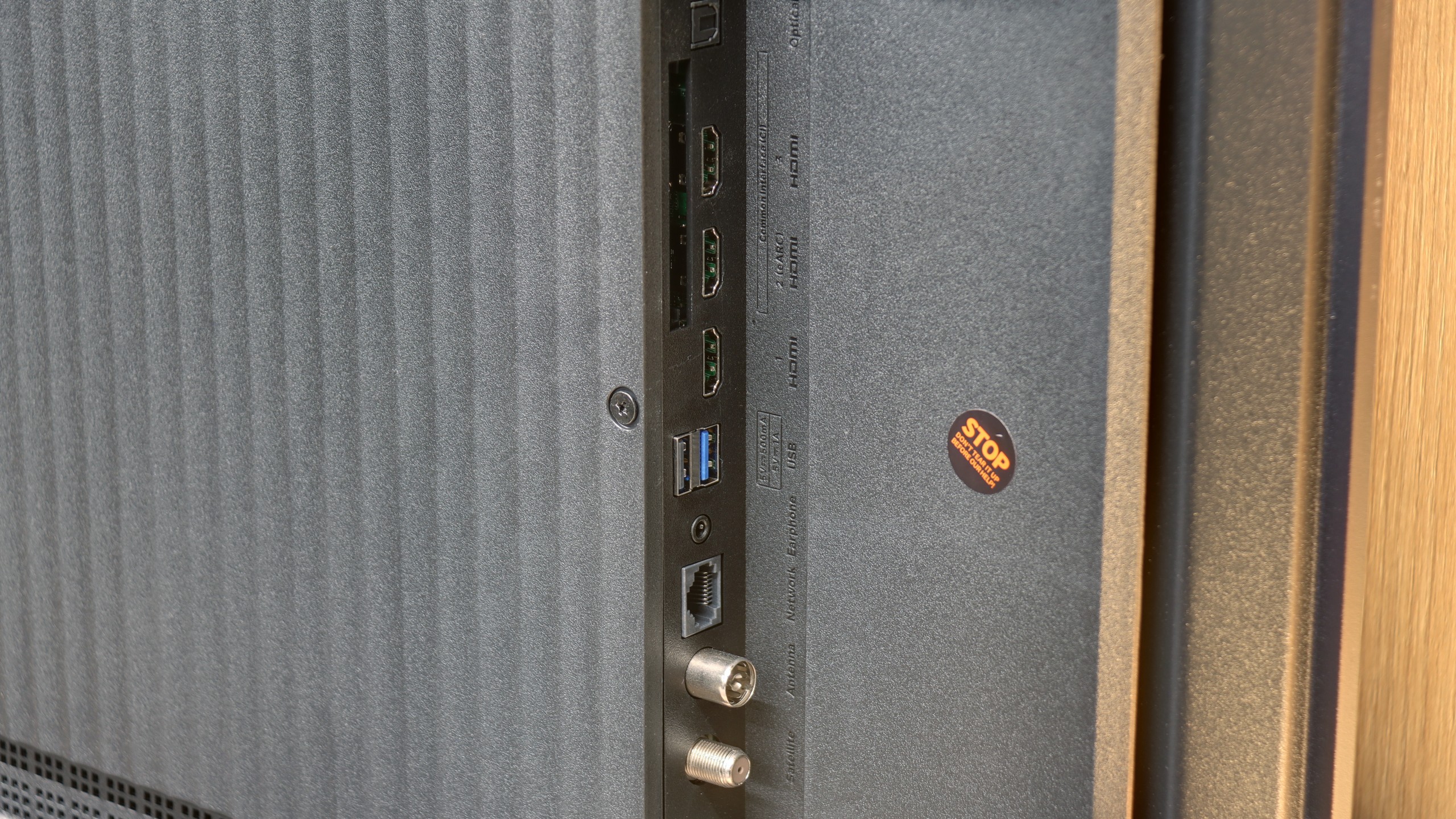
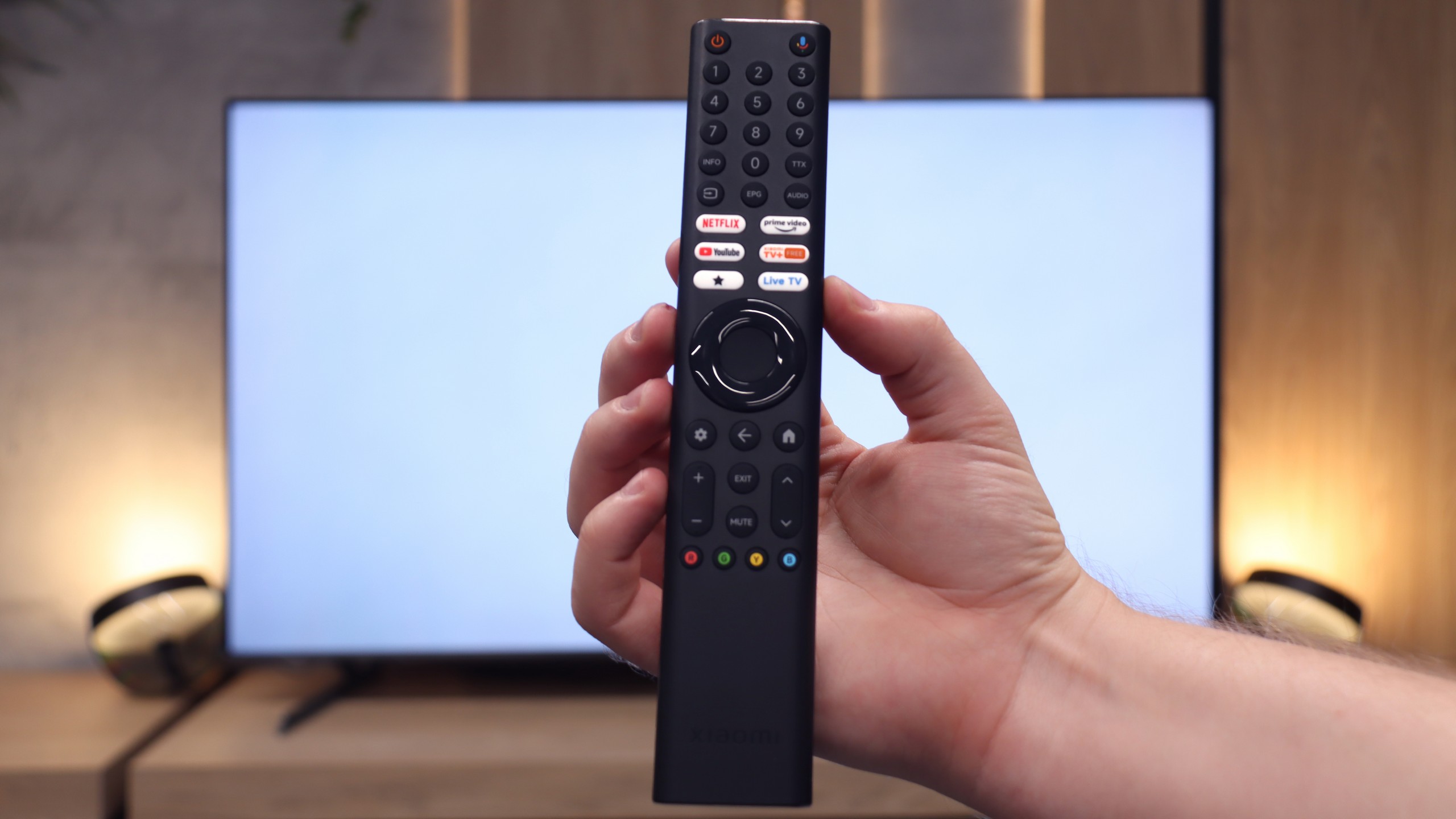
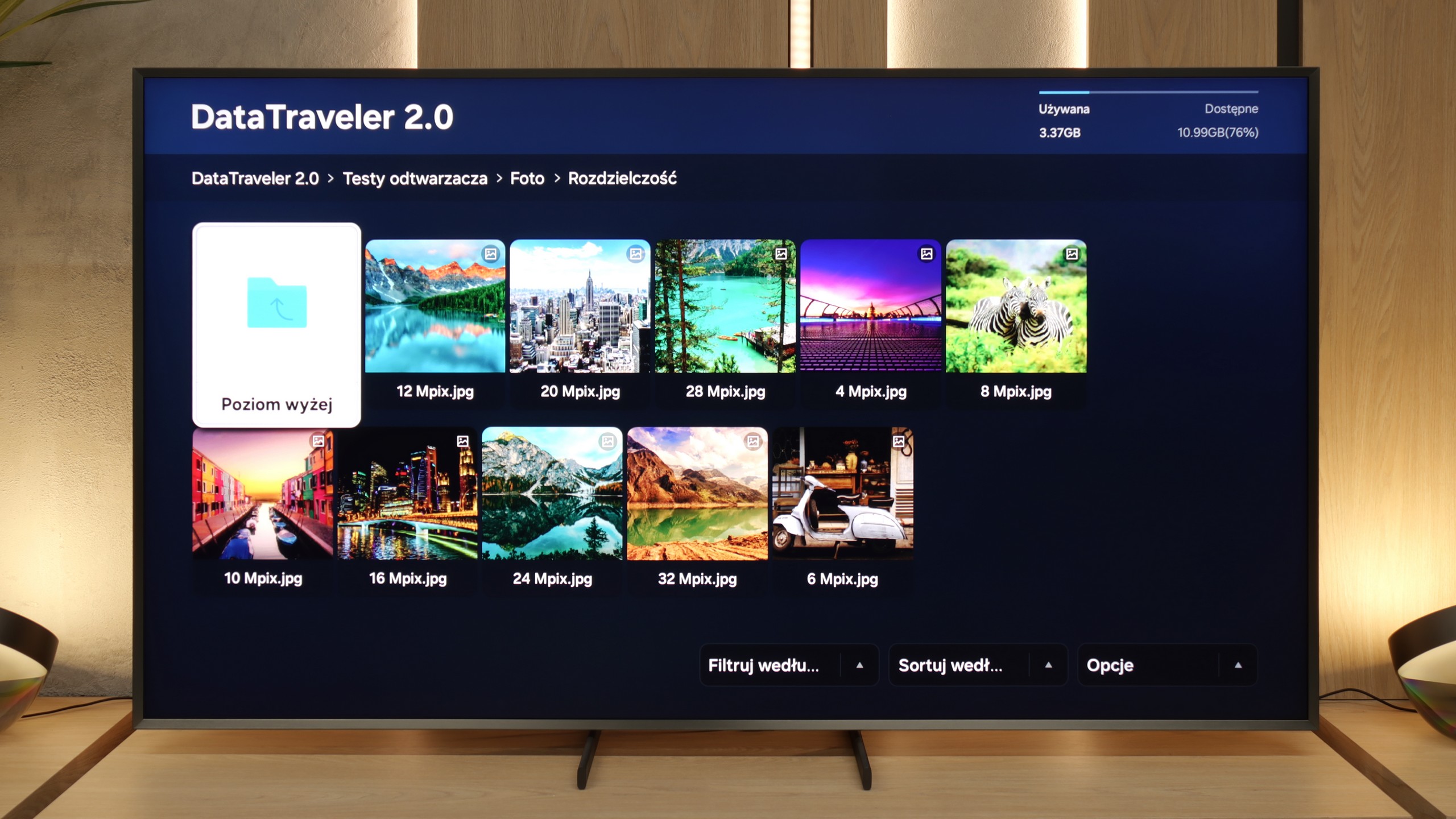
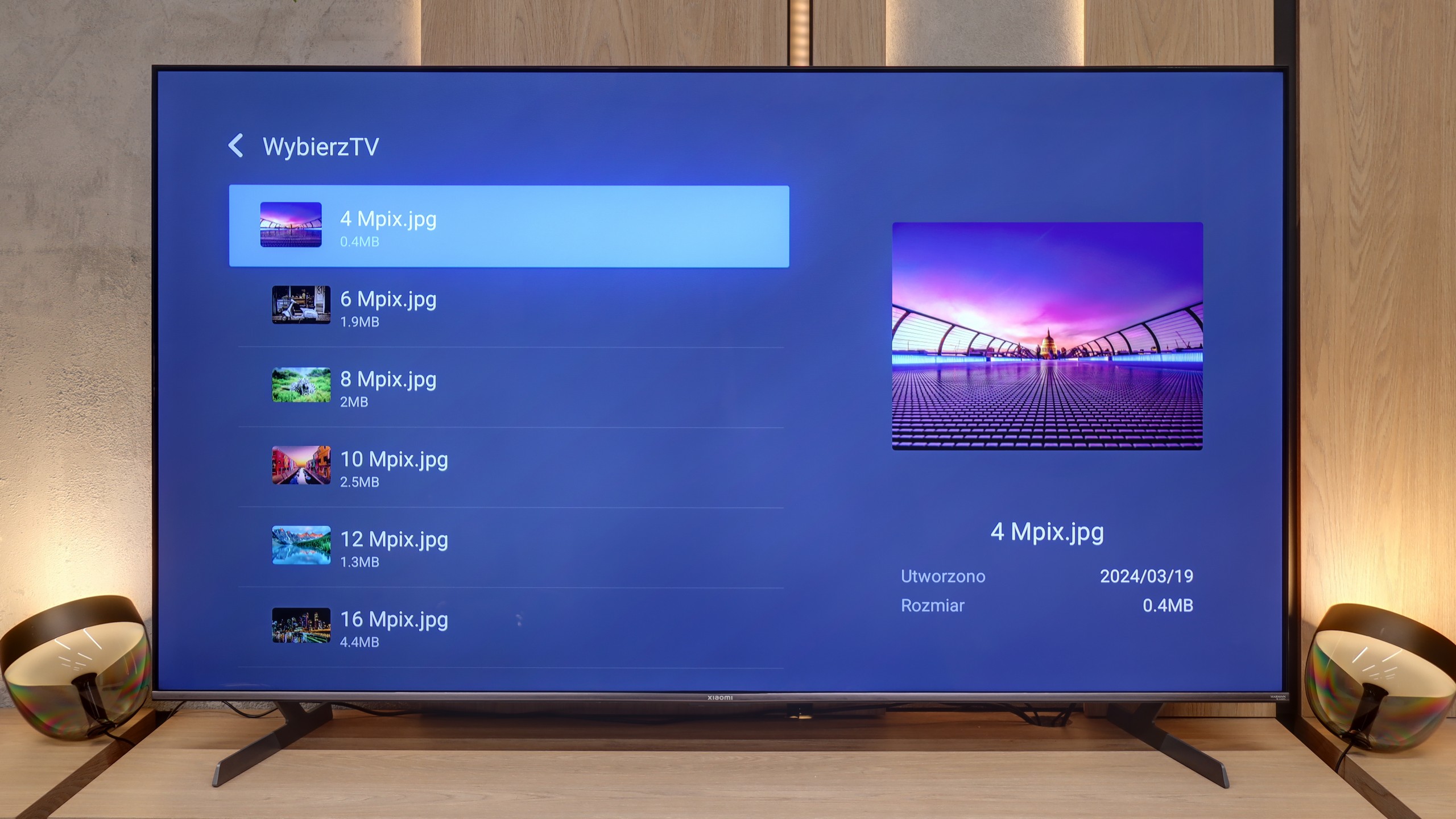
Is it worth buying the Xiaomi S Pro 2026? The answer to this question is quite complicated. Let's start with what is really great about this television. First of all, the Xiaomi S Pro 2026 has an excellent price-to-specification ratio. We get a Mini LED panel with very high brightness that performs exceptionally well in a sunlit living room. Additionally, it has a fast refresh rate of 144 Hz (and even 288 Hz) and a full package for gamers: two HDMI 2.1 ports, support for VRR, and remarkably low input lag (below 10 ms). If we mainly watch "regular" content and play games, this is truly a fantastic screen. Even the built-in 30W speakers are surprisingly good and support Dolby Atmos. Unfortunately, there is also a second, very problematic side to this model. In short: the software. We have the impression that Xiaomi has provided us with excellent "parts," but could not make them work together correctly. The biggest issue is the HDR mode – the primary reason for buying a television today. For unknown reasons, the television in HDR mode (HDR10, Dolby Vision) does not manage its dimming zones well. As a result, the black that should be deep becomes gray or navy blue, like in a standard LCD television. There are also other software faults such as the terrible implementation of HGiG or the fact that the Dolby Vision mode for gamers is useless due to the enormous input lag (100 ms). Additionally, the television has very poor capabilities for digital image processing. So how can this be summarised in terms of price? In its price range, the Xiaomi S Pro 2026 crushes the competition in terms of specifications. Other televisions at this price point are usually basic LCD models without dimming and often only with a 60 Hz panel. The question is therefore: what is more important to you? If you are simply looking for a very bright and inexpensive television for watching TV during the day and gaming, and you are willing to calibrate it – you will be very satisfied with it. However, if you are looking for a television to enjoy stunning HDR in films and games right out of the box, you will be terribly disappointed with this model. In that case, in our opinion, it is better to pay a bit extra for a basic OLED television or a more refined Mini-LED model from the competition.
 Direct comparison