SmartTV Features: Tizen
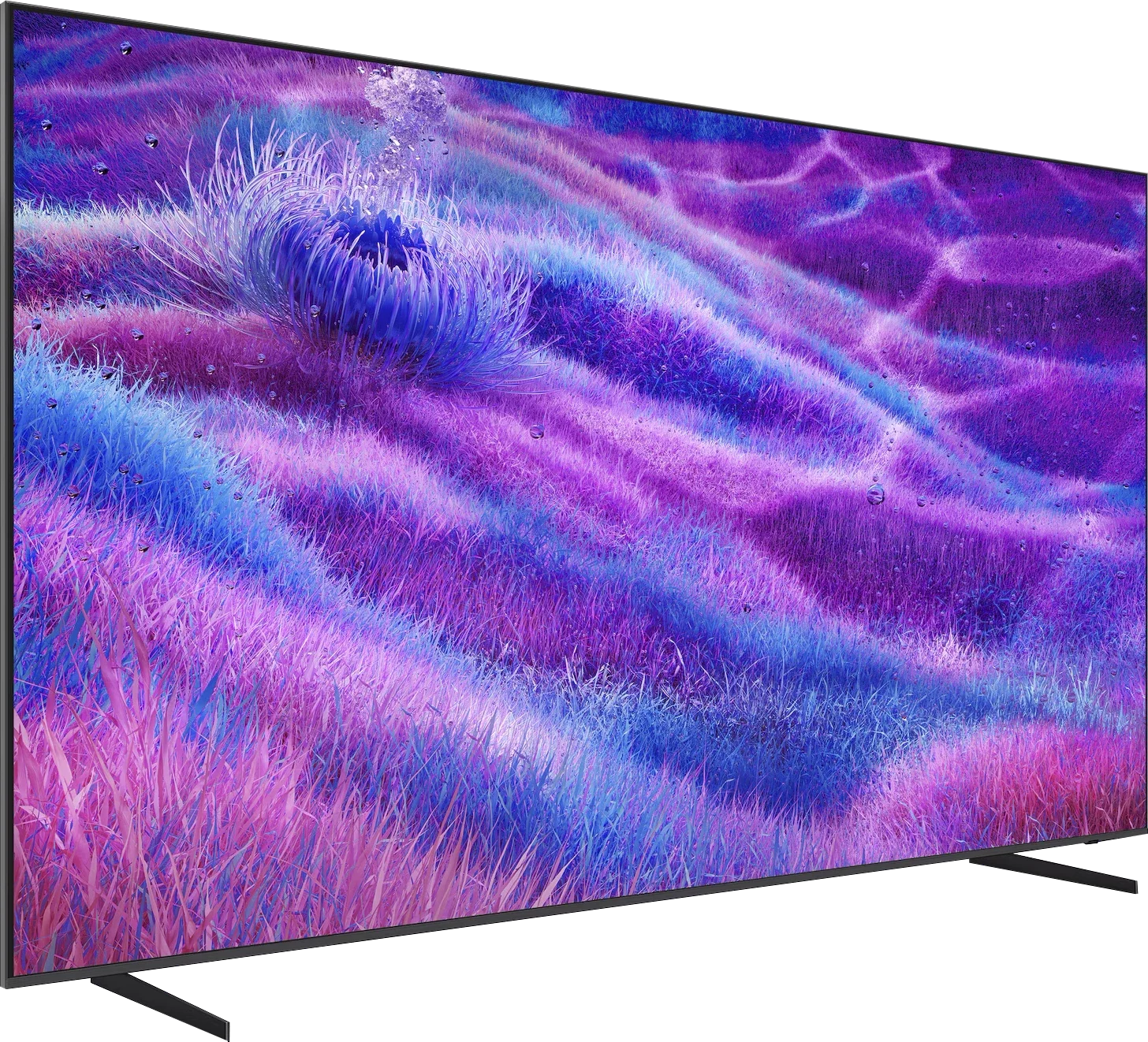
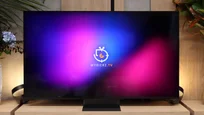
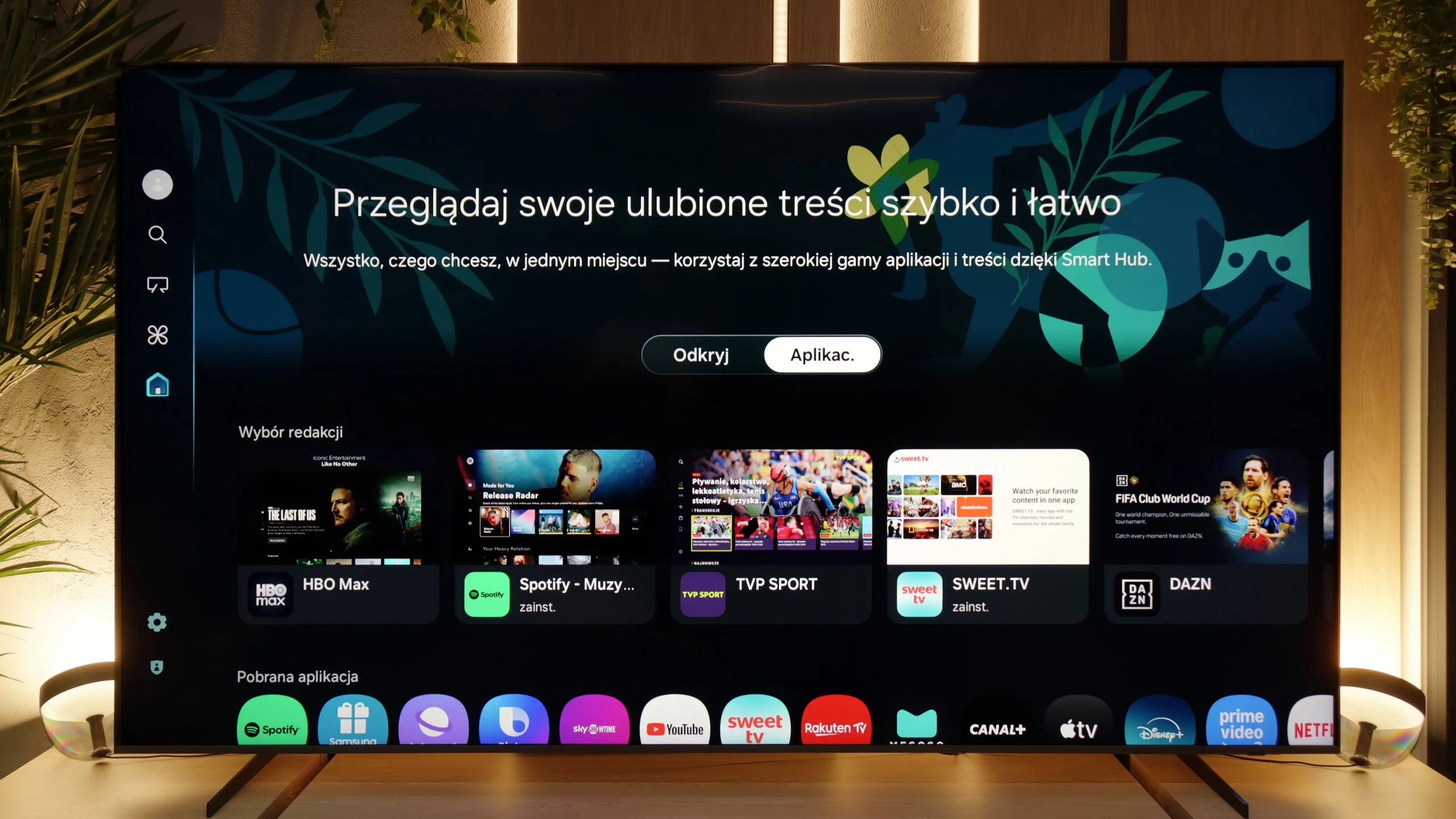
When it comes to smart capabilities, the QN80F has much to boast about. Samsung relies on Tizen, and it is evident that this system has been refined over the years. All the major streaming apps are available, voice search works well, and there is AirPlay and Miracast, so there are no issues with streaming content from a phone or laptop. What is particularly interesting is that the television can integrate other devices in the home into its ecosystem – through SmartThings and support for the Matter standard, you can connect light bulbs, robotic vacuum cleaners, or even devices from other brands. In practice, the QN80F becomes not just a screen for movies, but also a convenient control centre for the entire flat. Of course, it is still a closed system, so a few less popular apps may not be found here, but let's agree – for 99% of users, it still provides everything necessary and even more.
Classic Features
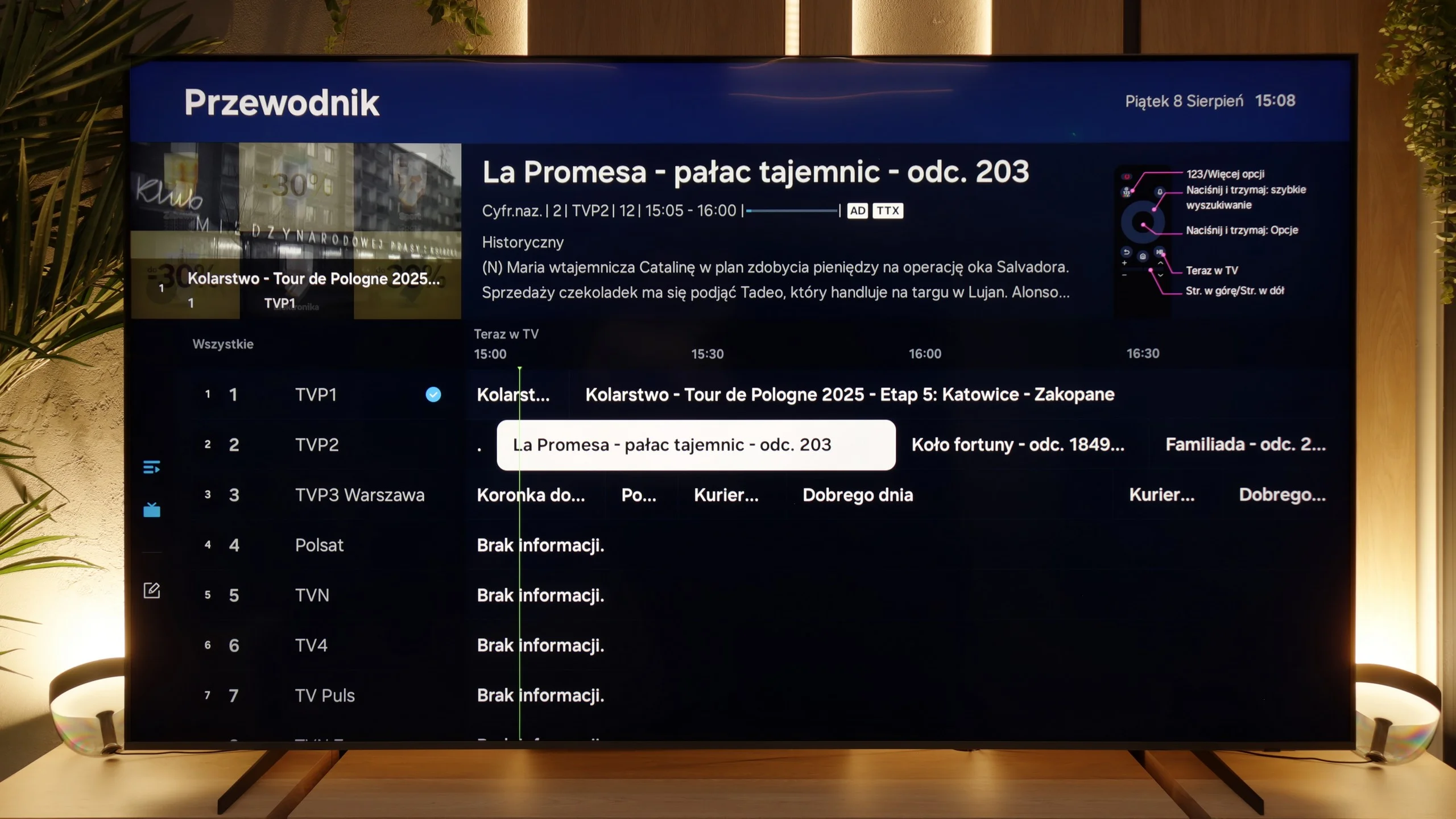
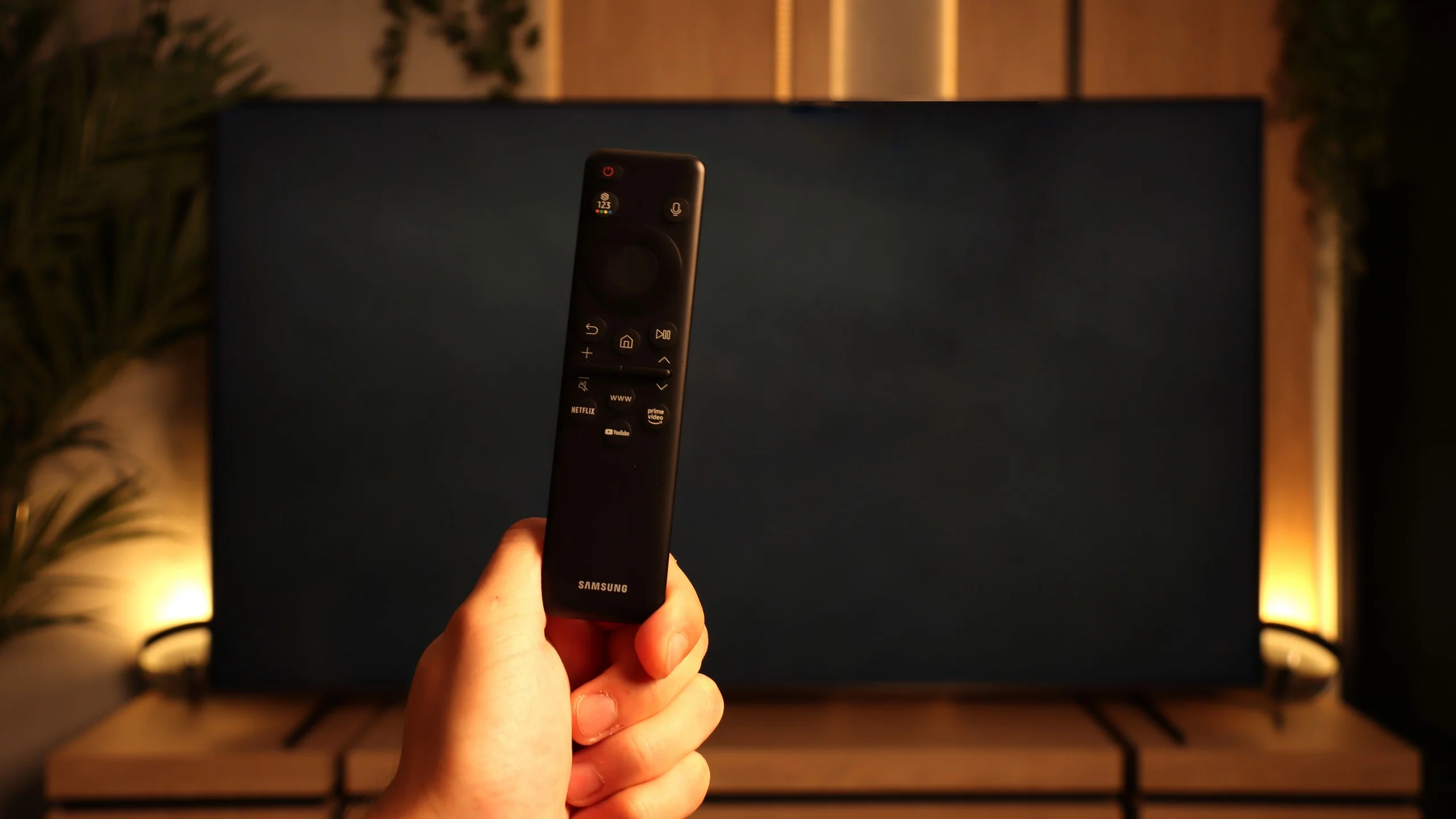
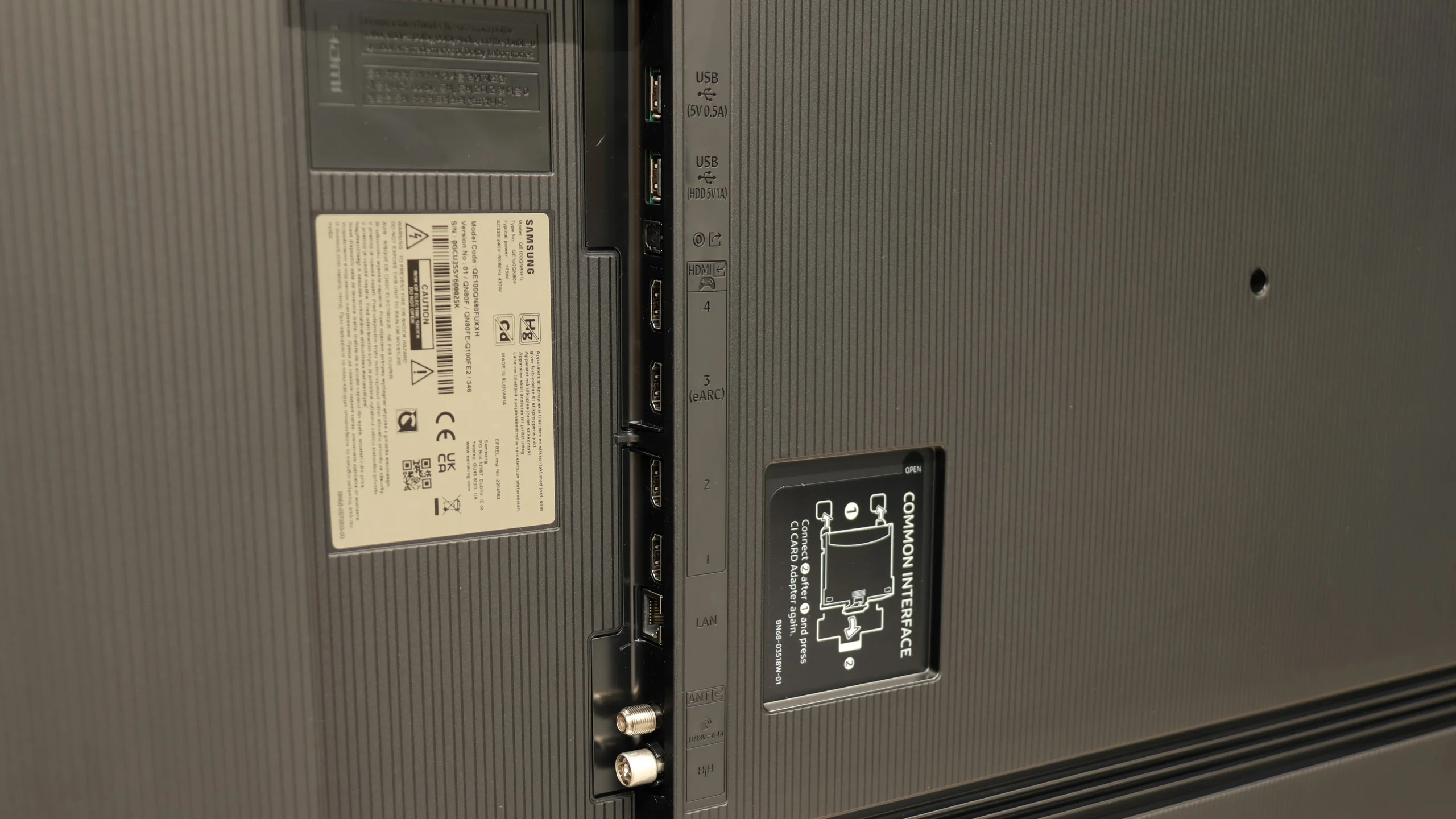
The traditional features of the QN80F perform quite well, although some things are missing. It is worth mentioning the PiP, or picture-in-picture – a rarely seen feature that can still be very practical. Additionally, we have EPG, working teletext, and Bluetooth support, which makes it easy to pair headphones or a soundbar. On the downside, there is no USB recording from the built-in tuners, and the remote control lacks a traditional numeric keypad. Instead, we get Samsung's characteristic small remote, which may initially seem too minimalist. However, it must be acknowledged that this unassuming gadget conceals many possibilities and can control other devices such as satellite receivers, consoles, or Blu-ray players, so in practice, one remote is sufficient to manage the entire setup in the living room.
Classic features
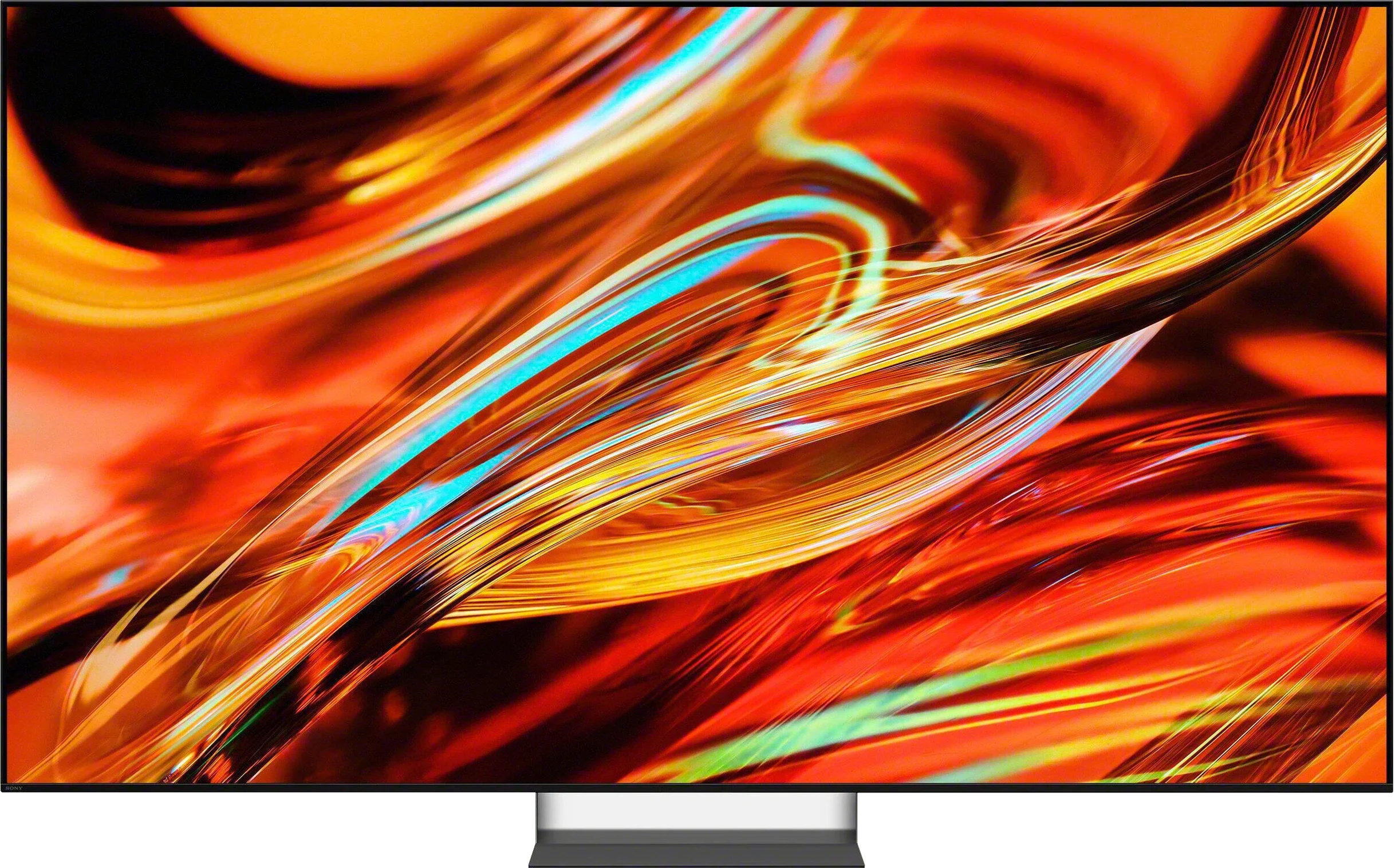
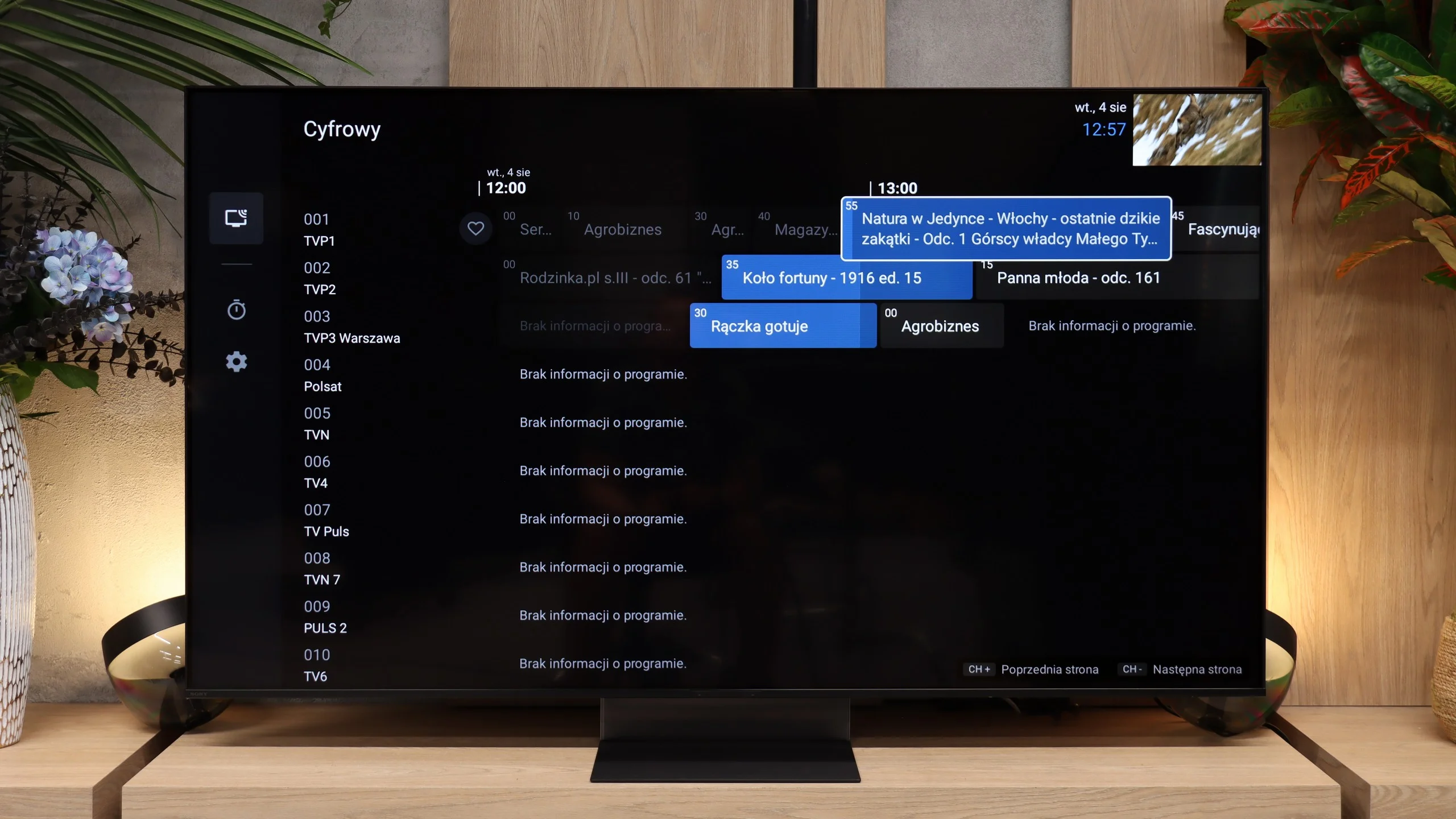
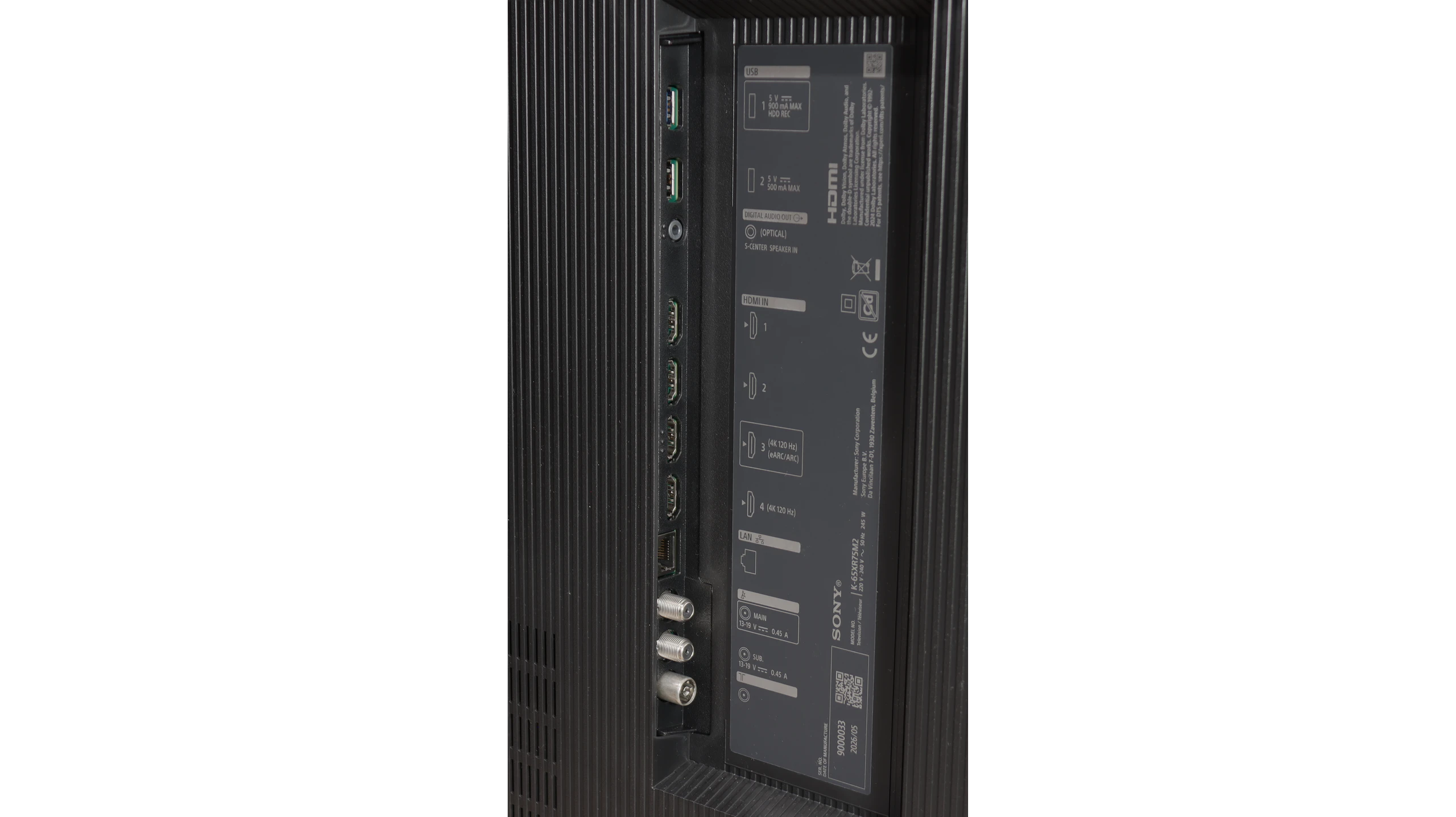
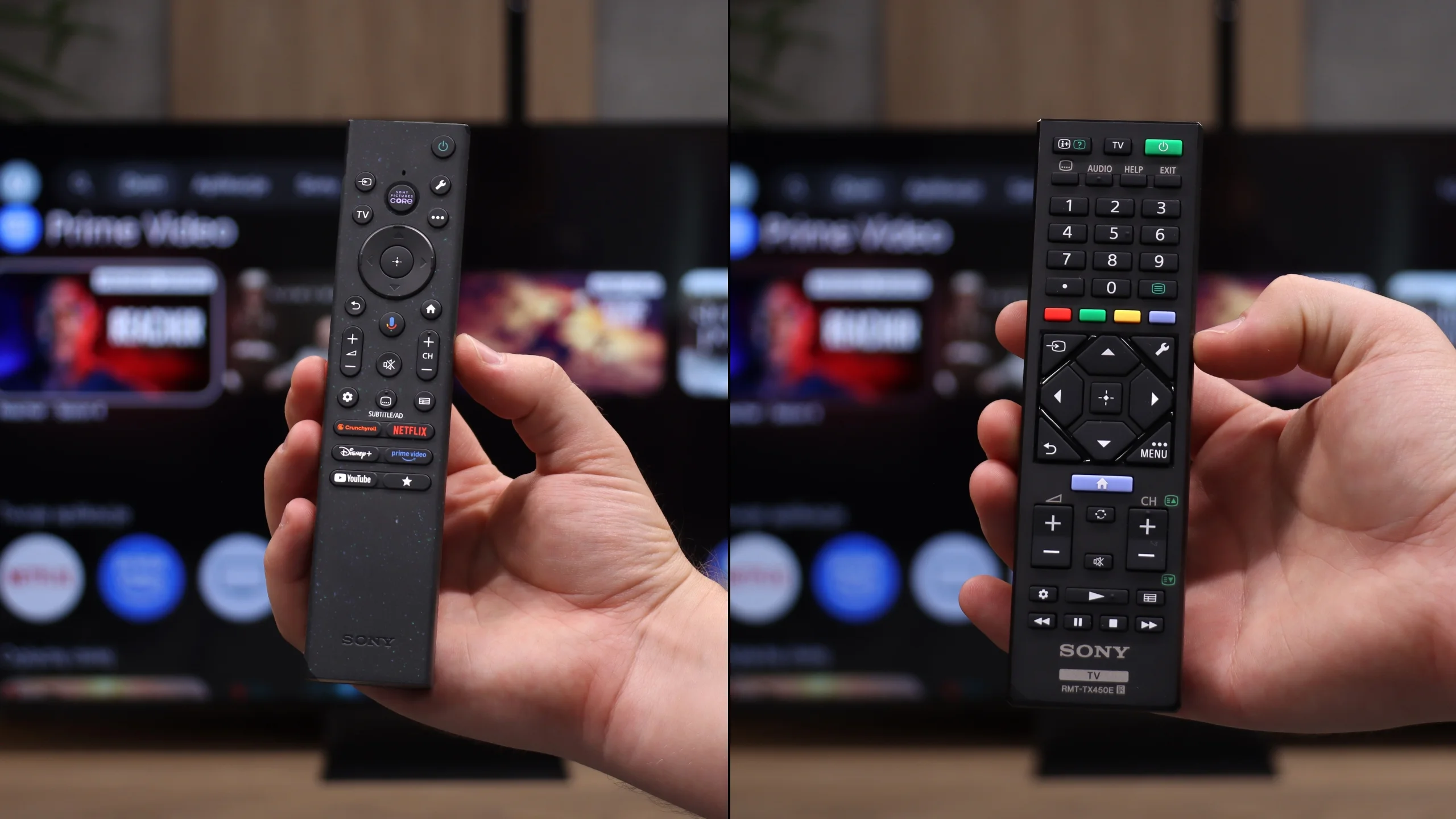
Sony in the Bravia 7 II still approaches the TV a little more "old school" than some of the competition, and here that’s a plus. It’s not just a screen for streaming apps, because the manufacturer has kept many traditional functions that a lot of people still use every day. You can record programmes to USB, schedule recordings and use the TV with Bluetooth headphones without having to switch off its built-in speakers. The whole gives the impression of a well-finished set for everyday TV viewing rather than merely a "monitor with apps". The control layout is also worth praising. Two remotes are included. One is more modern and simplified, the other is a classic design with more buttons. This way everyone can choose the control method they find more comfortable. The main remote works via radio, so you don’t need to point it directly at the TV, and the backlit buttons are particularly handy in the evening.
Google TV
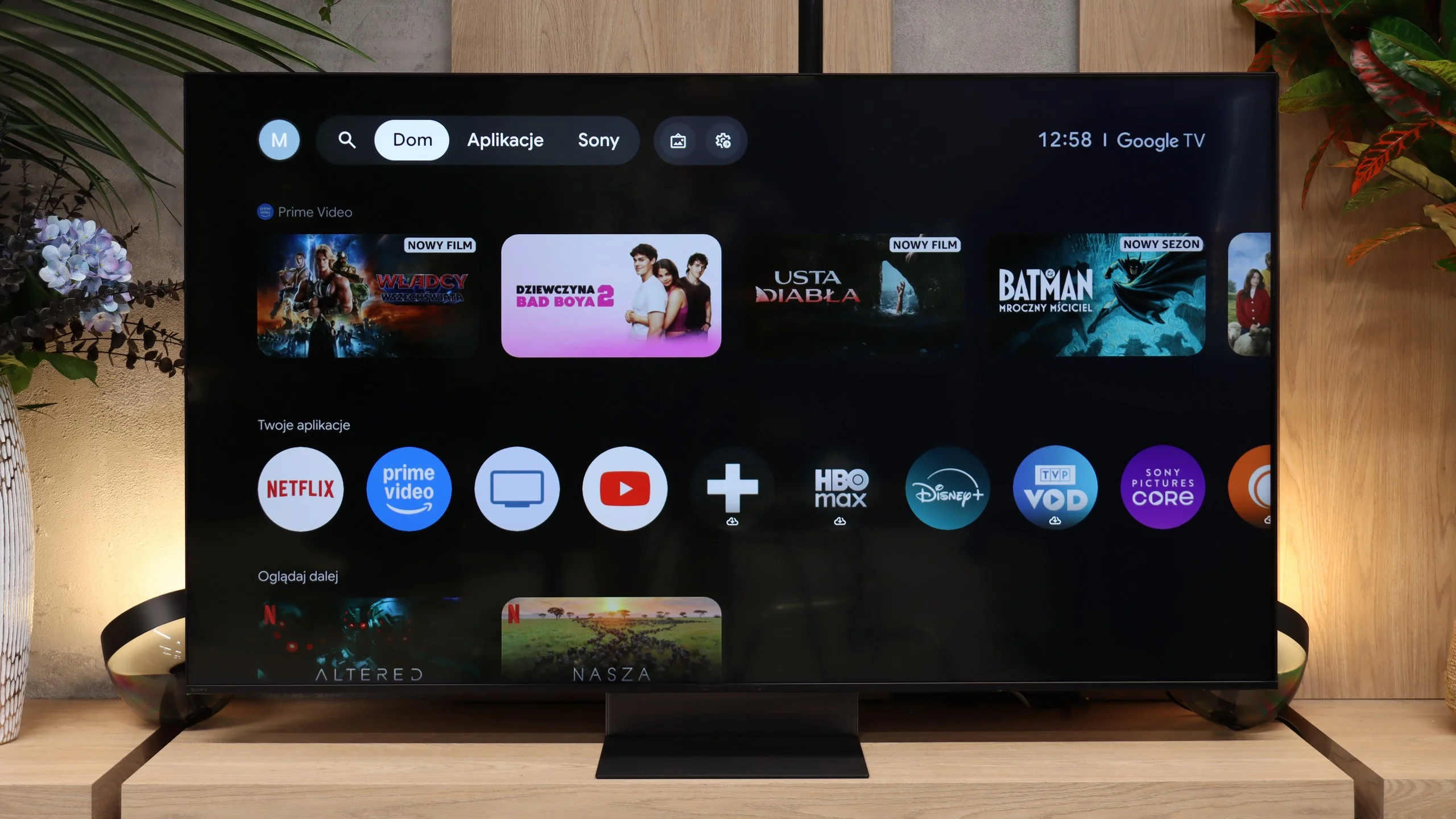
Google TV handles the Smart features, and here the Bravia 7 II performs as you would expect from a TV of this class. The system runs quickly, menus respond smoothly and you don’t get the impression that the set needs a moment for every simple task. The biggest advantage remains the vast selection of apps, meaning practically everything we use on a TV today is immediately at hand. Google TV also works well when the TV is part of a larger ecosystem. You can cast video from your phone or computer, use AirPlay and Miracast, and perform voice searches in your native language. In practice the Bravia 7 II therefore offers a lot of freedom, and it’s unlikely you’ll come across a situation where a basic Smart TV feature is missing.
 Direct comparison