Samsung Q70D performed in the test just as it should for its category – very well. The strongest points of the television are undoubtedly its efficiency when using a console and the colour reproduction after undergoing the calibration process. The former will certainly not allow gamers to remain indifferent to the range of benefits that Samsung Q70D can offer, and there are indeed many, including this almost exclusive feature for the manufacturer’s units – the ability to smooth out gameplay while maintaining a reasonable input lag, which allows titles running at 30 fps to perform like those at native 60 frames per second. In the context of gaming, one cannot forget the well-implemented HGIG mode, which, when correctly set up, is on par with games using Dolby Vision. One should also not overlook the ease of pairing the television with the Canal+ decoder, which is not such an obvious advantage, but we know that many people struggle with this issue. Staying on the topic of television, it must be acknowledged that the Samsung Q70D offers very good brightness in SDR materials for its price range, making daytime viewing more than comfortable. A downside for the tested television has to be the lack of Dolby Vision, which would have greatly enhanced the maximum brightness of the Samsung Q70D. One should also not overlook the construction flaws of the device, which may (though not necessarily) lead to light bleed, which can be noticed in dark conditions on less bright scenes. What cannot be taken away from Samsung Q70D is the fact that it features one of the better motion smoothing technologies in its price range, which works excellently in the context of sports events or fast-paced action scenes. The system that operates the television runs very smoothly, and the only complaint one might have is the lack of the Tidal app. In summary, the Samsung Q70D is a good continuation of the manufacturer's seventh series, which year after year gains – both in quality and popularity.
- Matching (Score) |
- Our verdict |
- TV appearance |
- Where to buy |
- Contrast and black detail |
- HDR effect quality |
- Factory color reproduction |
- Color reproduction after calibration |
- Smoothness of tonal transitions |
- Image scaling and smoothness of tonal transitions |
- Blur and motion smoothness |
- Console compatibility and gaming features |
- Input lag |
- Compatibility with PC |
- Viewing angles |
- Daytime performance |
- Panel details |
- TV features |
- Apps |
- Playing files from USB |
- Sound
Samsung QLED Q70D / Q74D / Q77D vs LG QNED86A / QNED85A / QNED87A
 Direct comparison
Q70D / Q74D / Q77D

QNED85A / QNED86A / QNED87A / A6A / A6B / A6C

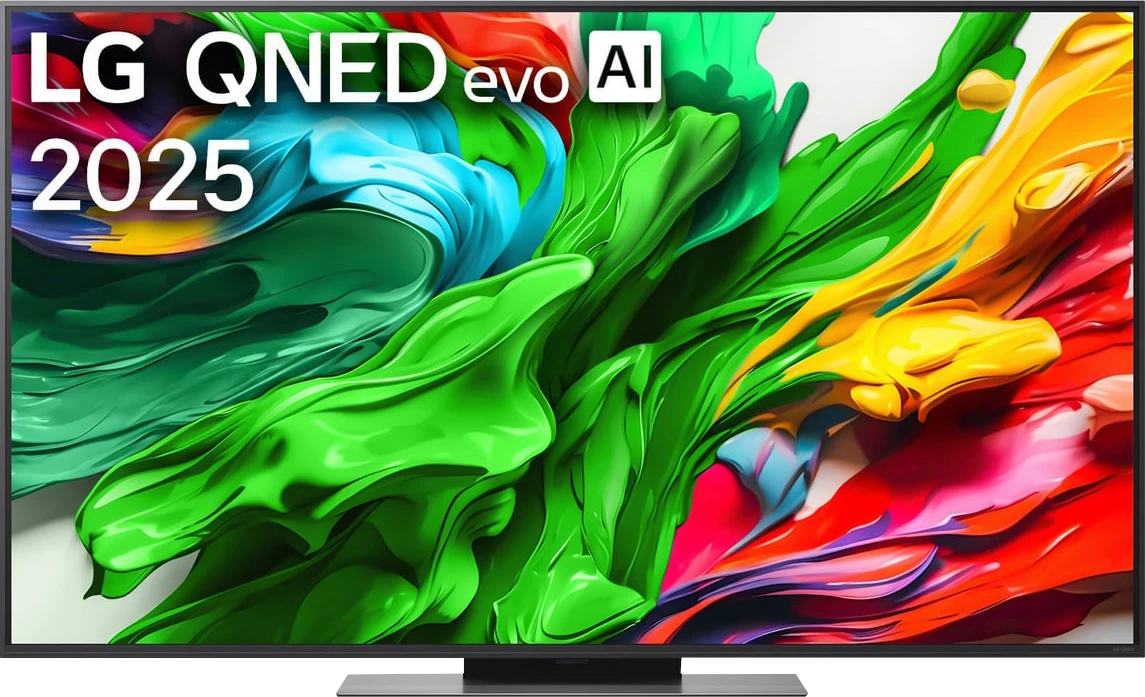
Panel type: LCD VA
Resolution: 3840x2160
System: Tizen
Model year: 2024
Complete the survey to find out the result
Panel type: LCD IPS
Resolution: 3840x2160
System: WebOS
Model year: 2025
Complete the survey to find out the result
Overall rating
6.8
7.0
 Movies and series in UHD quality
 6.1
6.4
 Classic TV, YouTube
 6.0
6.1
 Sports broadcasts (TV and apps)
 6.5
7.1
 Gaming on console
 8.7
8.3
 TV as a computer monitor
 8.0
8.0
 Watching in bright light
 5.4
5.8
 Utility functions
 7.4
8.4
 Apps
Apps 9.3
9.1
 Sound quality
 6.3
6.0
Complete the survey to find out what fits your preferences
Advantages

Excellent performance with consoles and computers
Colour reproduction after calibration
Very good performance in sports - advanced motion smoothing system
Smooth and trouble-free operation of the Tizen system
Very good tonal transition quality in this budget
120 Hz panel, good for sports and gaming
Very low input lag
Great for gamers (VRR, ALLM, HGiG etc.)
Complete set of HDMI 2.1 ports
Good compatibility with PC (excellent font readability)
Bright picture (around 700 nits in HDR), performs well in moderately bright rooms
Good viewing angles (IPS)
Support for Dolby Vision
User-friendly webOS operating system with Magic Remote and voice assistant
Ability to record programmes to USB
Disadvantages

Possible noticeable light leaks
Dolby Vision support not available
Very poor black levels and contrast due to the IPS panel
Lack of the advertised 144 Hz in PC mode
Aggressive "light bands" when local dimming is enabled (edge local dimming ruins evening movie sessions)
Confusion in model designations and versions – even televisions with the same name in different stores can have different stands (central or two feet) or frame colours, which can be very misleading when purchasing.
Our verdict
QNED86A6A is a television that truly does an excellent job in its price range when it comes to sports, gaming, and everyday TV viewing. The 120 Hz panel ensures smooth images and sharp motion, which both sports fans and gamers will appreciate. It also features low input lag along with a complete set of gaming functions such as HGiG, VRR, and ALLM. The television works just as well with a computer as it does with a console, so whether in the office or on a desk in the 43” version, it serves excellently as a work monitor. Another strong point is the webOS system. This is a fast, stable, and application-rich operating system that, paired with the Magic remote, offers very convenient operation. The new version of the remote is slimmer and fits better in the hand, while the on-screen cursor is a solution that many competitors lack. Additionally, there are classic features – USB recording, Bluetooth for headphones, and a full HDMI 2.1 set with eARC and Dolby Atmos support. This makes the televisions from the QNED85 series some of the most "multimedia" televisions in their class. However, there’s no point in mincing words; this model also has its significant flaws. Its biggest flaw is undoubtedly the contrast, or rather, the lack thereof. The IPS panel combined with edge-lit "mini-LED" is simply a very bad idea. The screen is just not suitable for watching movies in a dark living room. The blacks are bluish-grey, and local dimming can generate light strips reminiscent of lasers, which effectively spoil the desire to watch. This is not a choice that can be wholeheartedly recommended for home cinema. The second problem may not be directly related to the television itself but rather to its sales. It concerns the chaos in naming and discrepancies in derivative versions. The same model, even with the same marking, can have a different bezel colour or stand depending on the store. This can truly be frustrating for the buyer and evoke a sense of confusion. To summarise briefly: LG QNED86A6A is a great television for sports, gaming, and everyday television, with a user-friendly system and substantial functionality. But if you are looking for a screen strictly for movies or series and require deep blacks, it would be better to look towards televisions that can truly be called Mini-LEDs with full confidence.
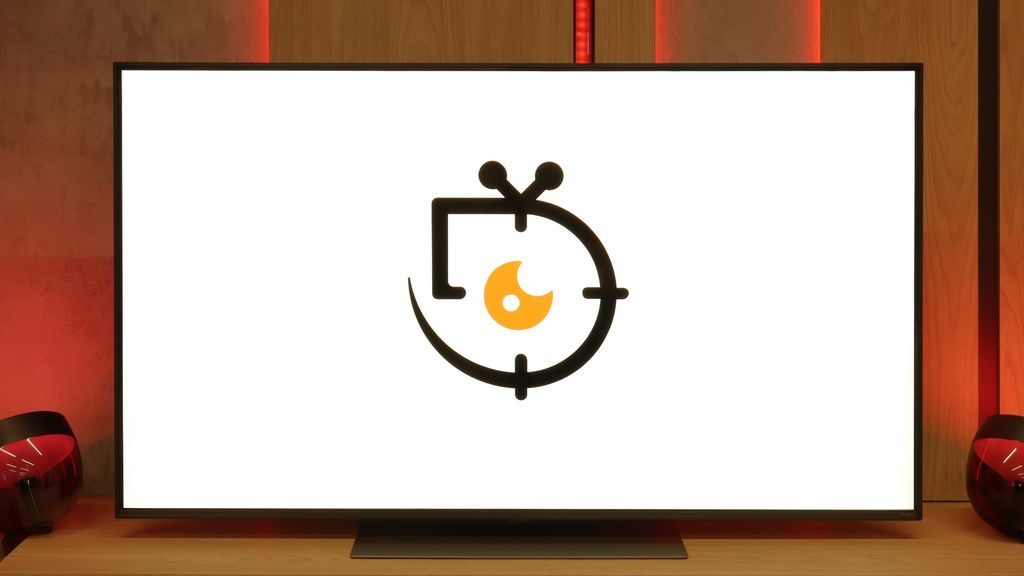
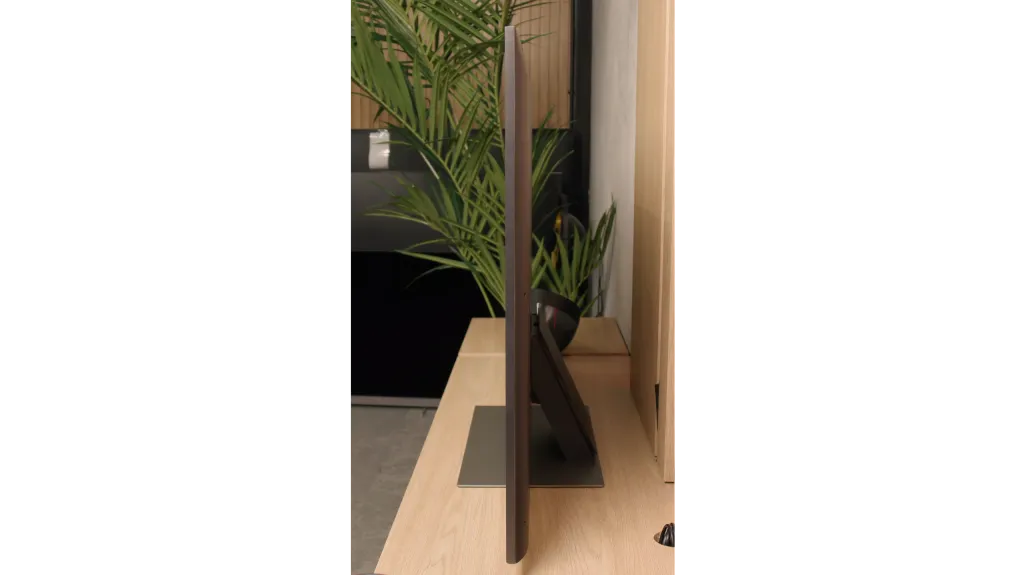
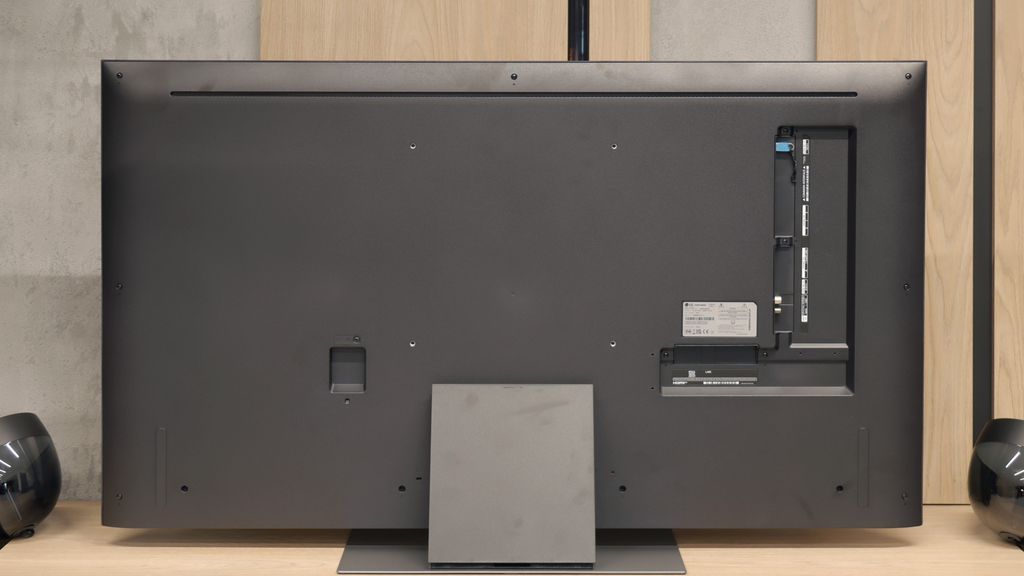
TV appearance



Contrast and black detail
5.4/10
3.5/10
Local dimming function: No
Local dimming function: Yes, number of zones: 6 (1 x 6)
Contrast:


Result
2,450:1

Result
5,150:1

Result
6,550:1

Result
5,850:1

Result
2,800:1
Result
4,050:1
Result
1,750:1
Result
4,800:1
Result
1,850:1
Result
1,350:1
Halo effect and black detail visibility:

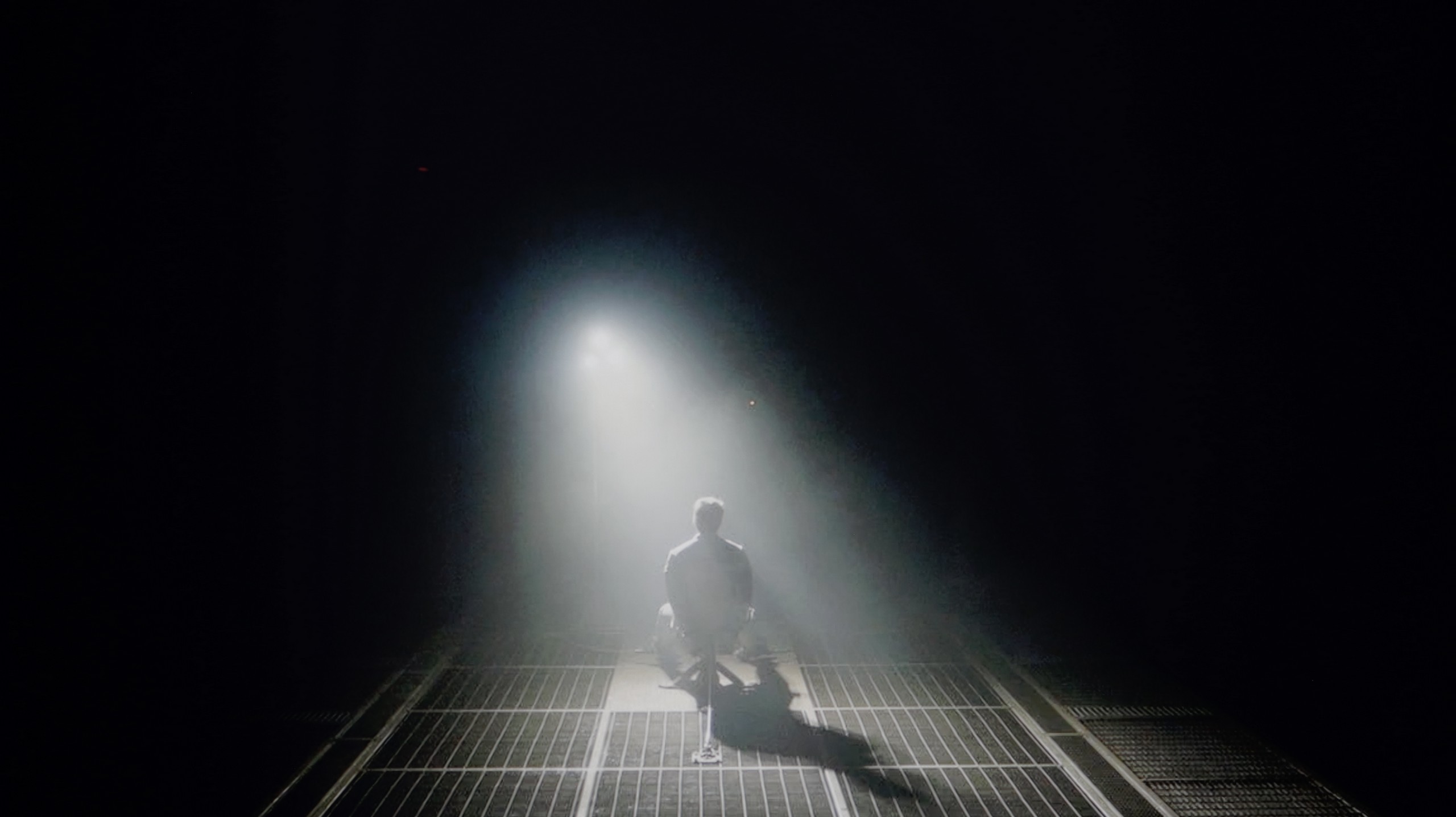
Check the visibility of bright lights on a dark background. Mini-LEDs often struggle with this. The photo does not compare black levels – that’s what the video below is for.

The video accurately shows differences in contrast and black levels between TVs, as well as potential issues: halo around bright objects or Mini-LED zone operation visible as brightness jumps.
Samsung Q70D and its related models, such as Q77D and Q74D, utilise a VA panel, which in itself should provide decent contrast. Typically, it is several times higher than in IPS/ADS screens that are not equipped with an advanced local dimming system. The contrast results, as you can see, are quite varied, which is caused by the non-uniformity of the panel. Therefore, at times we can achieve good contrast, whereas at other times it is significantly degraded, but generally fairly consistent, not counting light leakage. Let’s take a look at the film scenes we prepared from the films "Oblivion" and "Revenant". As we can see, in the first one, the lights are well separated from each other, which is a positive phenomenon, as visibility of details in the whites in further tests should be equally good. What stands out the most here is the unusual over-sharpening of smoke visible under the light and the navy black in the background. In the frame from the second film, the first thing that stands out is the uneven backlighting of our scene. It was quite significant and heavily affected the perceived image. Nevertheless, the details in the film were well visible.
Although the manufacturer describes the QNED86A as a Mini-LED television, there is no multi-zone local dimming system here like those found in more expensive models. In practice, we are dealing with traditional edge lighting, which only allows for dimming horizontal bands of the screen from top to bottom. Combined with a low-contrast IPS/ADS panel, the effect simply falls short. If we decide to leave local dimming on, a problem arises – the television can illuminate selected portions in such a way that it looks like "flying lasers" cutting across the screen. This is very distracting, and it is difficult to speak of truly cinematic experiences under such conditions. Therefore, in our opinion, it is better to turn this feature off. However, one must reckon with the fact that the contrast then drops to around 1500:1, but at least the picture does not irritate with artificial flashes.
HDR effect quality
5.5/10
6/10
Luminance measurements in HDR:

Result
433 nit

Result
461 nit

Result
477 nit

Result
475 nit

Result
490 nit
Result
602 nit
Result
524 nit
Result
690 nit
Result
512 nit
Result
500 nit
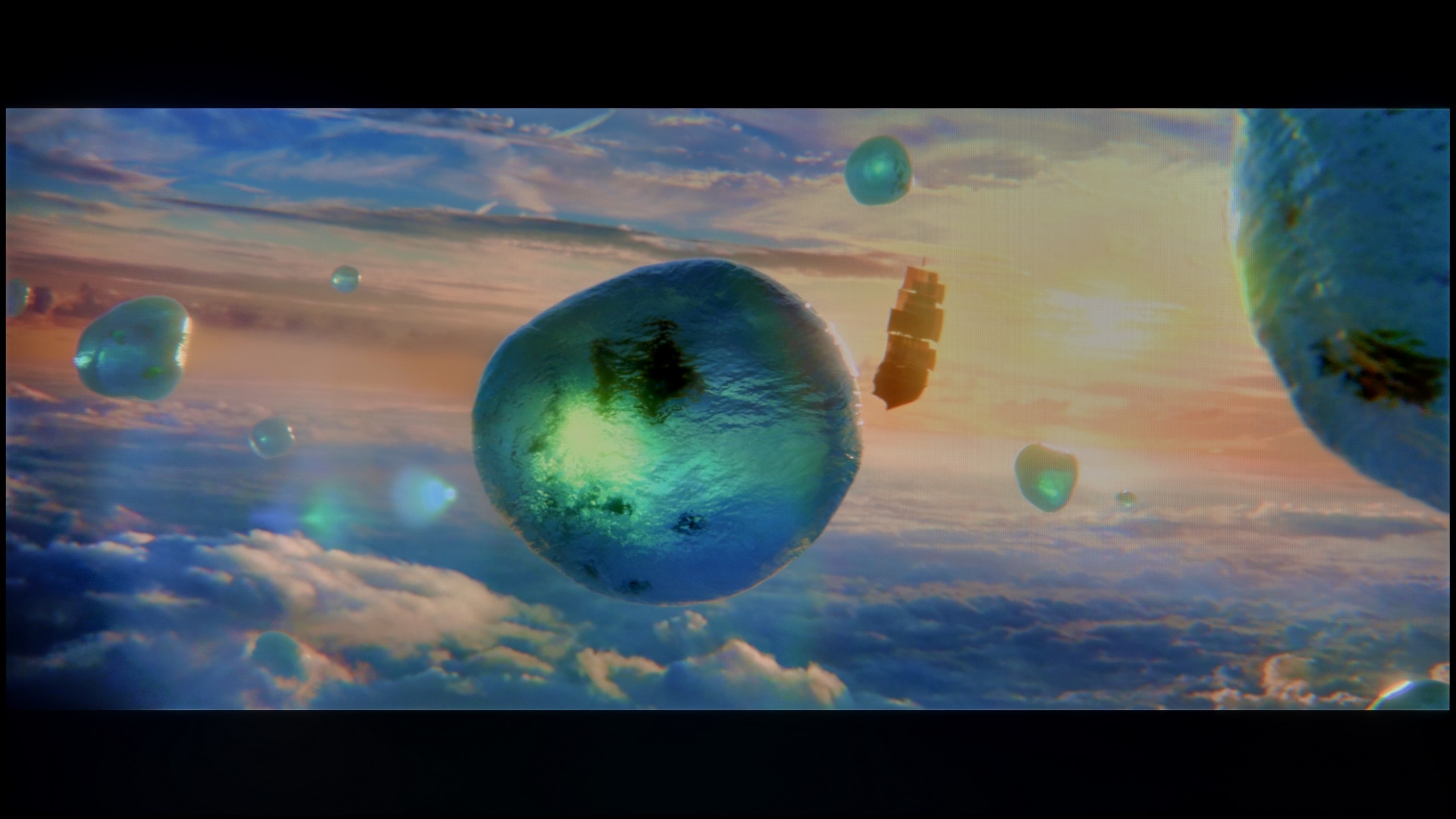
Scene from the movie “Pan” (about 2800 nits)

Scene from the movie “Billy Lynn” (about 1100 nits)

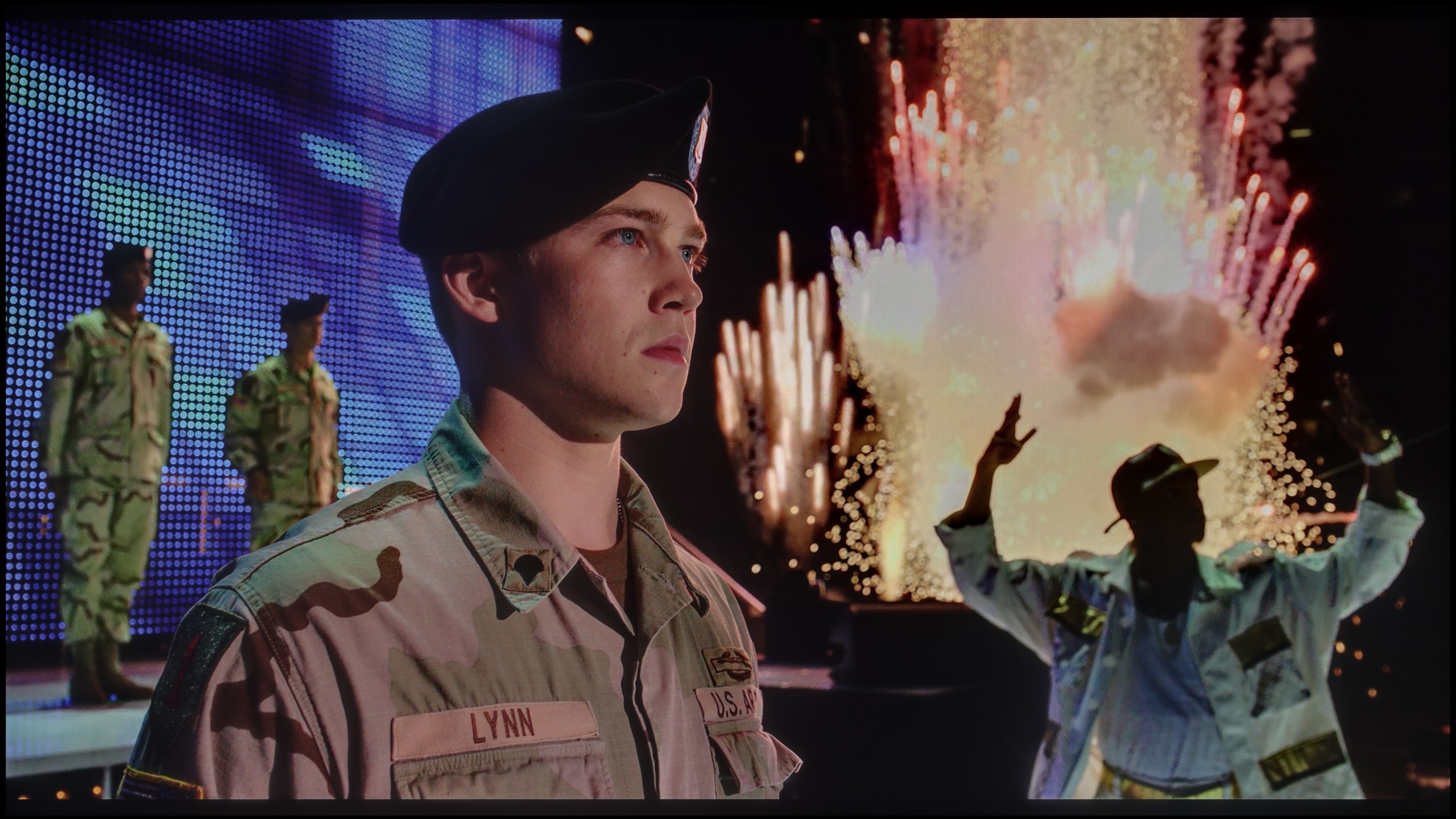
The photos show two HDR10 movies. 'Pan' is one of the brightest productions ever made, while 'Billy Lynn' (soldier) has brightness typical of streaming (Netflix, Prime, HBO MAX). Notice the intensity of effects and detail in whites.
Static HDR10

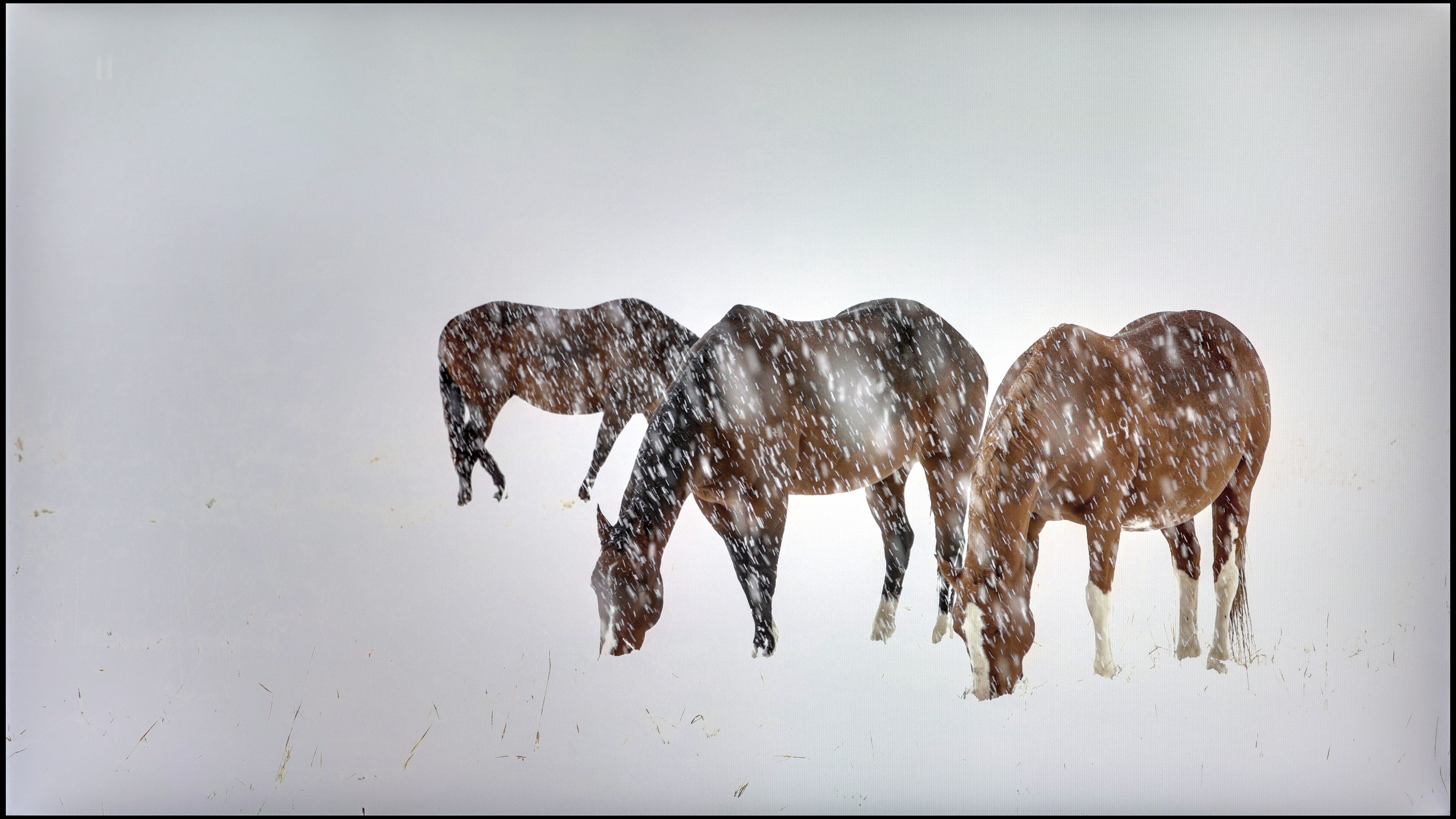
The photos present the visibility of white details in various HDR formats. They do not show brightness differences between TVs (these can be compared in the previous gallery).
Dynamic: HDR10+
Dynamic: Dolby Vision


The photos present the visibility of white details in various HDR formats. They do not show brightness differences between TVs (these can be compared in the previous gallery).
HDR luminance chart:
LG QNED86A / QNED85A / QNED87A
Samsung QLED Q70D / Q74D / Q77D
Luminance of RGB colors
The brightness that the Samsung Q70D can offer is at a fairly average level, although it cannot be said that the HDR effect will be unnoticeable. Any brightness above 400 nits allows for a clear distinction between SDR and HDR materials. As was the case in the paragraph about contrast and black levels, this time we can observe that the first scene, featuring a bright sun and a dark foreground, possesses the lowest luminance among the measured ones. The result, which can be considered very good for this price range and class of display, is the latter. In a scene where we see a large light source filling a significant part of the frame, the brightness of the television is at its highest, reaching nearly 500 nits. It is worth noting the quite low coverage of the wide DCI-P3 colour gamut, which occasionally results in noticeable gaps in the colour palette. Additionally, users can enjoy rich colours and high precision in shade reproduction, making movie screenings a special experience. It is also worth noting that the Q70D Samsung panel performs excellently in eliminating blur during dynamic action scenes, which enhances the viewing comfort of sports broadcasts or games.
Against a backdrop of contrast and black, the brightness of the QNED86A and the overall HDR effect perform much better. This is a television that can achieve around 700 nits under the best conditions, so in terms of luminance alone, there is nothing to be ashamed of. As a result, scenes with strong lights, explosions, flashes, or bright parts of the landscape look clear and can make an impression. Interestingly, even in more challenging moments with small, contrasting elements on the screen, the television manages well with their backlighting, and the details are quite visible. The problem arises when there are many dark tones. The lack of effective local dimming causes the black to practically disappear, and instead, we get a grey haze spreading across the entire screen. This kills the sense of depth and makes the image look flat, as if it lacks a cinematic character. In bright animations or colourful family films, this will not be a problem, as vibrant colours and bright light dominate. But in horrors or productions set in darkness, these limitations are very strongly felt. As a comfort, it is worth adding that the QNED86A is actually a QLED television with a PFS LED filter, which gives it very good coverage of a wide colour gamut. Both the DCI-P3 palette and the broader BT.2020 perform really well here. This makes the colours in HDR films saturated, juicy, and with the appropriate depth – even if the black itself disappoints, the colours can save the viewing experience and make the image look attractive.
Factory color reproduction
6.1/10
5.6/10


This gallery shows how colors change after professional TV calibration. If you notice the difference, we recommend ordering this service at SkalibrujTV.com.
Factory Mode
After calibration
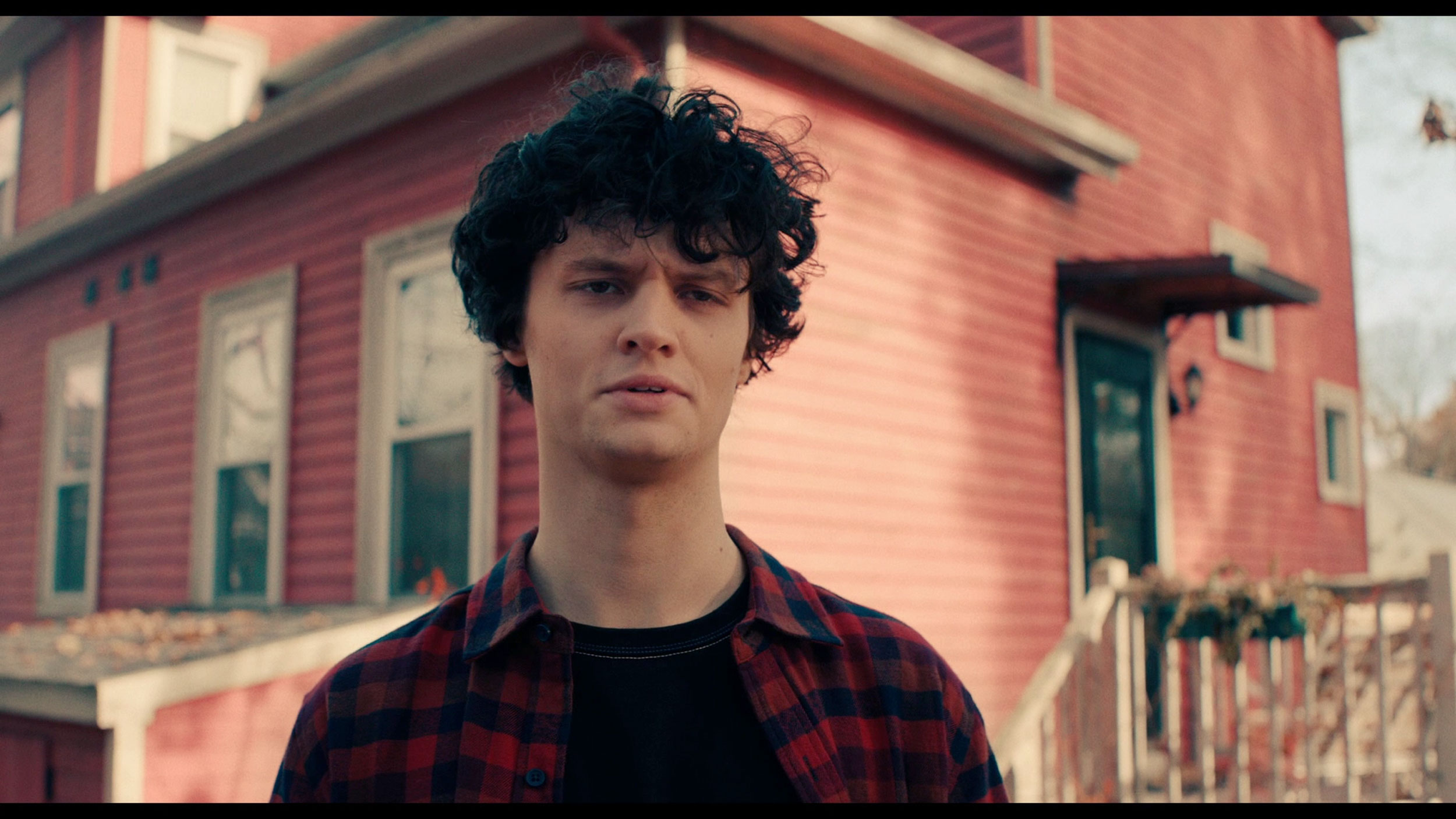
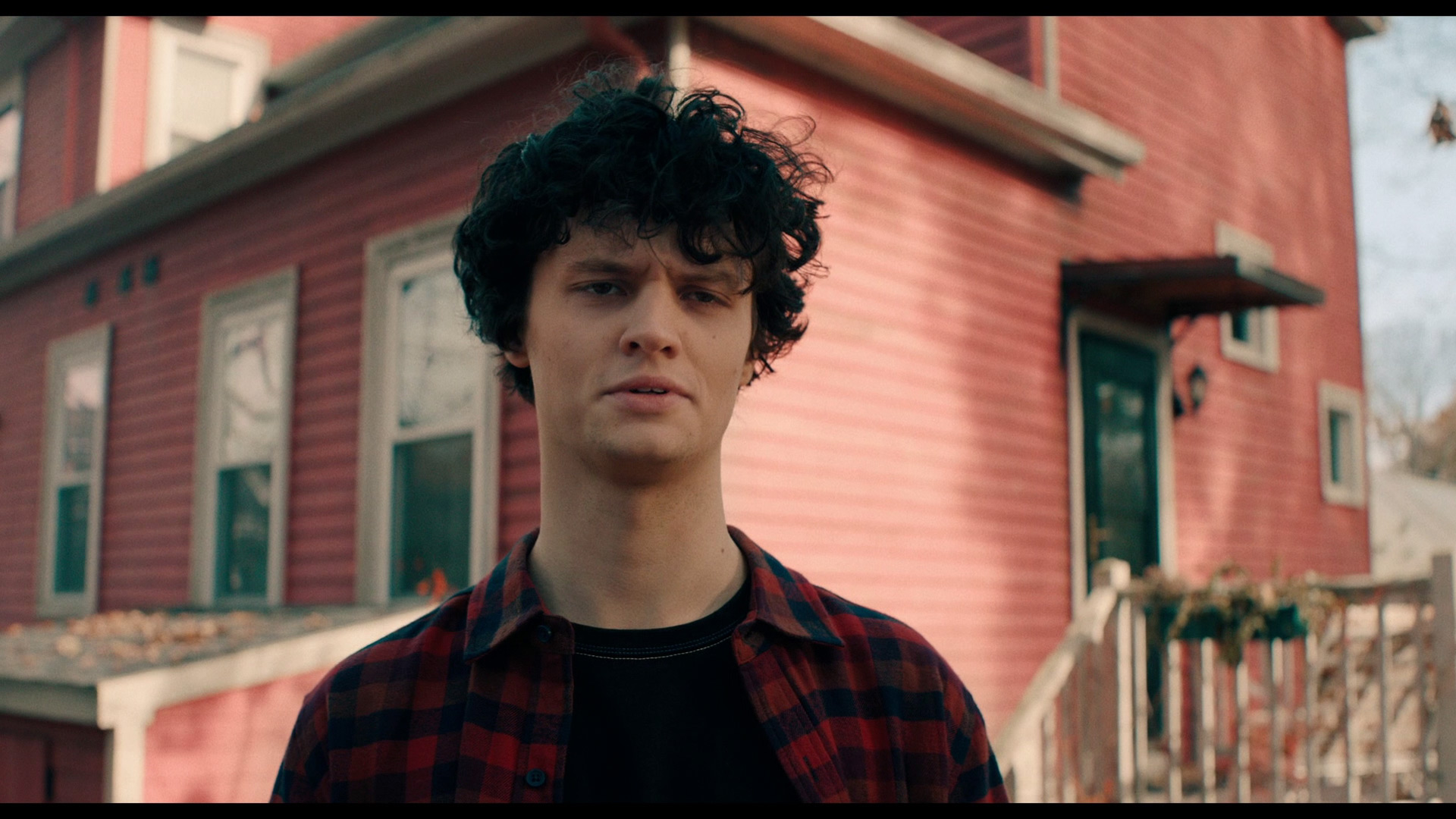
This gallery shows how colors change after professional TV calibration. If you notice the difference, we recommend ordering this service at SkalibrujTV.com.
Factory Mode
After calibration
The best factory mode on the Samsung Q70D is "Filmmaker," and it was this mode that we used during all our tests. Before calibration, it had several flaws that effectively prevented it from conveying the director's intentions. In both SDR and HDR materials, the white balance was dominated by red and green. As a result, there was a characteristic yellow tint on the image, causing white to appear yellowed and resulting in skin tones that were noticeably too warm. The lowered gamma in standard colour gamut materials resulted in a significant drop in contrast, which was already not the highest. This caused detail in the blacks to be accentuated but also led to overexposure in brighter scenes. The EOTF curve, in this case, proved to be much better and only brightened those scenes with relatively low luminance. This was perfectly evident in the section where we measured the television's maximum brightness in HDR materials. At that point, the frame from the film "Billy Lynn" was unnaturally bright and lacking in depth.
We primarily tested the QNED86A in Filmmaker mode, which is designed to provide the most faithful picture. Unfortunately, right out of the box, there were quite a few shortcomings. The most noticeable was the poorly tuned white balance – there was a lack of blue, causing the overall image to take on a slightly yellowish, and at times even orange hue. An even bigger problem turned out to be the way the television manages brightness. Due to its technical limitations – specifically, local dimming that only works along the edges of the screen – the QNED86A tends to oversaturate entire scenes. This is where the flattening effect we mentioned earlier comes from. Instead of clear depth and contrast, we get something akin to “boosted brightness,” which can strain the eyes over time.
Color reproduction after calibration
8.1/10
7.6/10

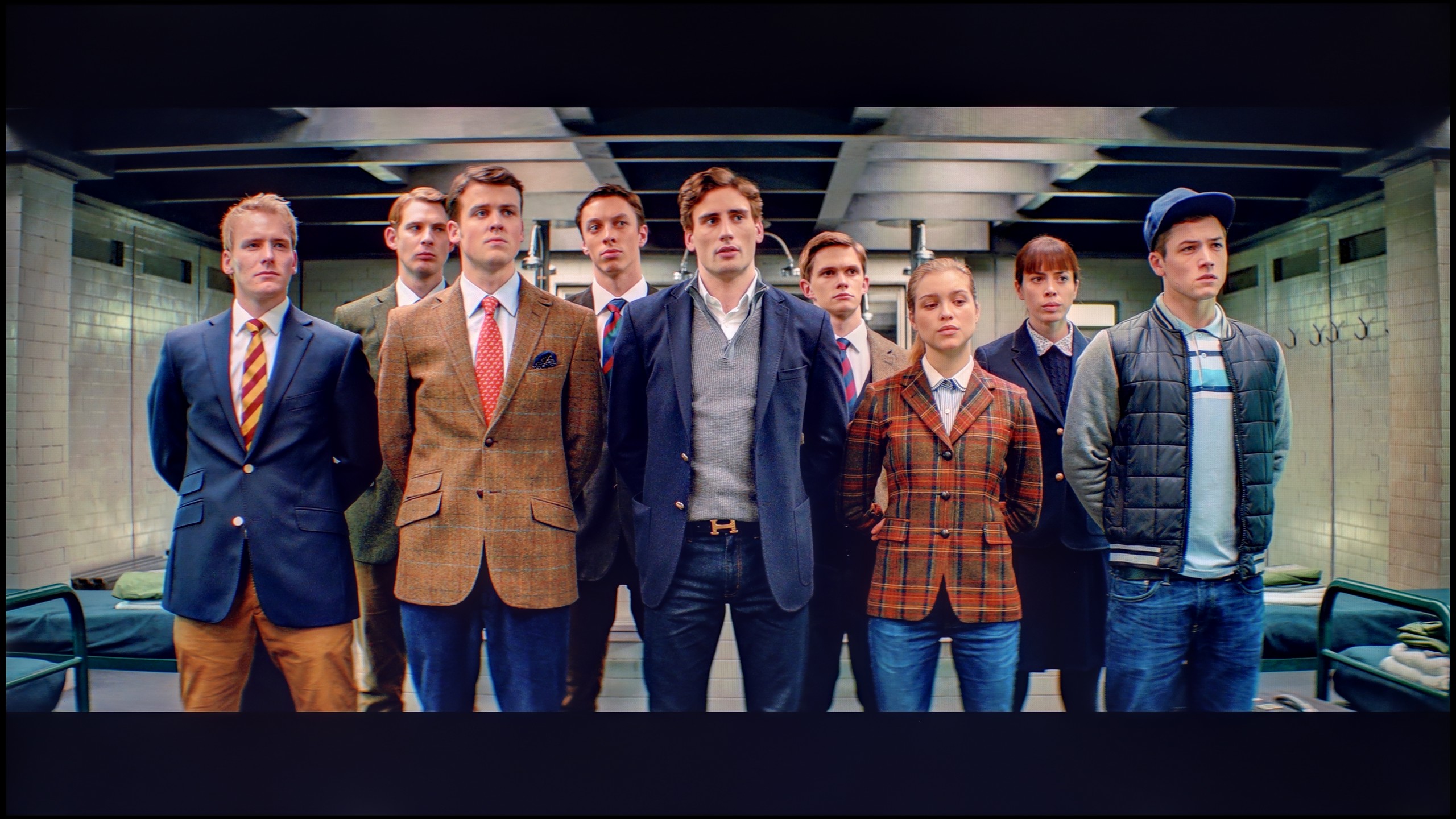
The photos show how movies look on the TV. Pay attention to black detail visibility, colors, and shadow tint.

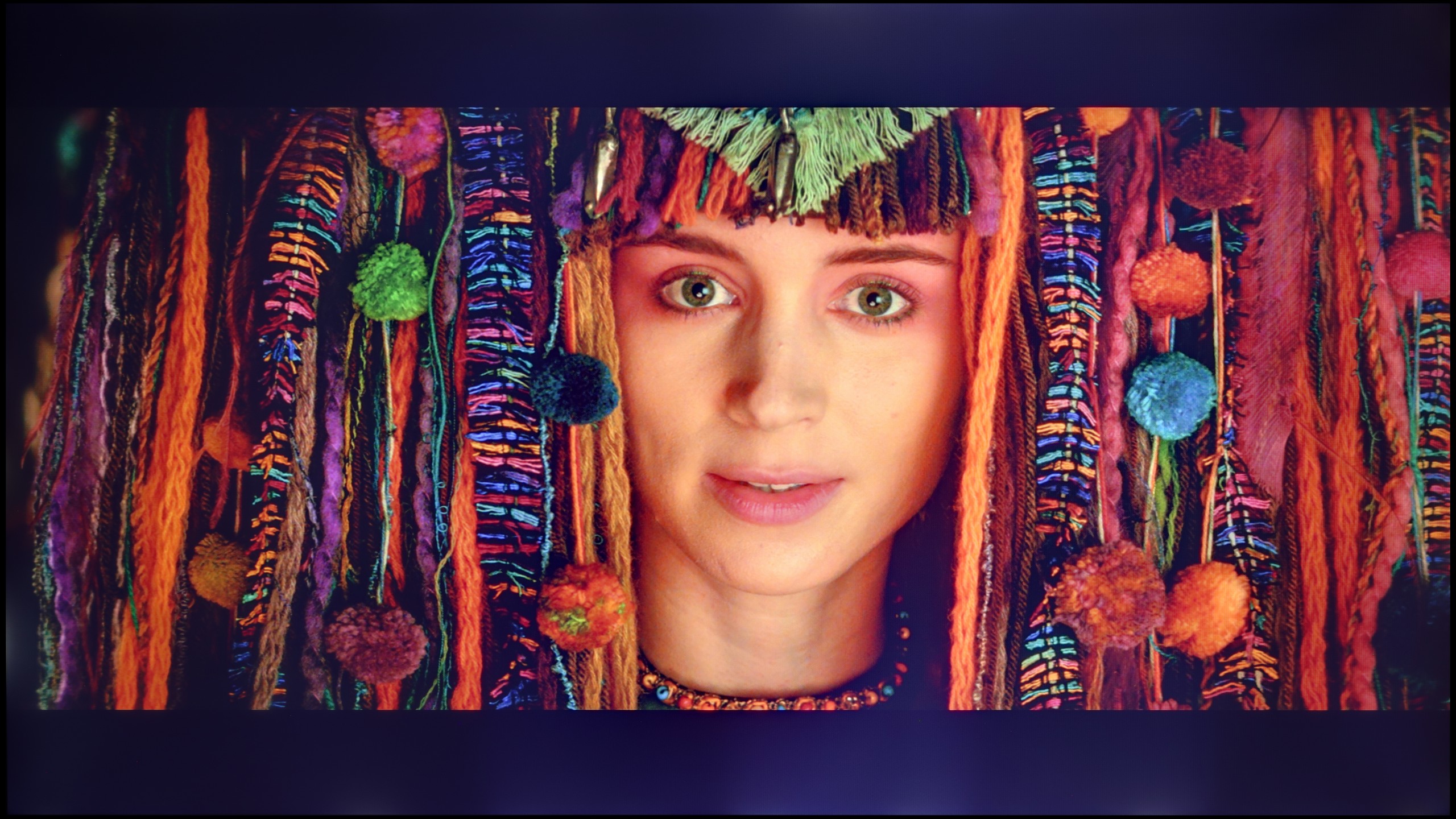
The photos show how movies look on the TV. Pay attention to black detail visibility, colors, and shadow tint.
Fortunately, Samsung provides a wide range of calibration tools in all its televisions, including 2-point and 20-point grey scale adjustment as well as advanced CMS. This allowed us to significantly improve the quality of SDR and HDR content. The vast majority of errors have been corrected, and the image that the Samsung Q70D now generates is definitely closer to the reference. Higher deltaE errors in wide dynamic range content are primarily due to the display's insufficient luminance.
What has been saved in the QNED86A6A is undoubtedly the colours. After calibration, the white balance was set with great precision, ensuring that deviations on the Colour Checker palette mostly did not exceed the visibility threshold for the human eye. In other words – the hues finally looked natural, without the strange yellow or orange tones that previously spoiled the perception. Unfortunately, even the best calibration cannot circumvent the structural limitations. The already very modest number of local dimming zones and their unfortunate placement mean that the analysis of the EOTF curve in films still showed clear over-brightening of scenes. The picture tended to flatten, lacking cinematic depth. Fortunately, this effect is not so noticeable in older productions or in SDR content. There, the calibration truly makes a difference and allows one to harness the QNED so that the image can be appealing. However, the specifics of this construction – especially the issues with contrast – cannot be completely bypassed.
Smoothness of tonal transitions
6.9/10
8.9/10


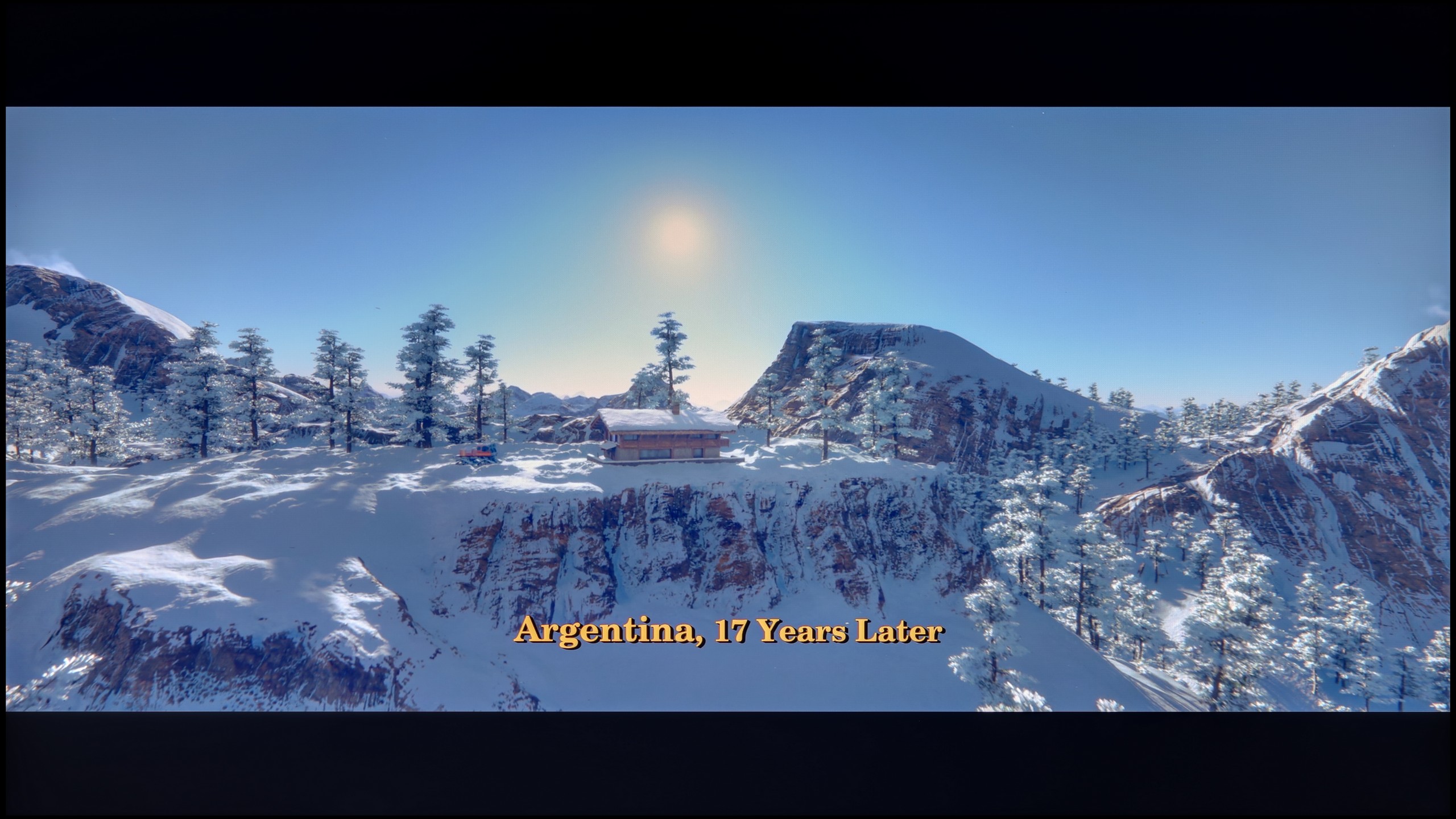
These are selected scenes that show smooth tonal transitions from one color to another. If you see distinct banding, it’s the TV panel’s fault.
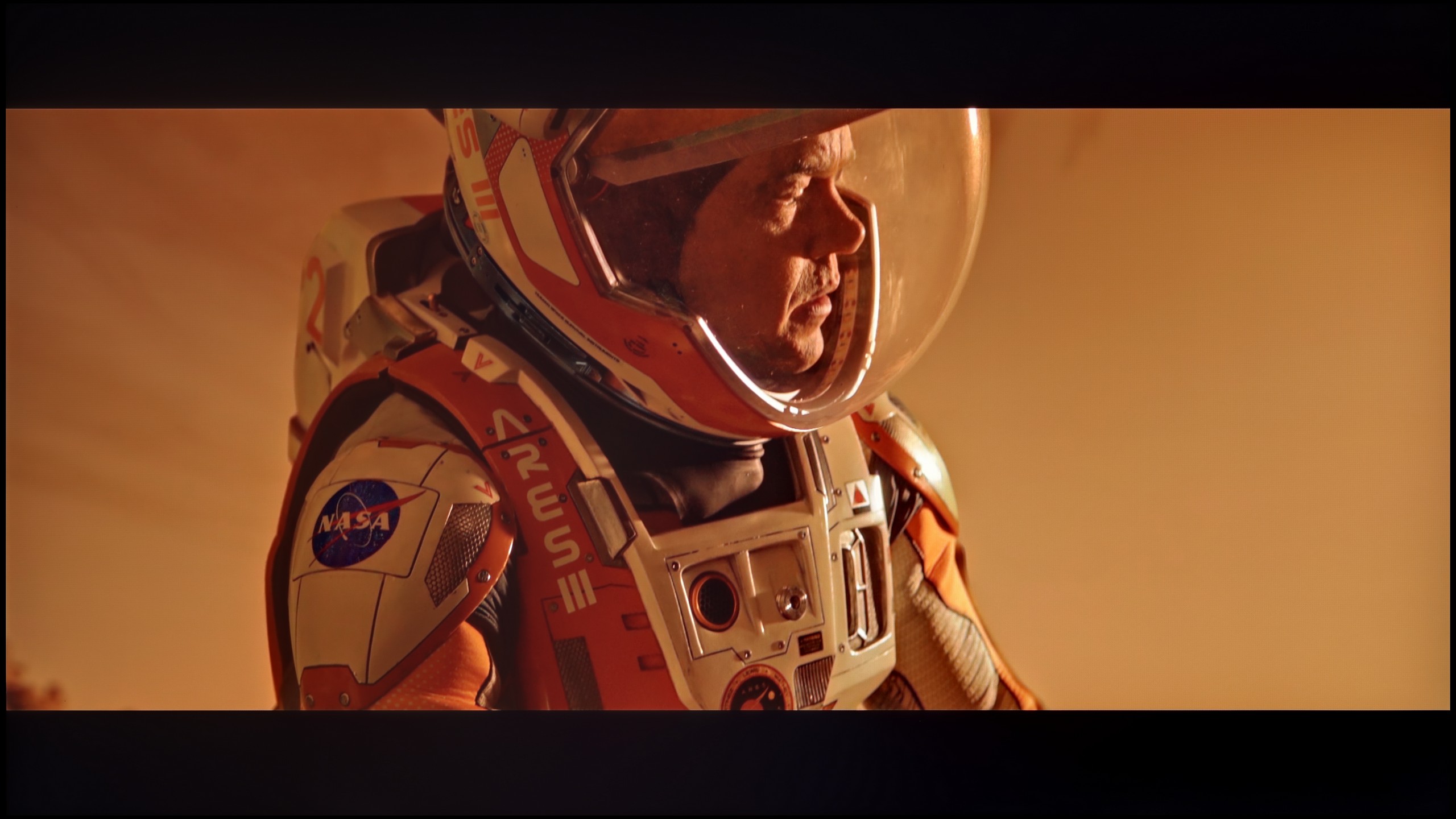
These are selected scenes that show smooth tonal transitions from one color to another. If you see distinct banding, it’s the TV panel’s fault.
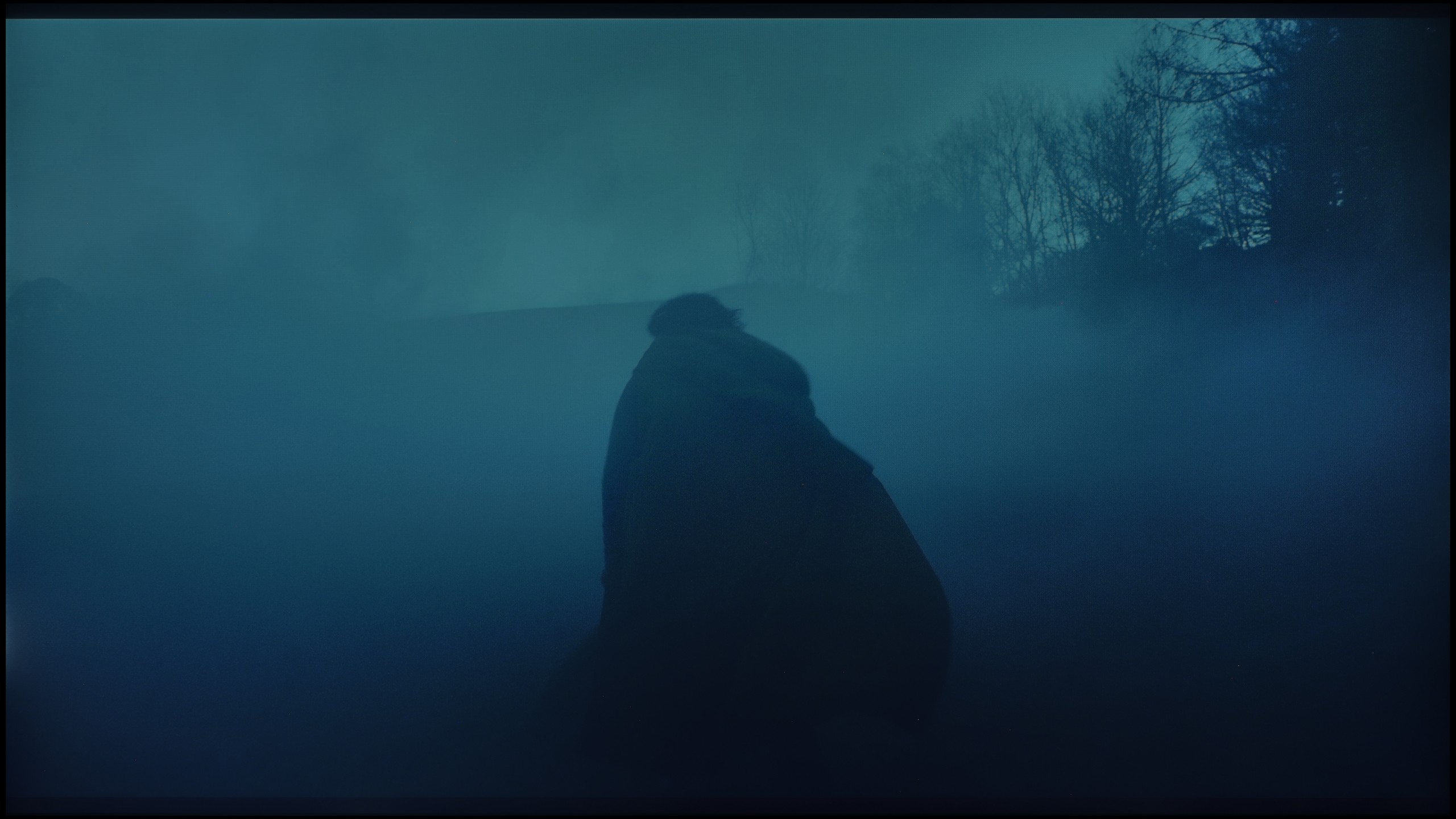
These are selected scenes that show smooth tonal transitions from one color to another. If you see distinct banding, it’s the TV panel’s fault.
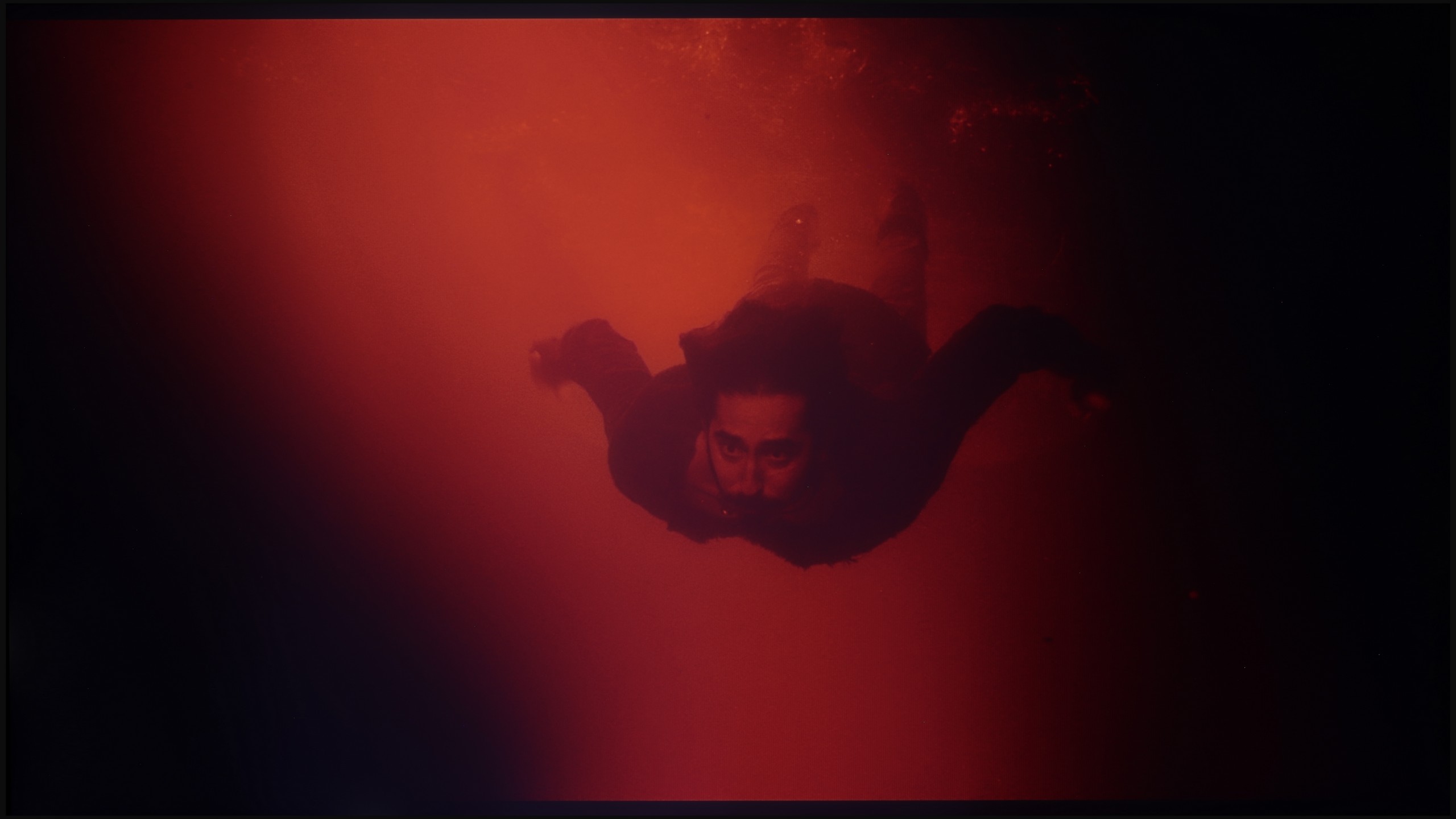
These are selected scenes that show smooth tonal transitions from one color to another. If you see distinct banding, it’s the TV panel’s fault.
Considering how important lighting is in films and series, the overlapping structures and the fluidity of tonal transitions constitute an extremely significant element in assessing the quality of the image. The colour grading in the tested television stands at a fairly decent level. It cannot be said to be outstanding, but it is also not bad. We assess it as adequate. Brighter scenes perform best here, showing the least amount of stuttering. In scenes recorded in darker settings, slight deficiencies in grading can already be noticed, although this is not an issue that would cause discomfort while watching. This may be disrupted by the bleed of the backlighting, which is clearly visible in the last image.
The colour blending is one of the stronger points of the QNED86A. During everyday viewing, the image is presented very smoothly, without noticeable "steps" or sudden transitions between colours. The television handles colour merging in a quite natural way, so with most material, it is difficult to spot issues with gradation. Any imperfections only appear under extreme conditions – for example, in the darkest parts of films, where even much more expensive televisions can encounter problems. There you might notice slight banding or characteristic stripes, but these are marginal situations that should not interfere during normal usage. Overall, the QNED86A performs quite well in this category and has nothing to be ashamed of in comparison to the competition.
Image scaling and smoothness of tonal transitions
7/10
7.8/10


Smooth transition function

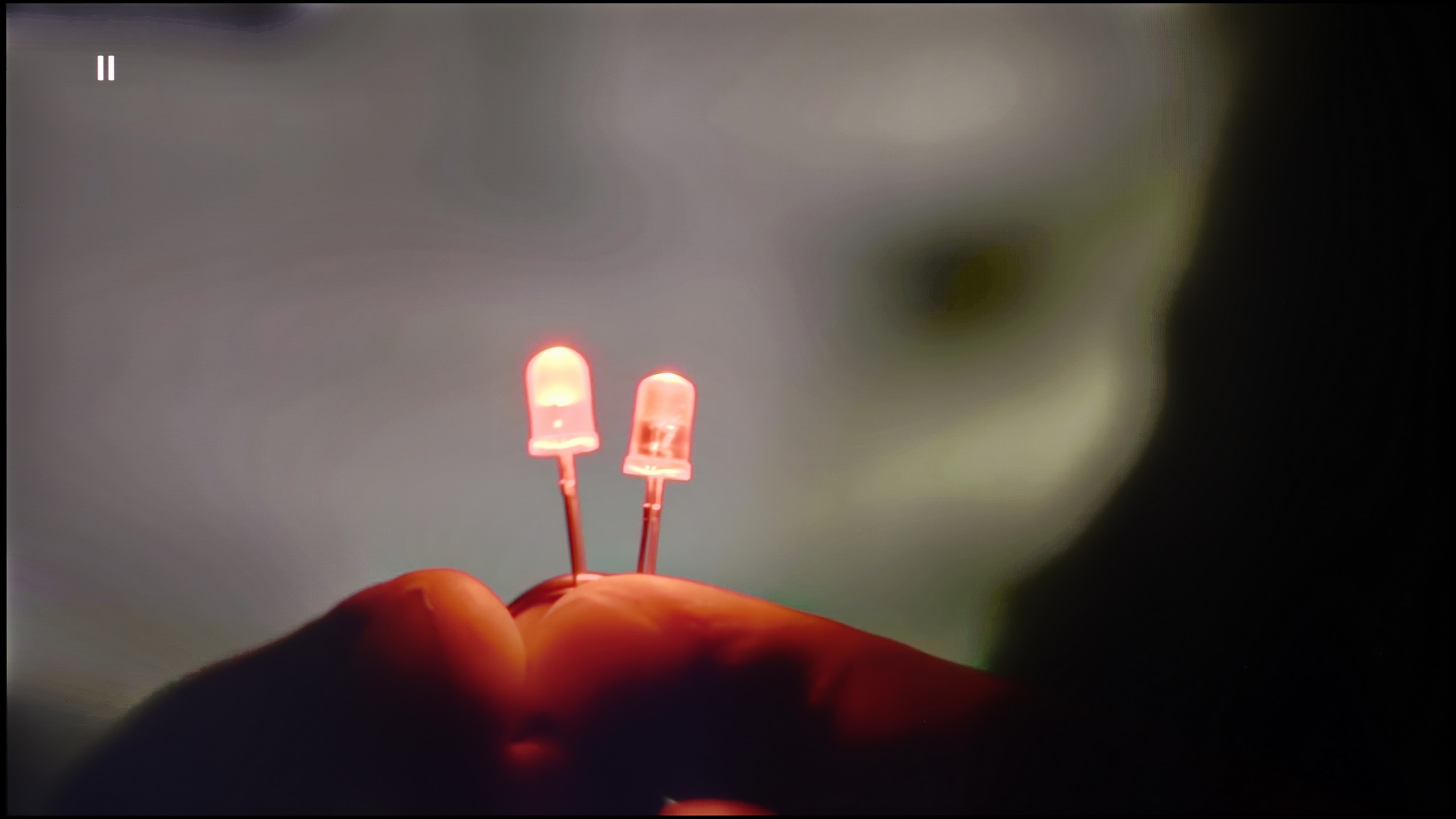
The match photo shows how the TV smooths weak tonal transitions in low-quality video.
Image scaling SD (576i)


The model photo shows how it handles upscaling of SD material.
The function responsible for improving gradation has been named "Noise Reduction" in the menu. As we have confirmed, it is worth enabling, as it has a positive effect on tonal transitions. More importantly, it does not negatively affect the film grain or the fine details, which the competition sometimes "blesses" us with.
The image scaling on Samsung Q70D should be rated as average. The manufacturer does not intend to artificially sharpen the image, but rather to leave it naturally softened.
If someone is worried about potential "steps" when blending colours, there is a simple way in the QNED86A to address this. Just activate the feature called Smooth Gradation and set it to a medium level. Then the television really smooths out all those unwanted transitions quite well – especially in older productions – and it does so in a way that film grain doesn't disappear, nor do strange artefacts appear. In other words, it can be used without concern.
The upscaling itself also performs quite well. Of course, there are no miracles here – with lower quality sources, you can notice characteristic ringing. Fortunately, there is a sharpness slider in the menu, and if someone prefers a more "soft" image, it can be quickly adjusted to personal taste.
Blur and motion smoothness
7.4/10
7.8/10

Blur (native resolution, maximum refresh rate):


Blur (BFI function enabled):
Image flickers in this mode


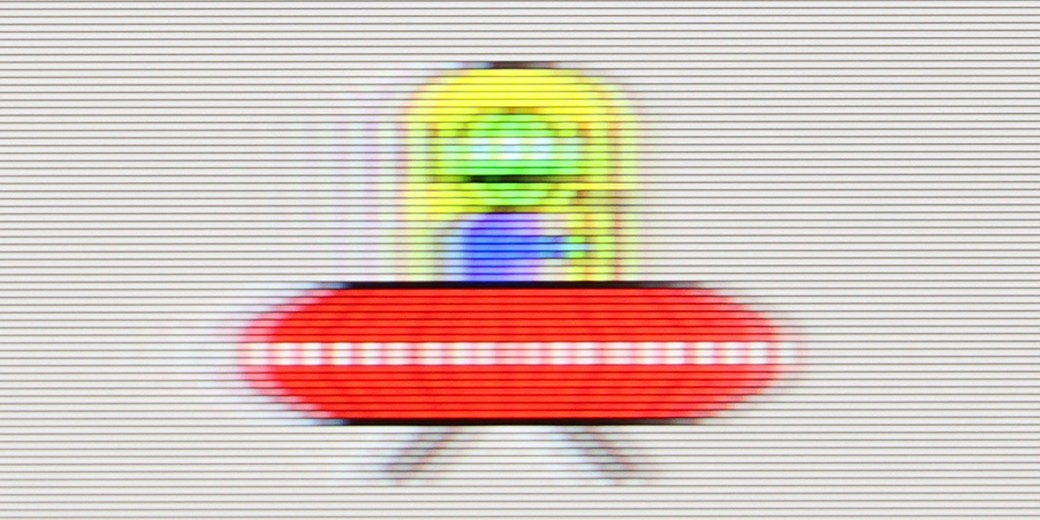
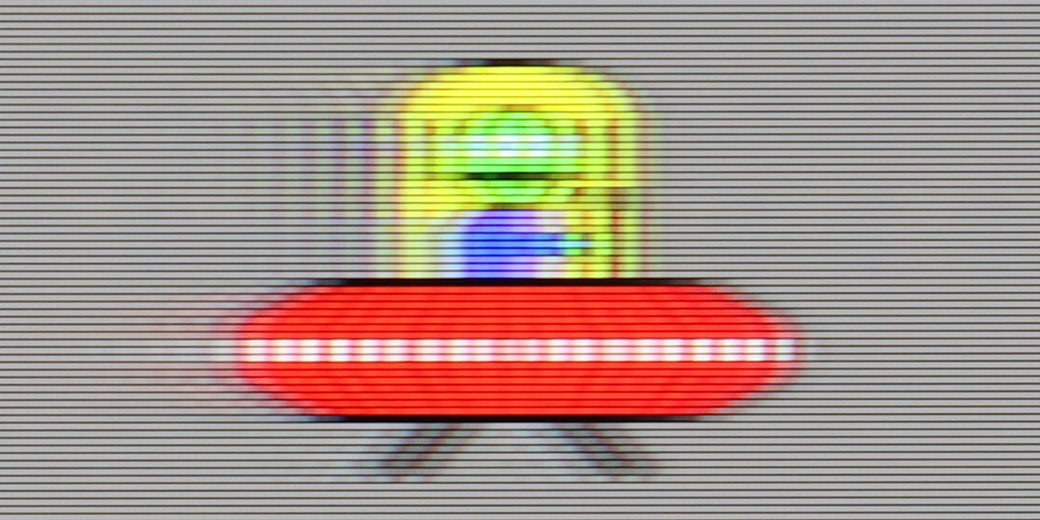
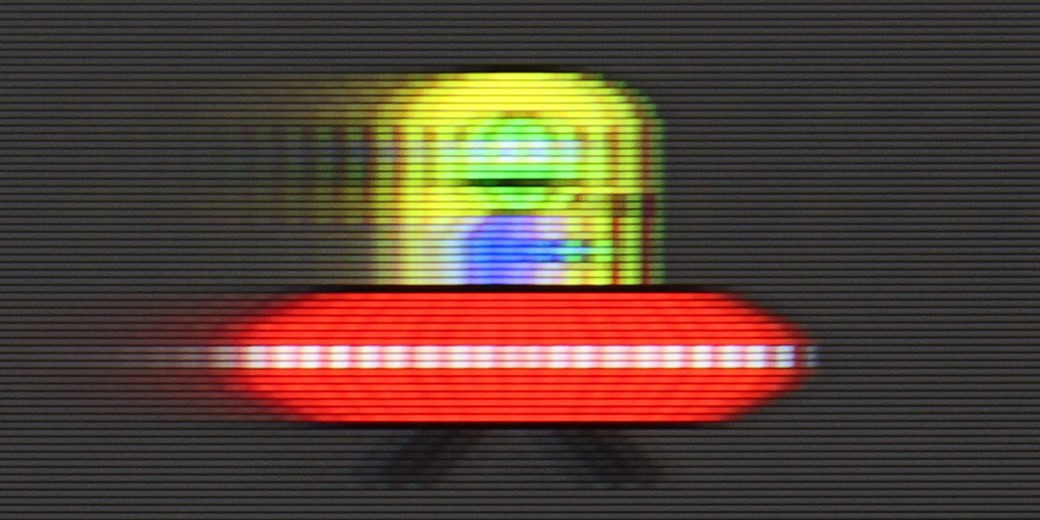
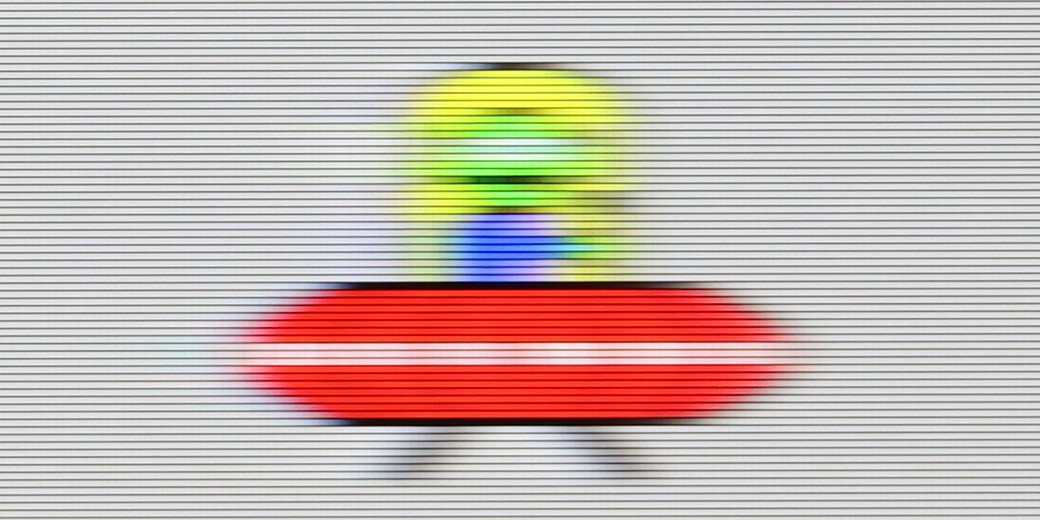
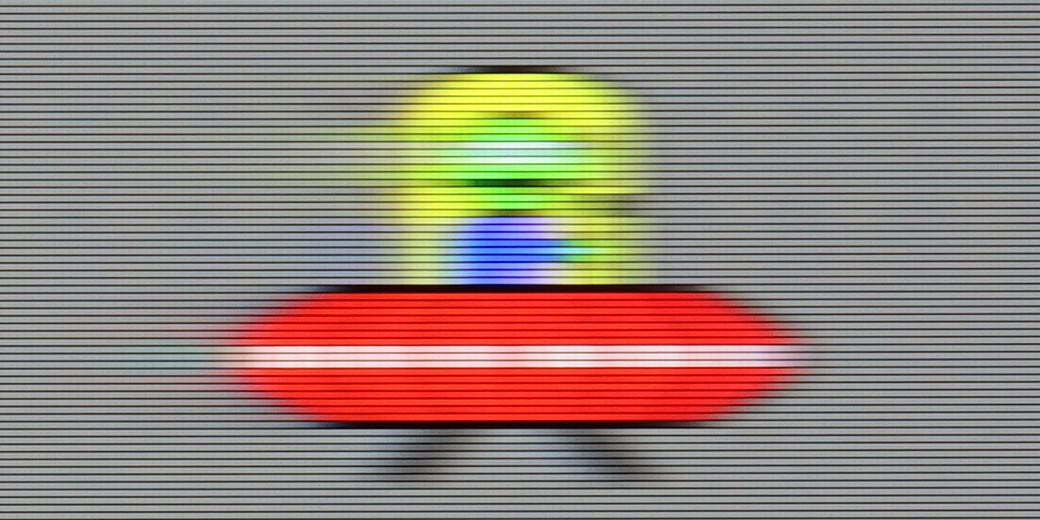
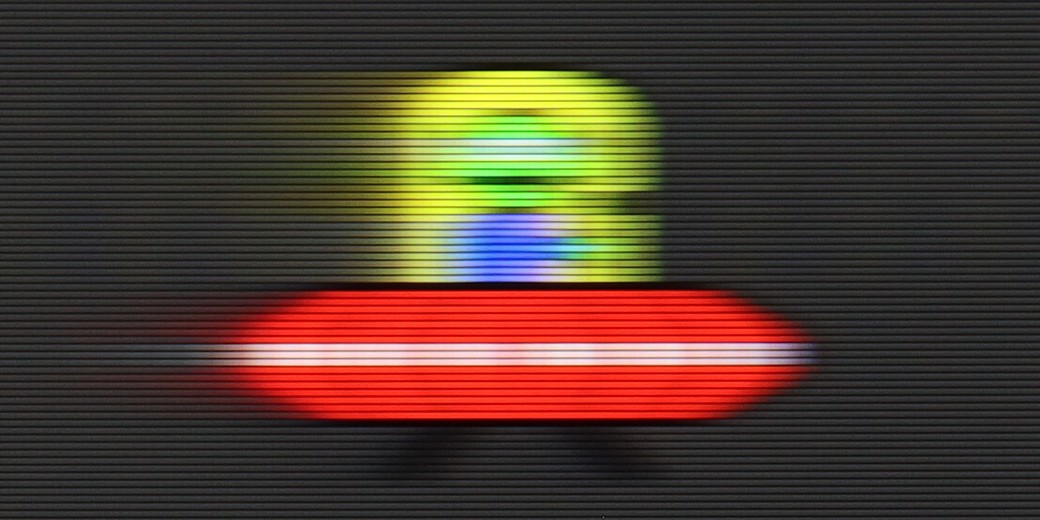
Samsung Q70D is the first model in the manufacturer's portfolio featuring a 120Hz panel. Consequently, its motion smoothing functions are more advanced than those in lower-tier models. Within the menu, we find three functions responsible for improving smoothness: "Motion Blur Reduction," "Judder Reduction," and "Clear Motion (LED)." We will discuss the third one later. The first function is responsible for sharpness in motion, while the second adjusts the level of smoothing. The smoother in Samsung Q70D performs satisfactorily, and each setting brings noticeable changes. Therefore, those who dislike the characteristic juddering in films or are avid sports viewers will be able to achieve a personalised level of smoothing. In the picture, we present a setting with slight smoothing, without the soap opera effect.
The panel used in Samsung Q70D features a fairly good response time for this type of display. Of course, it won't be as sharp as a proverbial razor, but at this price, it is a recommendable choice for all kinds of sports.
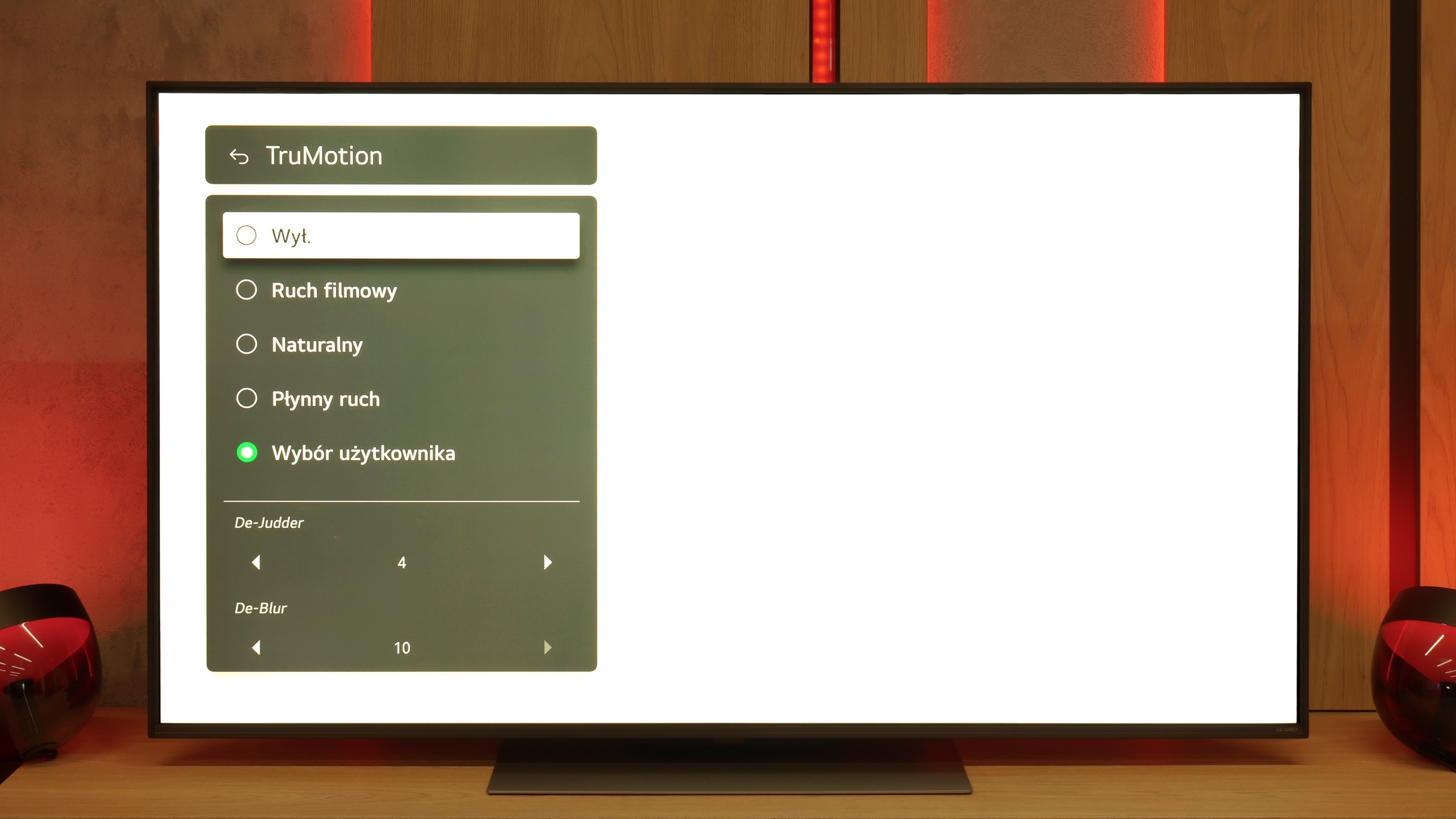
The QNED86A is equipped with a panel boasting a refresh rate of 120 Hz, so it can be said from the outset that it is suitable for both sports and gaming. And indeed, it is – the image appears smooth, and motion blur is not particularly intrusive. IPS panels have always had some issues with this, and here too, slight blurring can sometimes be noticed, especially in very dynamic scenes, but it is not something that ruins the viewing of a match or a fast-paced game. For cinema and sports fans, LG has included the traditional TruMotion smoothness enhancer. In the menu, we have two sliders – one for movies (De-Judder) and the other for sports (De-Blur). The first adds missing frames and can be adjusted to modify the character of motion – from raw, cinematic to a smoother, more ‘theatrical’ look. The second improves sharpness during dynamic actions, so it's worth turning it up a bit if you watch a lot of sports.
Console compatibility and gaming features
9.5/10
9.8/10
- ALLM
- VRR
- VRR range48 - 120Hz48 - 120Hz
- Dolby Vision Game Mode
- Correct implementation of HGIG
- 1080p@120Hz
- 1440p@120Hz
- 4K@120Hz
- Game bar

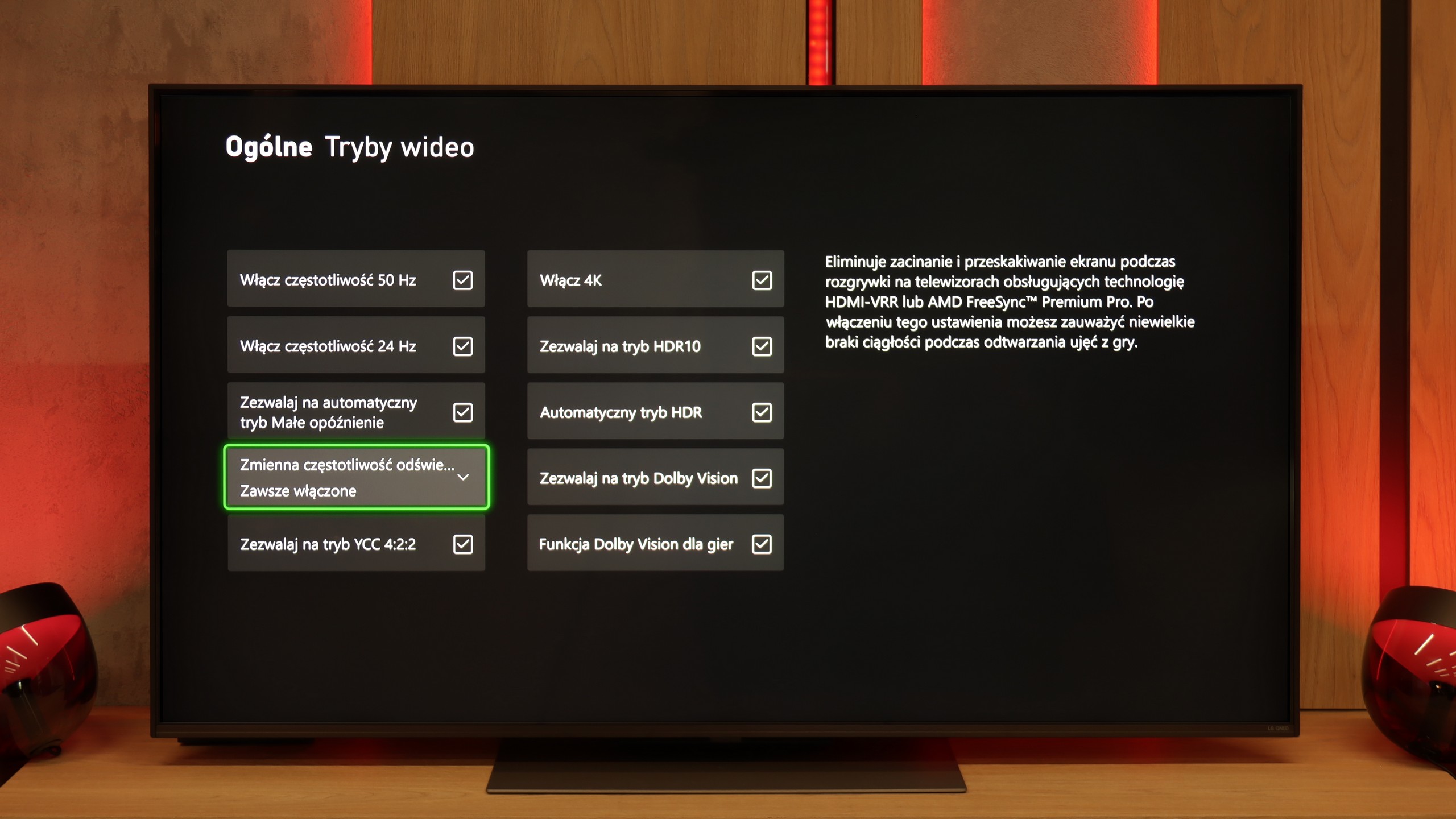

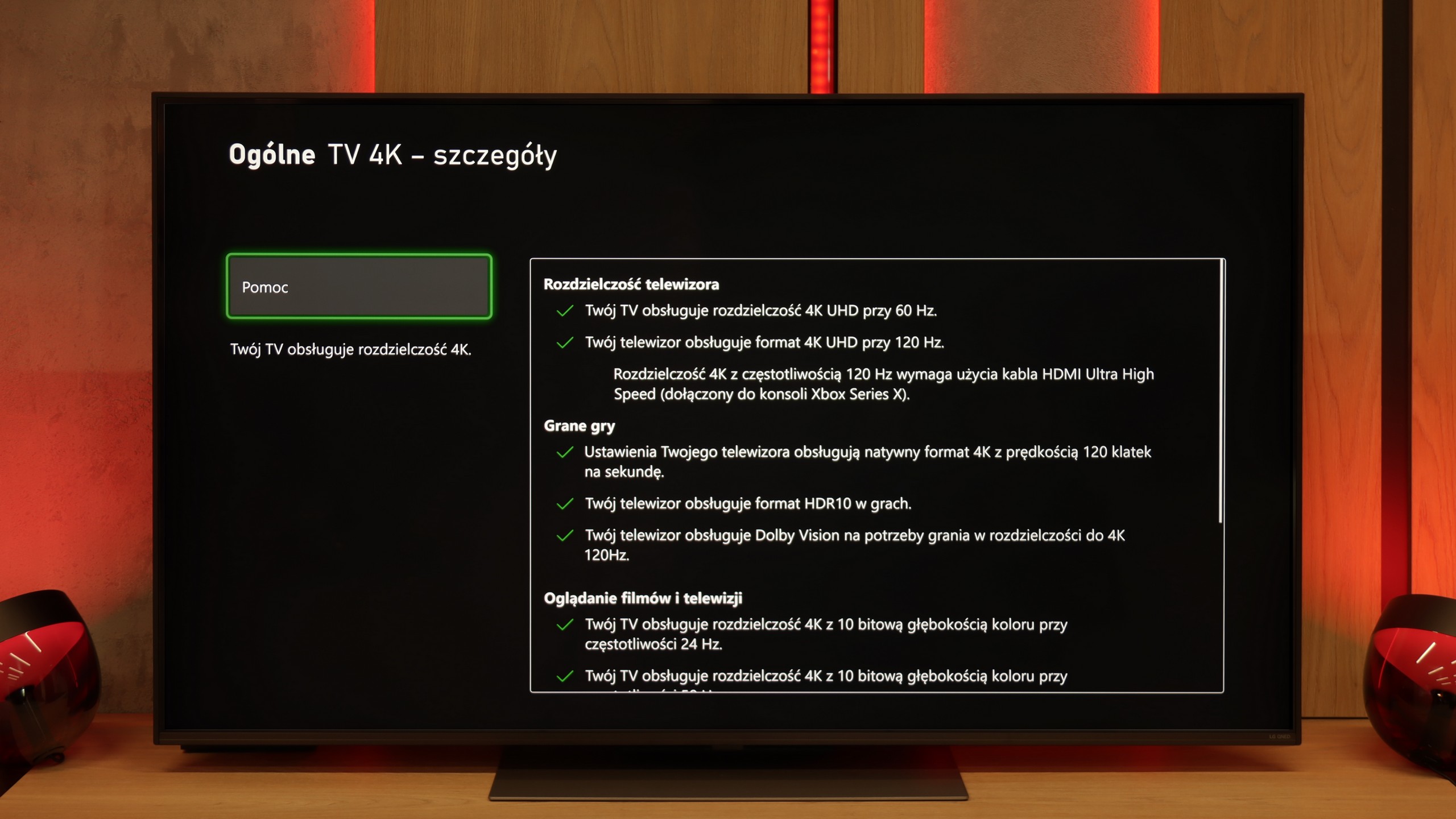

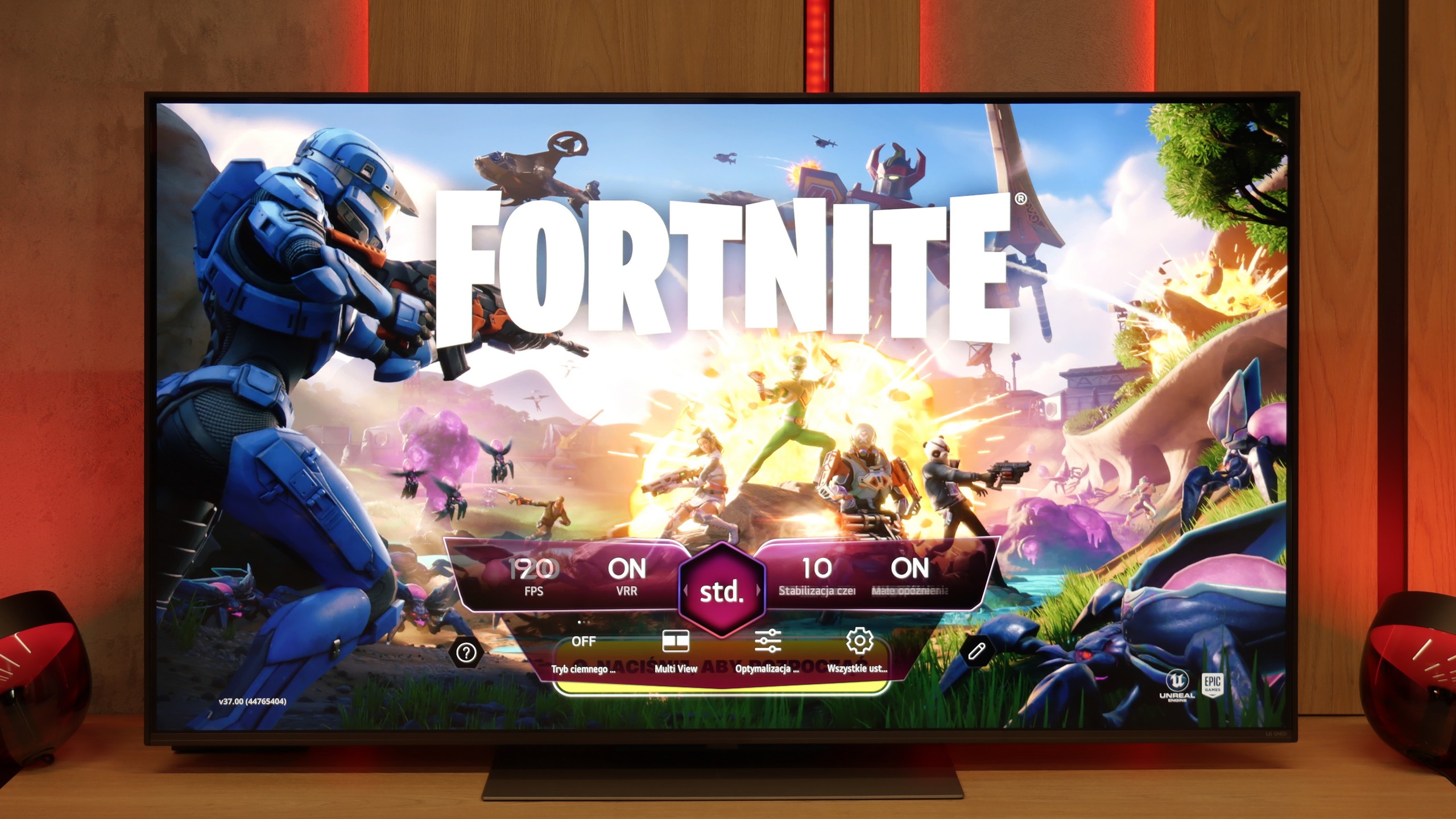

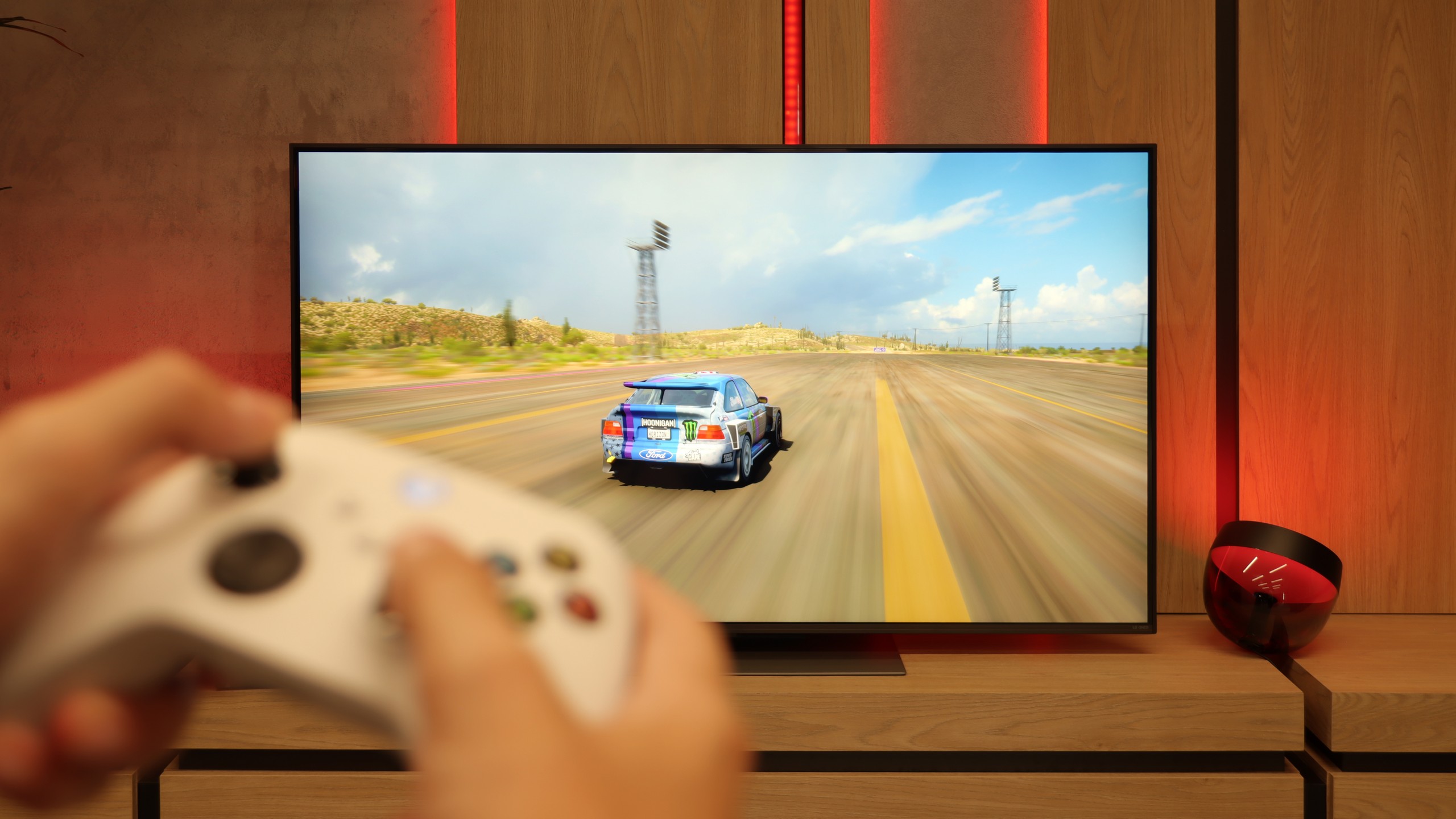
The tested television is equipped with four HDMI 2.1 ports. Interestingly, all of them have a bandwidth of 40 Gbps; however, during the conducted tests, we did not find any negative effects related to this state of affairs. Moreover, and more importantly, Samsung Q70D supports all functions resulting from the aforementioned standard. This news will surely please all gamers, as it means that whether using a console or a PC, we can count on the highest possible comfort during gameplay. Given the typical absence of HDR Dolby Vision for this manufacturer, it is significant that the HGIG mode has been correctly implemented and there is no issue with setting the calibration checkerboard. We particularly note that Samsung, as the only manufacturer, allows gameplay with the smoothener turned on, without significant degradation. This means that titles running at 30 fps will be perceived like those with native 60 frames per second.
Samsung, as one of the first manufacturers, introduced the Game Bar to its televisions, which it has consistently refined since then. It contains all the necessary information regarding gameplay parameters that we can change "on the fly".
To summarise: Samsung Q70D performs excellently both with a console and a computer. All functions worked perfectly and there were no issues with them. The ability to enable the smoothener without a significant increase in input lag is a true game changer.
In terms of gaming, the LG QNED86A6A is a complete tool. It features four HDMI 2.1 ports with full bandwidth of 48 Gb/s, which means that whether you connect a PlayStation 5, Xbox Series X, or a powerful PC, everything will run in full 4K at 120 Hz with support for all functions. This is a significant advantage, as some competitors still only offer two such ports, which can be troublesome with multiple devices. It also includes VRR, or variable refresh rate, which eliminates screen tearing, as well as ALLM, which automatically activates game mode when the console is turned on. Dolby Vision Gaming is also included, along with proper implementation of the HGiG format, so titles that support these formats look more vivid and detailed. On top of all this, there is the Game Optimizer – a sort of control centre for gamers. From this interface, you can view picture parameters in real-time, quickly change modes, activate additional features, or adjust image settings to your personal preferences. The LG QNED86A6A essentially has everything one could expect from a modern gaming television.
Input lag
10/10
9.9/10
SDR
HDR
Dolby Vision
The latency results in Samsung Q70D are at a high level, regardless of the signal or resolution. All gamers will certainly appreciate the manufacturer's efforts, which allow for a game running in 4K 120 Hz with HDR to have a mere 7 ms latency, which is virtually unnoticeable even in online games. It is worth adding that the lag with the smoothness enhancer switched on increases by about twice, which still means very comfortable gaming in this case.
There is really nothing to complain about here. The QNED86A6A achieves excellent results – around 5 ms with 120 Hz content and roughly 15 ms with 60 Hz. These values will easily satisfy both console gamers and those who connect a PC to the television. The response to movements is instantaneous, so you can forget about delays between the image and the action on the controller.
Compatibility with PC
8/10
8/10

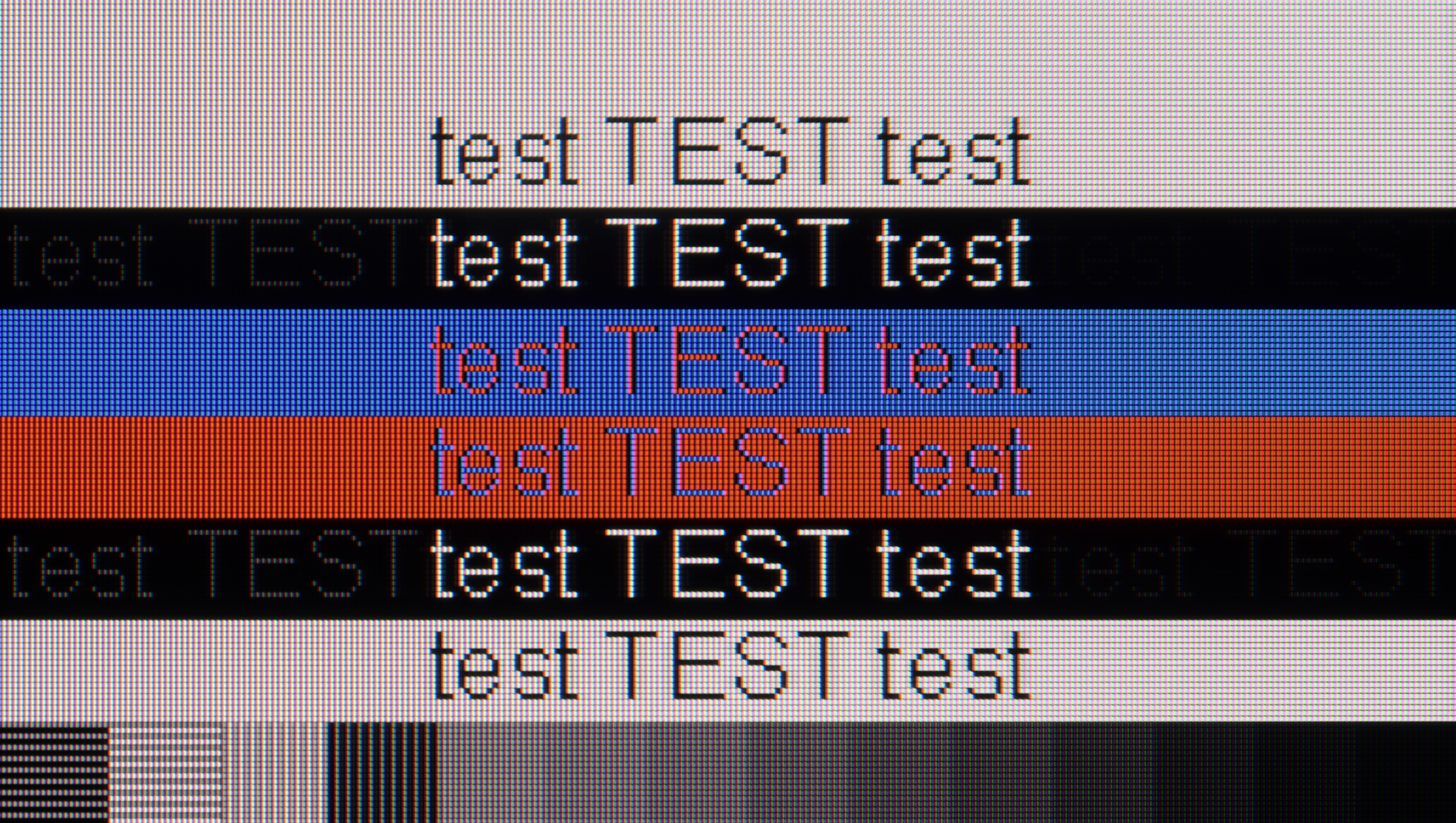
The photo shows the legibility of small fonts. Ideally, lines should be the same thickness on both light and dark text, with minimal pixel gaps.
After connecting the television to the computer and wanting to use it as a monitor, we can expect a low input lag of 13 ms, which is practically unnoticeable along the mouse-screen-eye line. Thanks to the correct implementation of chroma 4:4:4, the readability of fonts is at a high level, so one can confidently connect the Samsung Q70D to the computer as a monitor and anticipate comfortable work with text.
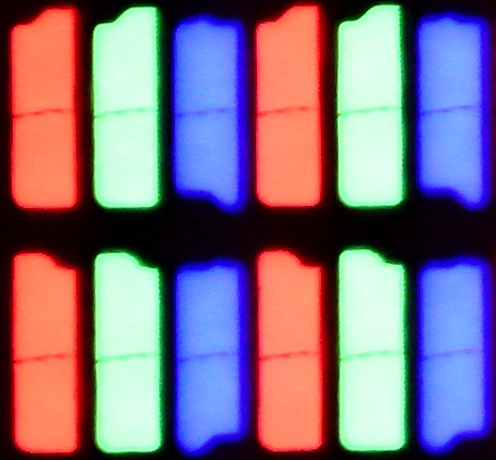
The subpixel arrangement is BGR, which does not negatively impact the use of the television as a monitor. However, since operating systems are not adapted to such a subpixel format, this may cause slightly less clear outlines. Nevertheless, this is practically negligible and only a handful of people may notice it.
LG QNED86A, thanks to the use of an IPS matrix, a full RGB subpixel layout, and correct implementation of chroma 4:4:4, makes fonts look fantastic on the QNED86A6A. The text is sharp, clear, and legible, making the television ideal for office work. This is important, as this year the model also debuts in a 43" size, and such a variant can easily land on a desk and serve as a large monitor. Of course, some users who opt for the 43" version will be gamers, and here too there are no reasons for complaints. The television supports 4K at 120 Hz, so gameplay is smooth and enjoyable. It's a bit of a shame that there is no higher refresh rate mode like the 144Hz declared by the manufacturer, as PC gamers would surely appreciate that. Despite this, the QNED86A6A performs really well as a monitor for gaming and work.
Viewing angles
2.9/10
6.9/10
Due to the VA panel, the performance of the Samsung Q70D in terms of viewing angles is its Achilles' heel. Even a slight shift from the axis results in a significant loss of contrast and a substantial degradation of colours.
QNED86A6A performs very well in this regard. The IPS panel used here ensures that the image maintains its brightness and colour saturation even when viewed from an angle. There is none of the fading effect often seen in cheaper TVs with VA panels. Of course – there is no point comparing this to the level offered by organic panels, where colours and contrast remain perfect from almost every angle. But as far as LCD TVs go, this is definitely one of the better results and is more than sufficient for watching films or sports together on the sofa with a larger group.
Daytime performance
5.4/10
5.8/10

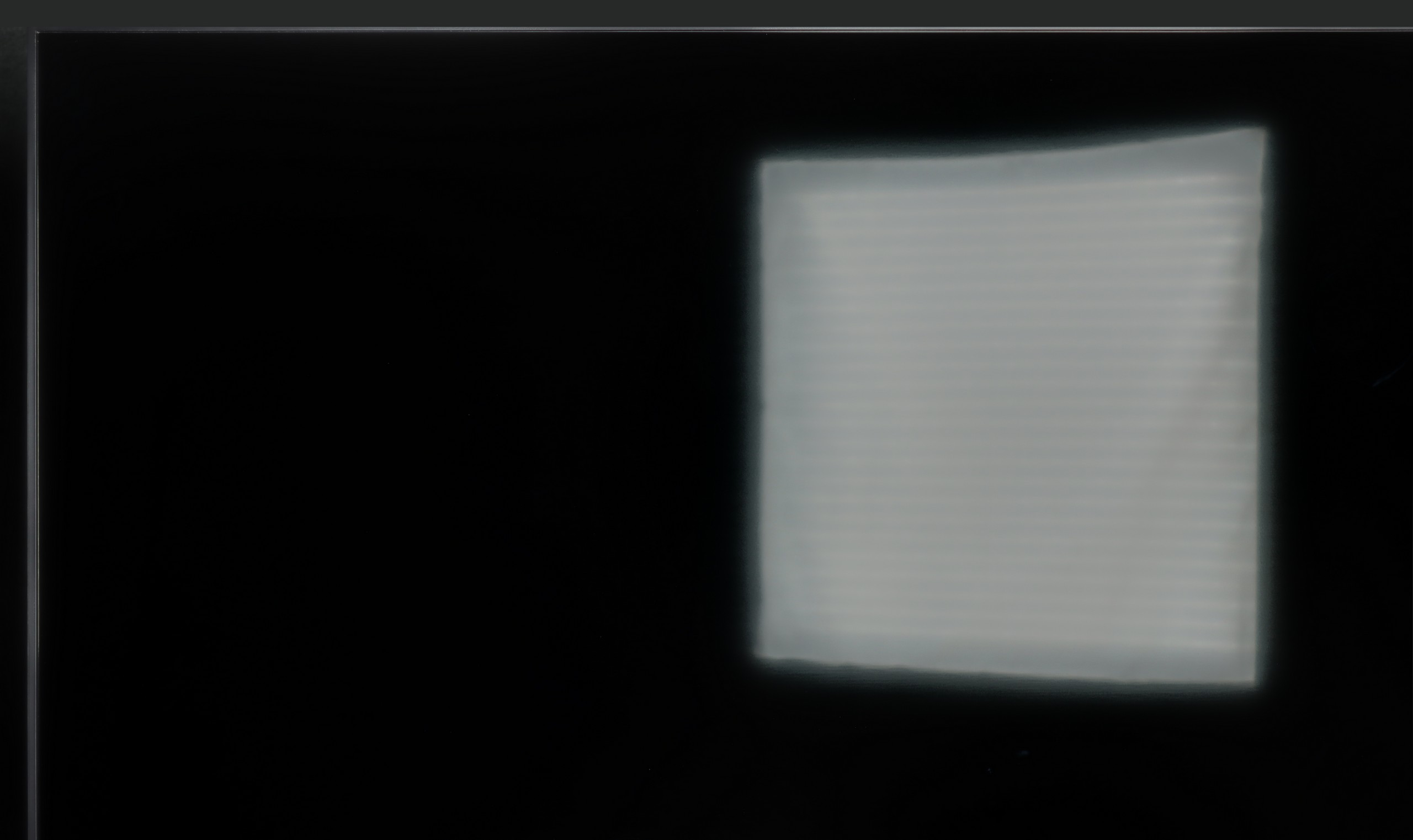

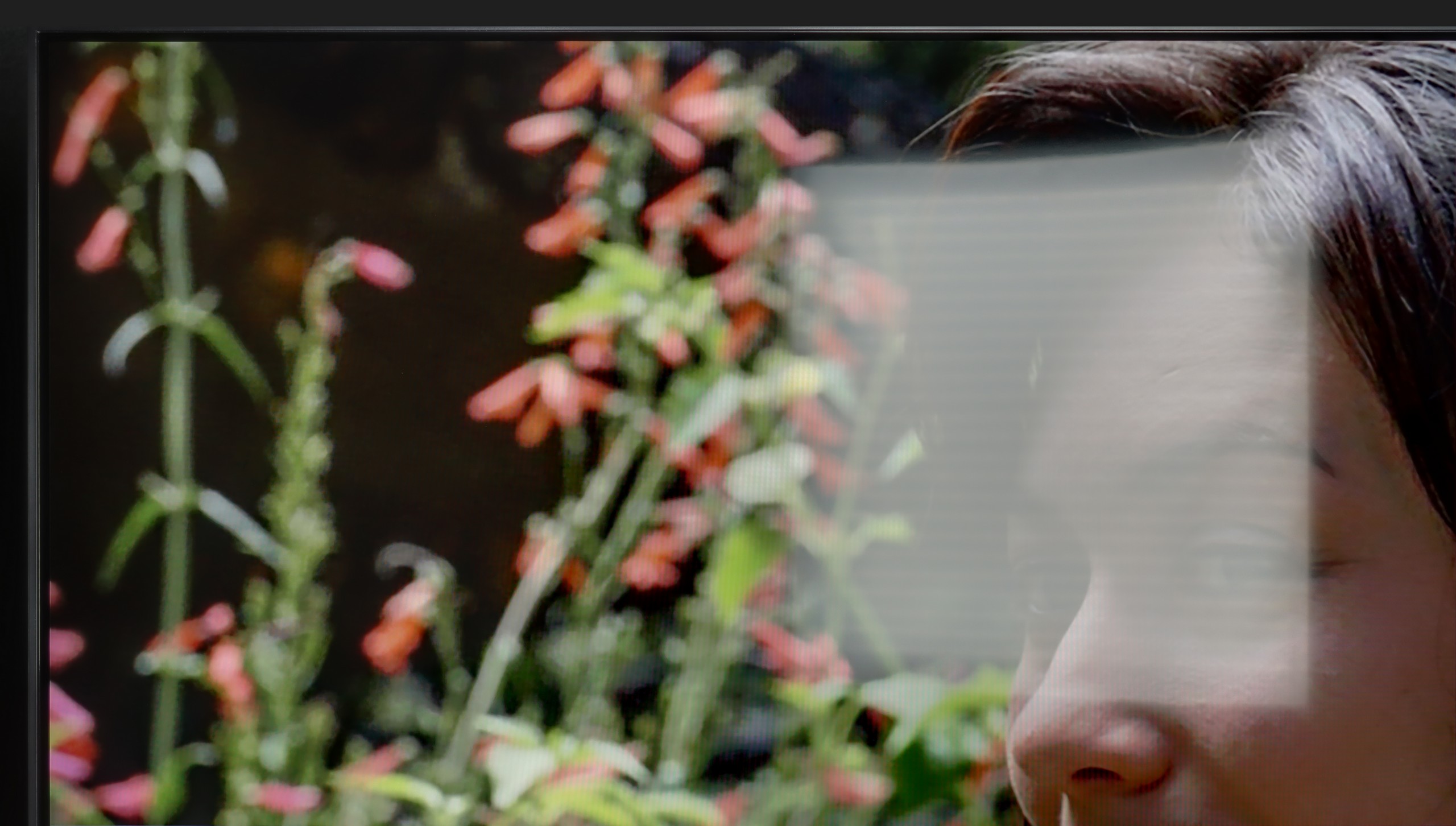
Panel brightness
LG QNED86A / QNED85A / QNED87A: 462 cd/m2
Samsung QLED Q70D / Q74D / Q77D: 449 cd/m2
The satin finish of the panel in the Q70D allows for quite good performance in a strongly sunlit room. It is worth noting that the reflections do not extend beyond their source, thus not spilling over onto the rest of the panel. We also commend the maximum brightness of the television in SDR materials, which is 450 nits, allowing for comfortable content consumption during the day.
QNED86A6A is not a champion of brightness, but it manages adequately. Thanks to the moderately high brightness of the panel and quite decent reflection handling, the television will perform well in typical, moderately lit living rooms. The image remains clear, and the colours do not lose their intensity in daylight. However, let's not fool ourselves; this is not a screen that will cope in extremely bright conditions, where sunlight streams through large windows and floods the room.
Panel details
Subpixel Structure:

Panel uniformity and thermal imaging:

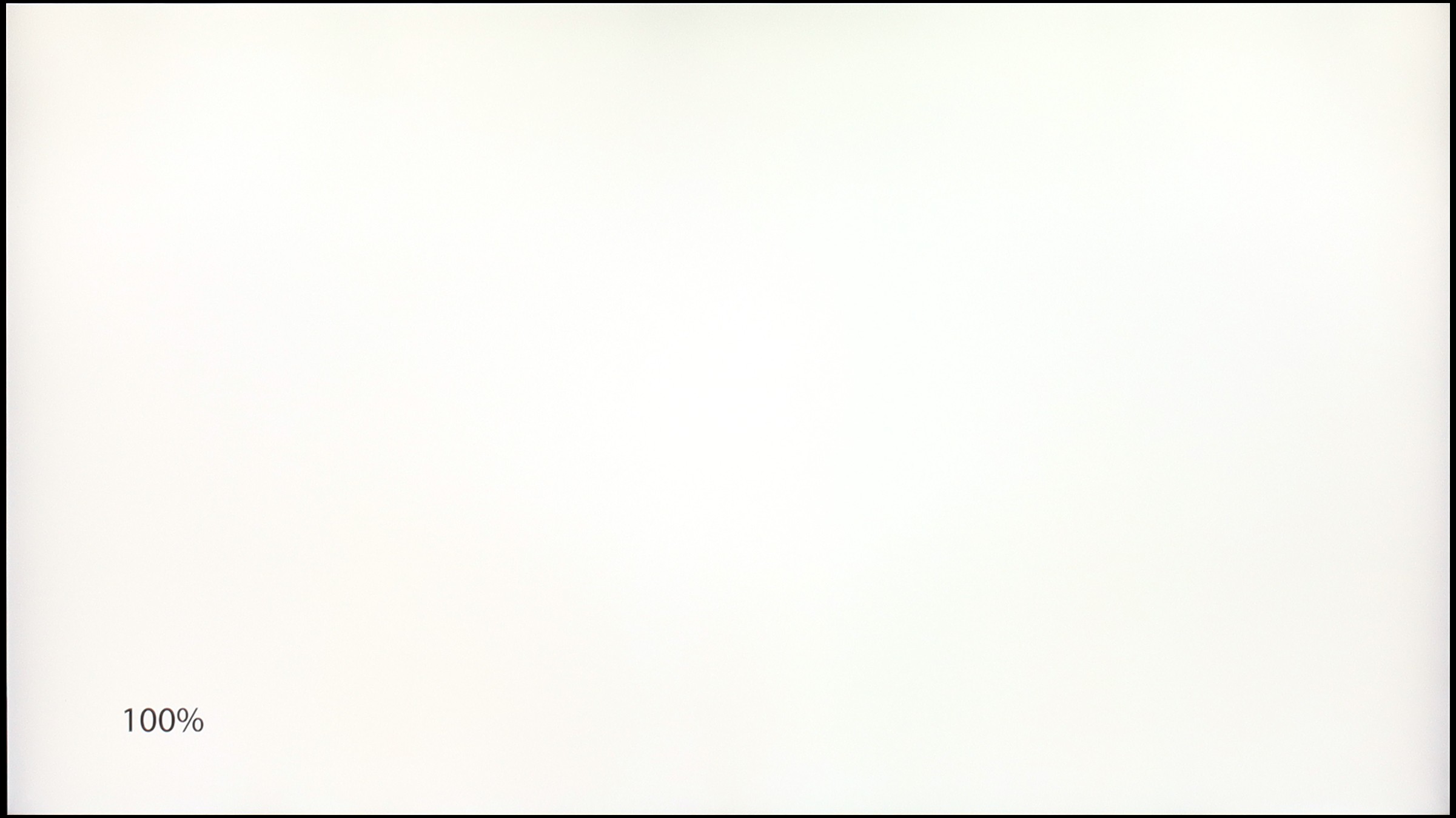
Samsung QLED Q70D / Q74D / Q77D
LG QNED86A / QNED85A / QNED87A
TV features
7.4/10
8.4/10
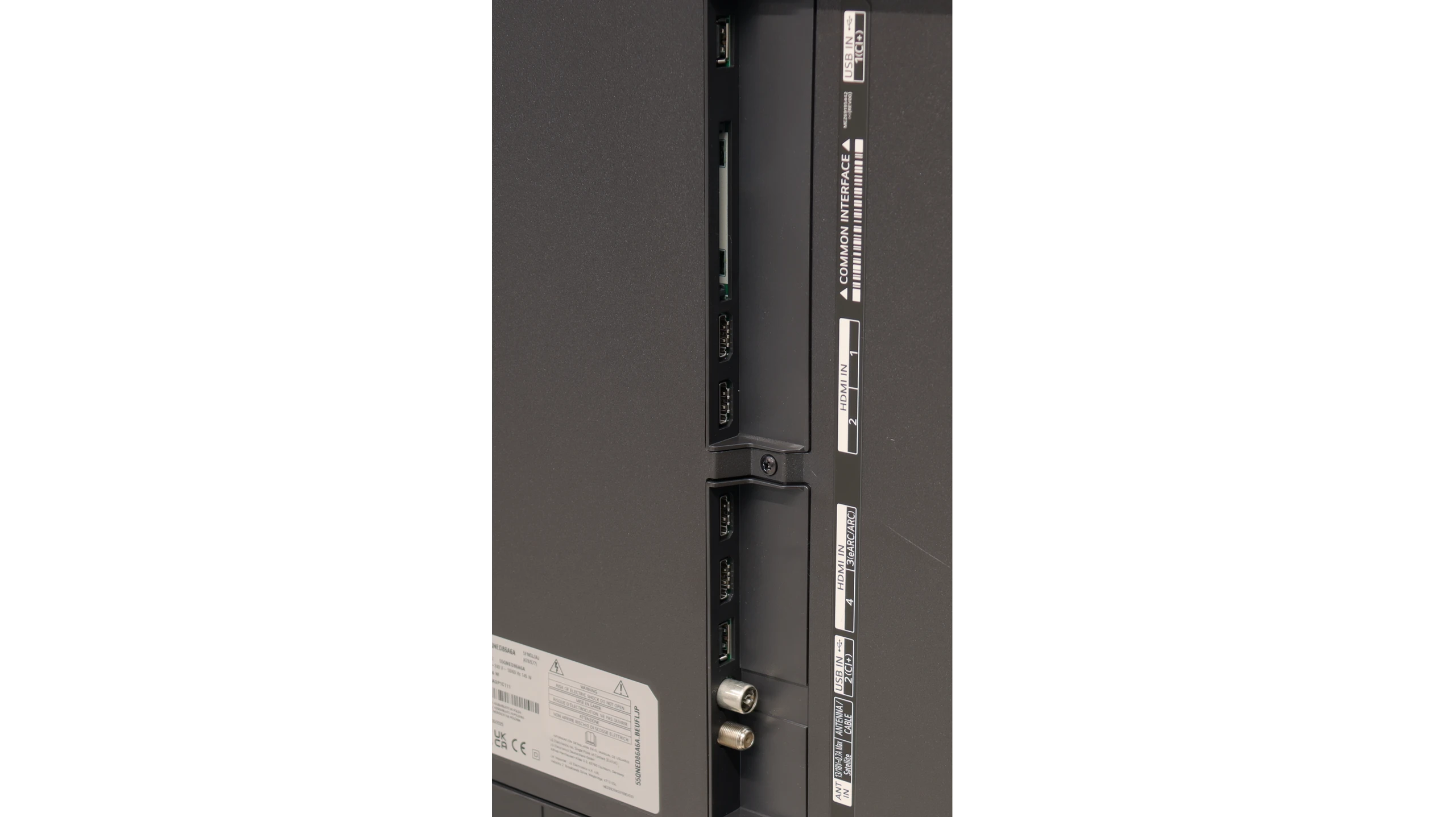
- HDMI inputs0 x HDMI 2.0, 4 x HDMI 2.1 40Gbps0 x HDMI 2.0, 4 x HDMI 2.1 48Gbps
- OutputsToslink (Optical audio), eARC (HDMI), ARC (HDMI)Toslink (Optical audio), eARC (HDMI), ARC (HDMI)
- Network InterfacesWi-Fi 2.4GHz, Wi-Fi 5GHz, Ethernet (LAN) 100MbpsWi-Fi 2.4GHz, Wi-Fi 5GHz, Ethernet (LAN) 100Mbps
- TV receptionDVB-T, DVB-T2, DVB-S, DVB-S2, DVB-CDVB-T, DVB-T2, DVB-S, DVB-S2, DVB-C
Classic features:
- Recording to USB (terrestrial TV)
- Recording programming
- Picture in Picture (PiP)
- RF remote control (no need to aim)
- Backlit remote control
- Teletext
- Audio only mode
- Bluetooth headphones support
- Simultaneous Bluetooth headphones & TV audio
Smart features:
- AirPlay
- Screen mirroring (Windows Miracast)
- Voice search
- Voice search in native language
- Ability to connect a keyboard and mouse


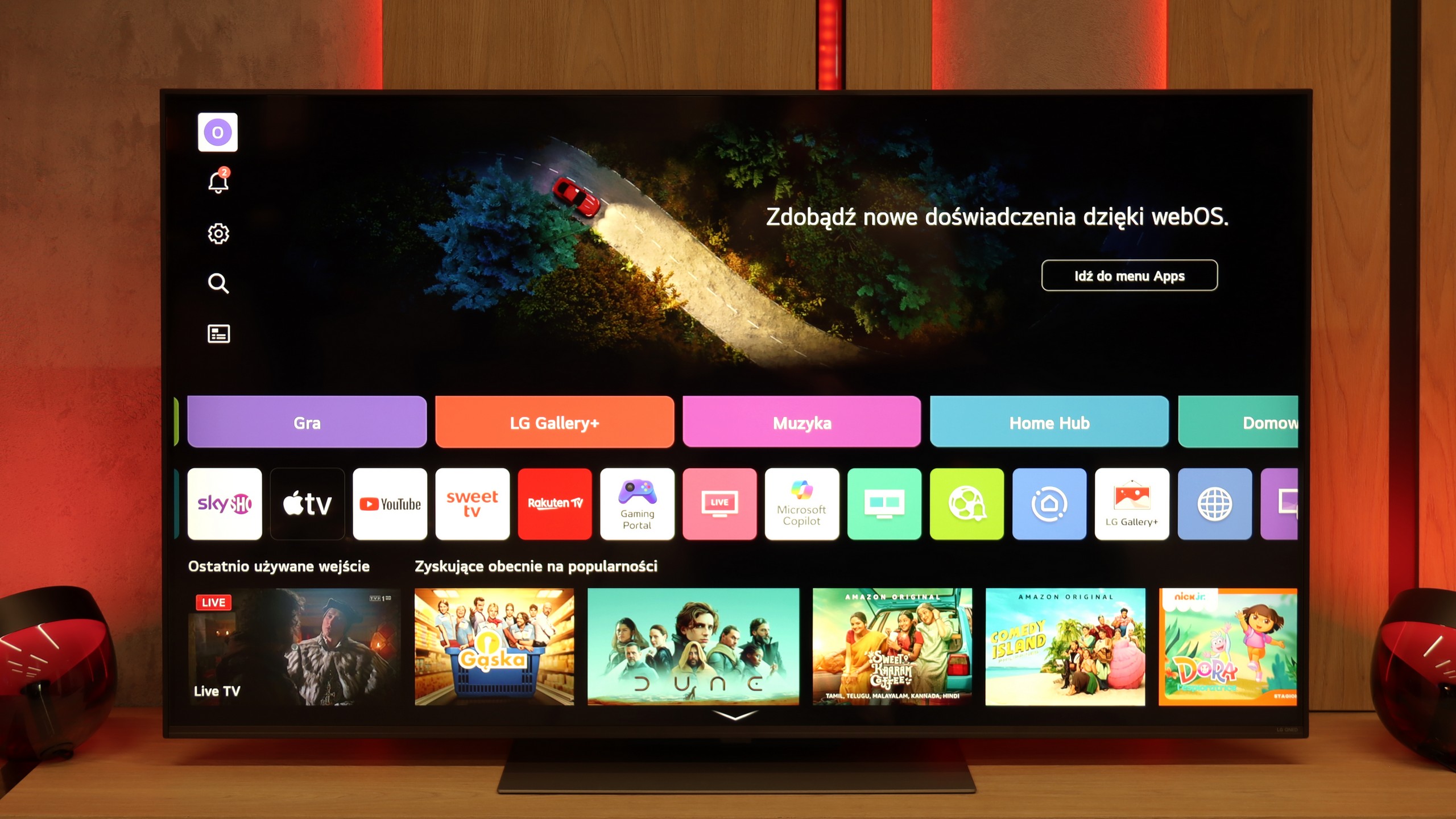
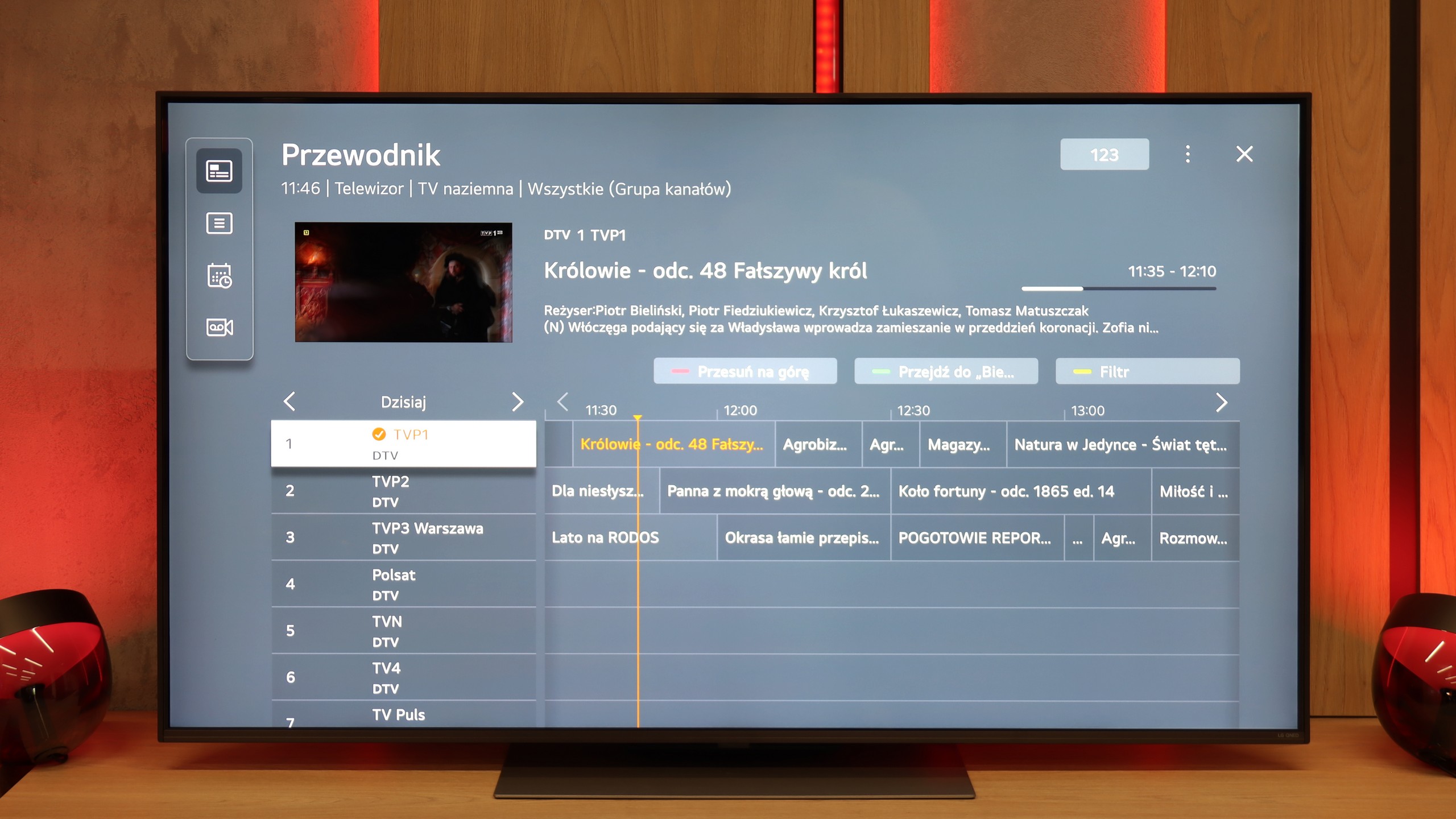
The operation of the Samsung Q70D is powered by the proprietary Tizen system. It is quite a well-known software, as the manufacturer has been developing it in its televisions for a really long time. Its main advantage is smooth performance and the absence of significant stutters, which we can confirm through conducted tests. The greatest downside, however, is its closed nature. Although the app store is quite extensive, we are still at the mercy of the manufacturer. Therefore, we will not be able to install missing items, even from a pendrive. A perfect example of this is this year's discontinuation of support for the Tidal app. On the other hand, a benefit, especially for users of Apple equipment, is the implementation of AirPlay, which allows for easy mirroring of content from a device to the television. Fortunately, Samsung has also provided the option to connect a keyboard and mouse for much quicker navigation through the television's menu. It is worth mentioning that the manufacturer has luckily included a remote that connects via Bluetooth this year, which often did not occur in the past. The Tizen system has one more advantage. It integrates very well with external devices such as the NC+ decoder or soundbars. The connection process is very quick and does not require any special skills.
In summary: The Tizen system is very smoothly functioning software, which is certainly a strong advantage of the television. Although more advanced users may complain about the lack of at least KODI, the rest will be satisfied.
Smart Features: webOS
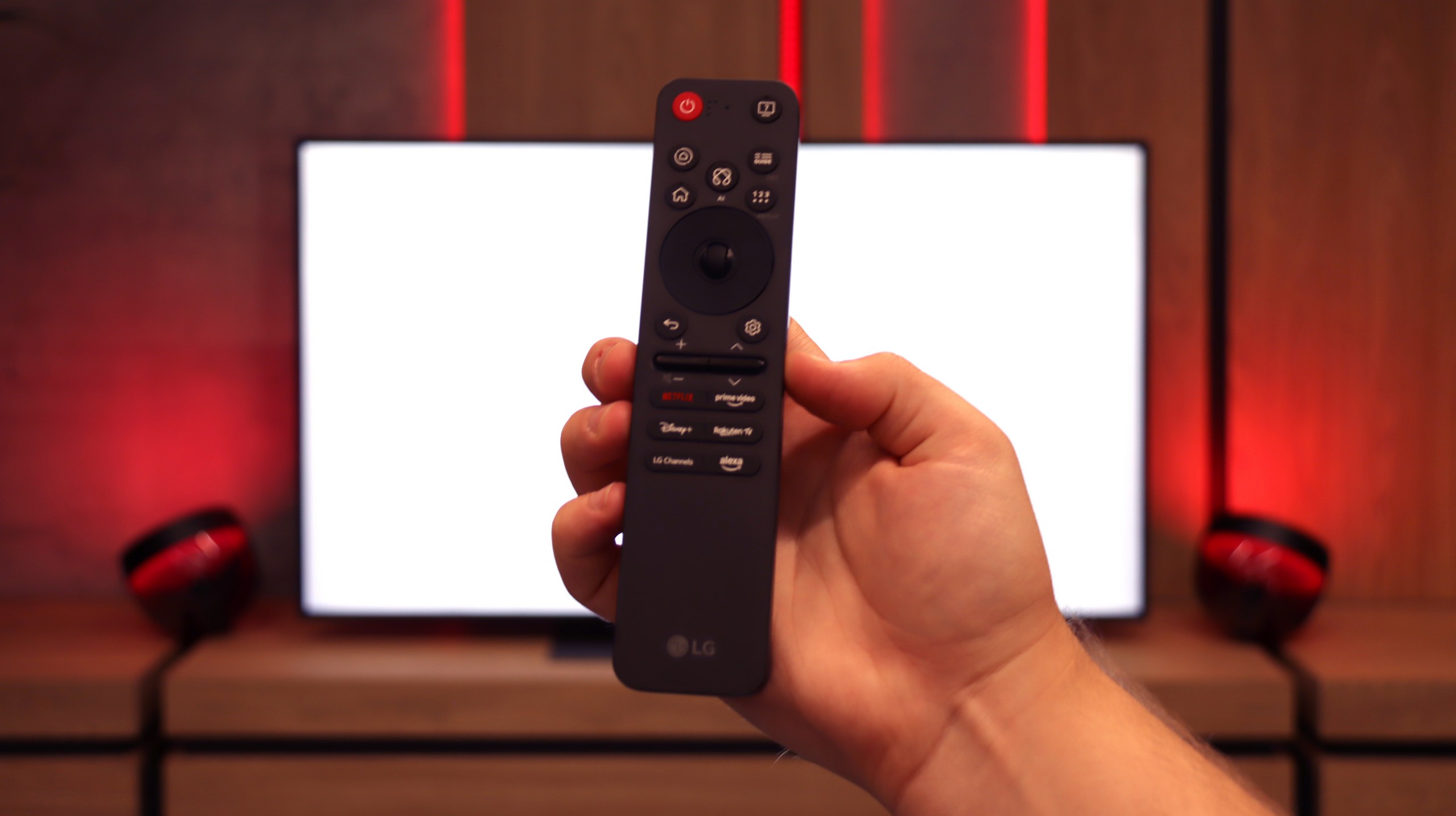
QNED86A6A operates on the well-known webOS – a system that has been a strong point of LG televisions for years. Everything runs quickly and stably, applications launch without significant delays, although the interface can occasionally feel a bit overwhelmed by advertisements. Fortunately, on a day-to-day basis, convenience outweighs these shortcomings. A significant advantage is the Magic Remote control, which allows you to operate the cursor like a mouse – it's one of those solutions that you quickly get used to and find it hard to give up later. In the new version, the remote is slimmer, as it has been stripped of the numeric keypad. Some will appreciate the simplicity, while others will miss the classic set of buttons; it's more a matter of habit.
Classic Features
We also find a few features on board that may not always be obvious in 2025. There is the ability to record programmes from the built-in DVB-T2 tuners to USB, so you can easily return to a match or series at any time. In the evening, Bluetooth headphone support will come in handy – especially if someone in the house falls asleep quicker than we do. Additionally, there is a full set of HDMI 2.1 ports with eARC support and audio formats such as Dolby Digital and Dolby Atmos.
Apps
9.3/10
9.1/10






















Playing files from USB
9.1/10
8.9/10
Supported photo formats:
Maximum photo resolution:

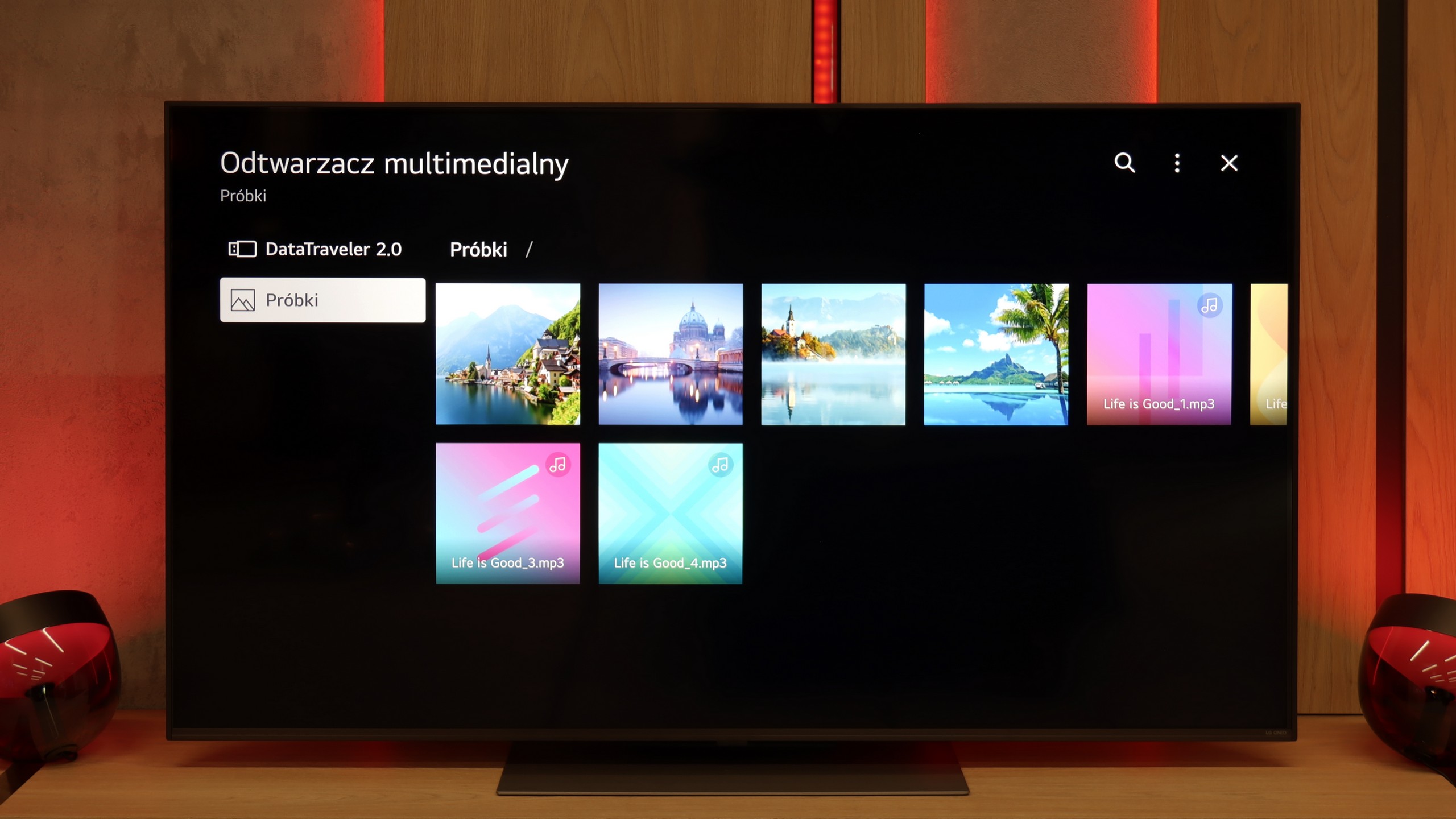
The built-in player Samsung Q70D is one of its major advantages. It handled almost all video and audio files prepared for the testing process excellently. The only exceptions in this regard are, of course, the Dolby Vision format (which is not surprising) and less popular codecs. Additionally, credit should be given for the support of Polish characters and the ability to change font colours. However, it performs worse with photo formats, as it only supports JPEG among the popular ones. There is definitely a lack of formats such as PNG or Apple's HEIC.
The built-in media player in the QNED86A6A performs quite well with the most popular audio and video formats. During testing, we had no issues playing MP4, MKV, or MP3 files; everything played smoothly and without stutters. The television also handled most images, although we encountered a typical barrier for many manufacturers – lack of full support for the HEIC format from Apple. So if you use an iPhone daily and store photos in this standard, you will need to convert them beforehand or, better yet, transfer them using AirPlay. Other than that, it’s hard to find fault as, for a built-in solution, it's really decent.
Sound
6.3/10
6/10
- Maximum volume-84dB
- Dolby Digital Plus 7.1
- Dolby True HD 7.1
- Dolby Atmos in Dolby Digital Plus (JOC)
- Dolby Atmos in Dolby True HD
- DTS:X in DTS-HD MA
- DTS-HD Master Audio
The built-in audio system Samsung Q70D, due to its slim design, is not among the most outstanding. The overall sound is fairly balanced, although we wouldn't advise increasing the volume above 2/4 of the scale. However, if we have a home cinema system, a number of codecs await us, notably featuring the most important ones, namely DTS-HD Master Audio and Dolby Atmos.
In terms of sound quality, the QNED86A6A performs quite decently, but there's no denying that it isn't at a level that would impress home cinema enthusiasts. The sound is clear and distinct, with dialogues easy to hear, but overall it sounds rather flat and definitely lacks solid low tones. For everyday television viewing, streaming services, or news, this level is acceptable; however, if you plan to watch movies or play games more often, even a basic soundbar will make a significant difference.
Acoustic Measurements
No acoustic data
84dBC (Max)
75dBC