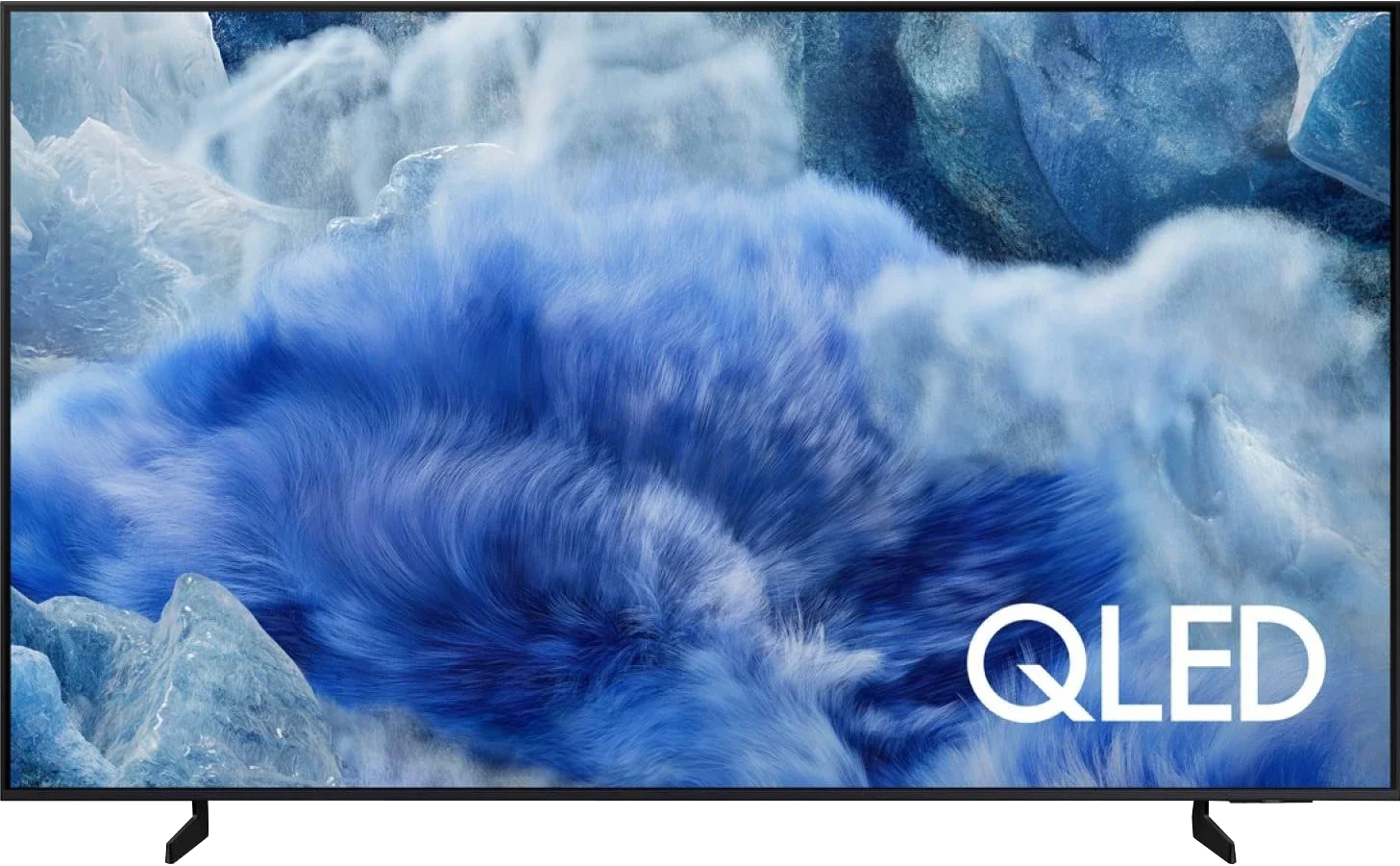
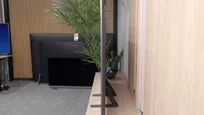
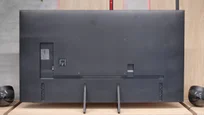
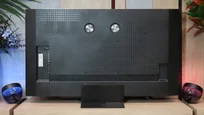
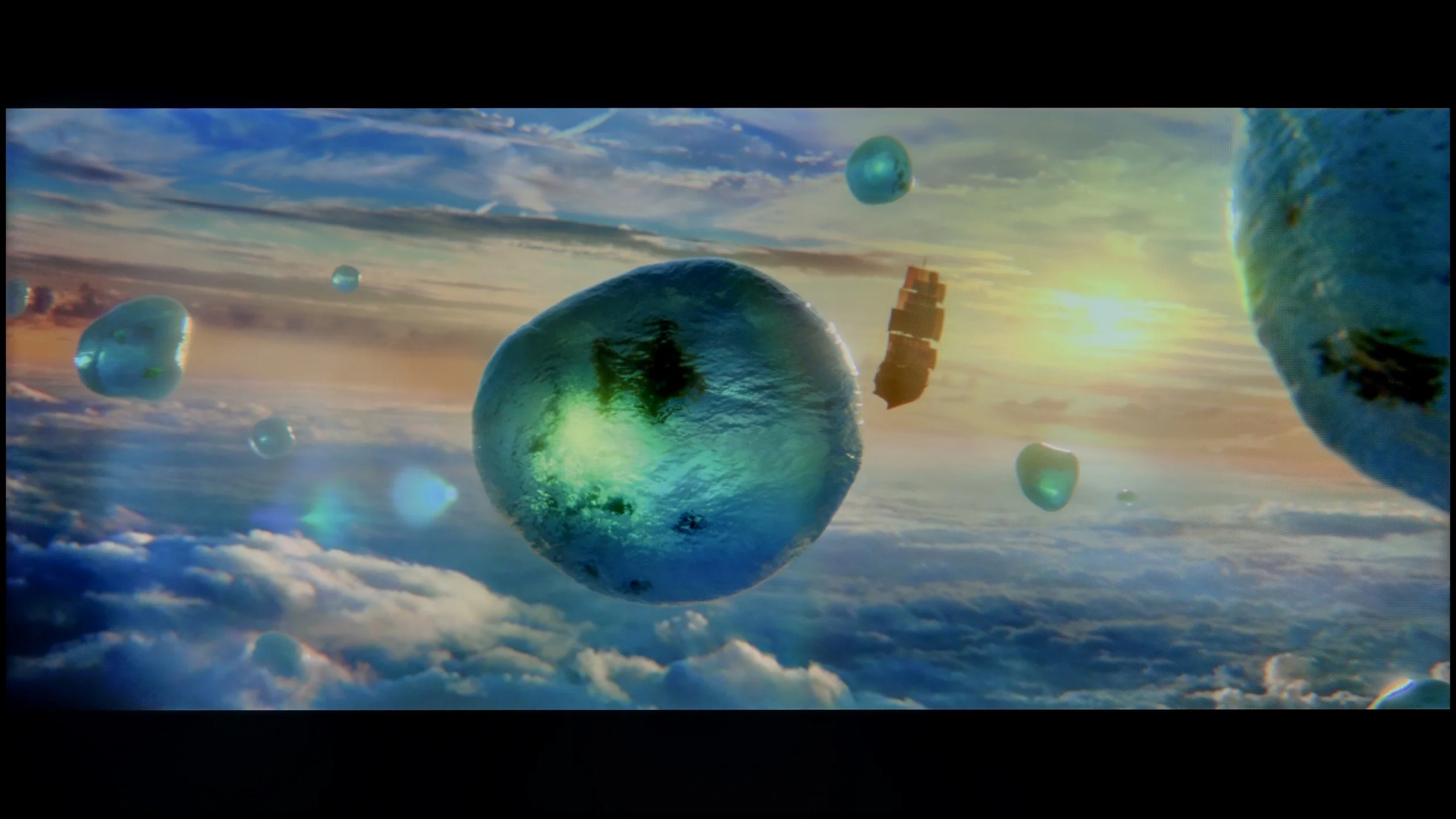
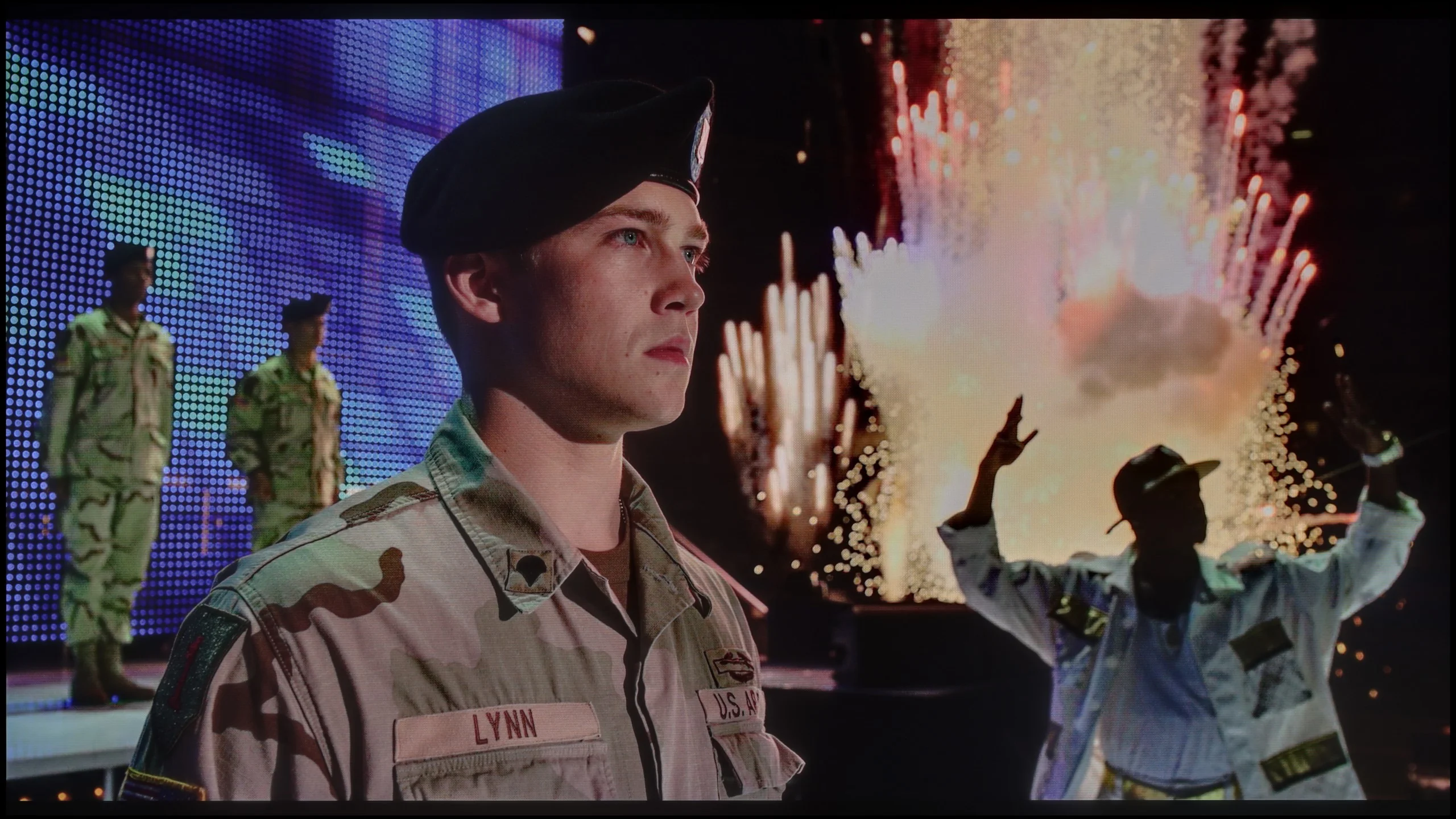
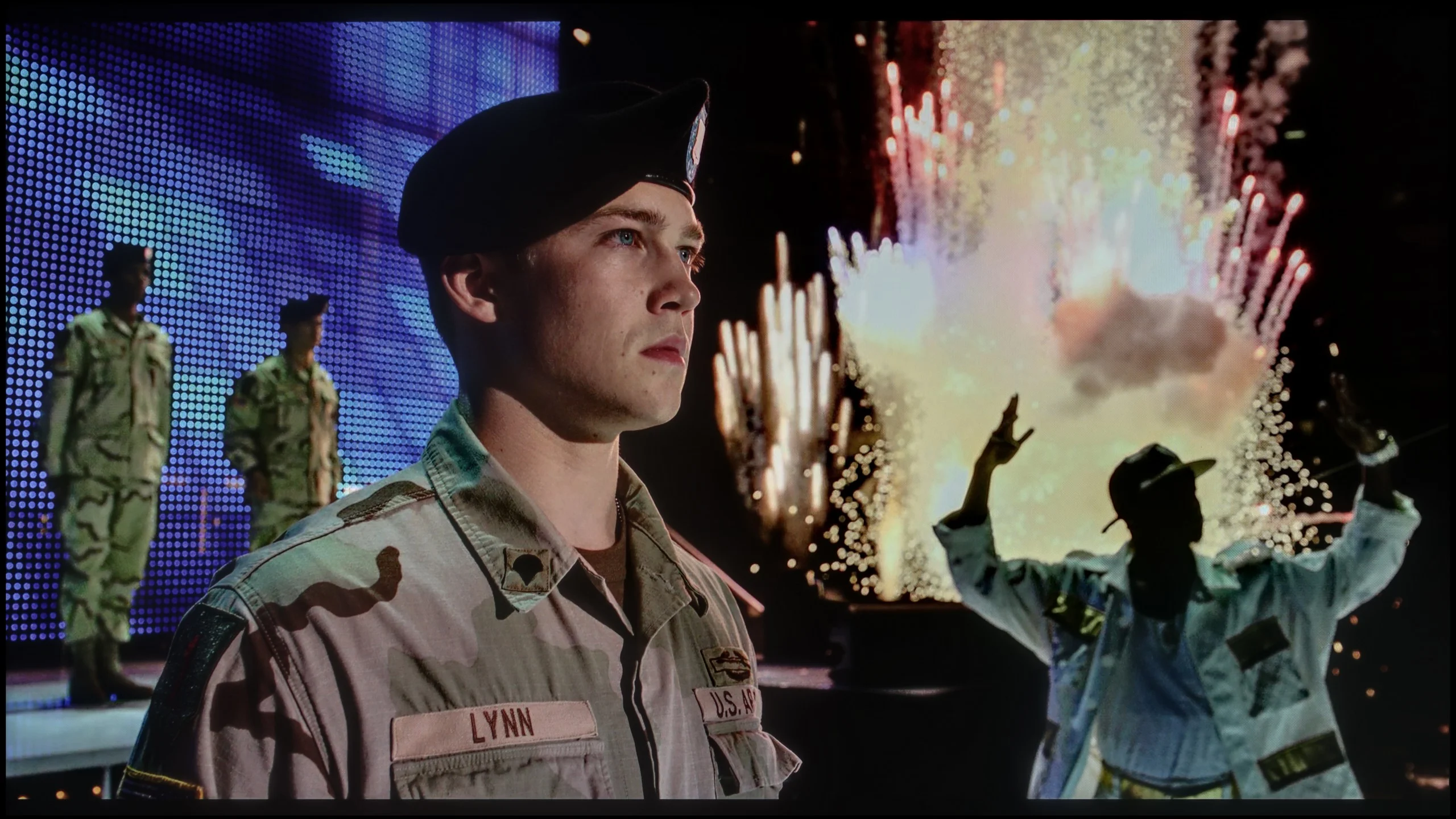
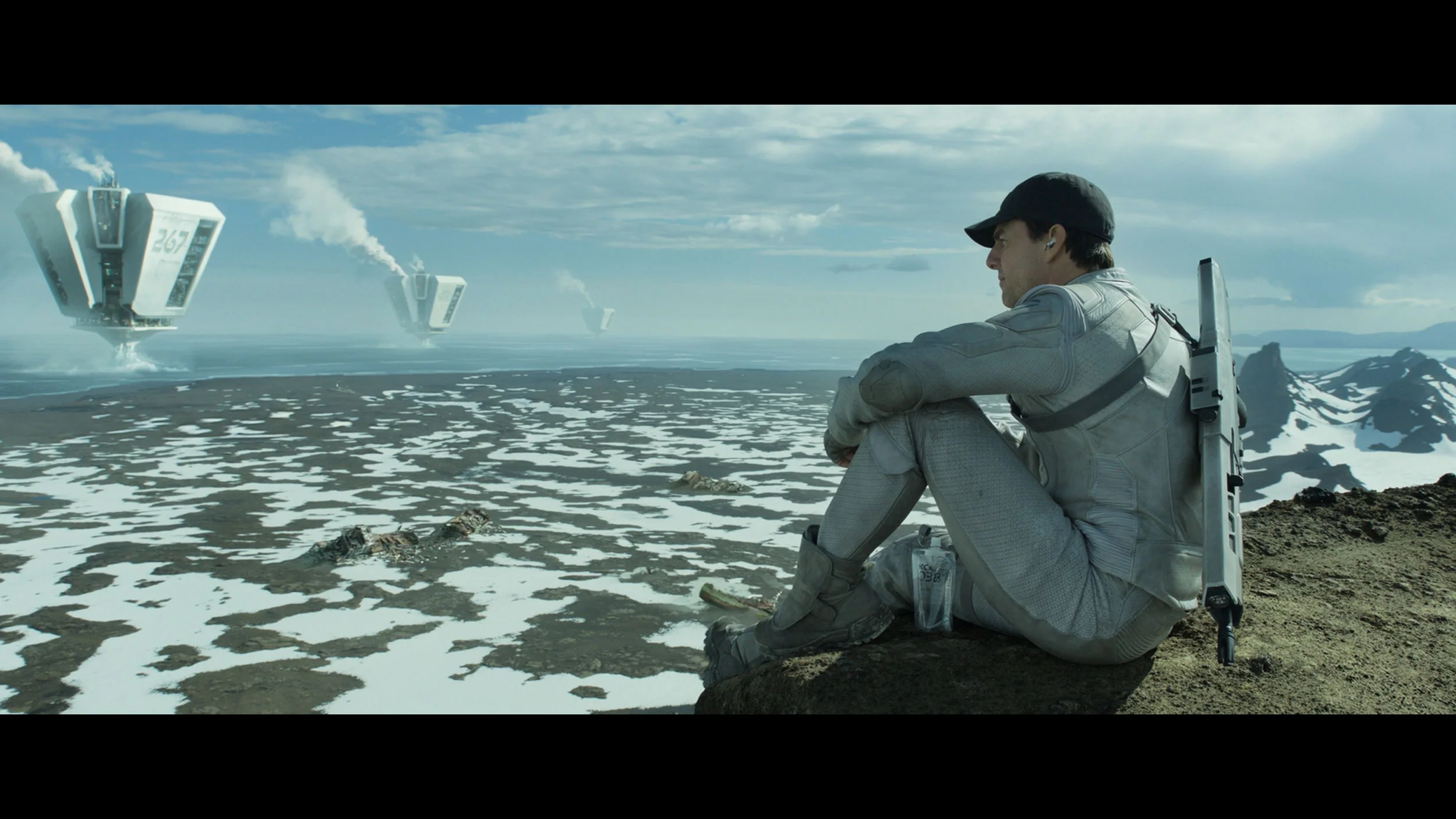
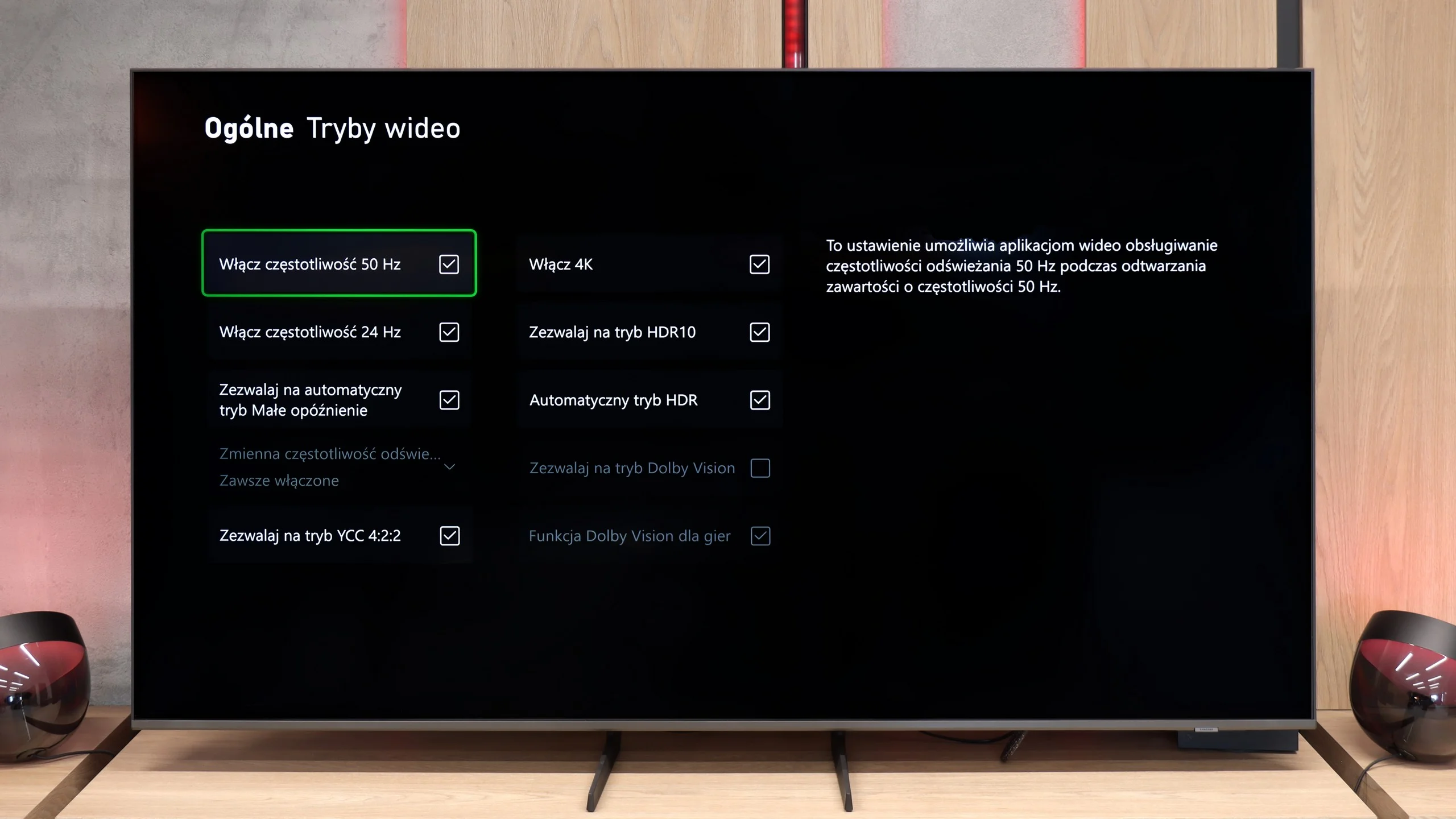
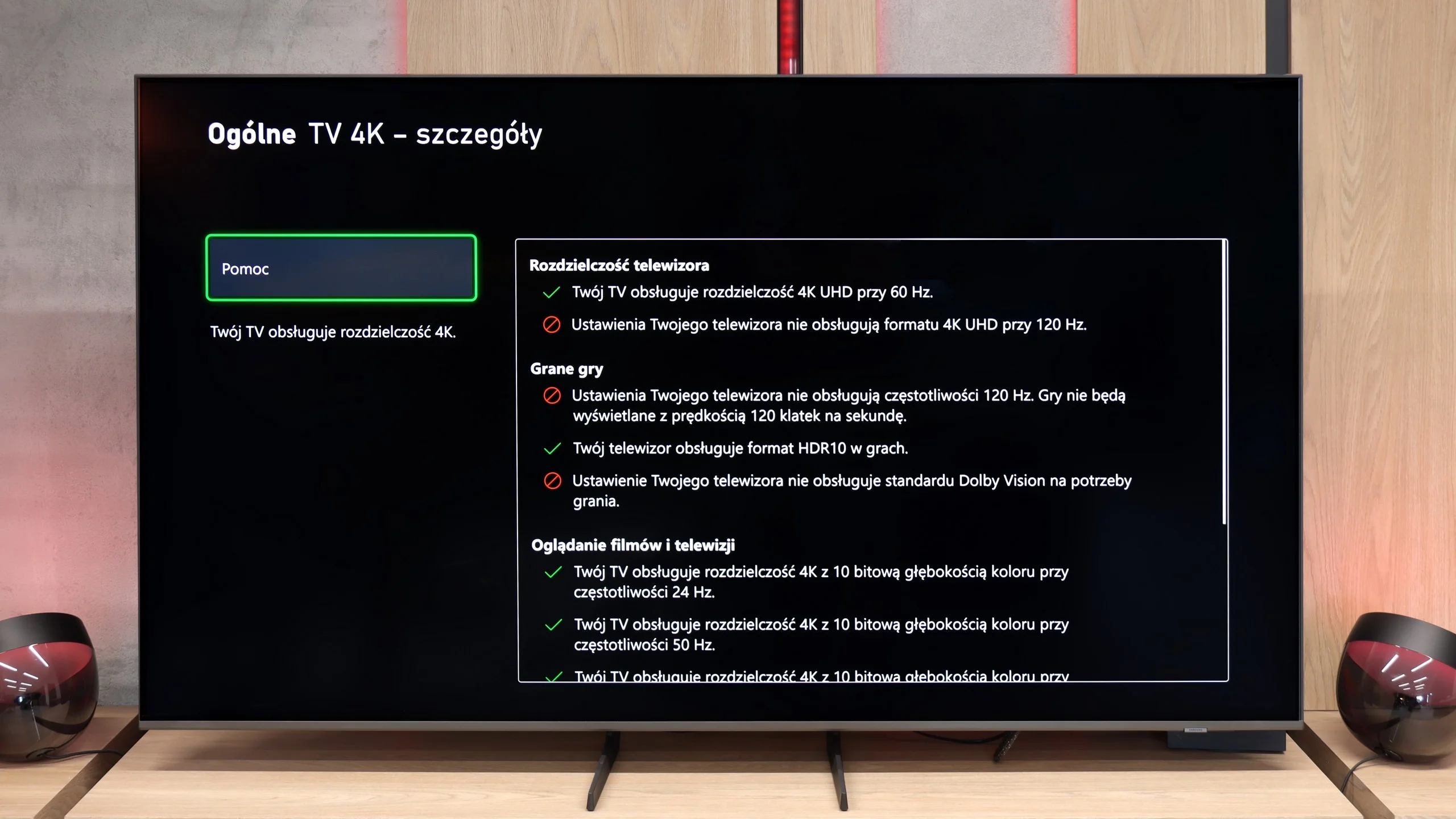
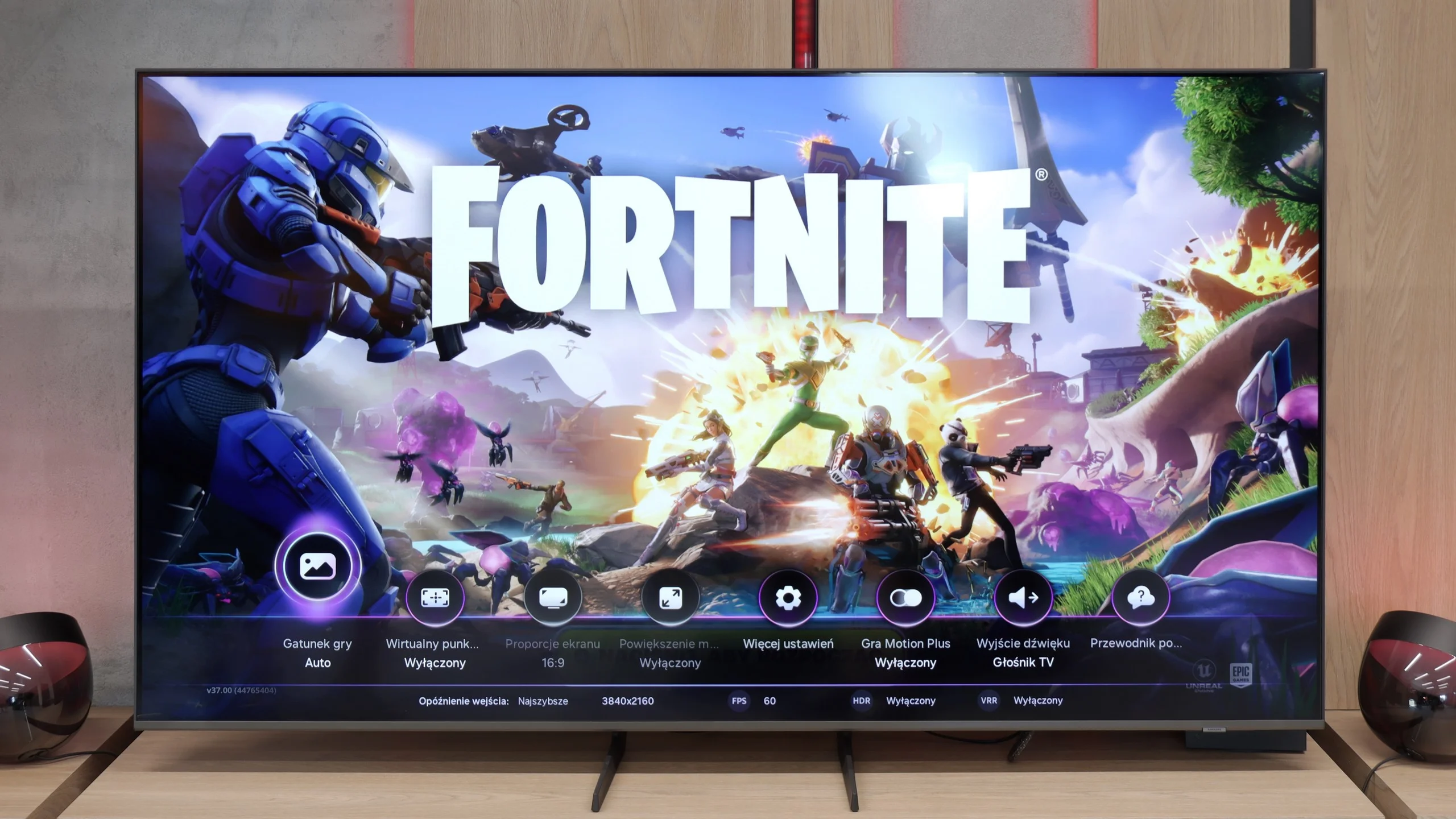
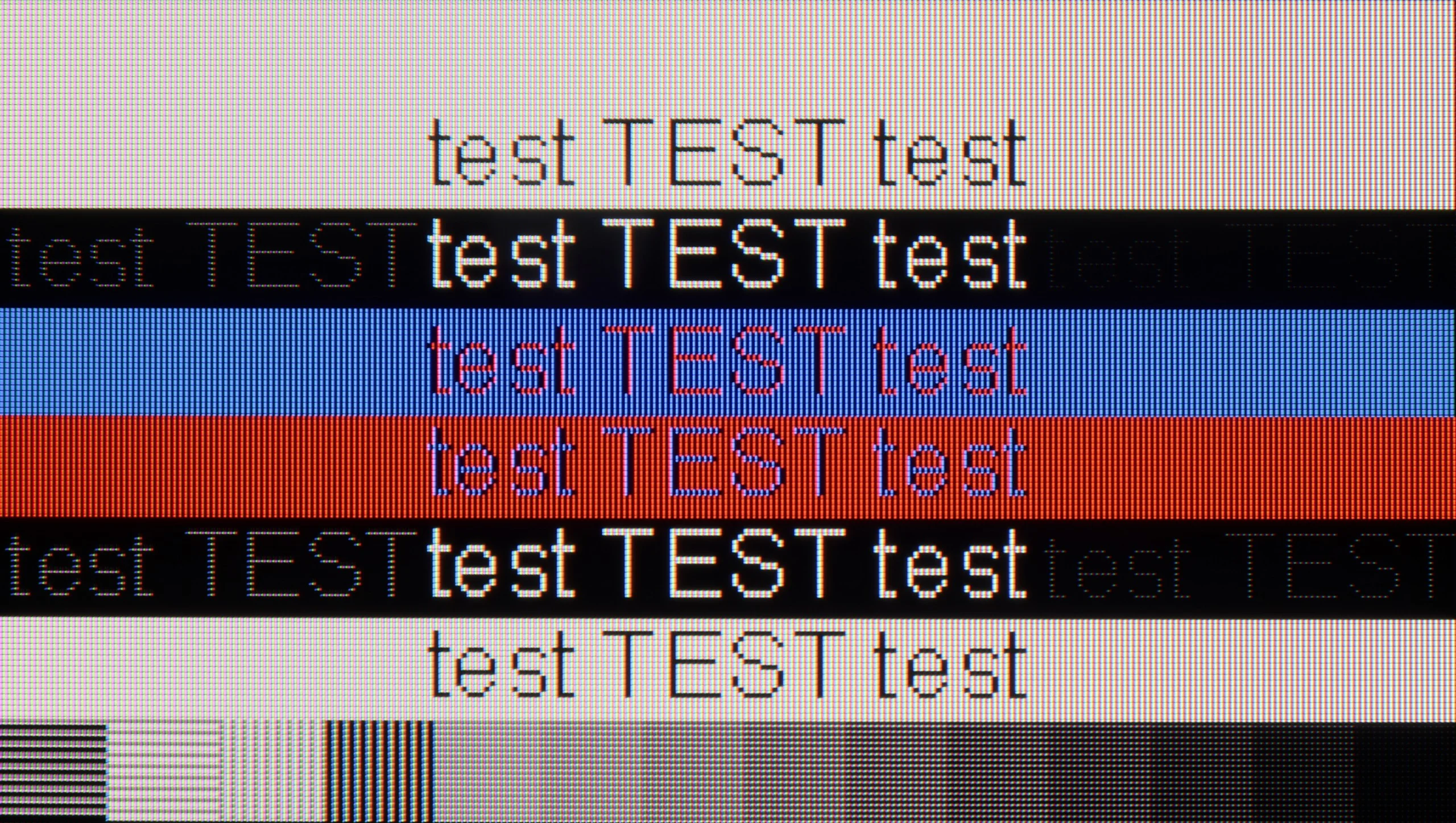
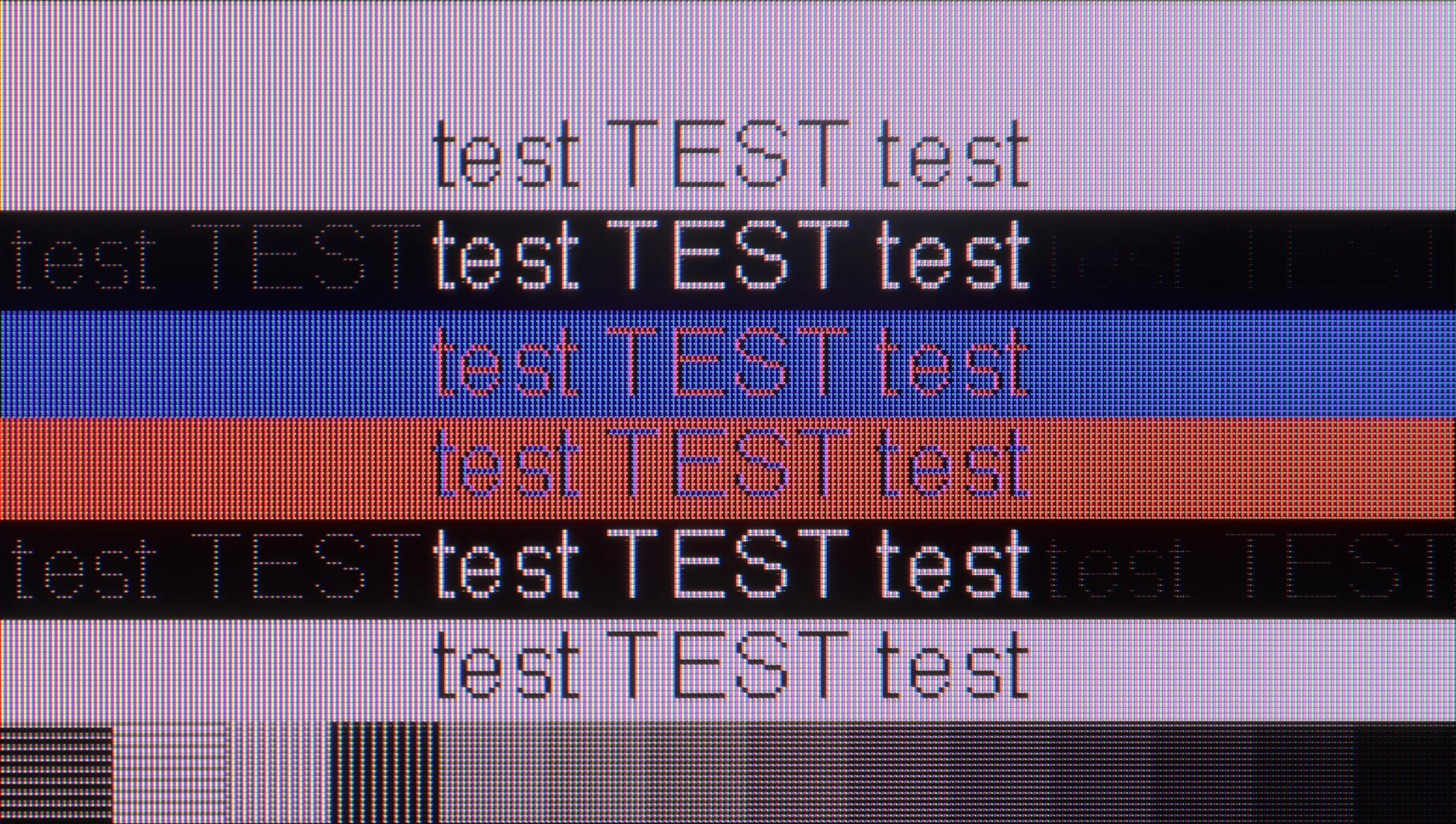
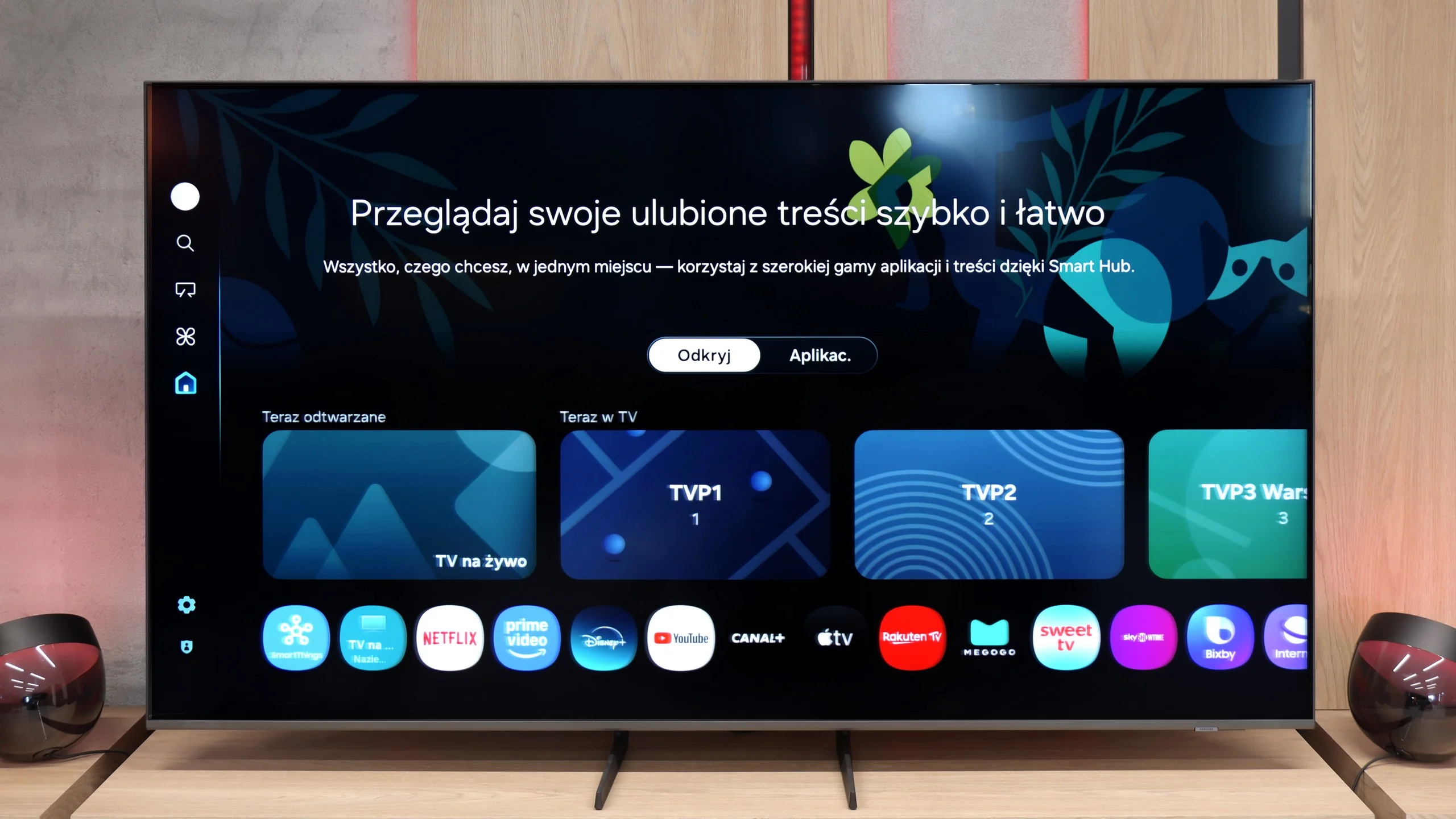
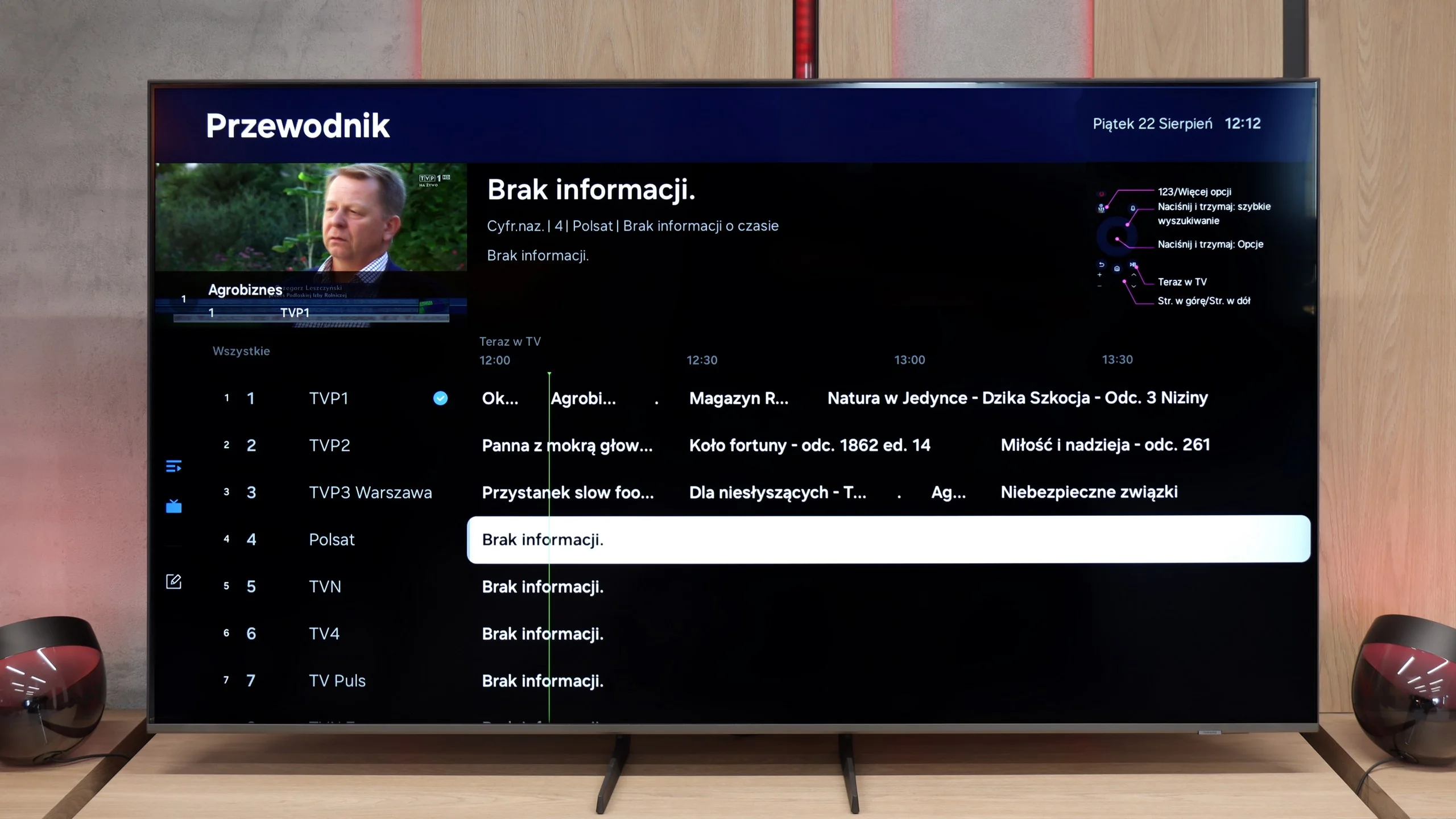
Samsung Q8F is quite a successful continuation of the Q67D model. It offers similar image quality in HDR content, and with a brightness of around 500 nits, it can create an effect that is hard to call average. The support for the HDR10+ format also helps, as it has been realistically competing with Dolby Vision for some time and delivers comparable experiences in many productions. The contrast is another positive aspect – for a VA panel, it performs solidly and allows for enjoyable blacks in films and series. However, the greatest advantage of the Q8F remains the operating system. Tizen operates quickly, provides access to many applications, and works well with the SmartThings ecosystem, allowing the television to easily integrate into a larger network of home devices. Interestingly, the Q8F also has a niche application – thanks to its very good font readability, it performs excellently as a screen for working with text. Additionally, there is an adjustable stand that allows the television to be set on practically any desk or narrower TV cabinet. The biggest drawback, in our opinion, is not the image quality itself – as it is difficult to expect miracles in this price range – but rather what has happened to the gaming features. Options such as VRR and HGiG have disappeared with updates, which were available even in simpler constructions in previous generations. Indeed! The manufacturer even boasts about the availability of these features in its catalogue. This makes it difficult to recommend the Q8F to anyone today who plans to connect a console and expects full support for new technologies. Thus, the Q8F is a television that can be appealing – primarily for its design, above-average image quality, and efficient Tizen system. But at the same time, one can see a step backward compared to its predecessor. Let us hope that Samsung will manage to quickly rectify these shortcomings, as otherwise even such a successful 'everyday' television may leave some users with a sense of dissatisfaction.
[UPDATE] We have updated our 2025 Samsung TV reviews following the release of firmware version 1131, which officially restores the essential HGiG (HDR Gaming Interest Group) support.
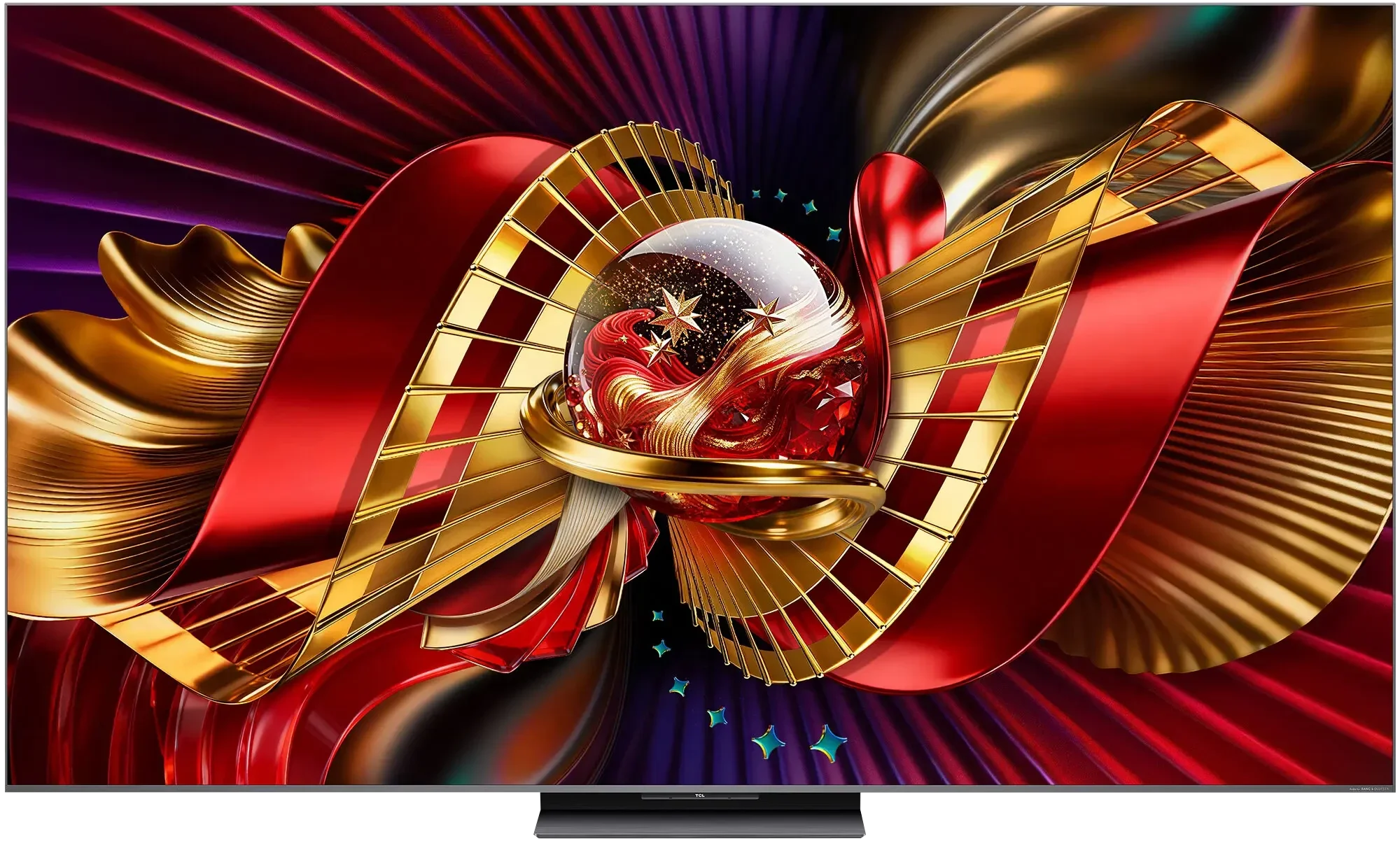
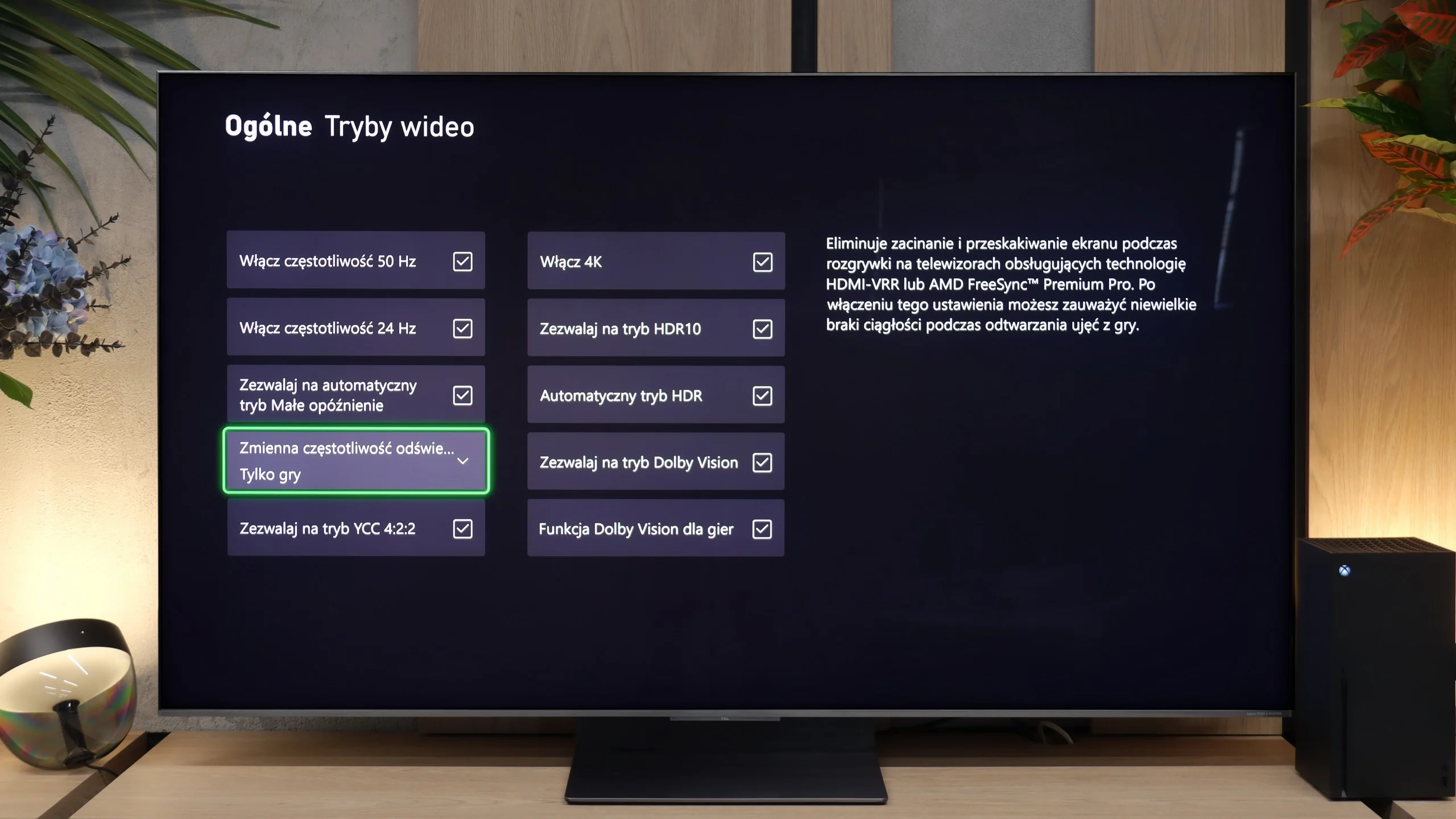
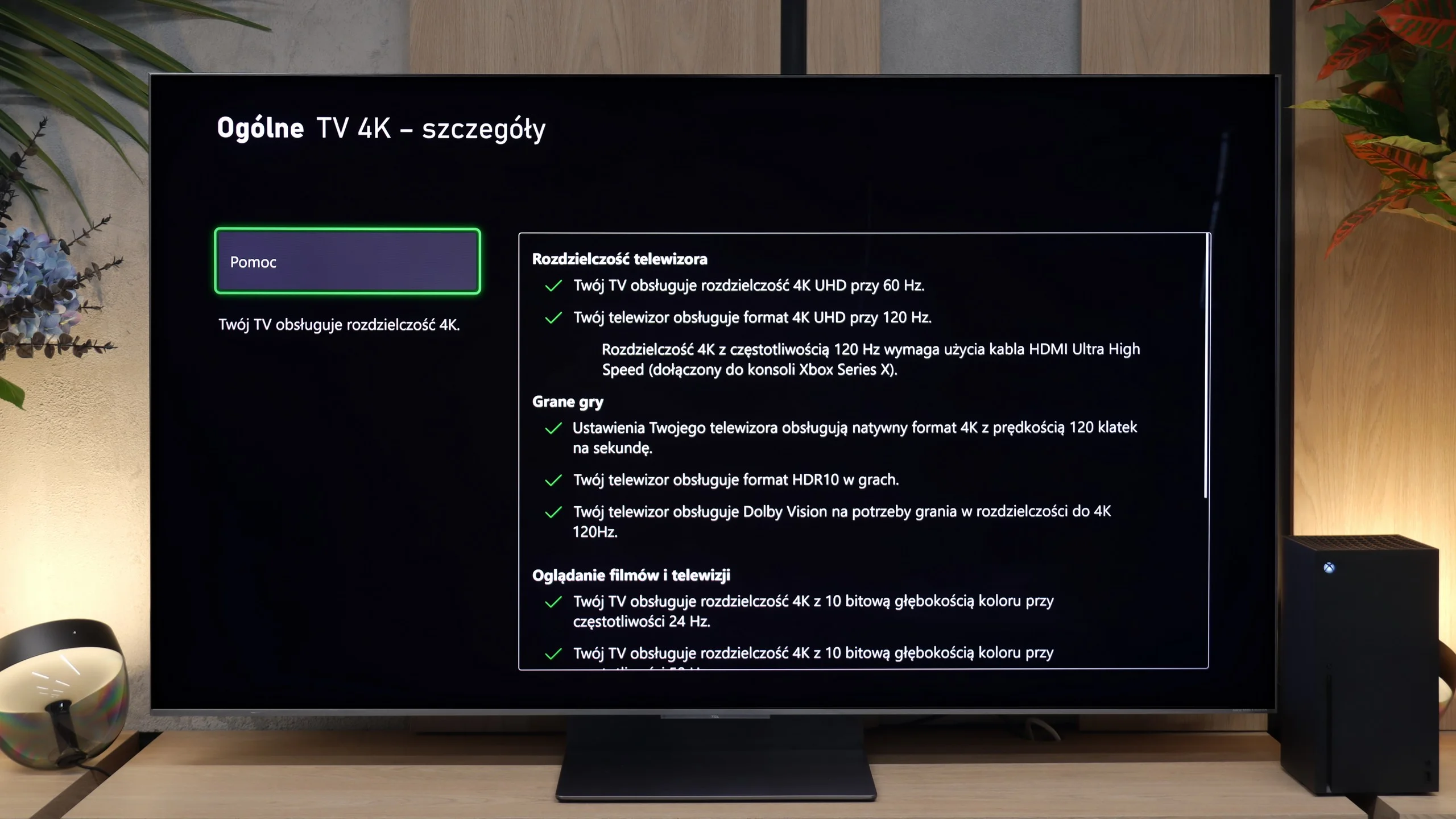
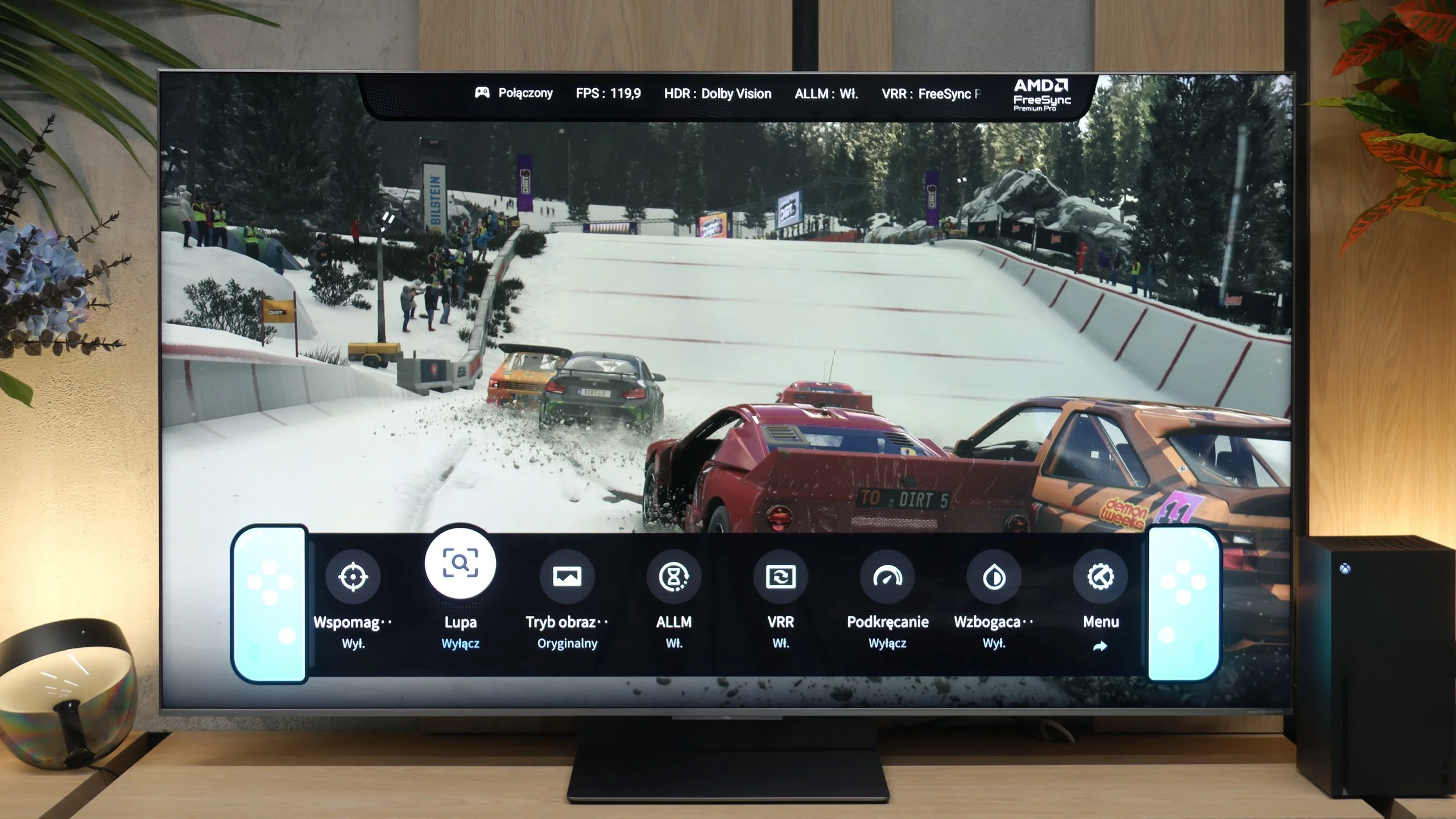
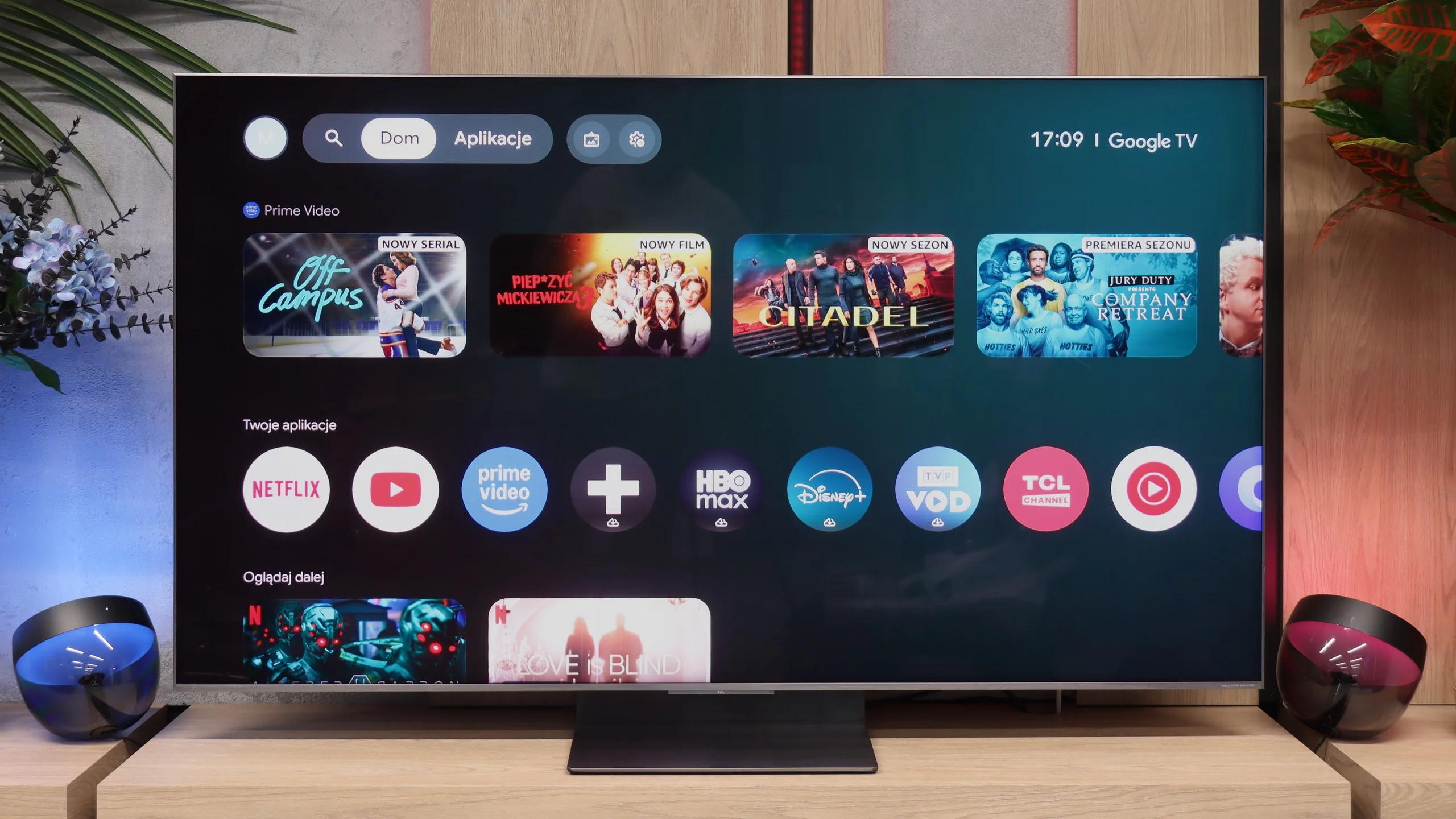
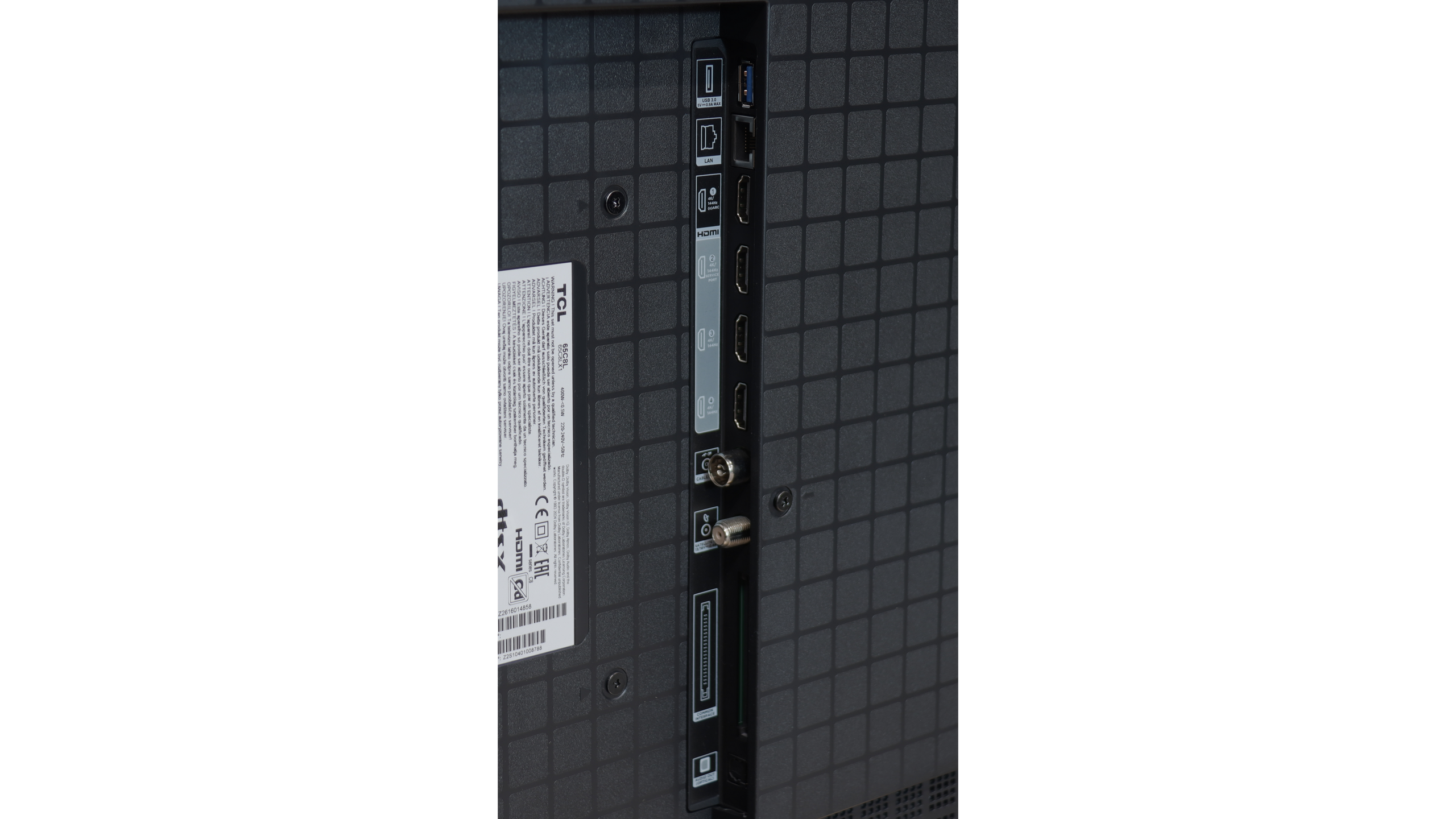
TCL C8L is undoubtedly one of the most intriguing Mini-LED televisions that has entered our laboratory this year. This model stands out primarily due to its excellent price-to-performance ratio. TCL has already accustomed us to aggressive pricing for its screens, but in the case of the C8 series, the manufacturer has managed to push the boundaries even further. For the amount that often only allows the purchase of mid-range models or two such models like C8K in the competitive market, here we receive equipment and specifications equal to top models. The new image processor, four full HDMI 2.1 ports, support for extreme refresh rates, and powerful peak brightness thanks to a vast number of dimming zones are arguments that are hard to overlook.
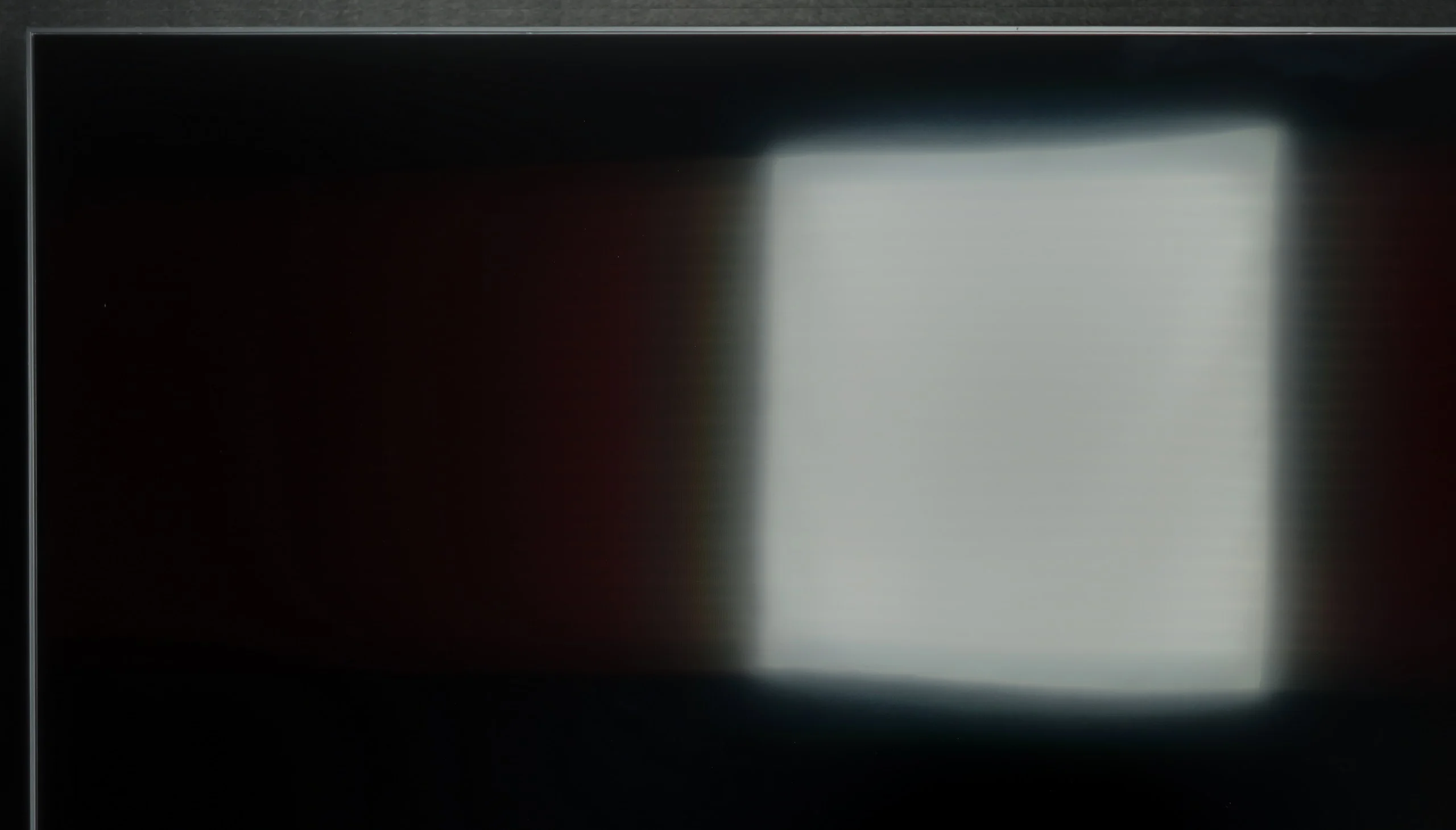
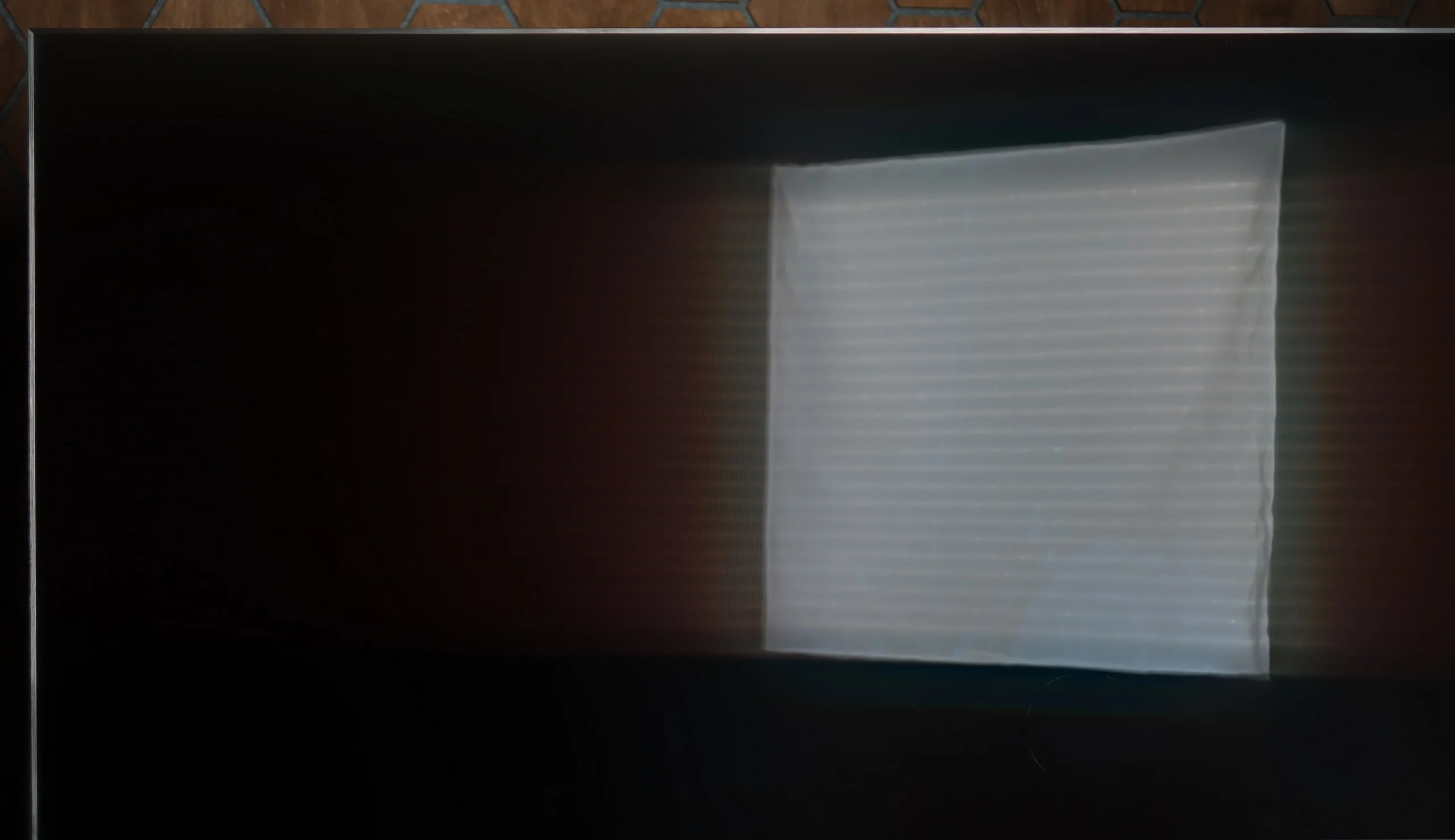
However, analysing the whole picture, one must honestly summarise the character of this television. The C8L is equipment designed more for displaying “spectacular” images rather than rigorously faithful ones. What do we mean by this? The software and algorithms managing the Mini-LED backlight zones have been tuned to favour visual appeal – the image is meant to be bright, contrasty, and striking in saturation. And what does this mean? The television has a tendency to autonomously interpret images instead of adhering to certain studio standards. For most users looking for “greater” emotions in films or games, this effect will likely be an advantage. On the other hand, purists and fans of perfectly natural images (such as us 😉) may find this behaviour too aggressive and not in line with the director's intent. Hence, we leave the final assessment on this matter to you.
Generally speaking, despite this specificity, the TCL C8L is a television that we can, and indeed must, wholeheartedly recommend. It is primarily a premium-class product, doing literally everything right... to a fault. Certain imperfections we would simply treat as features of this device rather than flaws – mainly due to the technological limitations that all Mini-LED televisions from any manufacturer on the market have accustomed us to. Ultimately, the software refinement has brought a lot to the new model, resulting in a mature, confident, and nearly complete piece of equipment.
 Direct comparison