Samsung offers two top models with 4K resolution when it comes to MiniLED technology. In this test, we took a closer look at the perhaps not so "high-end" QN95D, but rather the QN90D, which can also be found under the name QN92D. Samsung proudly calls its MiniLED televisions the NeoQLED series. It is precisely because of this technology that the television offers excellent contrast and high brightness, making movie watching an experience reminiscent of a true cinema. During everyday use, the Tizen system performed excellently. It is fast, intuitive, and allows seamless switching between applications. We also appreciated how well the television managed lower quality materials – traditional television and older films looked better than we expected, and the advanced image processing algorithms did their job. This is a television that truly enhances the reception of content that is not always in high resolution. The solar remote was a pleasant surprise for us. Although minimalist and with a limited number of buttons, it proved to be very practical – allowing us to control not only the television but also other devices, such as the decoder (Canal+) and the soundbar. This meant we could reduce the number of remotes on the table, which immediately improved usability. Additionally, solar charging – a simple idea that eliminates the need for battery replacements and aligns with ecological trends. As for the picture in different conditions, the television performs well in both bright and dark rooms. High brightness and numerous dimming zones handle most content, although sometimes in contrasty scenes a halo effect is visible. The colours are vibrant and natural, and the QLED coating adds intensity to them. For even better results, we opted for calibration – after which the picture looked even more detailed and natural, which only reinforced our belief that the QN92/QN90 is an excellent choice. And what about motion on the screen? It is absolutely smooth. The 144 Hz panel performs excellently with dynamic scenes – fast actions, sports, games – everything looks natural and without blurring. We particularly appreciated the Auto Motion Plus Game feature, which makes games running at 30 frames per second look smoother, resembling 45 frames, and at 60 Hz, motion becomes even more natural, as if operating at 90 Hz. For gamers, this is a significant advantage, especially since low input lag and features like game bar further enhance the gaming experience. This is a television that will perform well in any situation – from evening screenings to gaming marathons. The QN92D is a practical television, well-designed, and offering picture quality that is truly hard to ignore. An ideal choice for those looking for something more than just an ordinary screen for everyday content.
- Matching (Score) |
- Our verdict |
- TV appearance |
- Where to buy |
- Contrast and black detail |
- HDR effect quality |
- Factory color reproduction |
- Color reproduction after calibration |
- Smoothness of tonal transitions |
- Image scaling and smoothness of tonal transitions |
- Blur and motion smoothness |
- Console compatibility and gaming features |
- Input lag |
- Compatibility with PC |
- Viewing angles |
- Daytime performance |
- Panel details |
- TV features |
- Apps |
- Playing files from USB |
- Sound
Samsung Neo QLED QN90D / QN92D vs LG MRGB85B
 Direct comparison
Neo QLED / QN92D / QN90D

MRGB85 / MRGB86 / MRGB87 / MRGB88
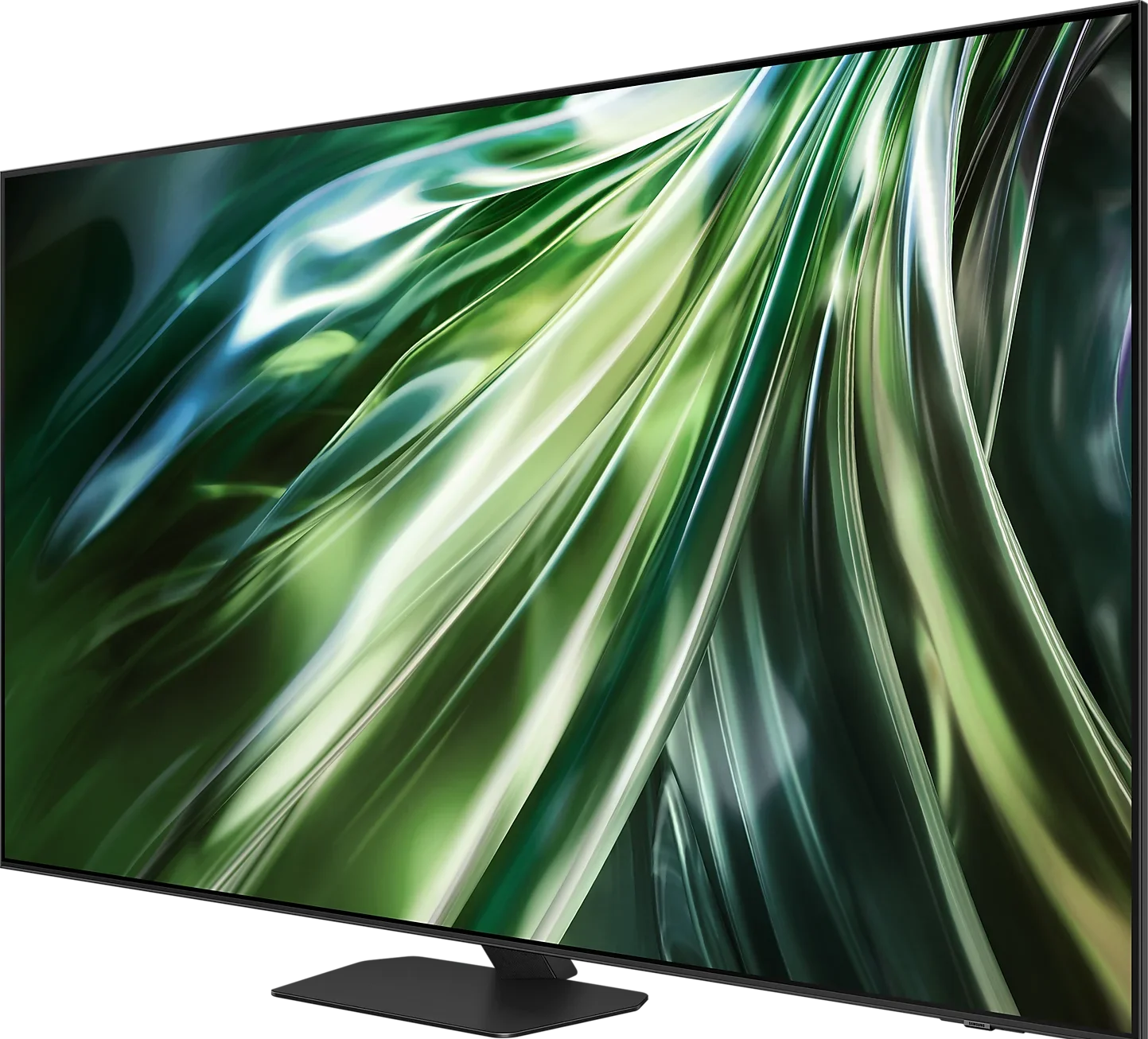
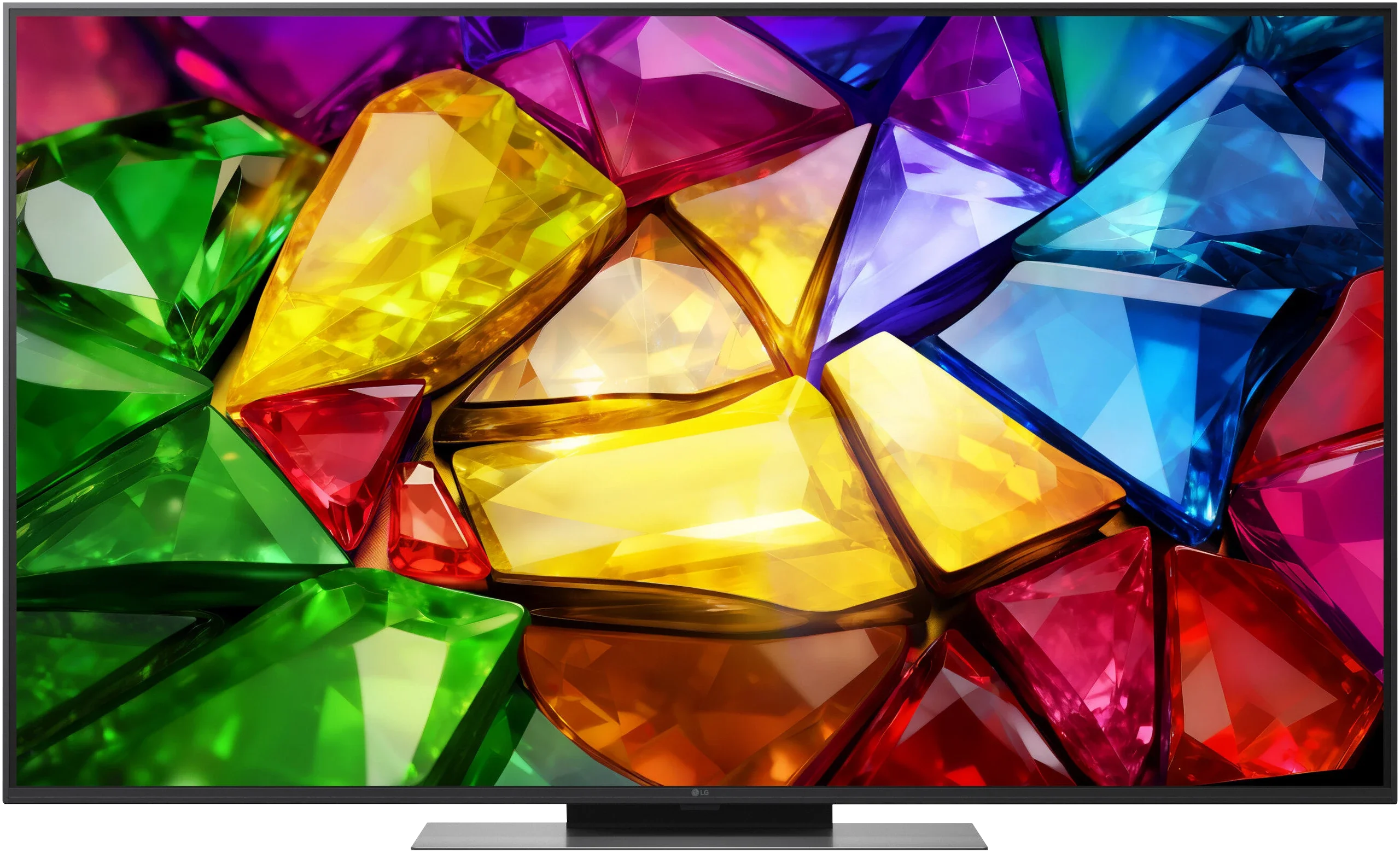
Panel type: LCD VA (wide viewing angle)
Resolution: 3840x2160
System: Tizen
Model year: 2024
Complete the survey to find out the result
Panel type: LCD VA
Resolution: 3840x2160
System: WebOS
Model year: 2026
Complete the survey to find out the result
Overall rating
7.8
6.9
 Movies and series in UHD quality
 7.9
6.2
 Classic TV, YouTube
 7.9
6.0
 Sports broadcasts (TV and apps)
 7.7
6.4
 Gaming on console
 9.1
8.3
 TV as a computer monitor
 8.6
8.4
 Watching in bright light
 6.4
6.1
 Utility functions
 7.4
7.7
 Apps
Apps 9.3
9.1
 Sound quality
 6.9
6.4
Complete the survey to find out what fits your preferences
Advantages

High brightness
Good contrast
Intuitive Tizen operating system
Great for gamers and sports fans (HDMI 2.1, 144Hz, low input lag)
Wide viewing angles - unusual for VA panels
Extensive gaming features
Three full-bandwidth HDMI 2.1 ports
Supports 4K at 144 Hz, VRR, G-Sync and FreeSync
Low input lag
Supports Dolby Vision HDR
Fast and user-friendly webOS
Magic Remote with gyroscope
Decent brightness and a wide colour gamut
Disadvantages

No recording function
No DTS format support - this may be problematic for those using Blu-ray
Average black level
Aggressive local dimming control (edge-lit)
Average HDR picture quality
Poor viewing angles and noticeable VA panel smearing
Our verdict
The LG MRGB85 is a television that is best suited to gamers and users who are attached to webOS. In that respect it is hard to fault. It offers plenty of benefits for gamers thanks to a very high panel refresh rate. Add to that the smoothly operating webOS, which stands out above all for the convenient Magic Remote and a full set of features for traditional television. The problem begins when you look at the overall picture quality and compare it with the price the manufacturer is asking for this model. The MRGB85’s launch price is, to say the least, difficult to regard as attractive compared with competing models. For similar money you can find televisions offering much more advanced backlighting and, above all, better black level control. What causes the most controversy, however, is the naming and the way LG positions this model. True, the MRGB85 uses a tri-colour backlight, but it is edge-lit. It is therefore hard to call this a fully fledged RGB Mini-LED in the sense commonly used for TVs that employ a large number of independently controlled zones behind the panel. In practice the limitations of local dimming are very noticeable and they significantly harm the viewing experience in dark scenes. That does not mean the MRGB85 is a bad television. It handles everyday content well, offers decent colours, respectable brightness and a very wide feature set. Picture from a standard SDR source can look really good, and Dolby Vision partly helps to hide weaker brightness handling in HDR. However, it is hard to shake the impression that the biggest problem with this model is not the hardware itself but its price and its overly ambitious positioning in the market. If someone is looking mainly for a gaming TV, values the convenience of webOS and finds it on a large promotion, the MRGB85 can make sense. At its current price, however, it falls behind, because the competition today simply offers more in terms of picture quality.
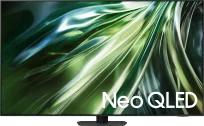
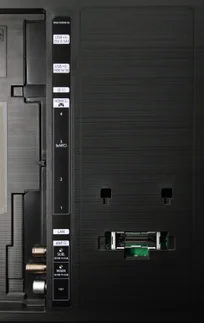
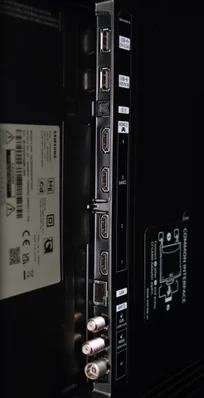
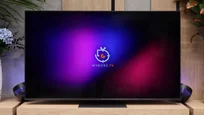
TV appearance
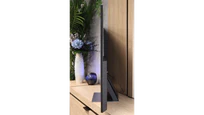
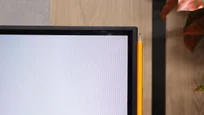
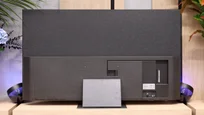

Contrast and black detail
7.9/10
5/10
Local dimming function: Yes, number of zones: 504 (36 x 14)
Local dimming function: Yes, number of zones: 6 (1 x 6)
Contrast:


Result
∞:1

Result
69,000:1

Result
∞:1

Result
5,500:1

Result
2,700:1
Result
12,100:1
Result
6,200:1
Result
15,900:1
Result
6,000:1
Result
4,600:1
Halo effect and black detail visibility:
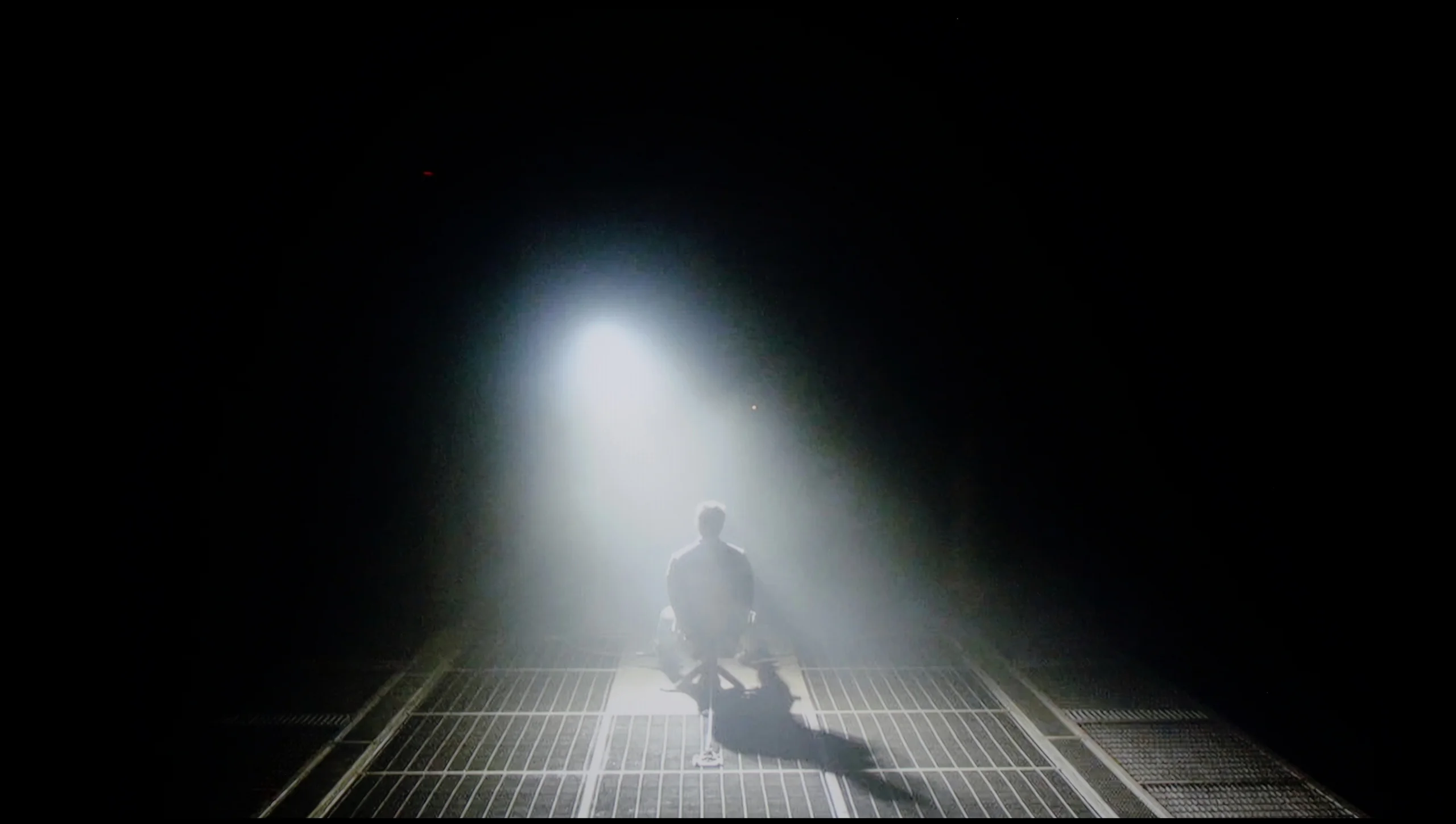
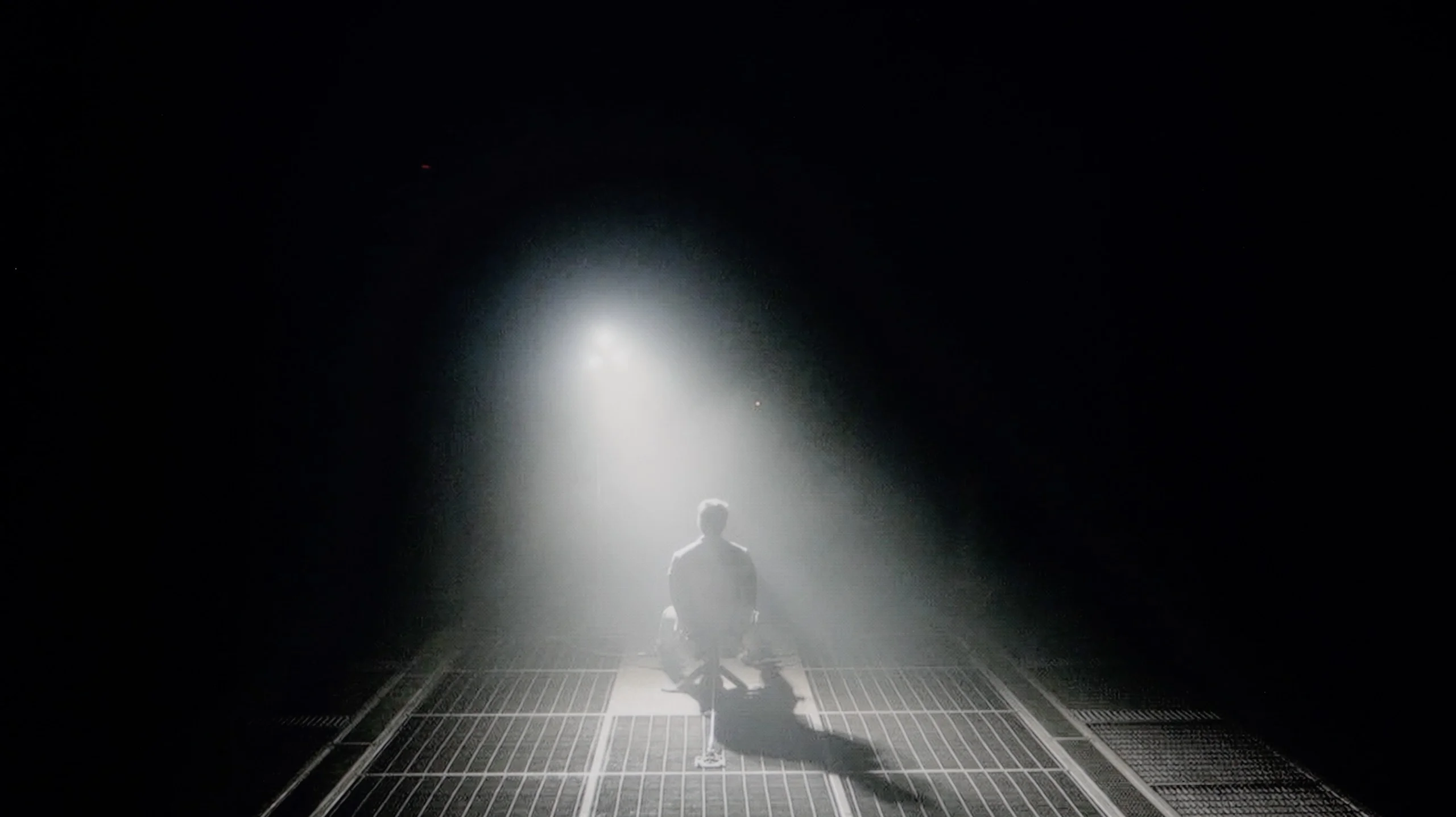
Check the visibility of bright lights on a dark background. Mini-LEDs often struggle with this. The photo does not compare black levels – that’s what the video below is for.
The video accurately shows differences in contrast and black levels between TVs, as well as potential issues: halo around bright objects or Mini-LED zone operation visible as brightness jumps.
Samsung QN92D is one of the highest models of NeoQLED 4K (mini LED) from the Korean manufacturer for 2024. Although it does not offer as many local dimming zones as its more refined sibling Samsung QN92D, the number of 504 dimming zones in the 55-inch version is still impressive. The VA panel works well with this solution, providing excellent results in terms of contrast. The contrast in Samsung QN92D is outstanding for a non-OLED television. Even in challenging scenes, like those from the films "Oblivion" or "Arrival", the contrast is nearly infinite and can compete with the best televisions in the OLED segment, which is quite rare among LED-backlit televisions. However, mini LED technology has its limitations compared to organic panels, which can lead to certain issues. For example, on the latest test pattern from Pioneer, the television struggles significantly. This may be due to a very aggressive dimming algorithm, causing the mini LED lights to sometimes be unable to "decide" what to do – whether to illuminate certain elements or maintain black levels. Despite these shortcomings, Samsung QN92D is one of the best LCD televisions in terms of contrast and black levels.
LG MRGB85 uses a VA panel, so even without additional measures it offers better black levels than models based on IPS or ADS panels. In simpler scenes the image has decent depth and can look quite convincing. The biggest limitation appears, however, when local dimming is enabled. The TV uses an edge-lit backlight positioned at the bottom of the screen. As a result it cannot precisely control the brightness of small parts of the picture. When a single bright element appears on a dark background, an entire vertical band often lights up. This is accompanied by a distinct halo, and even more noticeable is the backlight's behaviour itself. When scenes change, brightness can jump up and down sharply, causing the image to noticeably pulse in a dark room. Local dimming can be turned off completely in the TV menu. Contrast then drops noticeably, but the image becomes much more stable and the frequent flicker of the backlight disappears. In practice some users may therefore willingly give up deeper blacks in favour of a calmer, more predictable picture.
HDR effect quality
6.7/10
5.7/10
Luminance measurements in HDR:

Result
1947 nit

Result
617 nit

Result
738 nit

Result
271 nit

Result
1479 nit
Result
583 nit
Result
401 nit
Result
569 nit
Result
423 nit
Result
455 nit
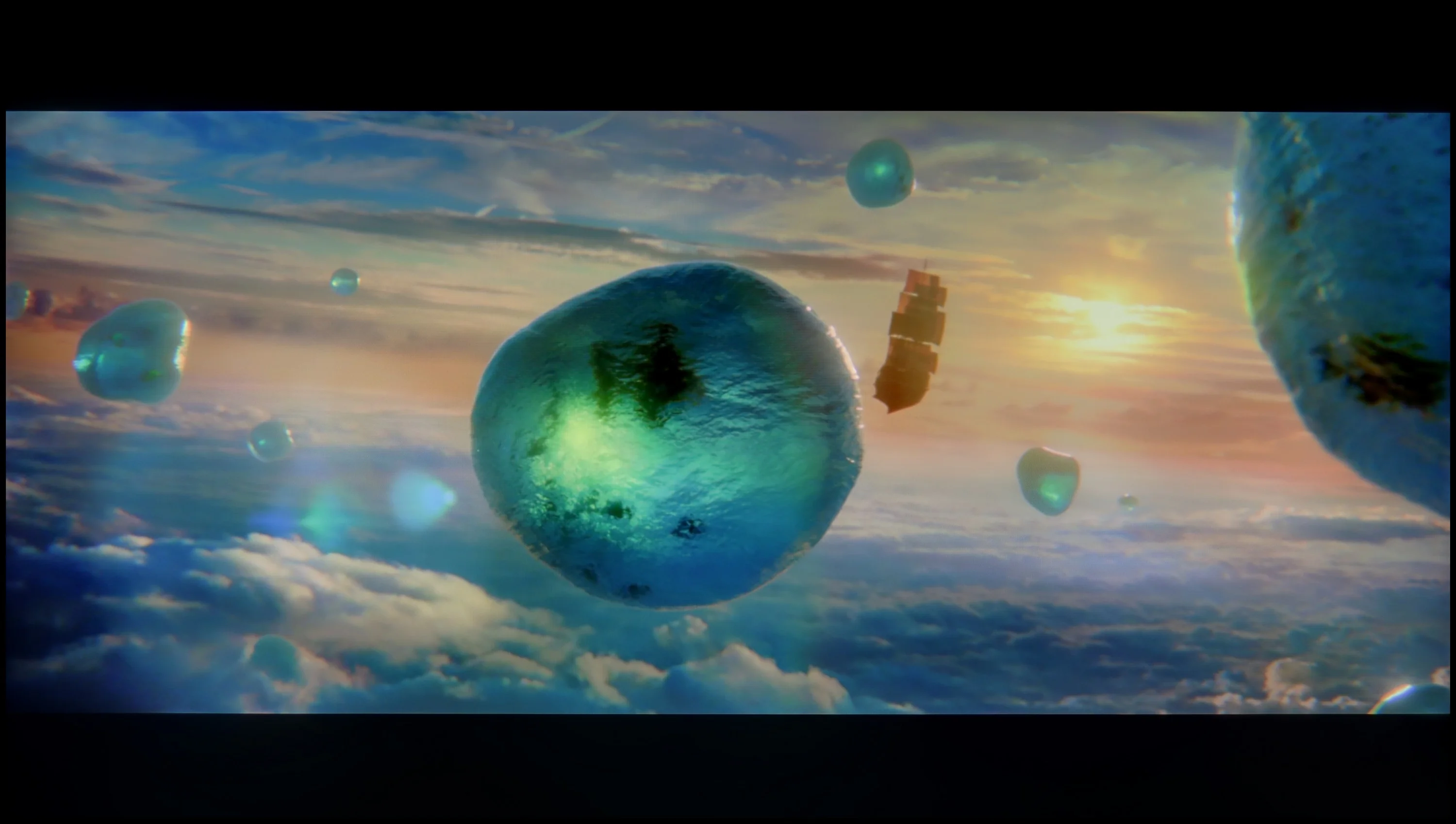
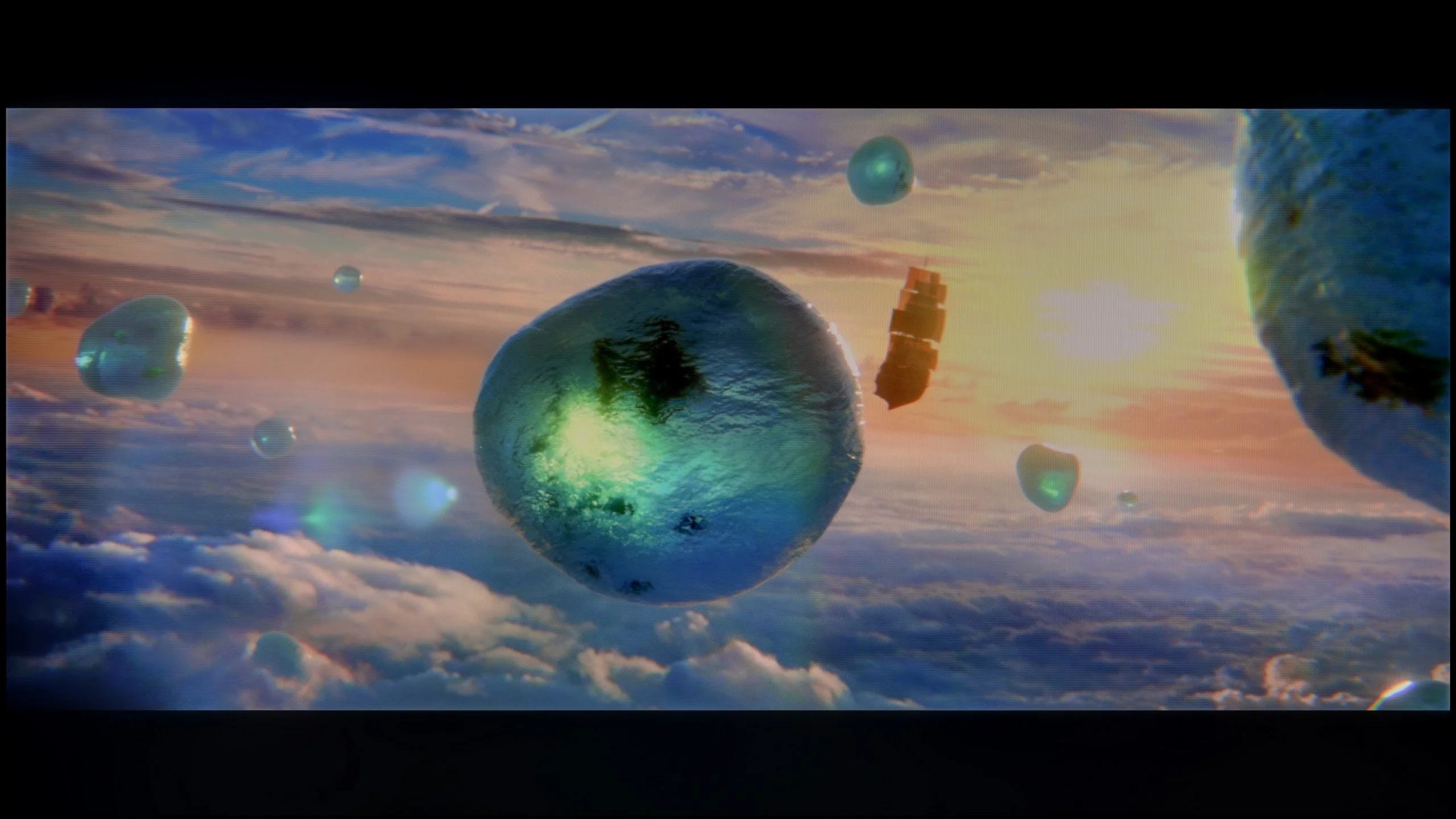
Scene from the movie “Pan” (about 2800 nits)
Scene from the movie “Billy Lynn” (about 1100 nits)
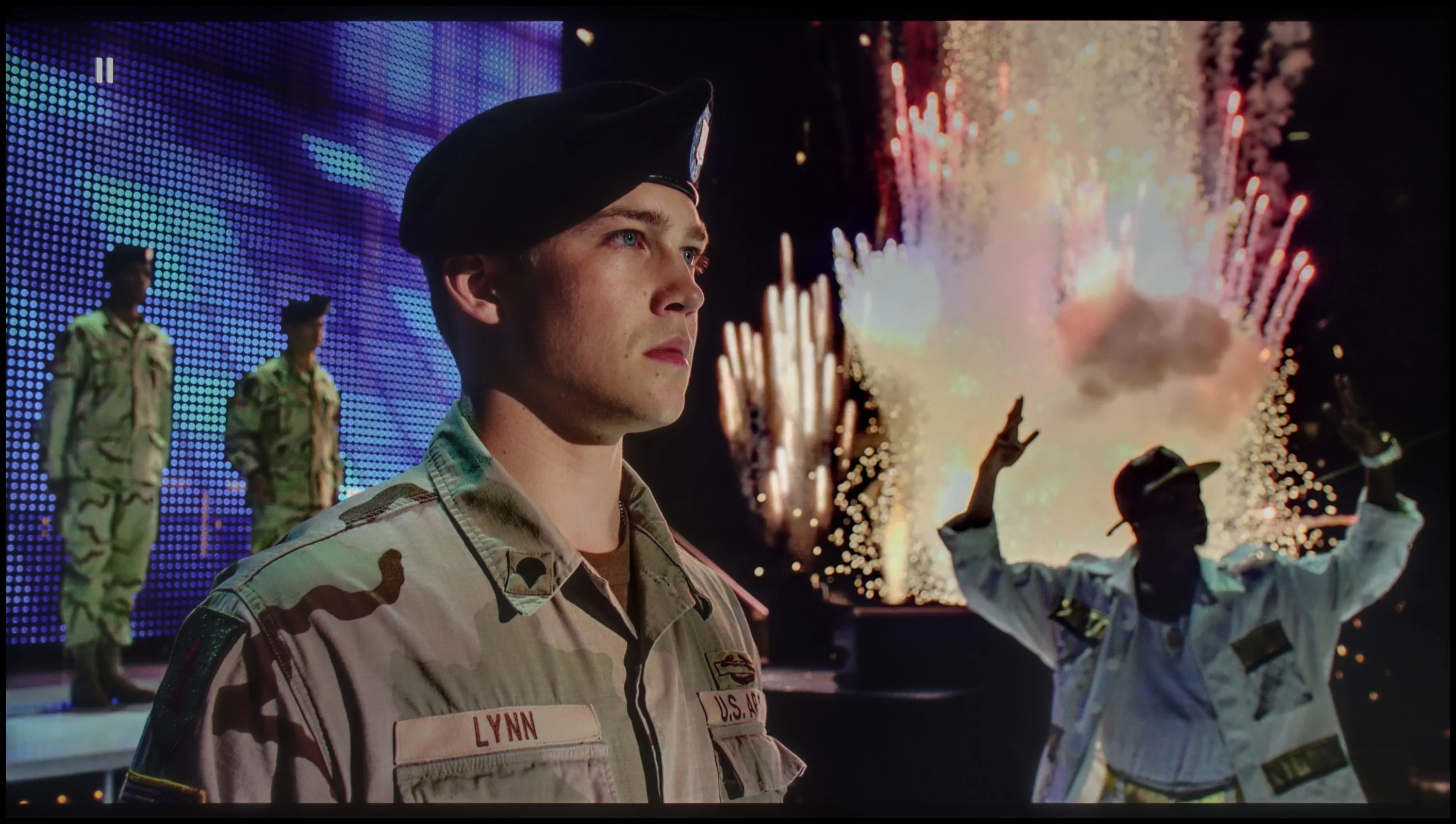
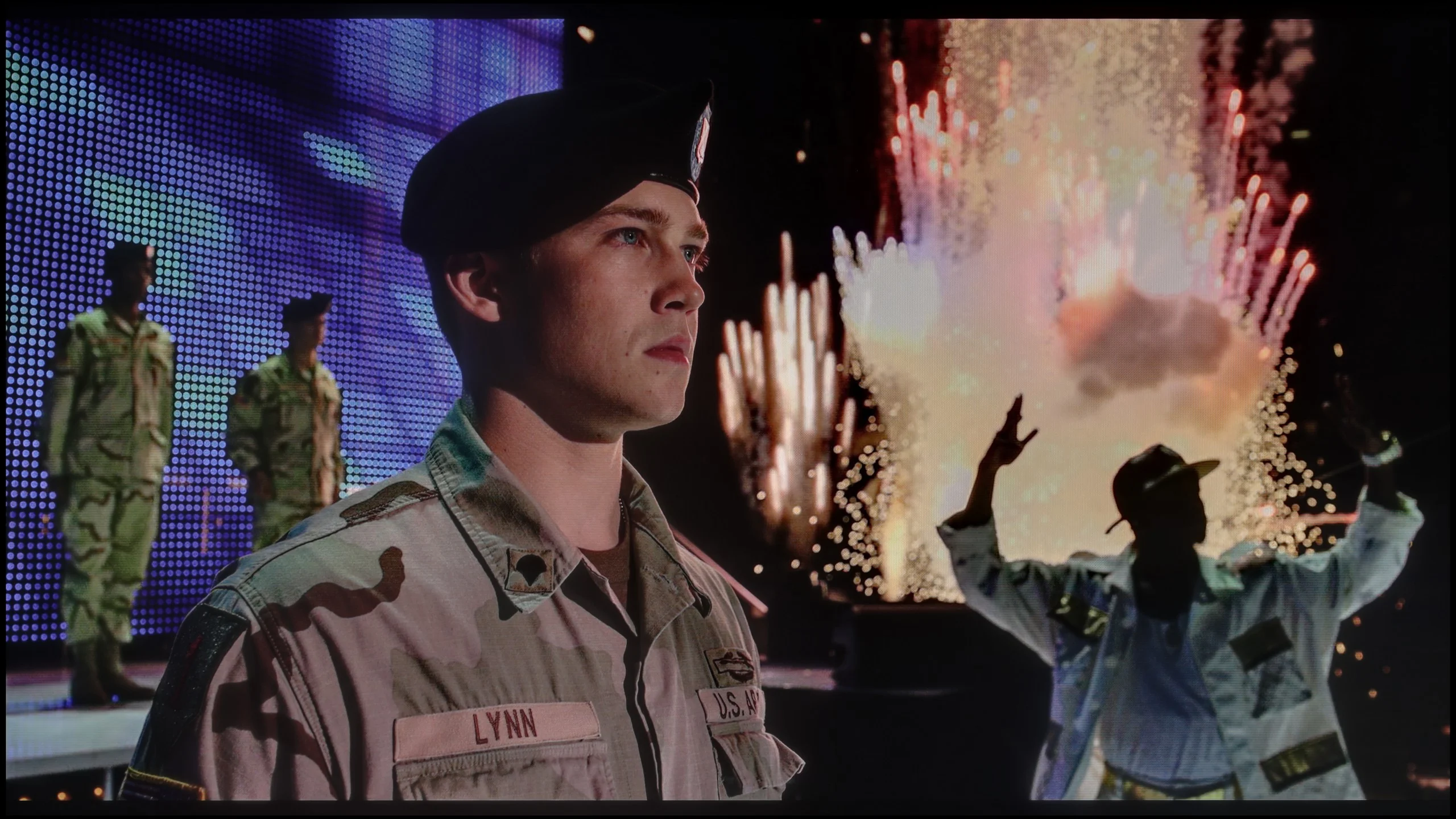
The photos show two HDR10 movies. 'Pan' is one of the brightest productions ever made, while 'Billy Lynn' (soldier) has brightness typical of streaming (Netflix, Prime, HBO MAX). Notice the intensity of effects and detail in whites.
Static HDR10


The photos present the visibility of white details in various HDR formats. They do not show brightness differences between TVs (these can be compared in the previous gallery).
Dynamic: HDR10+
Dynamic: Dolby Vision


The photos present the visibility of white details in various HDR formats. They do not show brightness differences between TVs (these can be compared in the previous gallery).
HDR luminance chart:
LG MRGB85B
Samsung Neo QLED QN90D / QN92D
During synthetic tests, Samsung QN92D displayed its incredible capabilities in terms of brightness. The graphs clearly indicate that the television can achieve an impressive 2000 nits, giving it a solid power base to compete with the best models on the market. Such a result places it at the forefront, especially in the context of displaying HDR content, where brightness plays a crucial role. However, what happens when we transfer the tests to real film scenes? Under favourable conditions, such as the first scene from the film Life of Pi or the last scene where the image is entirely flooded with light, Samsung QN92D can achieve nearly laboratory results, impressing with its brightness. The situation looks different, however, when small, bright objects appear on a dark background, as in the fourth scene from the film Sicario. In such cases, the television does not perform as well – brightness drops several times, and the maximum values under the best conditions are around 600 NITS. Similar to the case with contrast, these limitations arise from the use of an aggressive local dimming algorithm. This algorithm aims to reduce the 'halo' effect around bright objects on a dark background, but often at the expense of overall brightness. As a result, while the television excels in brightly lit scenes, its ability to display full brightness is limited when it comes to small, vivid elements.
LG MRGB85 offers moderate brightness. On test patterns it reaches about 700 nits, which by itself is a decent result. In actual movie scenes the values are lower and most often fall between 400 and 600 nits. Bright, expansive shots perform best. In scenes with a lot of black the TV noticeably limits luminance, trying to maintain the highest possible contrast. The HDR effect is therefore visible, but it is far from the level offered by more advanced Mini-LED designs. Especially in darker parts of films the limitations of edge-lit backlighting and imprecise local dimming become noticeable again.
HDR Colors
A much stronger suit of the MRGB85 is its colors. The TV covers about 95% of the DCI-P3 color space and 74% of BT.2020, allowing HDR material to look vivid and striking. Colors are well saturated, and the difference compared with basic LCD TVs is clearly visible. It is worth noting, however, that this is not a classic RGB backlight, where each of the three primary colors is generated by a separate diode. Red is produced by a PFS phosphor, which expands the palette and yields more saturated red shades. This solution works well for color reproduction, but it does not change the limitations of dimming itself. The LEDs are not driven independently in the way the series name might suggest... so it turns out that Mini RGB is not the same as Mini-LED RGB!
Factory color reproduction
6.1/10
5.6/10
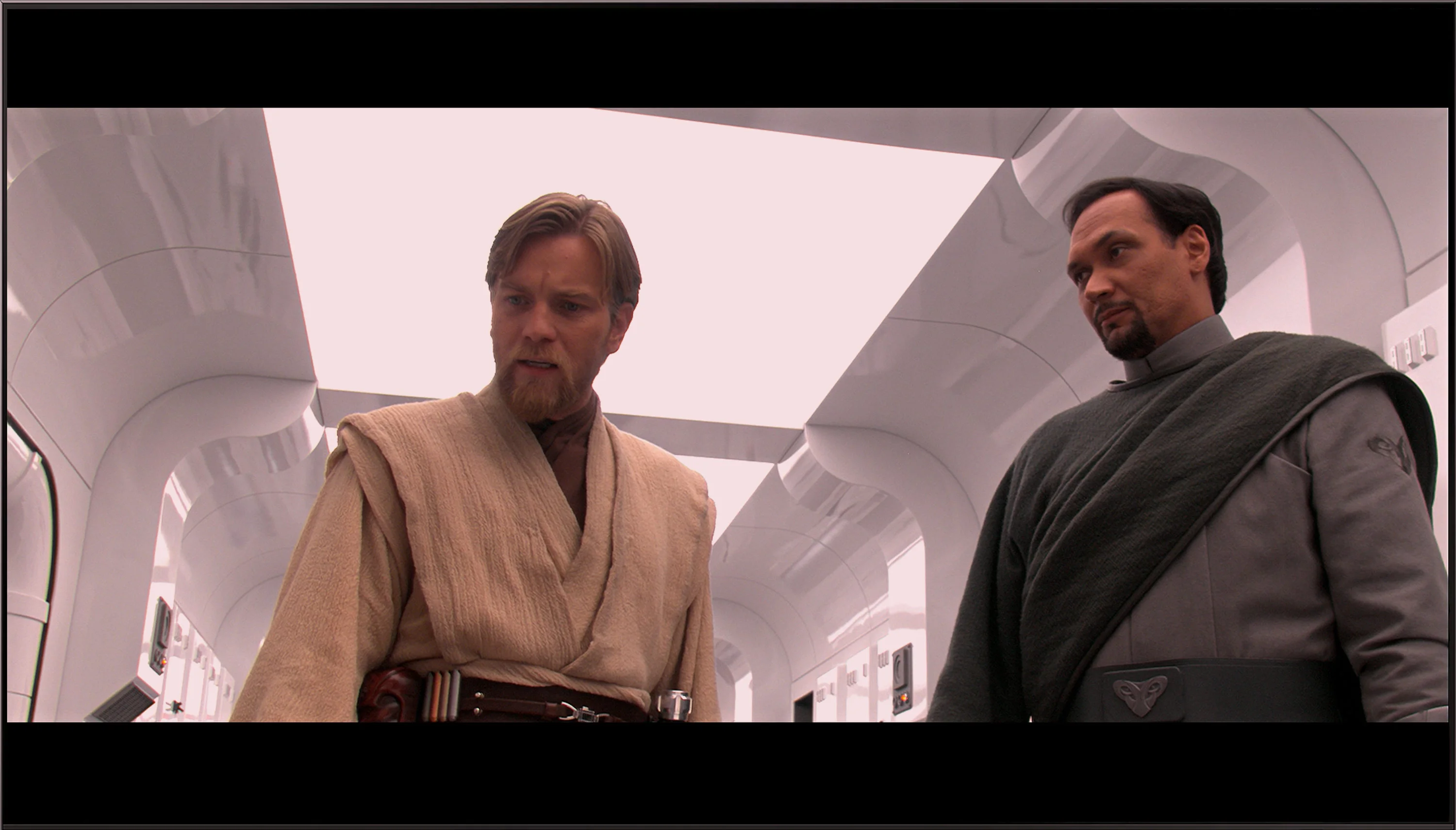
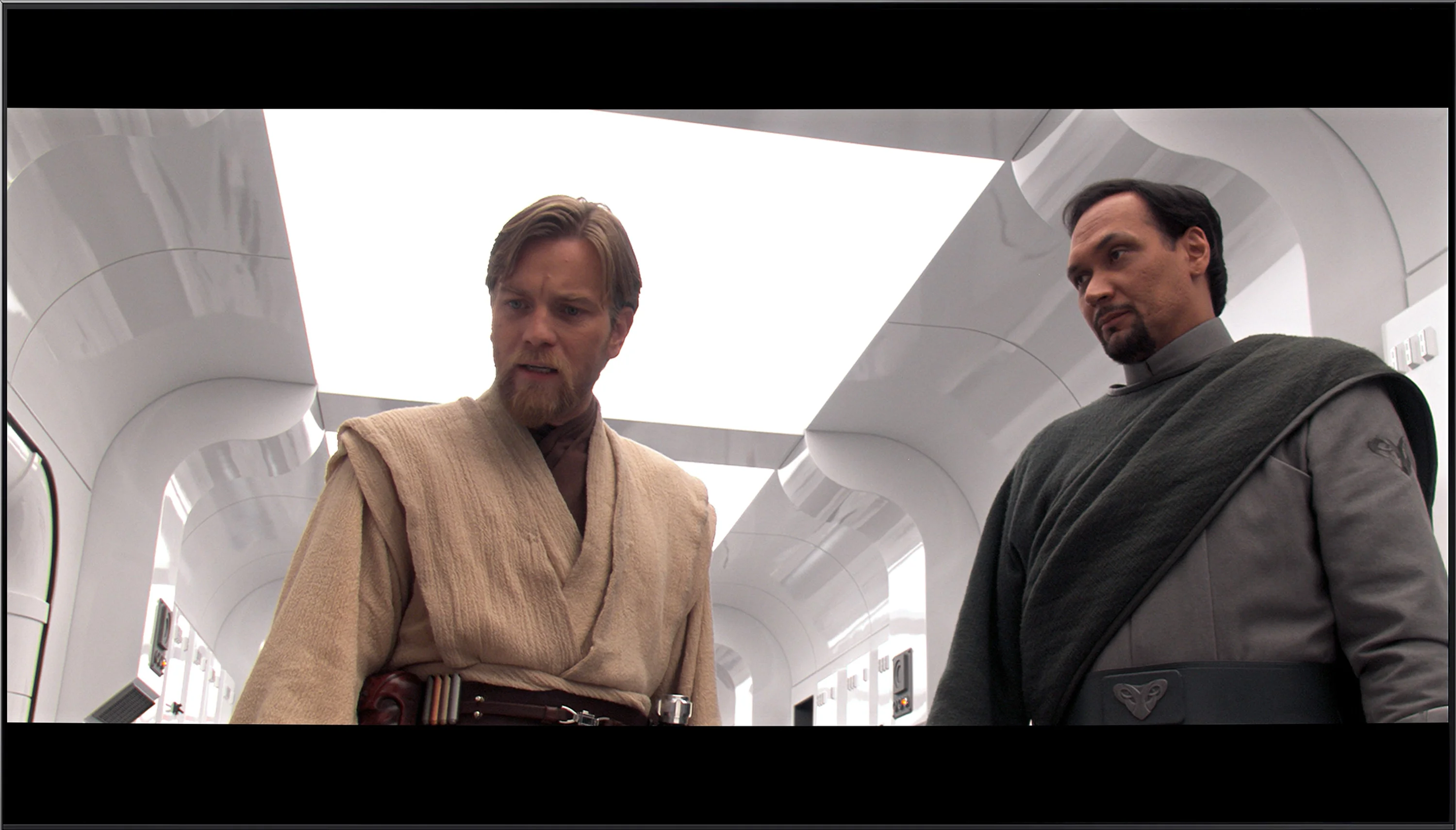
This gallery shows how colors change after professional TV calibration. If you notice the difference, we recommend ordering this service at SkalibrujTV.com.
Factory Mode
After calibration


This gallery shows how colors change after professional TV calibration. If you notice the difference, we recommend ordering this service at SkalibrujTV.com.
Factory Mode
After calibration
The best mode that consistently reproduces colours on the Samsung QN92D is, as it has been for years, the Filmmaker mode. Although it generally offers decent colour quality, it is not without significant issues. Let’s start with the analysis of images in HD/SDR quality. The biggest challenge here is white balance – the graphs show considerable instability, with a pronounced red dominance, making the image too warm. This distortion causes shades to be unnaturally shifted towards warmer tones, which can negatively affect the perception of materials with natural colours. The contrast, based on the gamma graph, although not the worst, remains far from ideal, impacting the overall image quality, especially in darker scenes.
This problem persists with 4K materials, such as series or movies of higher quality. In this case, the white balance also proves faulty, with noticeable deficiencies in blue and red colour, leading to tonal shifts. Tests using the Colour Checker tool confirm these issues – all colours tend to shift towards yellow tones, further distorting the natural appearance of the image. Although the Filmmaker mode is one of the best available modes for watching cinematic content, it still requires improvements, especially concerning colour accuracy and white balance.
We tested the TV in Filmmaker Mode, because among the available settings it offered the image closest to the reference. However, the out-of-the-box colour reproduction was not perfect. The largest deviations concerned the white balance, with the image showing too much red and not enough blue, which caused the whole picture to shift noticeably towards warmer tones. Whites took on a slightly yellowish tint, and skin tones and bright parts of the image did not always look natural. It was not a fault that completely ruined the viewing experience, but in direct comparison with the same screen after calibration the difference was readily apparent.
Color reproduction after calibration
8.7/10
7/10
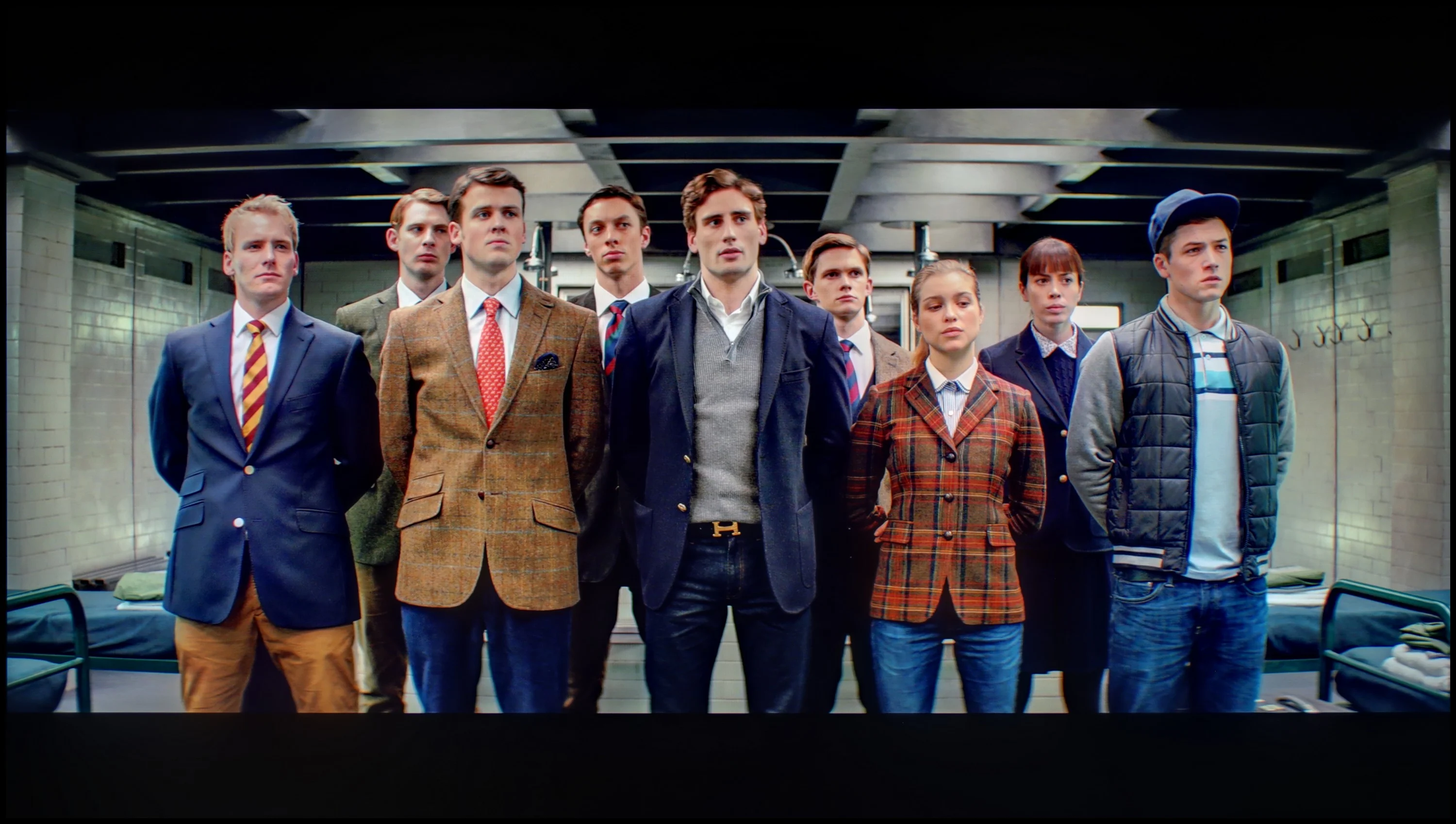
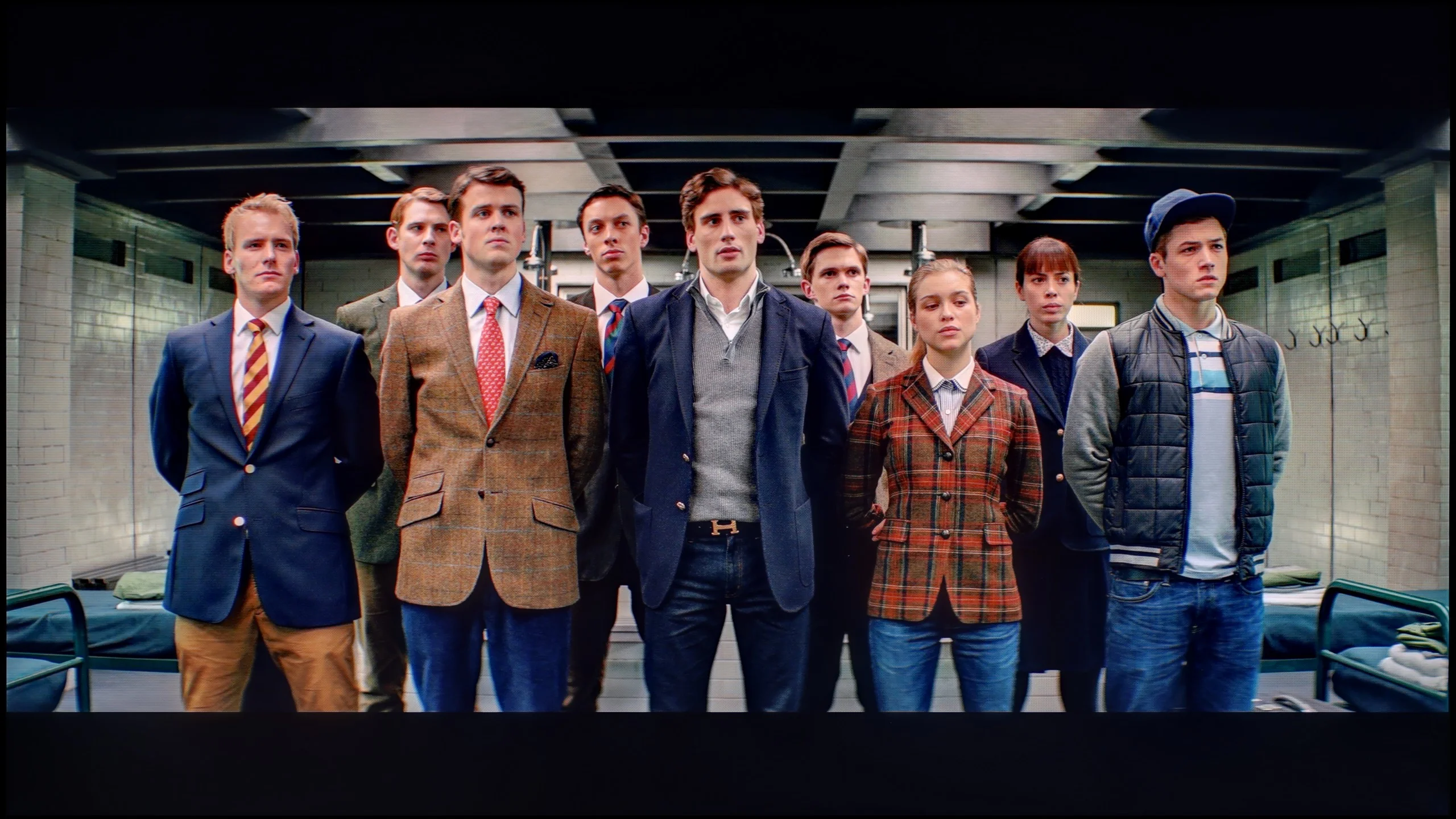
The photos show how movies look on the TV. Pay attention to black detail visibility, colors, and shadow tint.

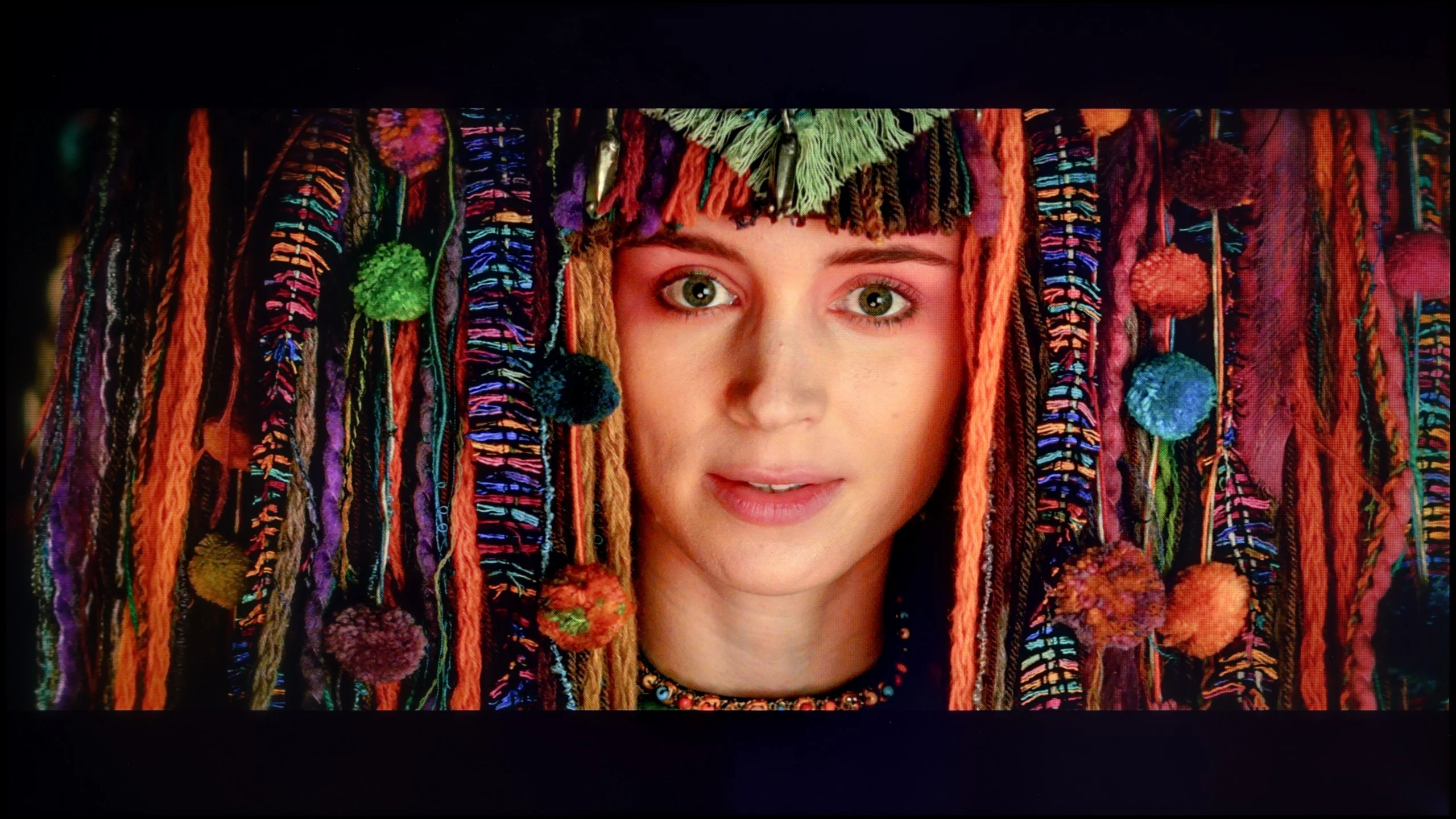
The photos show how movies look on the TV. Pay attention to black detail visibility, colors, and shadow tint.
After calibration, the Filmmaker mode on the Samsung QN92D television shows significant improvement, particularly in terms of SDR content. The white balance has been greatly enhanced – the previous colour misalignment and dominance of red have been eliminated, resulting in a more natural colour reproduction. In terms of brightness, although the gamma chart did not require significant adjustments, it has been stabilised, which affects overall picture quality.
Regarding high-quality materials, the white balance has also improved in this case. However, it is important to note the contrast. The EOTF curve, which illustrates values in this area, initially seems correct. However, when we look at the details, the television struggles to maintain appropriate contrast in film materials. The EOTF curve reveals certain discrepancies, suggesting that despite advancements, there are still areas needing improvement in this aspect. The television still strives for excellence in contrast reproduction. One advantage of this television is colour saturation. Skin tones are rendered very well, and although some colours can be slightly oversaturated, the final effect looks truly appealing – the colours appear rich and vibrant.
Despite some shortcomings in contrast, after calibration, the Filmmaker mode on the Samsung QN92D offers excellent picture quality, with natural colour reproduction, making it a great choice for watching films.
Calibration primarily allowed us to correct the white balance and remove the previously noticeable warm tint. After adjustment the whites stopped leaning towards a yellow cast and the colours became more neutral and natural. The biggest improvement was seen in SDR material, where the picture looked even and much closer to reference. A similar effect was achieved in HDR. After calibration the image became more organised, although not all of the TV's limitations could be eliminated. The greatest reservations still concerned intense reds, which were not always reproduced with sufficient precision. In practice the MRGB85 handles everyday SDR content very well, whereas in more demanding HDR material its limitations remain clearly visible.
Smoothness of tonal transitions
9/10
8.9/10
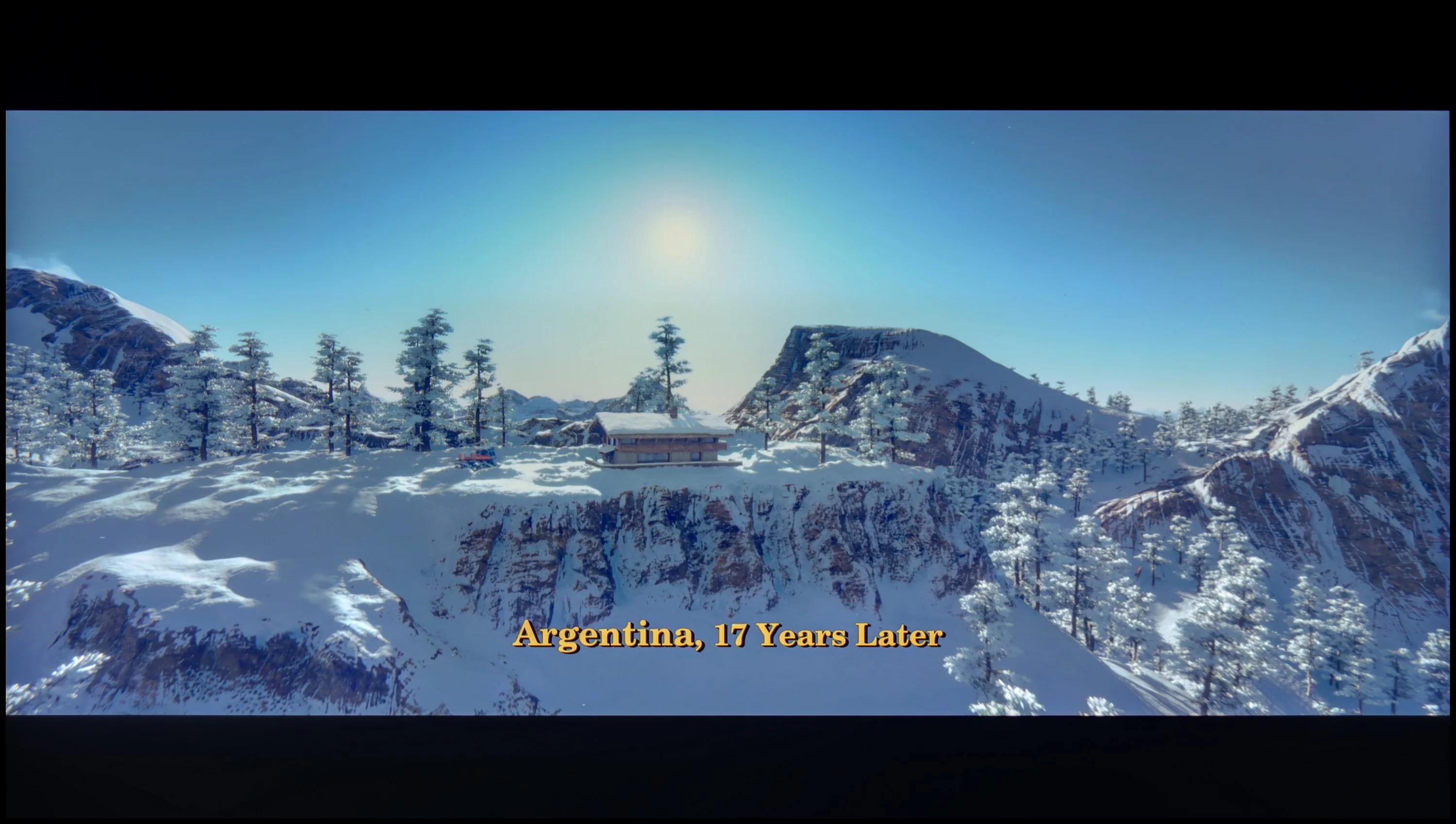

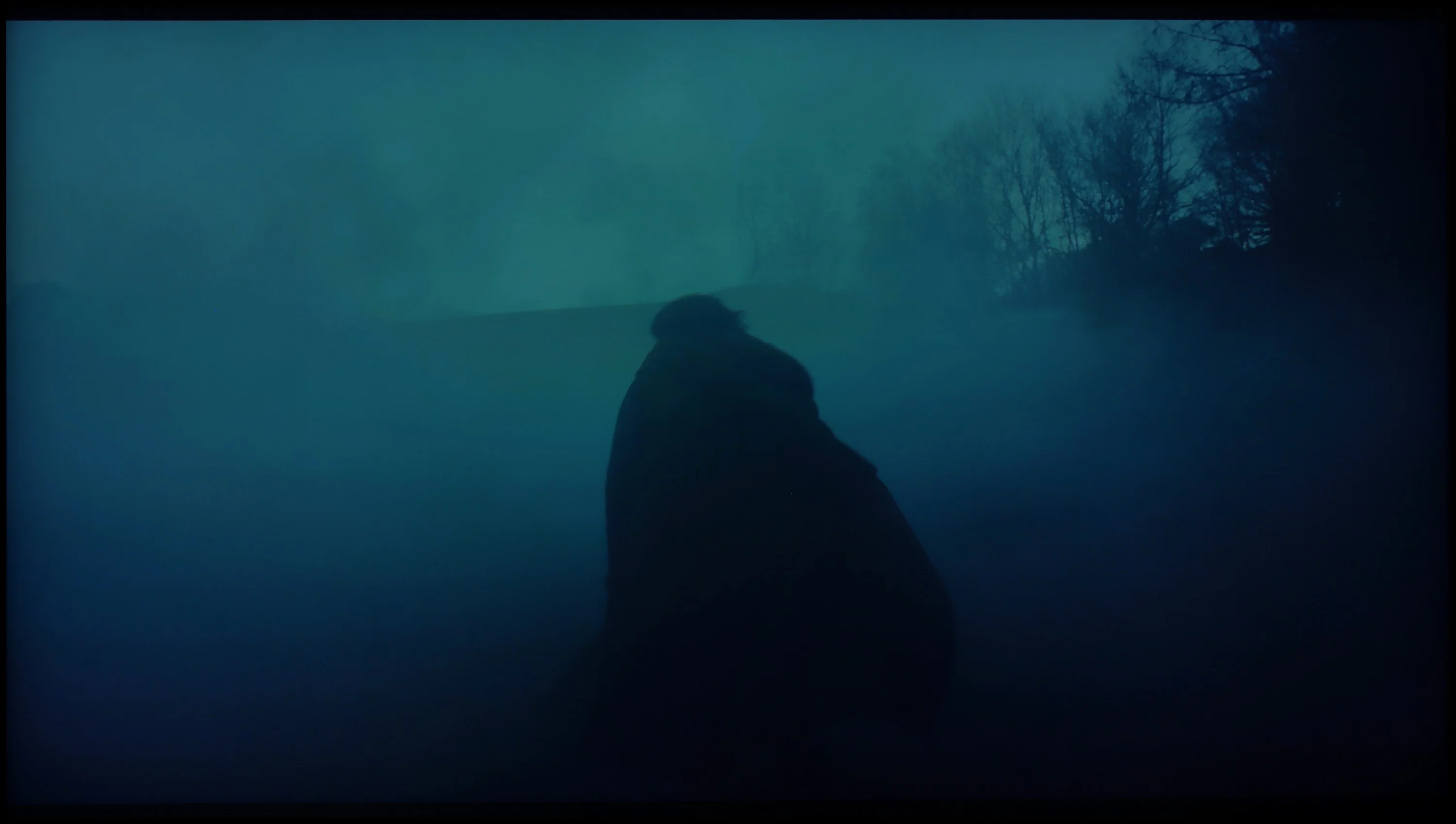
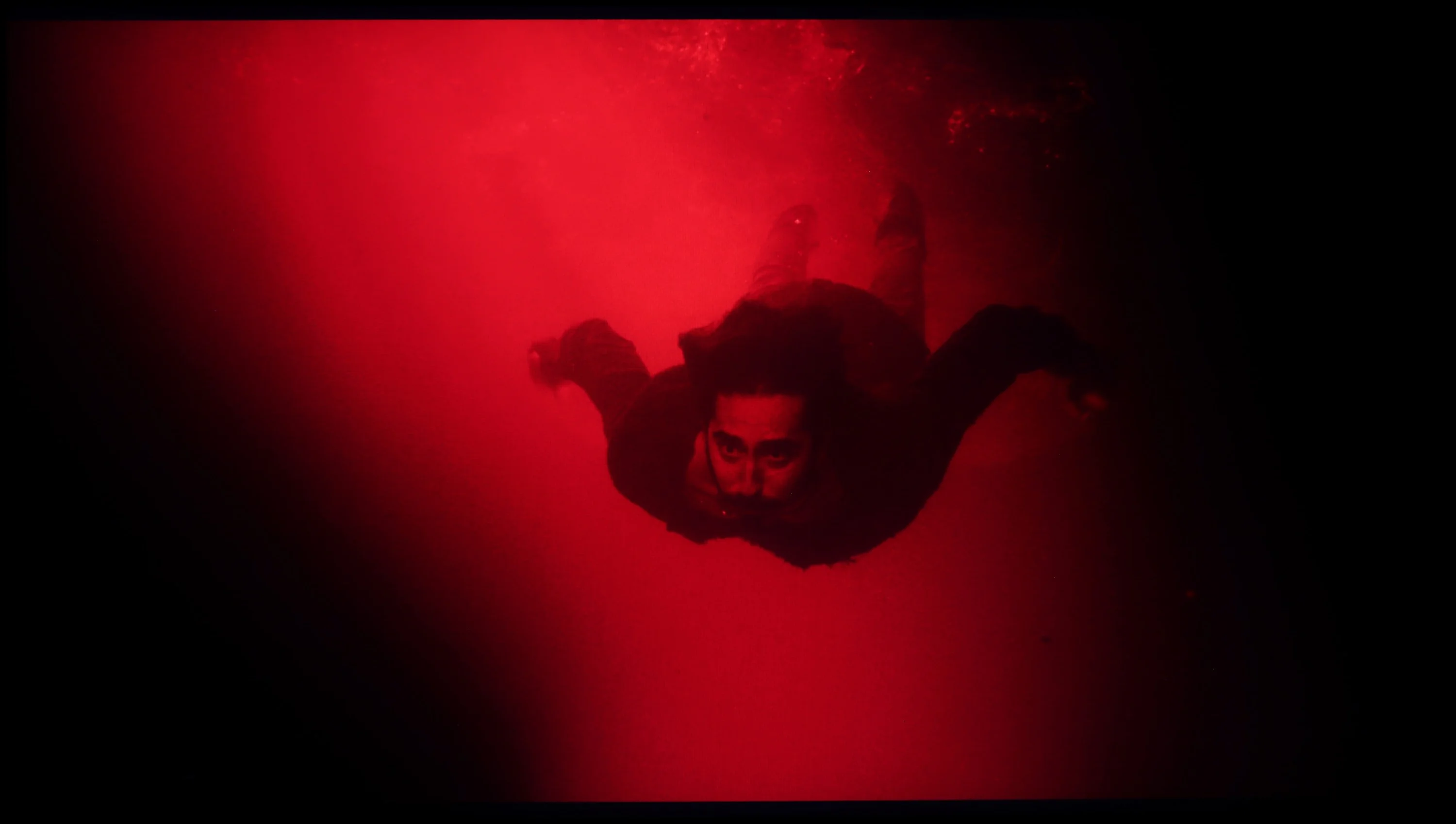
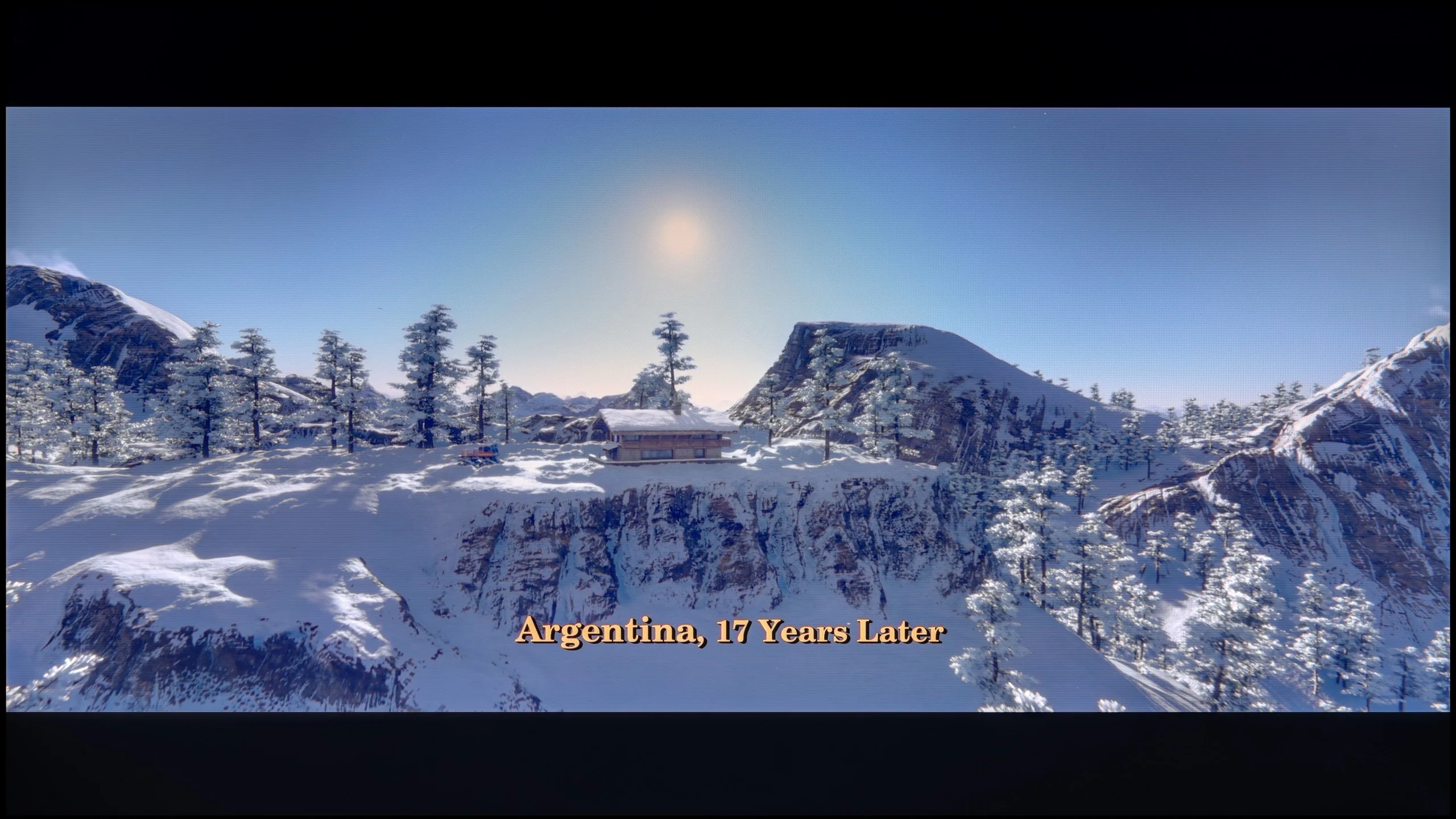
These are selected scenes that show smooth tonal transitions from one color to another. If you see distinct banding, it’s the TV panel’s fault.

These are selected scenes that show smooth tonal transitions from one color to another. If you see distinct banding, it’s the TV panel’s fault.
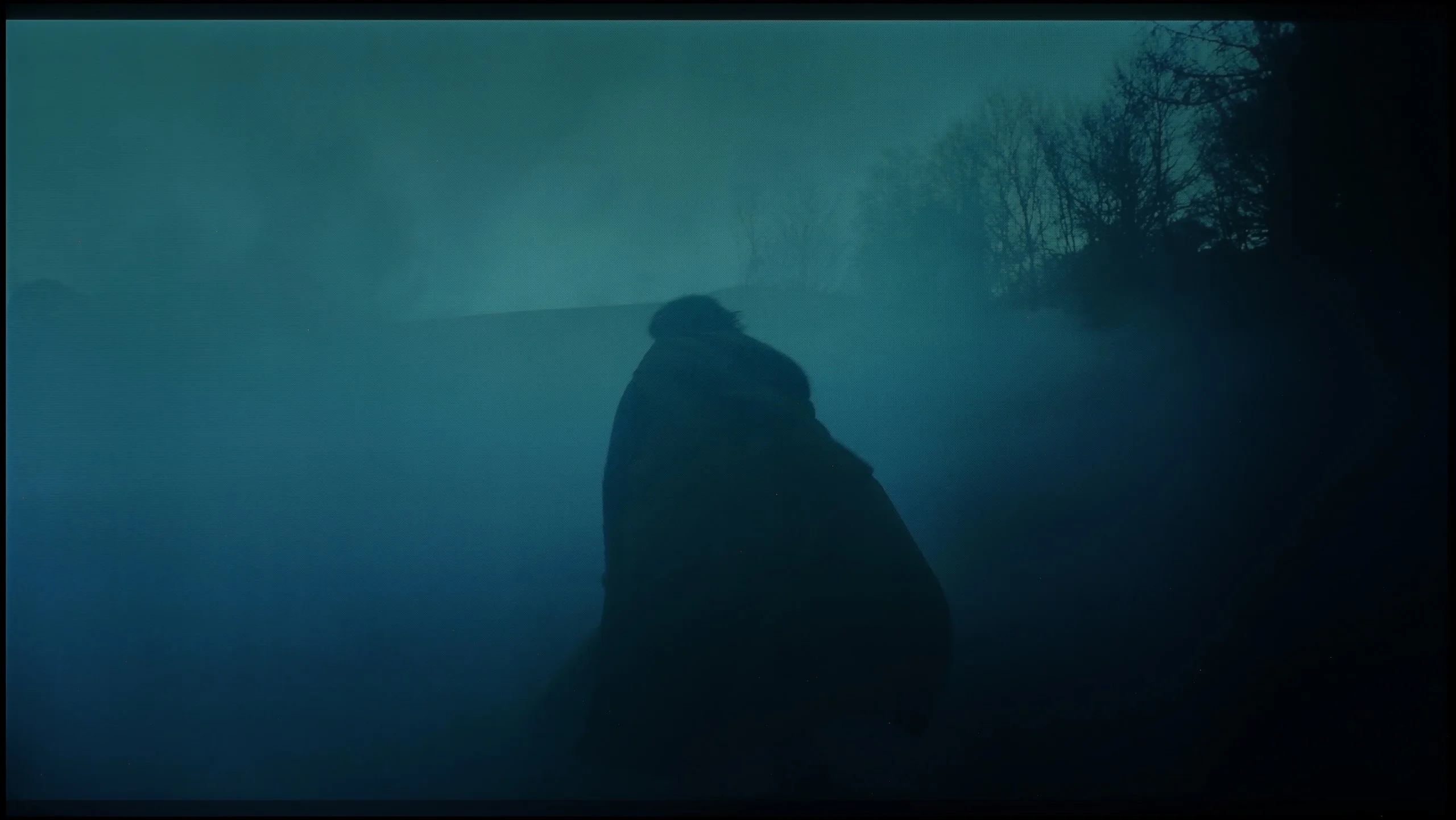
These are selected scenes that show smooth tonal transitions from one color to another. If you see distinct banding, it’s the TV panel’s fault.
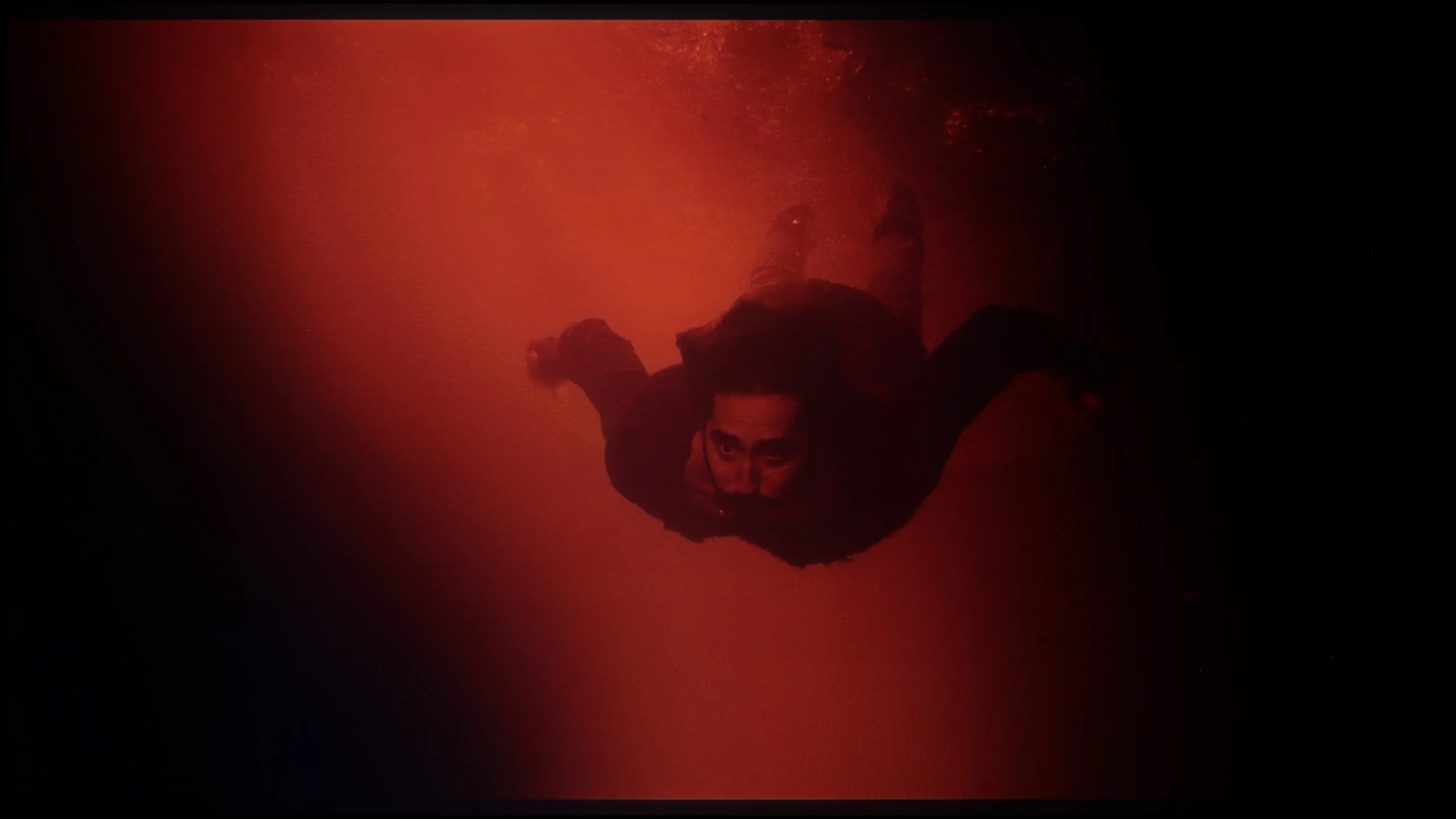
These are selected scenes that show smooth tonal transitions from one color to another. If you see distinct banding, it’s the TV panel’s fault.
The fluidity of tonal transitions in the TV Samsung QN92D is excellent, making the image appear remarkably natural, without noticeable disturbances. In scenes with complex colour gradations, the TV performs superbly, ensuring smooth and uniform transitions. Competing OLED TVs in a similar price range can successfully take a cue from this, as the Samsung QN92D offers quality that places it on par with models equipped with QD-OLED matrices.
LG MRGB85 handles tonal transitions quite well. In bright scenes posterization is least noticeable and the TV has no problem separating individual shades. Tonal transitions fare somewhat worse in dark scenes, where posterization, in the most demanding moments transitioning into dark shades of grey, can be more noticeable. However, this is rather typical for most TVs. It is worth adding that similar behaviour can be observed in Dolby Vision mode, where posterization on the MRGB85 is slightly worse than usual.
Image scaling and smoothness of tonal transitions
7.2/10
7.8/10

Smooth transition function
The match photo shows how the TV smooths weak tonal transitions in low-quality video.
Image scaling SD (576i)


The model photo shows how it handles upscaling of SD material.
Let’s check how the Samsung QN92D television performs with tonal transitions in very poor quality materials. The noise reduction feature demonstrates good effectiveness, improving the smoothness of tonal transitions even in challenging conditions. However, it should be noted that, as with other Samsung televisions, the effectiveness of this feature may lead to the removal of desirable elements, such as film grain, which can sometimes affect the authenticity of the image.
Regarding digital processing, the Samsung QN92D television also performs excellently. During testing, the image was presented very well, with the model shown in a natural and correct manner. Details such as branches in the background were reproduced with great precision, highlighting the television's ability to enhance the quality of low-resolution materials.
Upscaling and digital image processing perform quite well on the LG MRGB85. The Alpha 8 AI 4K Gen7 processor efficiently upscales lower-resolution content, and regardless of source you can also easily disable overscan. The TV also copes well with compression artefacts. The "Smooth Gradation" feature can effectively reduce visible banding and tonal unevenness, but it is not always precise. At higher settings it can also smooth out fine details, for example surface textures. On the plus side, it does not remove film grain. It's safest to use the "Low" or "Medium" setting, which gives the best compromise between artefact reduction and preserving detail.
Blur and motion smoothness
7.5/10
7.3/10
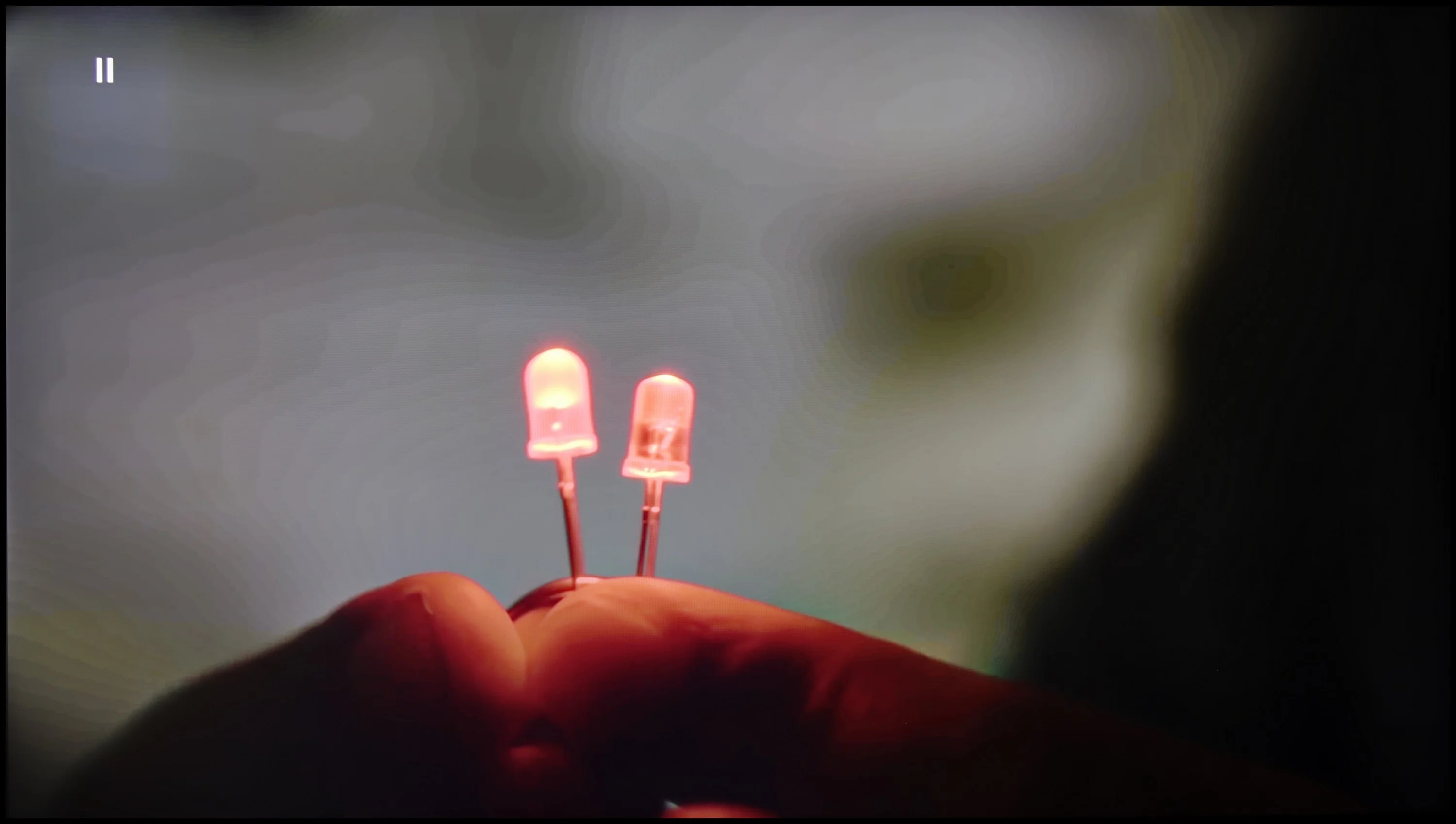
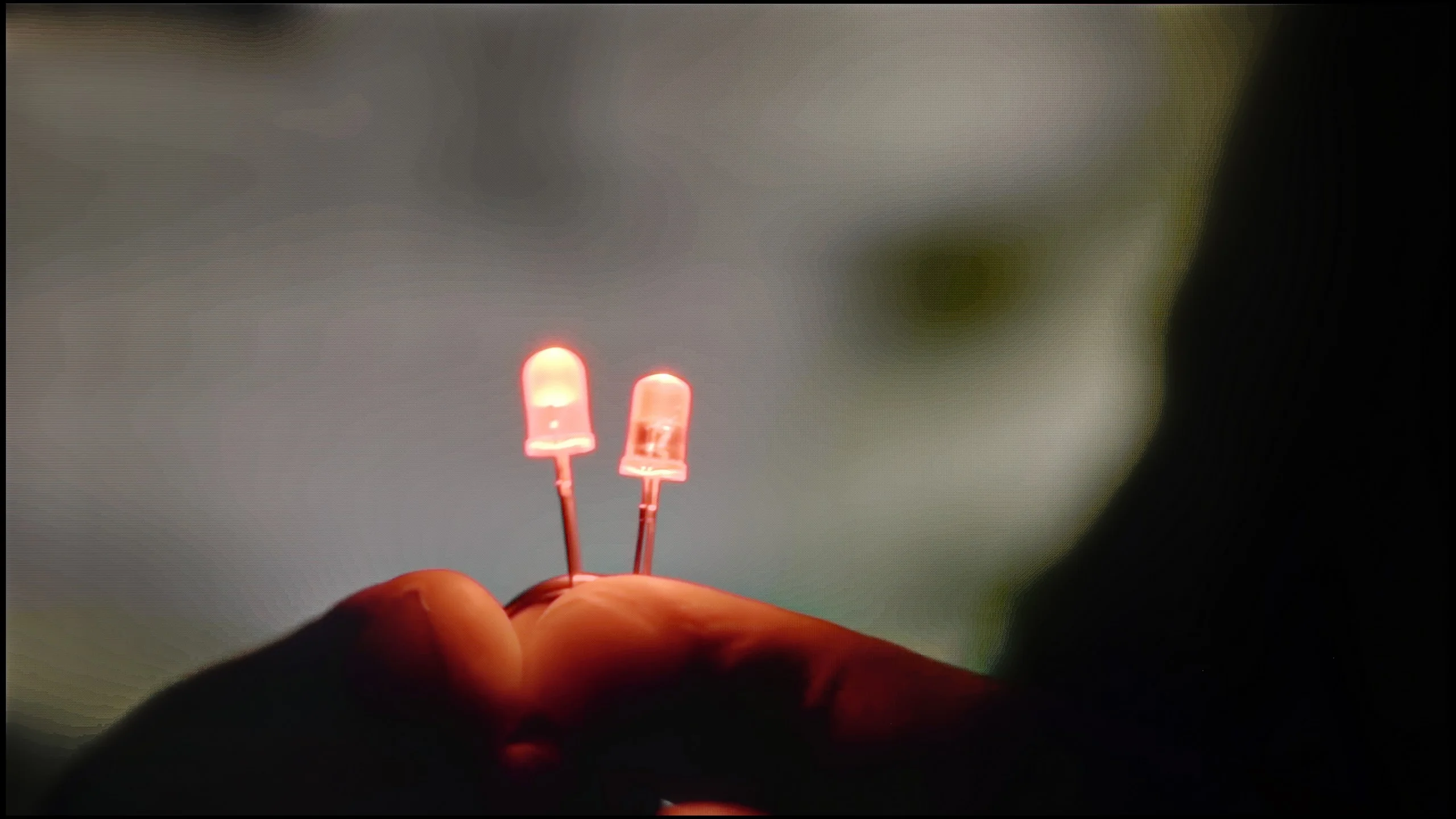
Blur (native resolution, maximum refresh rate):

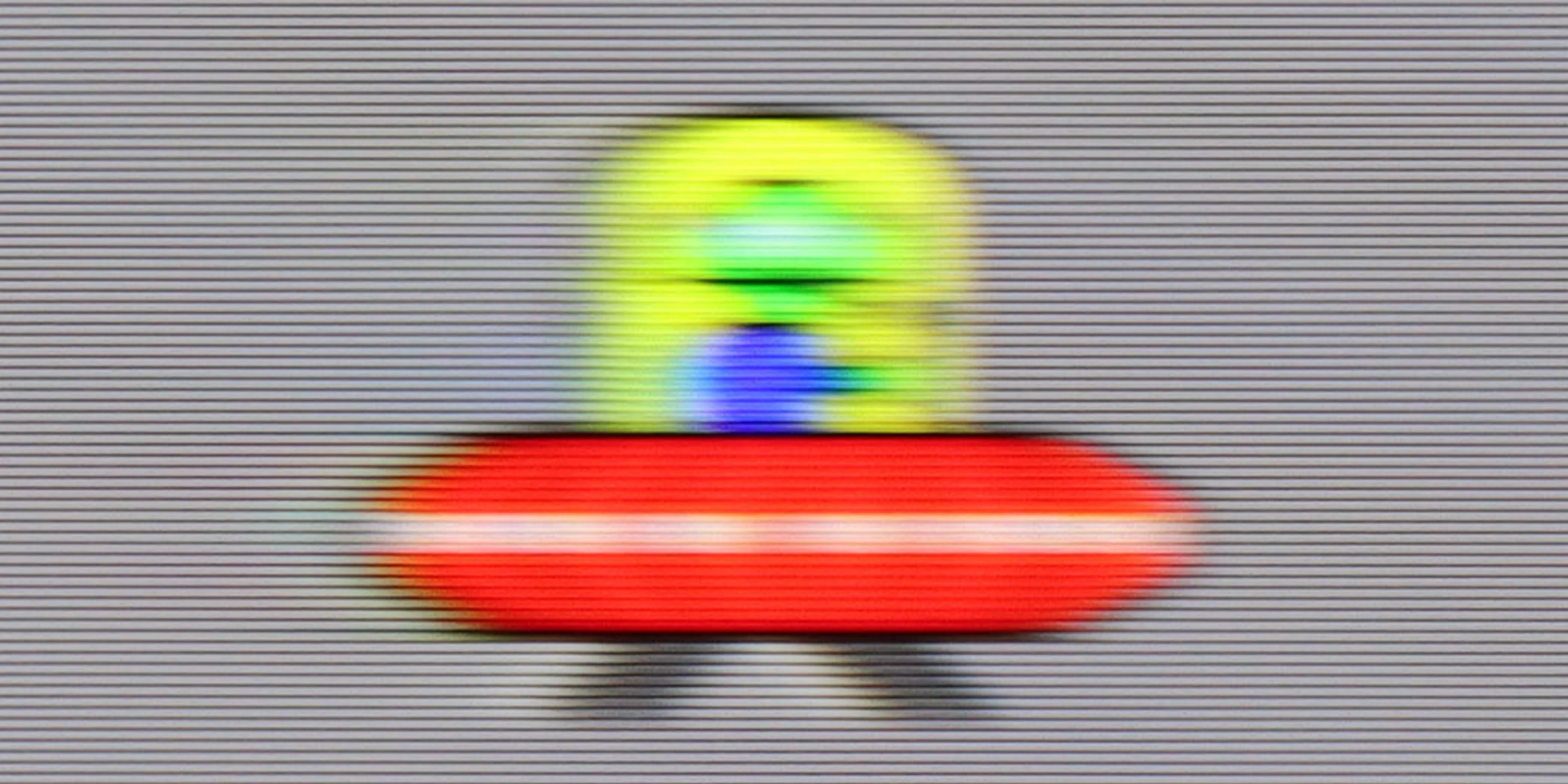
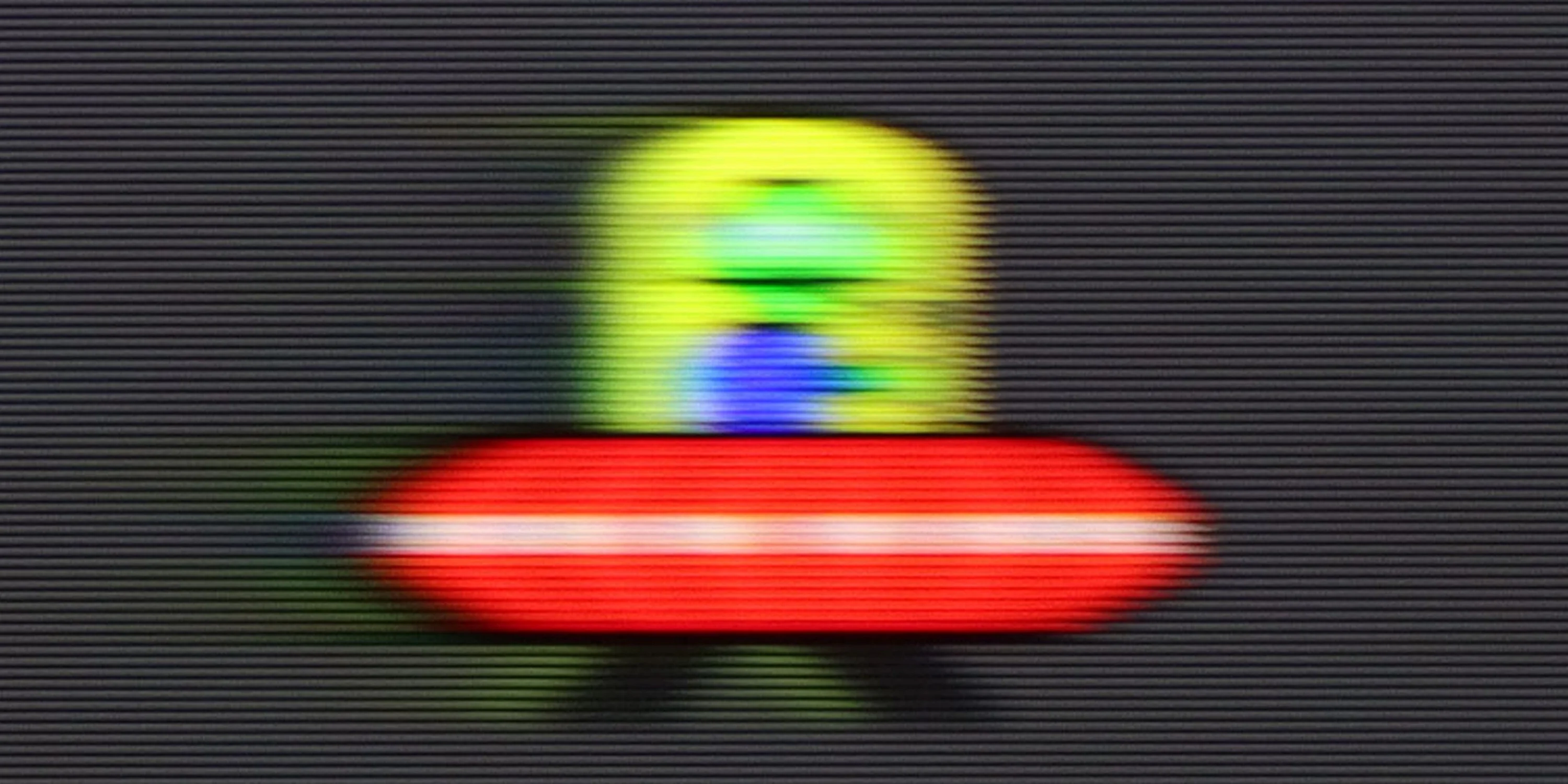

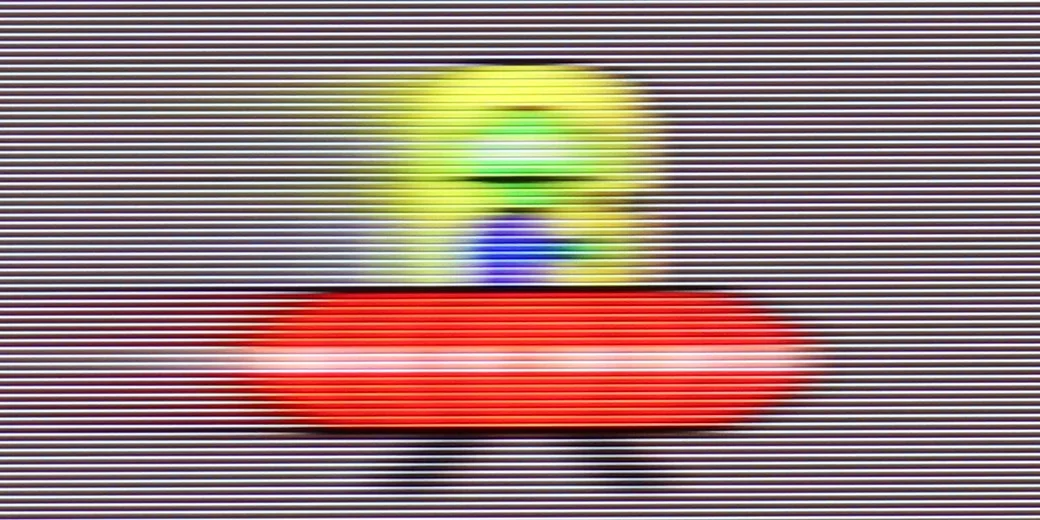
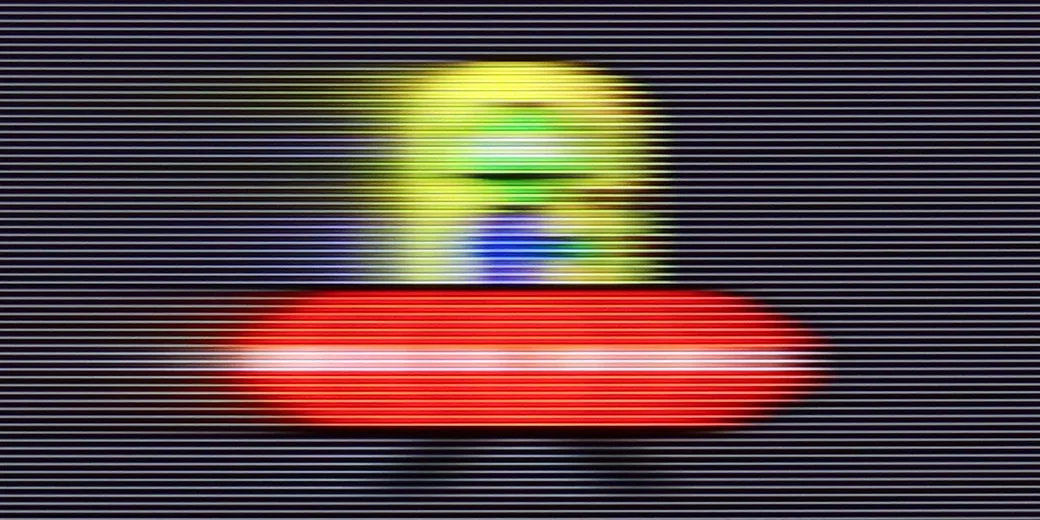
Blur (BFI function enabled):
Image flickers in this mode




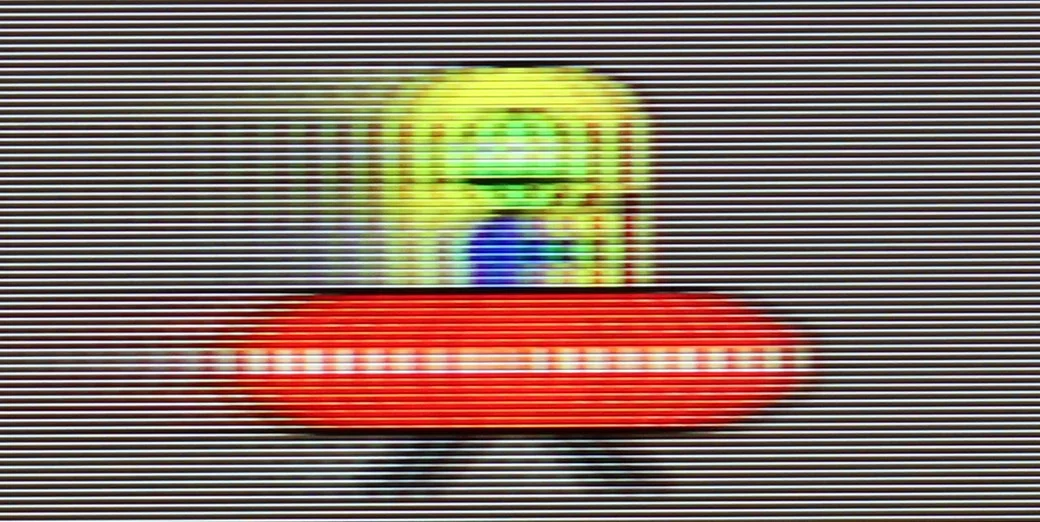
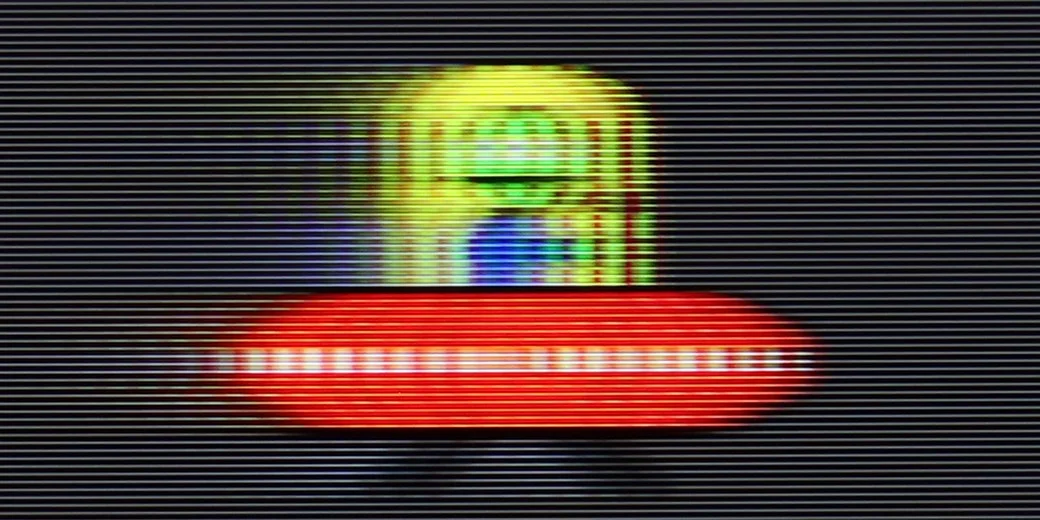
Blur ():
Blur (4K@144Hz):

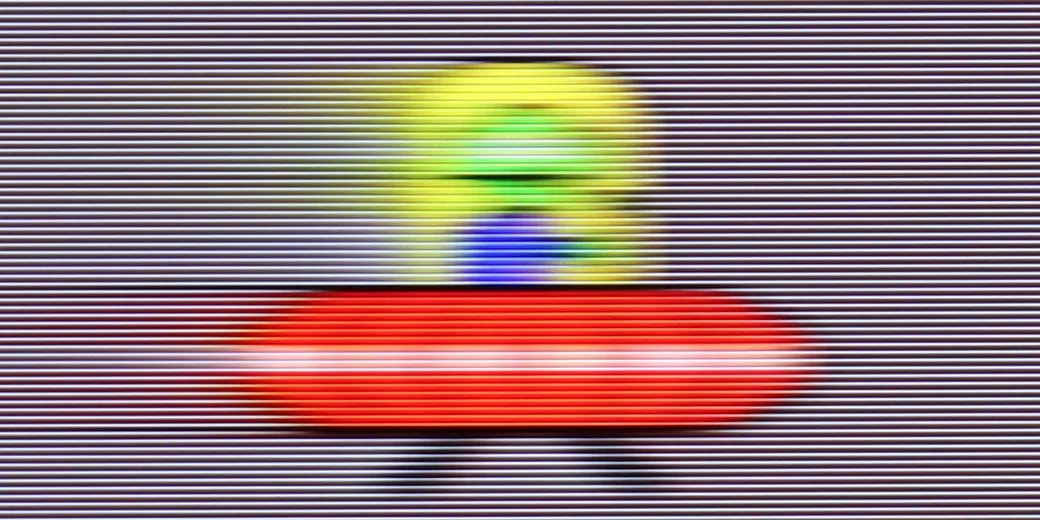
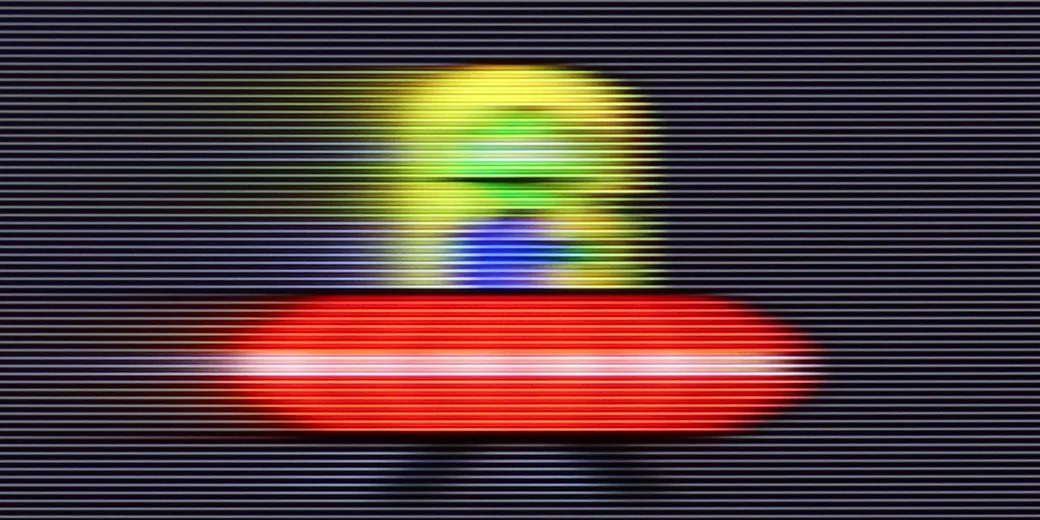
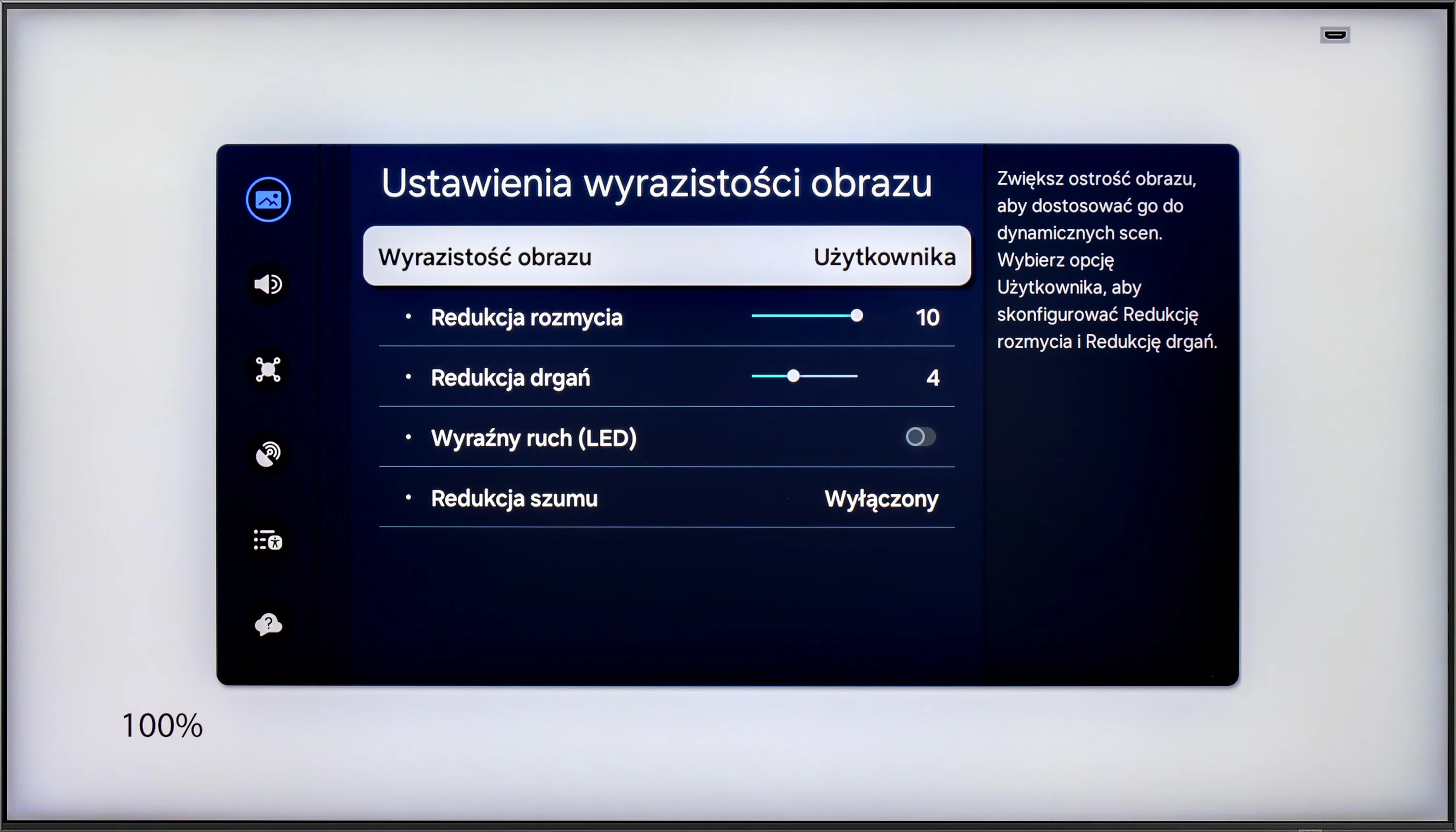
The Samsung QN92D television is equipped with a 144 Hz panel; however, when watching content using the smoothness feature, the maximum refresh rate is 120 Hz. This means that both gamers and those who watch a lot of sports will be satisfied with the picture quality. It is also worth mentioning the available image enhancement options, such as the "blur and judder reduction" feature, which allows users to adjust the smoothness to individual preferences on a 10-point scale. Blur reduction is responsible for increasing the sharpness of quickly moving objects, while judder reduction smooths motion, eliminating the "stutter" effect. Thanks to these advanced settings, optimal visual experiences can be achieved, making the Samsung QN92D ideal for both dynamic scenes and intense gaming sessions.
In terms of motion blur, the television performs really well, and it is hard to find anything to criticise. The only comment we might have is a slight overshoot effect noticeable on dark backgrounds during our test with "Ufoludkiem". Nevertheless, with the advanced smoothness settings, the Samsung QN92D is perfect for both dynamic scenes and intense gaming sessions.
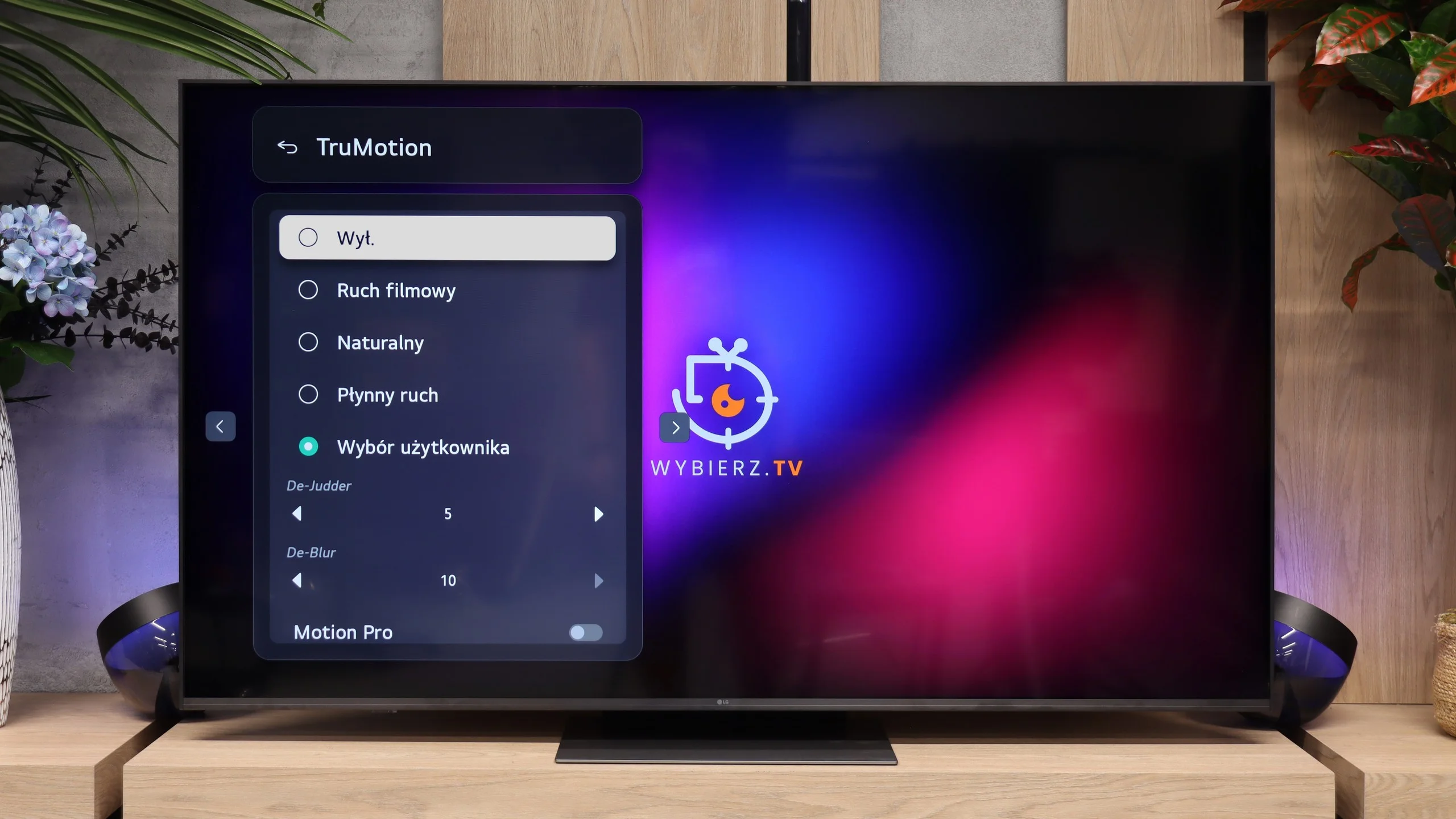
The LG MRGB85 is equipped with a VA panel with a native 144 Hz refresh rate, so it performs very well in terms of motion handling. The TV easily handles 120 Hz content from consoles and higher refresh rates when connected to a PC. That matters not only for gaming but also when watching sport, where camera movement is noticeably smoother than on basic models with 60 Hz panels. We also have TruMotion, which lets you set the level of motion smoothing yourself. You can keep a more cinematic feel to motion or increase smoothness, which works well for sports broadcasts and TV programmes. The adjustment range is wide, so you can easily tailor the smoothing to your own preferences.
Console compatibility and gaming features
9.5/10
9.8/10
- ALLM
- VRR
- VRR range48 - 144Hz48 - 144Hz
- Dolby Vision Game Mode

- Correct implementation of HGIG
- 1080p@120Hz
- 1440p@120Hz
- 4K@120Hz
- Game bar
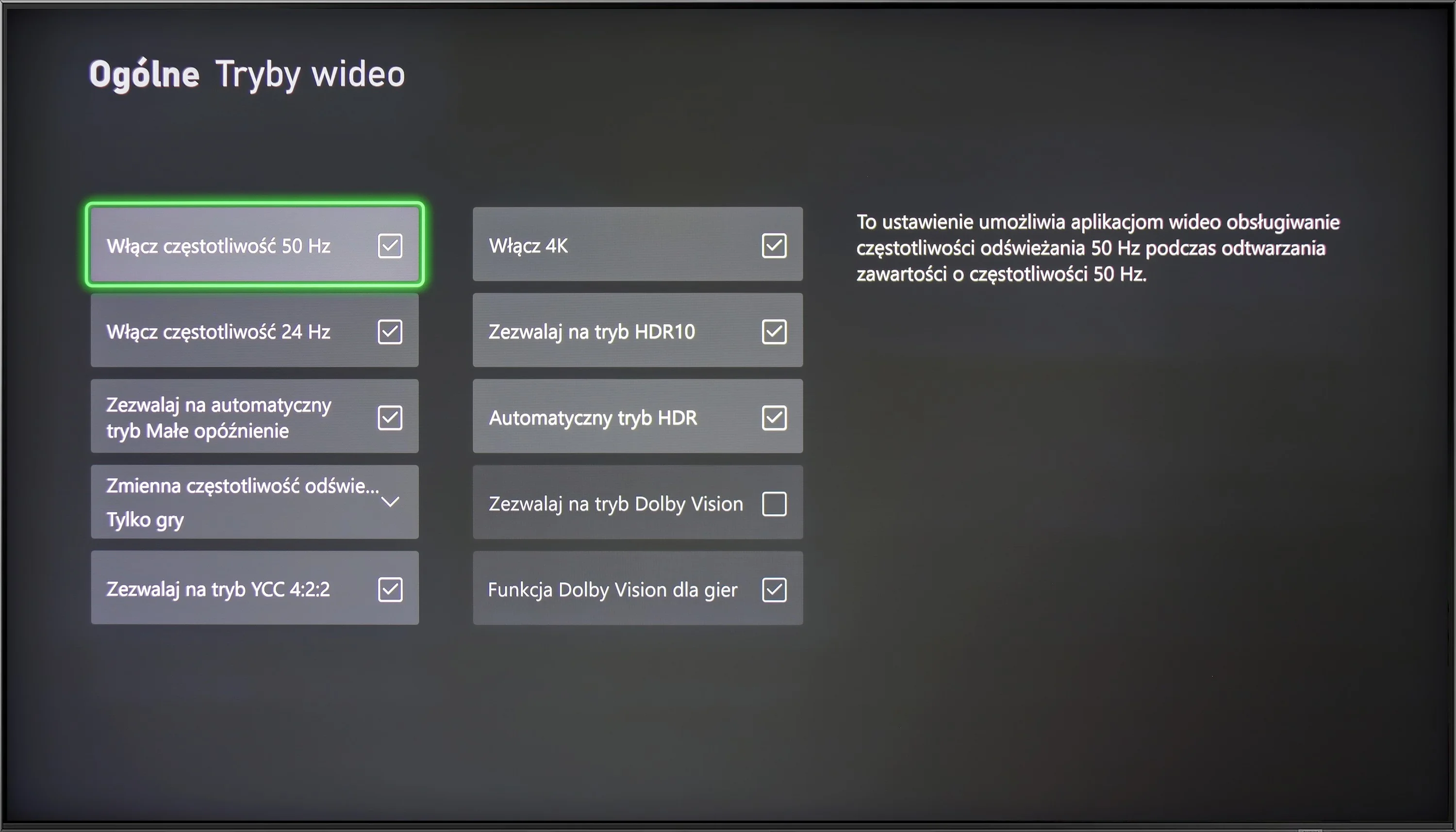
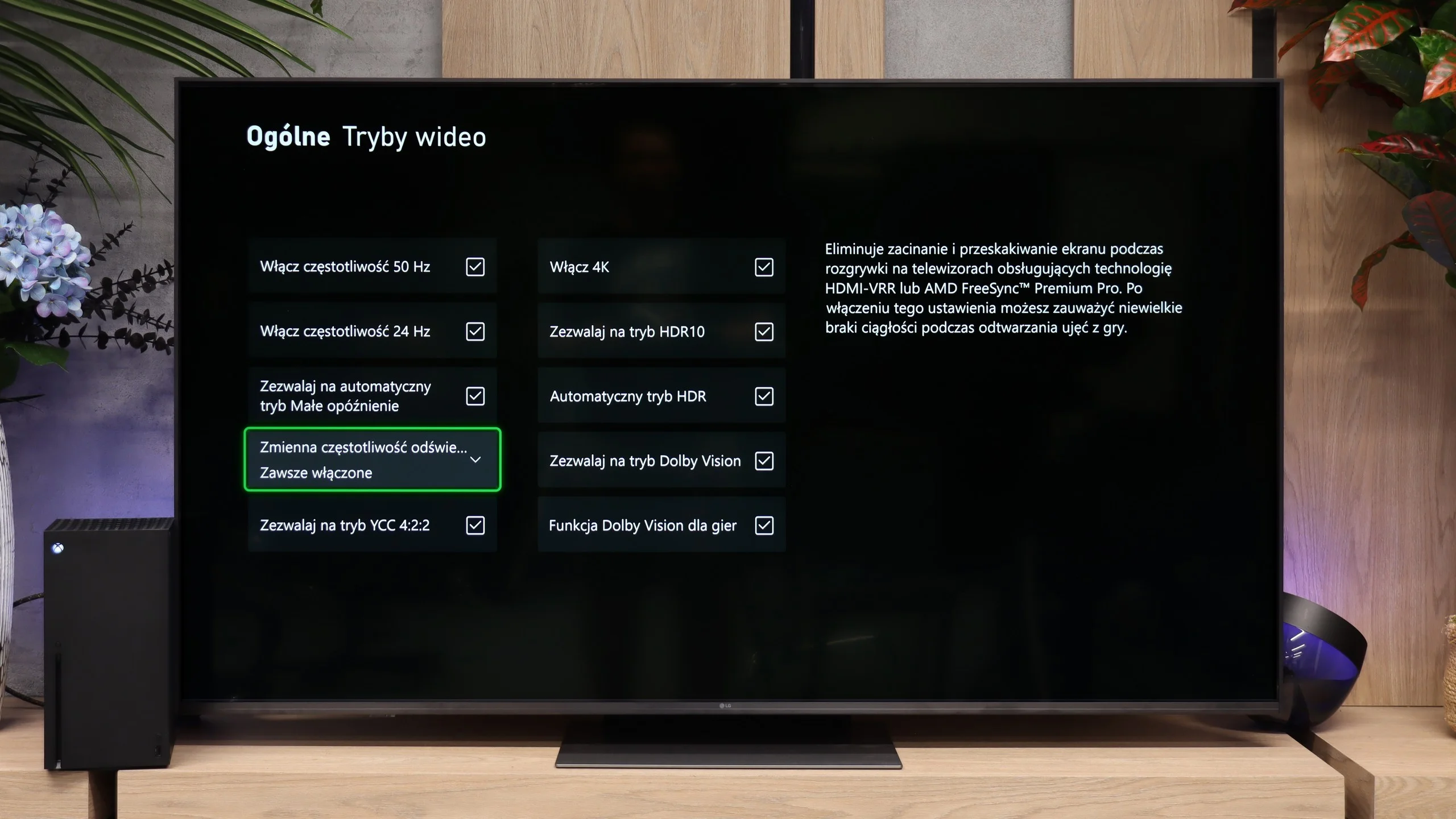
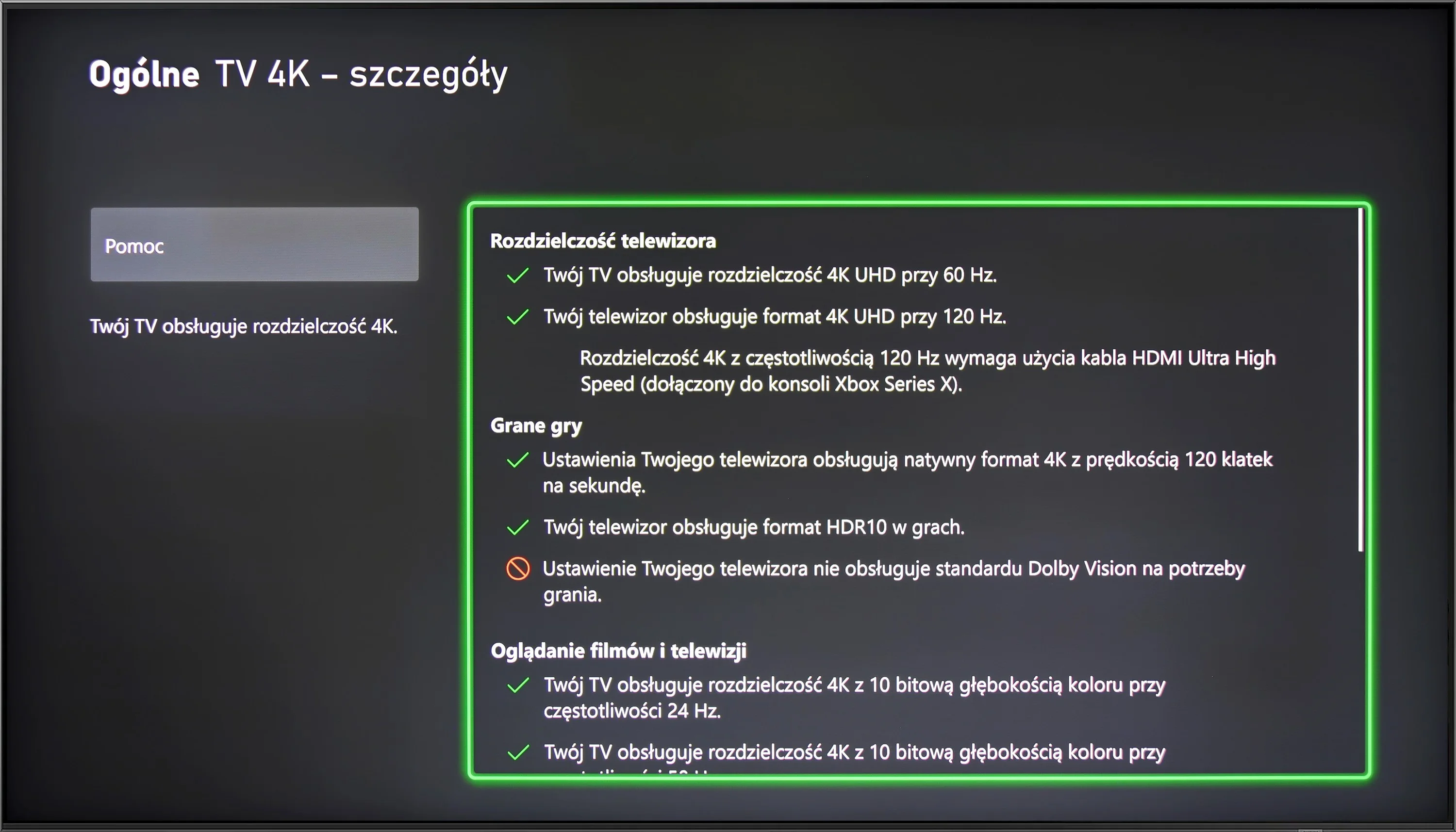
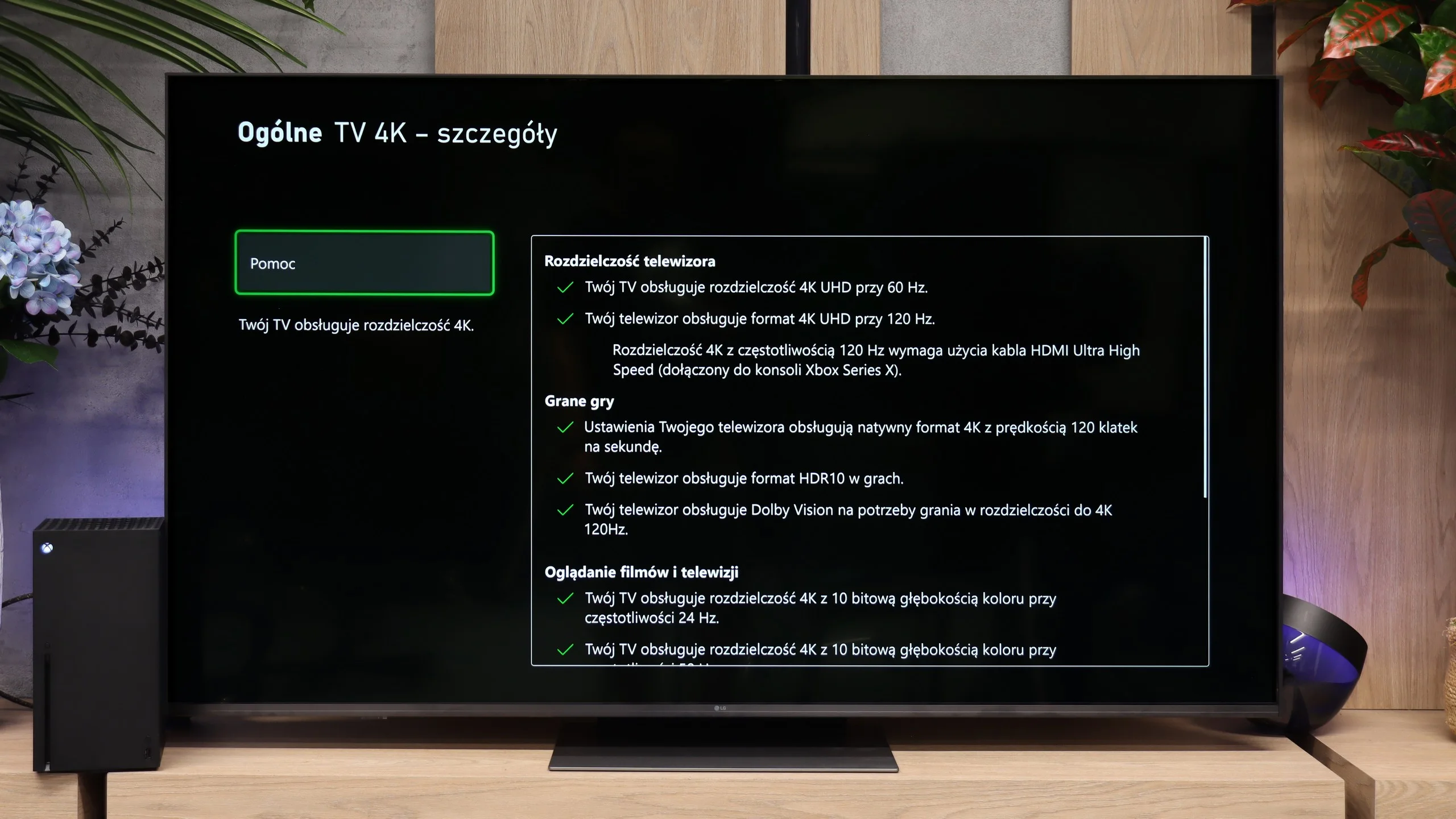
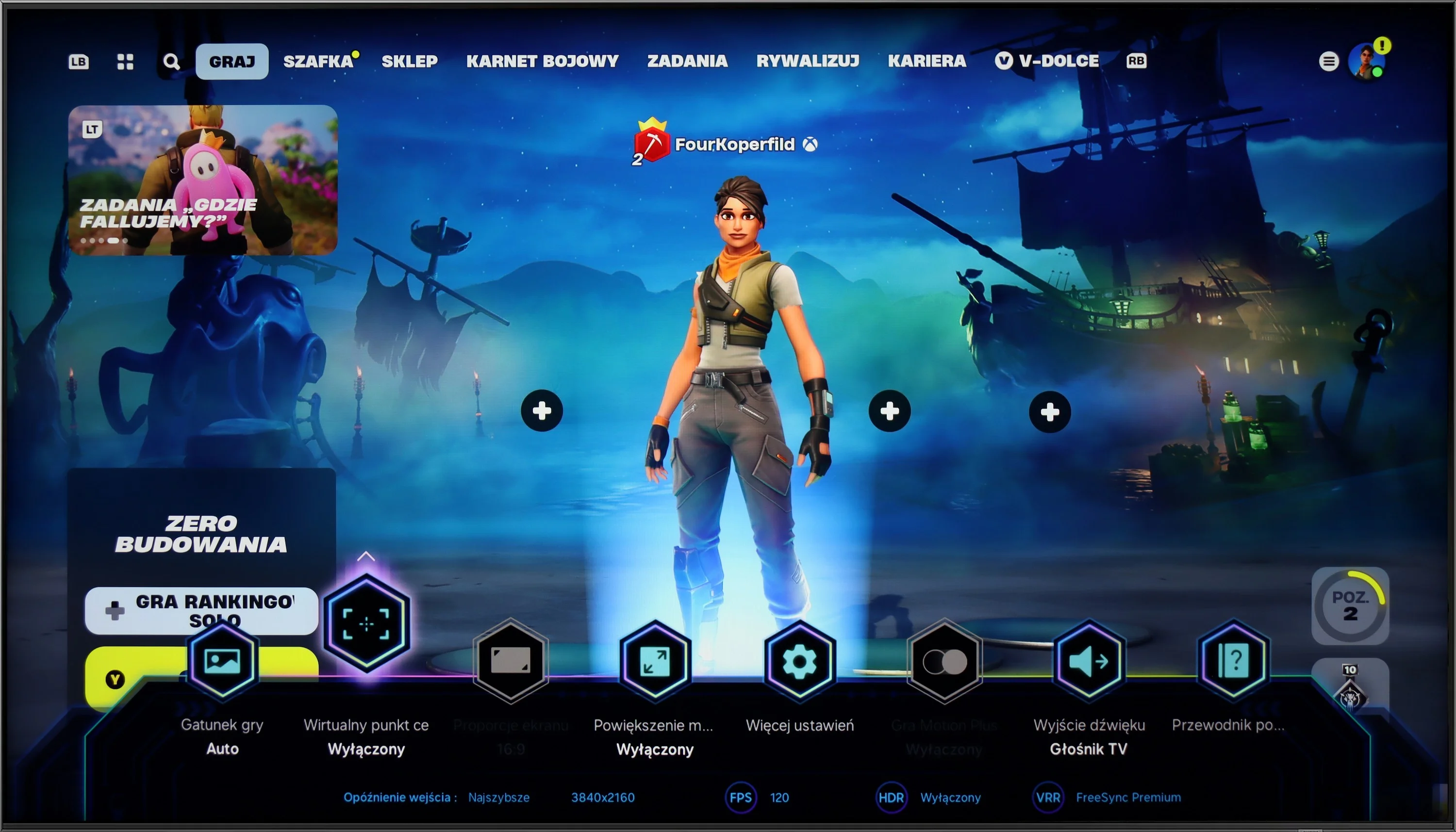
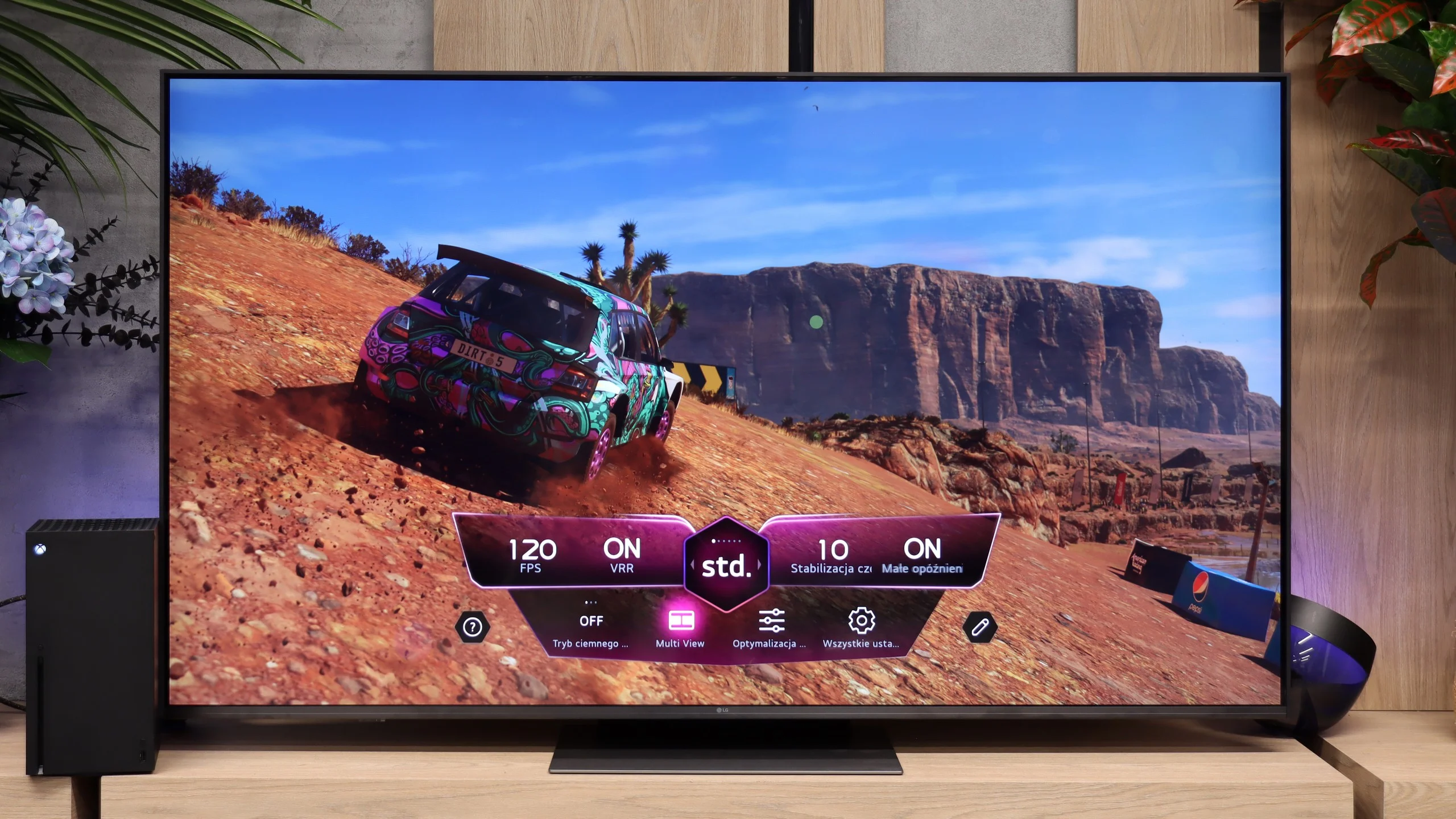
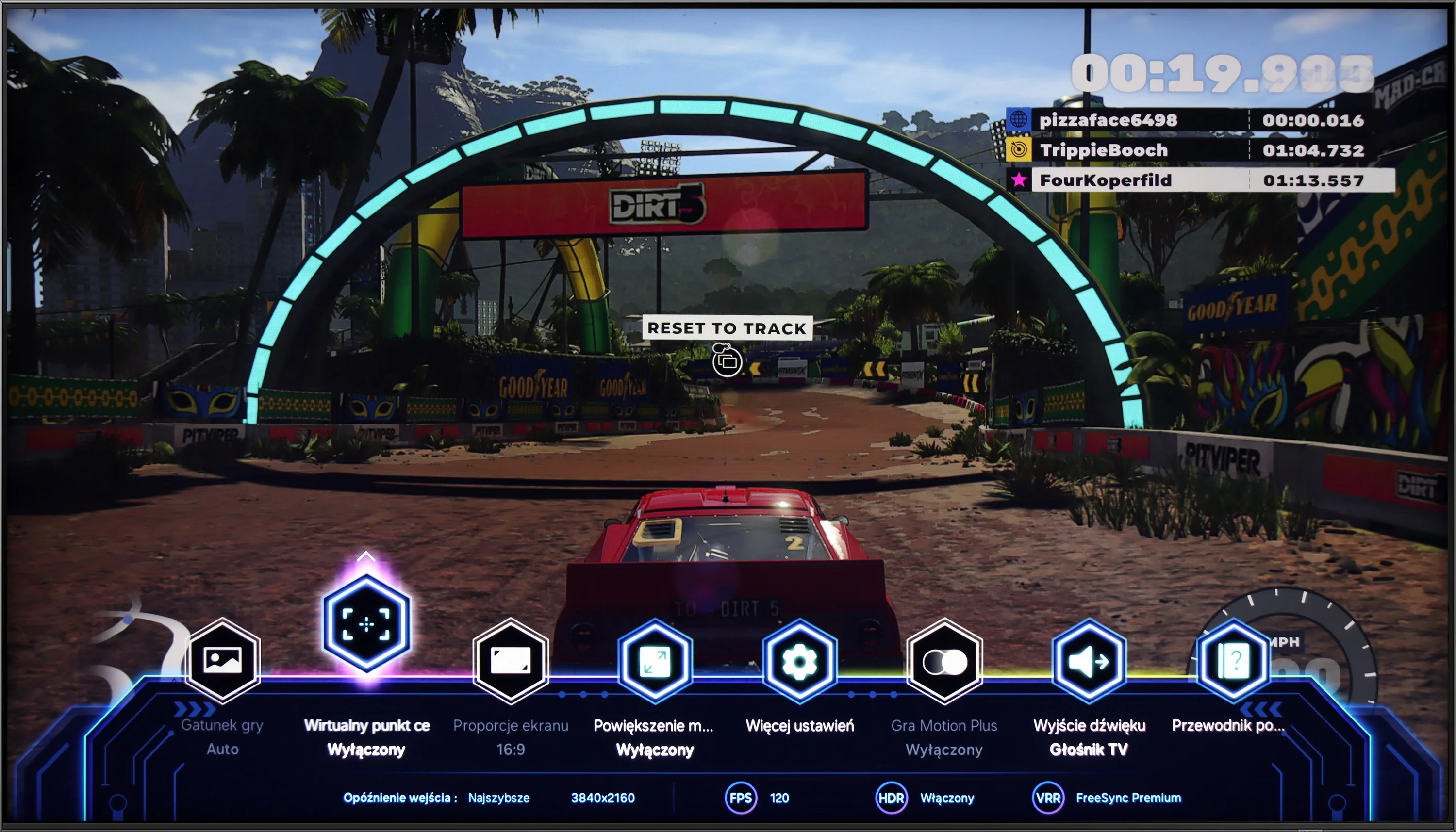
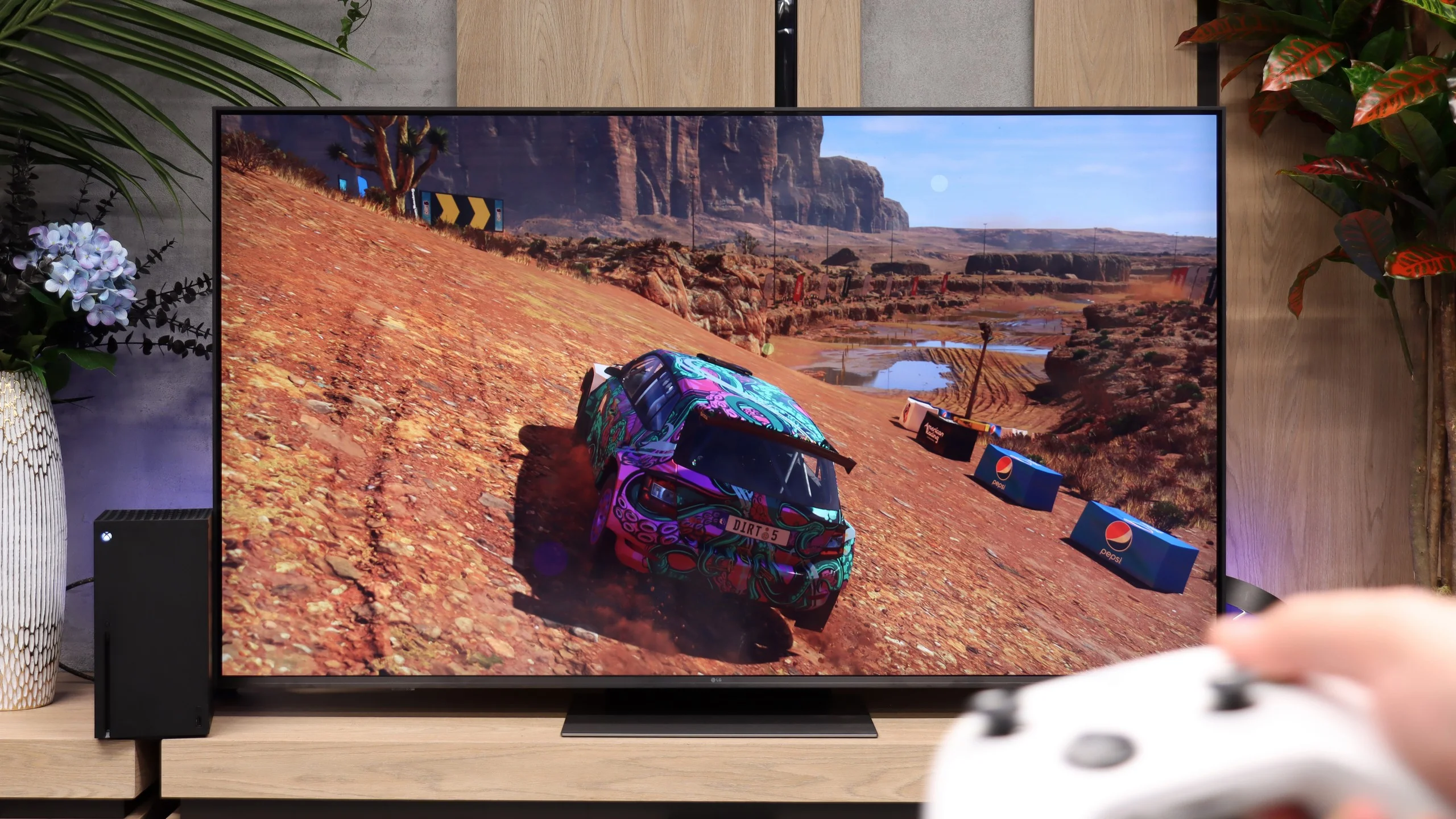
The Samsung QN92/QN90 television is an excellent choice for avid gamers, worthy of the highest recommendations. This model offers virtually all the features available on the market in terms of gaming, making gameplay even more exciting. One of its key features is the 120 Hz panel, which provides exceptional motion smoothness, vital during dynamic action games. The television also has low input lag, ensuring lightning-fast responses to player commands. Additionally, technologies such as VRR (Variable Refresh Rate) and ALLM (Auto Low Latency Mode) adjust the refresh rate and automatically switch the television to game mode, enhancing the gaming experience even further. An additional advantage is the Xbox app, which allows playing favourite titles directly on the television, eliminating the need for a console. This is a typical feature of Samsung televisions, which makes them unique in the gaming world.
Auto Motion Plus Game is a feature that truly deserves praise for Samsung. It is a motion smoother that performs excellently in games, allowing for the perception of a higher frame rate – a 30 frames per second image looks like 45, and 60 Hz becomes close to 90 Hz. Importantly, this feature does not introduce significant lag (input lag does not exceed 25 ms), so it does not negatively affect gaming comfort, unlike many other motion smoothers available on the market. As a result, players can enjoy a significantly smoother image without compromising on responsiveness.
When it comes to gaming, the LG MRGB85 performs by far the best. The manufacturer didn't skimp on features and has essentially brought the full suite of functions from pricier TVs to this model. You get three HDMI 2.1 ports with the full 48 Gbit/s bandwidth. Each supports 4K at 120 Hz from a console, and when connected to a PC also 4K at 144 Hz. So you don't need to worry which port to plug your console or PC into, because they all offer the same capabilities. Also on board are VRR, AMD FreeSync Premium, NVIDIA G-Sync Compatible, ALLM and HGiG. There's also Dolby Vision Gaming, which means in supported games you can use high refresh rates and dynamic HDR simultaneously on Xbox. The package is rounded off by Game Optimizer, a handy in-game menu for gamers. Without leaving the game you can change the picture profile, brighten shadow details or check the current frame rate. In terms of gaming features, the MRGB85 therefore offers almost the same as much more expensive LG models.
Input lag
9.9/10
9.7/10
SDR
HDR
Dolby Vision
The input lag category is crucial for gamers, and the Samsung QN90D performs exceptionally well in this aspect. Input lag values below 13 ms are impressive, which means that the delay between pressing a button on the controller and the response on the screen is minimal. Such a low value allows for smooth and responsive gaming experiences, which is sure to please both casual gamers and professionals for whom every millisecond of reaction time counts. This makes the Samsung QN92D an excellent choice for those who value precision and speed in gameplay.
Input lag in the LG MRGB85 is really low. Our measured value was around 10 ms with a 120 Hz signal and about 20 ms at 60 Hz. Importantly, we obtained similar results in Dolby Vision mode as well. They may not be the absolute best figures on the market, but in practice they are more than enough for comfortable, smooth gameplay. The delay is not noticeable and should not be a problem even in fast-paced action games or online titles.
Compatibility with PC
8.6/10
8.4/10
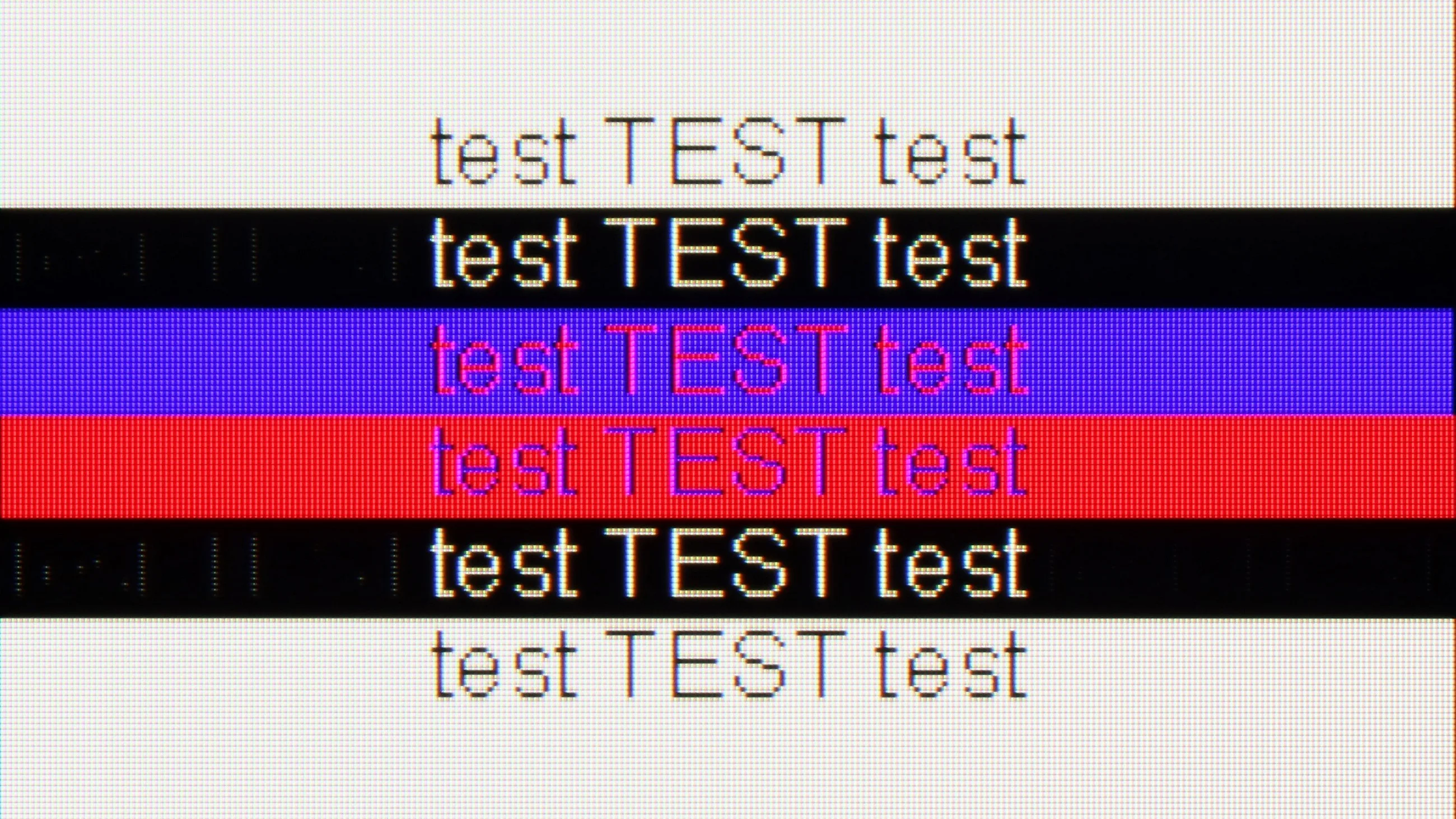
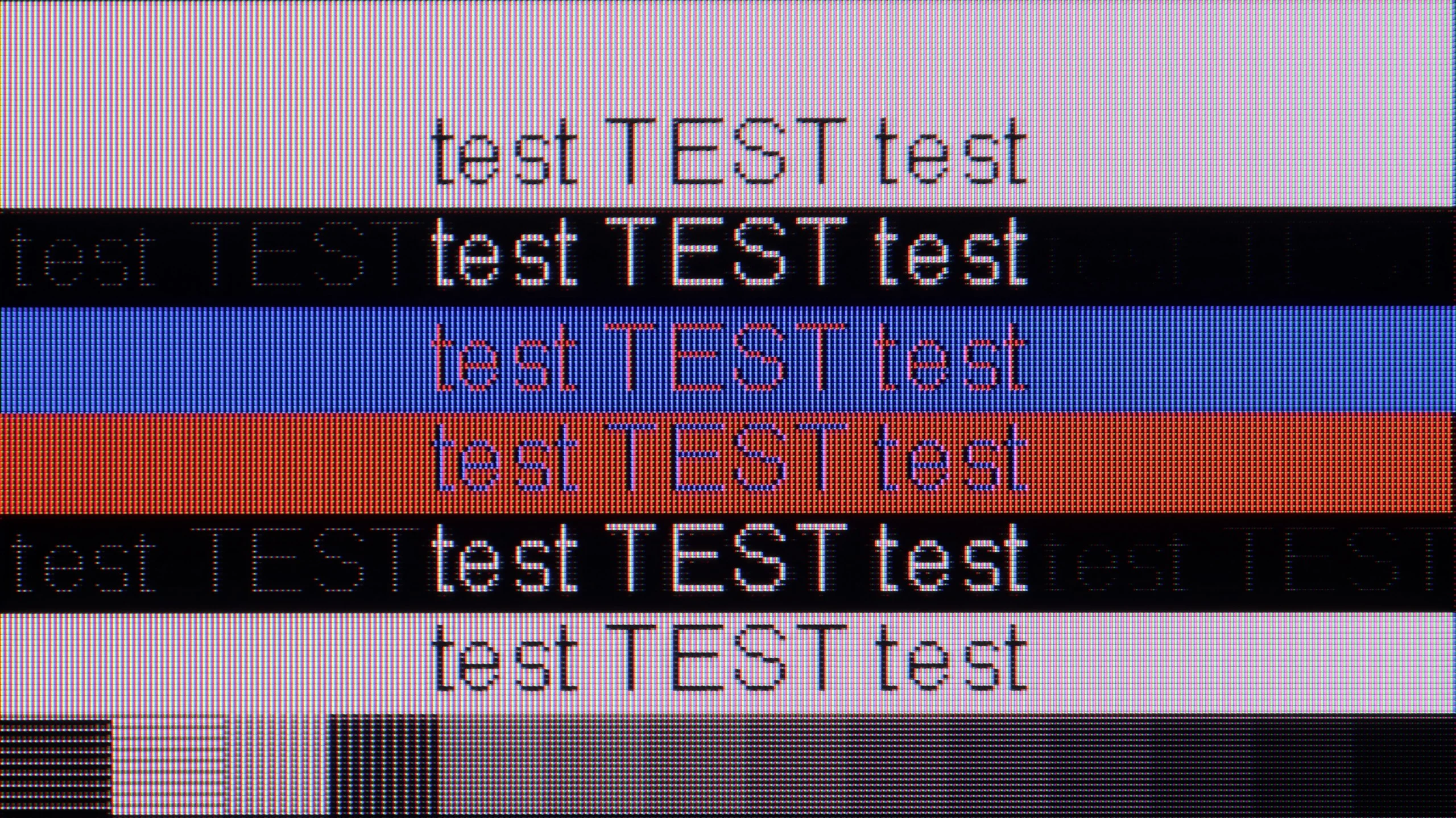
The photo shows the legibility of small fonts. Ideally, lines should be the same thickness on both light and dark text, with minimal pixel gaps.
The television stands out with high performance, supporting chroma 4:4:4 and offering exceptionally low input lag. These features allow users to enjoy fluidity and responsiveness, making it an excellent choice for office work and everyday applications. However, one noticeable drawback is the poor visibility of horizontal lines on dark backgrounds. On the test pattern, the letters on the right appear more like vertical lines, which can be frustrating for some users. Nevertheless, the television generally works well with computers, providing comfort in performing daily tasks. It is also worth mentioning in this paragraph the "Remote PC" feature; thanks to Microsoft's collaboration with the Korean giant, we can pair Windows PCs seamlessly and use Office 360 applications.
MRGB85 works very well with PCs. Support for 4K at 144 Hz and compatibility with G-Sync Compatible and FreeSync Premium mean it's not just a gaming screen but also a perfectly capable monitor for work. In terms of text readability, it's simply good. The TV properly supports 4:4:4 chroma, so small fonts and system elements remain sharp. Only when viewed from very close can you spot minor artefacts on the edges of letters, but at a normal distance from a 55" screen or larger it makes no difference at all.
Viewing angles
7.1/10
3.4/10
In the case of TVs with VA panels, one can usually expect limited viewing angles; however, Samsung QN90D surprises in this category. Thanks to the applied coating that widens the viewing angles, the television offers truly good performance, which is rarely seen in devices with this type of panel. Although VA panels are not usually the best in this regard, in this model the picture remains clear and vibrant even when viewed from the side, making it an excellent choice for larger rooms and group viewing.
Viewing angles on the LG MRGB85 are mediocre. Because it uses a VA panel the image loses colour saturation quite quickly, even when viewed from a slight angle. This is a typical trait of this type of panel — in return for high contrast you get poorer viewing angles. IPS panels work the opposite way: they offer lower contrast but retain colours better when the screen is viewed from the side. In theory the MRGB85 belongs to the family of RGB TVs, which can have better viewing angles than models that use additional QLED filters. Here, however, that does not provide much advantage. The modest number of zones located at the edge of the screen and the way they operate mean that, when viewed from an angle, the image quickly loses quality much like on ordinary LCD panels.
Daytime performance
6.4/10
6.1/10
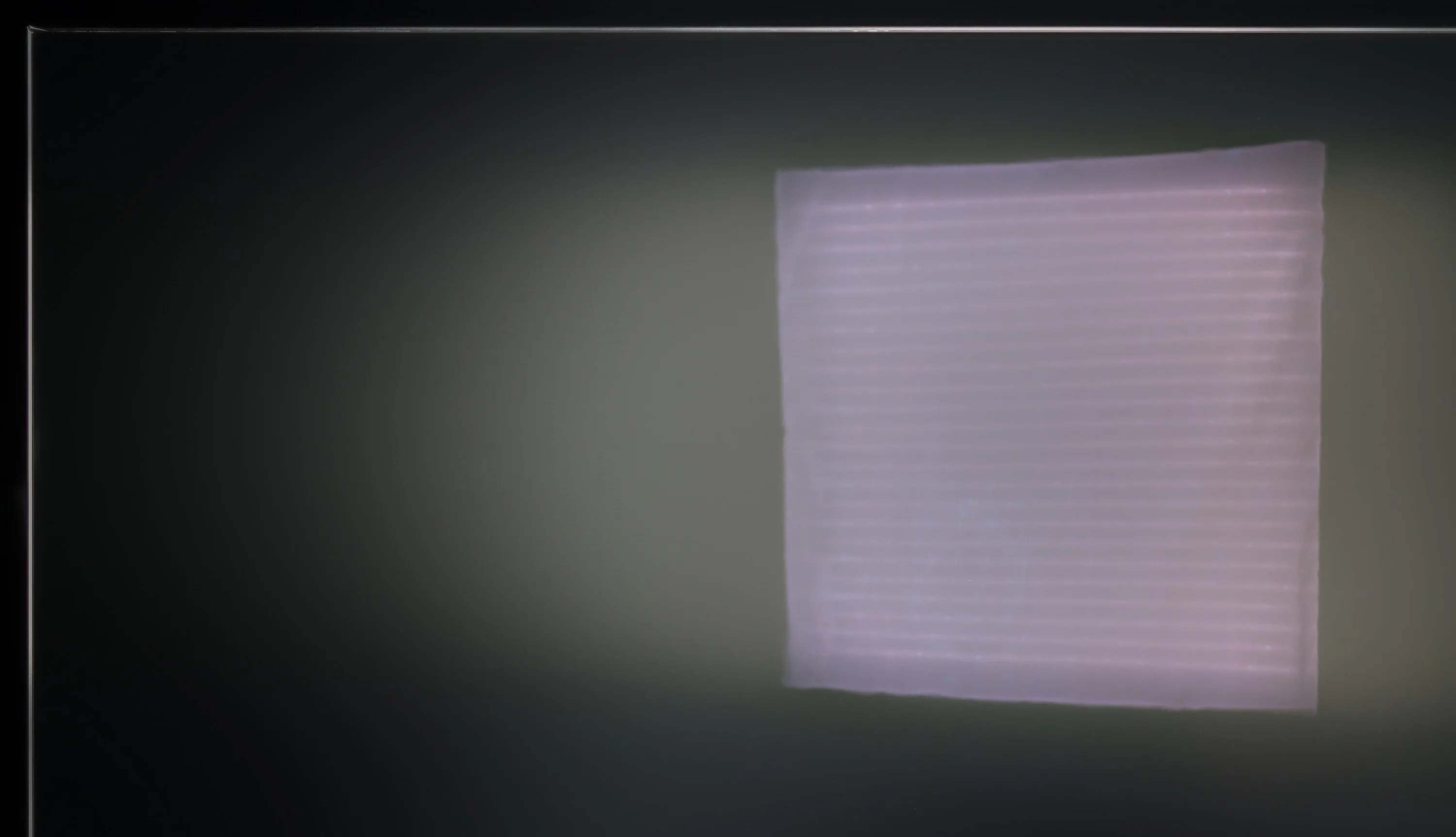
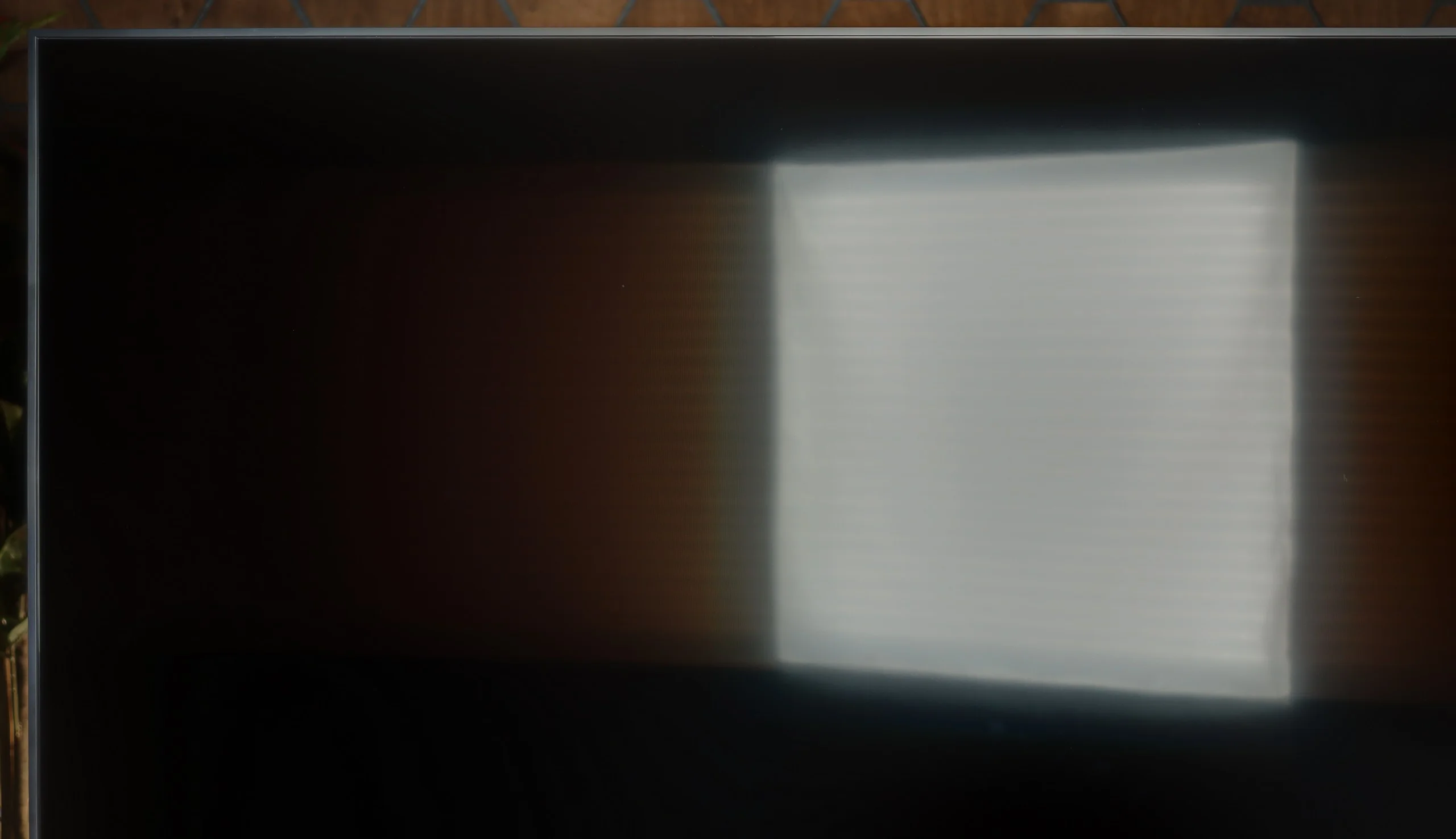
Panel brightness
LG MRGB85B: 515 cd/m2
Samsung Neo QLED QN90D / QN92D: 629 cd/m2
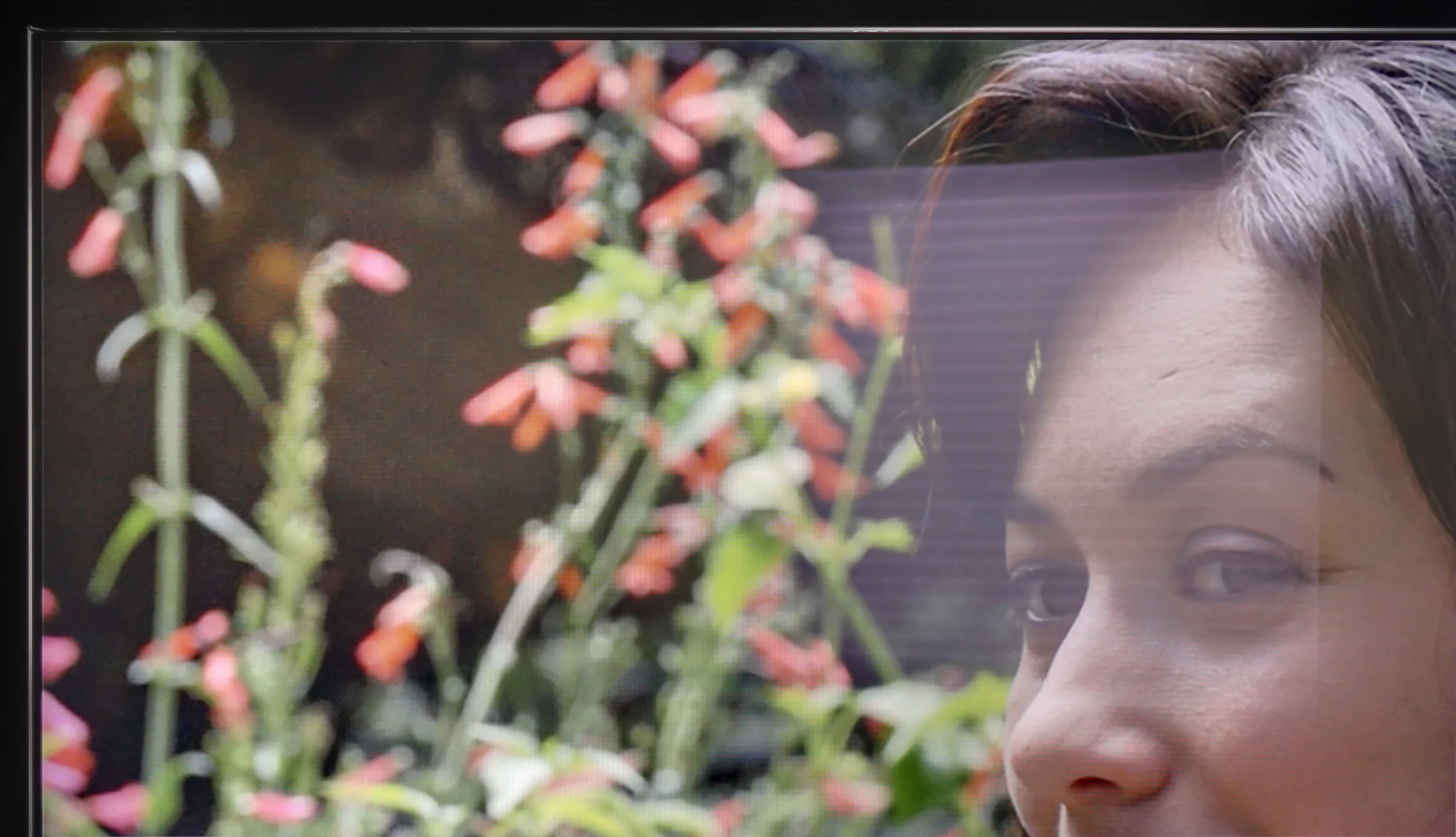
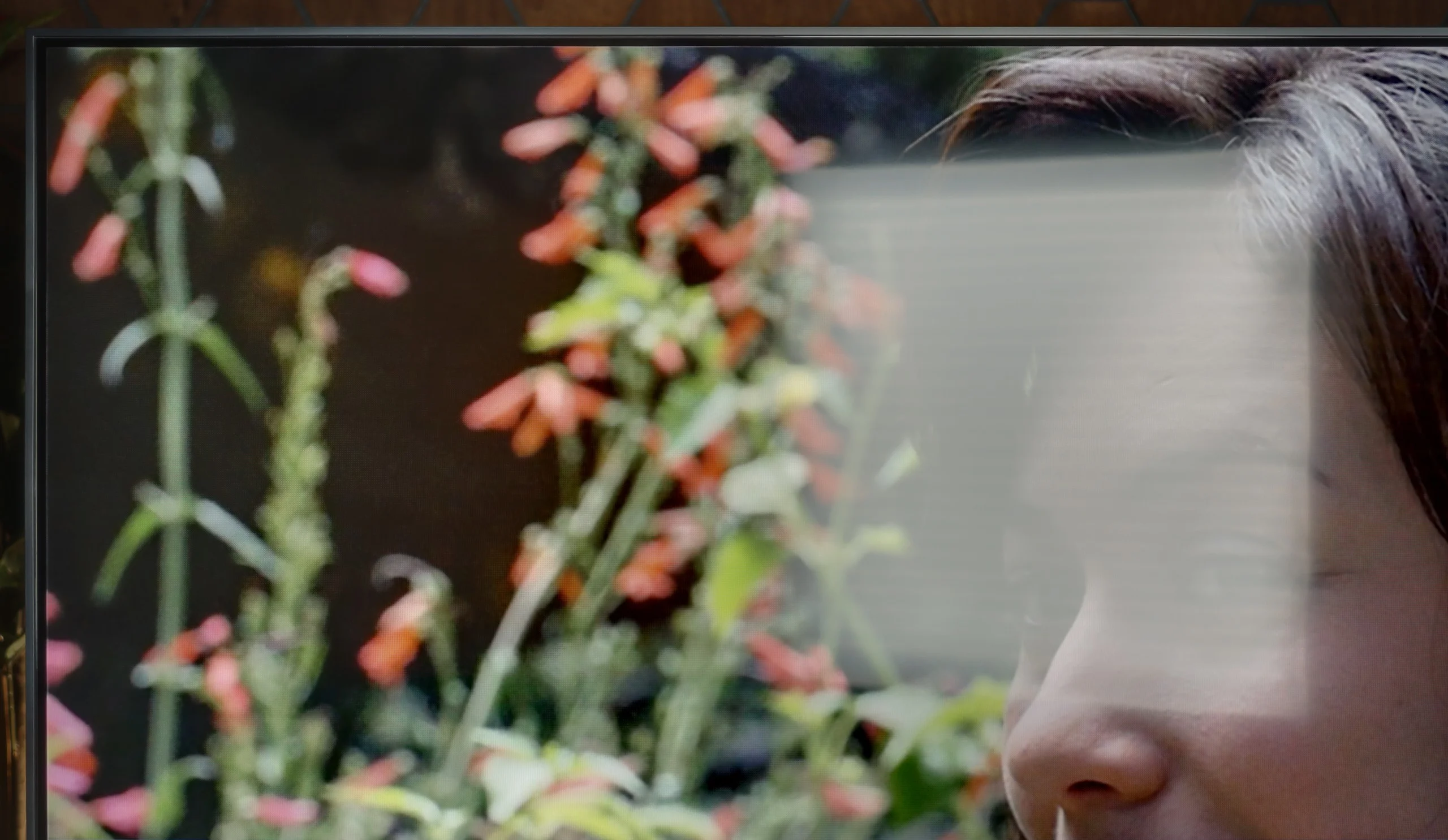
The television performs excellently in bright rooms due to its high brightness, especially when watching standard television. A constant brightness level of 600 nits ensures excellent visibility even in intense daylight. Unfortunately, despite the use of a satin finish, handling reflections is average, which may affect viewing comfort. An additional downside is the matrix that improves viewing angles, which causes reflections of sunlight to spread vertically, potentially further reducing viewing comfort in a bright environment.
LG MRGB85 copes quite well in a bright room. Its average brightness reaches around 500 nits, noticeably above average. That means in a moderately sunlit living room the picture remains clear and doesn’t look dim. The screen coating is less effective and only average at reducing reflections. Direct reflections from windows or lamps can be clearly visible, so it’s best not to place the TV directly opposite large windows or strong light sources.
Panel details
Subpixel Structure:
Panel uniformity and thermal imaging:
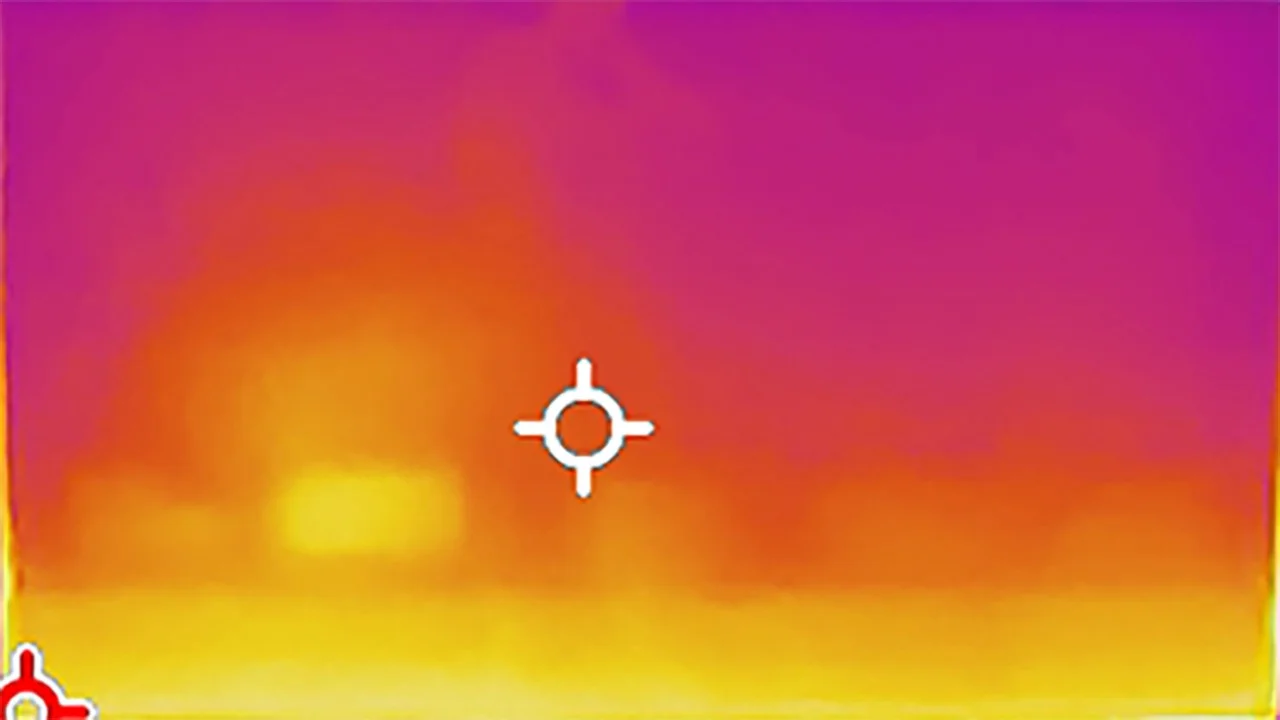
Samsung Neo QLED QN90D / QN92D
LG MRGB85B
TV features
7.4/10
7.7/10
- SystemTizenWebOS
- System performanceVery goodVery good
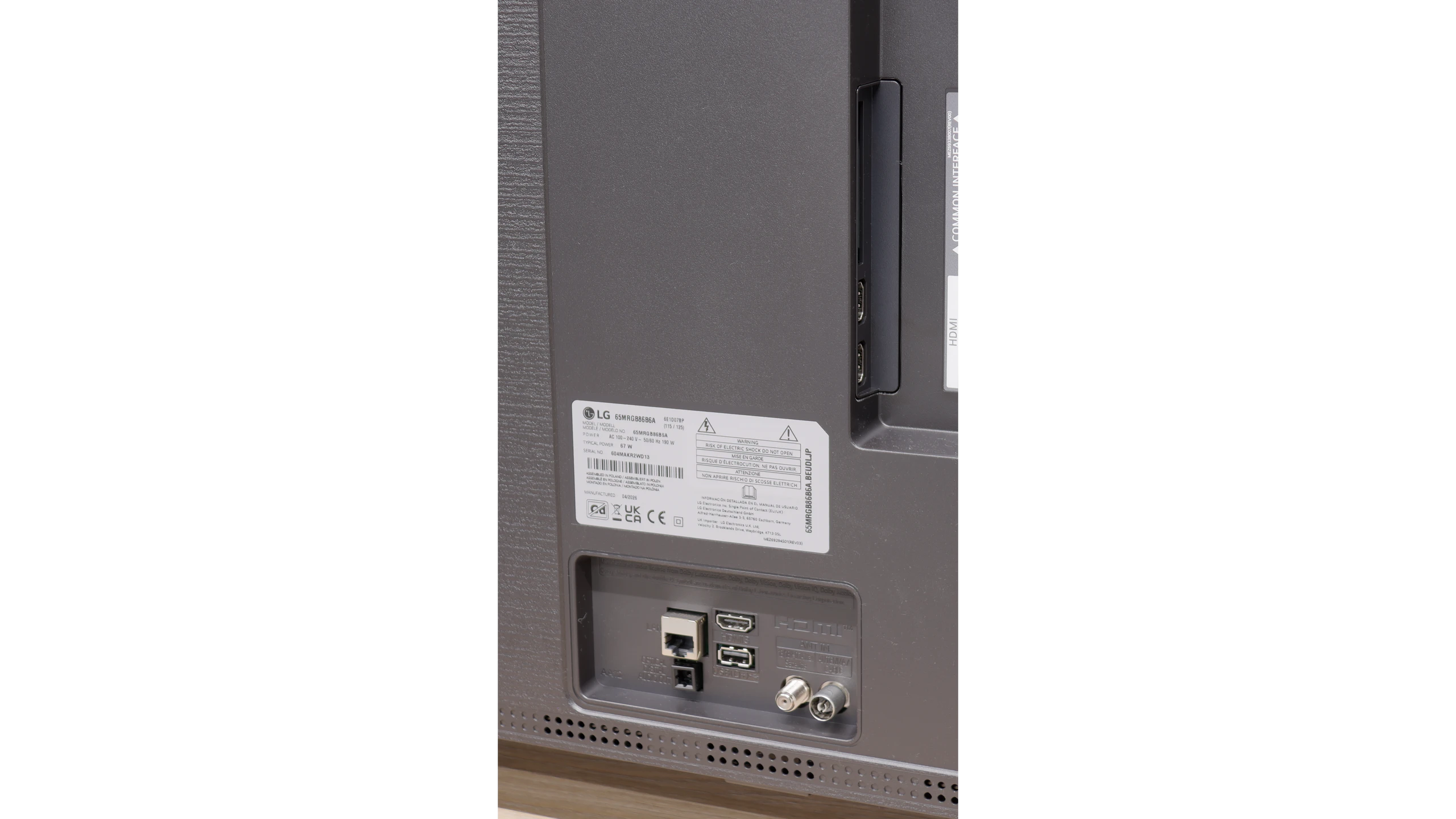
- HDMI inputs0 x HDMI 2.0, 4 x HDMI 2.1 48Gbps0 x HDMI 2.0, 3 x HDMI 2.1 48Gbps
- OutputsToslink (Optical audio), eARC (HDMI), ARC (HDMI)Toslink (Optical audio), eARC (HDMI), ARC (HDMI)
- Network InterfacesWi-Fi 2.4GHz, Wi-Fi 5GHz, Ethernet (LAN) 100MbpsWi-Fi 2.4GHz, Wi-Fi 5GHz, Ethernet (LAN) 100Mbps
- TV receptionDVB-T, DVB-T2, DVB-S, DVB-S2, DVB-CDVB-T, DVB-T2, DVB-S, DVB-S2, DVB-C
Classic features:
- Recording to USB (terrestrial TV)
- Recording programming
- Picture in Picture (PiP)
- RF remote control (no need to aim)
- Backlit remote control
- Teletext
- Audio only mode
- Bluetooth headphones support
- Simultaneous Bluetooth headphones & TV audio
Smart features:
- AirPlay
- Screen mirroring (Windows Miracast)
- Voice search
- Voice search in native language
- Ability to connect a keyboard and mouse
Sound connection options
- HDMI audioeARC (HDMI), ARC (HDMI)eARC (HDMI), ARC (HDMI)
- Other audio outputsToslink (Optical audio)Toslink (Optical audio)
- Wireless audioBluetoothBluetooth
Supported audio formats (external HDMI eARC audio):
- Dolby Digital Plus 7.1
- Dolby True HD 7.1
- Dolby Atmos in Dolby Digital Plus (JOC)
- Dolby Atmos in Dolby True HD
- DTS:X in DTS-HD MA
- DTS-HD Master Audio
Senior accessibility
- Numeric keyboard on TV
- Font size adjustment
- Audio description
The Samsung QN92D television stands out with its modern Tizen operating system, which offers users an intuitive and visually pleasing environment. Tizen ensures smooth and quick browsing of applications, significantly enhancing the comfort of using the television. With its extensive ecosystem, users can easily connect the QN92D to other devices. The television supports numerous features that facilitate everyday use, such as controlling set-top boxes with the remote, eliminating the need for multiple remotes. Thanks to the AirPlay feature, Apple device users can seamlessly stream media from their iPhone. Additionally, there is a remote PC function that allows users to utilise their computer on a large screen, as well as the Office 365 application, making the QN92D an ideal solution for both work and entertainment.
Furthermore, like many Samsung televisions, the QN92D offers an Ambient Mode feature that allows users to customise the appearance of the television to blend with the surroundings. Users can display a variety of images or information, making the television an elegant part of interior decor even when not in use. Speaking of decor, it is certainly worth mentioning the device's appearance. It is truly very slim, around 2cm at its thickest point, which is impressive. The metal frame undoubtedly gives the impression of a premium device, and the stand included in the package is sturdy.
However, for those using traditional television, the QN92D may prove to be somewhat disappointing, as the Polish market lacks the feature for recording television programmes. Nevertheless, the television offers a PiP (Picture-in-Picture) function that allows simultaneous viewing of two programmes at the same time. The Samsung QN92D is a richly functional television that meets the needs of both gaming enthusiasts and multimedia users, while also aesthetically fitting into modern interiors.
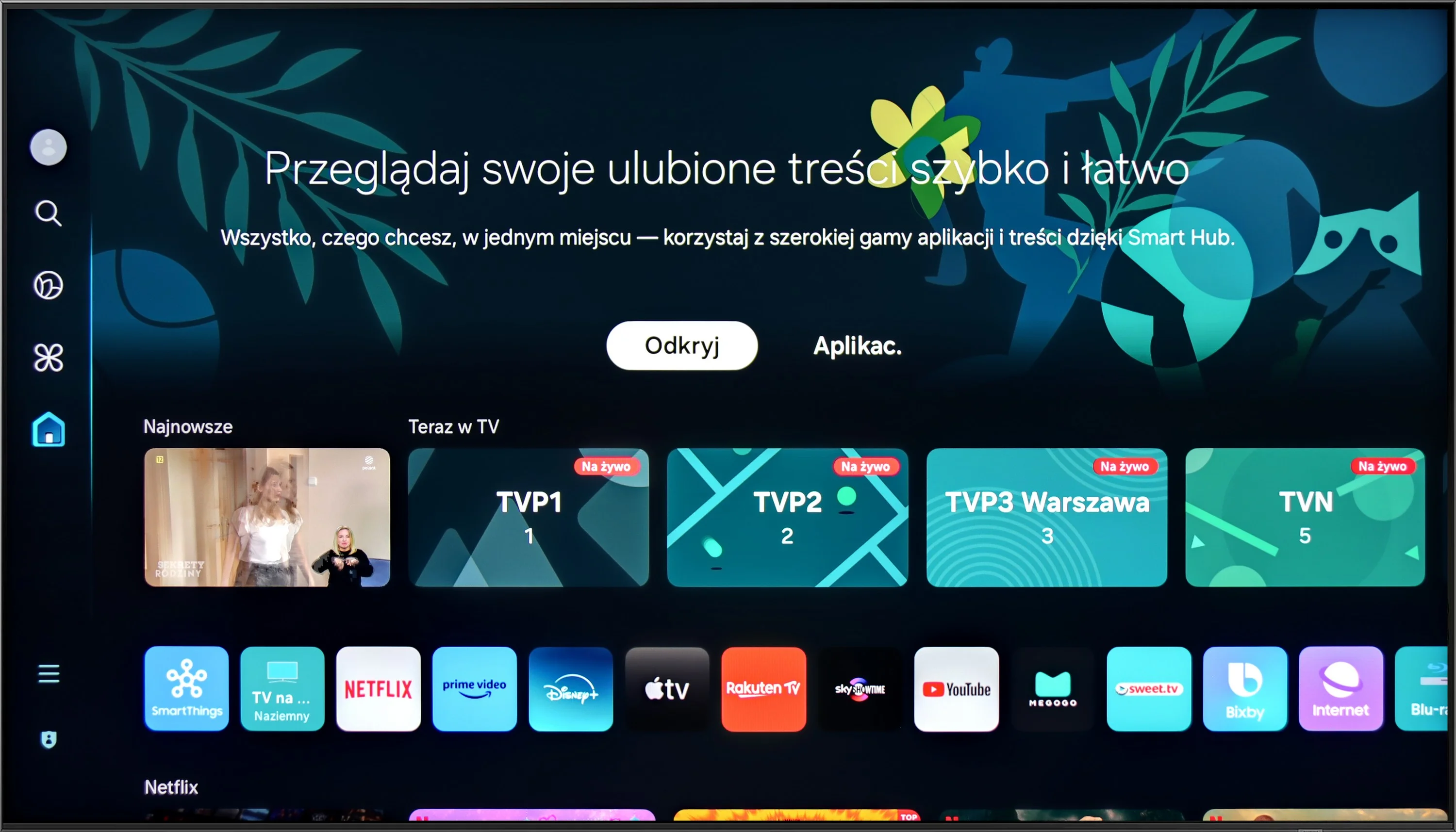
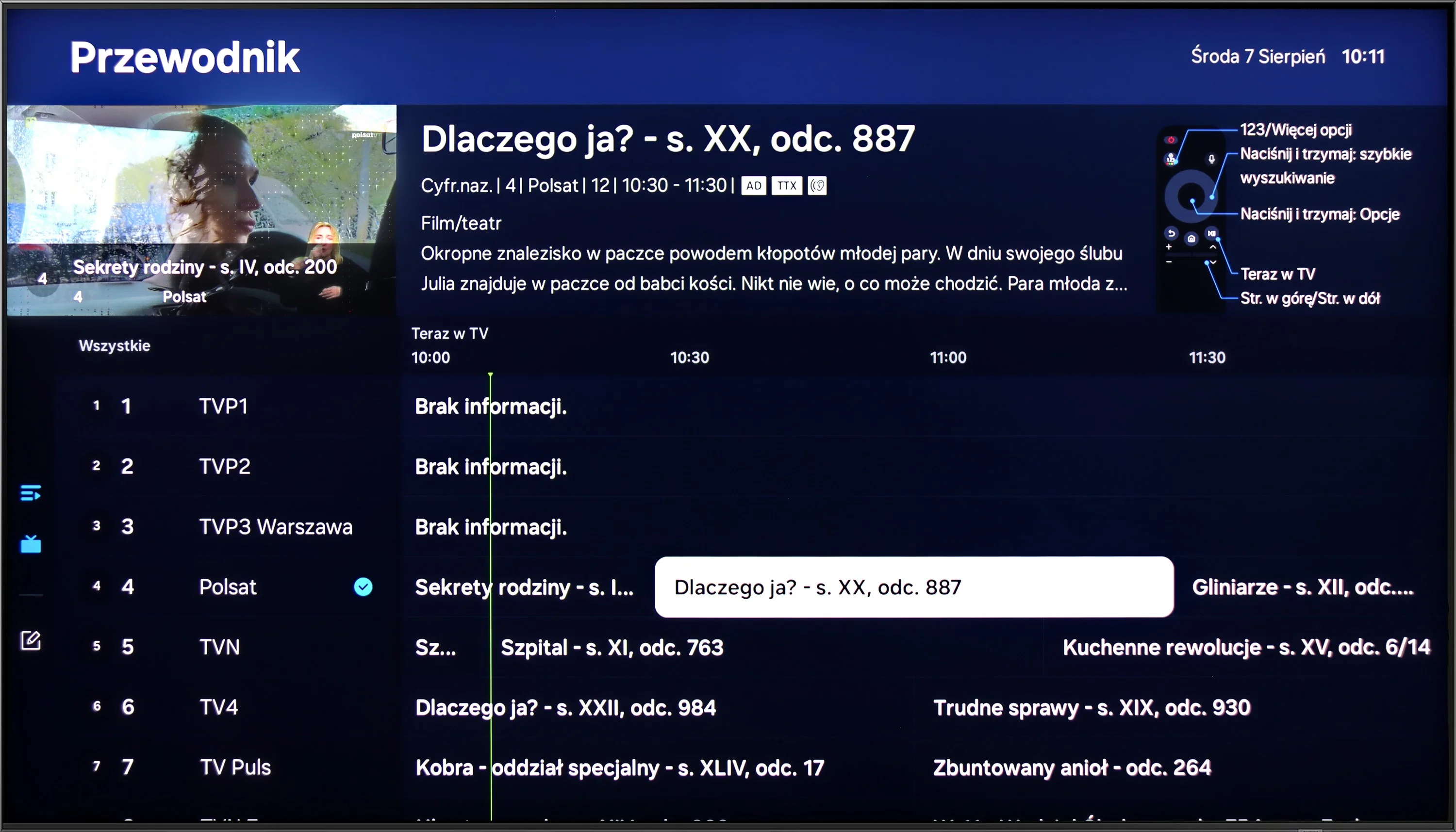
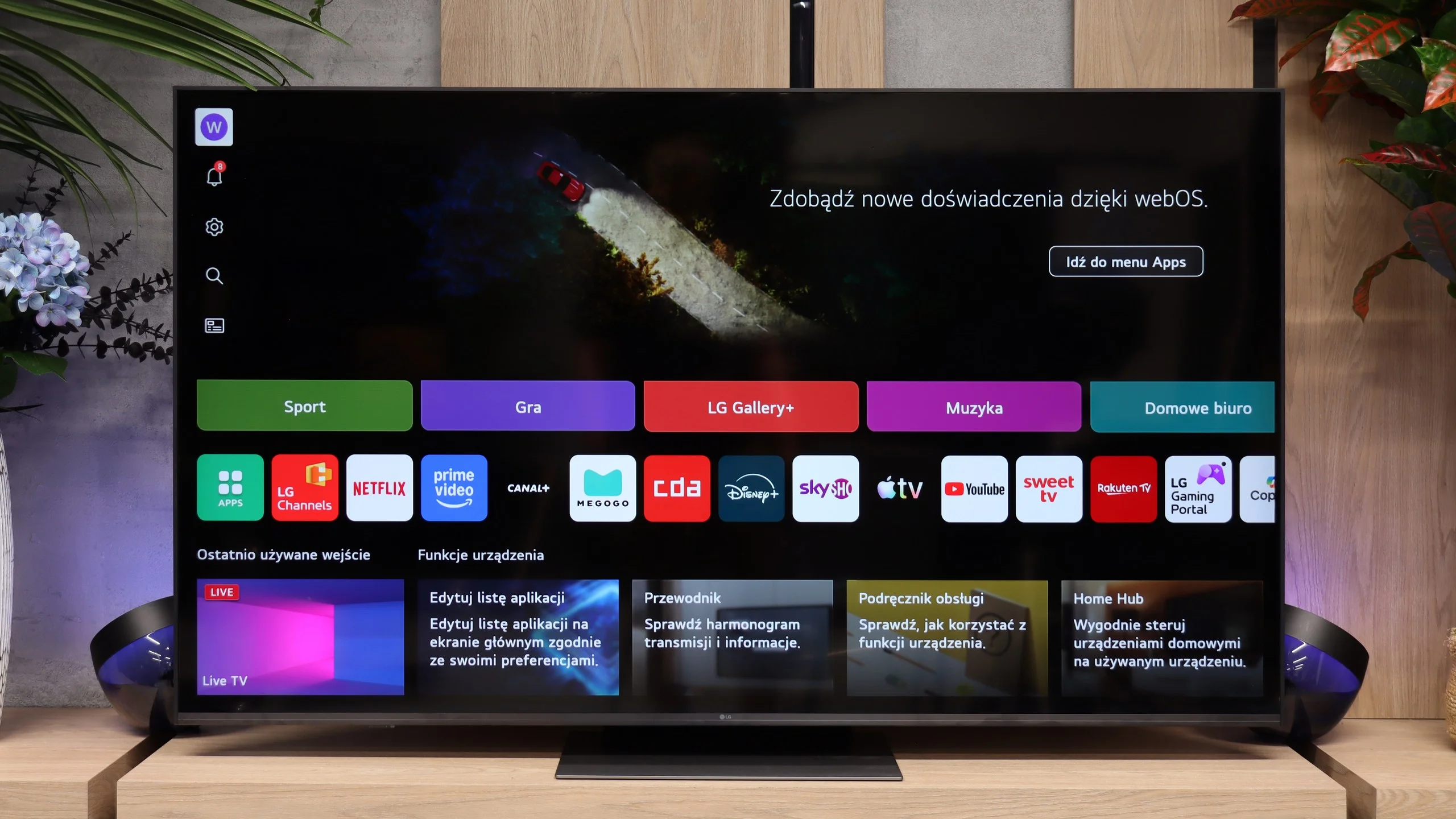
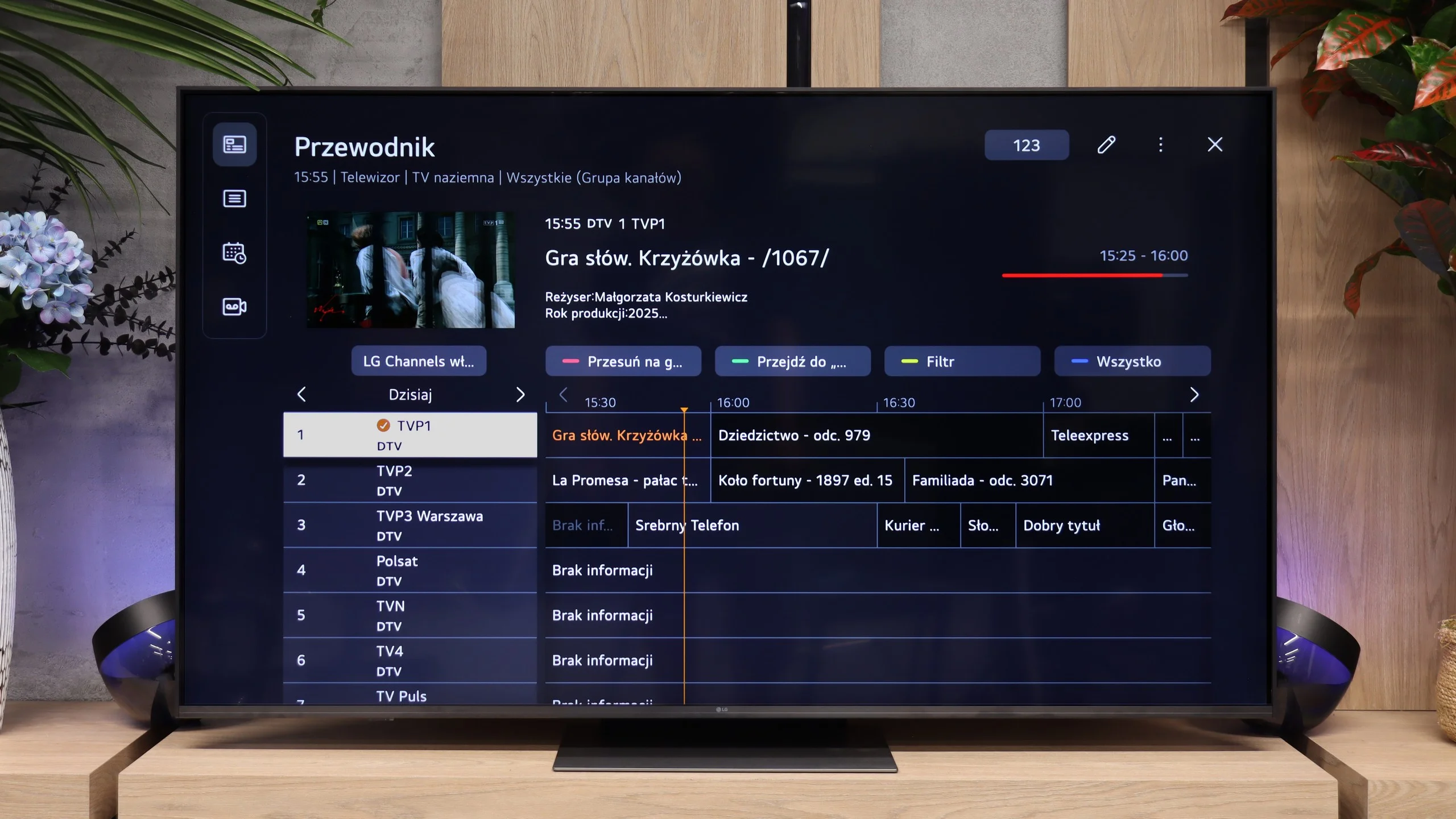
The LG MRGB85 runs webOS, which is fast, clear and provides access to all the major streaming apps. The menu is smooth and navigating it is straightforward. The TV also performs well with conventional broadcast TV. You’ll find features such as Time Shift, HbbTV and a convenient programme guide. The MRGB85 is therefore suitable both for using Netflix or YouTube and for everyday TV viewing.
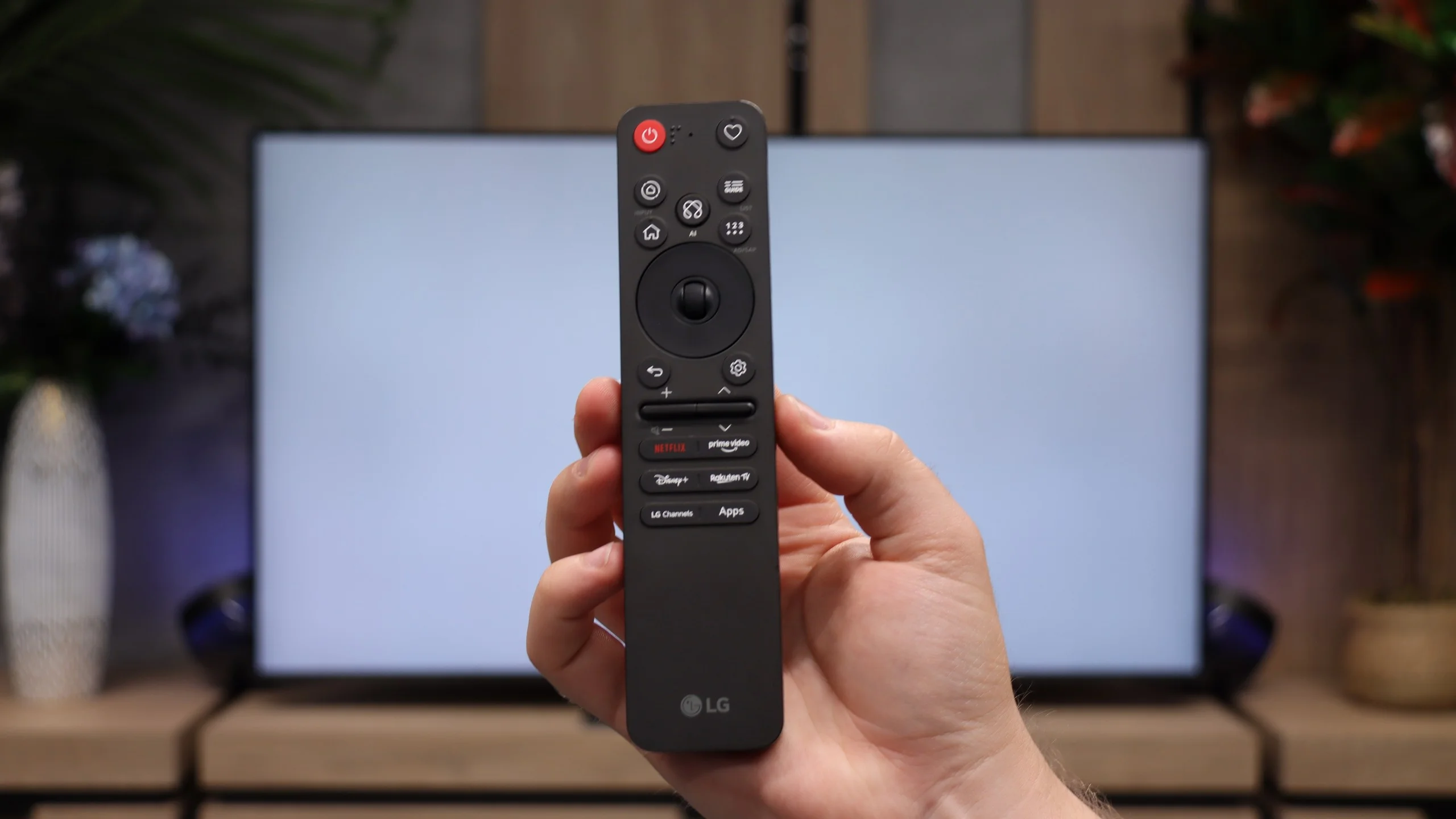
Control is handled by a newer version of the Magic Remote. Compared with older models it has been noticeably slimmed down and no longer has a conventional numeric keypad, but it fits better in the hand and is more comfortable for daily use. It still retains the distinctive gyroscope, which lets you control the on-screen cursor by moving your hand. Combined with webOS, this works very well.
Apps
9.3/10
9.1/10






















Playing files from USB
9.1/10
9/10
Supported photo formats:
Maximum photo resolution:
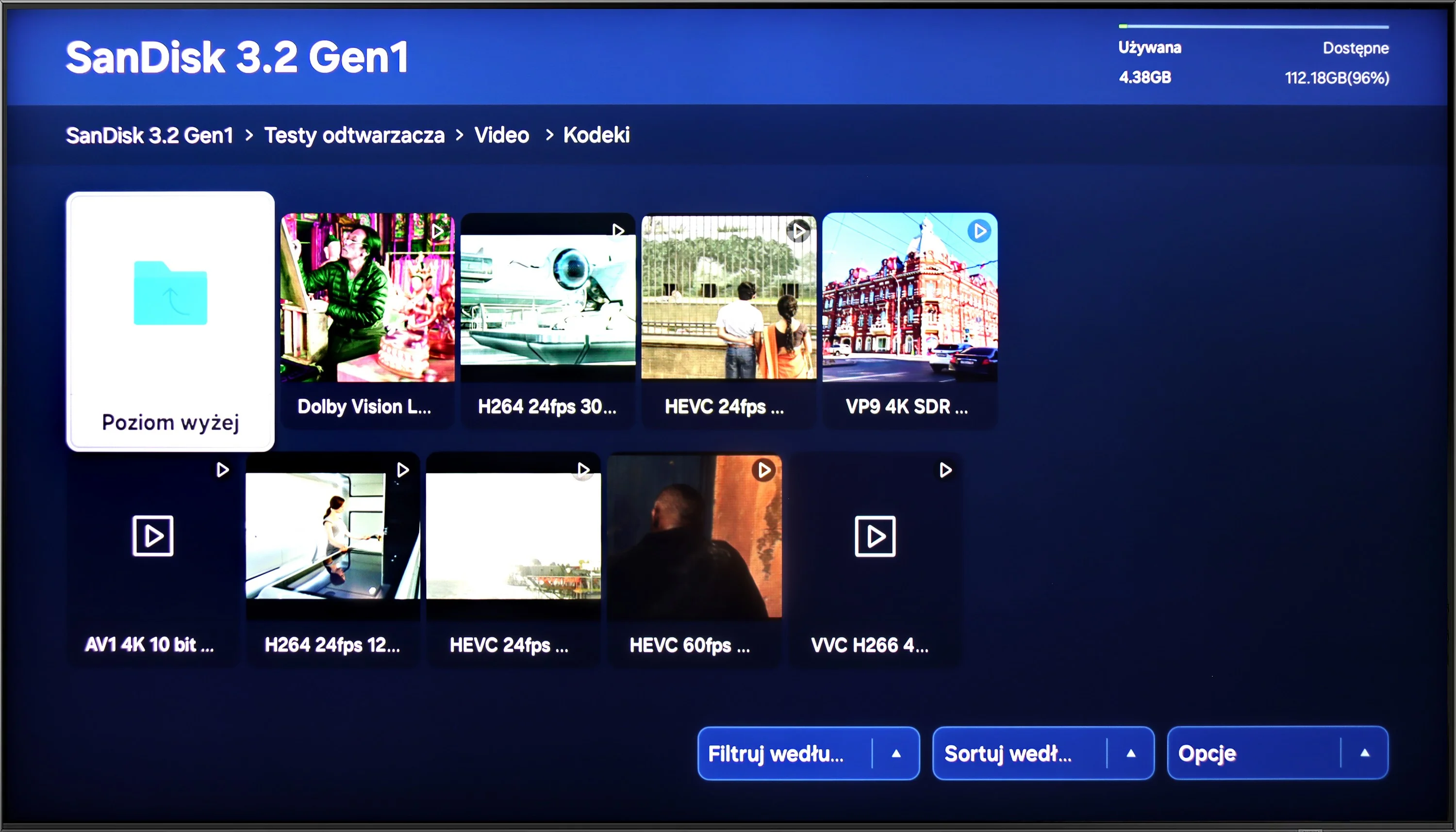
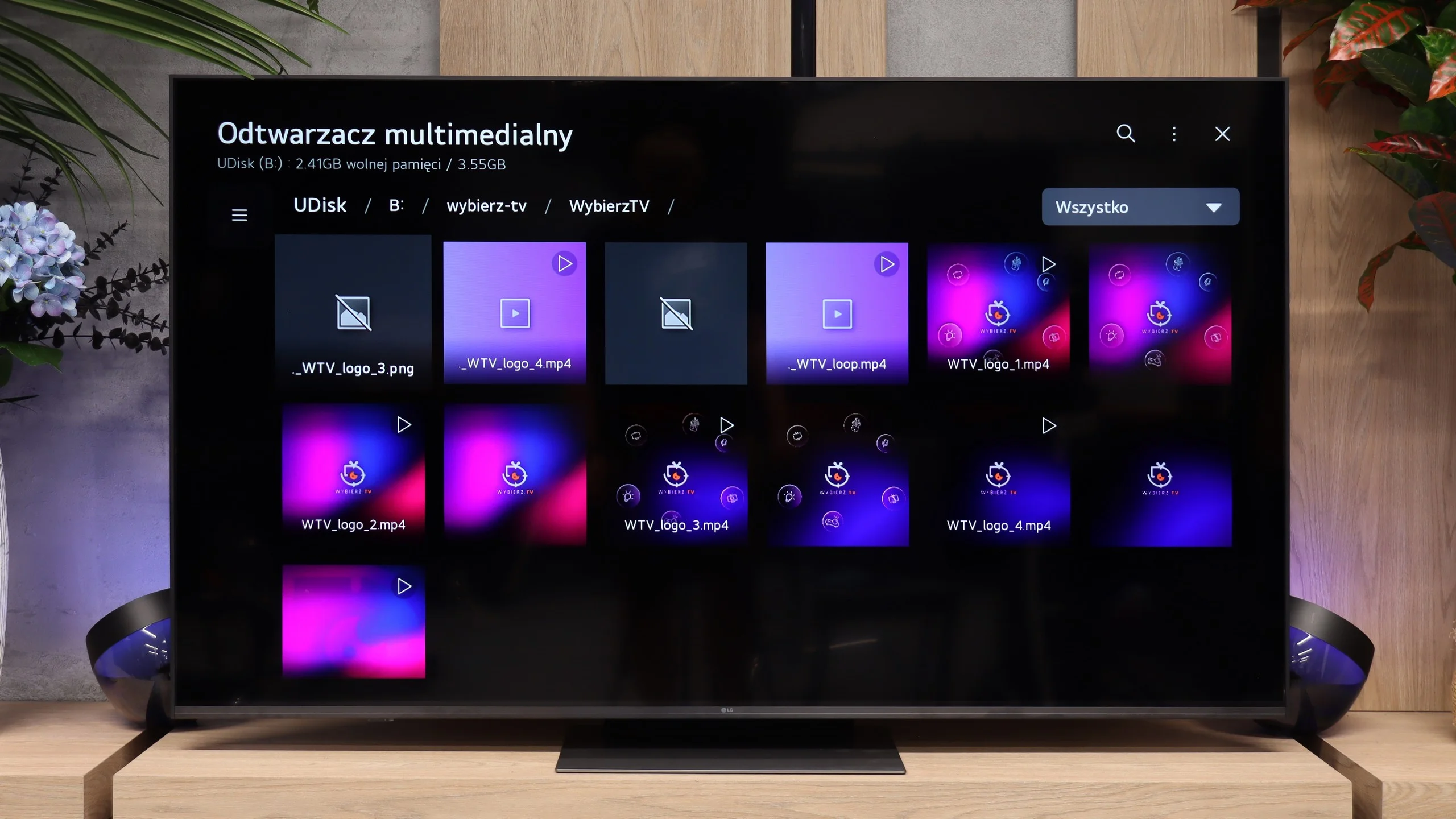
The built-in player in QN90D should satisfy a large portion of users. It will easily play most popular video and audio formats. However, more demanding users may notice some shortcomings – it is not possible to play photos in HEIC format, popular on Apple devices, as well as a few other, less widespread photo formats.
The built-in media player handles most common video, music and photo formats, so for everyday use you shouldn't be missing anything. The only unusual issue occurred with HEIC files. The TV correctly displayed their thumbnails, but when opened it couldn't show the image at full resolution. Aside from that, the player worked without any major issues.
Sound
6.9/10
6.4/10
- Maximum volume-86dB
- Dolby Digital Plus 7.1
- Dolby True HD 7.1
- Dolby Atmos in Dolby Digital Plus (JOC)
- Dolby Atmos in Dolby True HD
- DTS:X in DTS-HD MA
- DTS-HD Master Audio
The television is equipped similarly to the QN95 with a 4.2.2 speaker system with a total power of 70W (the exception here is the 50' variant with a 2.2 layout and the 43' with a 2.0 layout). Despite its very slim casing, the television delivers loud and clear sound, and the overall balance is good. We deducted points as standard, just like with any other Samsung model, for the lack of DTS format support. It is also worth mentioning the proprietary Q-Symphony feature, which allows synchronising the television sound with Samsung's soundbar.
The sound in the LG MRGB85 is simply adequate and there’s not much more to say about it. The 2.0 system used here, with a total power of 20 W, performs like most TVs on the market. It lacks pronounced bass and a wider soundstage, although it must be admitted it can get fairly loud. For everyday TV viewing this setup will do. However, those who want fuller, more impressive sound should consider purchasing a soundbar or a home cinema system.
Sound Quality Test
No sound test video
Acoustic Measurements
No acoustic data
86dBC (Max)
75dBC
Reader comments
Comments are provided by the external service Disqus (Zeta Global). Once loaded, Disqus may set cookies and process data about your activity.
We will remember your choice on this device. Provider's privacy policy